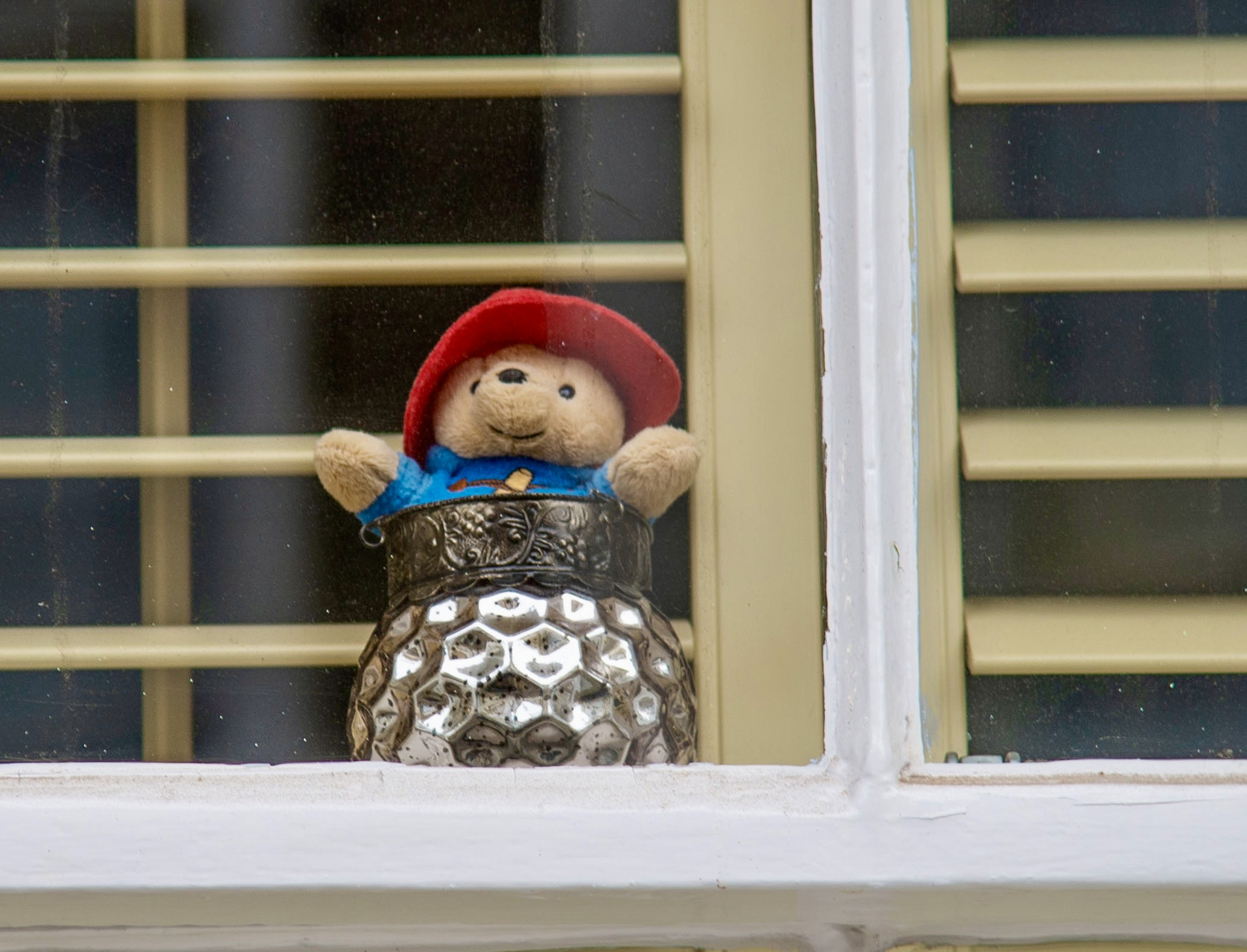
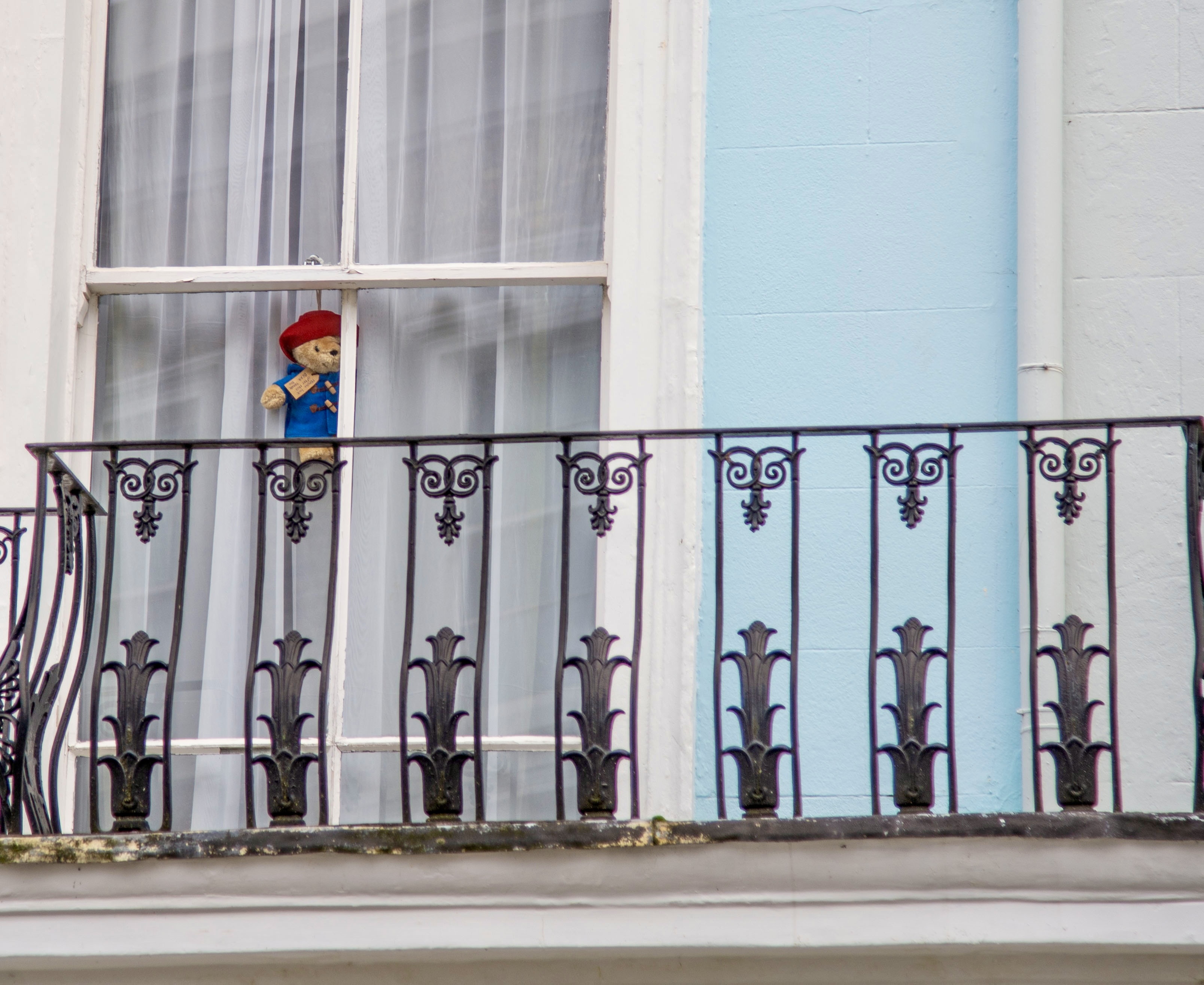
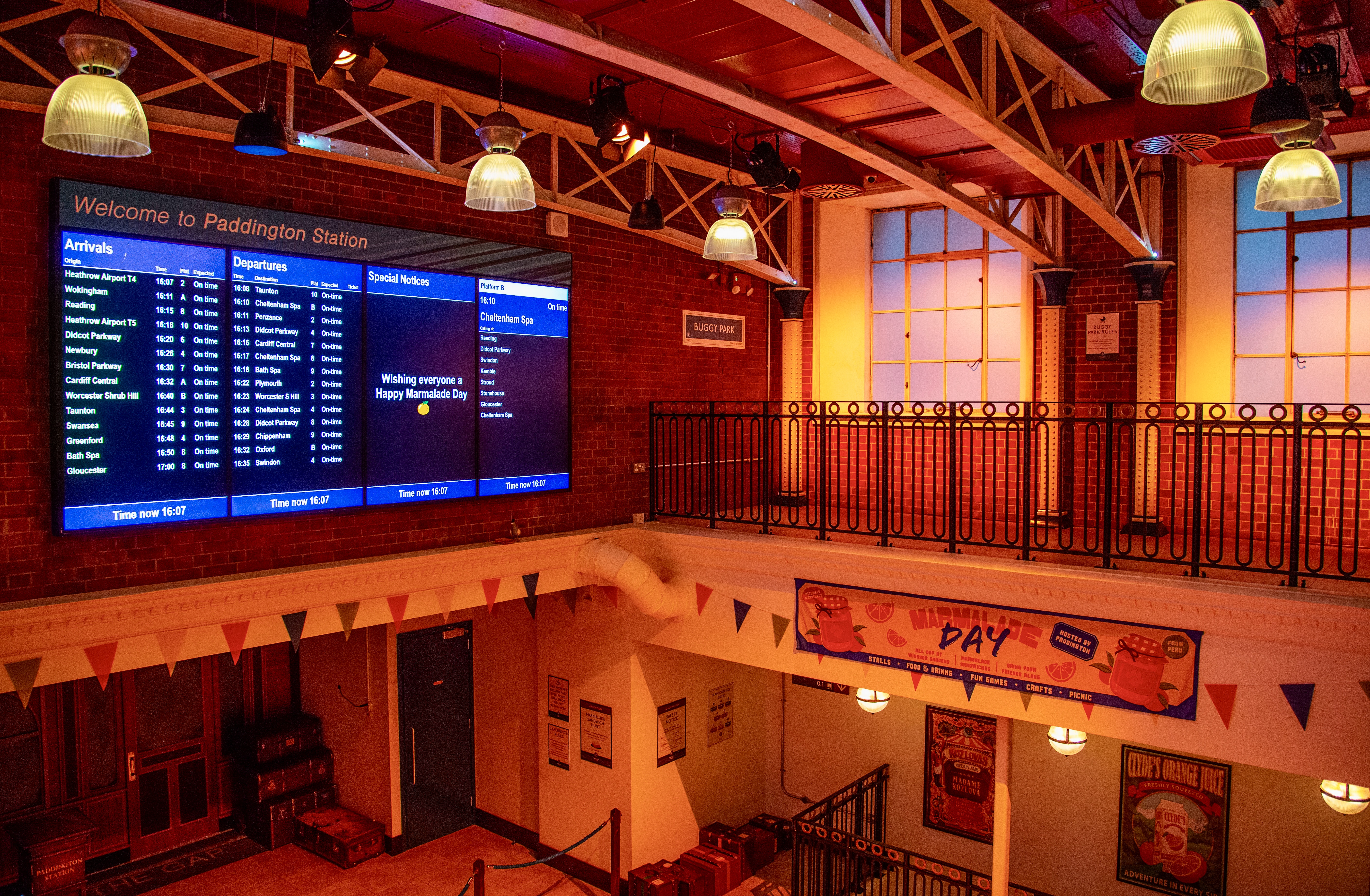
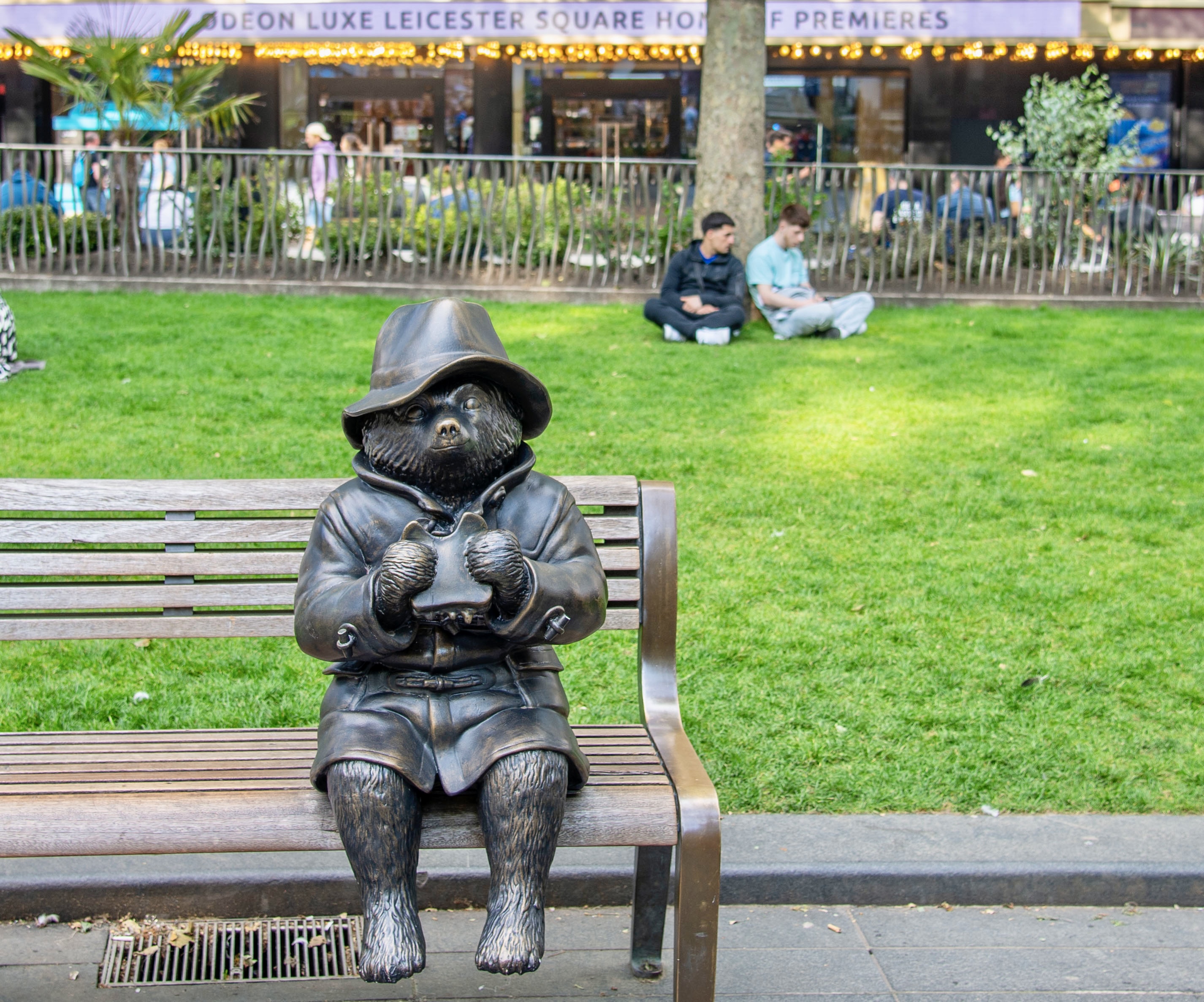
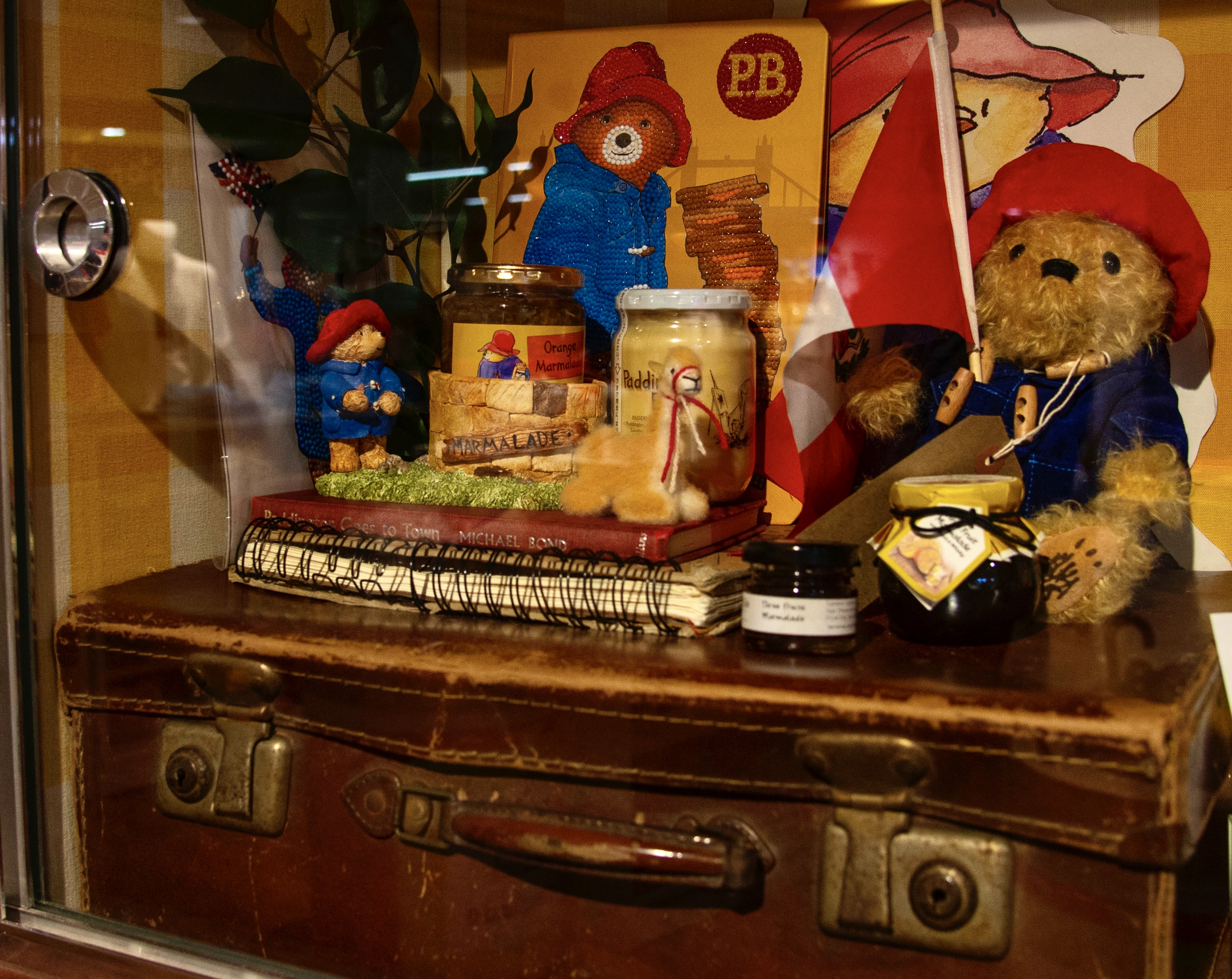
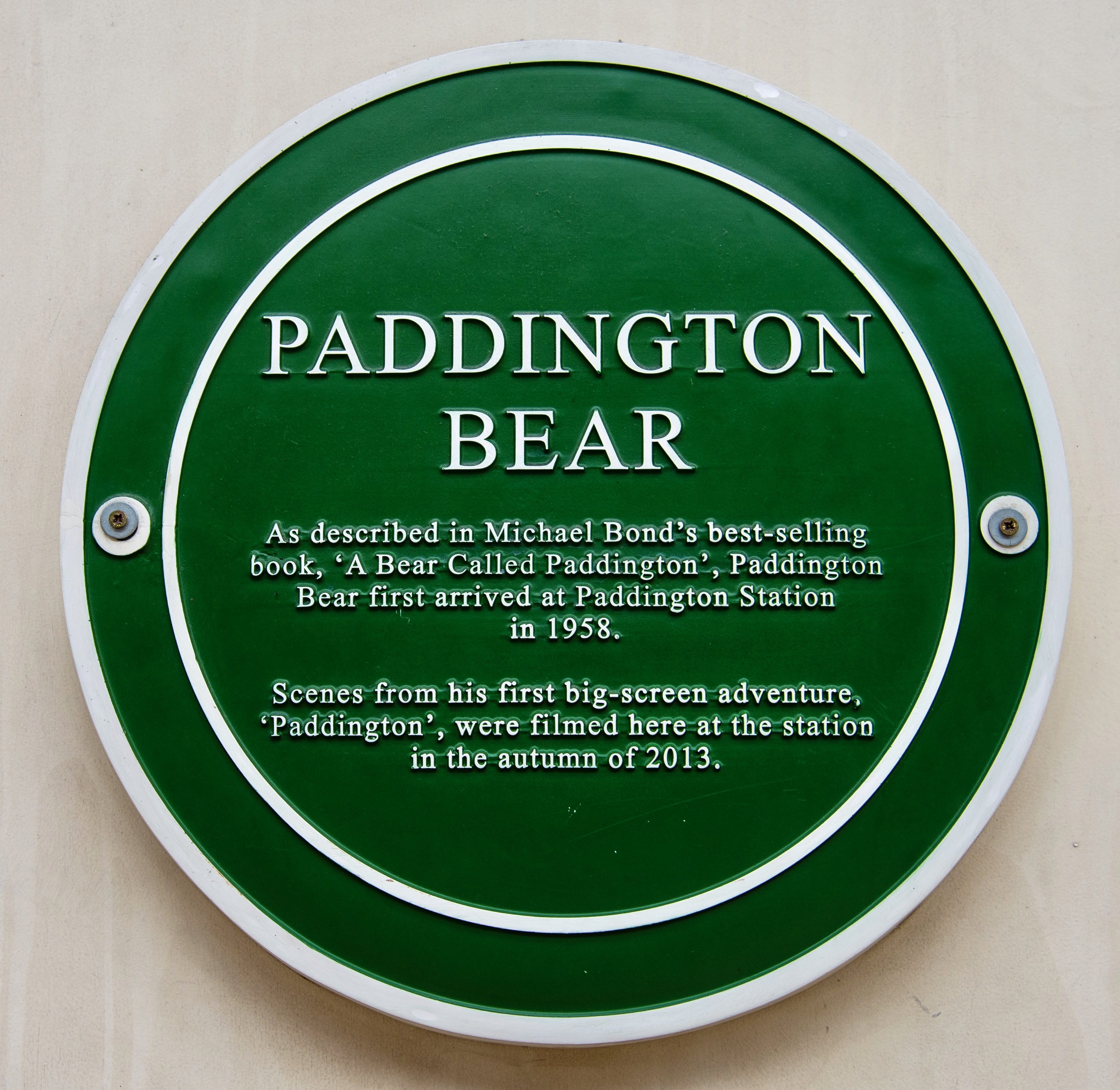
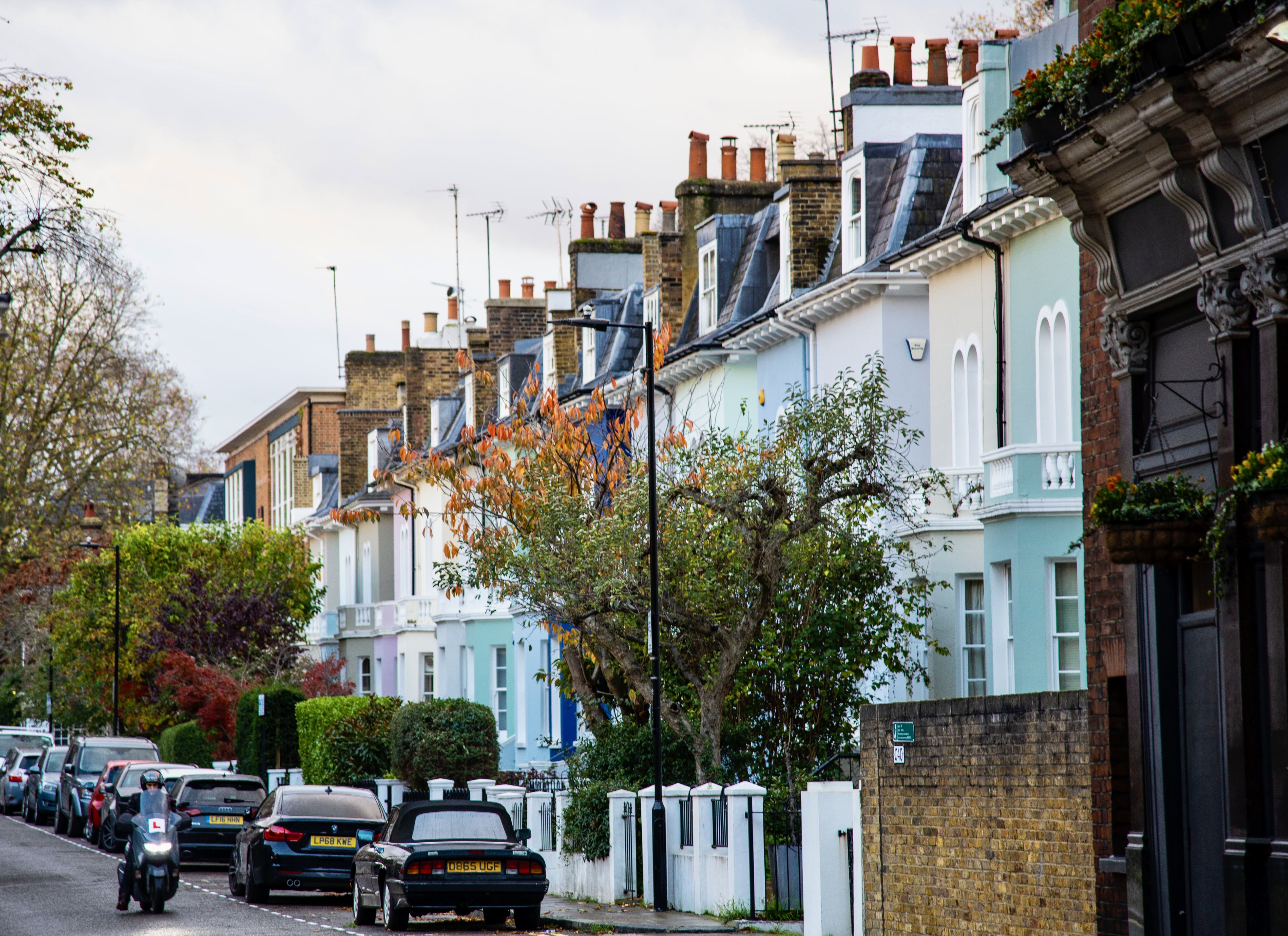
Paddingtom Bear House, 30 Chalcot Crescent in Primrose Hill
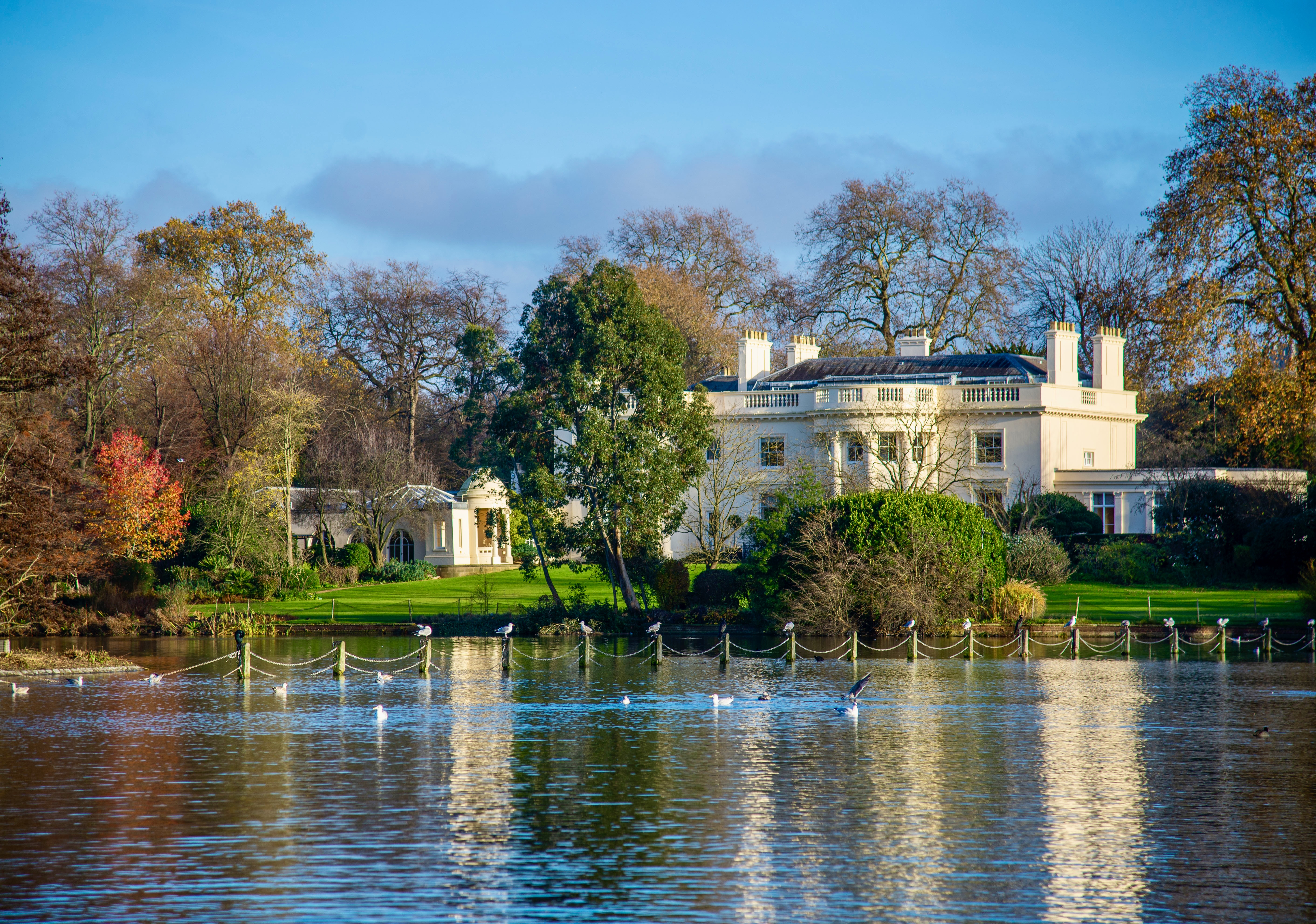
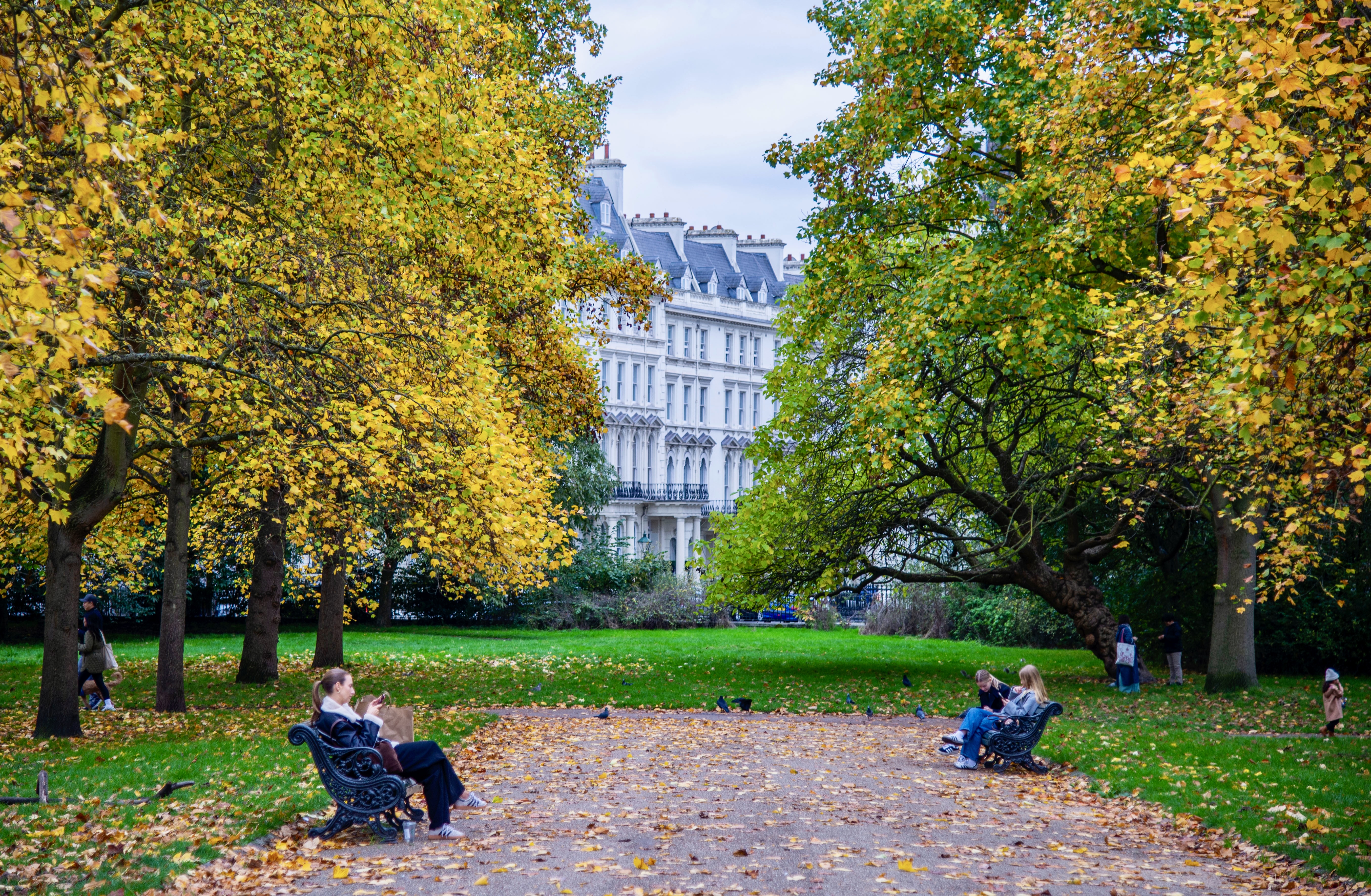
The Regent’s Park
Camden Town
Hans & Gretel
Handel and Hendrix House.
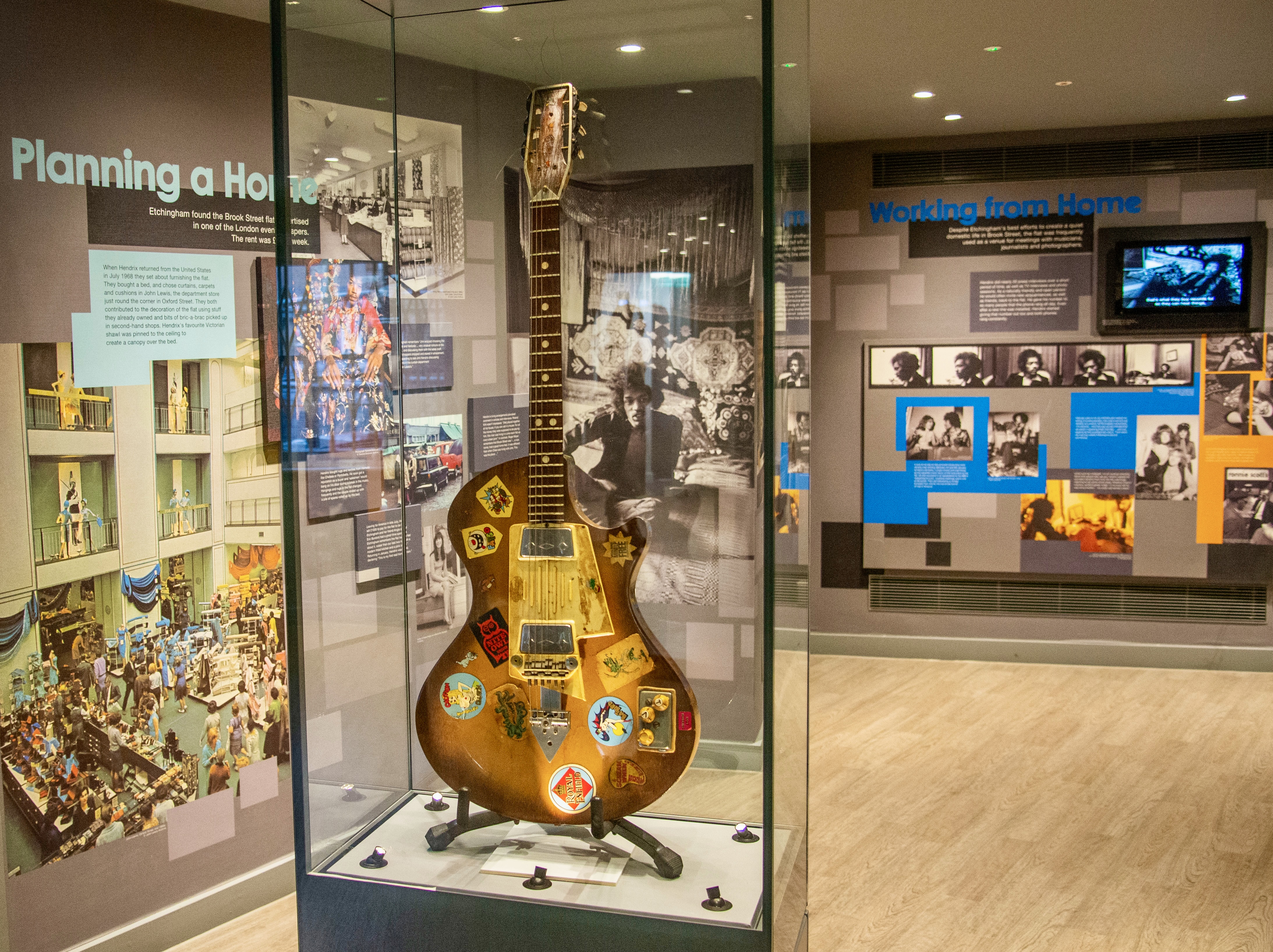
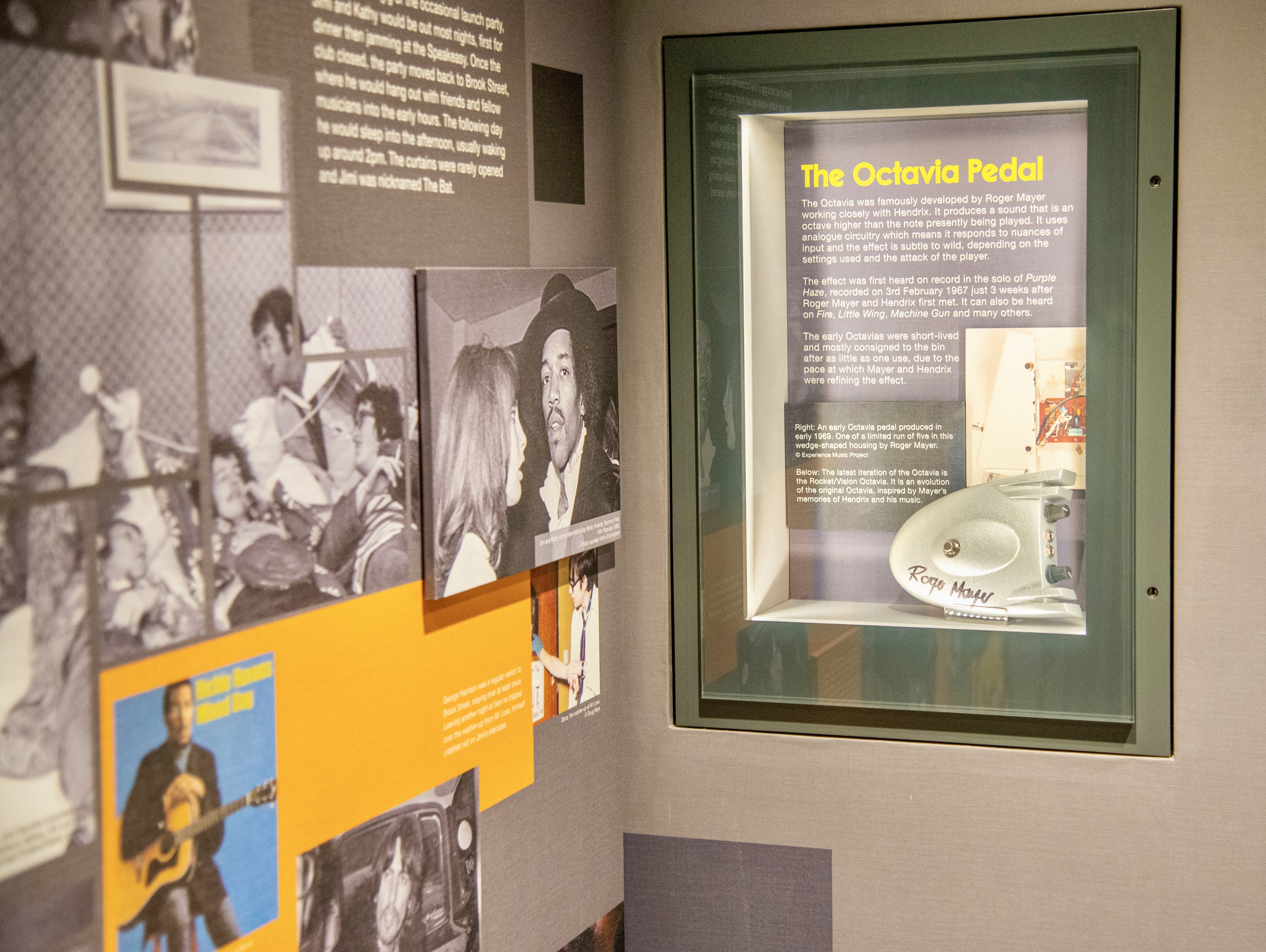
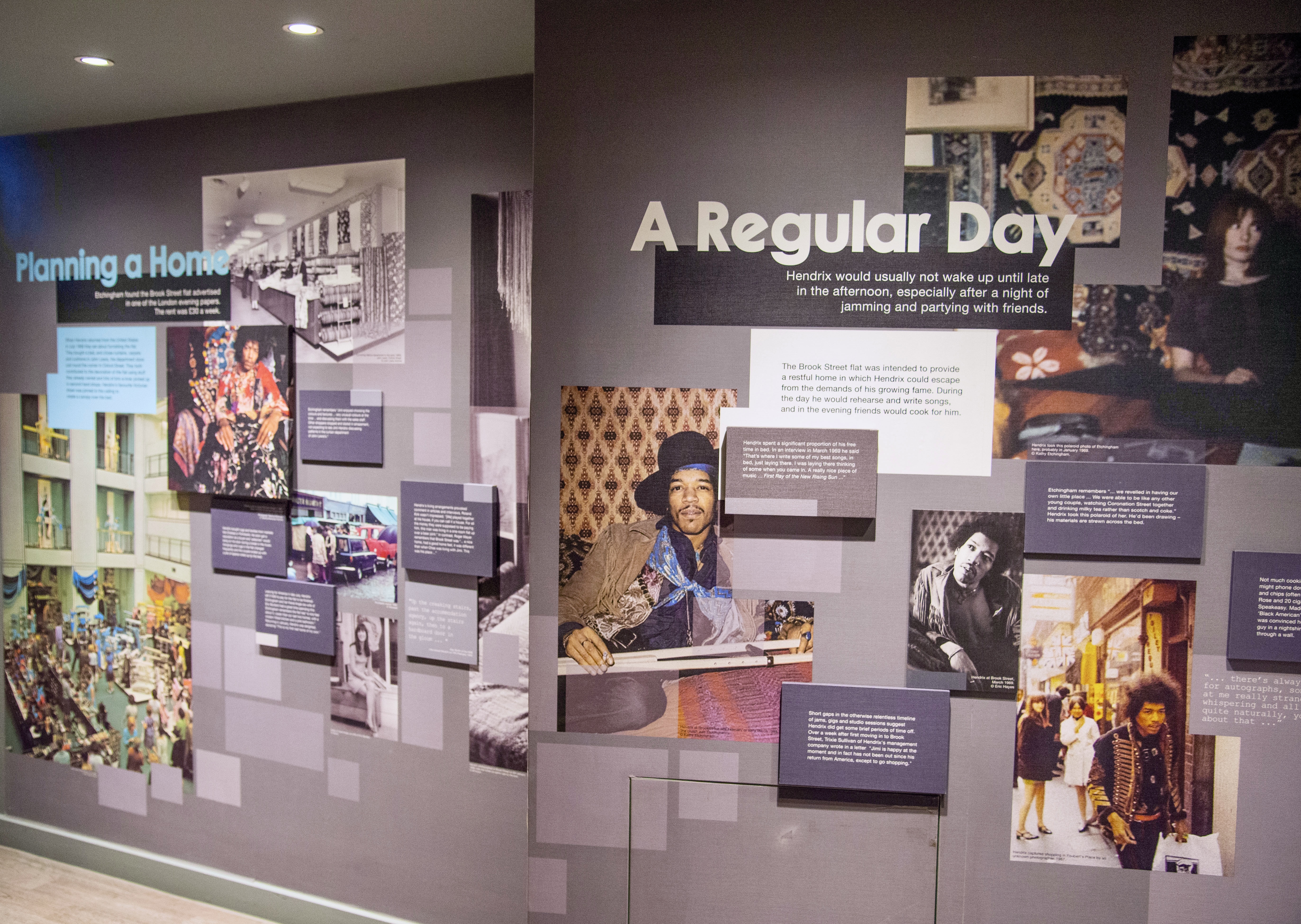
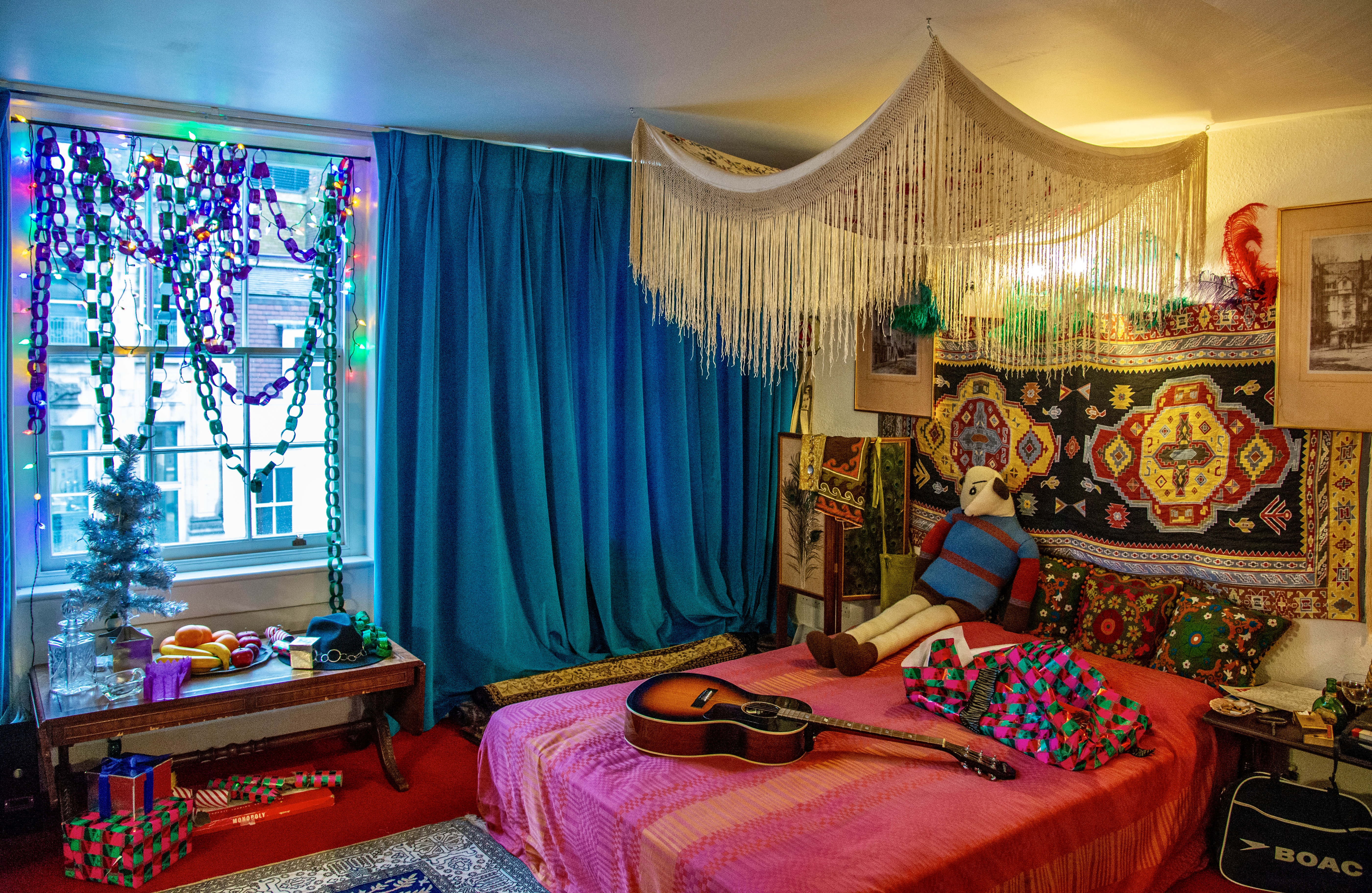
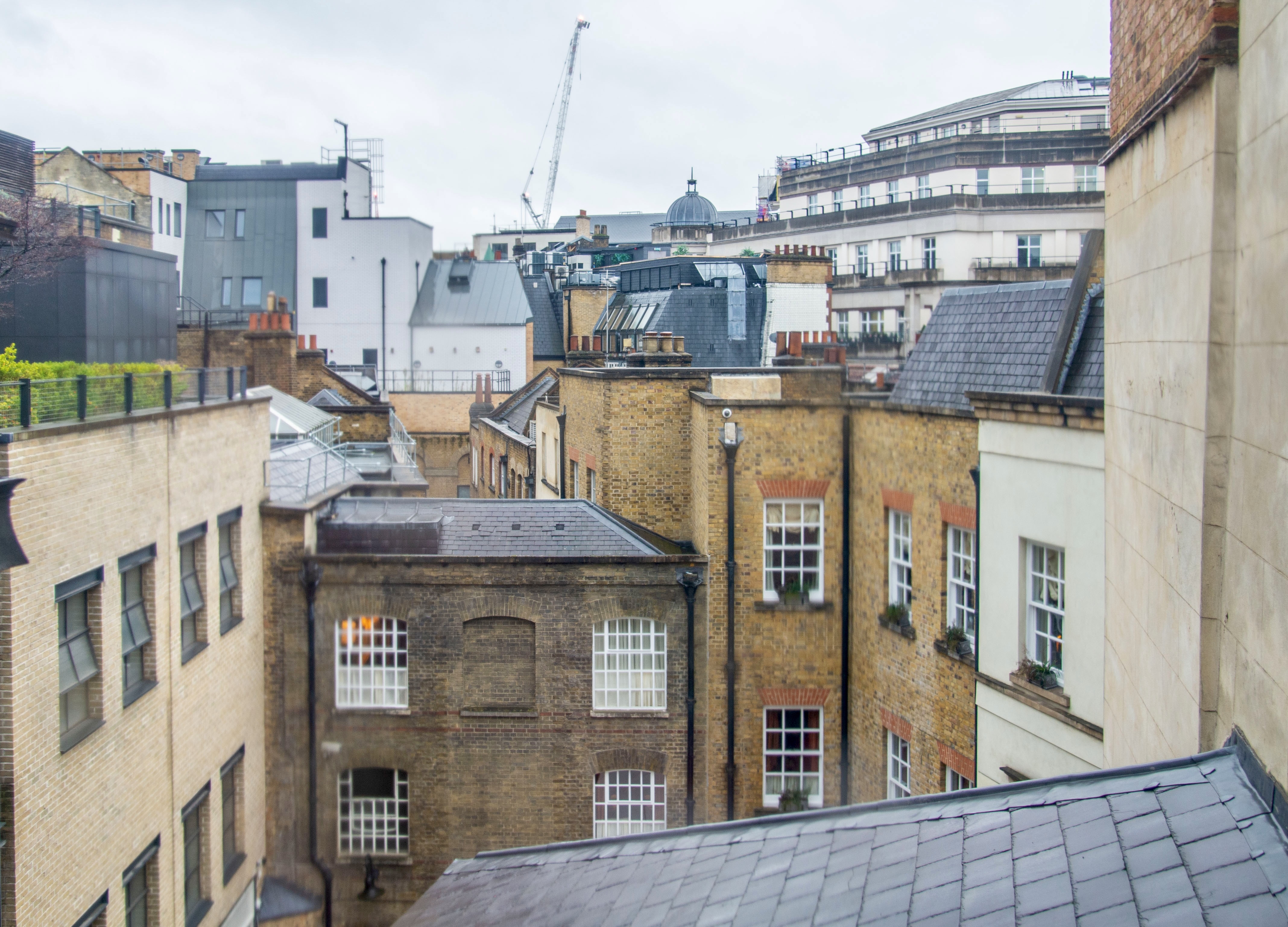
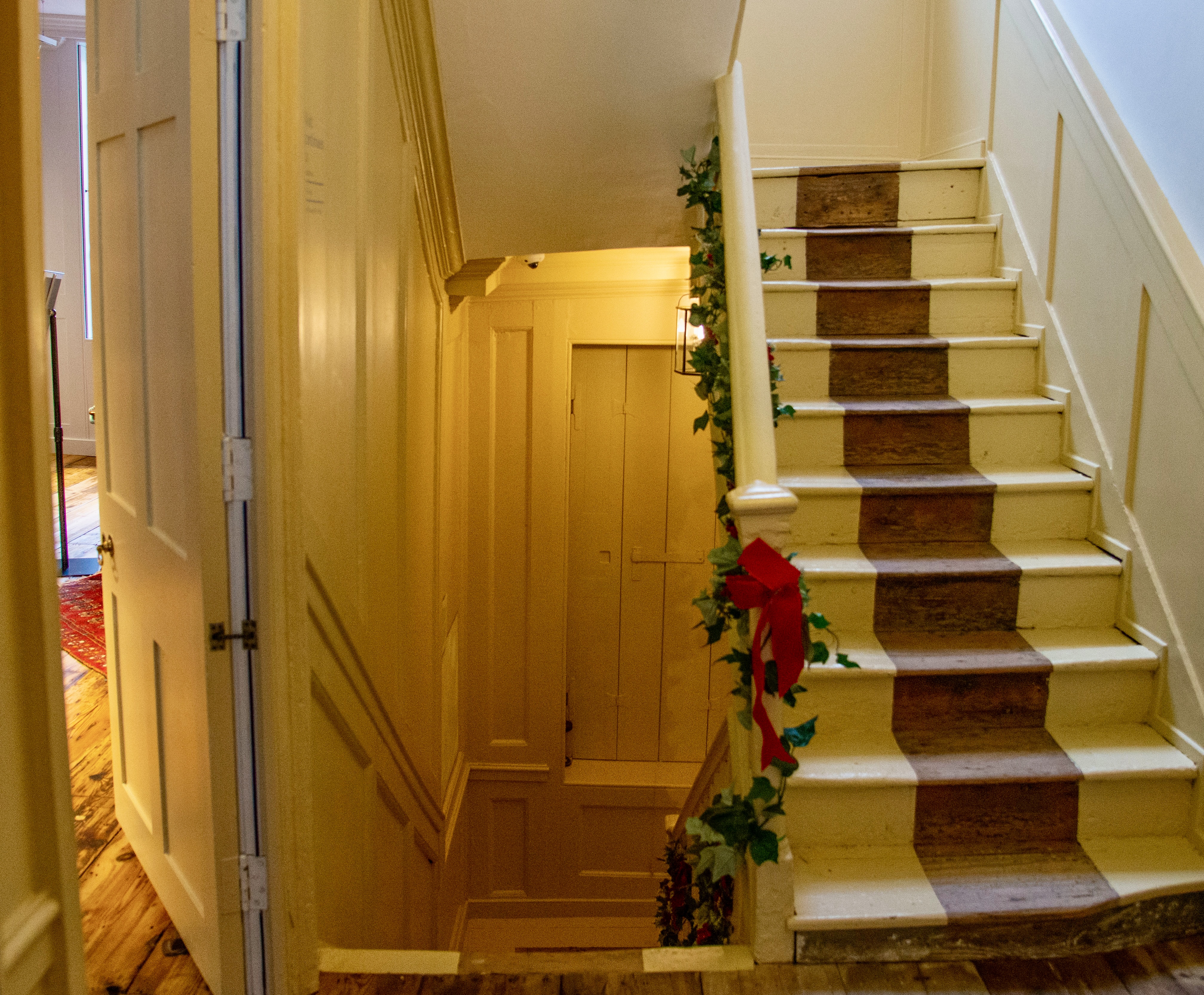
Jimi Hendrix lived at this flat on the upper floors of 23 Brook Street while he was staying in London in 1968-69. Now it is opened as a museum. The bedroom was decorated by Jimi in his own style including curtains, ornaments and many other things. It took me quite a lot of time to notice all the small details that make this flat look really specific. Another room at the museum has a wall of album covers, and an index of the music played on the Bang & Olufsen turntable.
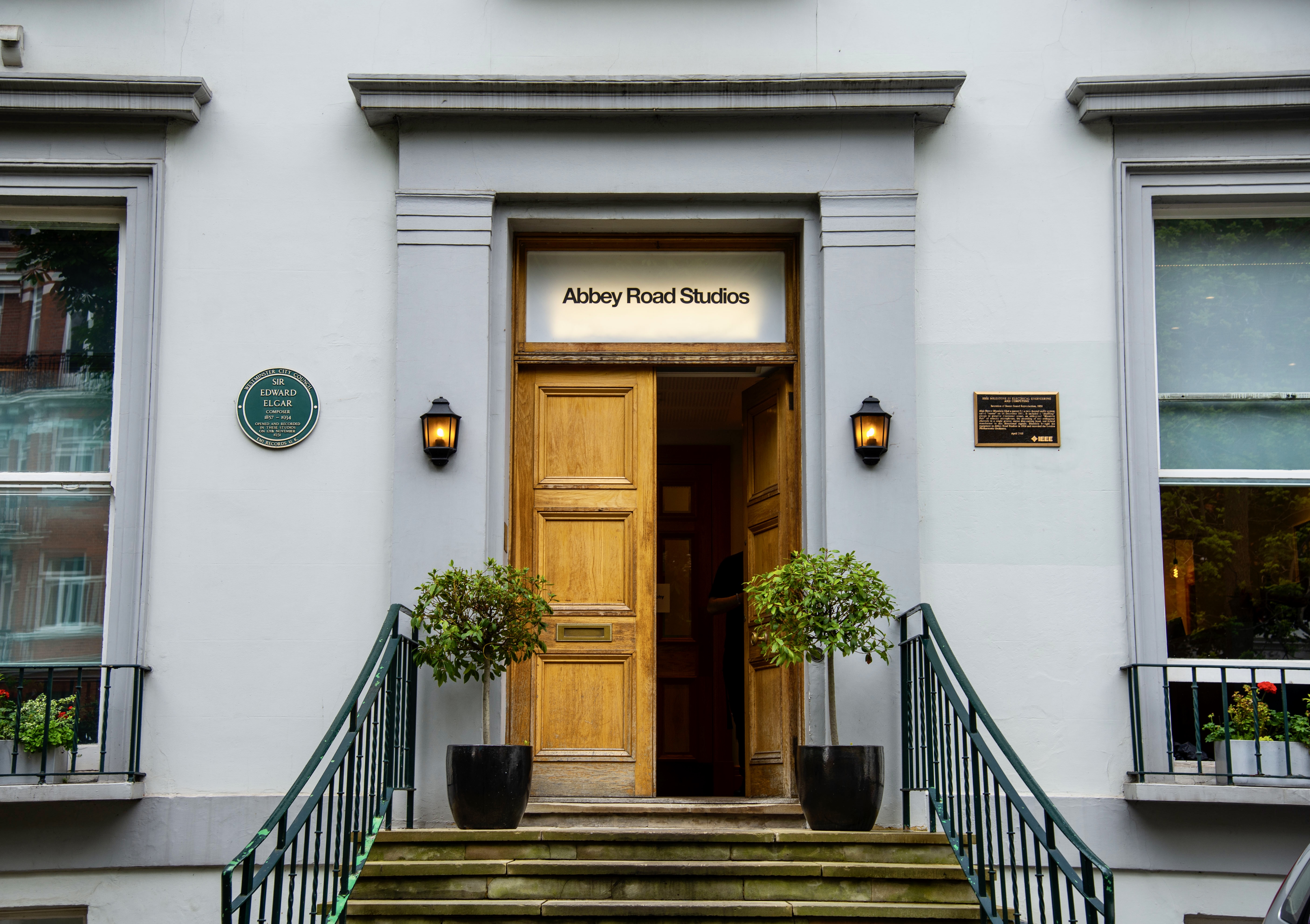
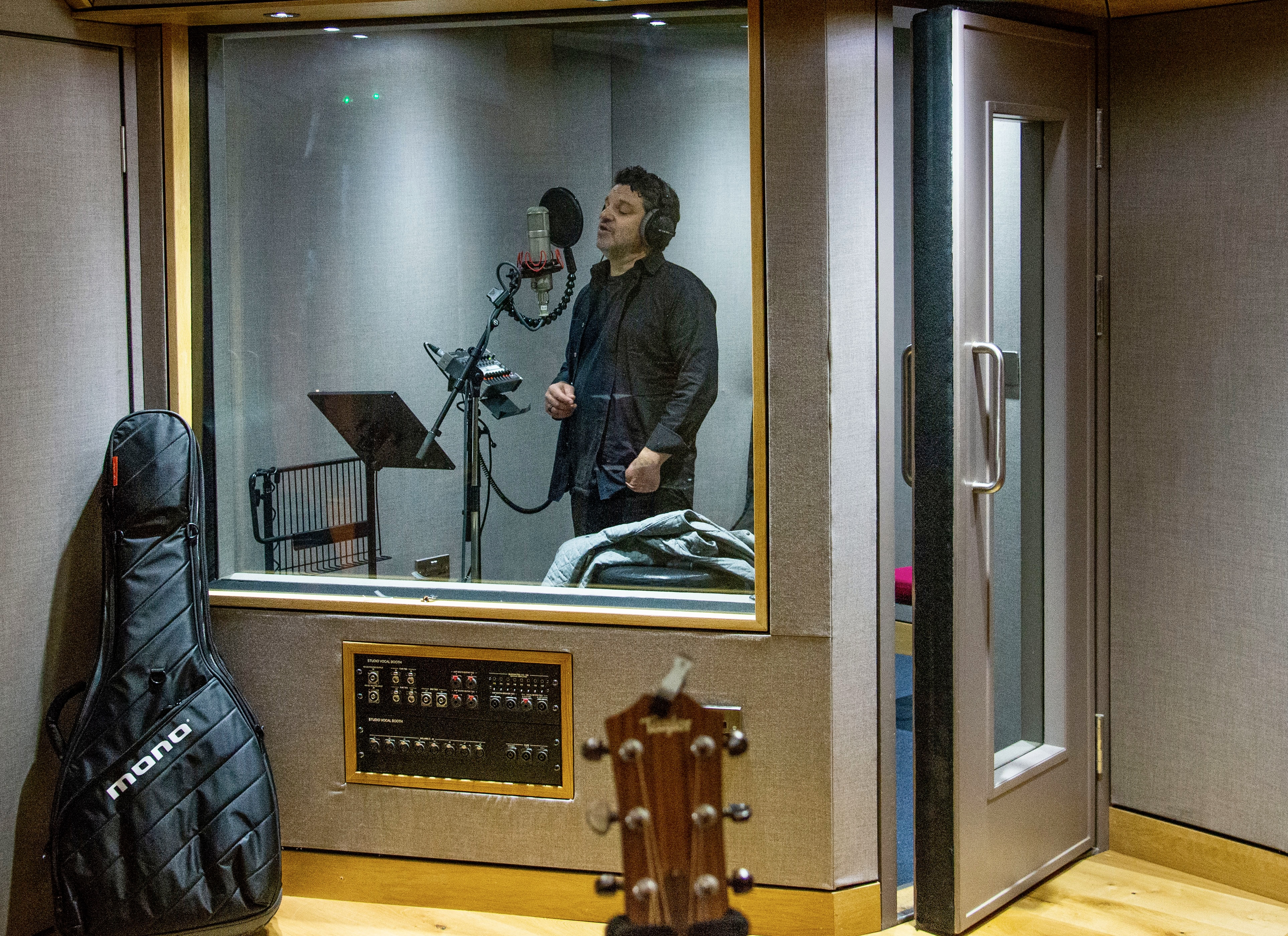
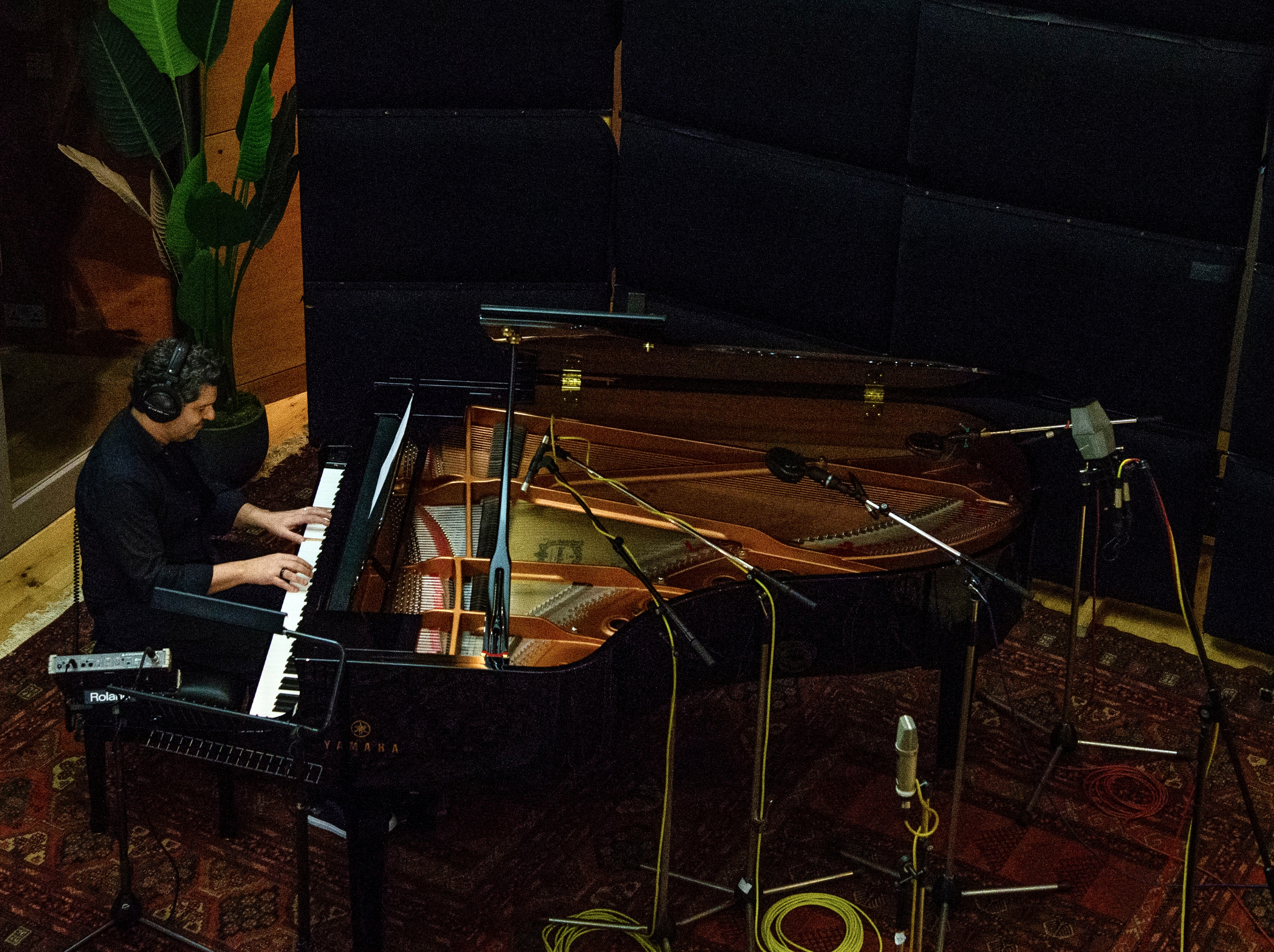
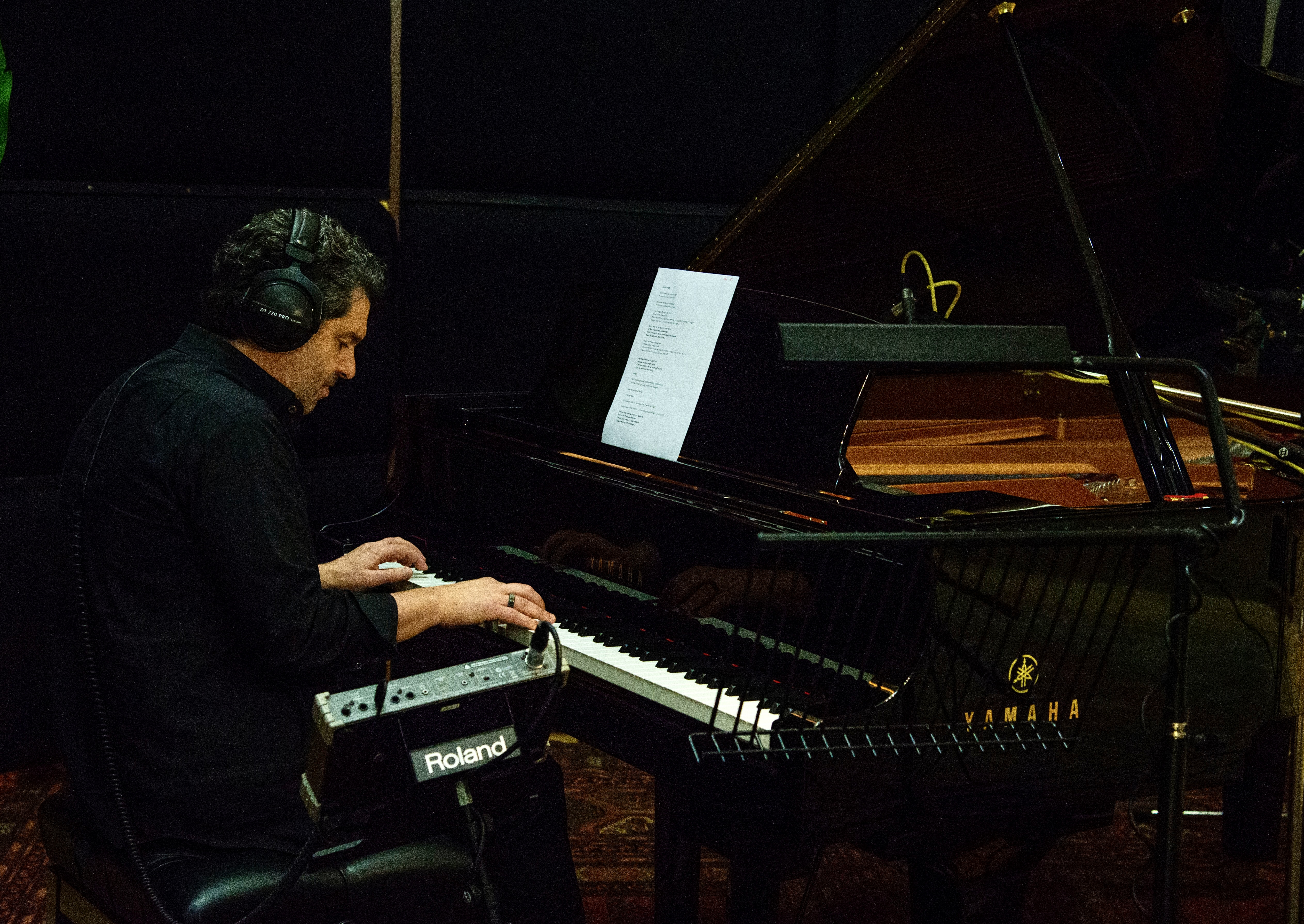
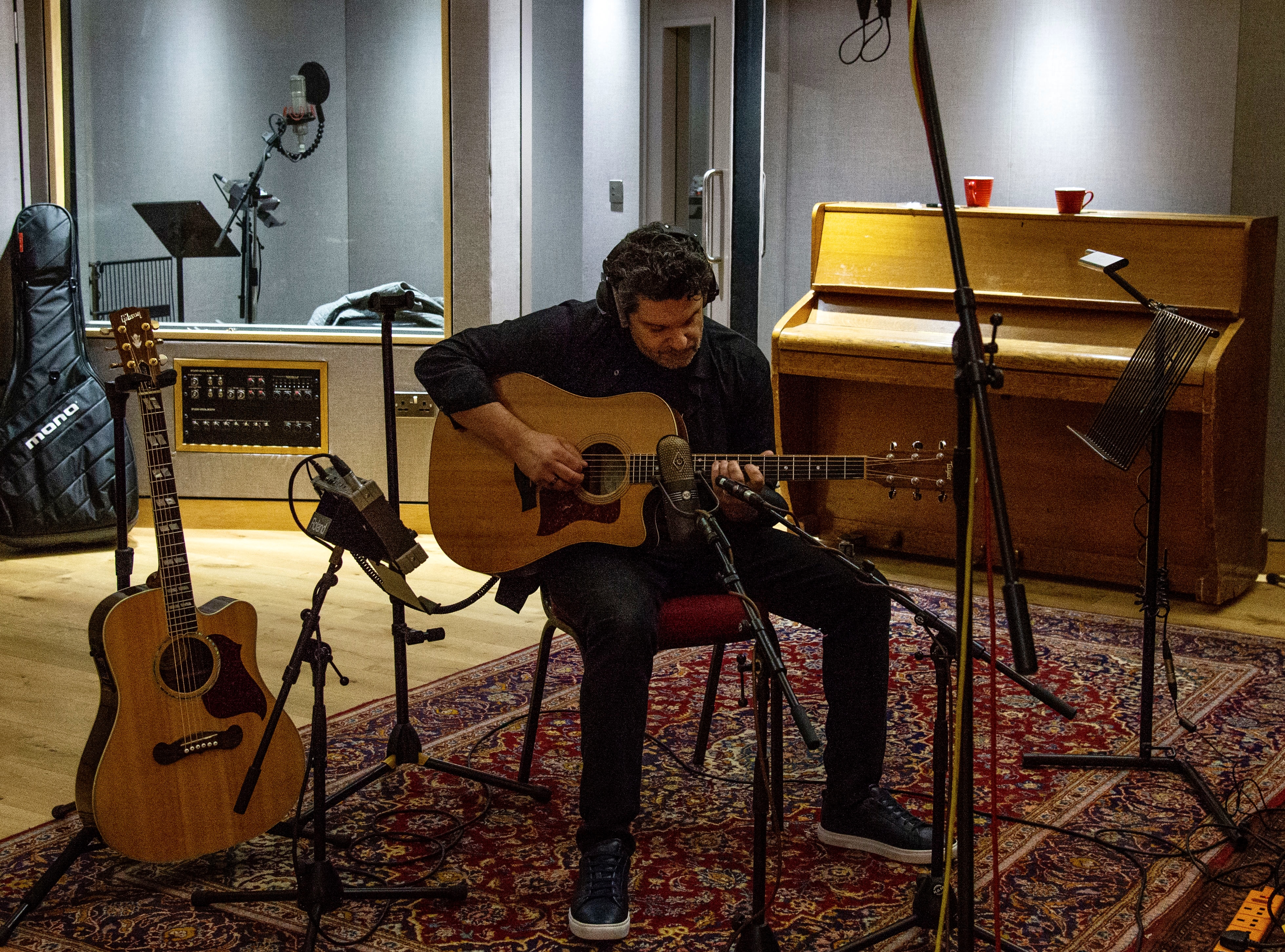
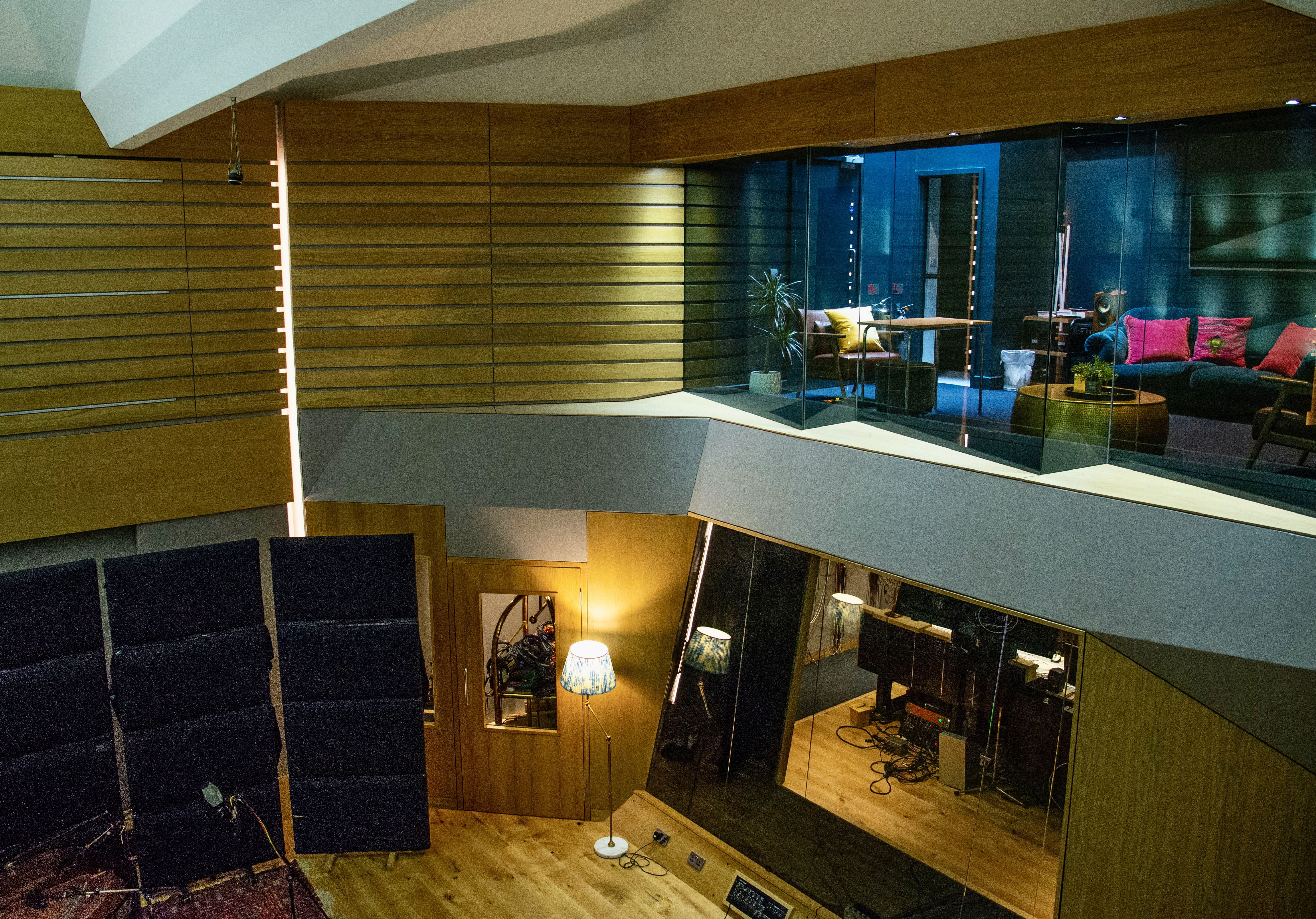
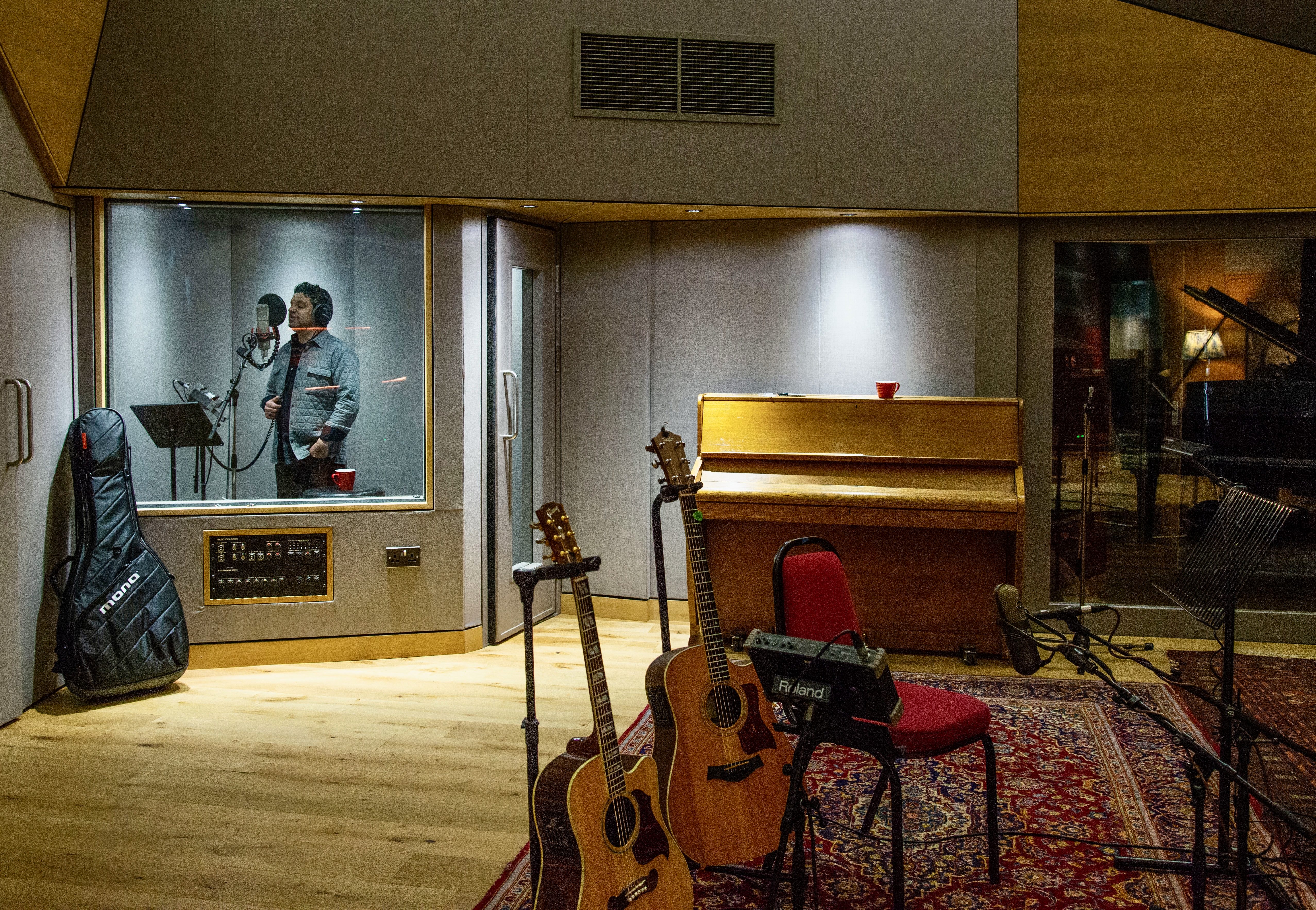
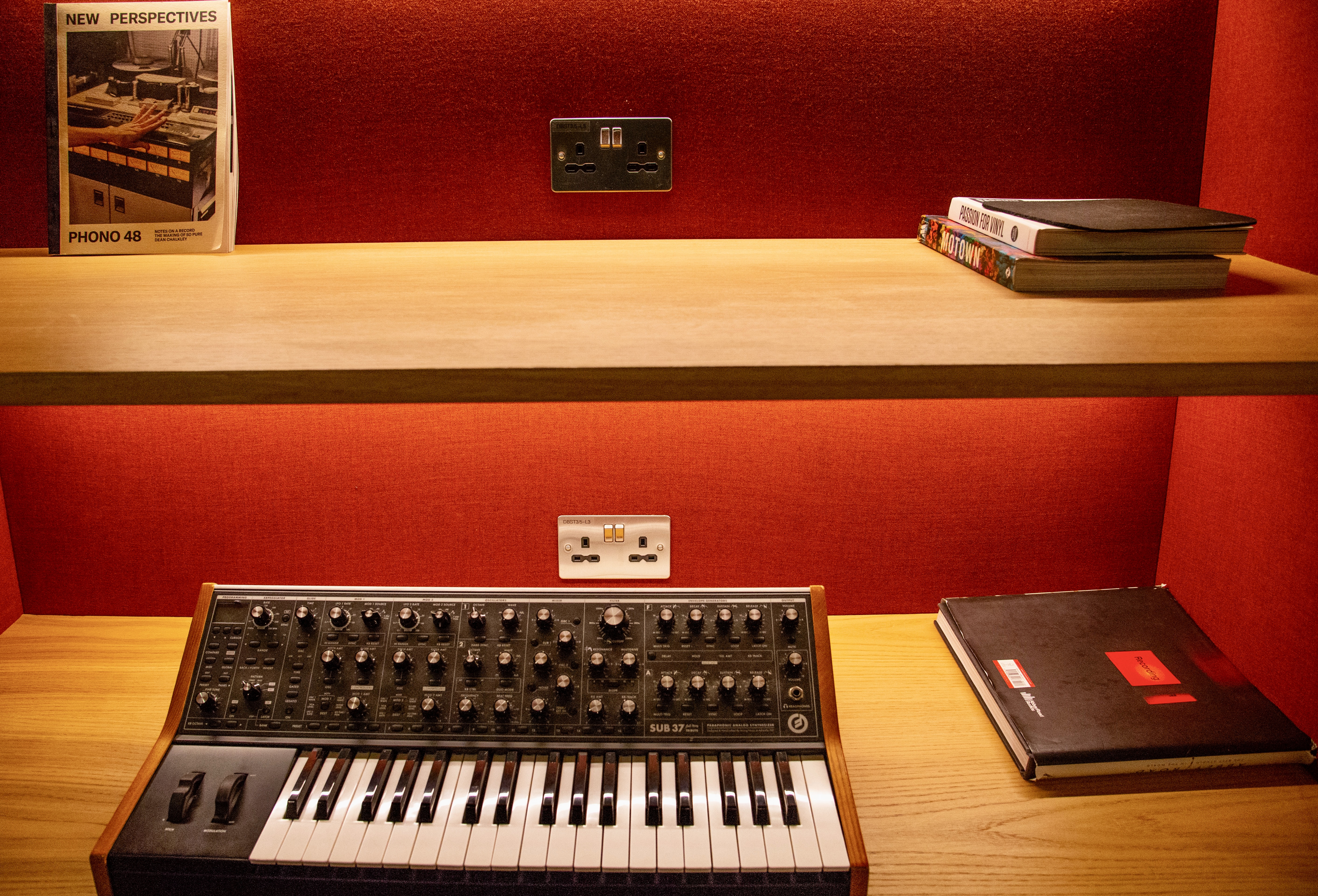
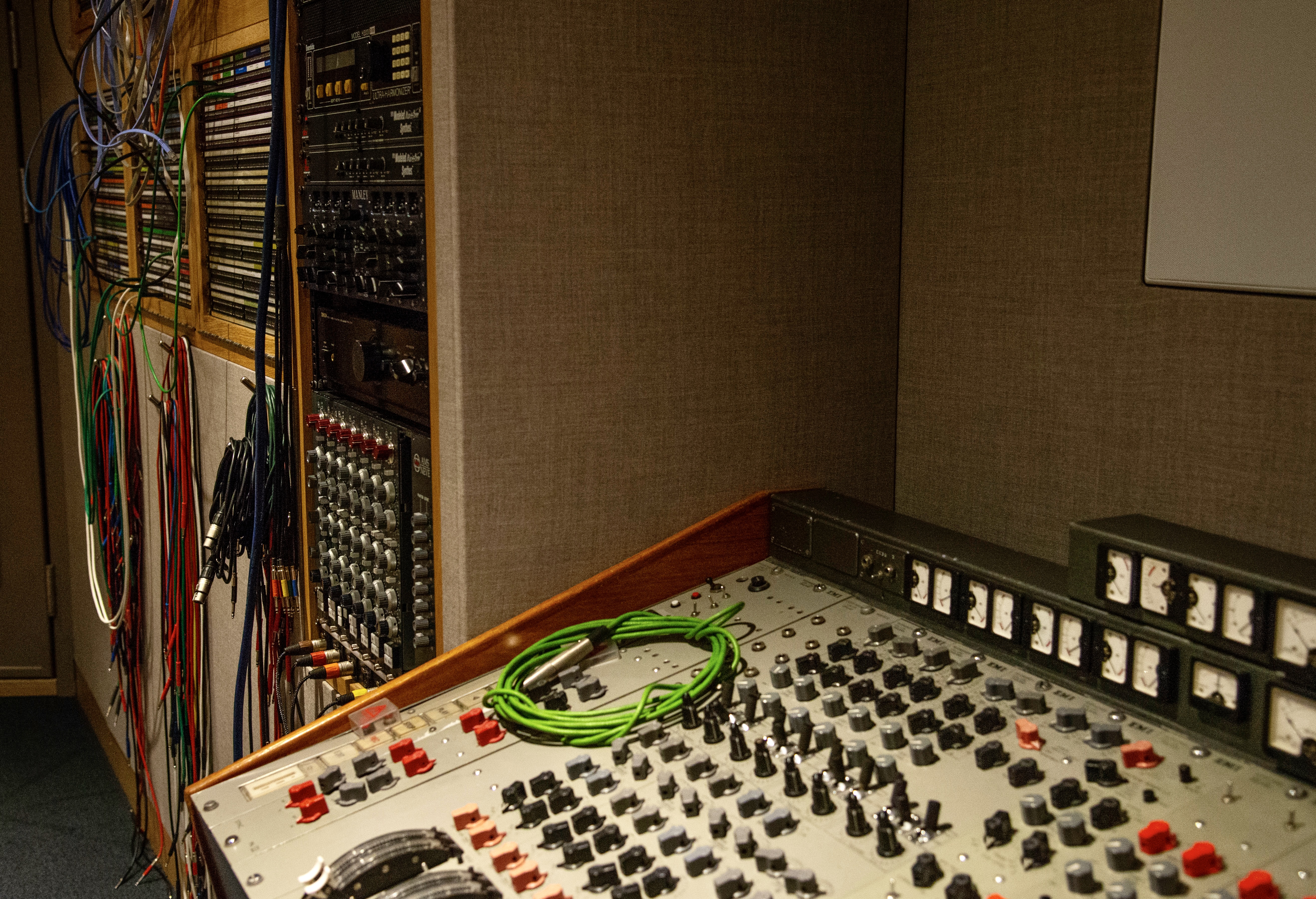
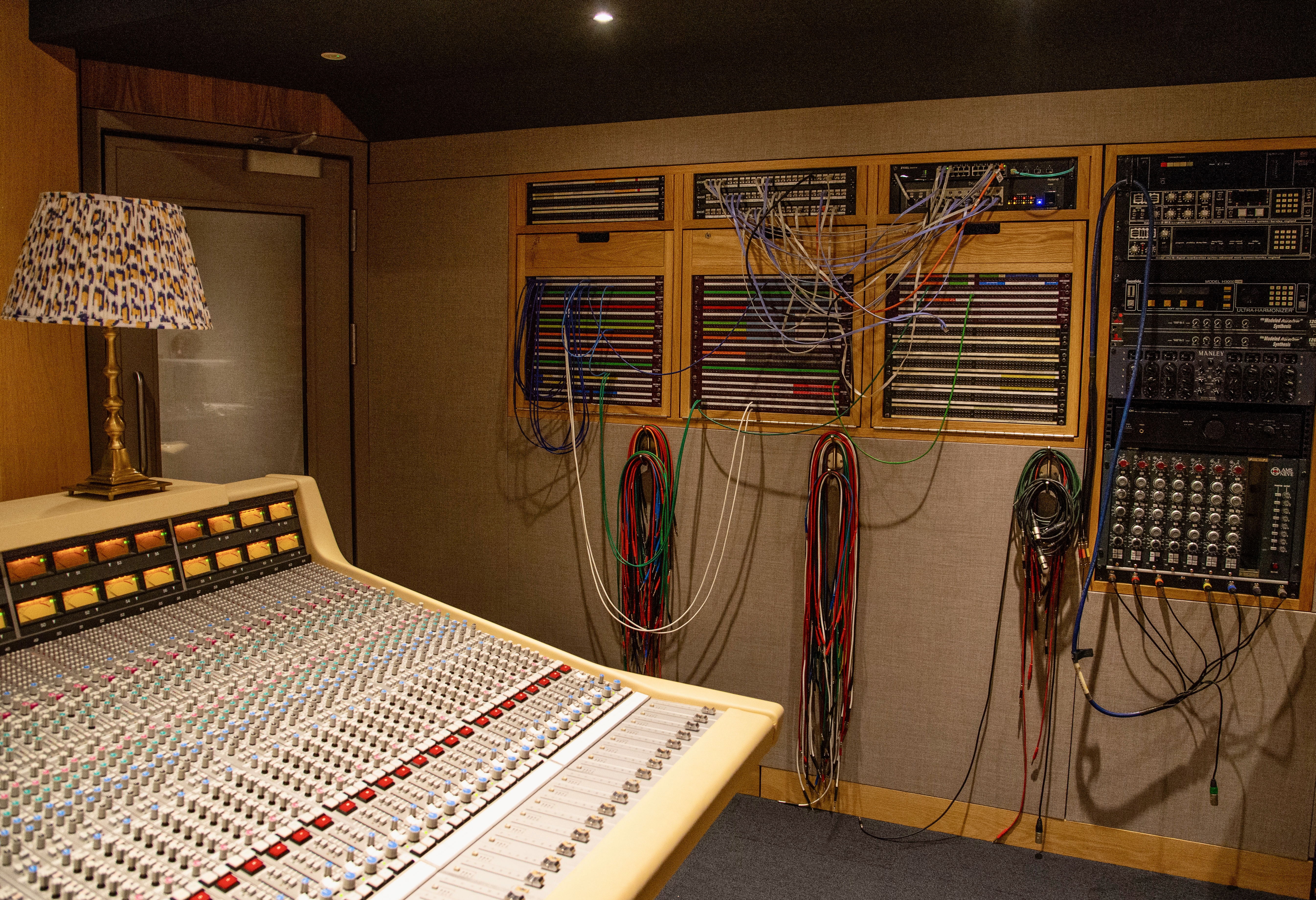
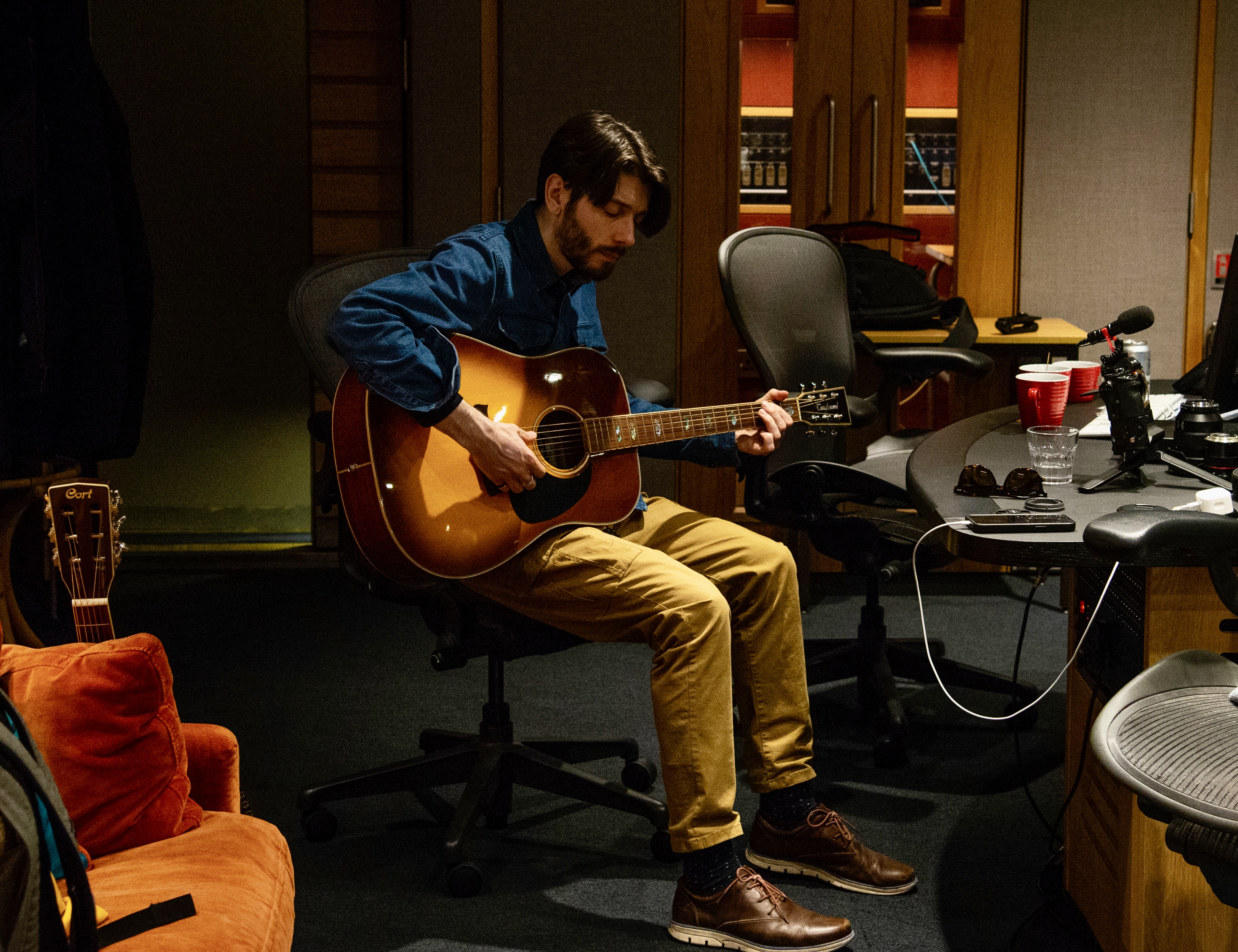
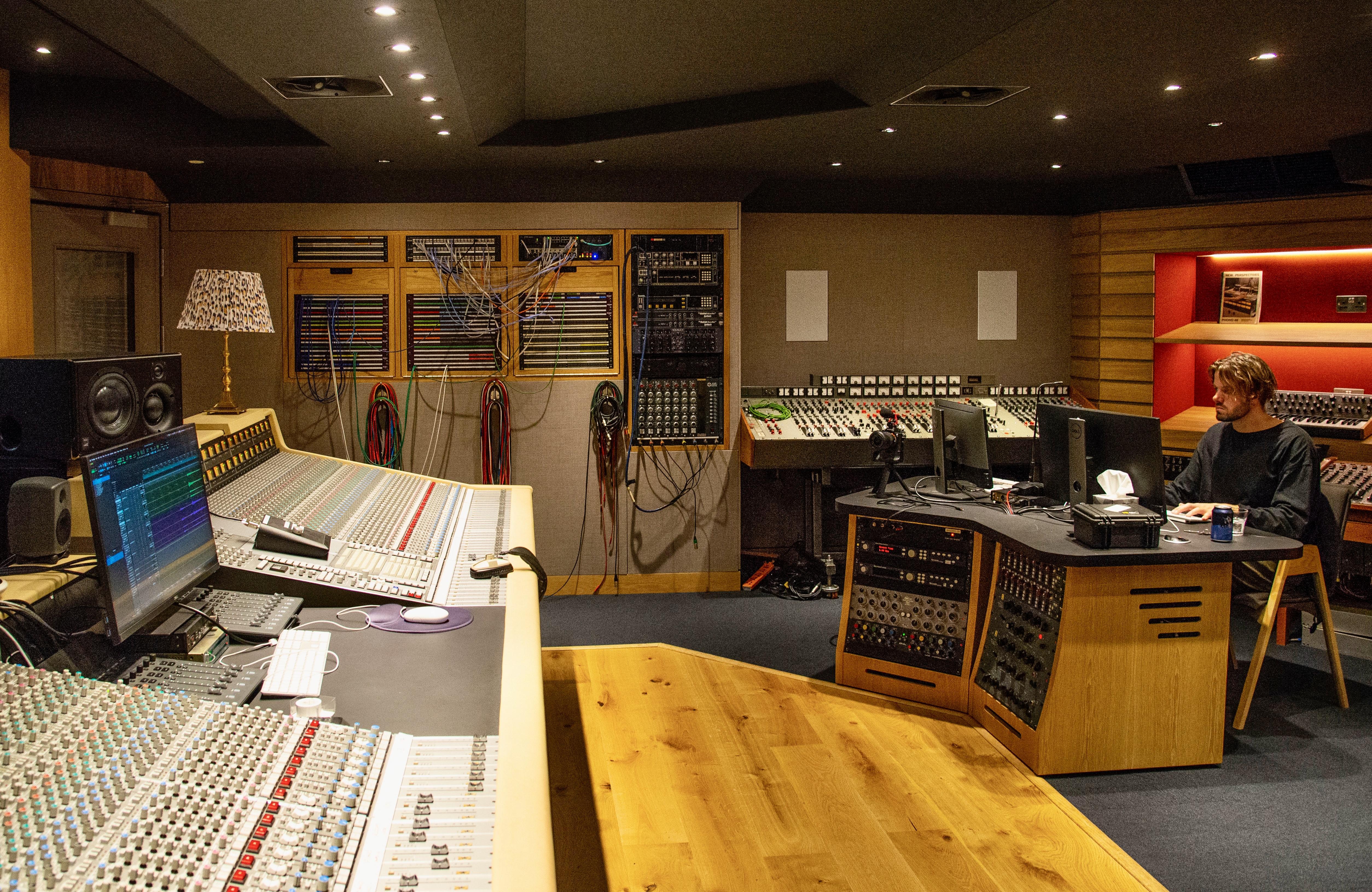
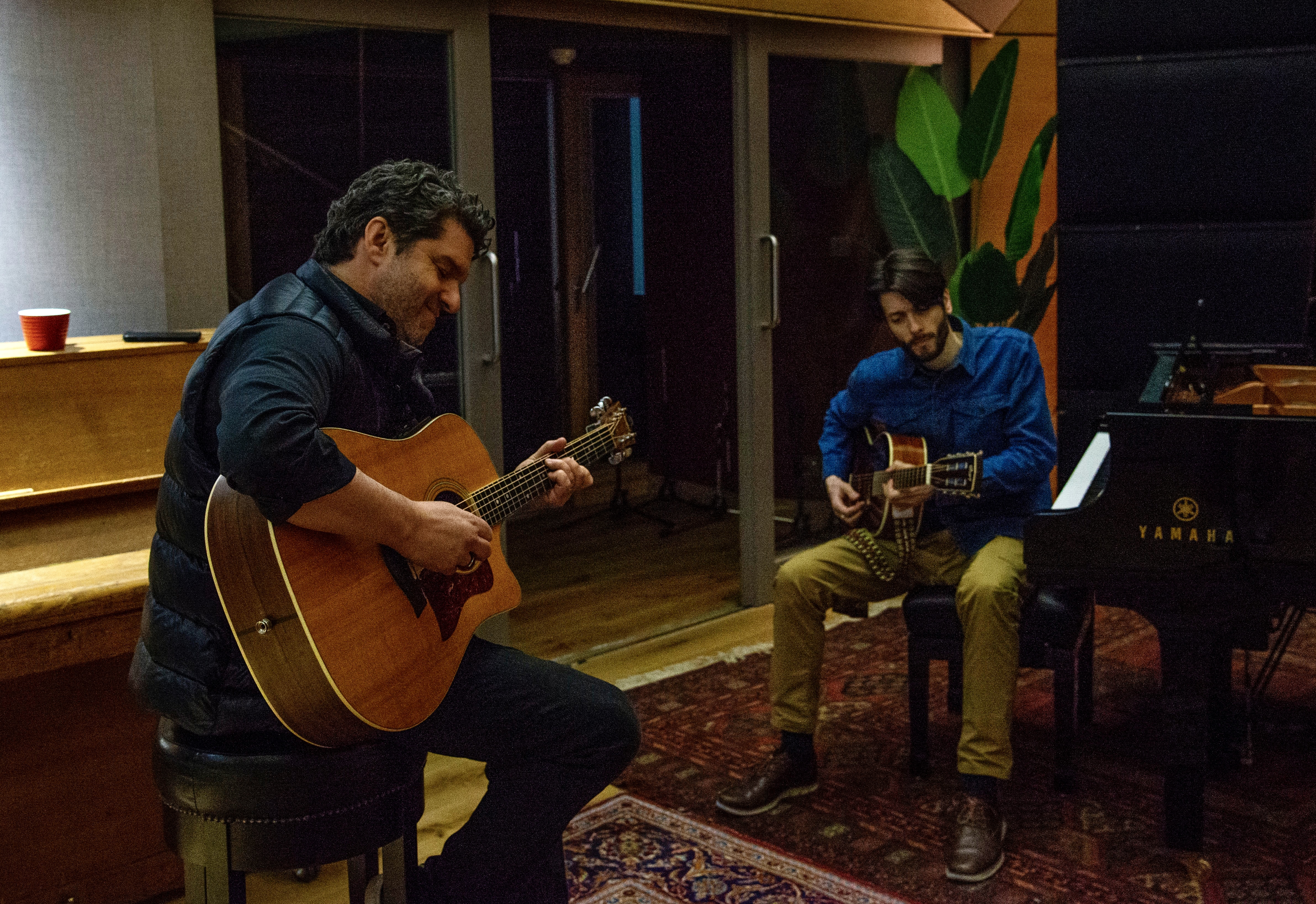
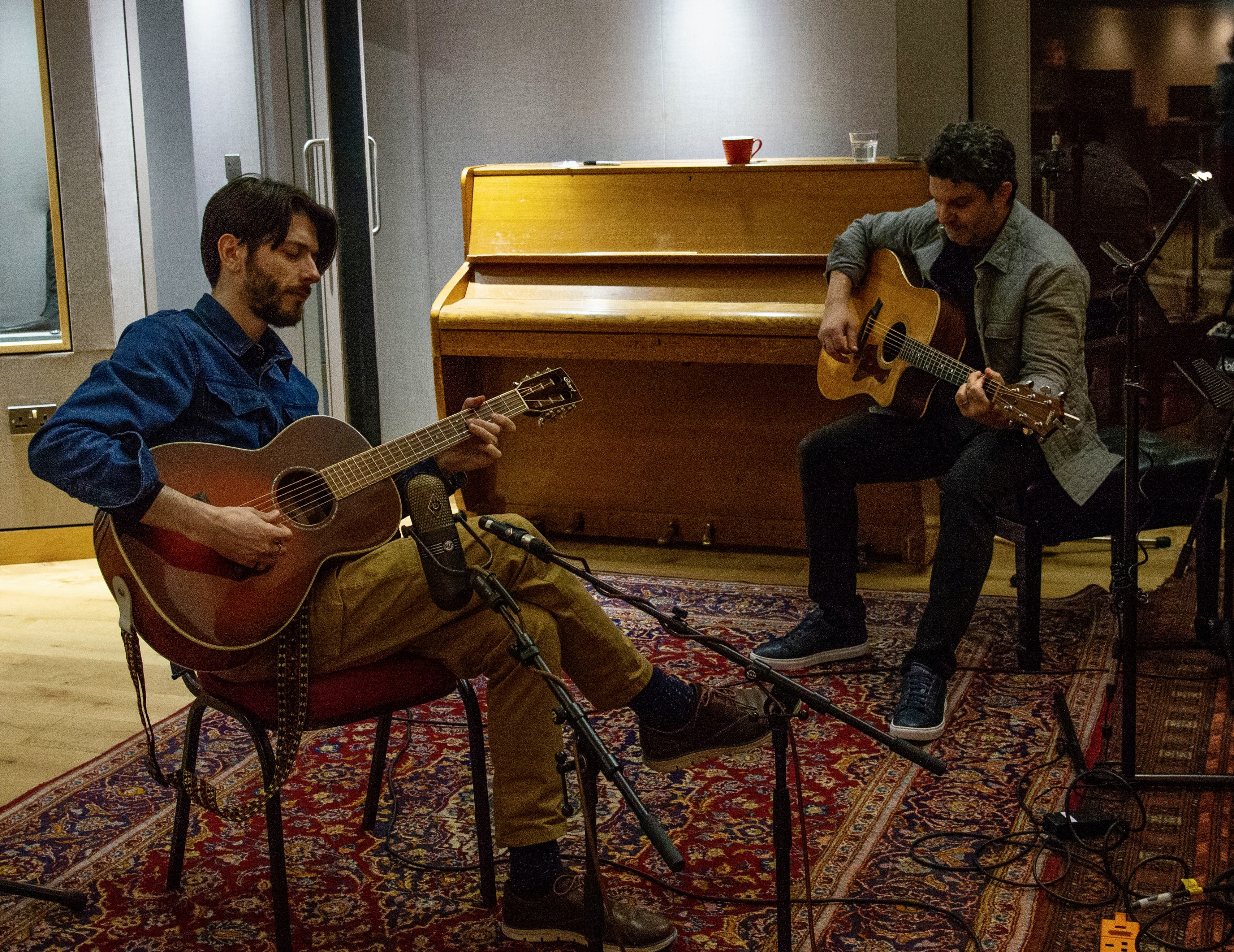
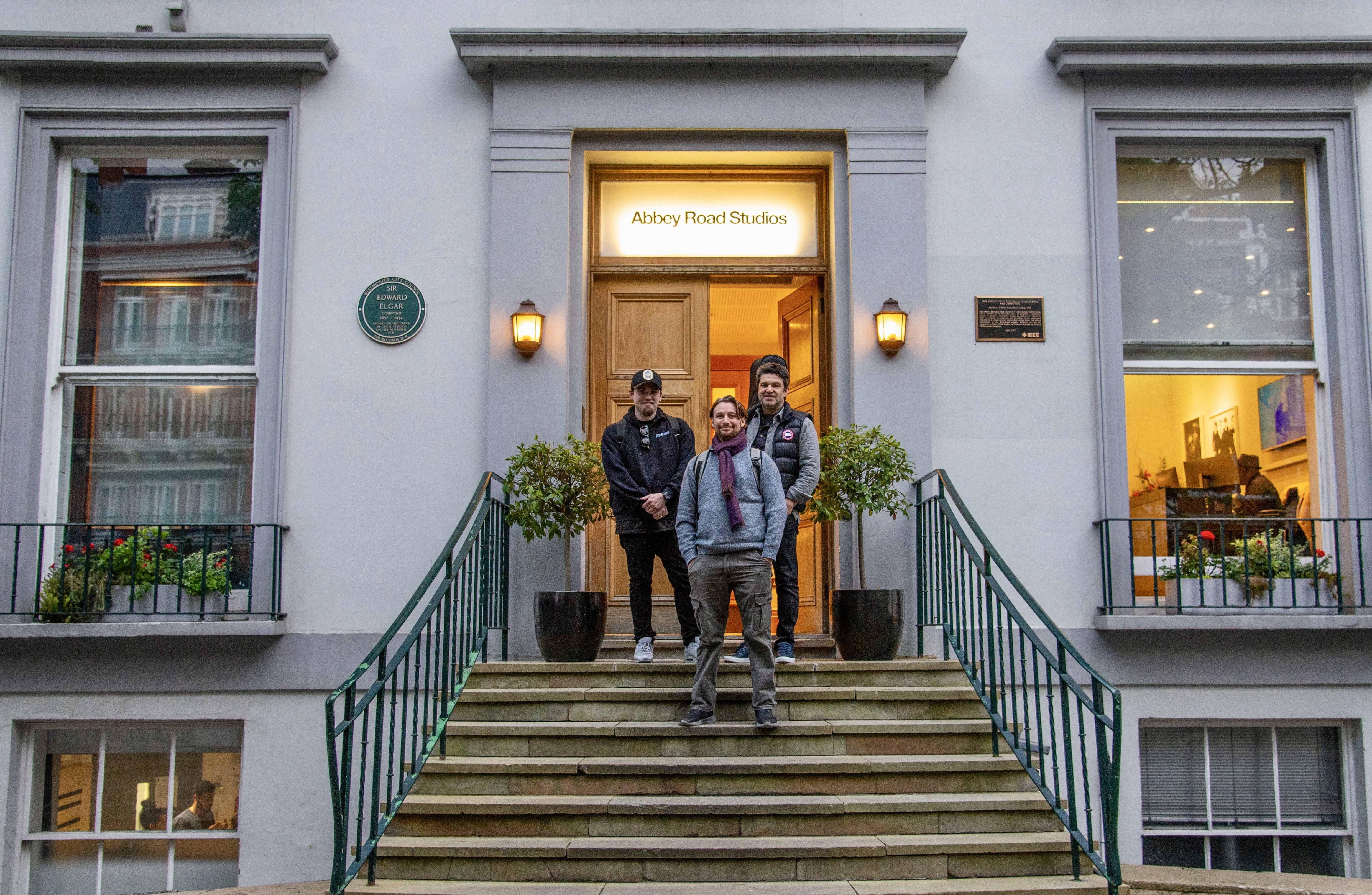
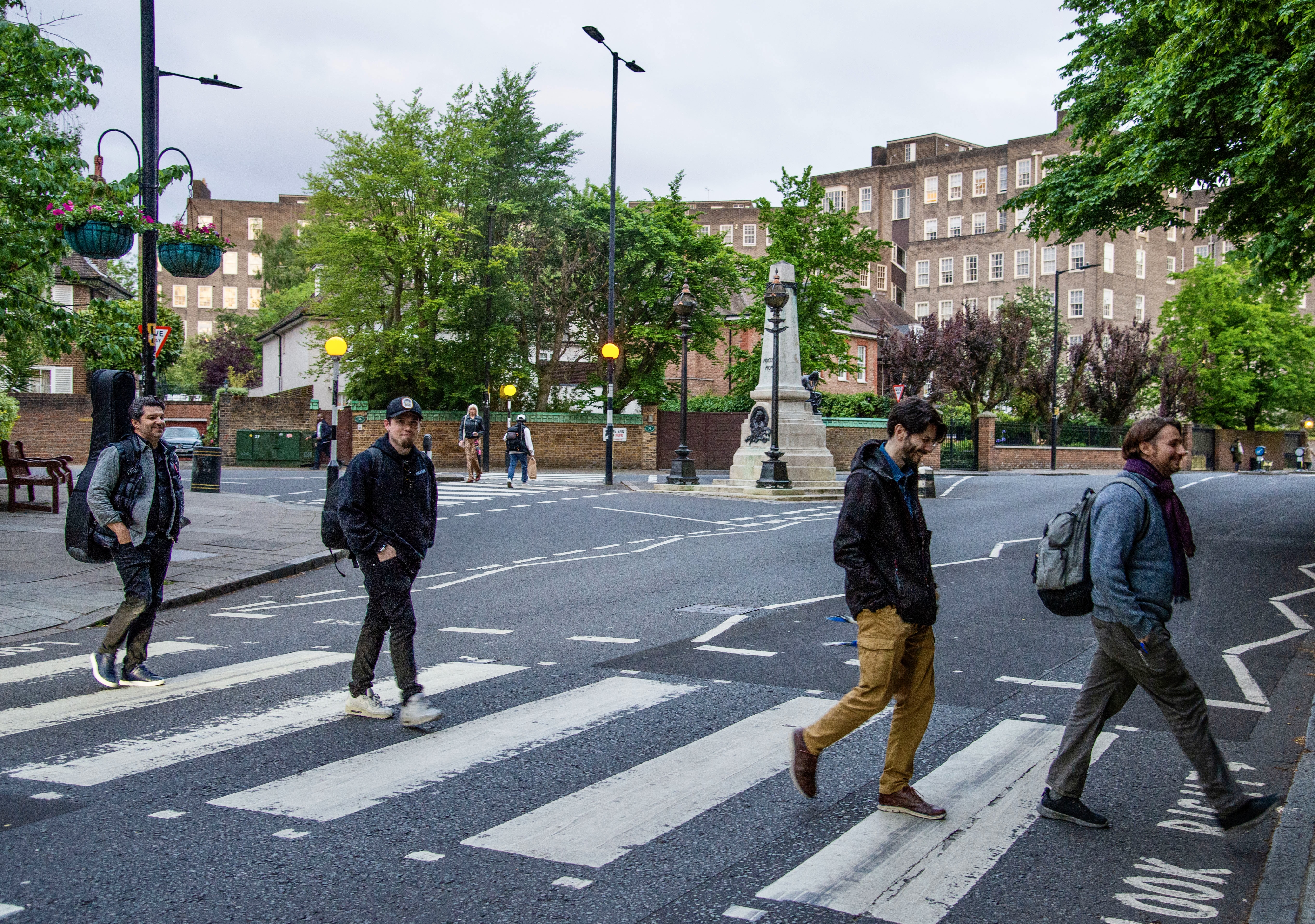
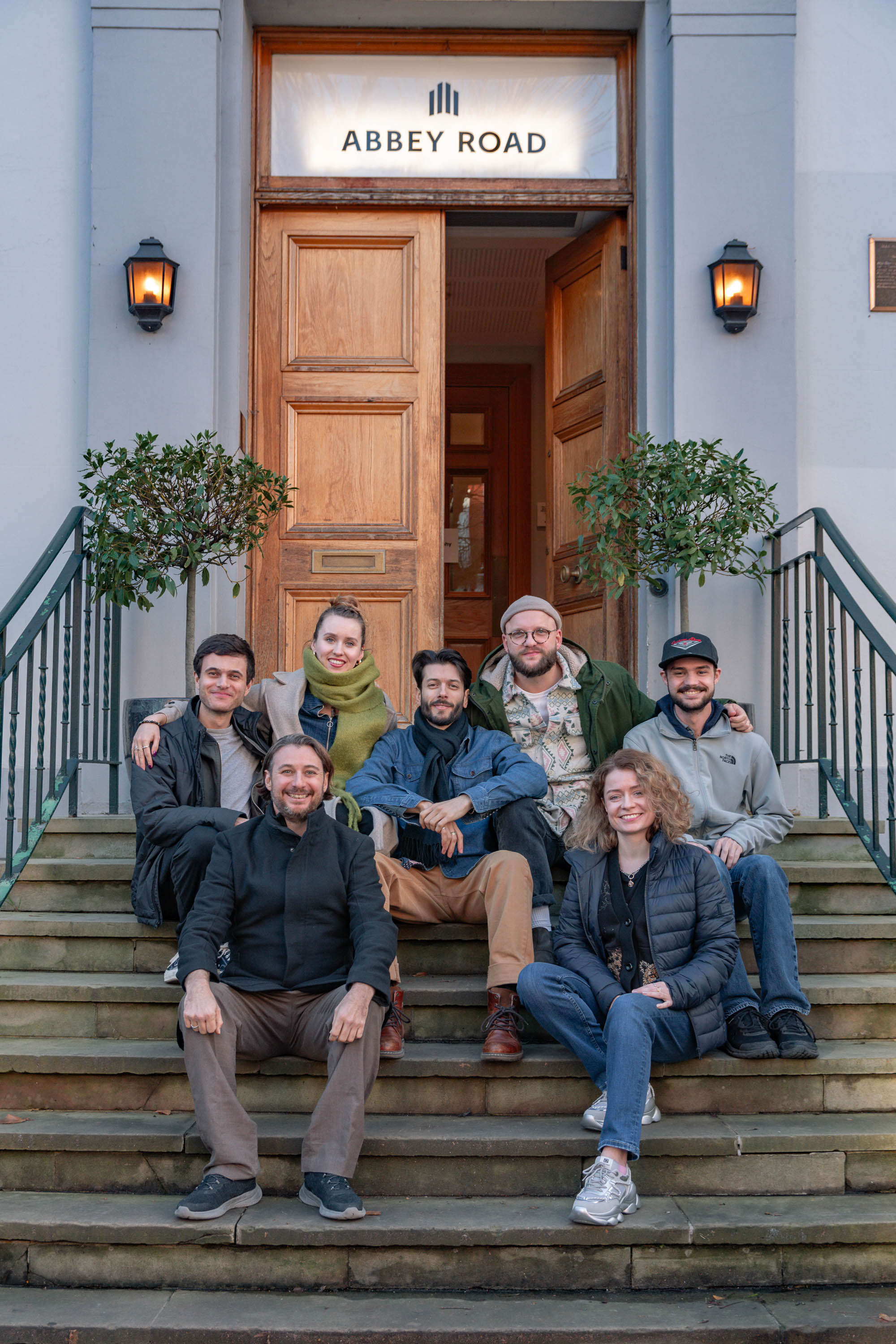
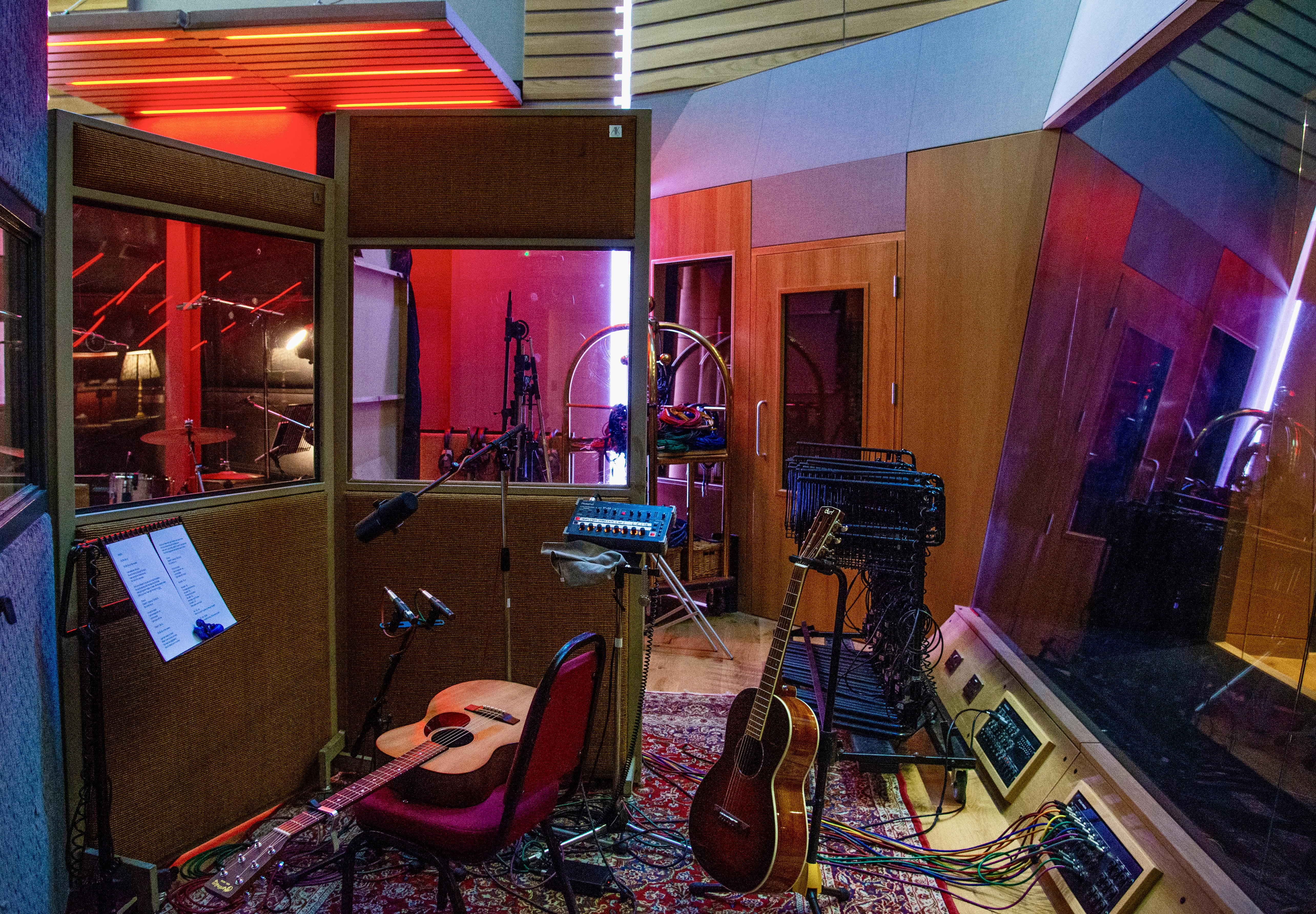
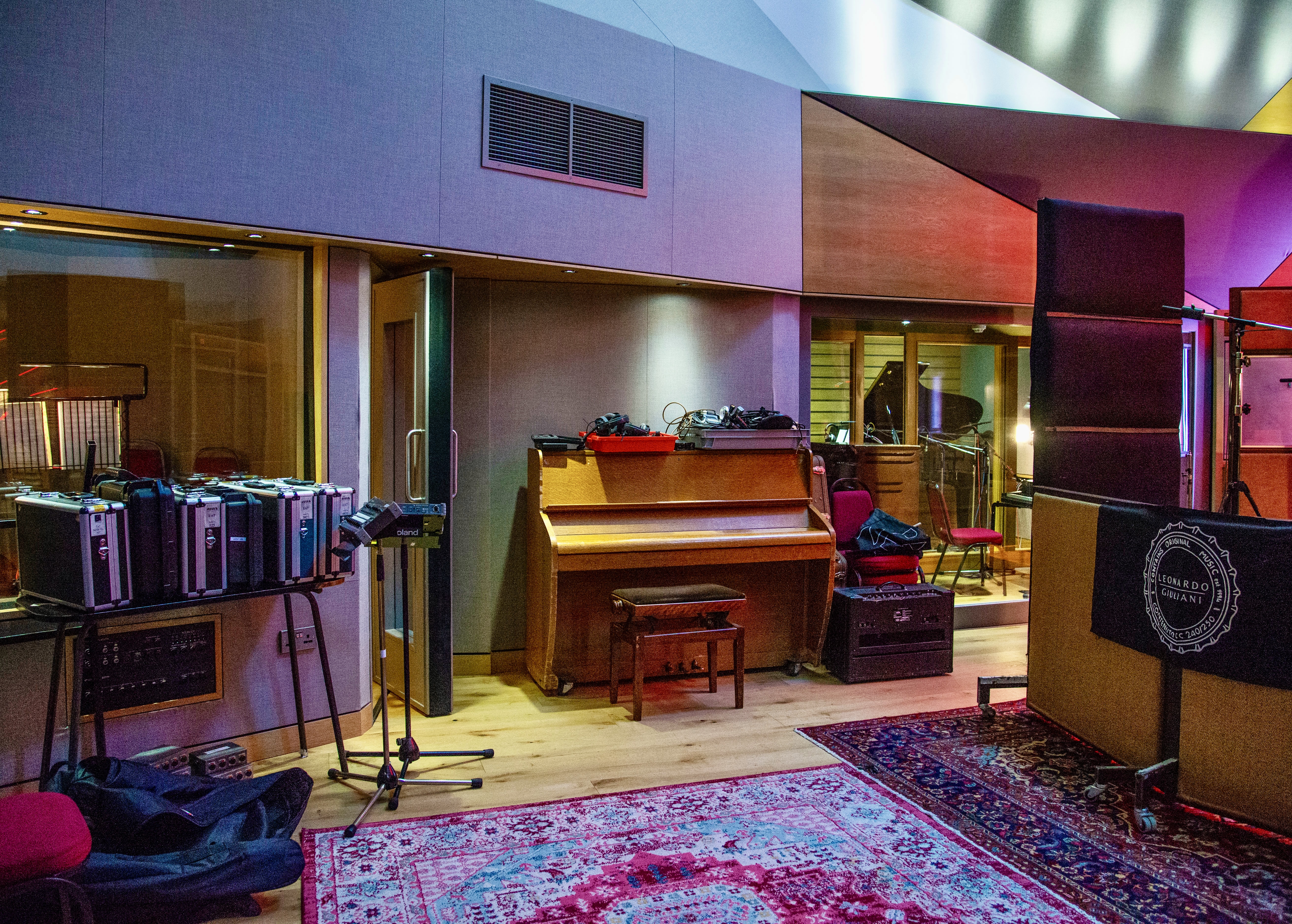
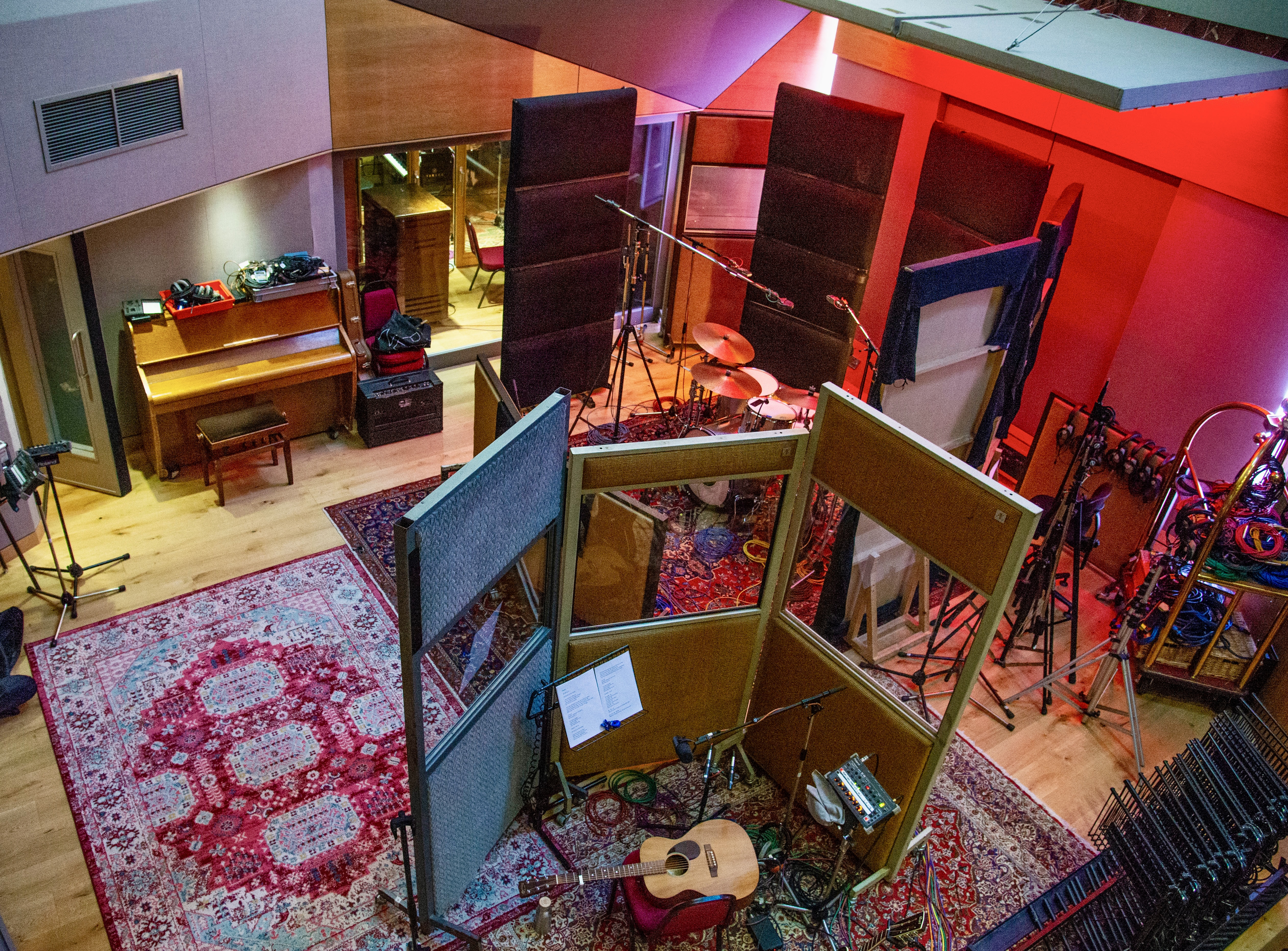
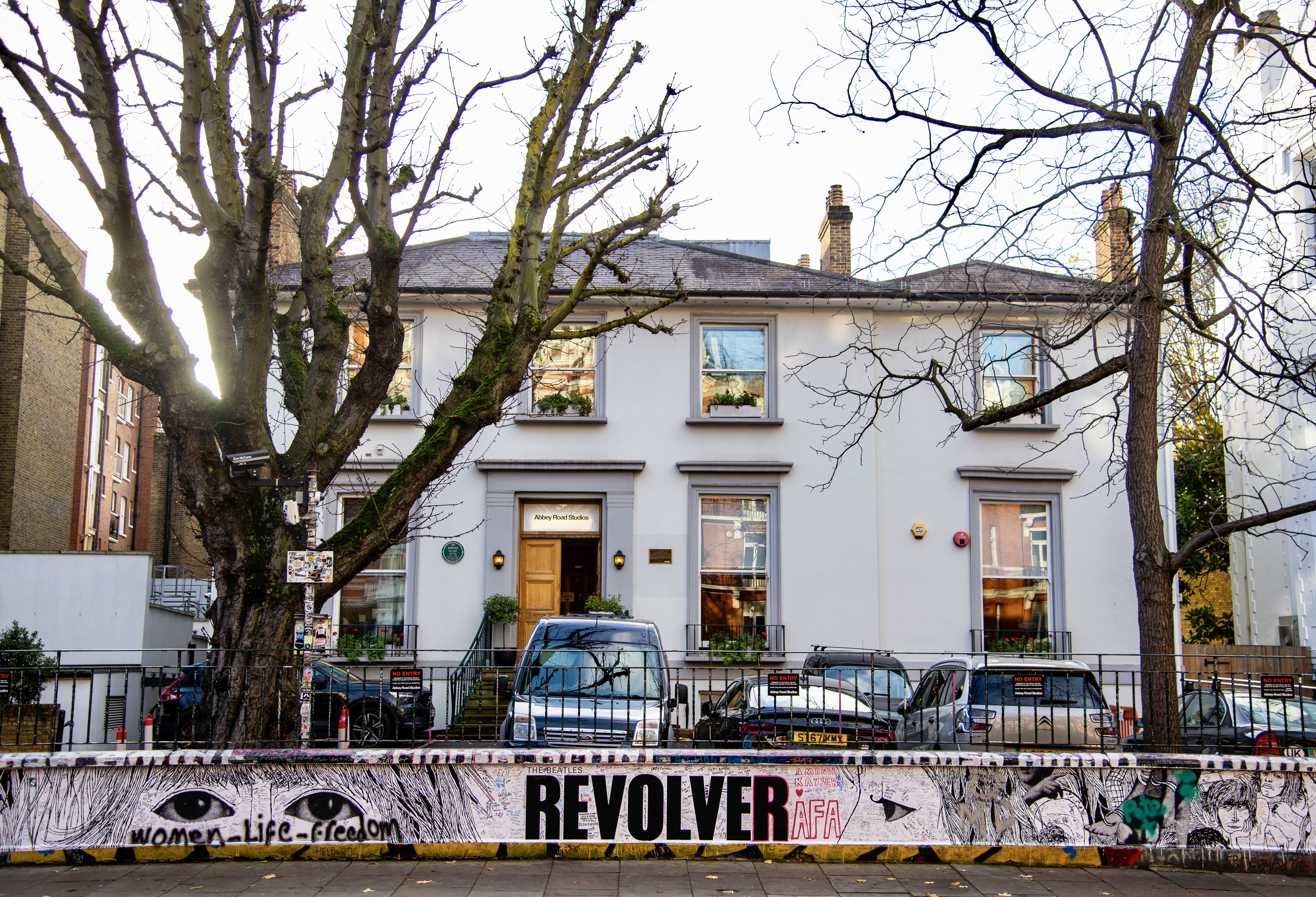
Could I have ever imagined to have an opportunity to photograph the recording and mixing sessions at the Abbey Road Studio 3?
It was an absolutely incredible experience, can’t be compared to anything else.Not only the studio is great but the music recorded and people are amazing too. Can’t wait to hear the final tracks. It should be something beautiful and special.
Many thanks to Sage for letting me be the part of this experience. 🙂
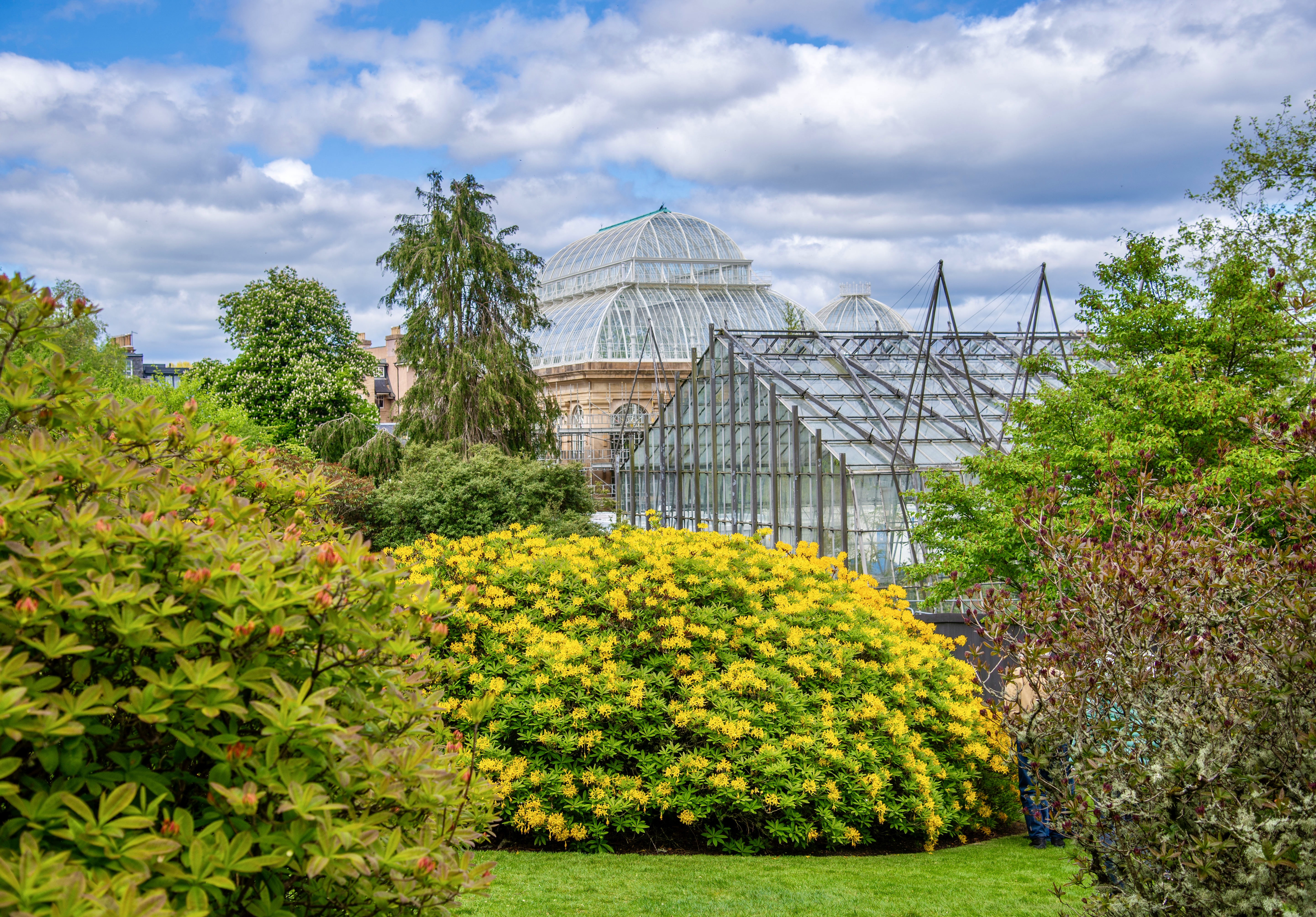
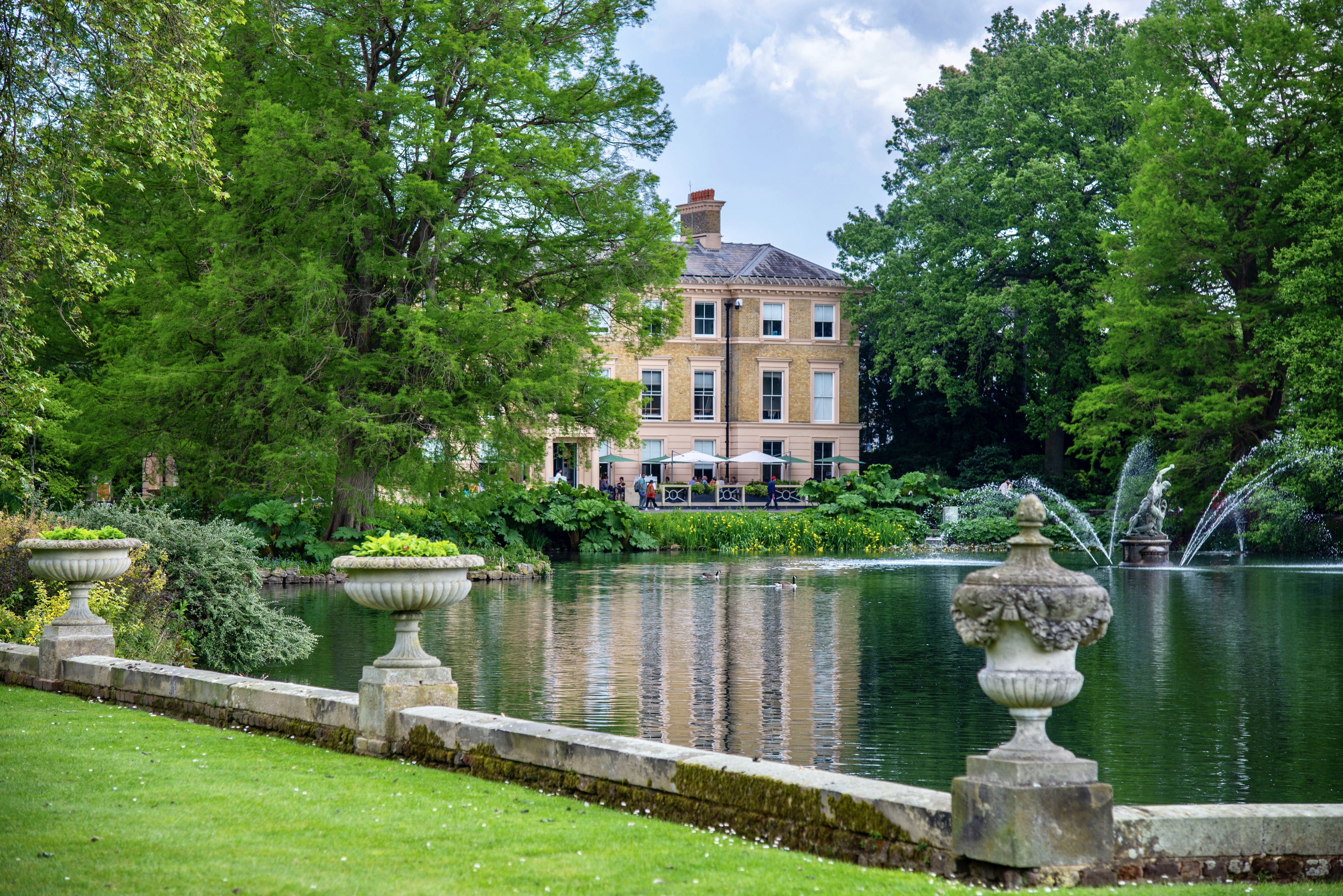
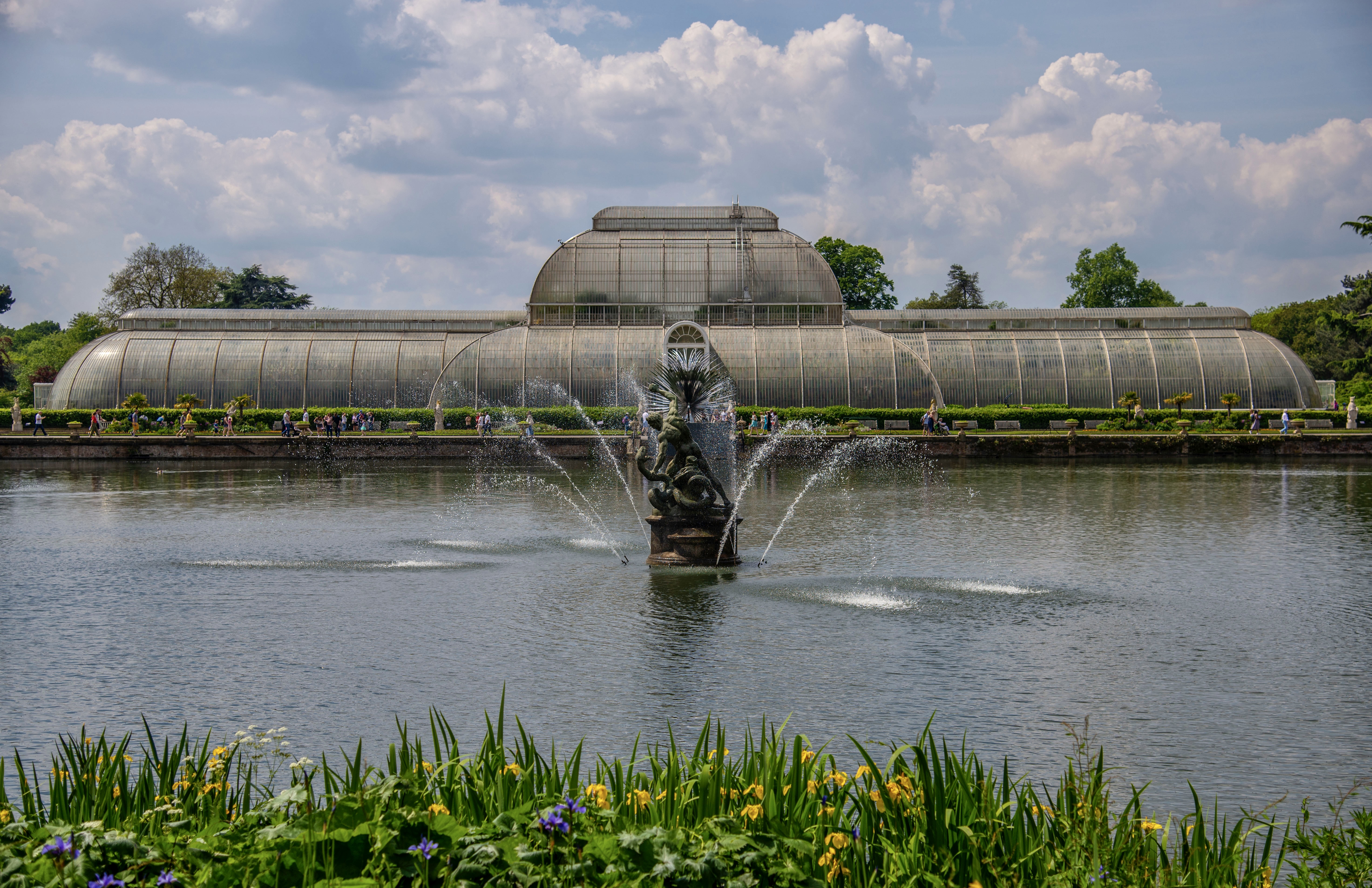
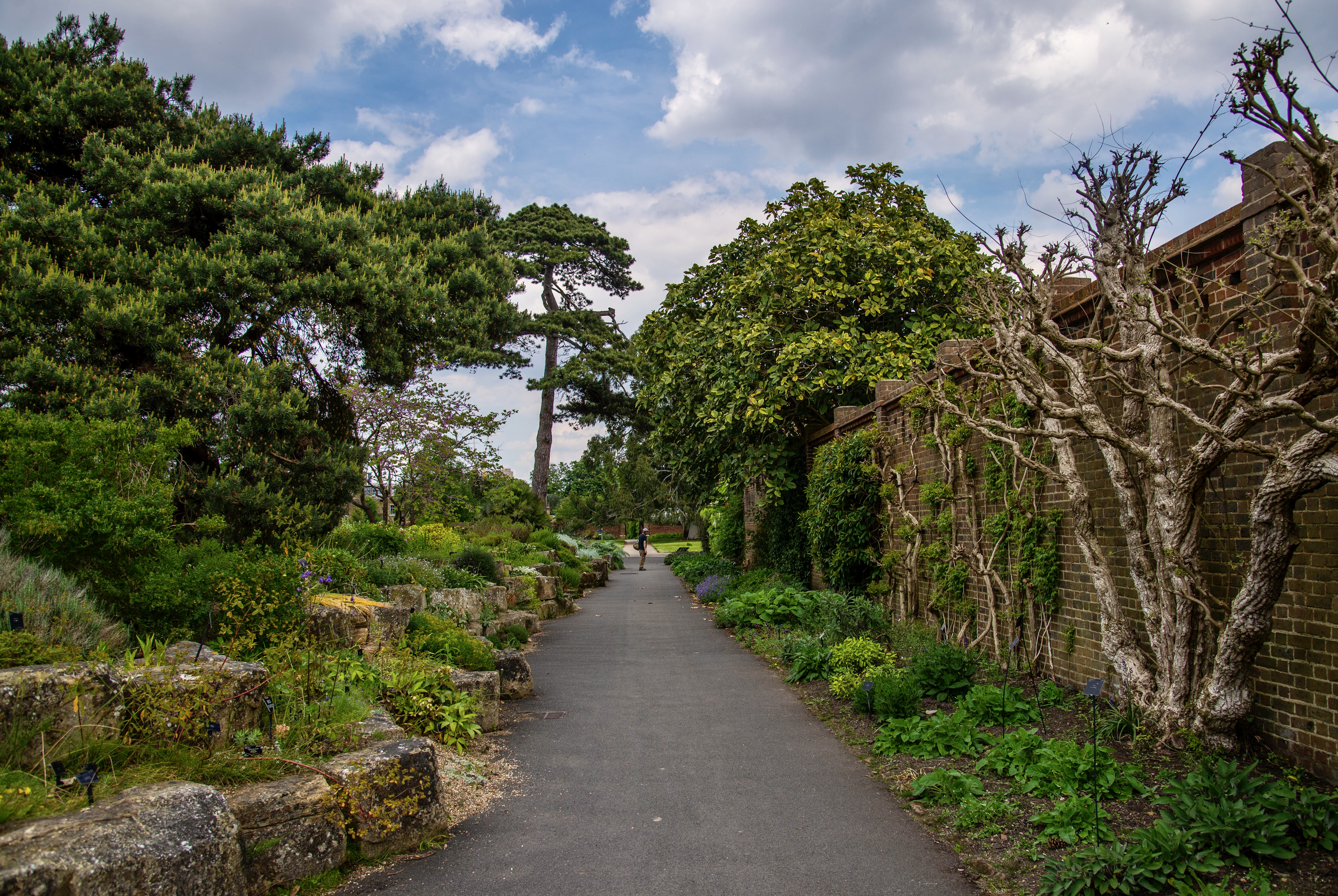
The Royal Botanic Gardens, Kew was founded in 1759 and keep changing since then. It houses the largest and the most diverse botanical and mycological collections in the world.
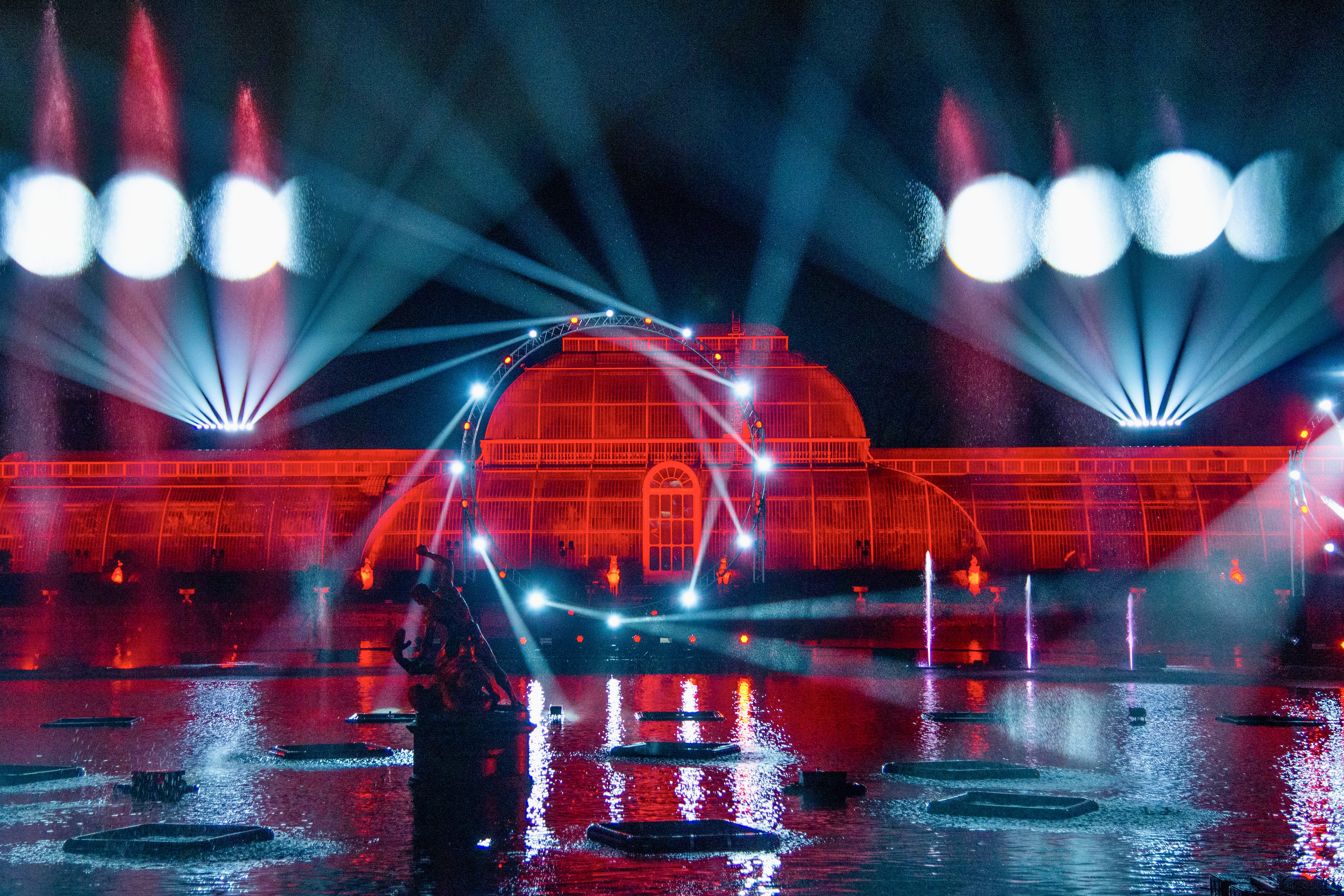
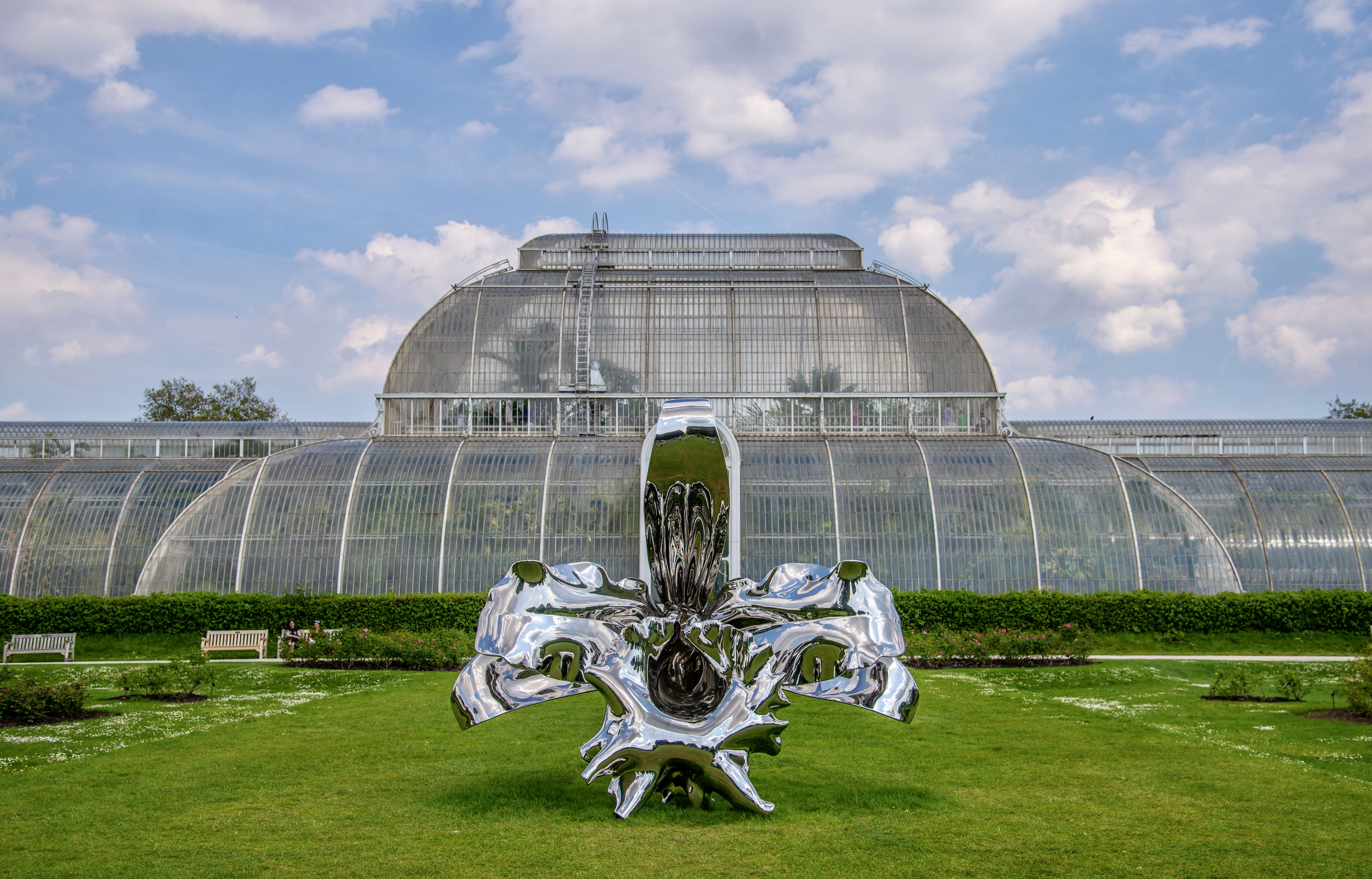
Palm House and Marc Quinn: Light into Life exhibition
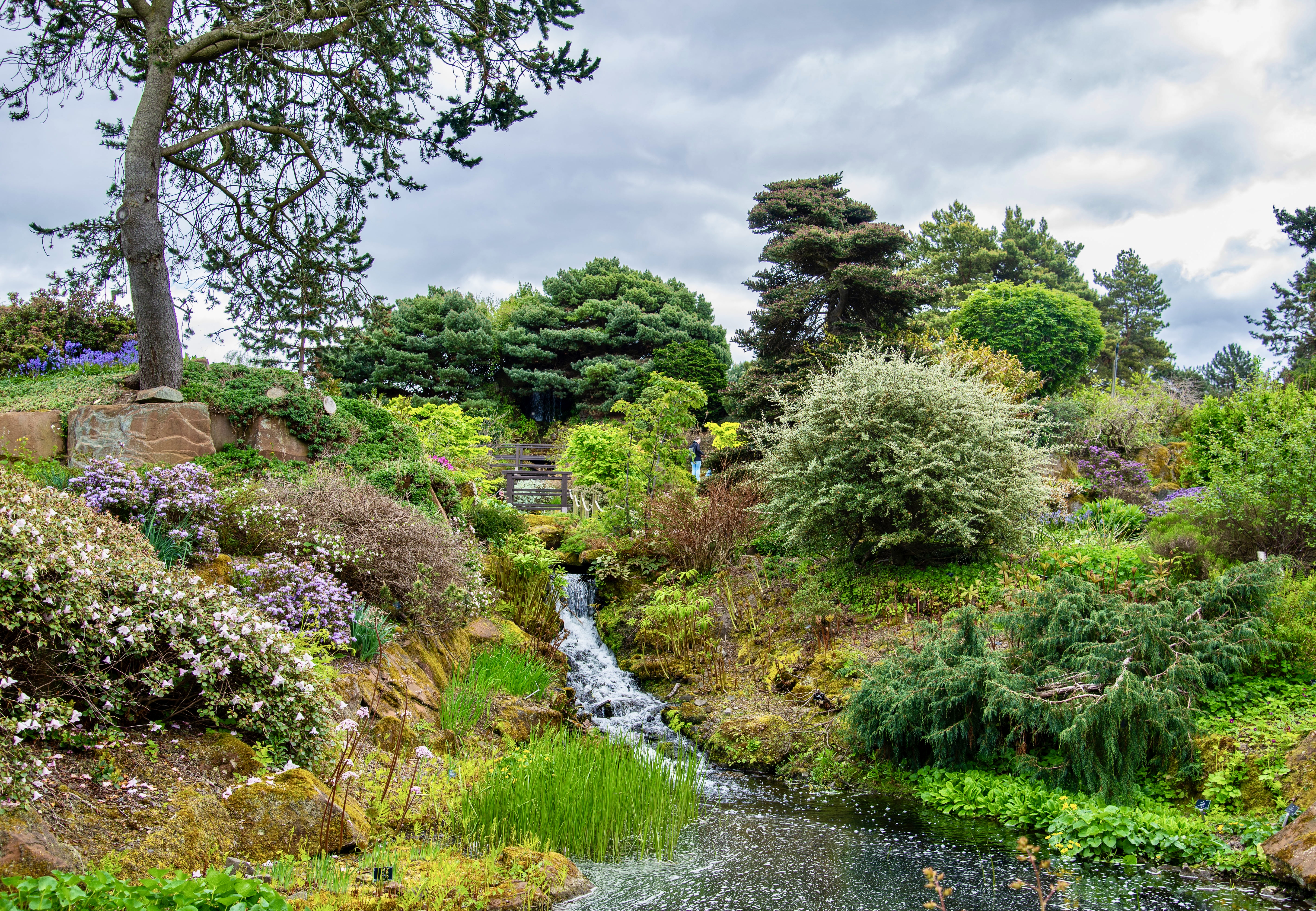
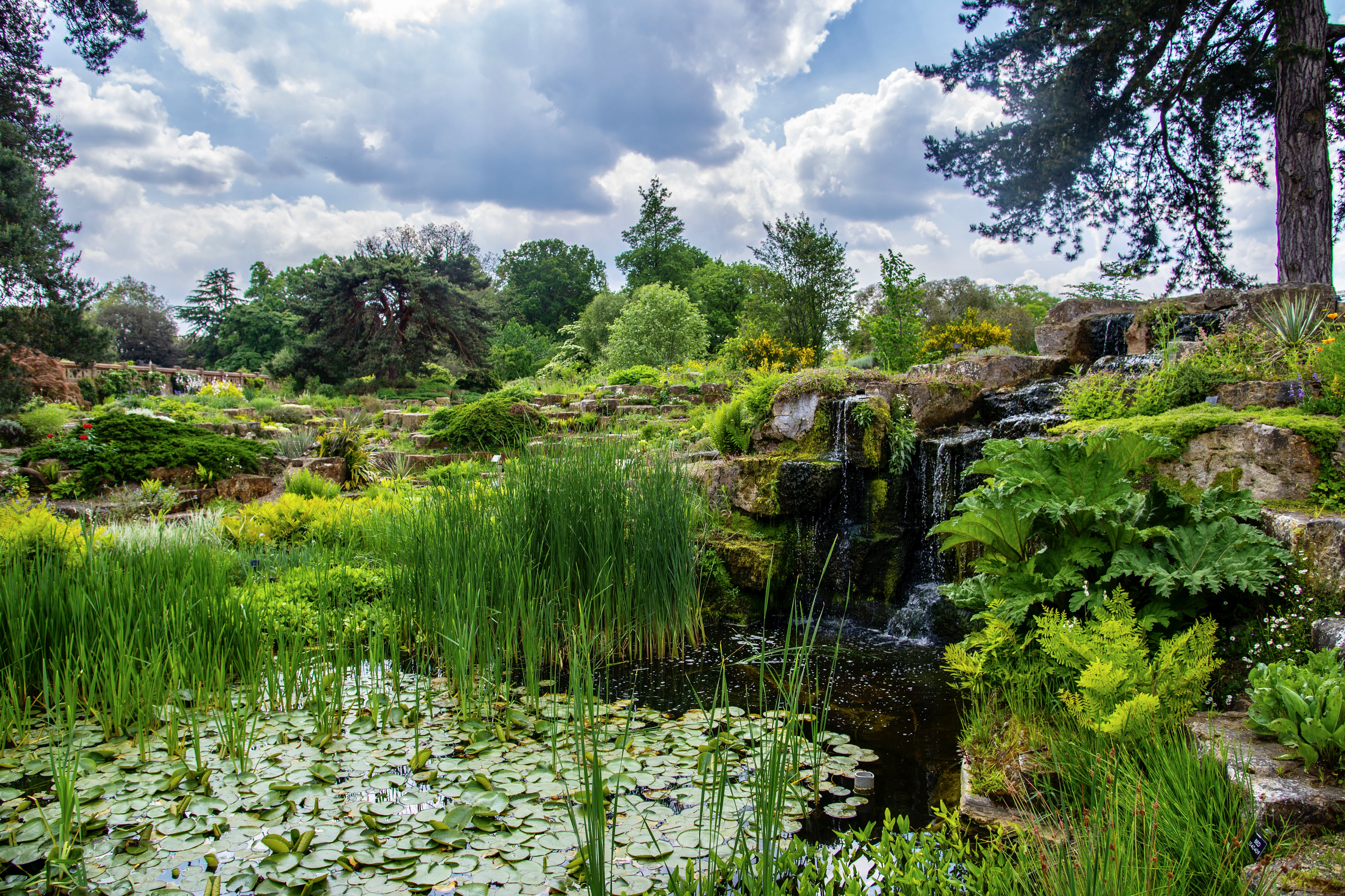
Princess of Wales Conservatory and Rock Garden
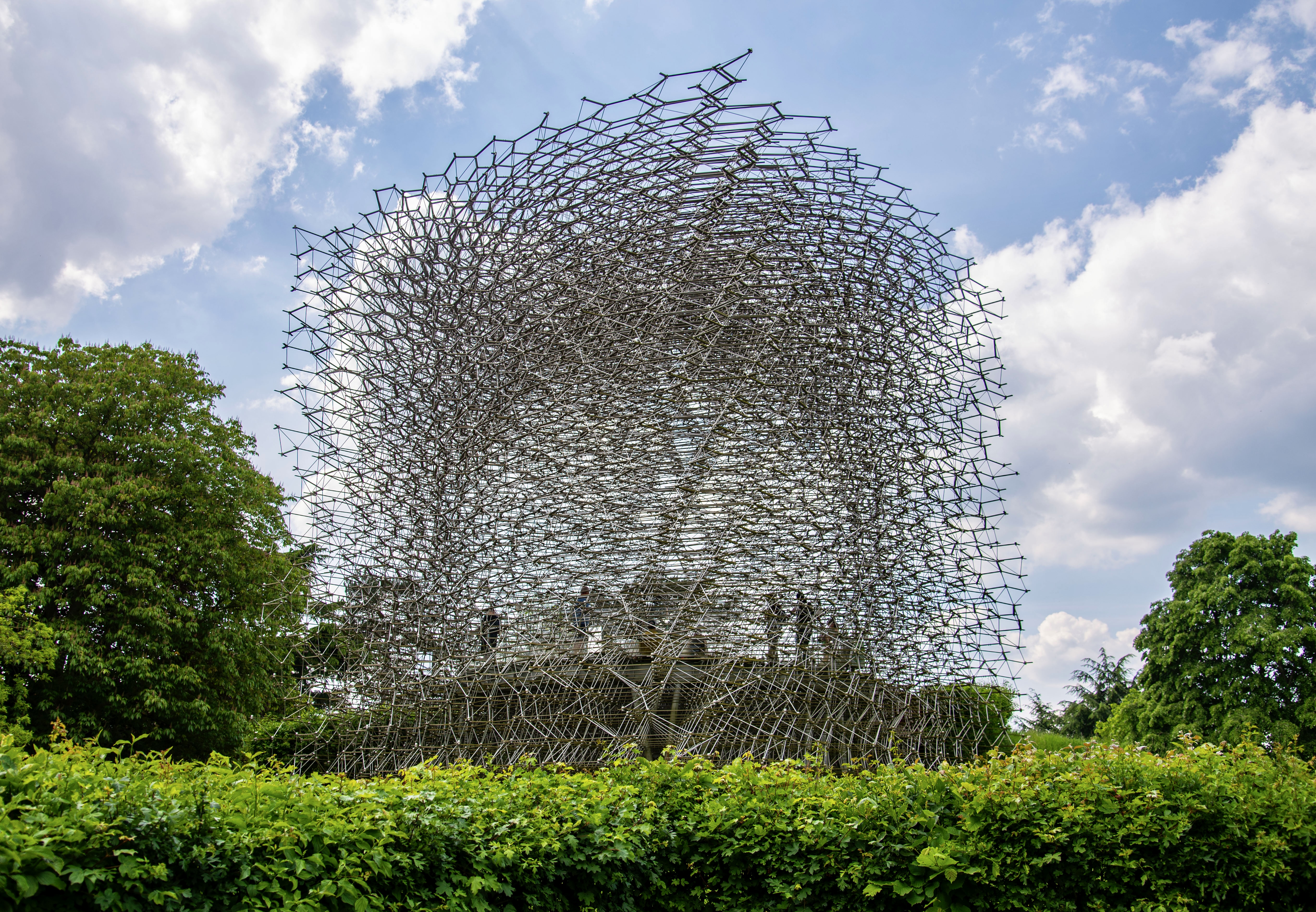
The Hive
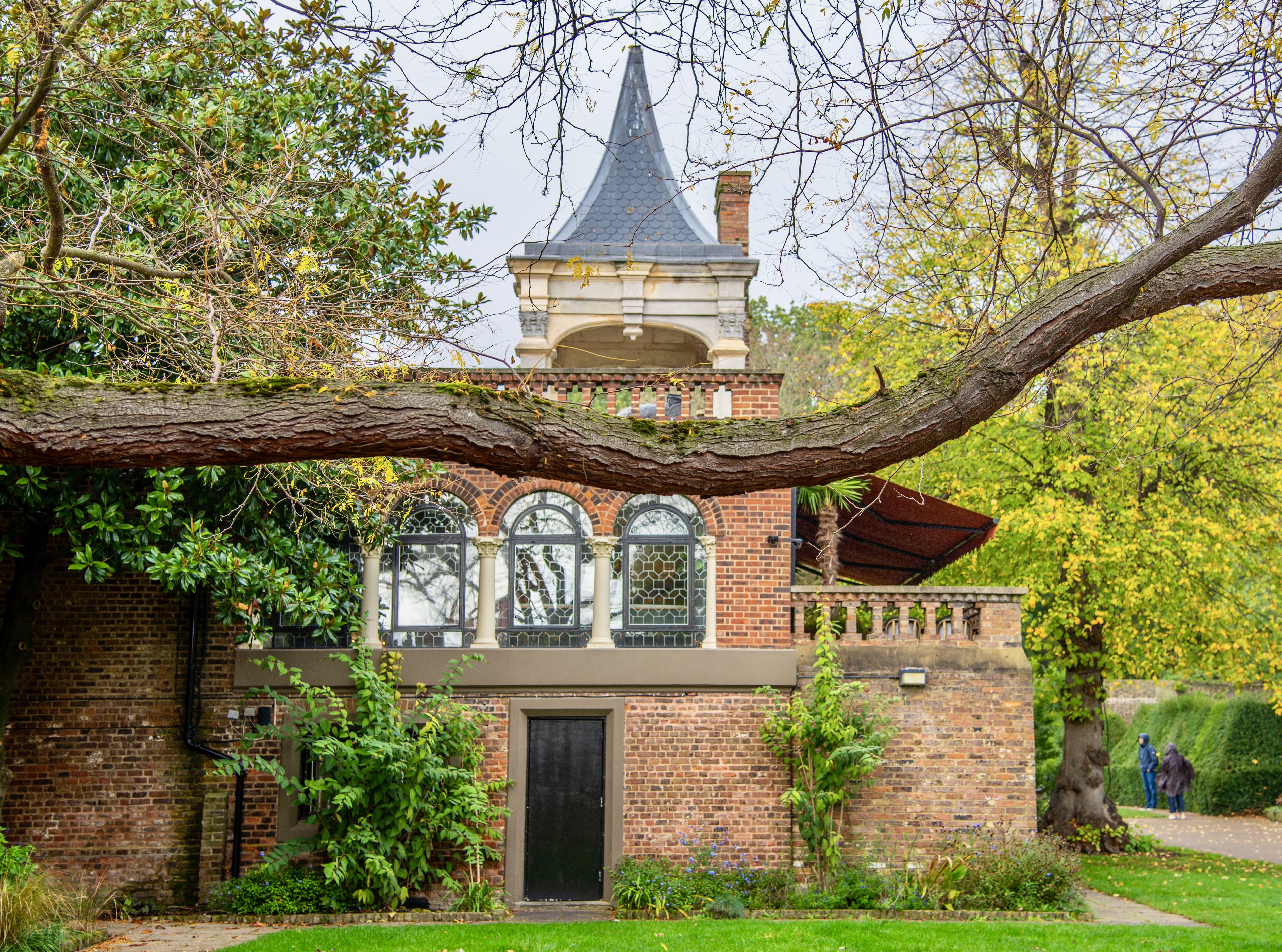
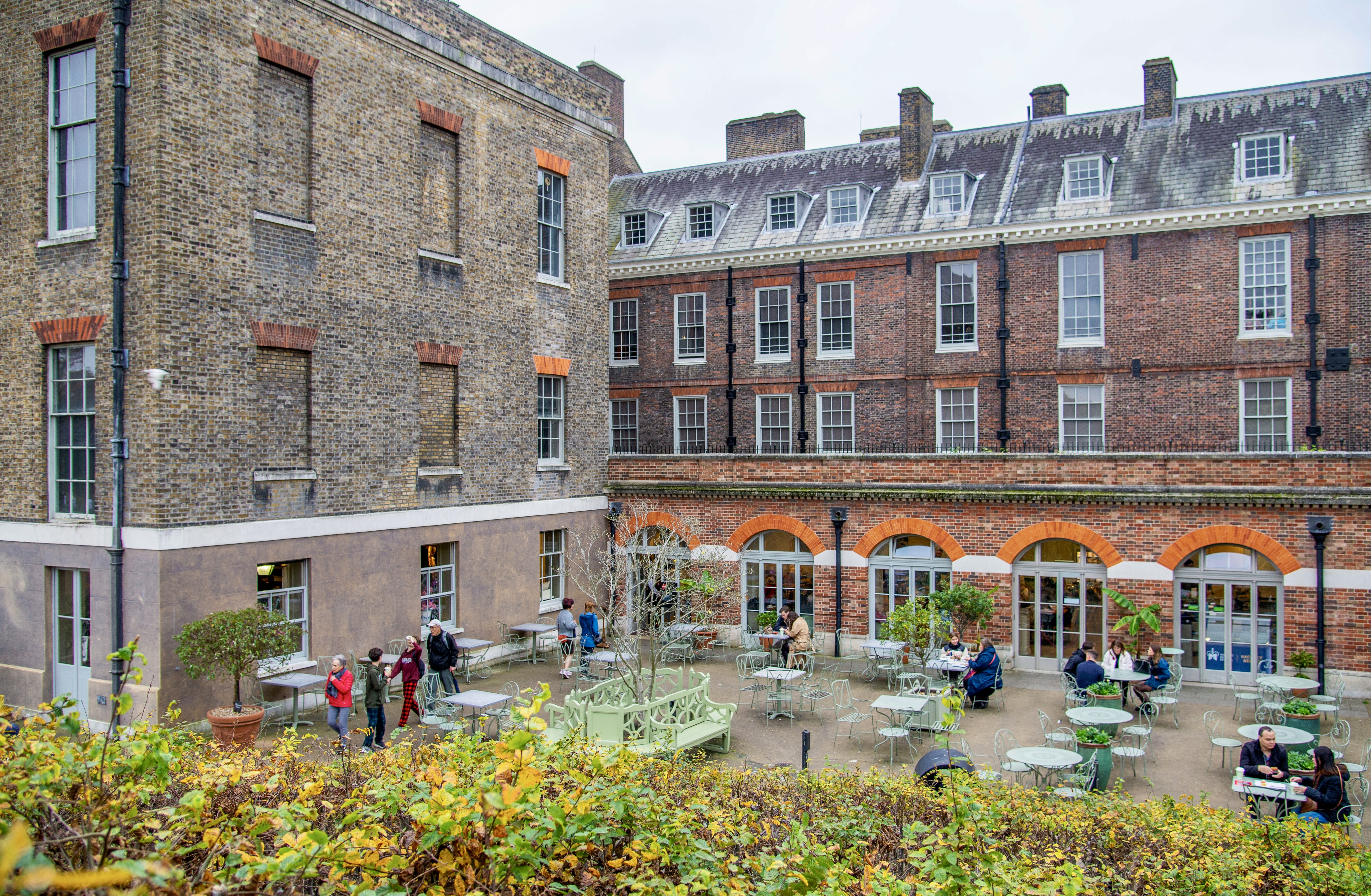
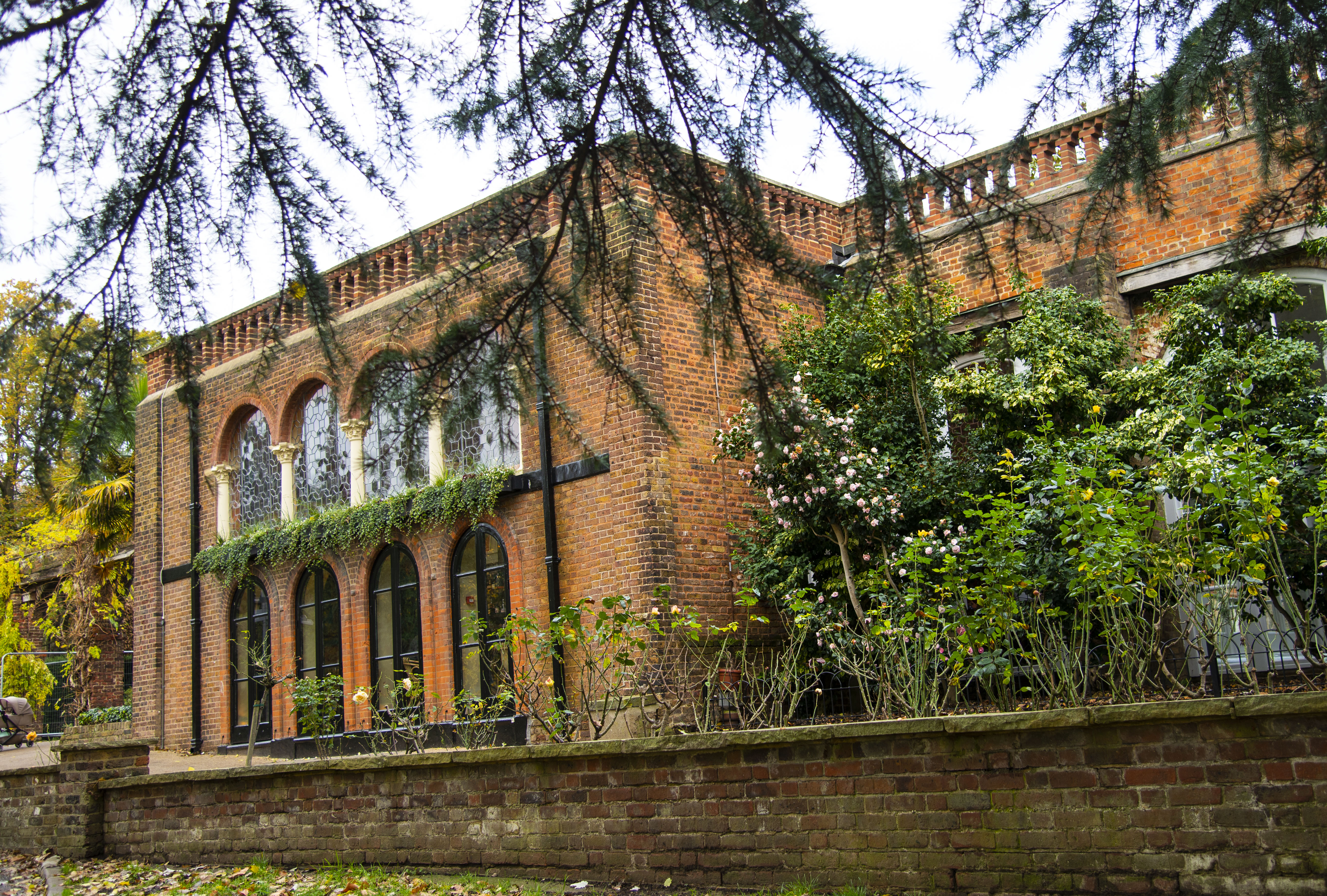
The Dutch House is one of the few surviving parts of the Kew Palace complex.
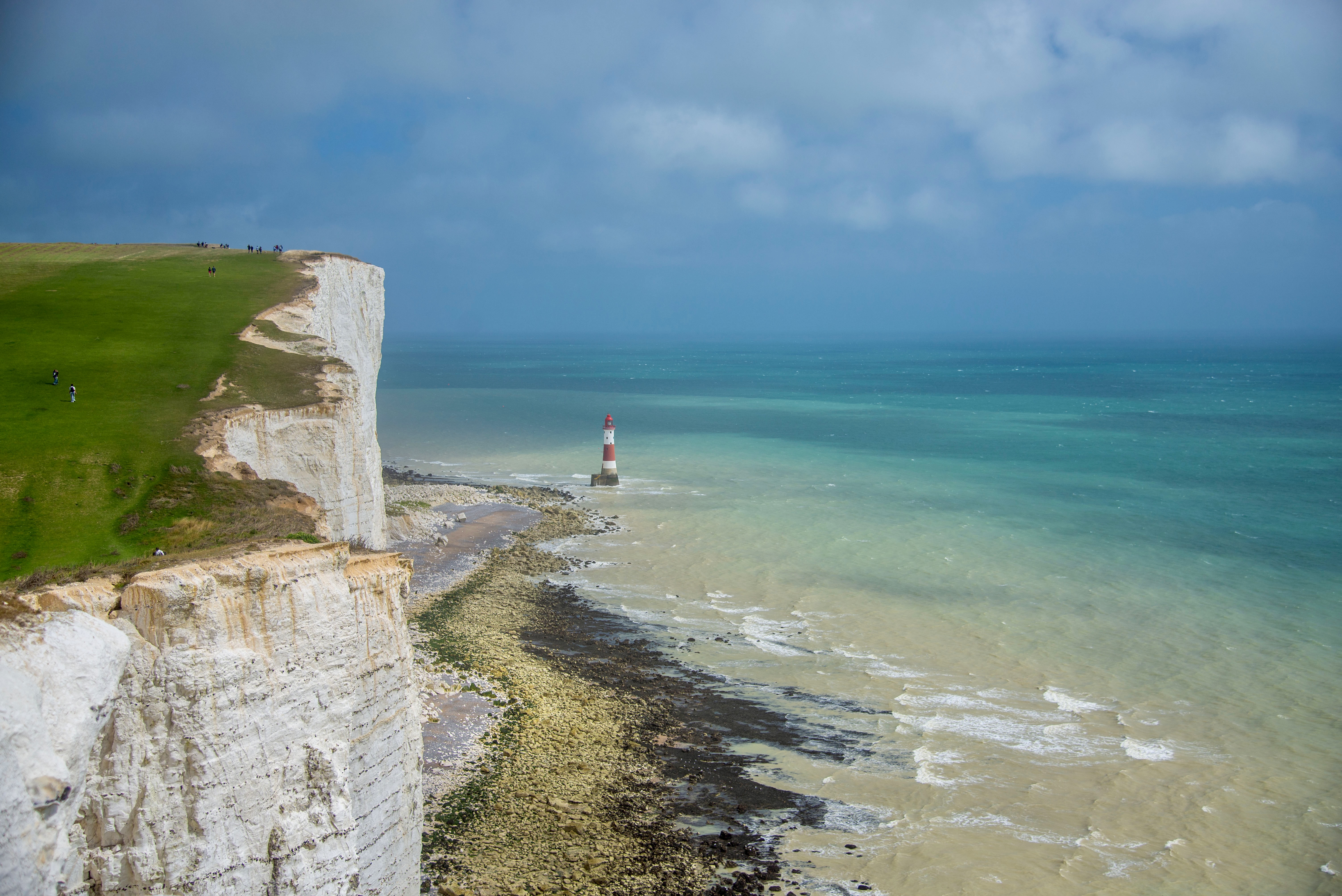
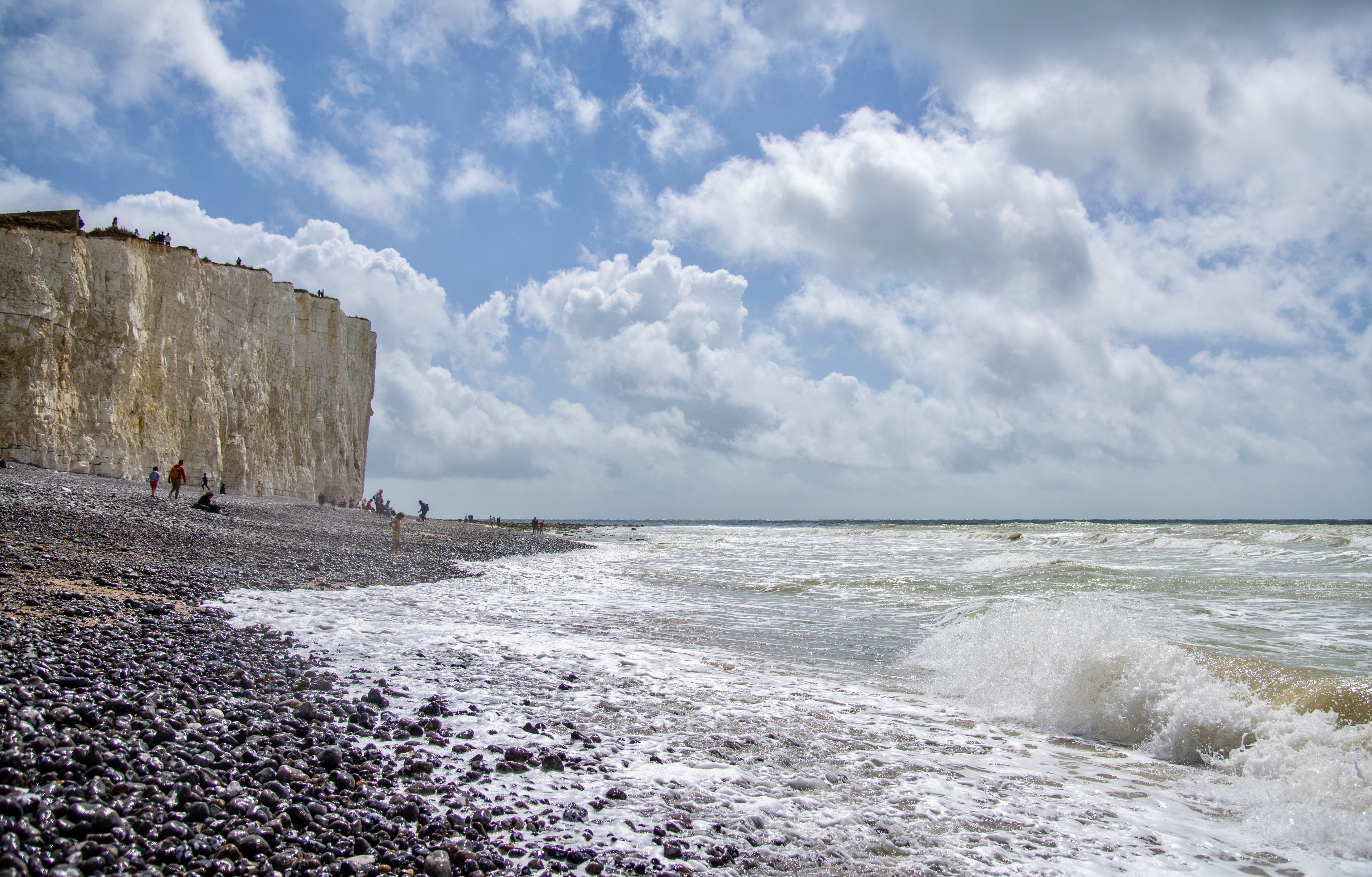
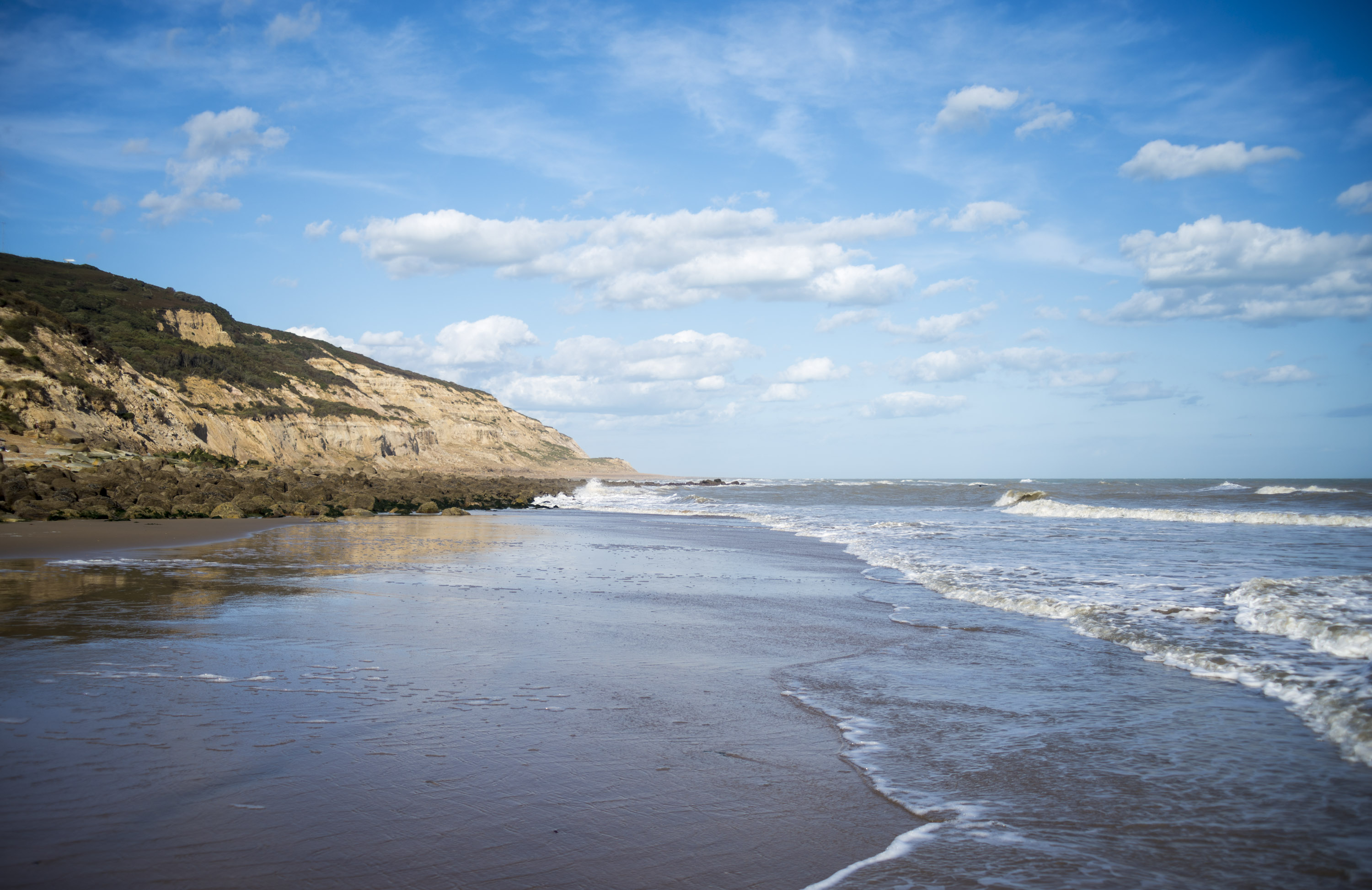
The White Chalk Cliffs at Beachy Head were formed between 65 and 100 million years ago when the land was completely covered by the sea. The light from the Beachy Head Lighthouse first shone on the 2nd October 1902.
Birling Gap and the Seven Sisters
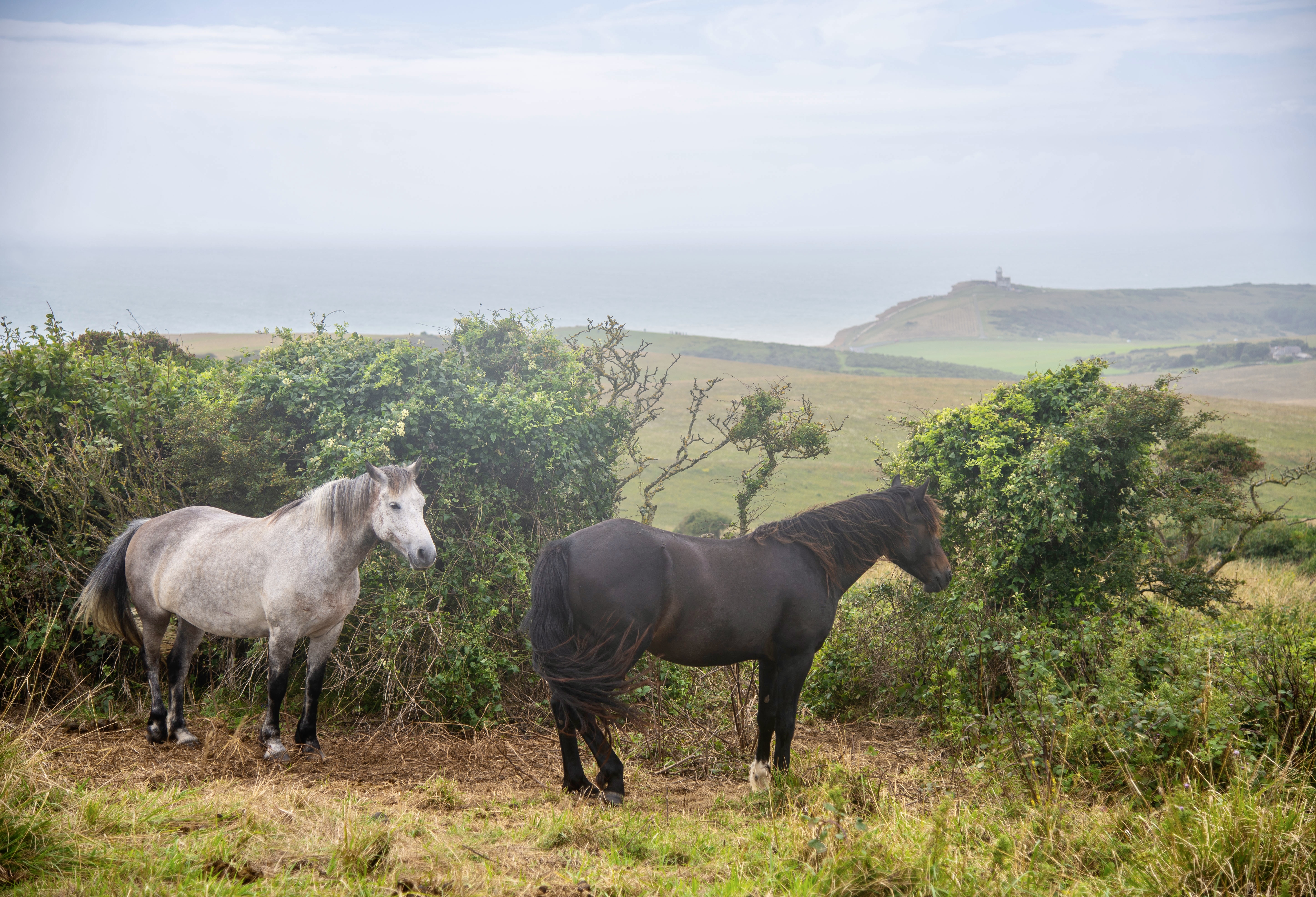
The hills and dips of the chalk cliffs between Cuckmere Haven and Birling Gap all have names. The original Seven Sisters now count as eight due to erosion dividing two of the hills. The view of the white cliffs just makes you feel so amazed! There is also a lighthouse built on the hill, the light from which first shone on the 11 October 1834.
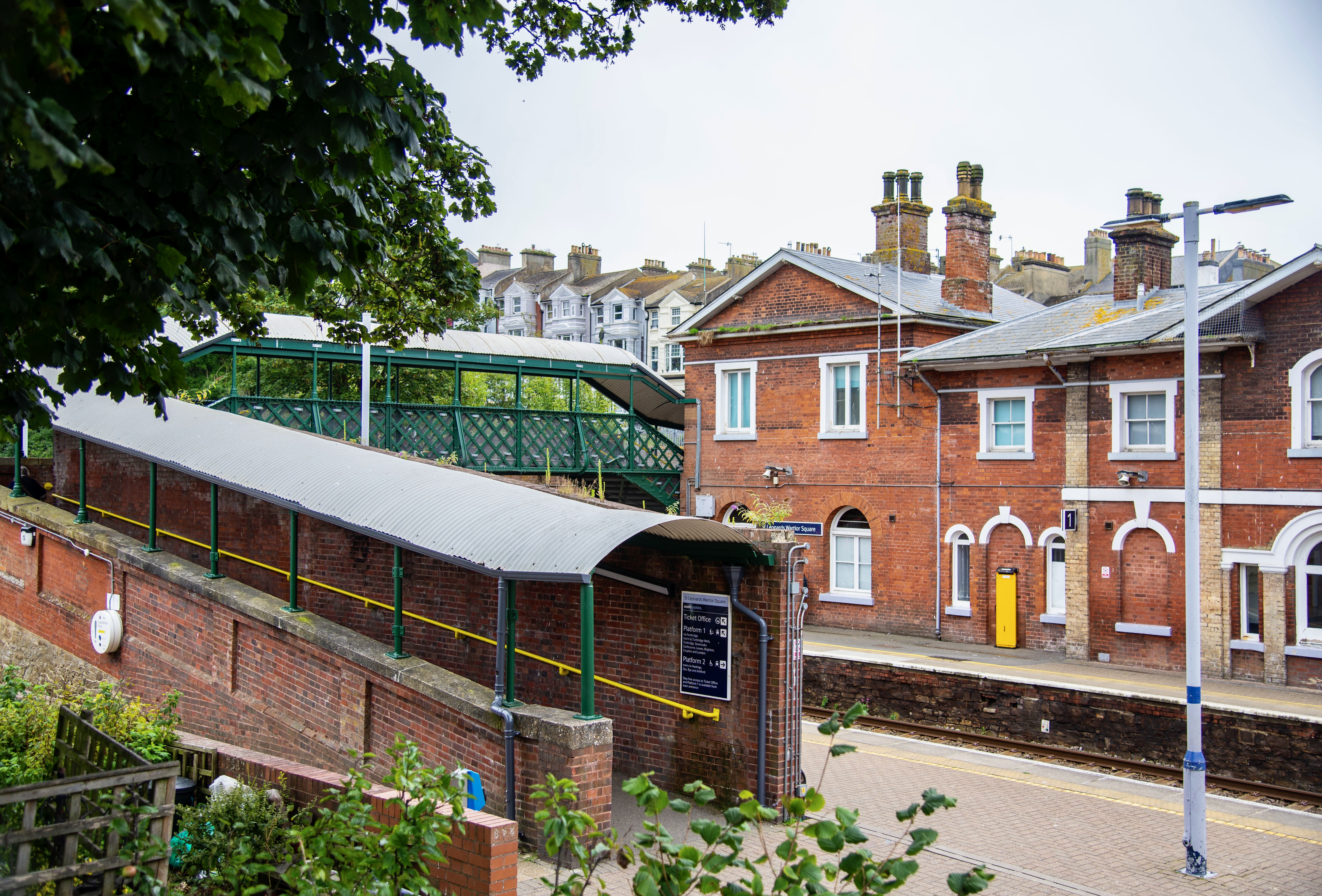
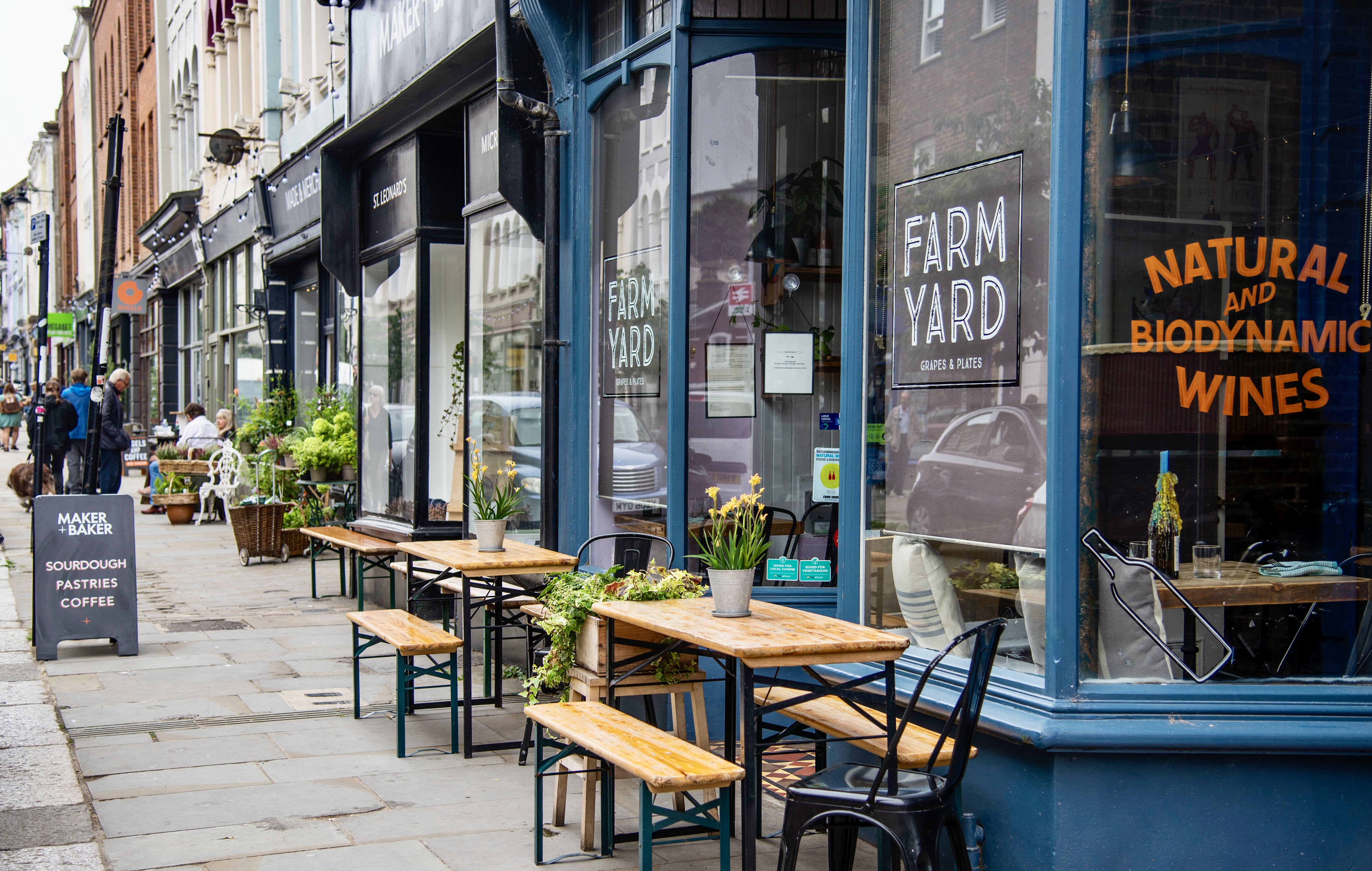
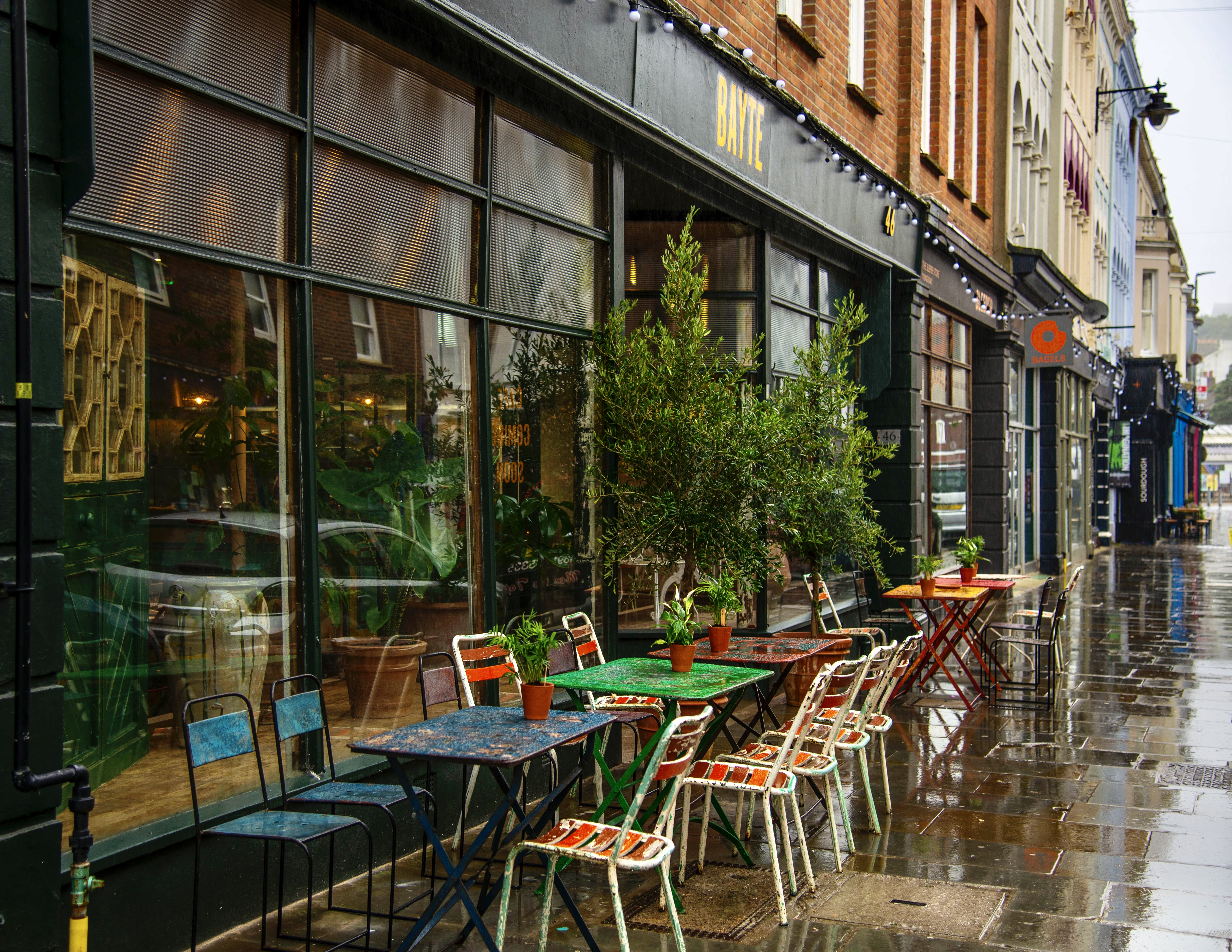
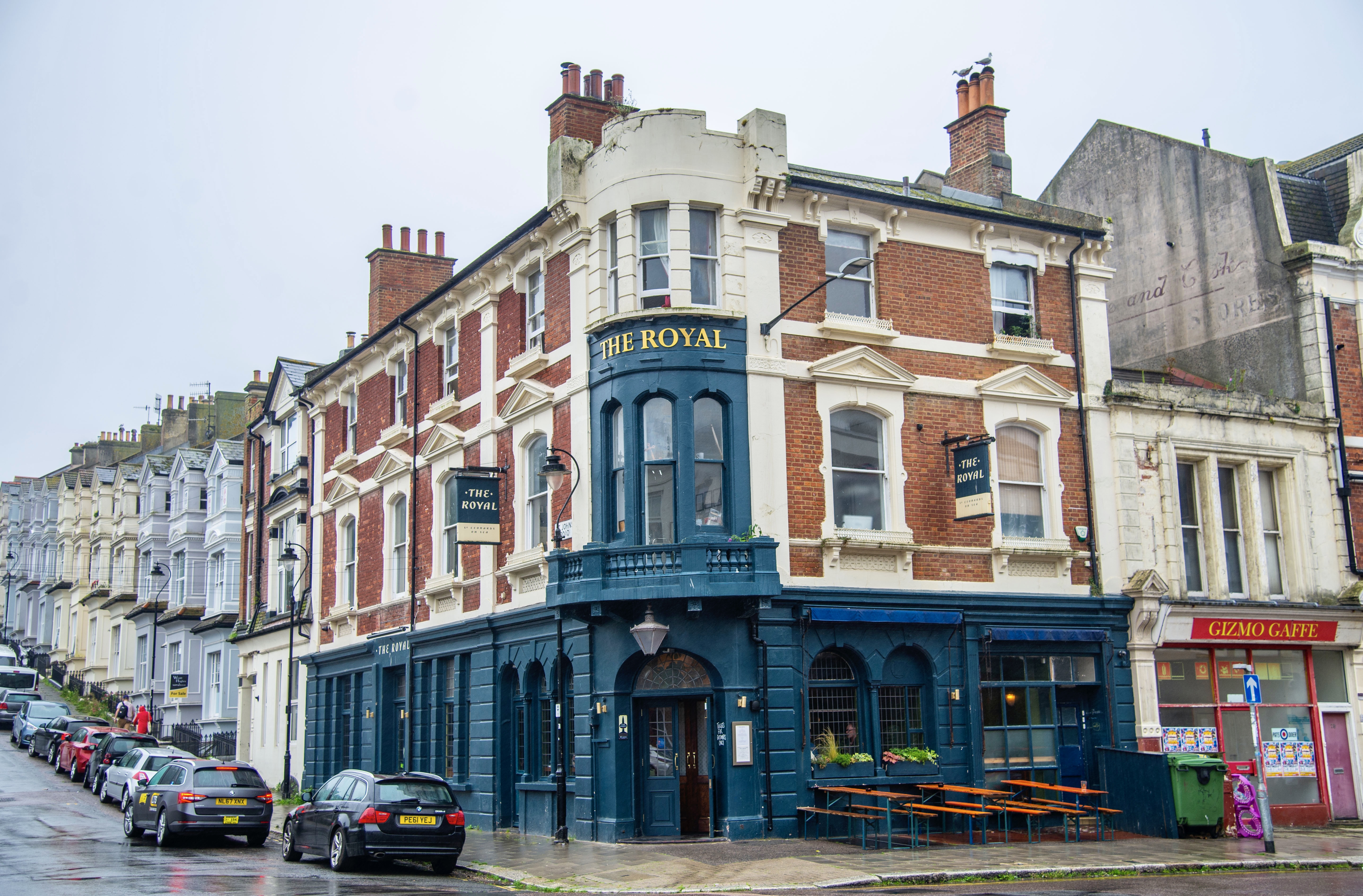
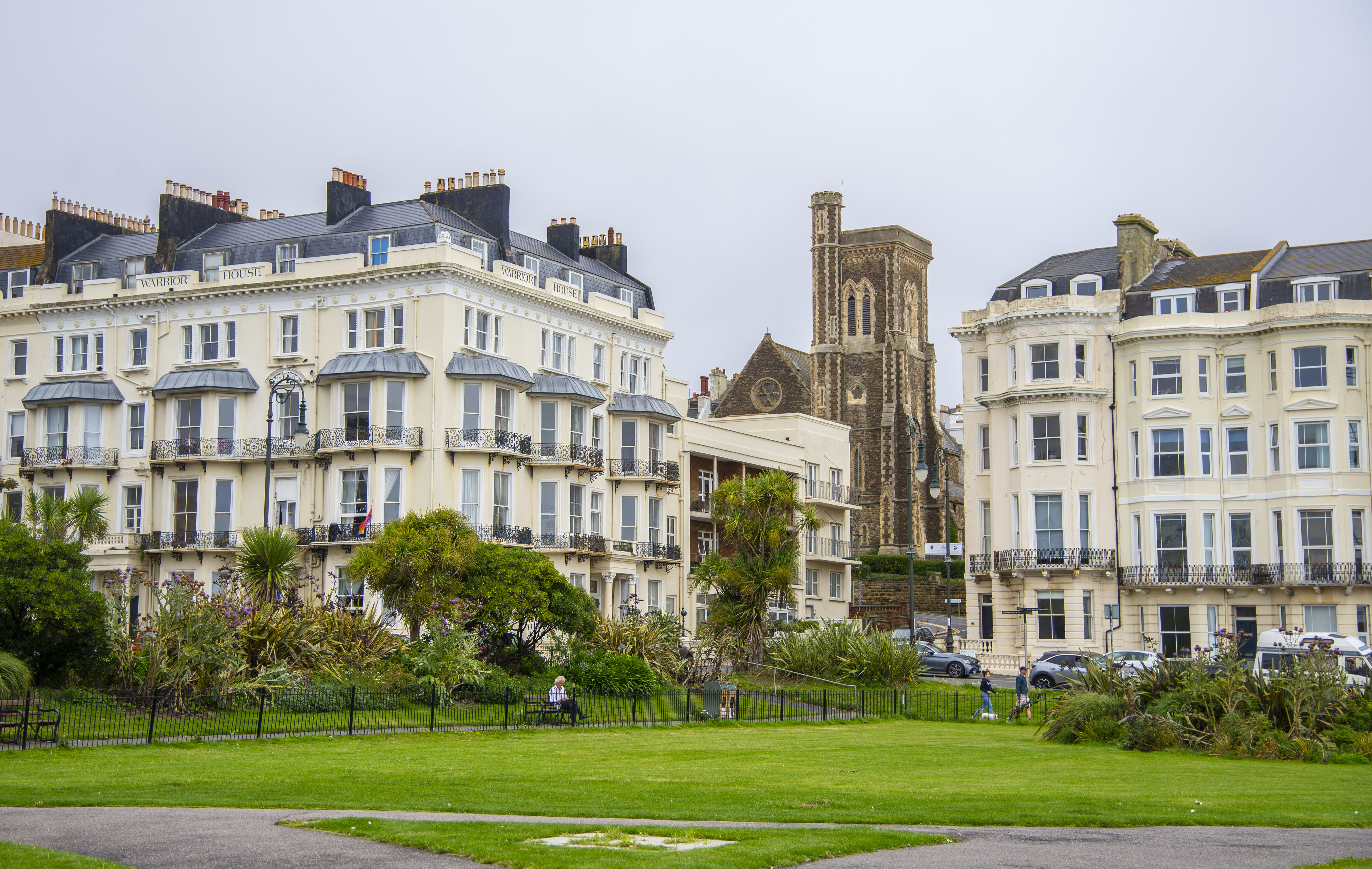
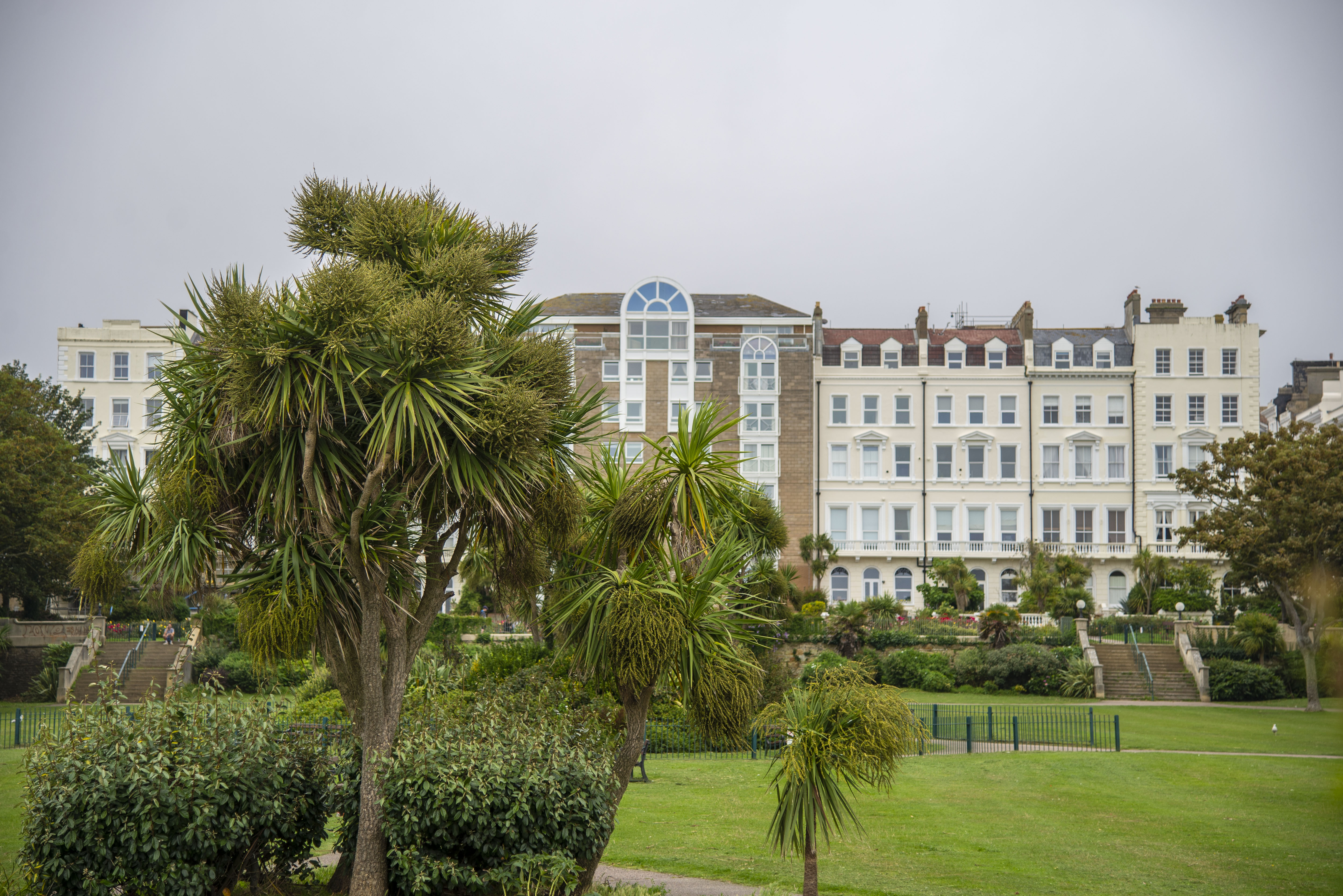
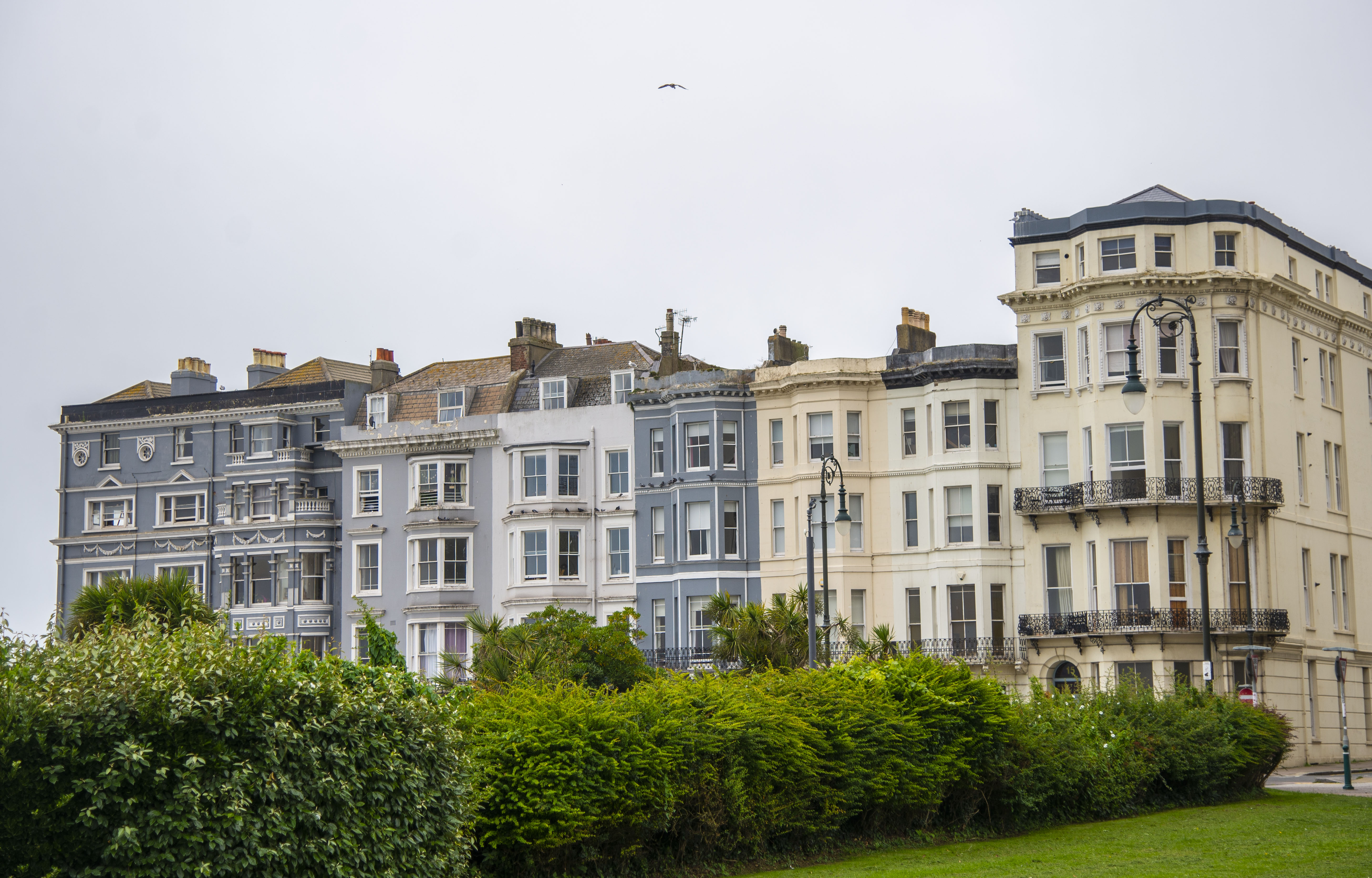
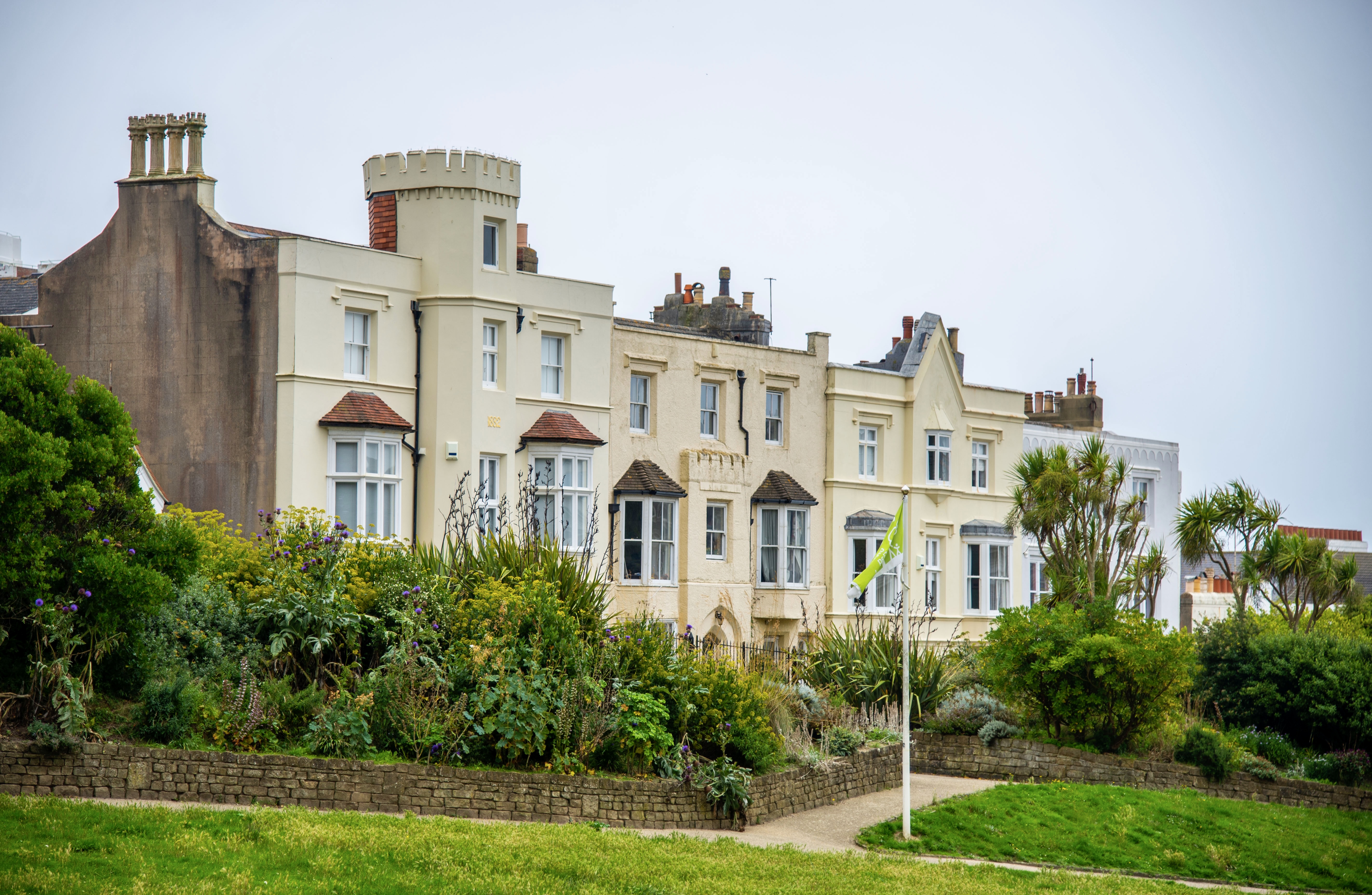
St. Leonards On Sea
Warrior Square Gardens
St. Leonards Gardens
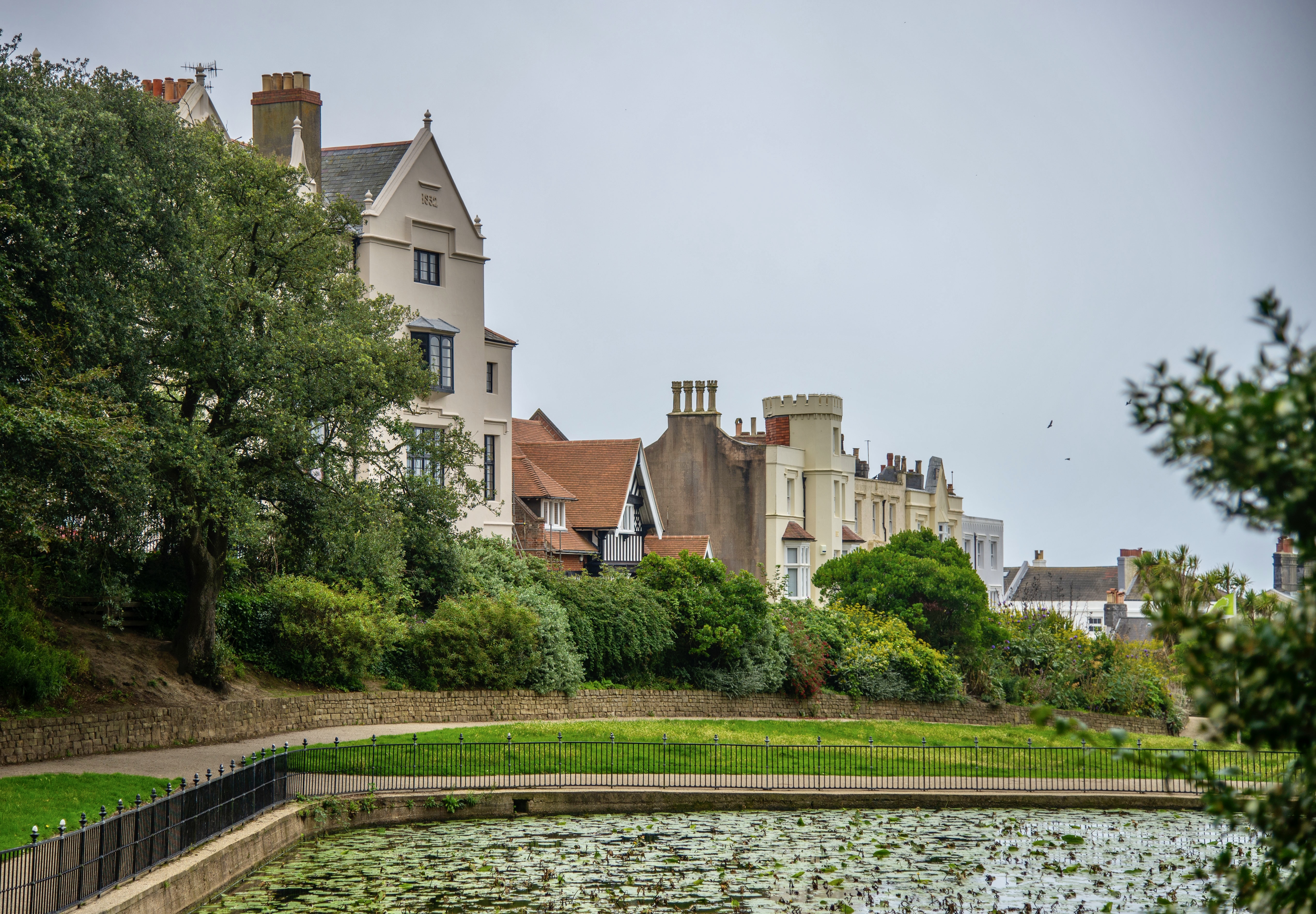
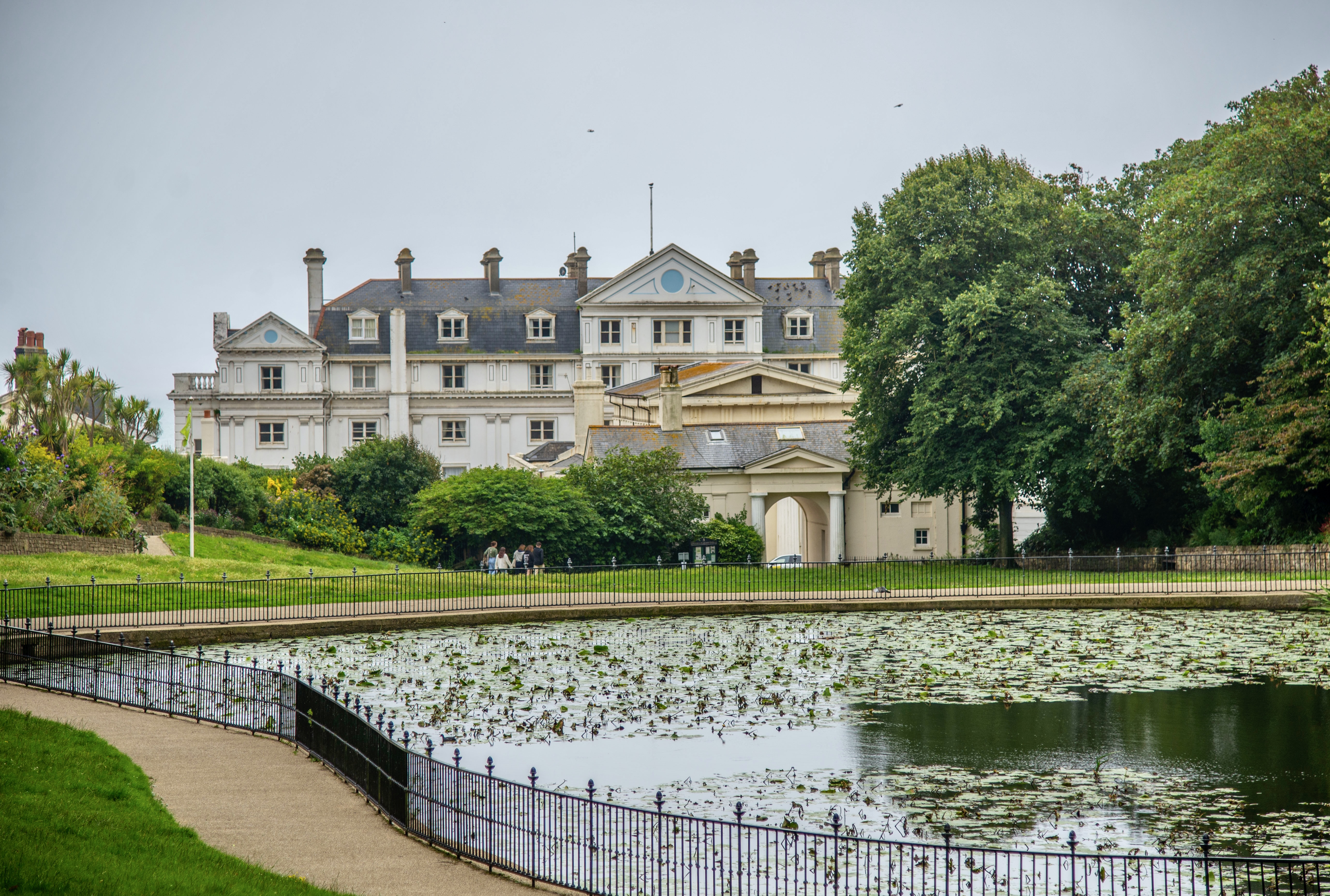
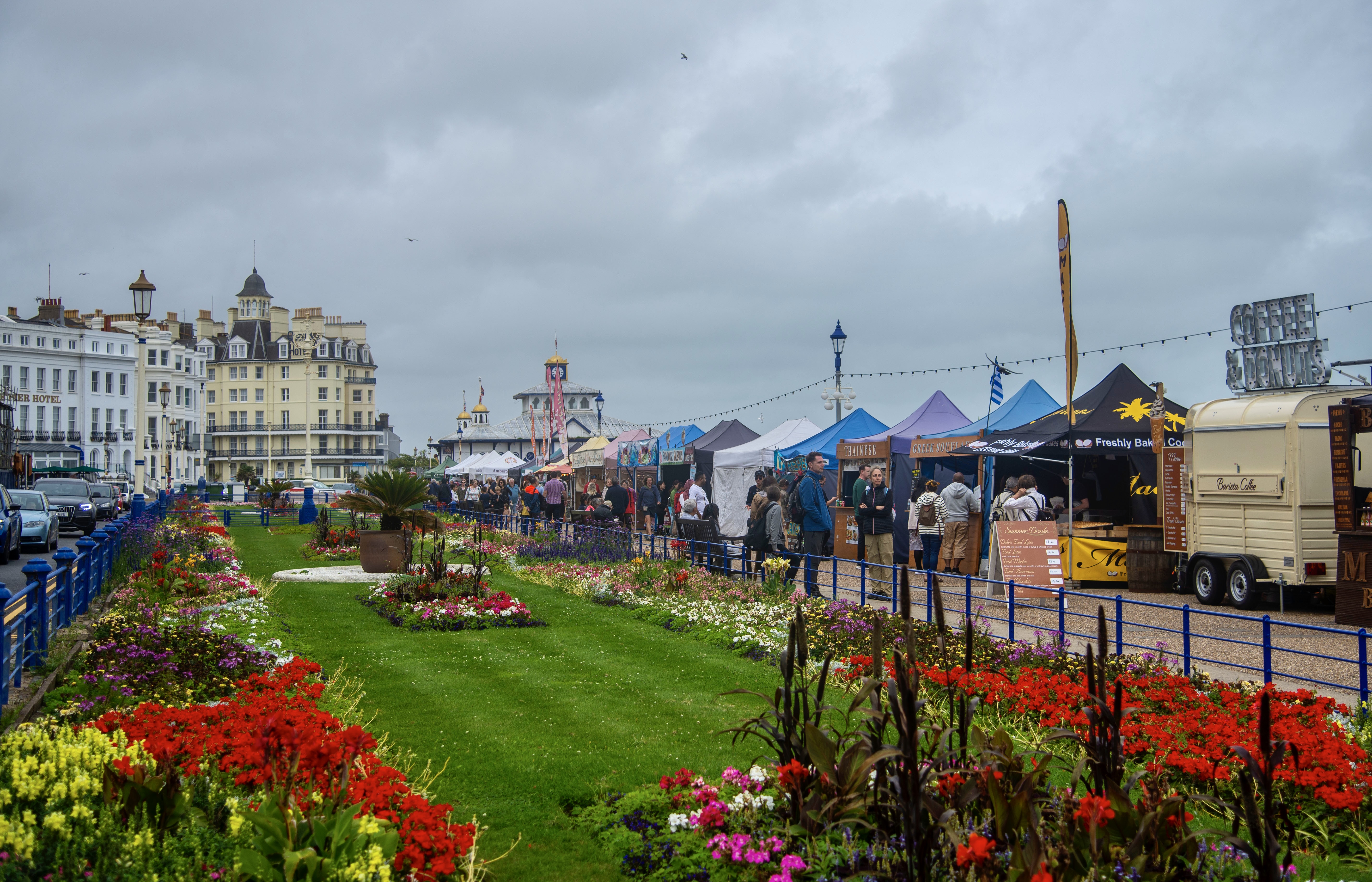
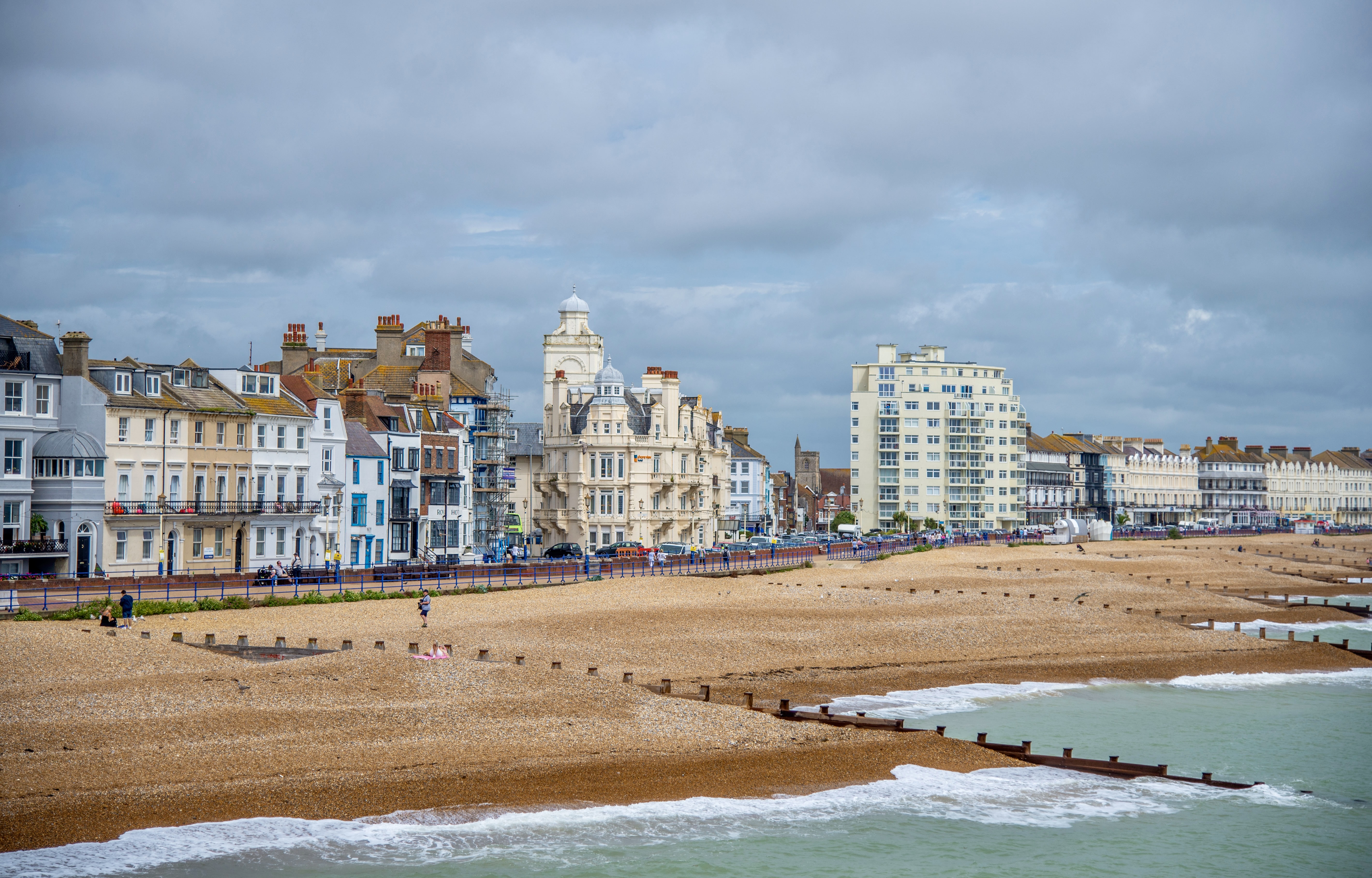
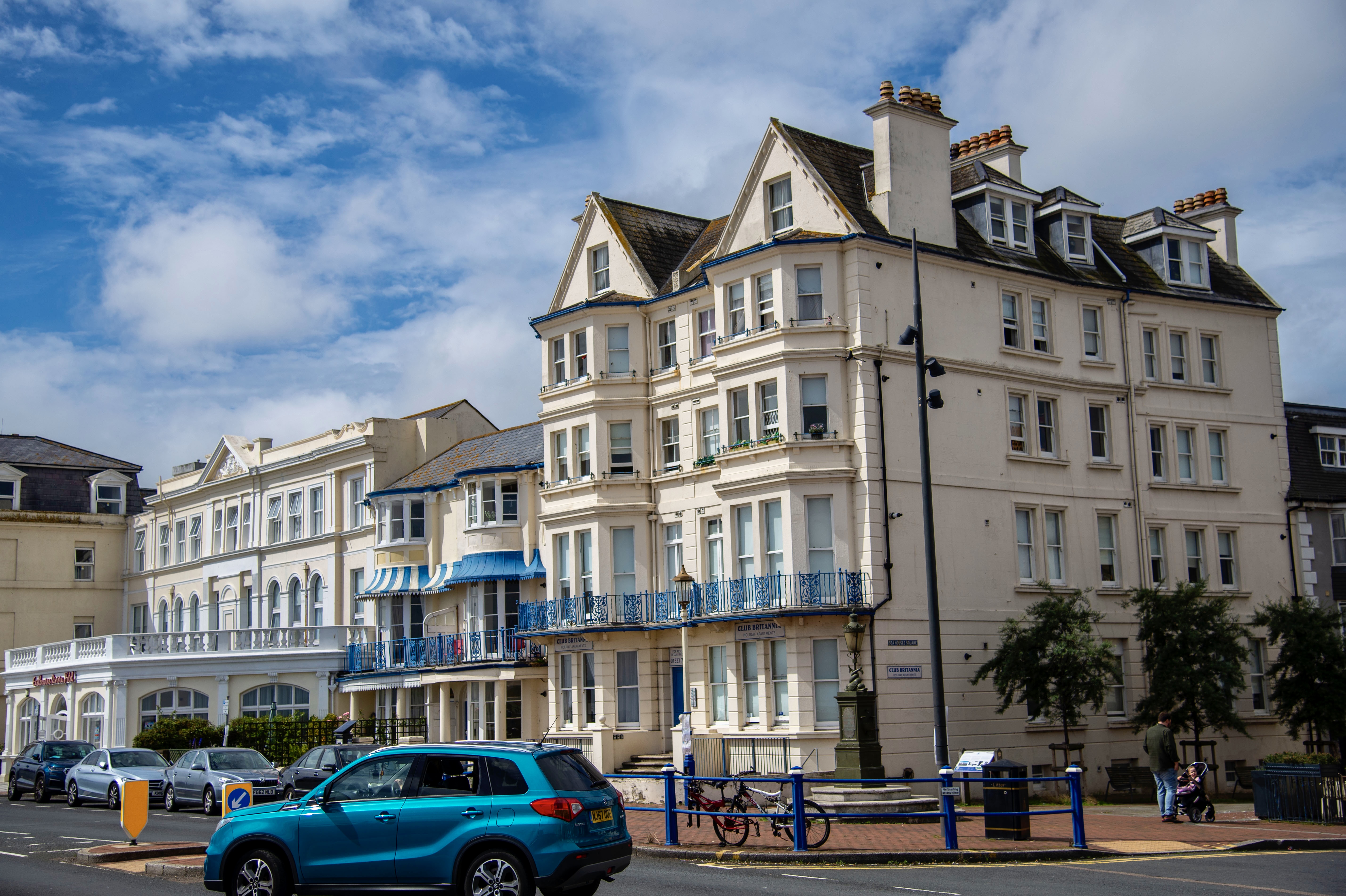
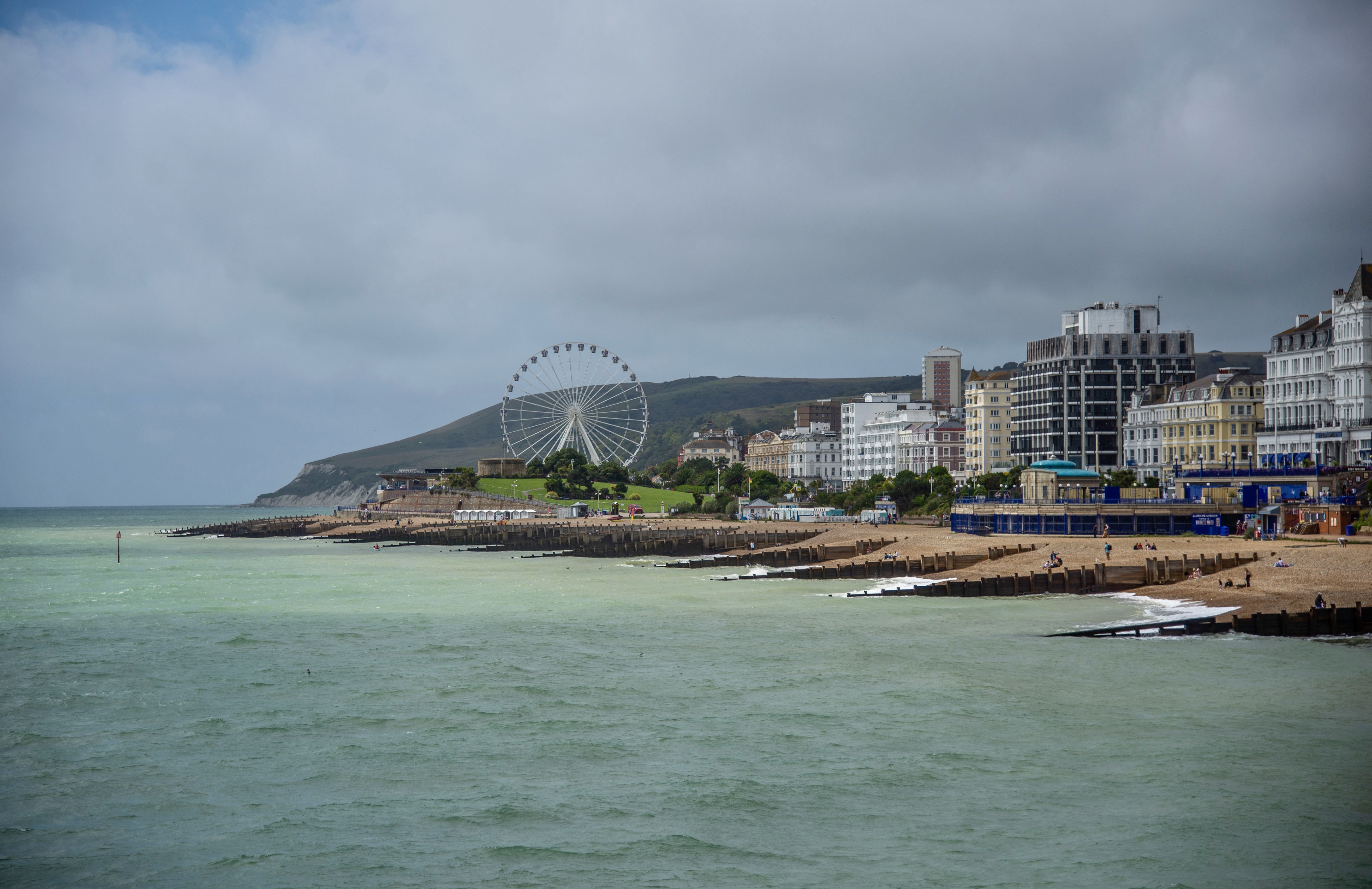
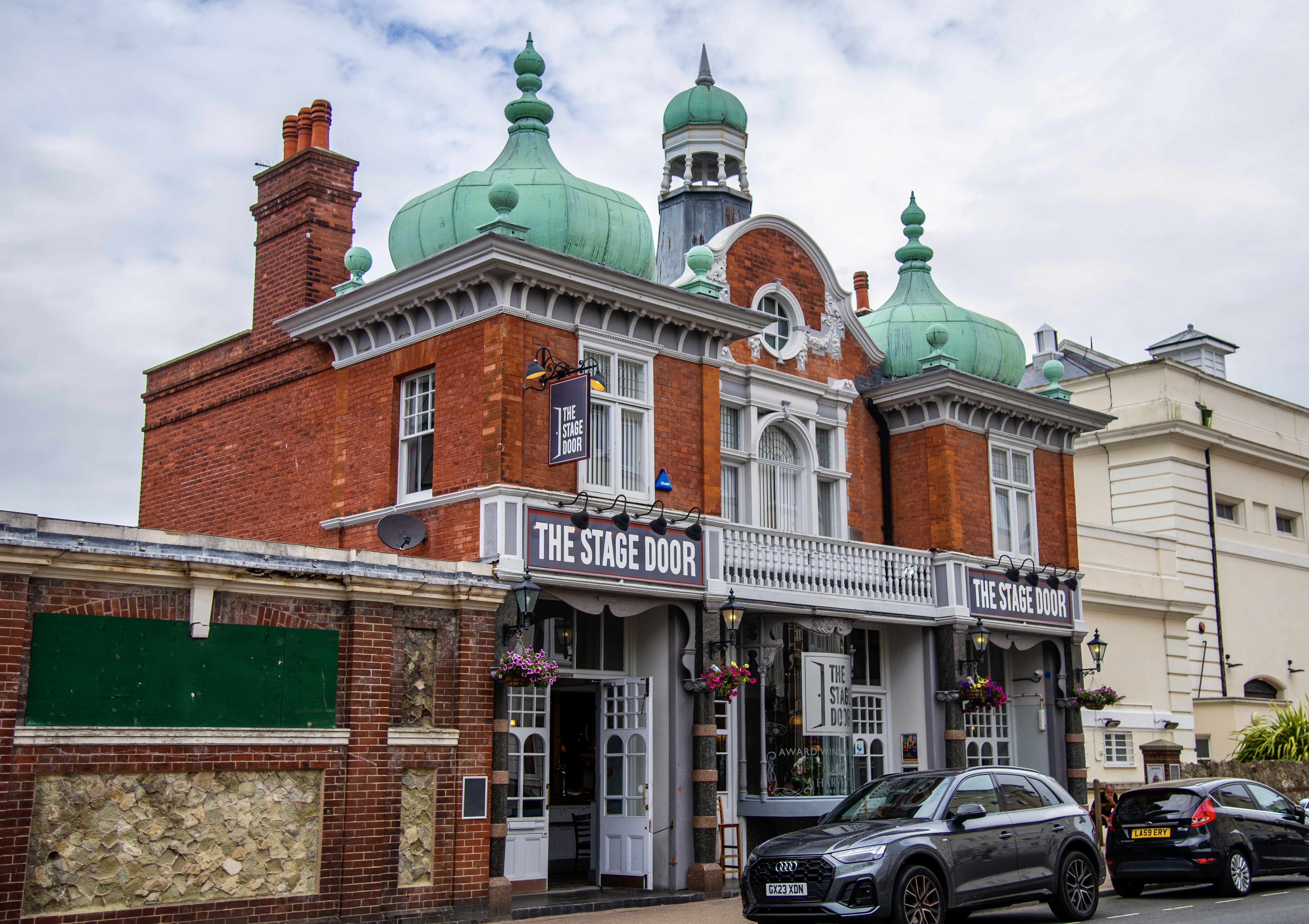
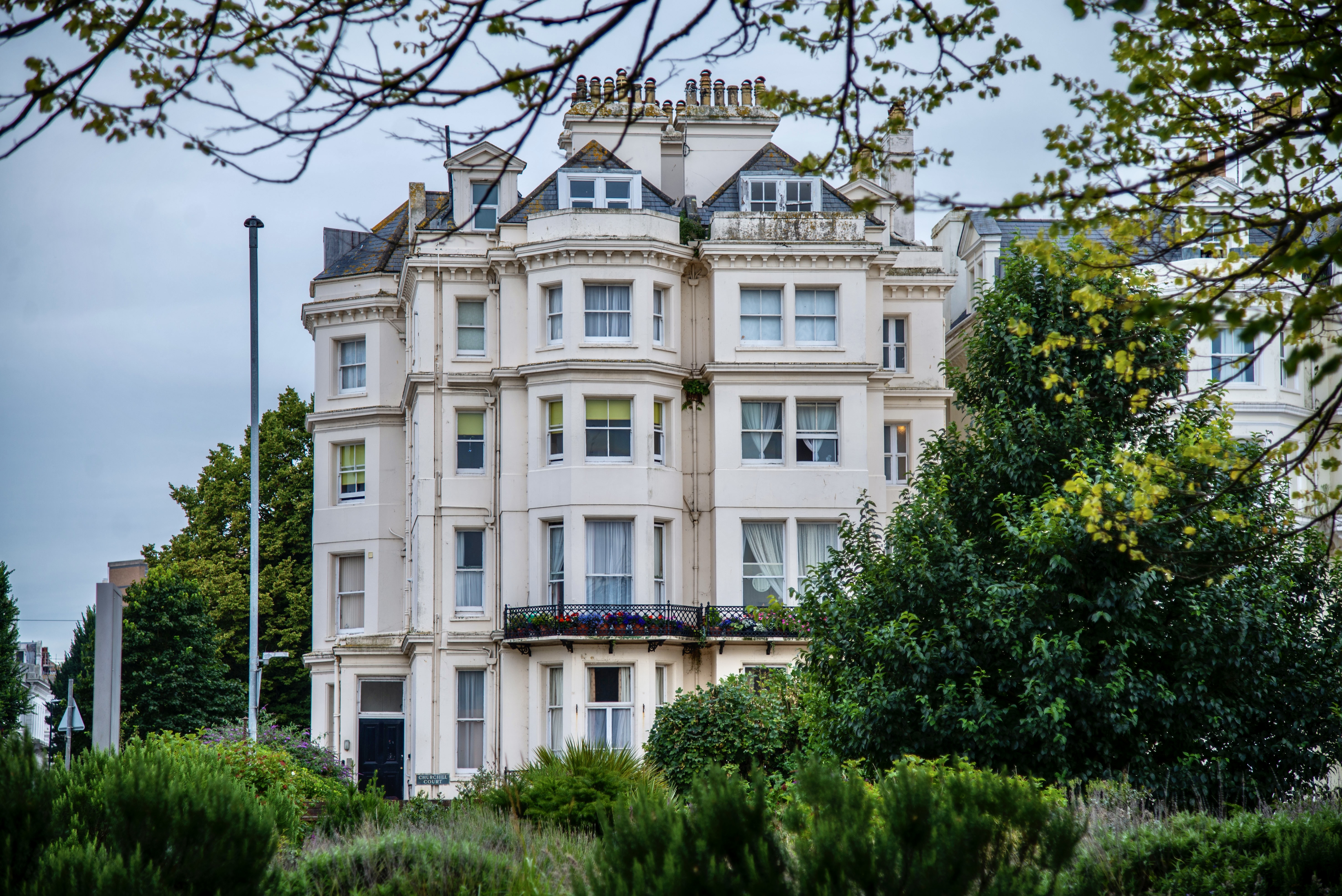
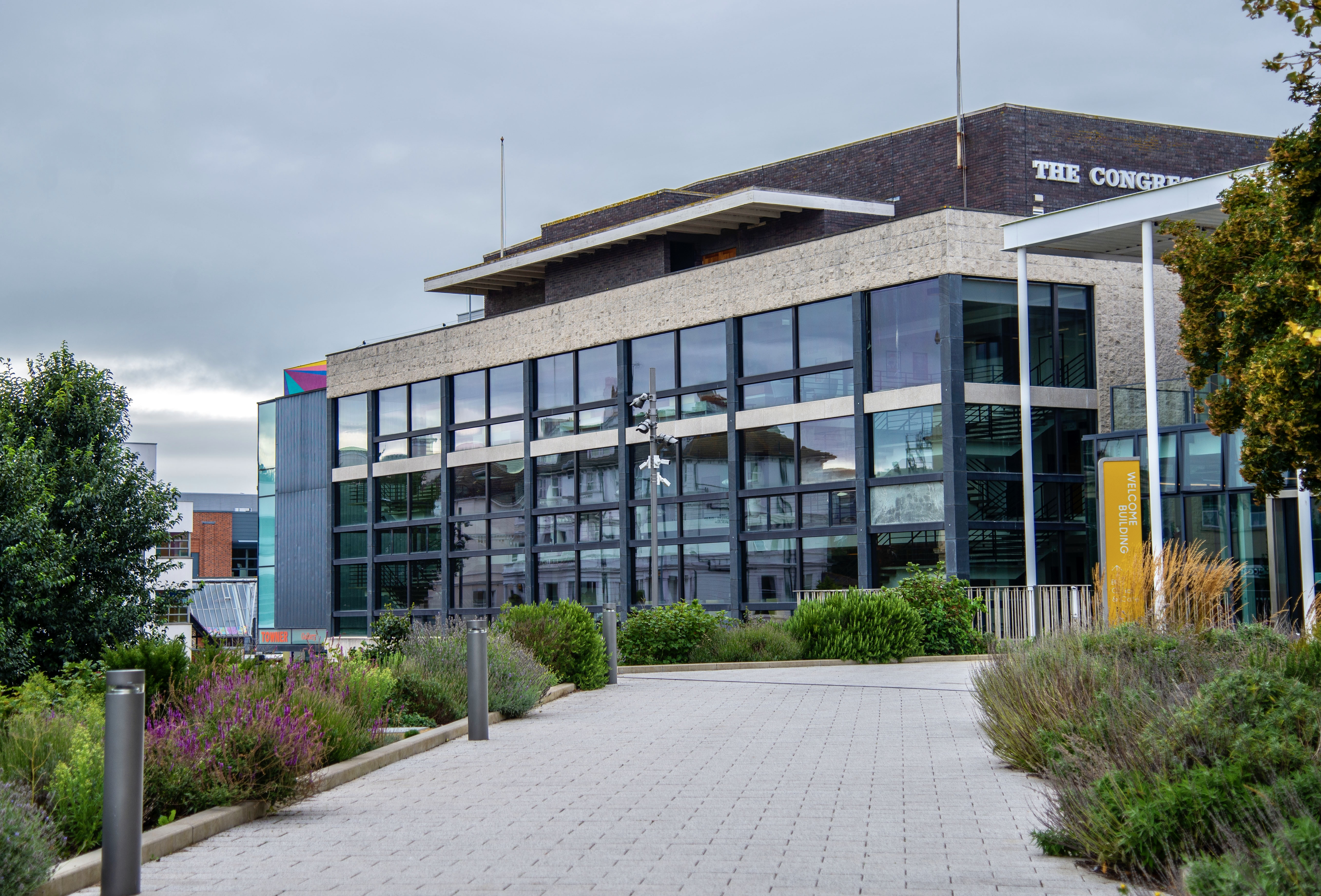
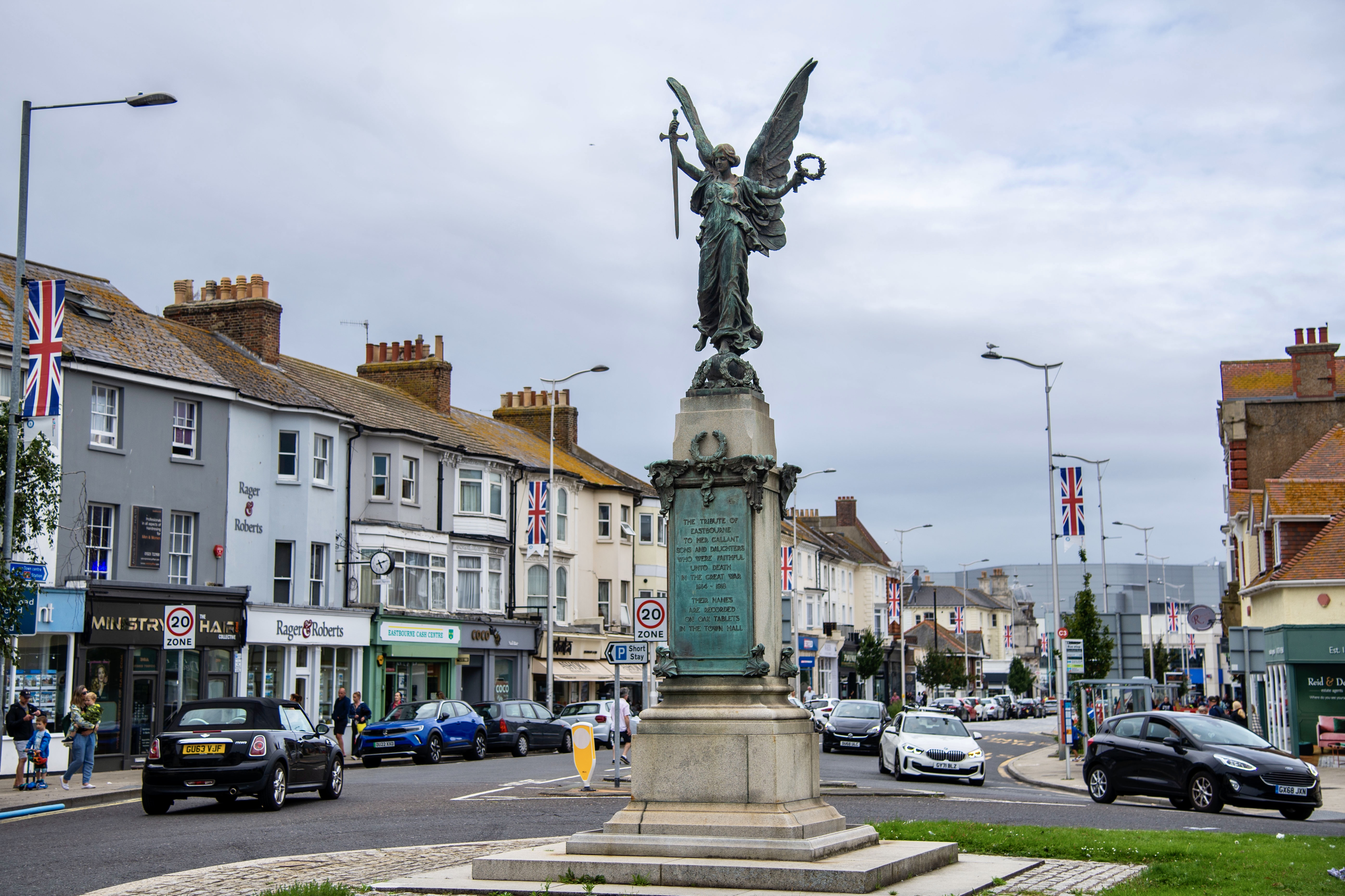
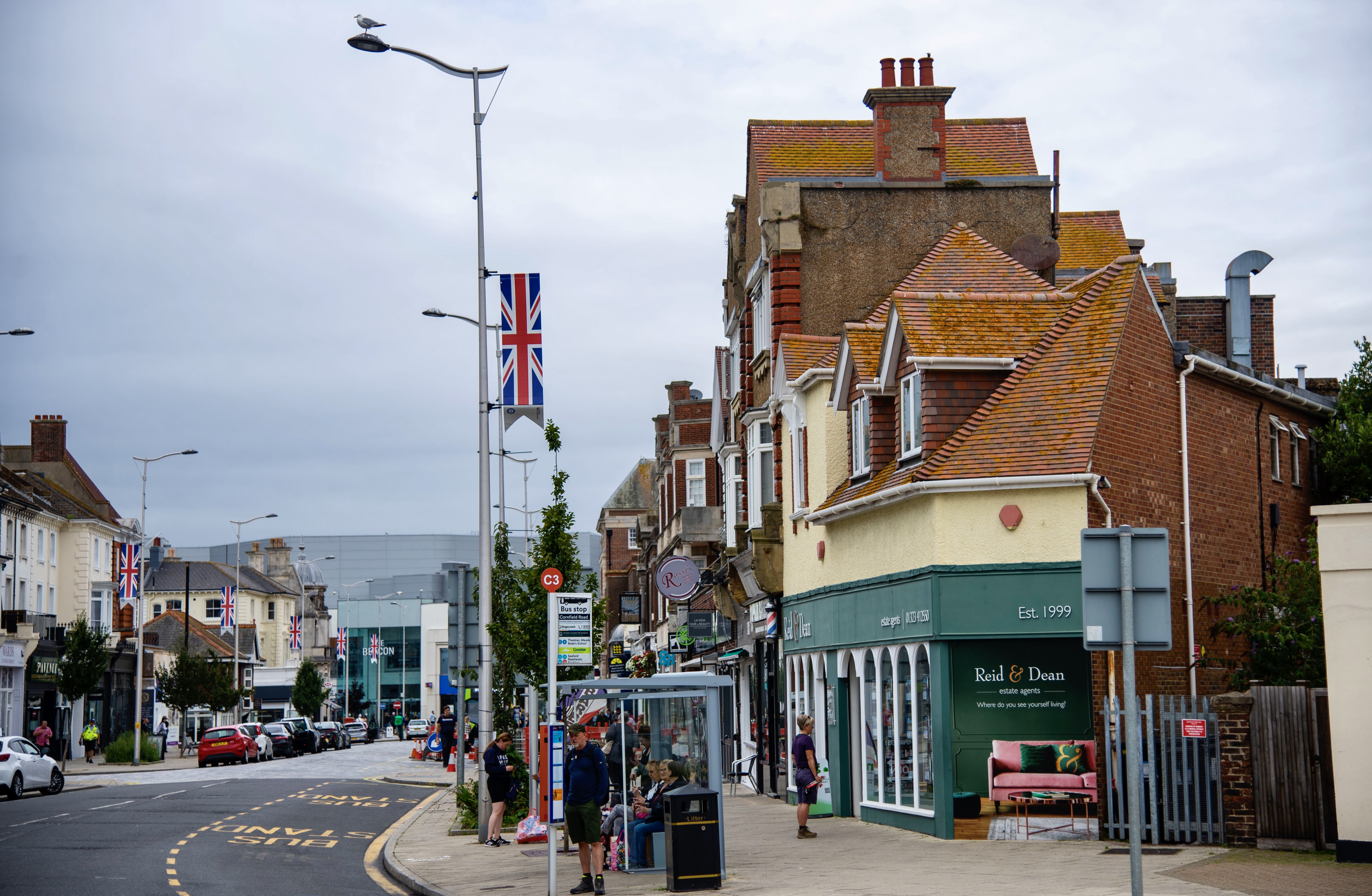
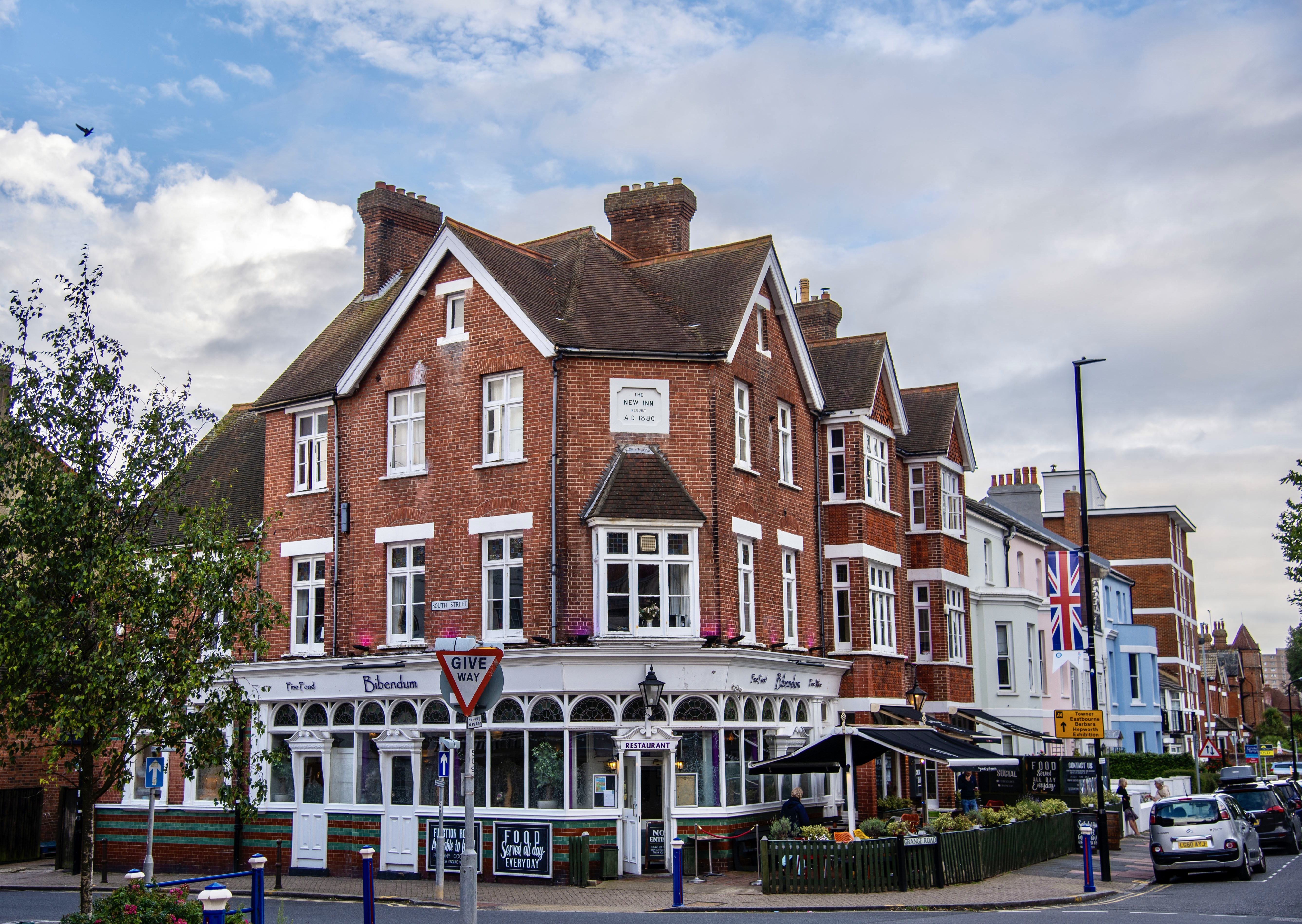
Eastbourne
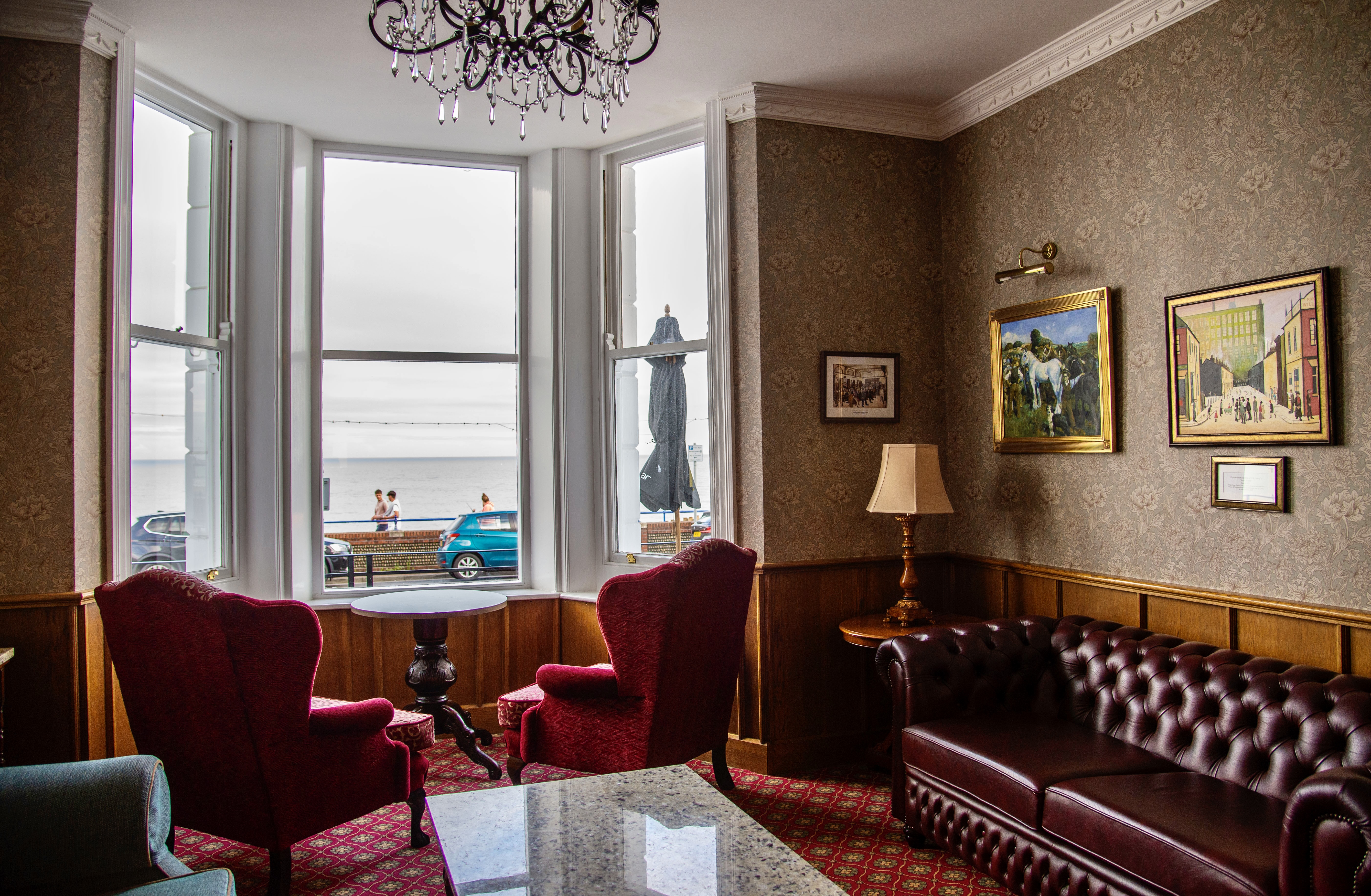
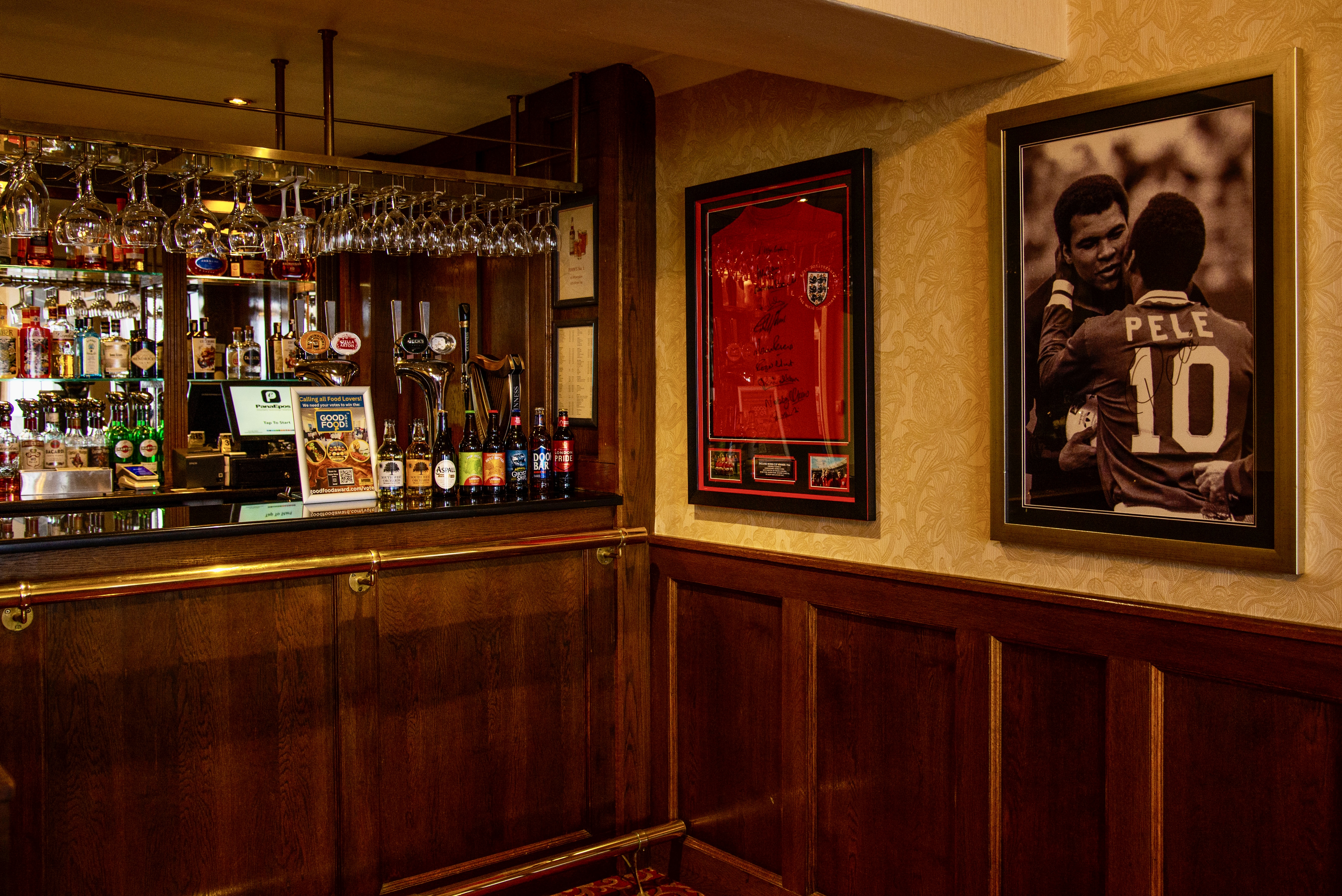
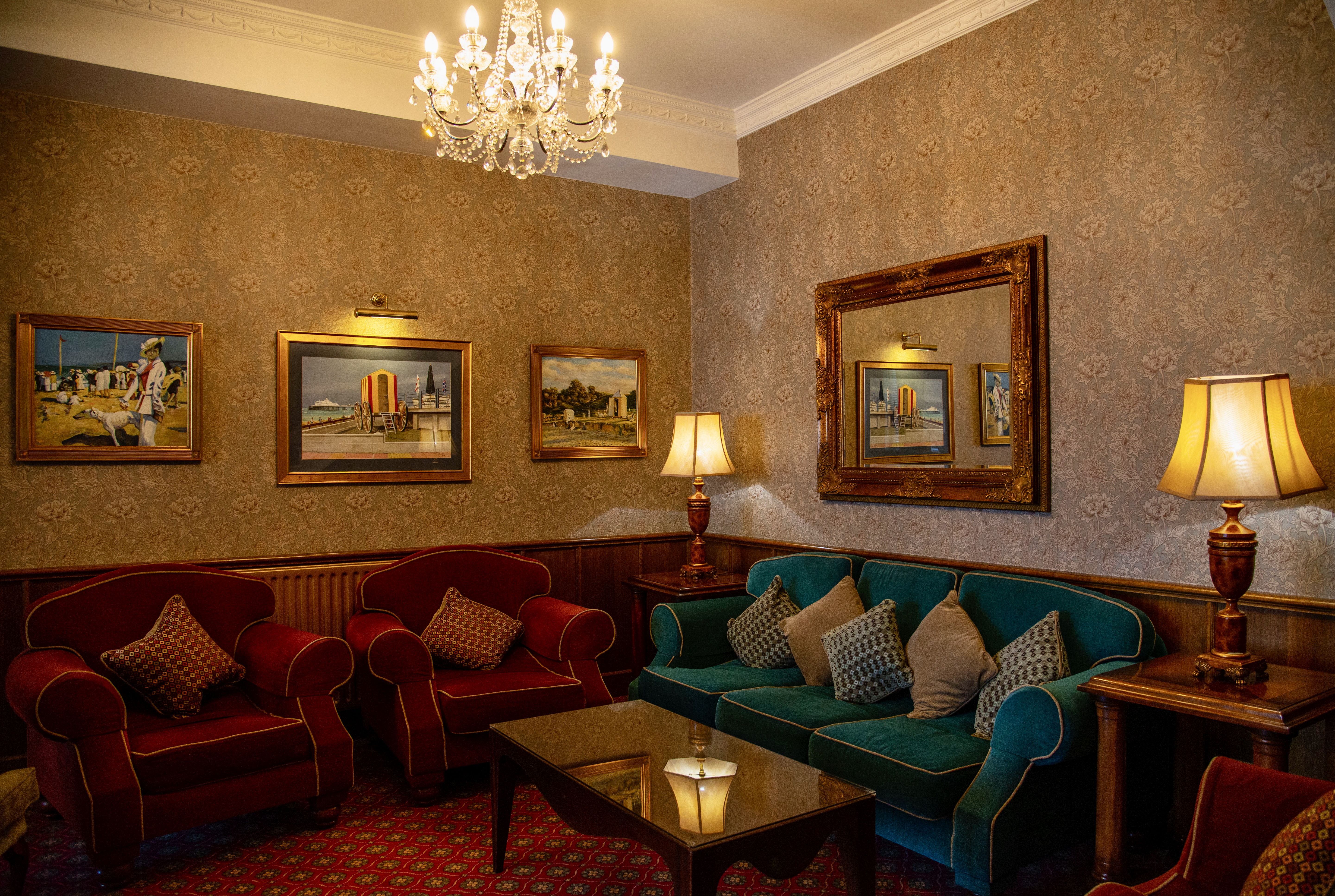
Langham Hotel
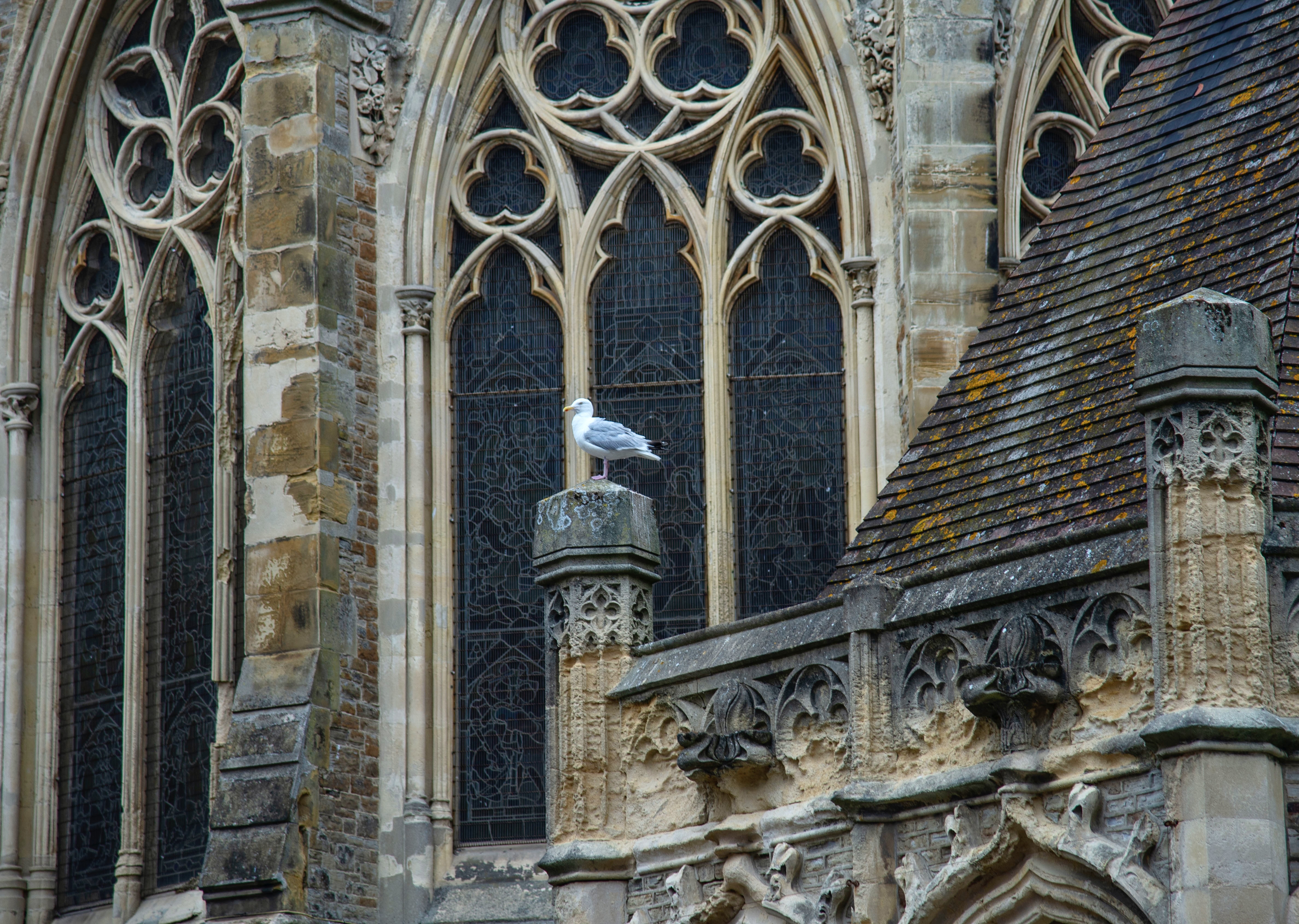
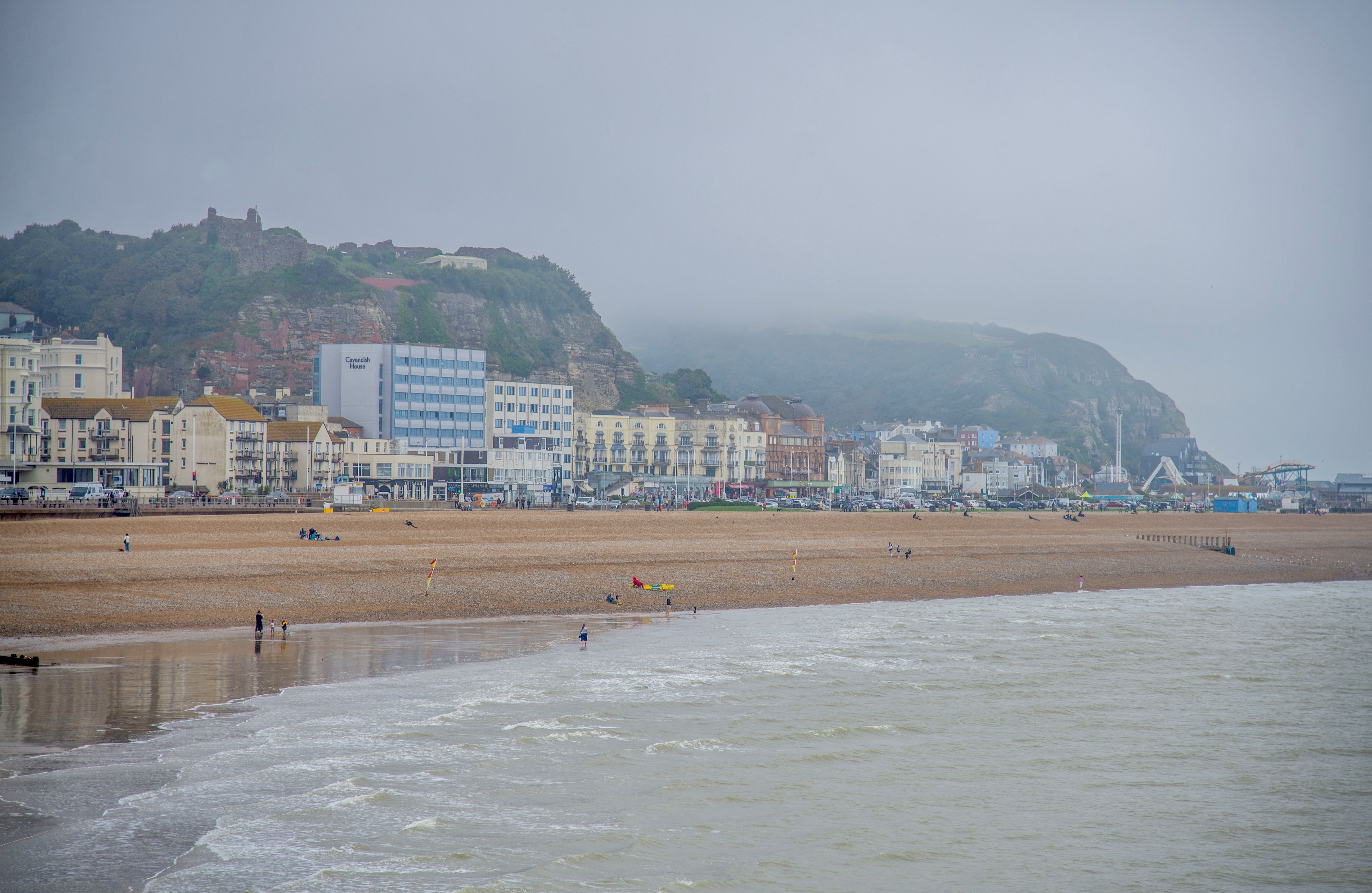
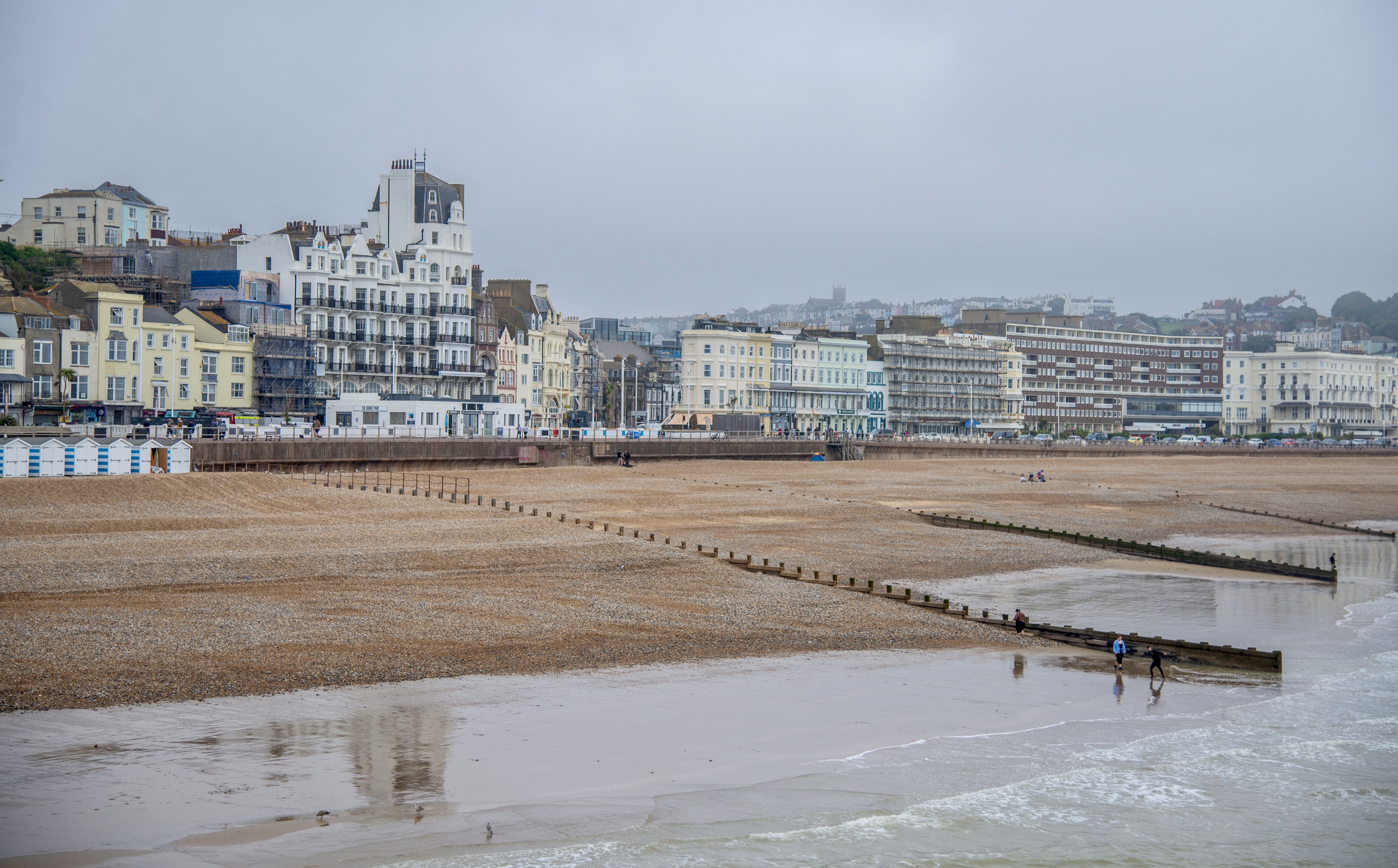
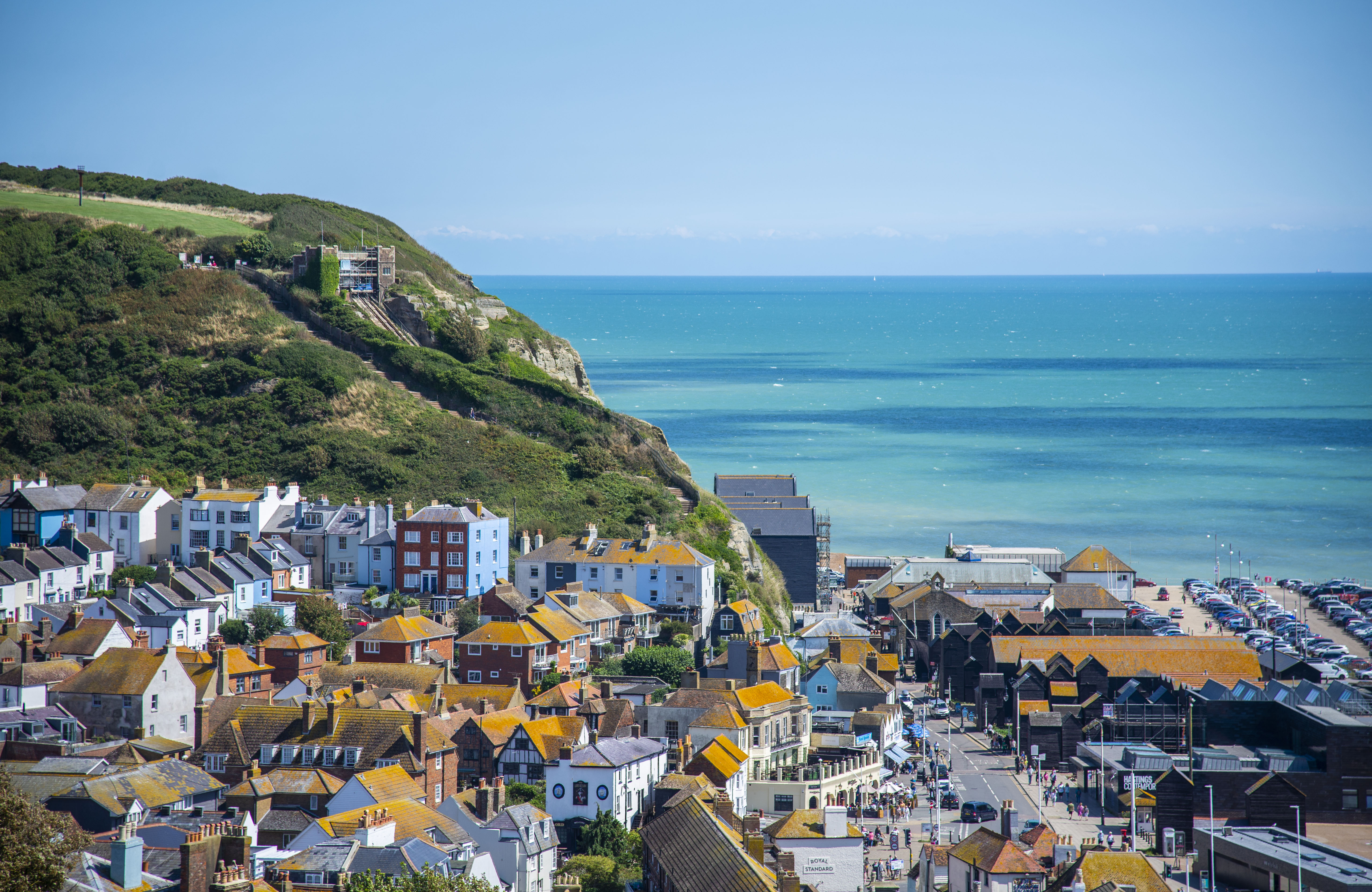
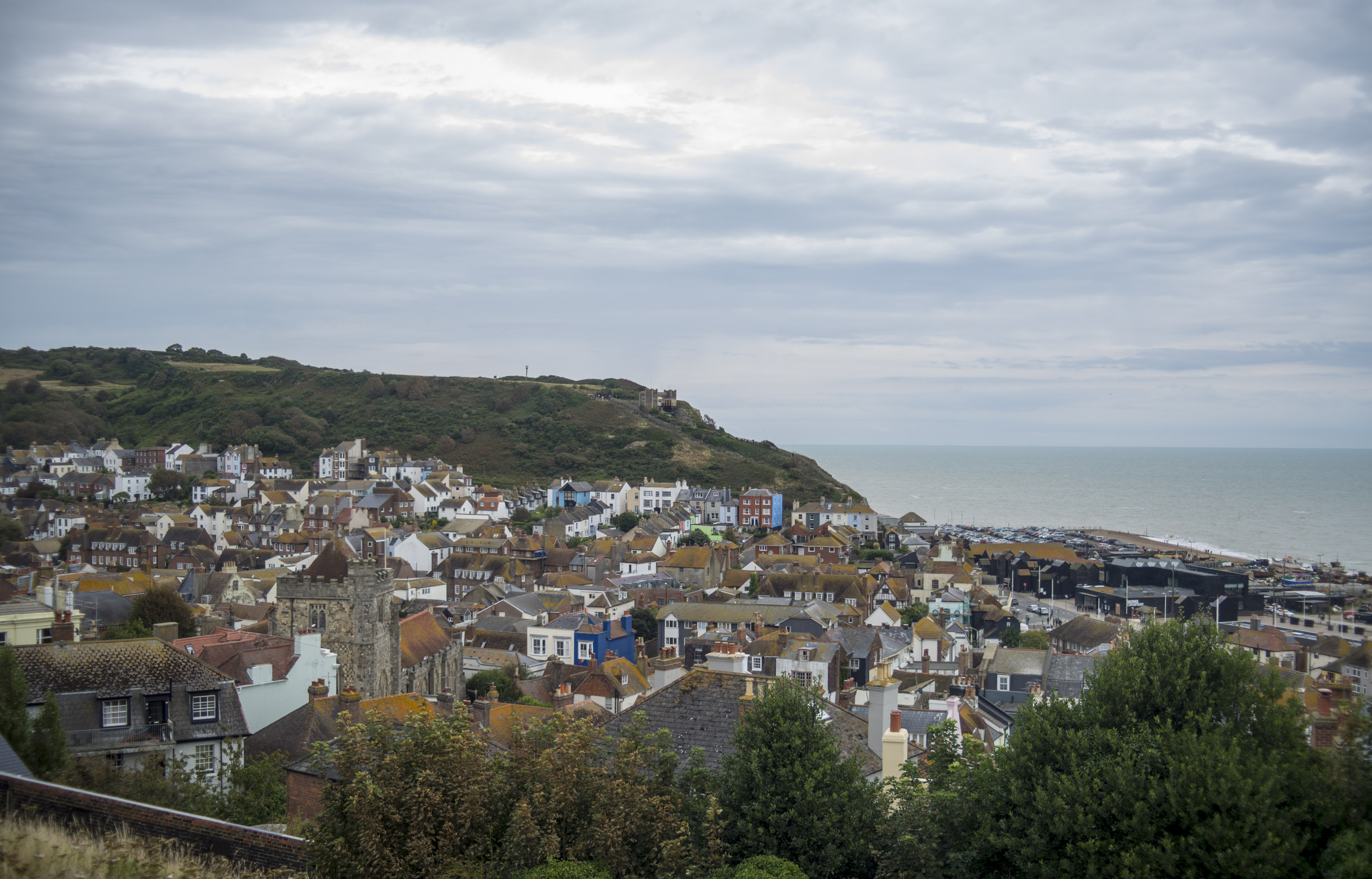
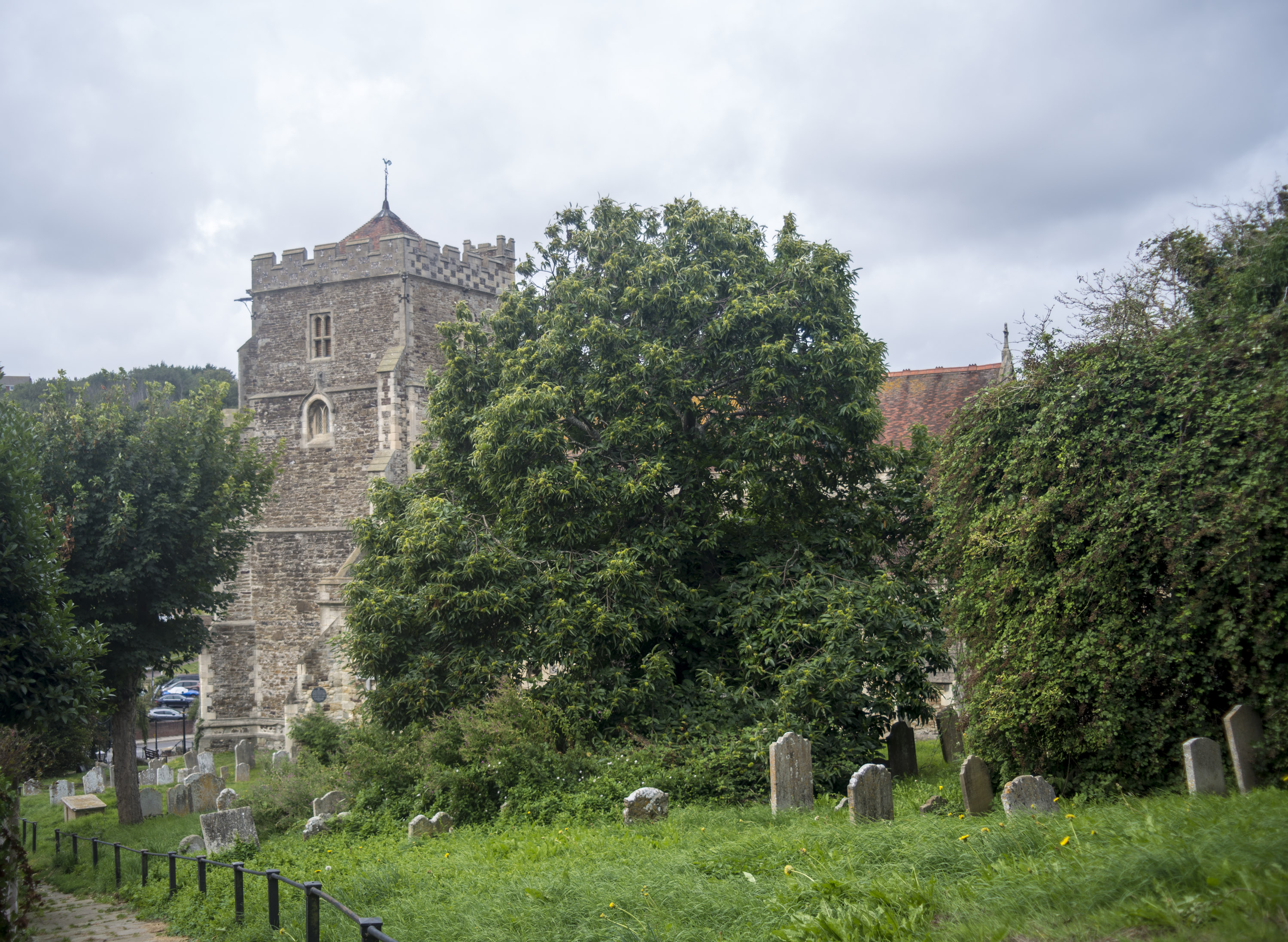
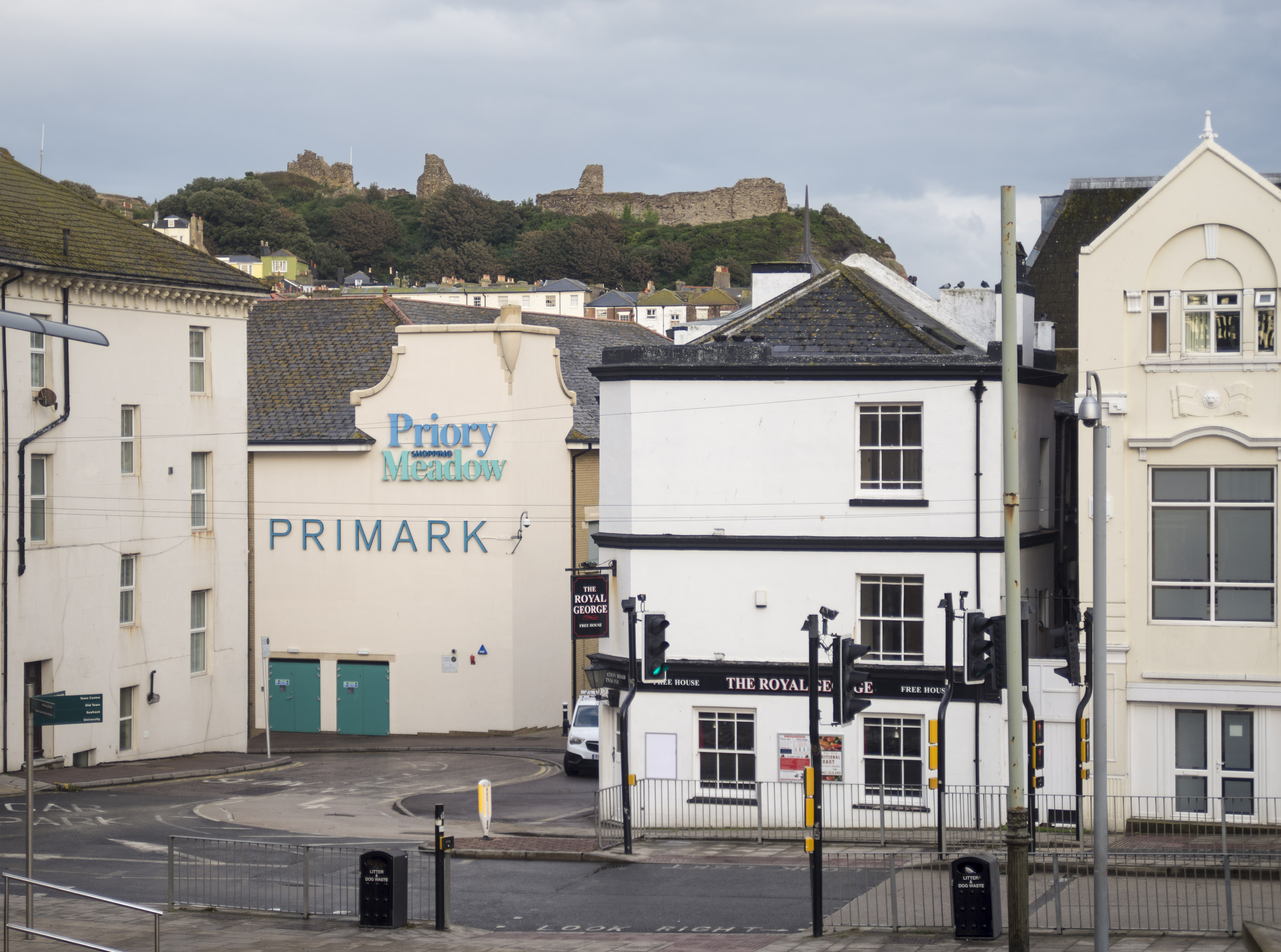
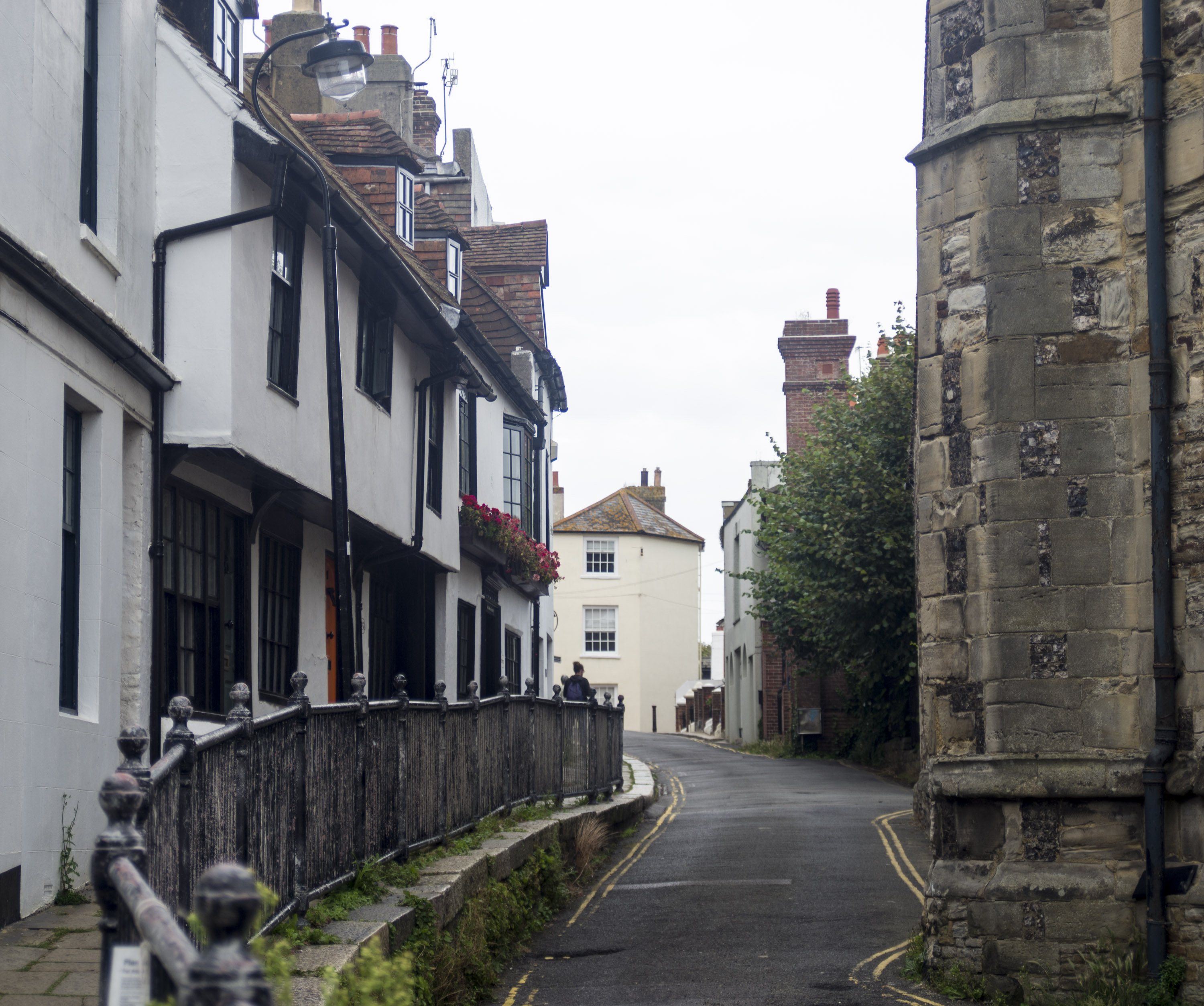
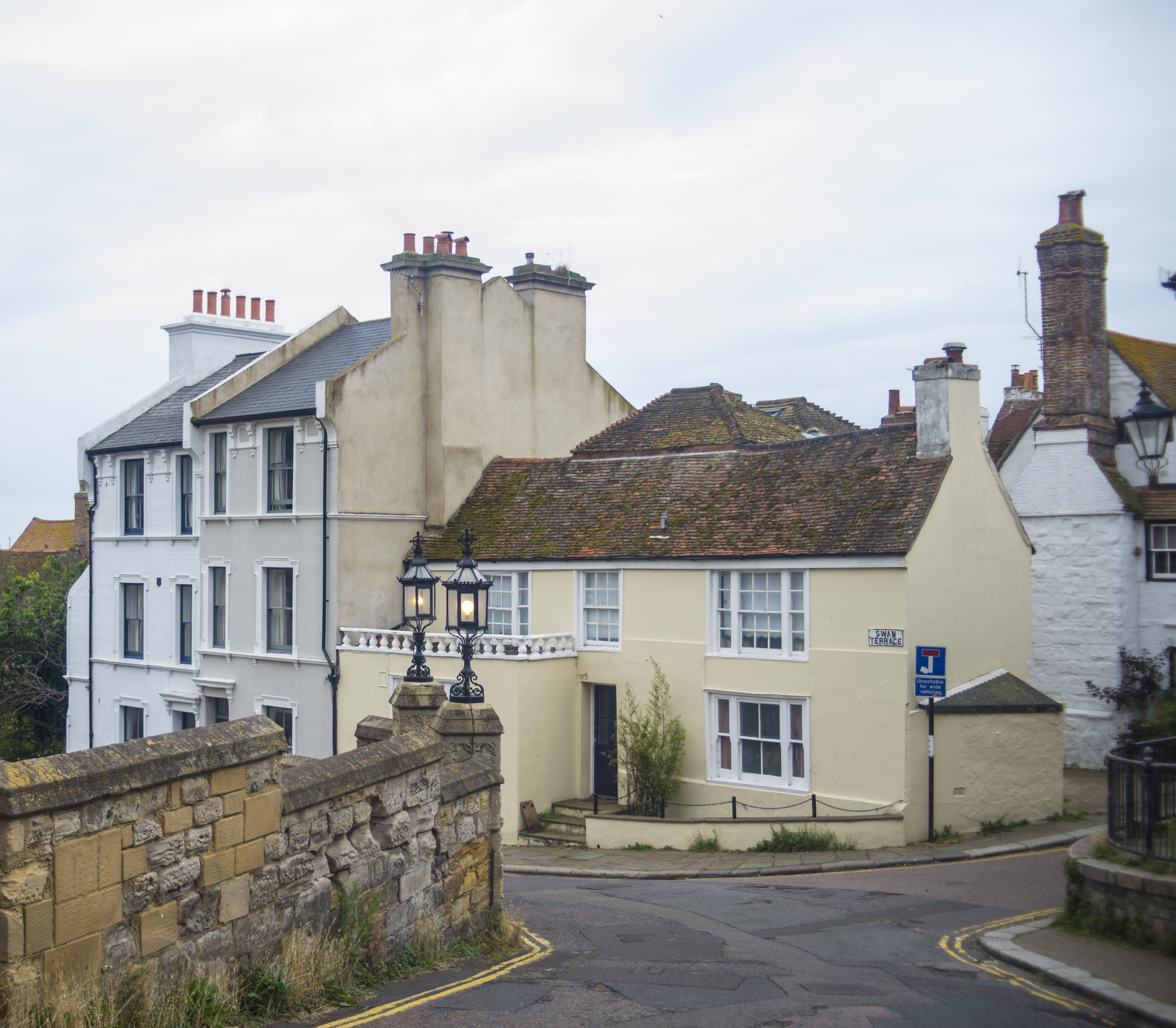
Hastings
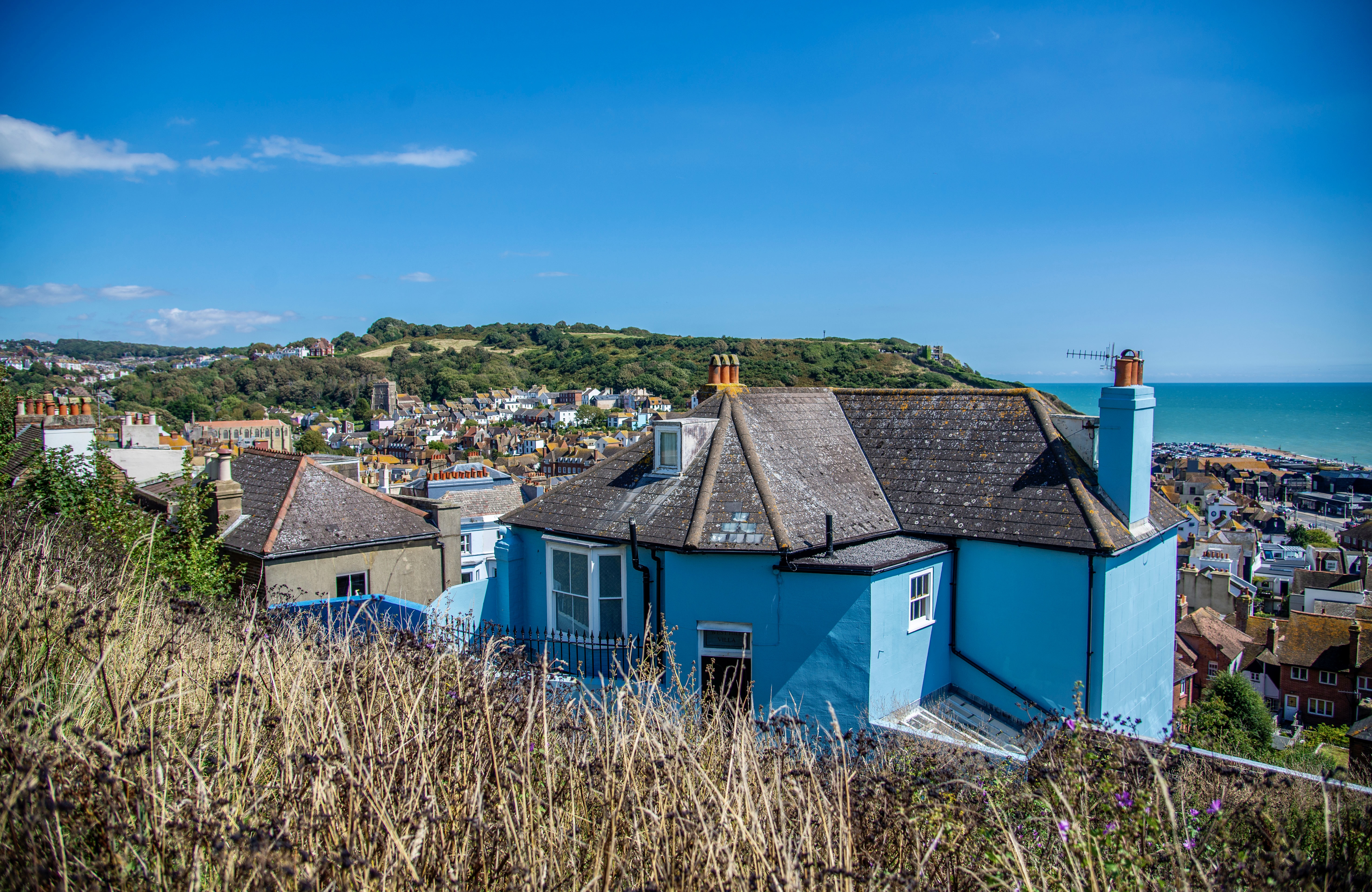
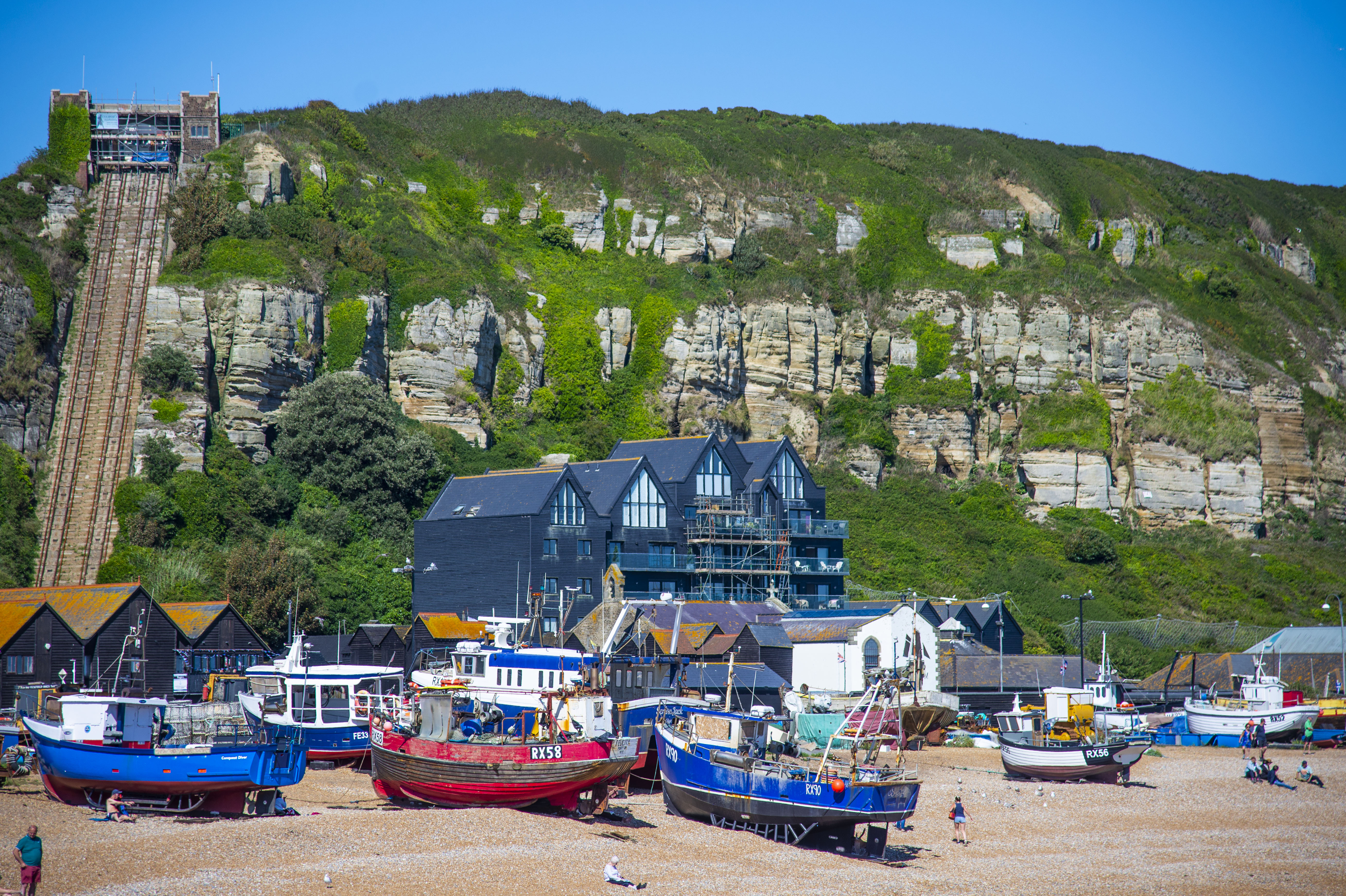
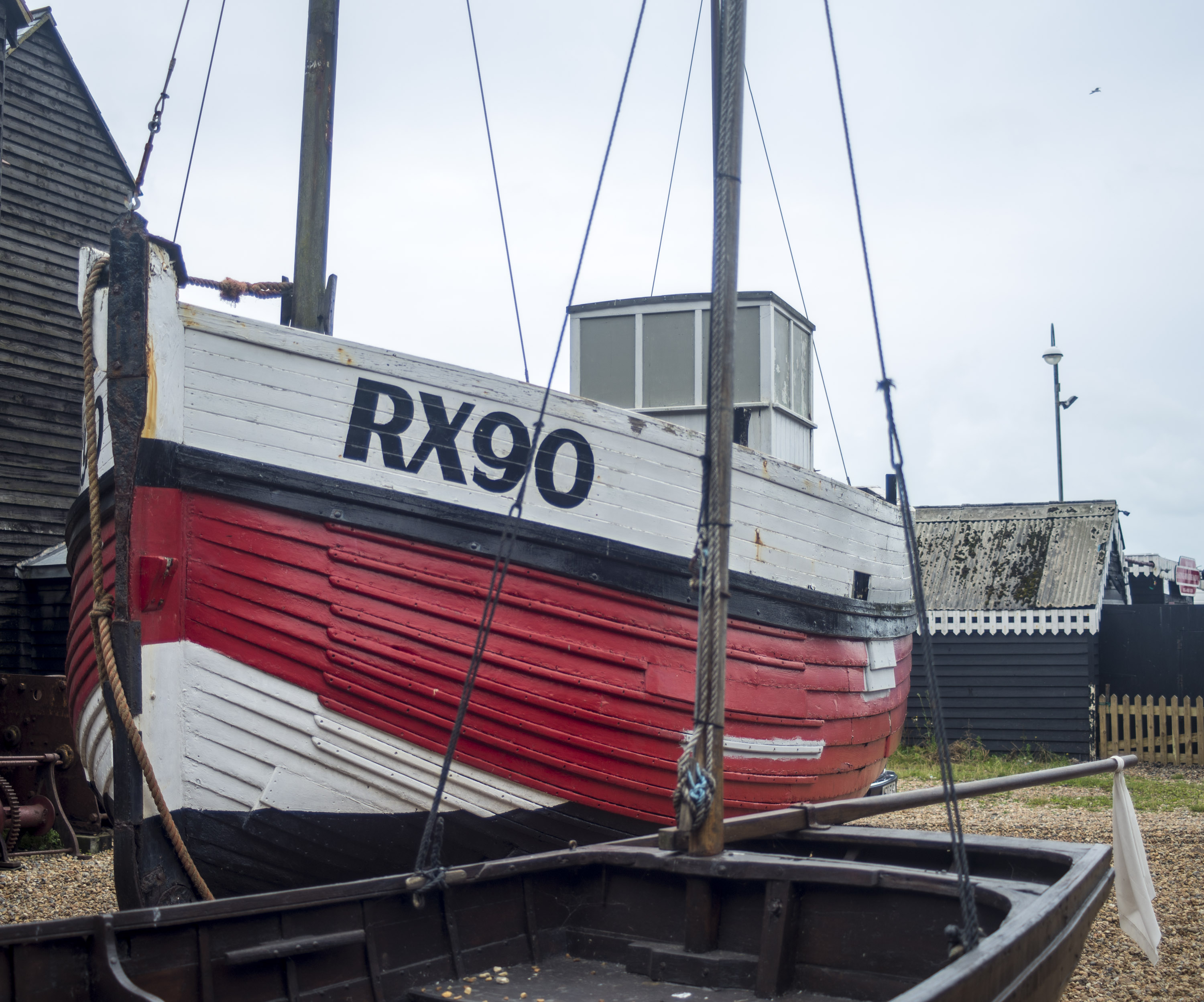
Hastings is a town in East Sussex, England, most famous for the Battle of Hastings in 1066. This town is home to the largest beach-launched fleet in Europe, the ruins of the first castle in England to be built by Willian the Conqueror.
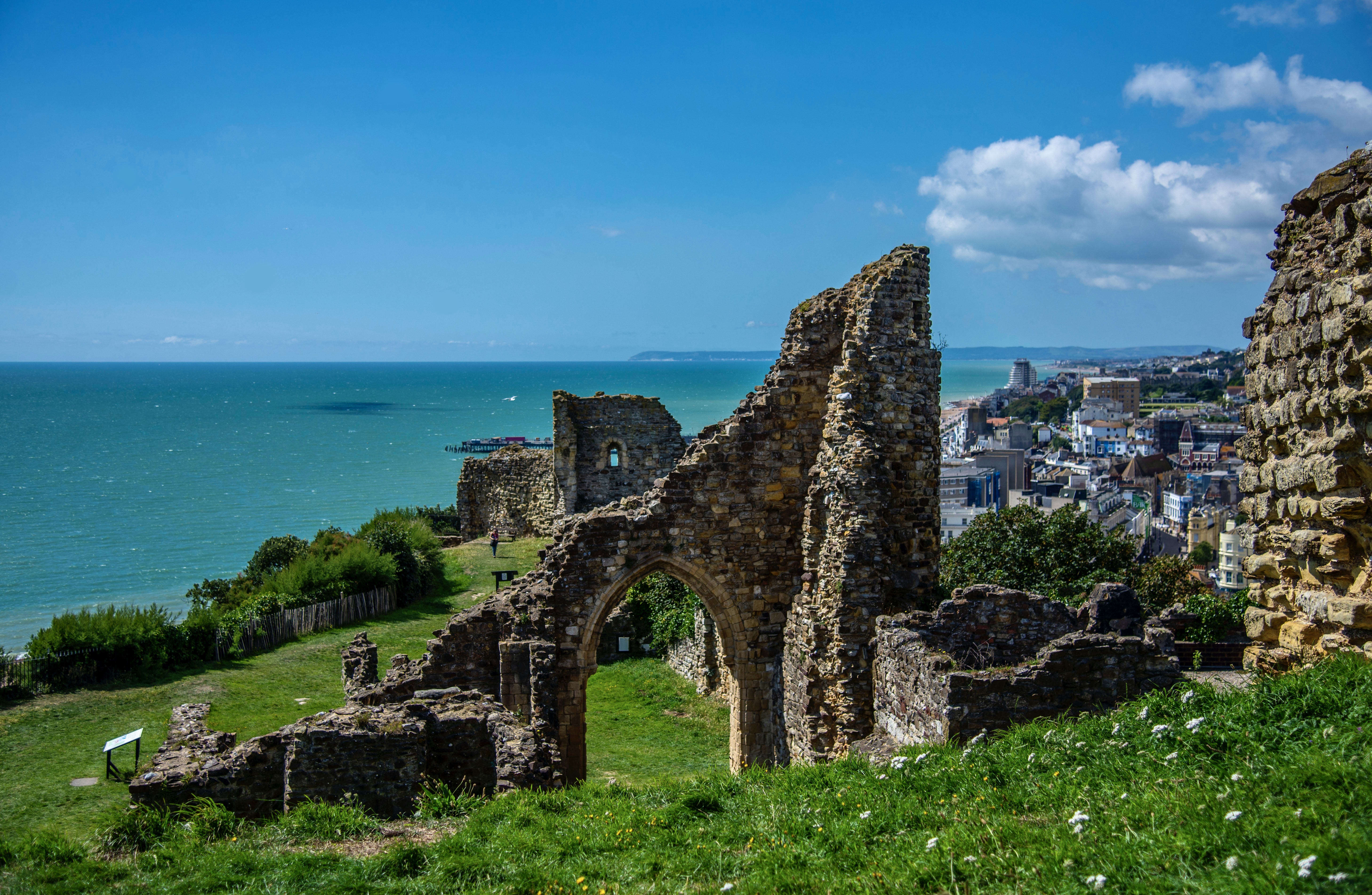
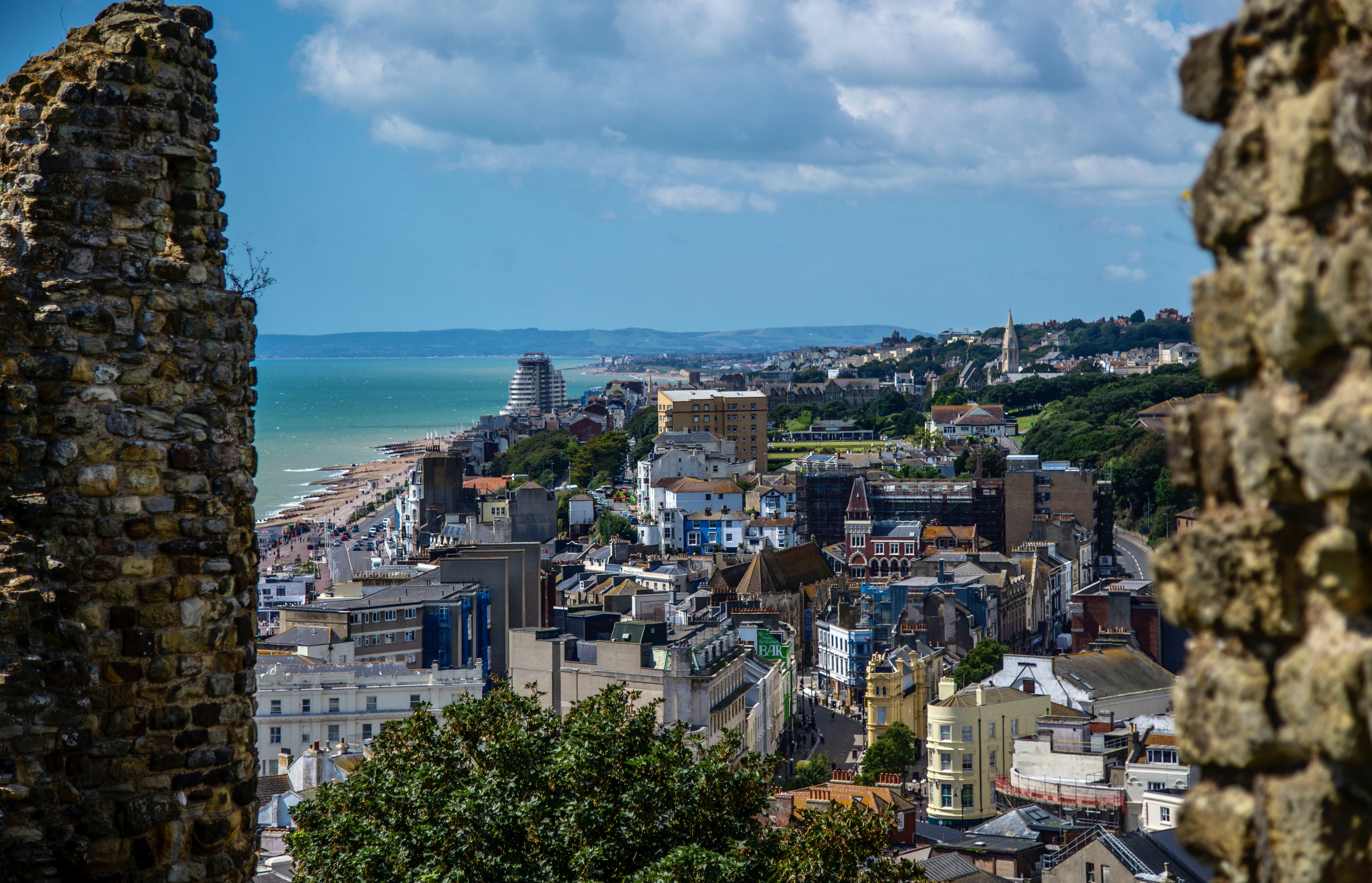
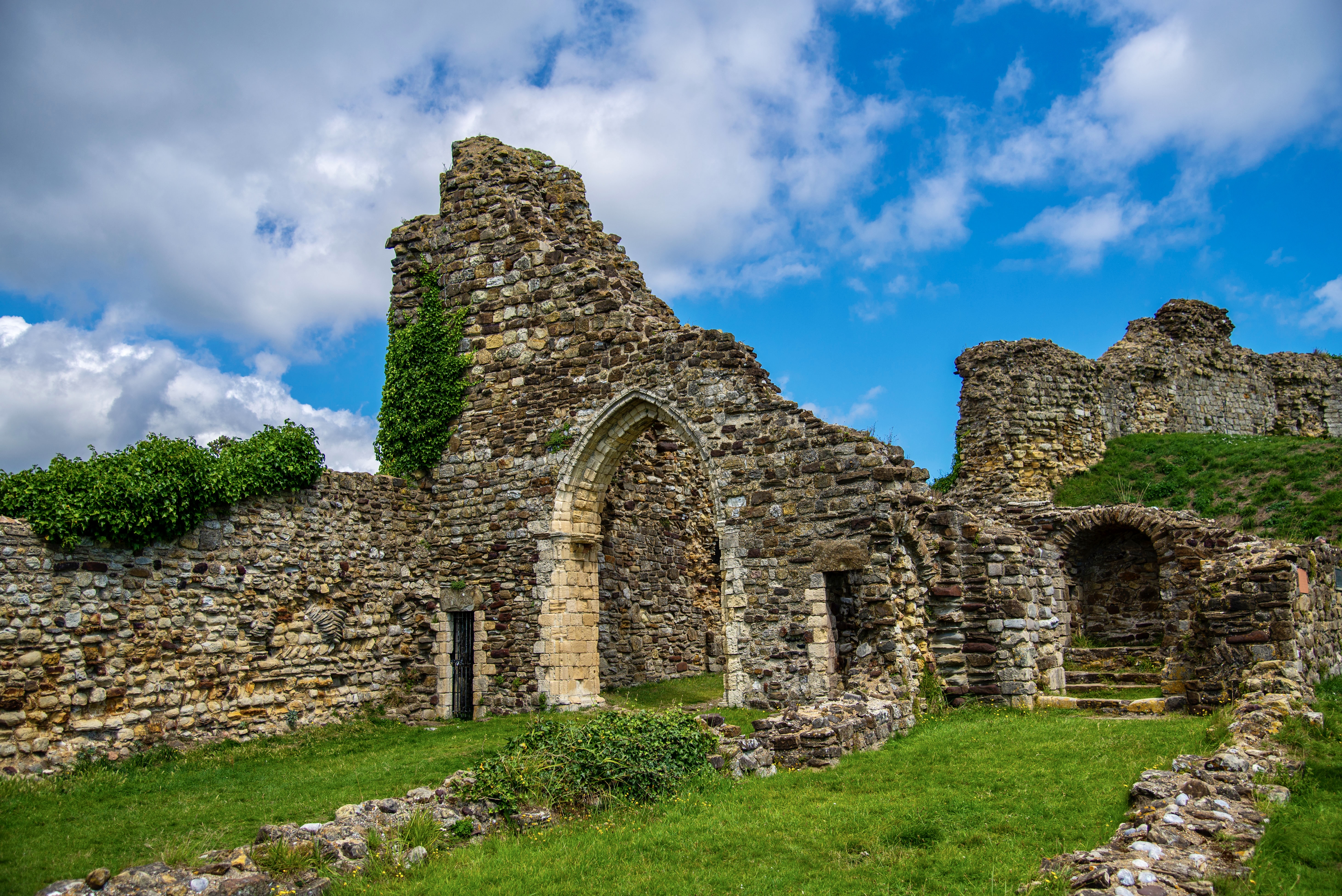
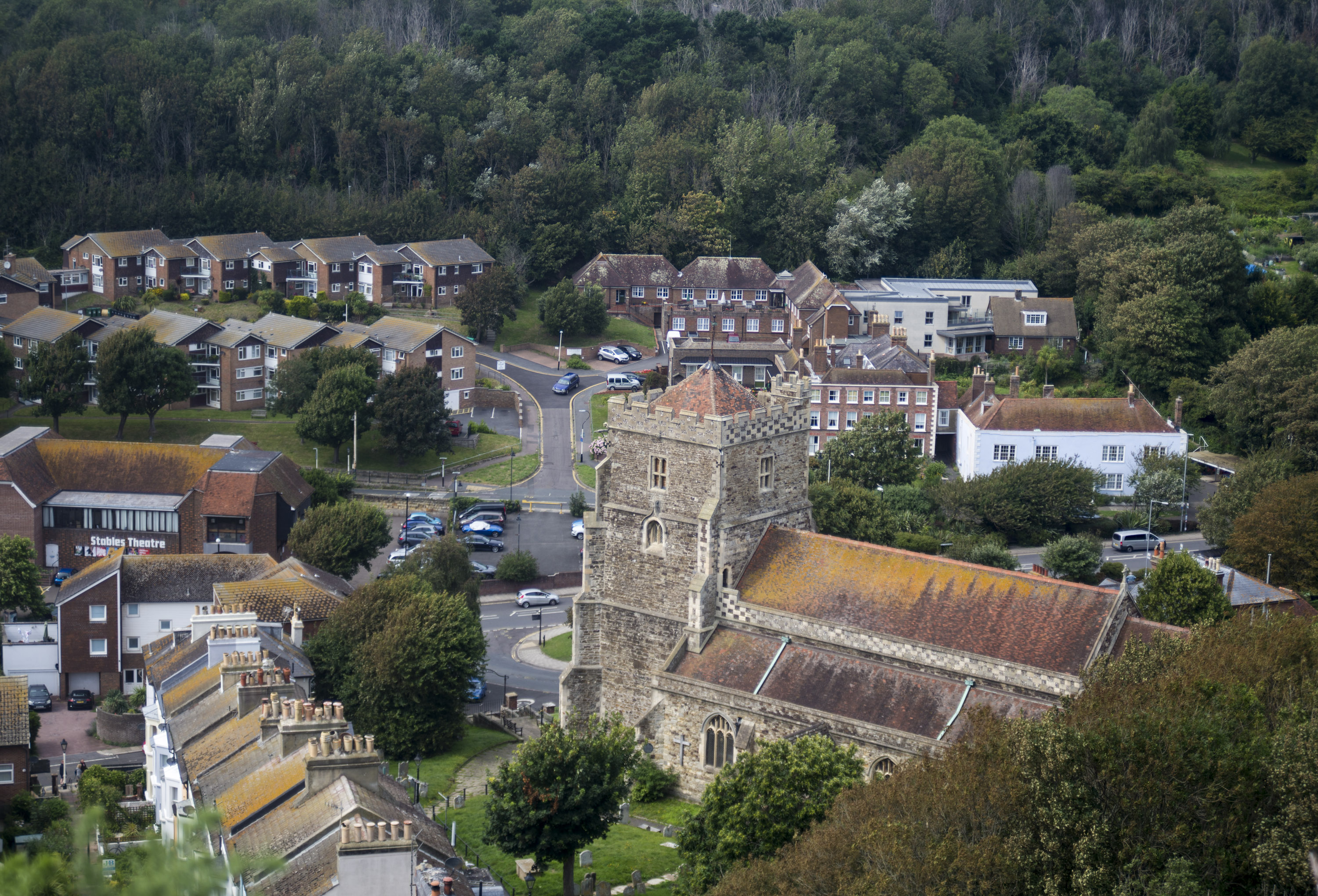
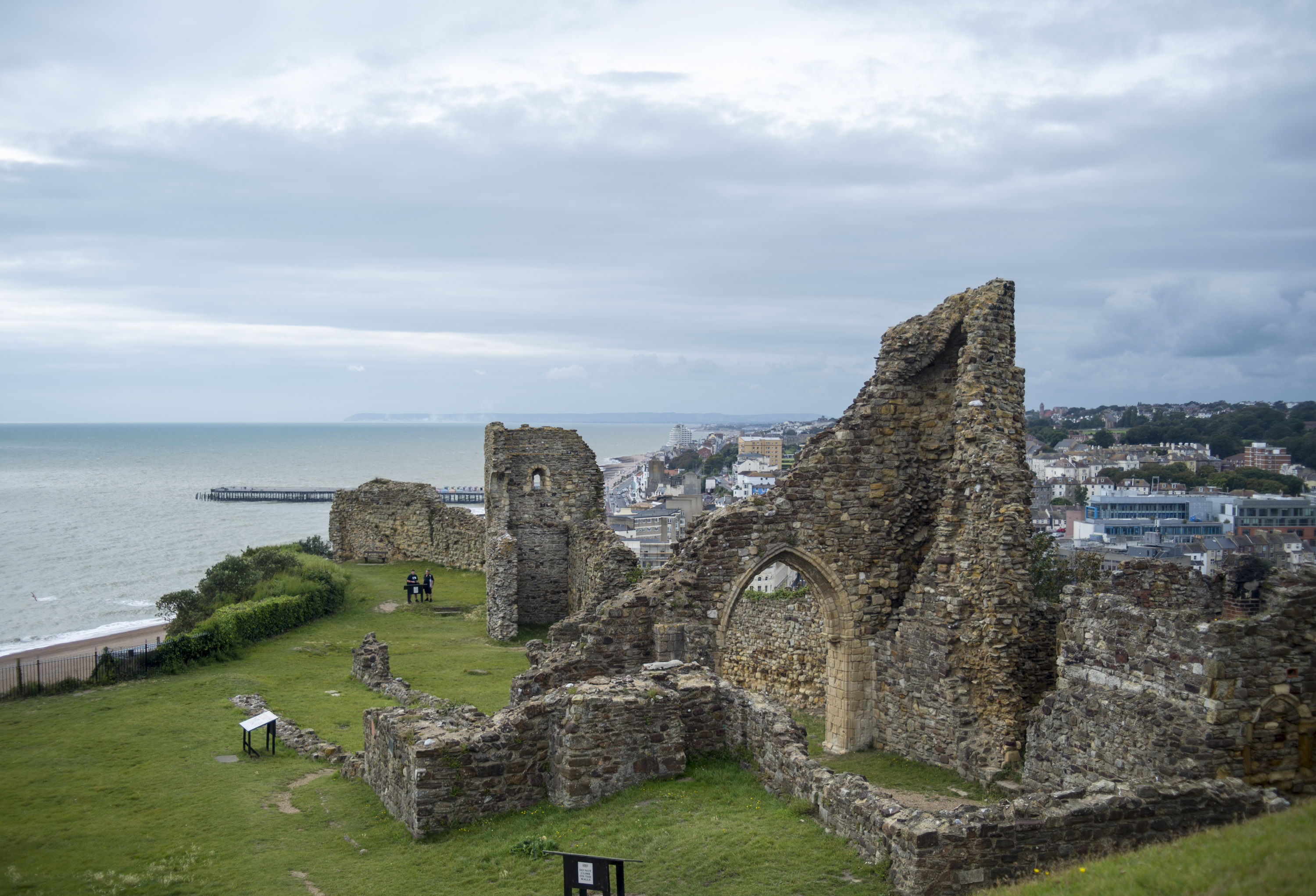
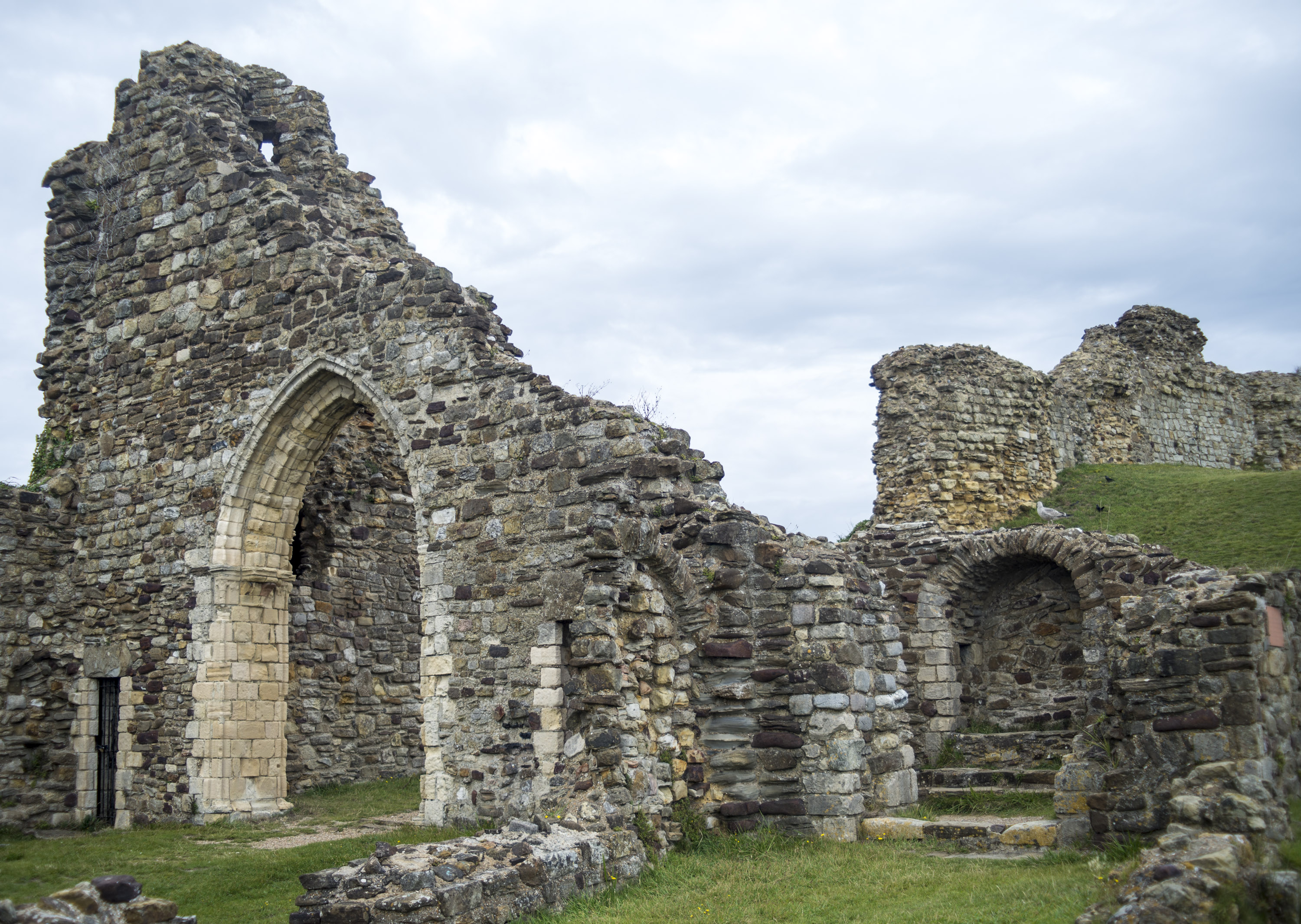
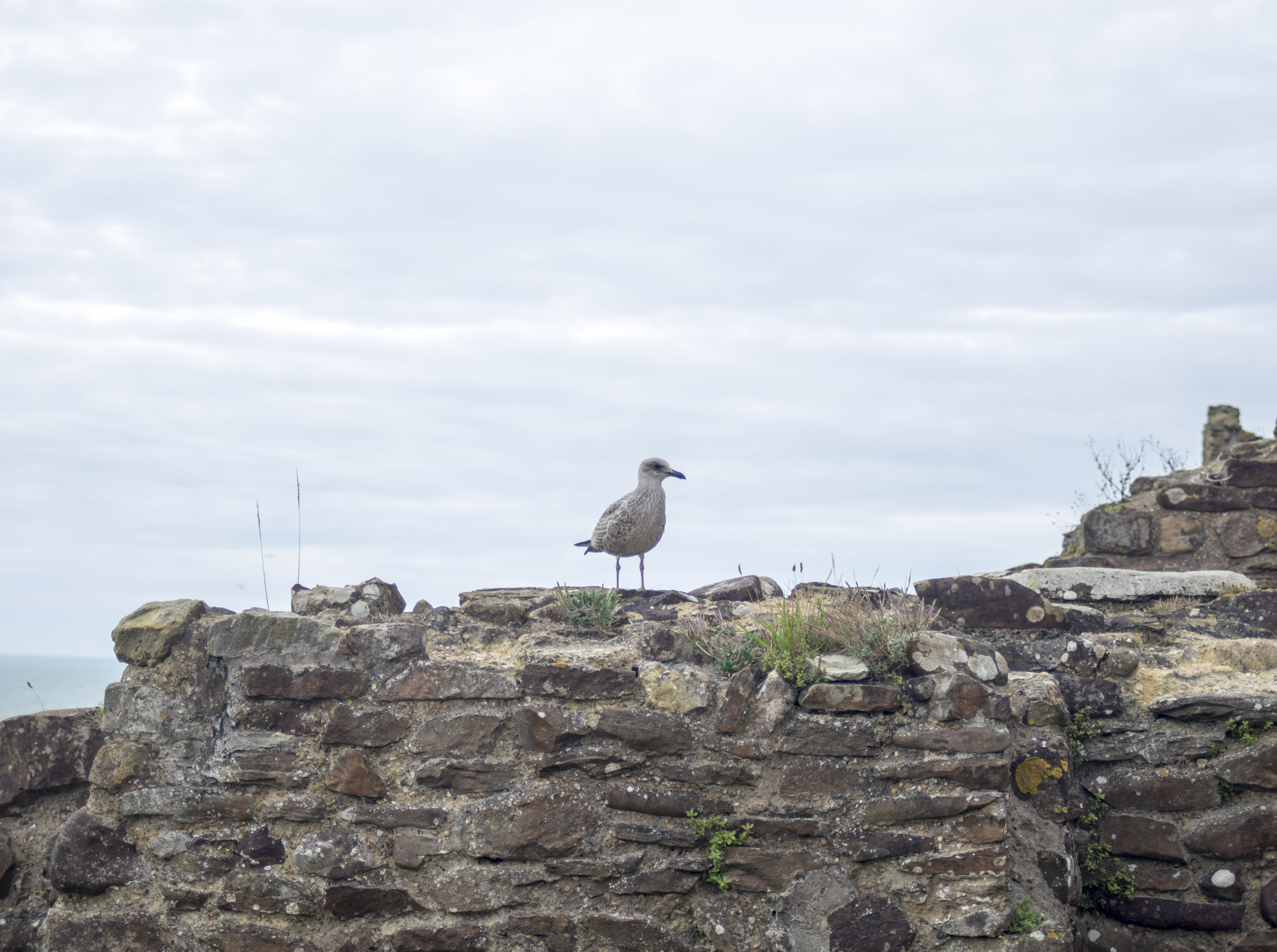
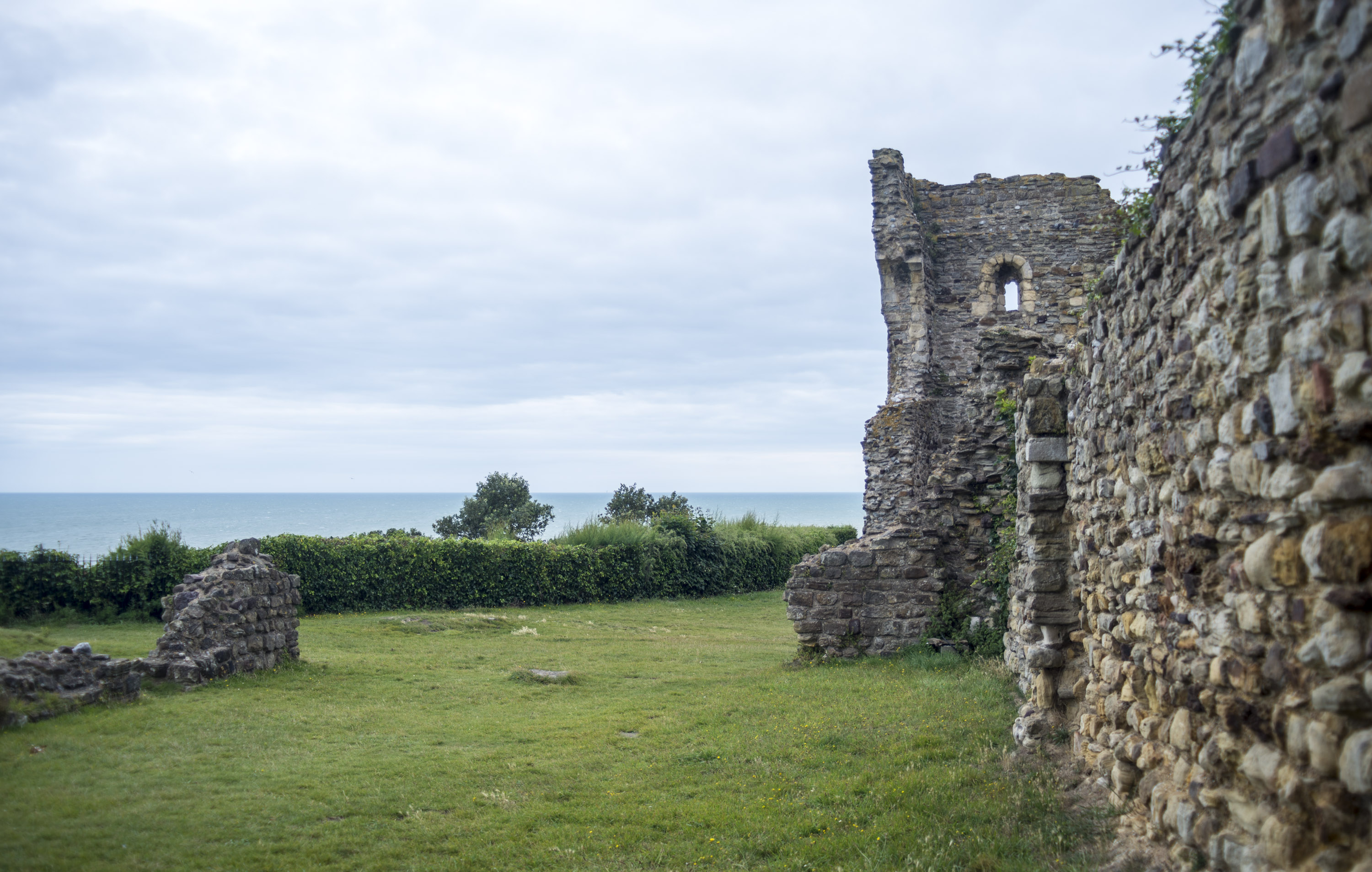
Hastings Castle located on a cliff top of the West Hill is a great part of English history from 1066 of modern days. The savage storms of the 13th century brought chaos to Hastings, so the large parts of the castle fell into the sea.
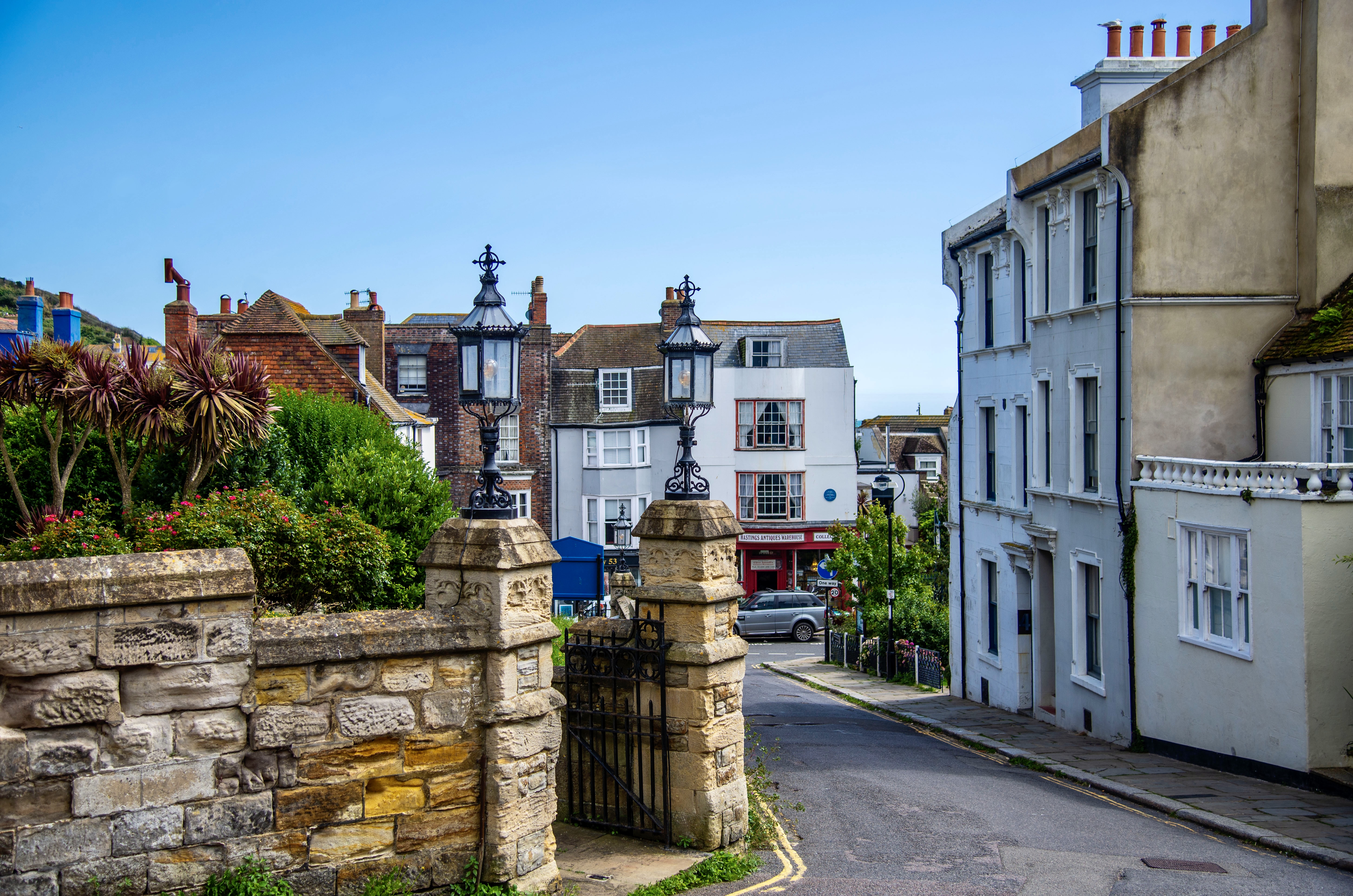
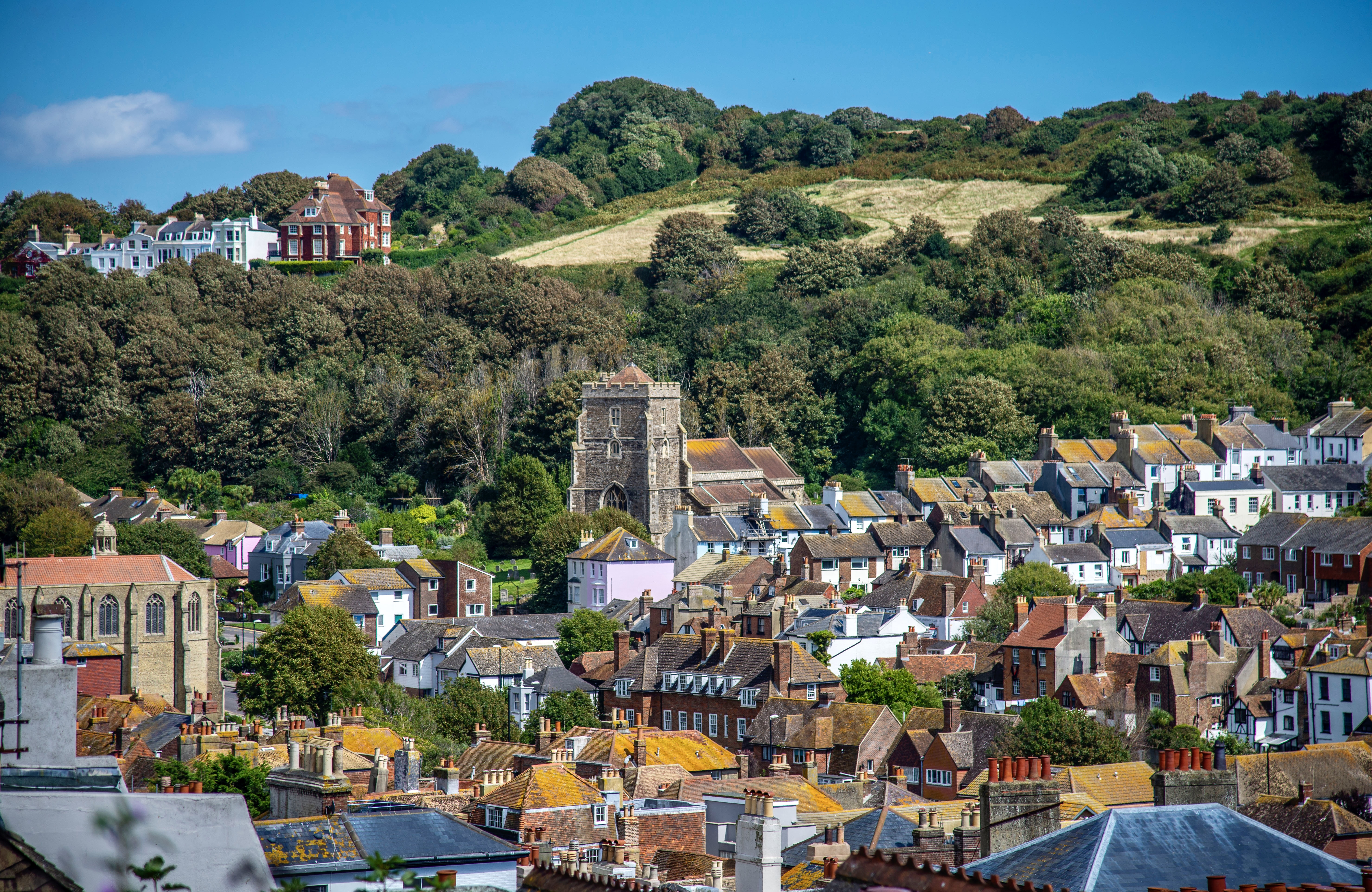
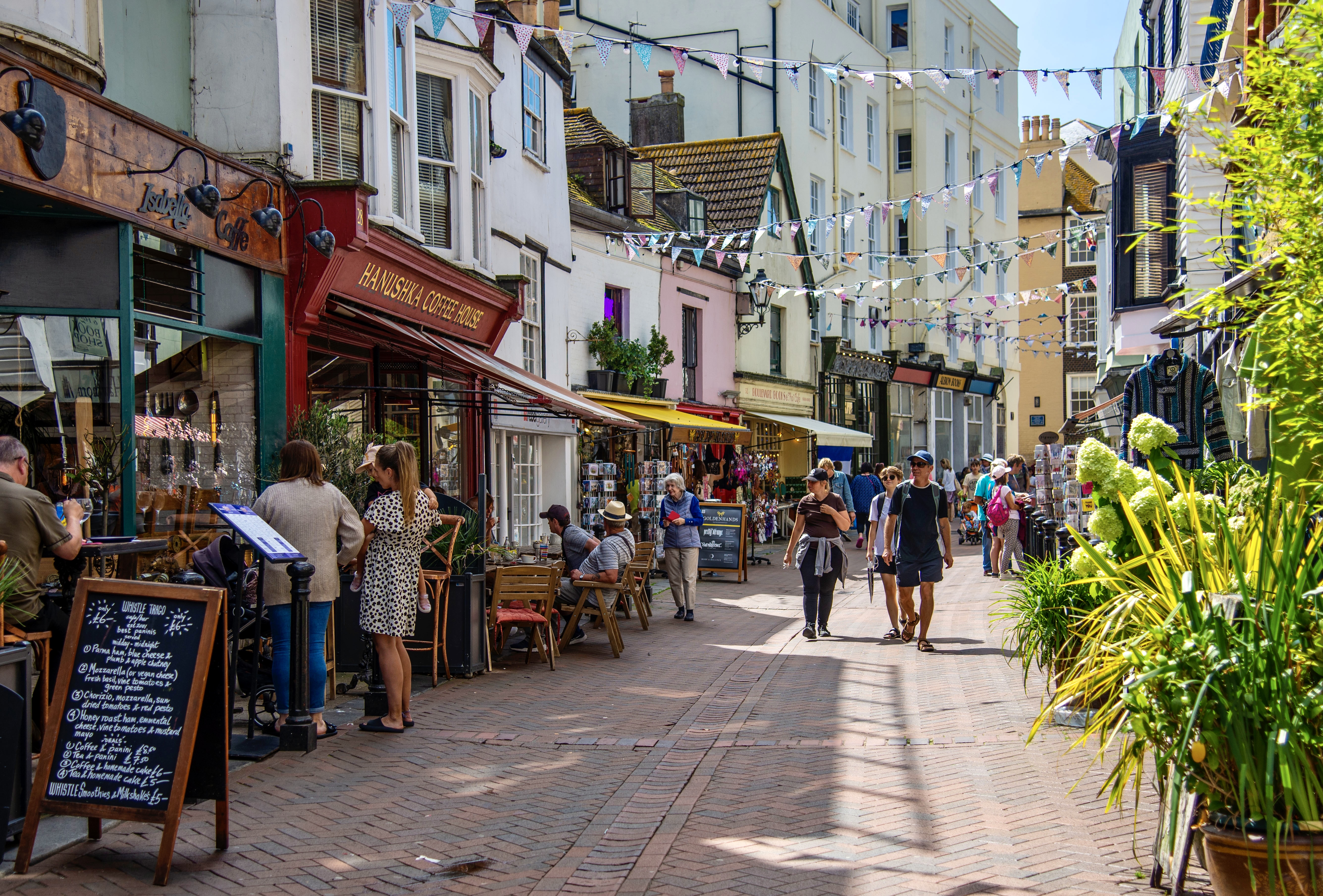
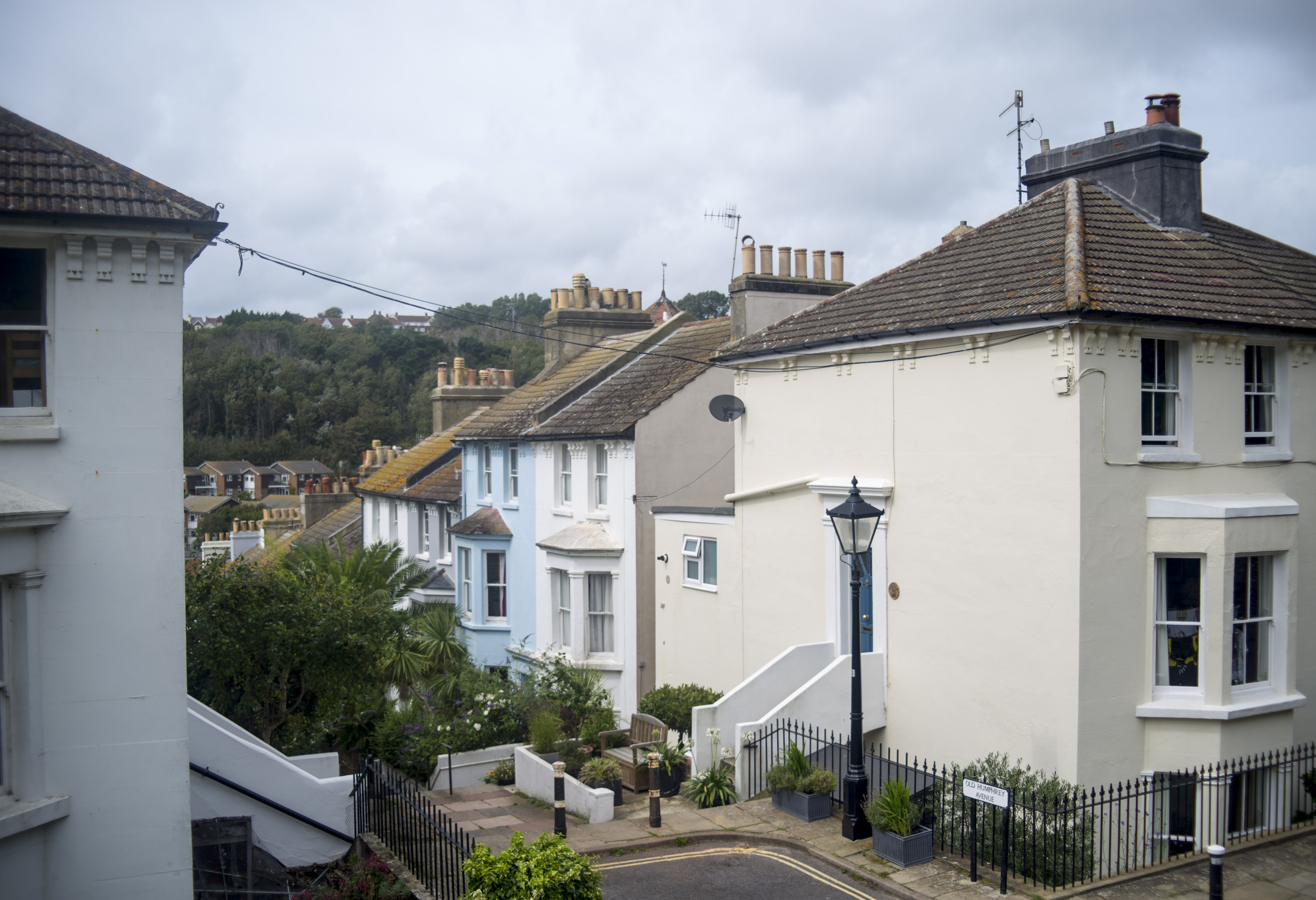
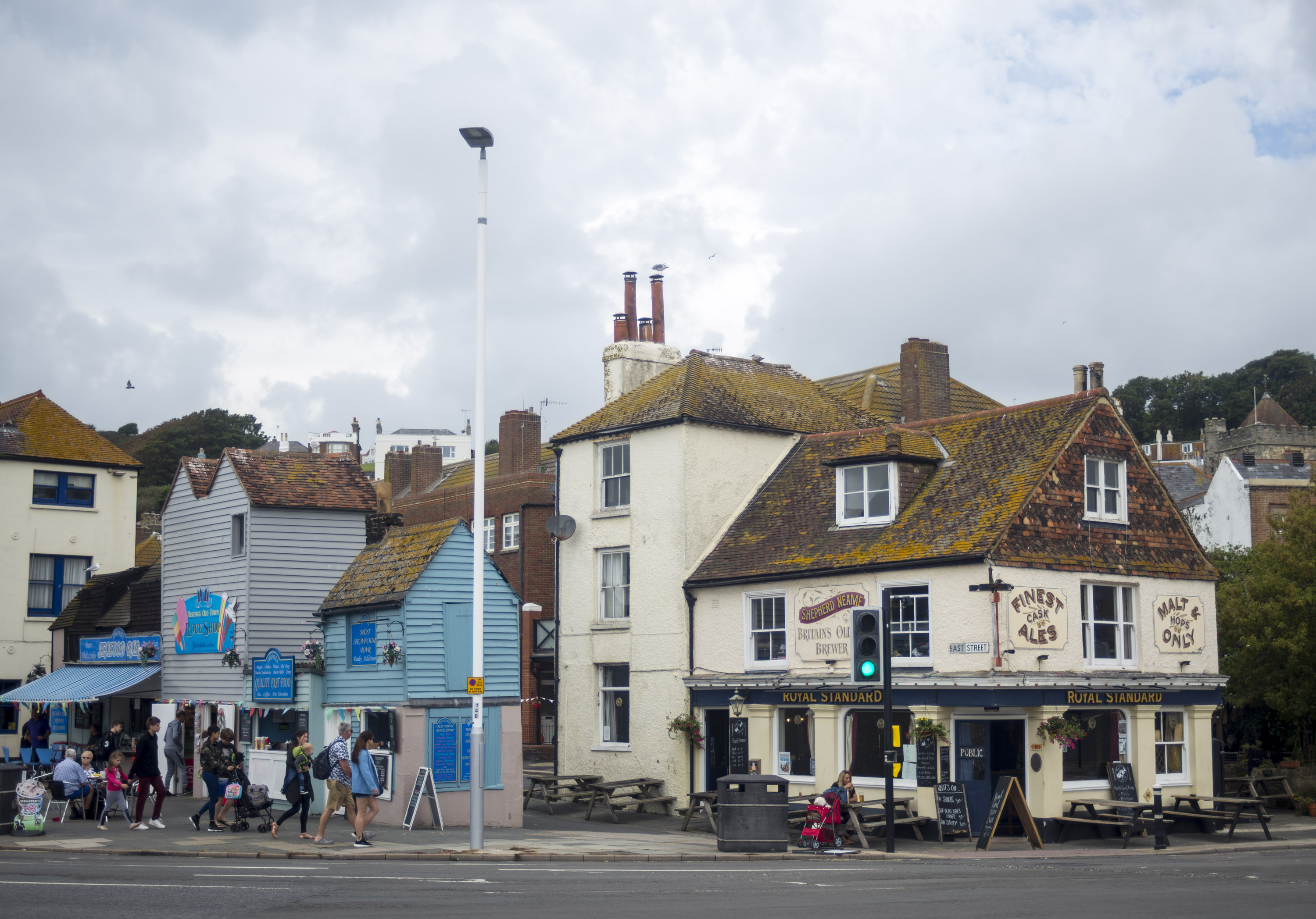
Hastings Old Town is a charming mix of beautiful houses, narrow streets, museums, fish market.
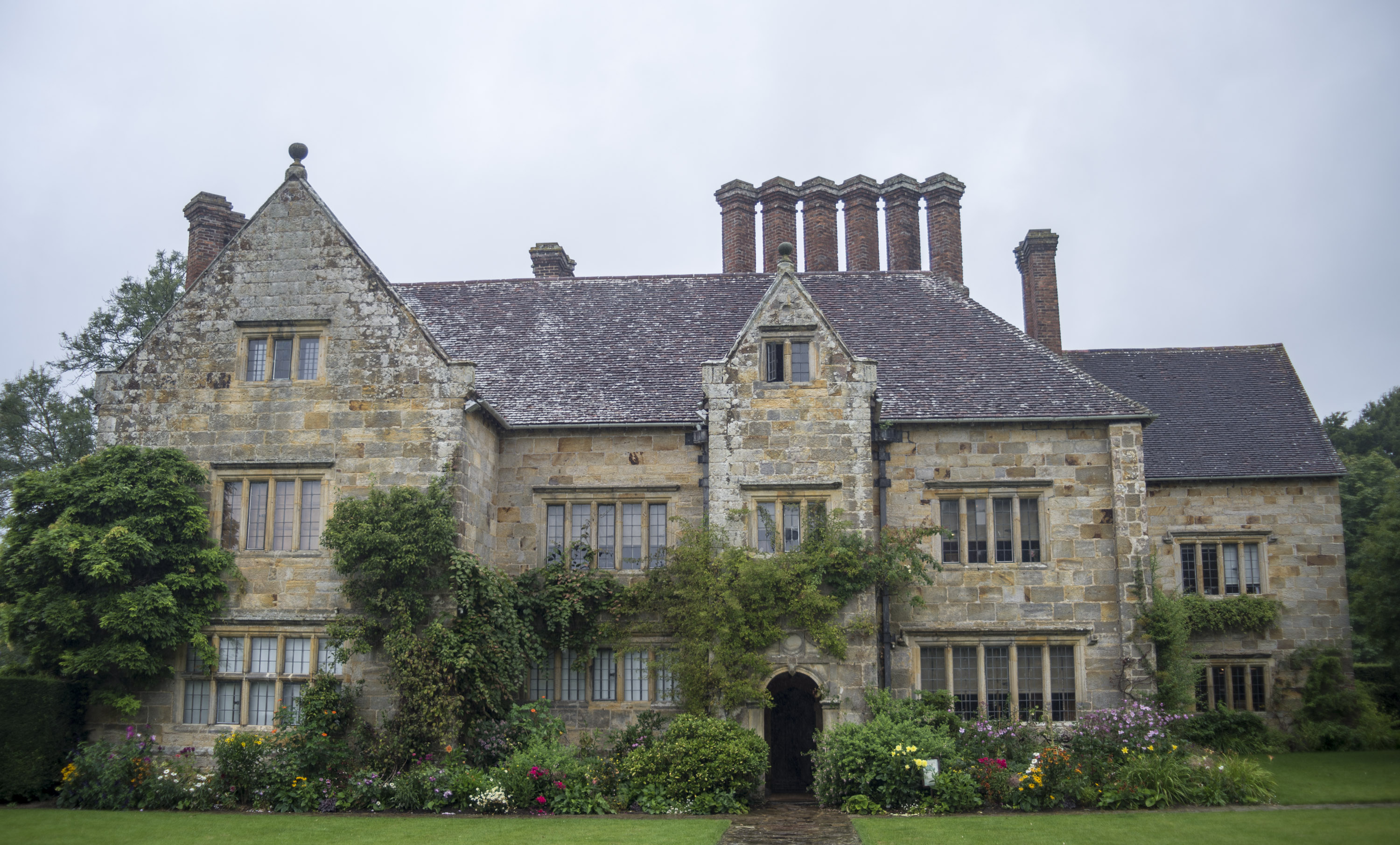
Bateman’s is a 17th-century house located in Burwash, East Sussex. It was a home of Rudyard Kipling from 1902 until his death in 1936.
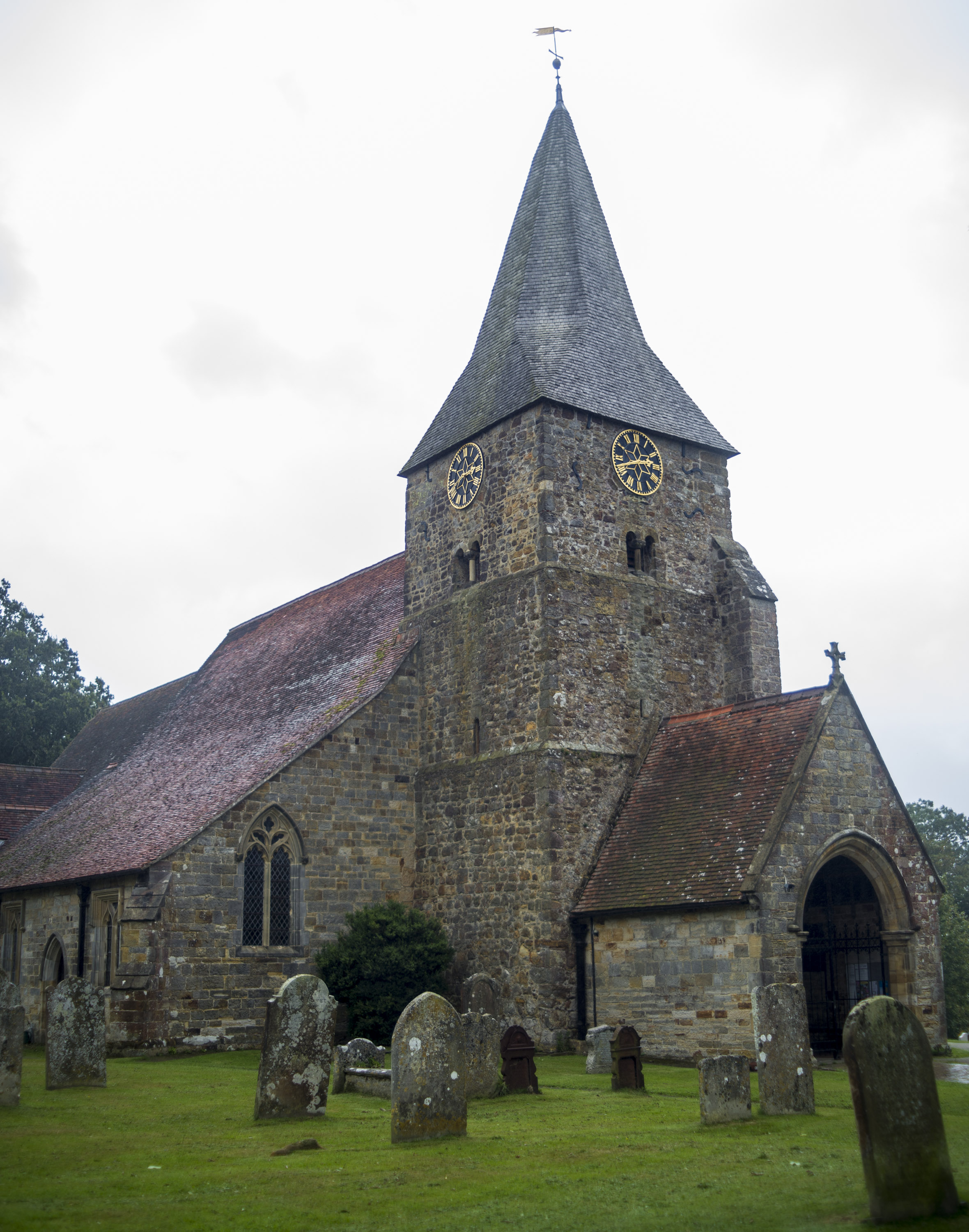
Etchingham is a village in East Sussex and located on the way to Burwash and Bateman’s.
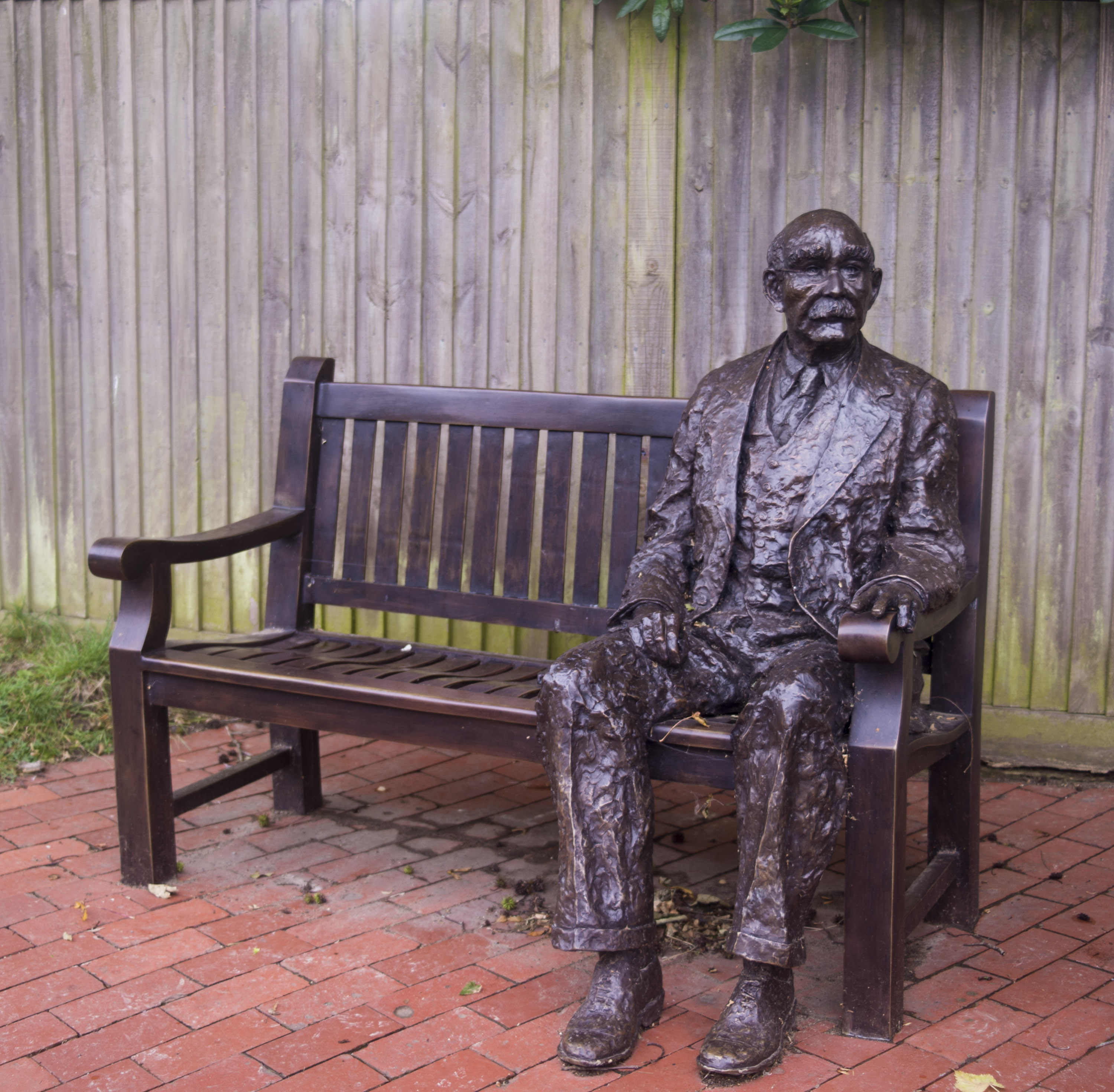
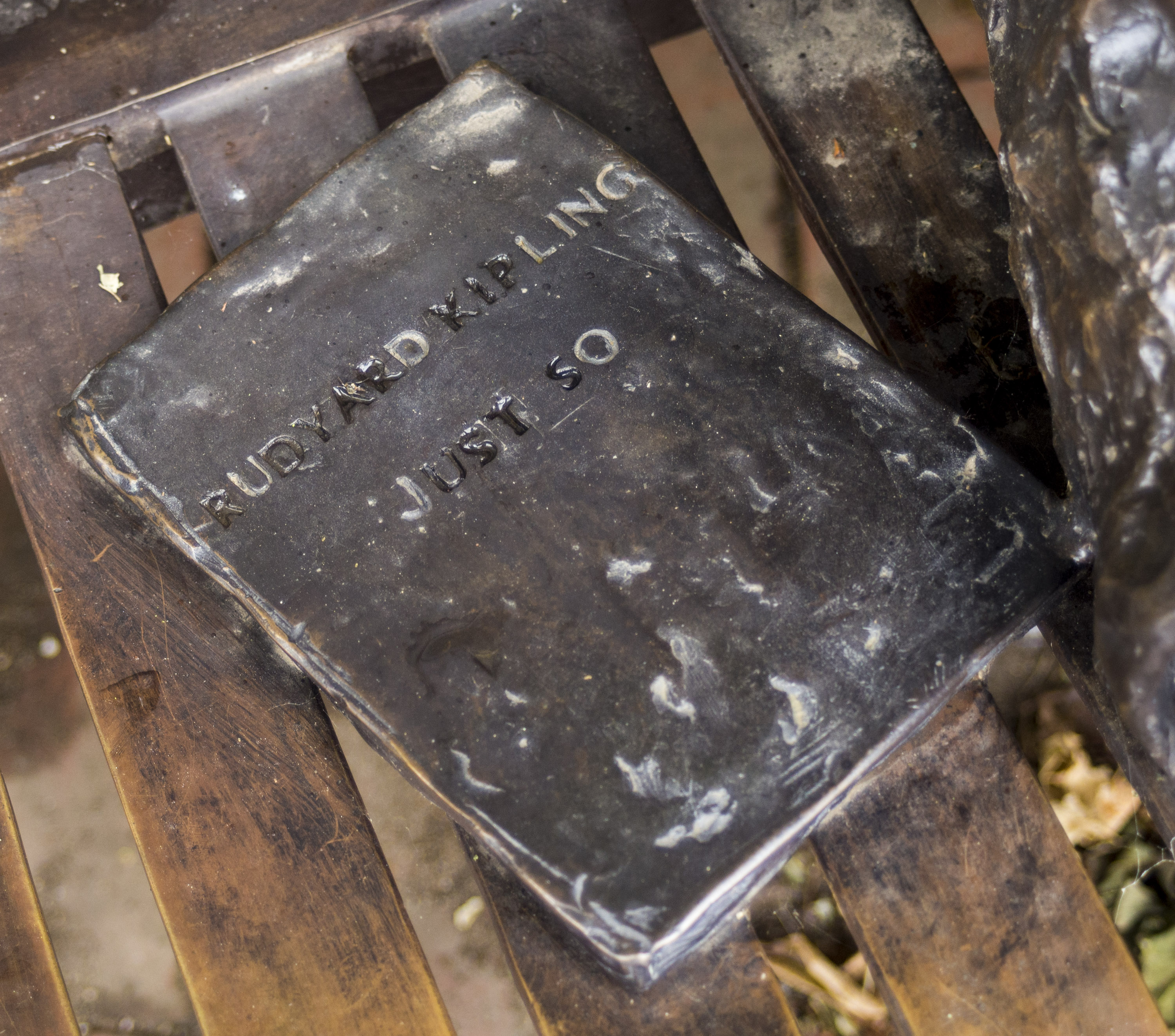
A bronze statue of Rudyard Kipling is unveiled in Burwash. It shows him seated on a bench with a book called “Just so”. This statue celebrates the work of Kipling and also encourages more visitors of Bateman’s to come into the wonderful village of Burwash itself.
Bateman’s is a beautiful old sandstone house surrounded by Sussex countryside. It was bought by Rudyard Kipling and his wife who fell in love with the house at first sight, it became a family home.
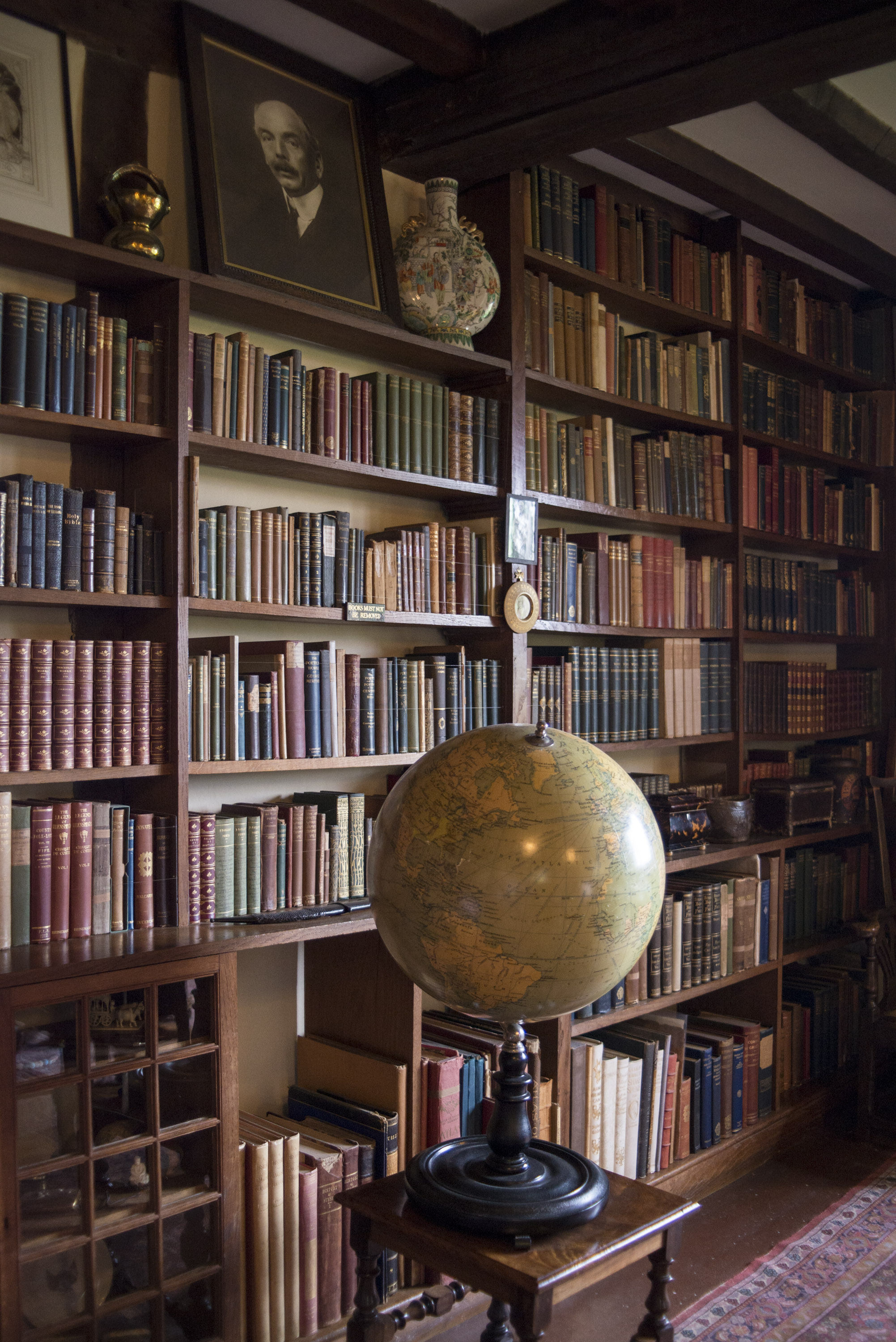
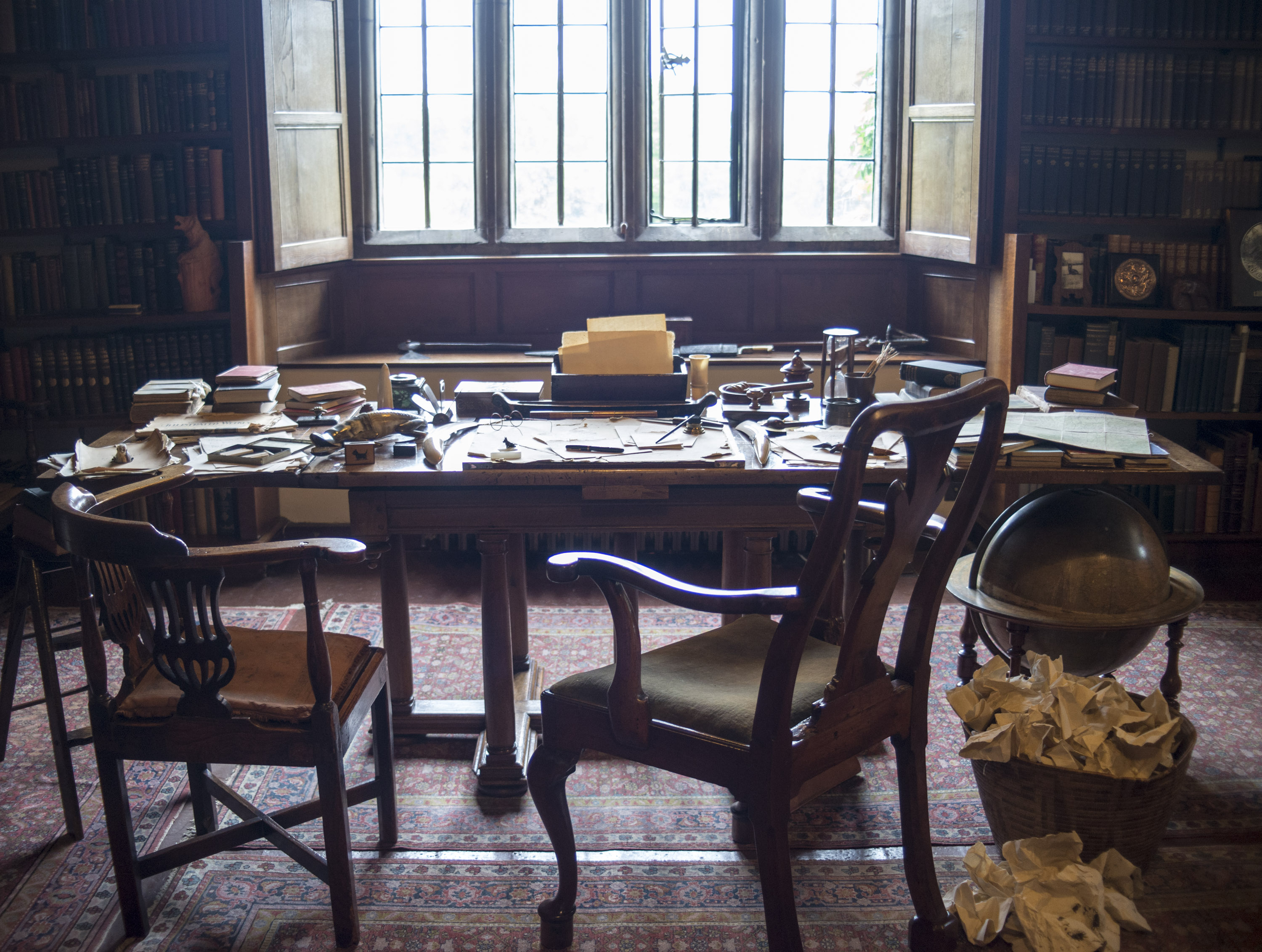
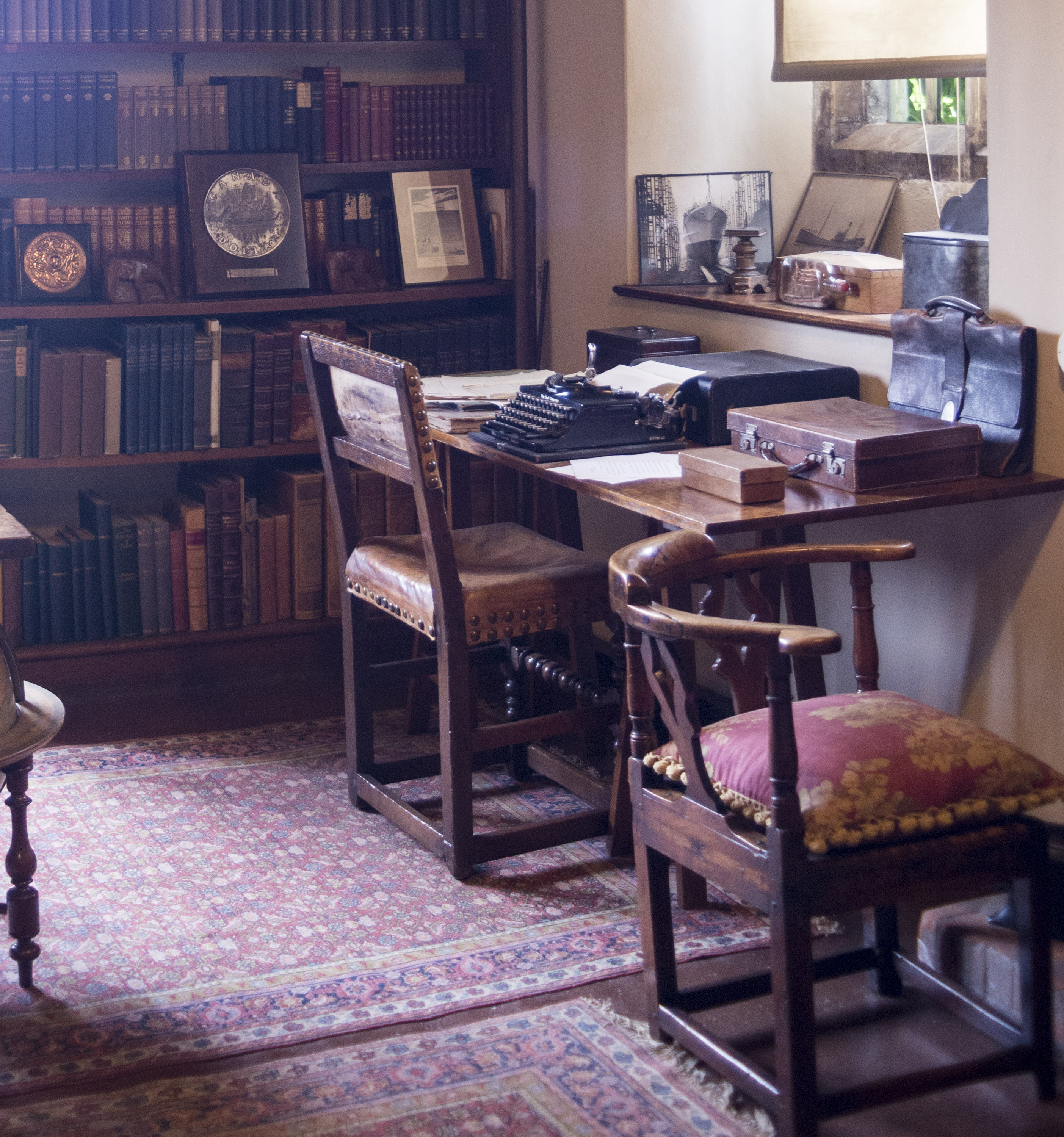
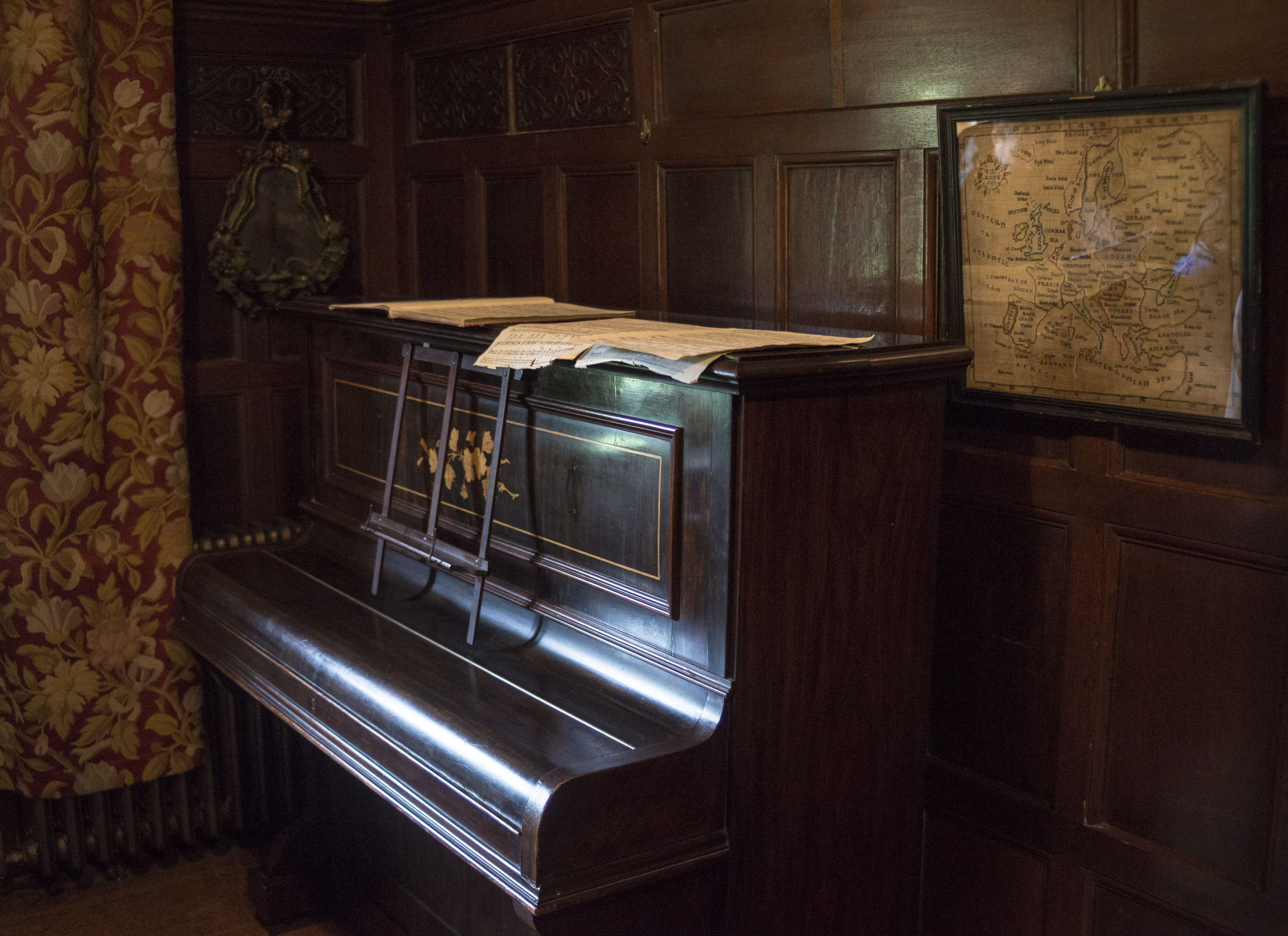
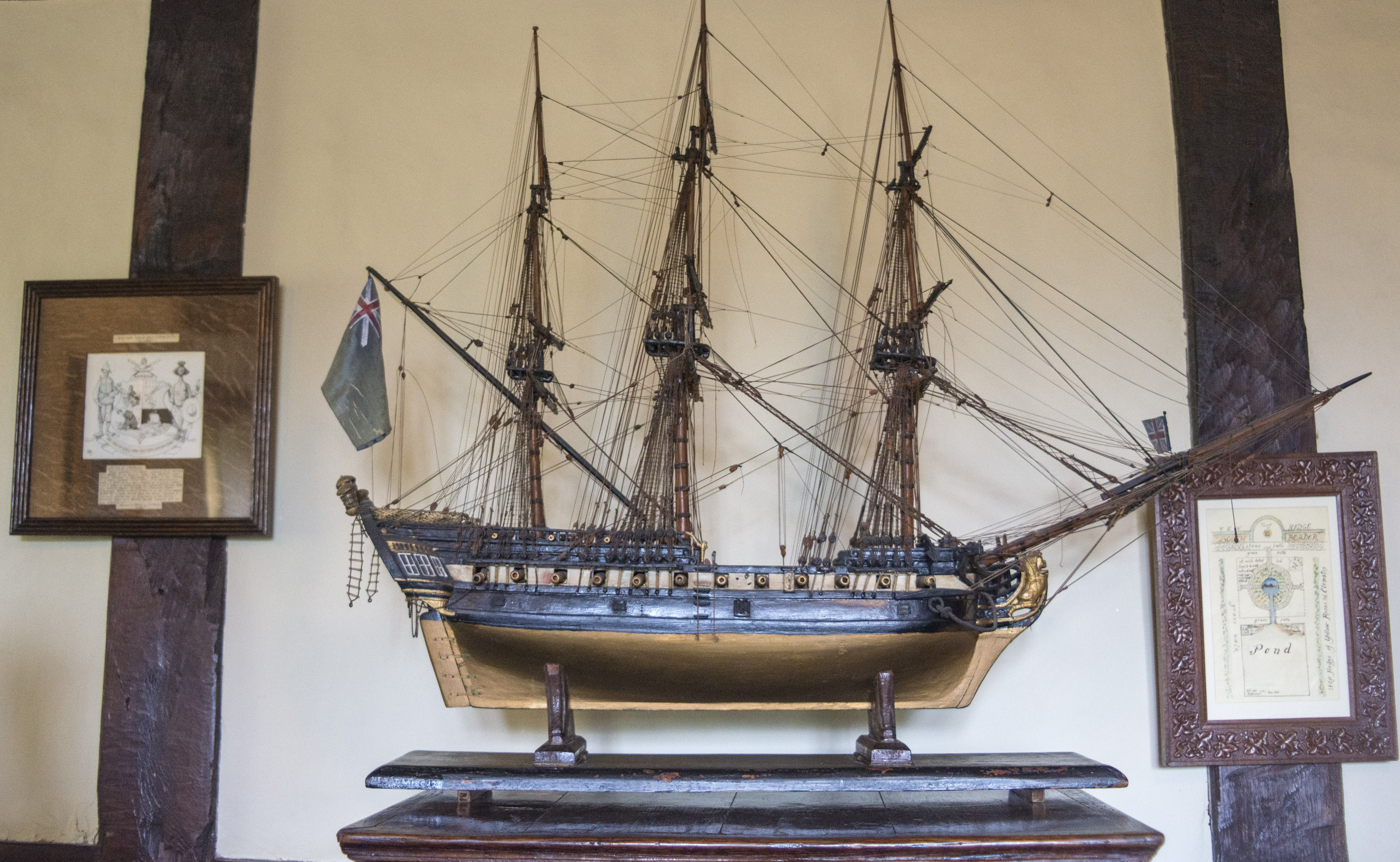
The rooms are much as he left them: artifacts from his Eastern adventures, a book lined study, his Nobel prize certificate for literature, a phonograph playing music.
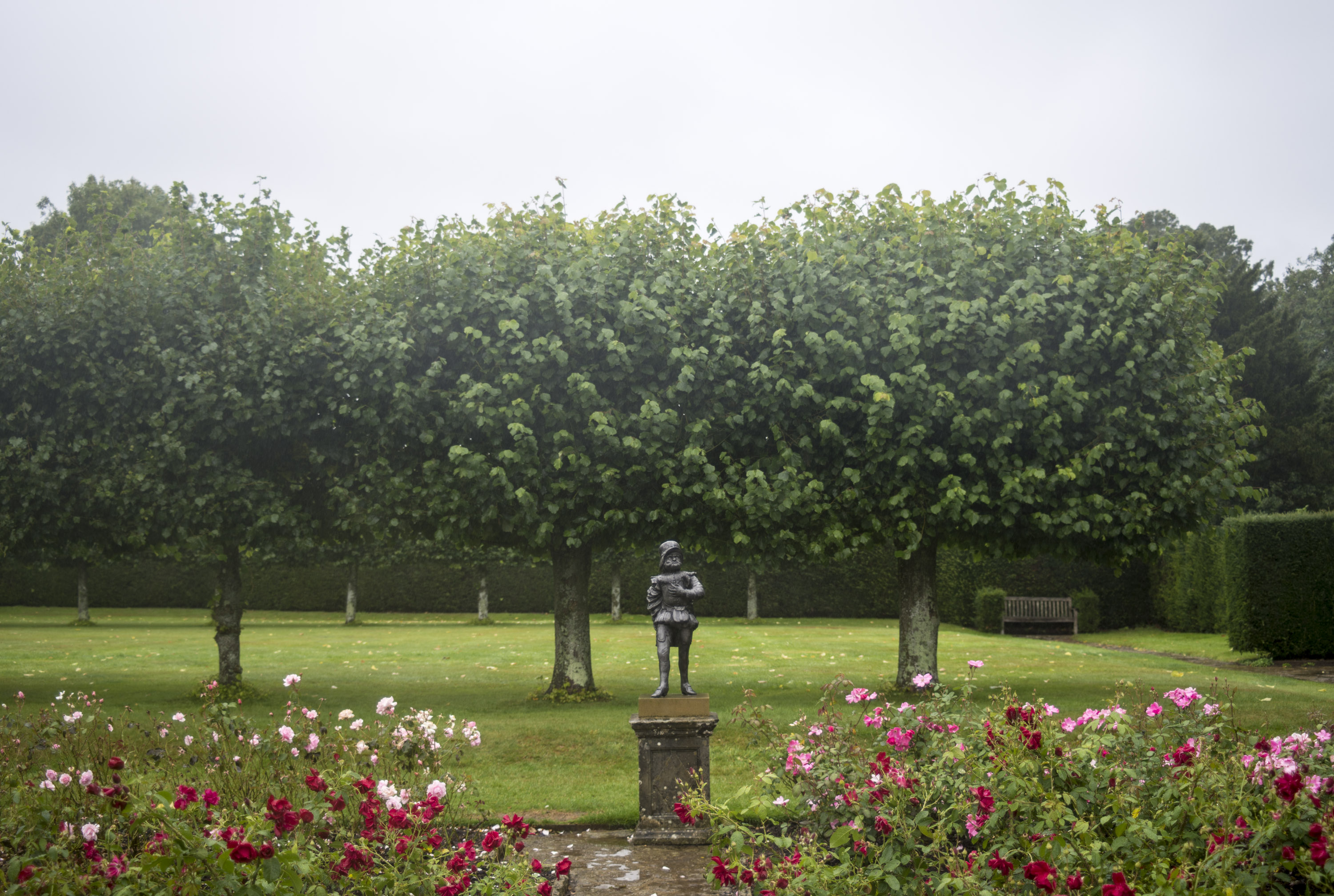
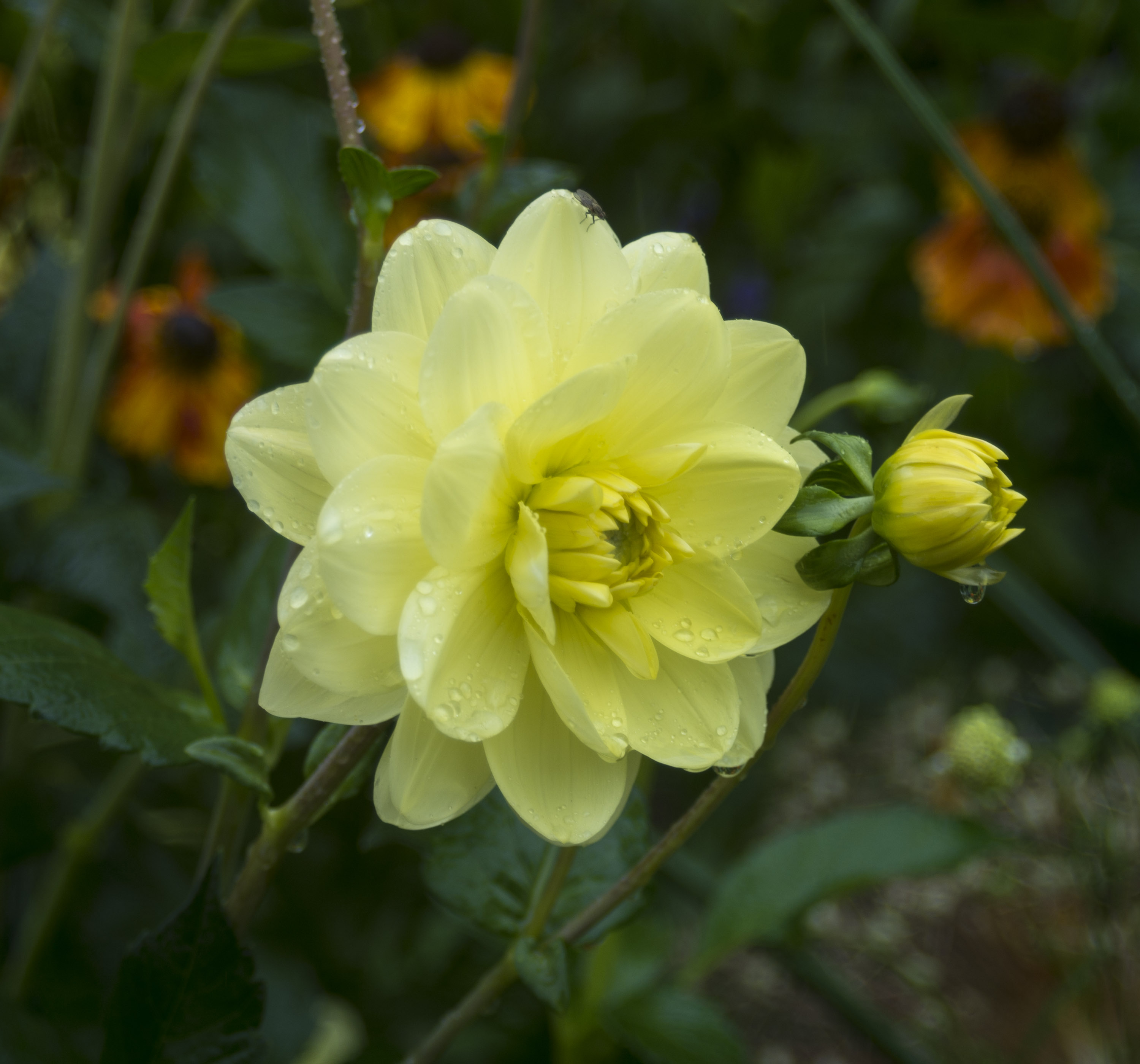
An amazing garden with an orchard, herb garden, pond and wildflower meadow surrounds the house.
Hastings is a town in East Sussex, England, most famous for the Battle of Hastings in 1066. This town is home to the largest beach-launched fleet in Europe, the ruins of the first castle in England to be built by Willian the Conqueror.
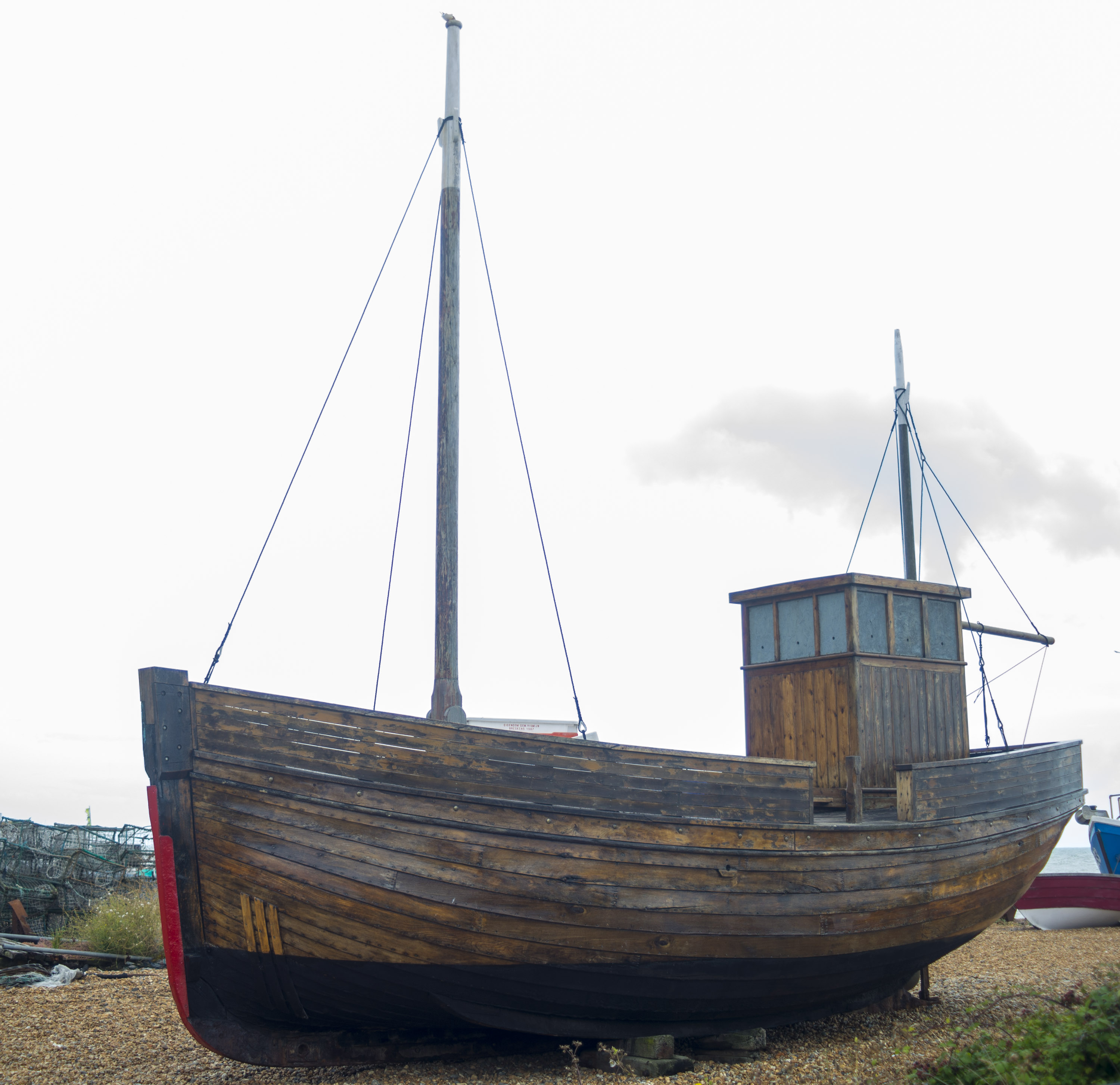
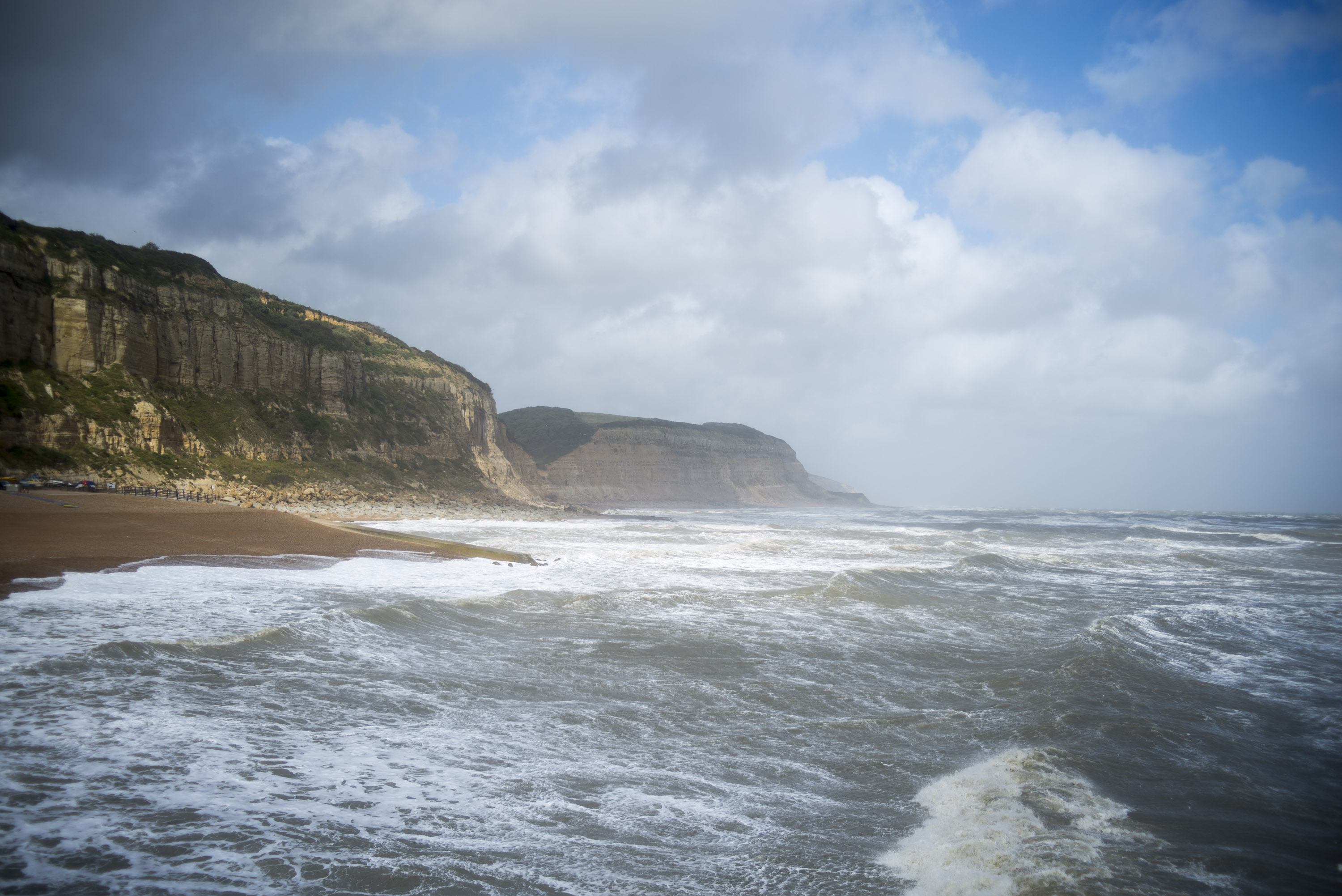
Hastings beach Rock-a-Nore.
Hastings Old Town is a charming mix of beautiful houses, narrow streets, museums, fish market.
Hastings Castle located on a cliff top of the West Hill is a great part of English history from 1066 of modern days. The savage storms of the 13th century brought chaos to Hastings, so the large parts of the castle fell into the sea.
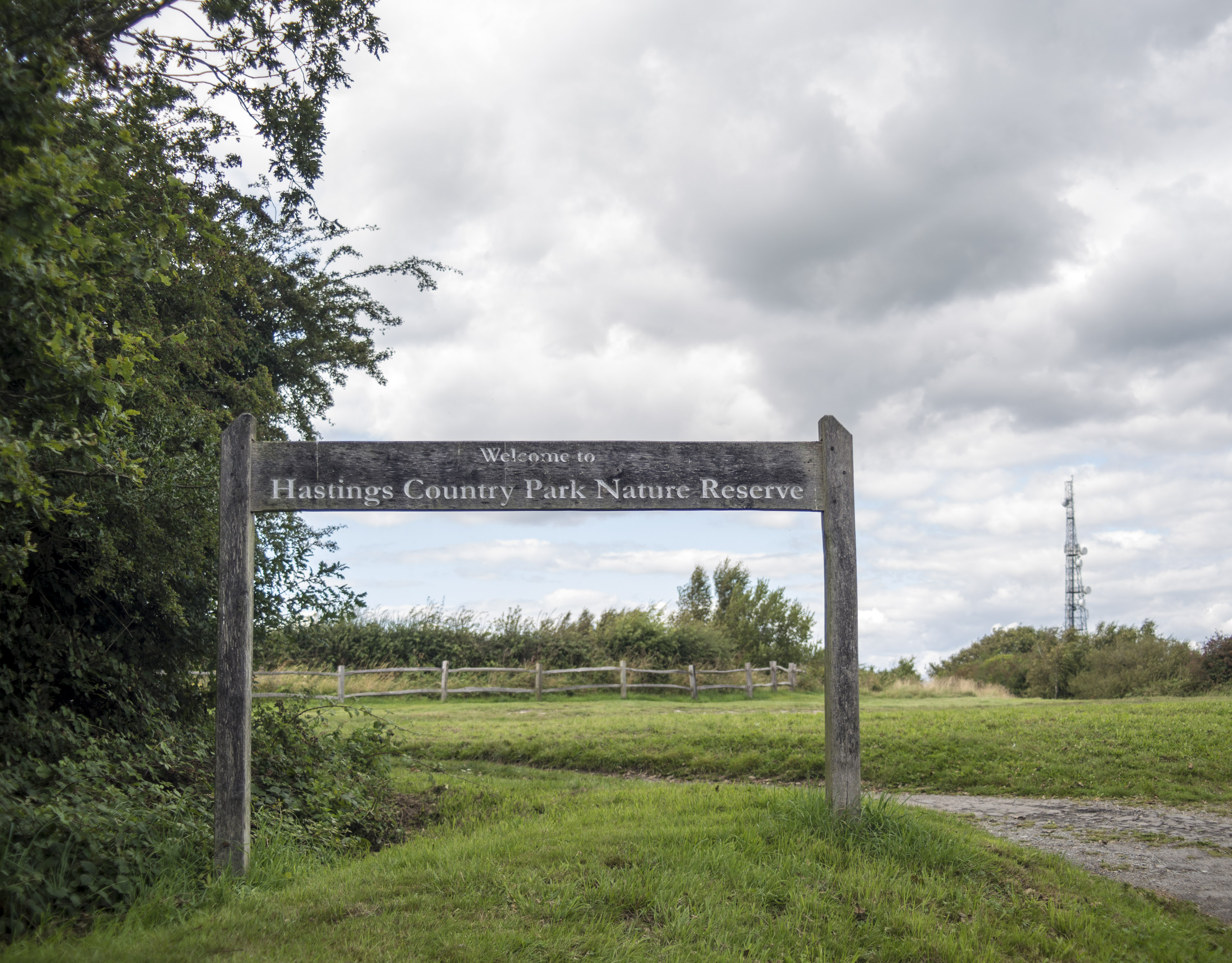
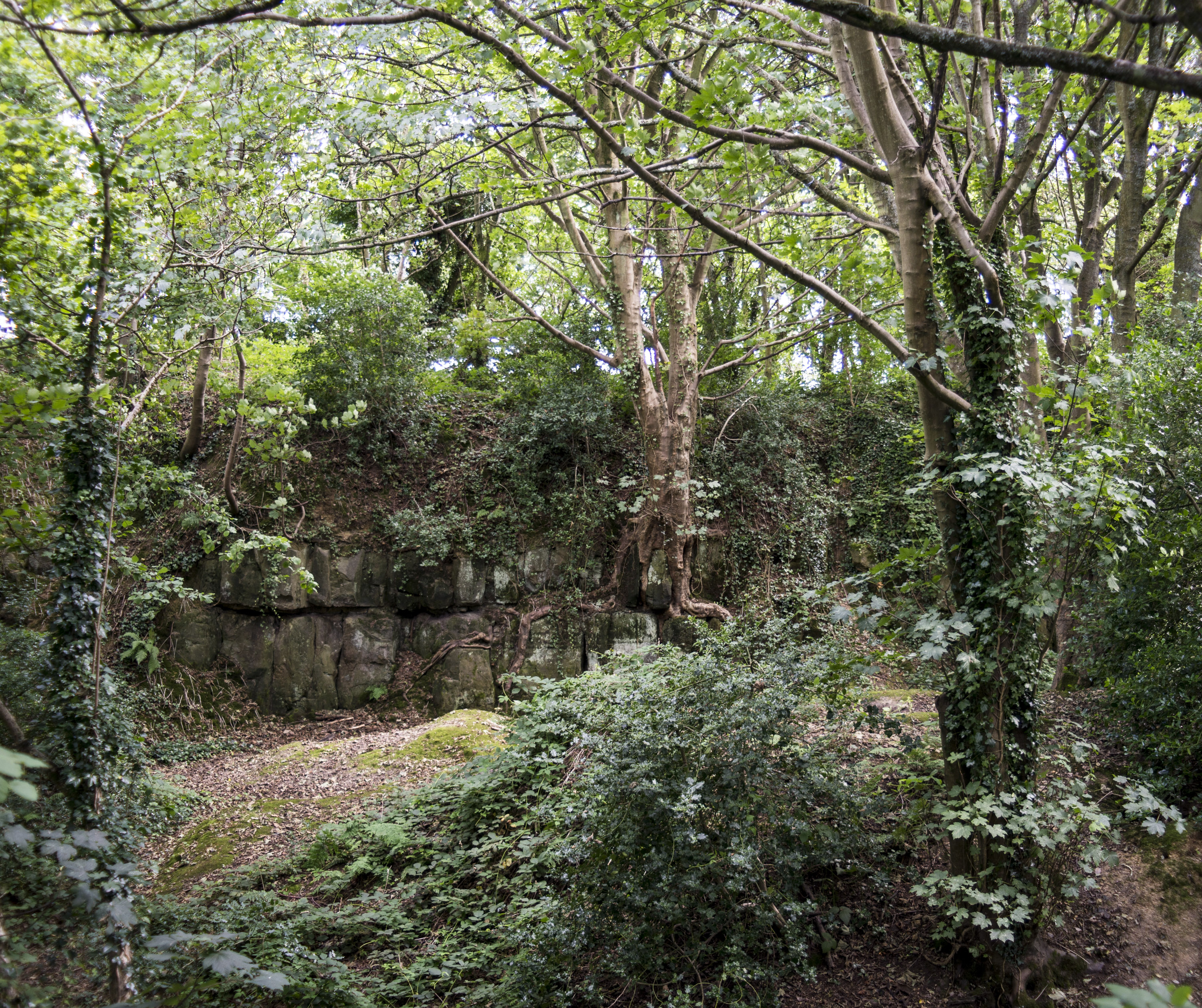
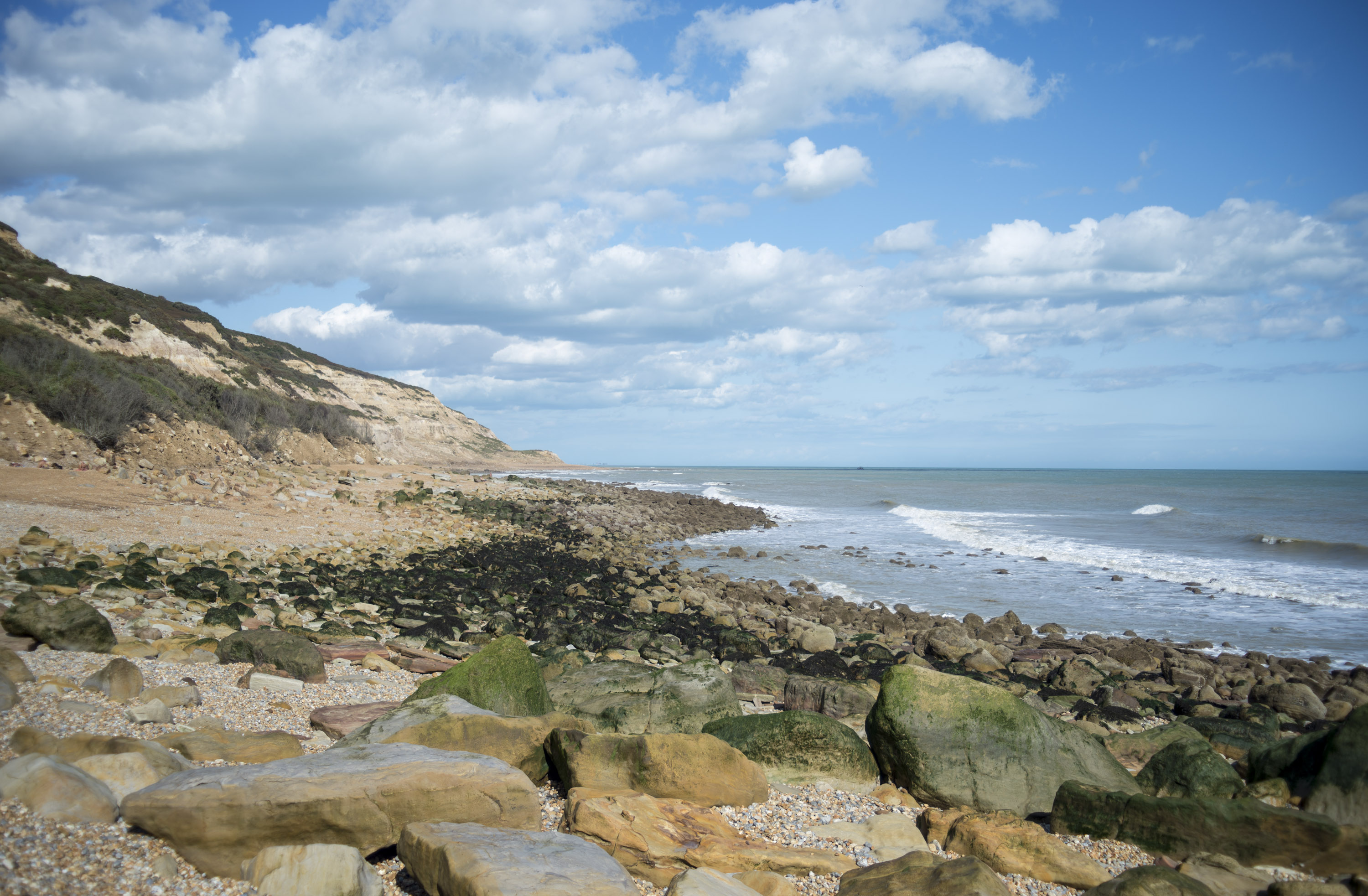
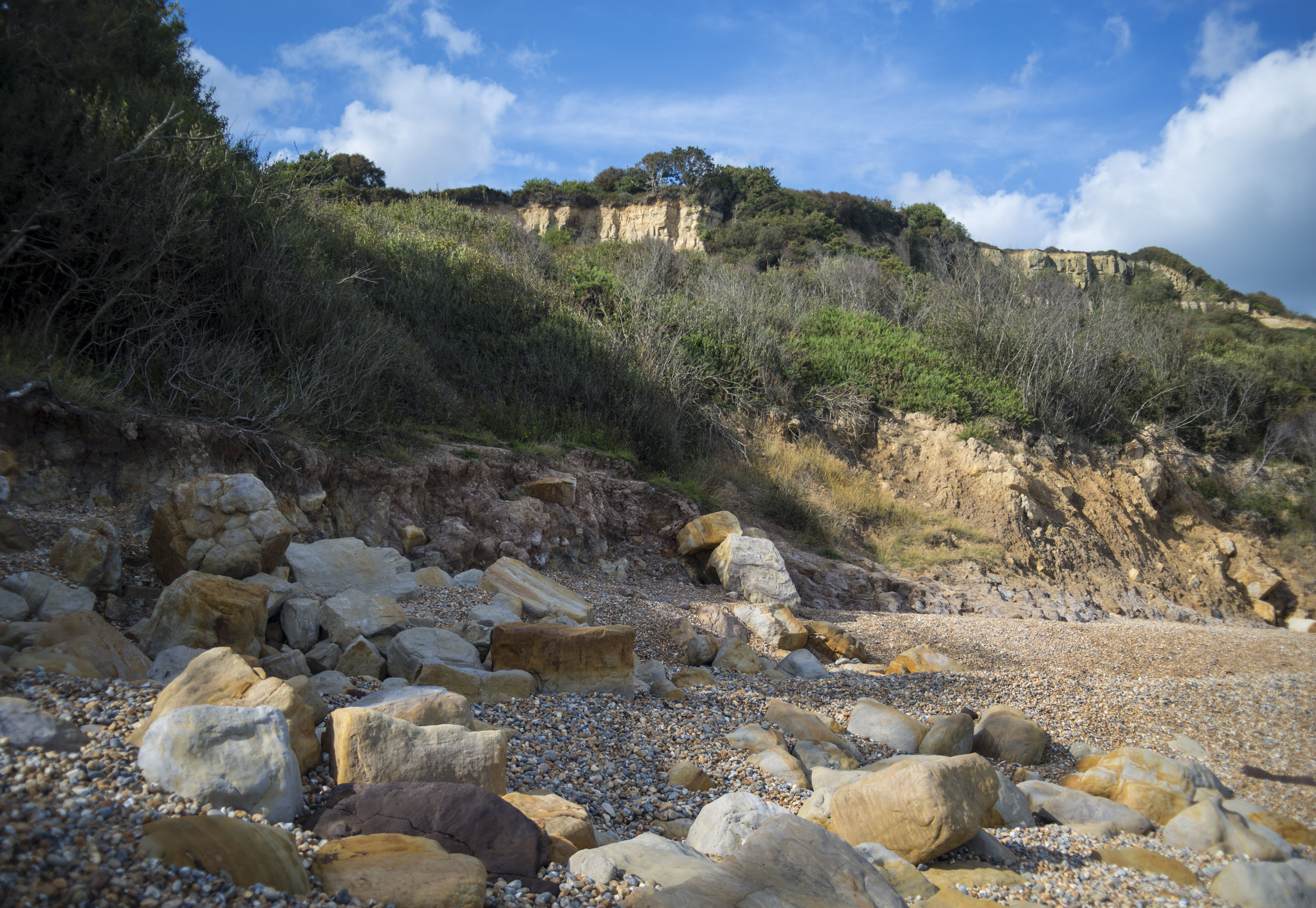
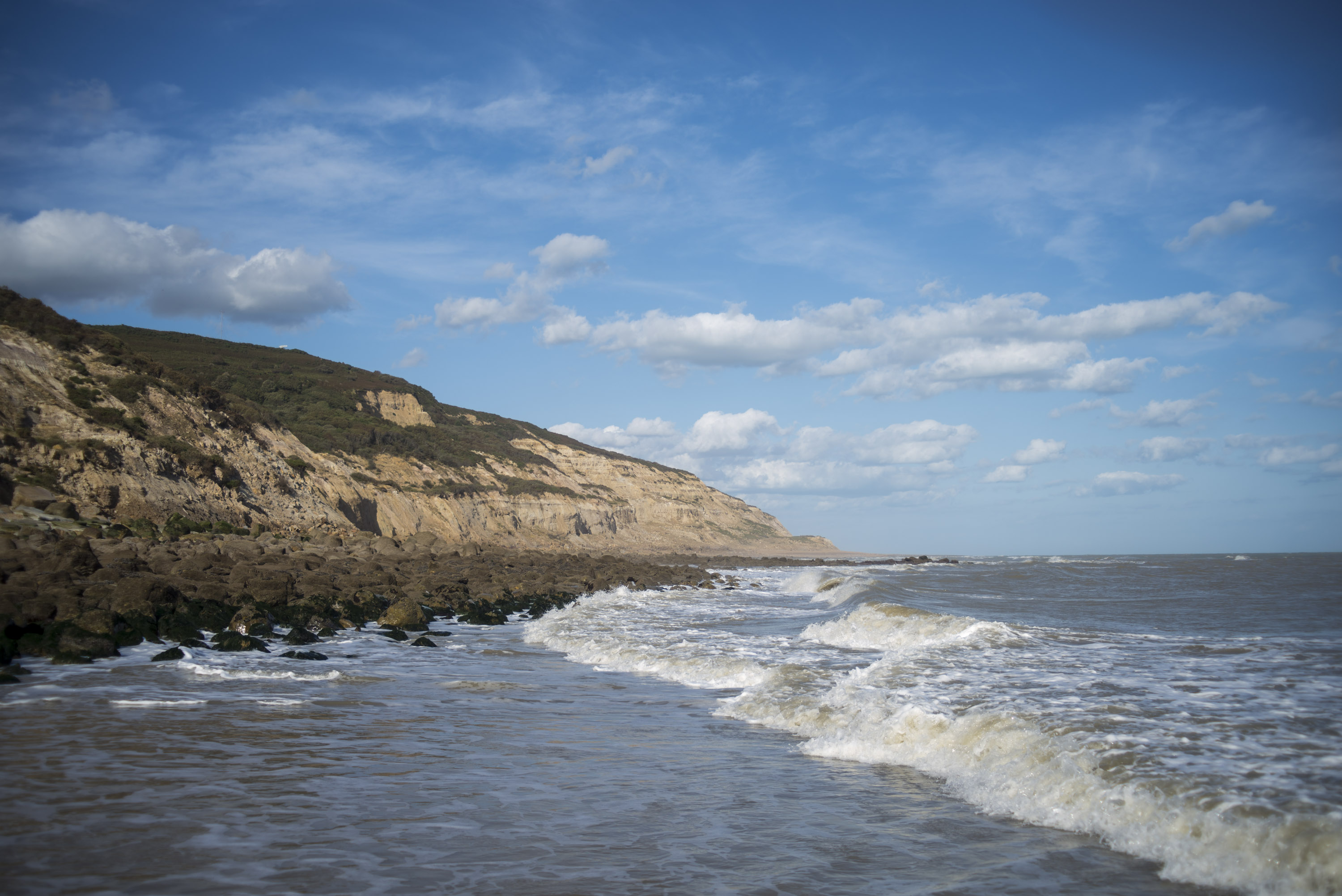
Hastings Country Park Nature Reserve.
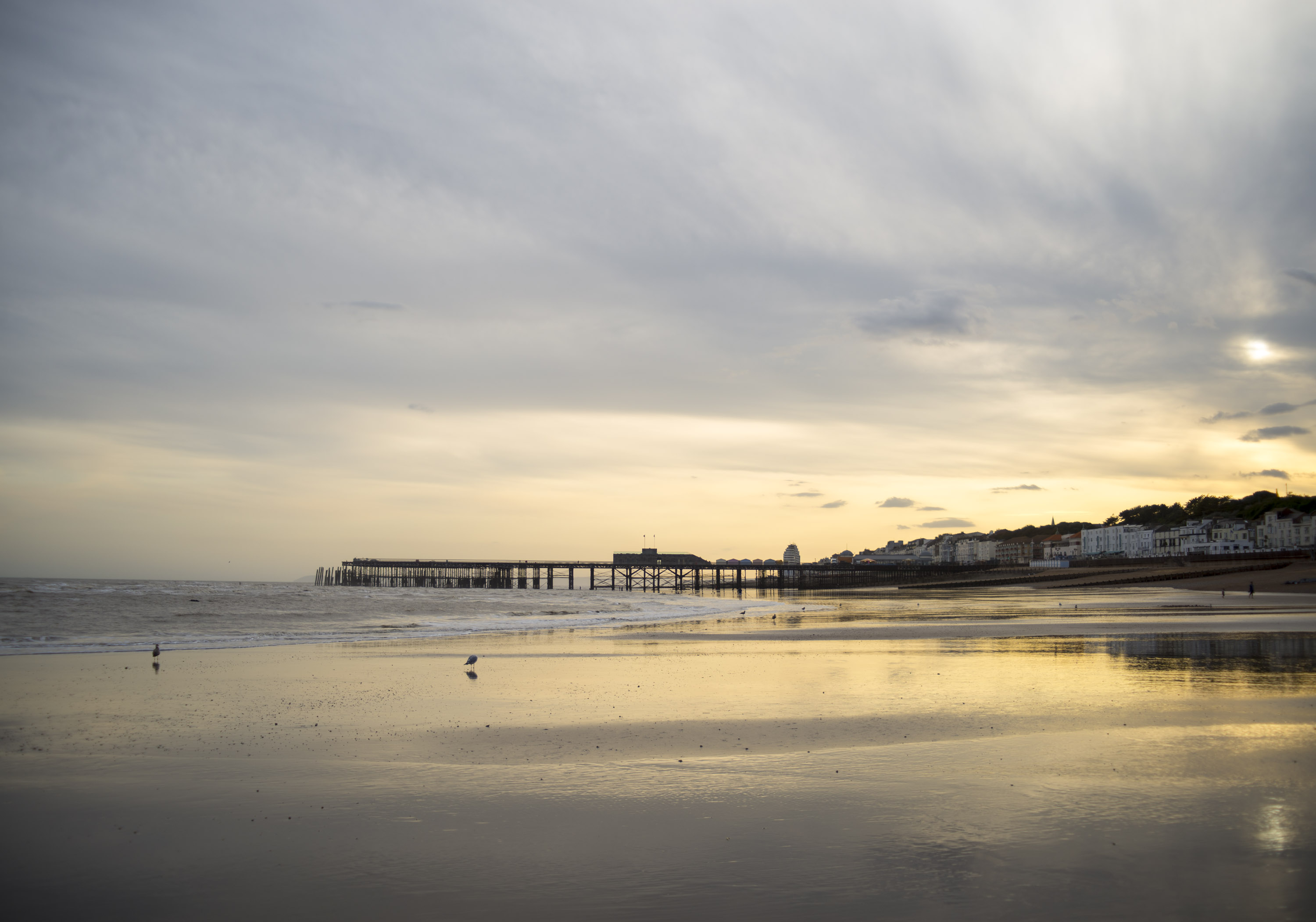
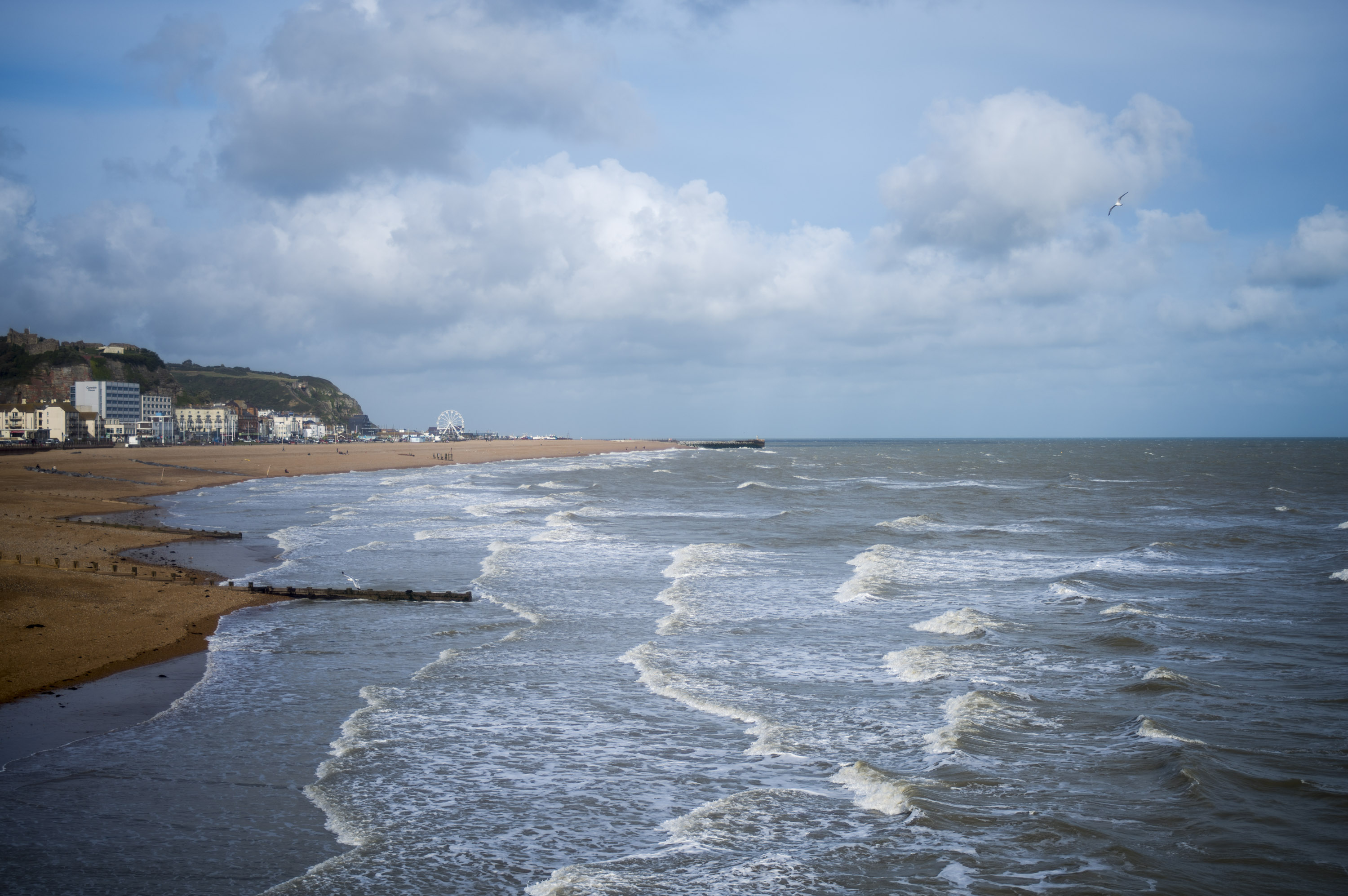
Hastings Beach.
Rye
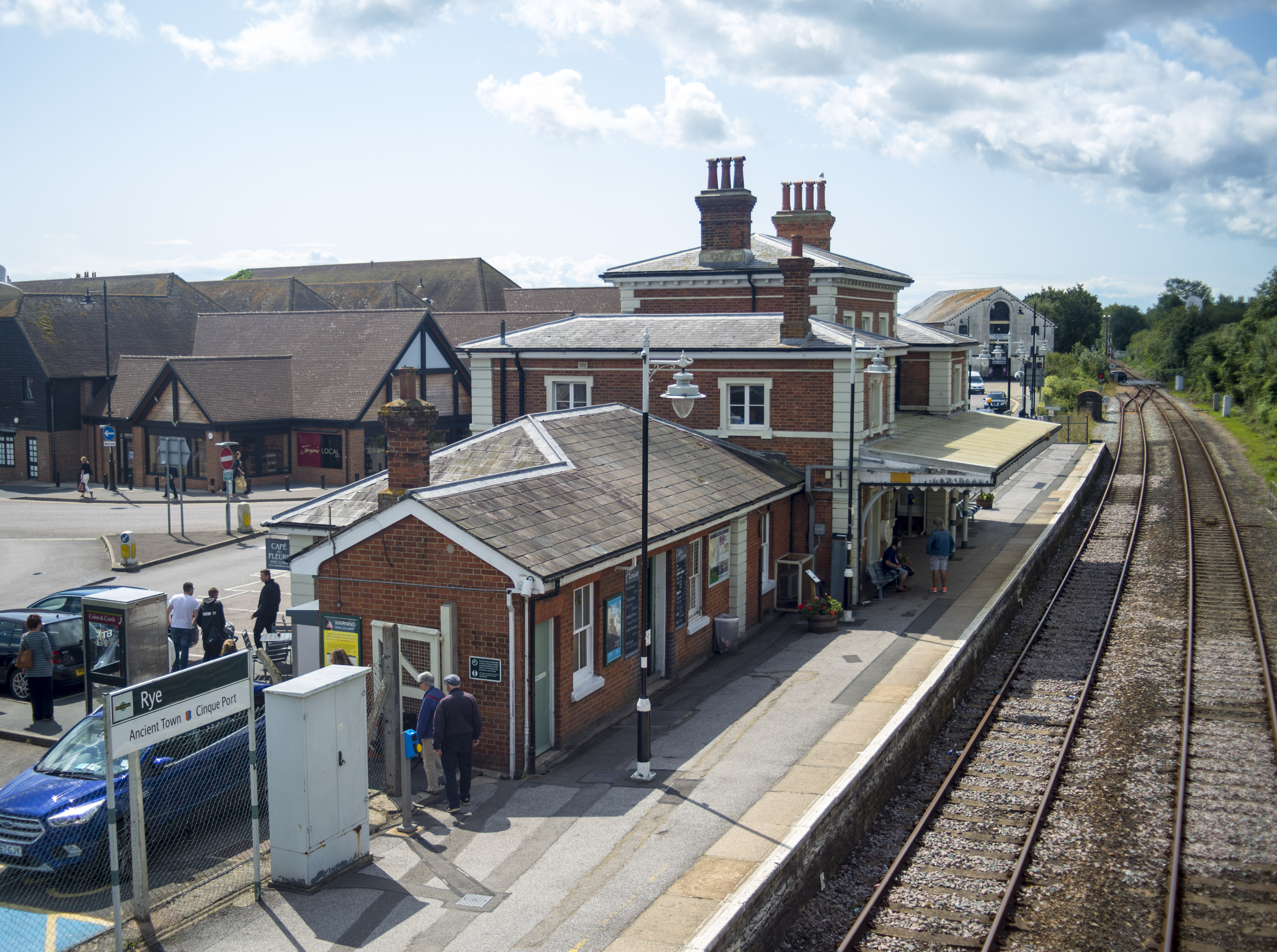
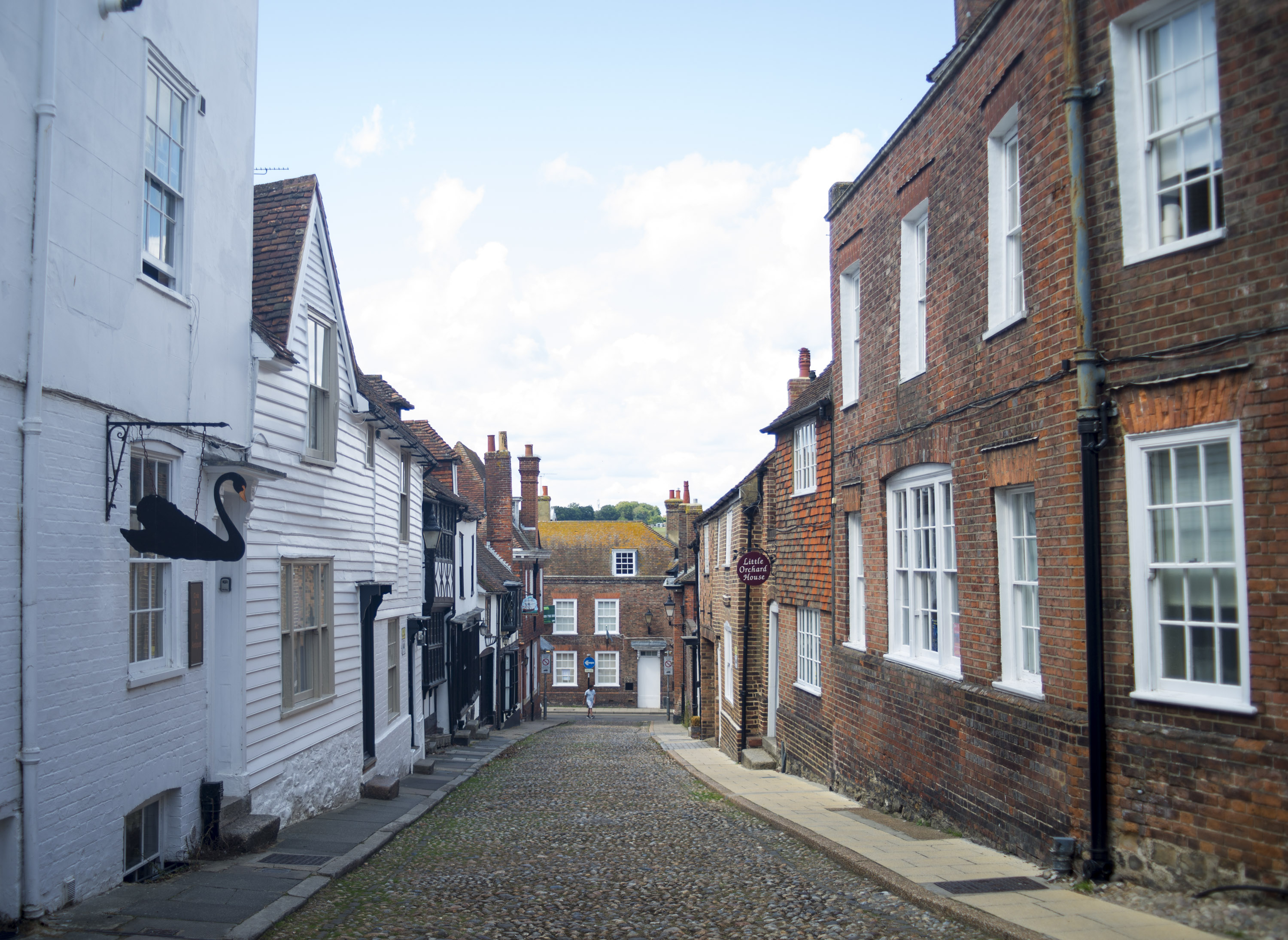
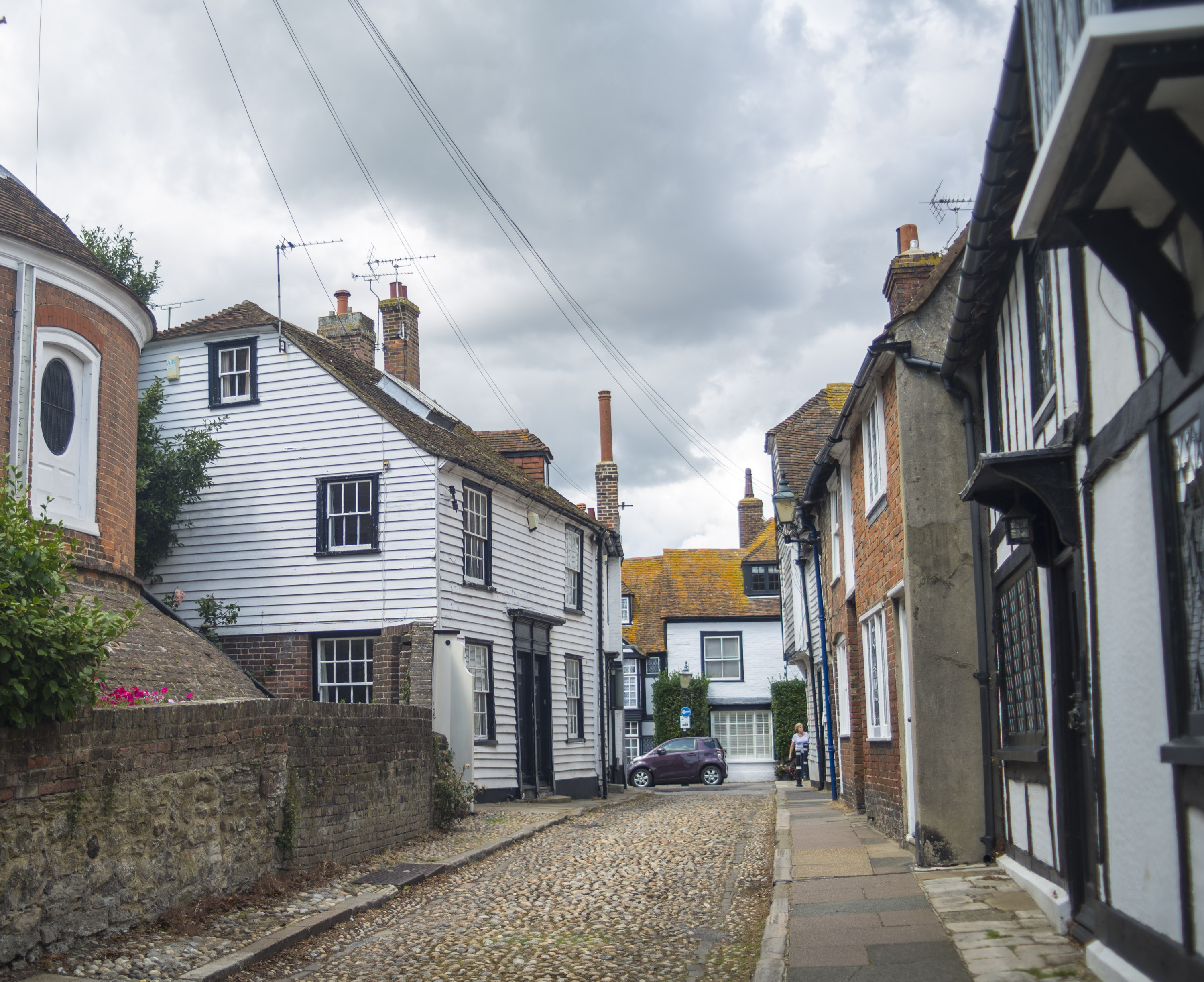
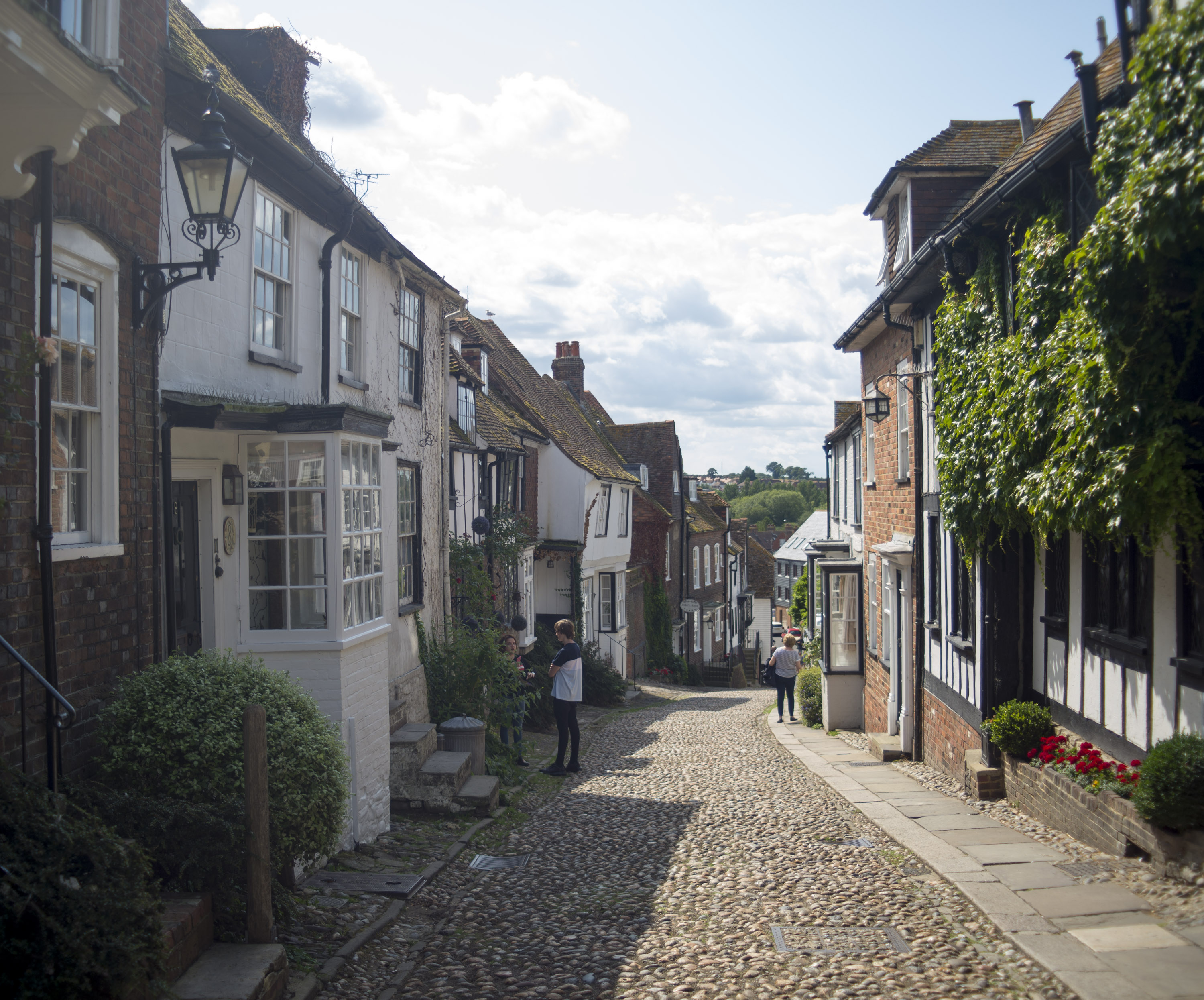
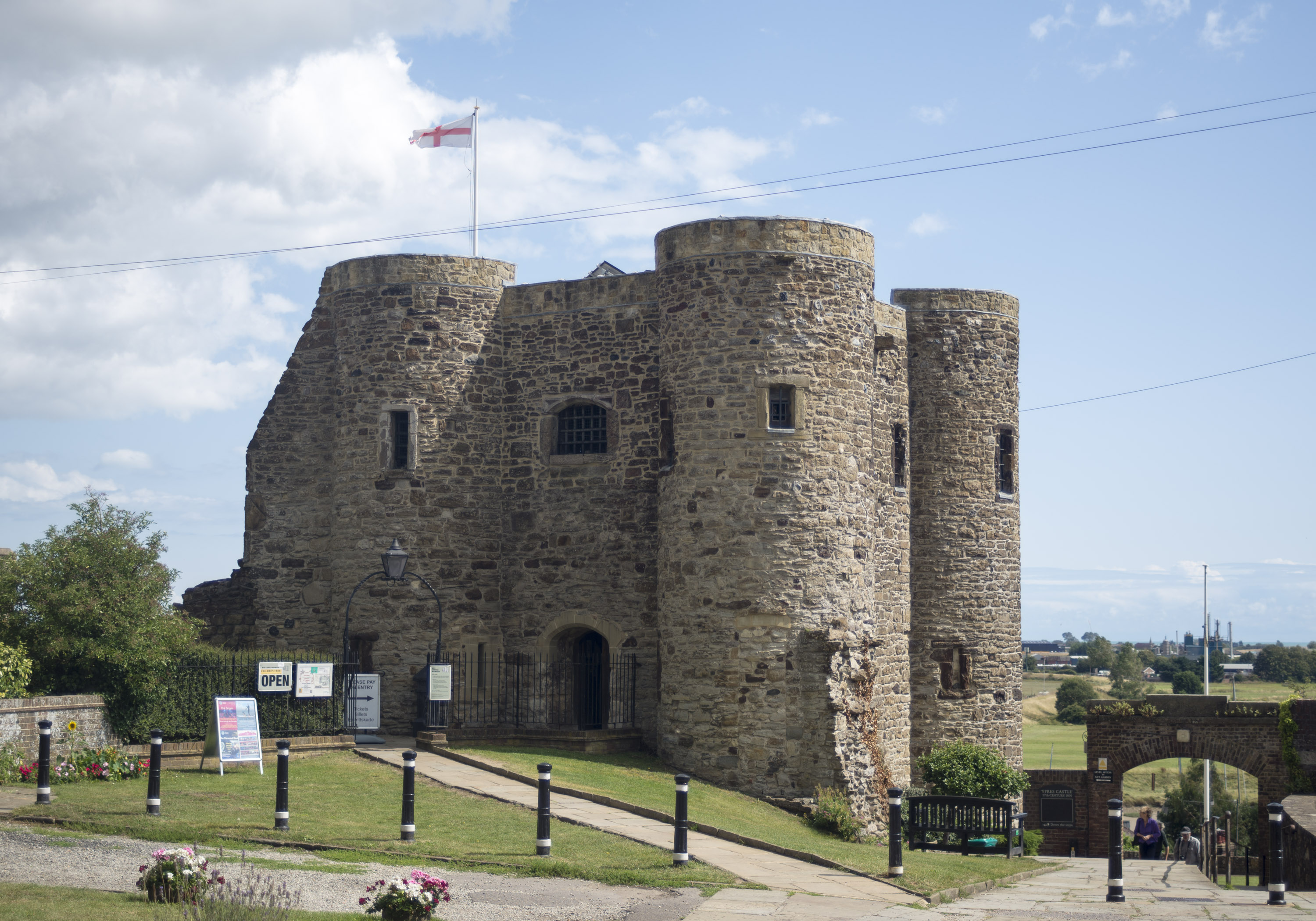
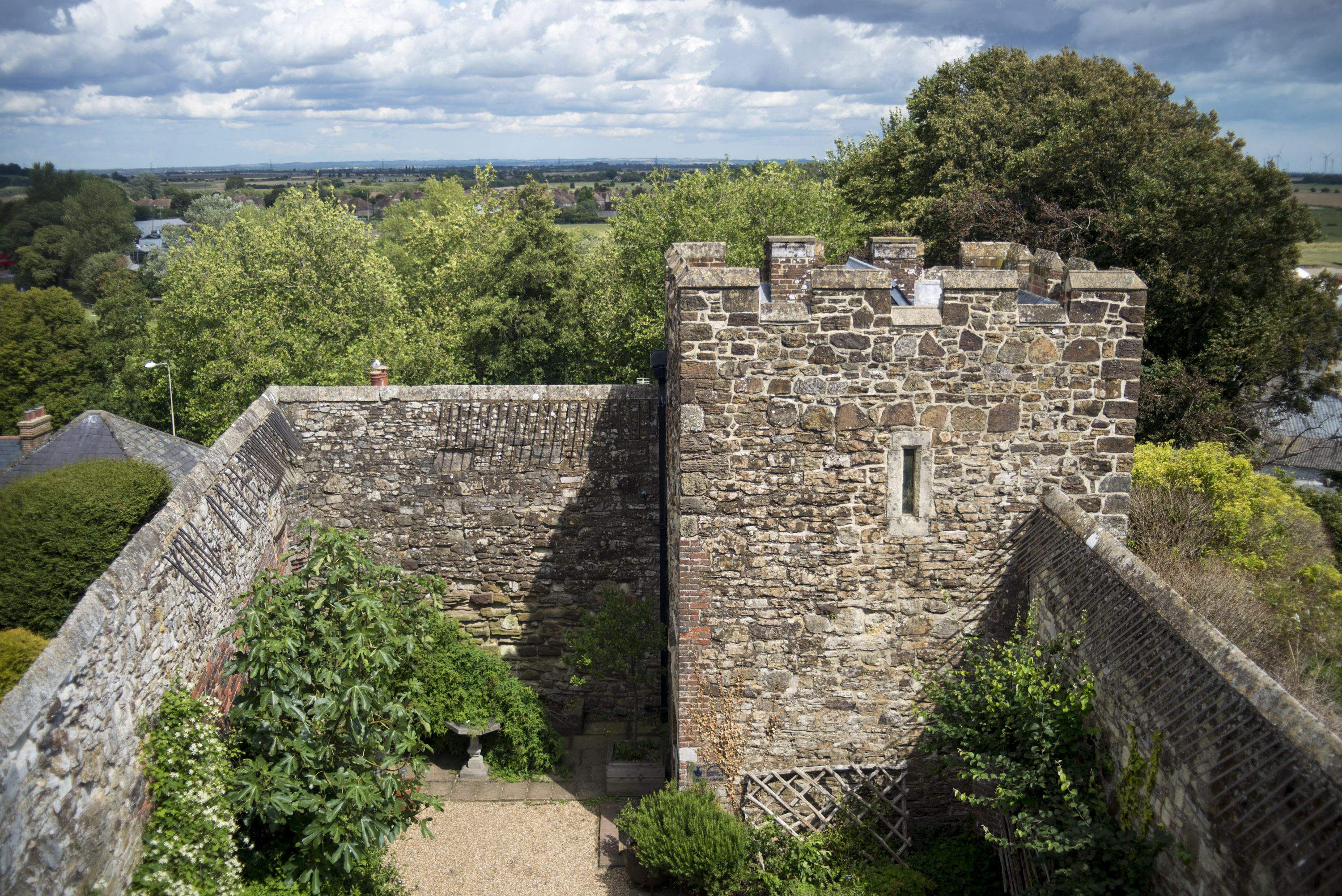
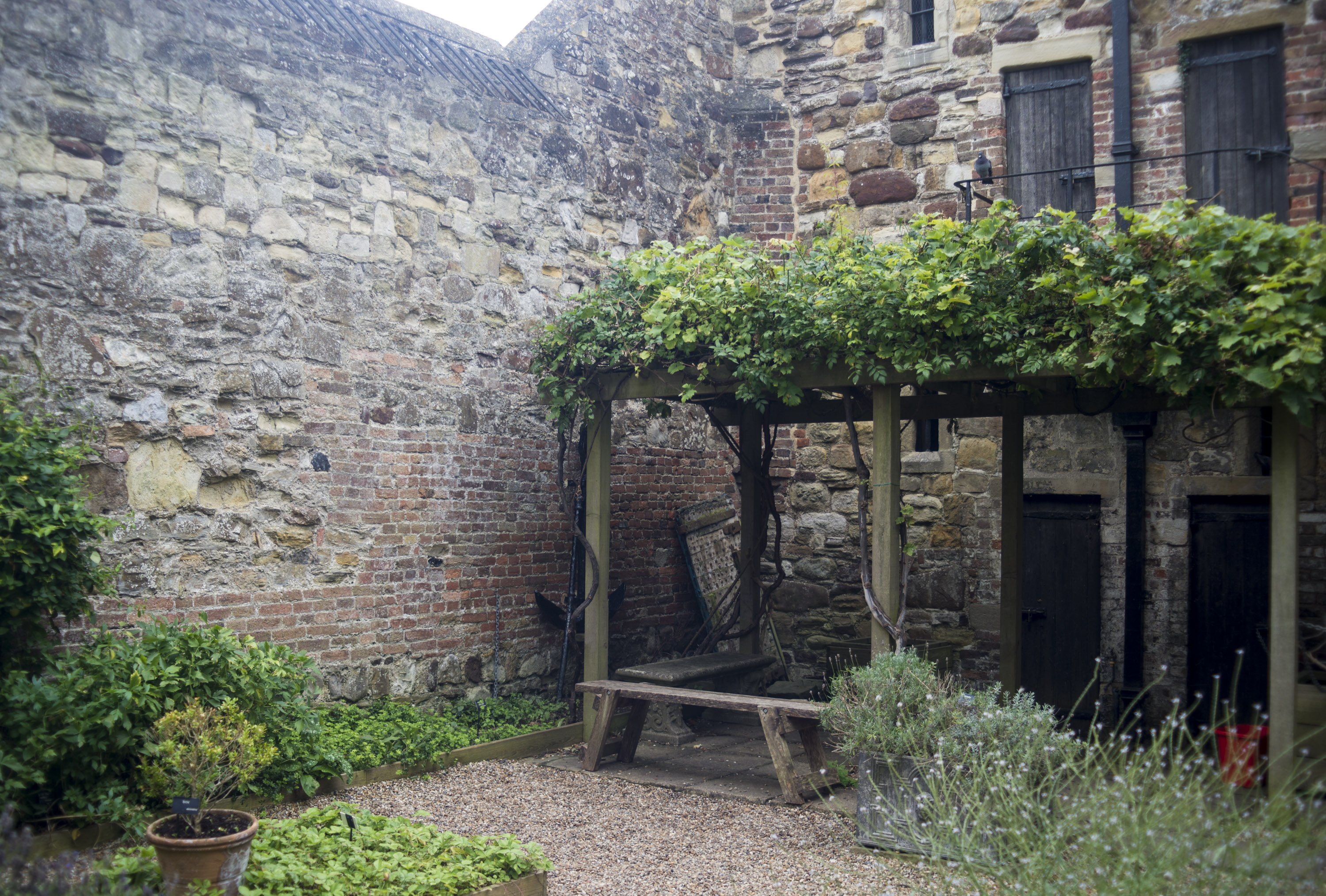
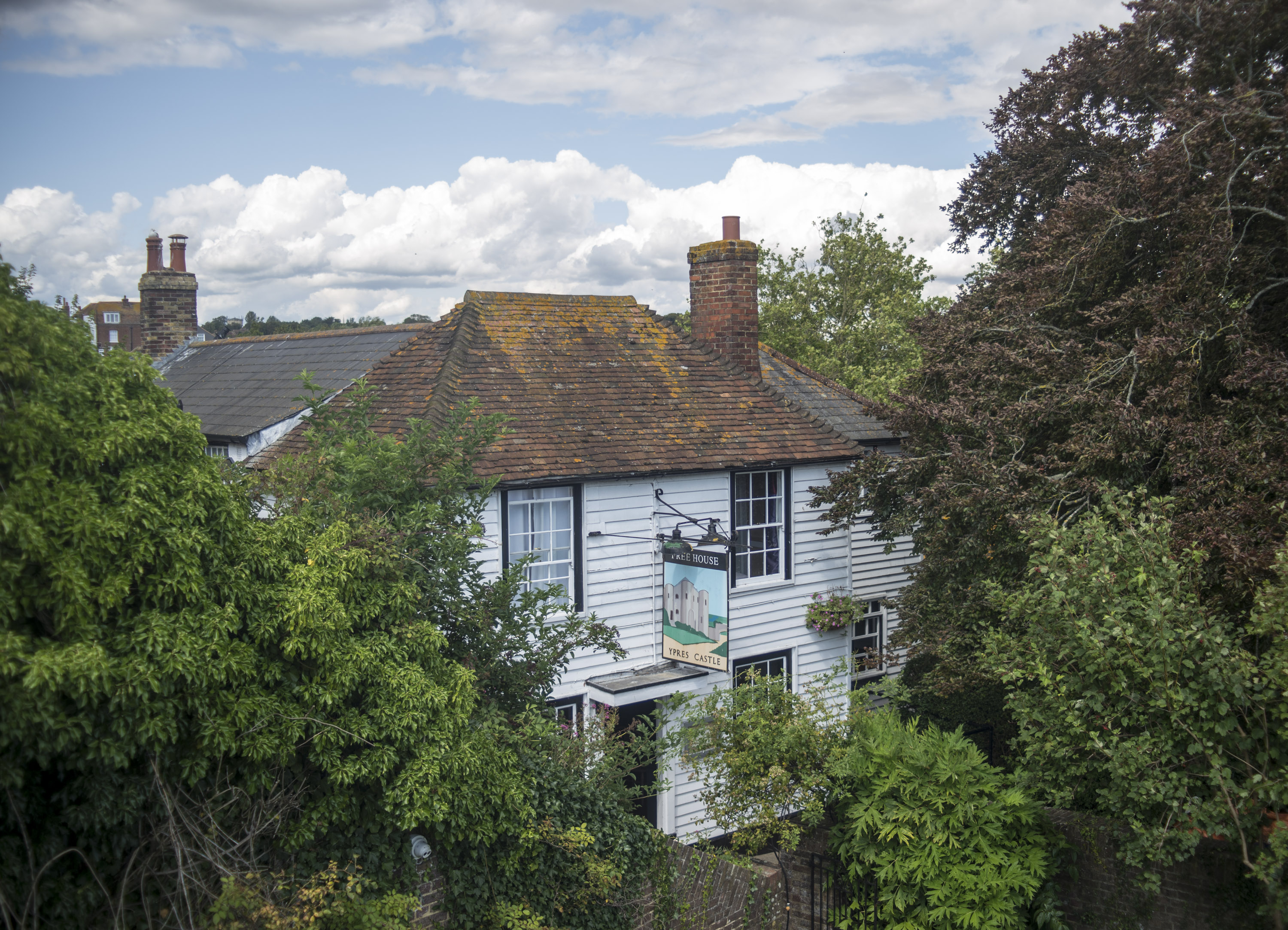
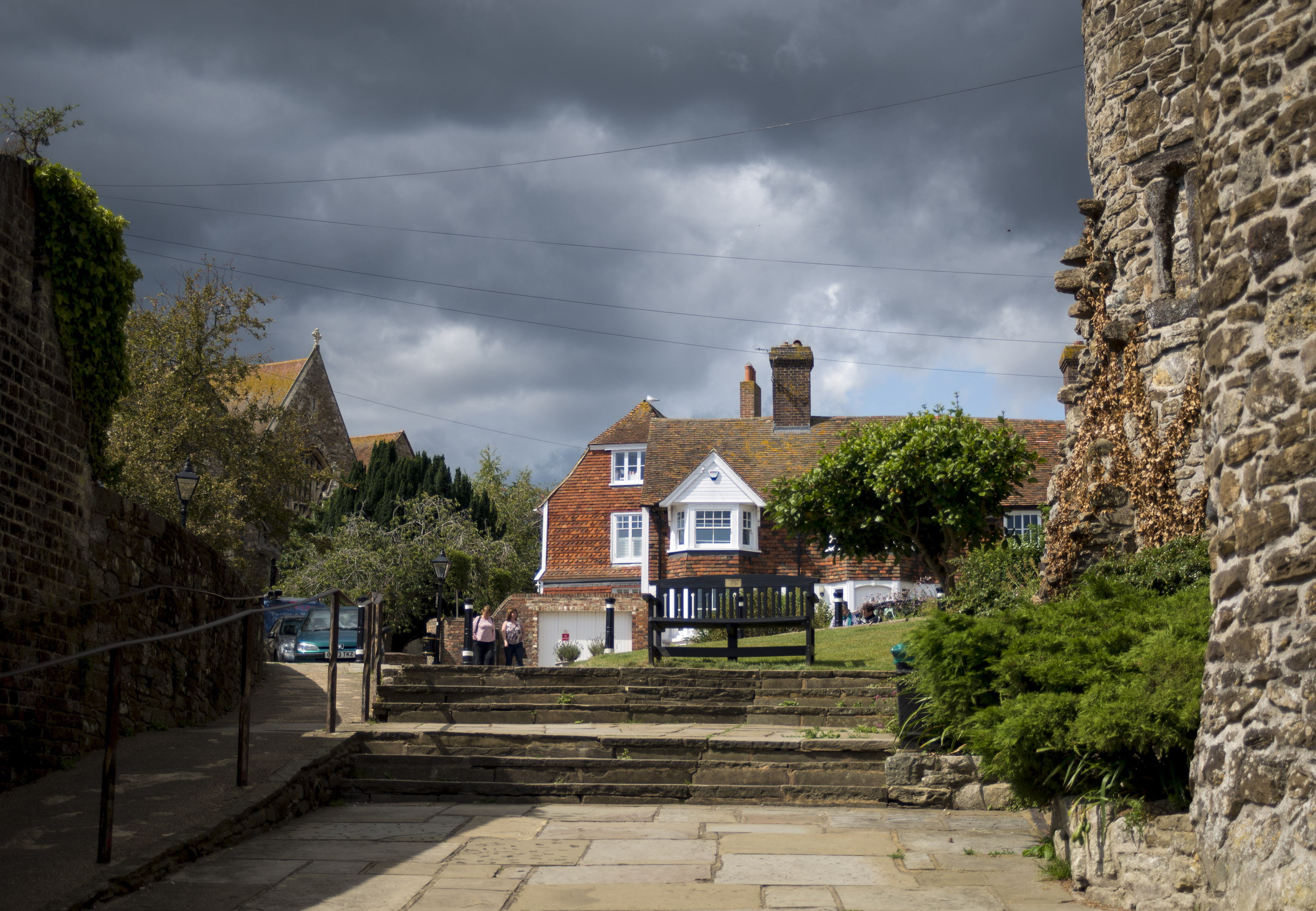
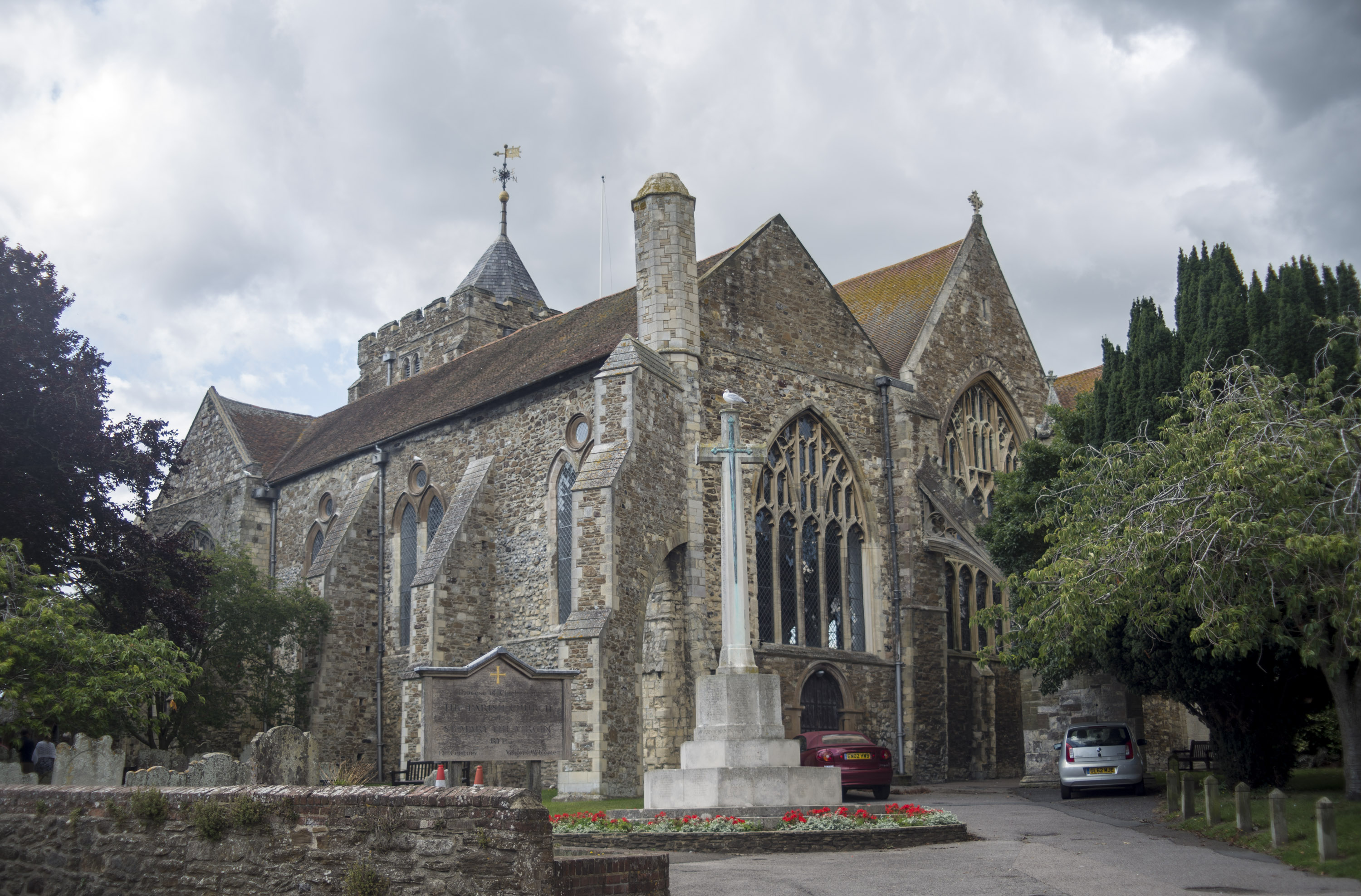
Rye, in East Sussex, is one of England’s most beautiful medieval towns, each street of it has a unique style. If you wander along the Mermaid, Watchbell streets and Church Square you will come across houses declaring they were rebuilt and refurbished in 1450.
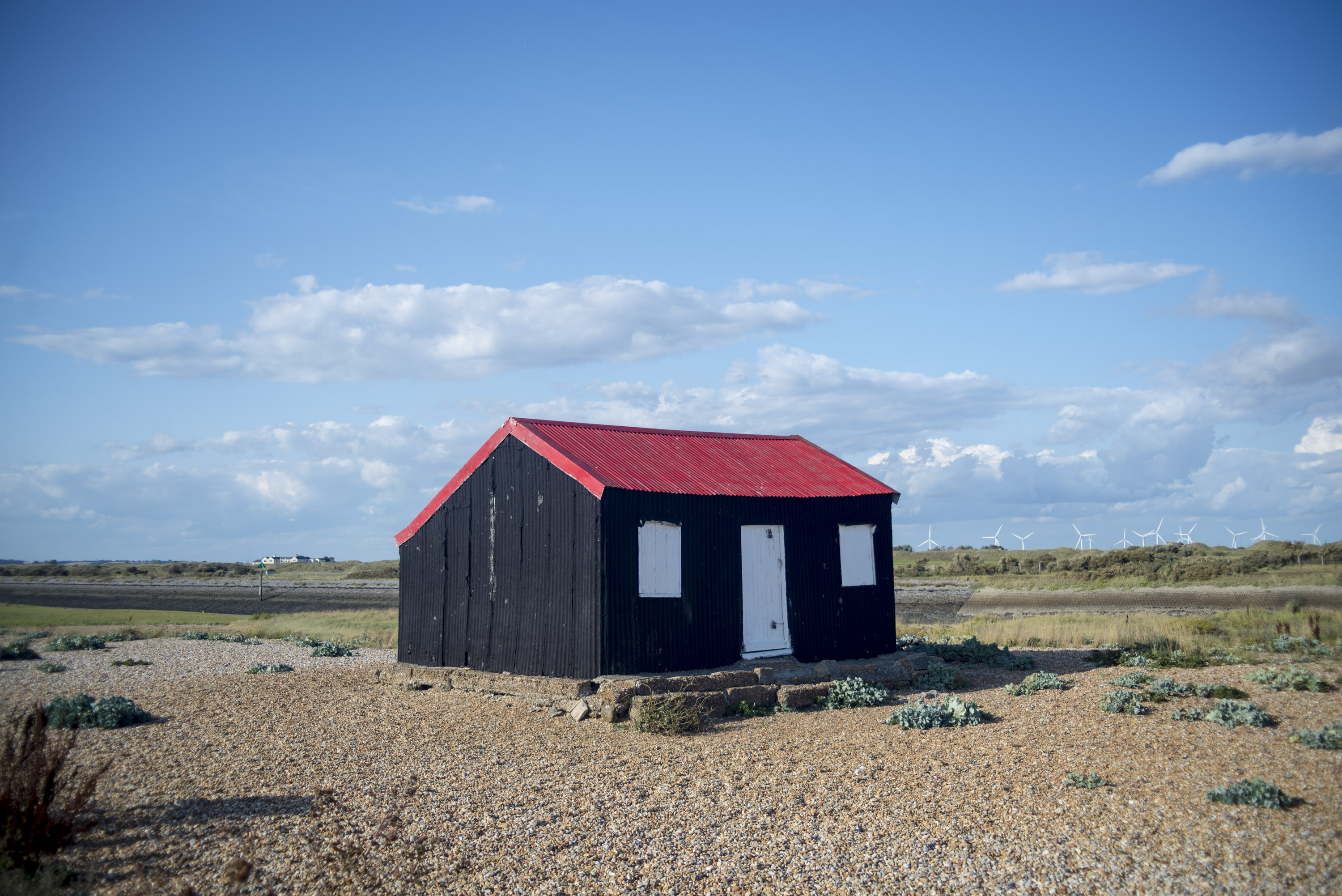
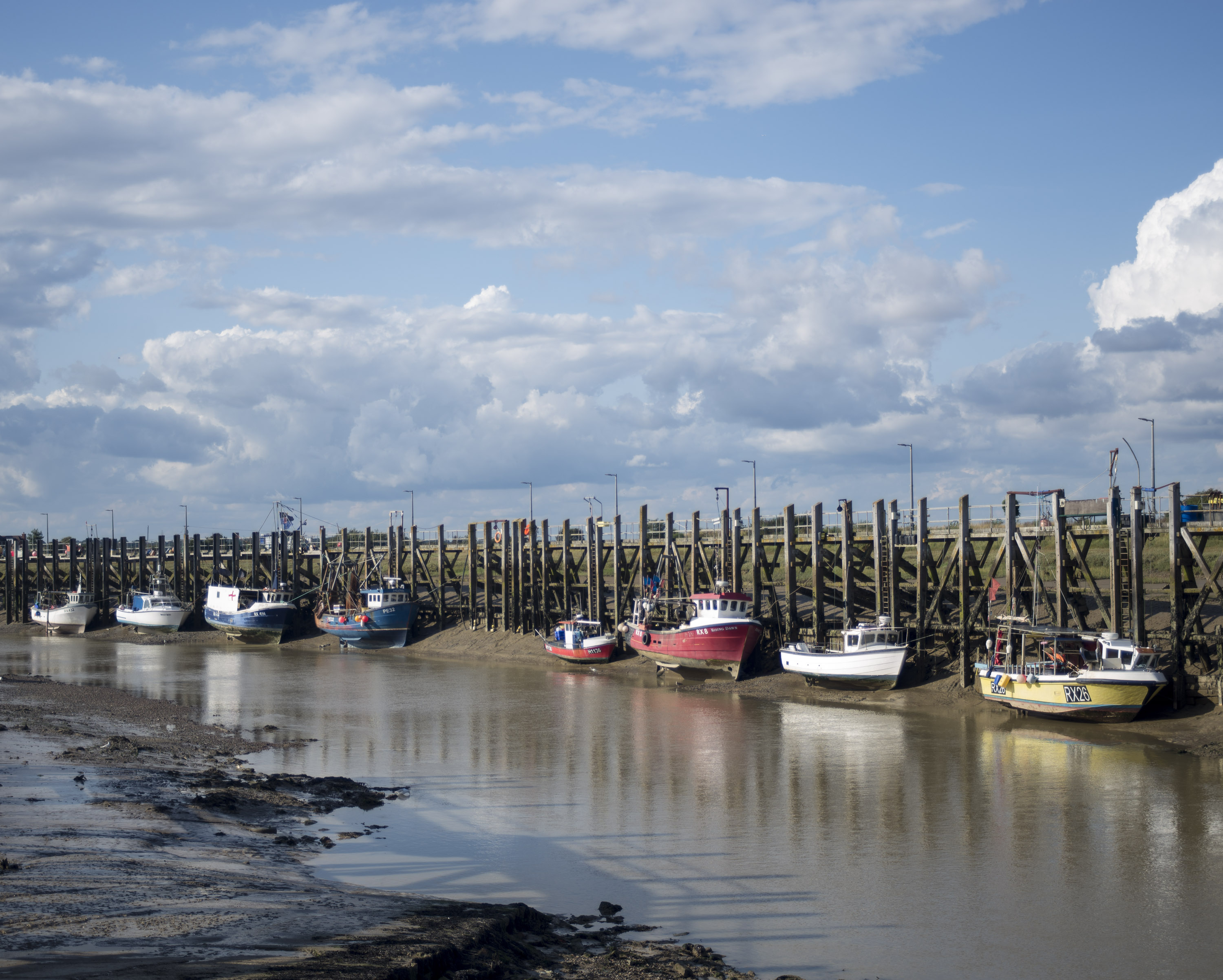
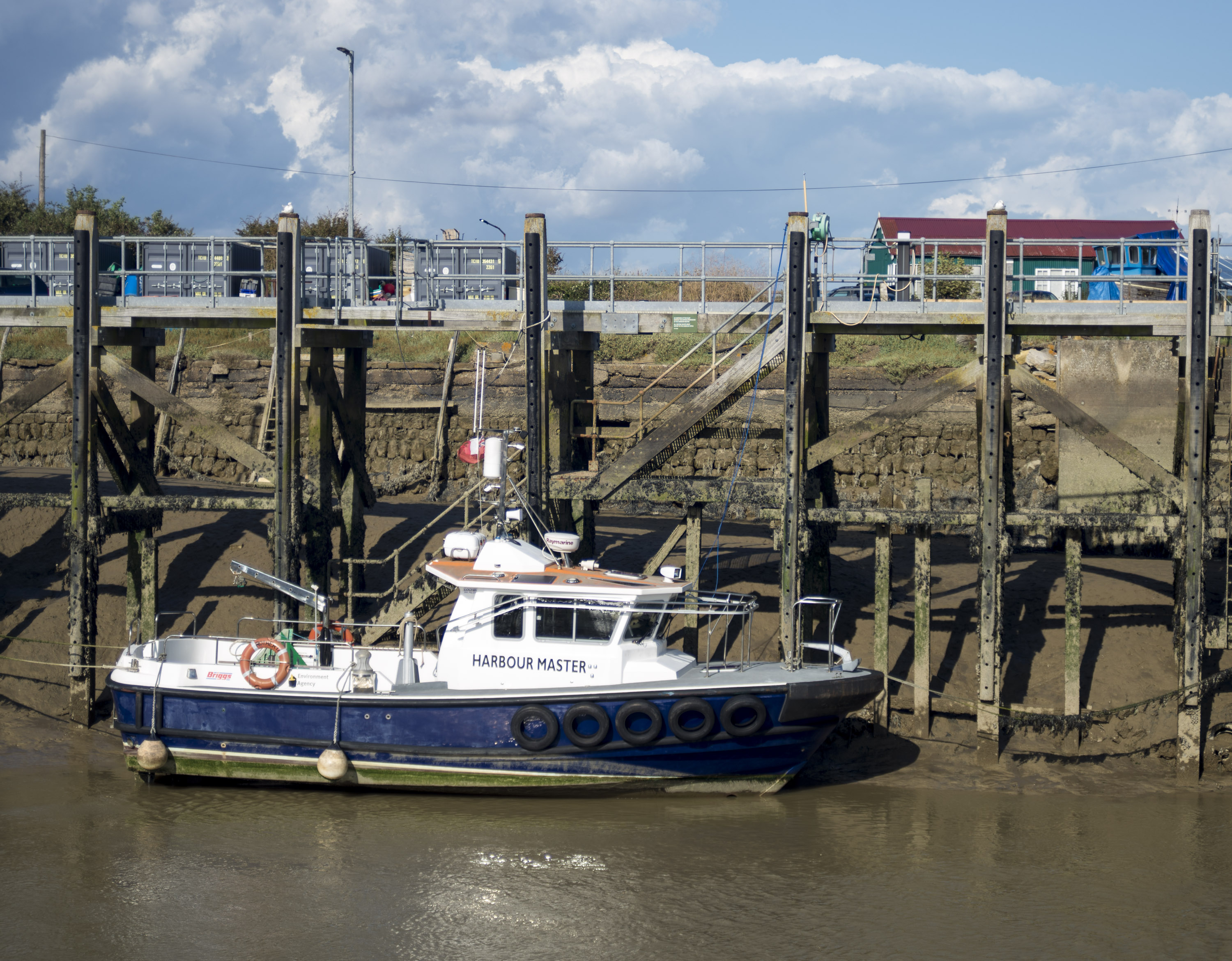
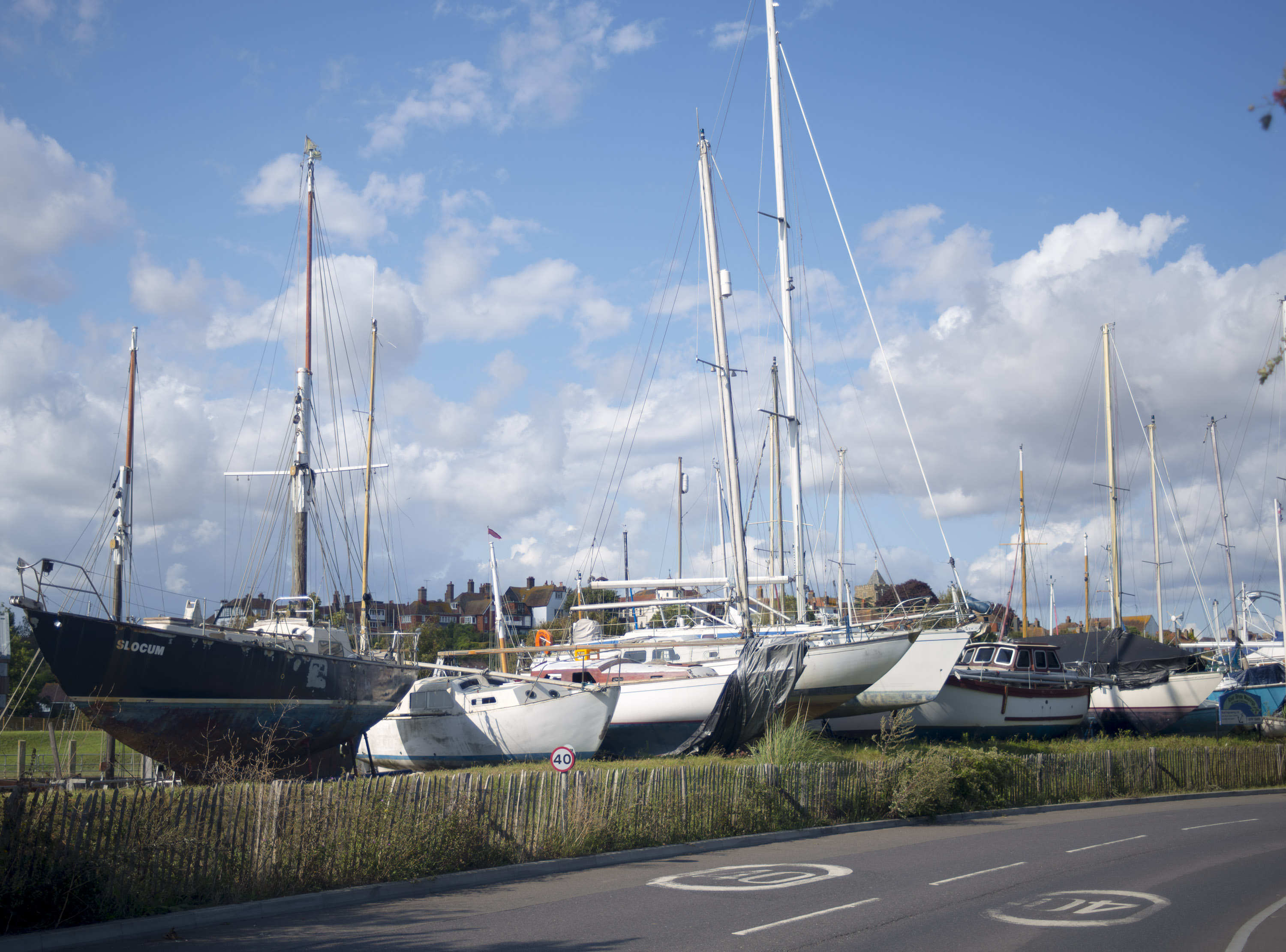
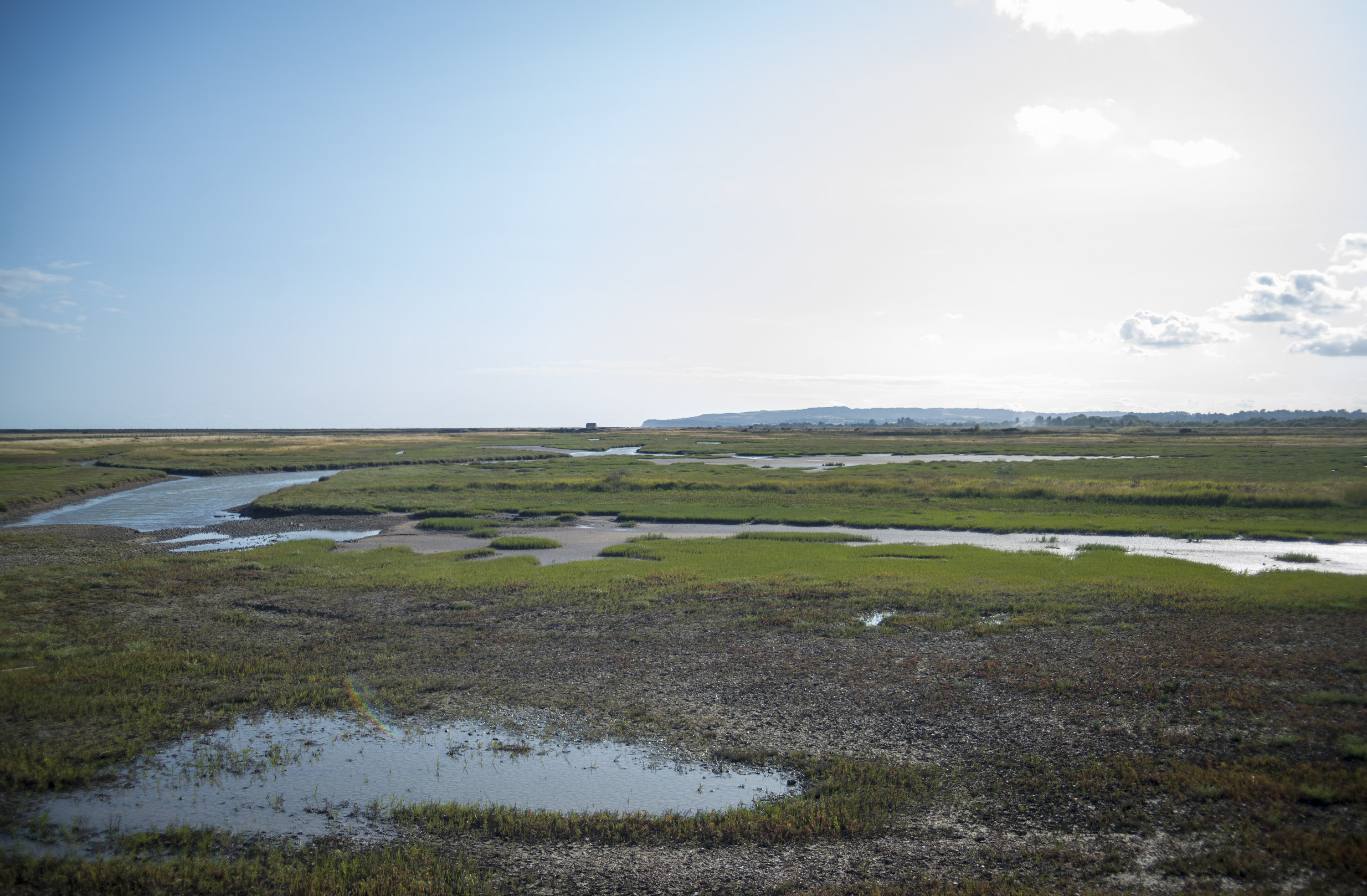
Rye Harbour is an amazing place for nature lovers and has a rare coastal landscape. This red roofed hut, also known as Gran’s Hut, is one of the most photographed things. It looks simple but eye-catching. The date it was first built is unknown, but was in use from the early 1900’s to store fishing and shrimping equipment.
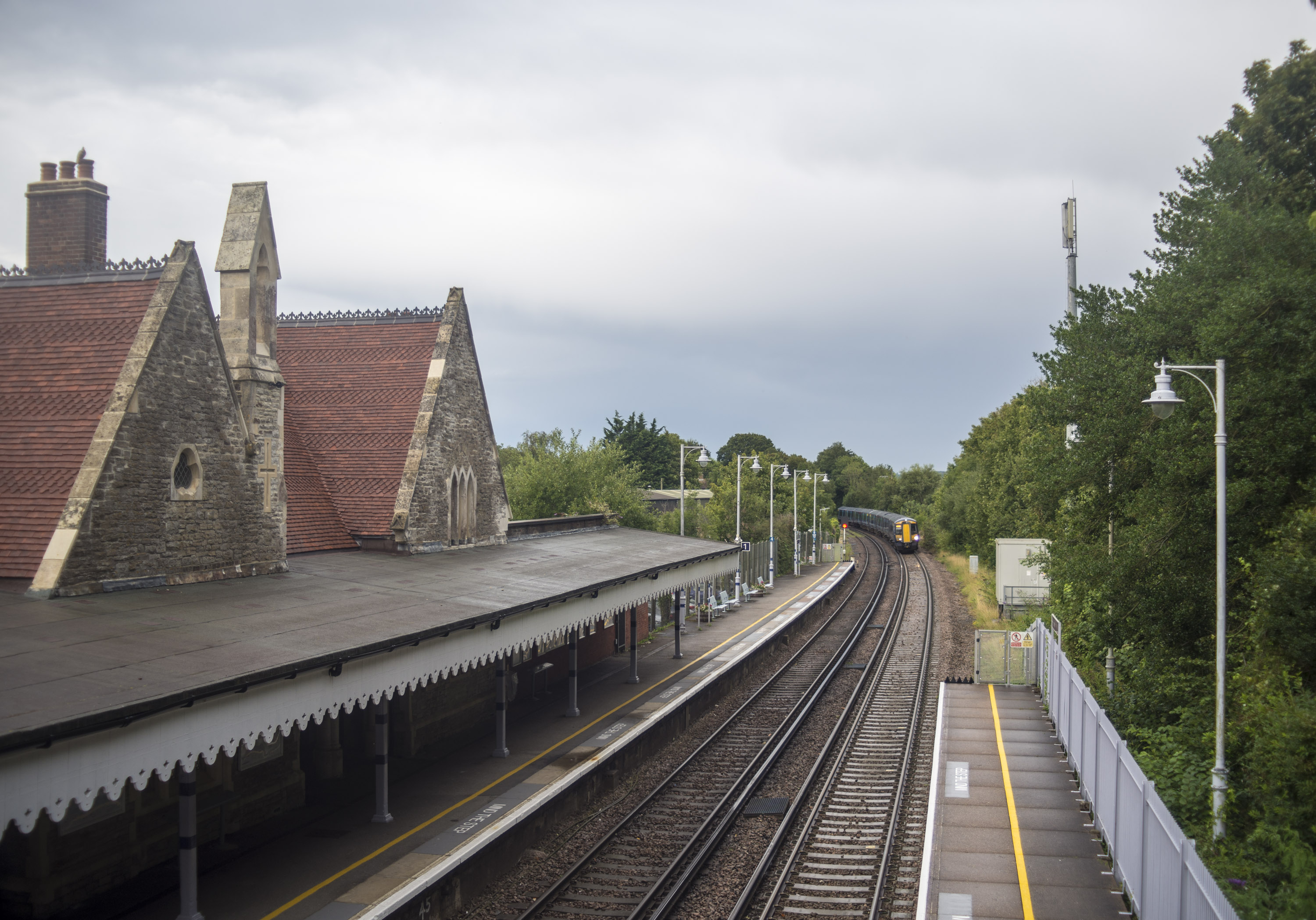
Battle
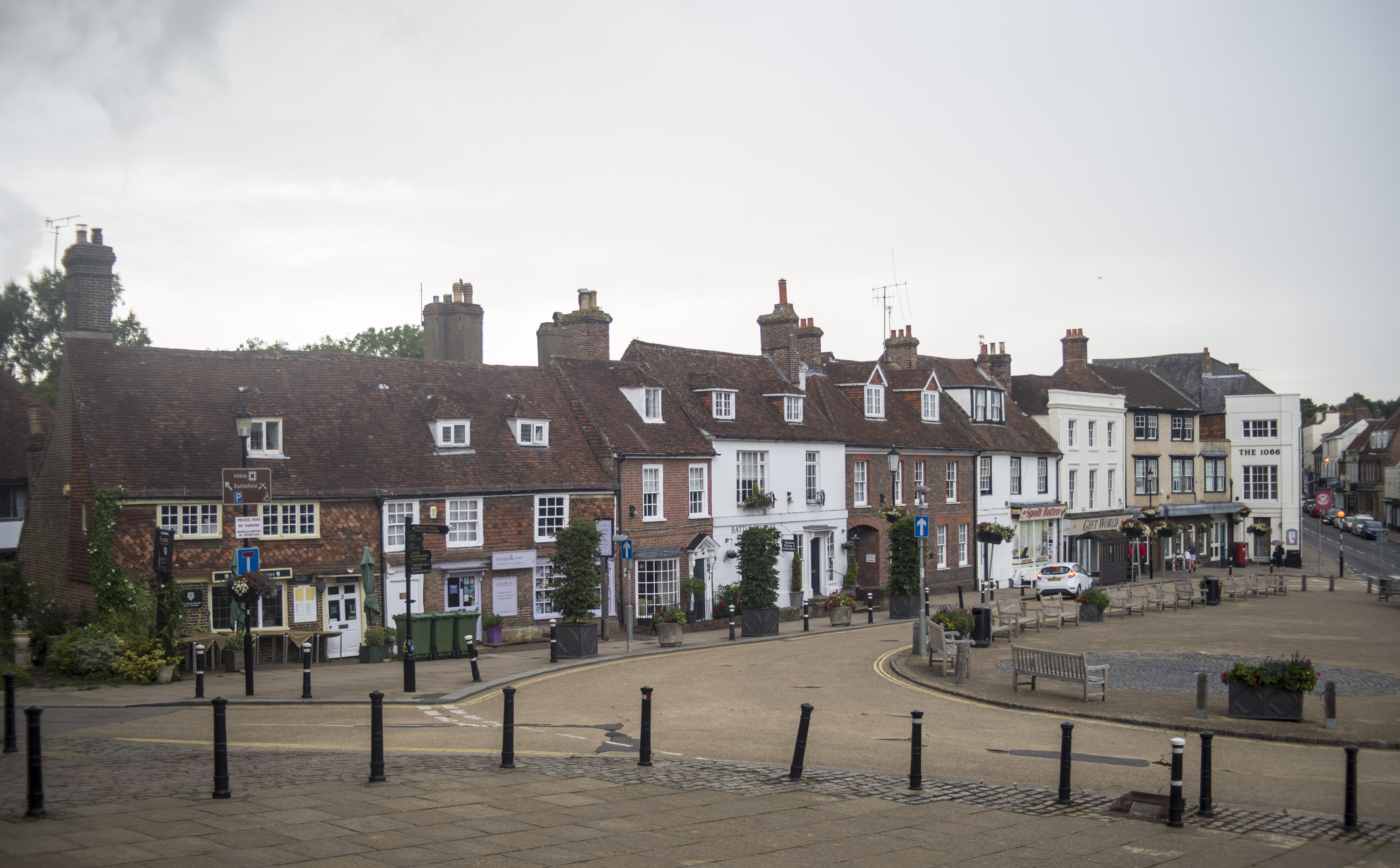
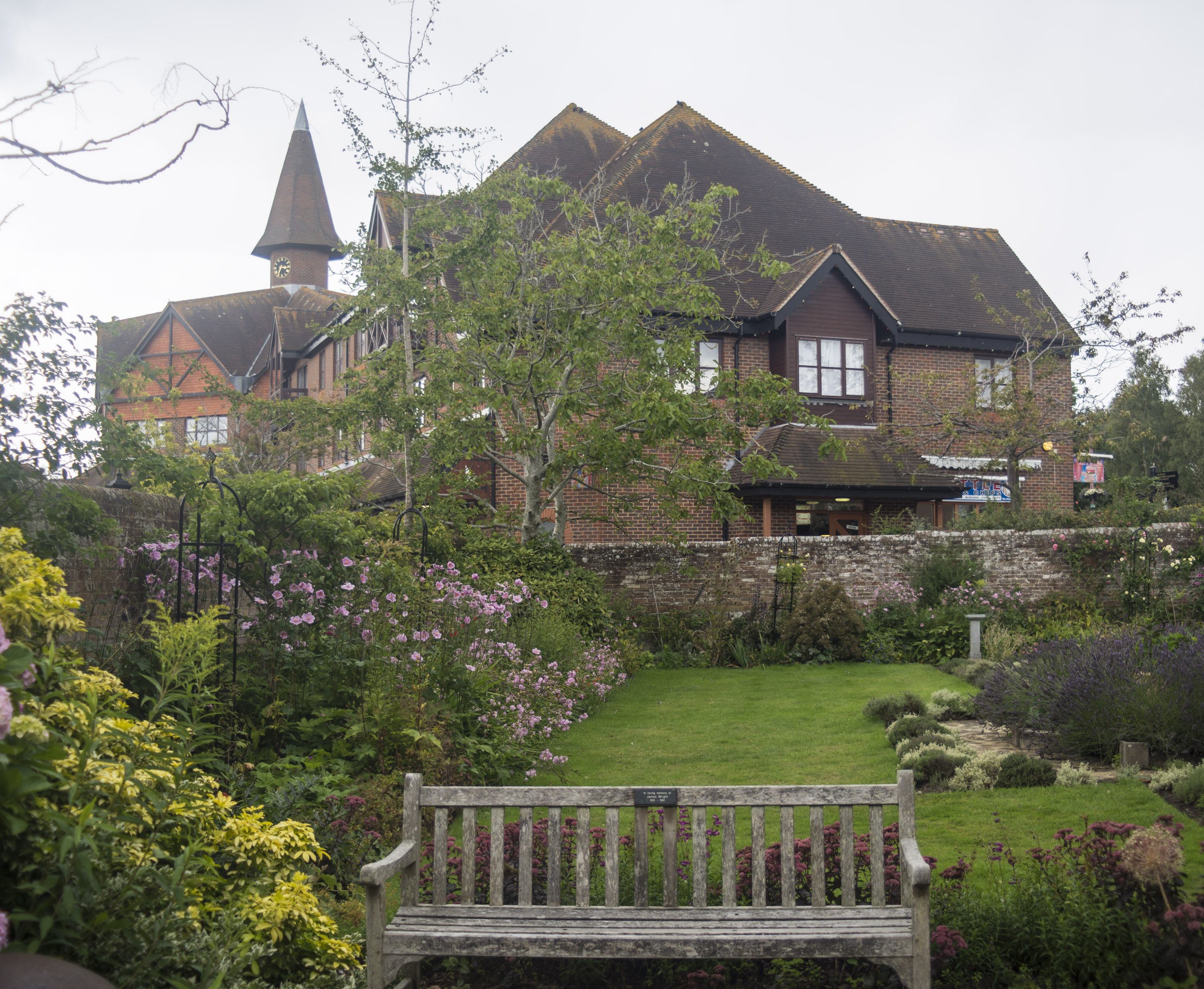
The town of Battle is located in the south east of England, best known for being the site of the Battle of Hastings in 1066. Each street of this town or even a small corner or a shop has its own unique style and beauty.
Battle museum of local history is set in walled gardens of Battle’s Almonry. This charity-based and independent museum is solely run by volunteers. The museum has a collection covering 125 million years of history in Battle.
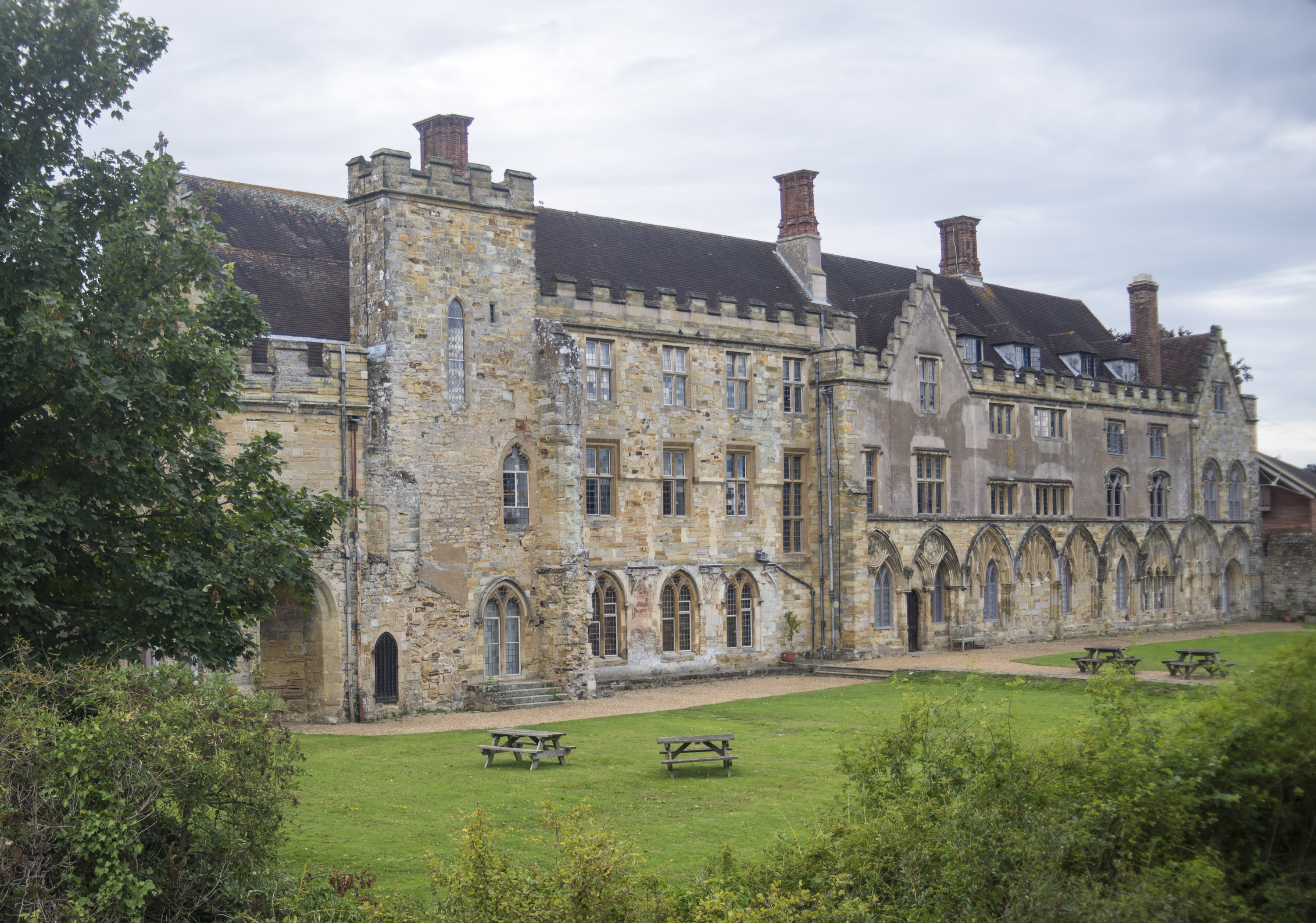
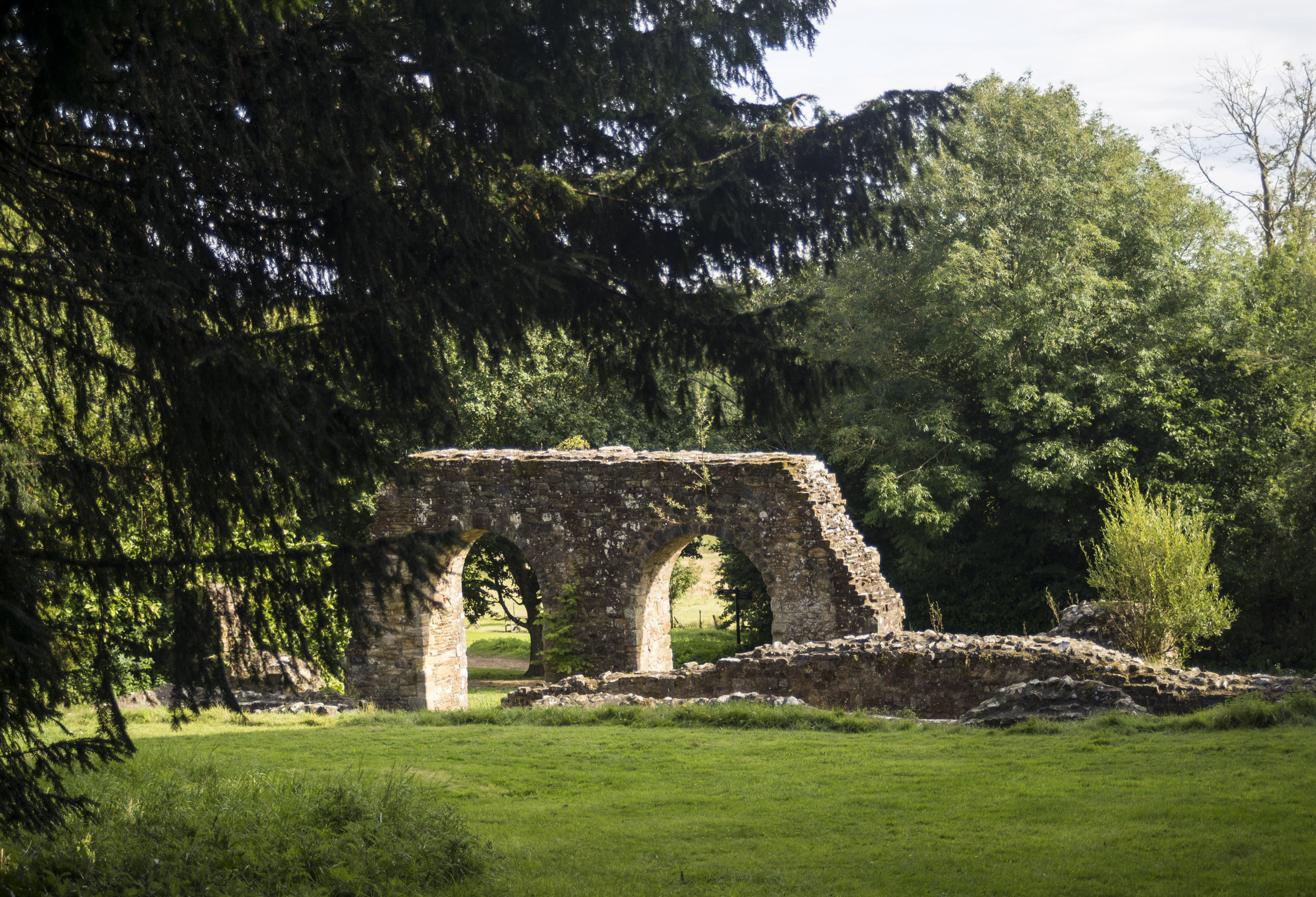
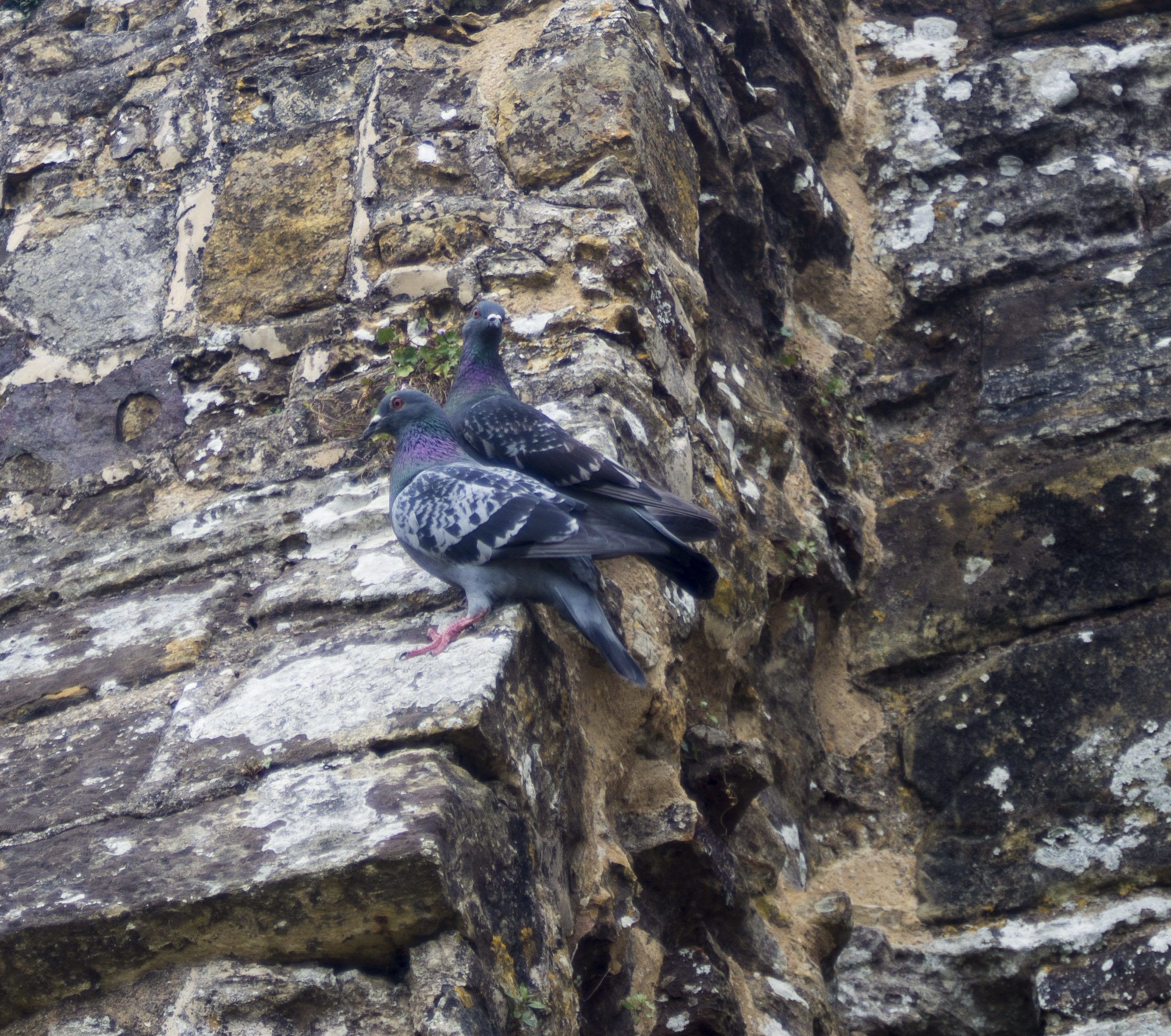
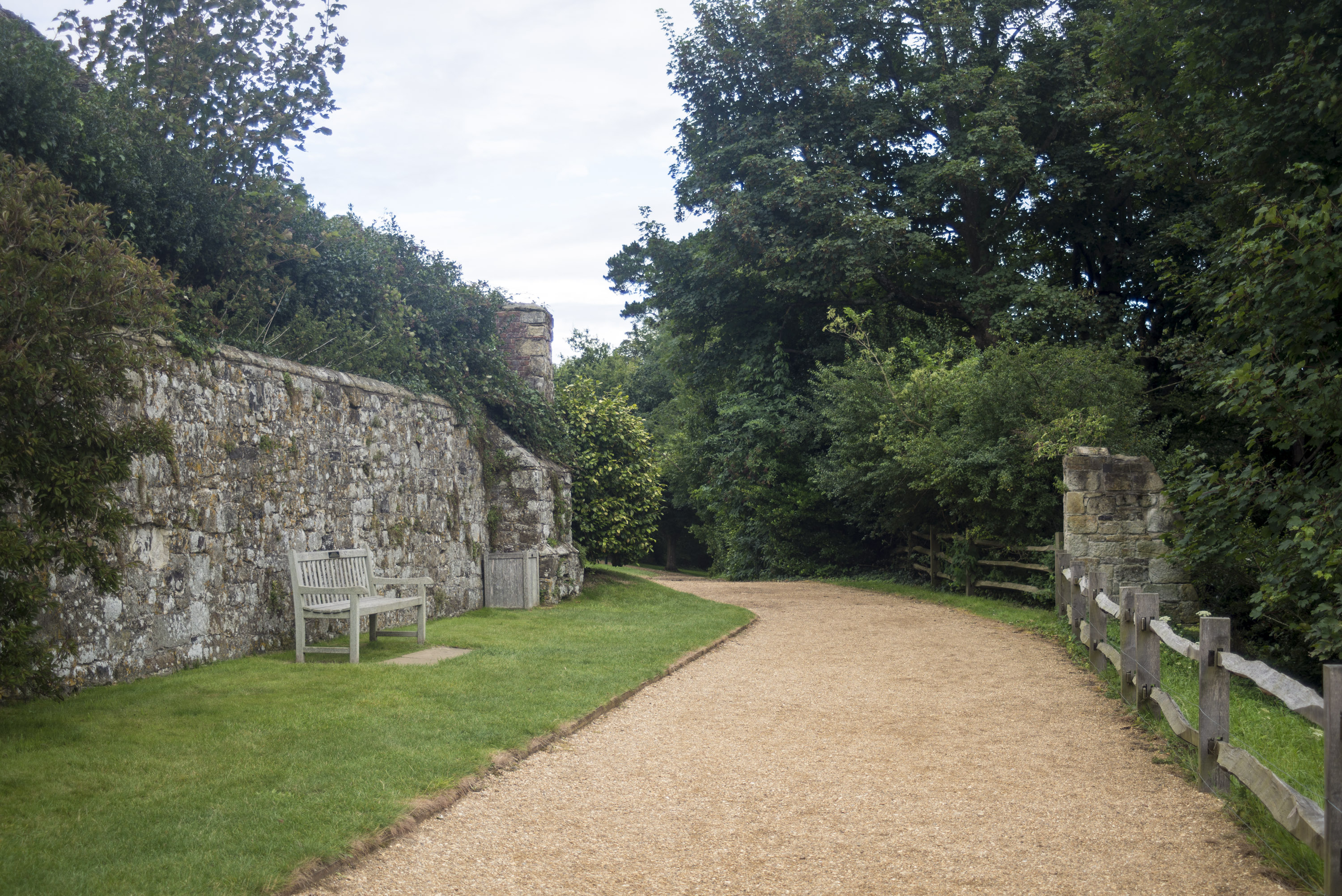
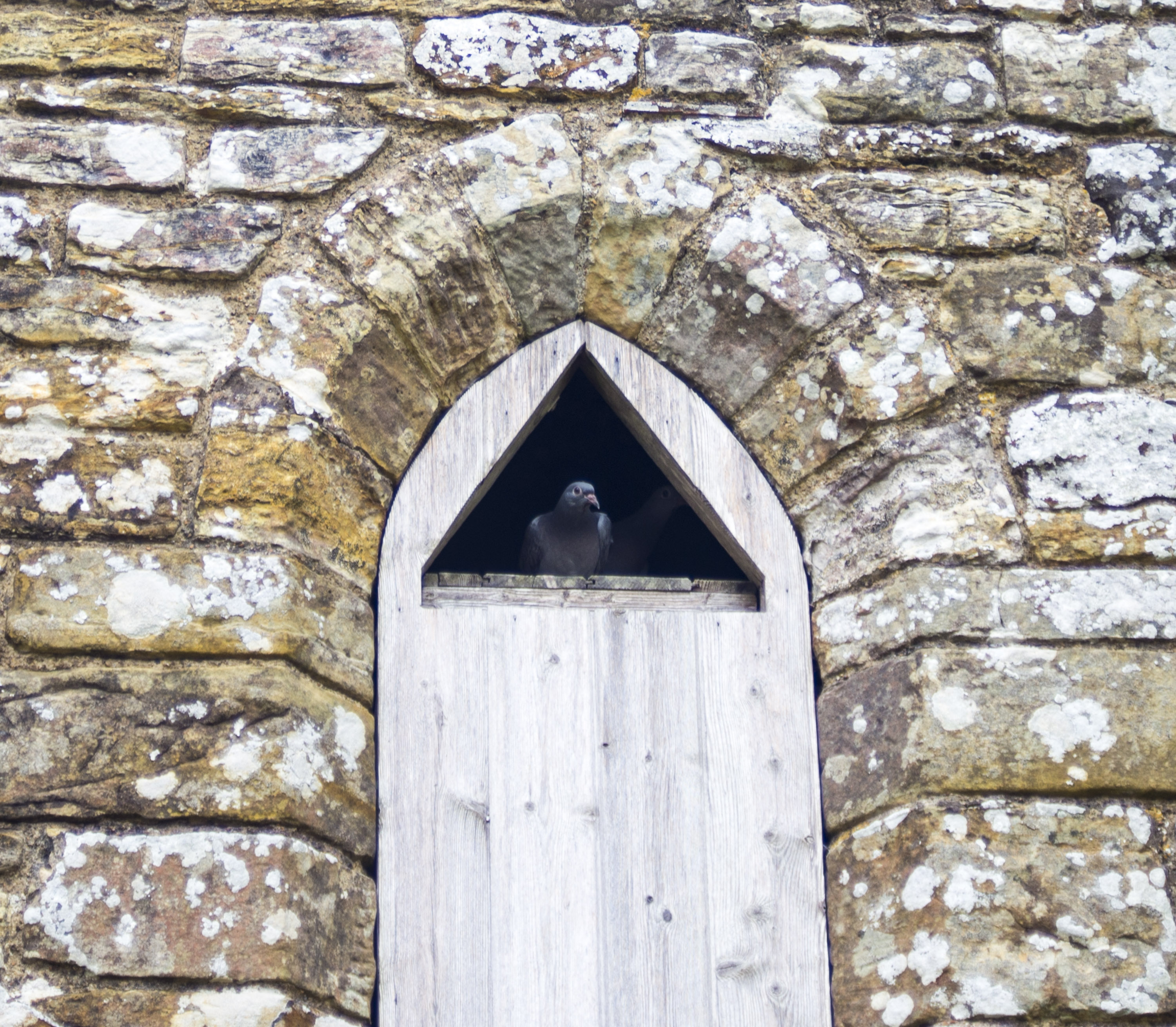
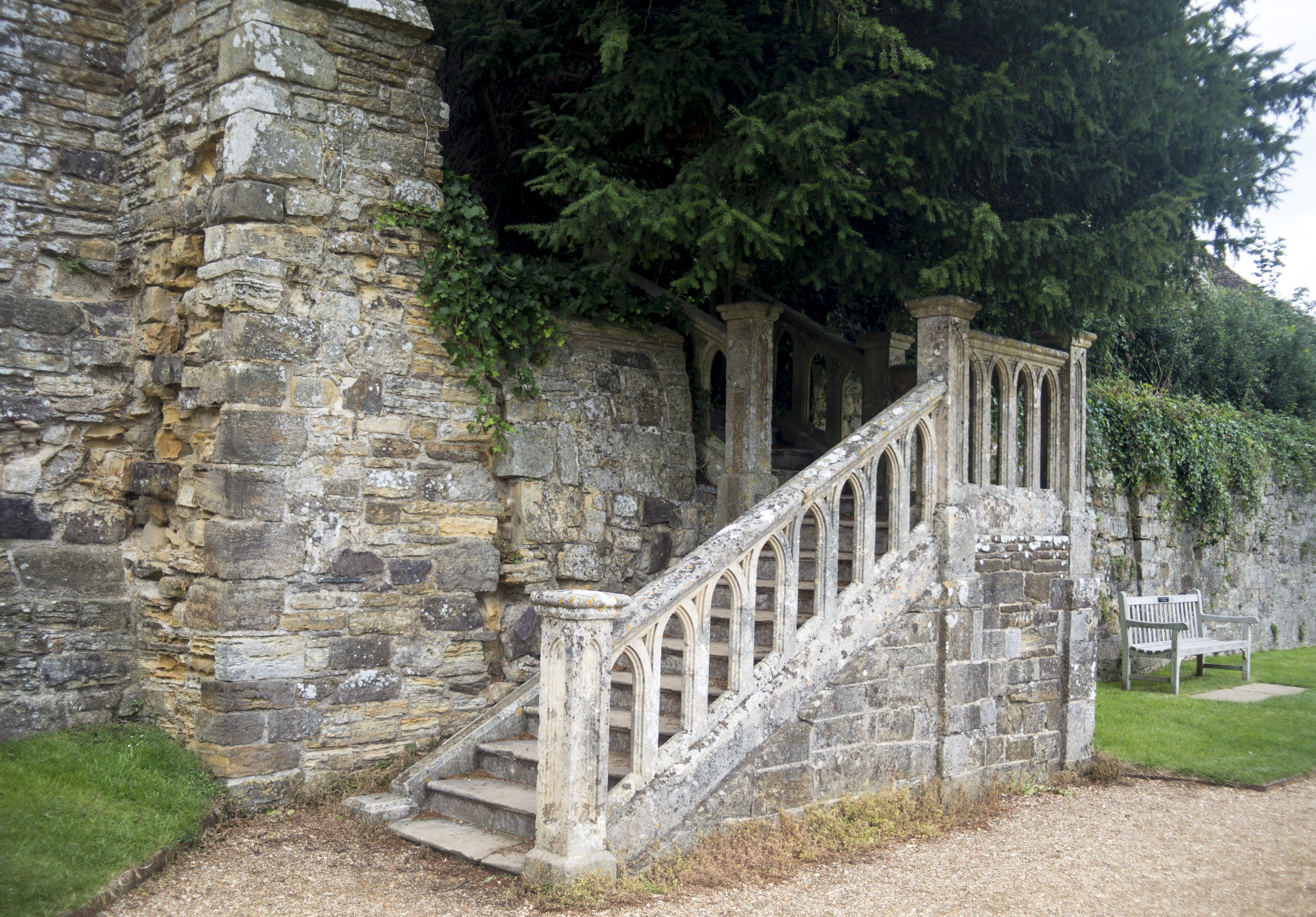
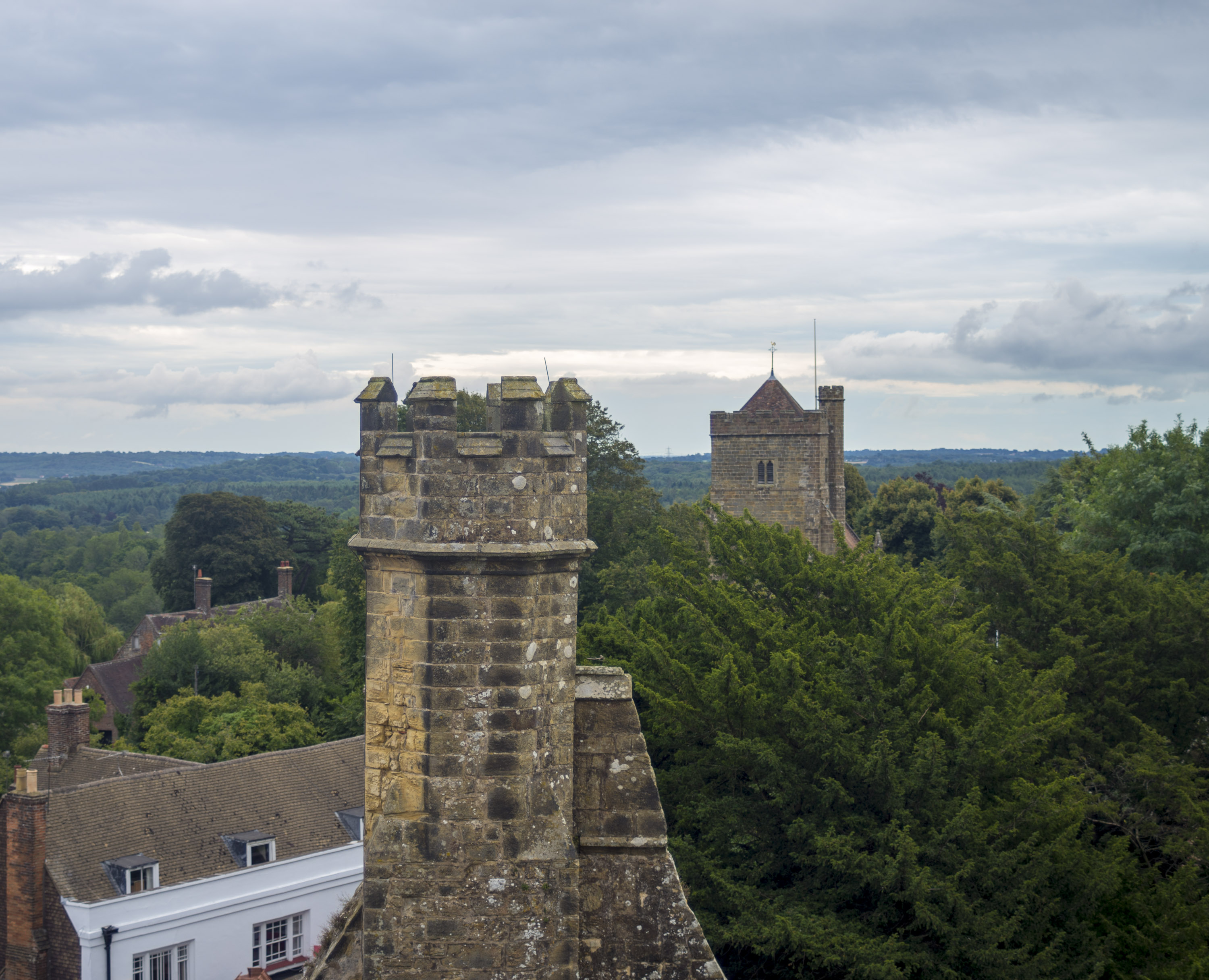
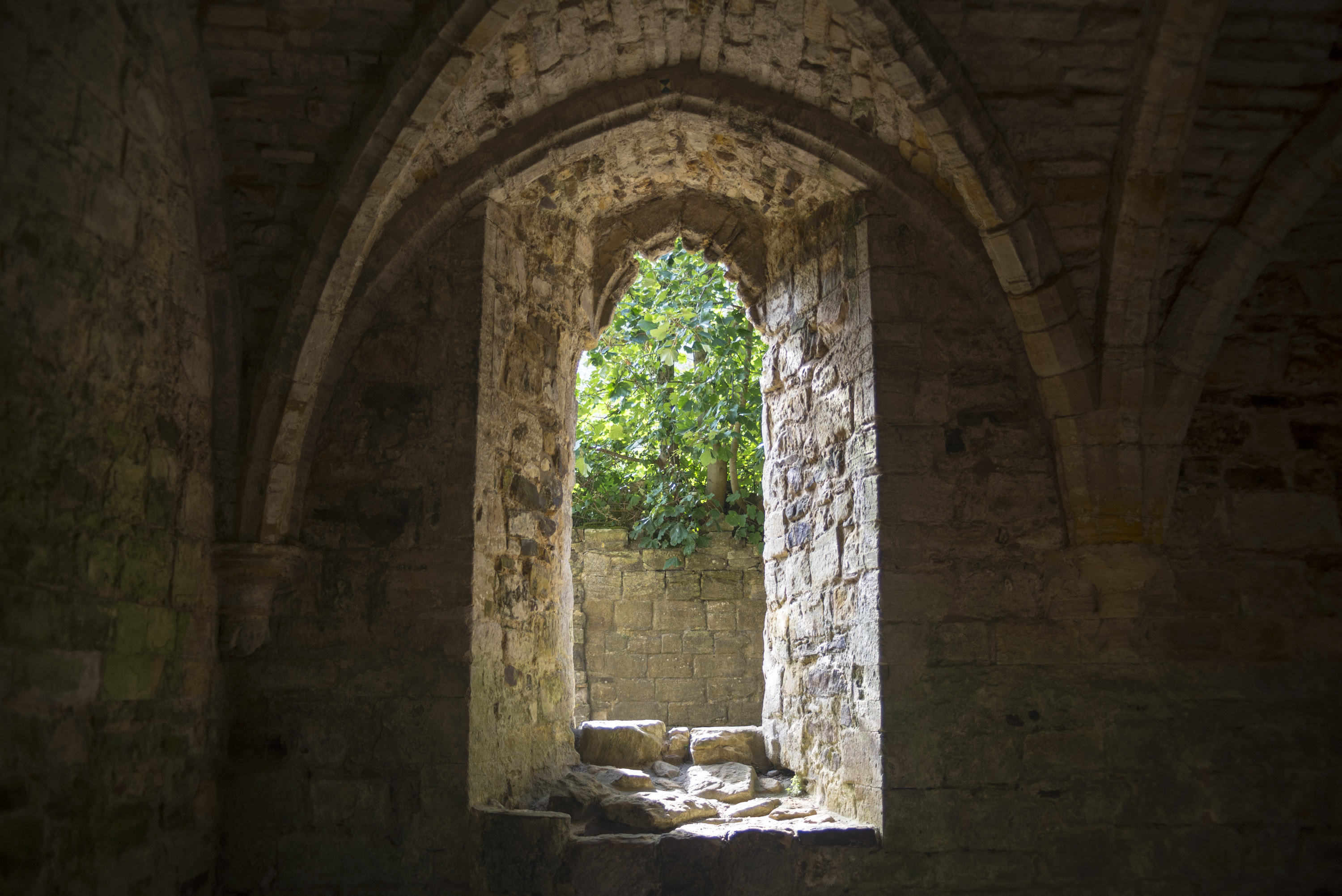
Battle Abbey is a partially ruined abbey which was built on the site of the Battle of Hastings by William the Conqueror and Normans as a penance of killing so many people during their conquest of England. The Abbey is dedicated to St.Martin. Its church was finished in about 1094.
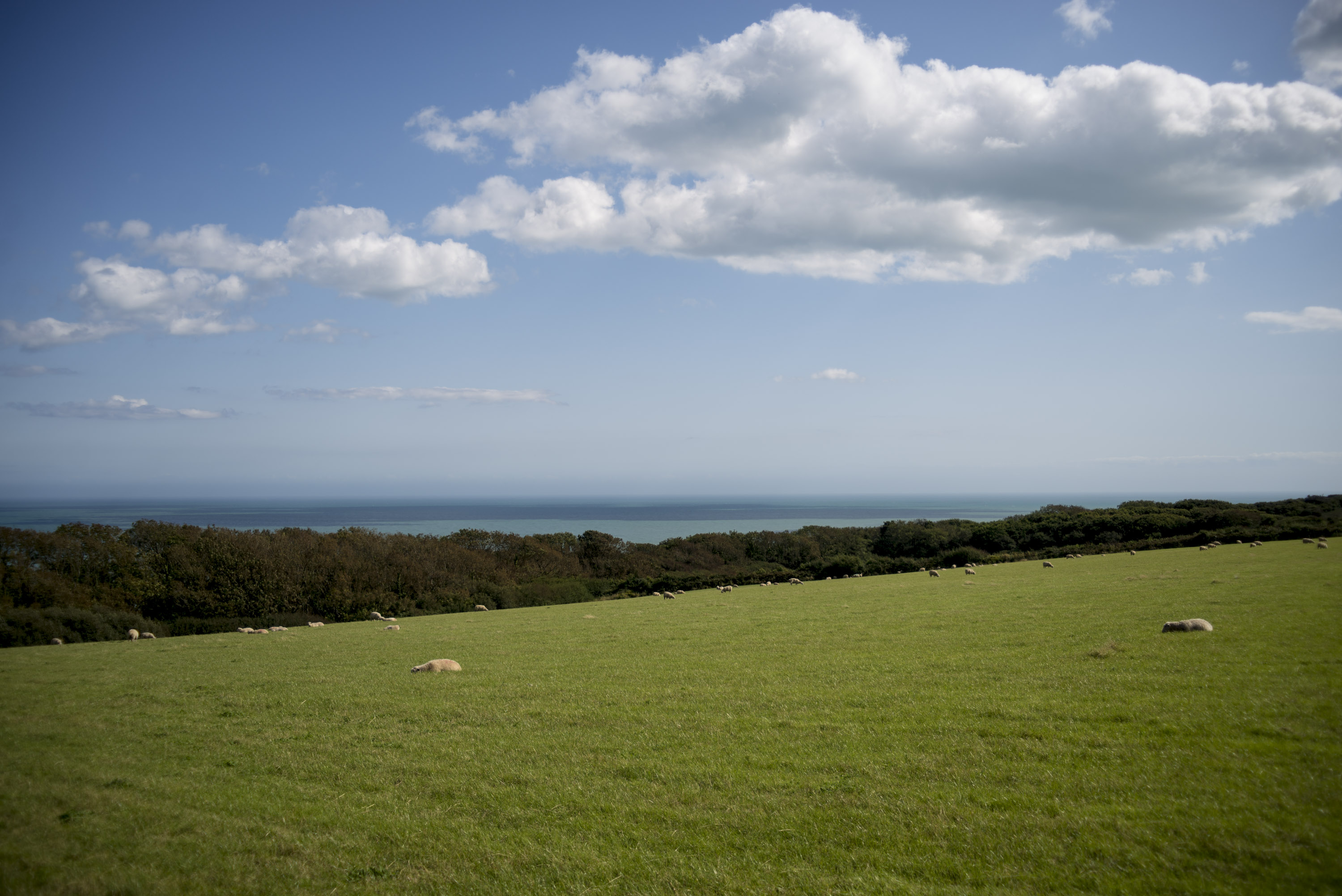
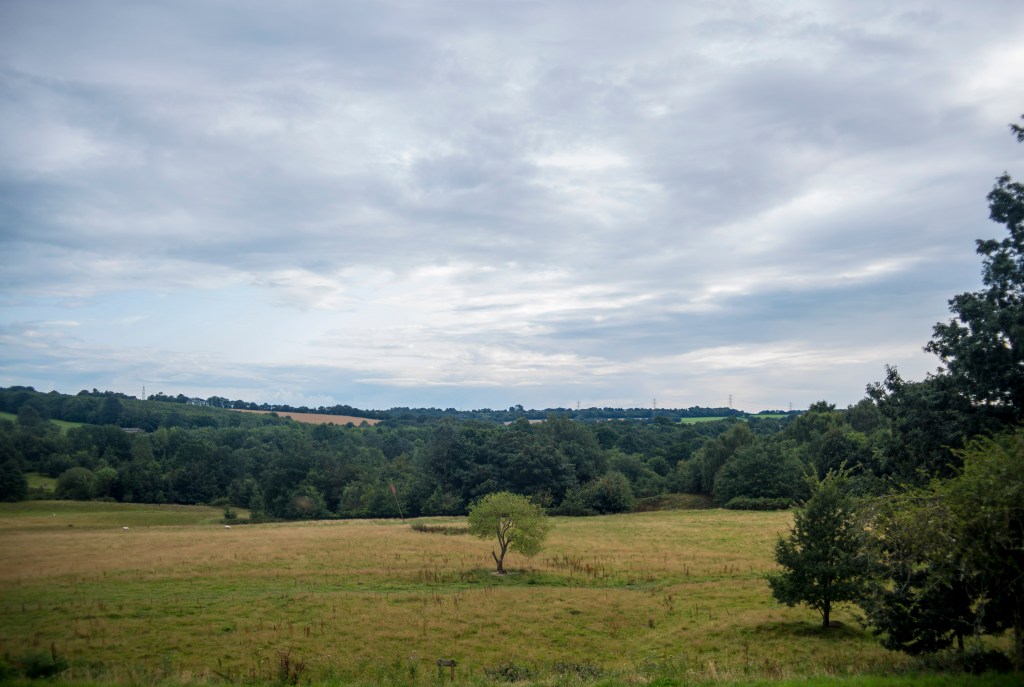
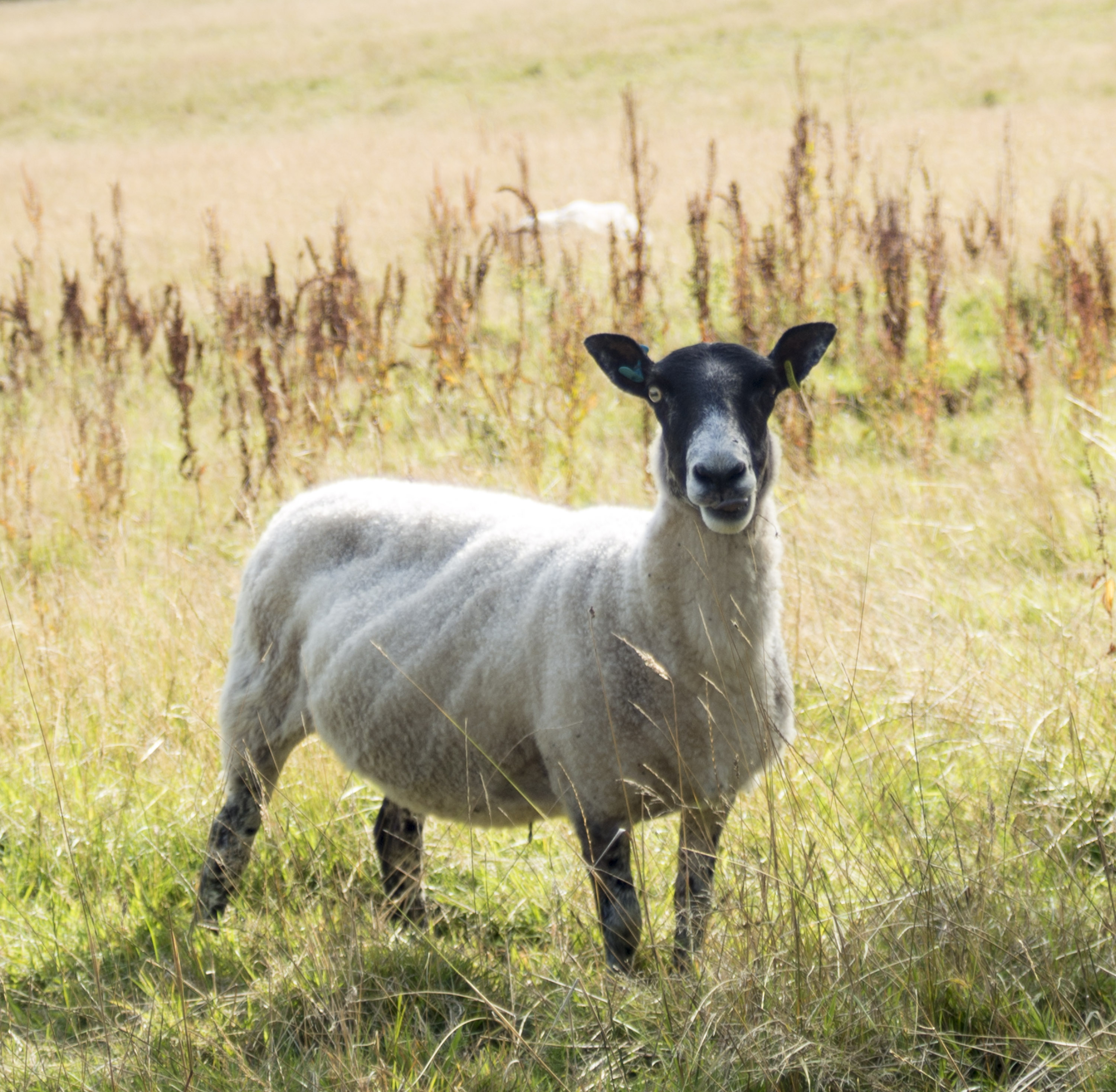
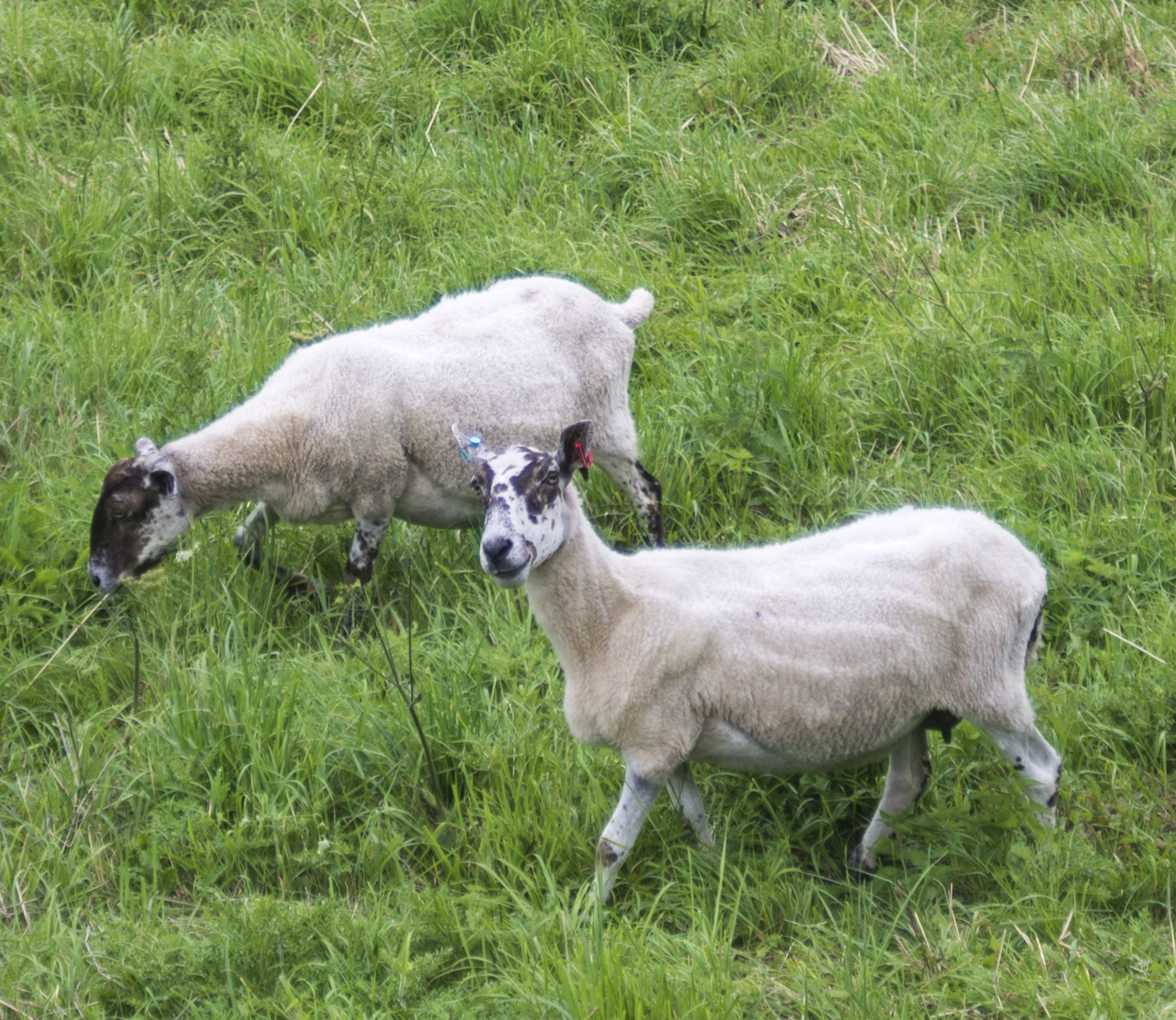
Battlefield is now a peaceful place with the beautiful nature and sheep everywhere.
Bexhill-on-Sea
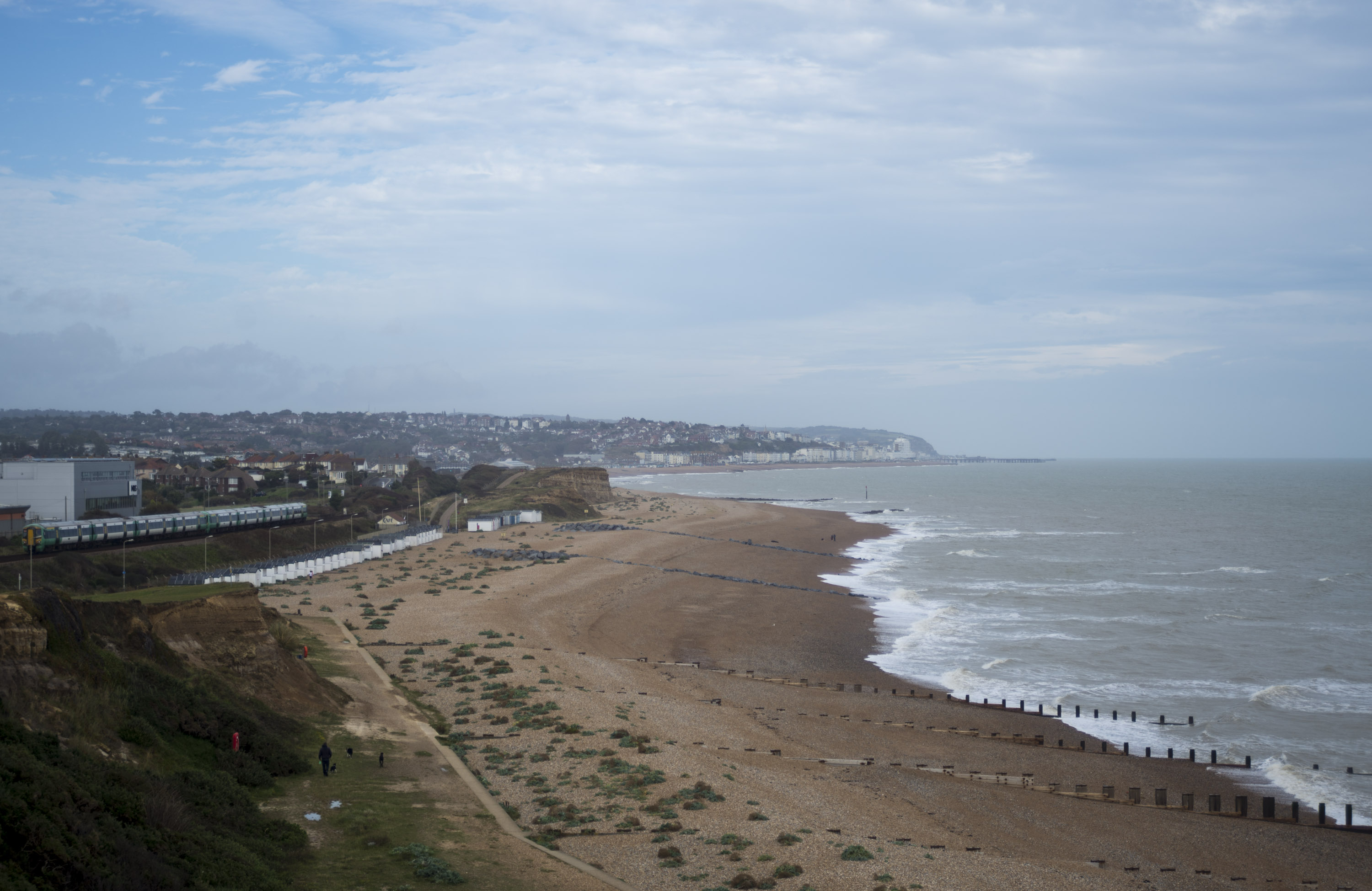
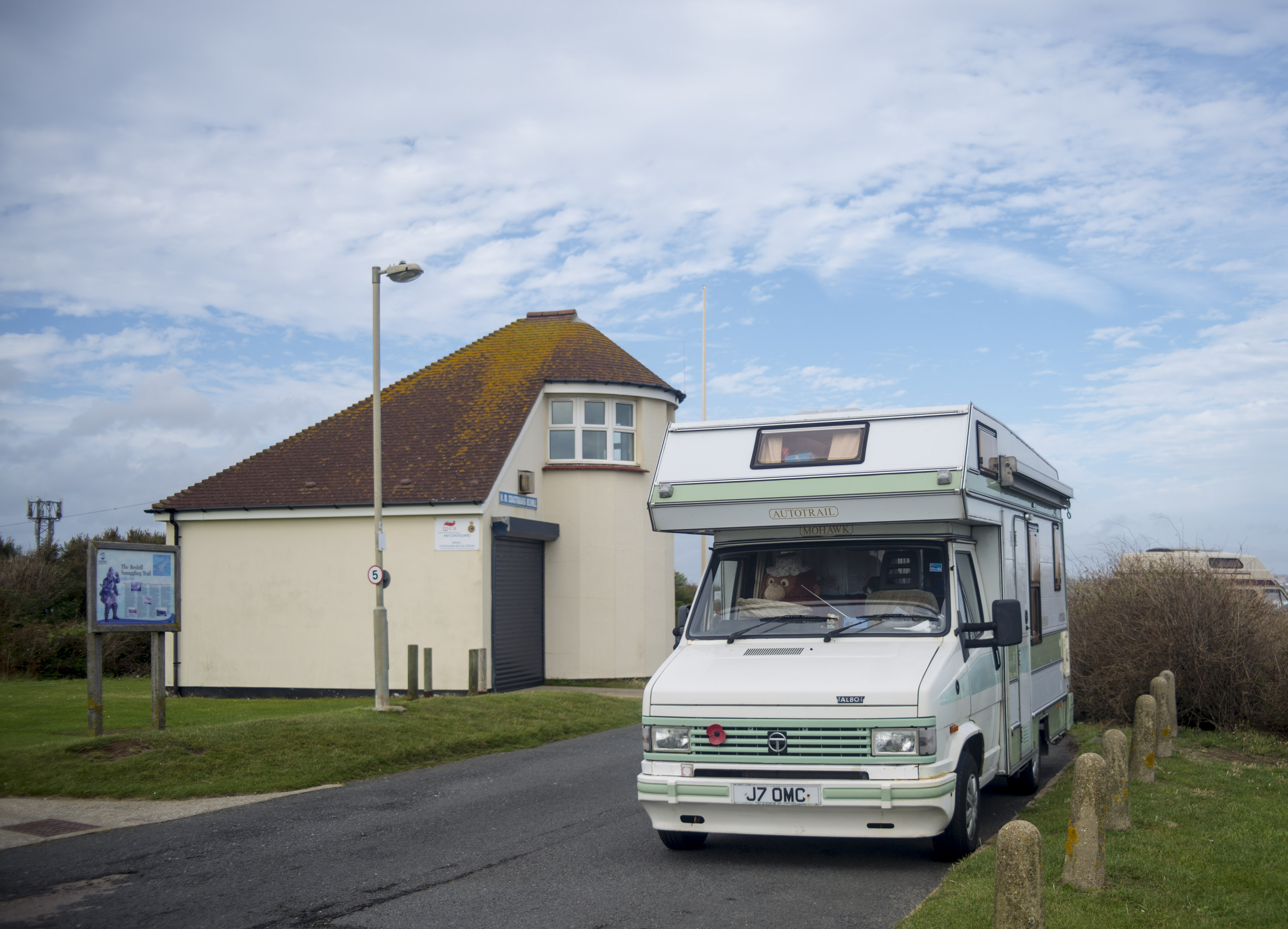
Bexhill is an ancient seaside town located in the East Sussex.
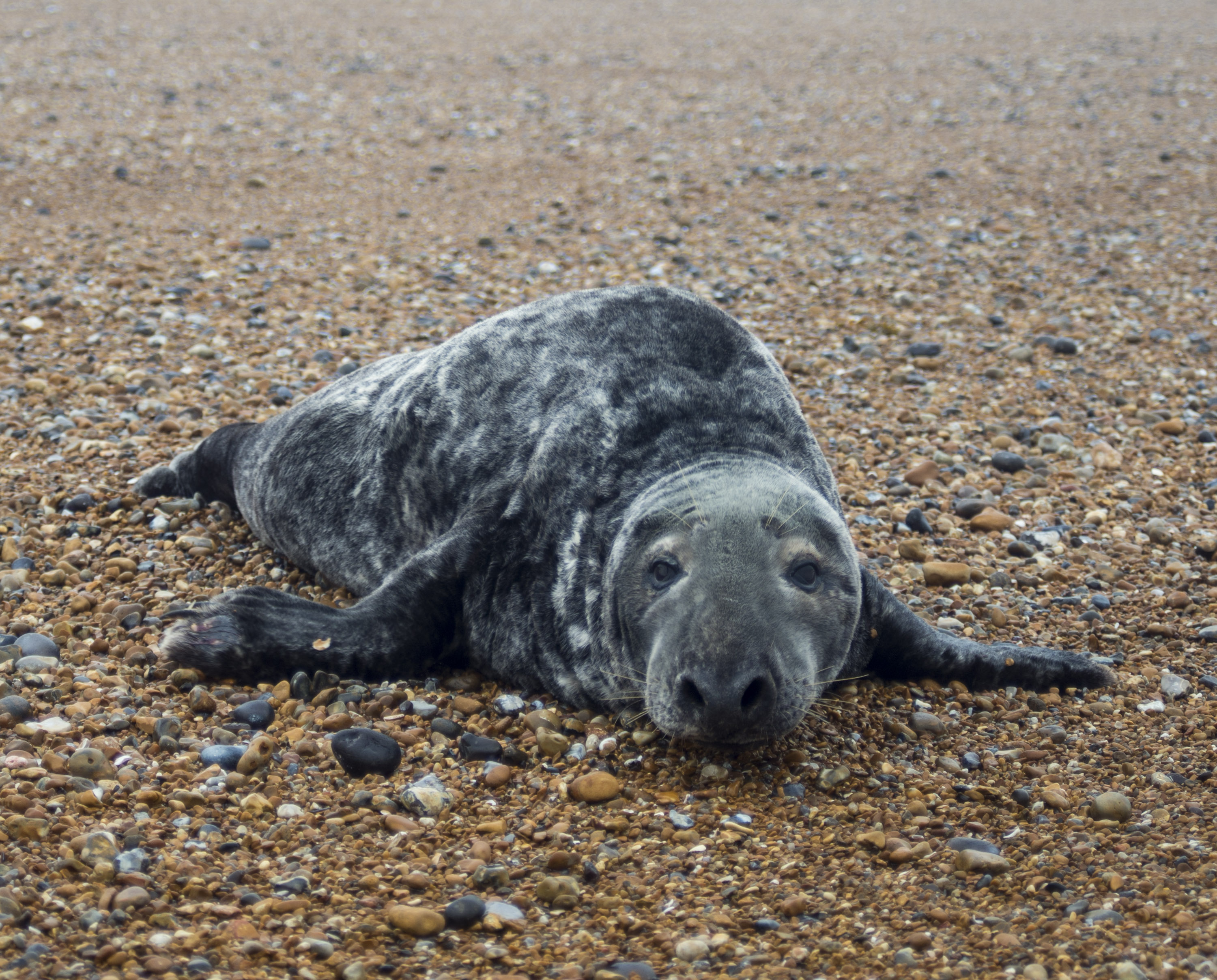
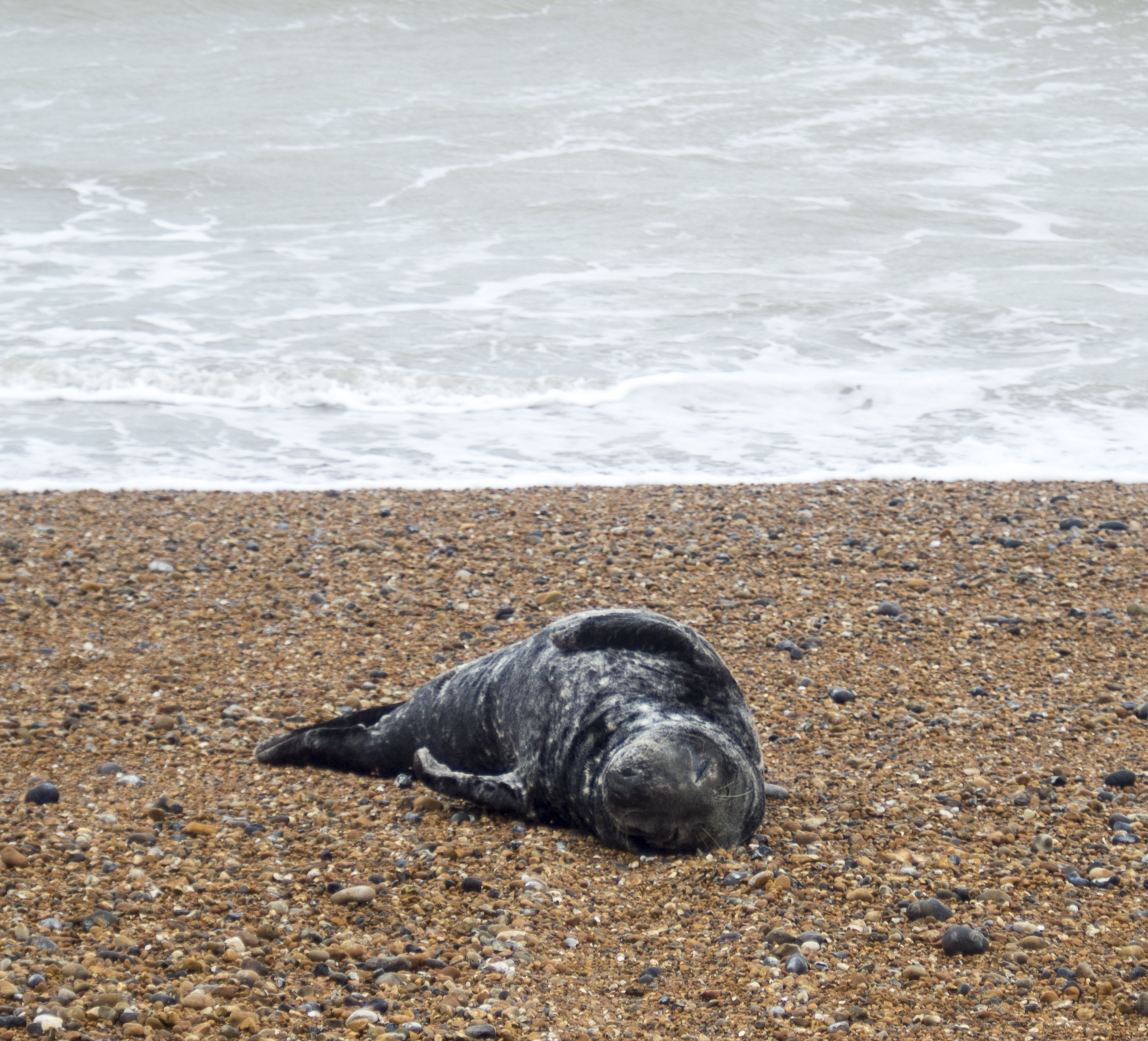
“And tell me grey seal How does it feel To be so wise To see through eyes That only see what’s real Tell me grey seal” (c) Elton John, Bernie Taupin




































































































































































































































































































 Jane-M Photography