Gallery

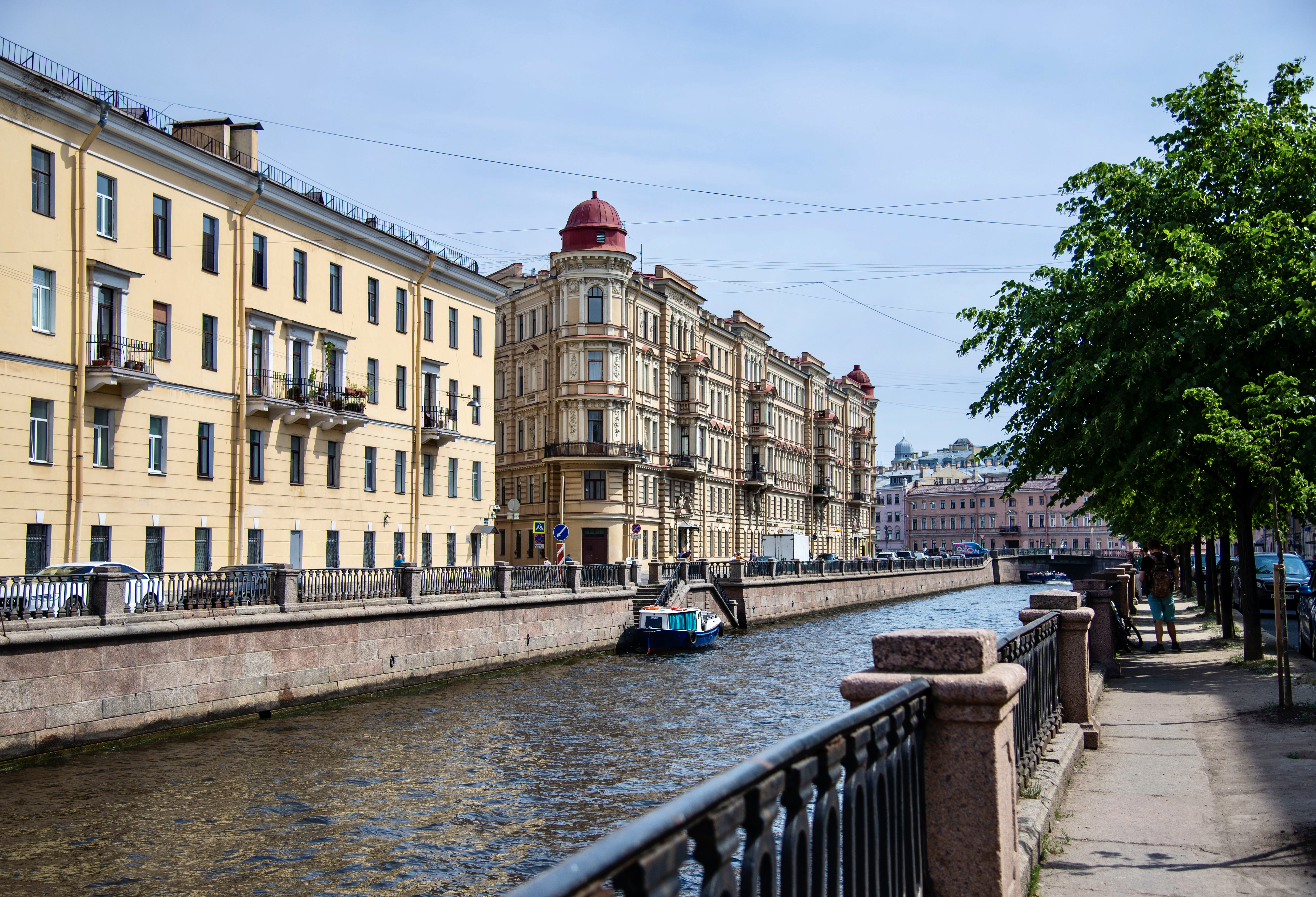
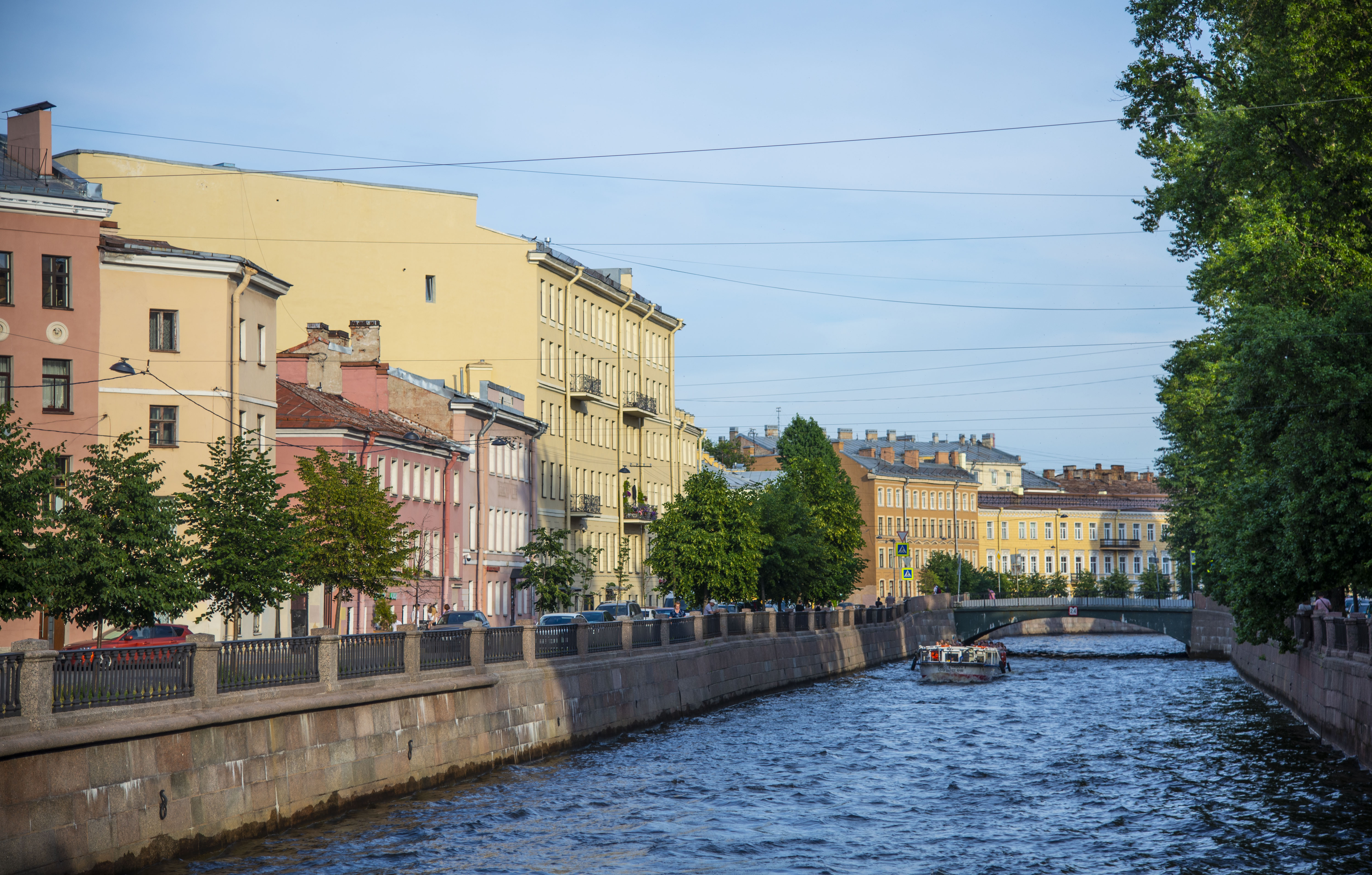
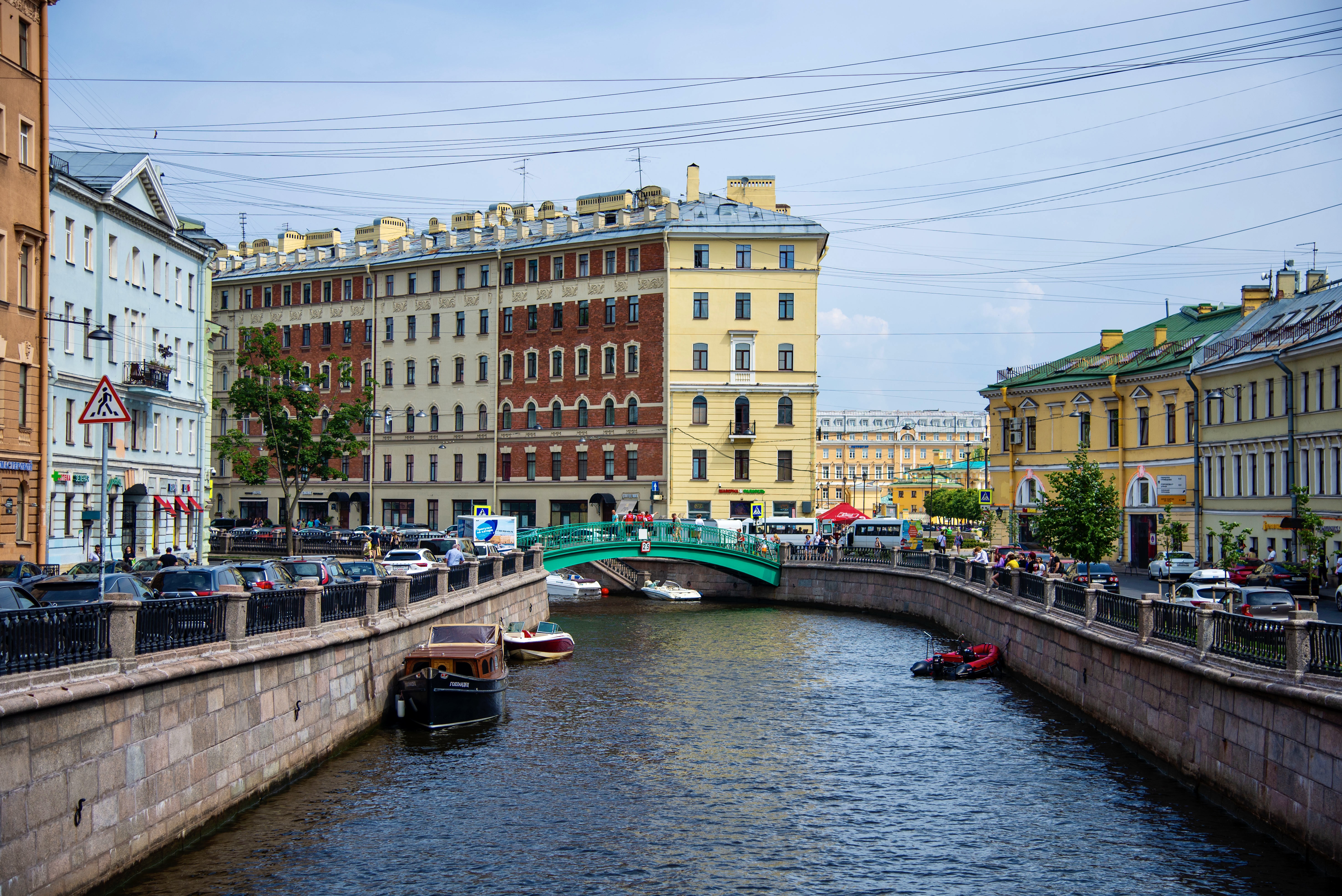
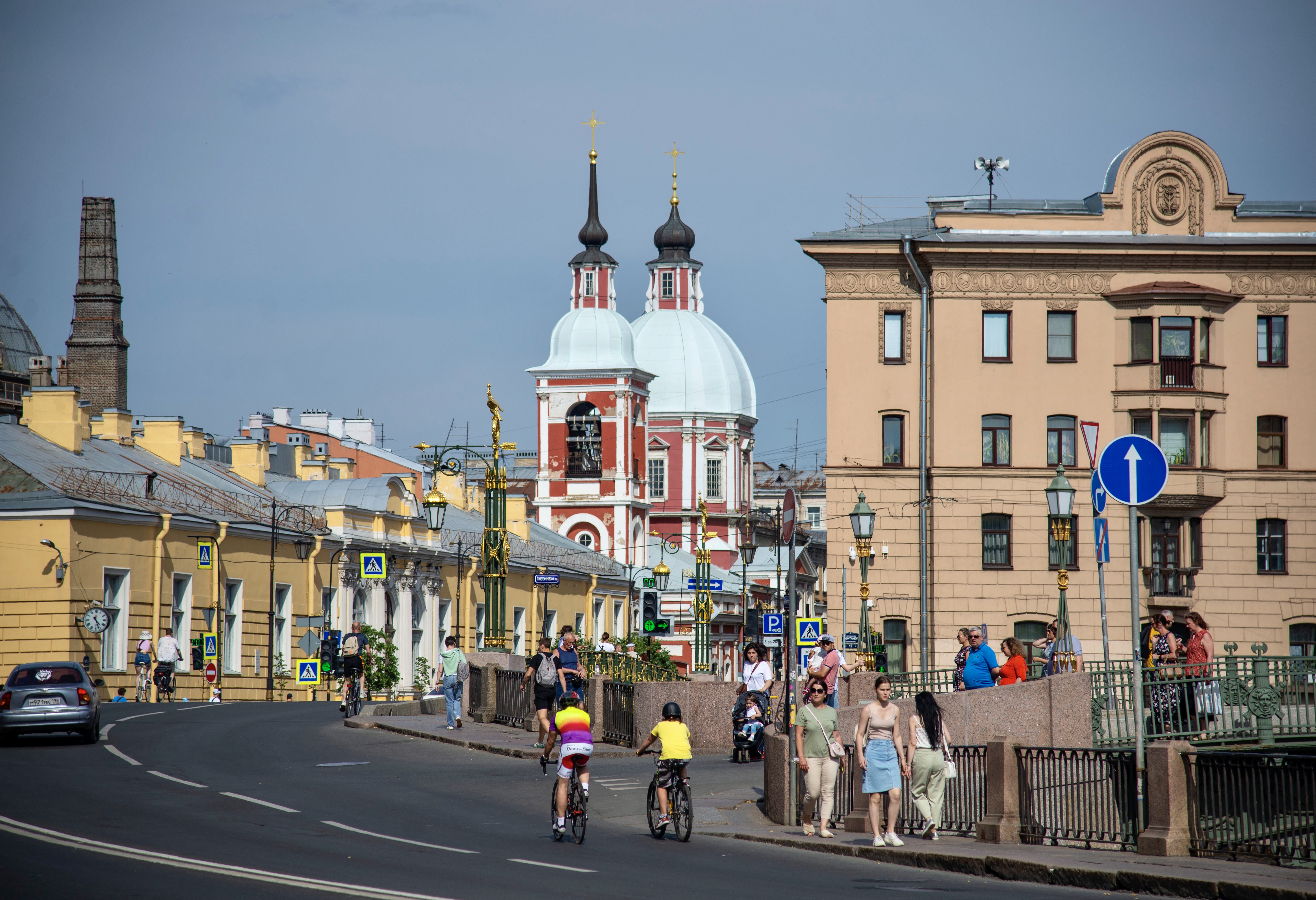
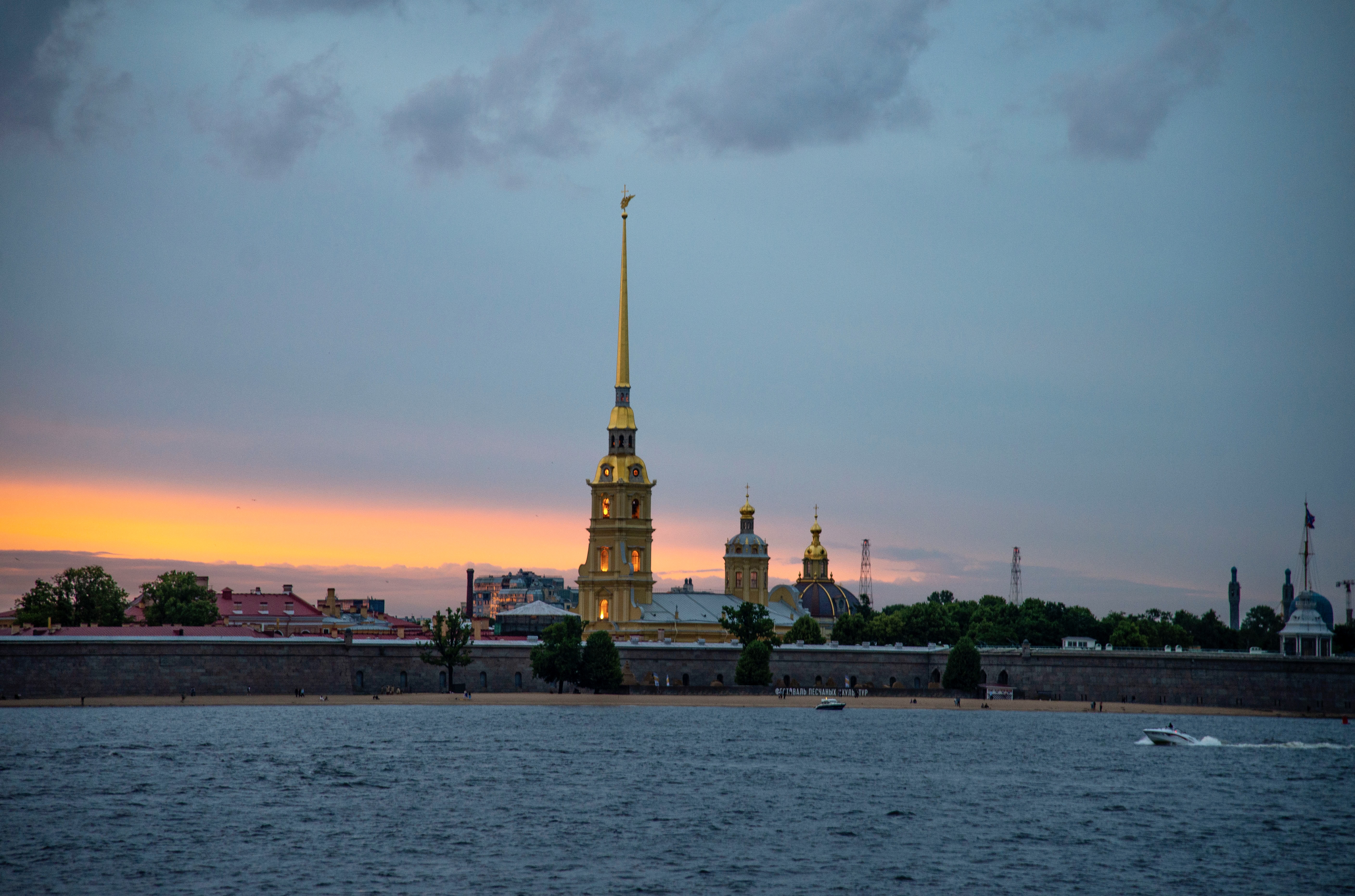
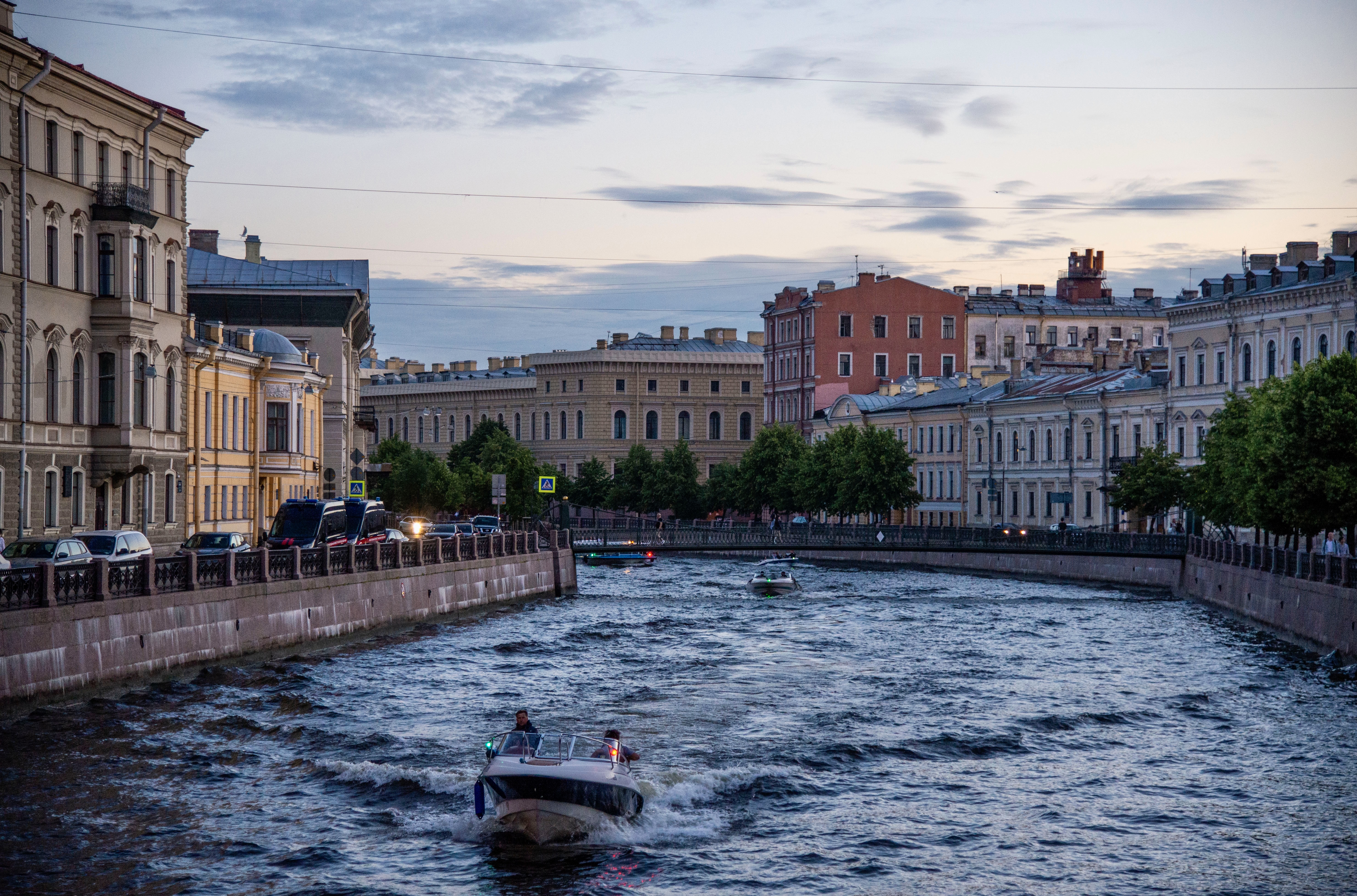
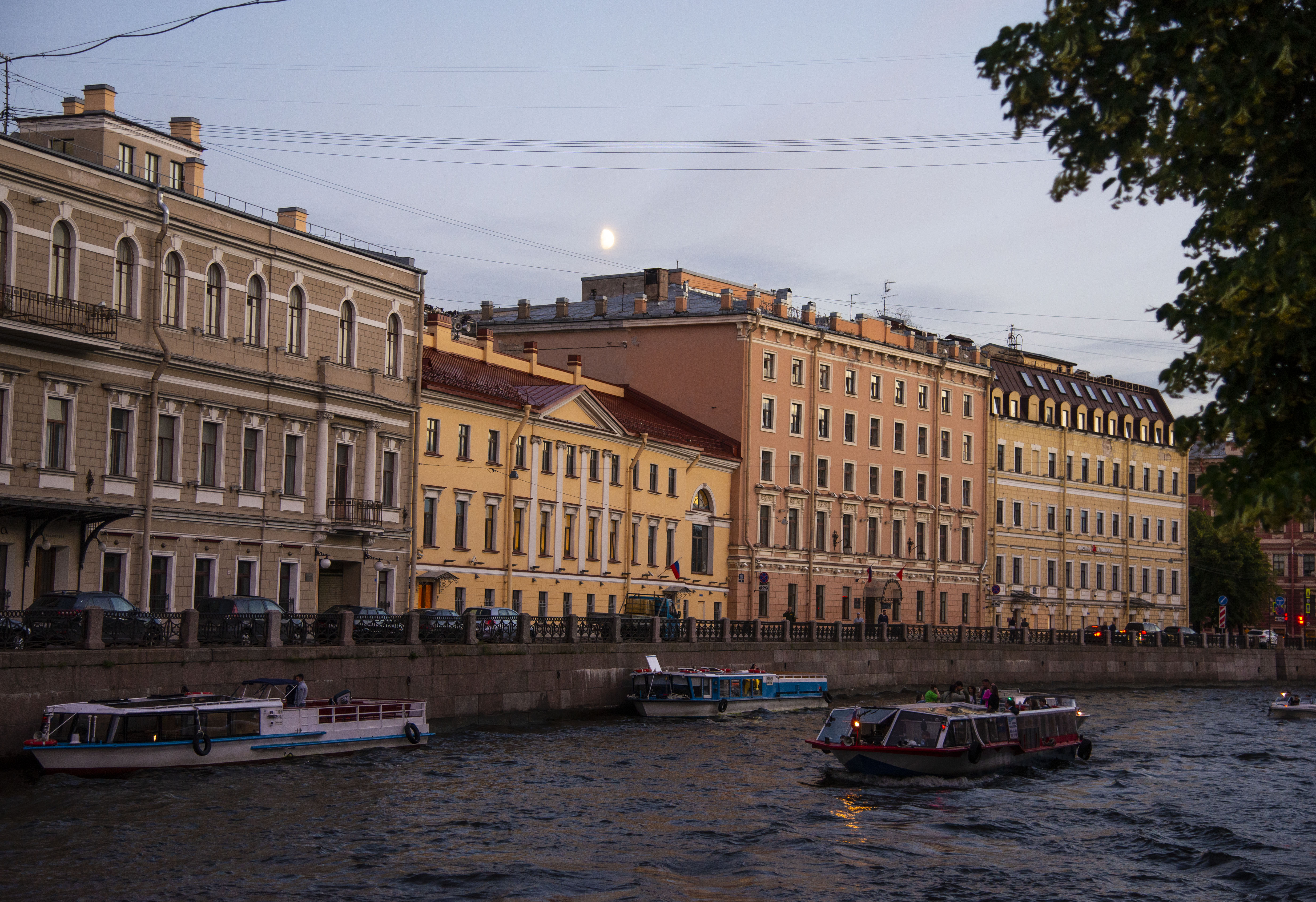
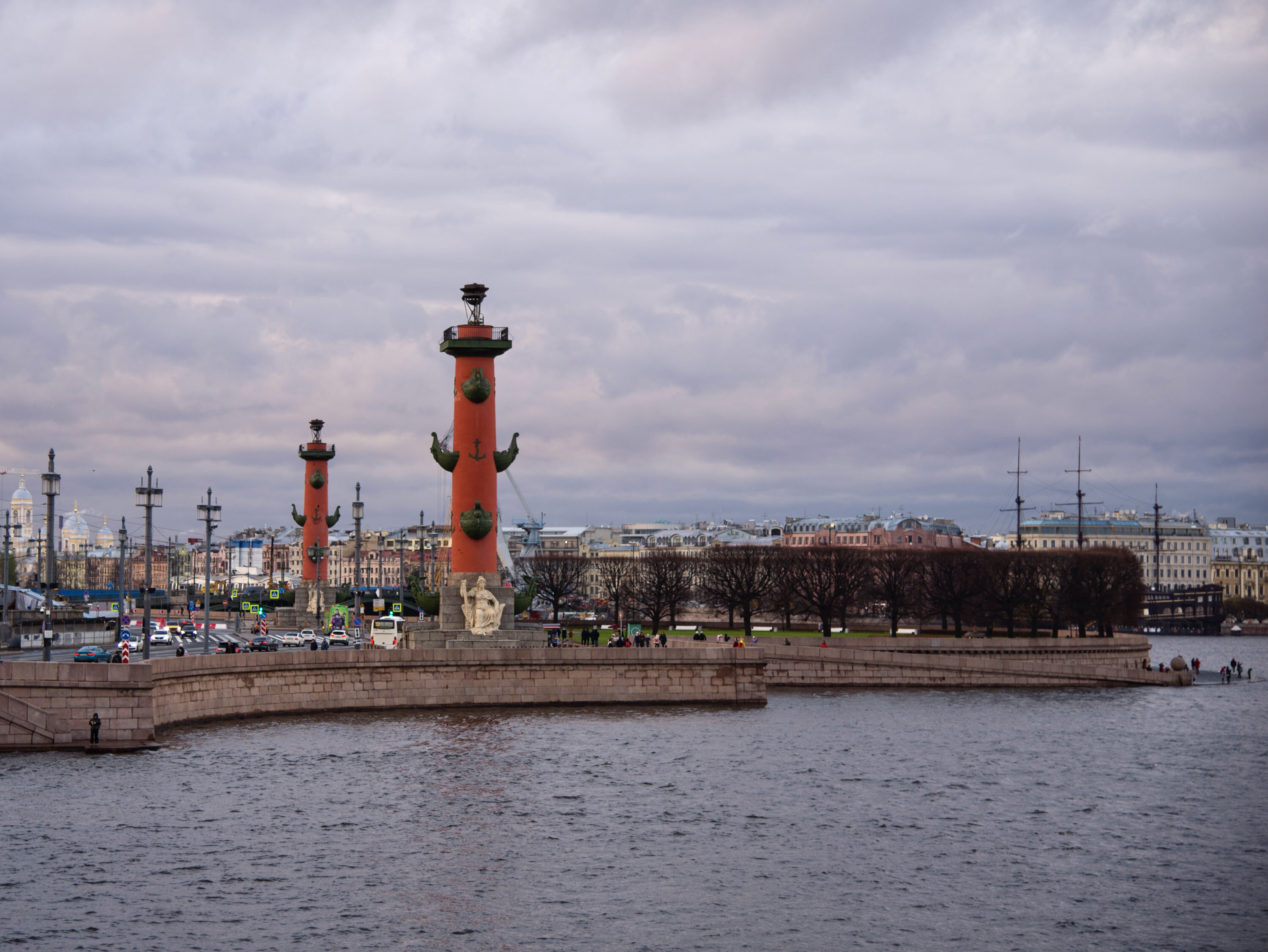
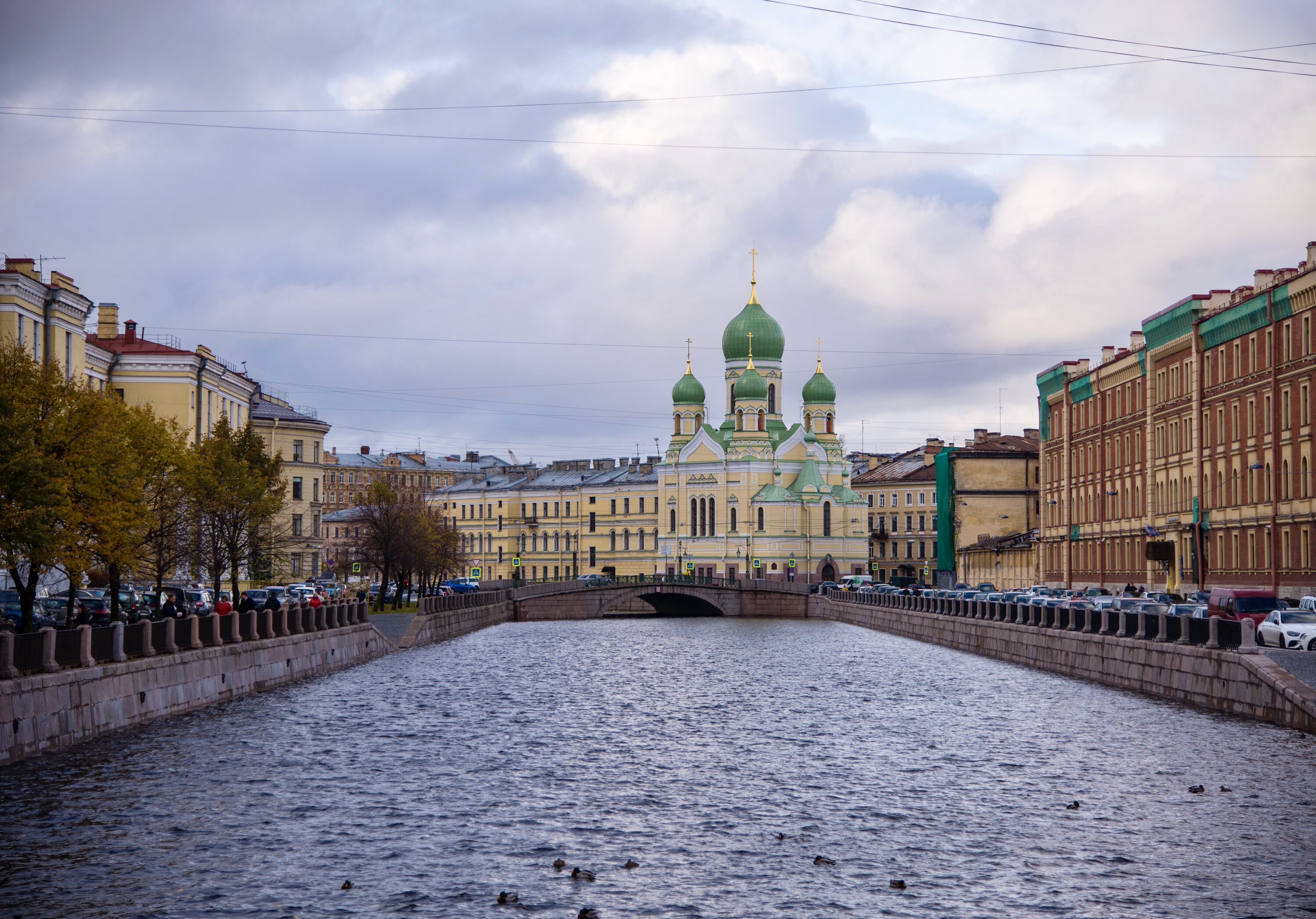
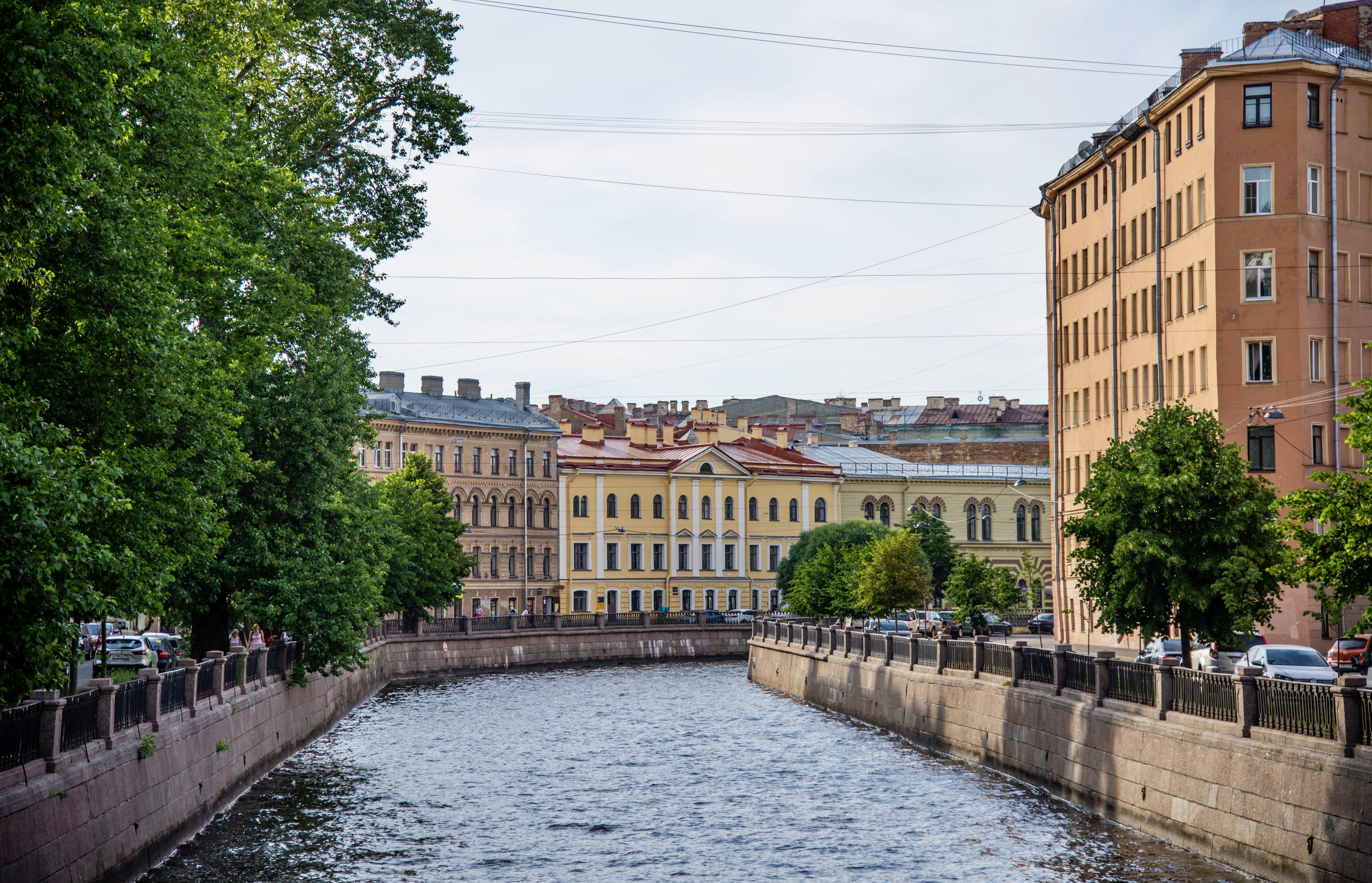
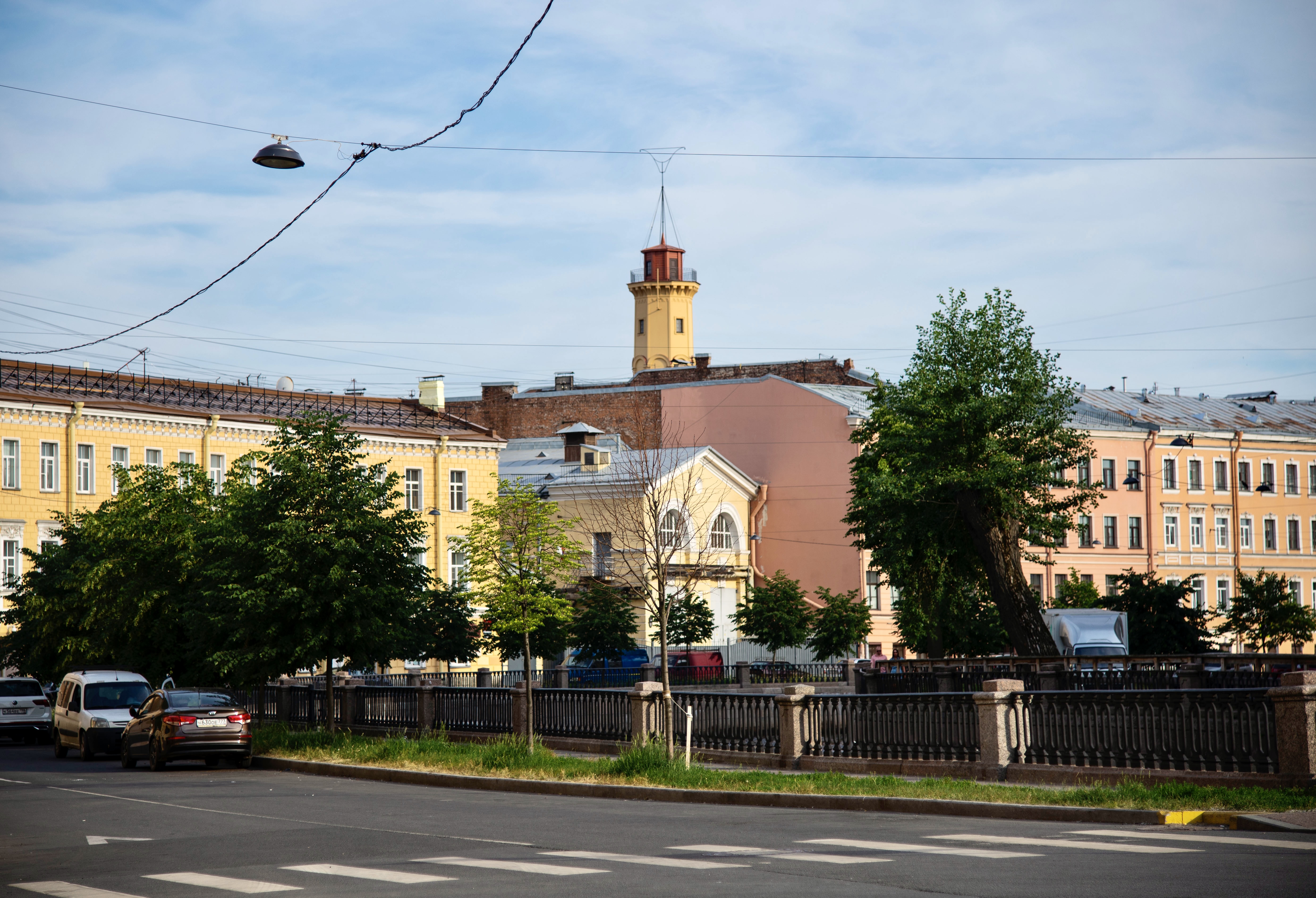
Sunny St.Petersburg, July 2022

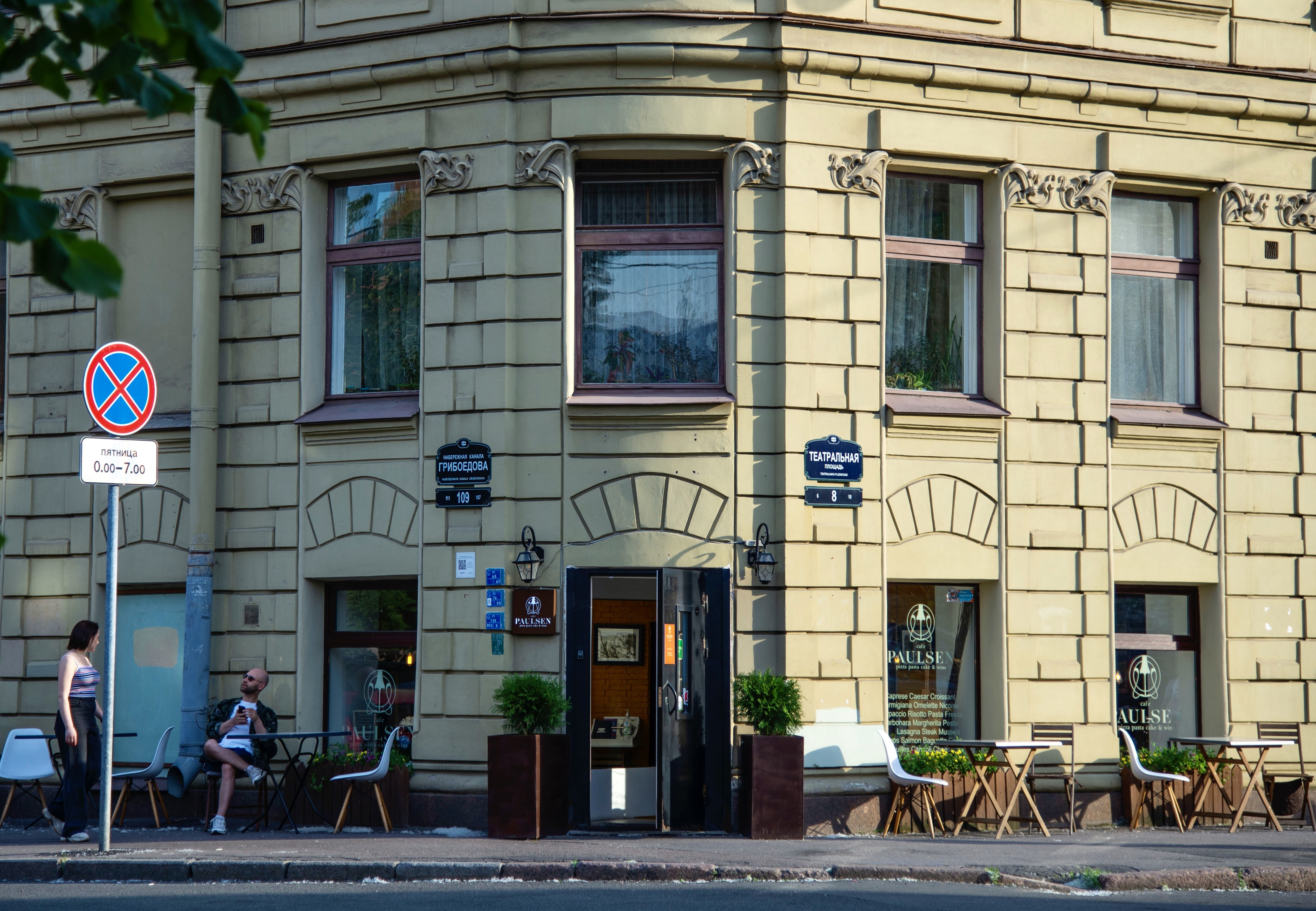
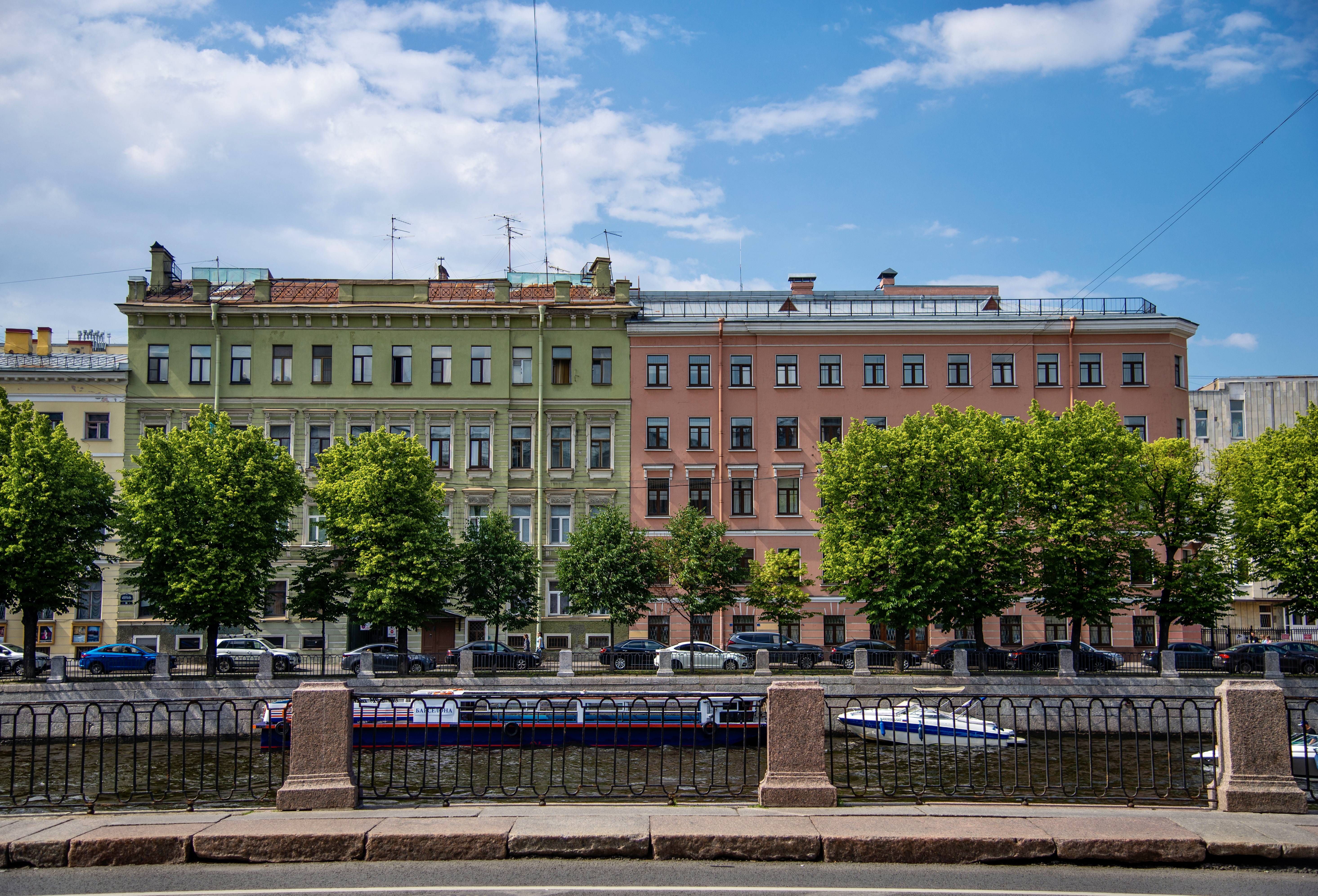
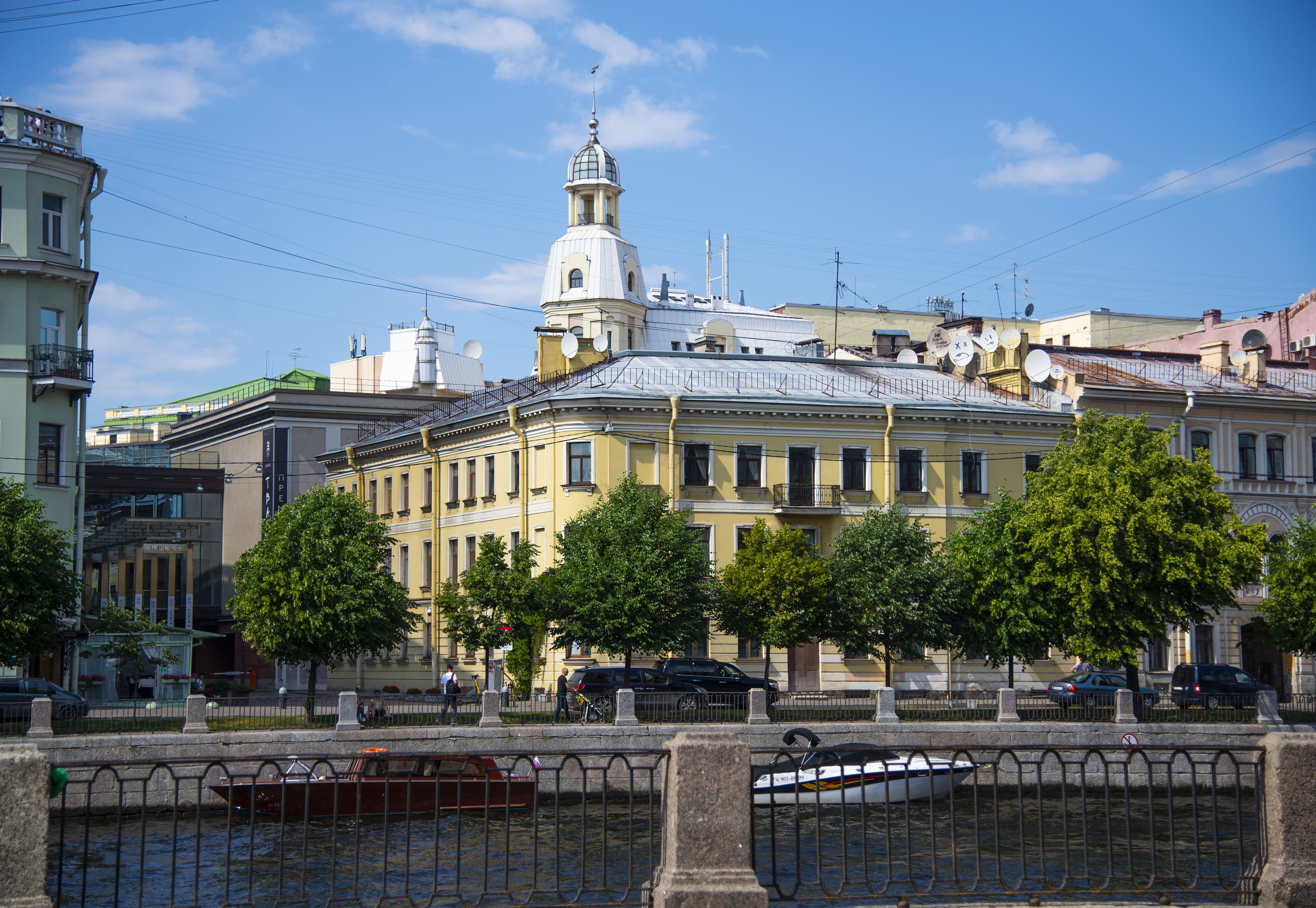
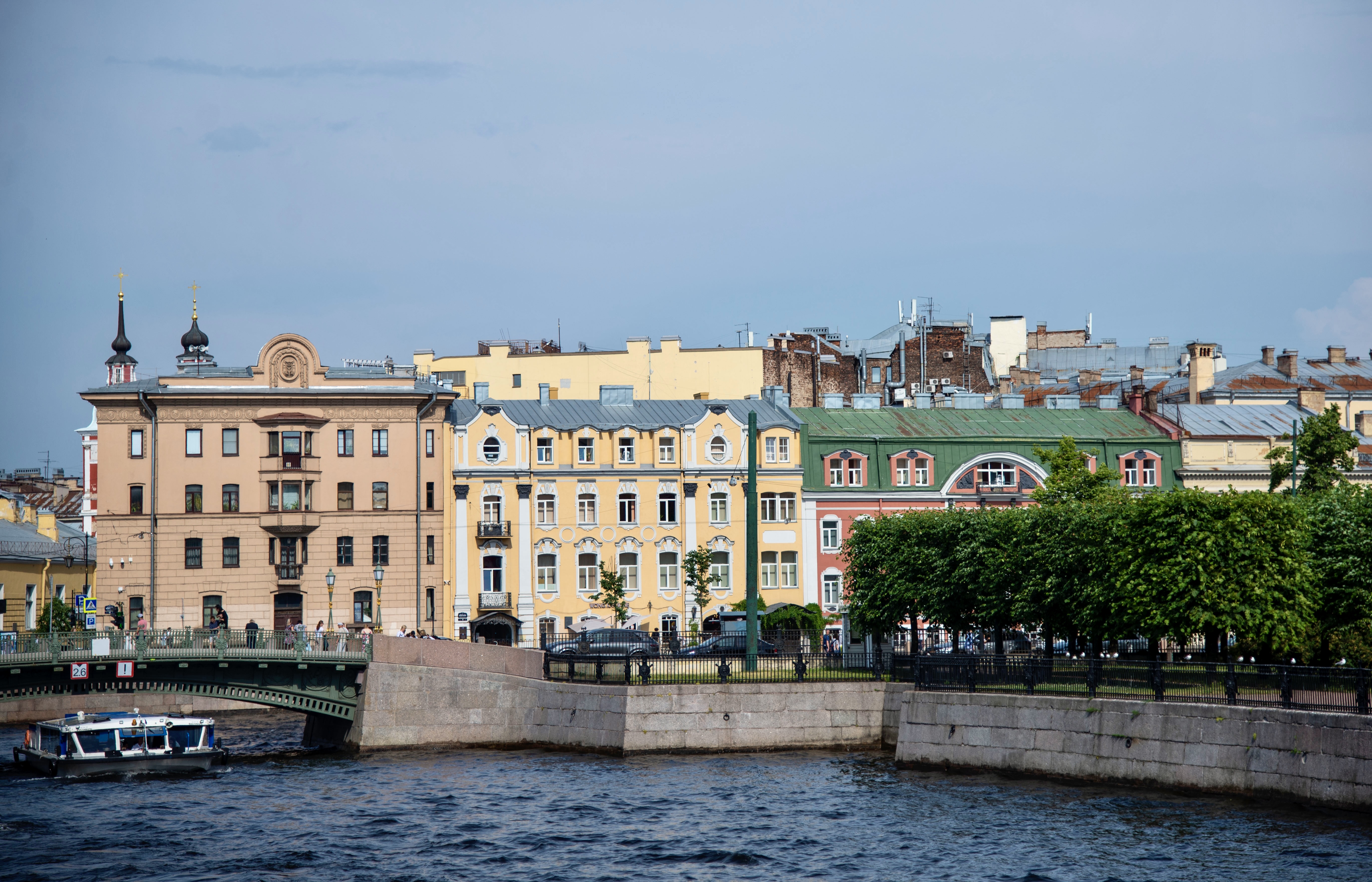
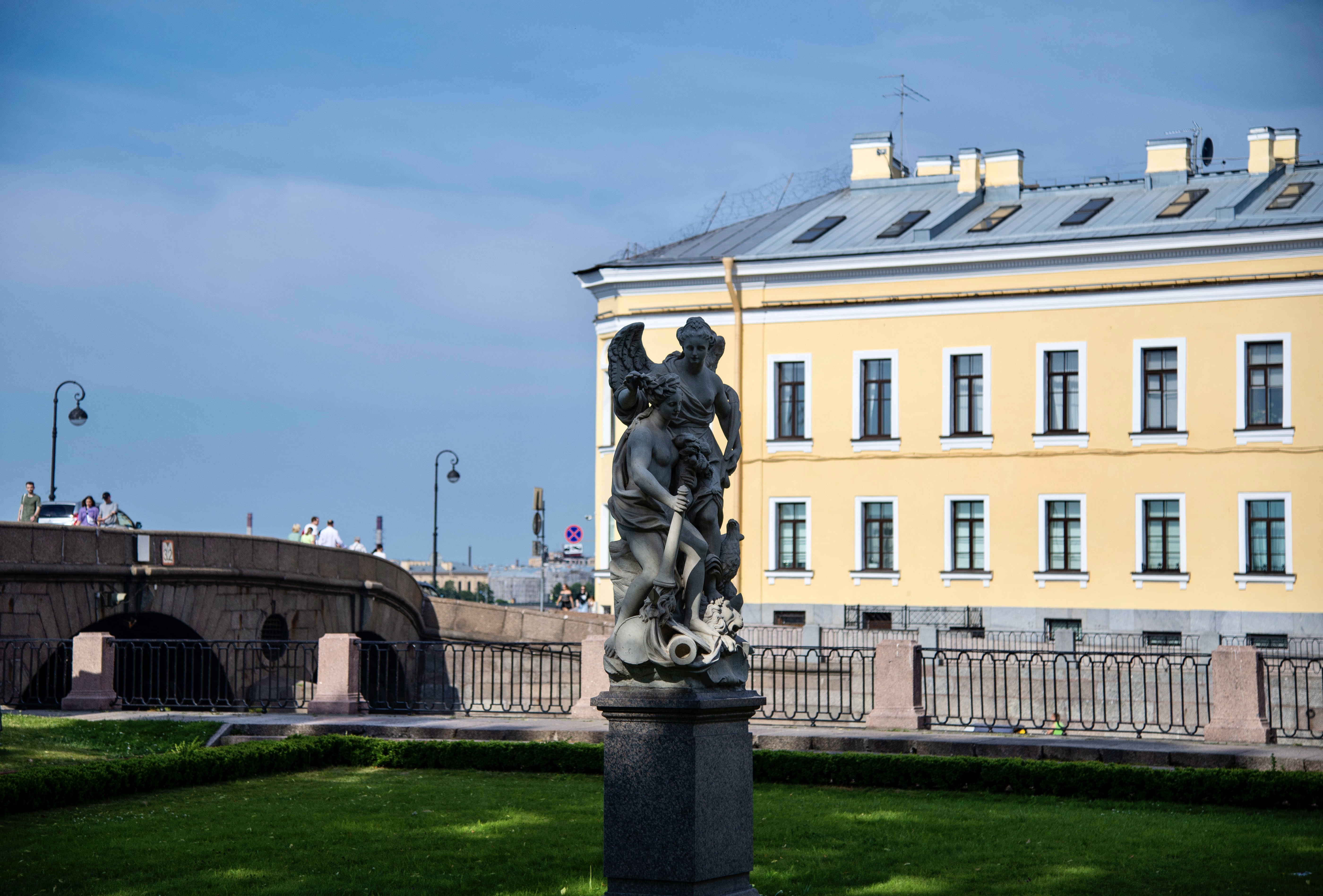
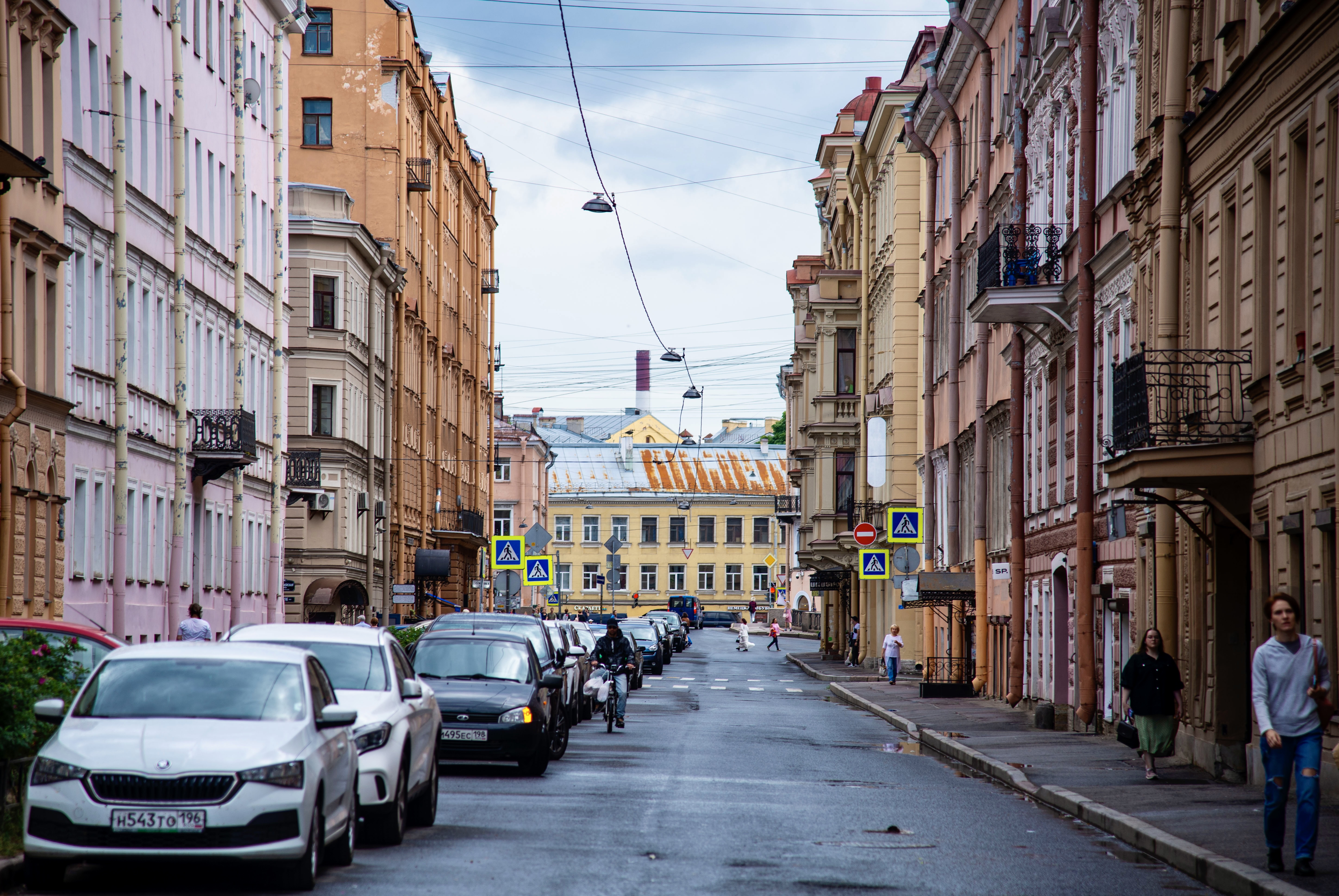
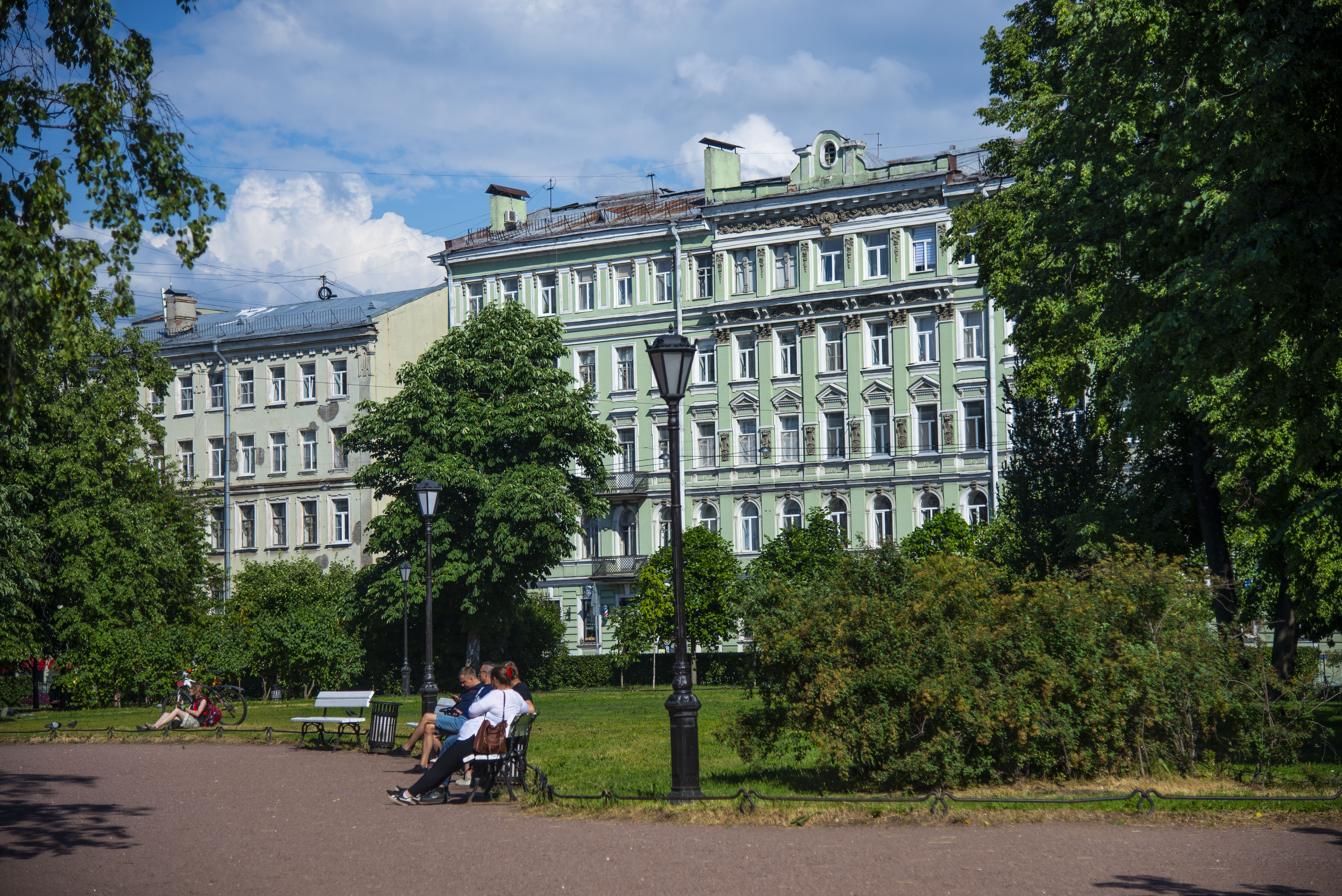
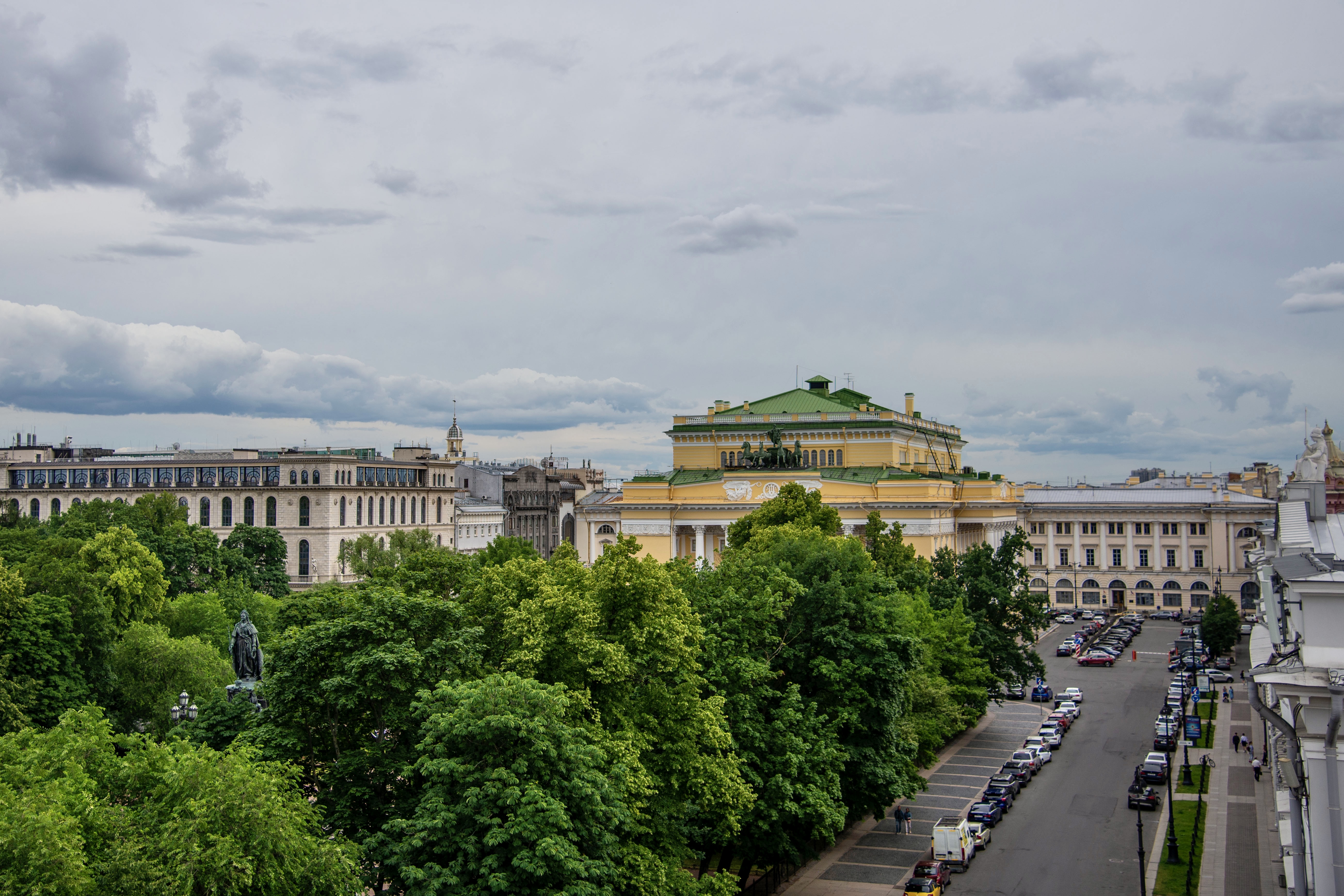
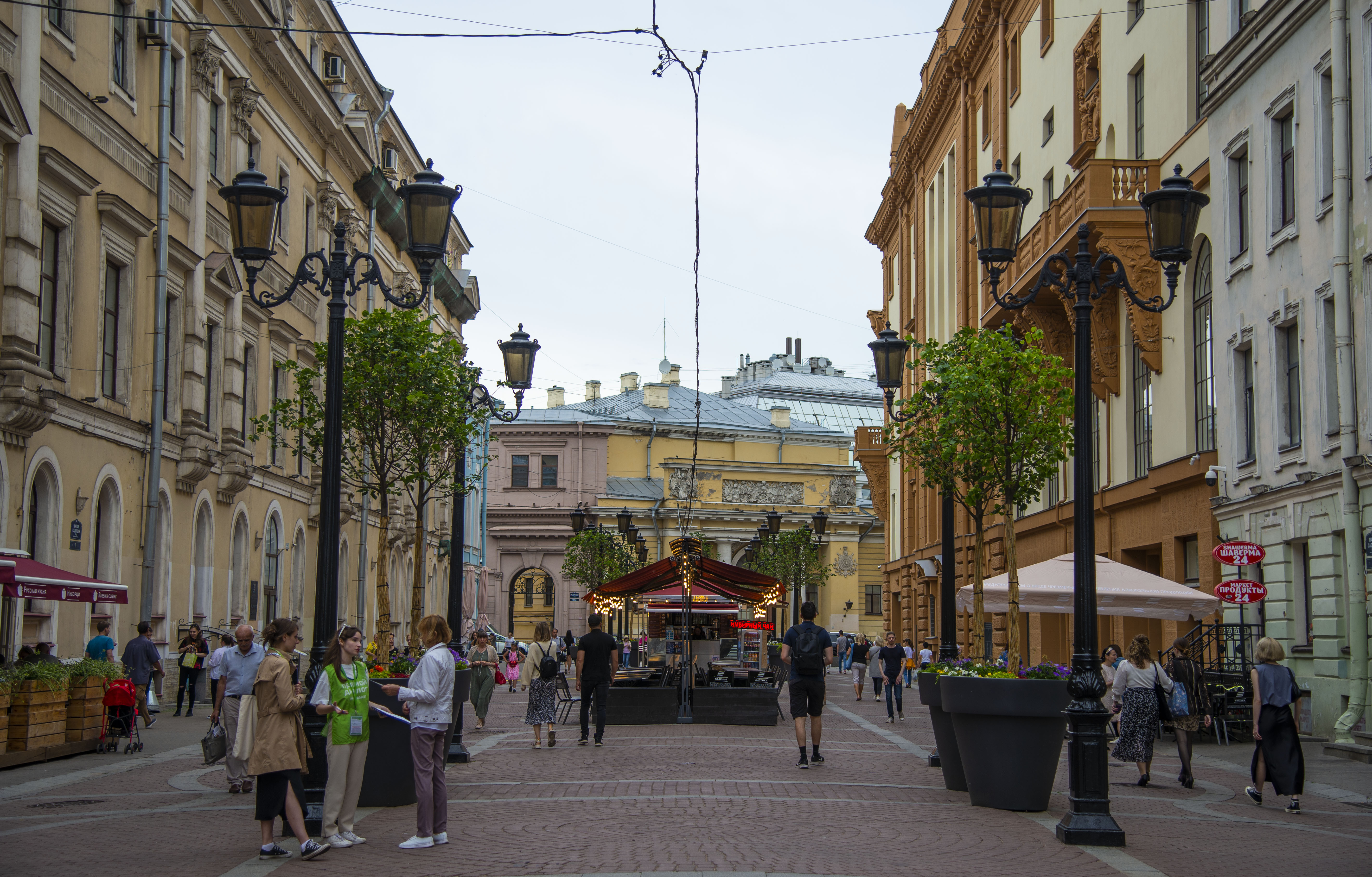
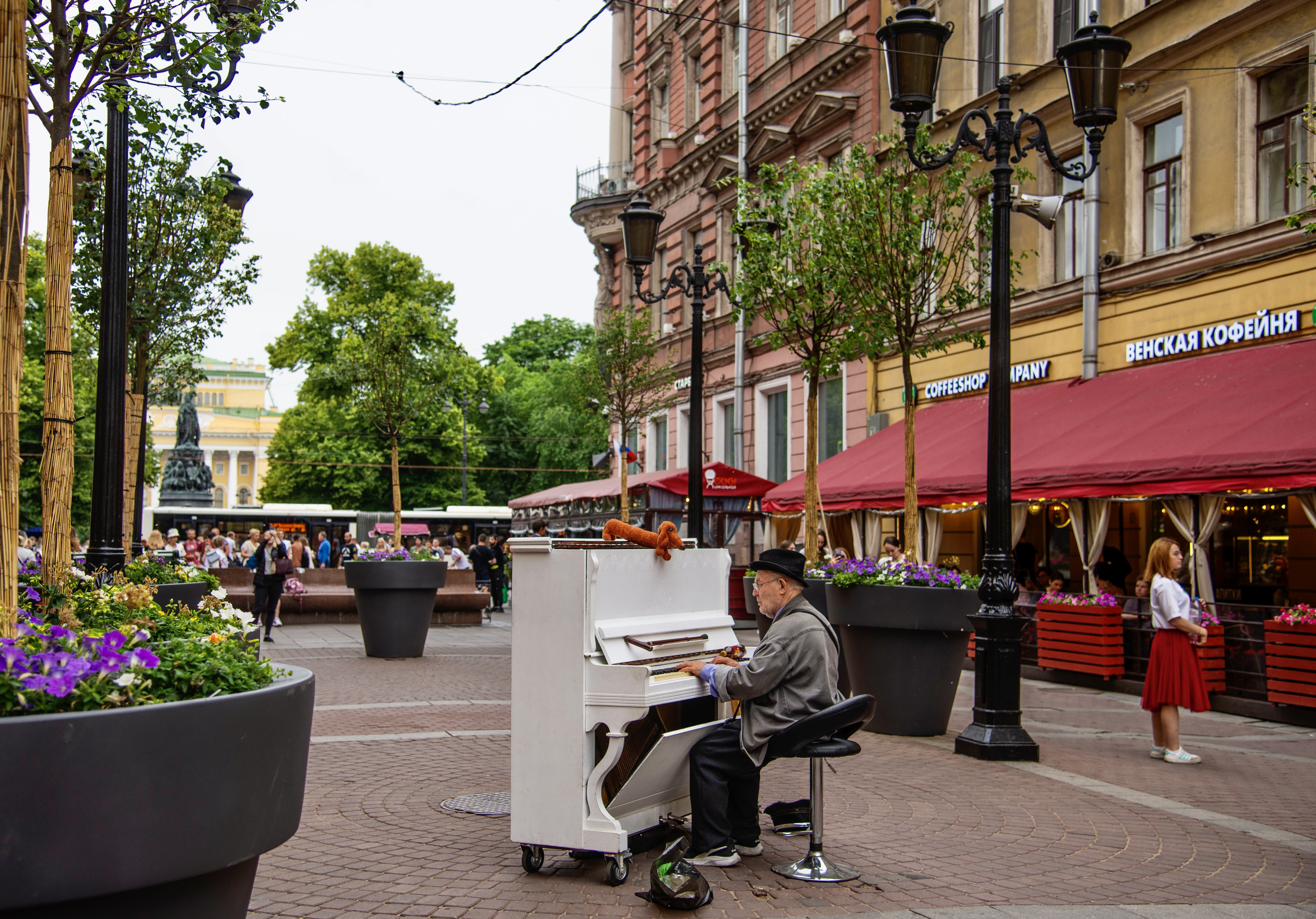
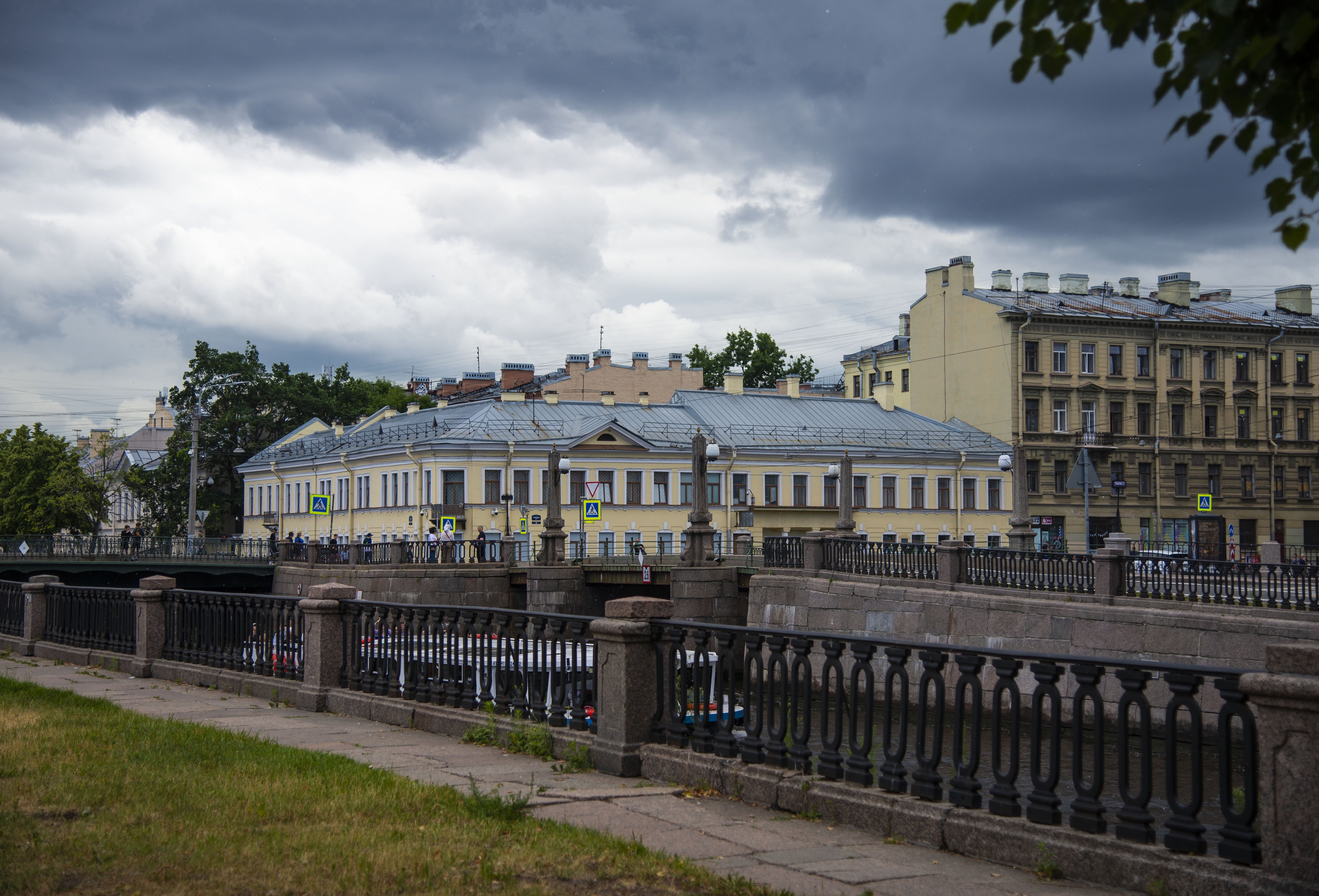
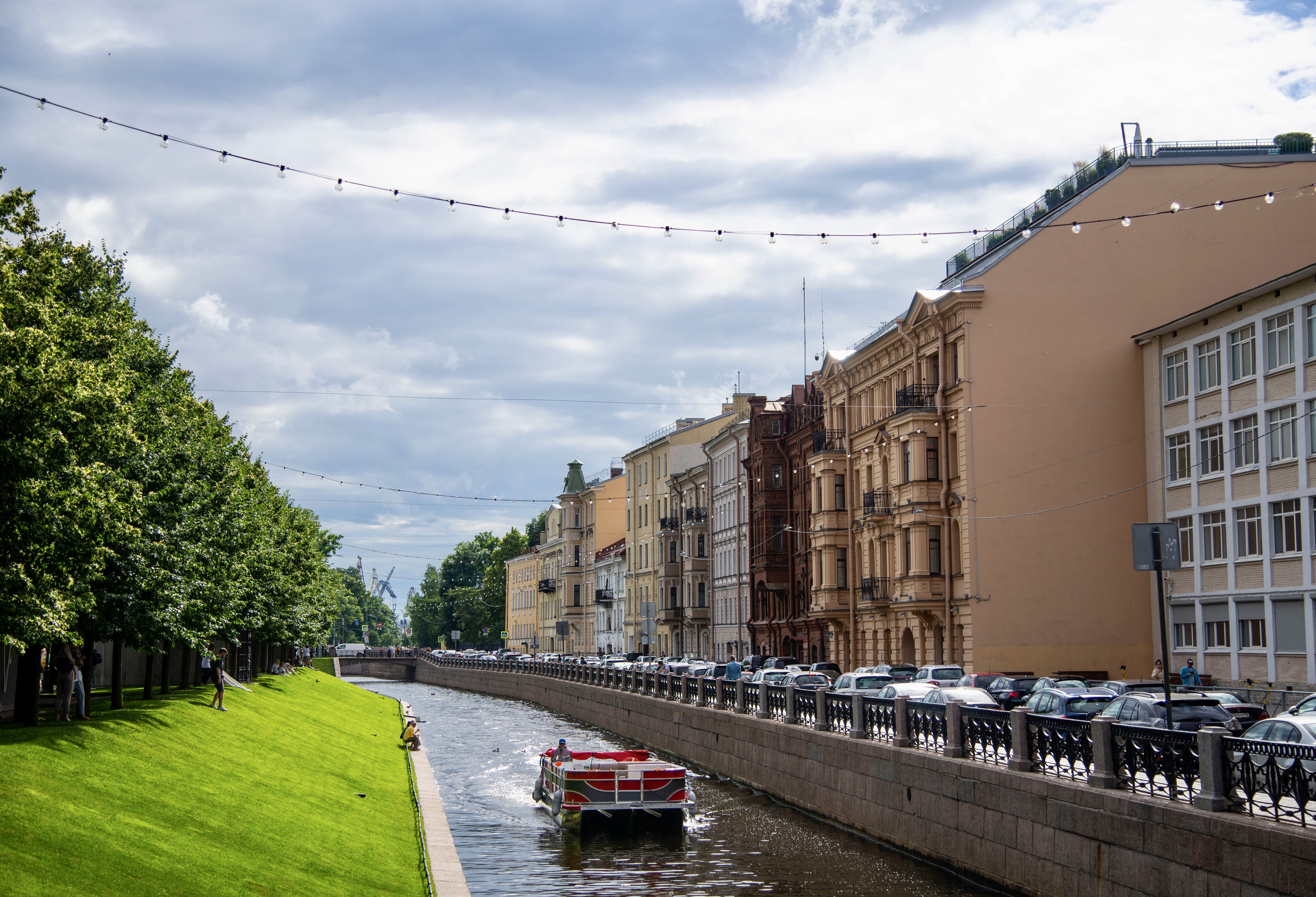
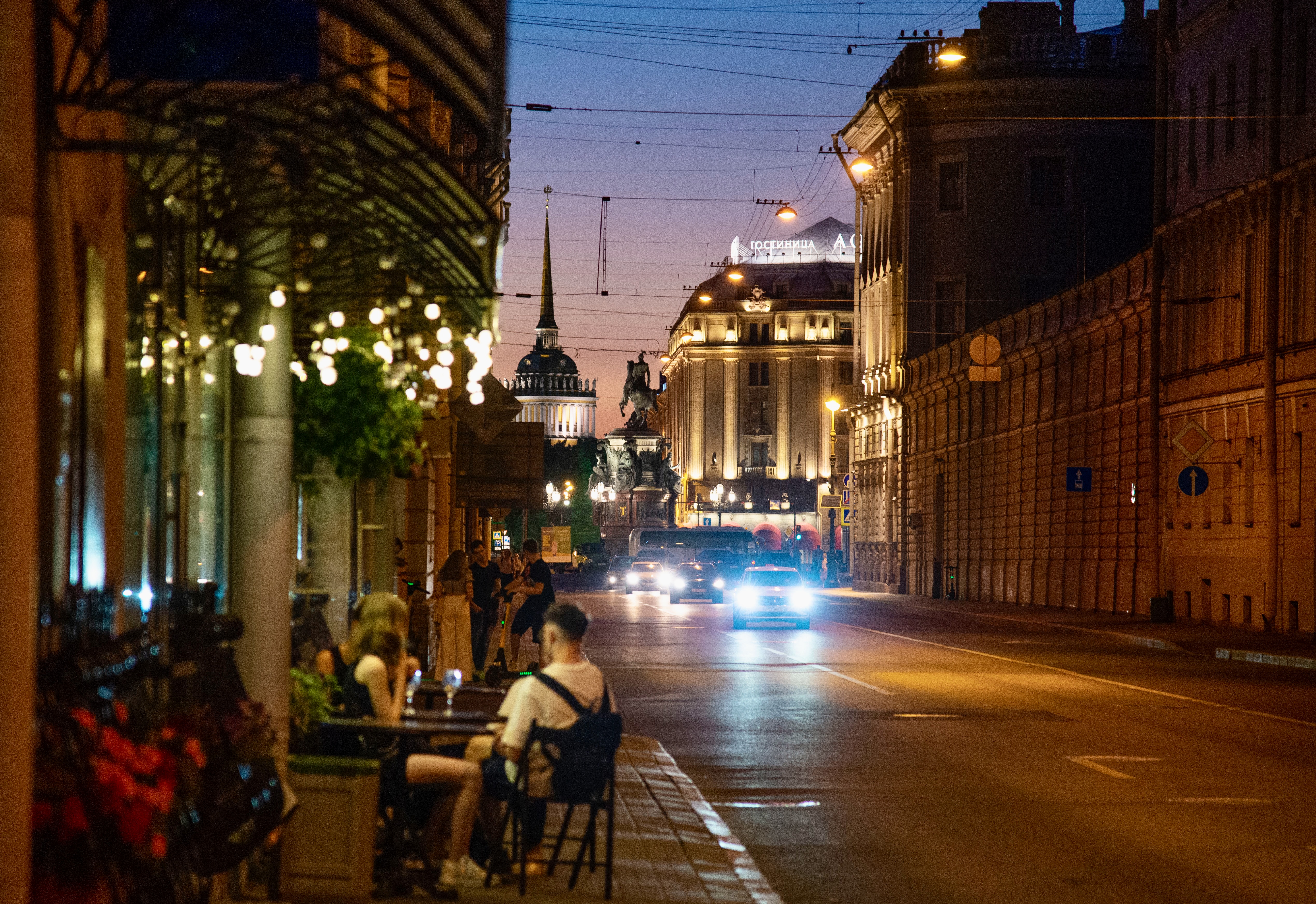
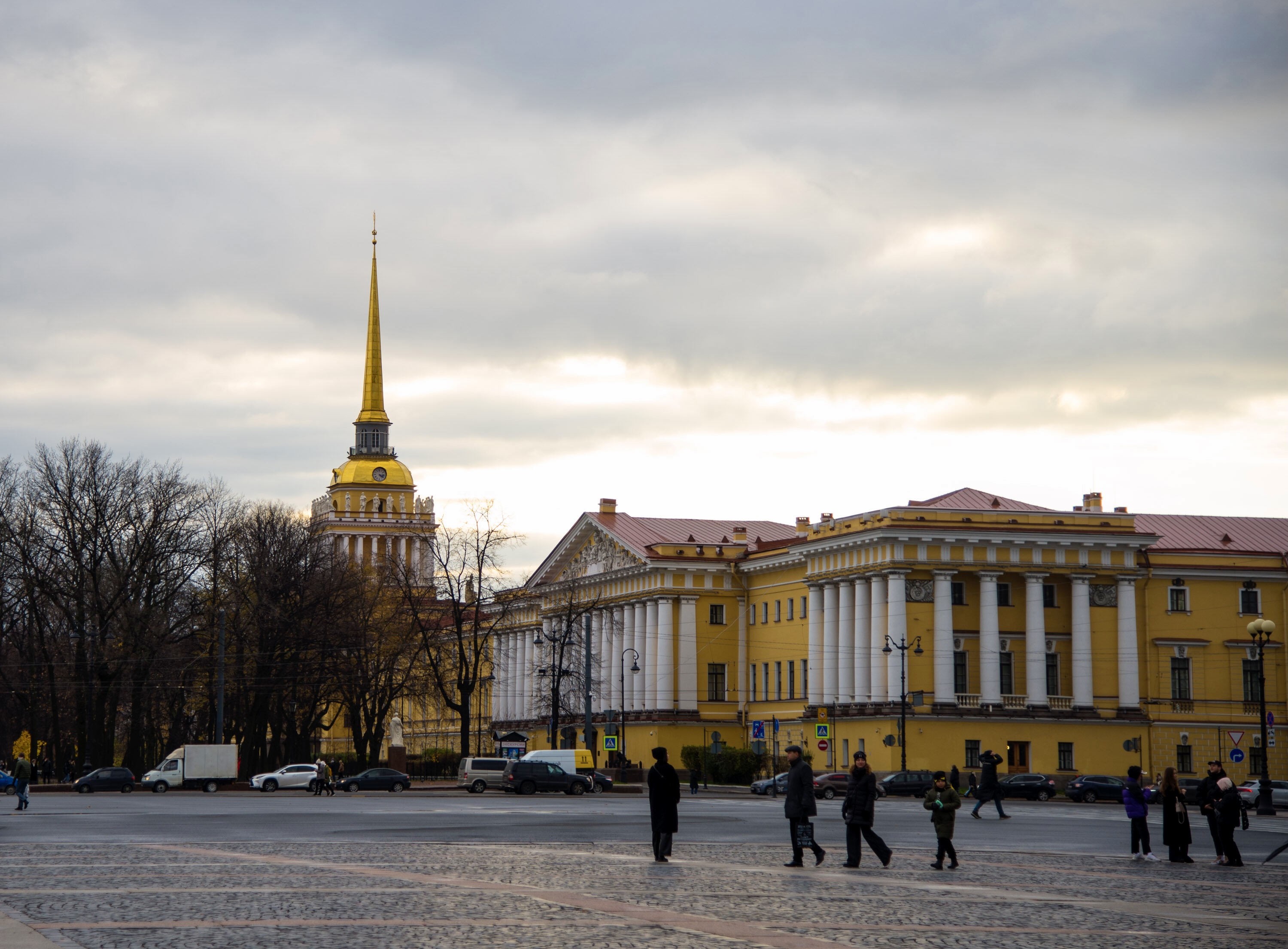
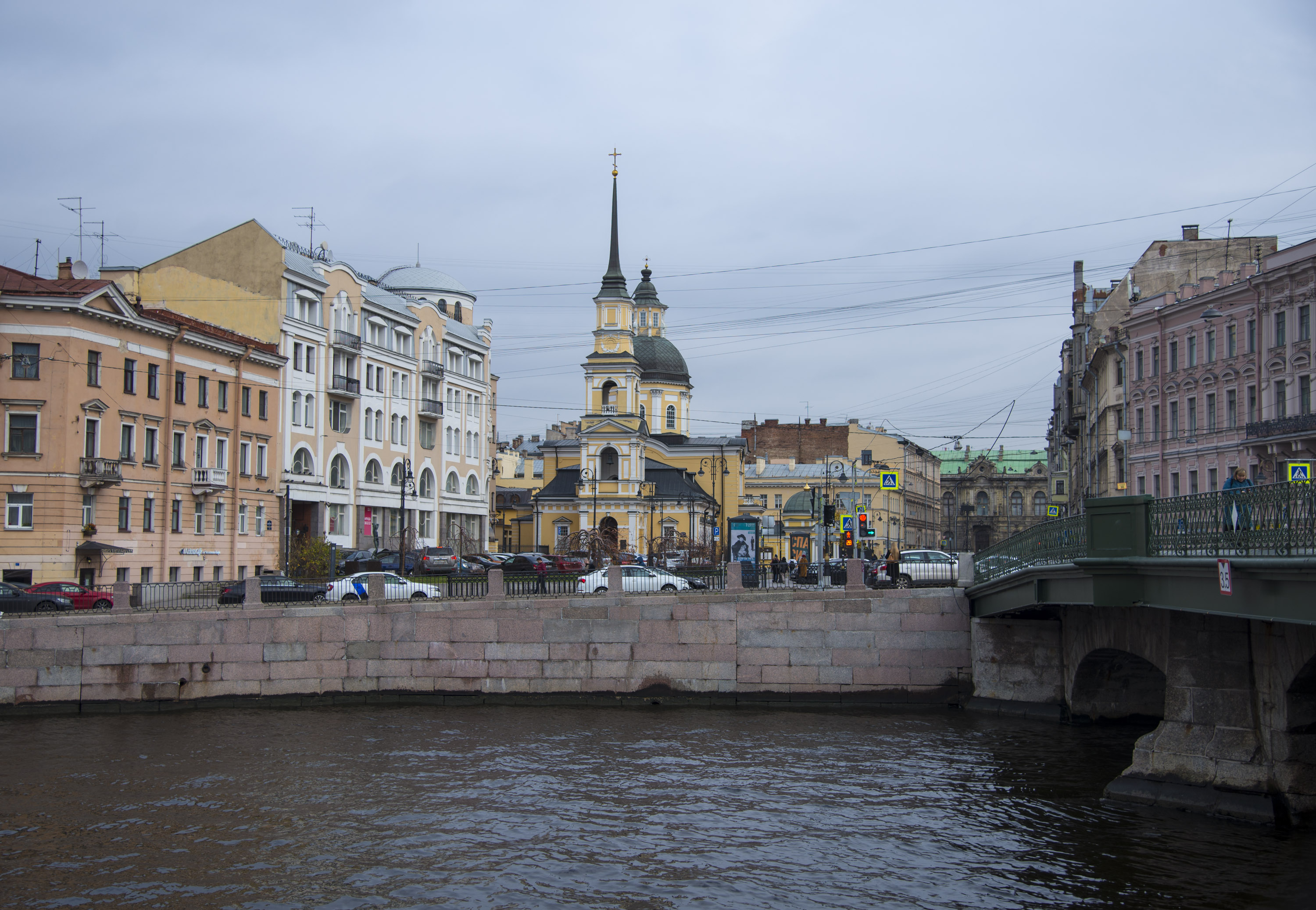
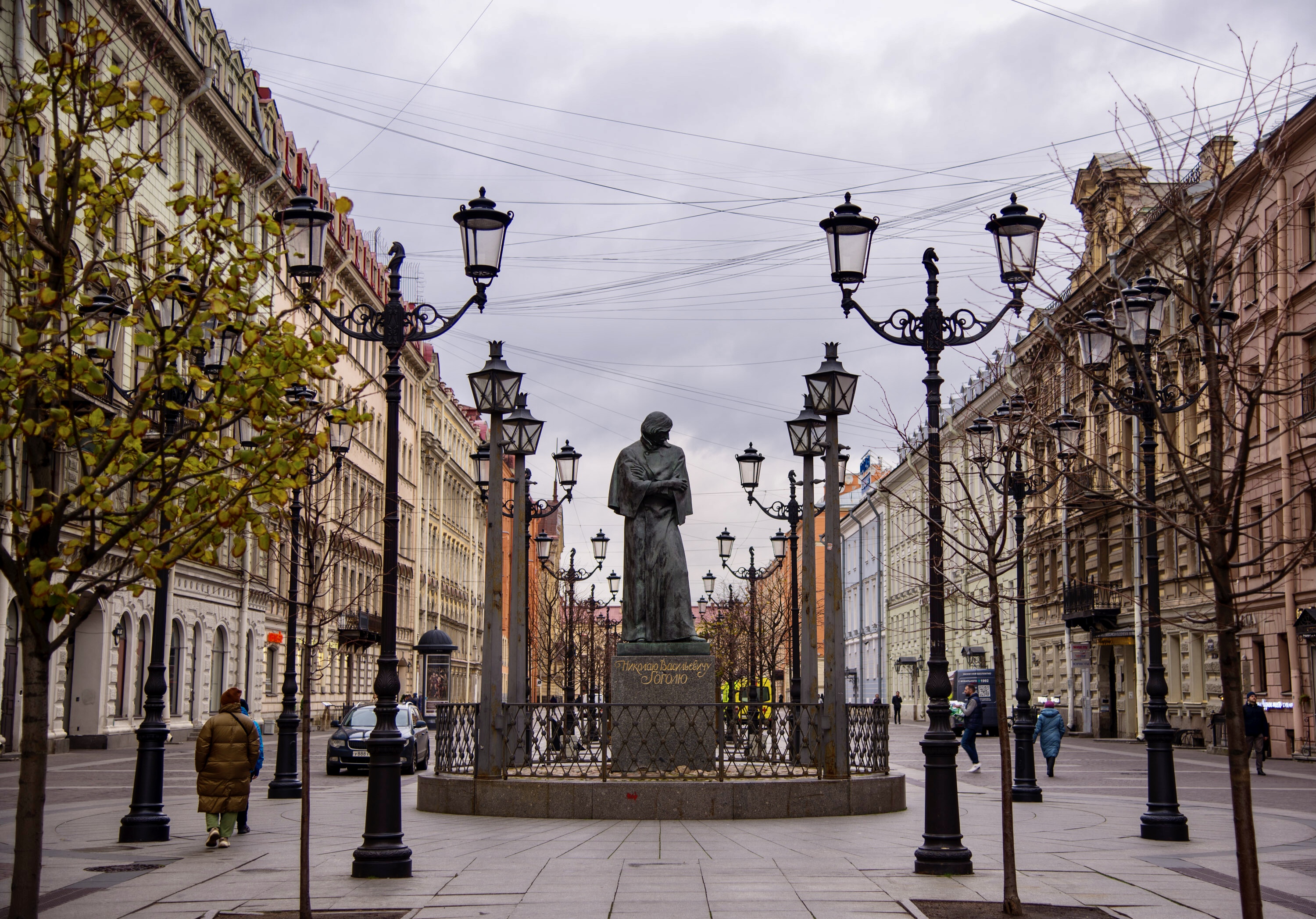
Streets of sunny St.Petersburg
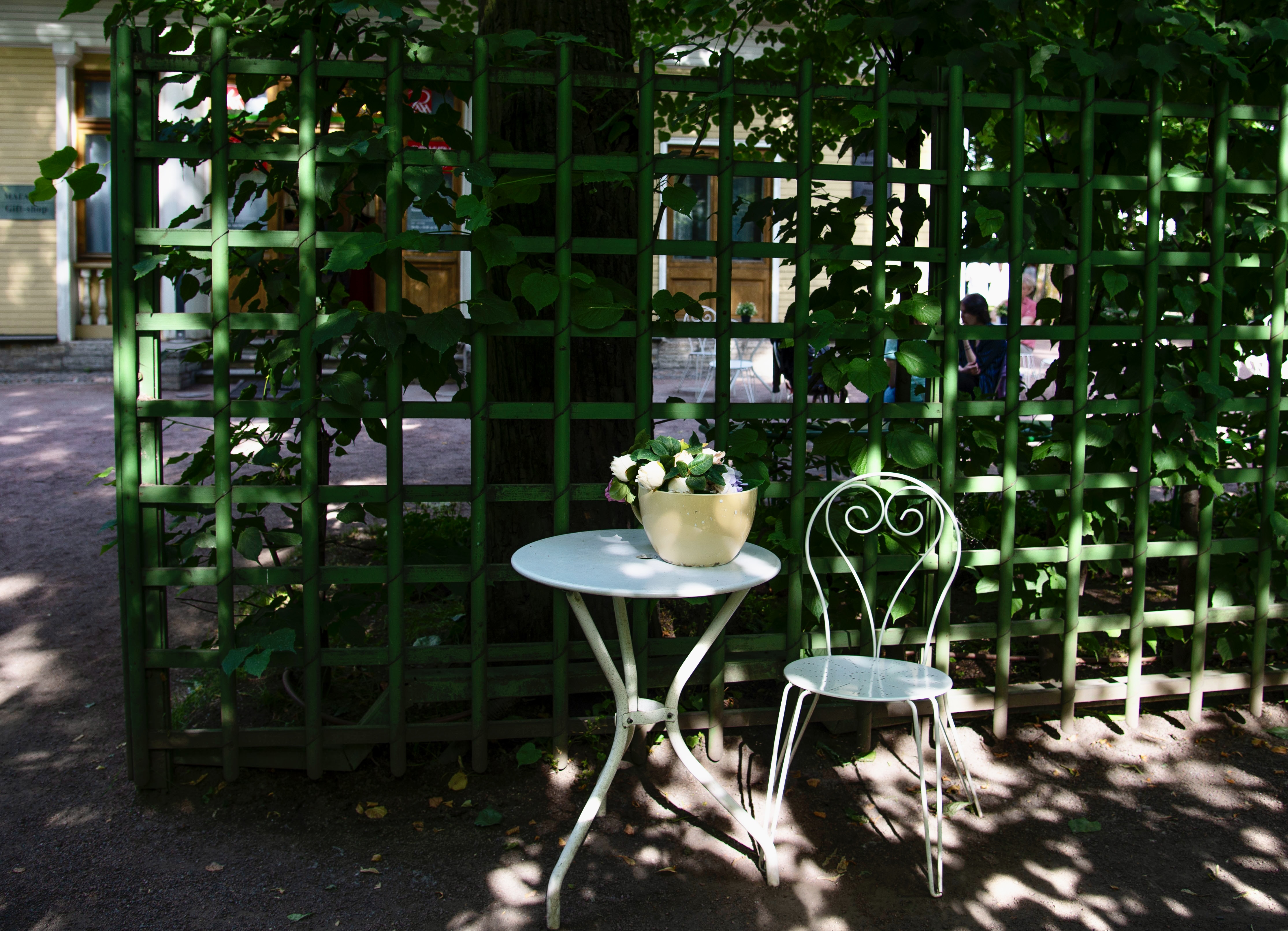
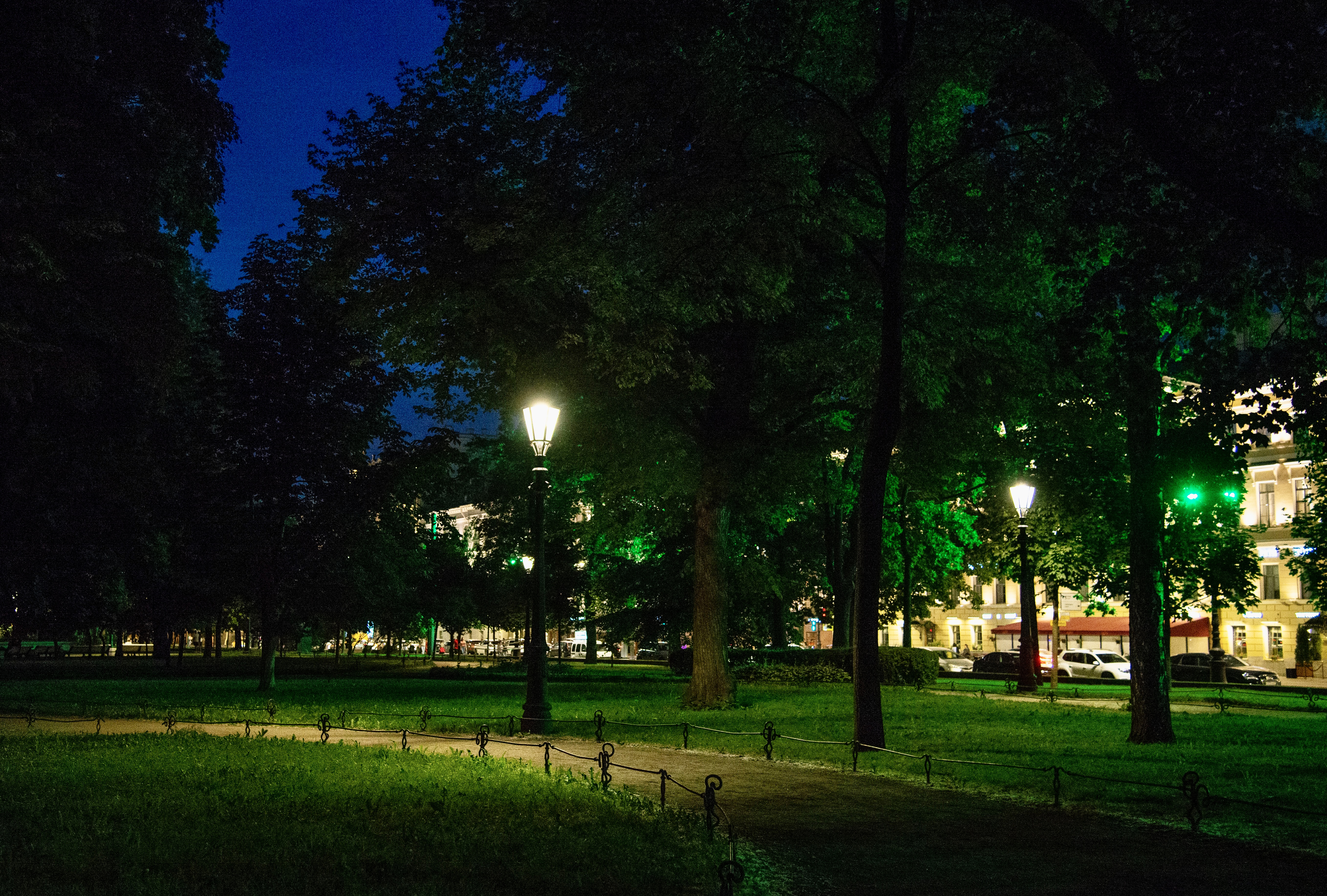
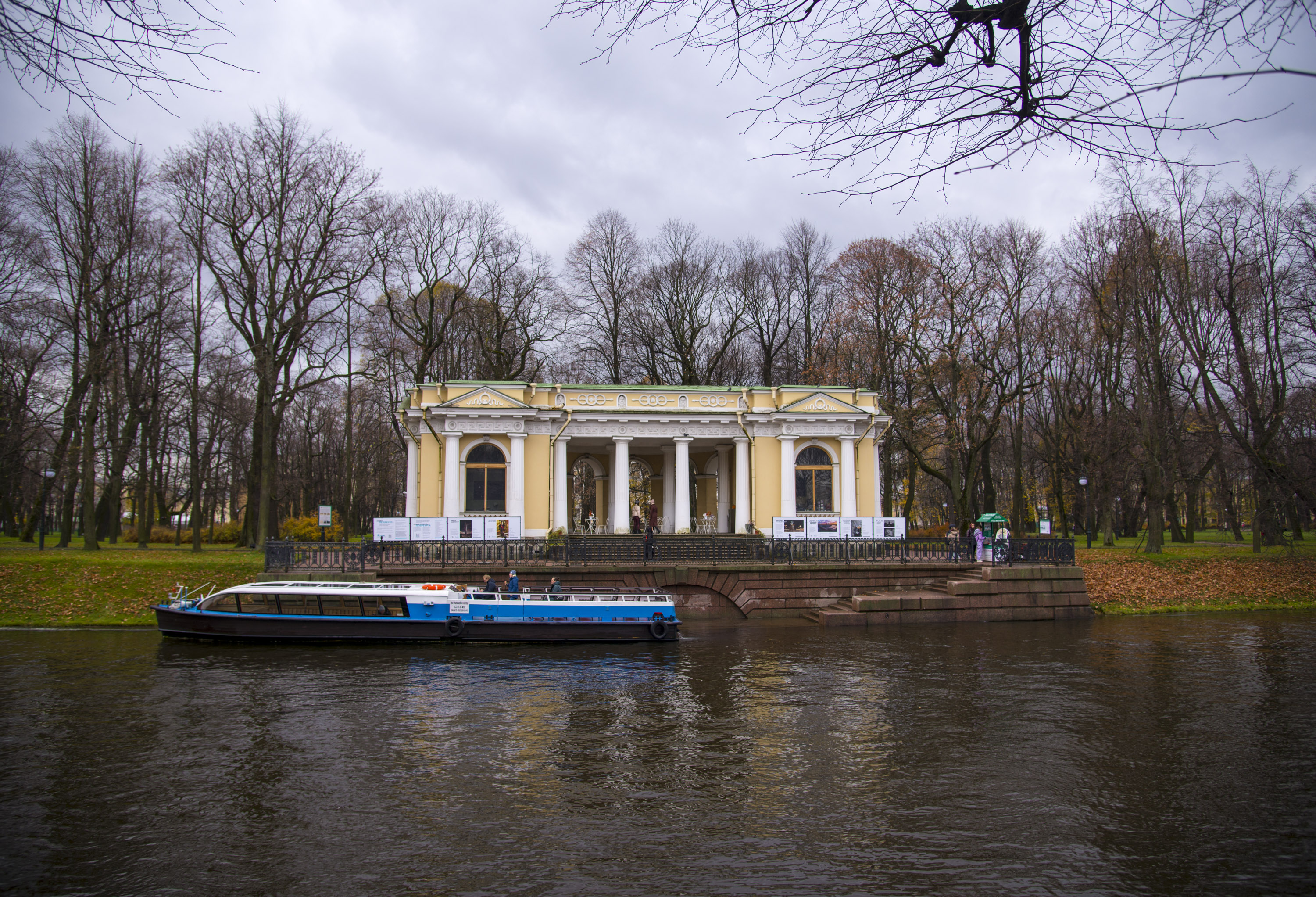
Summer garden

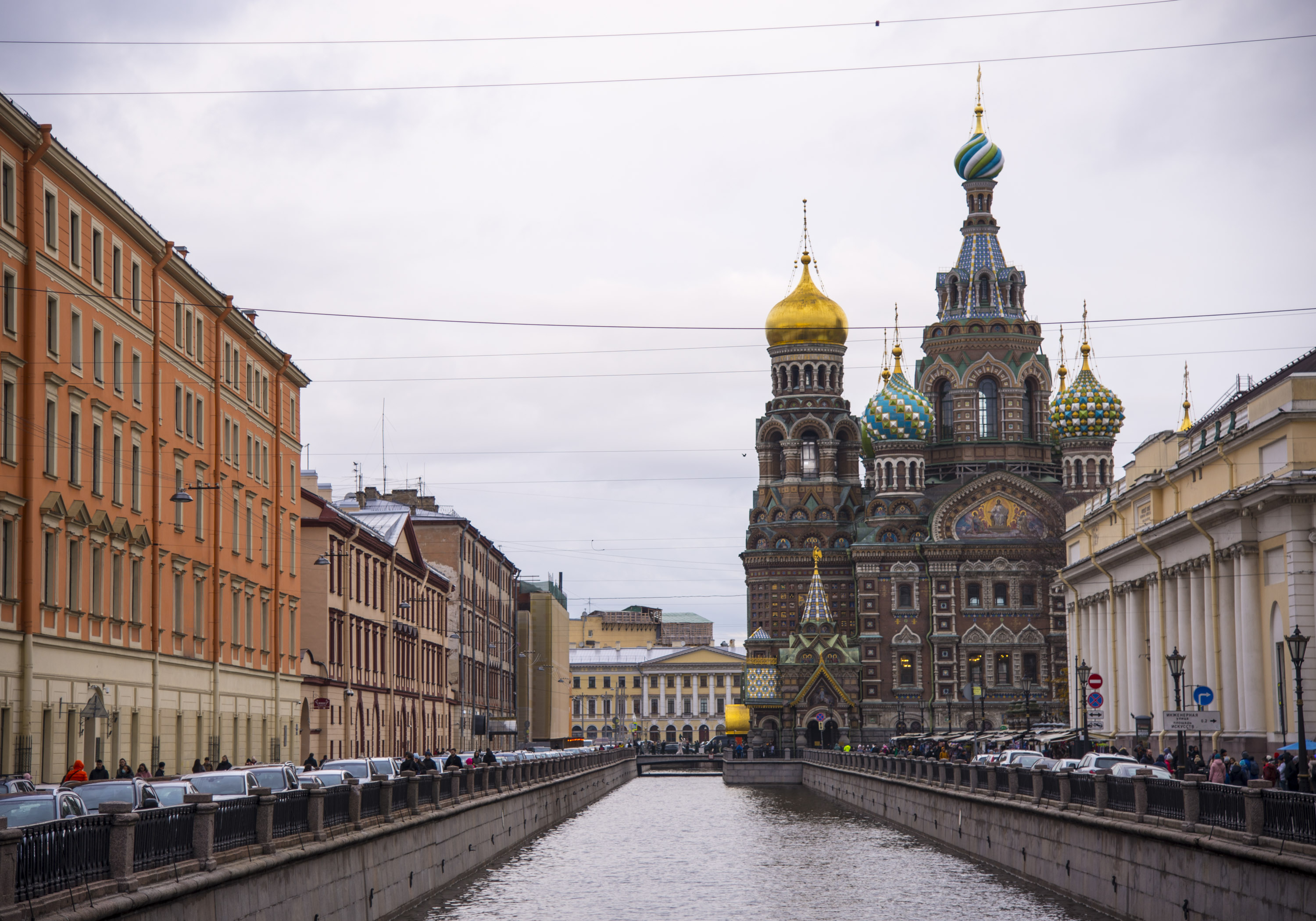
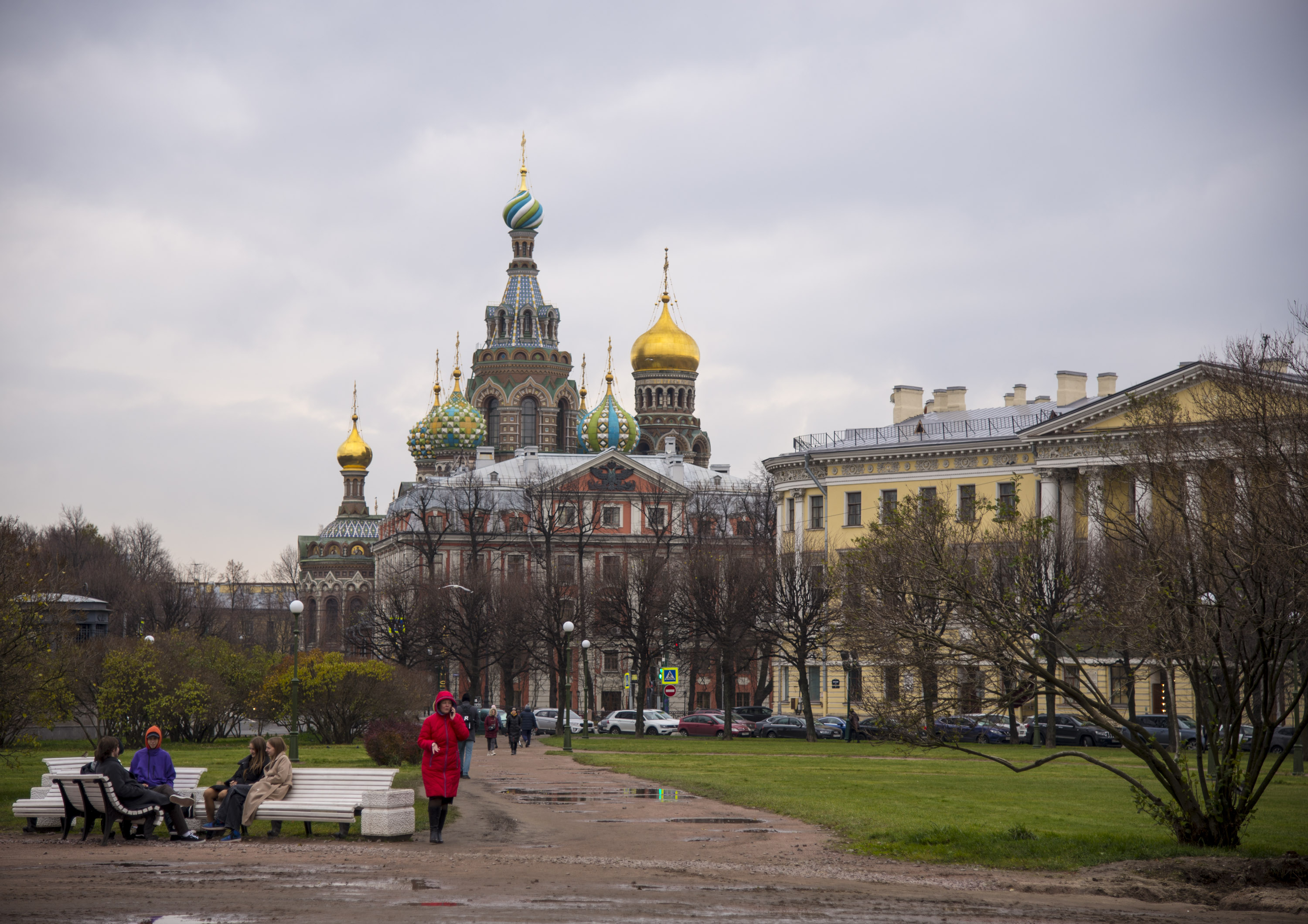
Savior on the Spilled Blood Church

The Cathedral was being built from 1883 to 1907 on the place, where tragic event had happened. On 1st of March 1881, Emperor Alexander II, who had been going to the parade of troops on the Field of Mars, was mortally wounded here. His son, Alexander III, ordered to build a church on this spotto. Not only Russians, but also residents of other Slavic countries donated money for the construction of the church. On the walls of the bell tower, there are more than a hundred mosaic coats of arms of the cities and towns that participated in fundraising.
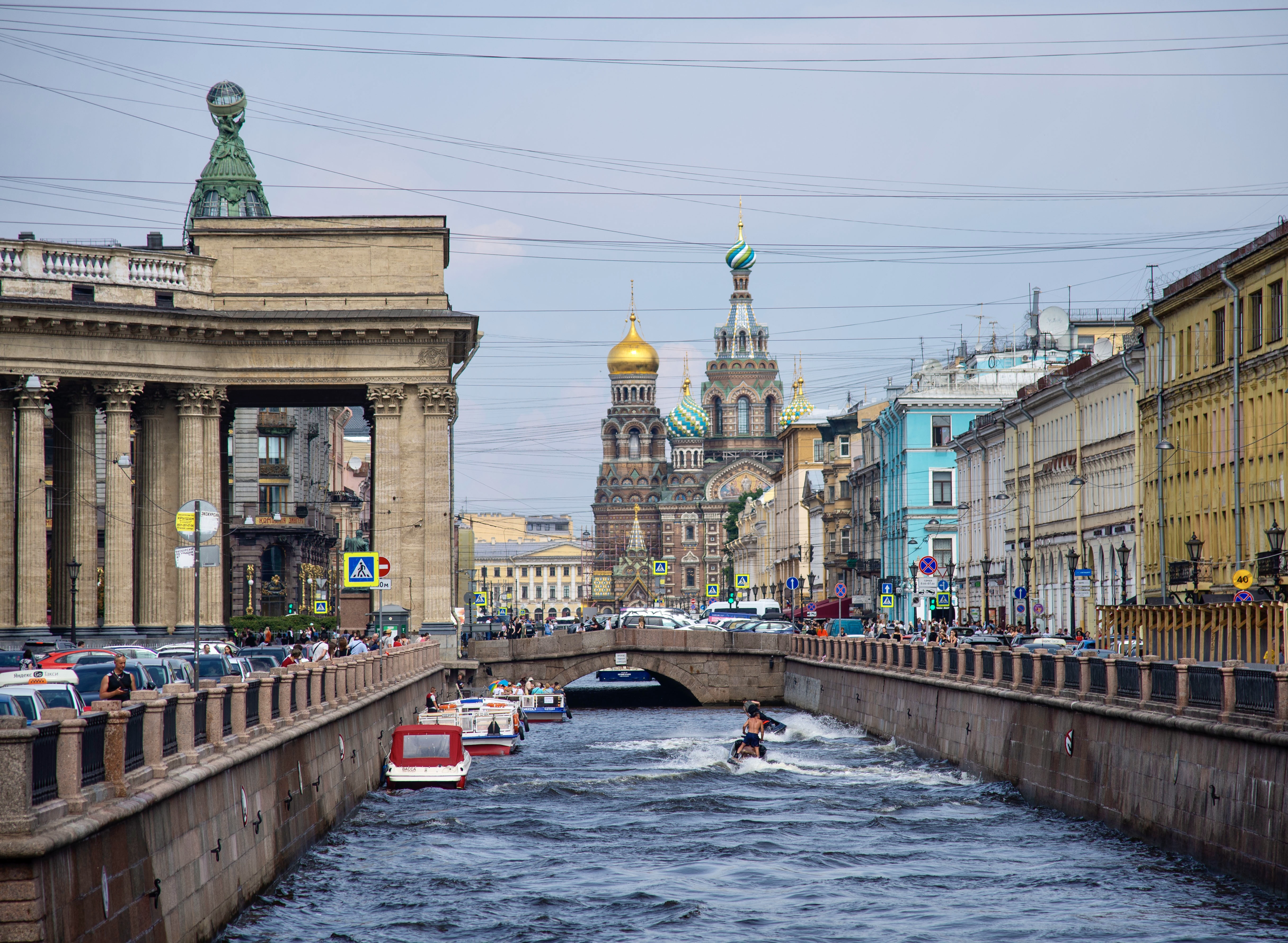
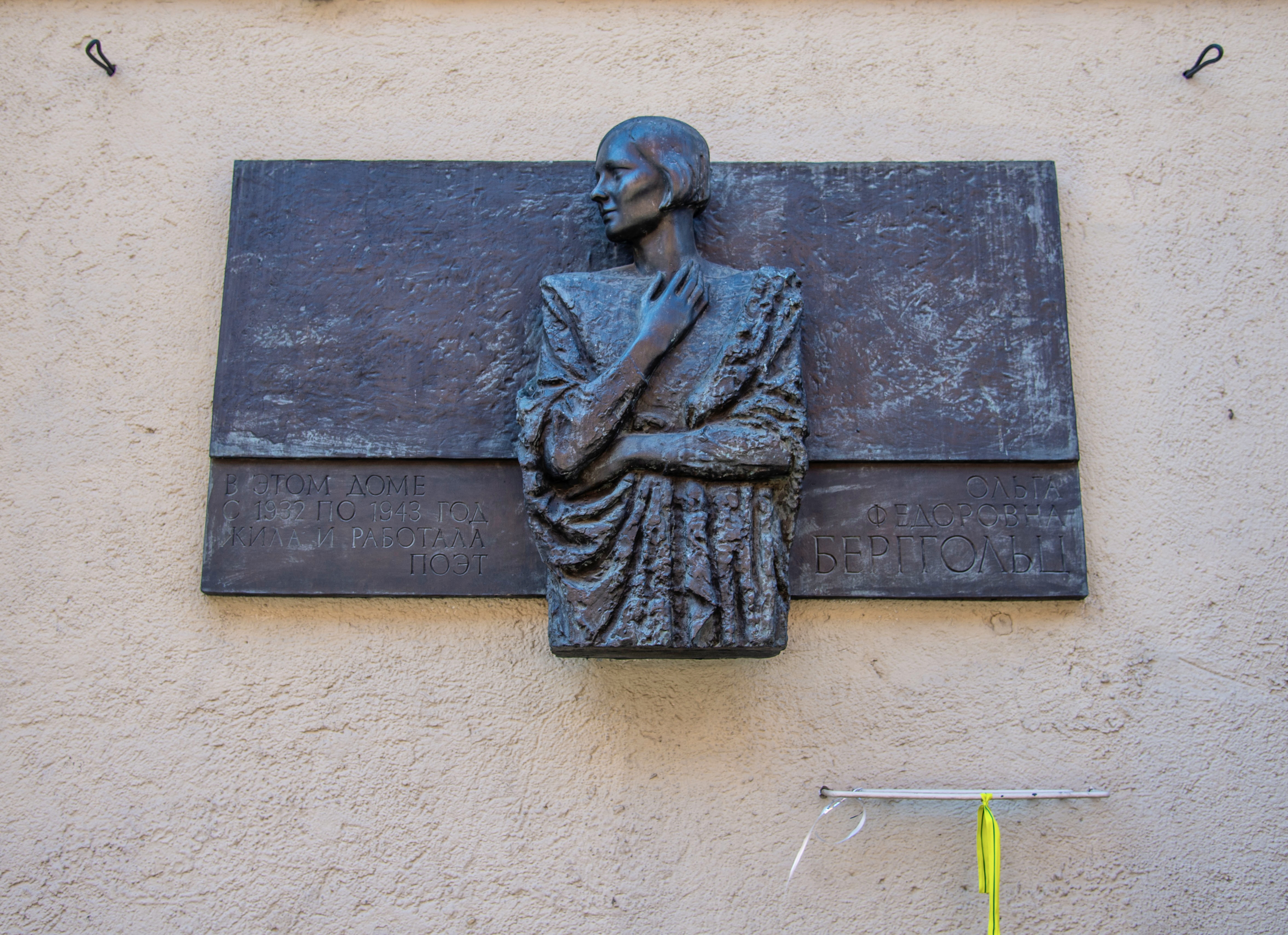
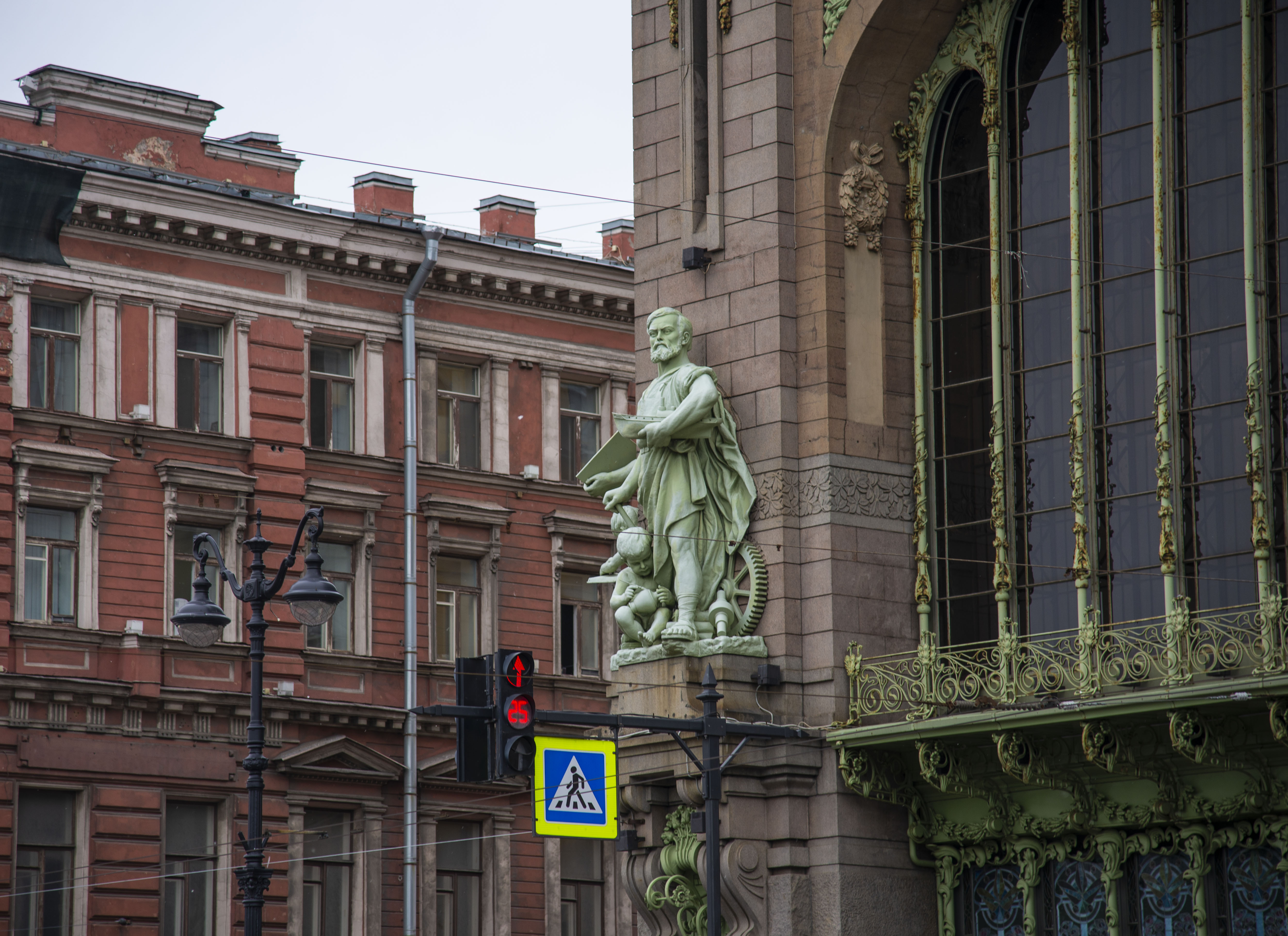
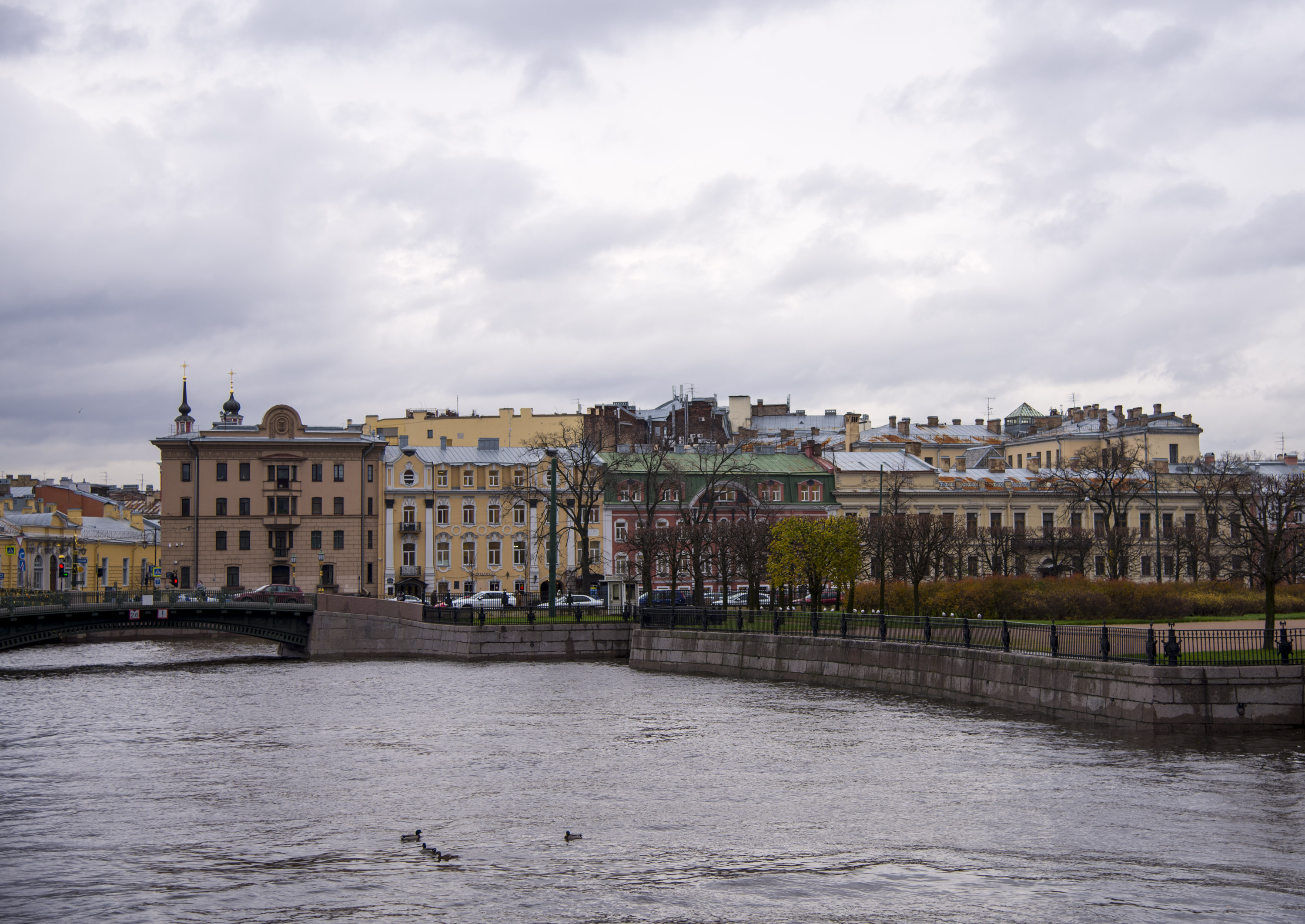
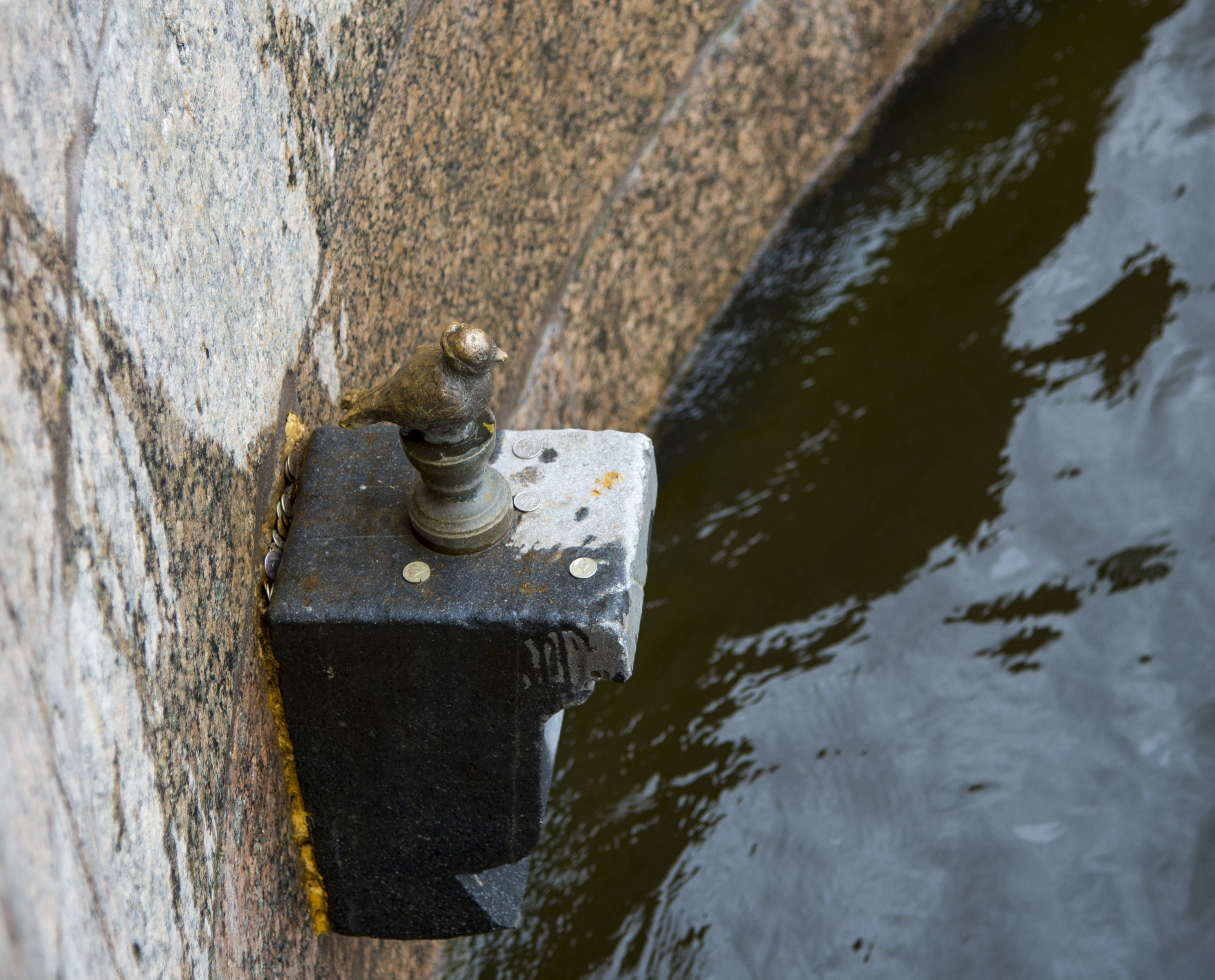
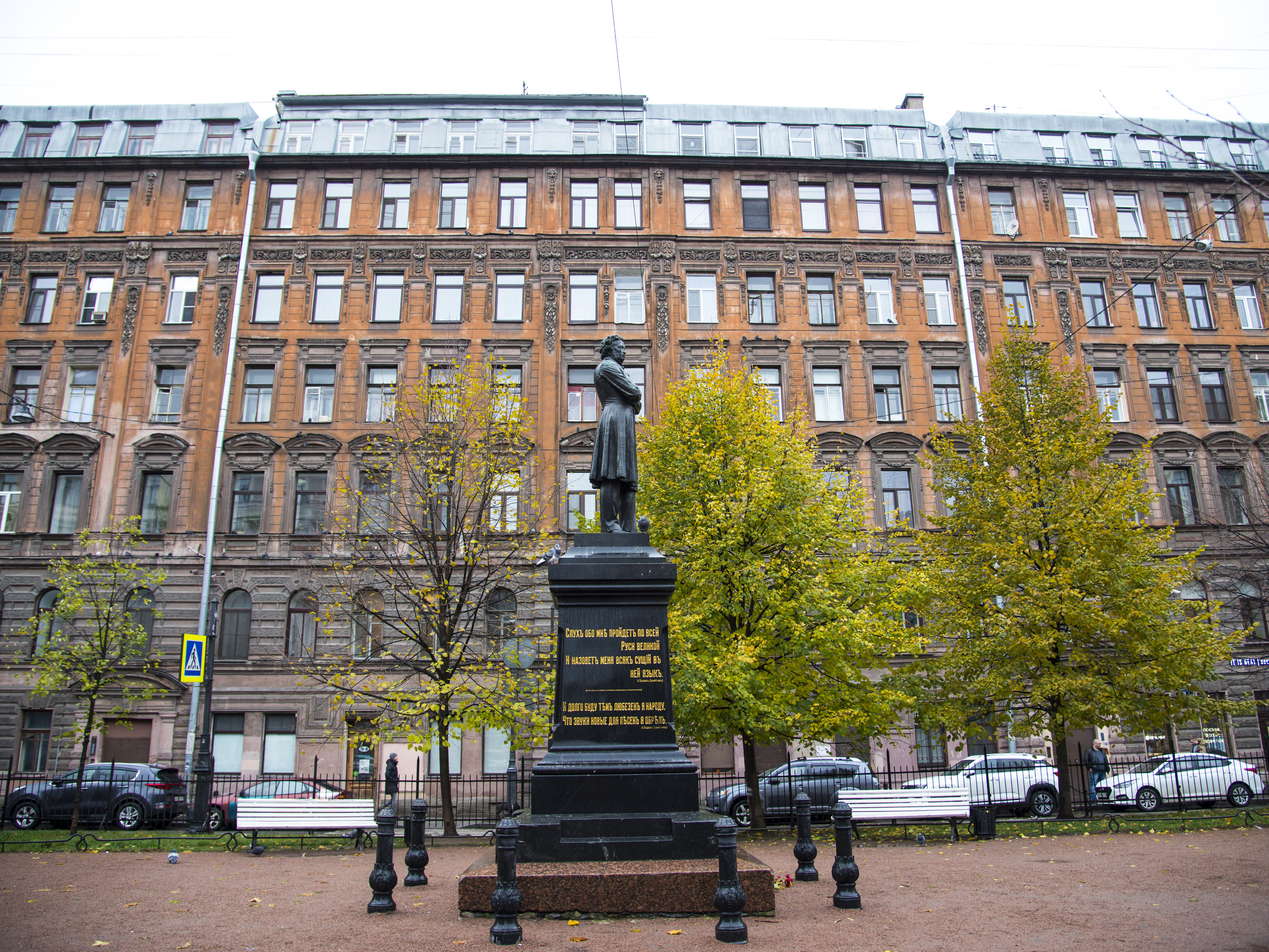
Beautiful details of St.Petersburg streets
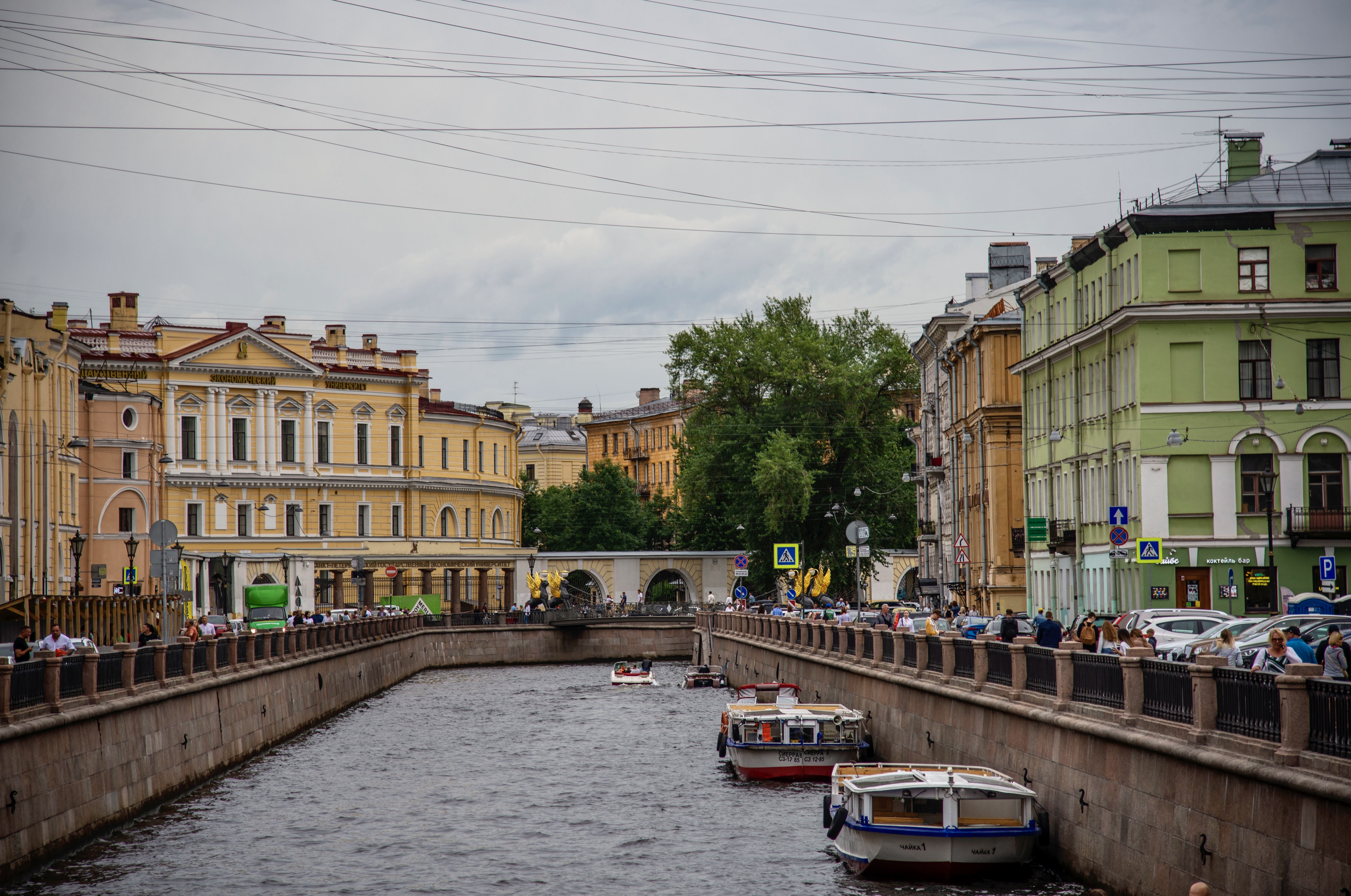
Yusupov Gardens
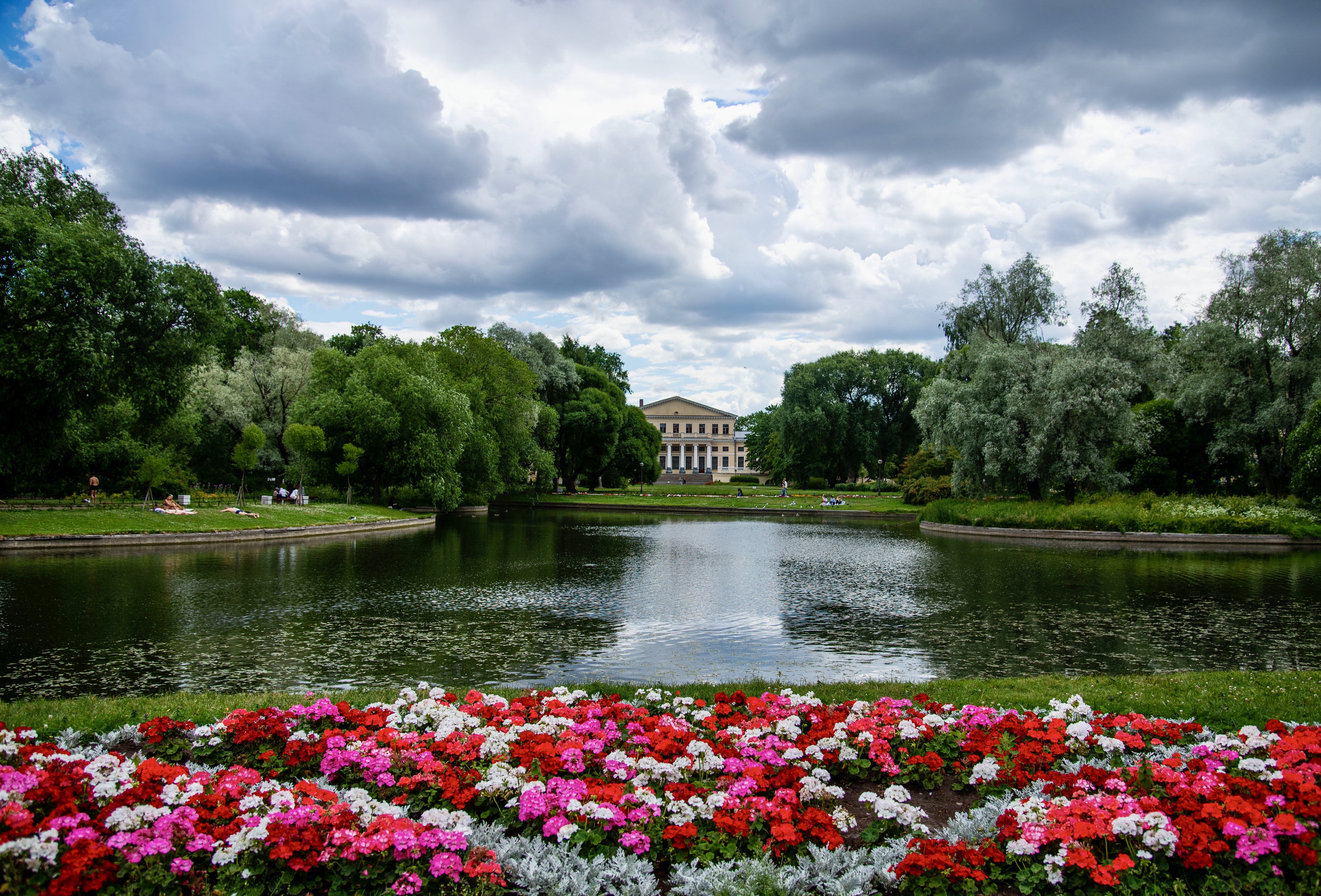
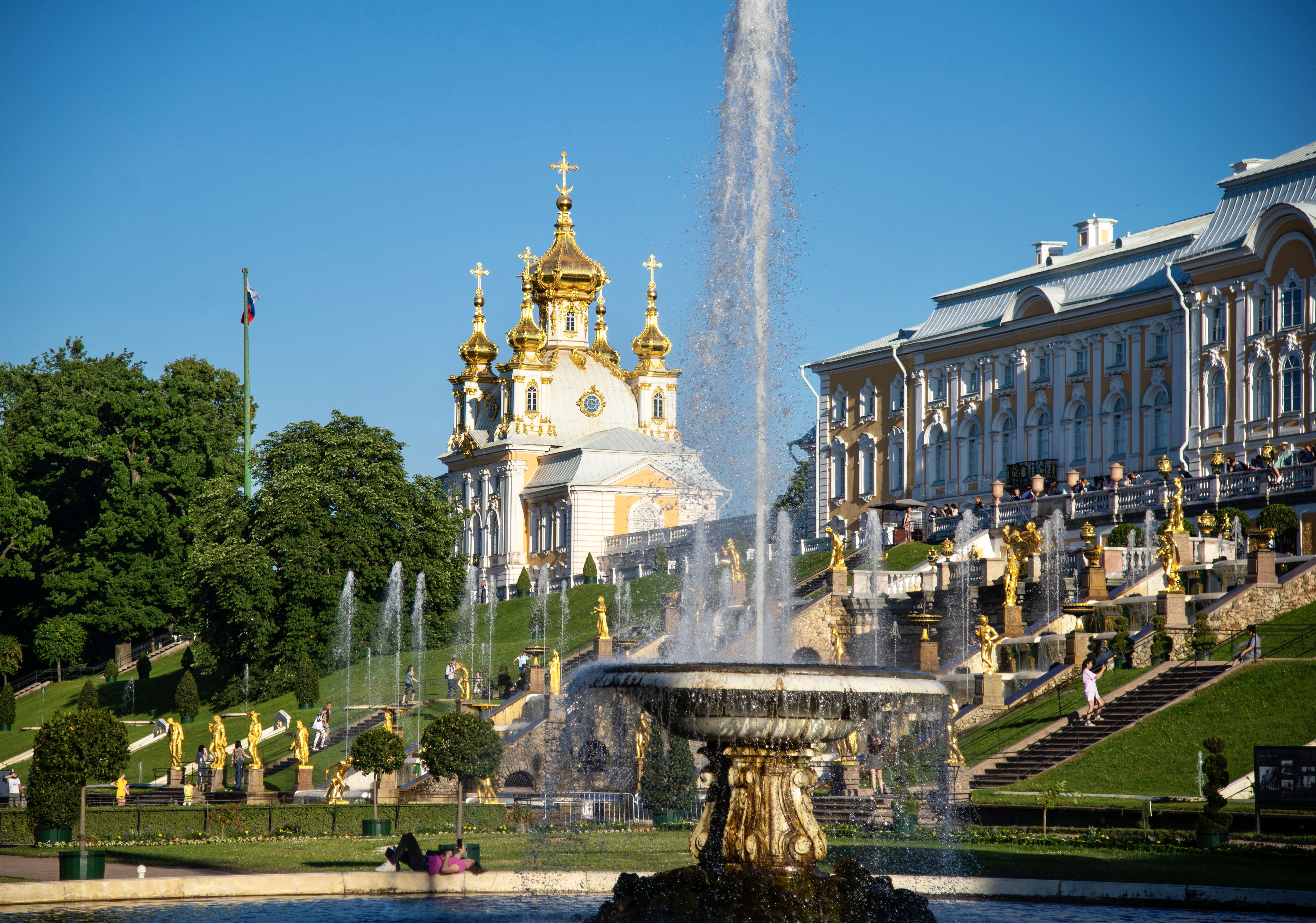
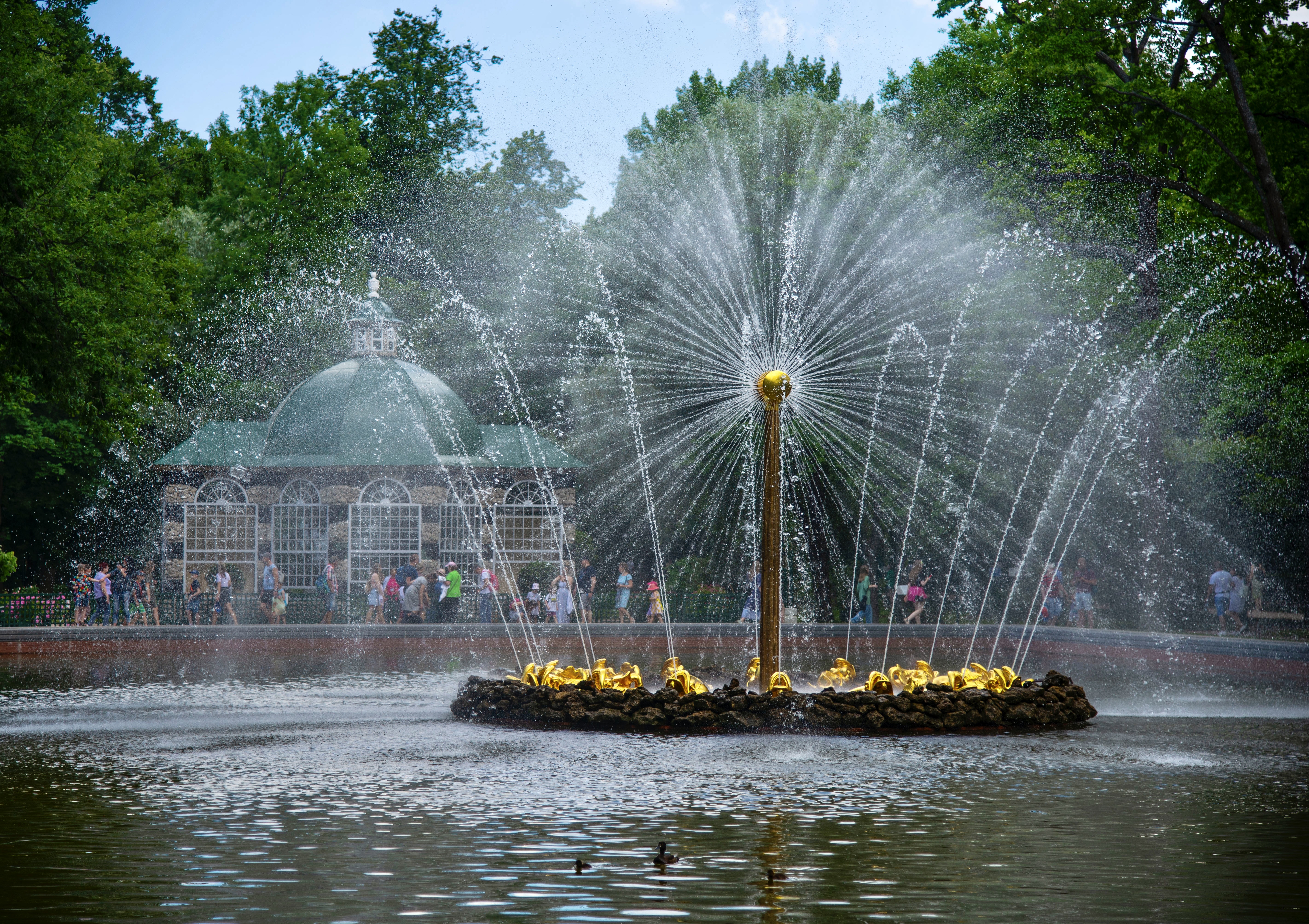
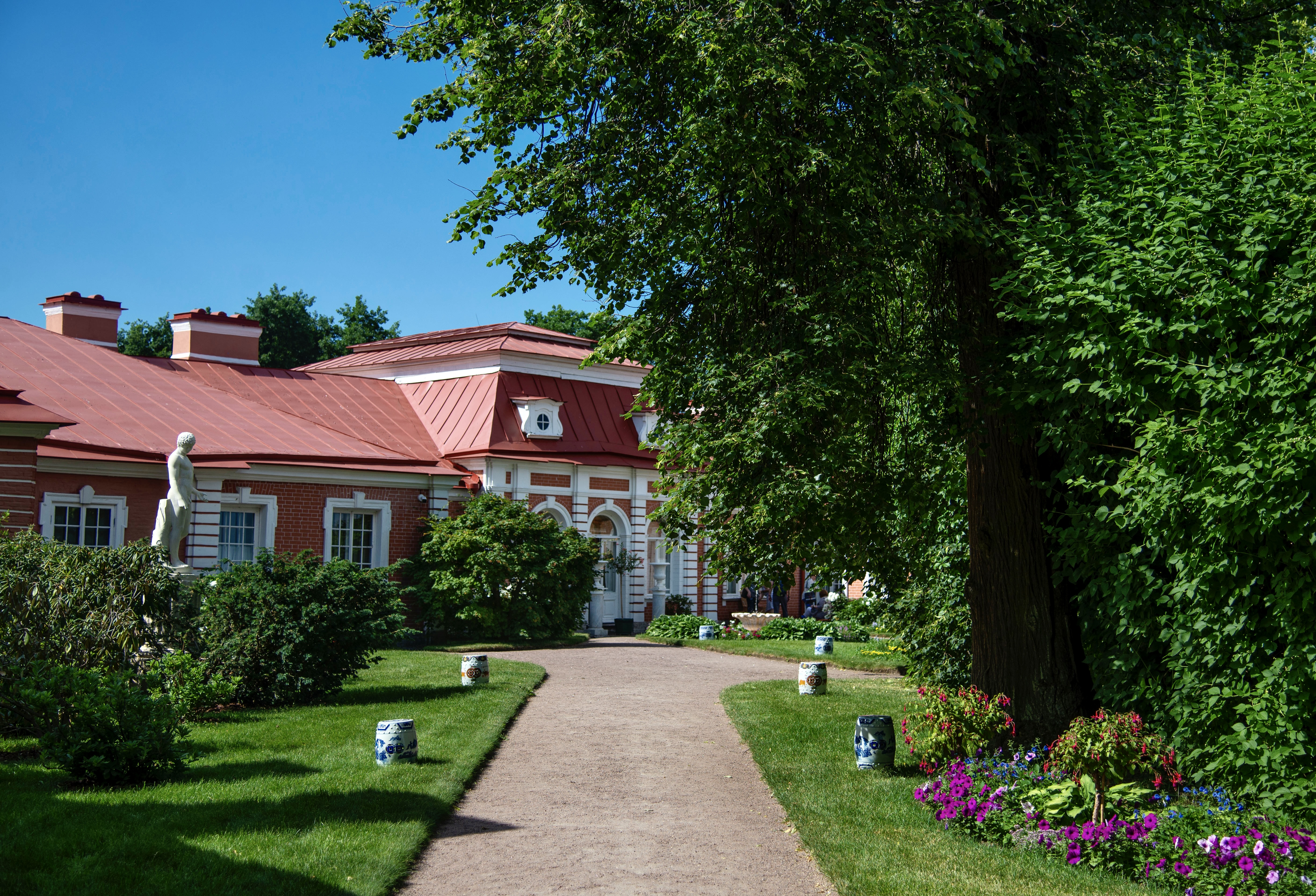
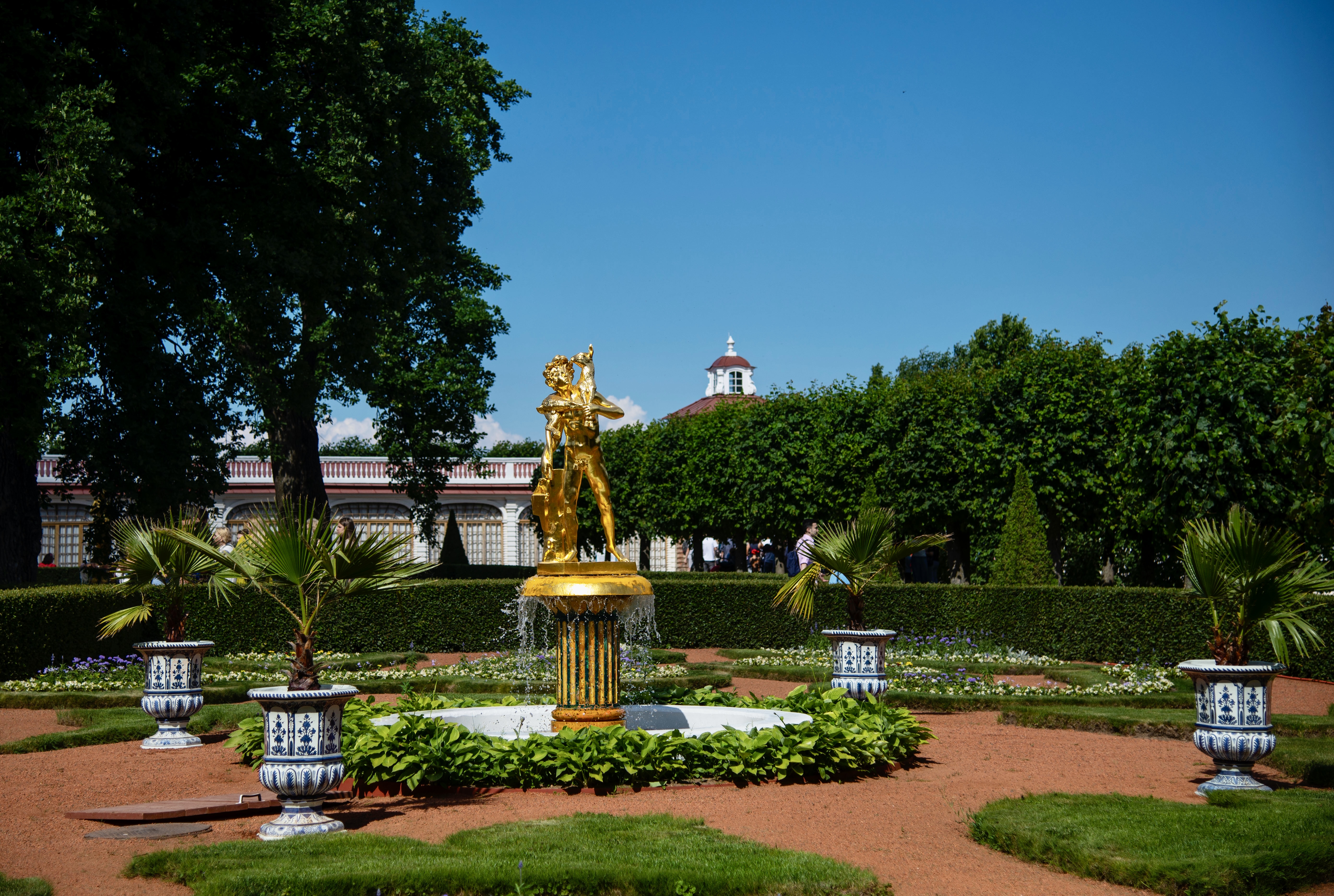
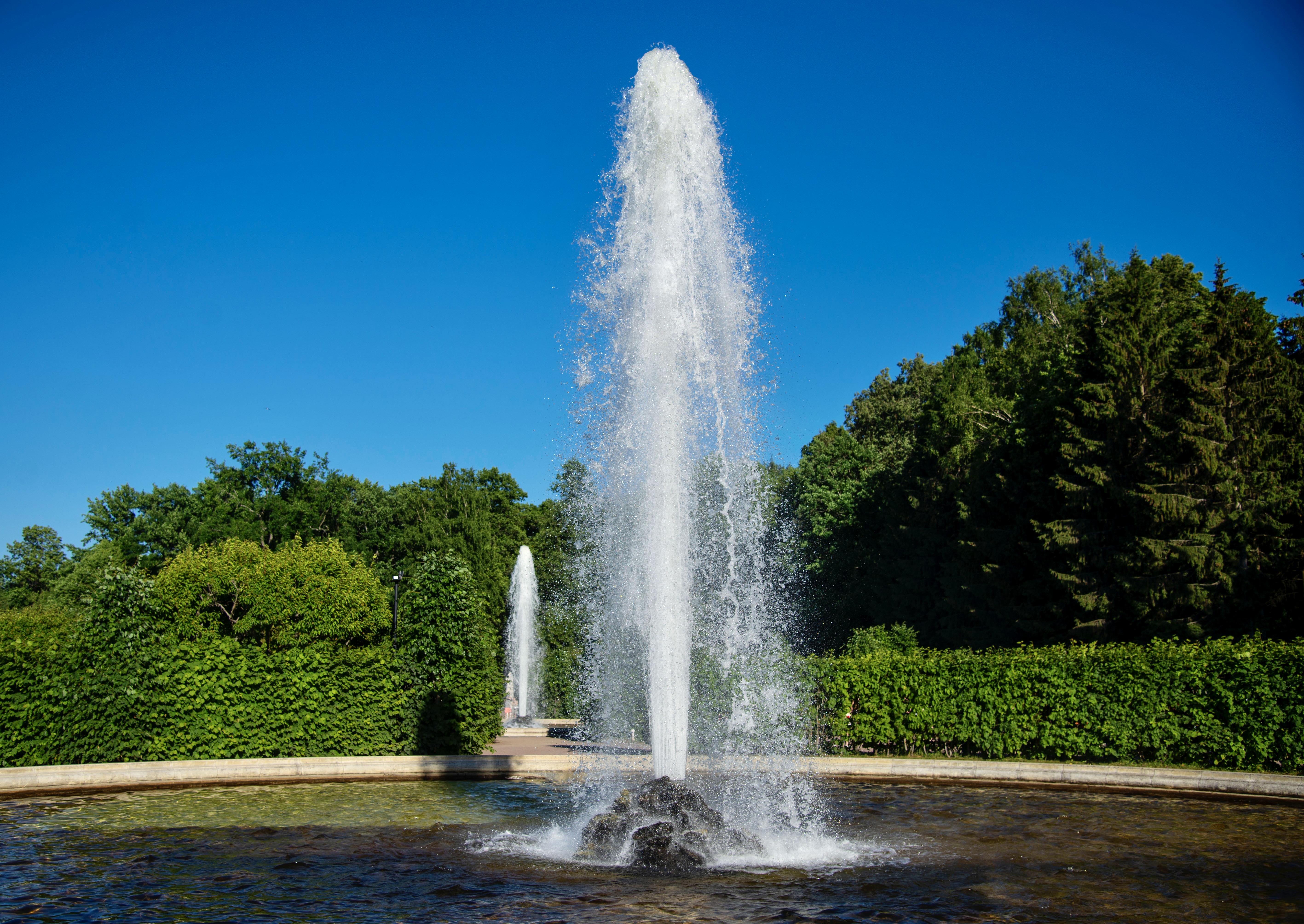
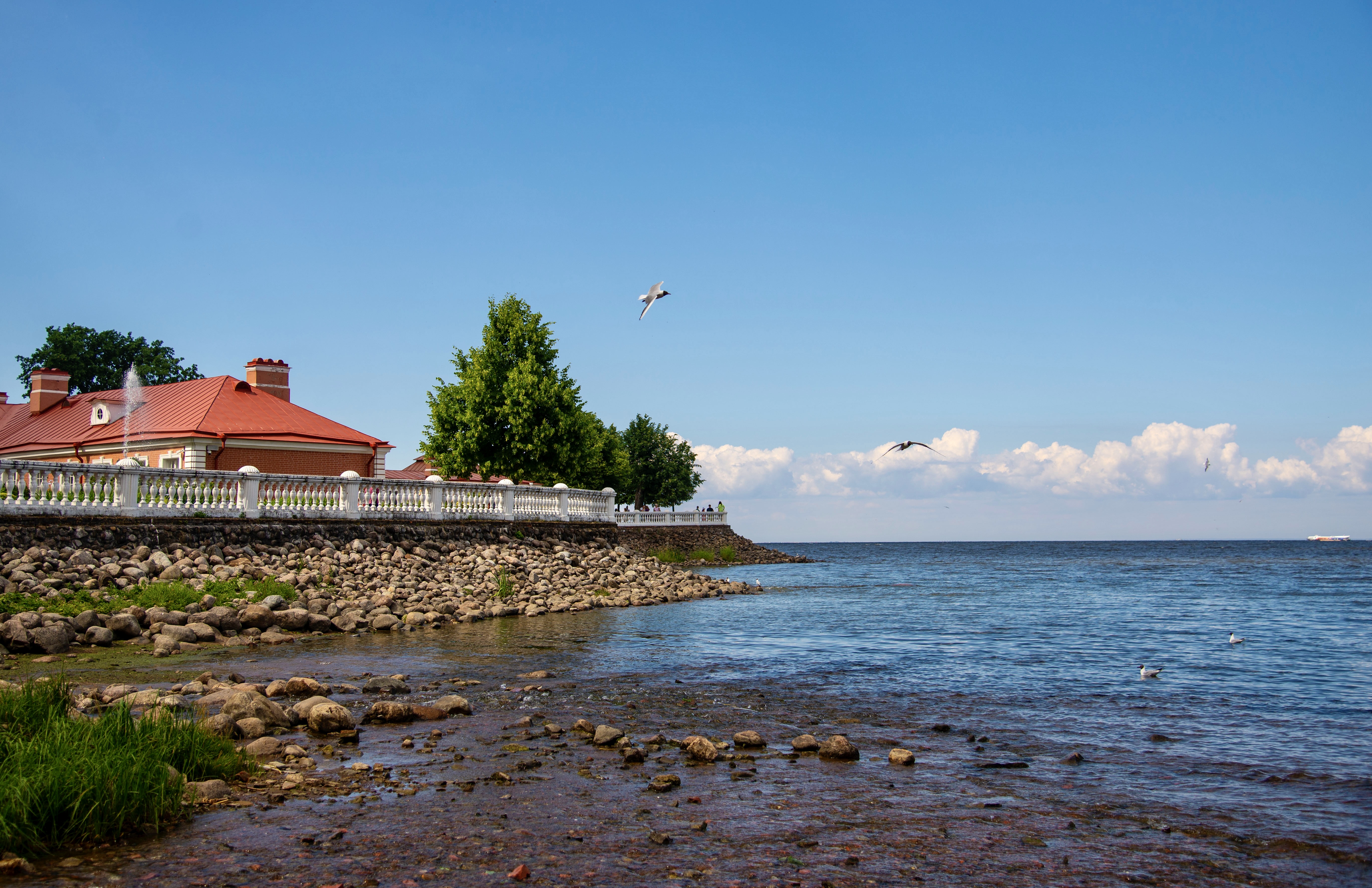
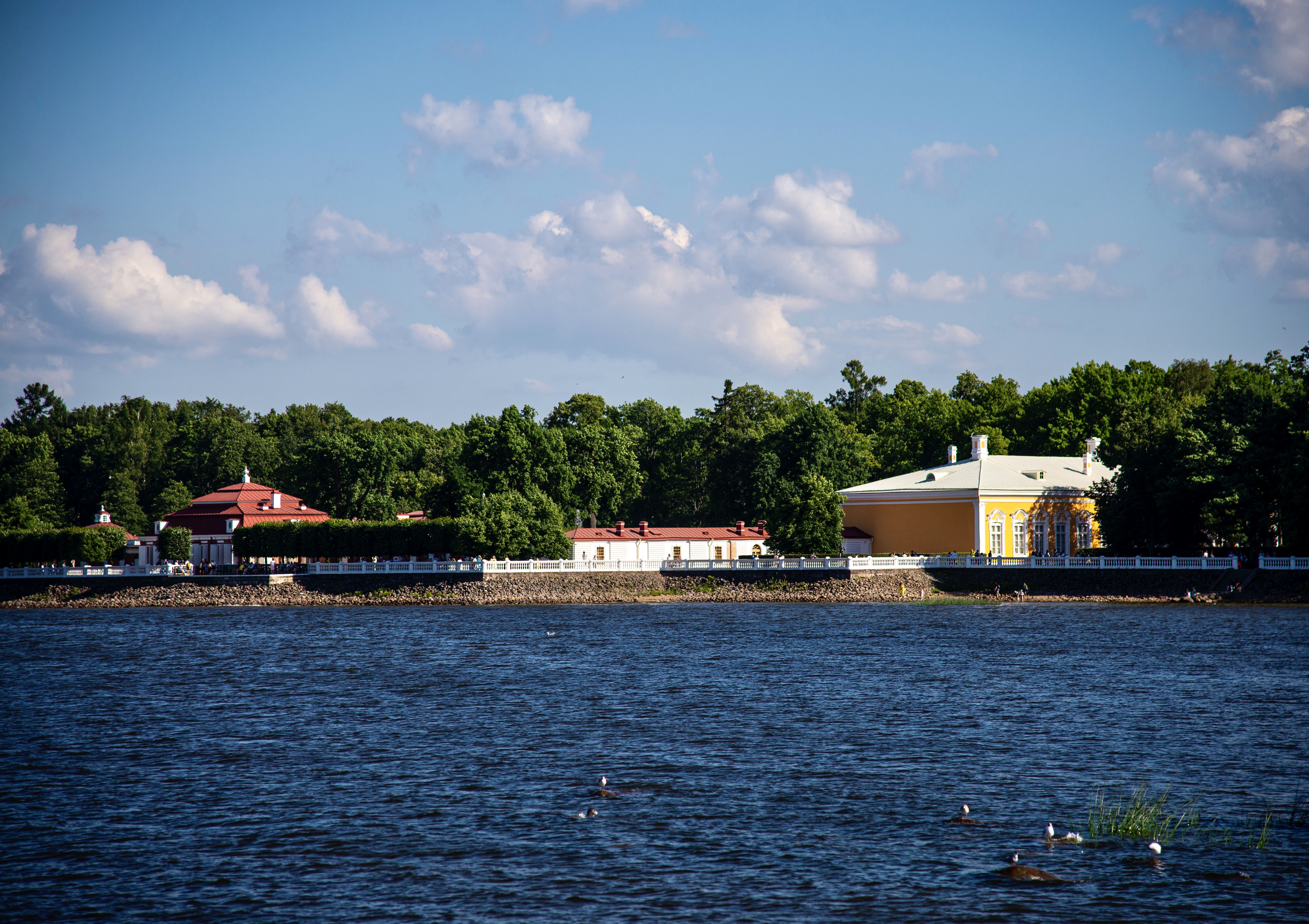
Peterhof Palace on the shores of the Gulf of Finland
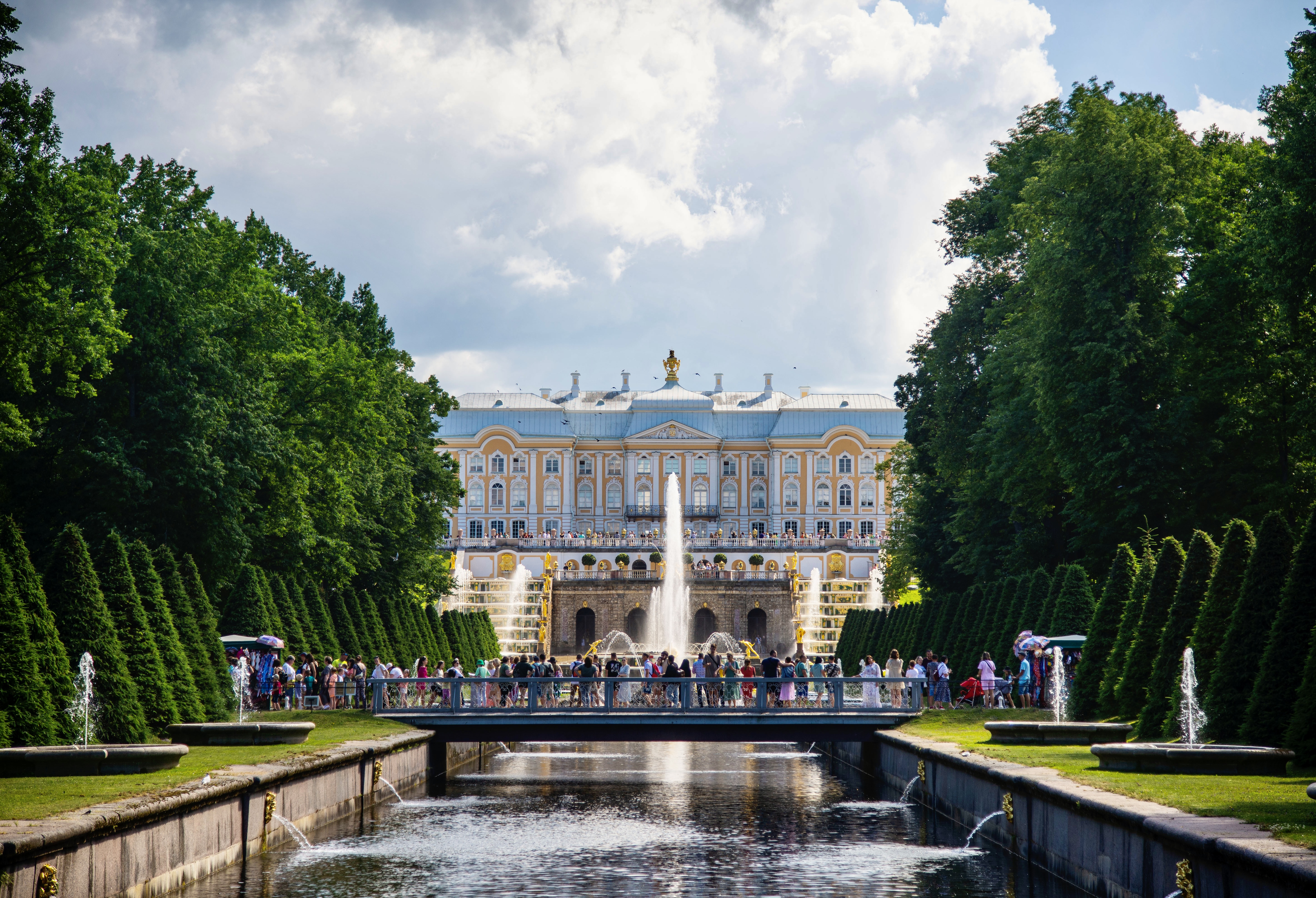
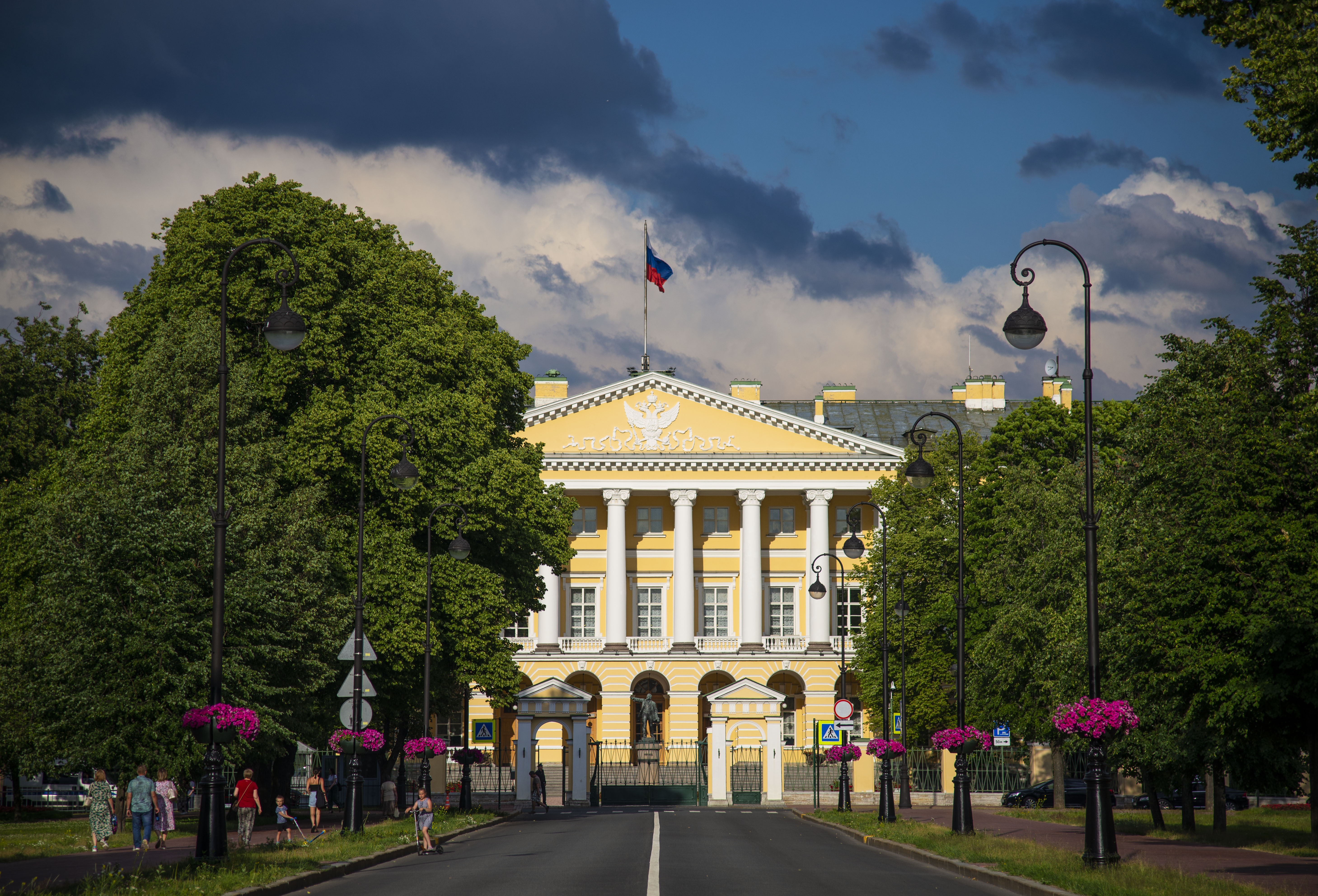
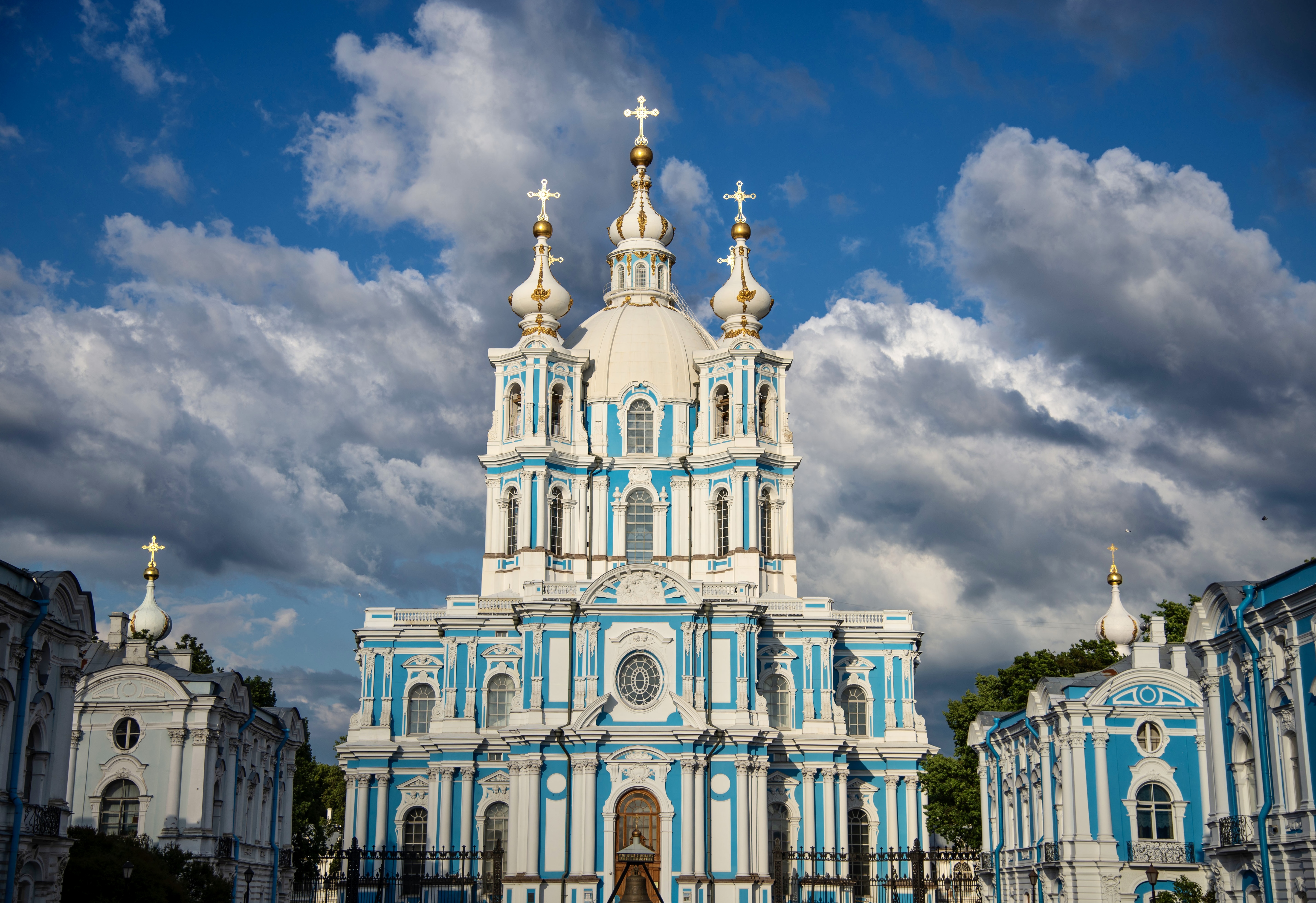
Smolny Cathedral and Historical Museum
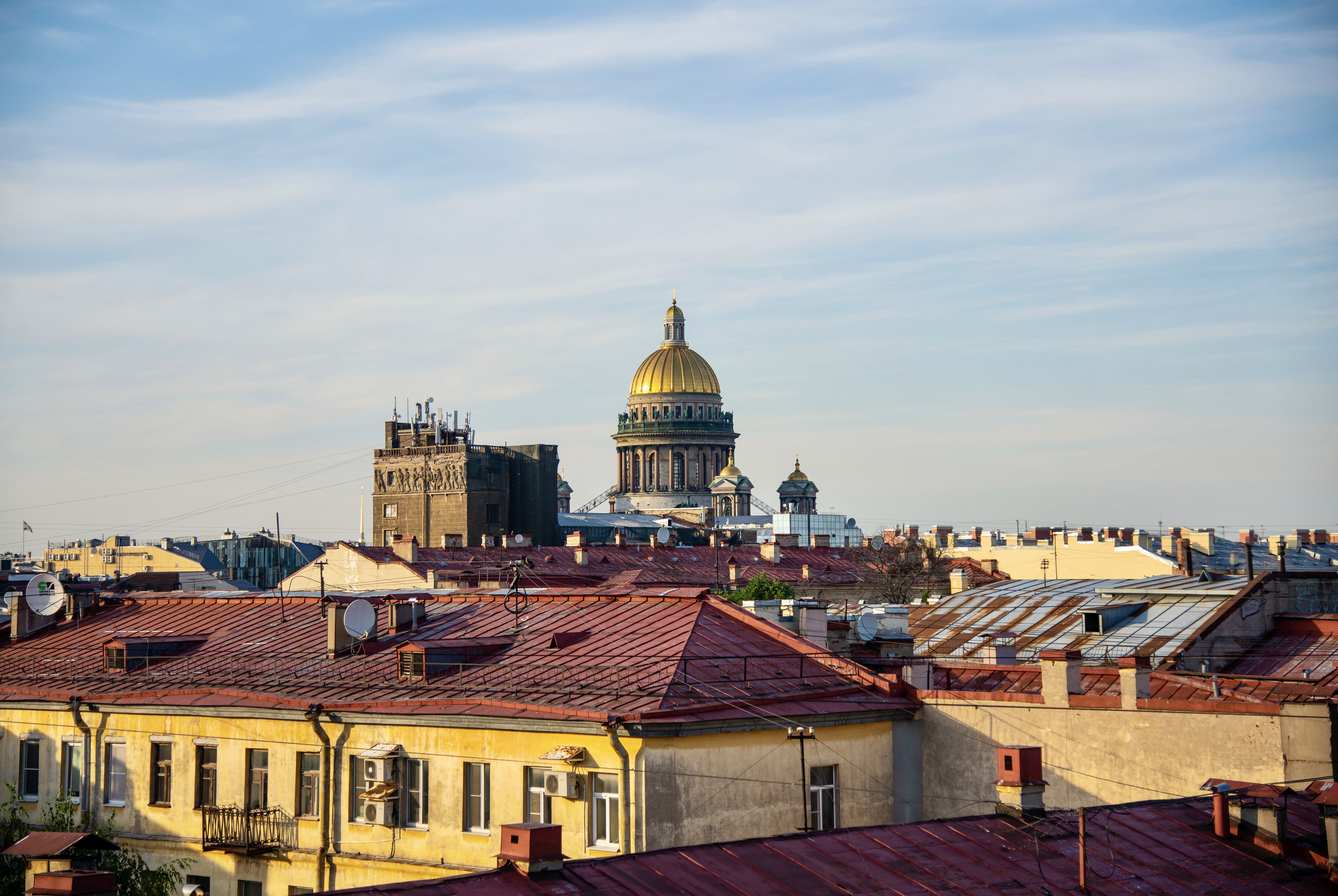
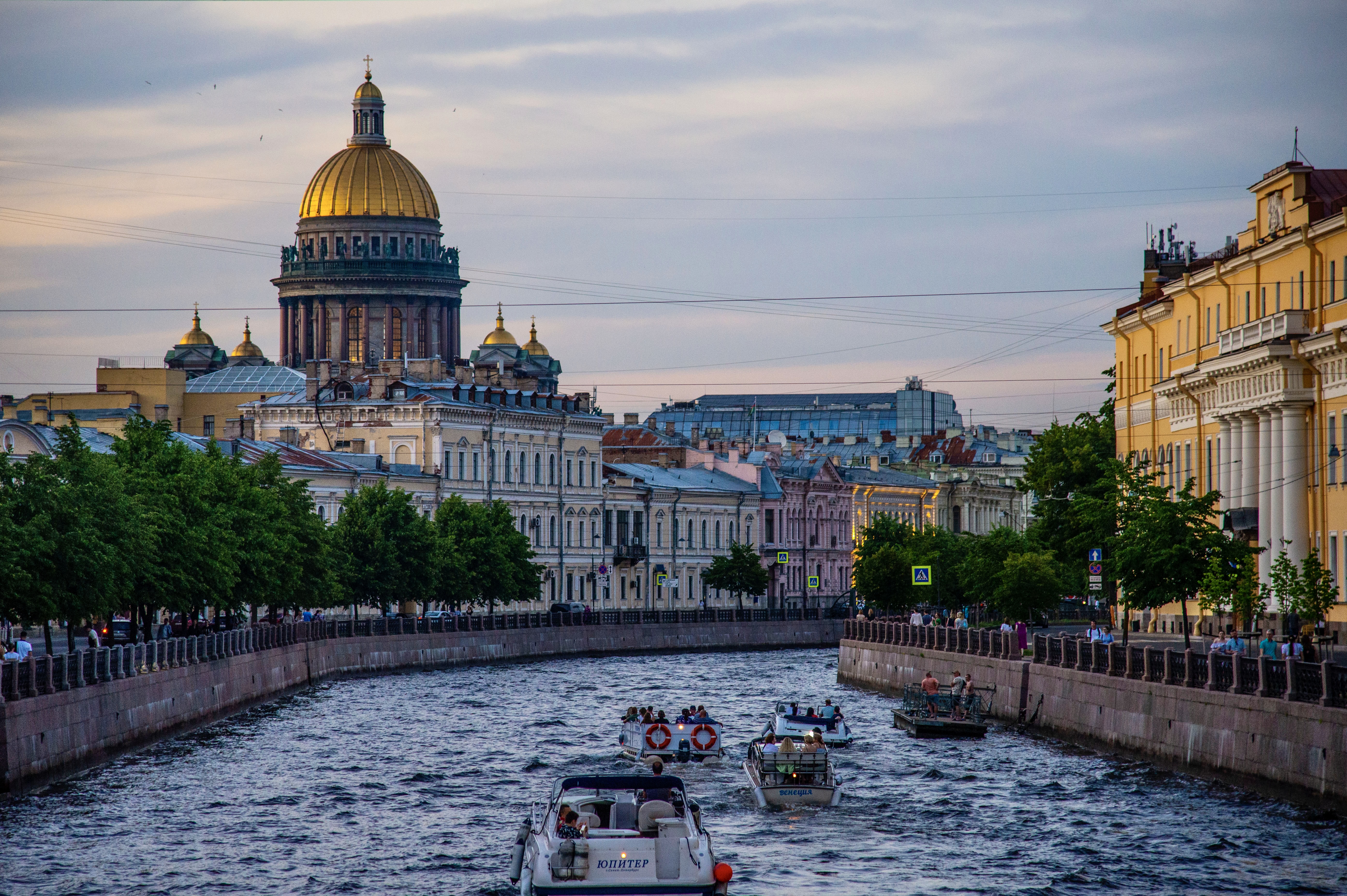
St. Isaac’s Cathedral

St. Isaac’s Cathedral is the largest orthodox church and the fourth largest cathedral in the world.
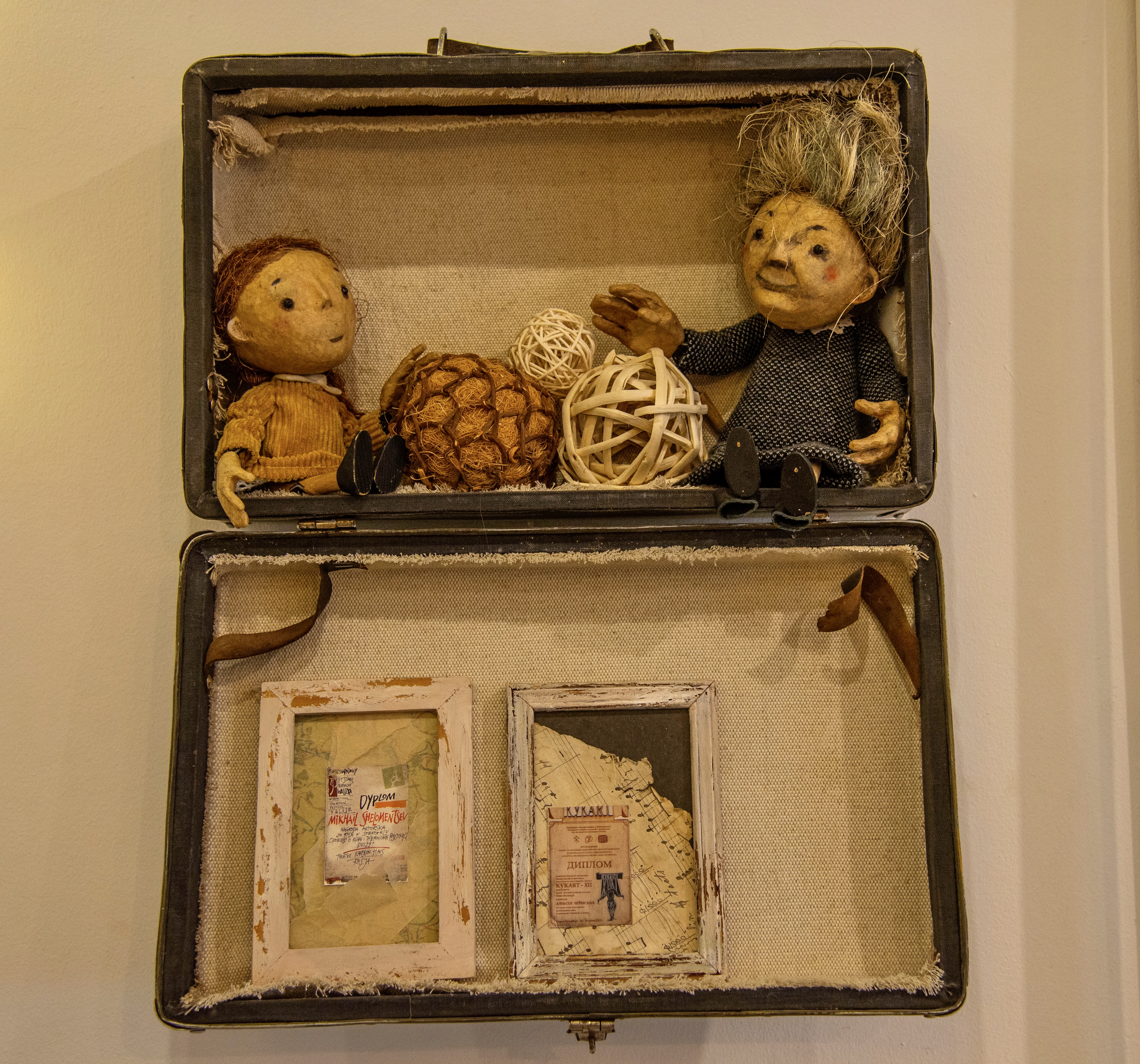
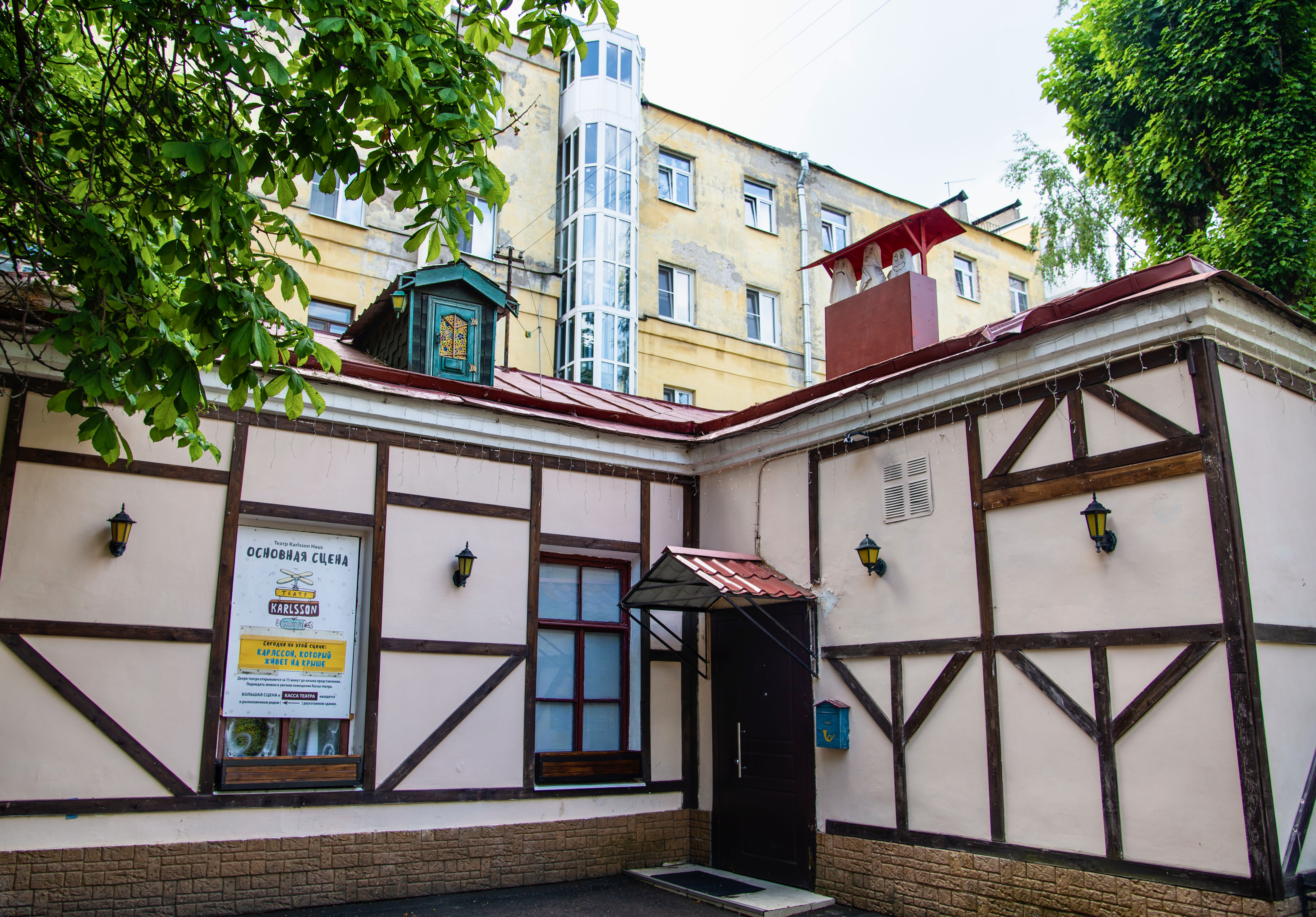
Karlsson Haus theater
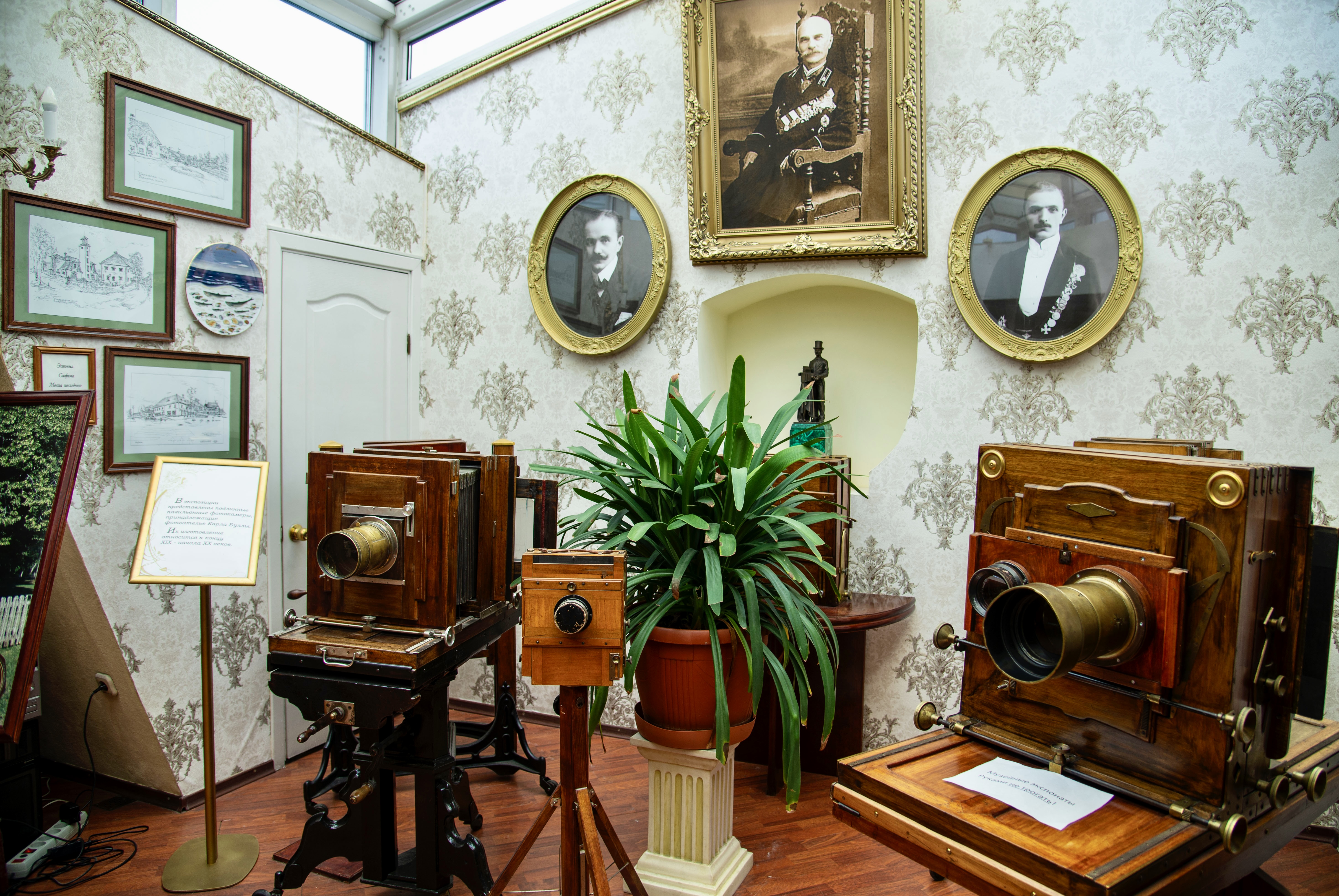
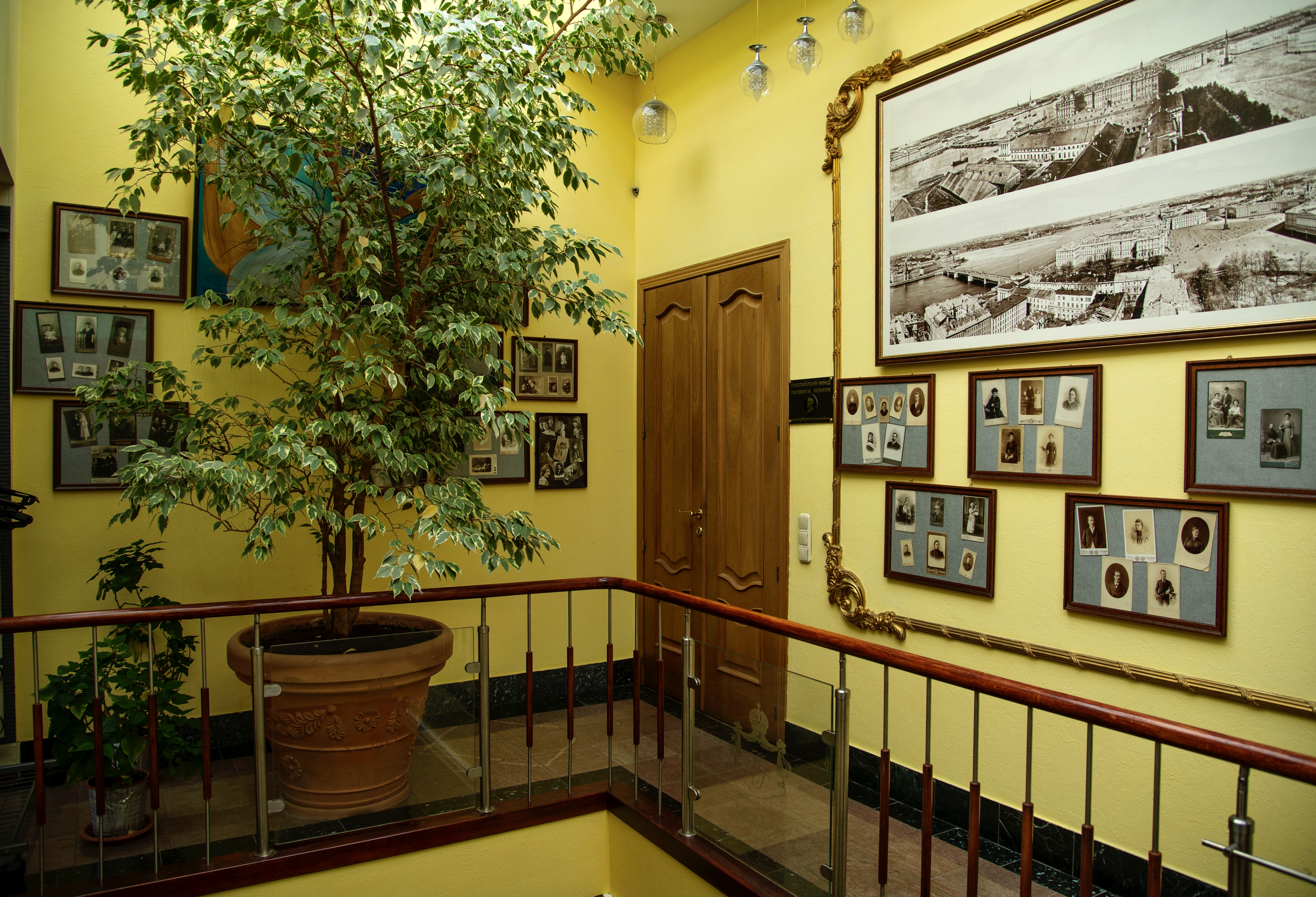
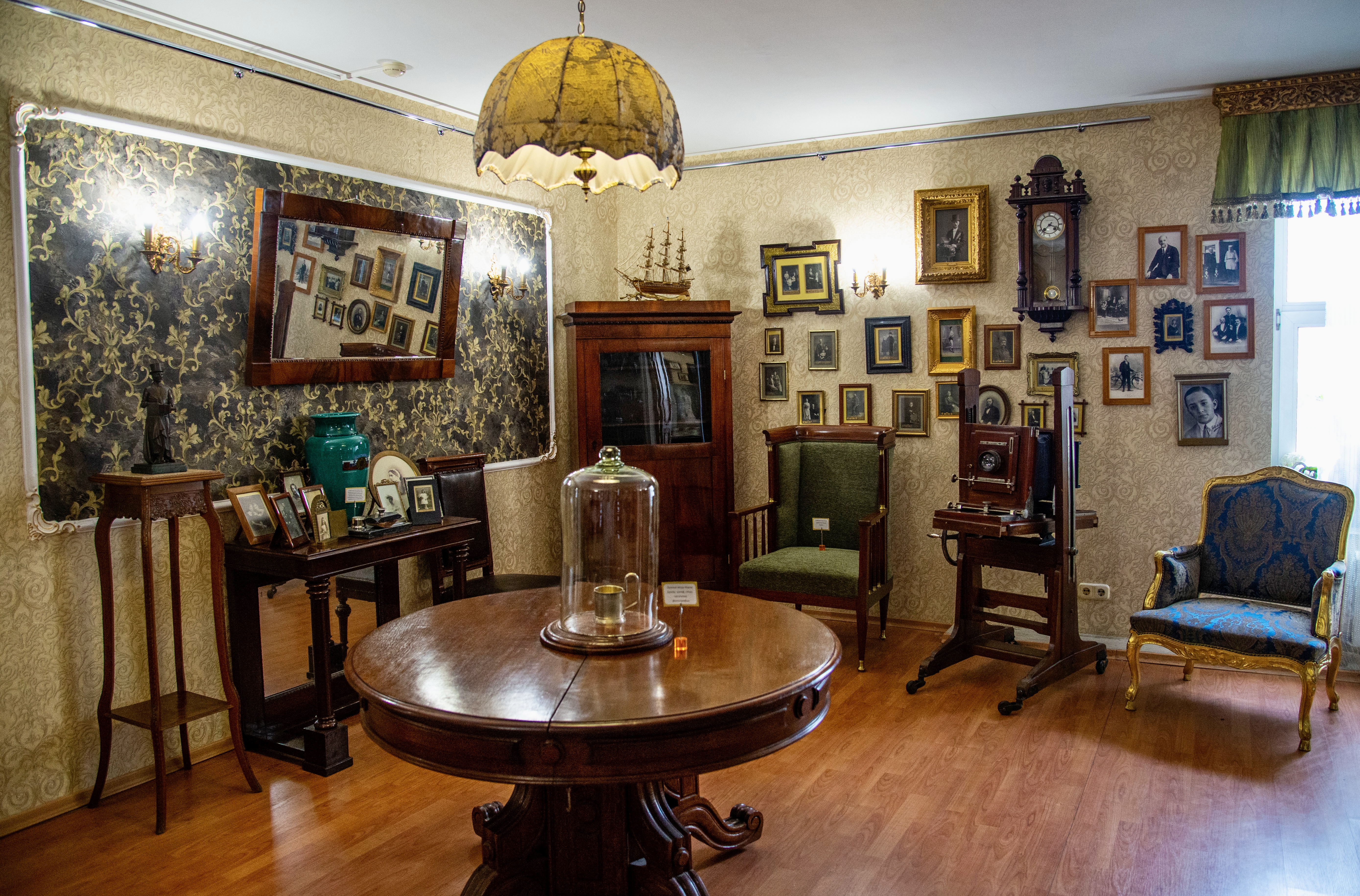
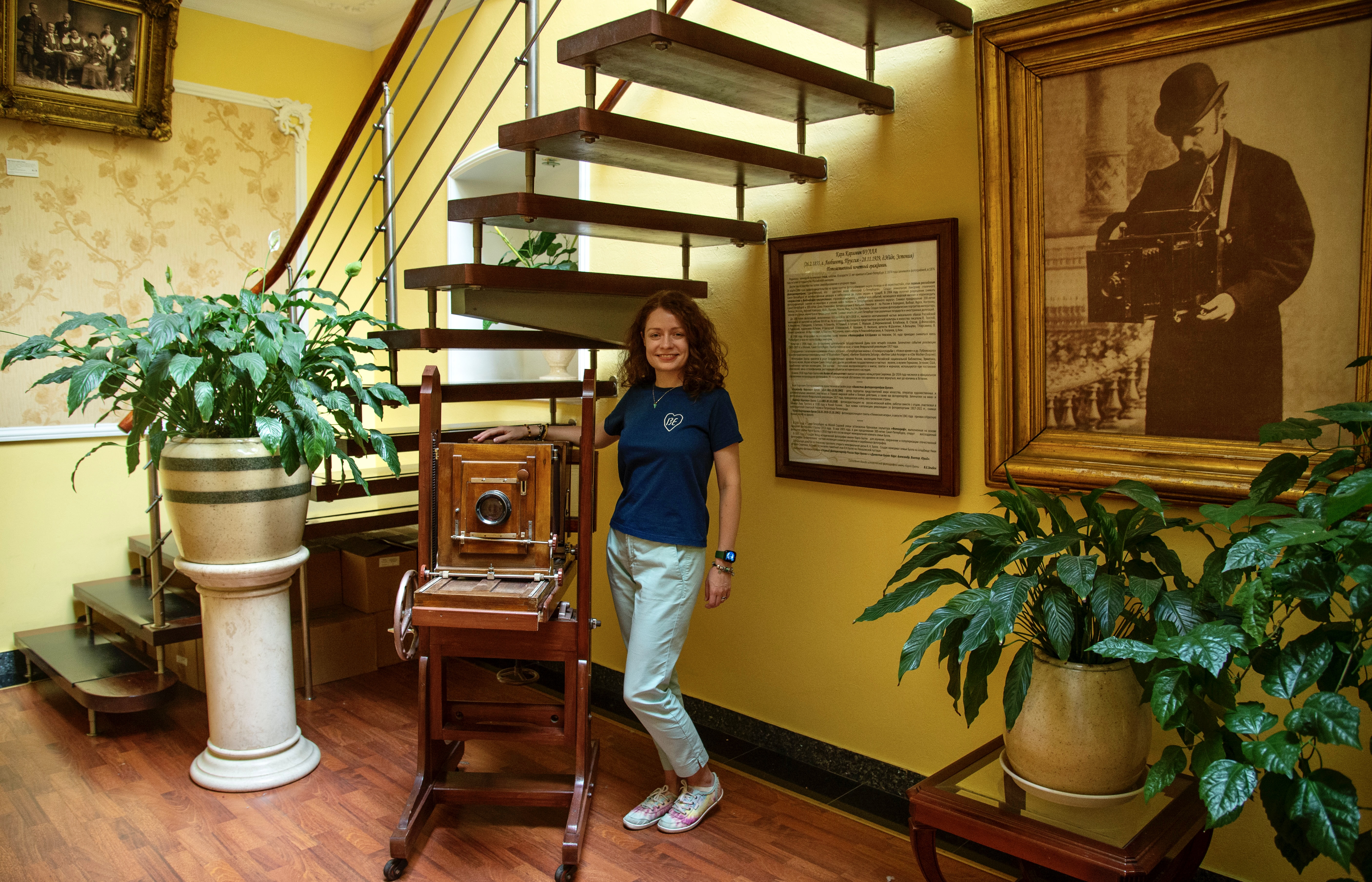
Karl Bulla Photomuseum

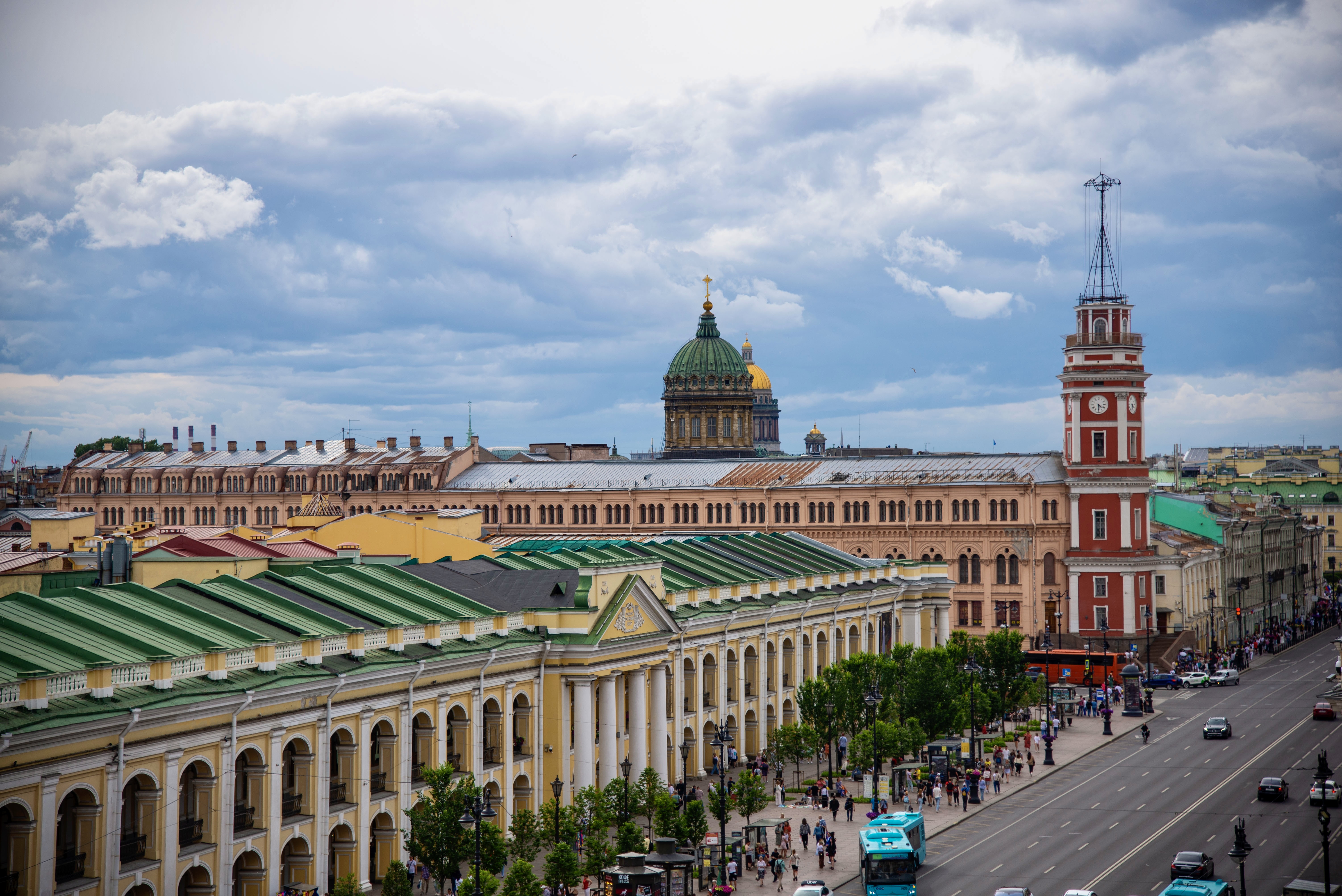
Beautiful museum of photography named after Karl Bulla, who was a German-Russian photographer and often referred to as a “father of Russian photo-reporting”. I also liked the balcony with the panoramic view which gives an opportunity to compare the modern look of St.Petersburg with historical photographs.
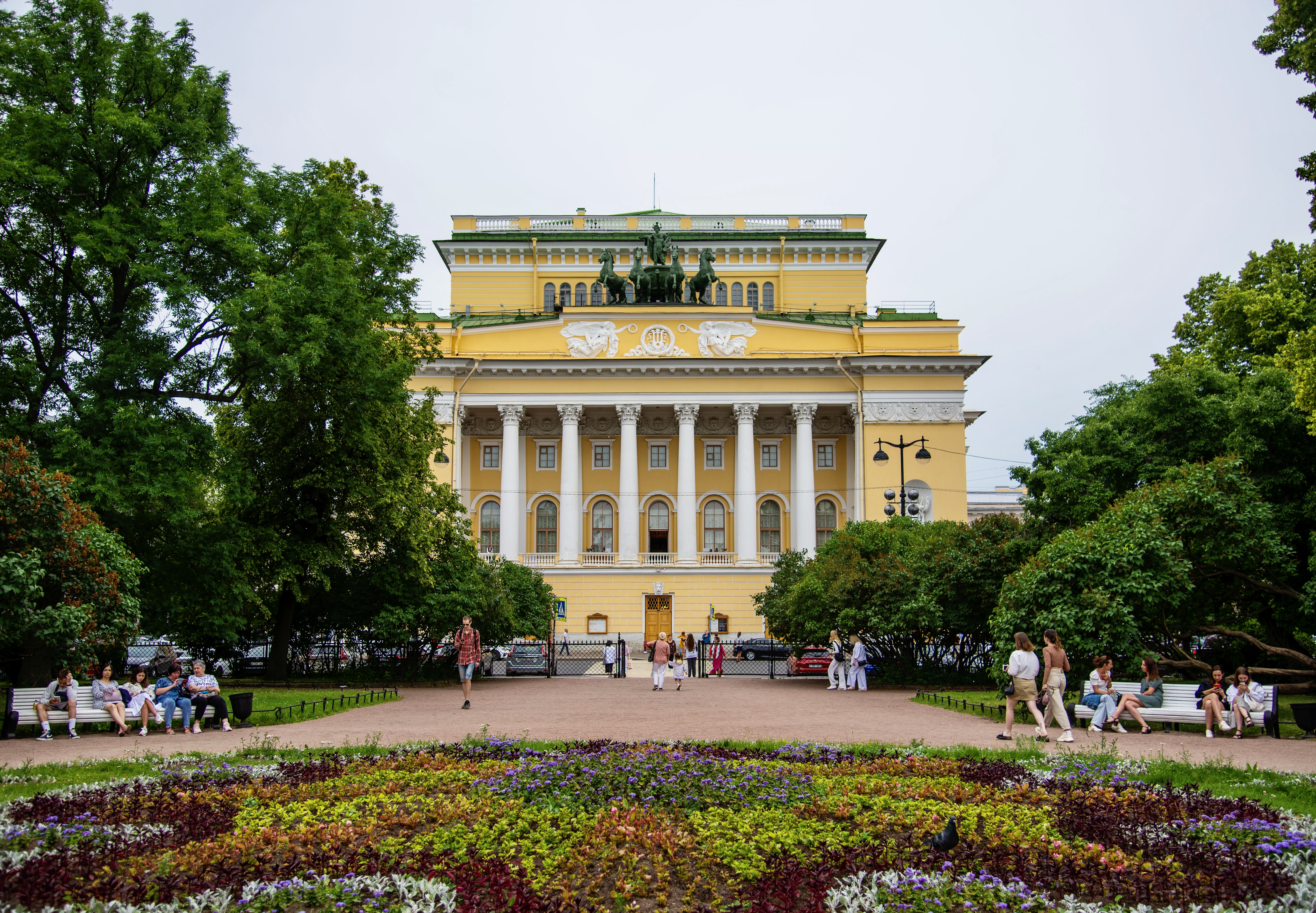
Alexandrinsky Theatre
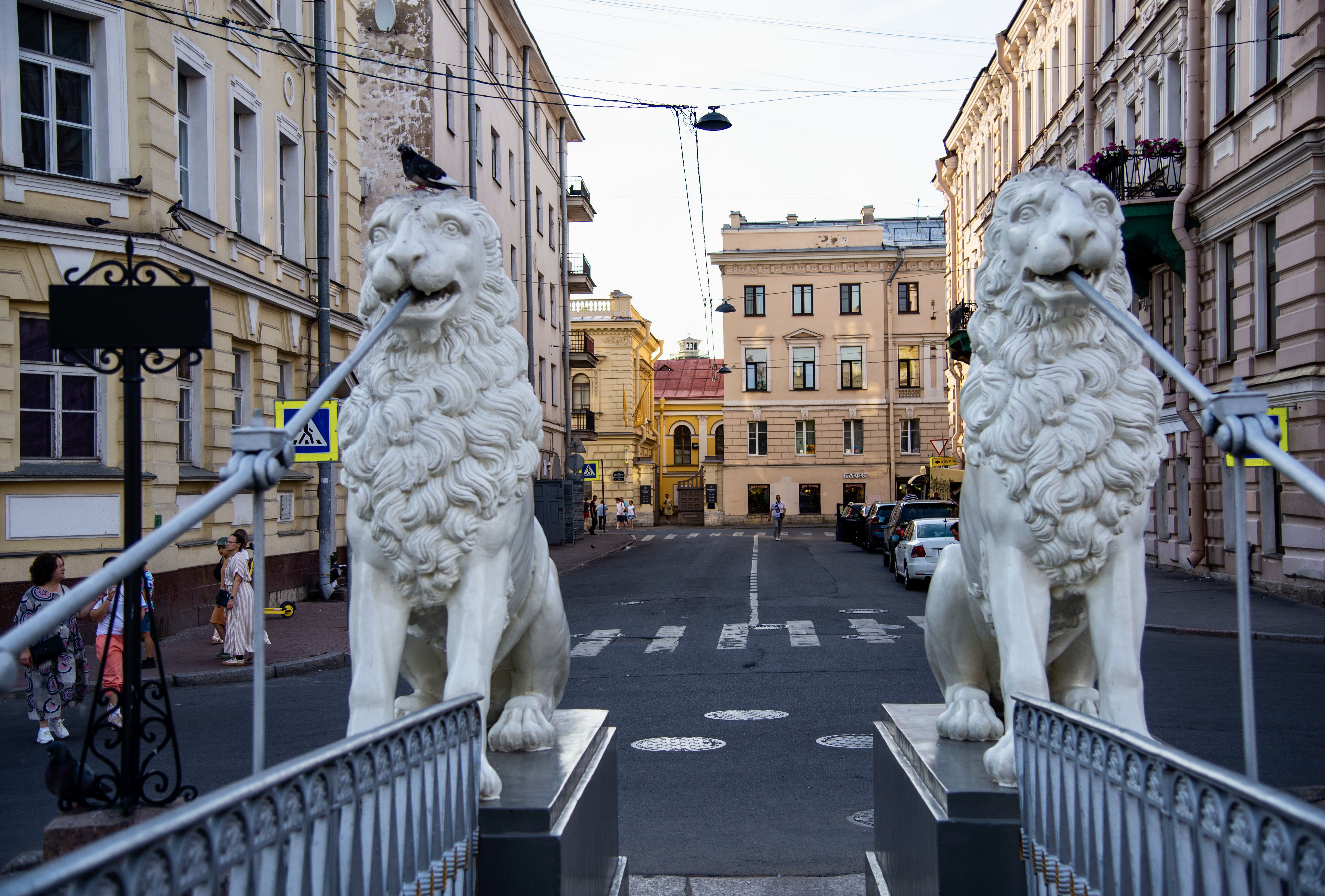
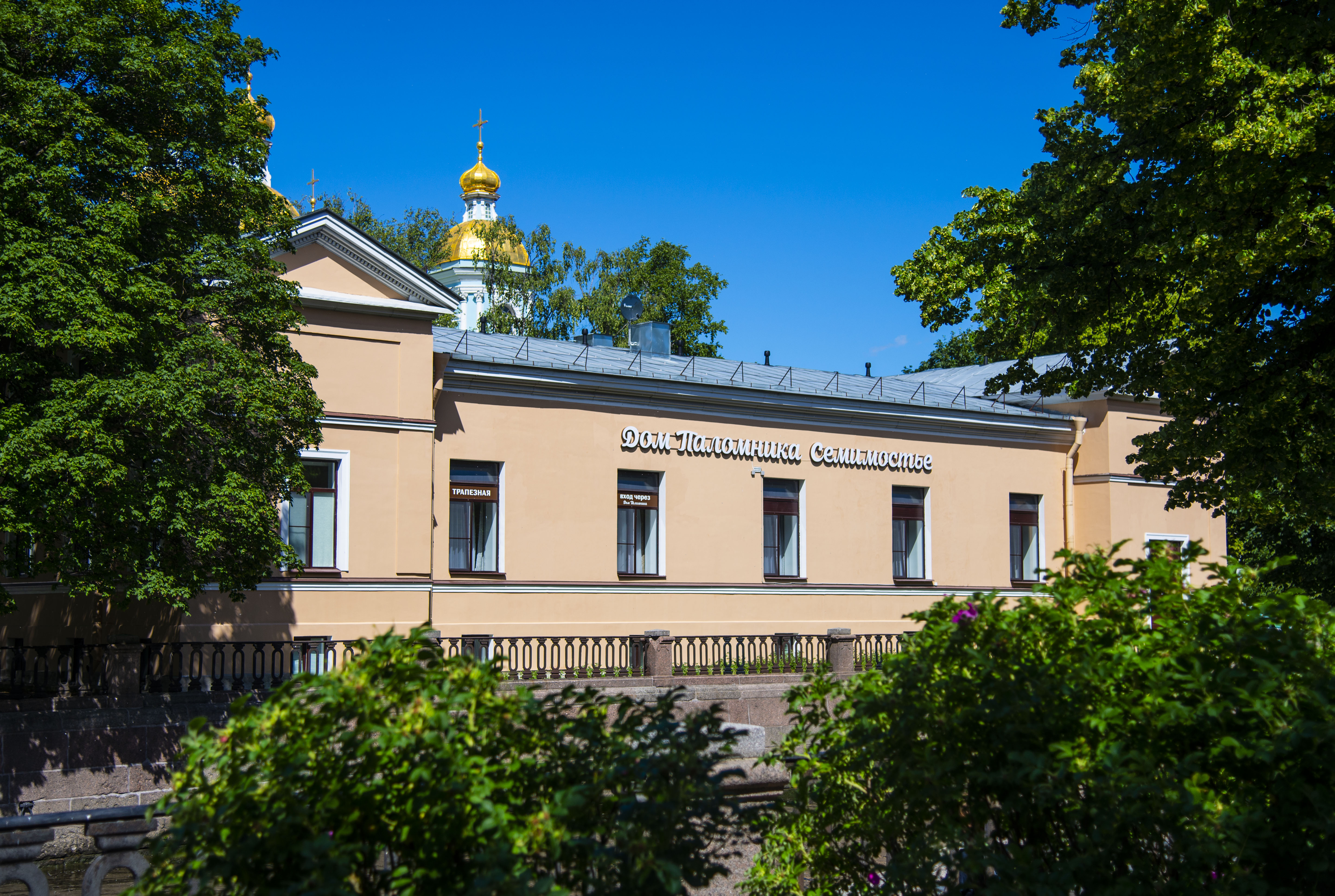
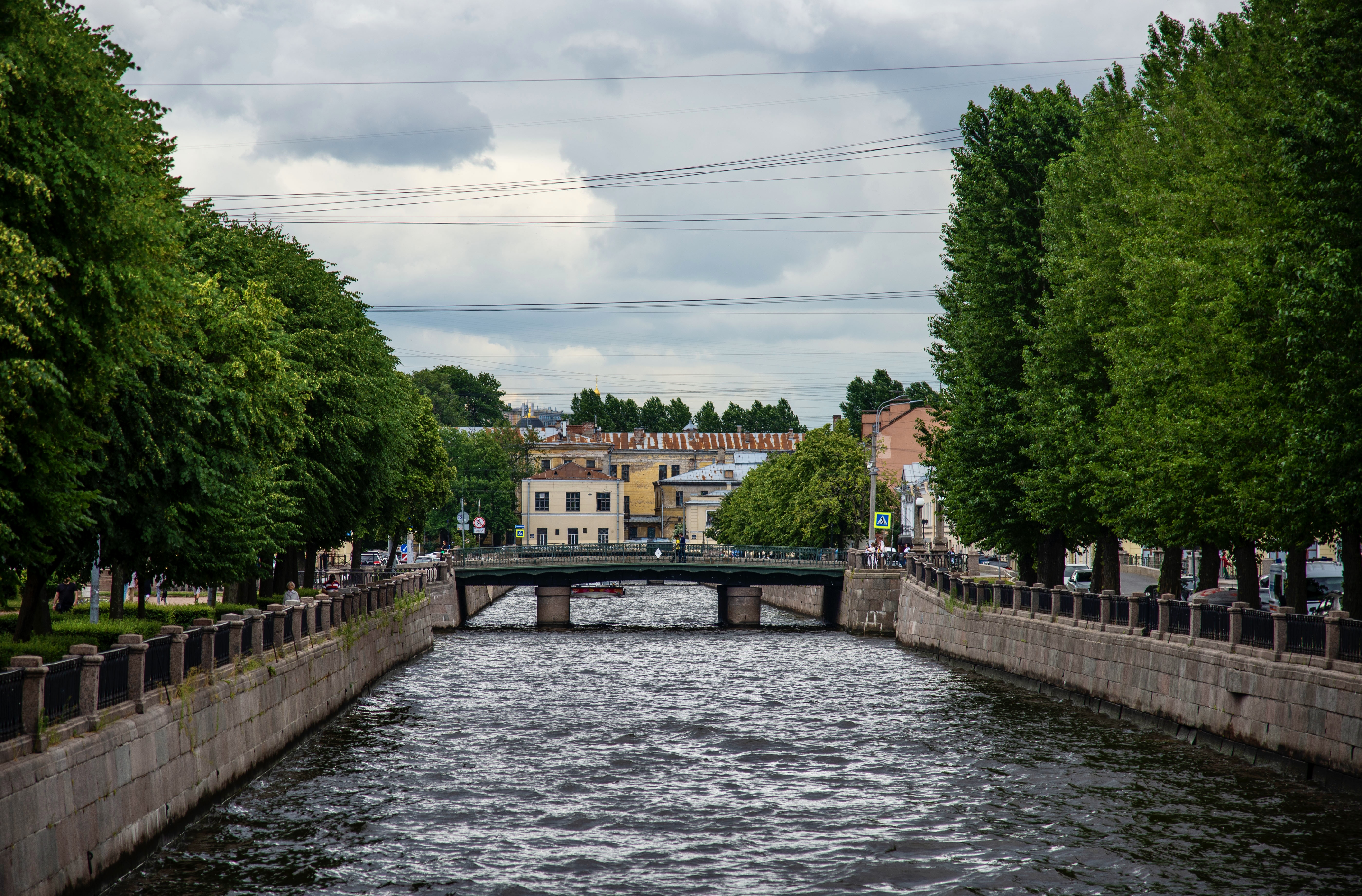
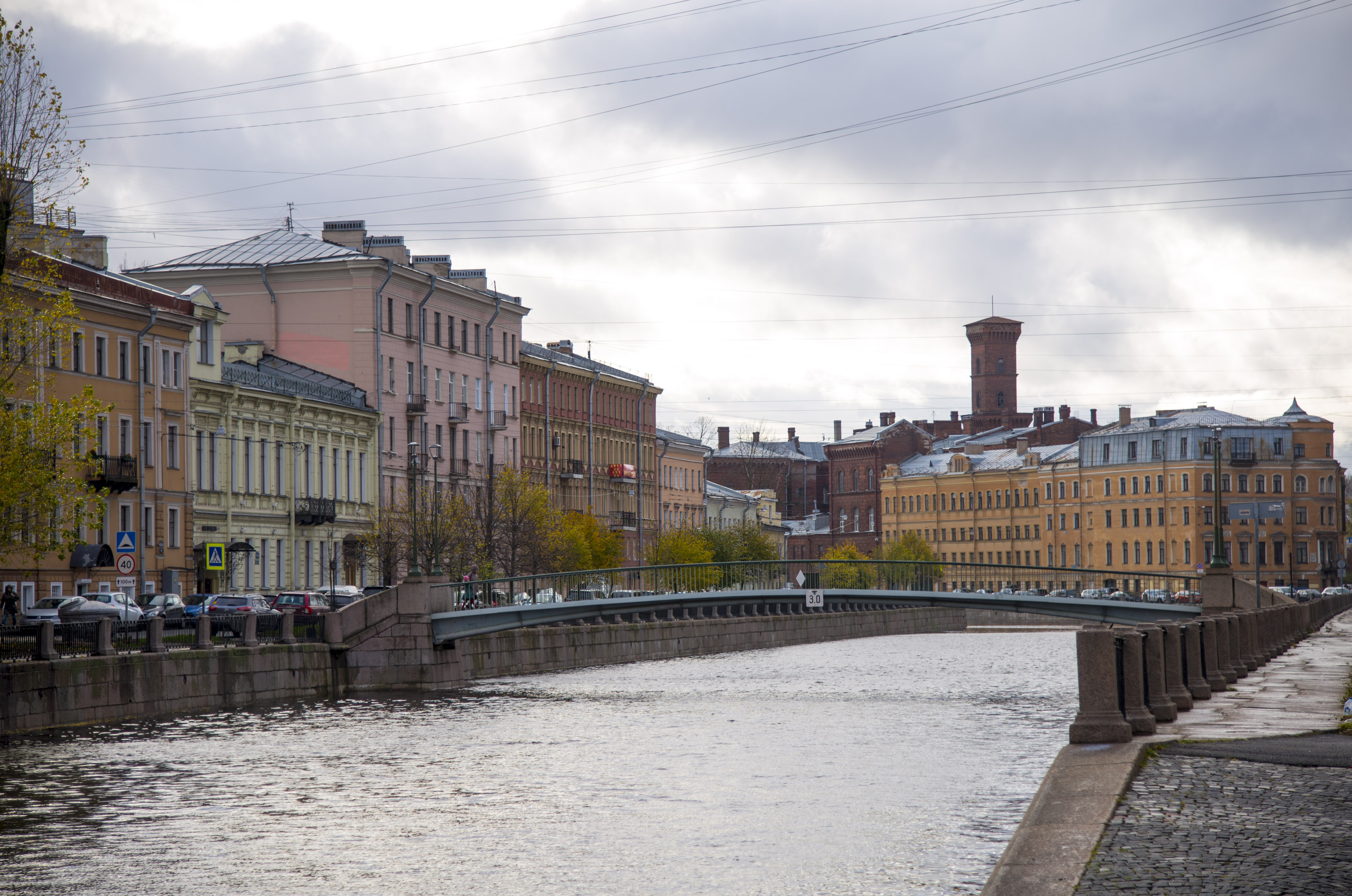
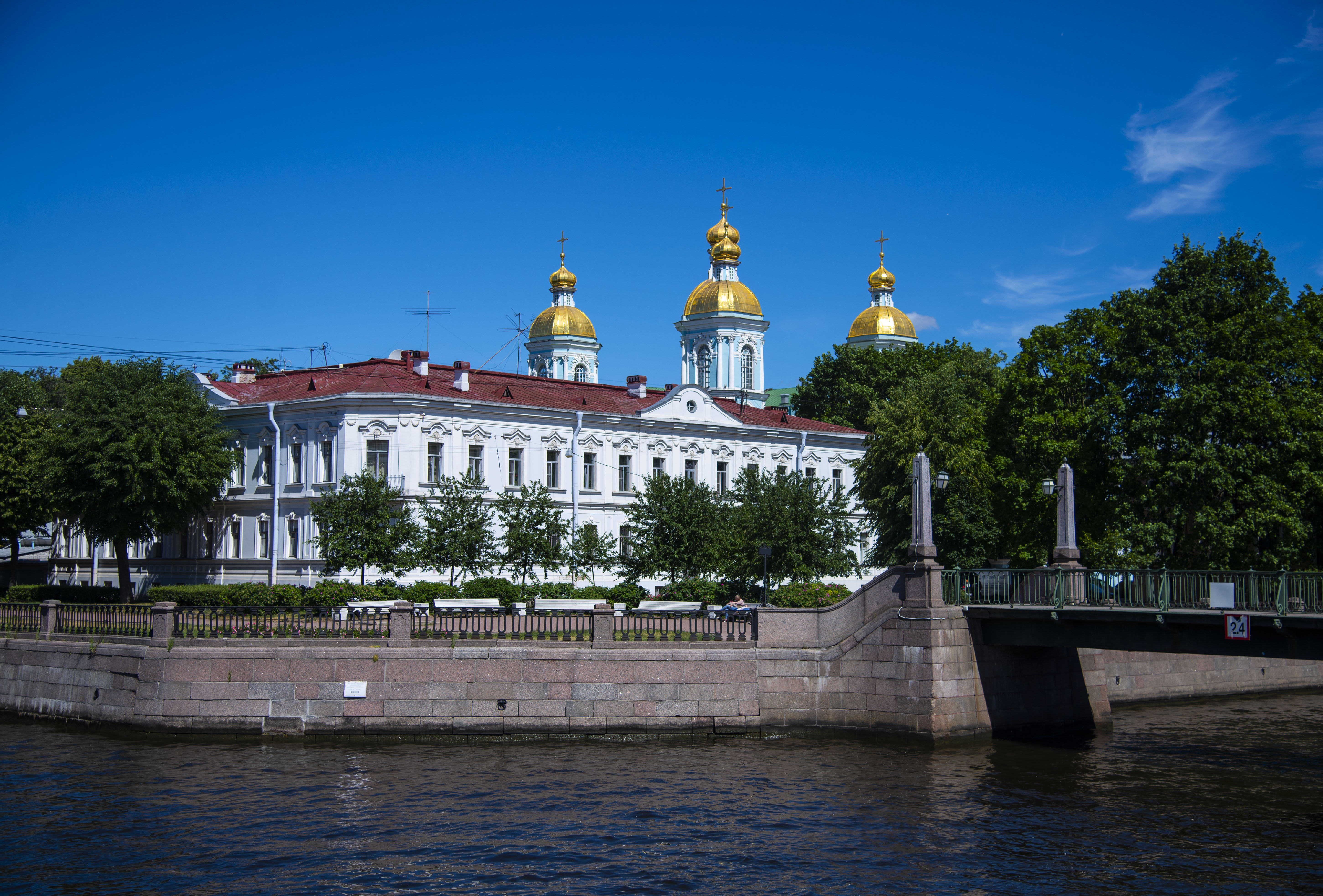
“Semimostie” (Plave of Seven Bridges)

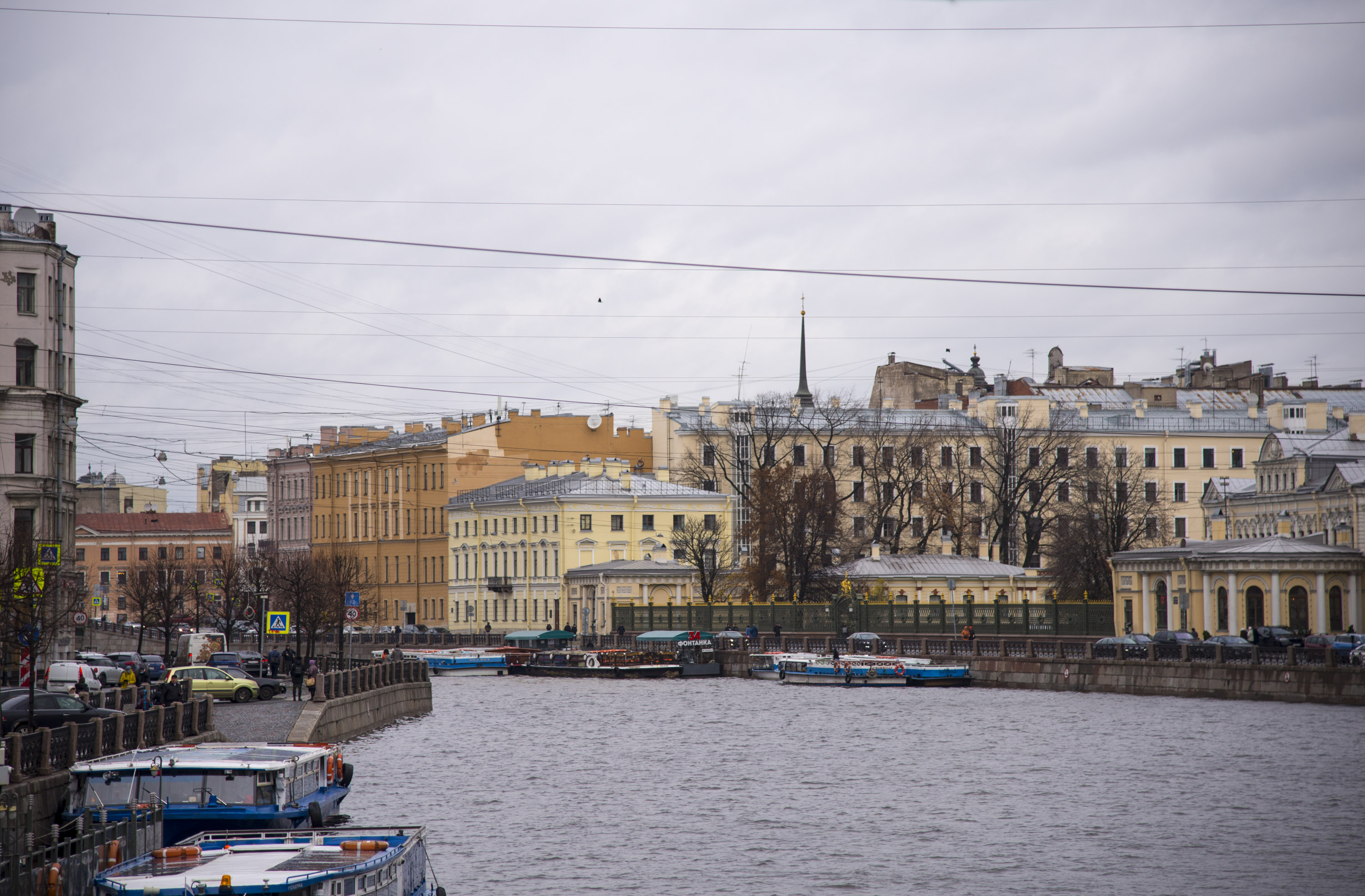
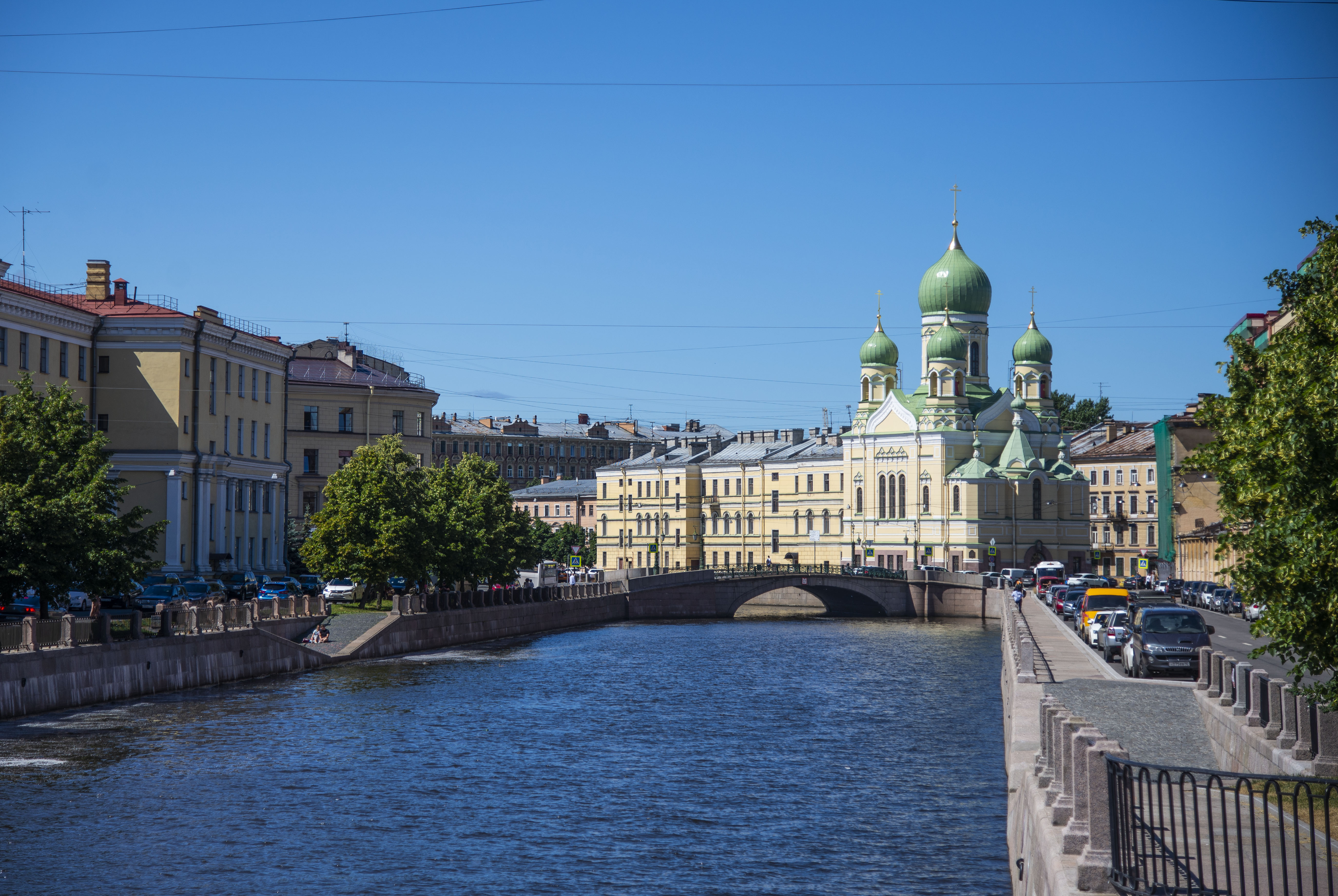
The view of “Semimostie” is opened from the Pikalov bridge over Griboedov Canal, from where you can see six more bridges: Krasnogvardeyskiy, Novo-Nikolsky and Mogilevsky over Griboedov Canal and Staro-Nikolsky, Smezhny and Kashin – over Kryukov Canal.
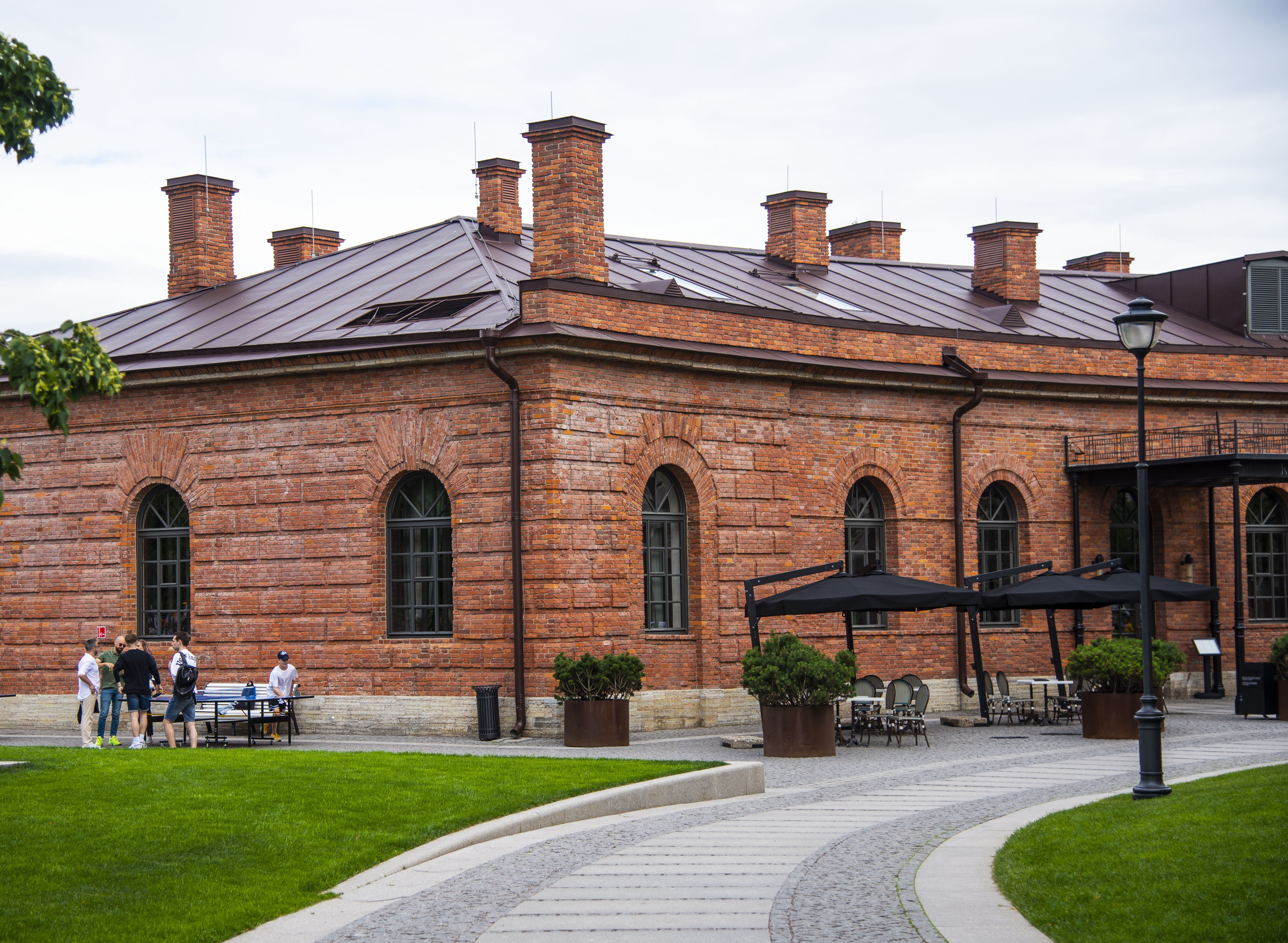
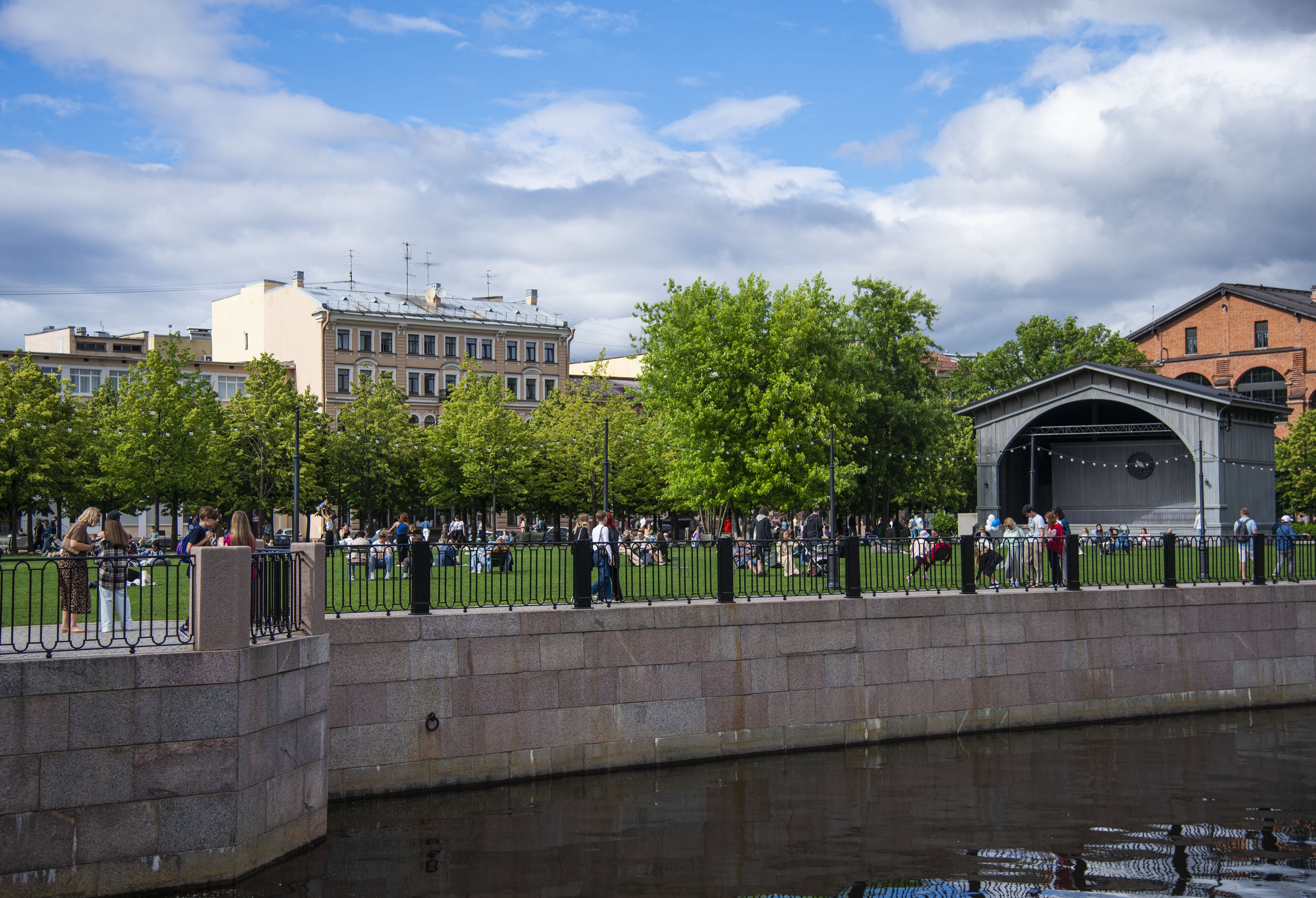
New Holland Island

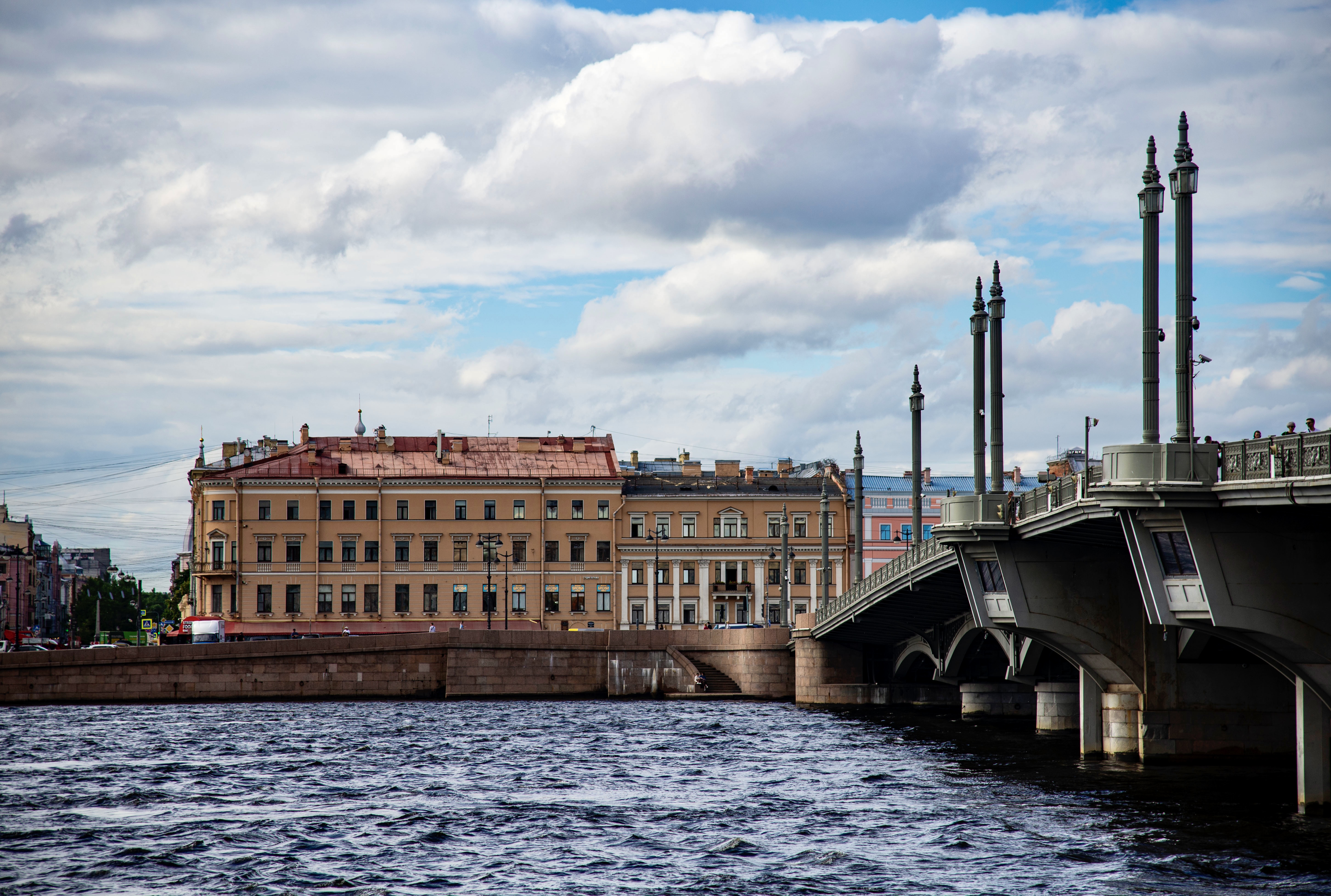
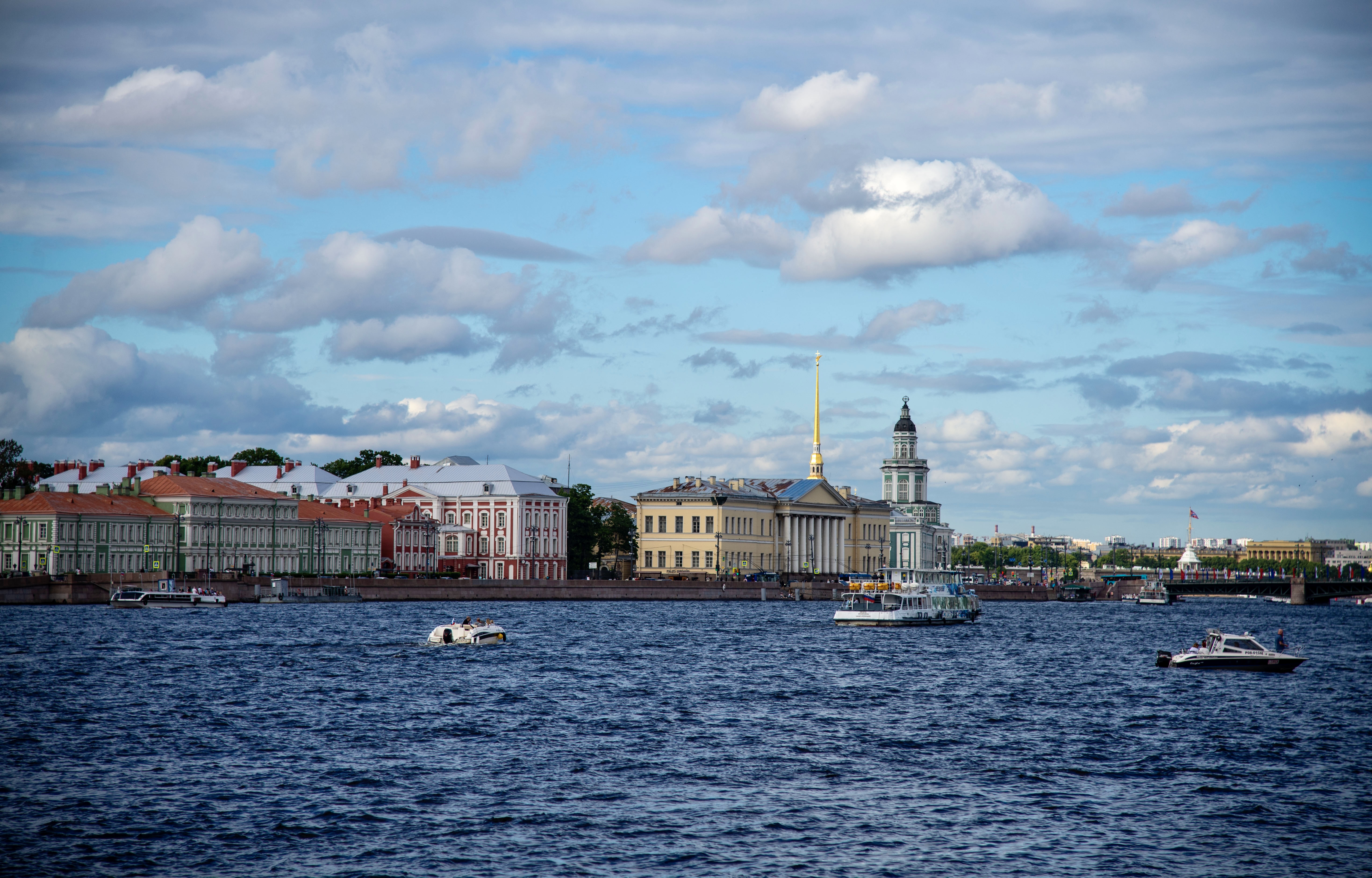
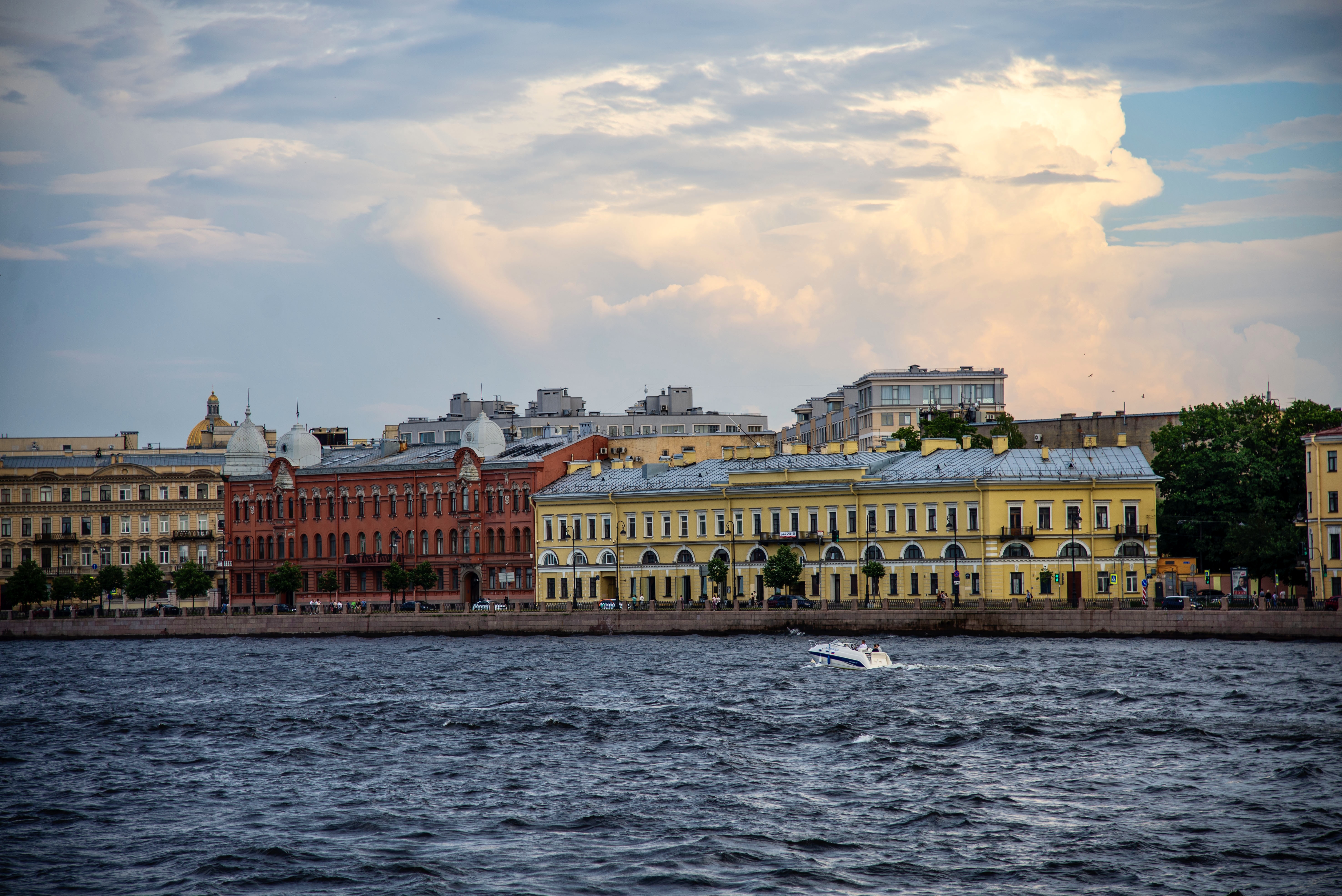
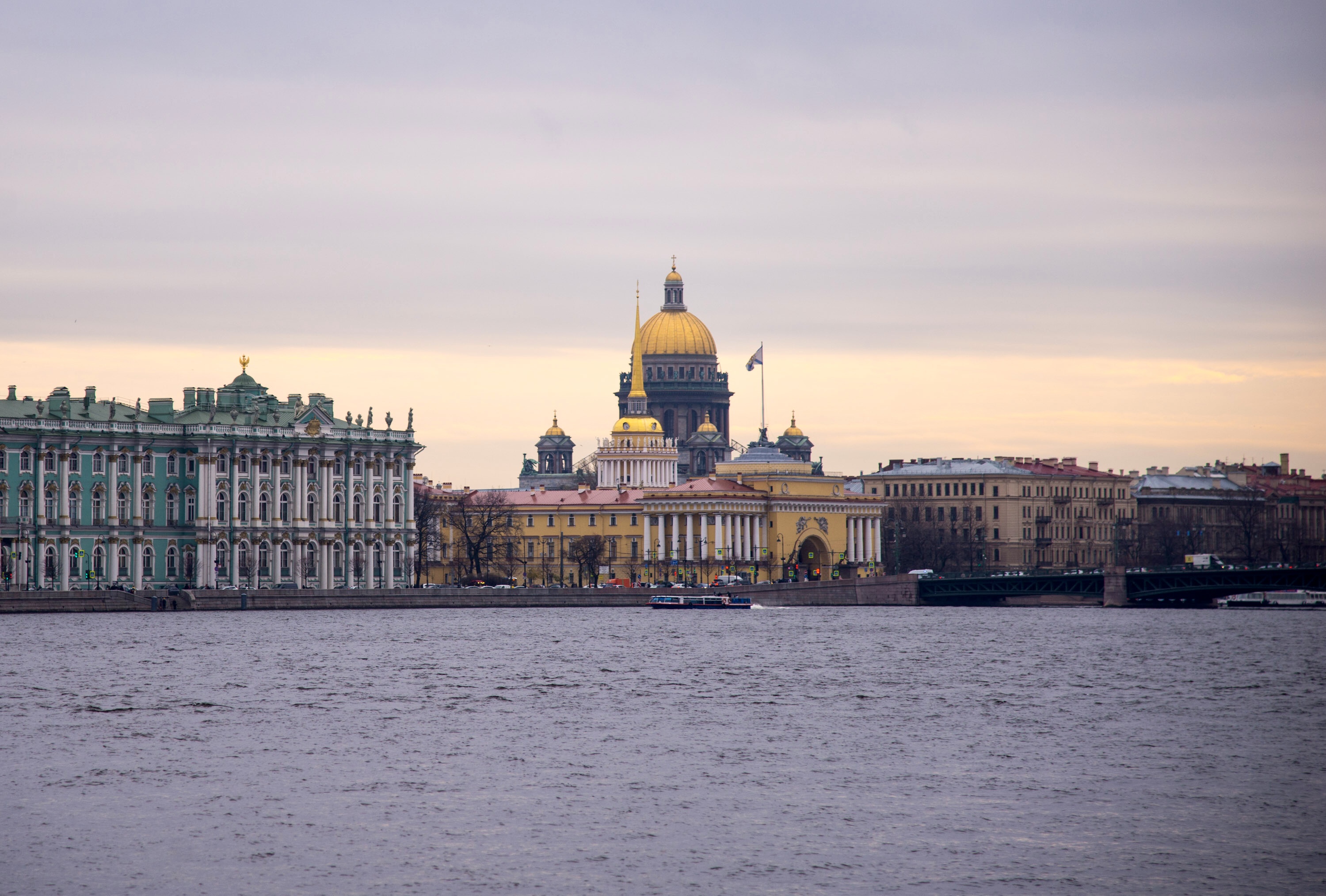
Neva river embankments

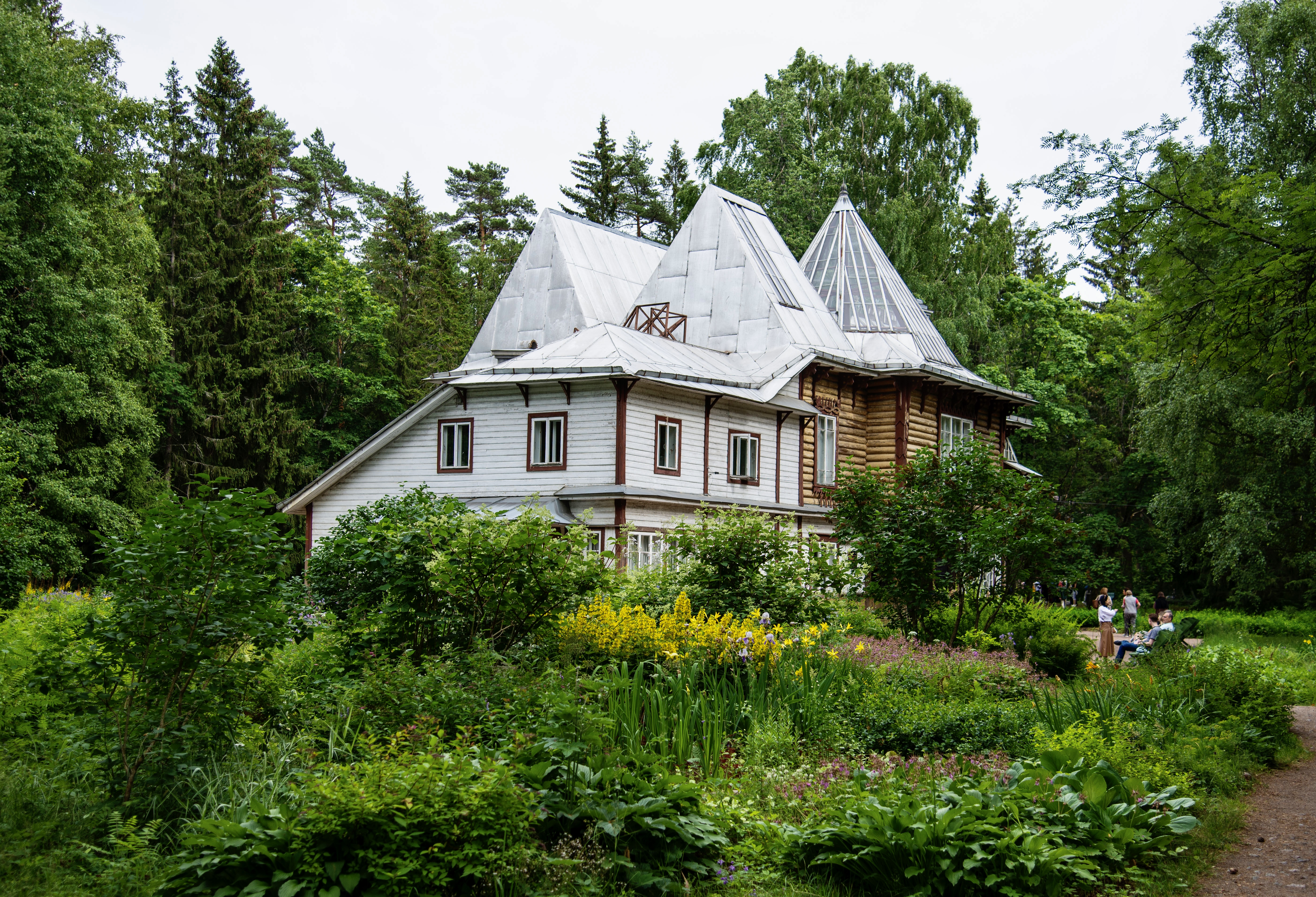
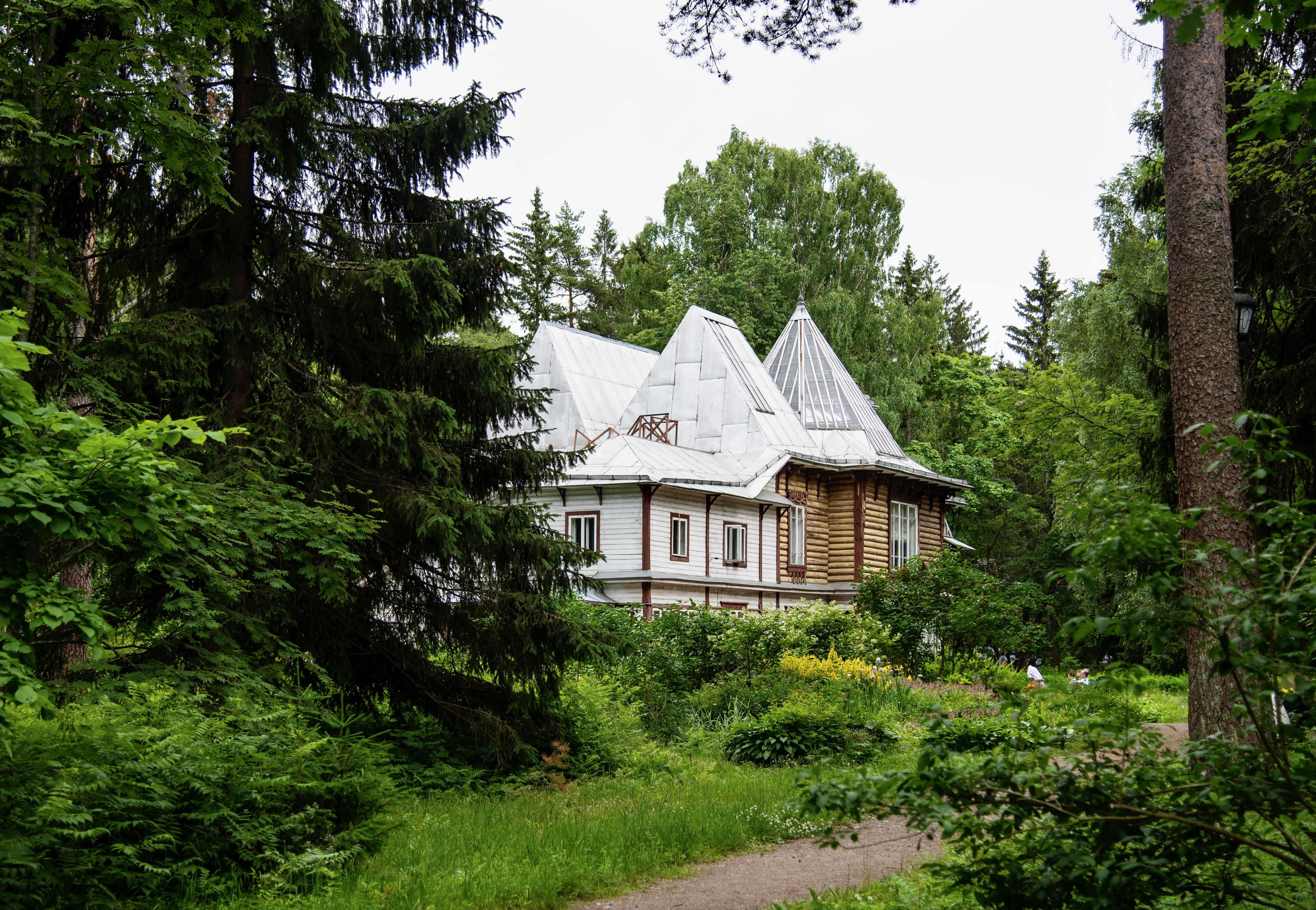
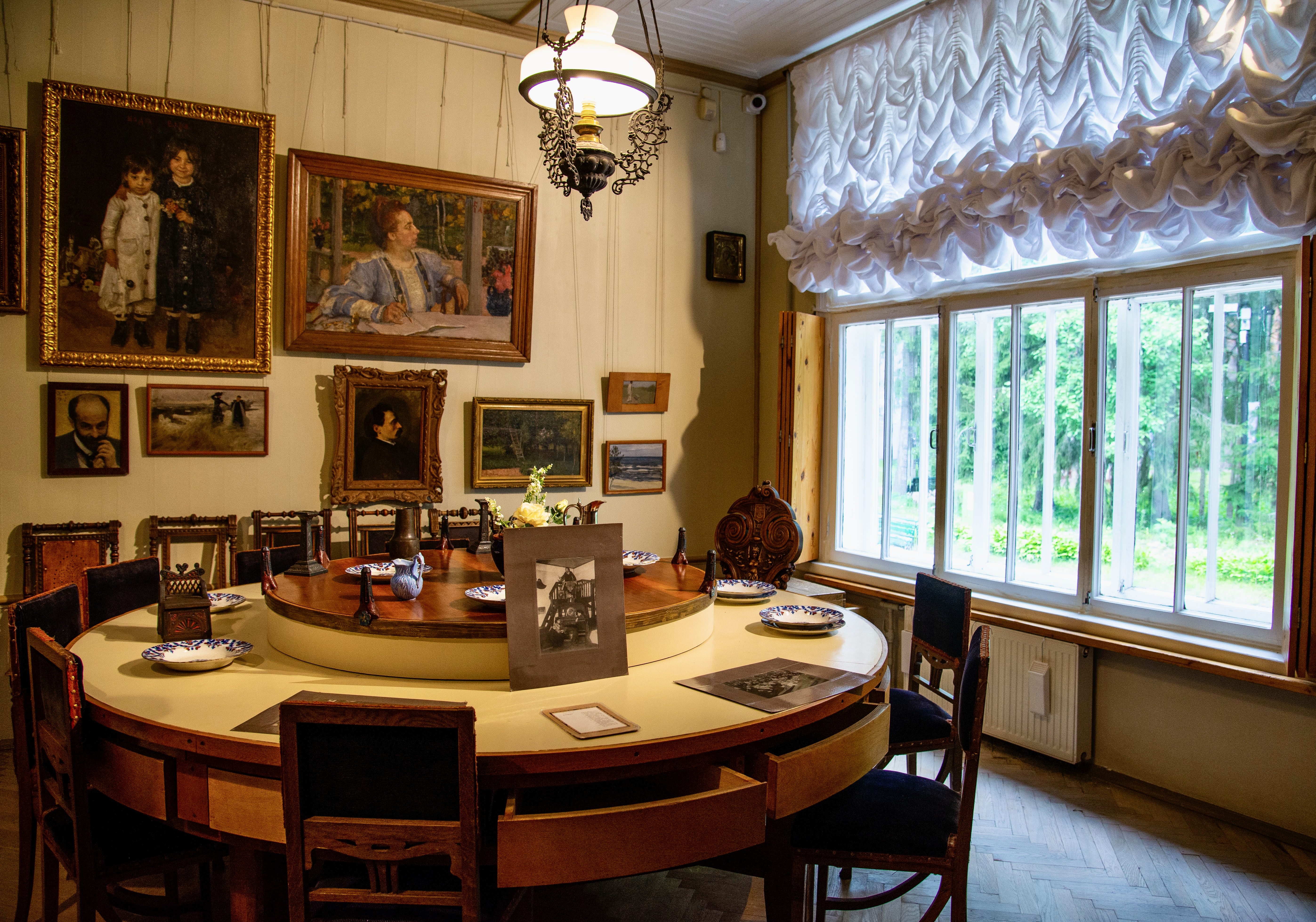
Penaty Estate Museum

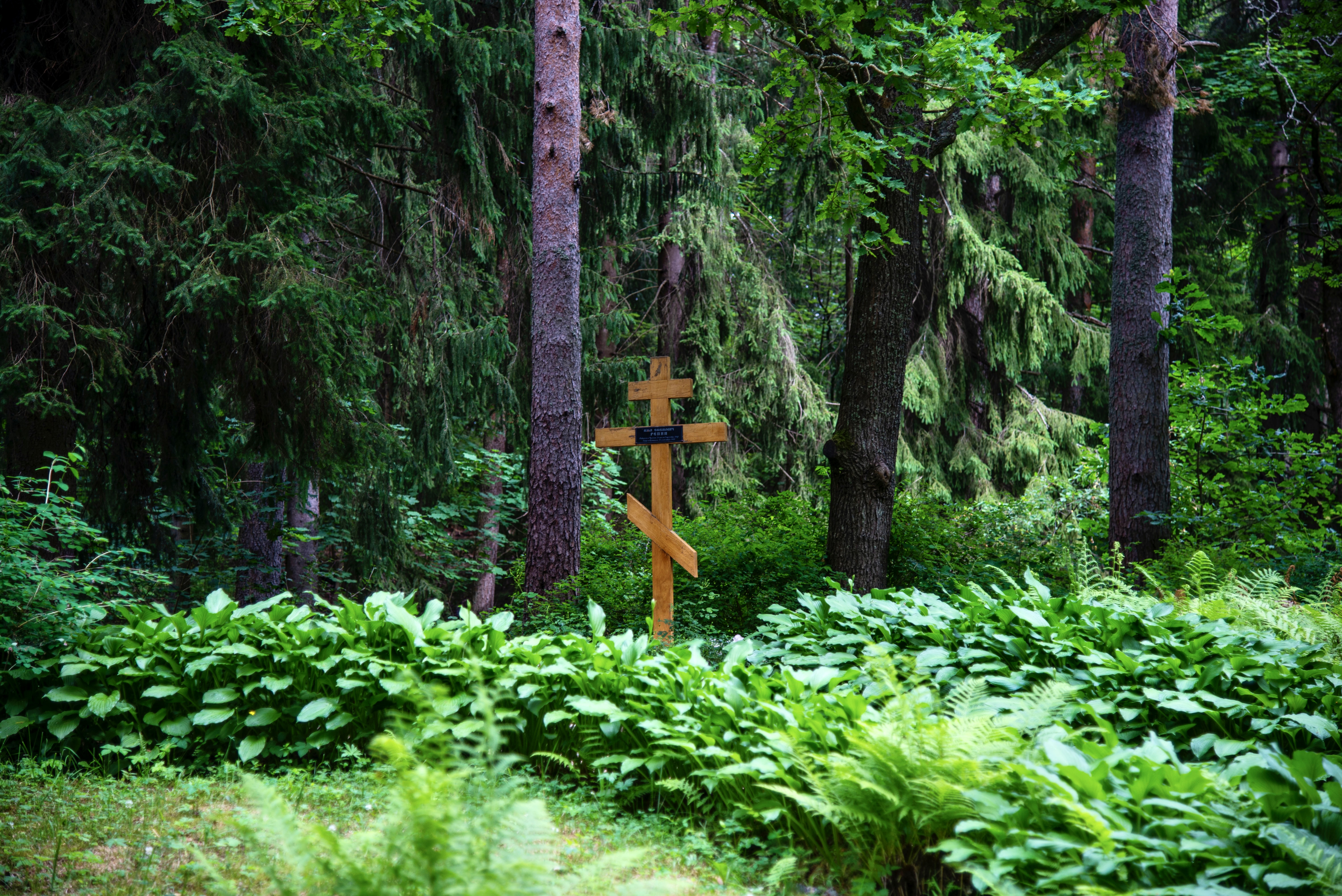
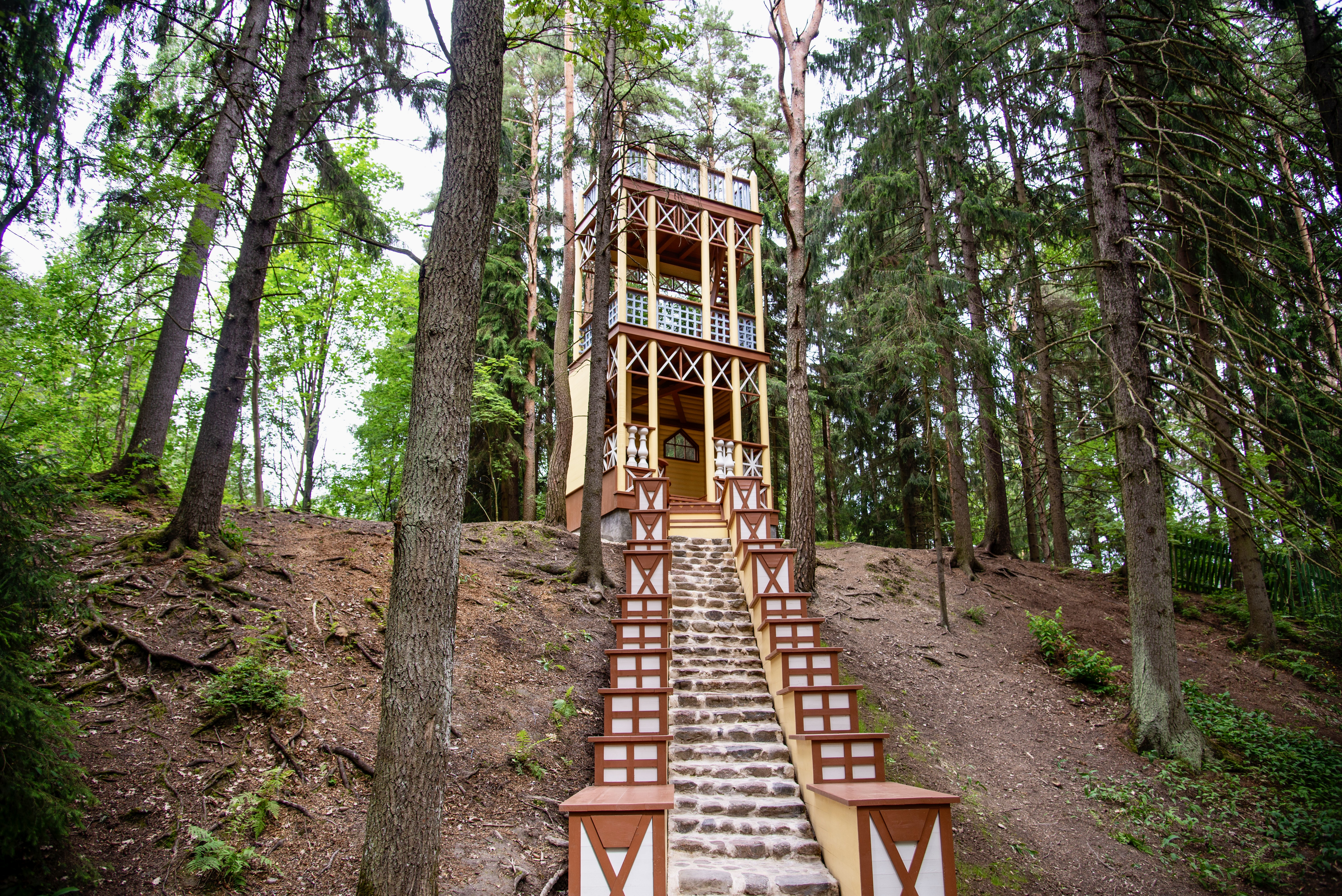
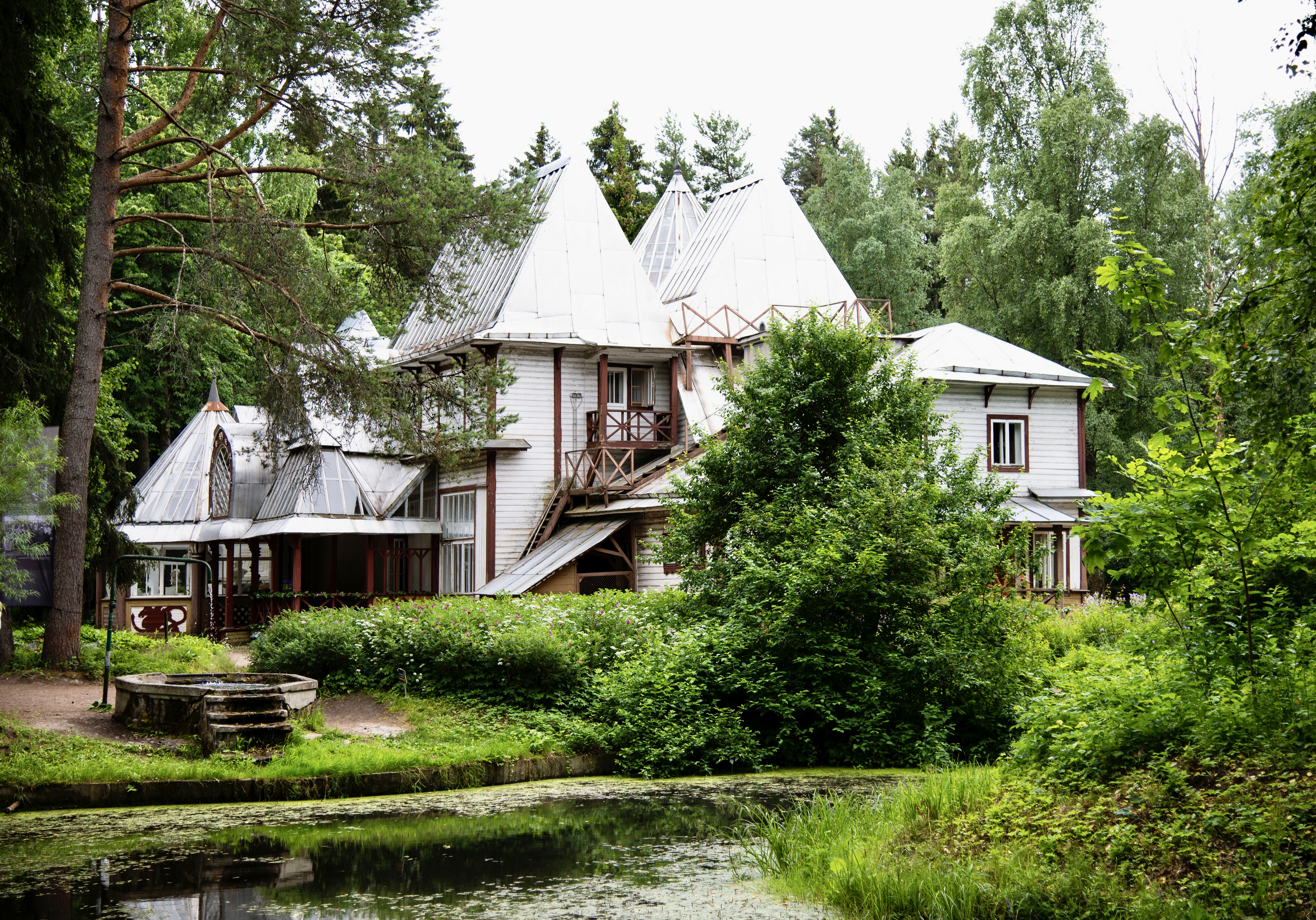
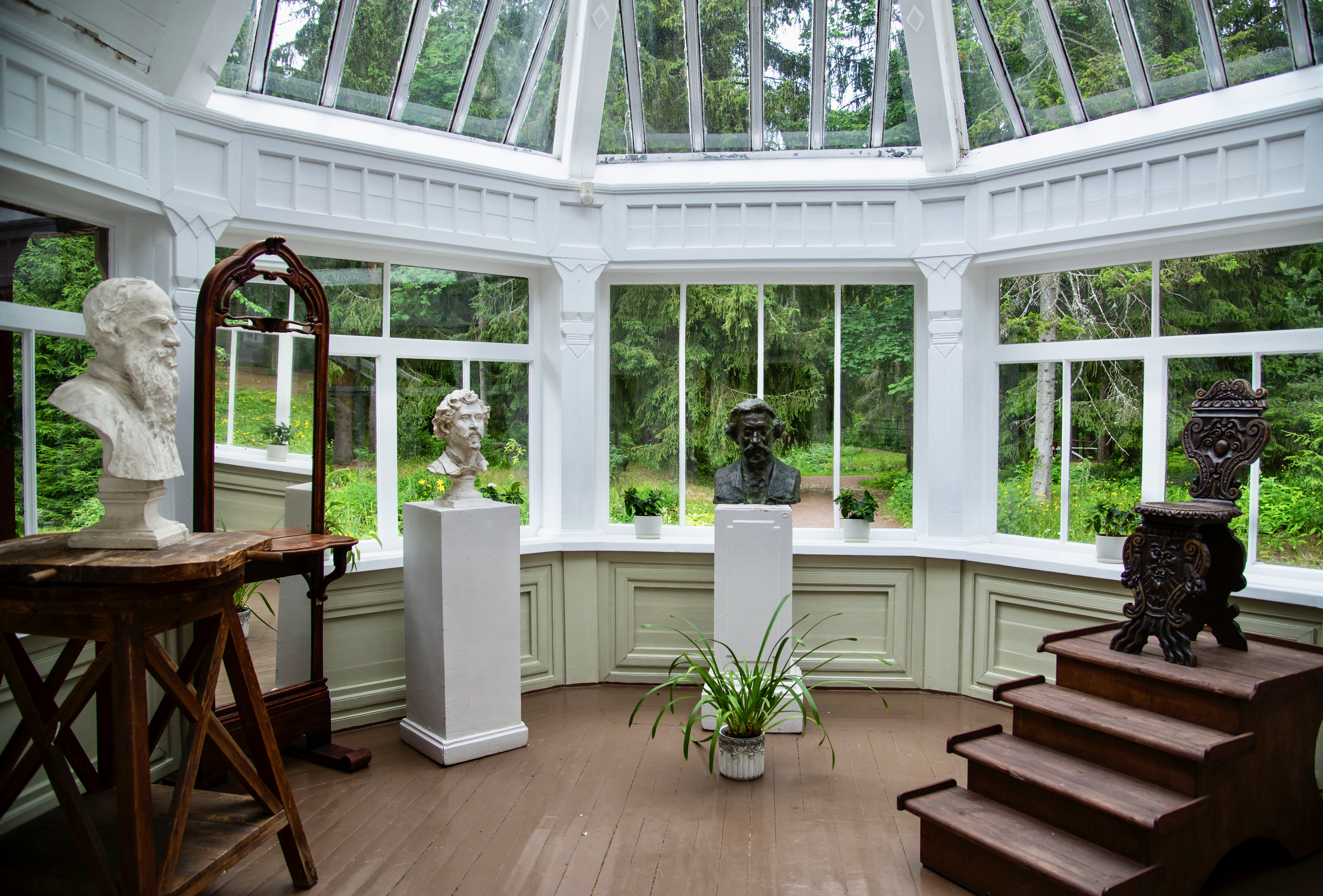
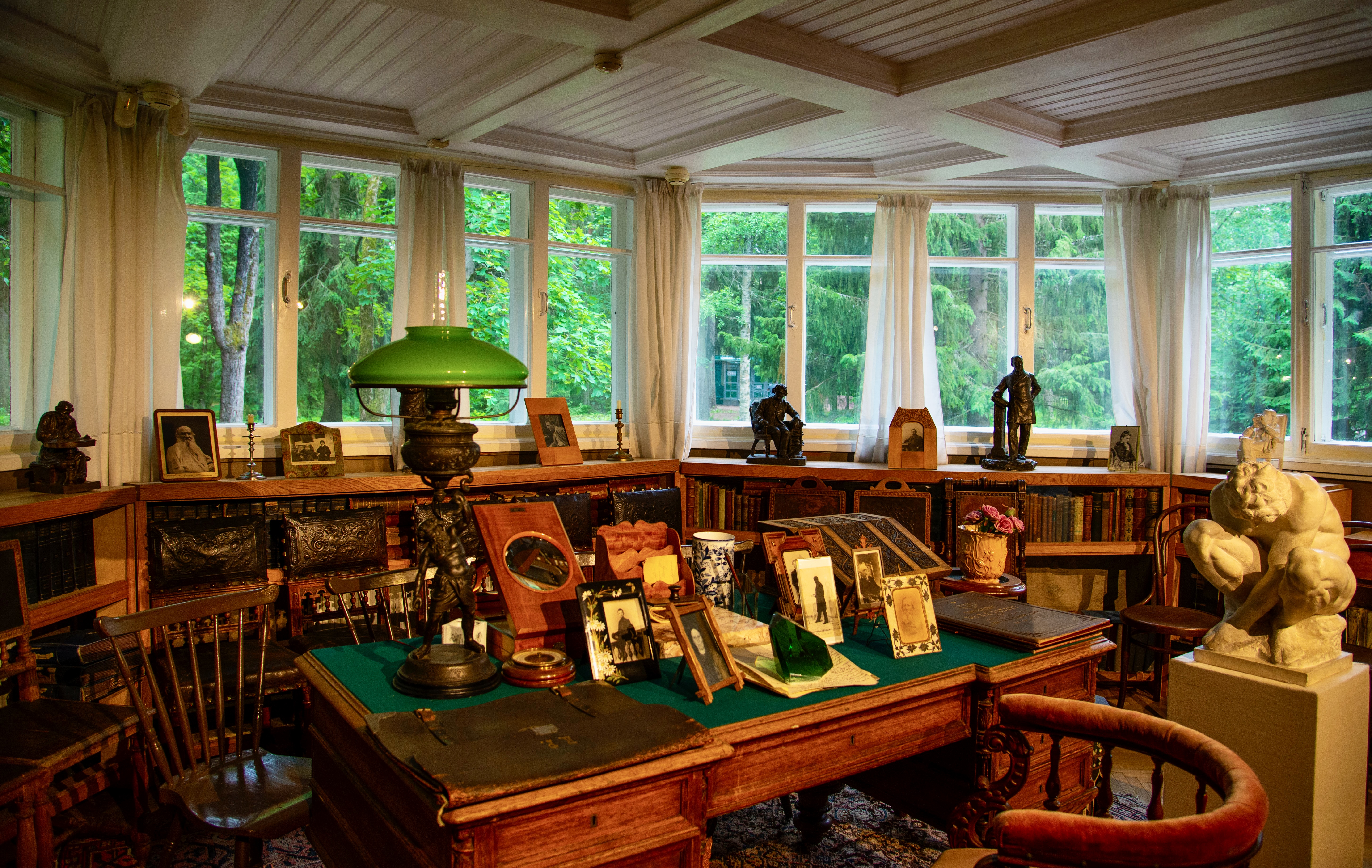
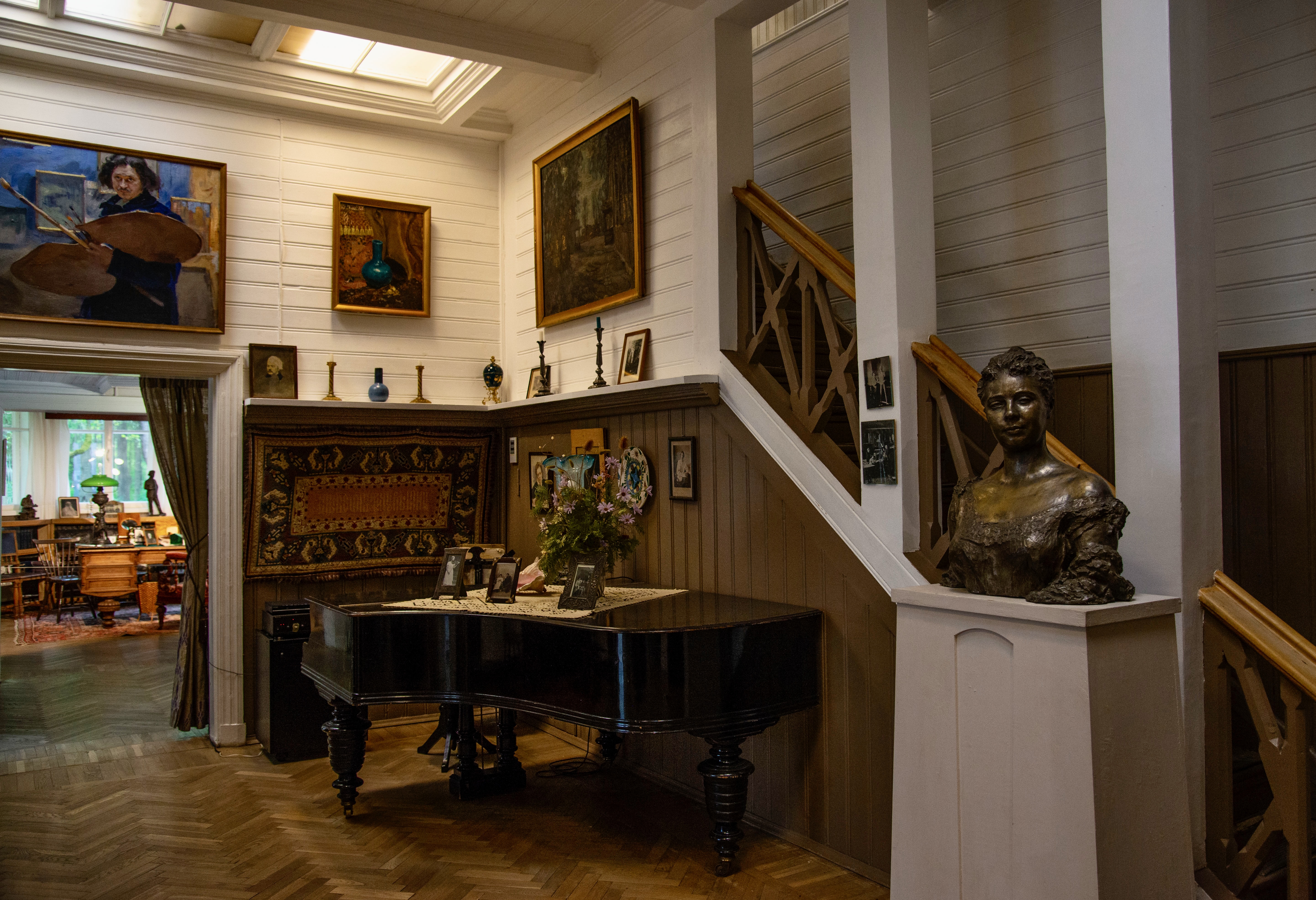
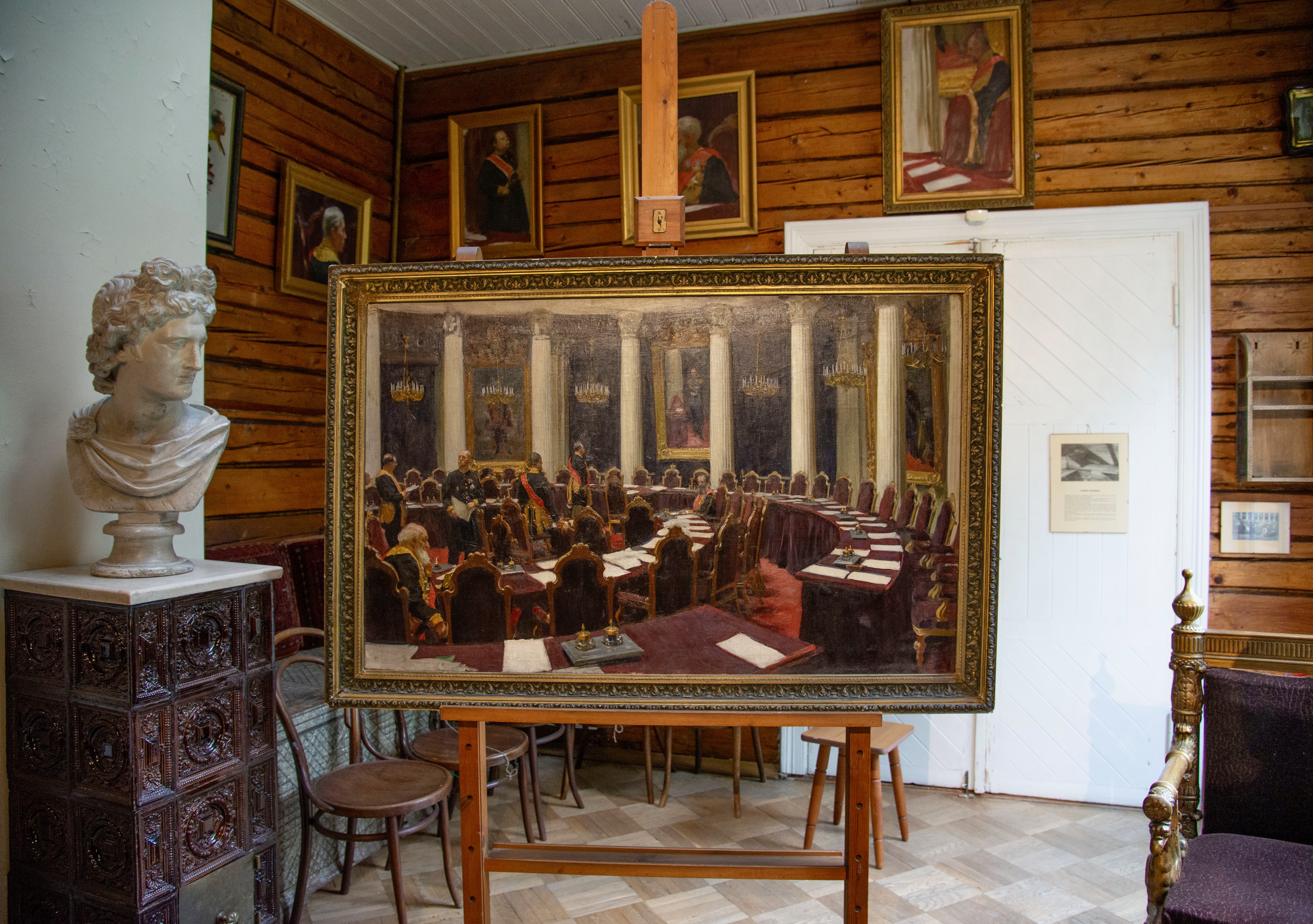
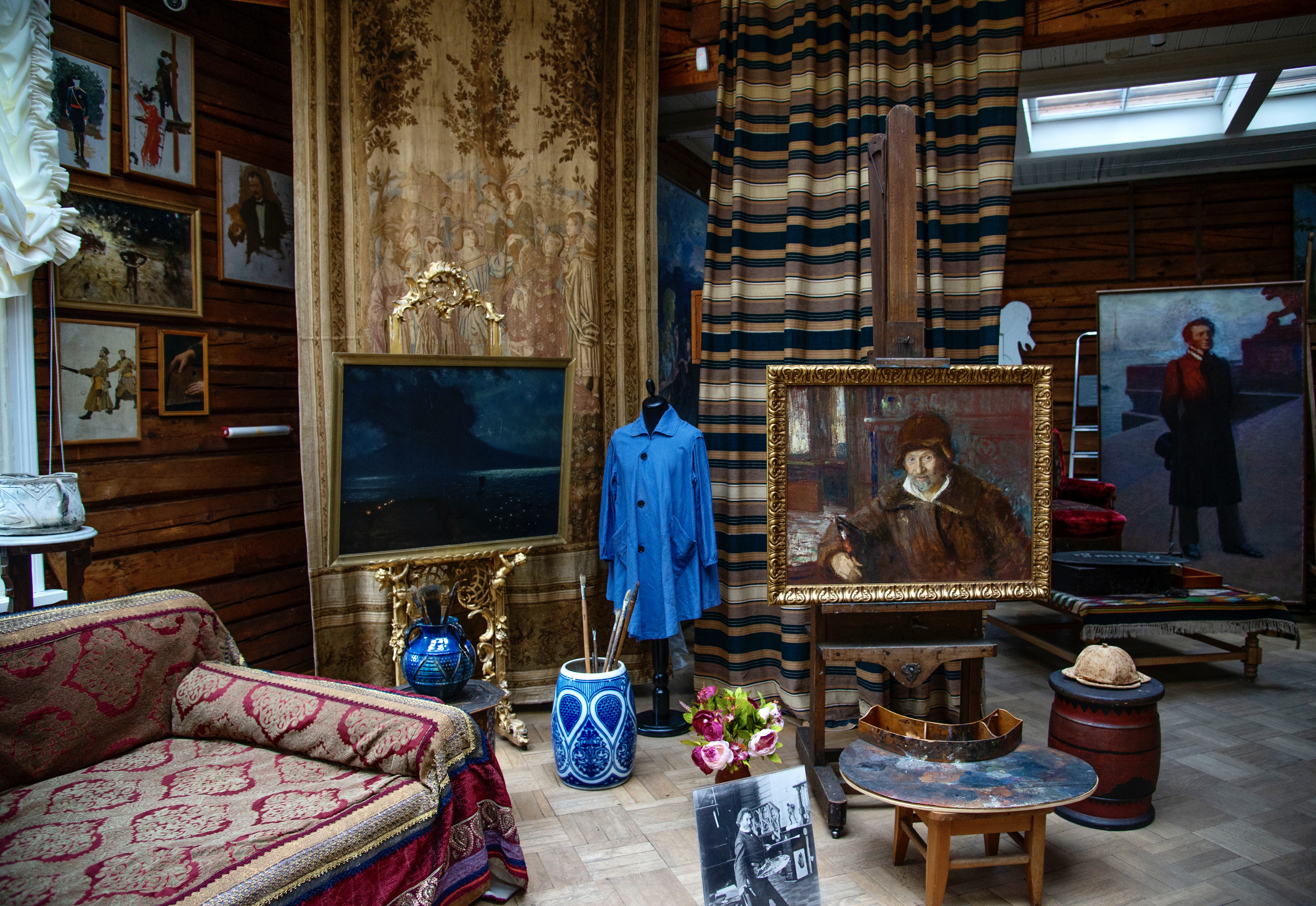
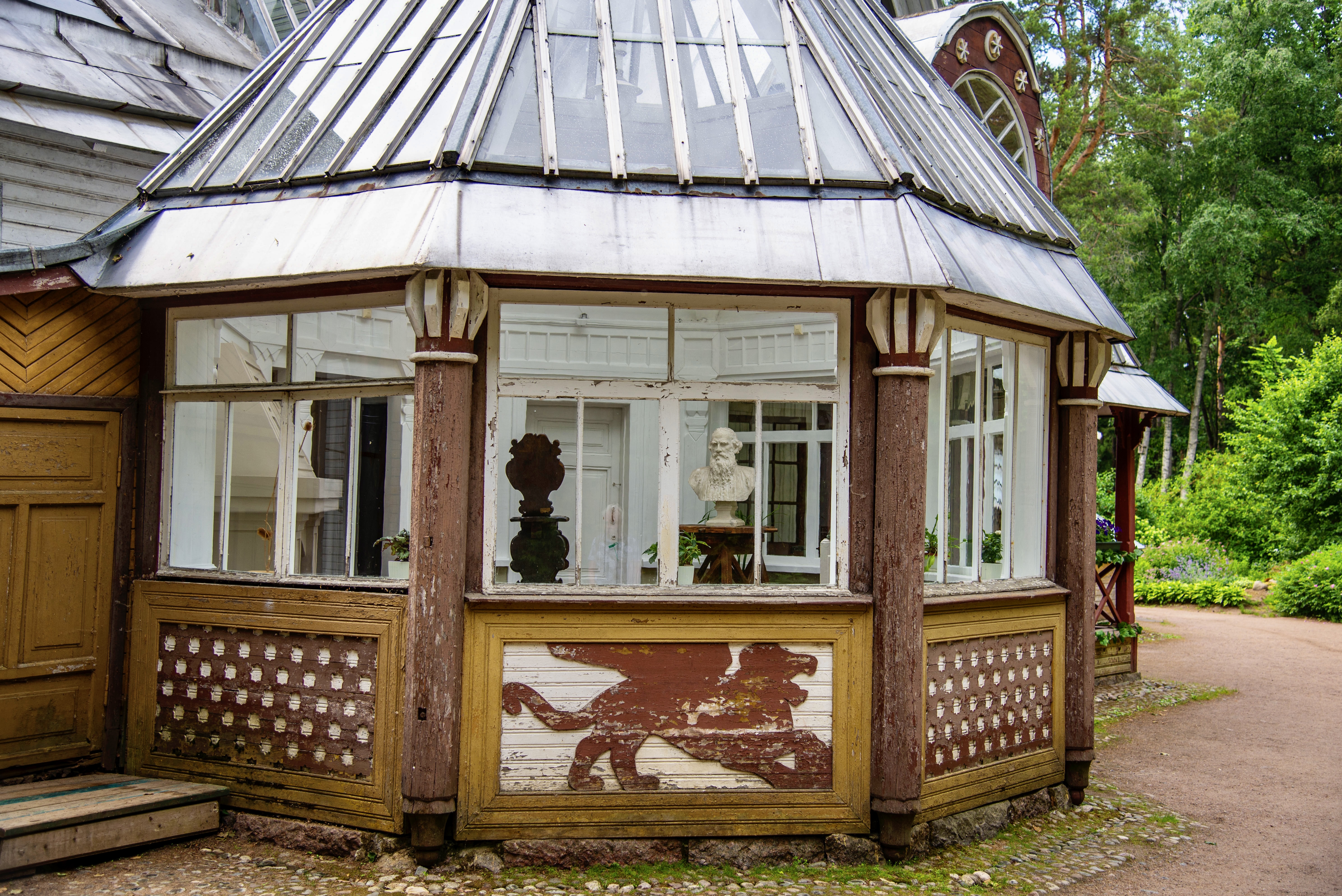
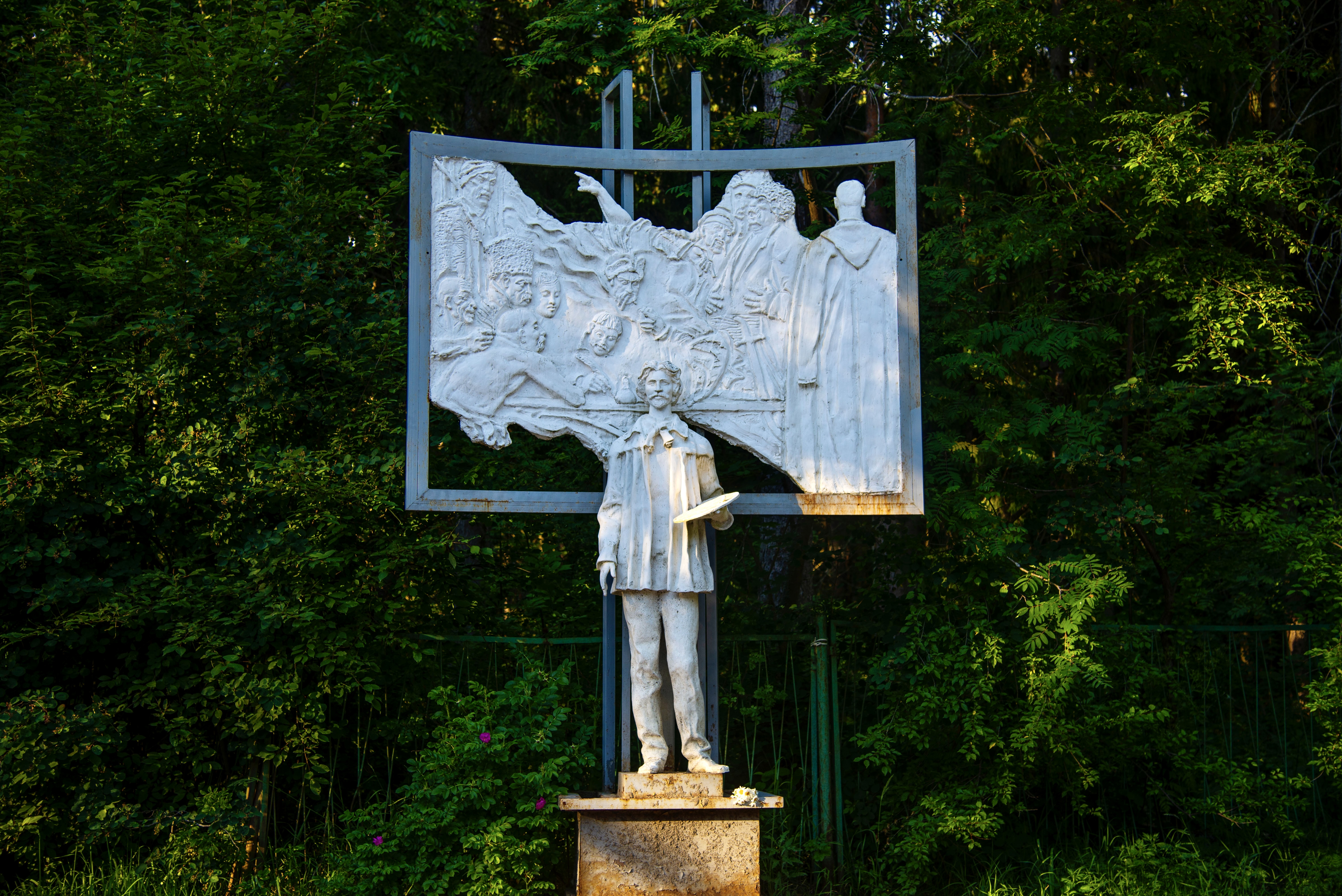
Penaty is estate museum of the great painter Ilya Repin which was his home for 30 years. It contains 600 of his works. The house is located in the seaside area of Gulf of Finland and surrounded by the beautiful garden, the painter’s grave is also located there.

Art center Berthold

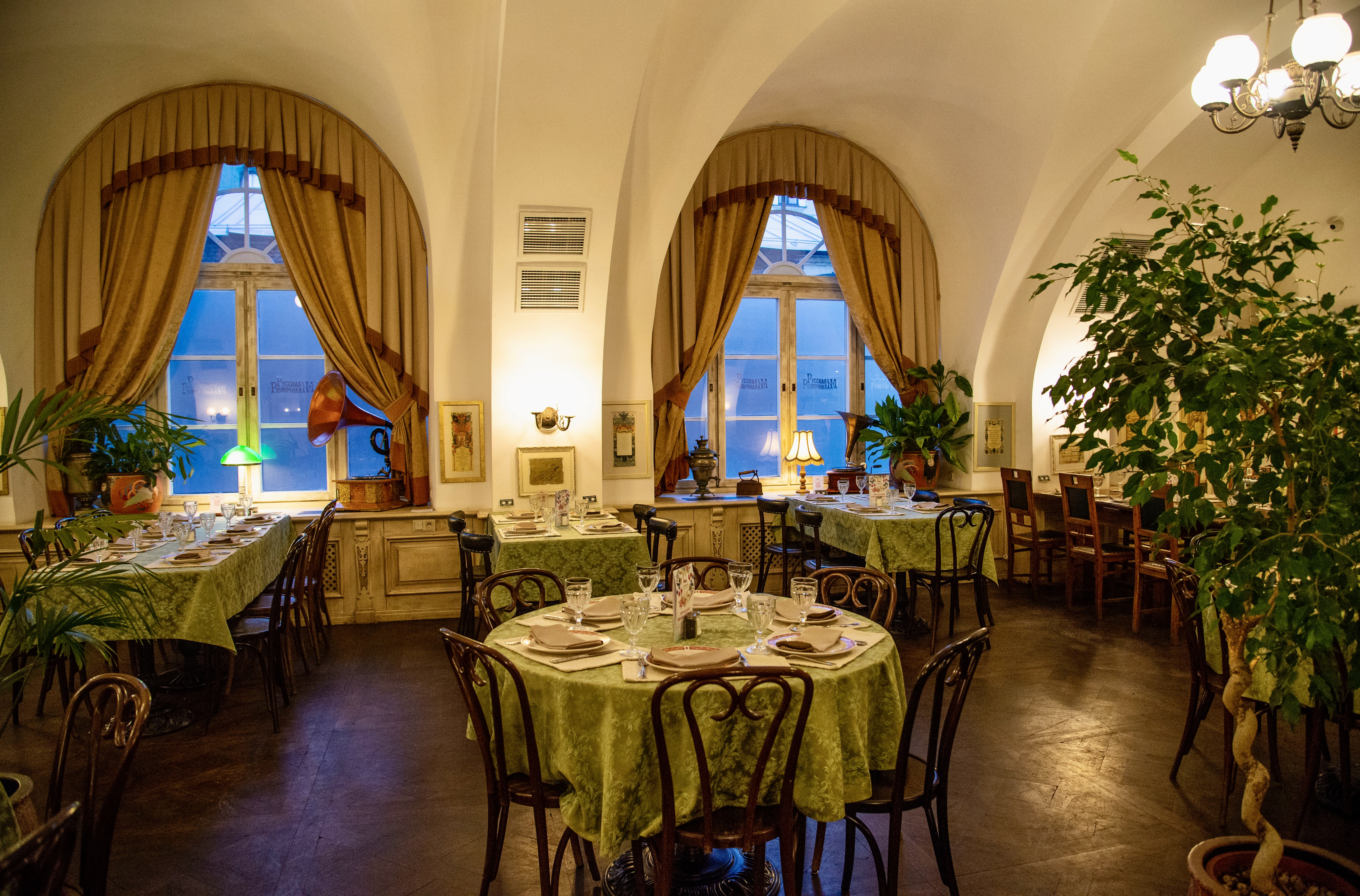
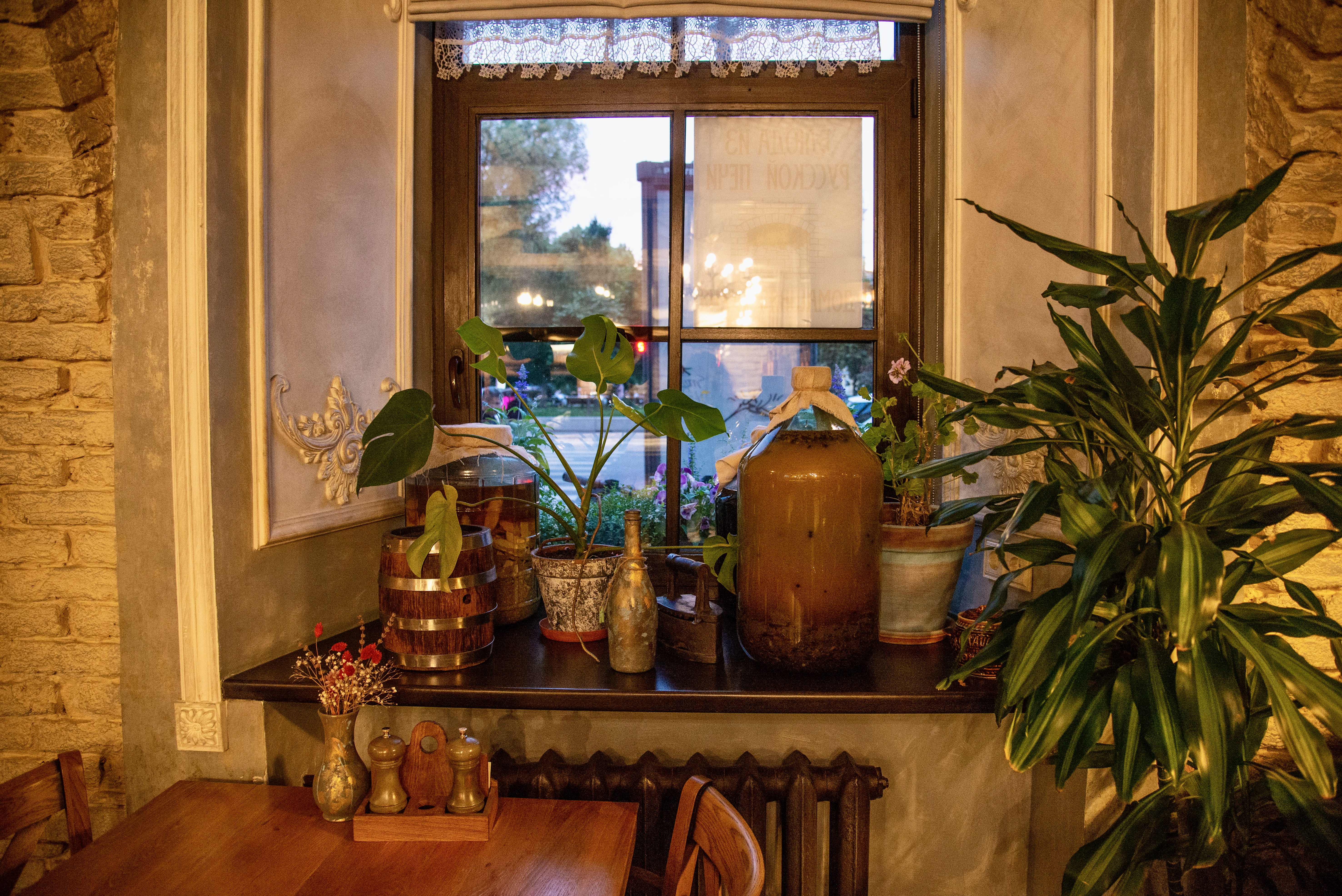
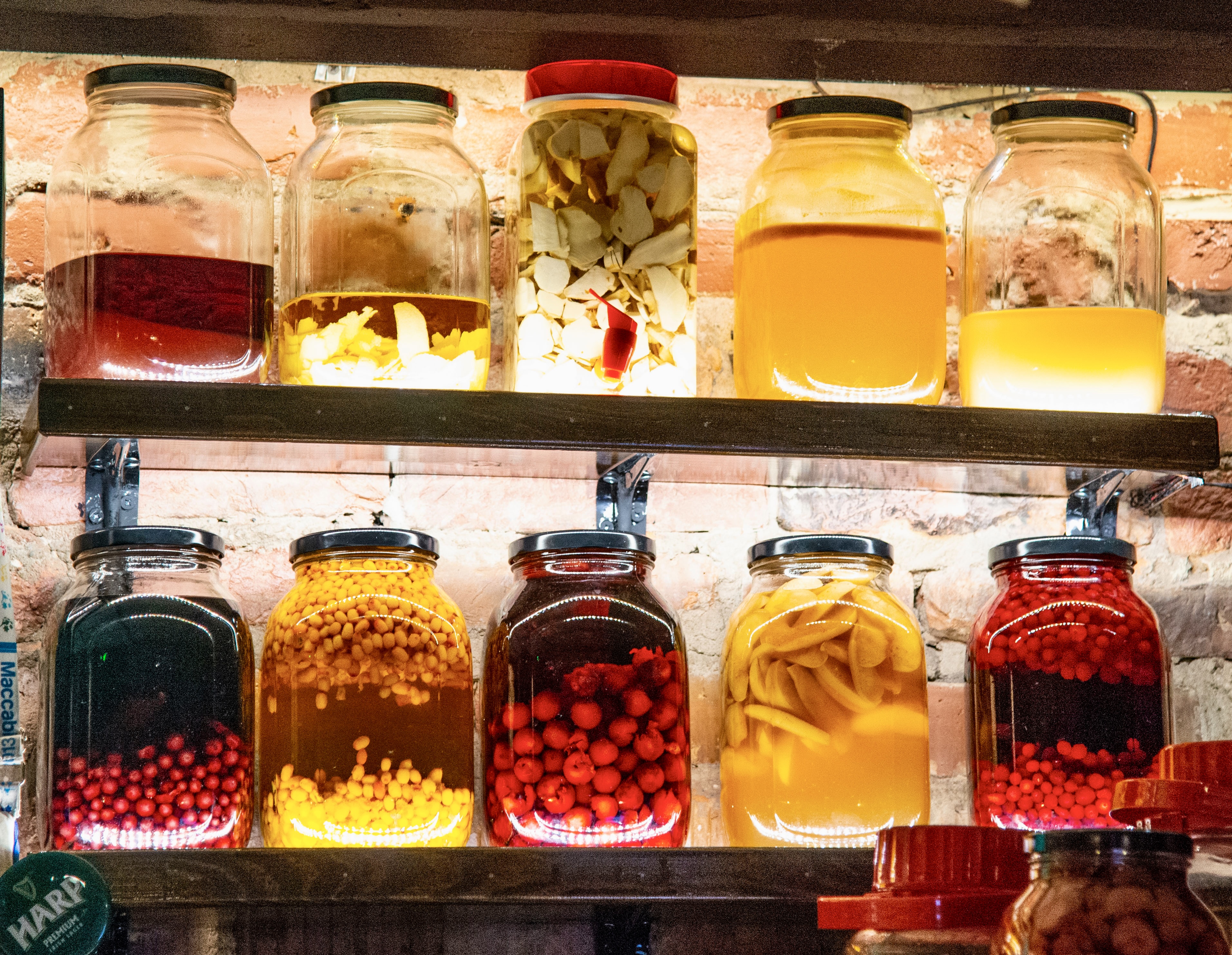
Ryumochnaya (Vodkaroom) №1

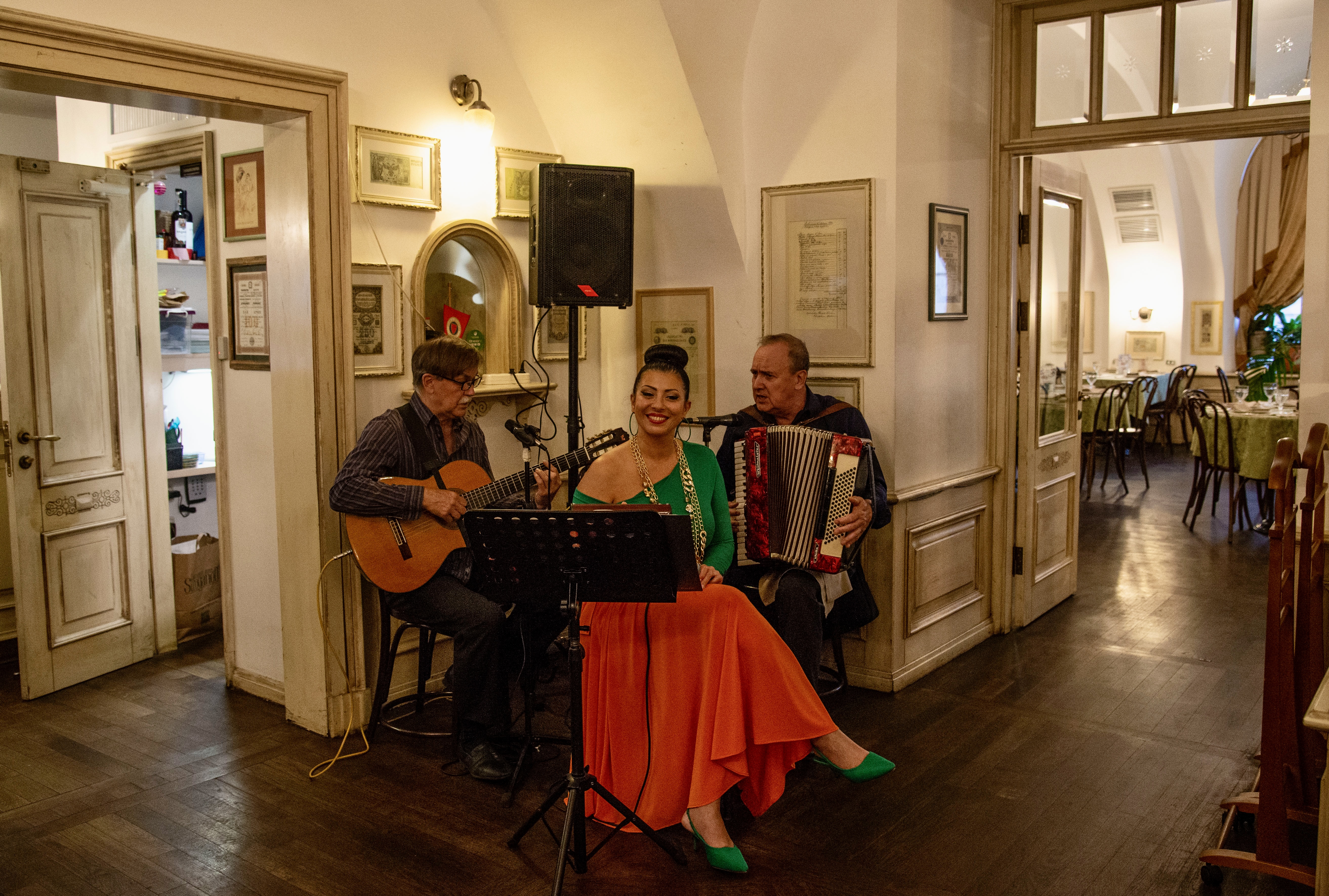
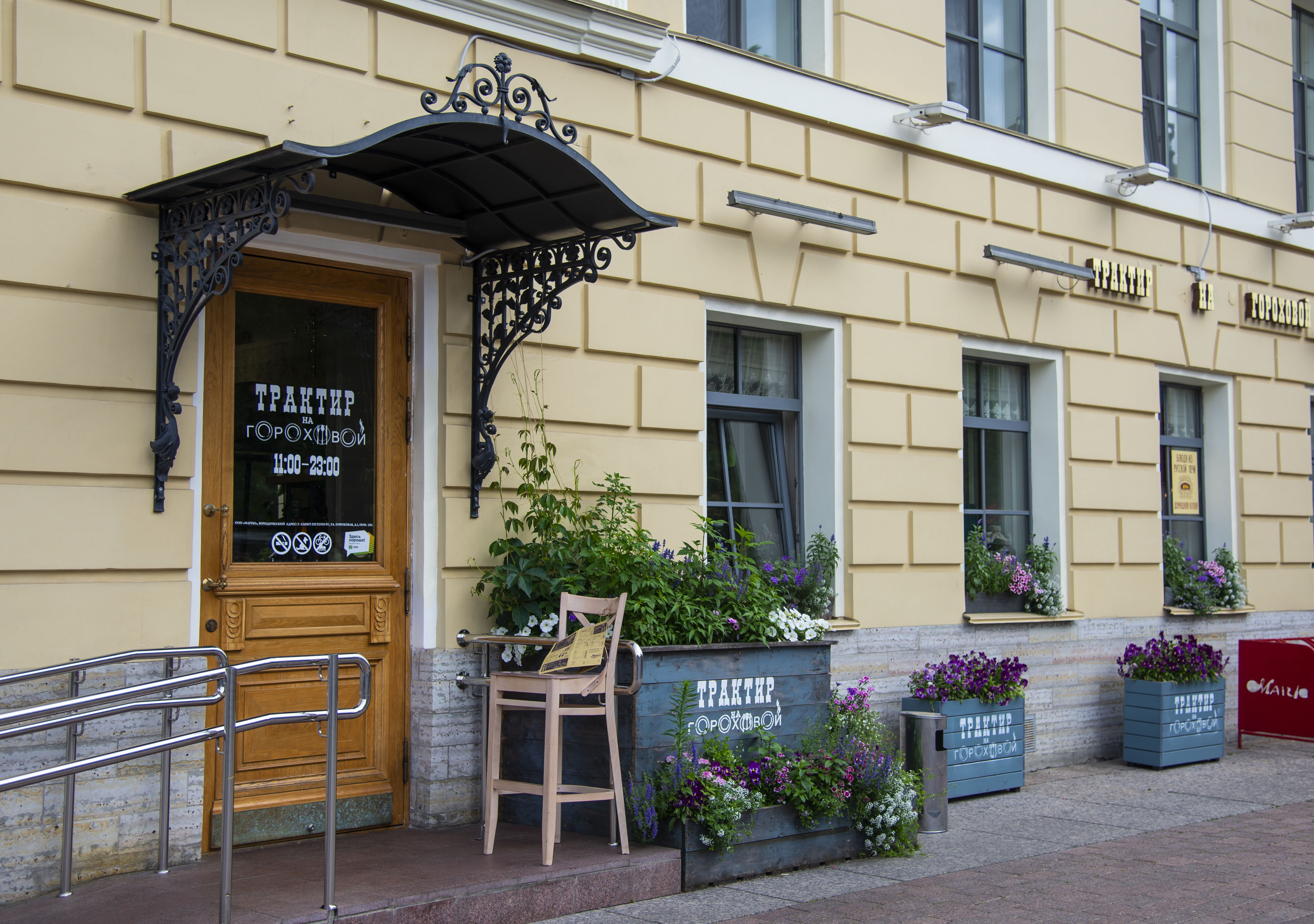
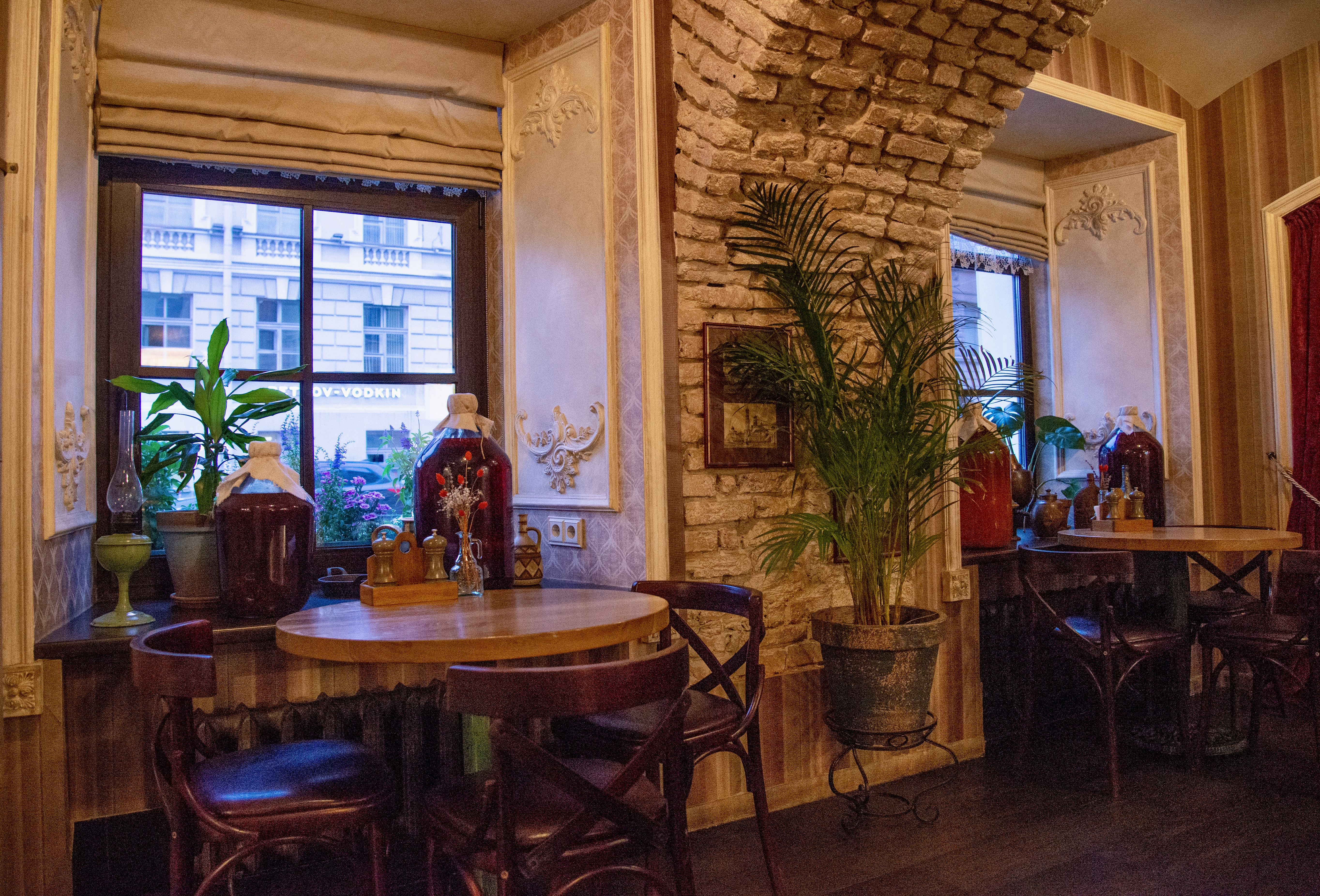
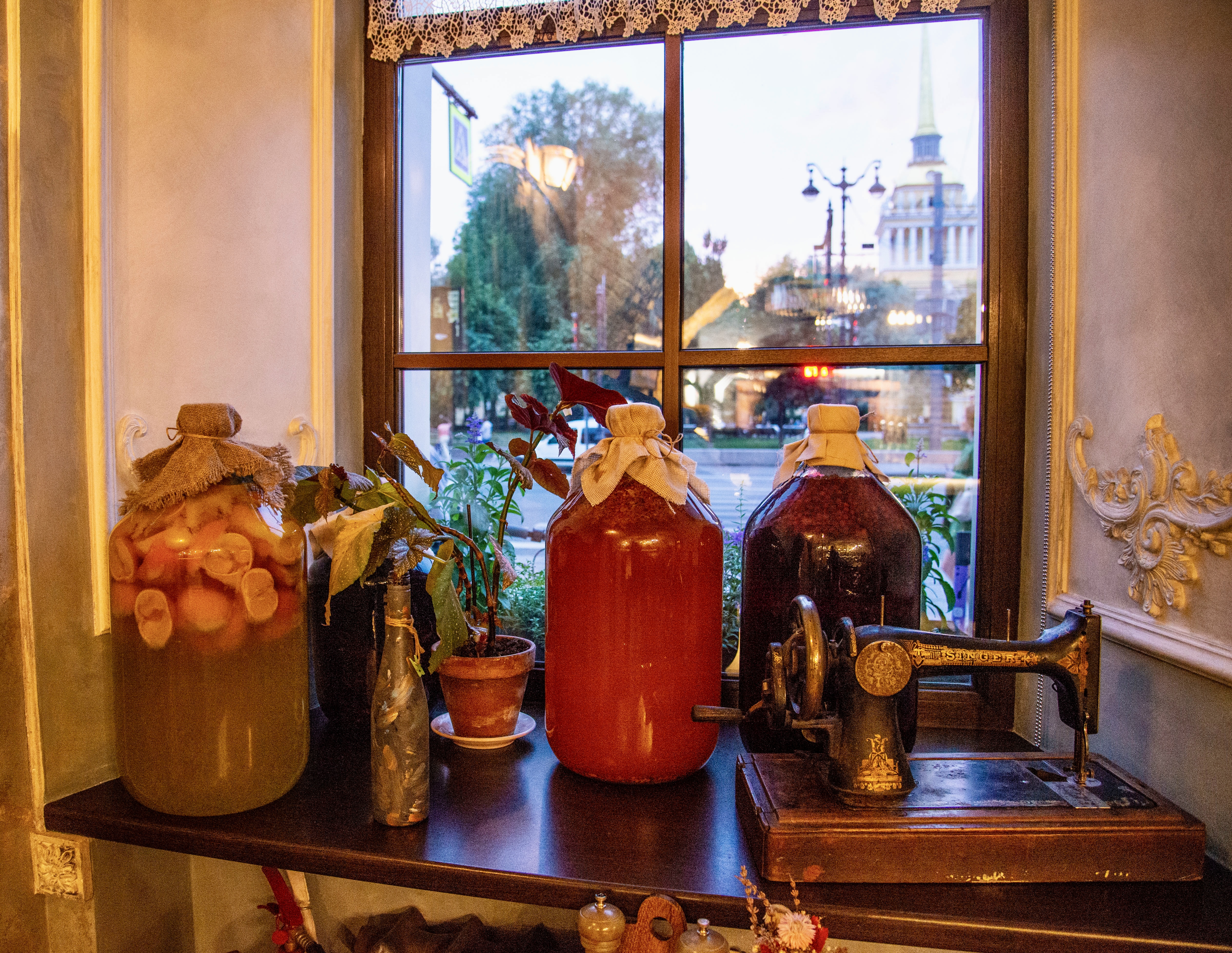
Traktir on Gorokhovaya street

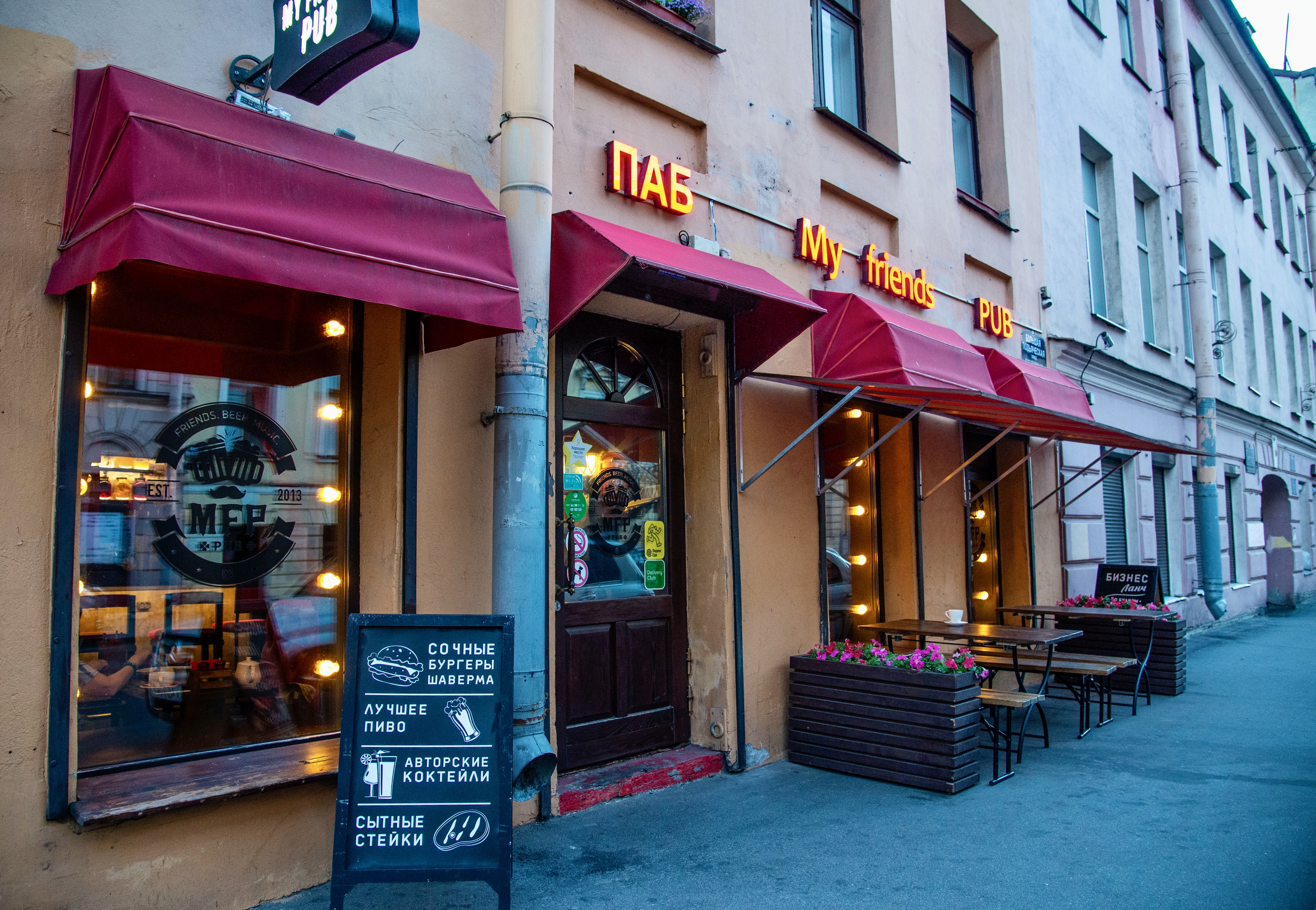
English Pub My friends

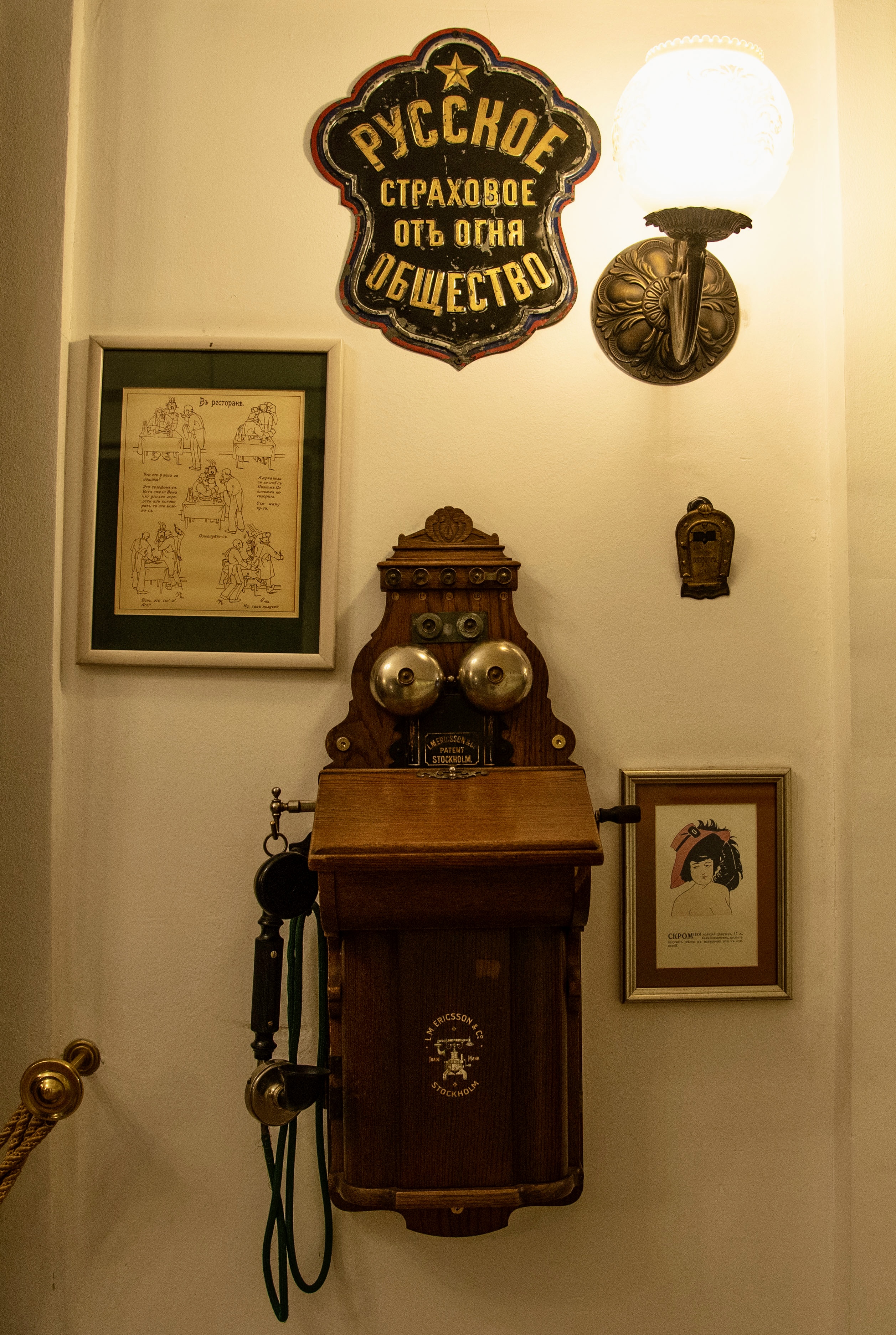
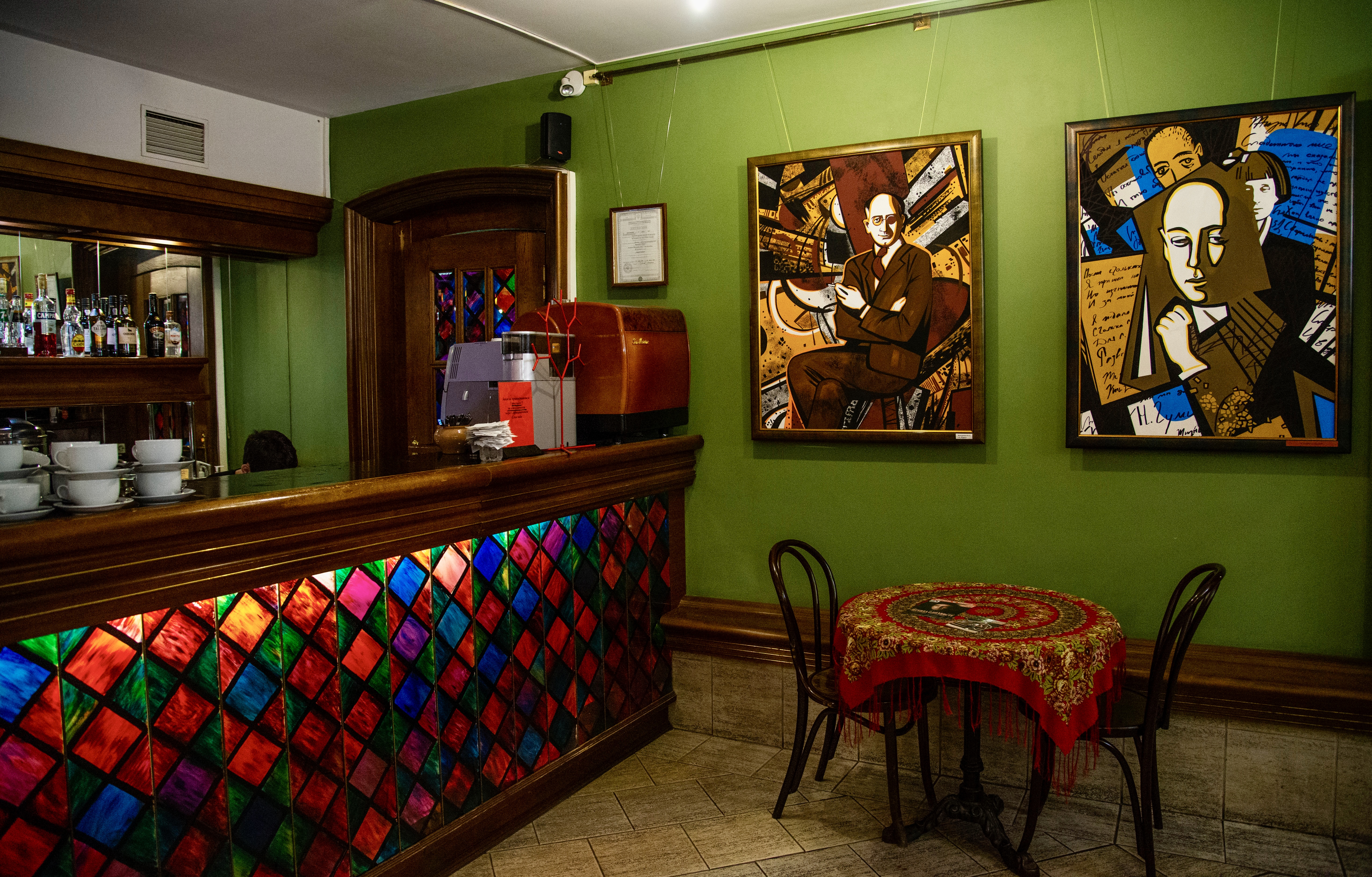
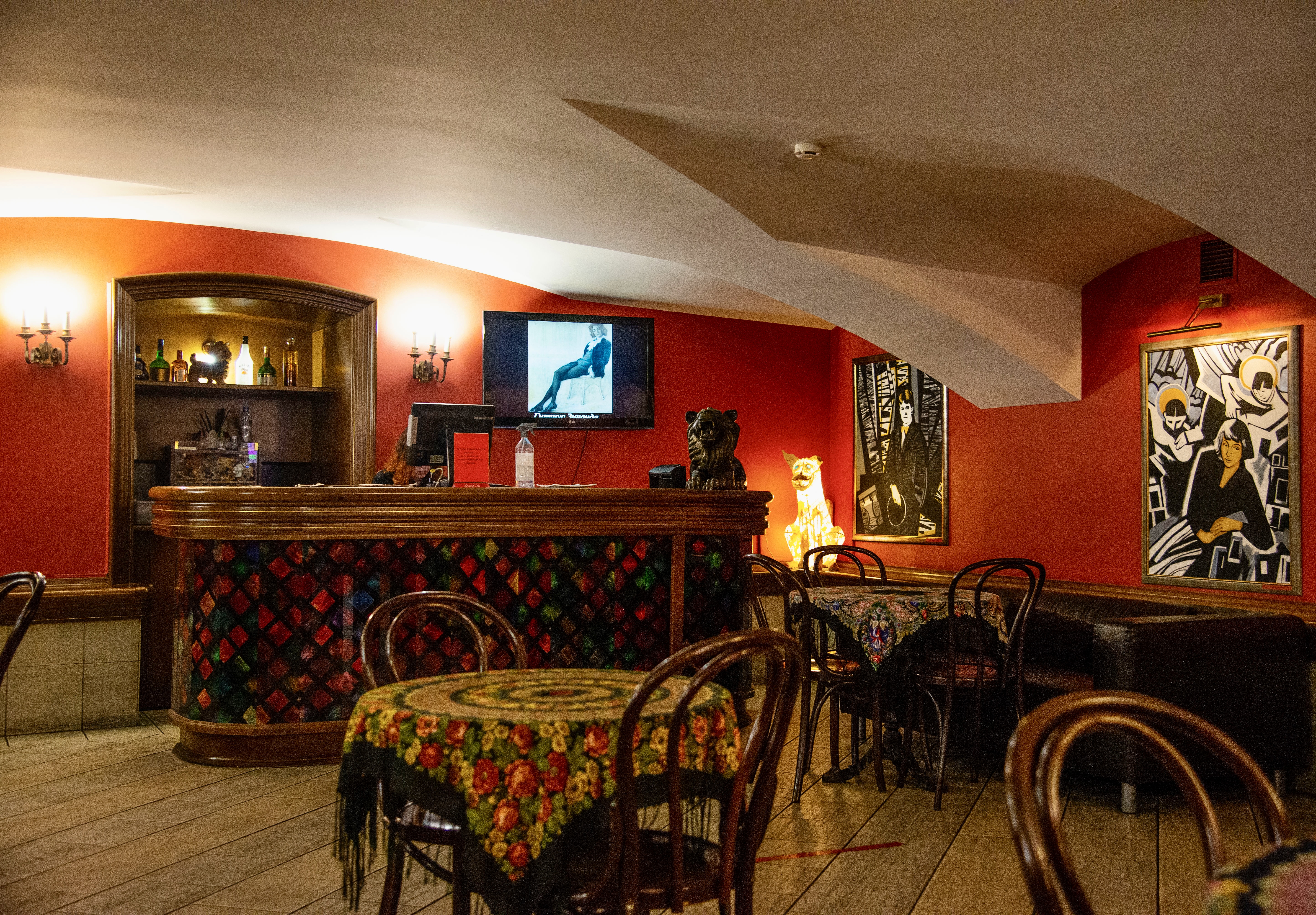
100 years old art cafe Podval Brodyachey Sobaki (Stray dog basement)

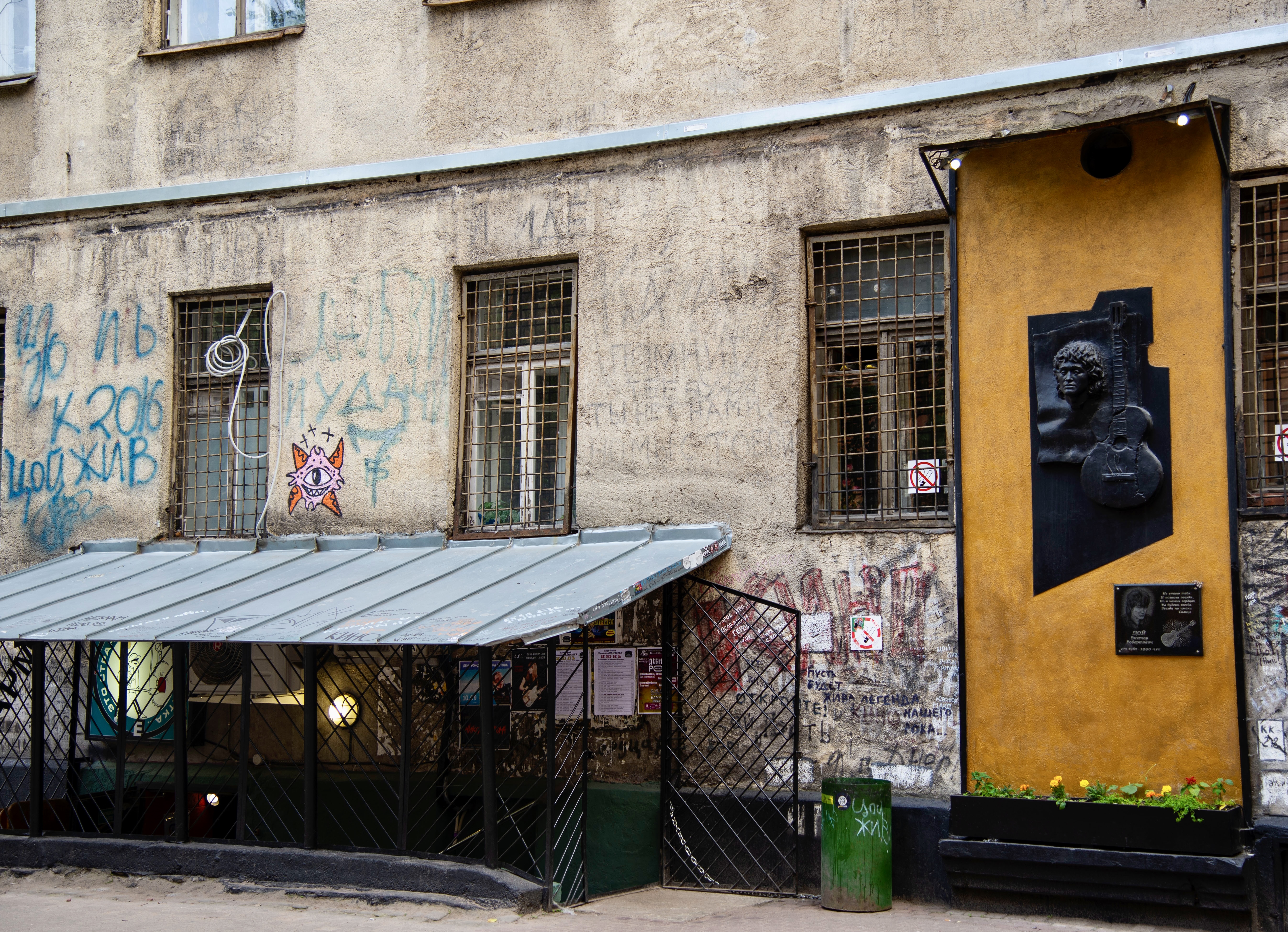
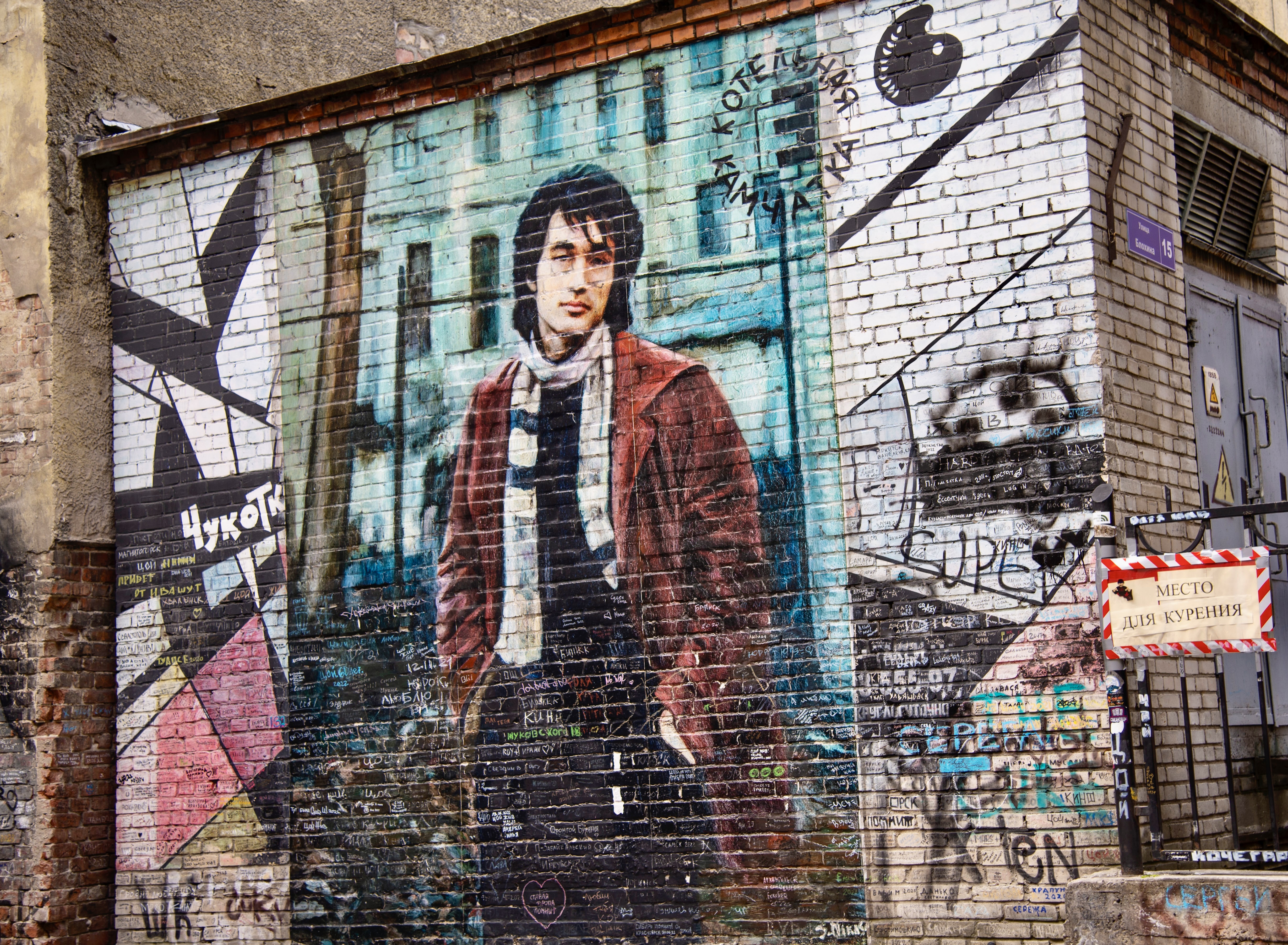
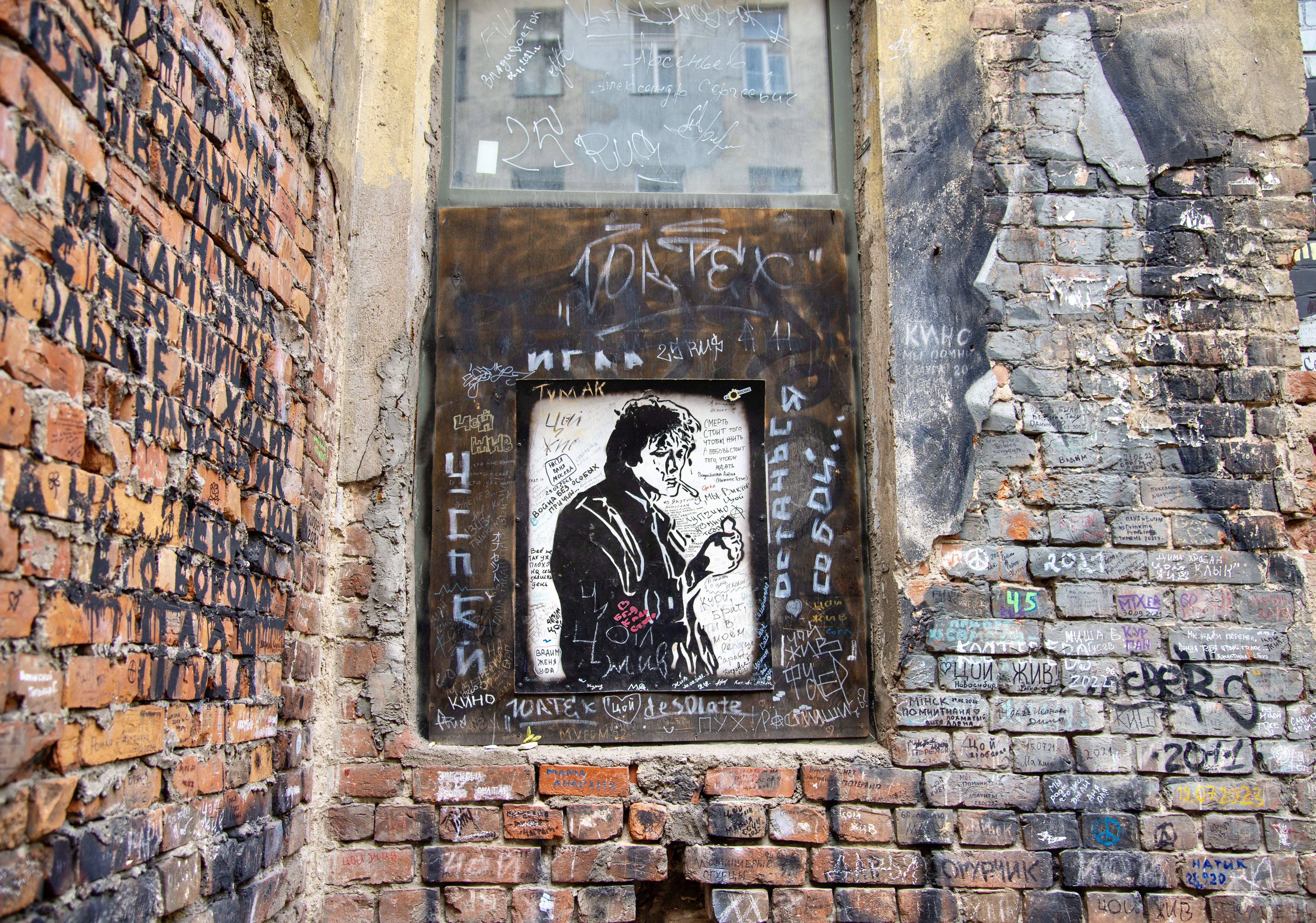
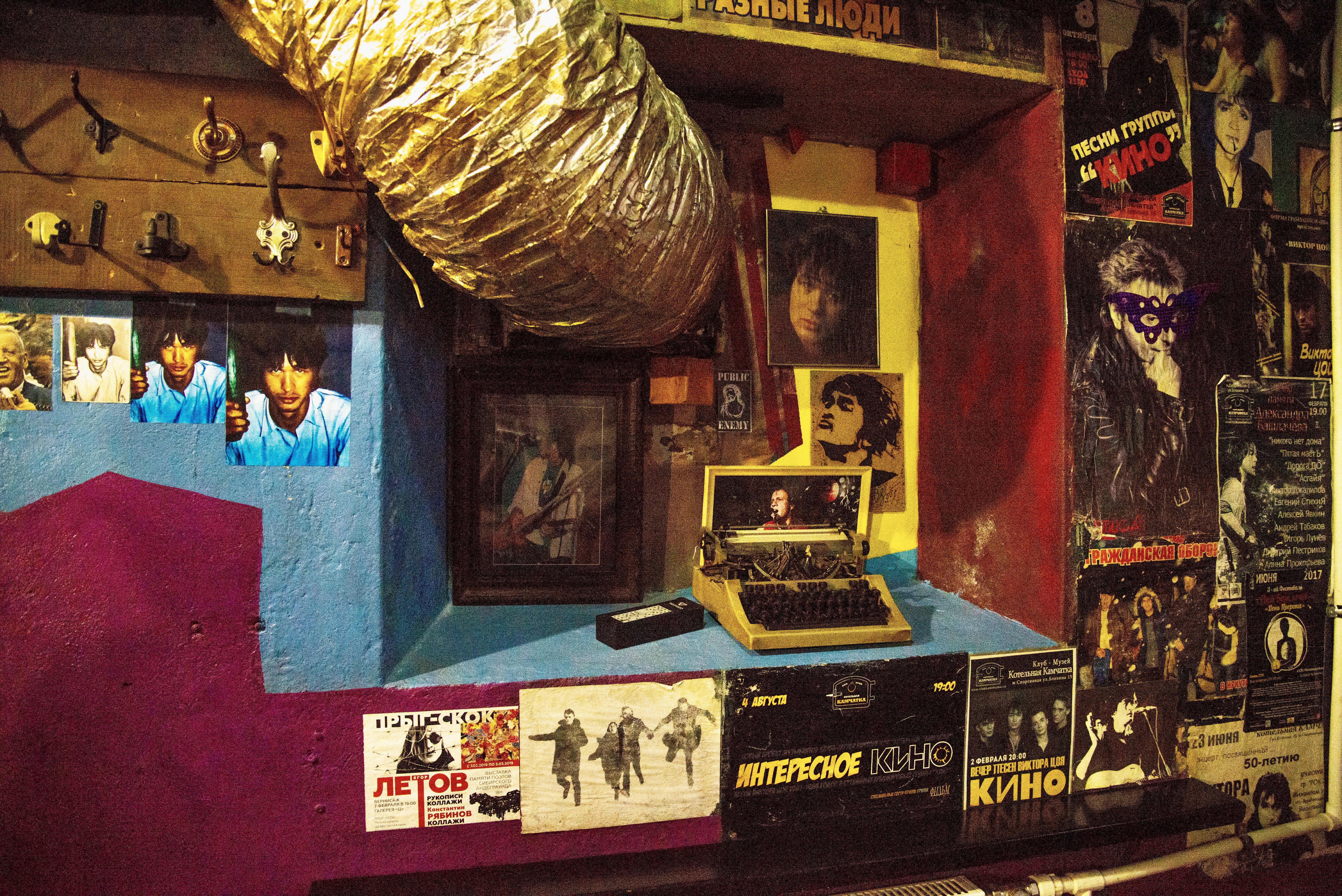
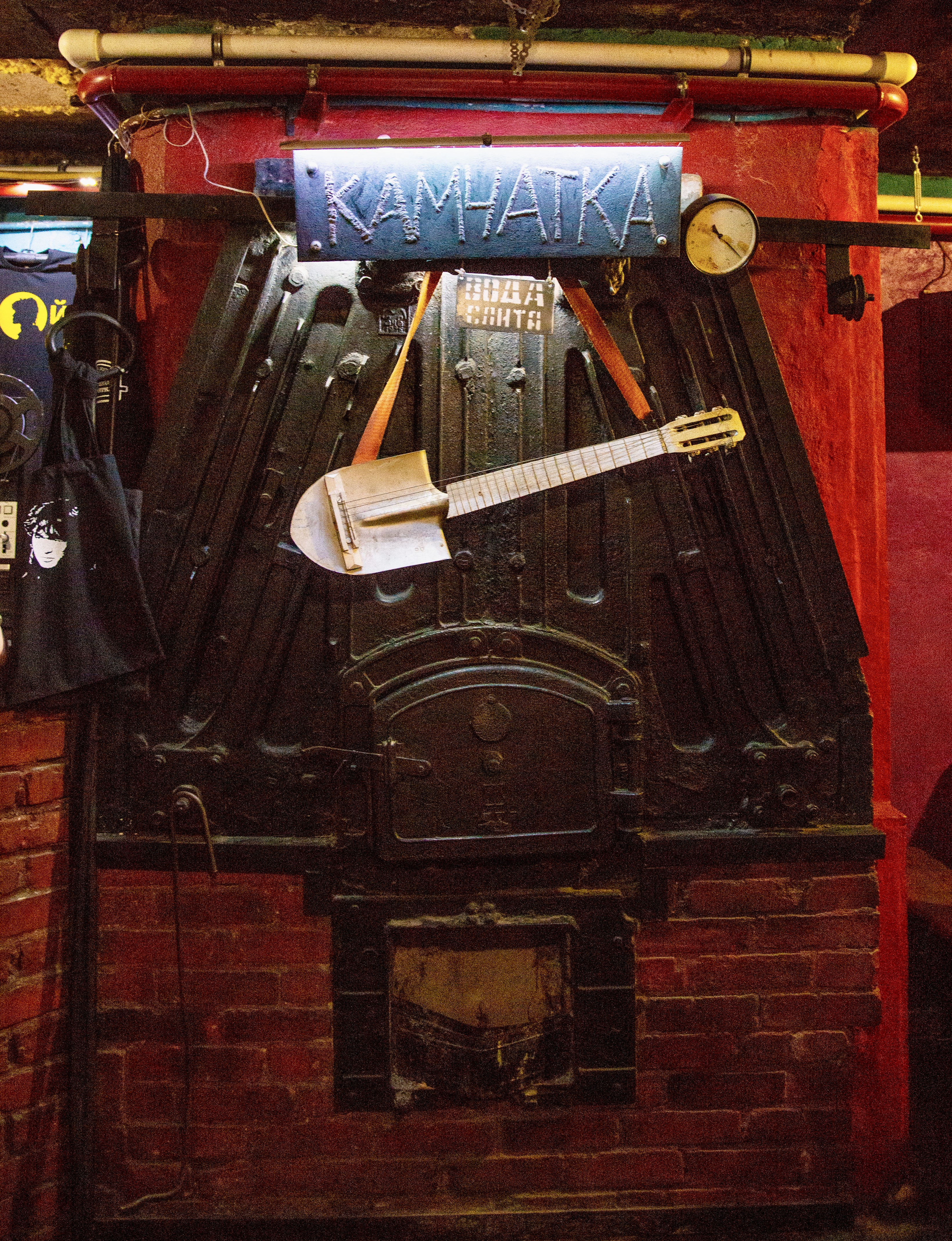
Club-museum Kamchatka

In the beginning it was just a boiler house called Kamchatka. The history of this spot began in the summer of 1986. One of the most famous Russian rock singers had been working there as a stoker for 3 years. Here he started his way to the big stage.

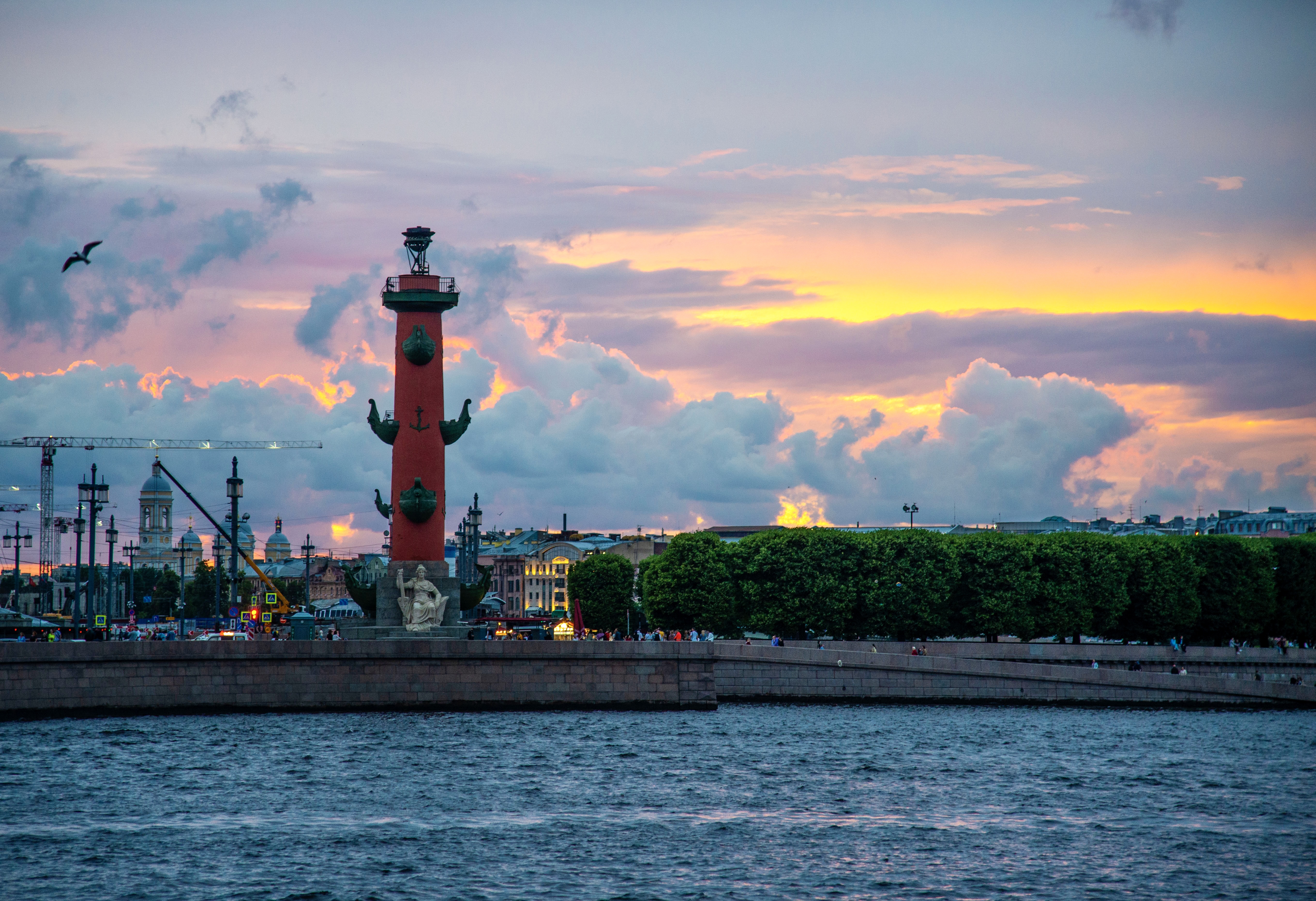
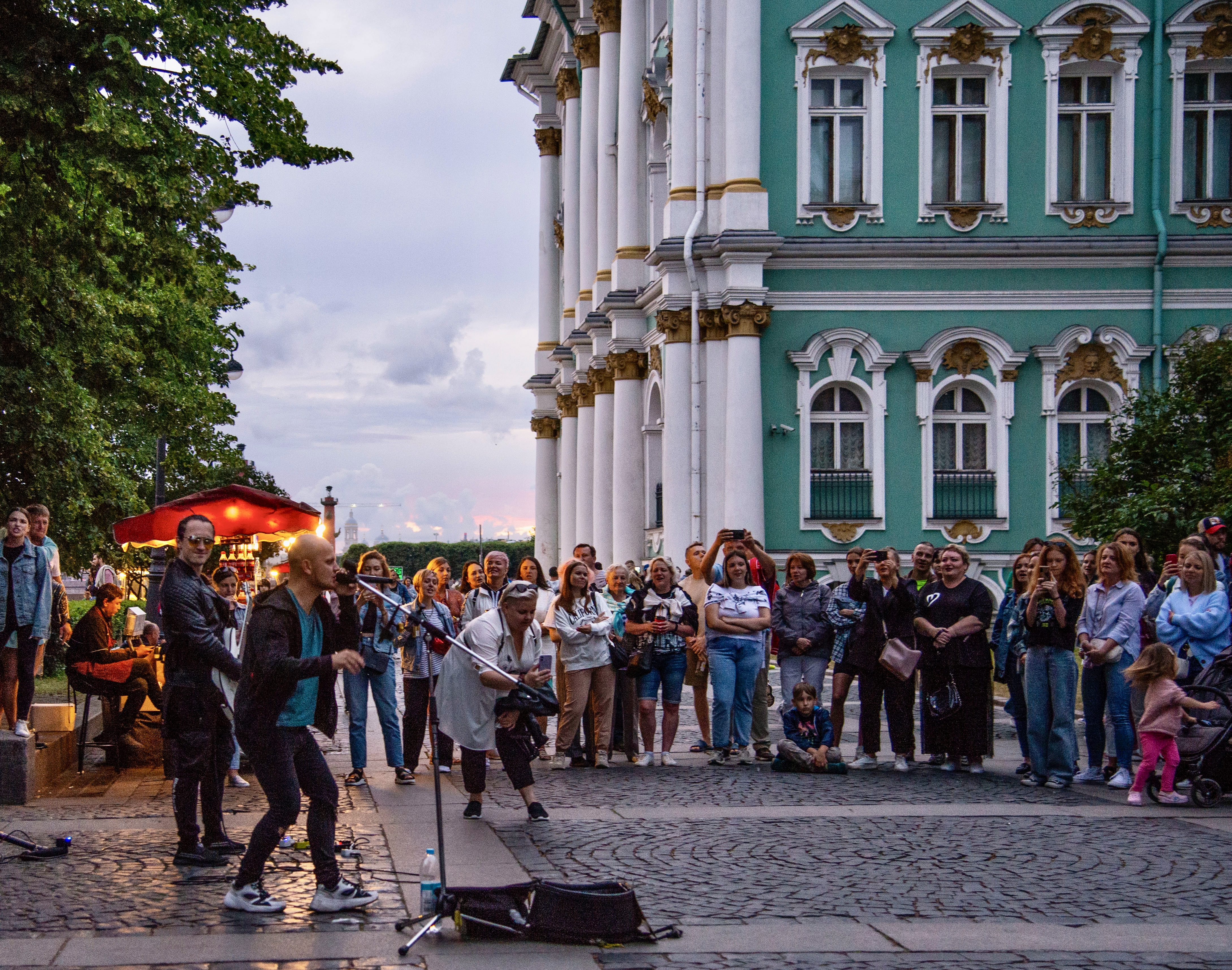
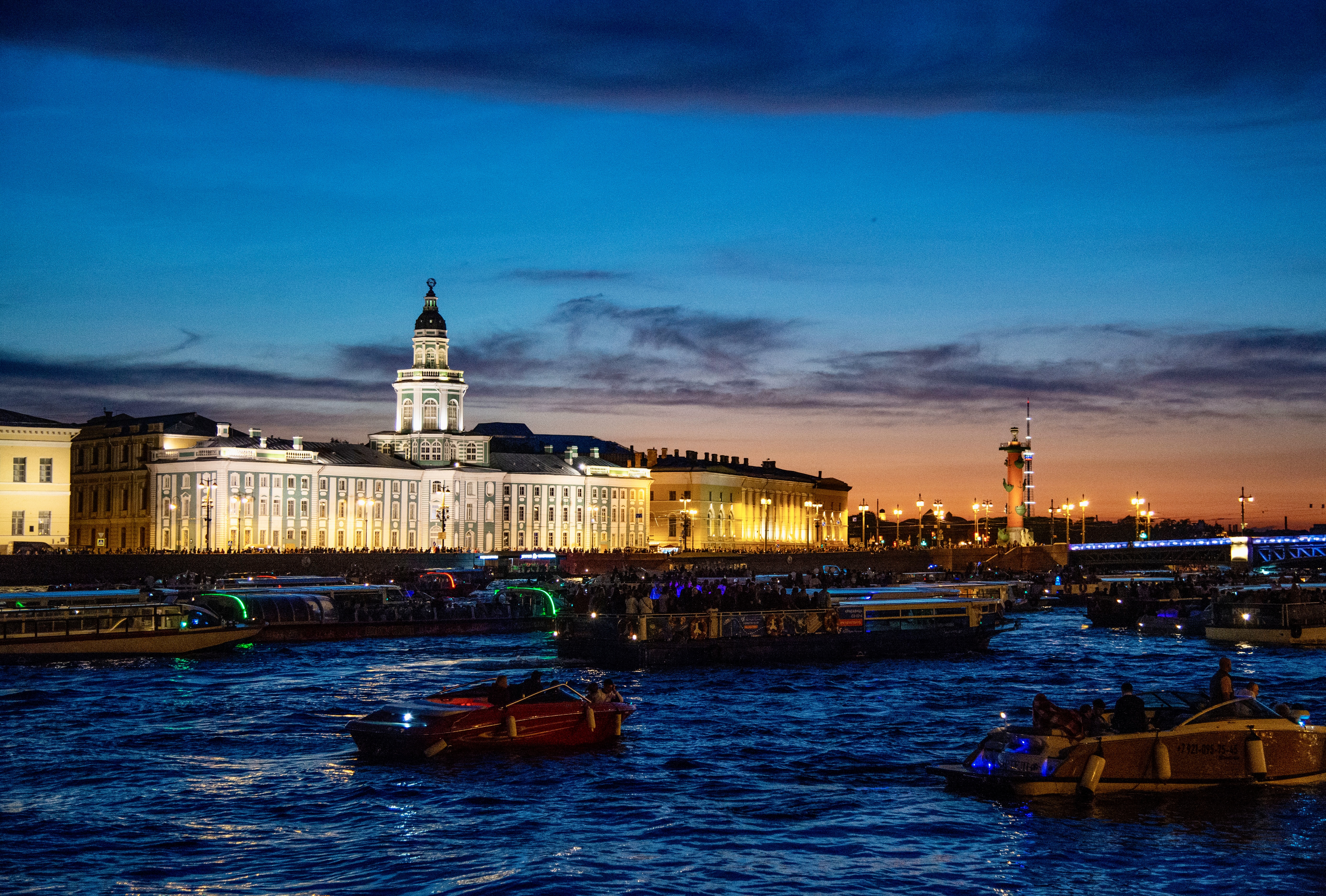
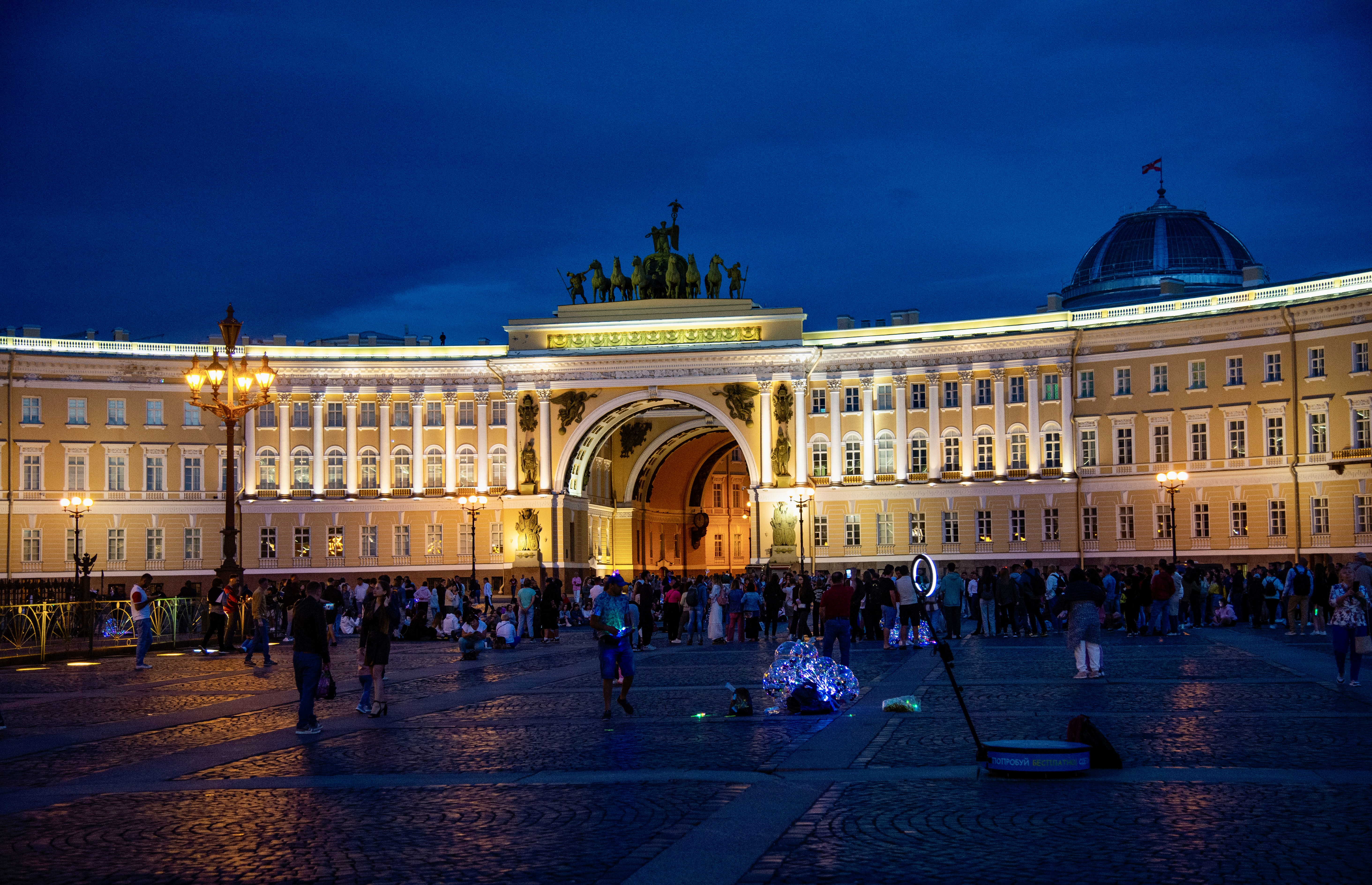
Summer sunsets and great musicians playing in front of Winter Palace

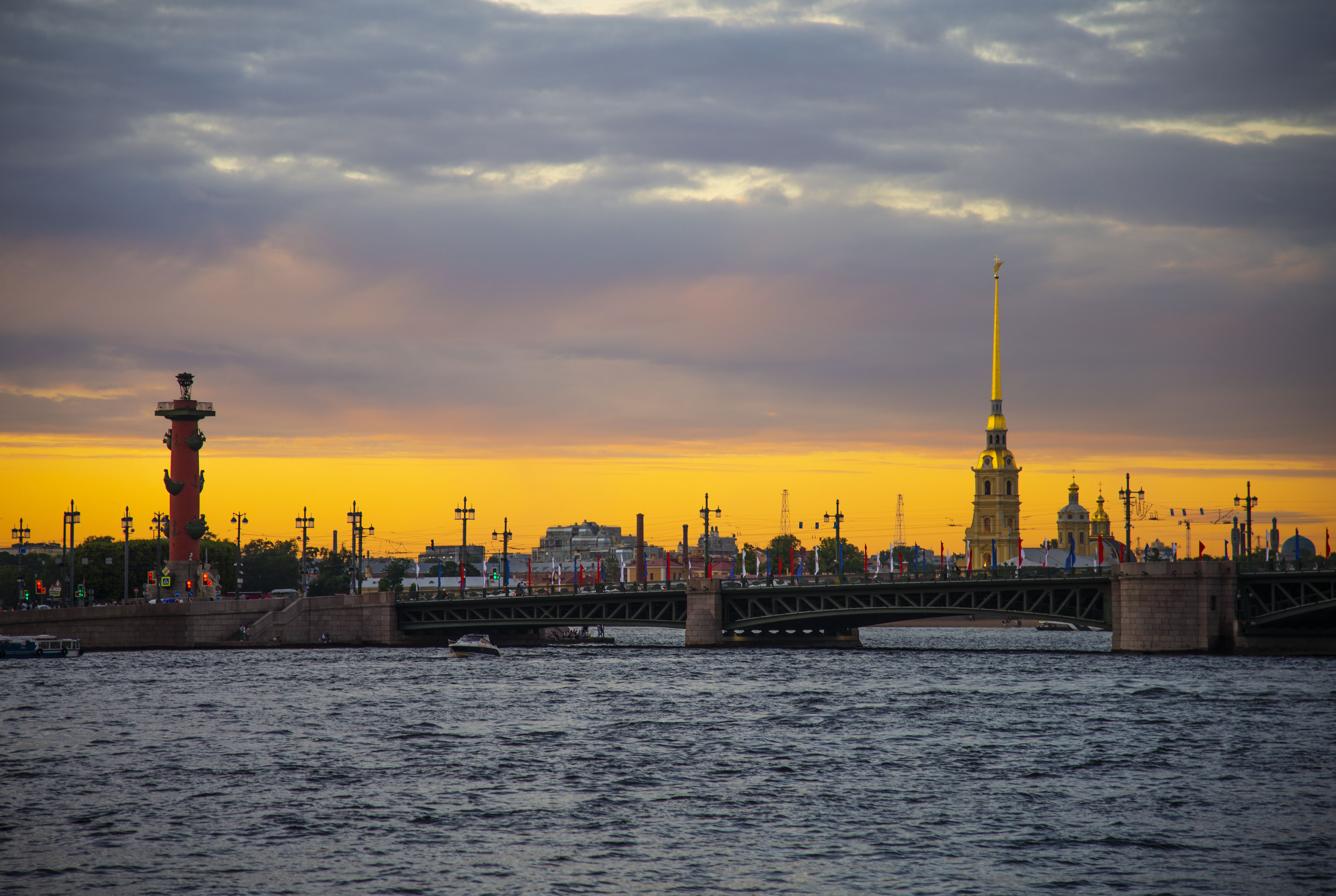
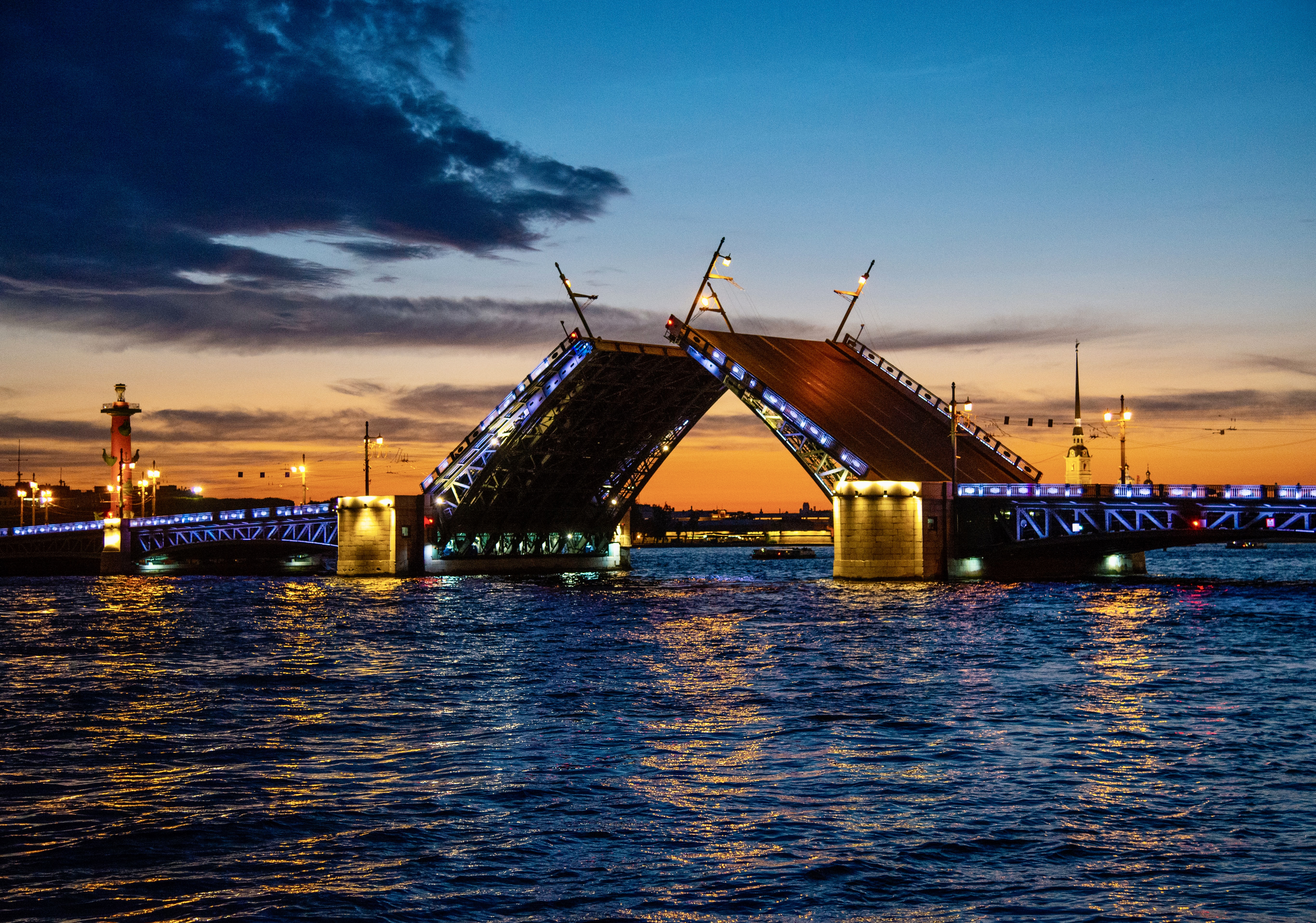
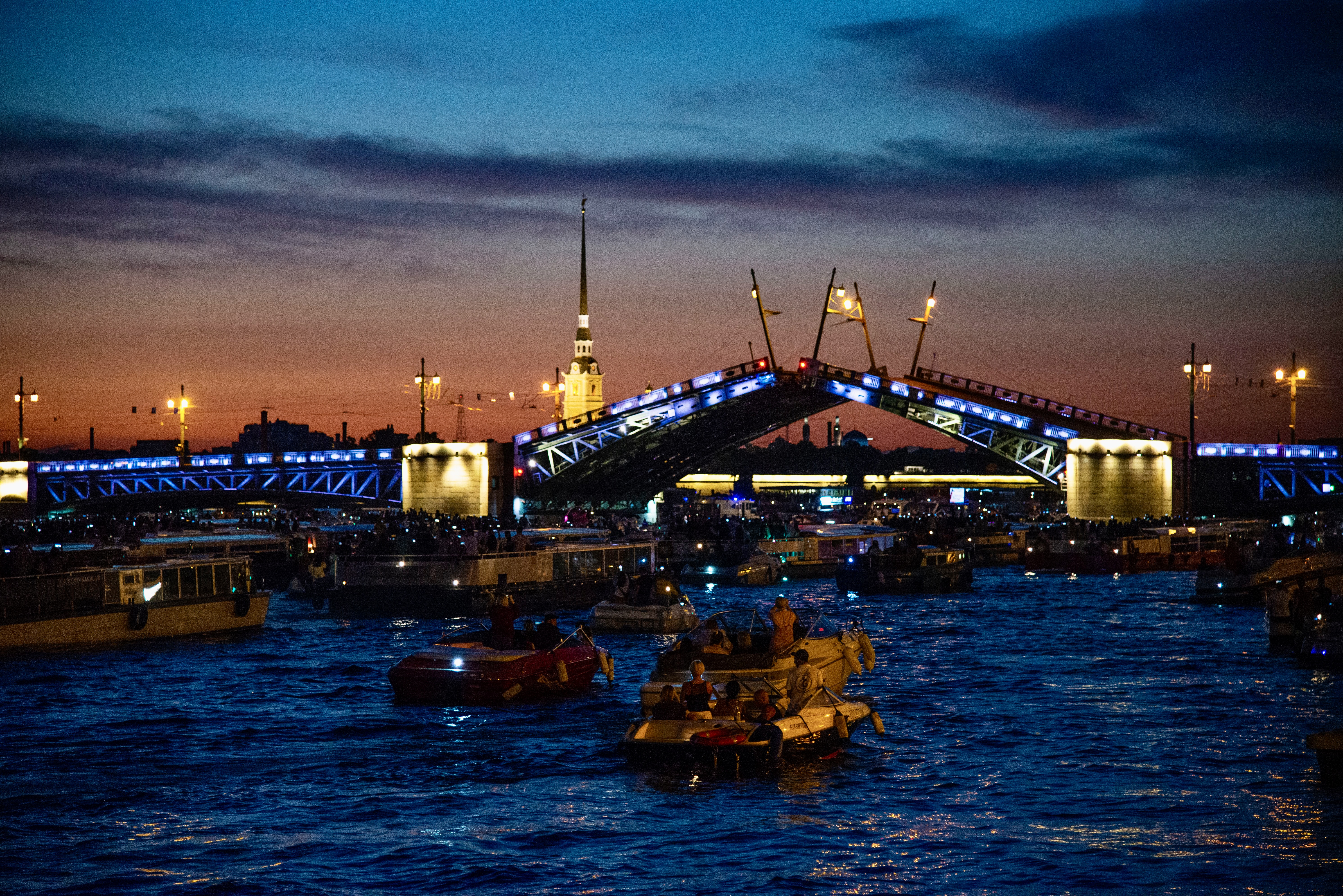
White nights and bridges on Neva river

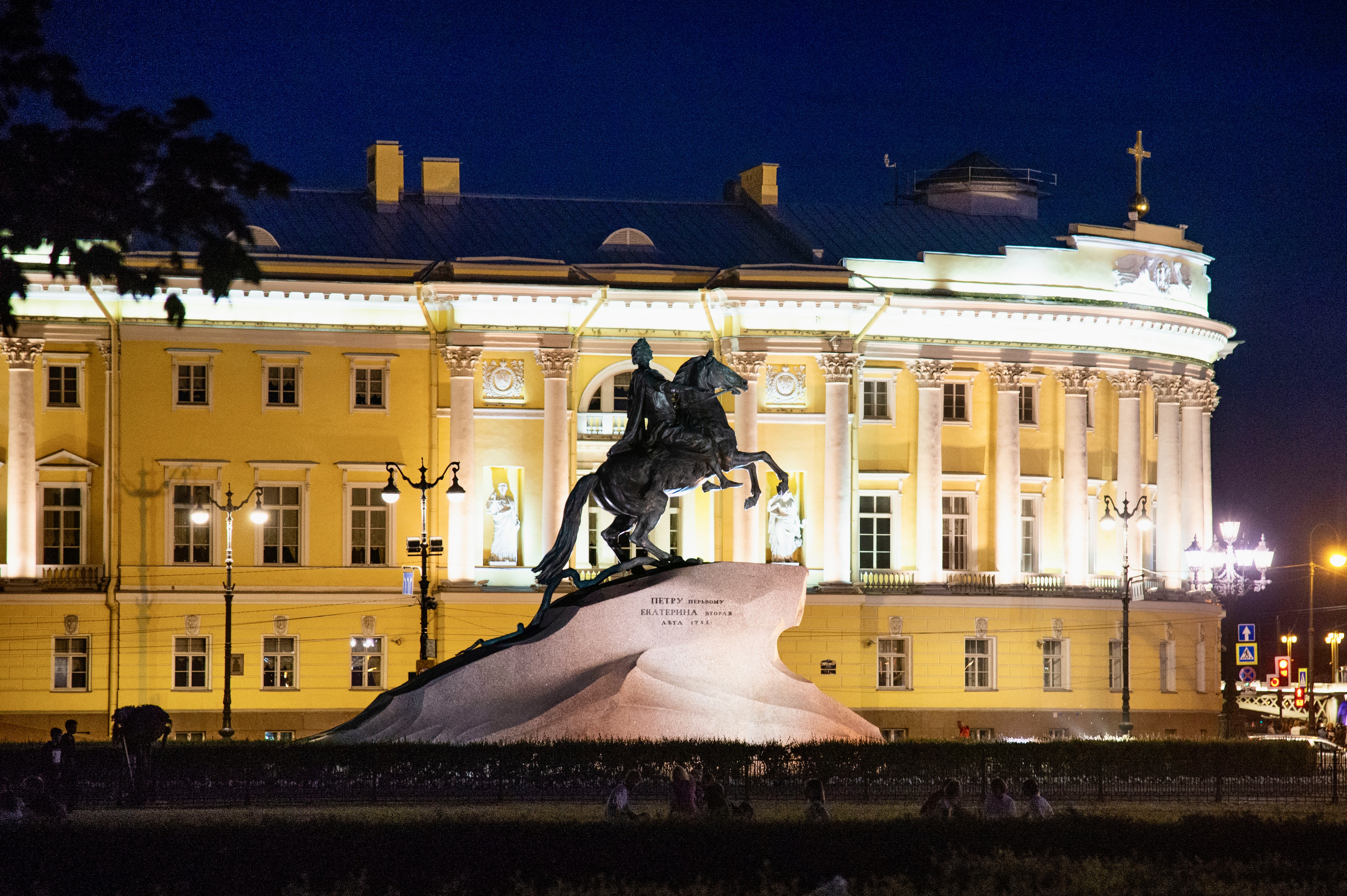
Bronze Horseman and Palace Square

City landmark commisioned by Catherine the Great, named for a Pushkin poem and completed in 1782.

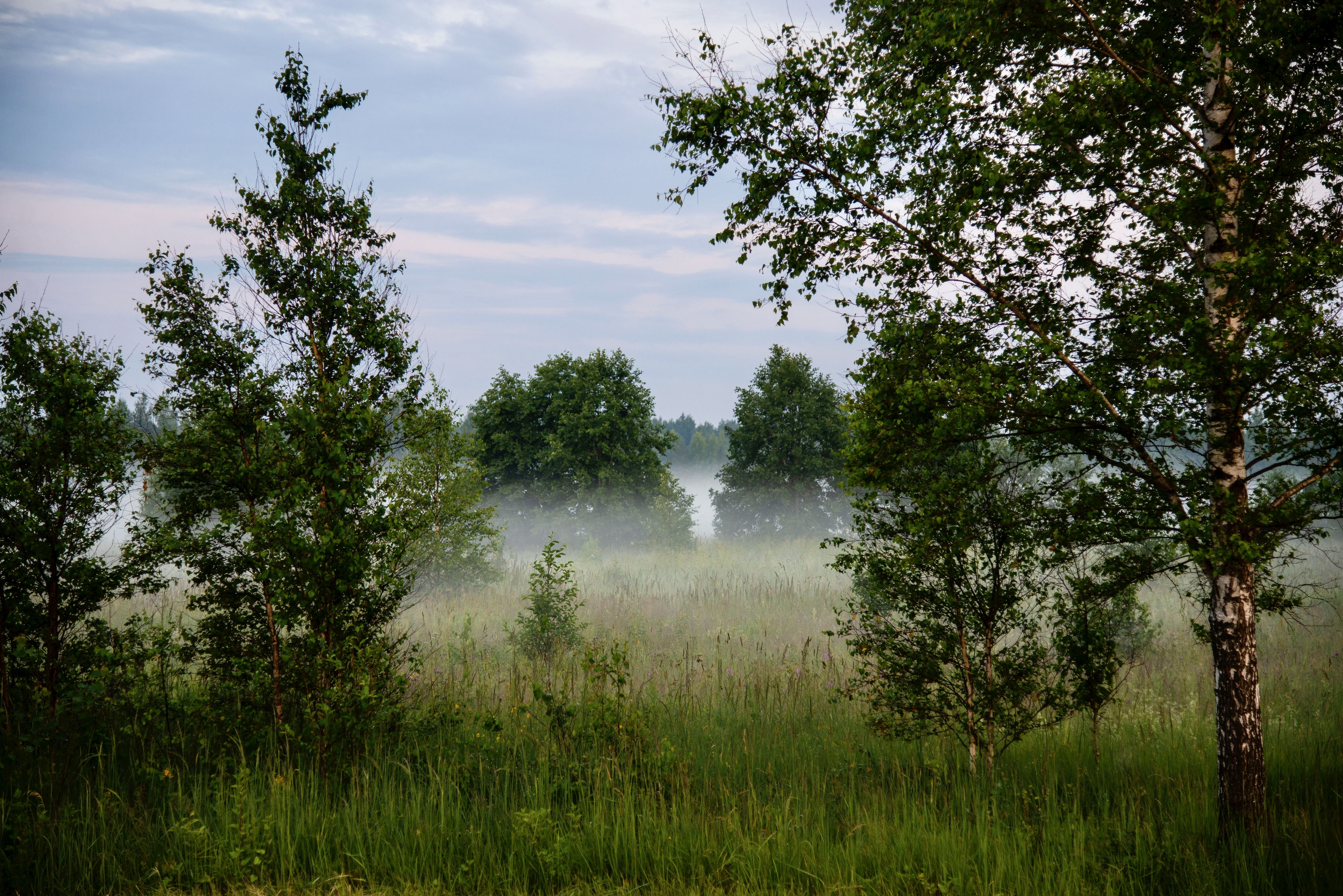
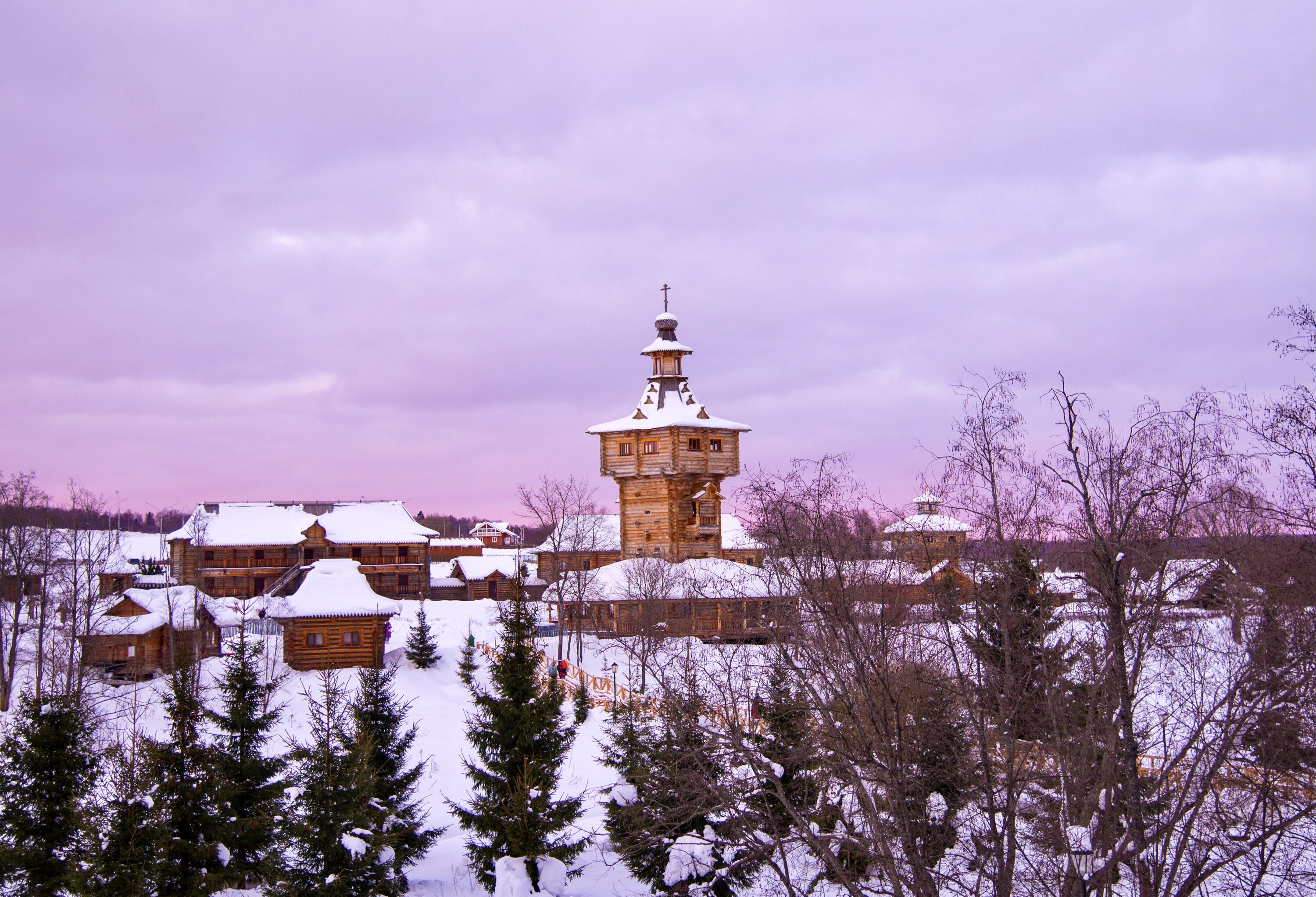
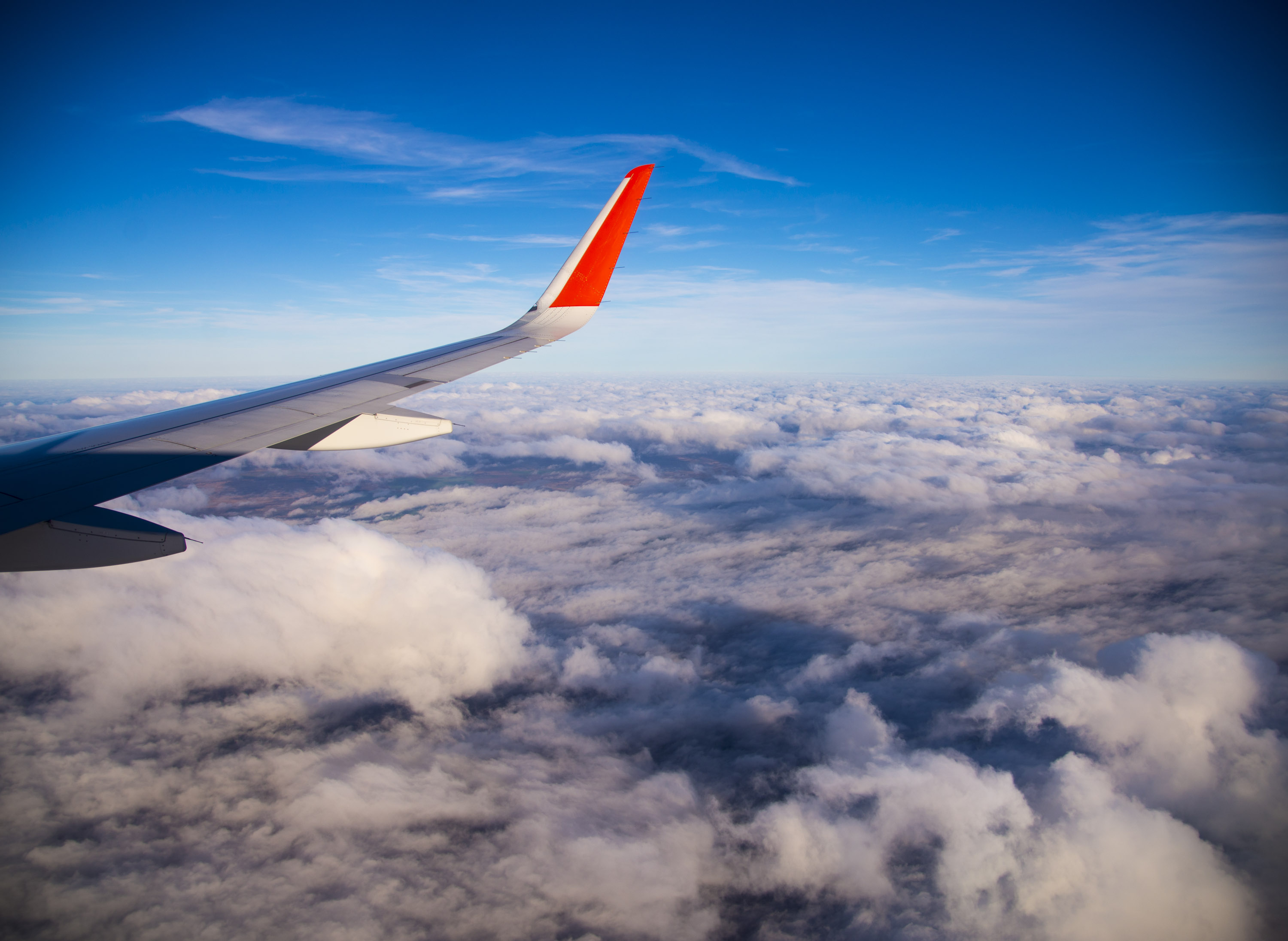
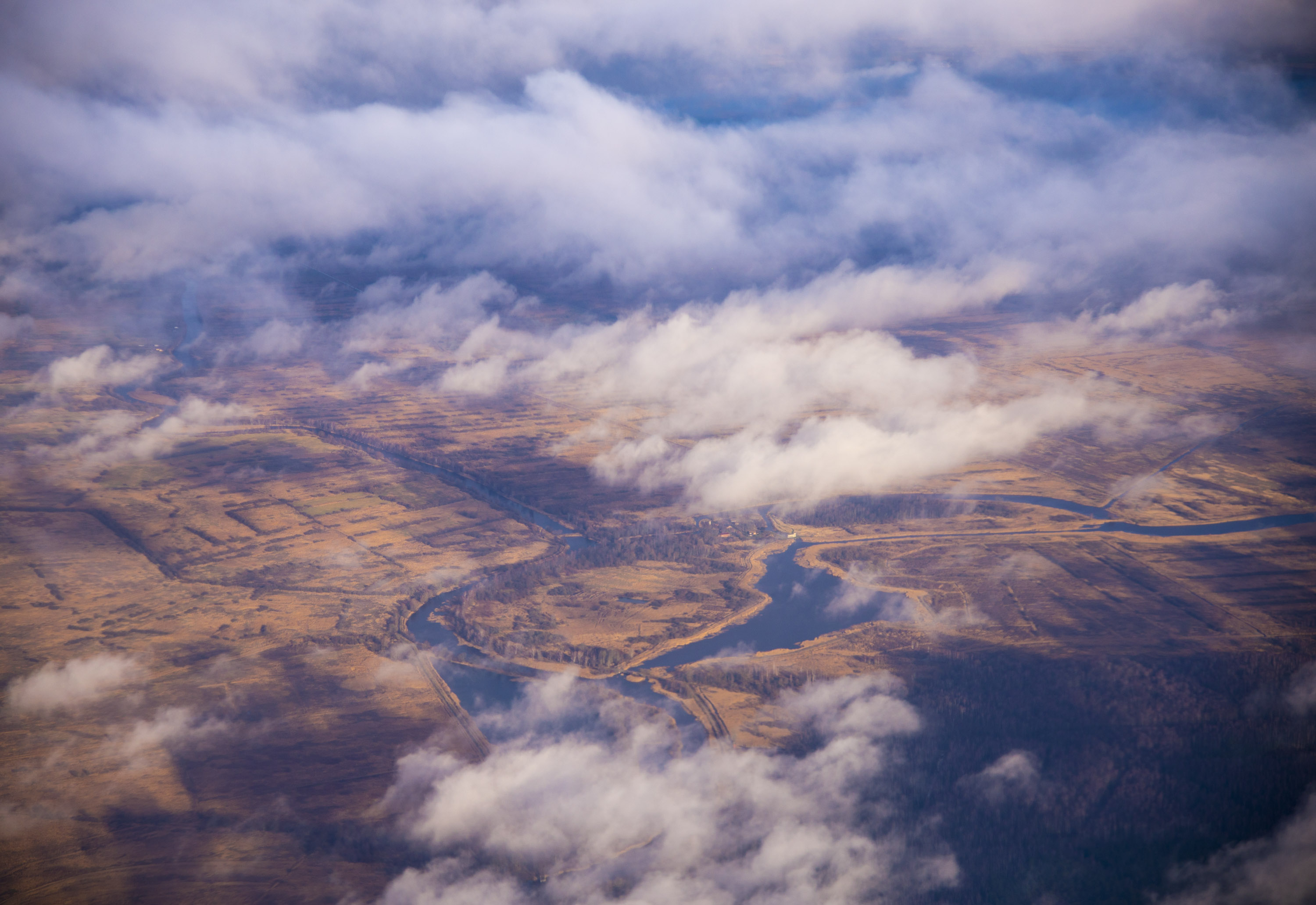
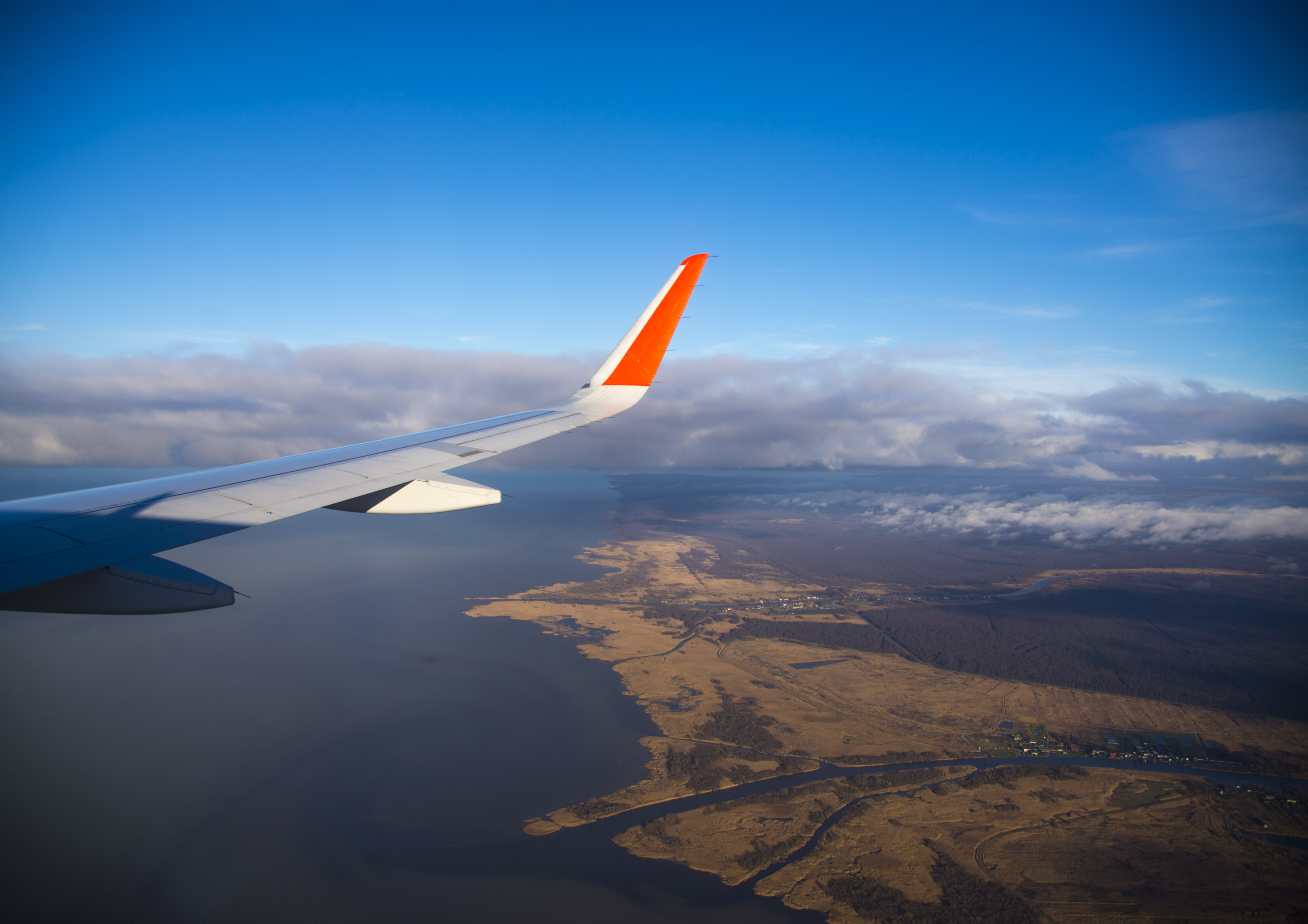
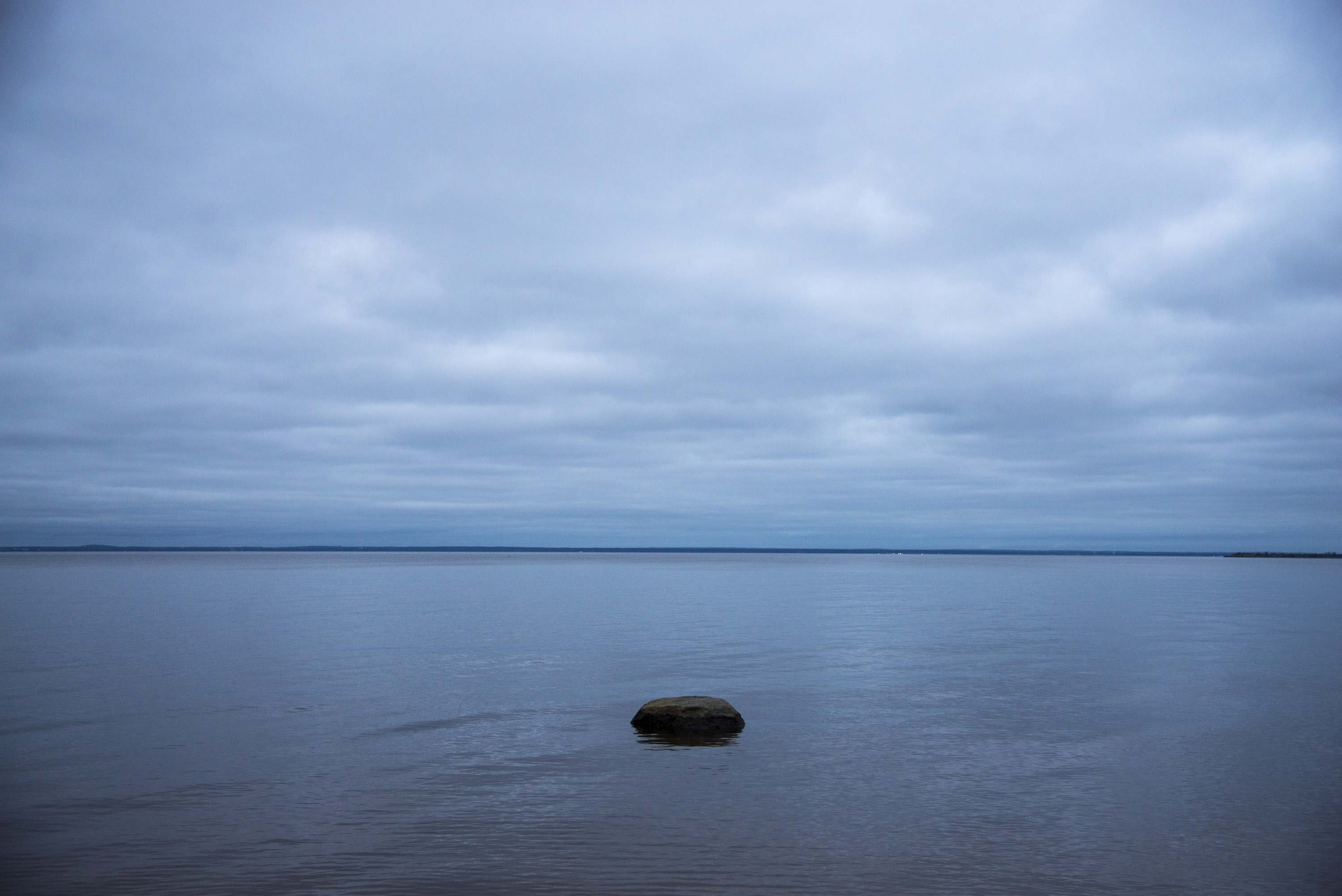
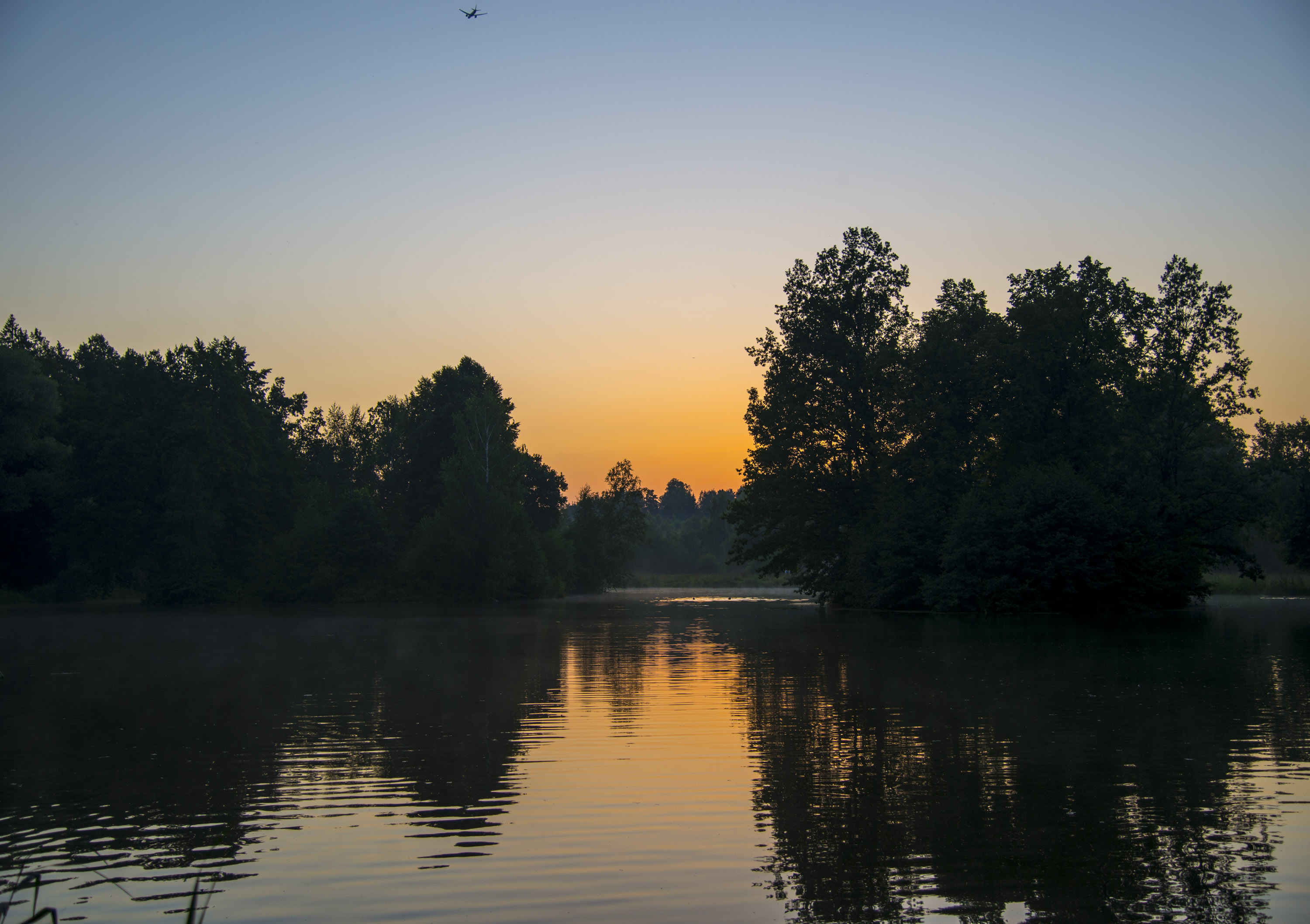
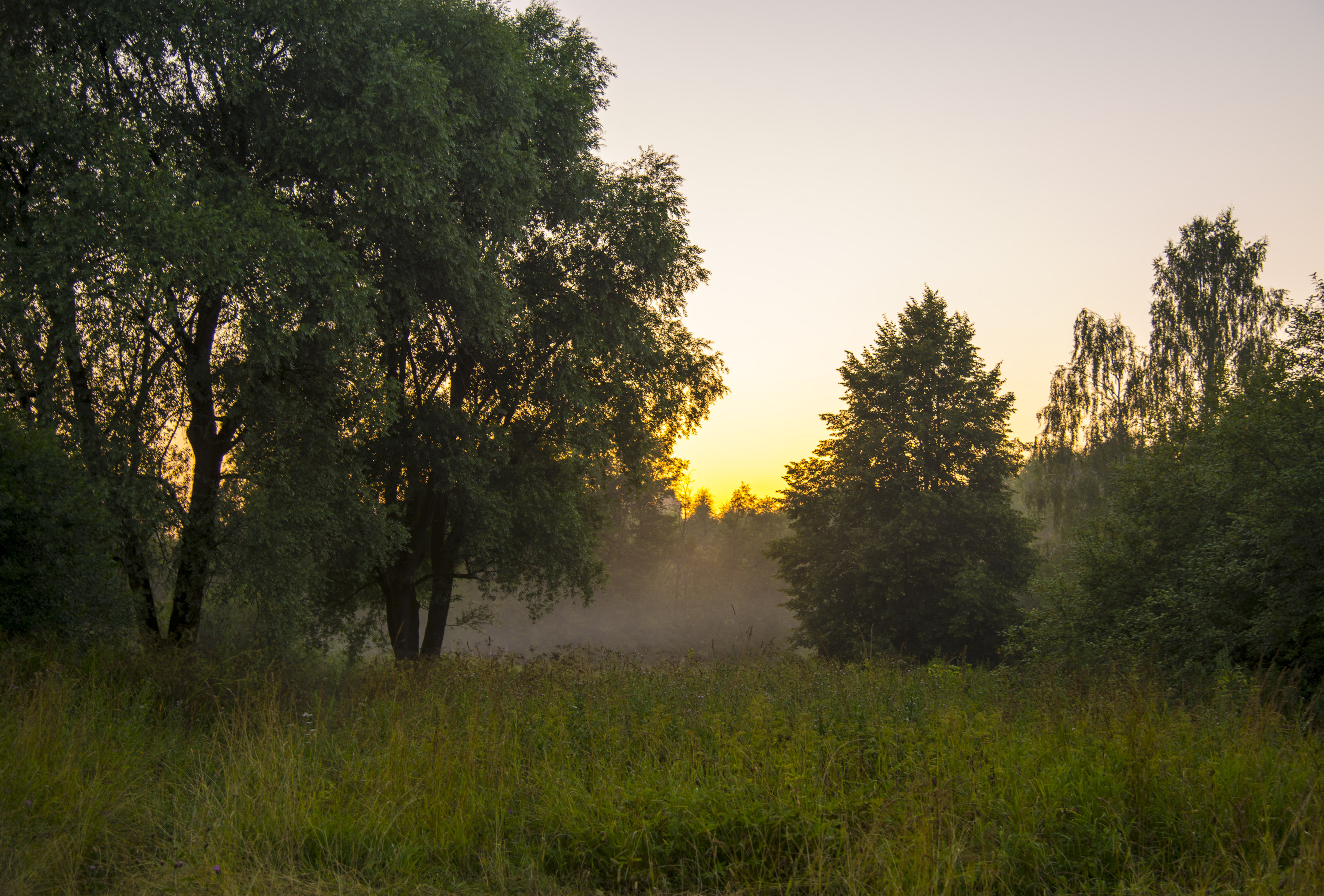
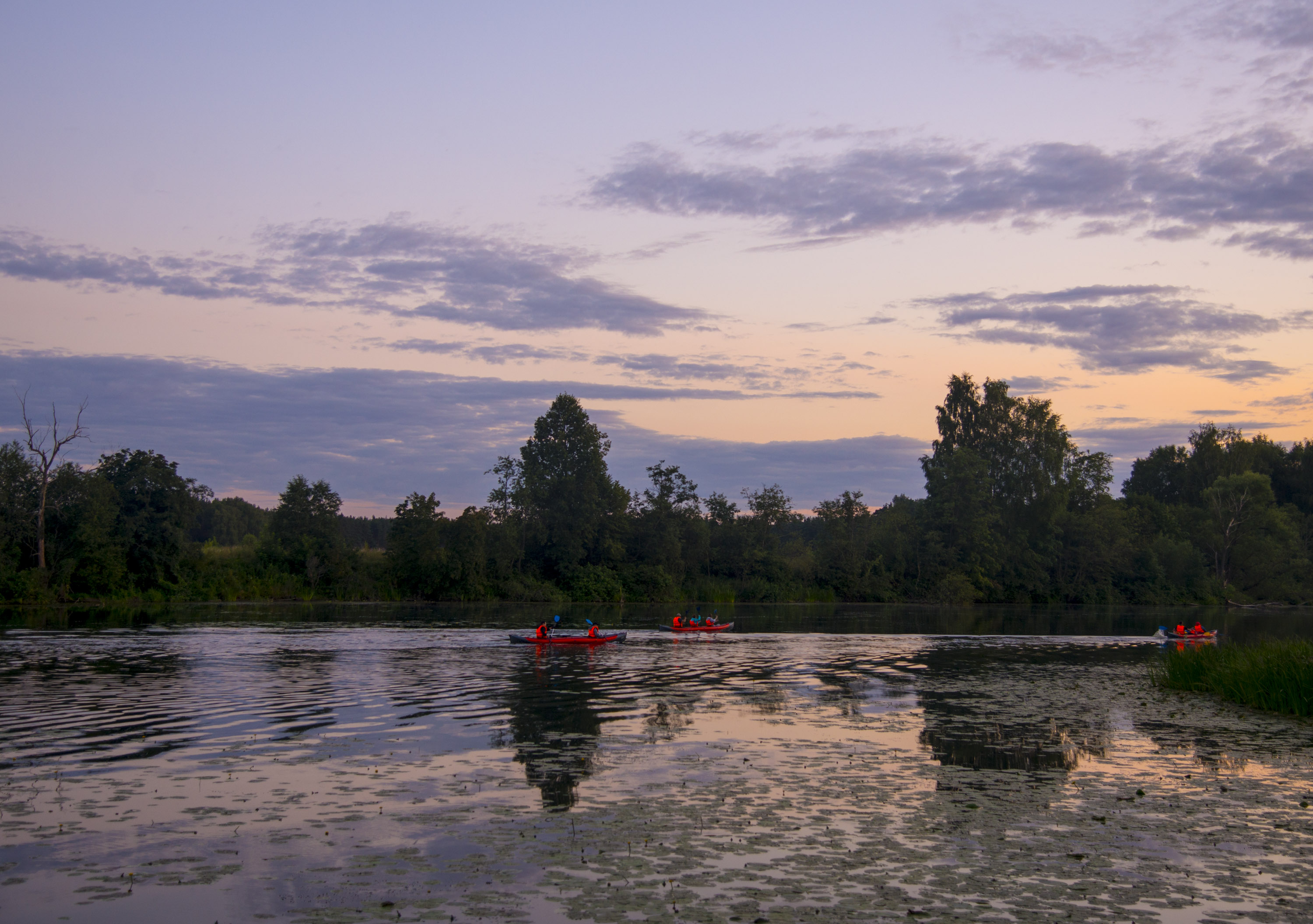
Foggy sunsets on the way from St.Petersburg to Moscow

Gallery

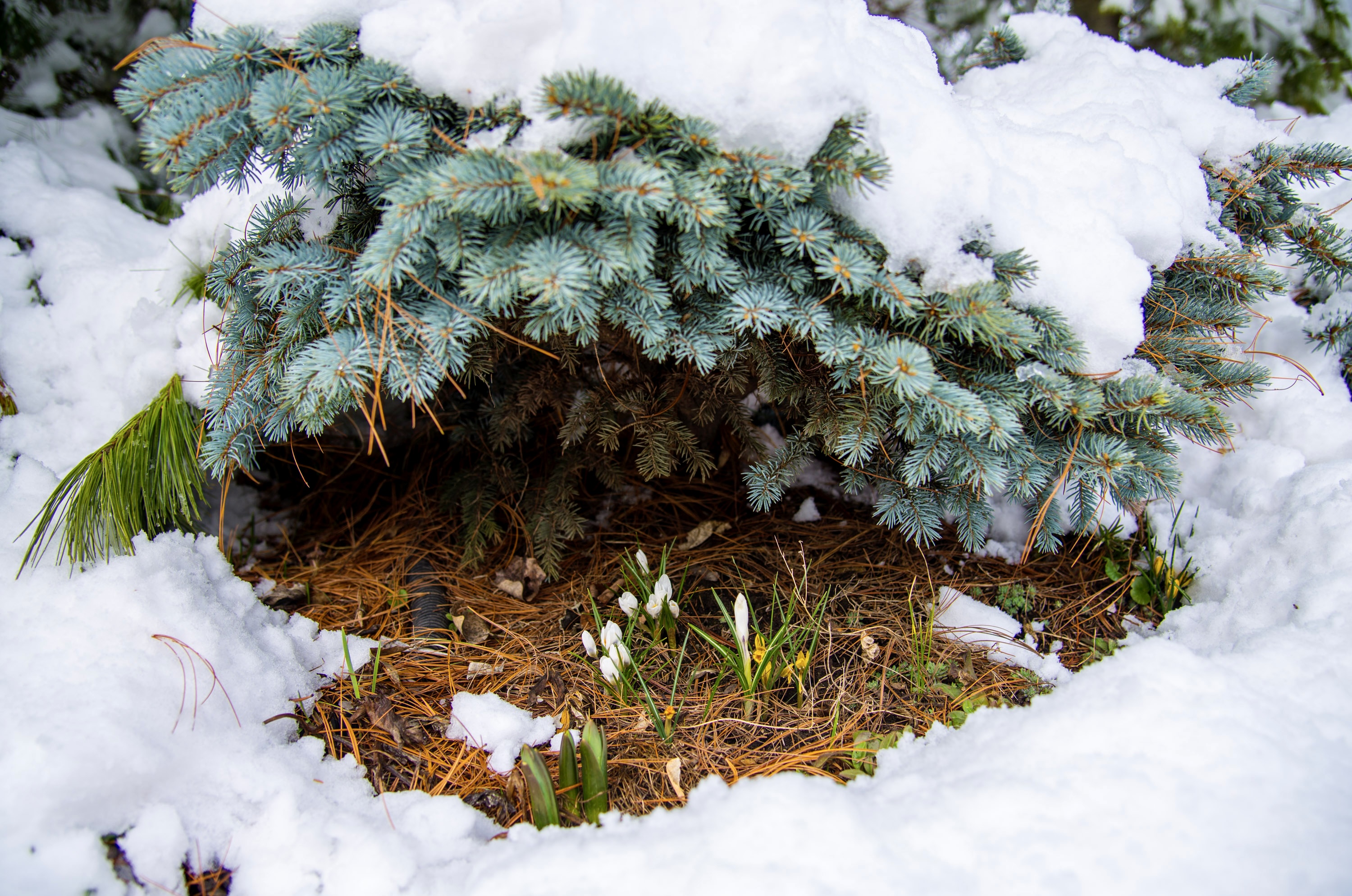
Springtime in Moscow and Moscow region, 2022

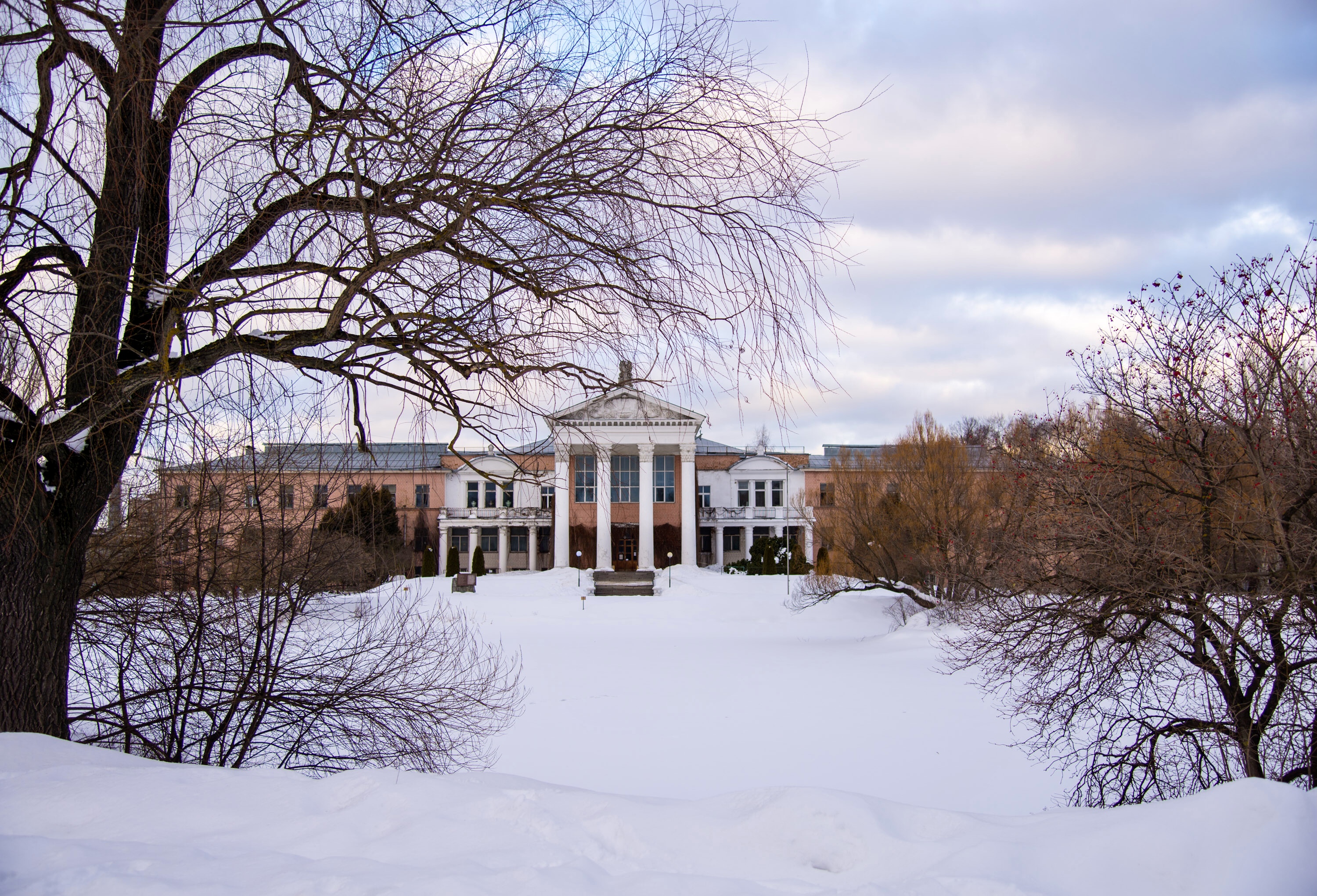
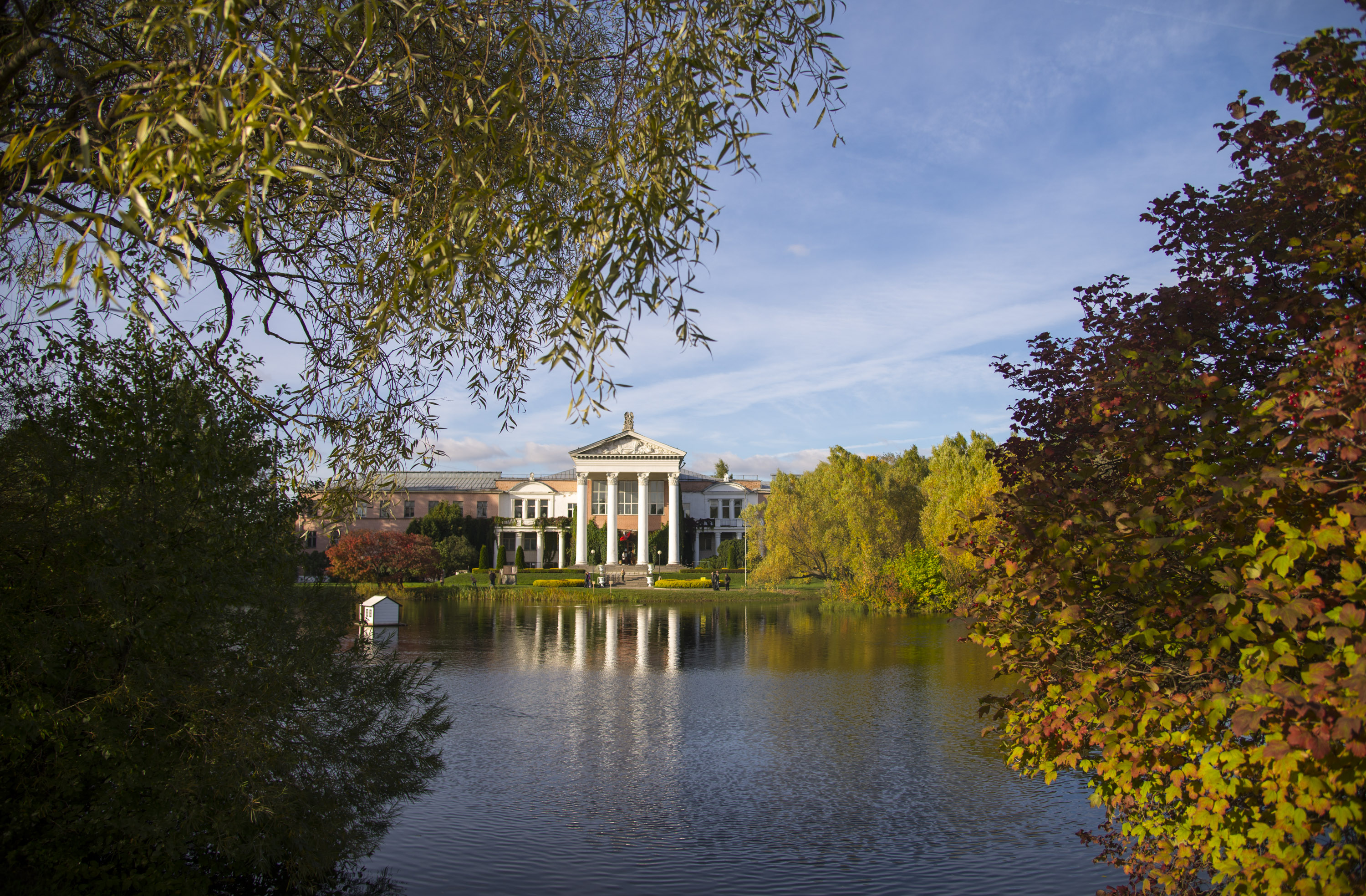
Aptekarskiy Ogorod

Founded by Peter the Great in 1706 as a kitchen garden (ogorod) for growing medicinal plants. Since 1805, it has belonged to the Moscow State University as part of the Biology Faculty. You can explore the gardens as well as three different greenhouses. 

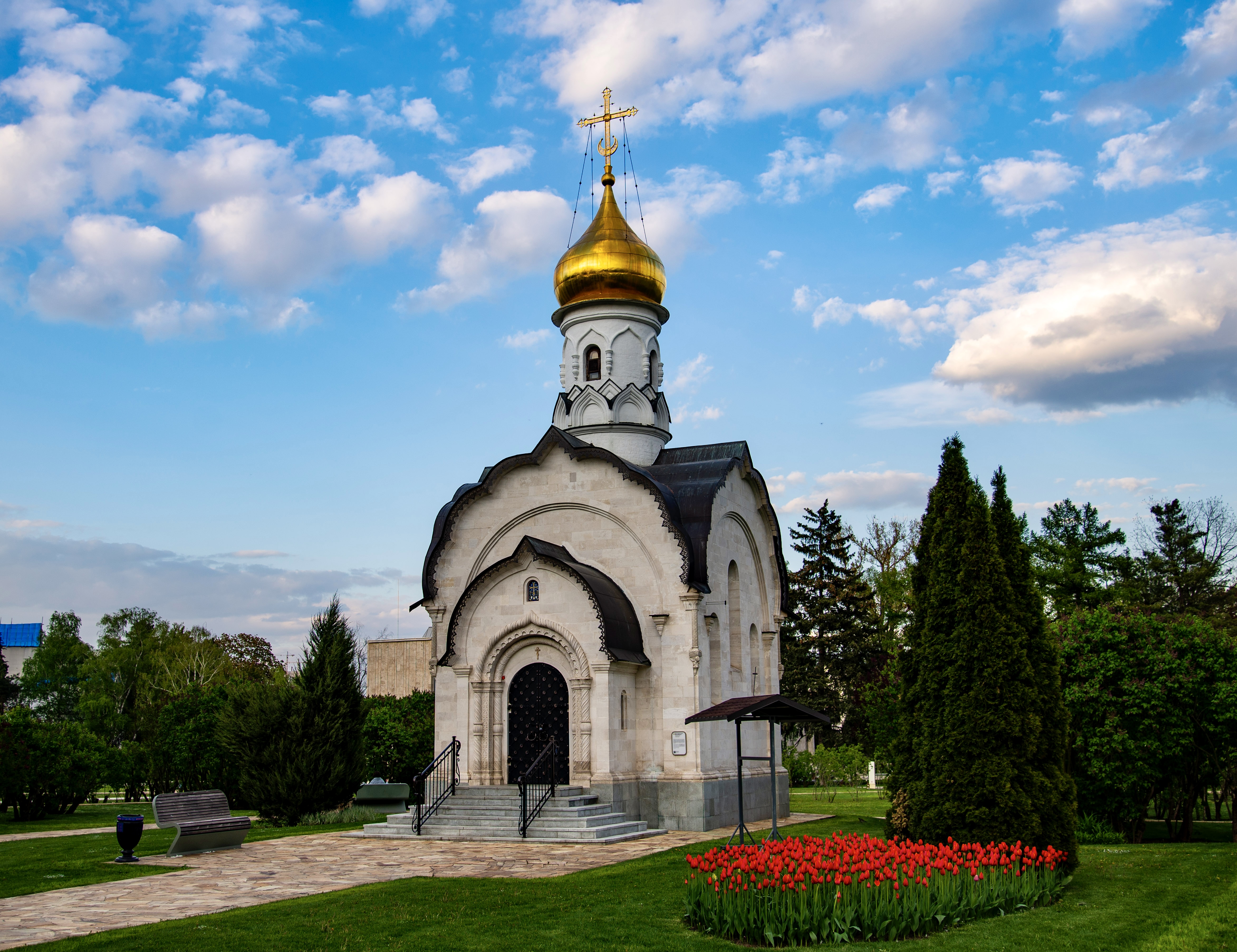
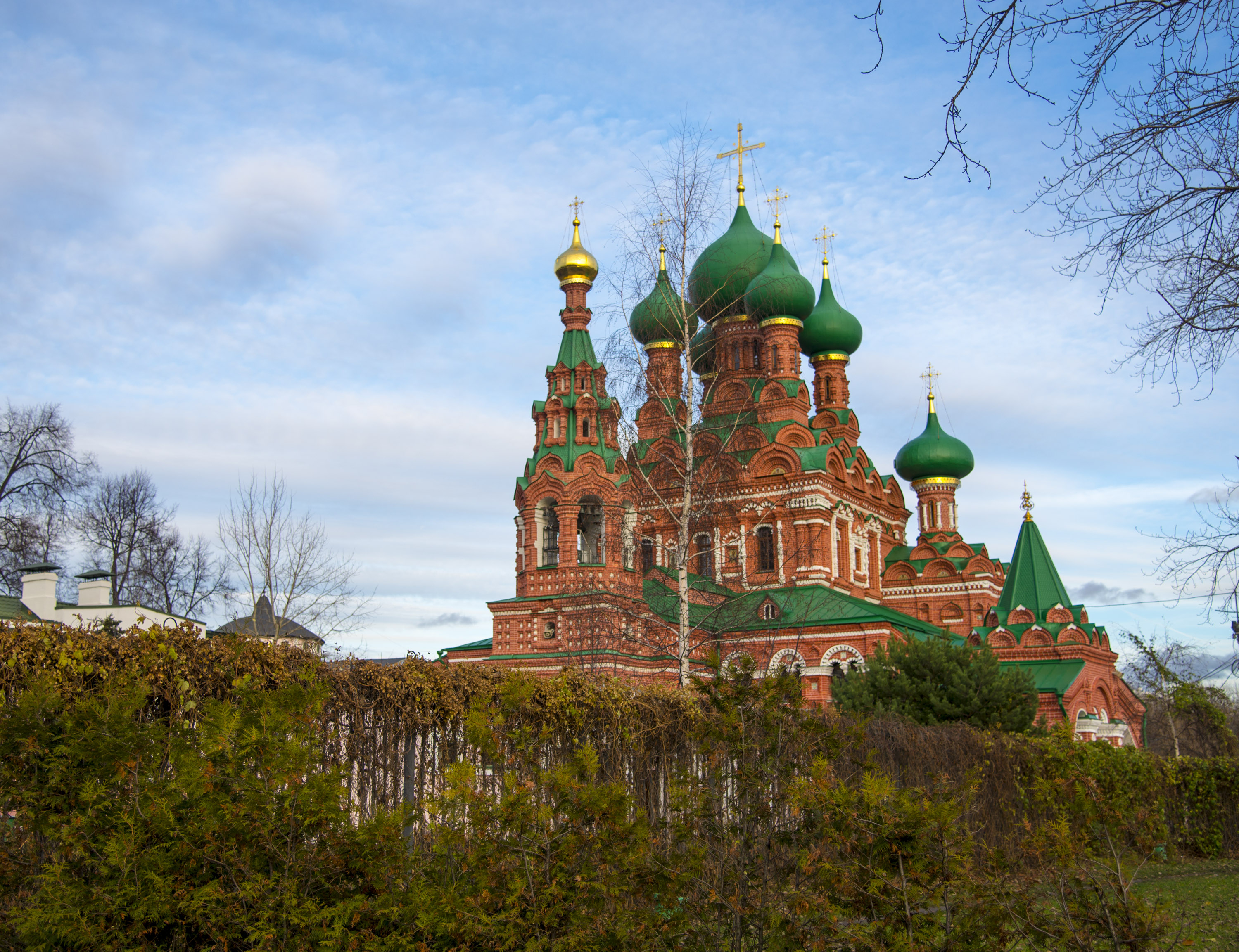
Храм-часовня Святителя Василия Великого

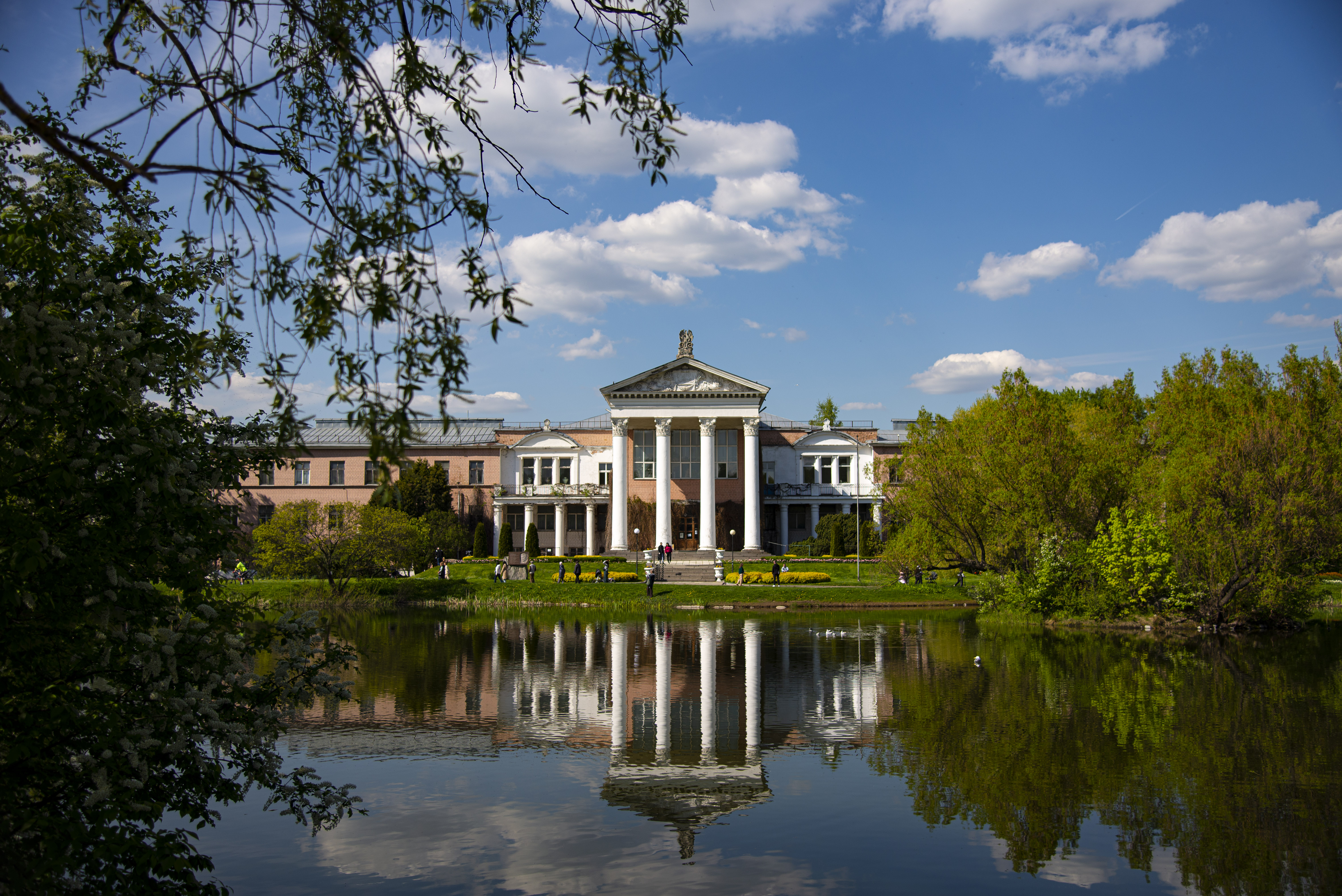
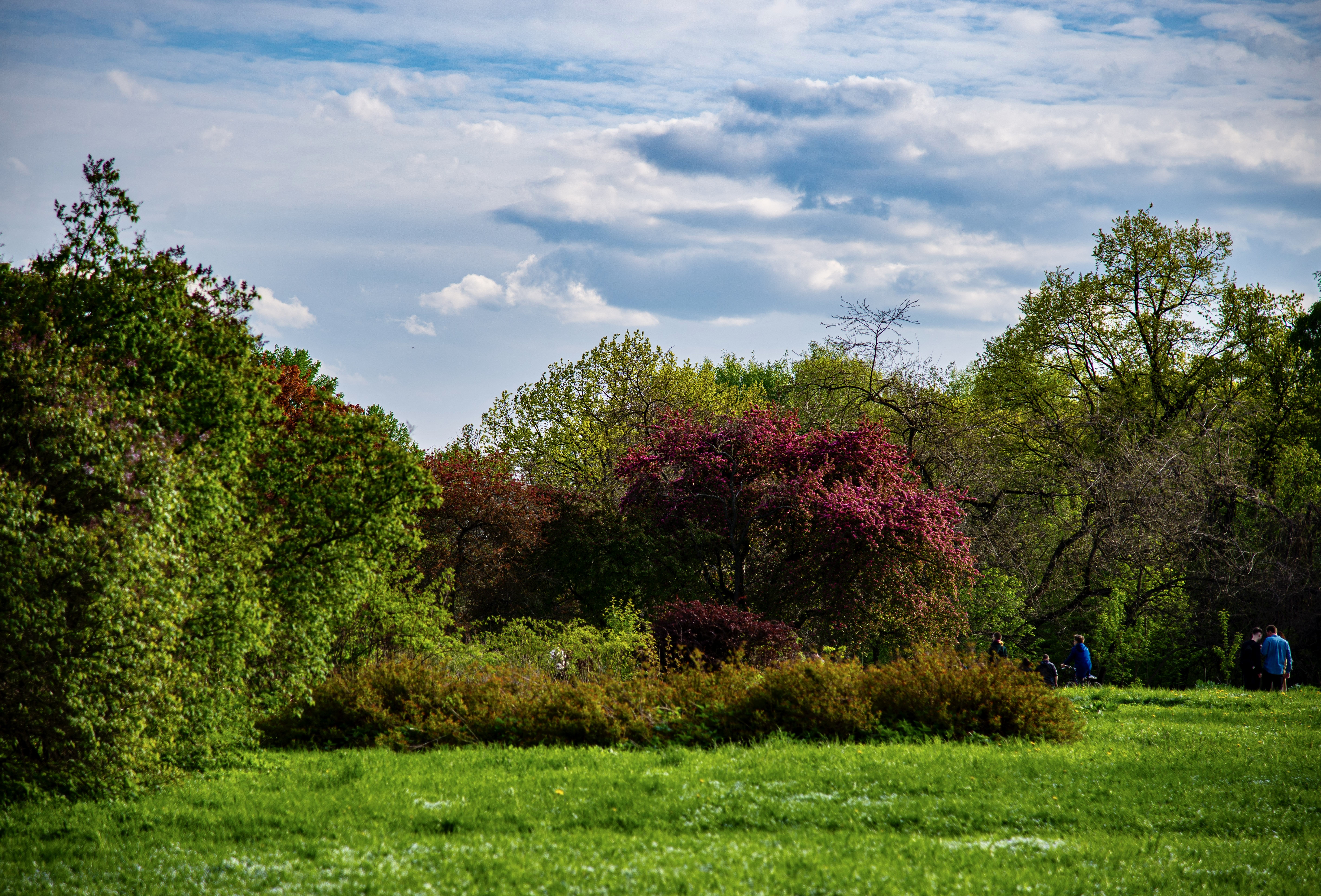
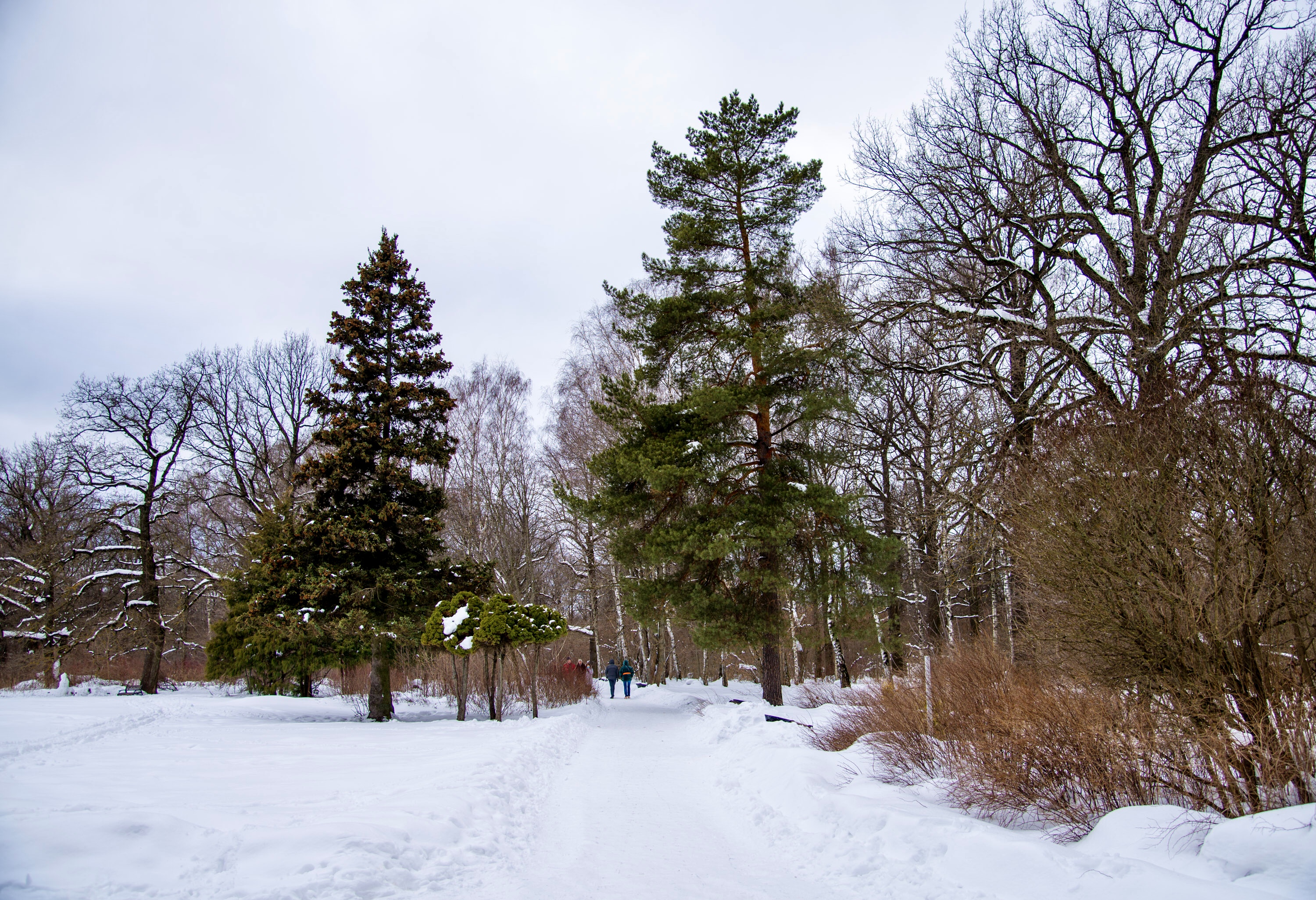
Moscow Botanical Garden

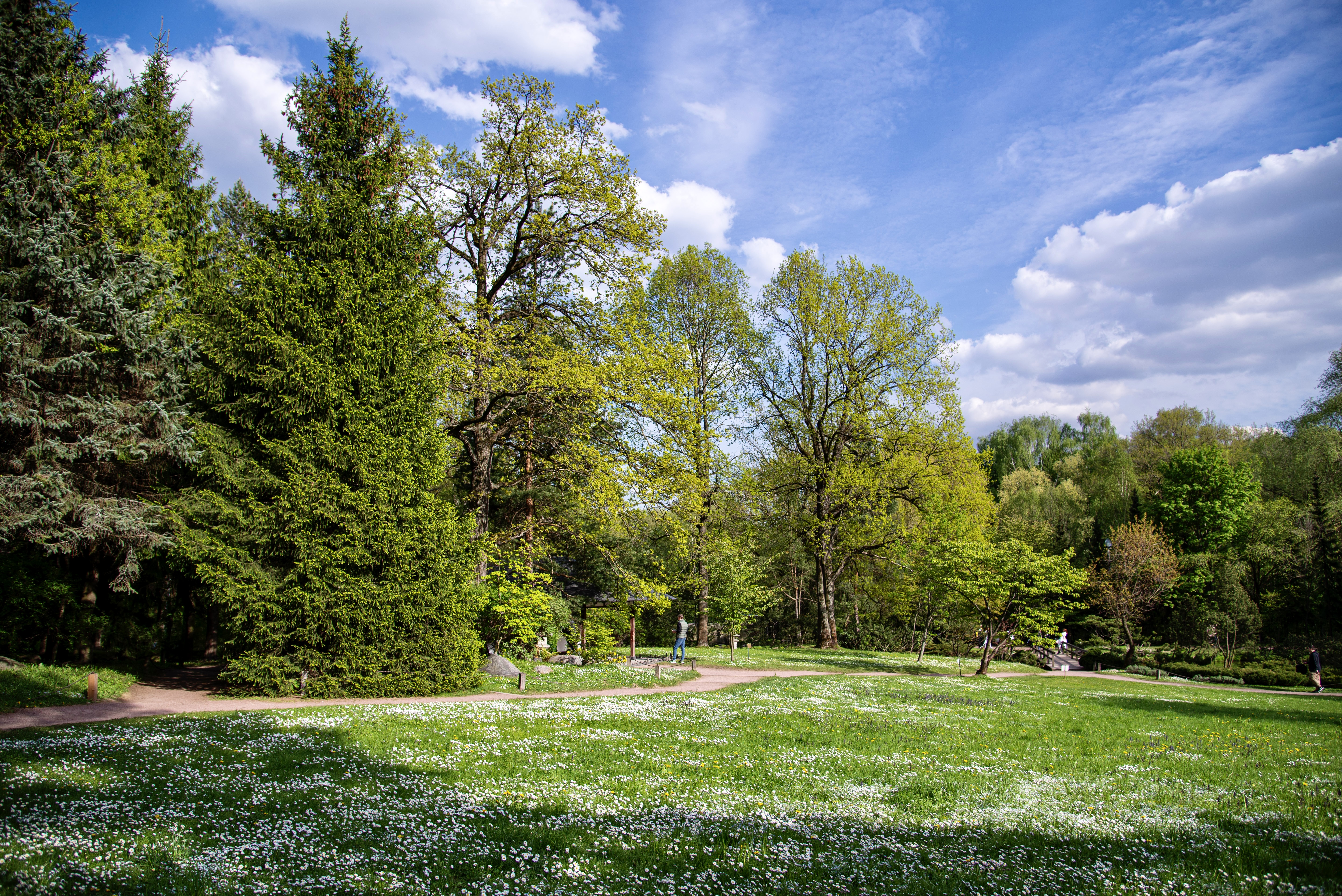
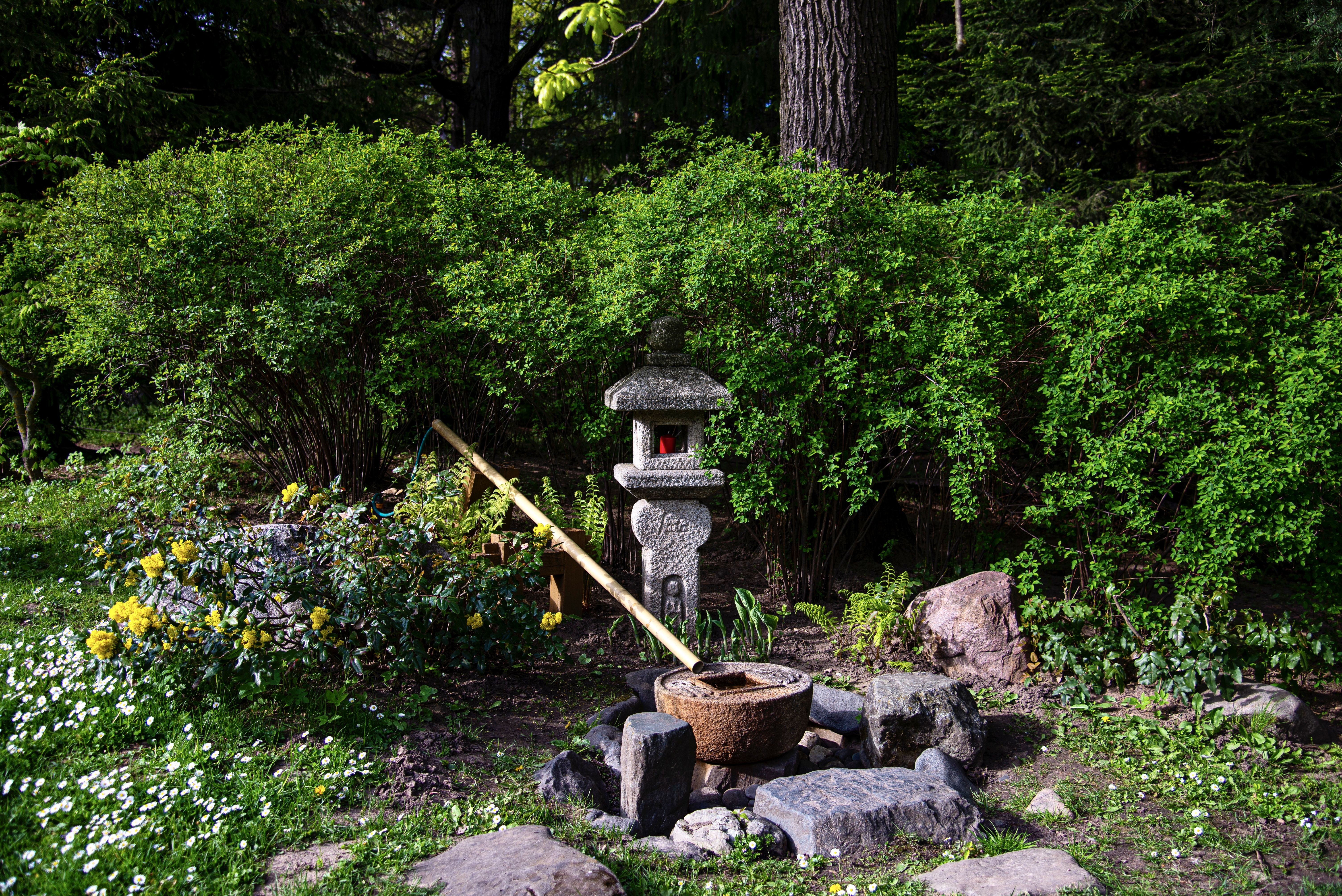
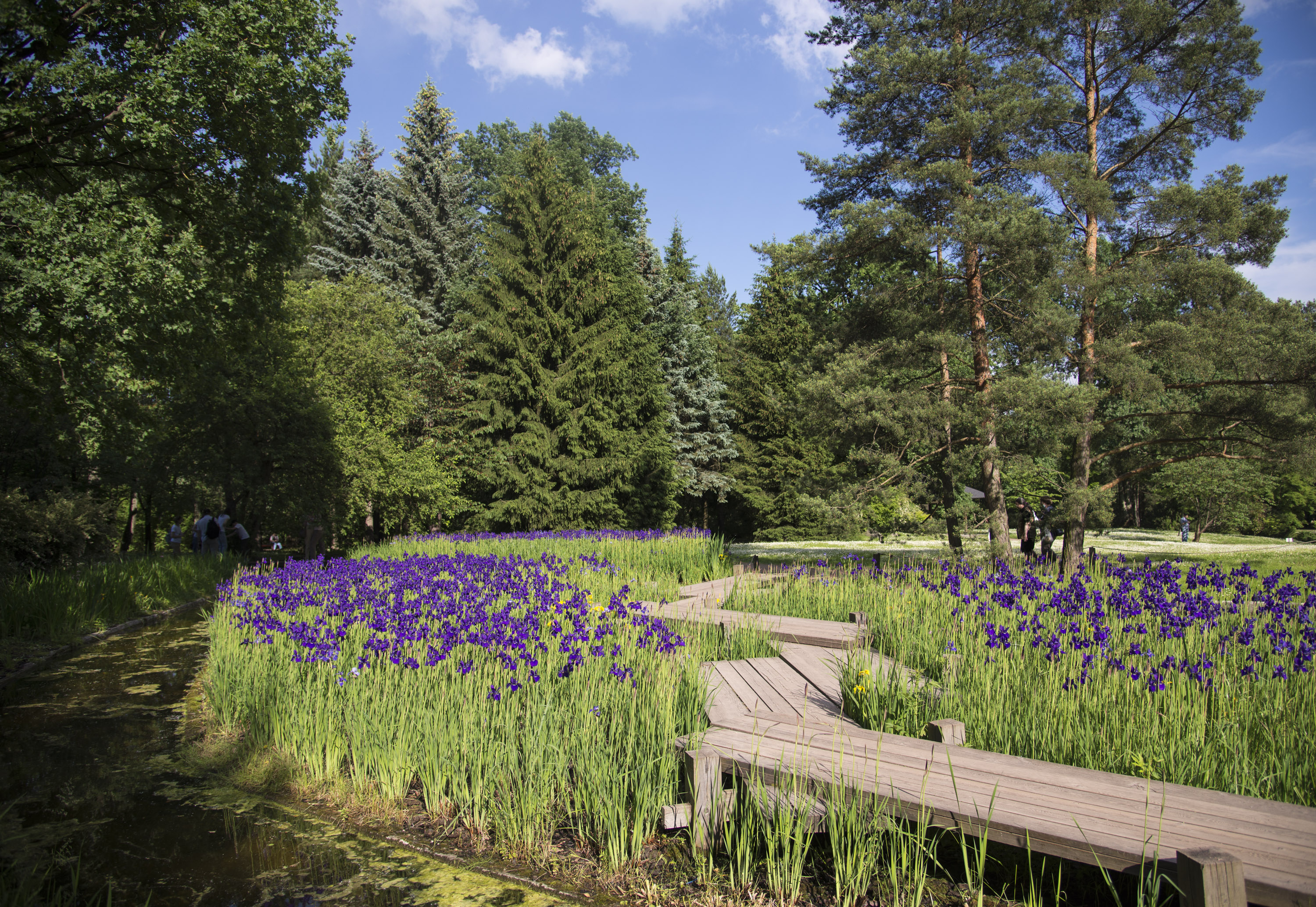
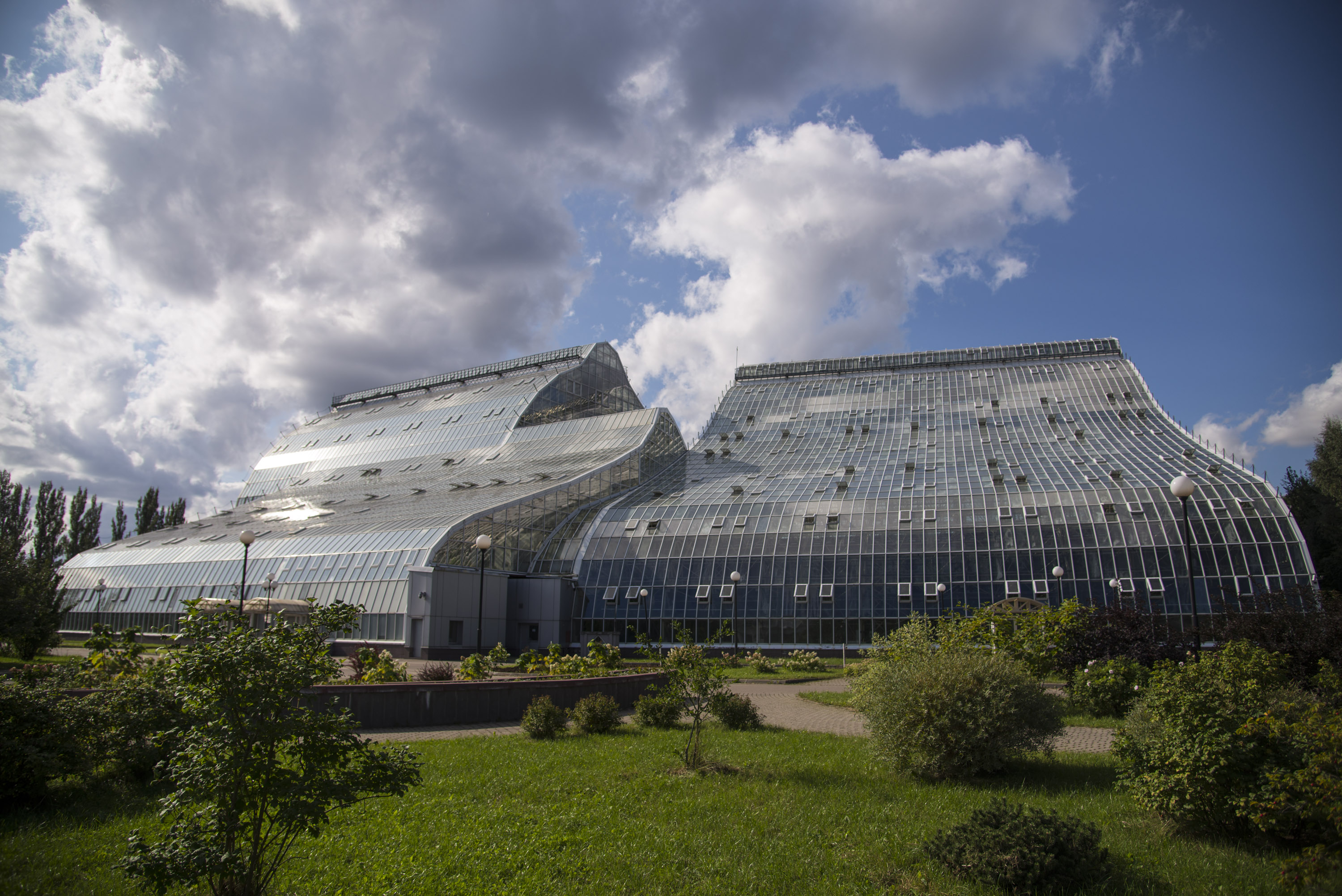
The Tsytsin Main Moscow Botanical Garden was founded in April 1945, and claims itself to be the largest botanical garden in Europe. It covers a territory of approximately 3.61 km² and contains a live exhibition of more than twenty thousand different species of plants coming from various parts of the world. 

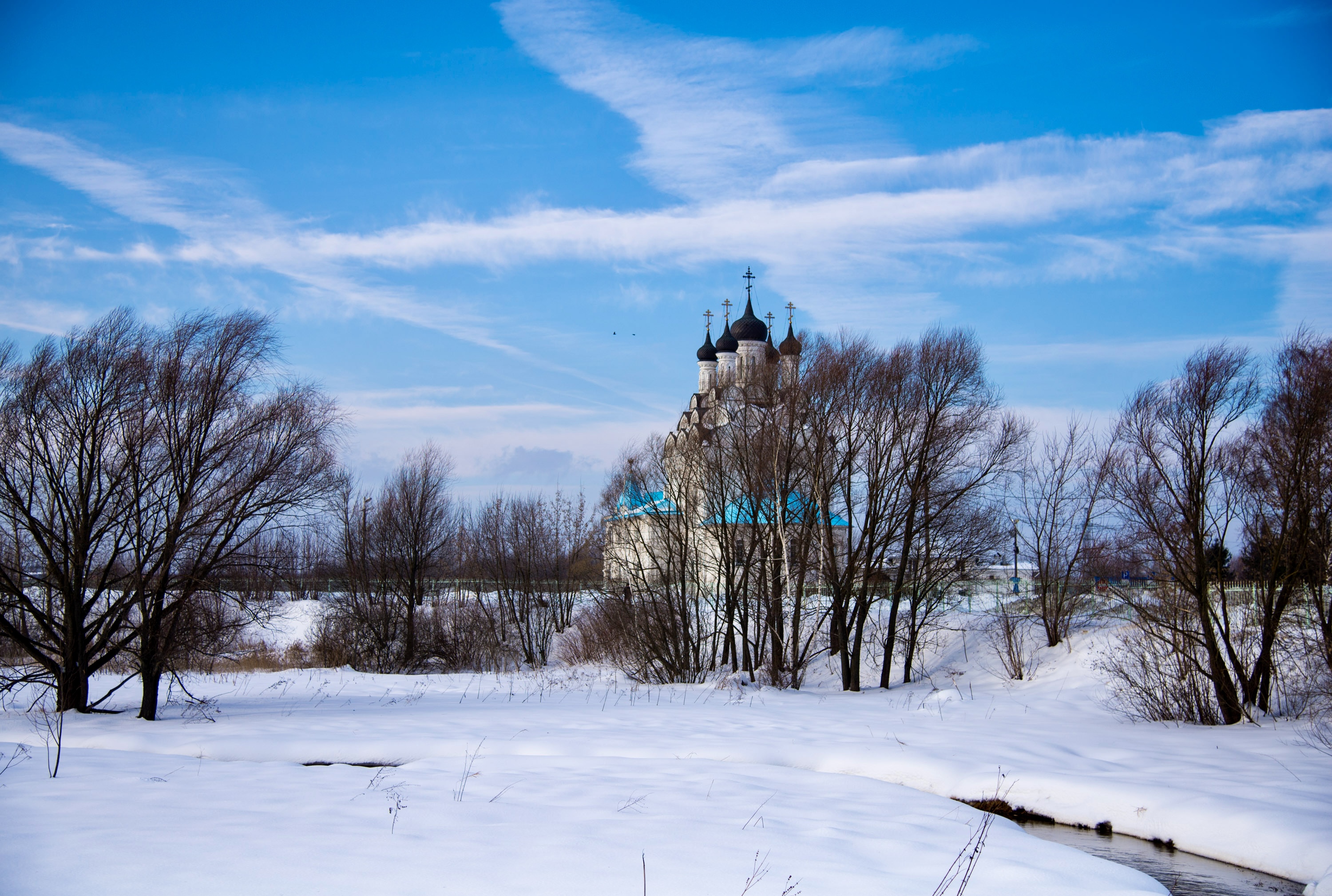
Khotkovo

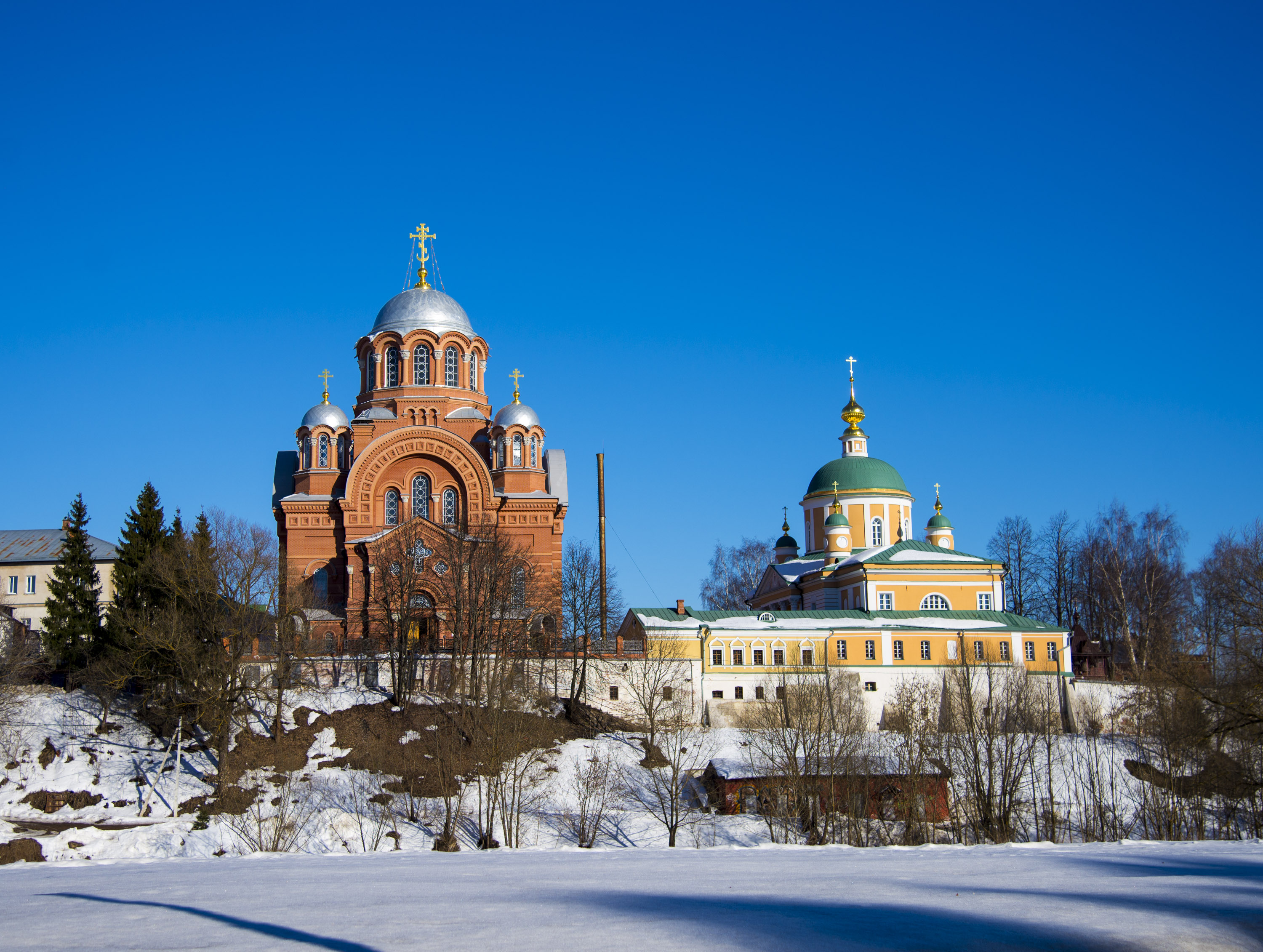
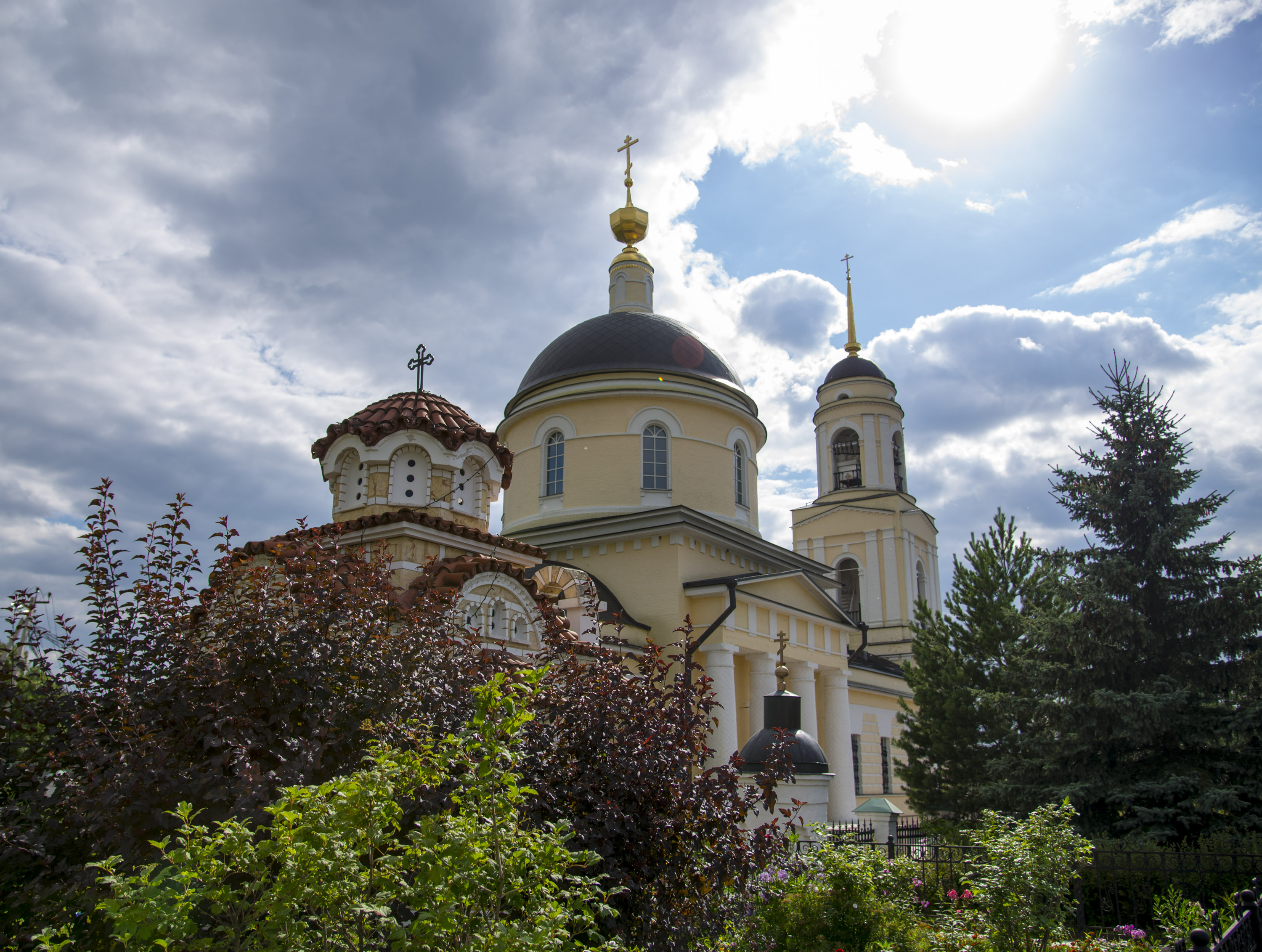
Khotkovo town is the site of a monastery, founded by the parents of Sergiy Radonezhsky – Kirill and Maria. The date of foundation is not known, but was first mentioned in 1308. Pokrovskiy Khotkov monastery is the convent of the Russian Orthodox Church, located in Khotkovo town on the river Paja.

Abramtsevo

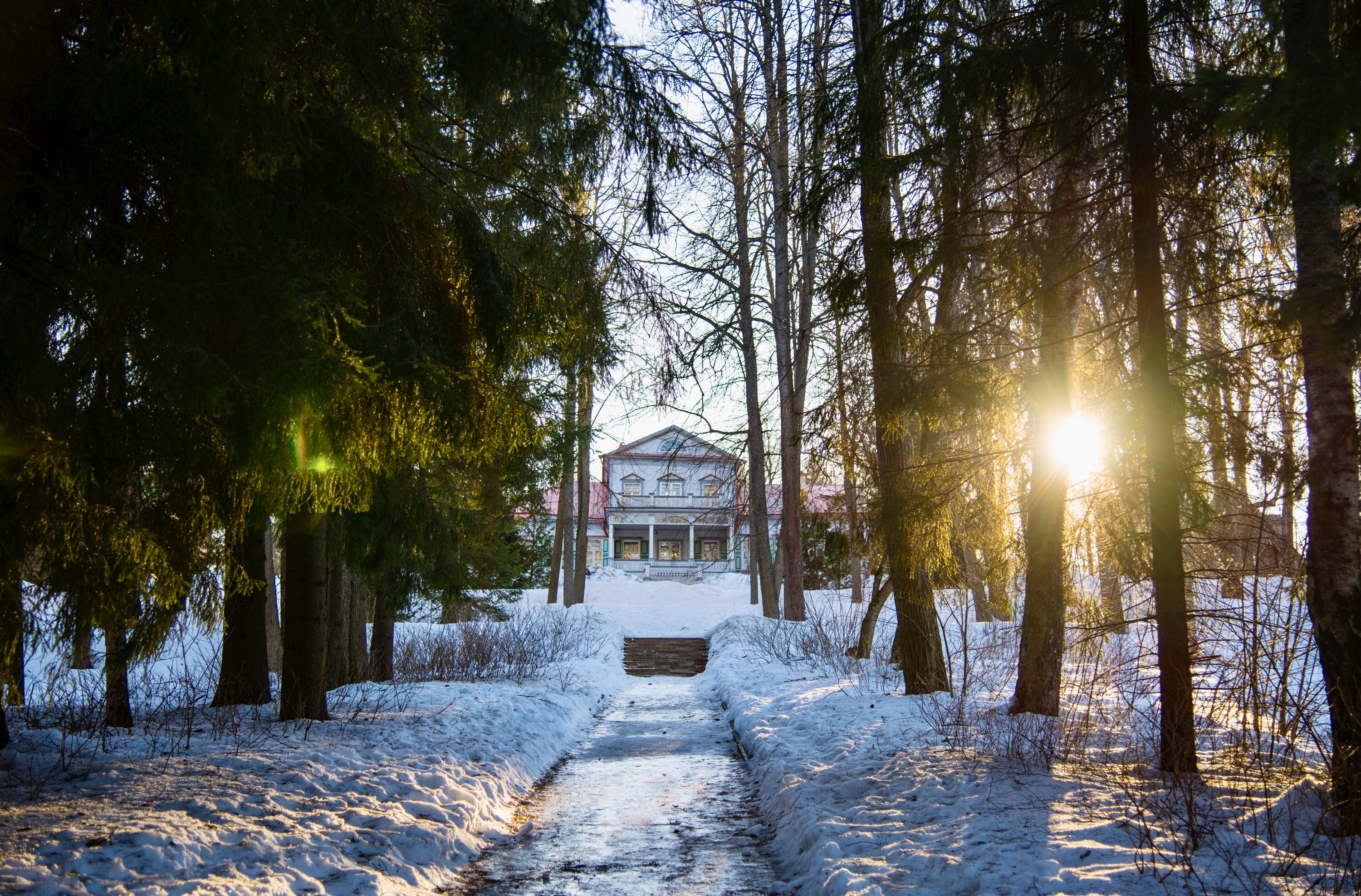
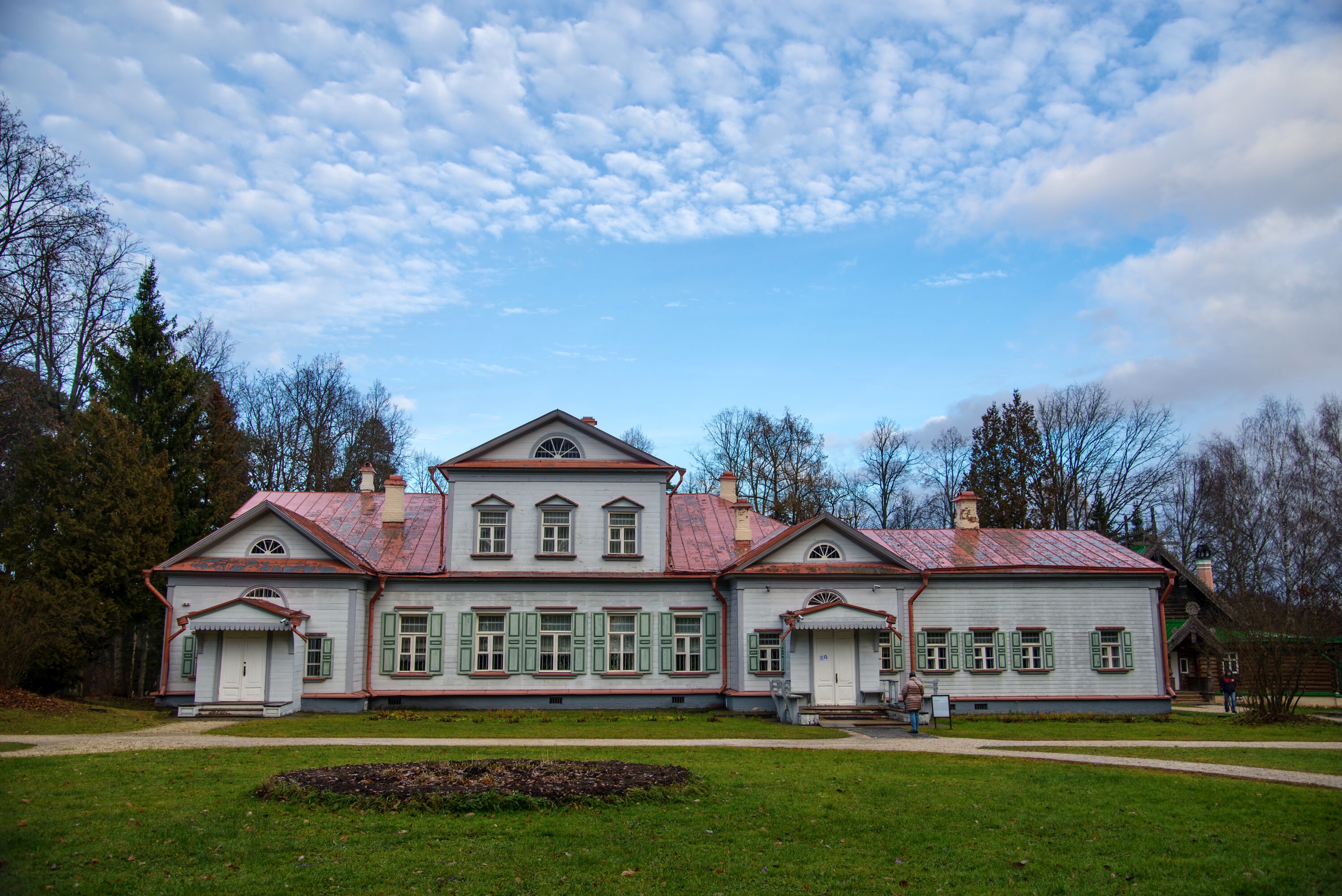
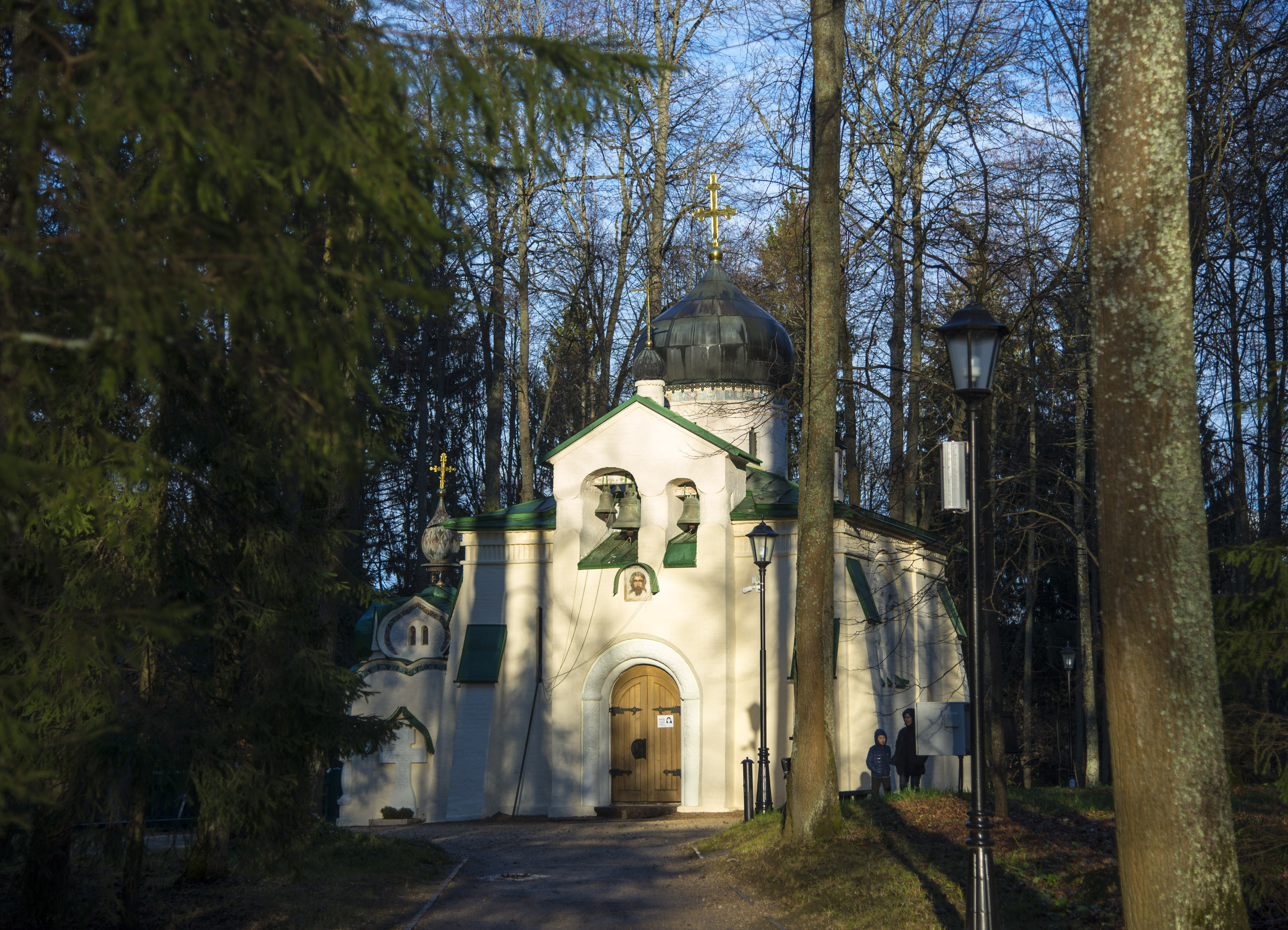
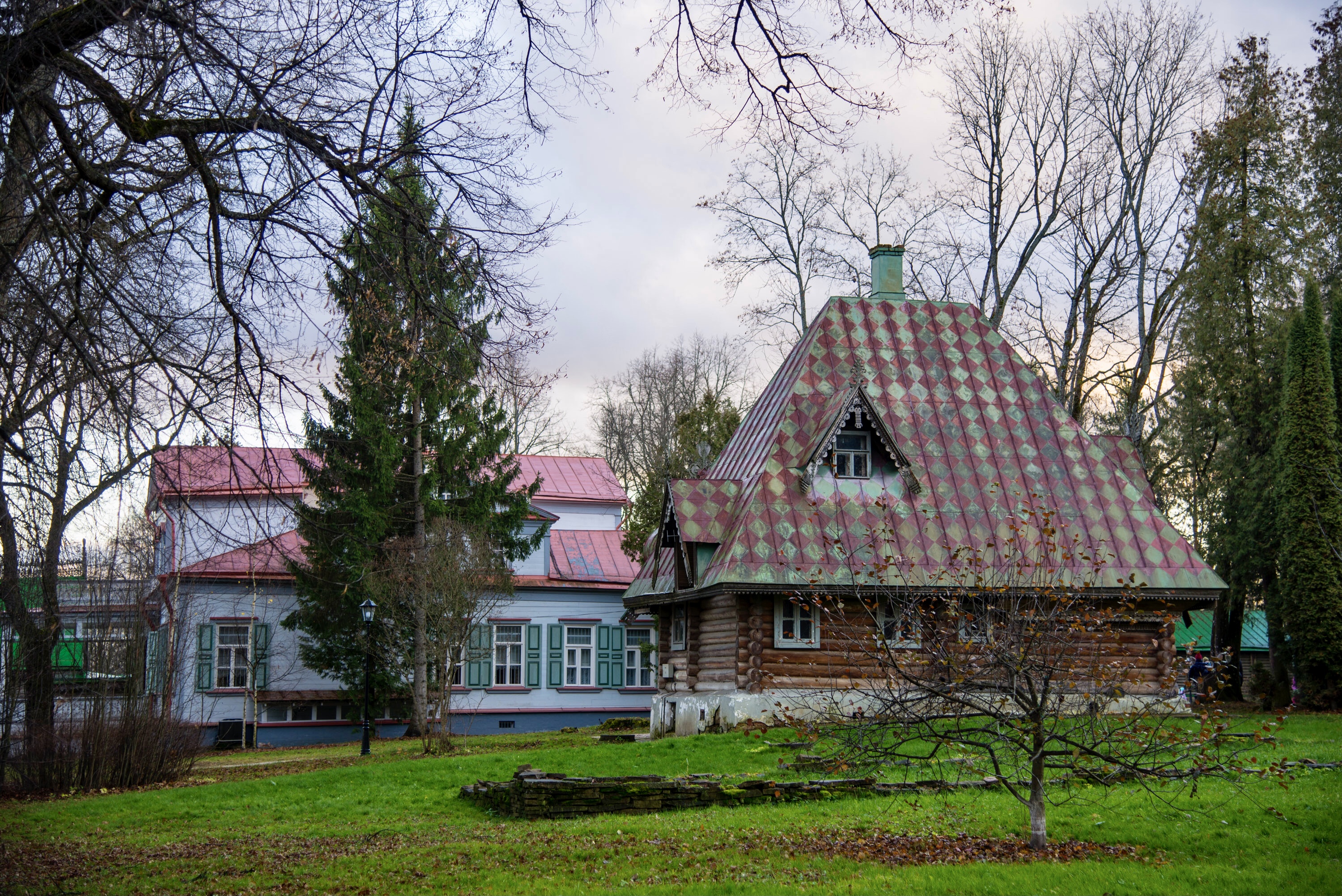
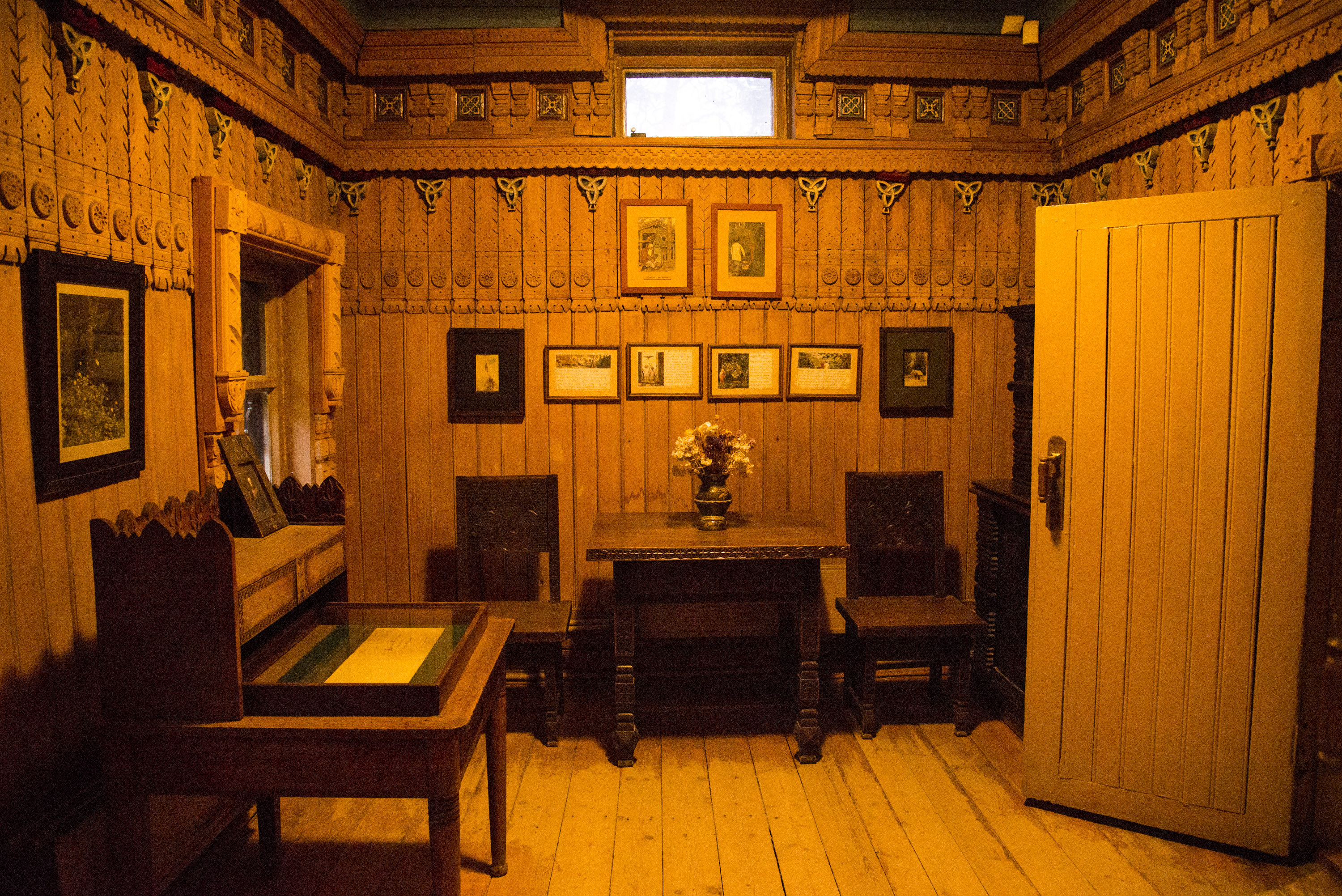
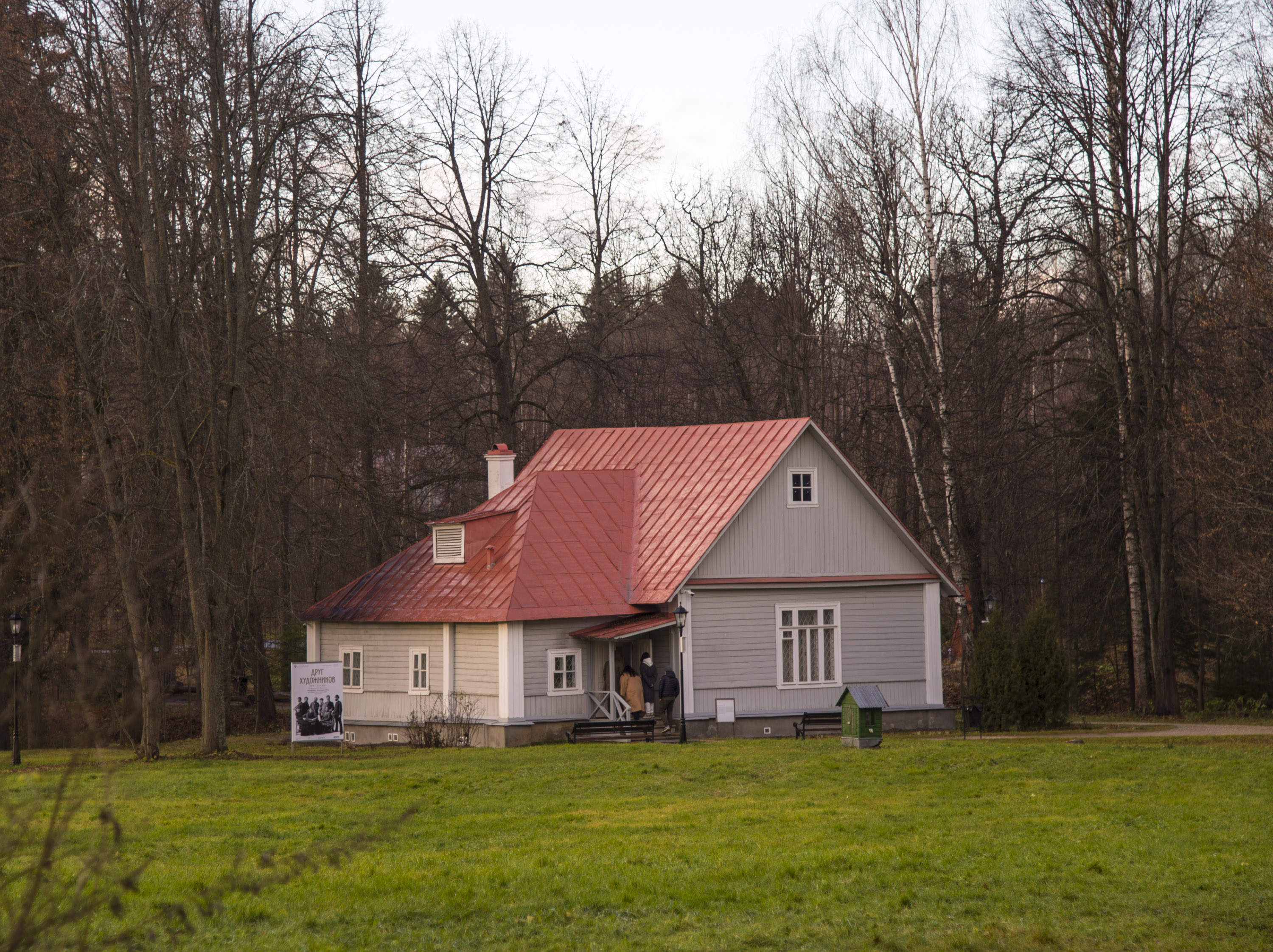
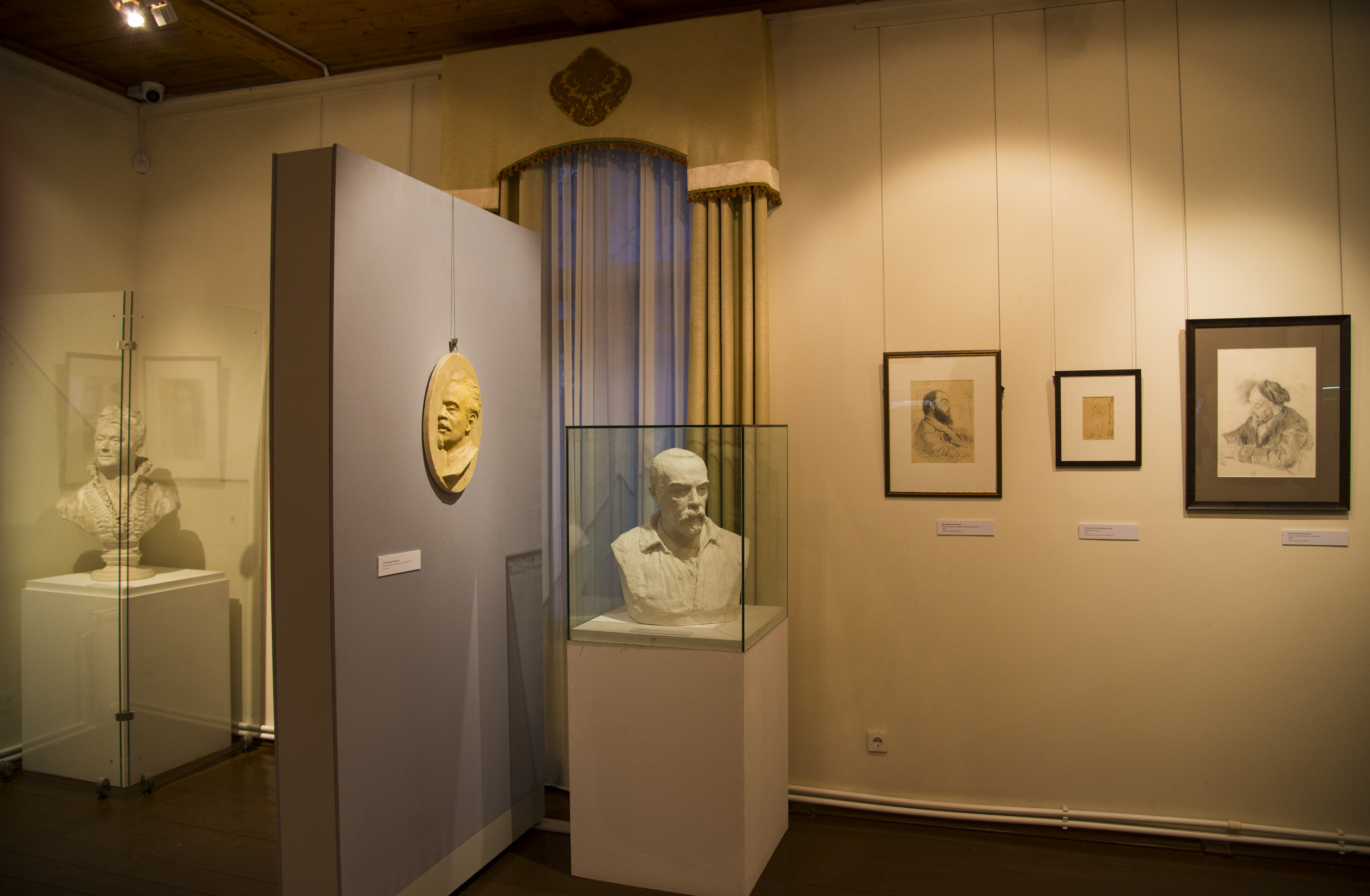
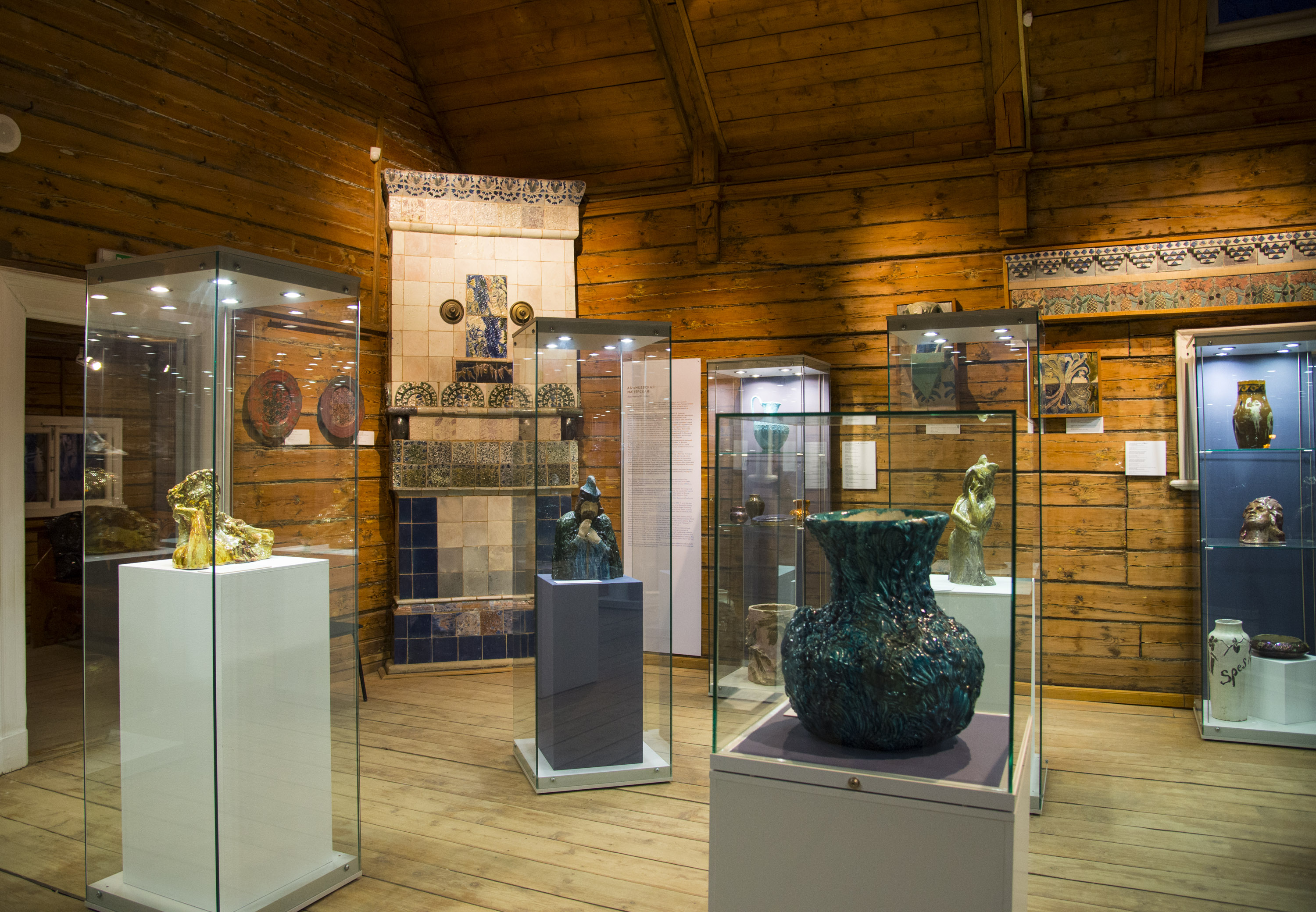
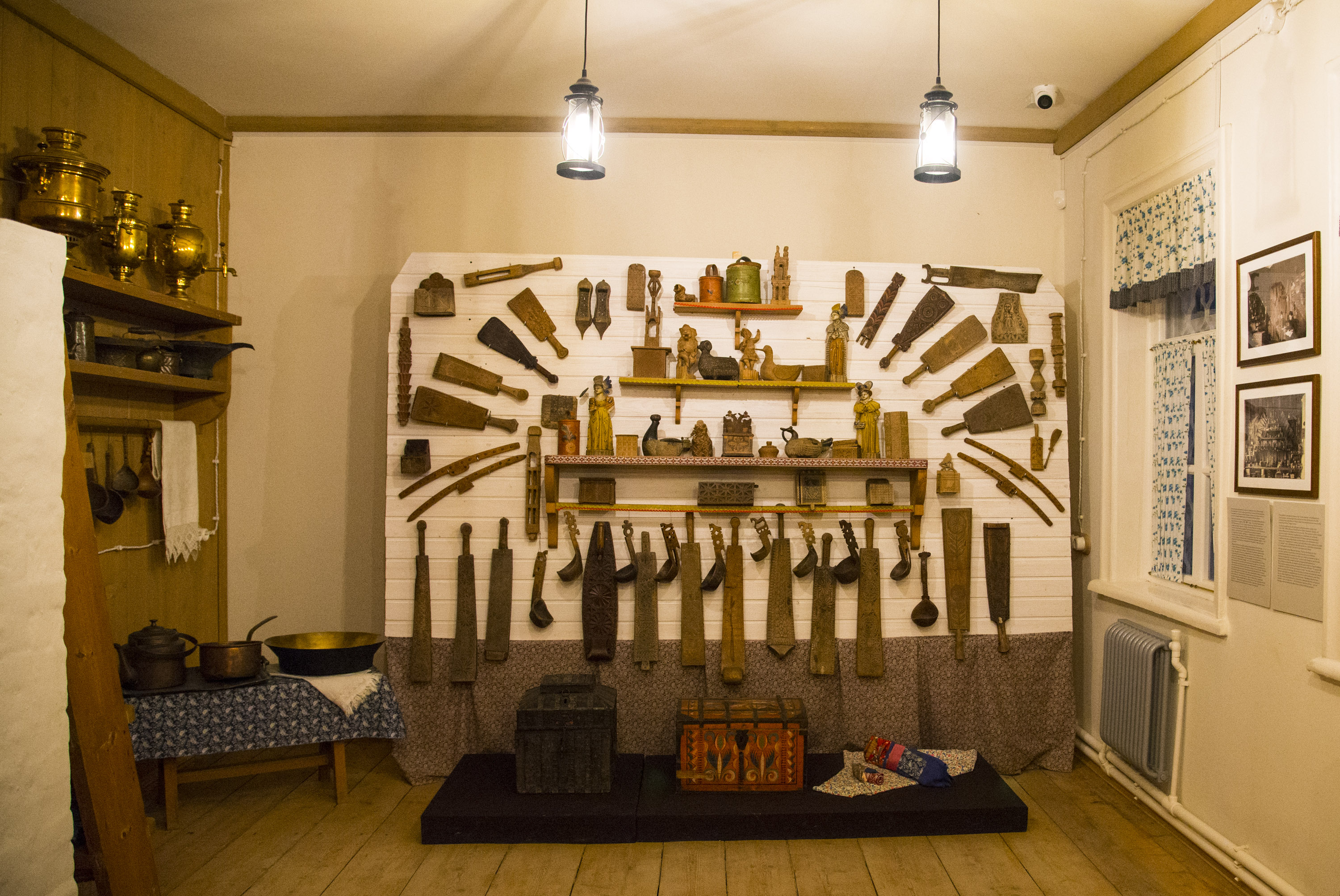
Abramtsevo Museum Reserve is one of the most famous art museums in Russia. The history of Abramtsevo is associated with the names of artists Segey Aksakov, Viktor Vasnetsov, Mikhail Vrubel, Ilya Repin, Vasiliy Polenov, Valentin Serov and Savva Mamontov. Dozens of paintings which are internationally treasured now were created there. Abramtsevo was founded in 18th century.

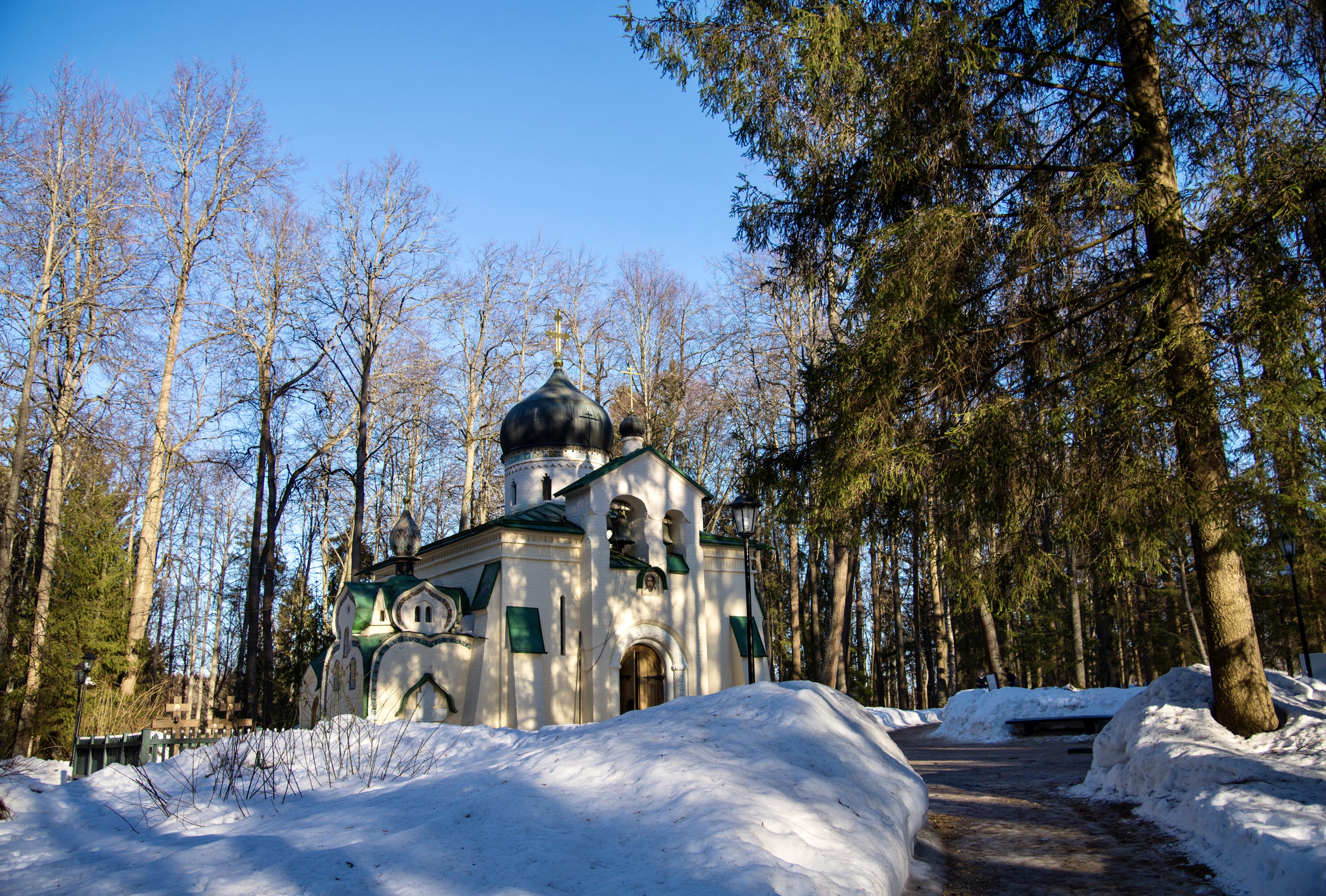
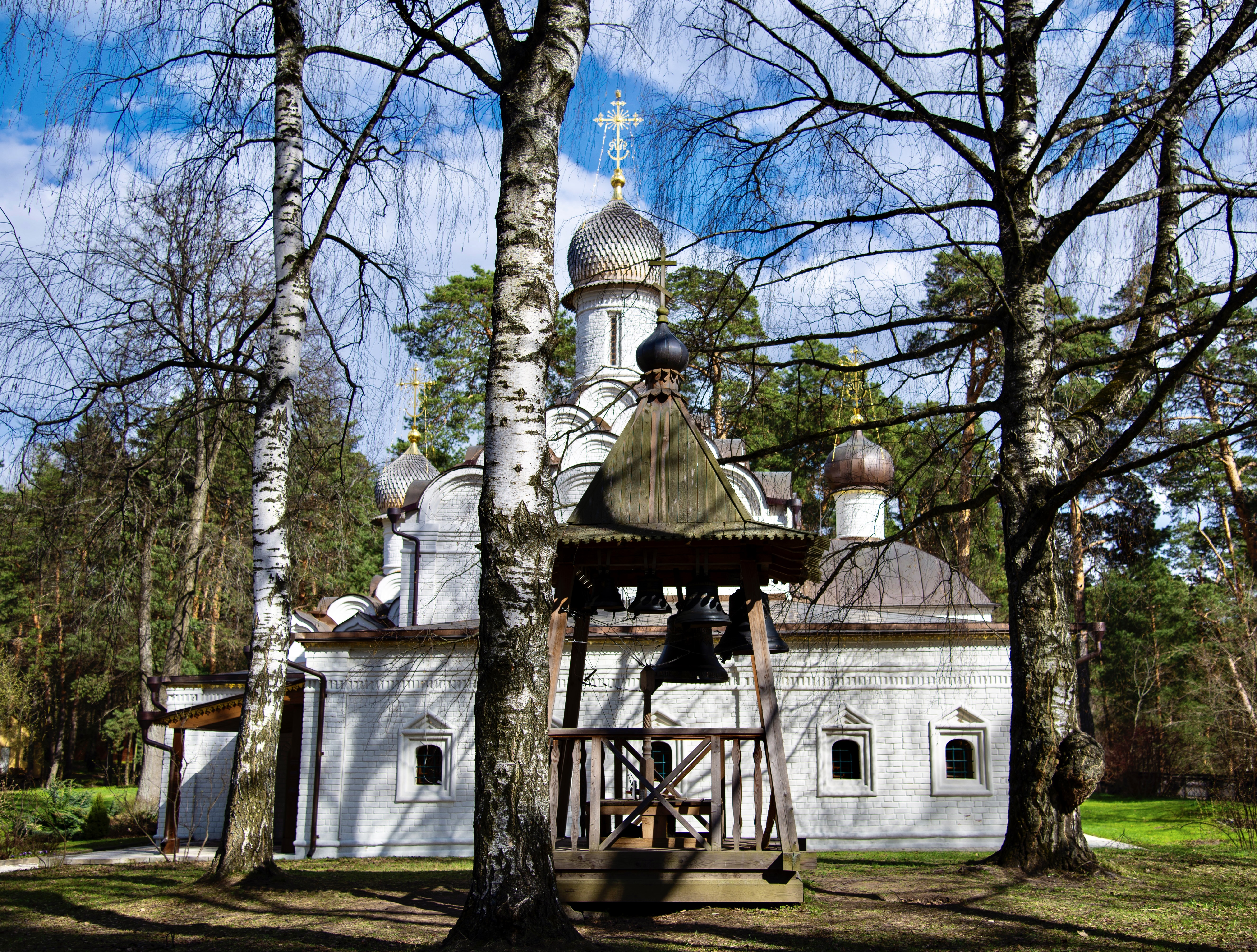
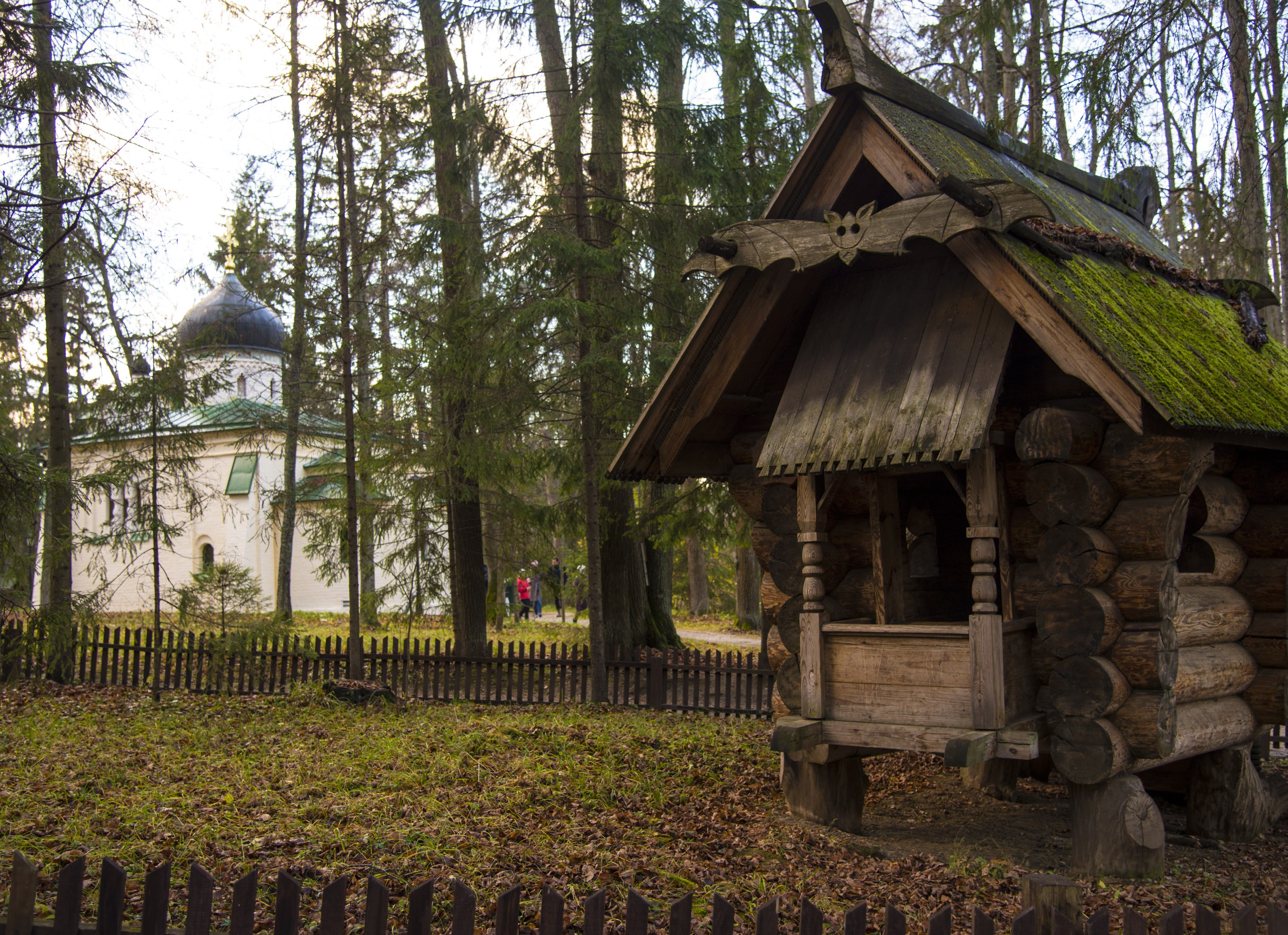
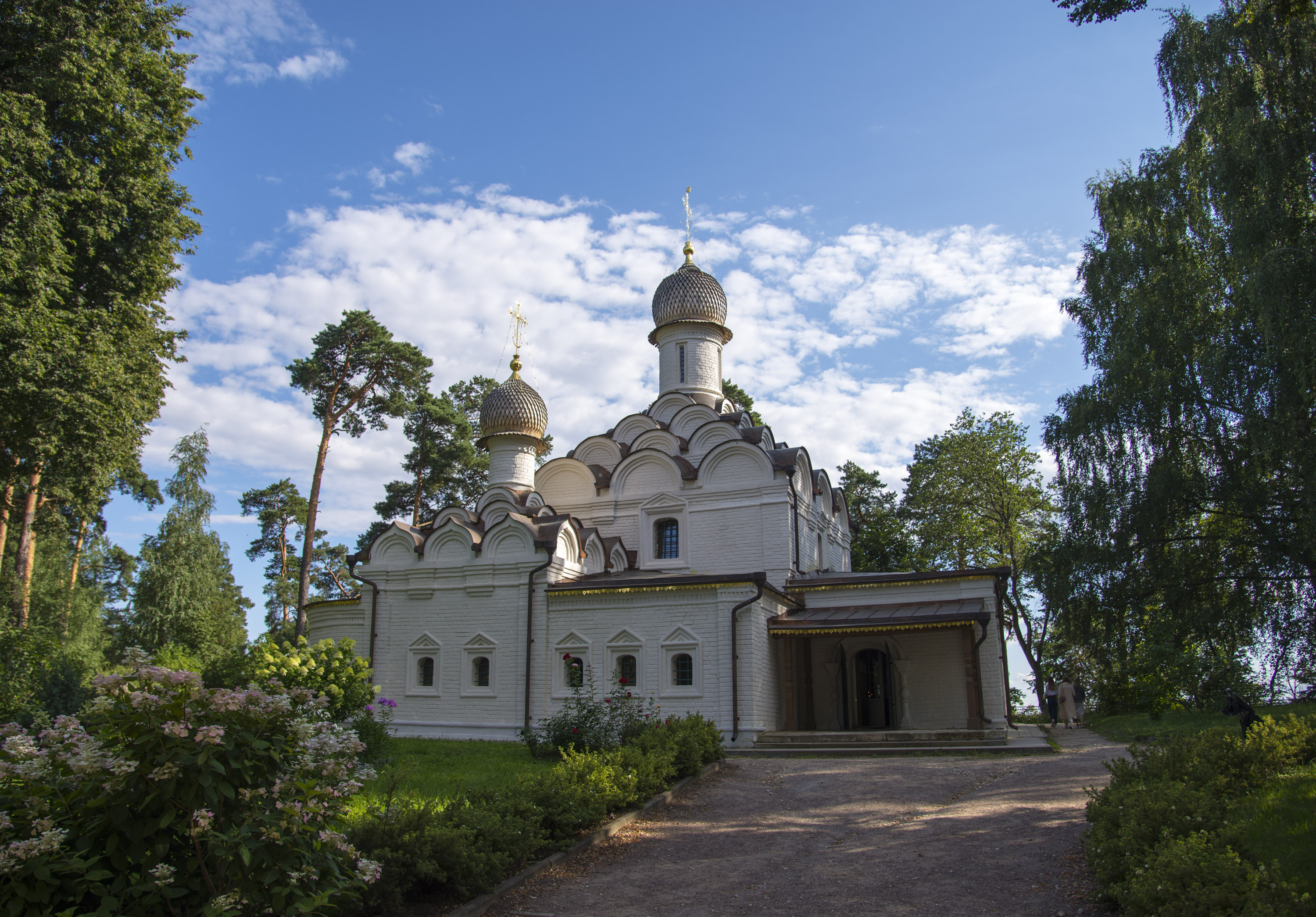
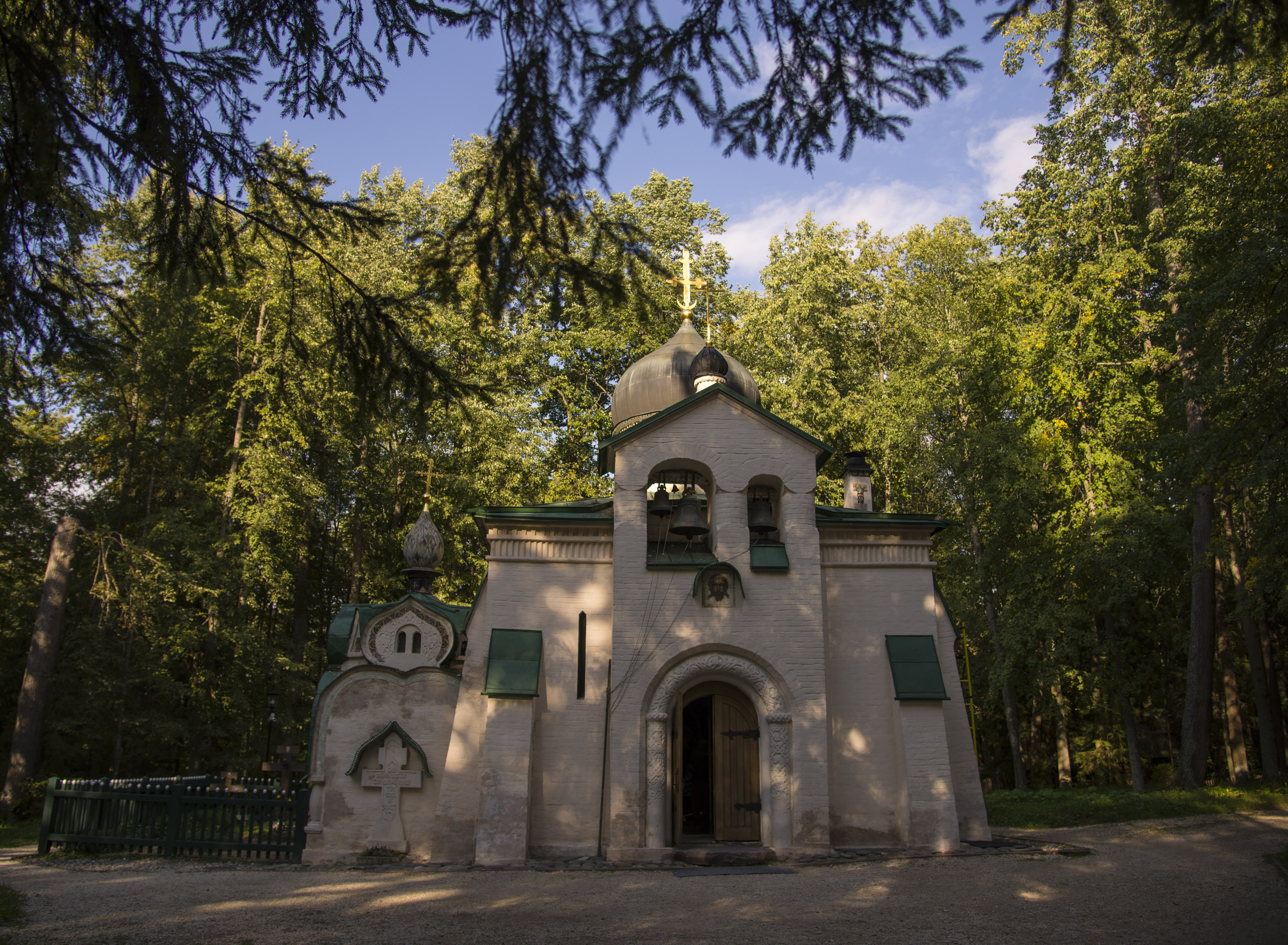
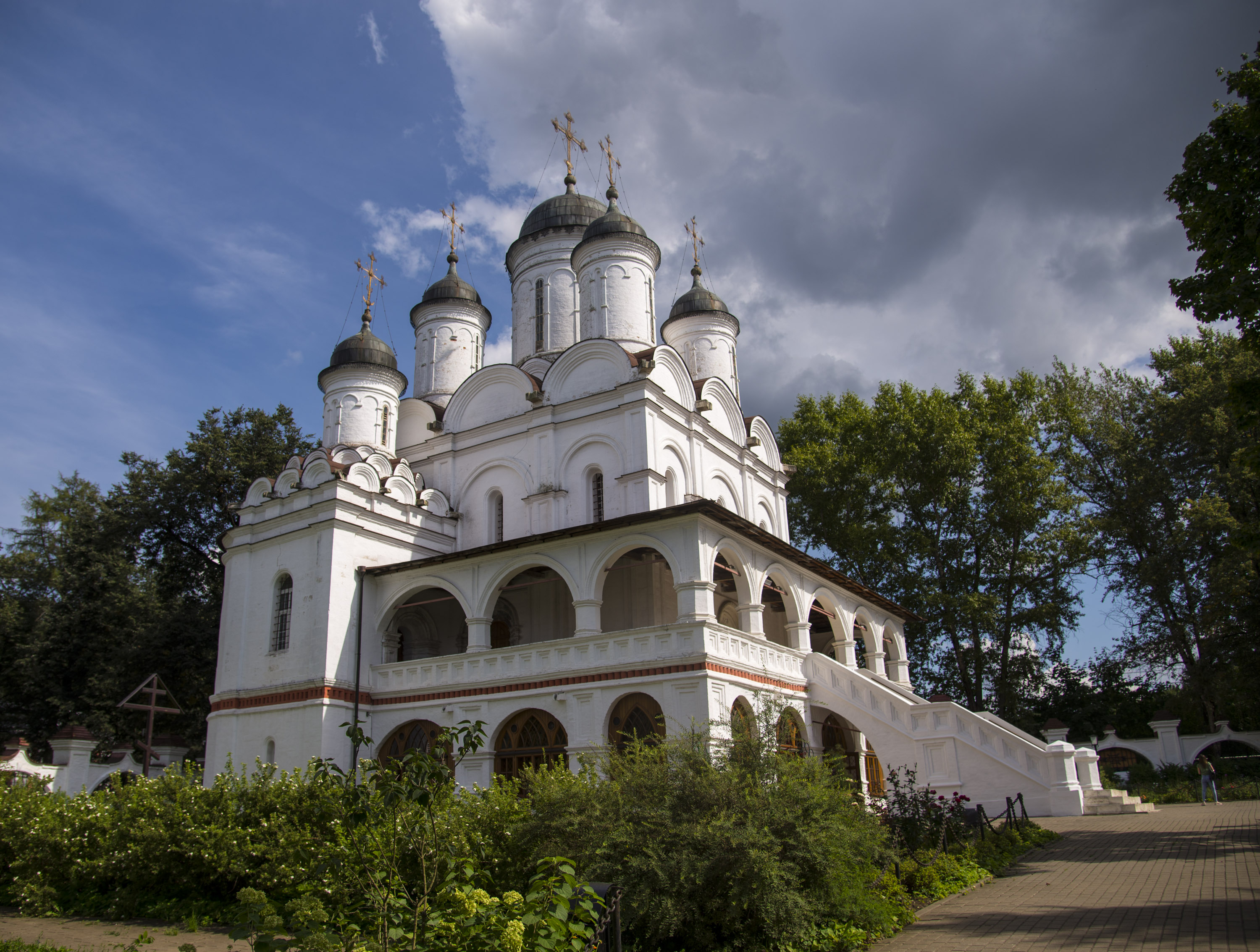
The architectural gem of Abramtsevo is the Church of the Savior (Церковь Спаса Нерукотворного Образа), built by architect Pavel Samarin, according to designs by the artists Victor Vasnetsov and Vasily Polenov.

Aptekarskiy ogorod

Arkhangelskoe

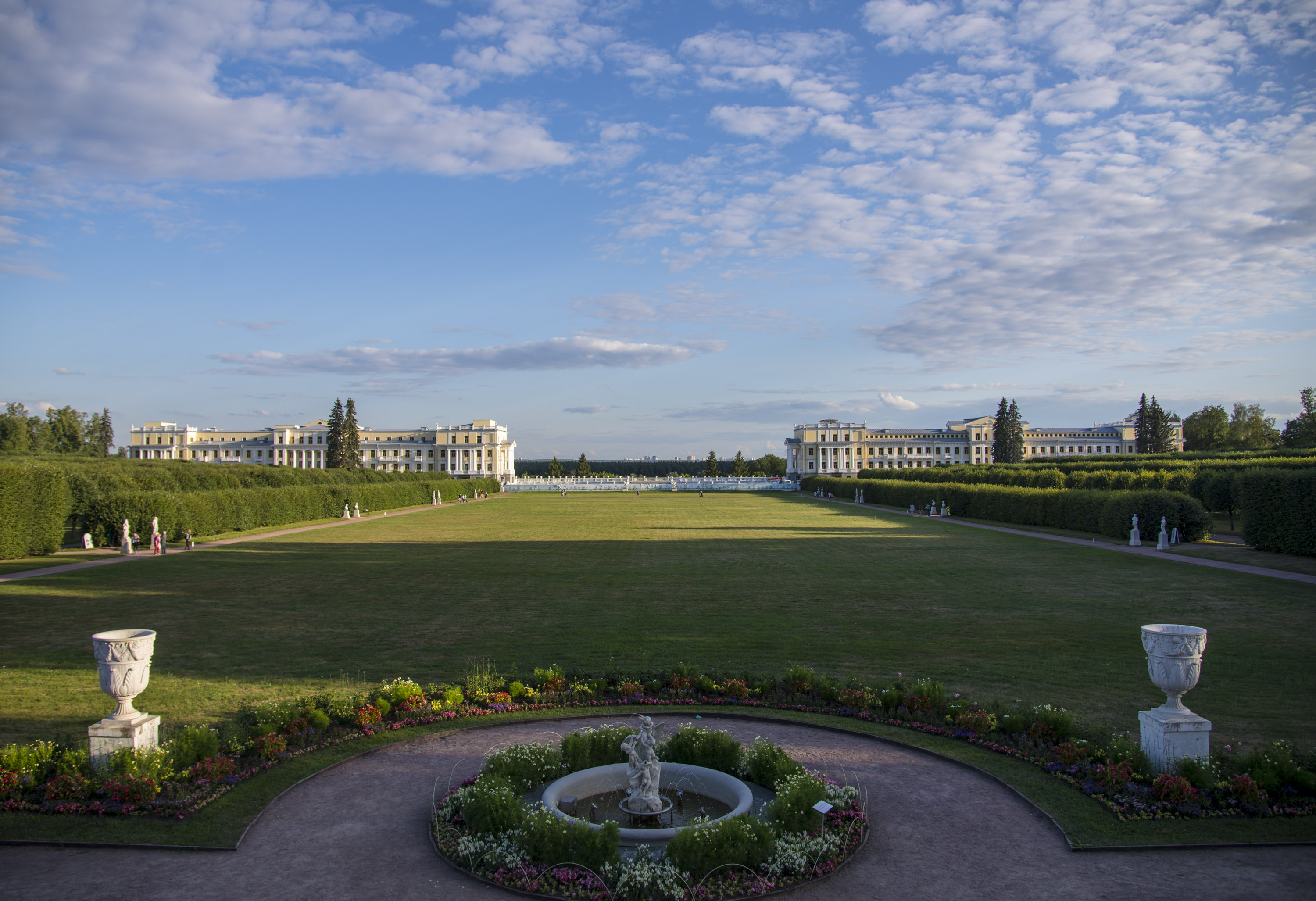
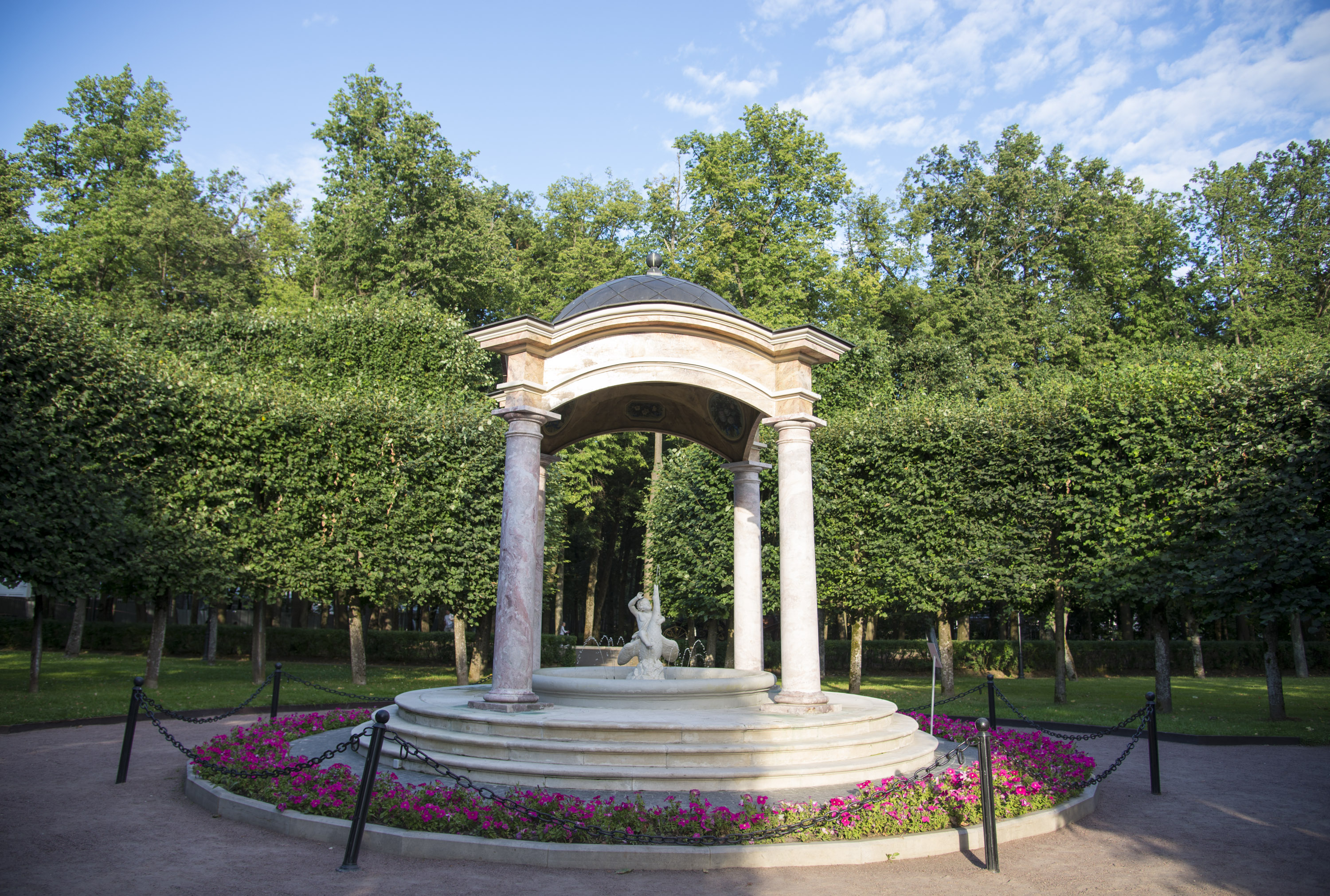
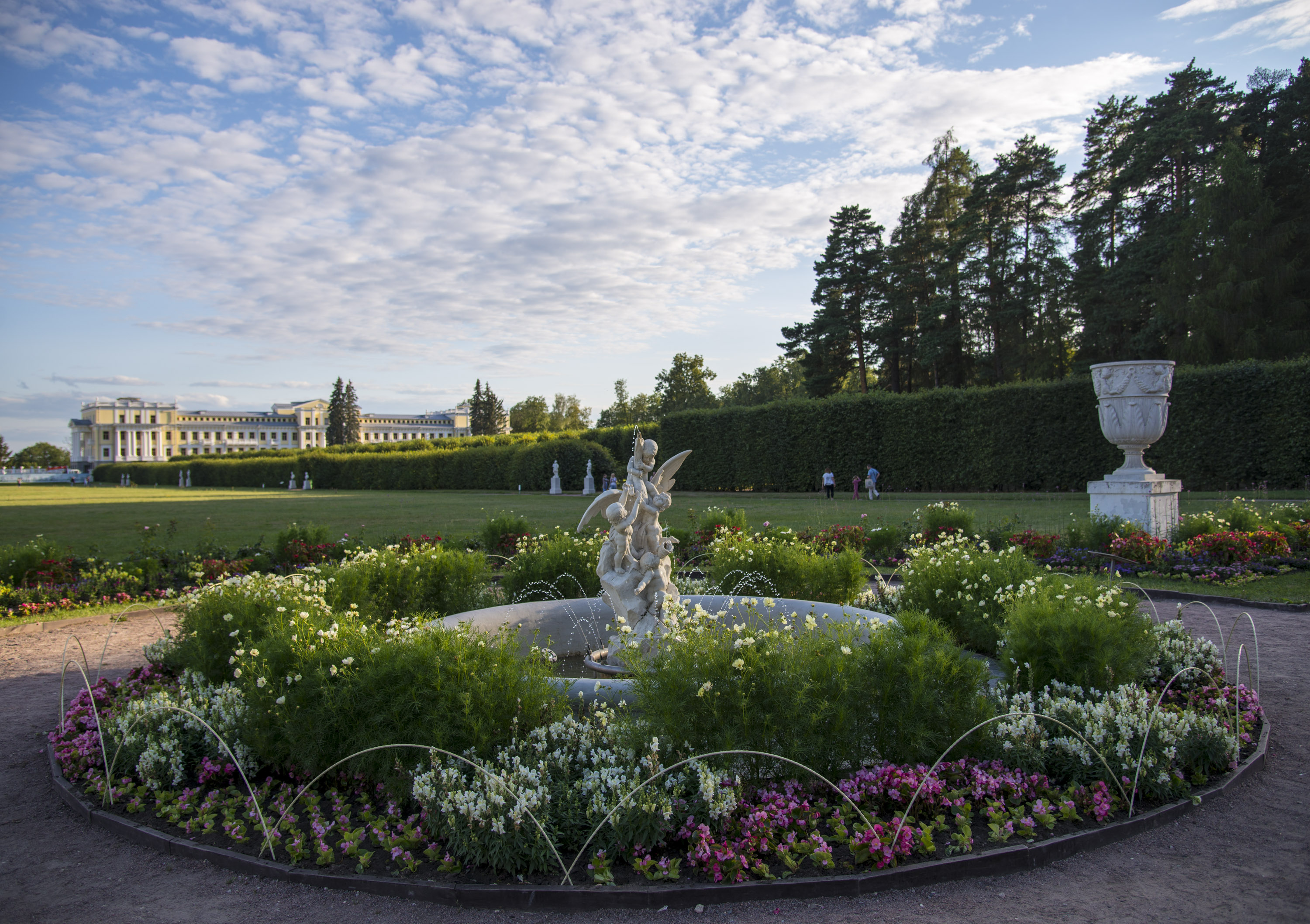
Arkhangelshoe museum-estate consists of a palace with terraced park which has one of the biggest collections of park sculptures in the world, a landscape park, a theatre built in 1817-18 on the project of famous Italian architect and painter Pietro Gonzago, a small palace “Caprice” and pavilion Small Tea House. Archangel Michael’s Church is the oldest surviving building on the estate dating from the mid-17th century.

Aptekarskiy ogorod

Moscow Botanical Garden

The Tsytsin Main Moscow Botanical Garden was founded in April 1945, and claims itself to be the largest botanical garden in Europe. It covers a territory of approximately 3.61 km² and contains a live exhibition of more than twenty thousand different species of plants coming from various parts of the world. 

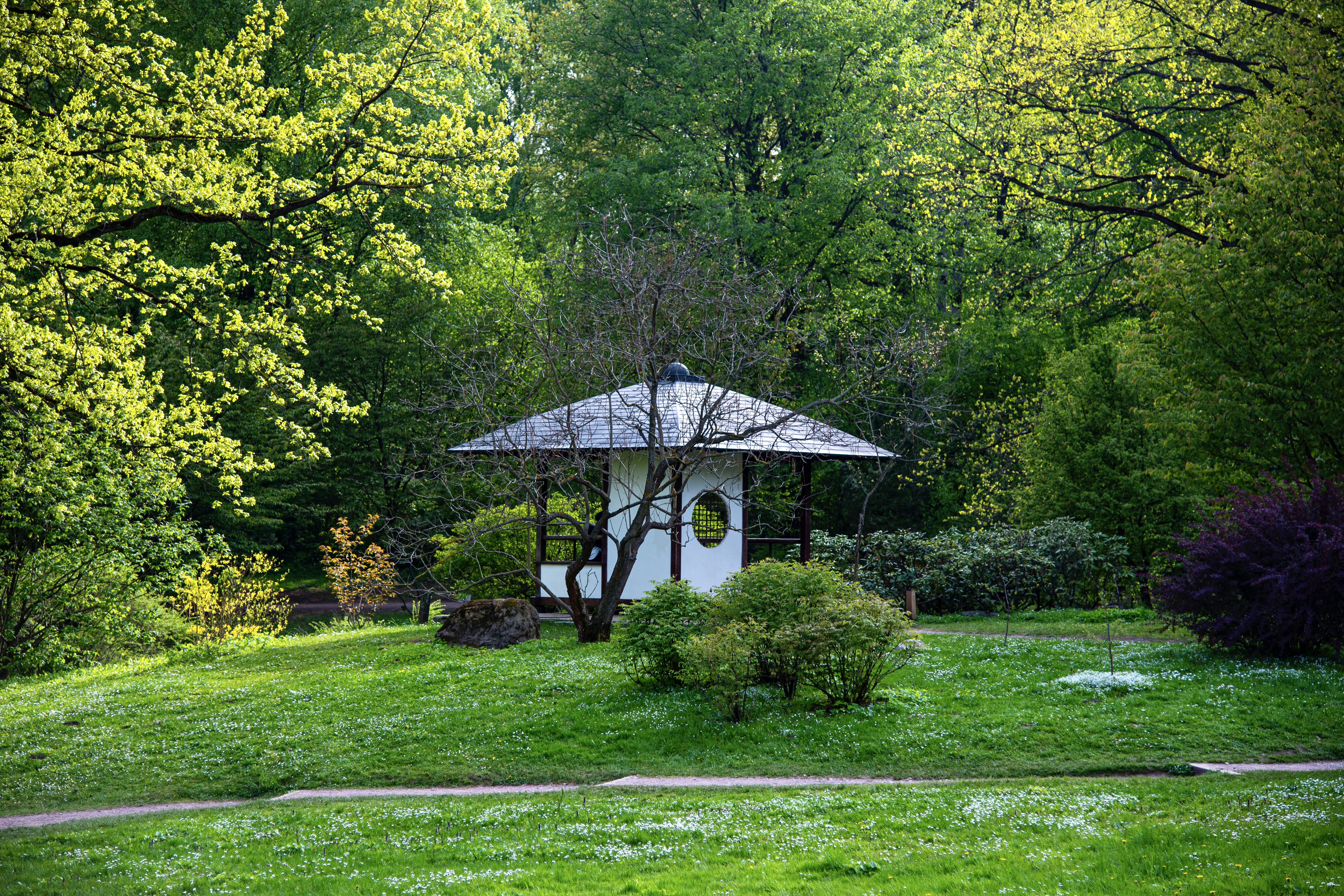
Japanese garden

Храм-часовня Святителя Василия Великого

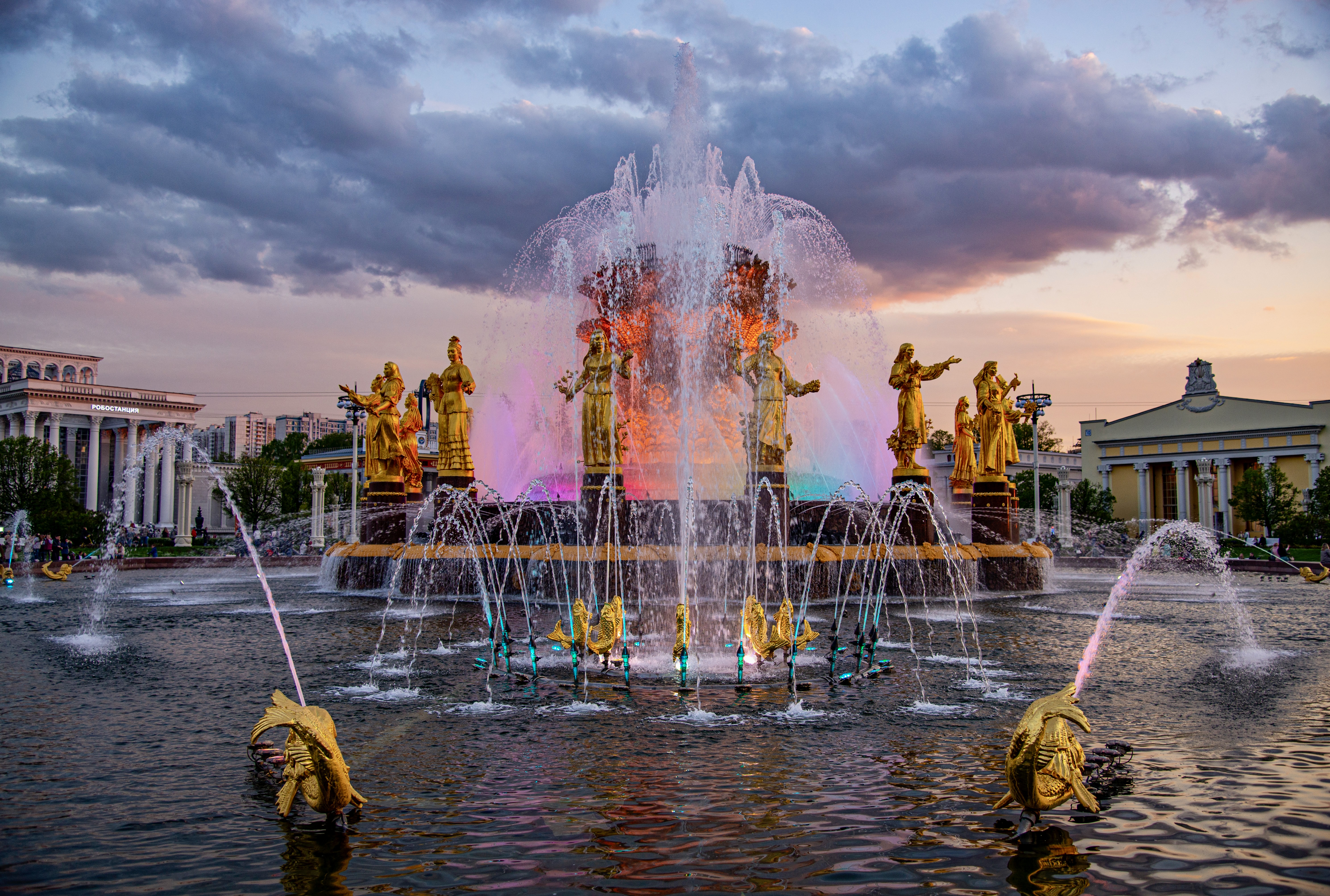
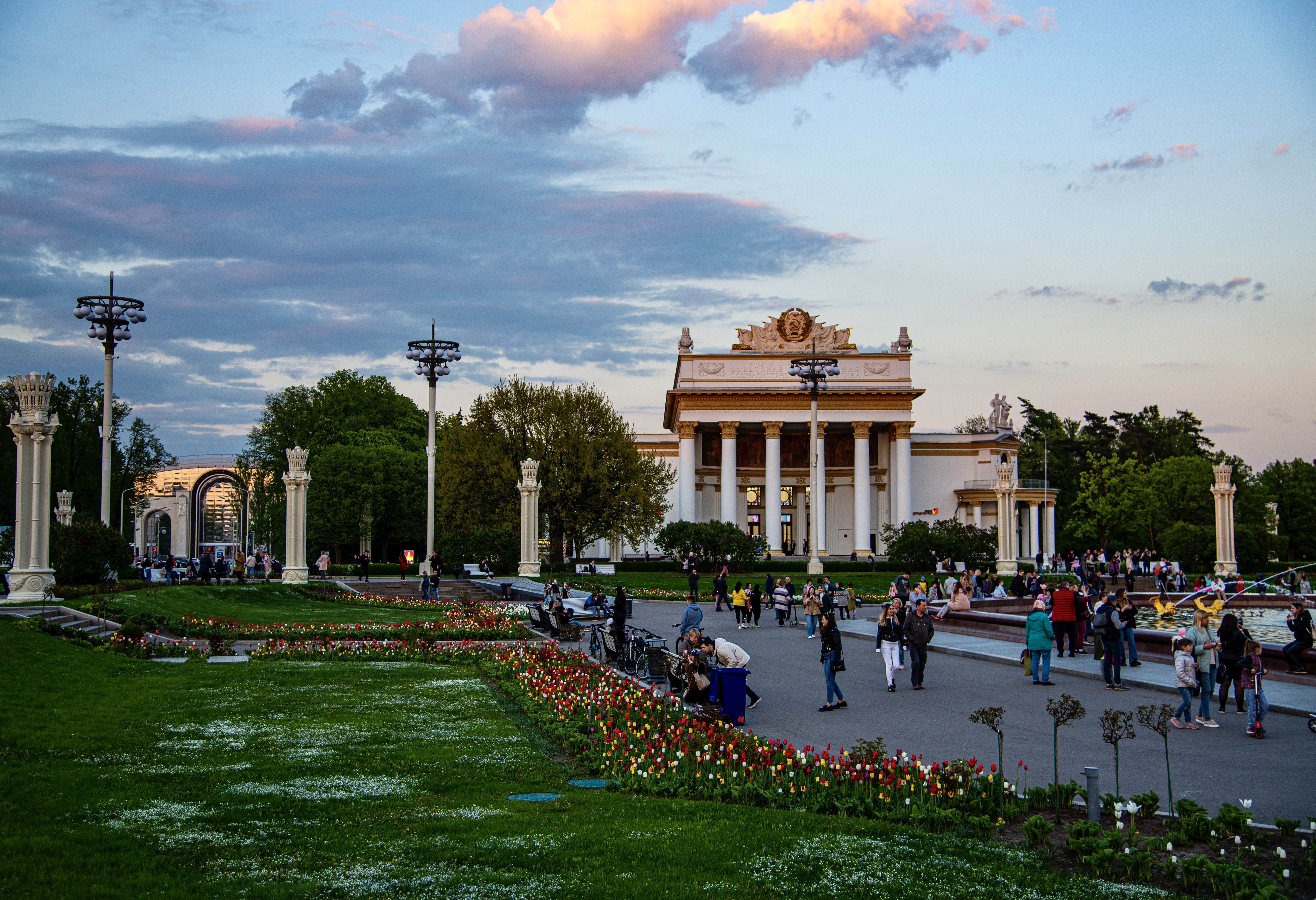
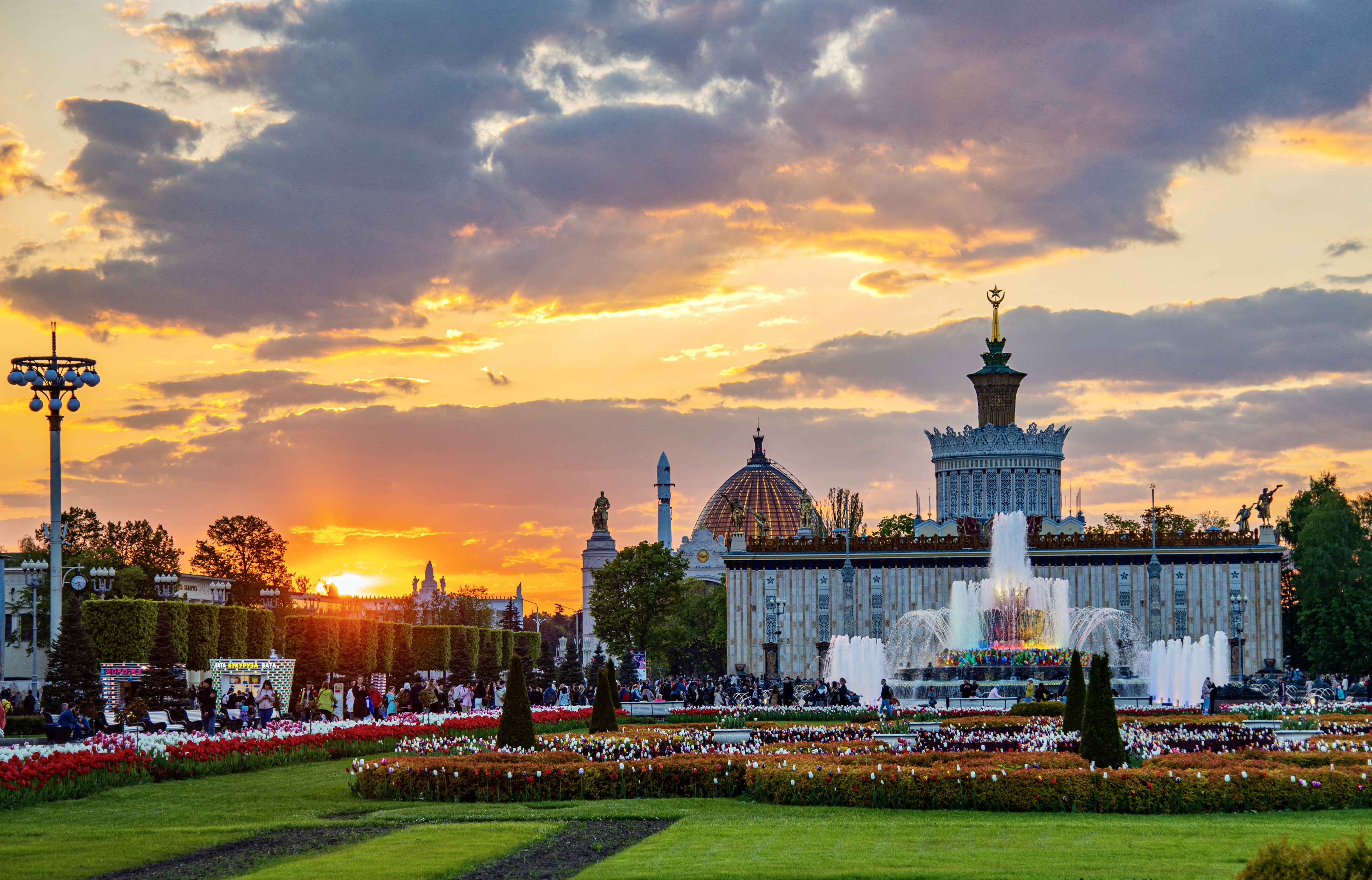
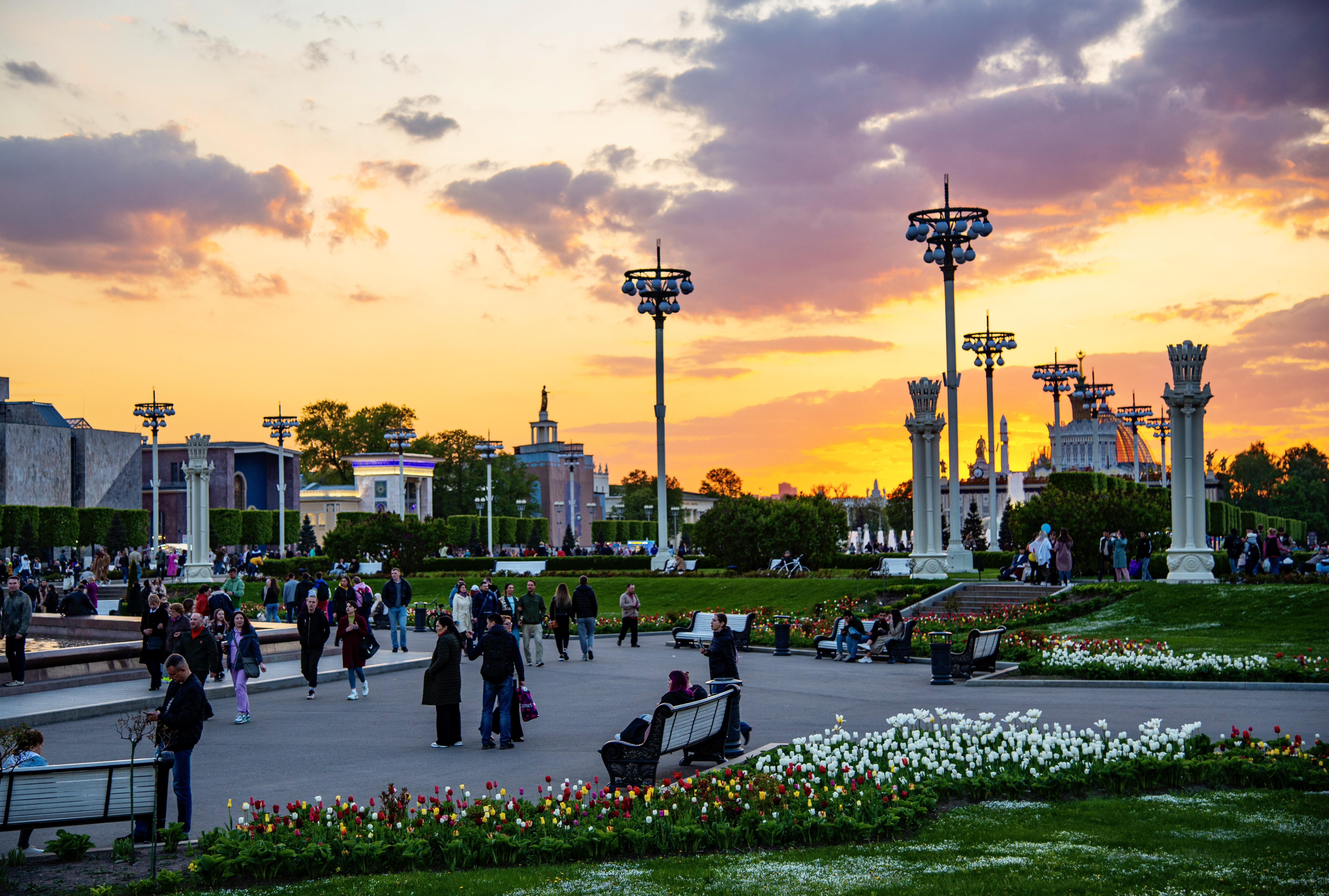
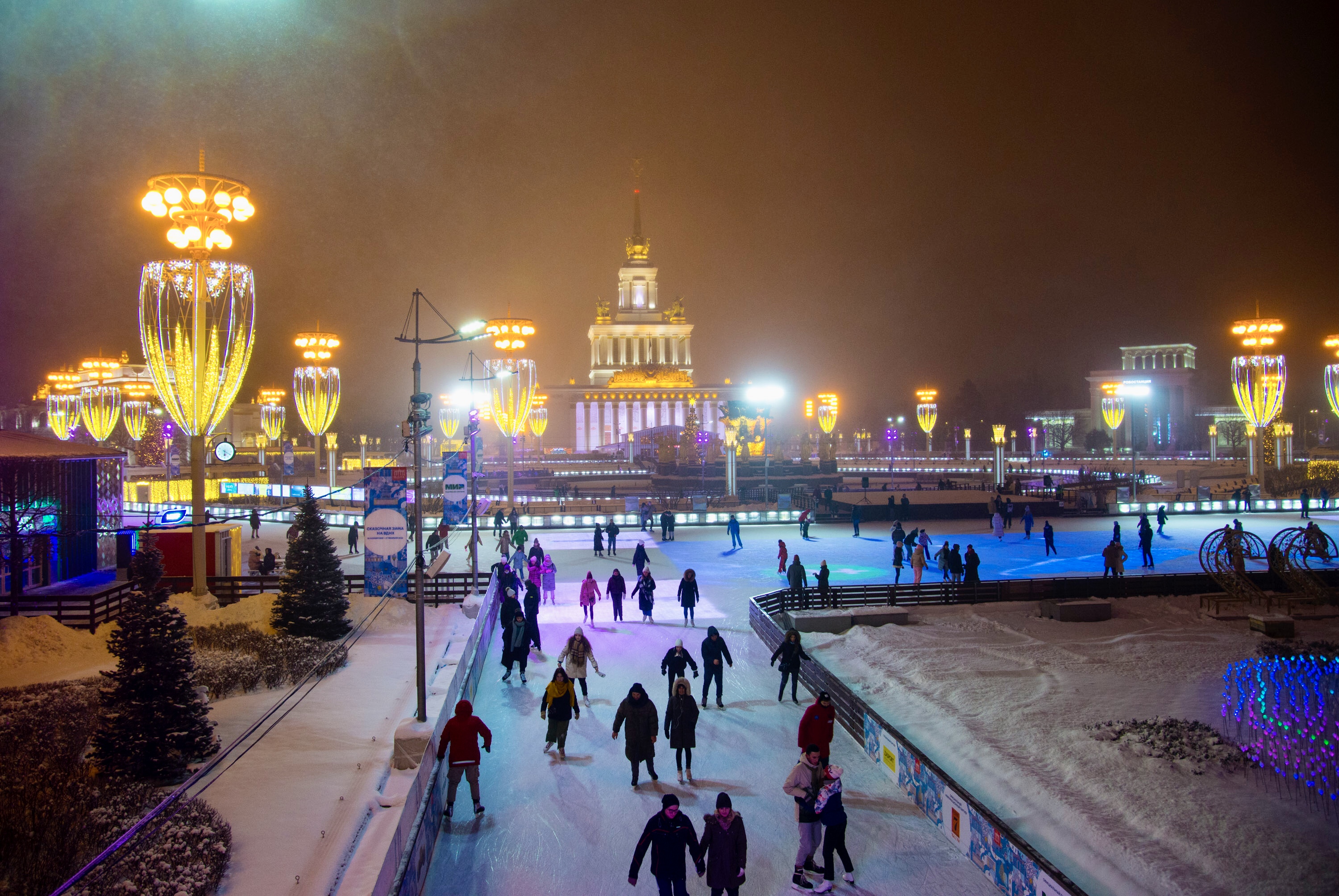
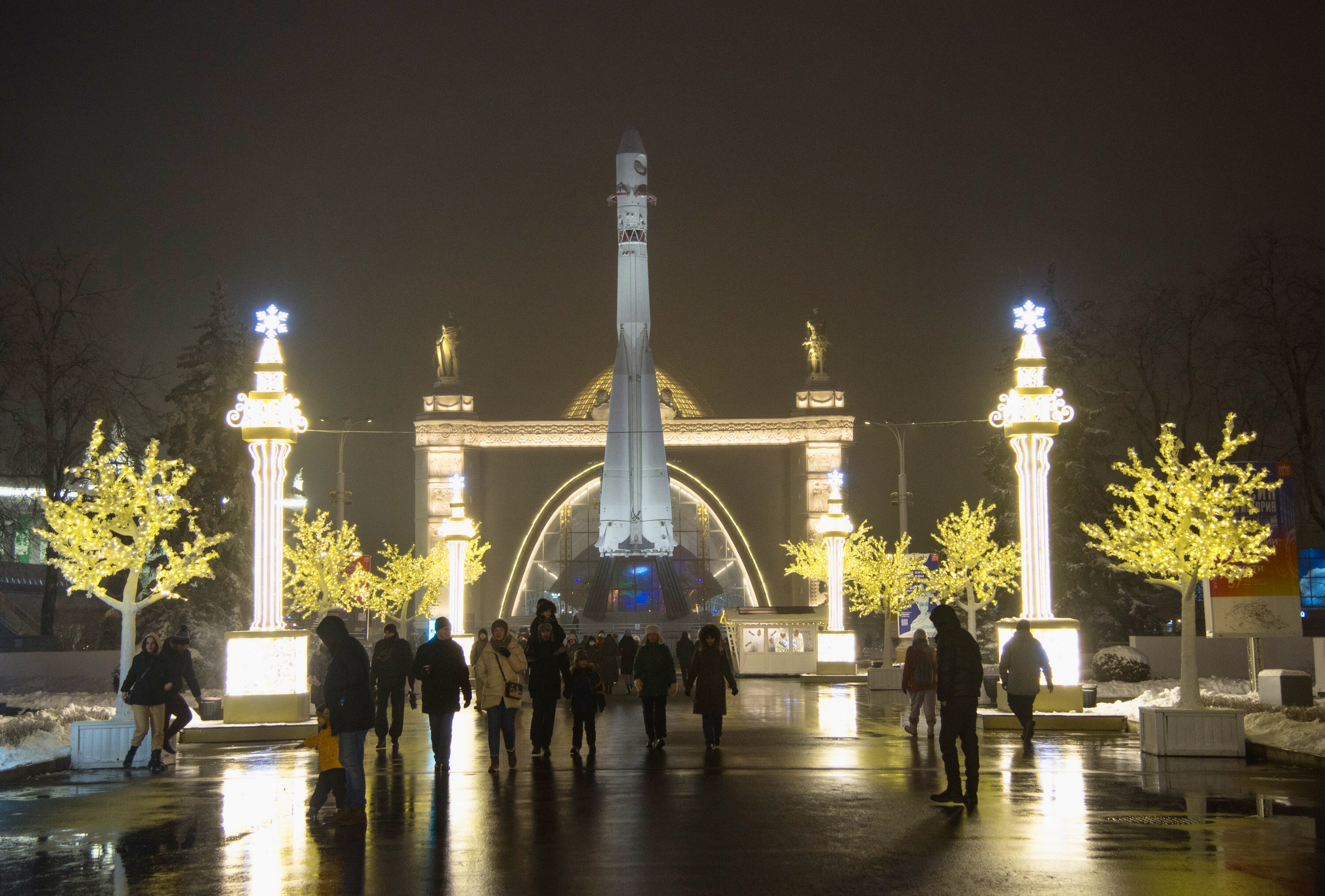
VDNKH Exhibition Center

Mytishchi

Gallery

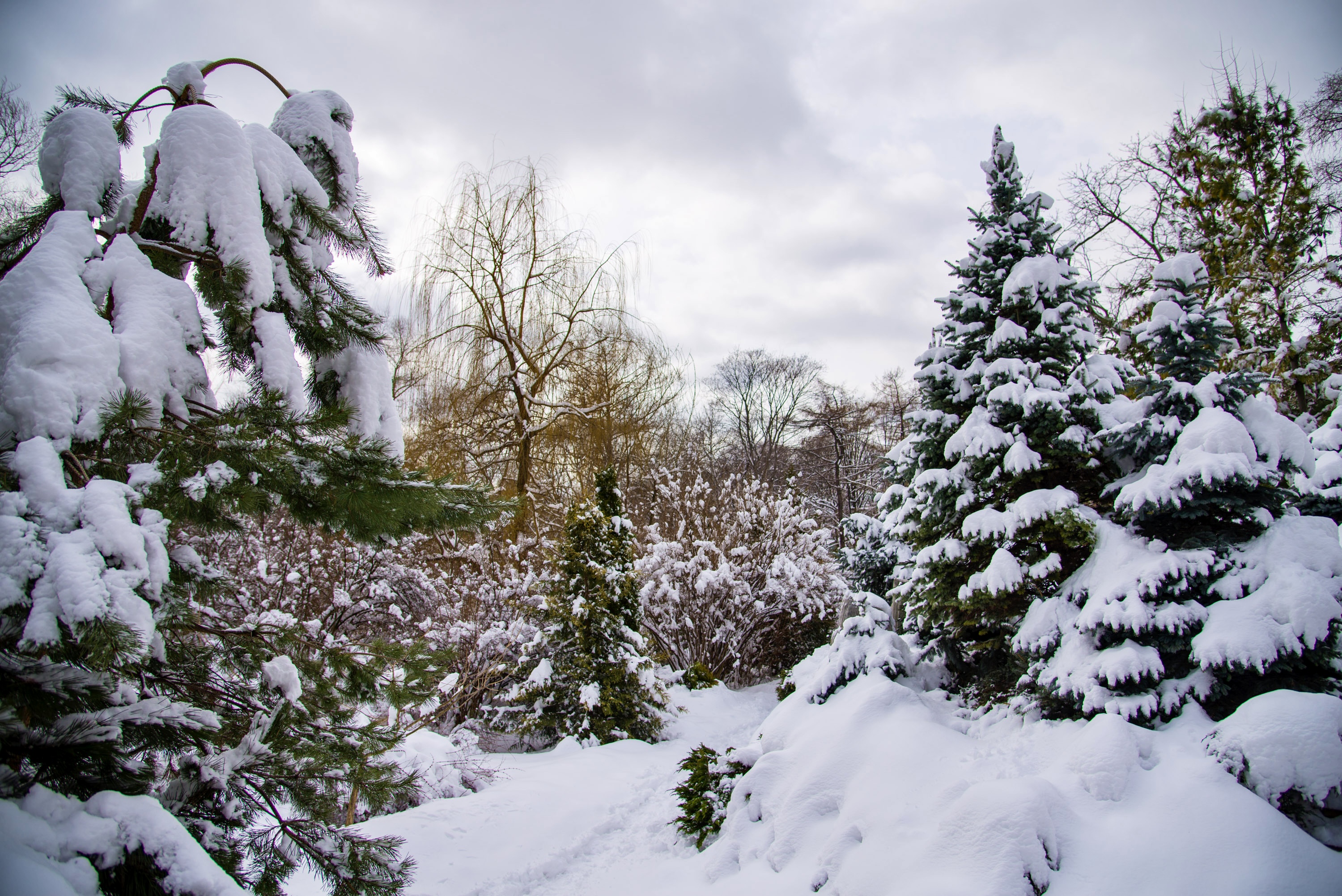
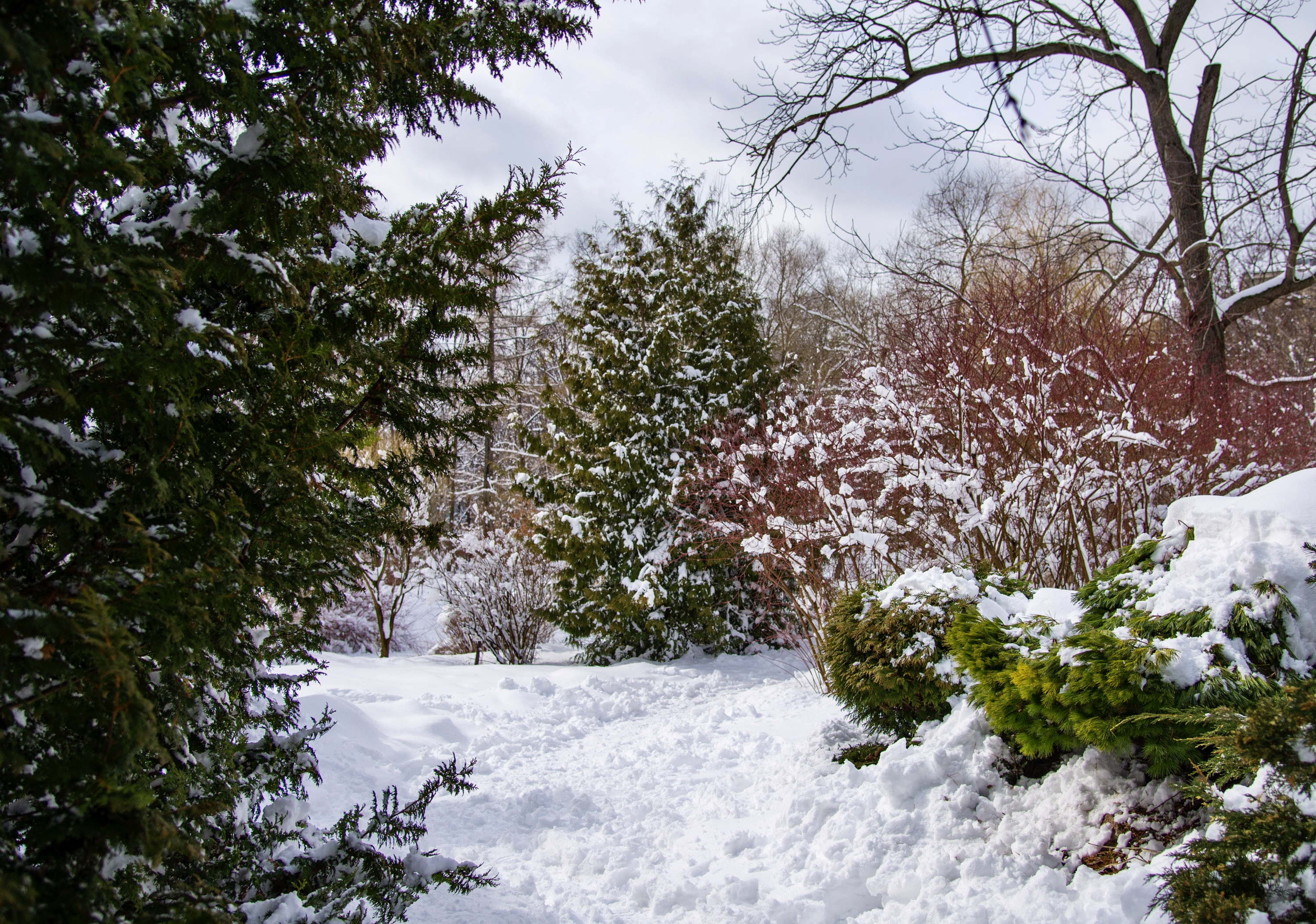
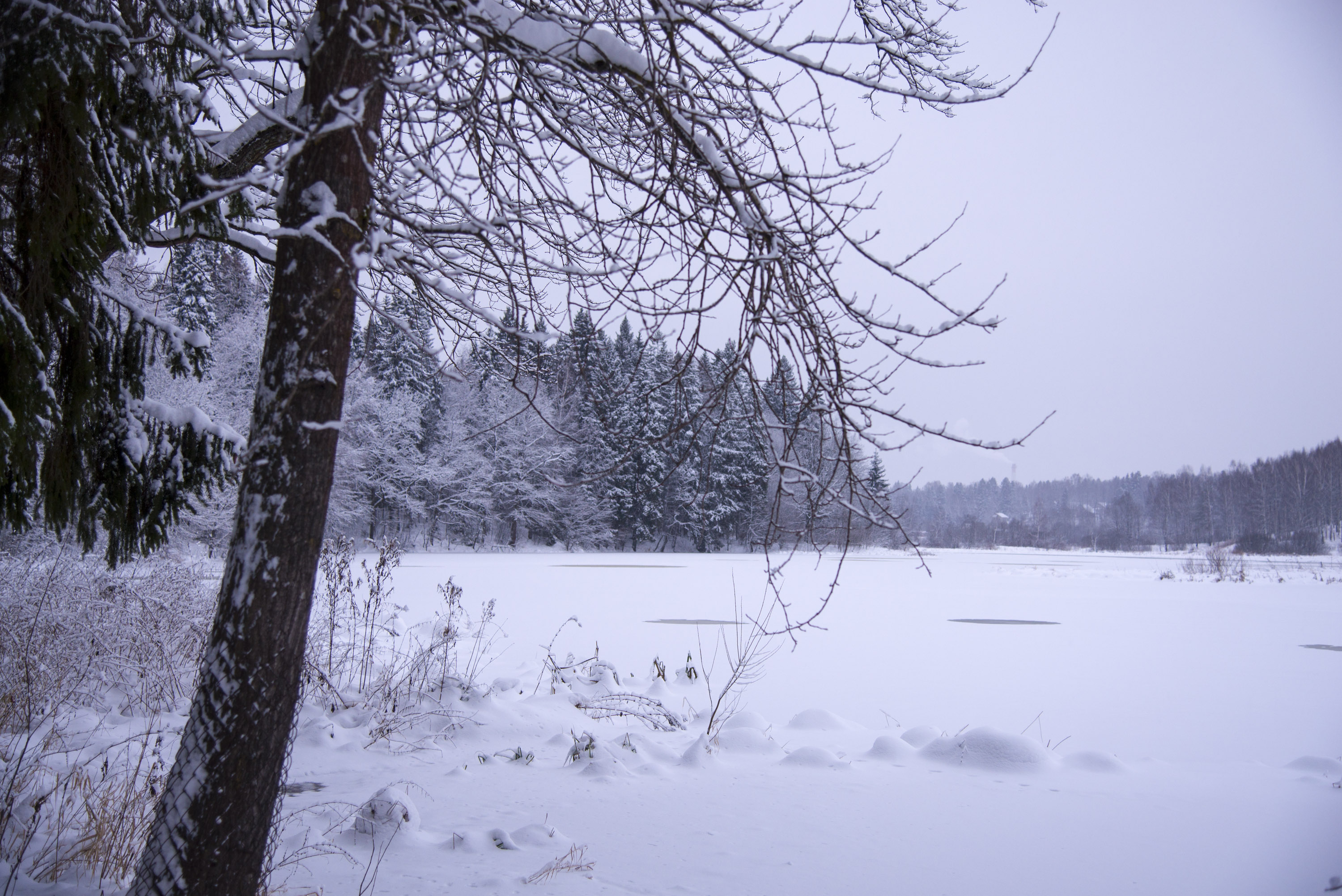
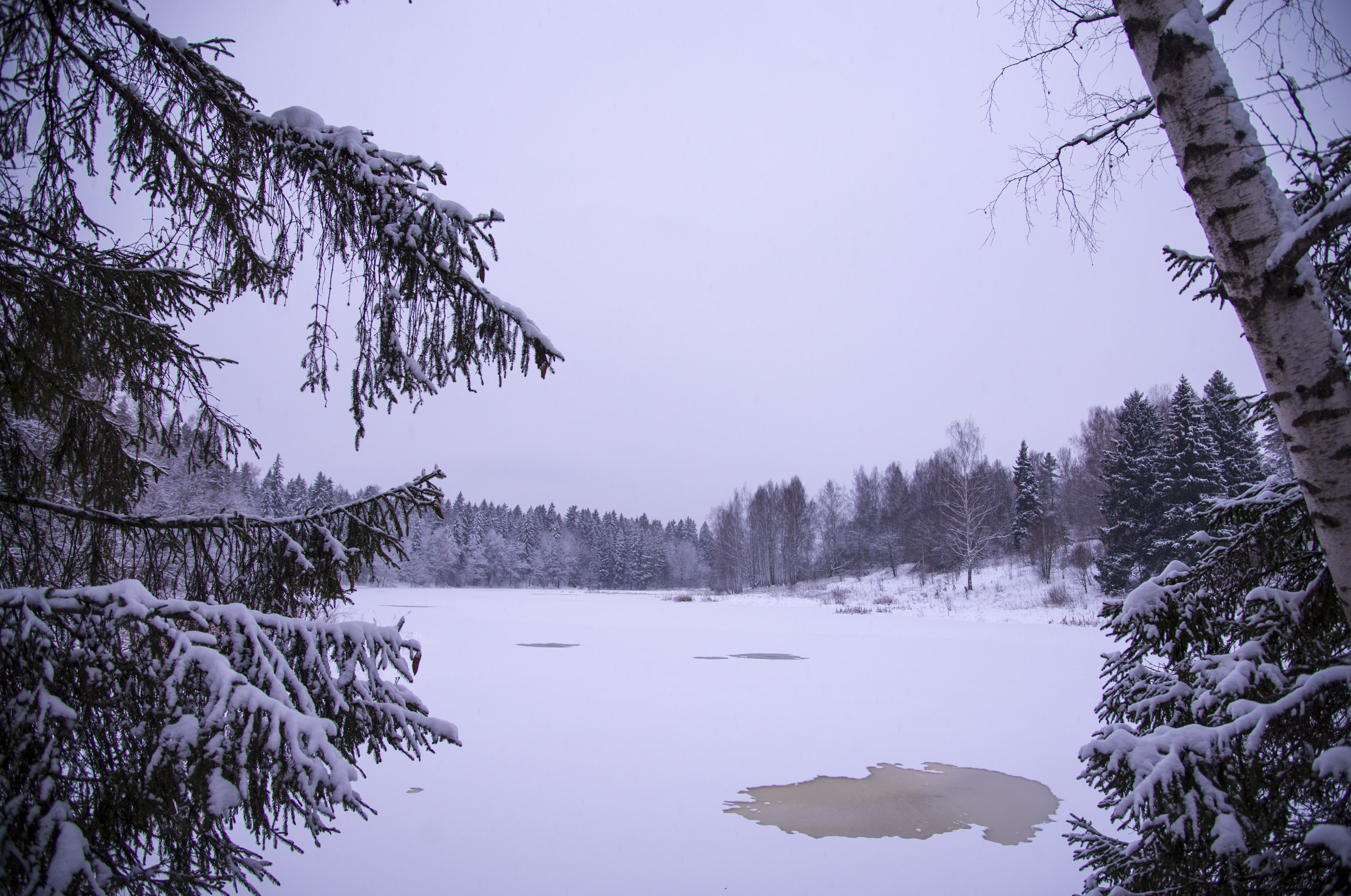
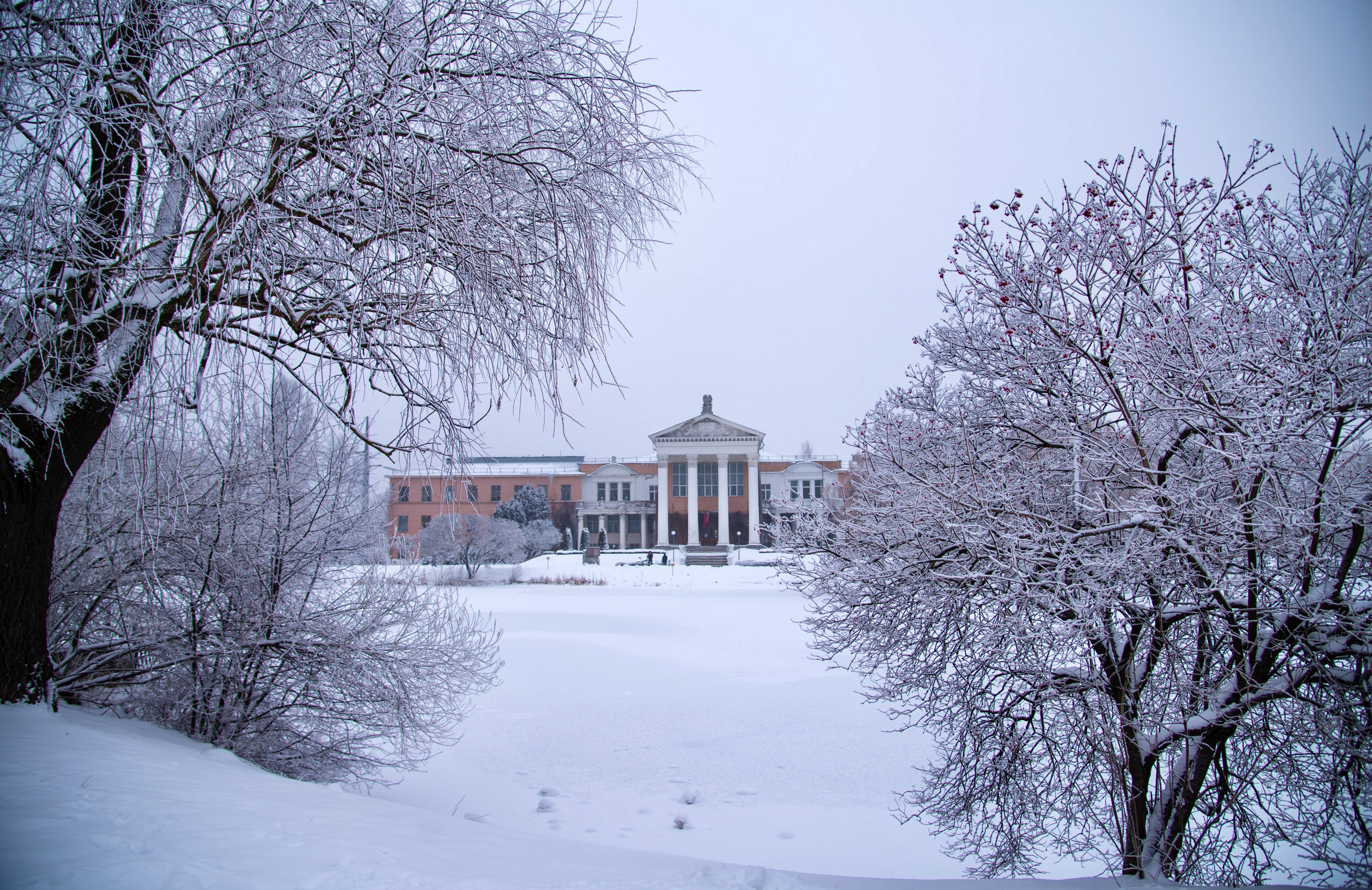
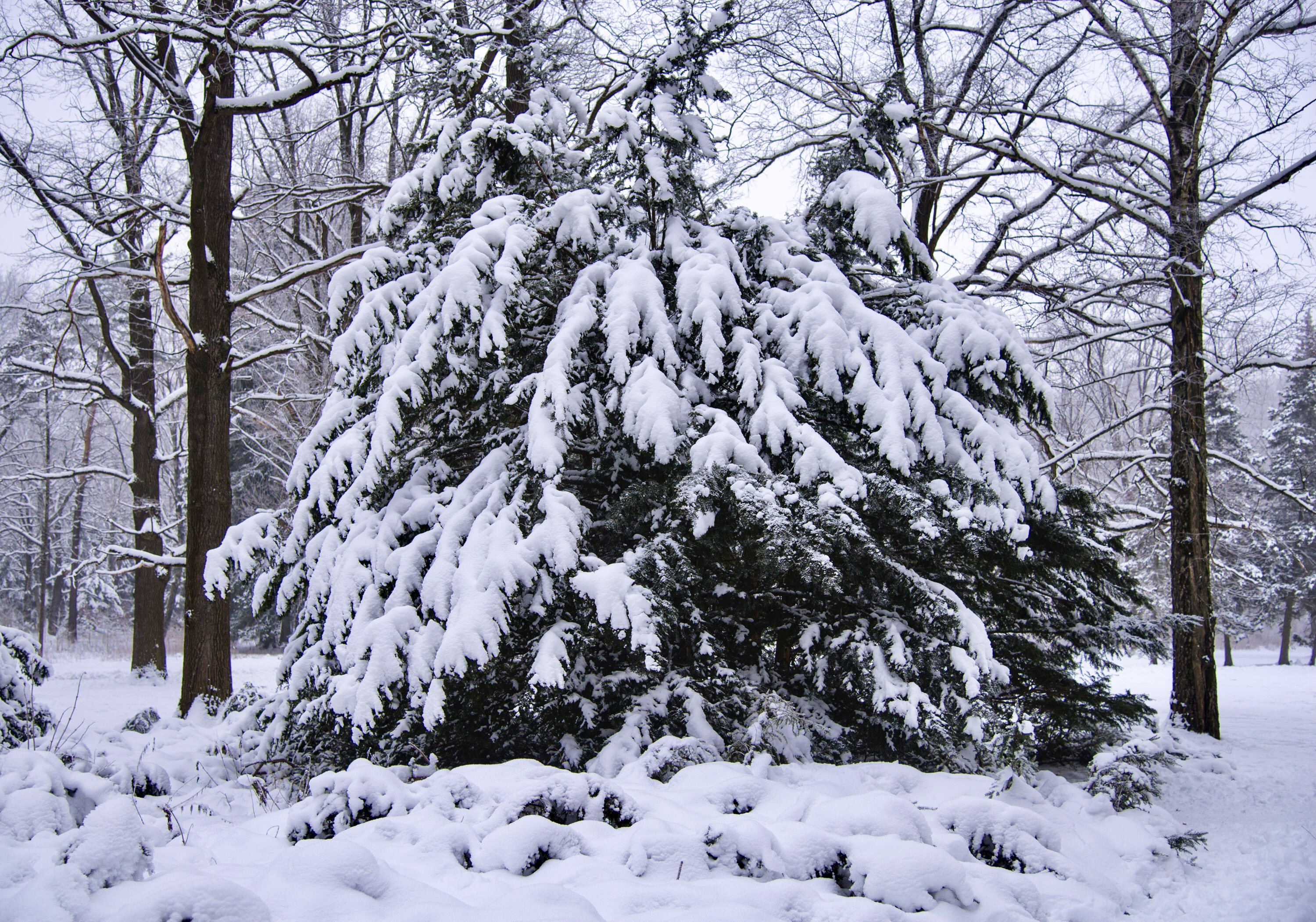
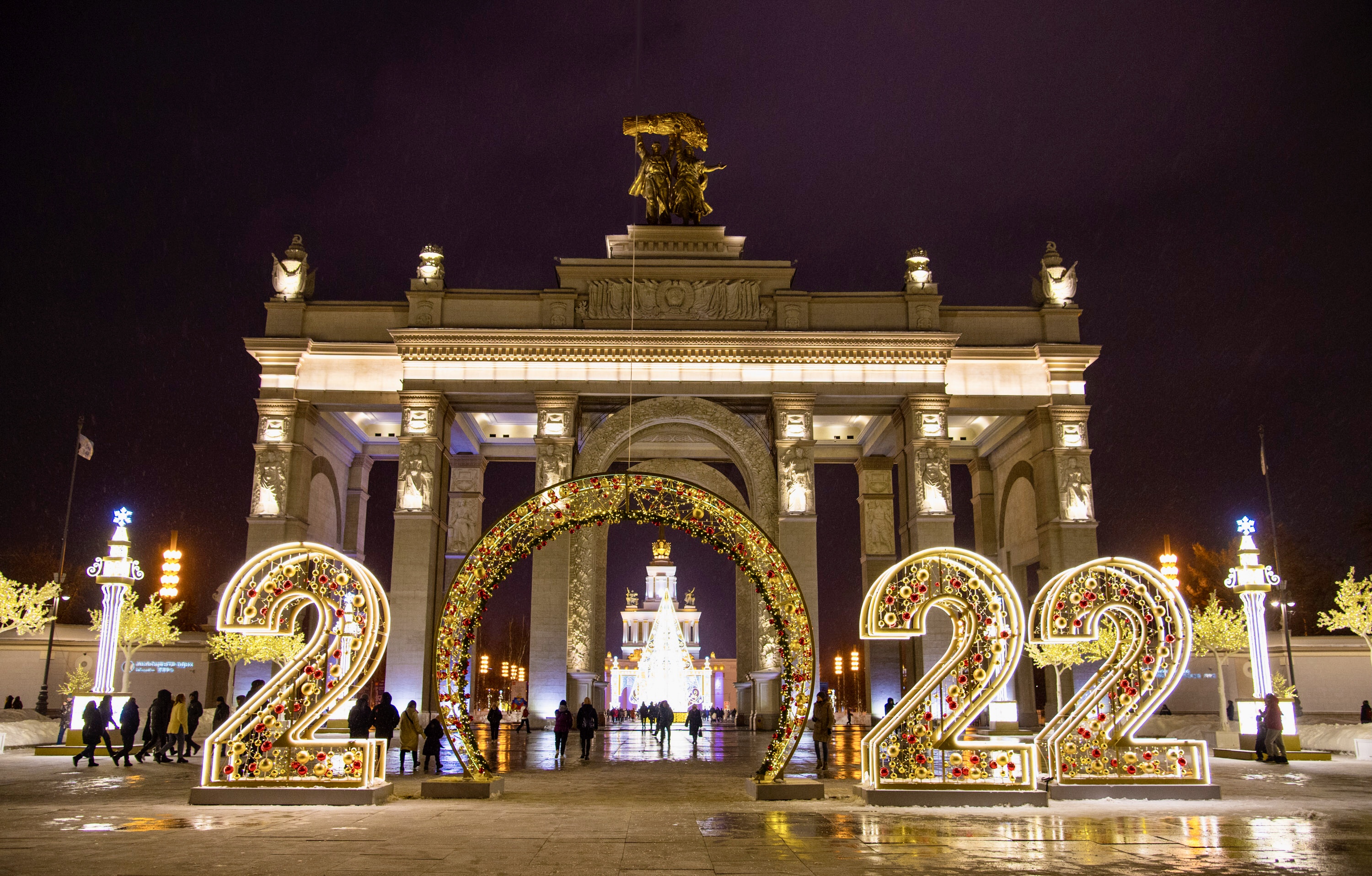
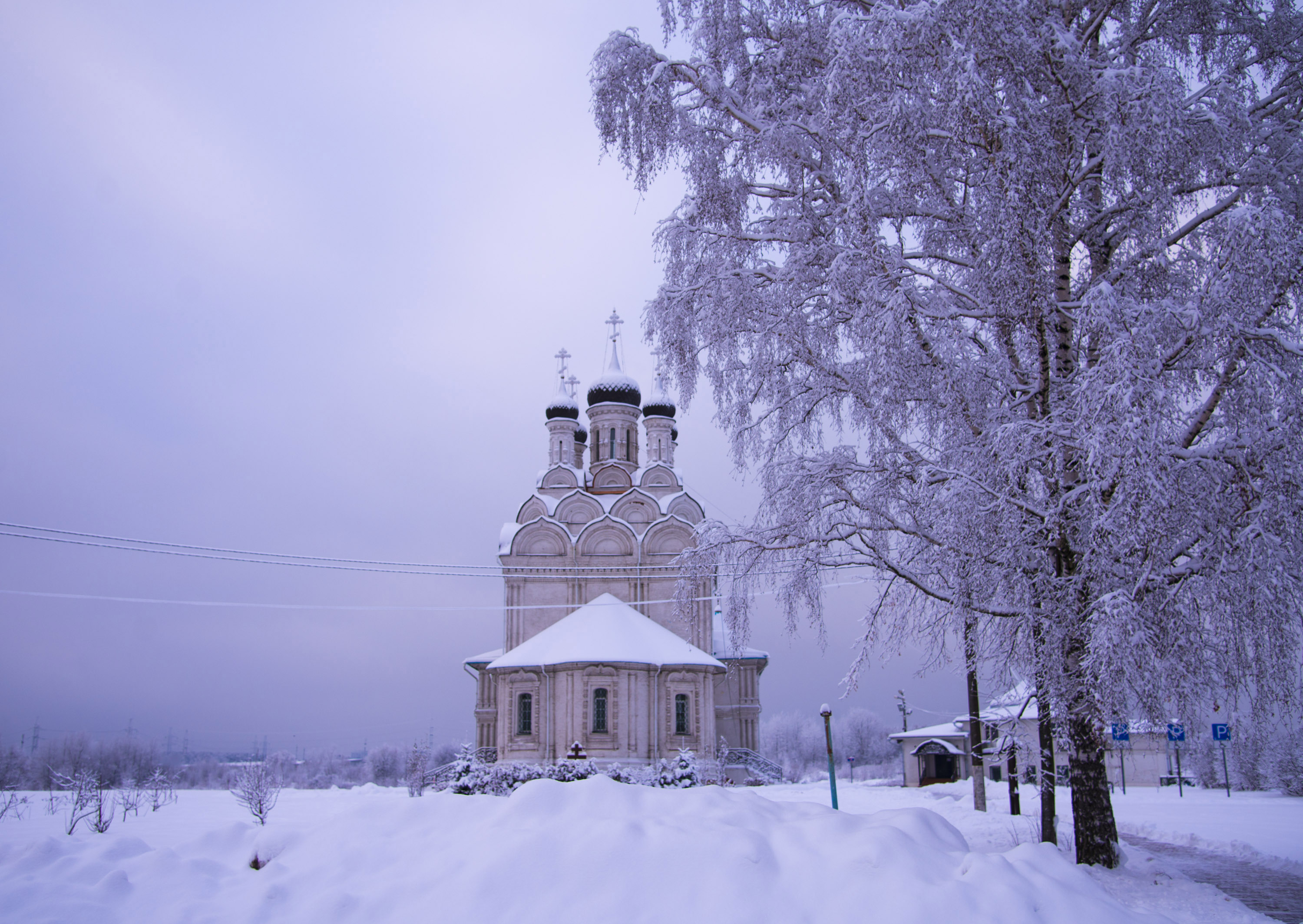
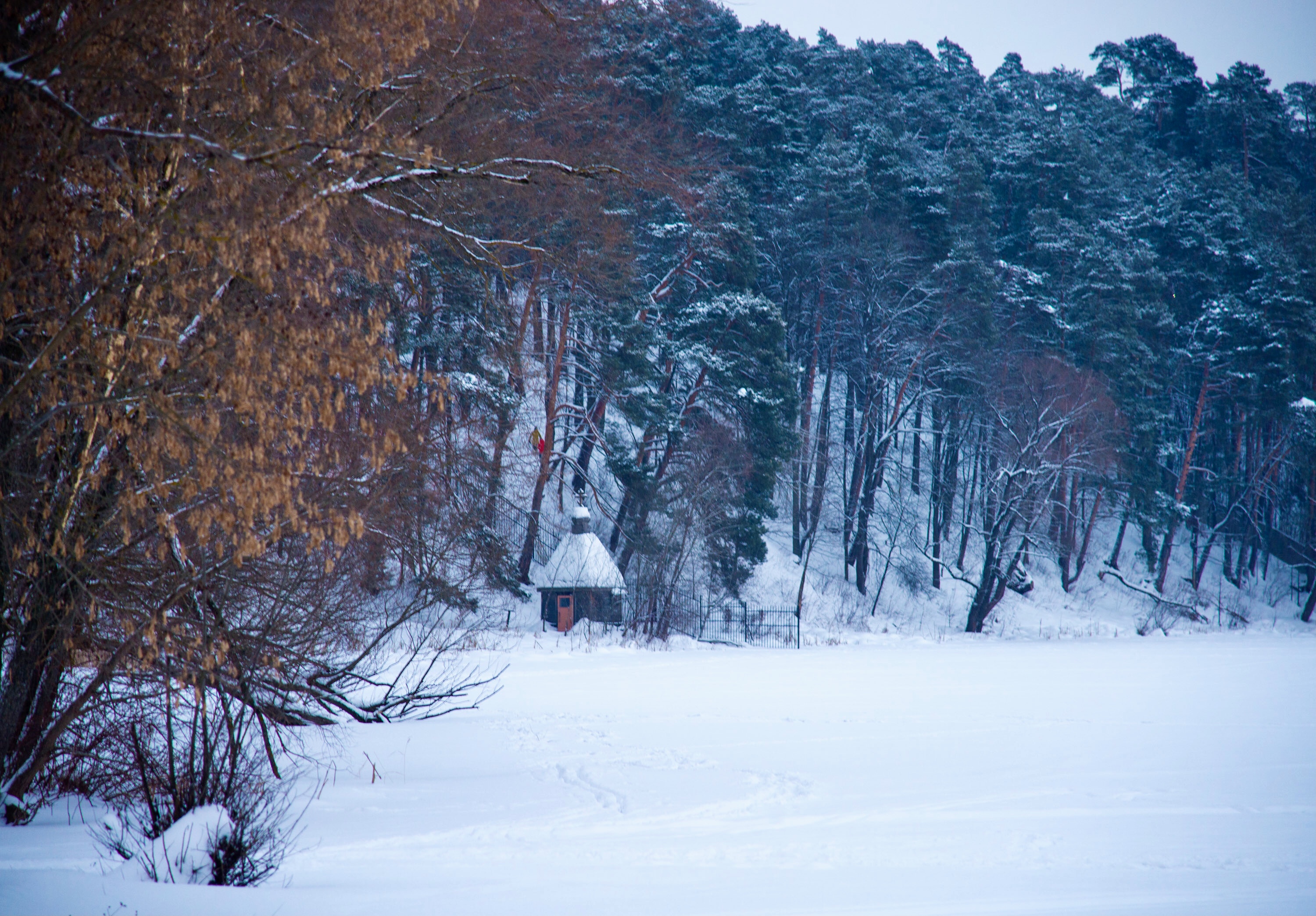
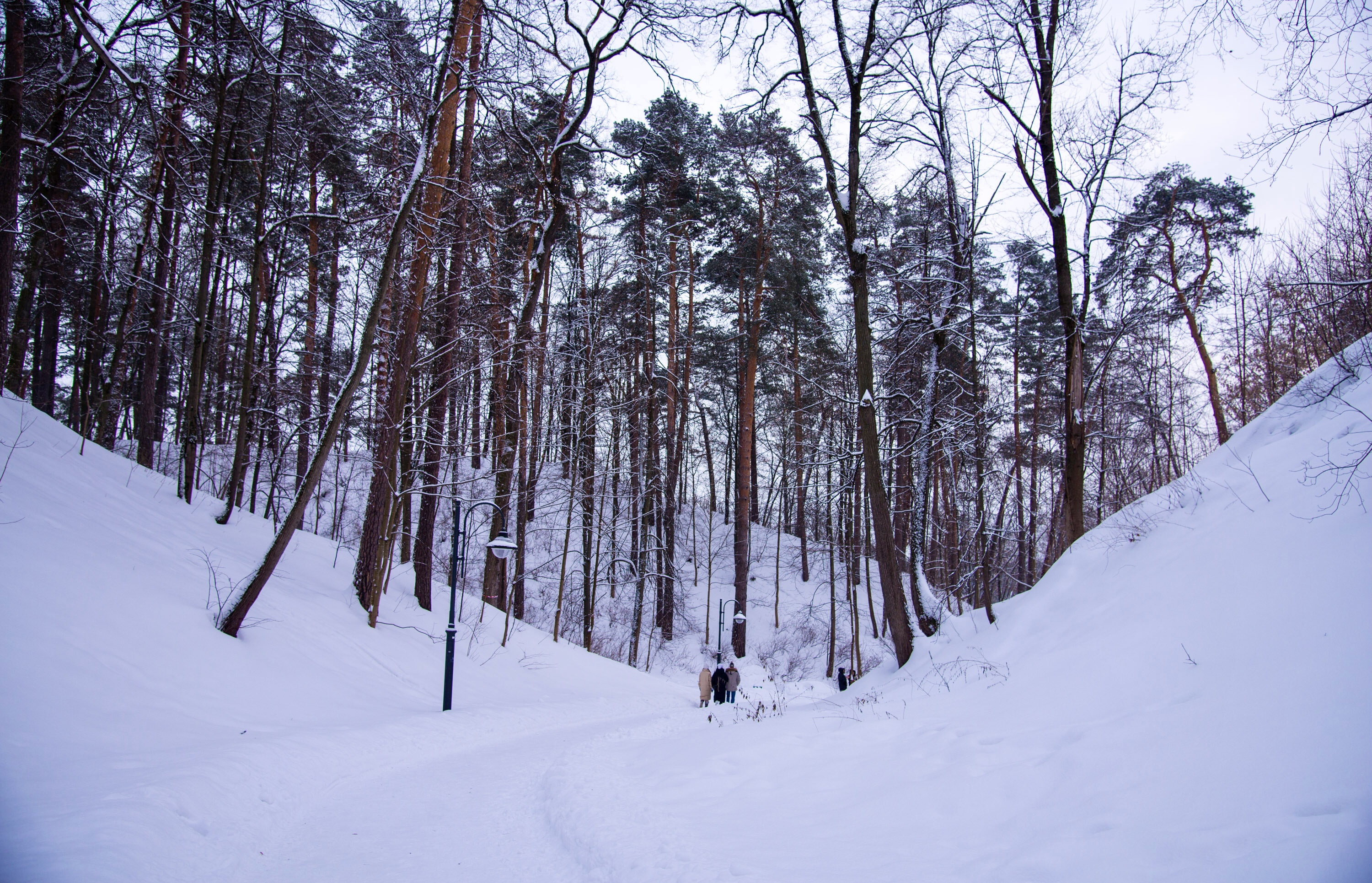
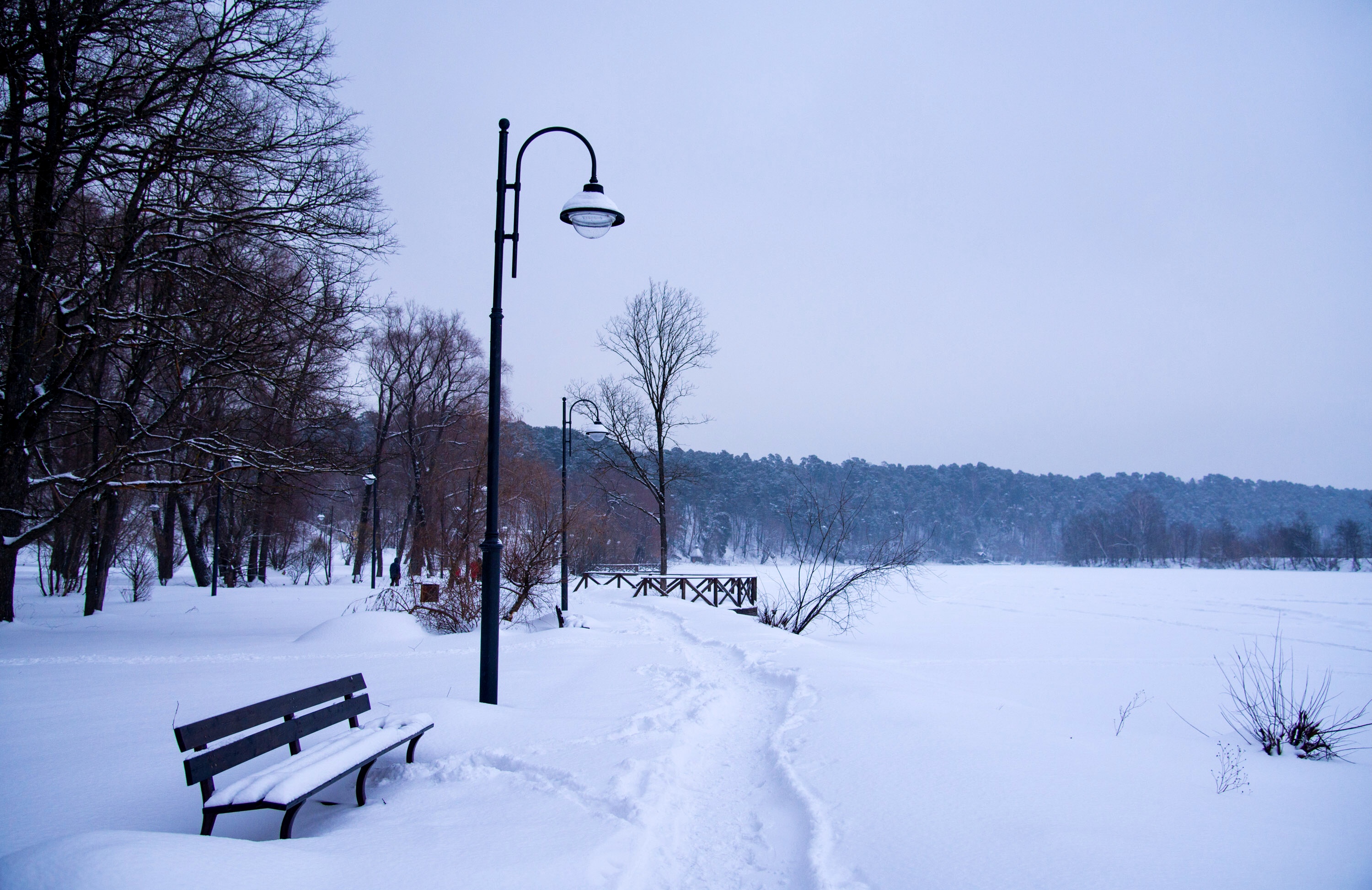
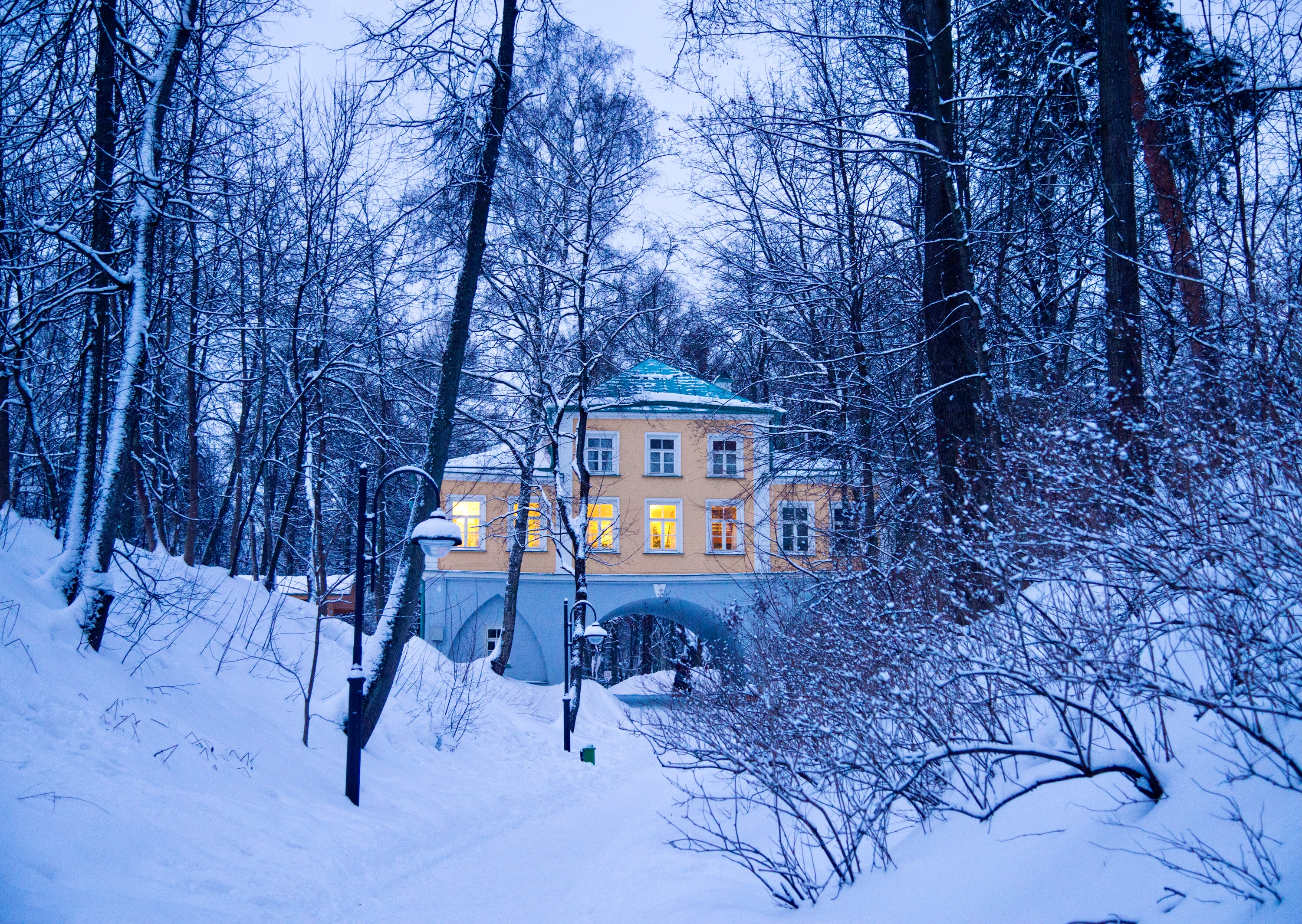
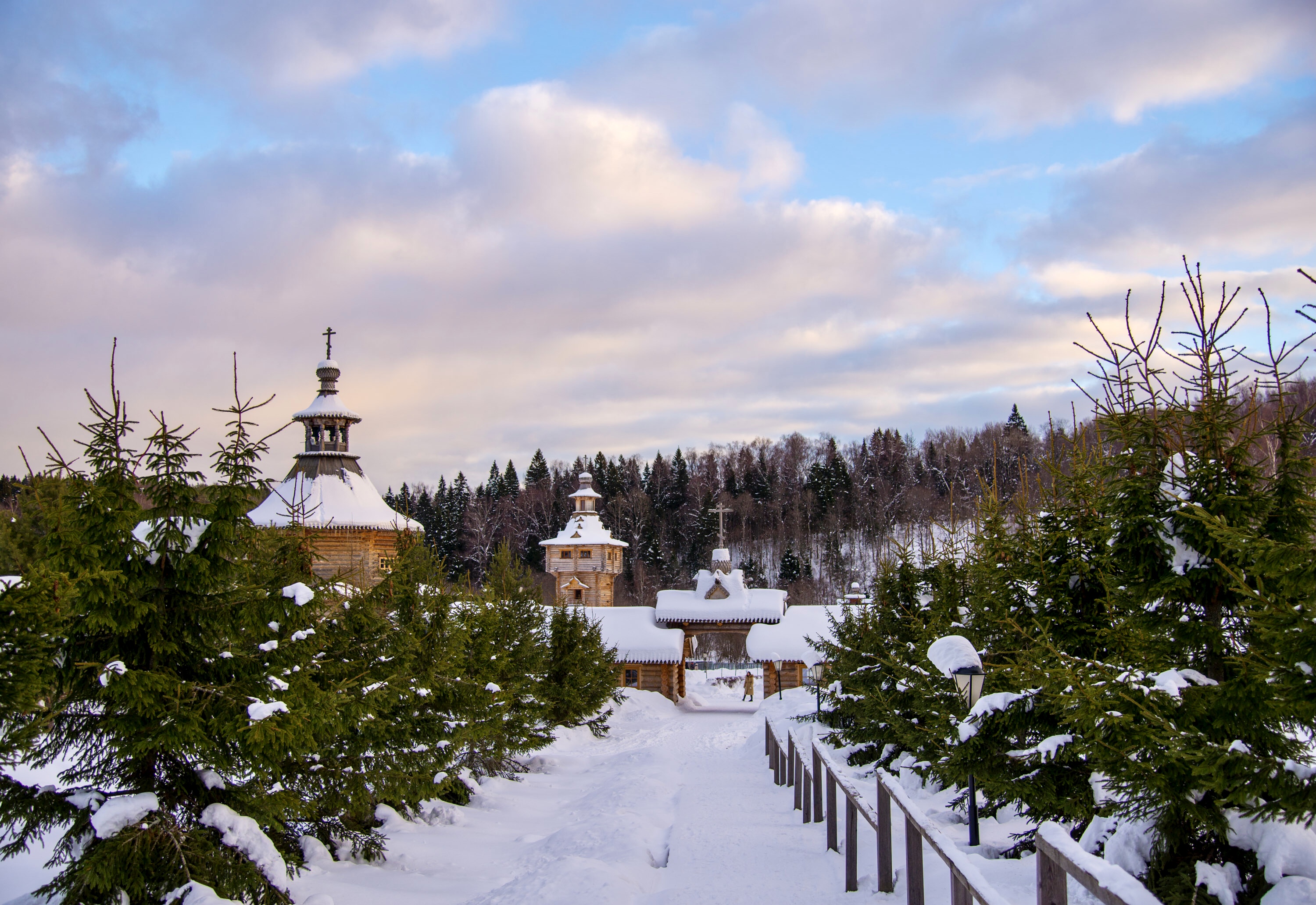
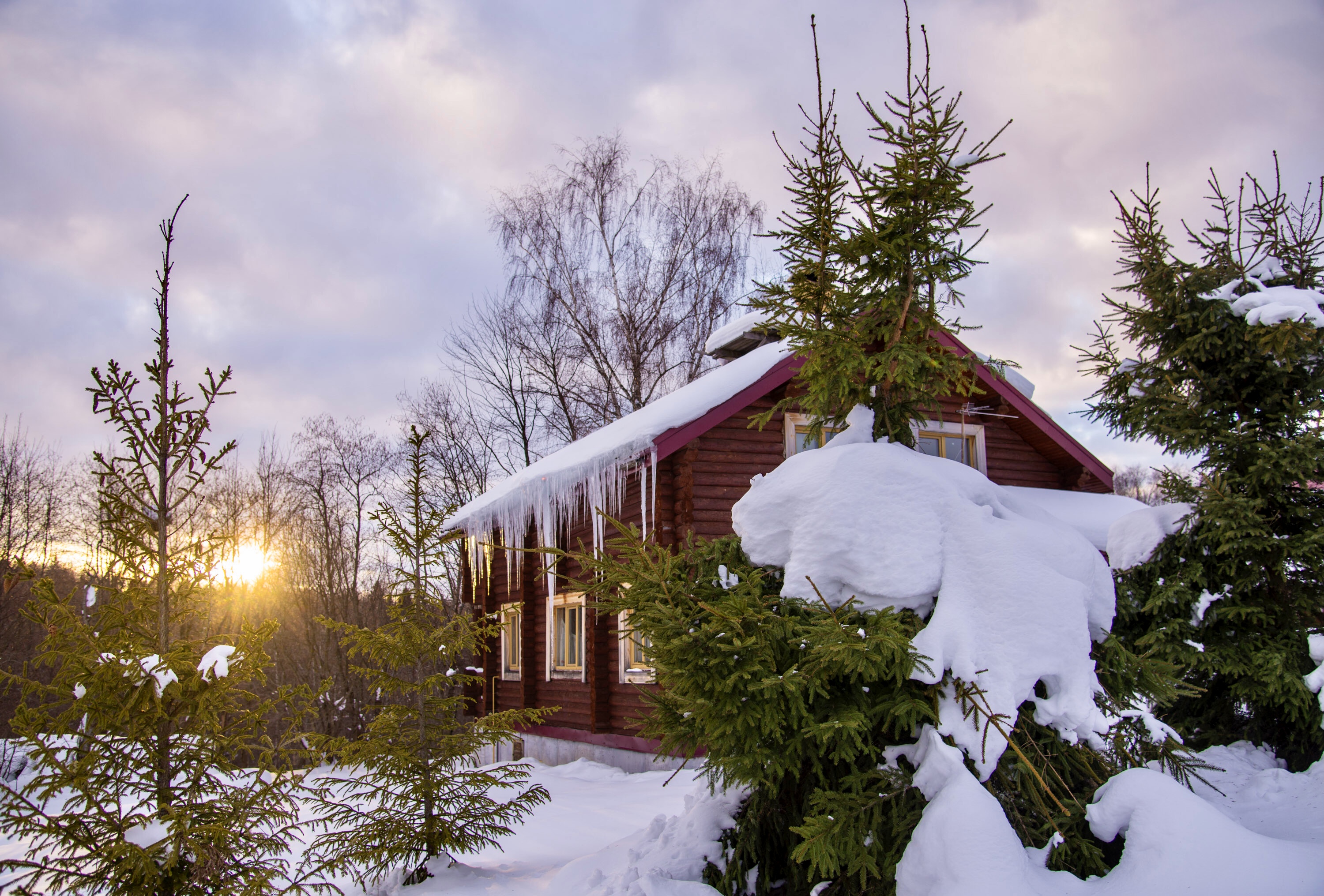
Snowy winter 2021/2022

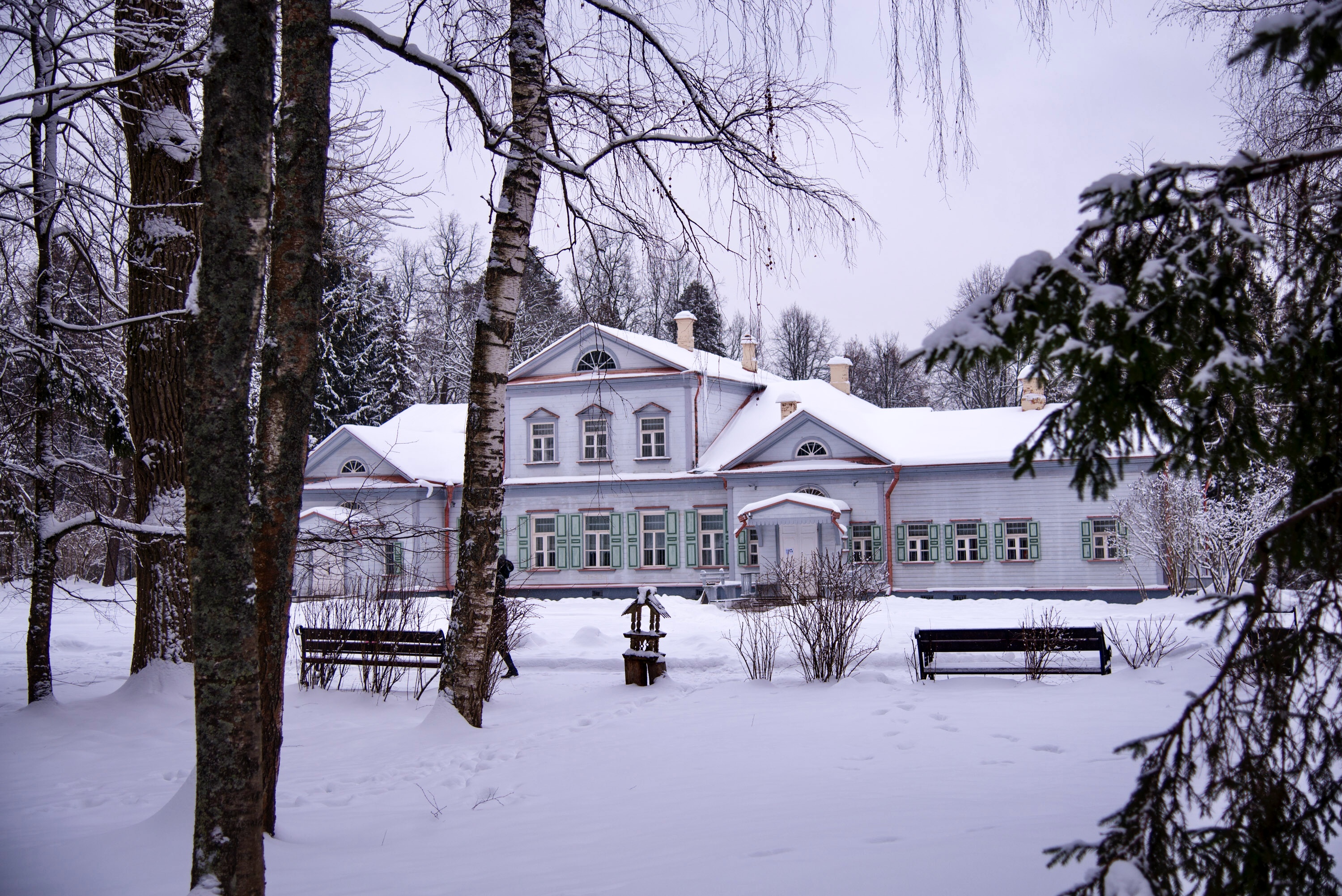
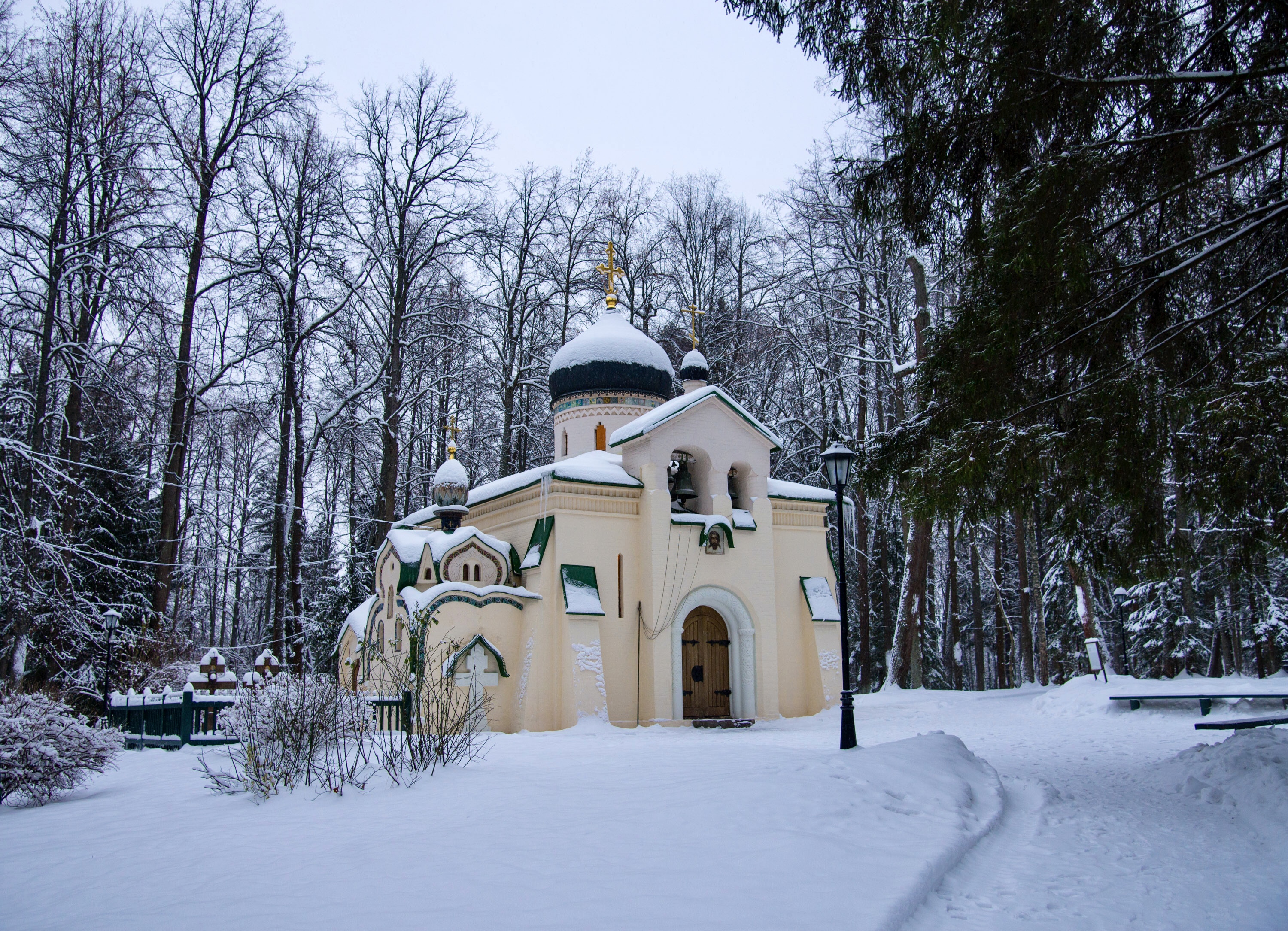
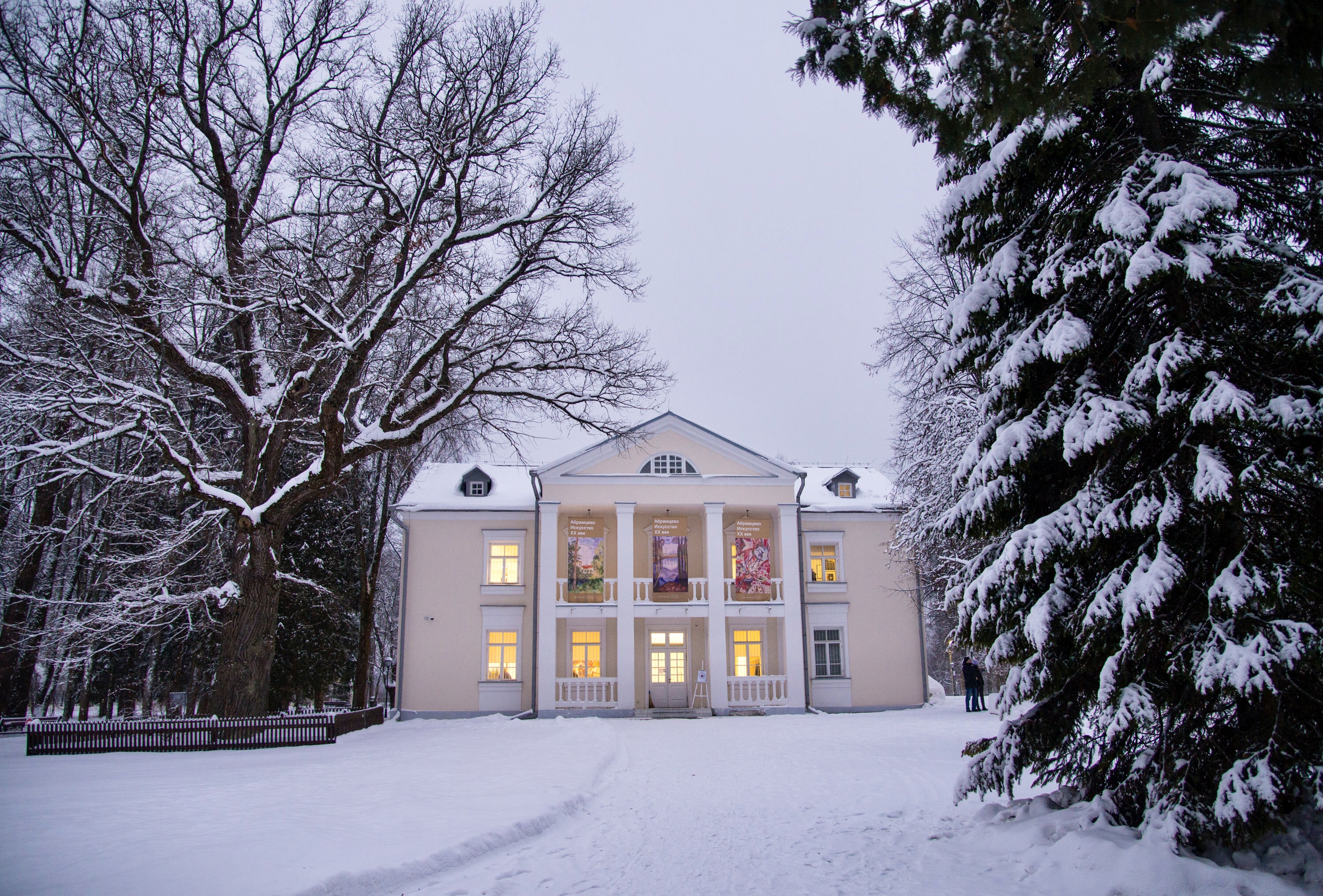
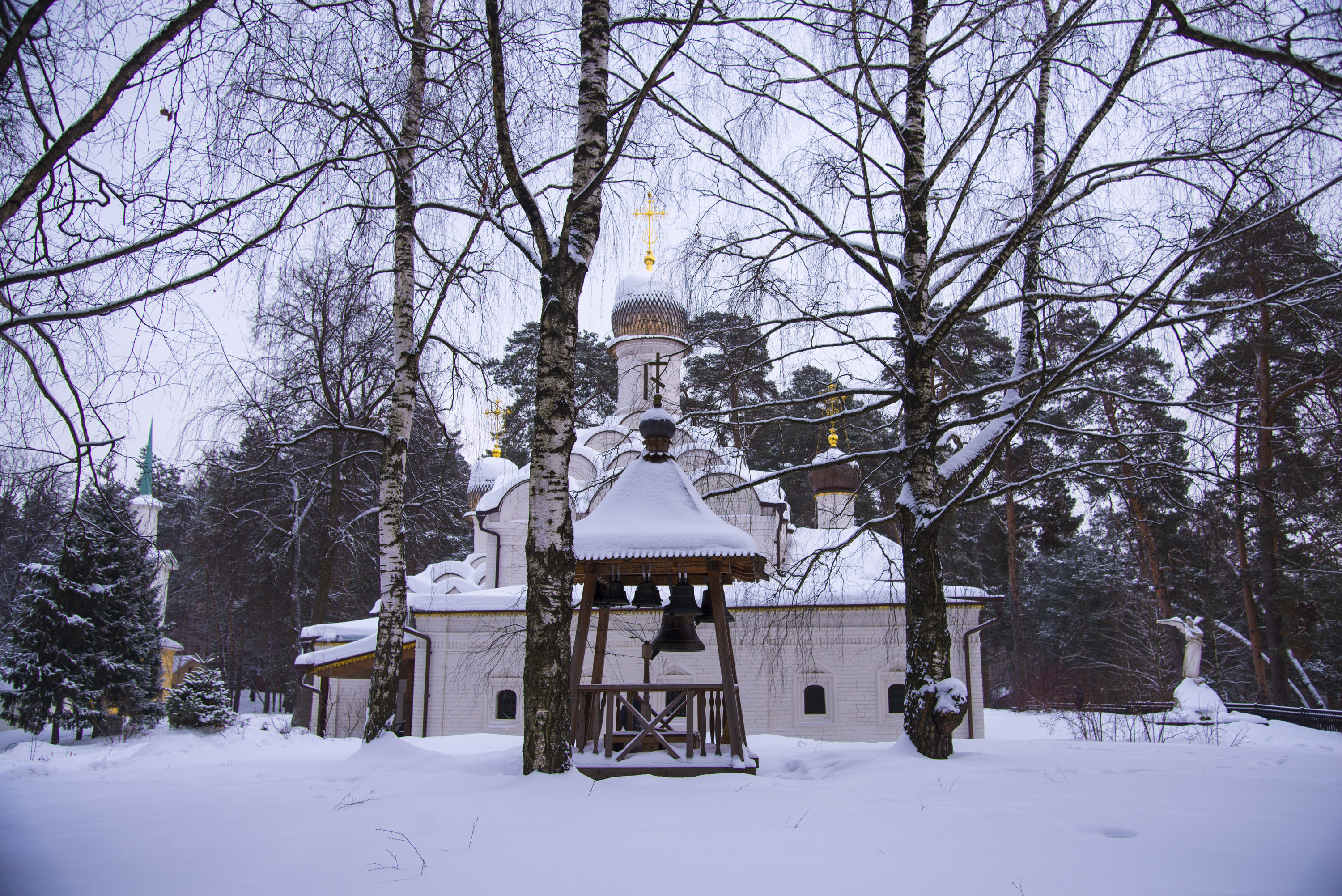
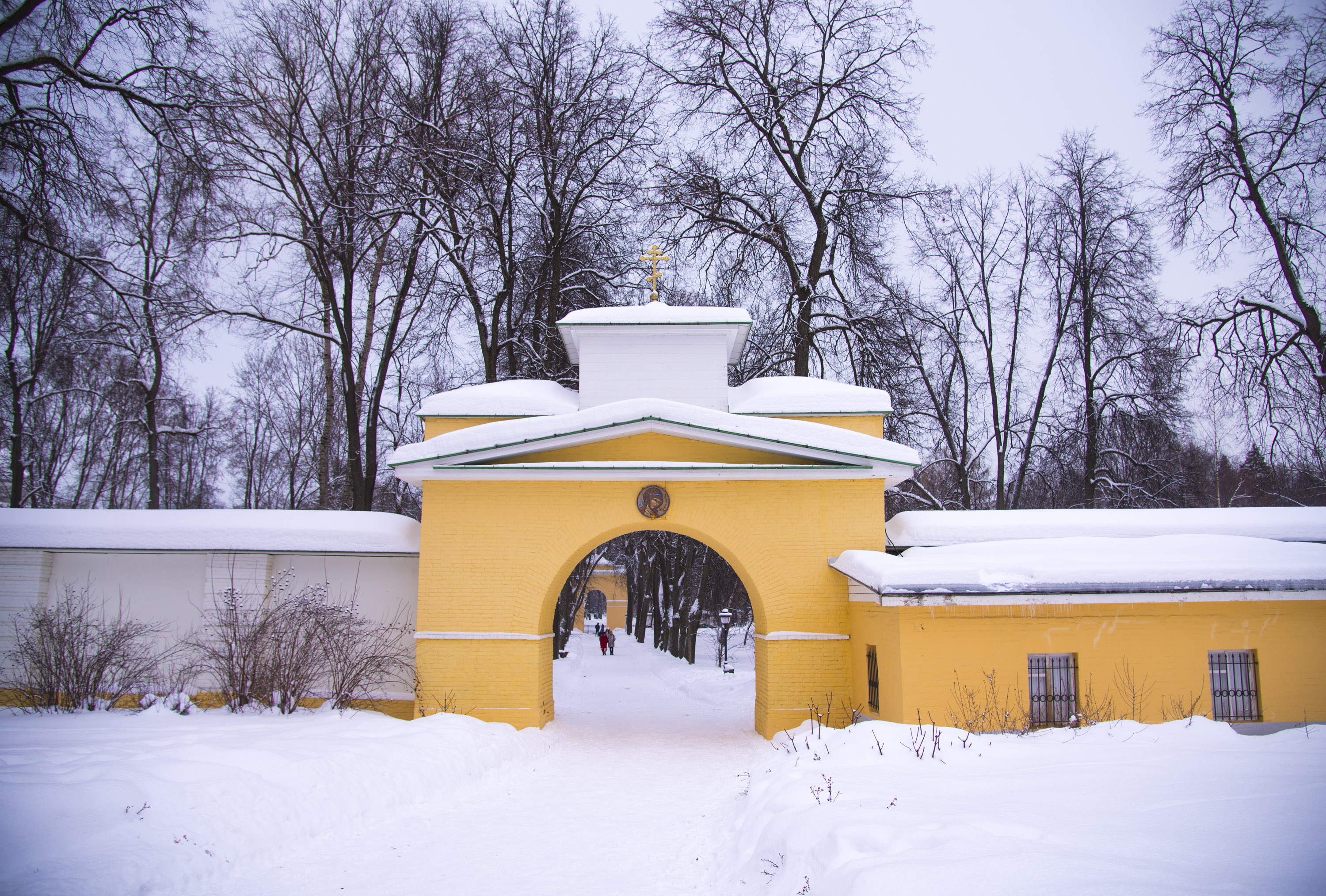
Abramtsevo

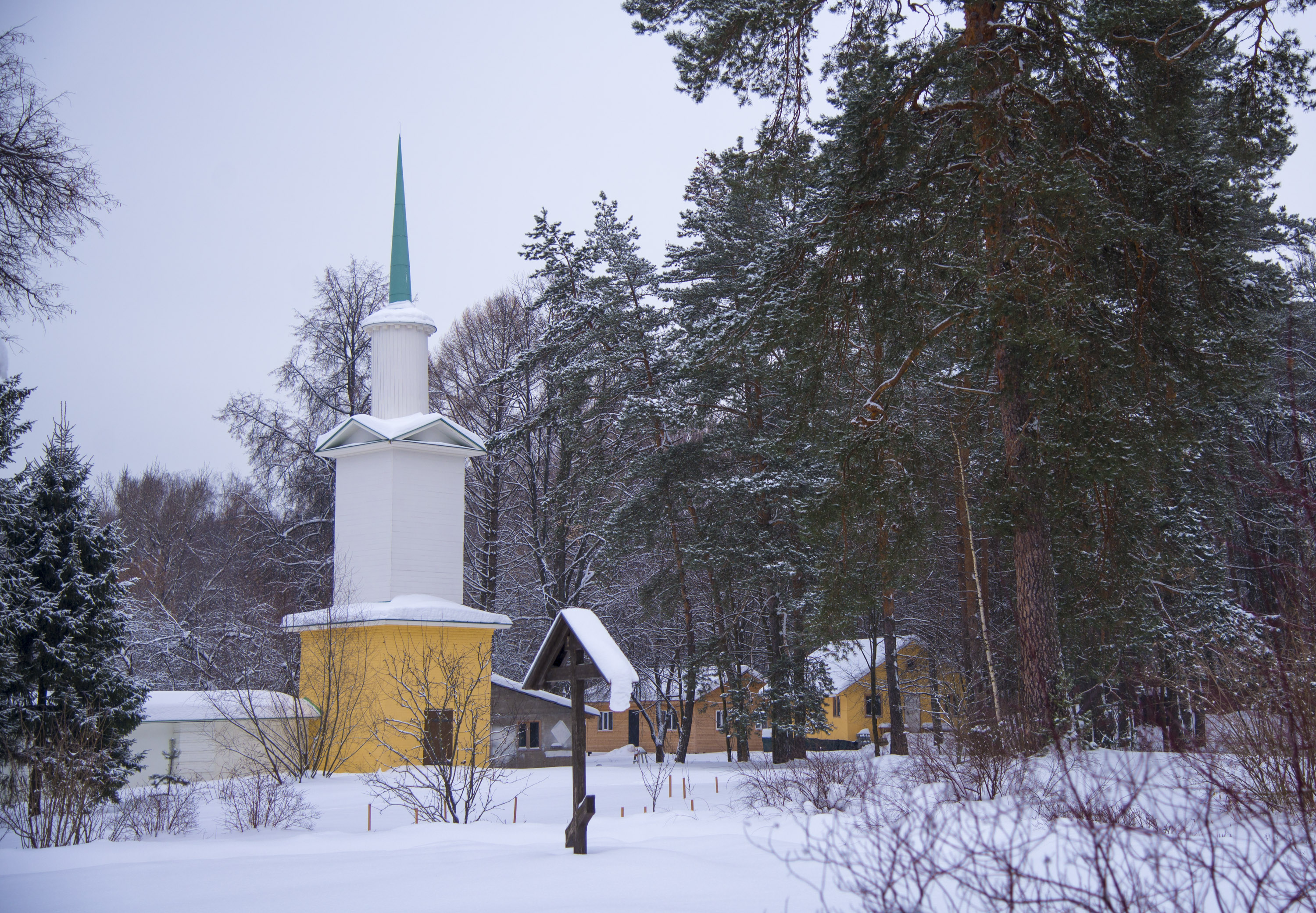
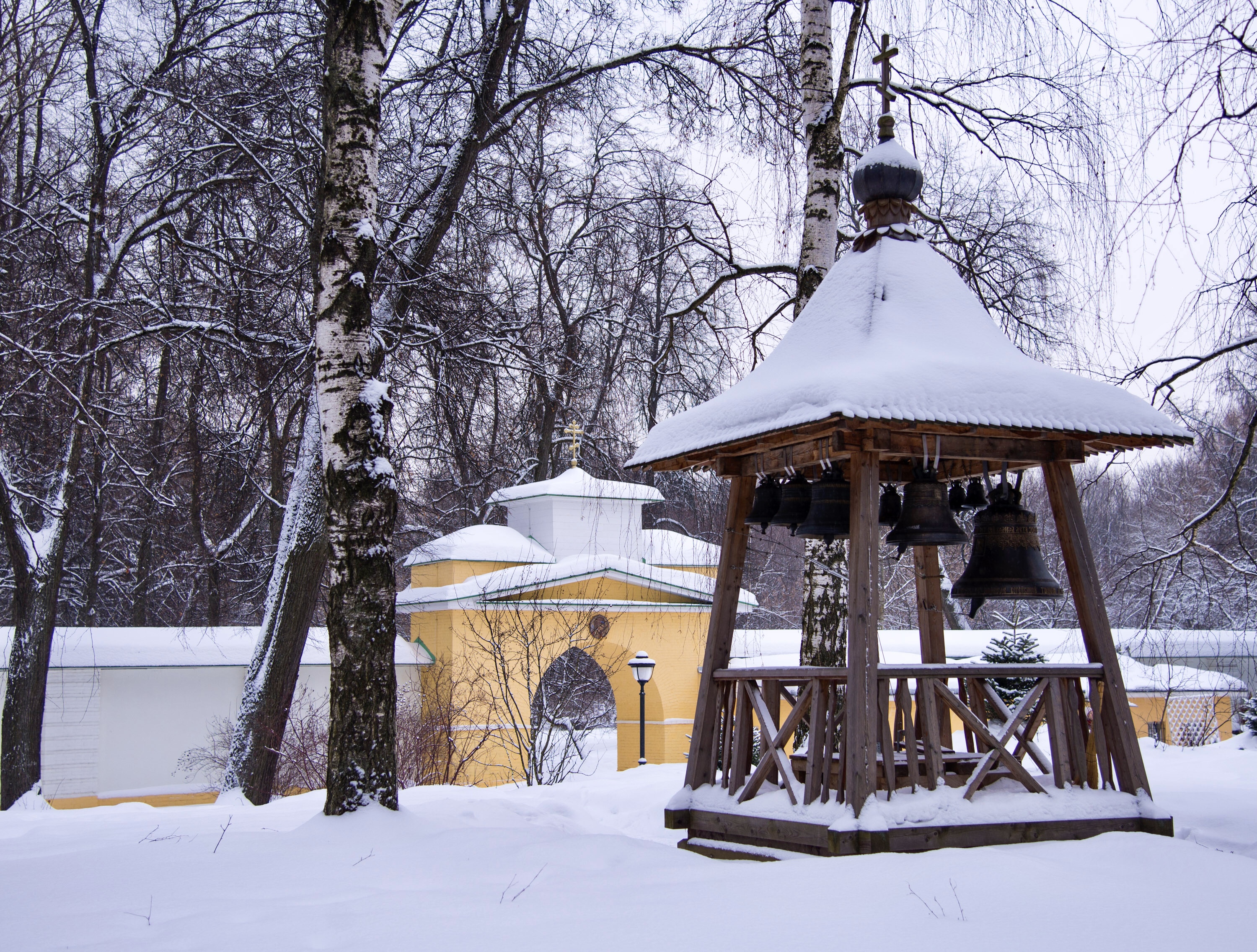
Abramtsevo Museum Reserve is one of the most famous art museums in Russia. The history of Abramtsevo is associated with the names of artists Segey Aksakov, Viktor Vasnetsov, Mikhail Vrubel, Ilya Repin, Vasiliy Polenov, Valentin Serov and Savva Mamontov. Dozens of paintings which are internationally treasured now were created there. Abramtsevo was founded in 18th century.

The architectural gem of Abramtsevo is the Church of the Savior (Церковь Спаса Нерукотворного Образа), built by architect Pavel Samarin, according to designs by the artists Victor Vasnetsov and Vasily Polenov.

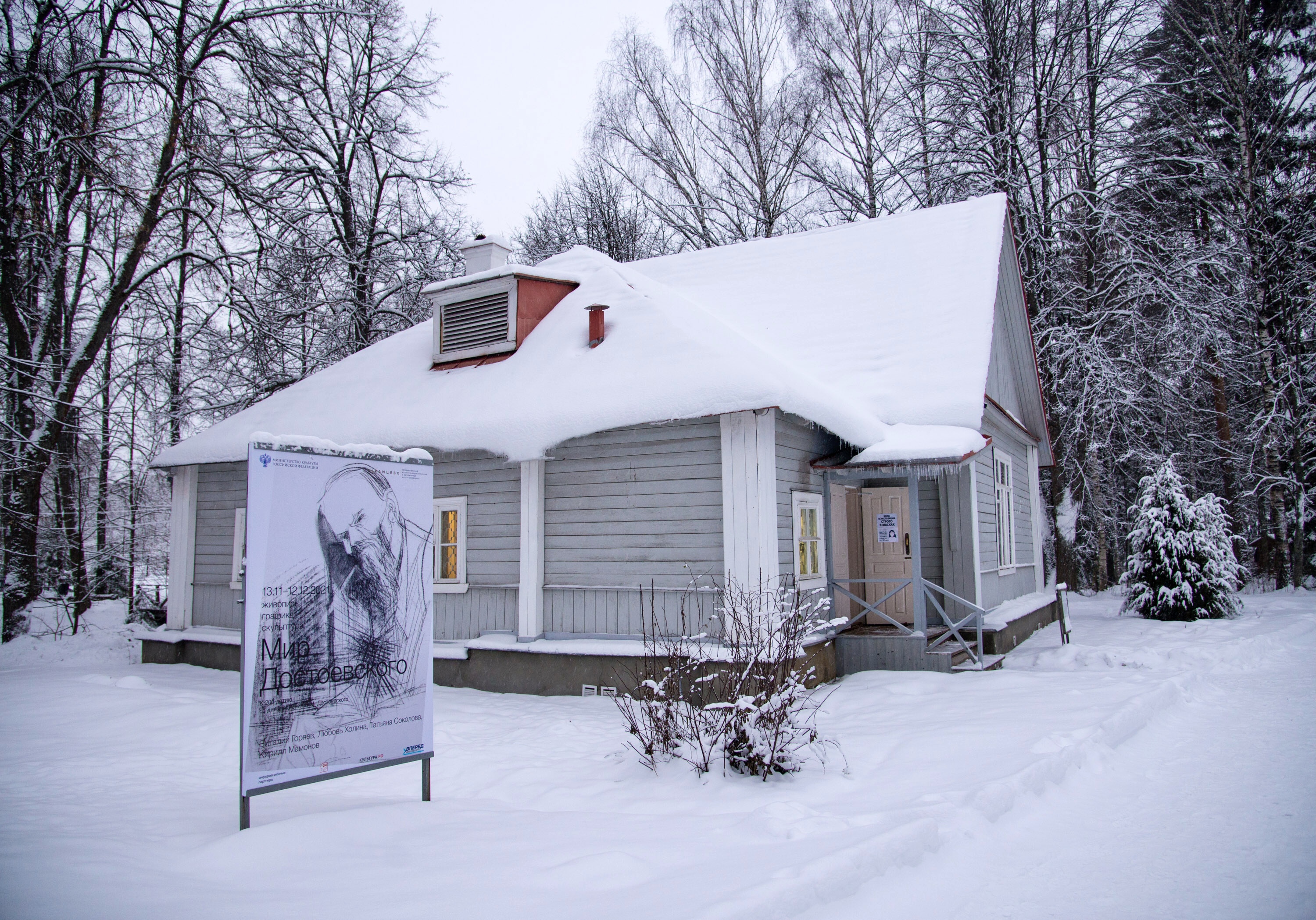
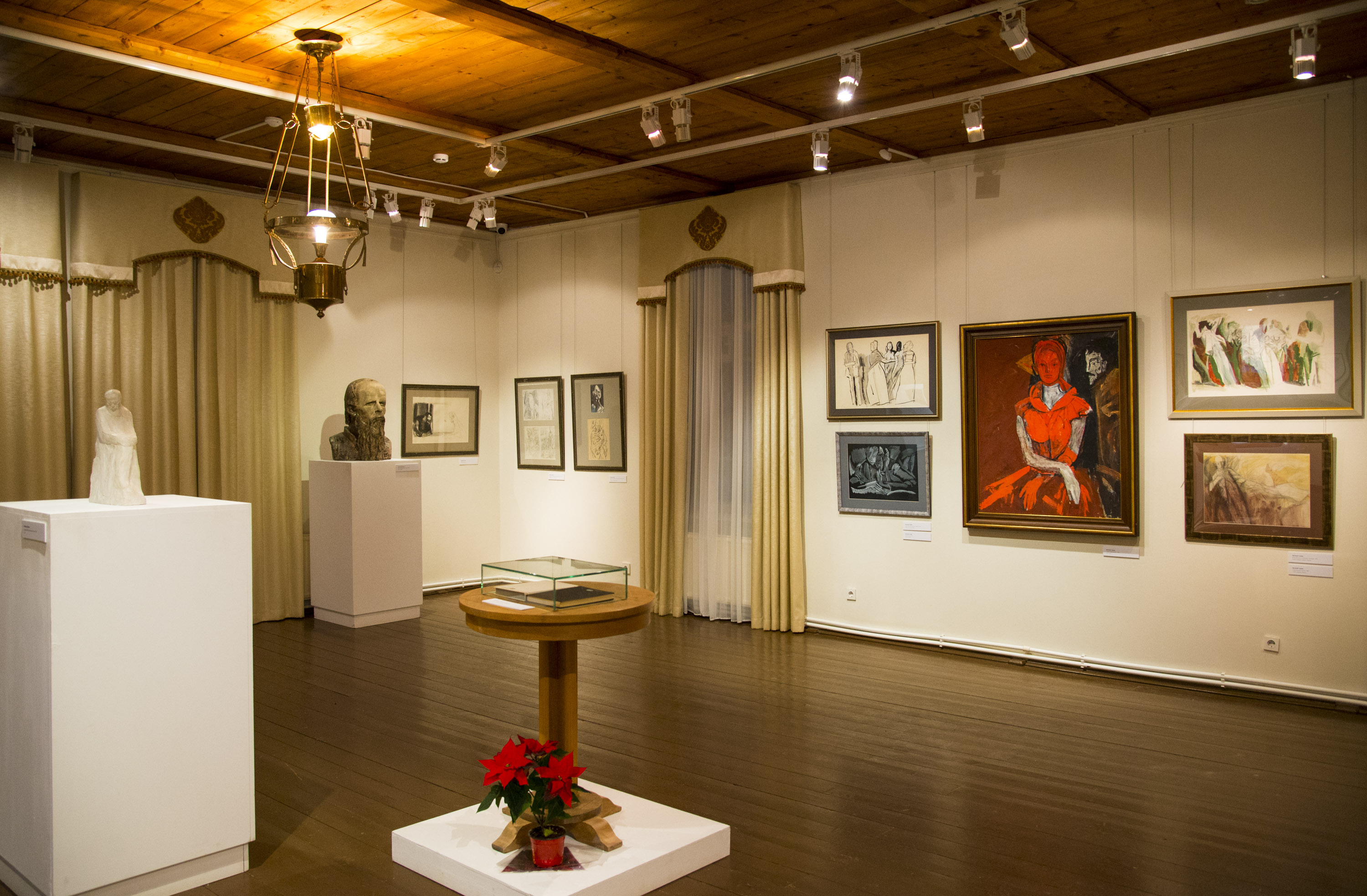
Art exhibition dedicated to the life and work of F.M. Dostoevsky

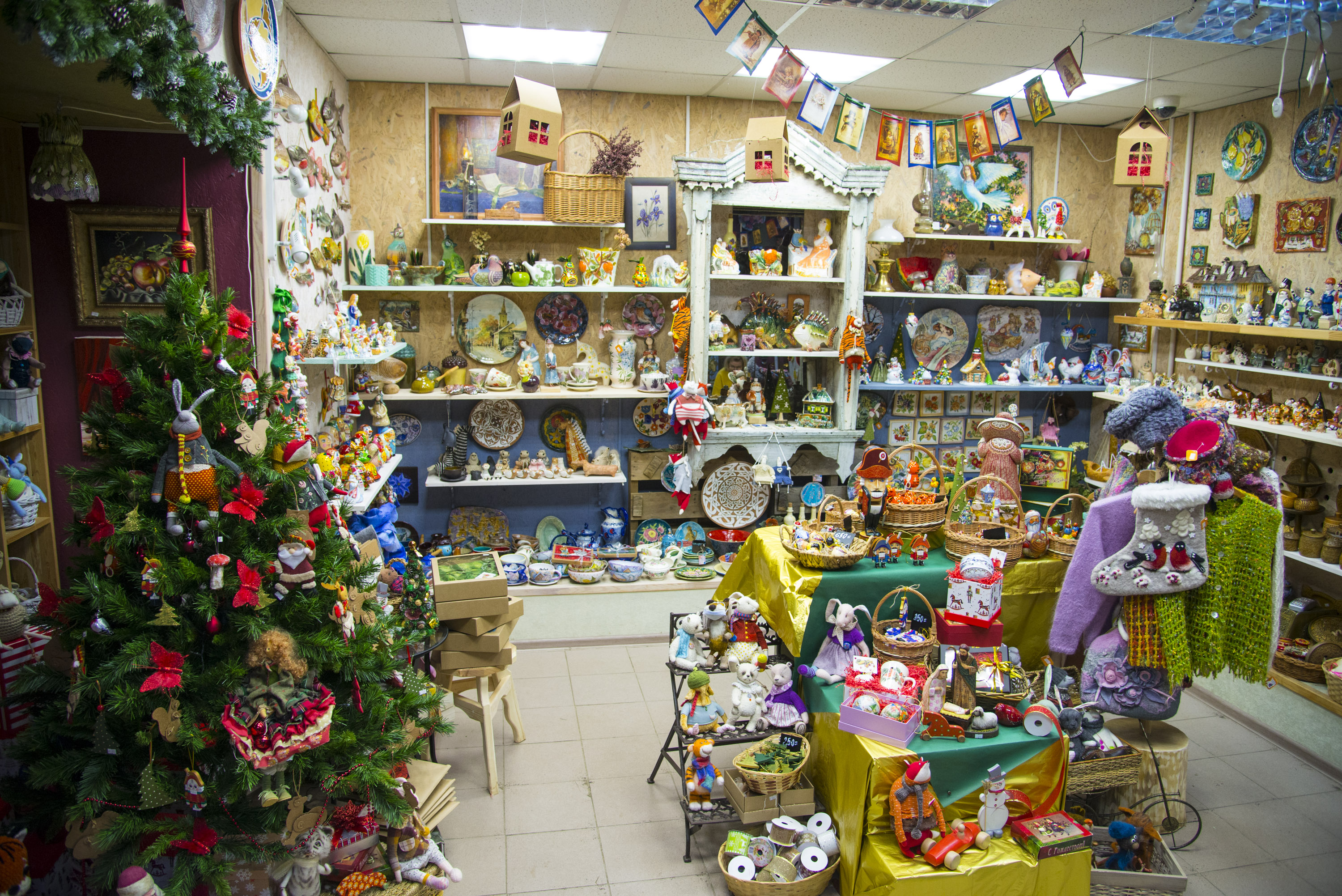
Khotkovo Art Salon

Moscow Botanical Garden

The Tsytsin Main Moscow Botanical Garden was founded in April 1945, and claims itself to be the largest botanical garden in Europe. It covers a territory of approximately 3.61 km² and contains a live exhibition of more than twenty thousand different species of plants coming from various parts of the world. 

VDNKH Exhibition Center

Mytishchi

Neskuchniy Garden

Nesjuchniy Sad which literary means “not boring garden” is the oldest Moscow park the history of which dates back to 1756.

Park Gorkogo

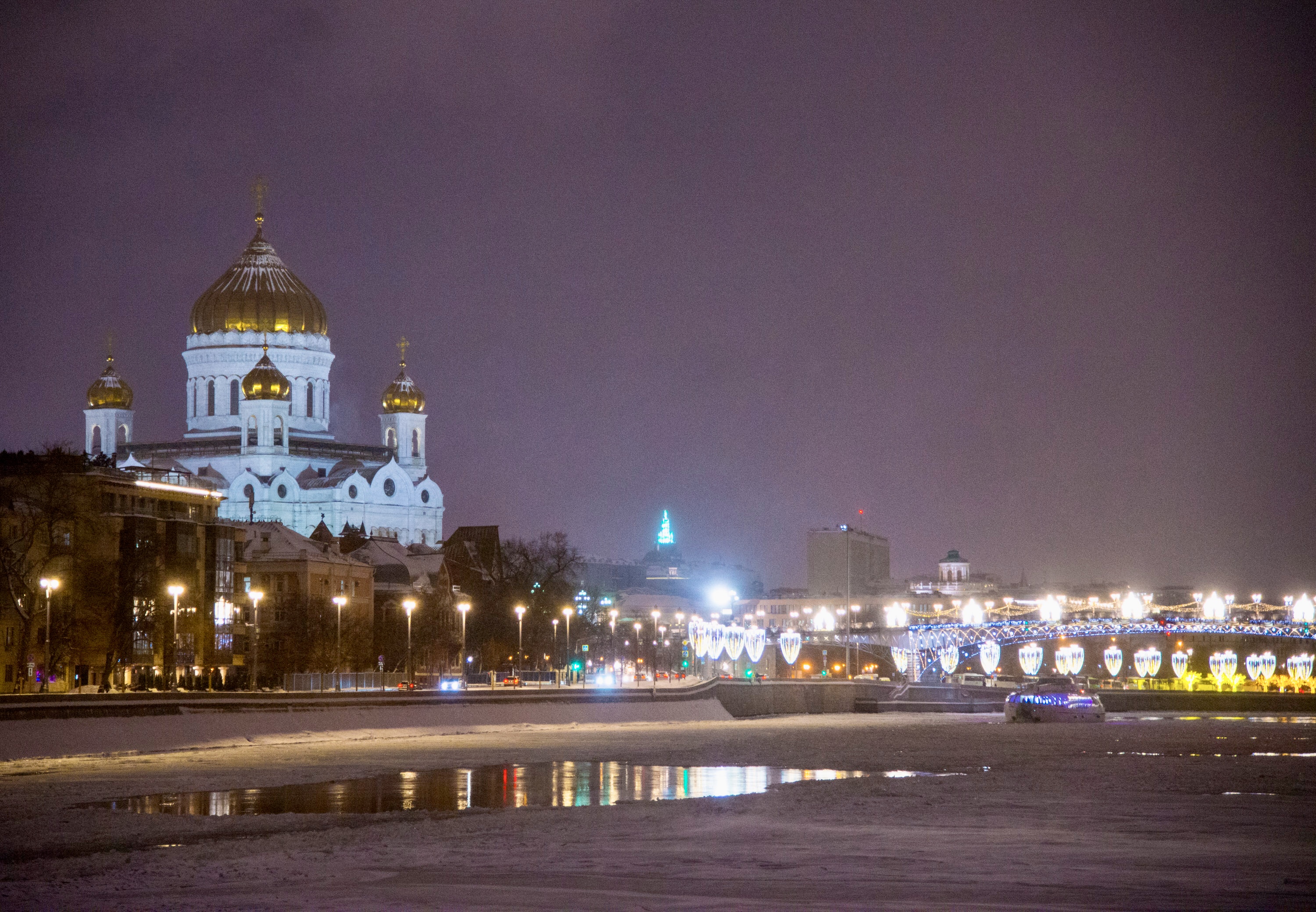
Cathedral of Christ the Savior

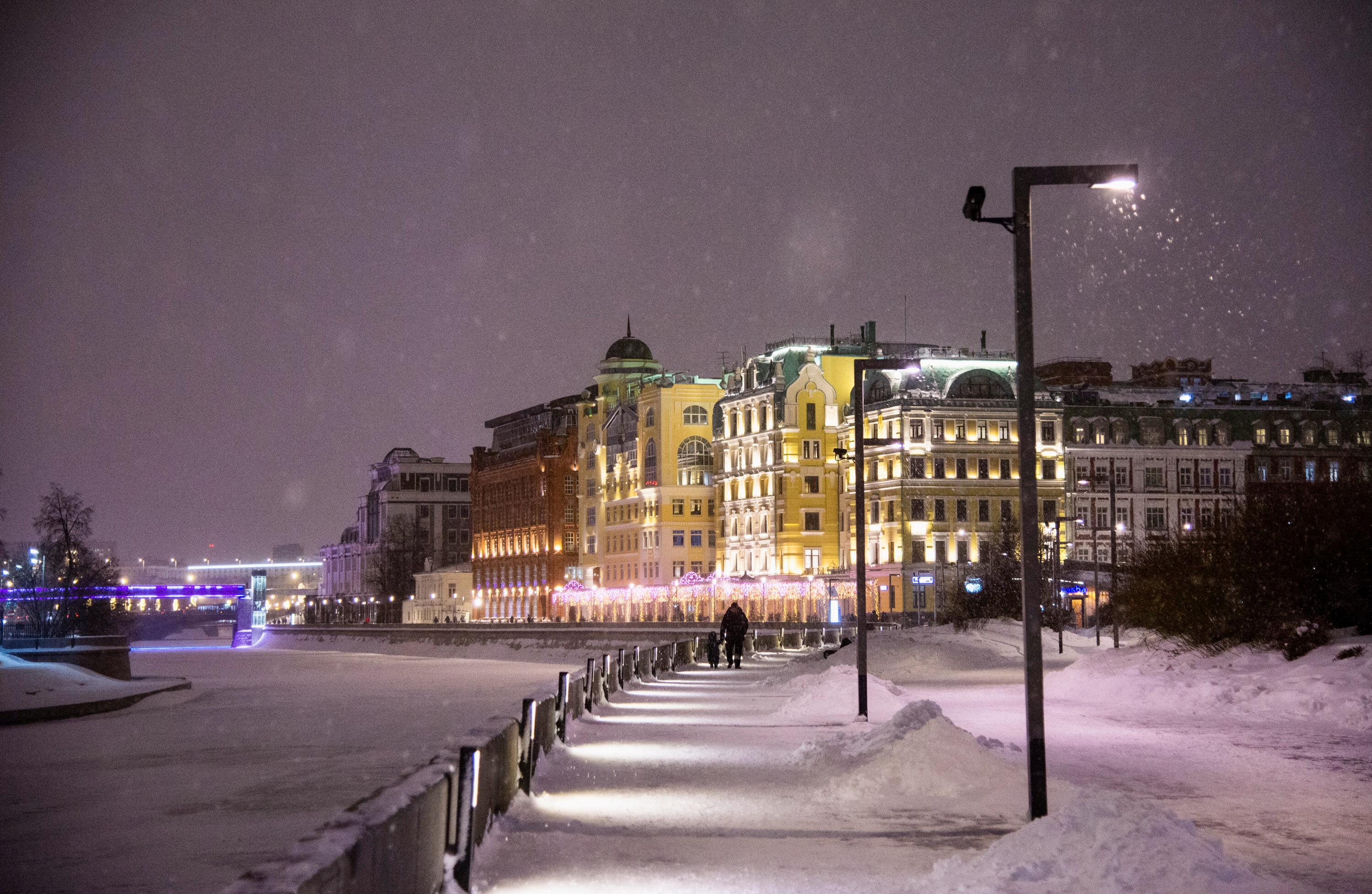
Moskva river enbankment

Archangel Michael’s Church

This church is the oldest surviving building on the Arkhangelskoe estate dating from the mid-17th century.

Arkhangelskoe

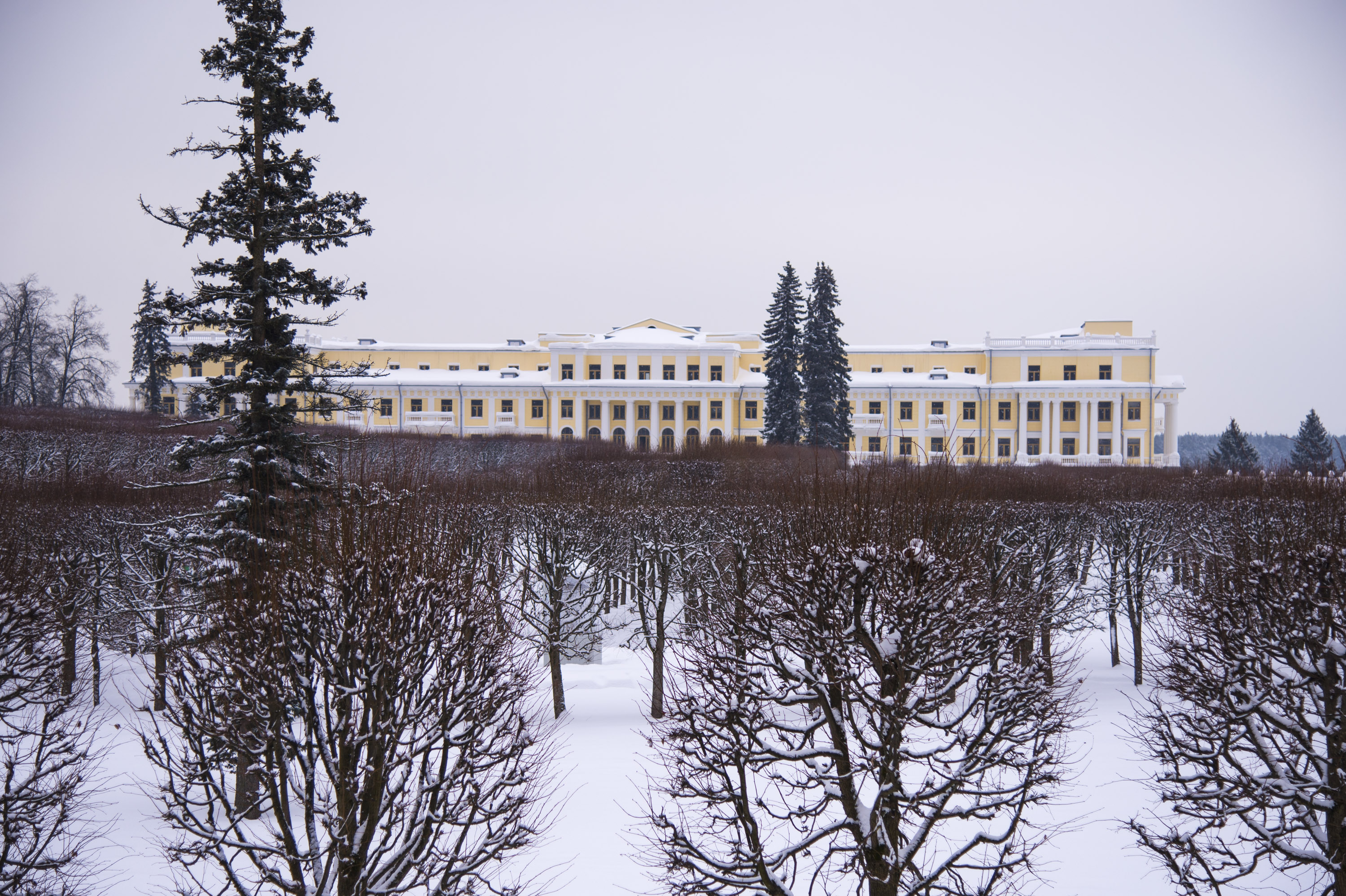
Arkhangelshoe museum-estate consists of a palace with terraced park which has one of the biggest collections of park sculptures in the world, a landscape park, a theatre built in 1817-18 on the project of famous Italian architect and painter Pietro Gonzago, a small palace “Caprice” and pavilion Small Tea House. This is a great place to spend snowy winter day walking among beautiful buildings and sculptures surrounded by the forest and close to the Moskva river.

Moscow Botanical Garden

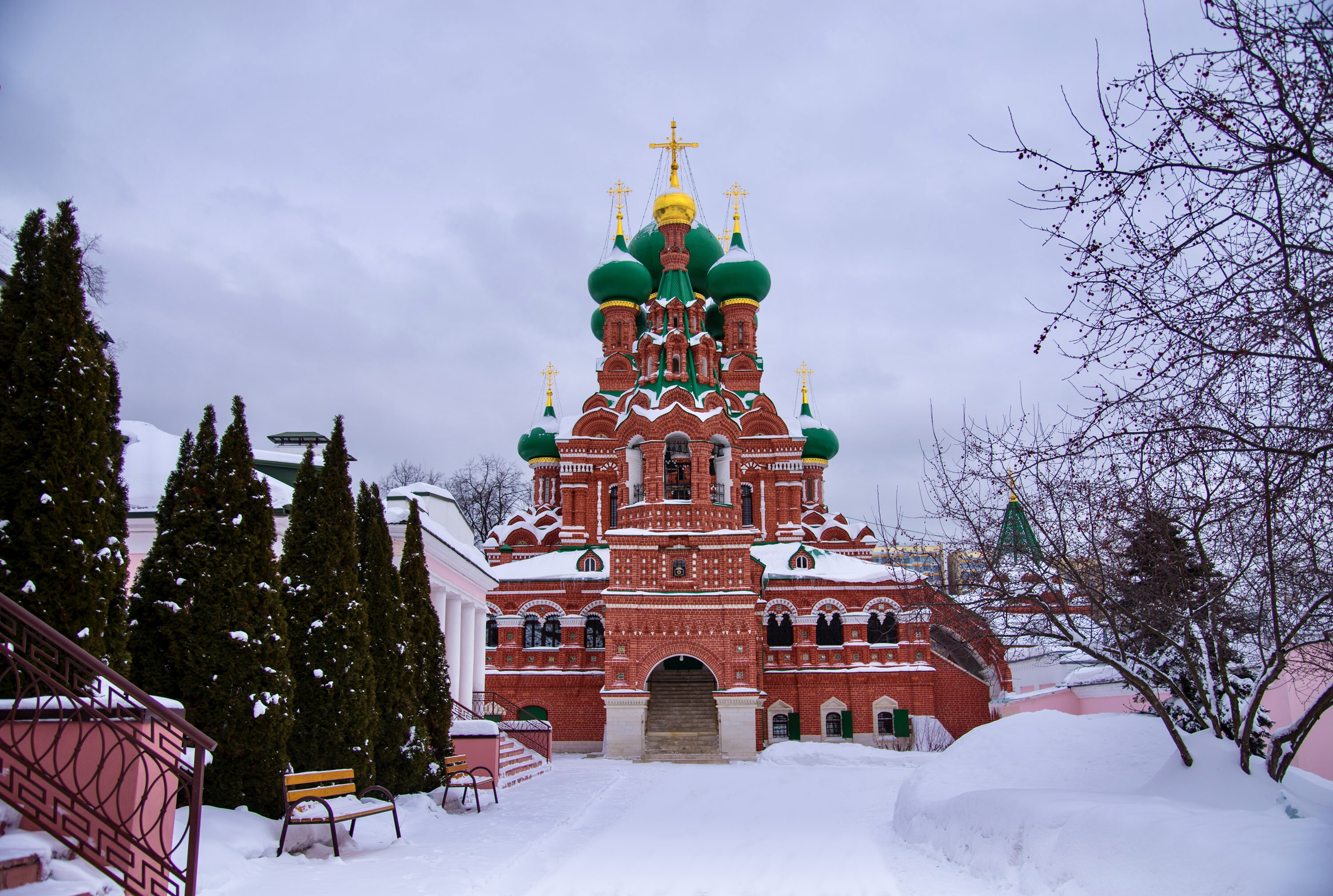
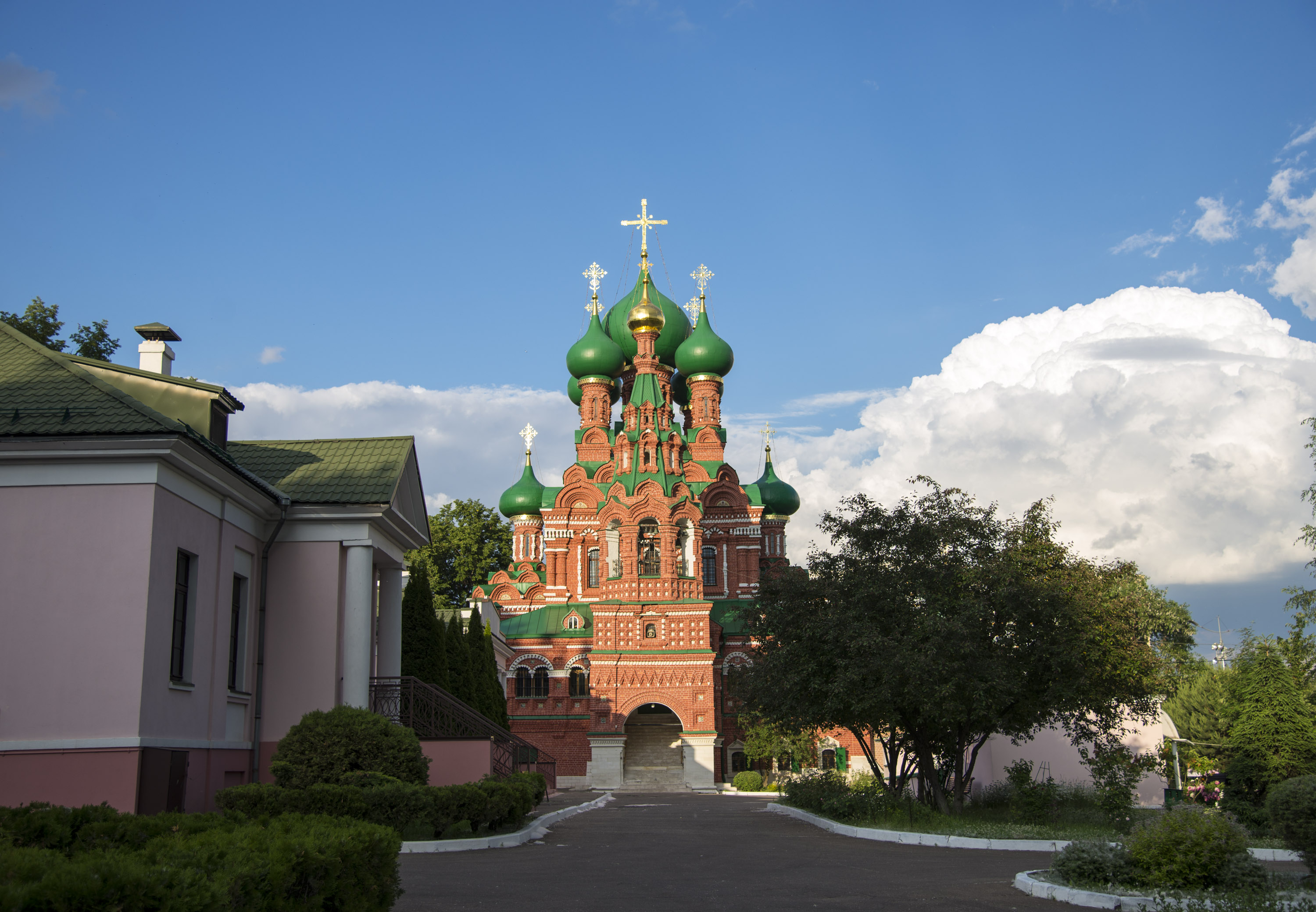
Church of the Holy Trinity in Ostankino

The first wooden Trinity Church was built in 1585 and was destroyed in the Time of Troubles. In 1625-27 Prince Cherkassky built a new wooden church. In 1692 a stone church in the name of the Trinity was build which with some modifications survives to this day.

Ostankino park

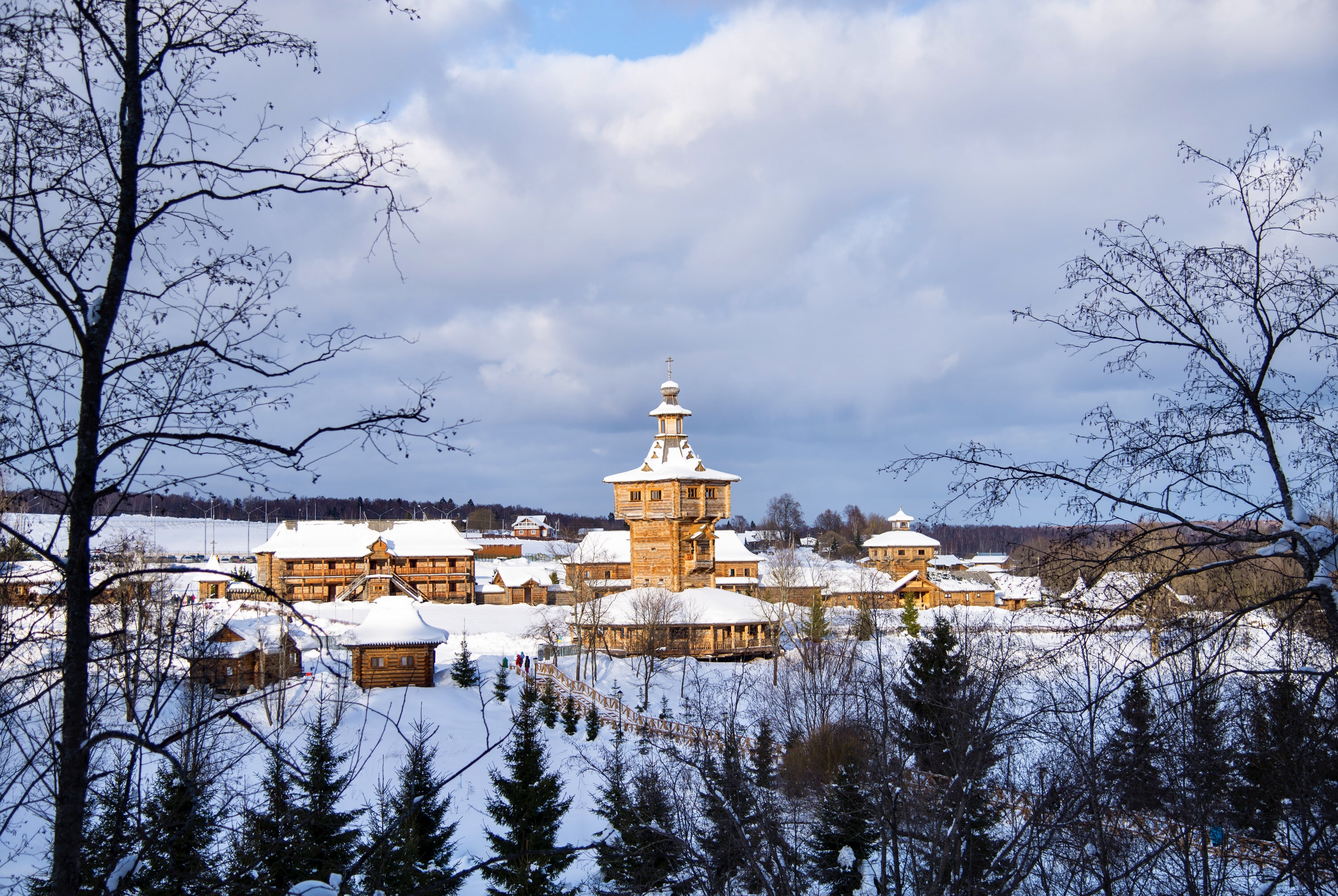
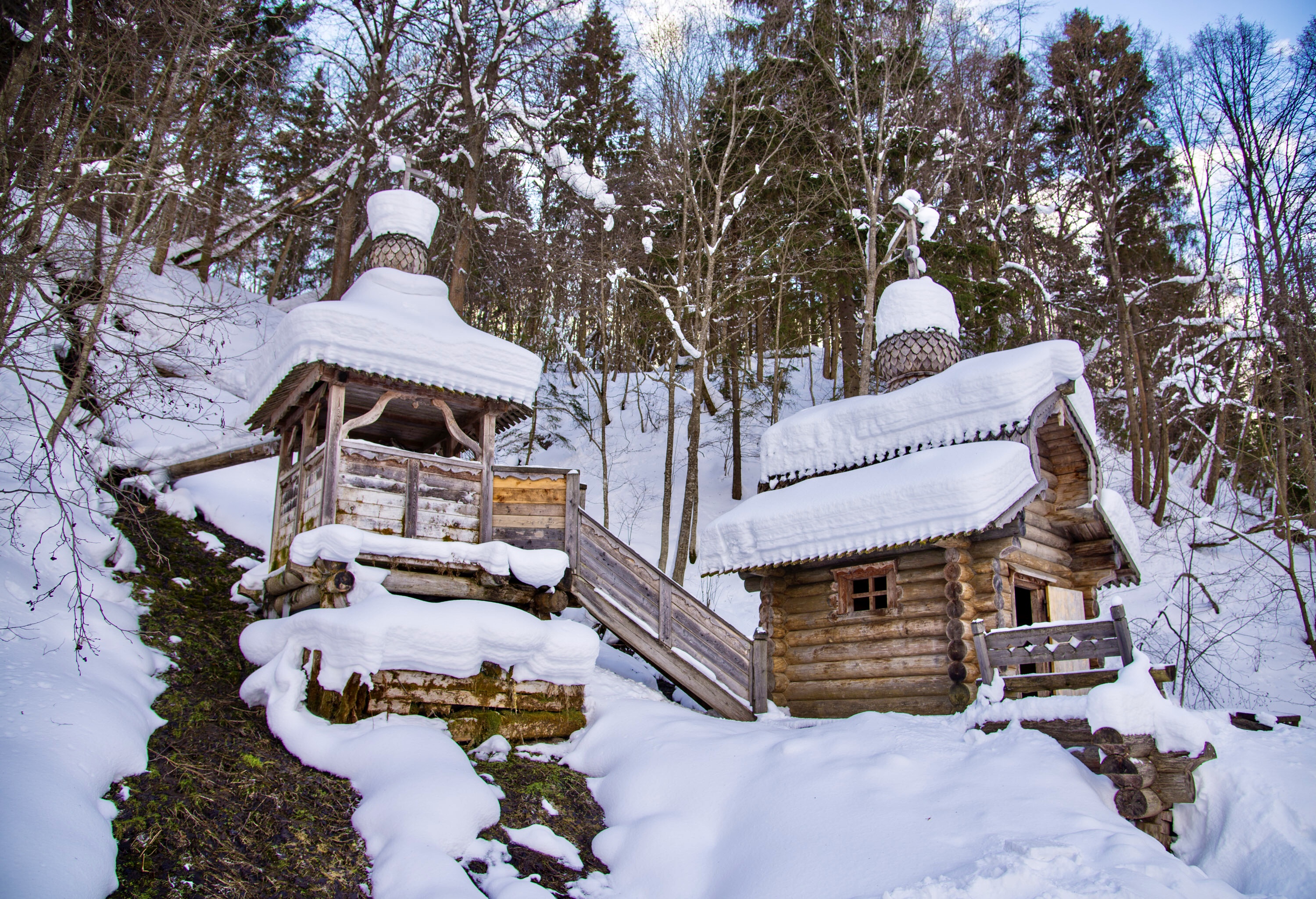
Gremyachiy Klyuch

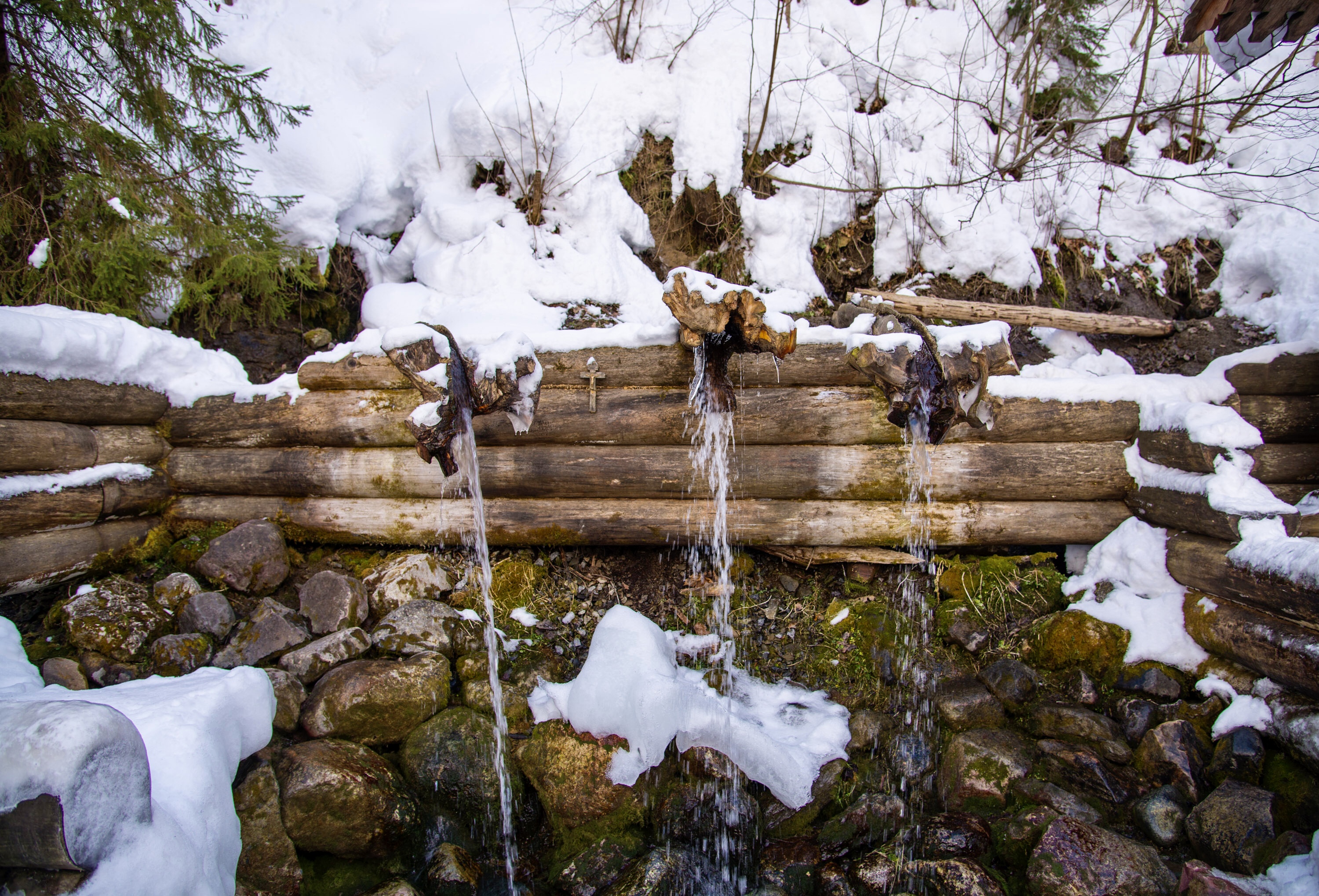
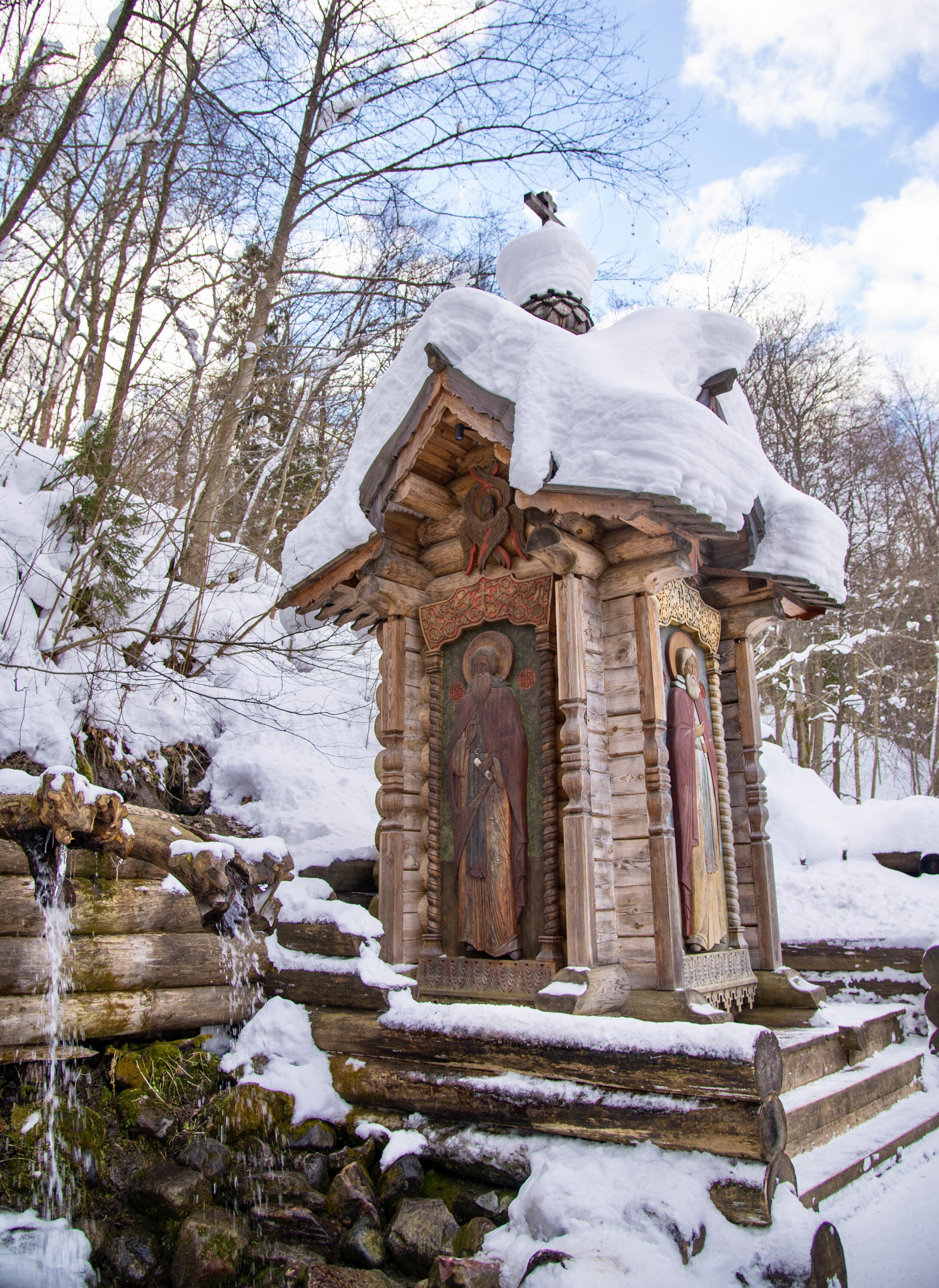
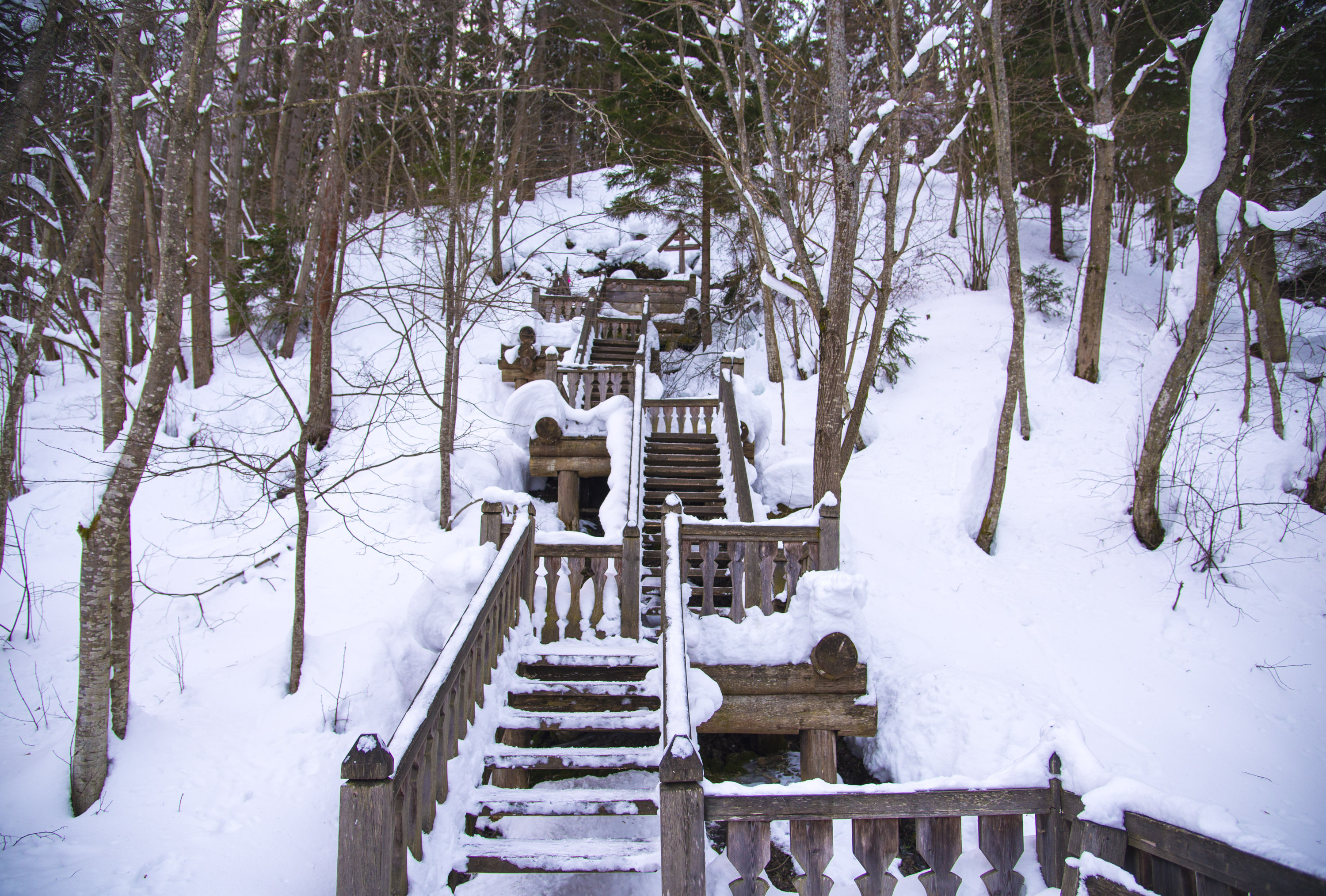
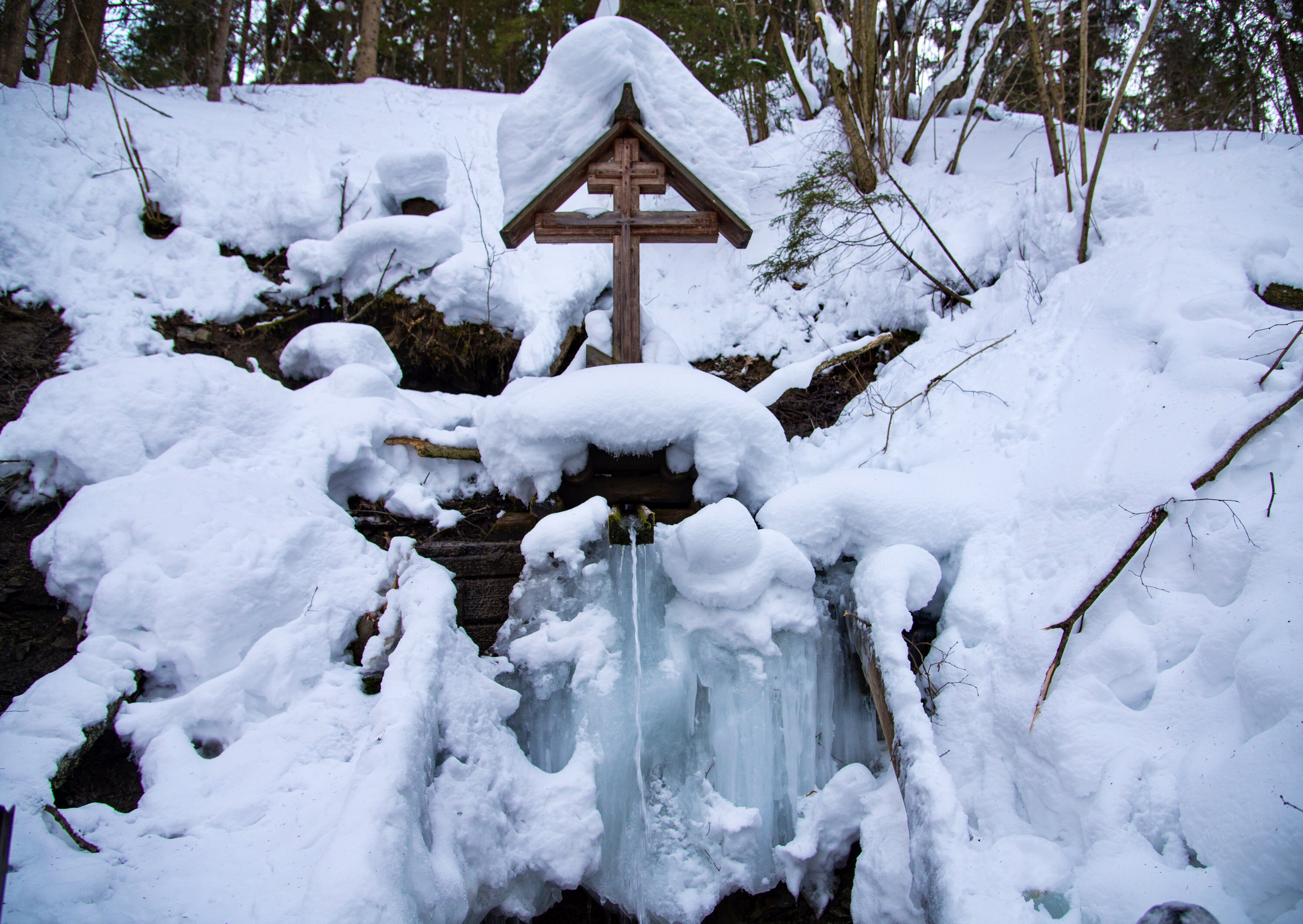
The waterfall (or natural spring) is located in the Moscow region east of Sergiev Posad. According to legends, this spring arose at the request of Sergius of Radonezh. The fame of this holy spring spread throughout the Russian land and the site is visited by about 3000 tourists a year.

Moscow Botanical Garden

Mytishchi

Gallery

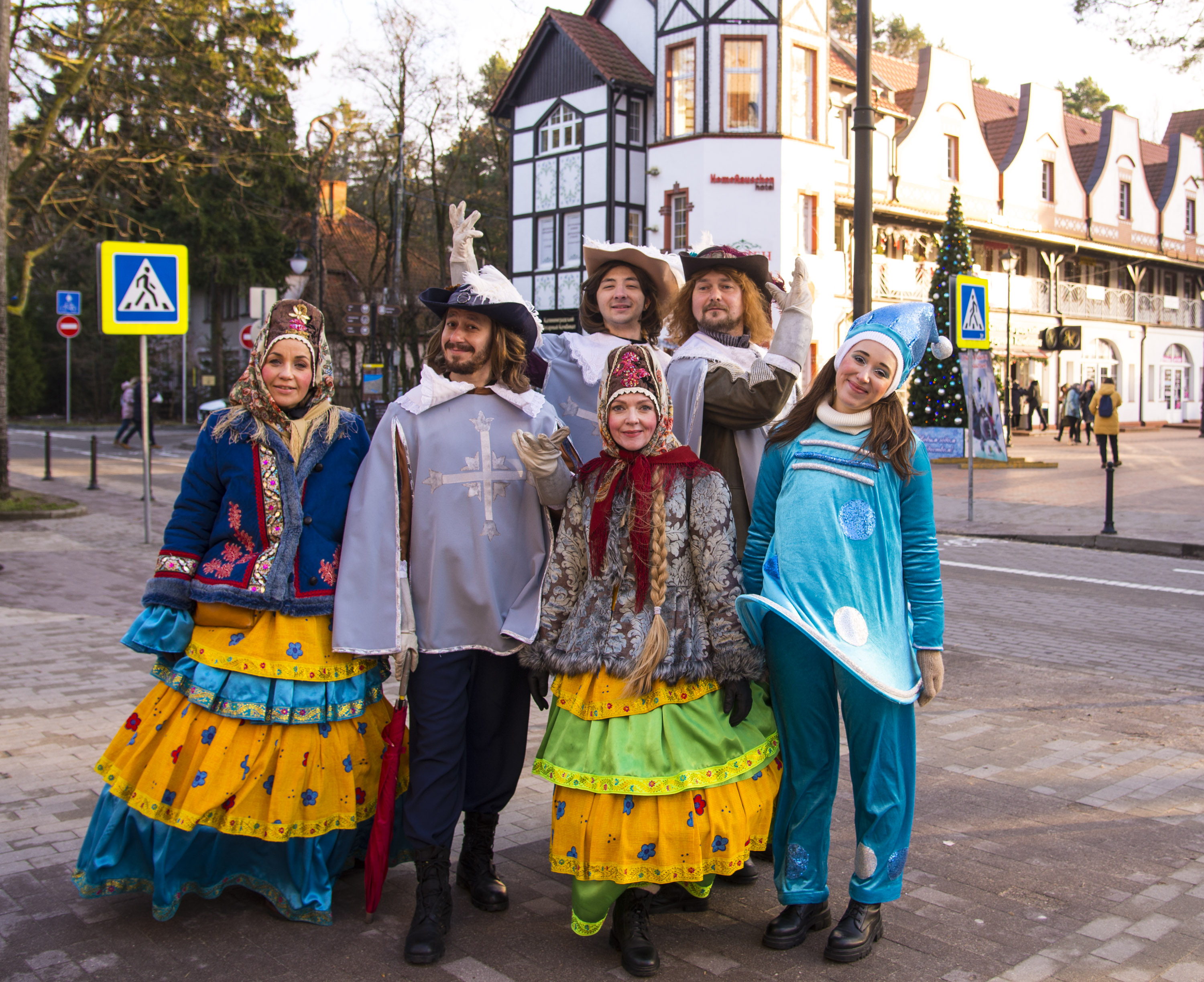
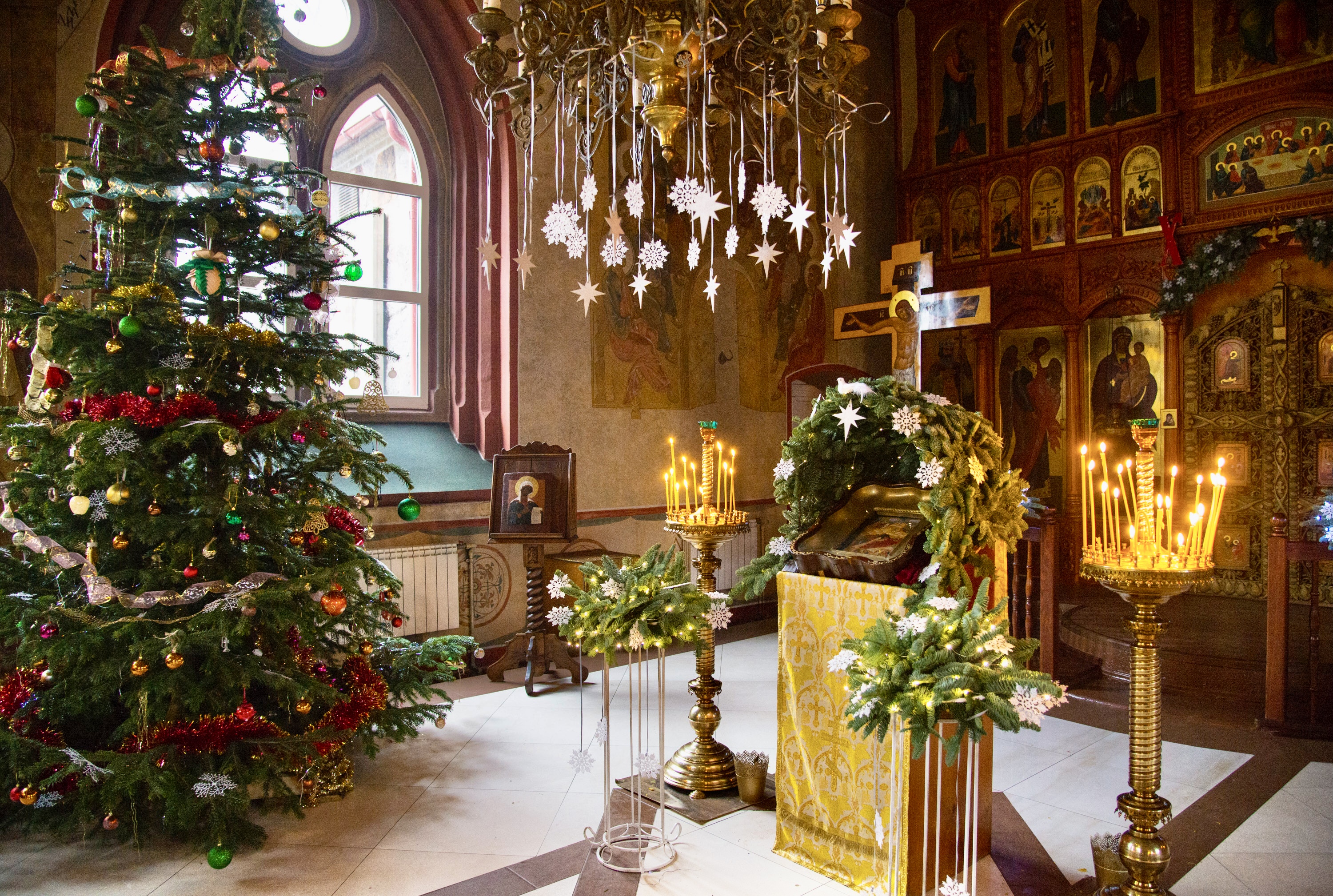
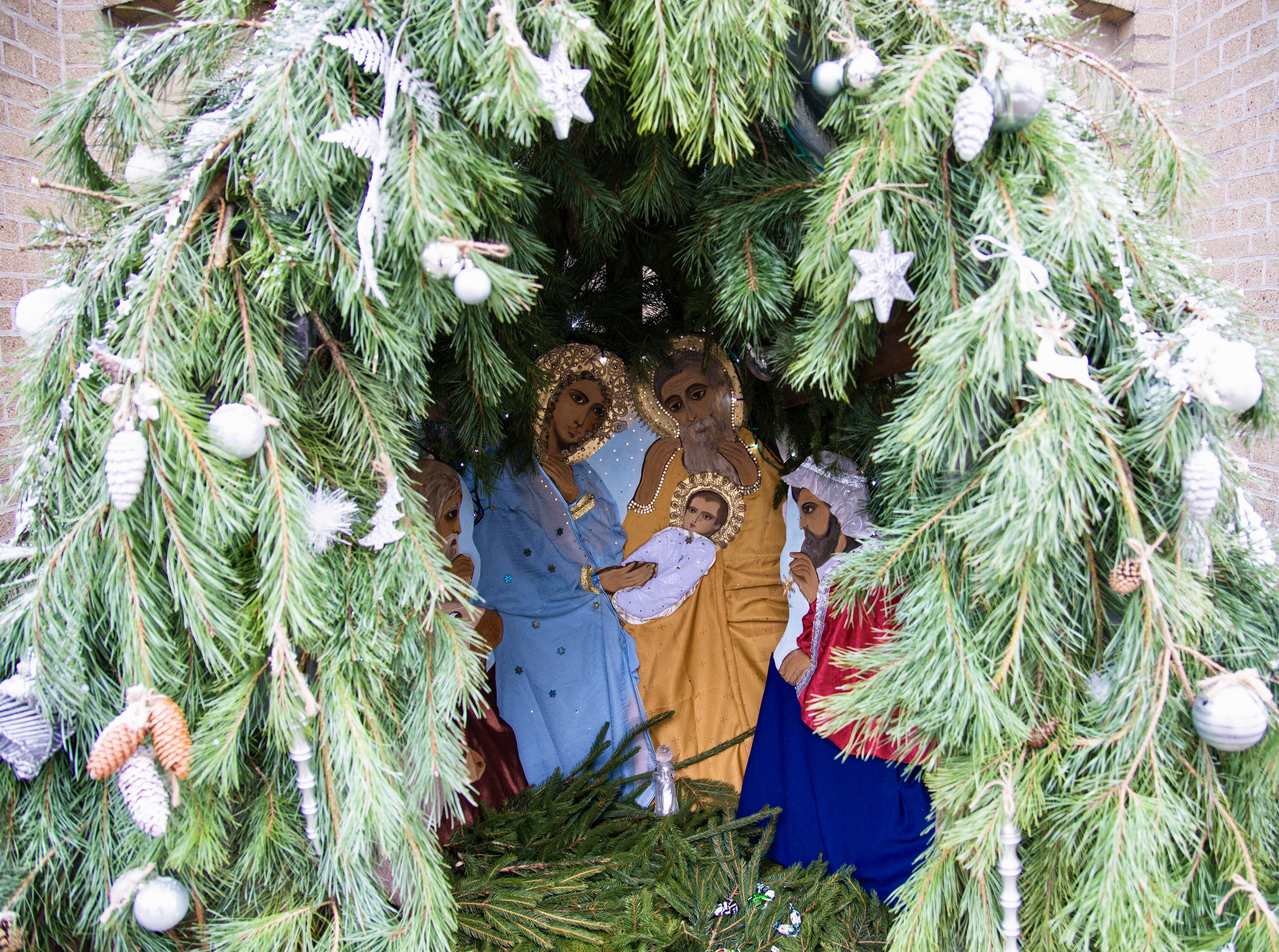
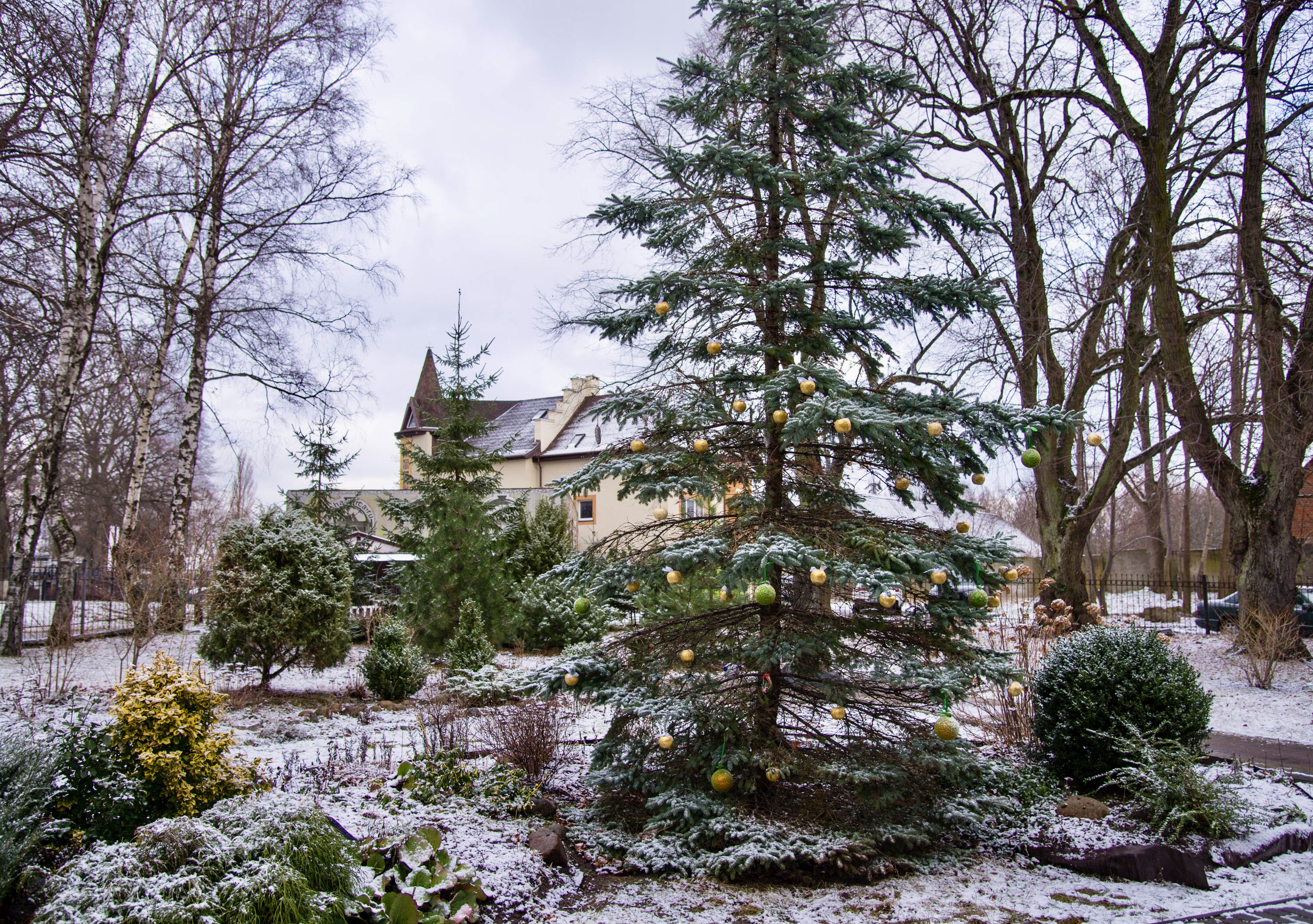
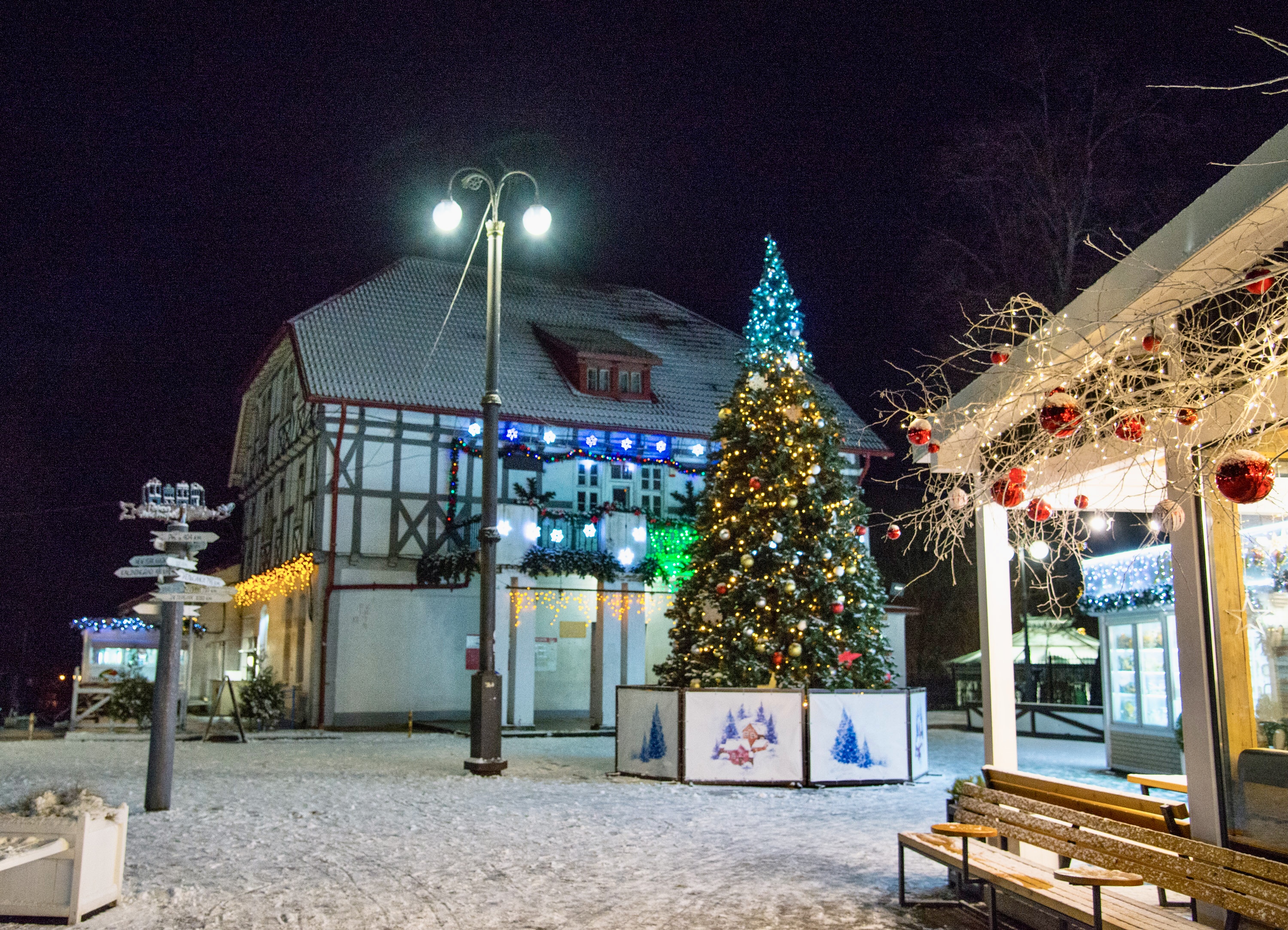
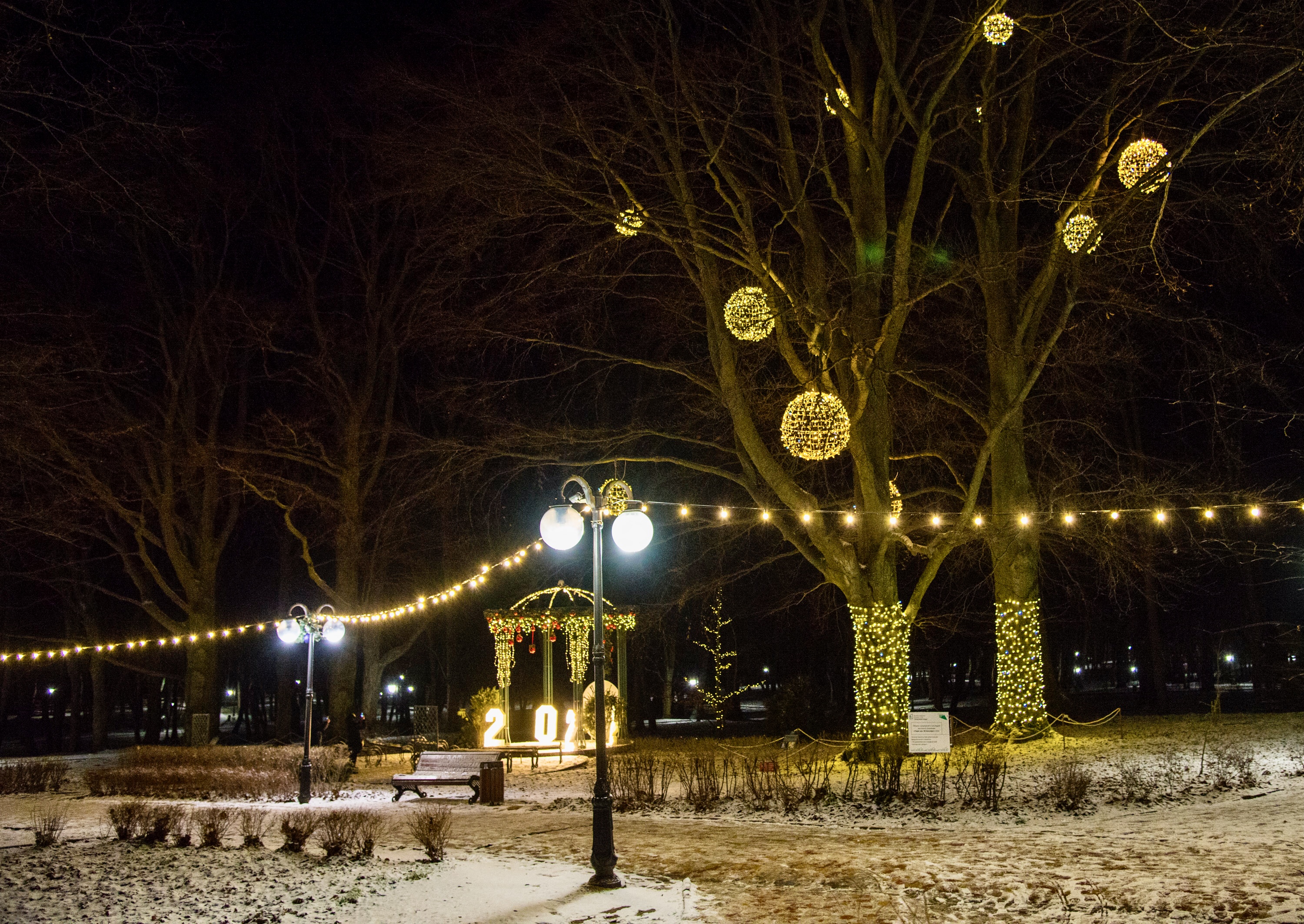
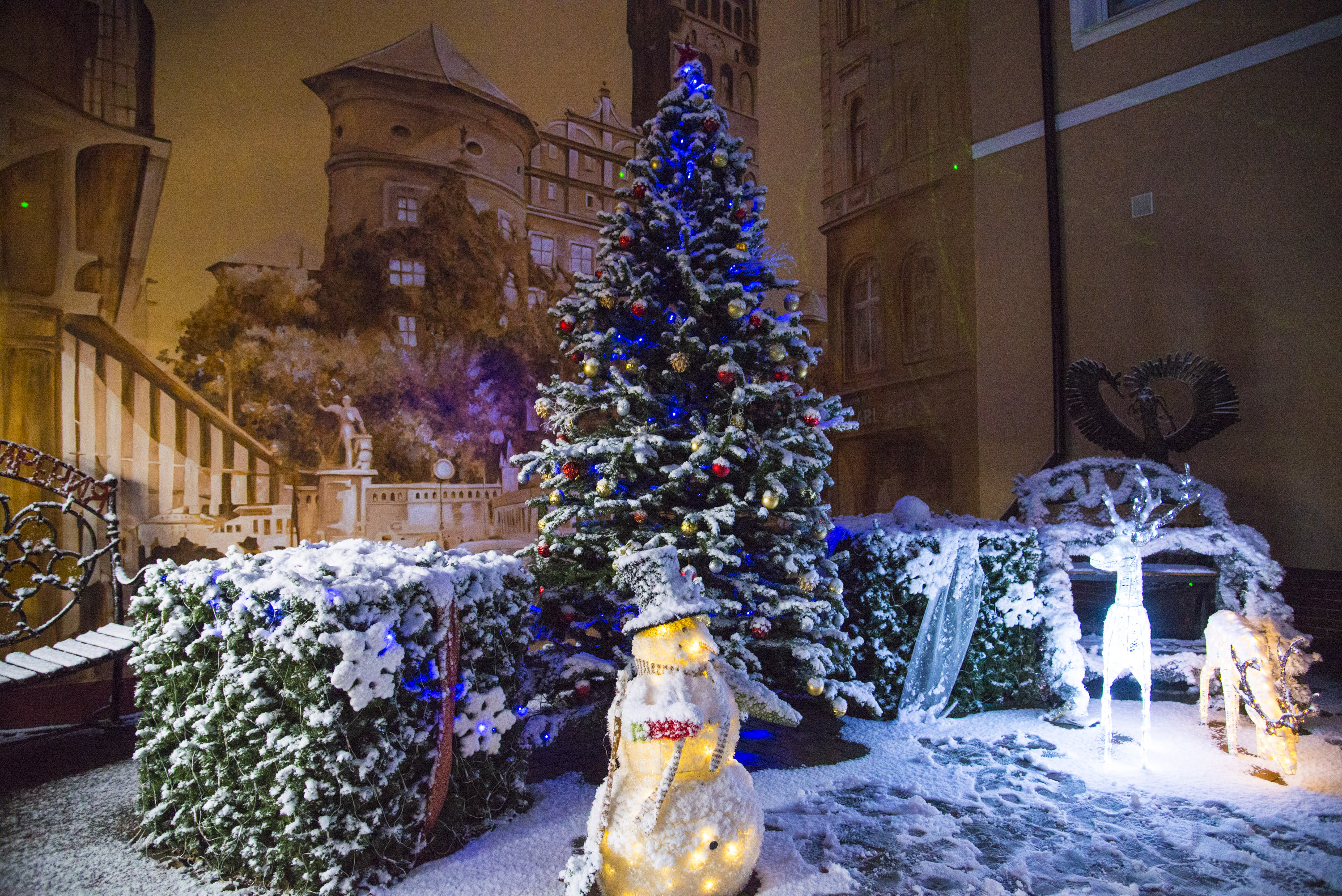
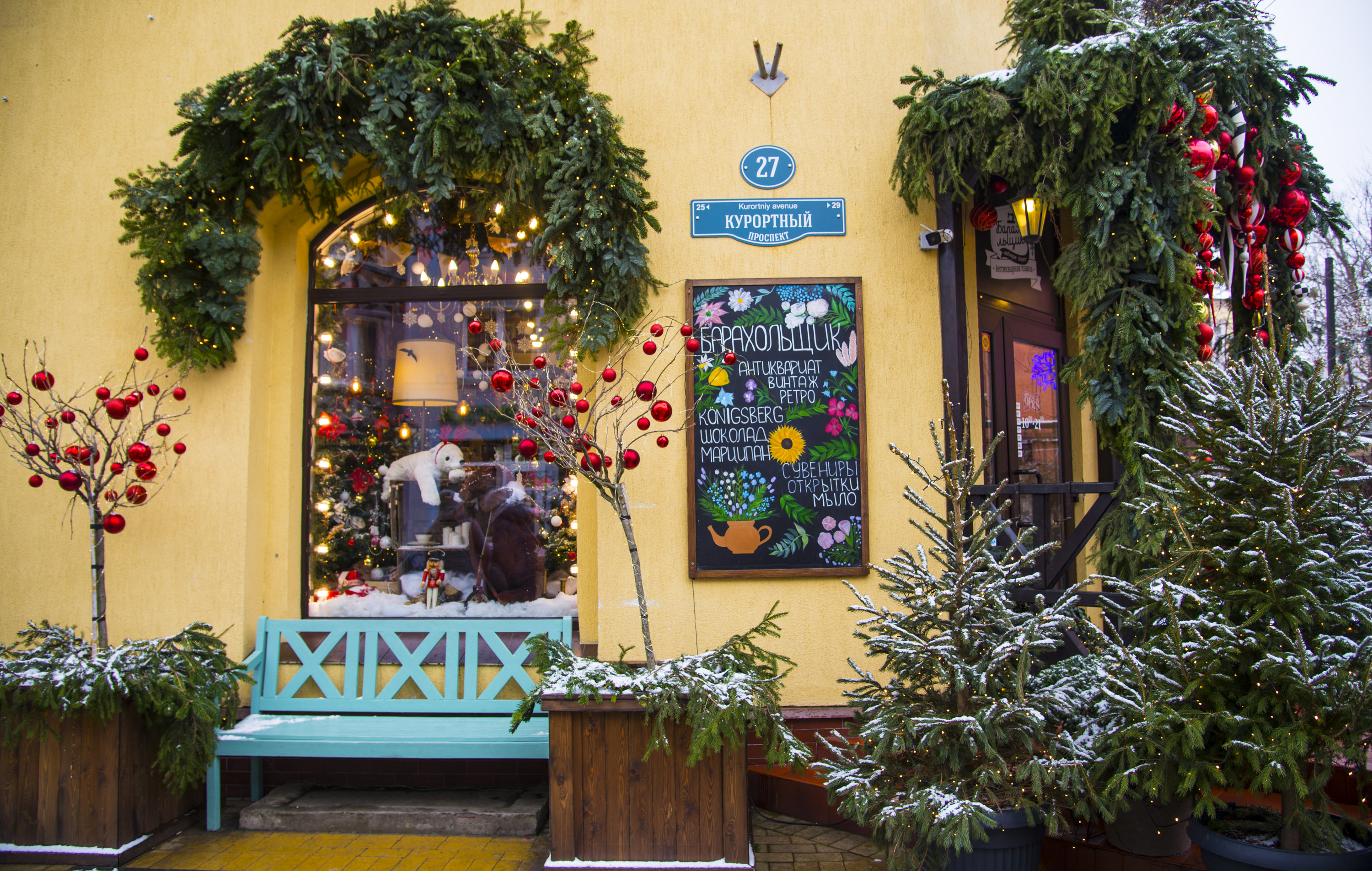
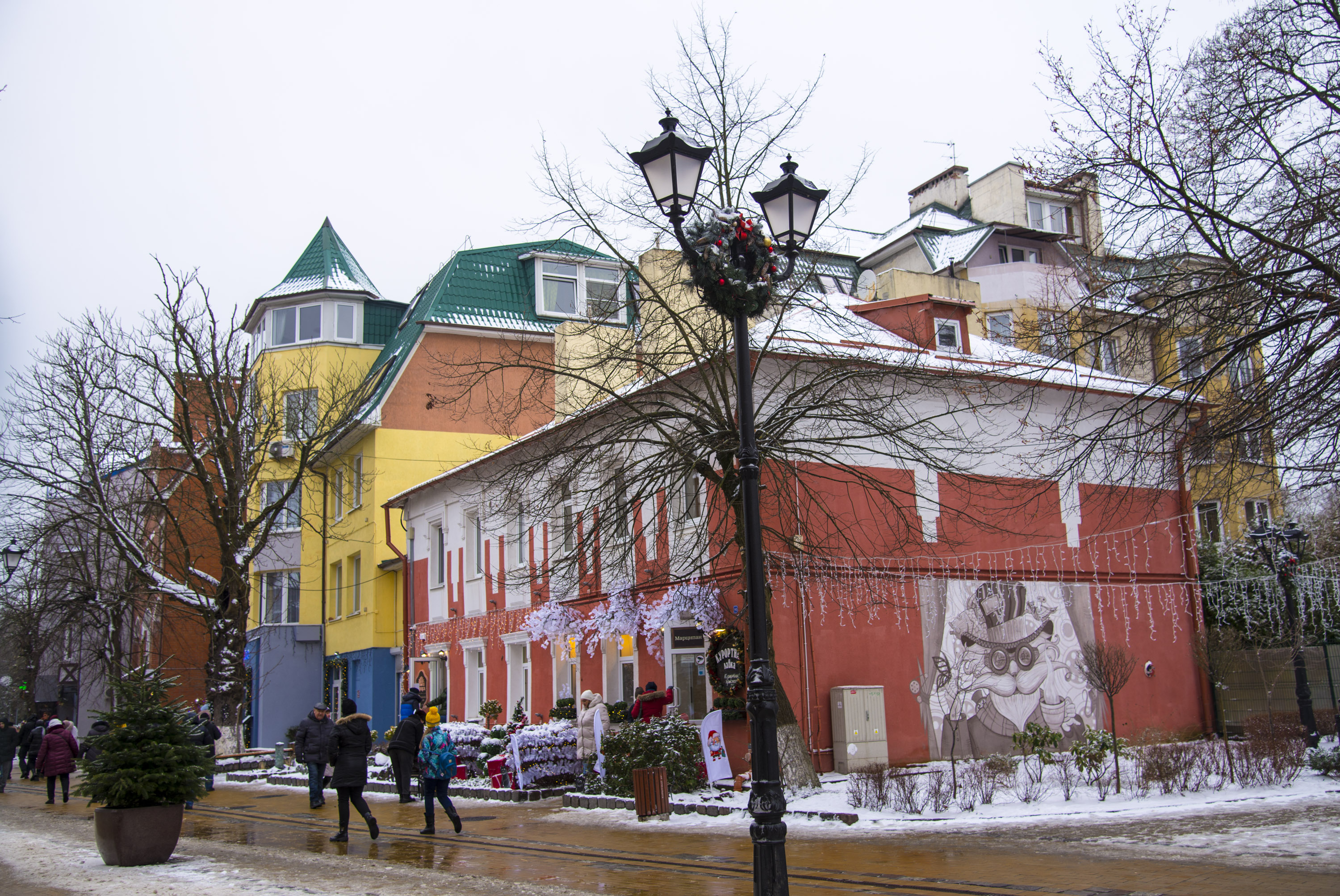
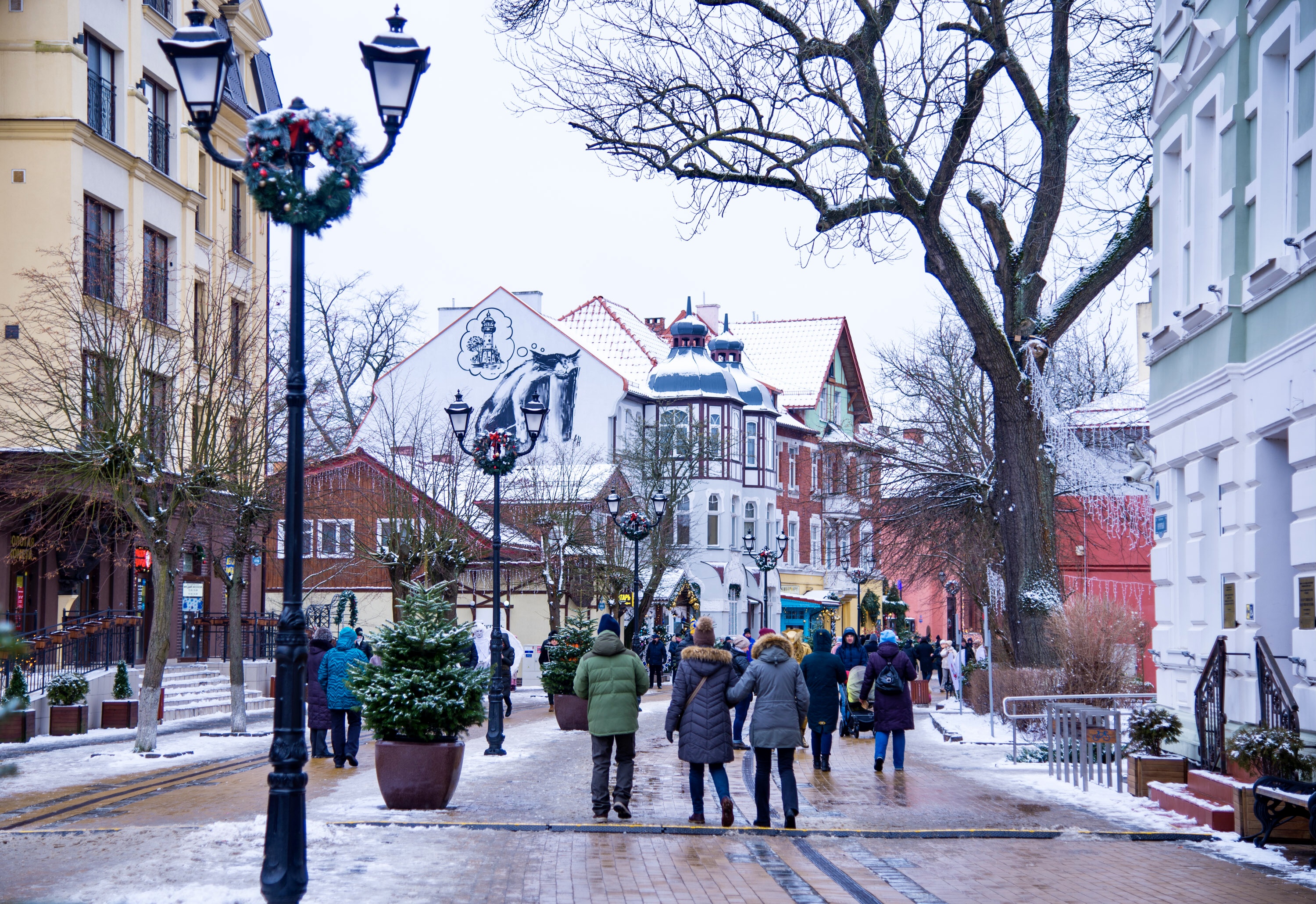
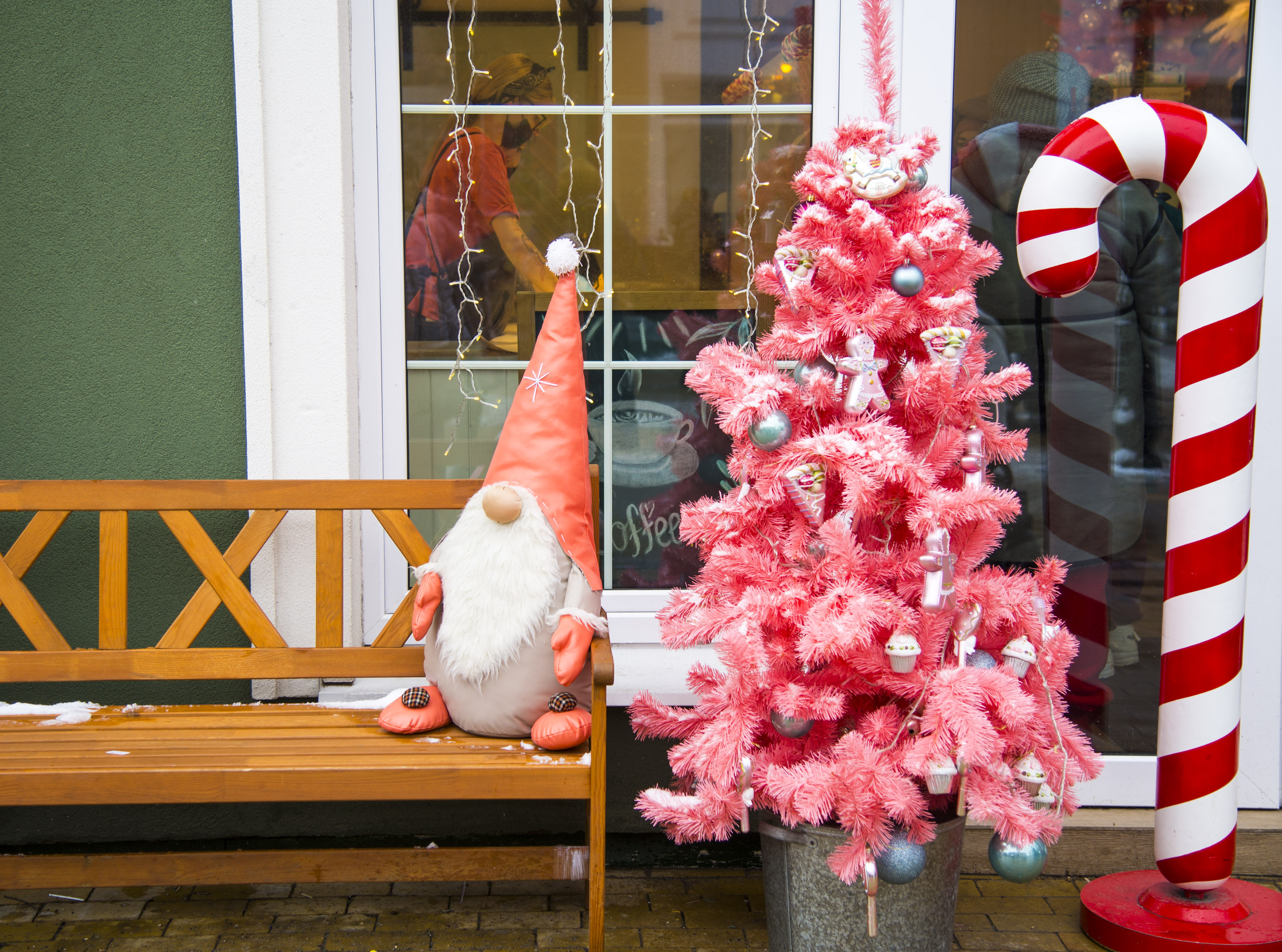
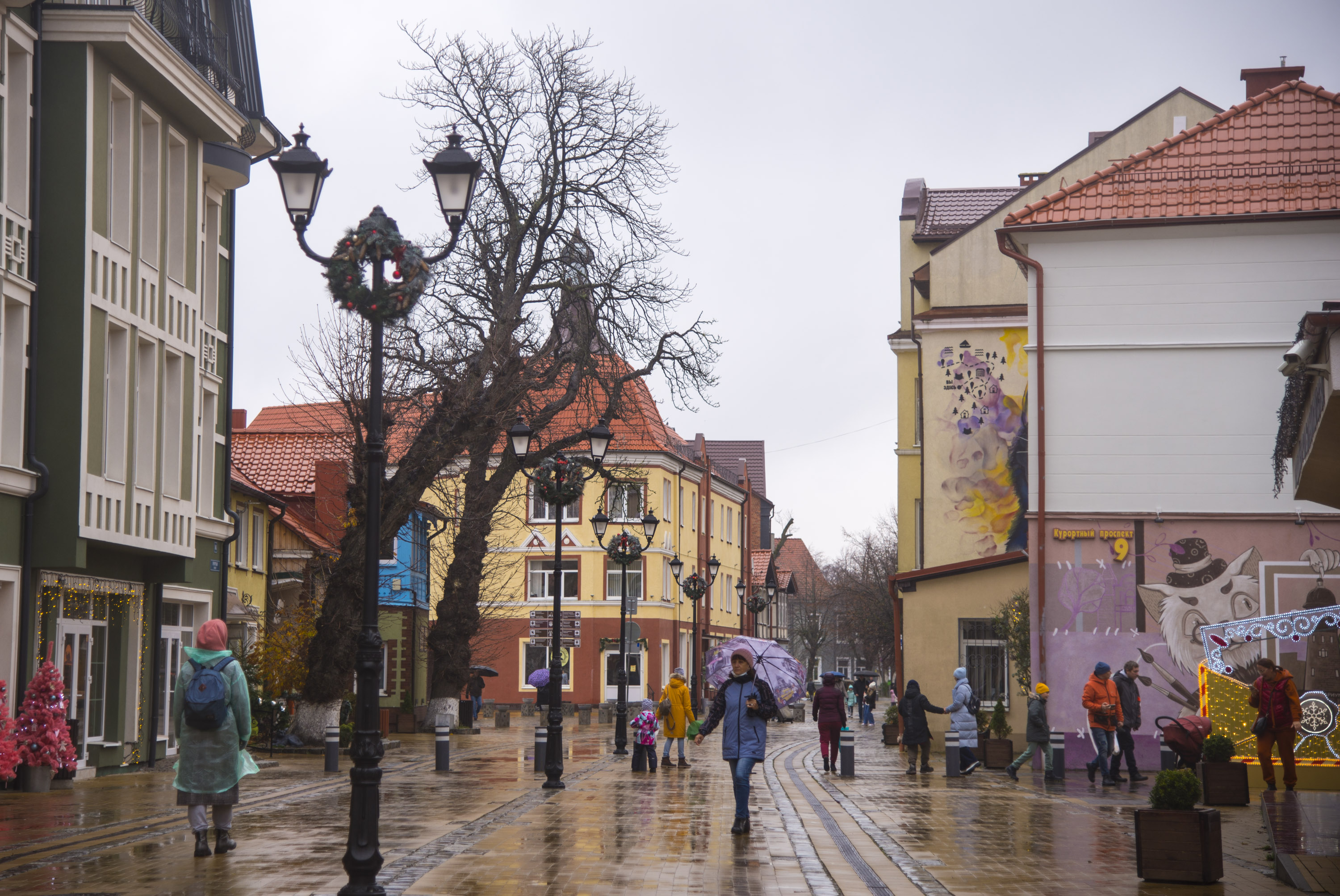
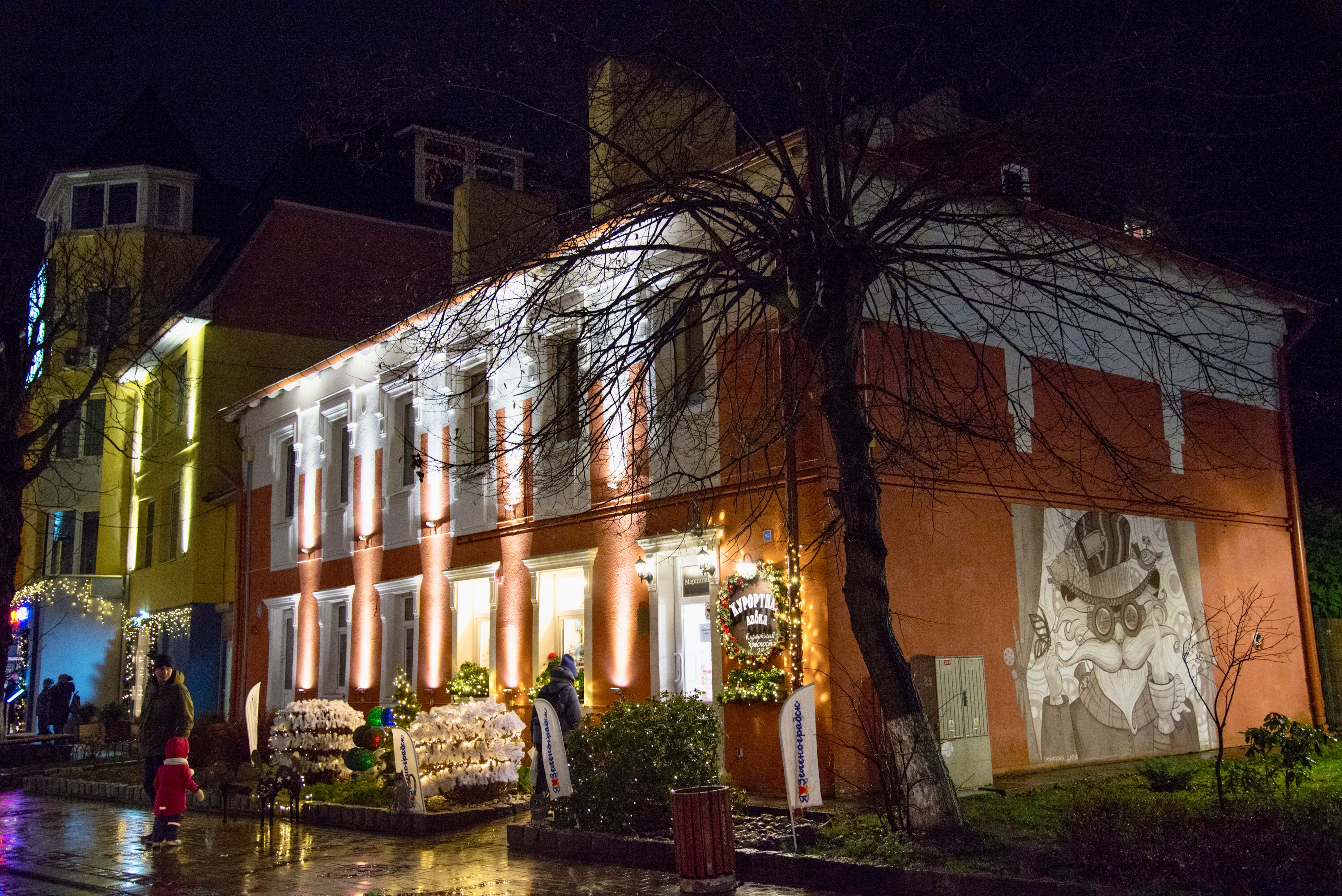
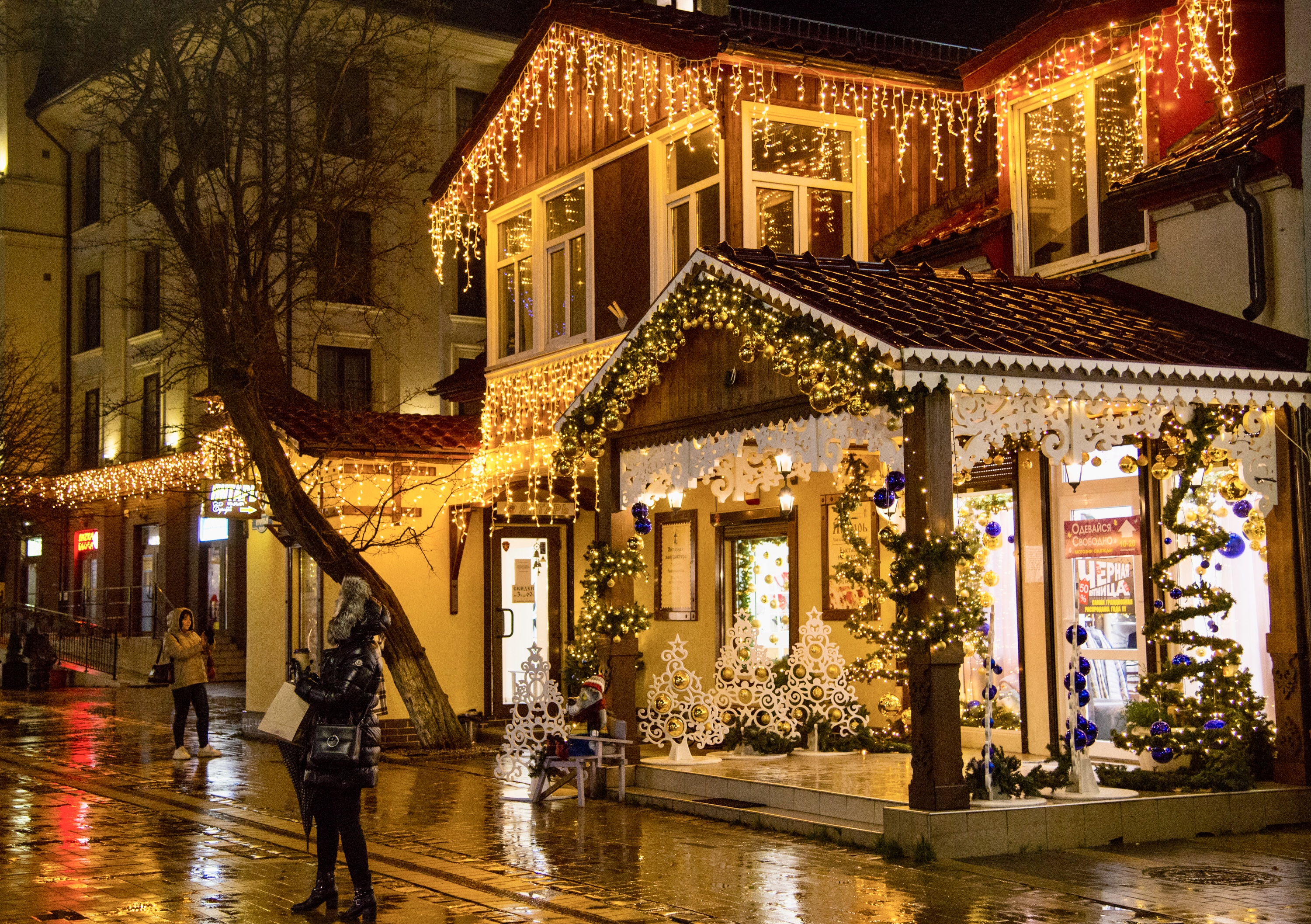
Christmas spirit of Kaliningrad region

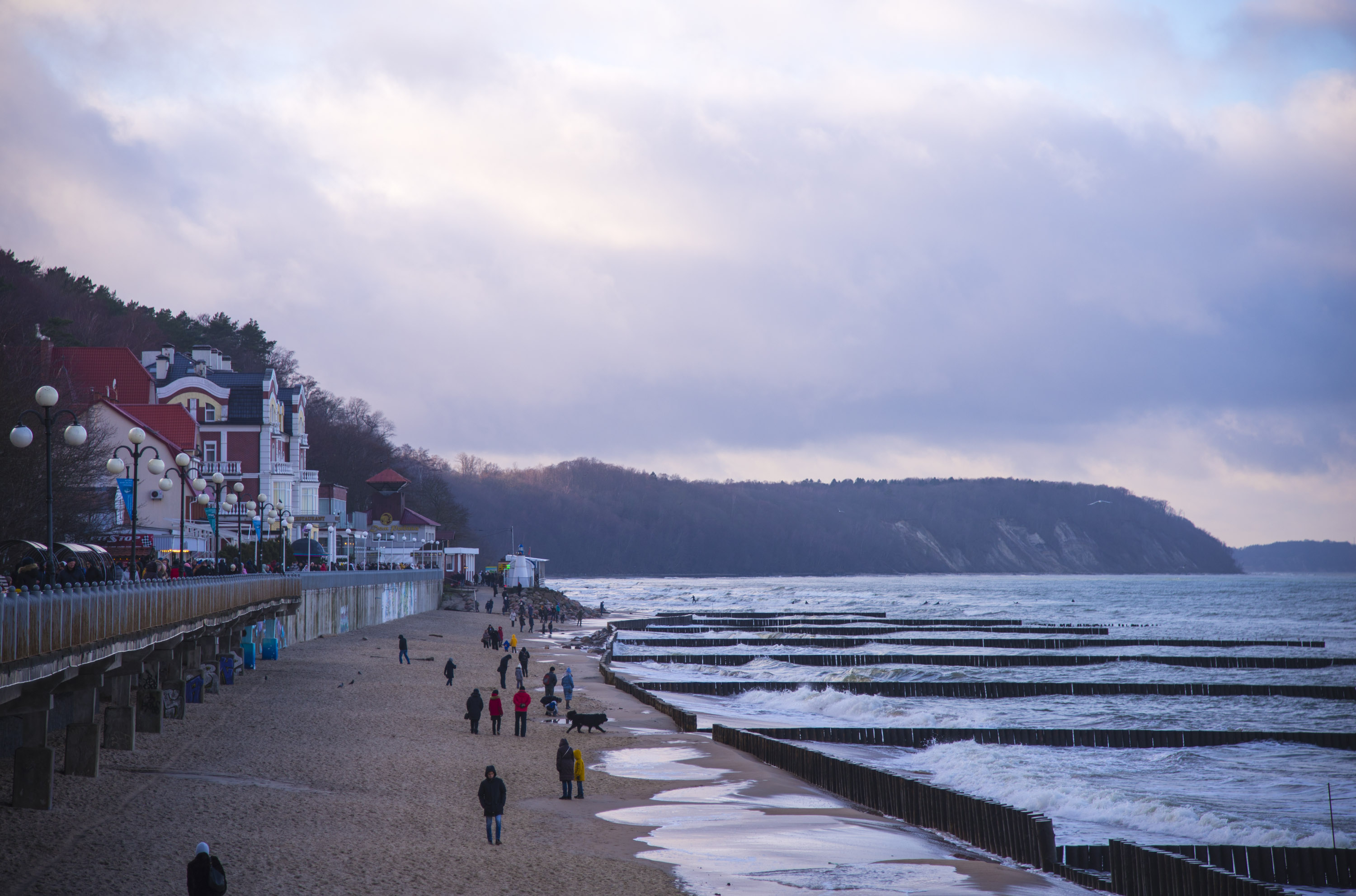
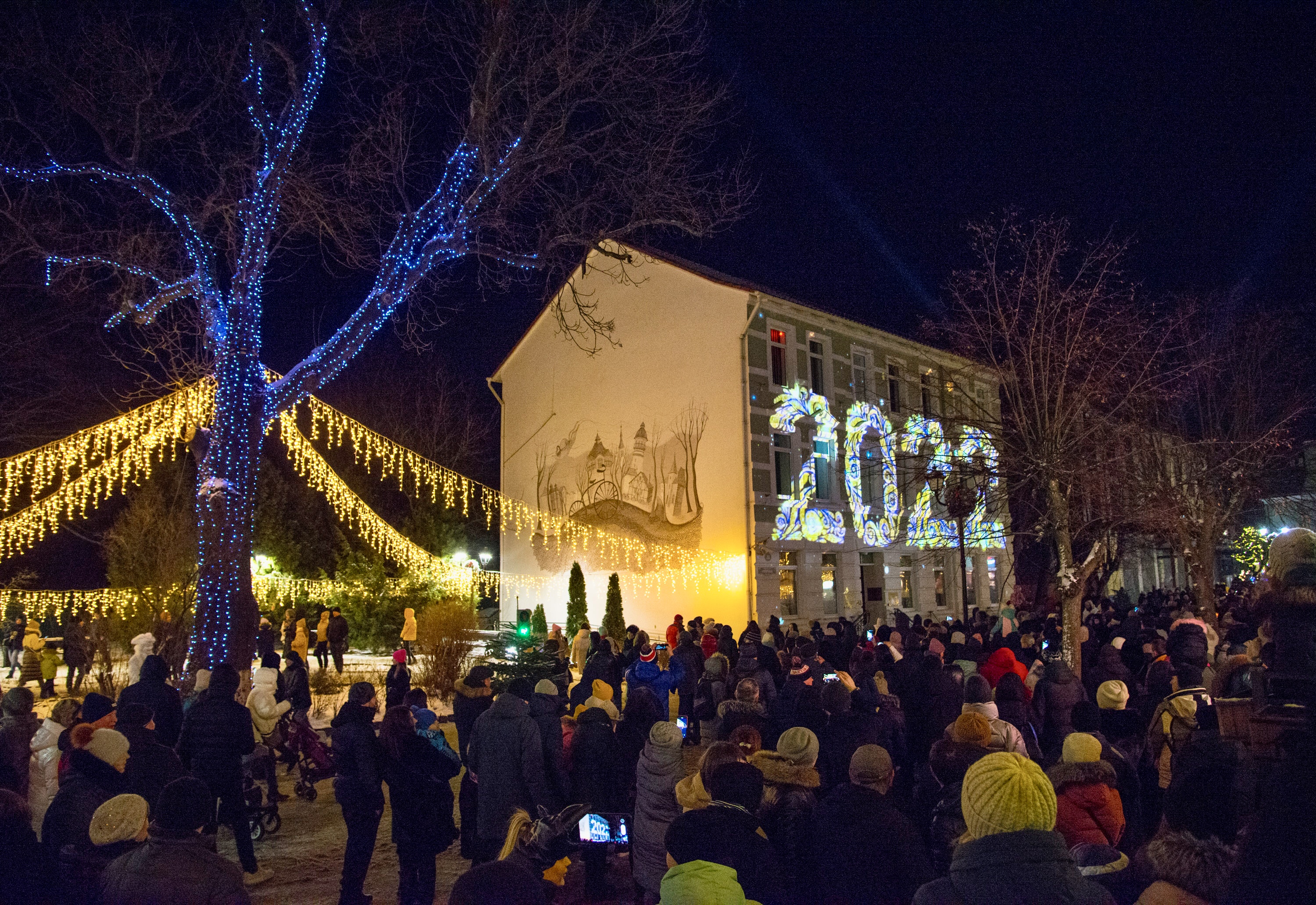
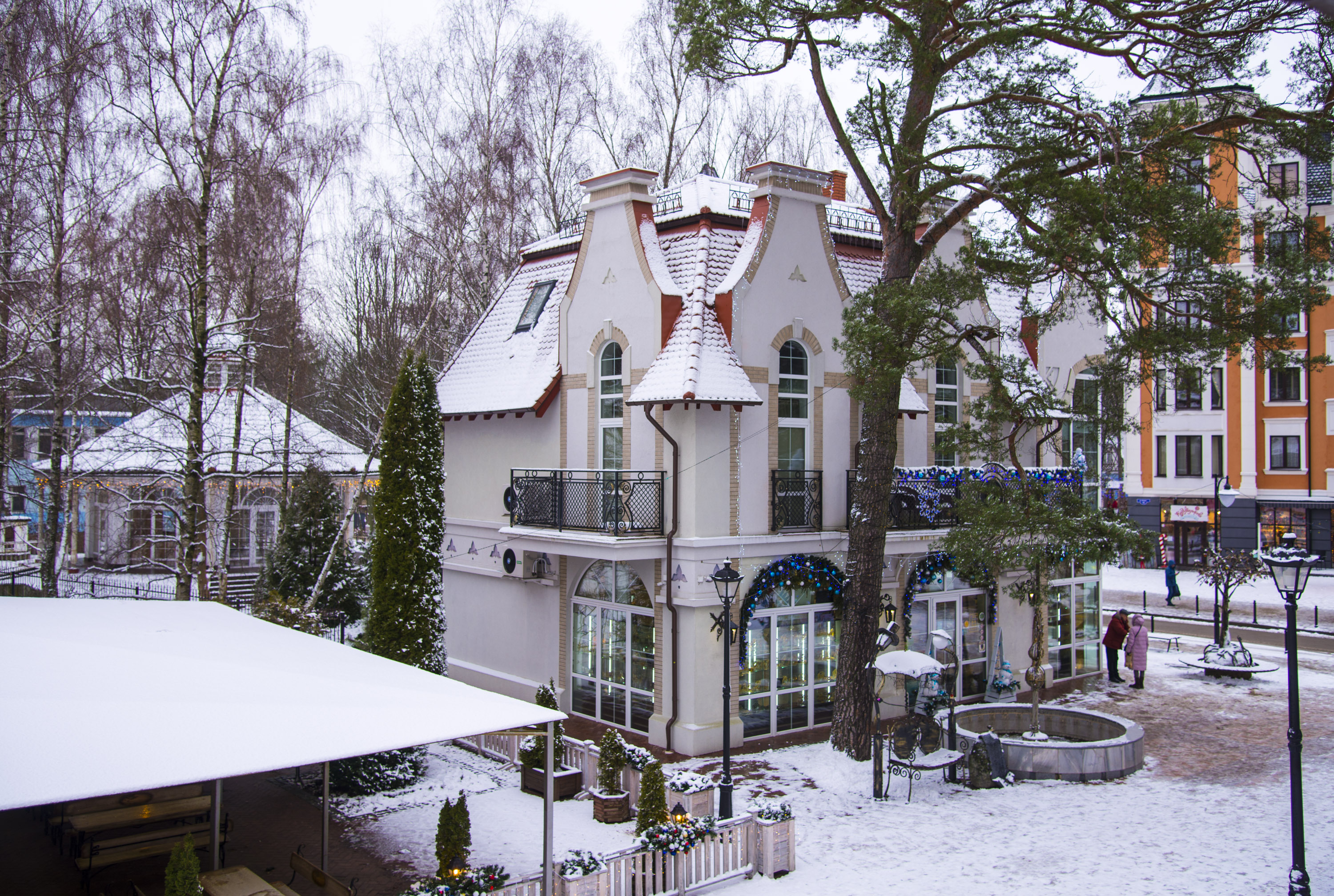
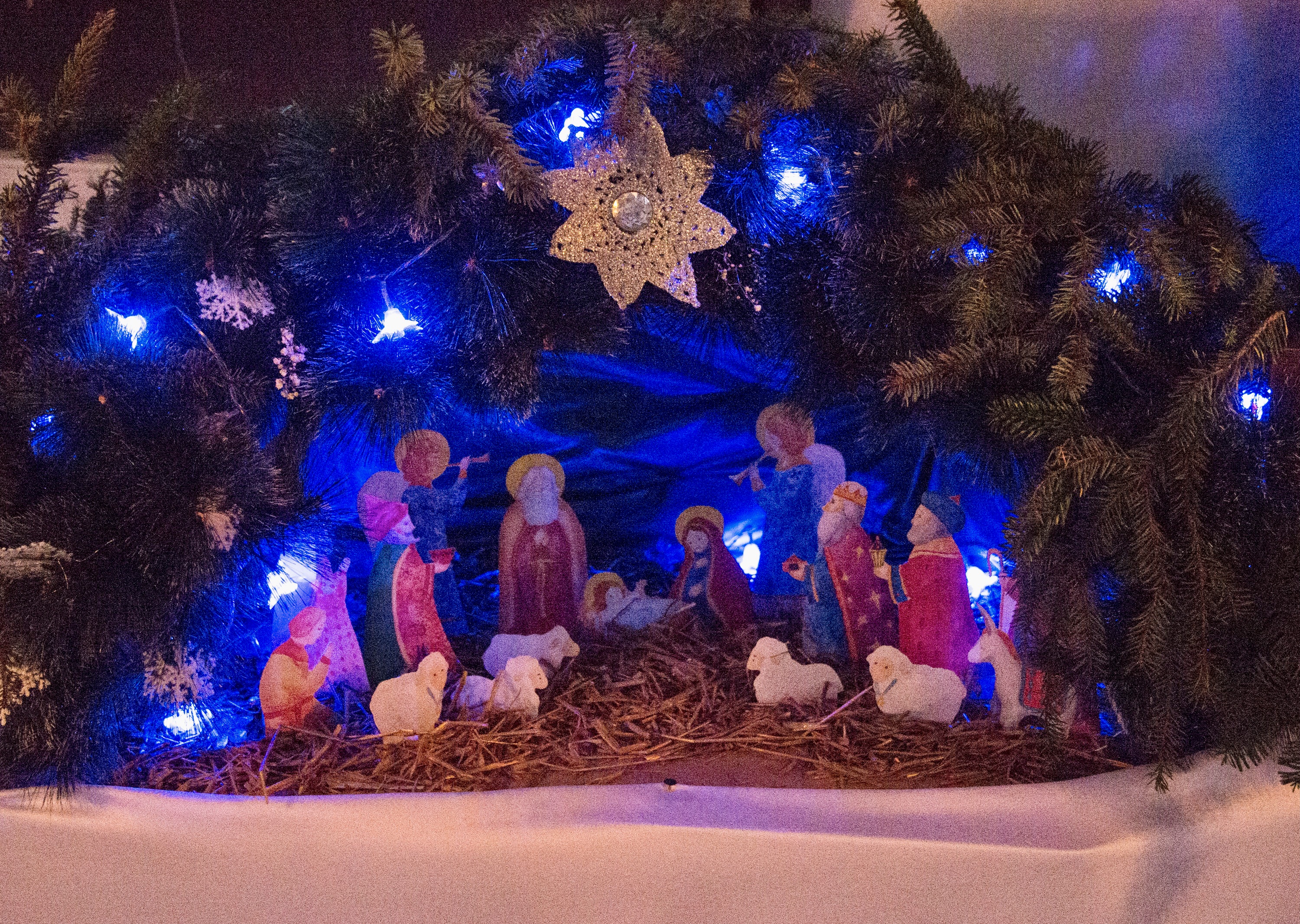
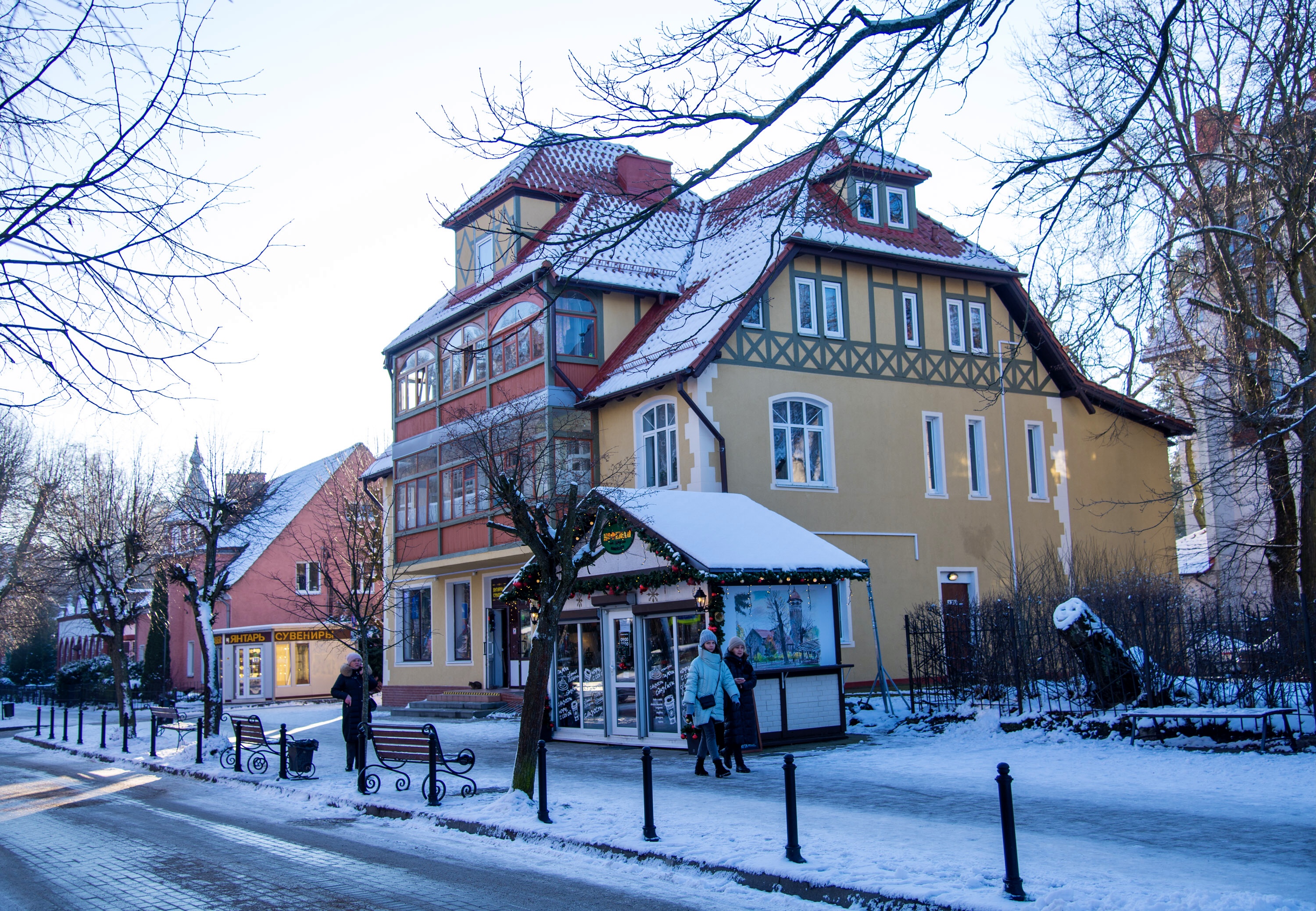
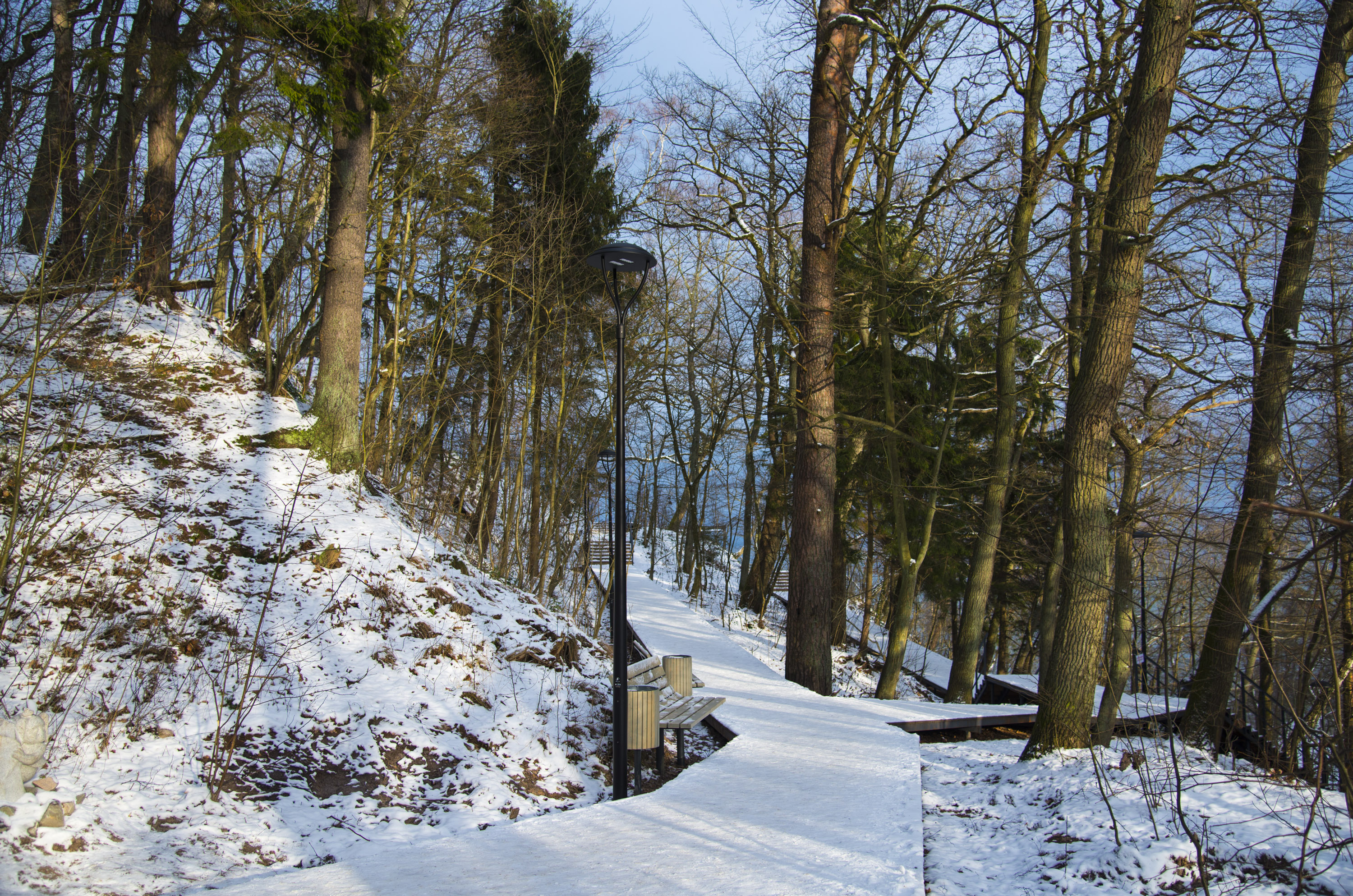
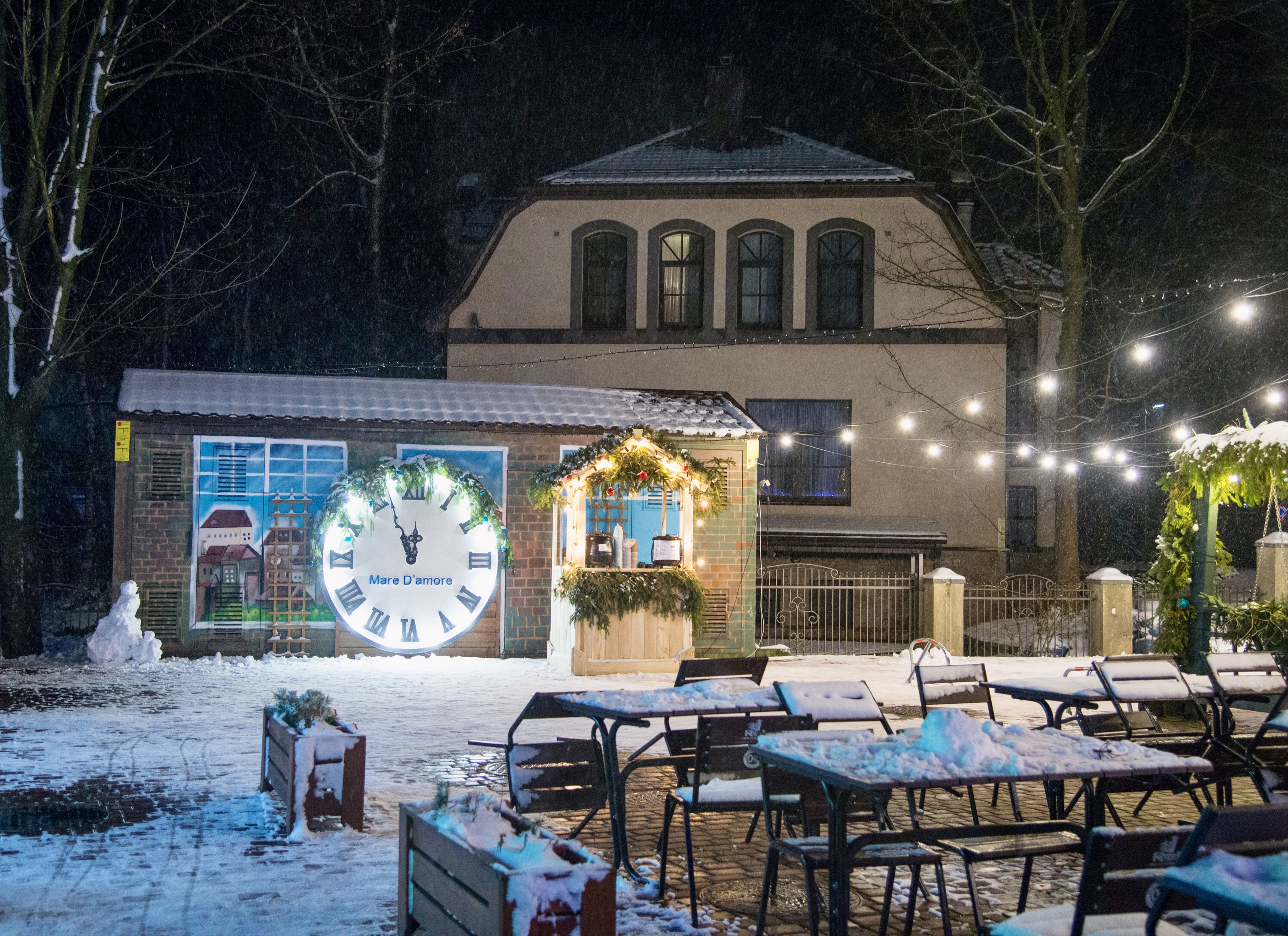
Christmas mood in sunny Svetlogorsk!

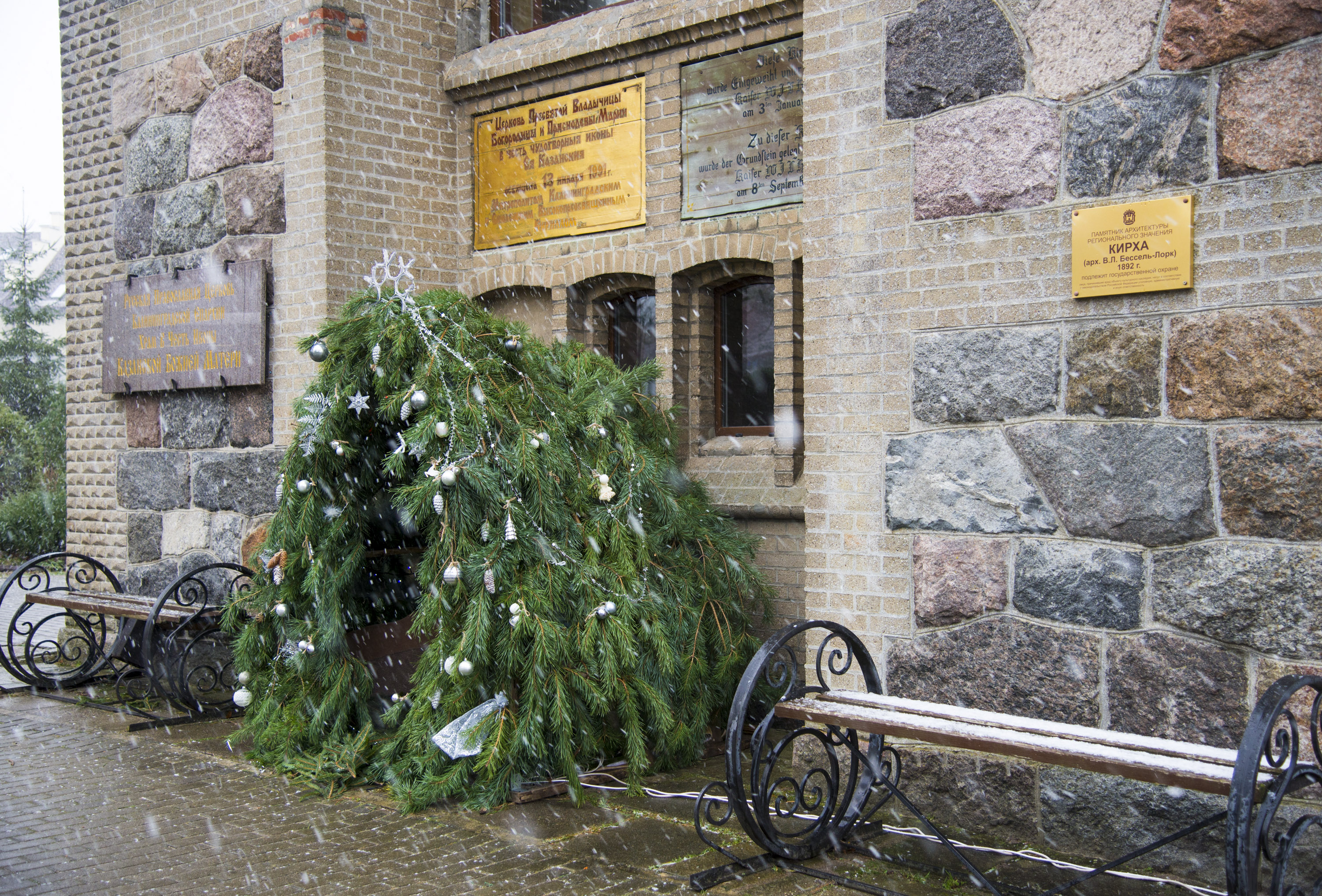
First snow in Kaliningrad region just on Christmas eve!

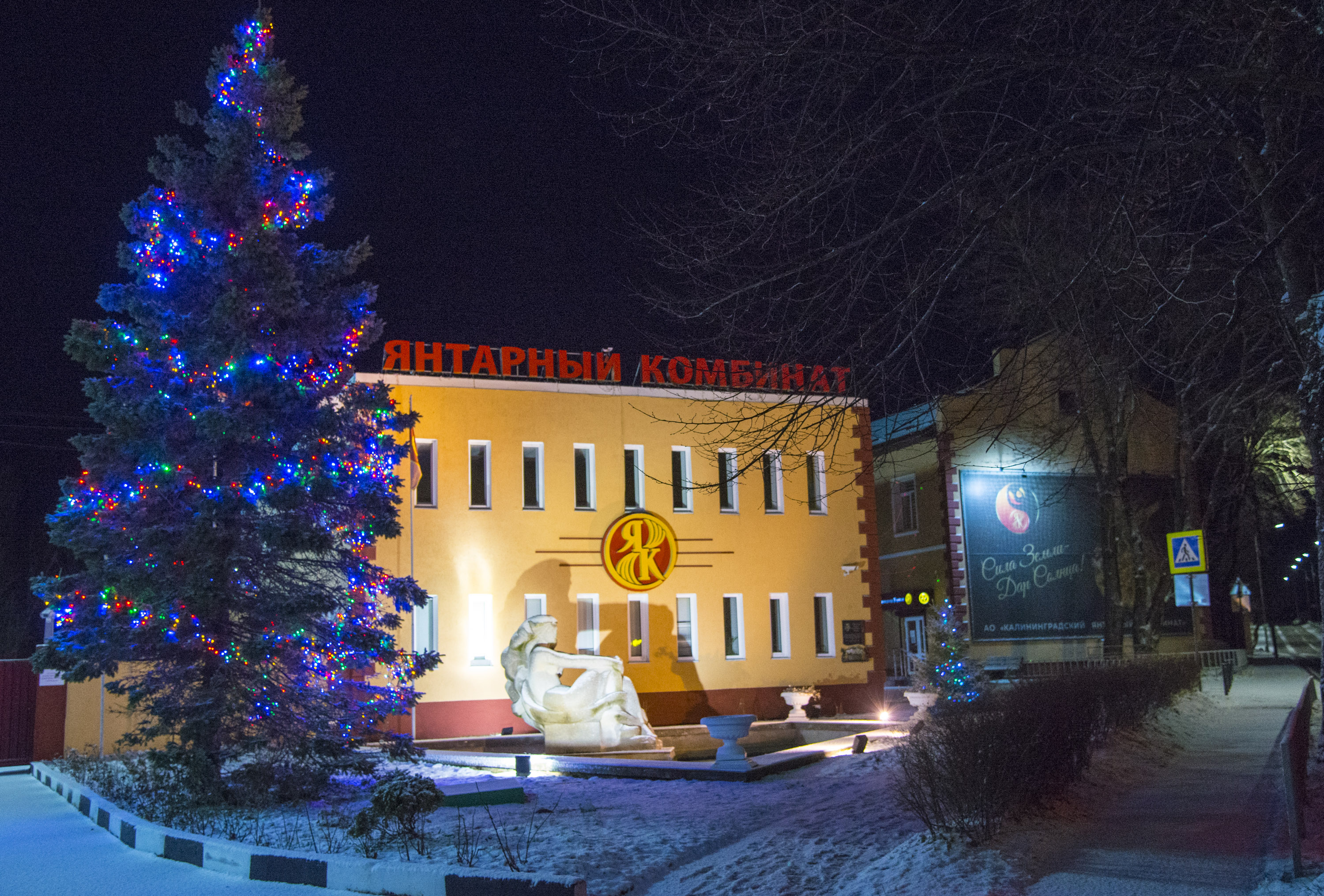
Yantarny (Palmniсken)

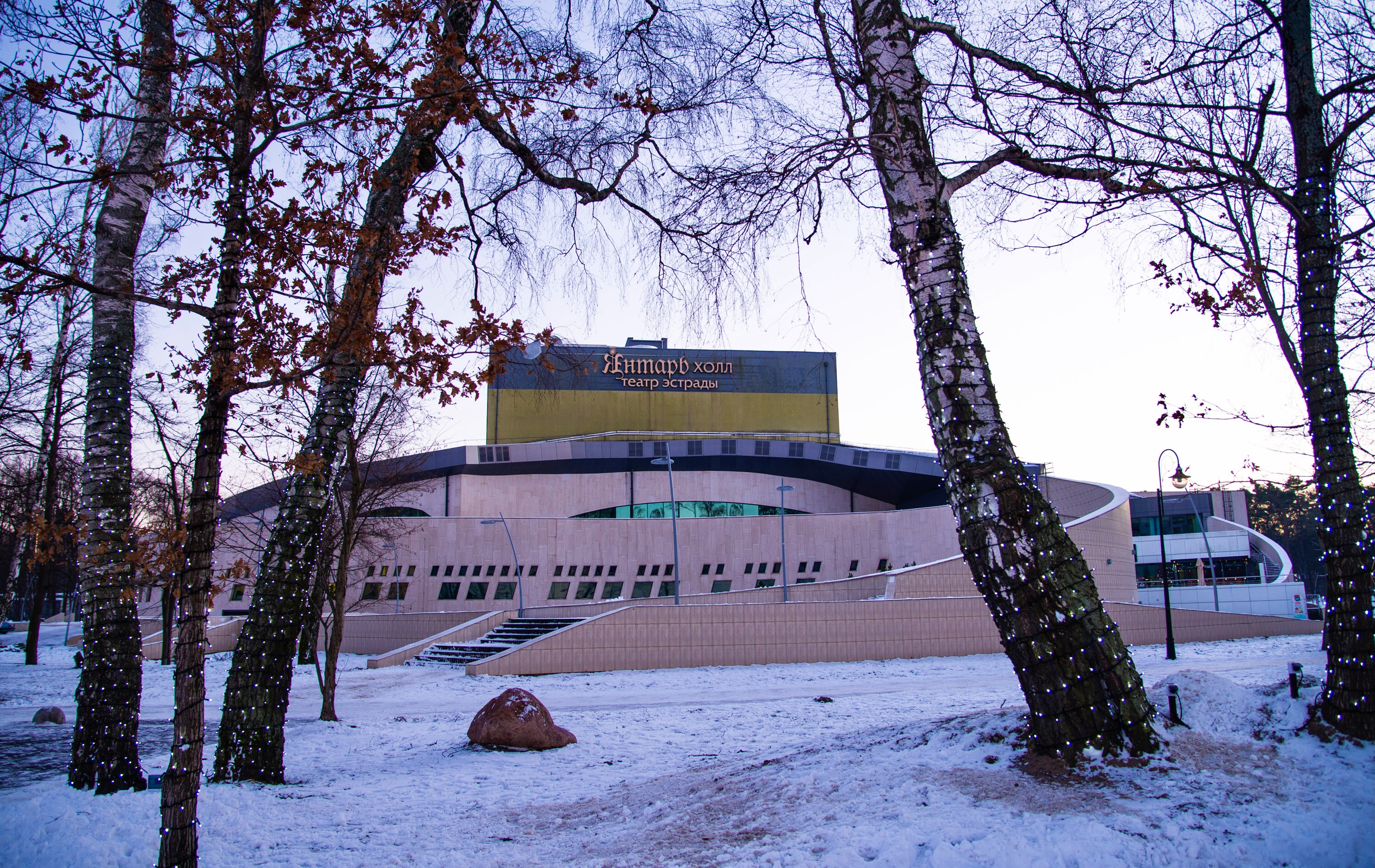
Yantarny (until 1947 Palmnicken) is an urban-type settlement located in the west of the Kaliningrad region, on the Baltic sea coast. Yantarny is considered the capital of the Amber region. The largest amber reserves in the world (about 90%) are concentrated in Yantarny and there is a unique place of its kind where amber is extracted on an industrial scale by an open method.

Церковь Казанской Иконы Божьей Матери

The village is also famous for its wide sandy beach strip.

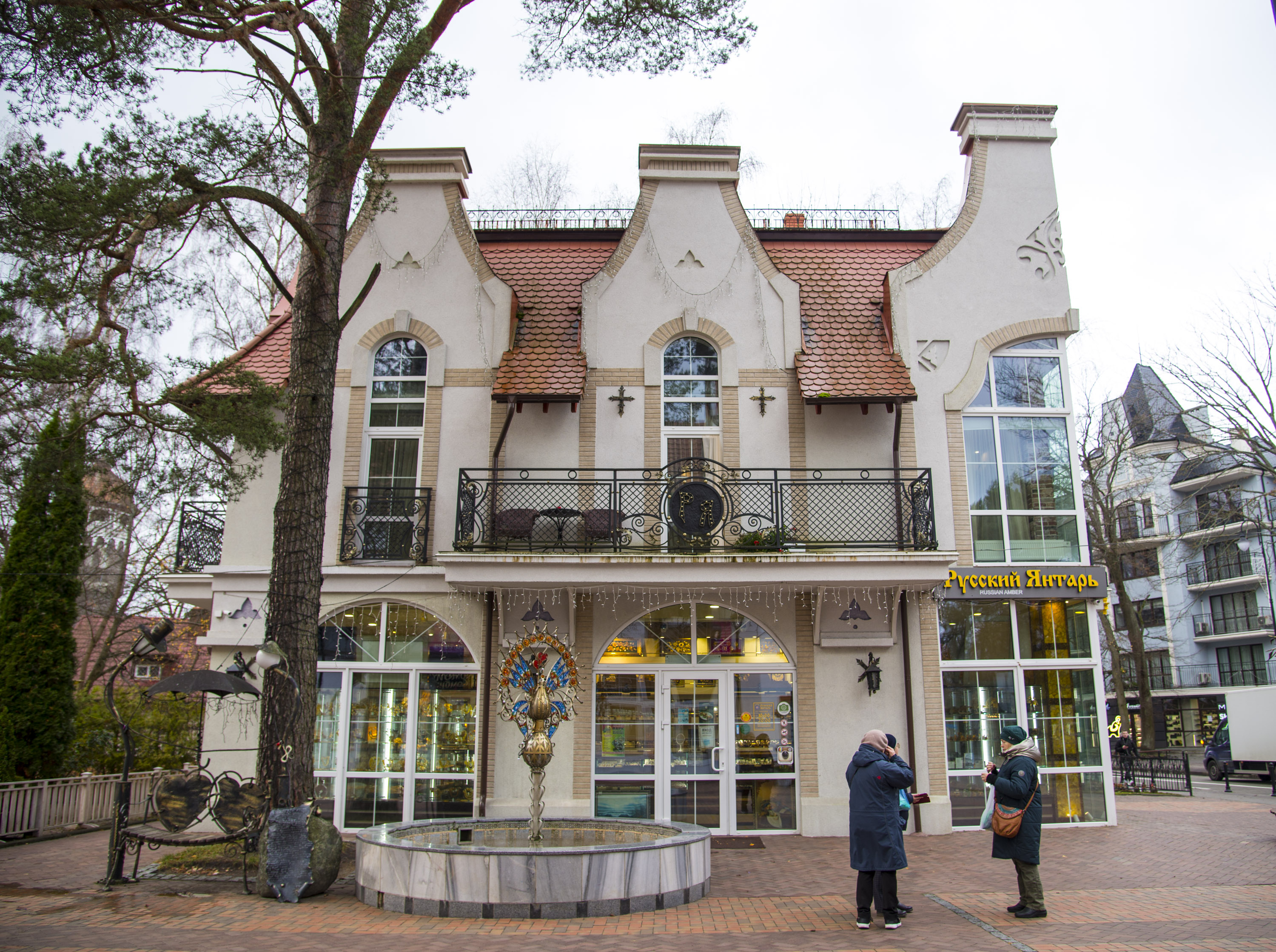
Moris Becked park and Masters square which got its name in 2007 in honor of masters of jewelry who in different periods of time devoted their talents and creative forces to amber.

Amber factory museum

Zelenogradsk (Cranz)

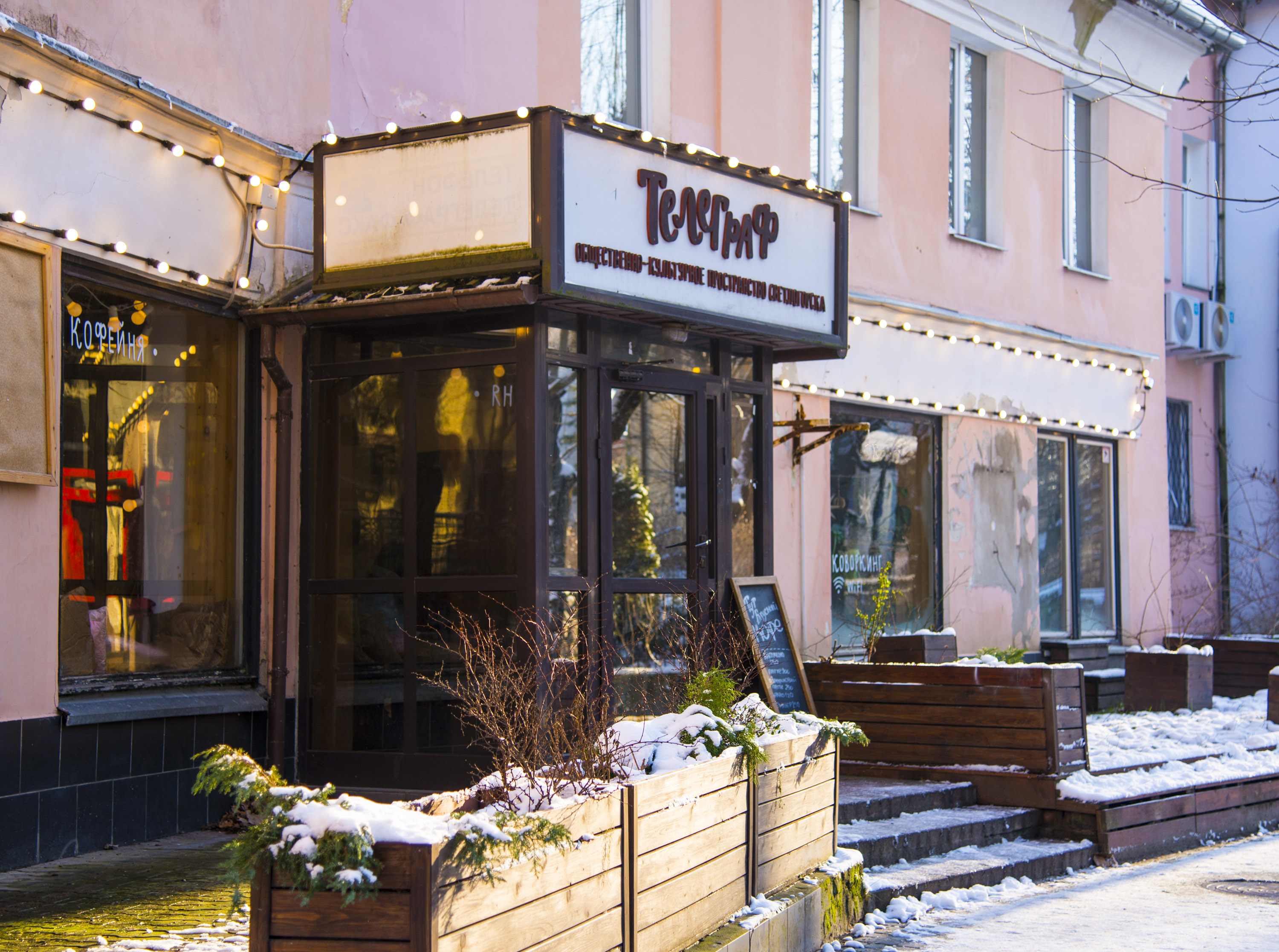
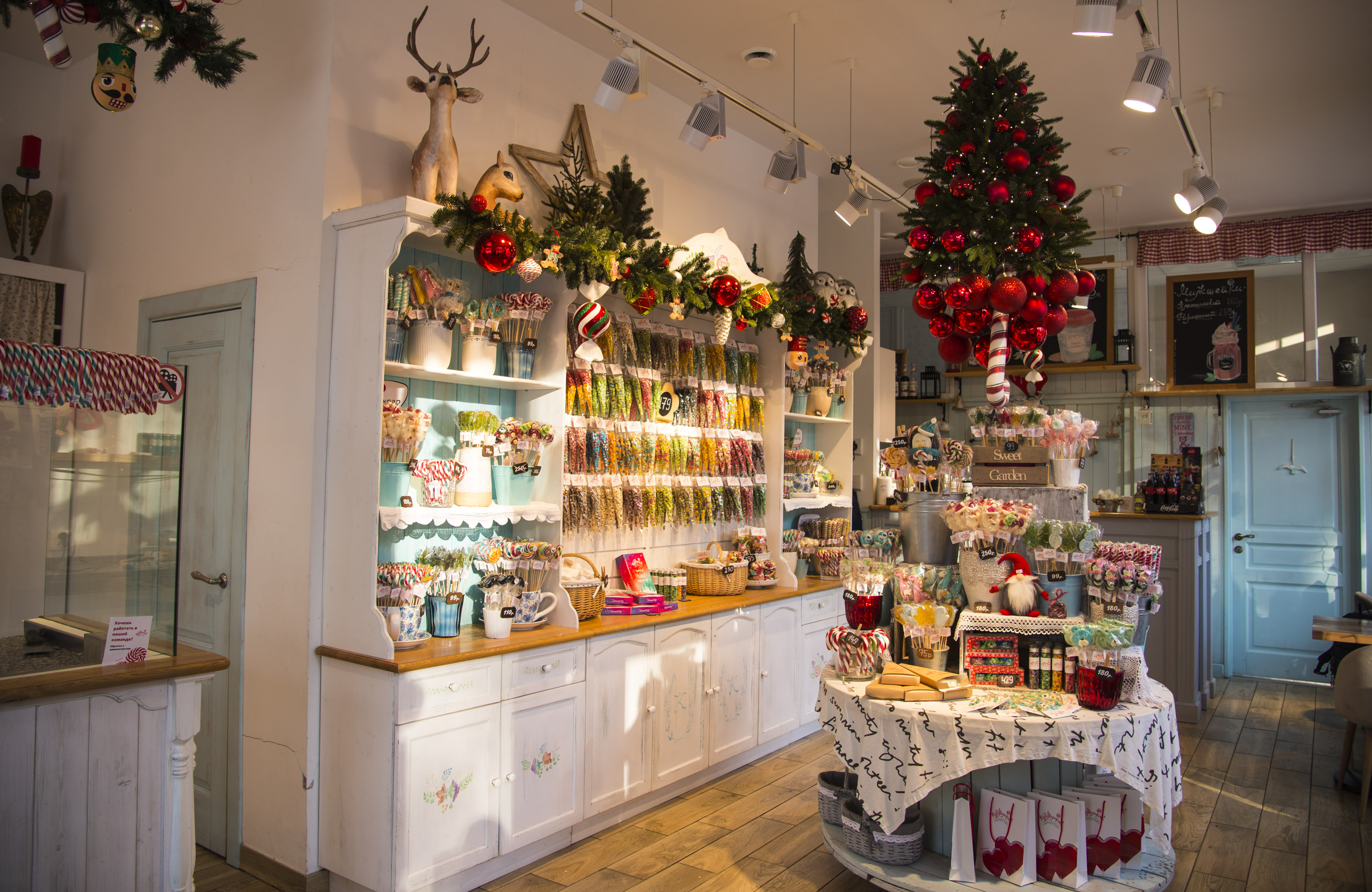
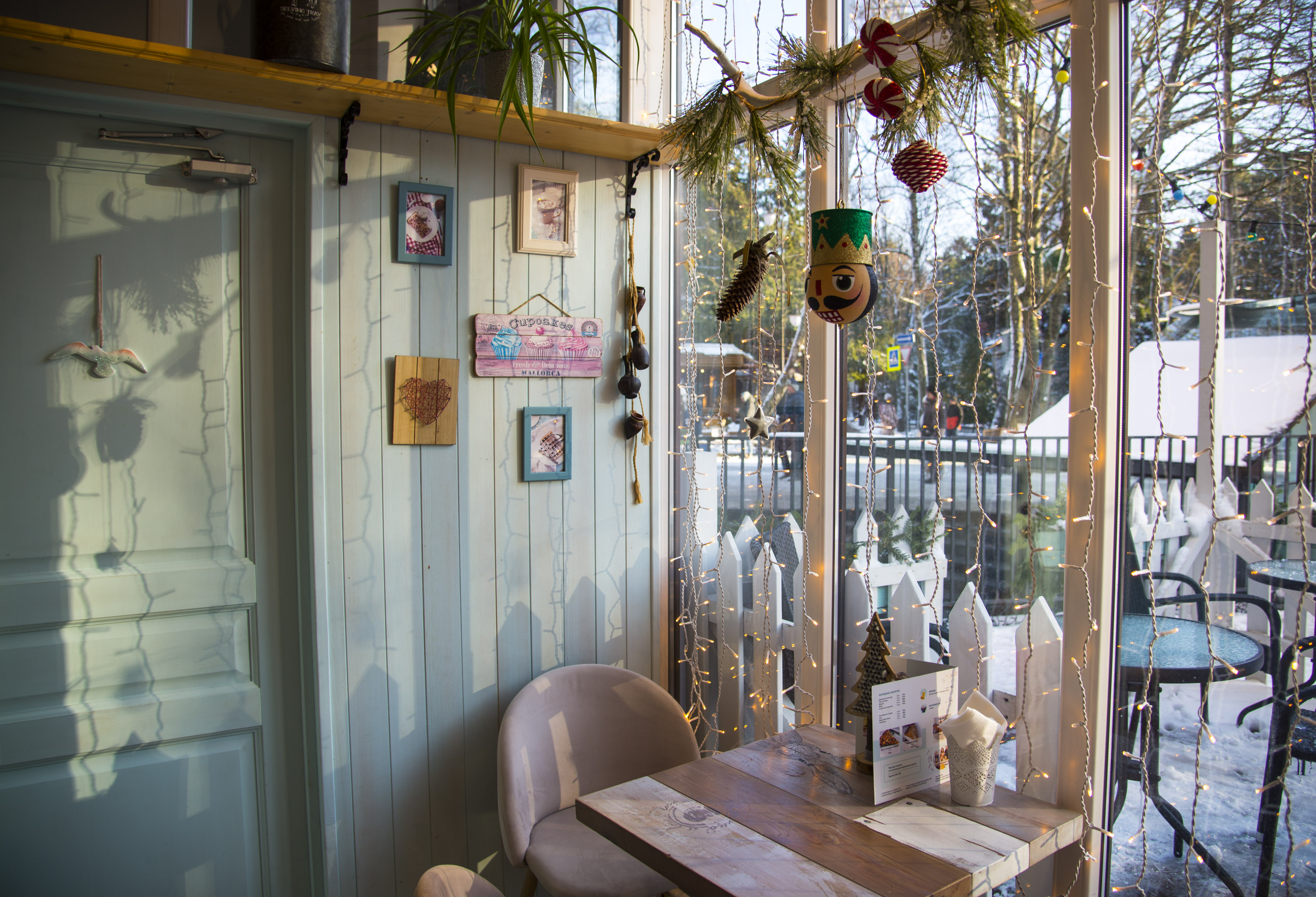
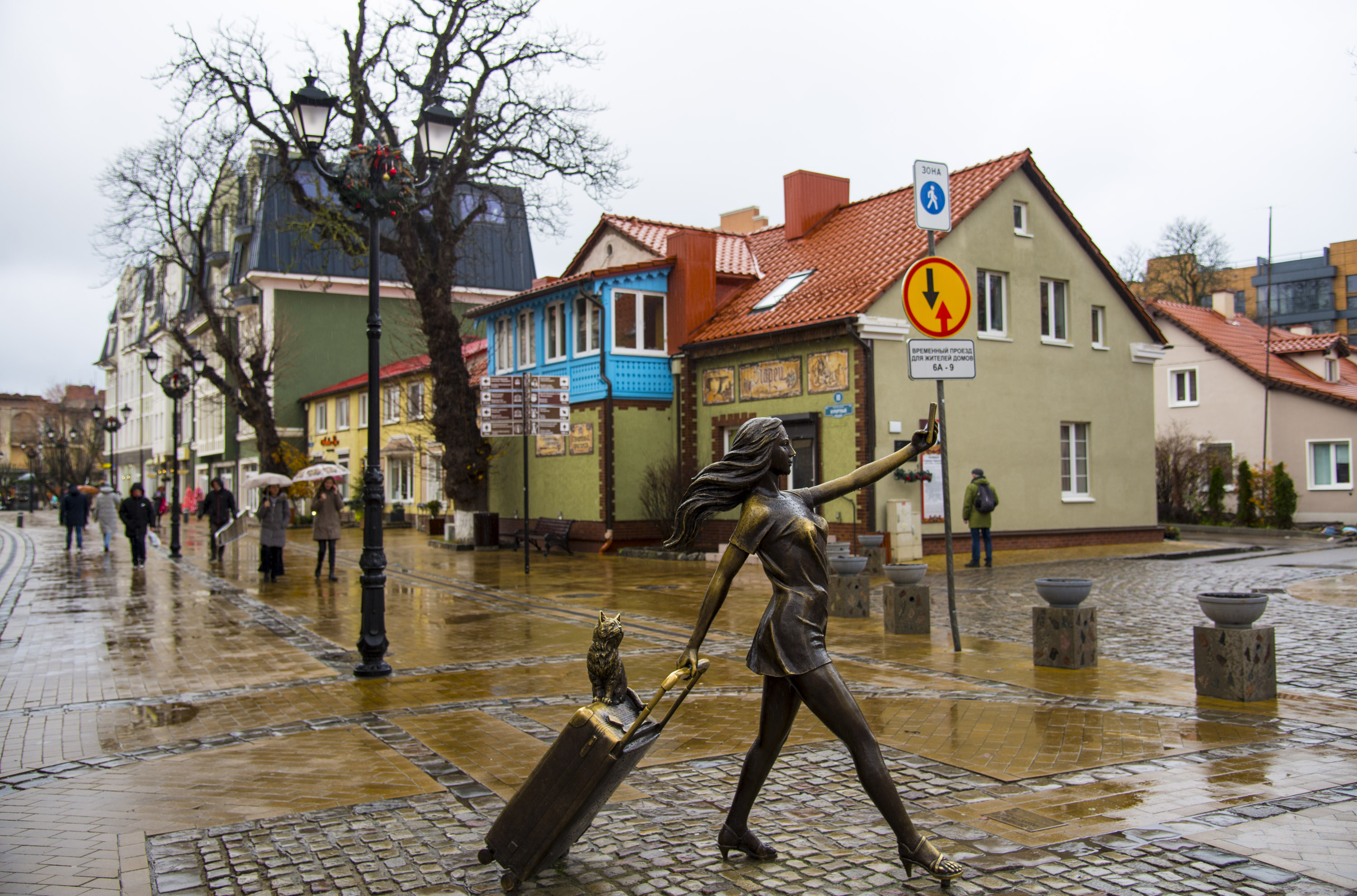
Telegraph cafe located in the building of XIX century Post office.

Christmas light show in Zelenogradsk

Svetlogorsk (Rauschen)

Hoffmann House and monument to ancient Svetlogorsk

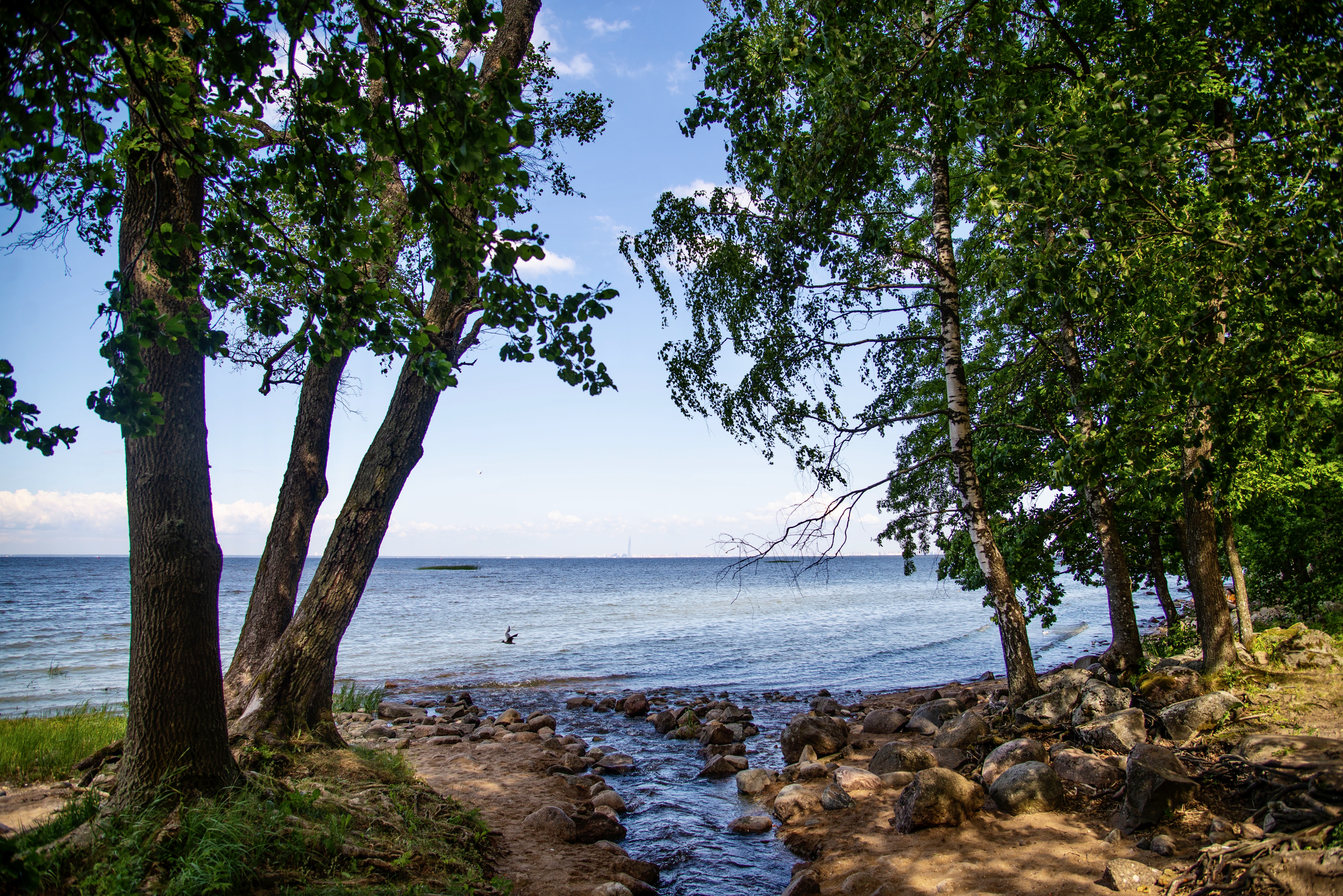
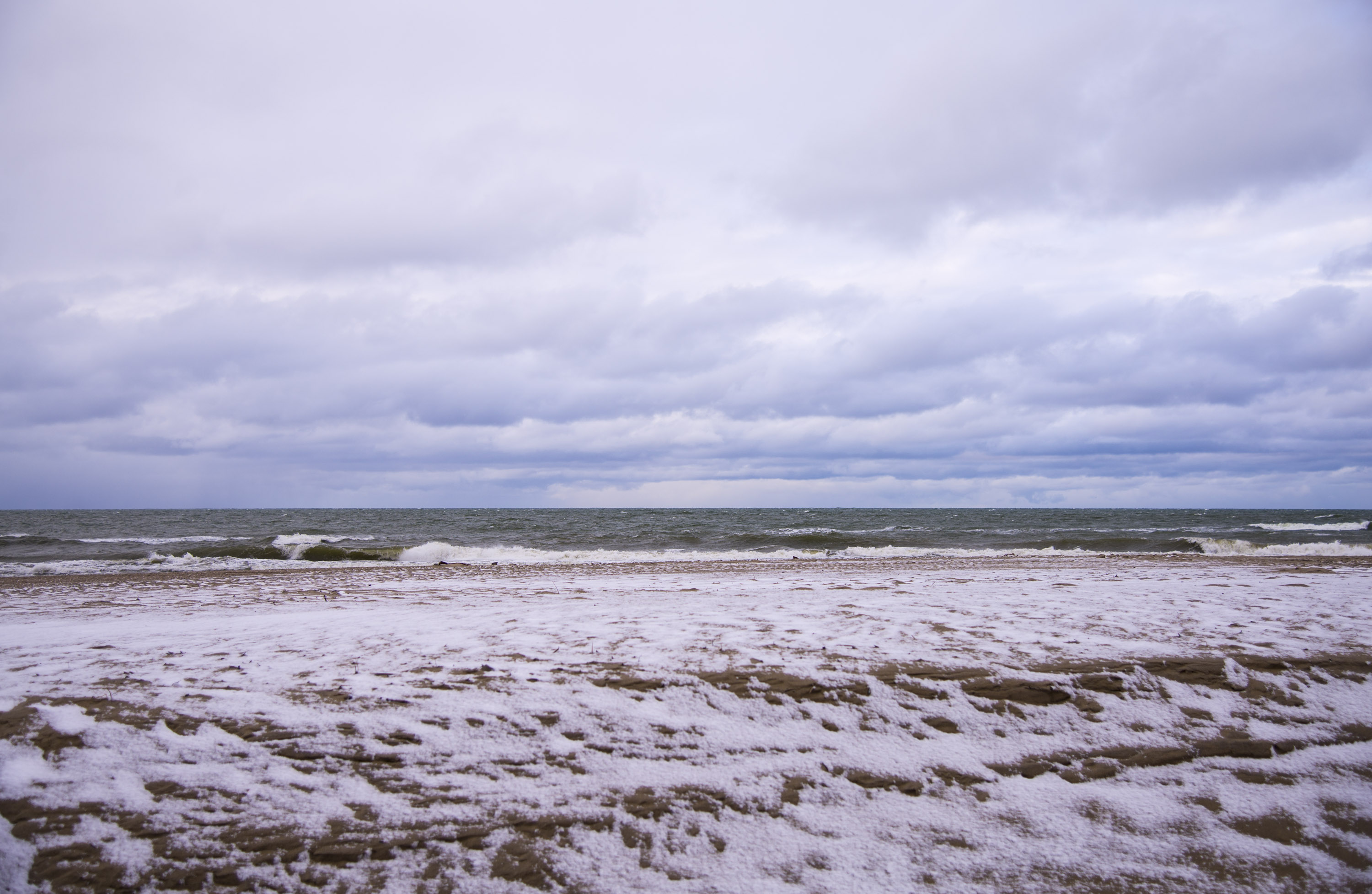
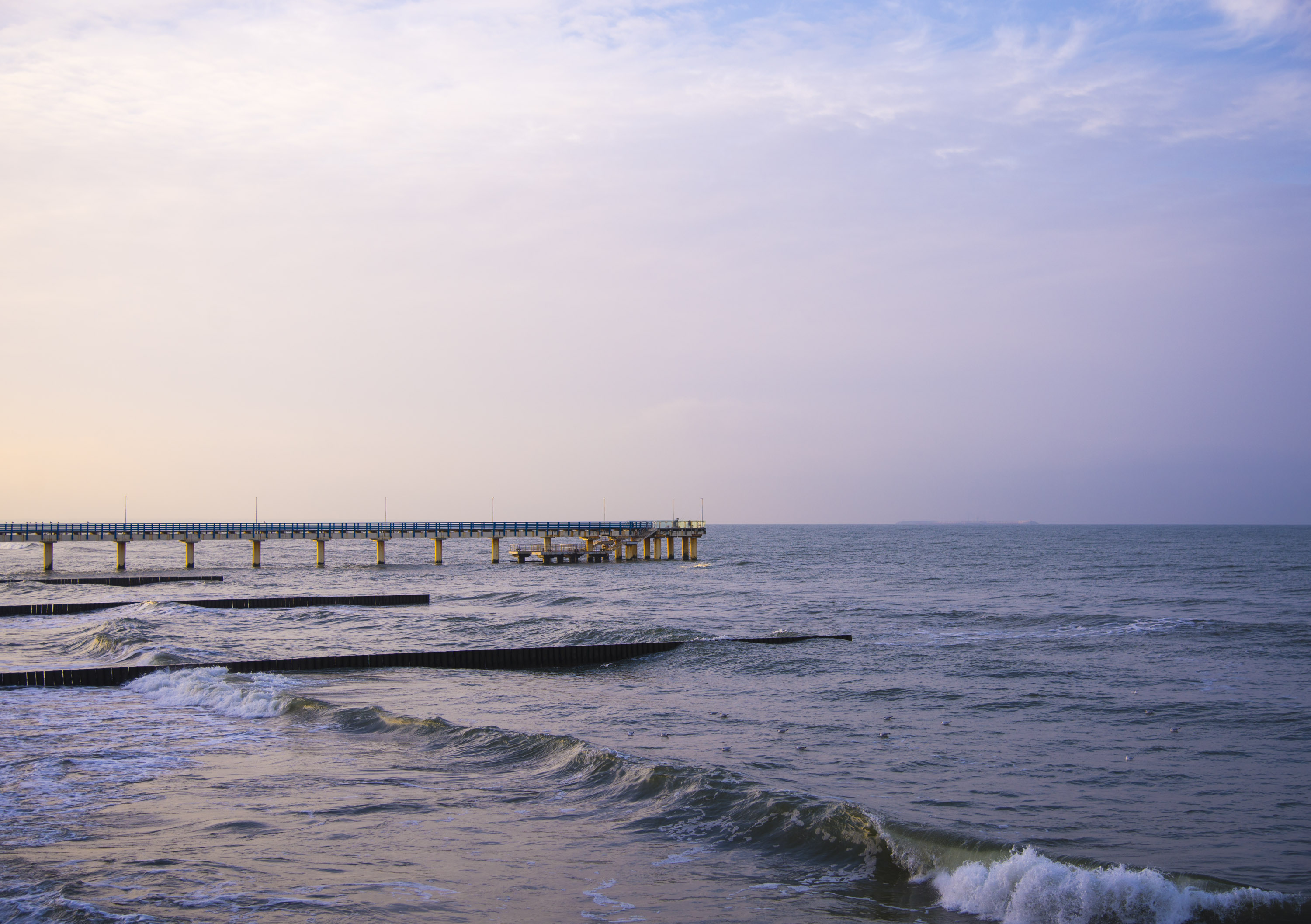
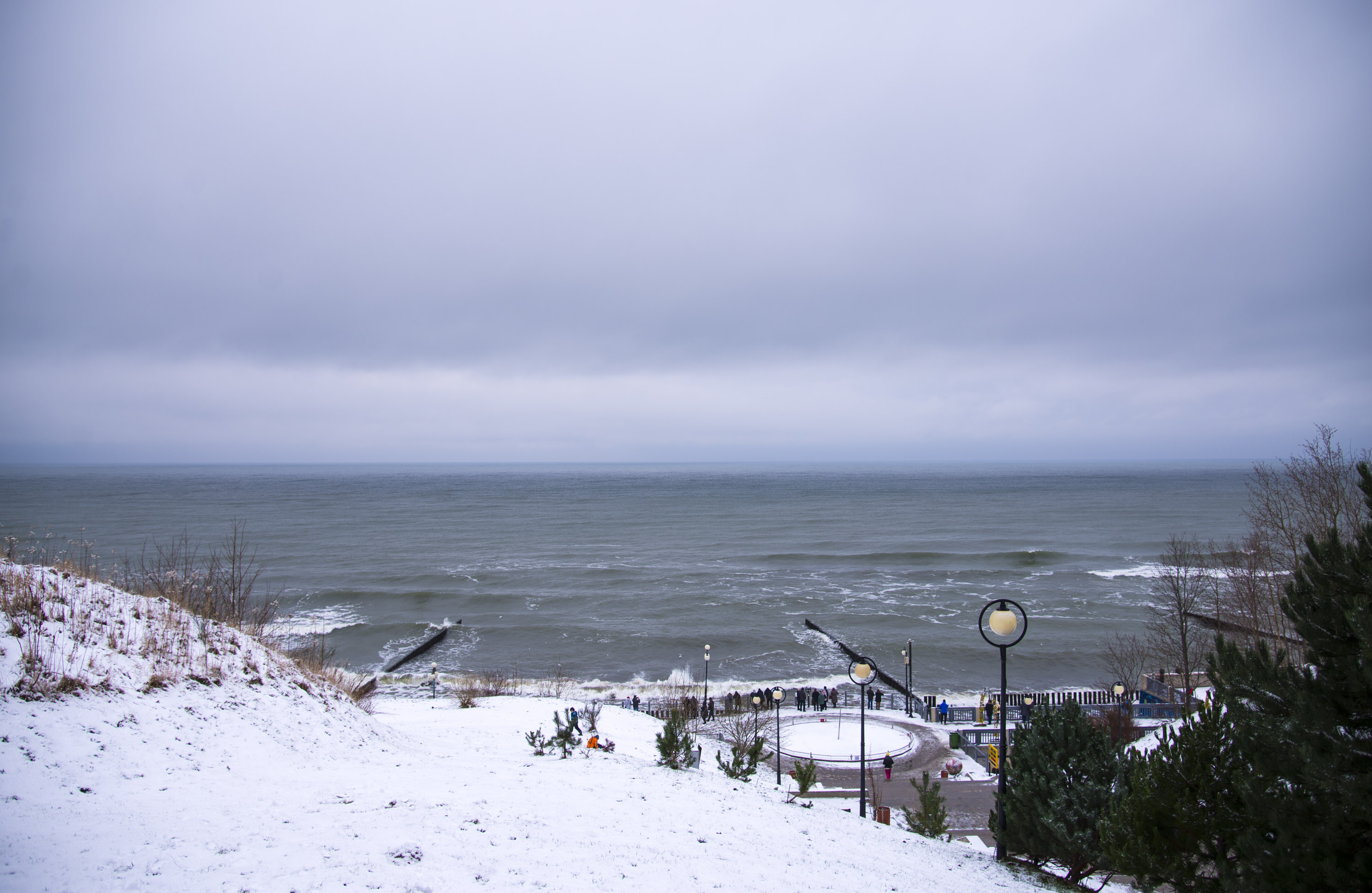
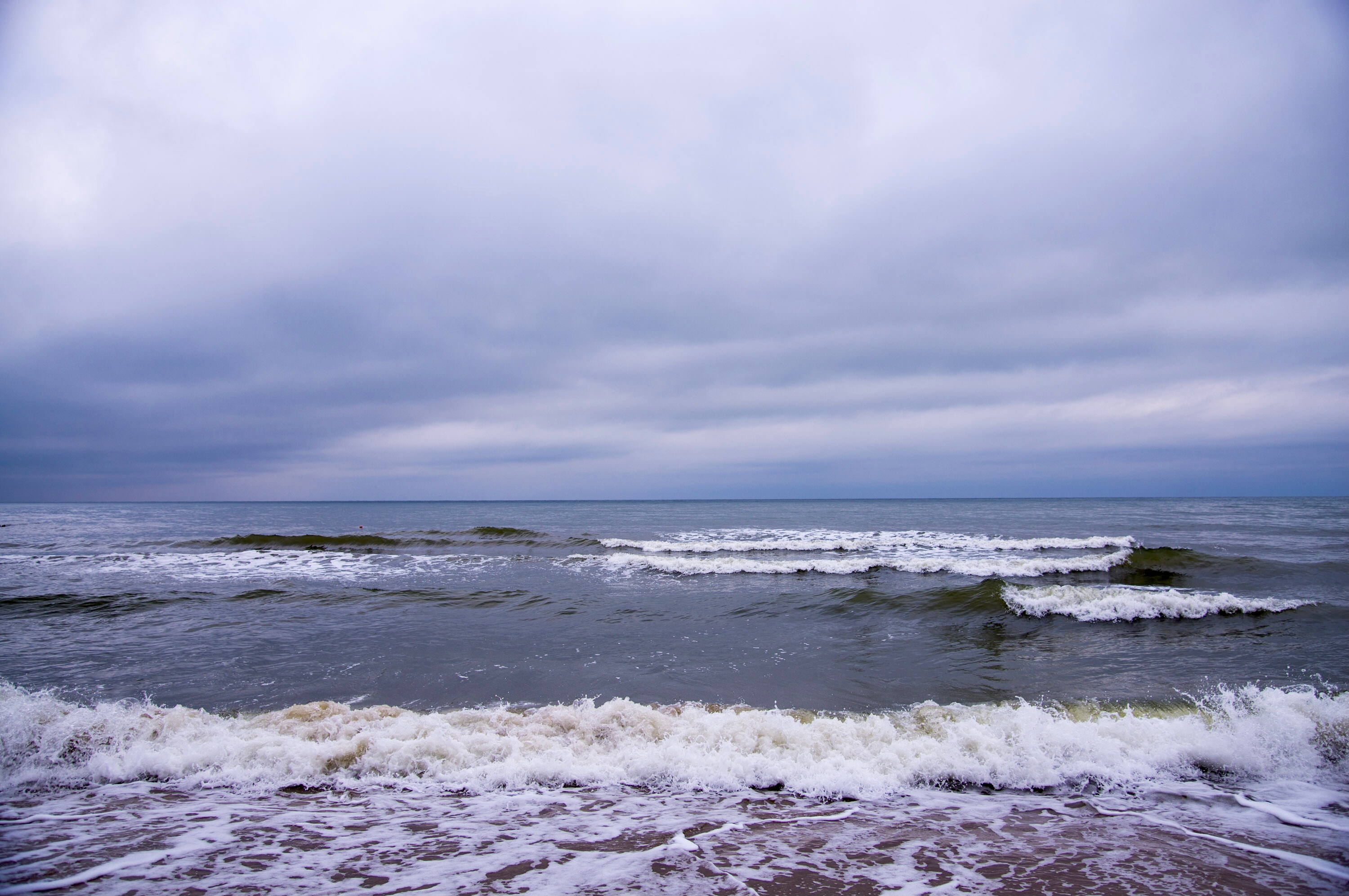
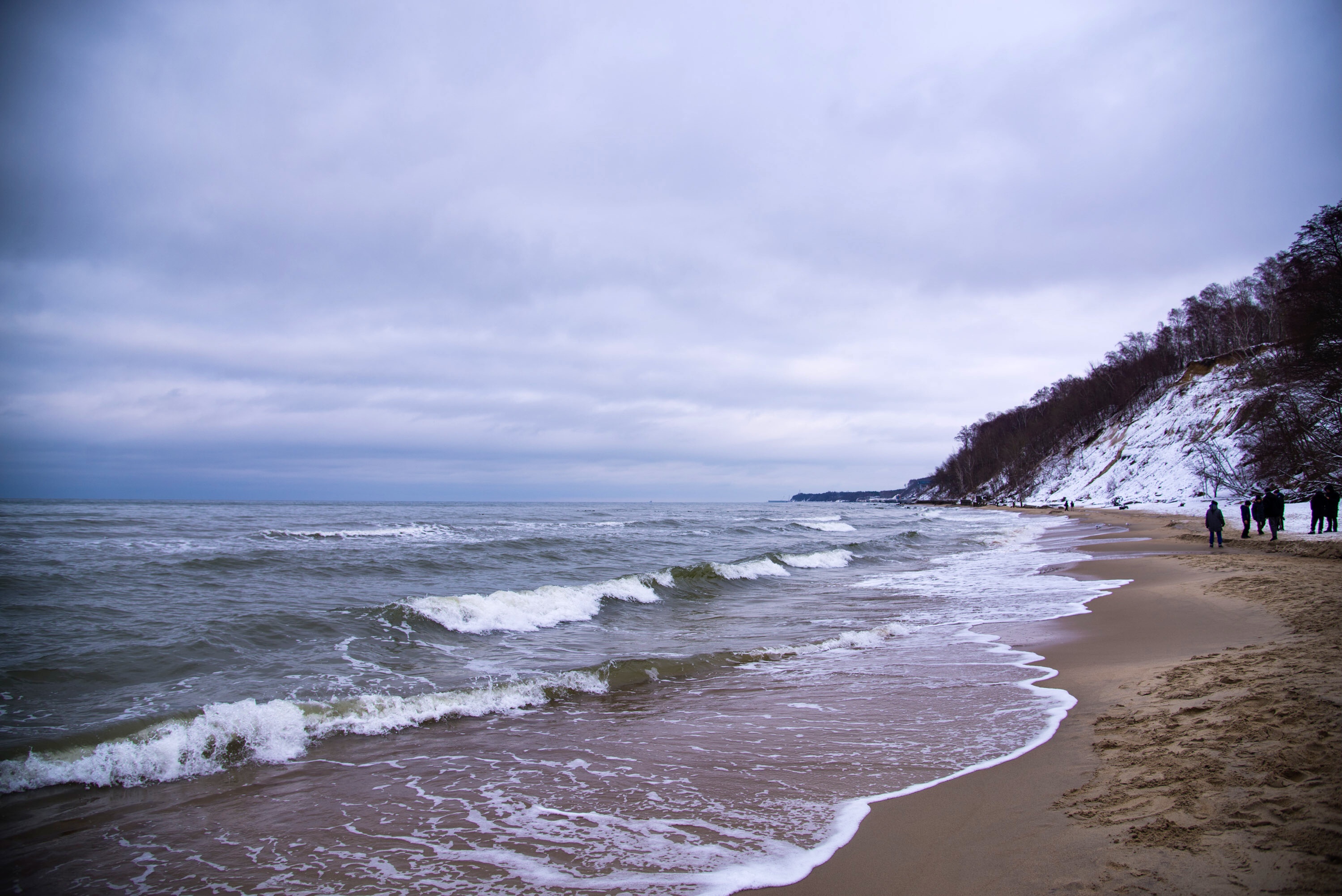
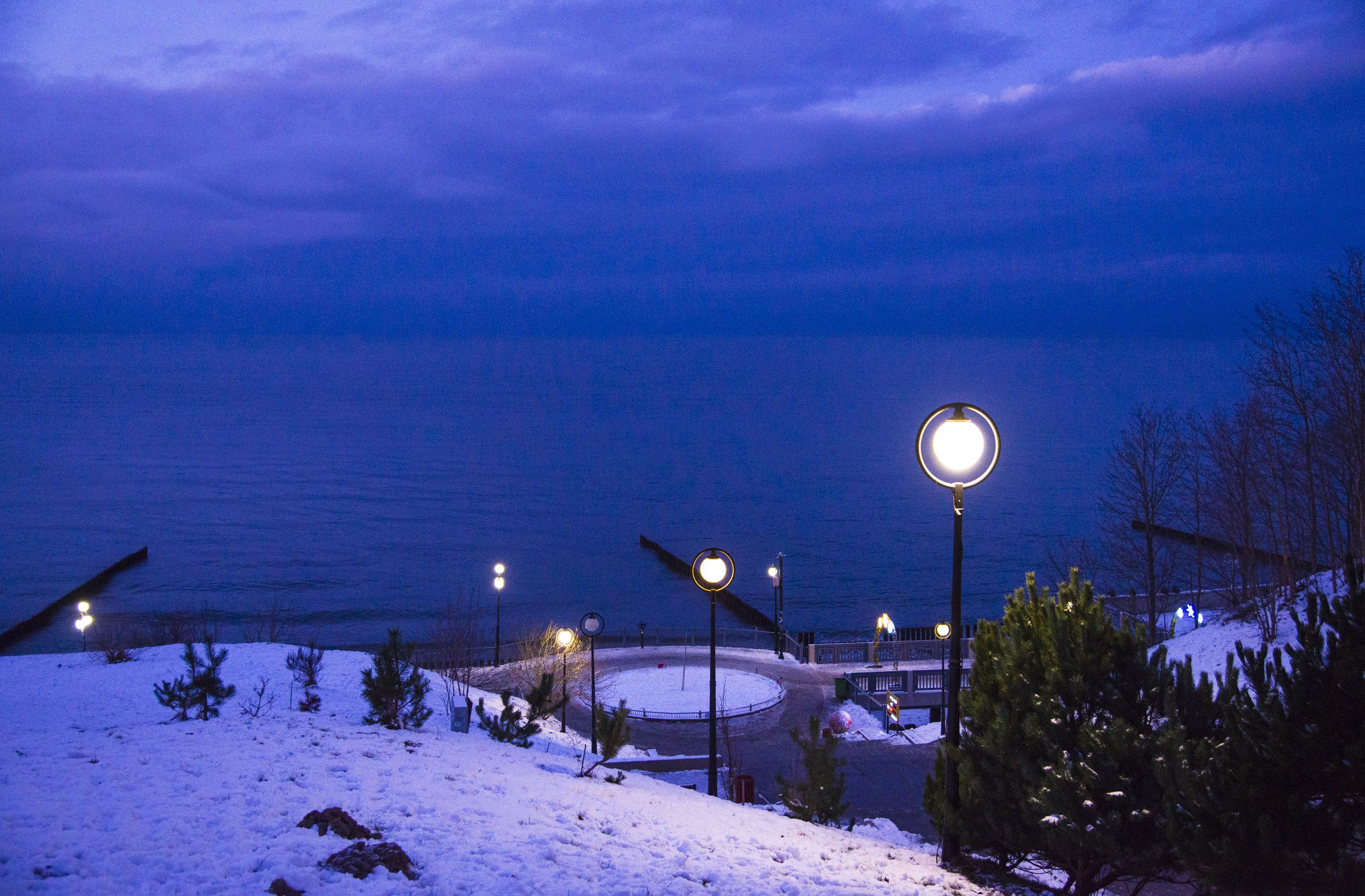
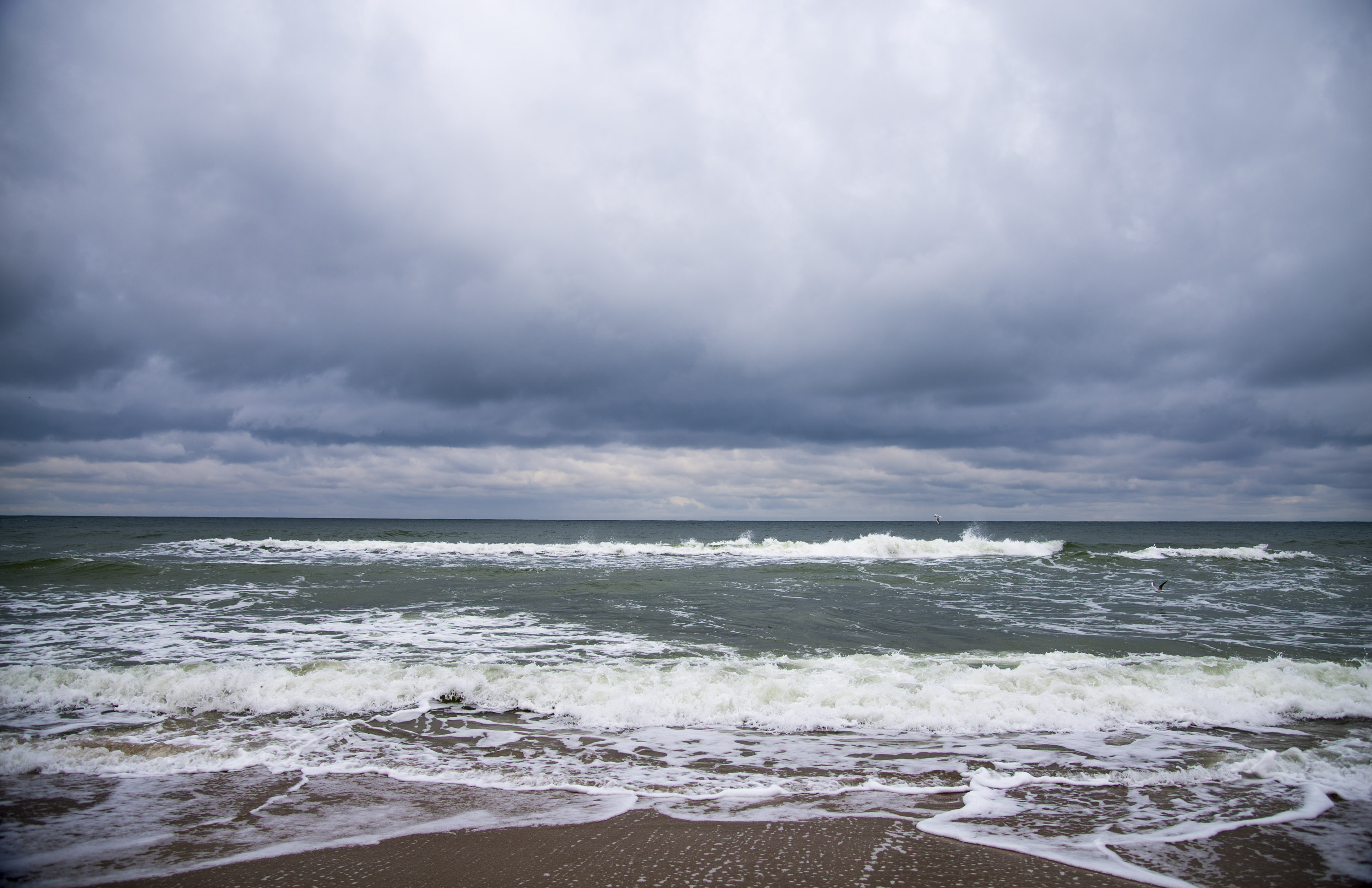
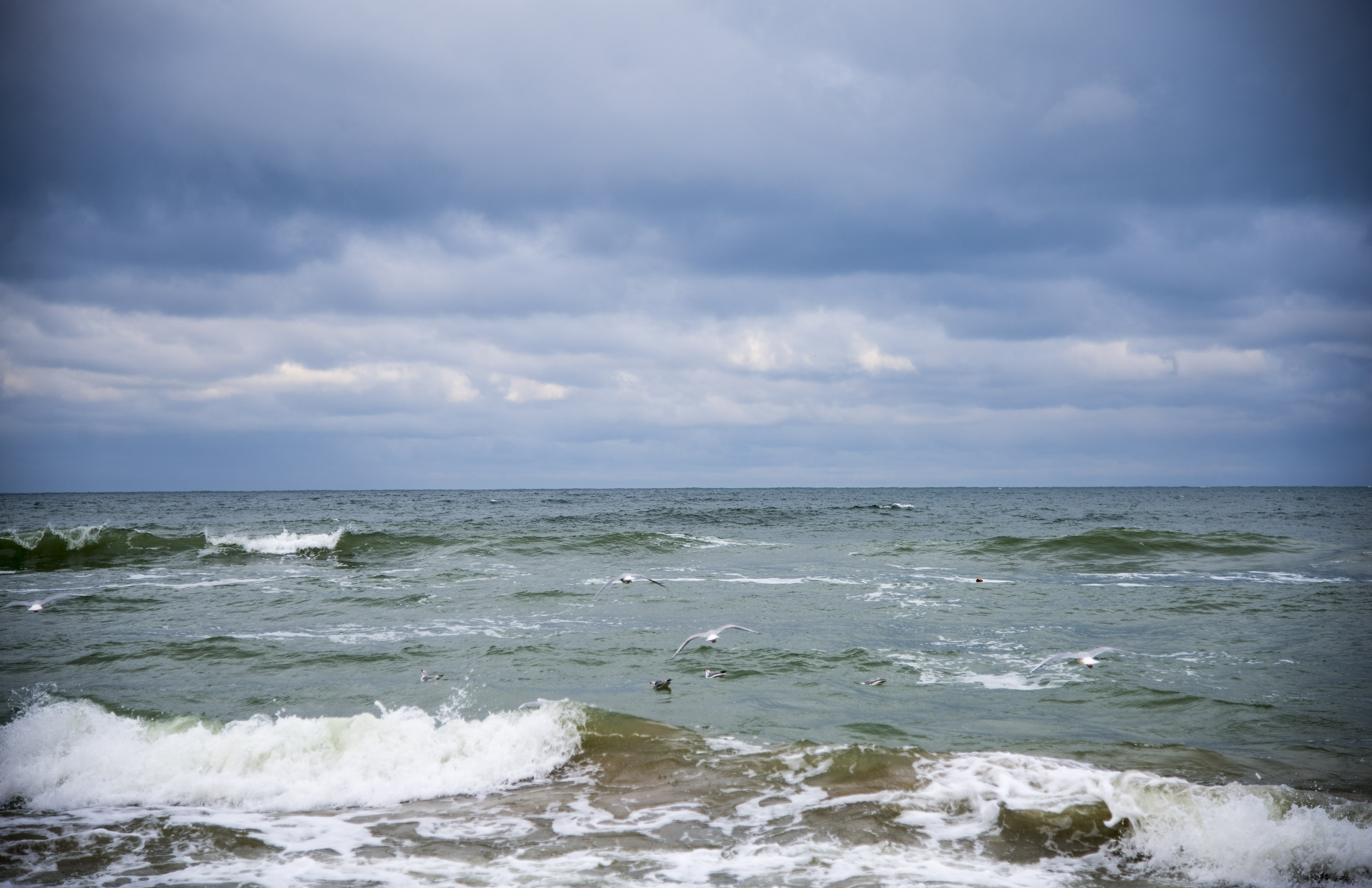
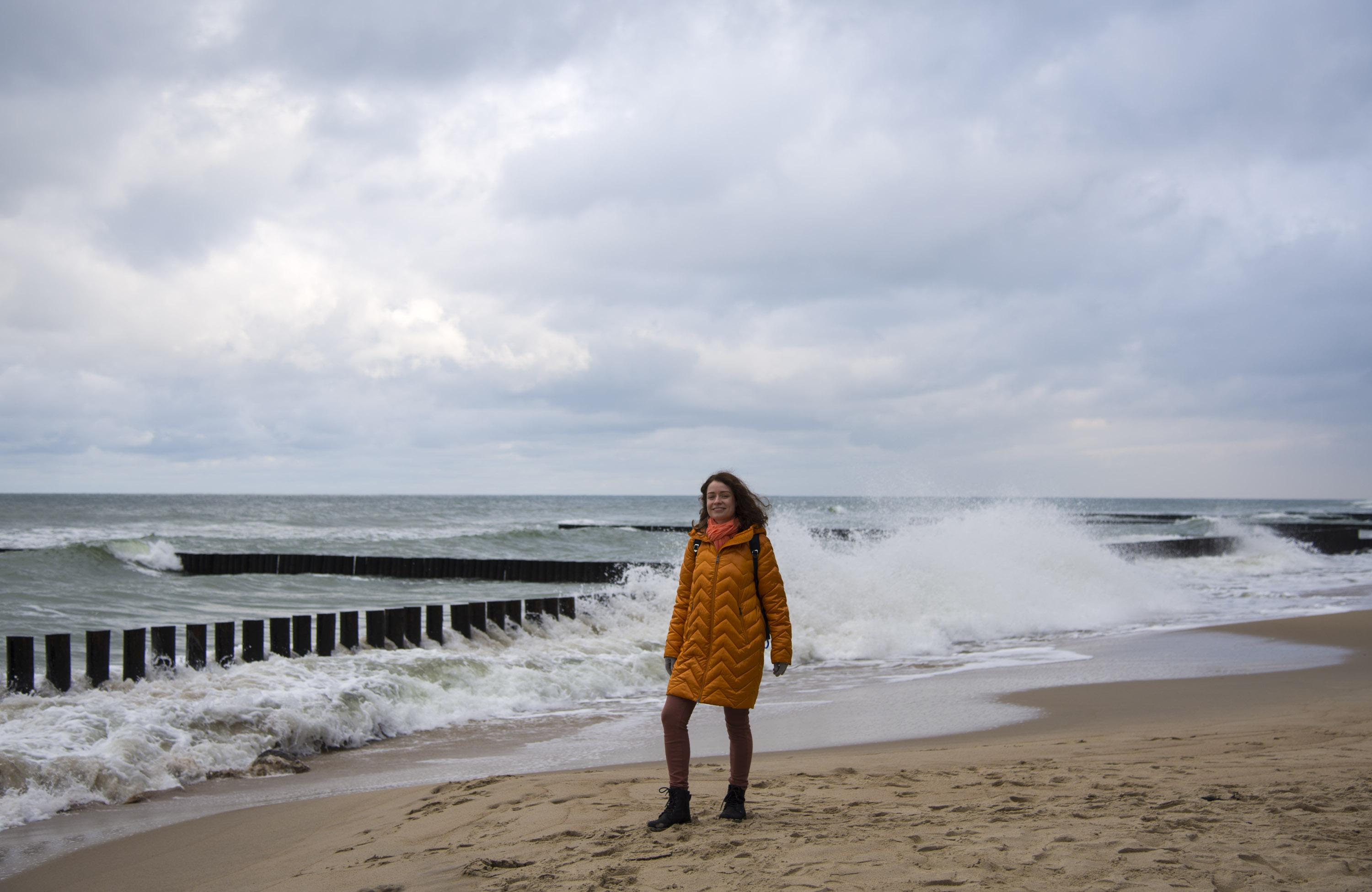
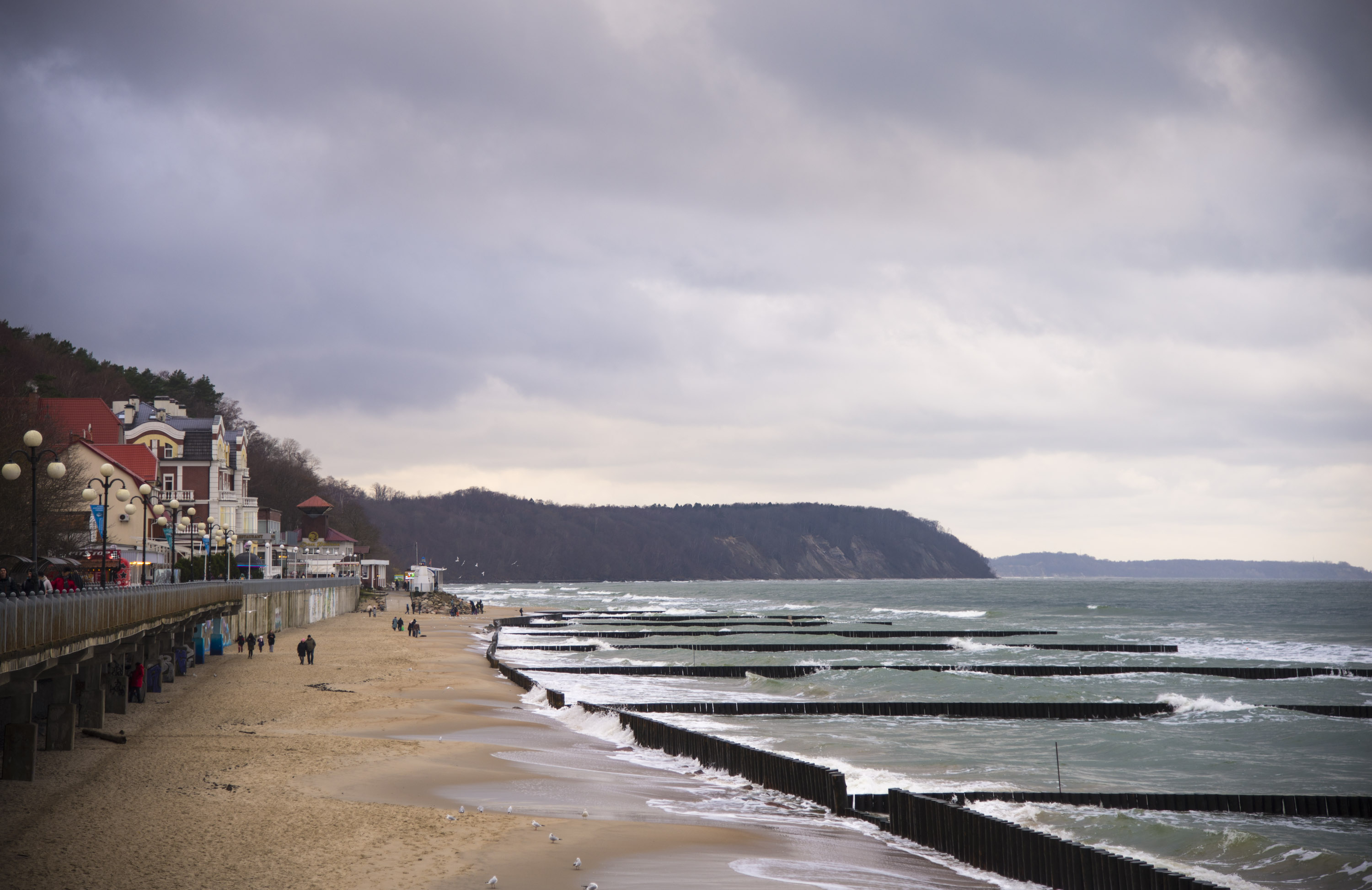
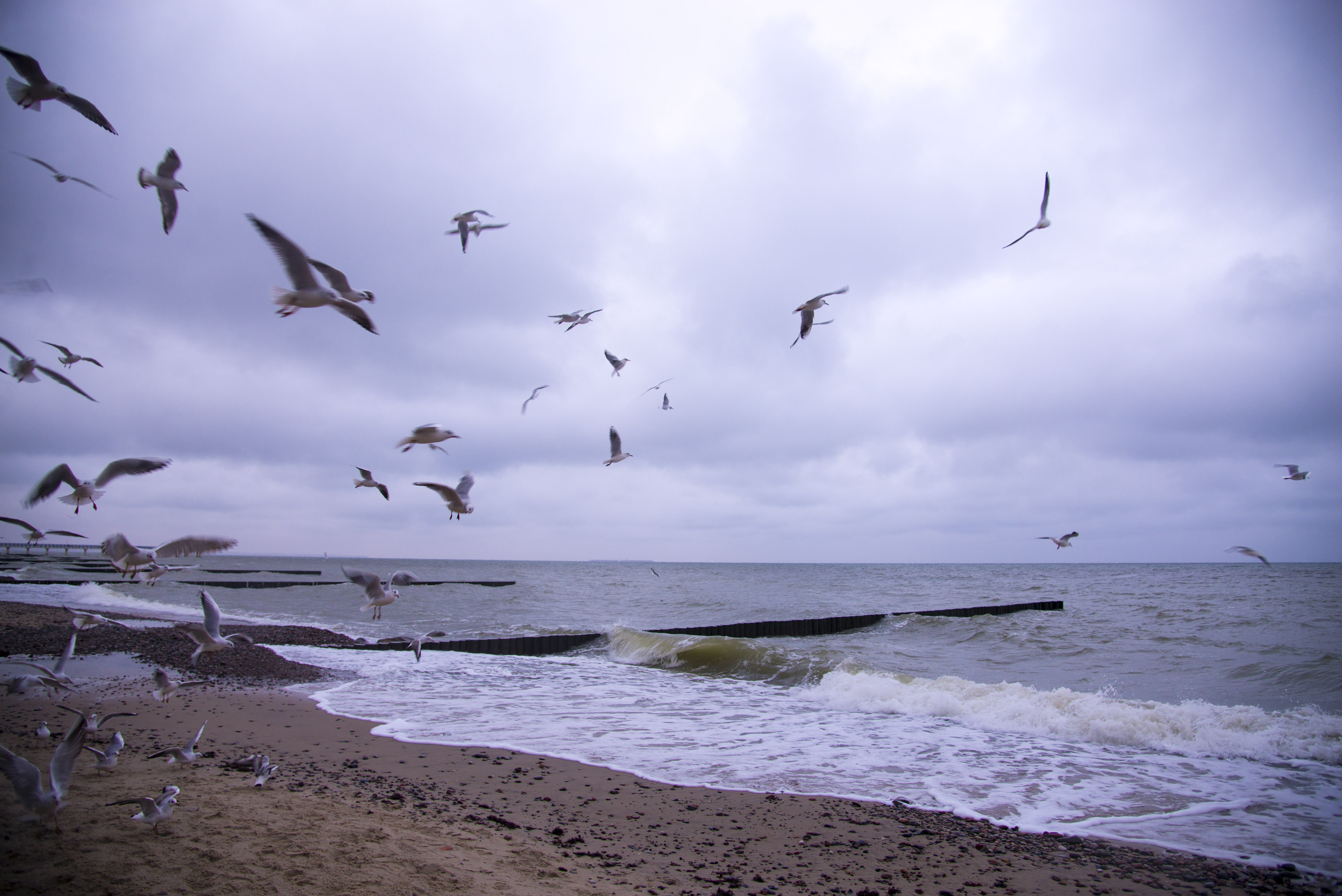
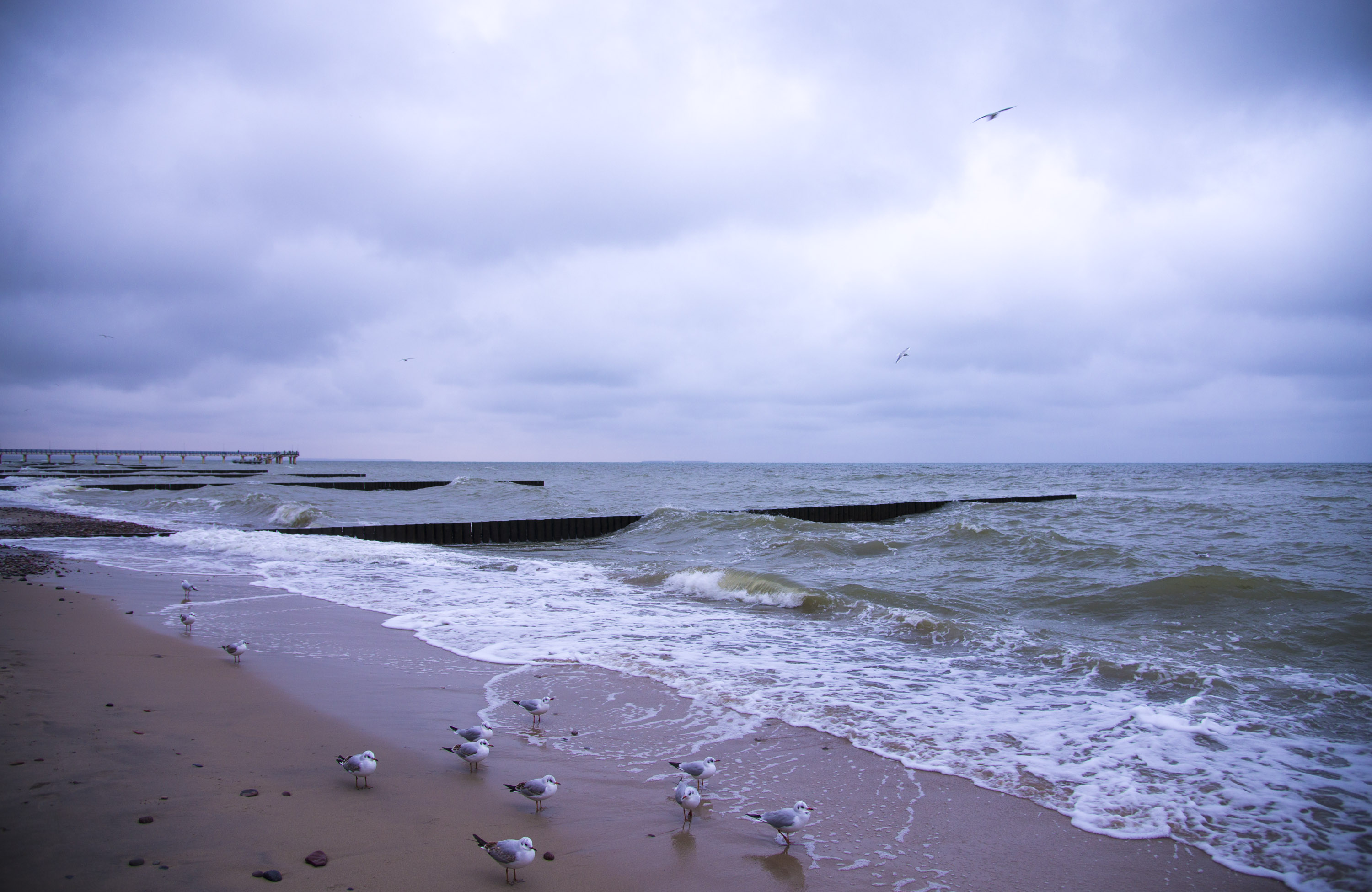
Baltic sea

Svetlogorsk museum of history and regional studies “The wheel of history”

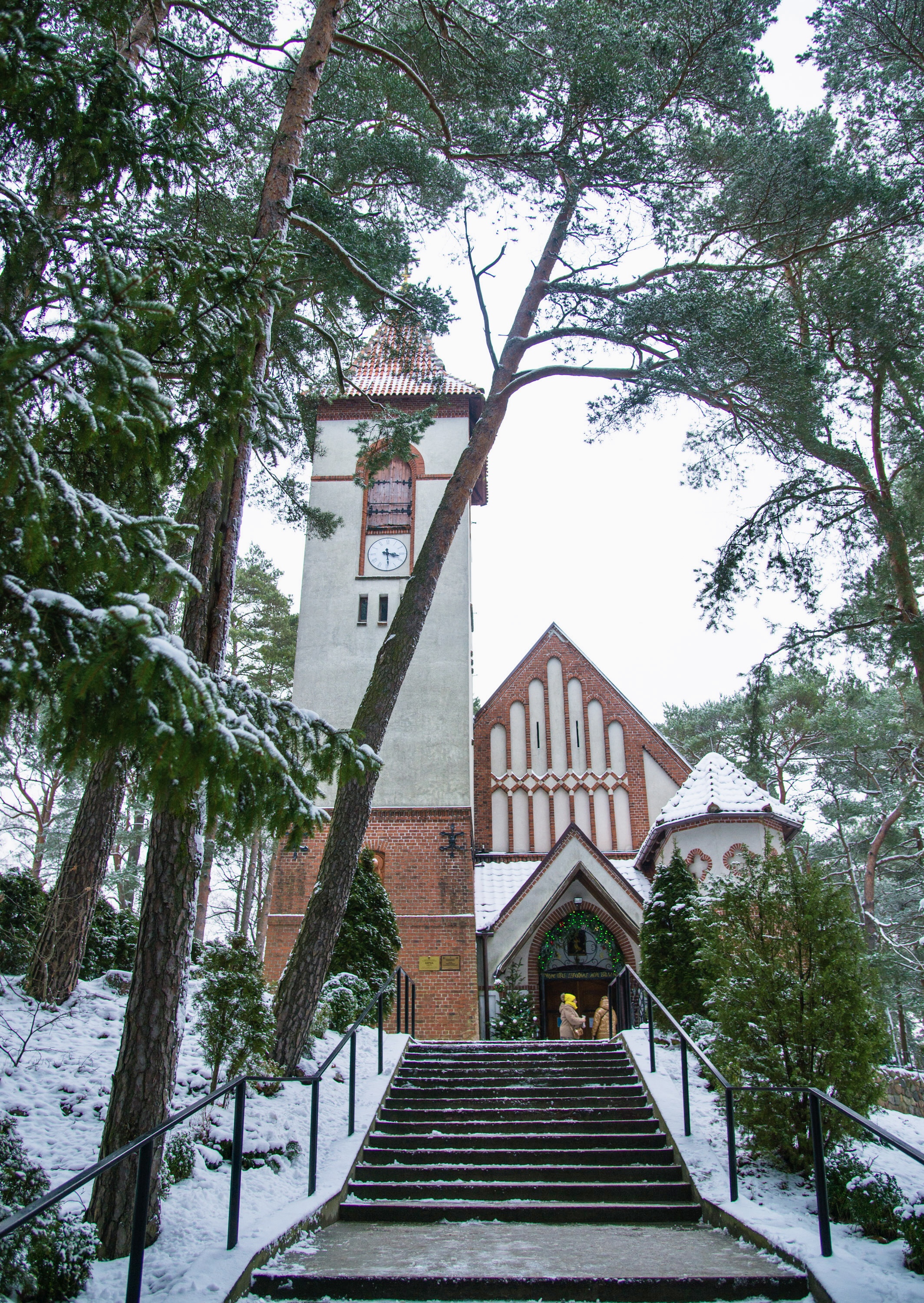
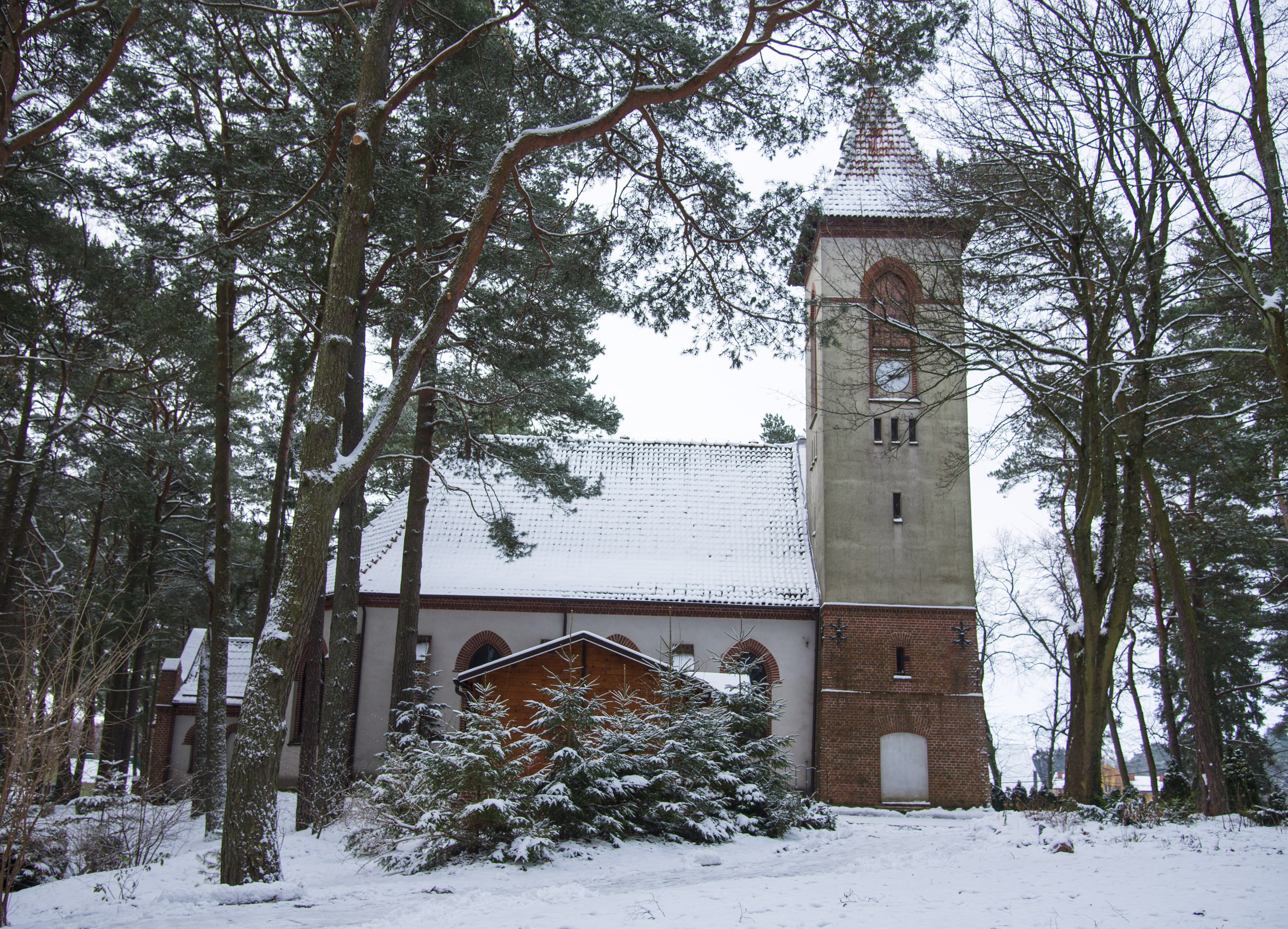
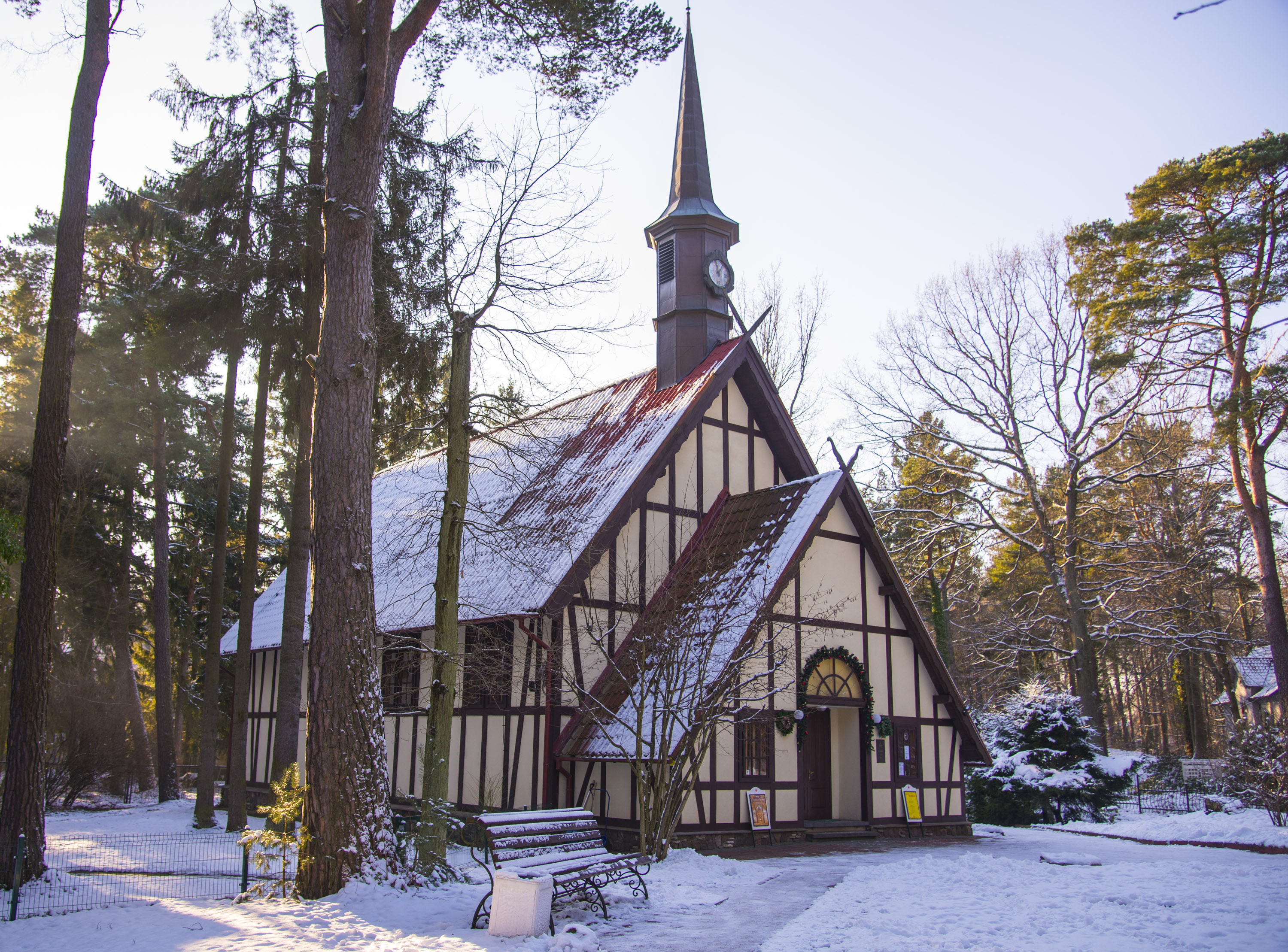
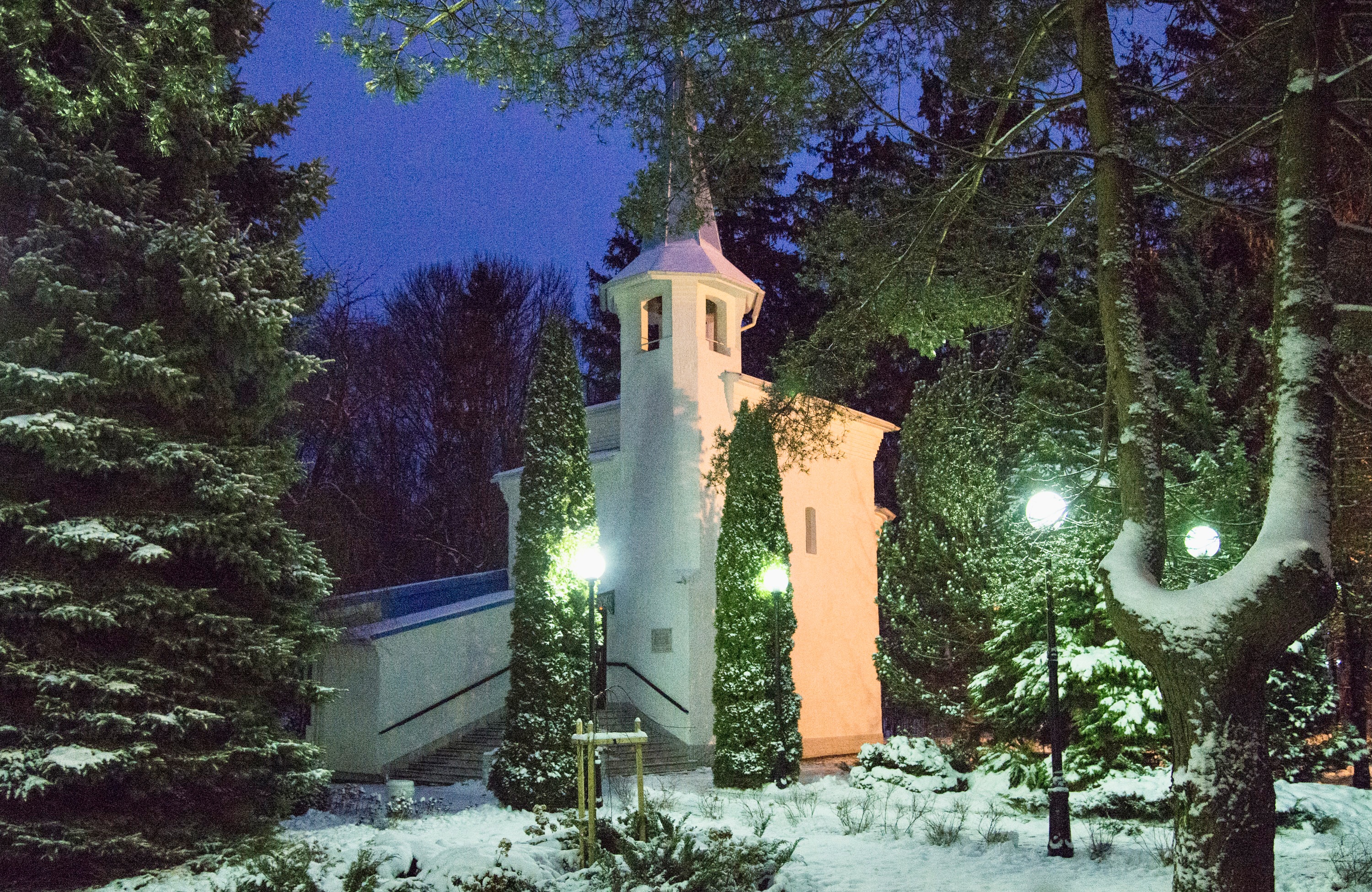
Church of St. Seraphim of Sarov

The Orthodox Church of St. Seraphim of Sarov in Svetlogorsk, in the time of East Prussia, was a Lutheran Church. The Church was built in 1903 in the Eastern part of Rauschen. It is located on a hill in a small pine park.

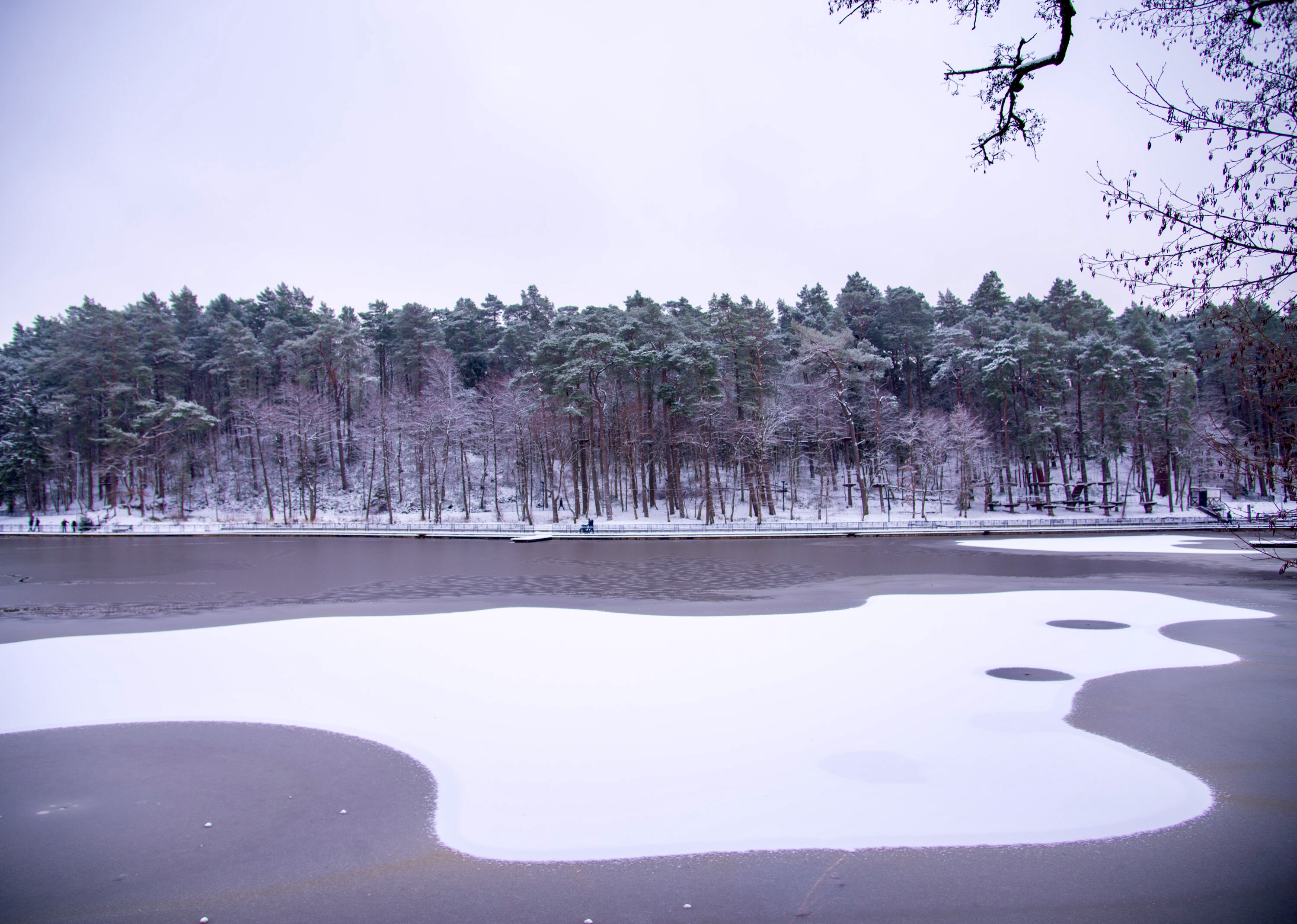
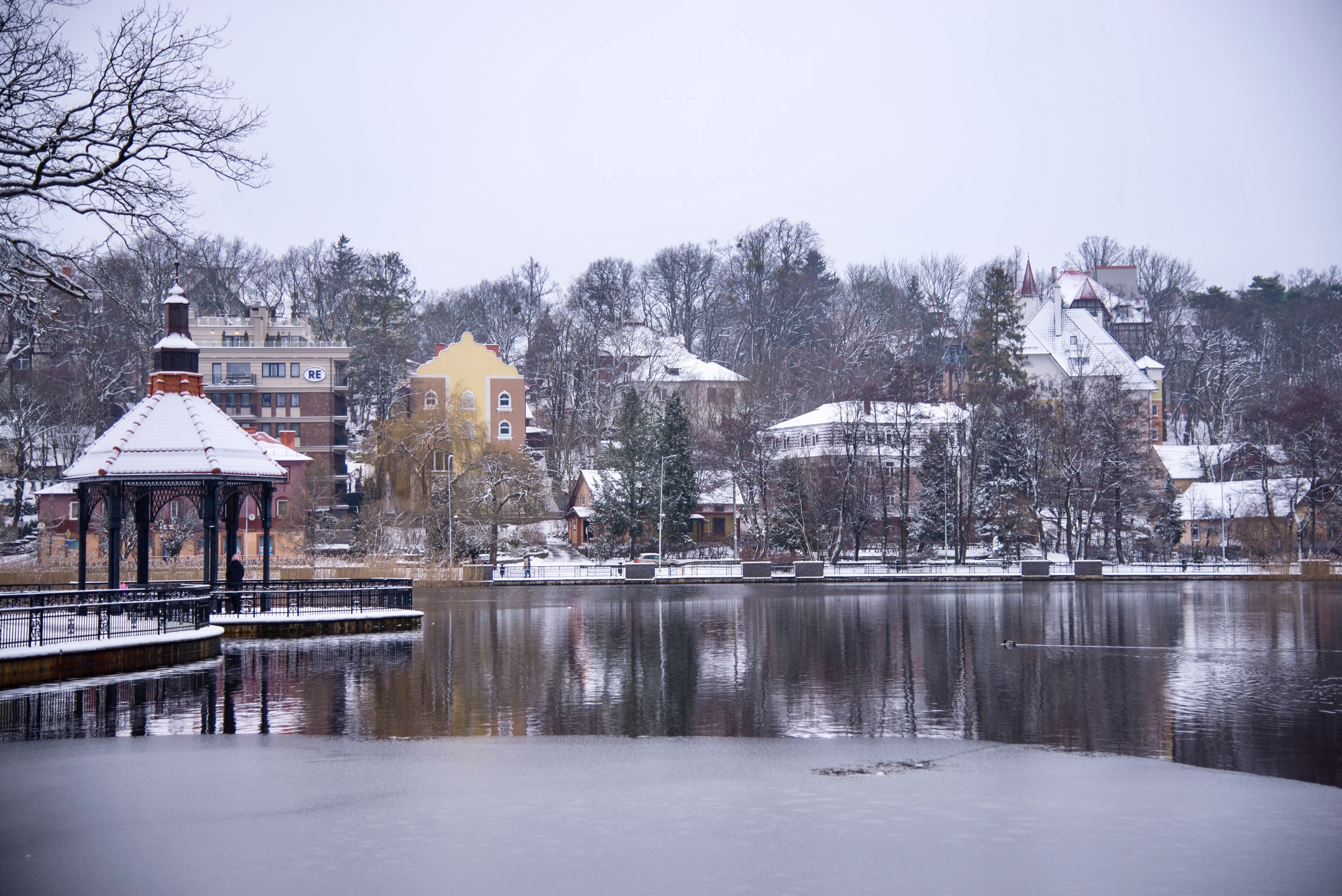
Tikhoe (Silent) lake

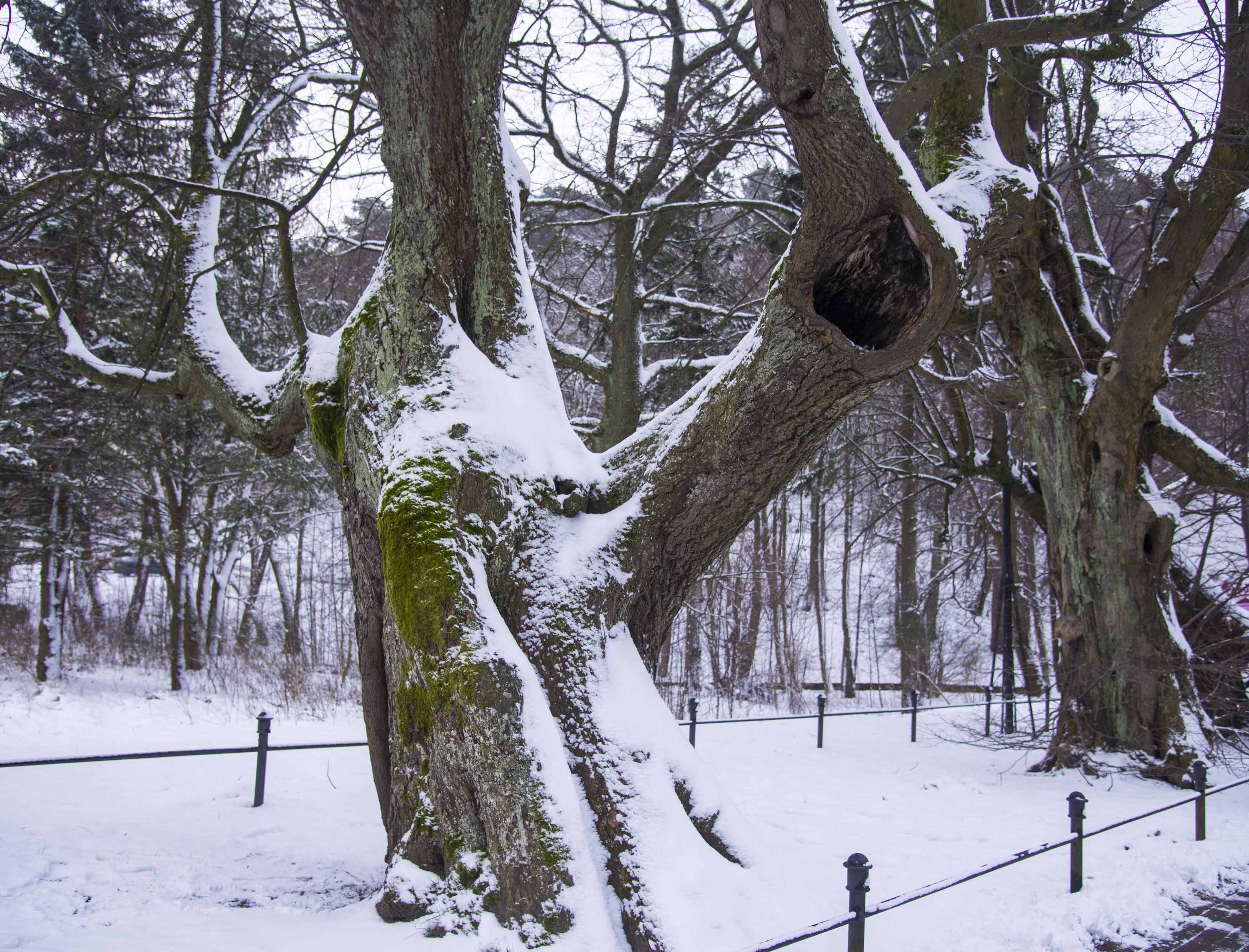
There is a monument of wildlife near the lake – a linden tree whose age is more than 450 years (the information about this long-lived tree is listed in the Guinness Book of Records).

Makarov Organ Hall

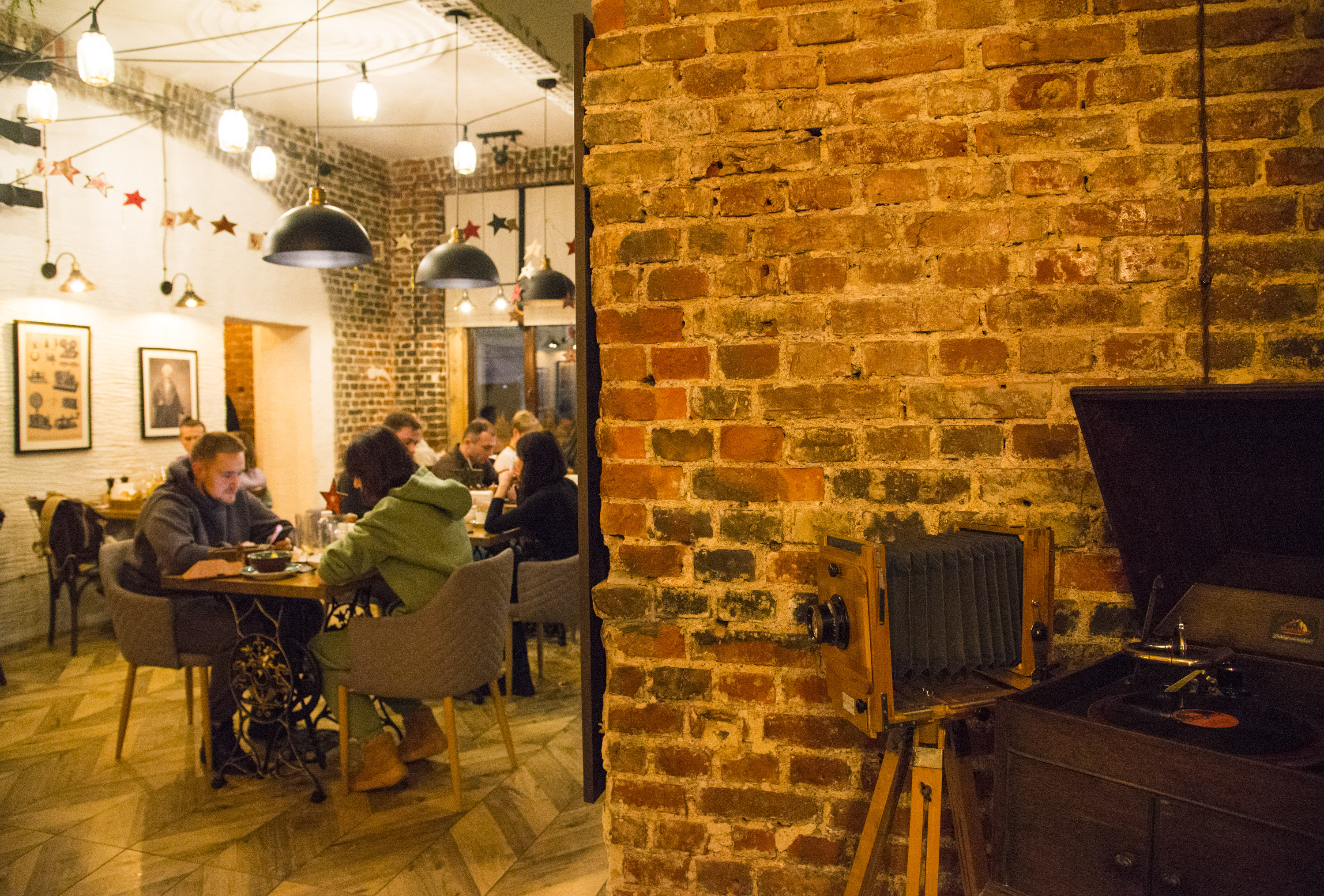
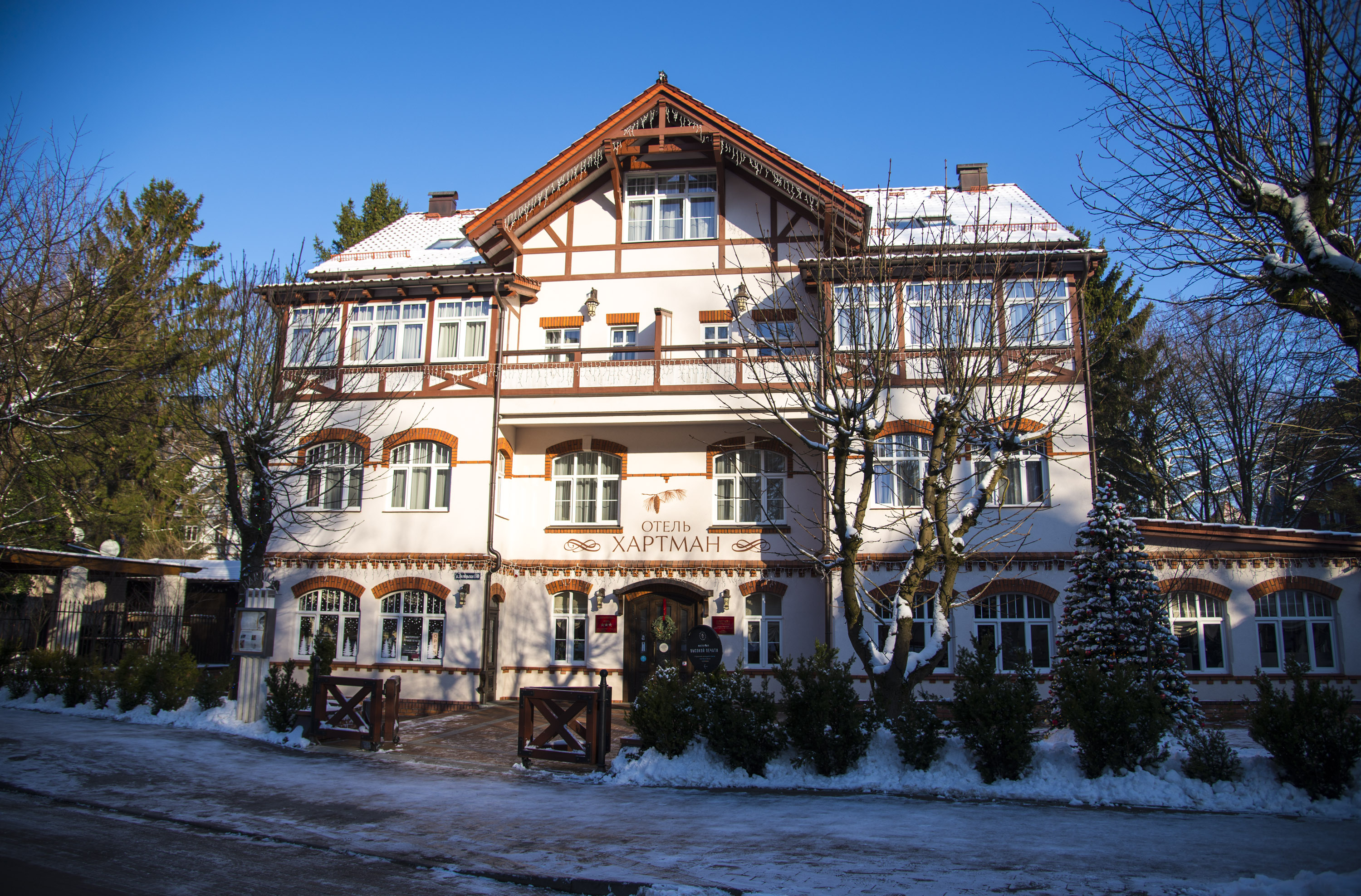
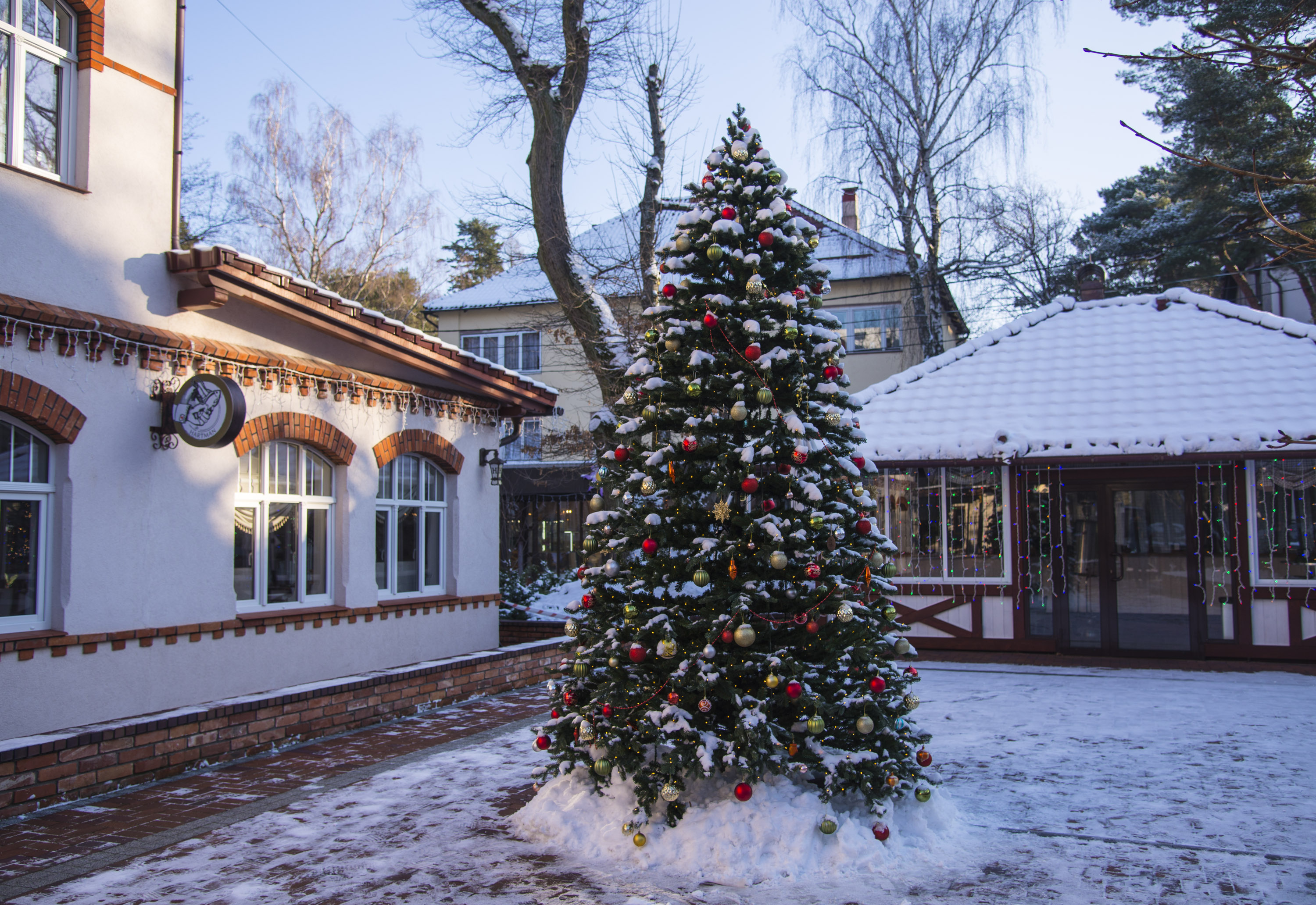
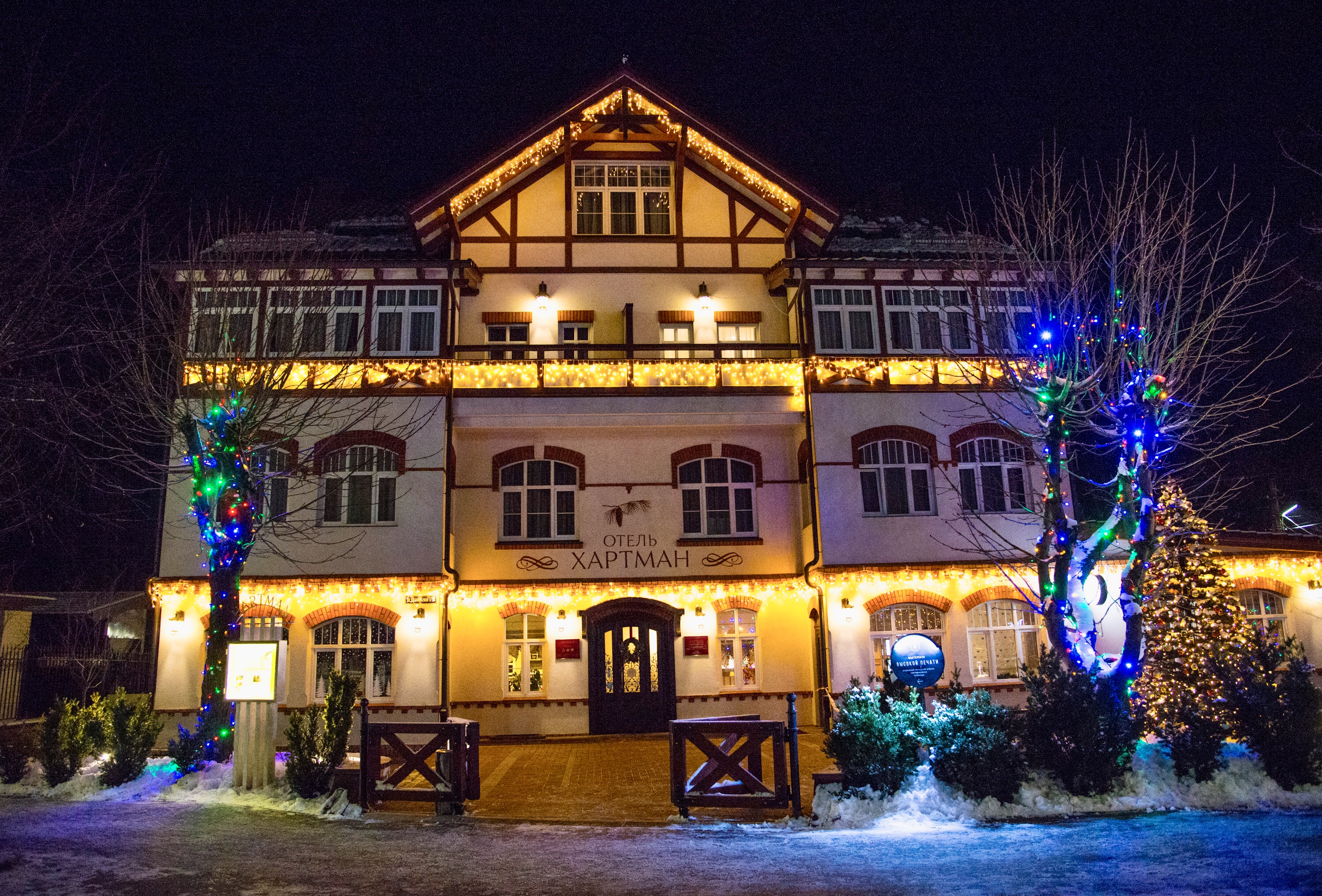
Hartman hotel (build in 1910) and studio with an antique German printing press

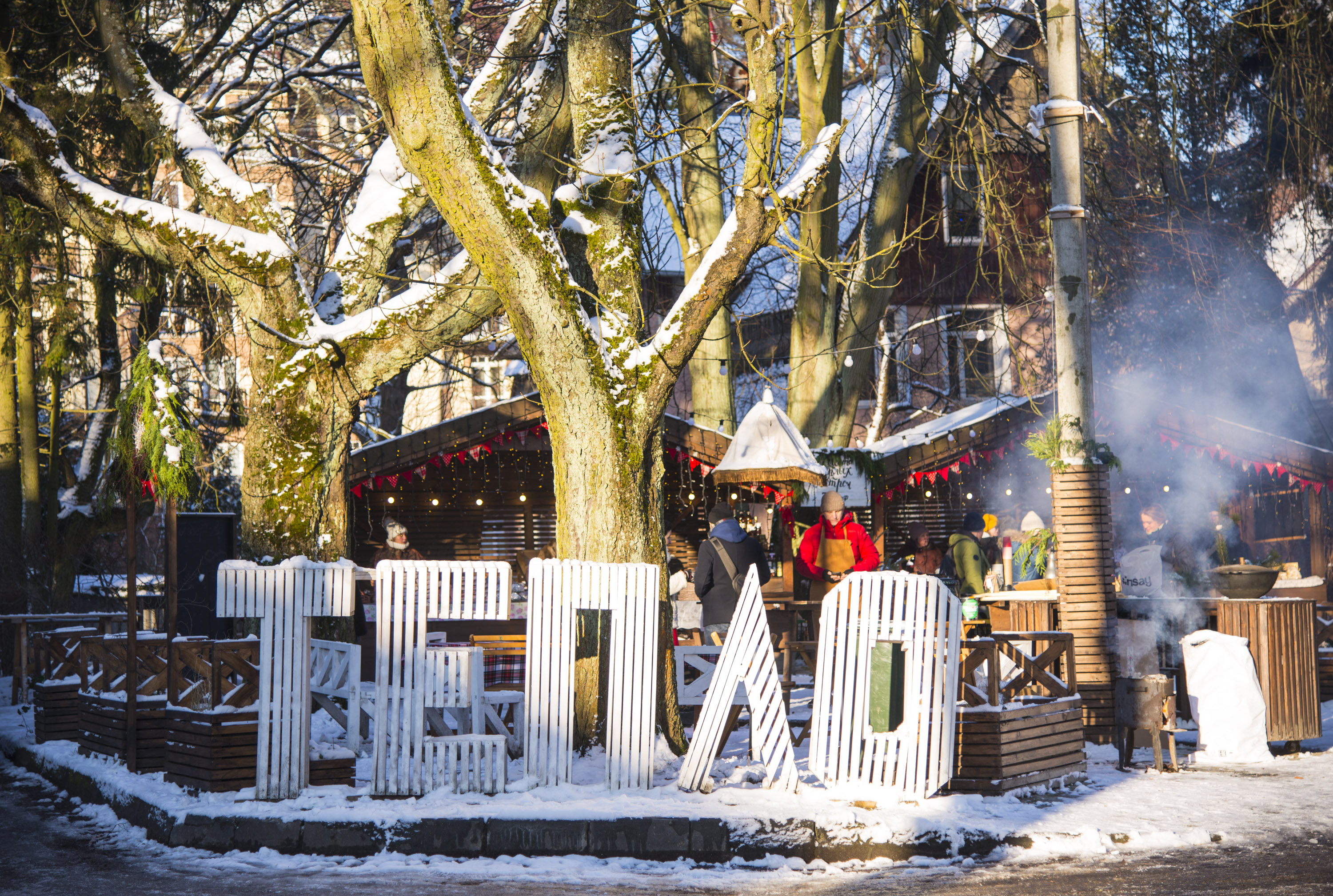
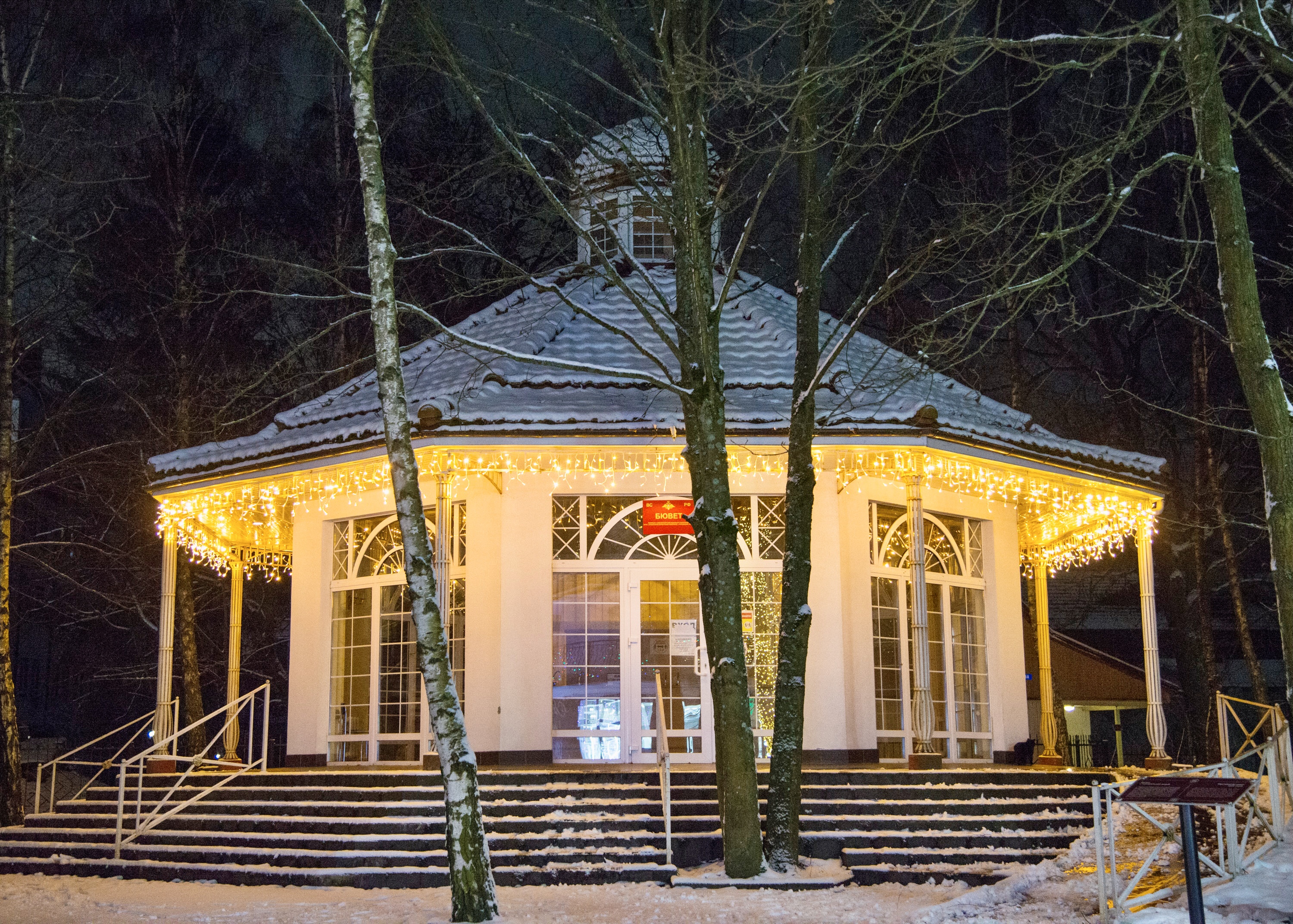
Cultural space Telegraph and Sunday Christmas market

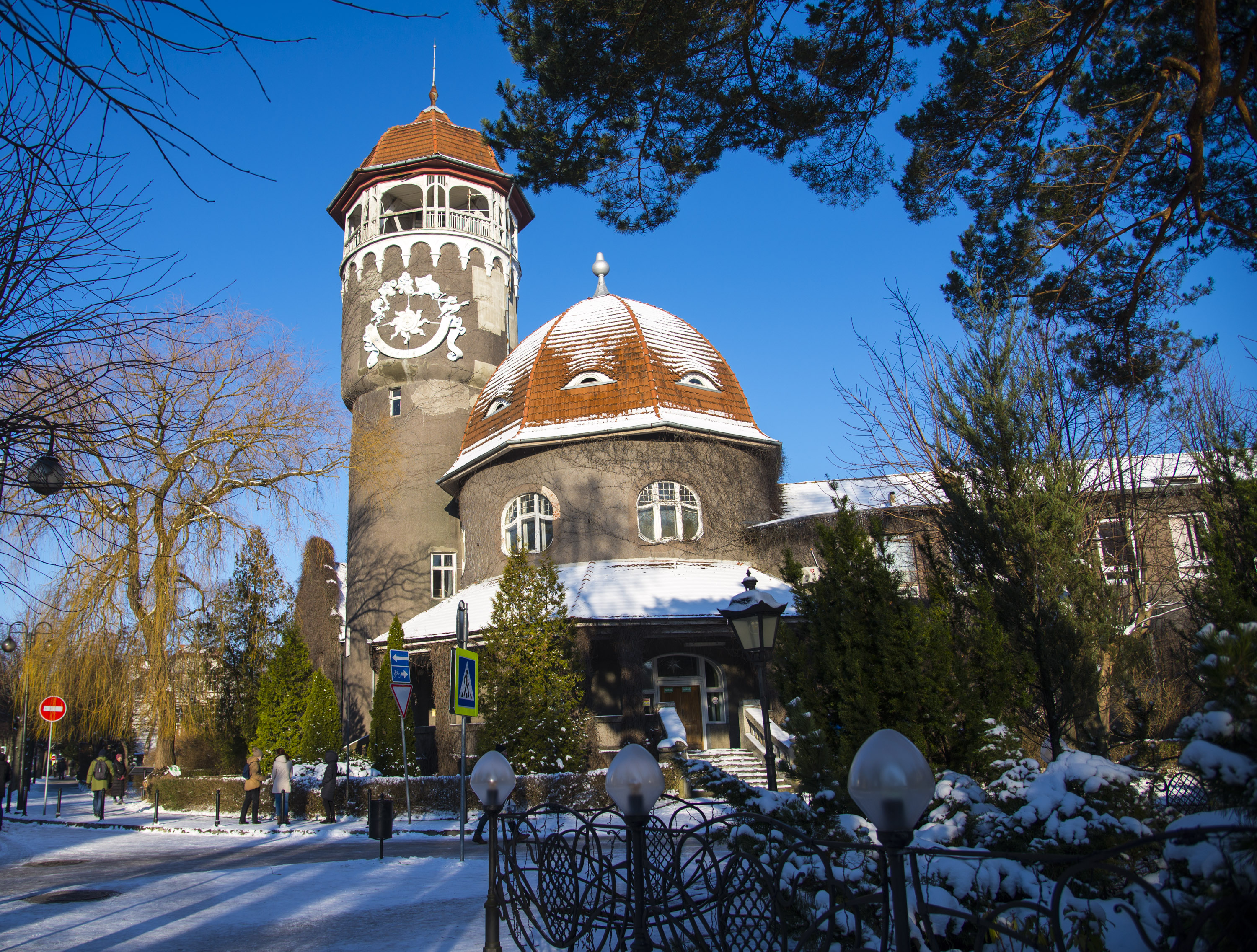
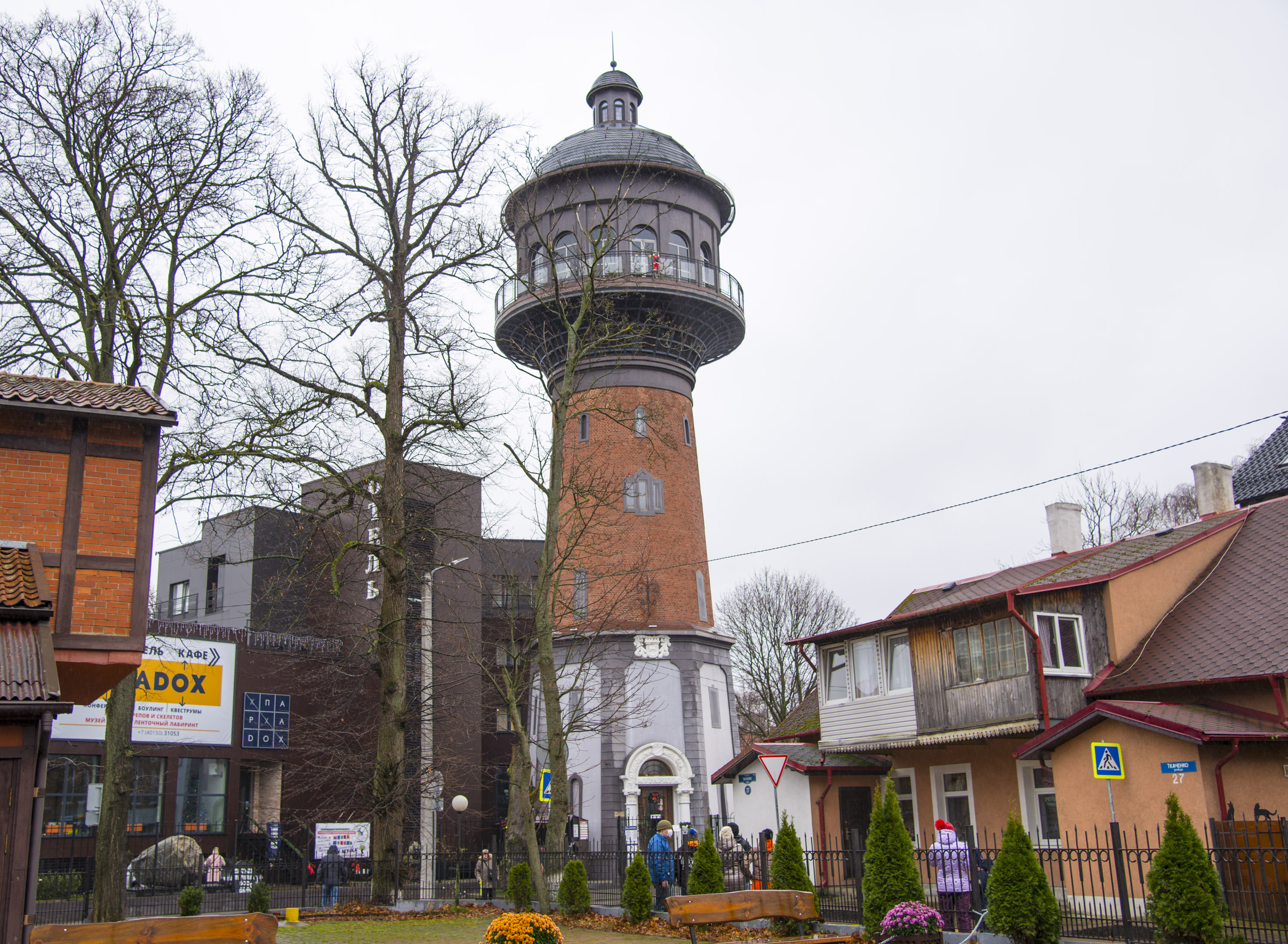
Water tower

The Water tower was built in 1907-1908 in Rauschen. The 25-meter building was designed in the German national romanticism style. Now this is a symbol of Svetlogorsk.

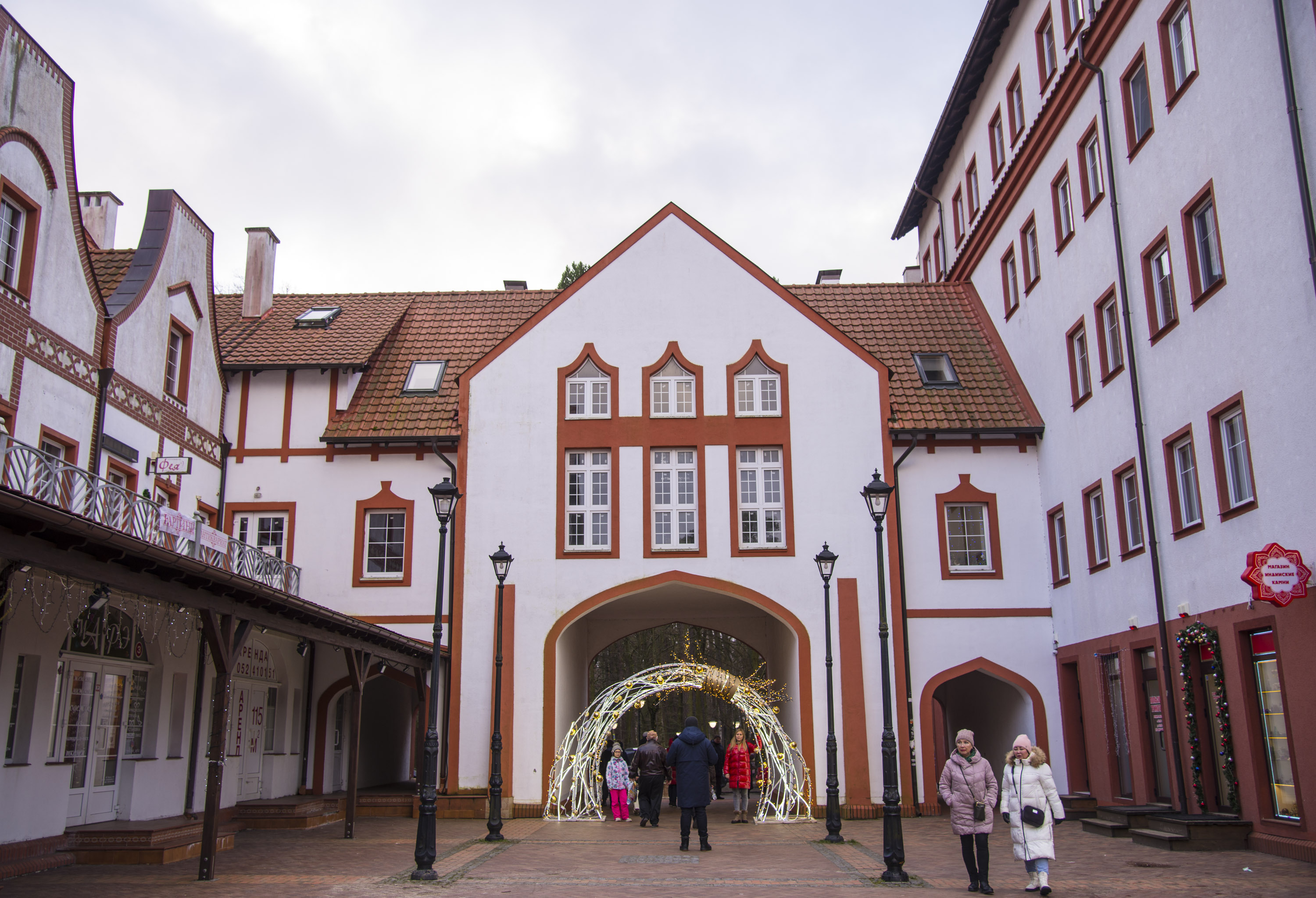
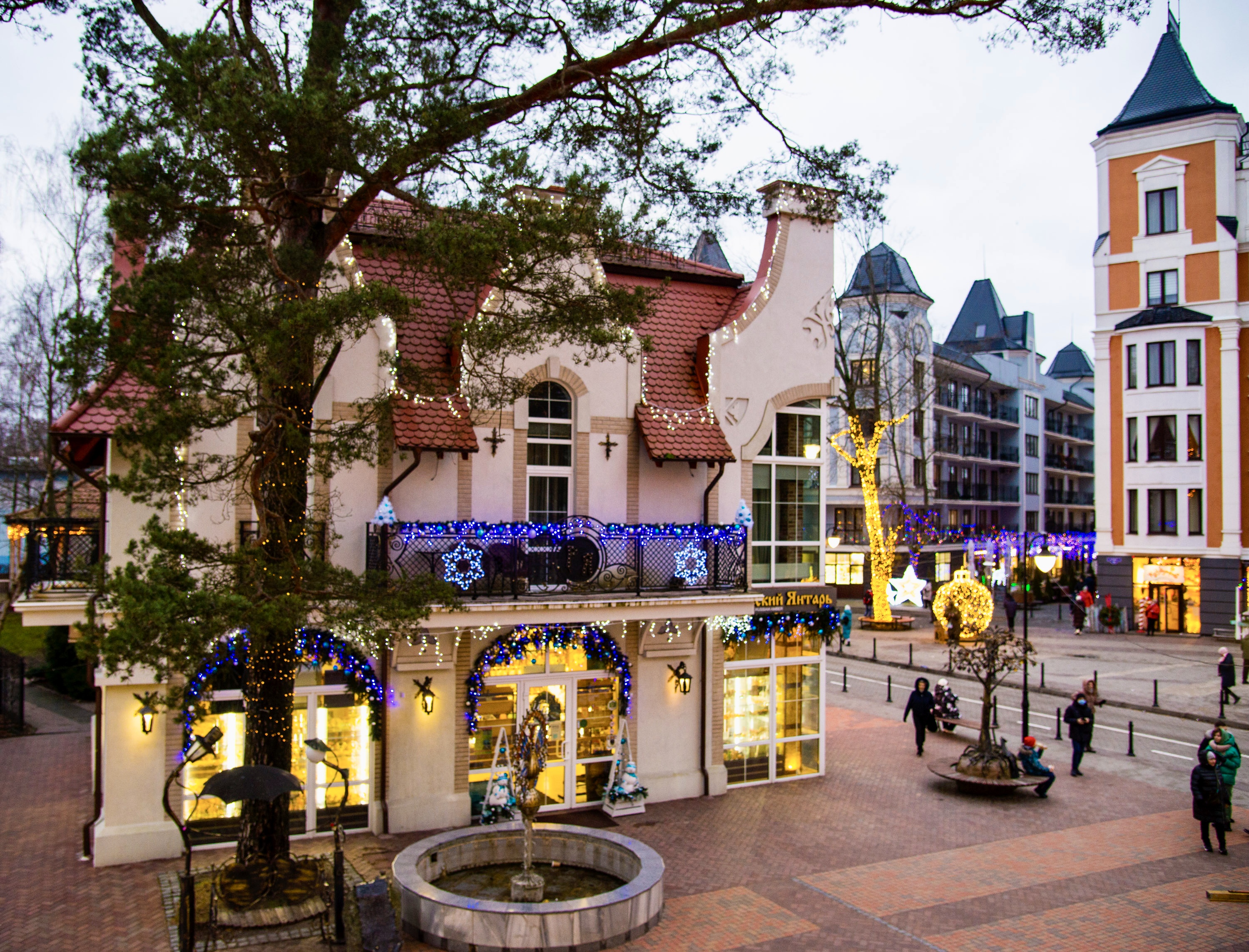
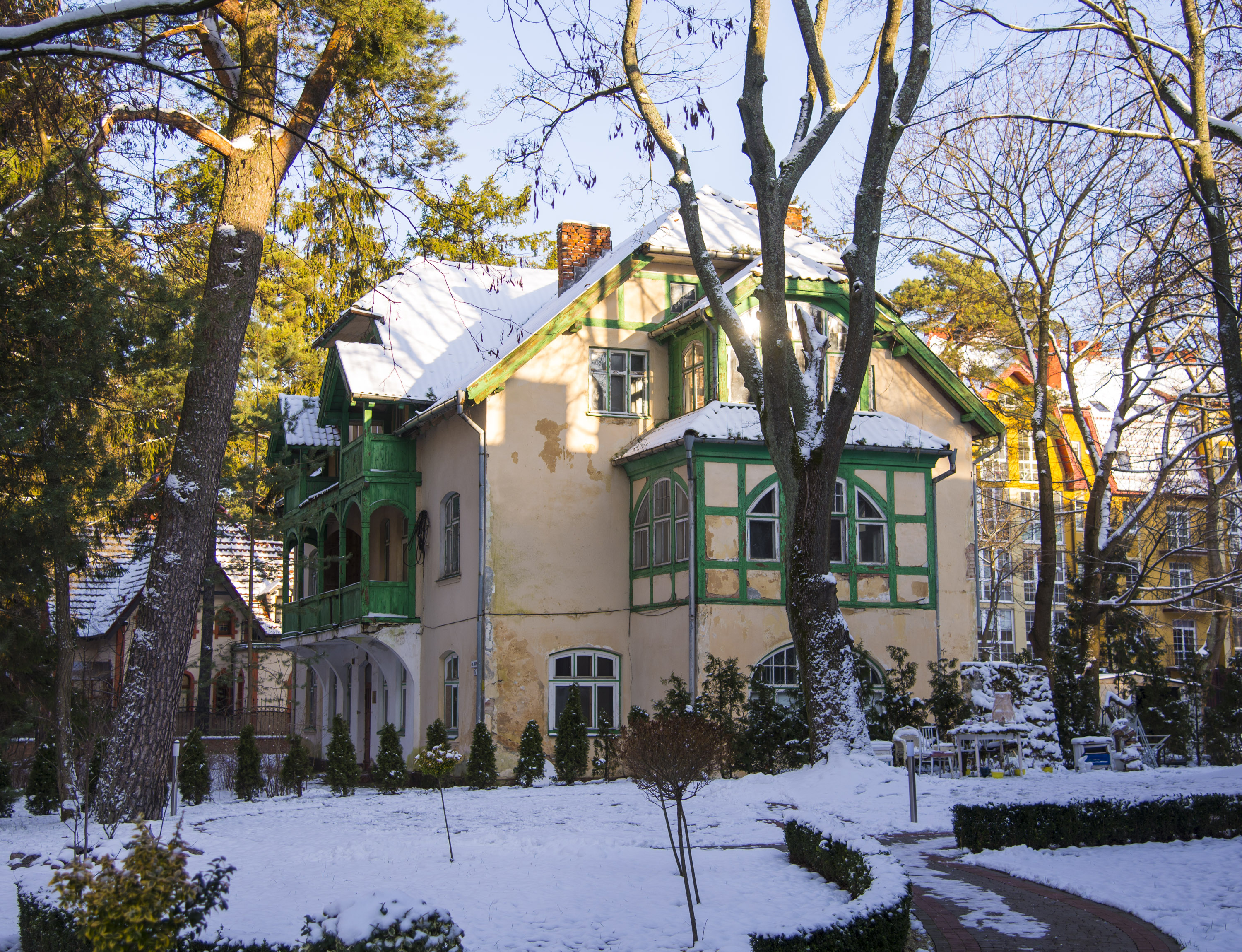
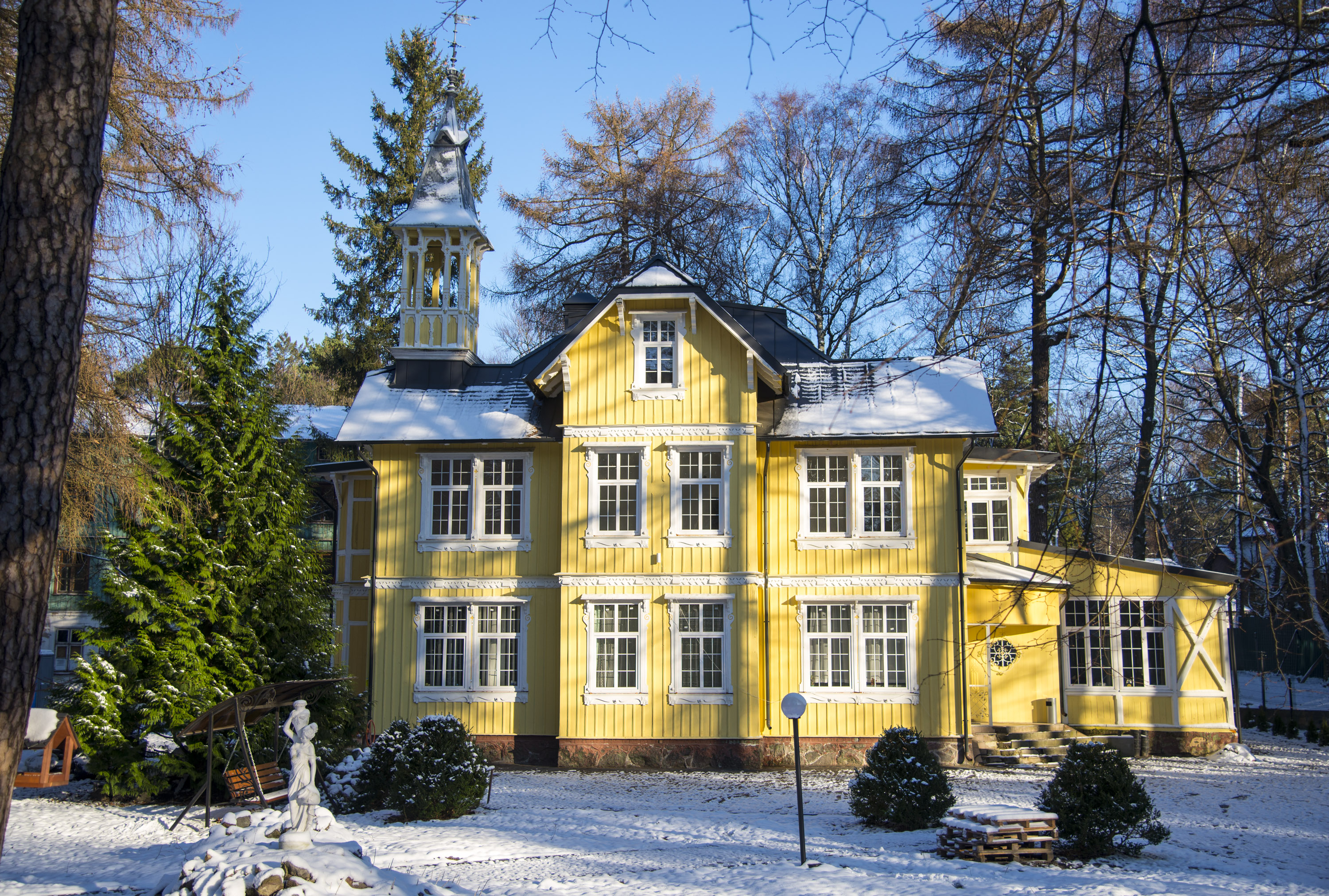
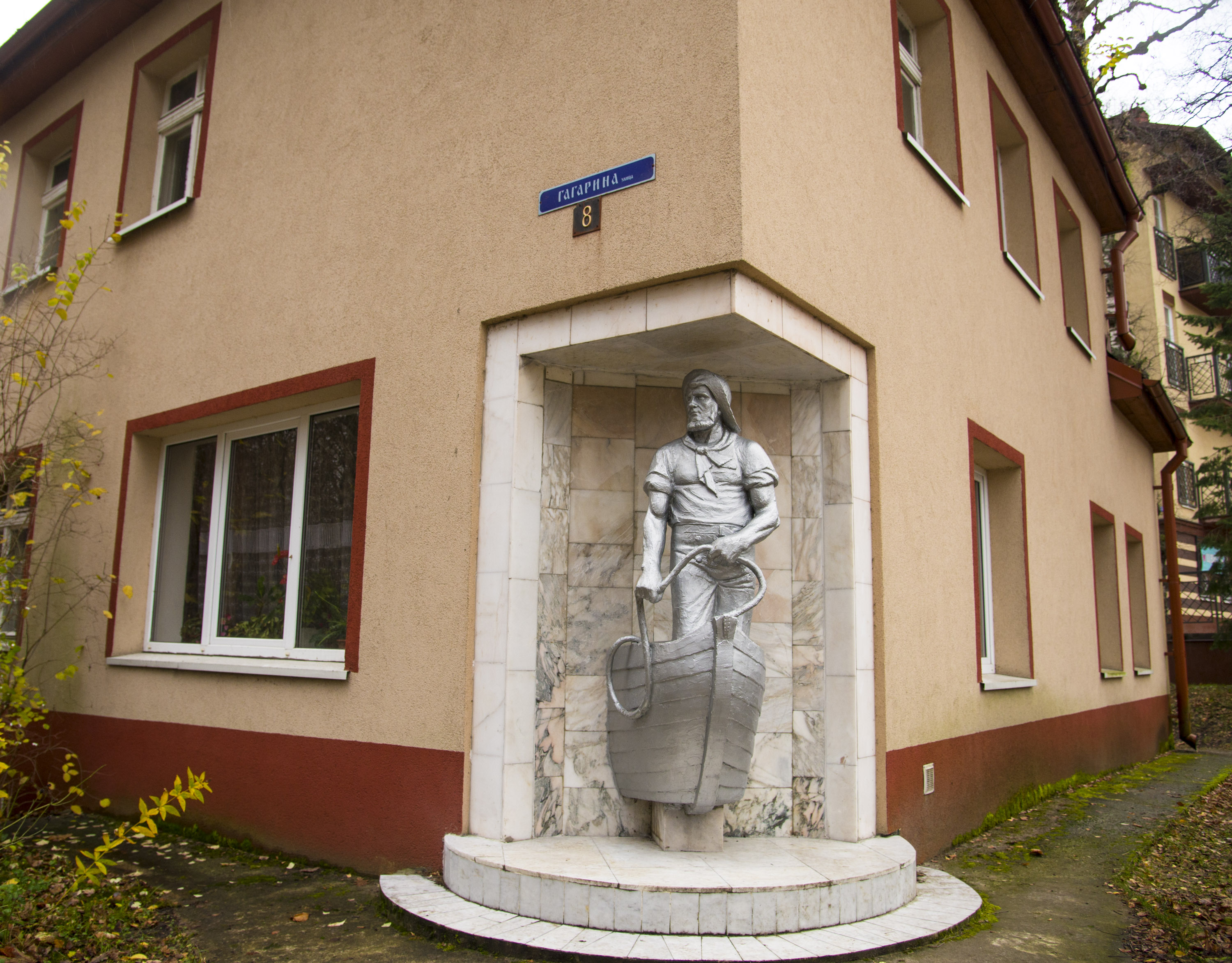
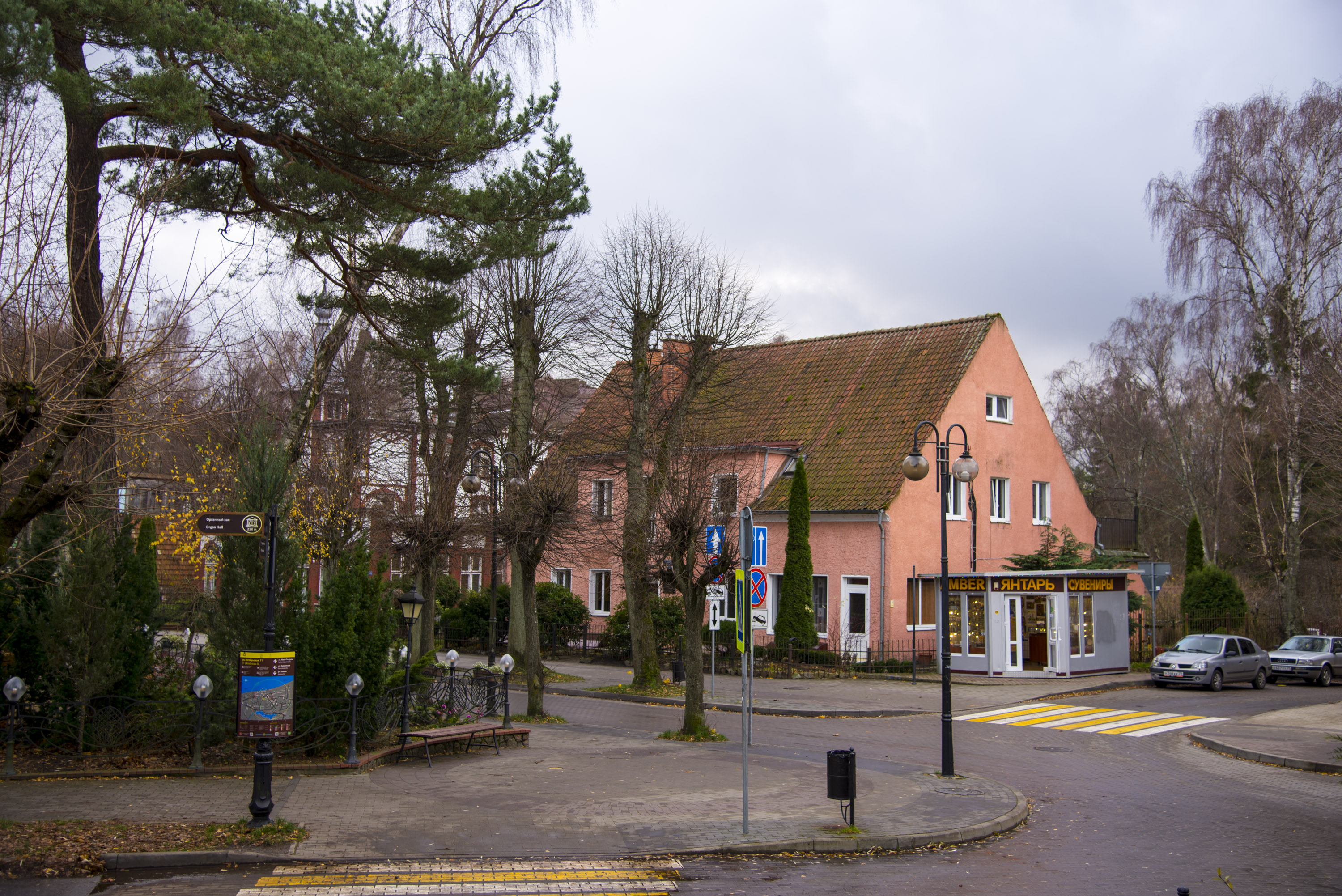
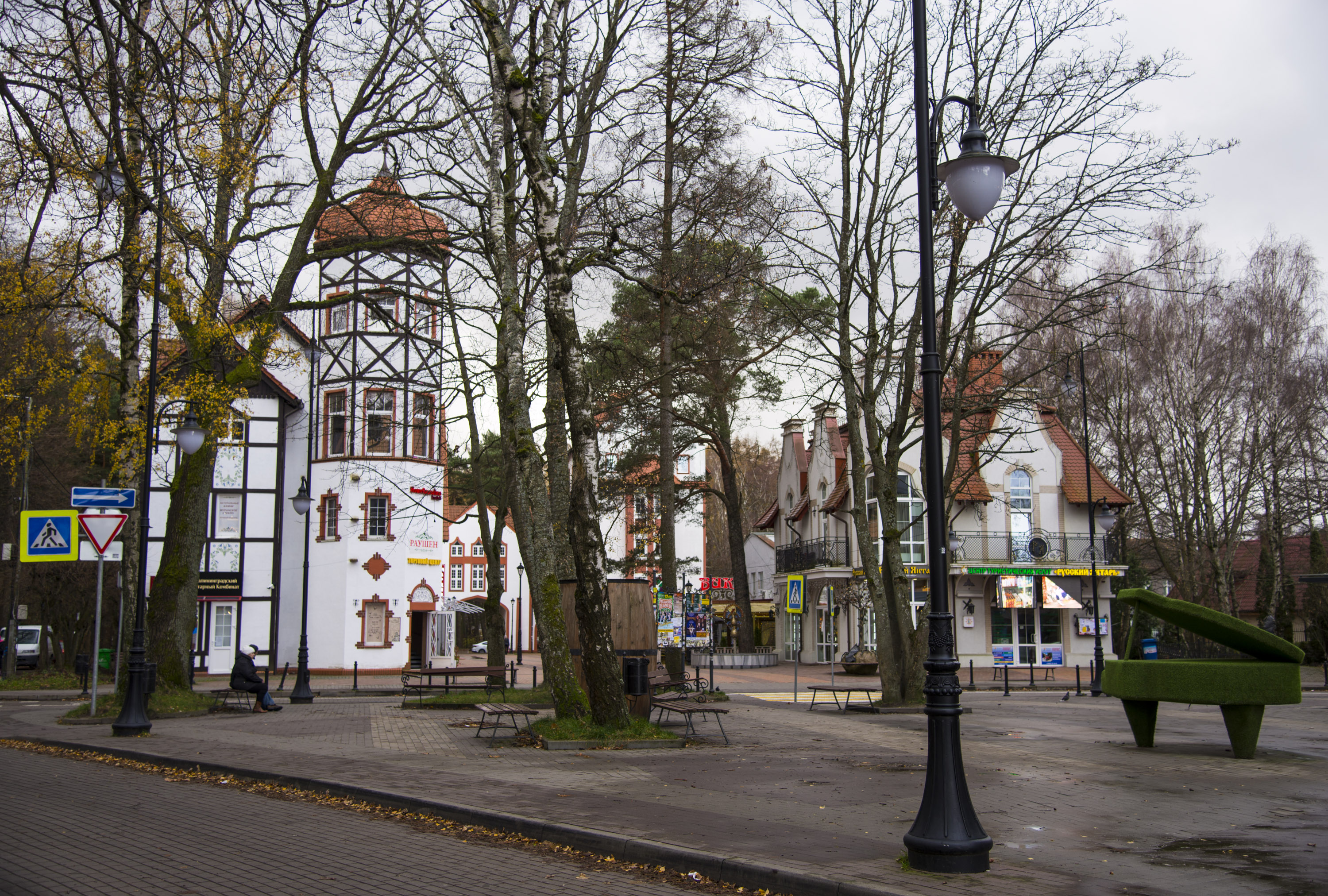
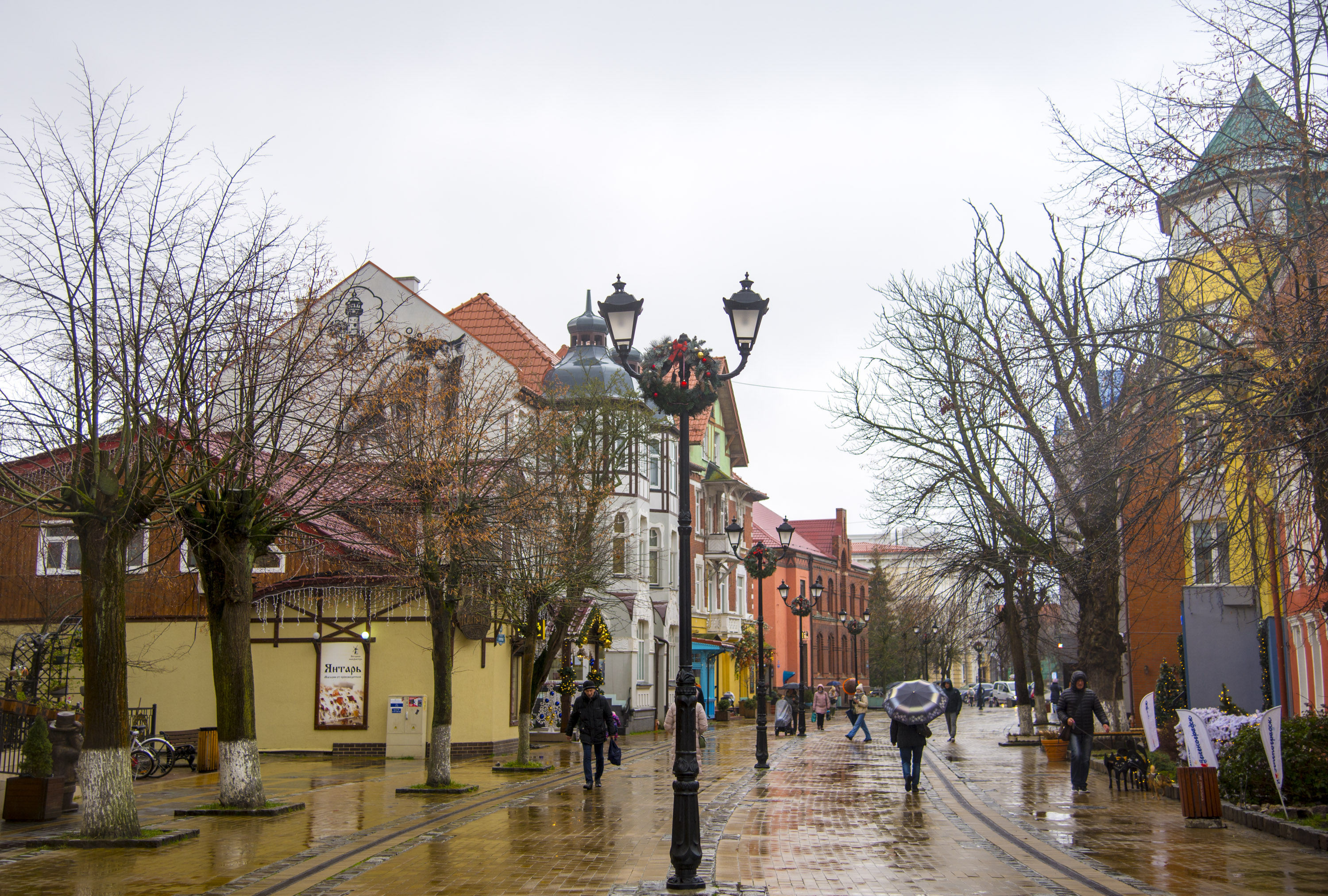
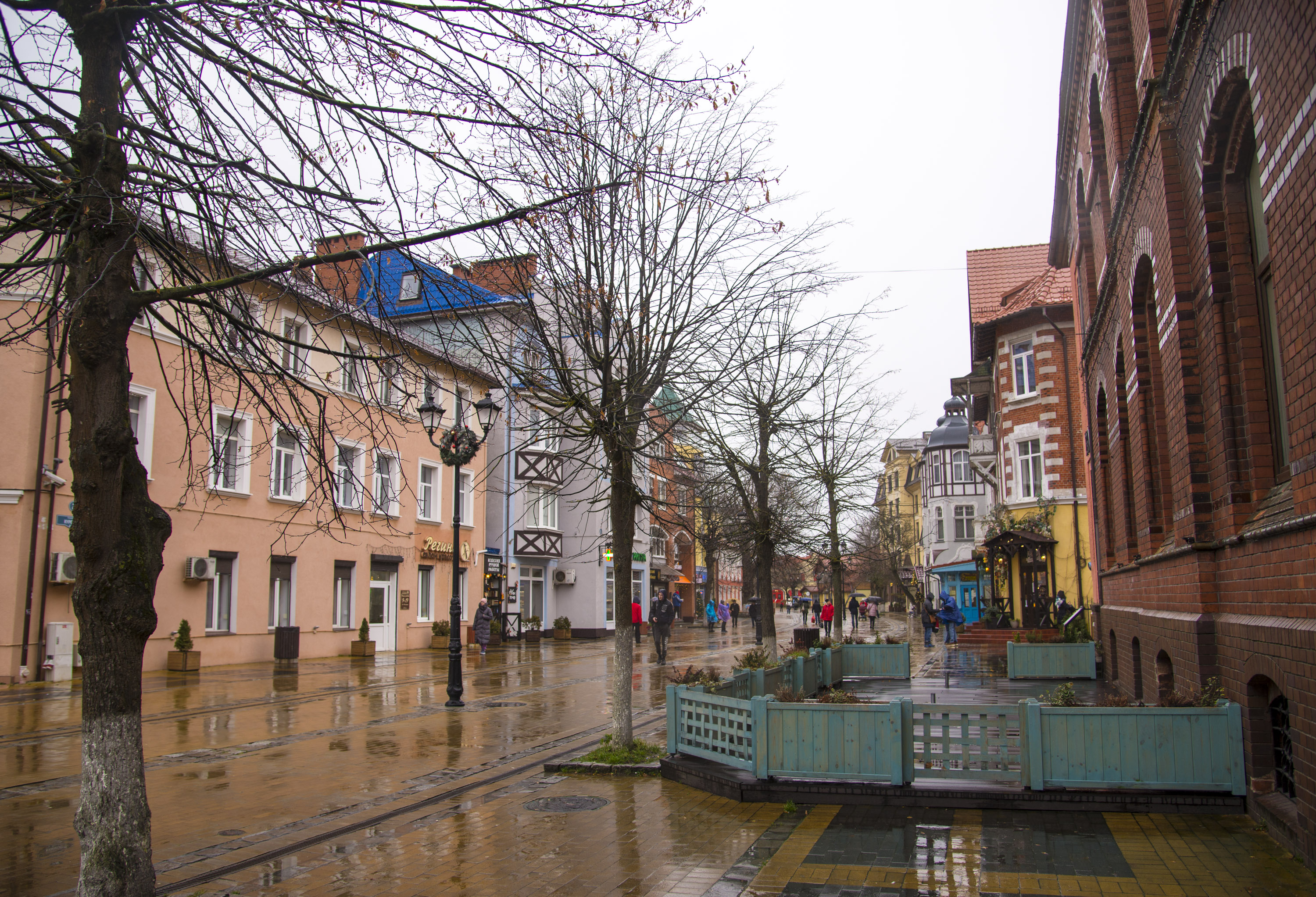
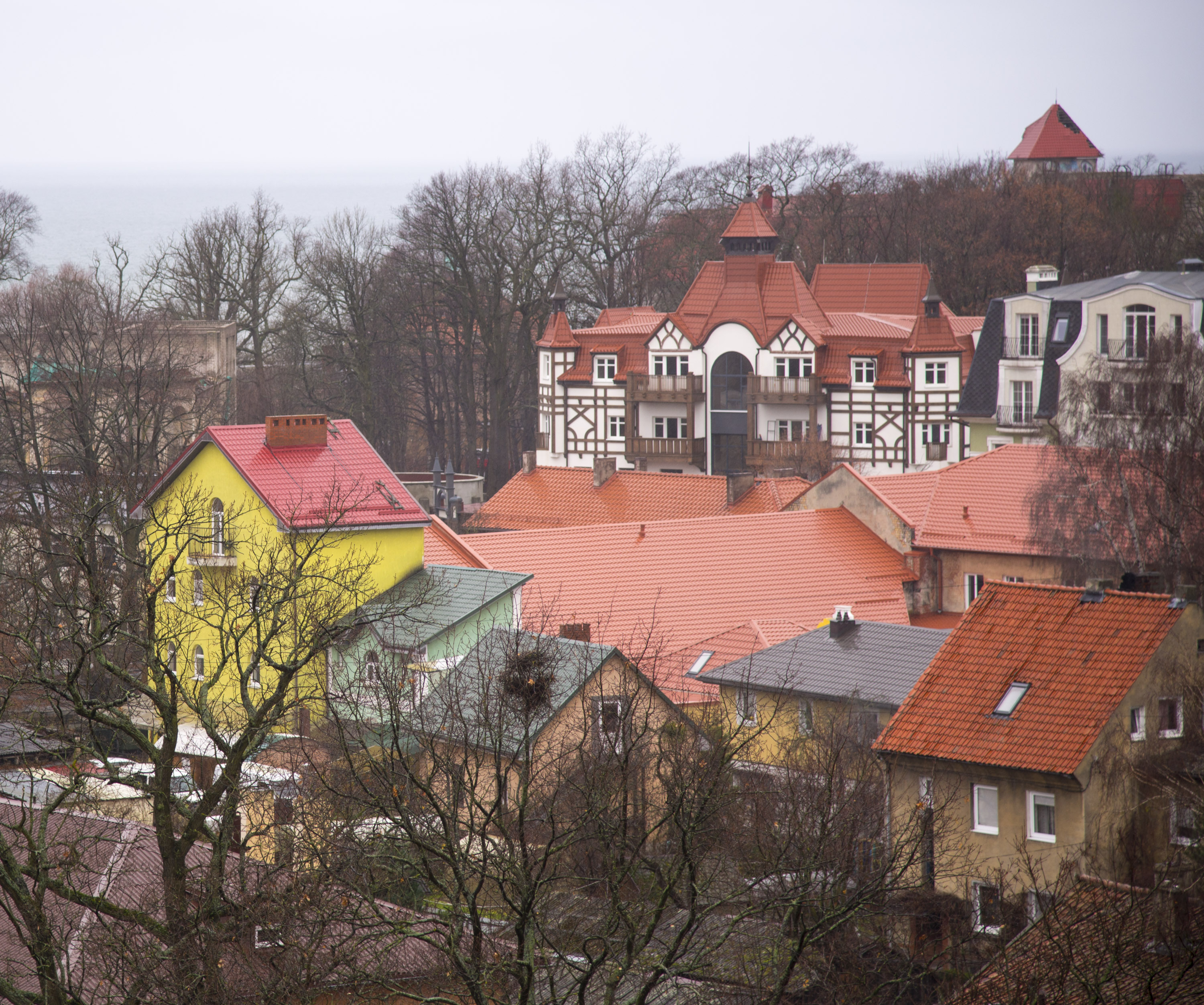
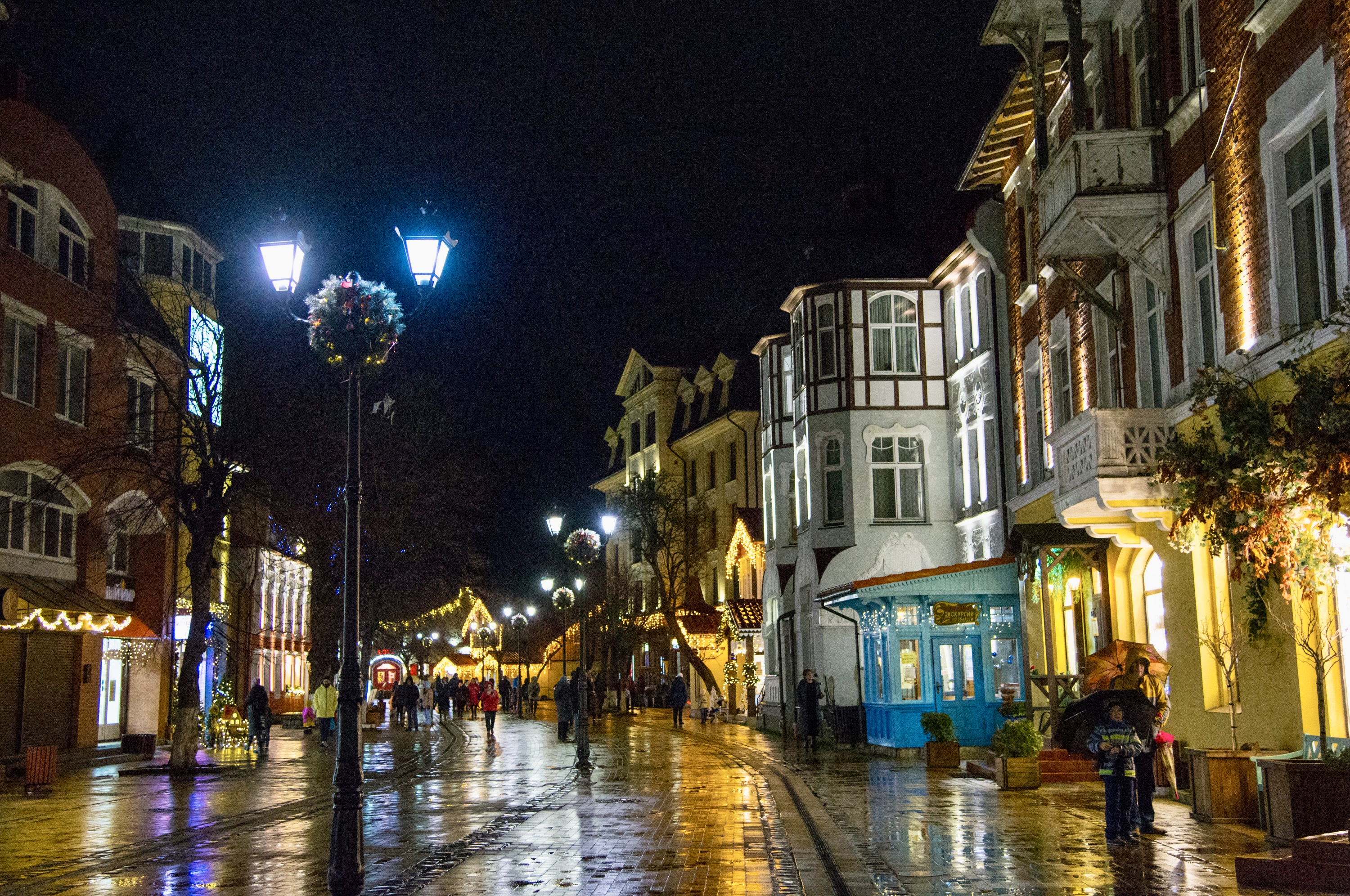
Magnificent streets of Svetlogorsk

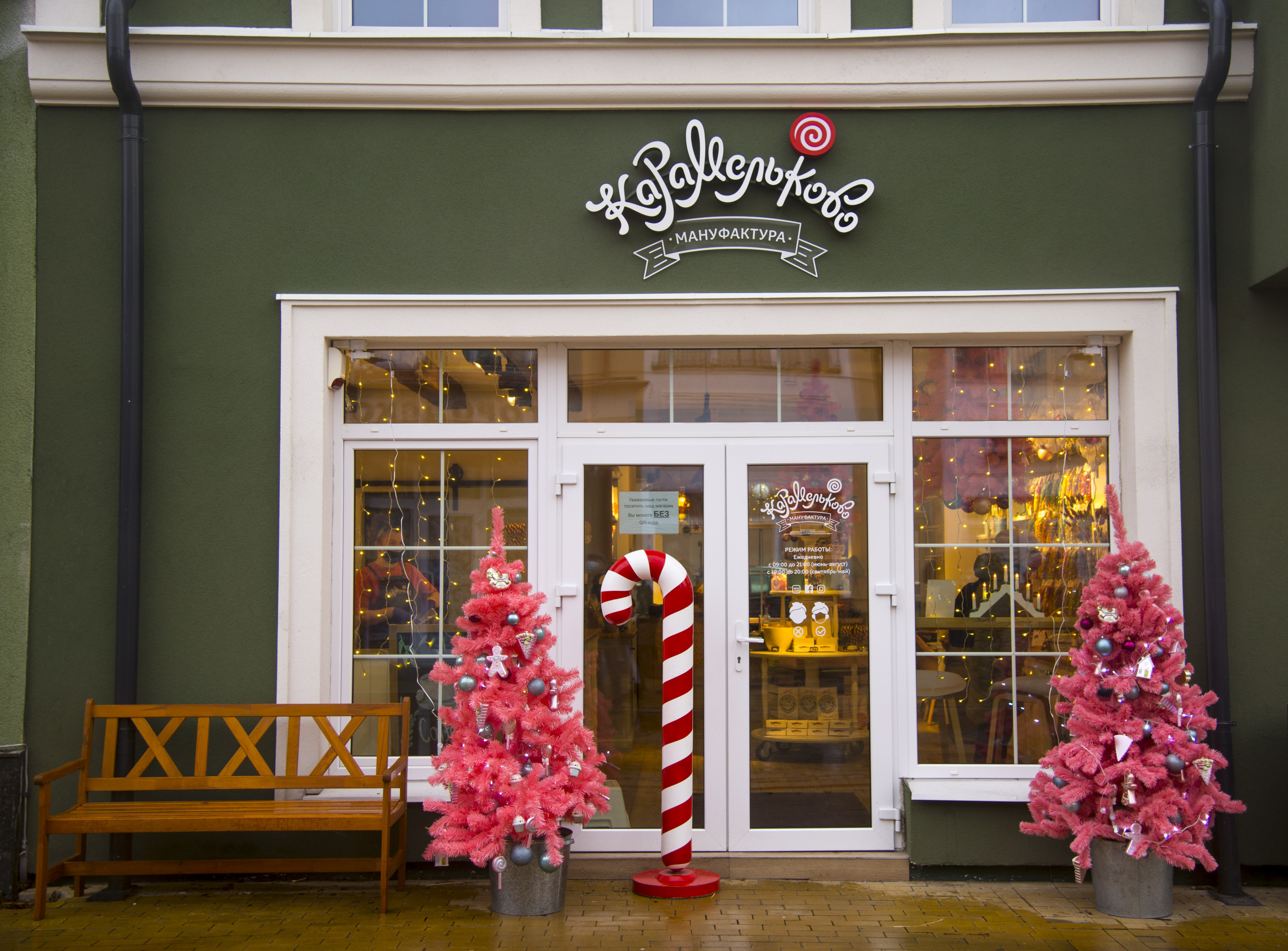
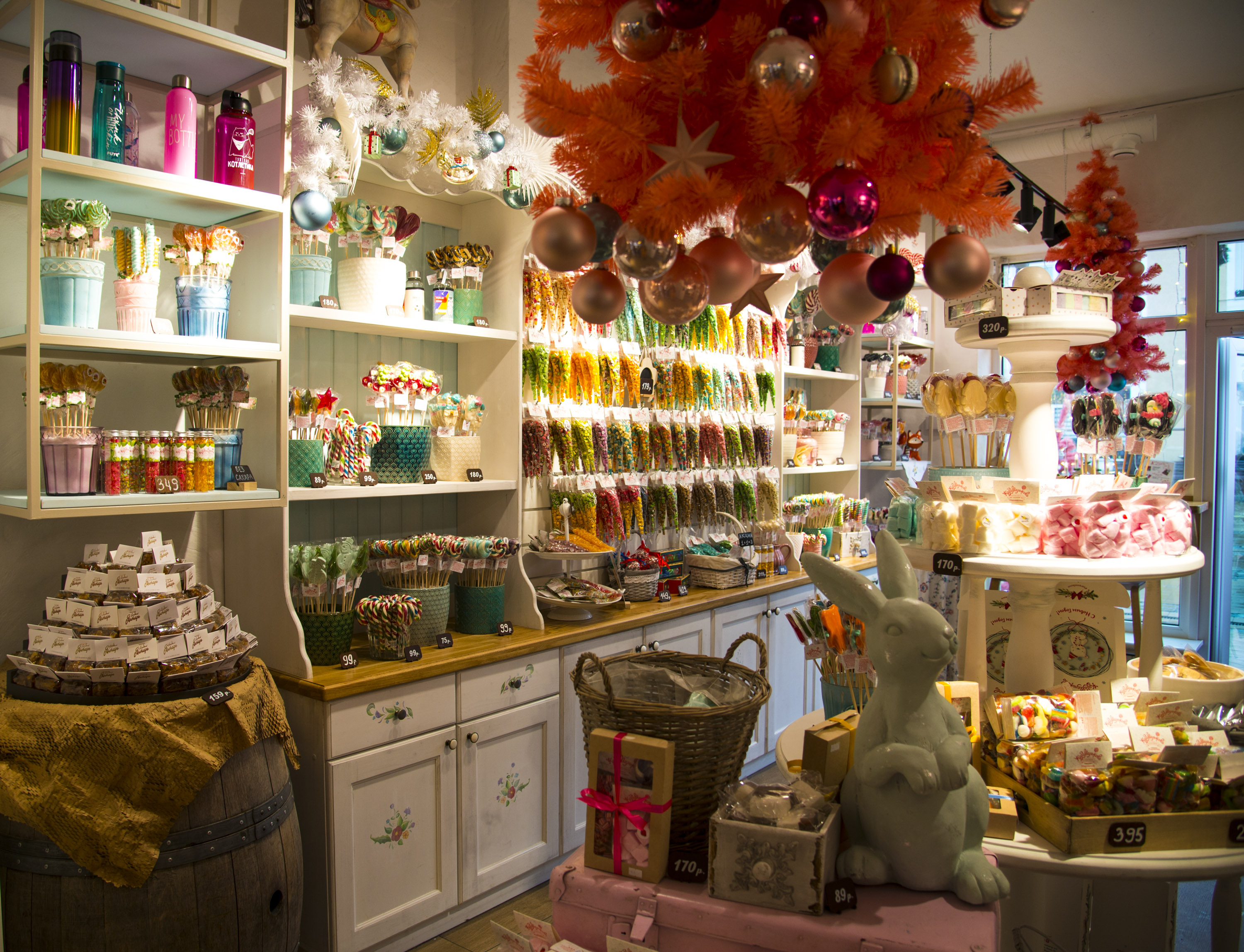
Karamelkovo

Yantar (Amber) Hall

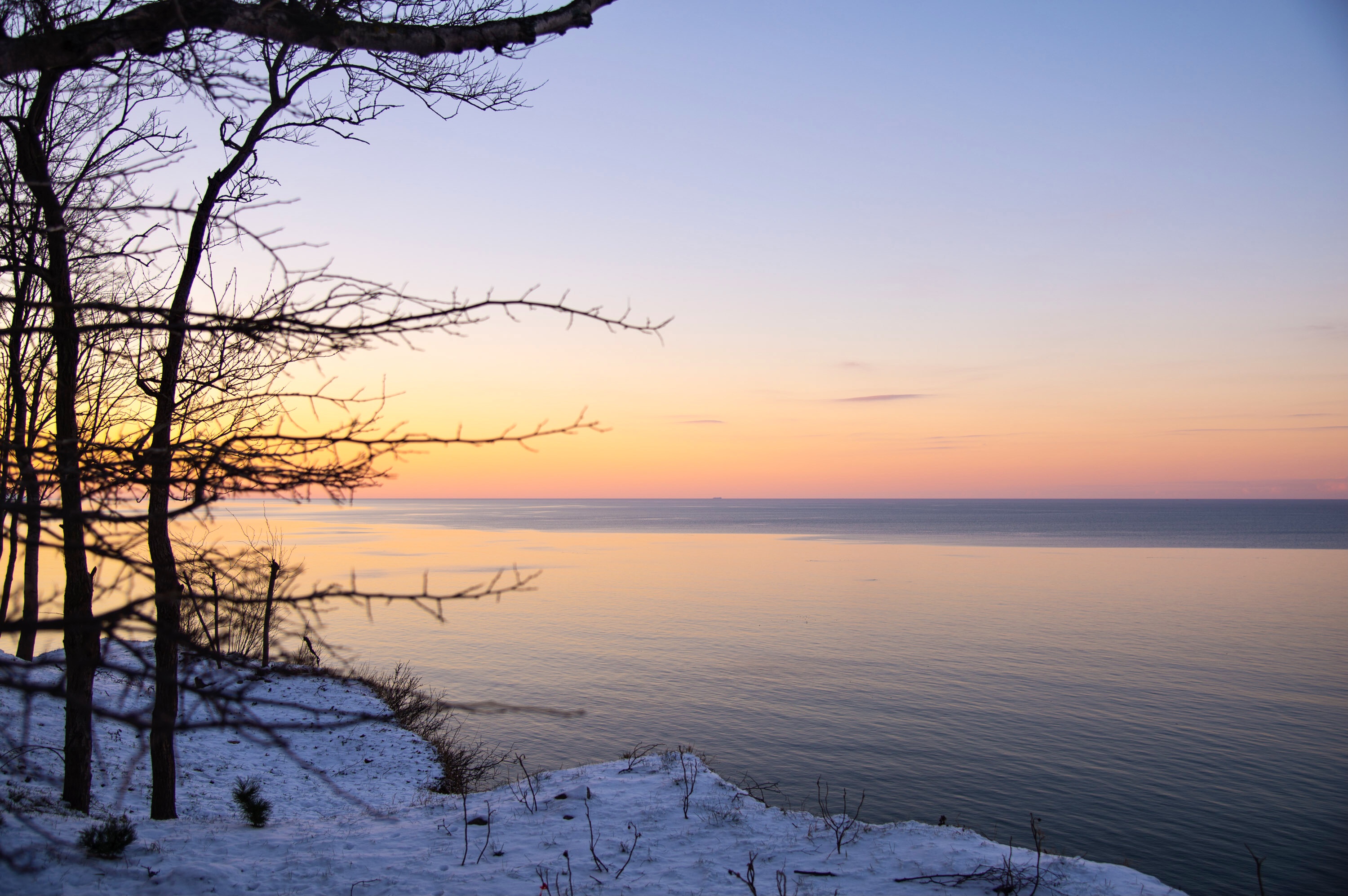
Beautiful Baltic sunsets

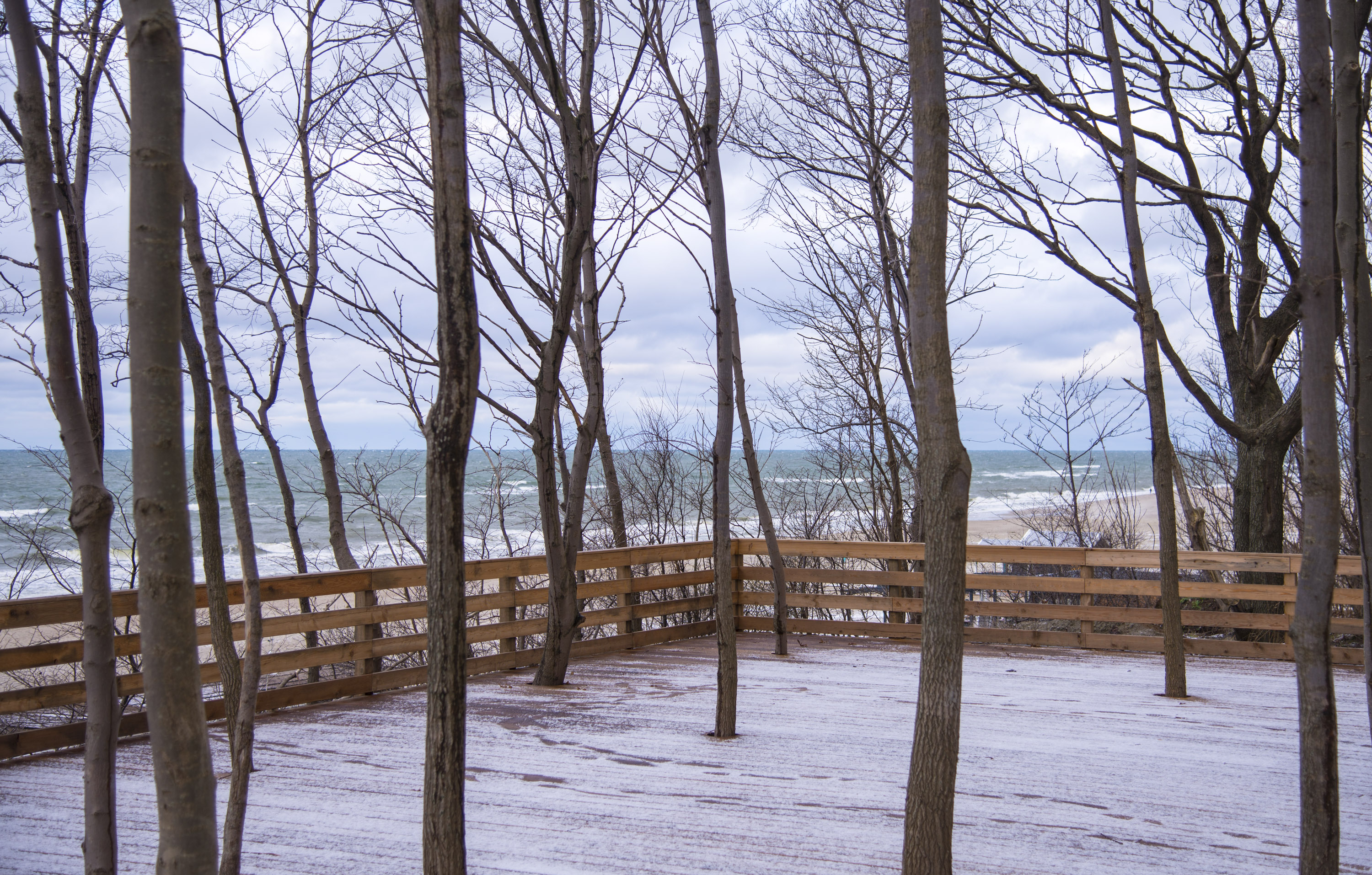
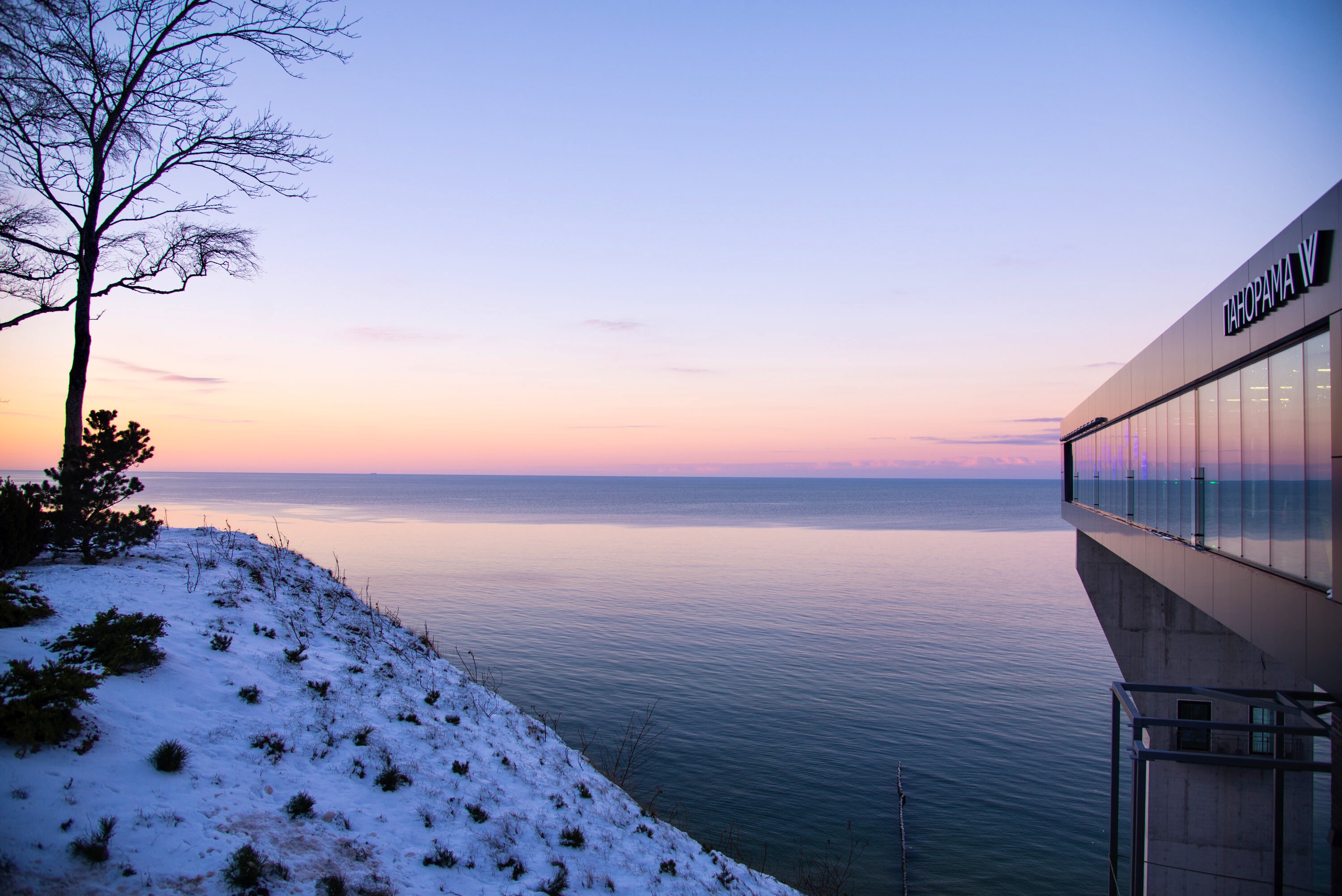
Observation deck Panorama

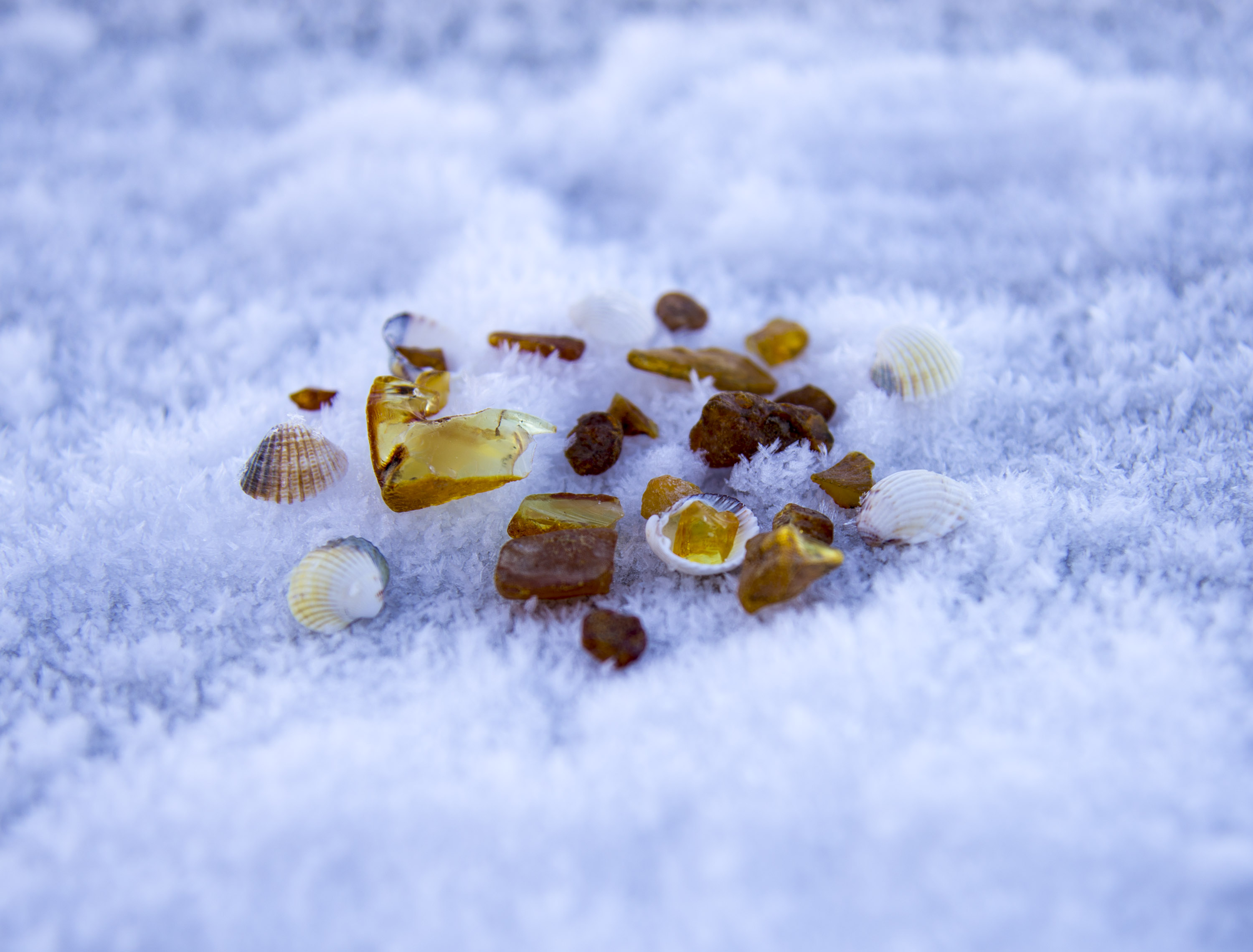
Amber found of Baltic shores after the storm

Coniferous forest

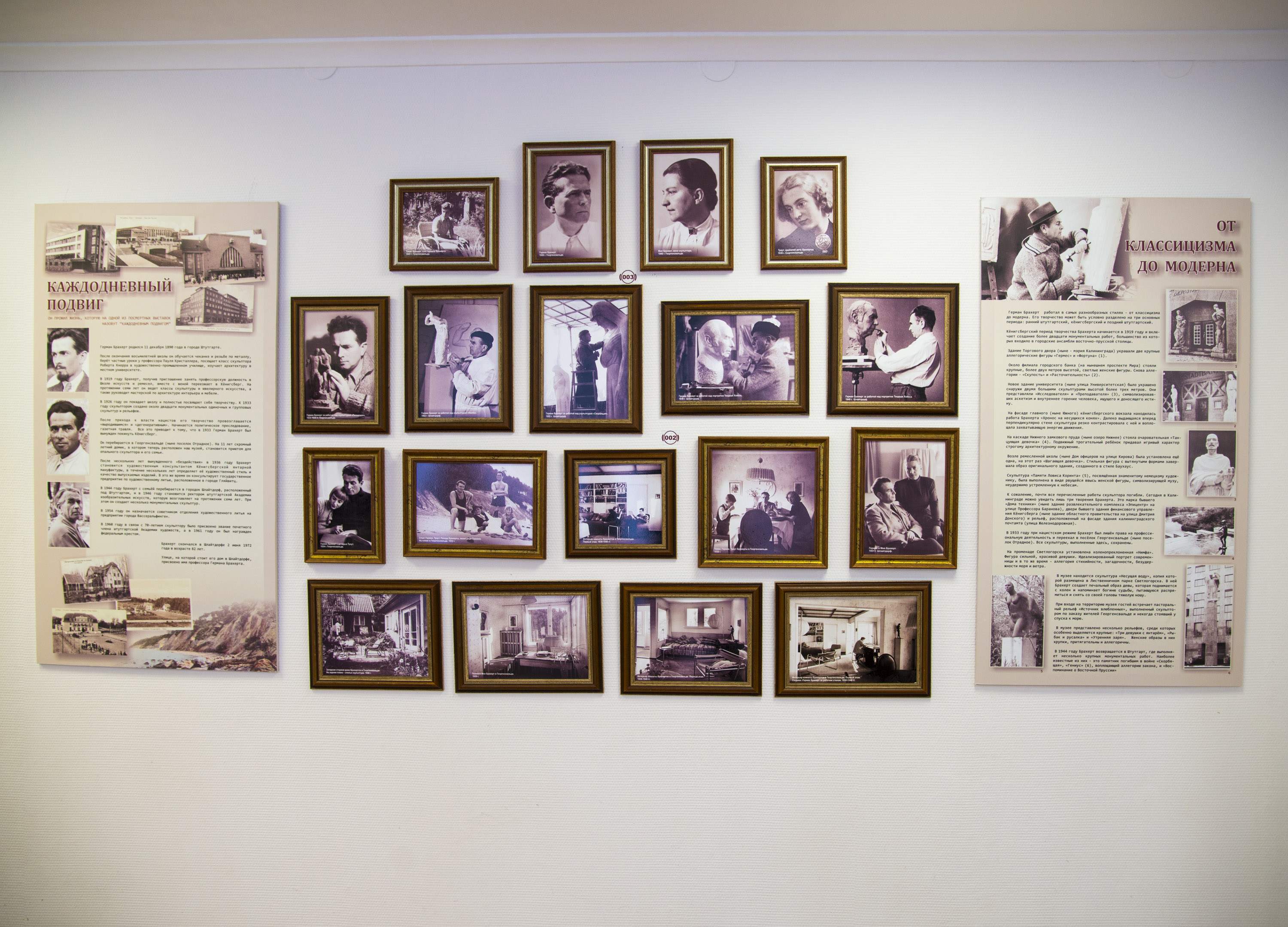
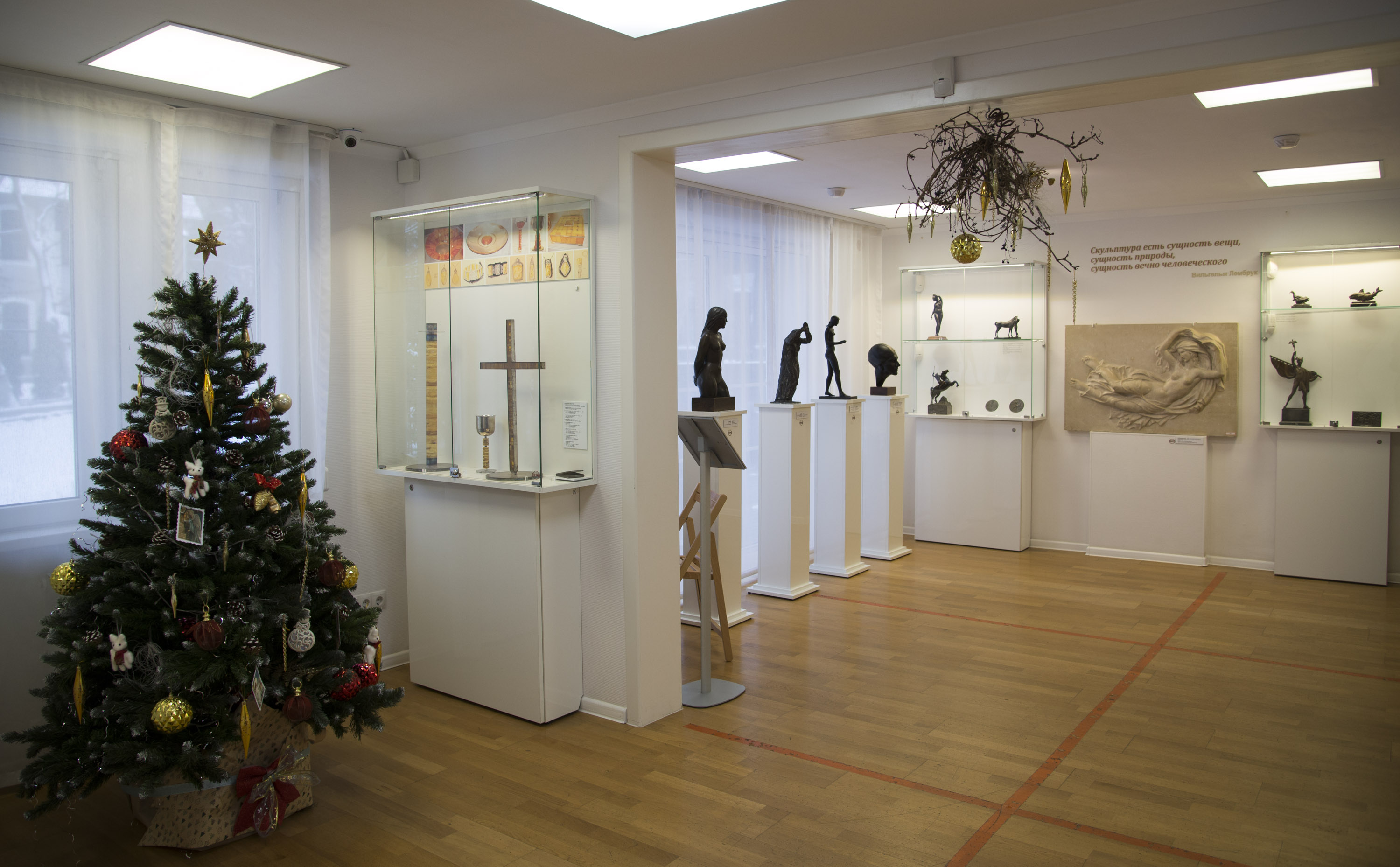
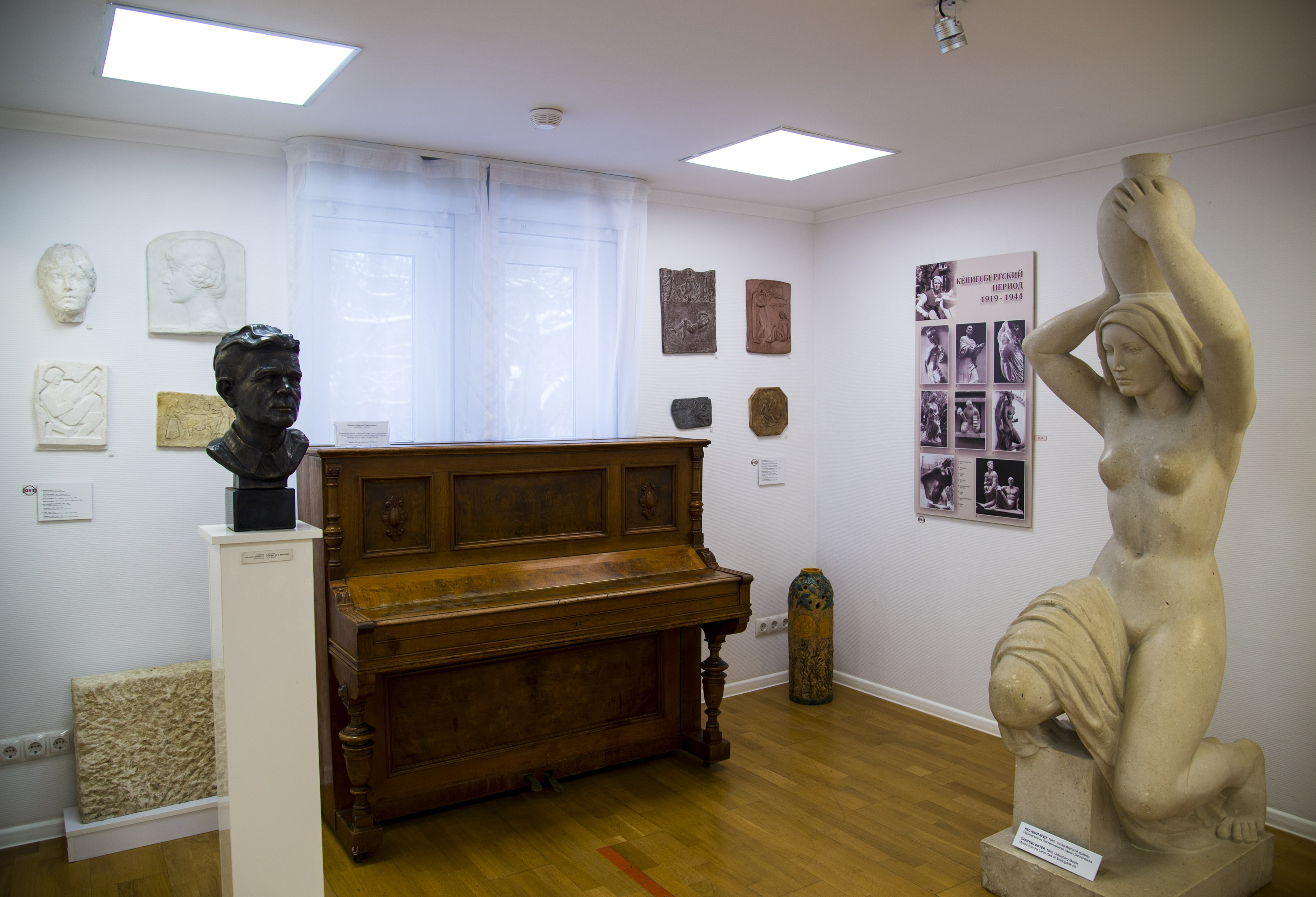
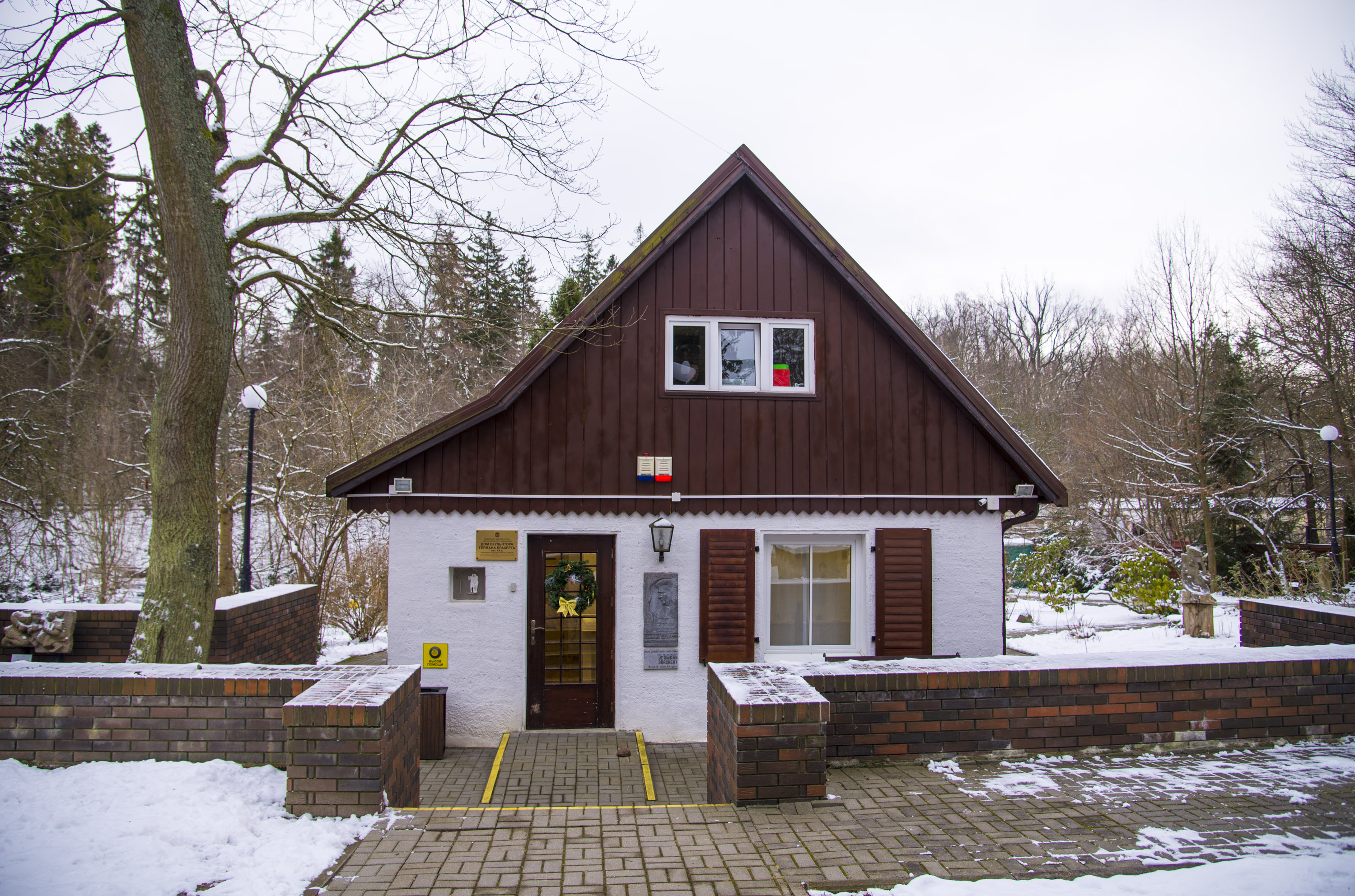
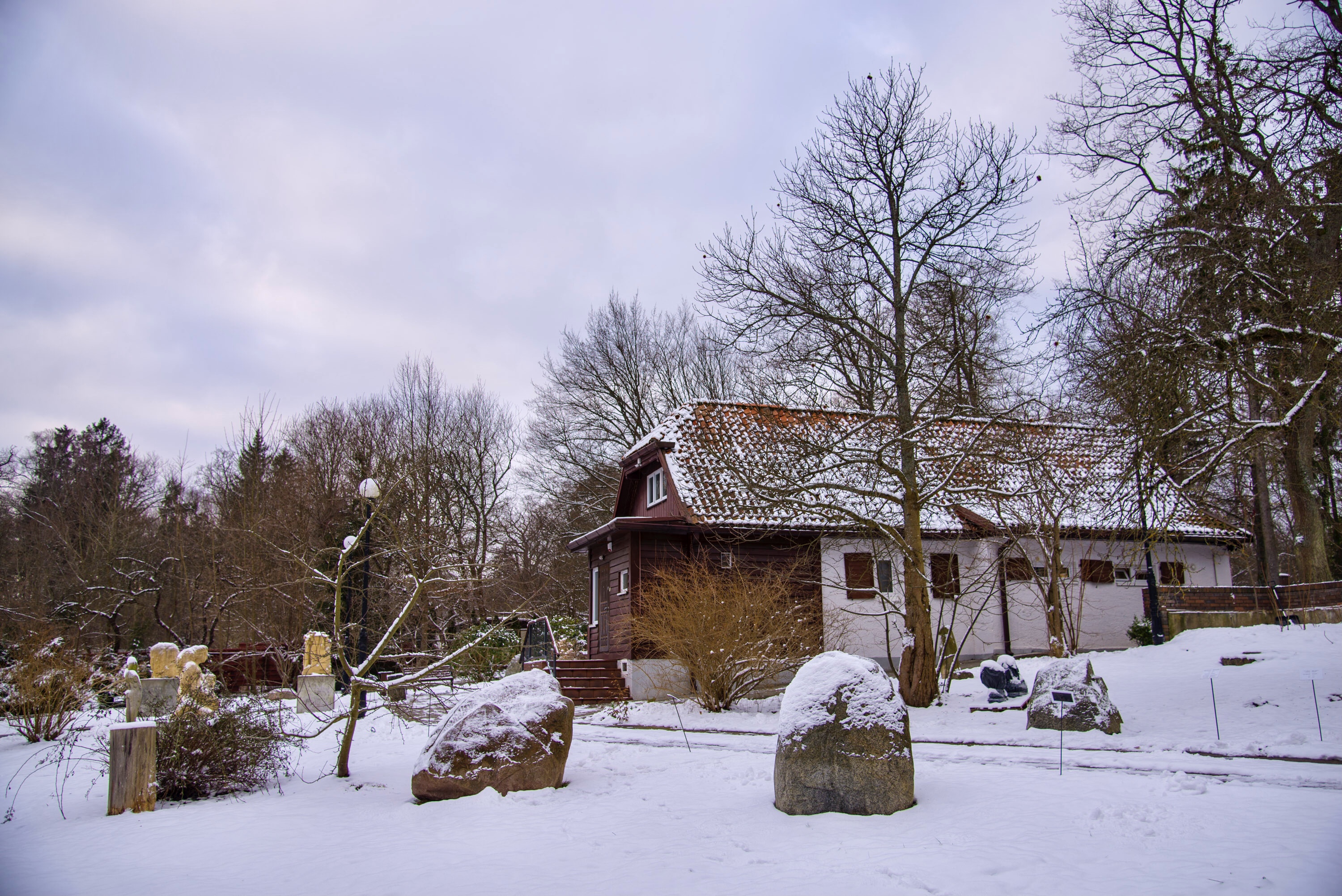
The House-museum of Herman Brachert

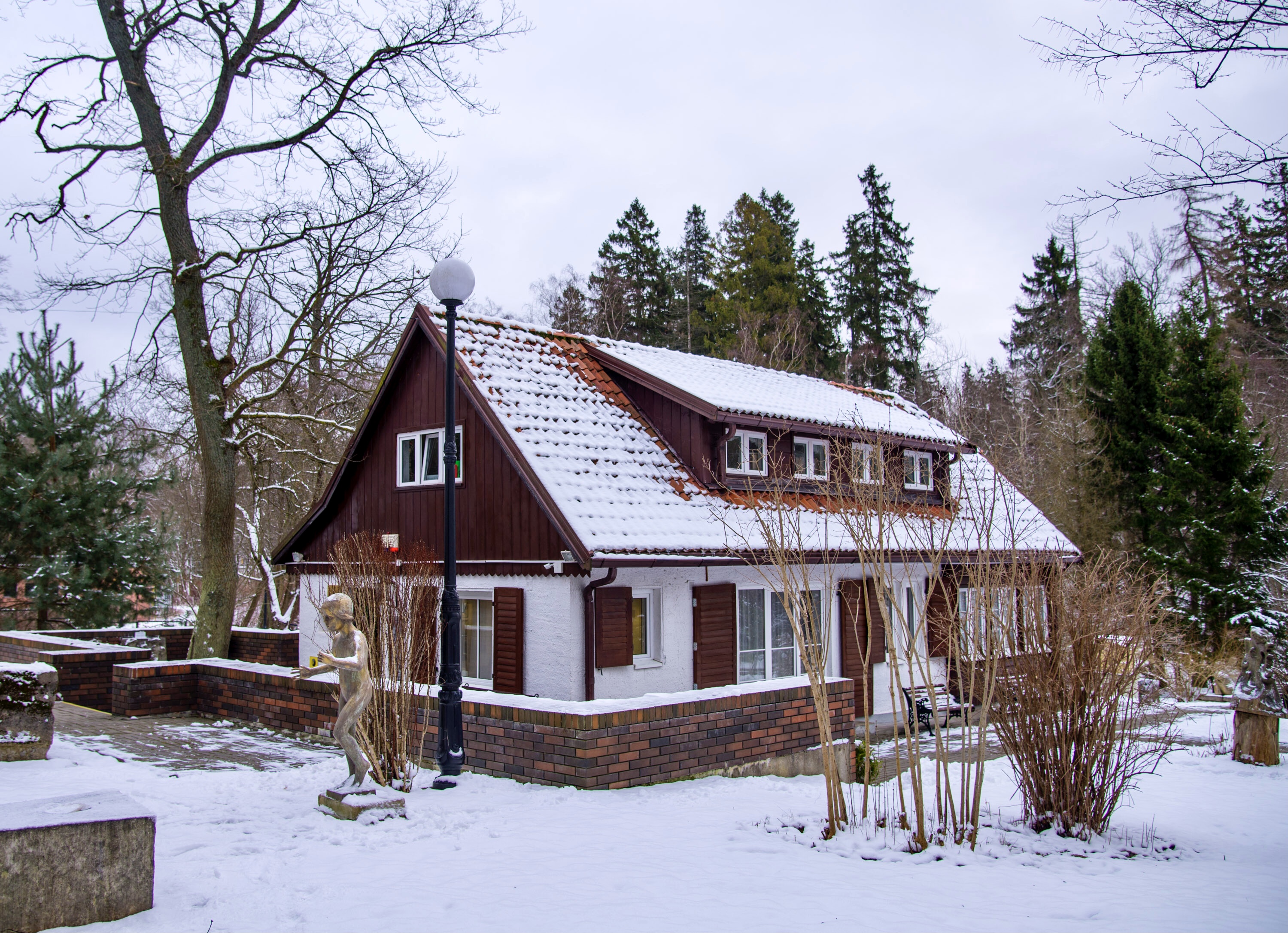
The House-museum of Herman Brachert was opened in 1993 in the country house of the Bracherts family in Svetlogorsk. This is the only museum dedicated to the life and work of the wonderful German sculptor. The museum has a total of 738 exhibits – documents, letters and photographs from the sculptor’s family archive. But the pearl of the collection are the original works of the master.

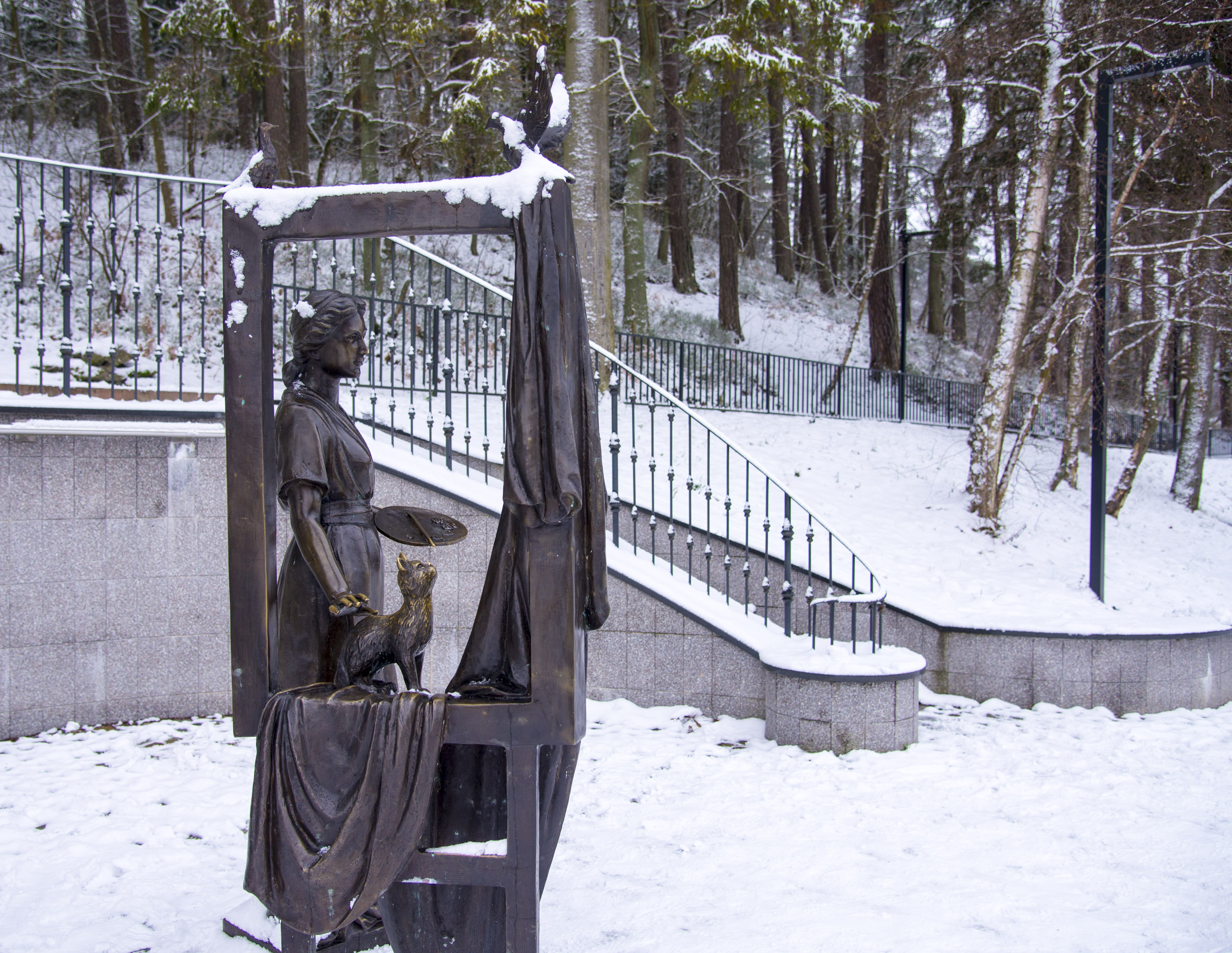
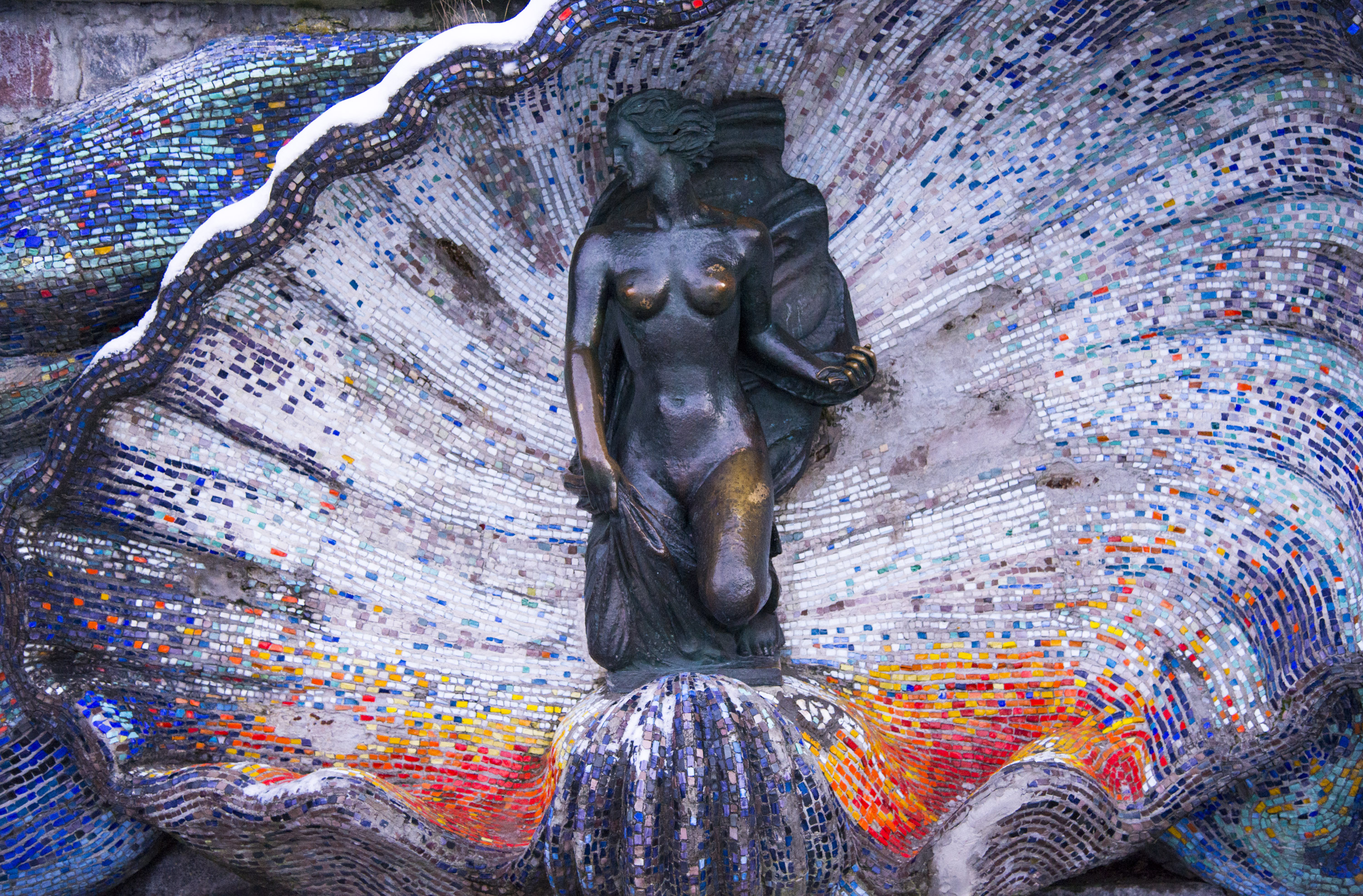
Sculpture Nimfa by Herman Brachert located on the Svetlogorsk beach

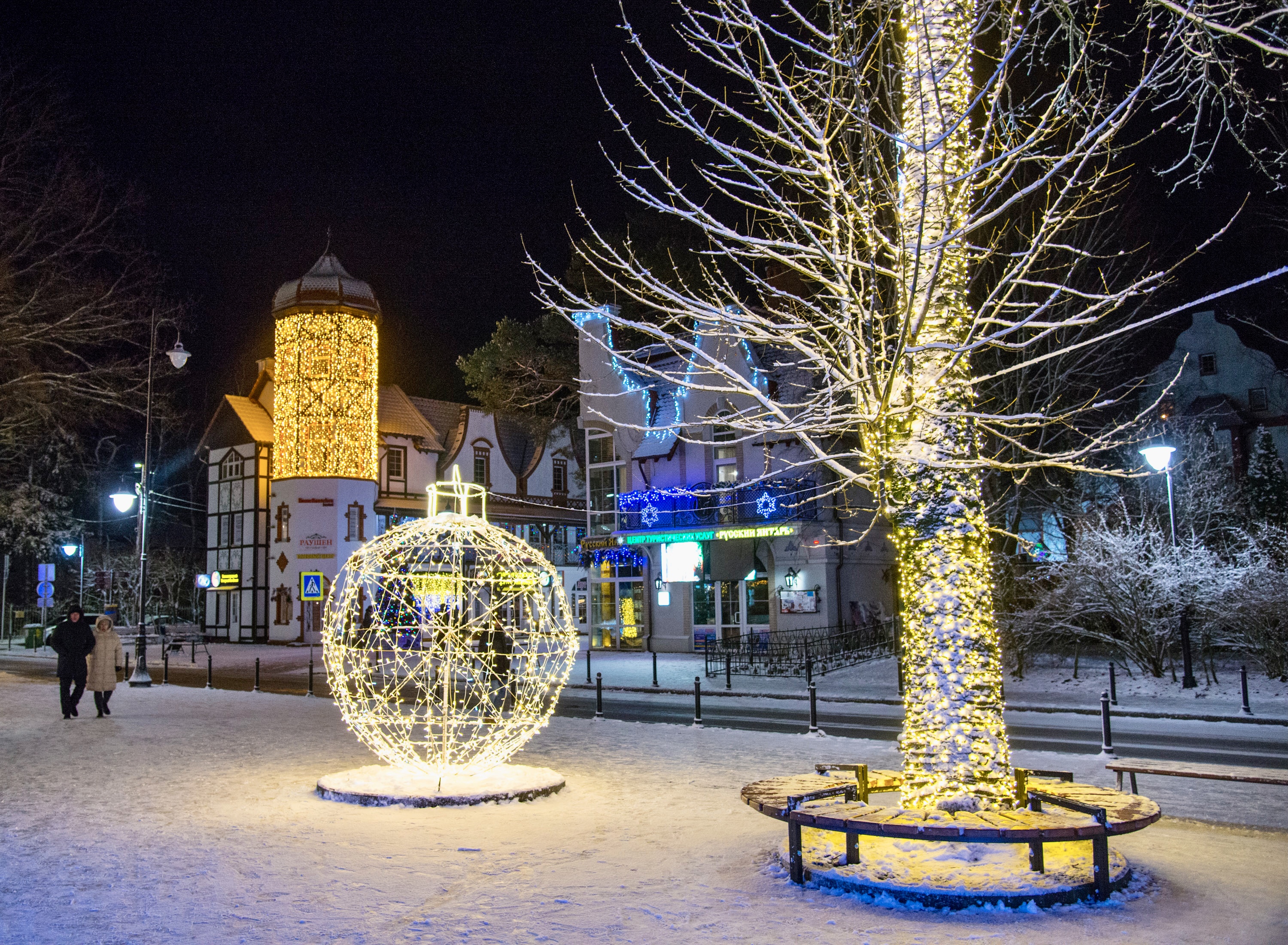
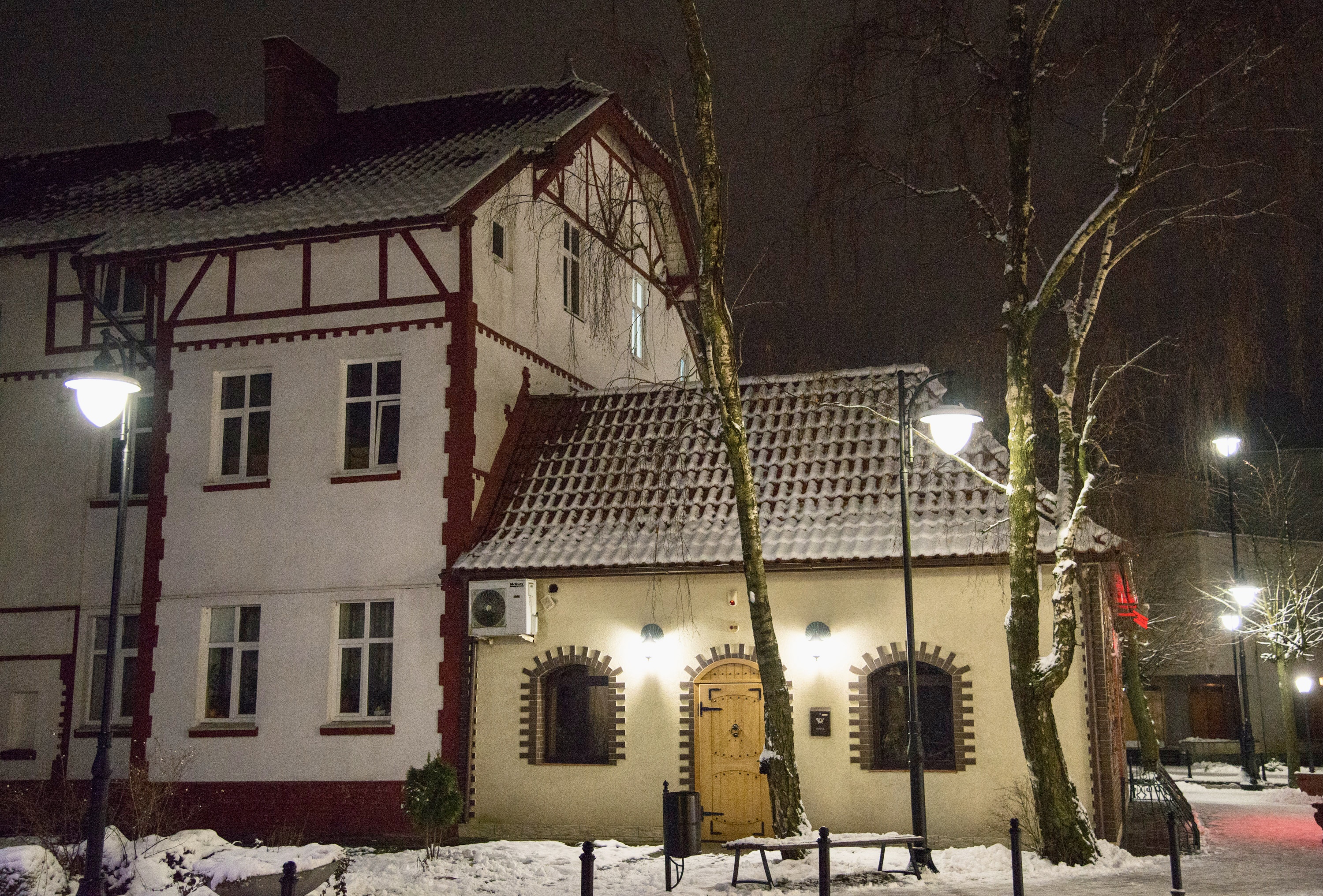
Night colors of Svetlogorsk

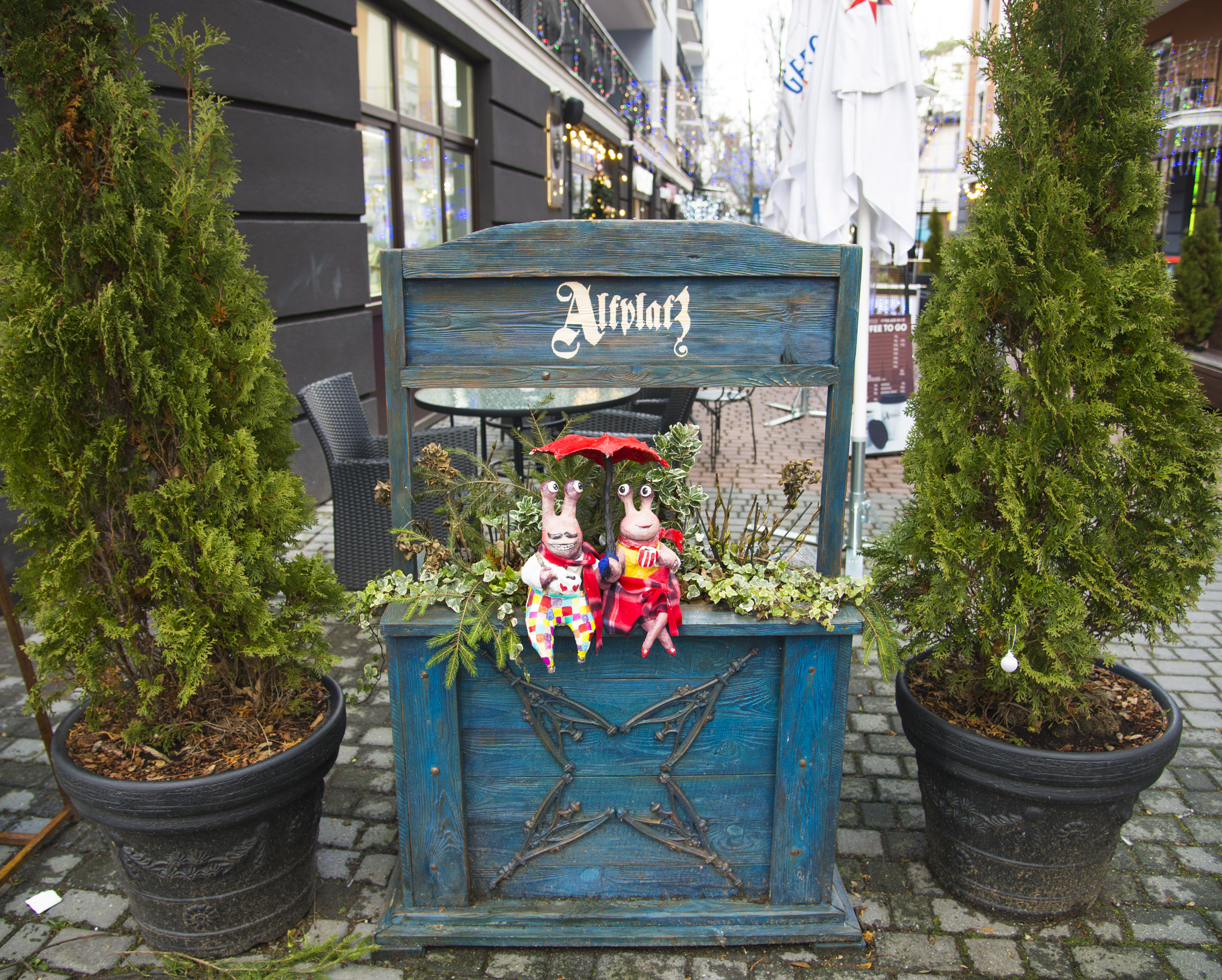
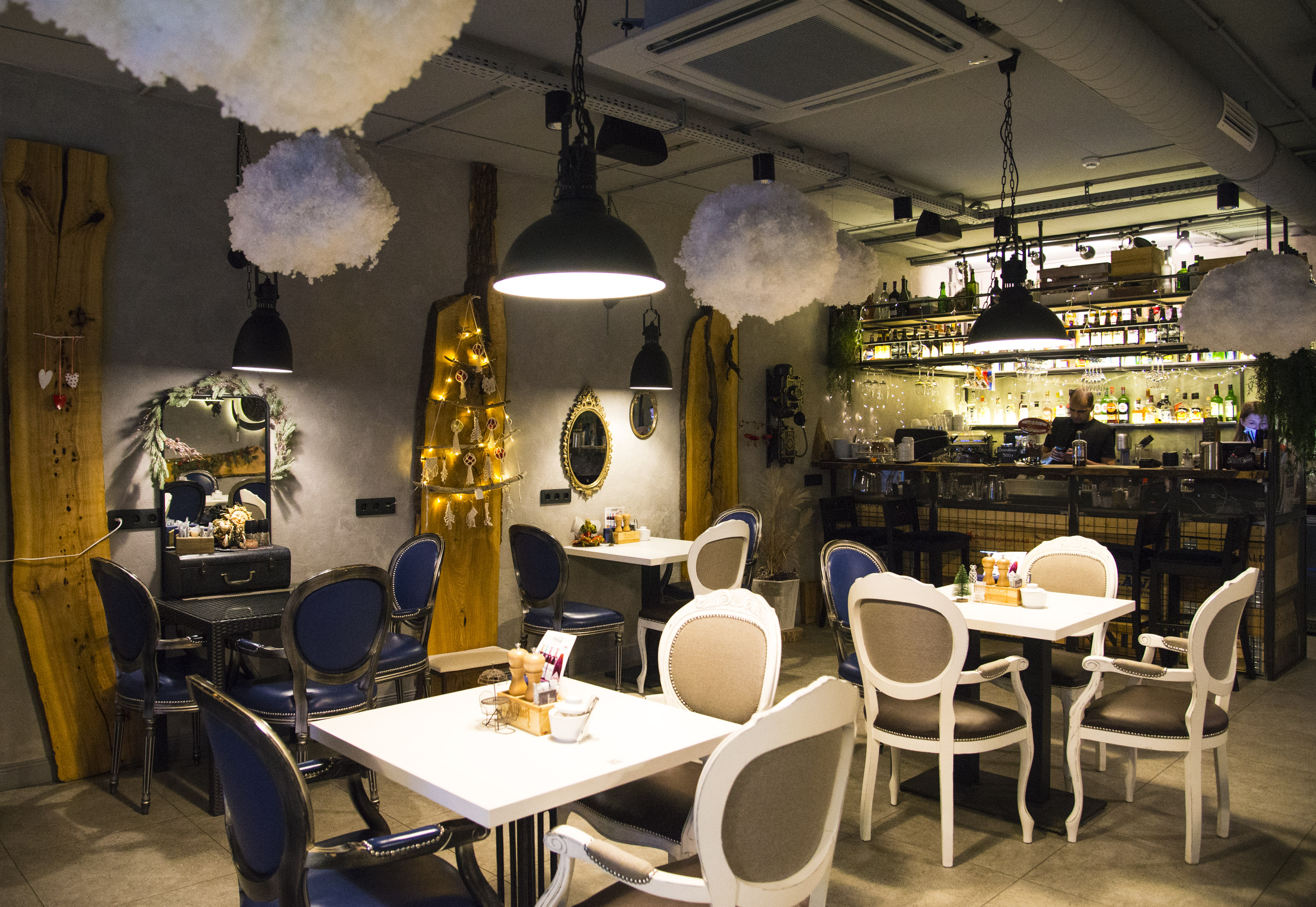
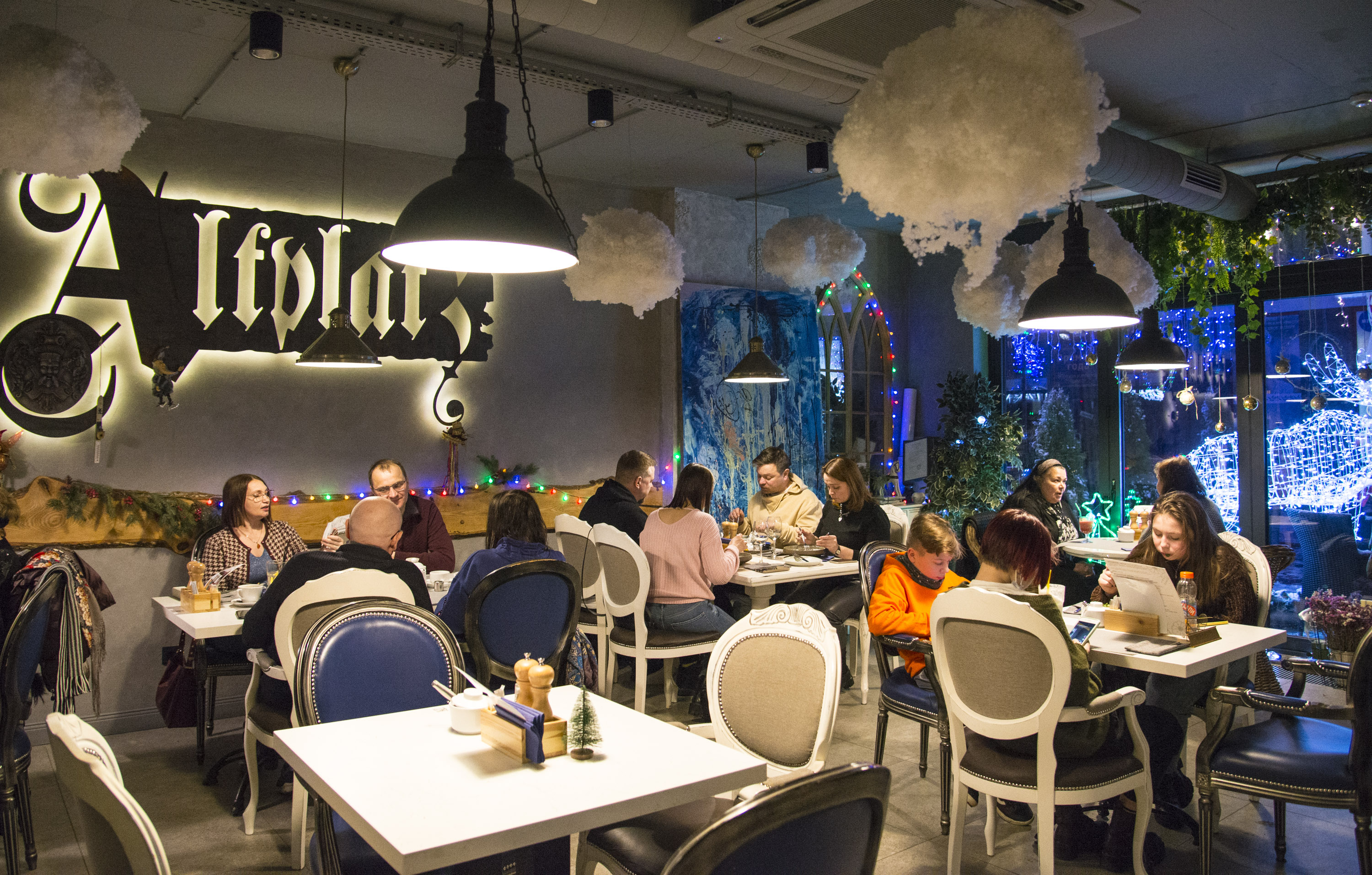
AltPlatz

Gallery

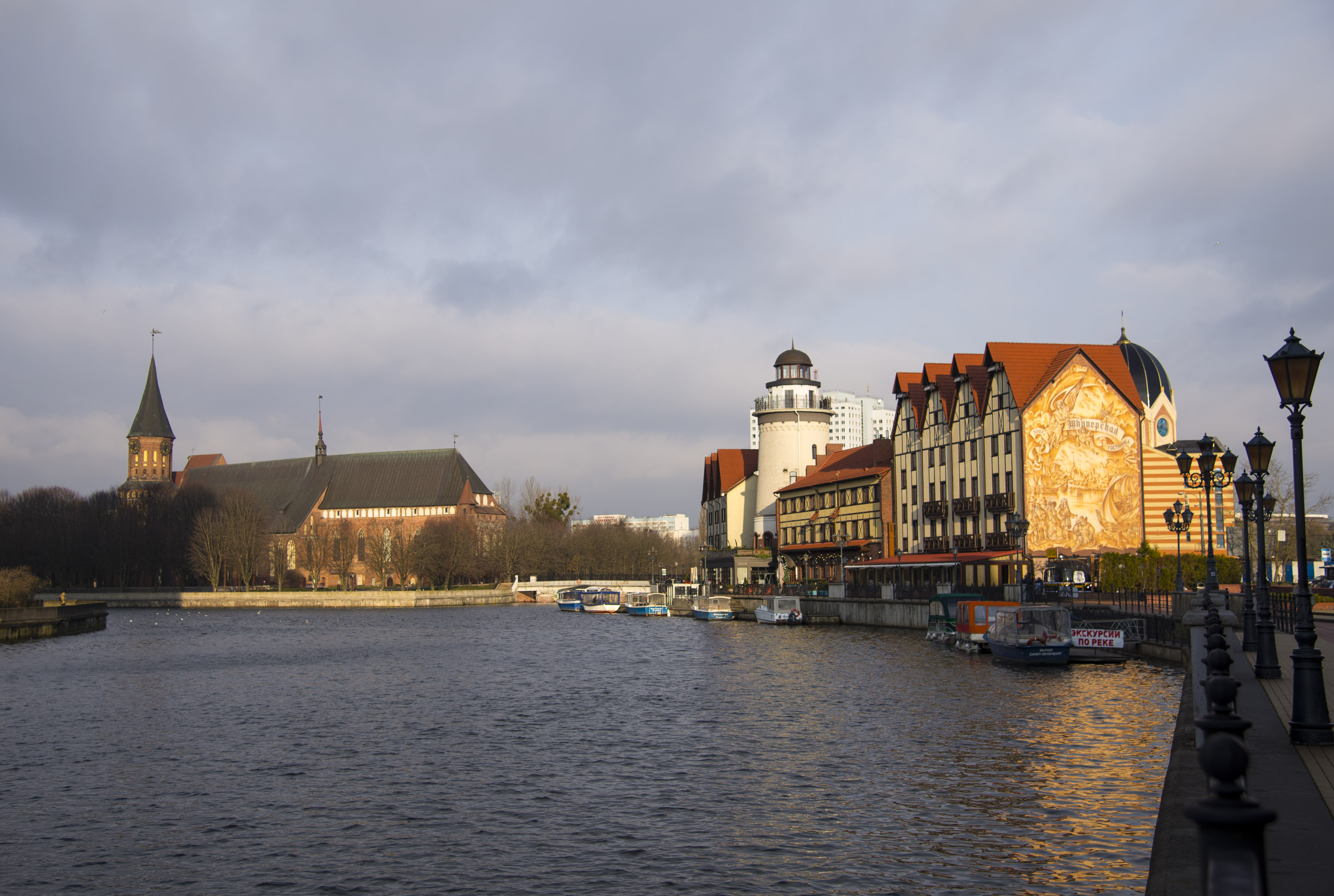
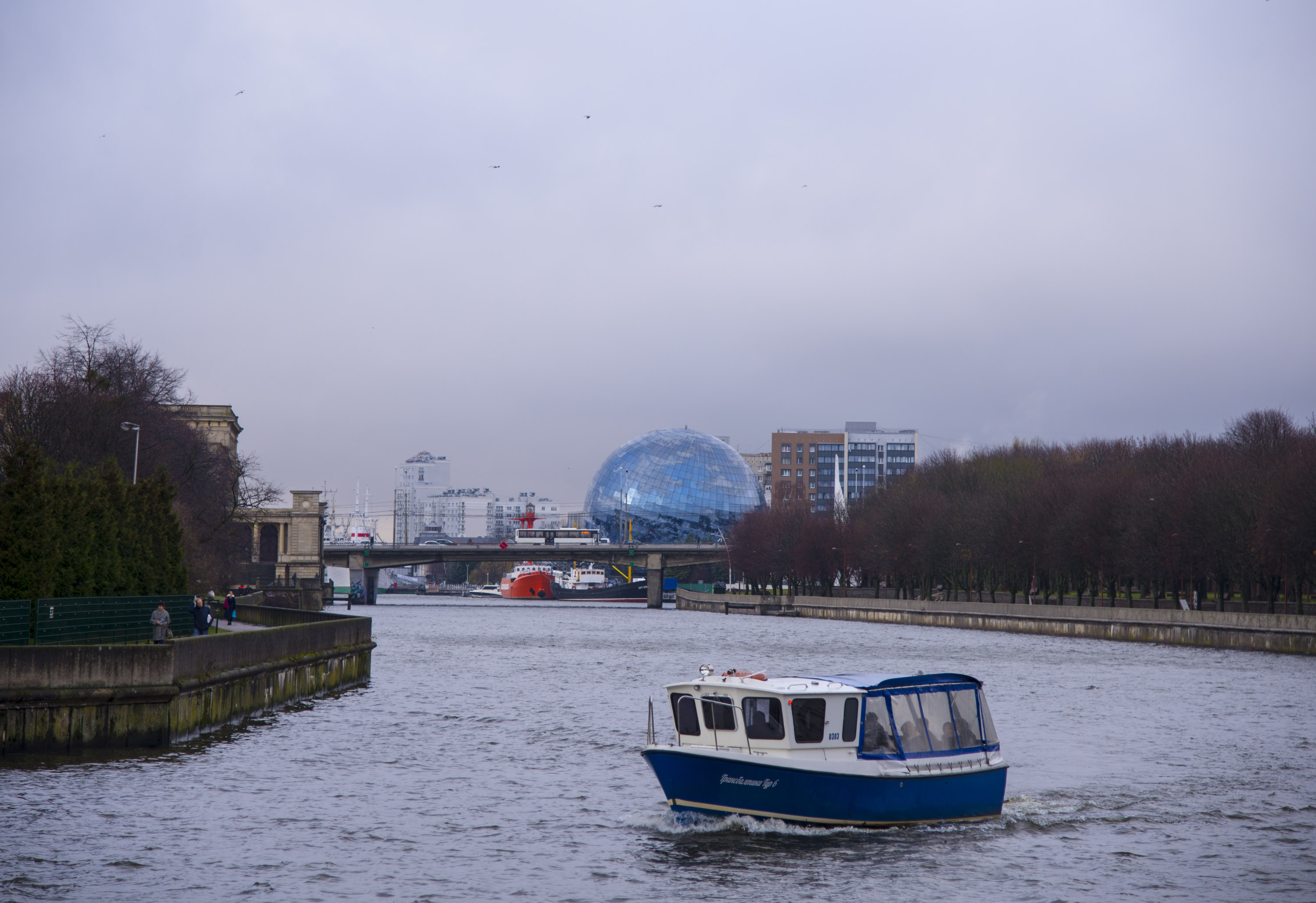
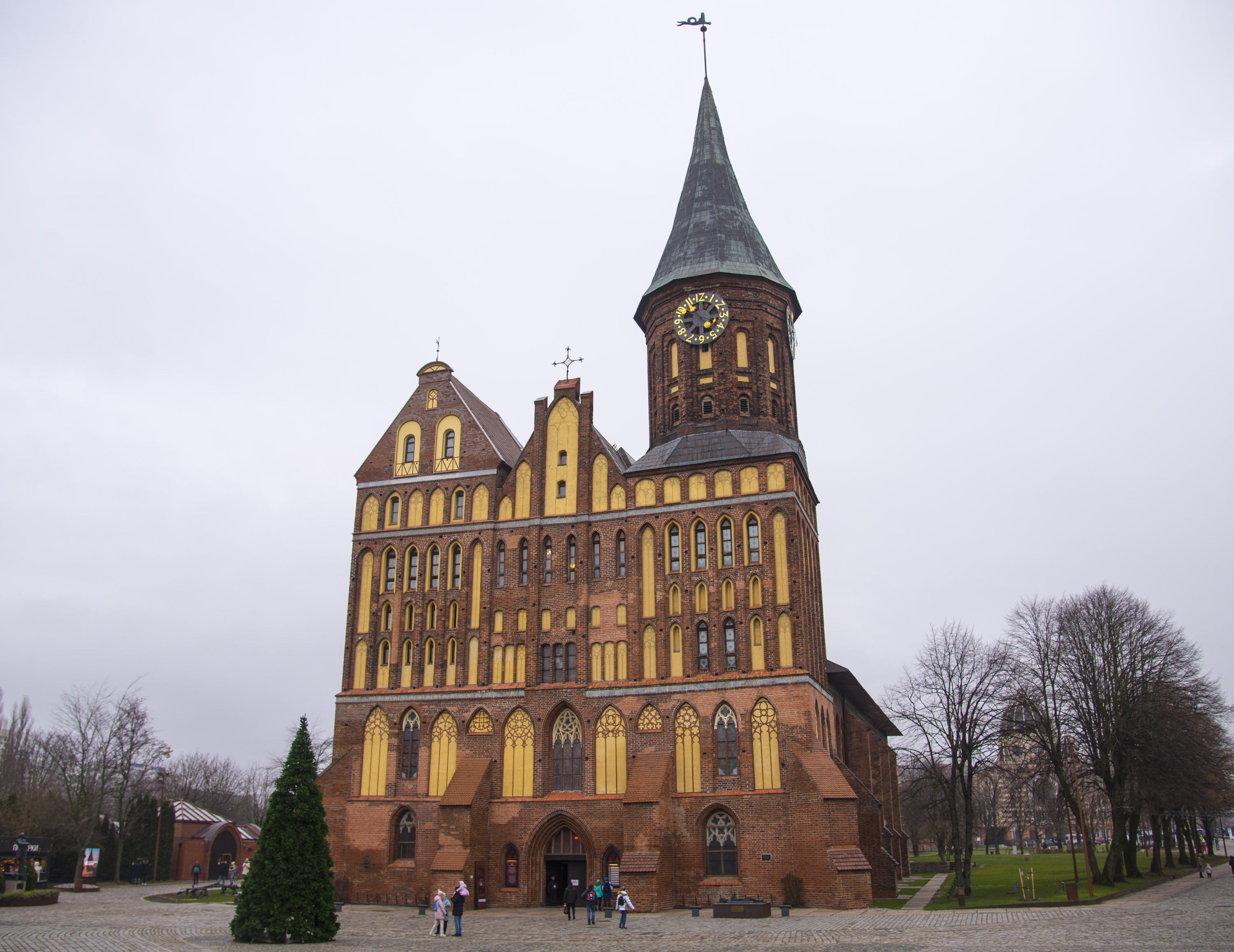
Beautiful Kaliningrad region on the Baltic sea shore

Kaliningrad

Kant museum

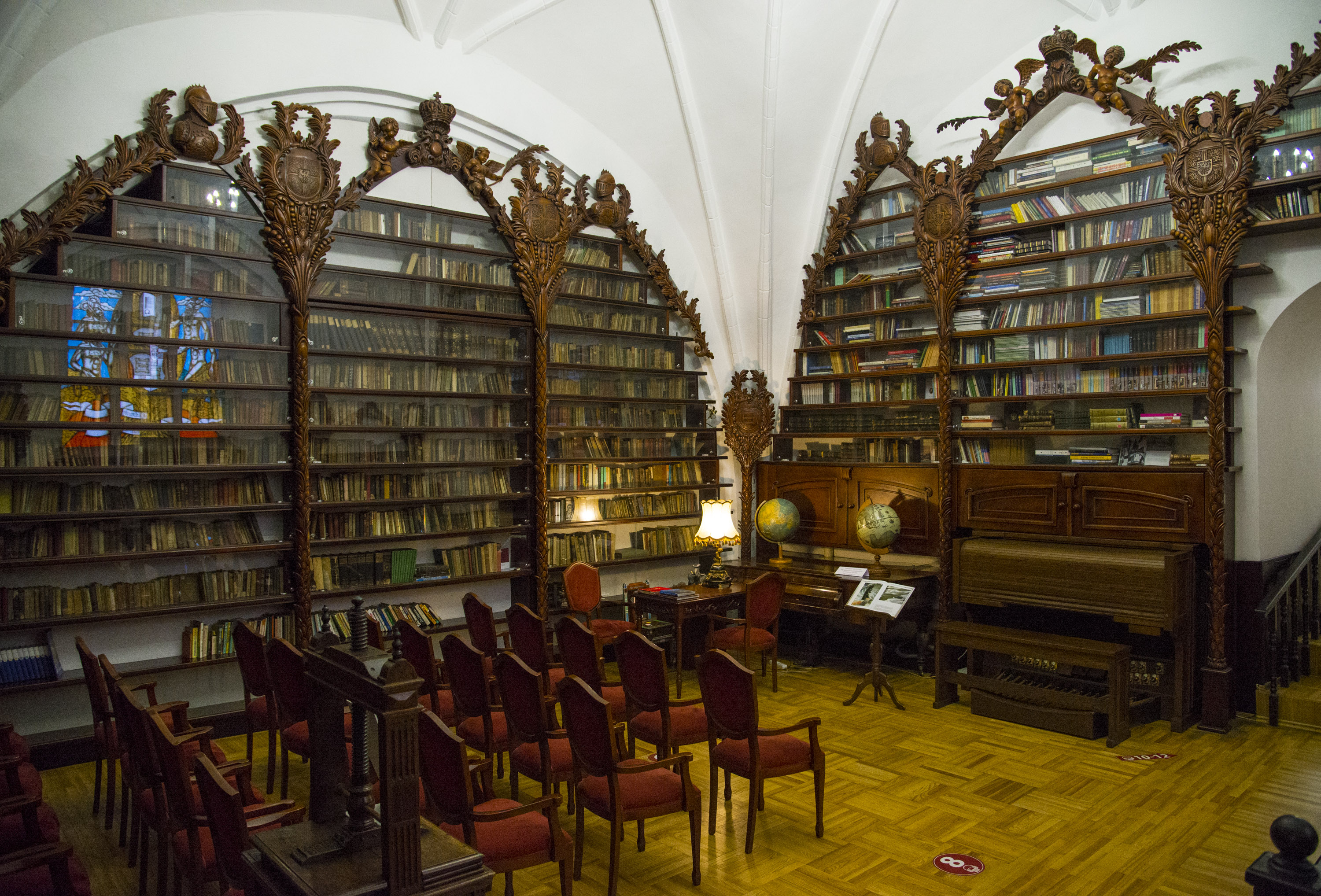
Magnificent museum named after Kant is located on the Kant island. The collection of the museum includes a variety of exhibits related to the history of Konigsberg-Kaliningrad, with the life and scientific activities of the great German philosopher.

Museum of Fine Arts

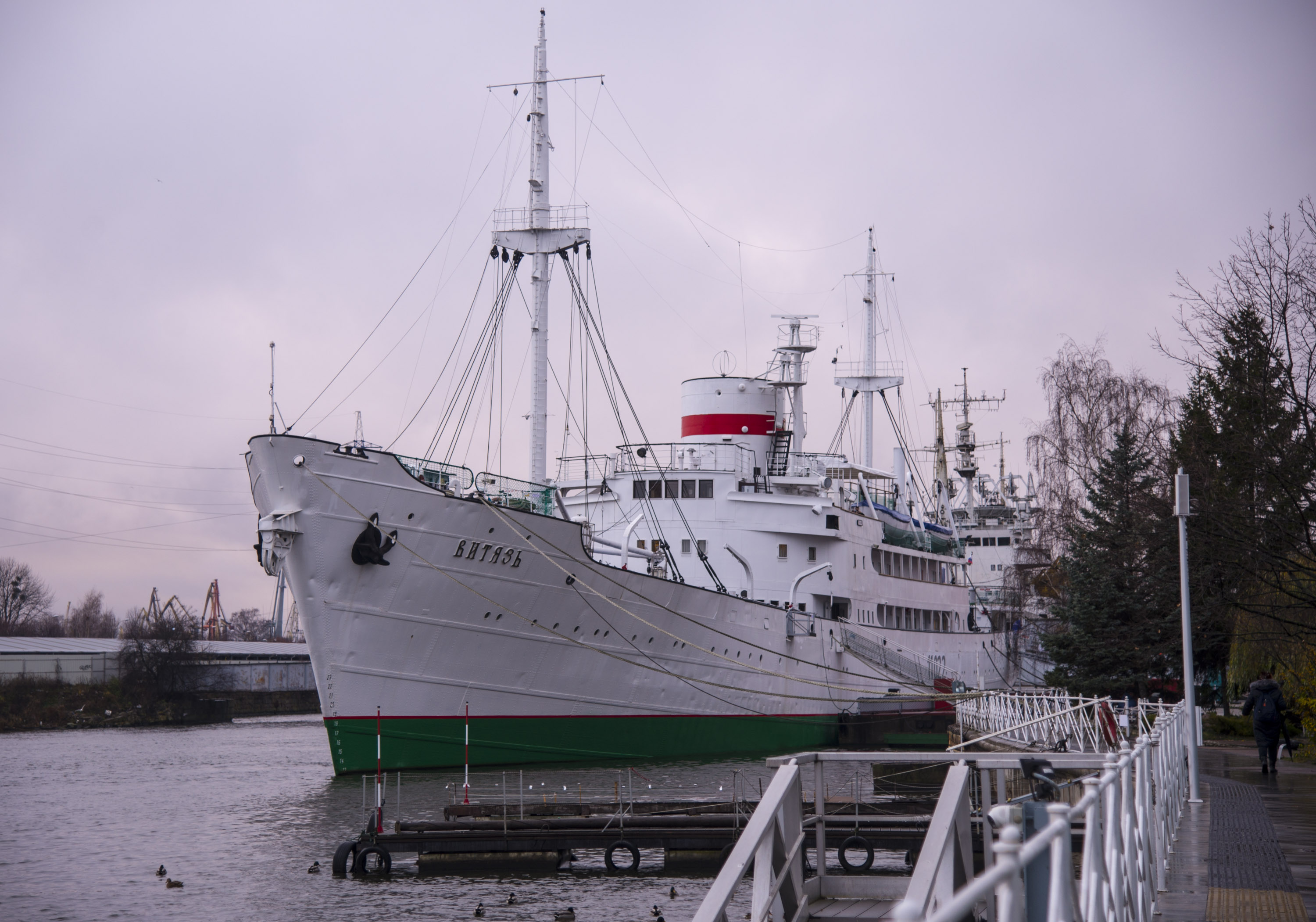
Museum of the World Ocean

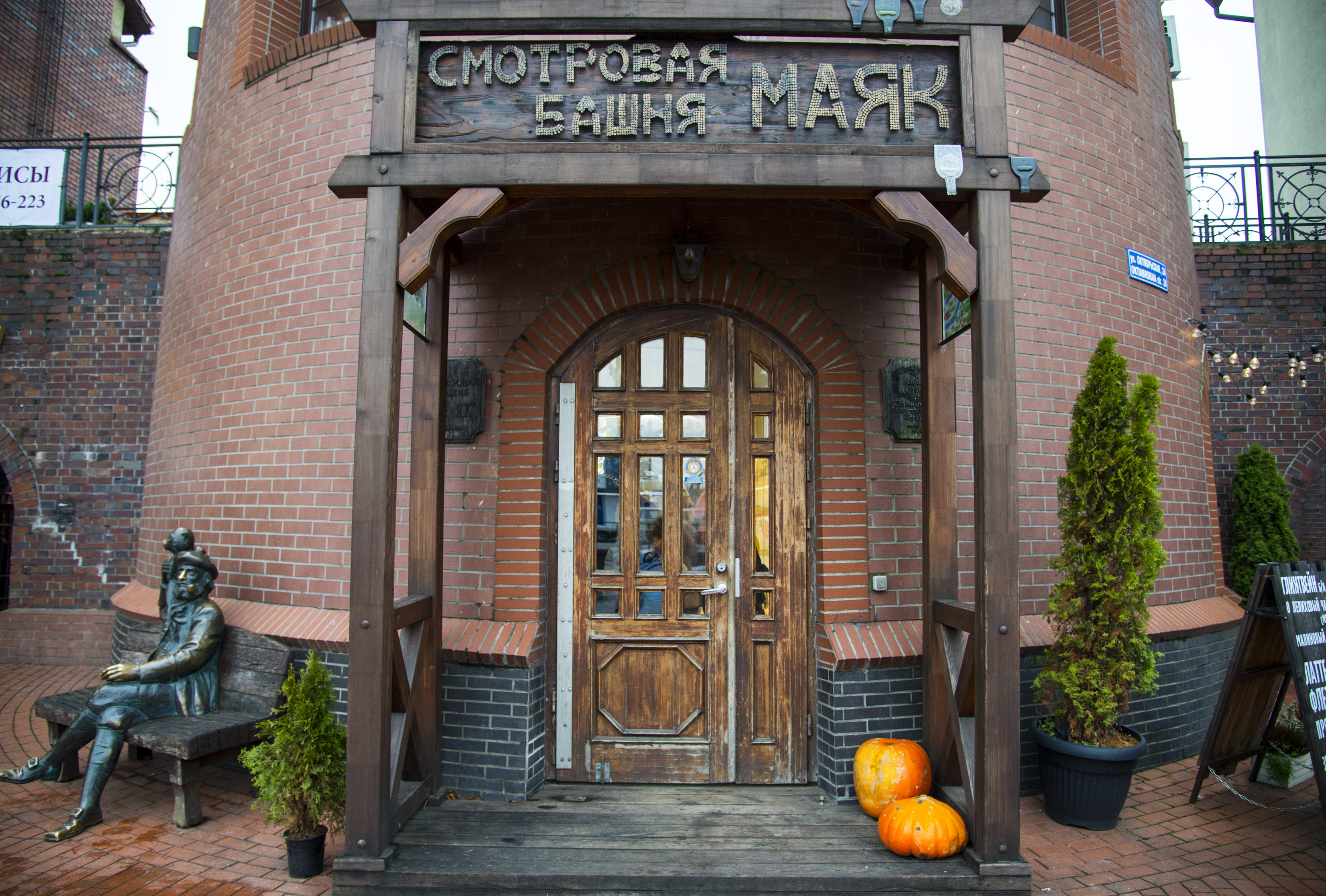
Observation deck Mayak

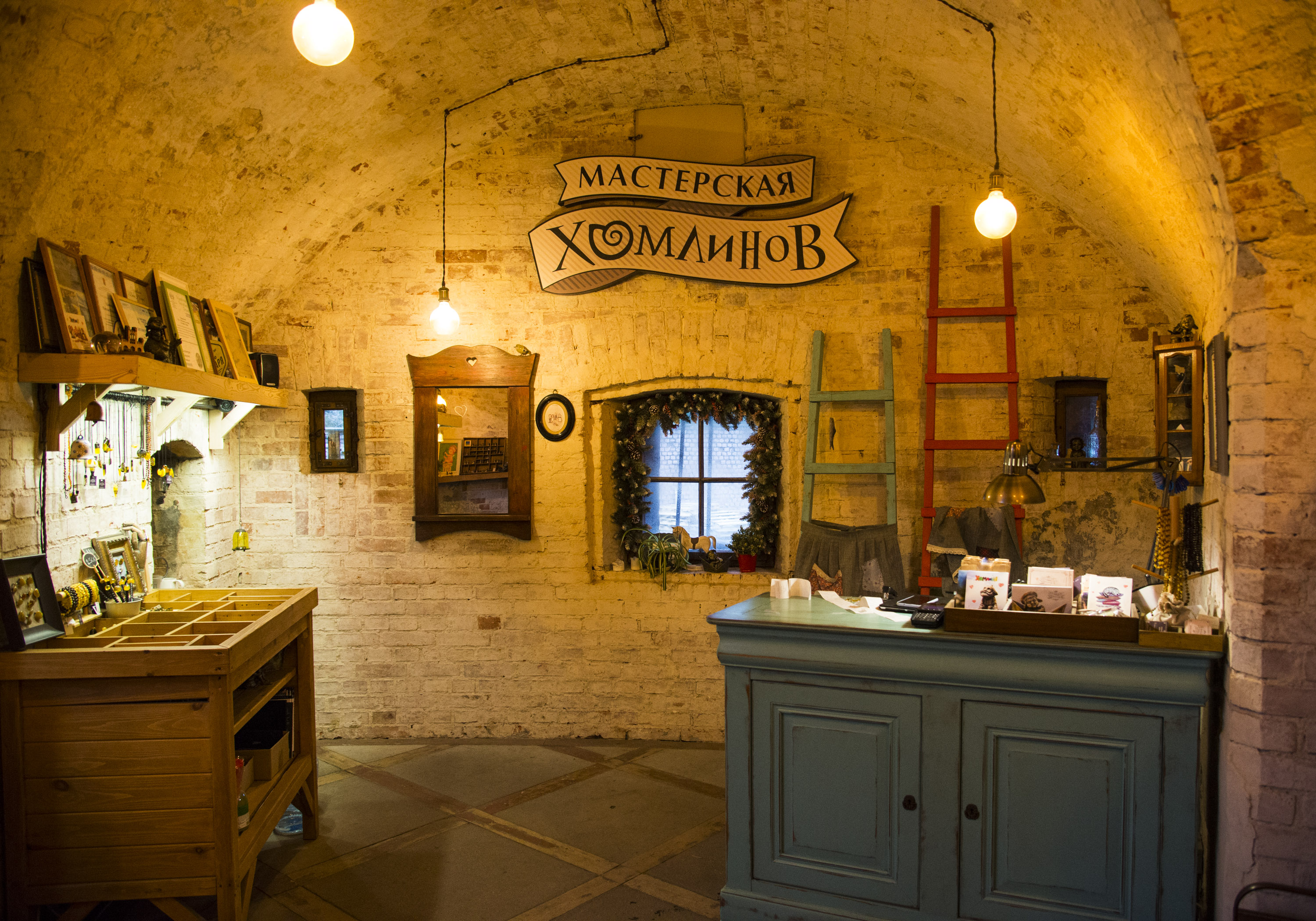
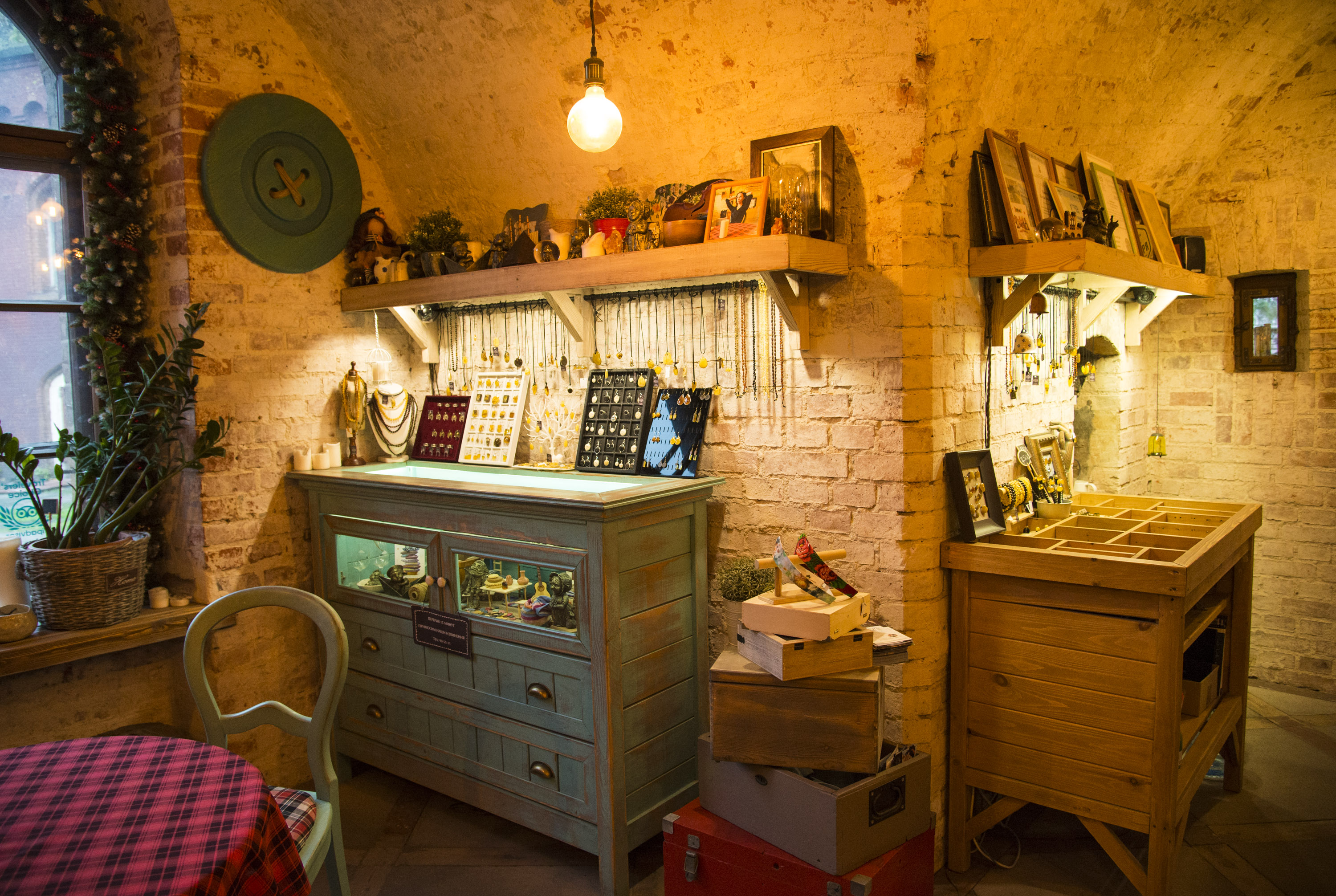
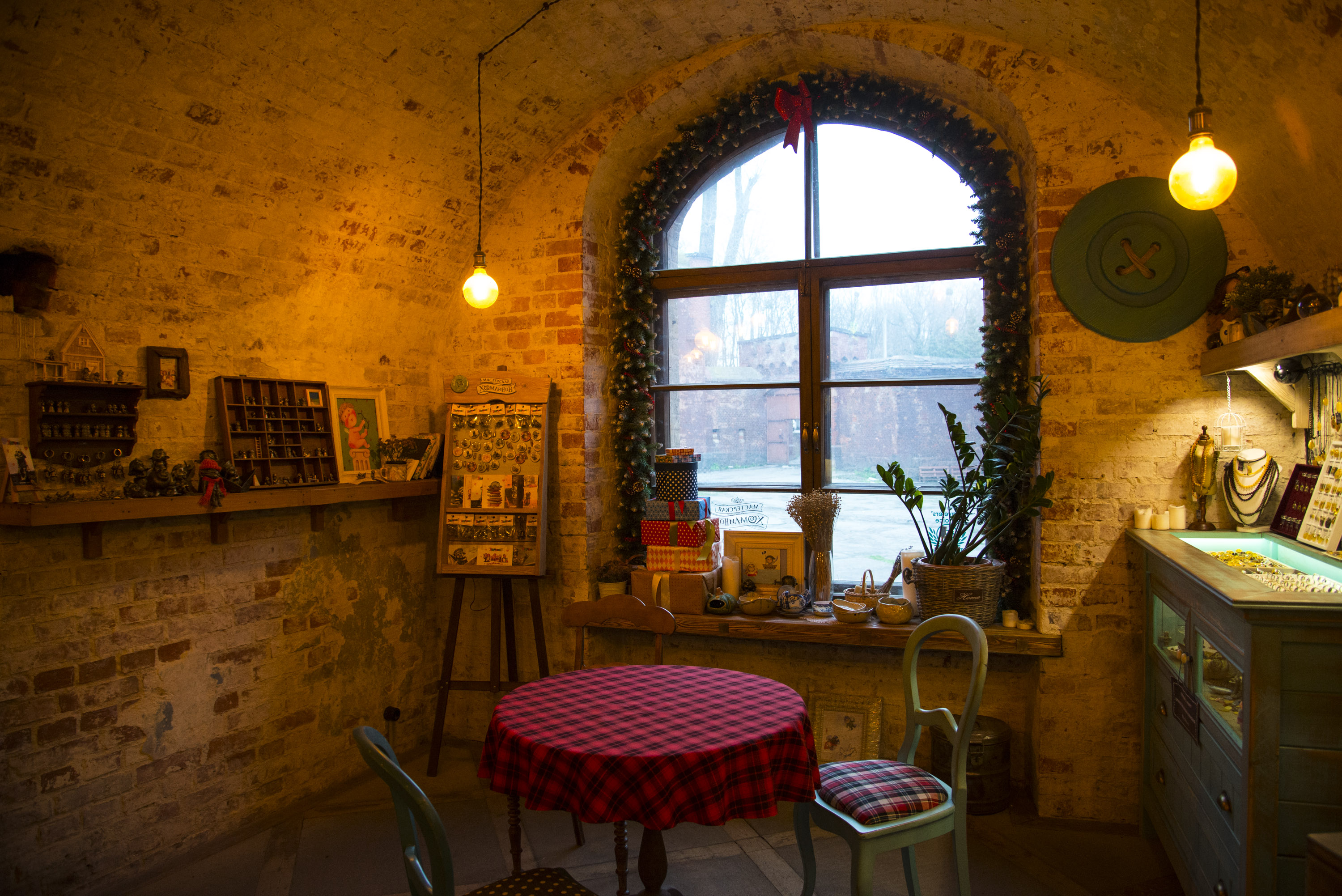
Homlins workshop

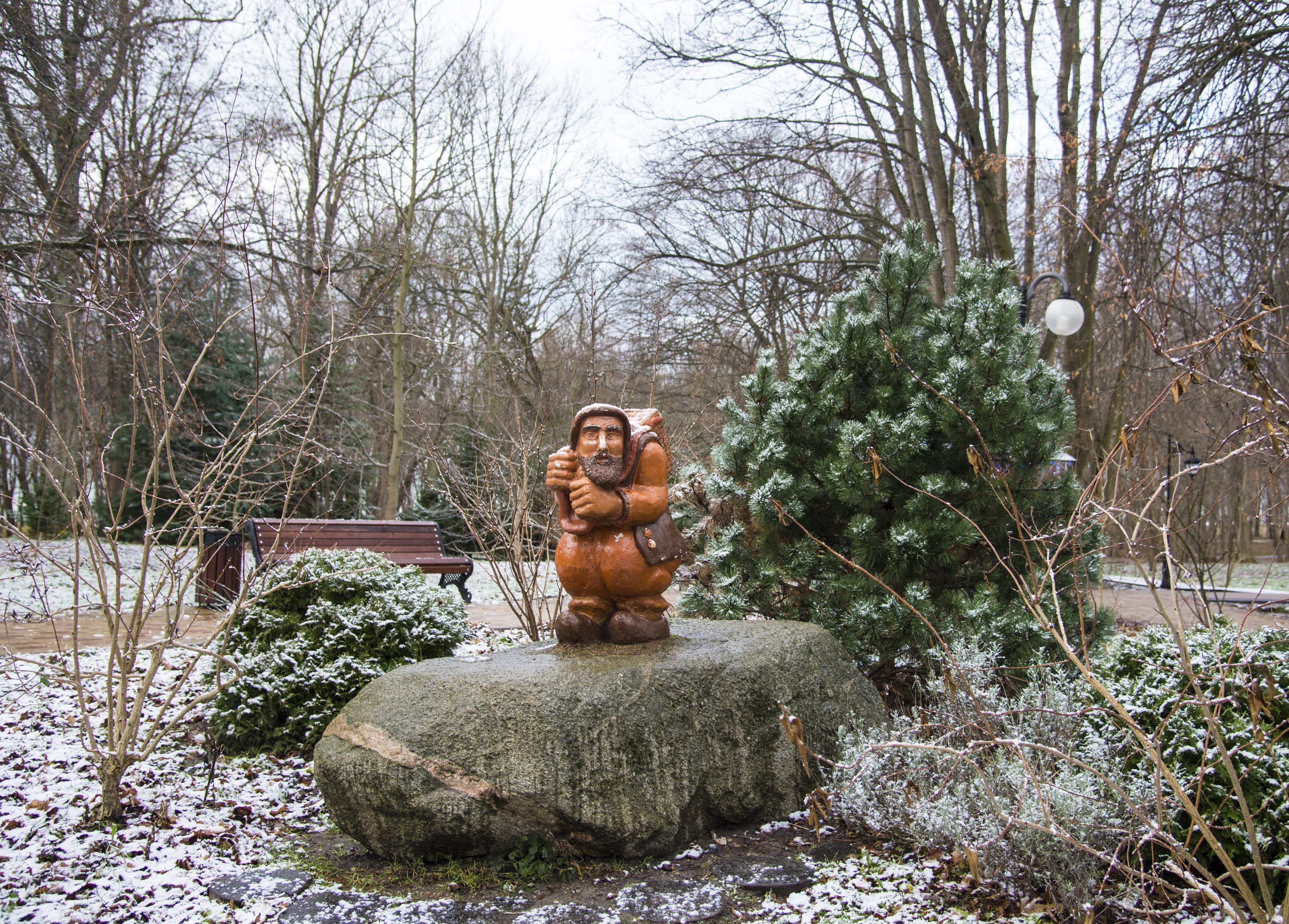
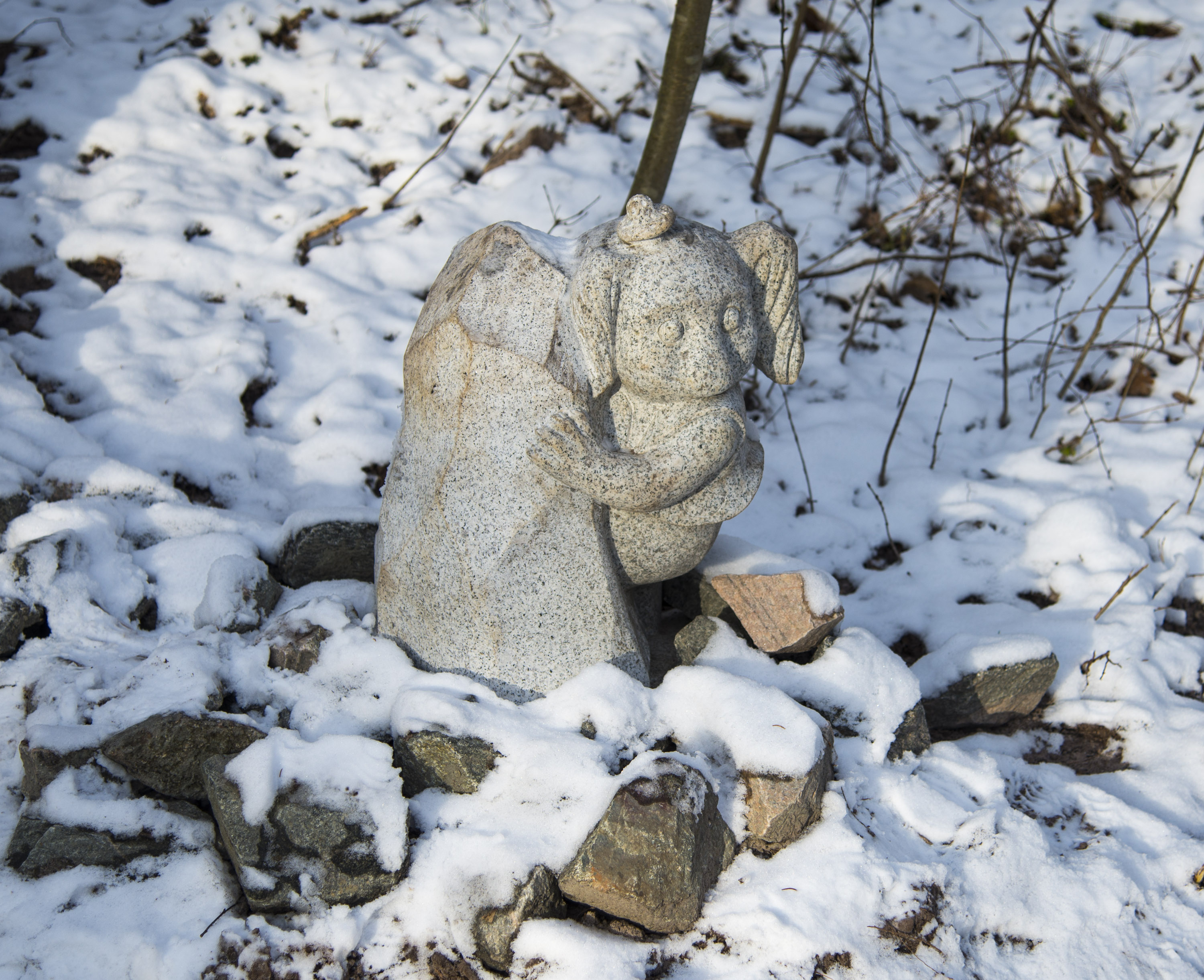
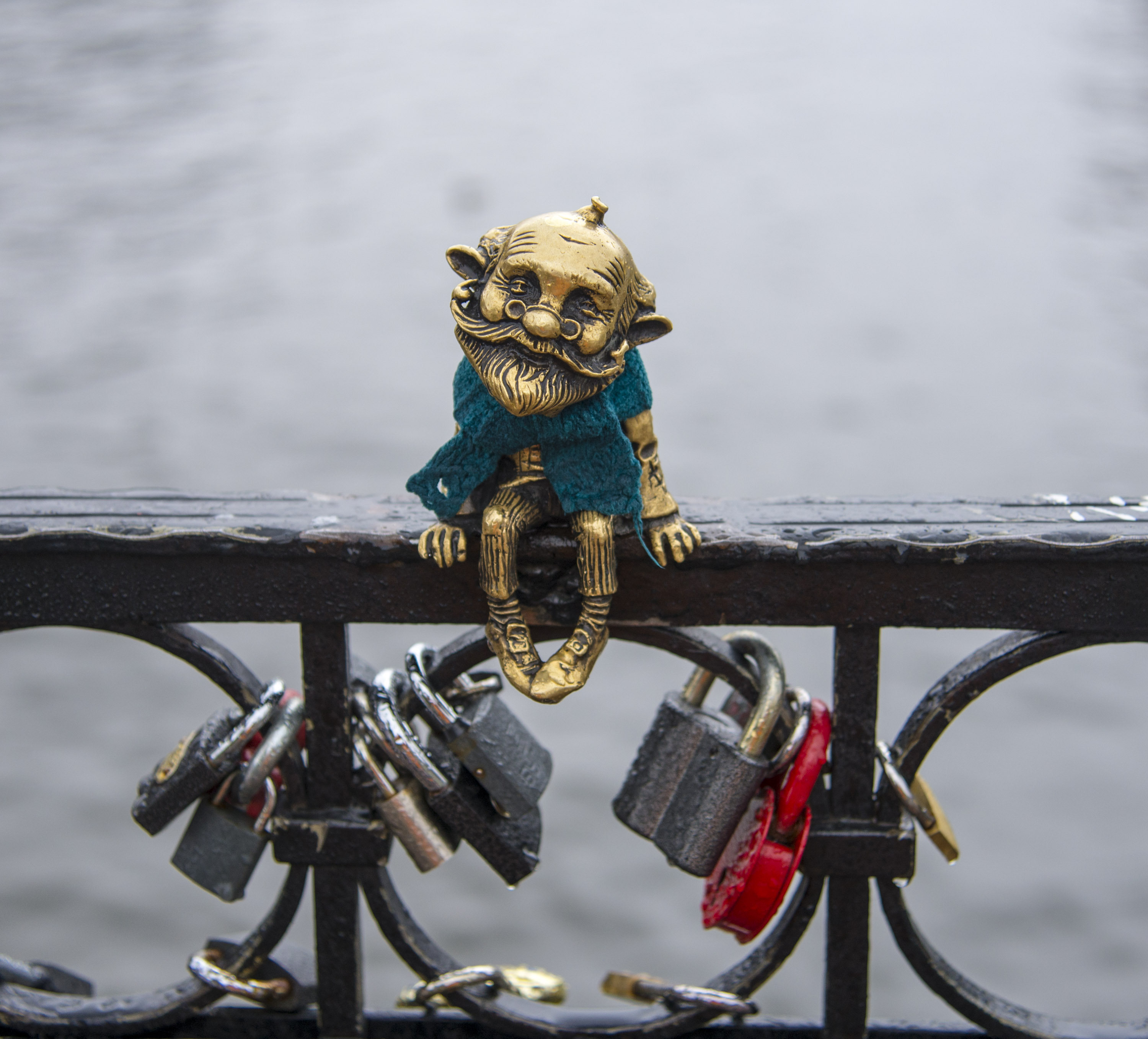
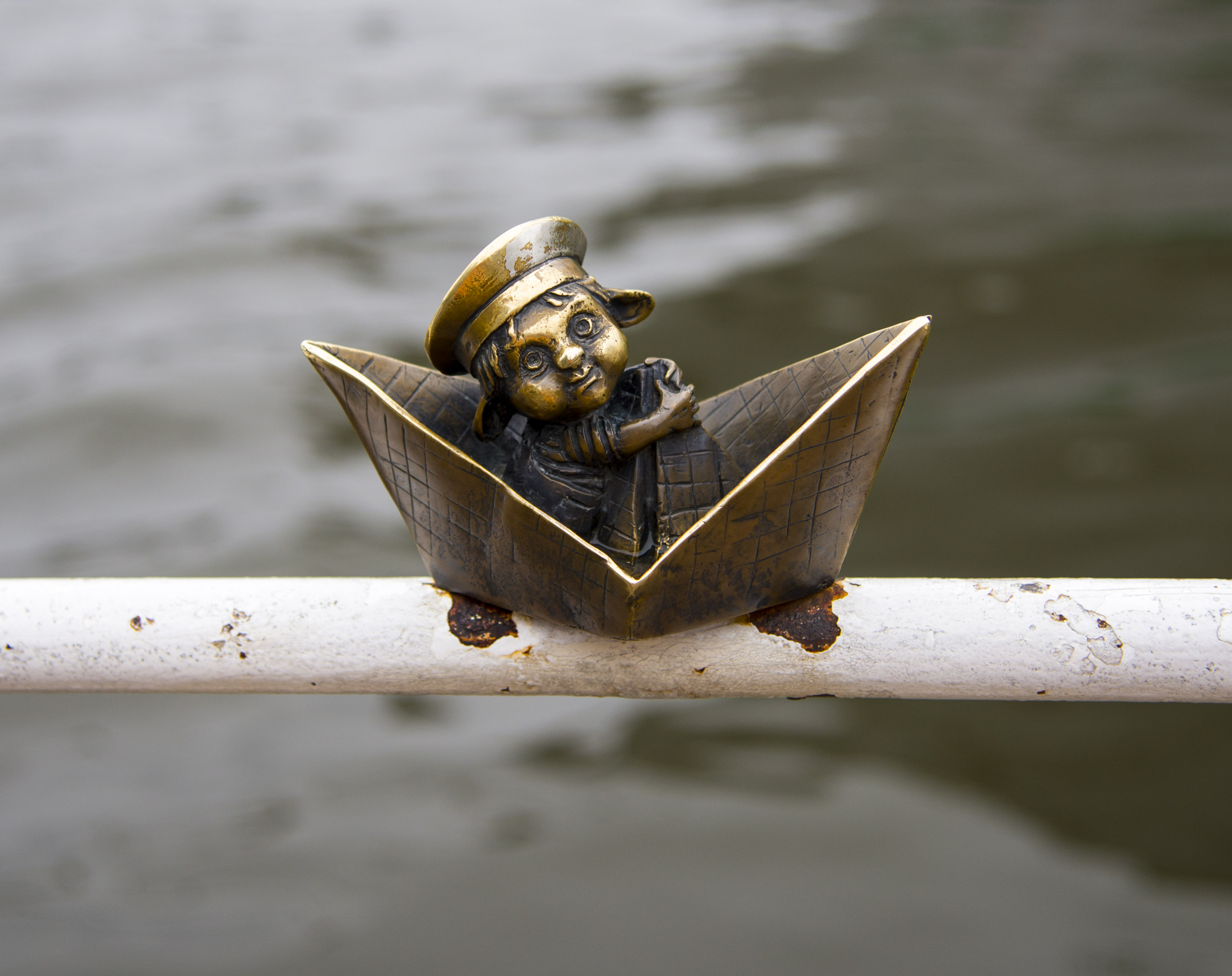
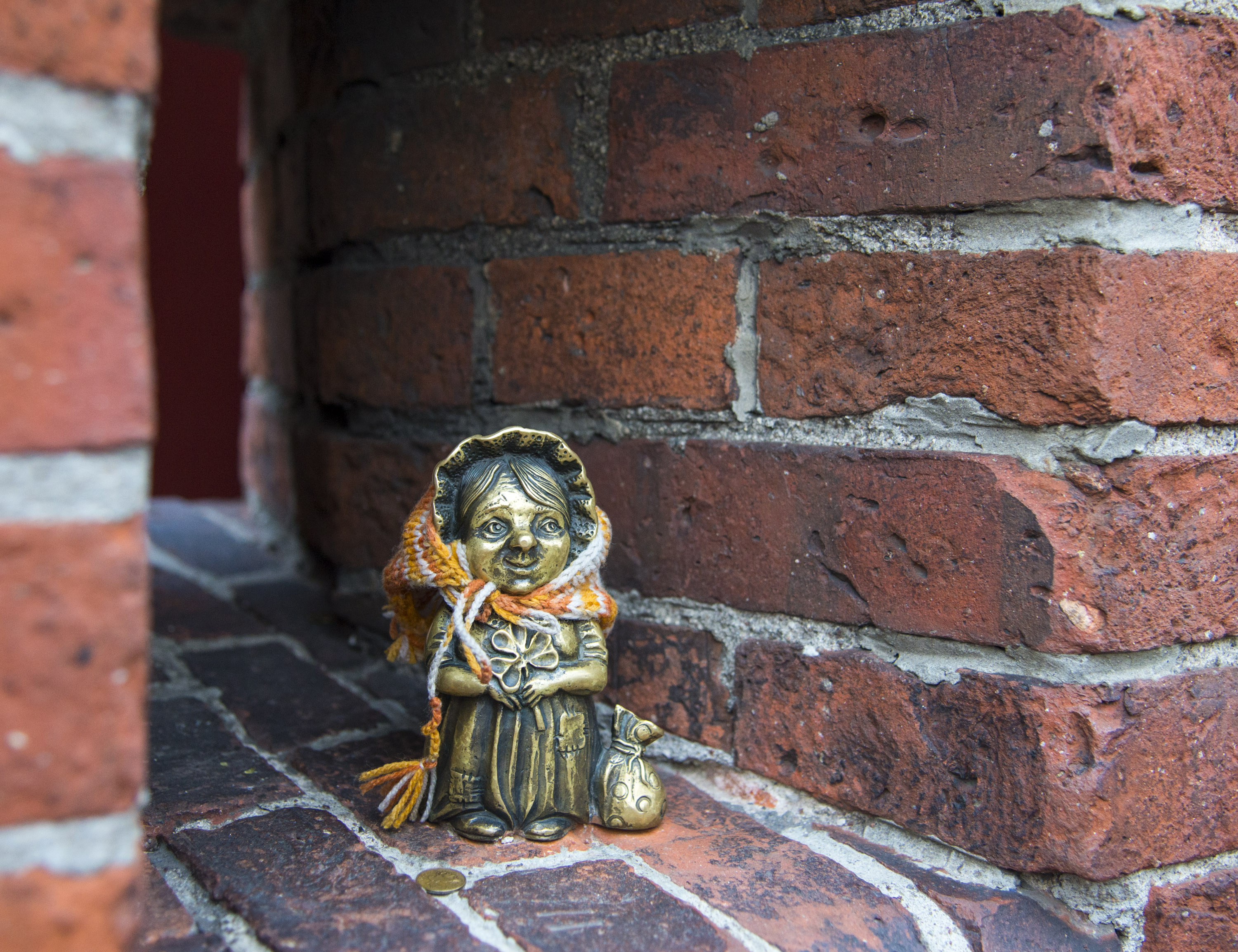
Homlins are small and cute dwarfs who work hard throughout their lives and create amber works that are known in the whole world. There are total of seven homlins in Kaliningrad, which are located in the different places of the city, near the important landmarks.

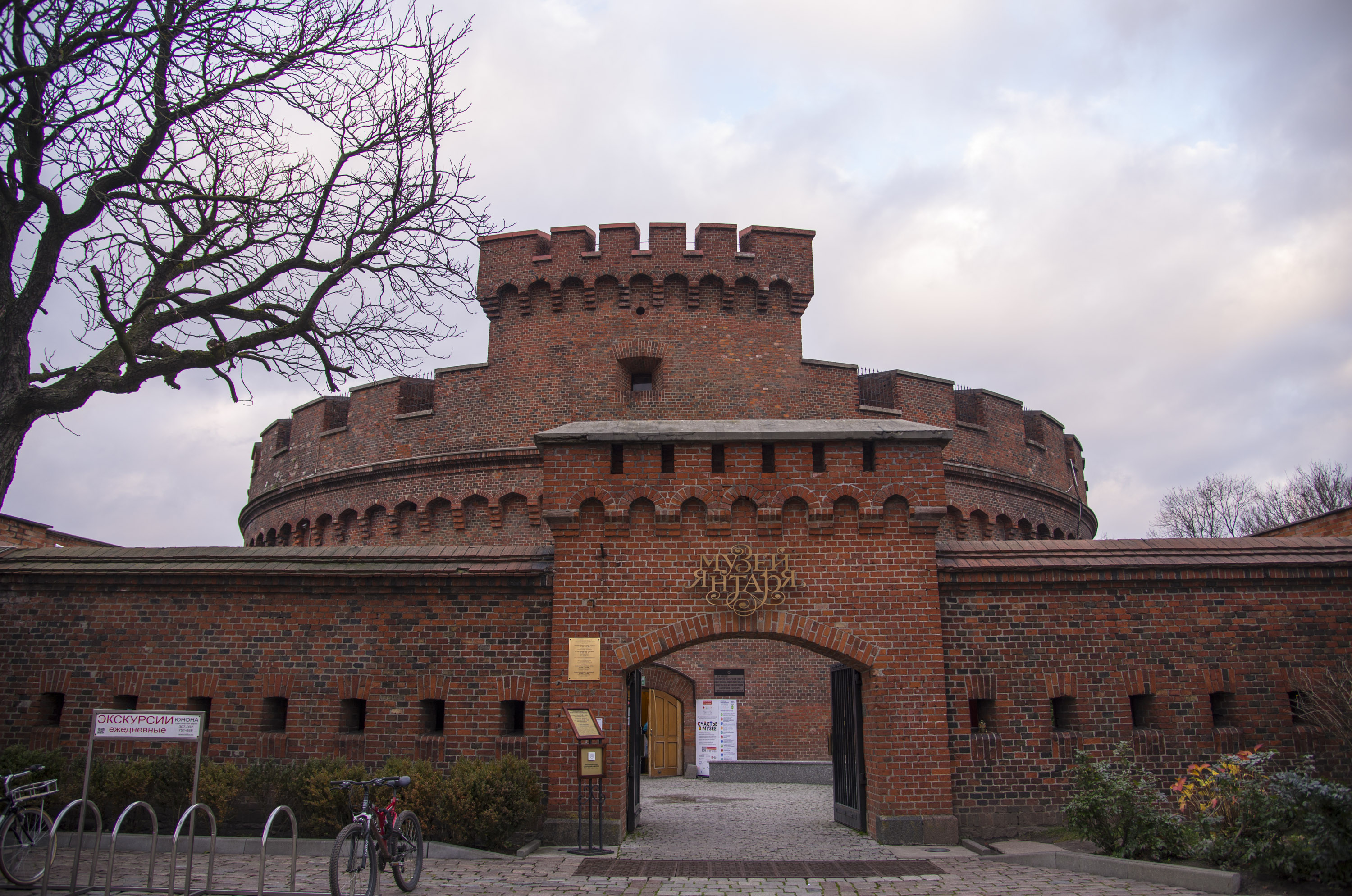
Amber museum

Svetlogorsk

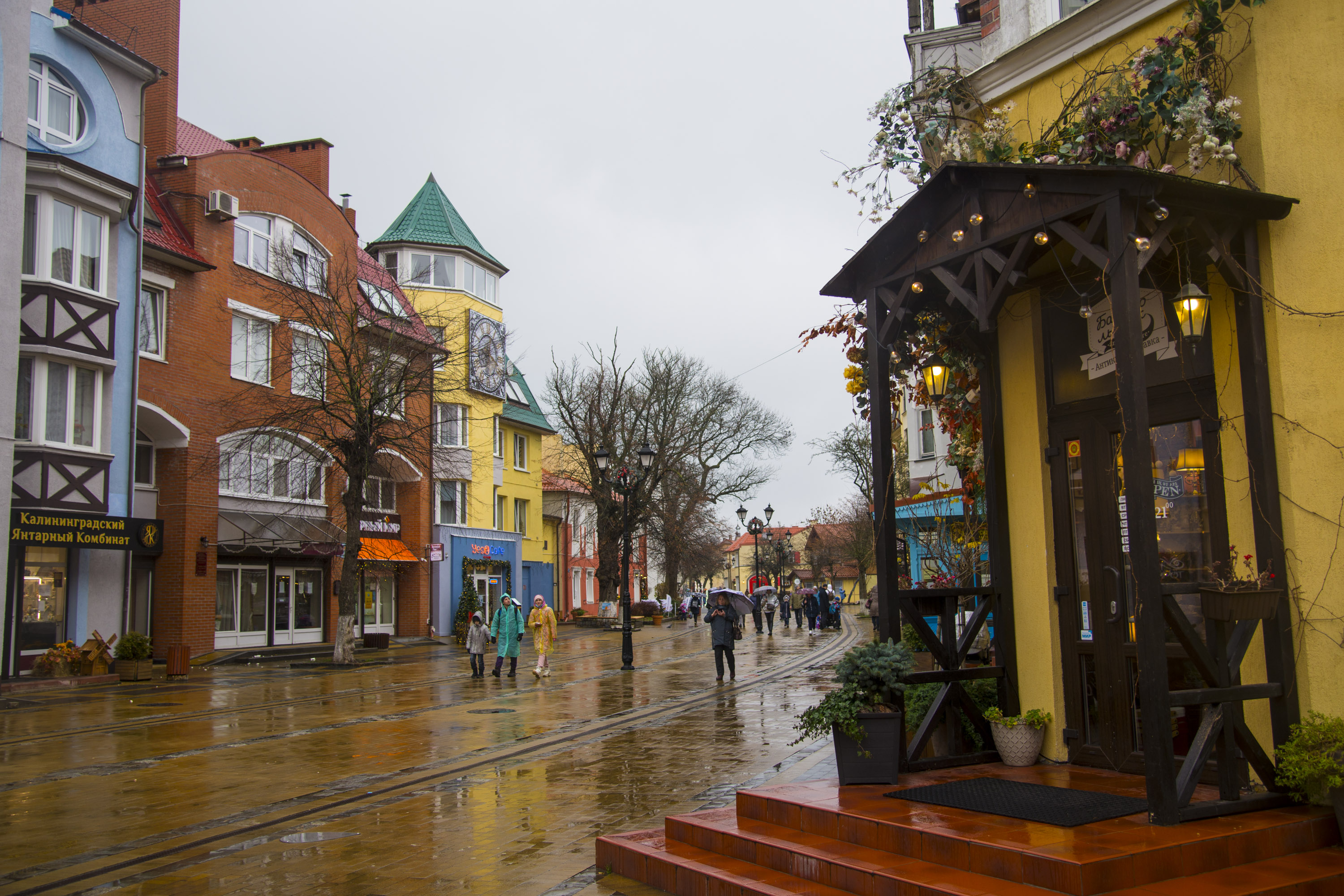
Zelenogradsk

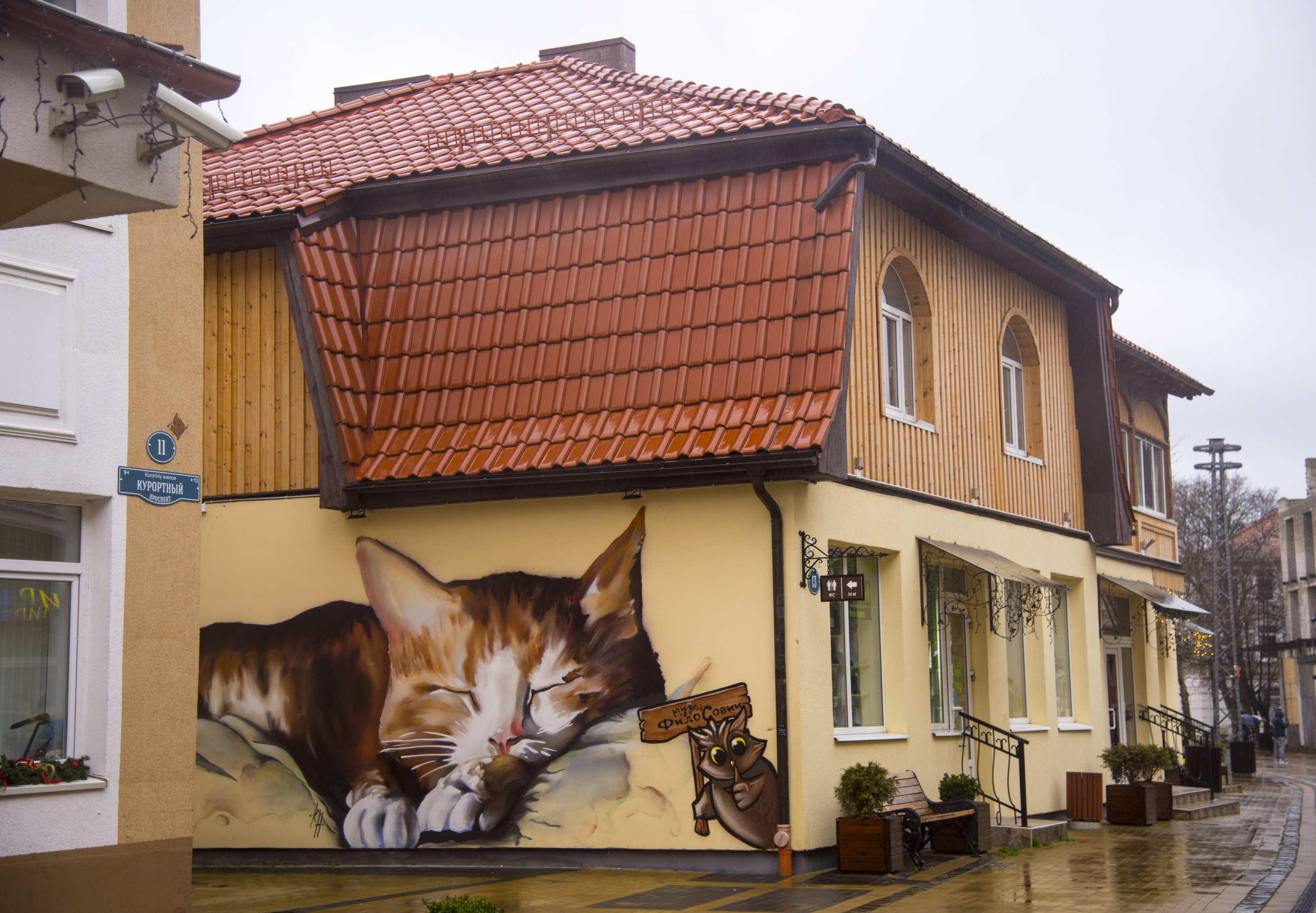
Cat museum

Cat museum is the largest art collection of cats images which is located in the old water tower, the symbol of Zelenogradsk. There is an observation deck in the dome of the tower which offers beautiful views of the city and sea.

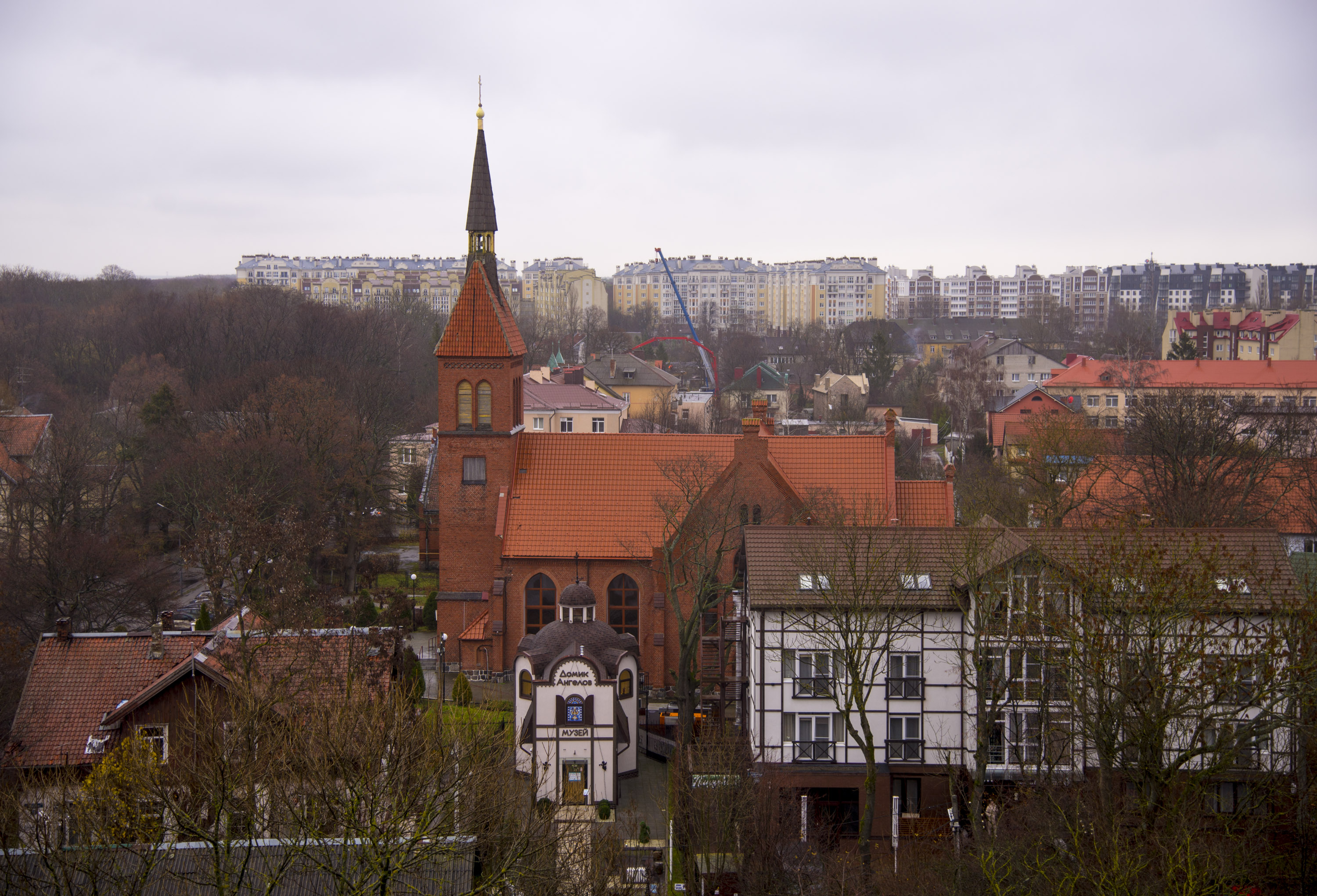
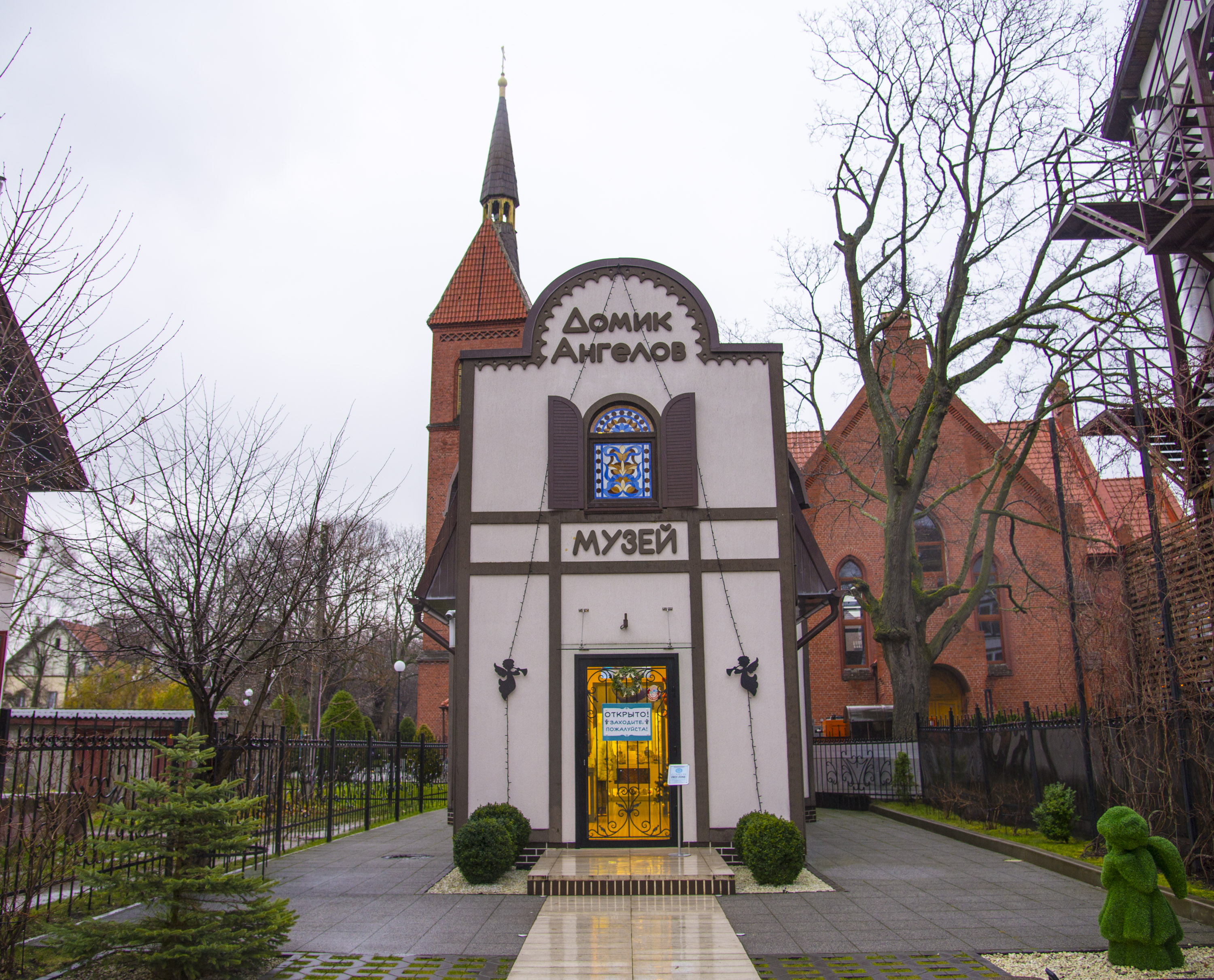
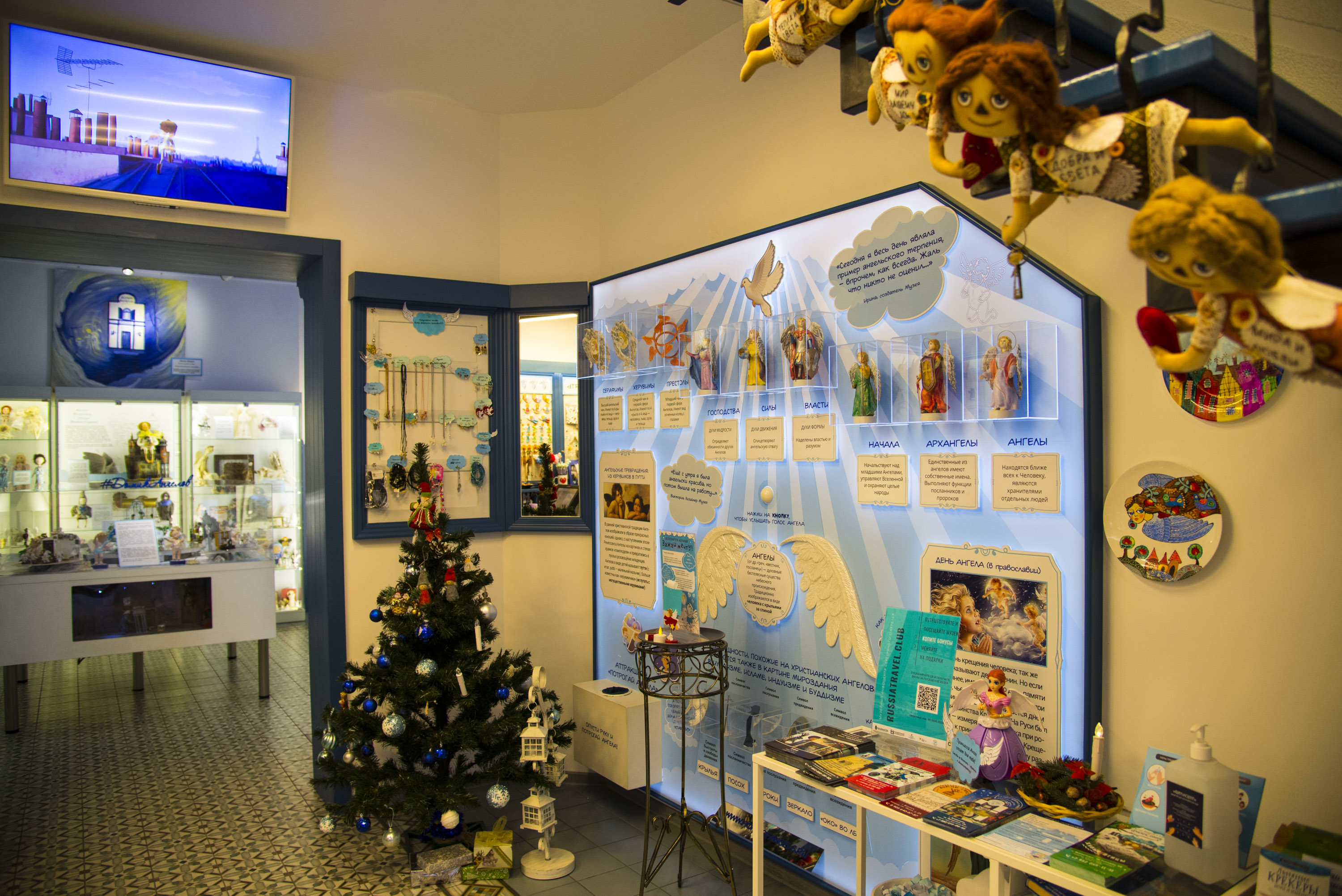
House of Angels

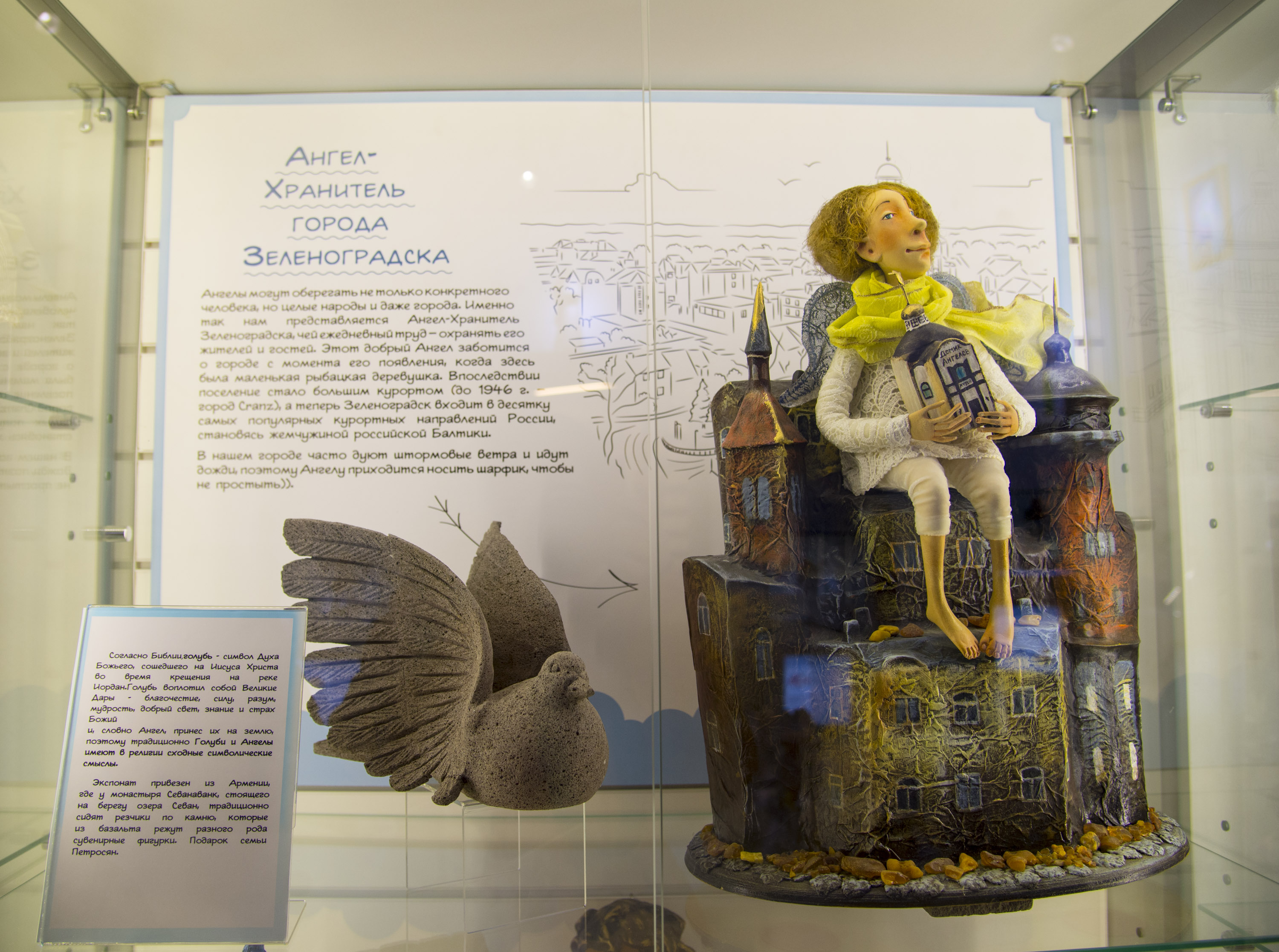
Museum “House of Angels” located in a small beautiful mansion is very nice and kind place with private art collection of more than 1000 unique exhibits from different countries.

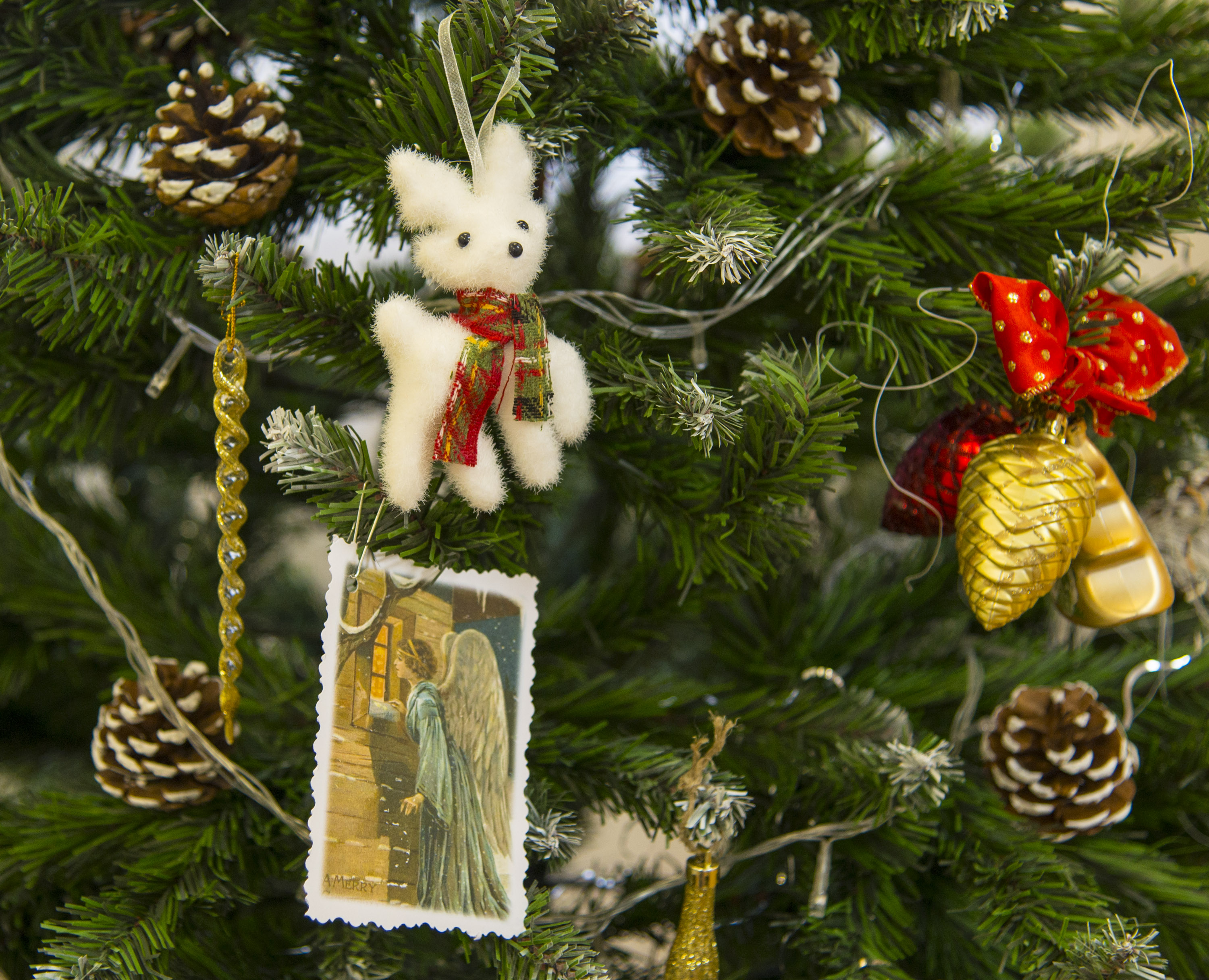
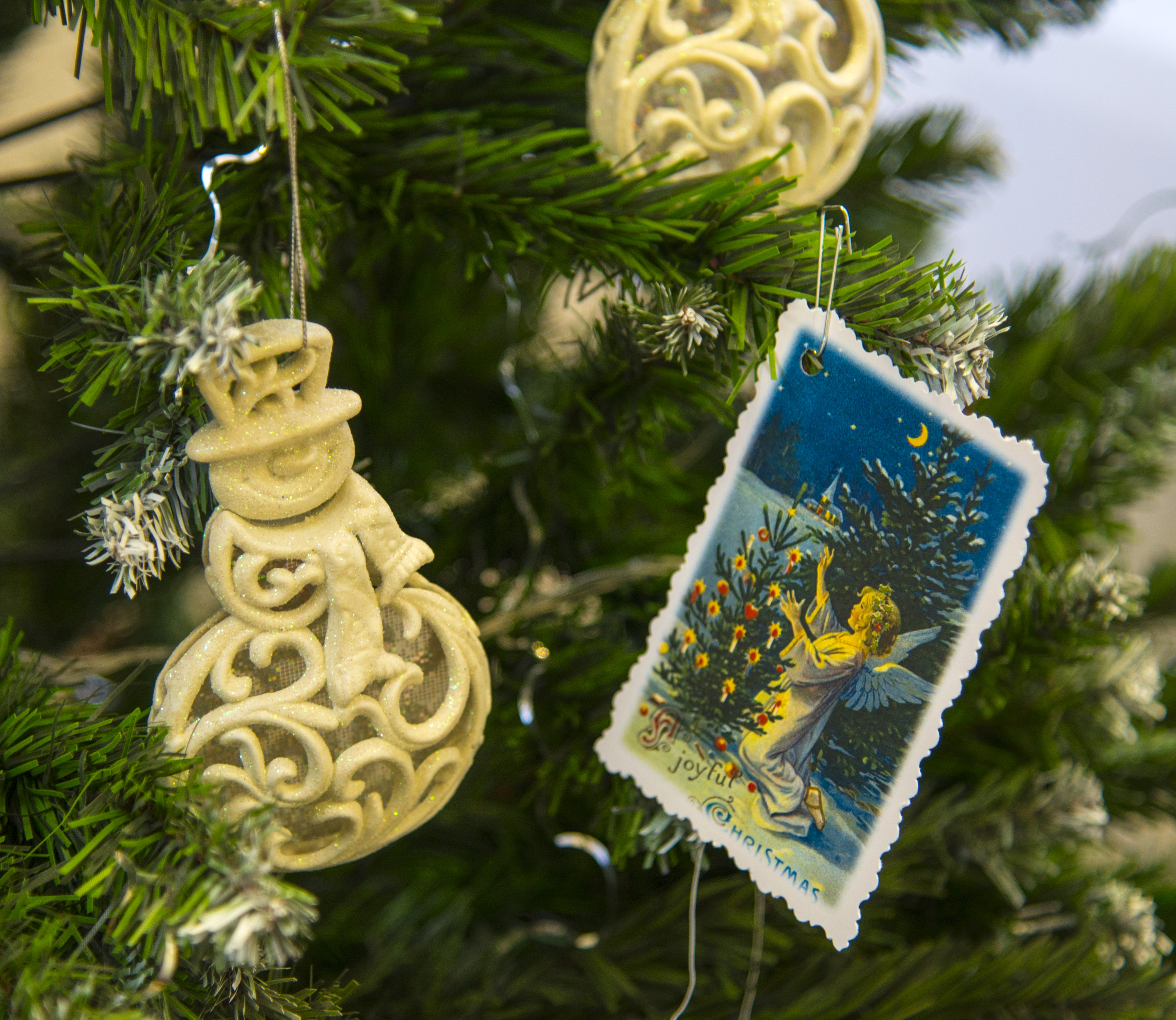
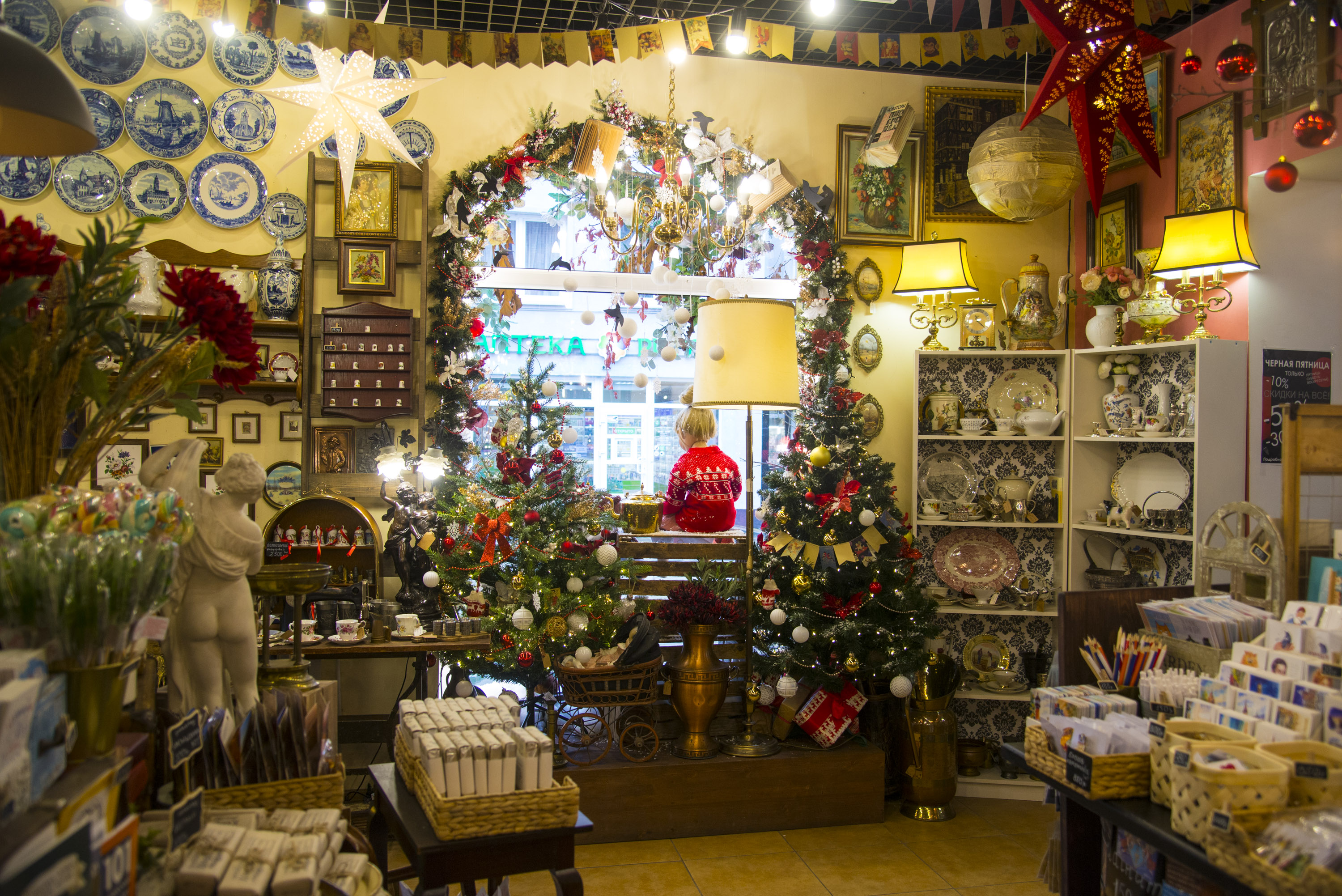
Christmas is all around!

Gallery

Moscow autumn colors 2021

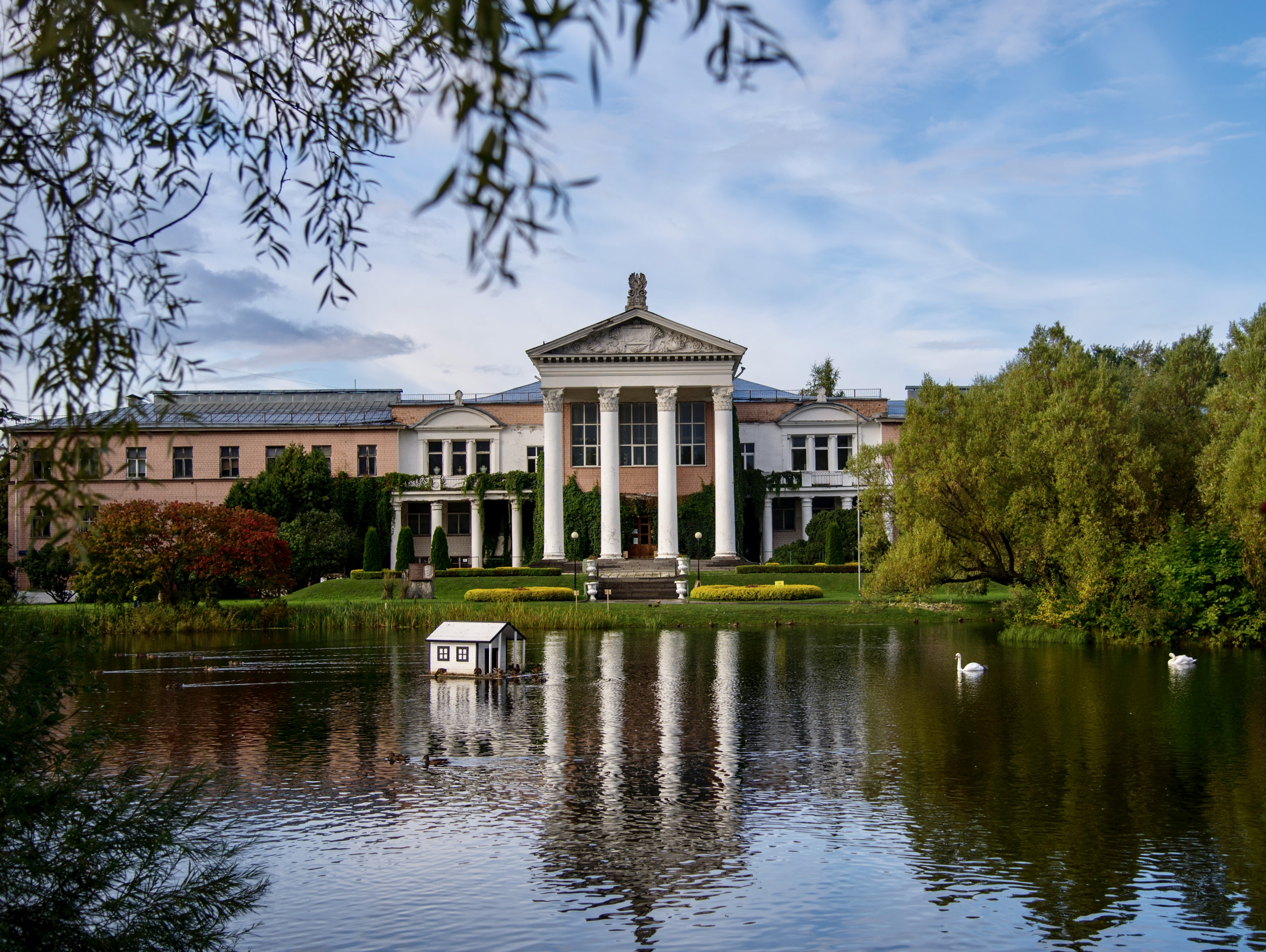
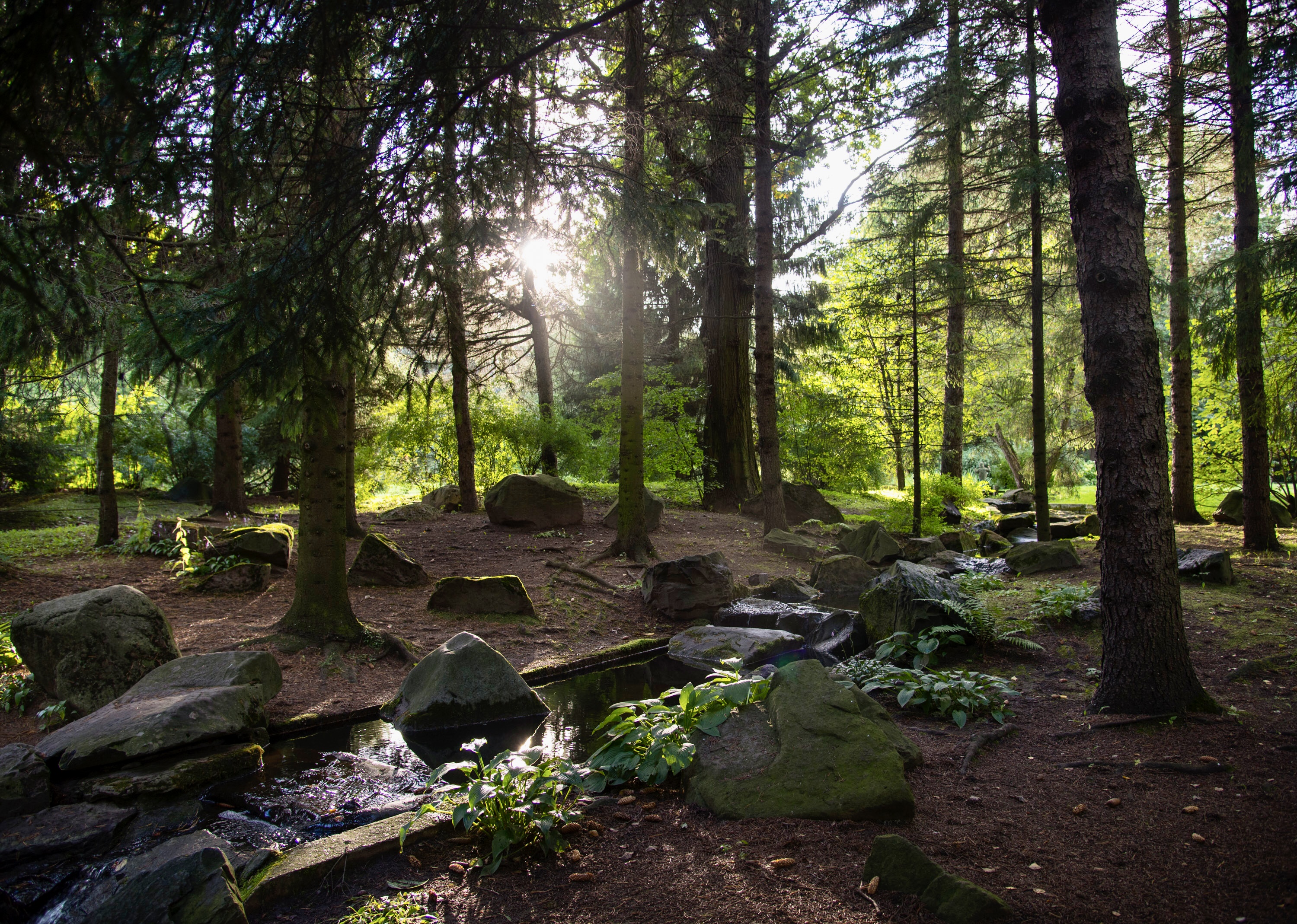
Moscow Botanical Garden (early September)

The Tsytsin Main Moscow Botanical Garden was founded in April 1945, and claims itself to be the largest botanical garden in Europe. It covers a territory of approximately 3.61 km² and contains a live exhibition of more than twenty thousand different species of plants coming from various parts of the world. 

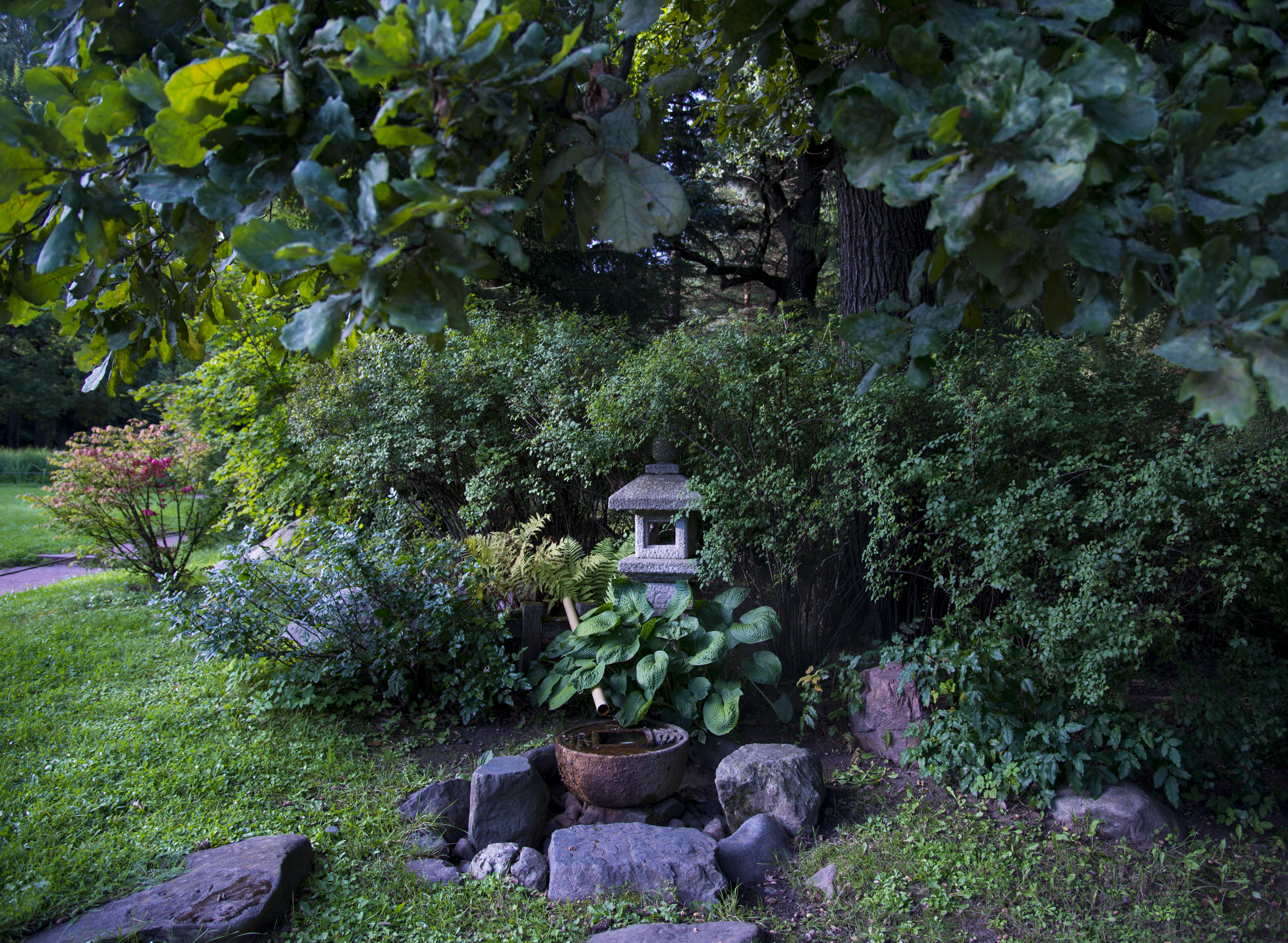
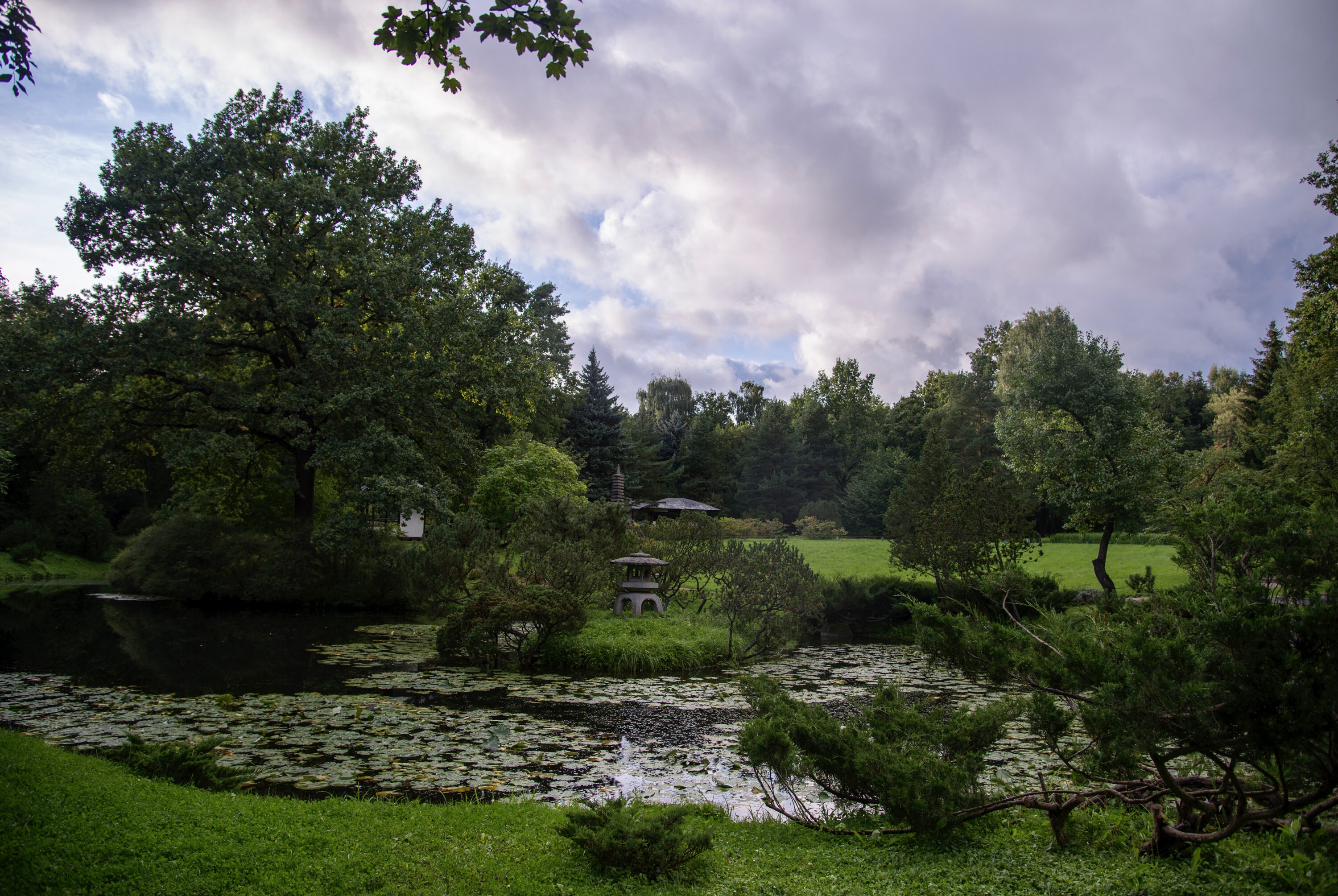
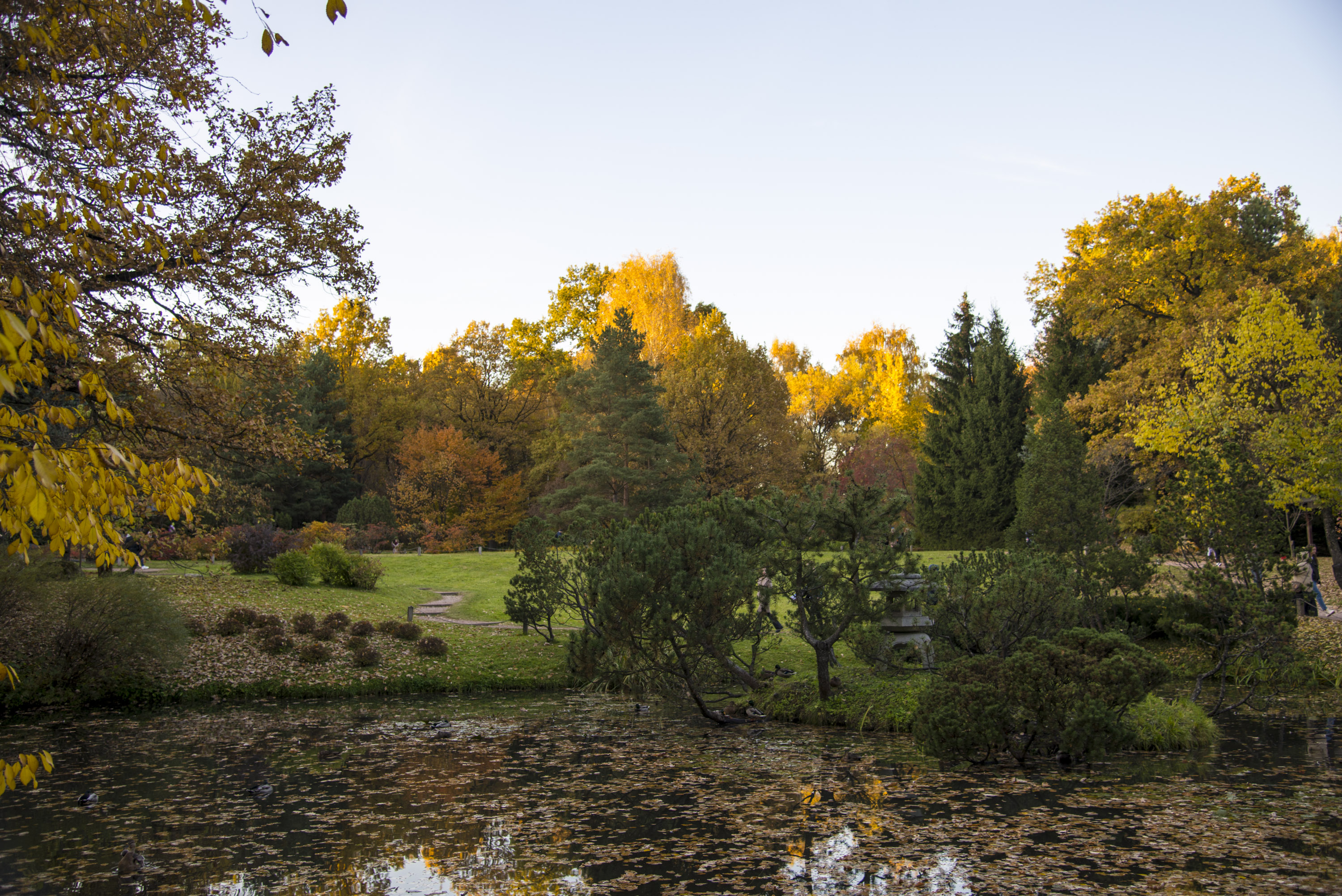
Japanese Garden

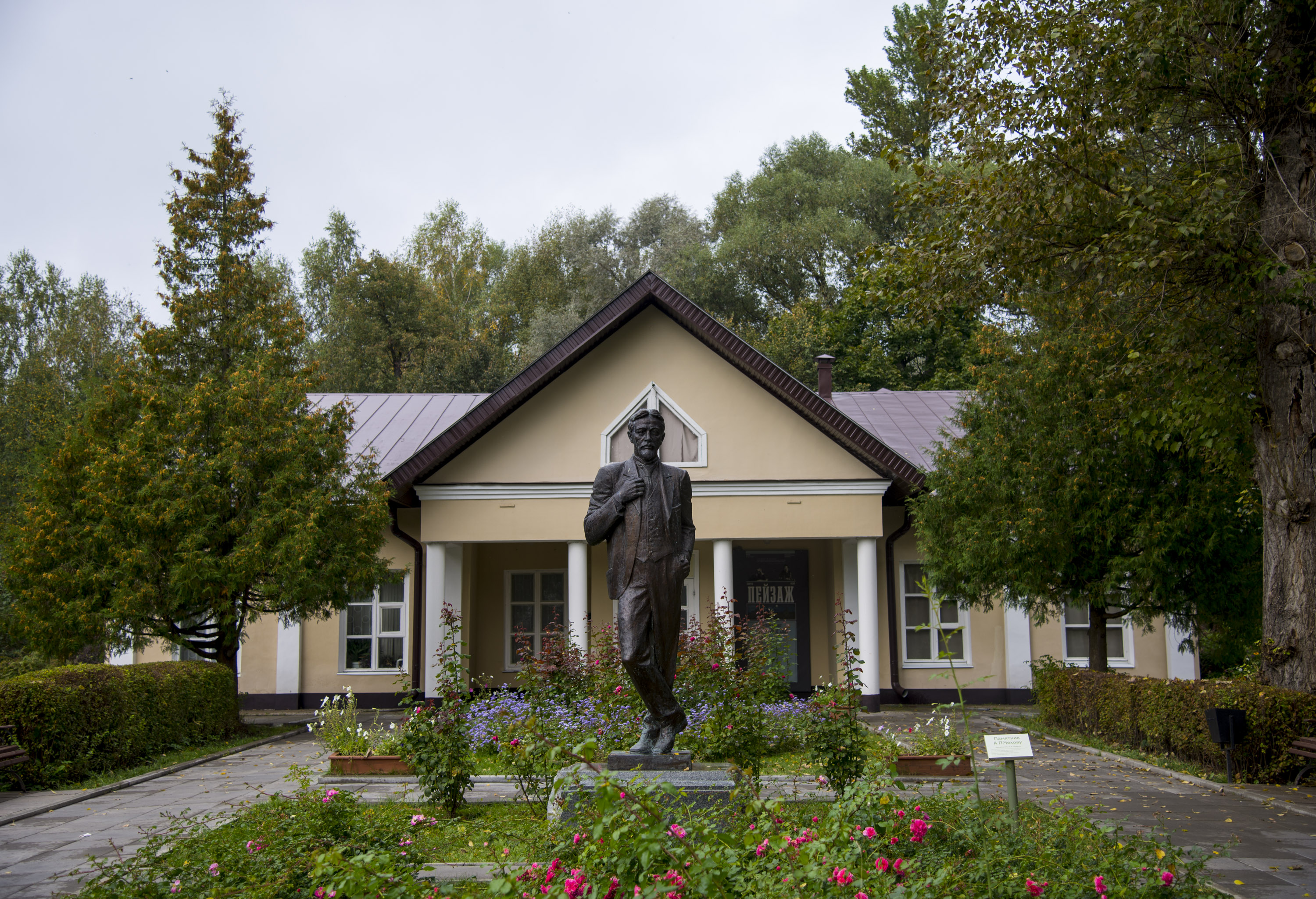
Melikhovo Estate

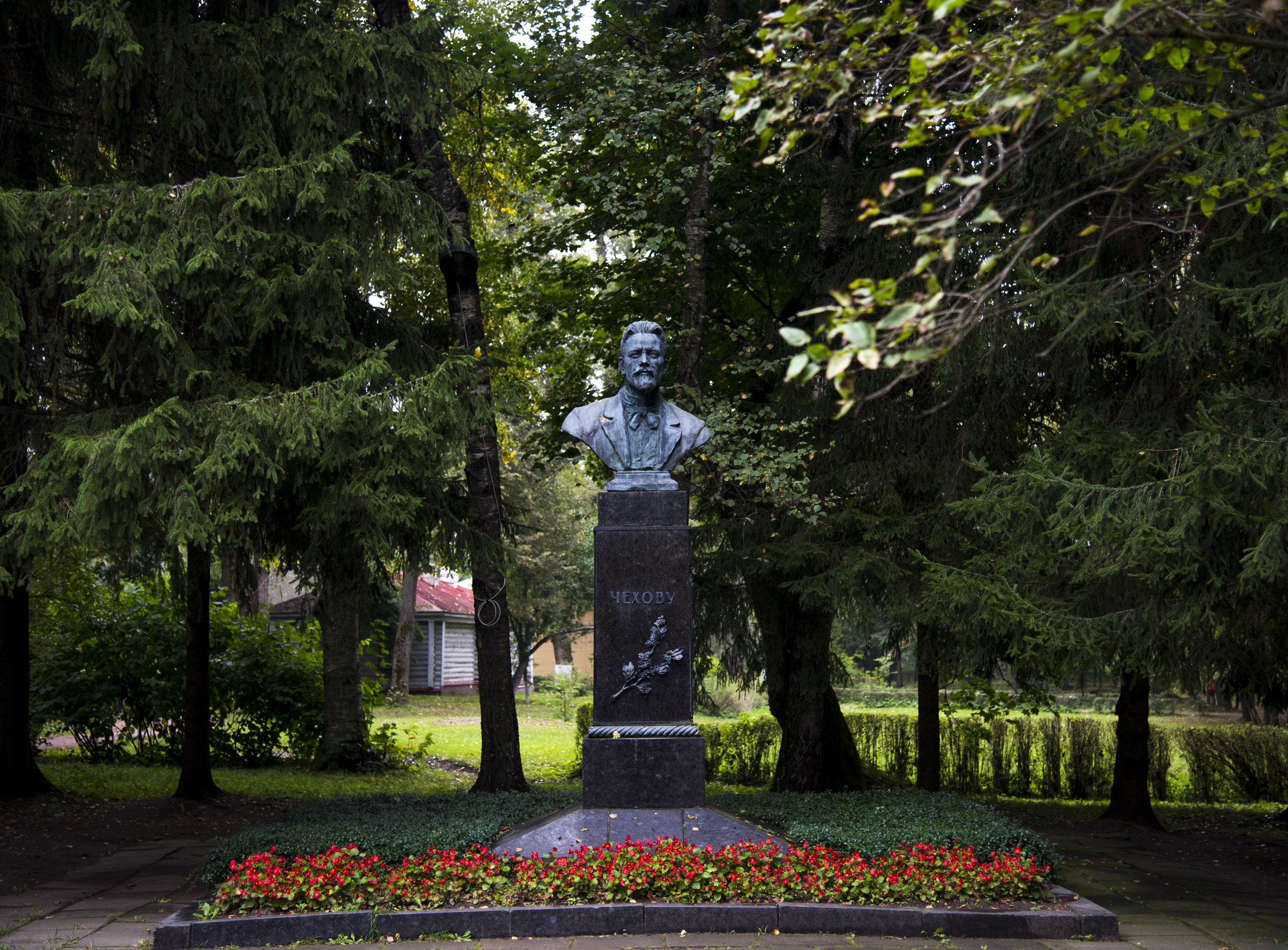
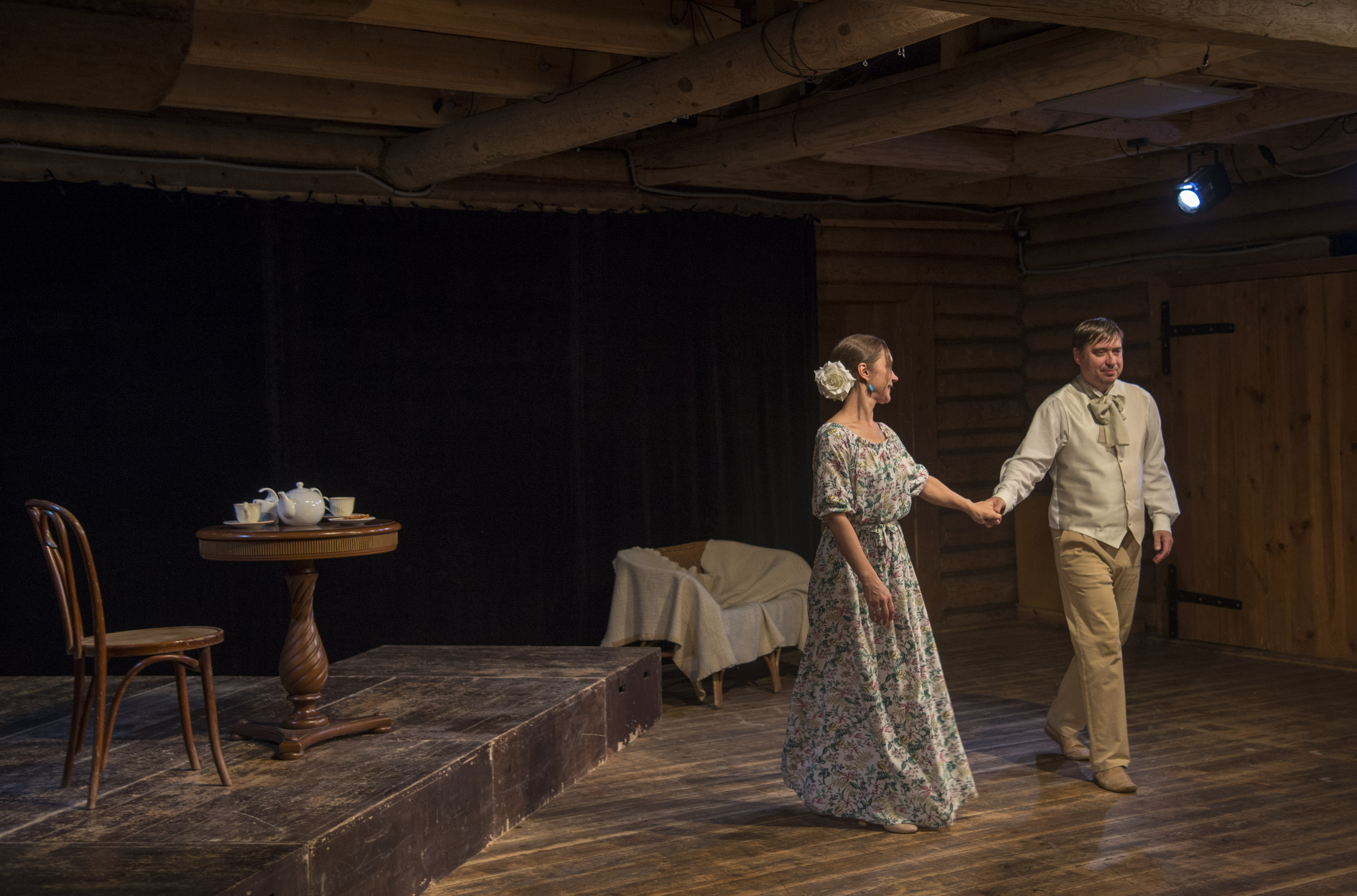
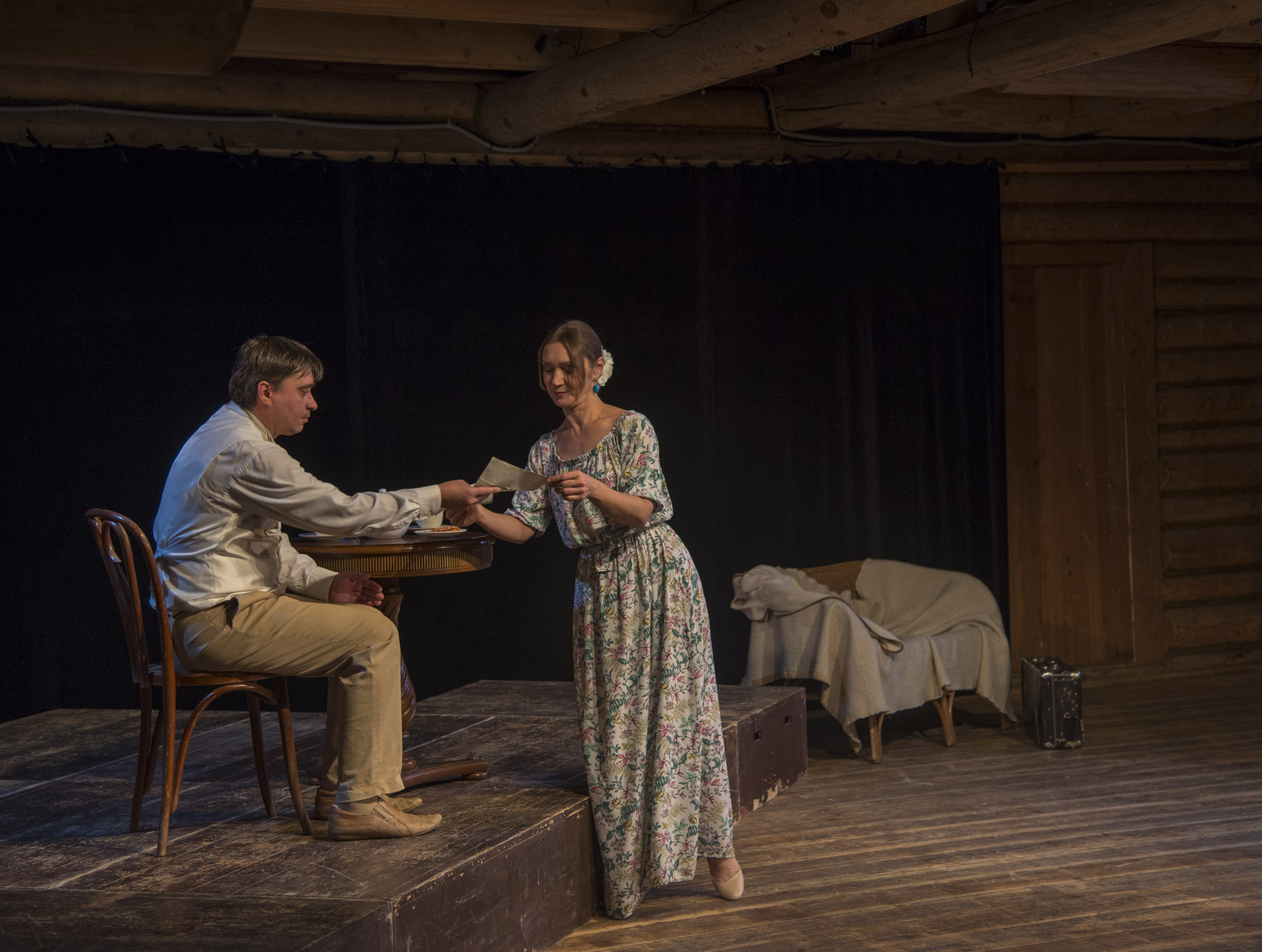
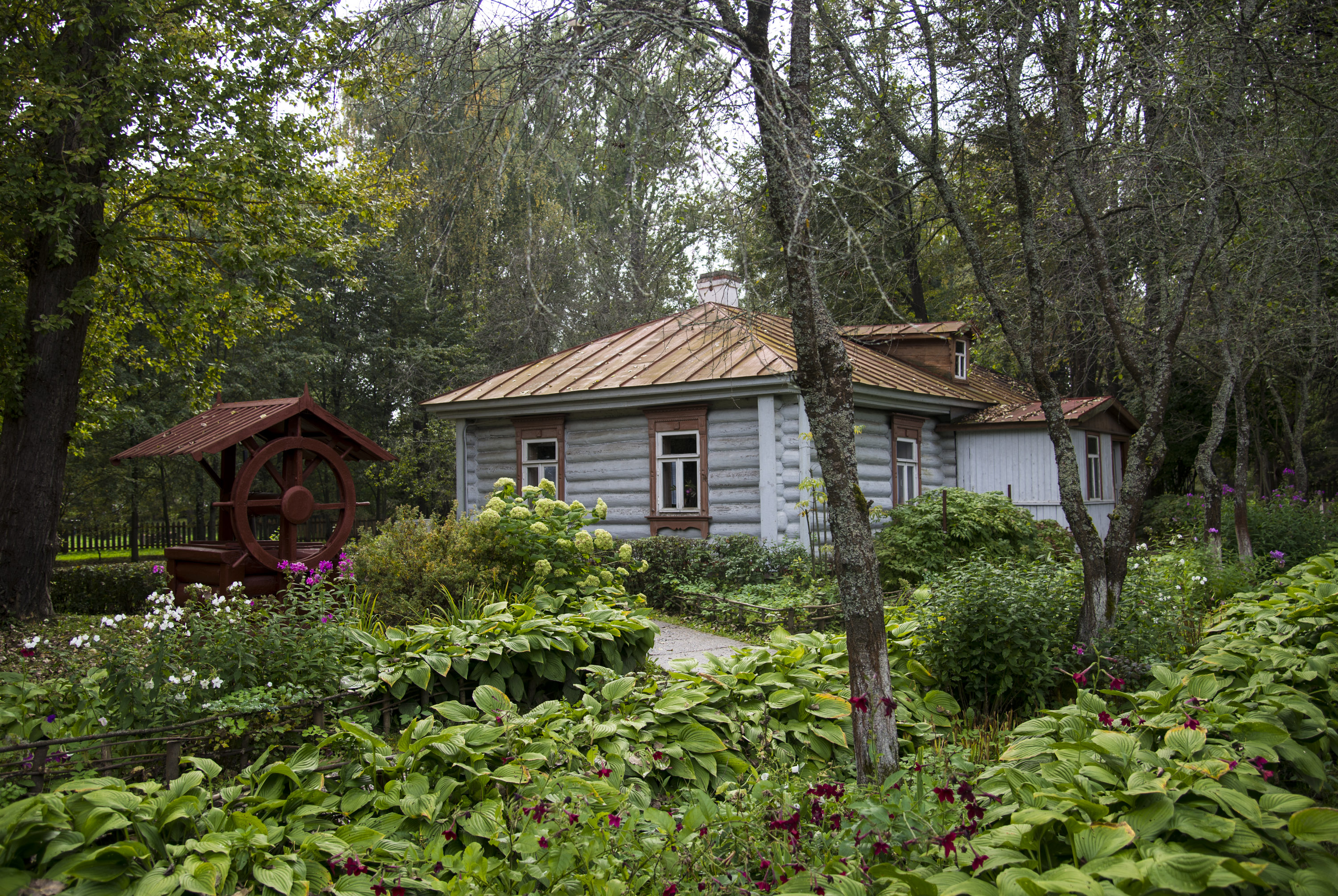
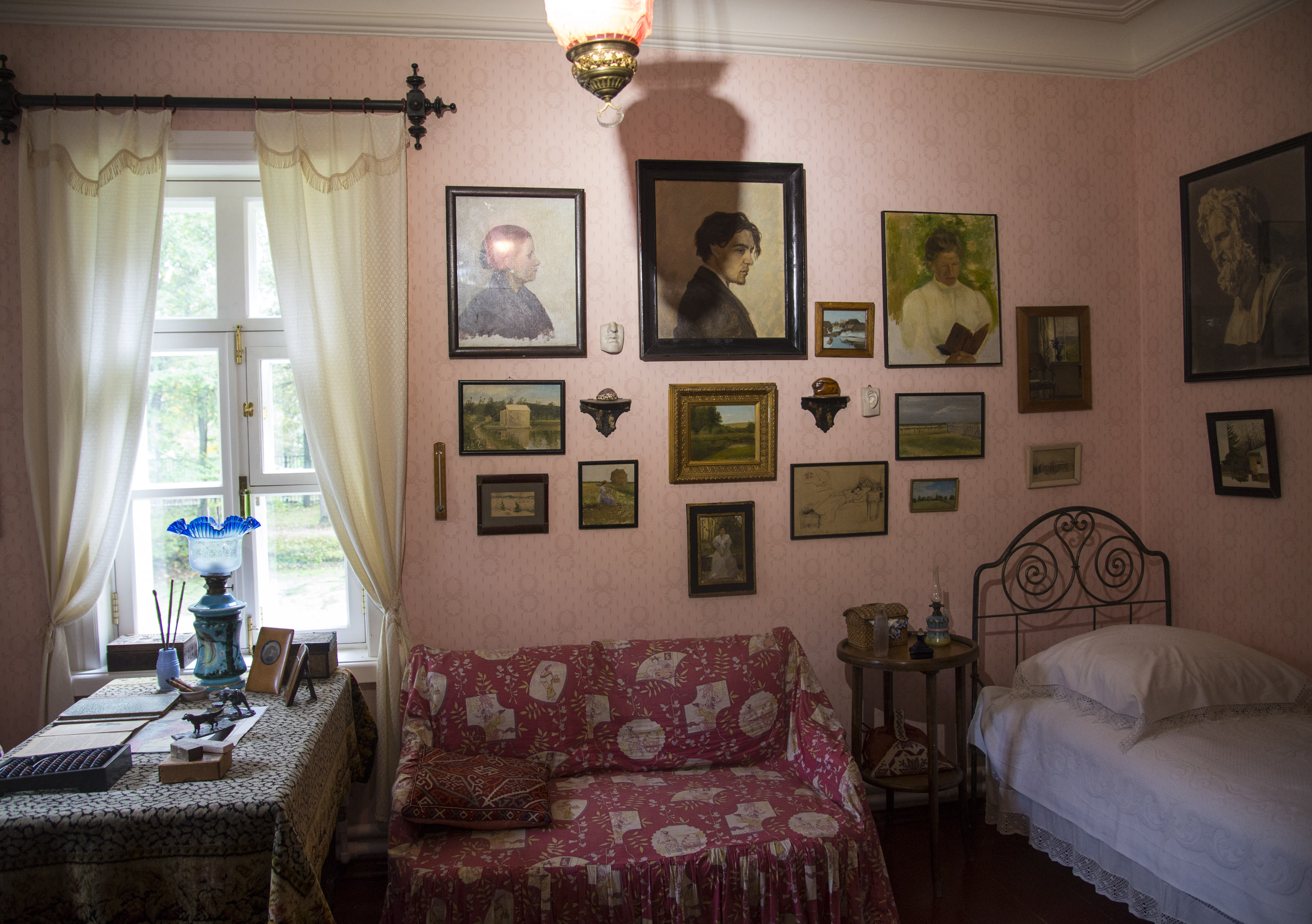
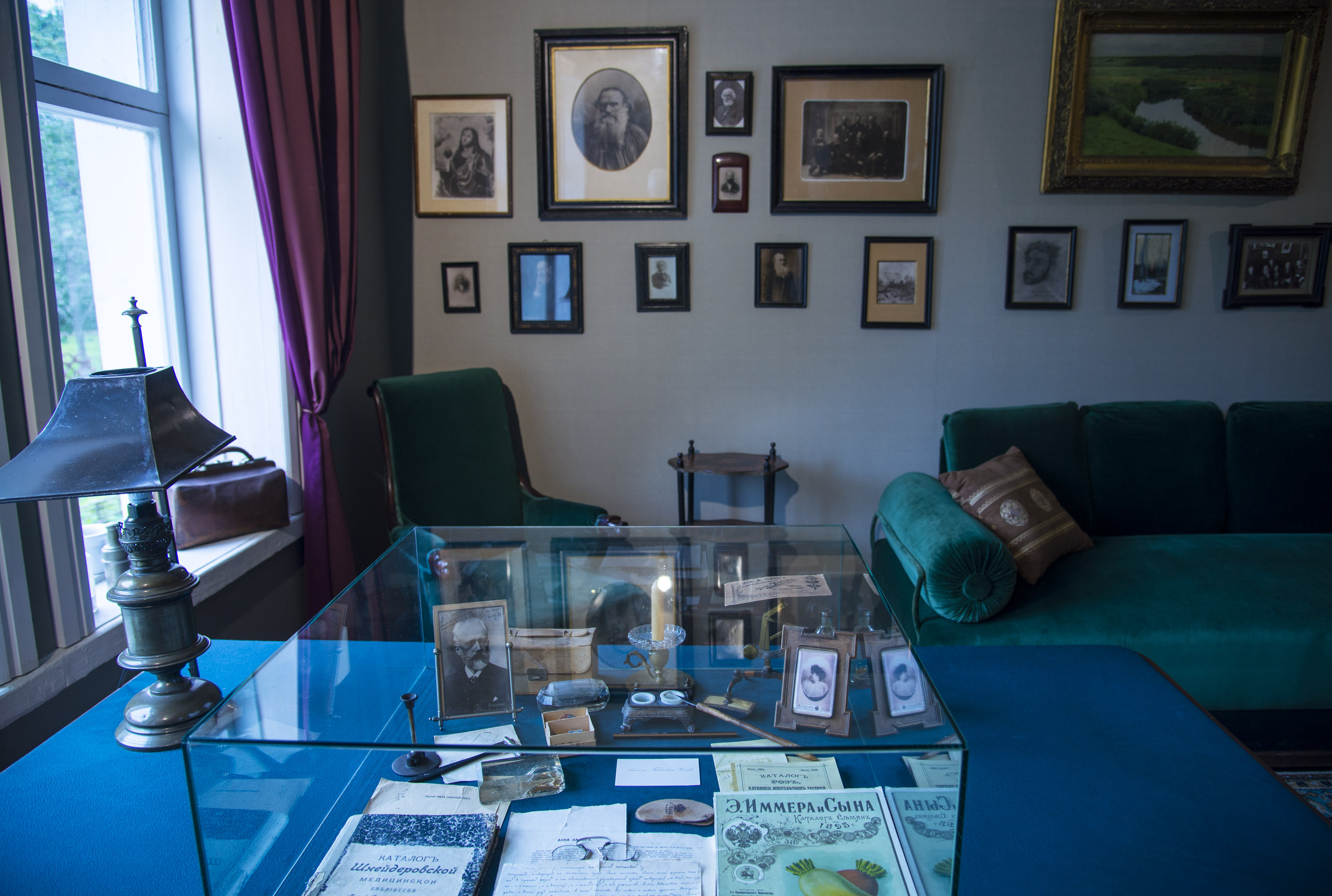
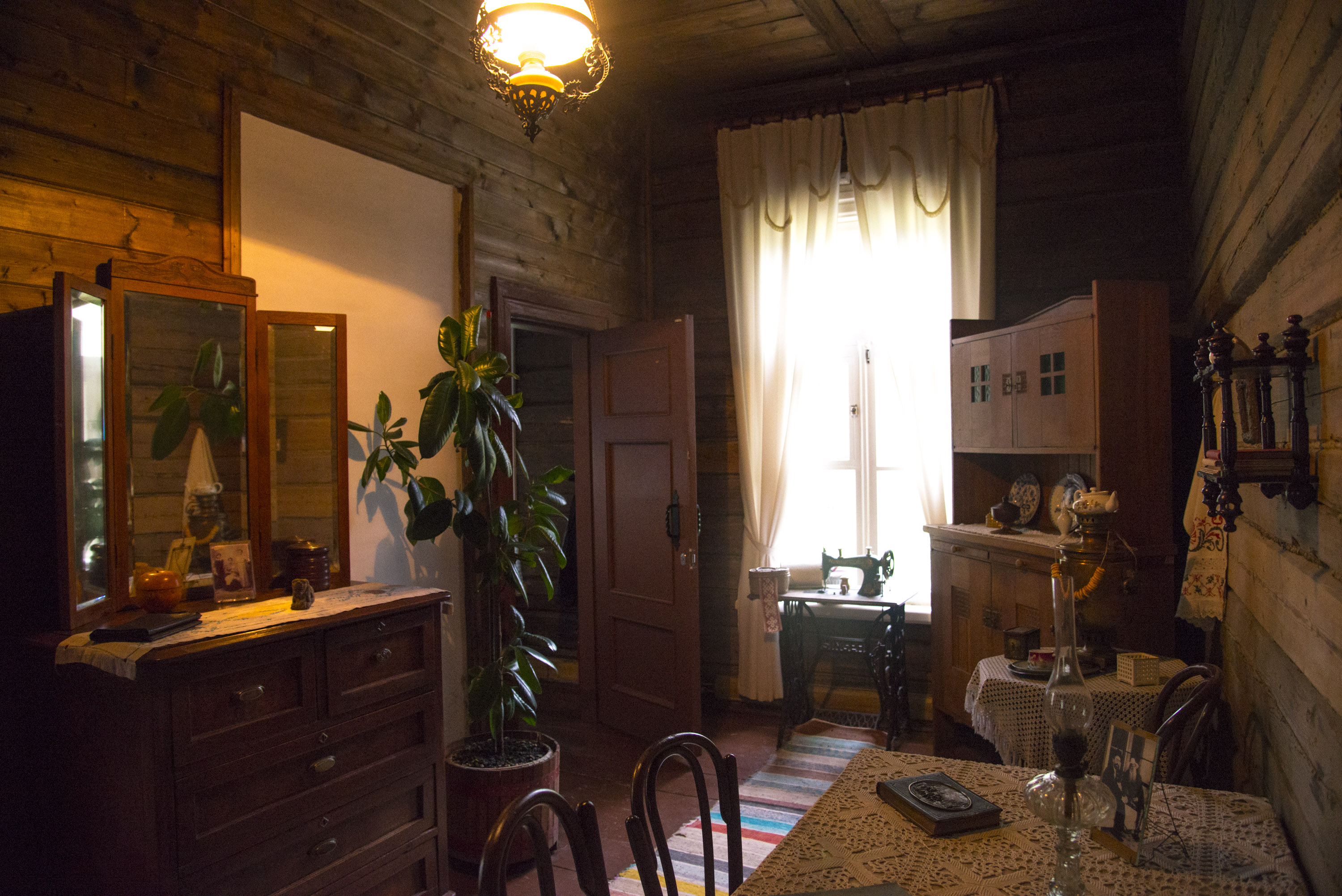
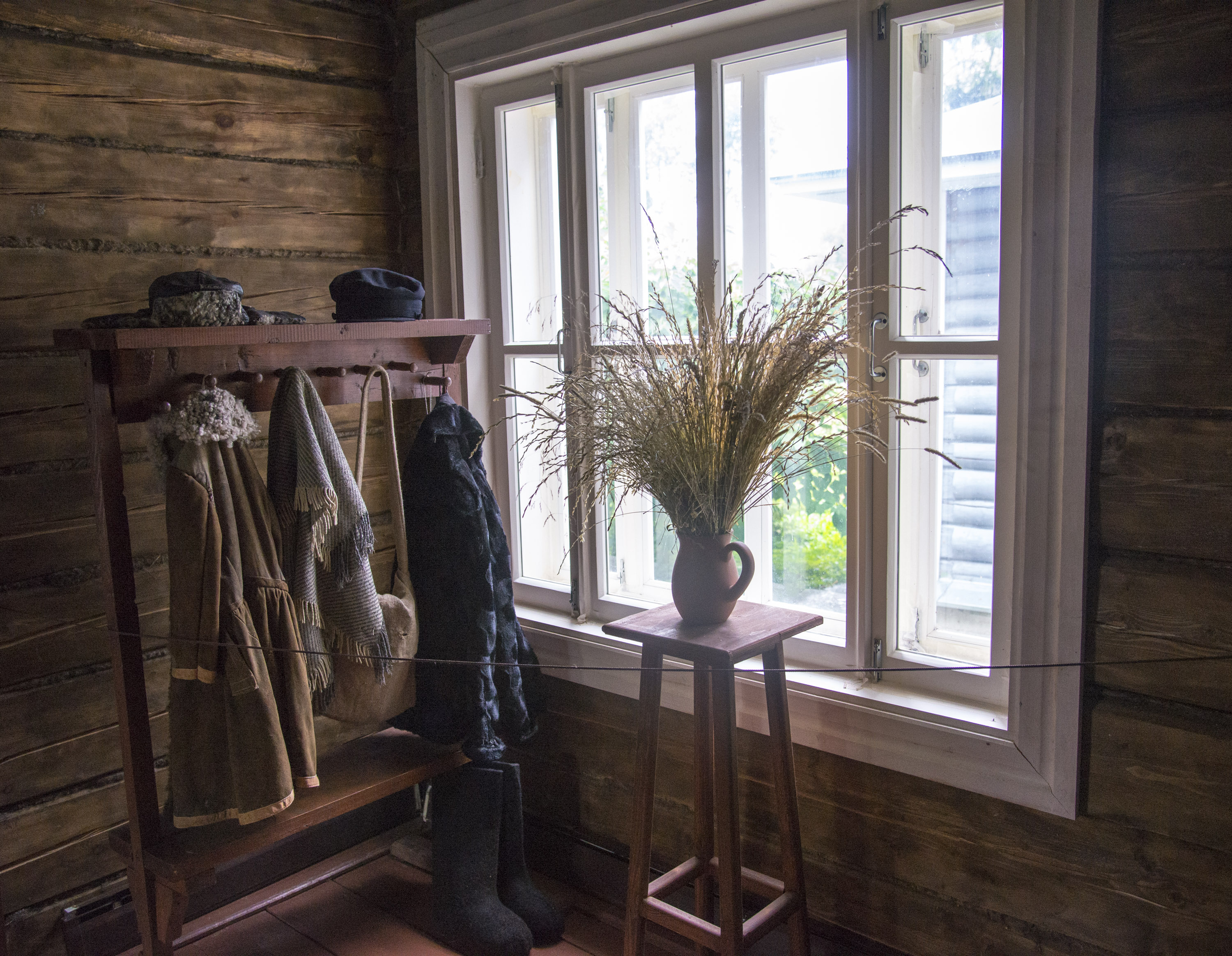
A.P. Chekhov lived at Melikhovo from 1892 to 1899, and not only wrote somw of his most famous works there (the short story Chamber No. 6, and the plays The Seagull and Uncle Vanya), but also worked as a village doctor, laid a telegraph line, and built several schools. Amazingly beautiful place!

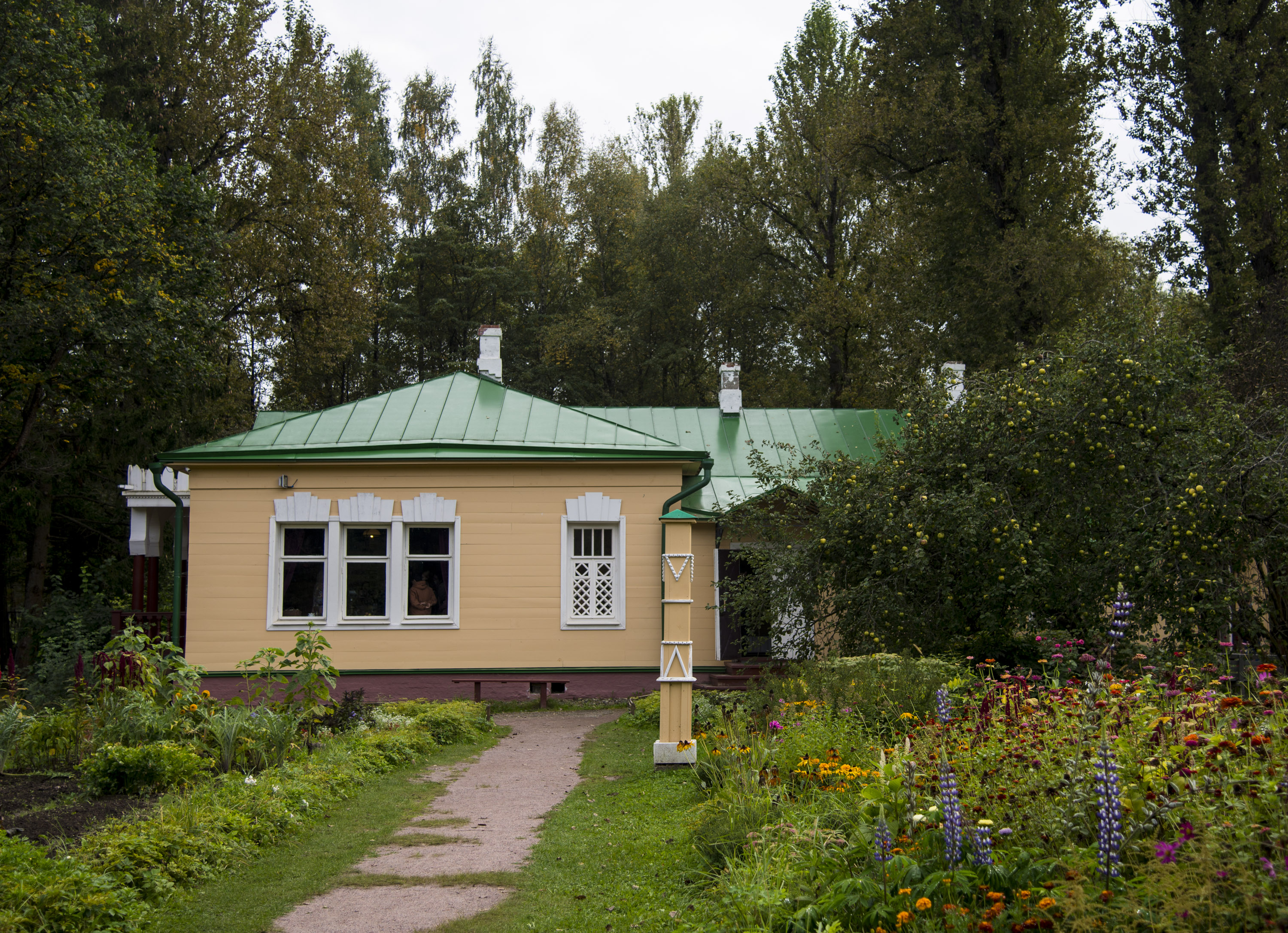
A.P. Chekhov wrote one of his most famous plays The Seagull at this small and cosy-looking blue house in 1895.

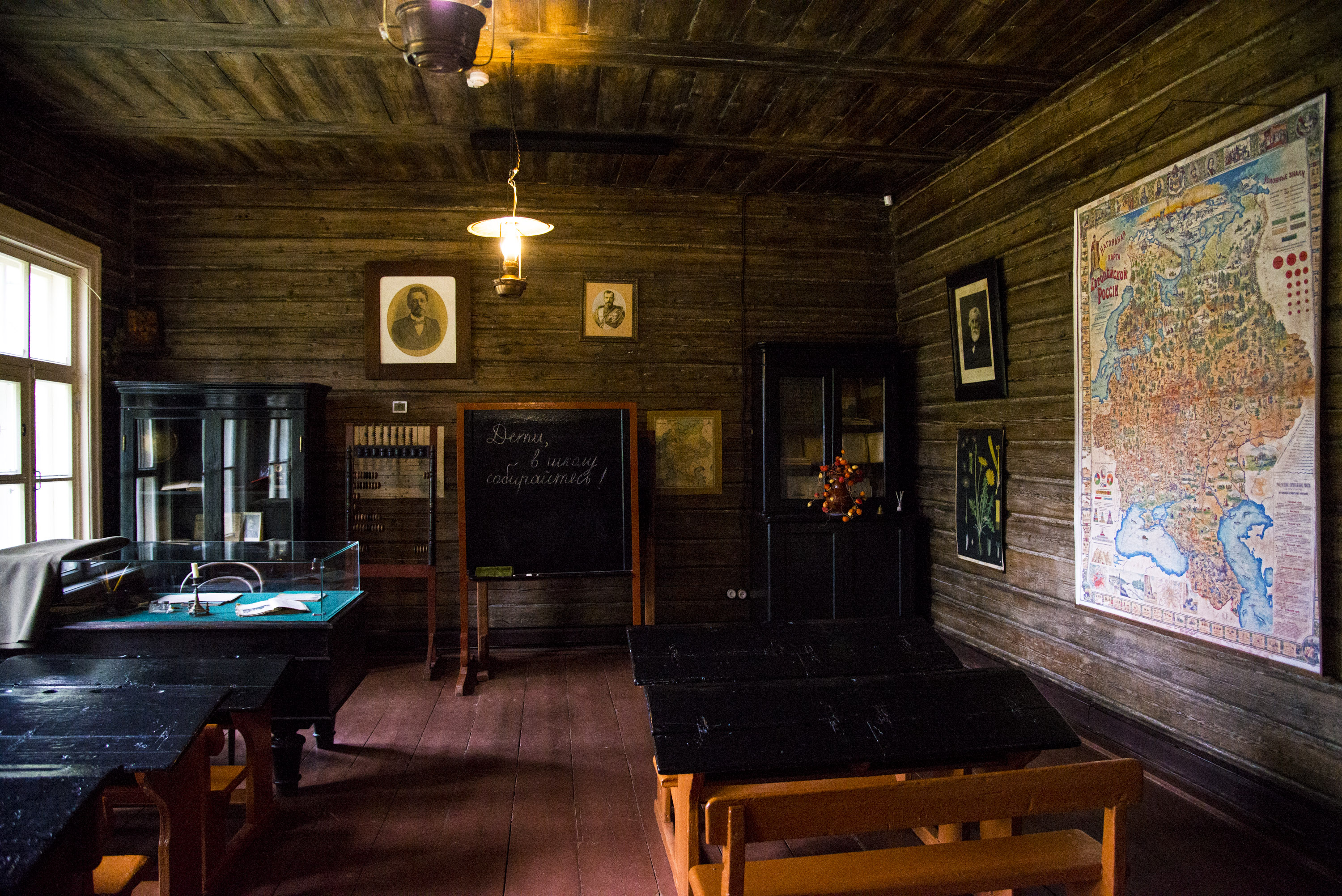
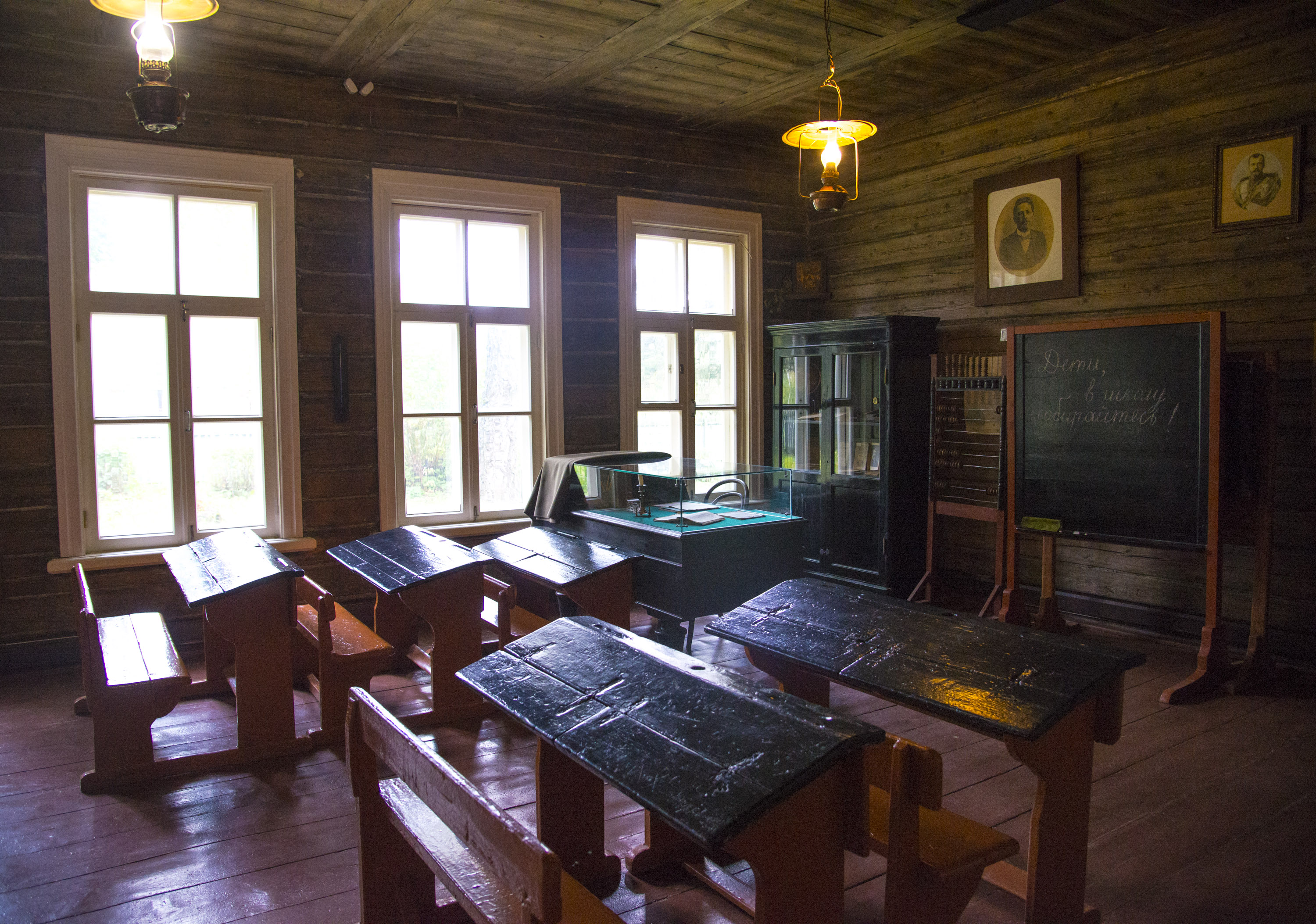
A school which was built by Chekhov in Melikhovo.

Beautiful sunset at the Sadki estate in Chekhov

Moscow Botanical Garden (late September)

VDNKH Exhibition Center

Serednikovo

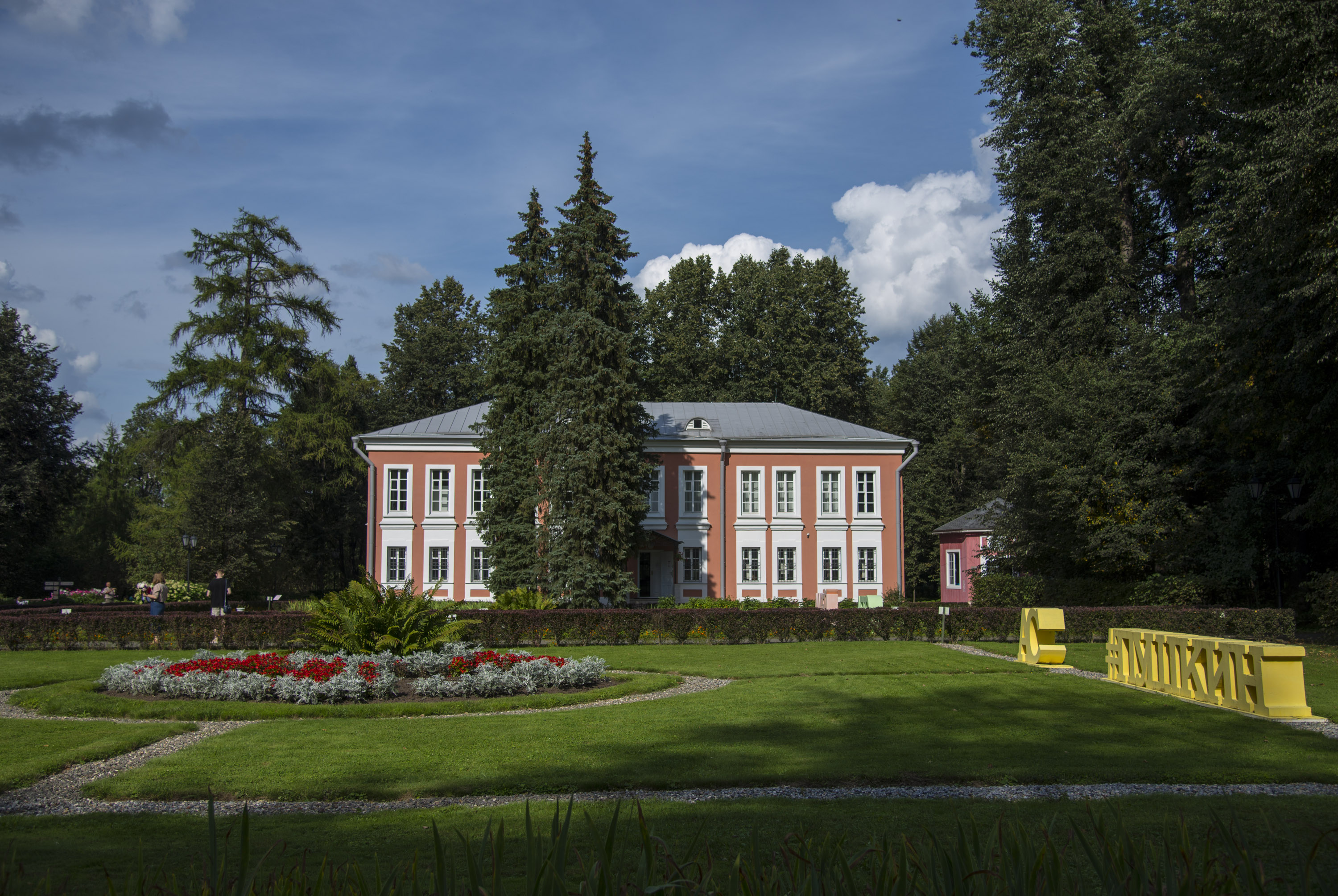
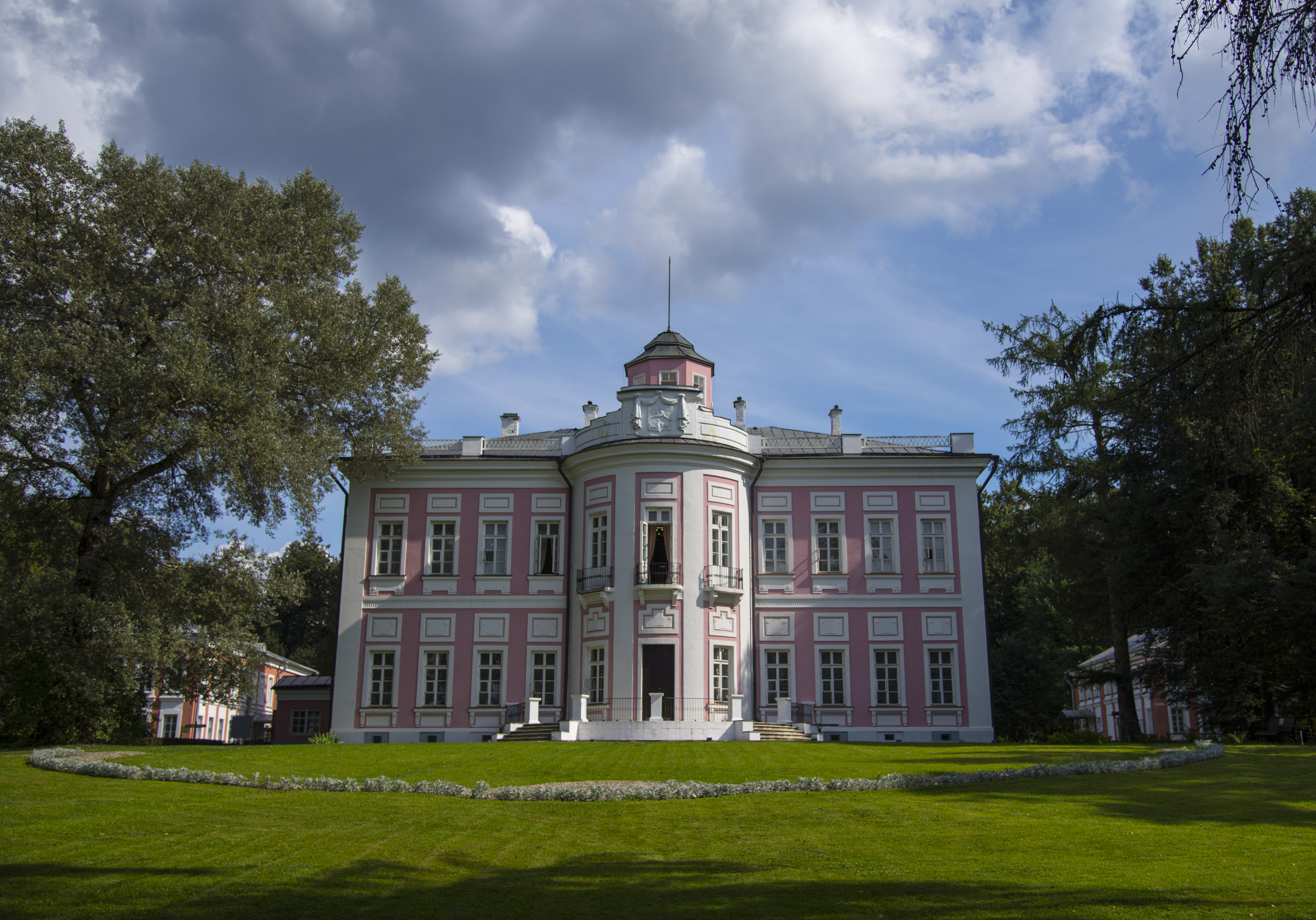
Serednikovo estate located in Moscow suburbs represents Russian neoclassical architecture of the 18th century. The estate is surrounded by a magnificent garden with round pond and canals. Serednikovo is a place where Mikhail Lermontov (1814-1841), one of the greatest and most famous Russian poets, used to spend summer holidays.

Moscow Botanical Garden (October)

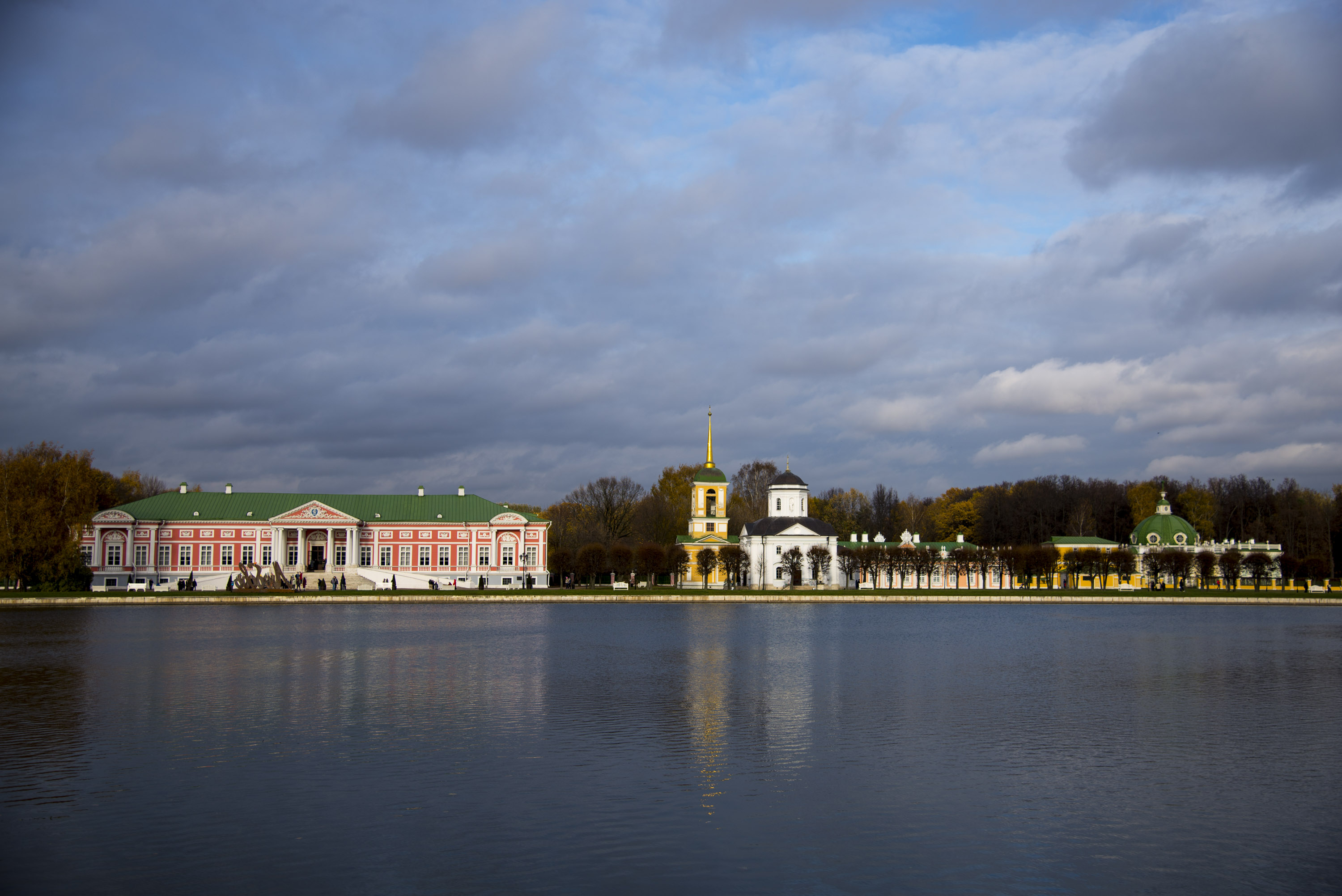
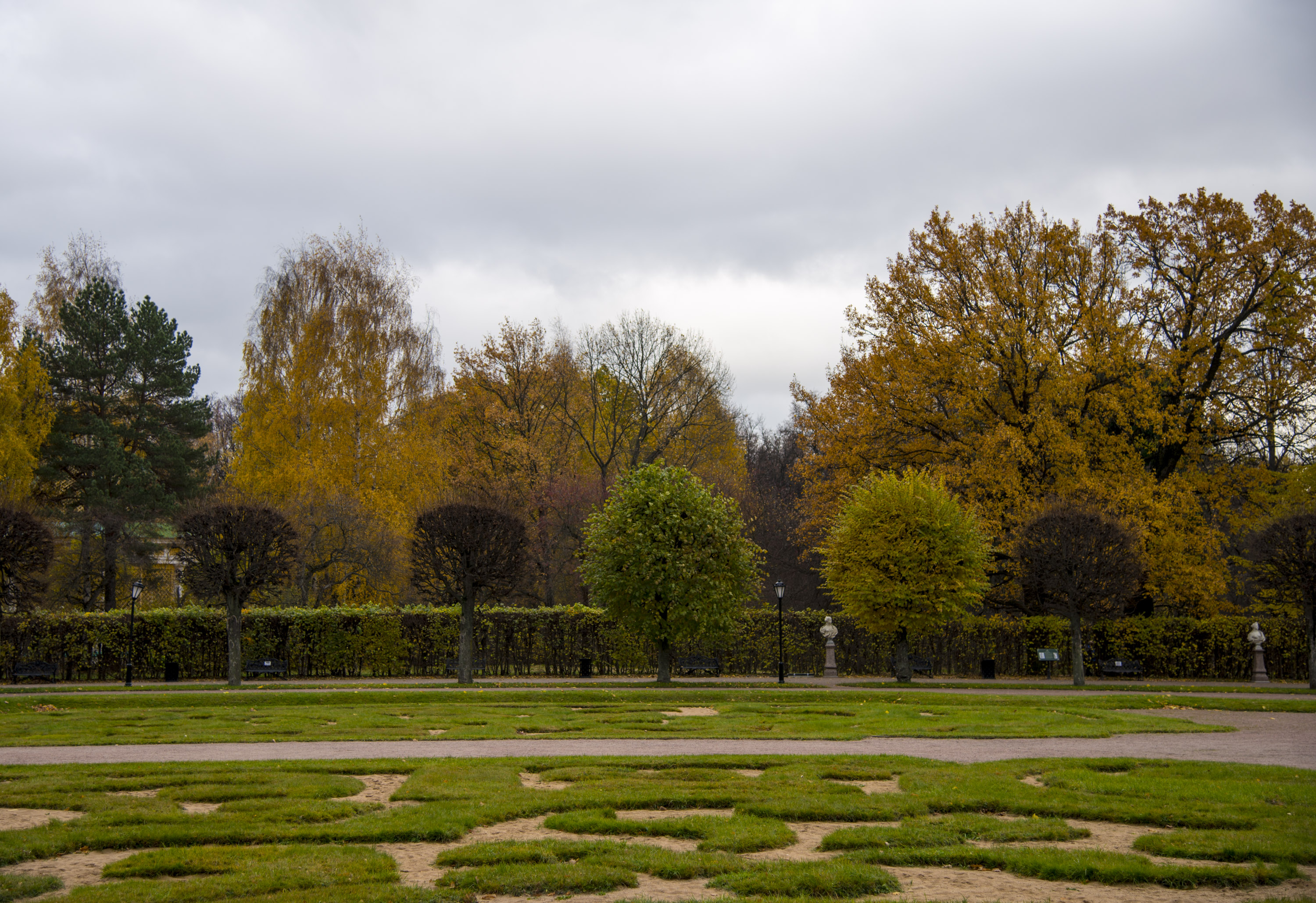
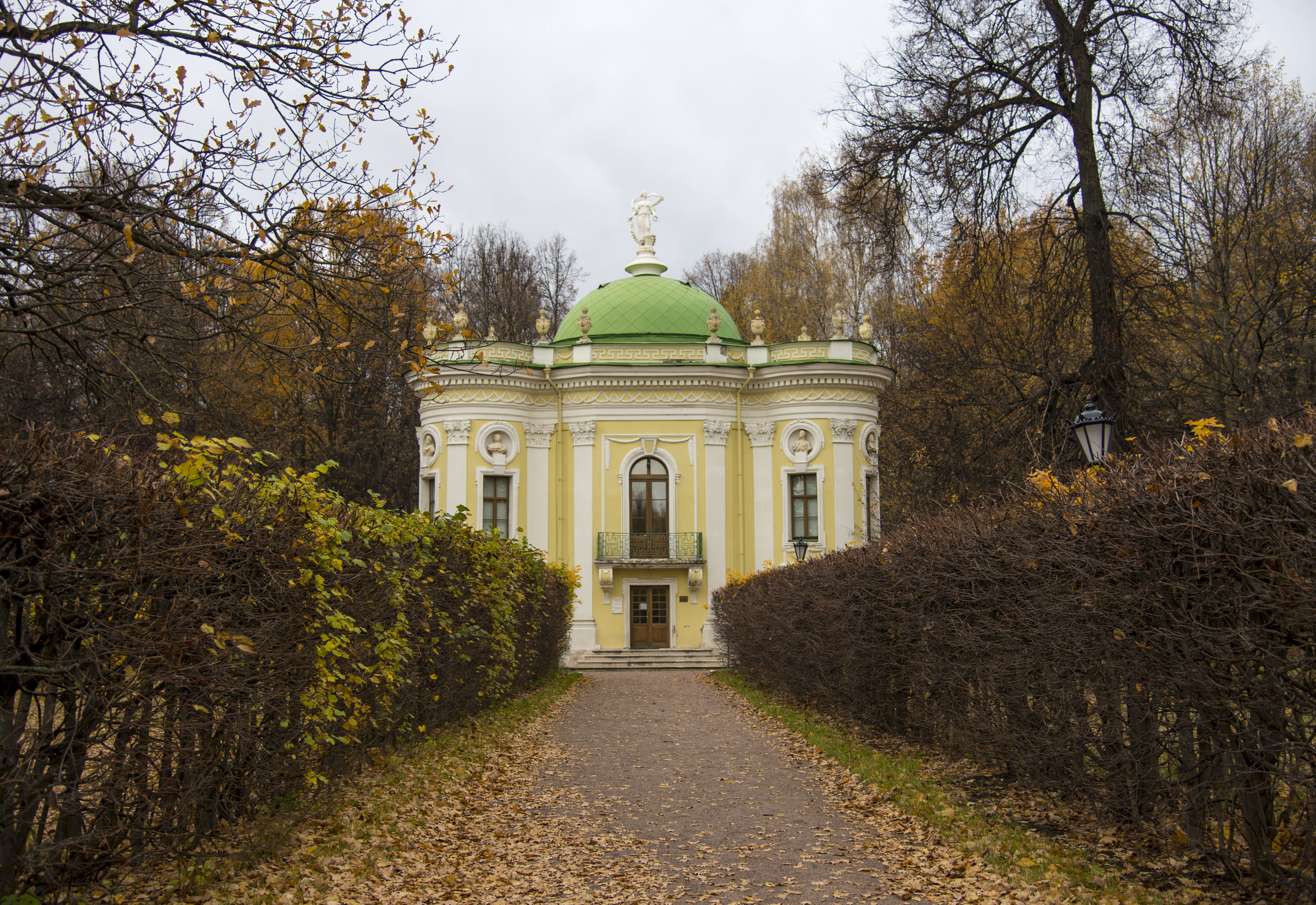
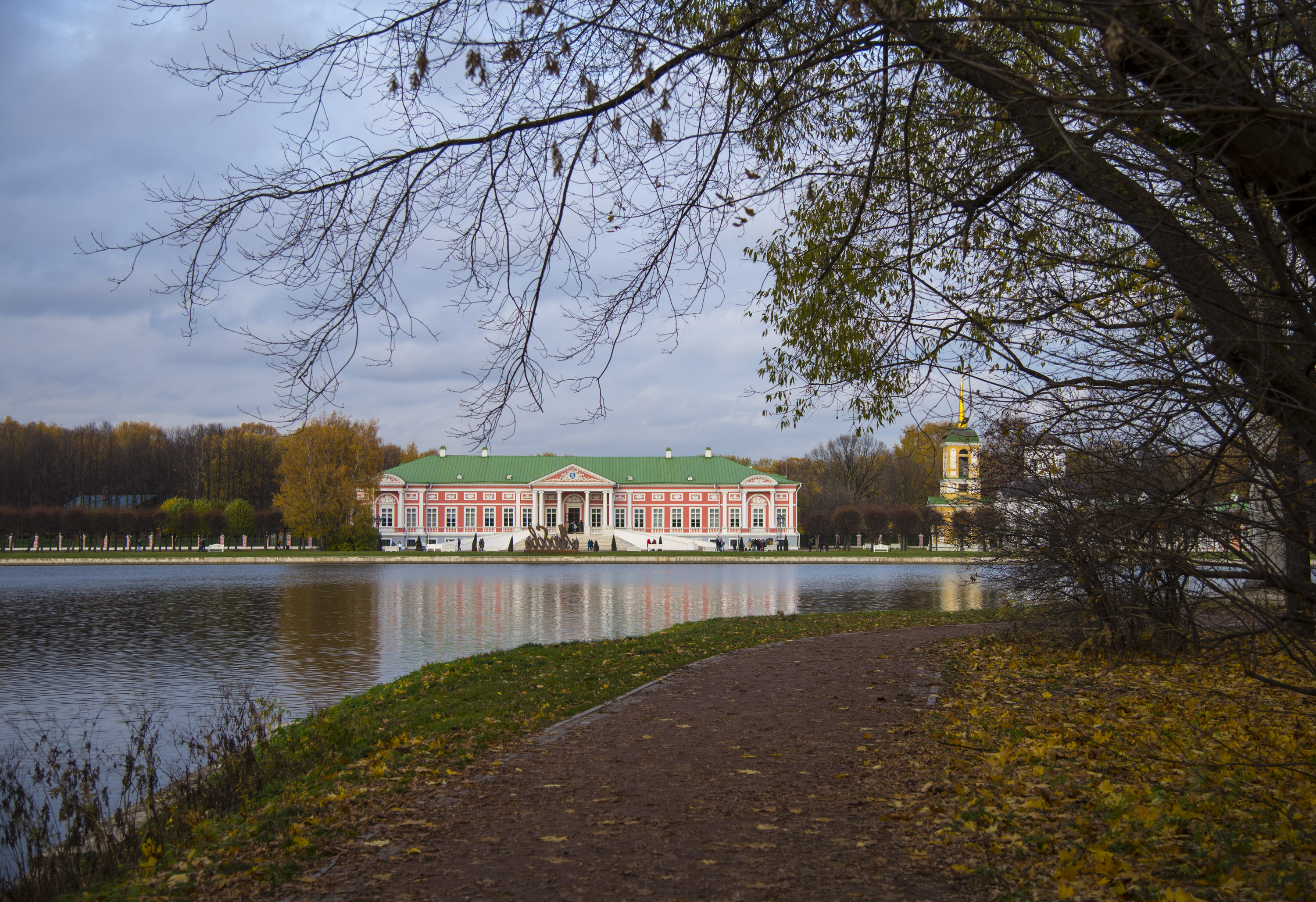
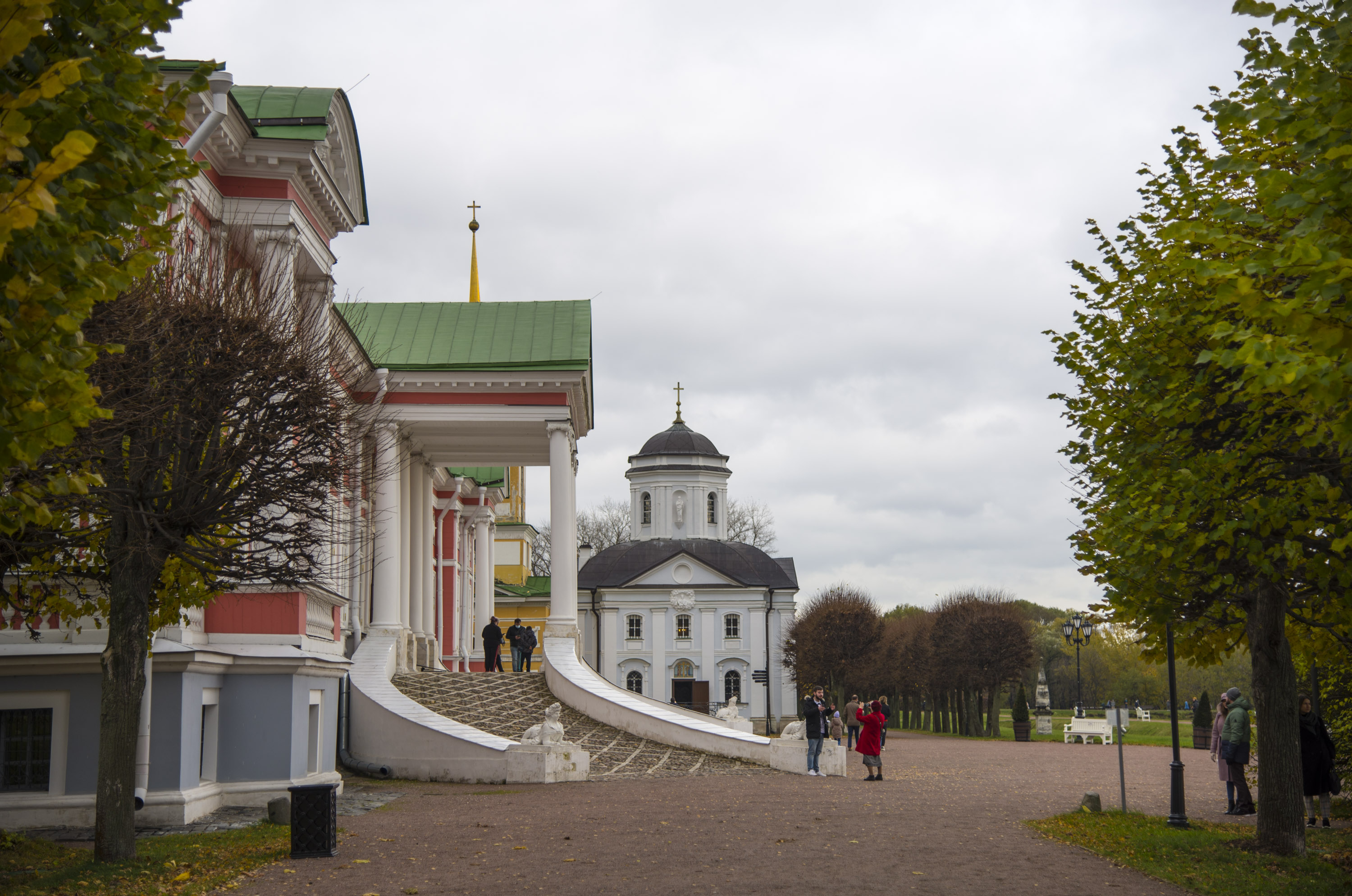
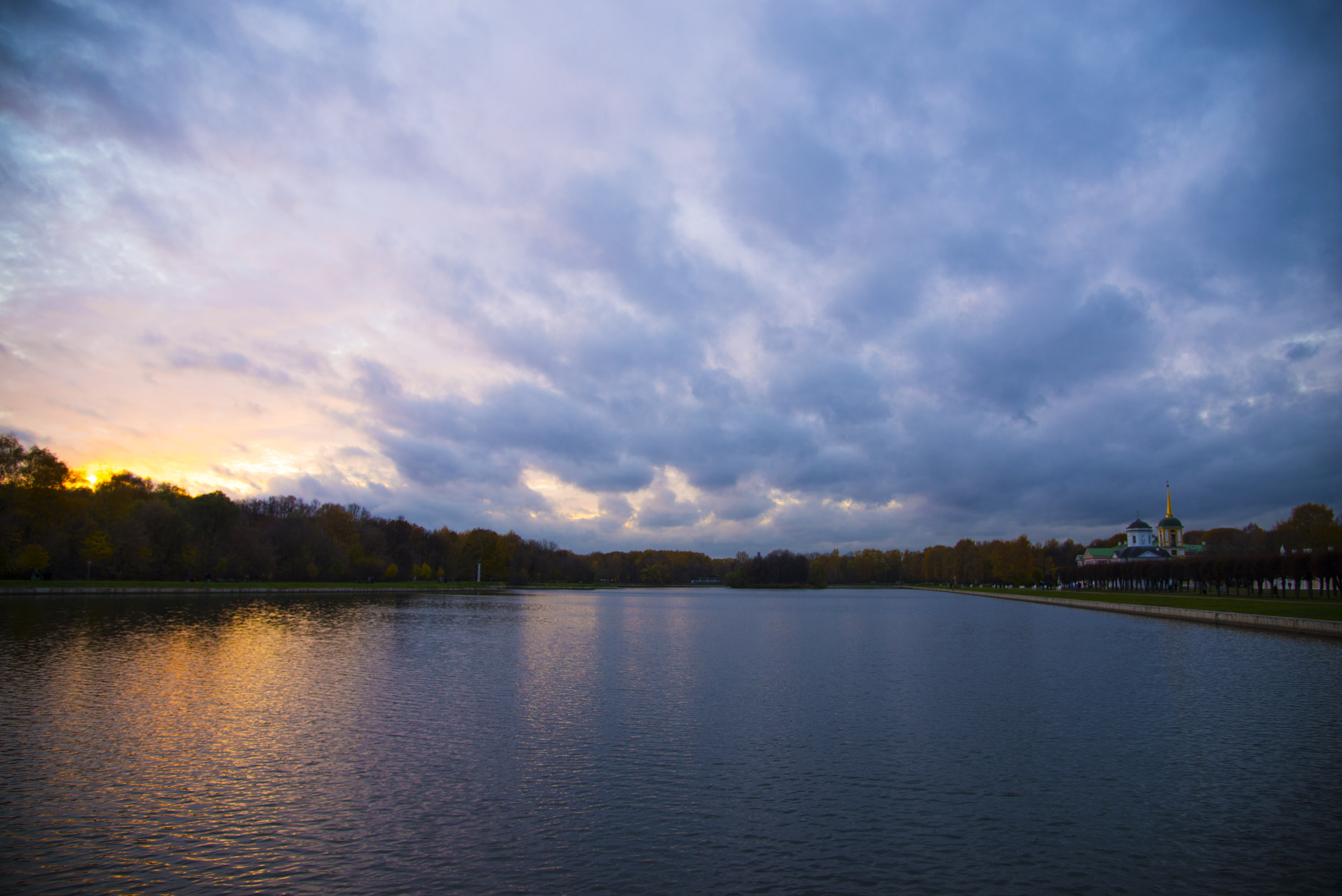
Kuskovo

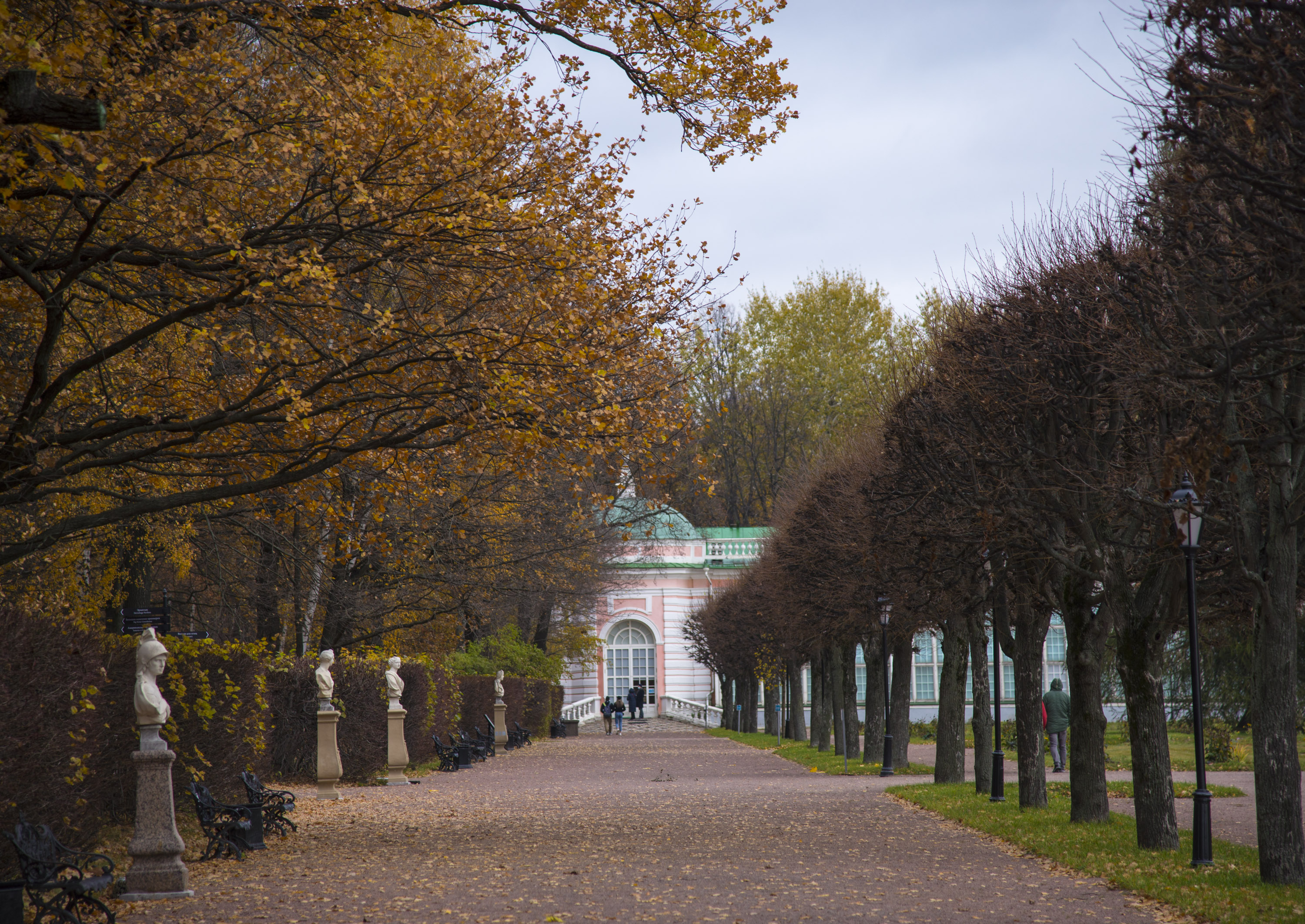
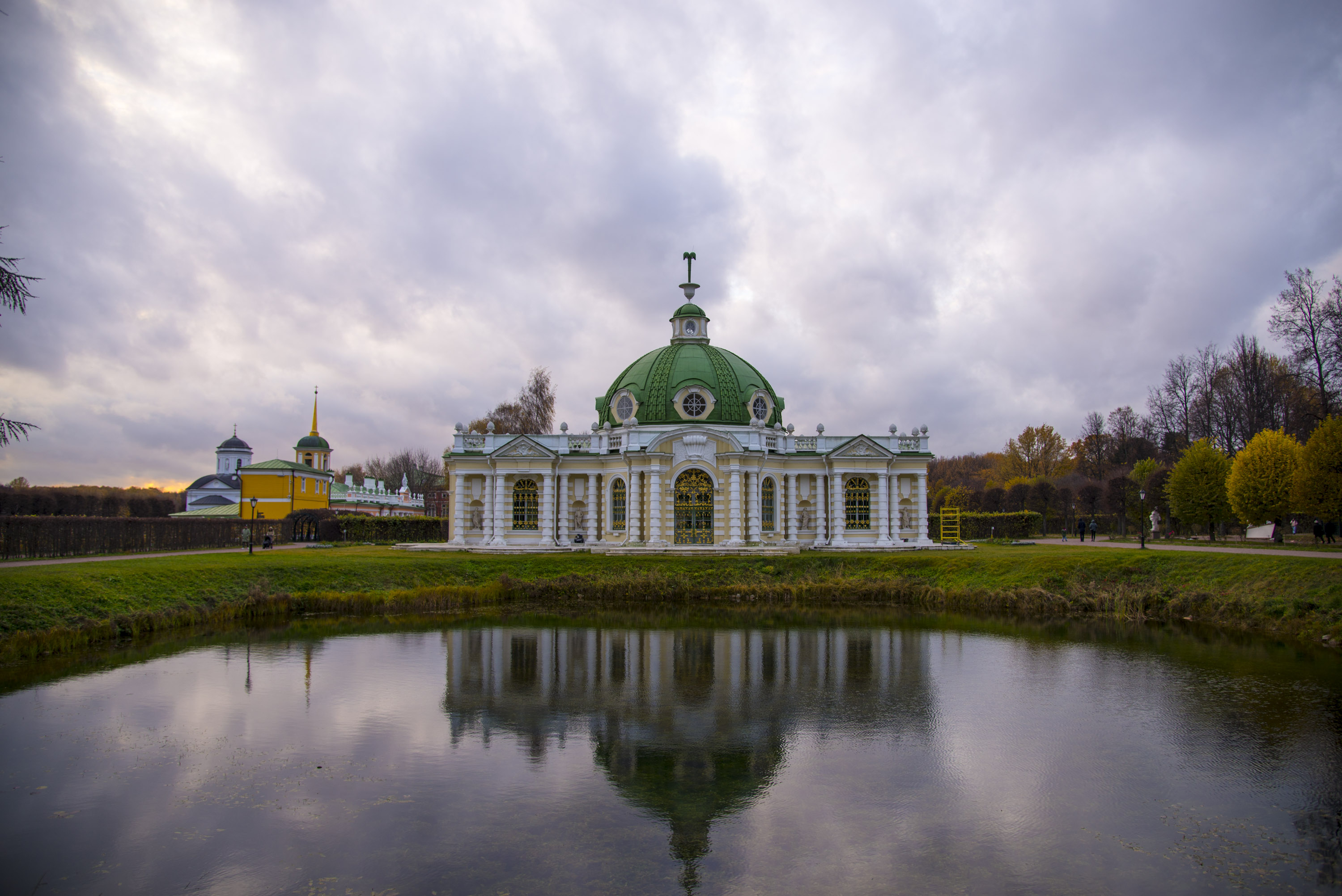
Kuskovo museum complex in Moscow is a summer estate of the Sheremetev family built in 18th century and includes Summer palace, Grotto, Italian house, Kuskovo Church and Tower bell, Hermitage in English landscape garden, the Dutch house and Orangeries. Grotto pavilion was constructed between 1755 and 1761 and was intended to represent the palace of the King of the Seas. Interior was made of whorled seashells of 24 different types which were delivered from the Mediterranean, Red, Black seas, the Sea of Japan, and reservoirs of the Moscow region.

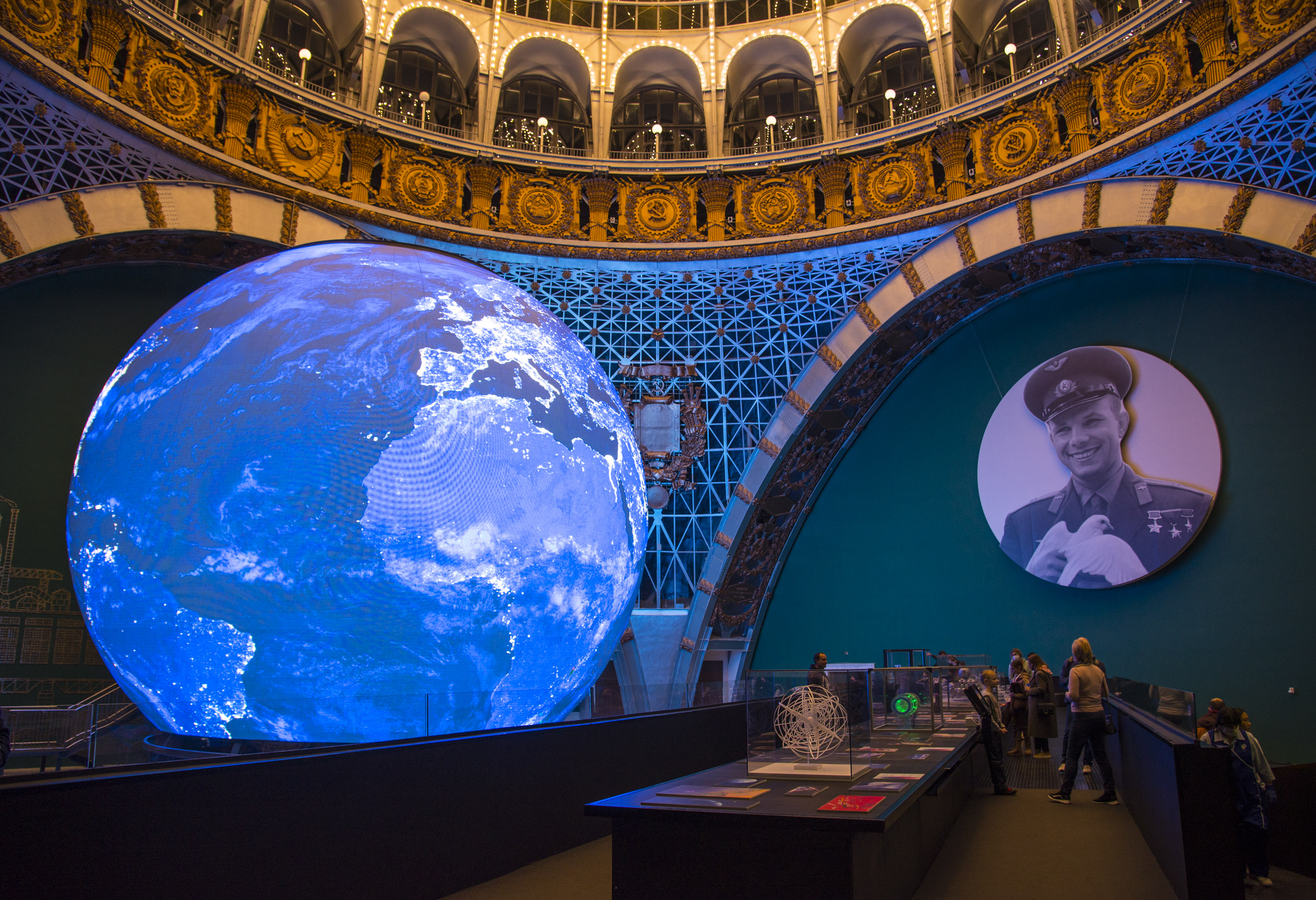
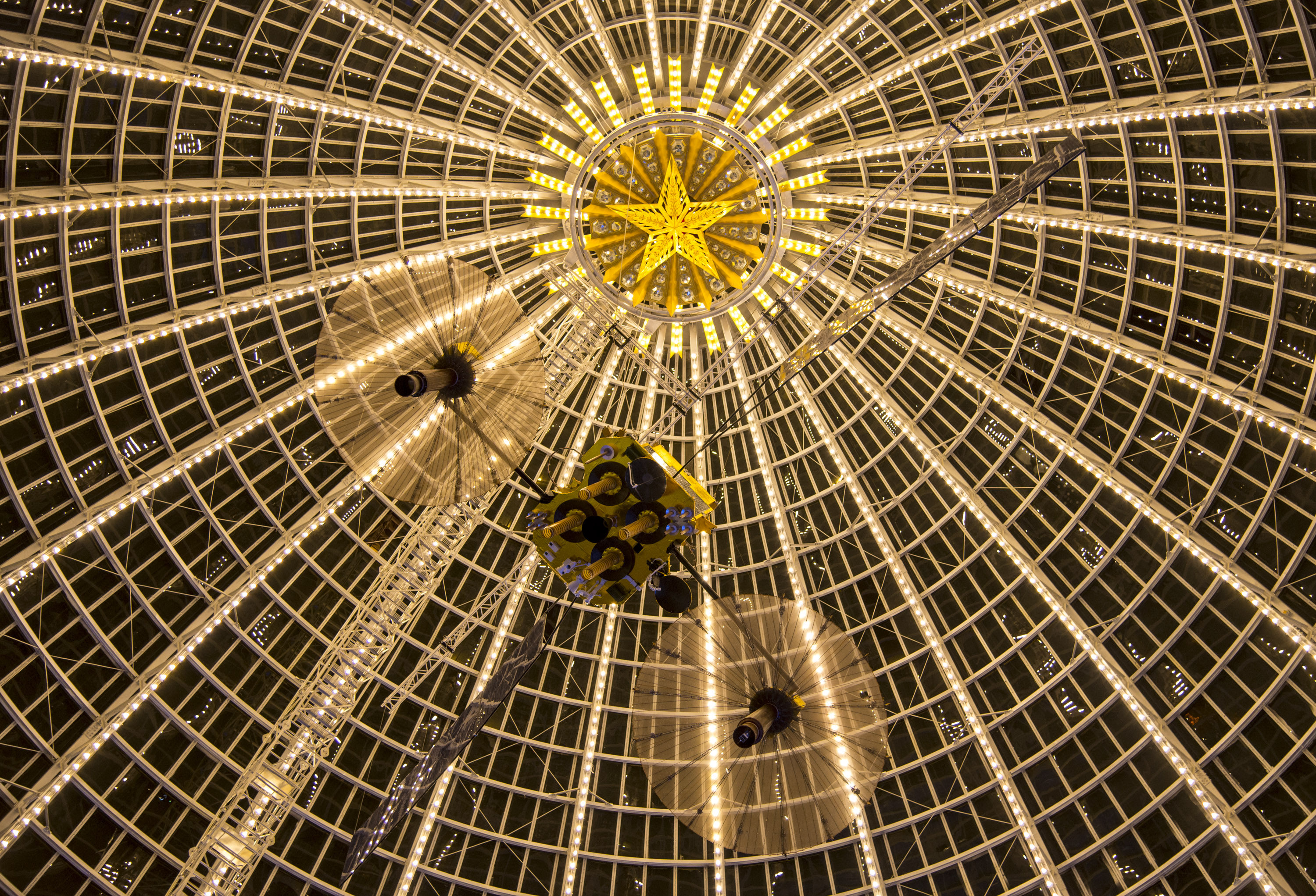
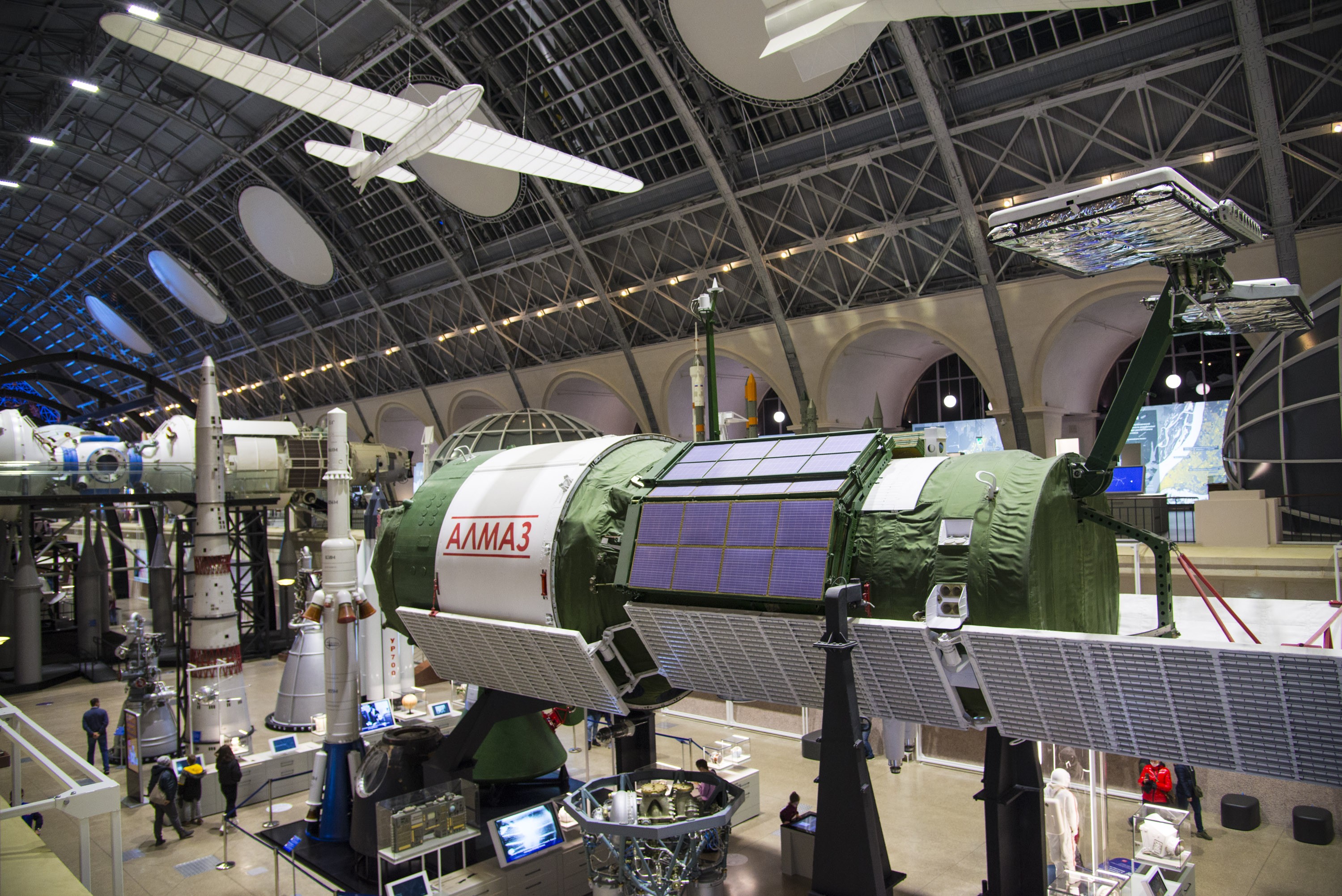
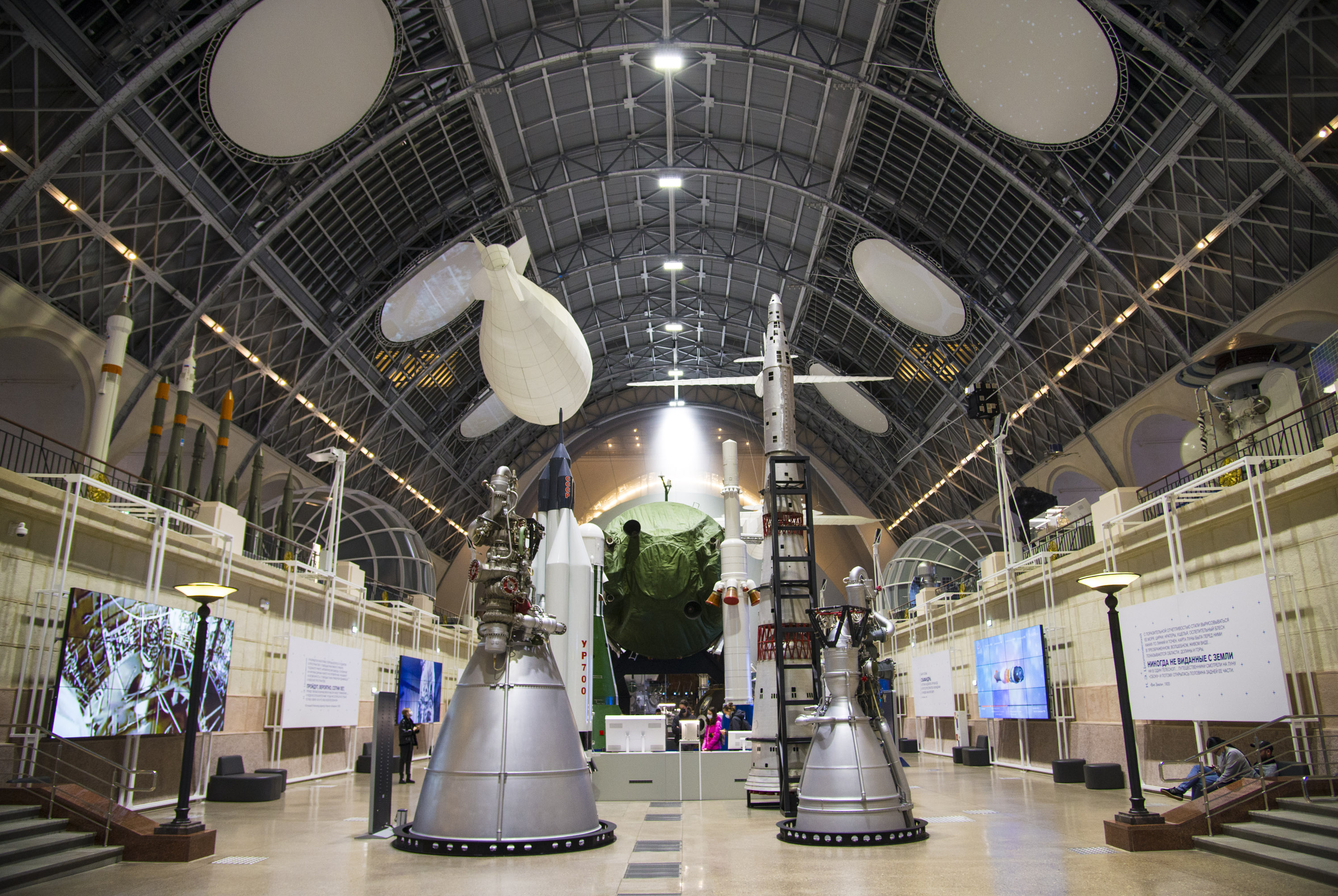
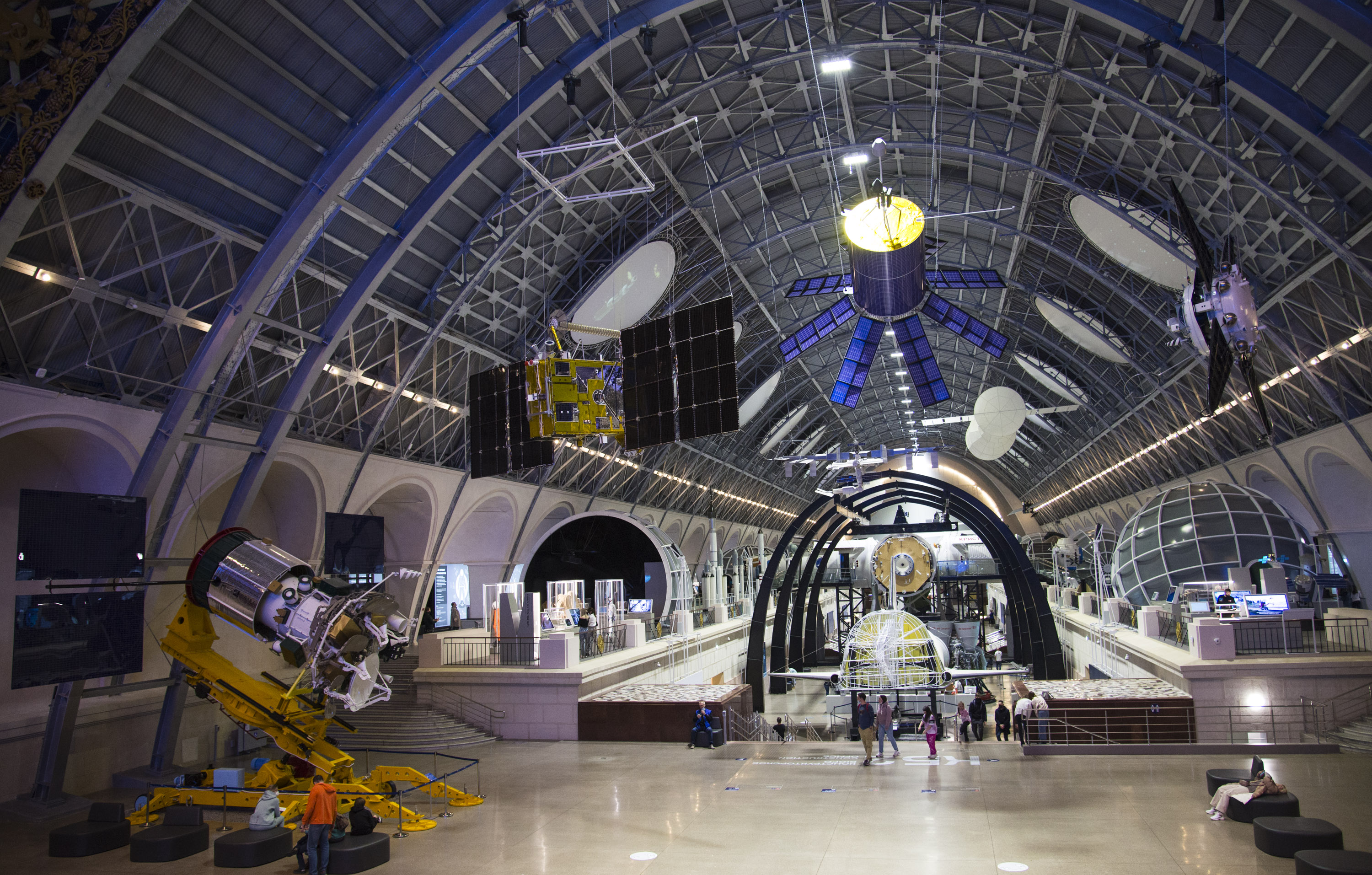
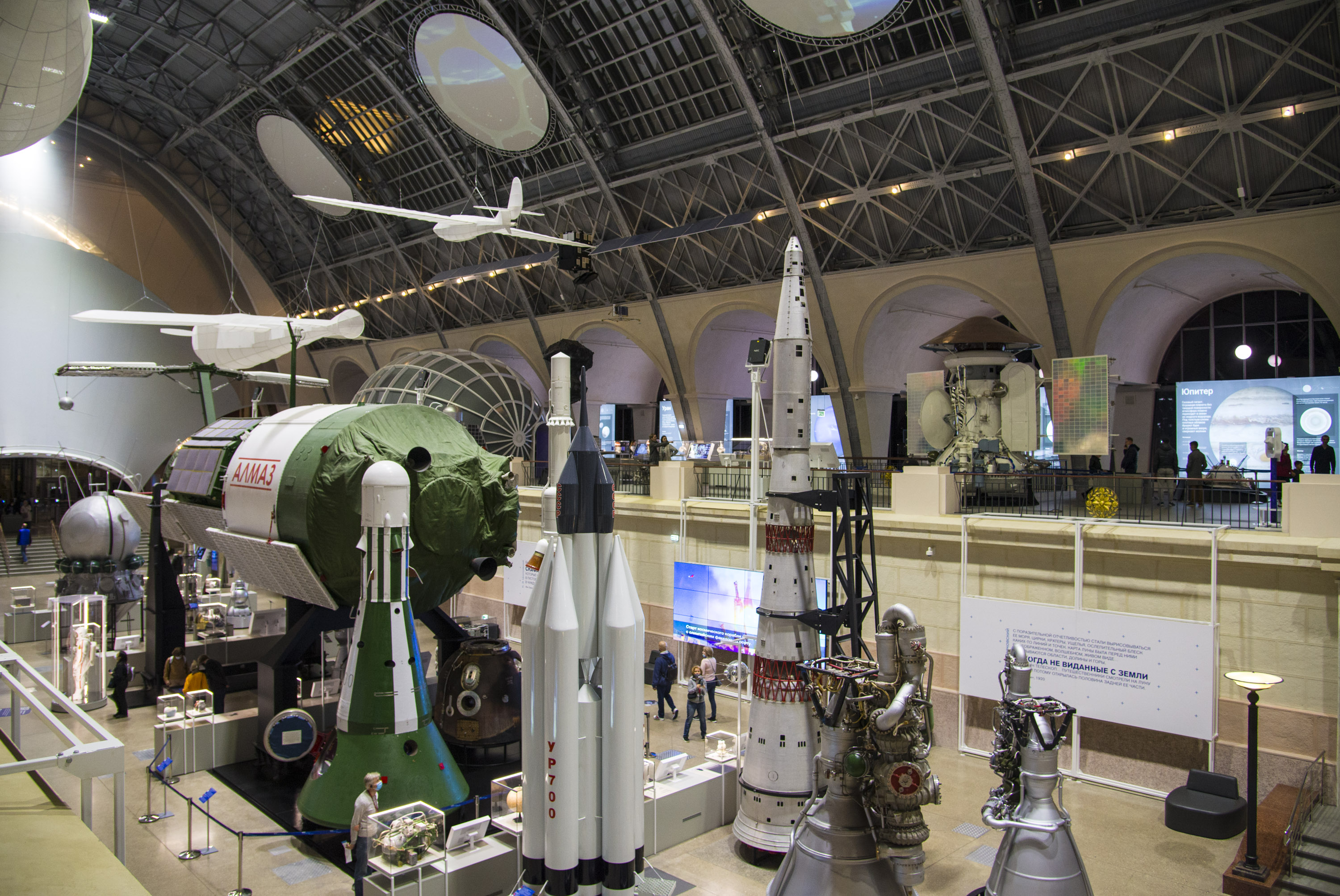
Space Museum

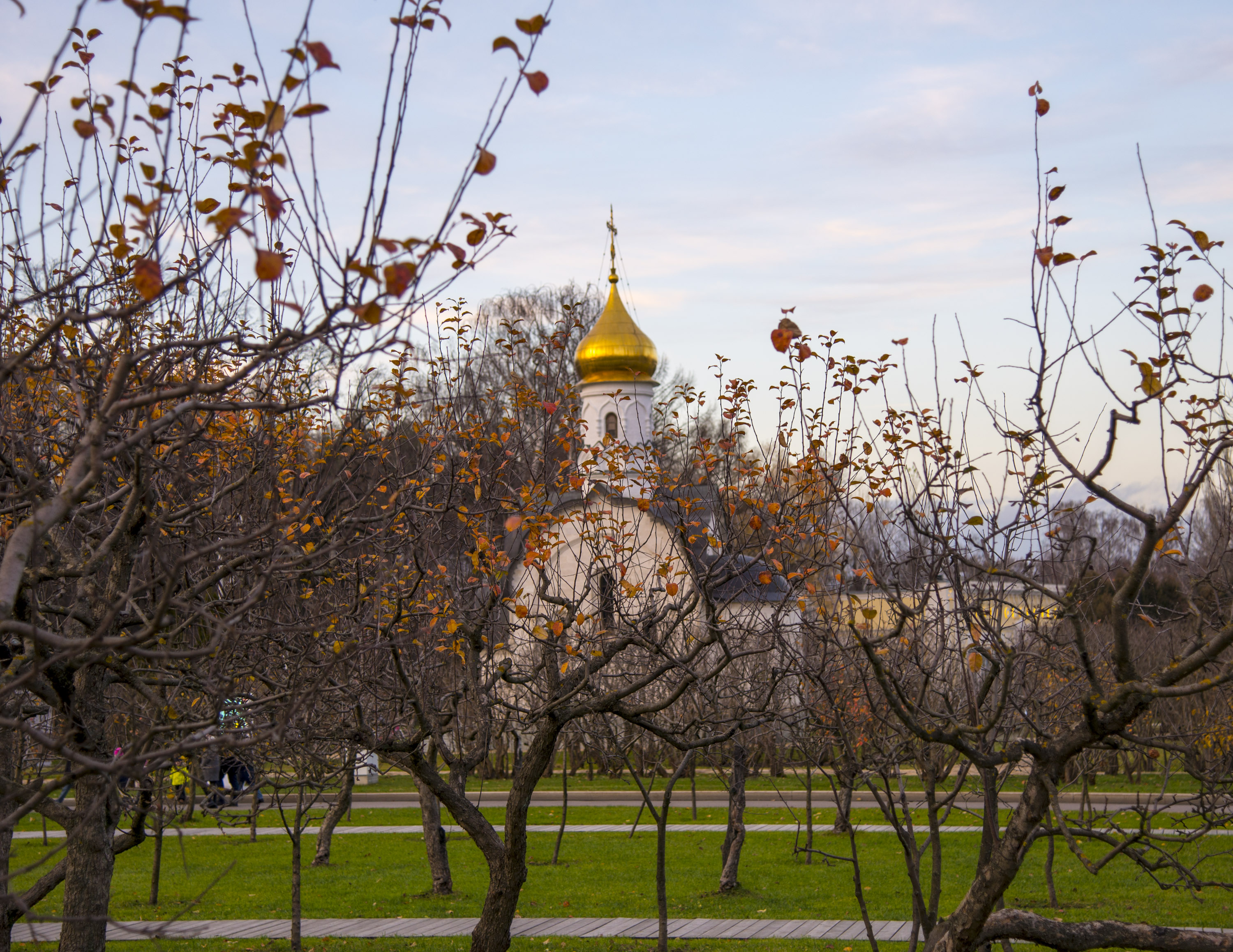
Храм-часовня Святителя Василия Великого

Moscow Botanical Garden (November)

Church of the Holy Trinity in Ostankino

The first wooden Trinity Church was built in 1585 and was destroyed in the Time of Troubles. In 1625-27 Prince Cherkassky built a new wooden church. In 1692 a stone church in the name of the Trinity was build which with some modifications survives to this day.

Abramtsevo

Abramtsevo Museum Reserve is one of the most famous art museums in Russia. The history of Abramtsevo is associated with the names of artists Segey Aksakov, Viktor Vasnetsov, Mikhail Vrubel, Ilya Repin, Vasiliy Polenov, Valentin Serov and Savva Mamontov. Dozens of paintings which are internationally treasured now were created there. Abramtsevo was founded in 18th century.

The architectural gem of Abramtsevo is the Church of the Savior (Церковь Спаса Нерукотворного Образа), built by architect Pavel Samarin, according to designs by the artists Victor Vasnetsov and Vasily Polenov.

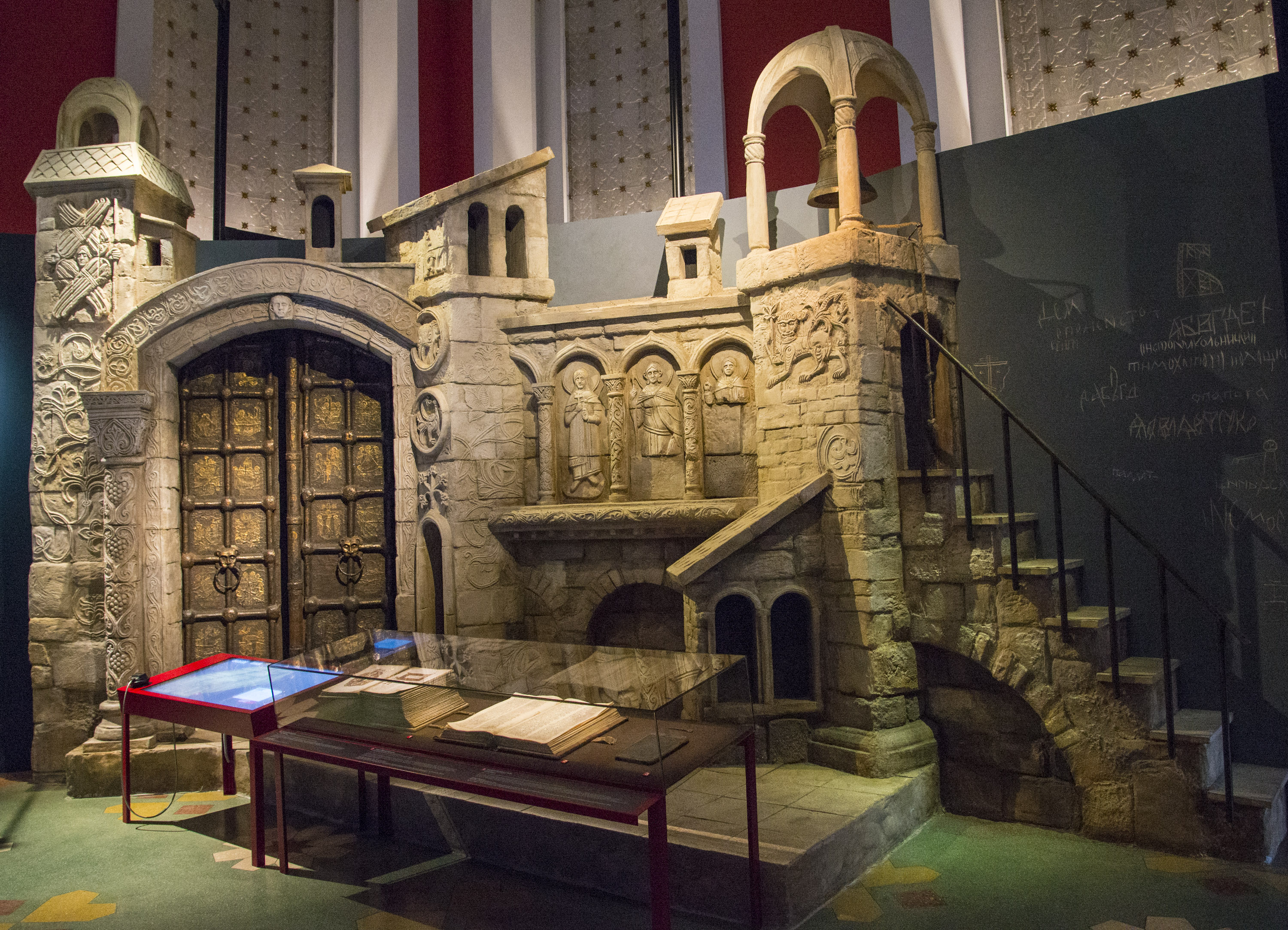
The “Slovo” exhibition centre

The “Slovo” exhibition centre for Slavic Writing is a unique museum and educational complex for people interested in Russian language, architecture, culture and history. Here you can learn how Russian writing is evolving, what role it plays in the lives of different nations.

Gallery

Magnificent St.Petersburg

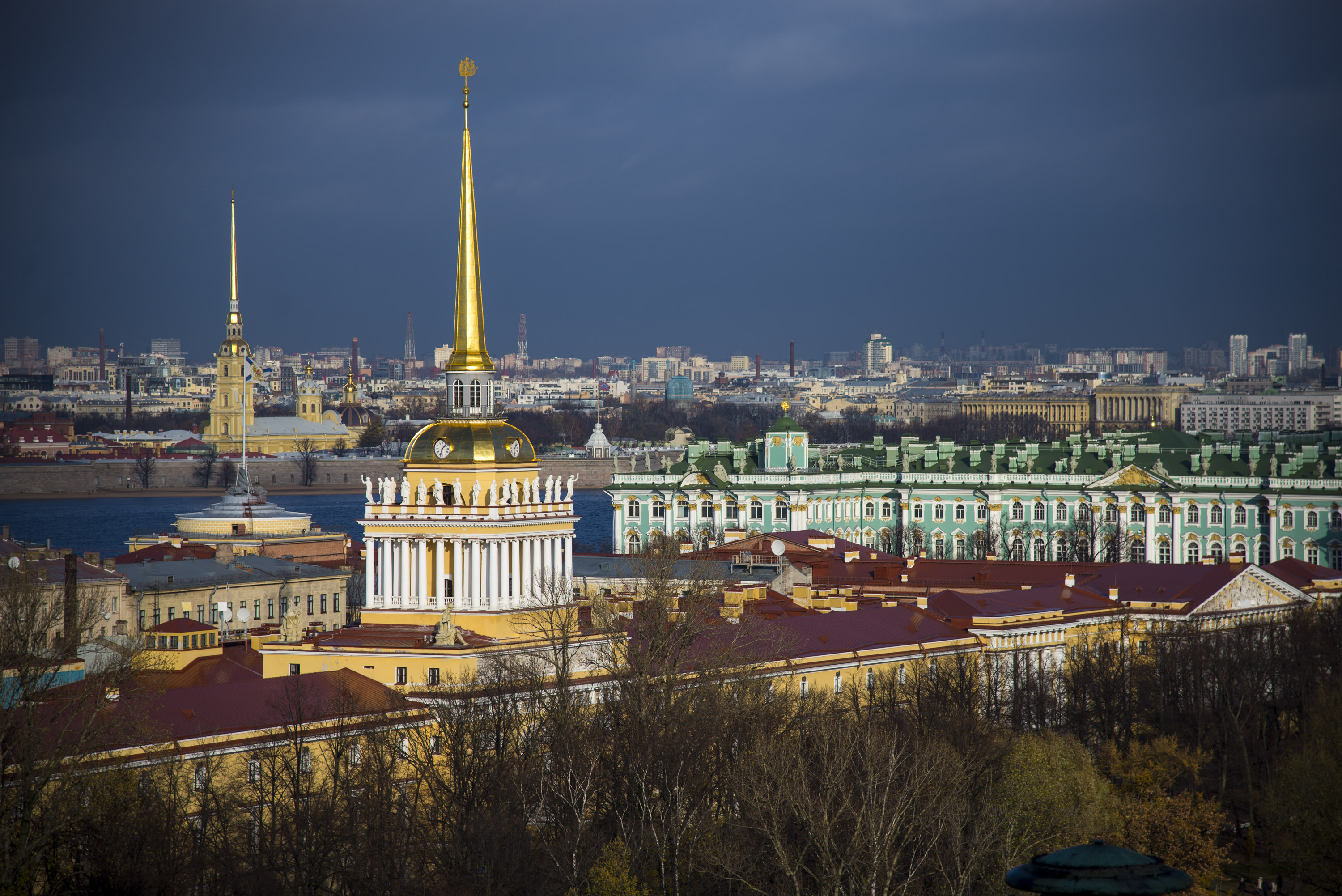
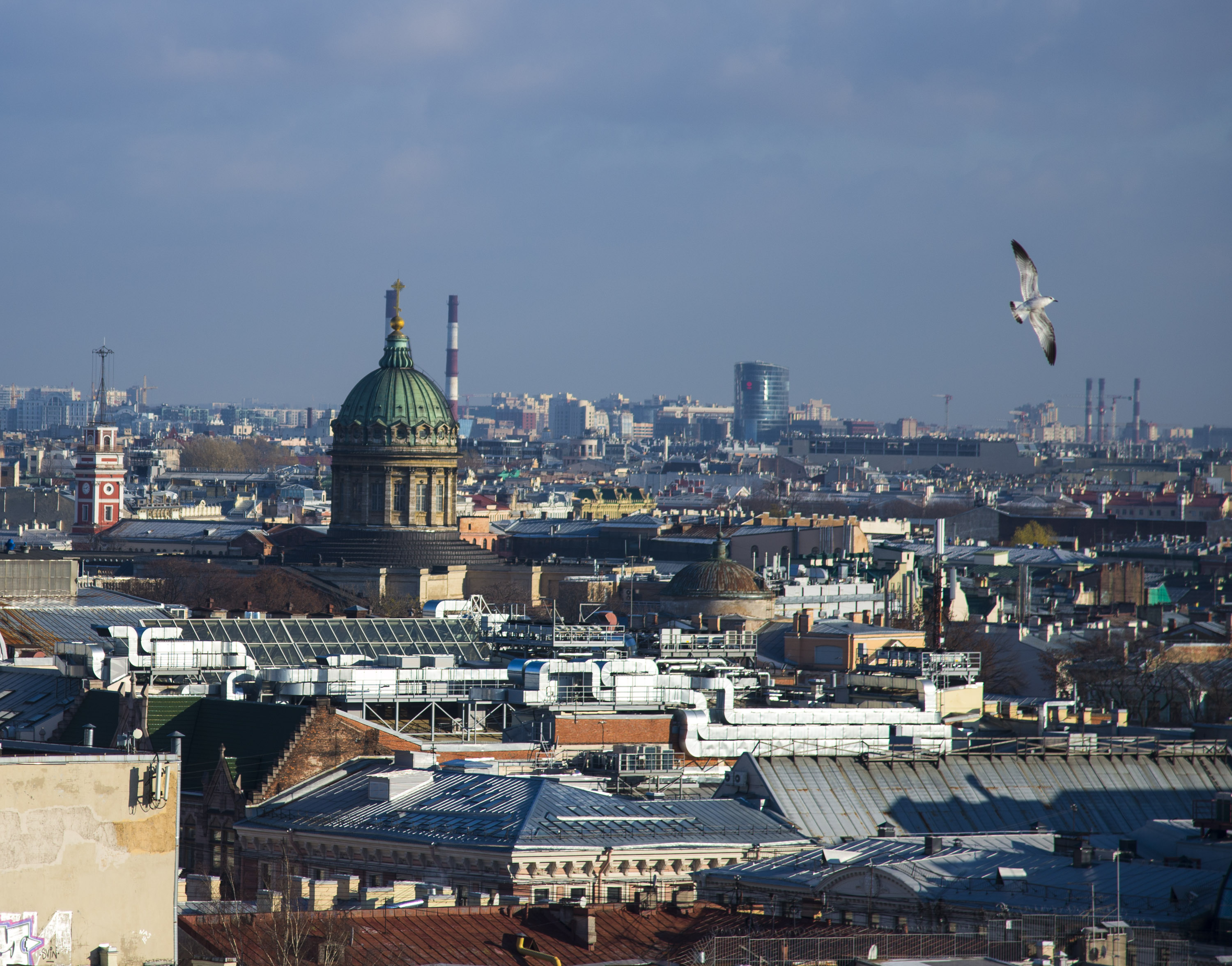
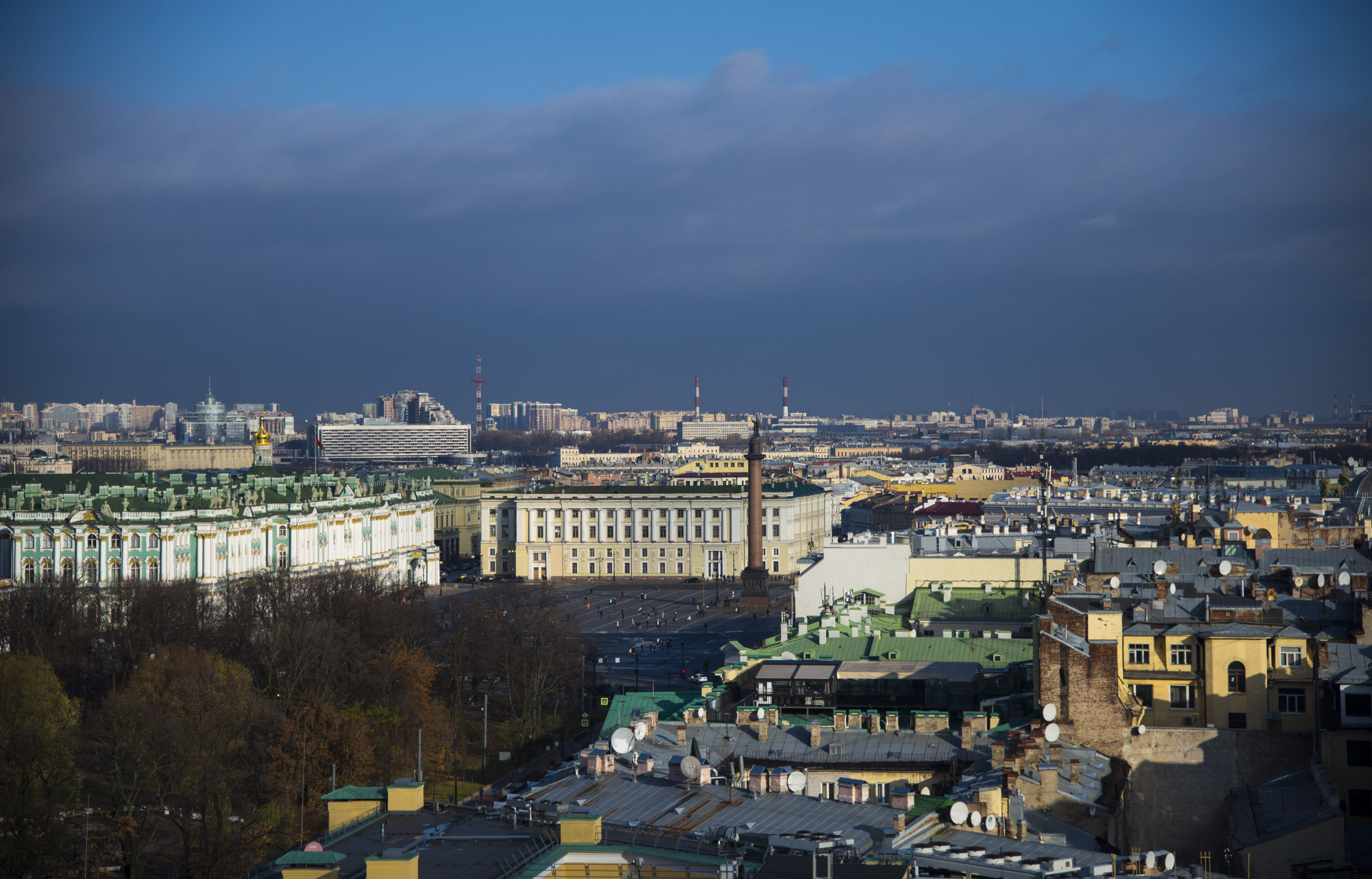
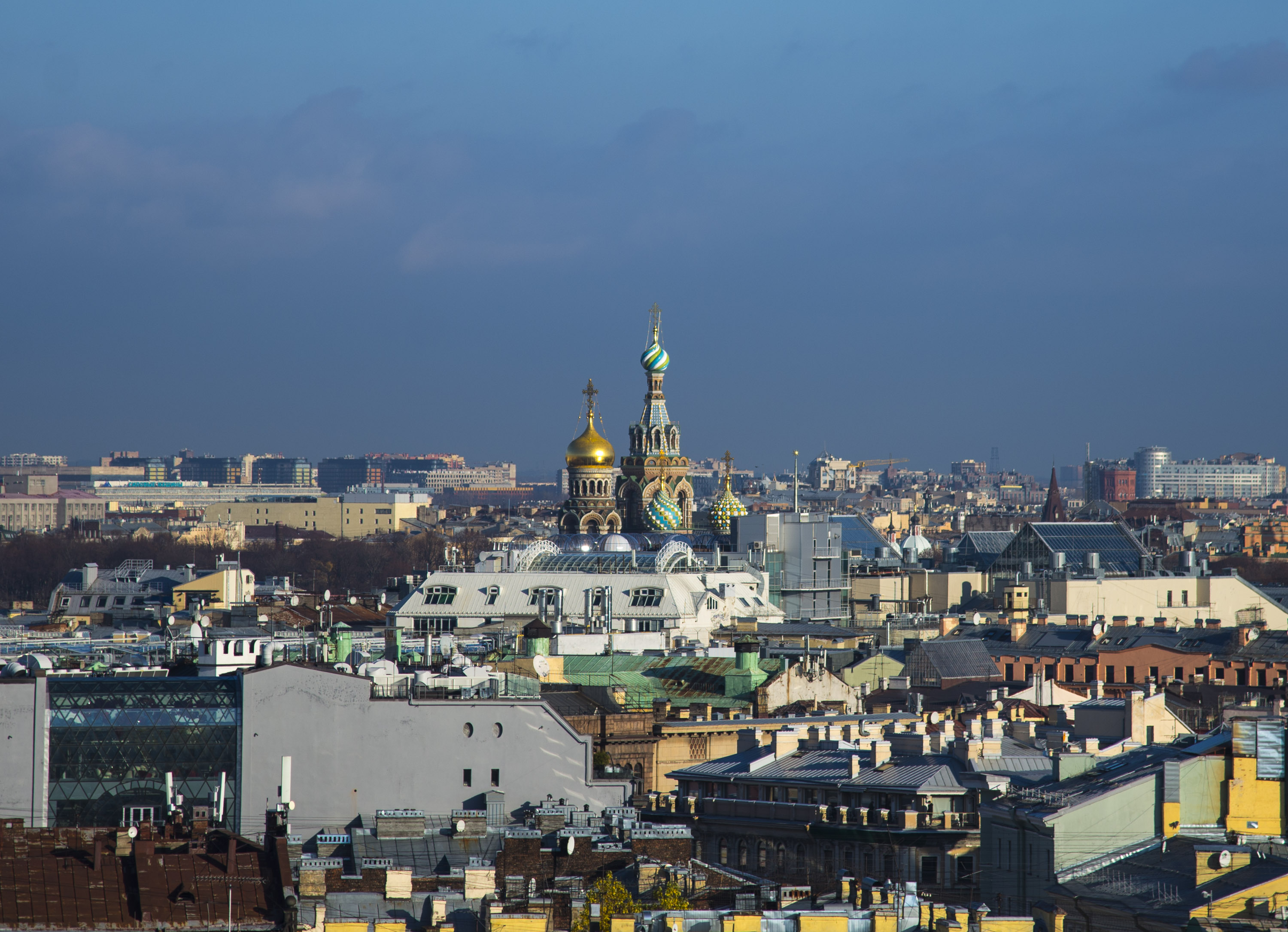
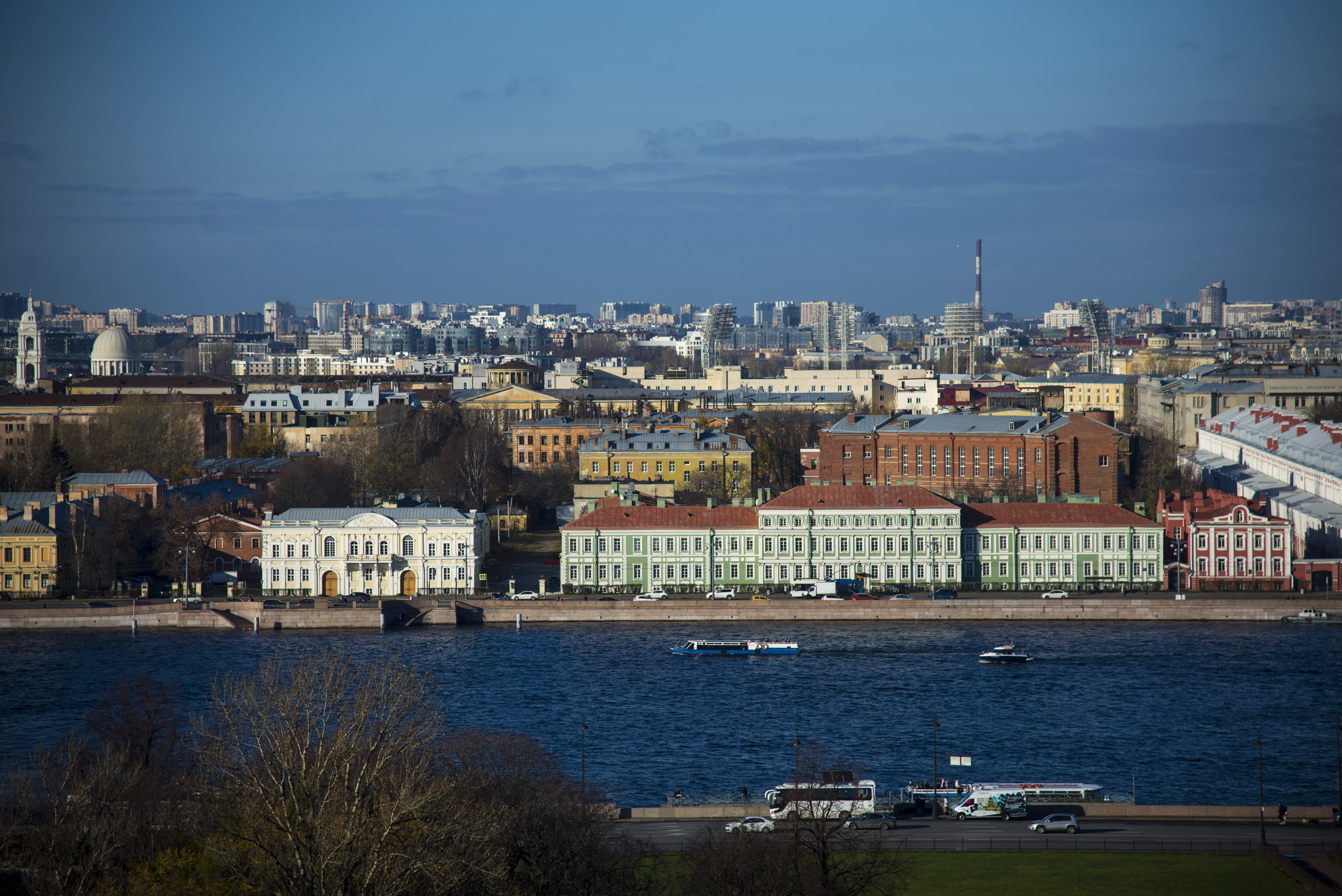
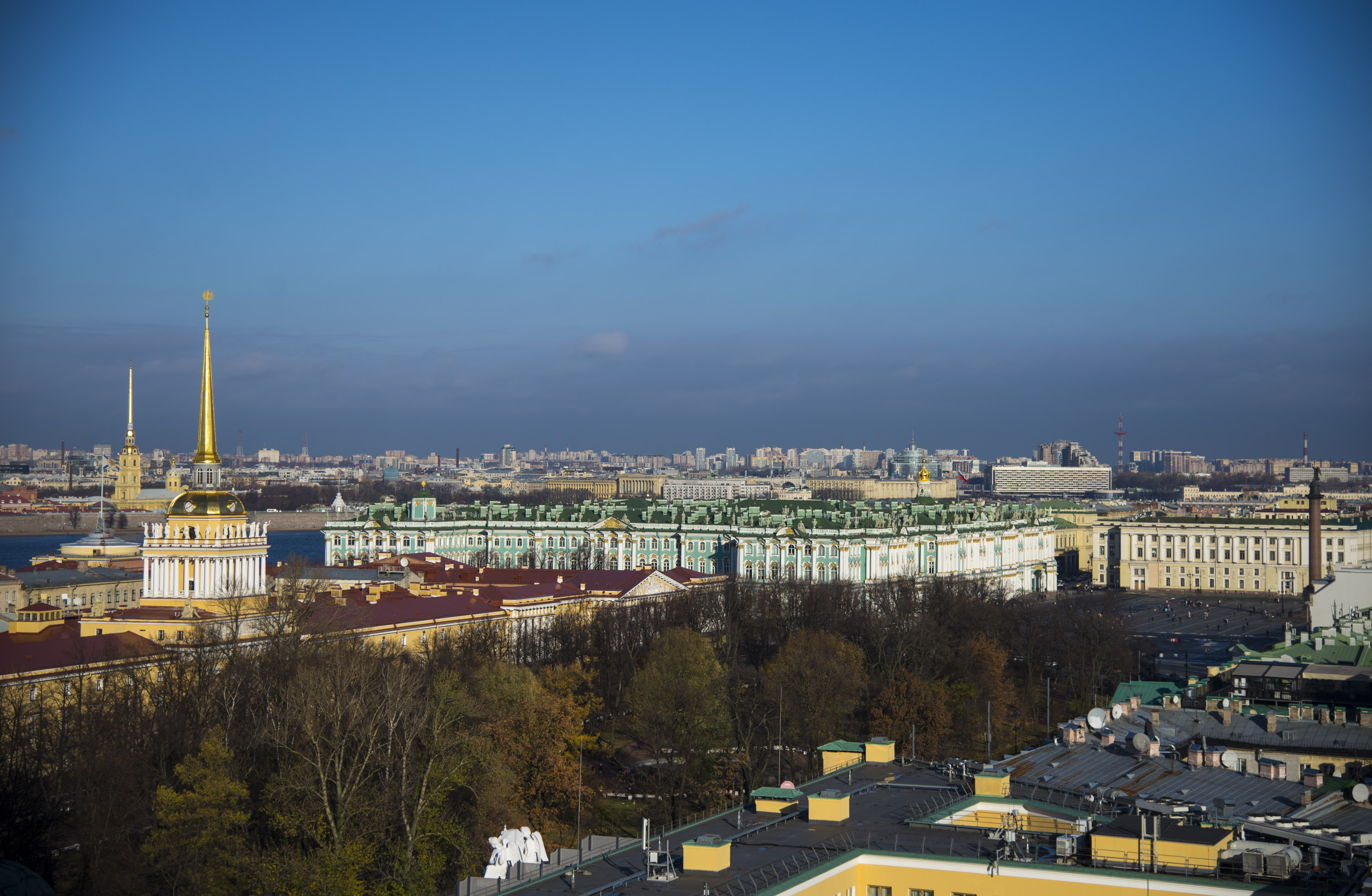
Panoramic views of St.Petersburg from St. Isaac’s Cathedral.

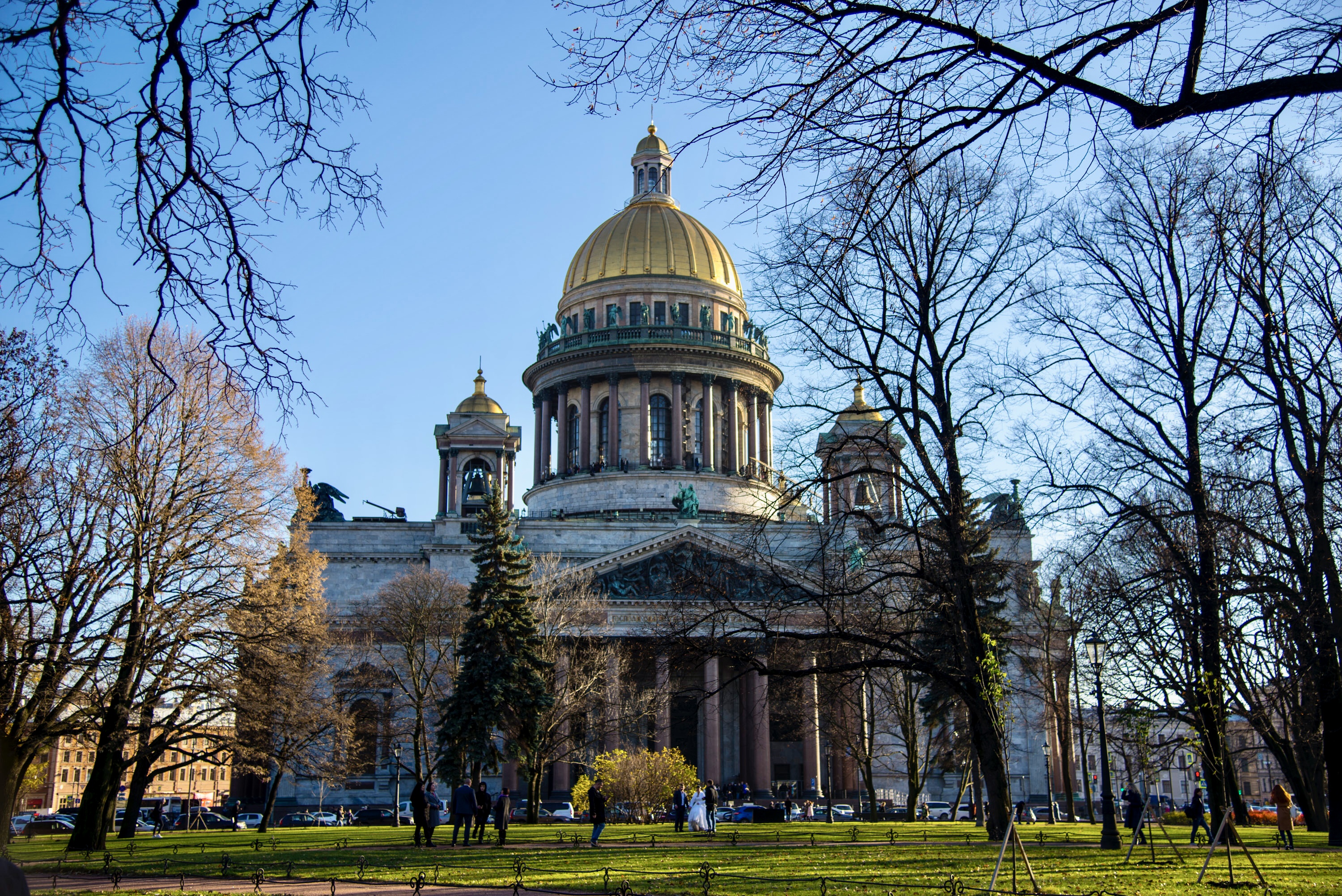
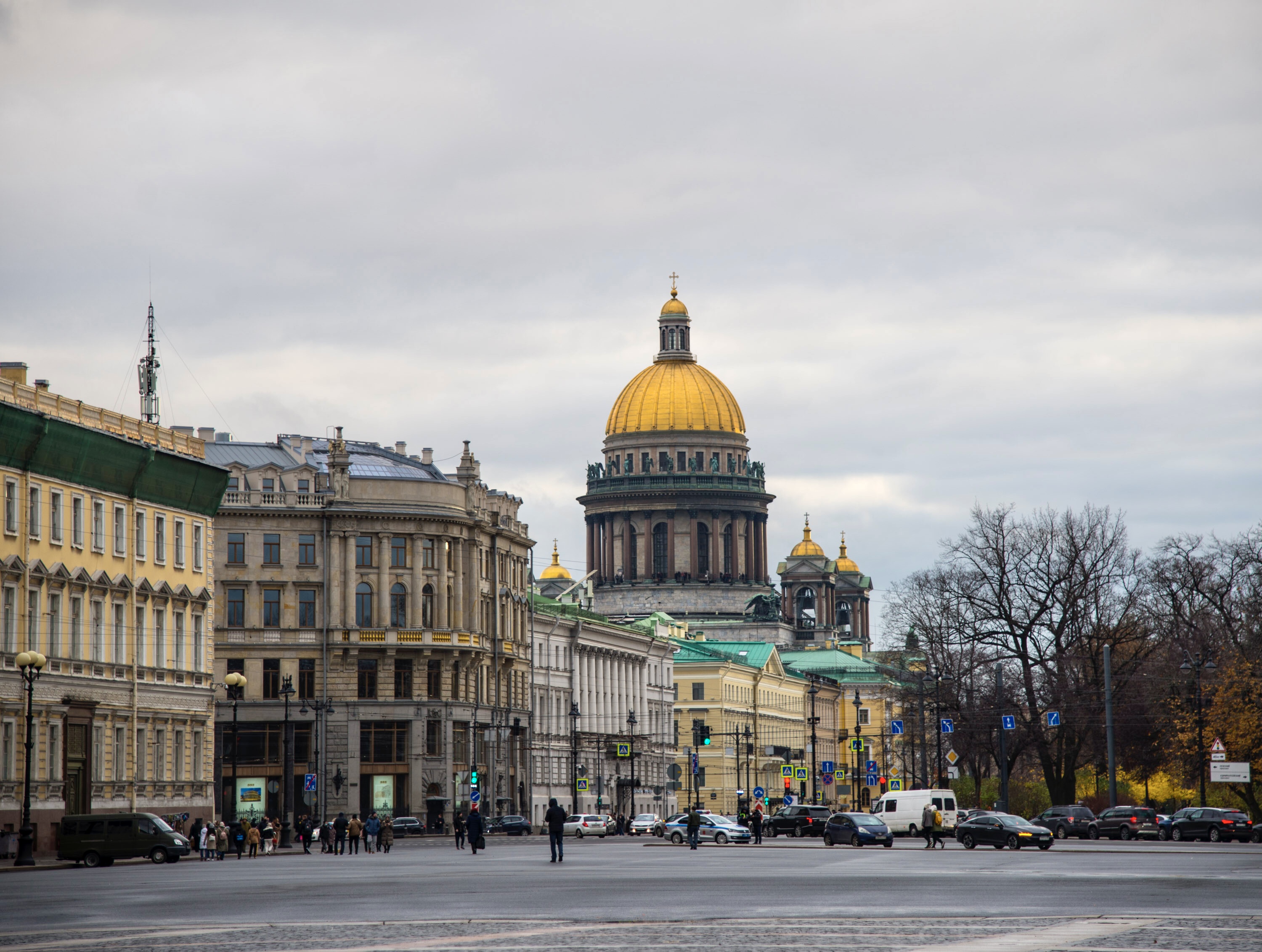
St. Isaac’s Cathedral is the largest orthodox church and the fourth largest cathedral in the world.

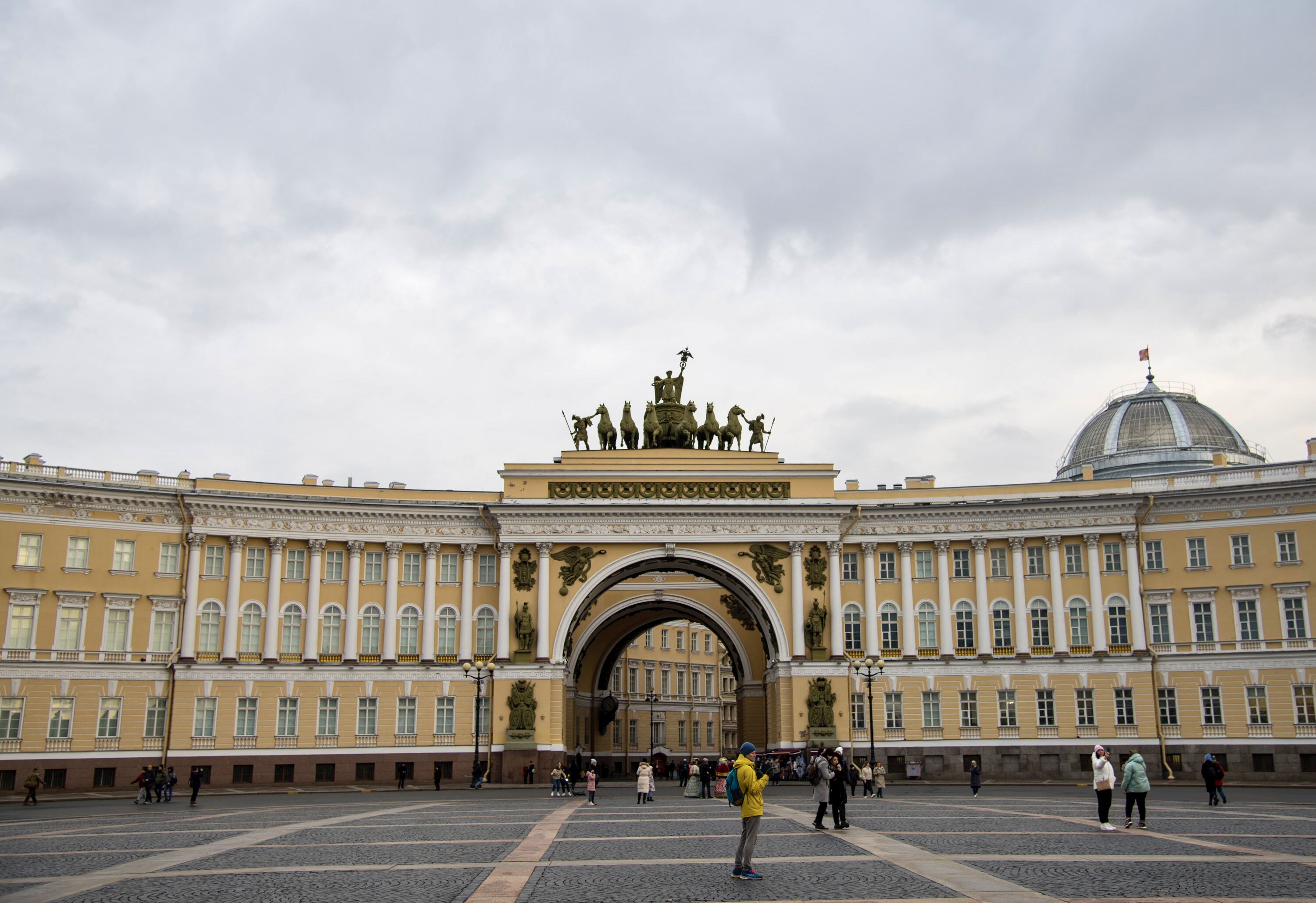
Palace Square

Bridges and streets of St.Petersburg

“Semimostie” (Plave of Seven Bridges)

The view of “Semimostie” is opened from the Pikalov bridge over Griboedov Canal, from where you can see six more bridges: Krasnogvardeyskiy, Novo-Nikolsky and Mogilevsky over Griboedov Canal and Staro-Nikolsky, Smezhny and Kashin – over Kryukov Canal.

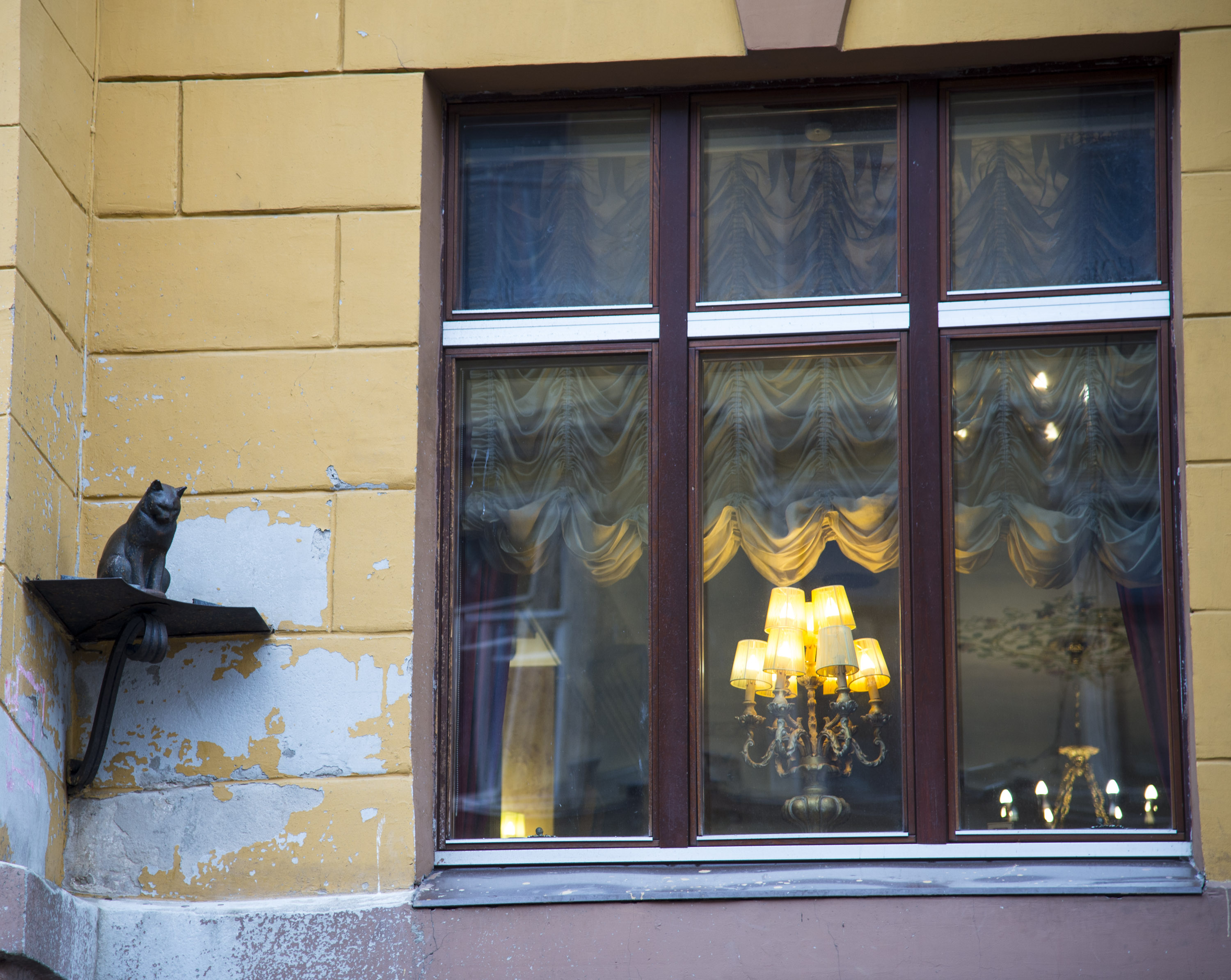
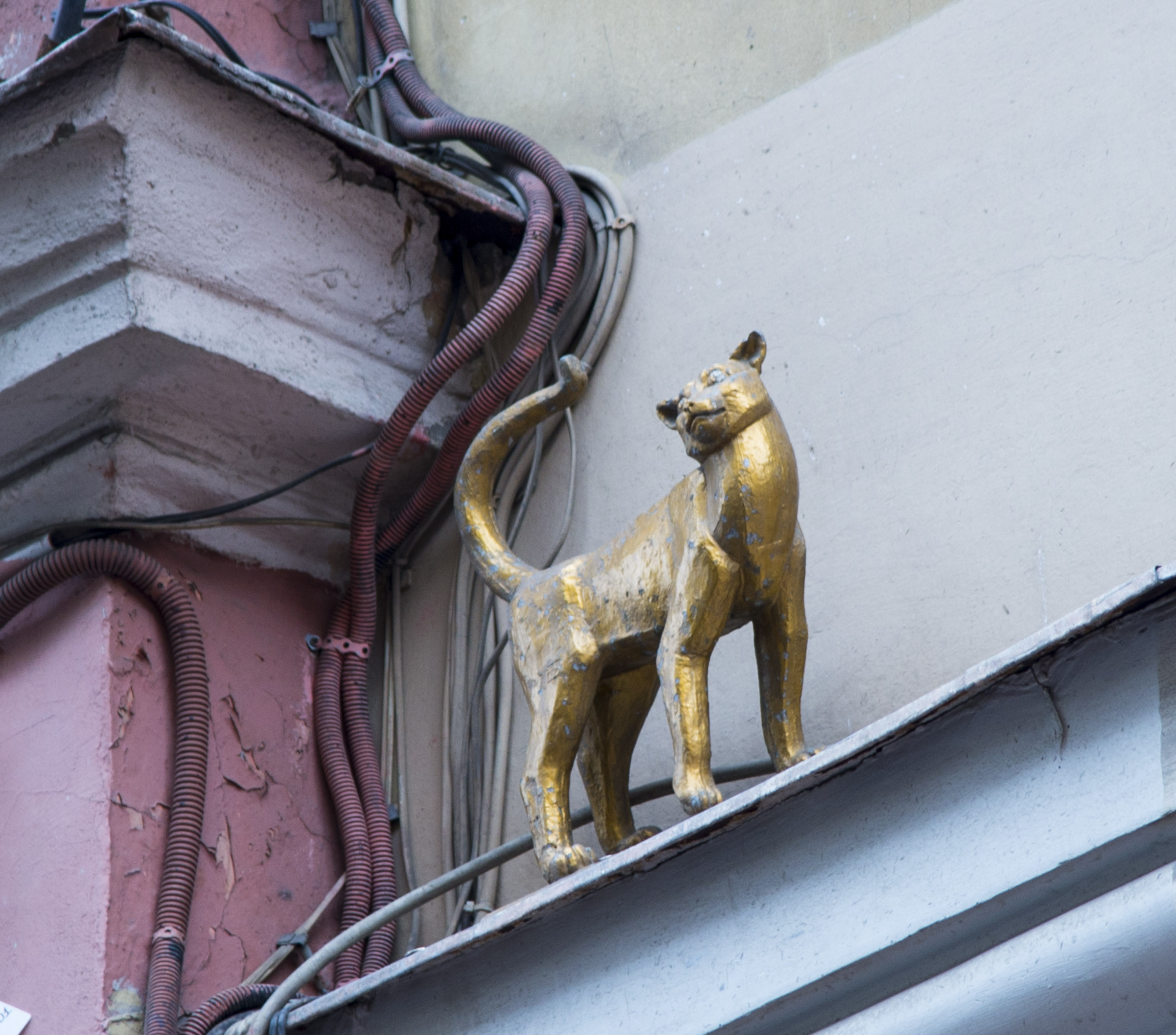
Cats Elisey and Vasilisa

St.Petersburg cats Elisey and Vasilisa live on parapets of two buildings of Malaya Sadovaya street. Cats saved the city from rats during the Siege of Leningrad. They are now symbols of St.Petersburg.

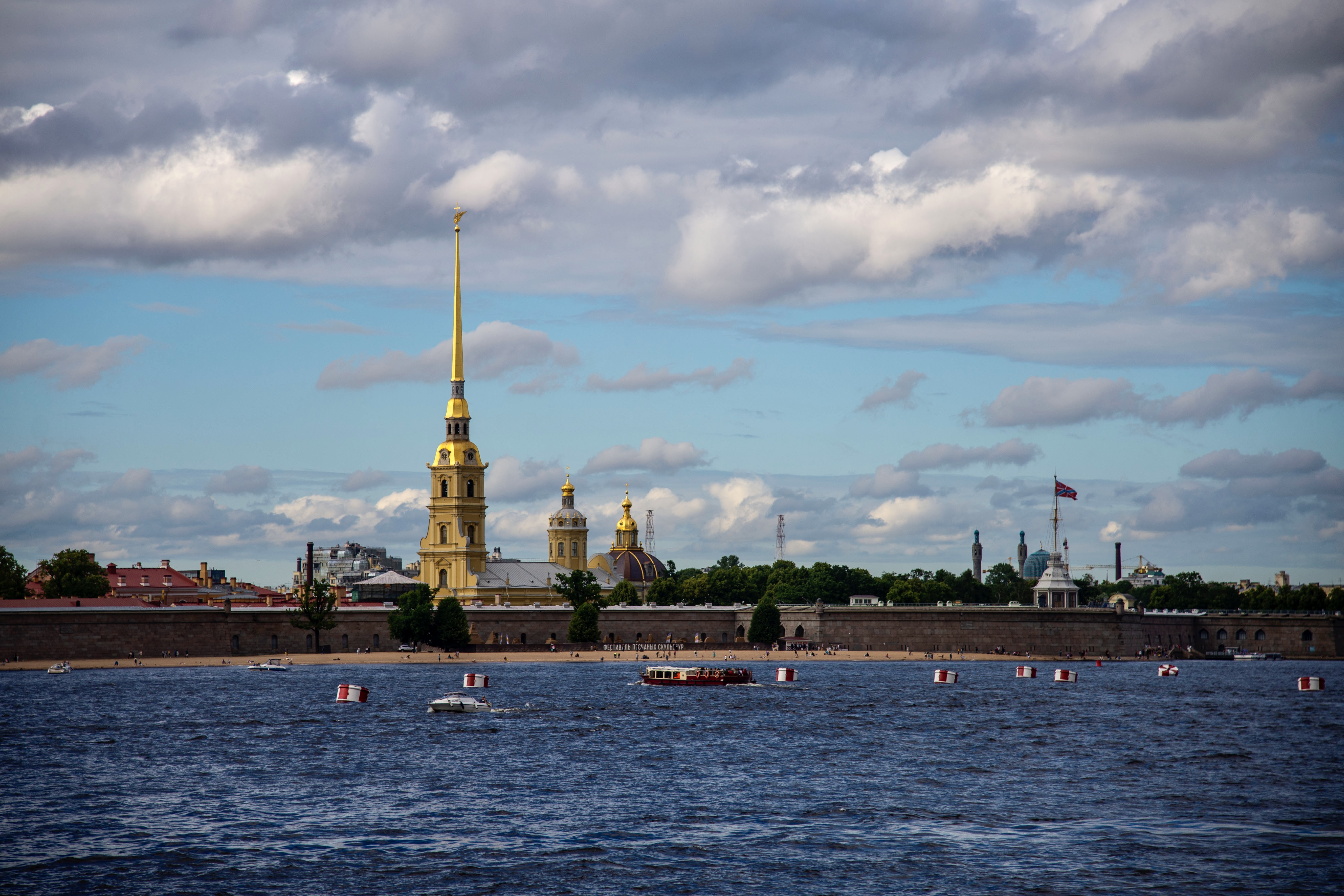
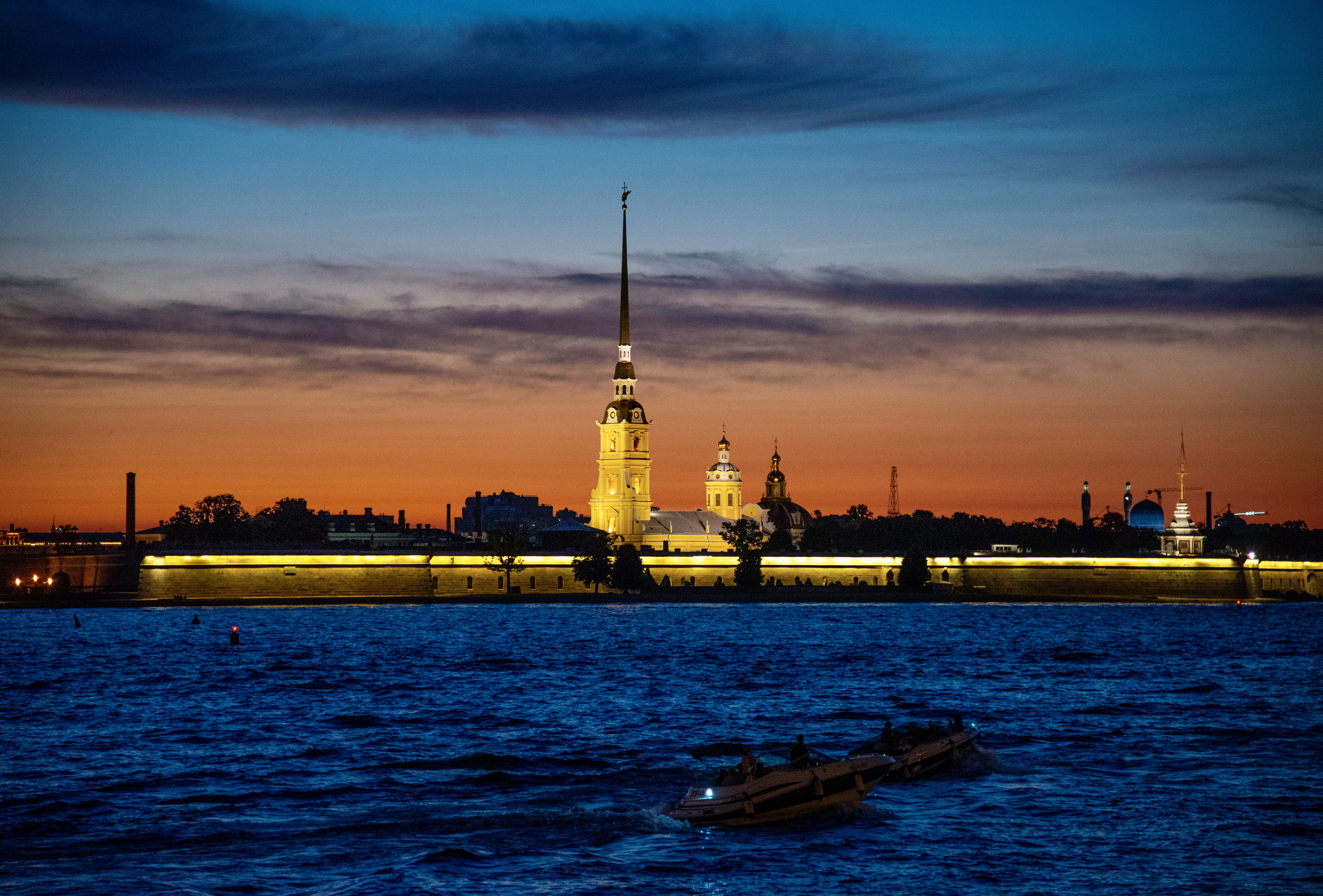
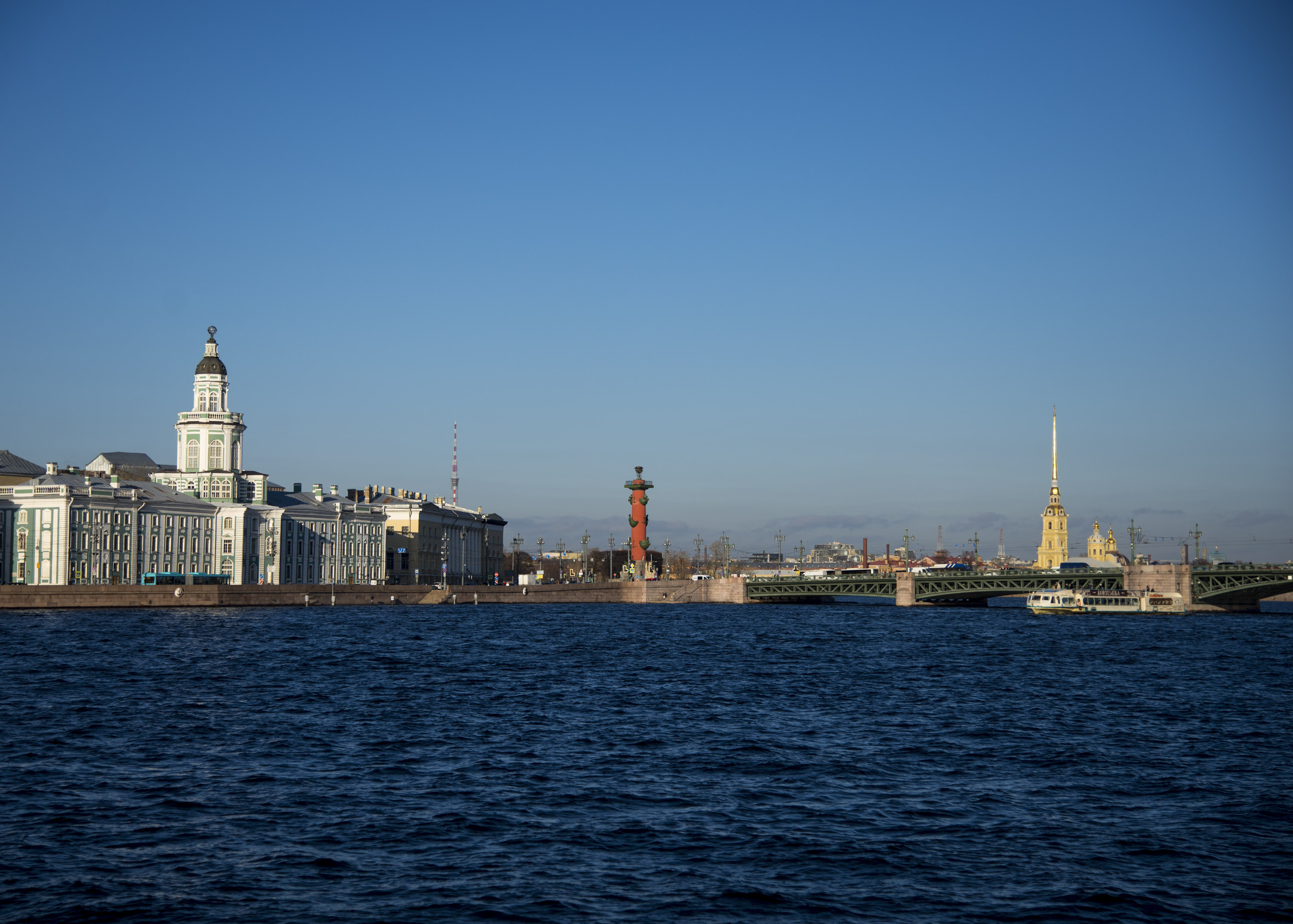
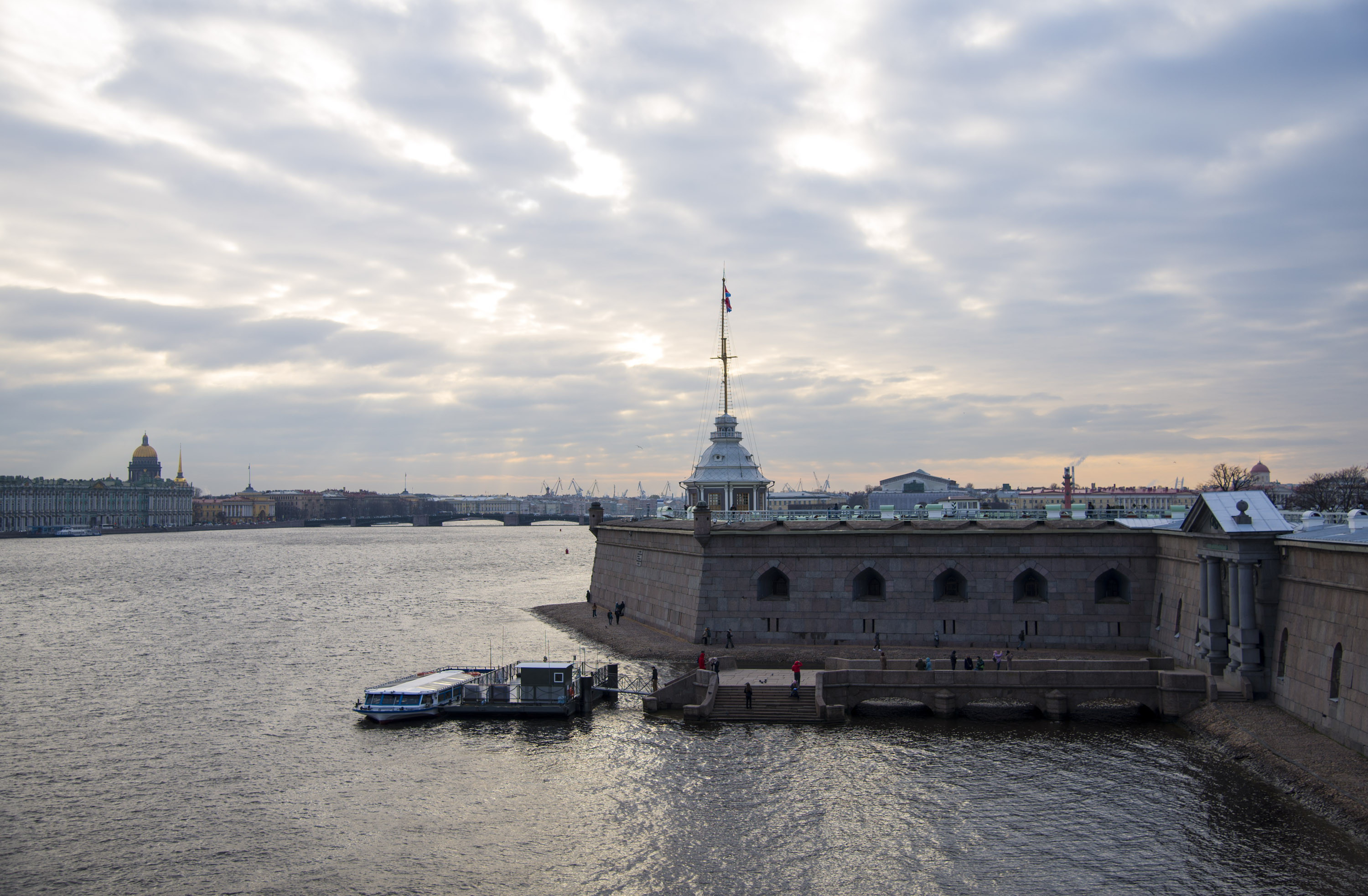
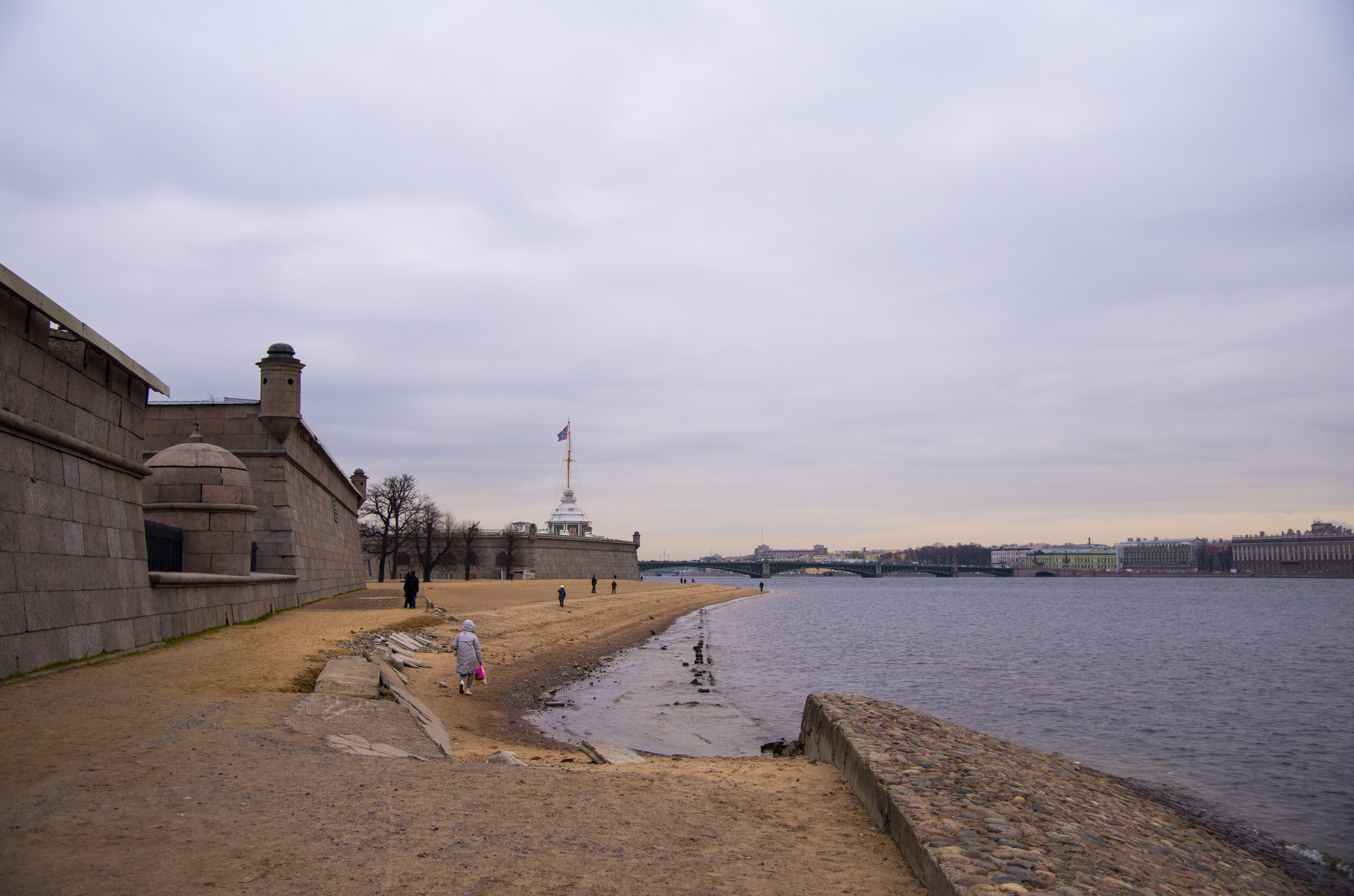
Peter and Paul fortress

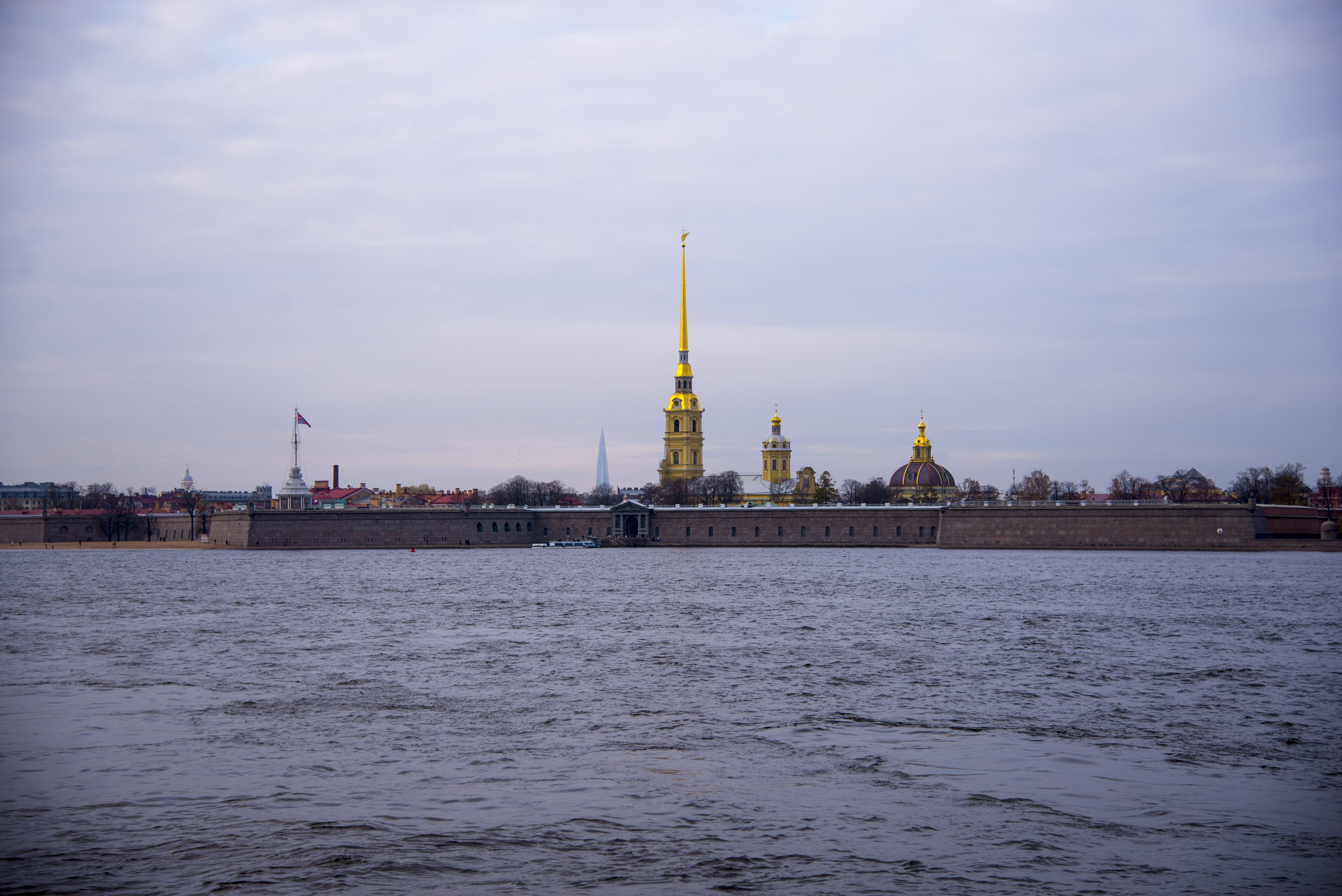
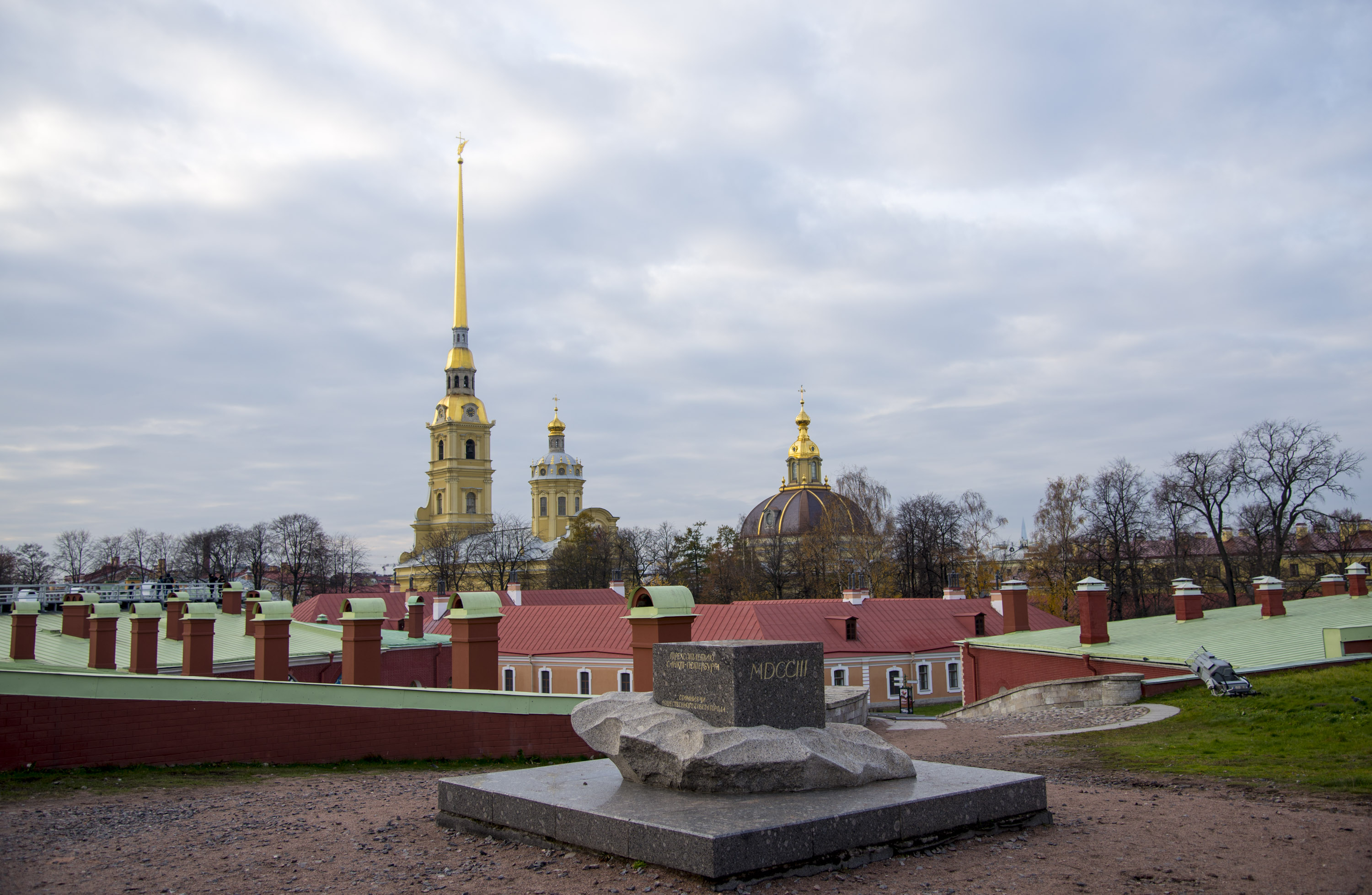
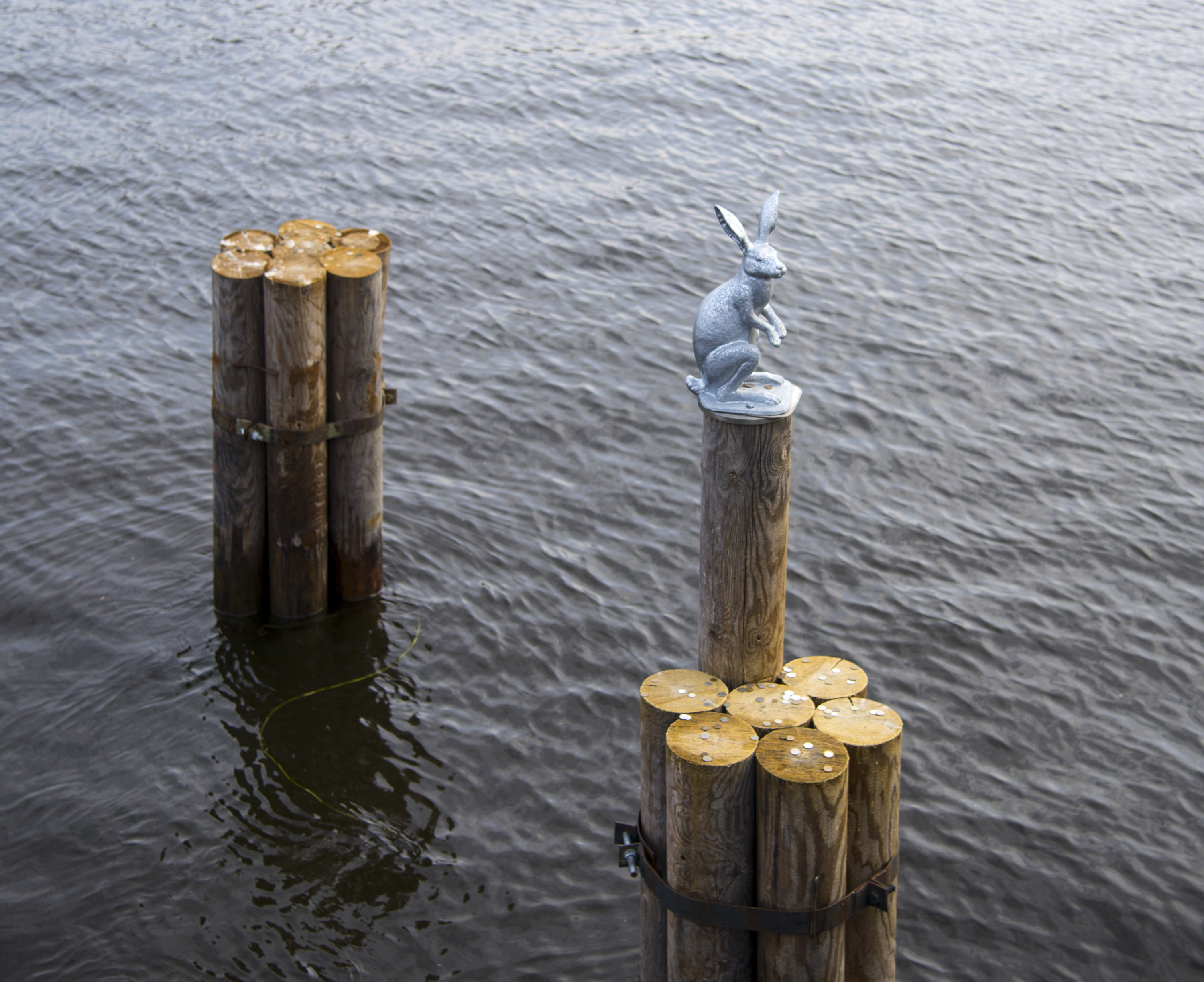
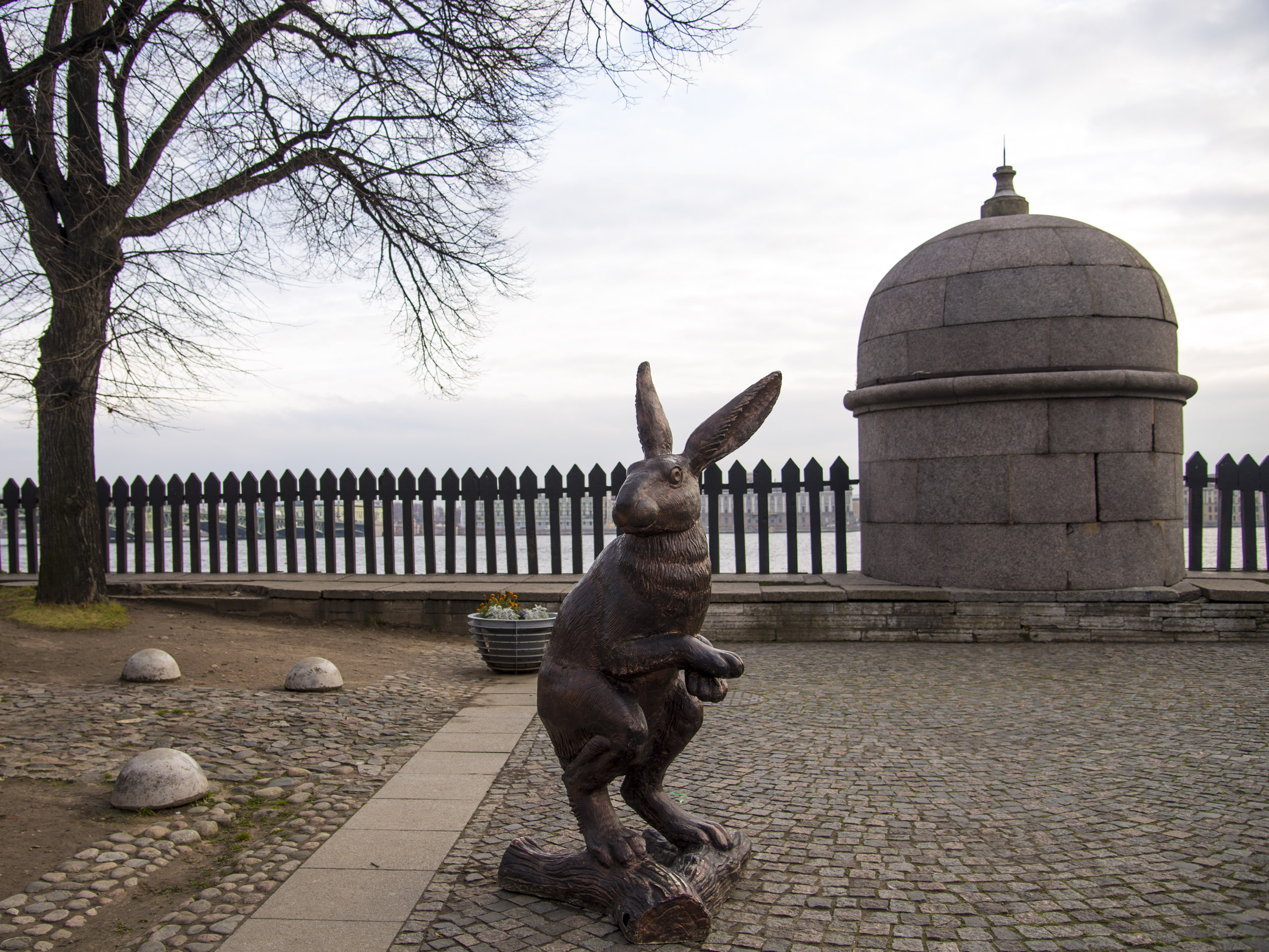
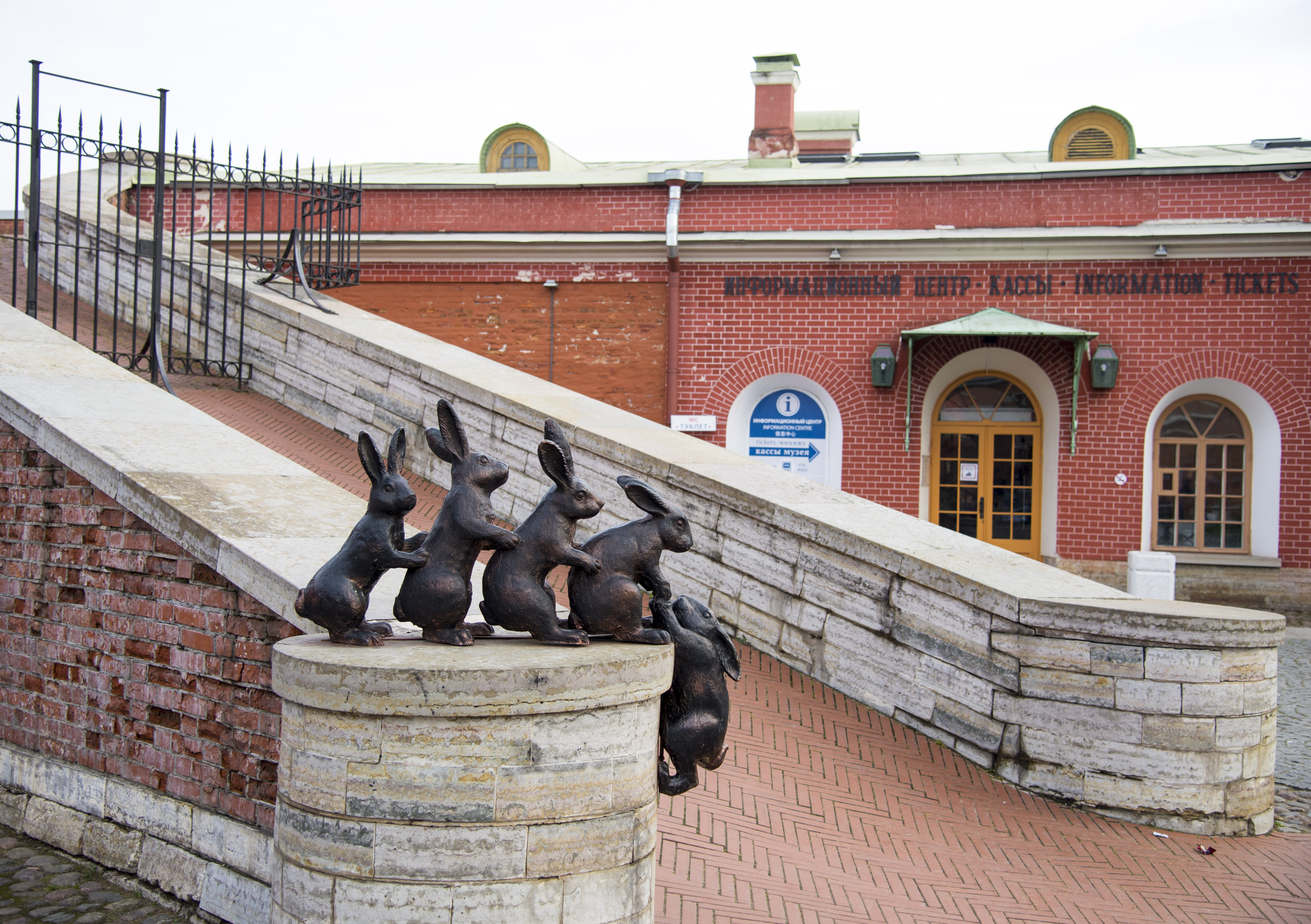
Peter and Paul fortress was founded in 1703 and is the St. Petersburg first settlement. The fortress is located on an island called Rabbit island. That’s why there are rabbits sculprutes everywhere.

Cathedral of saints Peter and Paul is the oldest church in St. Petersburg, and also the second-tallest building in the city (after the television tower). It is linked to both the history of the city and the Romanov dynasty, as it is home to the graves of nearly all the rulers of Russia since Peter the Great.

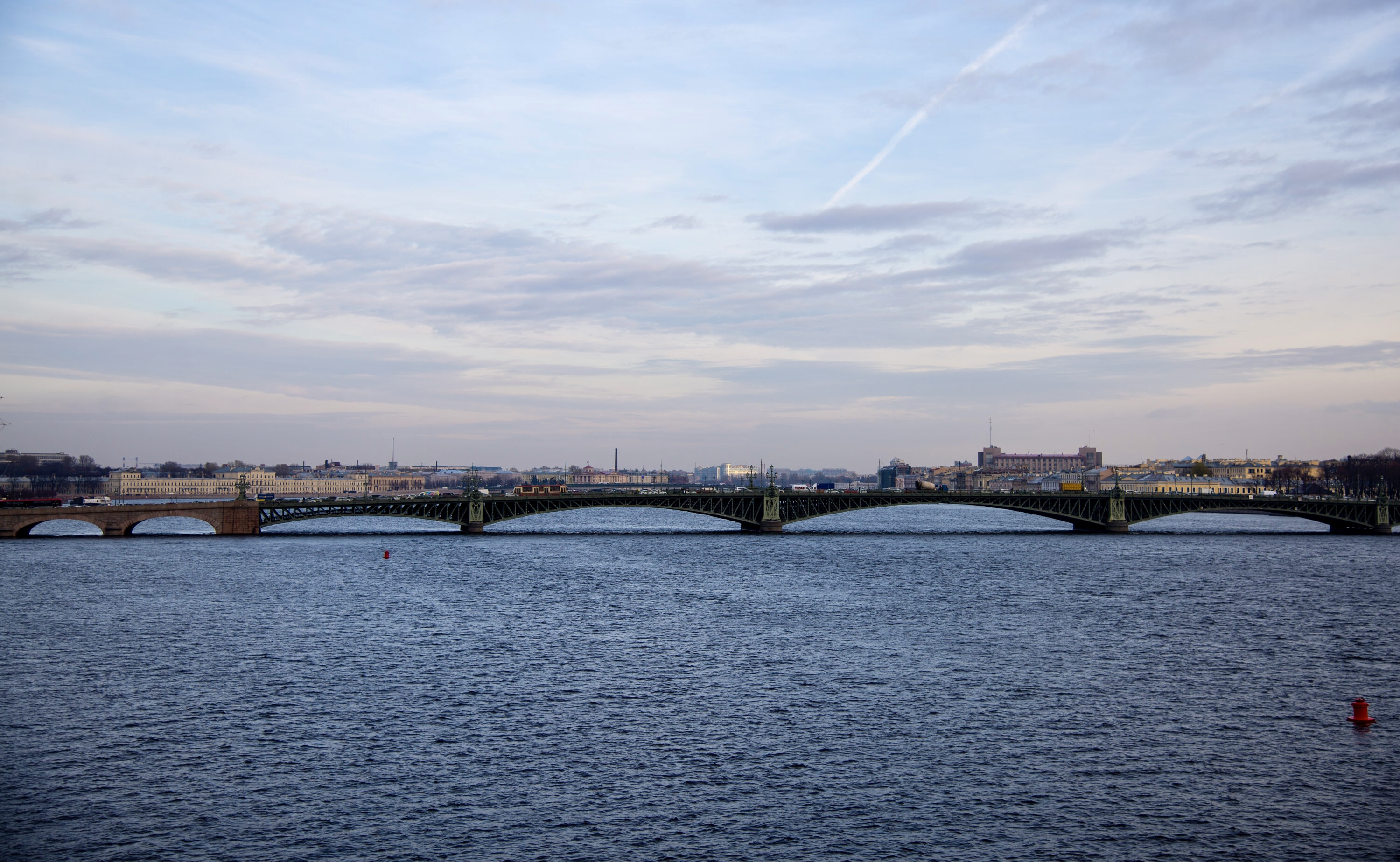
Troitskiy Bridge

Savior on the Spilled Blood Church

The Cathedral was being built from 1883 to 1907 on the place, where tragic event had happened. On 1st of March 1881, Emperor Alexander II, who had been going to the parade of troops on the Field of Mars, was mortally wounded here. His son, Alexander III, ordered to build a church on this spotto. Not only Russians, but also residents of other Slavic countries donated money for the construction of the church. On the walls of the bell tower, there are more than a hundred mosaic coats of arms of the cities and towns that participated in fundraising.

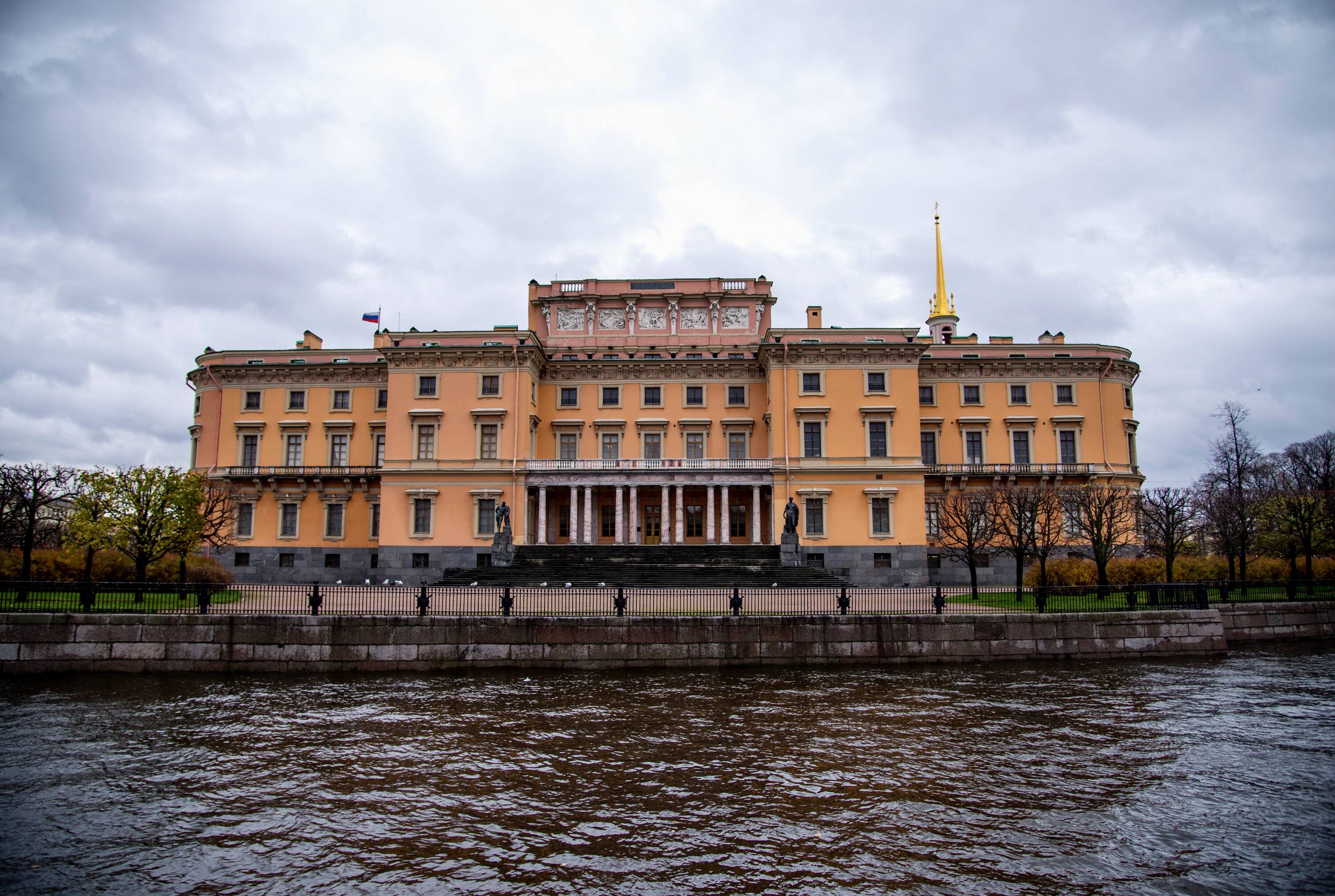
St. Michael’s Castle

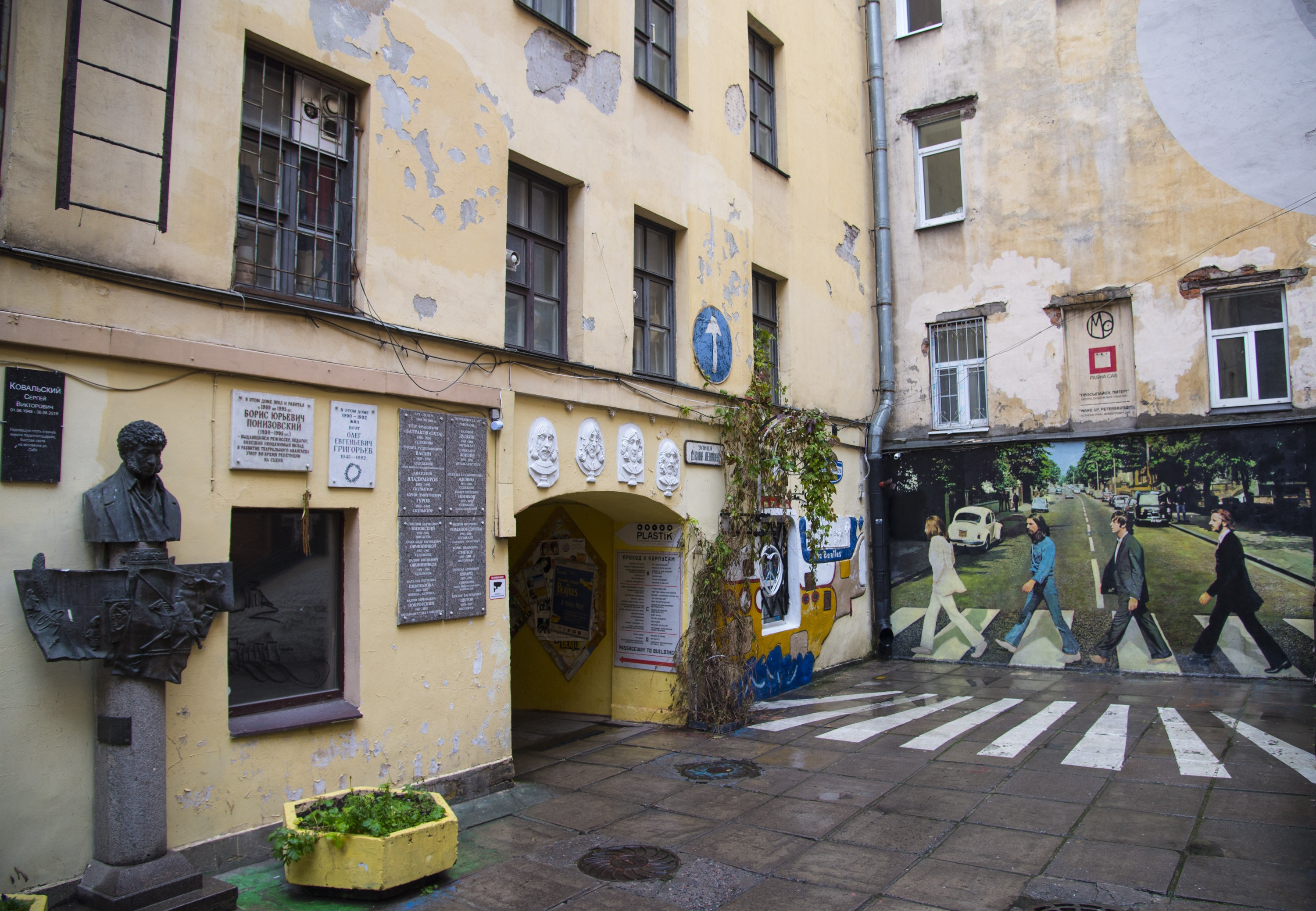
John Lennon Street

A small and surprising passageway in St. Petersburg devoted to the Beatles.

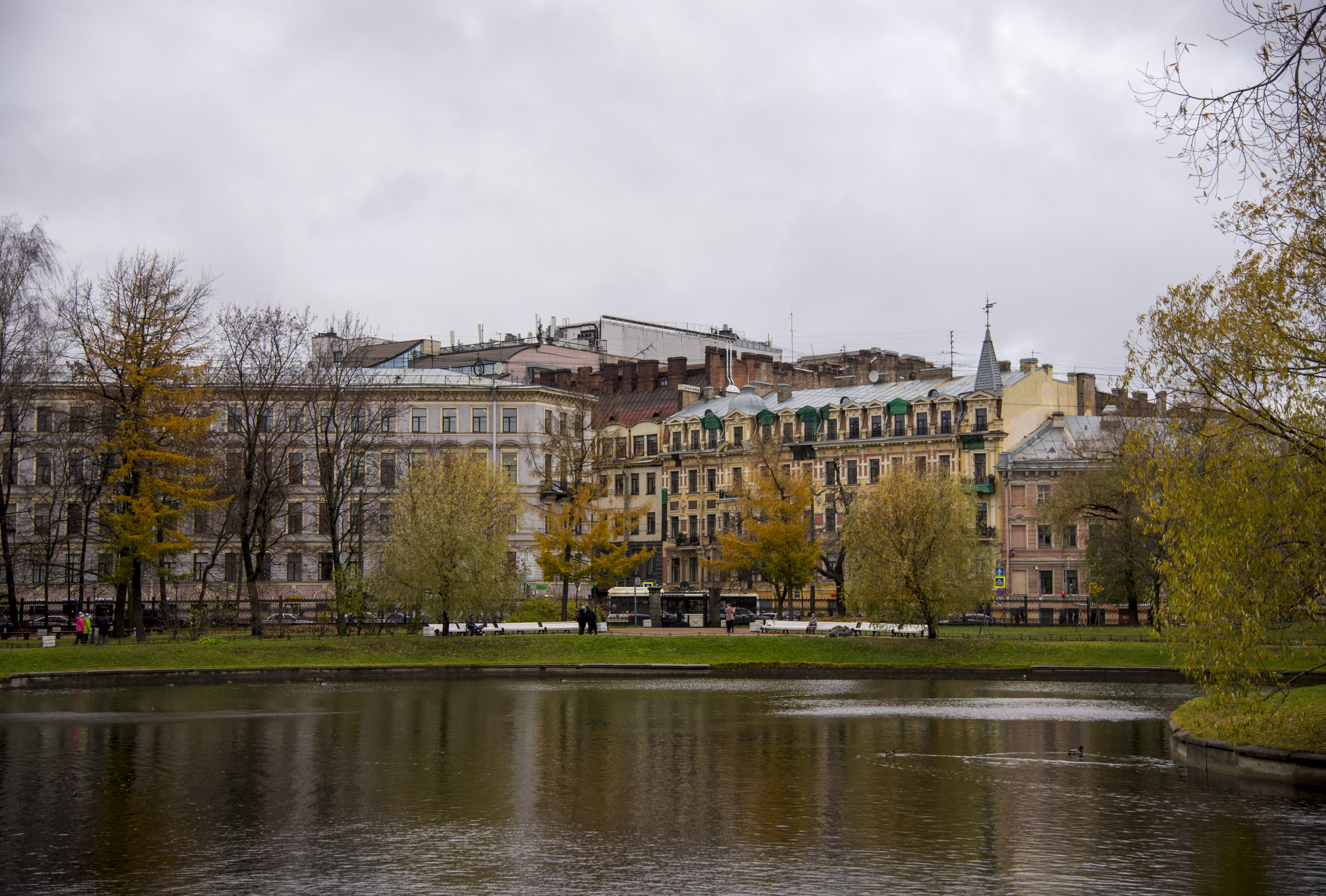
Yusupov Gardens

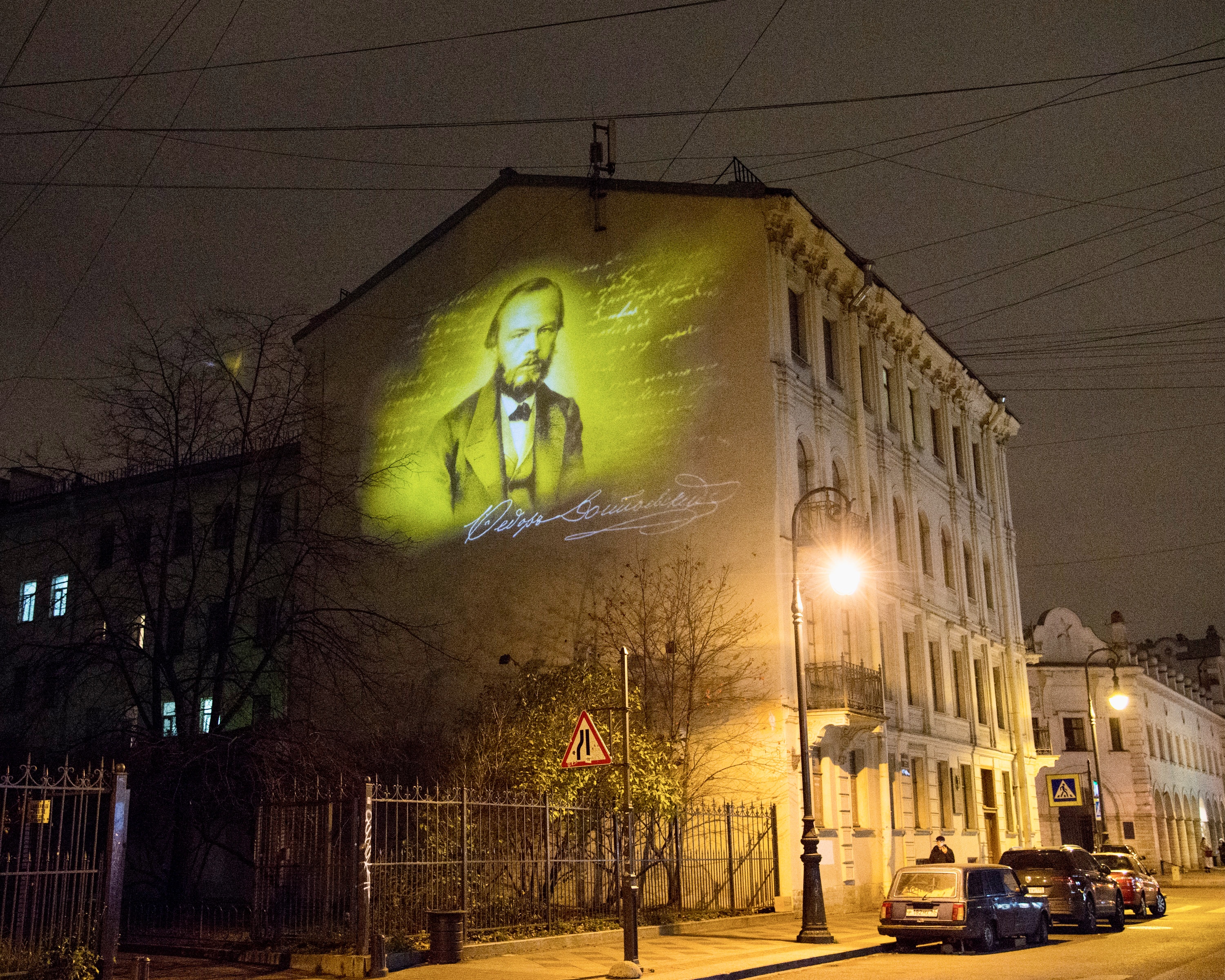
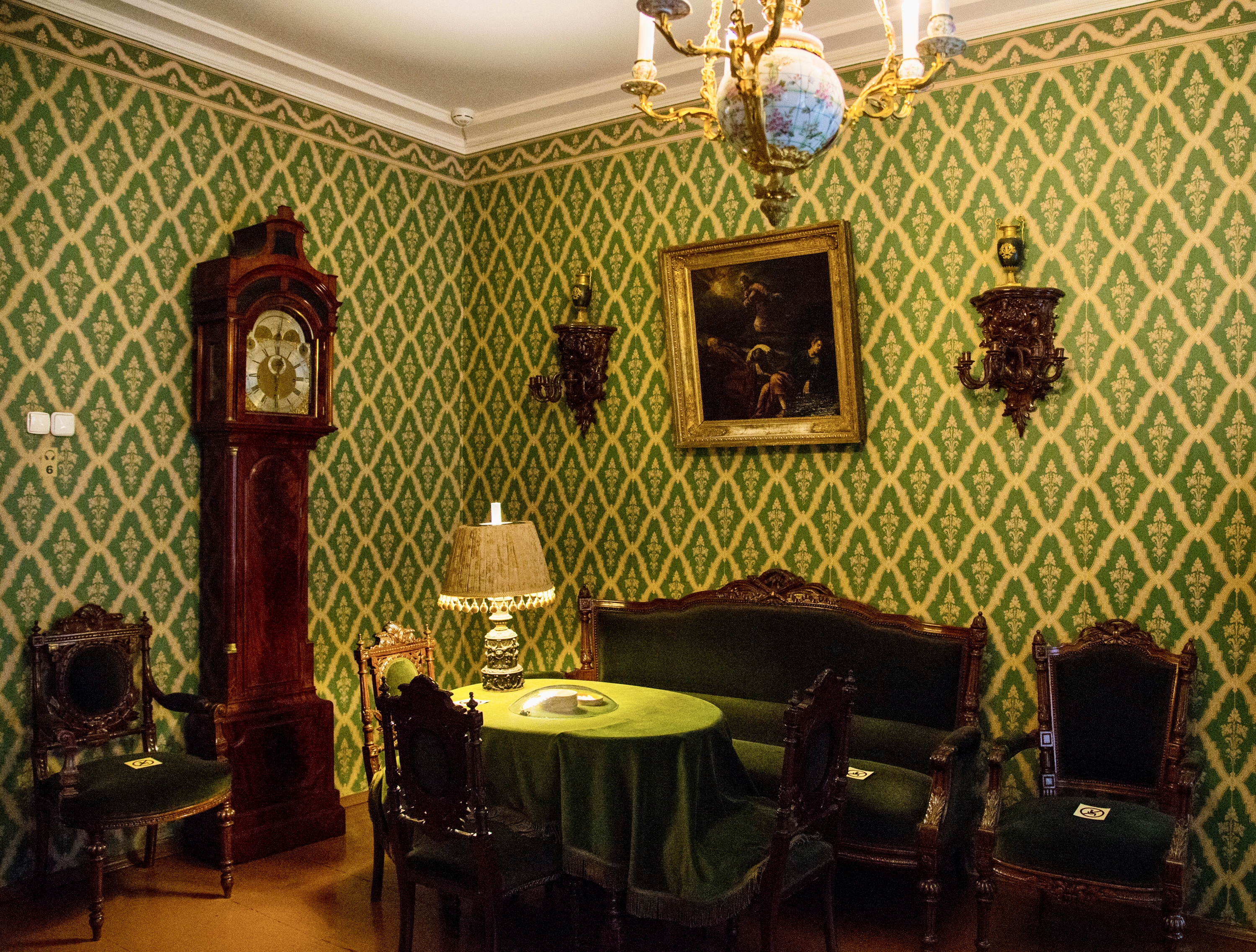
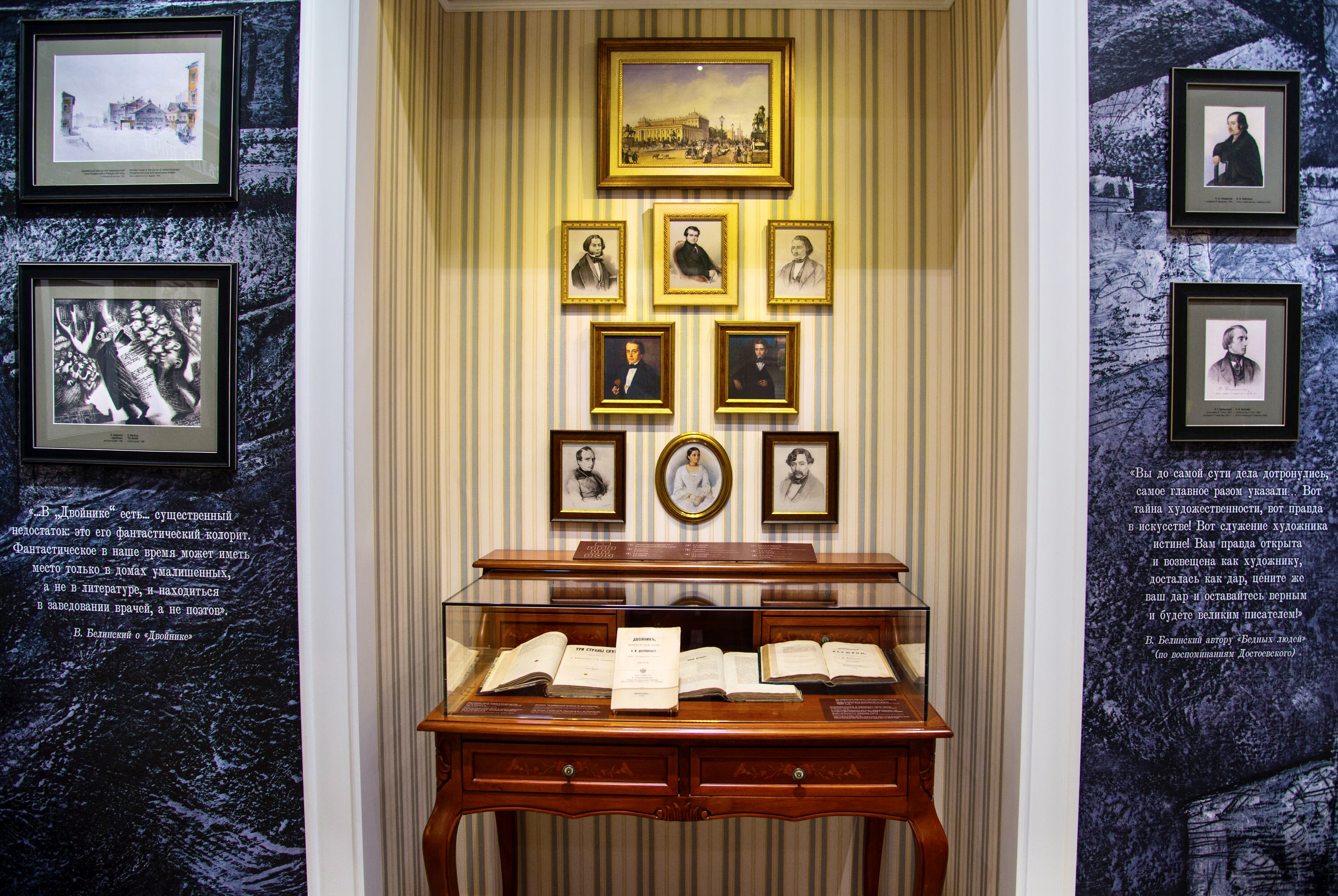
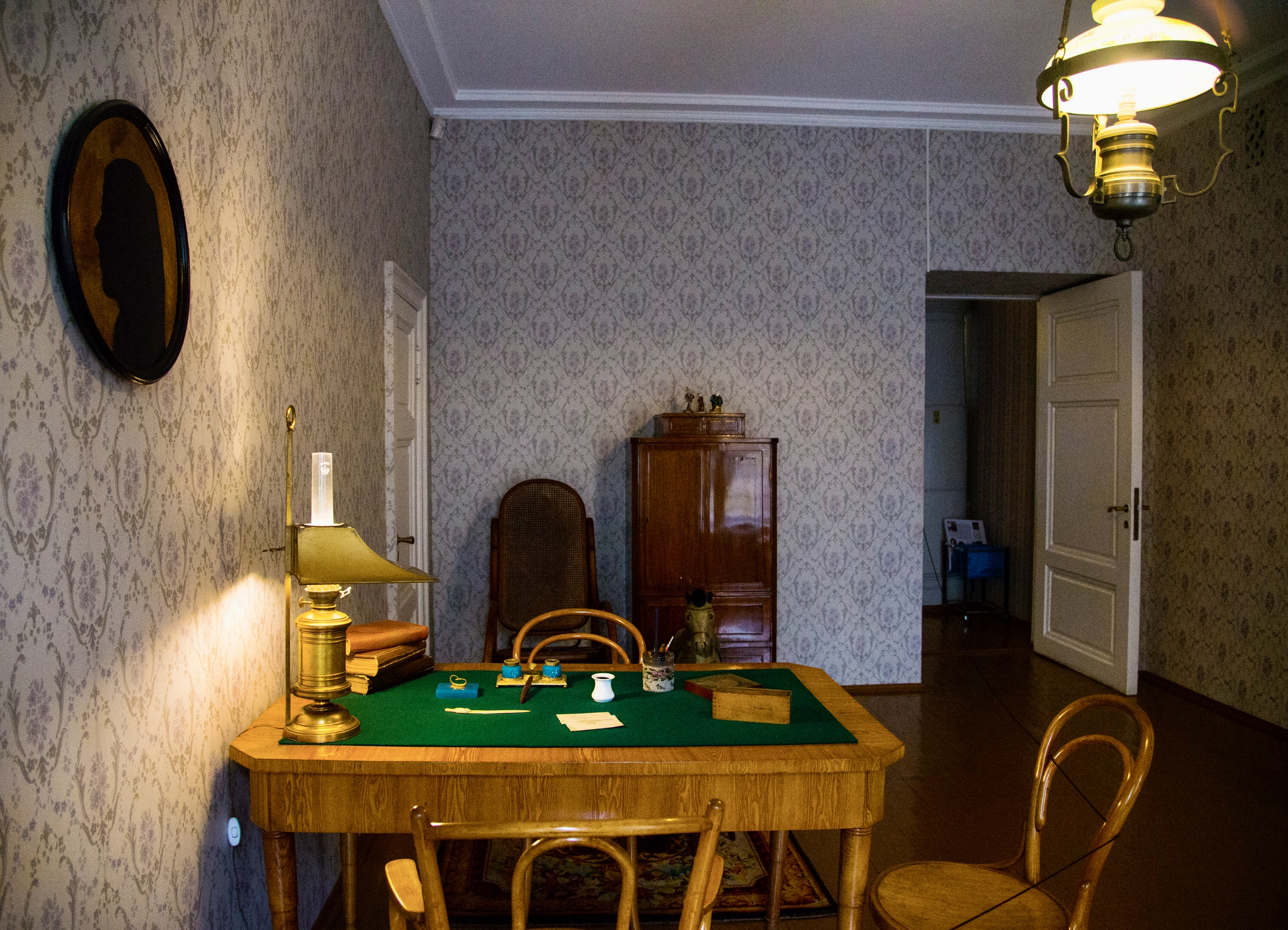
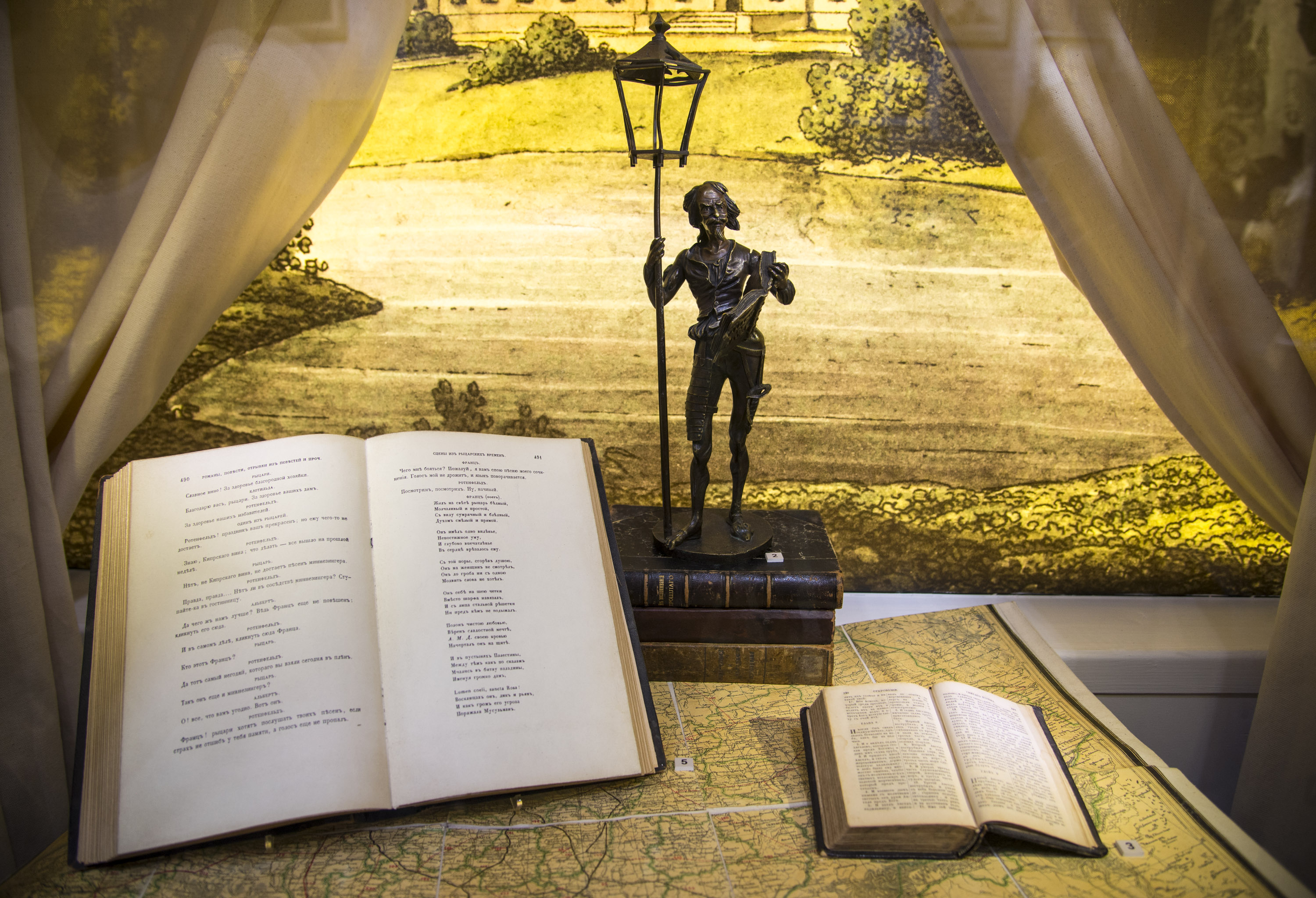
Dostoevsky Museum

The F.M. Dostoevsky Literary Memorial Museum was opened on November 12, 1971 in the former apartment of the famous writer in St. Petersburg.

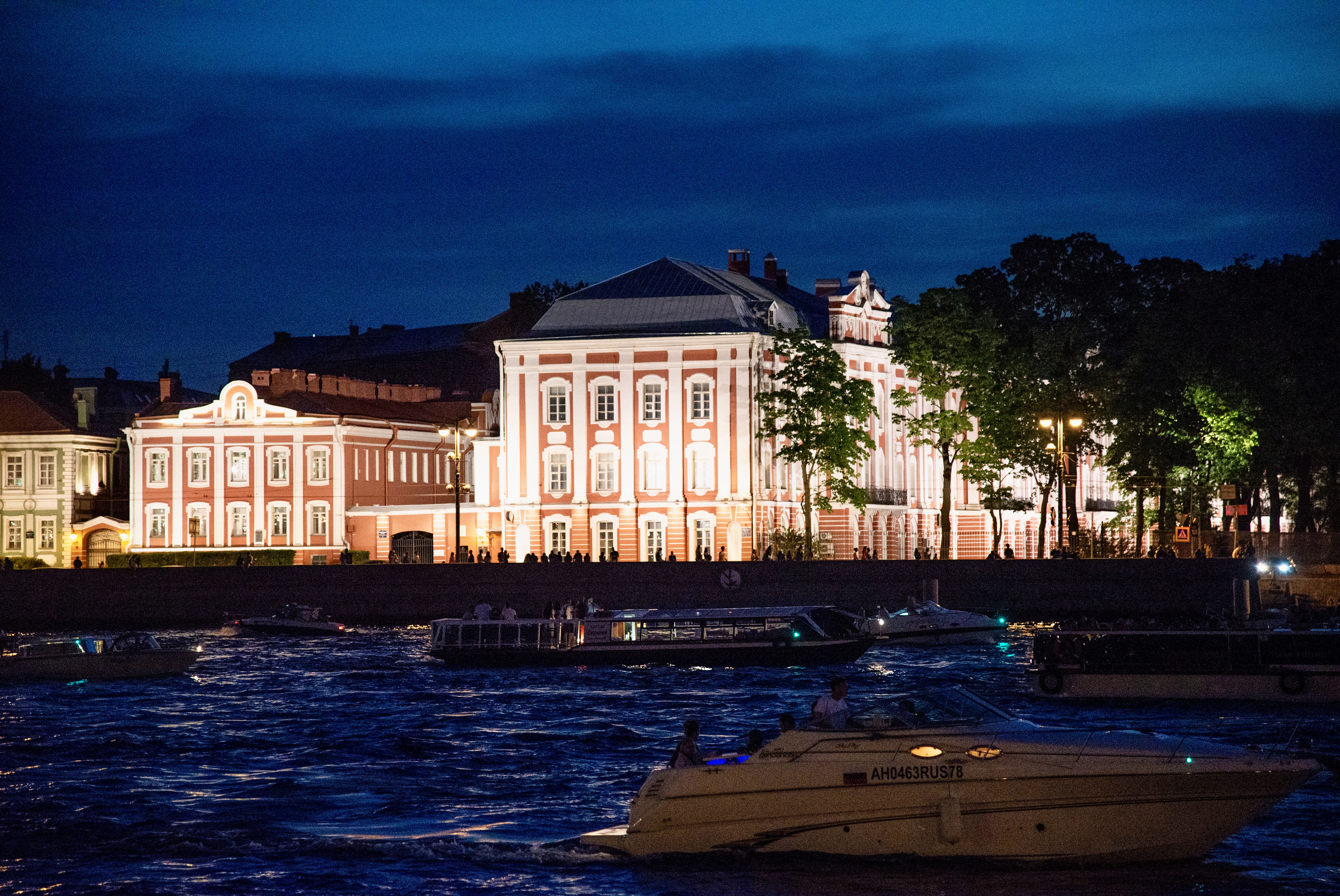
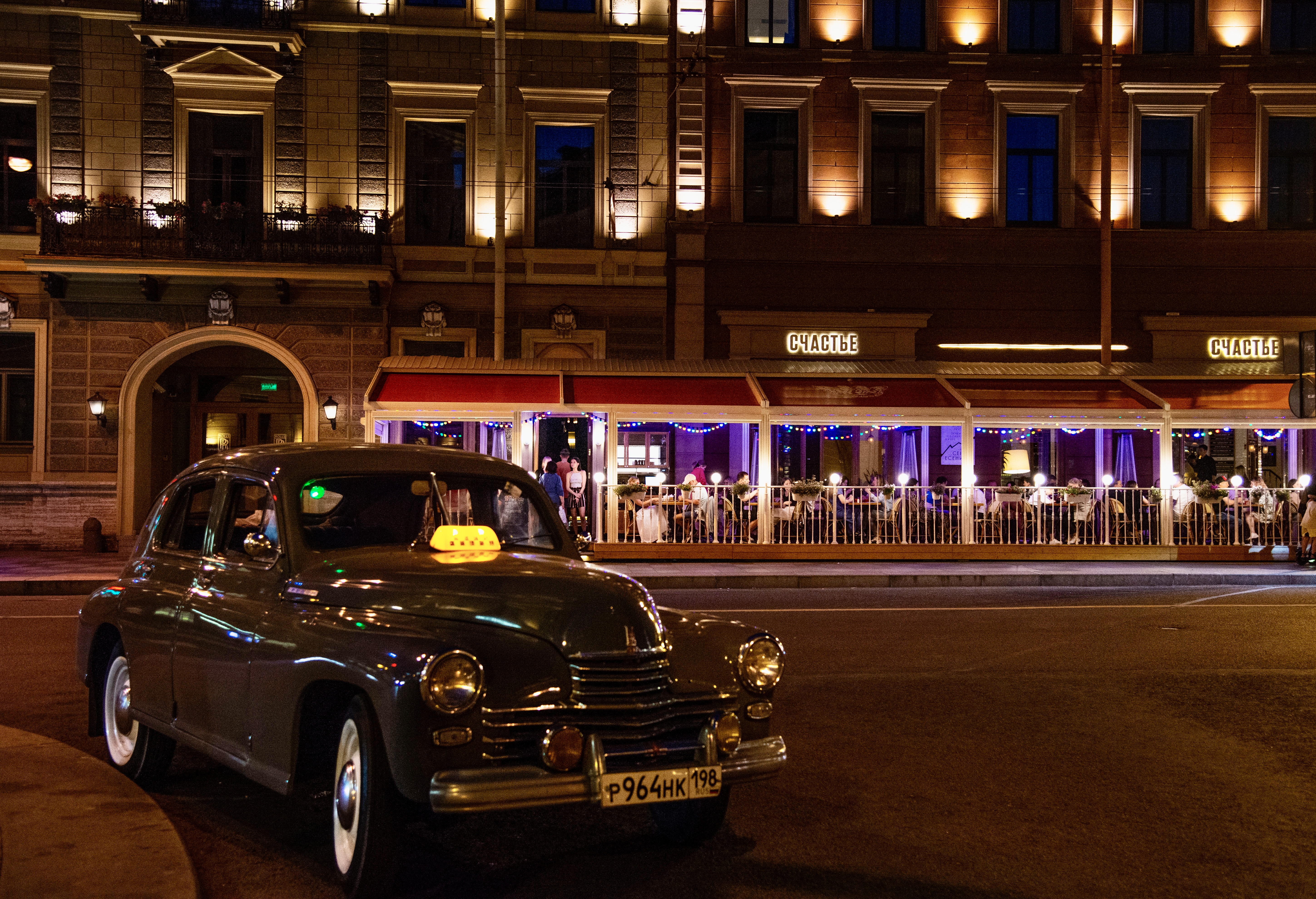
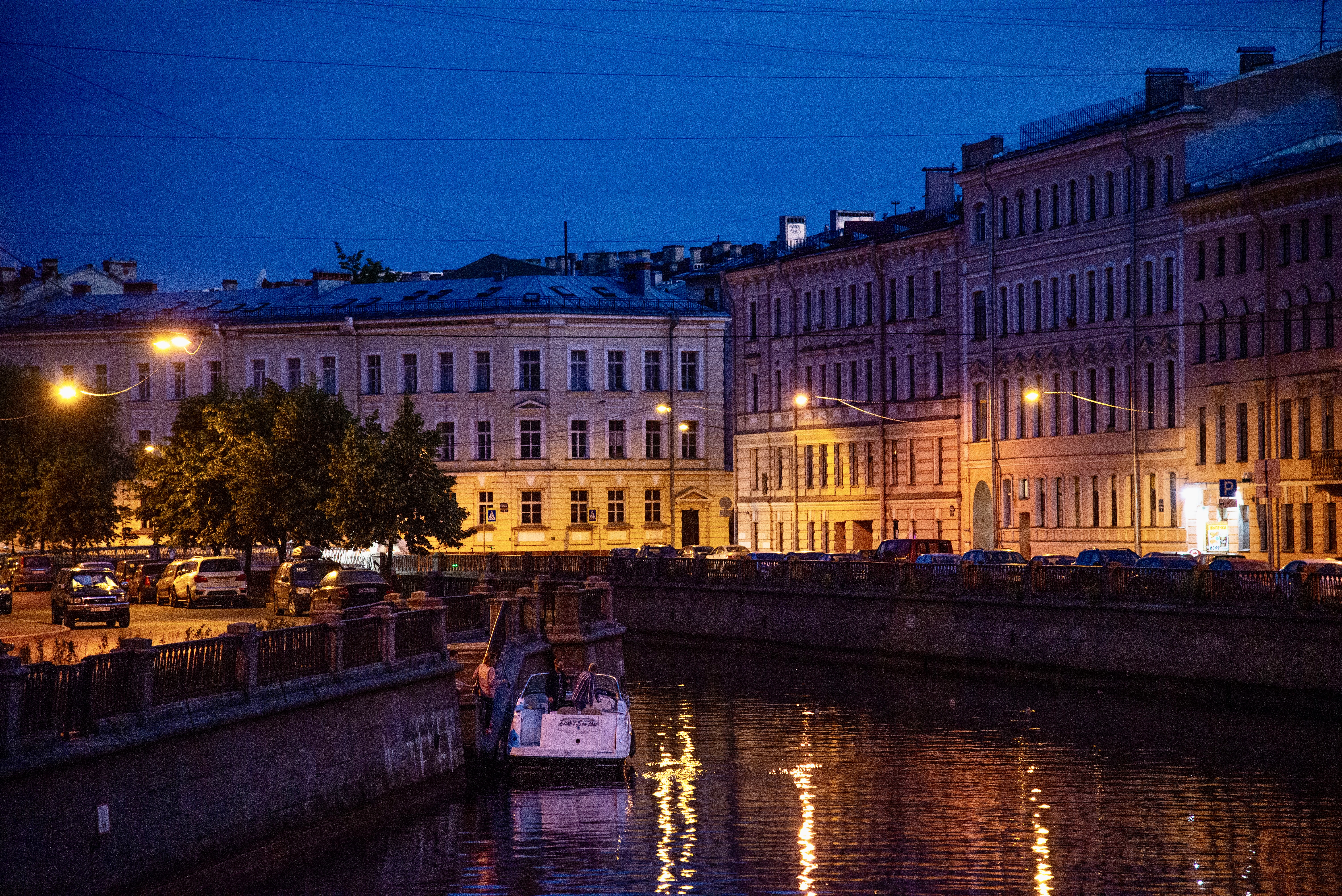
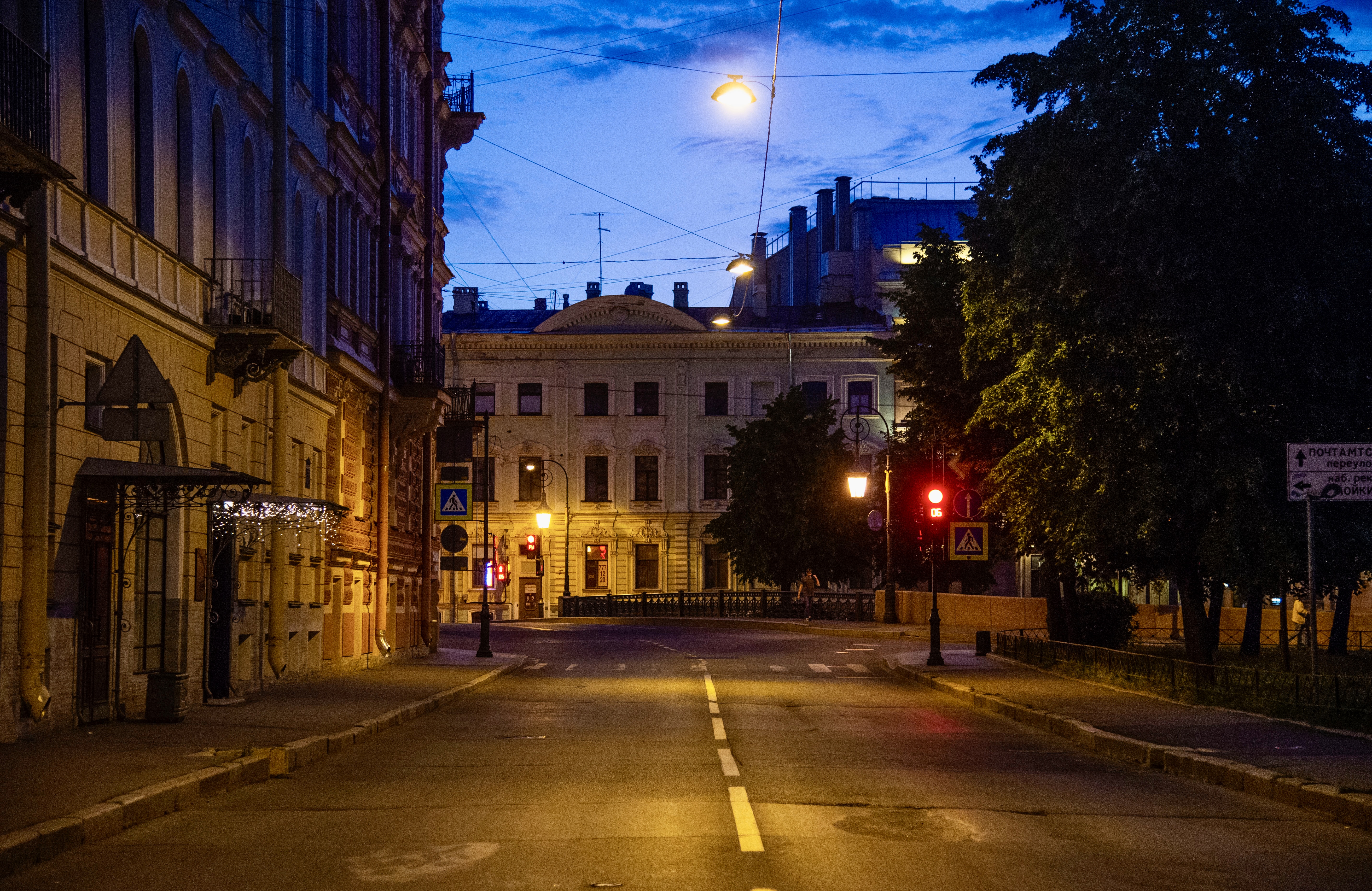
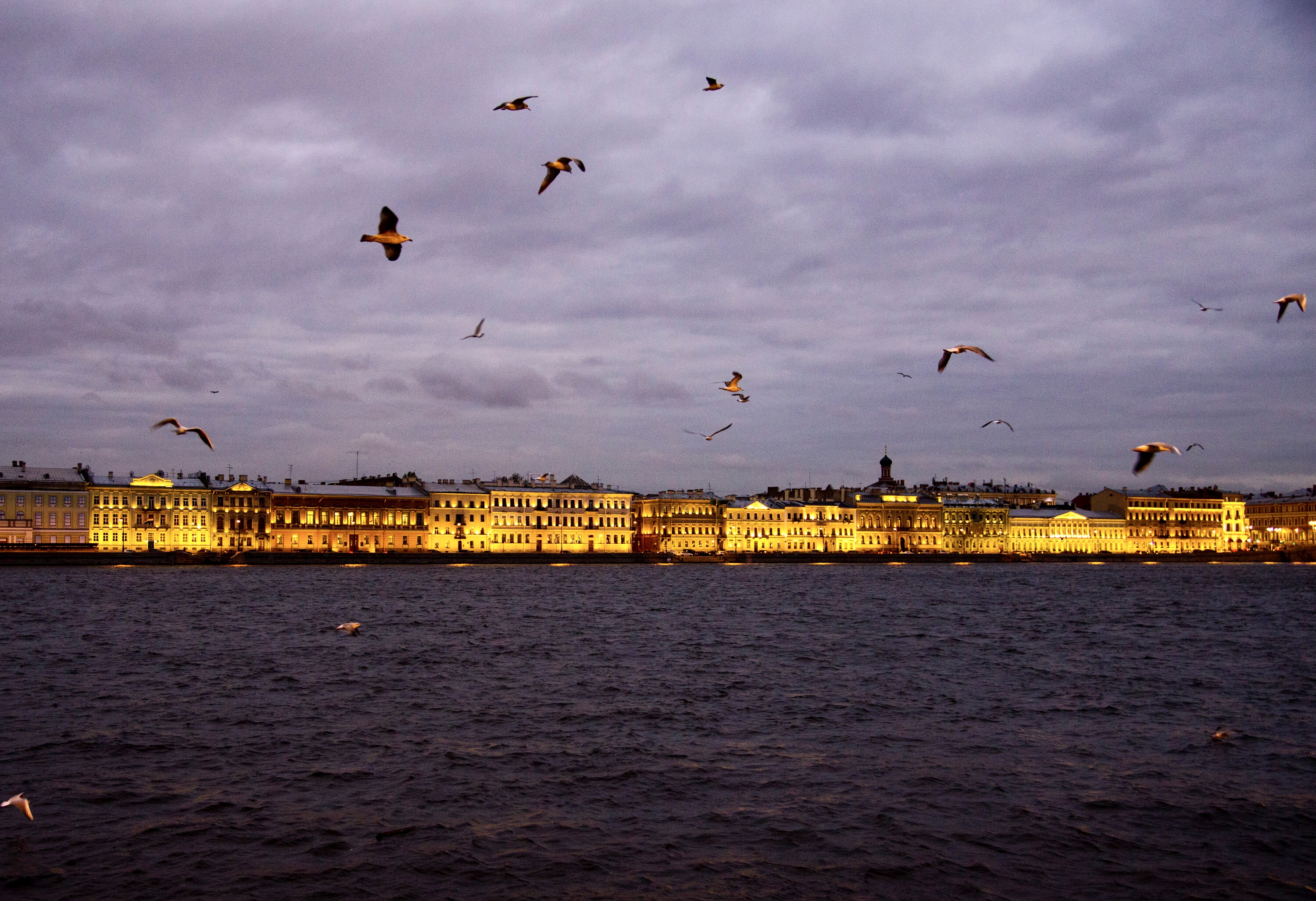
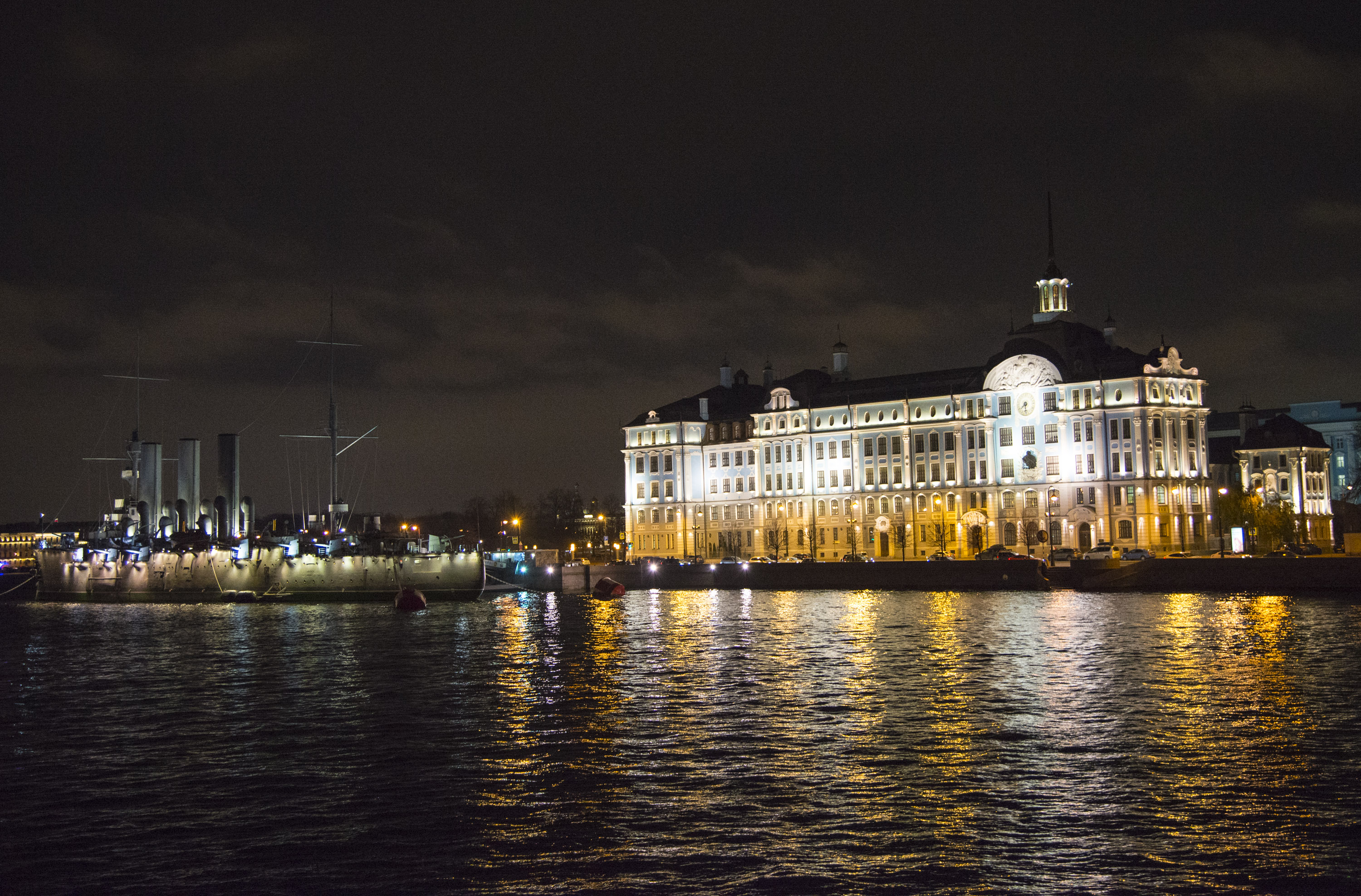
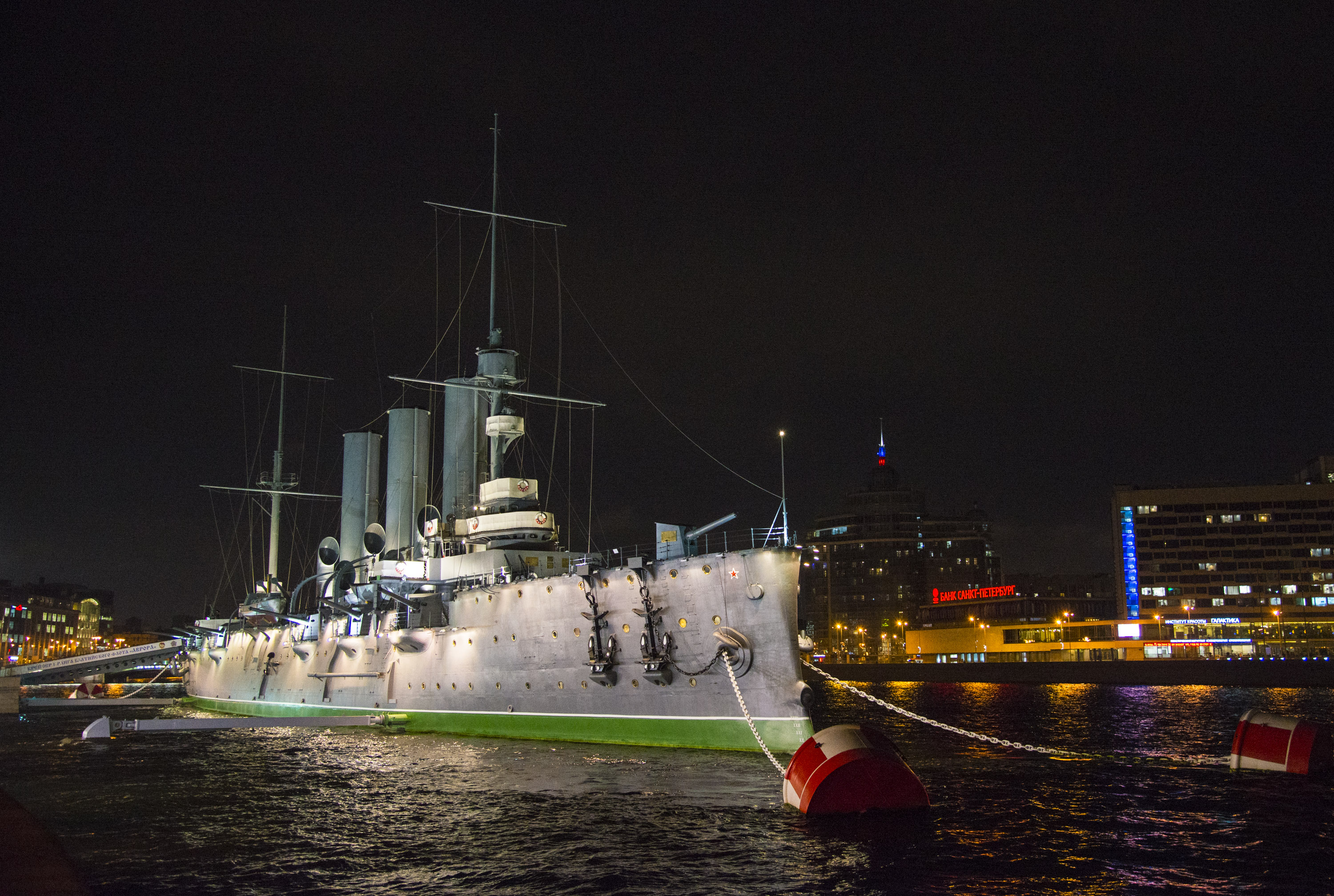
Night views of St. Petersburg

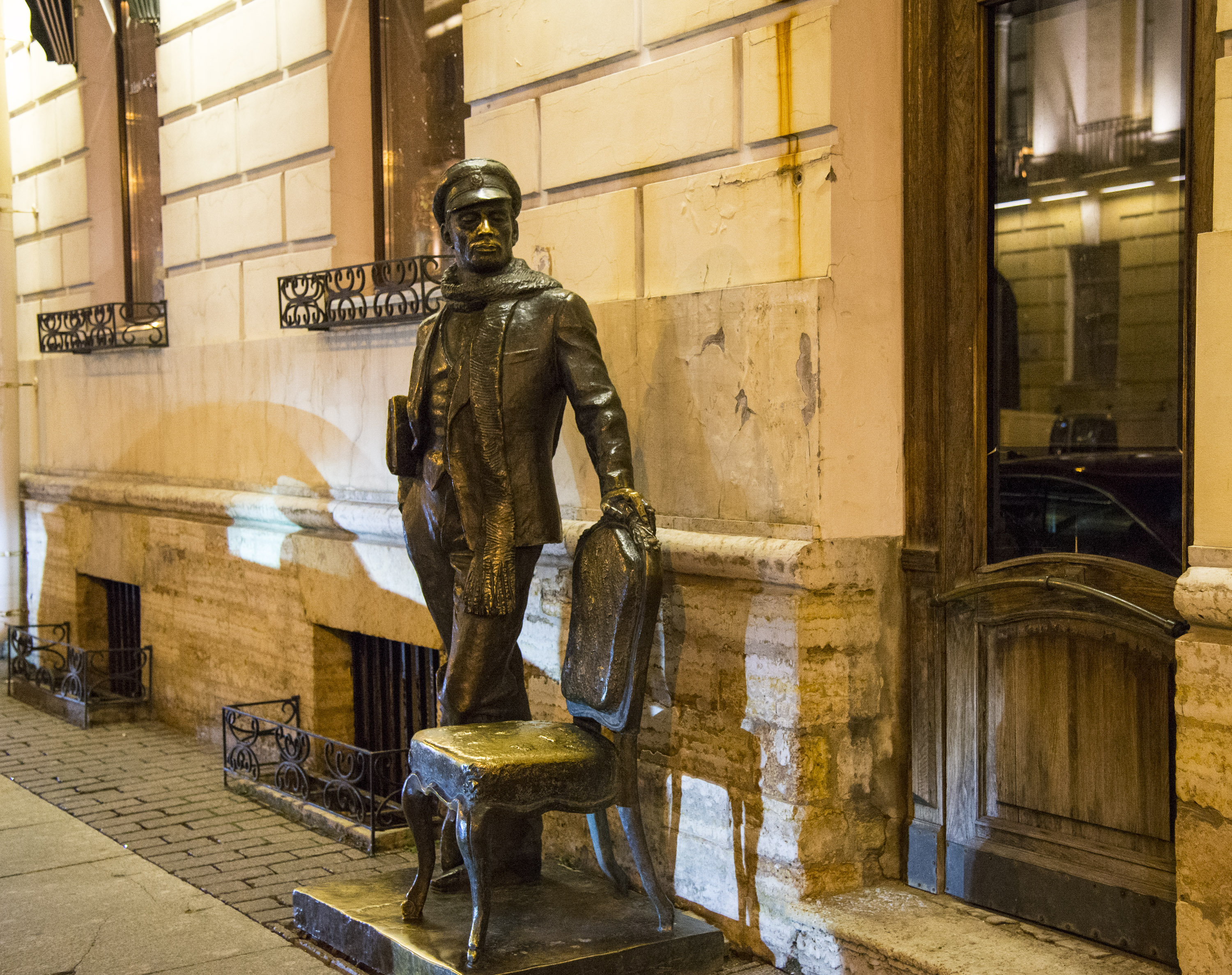
Ostap Bender monument

Cruiser Aurora

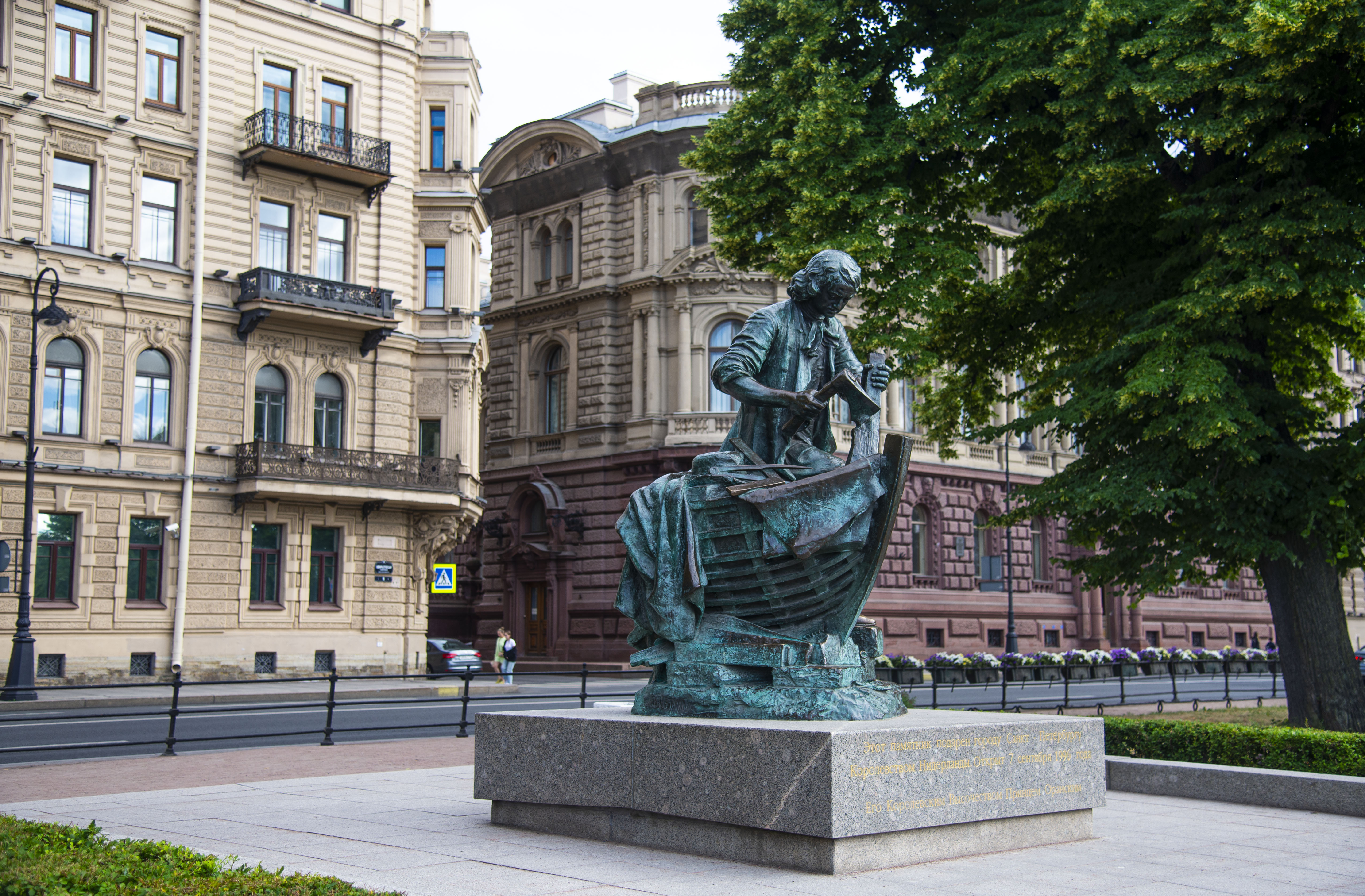
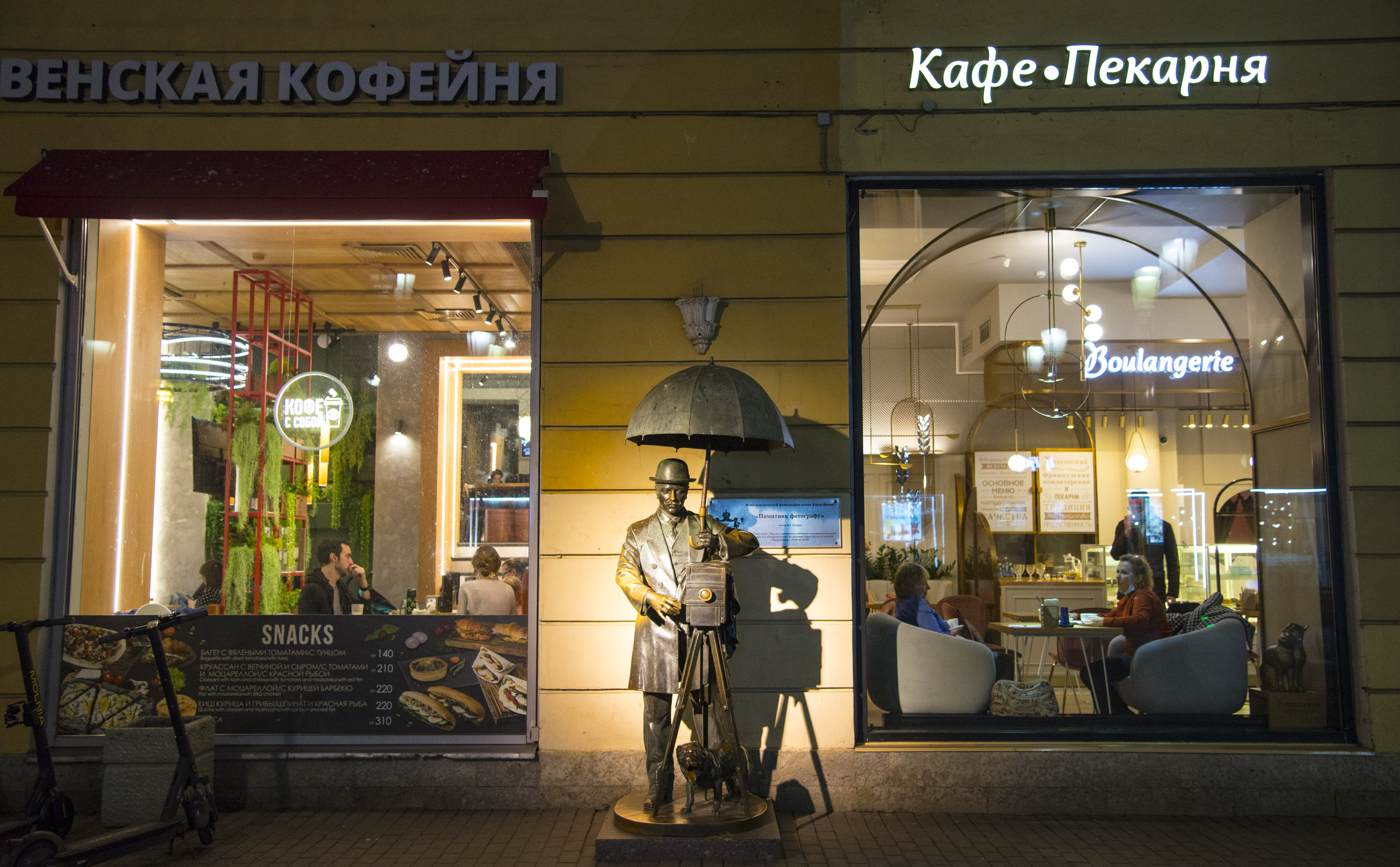
Monument to the St. Petersburg Photographer which was created in 2001 next to the building where the photographer Karl Bulla had a famous studio.

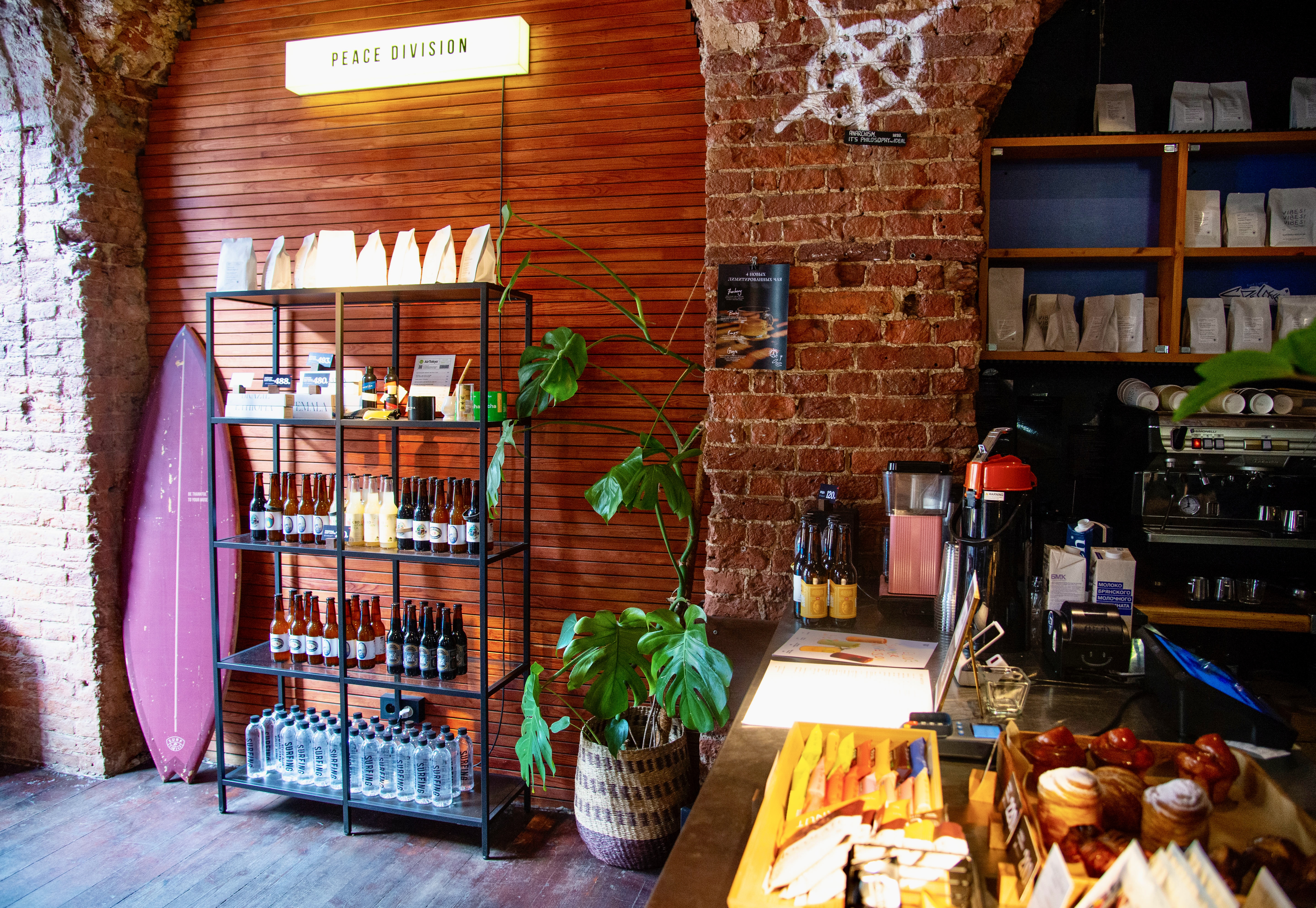
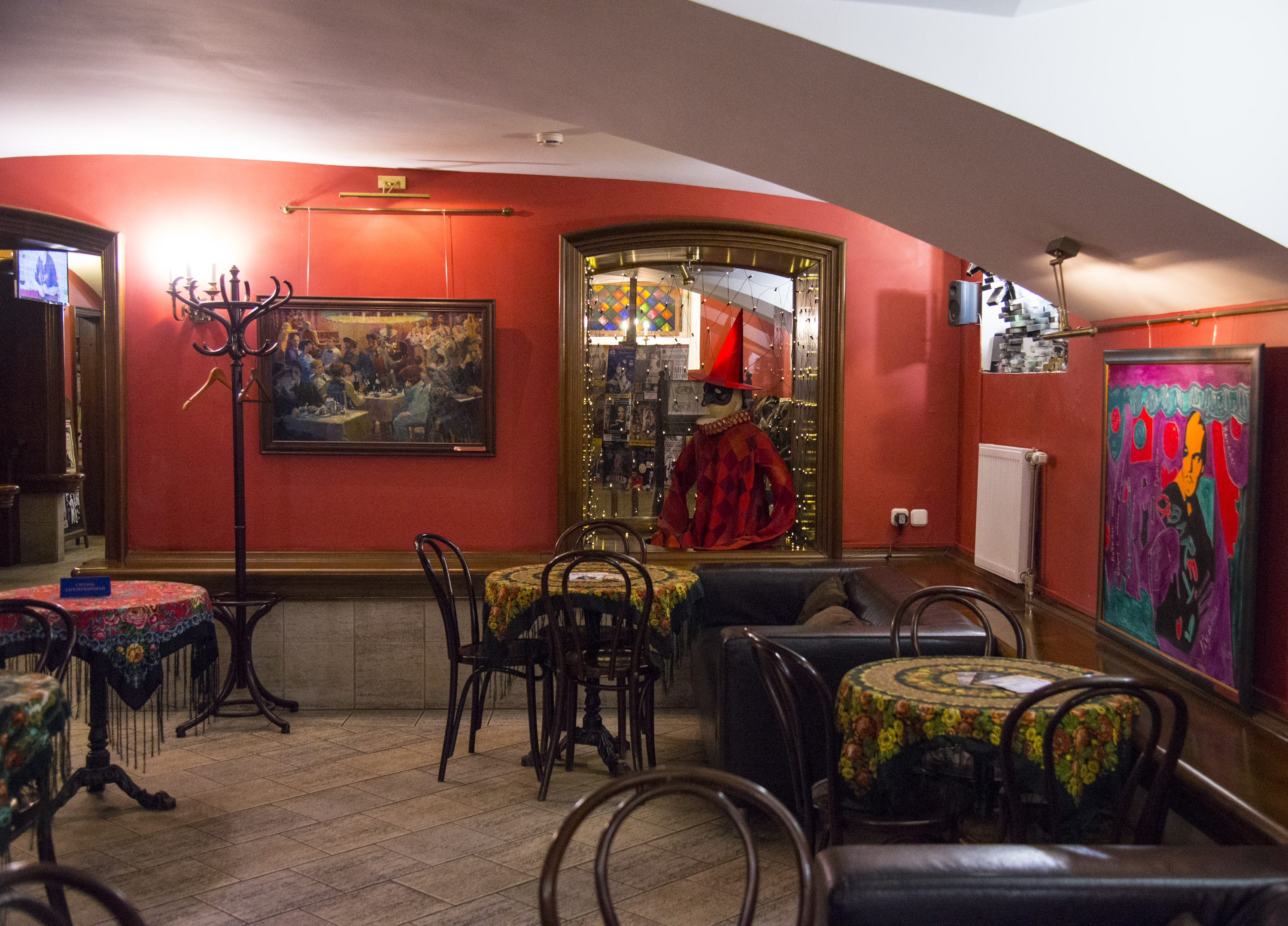
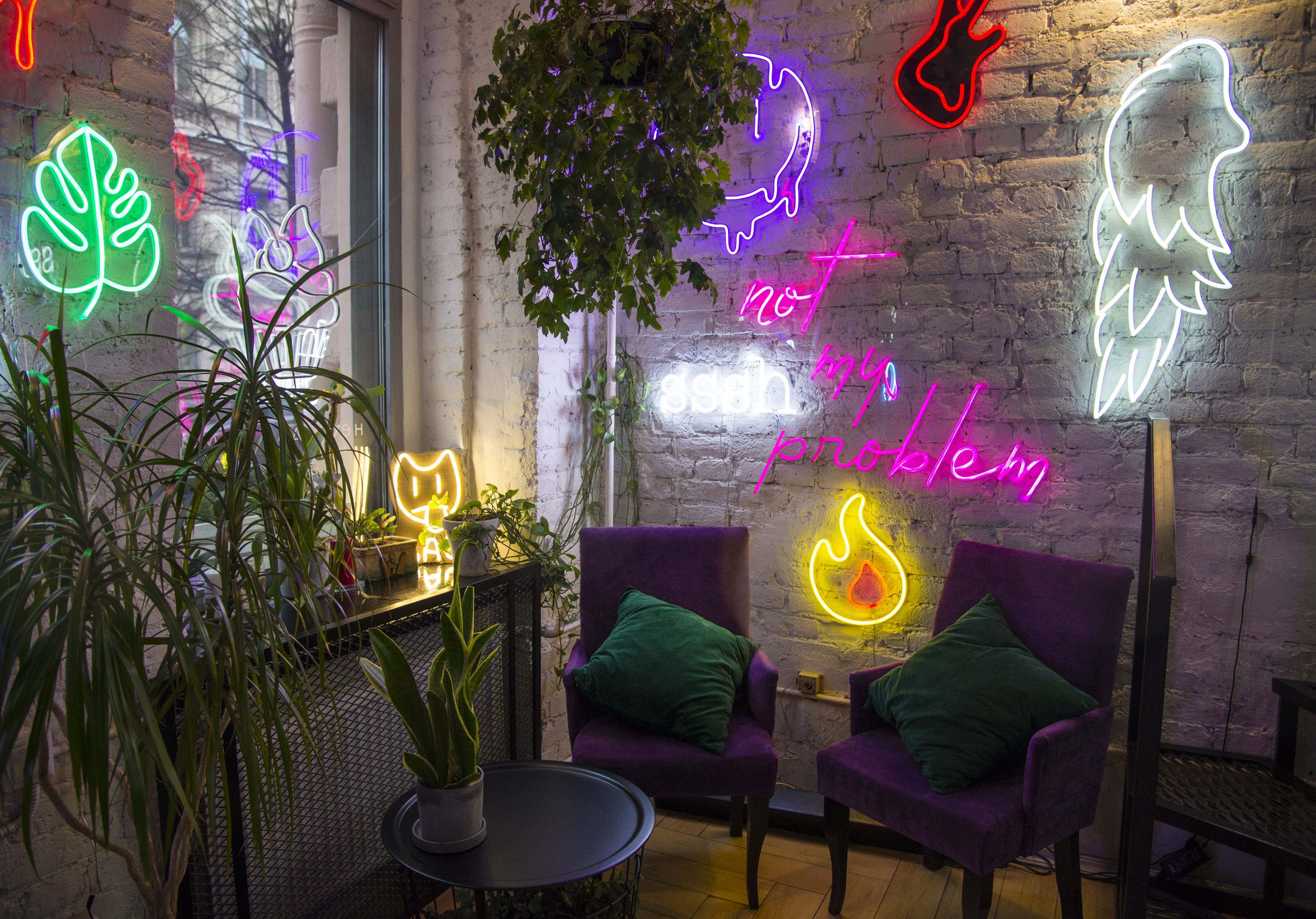
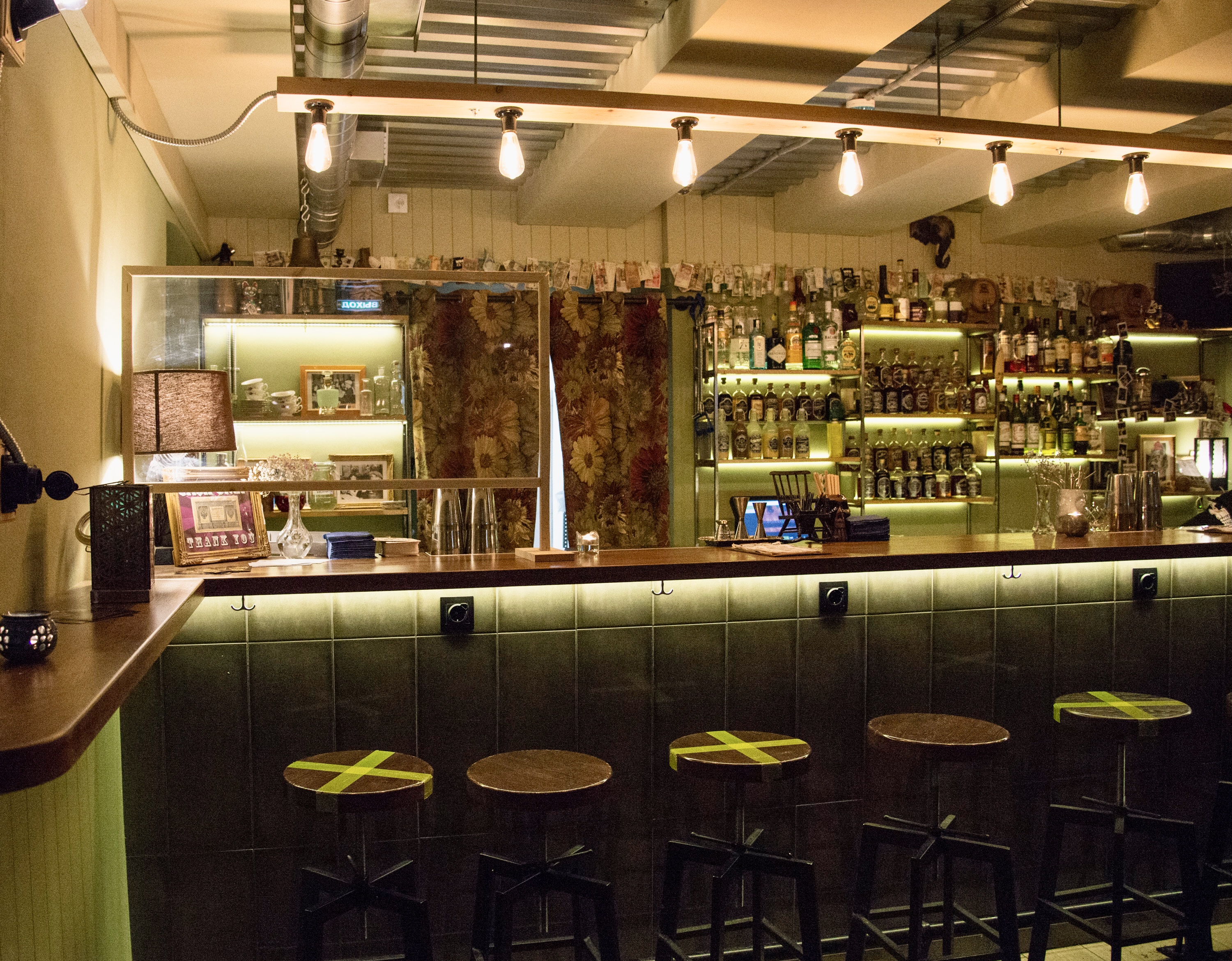
Nice place to visit in St. Petersburg (Подвал бродячей собаки, The Neon coffee, Room 13)

Pushkin

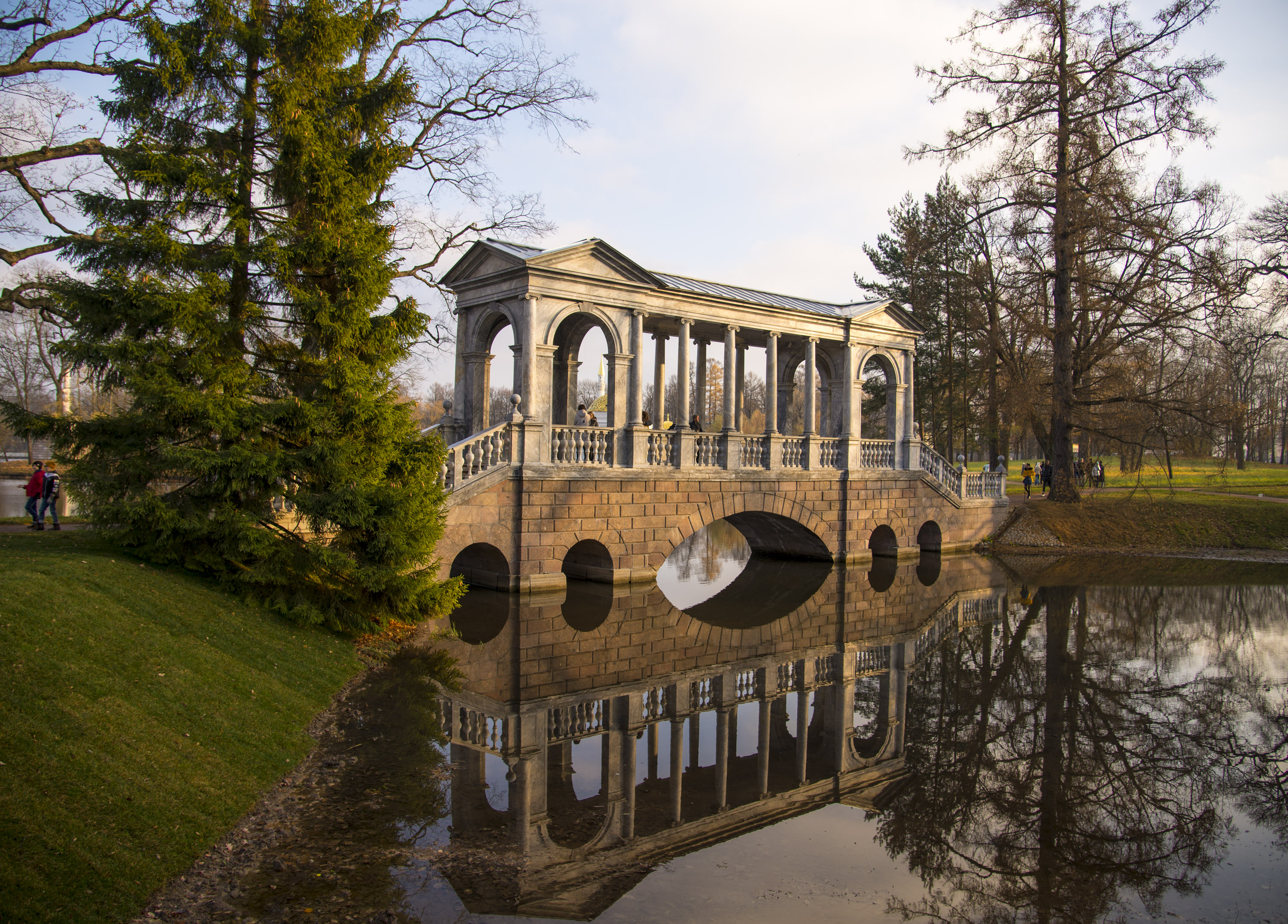
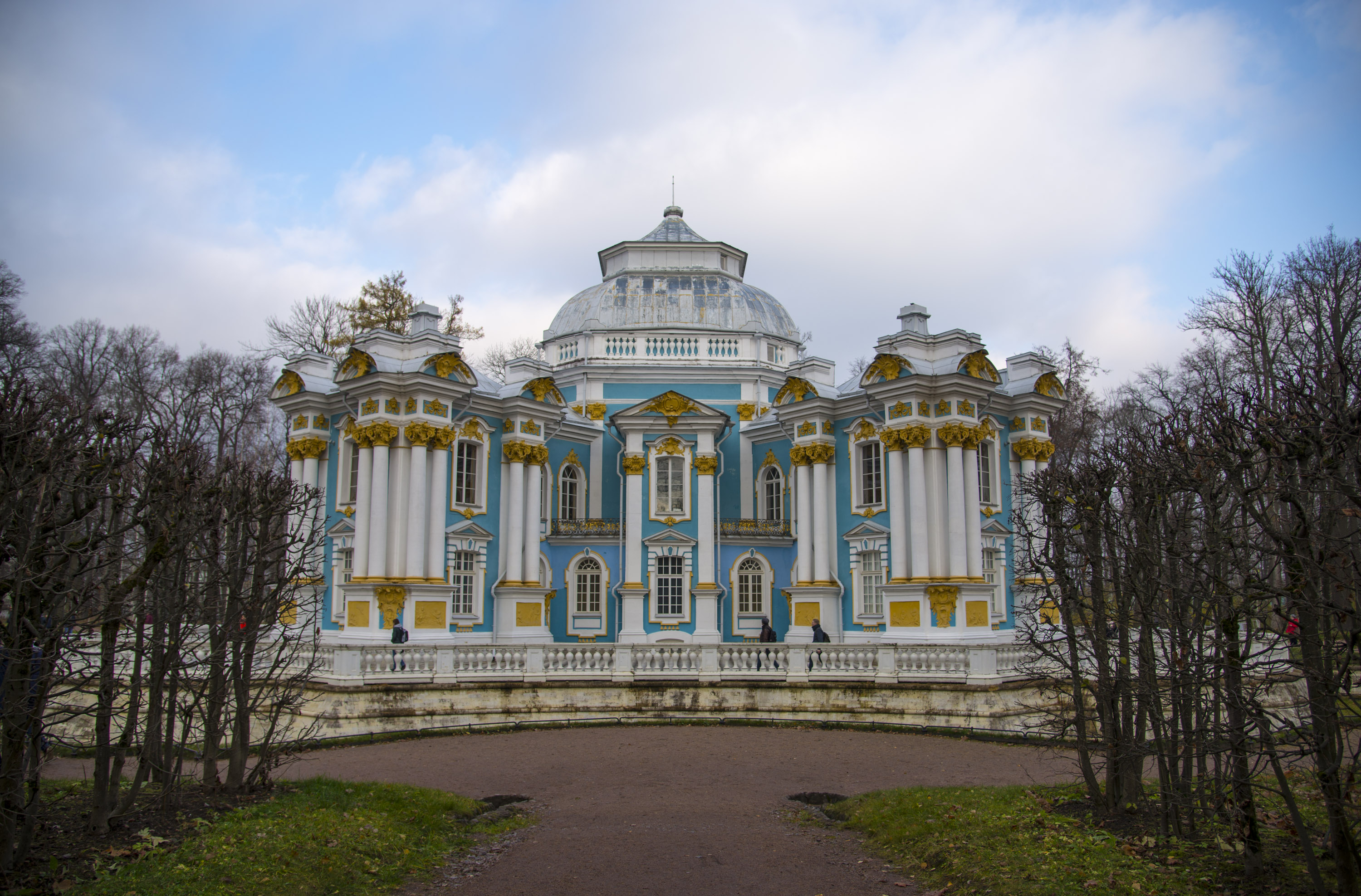
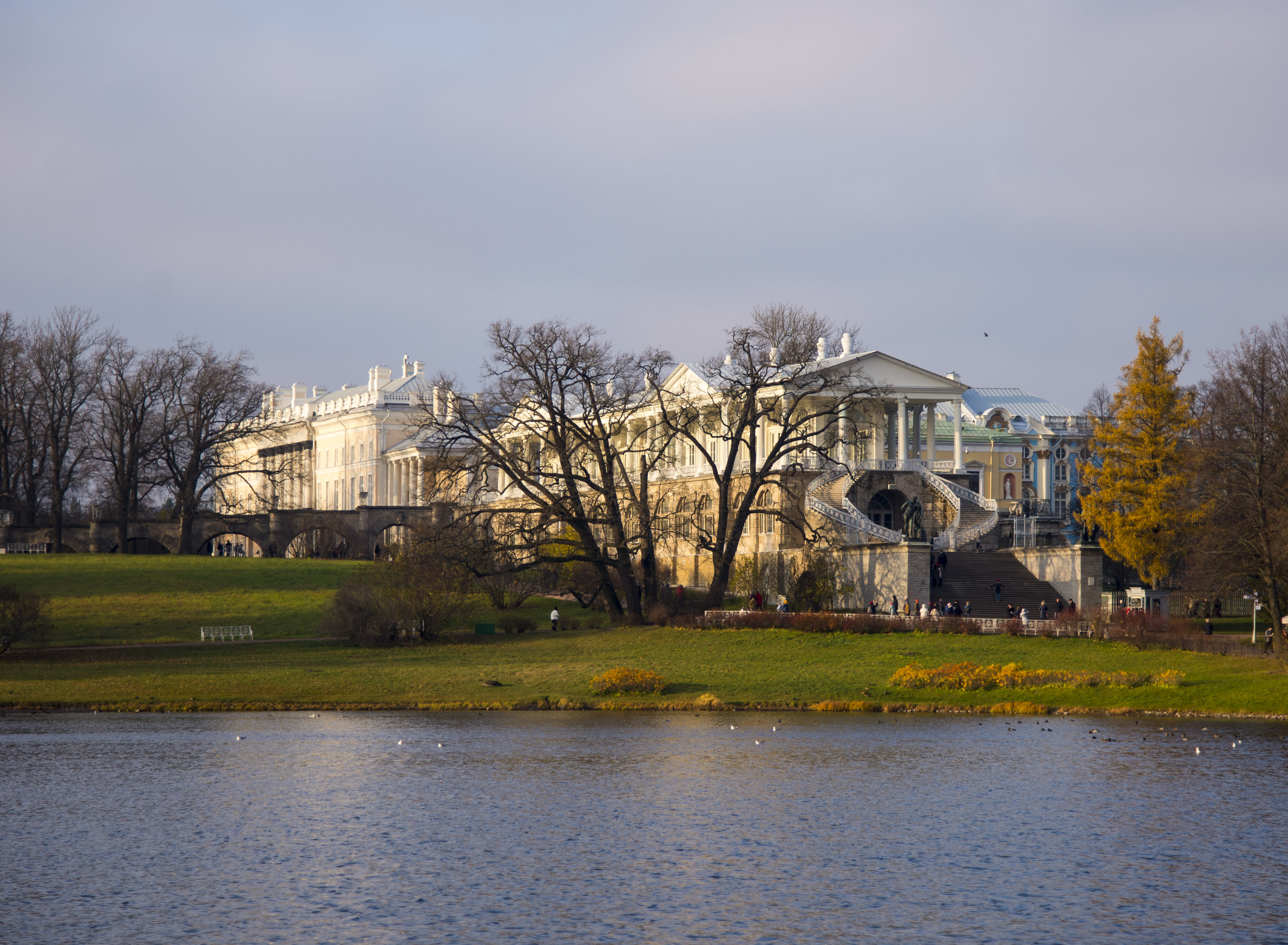
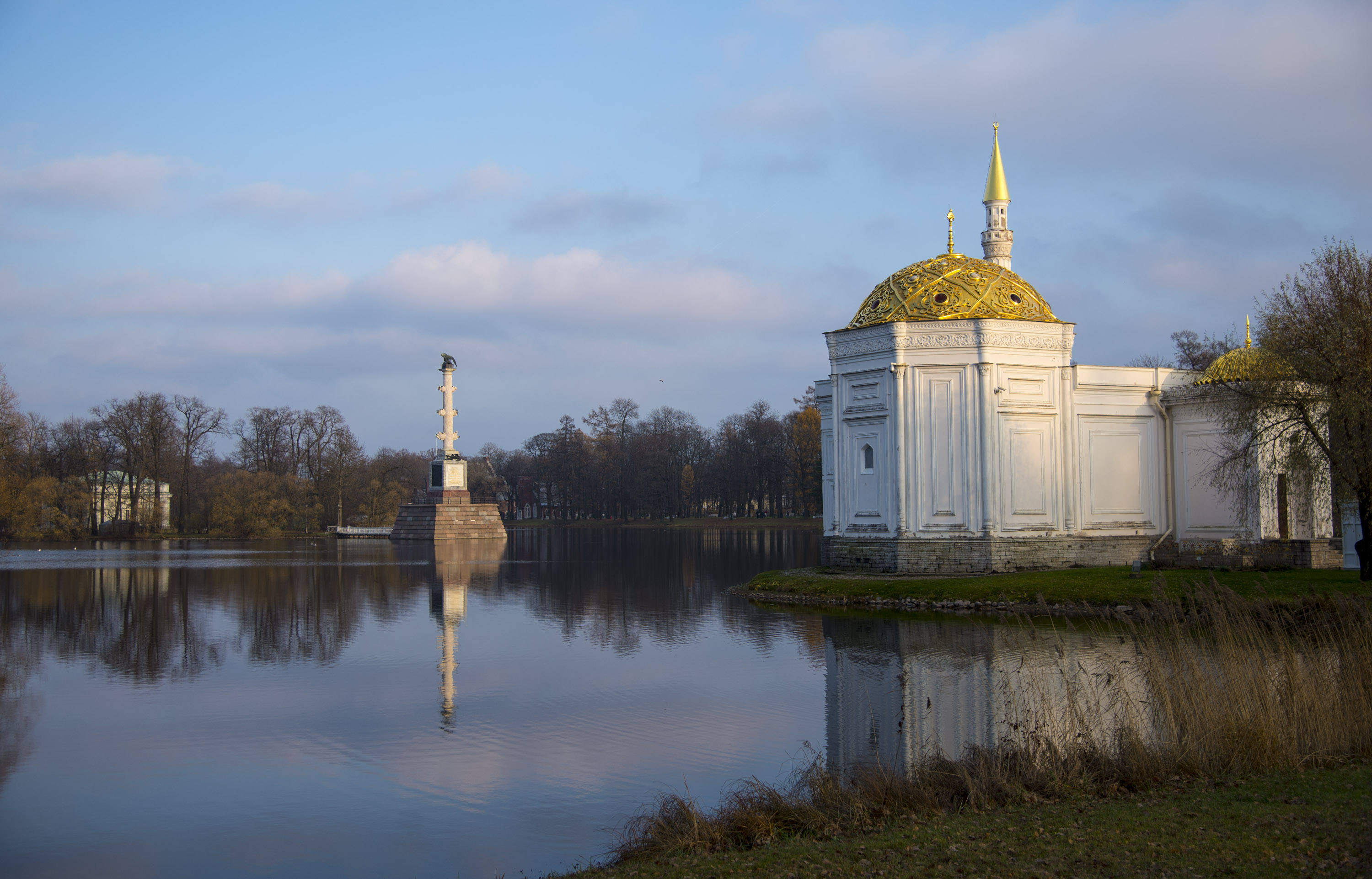
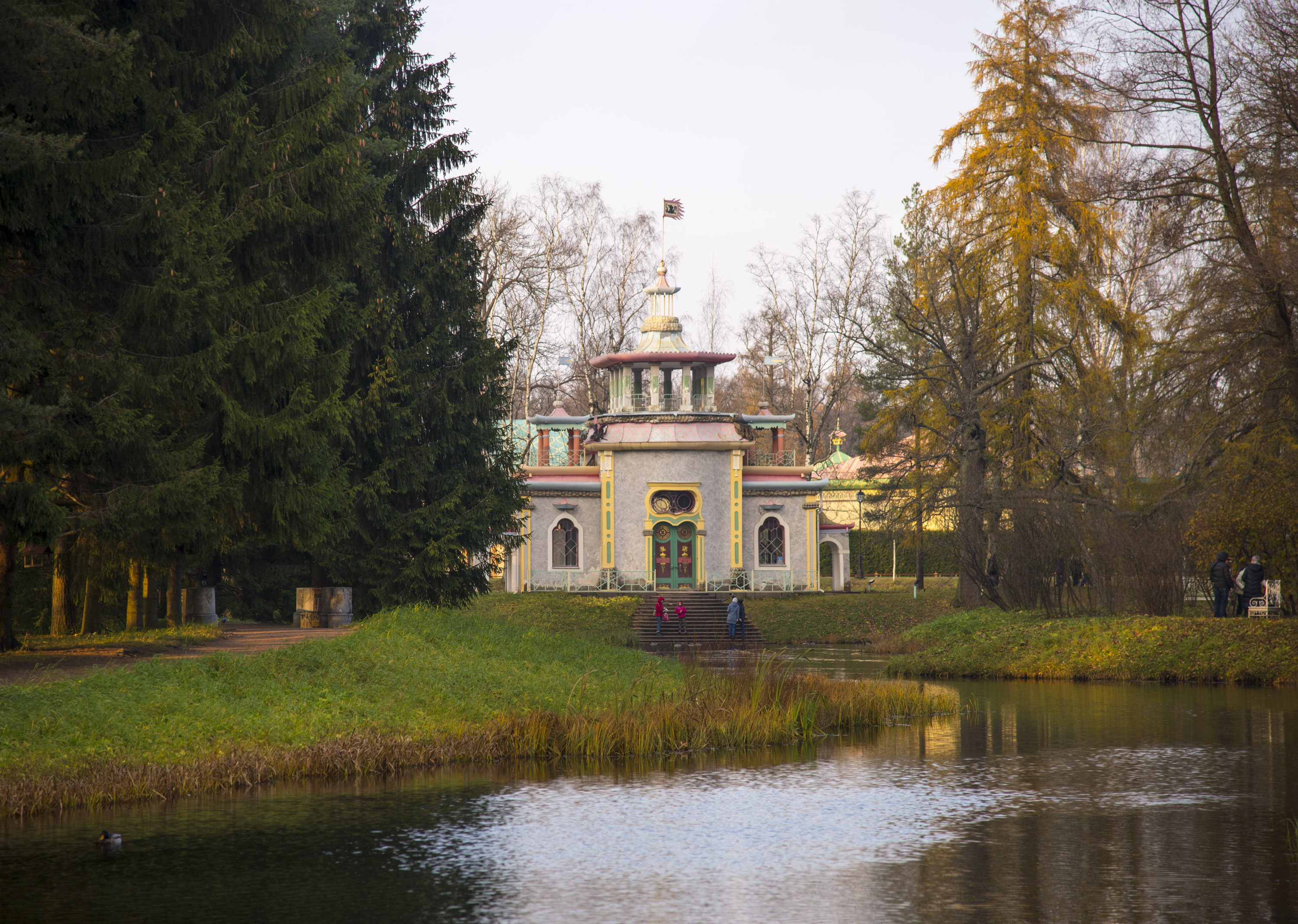
Pushkin, a small town in the neighborhood of St. Petersburg, was a summer residence of Romanov’s tzars family. Very beautiful place of architectural masterpieces and gardens.

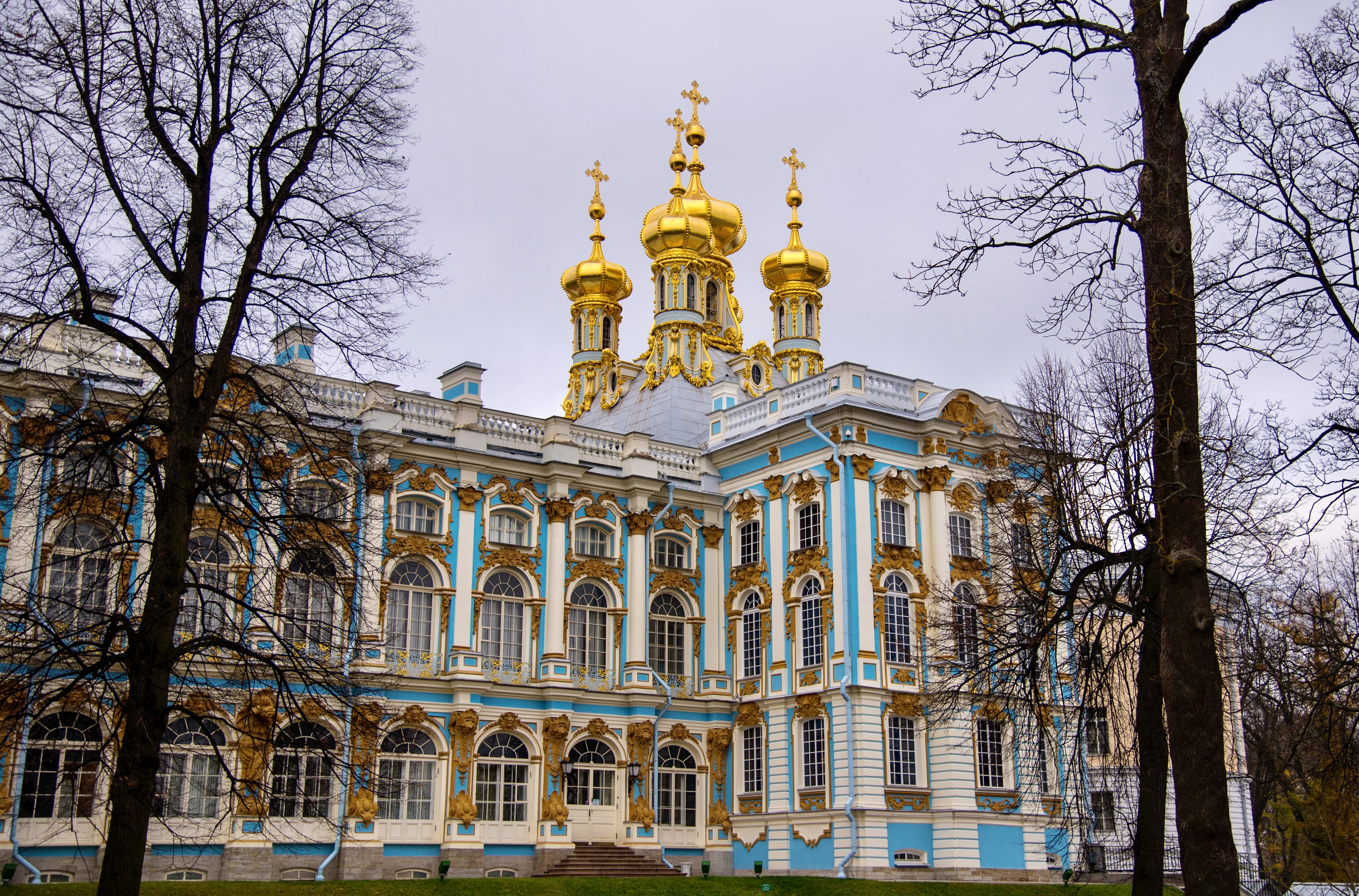
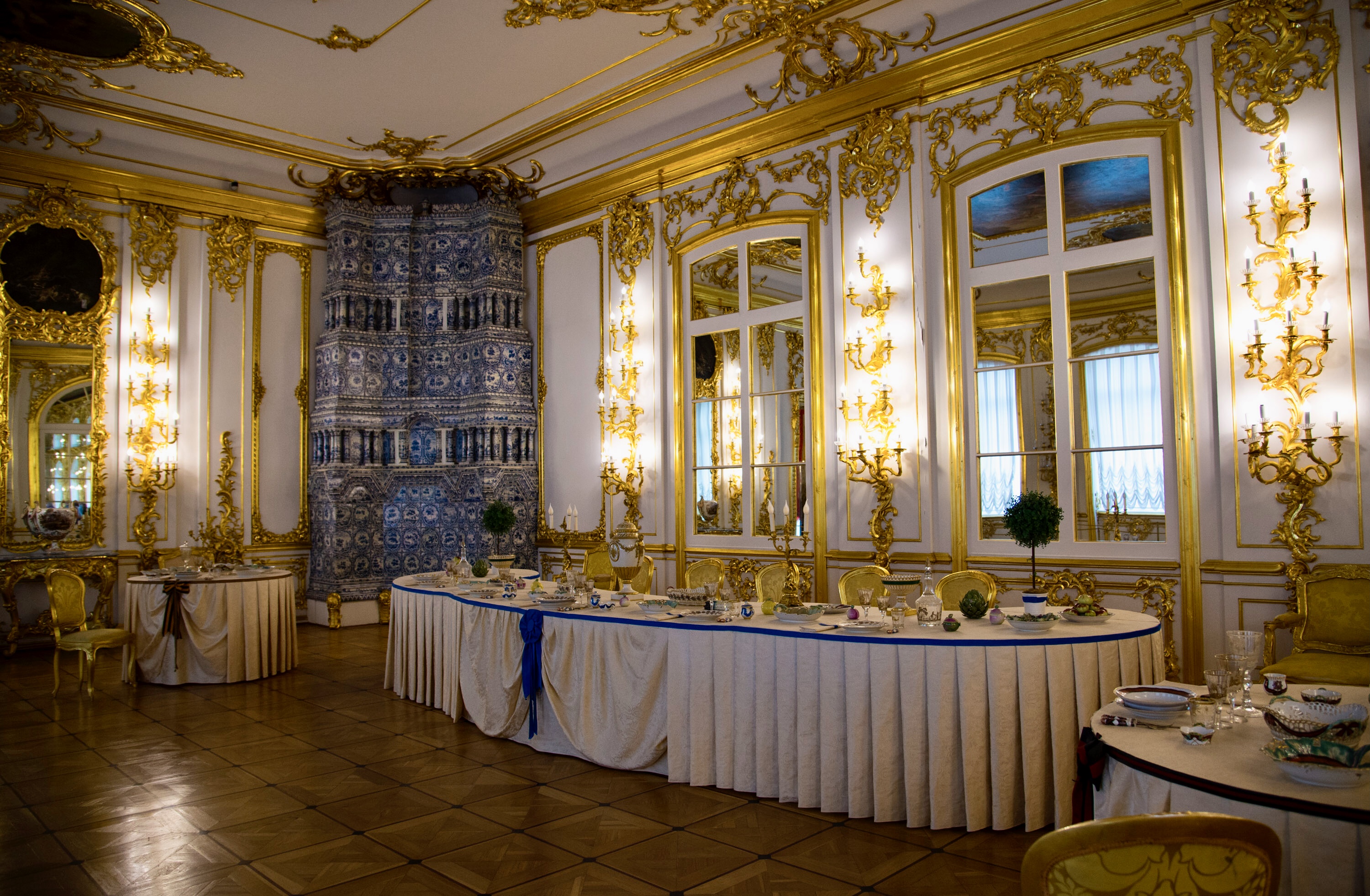
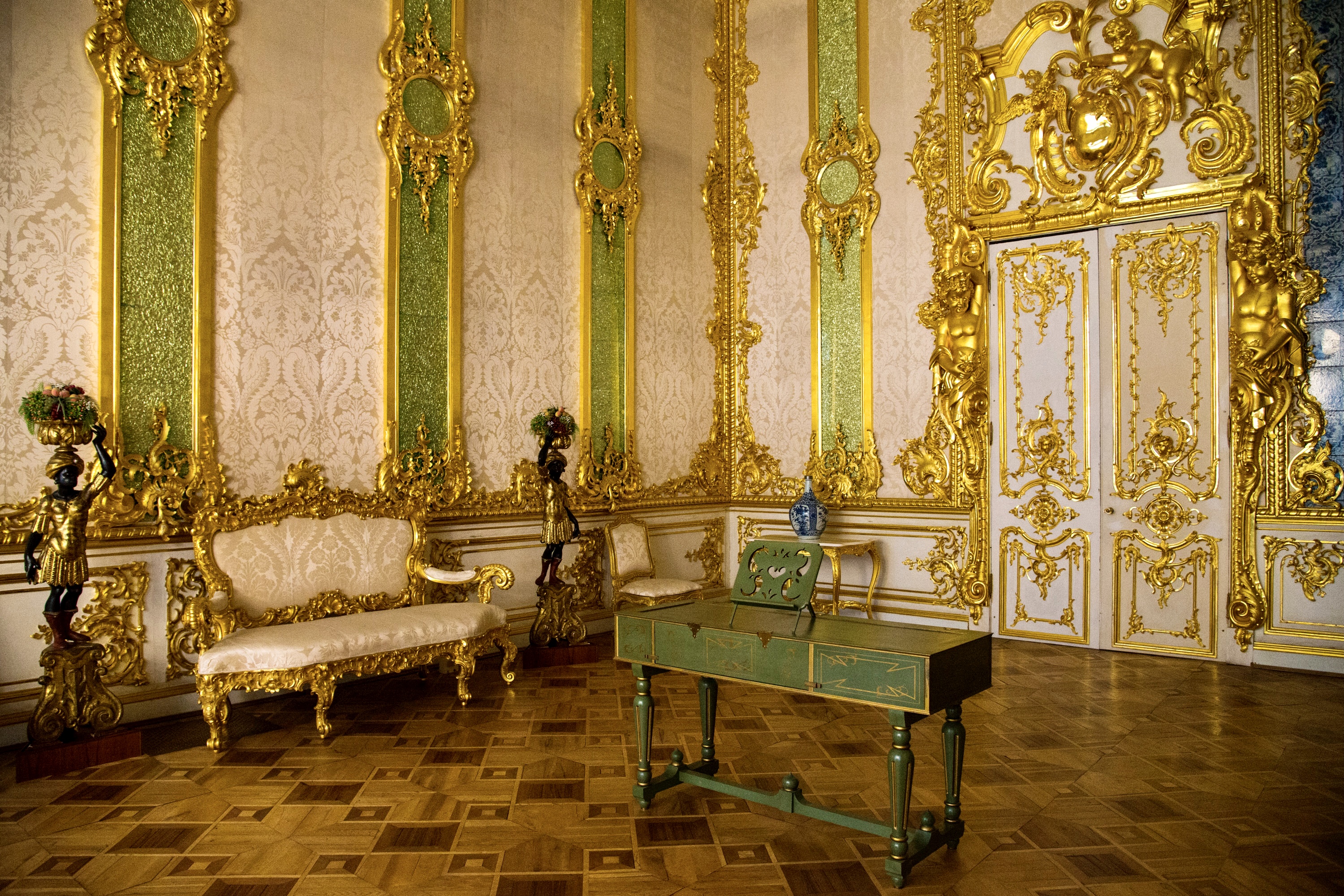
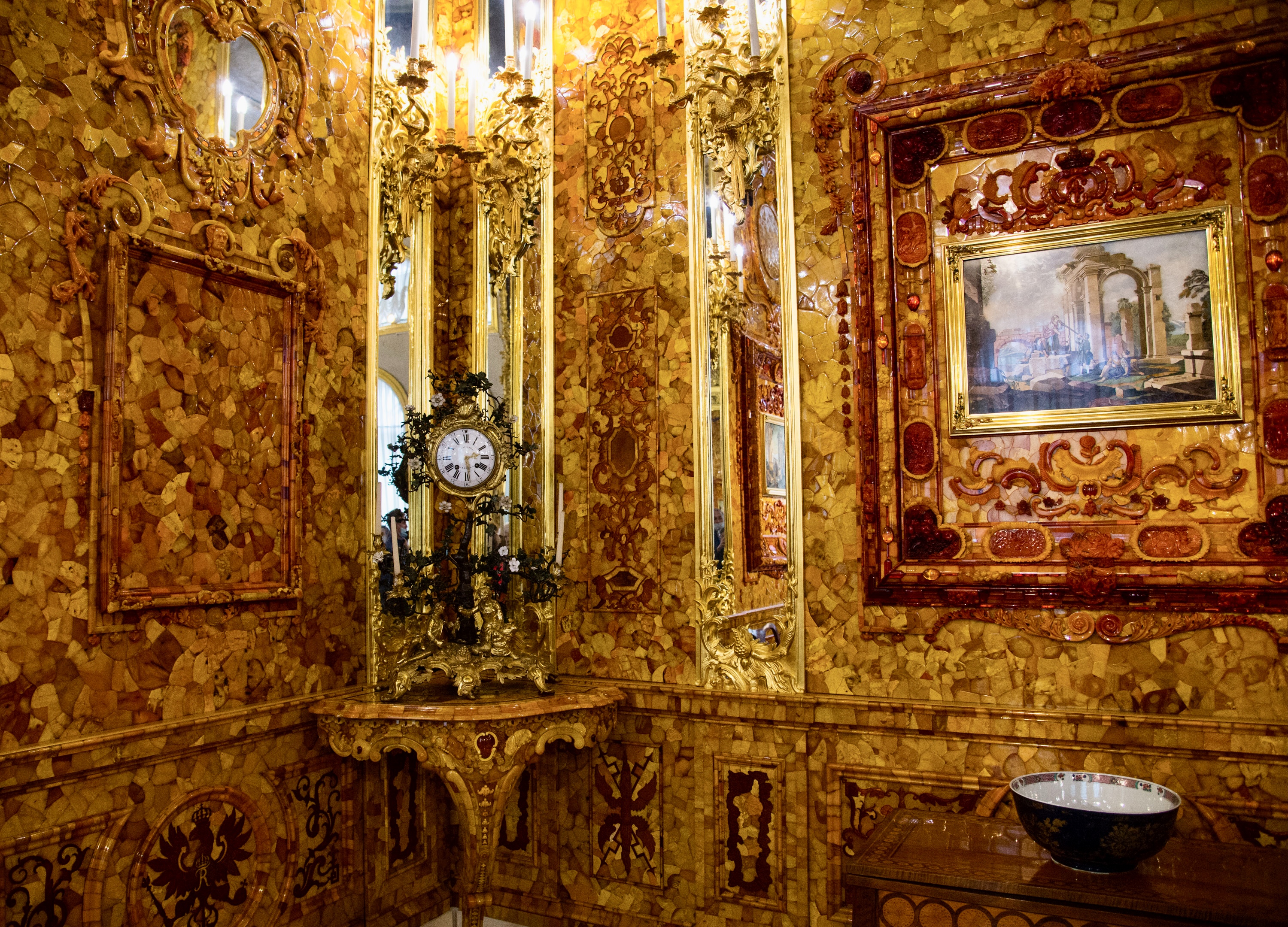
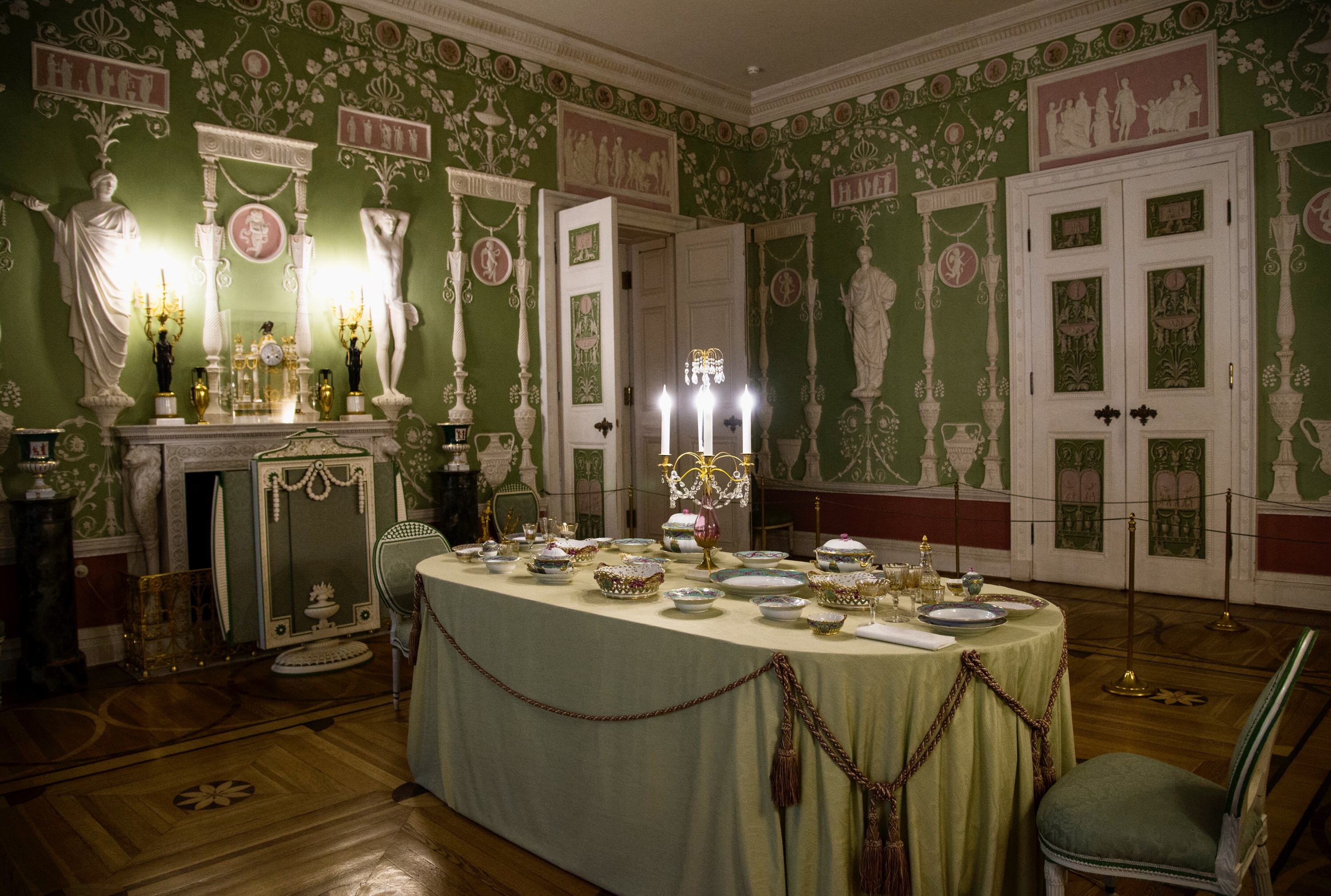
Catherine palace, baroque 18th-century palace with large grounds where Russian royal family spent their summers.

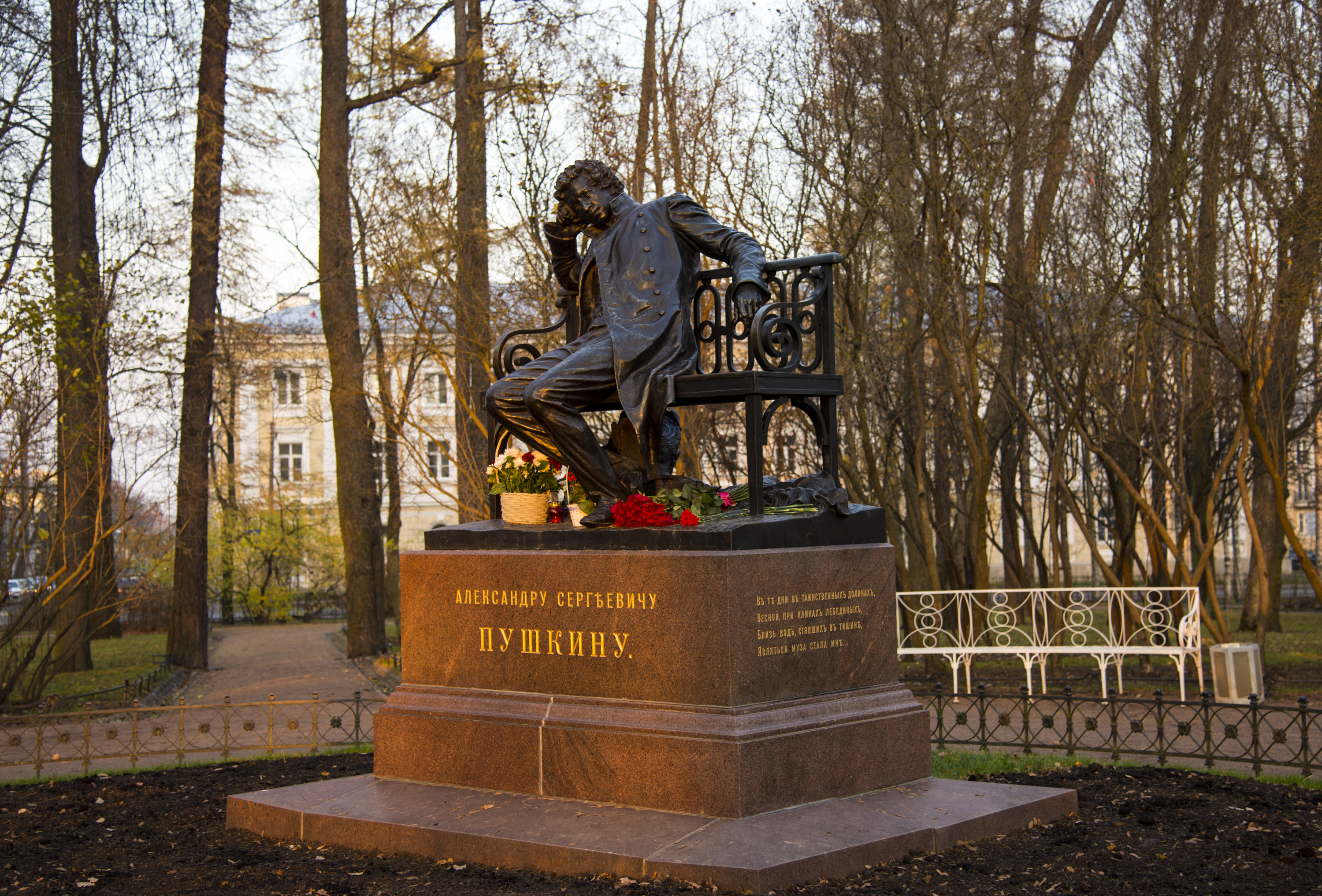
The town is also famous because of poets, writers, the genius representatives of the Russian culture, who lived, worked, or just were inspired by its beauty. One of the greatest Russian poets A.S. Pushkin spent his youth and studied at the liceum here.

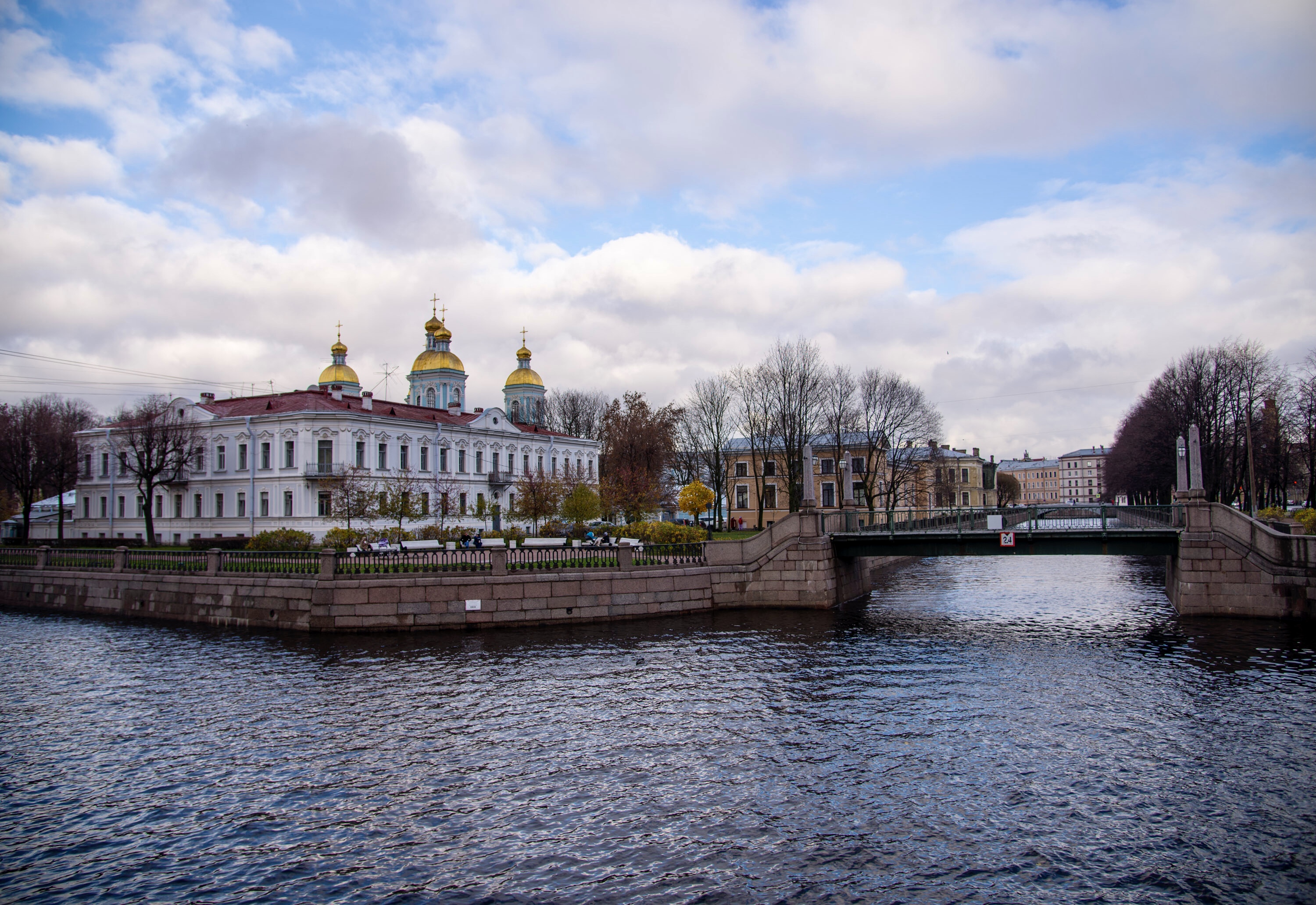
Kronstadt

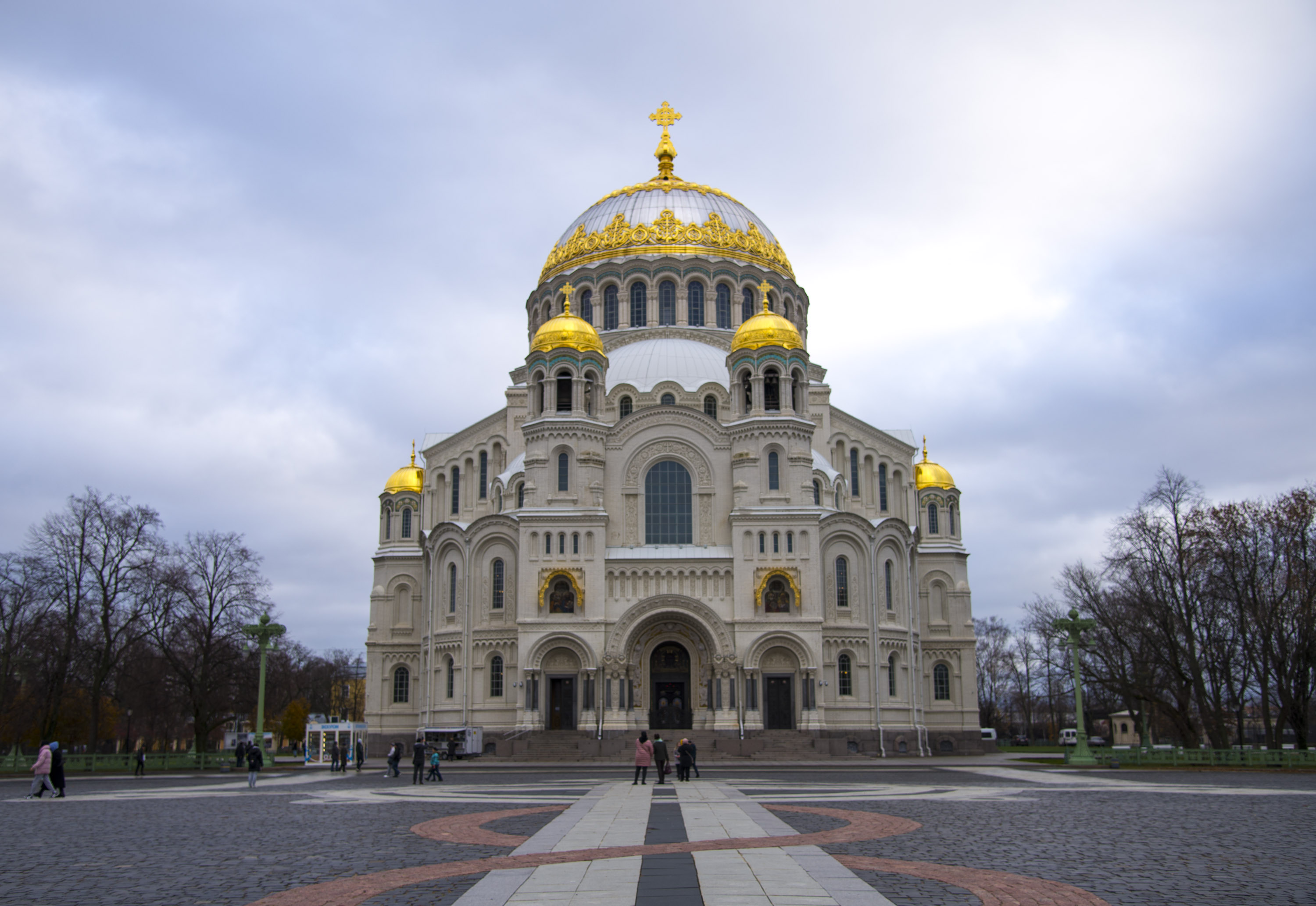
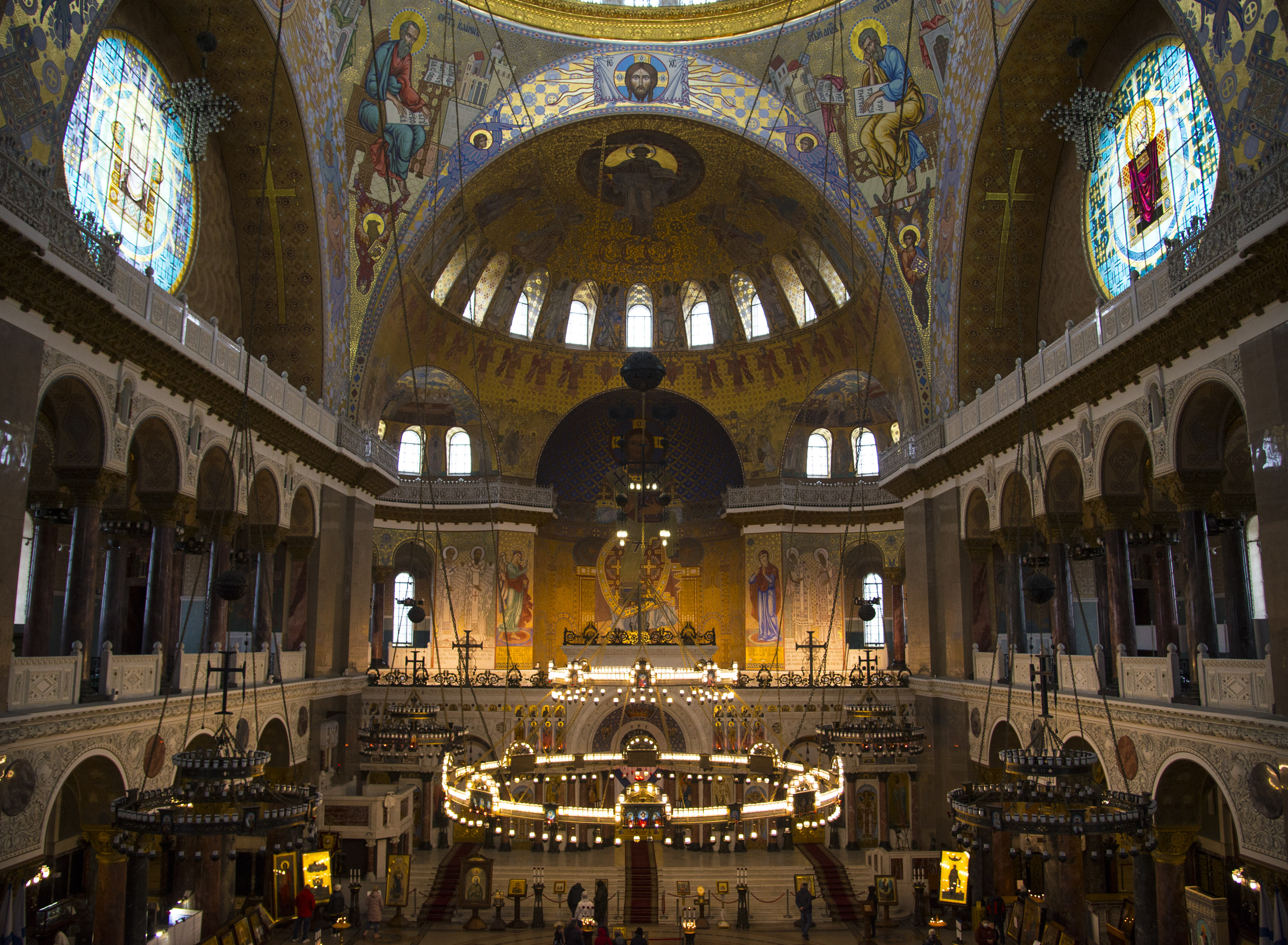
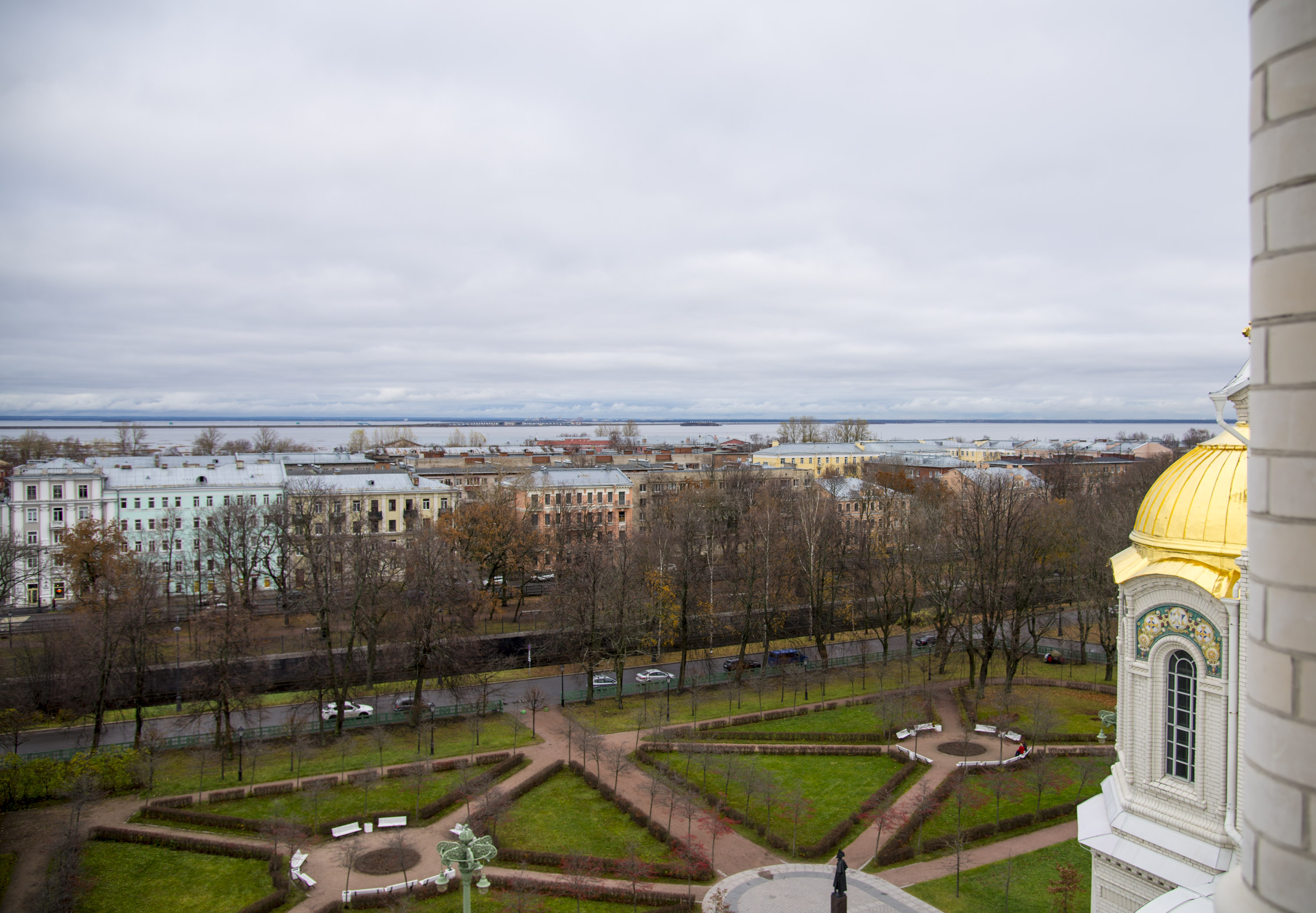
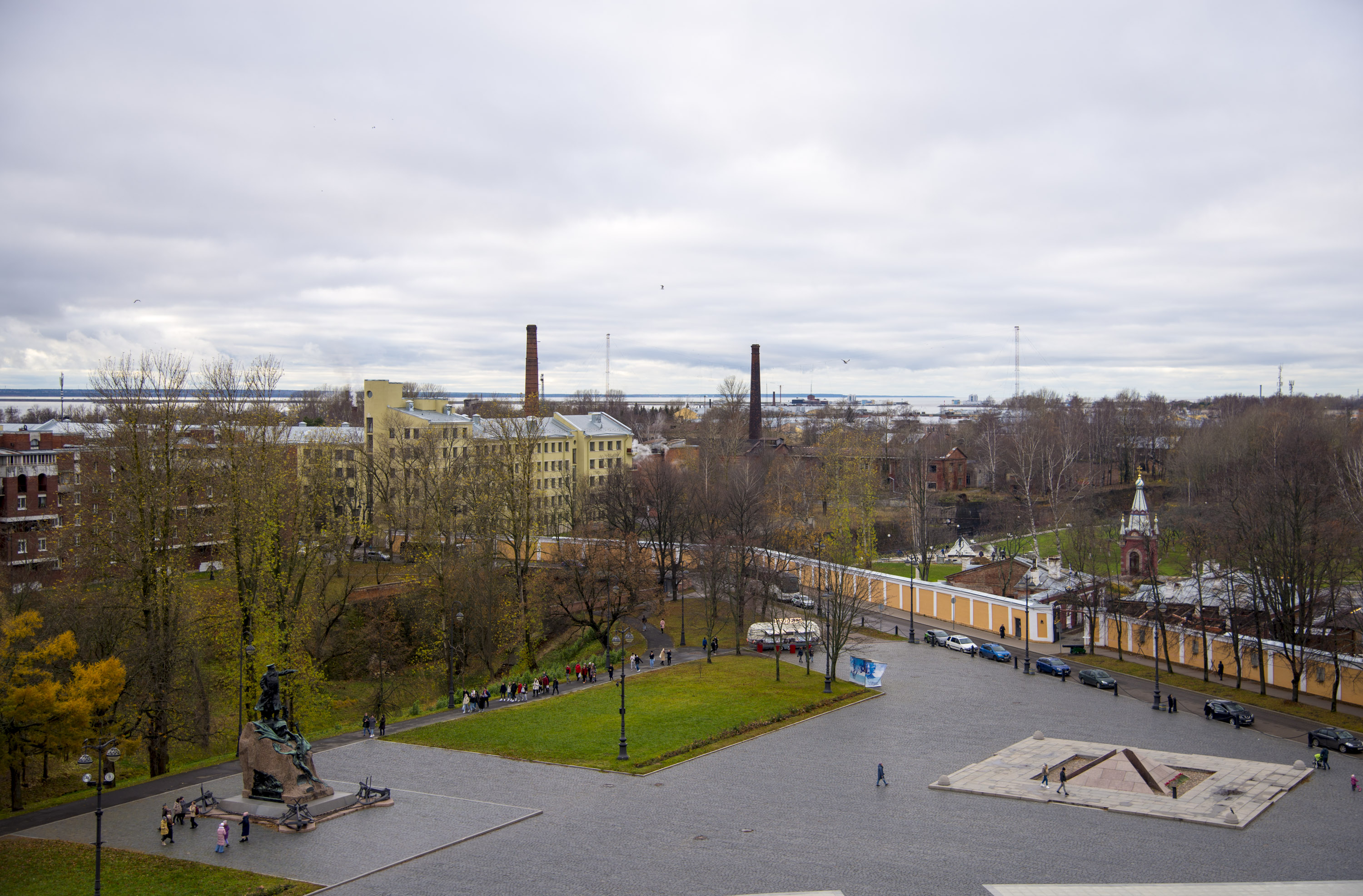
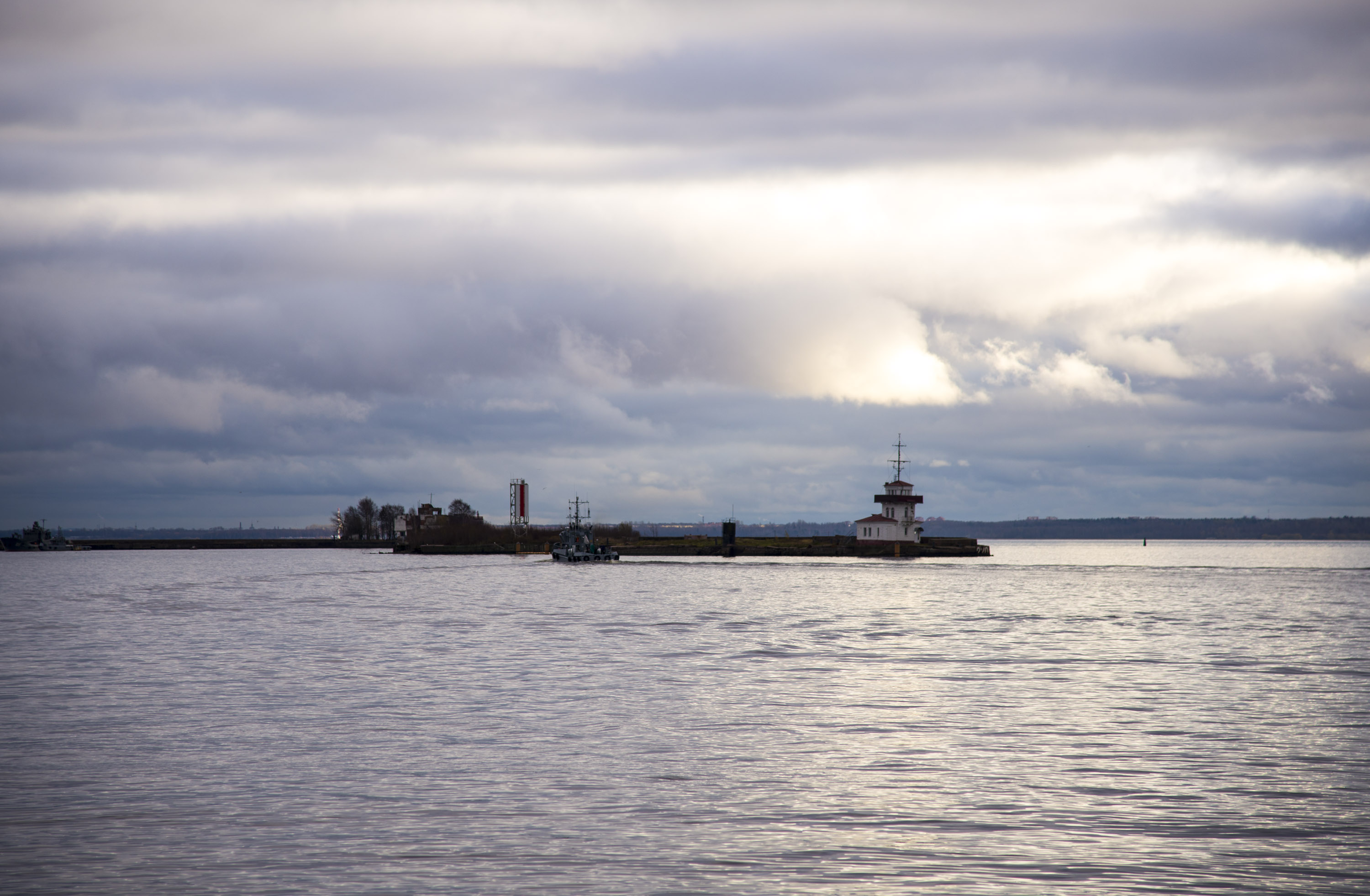
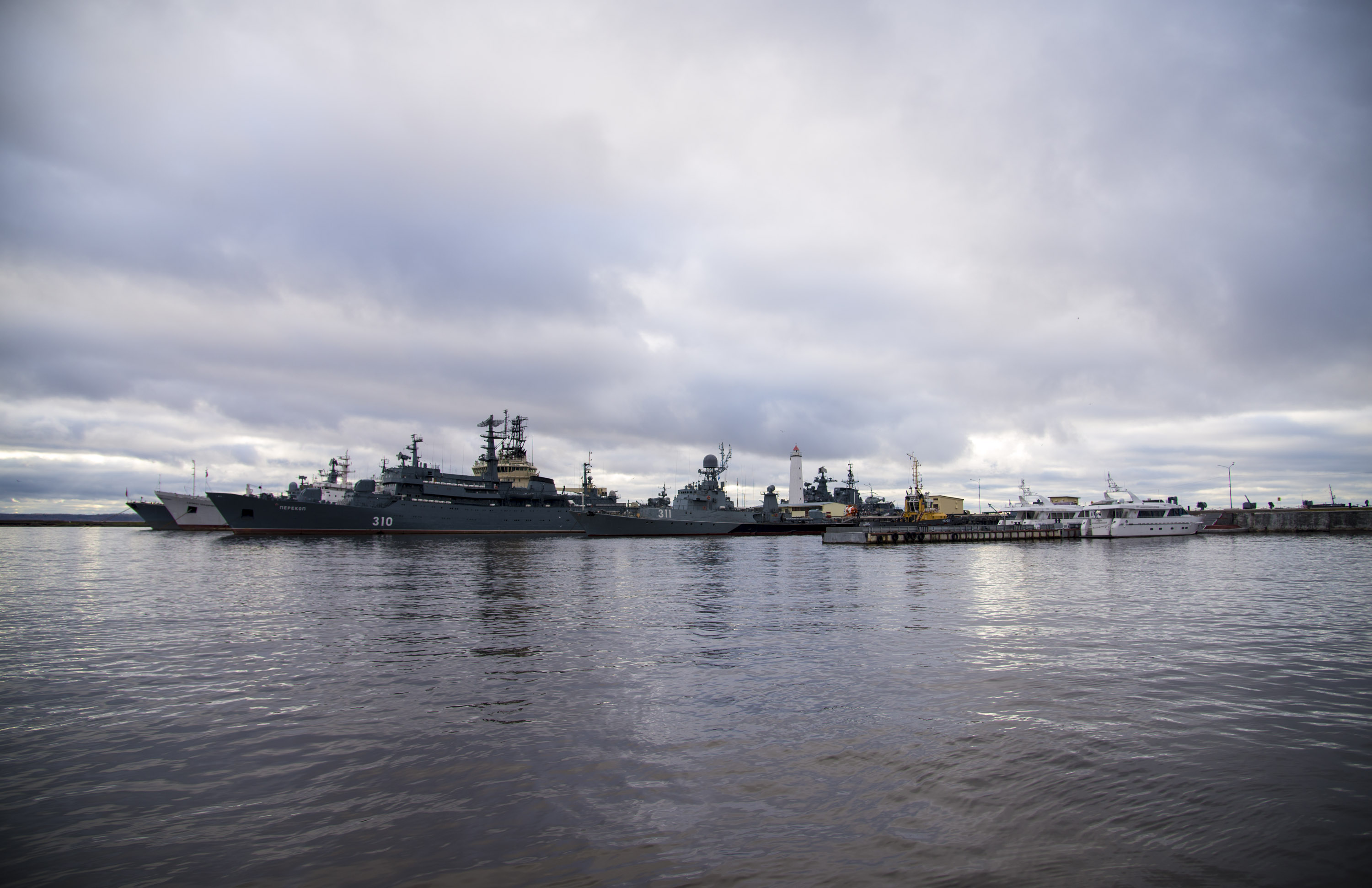
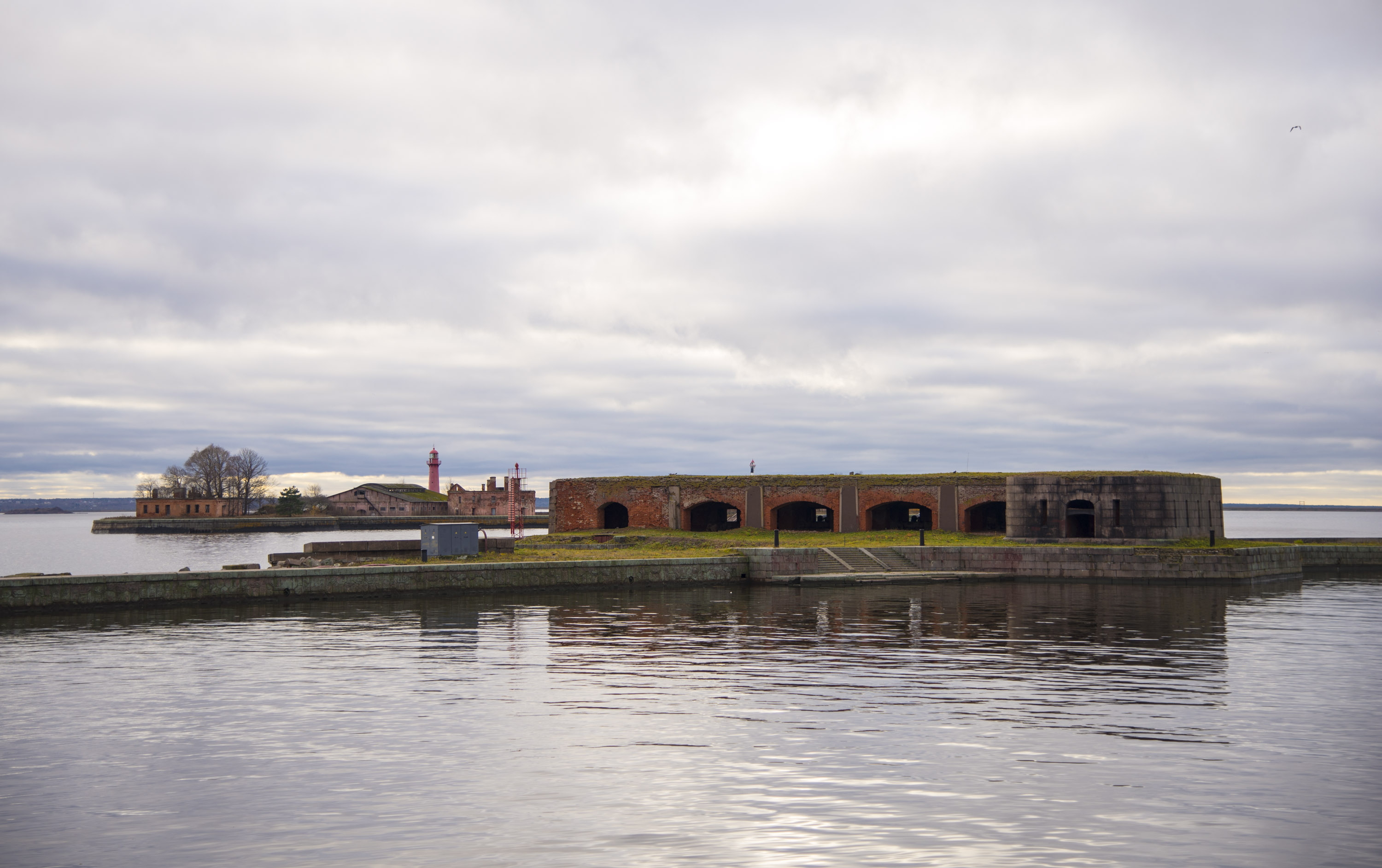
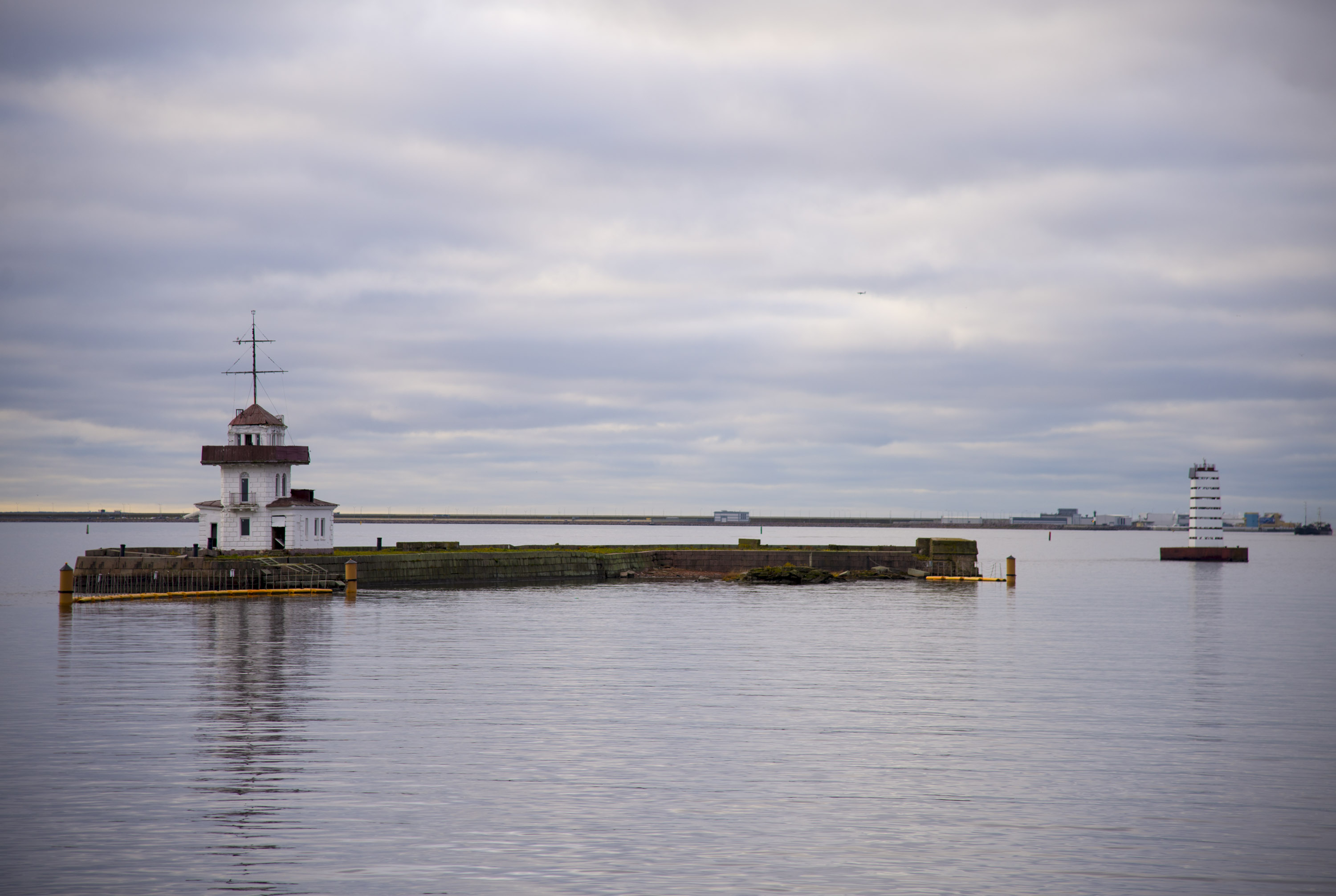
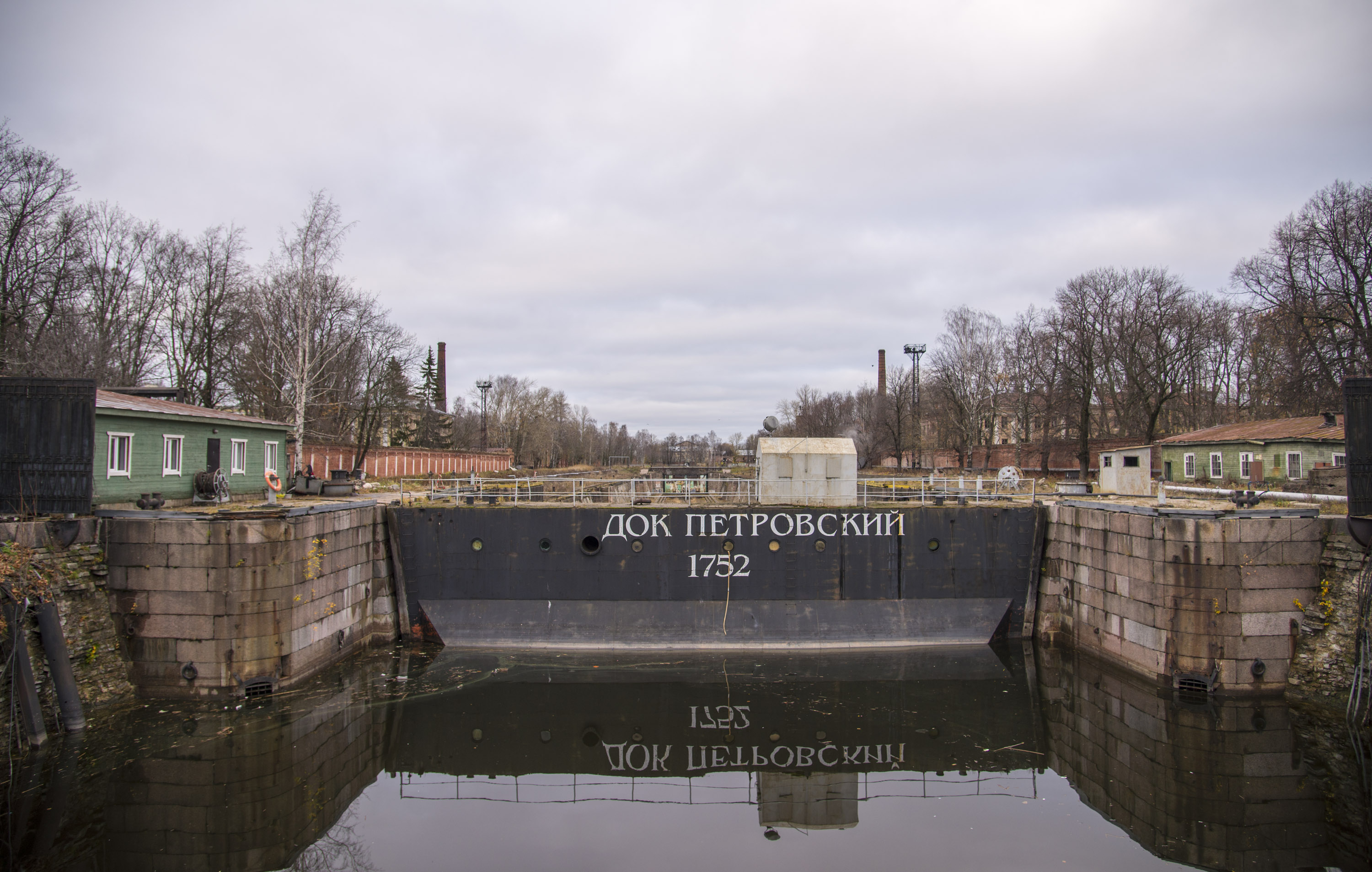
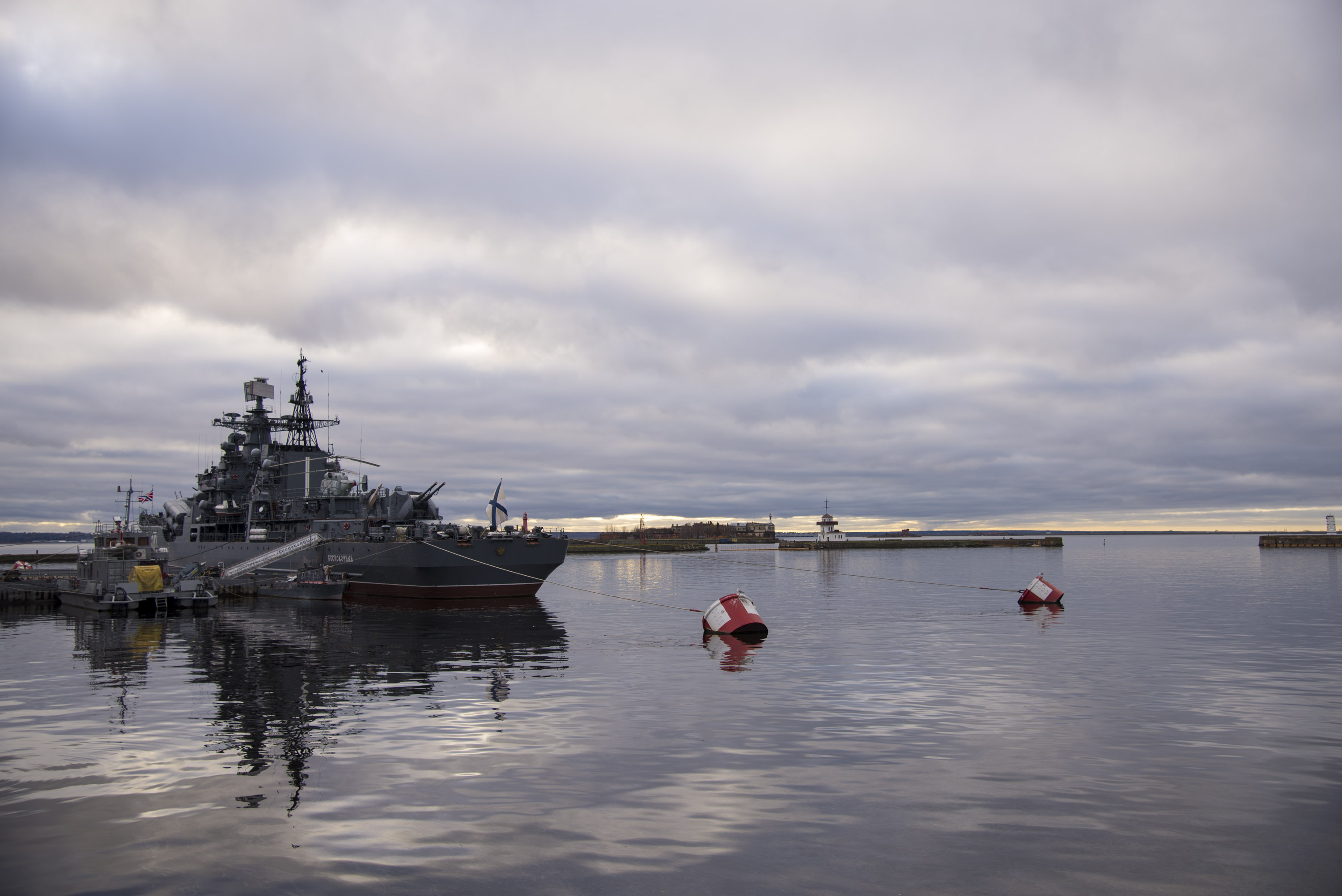
The historic centre of Kronstadt (located on Kotlin island just west of St. Petersburg) and its fortifications are part of the UNESCO World Heritage Site. The Naval Cathedral of St. Nicholas is the last and largest of the naval cathedrals of the Russian Empire.

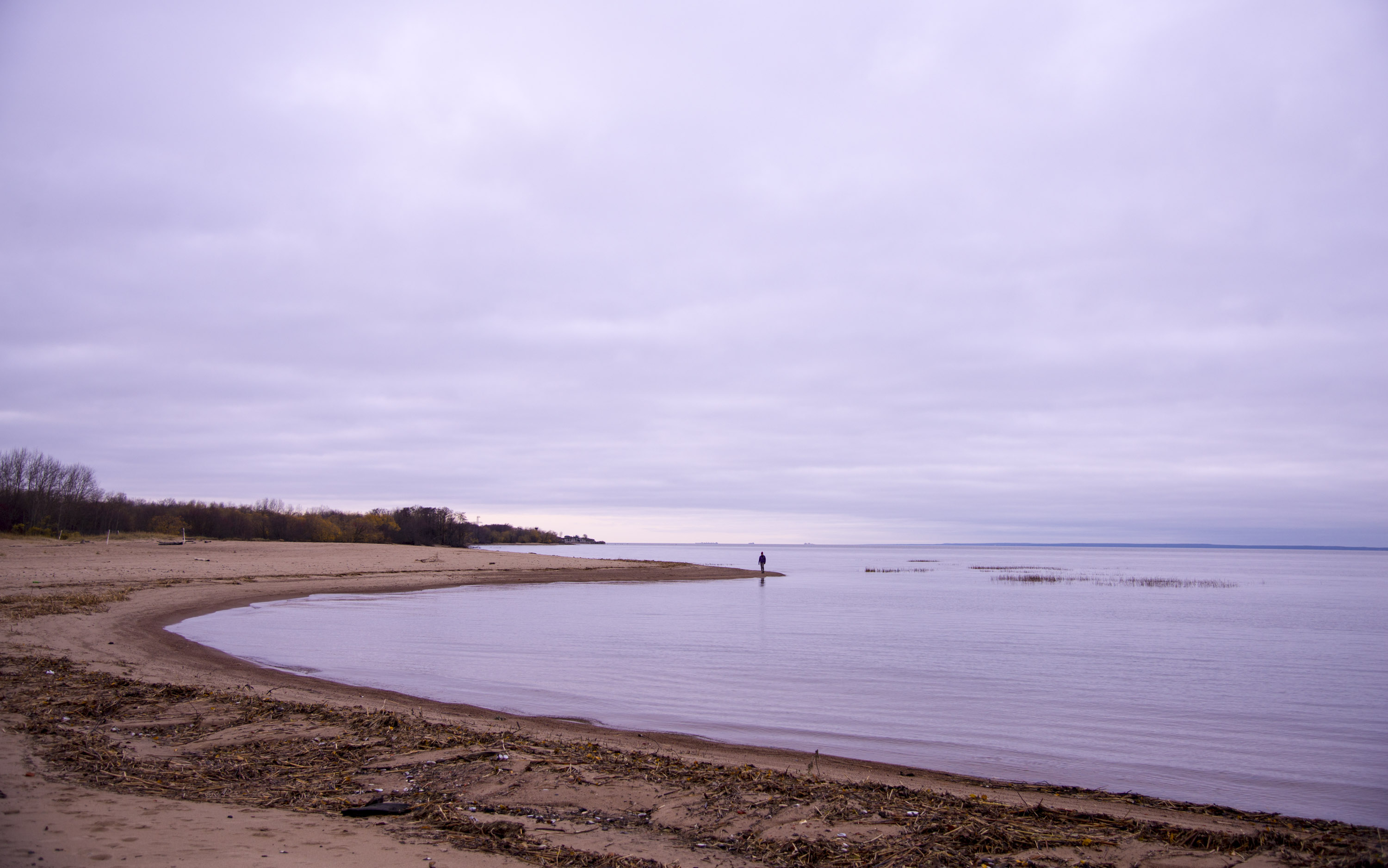
Guld of Finland

Gallery

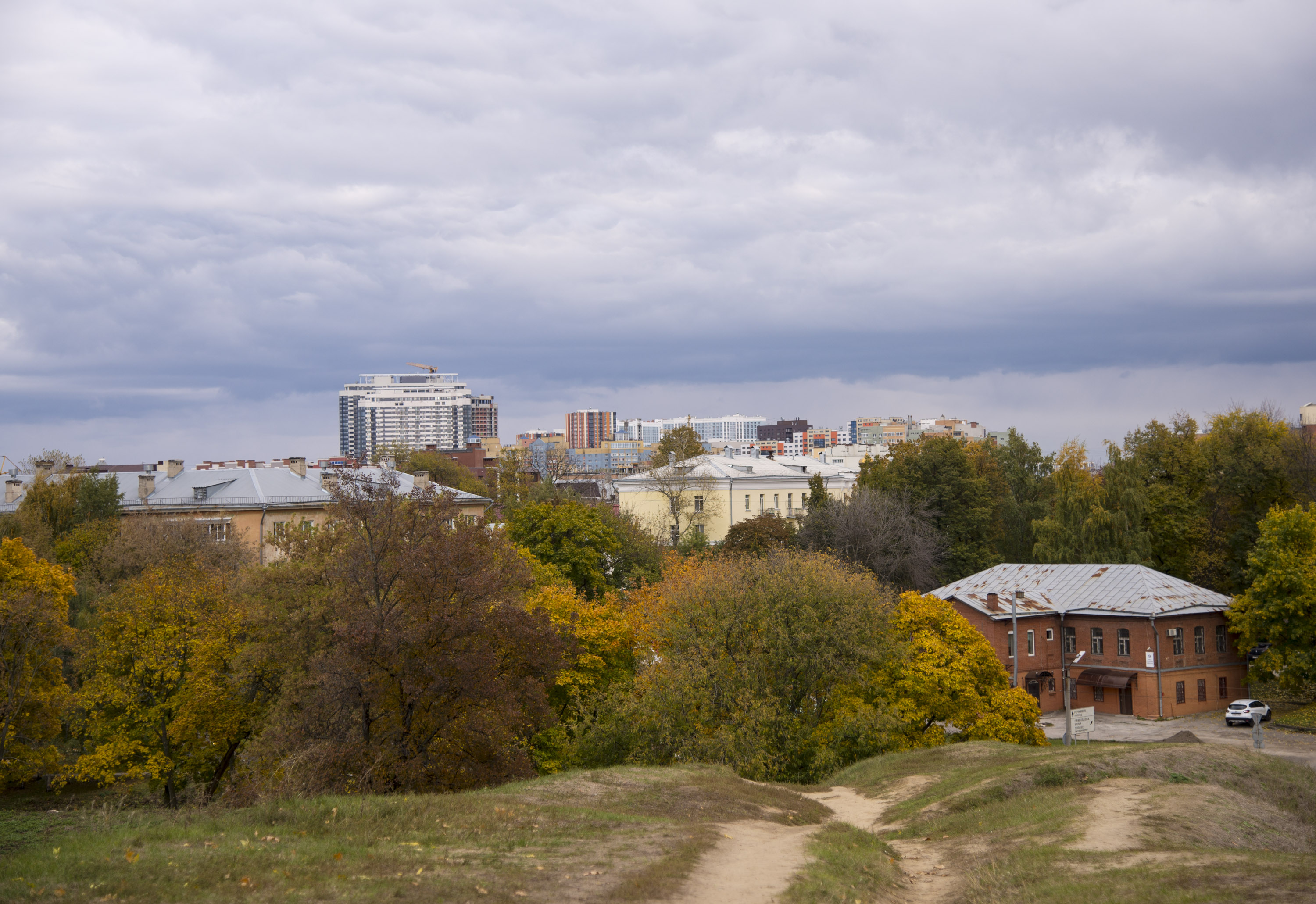
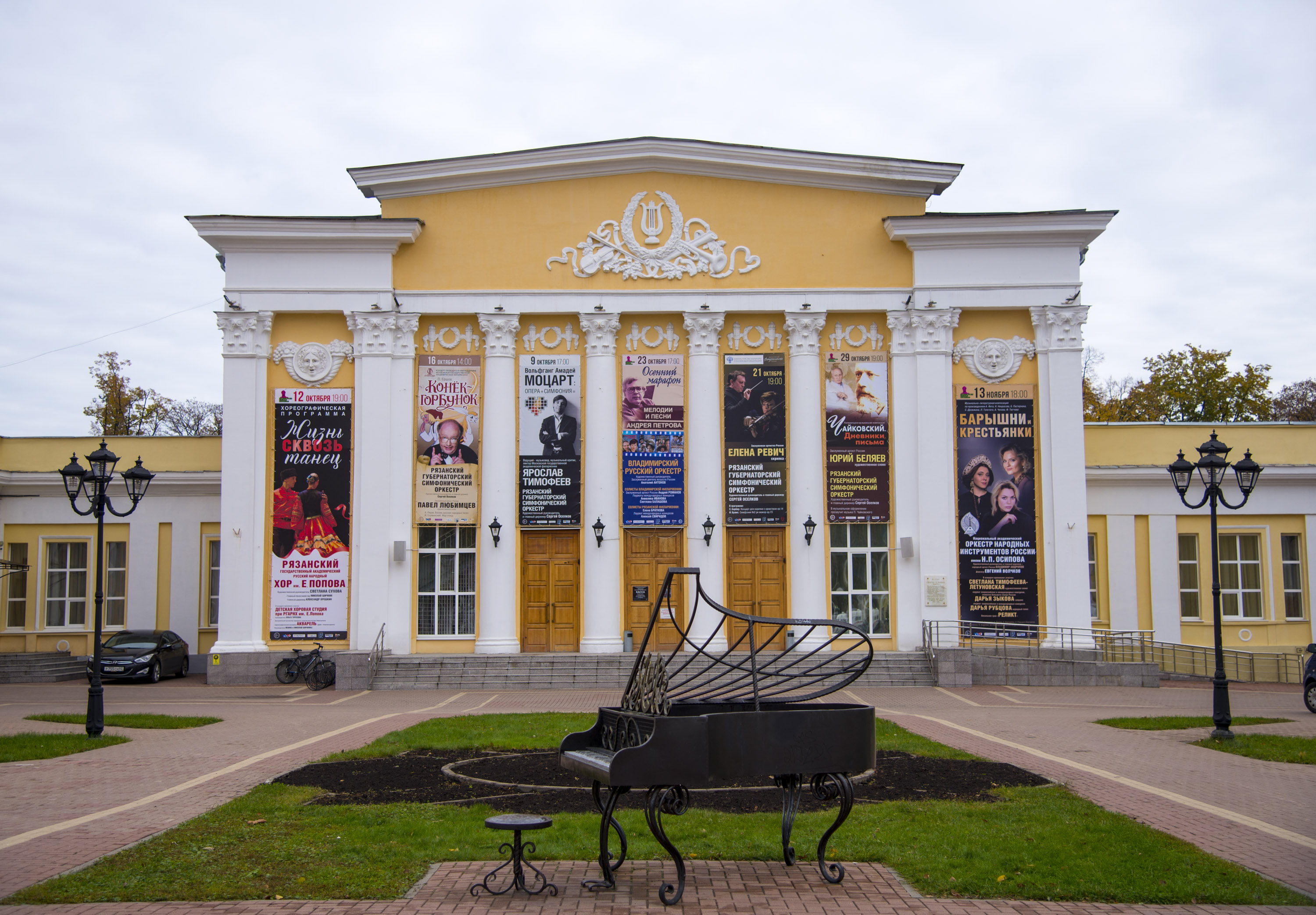
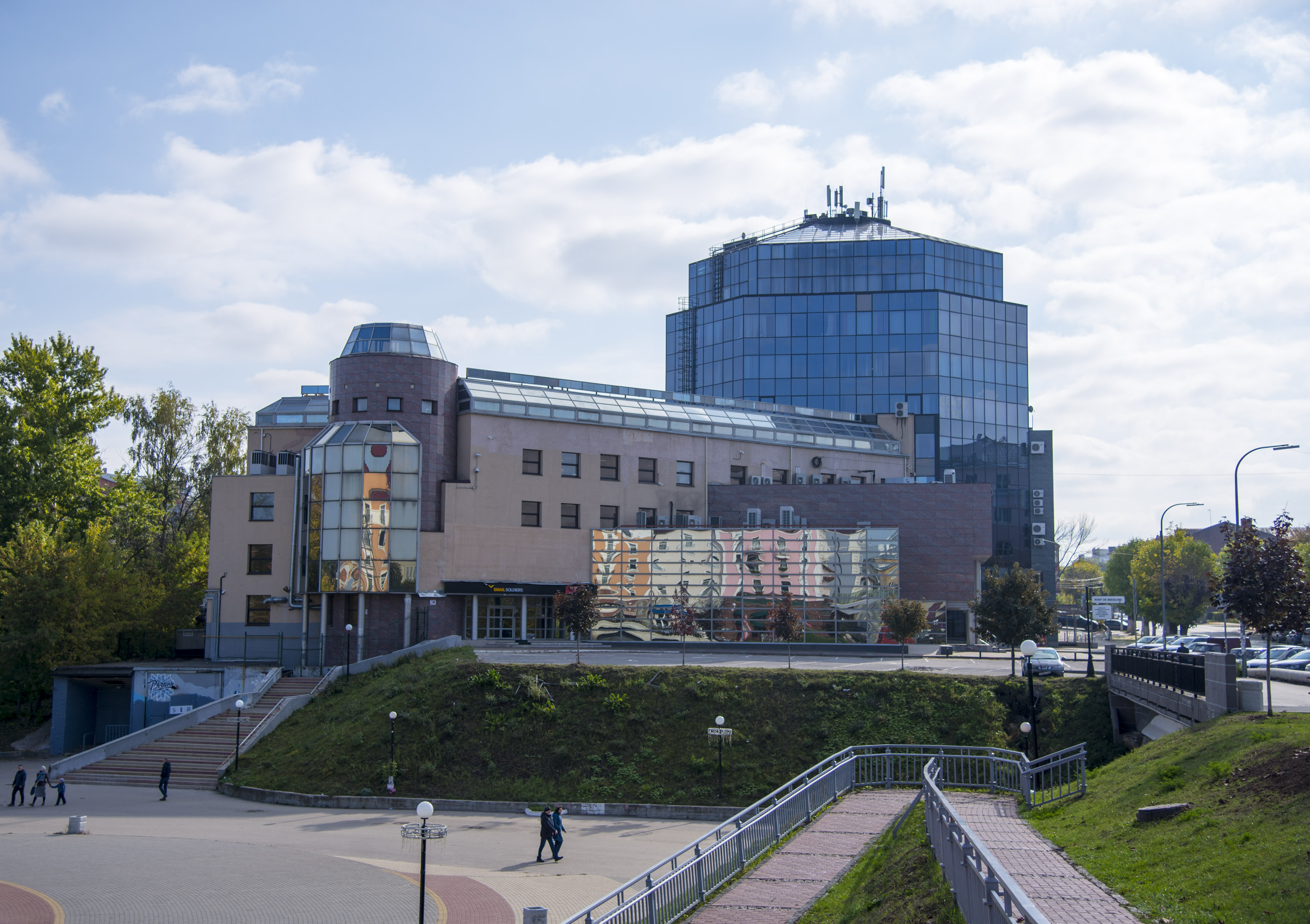
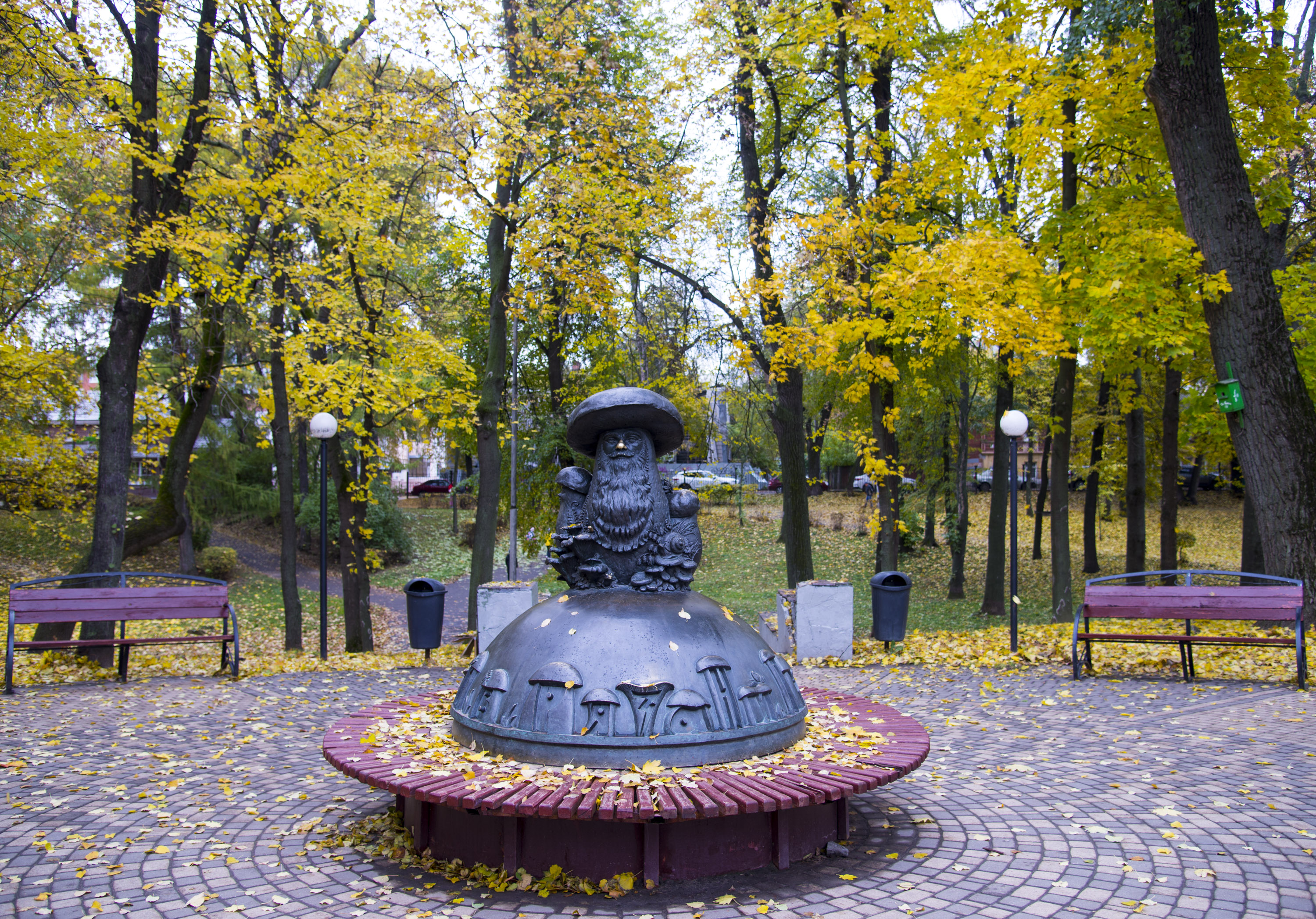
Golden autumn in Ryazan region

Konstantinovo

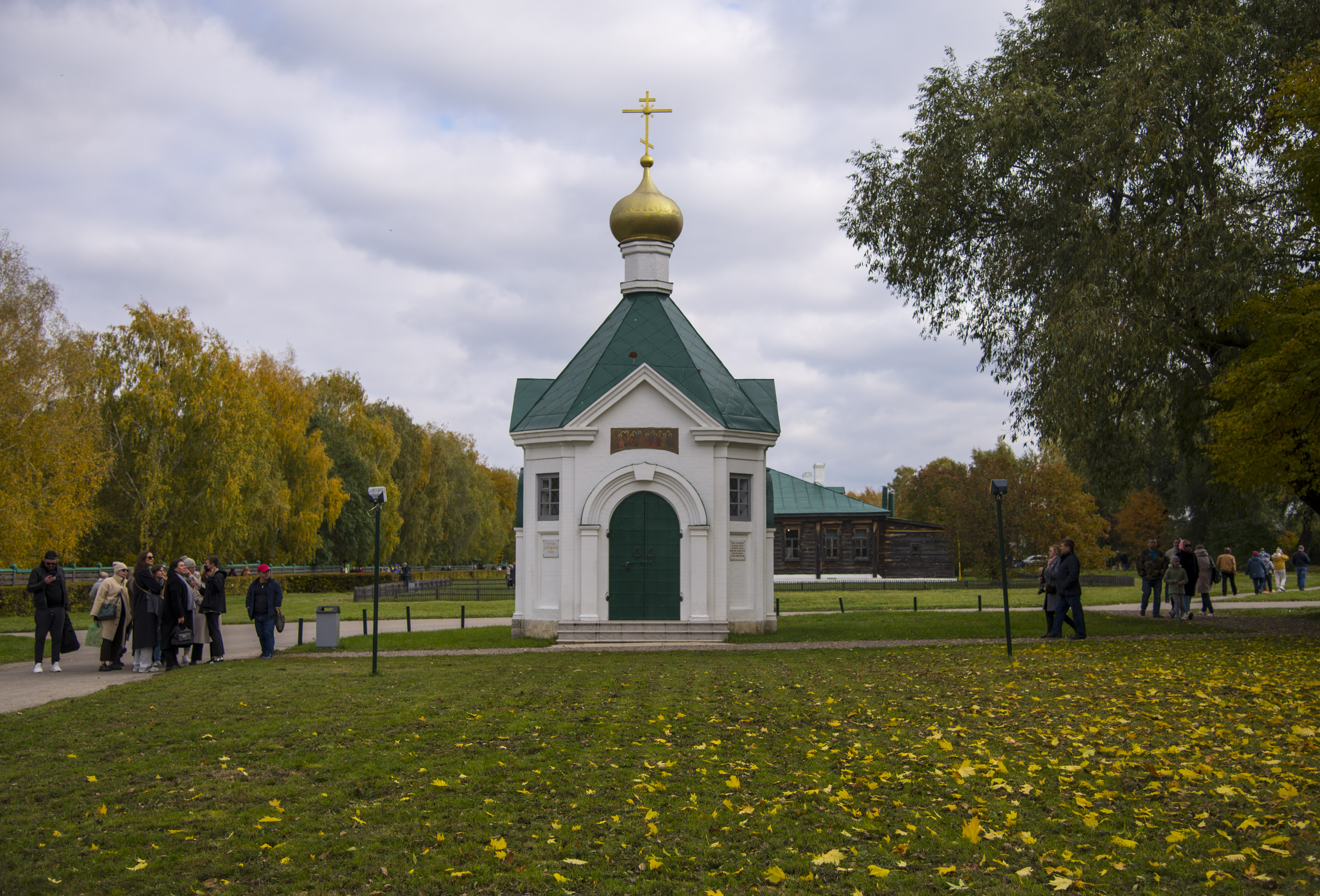
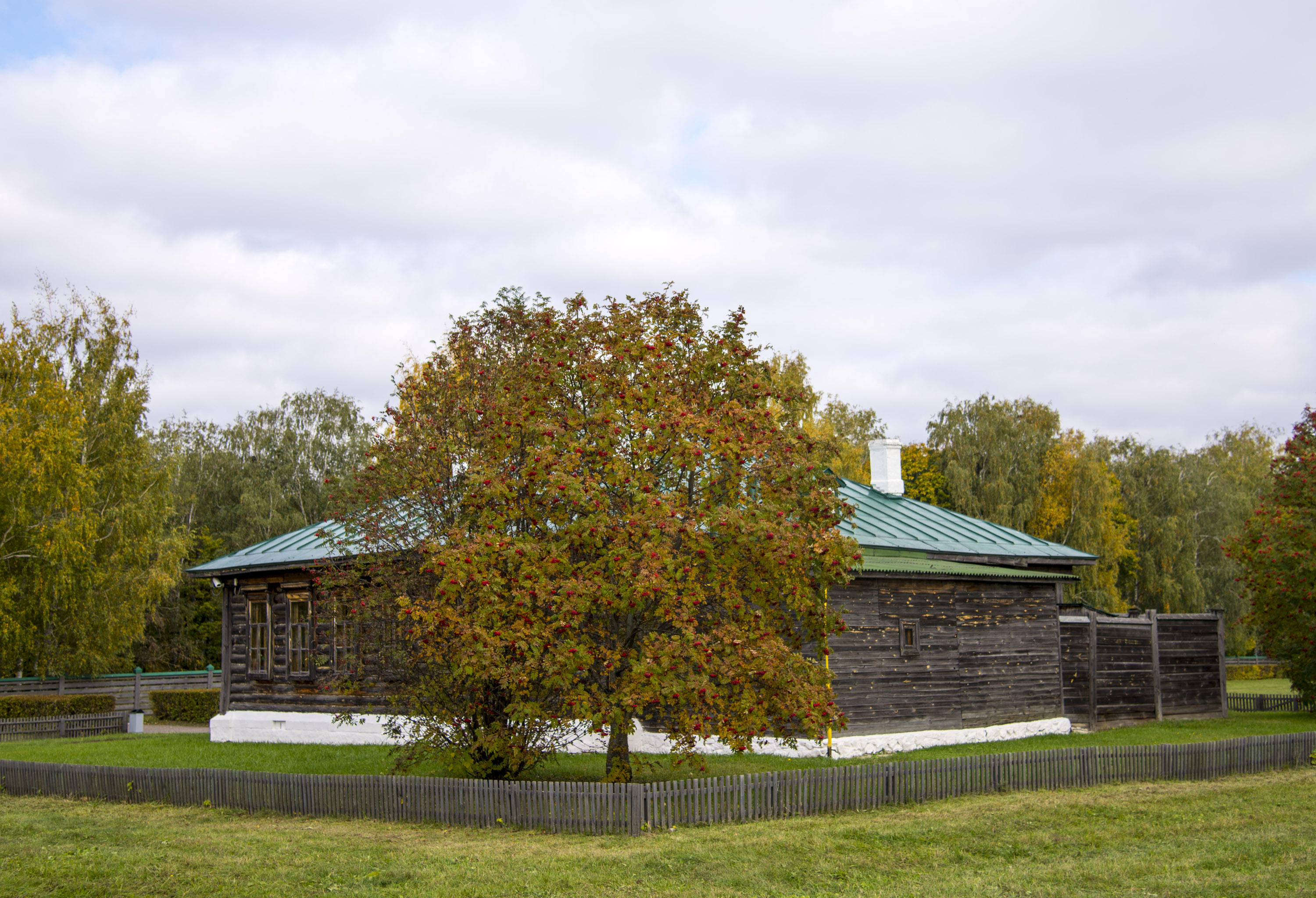
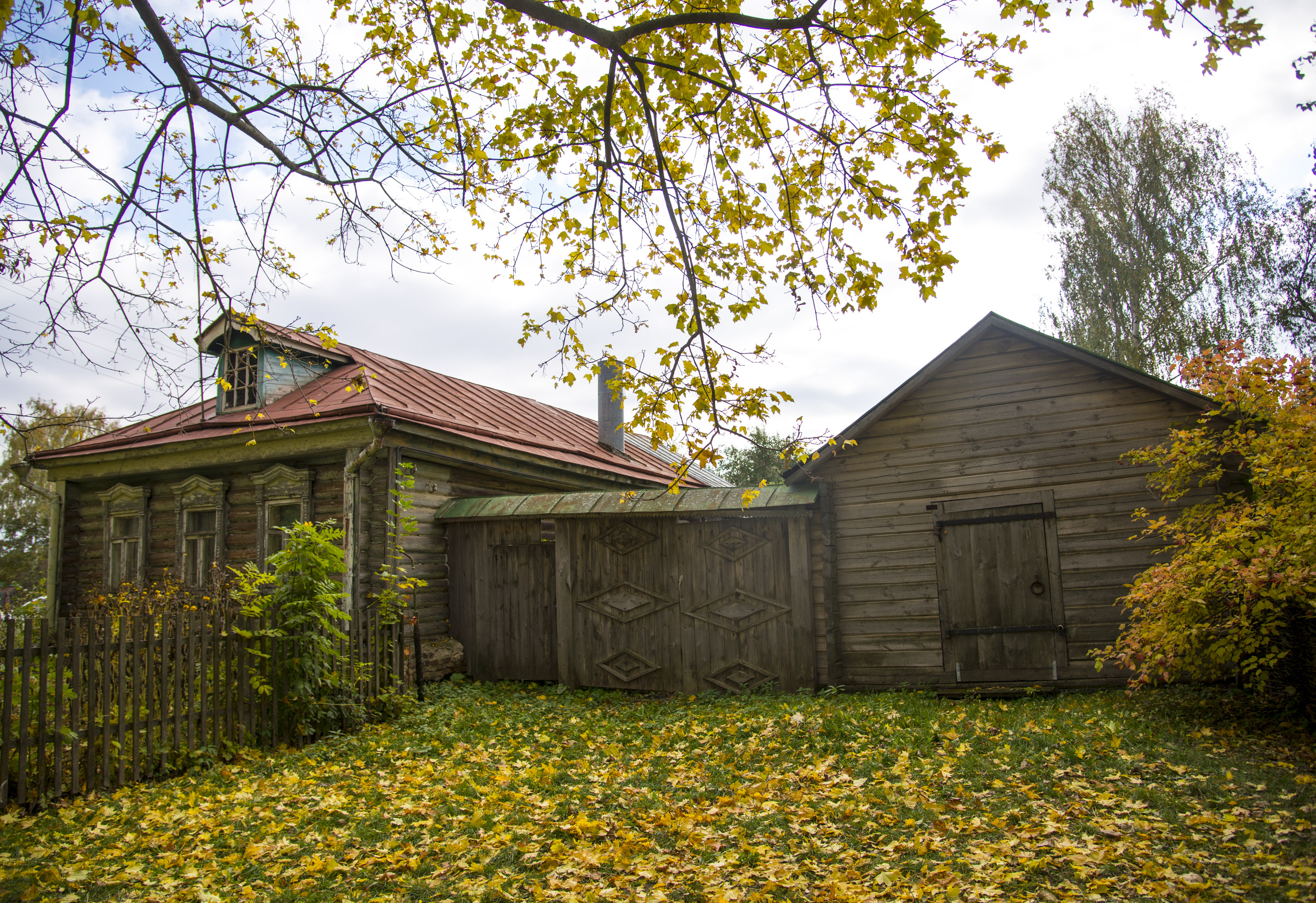
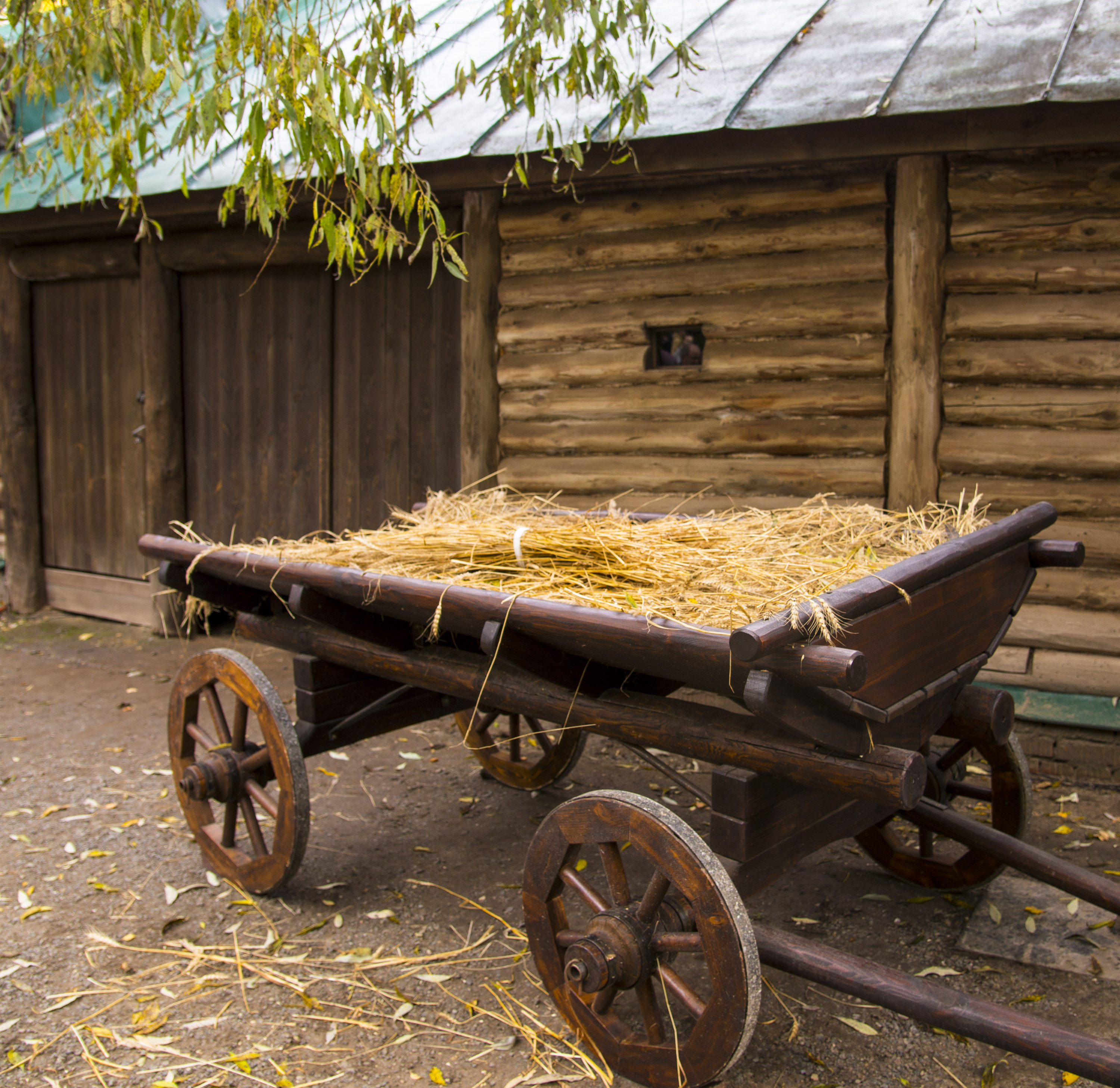
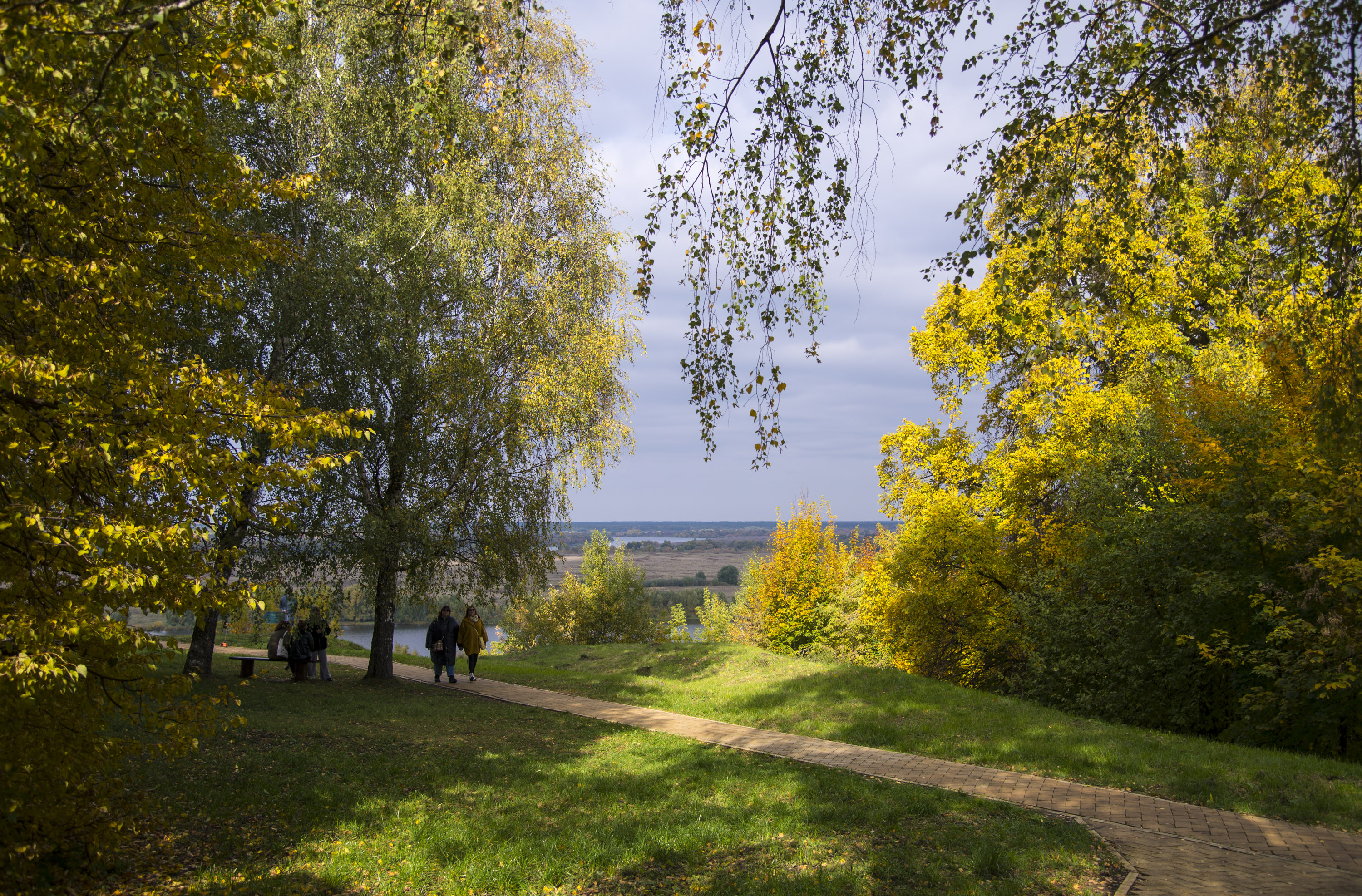
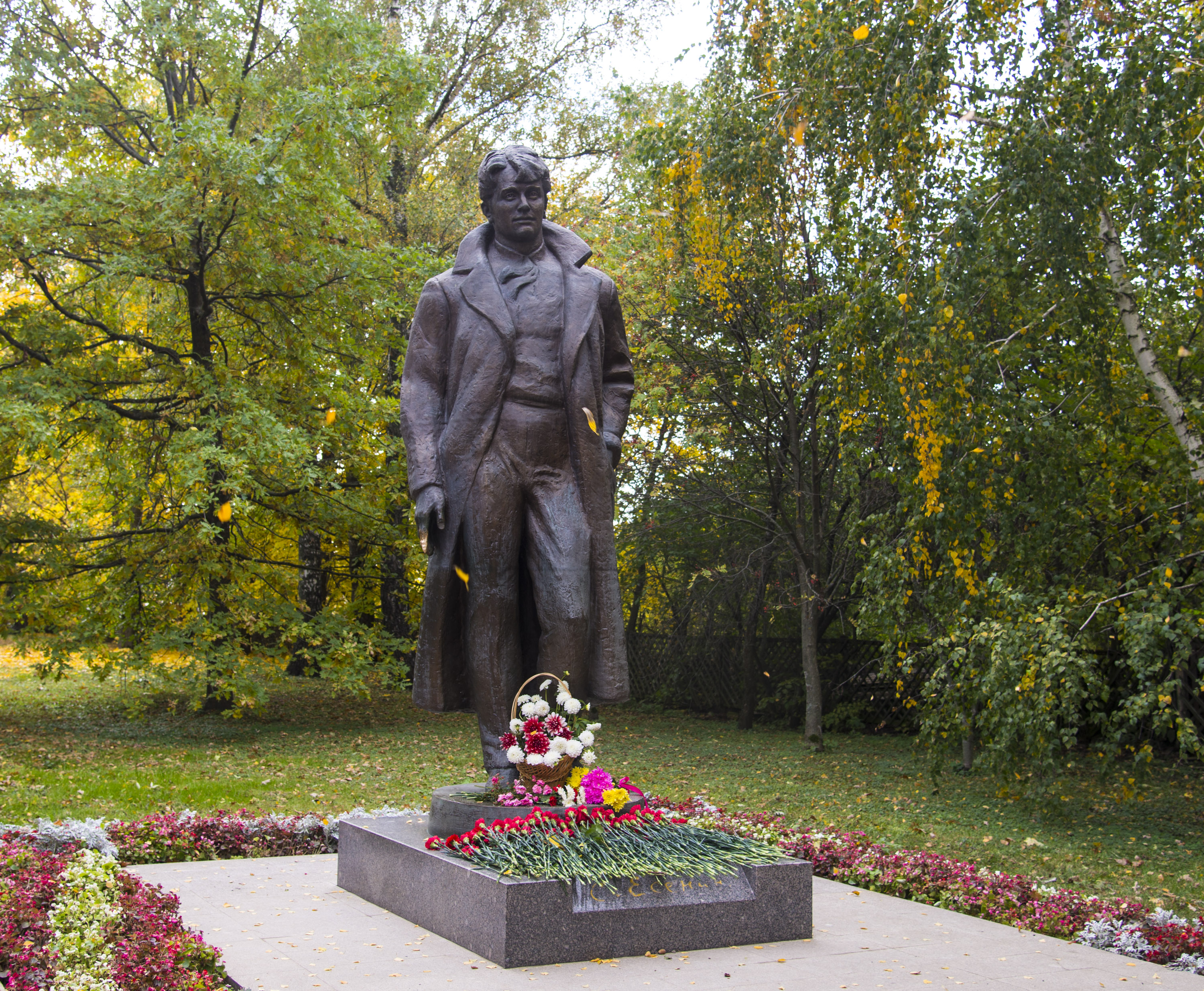
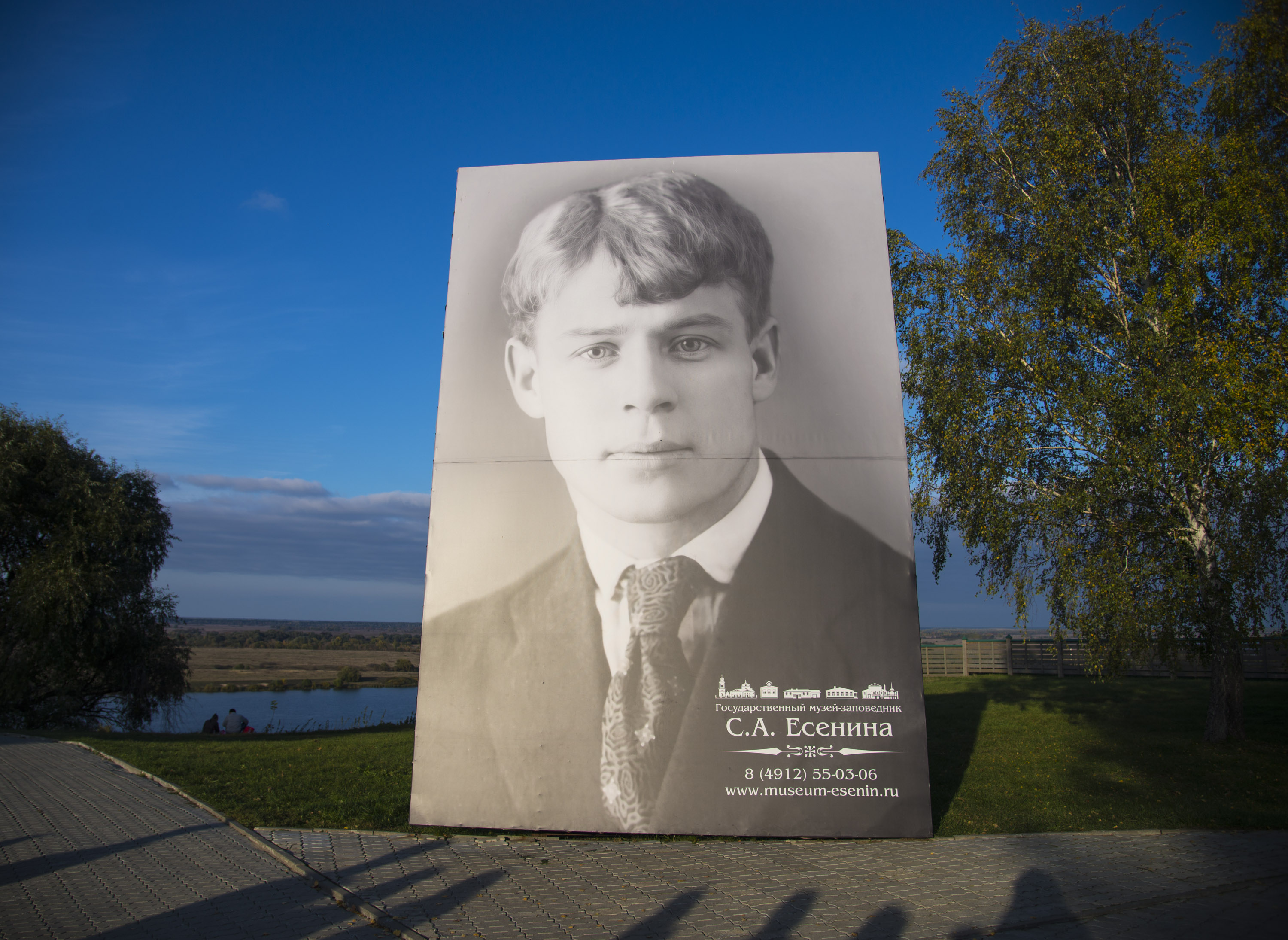
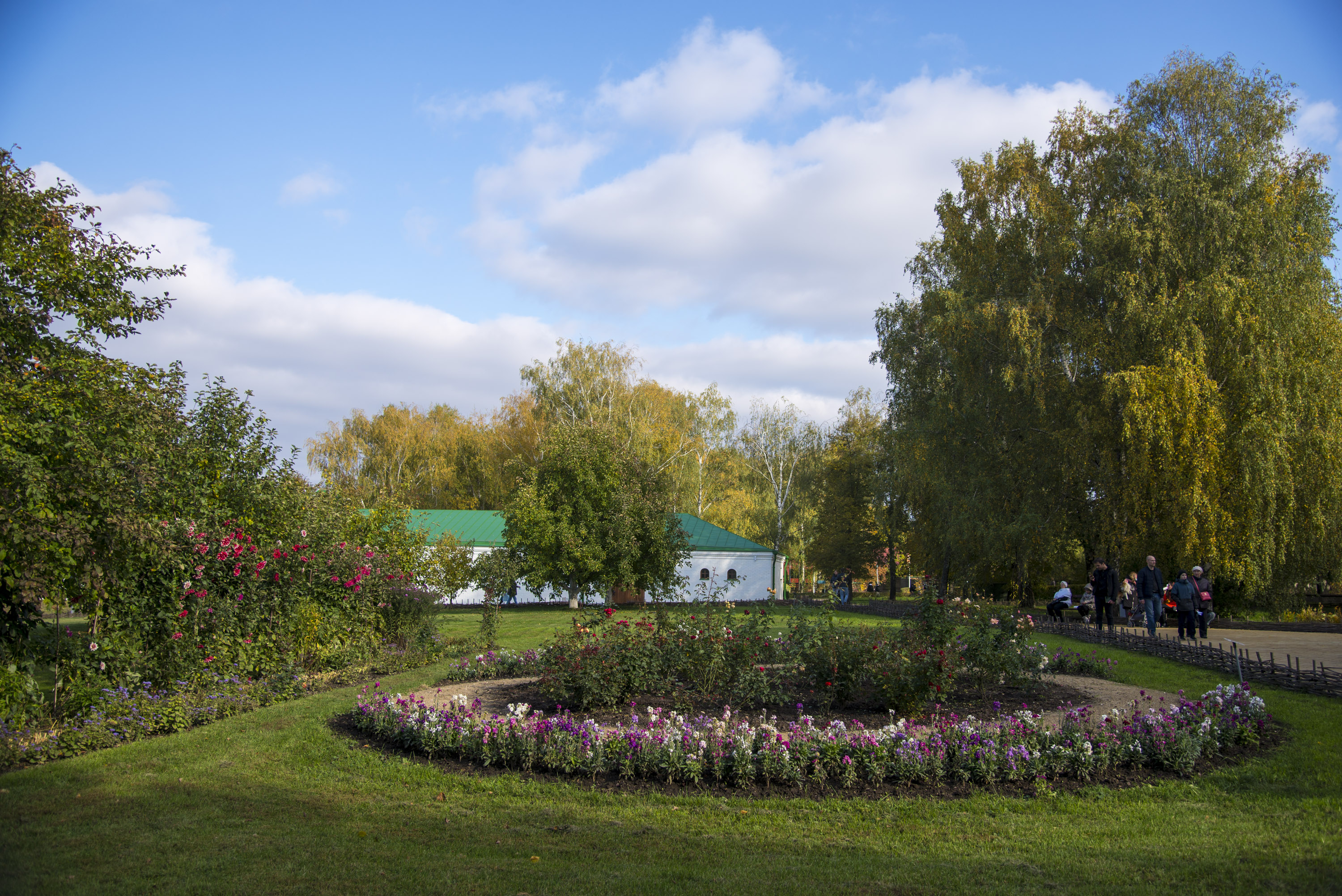
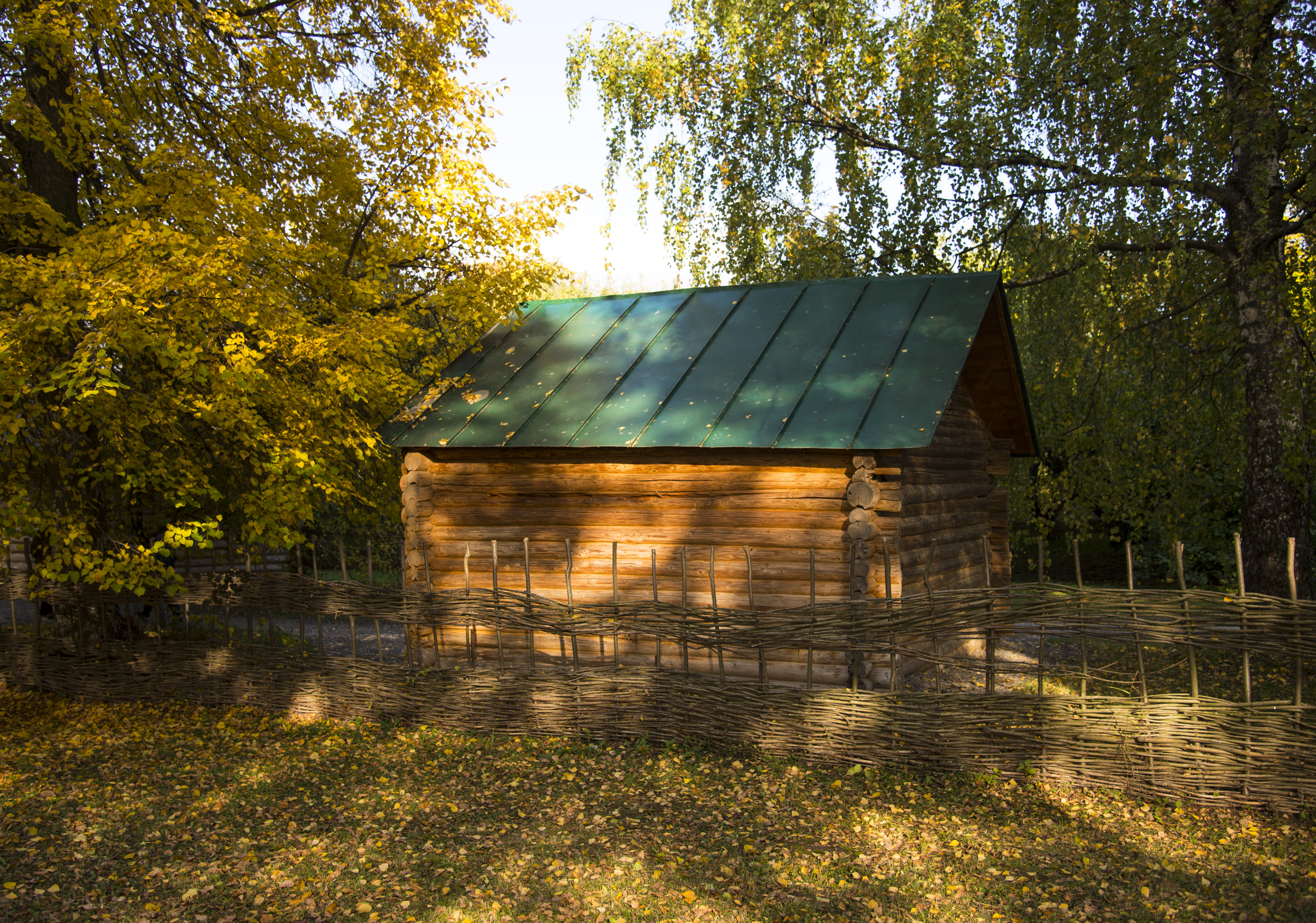
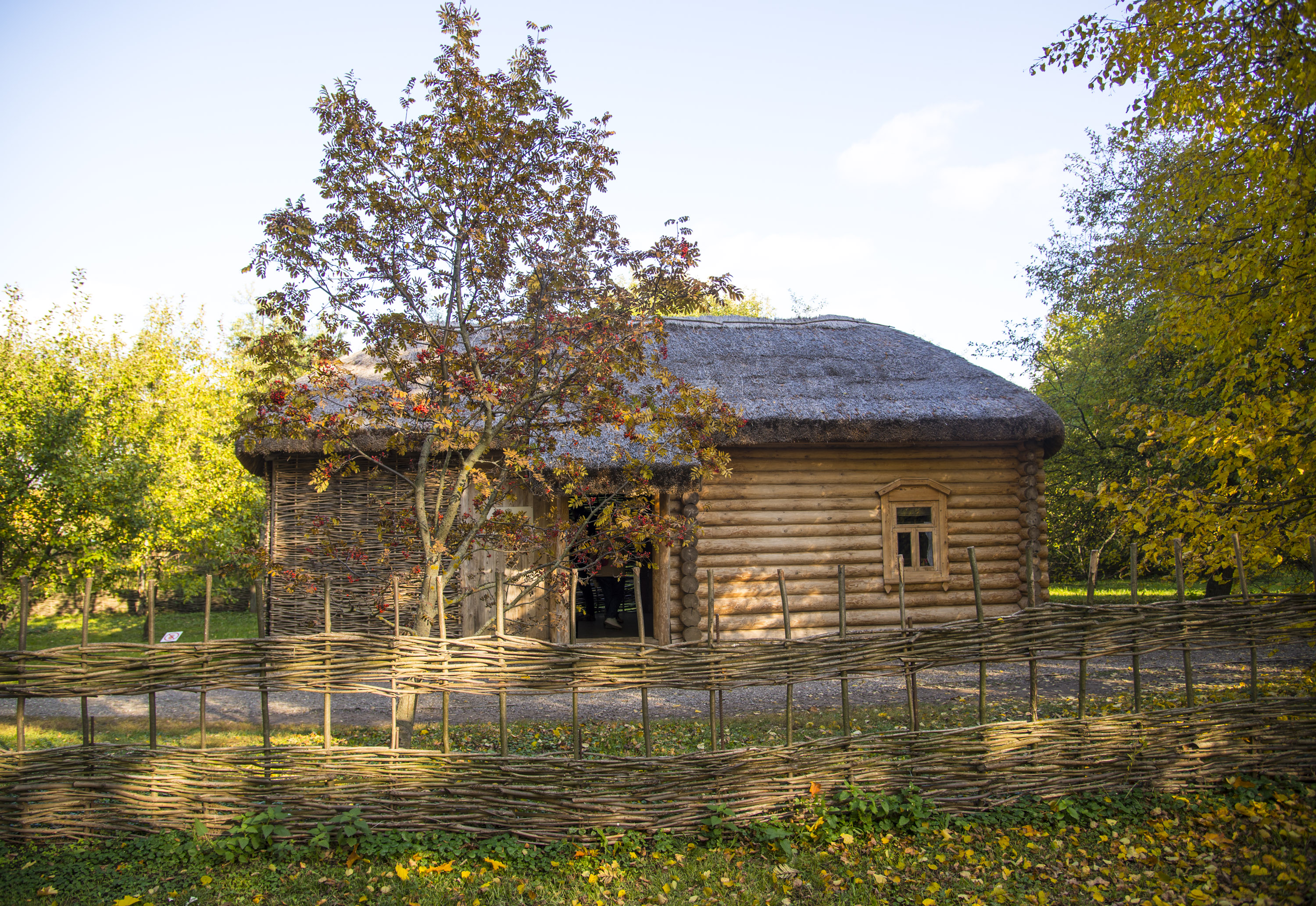
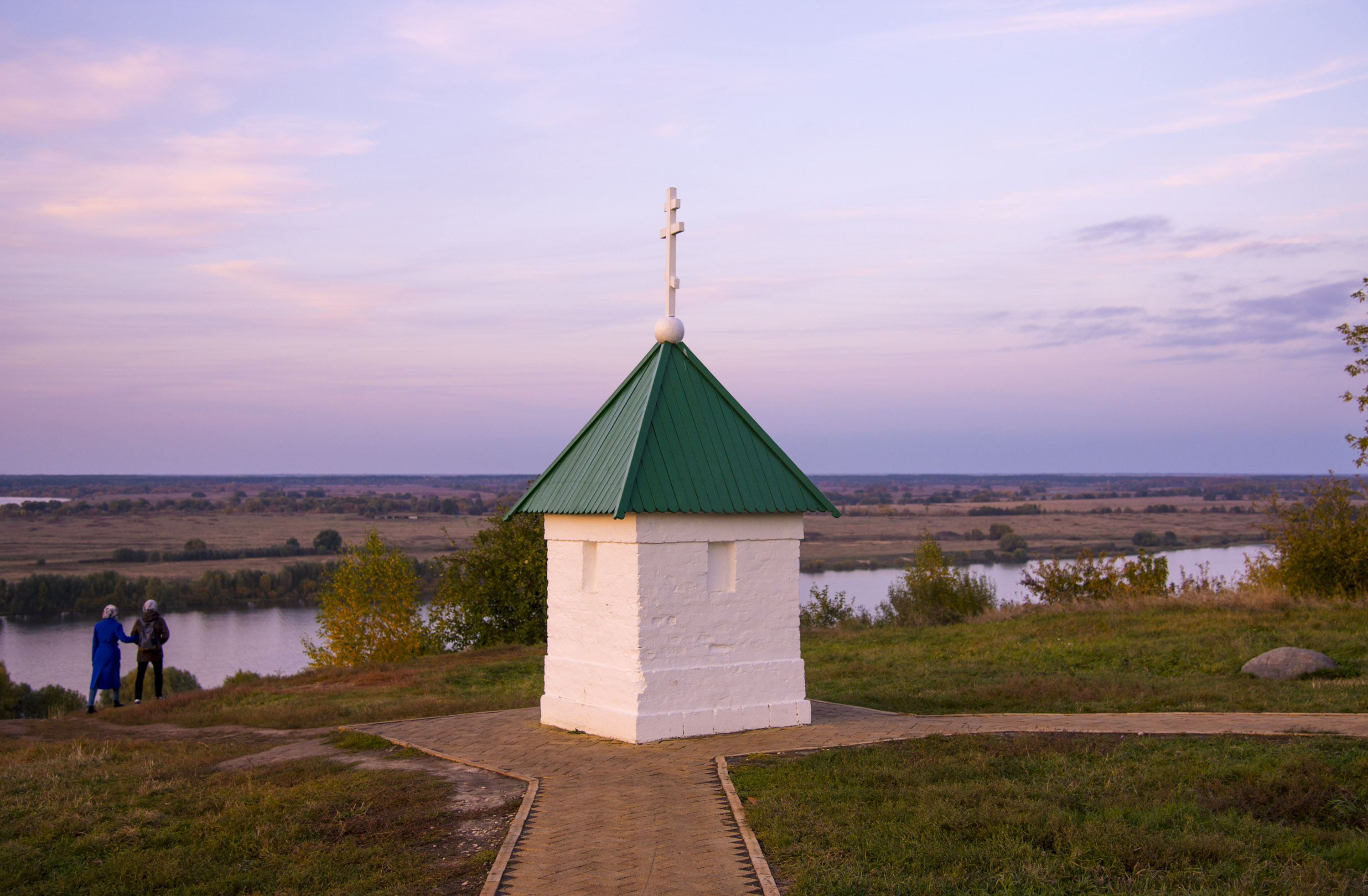
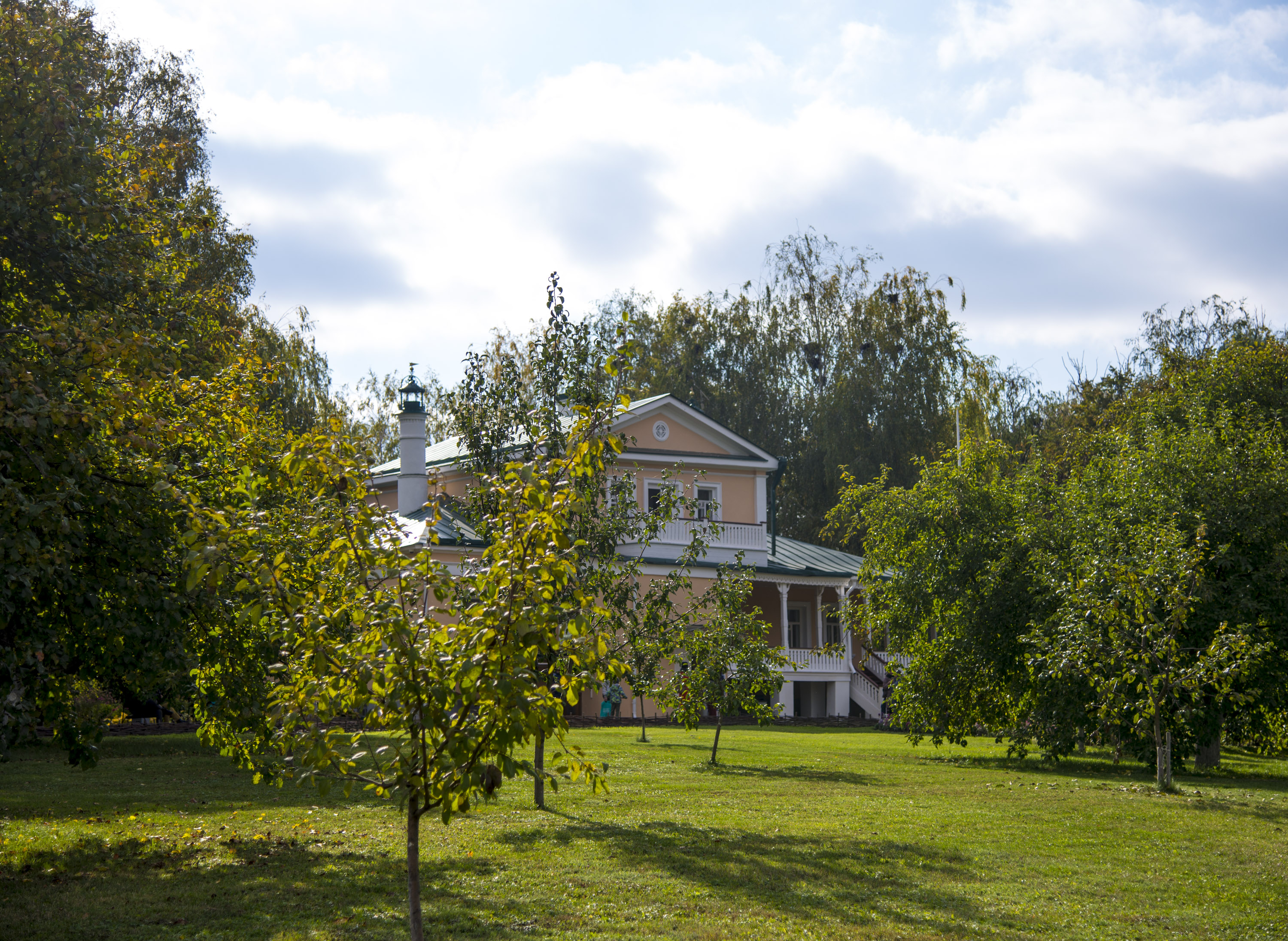
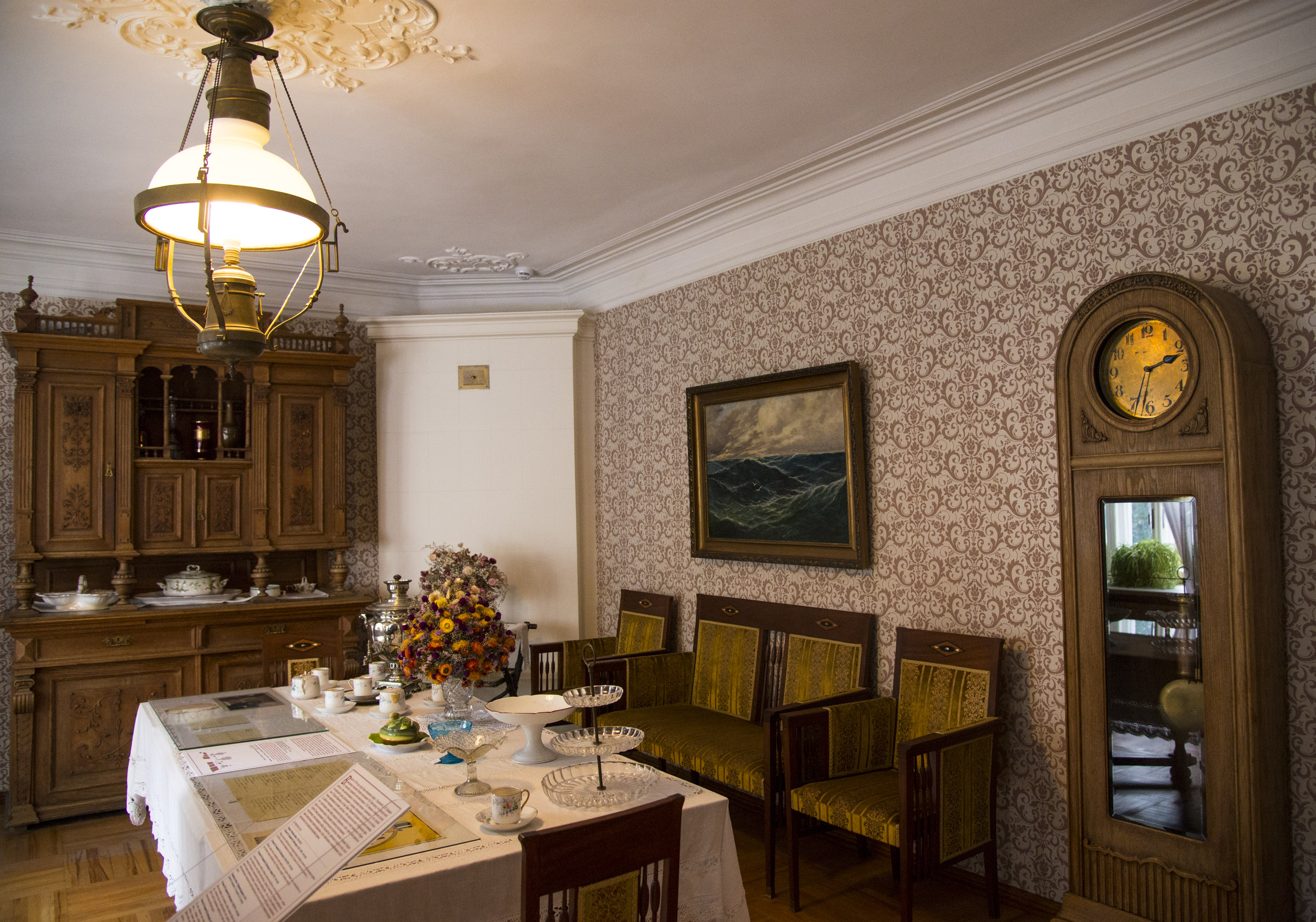
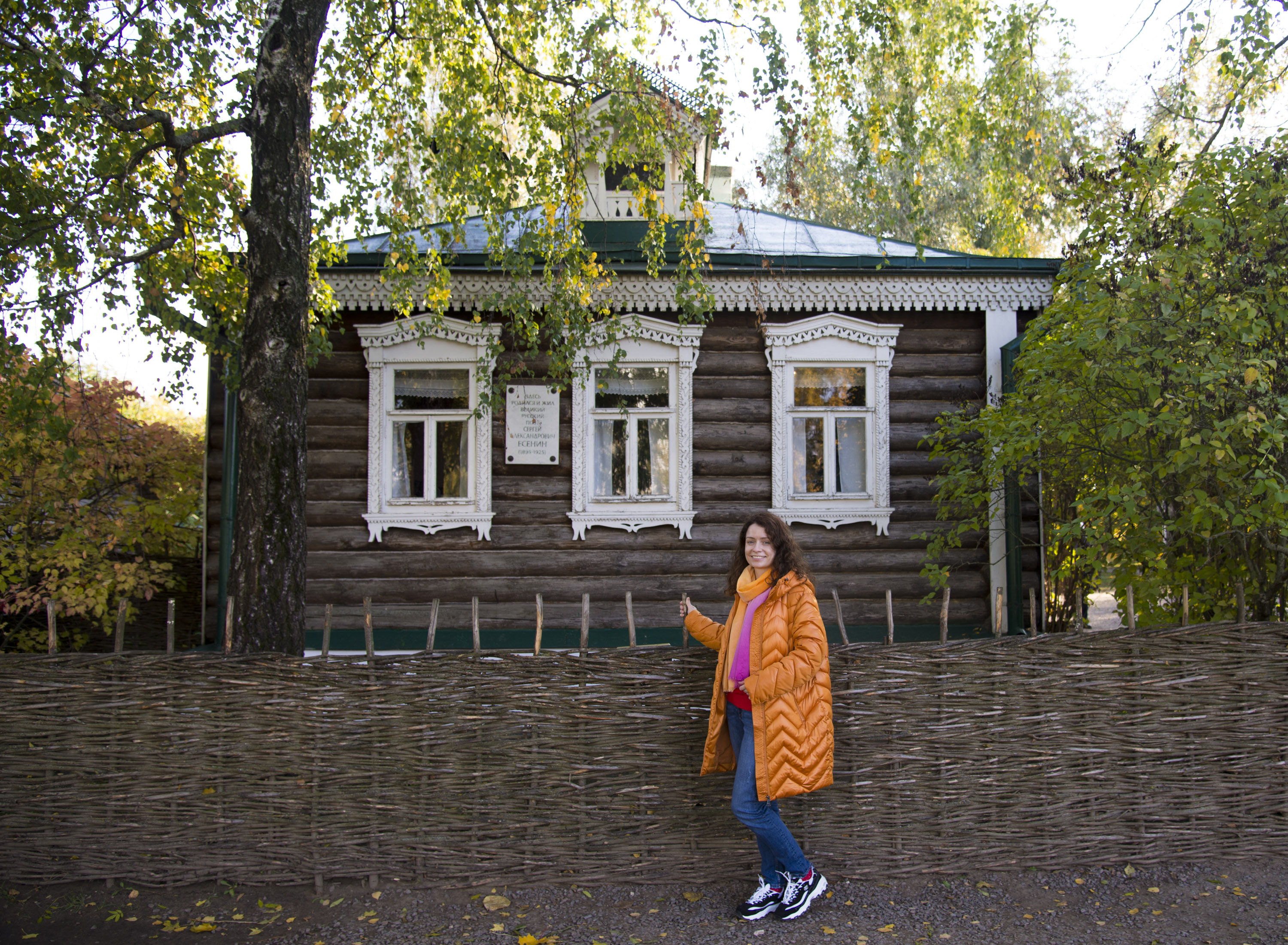
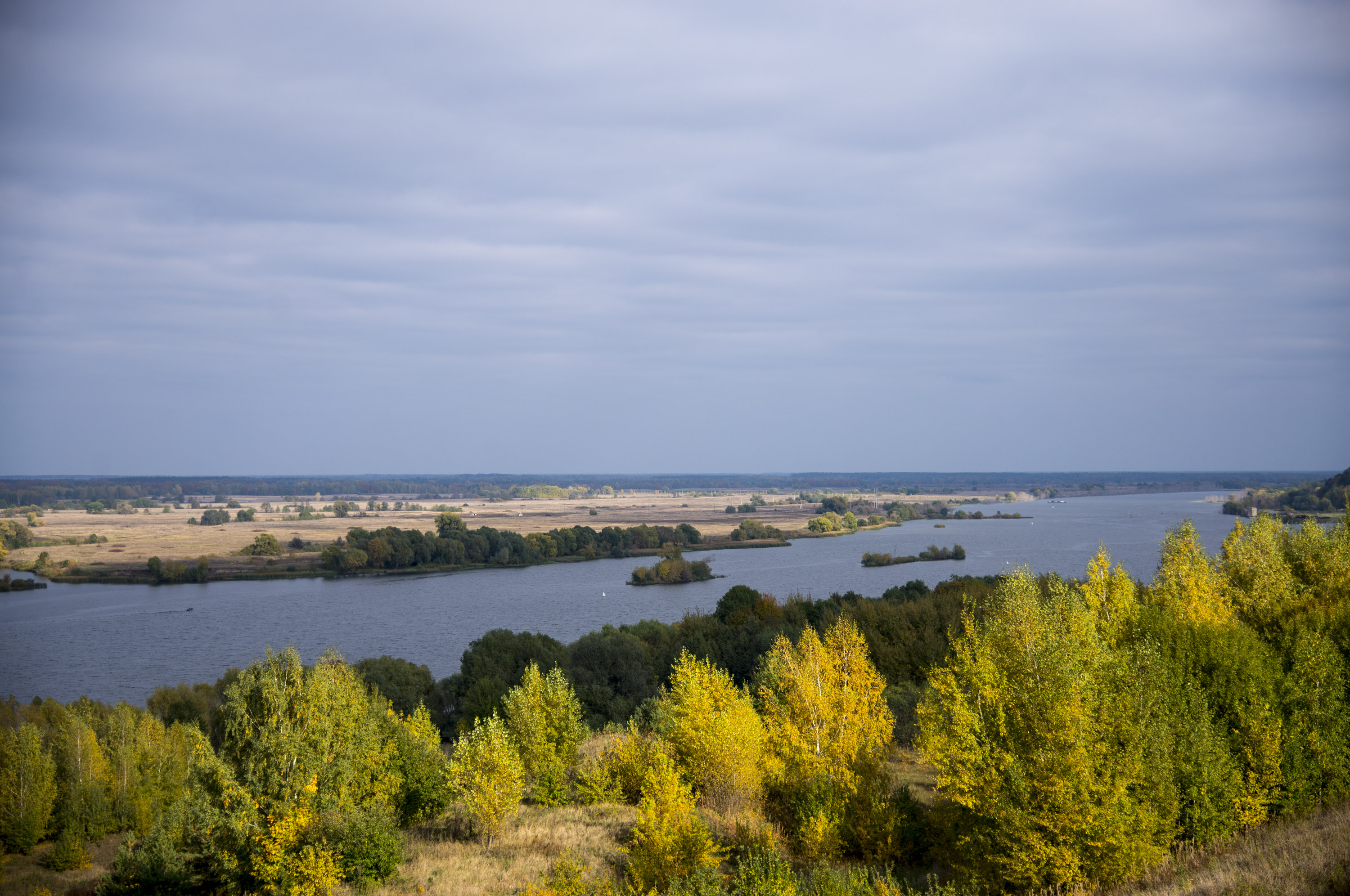
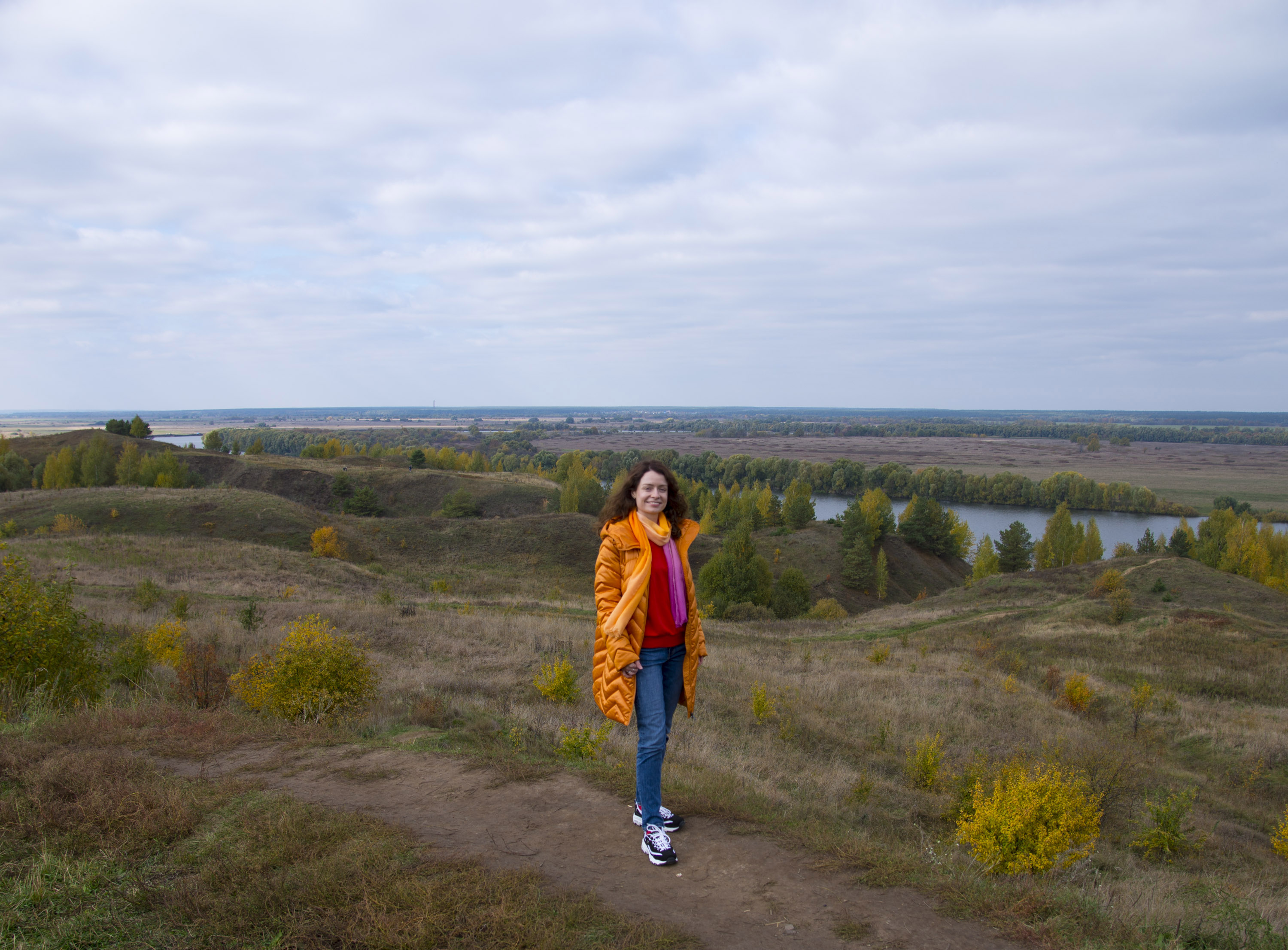
The village of Konstantinovo is the place where one of the greatest Russian poets Sergey Esenin was born. Large parts of the village have been preserved as they looked during his time here, including his parents farmstead where he spent his childhood. This place is also worth visiting to see very beautiful nature around the river Oka which flows next to it.

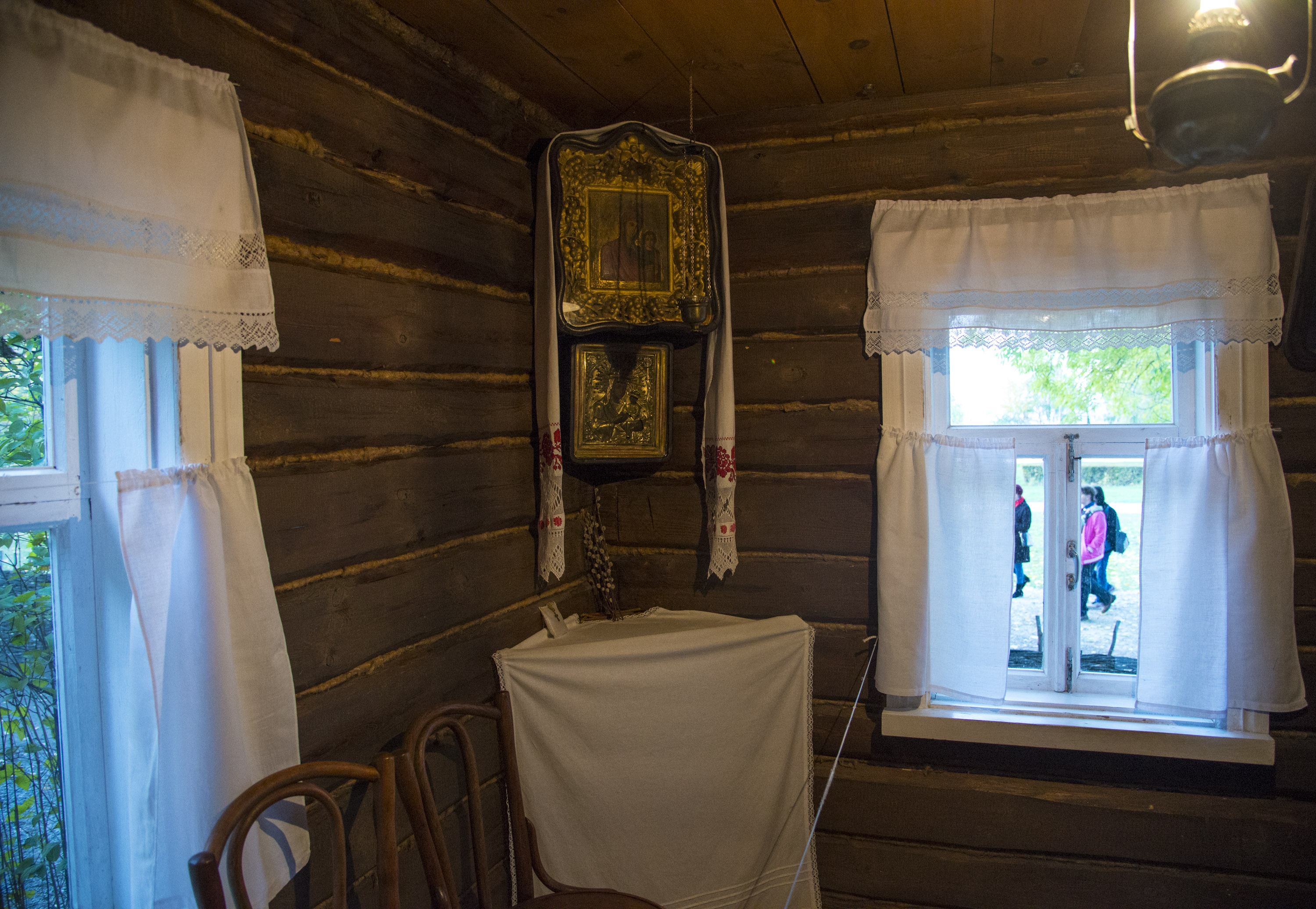
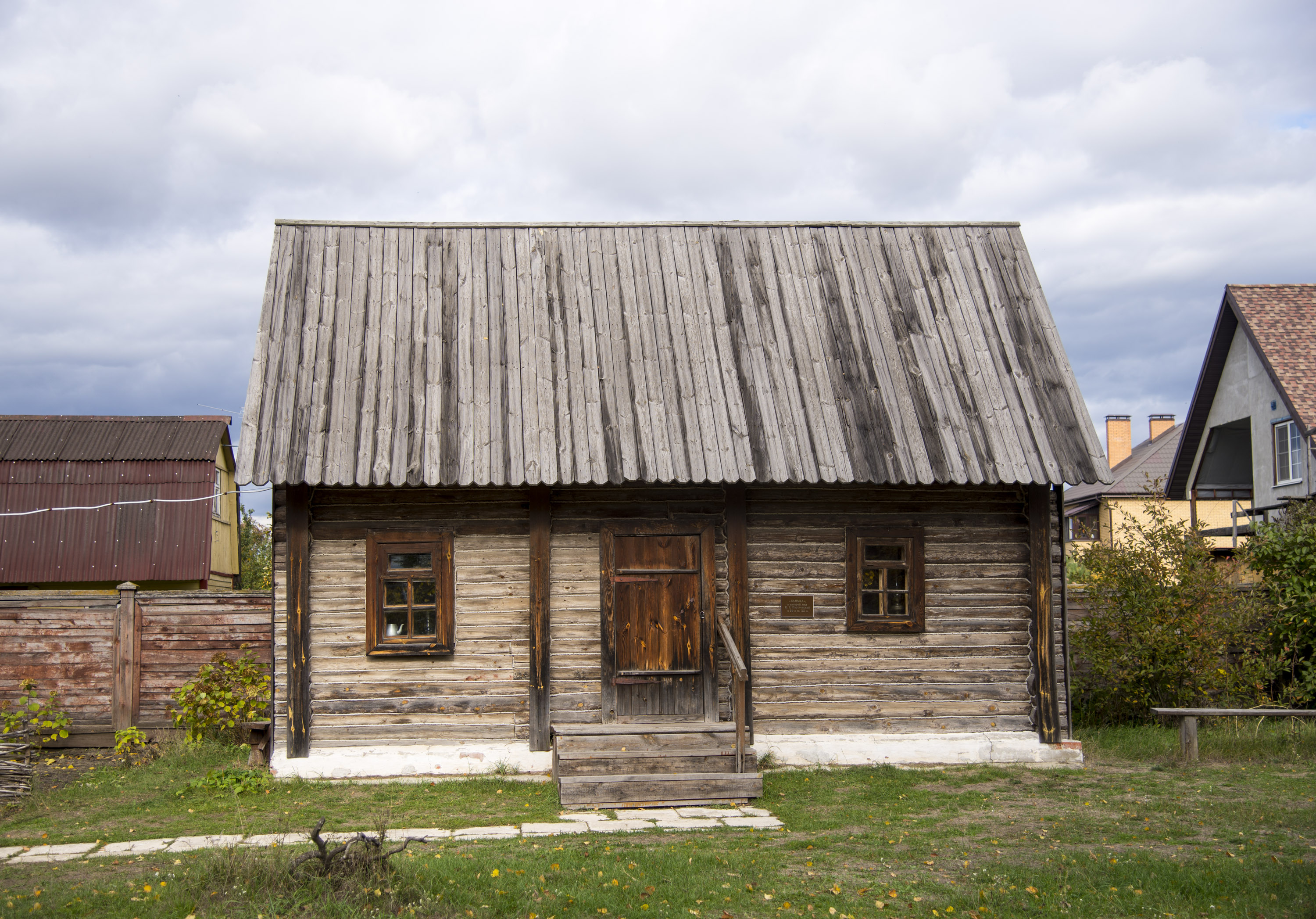
House where Sergey Esenin was born and spent his childhood.

Солотчинский Рождества Богородицы женский монастырь.

Solotcha is a small resort village located on the banks of Oka river, 30 mins drive from Ryazan, surrounded by protected forests. One of the most important sights of the village is a glorious monastery which was built in 1390 on a high bank of Staritsa river by Oleg Ryazanskiy.

Beautiful nature of Solotcha

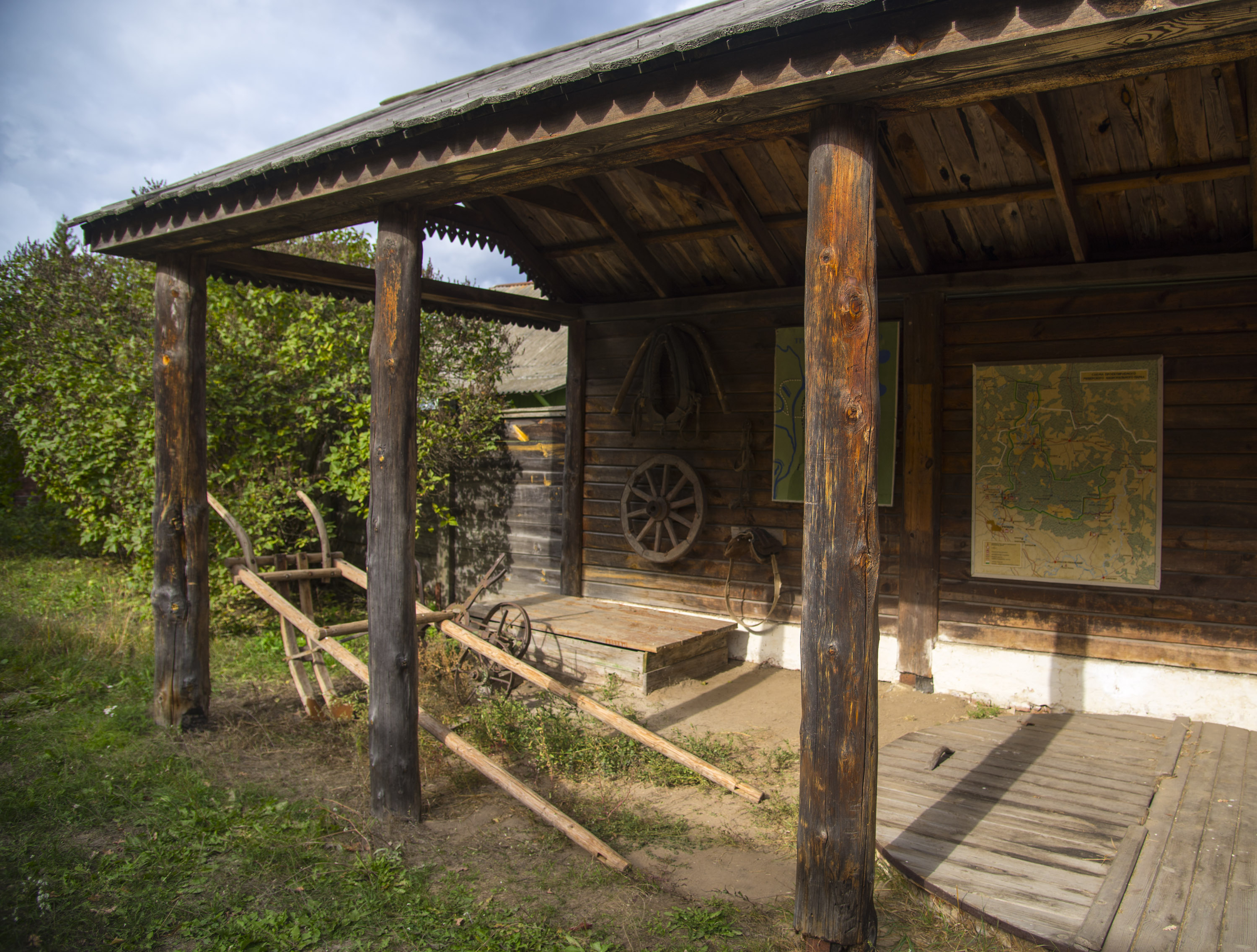
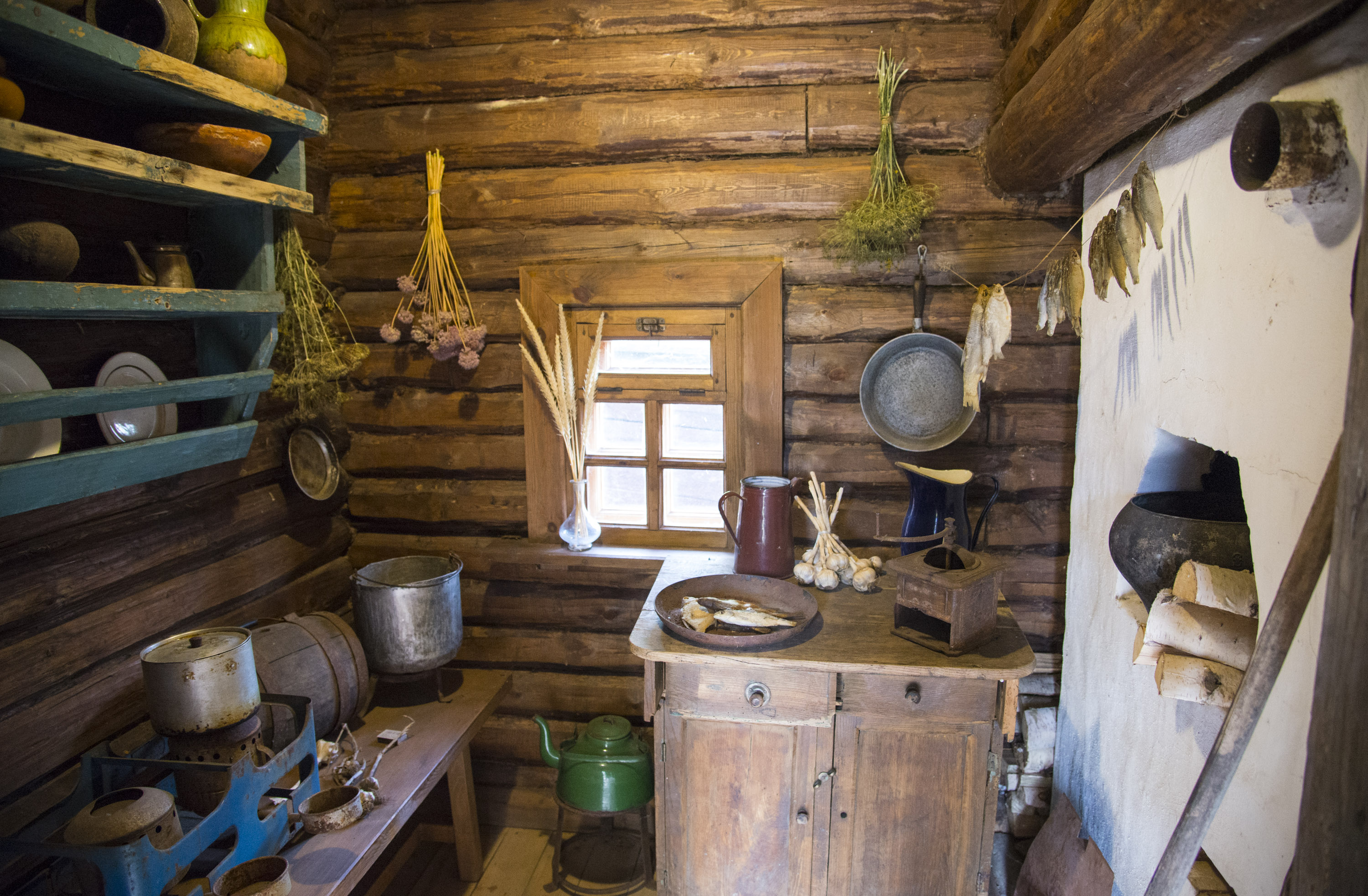
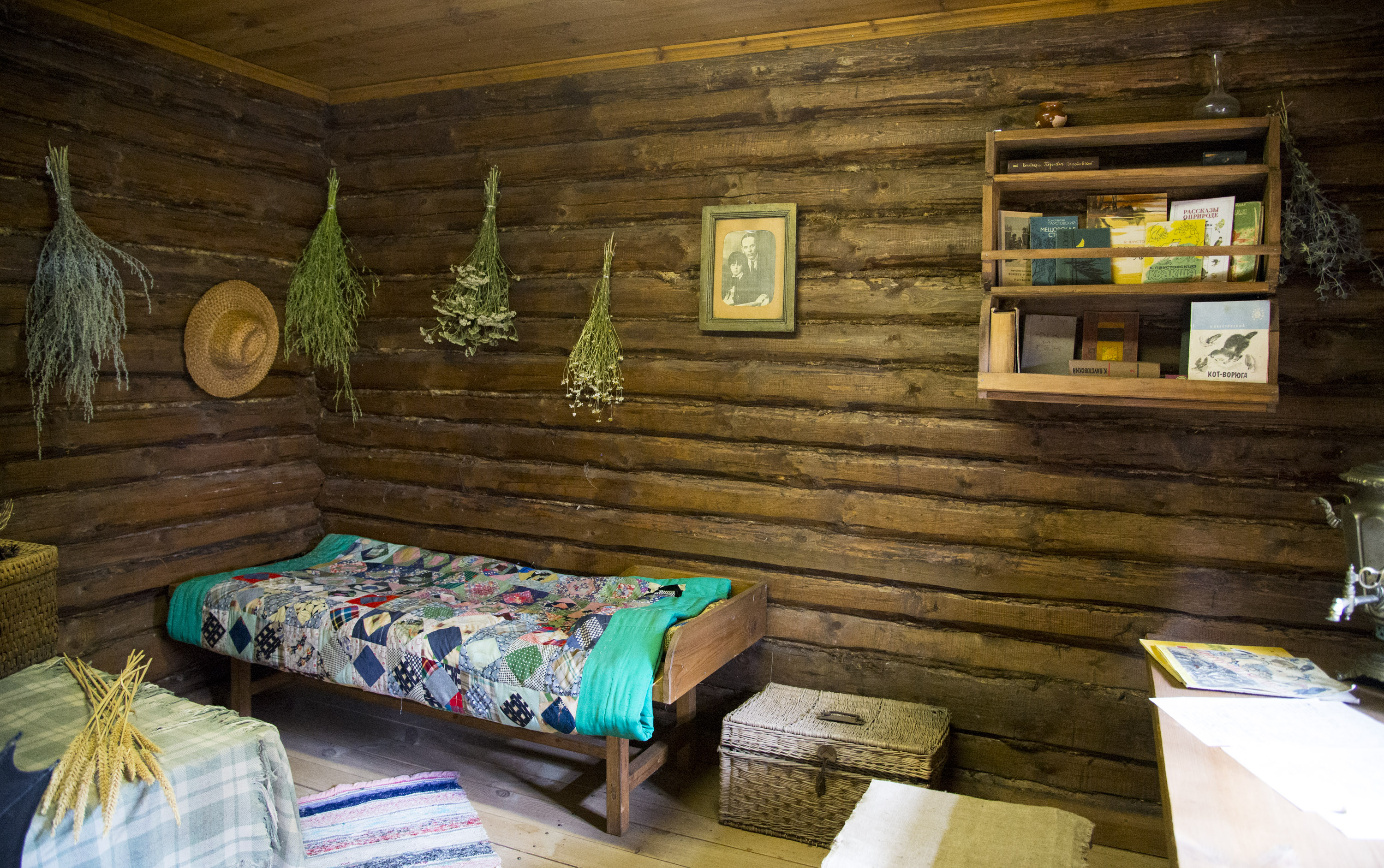
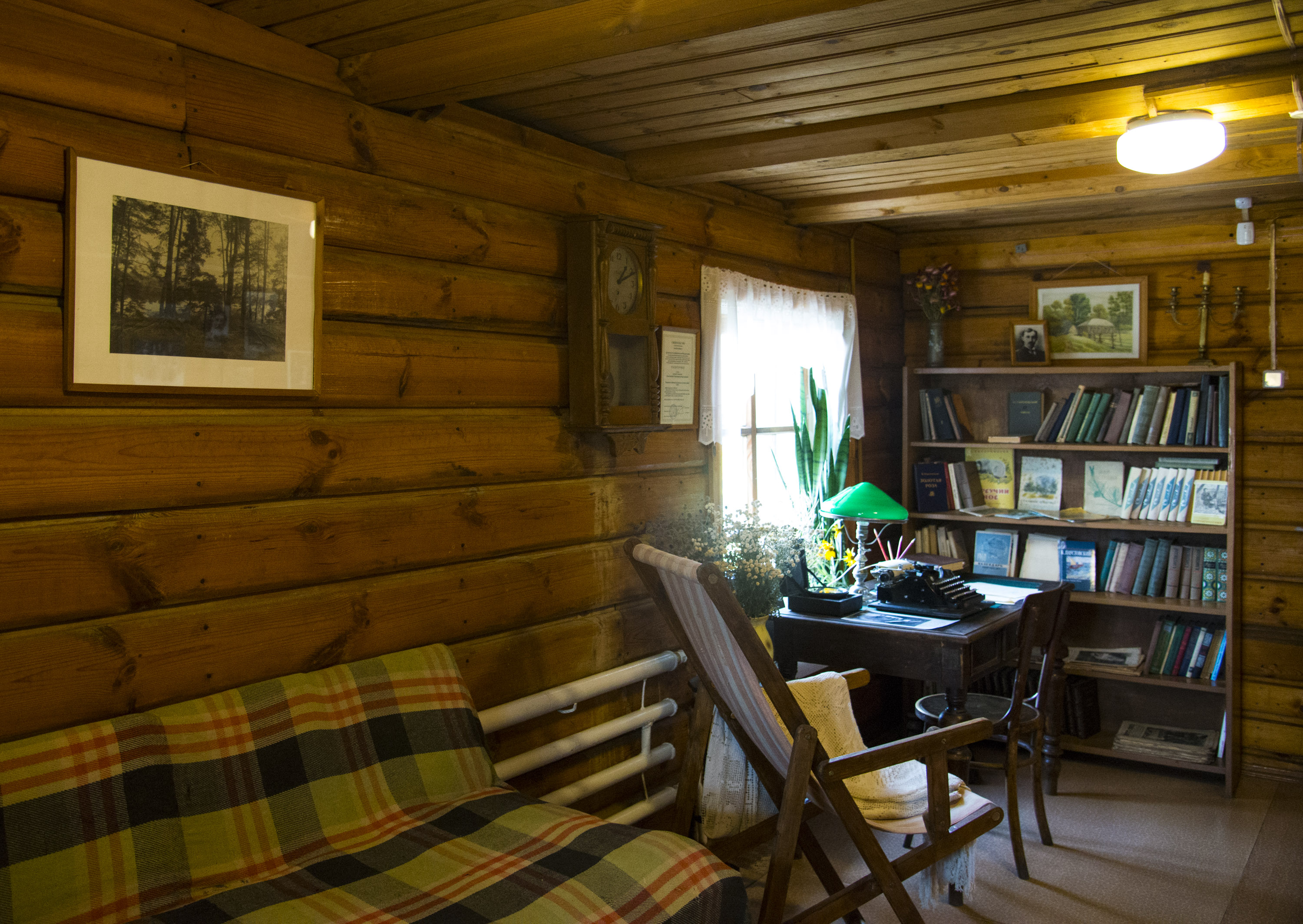
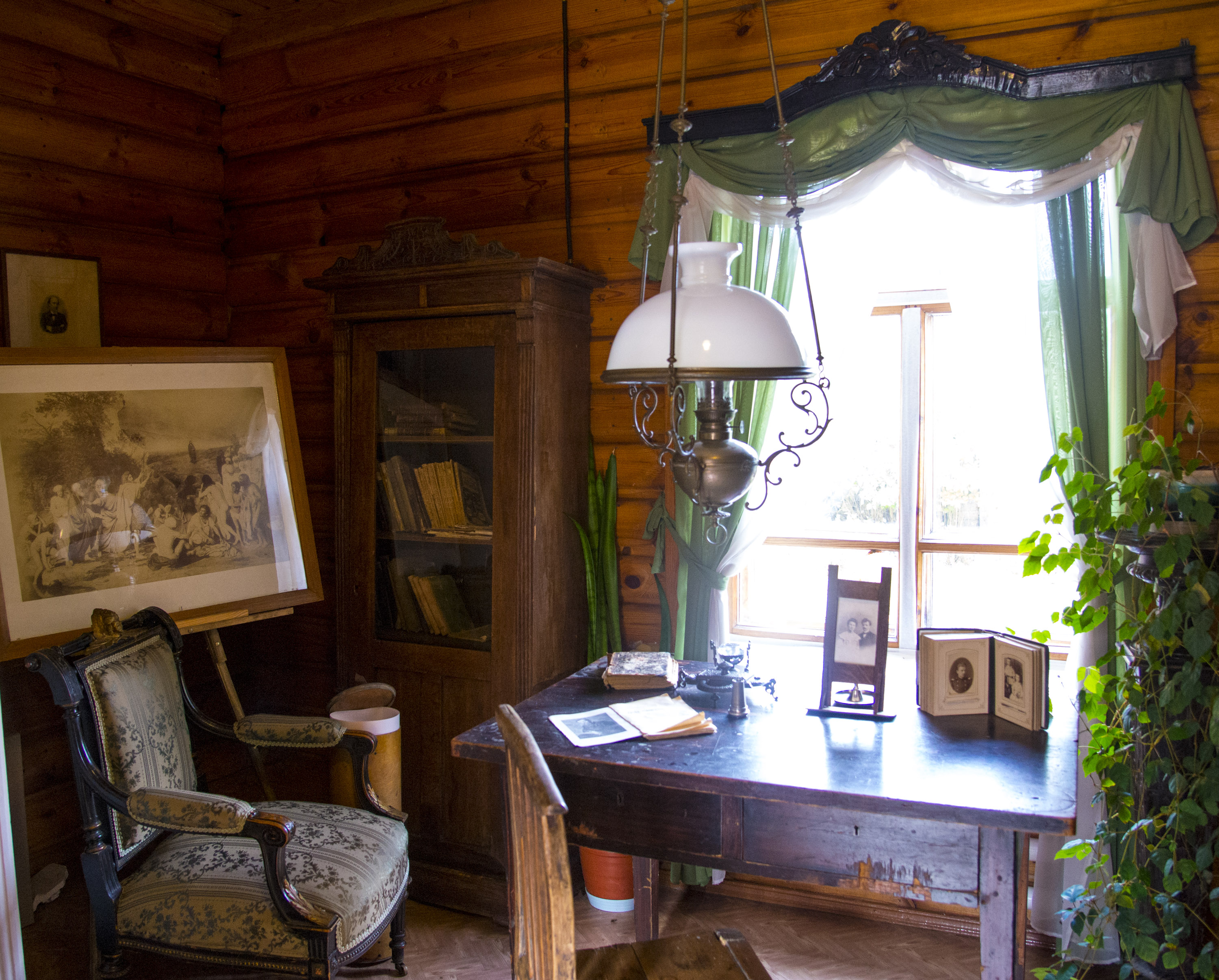
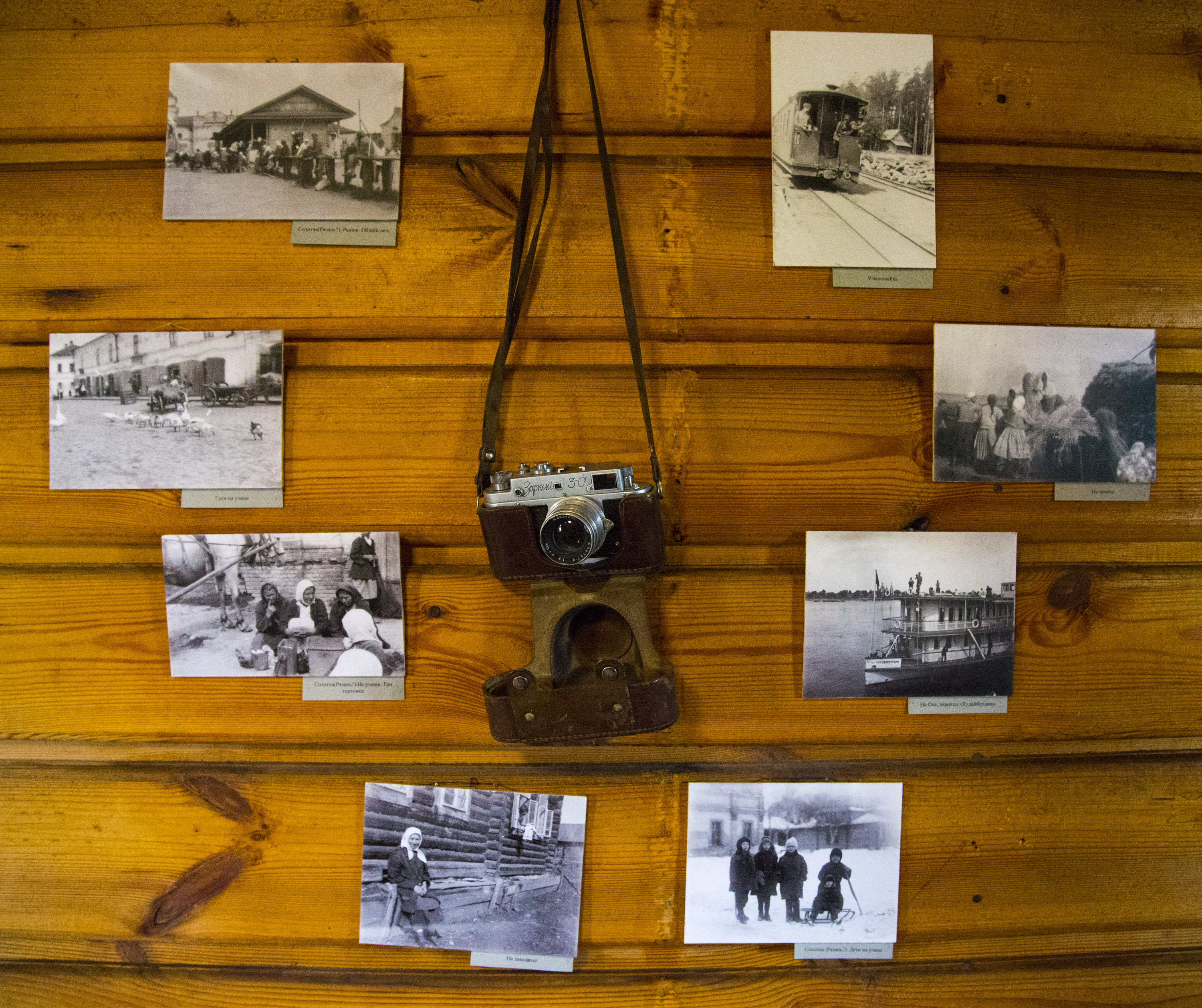
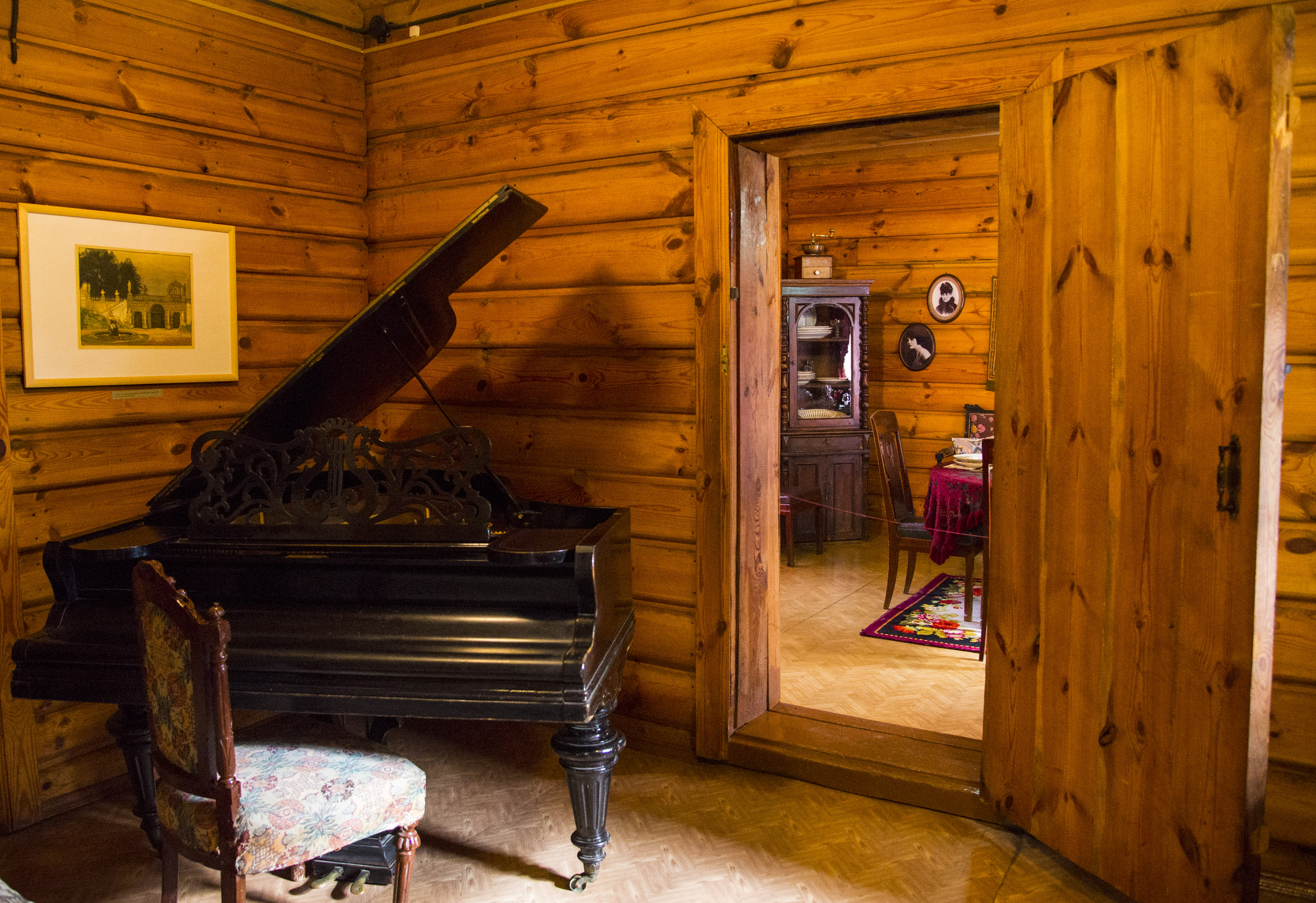
House museum of artist Ivan Pozhalostin was built in 1880 according to his own design. After Pozhalostin’s death, famous writers worked in the house: A.P. Gaidar, K. Paustovsky, R. Fraerman.

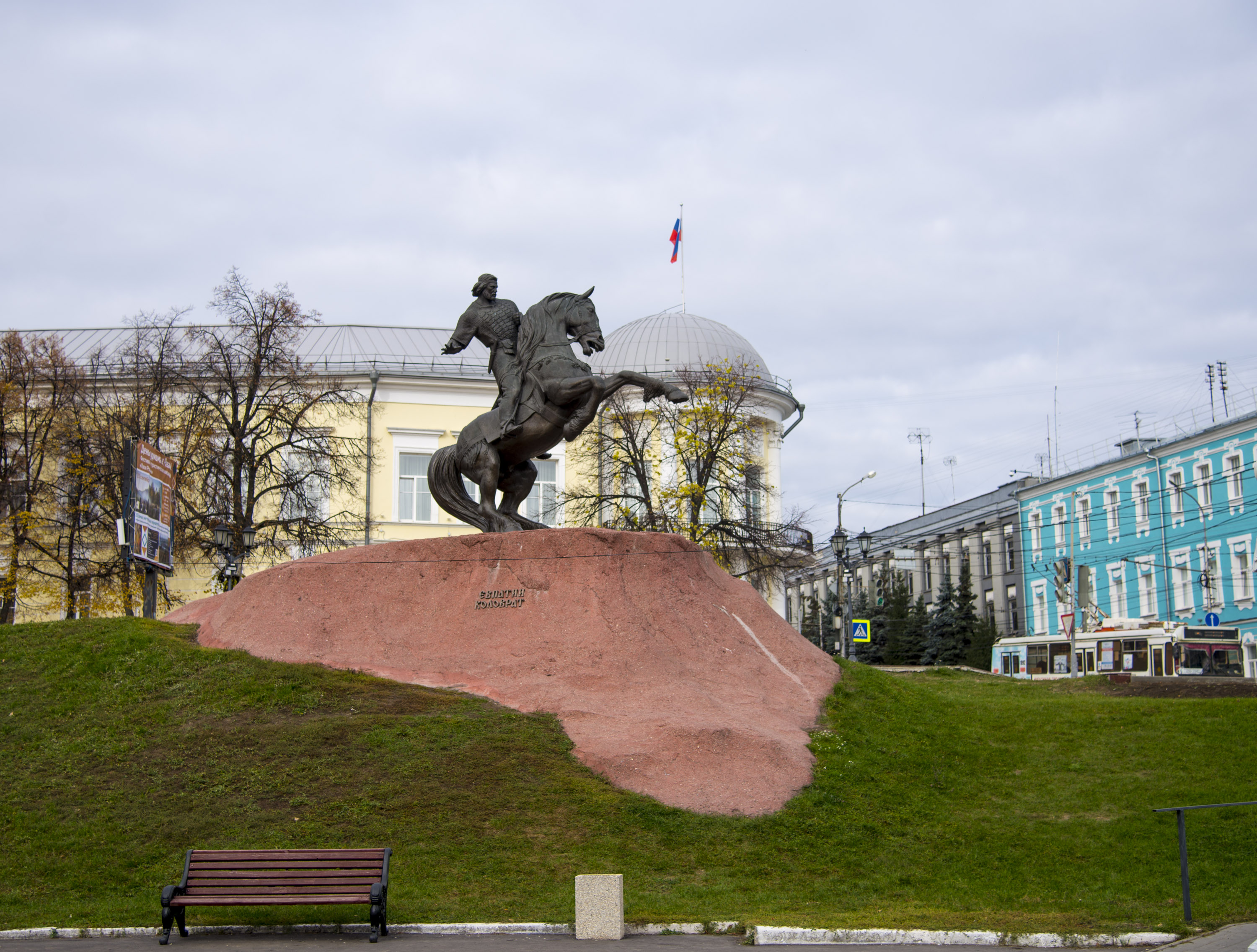
Ryazan

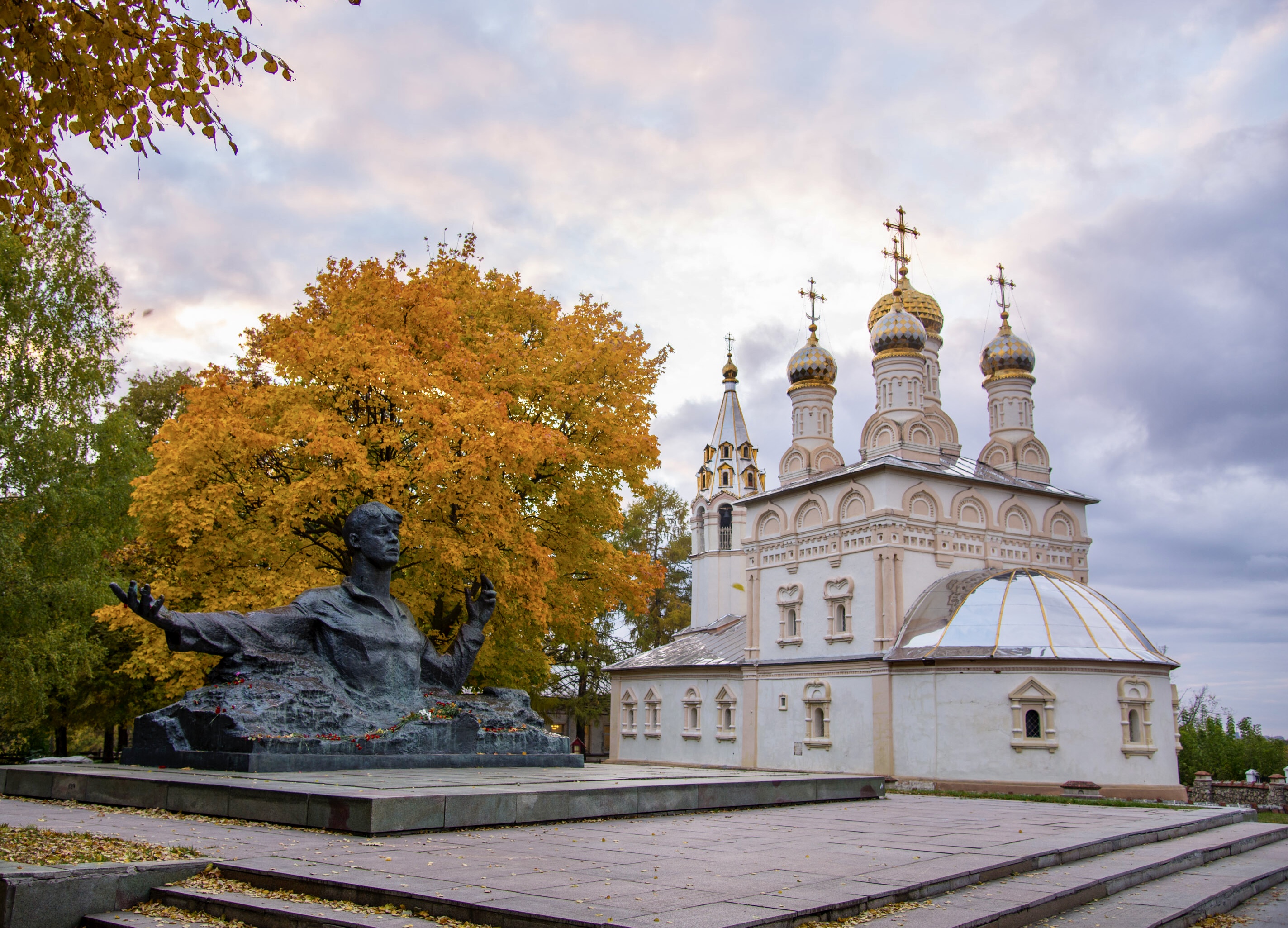
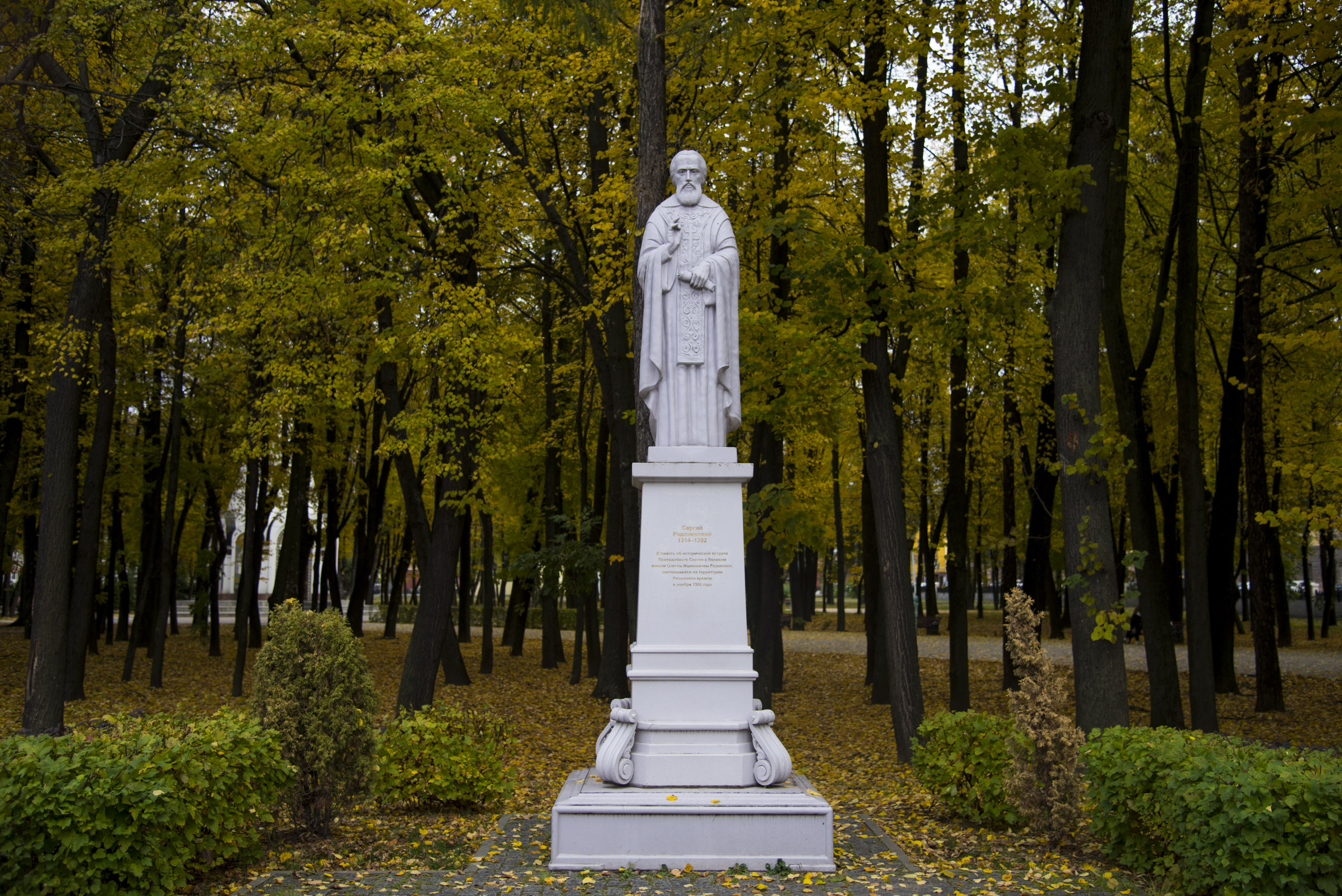
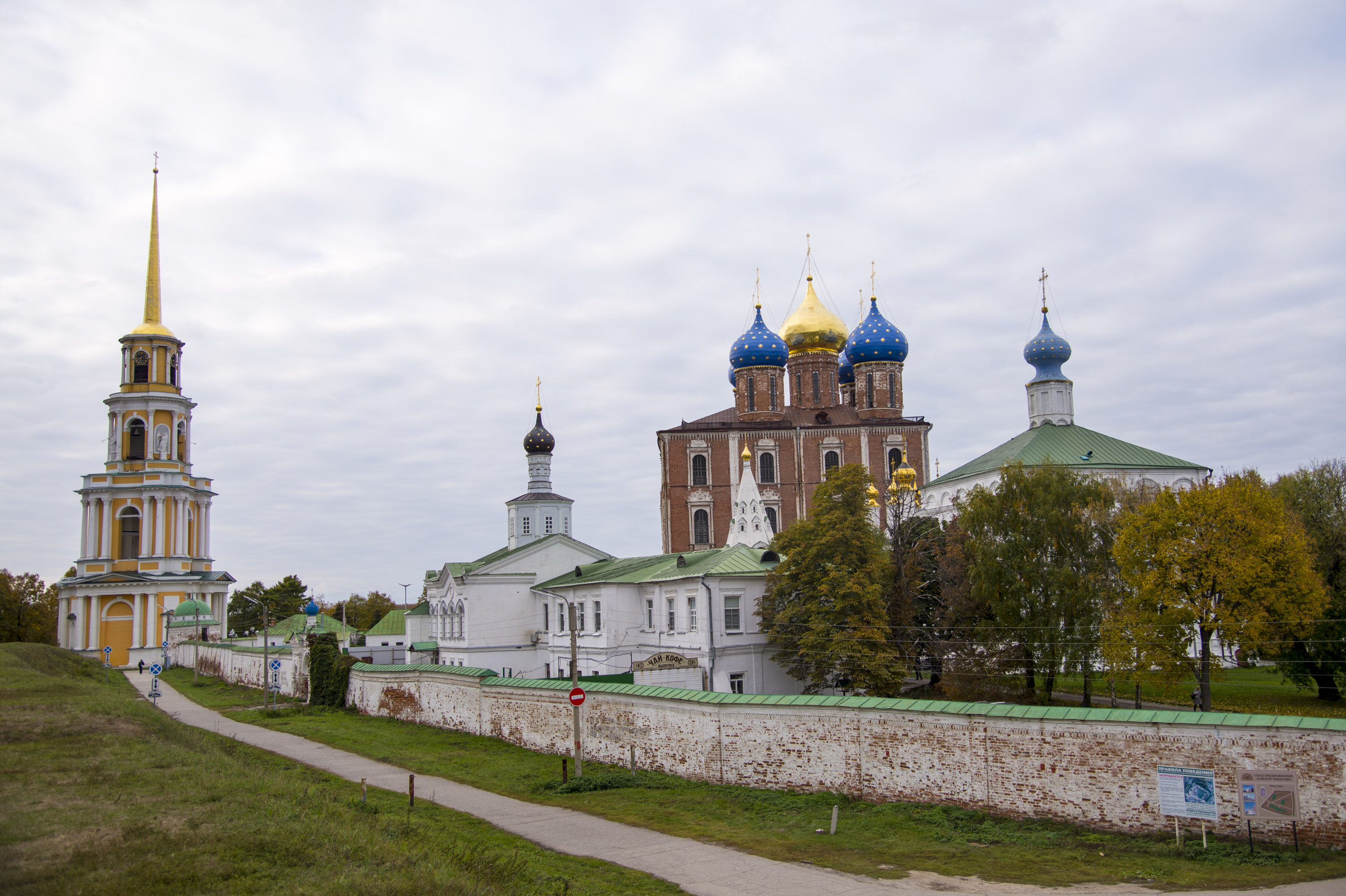
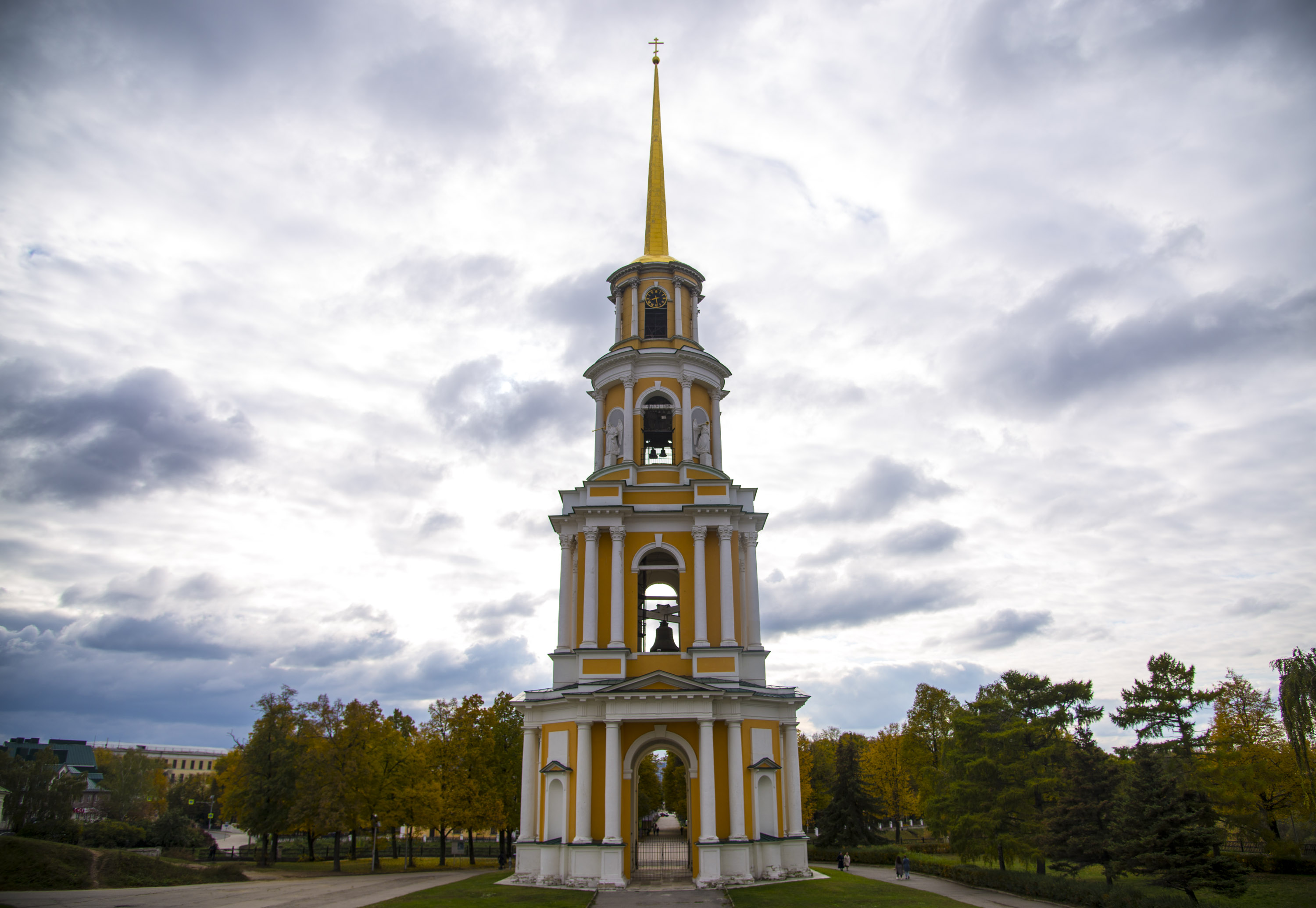
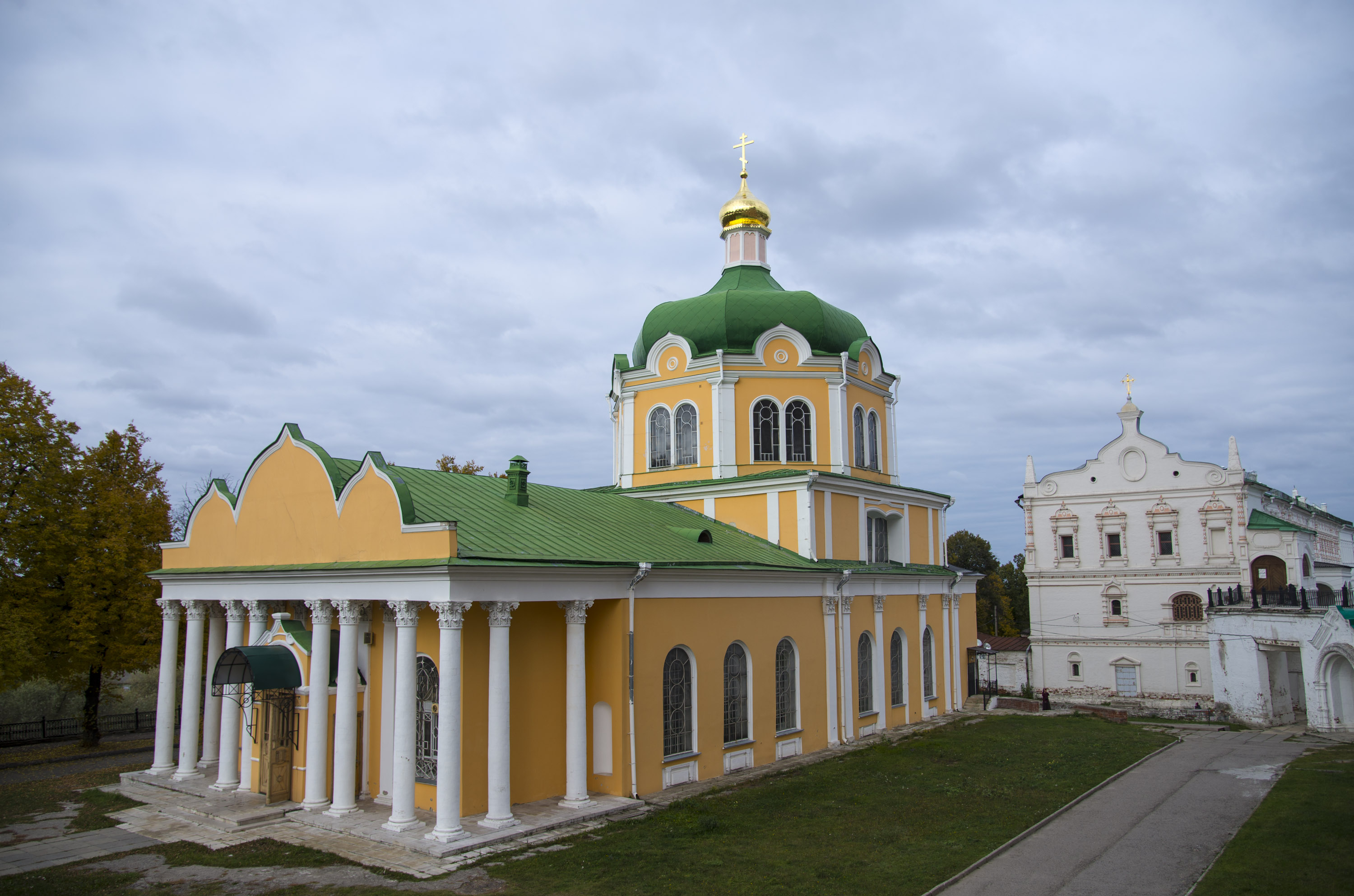
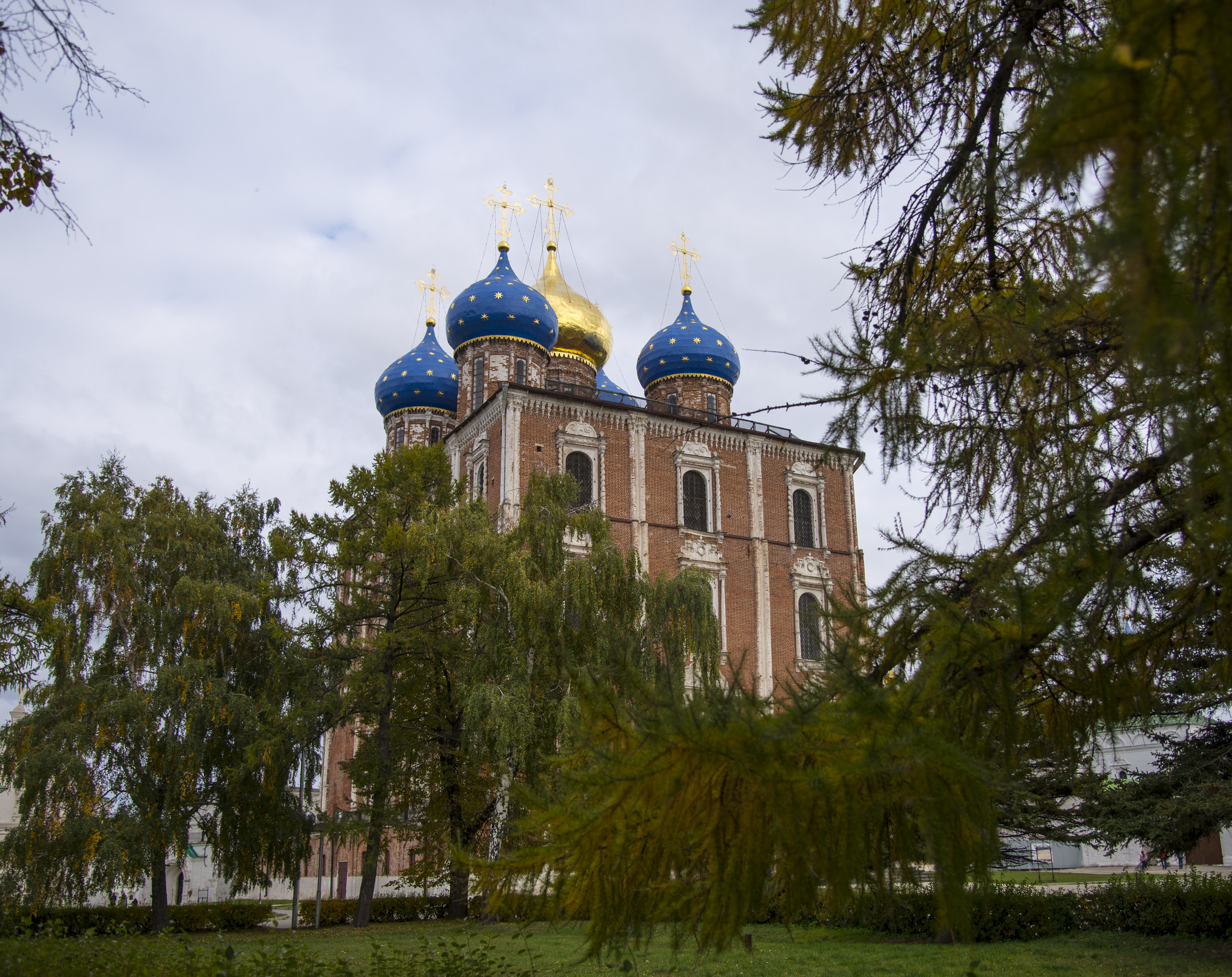
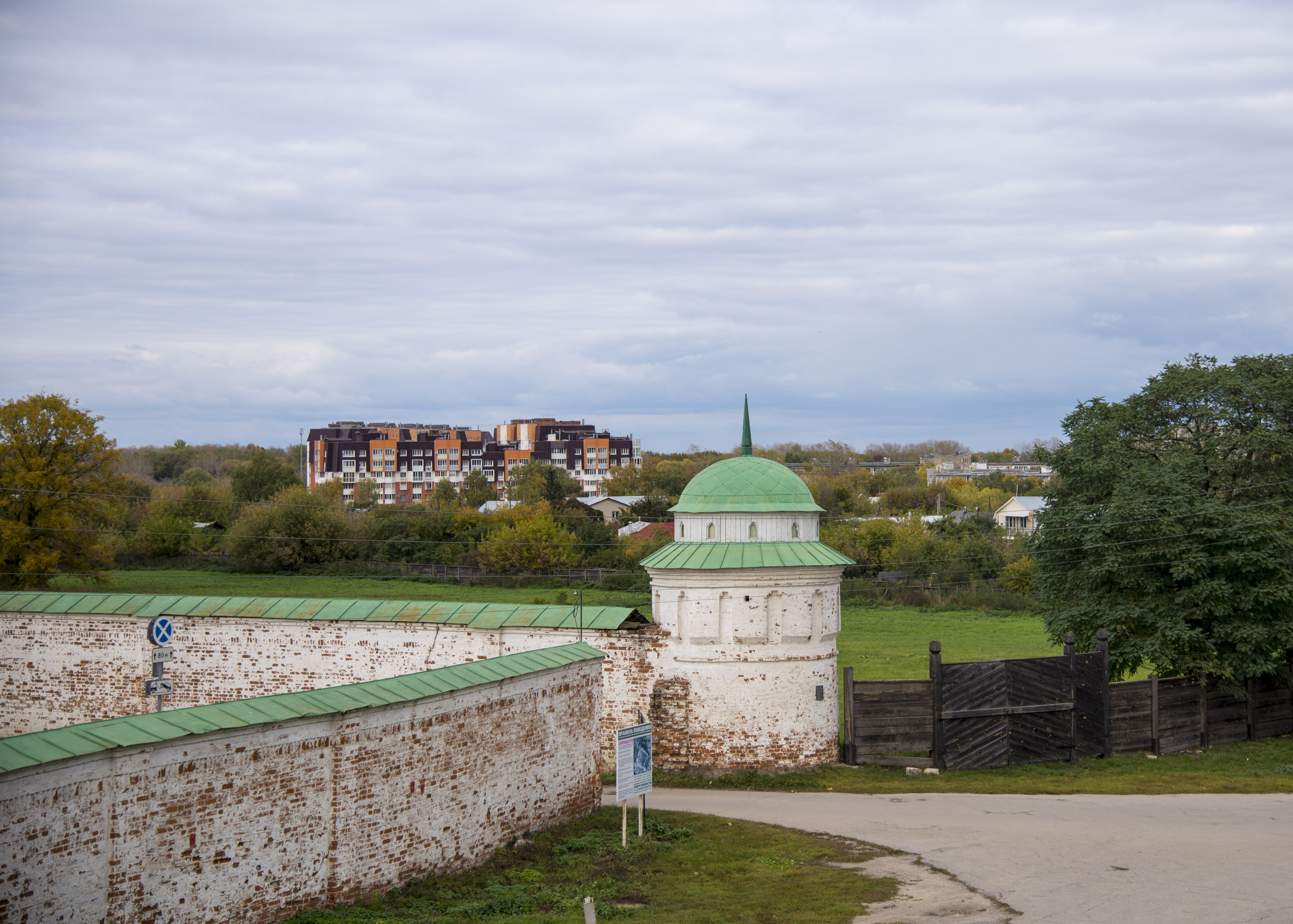
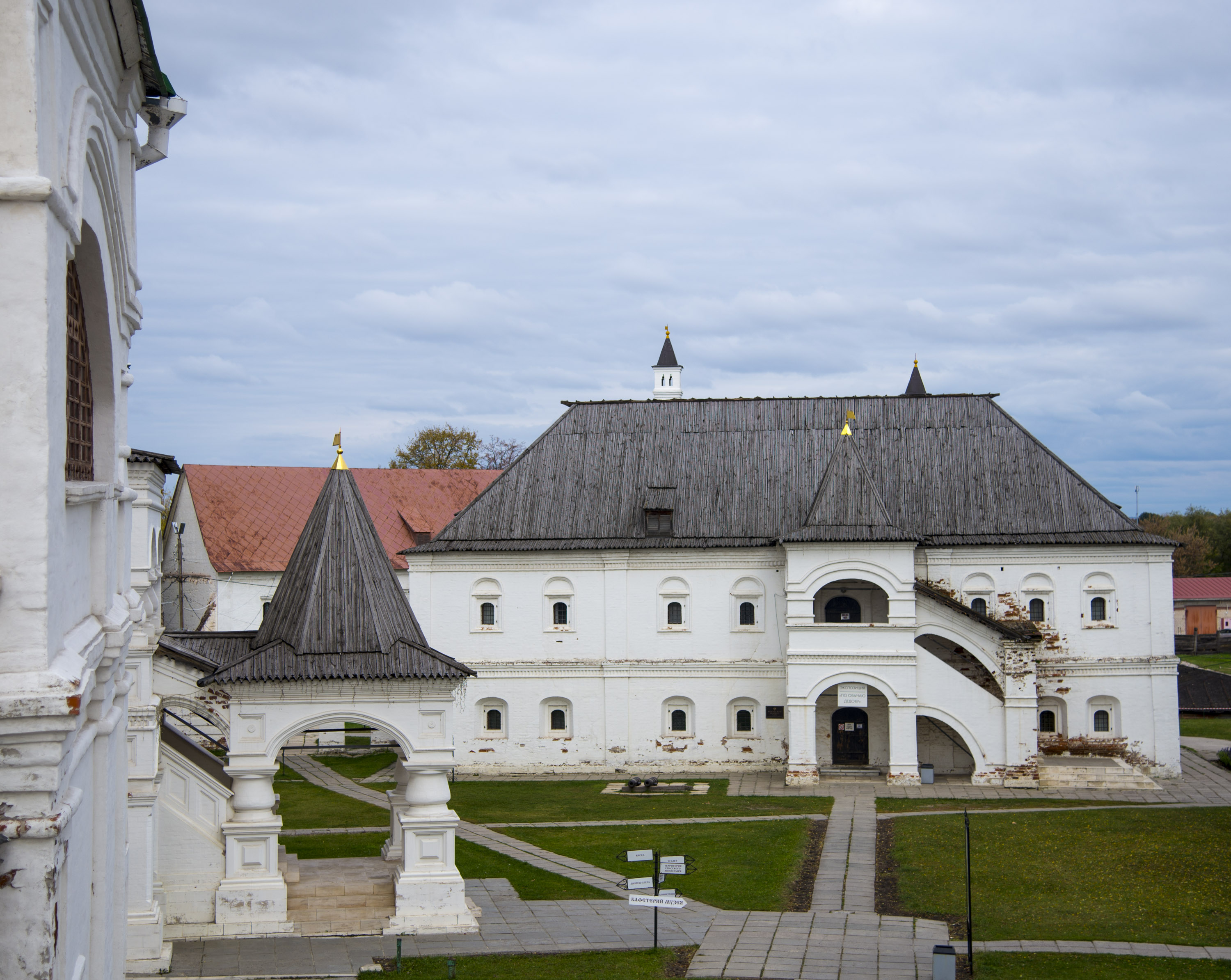
Ryazan Kremlin

The Ryazan Kremlin is the oldest part of the city of Ryazan, a historical and architectural open-air museum and one of the oldest museums in Russia. It is believed that fortifications have existed where the Ryzan Kremlin now stands since the end of the 11th century. A four-tier bell tower is one of the tallest bell towers in Russia standing at 86 metres tall, including a 25 metre gold-coated spire.

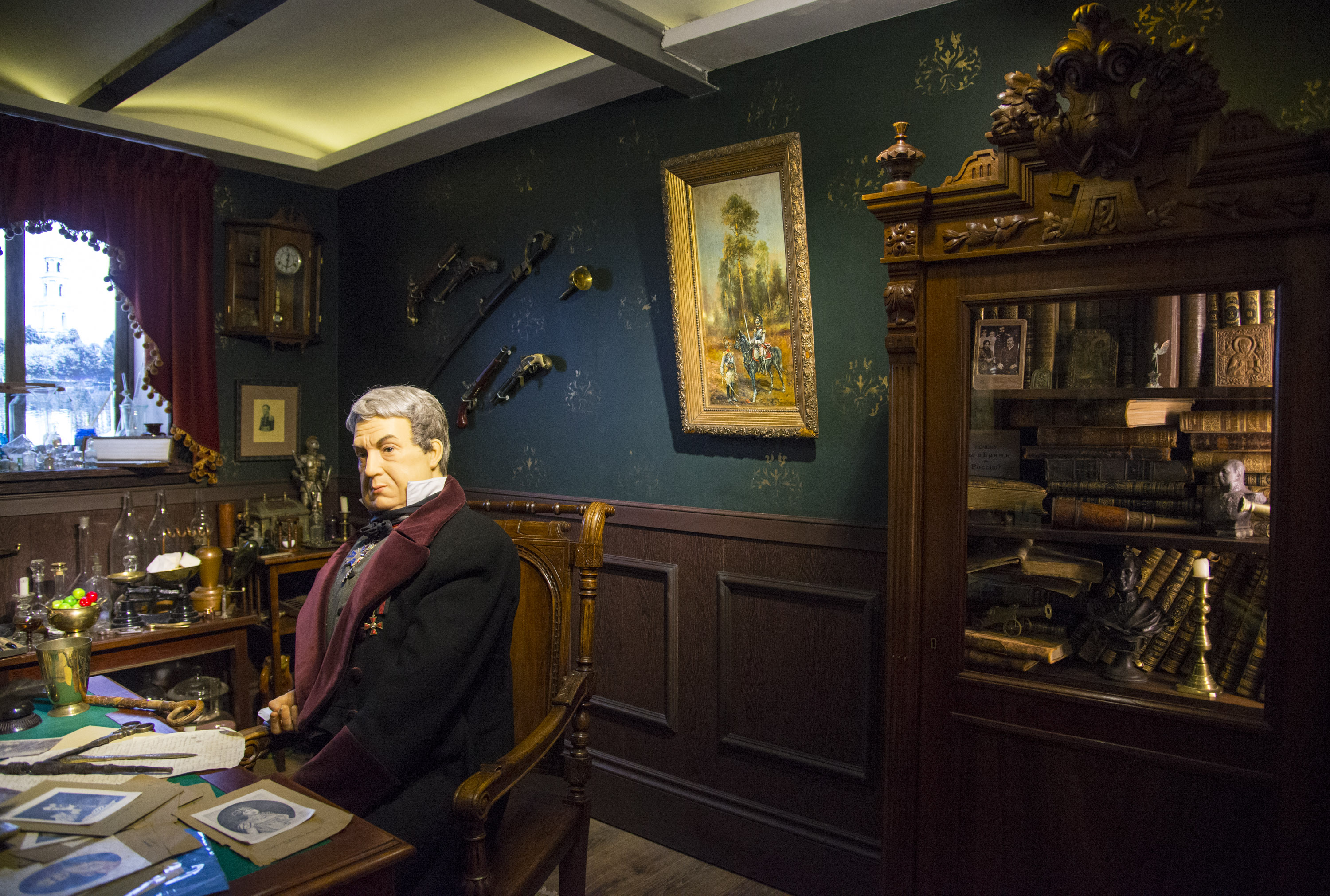
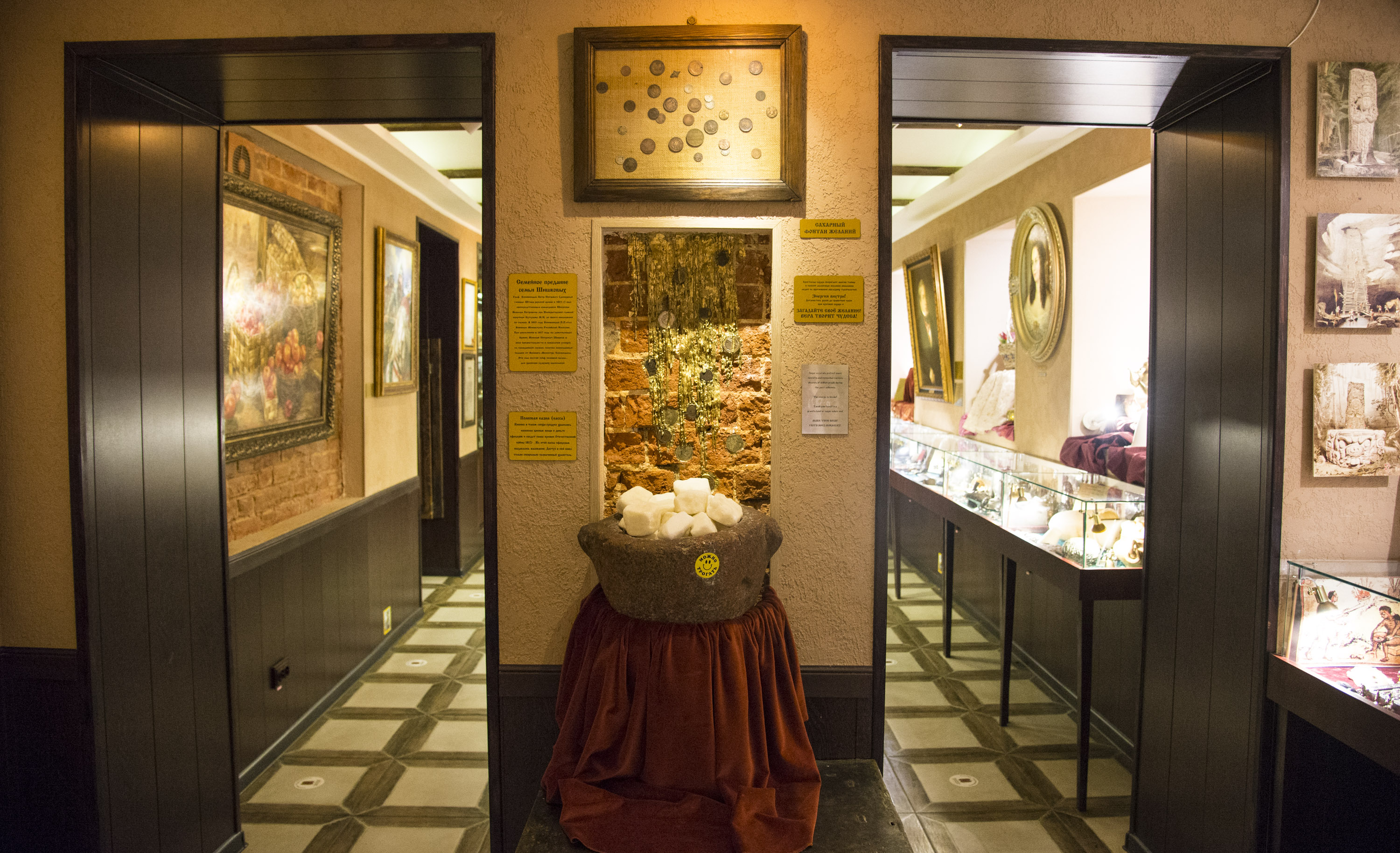
Museum of the history of Ryazan lollipop

Oka river

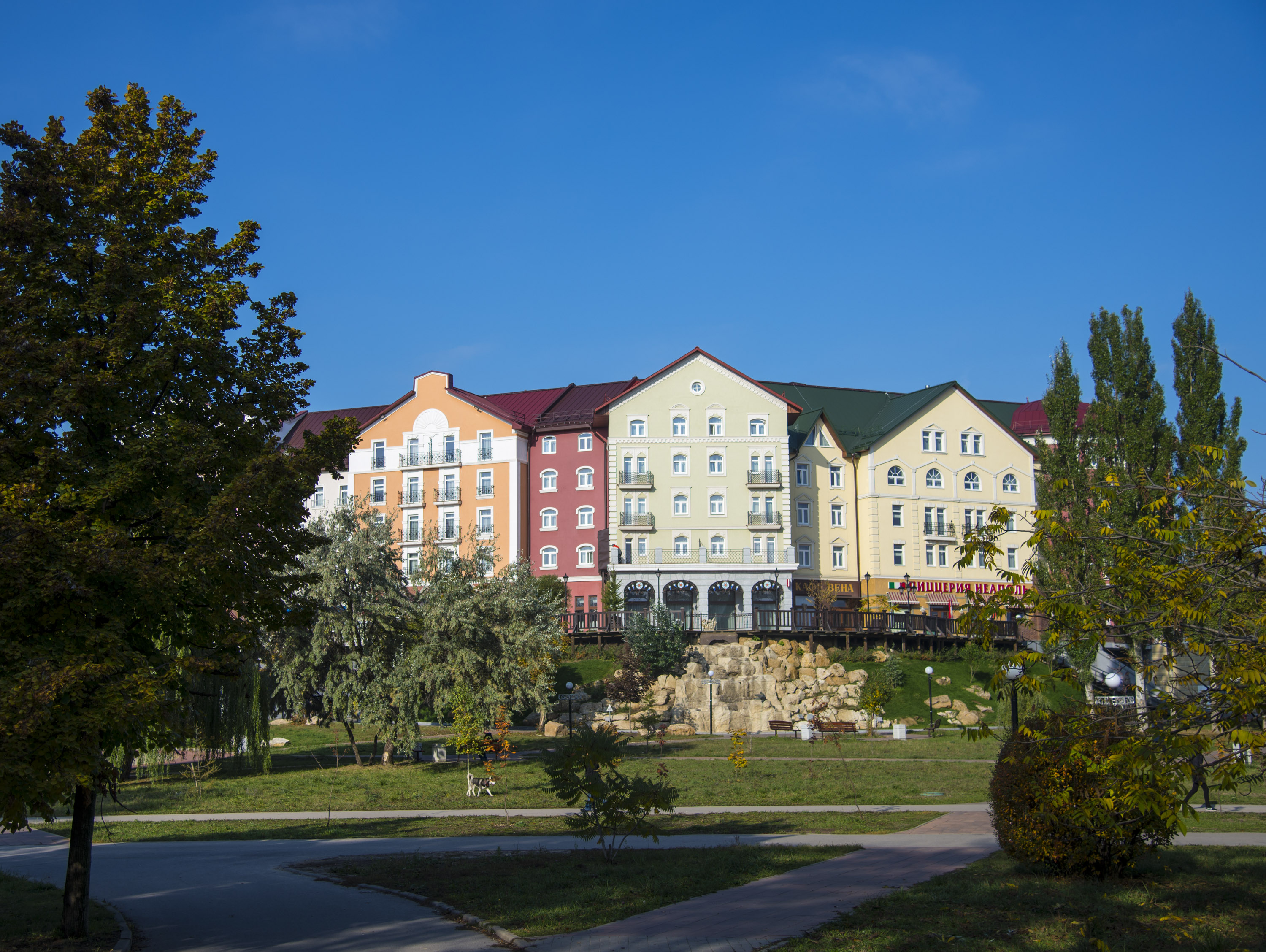
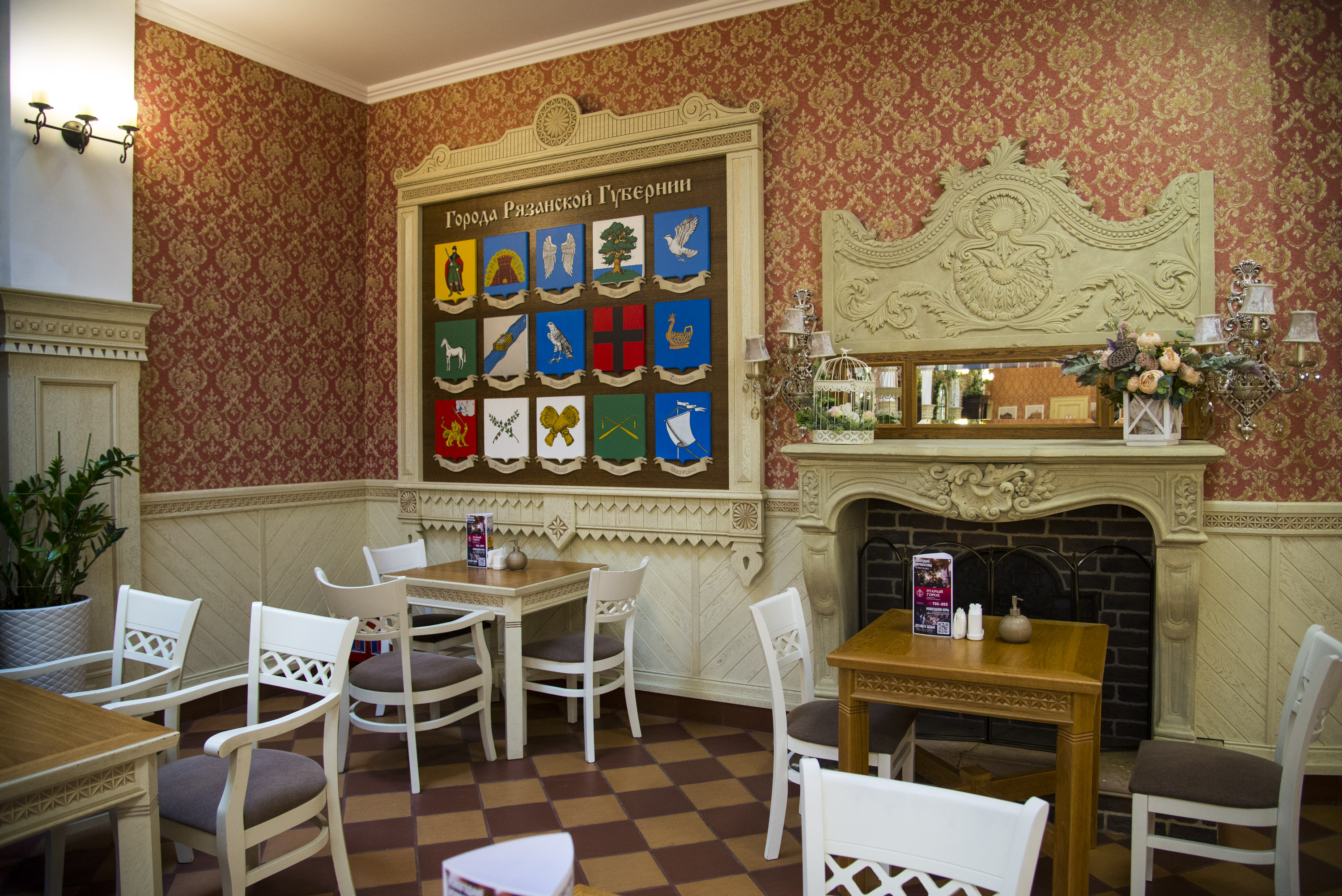
Old Town Hotel in Ryazan

Gallery

Summertime 2021

Moscow Botanical Garden

The Tsytsin Main Moscow Botanical Garden was founded in April 1945, and claims itself to be the largest botanical garden in Europe. It covers a territory of approximately 3.61 km² and contains a live exhibition of more than twenty thousand different species of plants coming from various parts of the world. 

Japanese Garden

Ostankino Park

Church of the Holy Trinity in Ostankino

The first wooden Trinity Church was built in 1585 and was destroyed in the Time of Troubles. In 1625-27 Prince Cherkassky built a new wooden church. In 1692 a stone church in the name of the Trinity was build which with some modifications survives to this day.

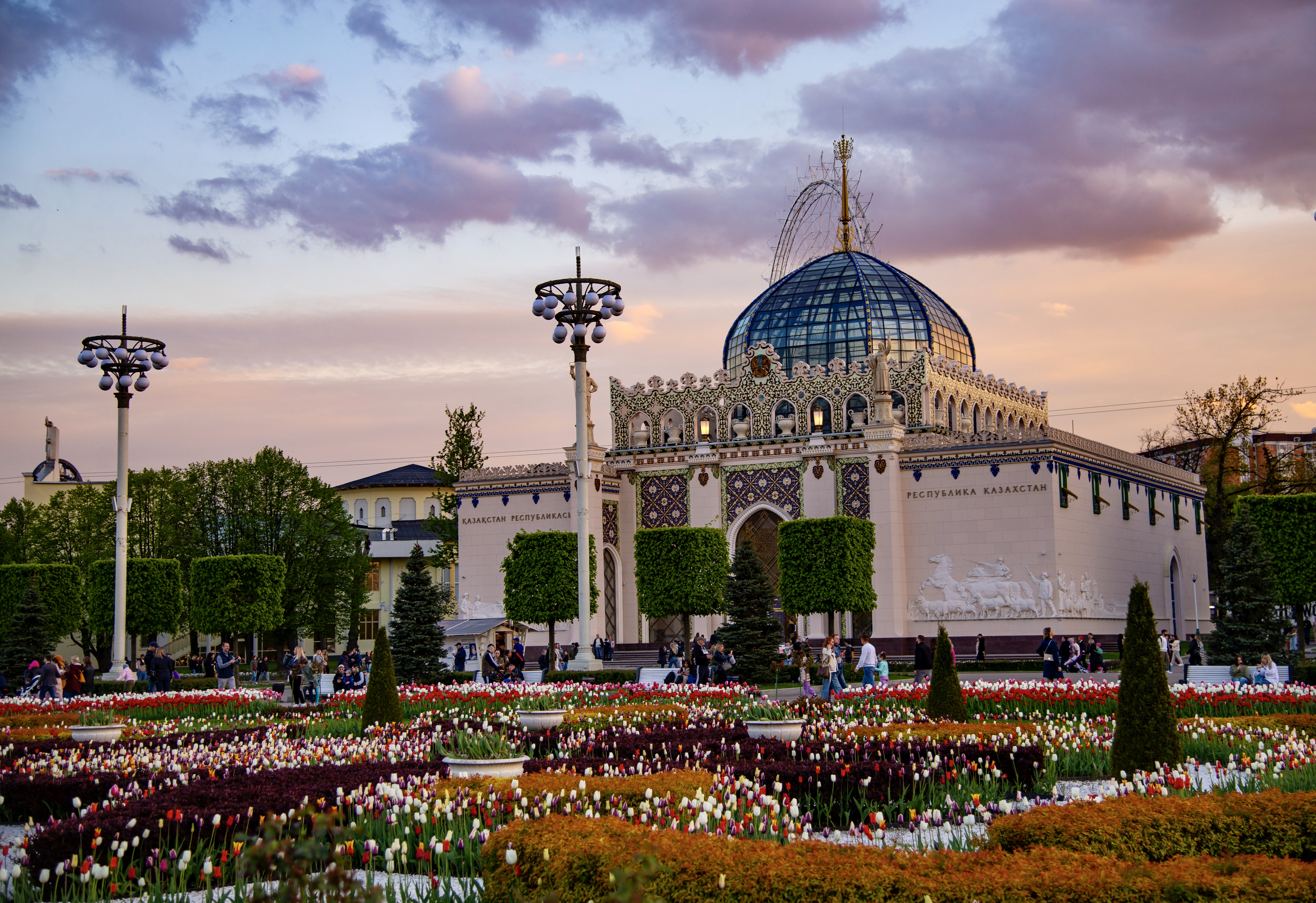
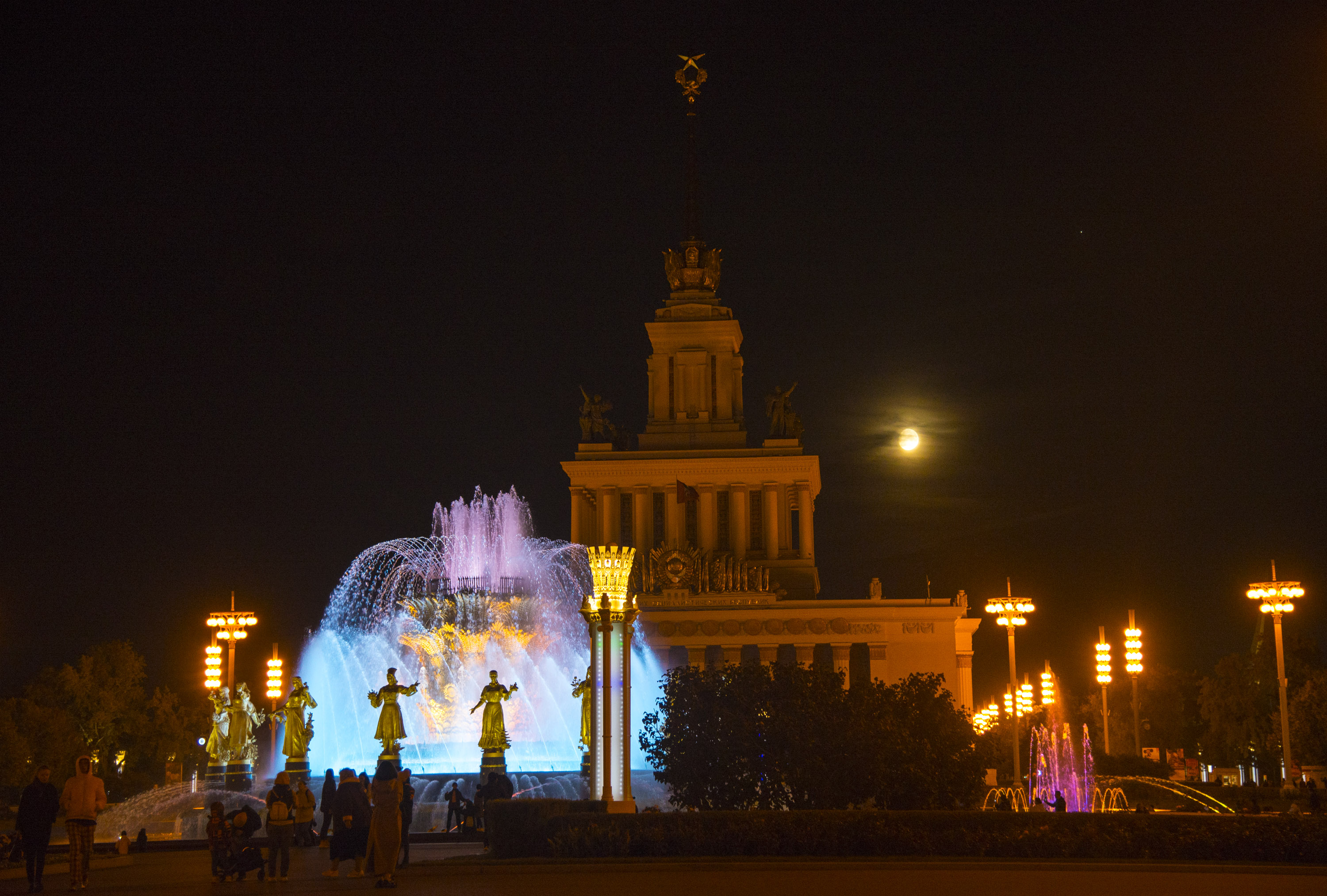
VDNKH Exhibition Center

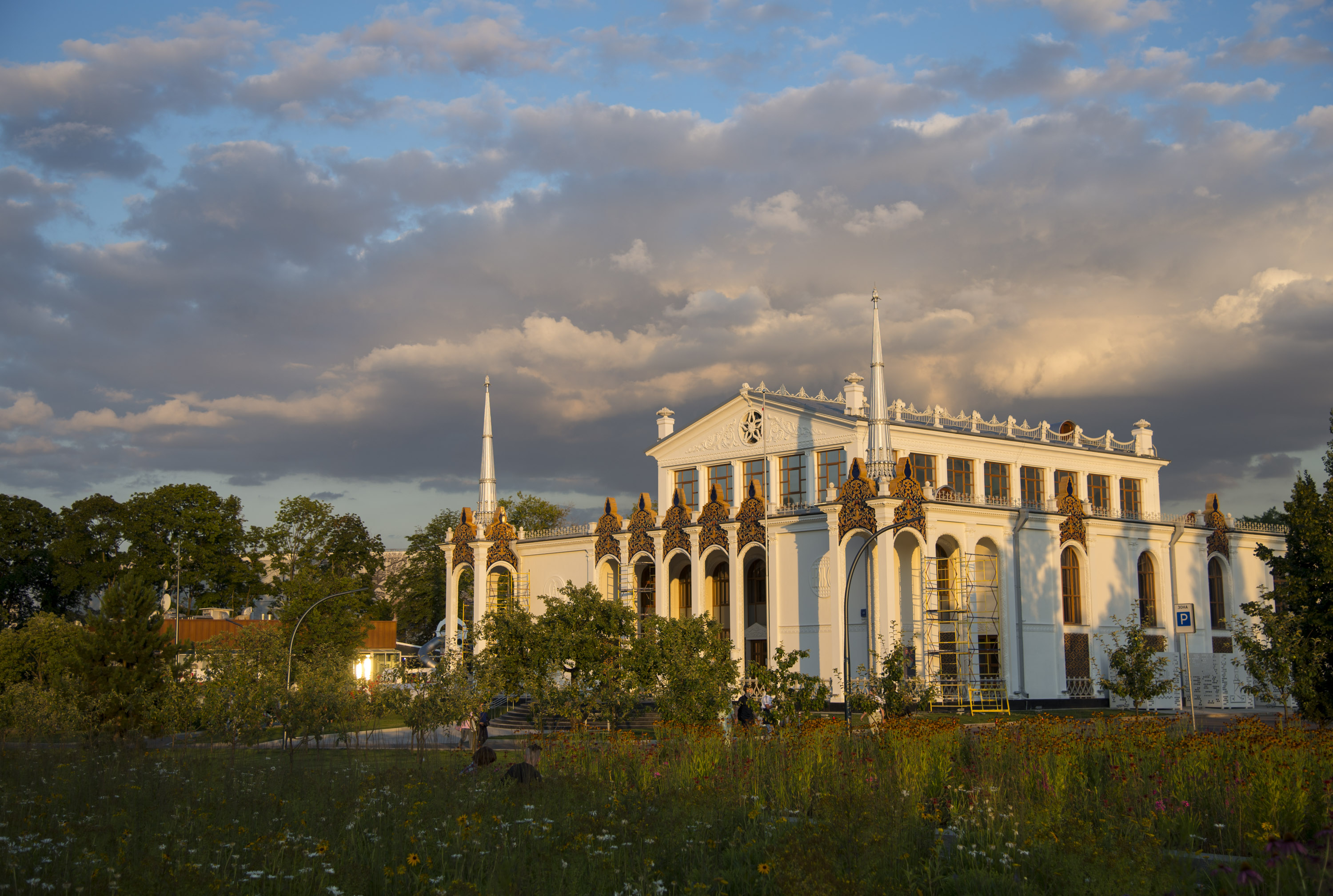
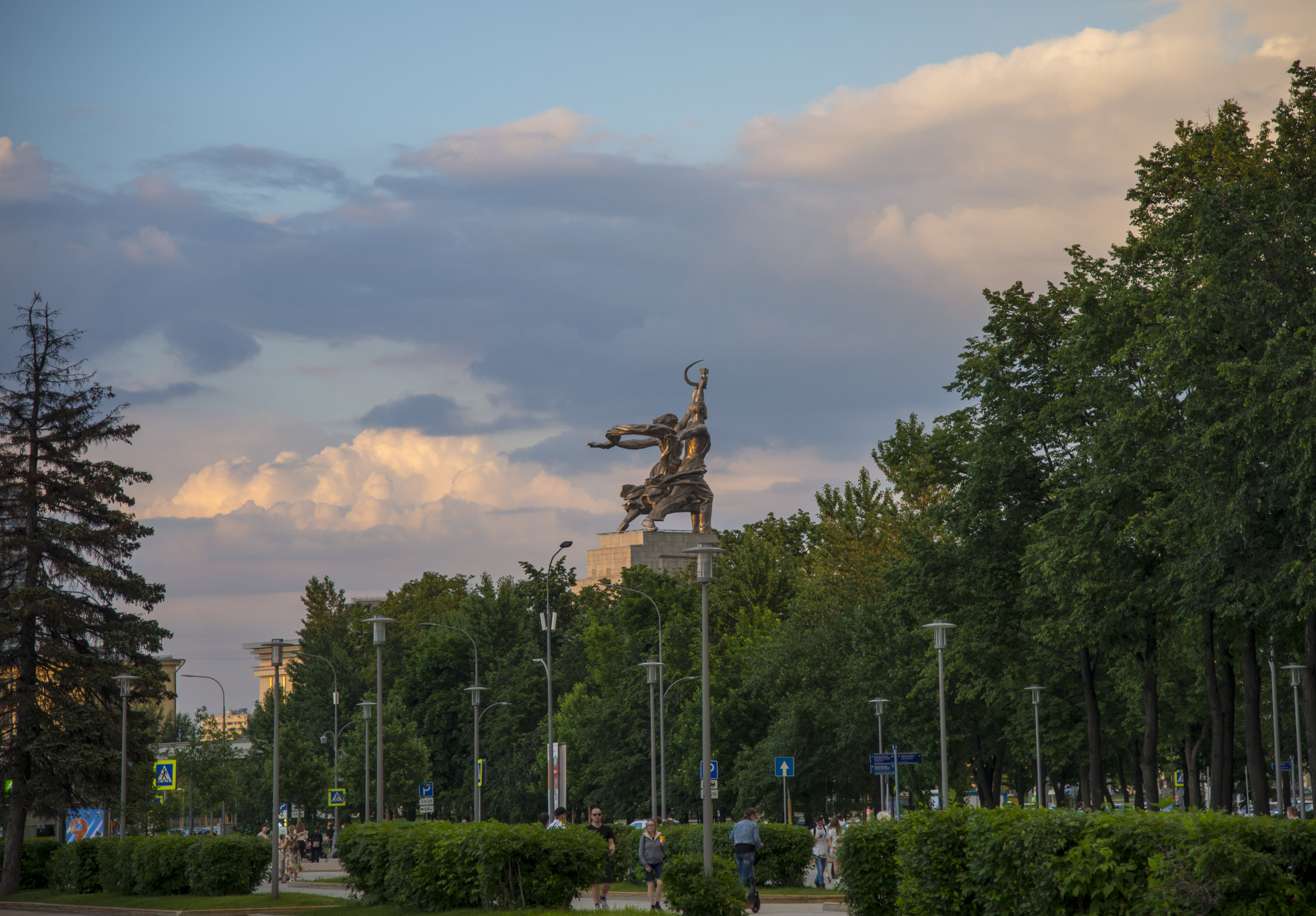
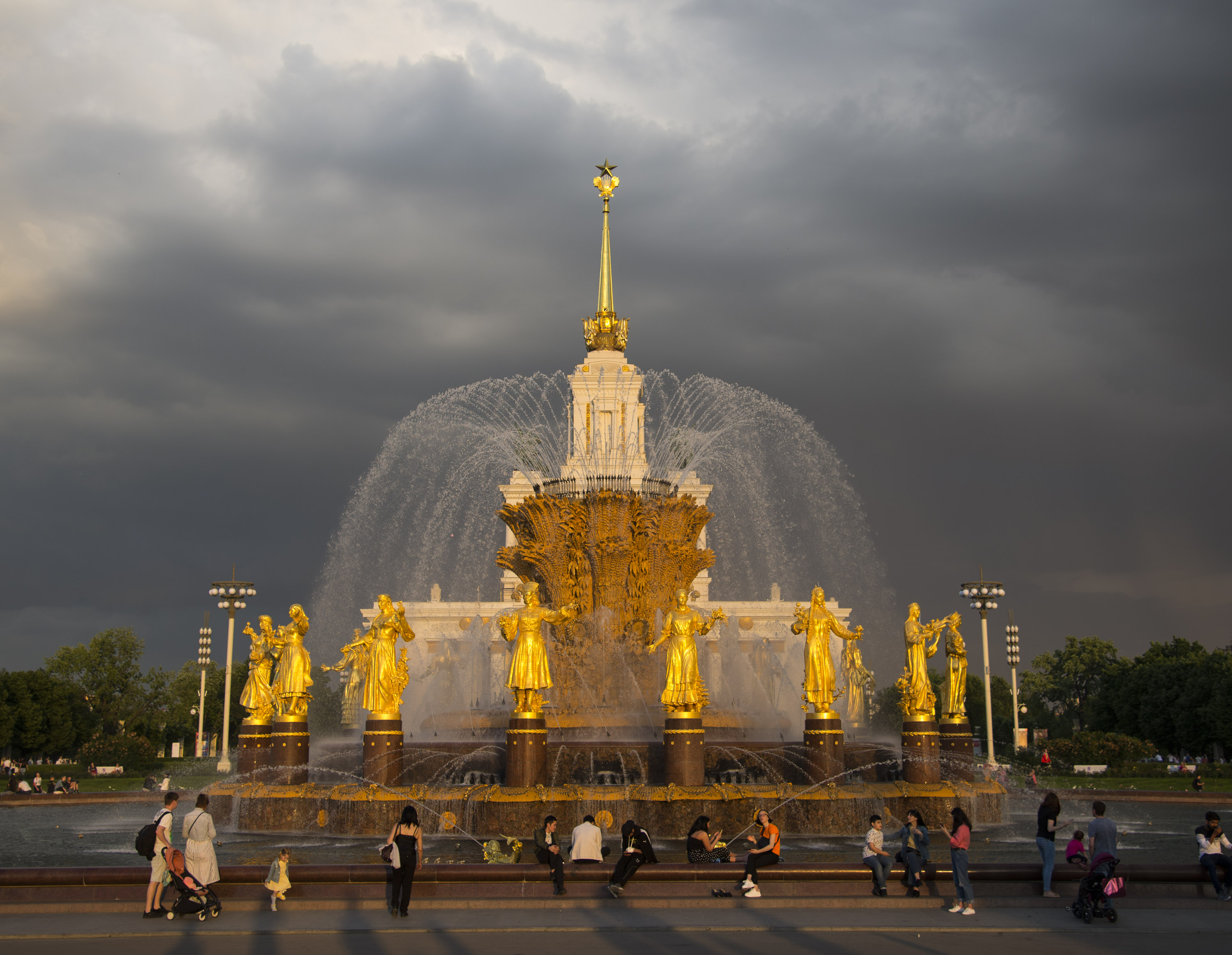
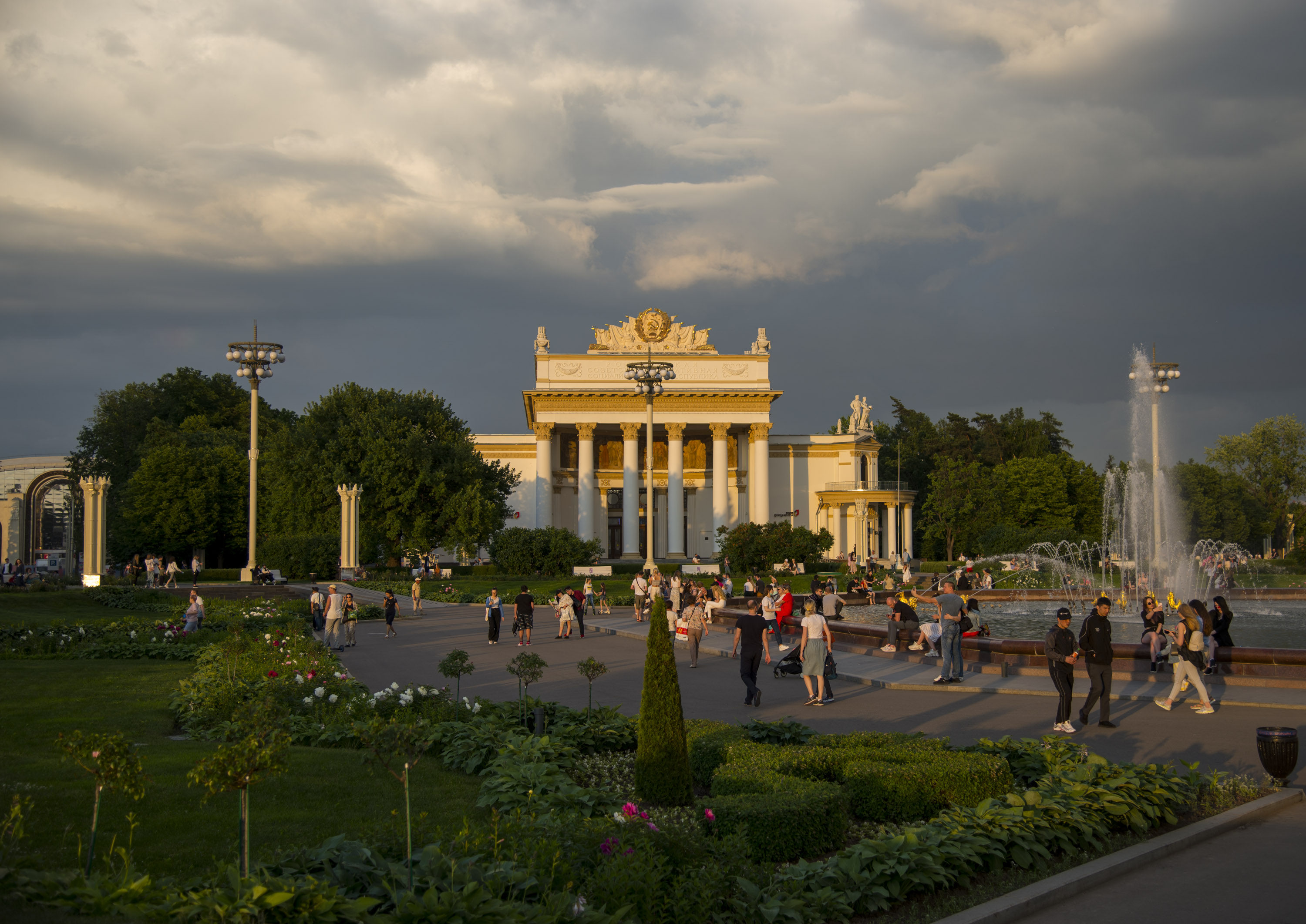
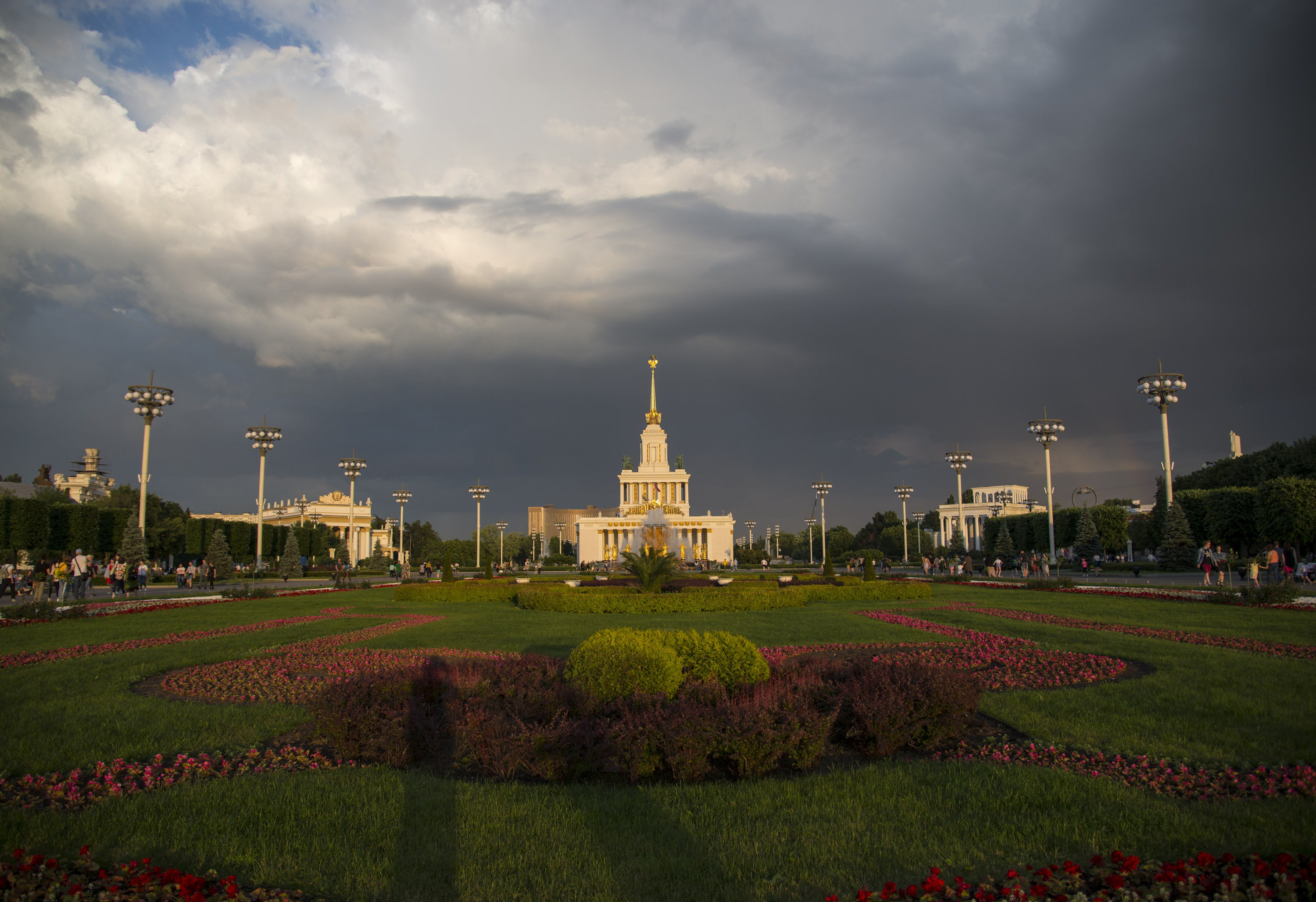
VDNKH was established in 1935 and now is a huge complex of pavilions, with a total area covering over one hundred and thirty square meters. It is the largest exhibition centre in Moscow and each year there are more than one hundred and fifty specialized exhibitions.

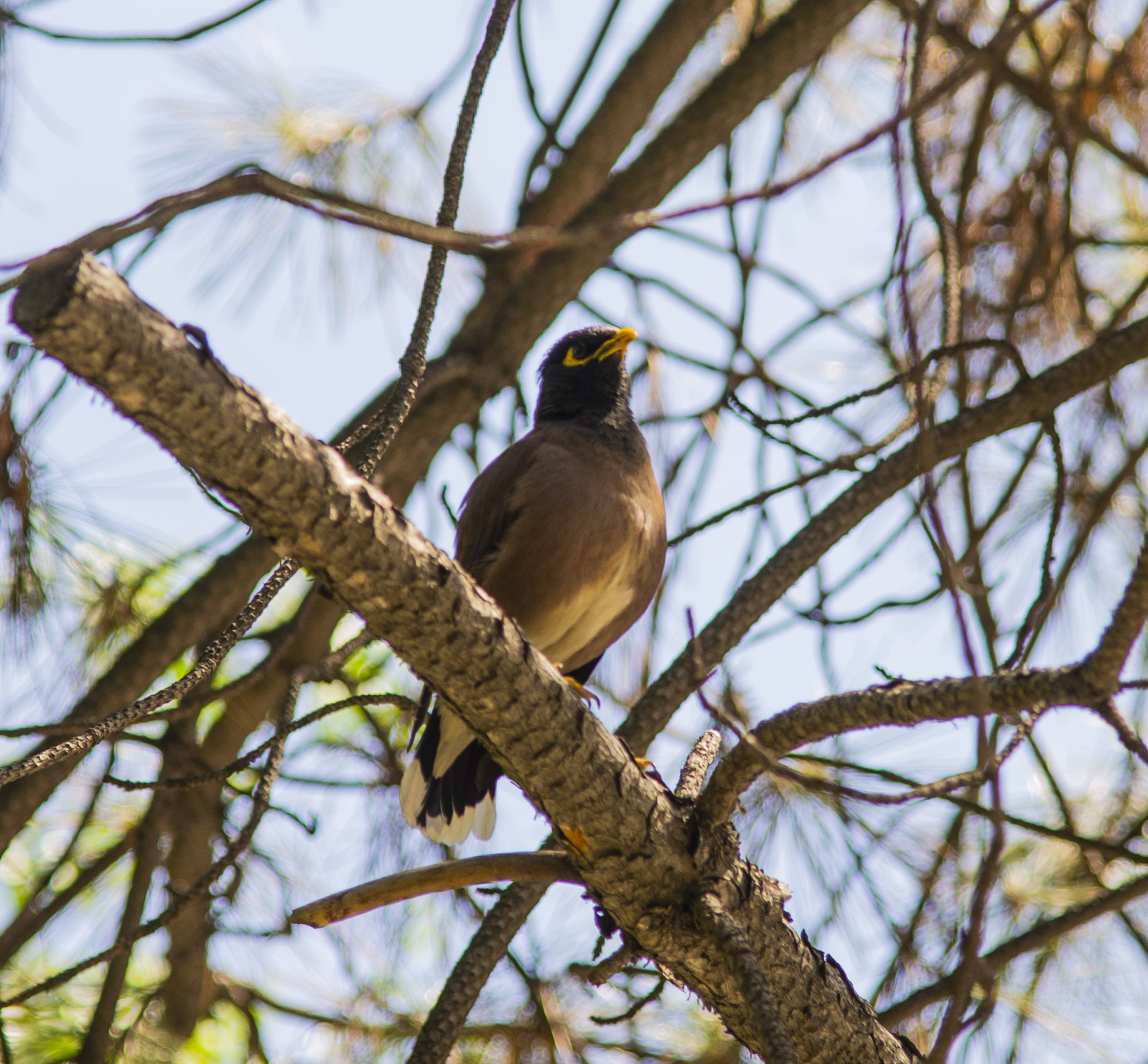
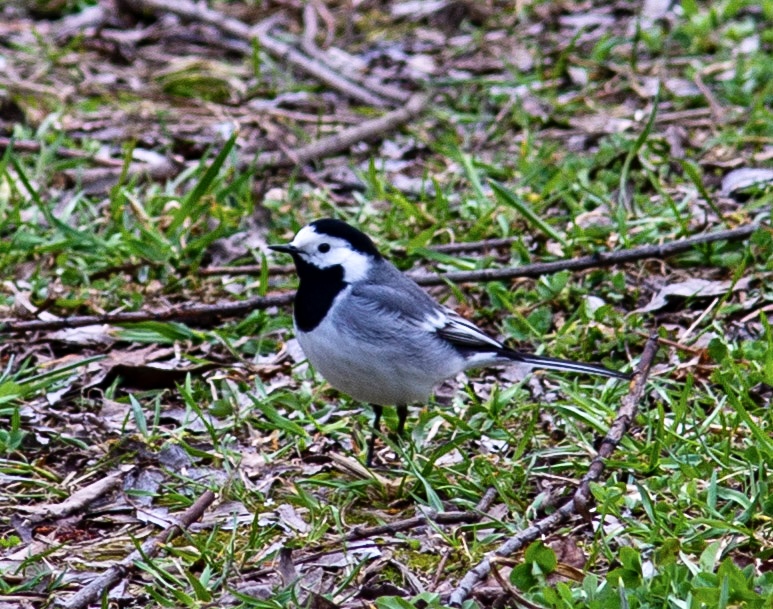
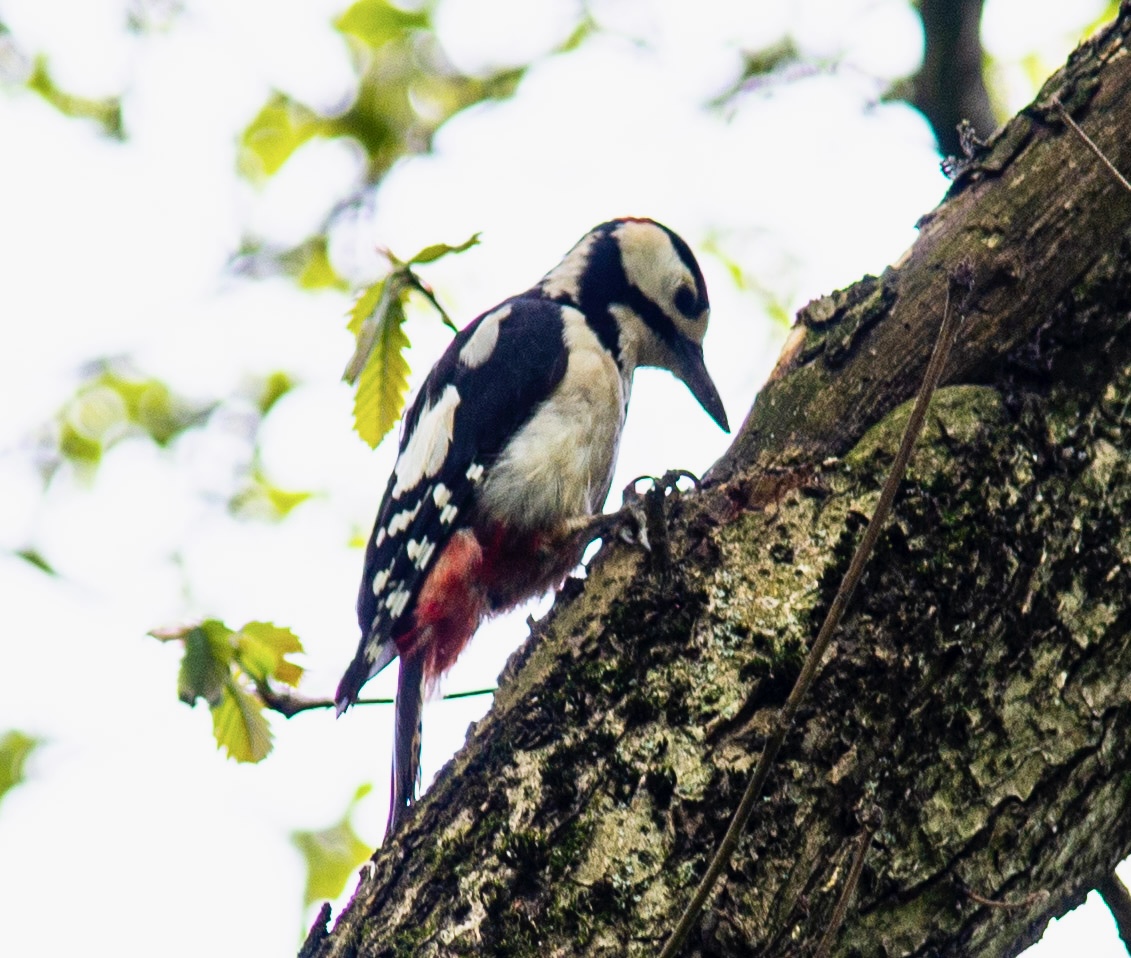
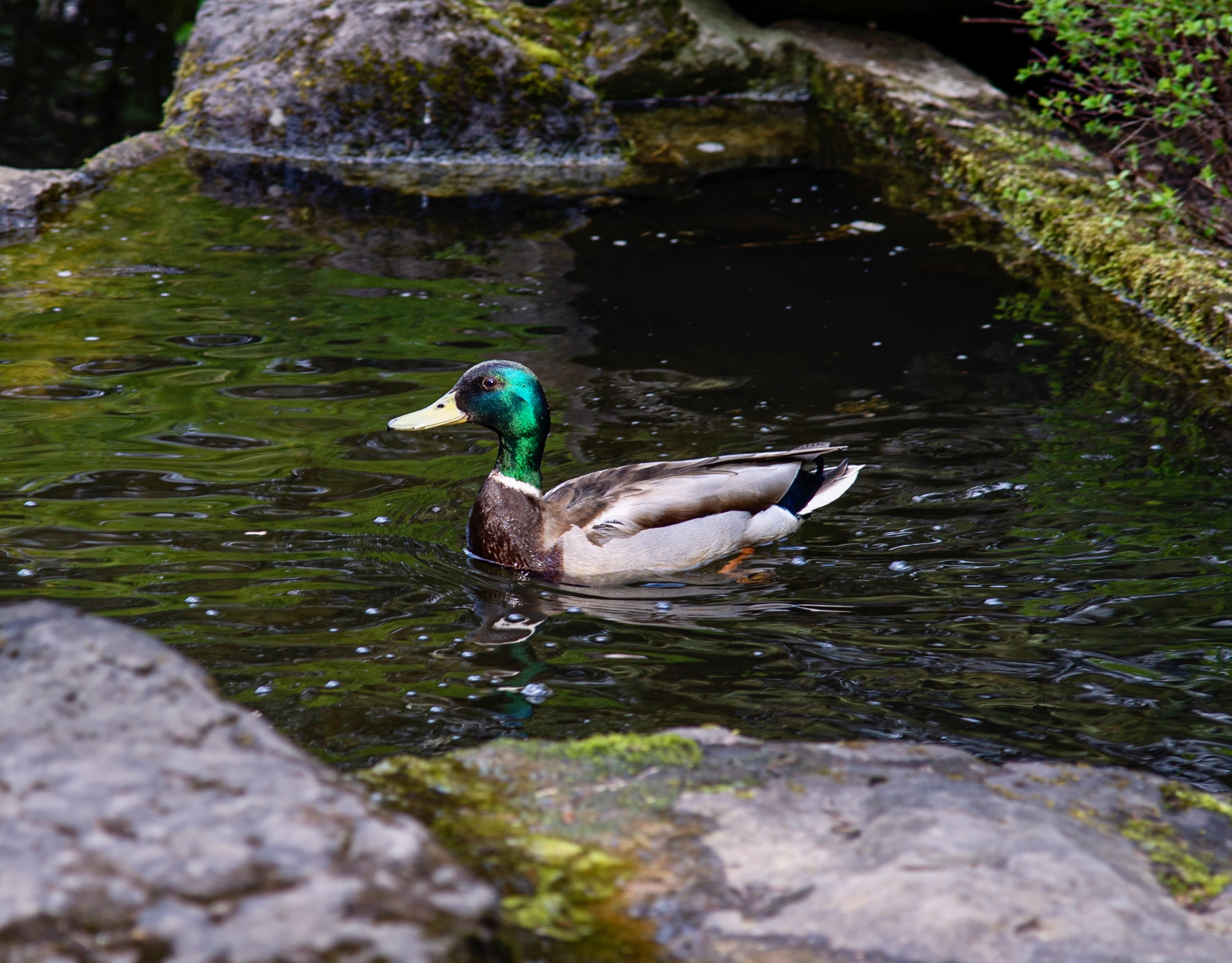
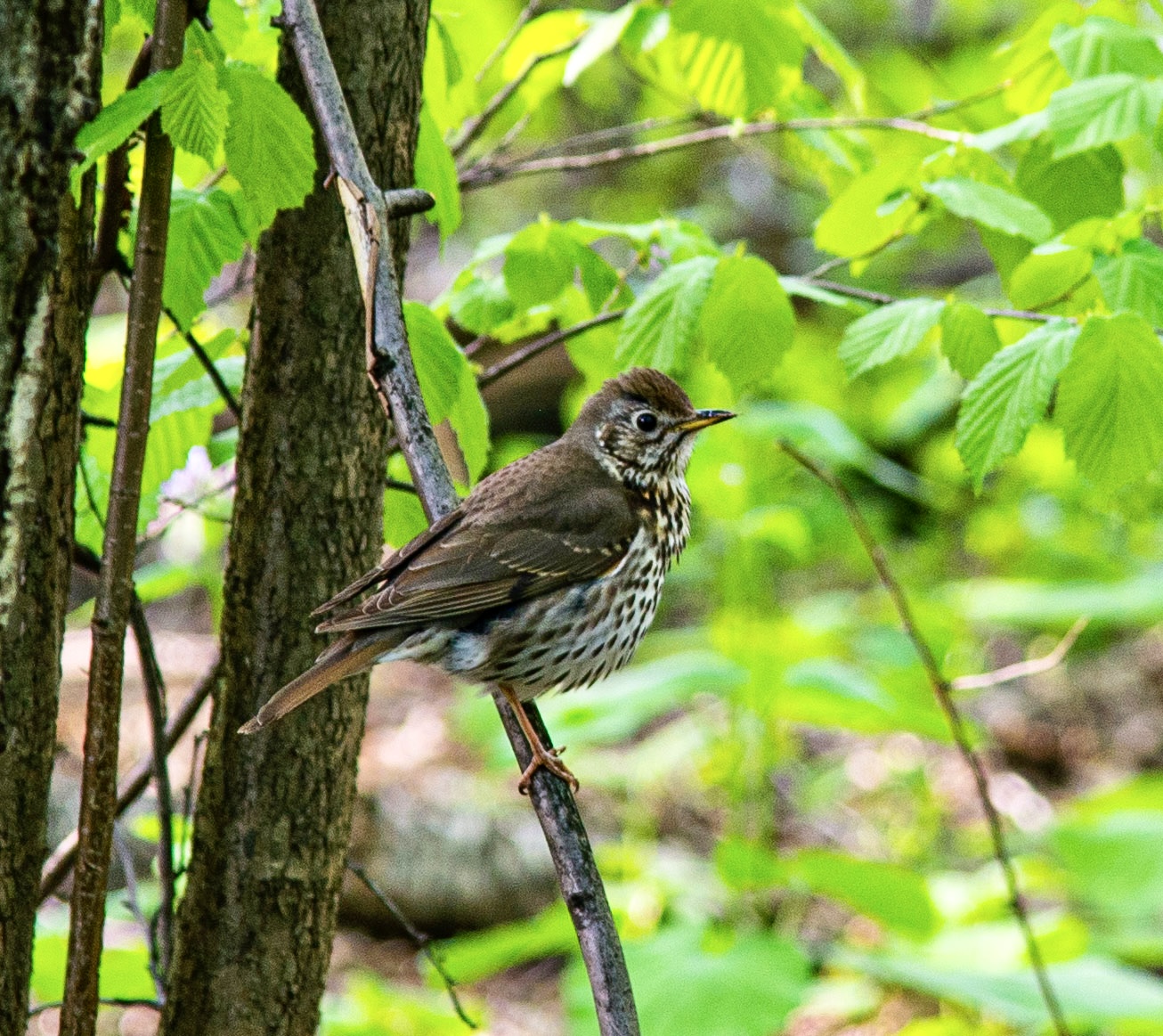
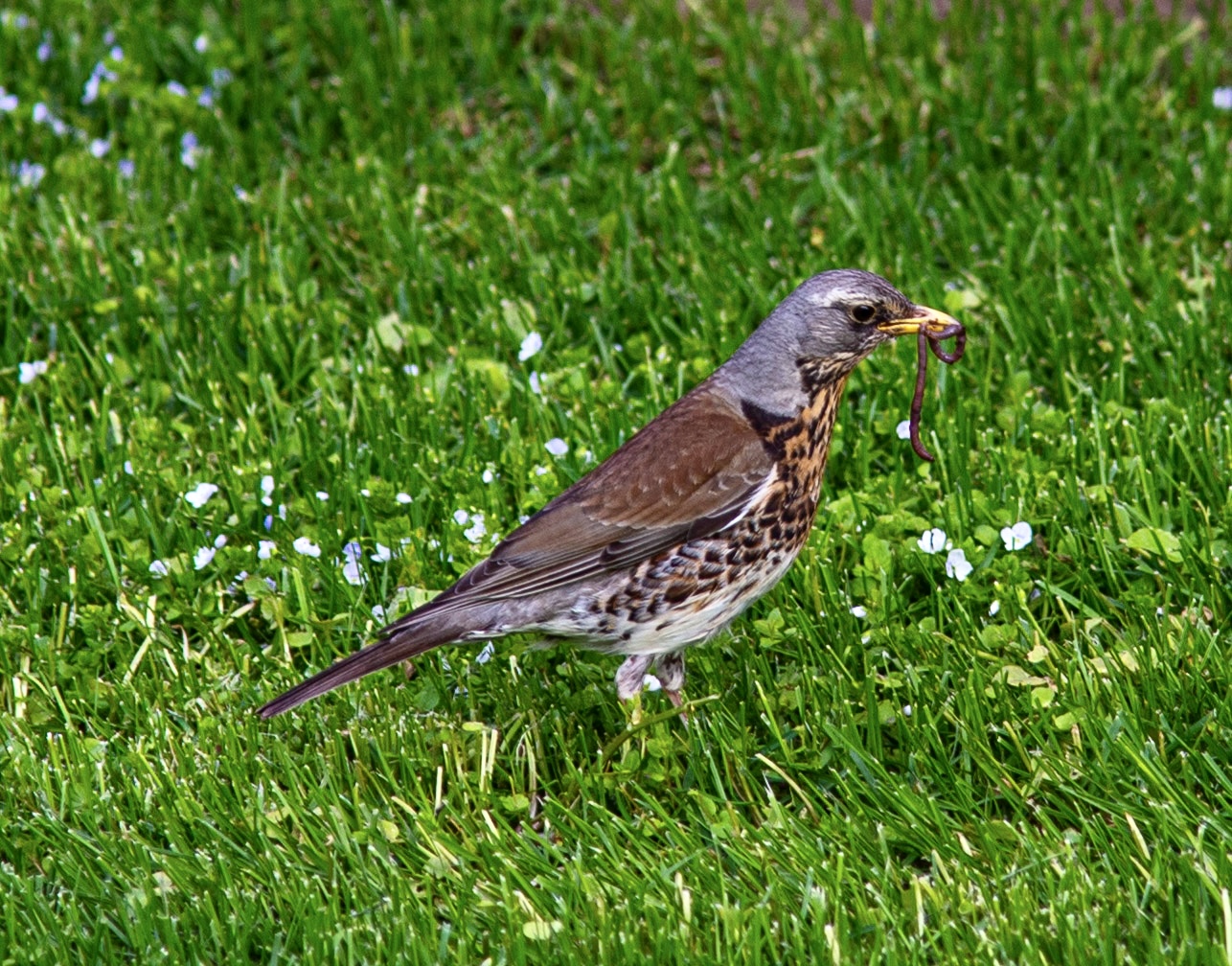
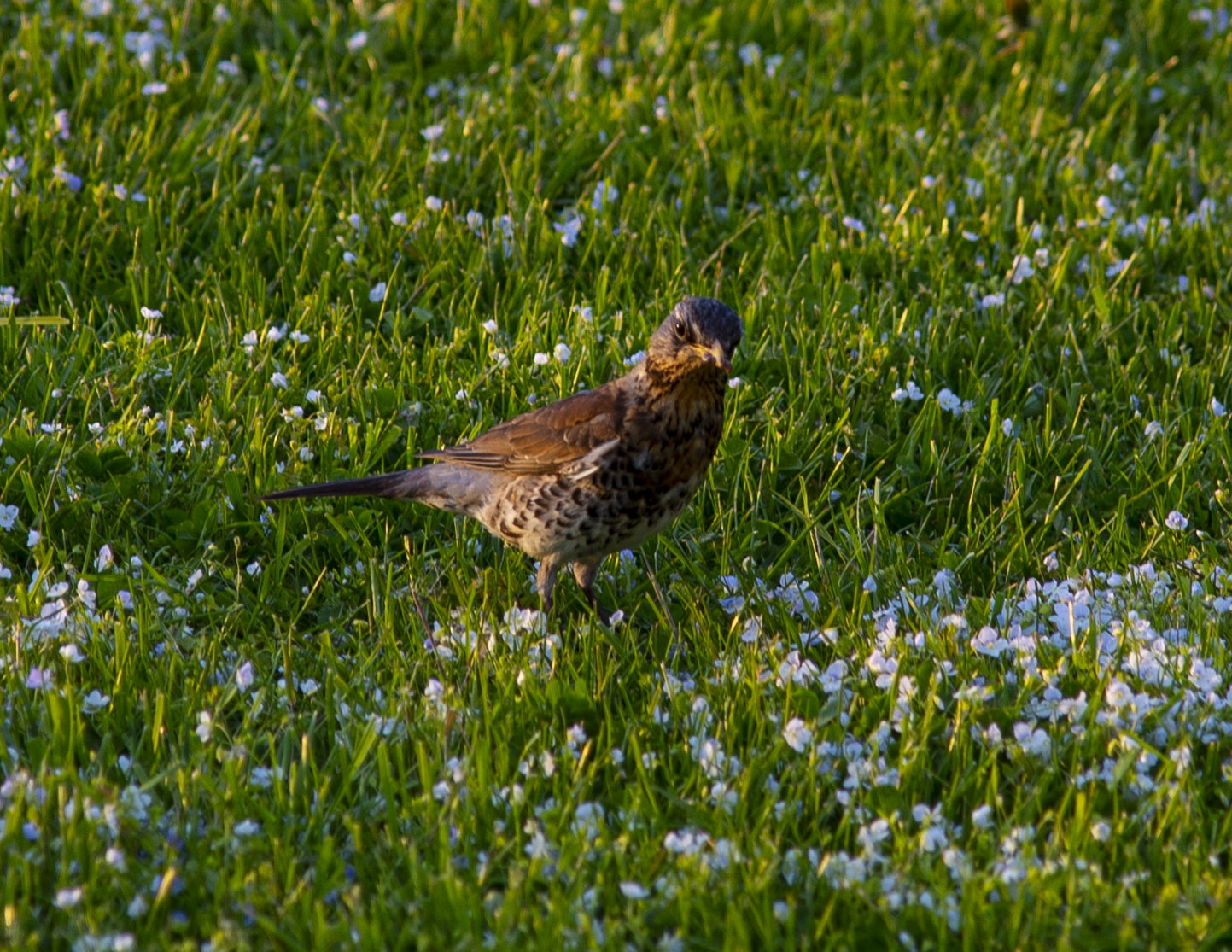
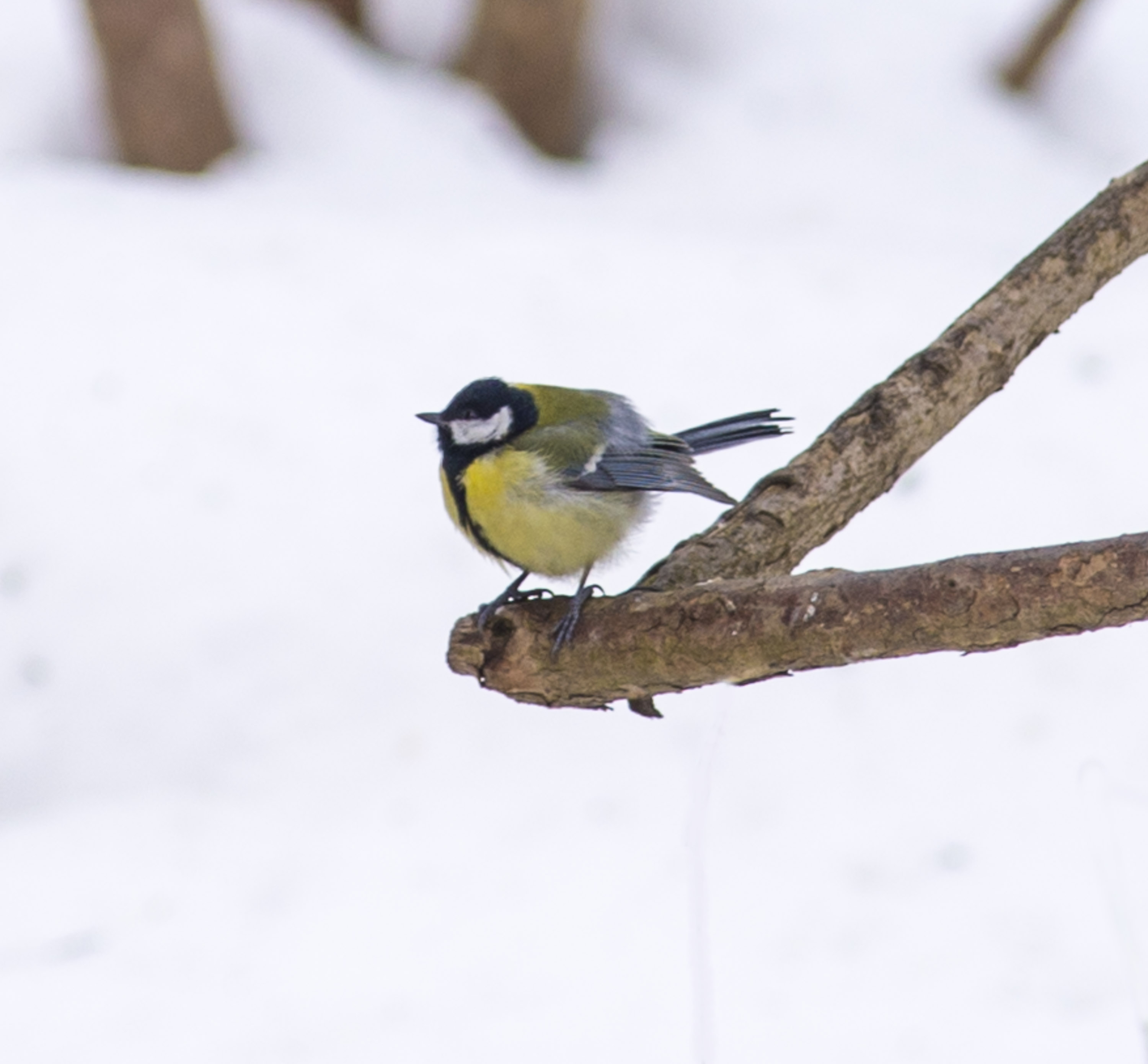
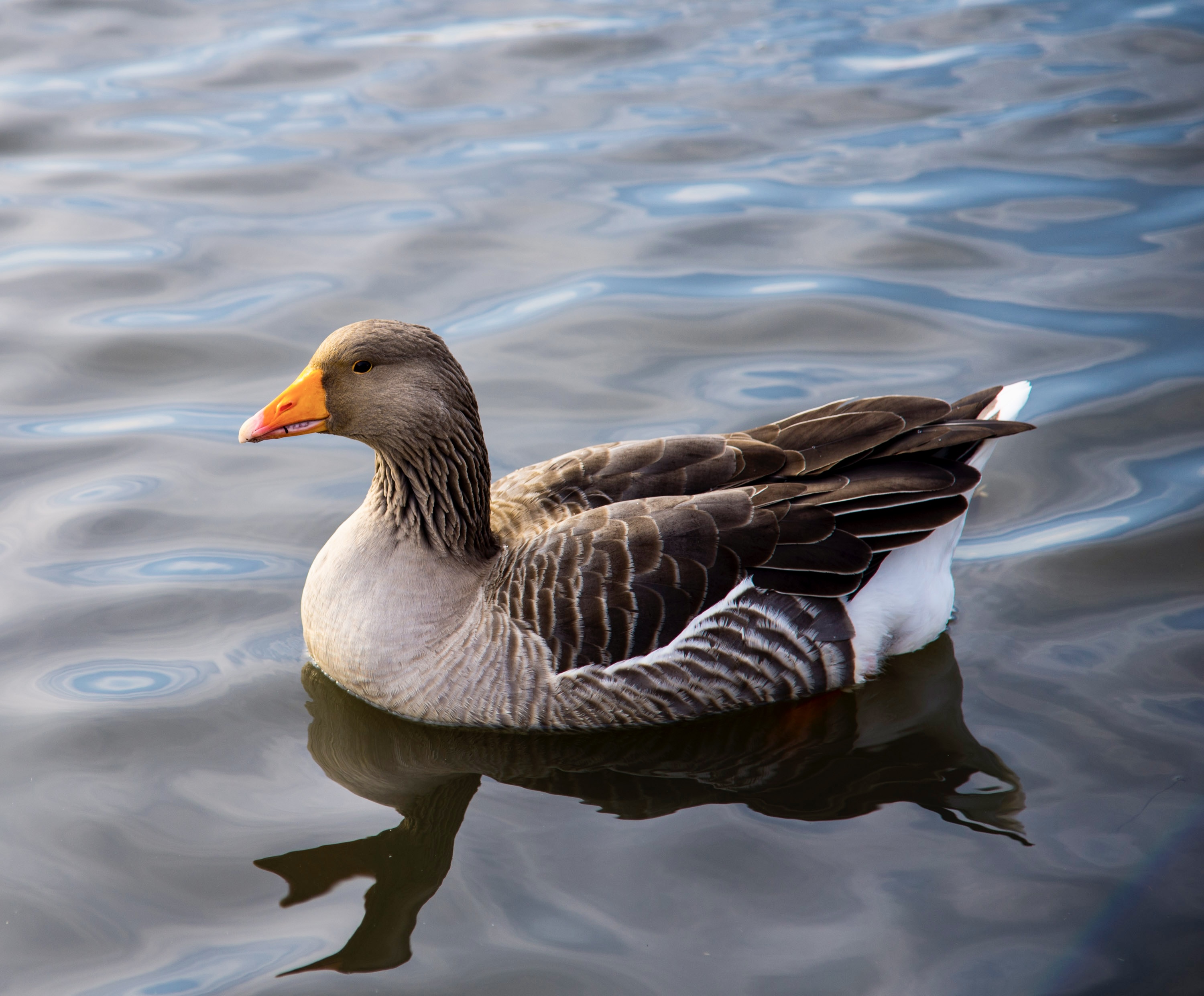
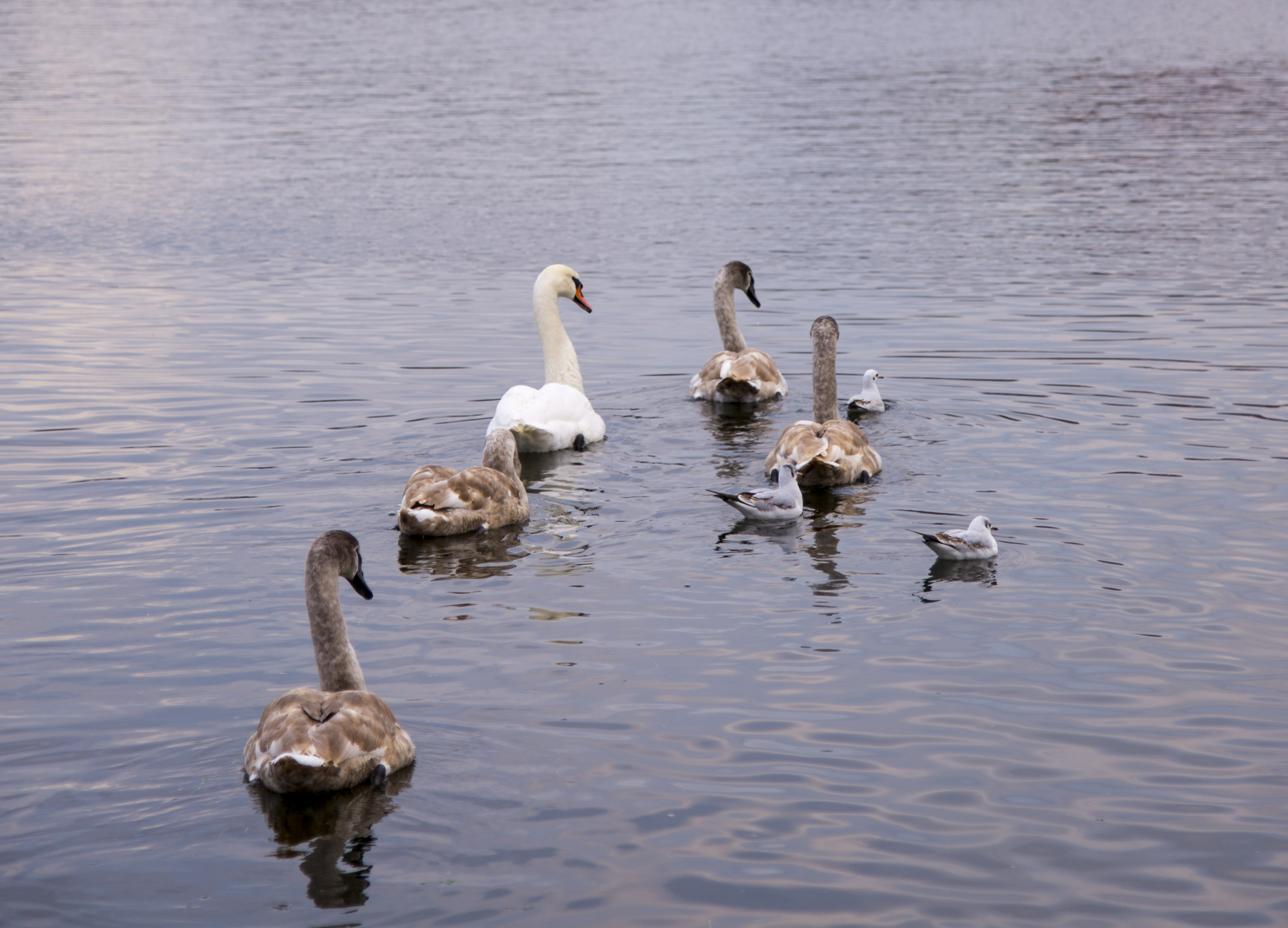
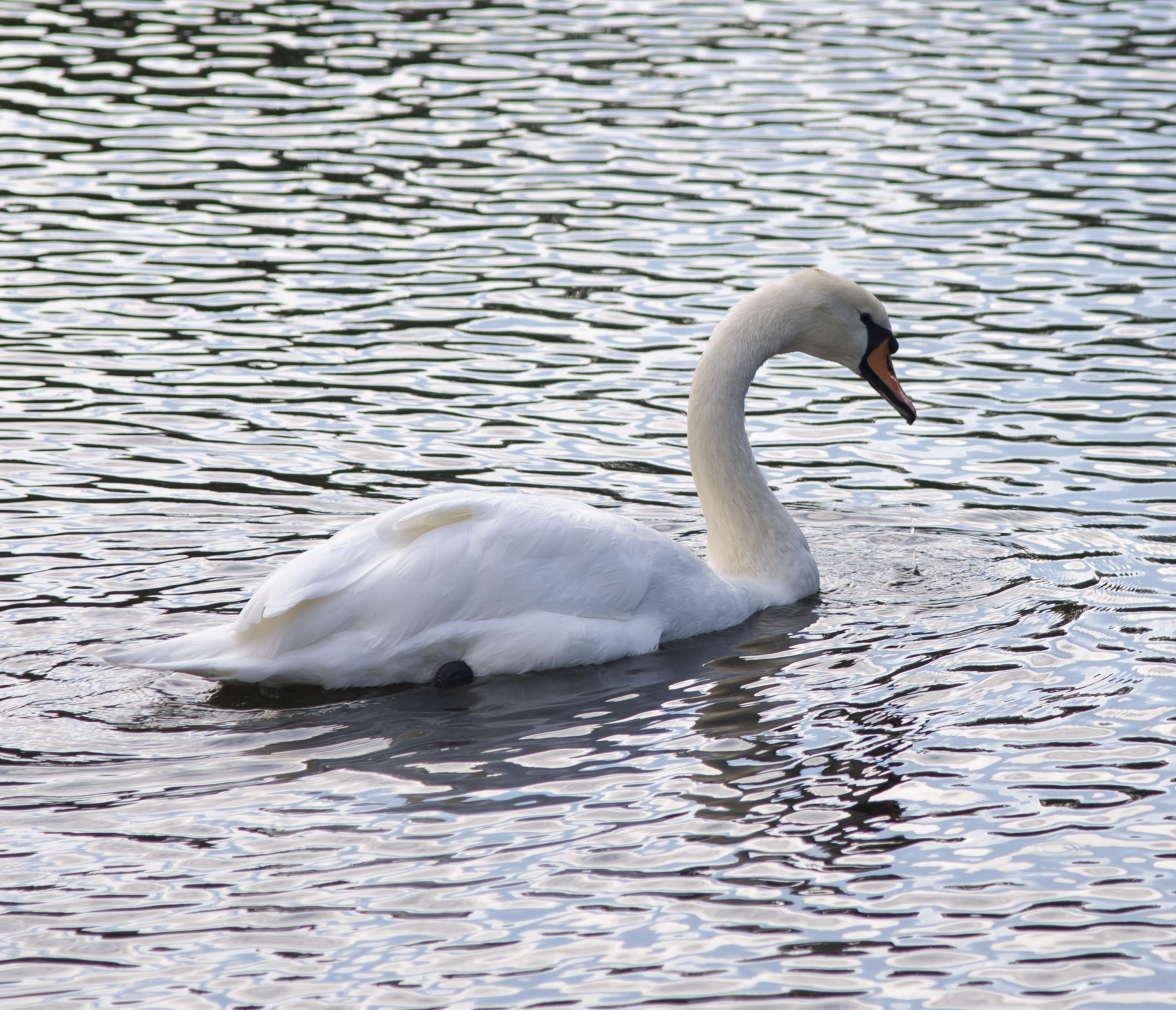
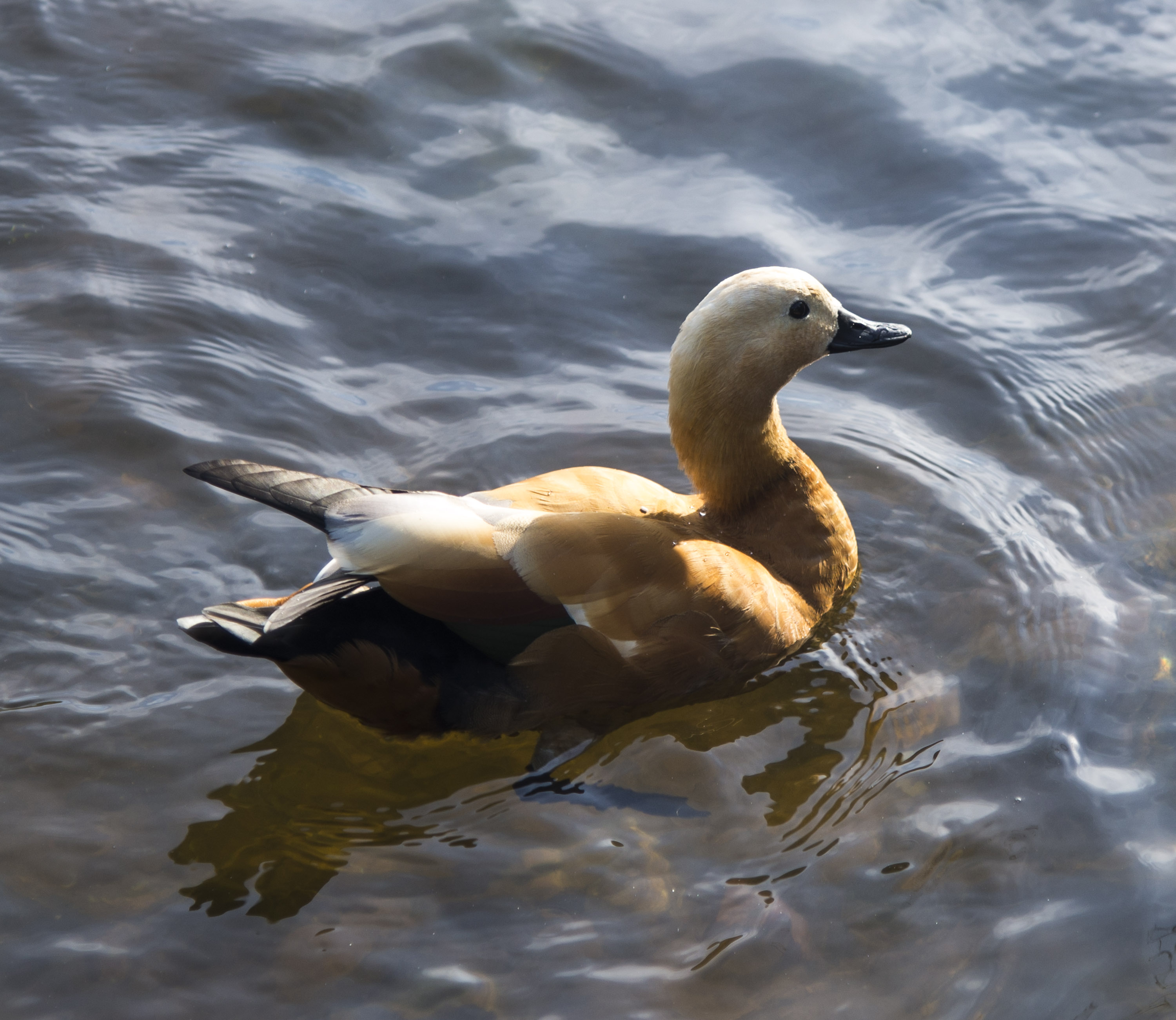
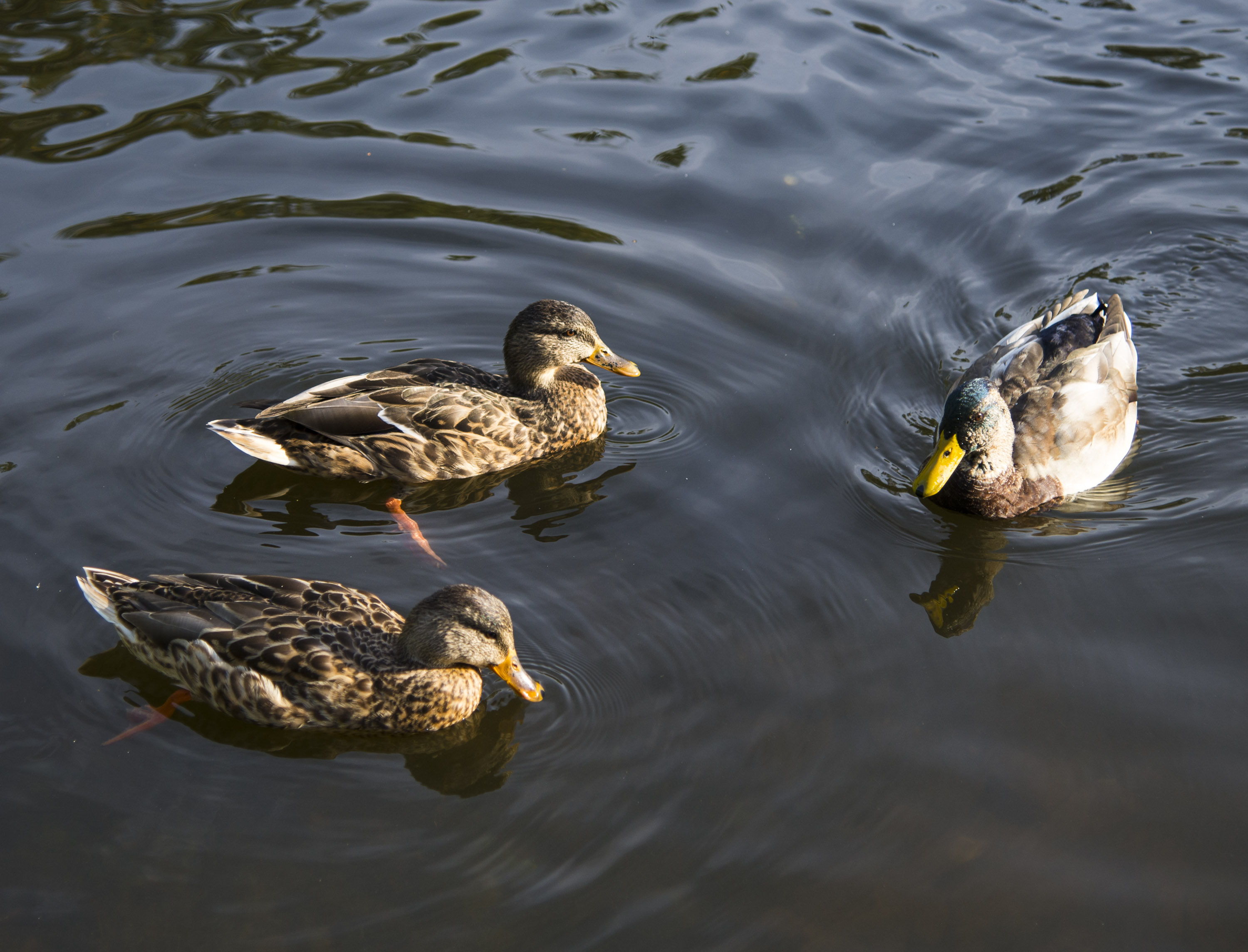
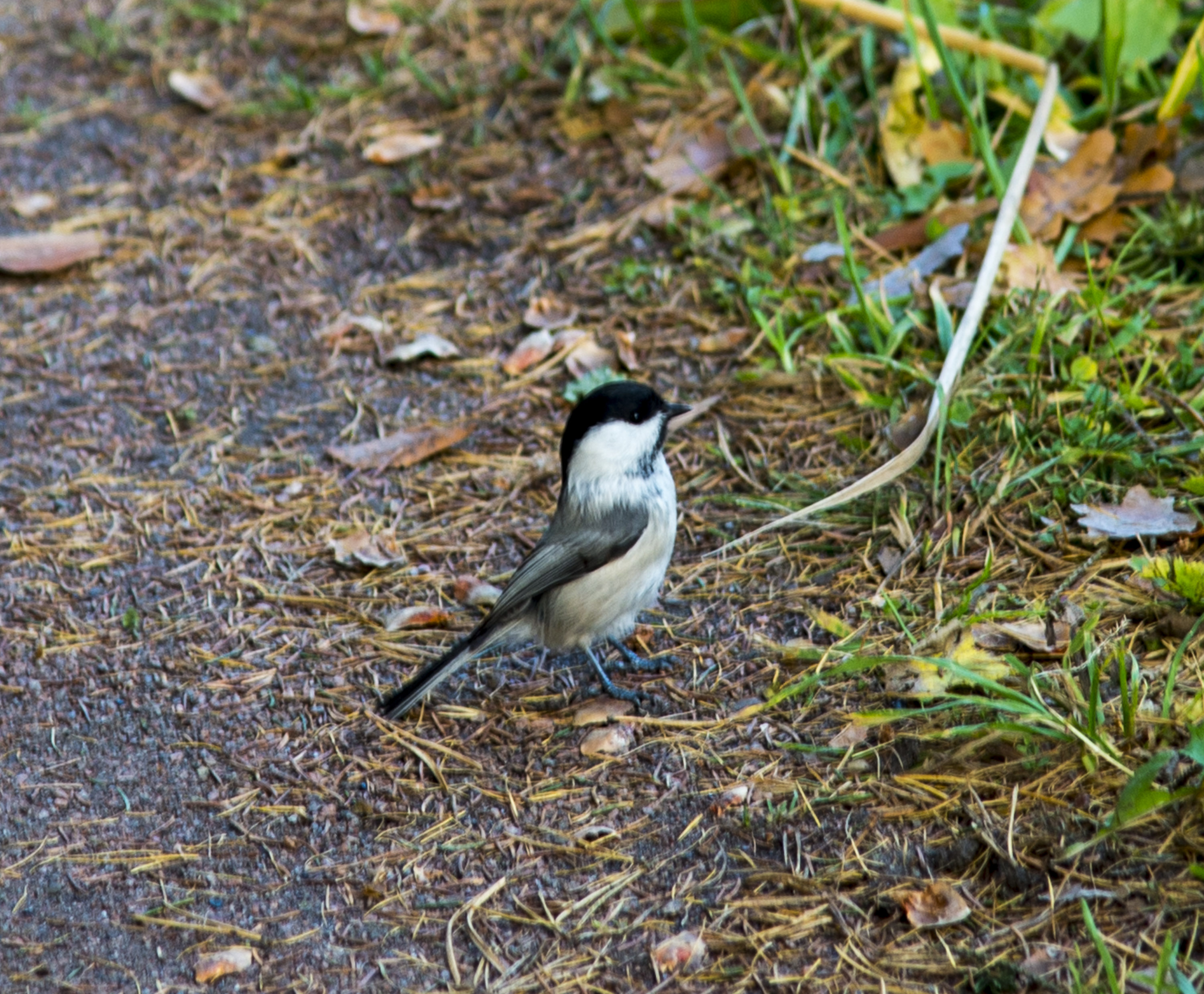
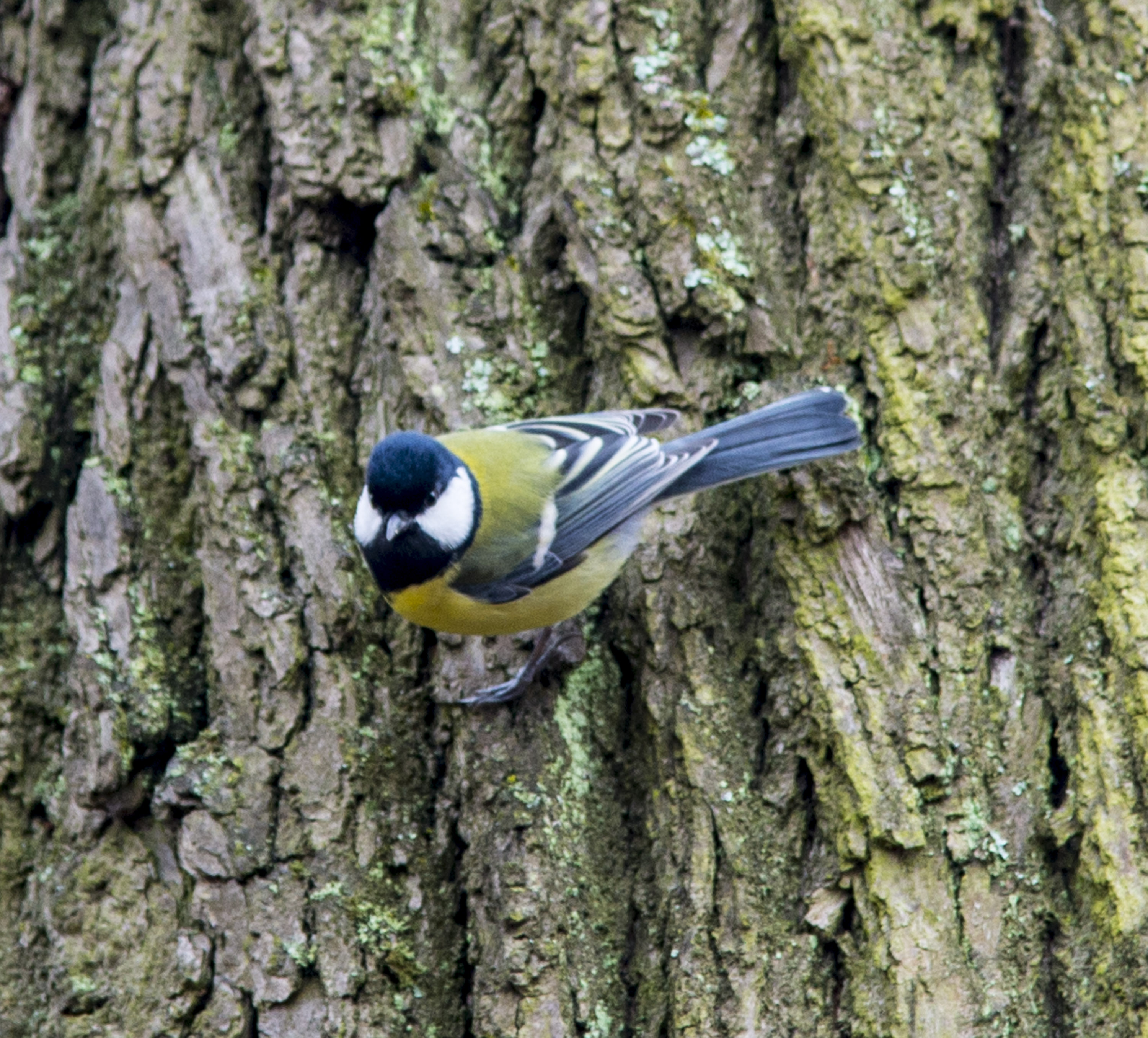
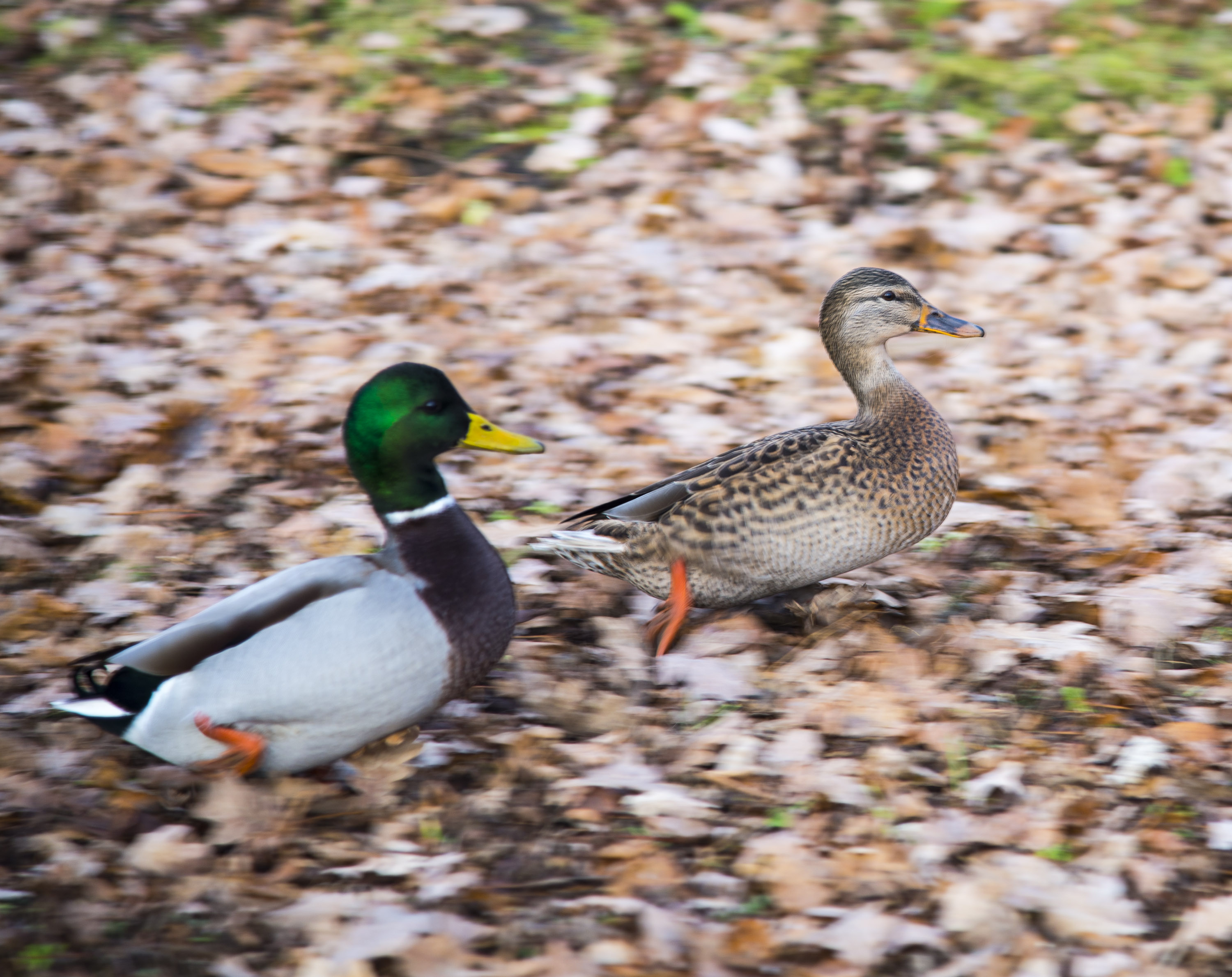
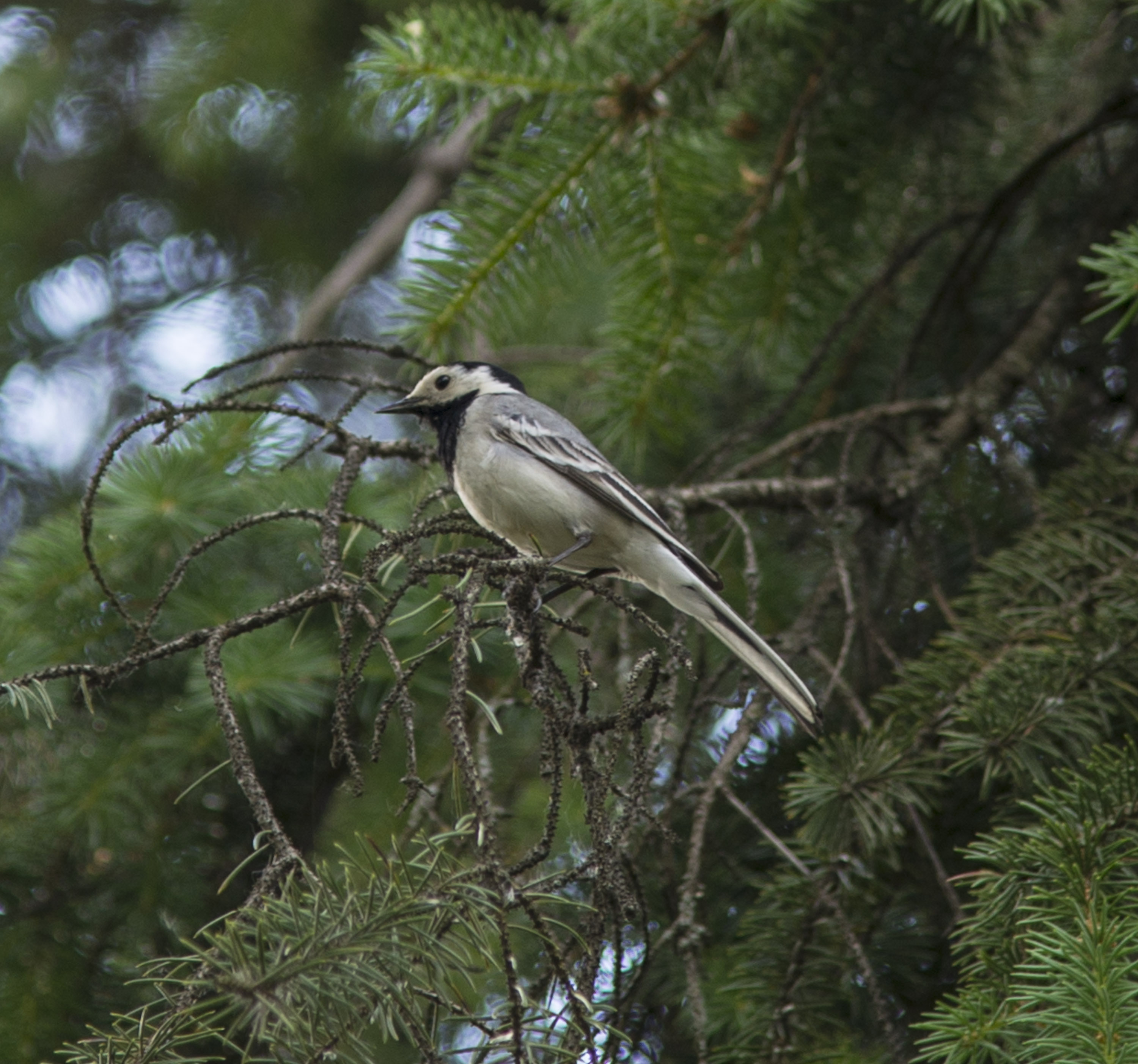
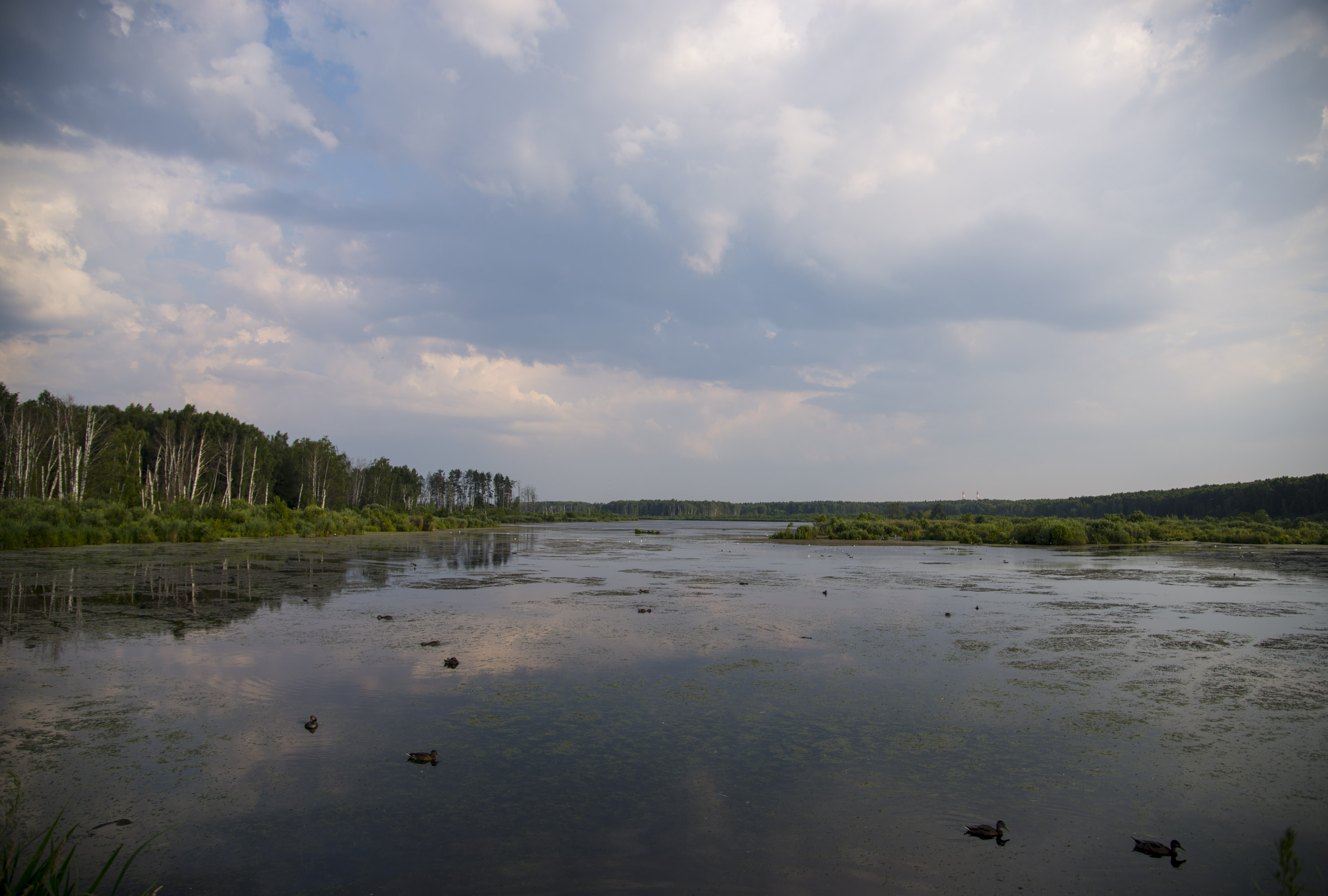
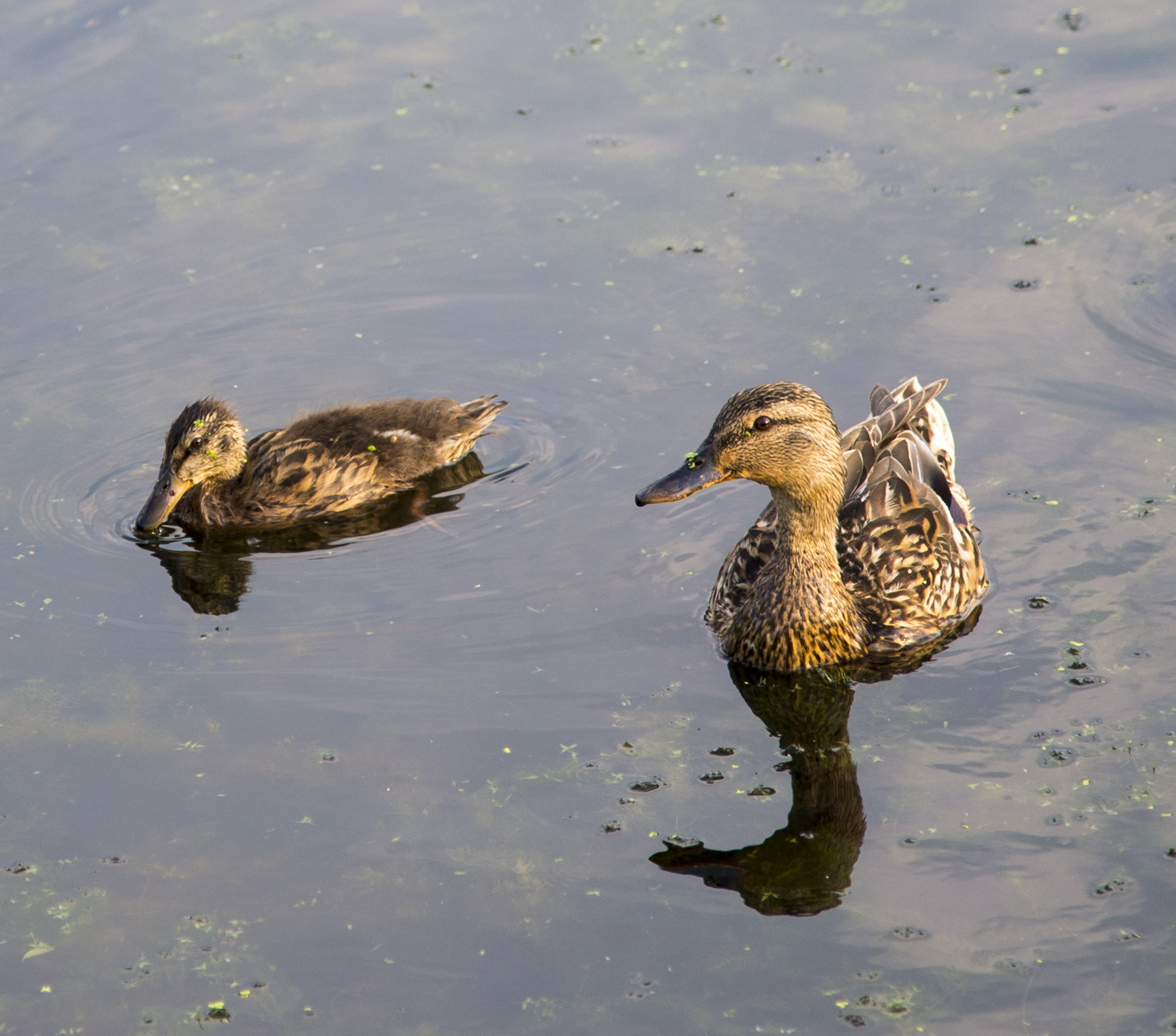
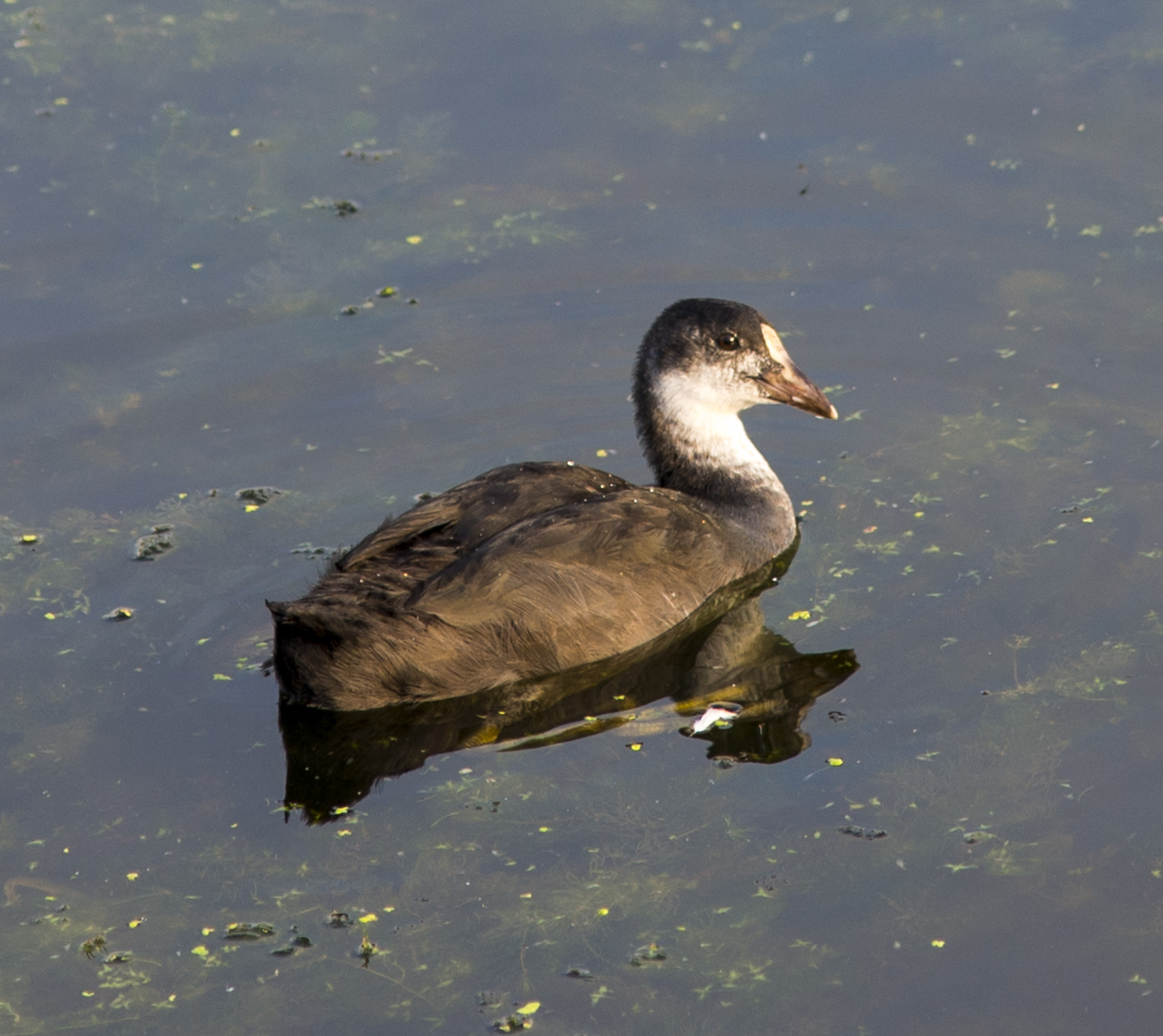
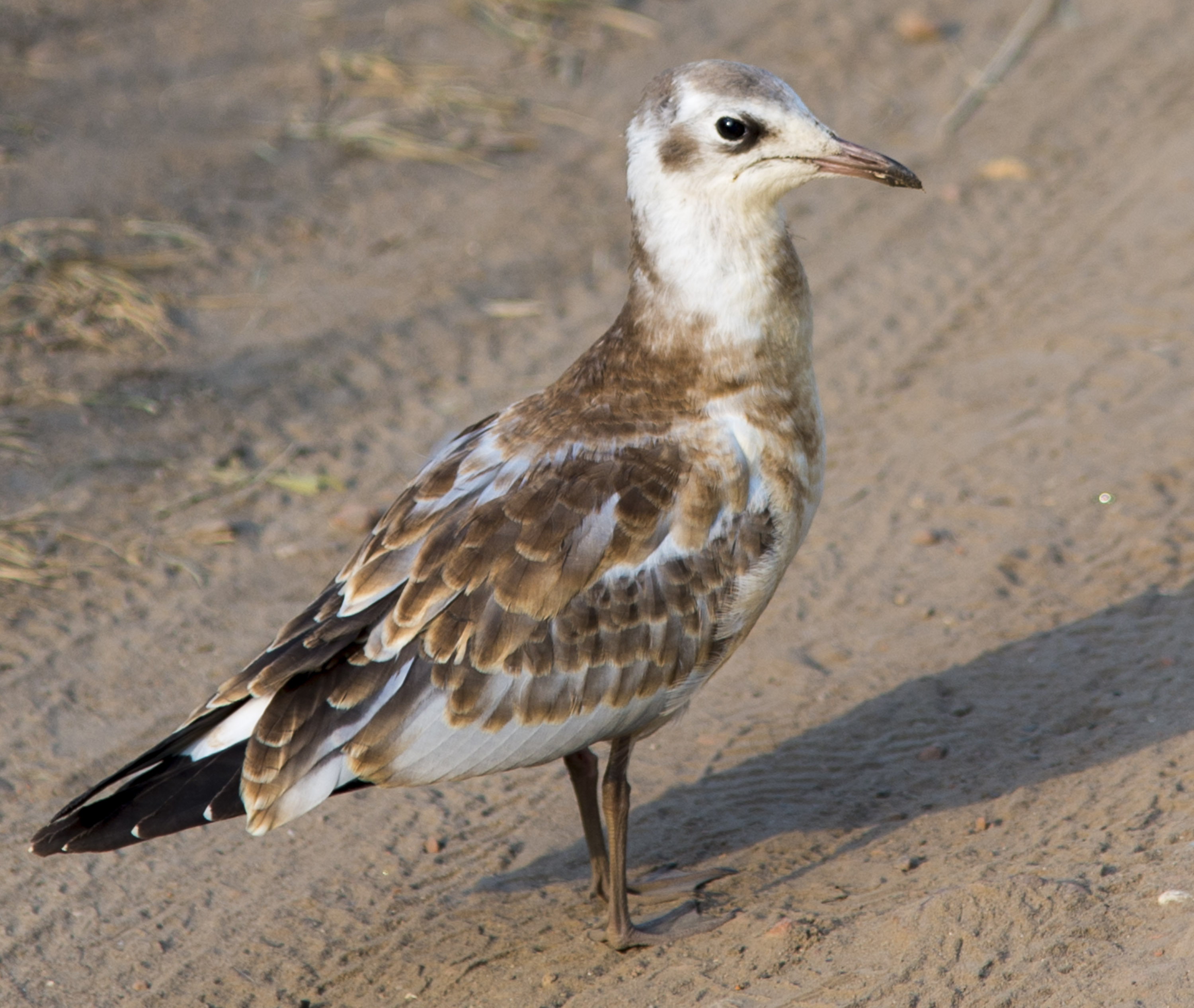
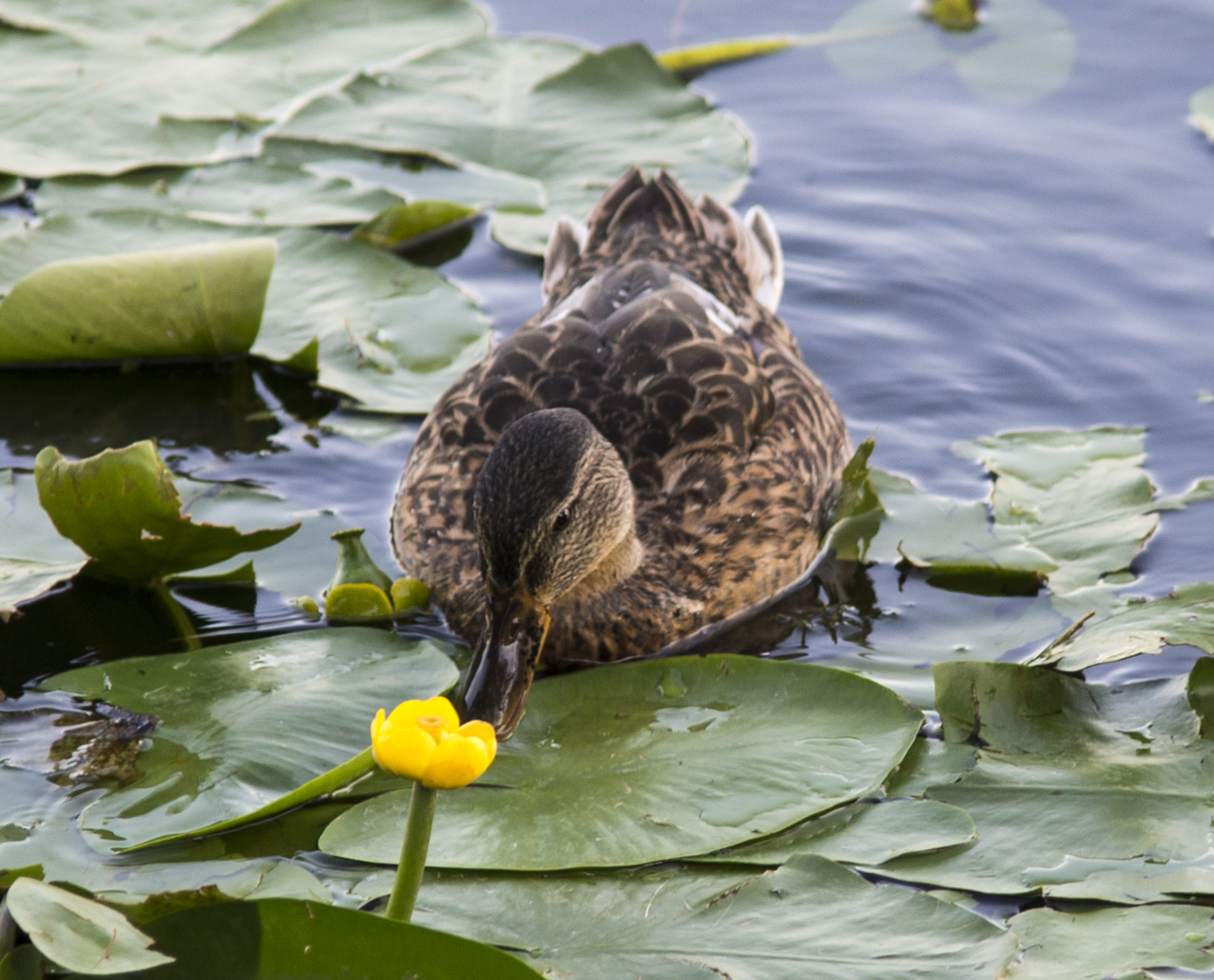
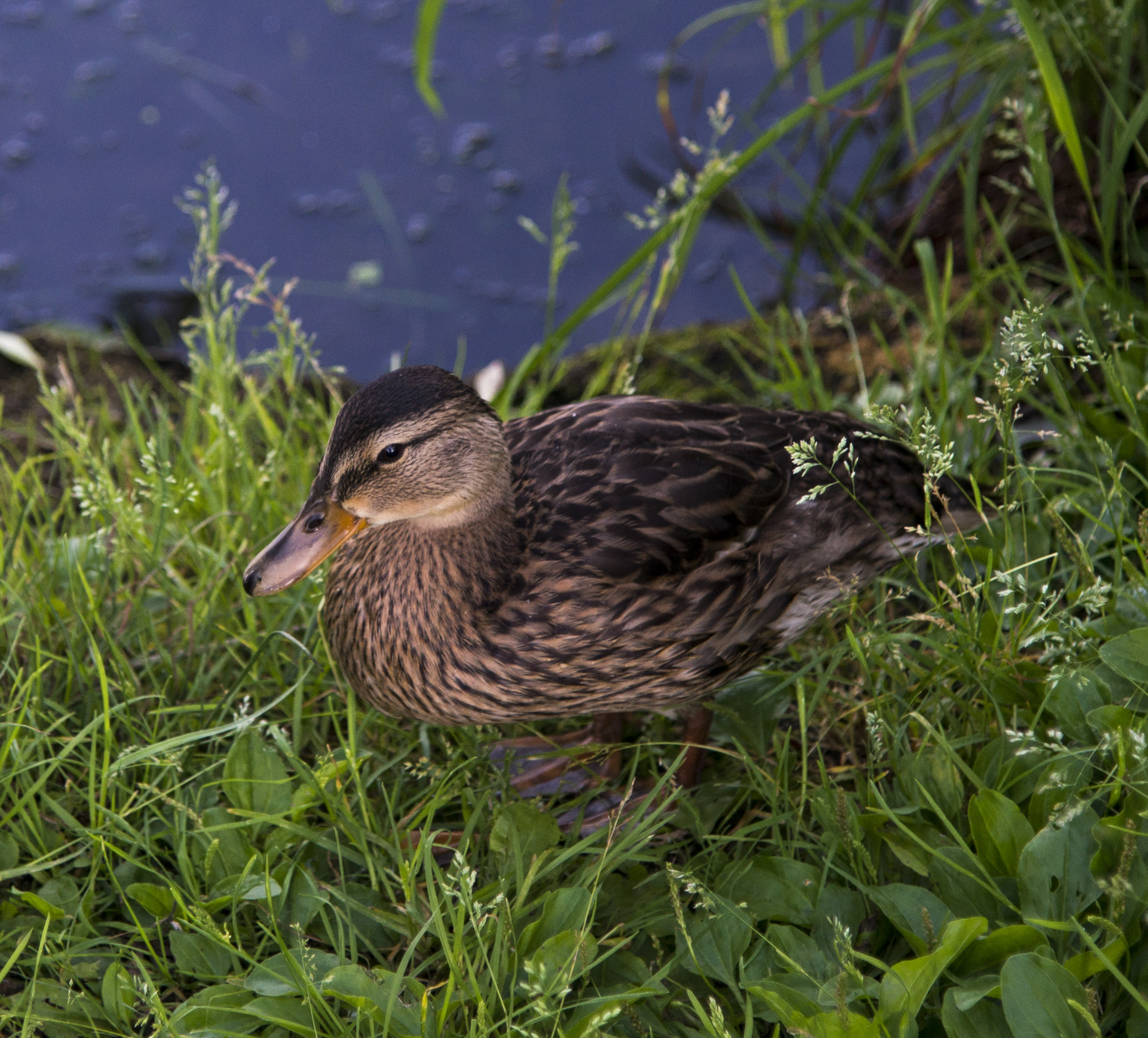
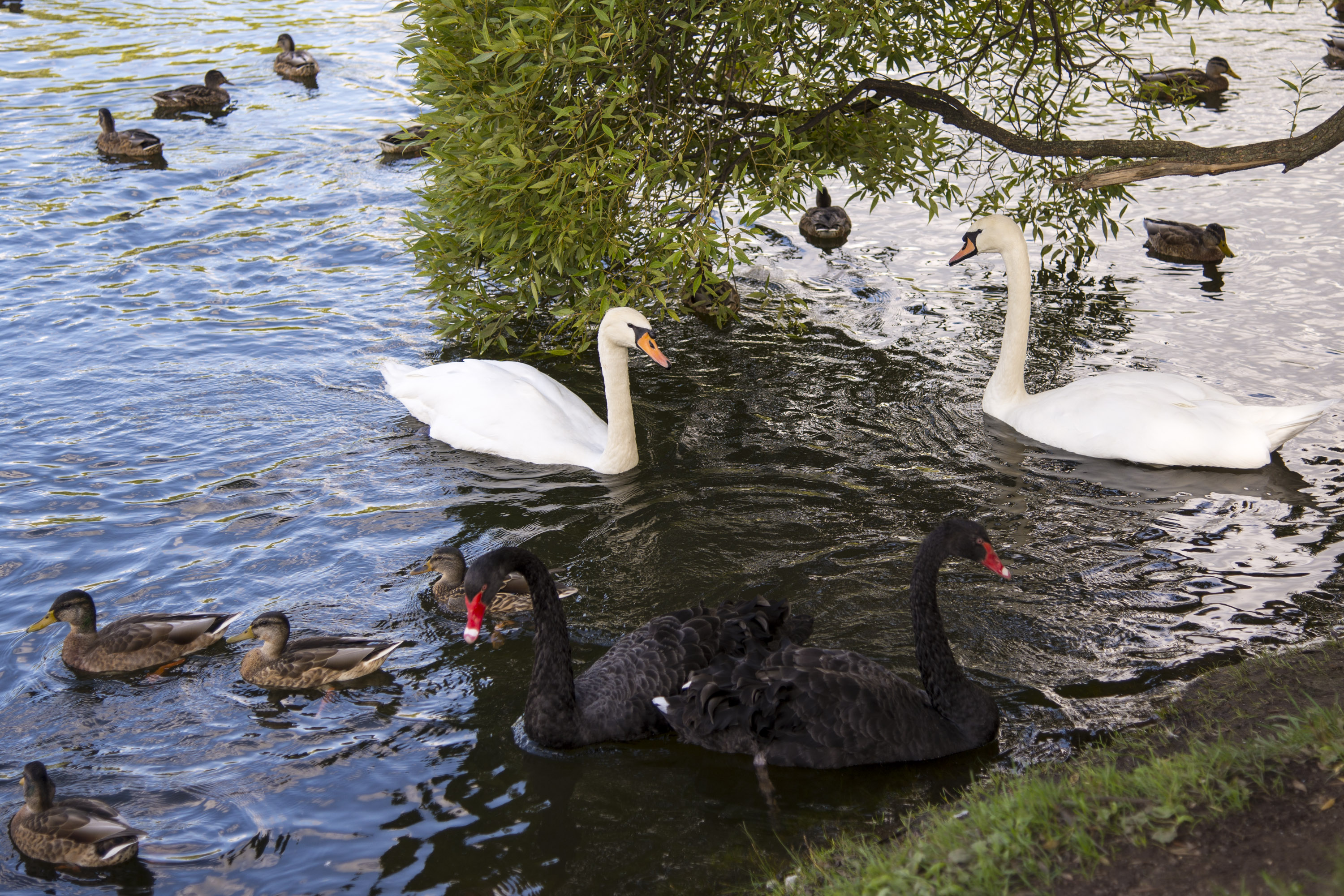
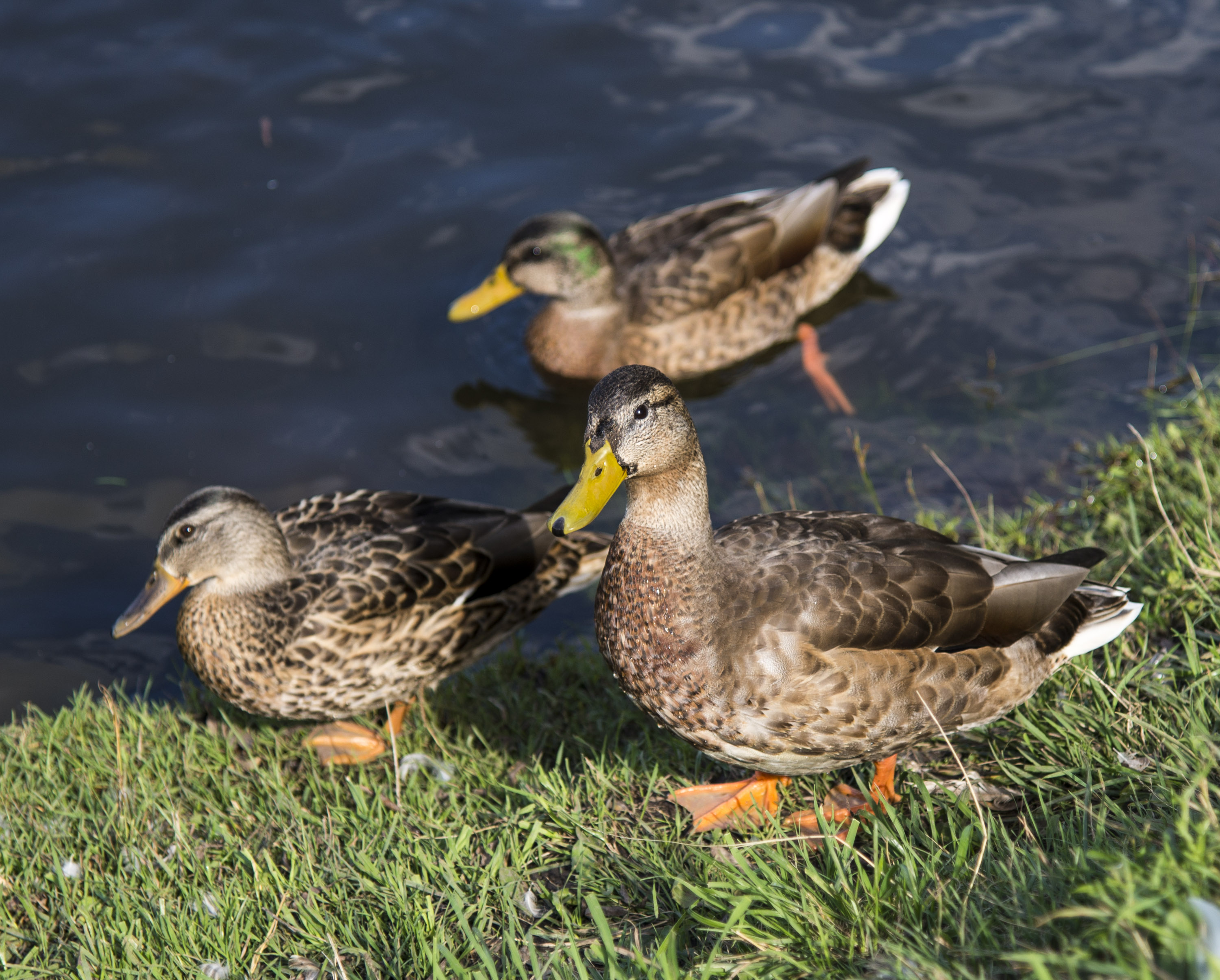
Birds of Losiniy Ostrov

Serednikovo

Serednikovo estate located in Moscow suburbs represents Russian neoclassical architecture of the 18th century. The estate is surrounded by a magnificent garden with round pond and canals. Serednikovo is a place where Mikhail Lermontov (1814-1841), one of the greatest and most famous Russian poets, used to spend summer holidays.

Arkhangelskoe

Arkhangelskoe museum-estate consists of a palace with terraced park which has one of the biggest collections of park sculptures in the world, a landscape park, a theatre built in 1817-18 on the project of famous Italian architect and painter Pietro Gonzago, a small palace “Caprice” and pavilion Small Tea House.

Archangel Michael’s Church is the oldest surviving building on the estate dating from the mid-17th century.

Radonezh

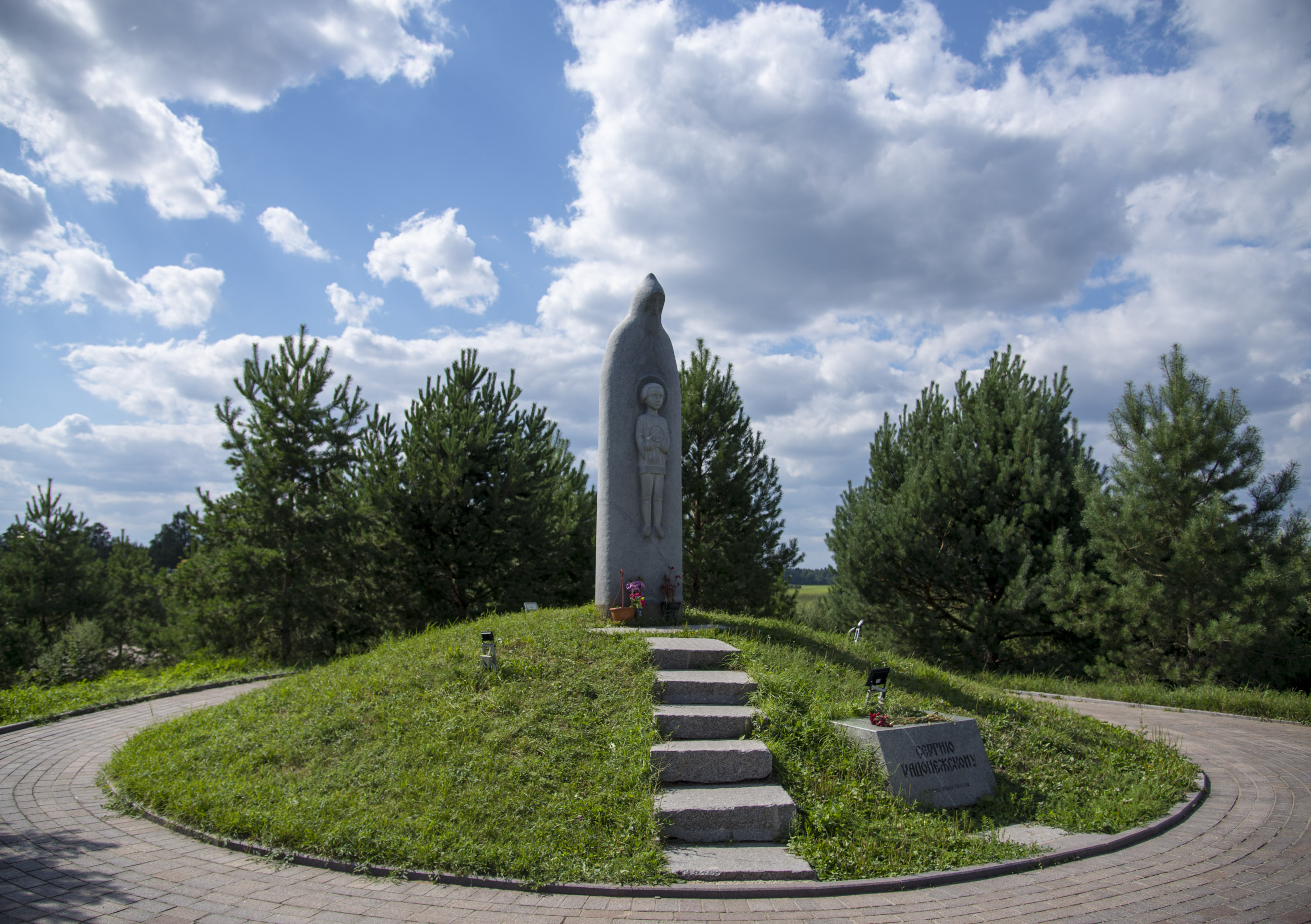
Radonezh is an absolutely beautiful village where Sergiy Radonezhsky once lived. The old town of Radonezh is known to have existed since the first half of the 14th century. Transfiguration Church (Церковь Преображения Господня, 1842) along with the nearby Sacred spring, a font and a monument to St. Sergius are located on the outskirts of the village. Very impressive place!

Khotkovo

Khotkovo town is the site of a monastery, founded by the parents of Sergiy Radonezhsky – Kirill and Maria. The date of foundation is not known, but was first mentioned in 1308. Pokrovskiy Khotkov monastery is the convent of the Russian Orthodox Church, located in Khotkovo town on the river Paja.

Abramtsevo

Abramtsevo Museum Reserve is one of the most famous art museums in Russia. The history of Abramtsevo is associated with the names of artists Segey Aksakov, Viktor Vasnetsov, Mikhail Vrubel, Ilya Repin, Vasiliy Polenov, Valentin Serov and Savva Mamontov. Dozens of paintings which are internationally treasured now were created there. Abramtsevo was founded in 18th century.

The architectural gem of Abramtsevo is the Church of the Savior (Церковь Спаса Нерукотворного Образа), built by architect Pavel Samarin, according to designs by the artists Victor Vasnetsov and Vasily Polenov.

Bolshie Vyazemy and Church of Transfiguration (1598)

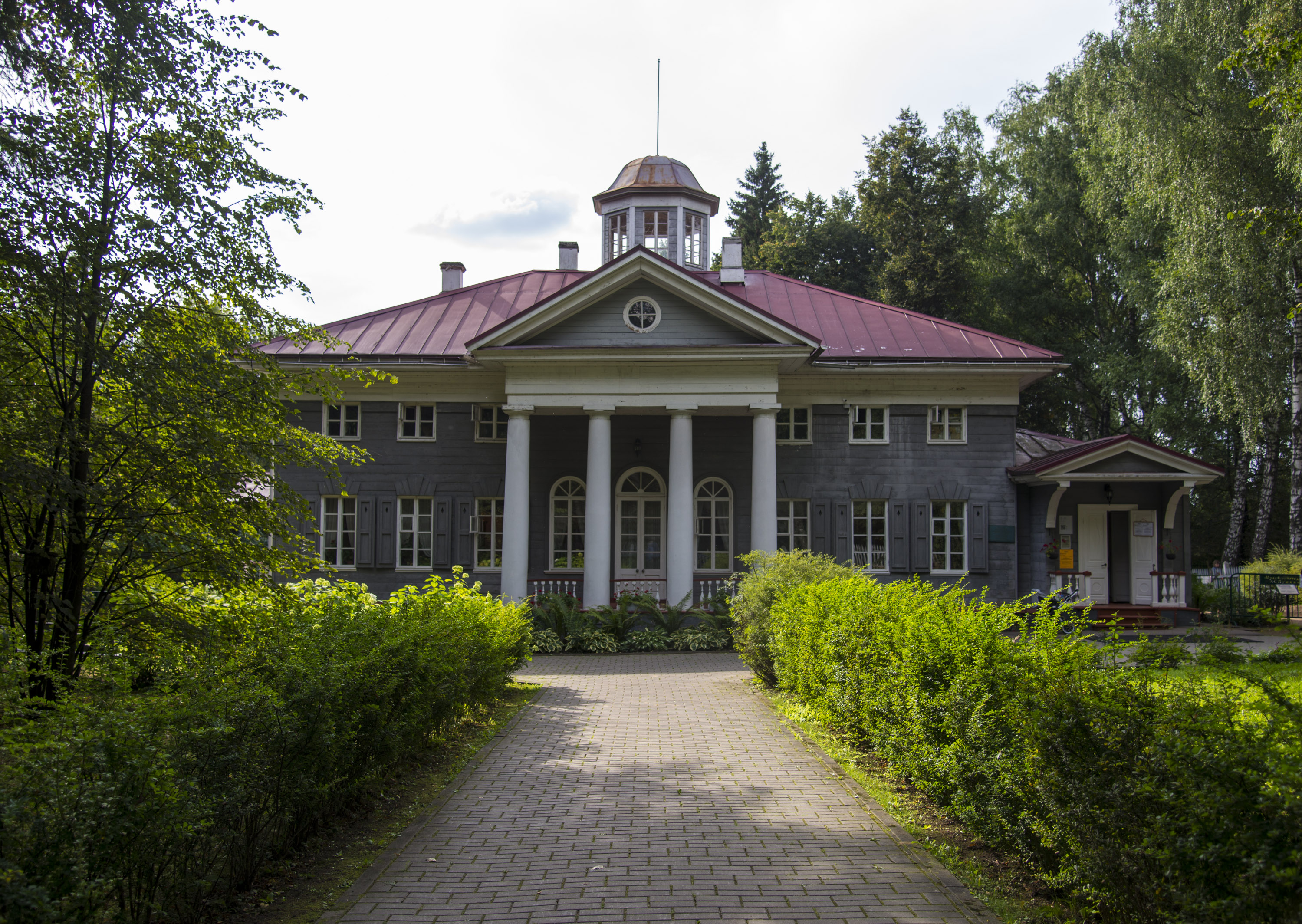
Bolshie Vyazemy is associated with the name of Pushkin, one of the greatest Russian poets. All his childhood Alexander Sergeevich spent in the estate Zakharovo, located next to Bolshie Vyazemy. Pushkin first encountered Russian nature and began to write his first poems here. Two estates are reflected in the poem “Evgeniy Onegin”. Zakharovo became the prototype of the Larins’ estate, and Bolshiye Vyazemy became the Onegin house.

Zakharovo

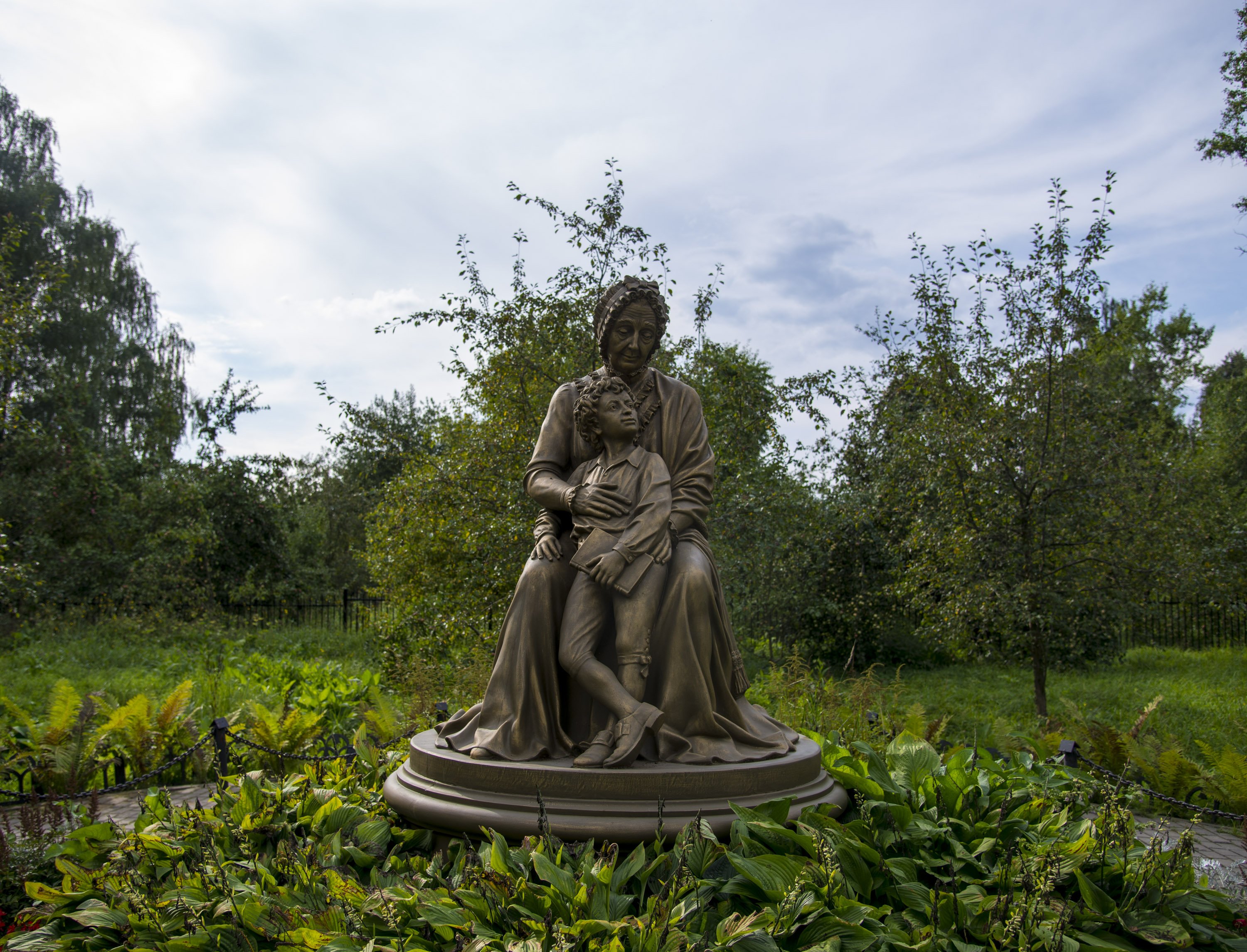
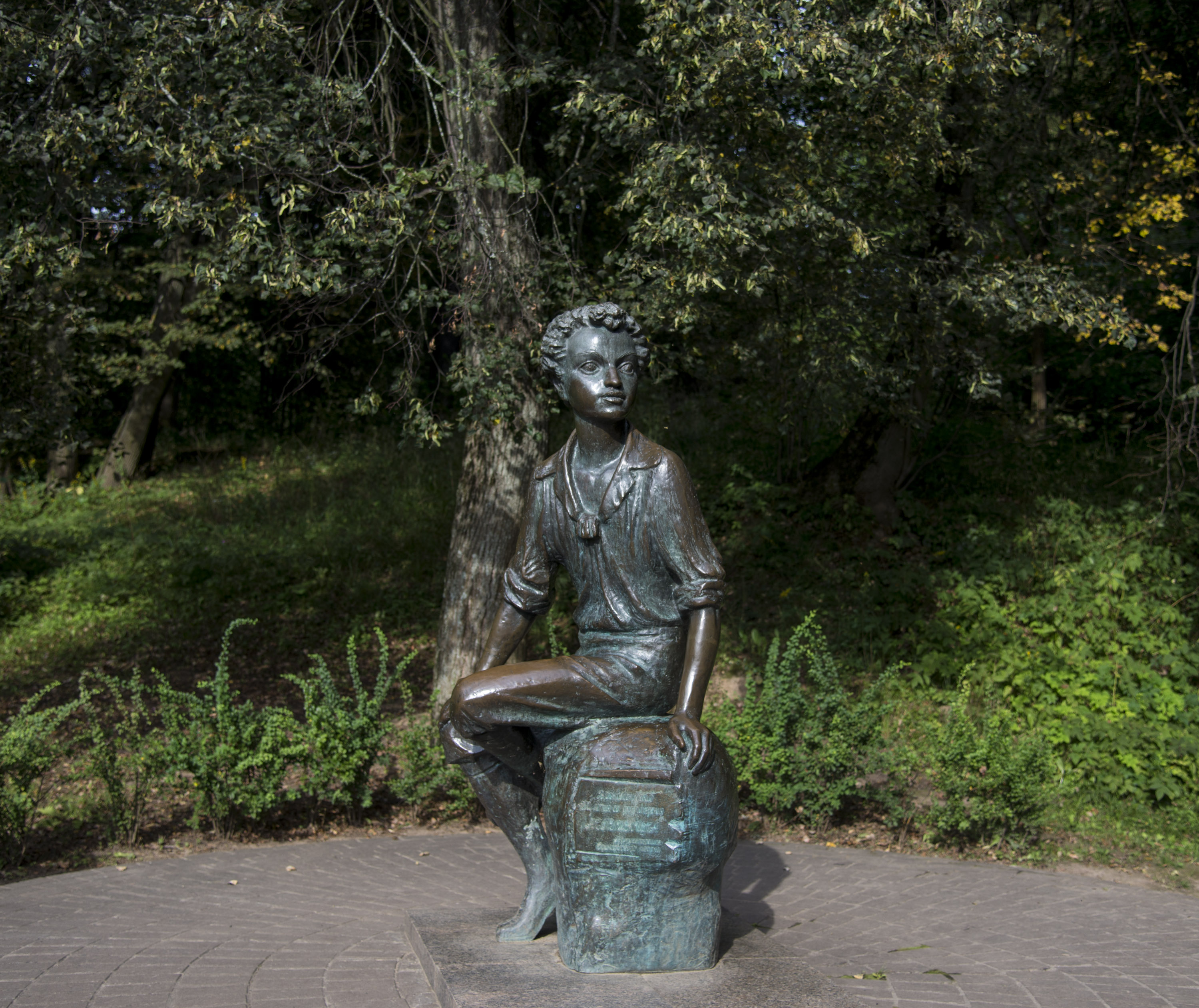
Zakharovo is the estate where Alexander Sergeevich Pushkin spent his childhood. The estate is surrounded by pond, on the banks of which Pushkin liked to sit, choosing rhymes for words. Beautiful monument to Pushkin’s grandmother – Maria Alekseevna Hannibal is also located in the village of Zakharovo.

Aptekarskiy Ogorod

Founded by Peter the Great in 1706 as a kitchen garden (ogorod) for growing medicinal plants. Since 1805, it has belonged to the Moscow State University as part of the Biology Faculty. You can explore the gardens as well as three different greenhouses. 

Moscow Botanical Garden