Gallery

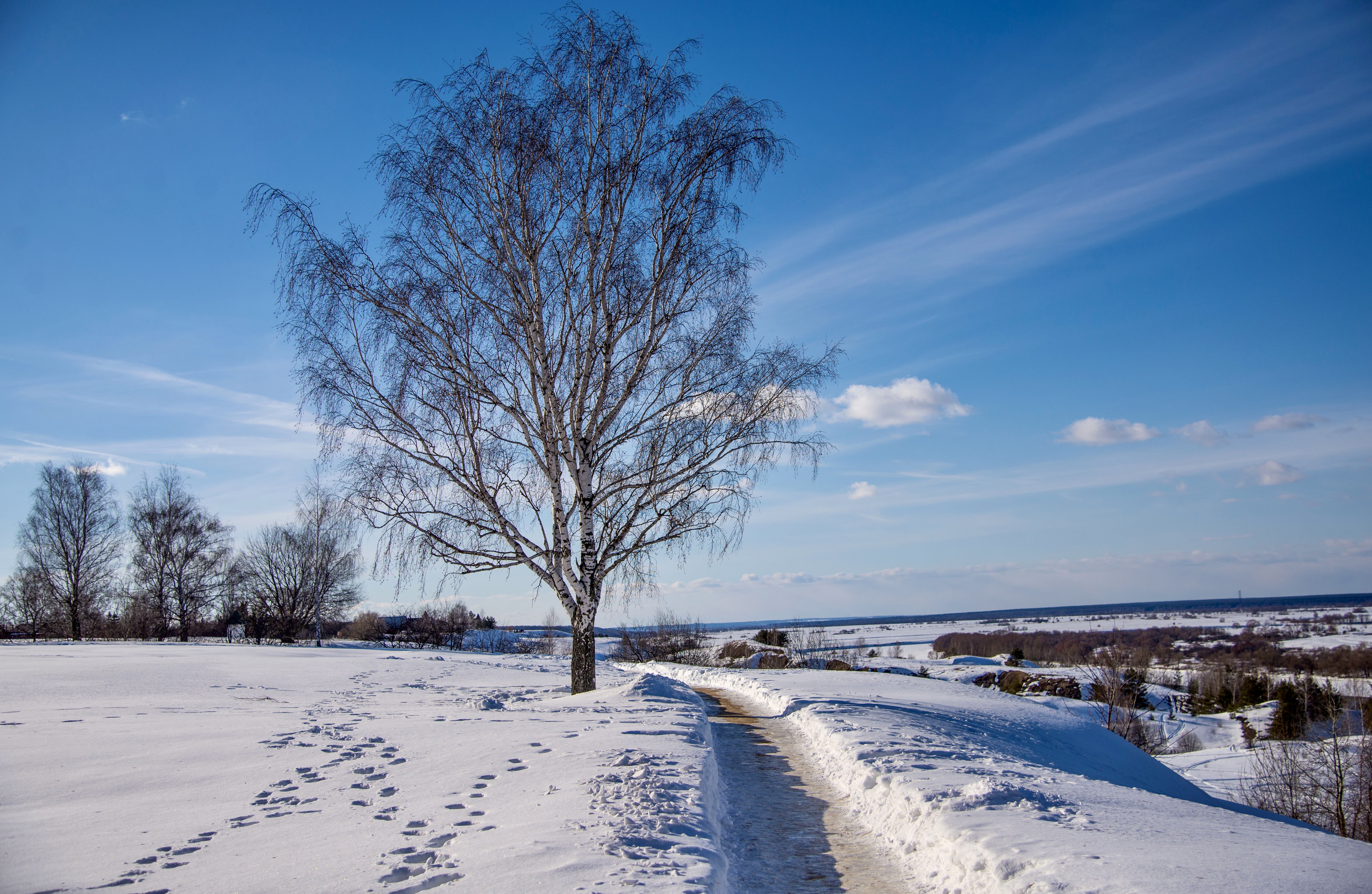
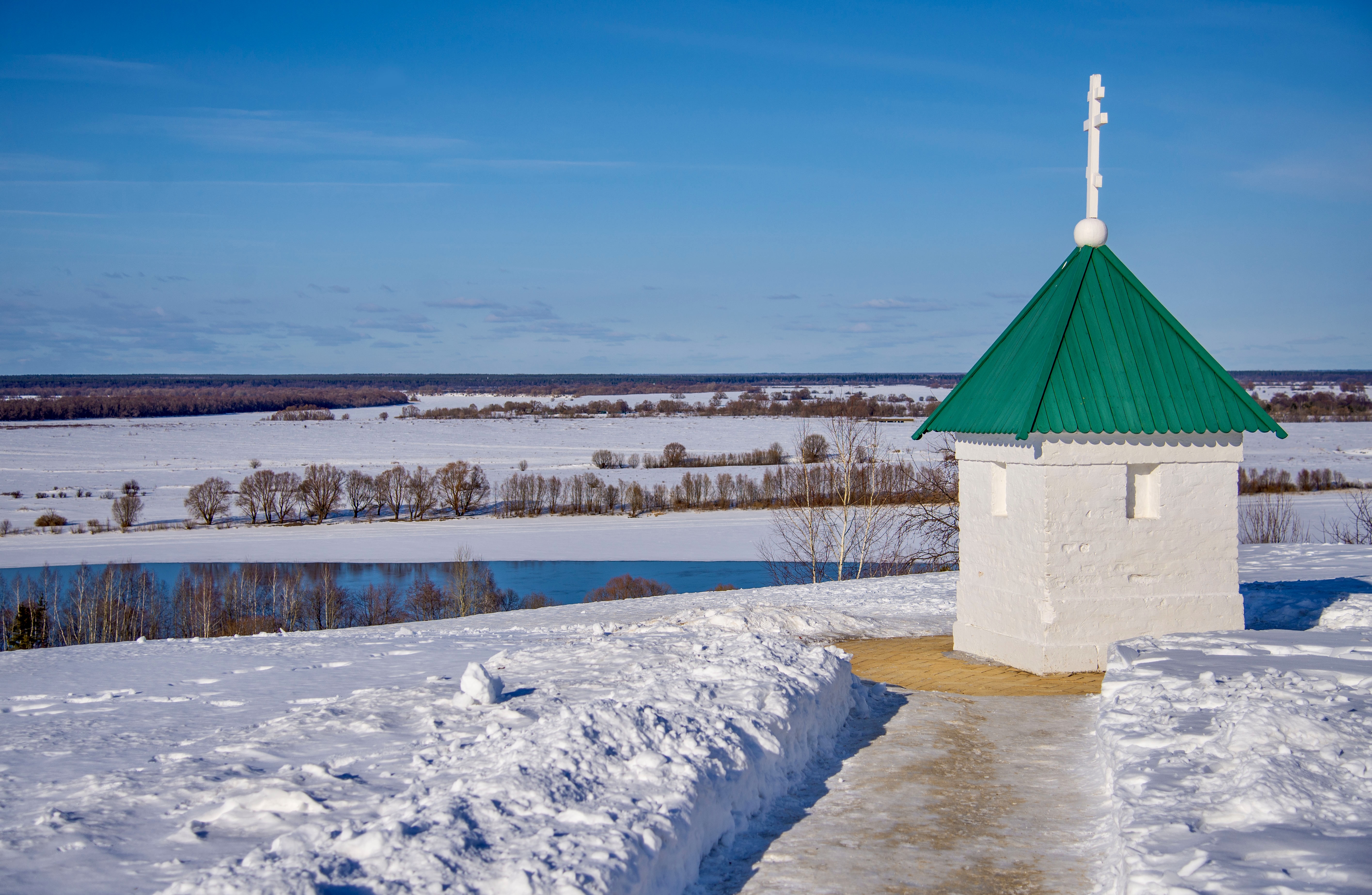
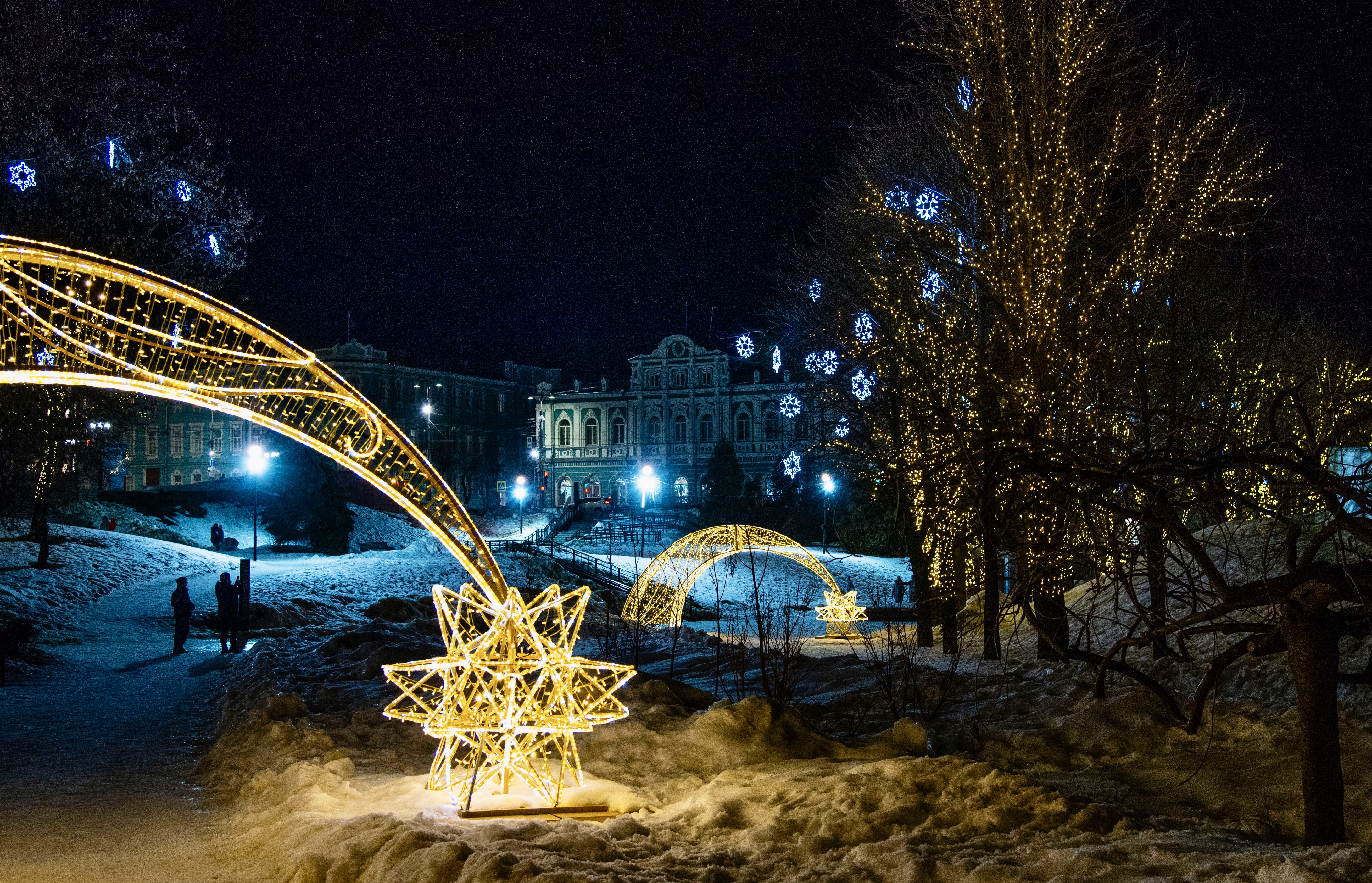
Ryazan, March 2024

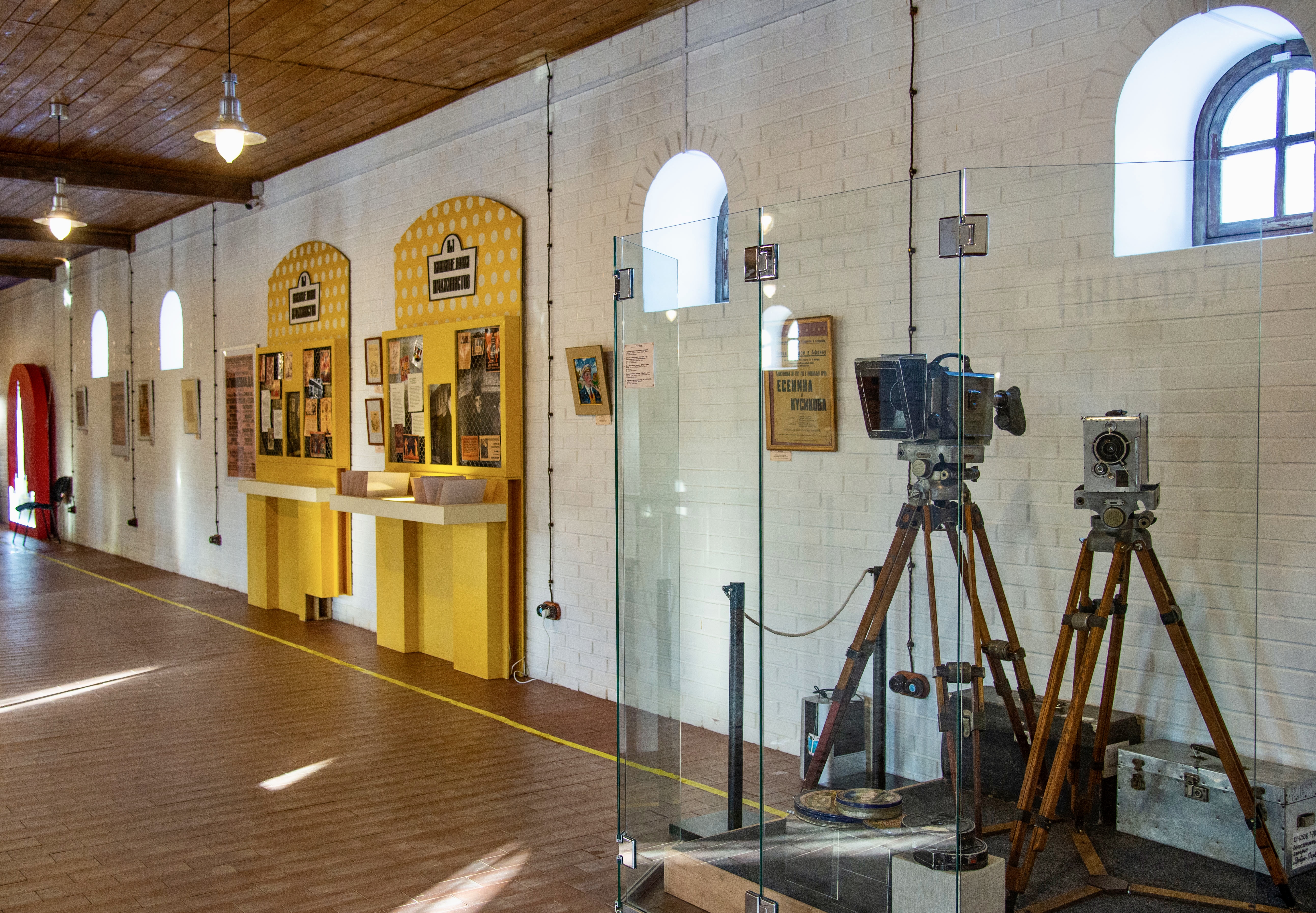
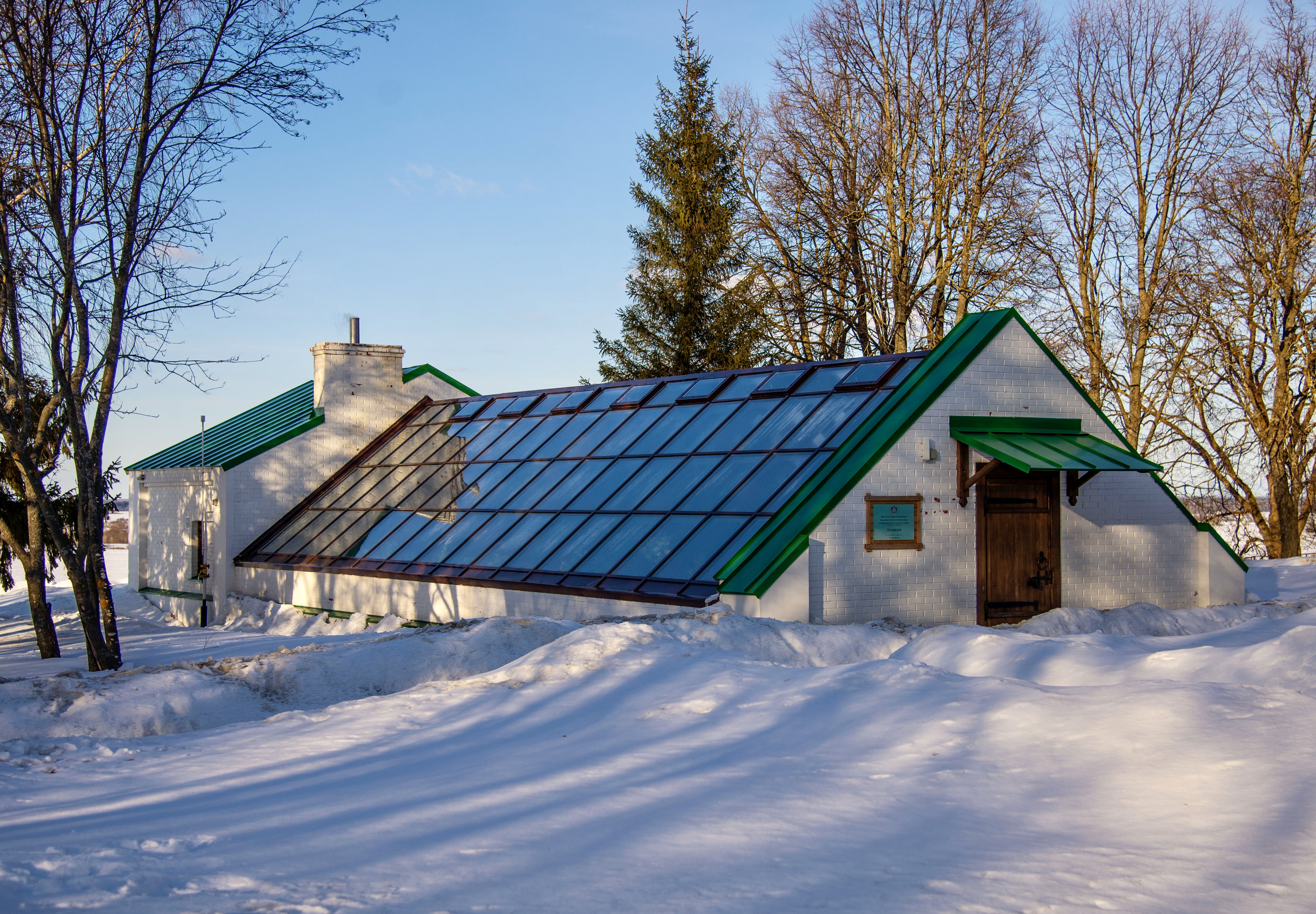
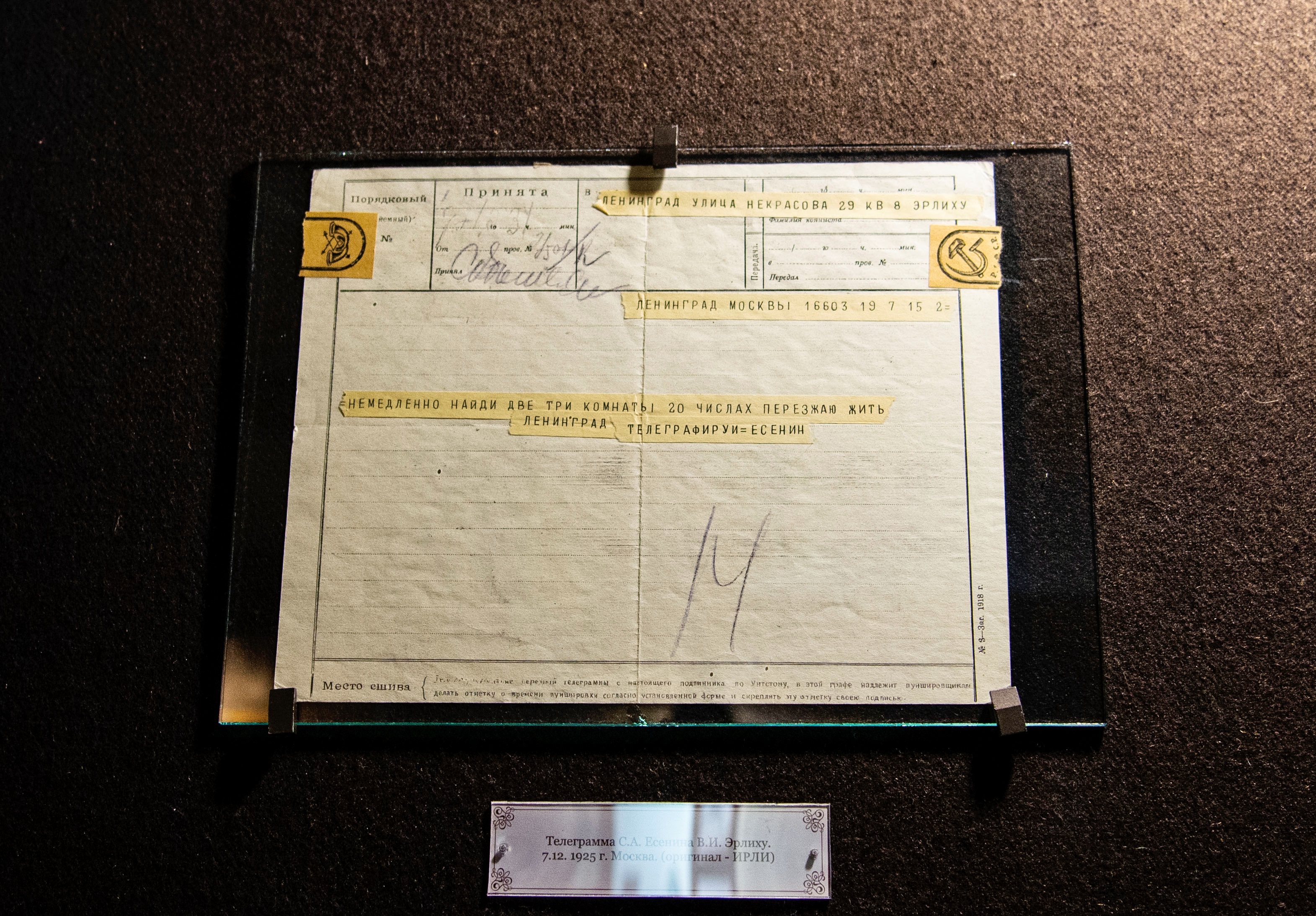
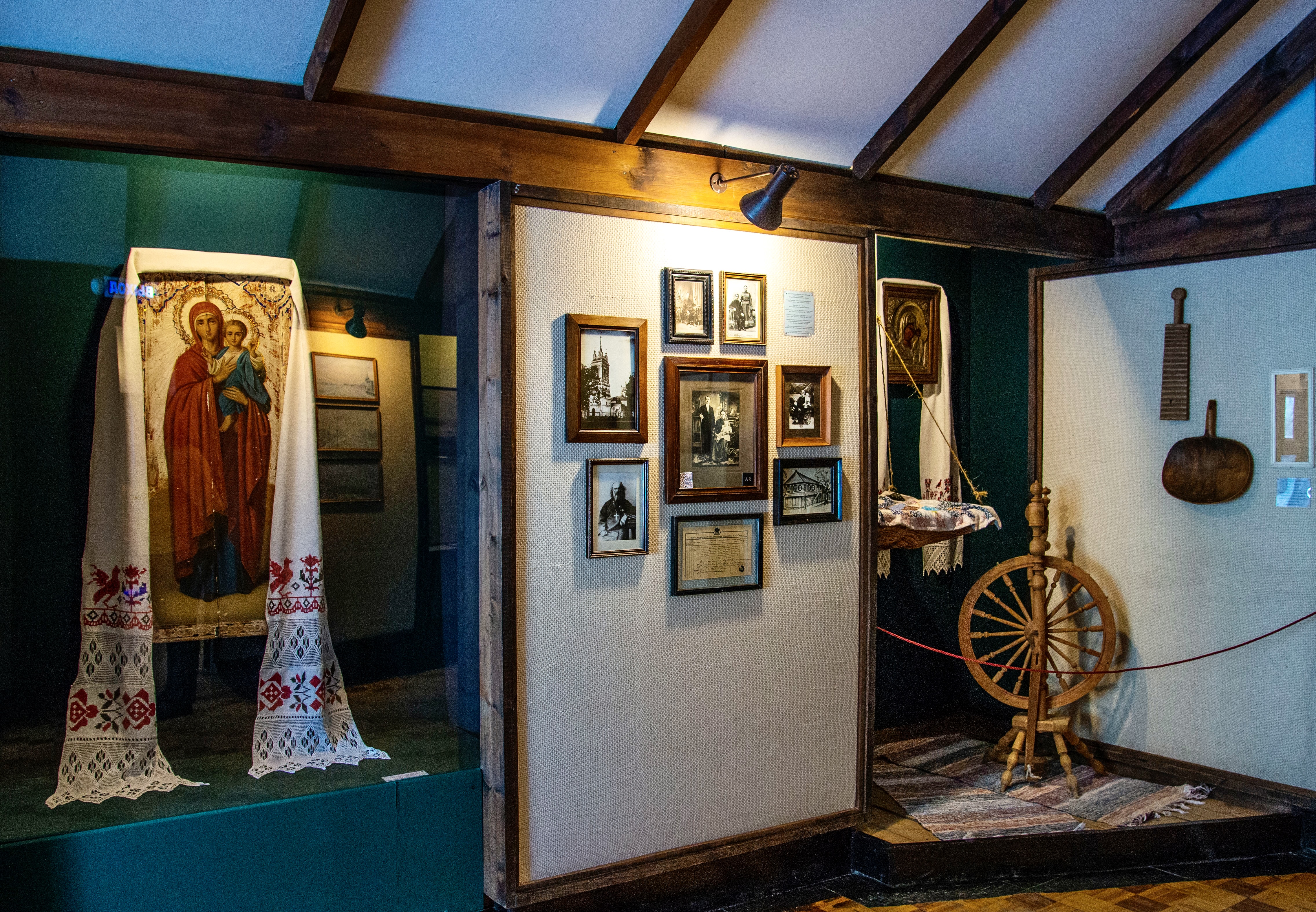
Konstantinovo

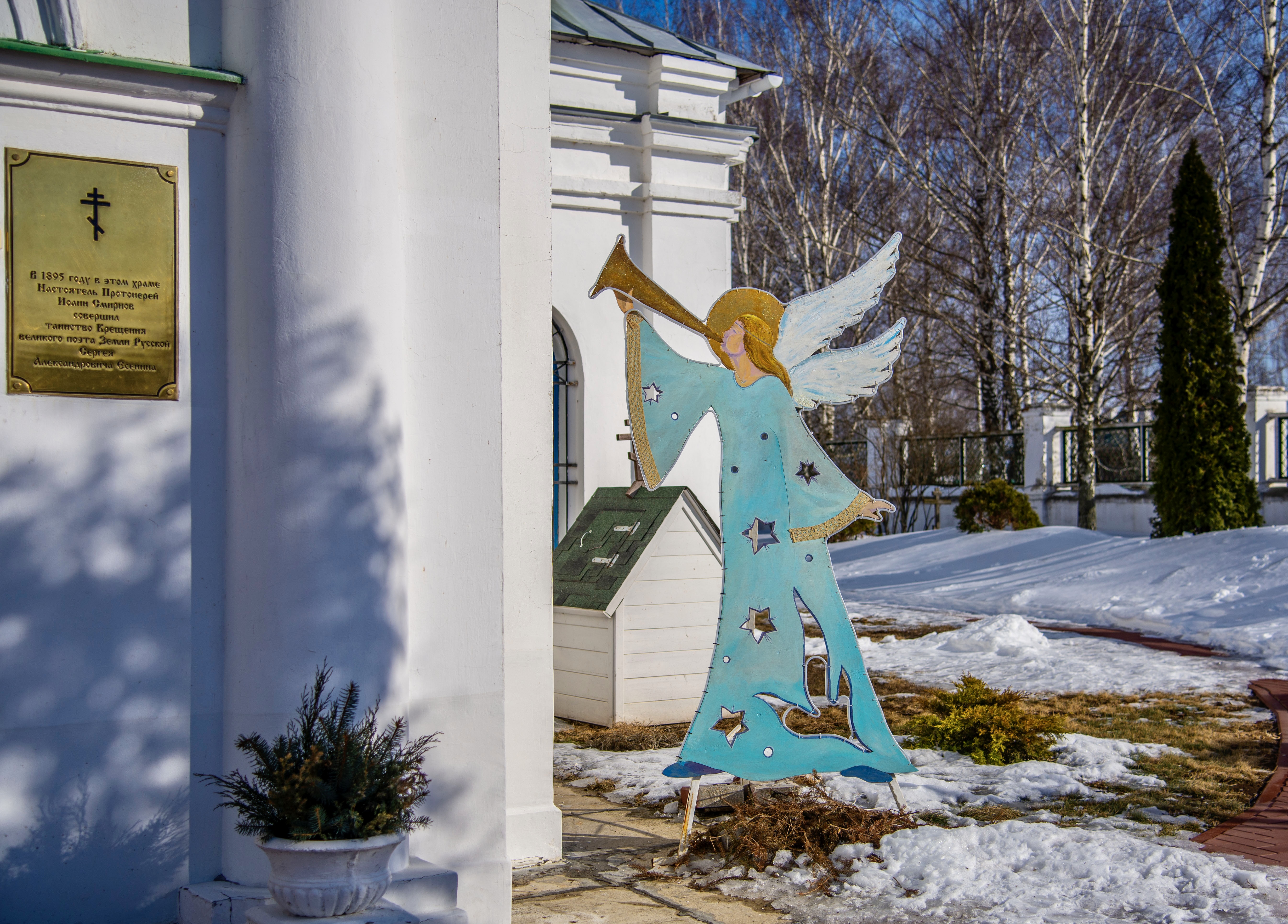
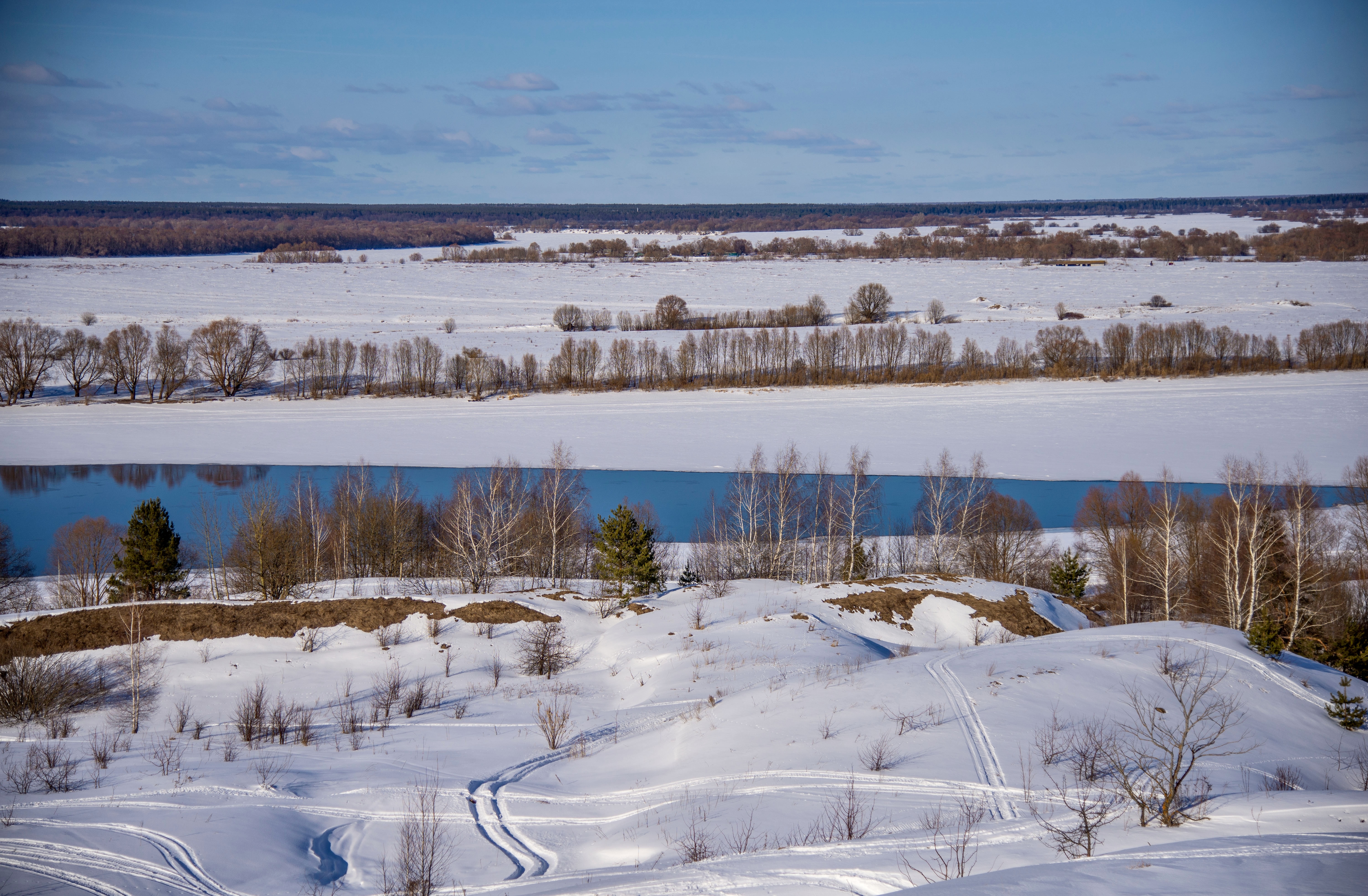
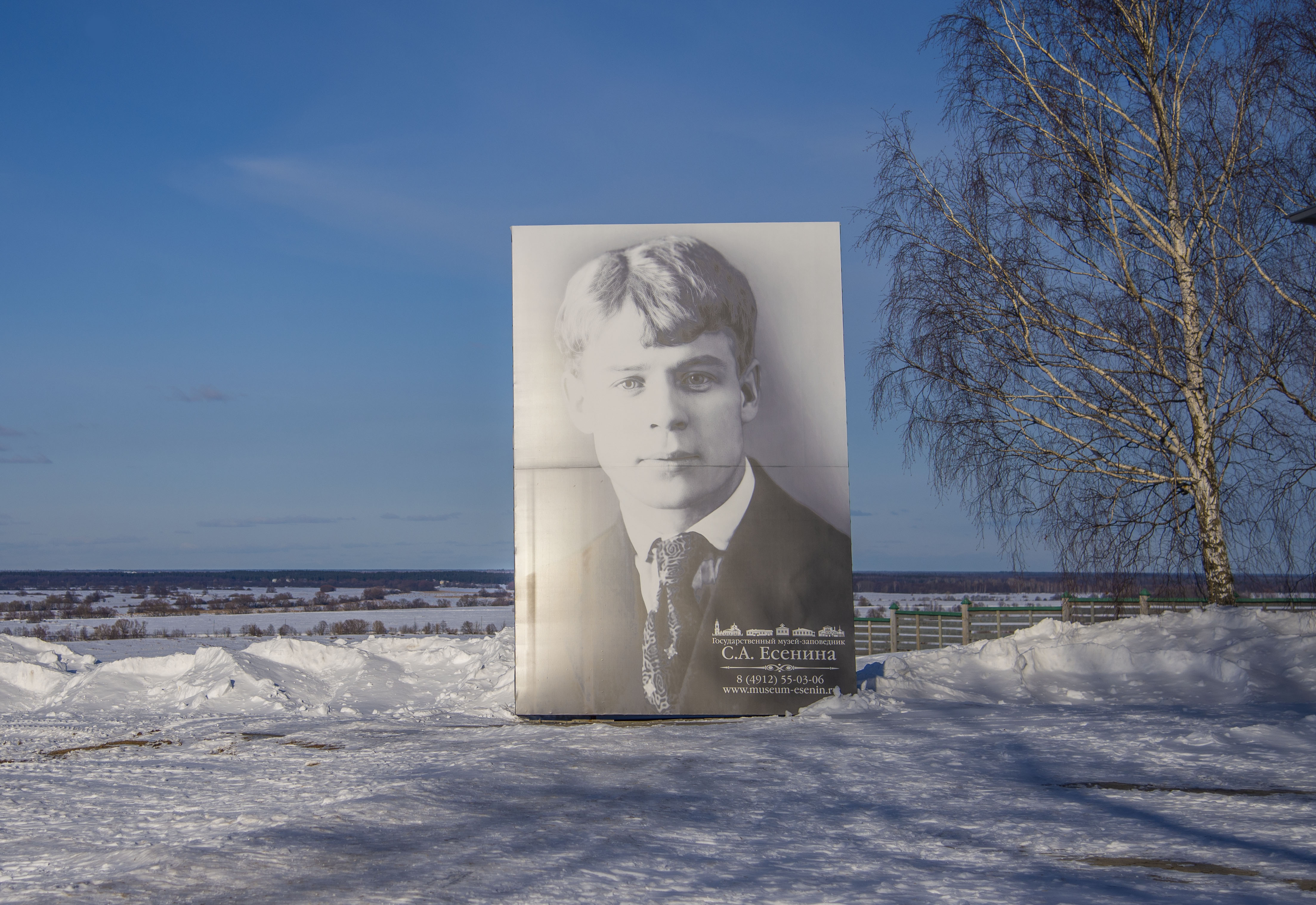
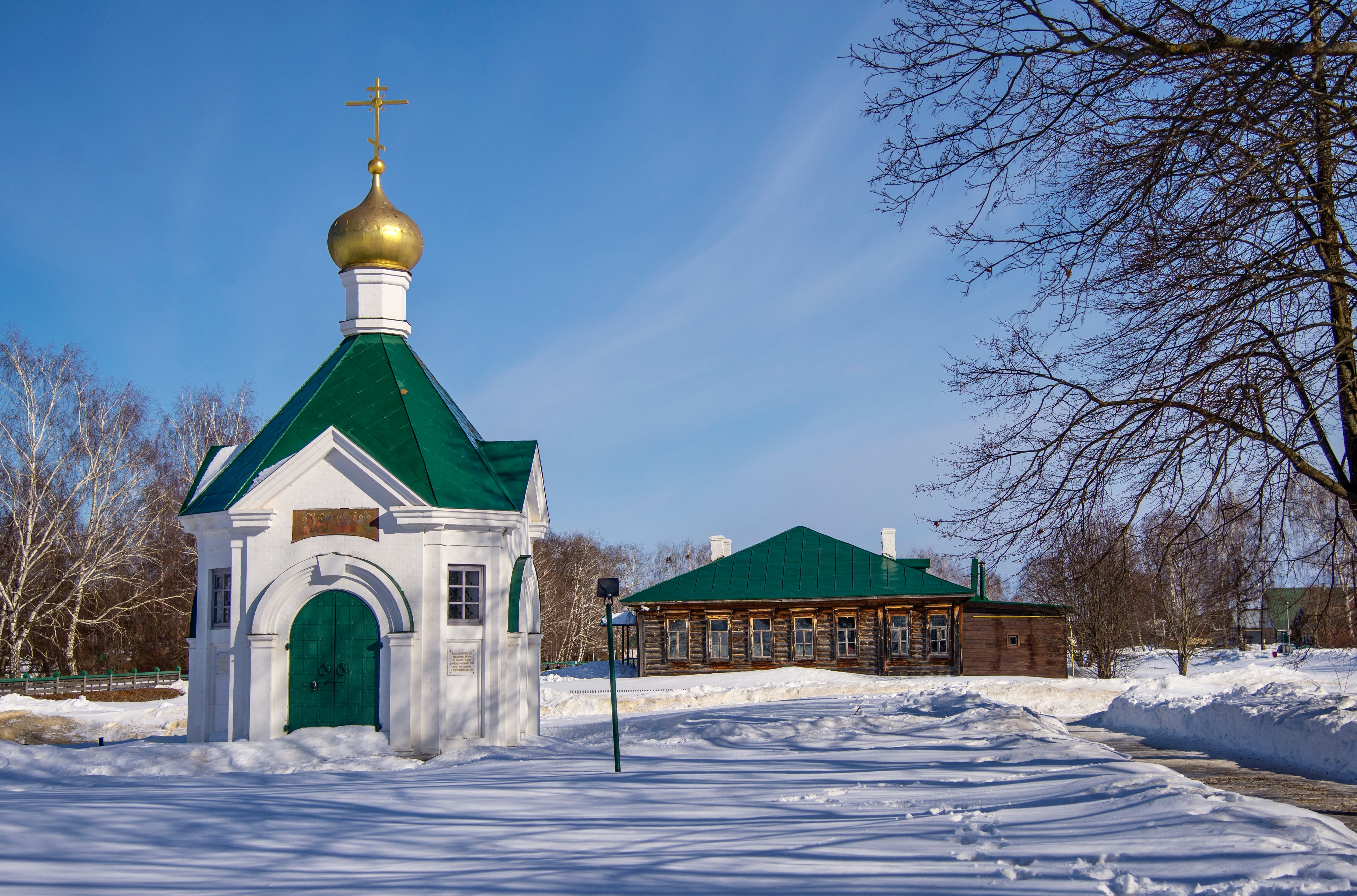
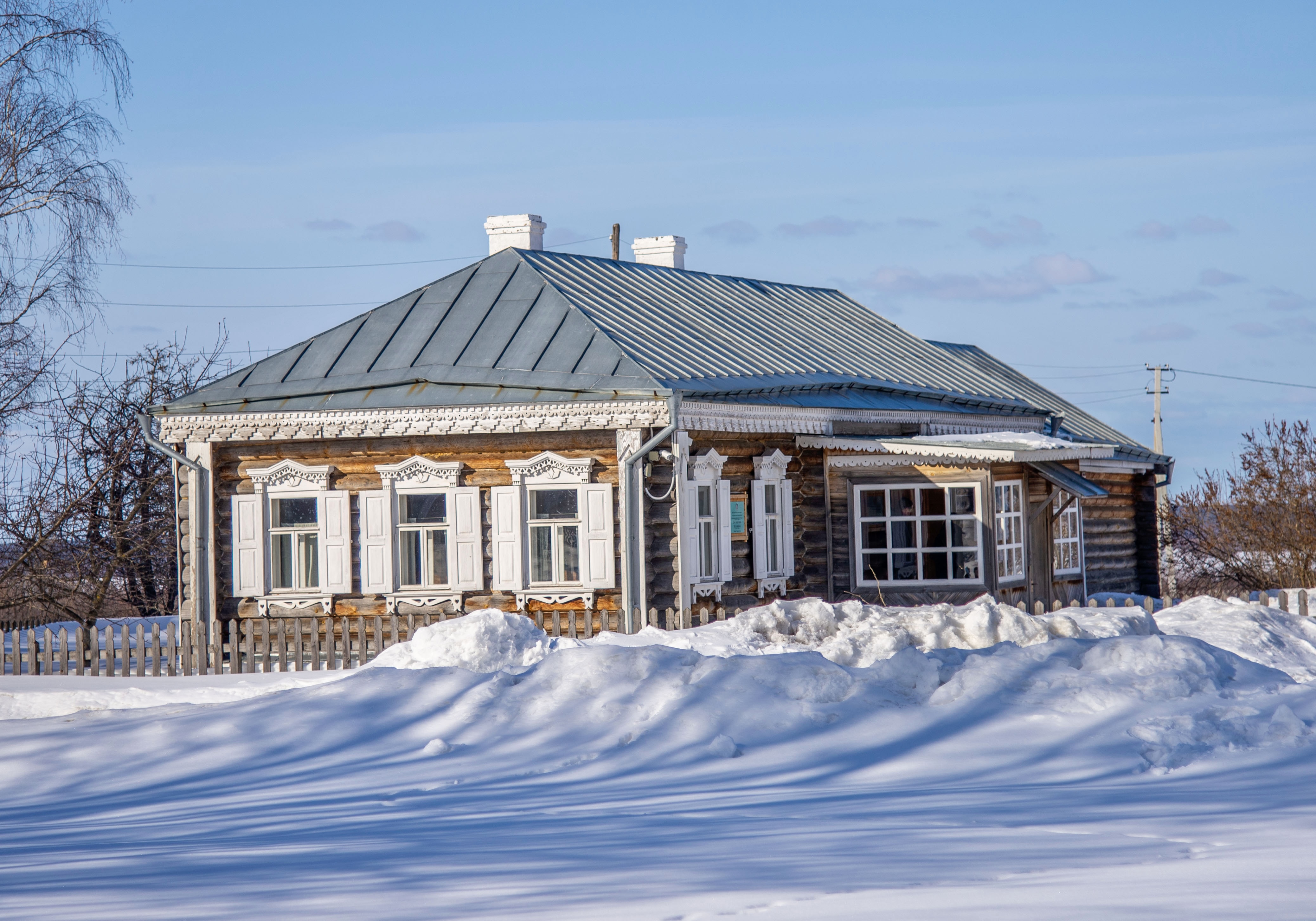
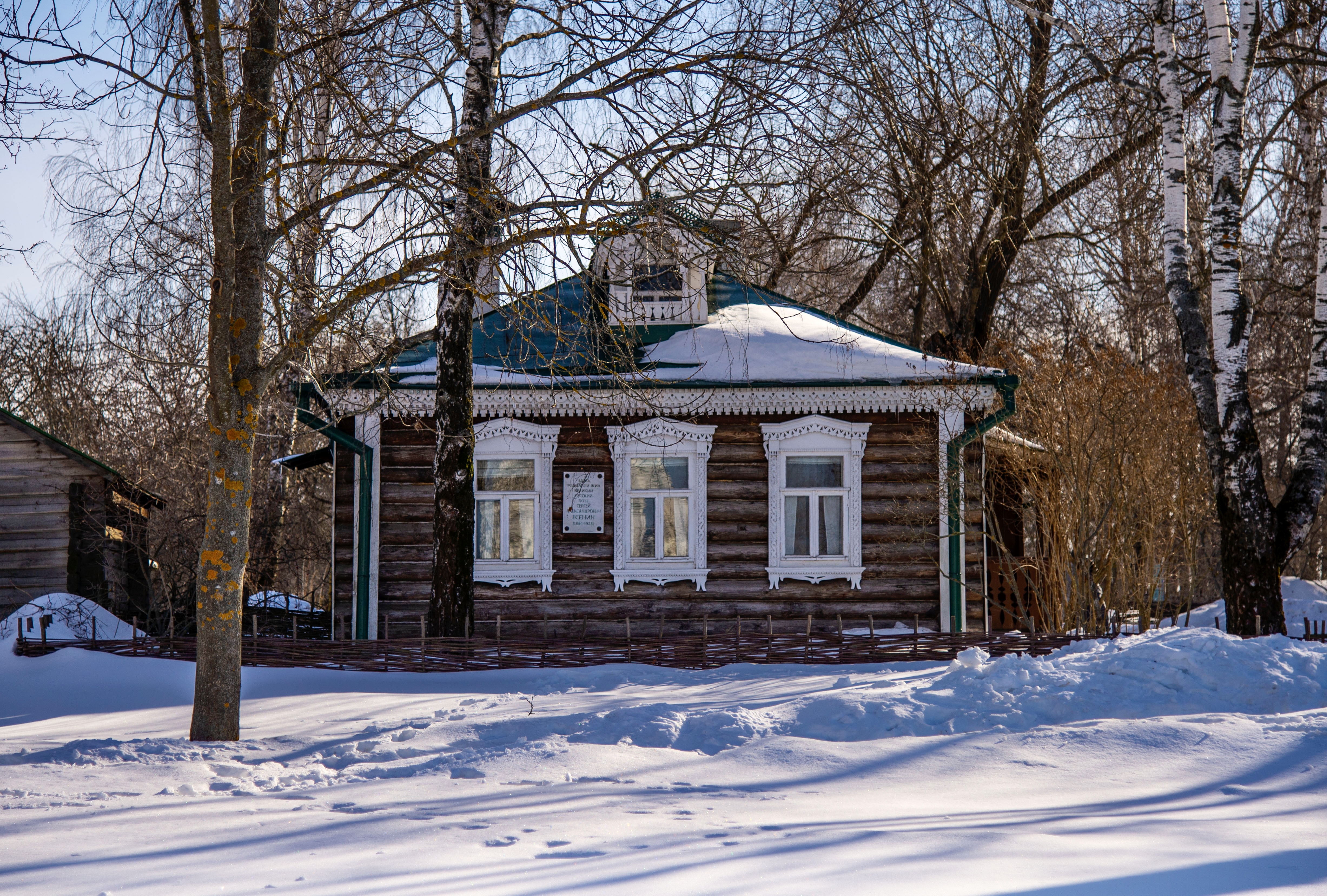
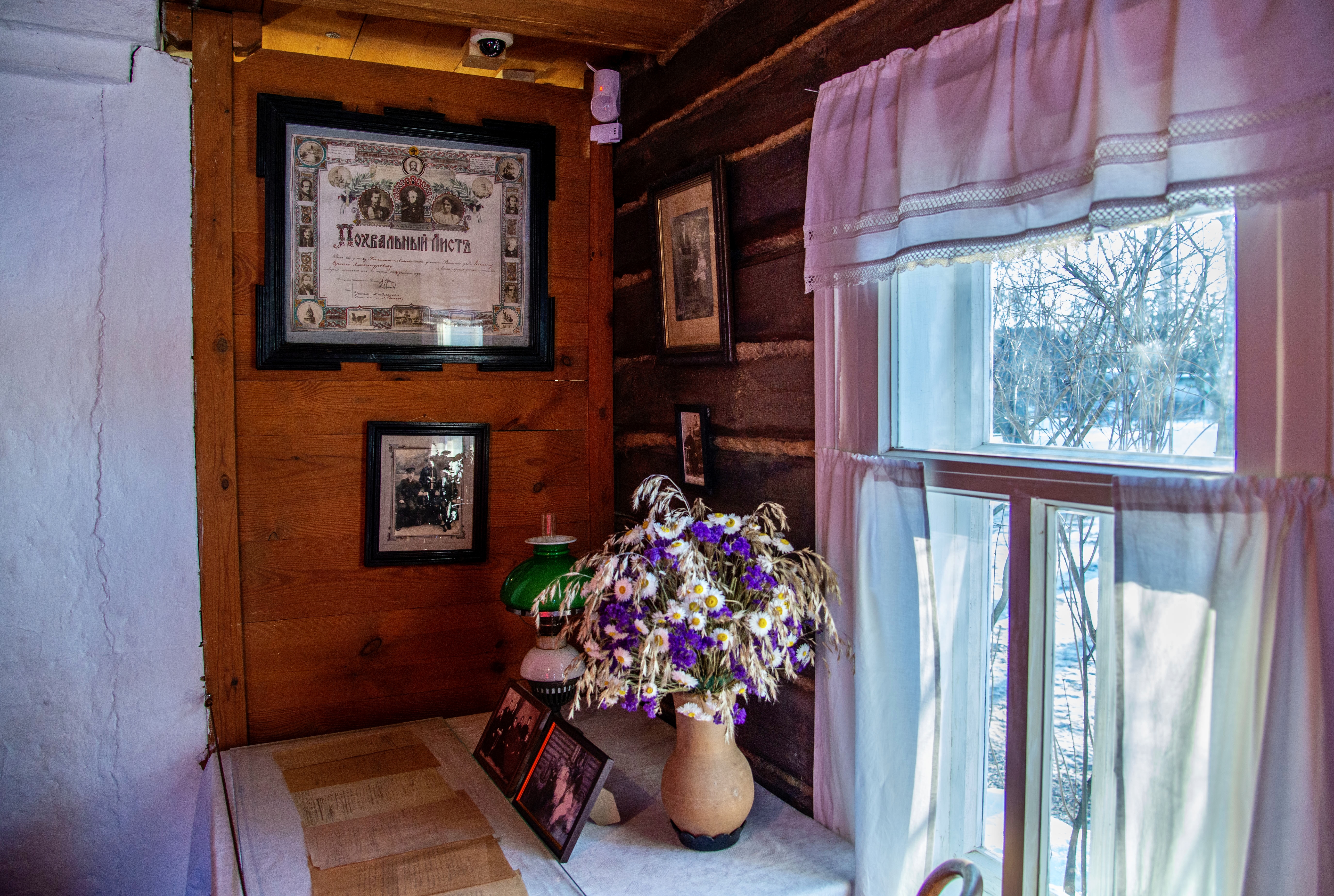
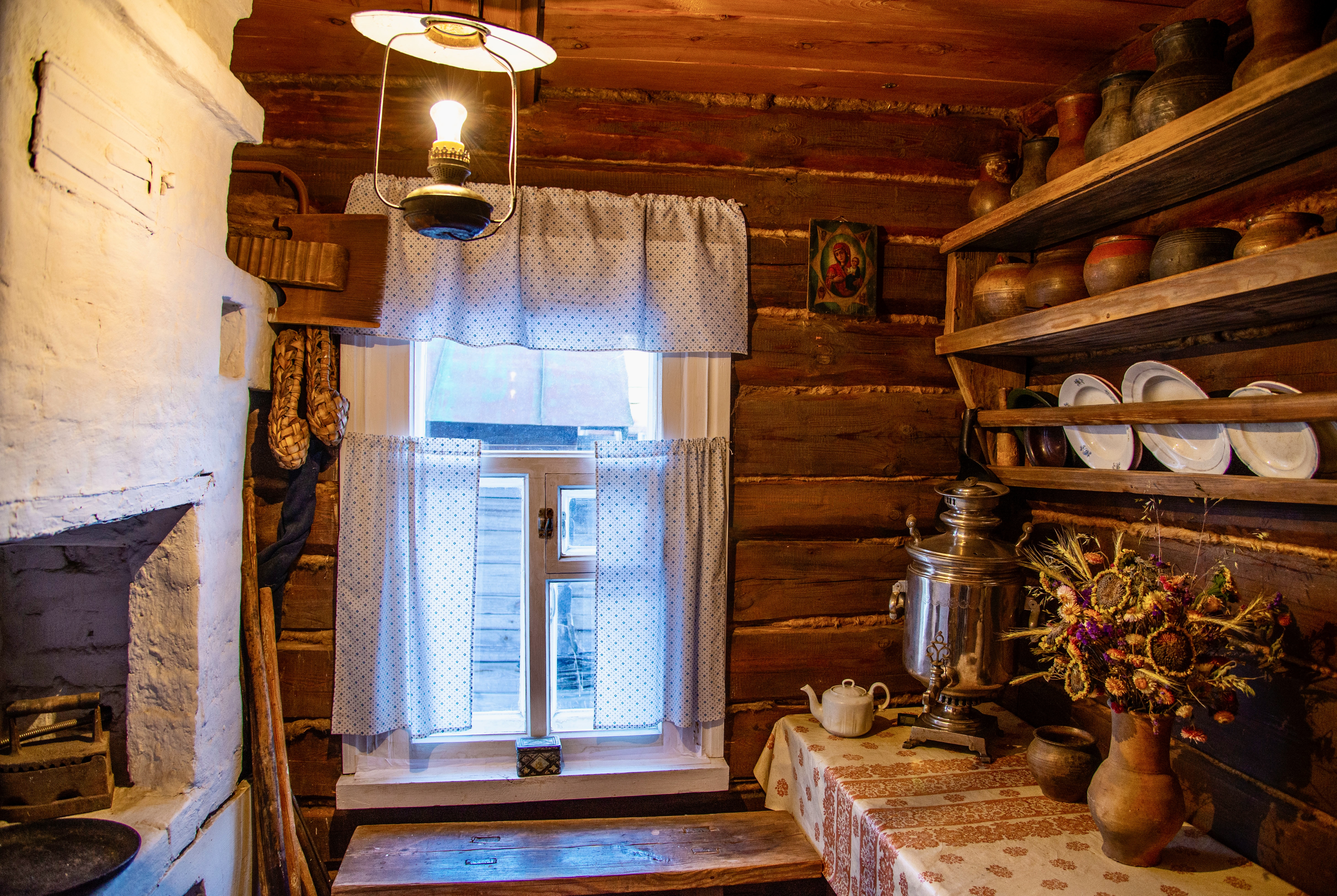
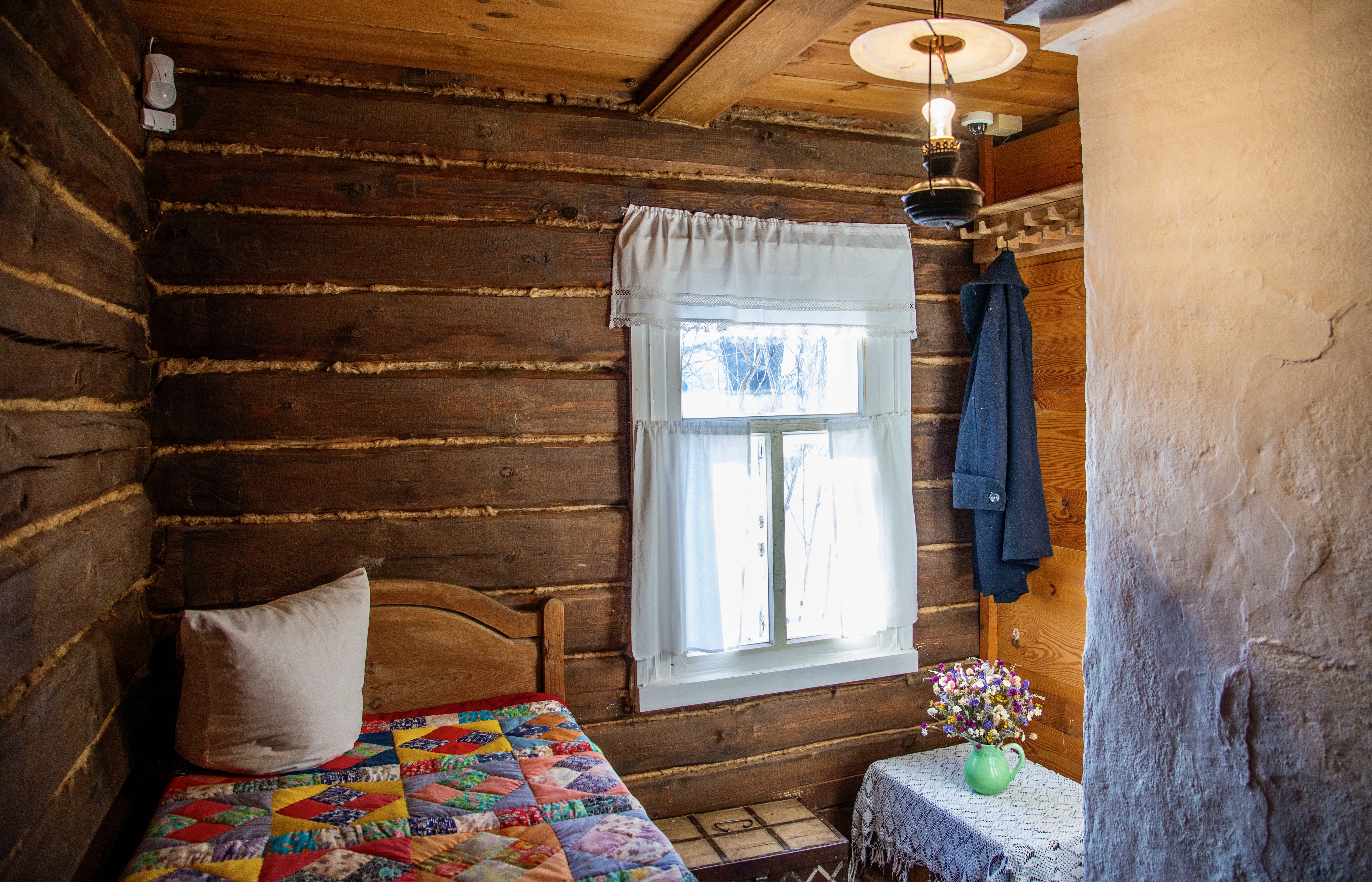
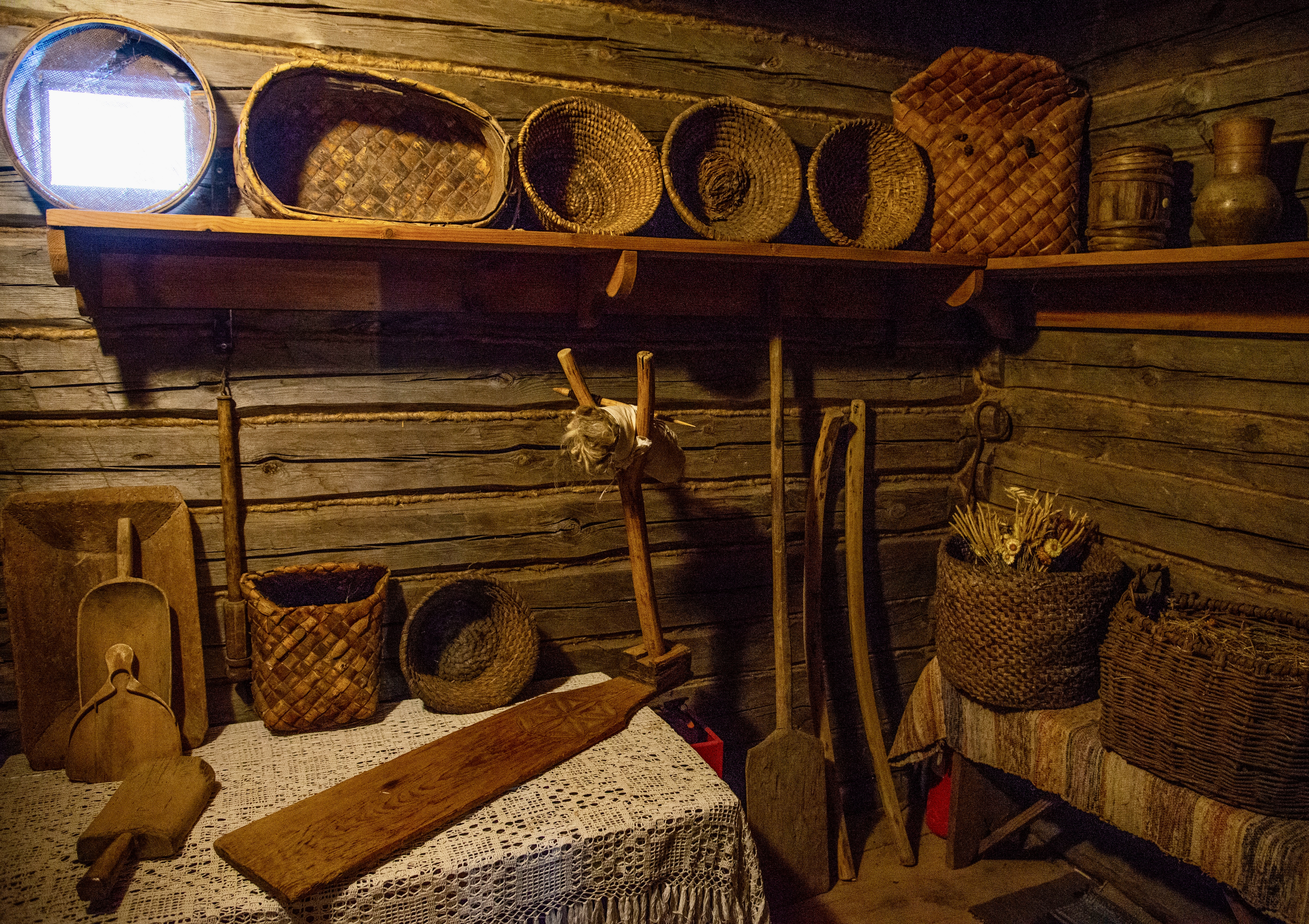
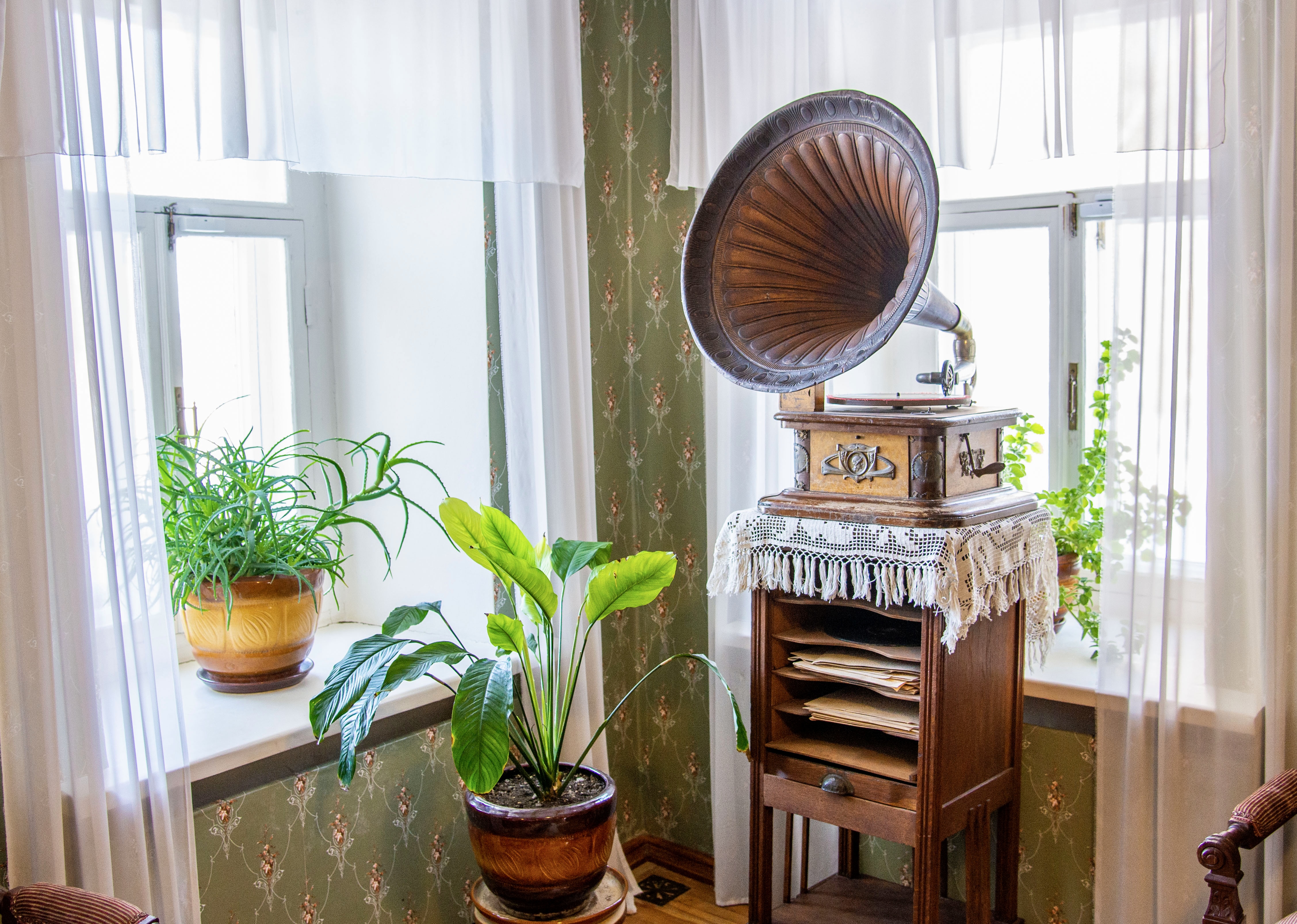
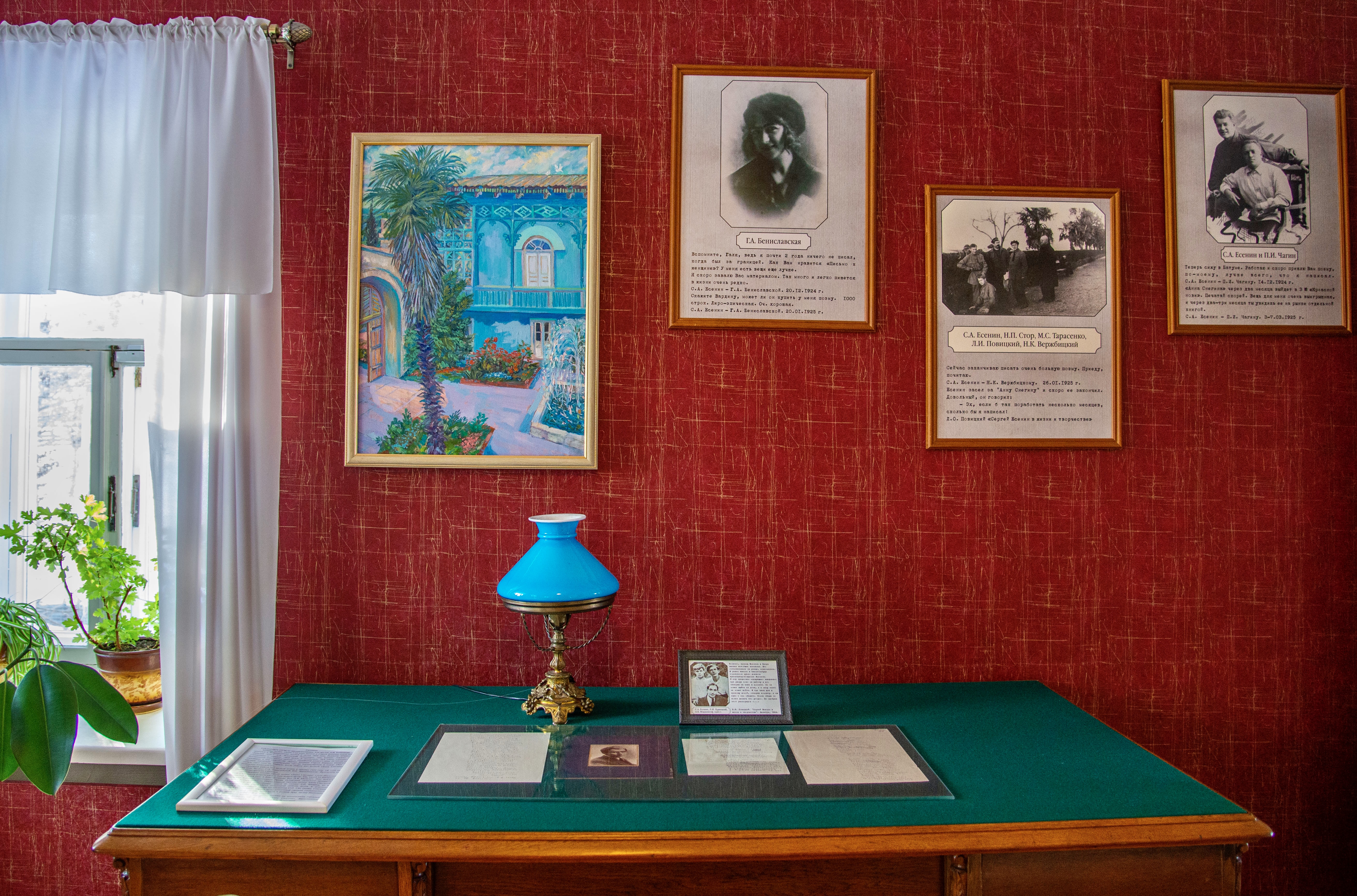
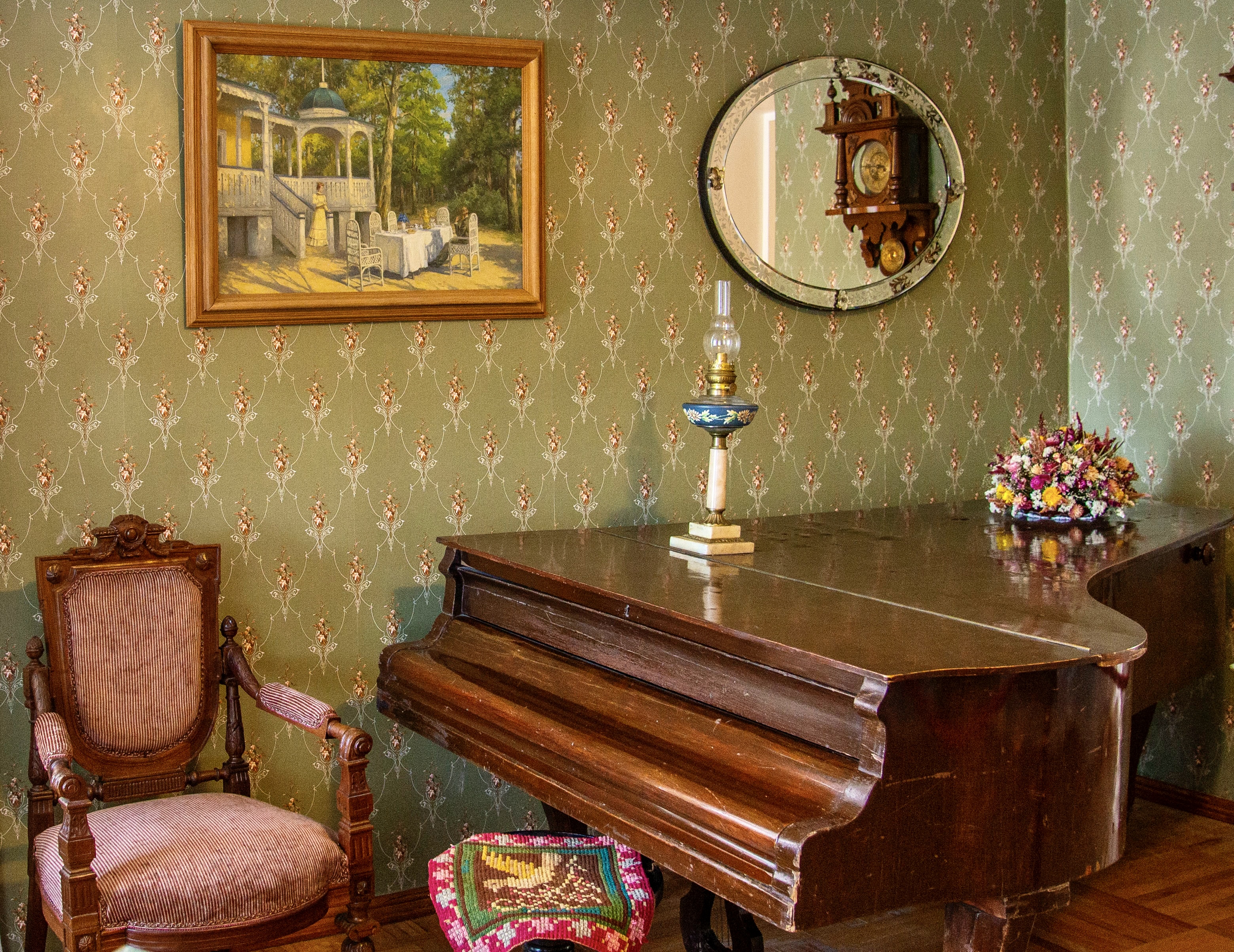
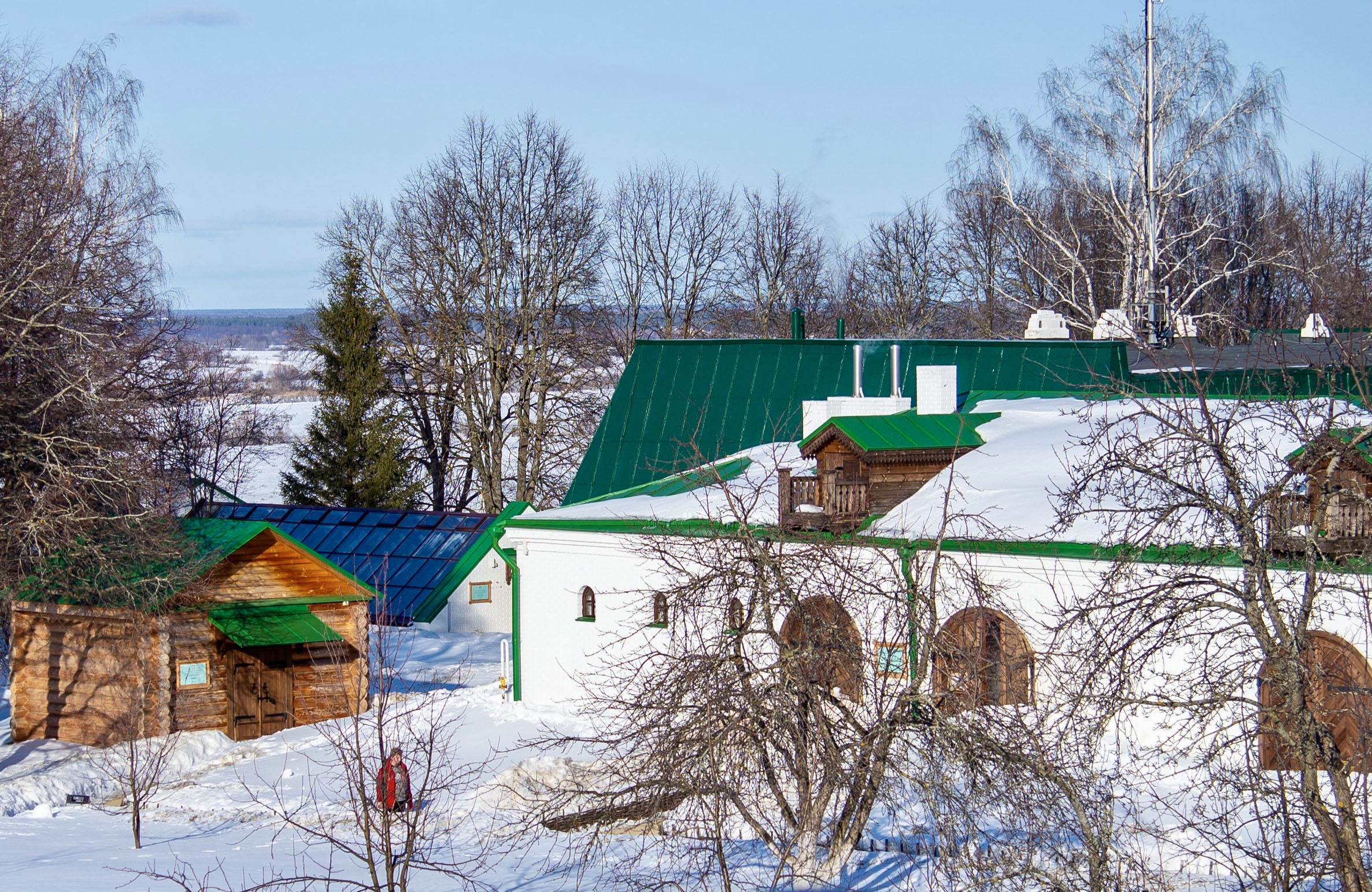
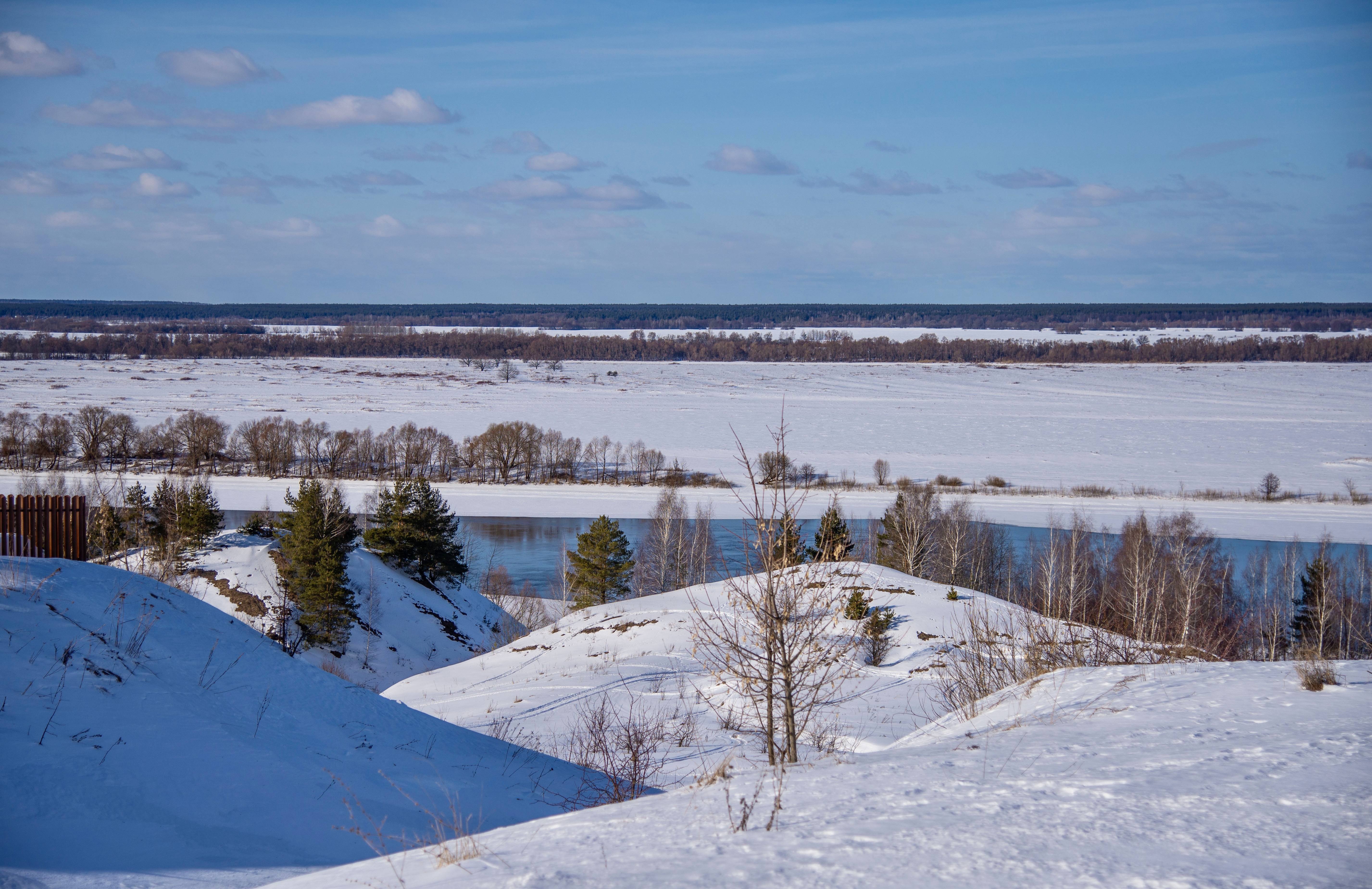
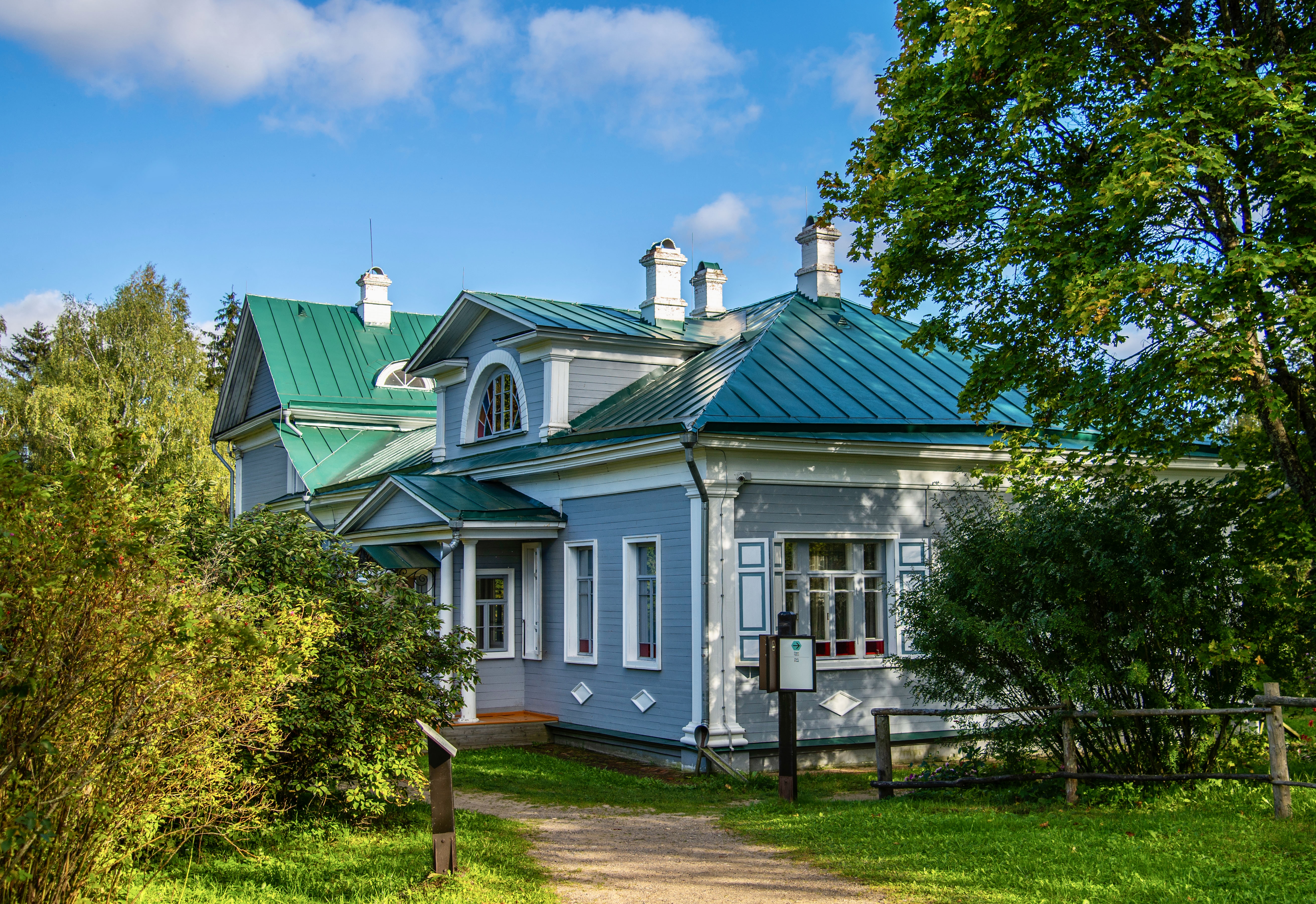
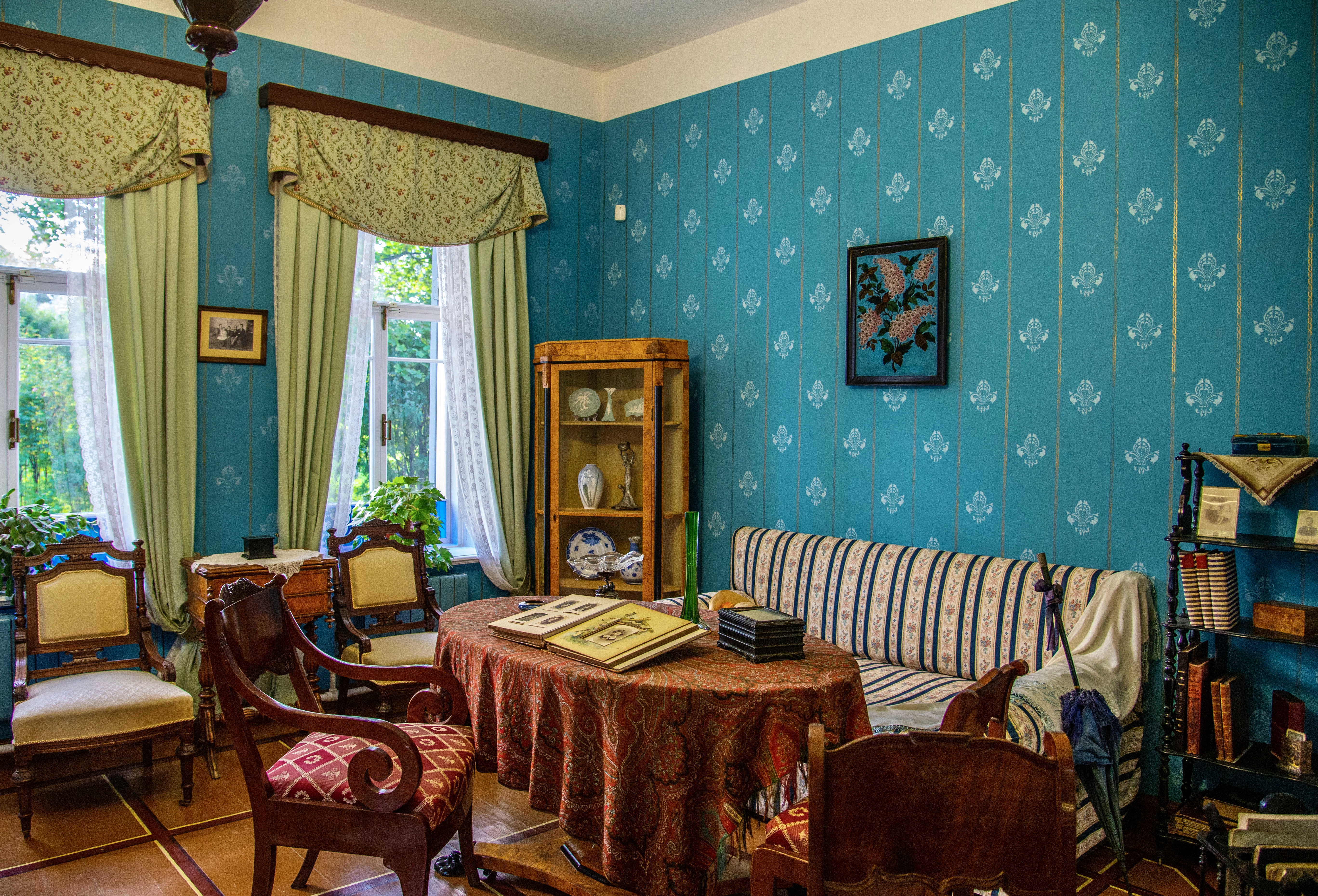
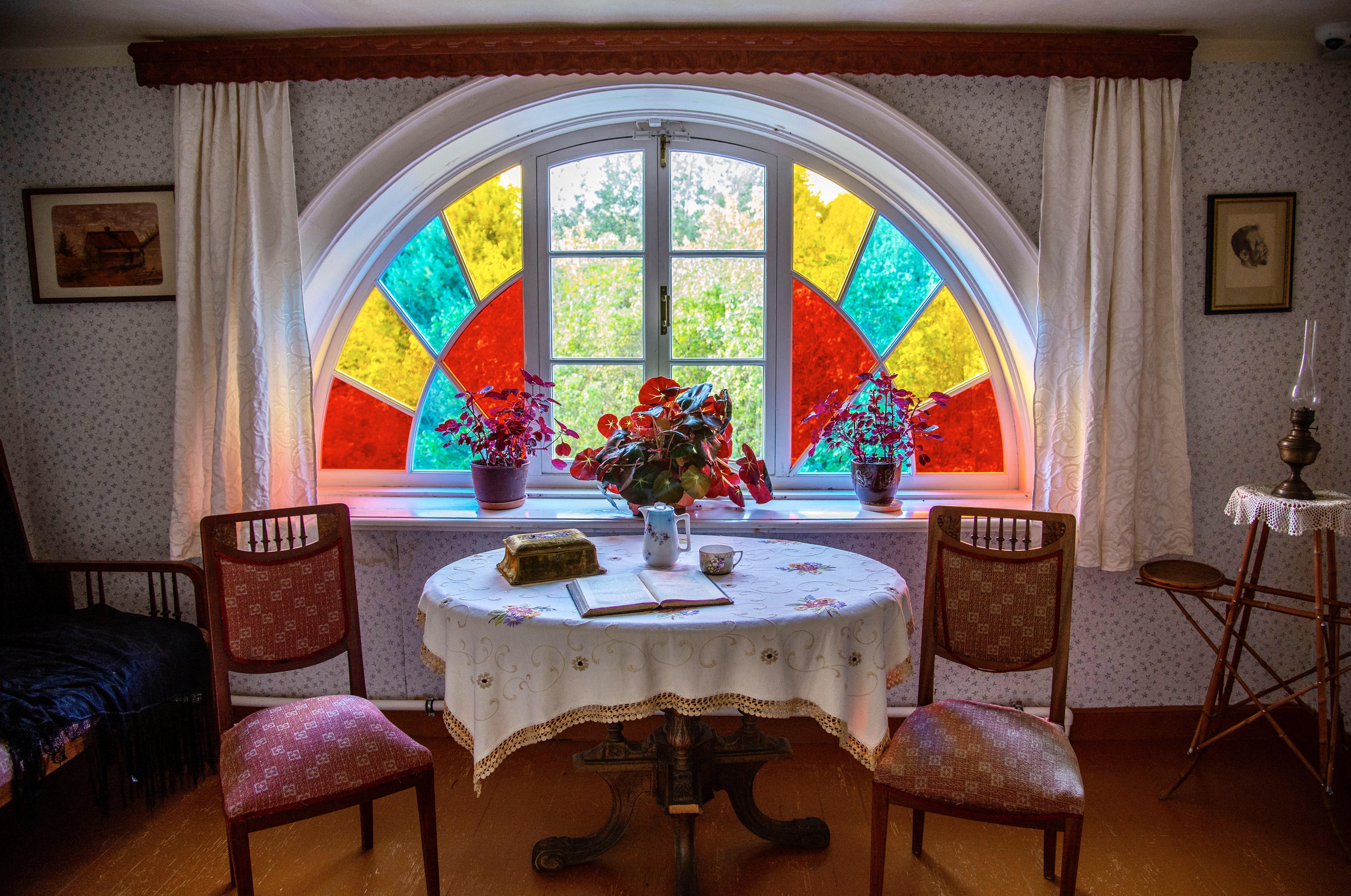
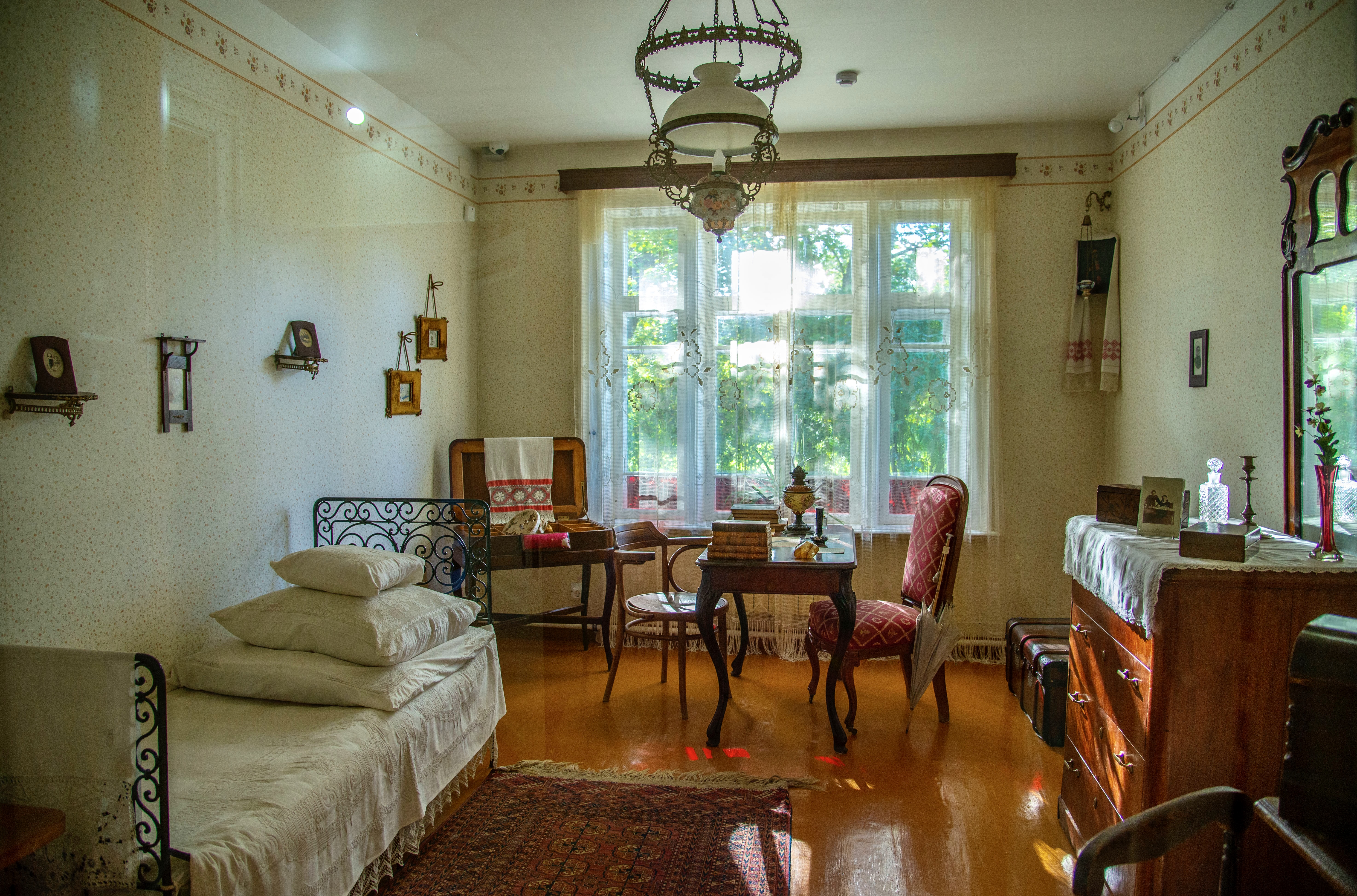
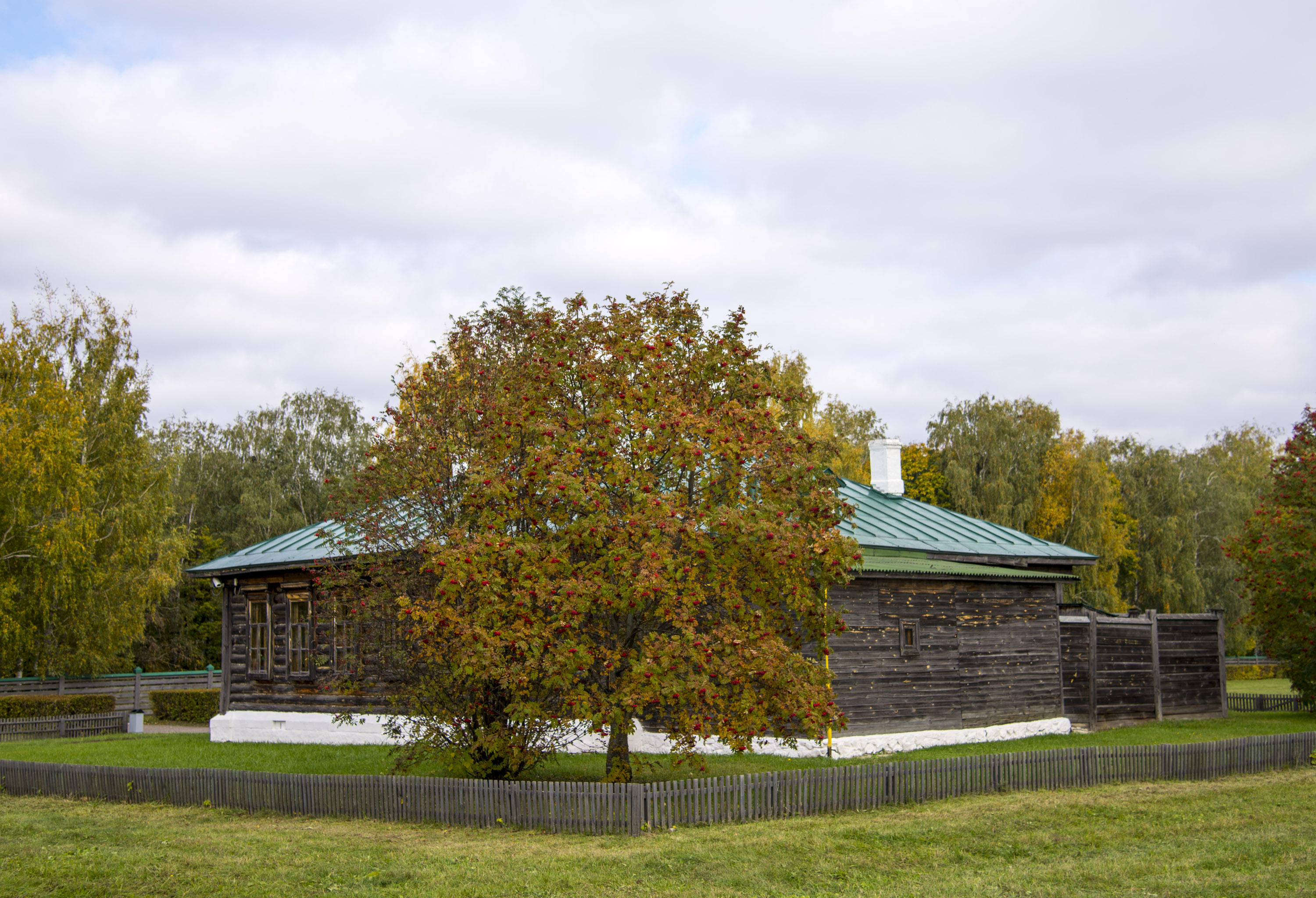
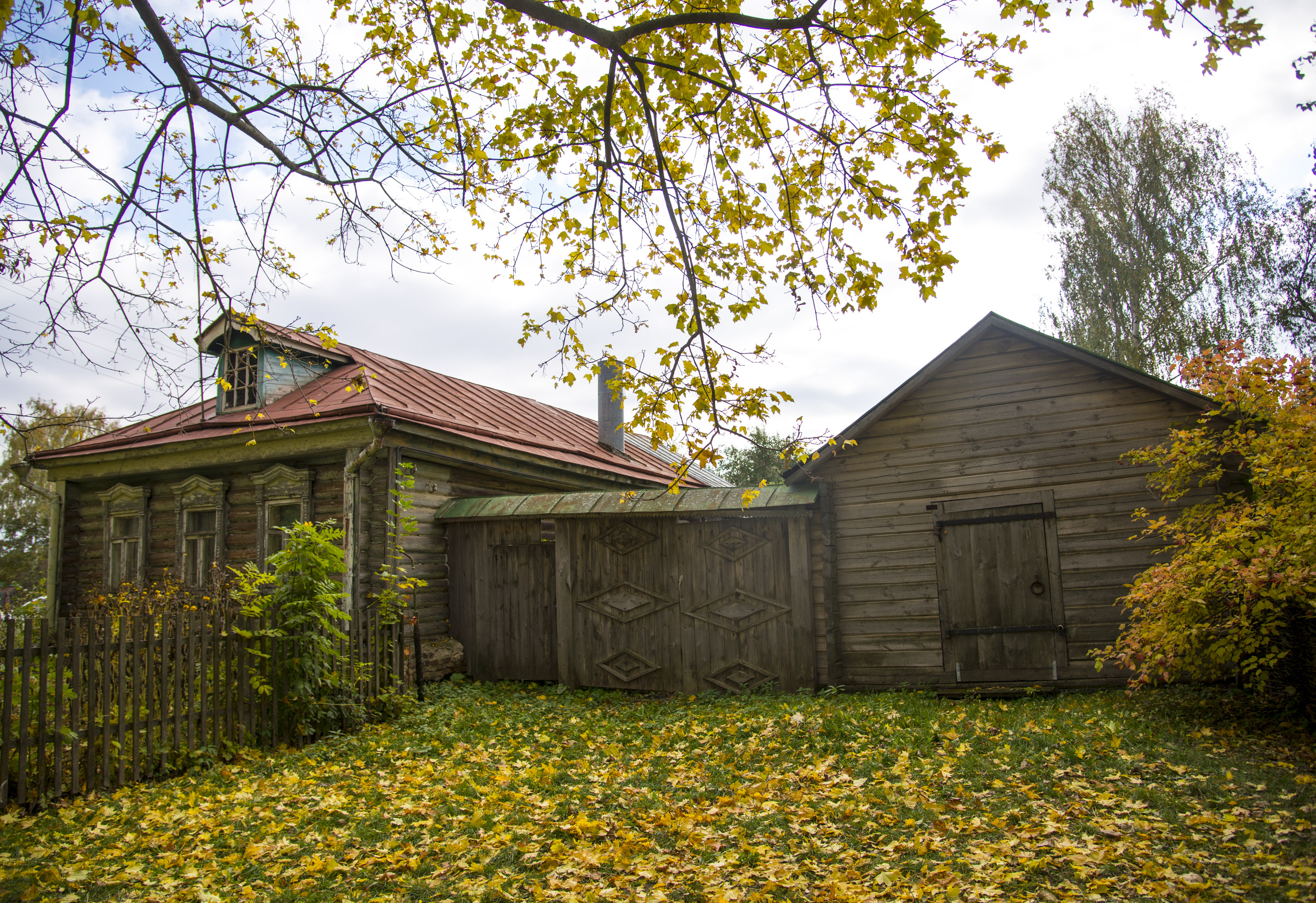
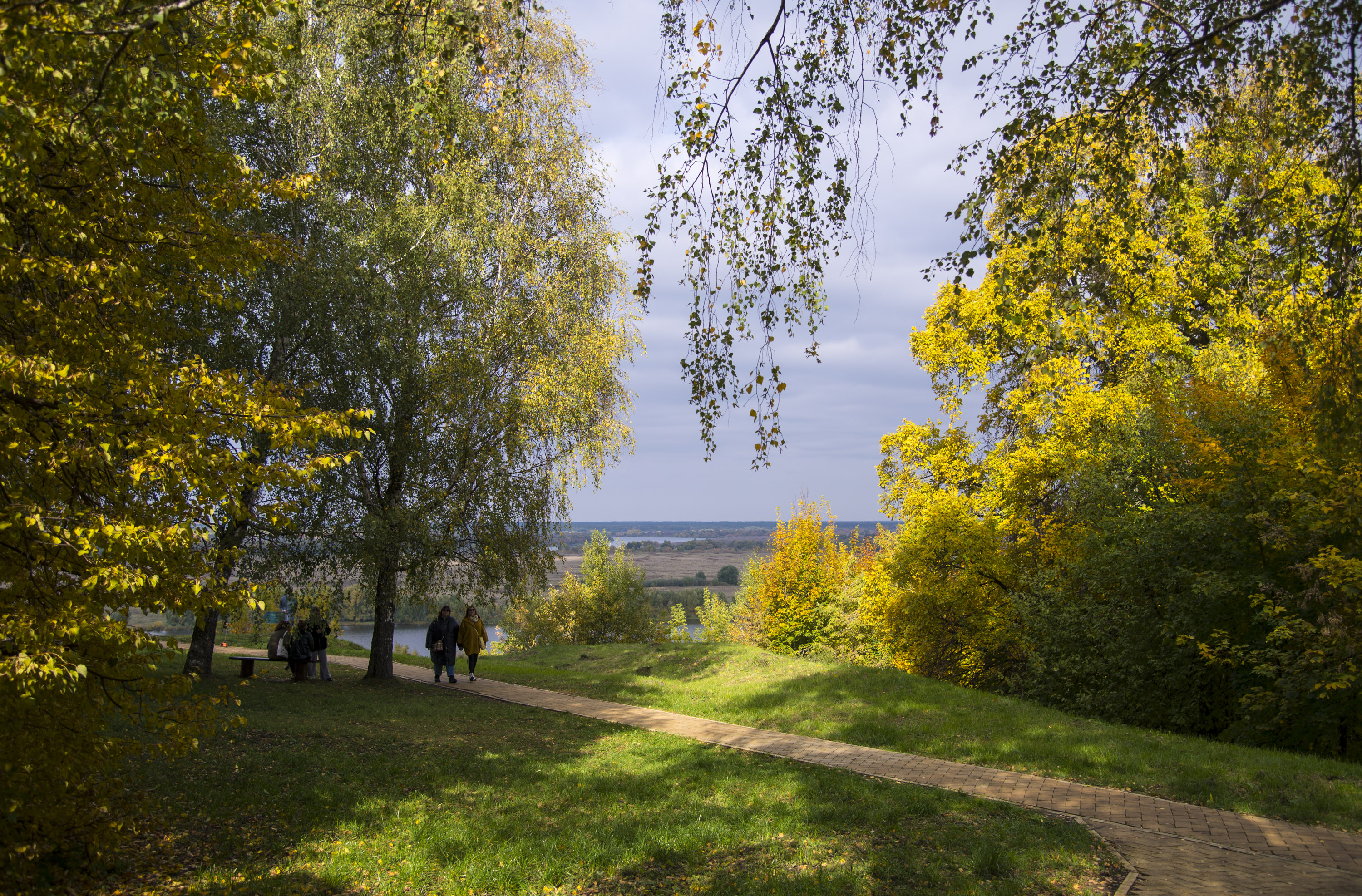
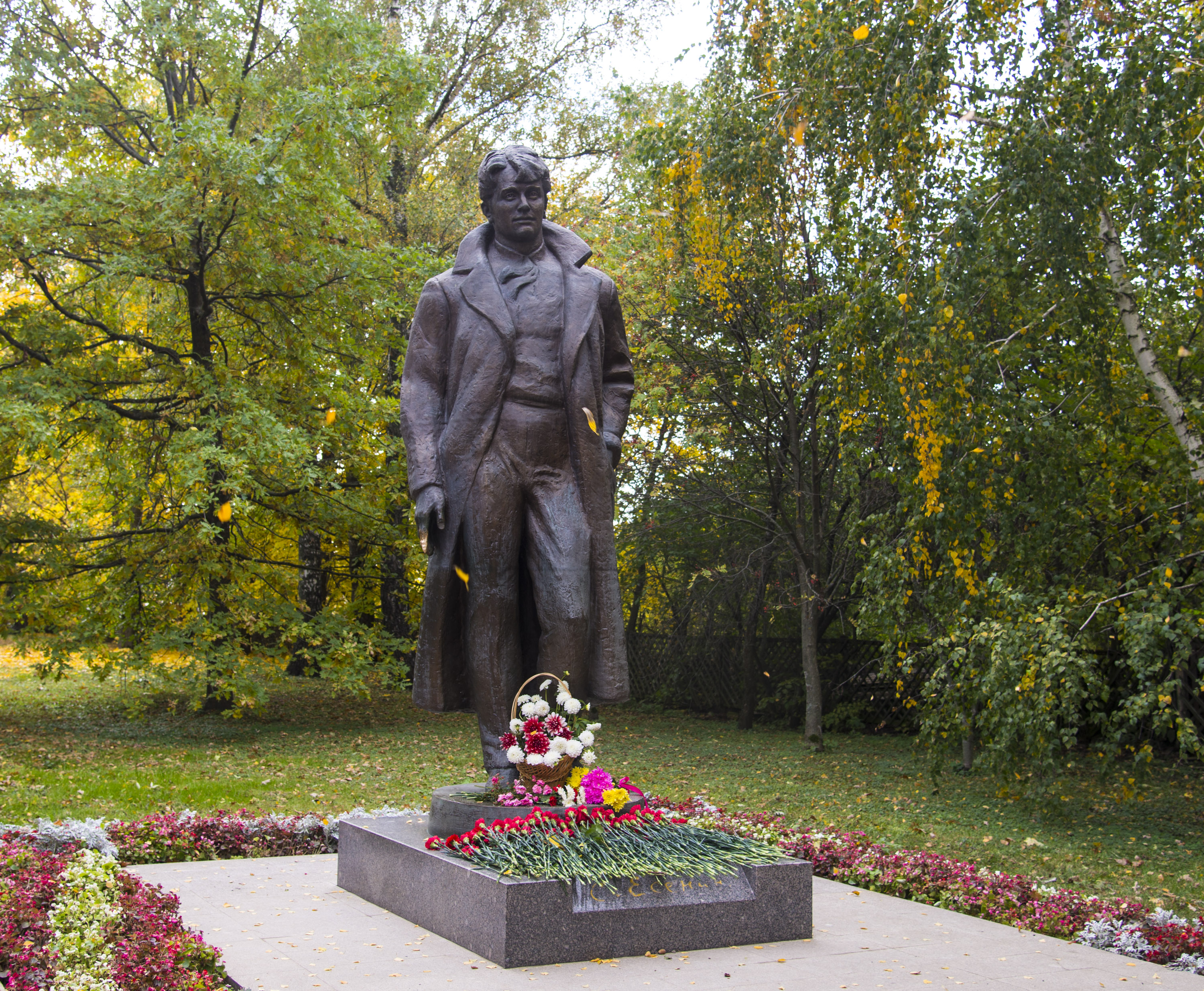
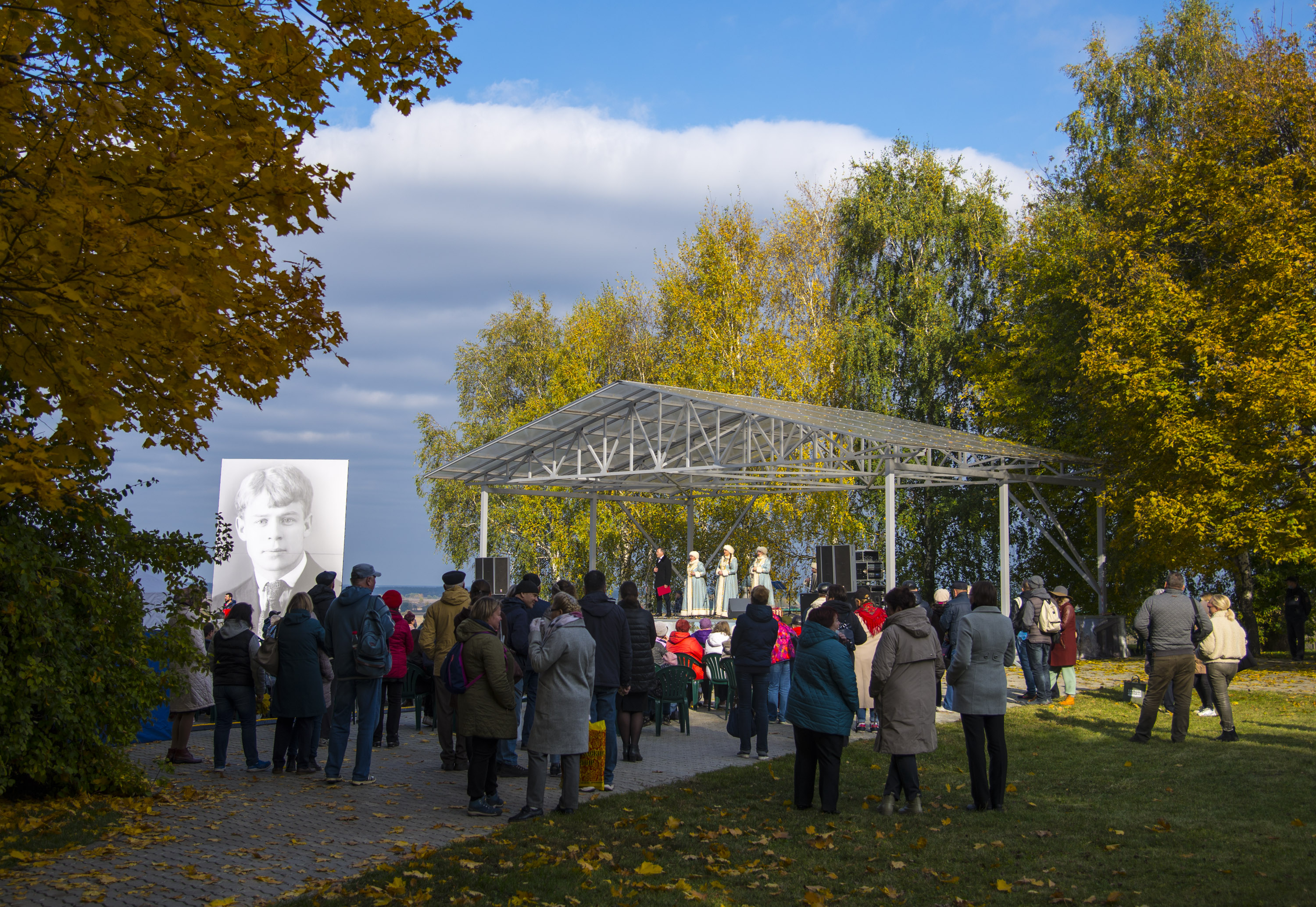
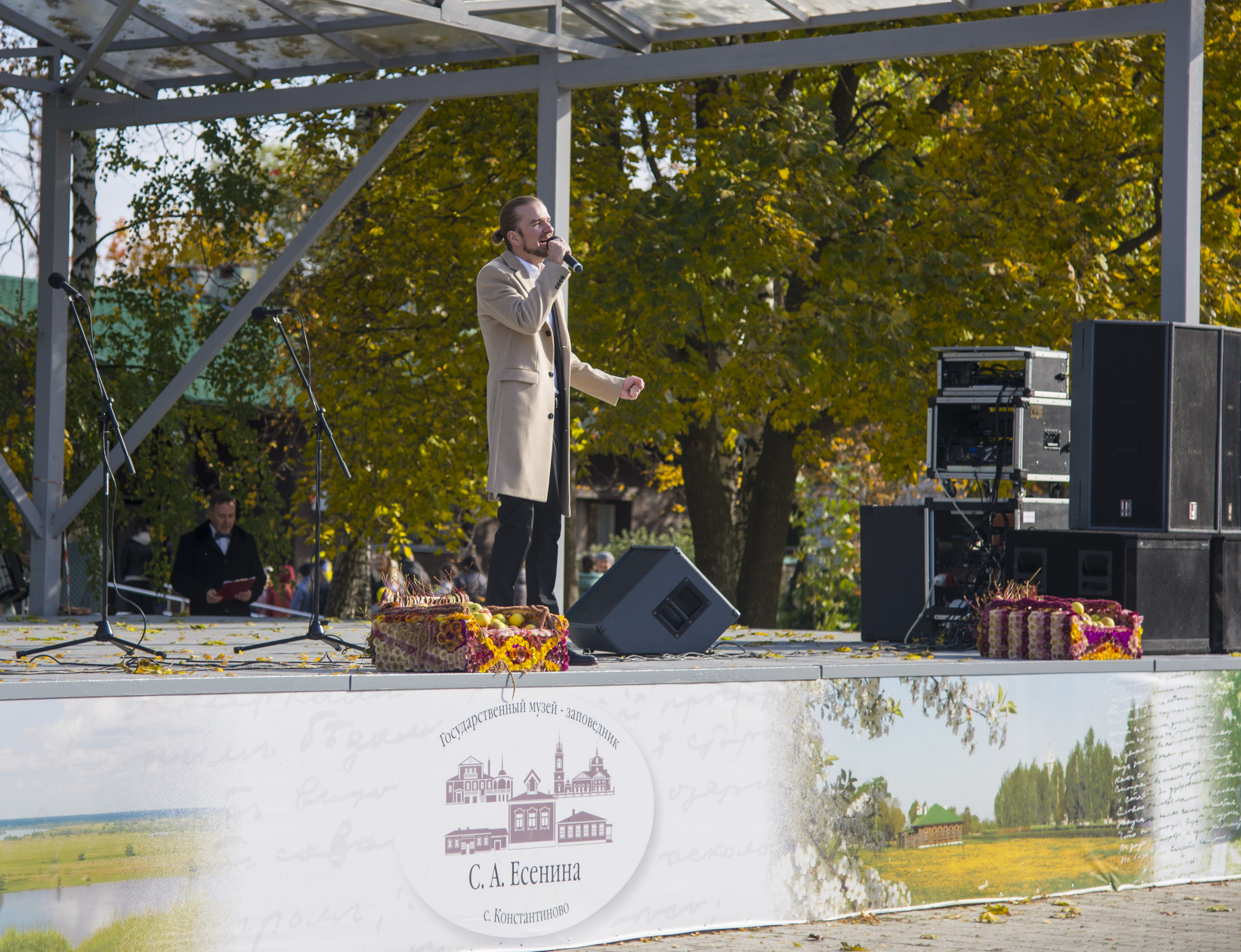
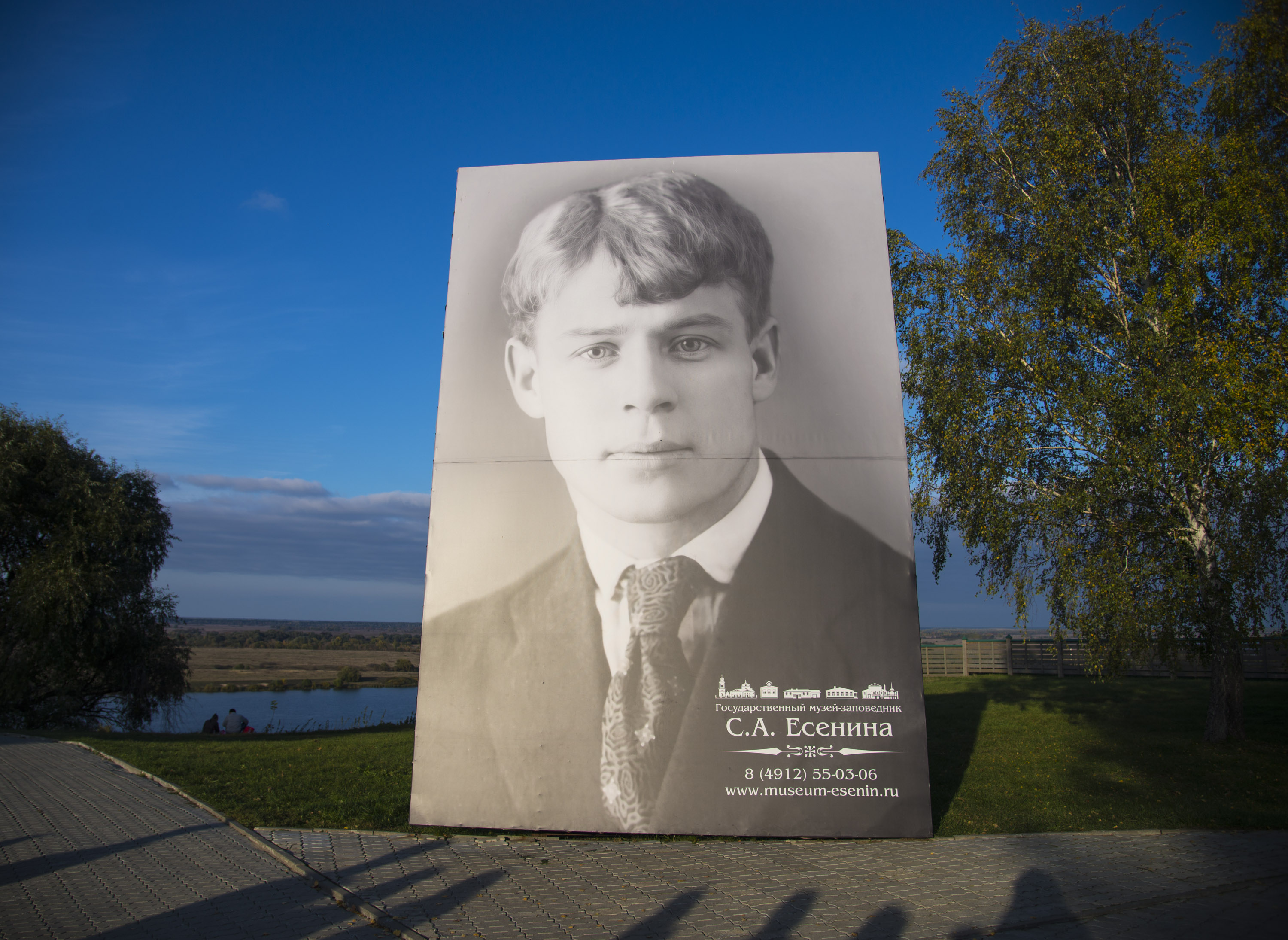
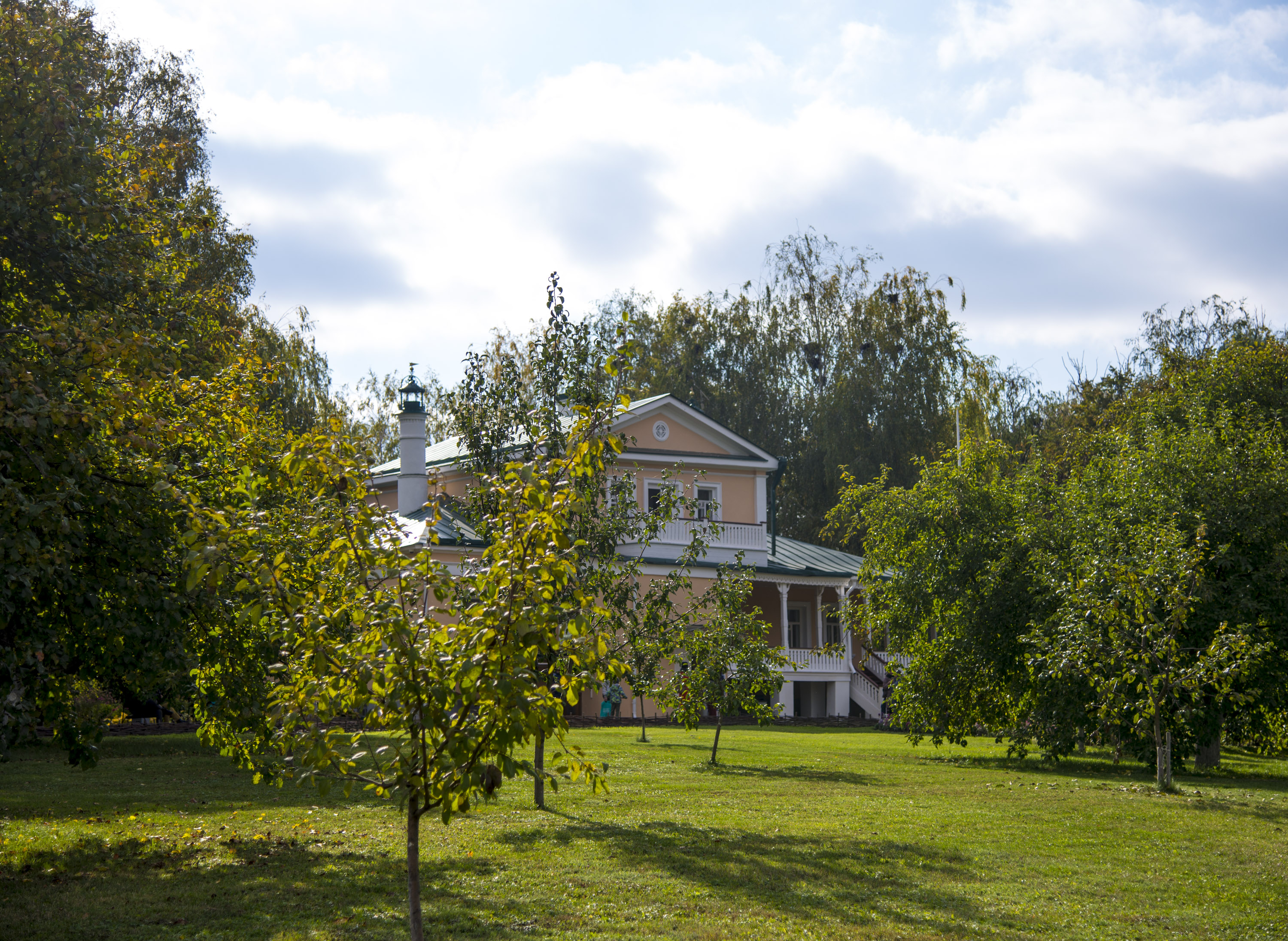
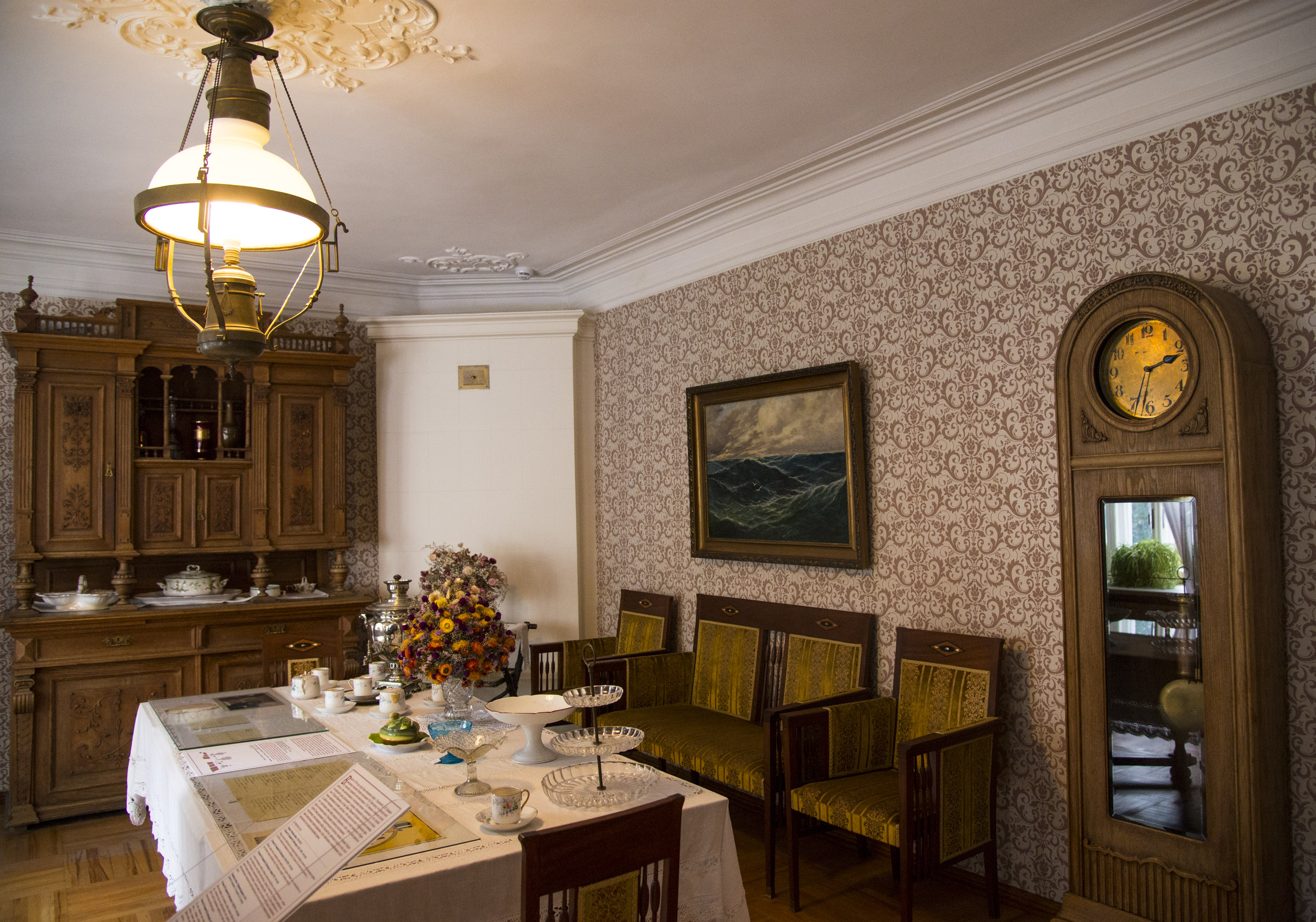
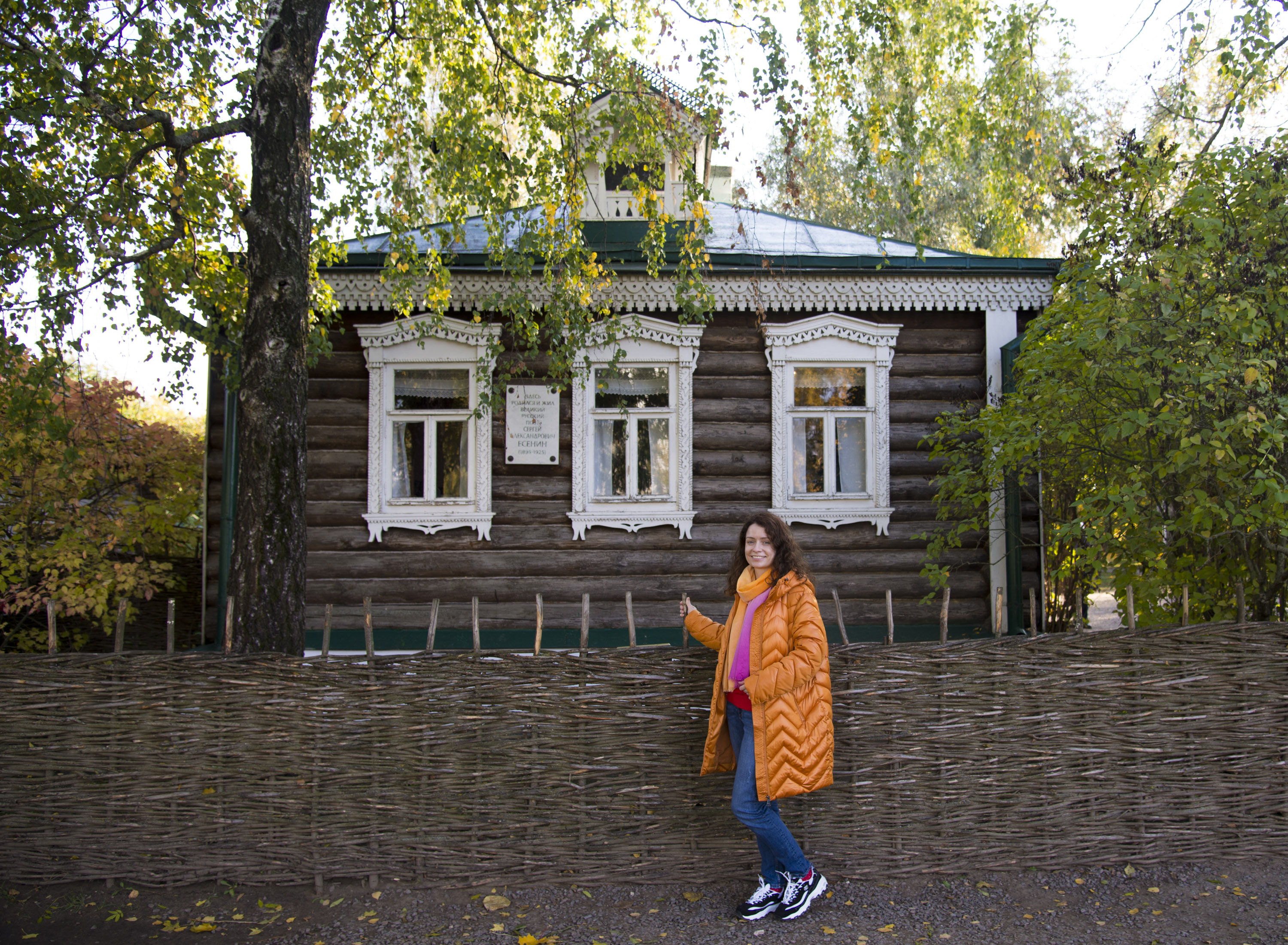
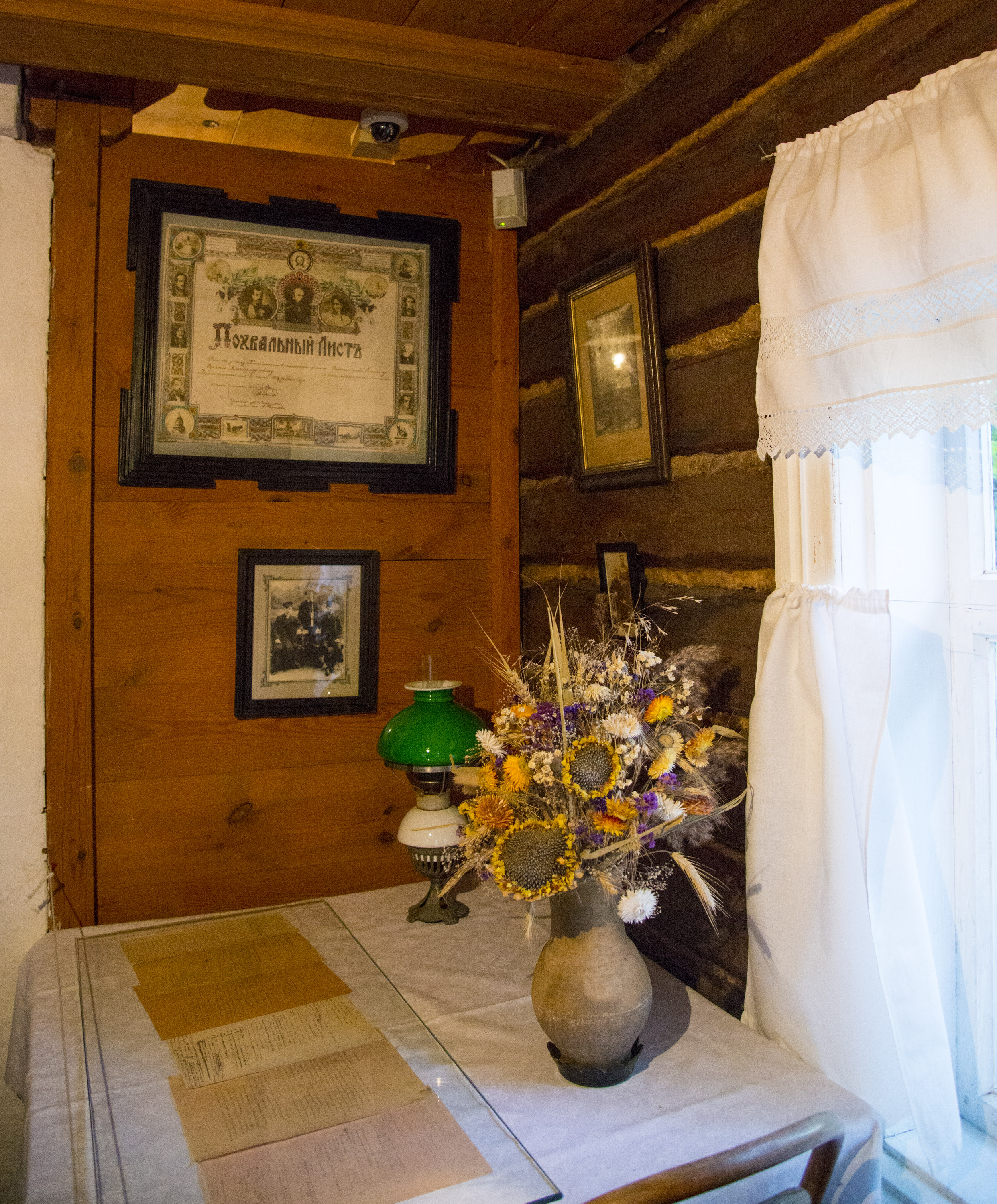
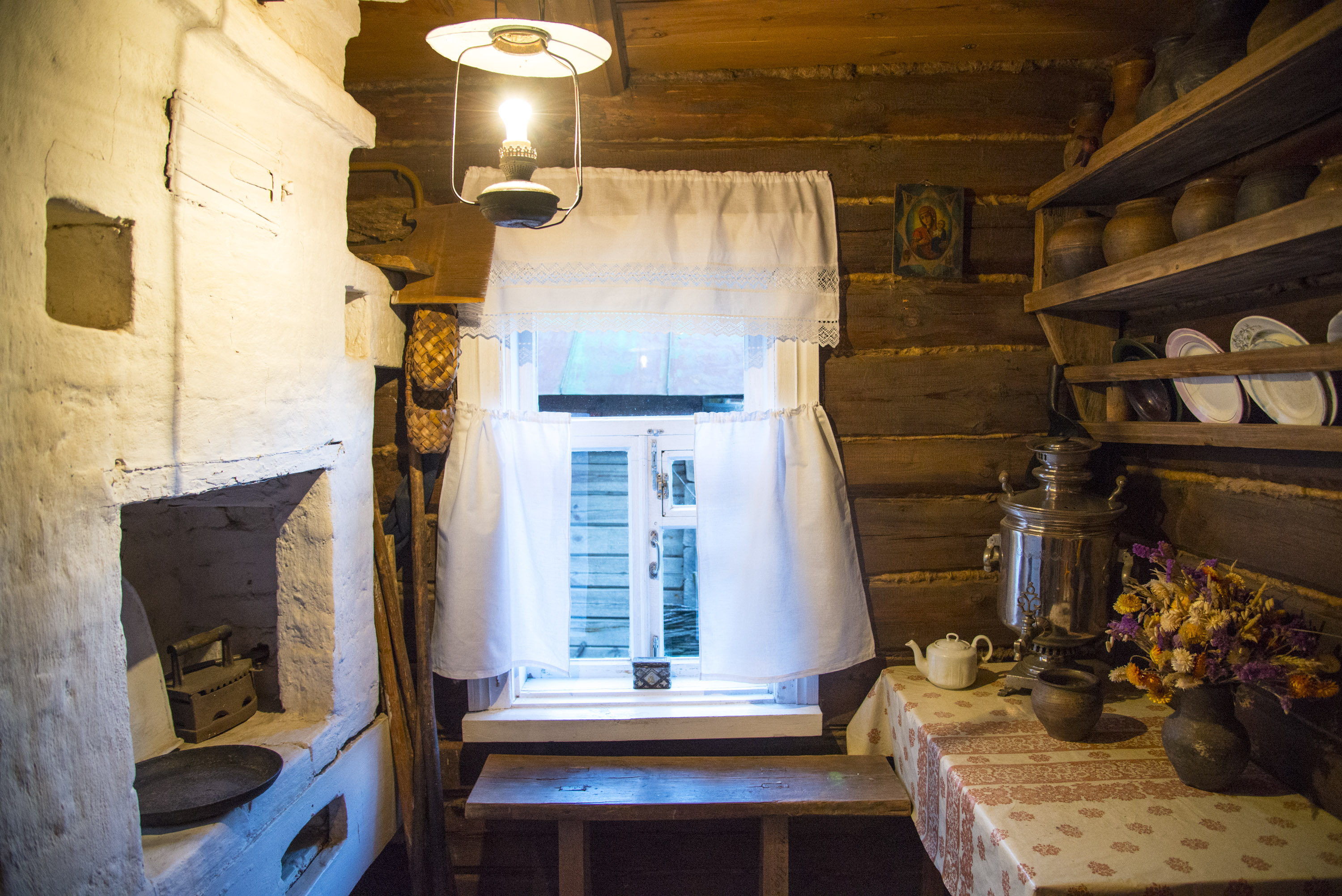
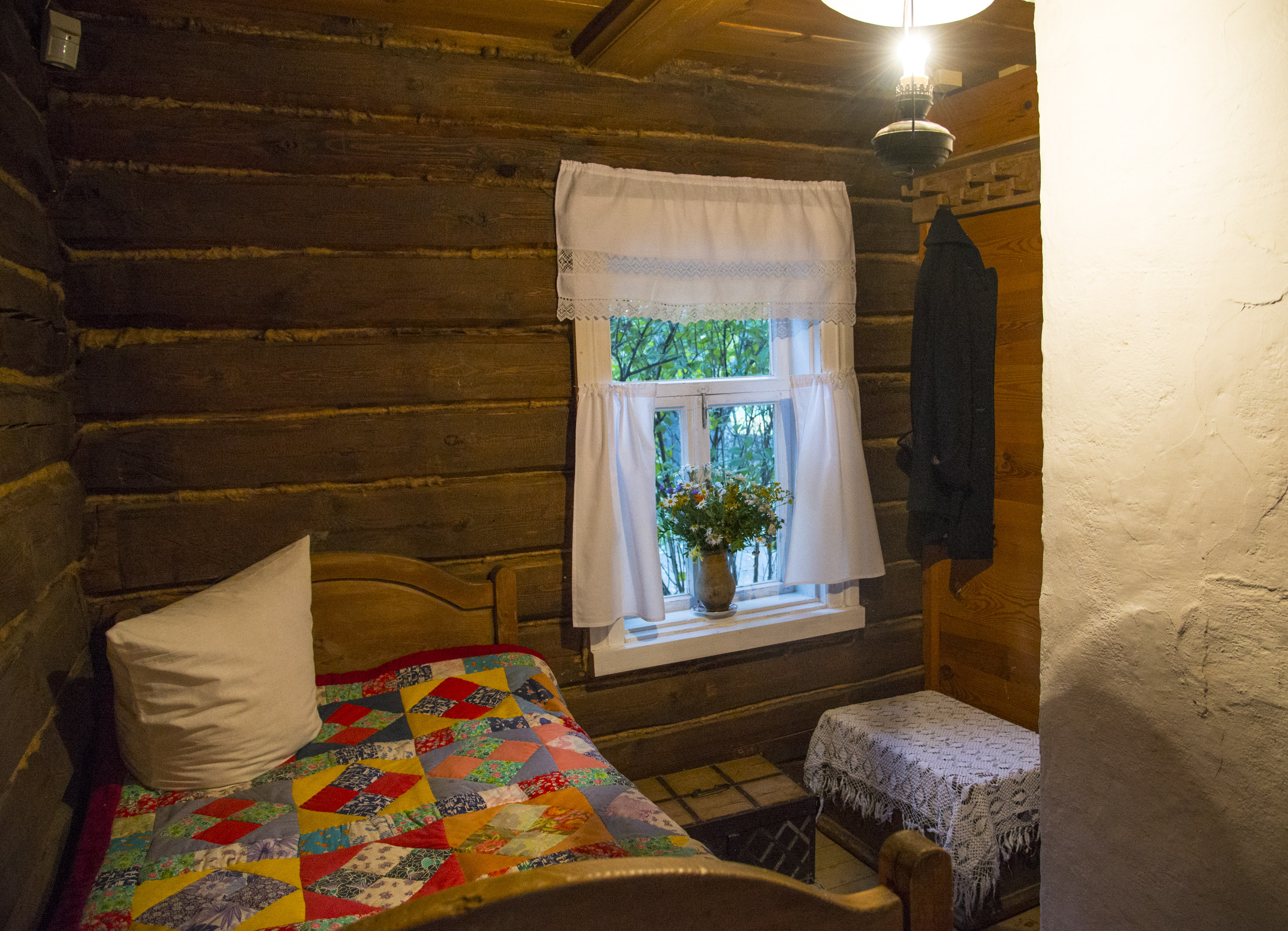
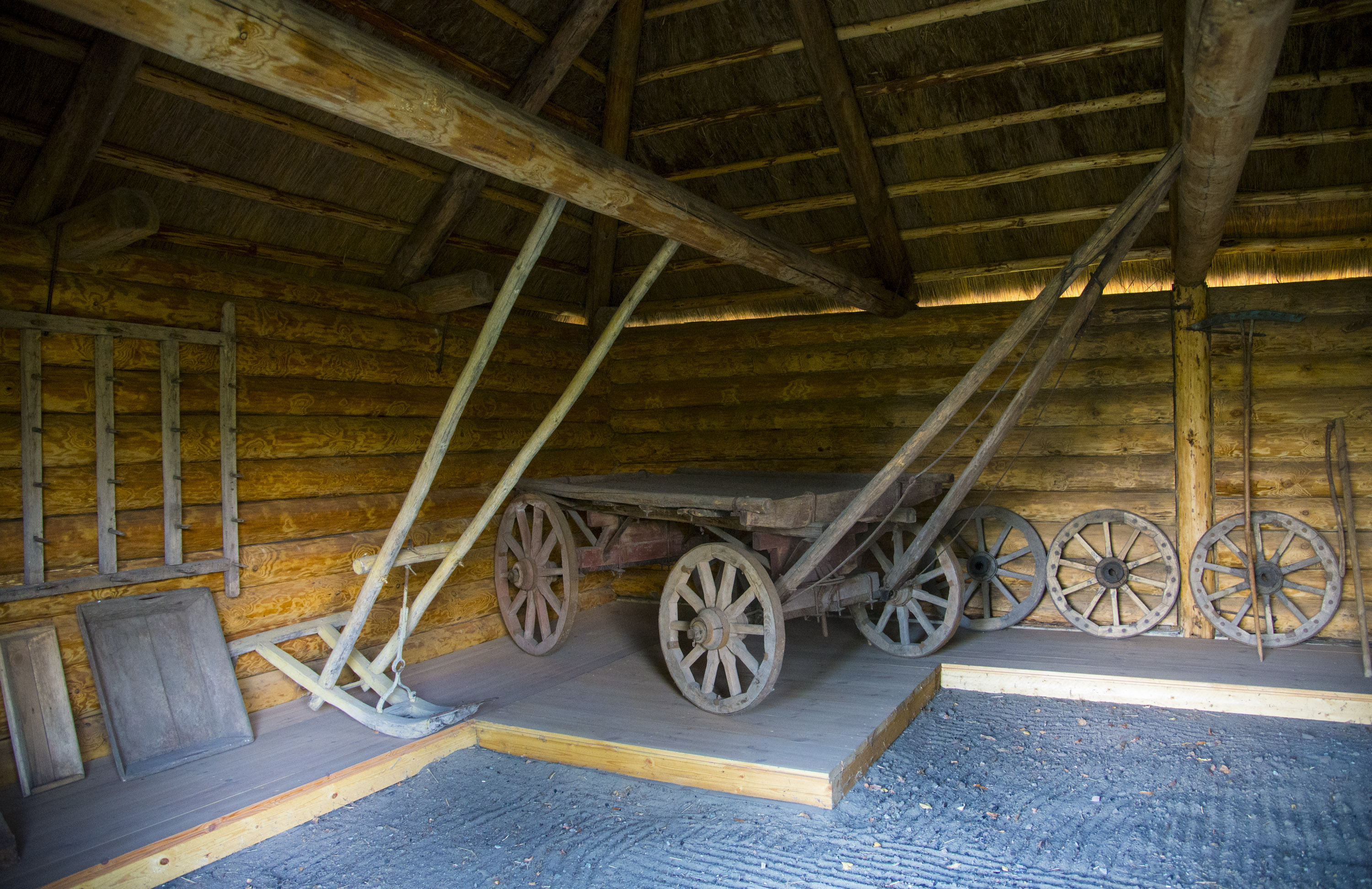
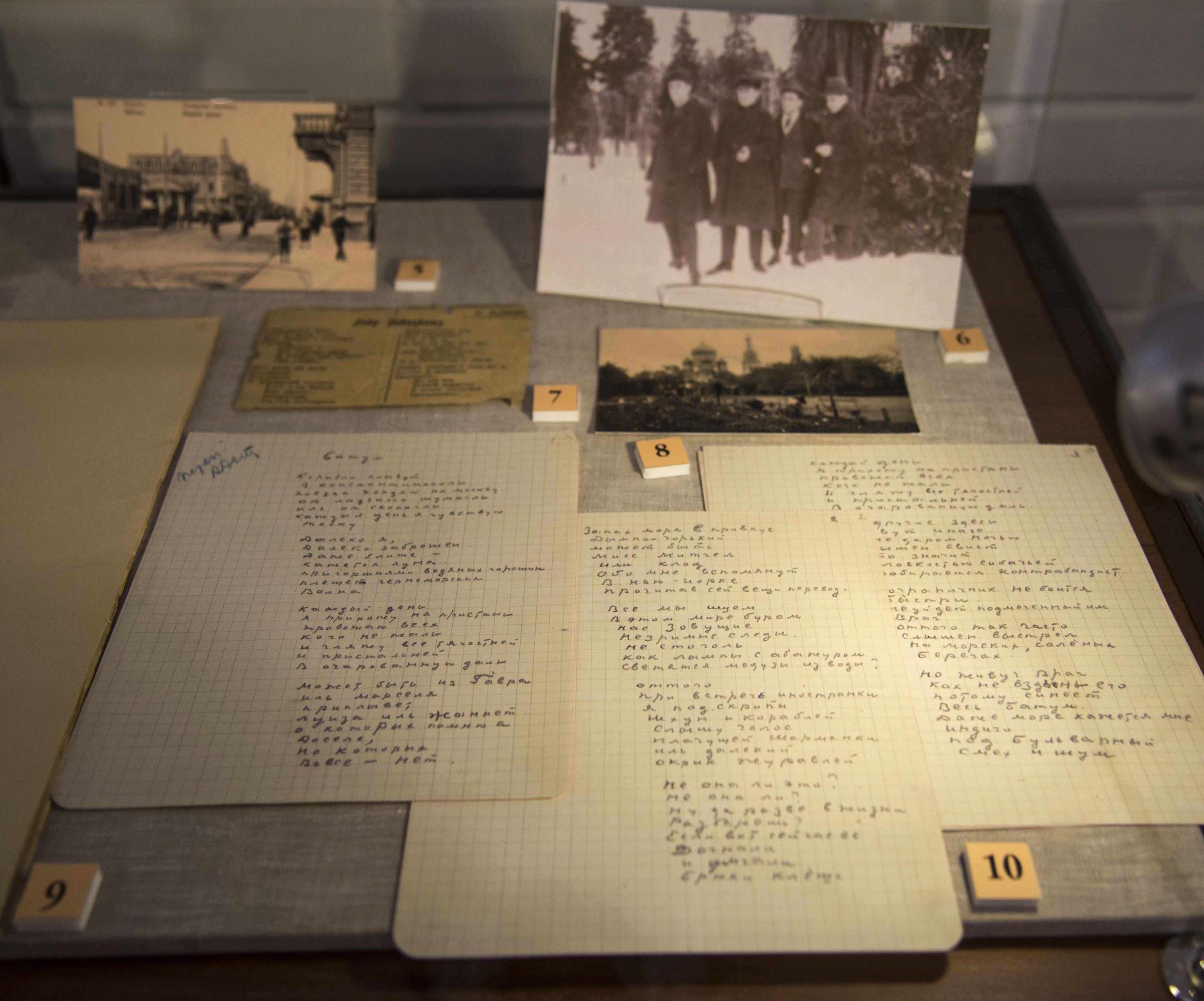
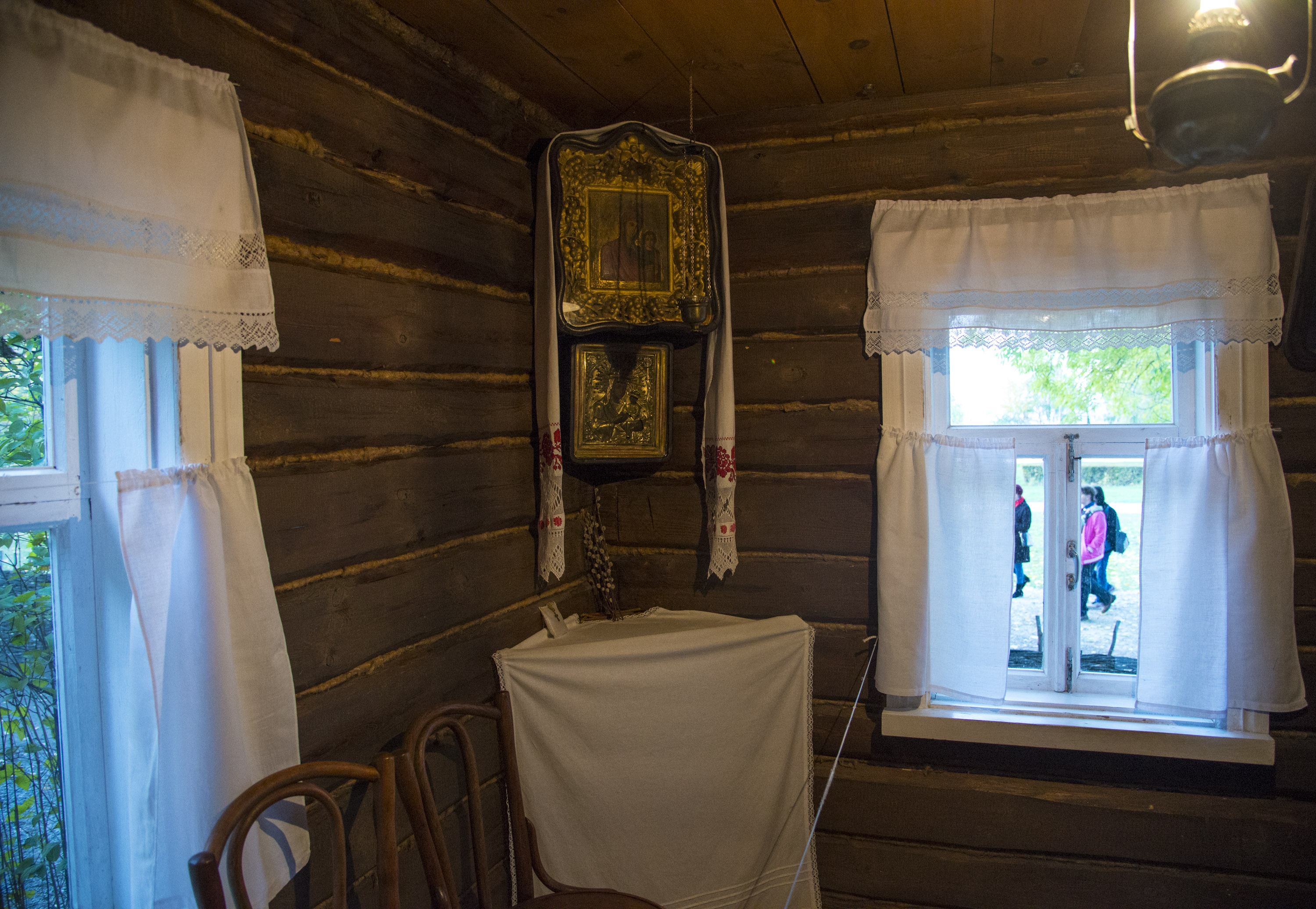
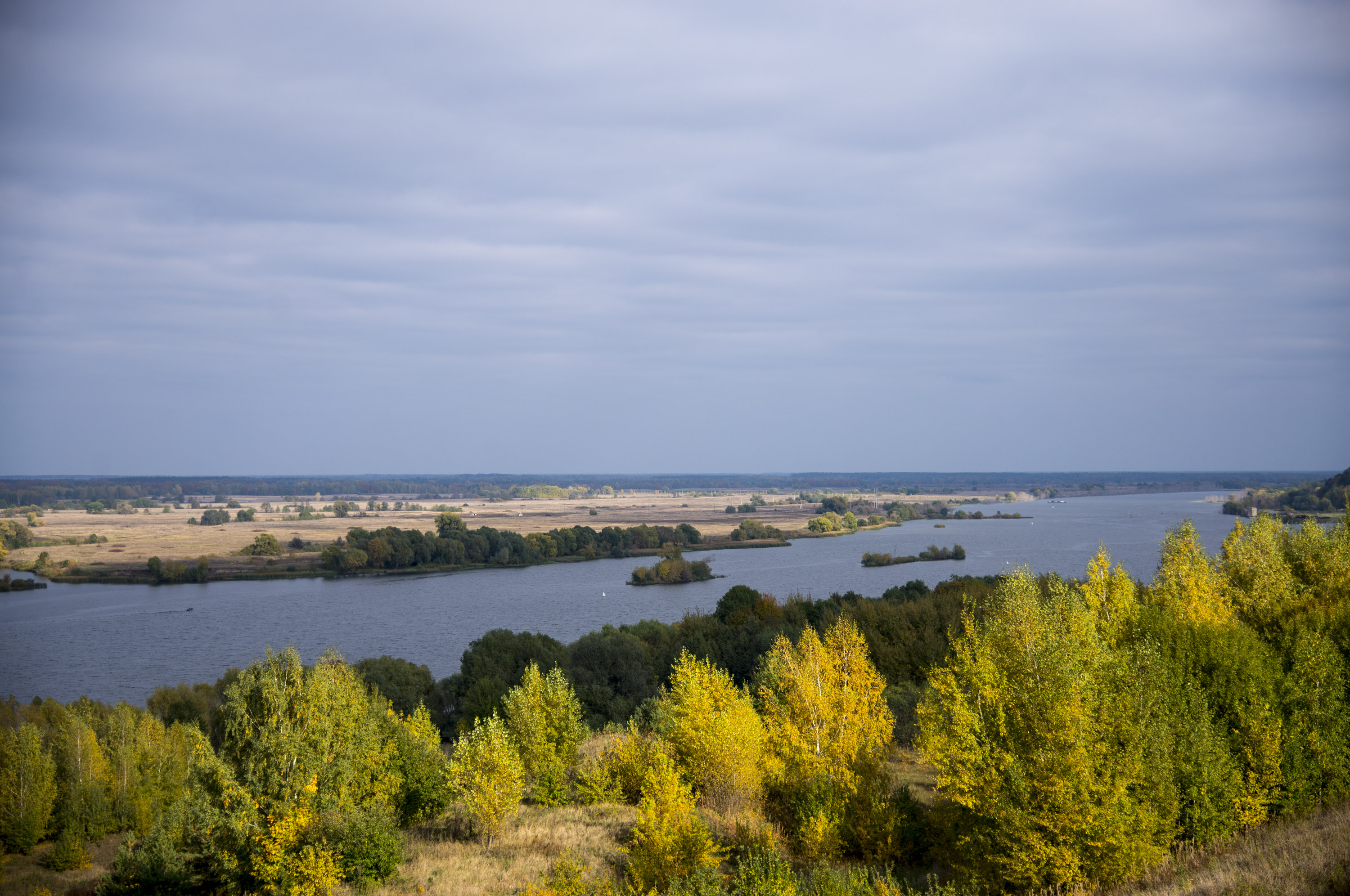
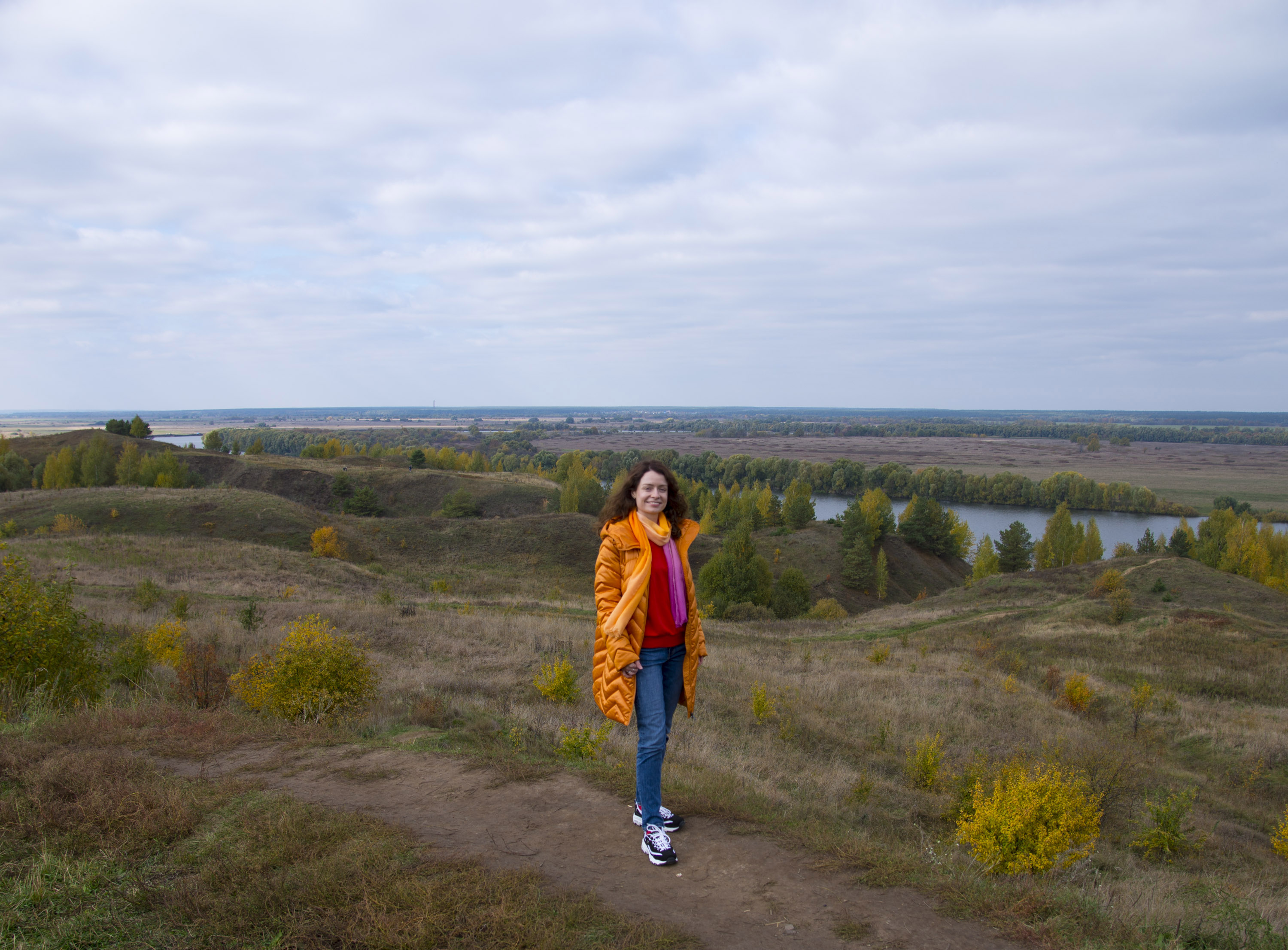
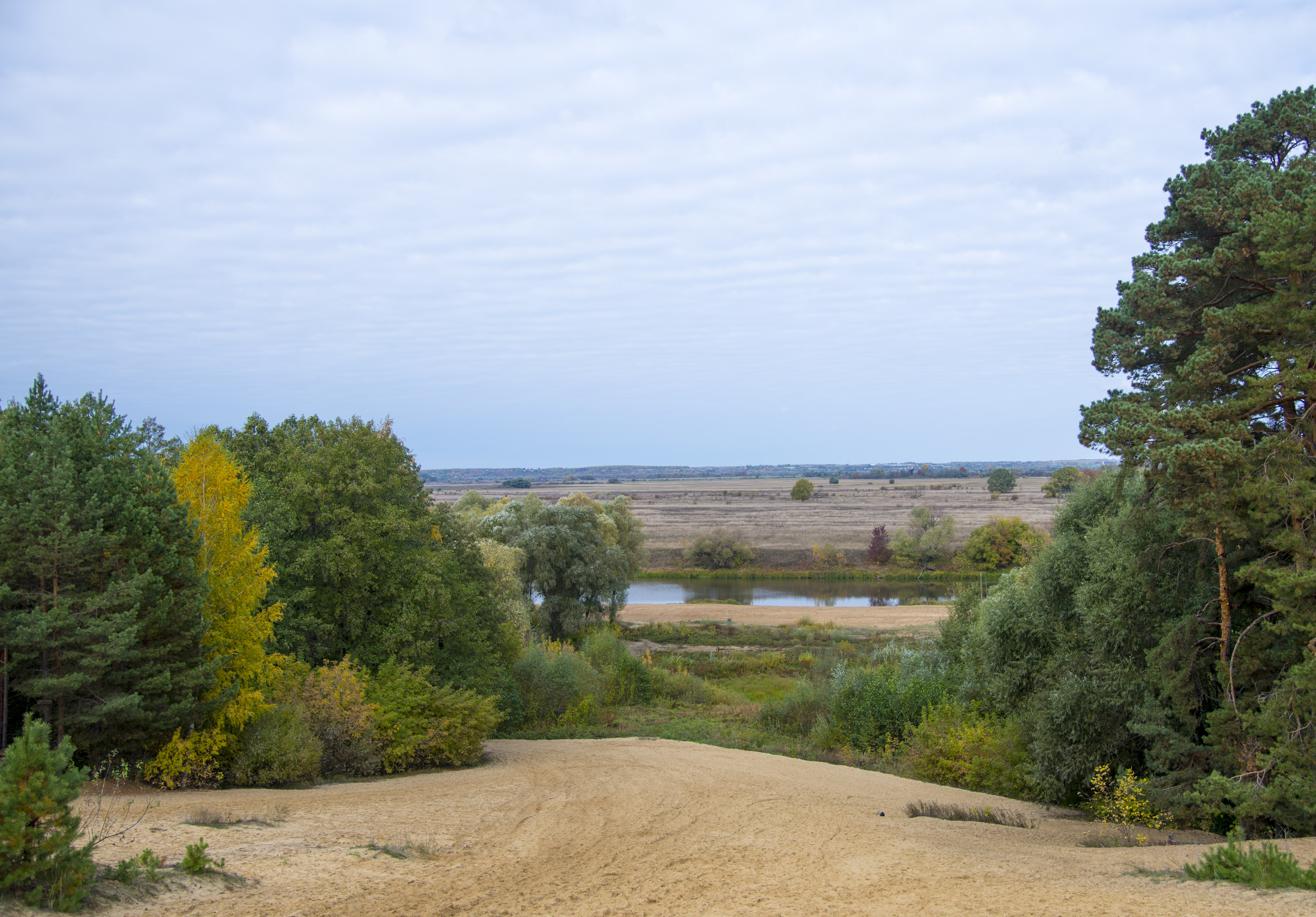
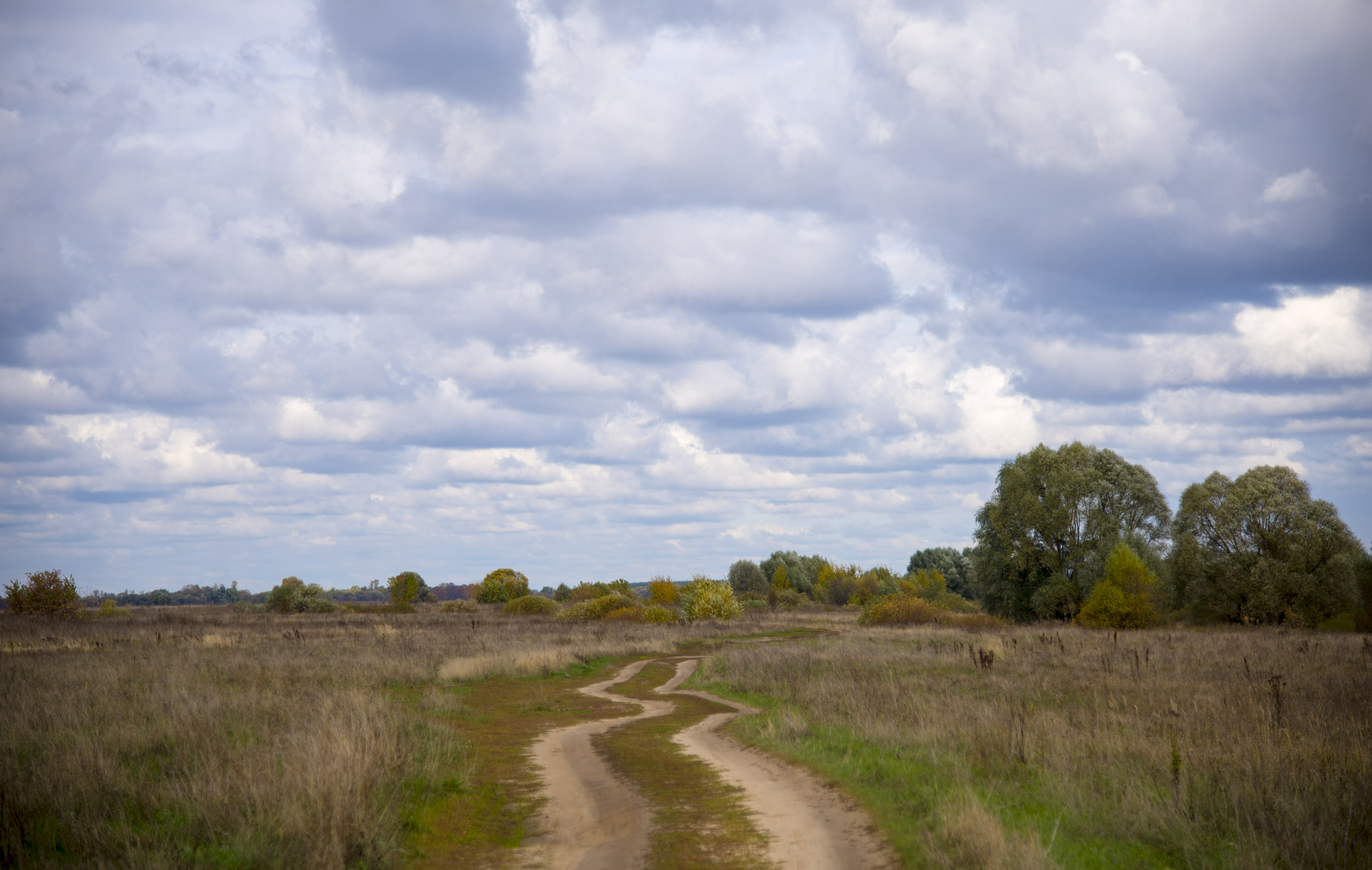
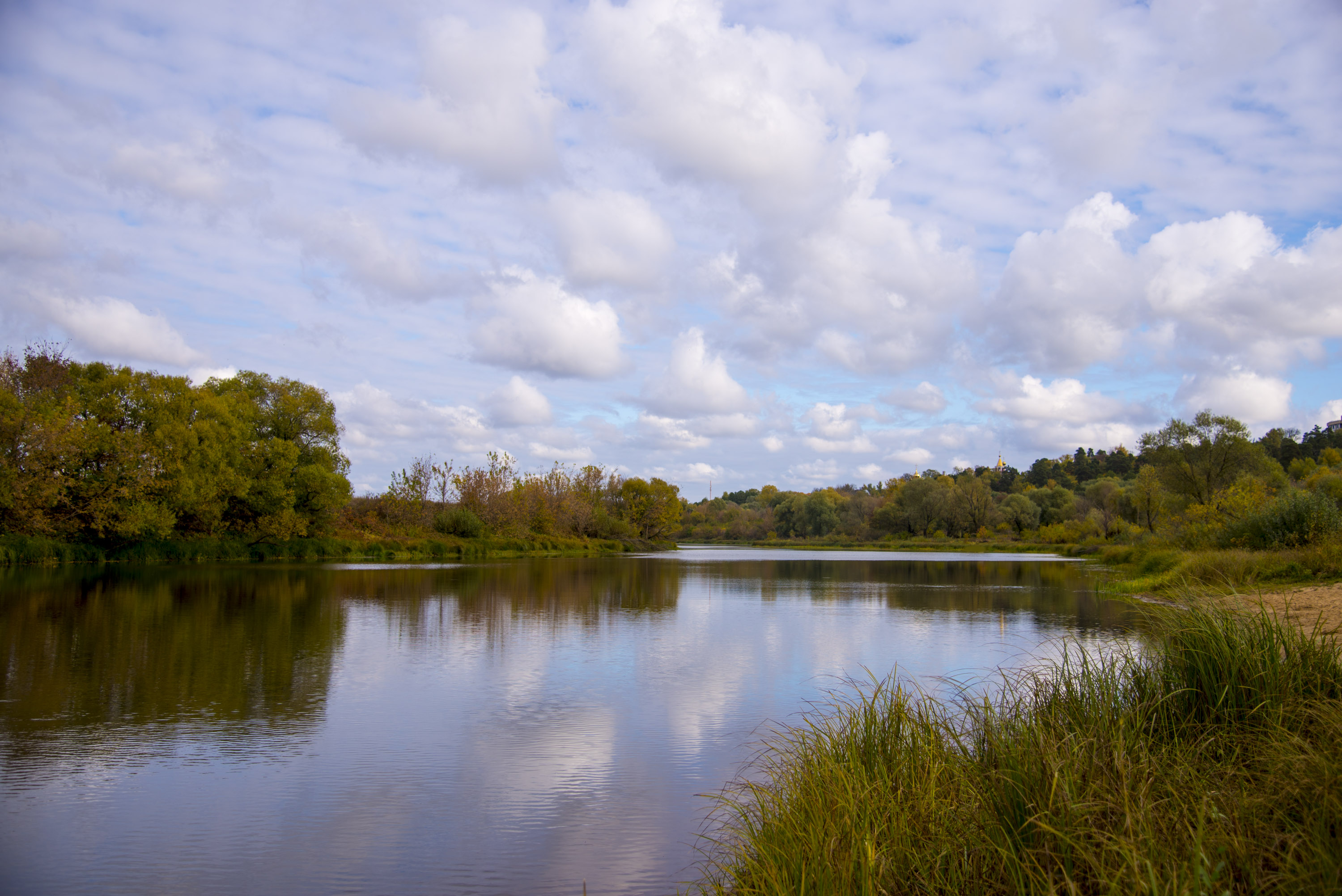
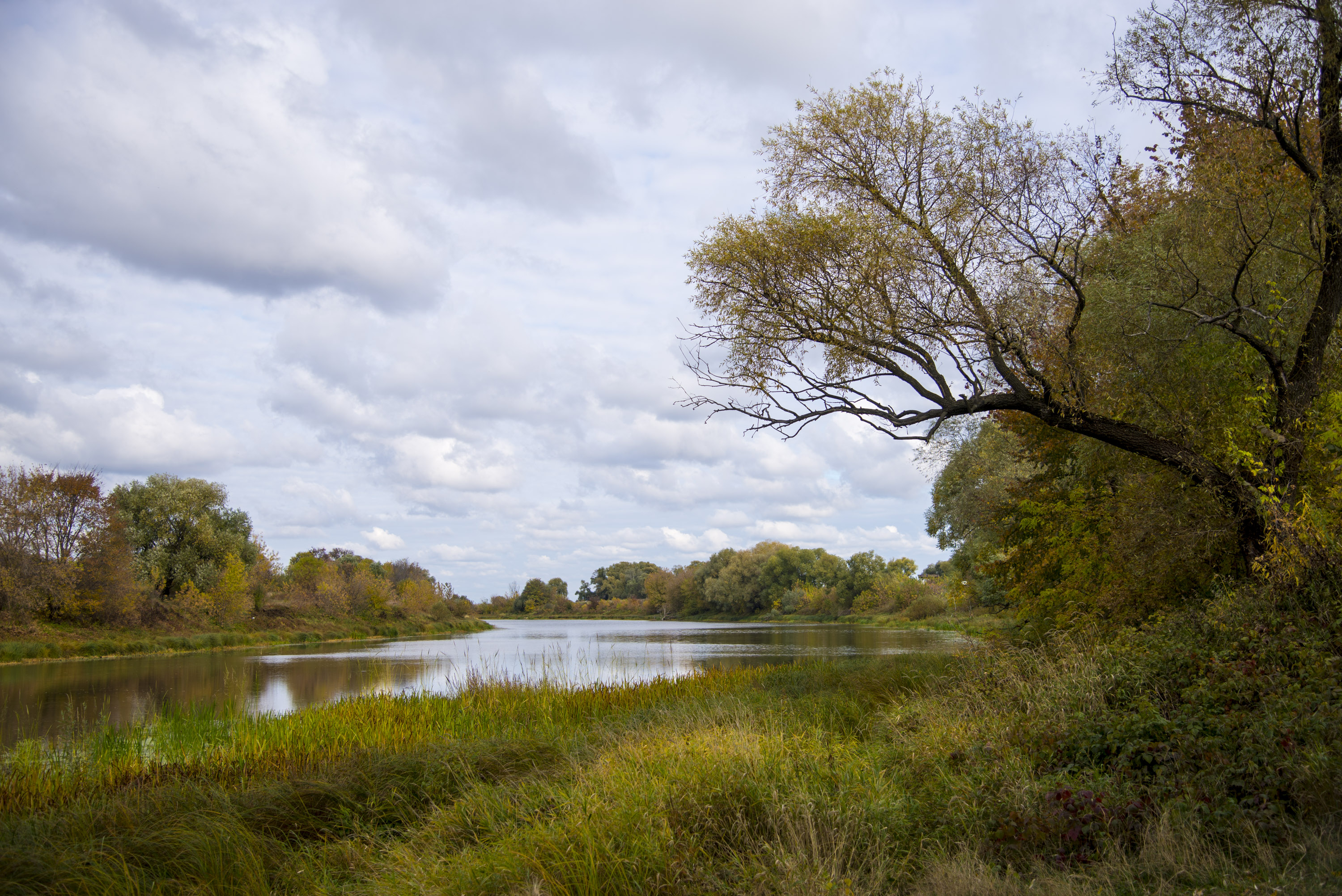
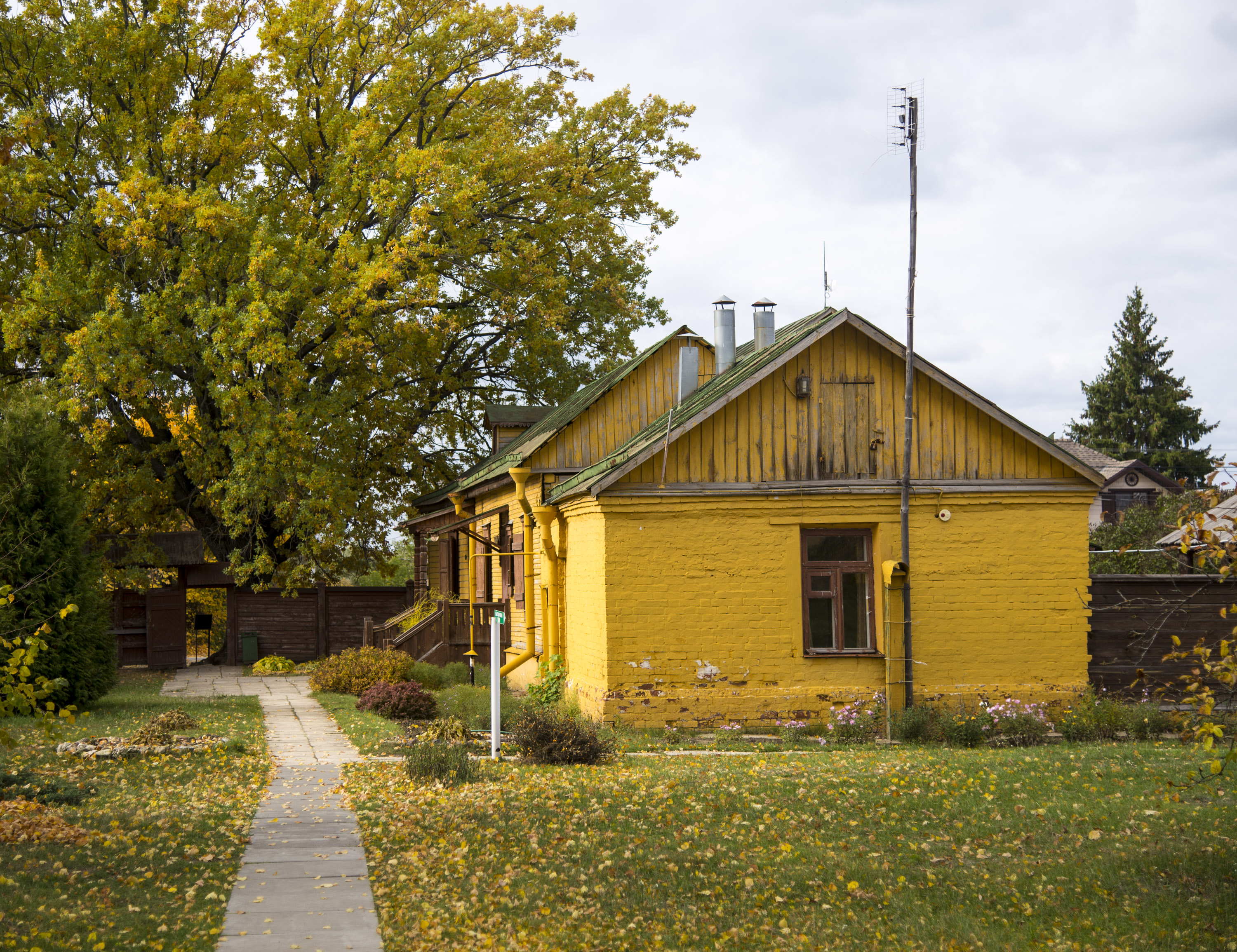
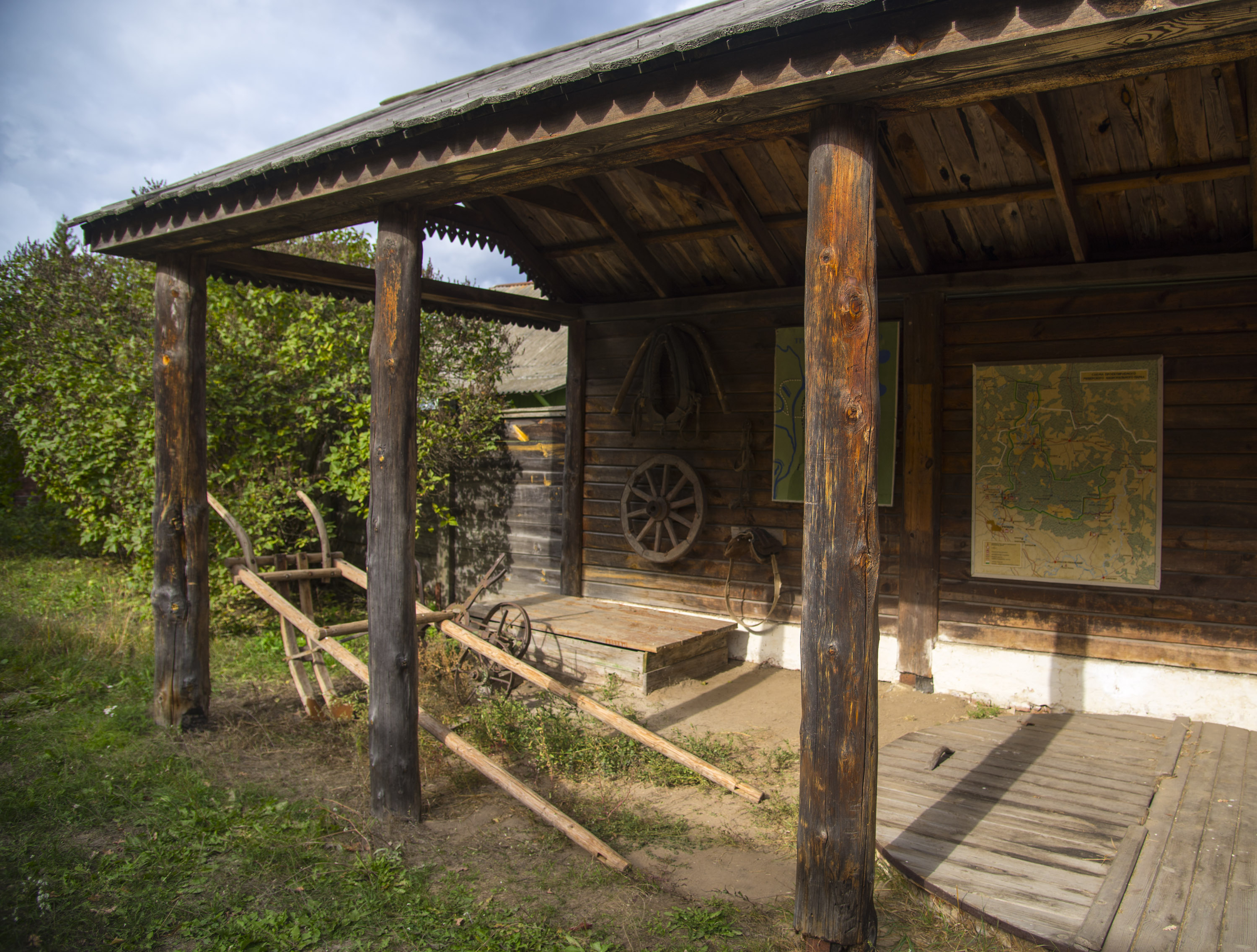
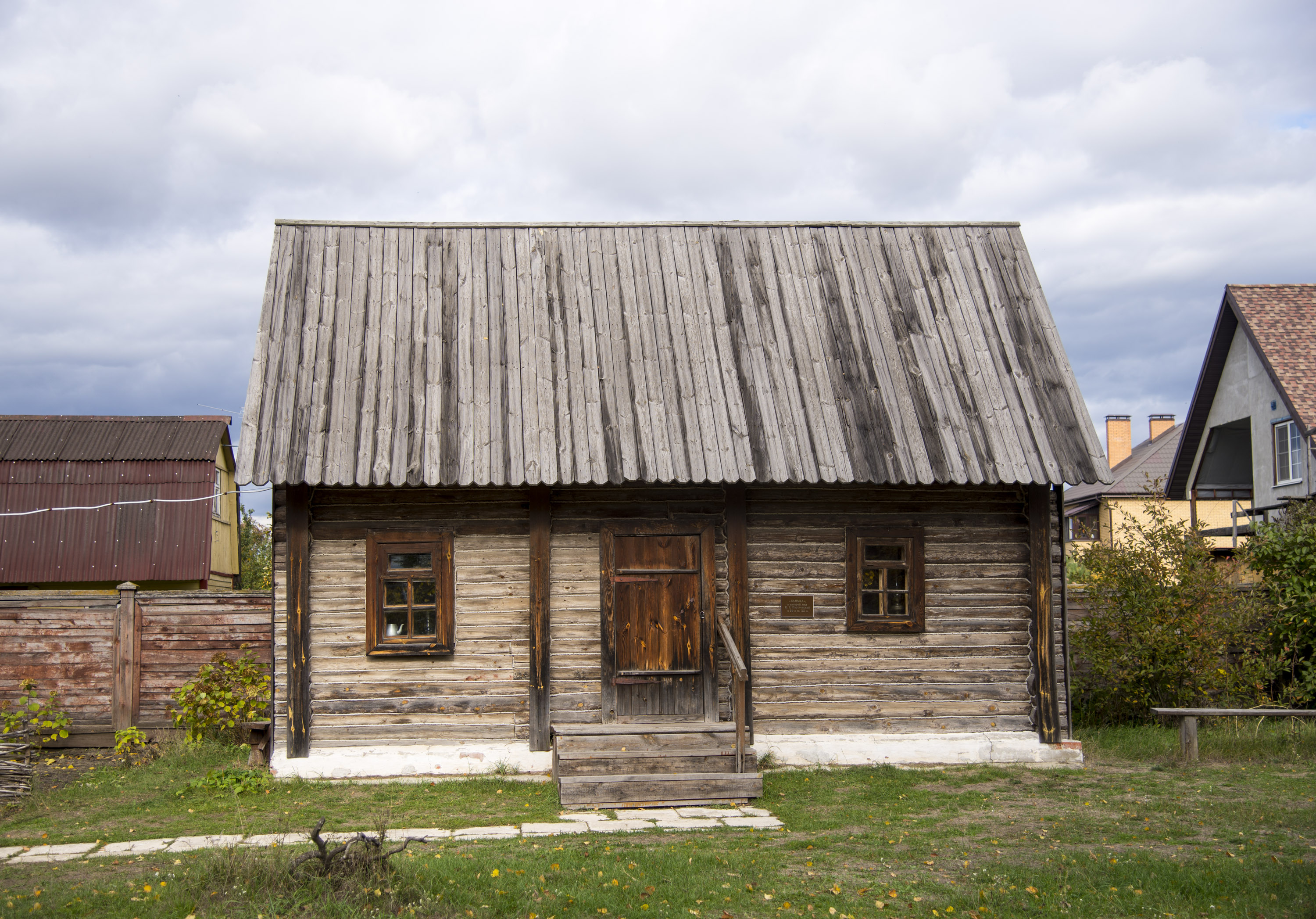
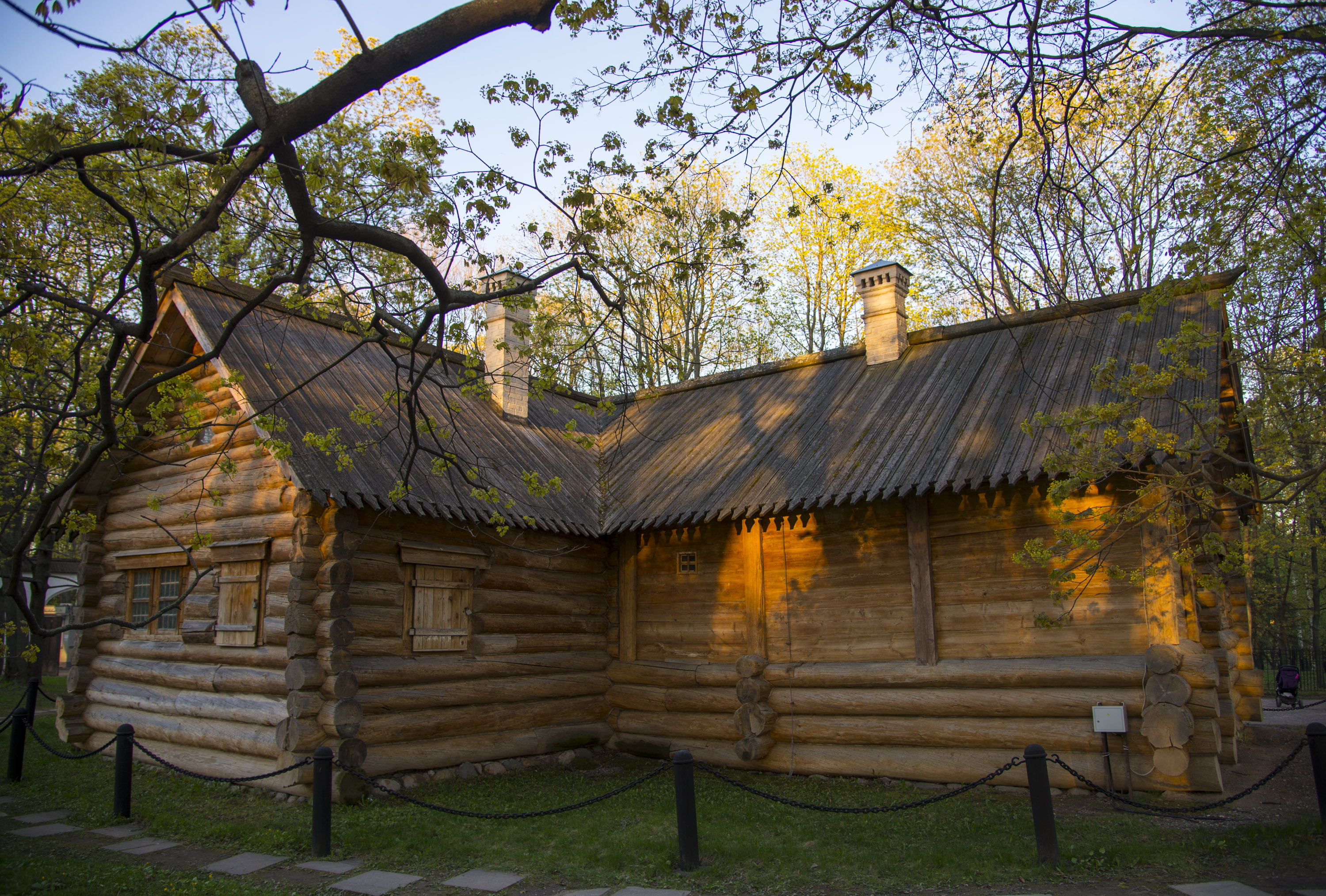
The village of Konstantinovo is the place where one of the greatest Russian poets Sergey Esenin was born. Large parts of the village have been preserved as they looked during his time here, including his parents farmstead where he spent his childhood. This place is also worth visiting to see very beautiful nature around the river Oka which flows next to it.

House where Sergey Esenin was born and spent his childhood.

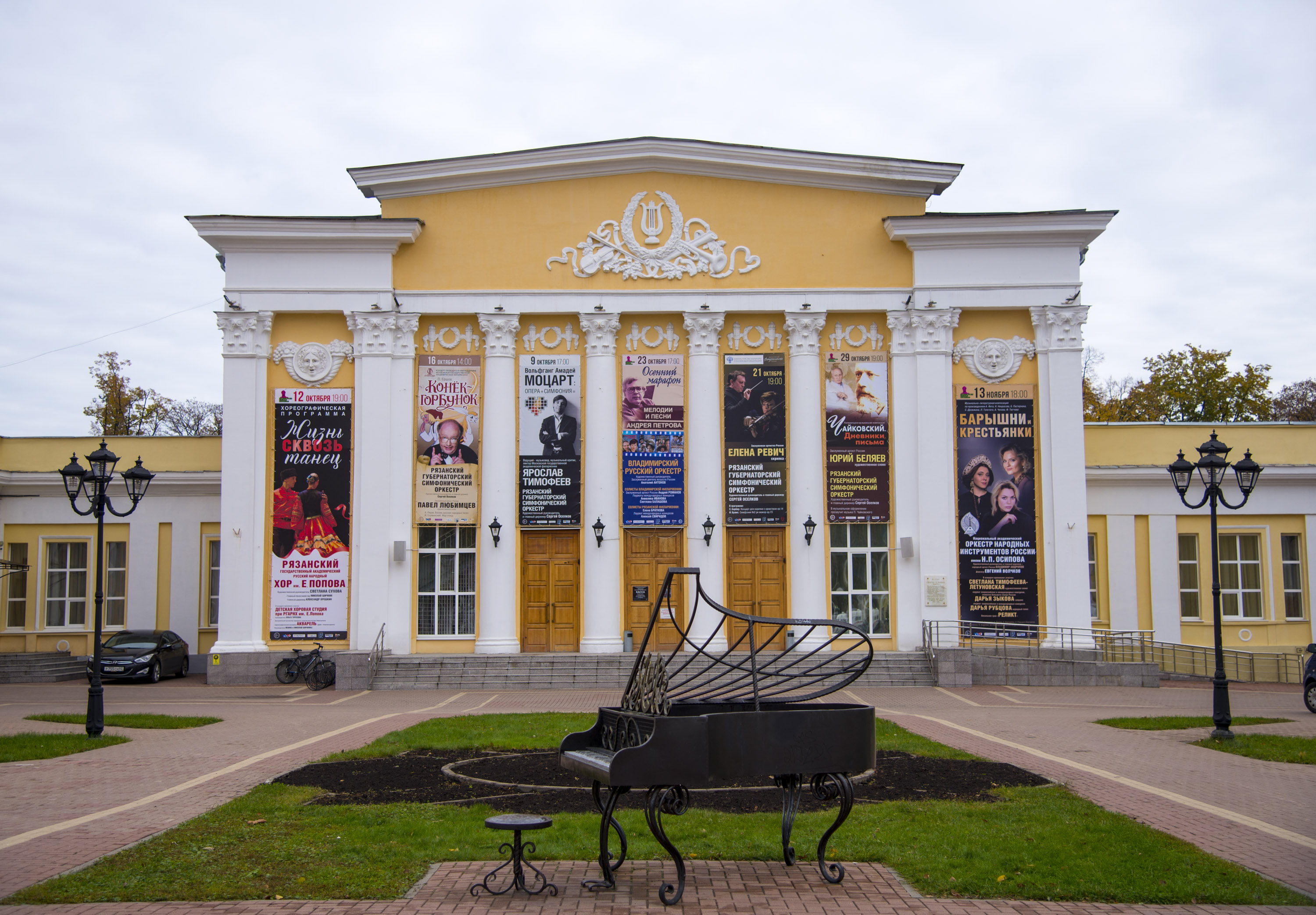
Ryazan

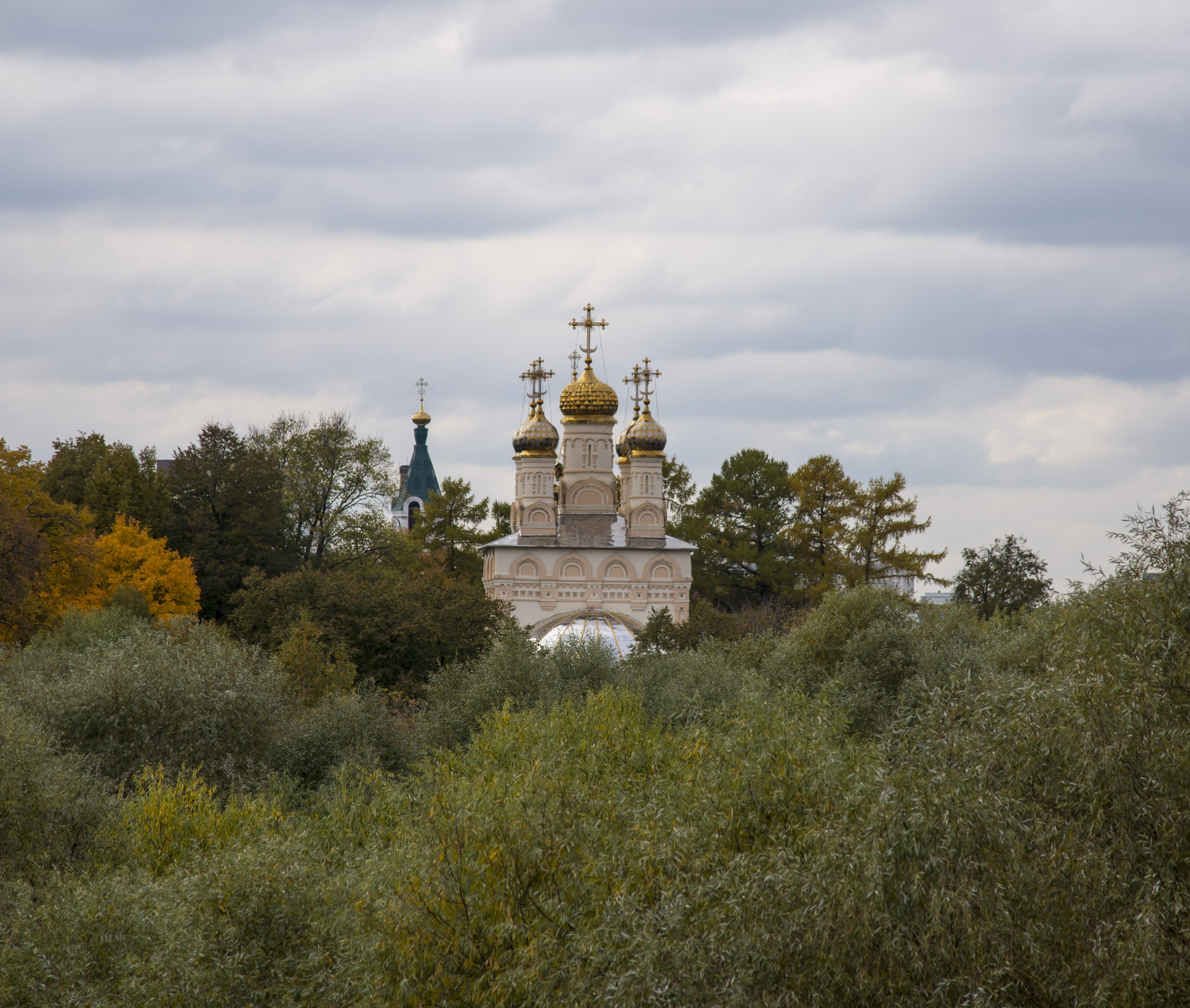
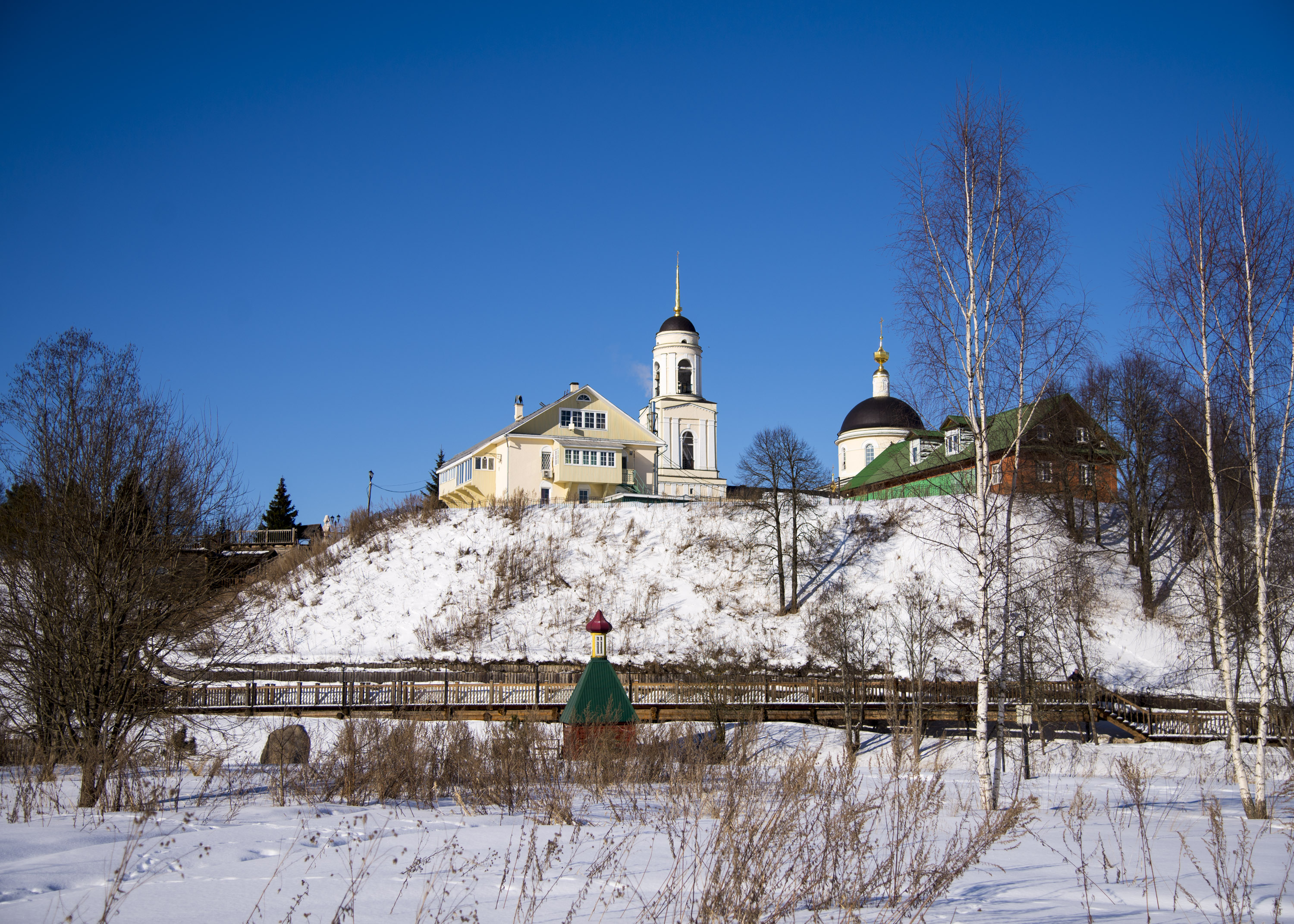
Преображенская Церковь Спаса на Яру

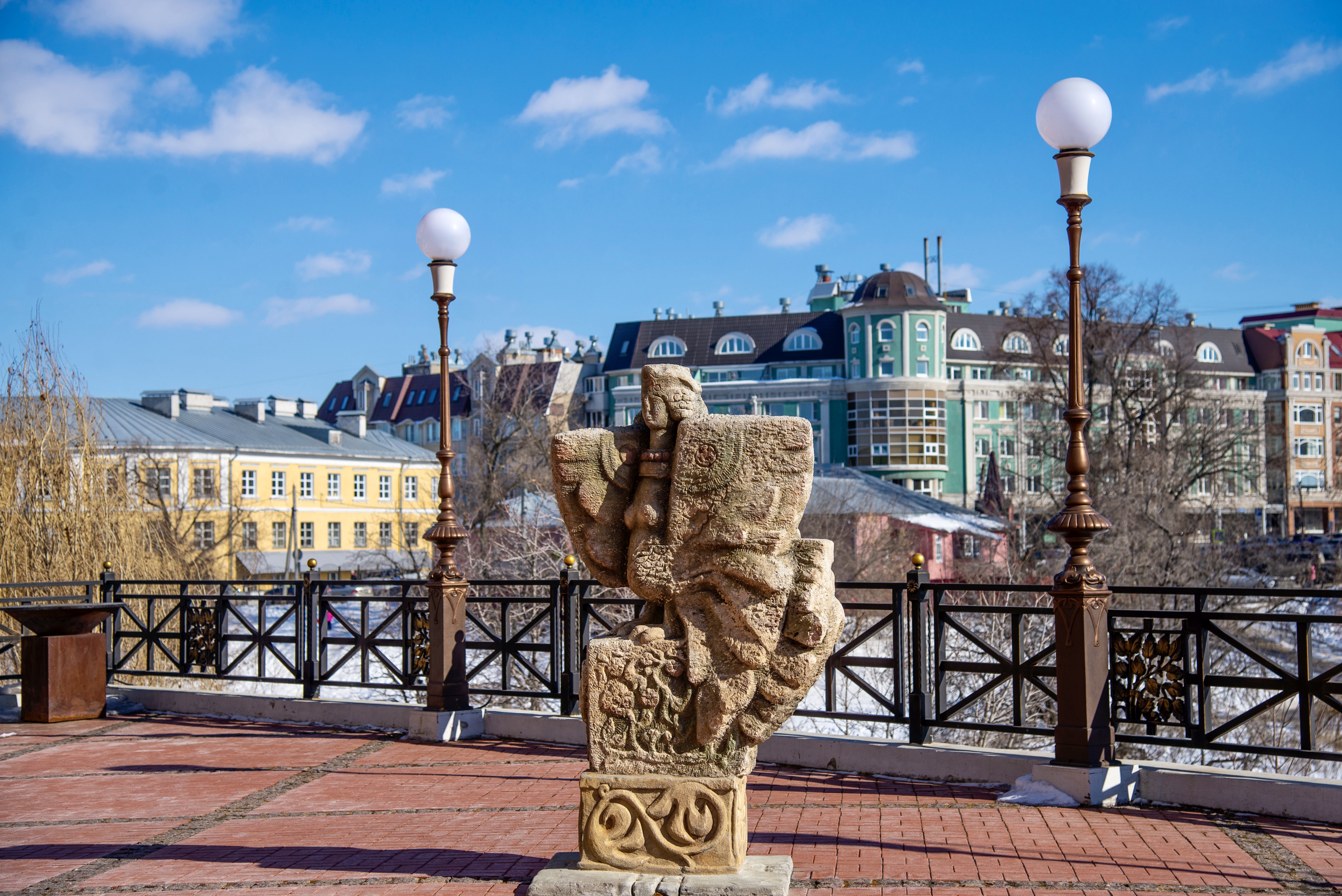
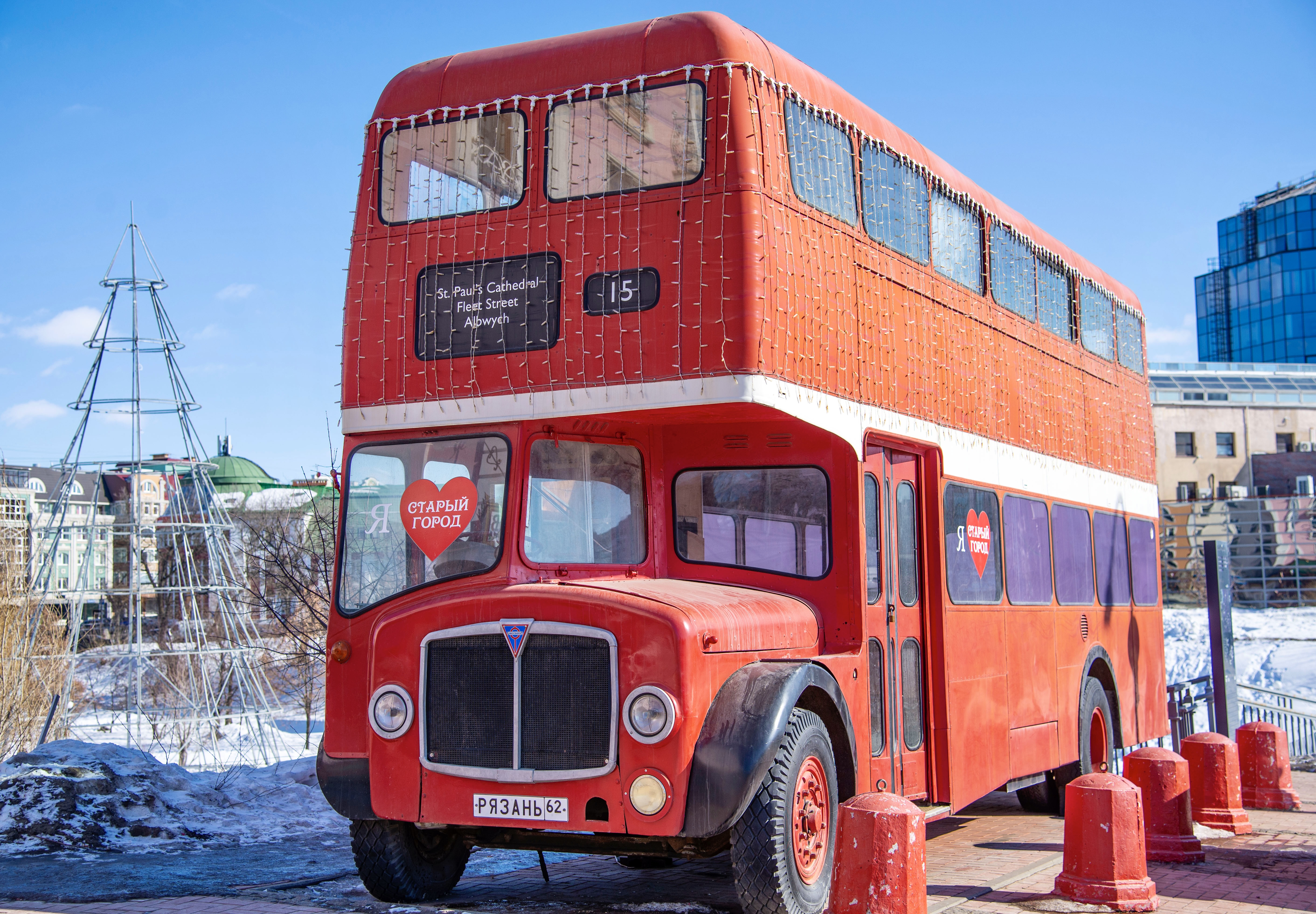
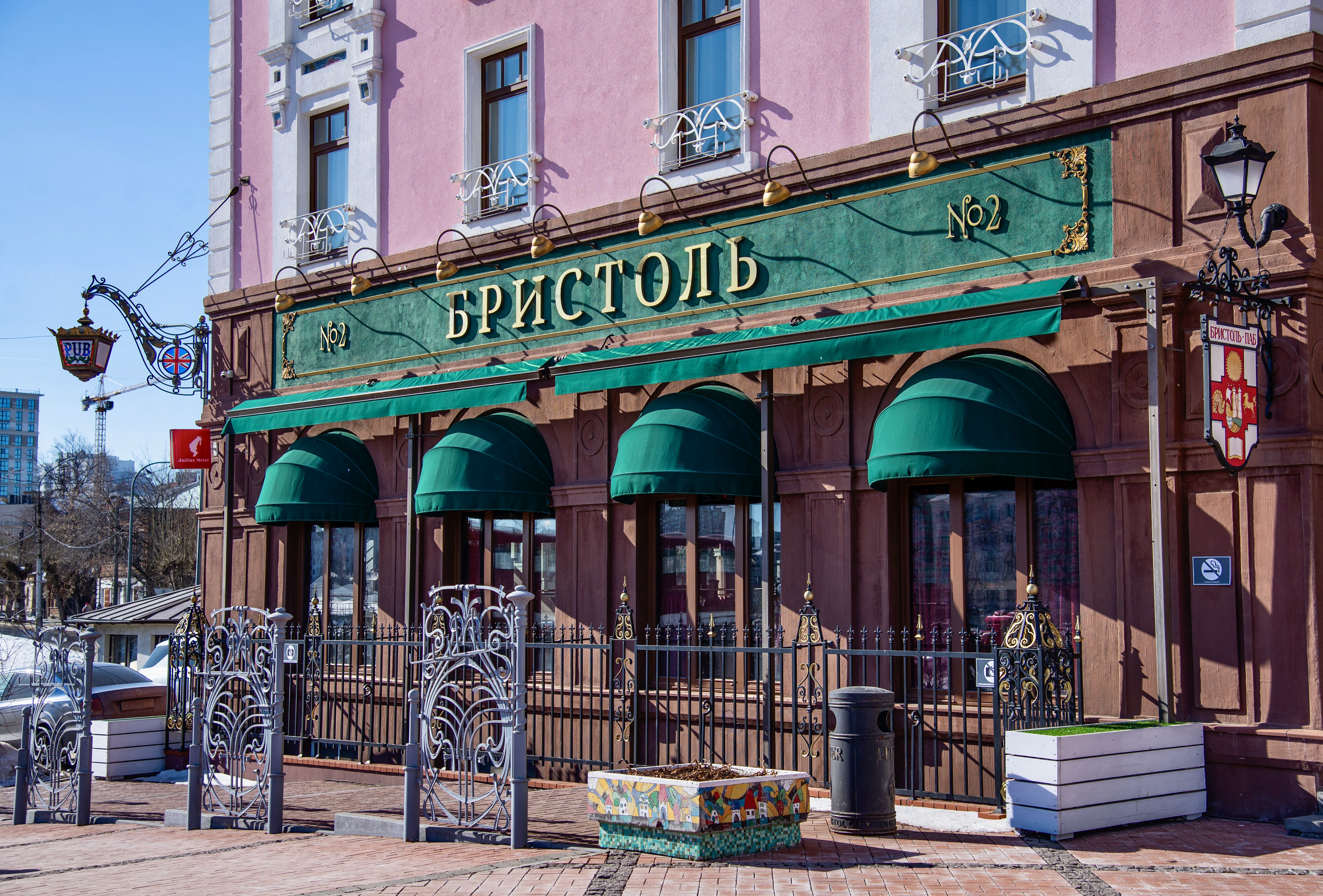
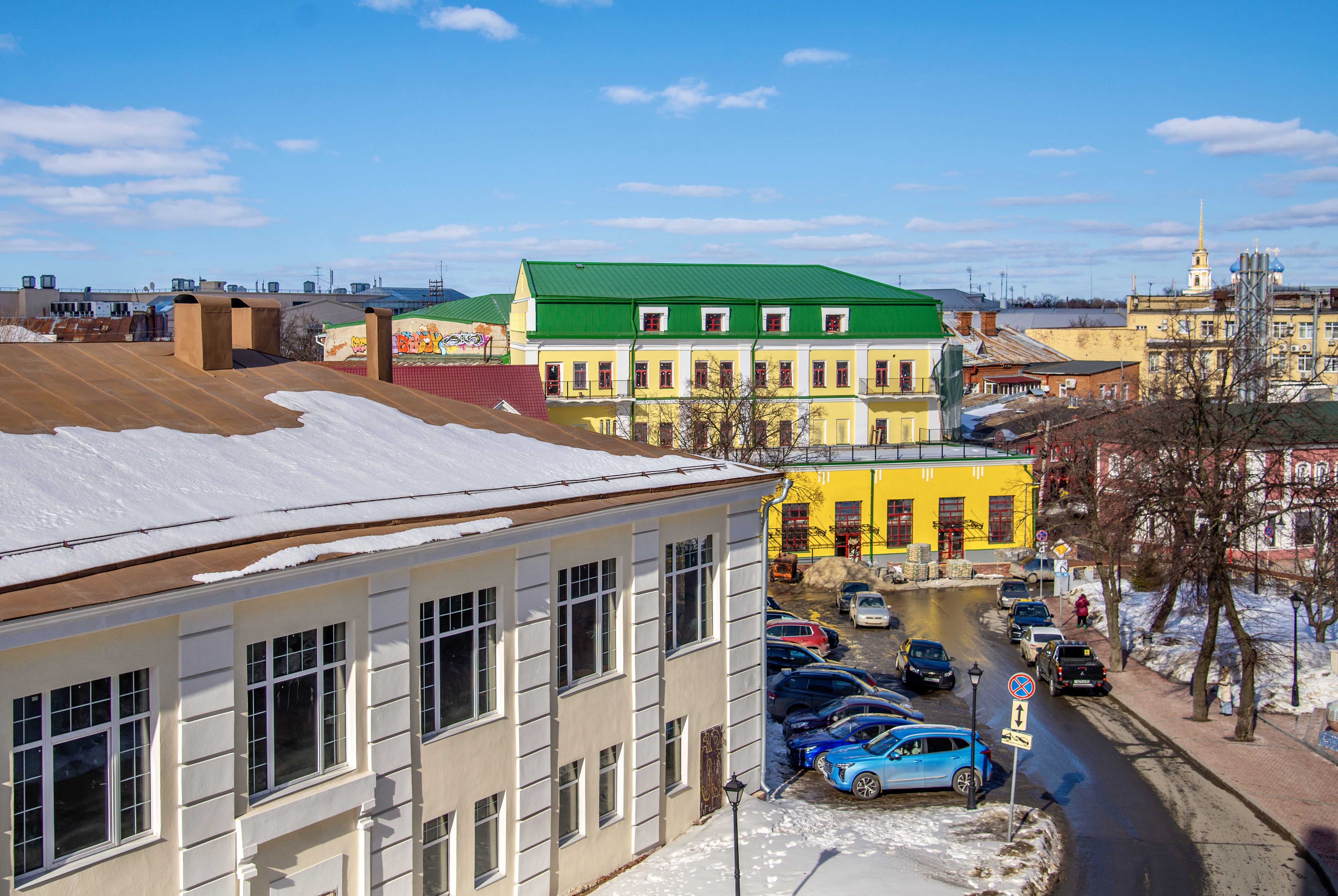
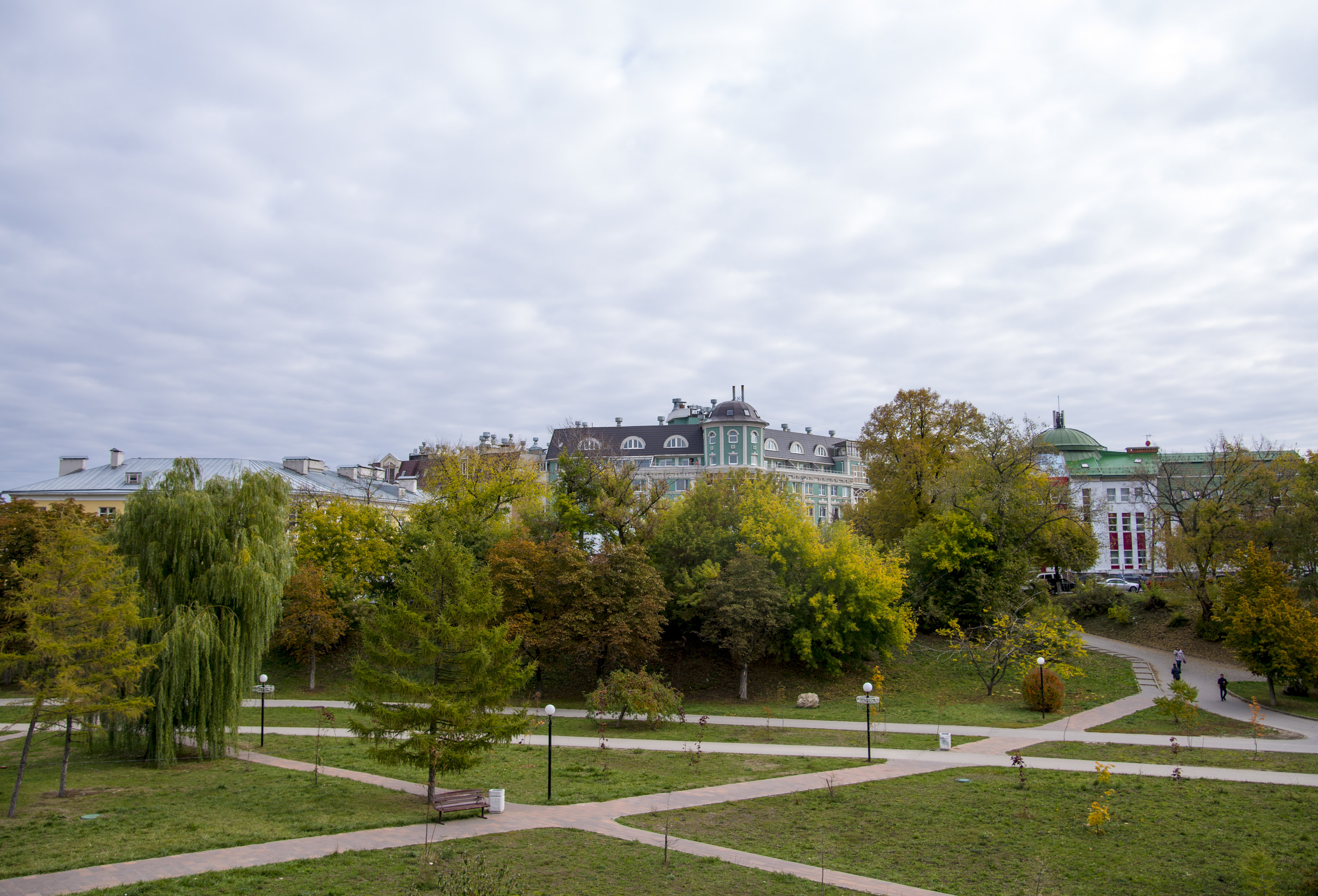
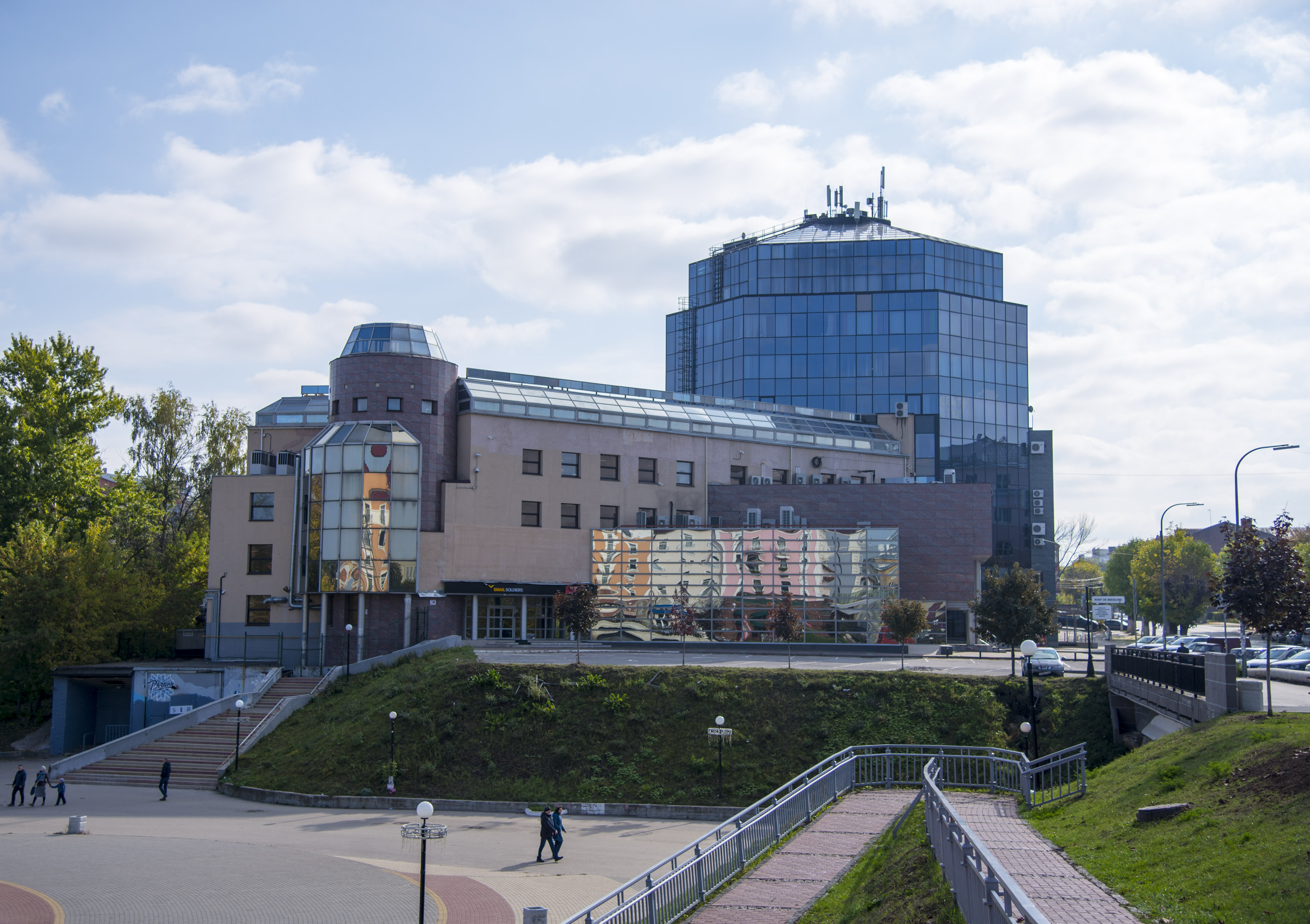
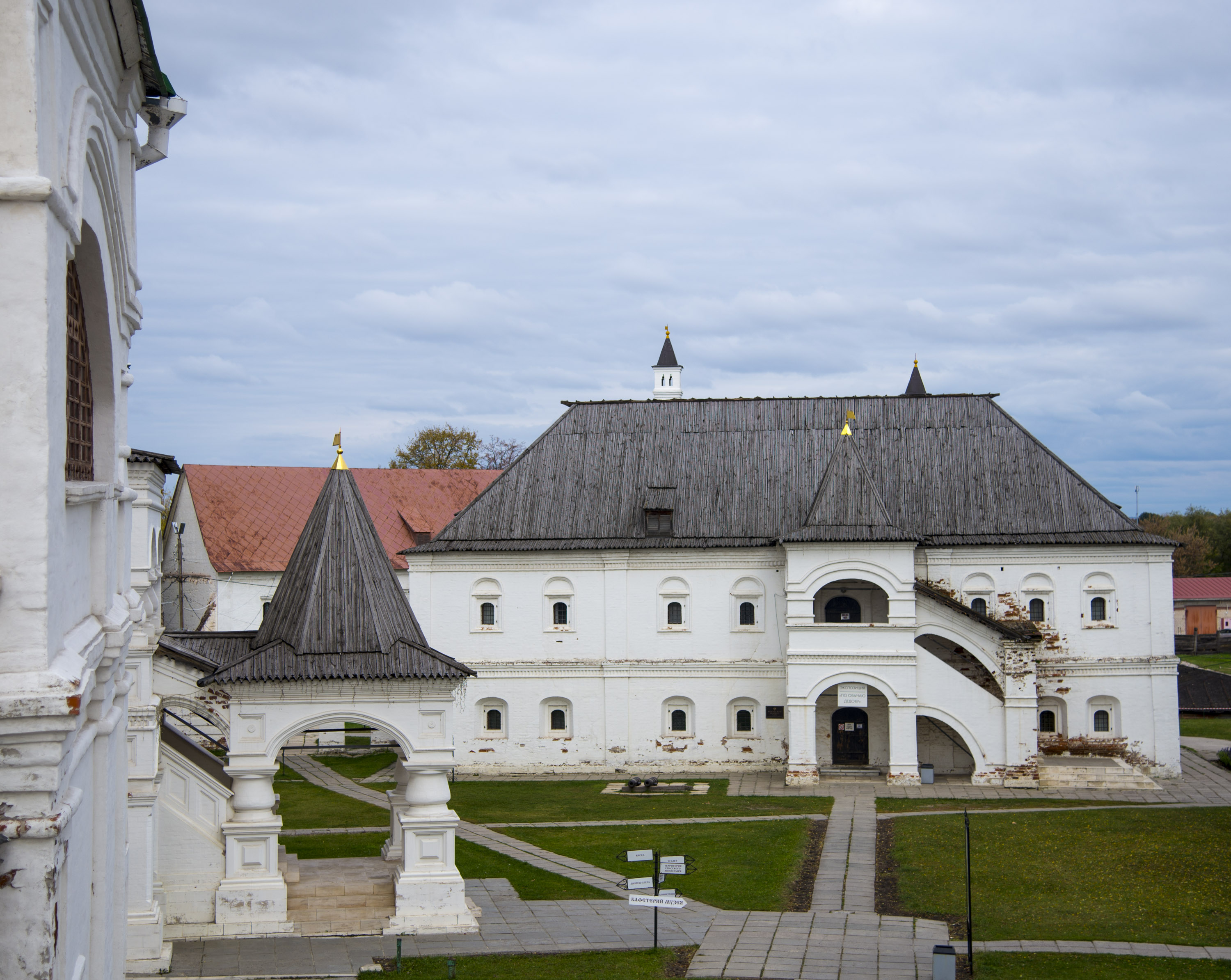
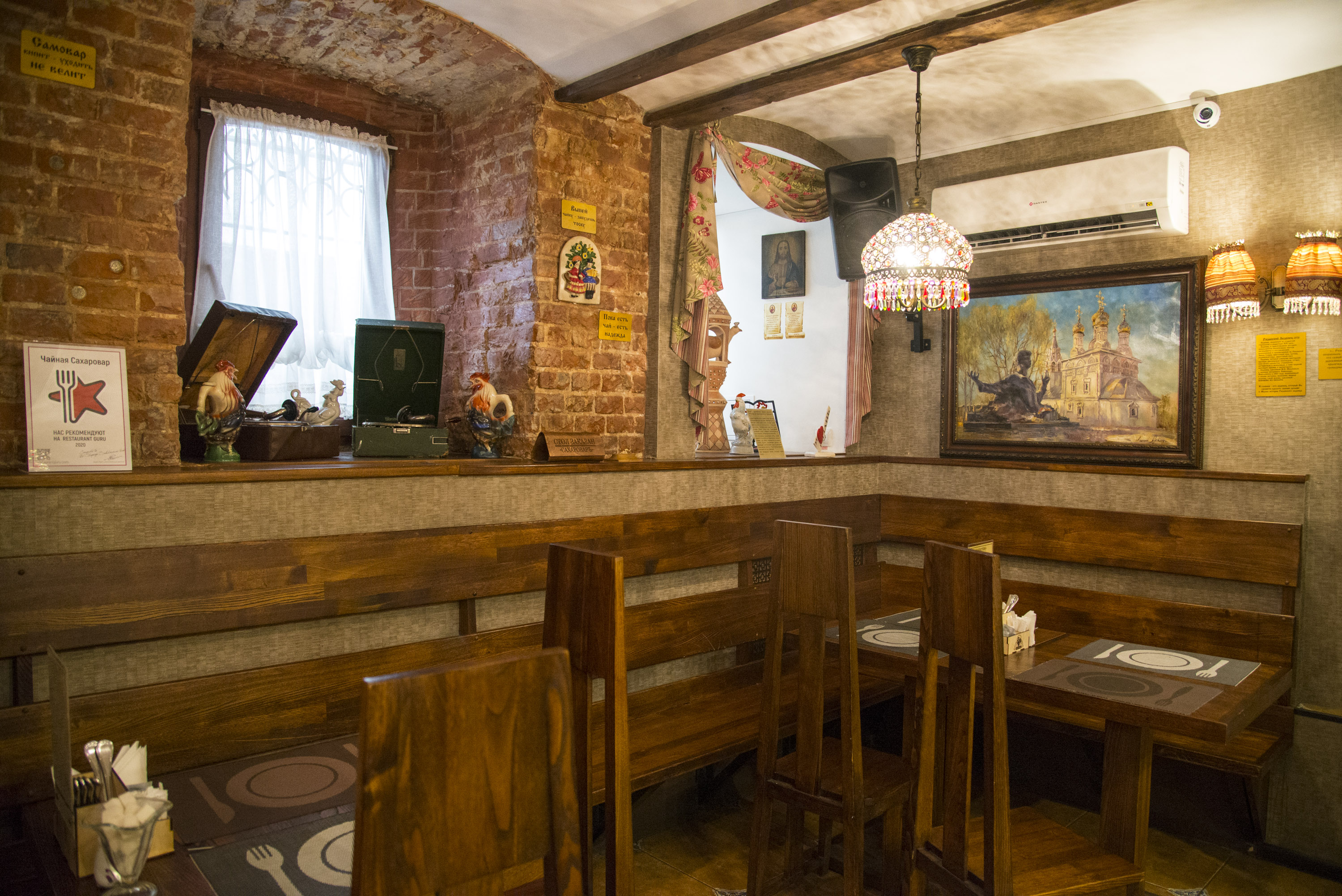
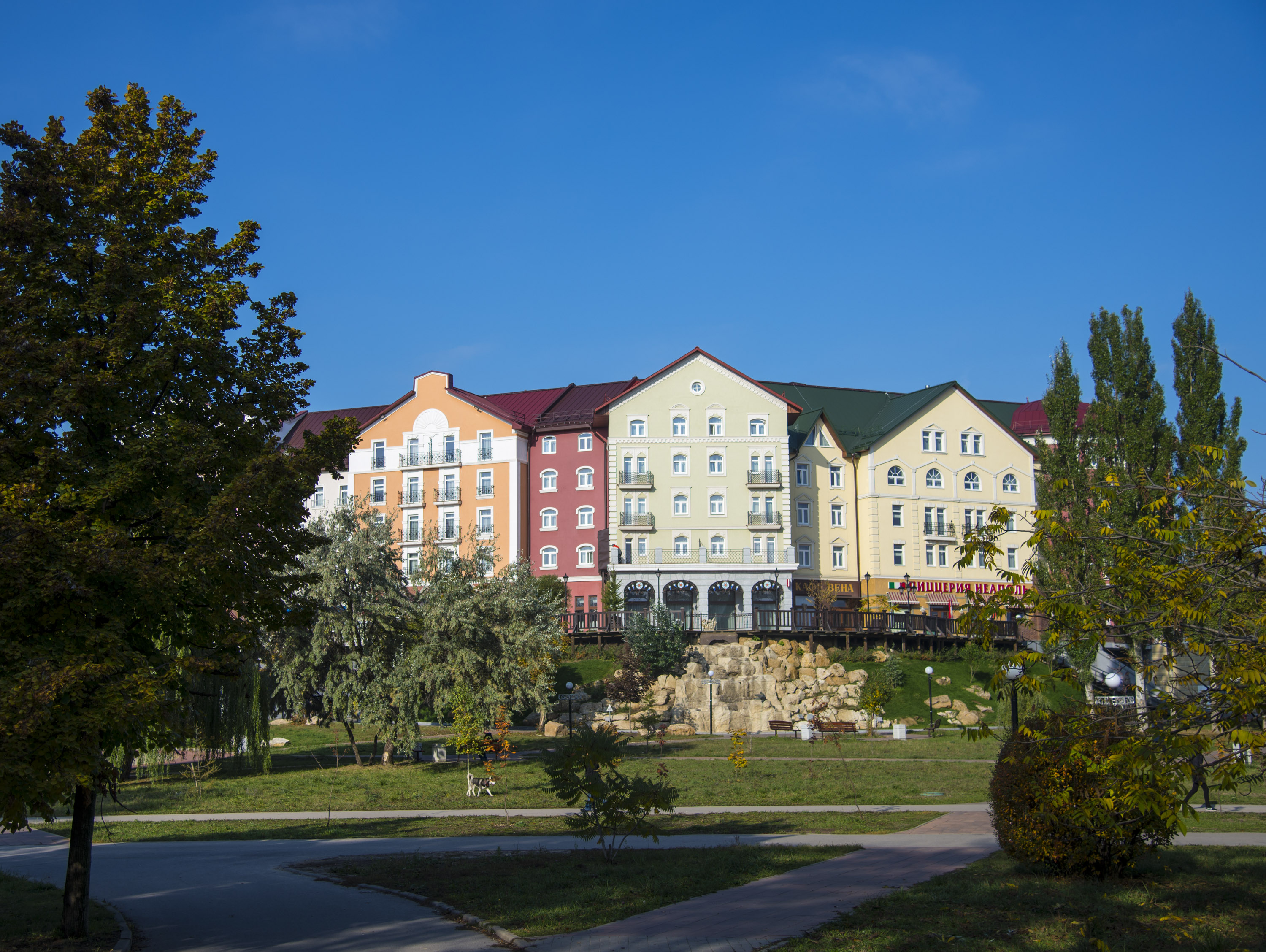
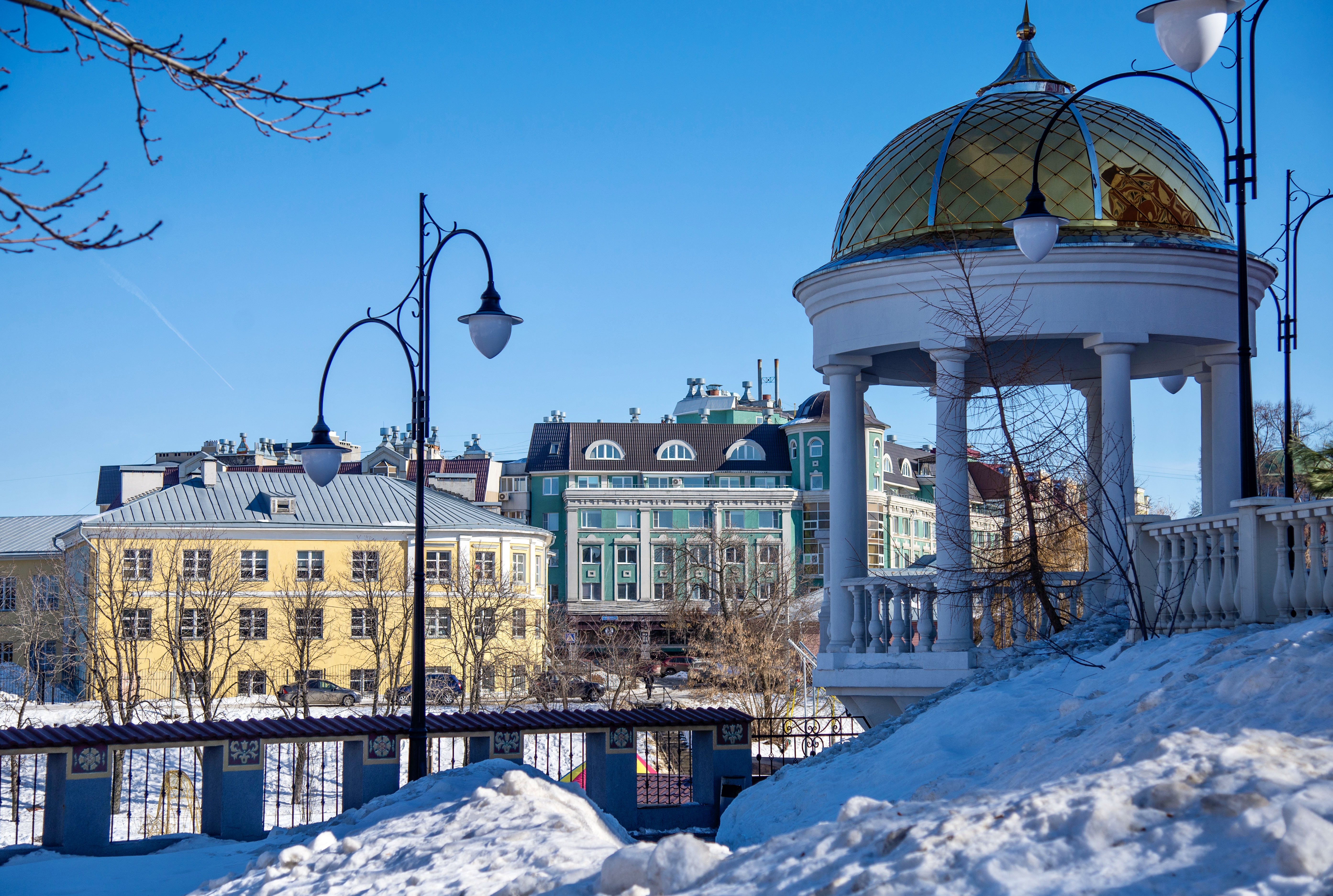
Old Town Hotel Complex

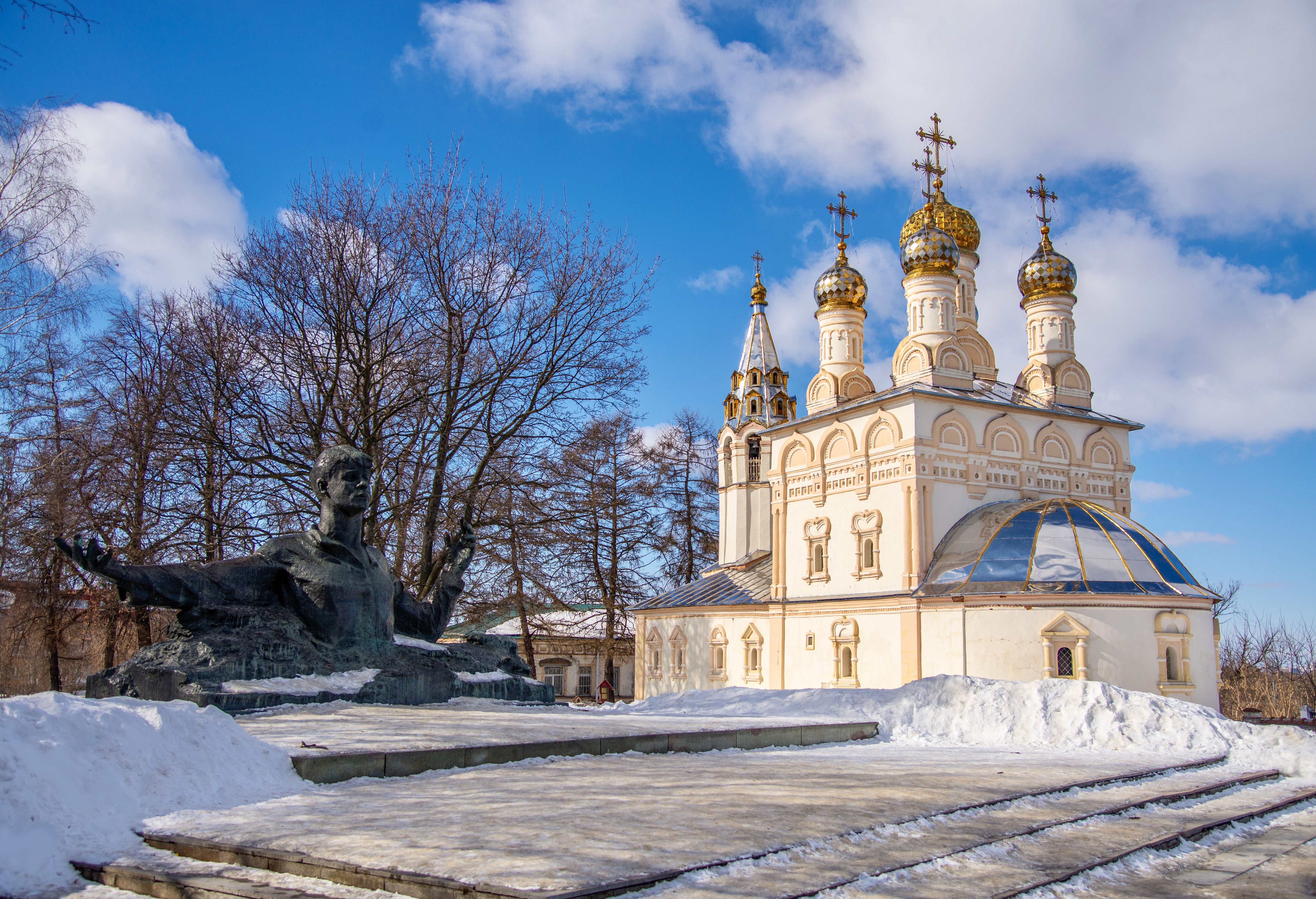
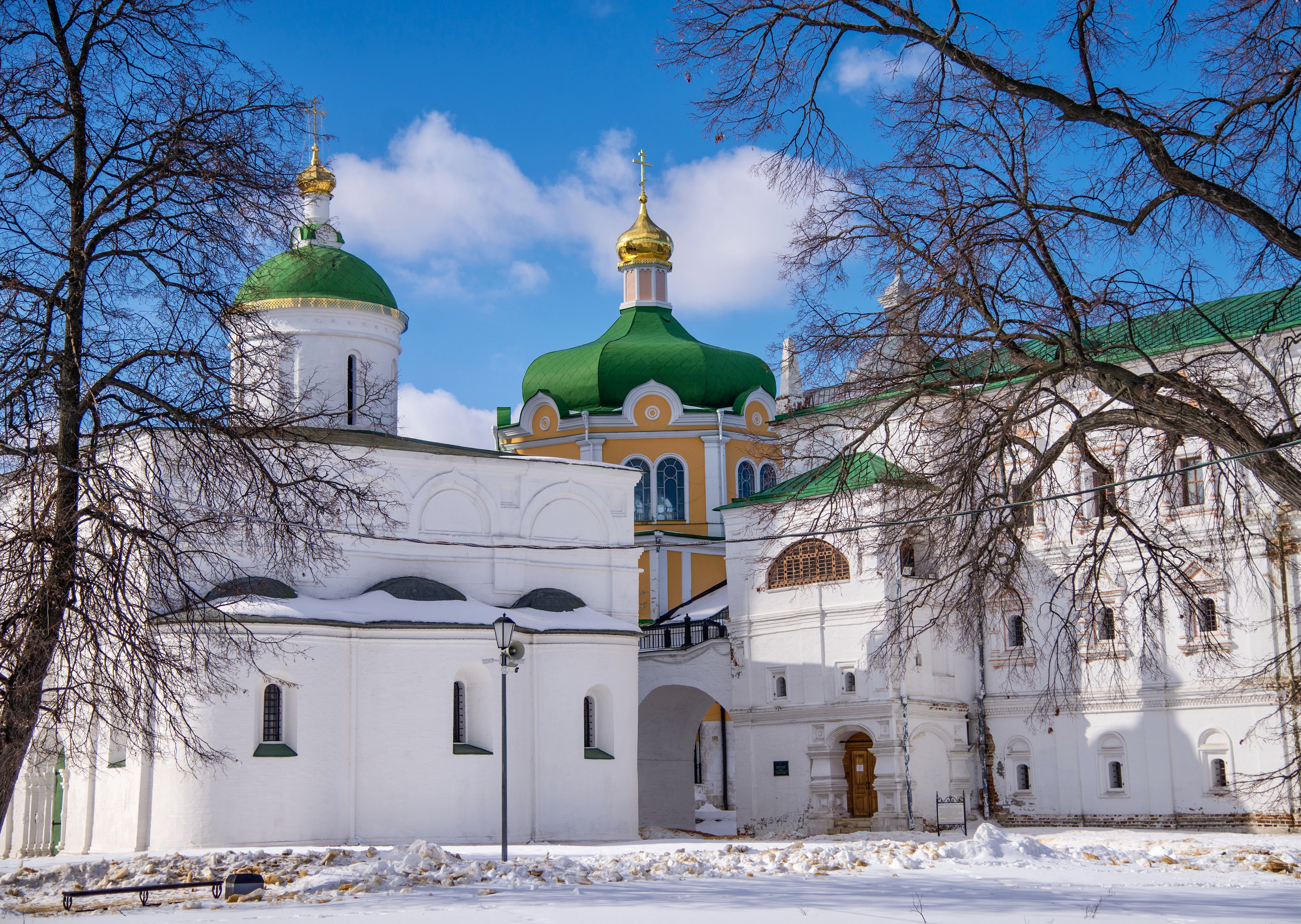
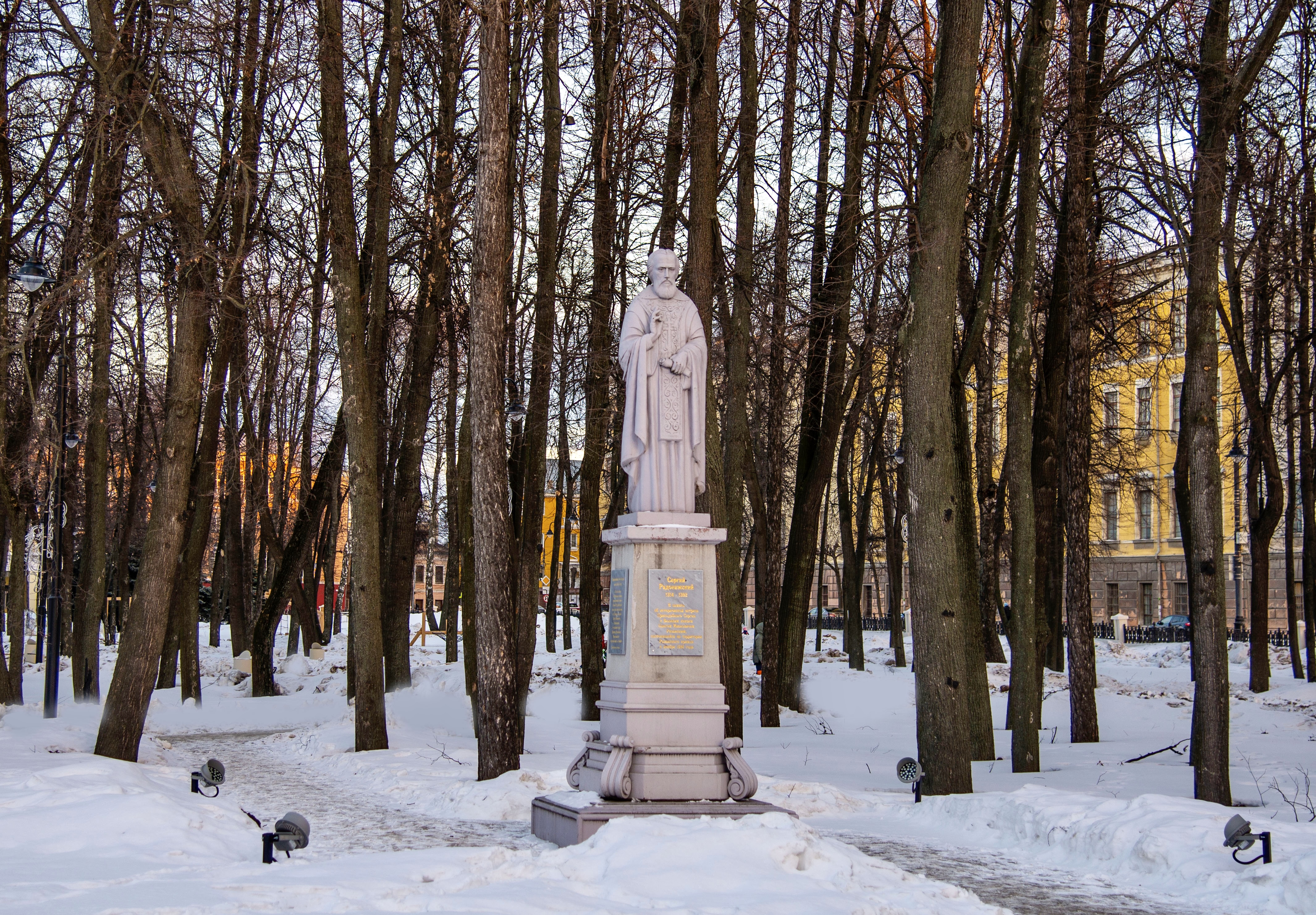
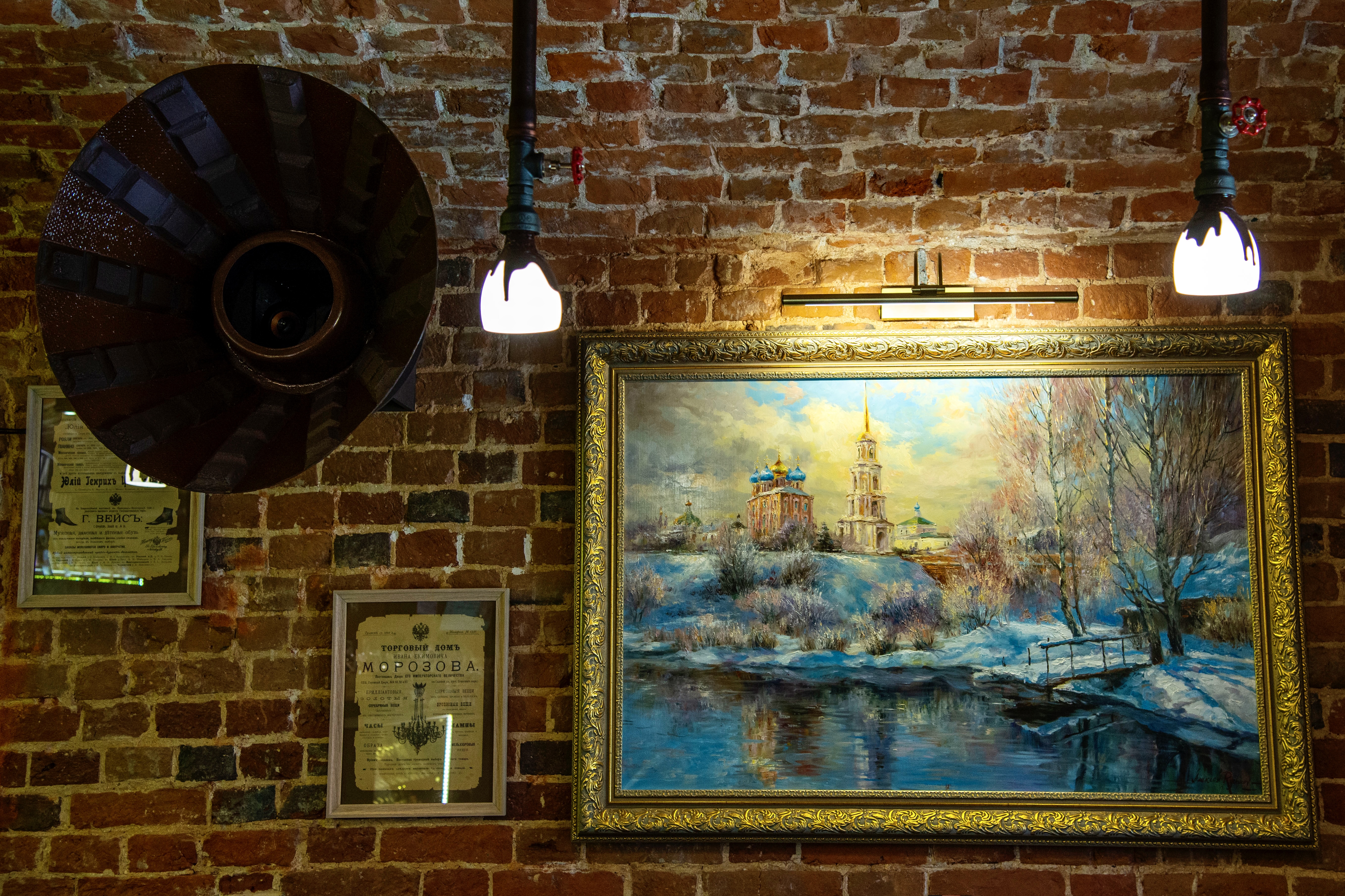
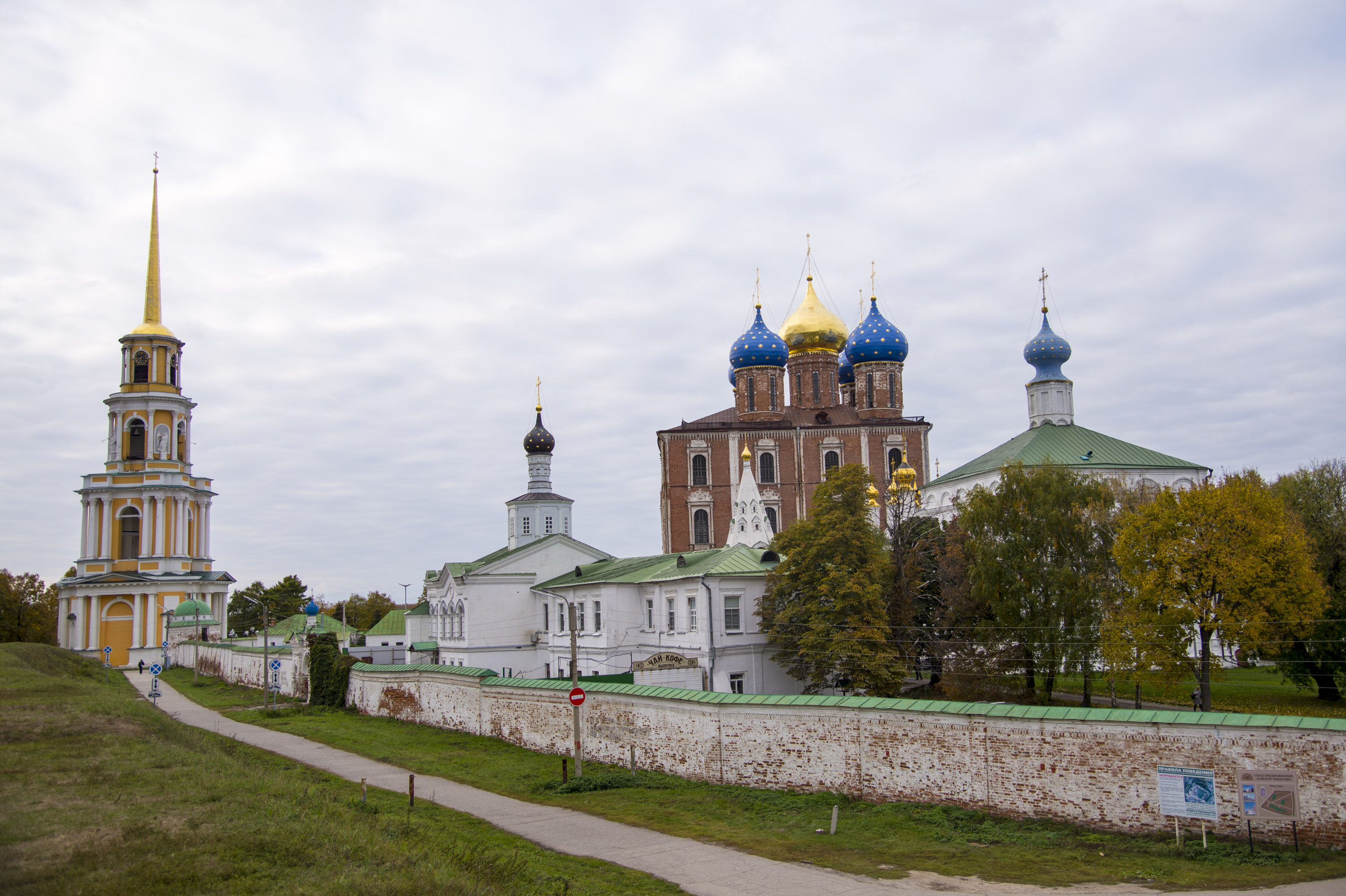
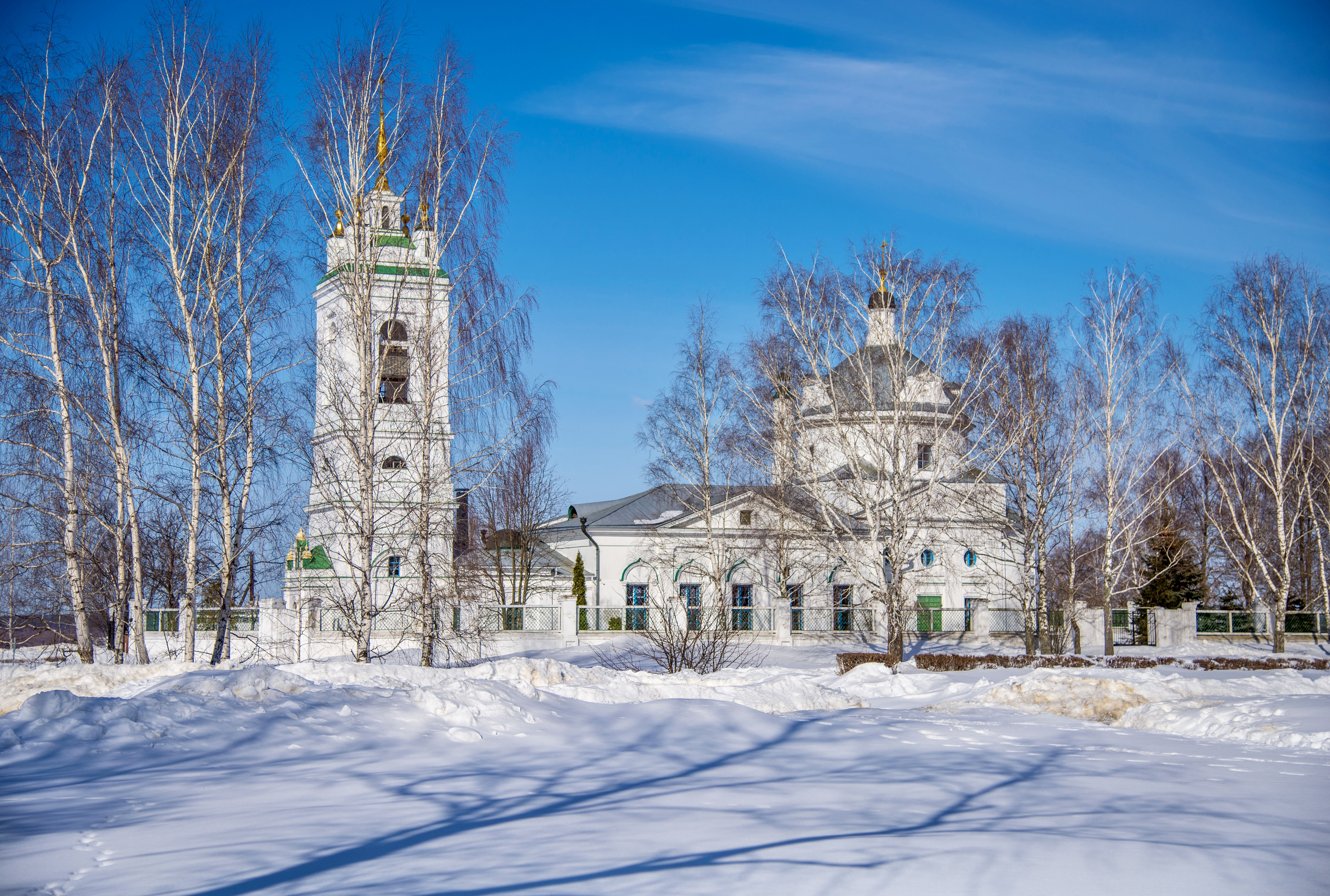
Cathedral Park and Ryazan Kremlin

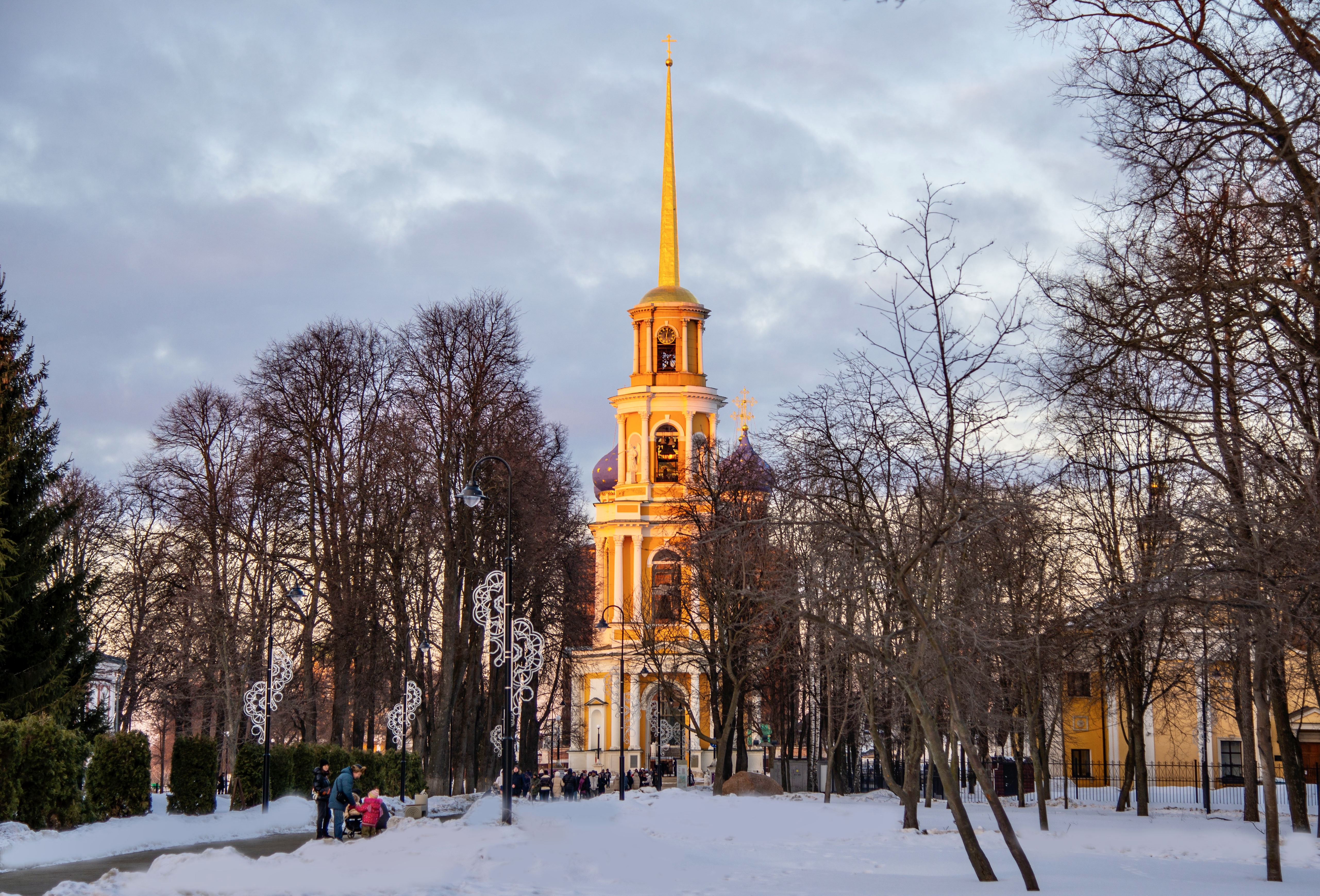
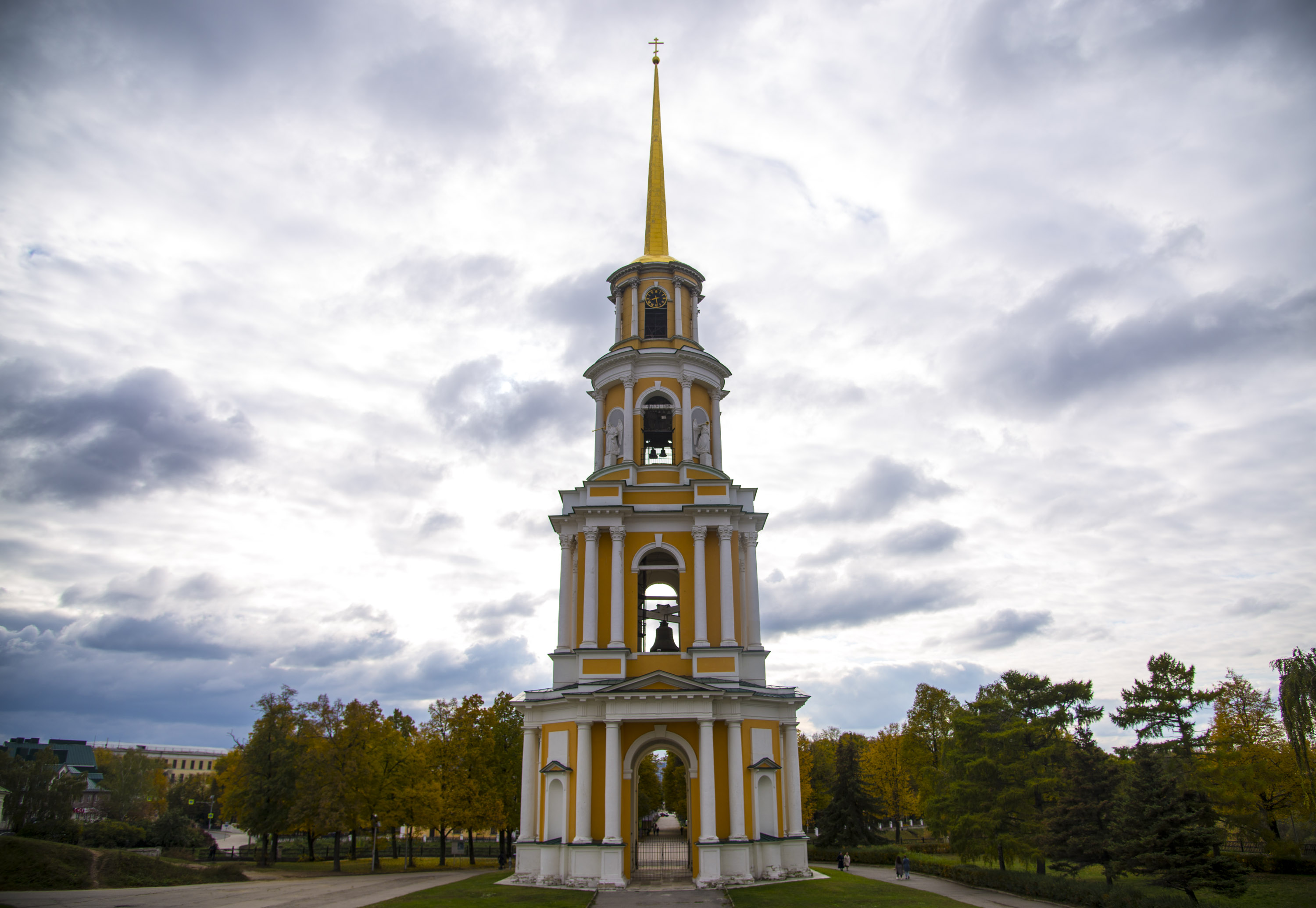
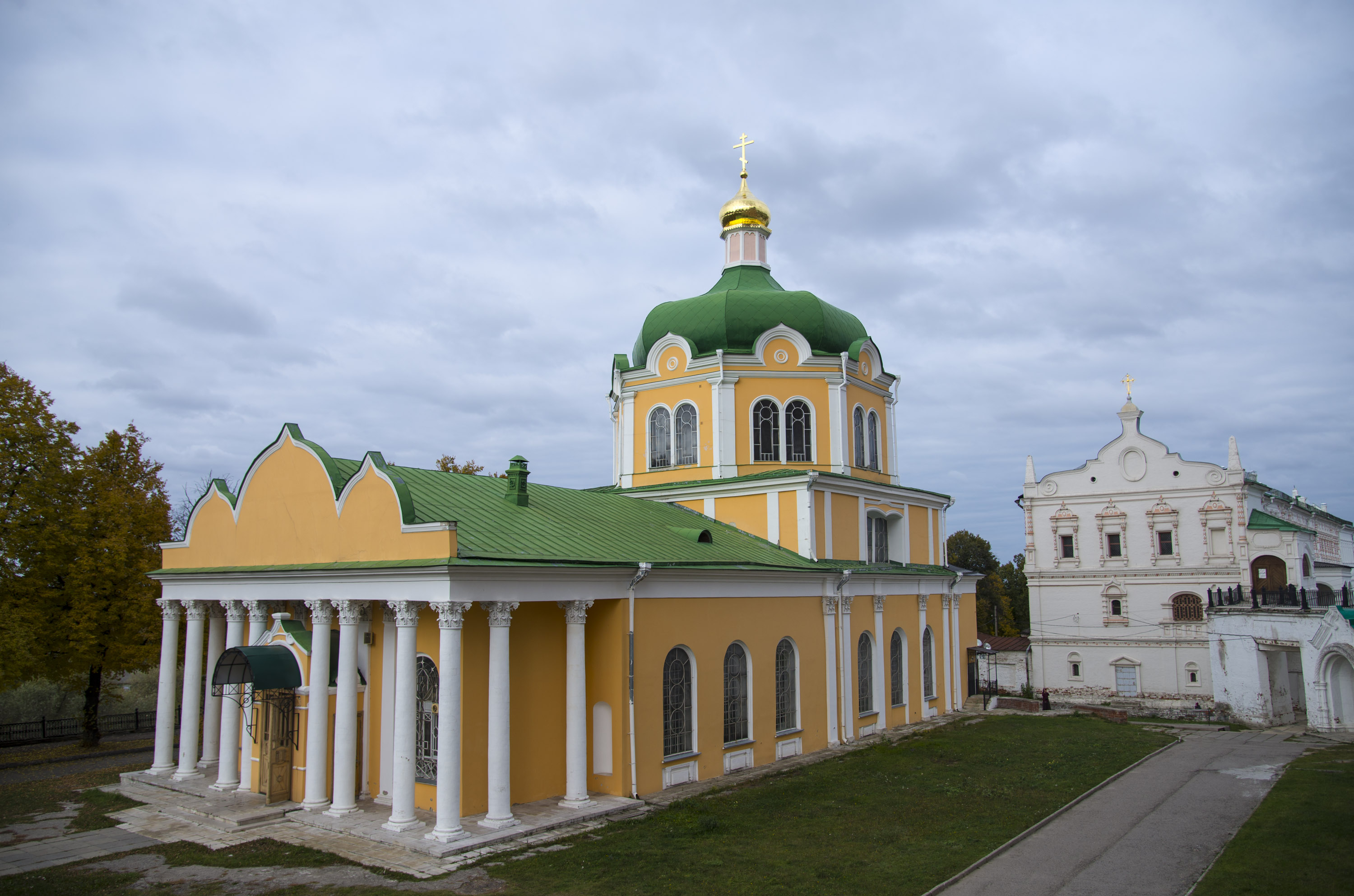
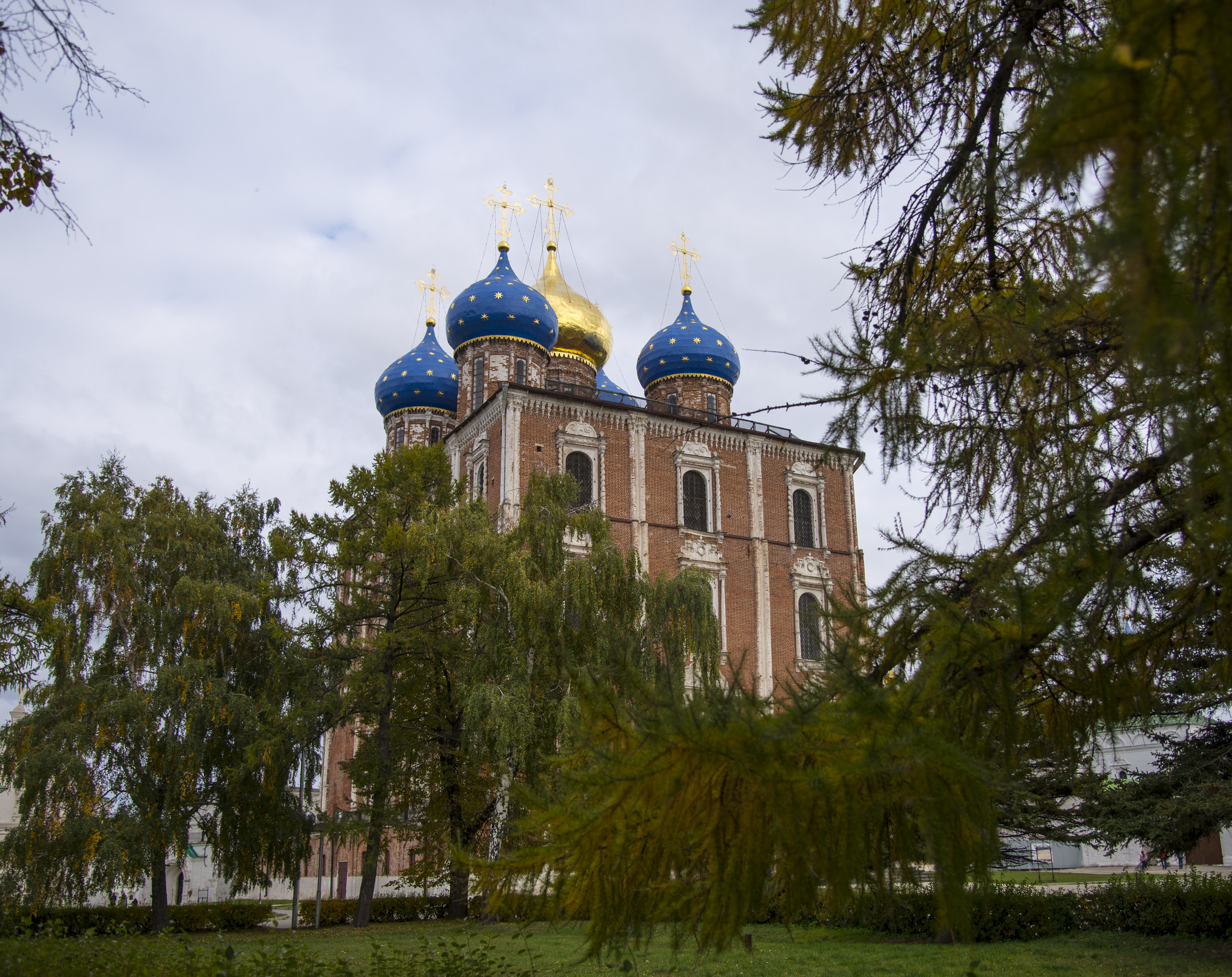
The Ryazan Kremlin is the oldest part of the city of Ryazan, a historical and architectural open-air museum and one of the oldest museums in Russia. It is believed that fortifications have existed where the Ryzan Kremlin now stands since the end of the 11th century. A four-tier bell tower is one of the tallest bell towers in Russia standing at 86 metres tall, including a 25 metre gold-coated spire.

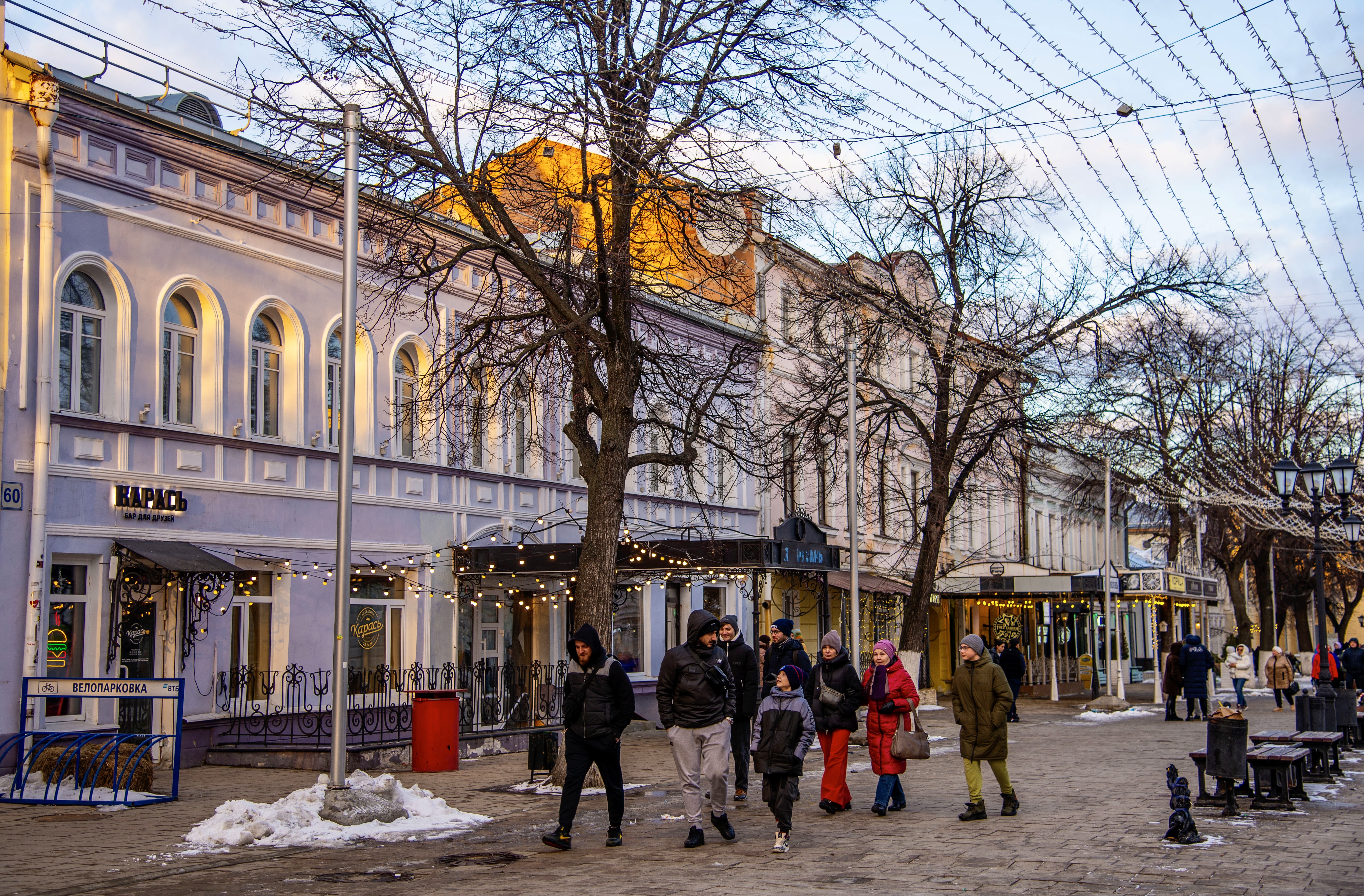
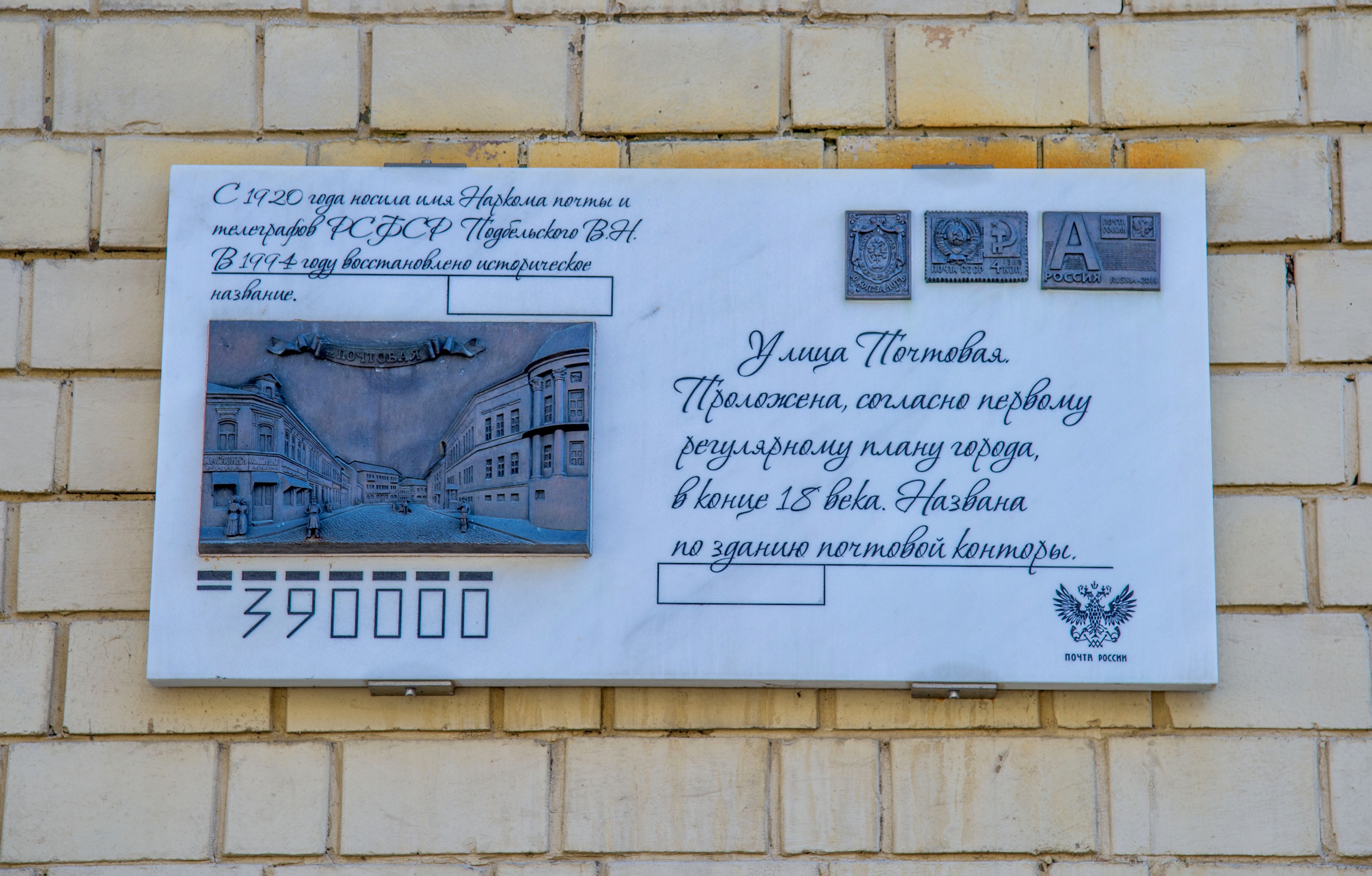
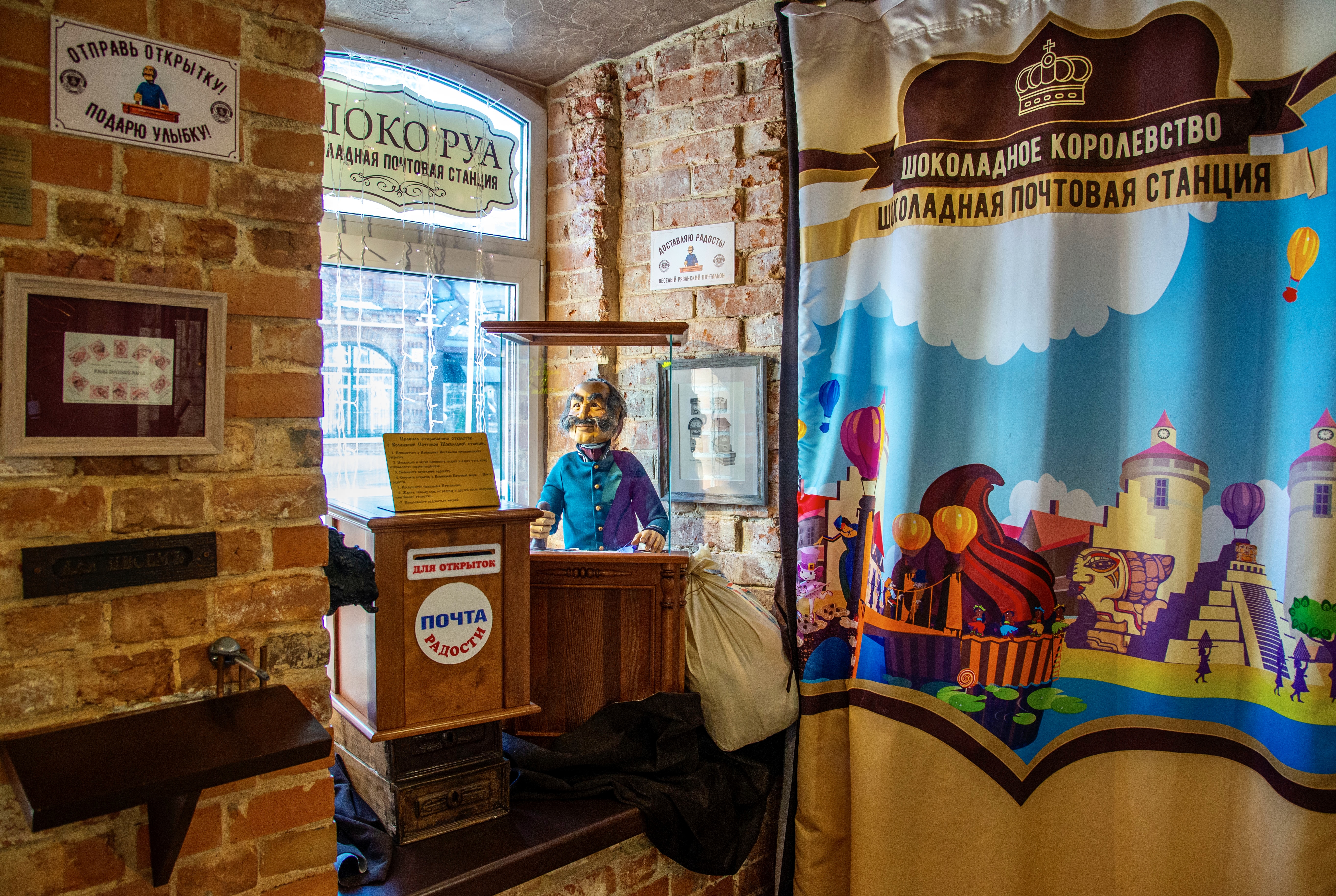
Postal Street

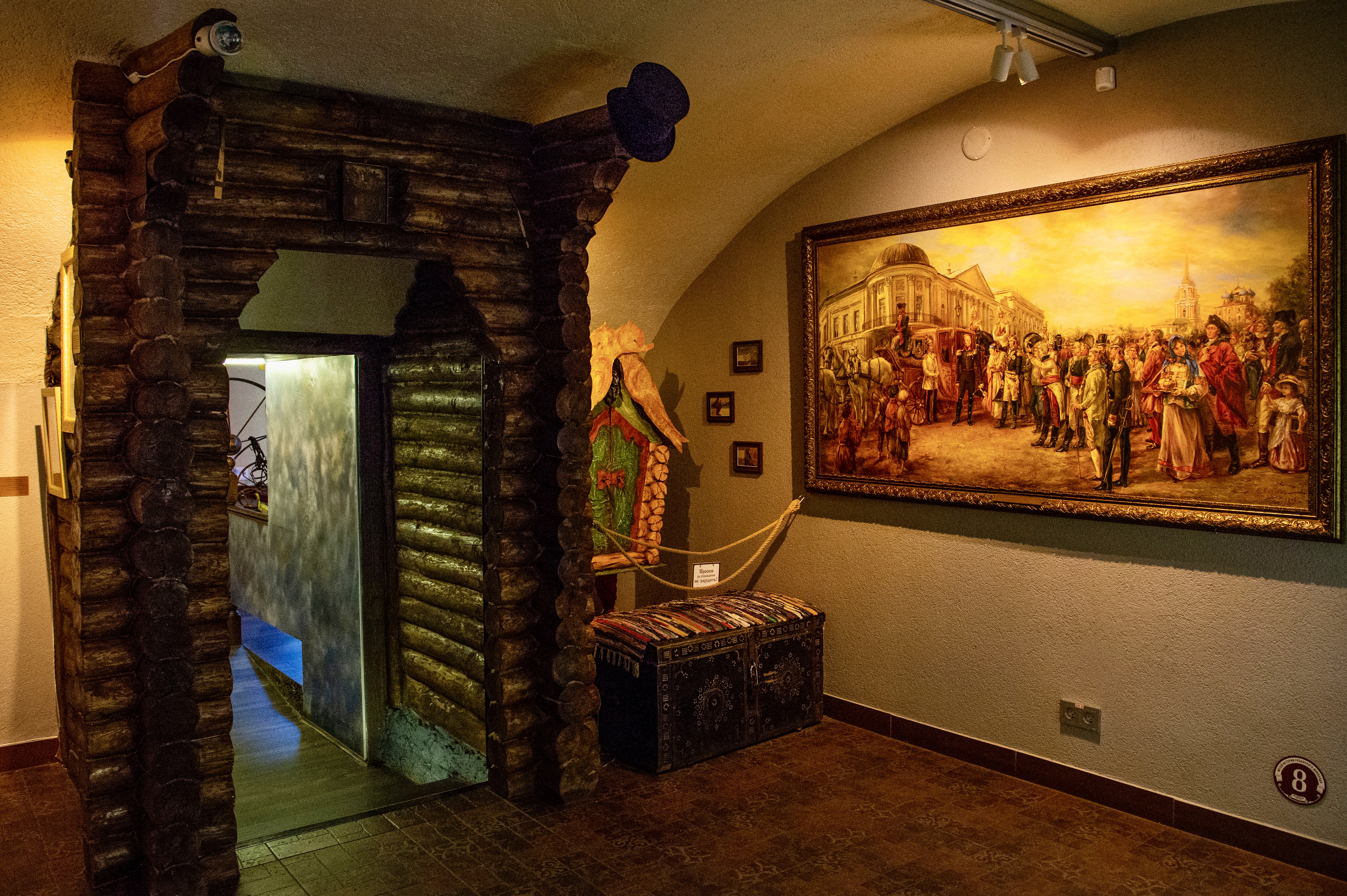
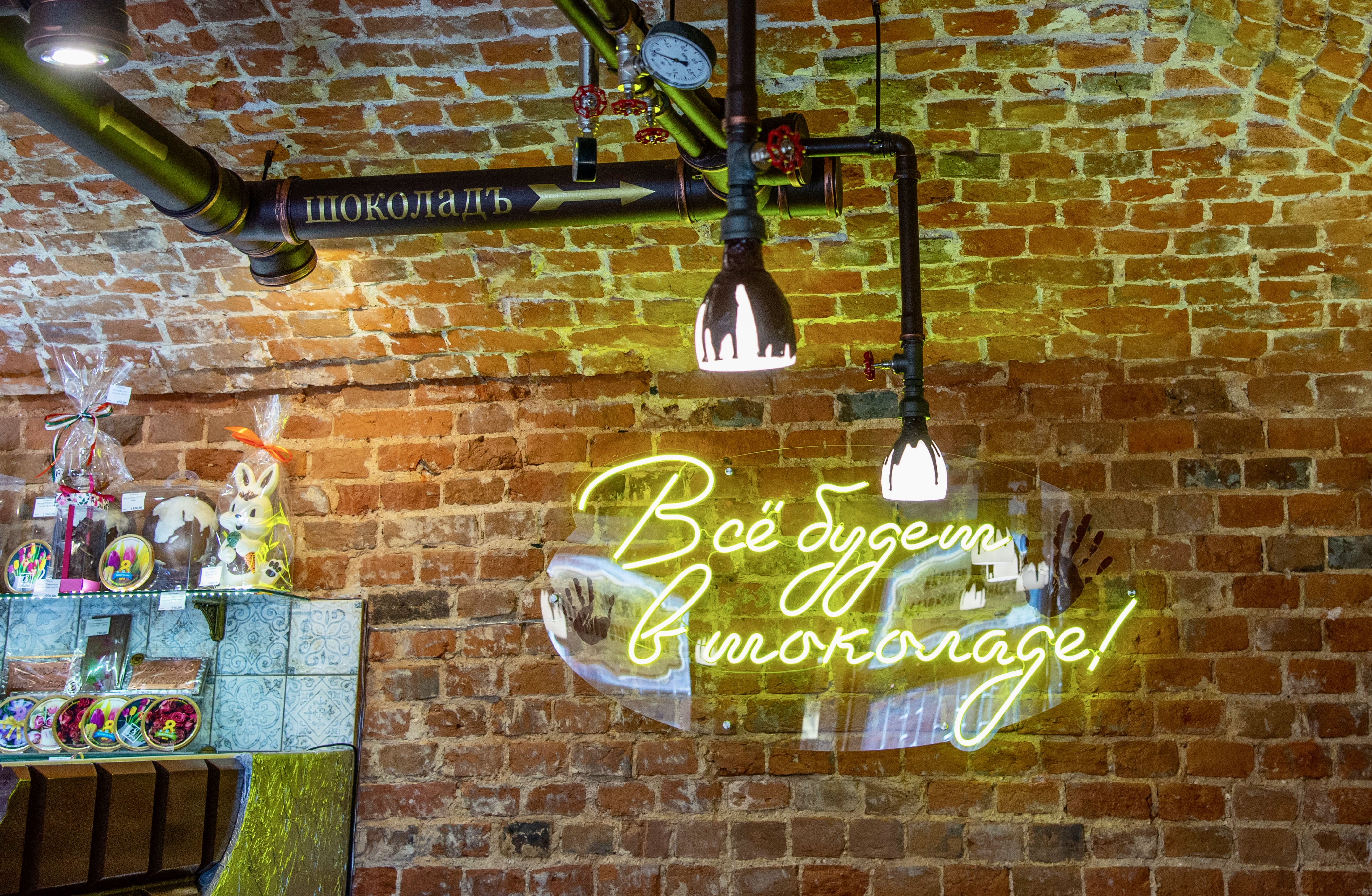
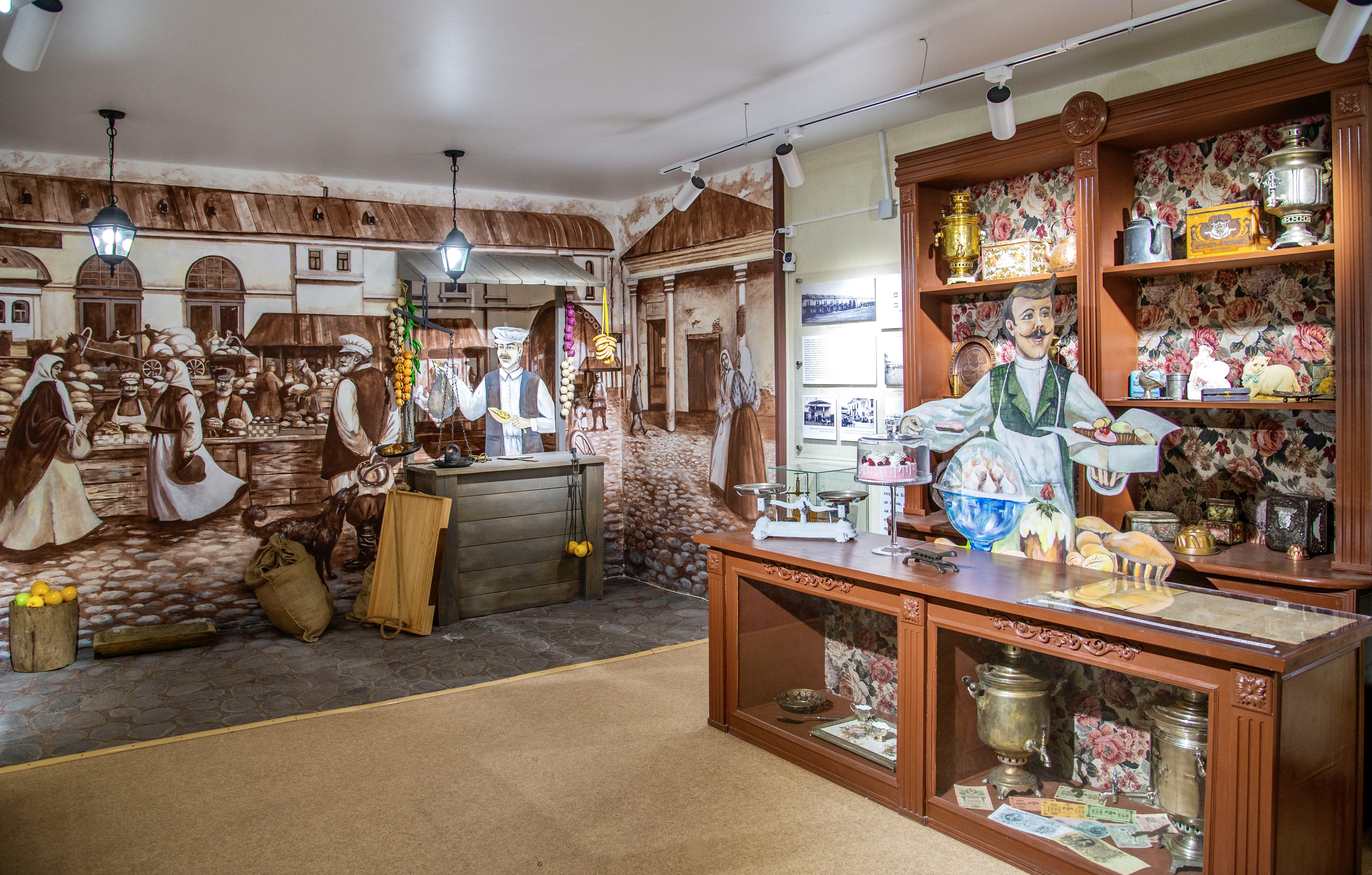
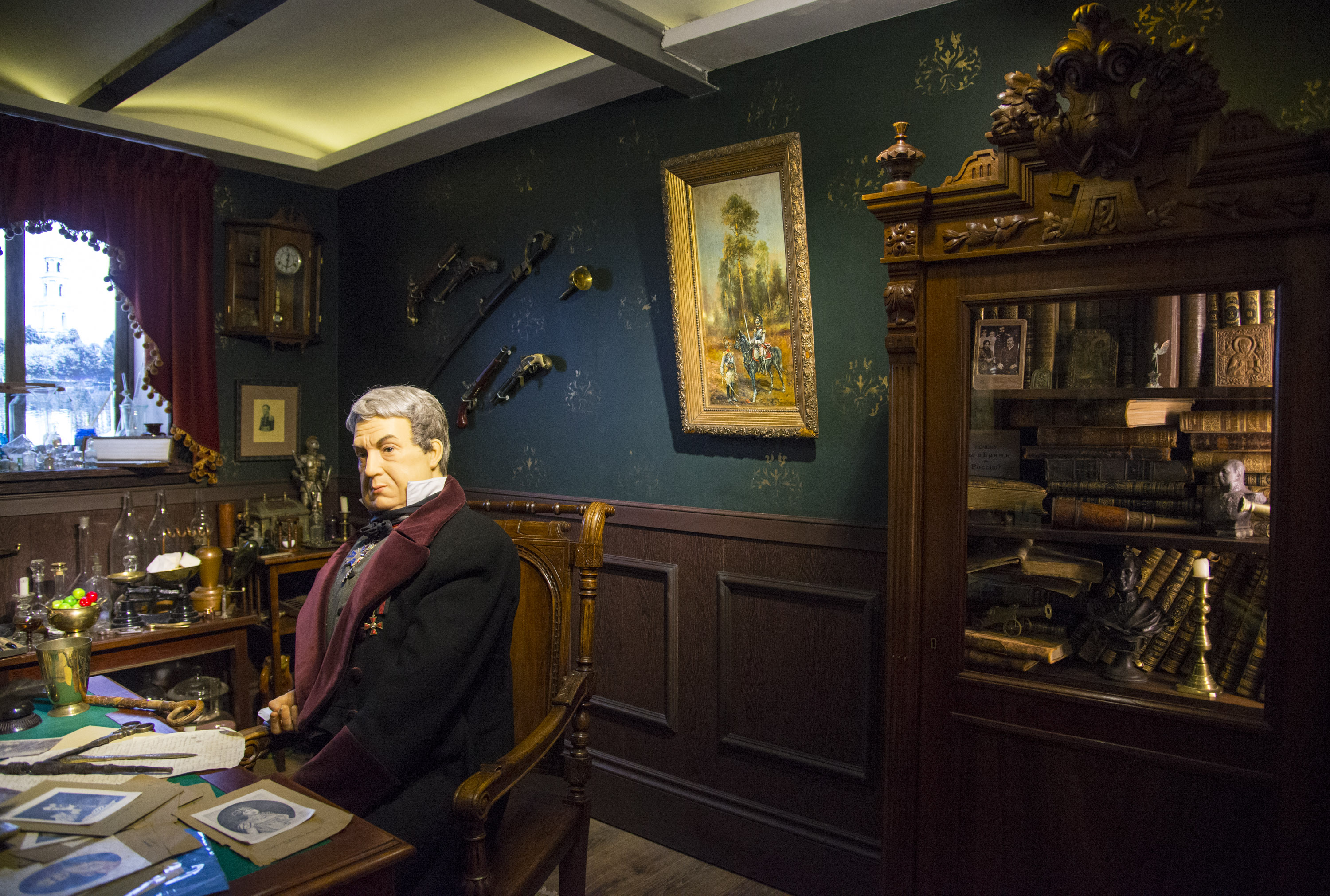
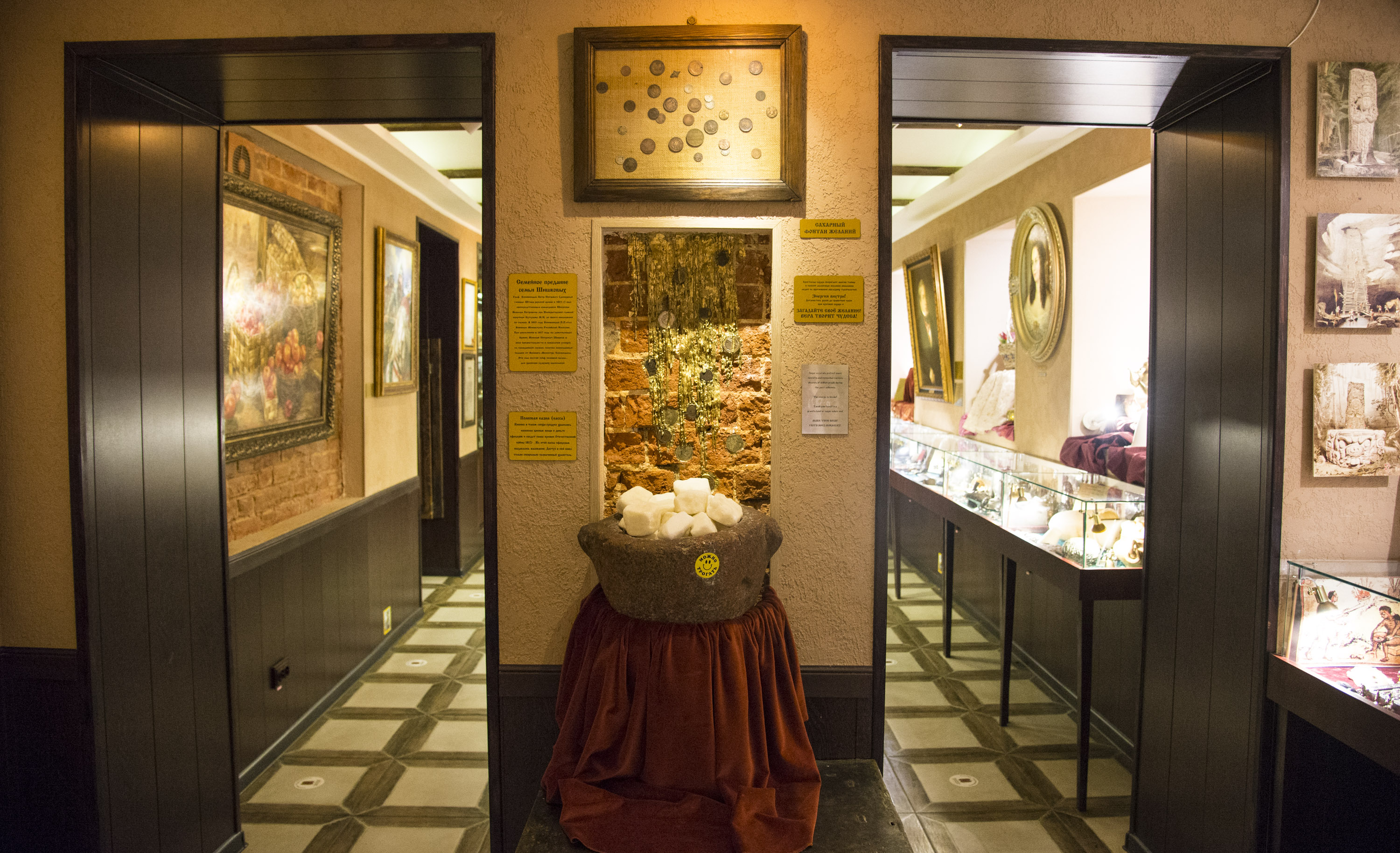
Chocolate History museum and gallery

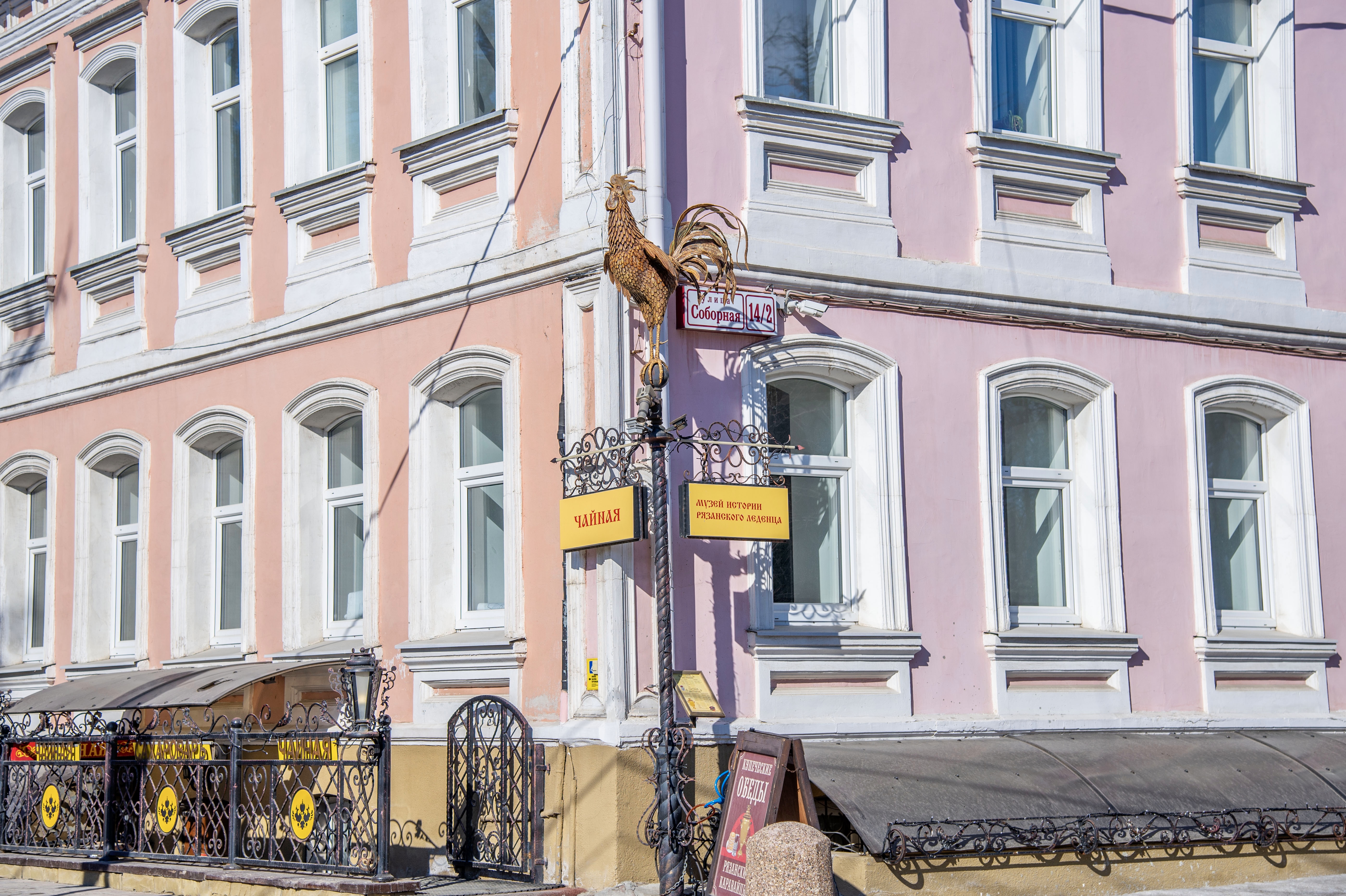
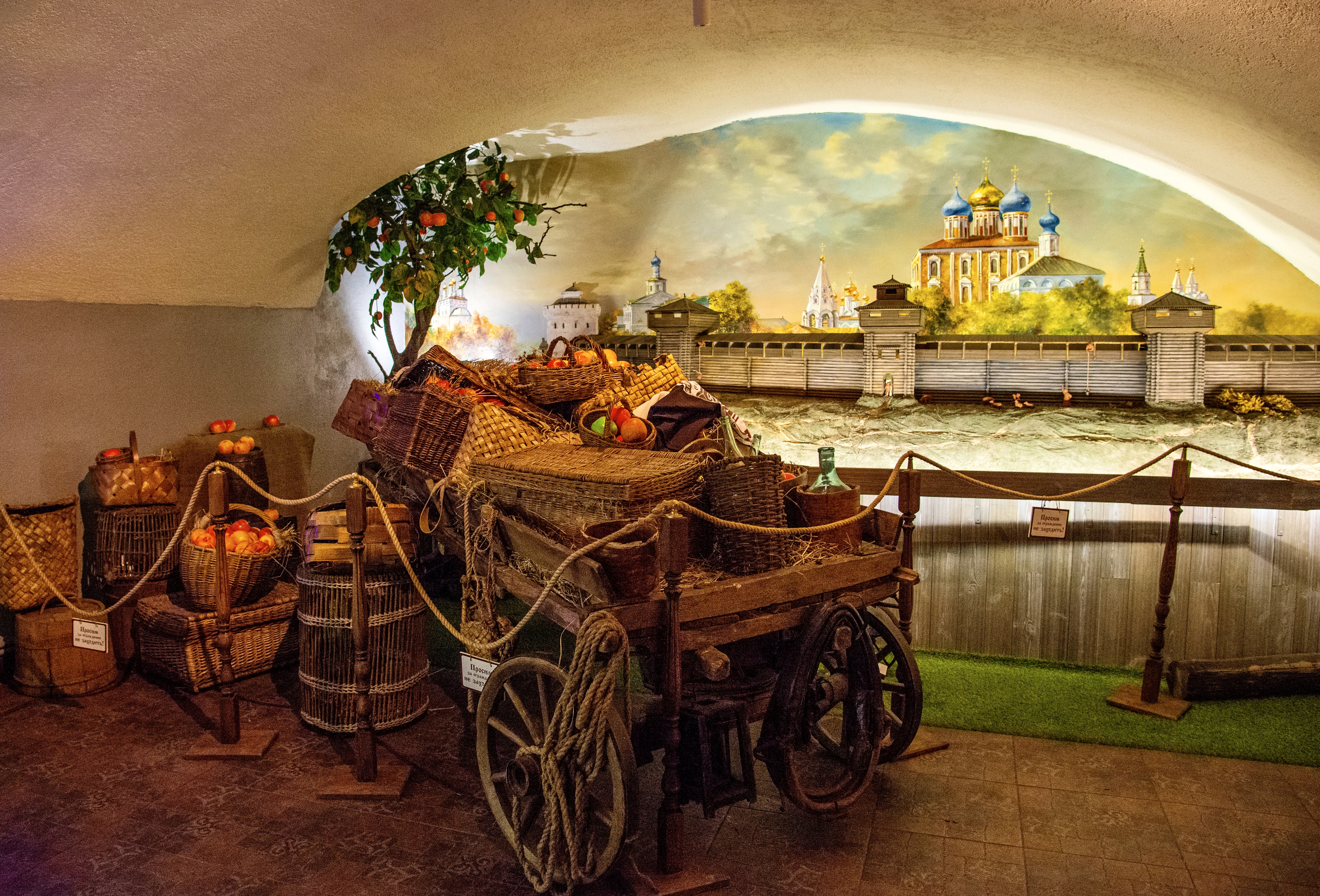
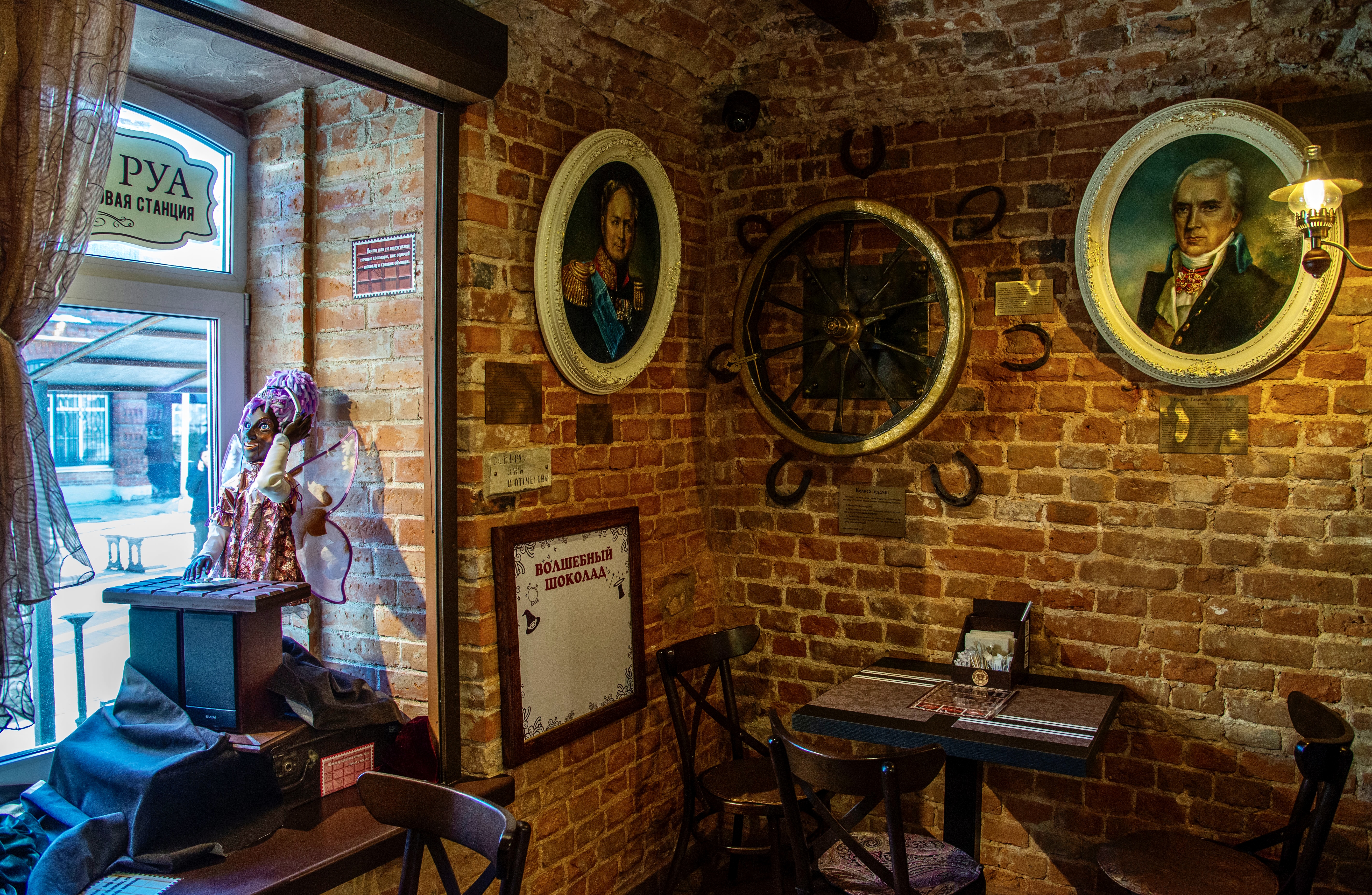
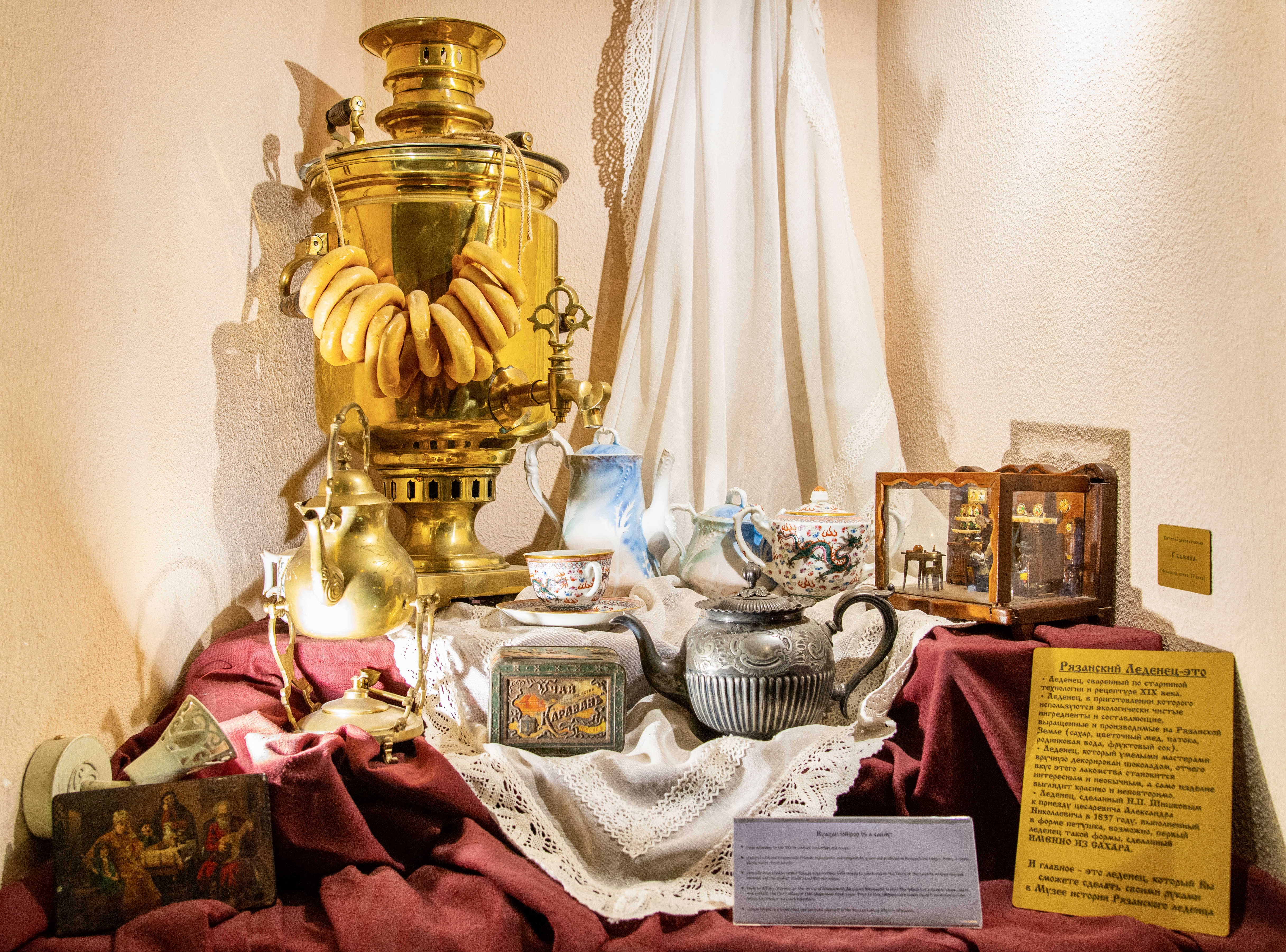
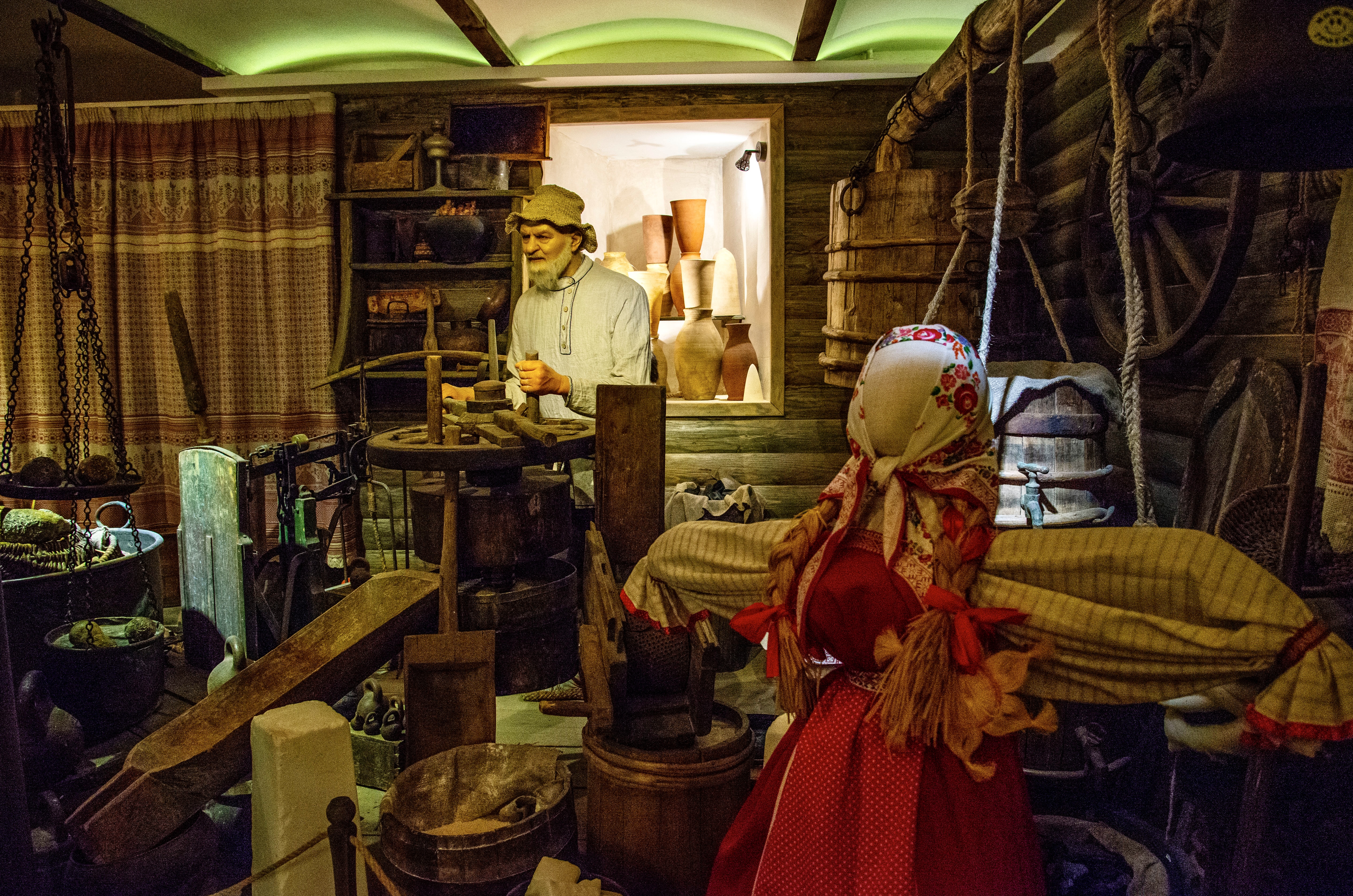
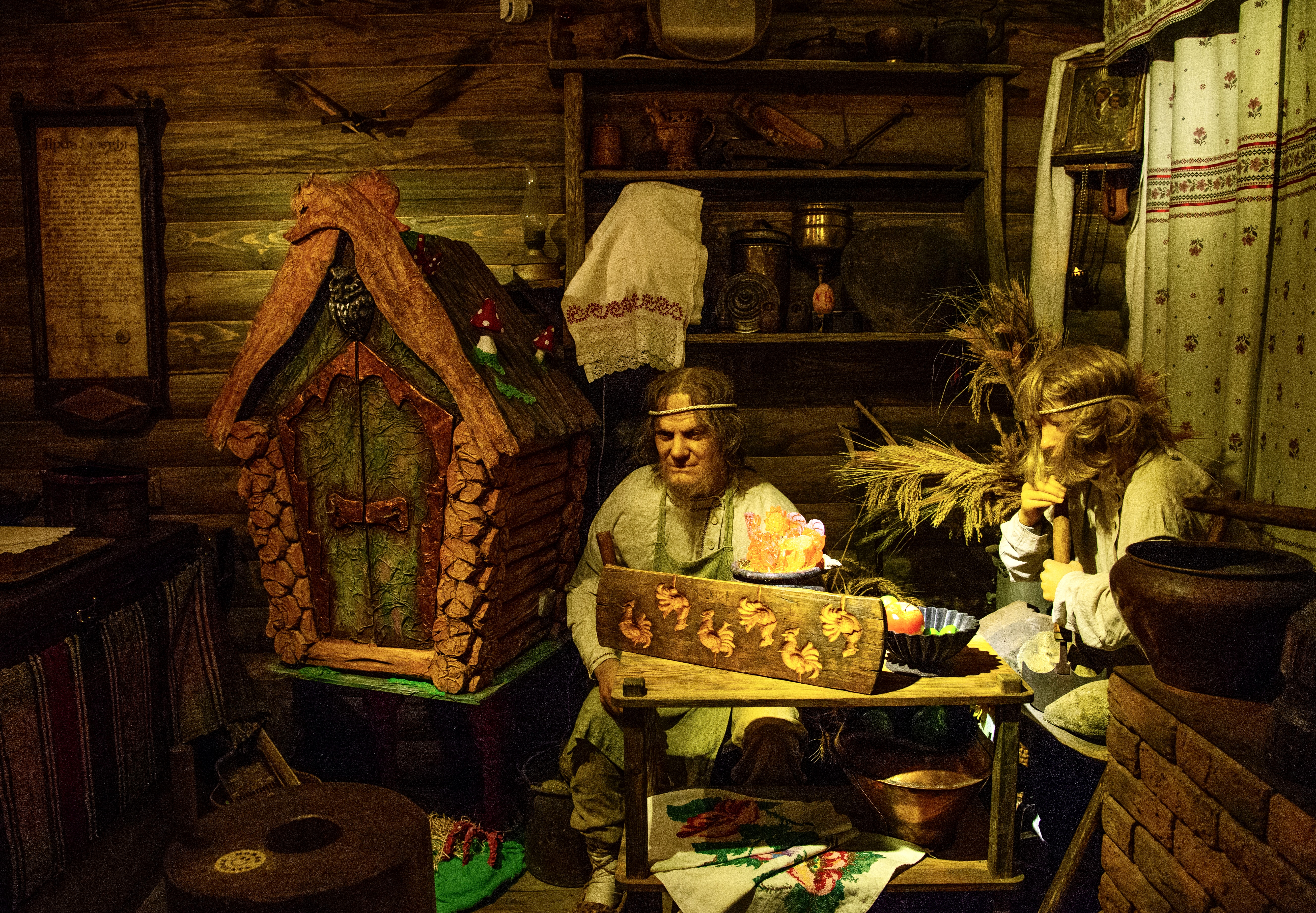
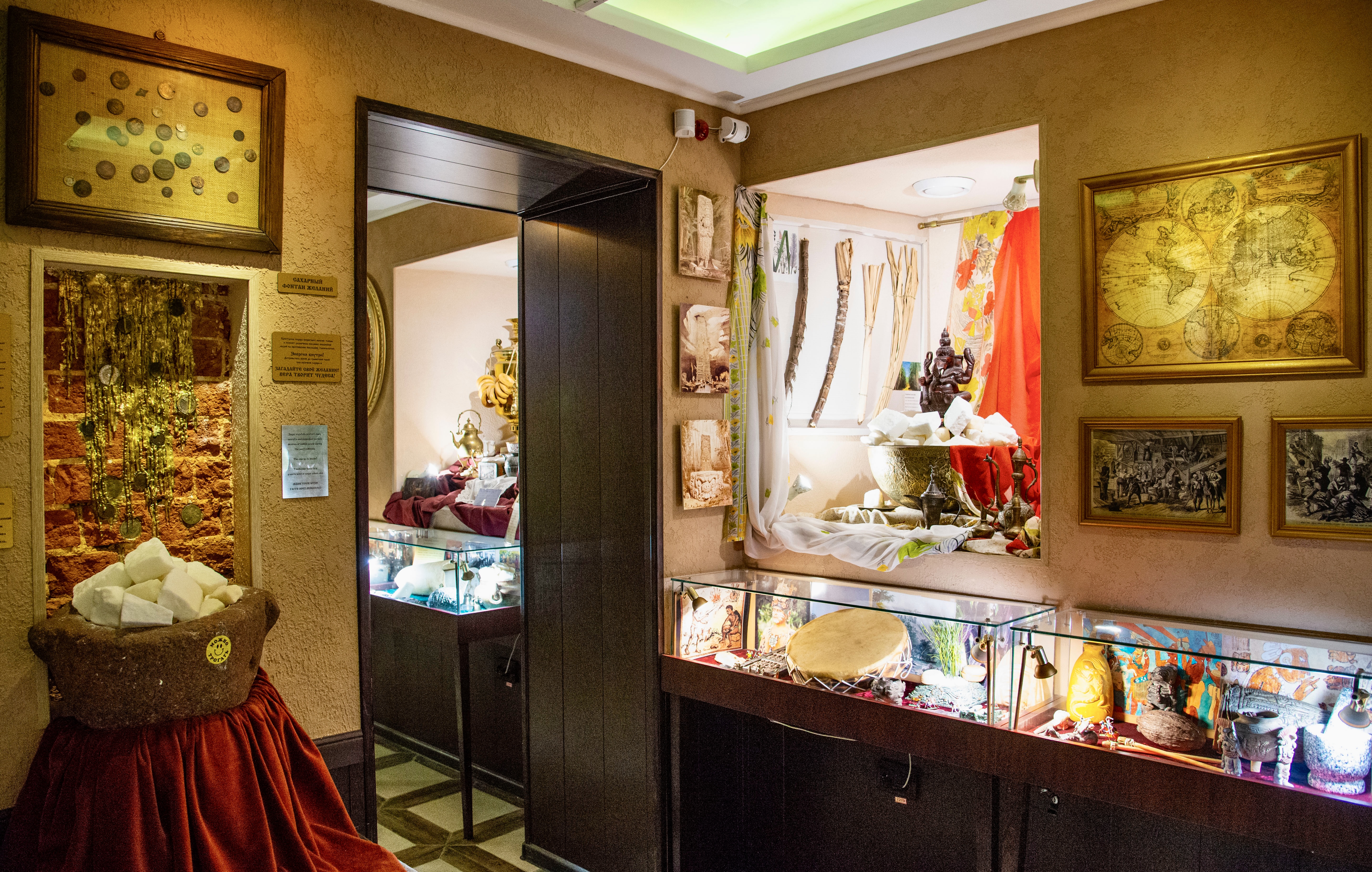
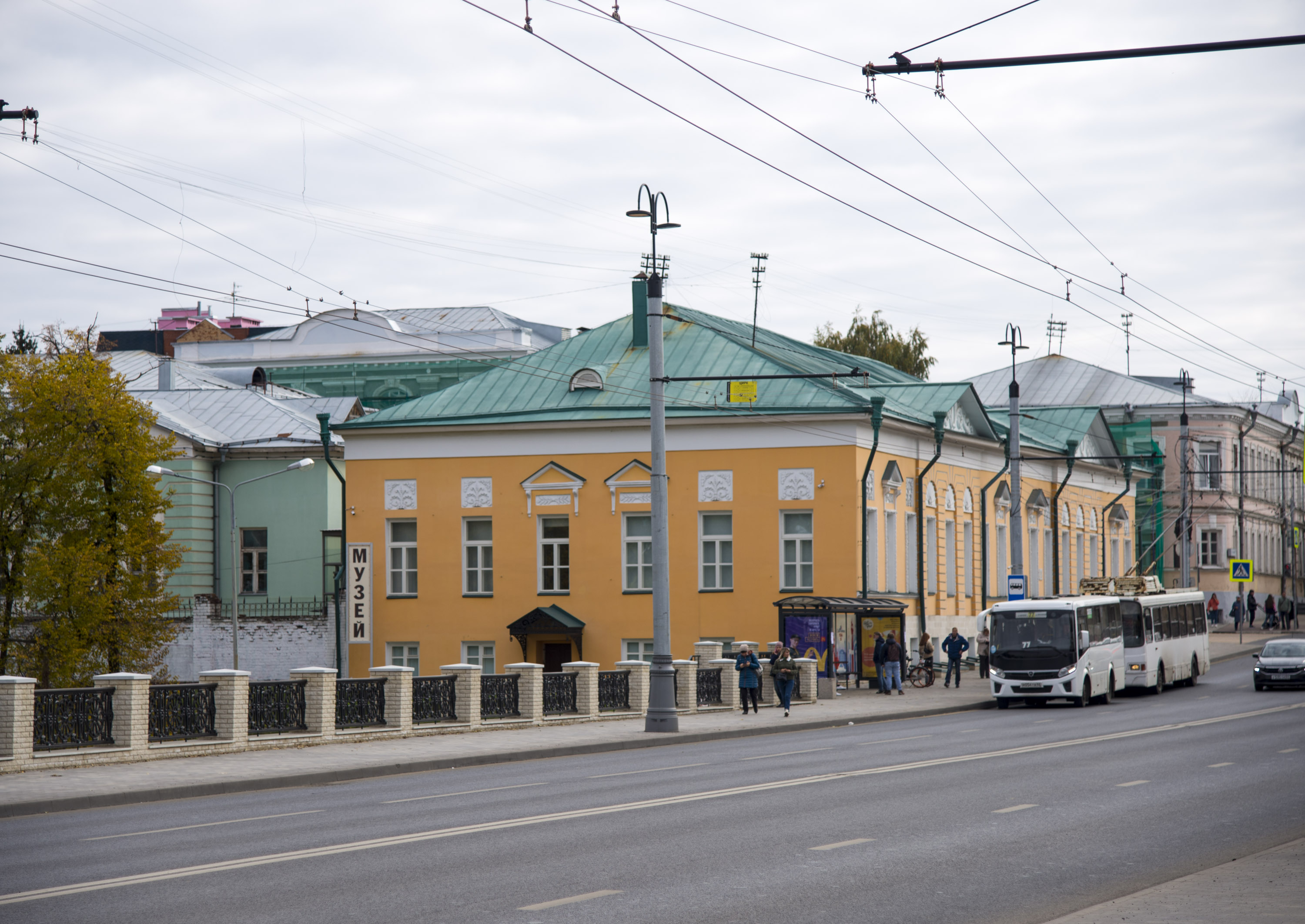
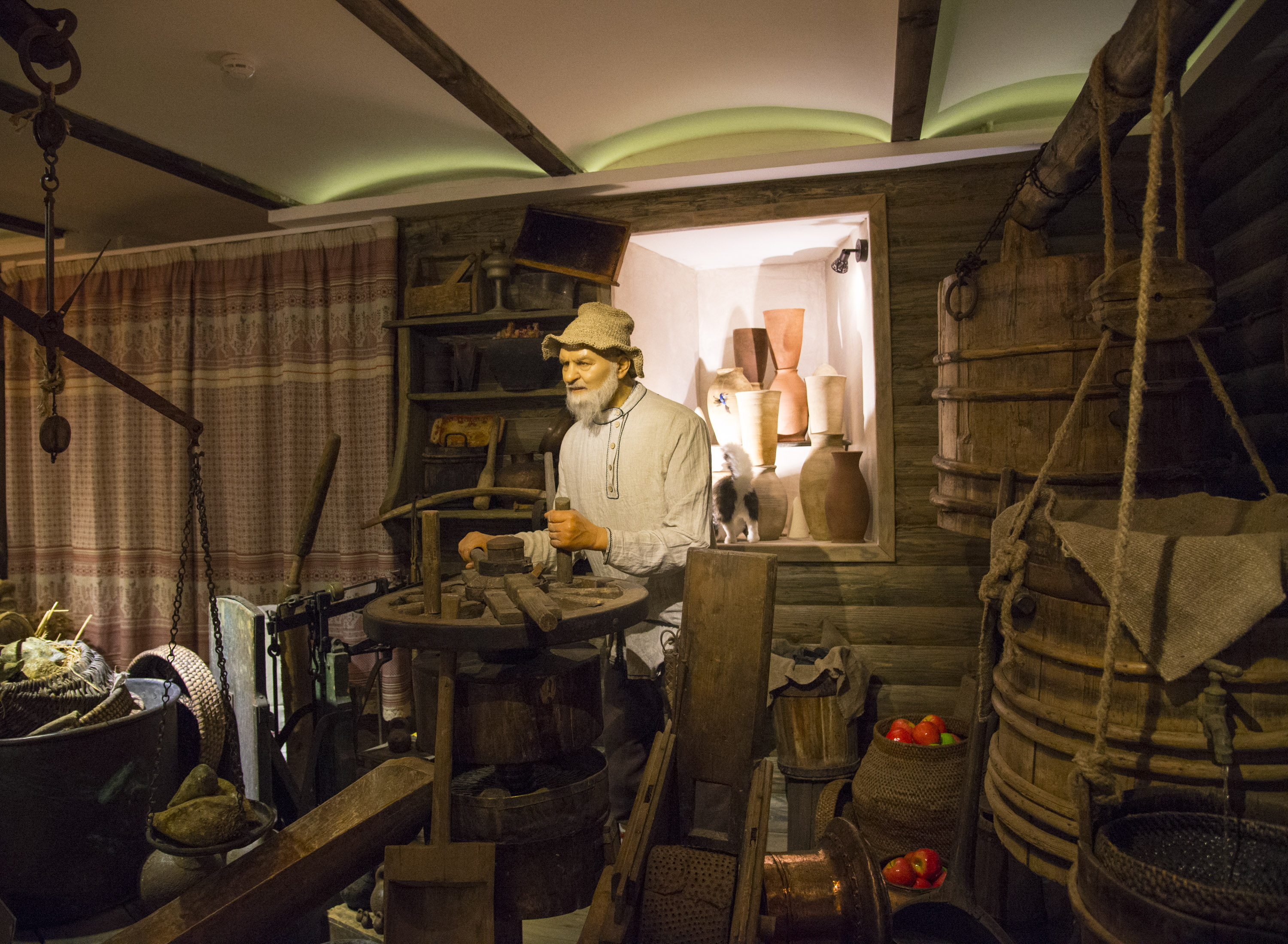
Museum of the history of Ryazan lollipop

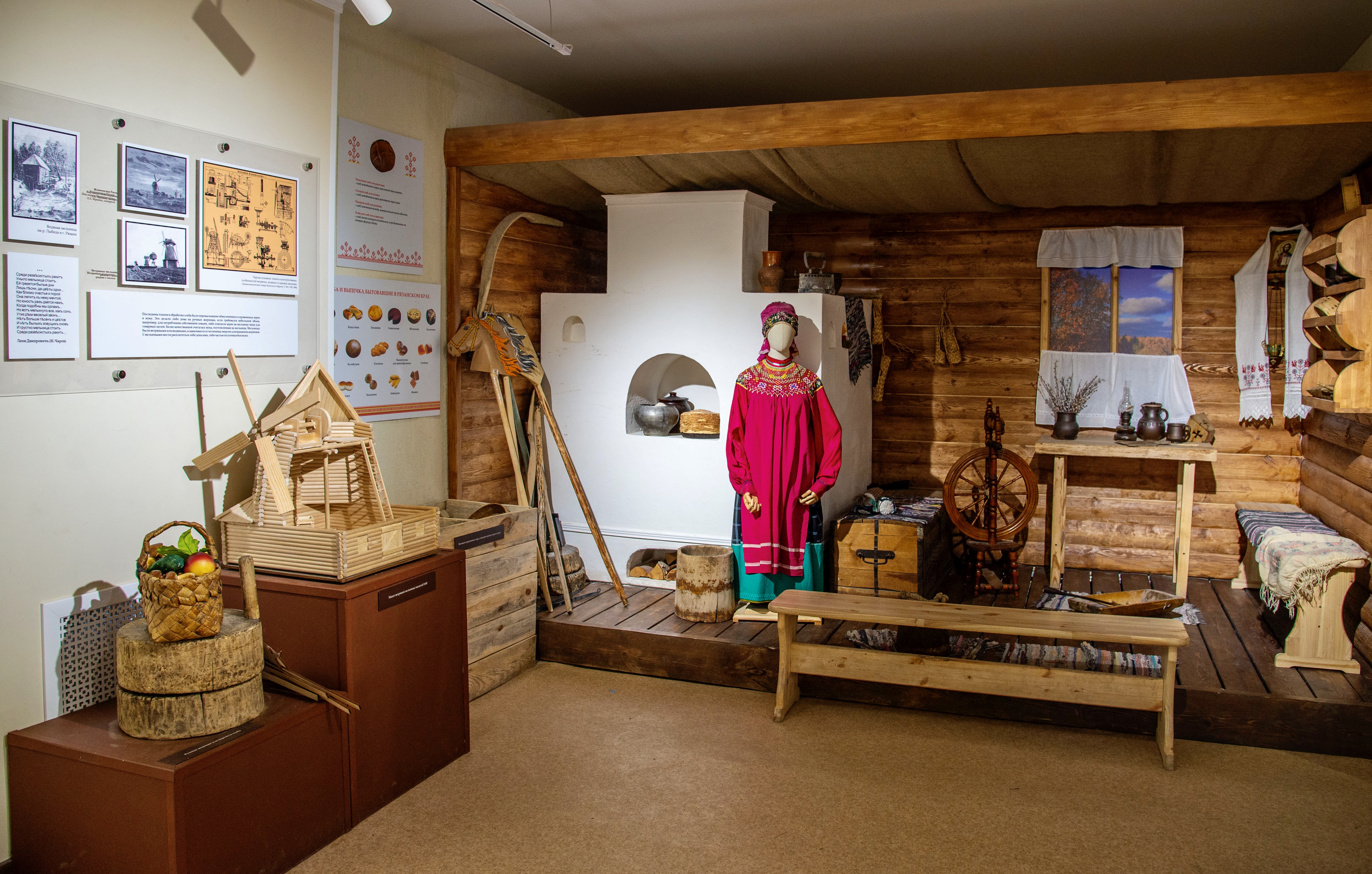
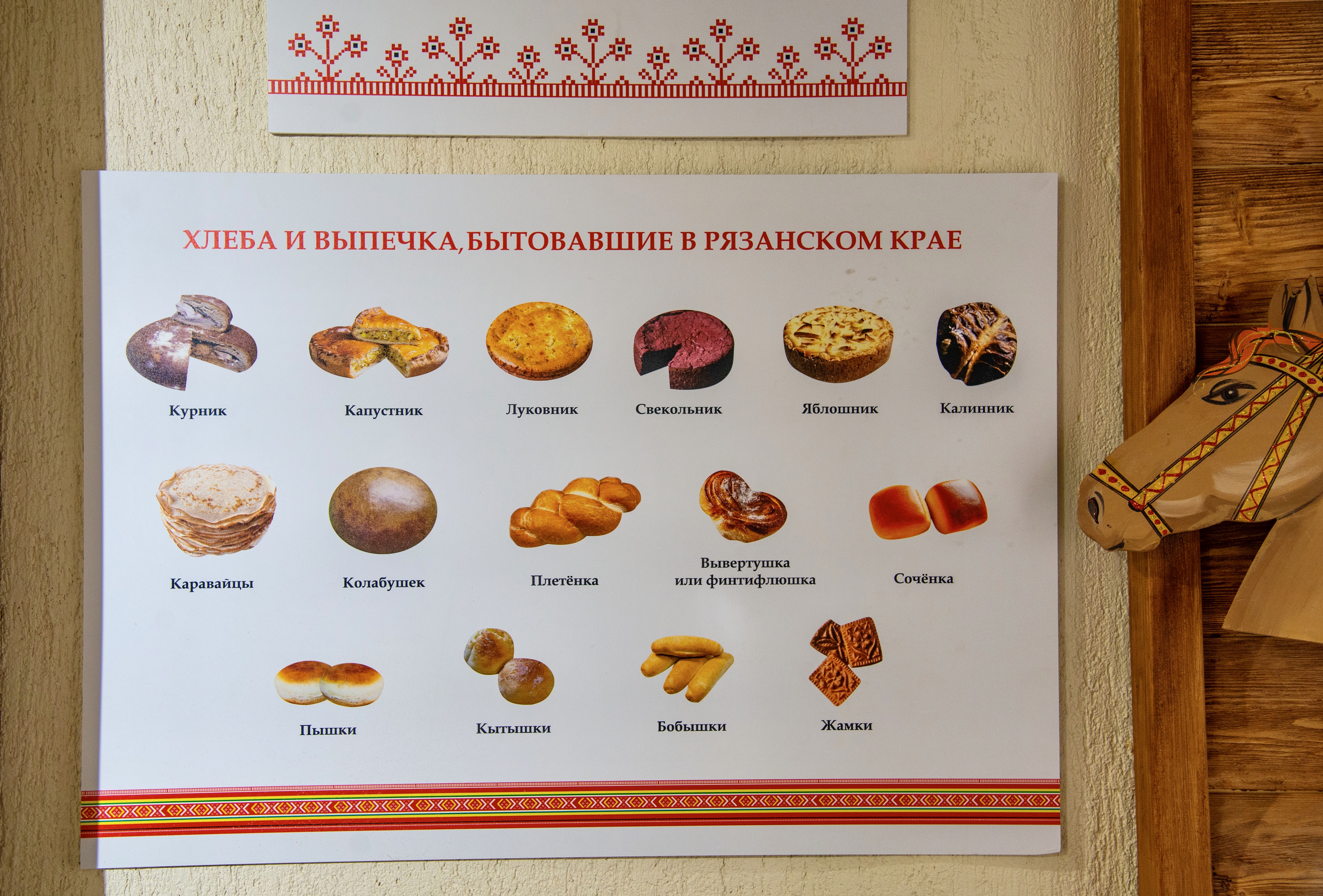
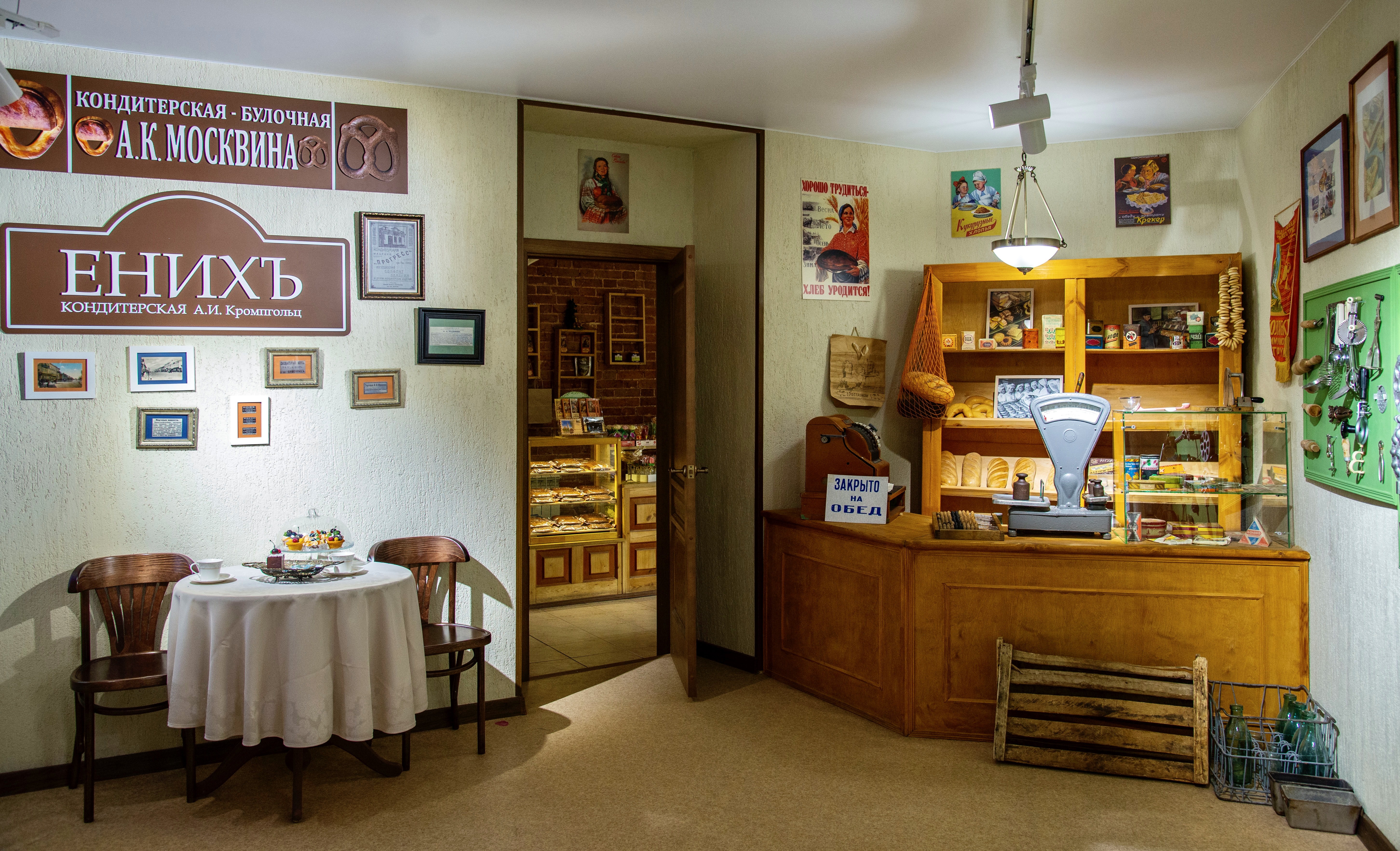
Museum of the history of the bread

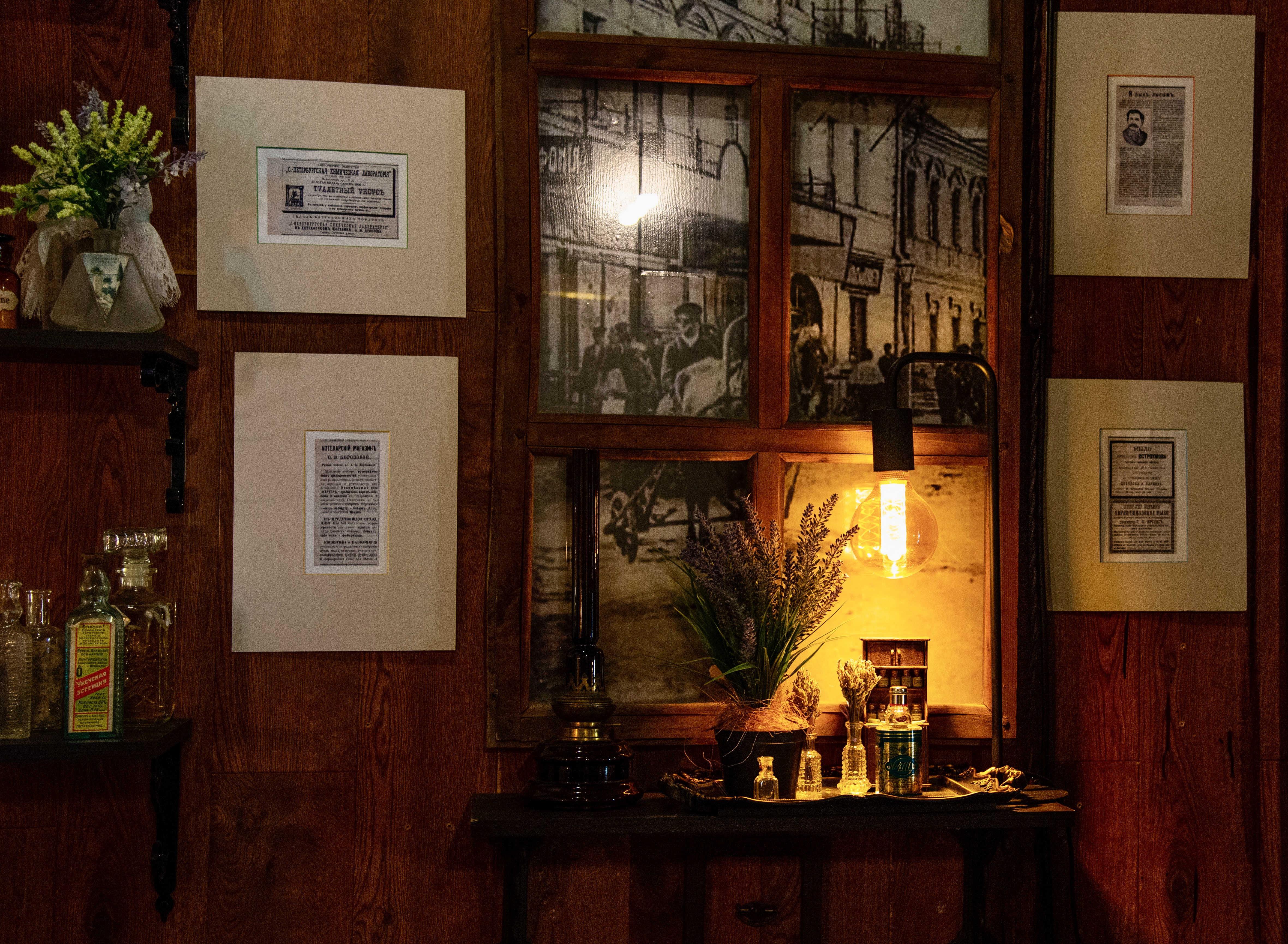
Museum of Perfumes history

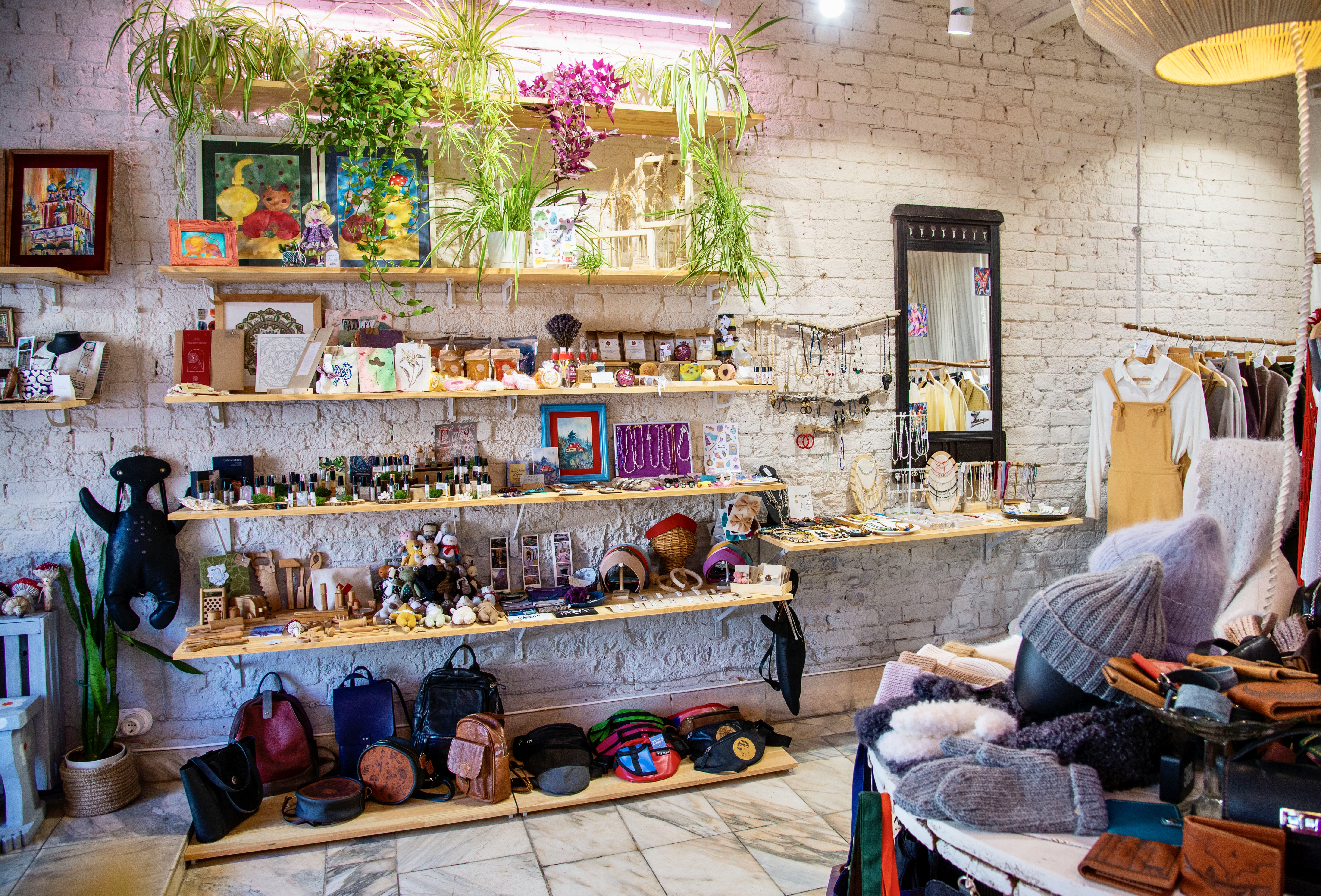
Teplo shop

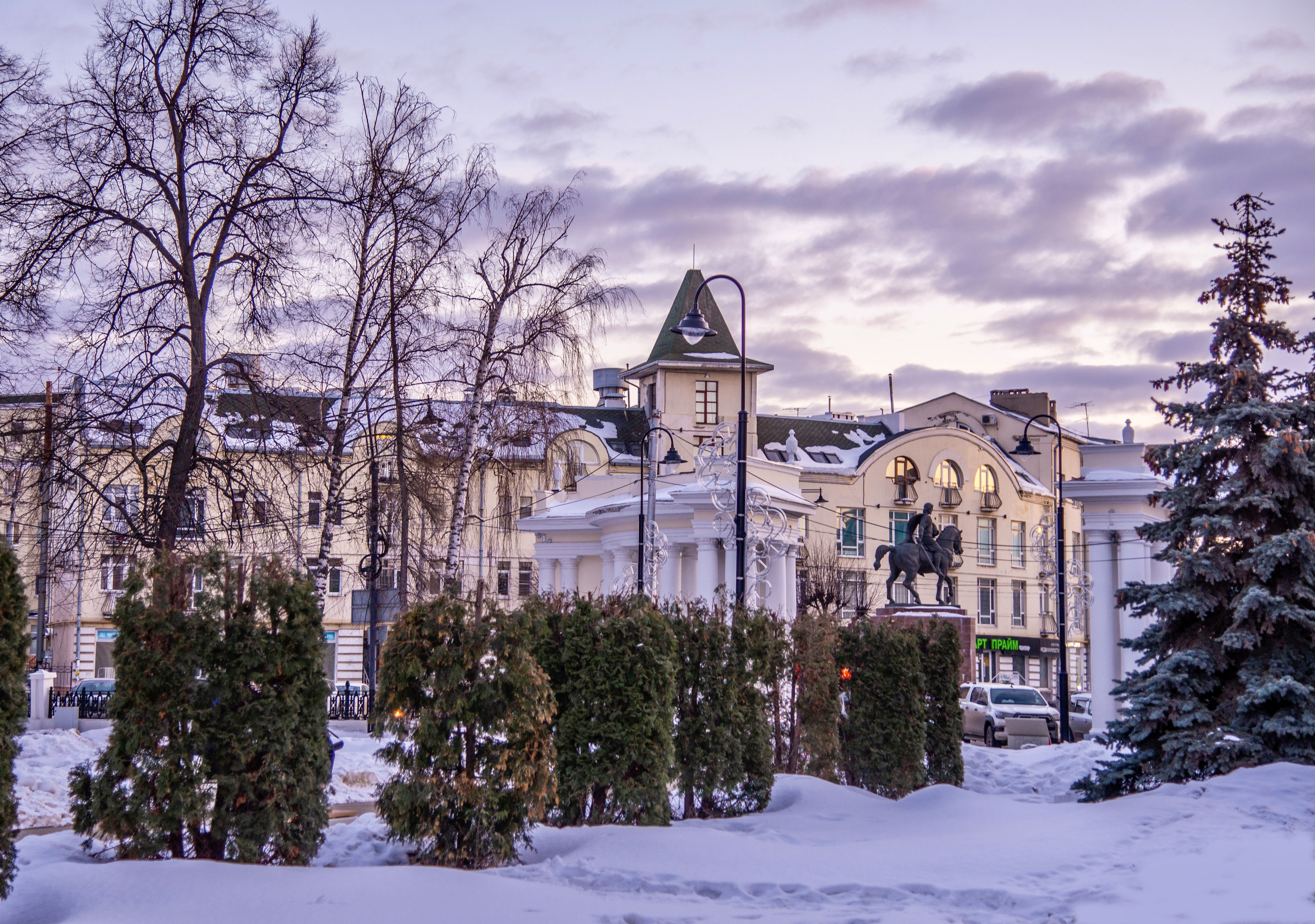
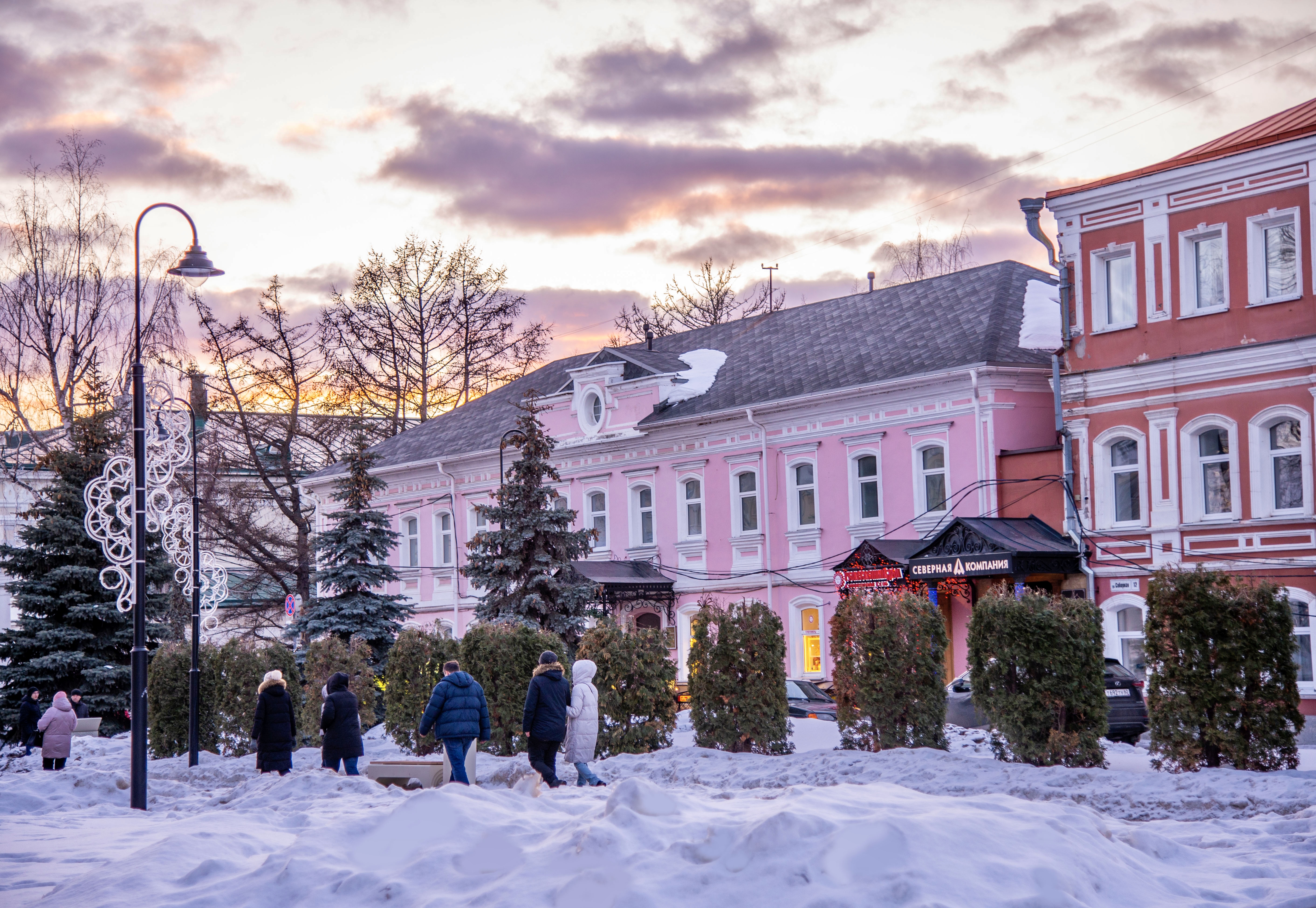
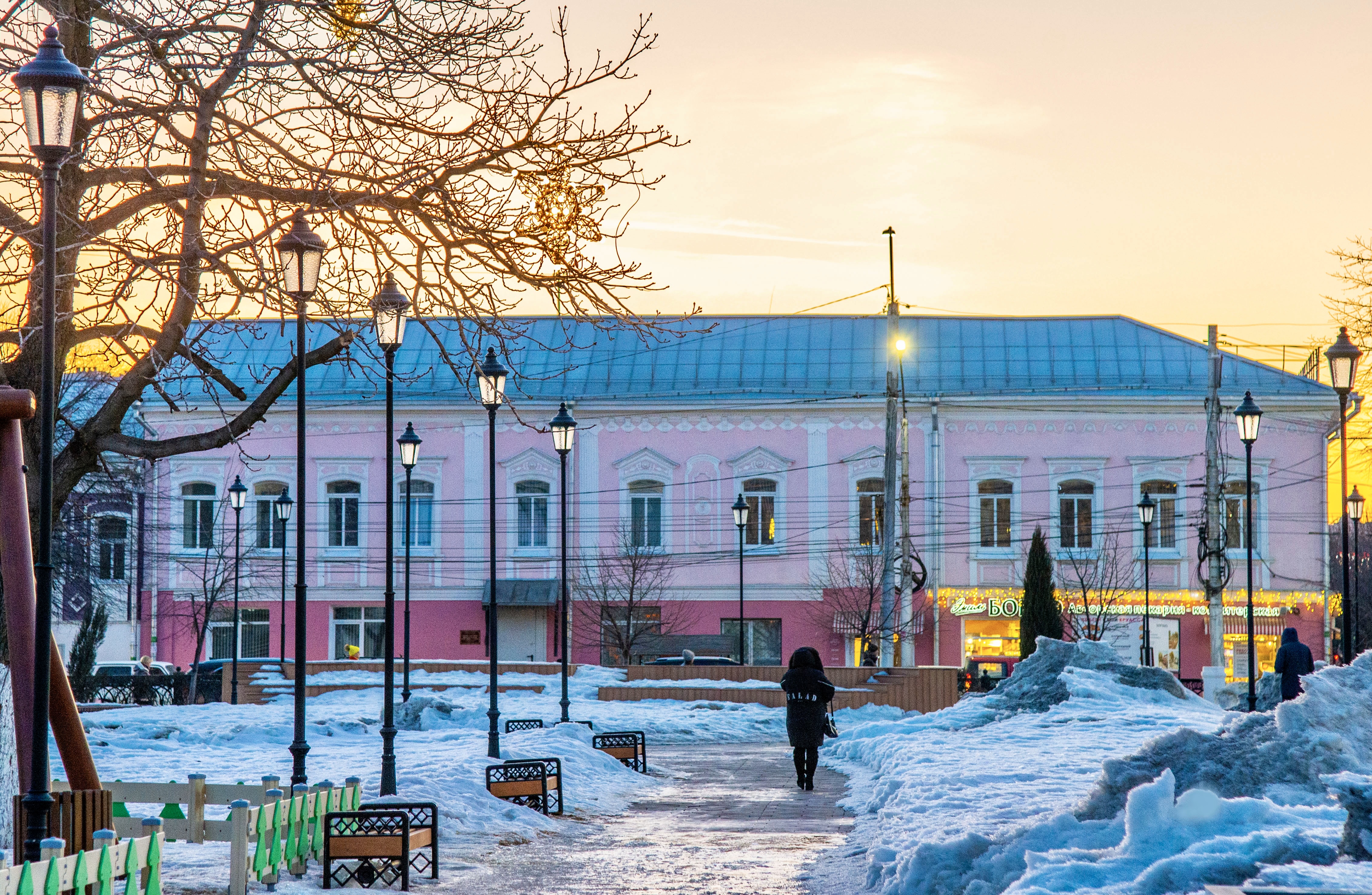
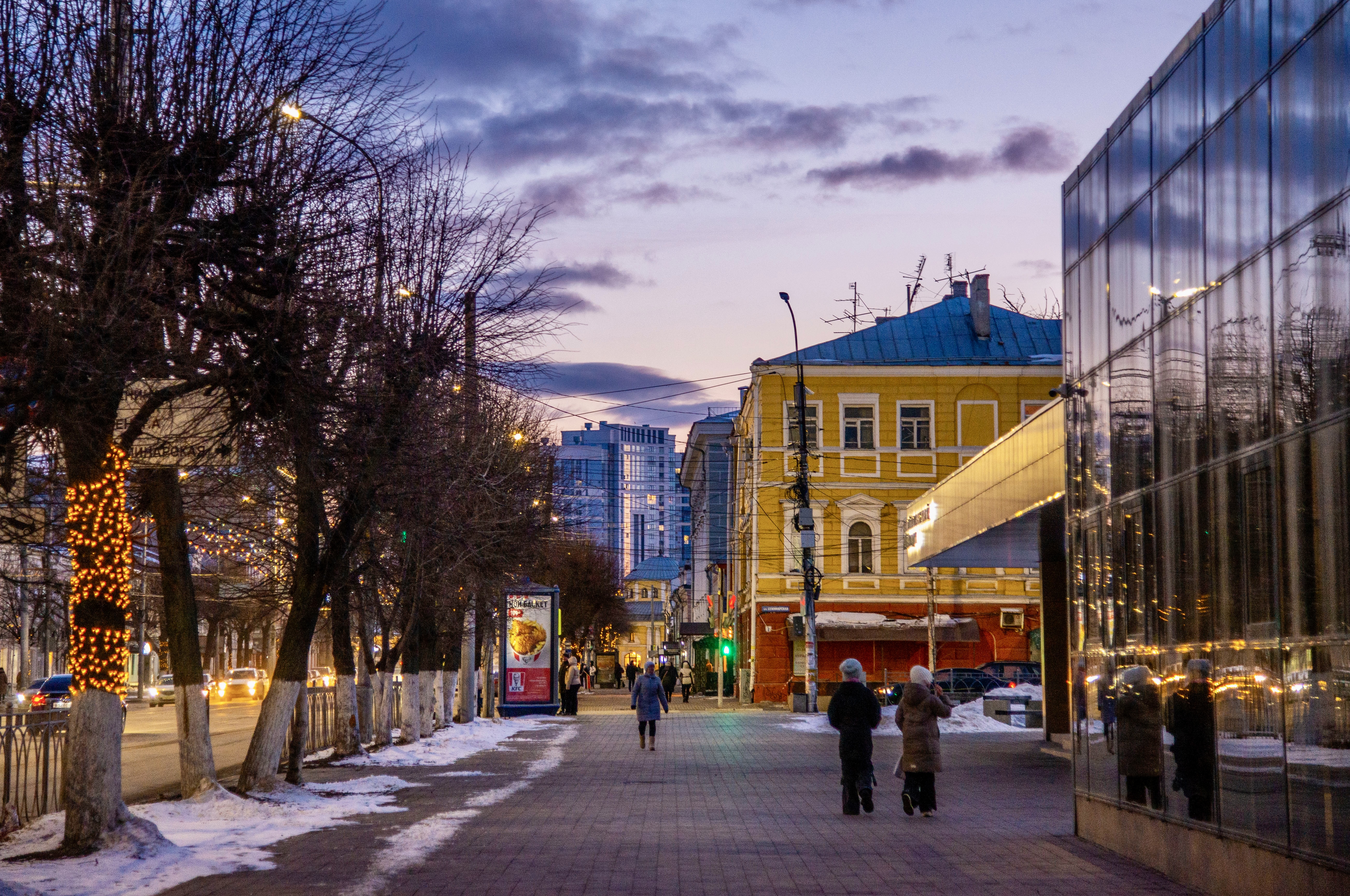
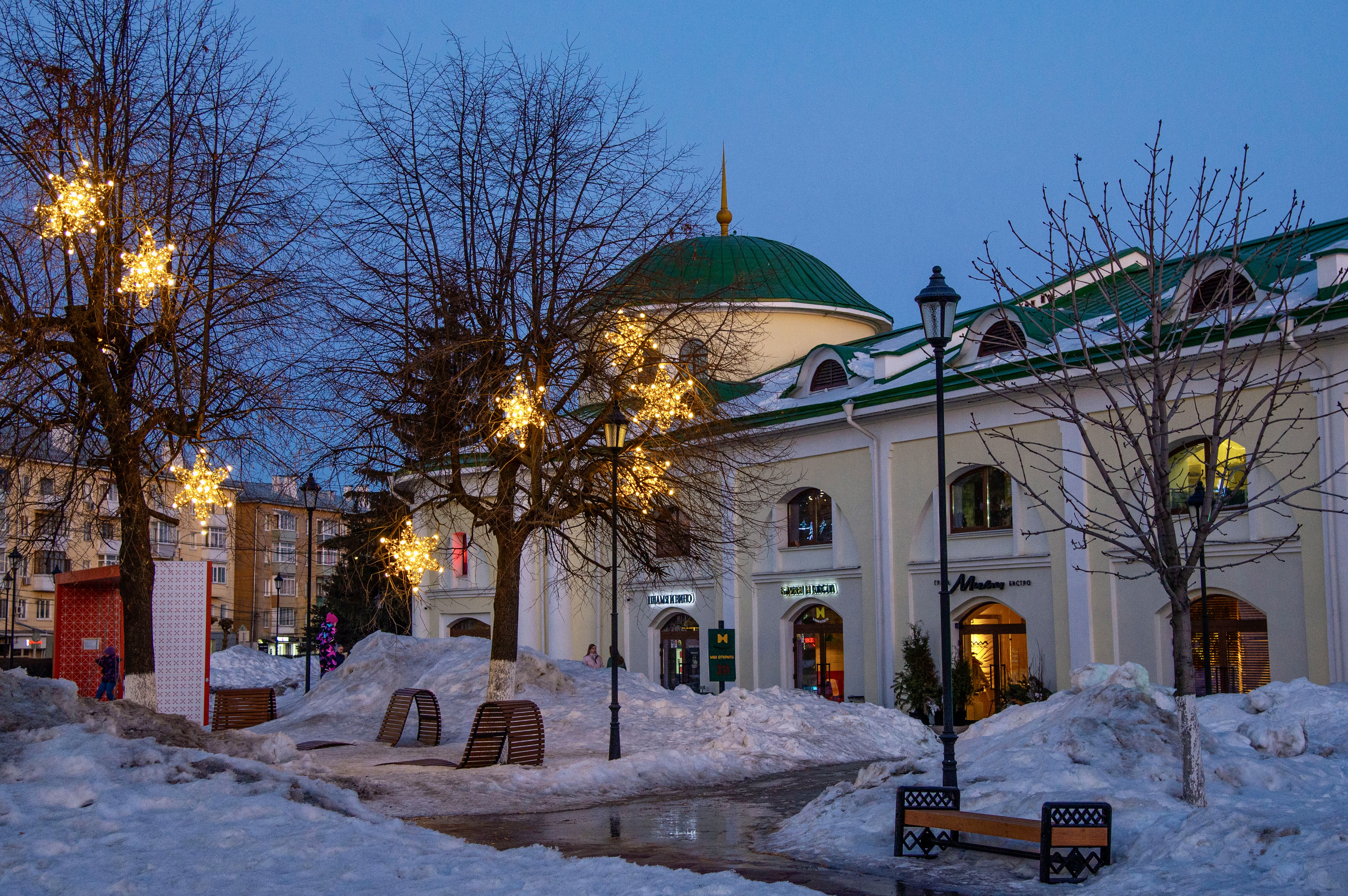
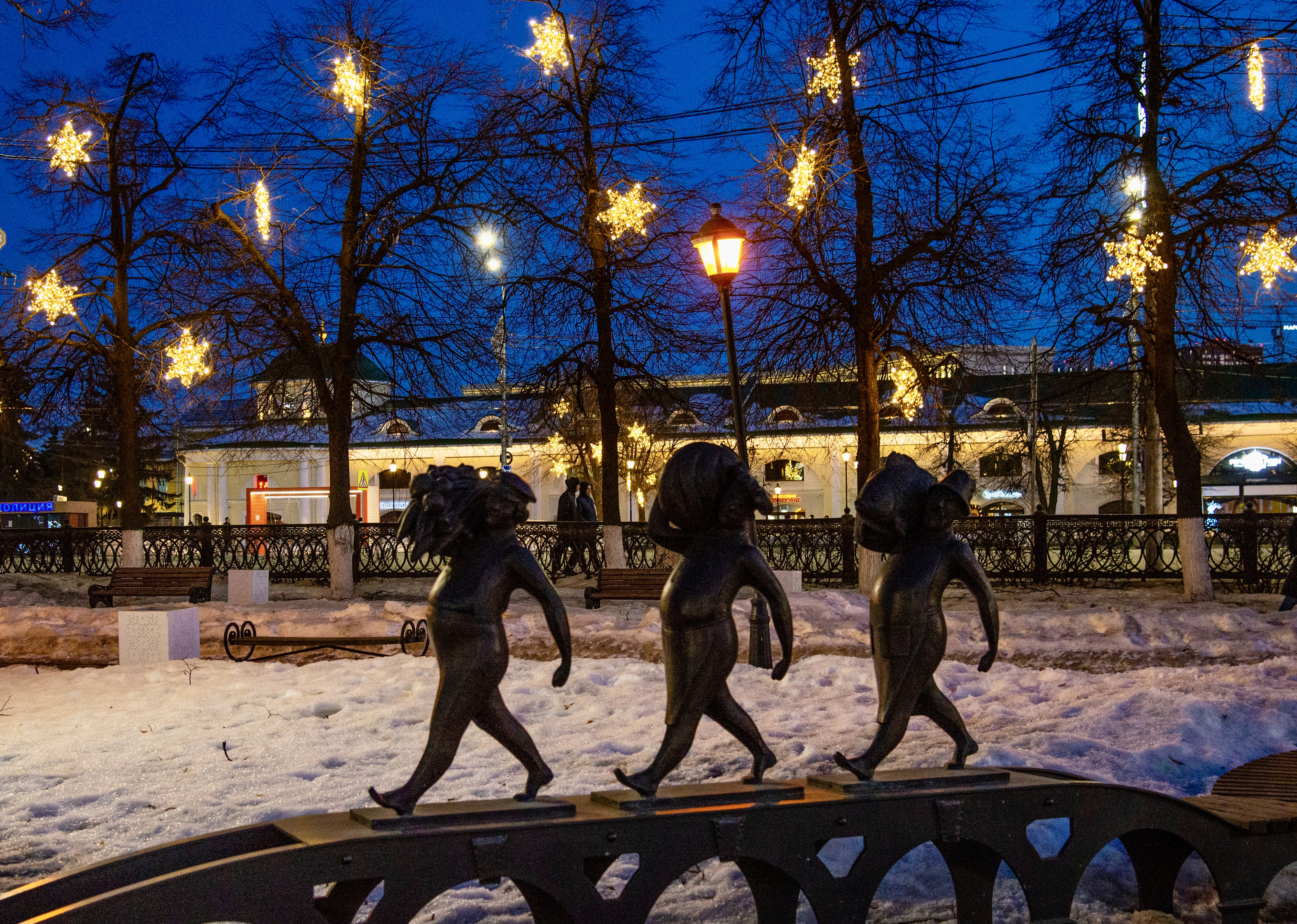
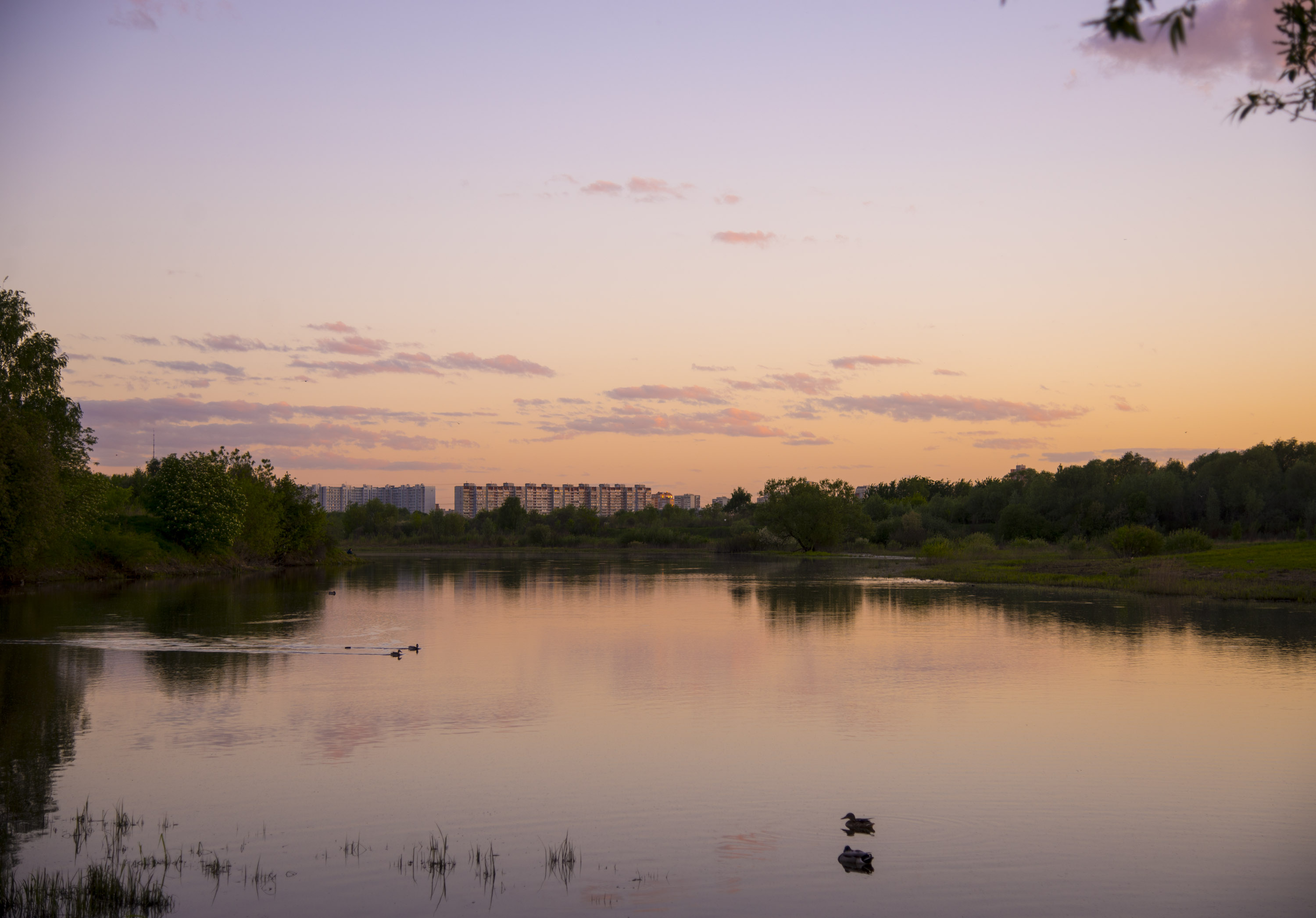
Sunsets and evenings in Ryazan

Gallery

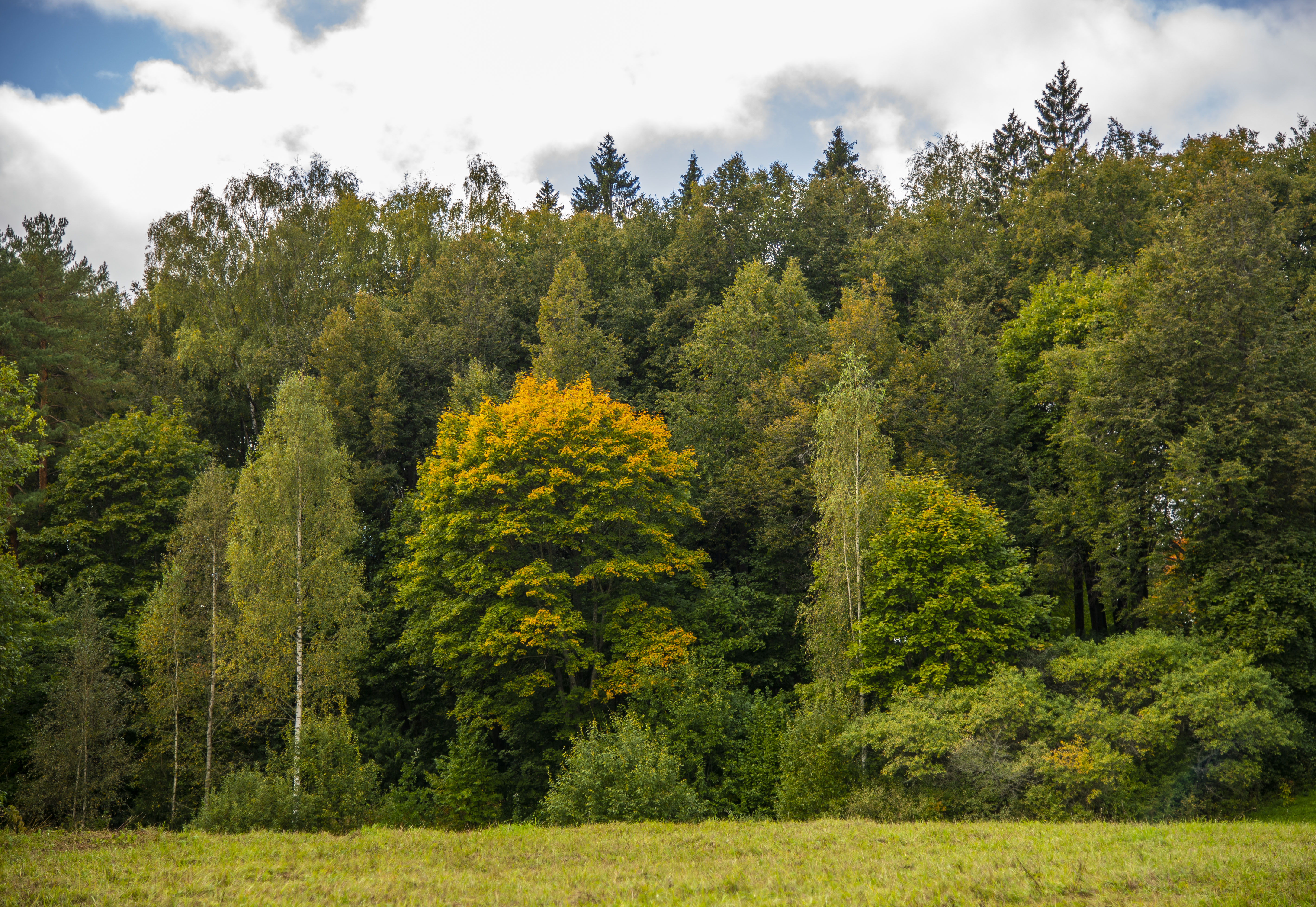
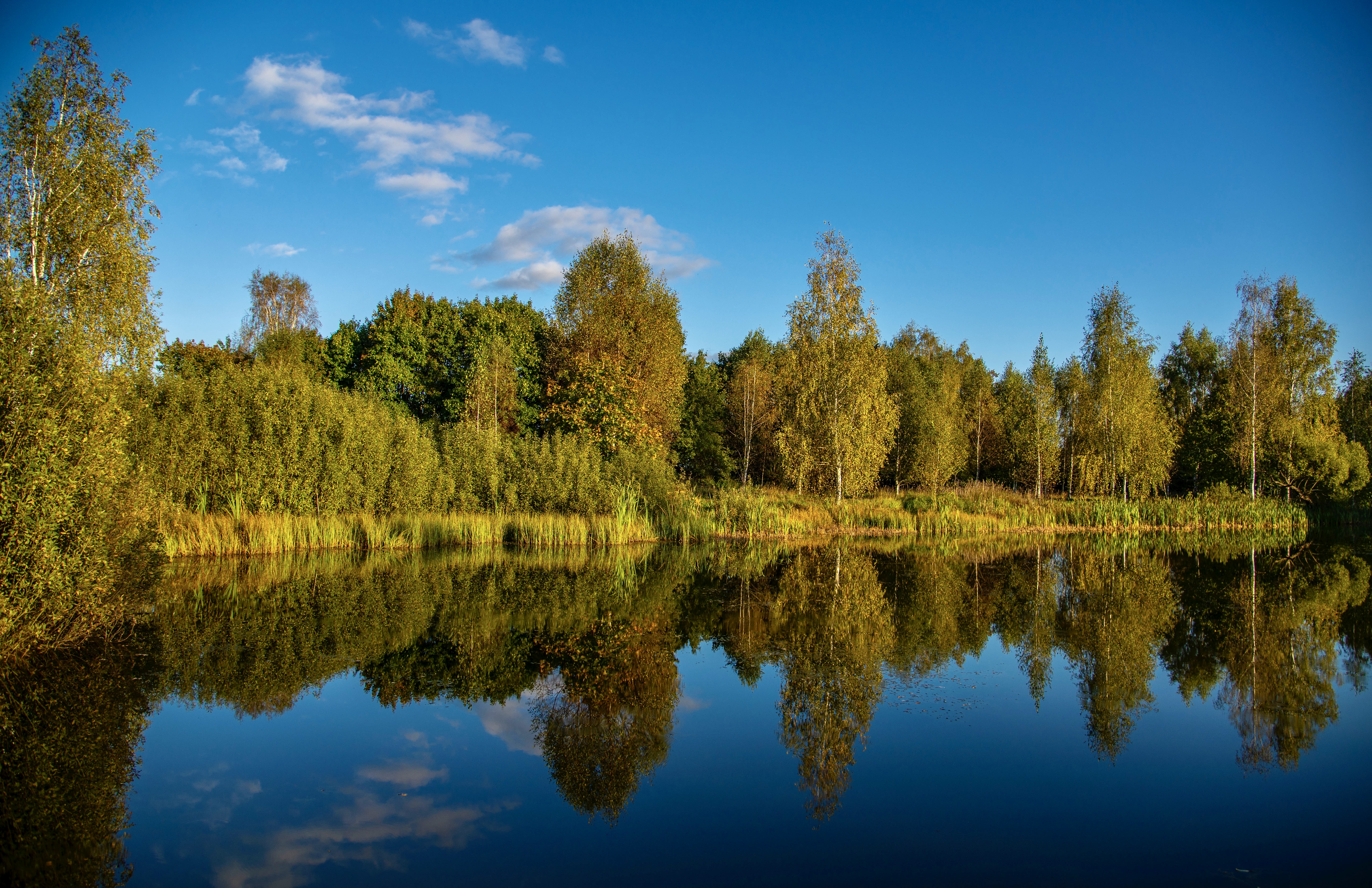
Golden Autumn 2023

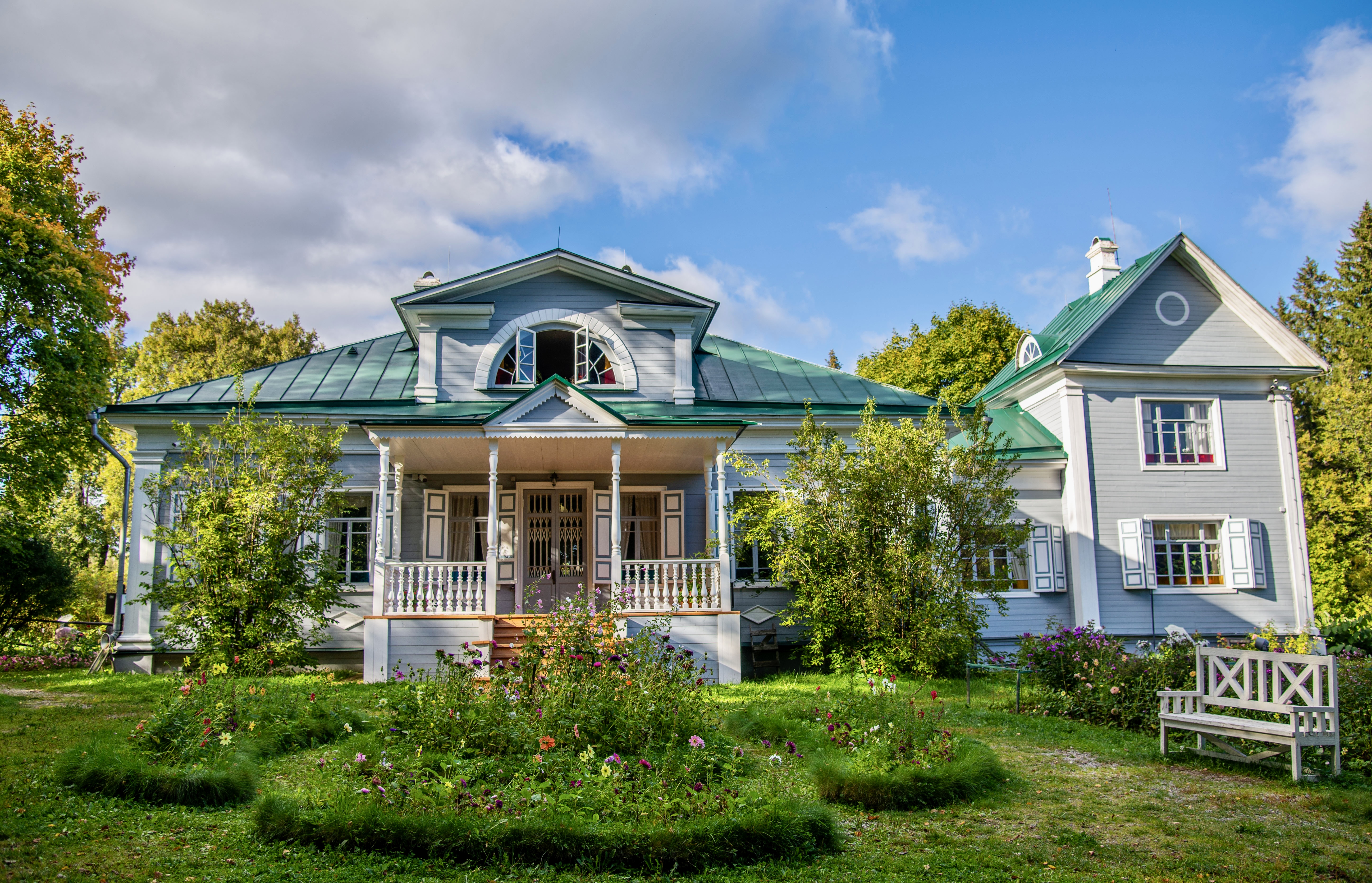
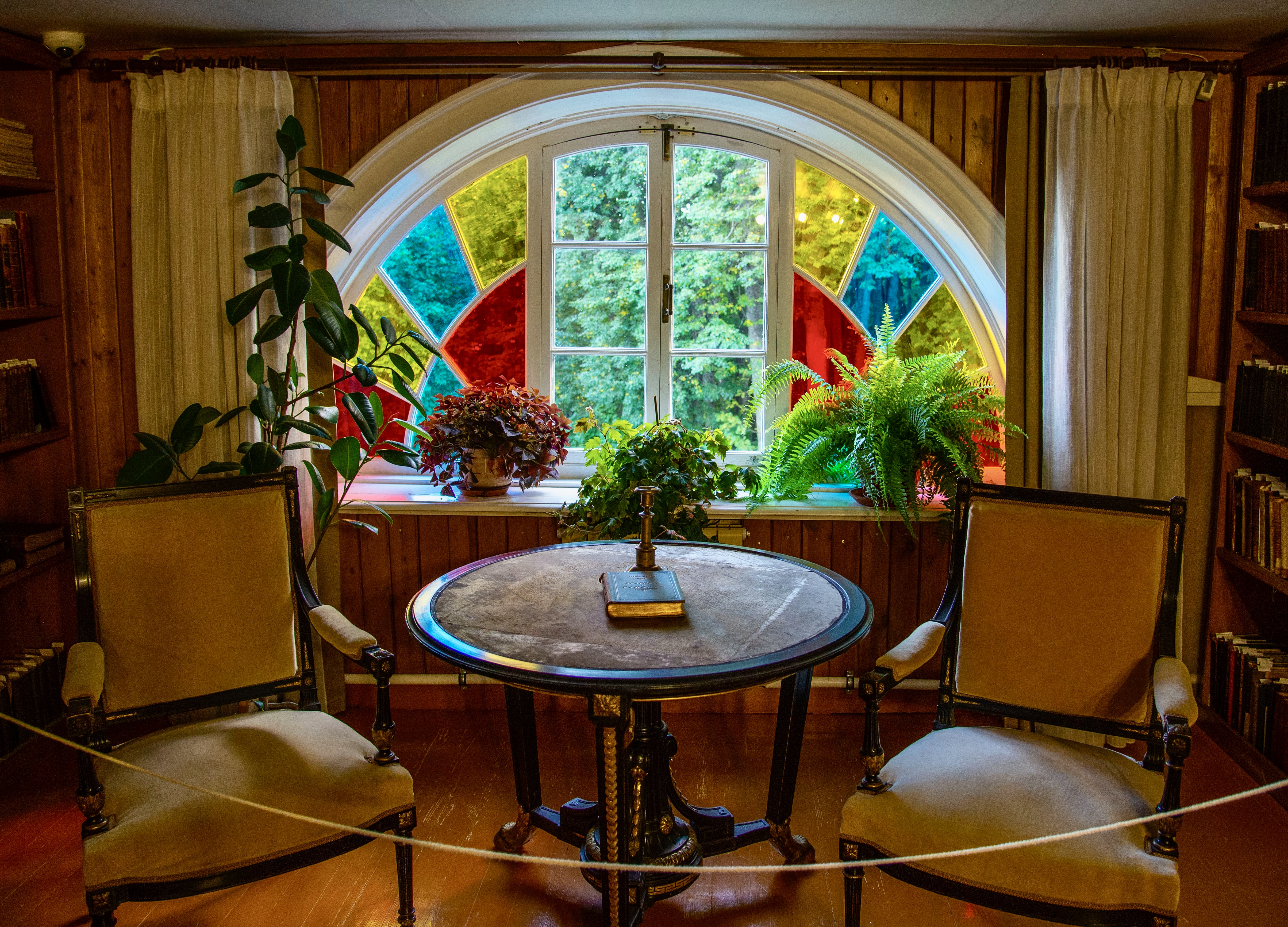
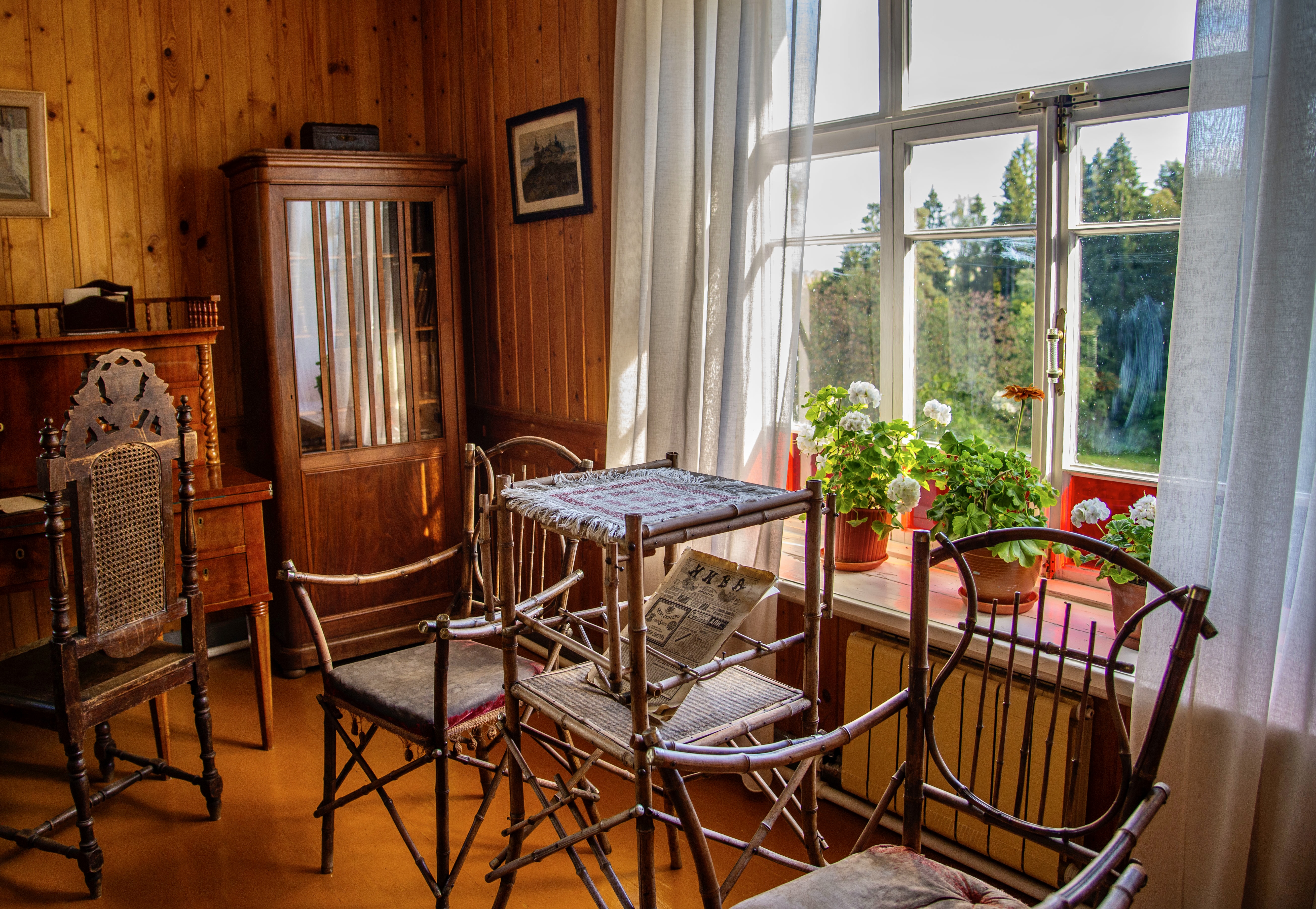
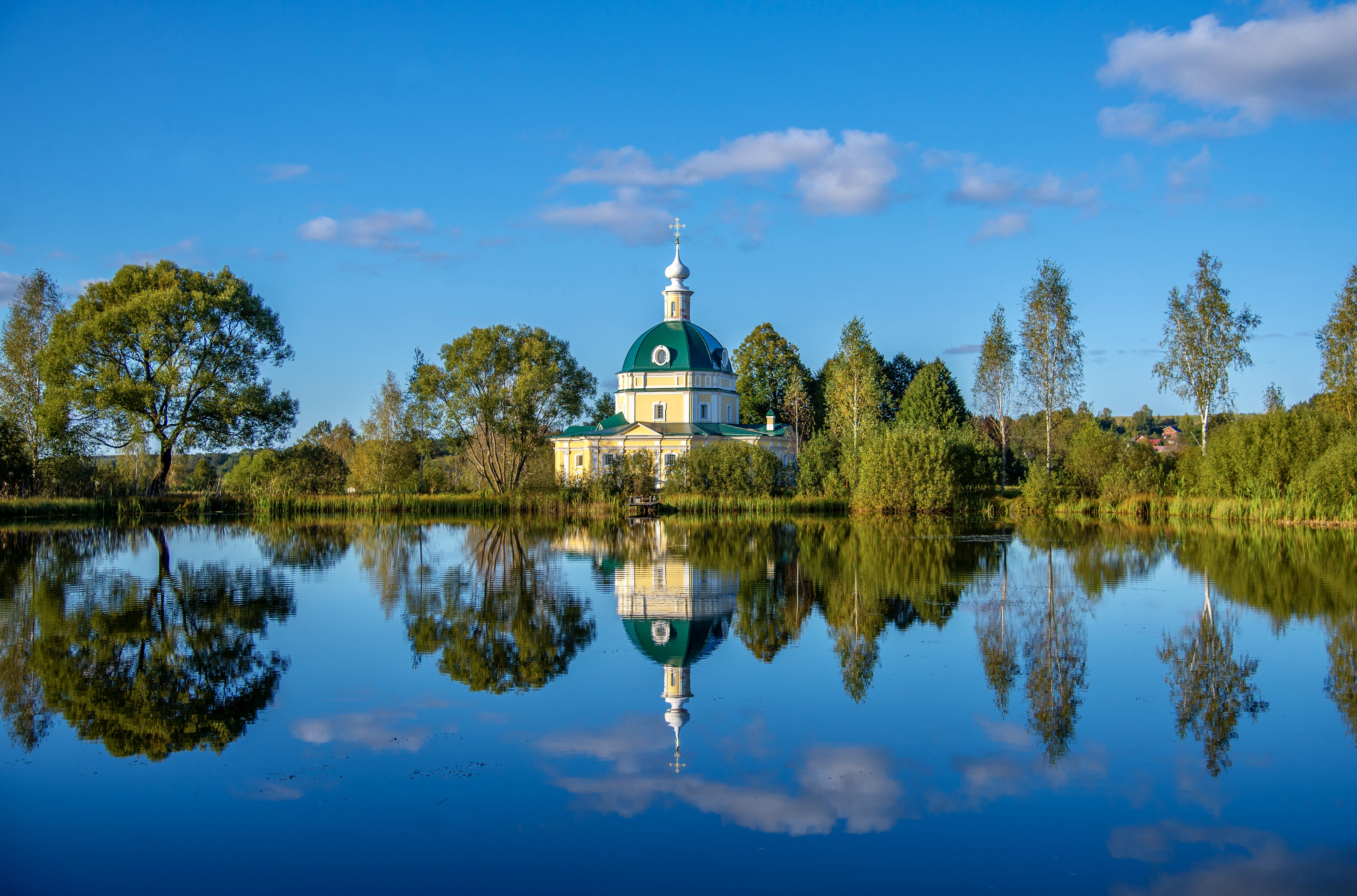
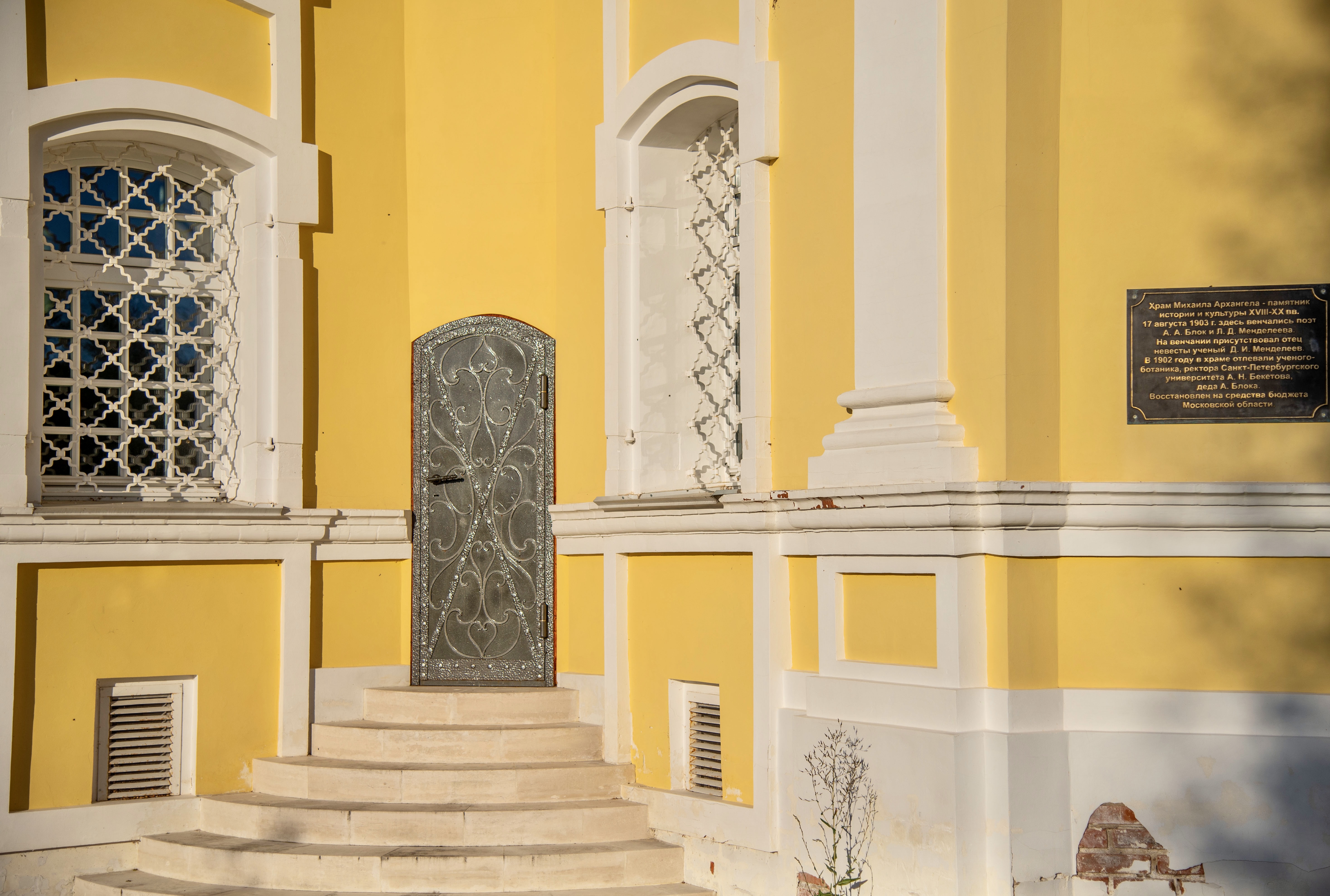
Shakhmatovo. The house-museum of Alexander Blok.

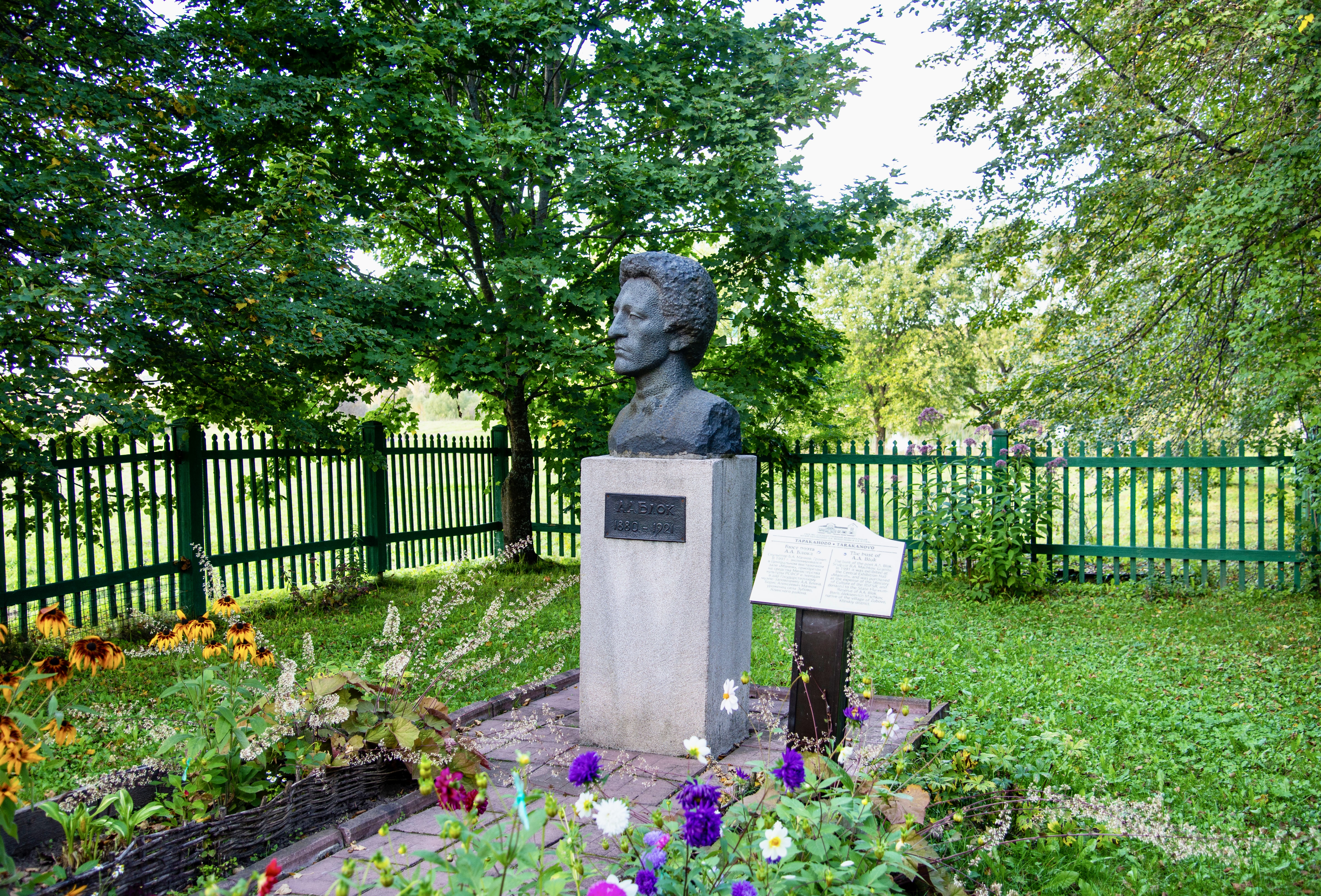
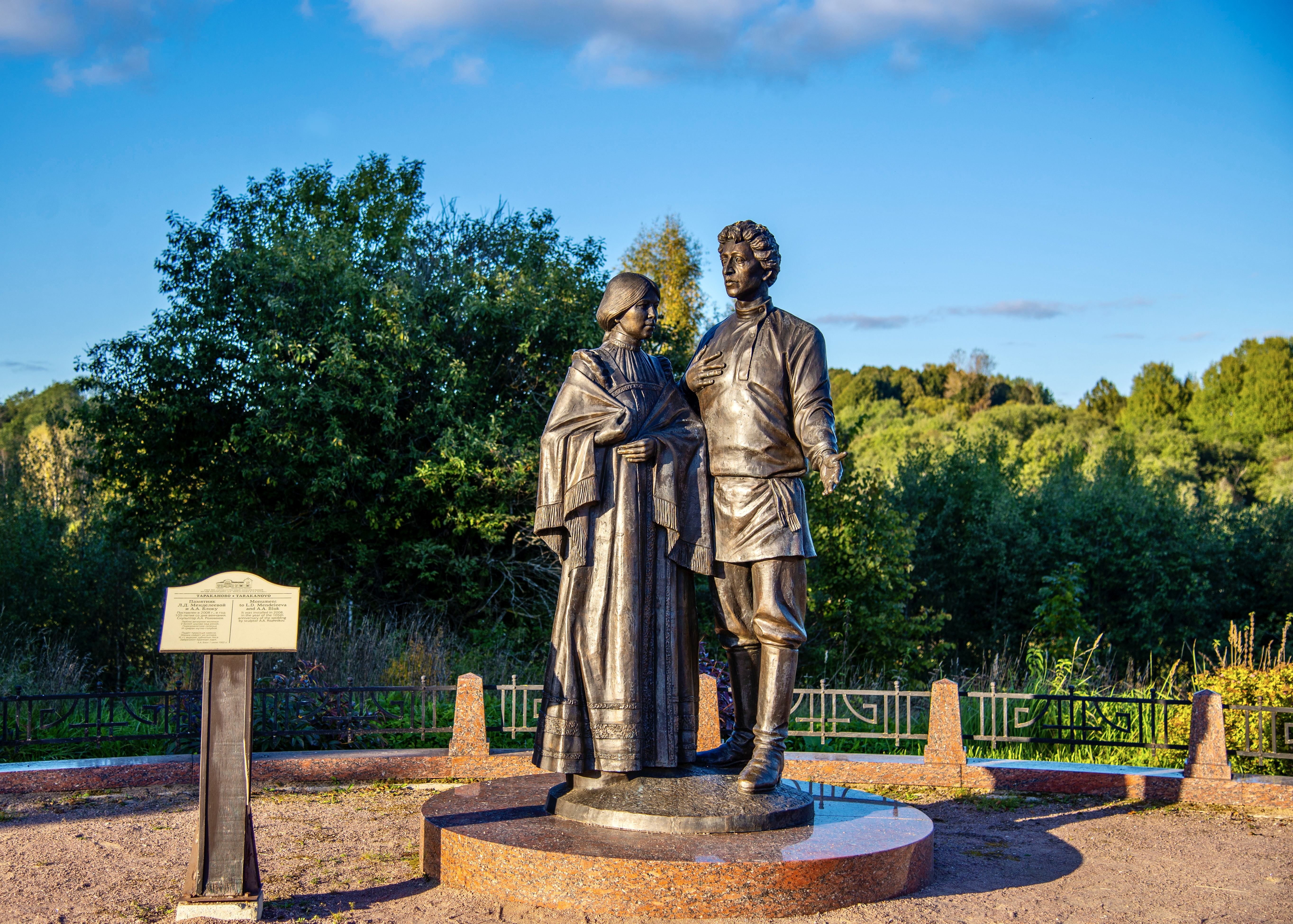
Tarakanovo Manor

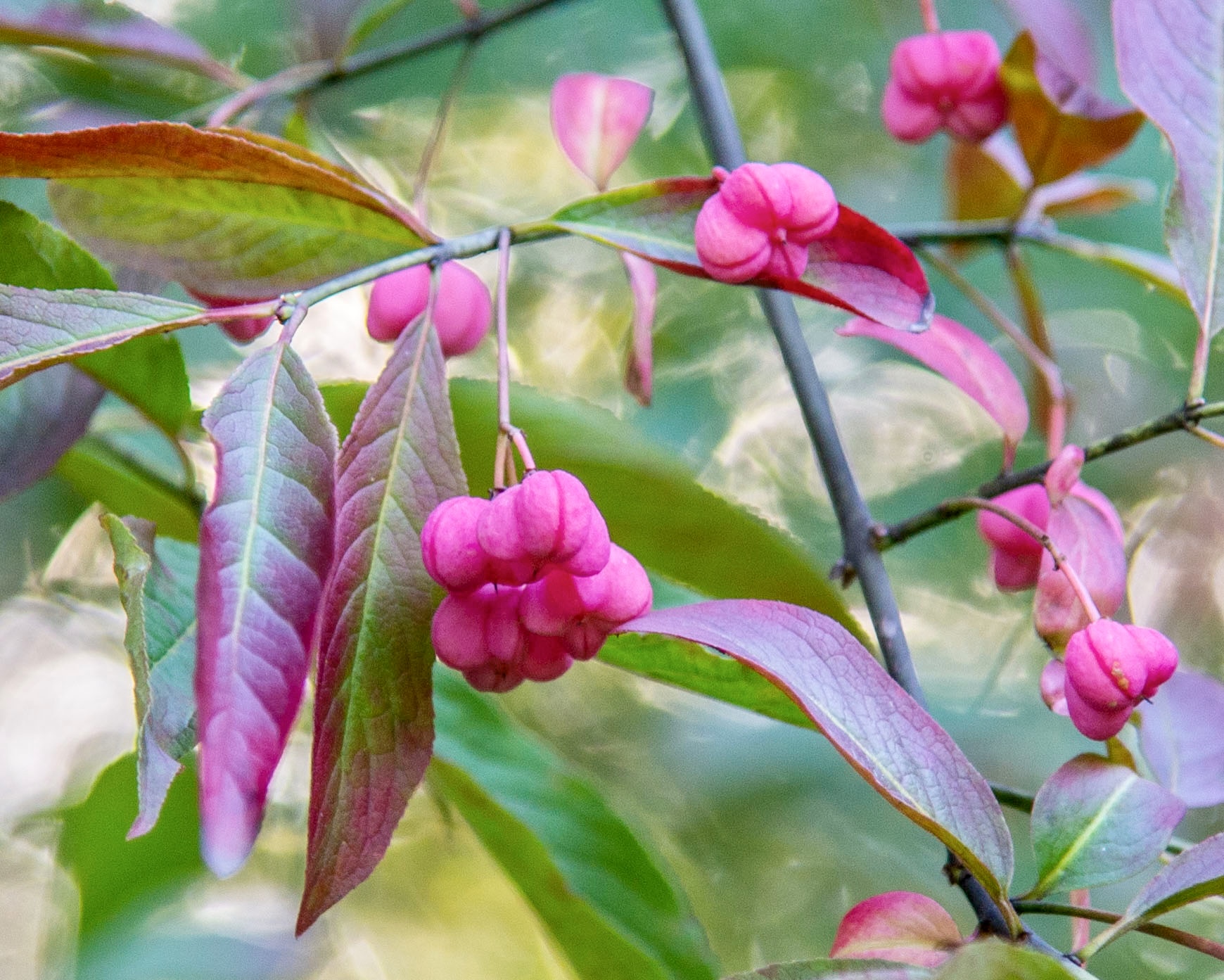
Moscow Botanical Garden

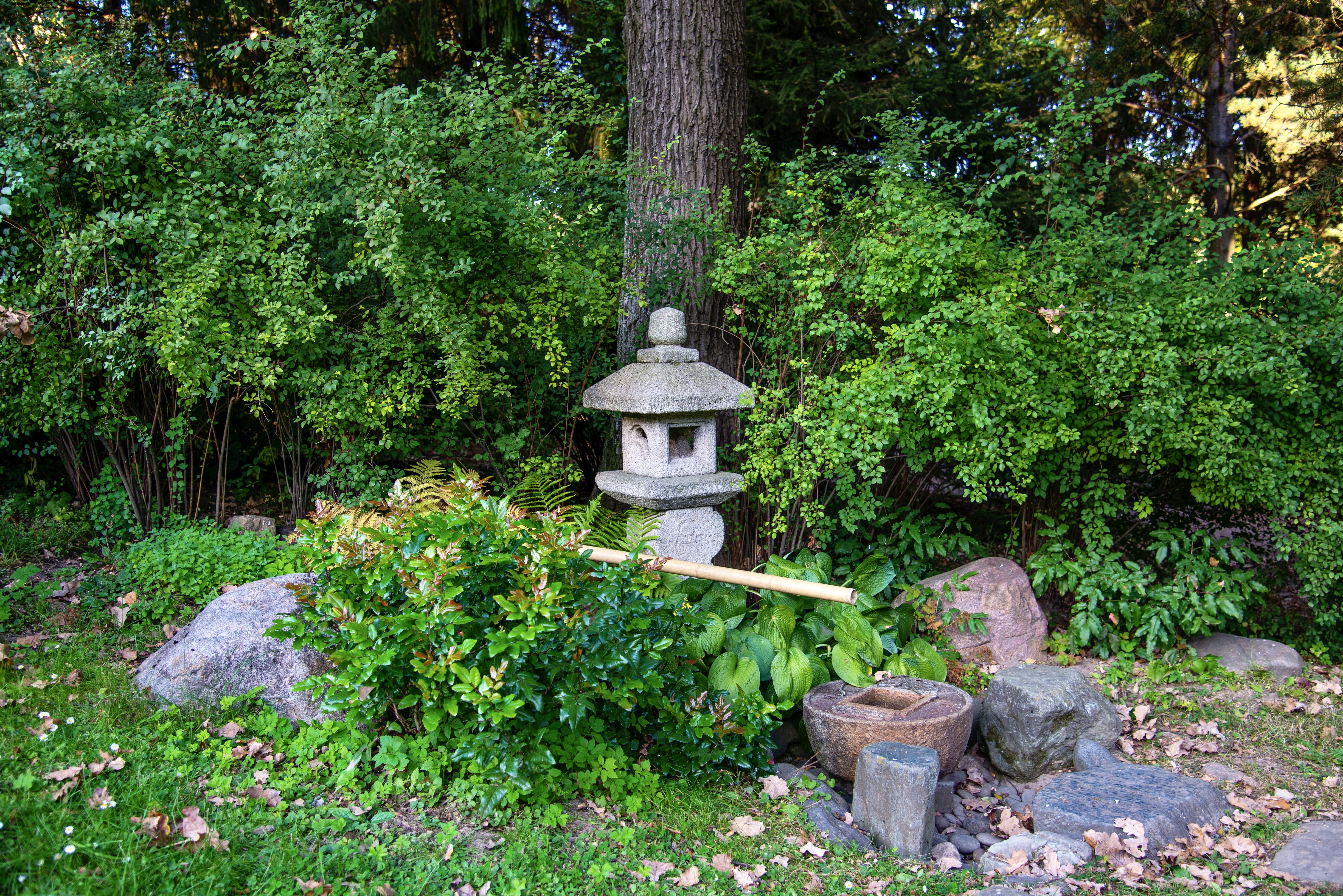
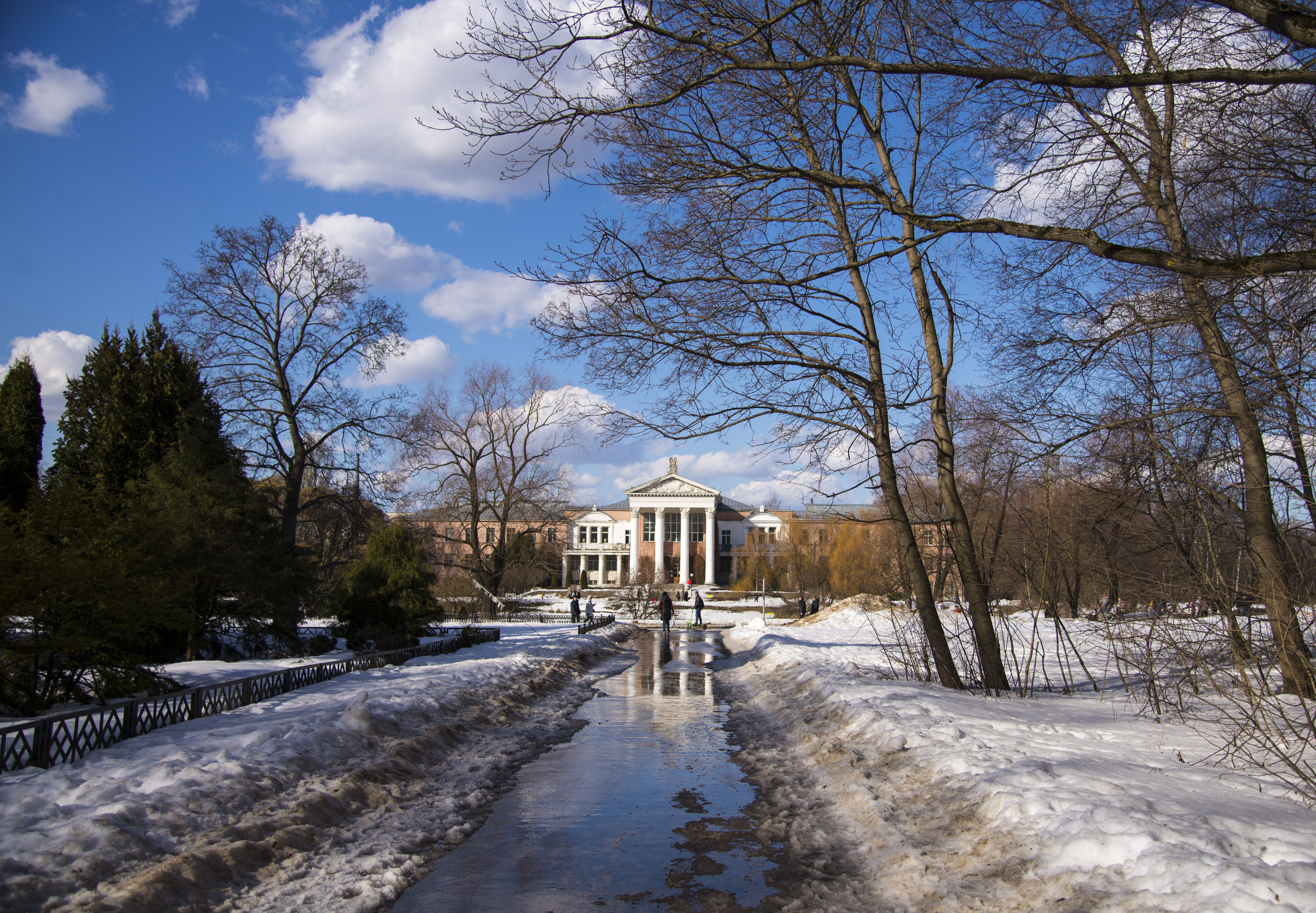
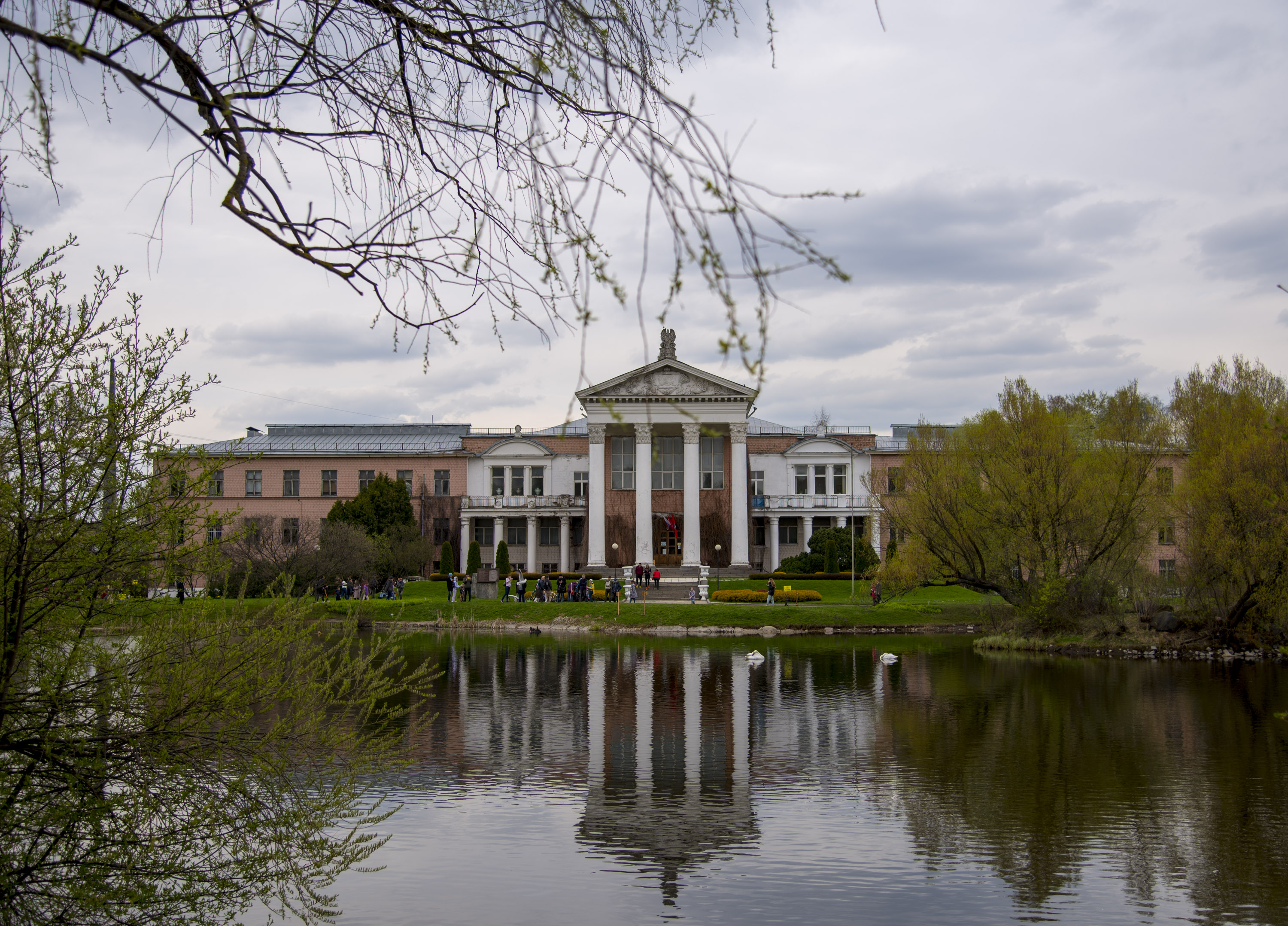
The Tsytsin Main Moscow Botanical Garden was founded in April 1945, and claims itself to be the largest botanical garden in Europe. It covers a territory of approximately 3.61 km² and contains a live exhibition of more than twenty thousand different species of plants coming from various parts of the world. 

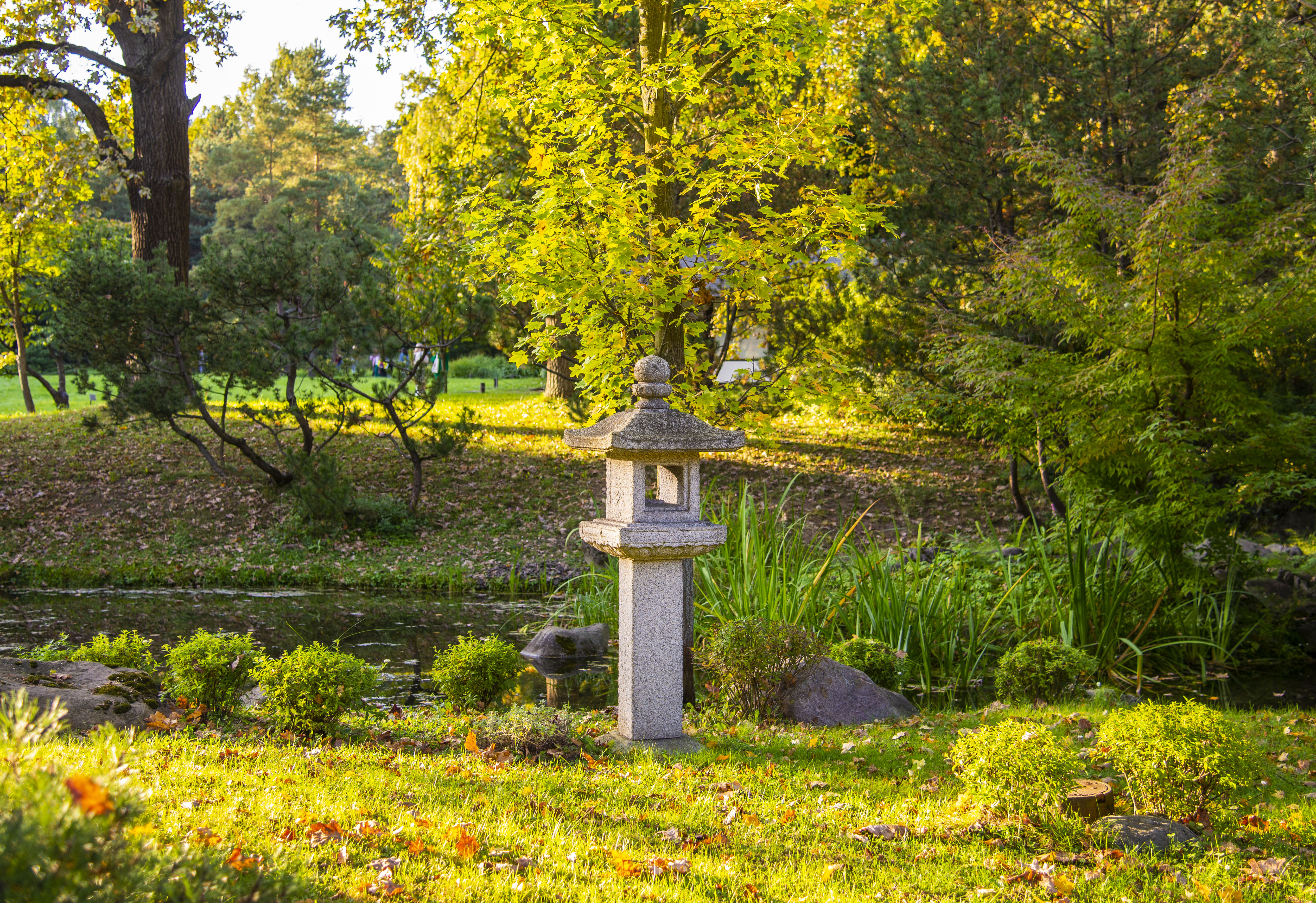
Japanese Garden

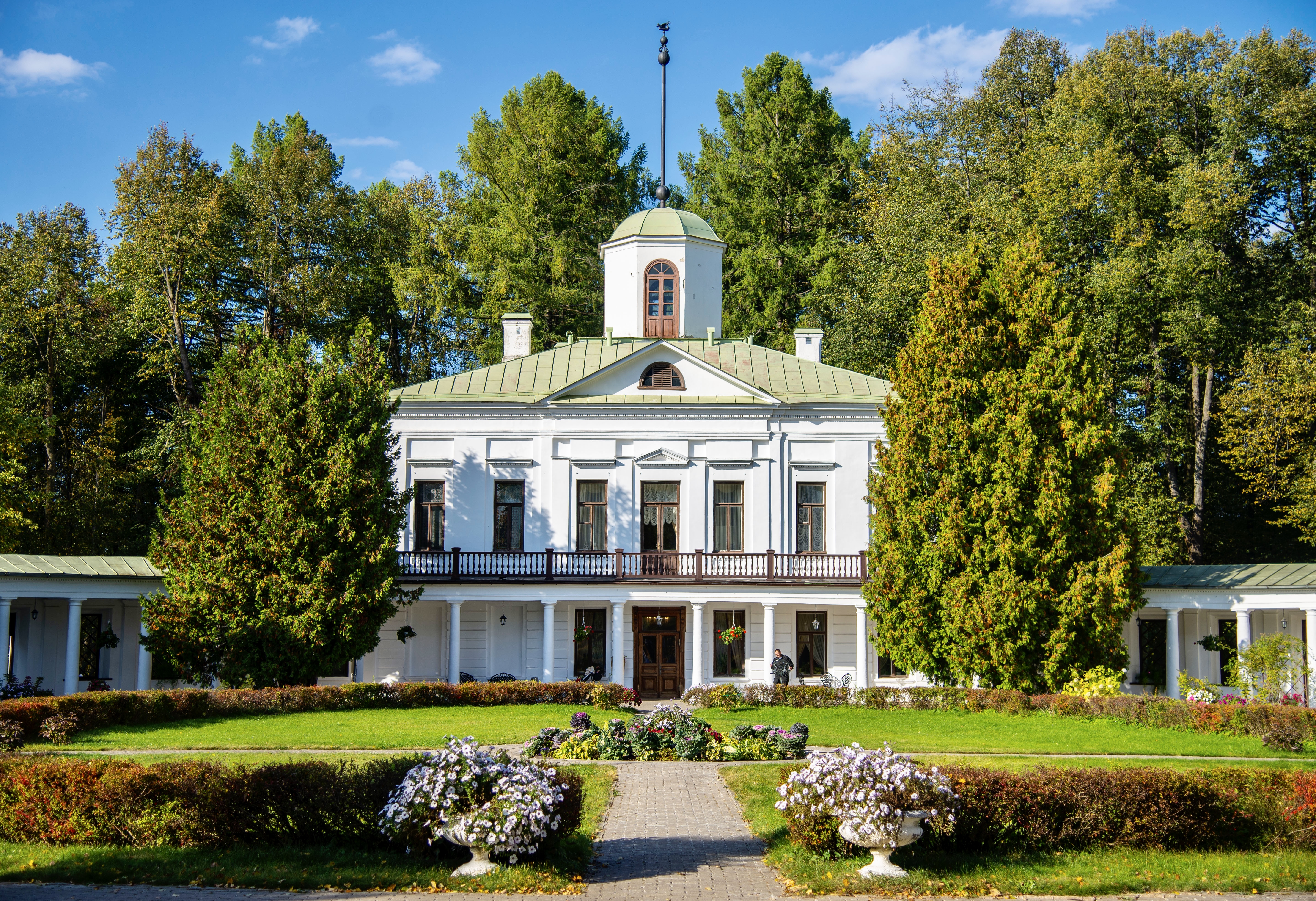
Serednikovo

Serednikovo estate located in Moscow suburbs represents Russian neoclassical architecture of the 18th century. The estate is surrounded by a magnificent garden with round pond and canals. Serednikovo is a place where Mikhail Lermontov (1814-1841), one of the greatest and most famous Russian poets, used to spend summer holidays.

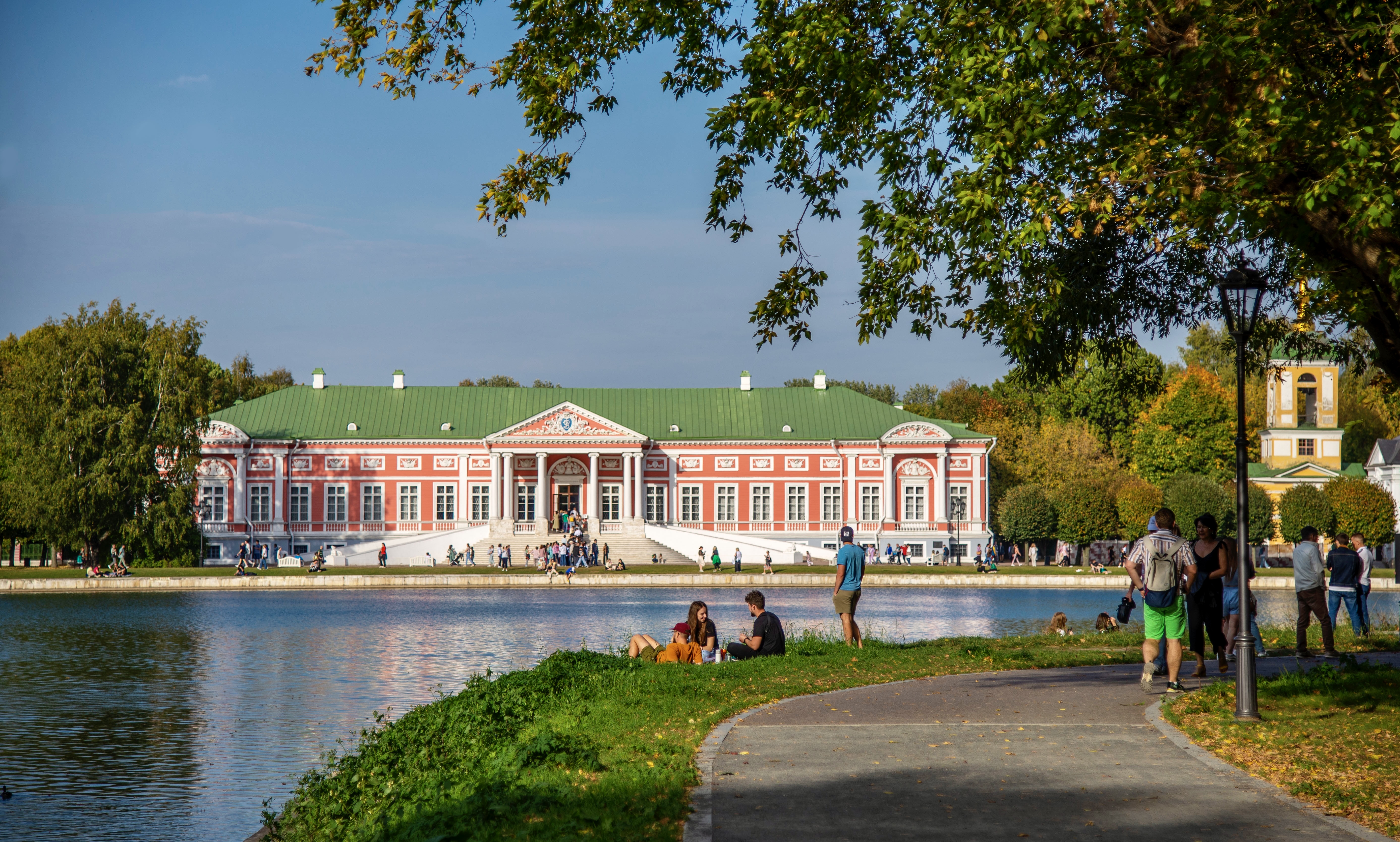
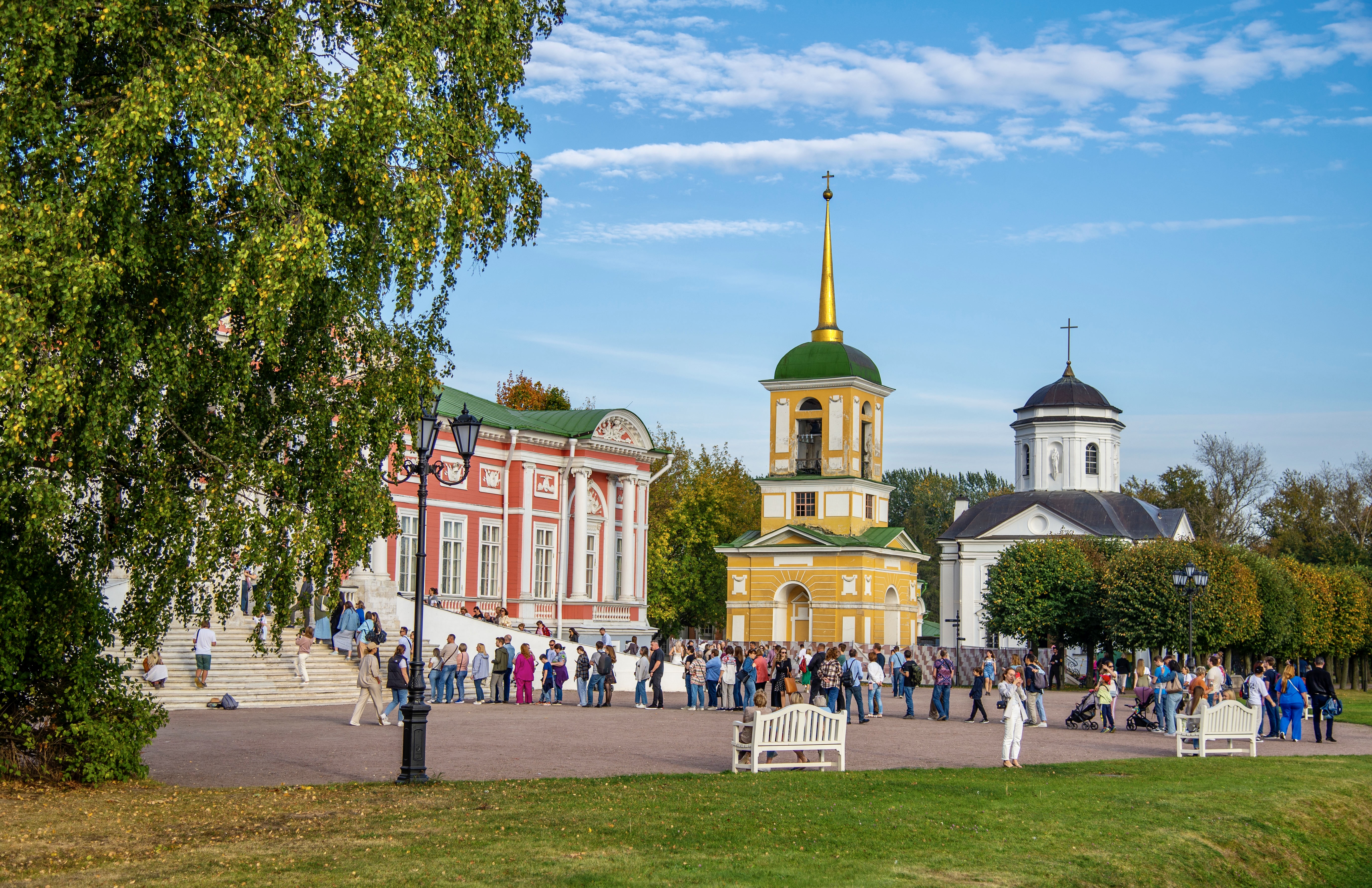
Kuskovo

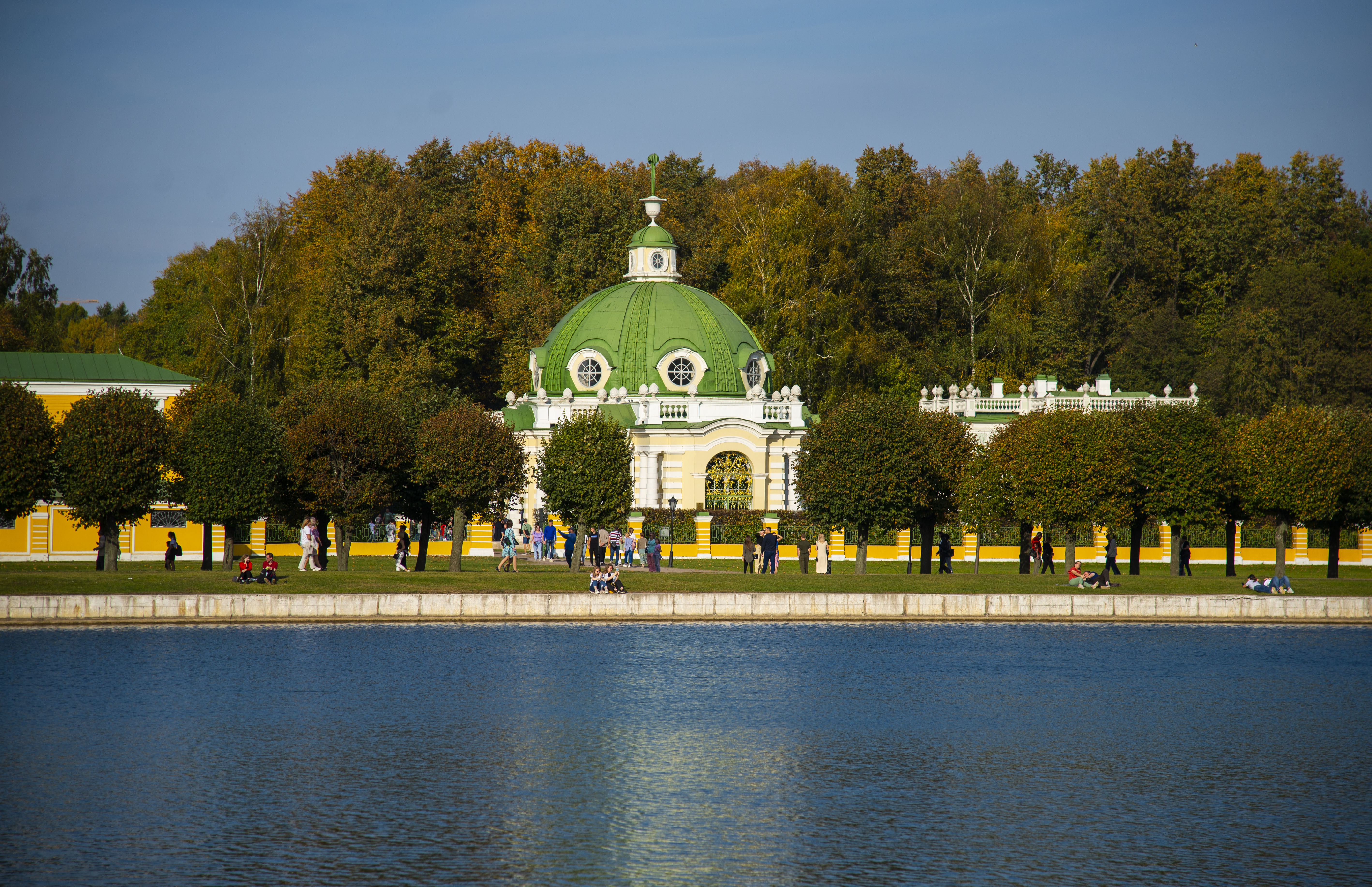
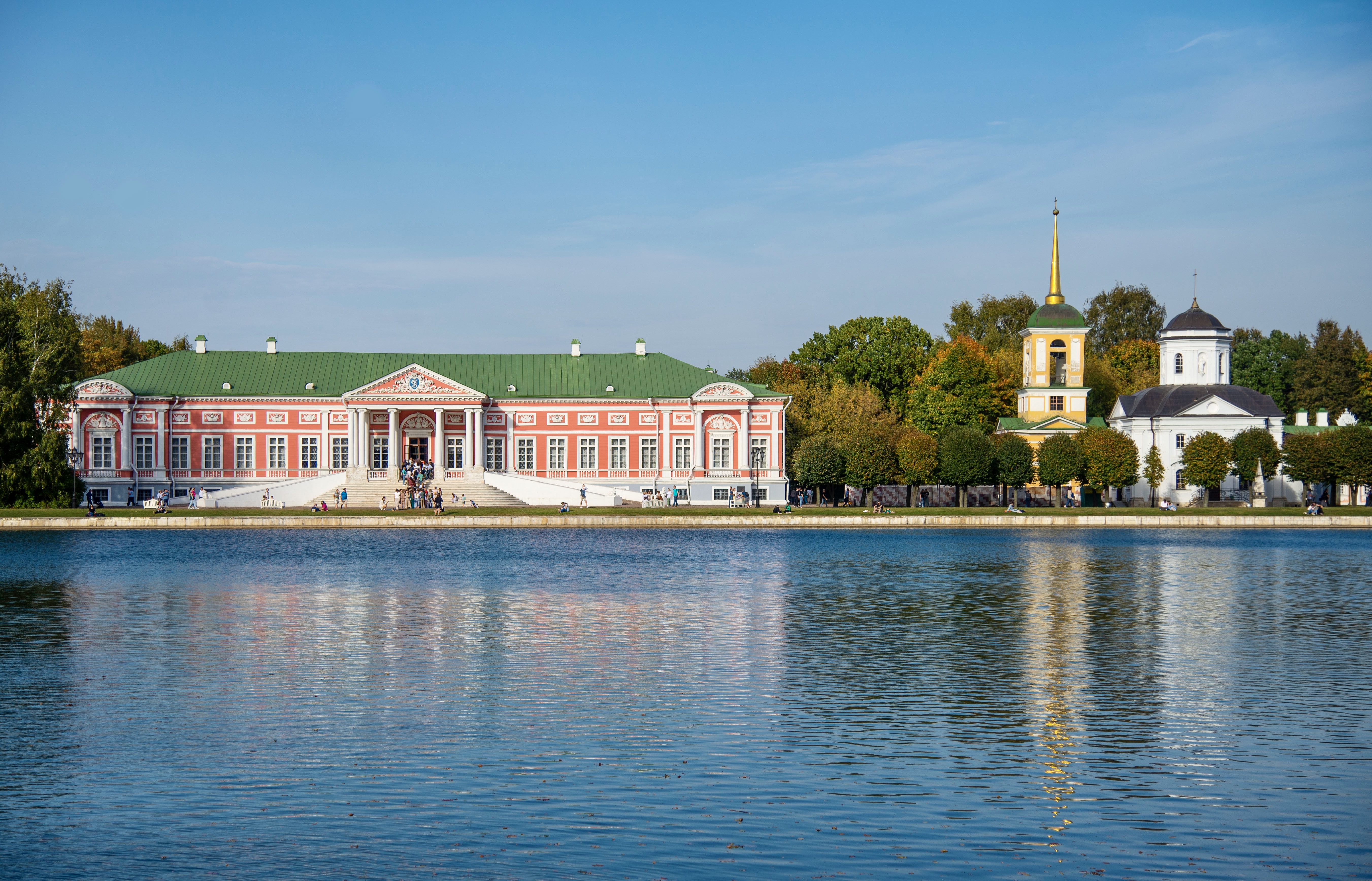
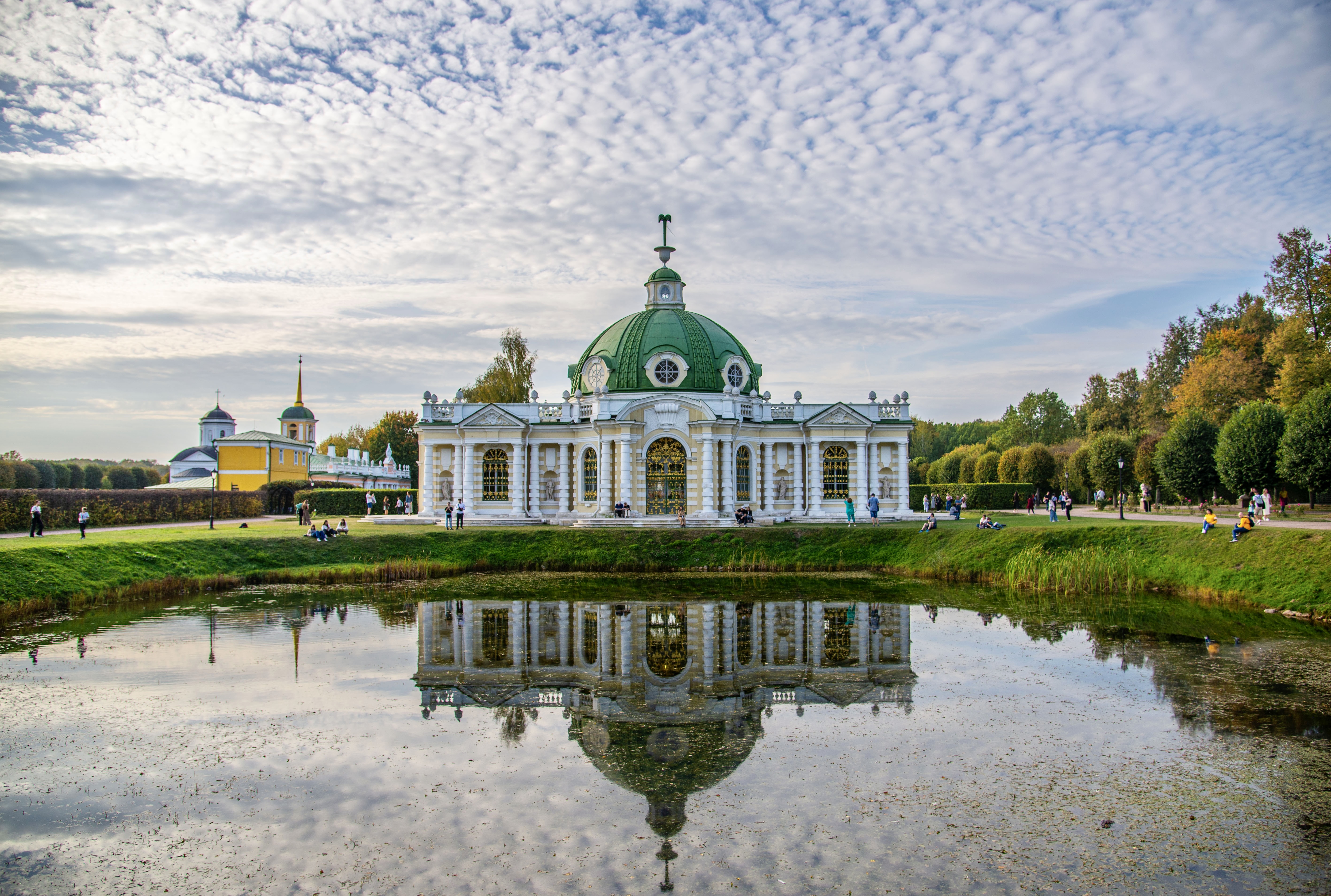
Kuskovo museum complex in Moscow is a summer estate of the Sheremetev family built in 18th century and includes Summer palace, Grotto, Italian house, Kuskovo Church and Tower bell, Hermitage in English landscape garden, the Dutch house and Orangeries. Grotto pavilion was constructed between 1755 and 1761 and was intended to represent the palace of the King of the Seas. Interior was made of whorled seashells of 24 different types which were delivered from the Mediterranean, Red, Black seas, the Sea of Japan, and reservoirs of the Moscow region.

Gallery

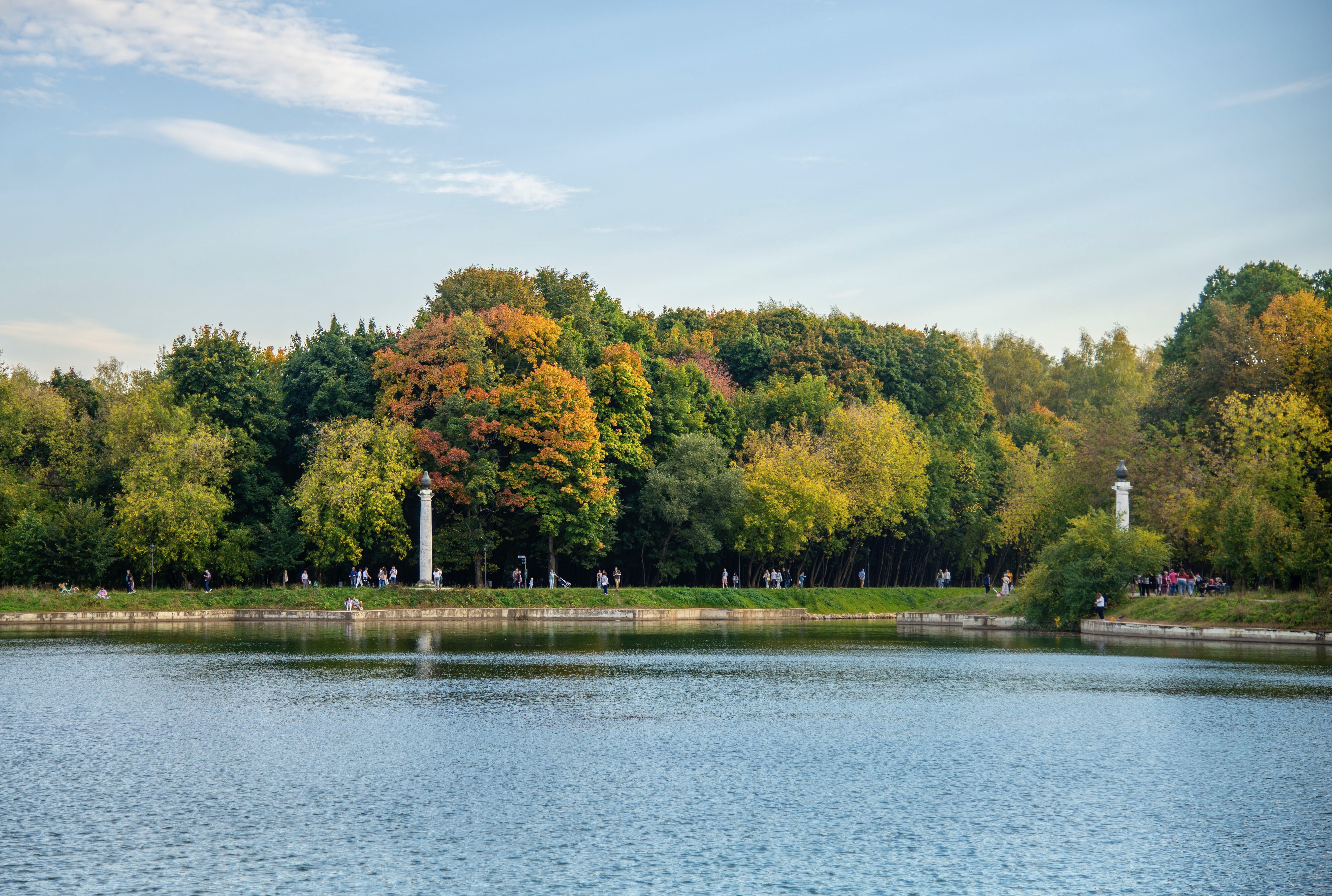
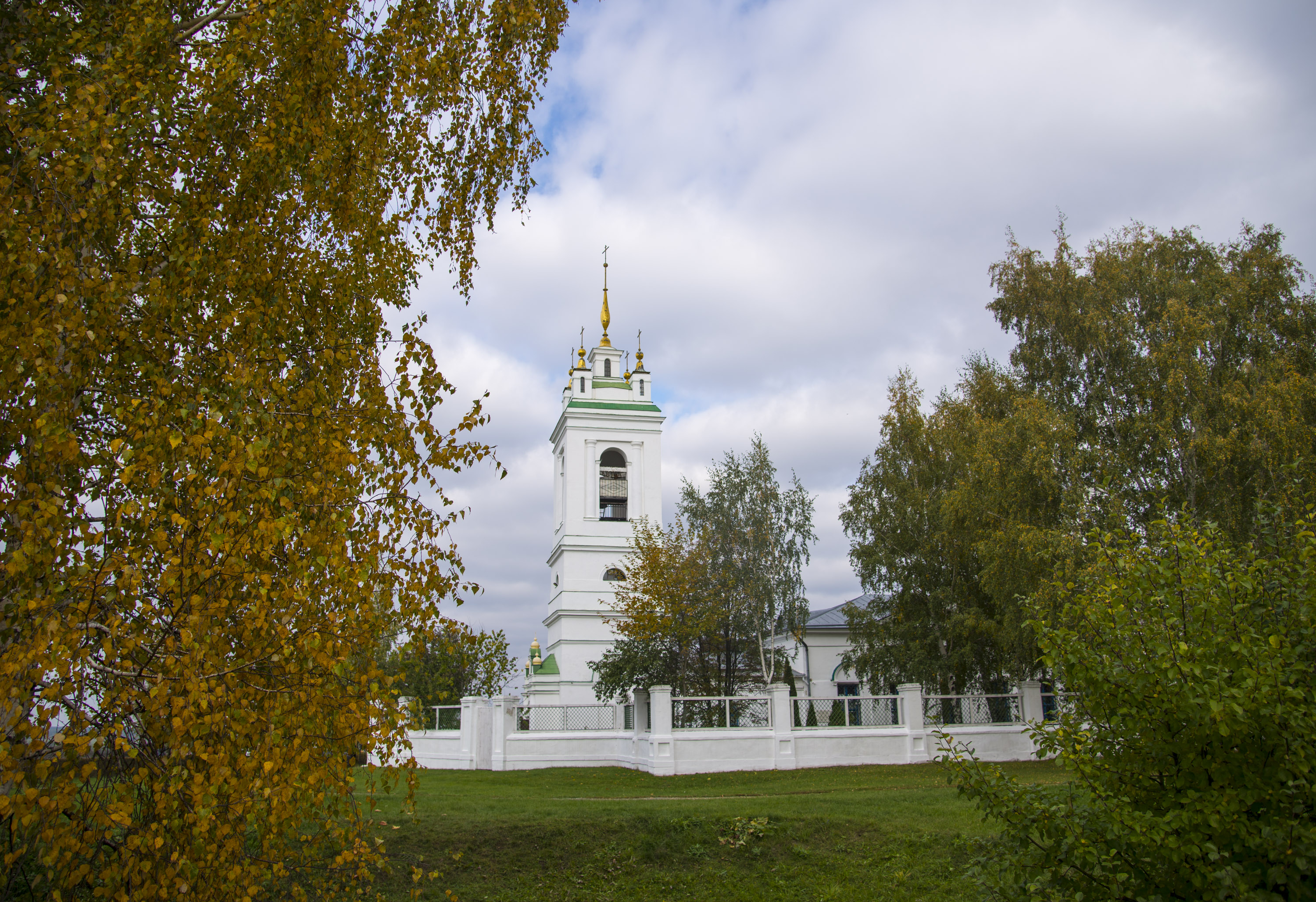
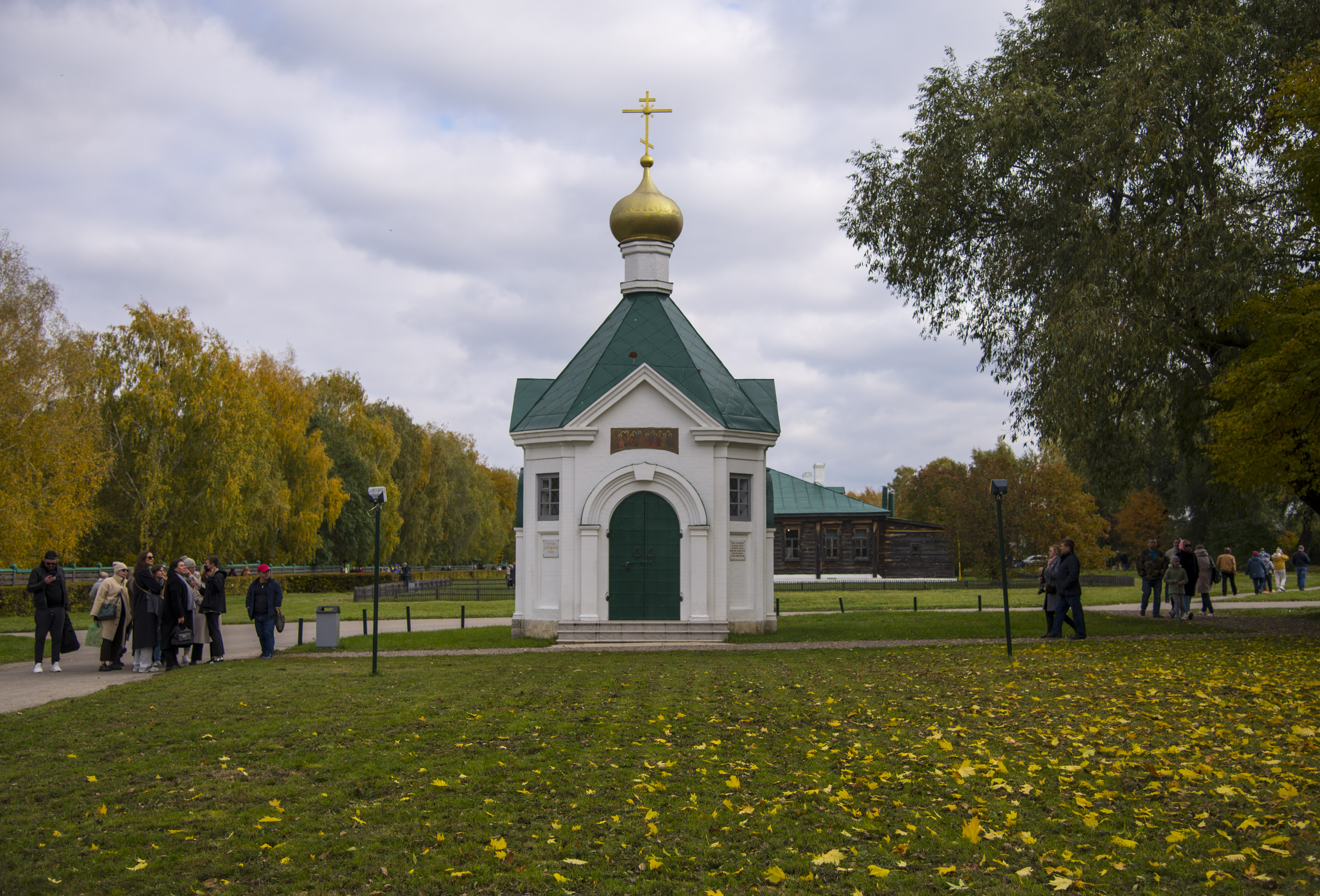
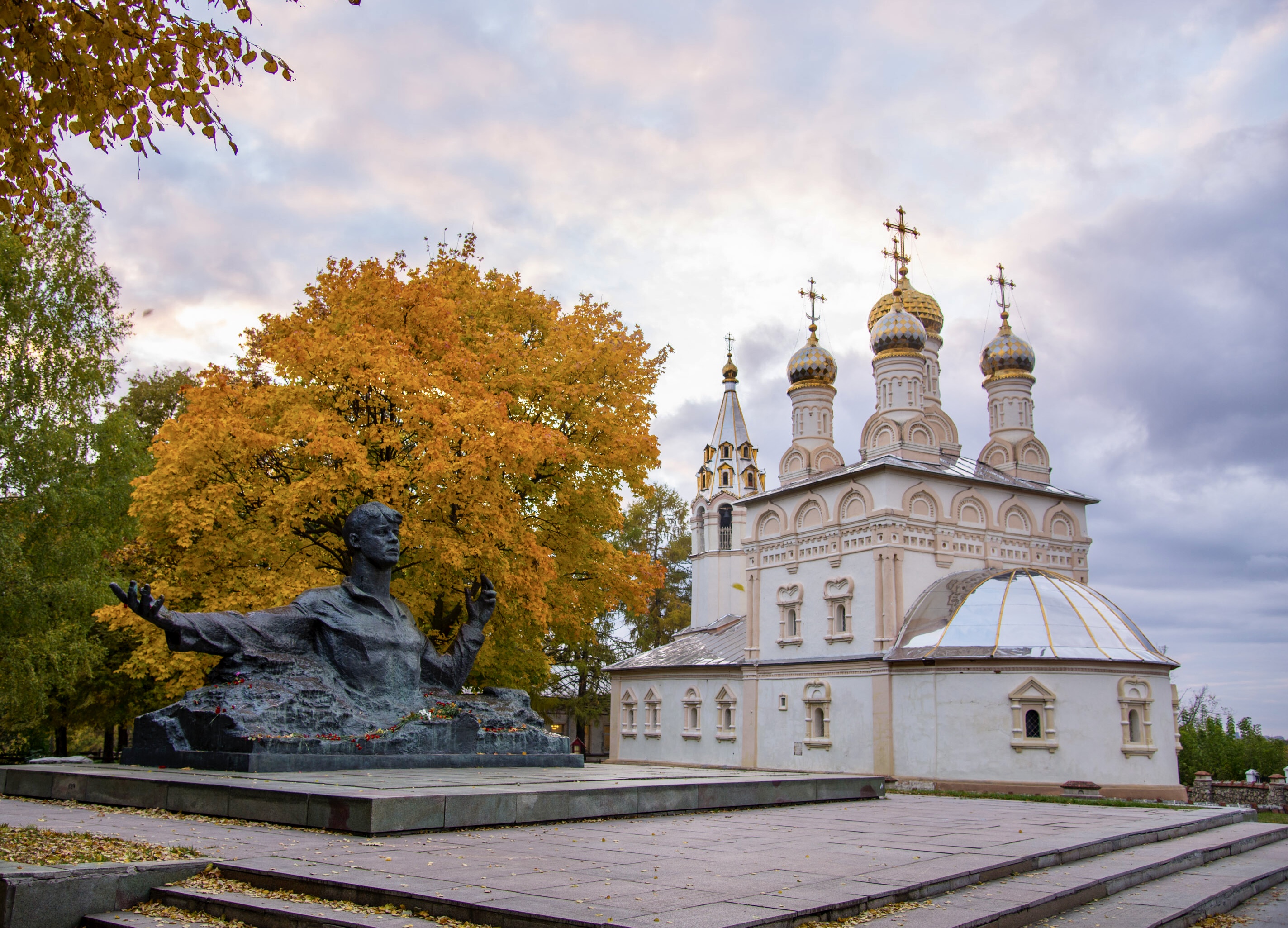
Golden autumn in Ryazan region

Konstantinovo

The village of Konstantinovo is the place where one of the greatest Russian poets Sergey Esenin was born. Large parts of the village have been preserved as they looked during his time here, including his parents farmstead where he spent his childhood. This place is also worth visiting to see very beautiful nature around the river Oka which flows next to it.

House where Sergey Esenin was born and spent his childhood.

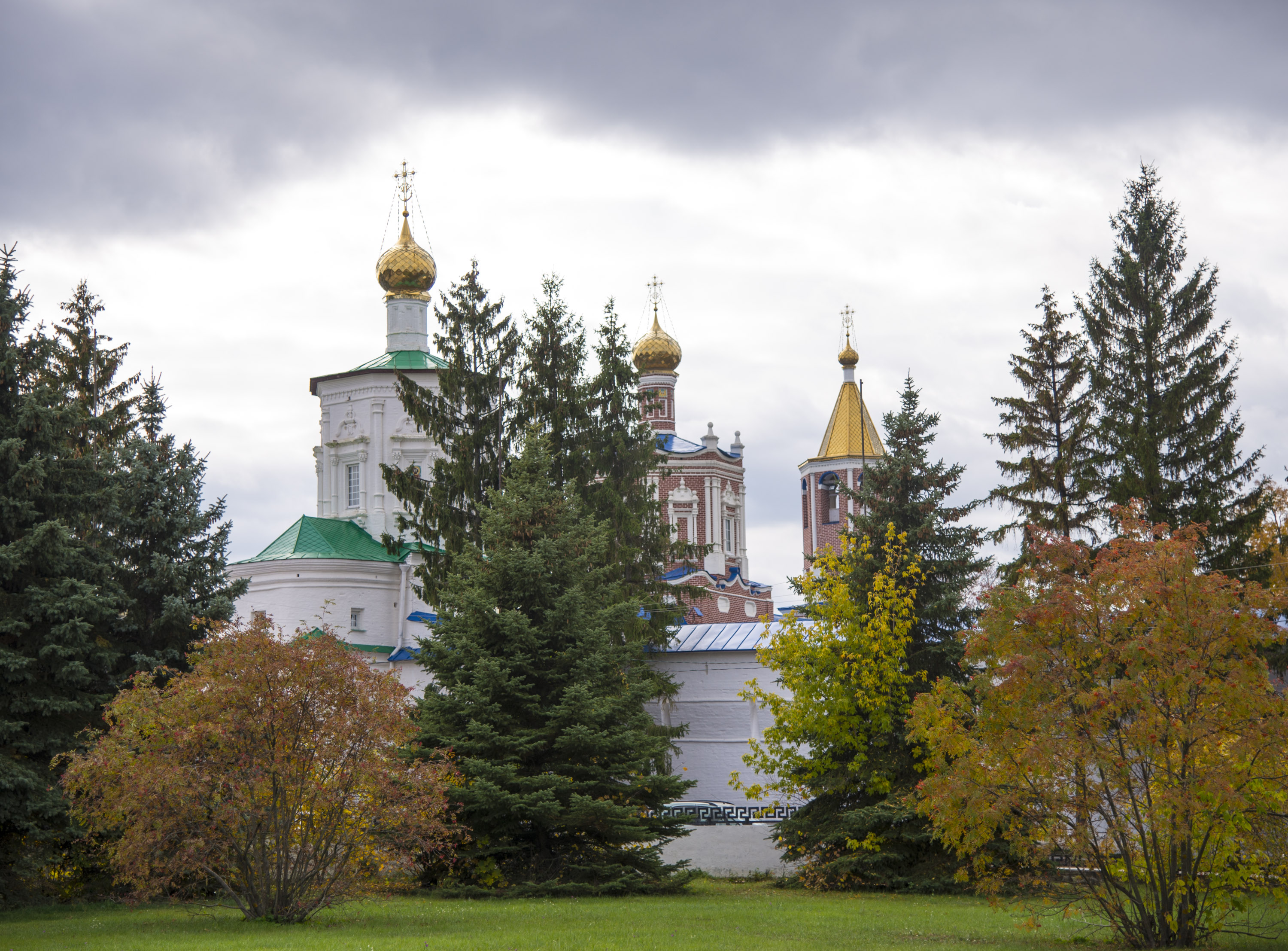
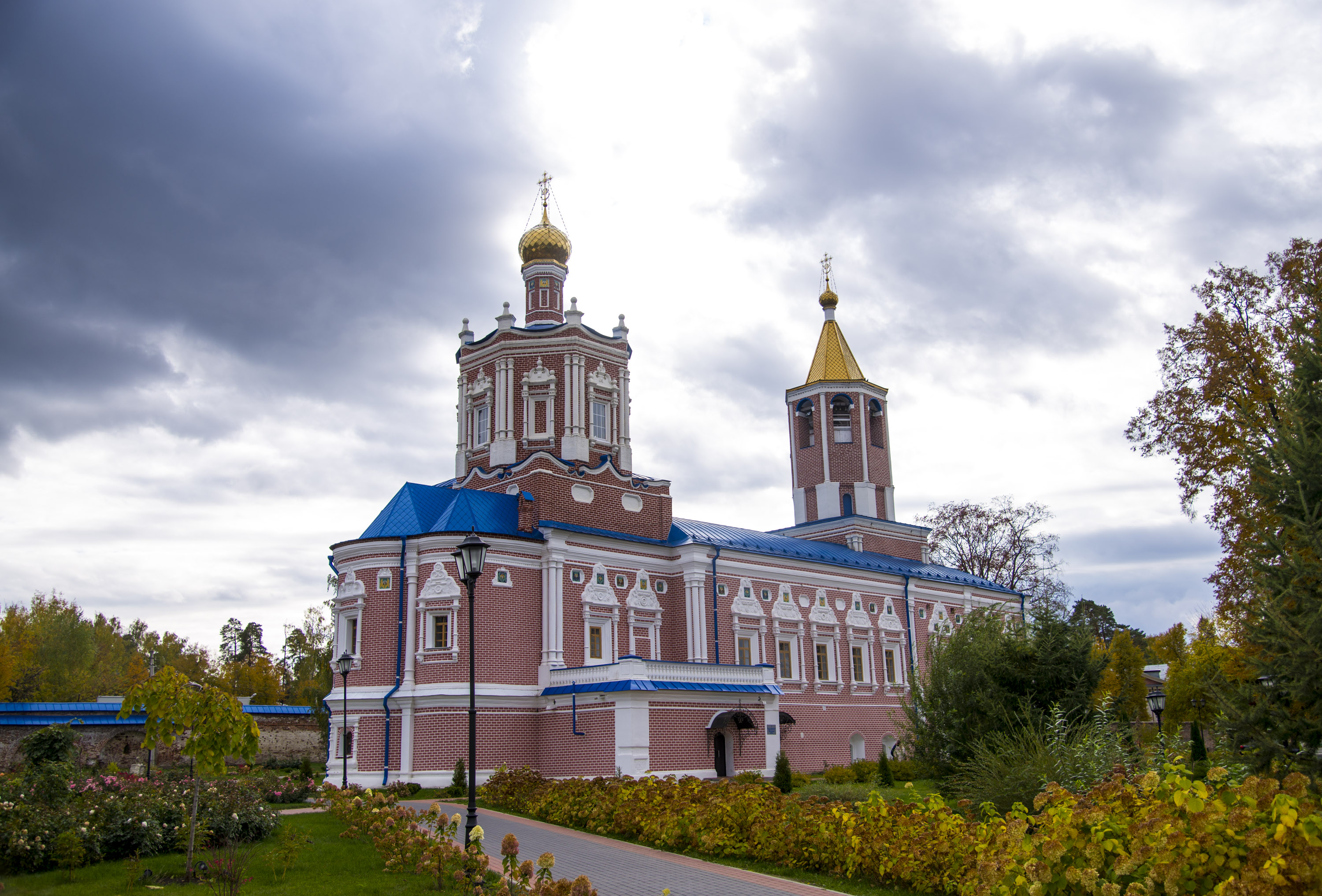
Солотчинский Рождества Богородицы женский монастырь.

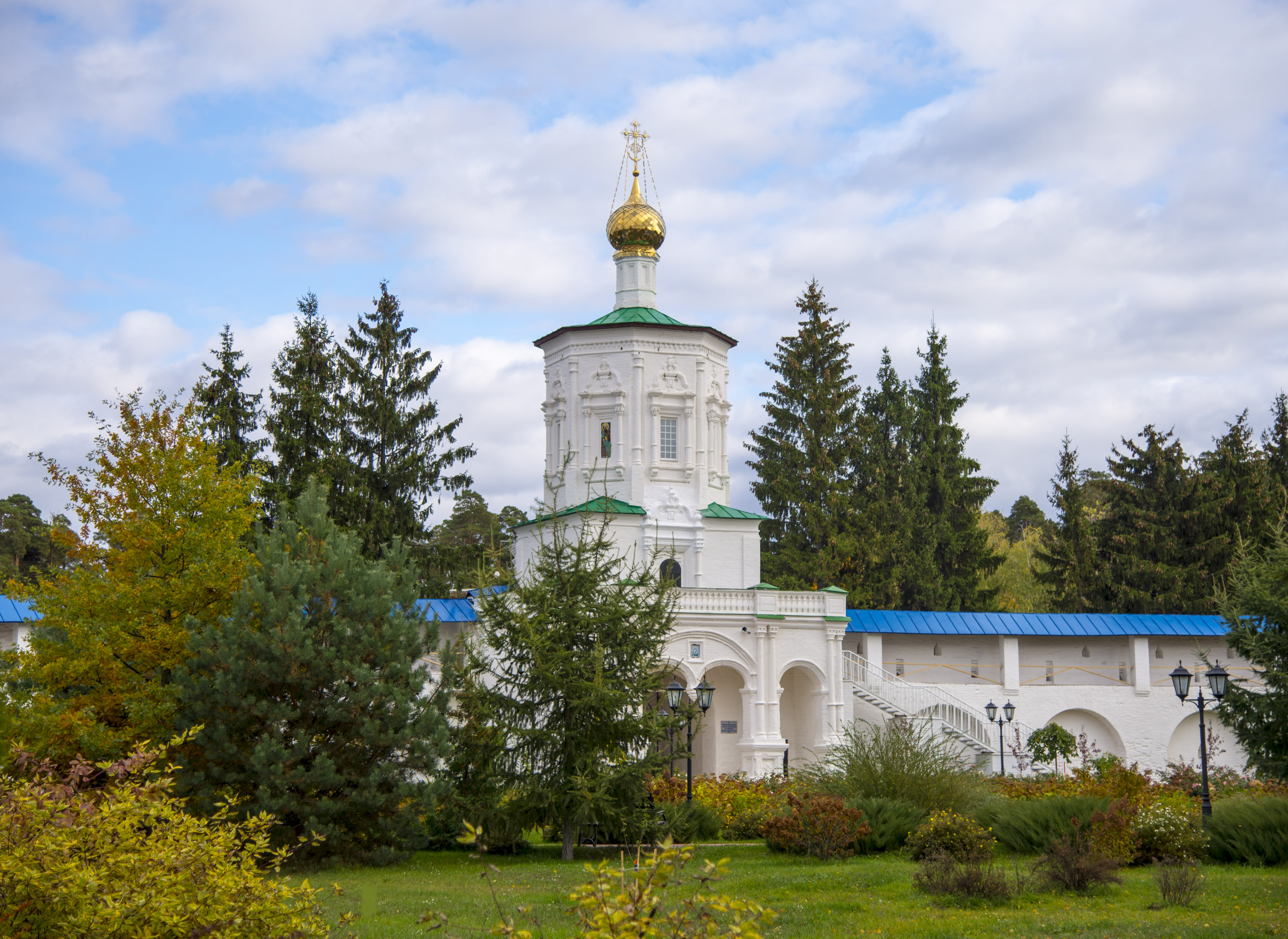
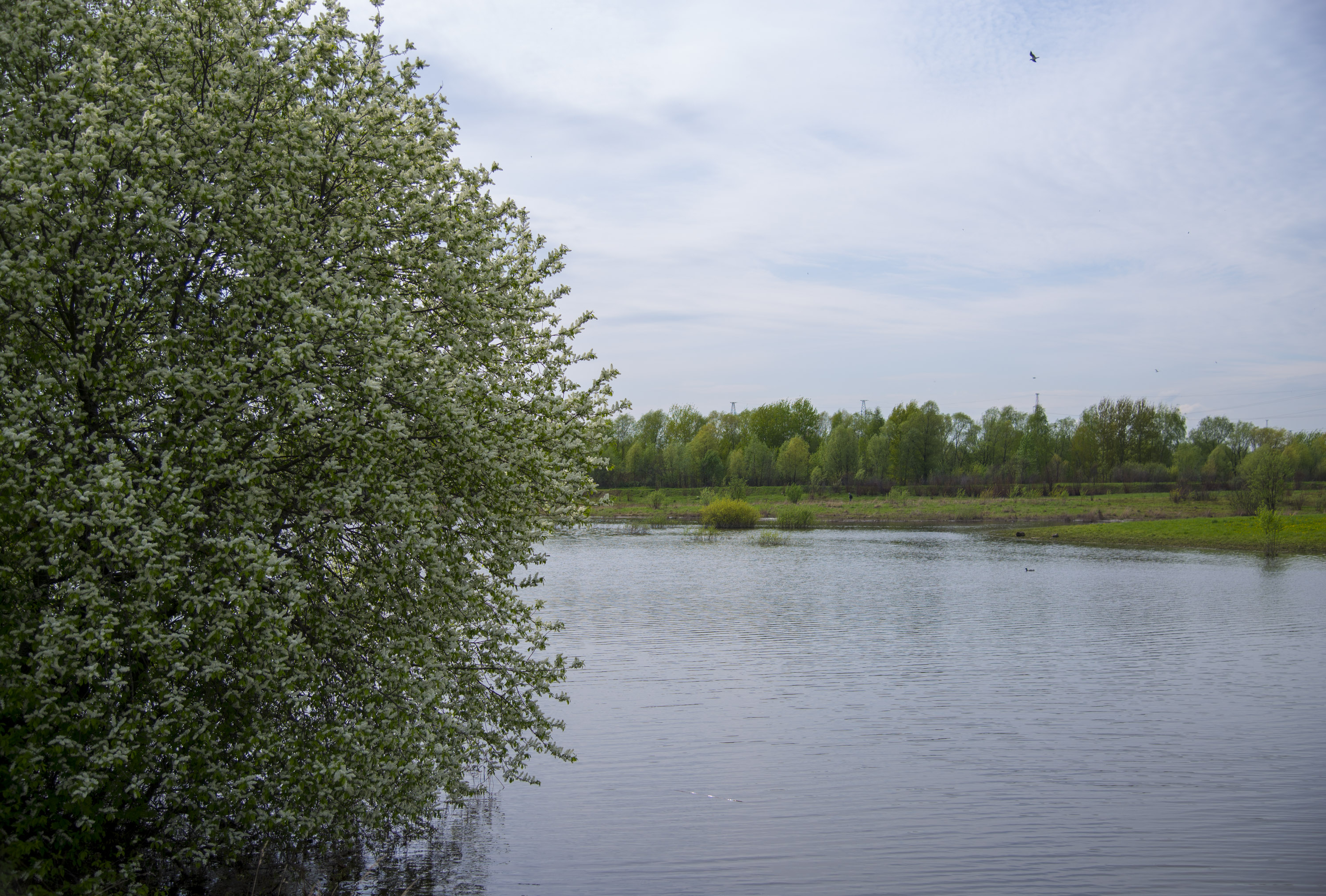
Solotcha is a small resort village located on the banks of Oka river, 30 mins drive from Ryazan, surrounded by protected forests. One of the most important sights of the village is a glorious monastery which was built in 1390 on a high bank of Staritsa river by Oleg Ryazanskiy.

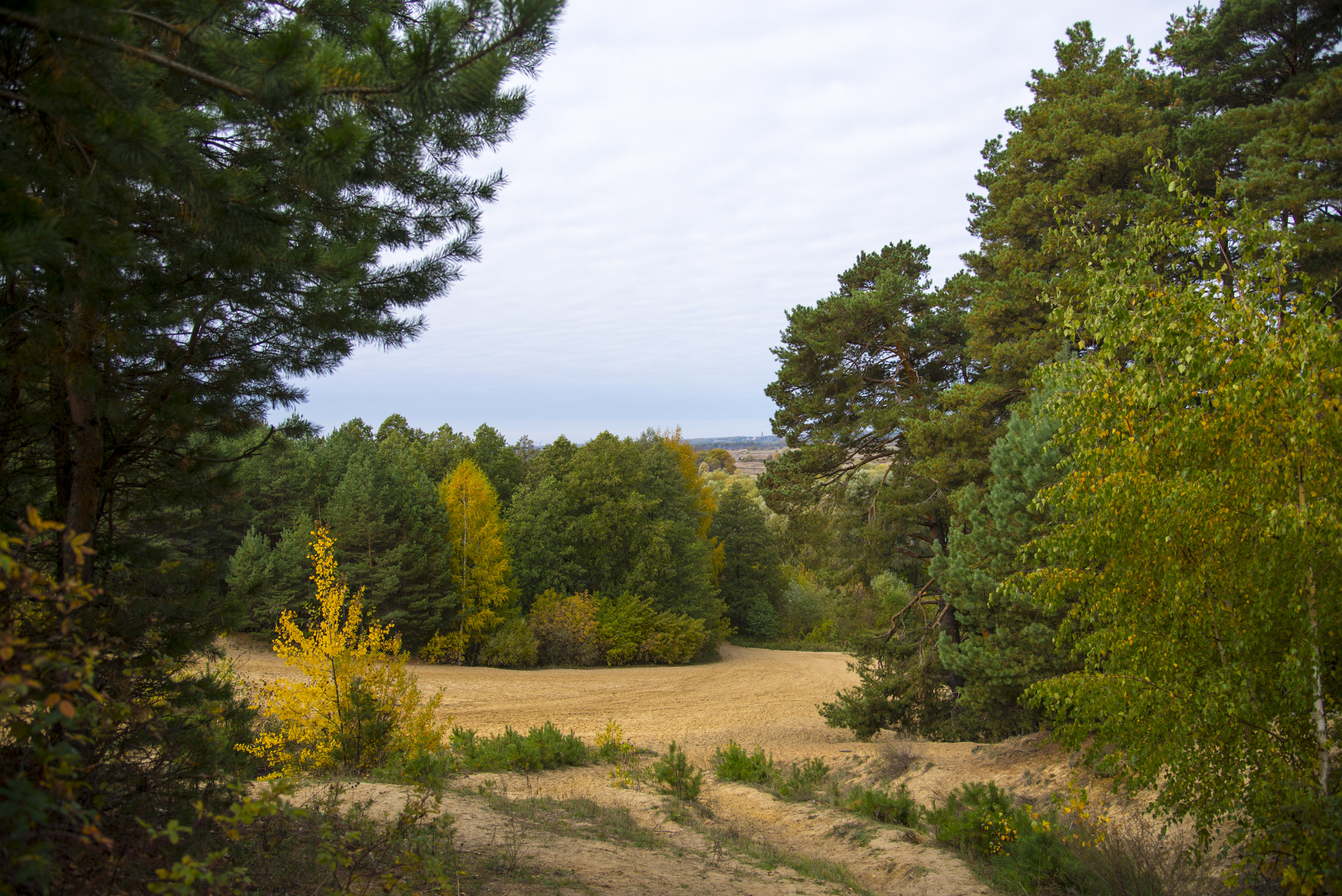
Beautiful nature of Solotcha

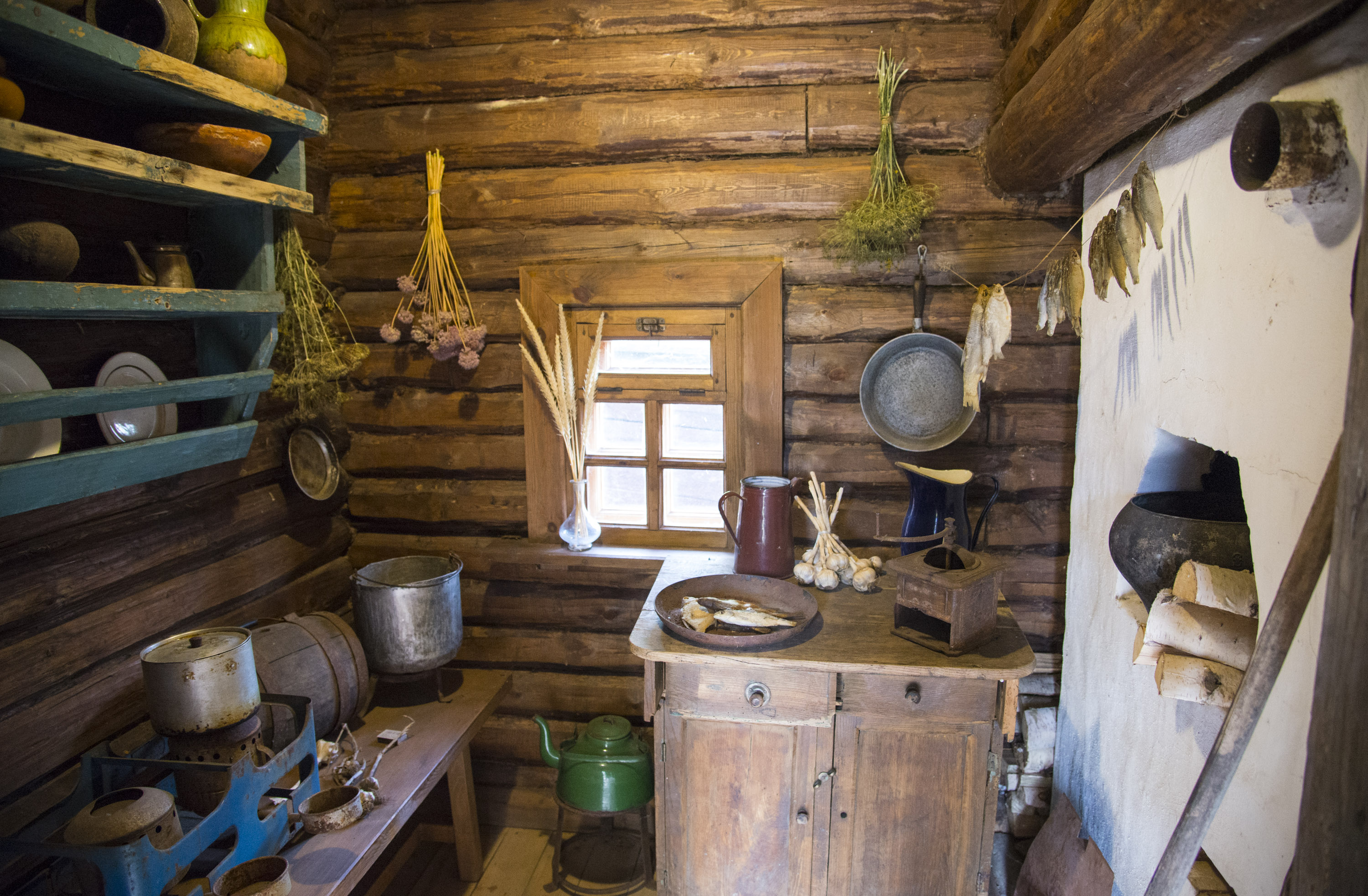
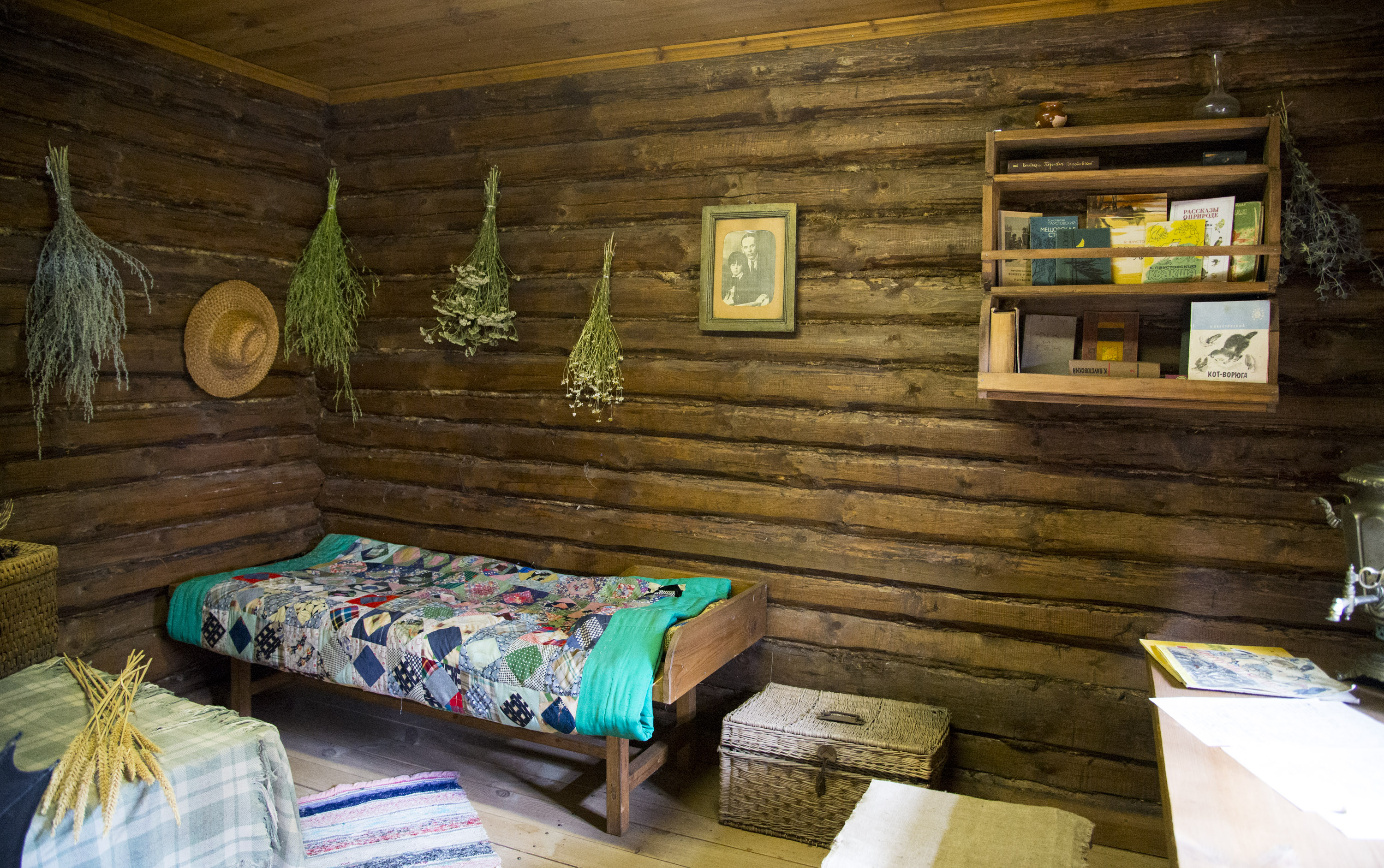
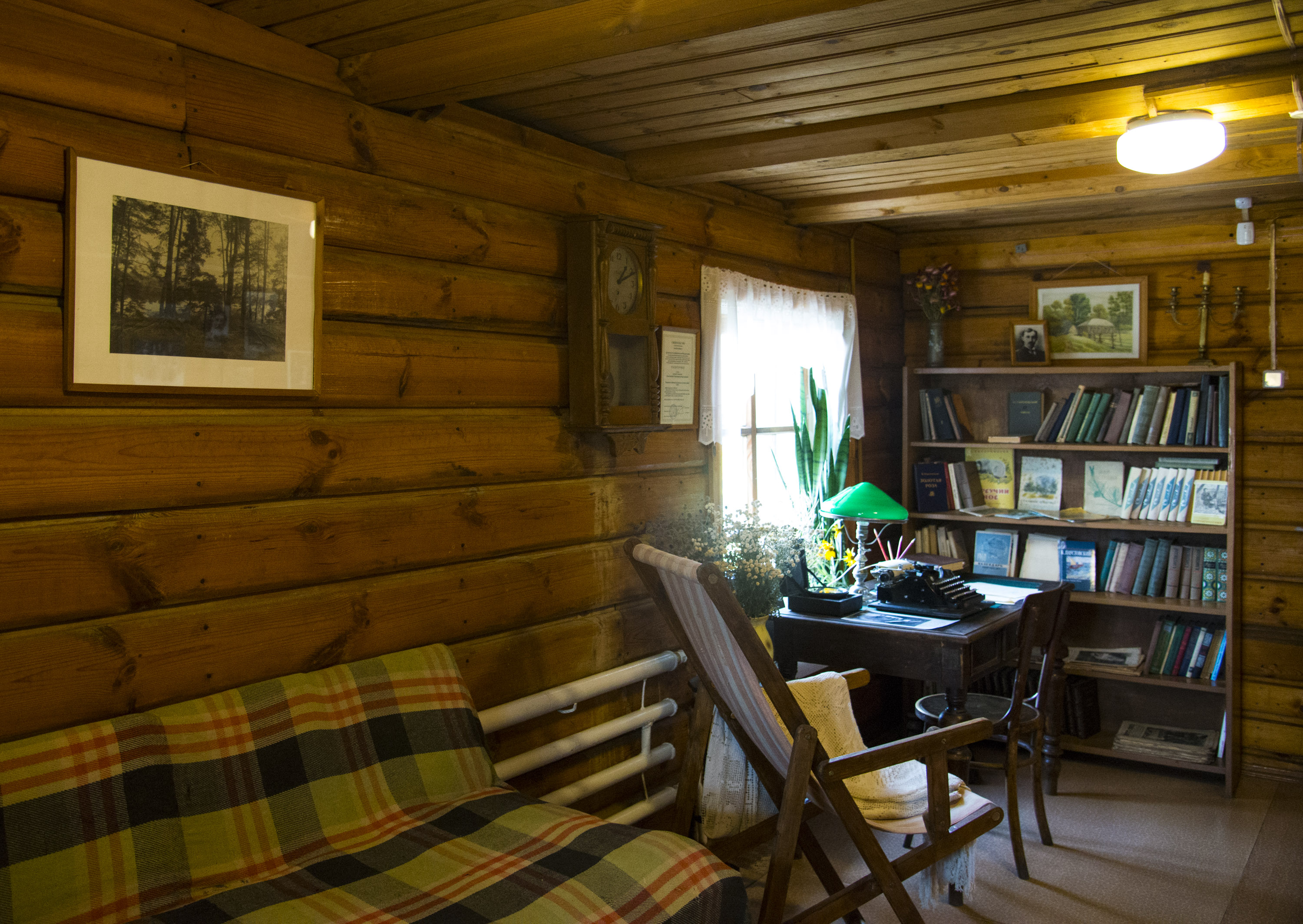
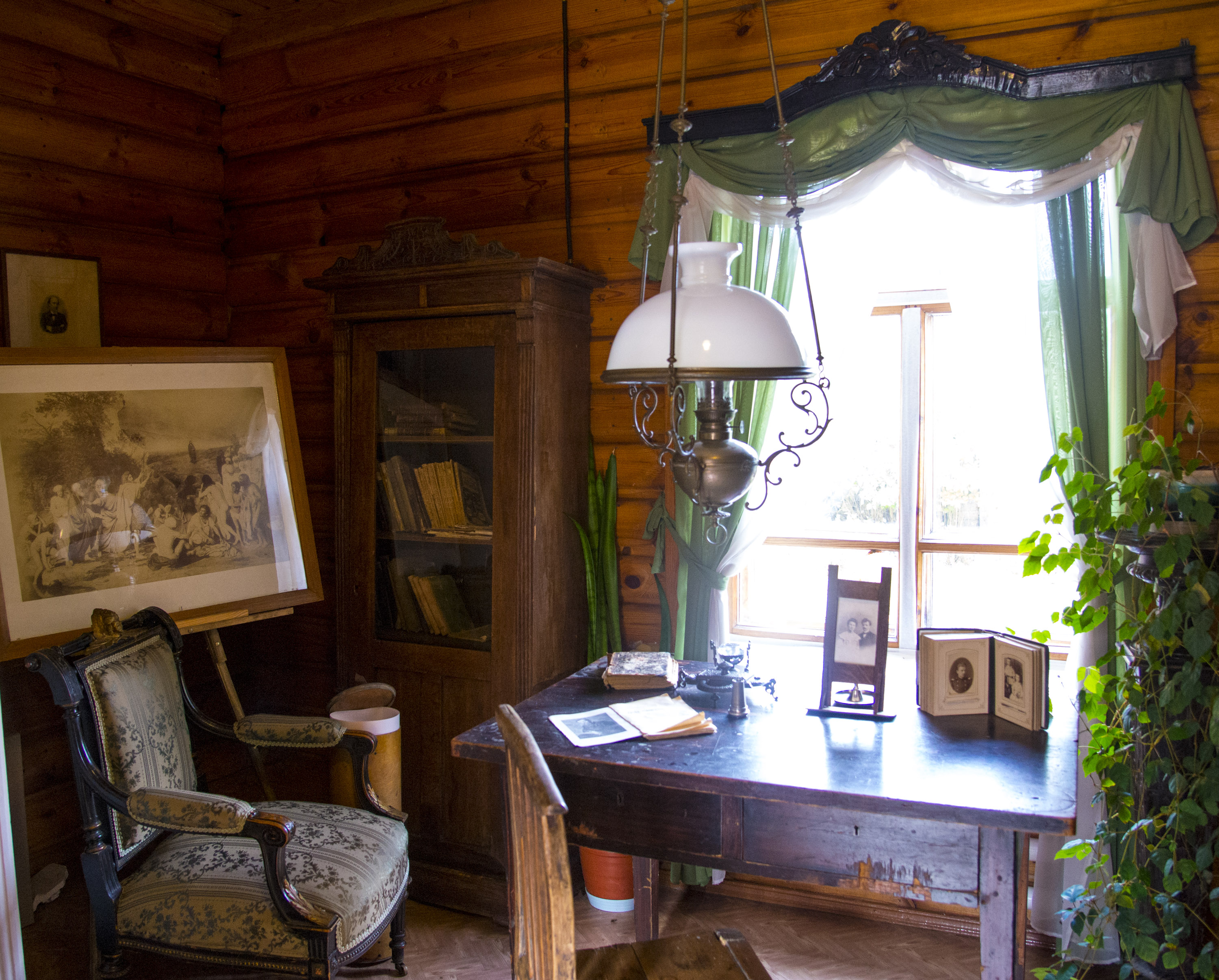
House museum of artist Ivan Pozhalostin was built in 1880 according to his own design. After Pozhalostin’s death, famous writers worked in the house: A.P. Gaidar, K. Paustovsky, R. Fraerman.

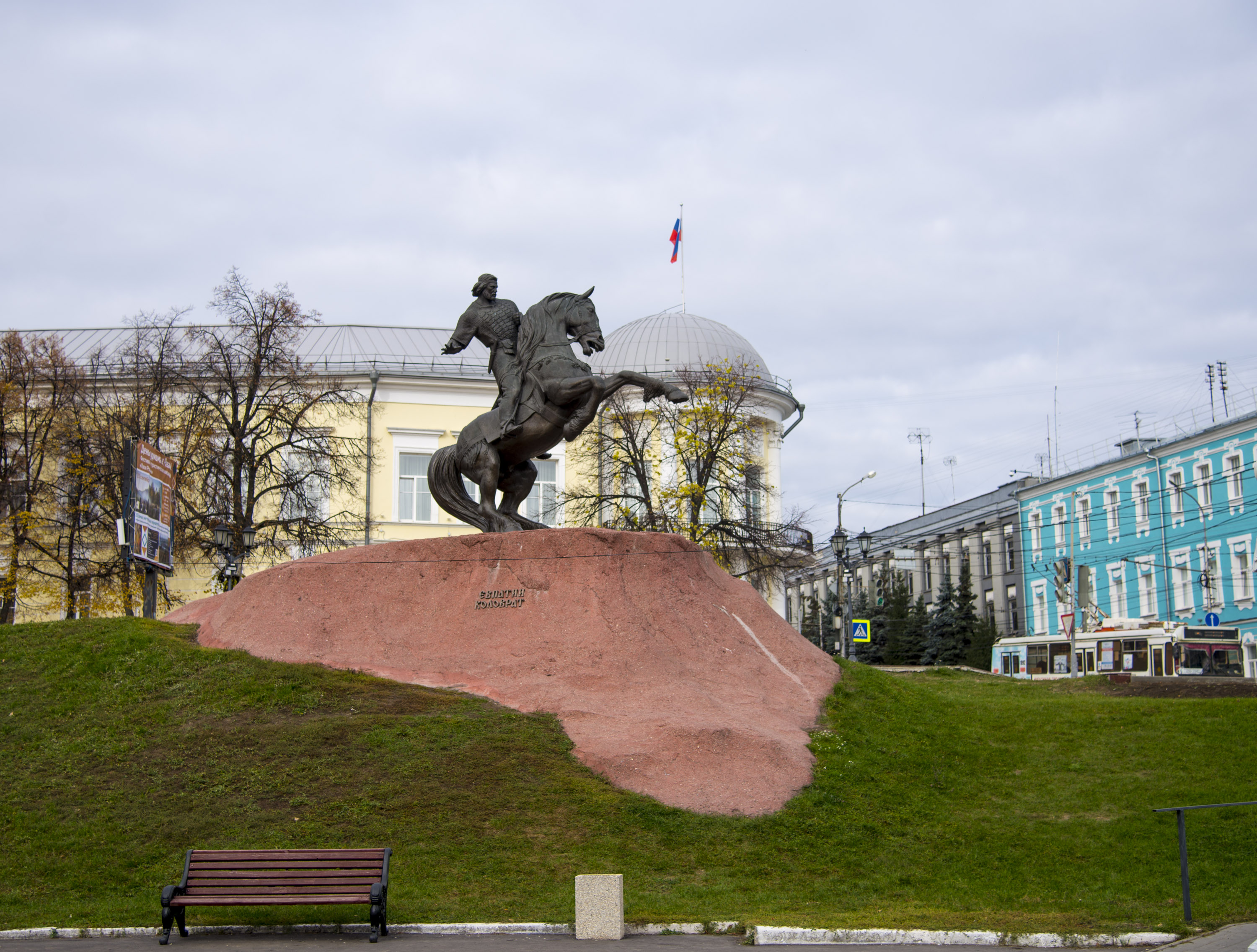
Ryazan

Ryazan Kremlin

The Ryazan Kremlin is the oldest part of the city of Ryazan, a historical and architectural open-air museum and one of the oldest museums in Russia. It is believed that fortifications have existed where the Ryzan Kremlin now stands since the end of the 11th century. A four-tier bell tower is one of the tallest bell towers in Russia standing at 86 metres tall, including a 25 metre gold-coated spire.

Museum of the history of Ryazan lollipop

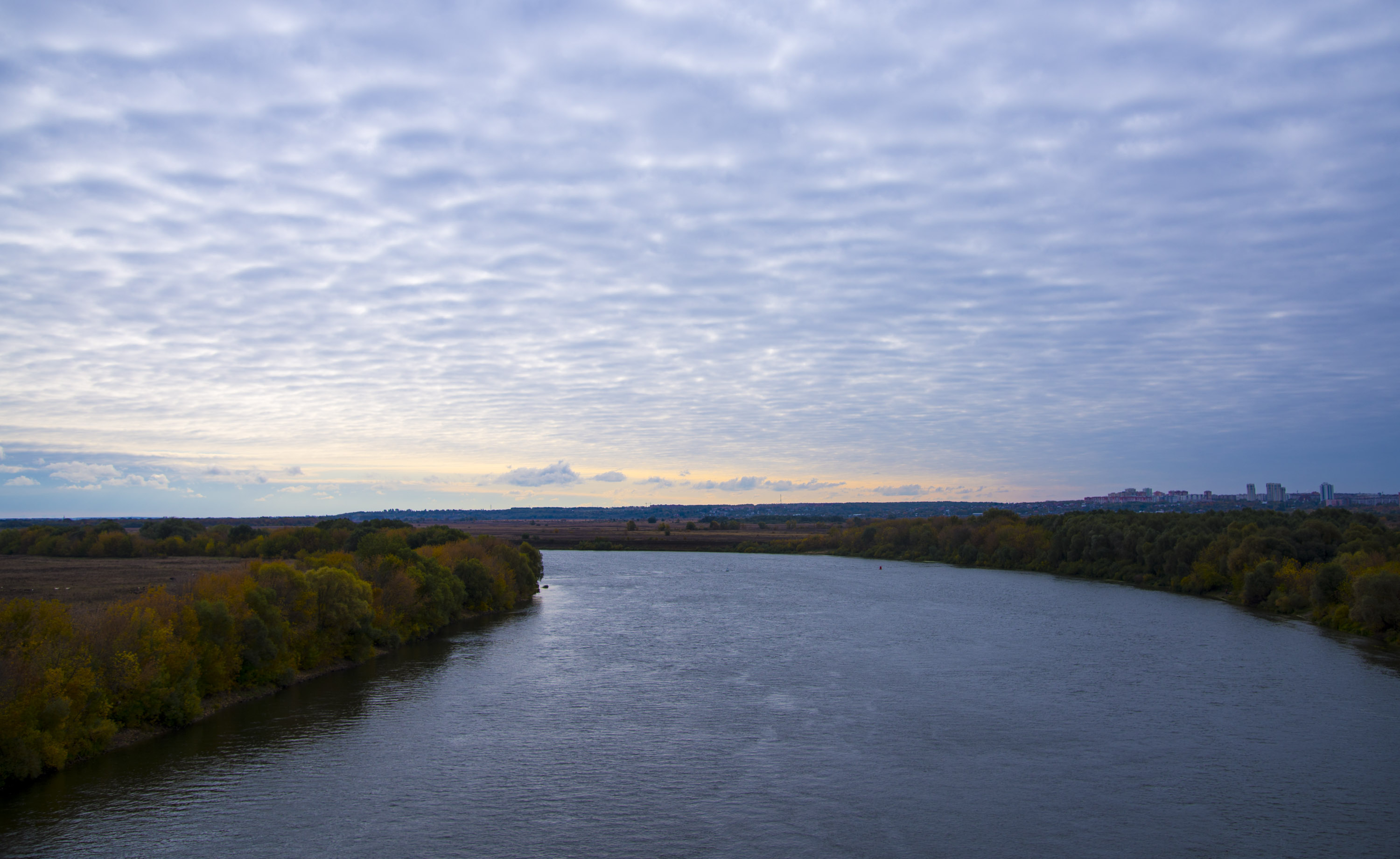
Oka river

Old Town Hotel in Ryazan

Gallery

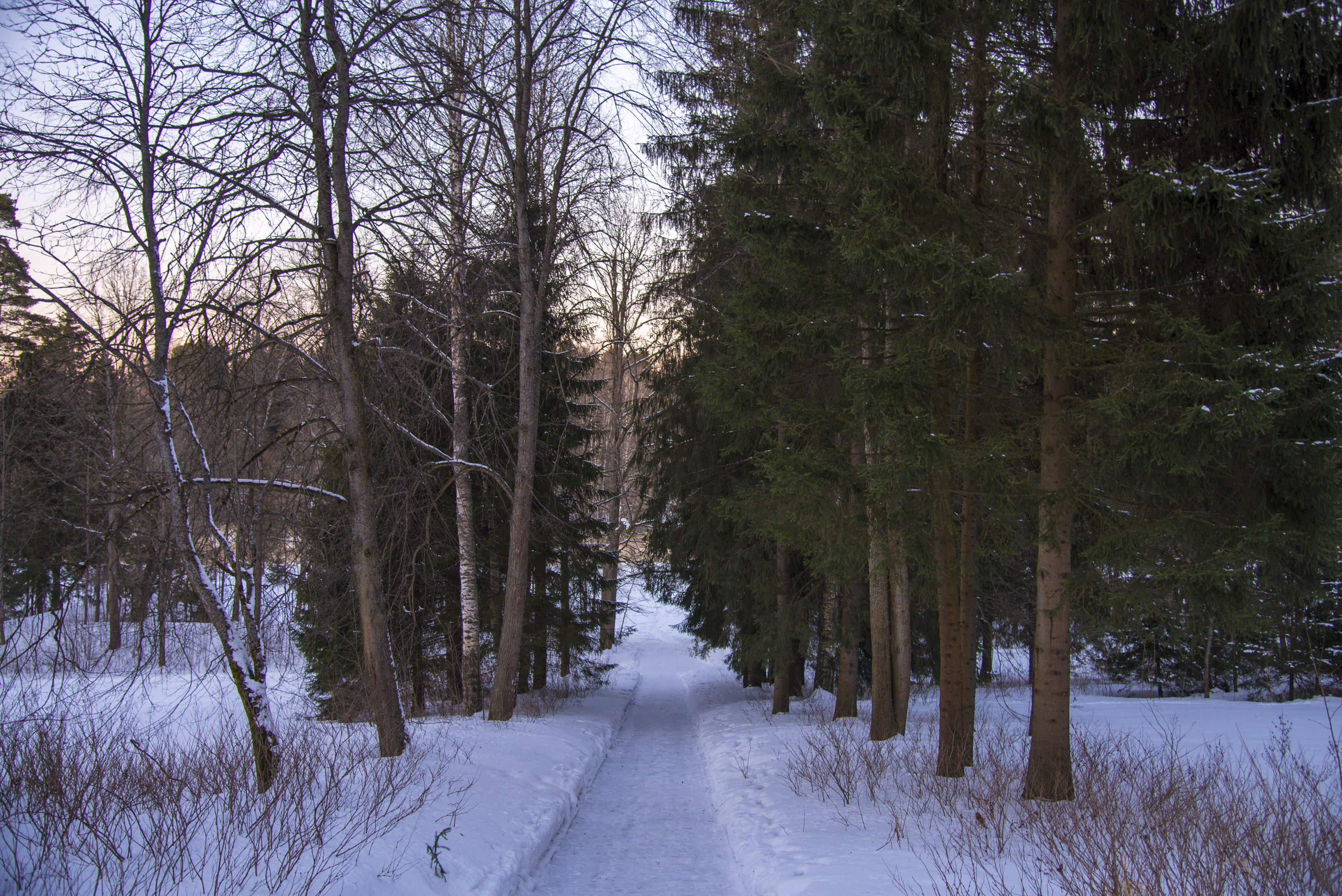
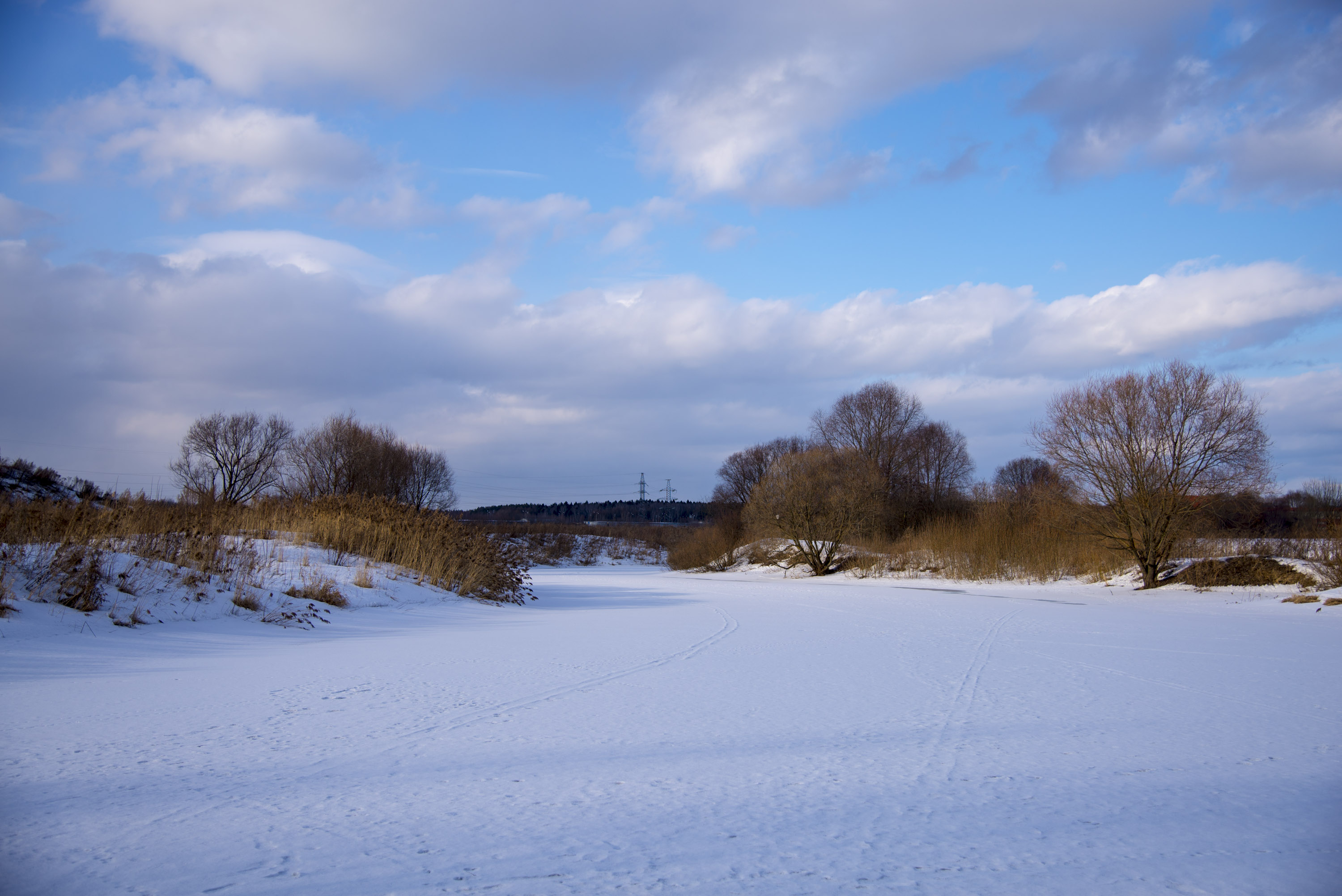
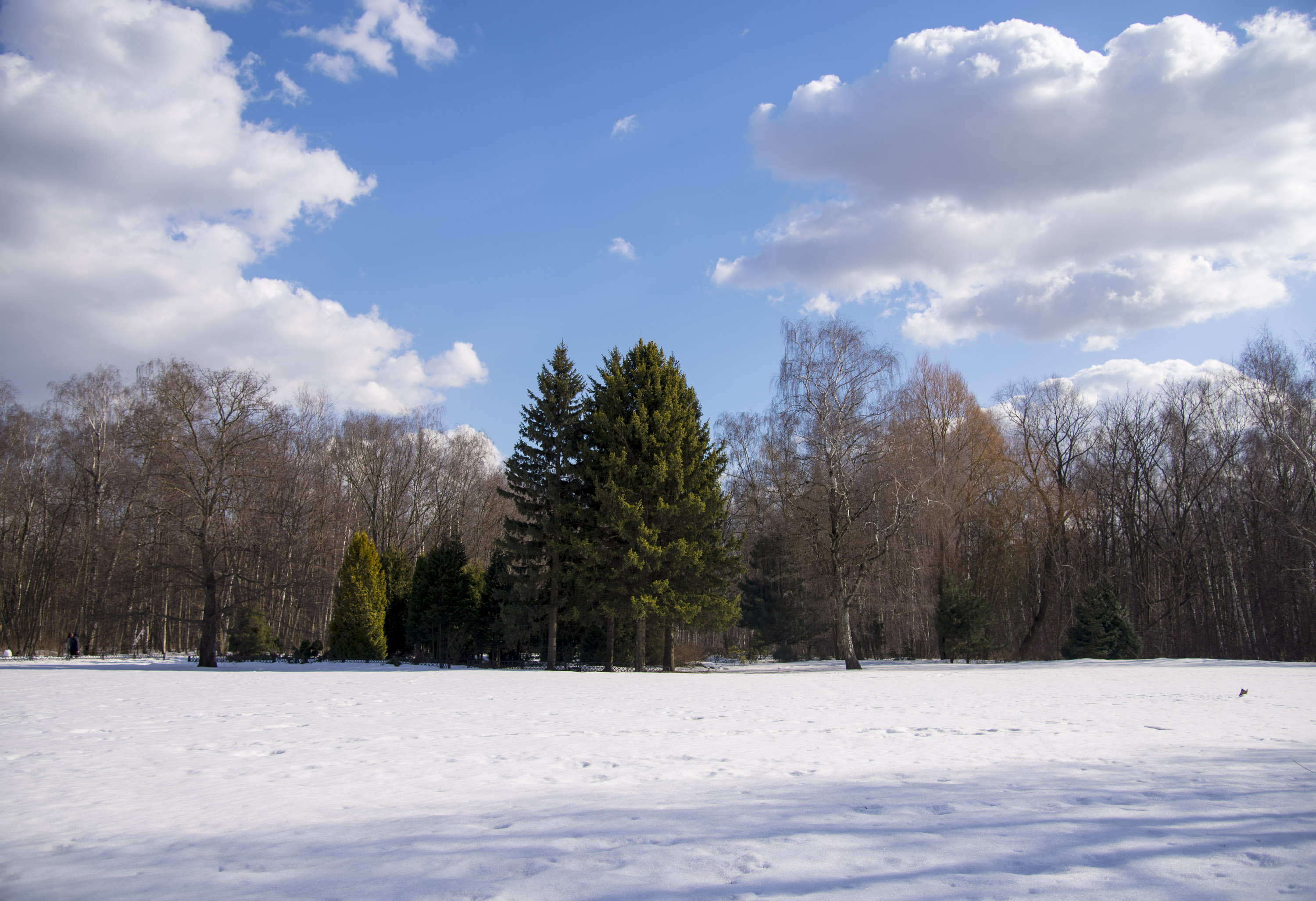
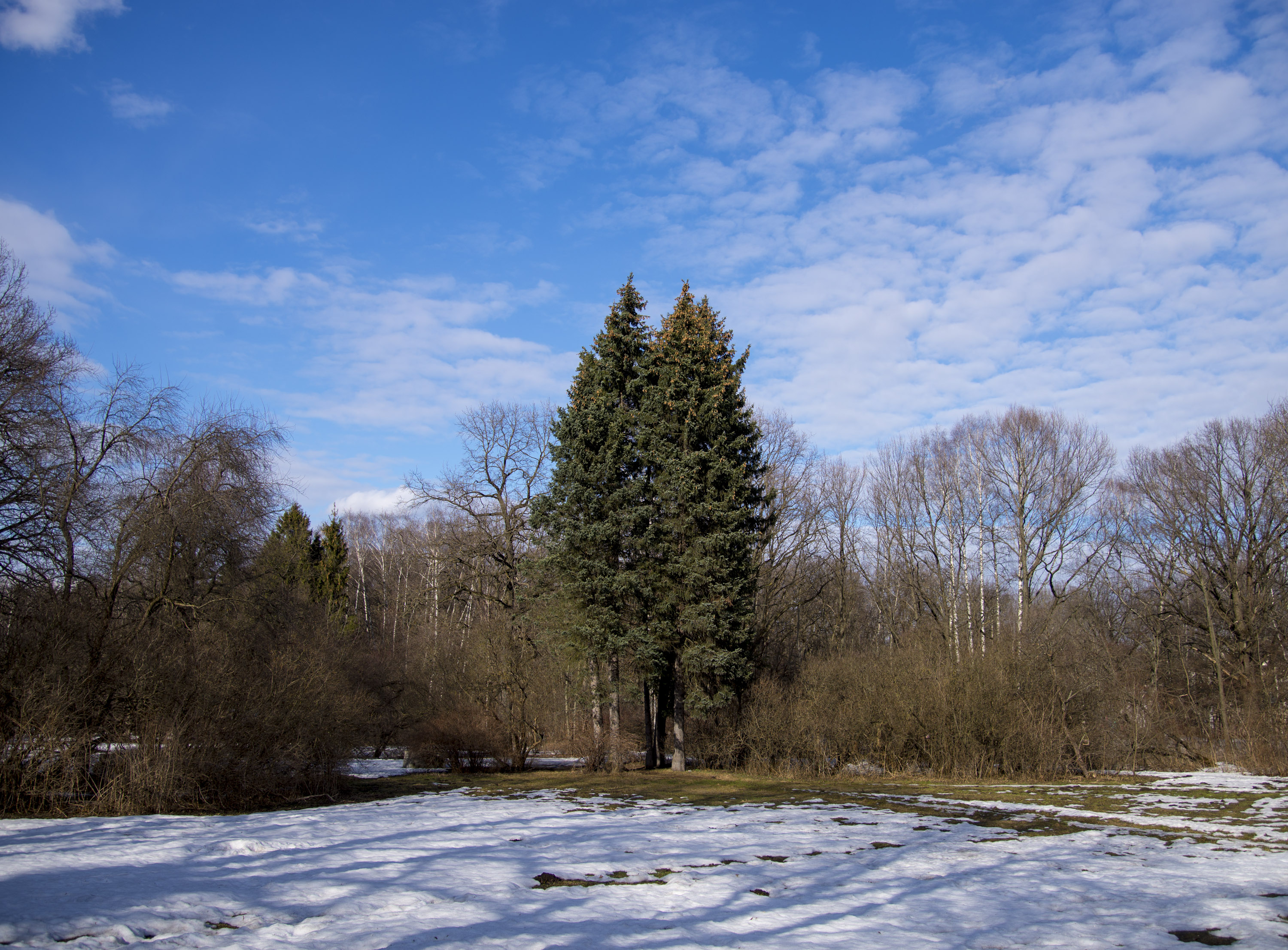
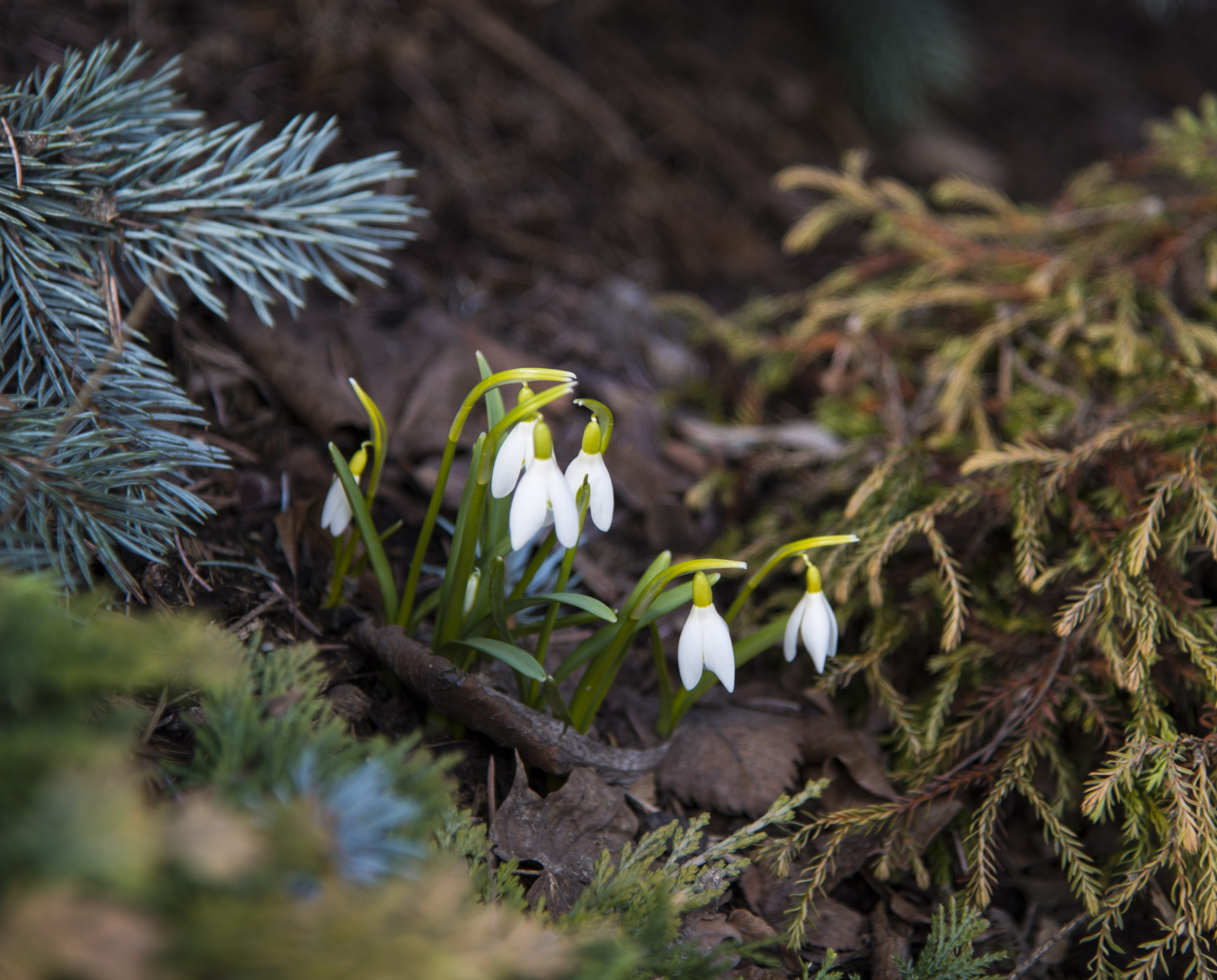
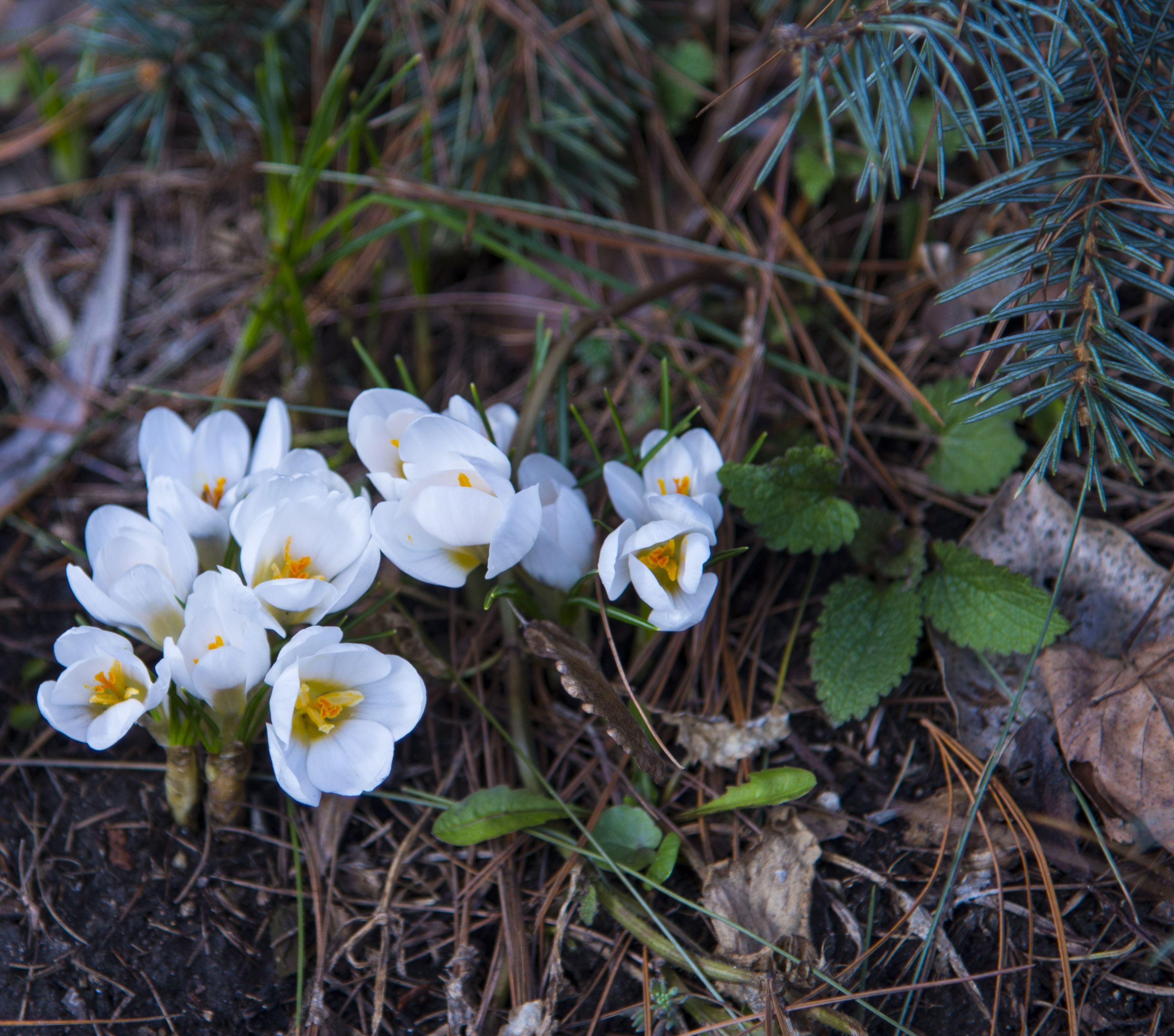
Springtime in Moscow and Moscow region, 2021

March

Moscow Botanical Garden

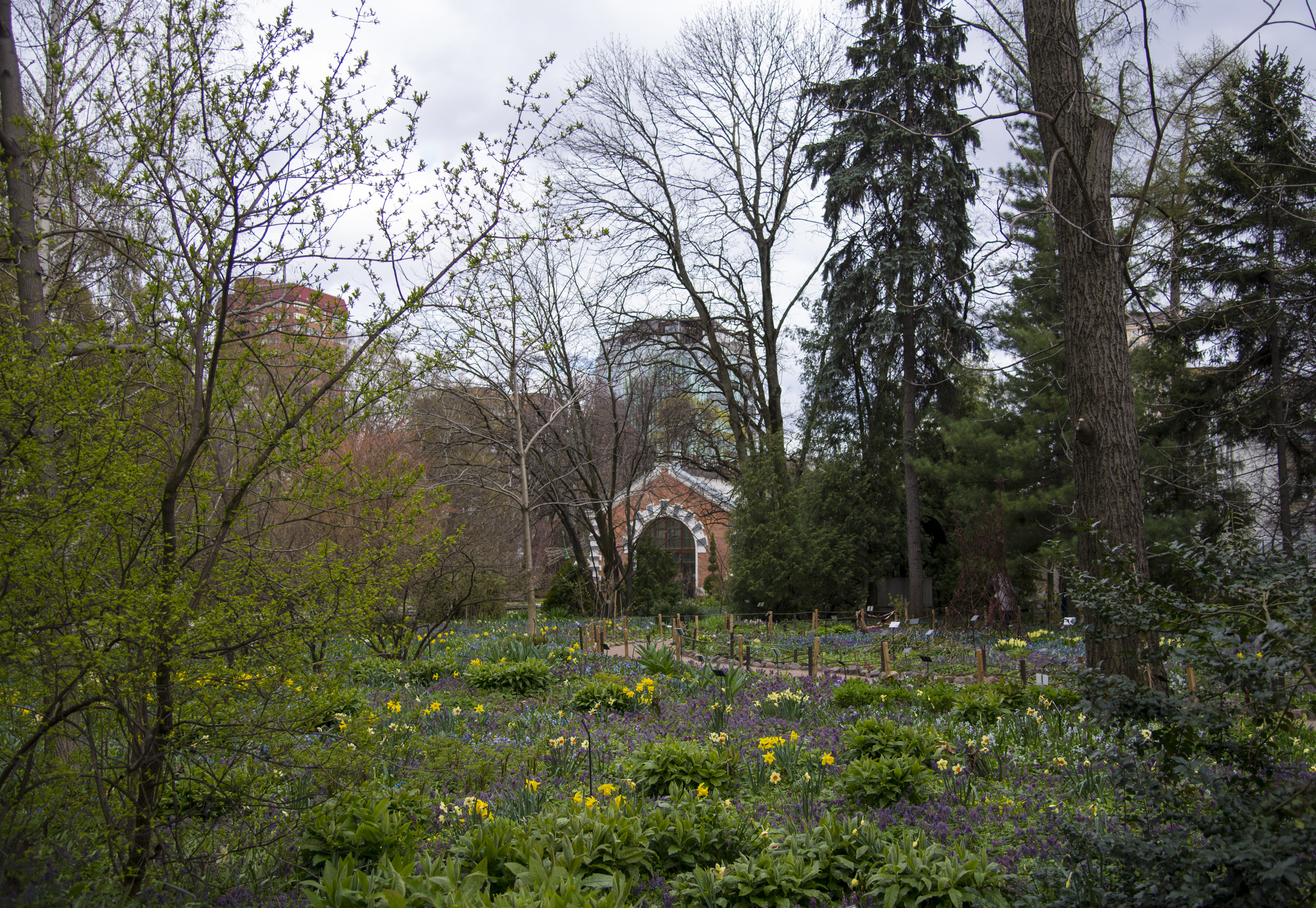
The Tsytsin Main Moscow Botanical Garden was founded in April 1945, and claims itself to be the largest botanical garden in Europe. It covers a territory of approximately 3.61 km² and contains a live exhibition of more than twenty thousand different species of plants coming from various parts of the world. 

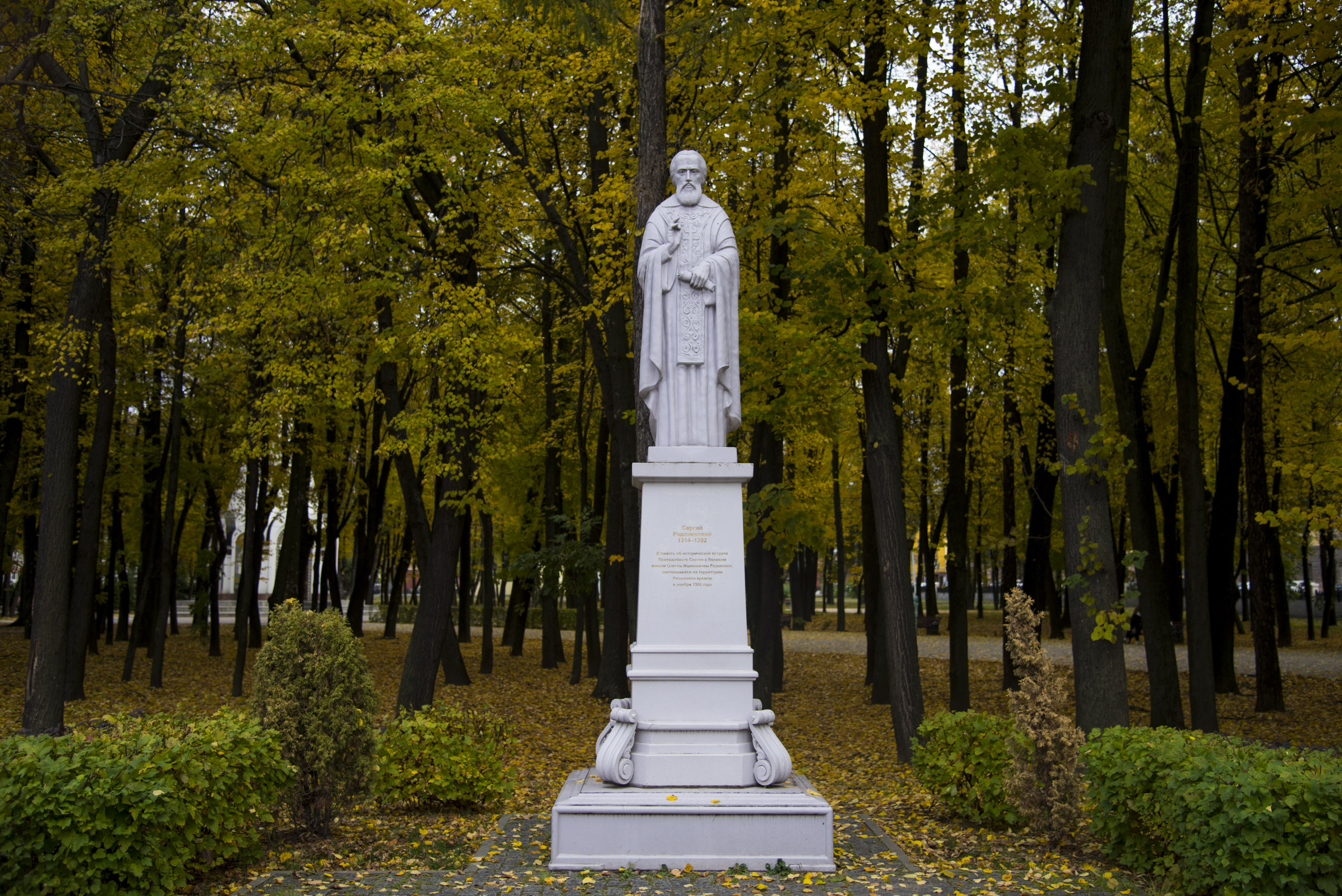
Radonezh

Radonezh is an absolutely beautiful village where Sergiy Radonezhsky once lived. The old town of Radonezh is known to have existed since the first half of the 14th century. Transfiguration Church (Церковь Преображения Господня, 1842) along with the nearby Sacred spring, a font and a monument to St. Sergius are located on the outskirts of the village. Very impressive place!

Khotkovo

Khotkovo town is the site of a monastery, founded by the parents of Sergiy Radonezhsky – Kirill and Maria. The date of foundation is not known, but was first mentioned in 1308. Pokrovskiy Khotkov monastery is the convent of the Russian Orthodox Church, located in Khotkovo town on the river Paja.

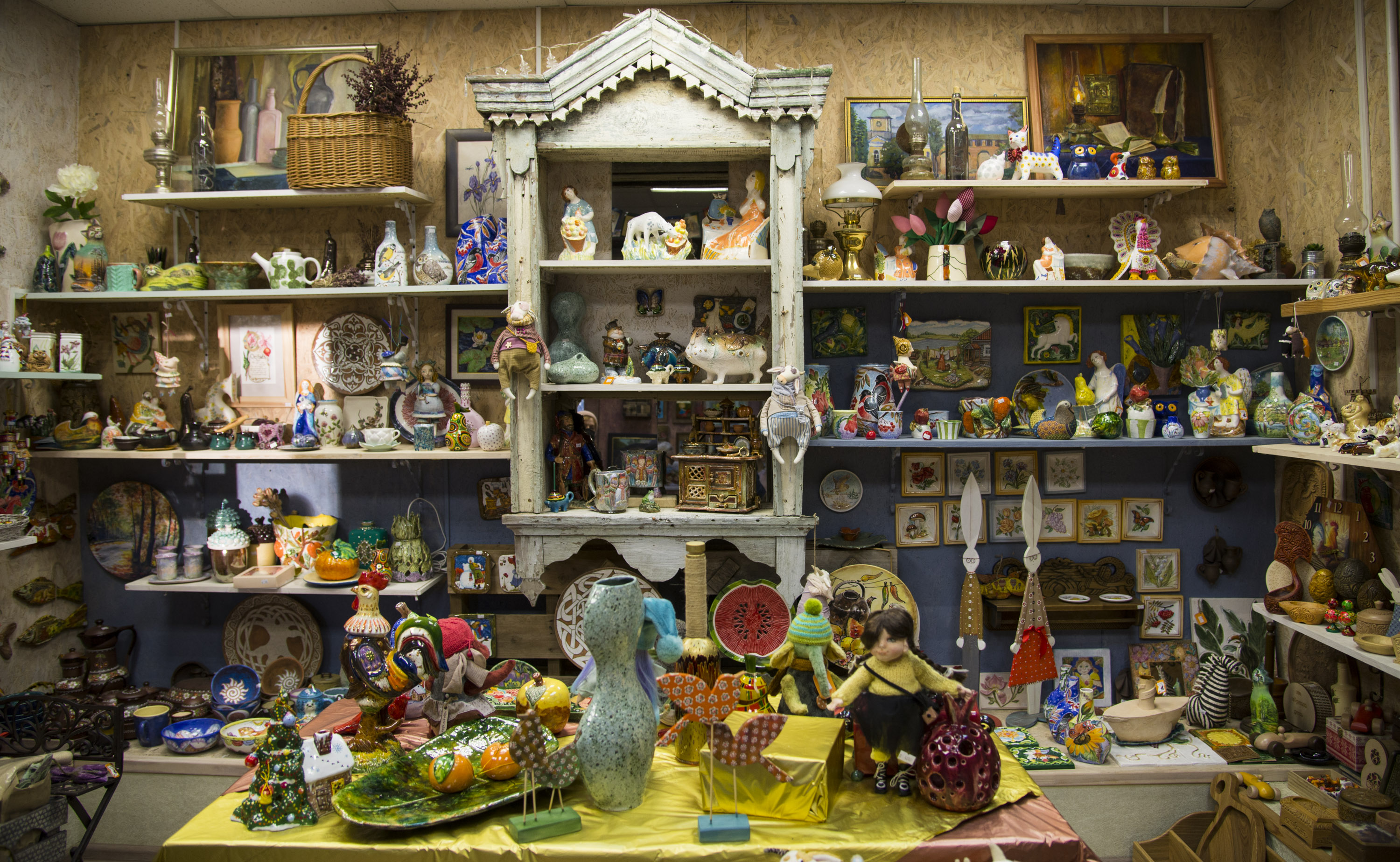
Khotkovo Art Salon

Abramtsevo

Abramtsevo Museum Reserve is one of the most famous art museums in Russia. The history of Abramtsevo is associated with the names of artists Segey Aksakov, Viktor Vasnetsov, Mikhail Vrubel, Ilya Repin, Vasiliy Polenov, Valentin Serov and Savva Mamontov. Dozens of paintings which are internationally treasured now were created there. Abramtsevo was founded in 18th century.

The architectural gem of Abramtsevo is the Church of the Savior (Церковь Спаса Нерукотворного Образа), built by architect Pavel Samarin, according to designs by the artists Victor Vasnetsov and Vasily Polenov.

Mytishchi

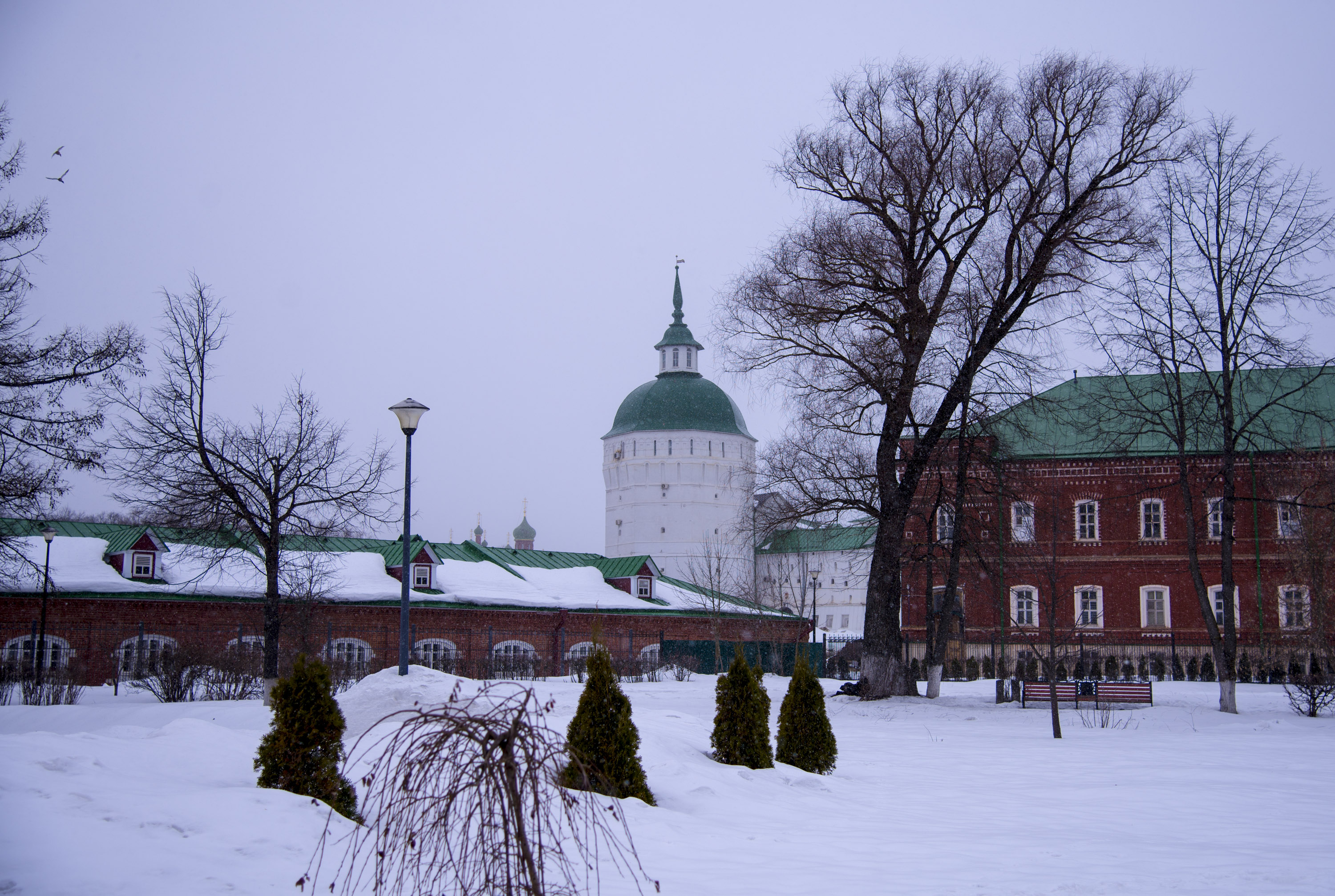
Sergiev Posad

Sergiev Posad is a city in Russia, northeast of Moscow, which is home to one of the most revered monasteries in Russia – the UNESCO-protected Troitse-Sergieva Lavra. Troitse-Sergieva Lavra (Holy Trinity Lavra of St.Sergius) is the 14th-century monastery complex which was founded in 1337. The monastery is comprised of over 50 historically significant constructions, including the 16th-century Assumption Cathedral and 15th-century Cathedral of the Holy Trinity.

Moscow Botanical Garden

April

Aptekarskiy Ogorod

Founded by Peter the Great in 1706 as a kitchen garden (ogorod) for growing medicinal plants. Since 1805, it has belonged to the Moscow State University as part of the Biology Faculty. You can explore the gardens as well as three different greenhouses. 

Moscow, Prospekt Mira

Ekaterininskiy Park

Catherine Park is an outstanding achievement of 18th and 19th-century Russian garden art. The ongoing modernization of Moscow parks has not yet affected the old Catherine Park, which still retains its former charm. The park has many century-old oaks and even one 300-year-old willow, so old trees are well taken care of here. The park is overlooking Olimpiyskiy stadium, which used to be the biggest sport/concert venue in Moscow and is currently under construction.

Moscow Botanical garden and  VDNKH Exhibition Center

Aptekarskiy Ogorod

Arkhangelskoe

Arkhangelshoe museum-estate consists of a palace with terraced park which has one of the biggest collections of park sculptures in the world, a landscape park, a theatre built in 1817-18 on the project of famous Italian architect and painter Pietro Gonzago, a small palace “Caprice” and pavilion Small Tea House.

Archangel Michael’s Church is the oldest surviving building on the estate dating from the mid-17th century.

A cute beaver having dinner at the Arkhangelskoe estate 🙂

Moscow Botanical Garden

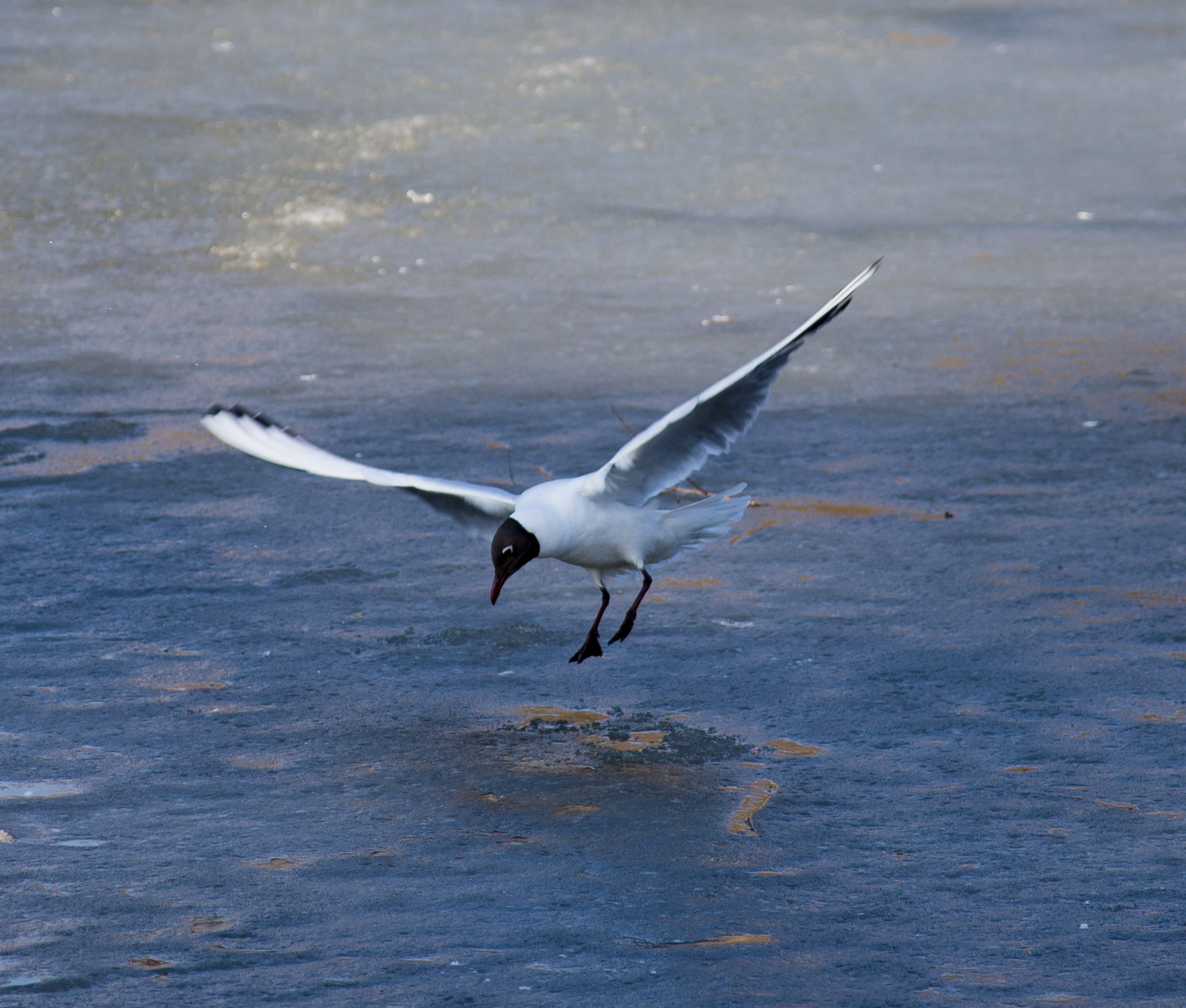
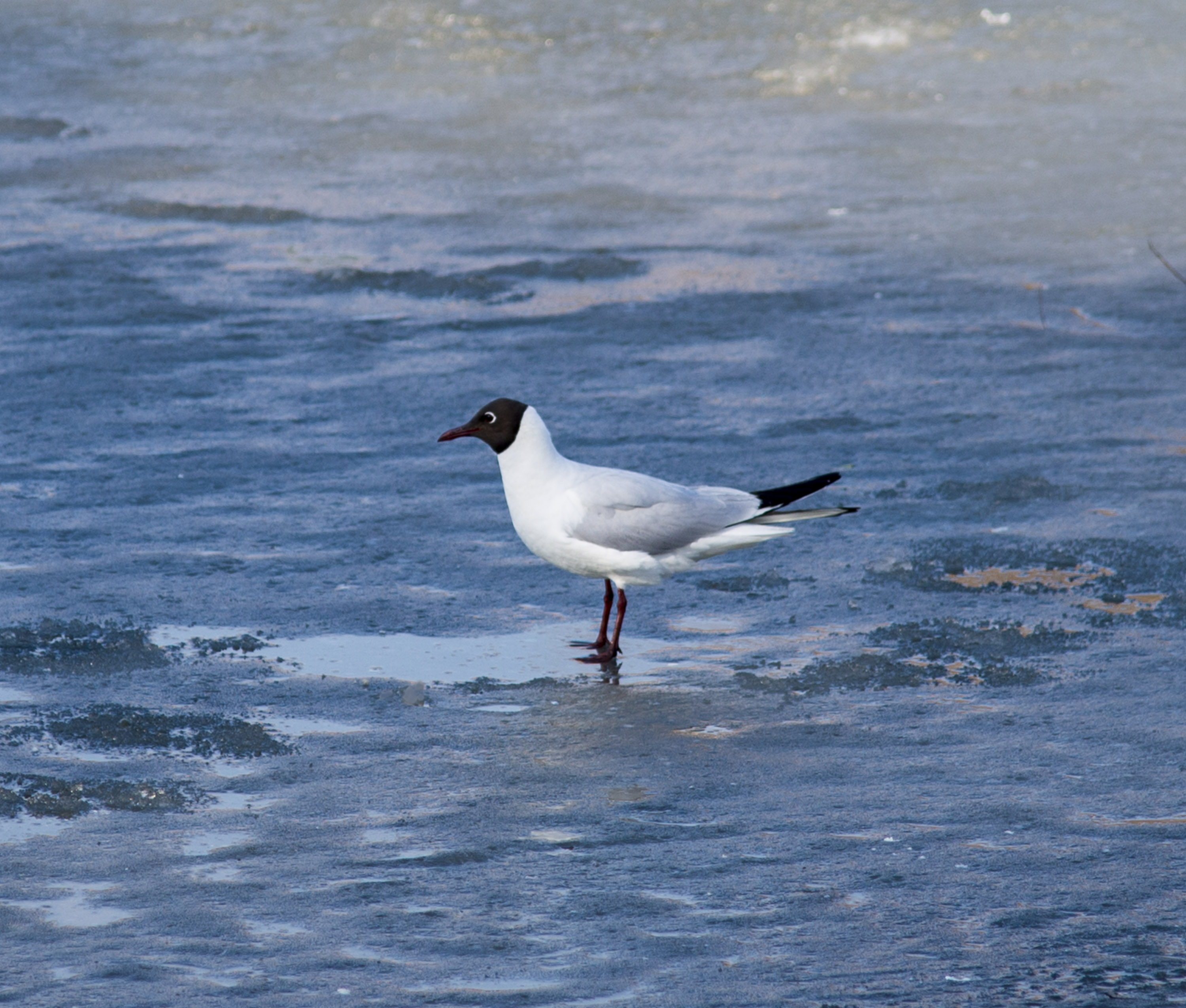
Gulls having dinner at the Moscow Botanical garden.

Kuskovo

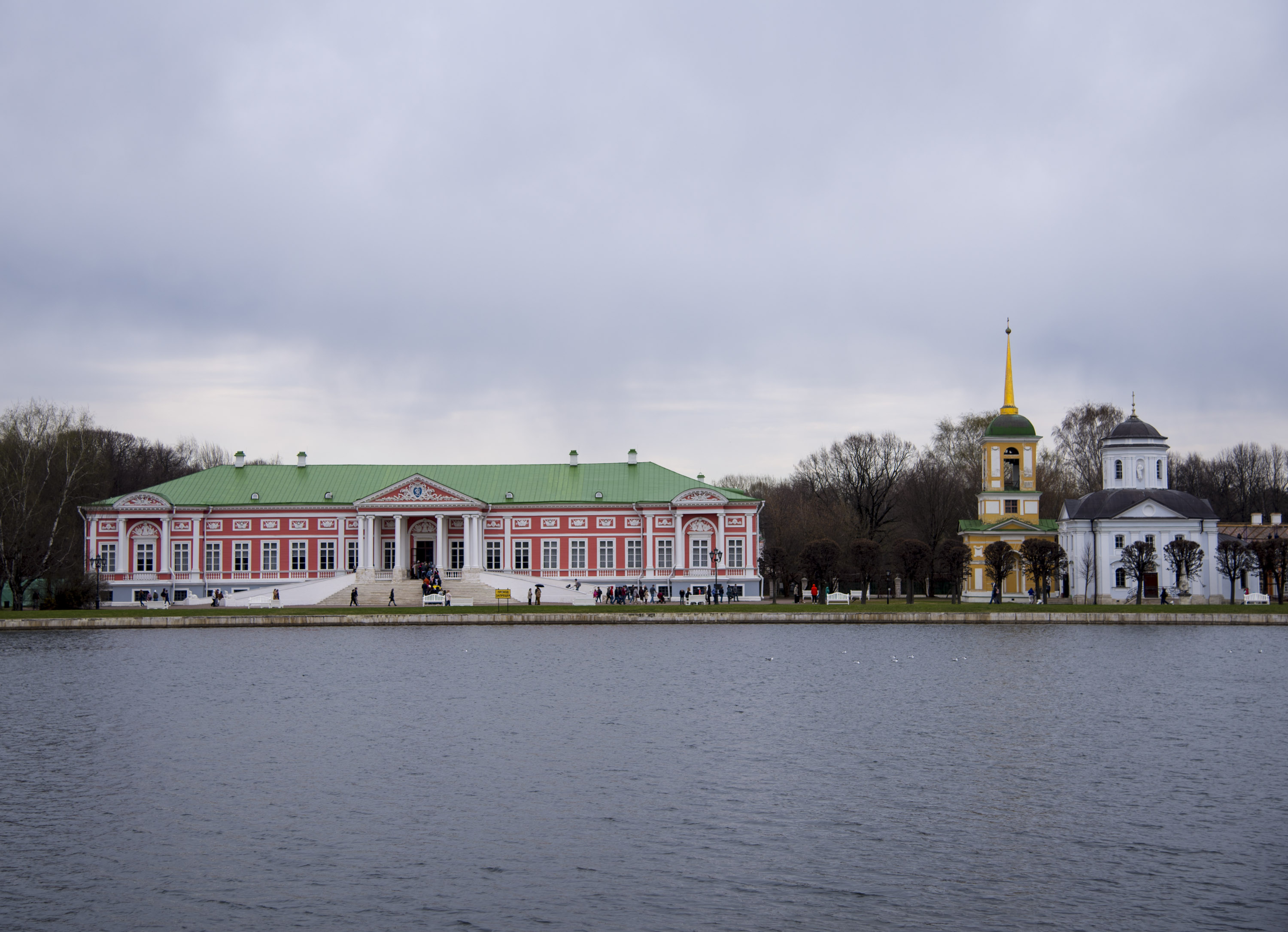
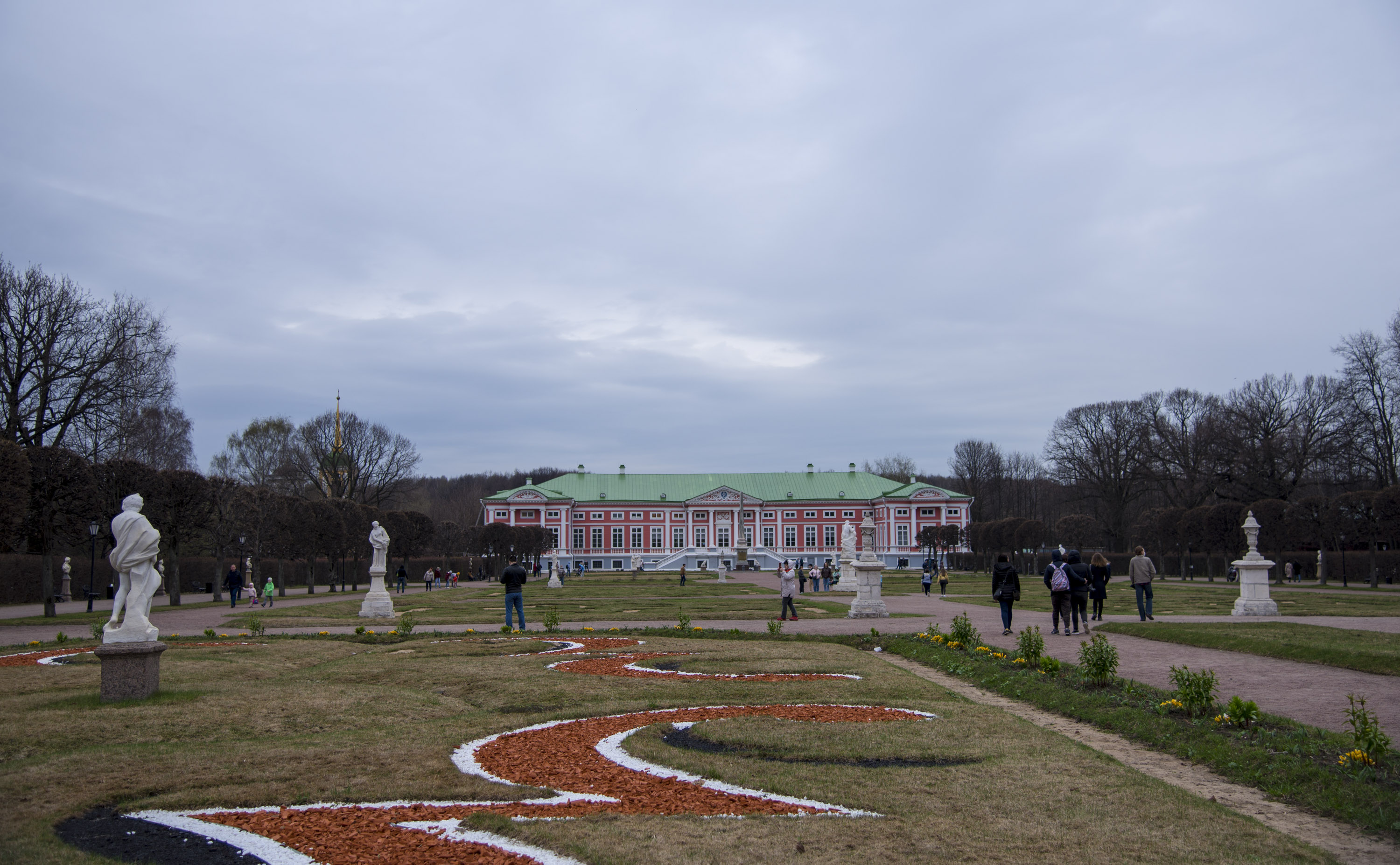
Kuskovo museum complex in Moscow is a summer estate of the Sheremetev family built in 18th century and includes Summer palace, Grotto, Italian house, Kuskovo Church and Tower bell, Hermitage in English landscape garden, the Dutch house and Orangeries. Grotto pavilion was constructed between 1755 and 1761 and was intended to represent the palace of the King of the Seas. Interior was made of whorled seashells of 24 different types which were delivered from the Mediterranean, Red, Black seas, the Sea of Japan, and reservoirs of the Moscow region.

Aptekarskiy Ogorod

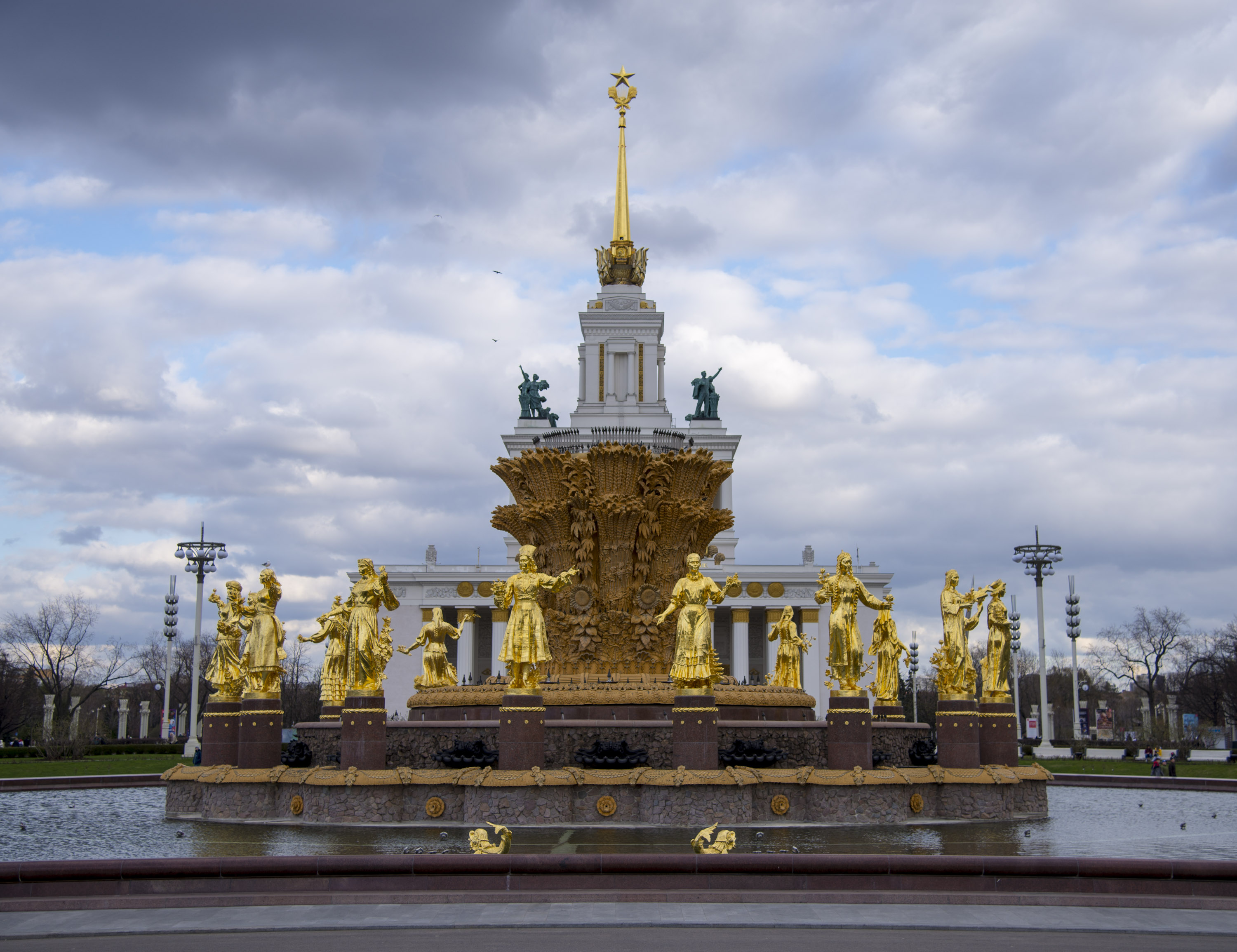
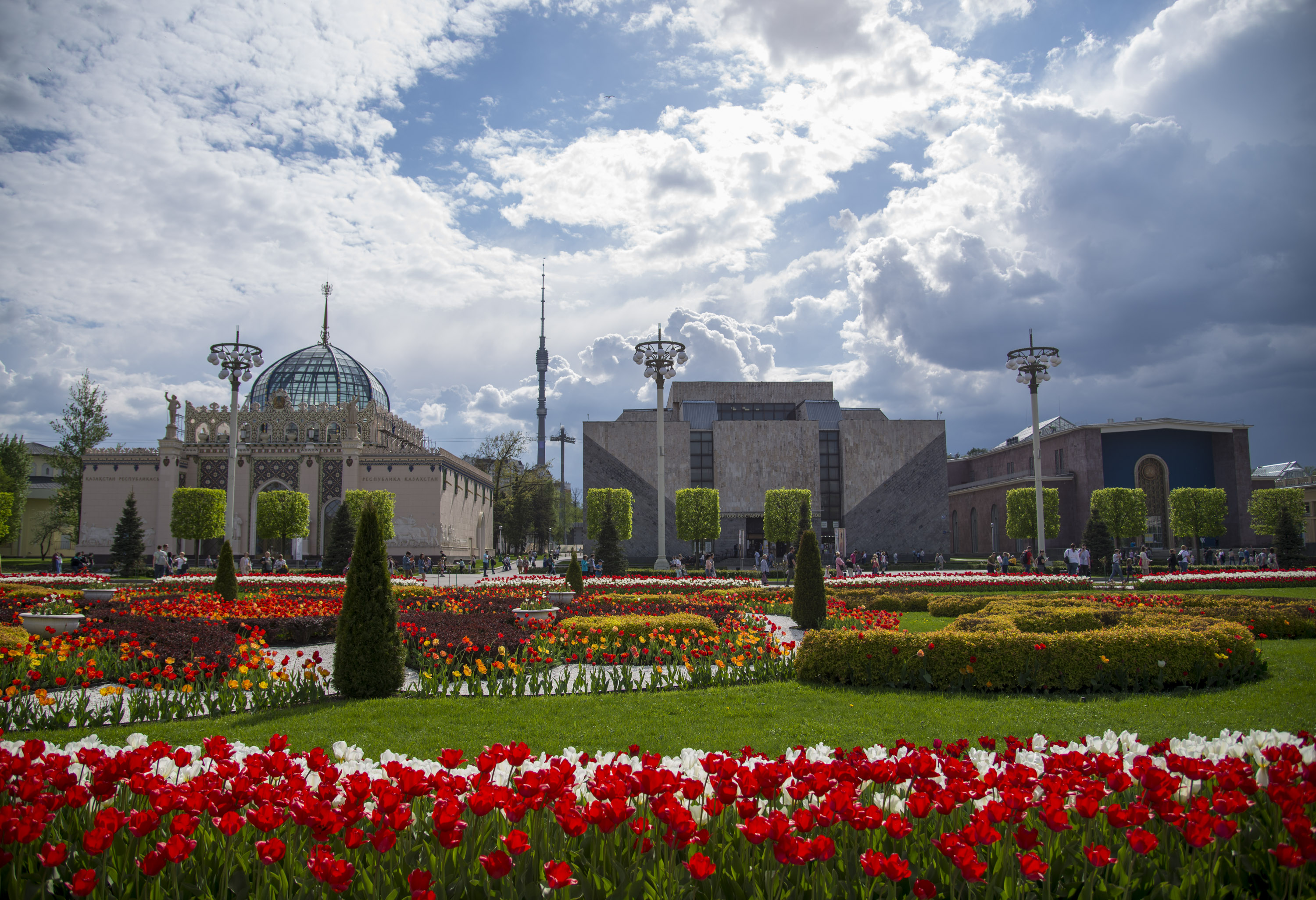
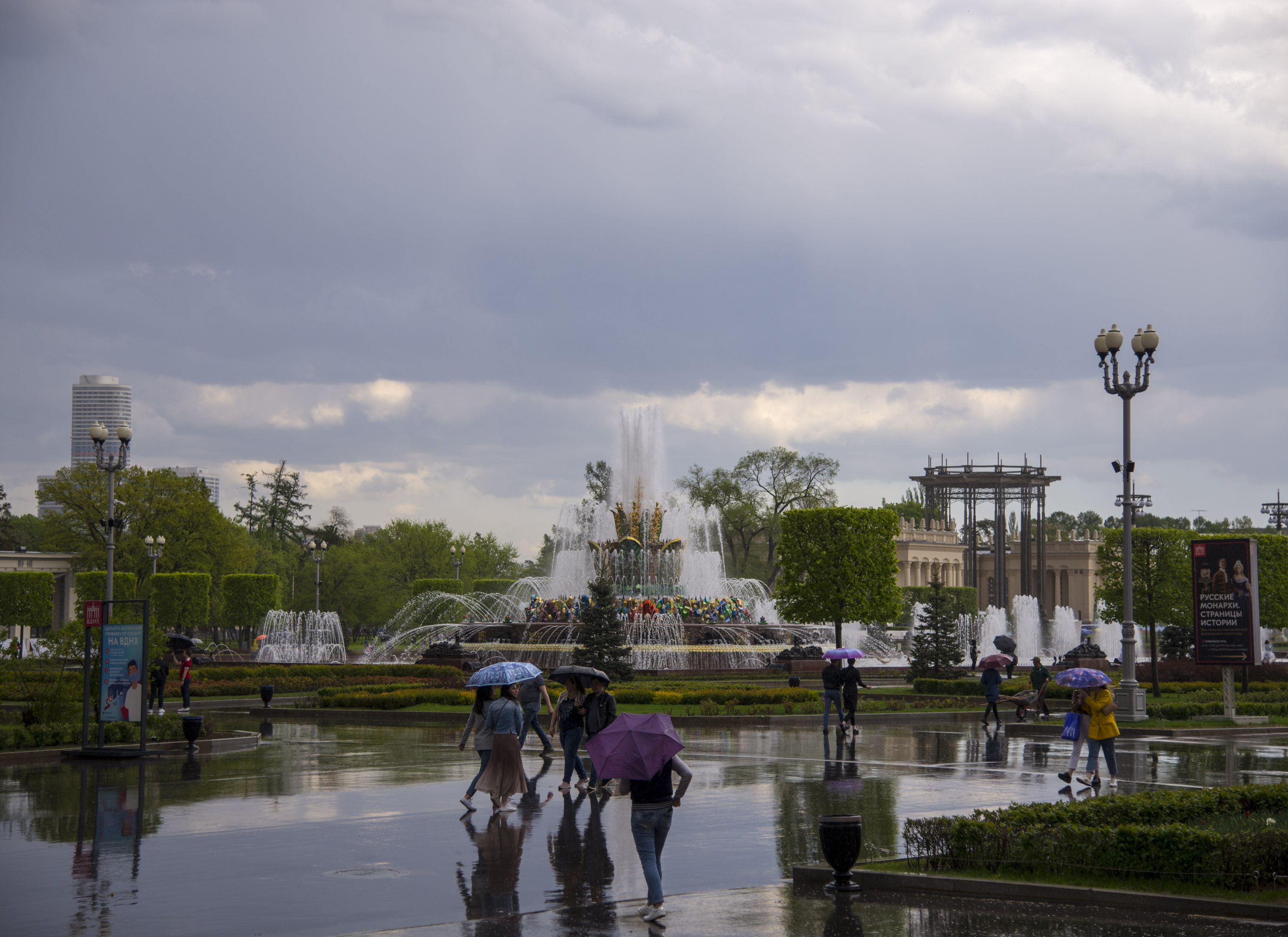
VDNKH exhibition center

VDNKH was established in 1935 and now is a huge complex of pavilions, with a total area covering over one hundred and thirty square meters. It is the largest exhibition centre in Moscow and each year there are more than one hundred and fifty specialized exhibitions.

May

Mytishchi

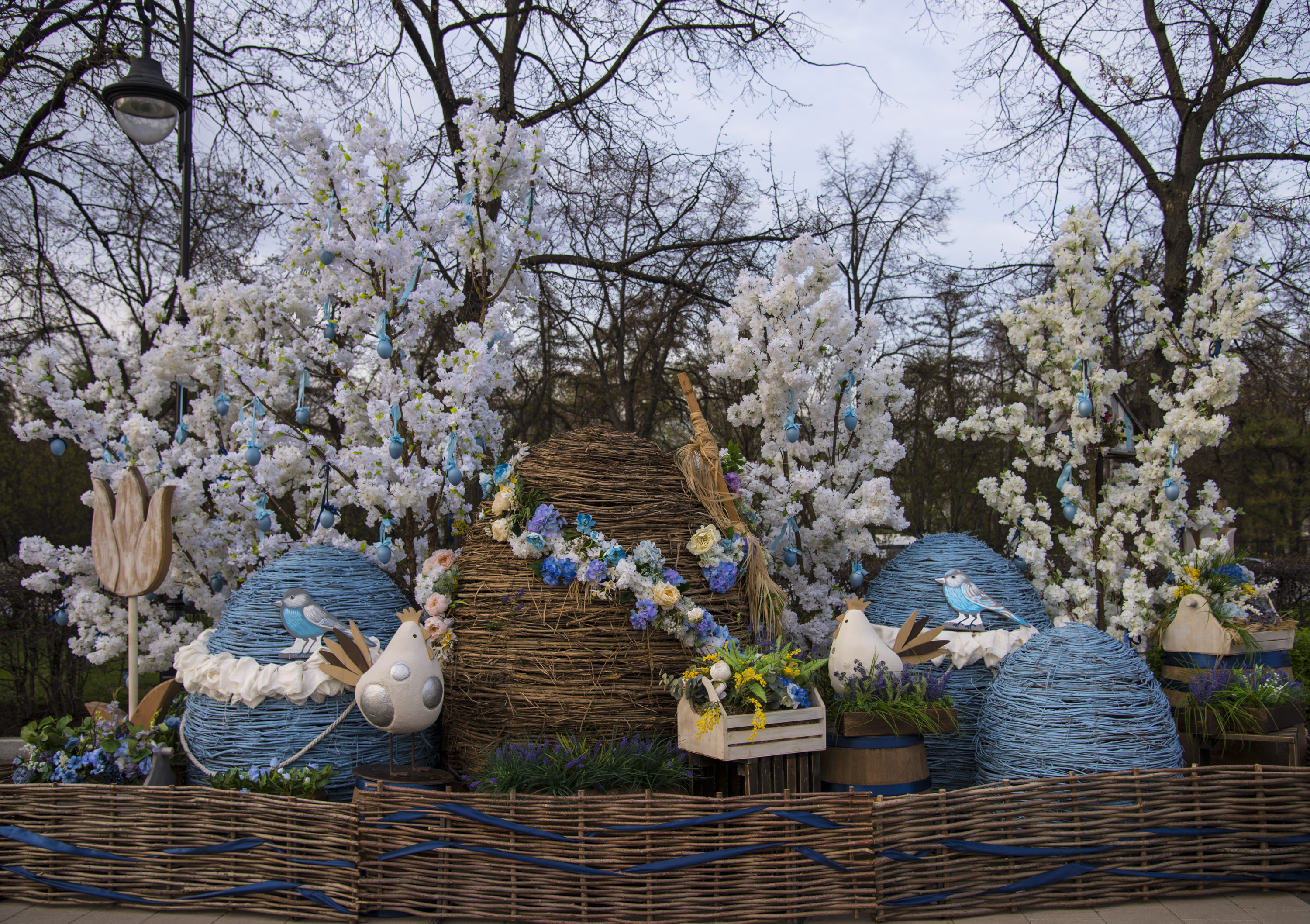
Easter installations in Moscow

Moscow Botanical Garden

Japanese Garden

Muzeon

Cathedral of Christ the Savior

Park Gorkogo

Gorky Park, located at Krymskiy Val and situated just across the Moskva River, was opened in 1928.

Neskuchniy Garden

Nesjuchniy Sad which literary means “not boring garden” is the oldest Moscow park the history of which dates back to 1756.

Moskva river enbankment

Aptekarskiy Garden

VDNKH exhibition center

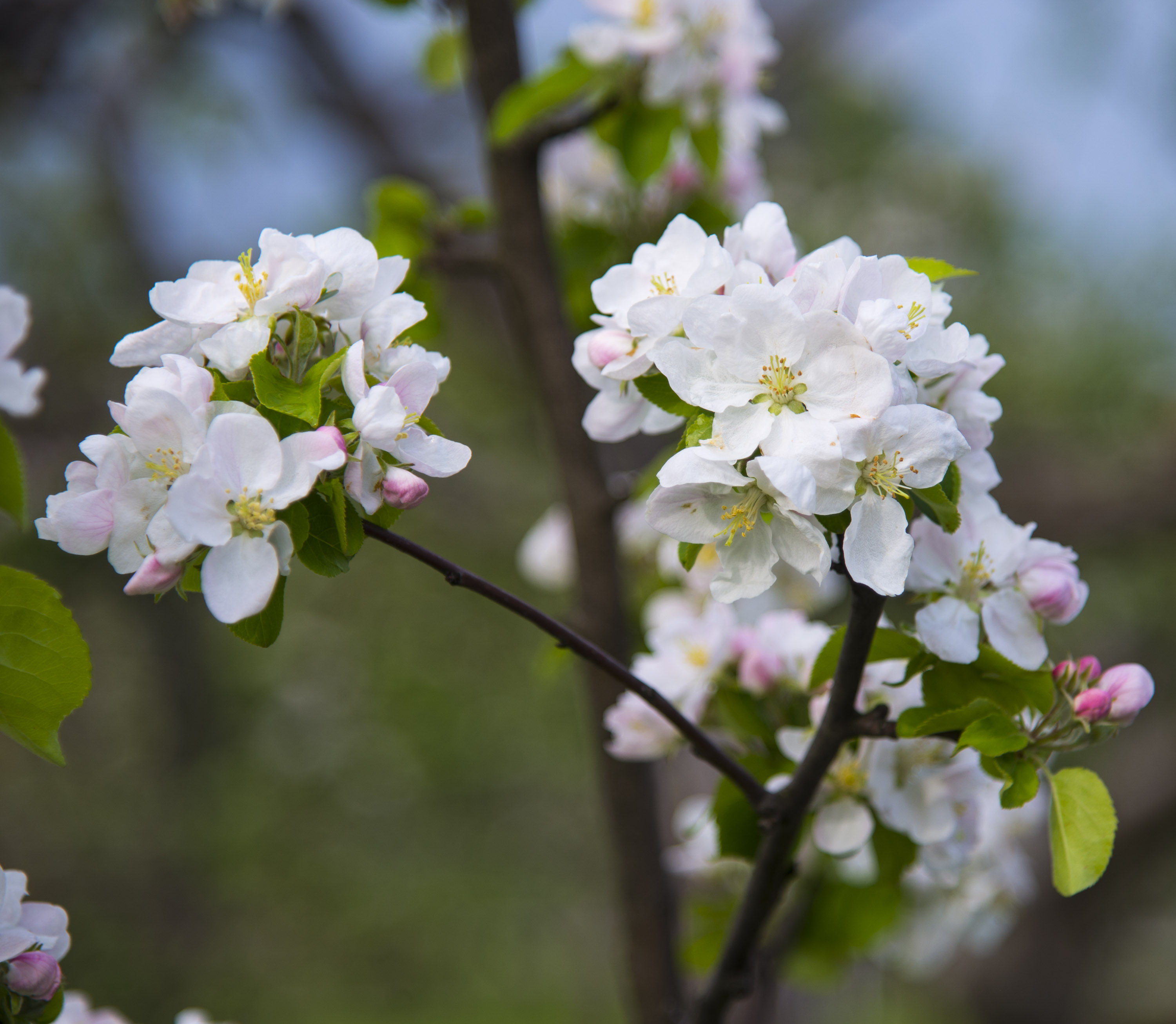
Just me and apple trees blossom

Church of the Holy Trinity in Ostankino

The first wooden Trinity Church was built in 1585 and was destroyed in the Time of Troubles. In 1625-27 Prince Cherkassky built a new wooden church. In 1692 a stone church in the name of the Trinity was build which with some modifications survives to this day.

Tsaritsyno

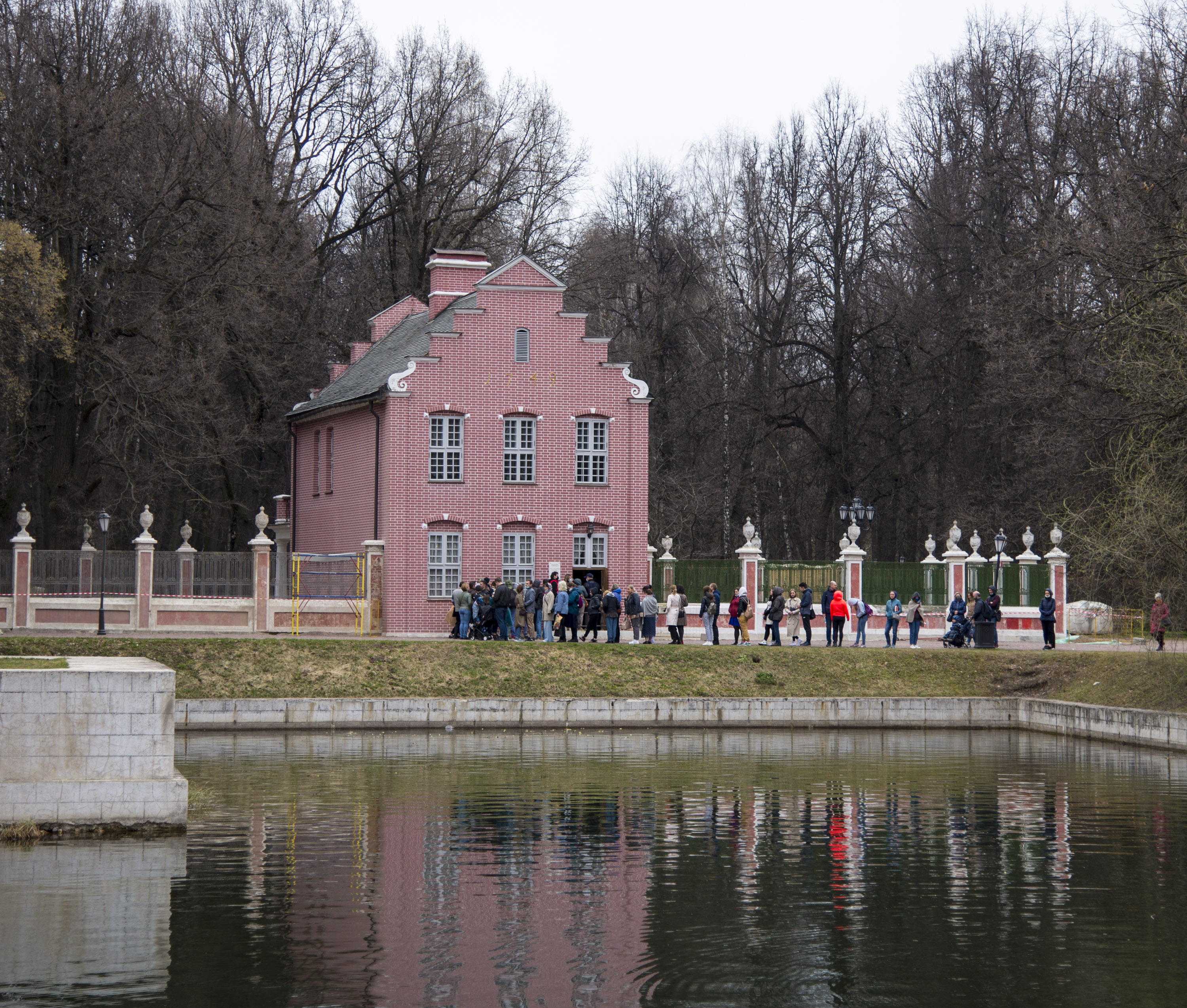
Tsaritsyno is a palace museum and park reserve in the south of Moscow which includes an architectural complex of Greenhouses, historical landscaped park with ponds. It was founded in 1776 by the order of Catherine the Great and built by two great architects Vasiliy Bazhenov and Matvey Kazakov.

The Church of the Icon of the Mother of God (Храм Иконы Божьей Матери) was built in 1722 and is the part of Tsaritsyno Palace and park ensemble.

Kolomenskoe

Kolomenskoye is a historical, architectural and natural landscape Museum Reserve. The church located on the hill with a panoramic view is Church of the Ascension (Церковь Вознесения). This is a true gemstone of ancient Russian architecture listed by UNESCO as a world heritage site. The church was built in 1533.

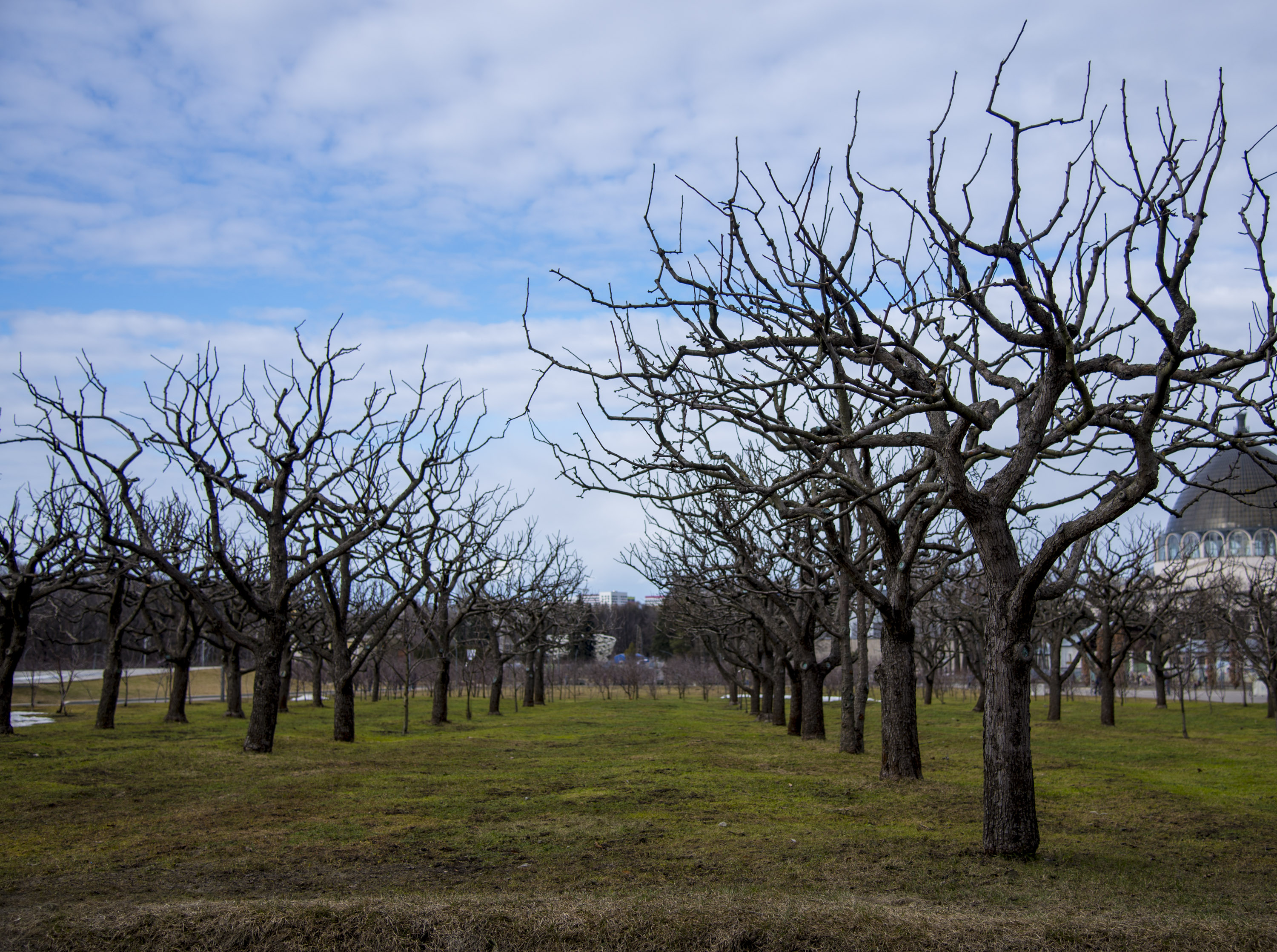
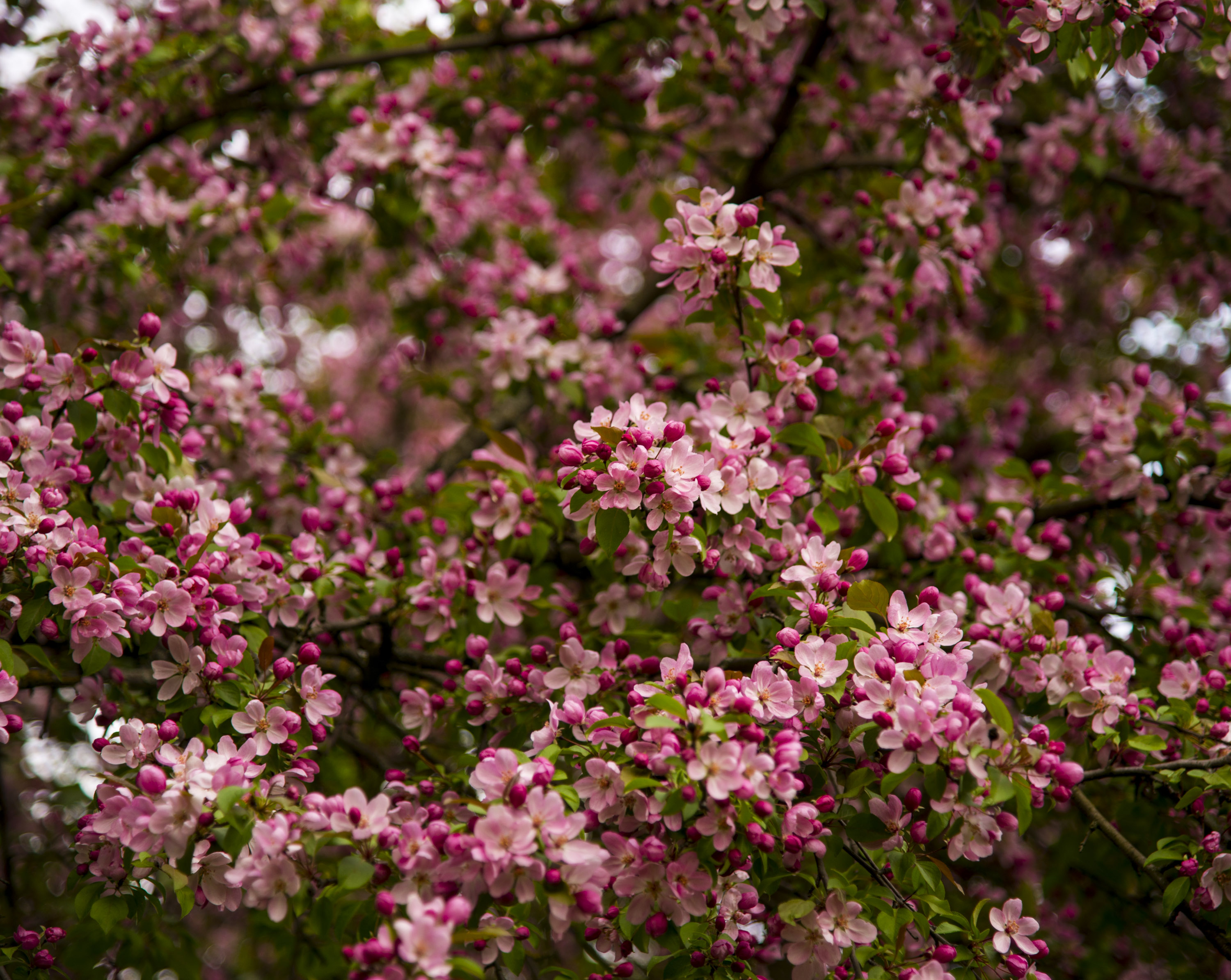
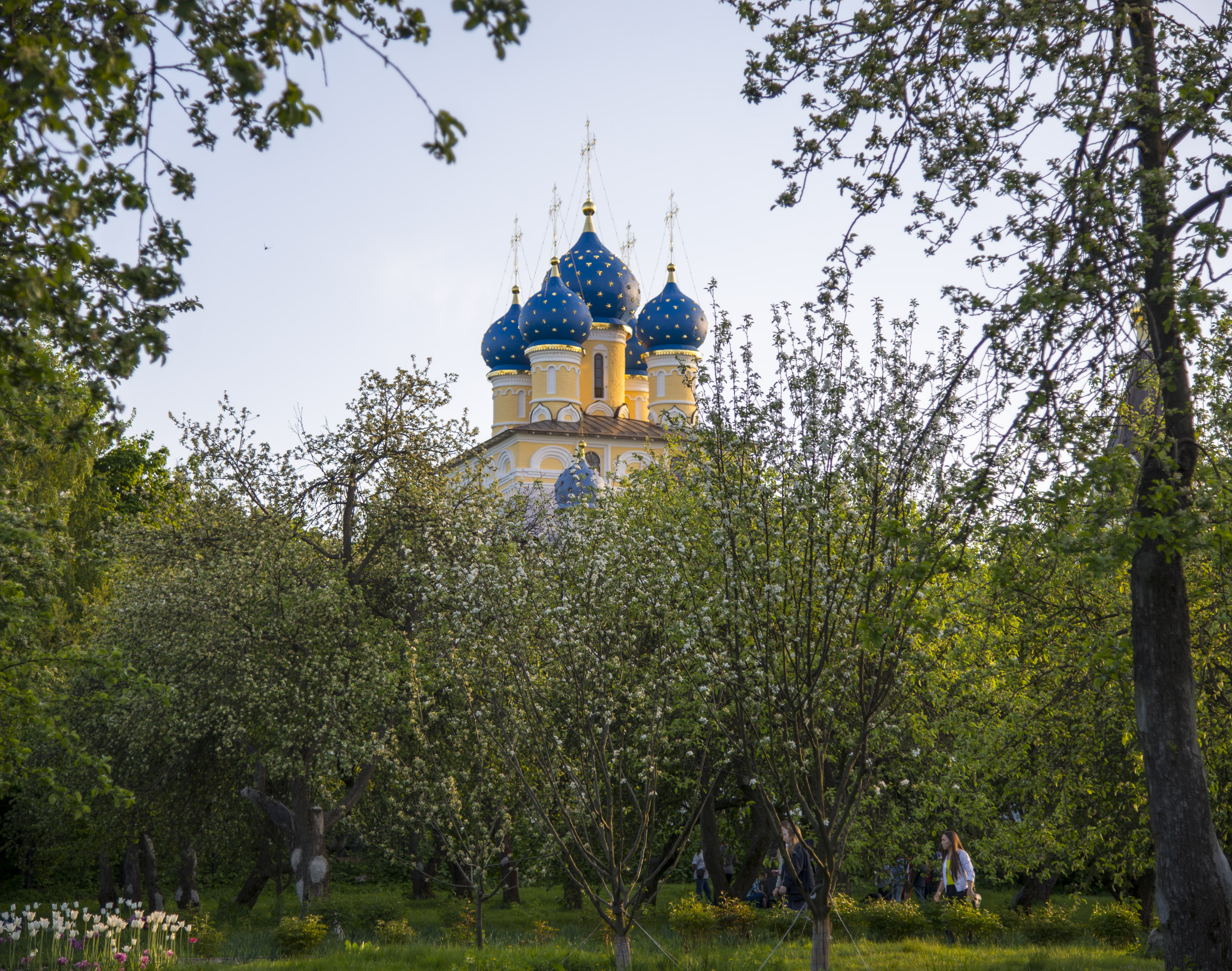
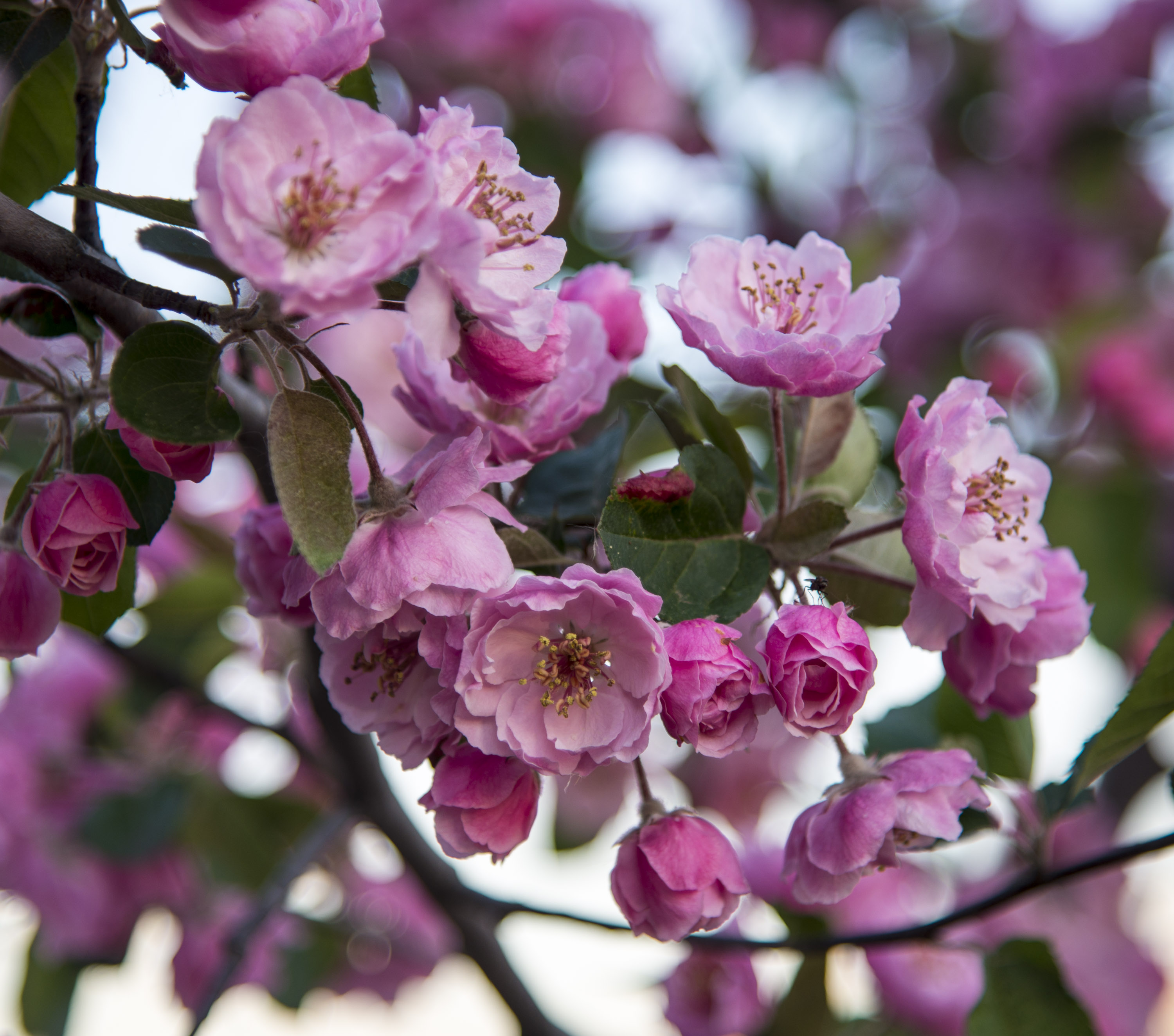
Famous apple tree gardens are absolutely beautiful in spring.

Aptekarskiy Ogorod

Beautiful mommy and babies enjoying their time at Aptekarskiy Ogorod.

VDNKH exhibition center

Mytishchi
Gallery

ABBA Museum in Stockholm

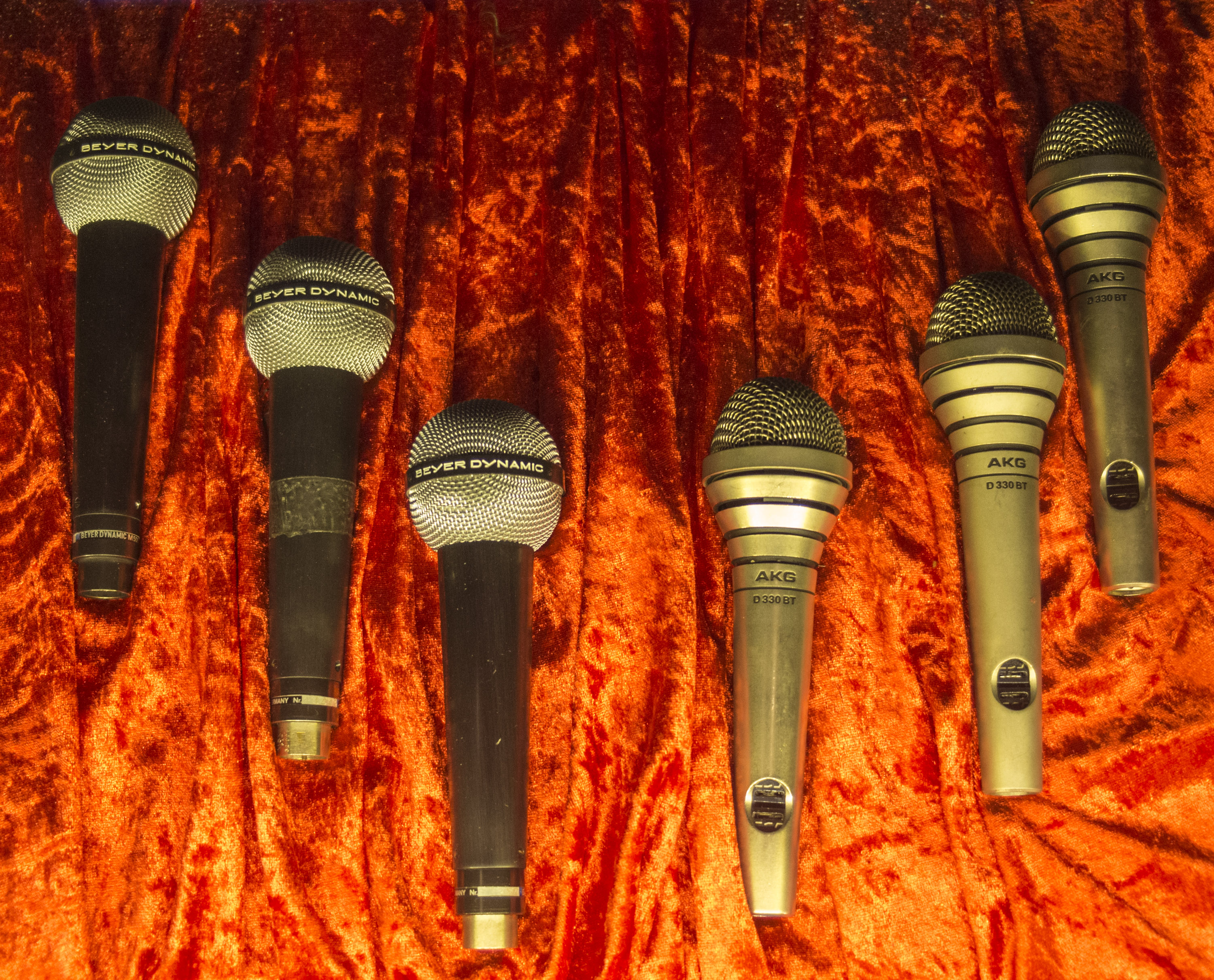
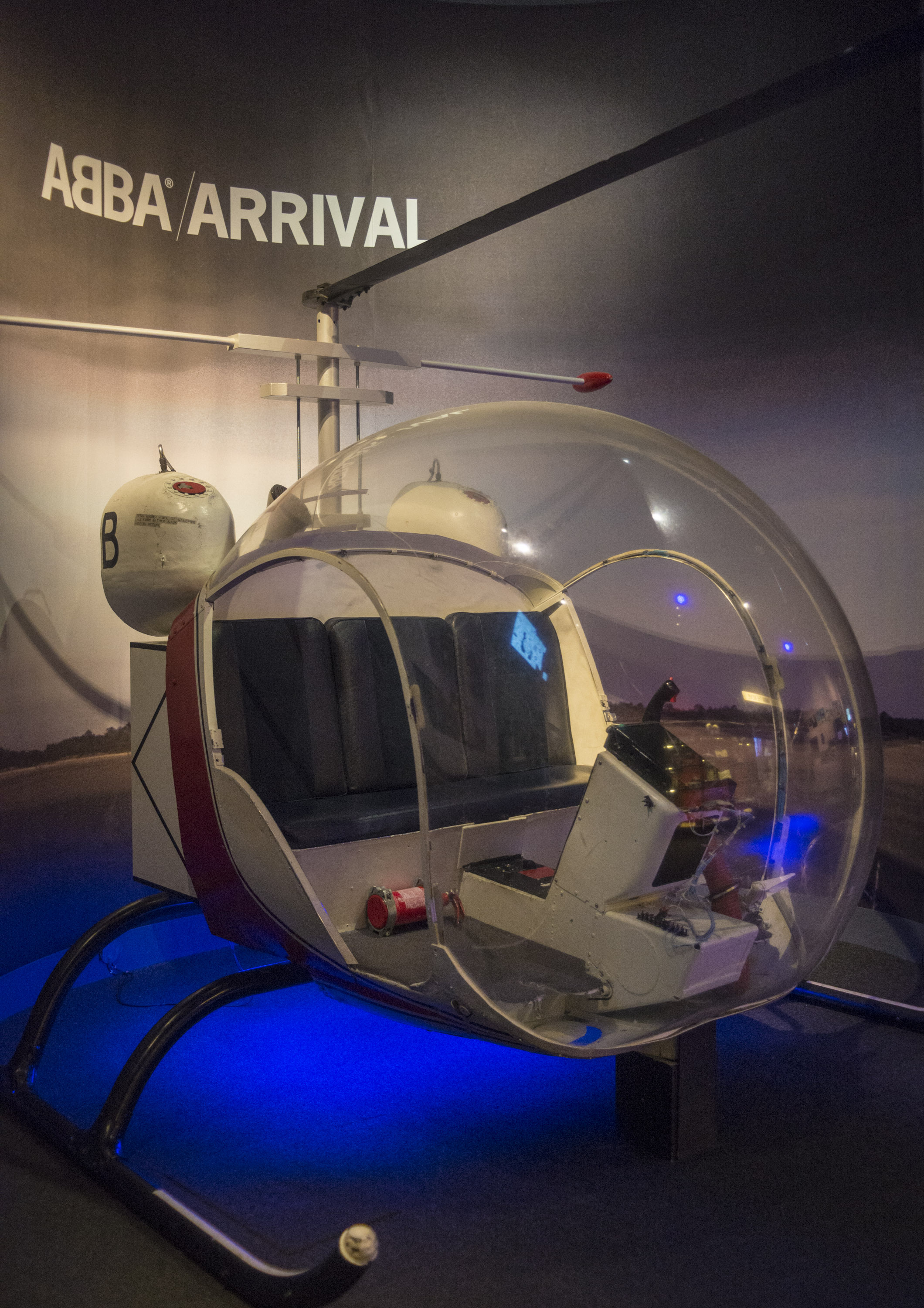
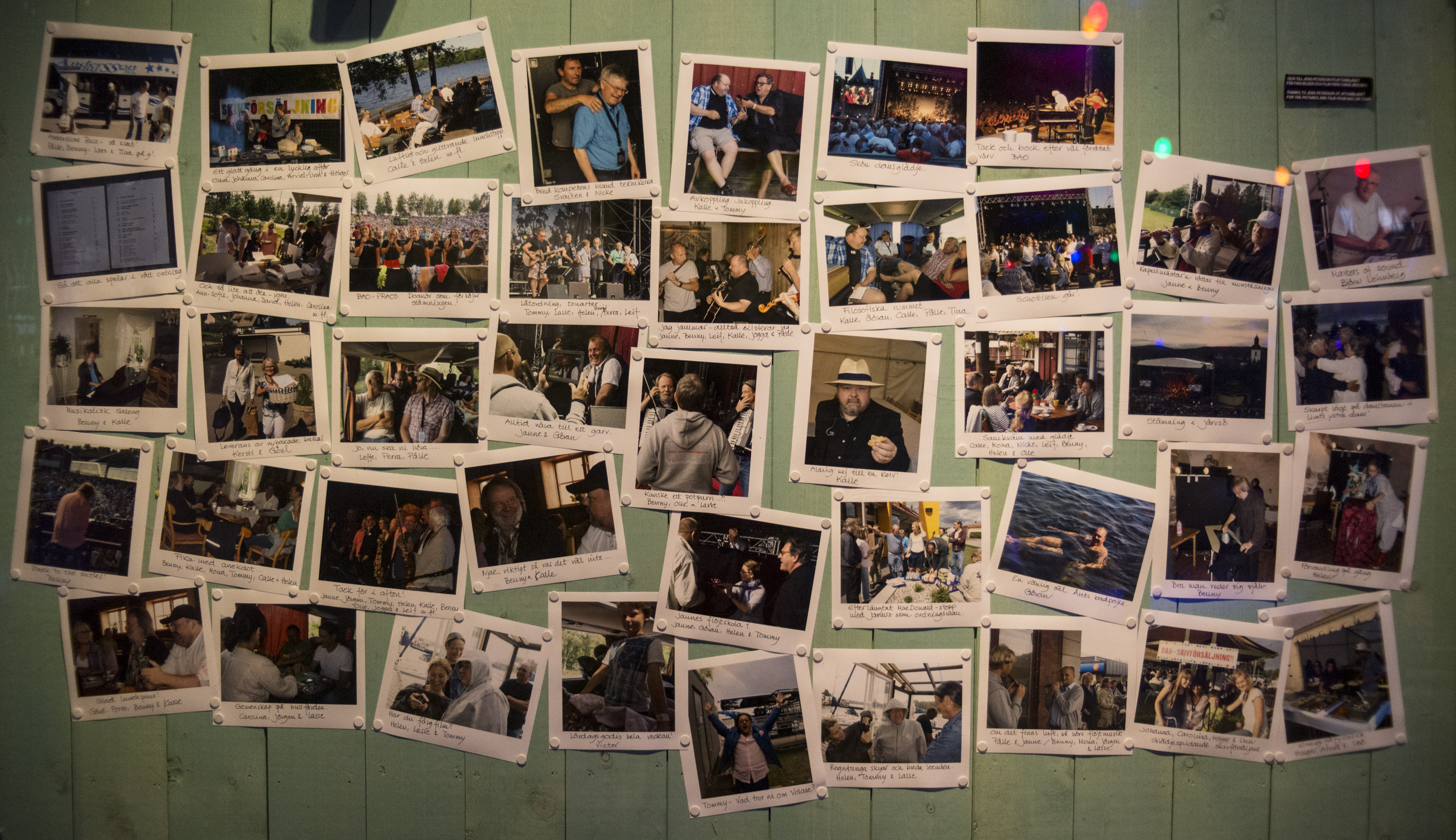
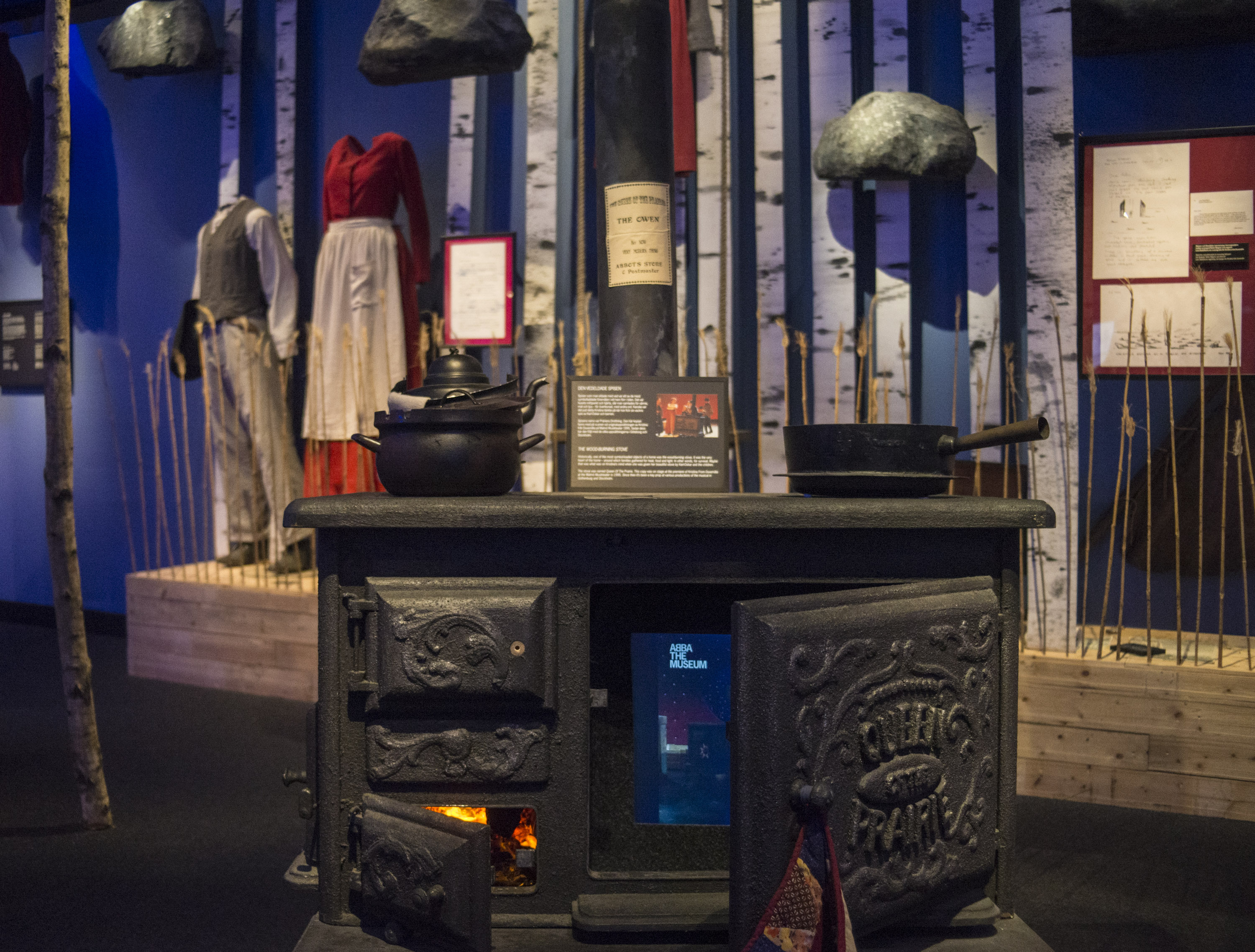
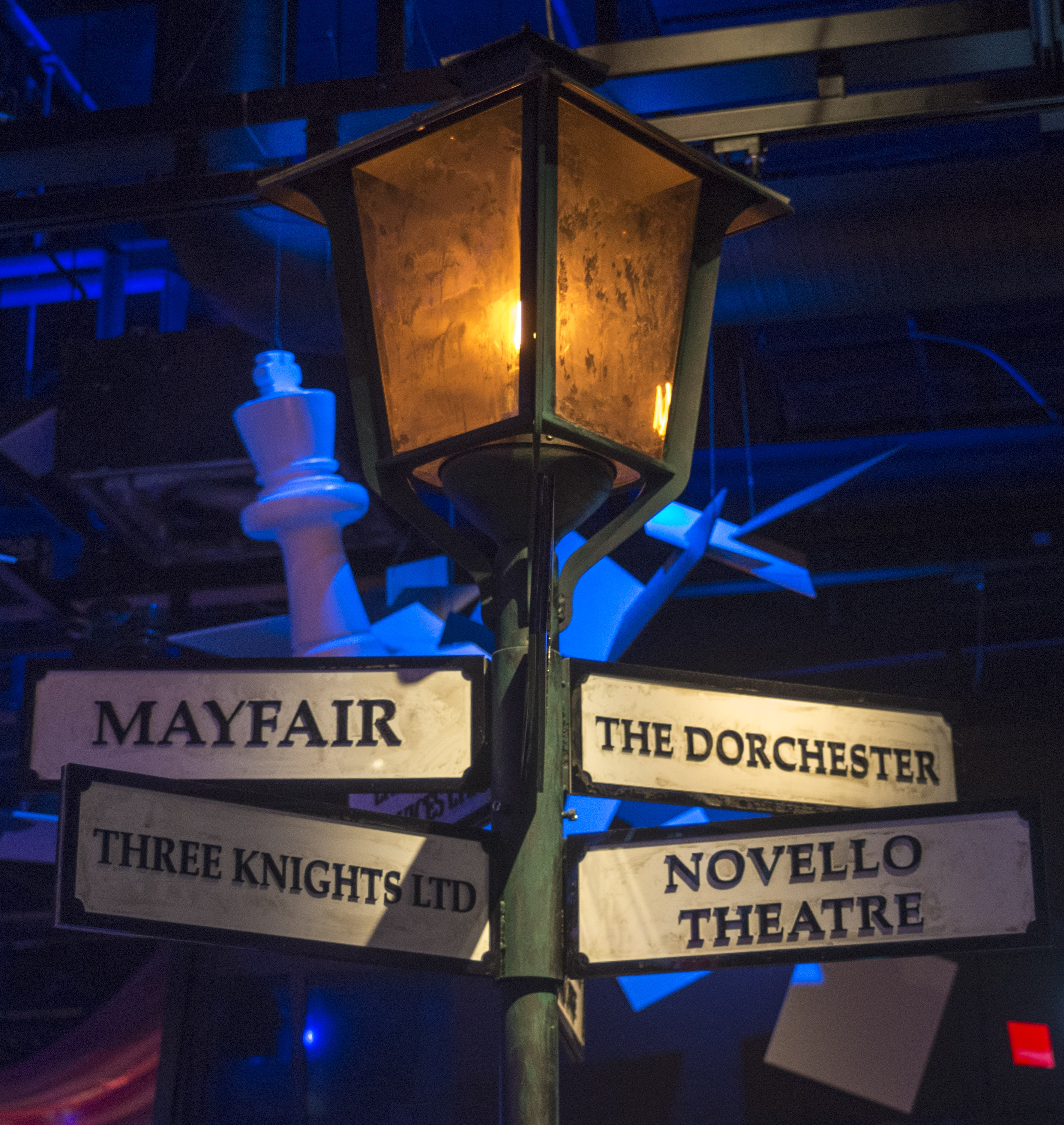
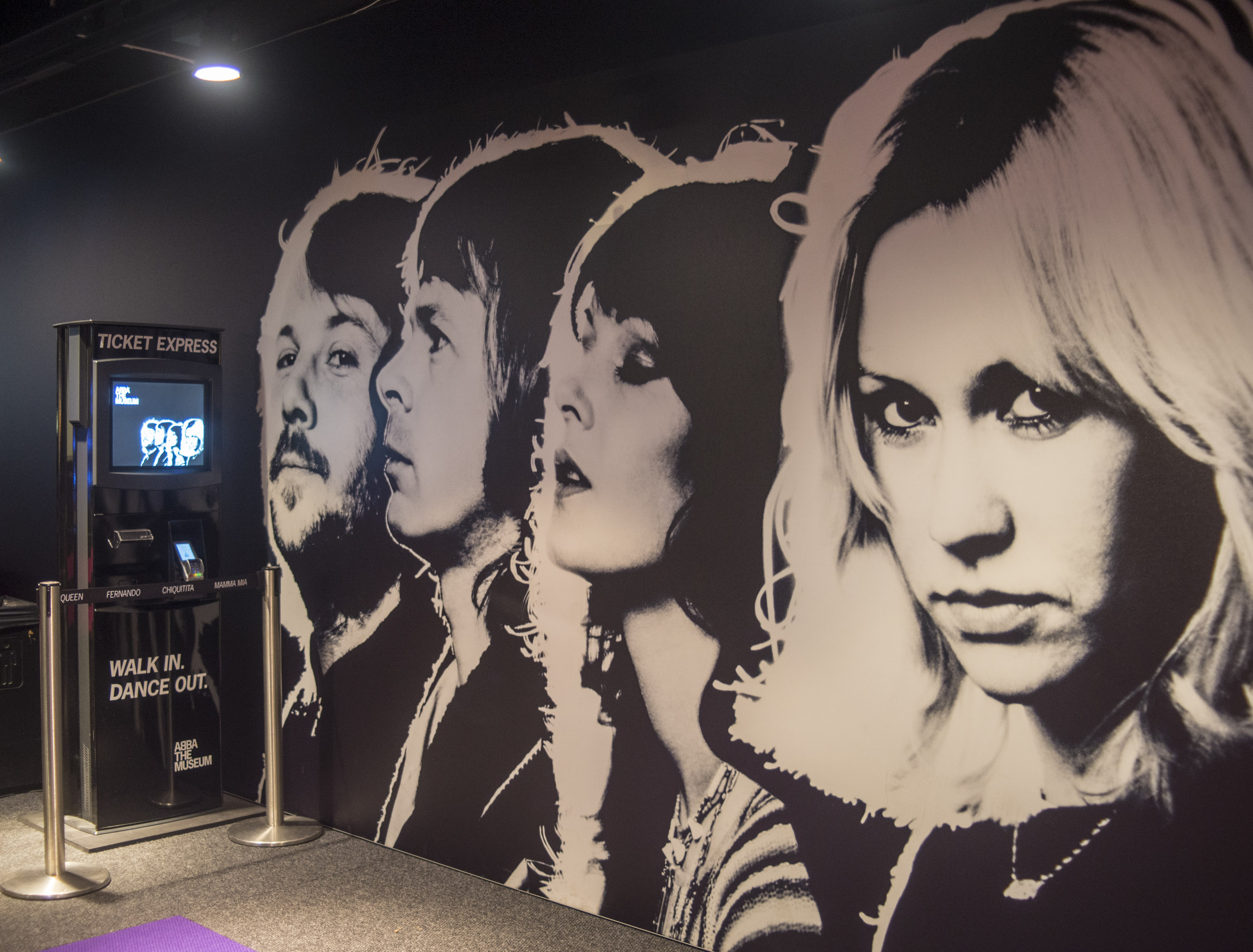
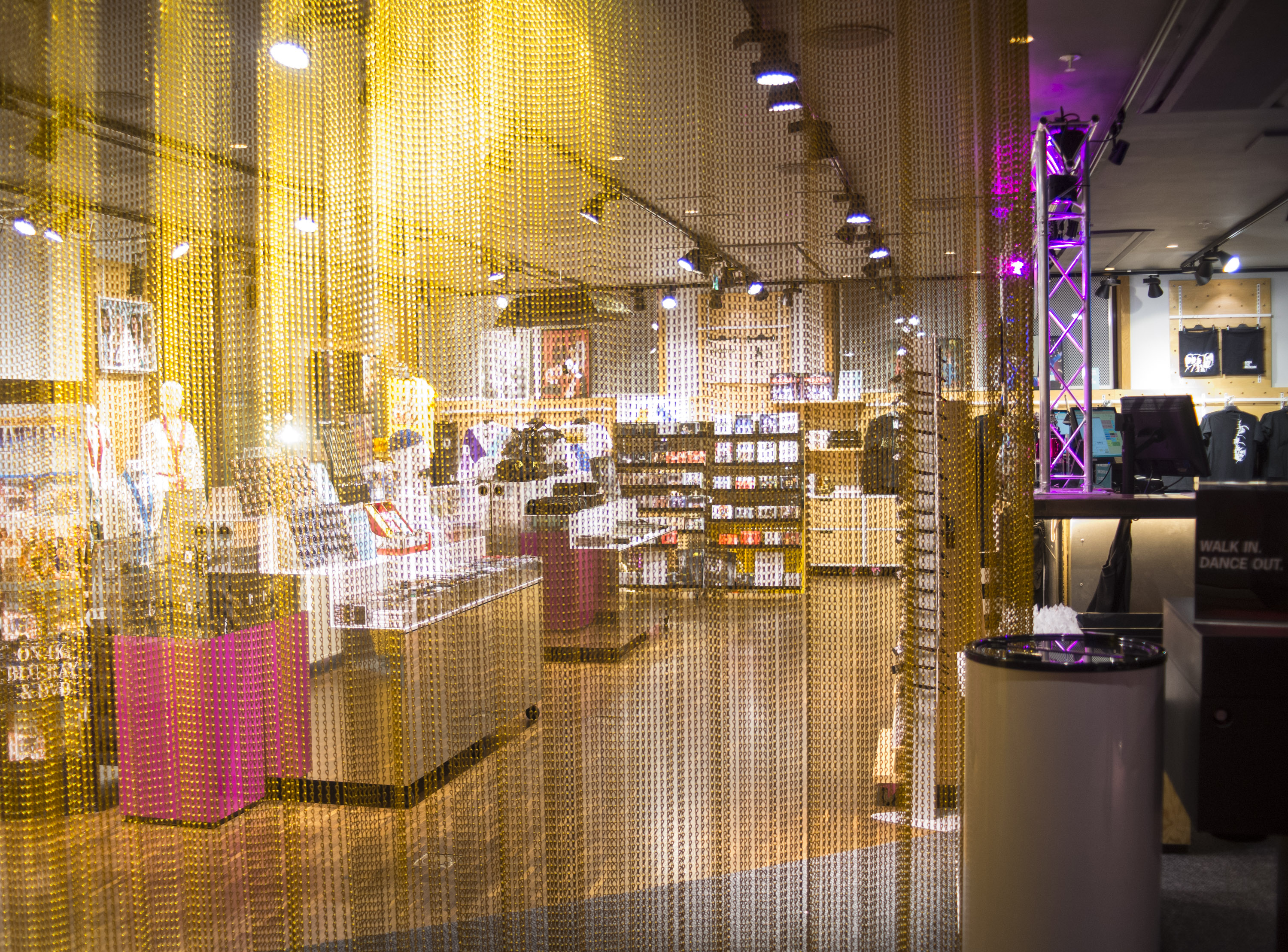
ABBA museum in Stockholm is a highly recommended place for not only ABBA fans, but for everyone who is interested in music history! It’s not only an exhibition of ABBA memorabilia such as instruments, golden records, outfits but a great interactive experience that invites you to dance, sing and mix music. As said at the entrance – Walk in, dance out.

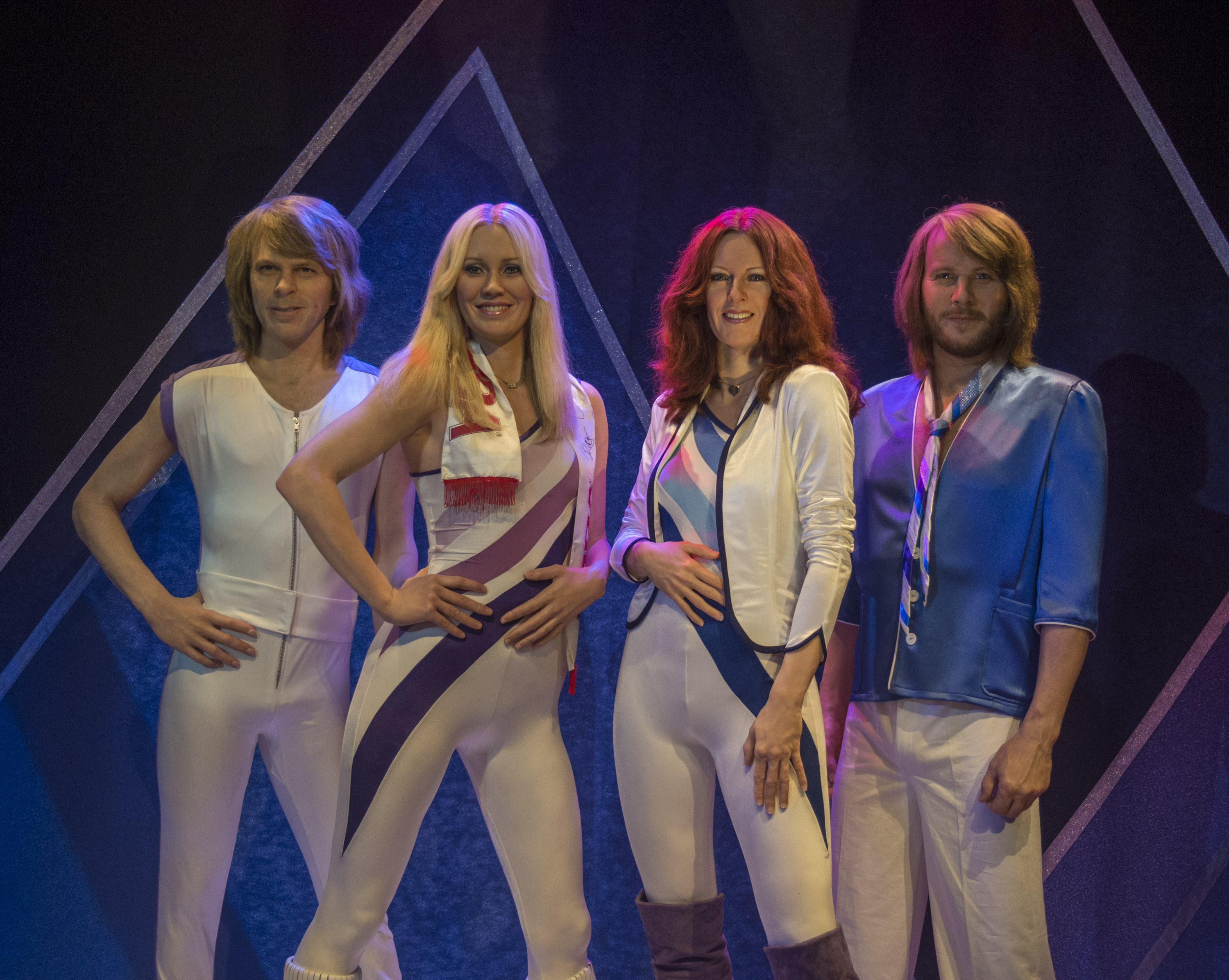
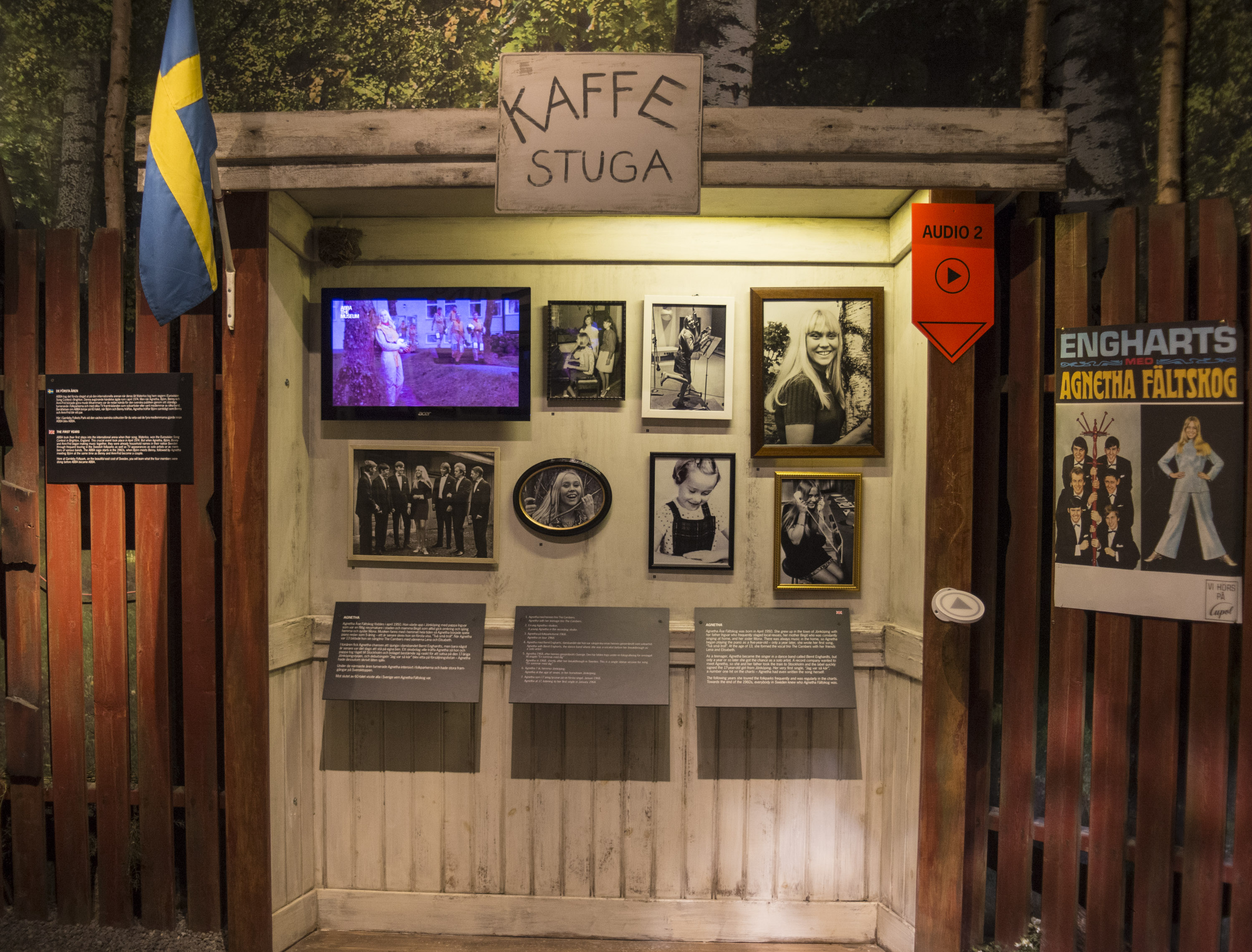
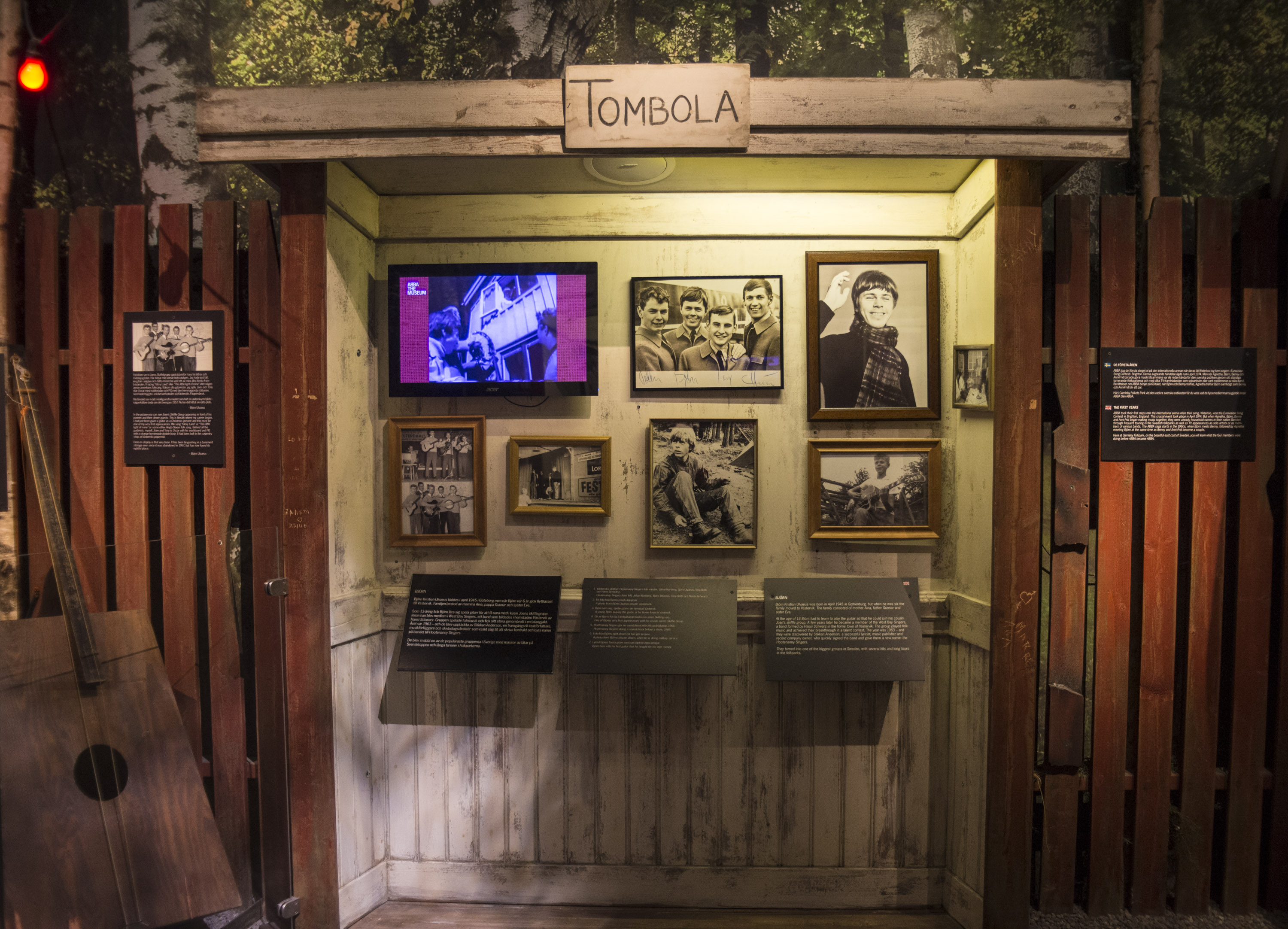
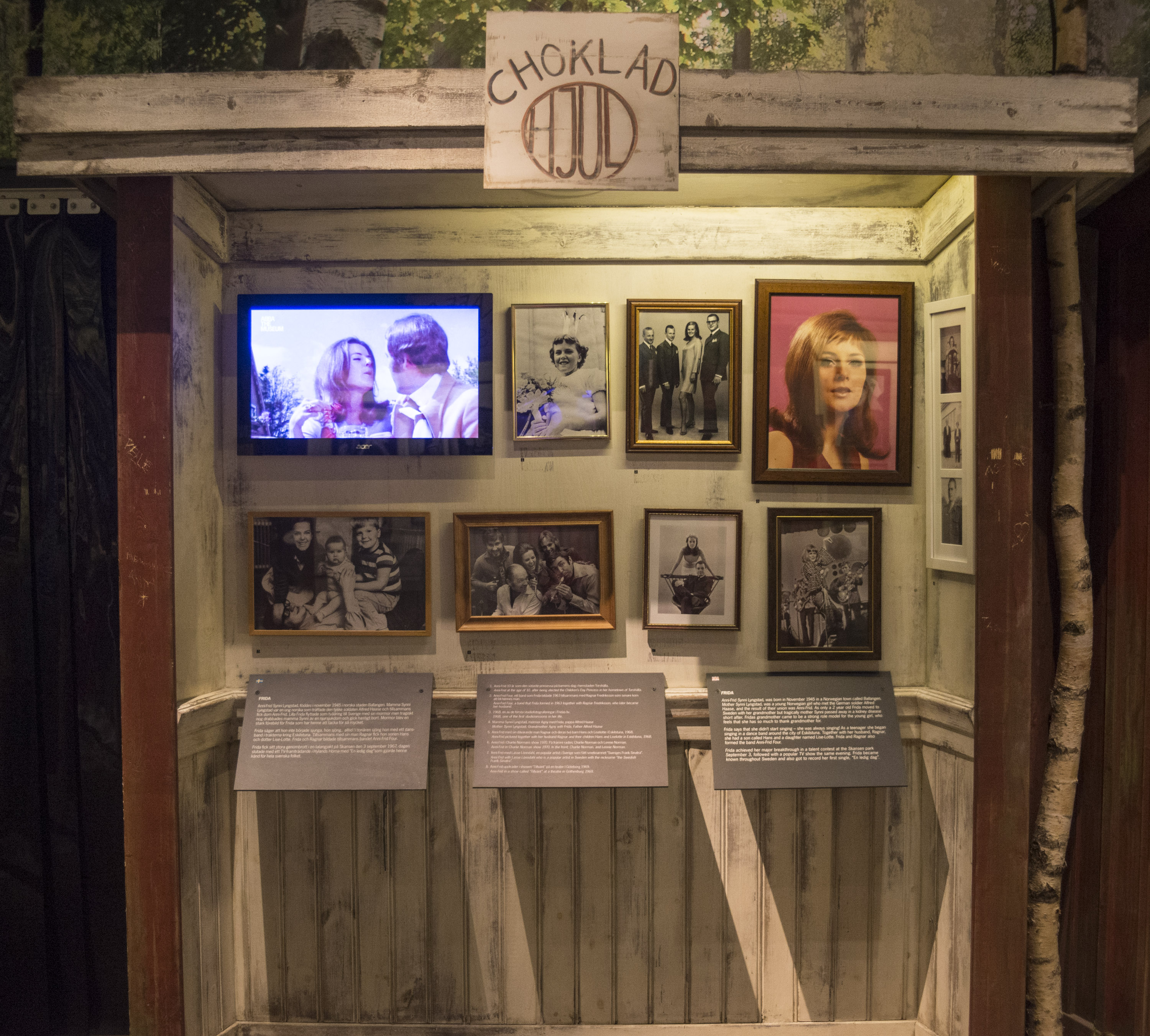
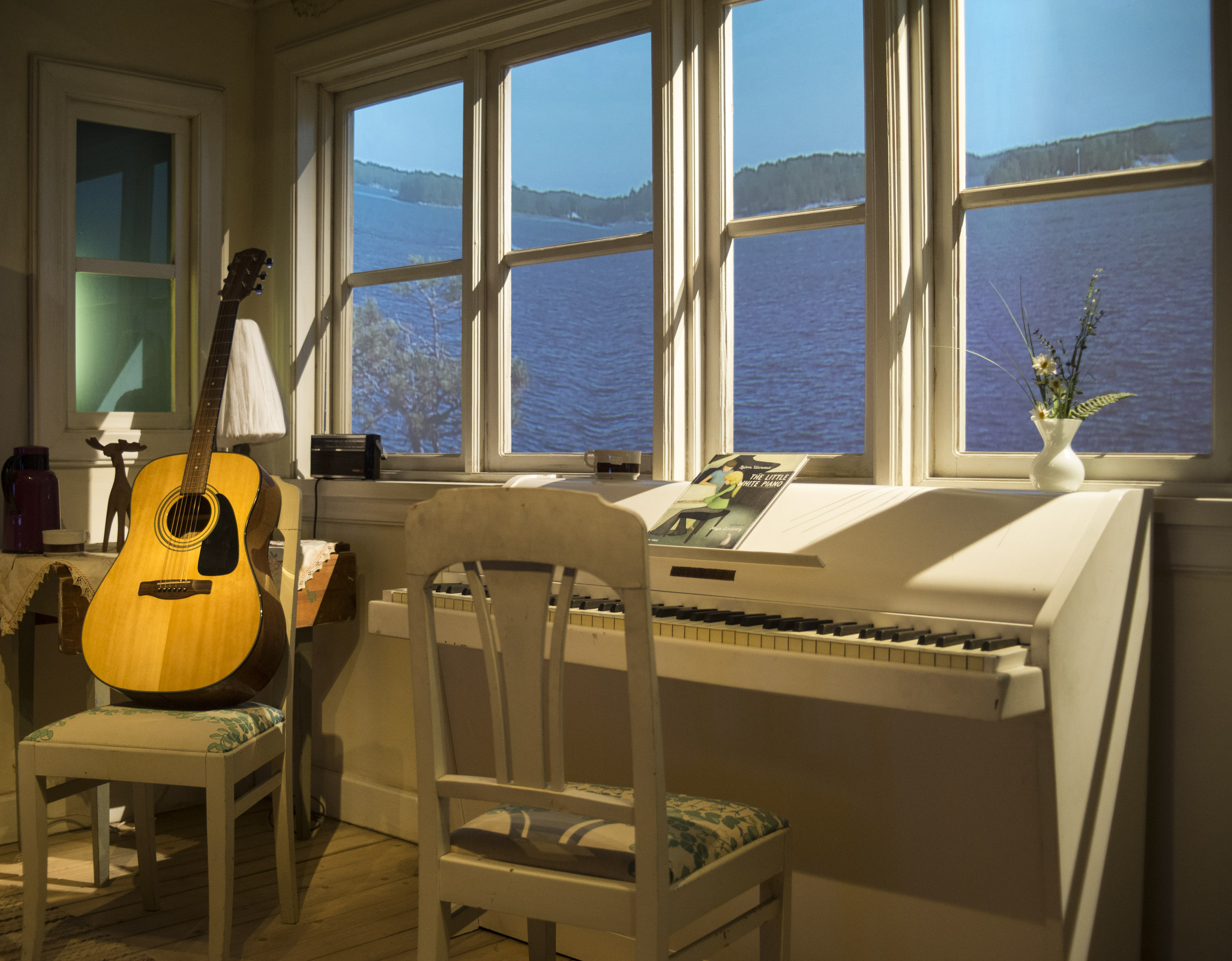
In the early 70s, when Agnetha Faltskog, Bjorn Ulvaeus, Benny Andersson and Anni-Frid Lyngstad became ABBA, all four were already well-known in their home-country of Sweden. This part of museum shows and tells the stories of their early years.

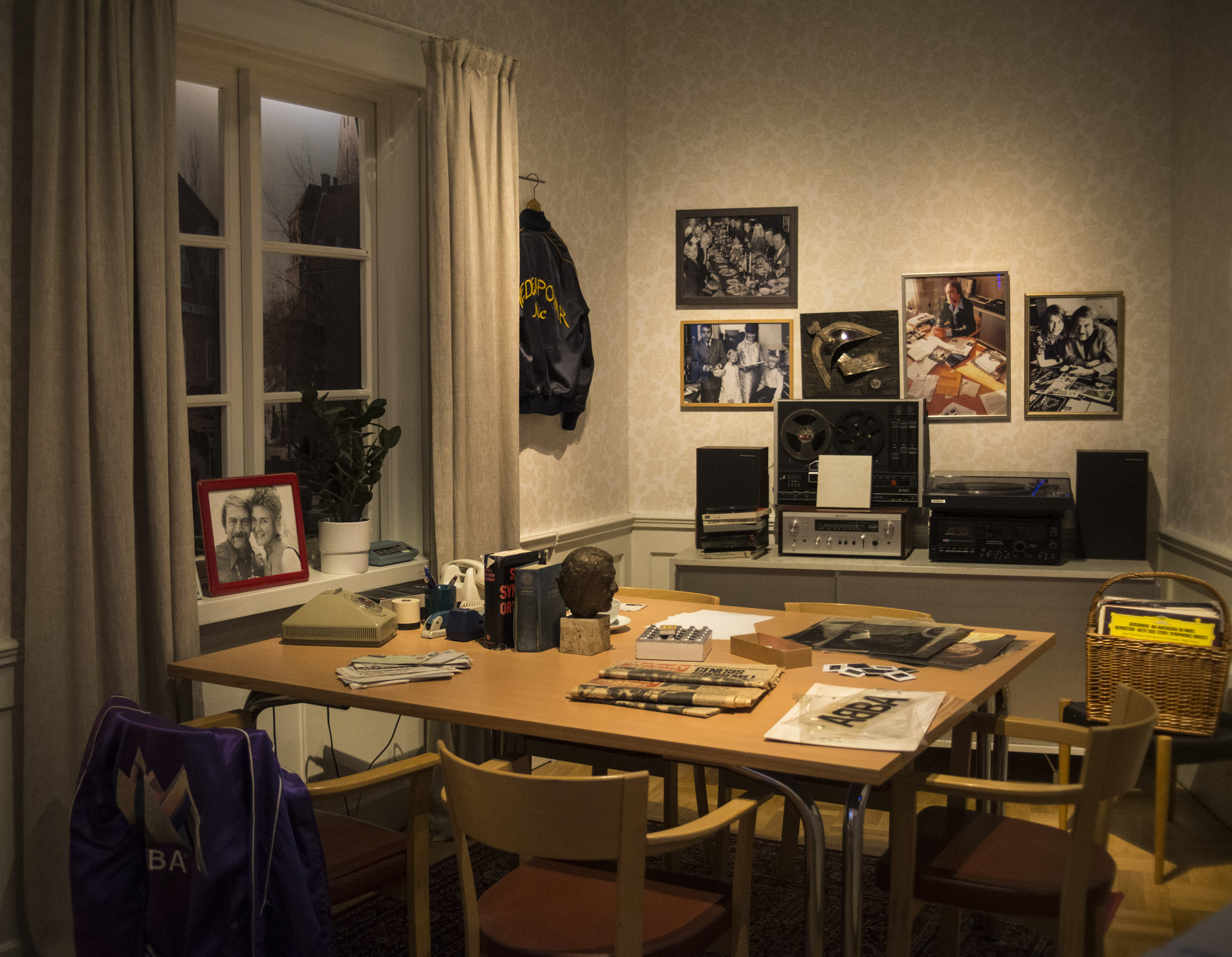
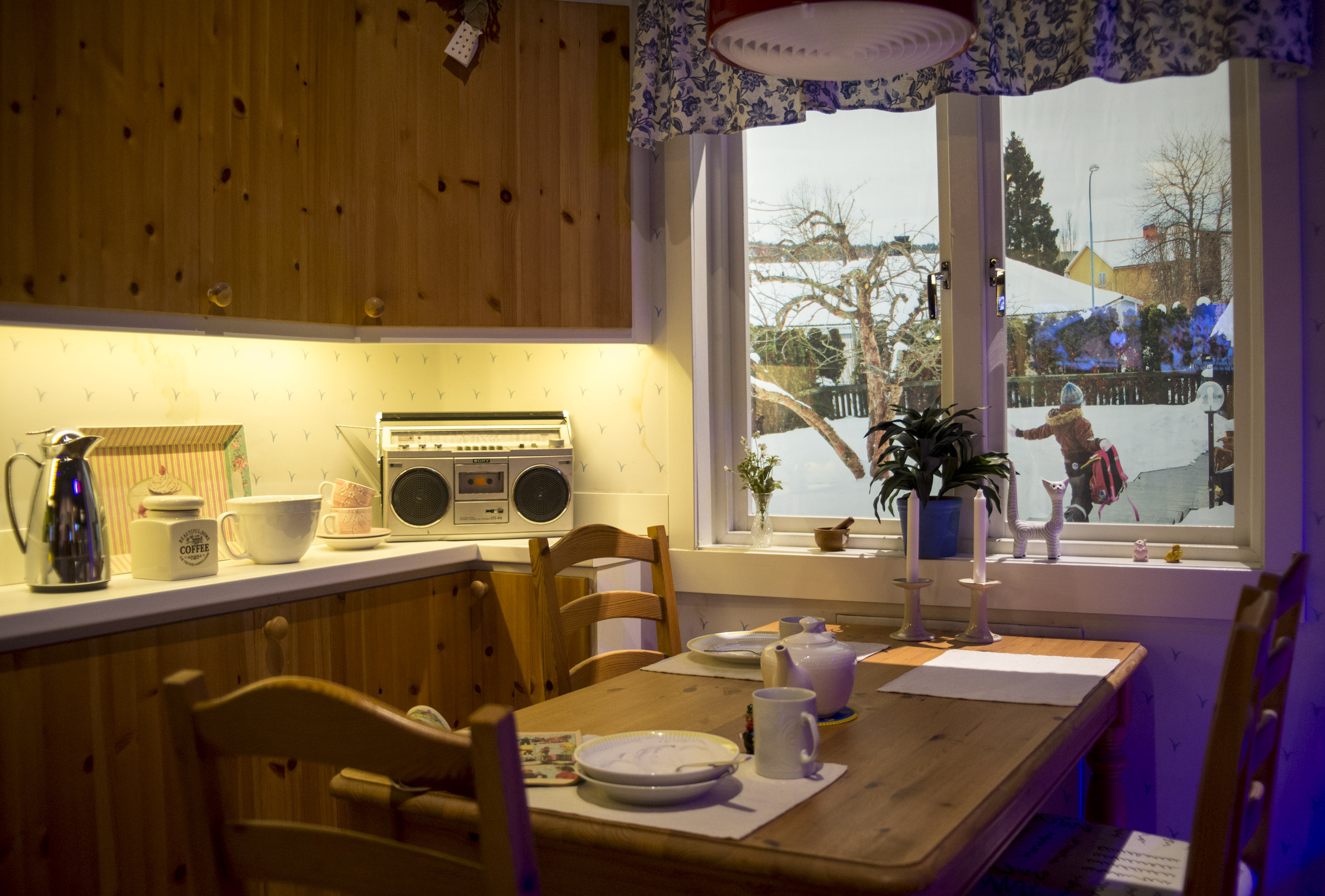
The Polar Studio and Viggso Writing Hut were ABBA’s most important working environment, they felt there the most at home.

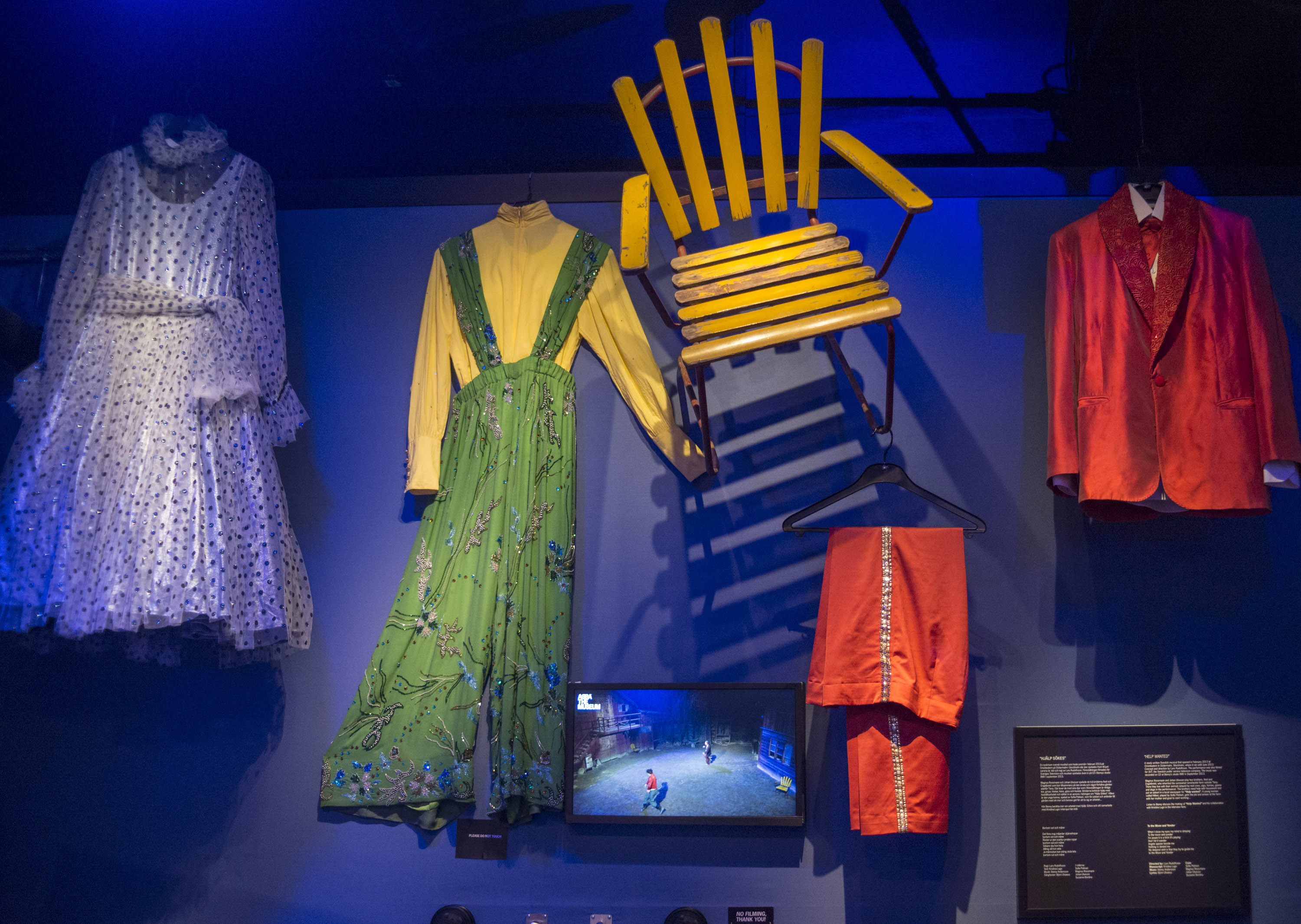
Nobody who has ever seen ABBA’s spectacular stage costumes will ever forget them. There is a wide range of costumes from different tours and promotion visits on display of the museum.

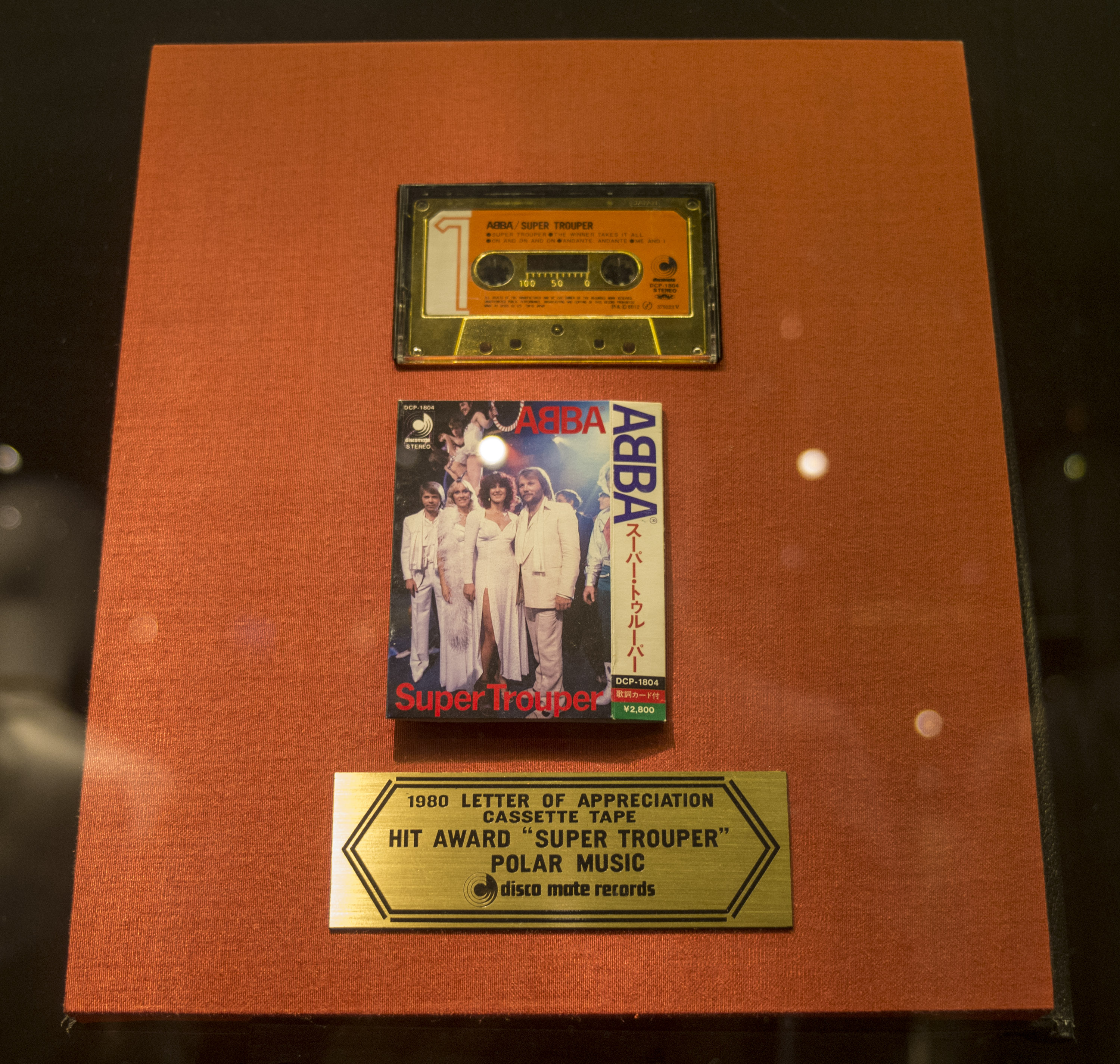
Being an internationally famous pop group means plenty of journeys across the globe. ABBA received a legendary reception in Europe, Australia, the United States and Japan. The list of ABBA awards is huge and some of the them are presented at the museum.

The time has come to enter the 80s, and at the same time the ABBA era was drawing to its close. The group’s 8th and the final studio album, The Visitors was released in November 1981.

The ABBA went their separate ways at the end of 1982, Bjorn and Benny took on task of composing a musical. The musical “Help wanted” premiered at the Orion Theatre in Stockholm in 2013, and contains music produced by Bjorn Ulvaeus and Benny Andersson.

Gallery

The Art of the Brick

The Art of the Brick is a global touring exhibition rated by CNN as one of the world’s “Must See Exhibition”. This exhibition is created by an award-winning artist Nathan Sawaya and it is the largest exhibition of LEGO. Nathan Sawaya’s Lego sculptures are on display in Moscow for the first time ever.

Each section of exhibition has countless colorful LEGO pieces which Nathan Sawaya transformed into inspiring creations. Honestly, I did not know much about the exhibition before I bought tickets. I love LEGO since my childhood so I decided to attend the exhibition anyway. But I did not expect anything I saw there. All sculptures have its own deep meaning. A common toy was transformed into something meaningful which got a status of contemporary art. Nathan’s quotes explaining every piece of art are amazing too!

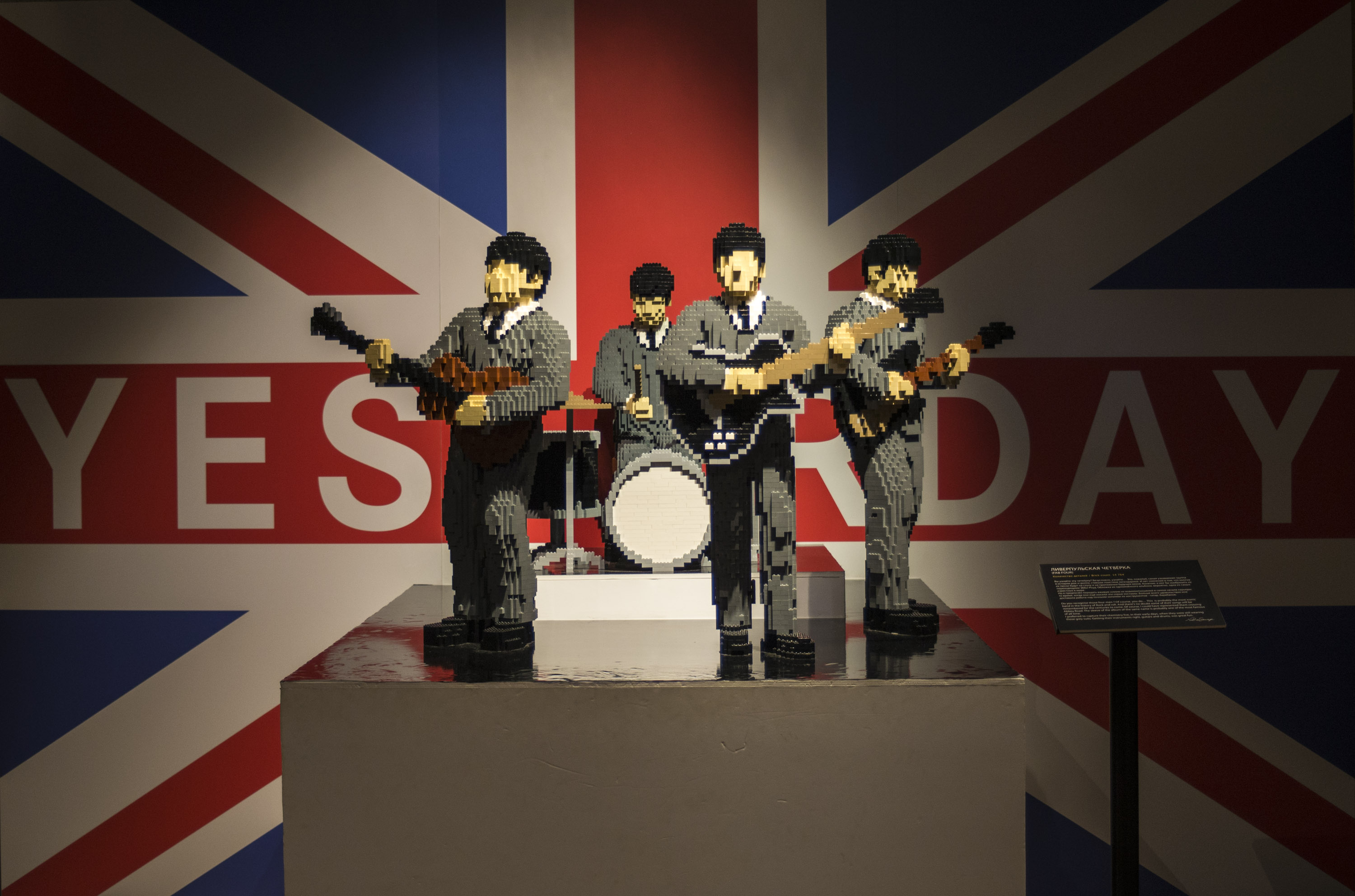
Before entering the exhibition, the first sculpture you see is the Beatles in front of British flag. 

The Art of the Brick, LEGO_0001

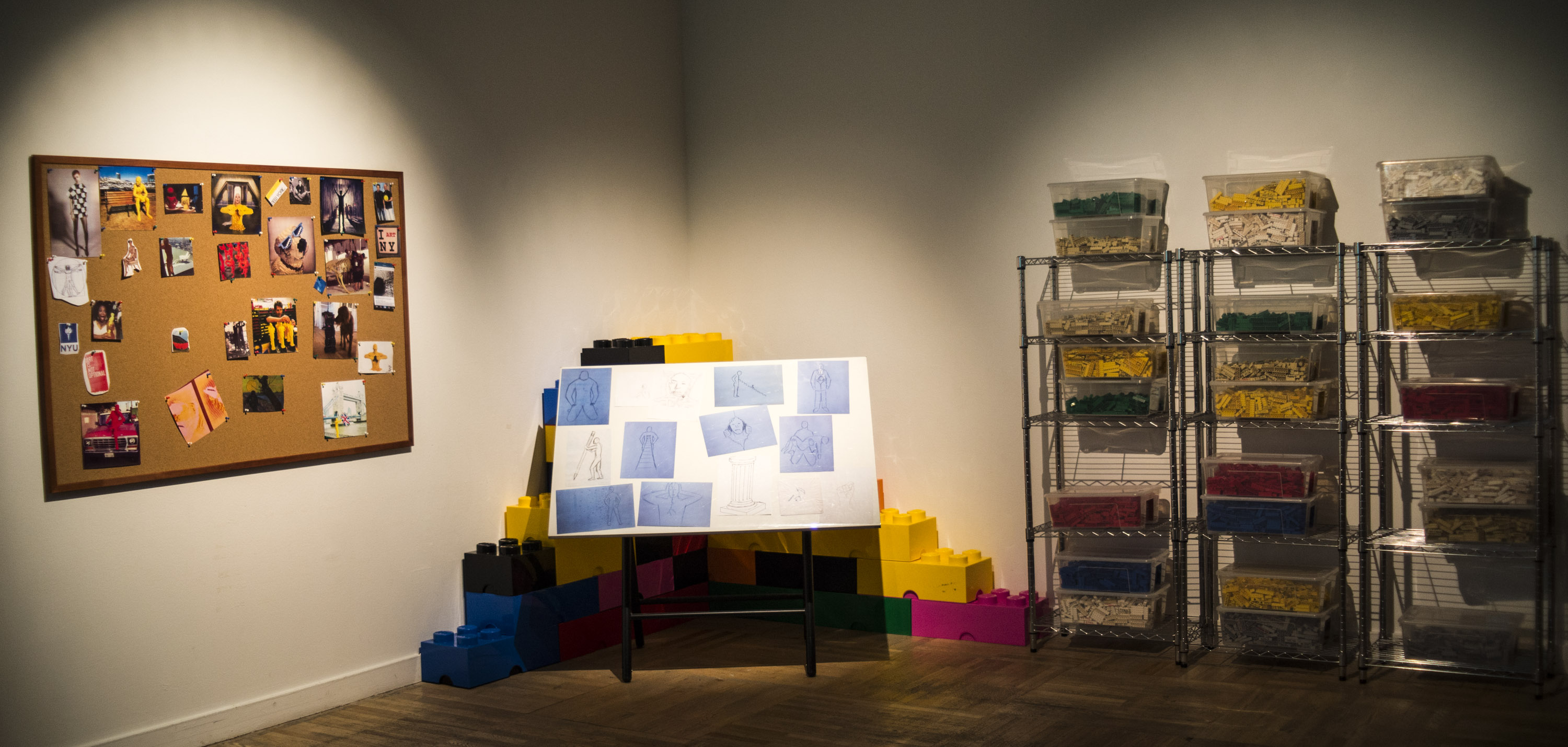
The exhibition began with a cozy room which recreated Nathan’s work studio.

The Art of the Brick, LEGO_0002

In my opinion, the next section was created to inspire and encourage people to build their own pieces of art, not to be afraid to face some difficulties and fight for their own choices.  “Art nurtures the brain whether made from clay, paint, wood or a modern-day toy”.

Stepladder “Sometimes when you’re looking for a step up, you don’t have to look any further than yourself. We’re all capable of more than we think” © N. Sawaya

Writer “Let your ideas flow. When you let your creativity loose, be it in writing, art, music or whatever, your ideas take on a life of their own. So take those big ideas and set them free” © N. Sawaya

The next sculpture is one of my favorite ones, mainly because of its meaning. Sometimes it’s really difficult to make a right decision based on a million thoughts (those different colors and miniature people filling our brains with ideas). Which thought should be the one to unlock our mind?

The next section of the exhibition is dedicated to Sawaya’s probably best-known and most famous sculpture Mr. Yellow, which looks a bit creepy but I could not stop staring at it. The main idea of this piece is “how catharsis opening oneself up to the world can be for our souls” © N. Sawaya. I totally agree with this point. But actually, everyone can come up with different meaning of each sculpture which makes the whole exhibition even more exciting.

What follows is a section of brick replicas of the most famous ancient sculptures. It includes statues of David, Venus de Milo, Augustus of Prime Porta, Discobolus  and decorative version of Parthenon which was considered some of the high points of Greek art. It was absolutely mind-blowing experience. Can’t even imagine how much time and patience it took Nathan to create those amazing statues!

Nathan Sawaya also creates absolutely amazing portraits with LEGO bricks. The portraits of Bob Dylan, Janis Joplin, Jimi Hendrix and Andy Warhol show some seriously impressive accuracy and shading. And look at the Mickey!!!
Now we are moving to the sections entitled The Human Condition and Human Expressions which contain original artwork featuring many sculptures involving the human form. Those sections are mainly dedicated to human differences, feelings and peace.

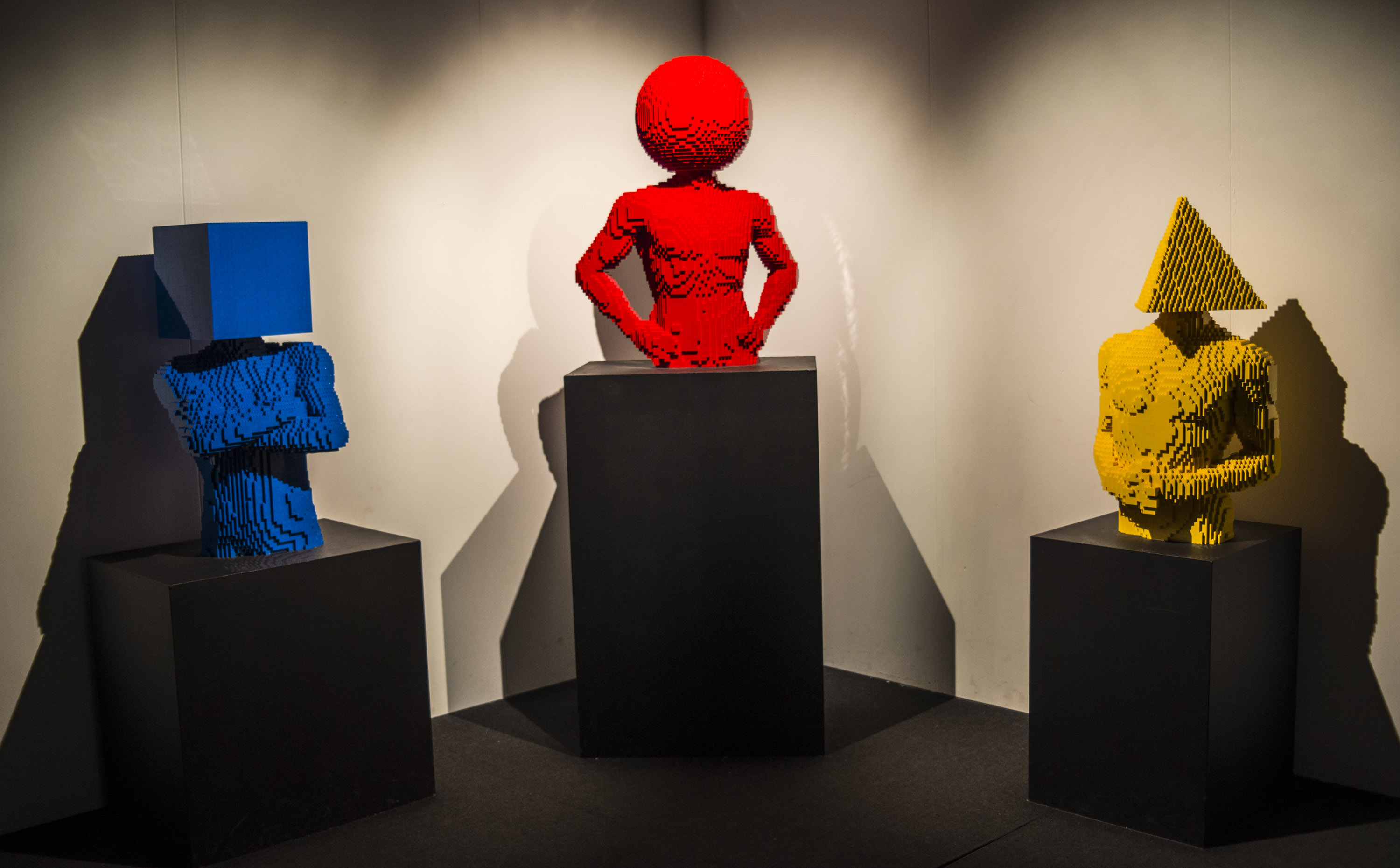
“Celebrate difference. If everybody looked and was the same it wouldn’t be a very interesting world, would it? So which shape are you? The circle, square and triangle are the fundamental building blocks of all things. And the colors red, blue and yellow are the primary colors of our world” © N. Sawaya

The Art of the Brick, LEGO_0024

Look also at those peace symbols! They were created of thousand colorful bricks. The peace means all different colors in the world working together. What a great idea!

The Art of the Brick, LEGO_0025

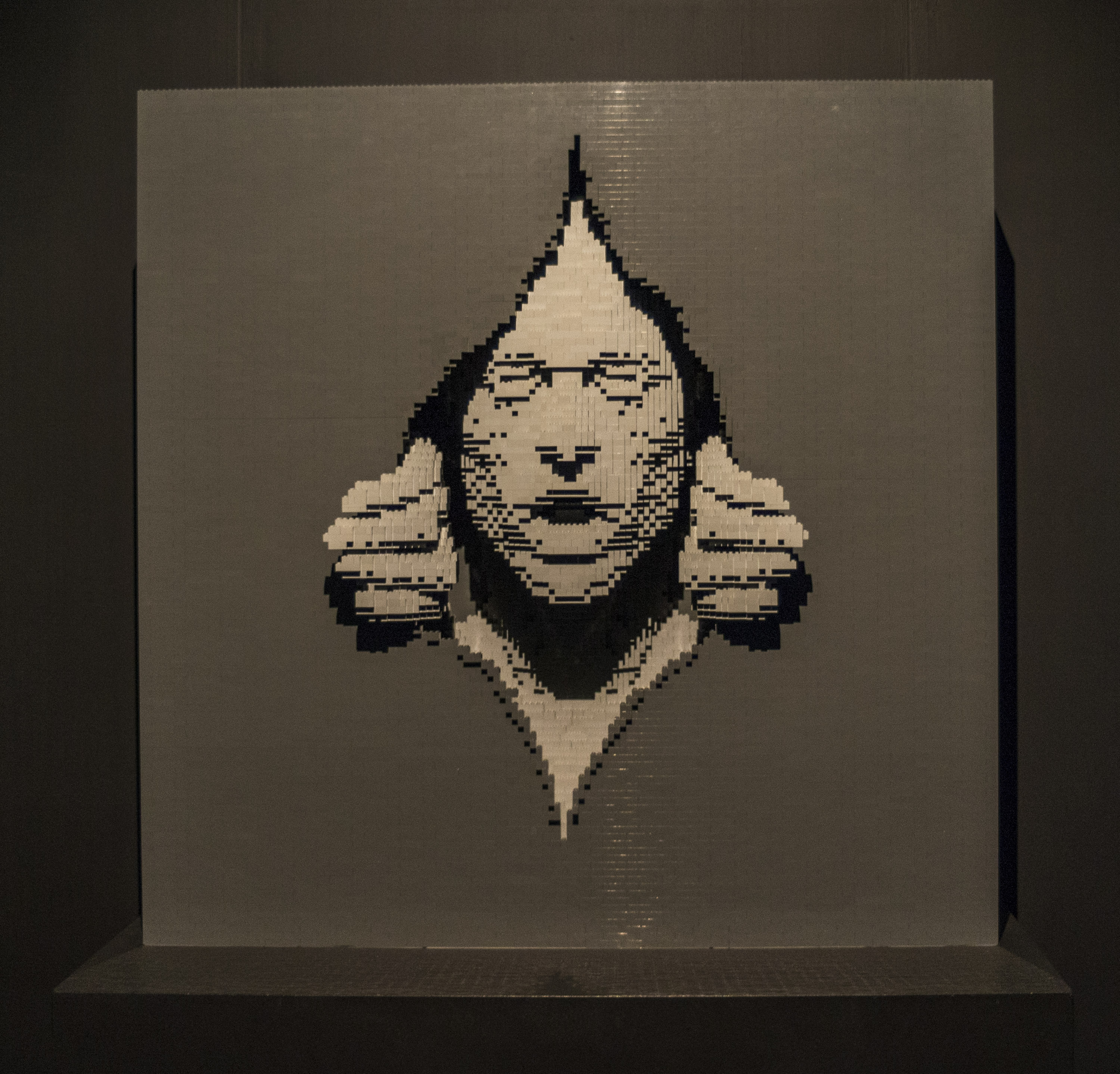
As I said before every Nathan’s sculpture is meaningful and make people to think about their lives, analyzes them. I especially admire the piece of art which is called Grasp. “No matter where your heart wants to lead you, there will be hands that try to hold you back. Life’s challenge is to find the strength to break free. I created this sculpture in response to so many people telling me “no” in my life. I wanted to break free of those people” © N. Sawaya. Many thanks to Nathan for having created this piece of art. It’s so true! People really like to give some advice which mainly based on their own stereotypes, and usually it’s not just an advice but an enforcement to follow it. Everyone is different with their own tastes, opinions etc. But some people don’t really get it.

There are also sculptures which show emotions we experience in different life conditions/situations. Very impressive! The first sculpture is called Grasp and means that a person should beware the winds of life that nibble away their sense of self. It’s necessary to stay strong to become yourself again.

Mr. Gray is almost a self portrait of Nathan. He explains it as follows “Taking a leap is hard. I used to be a lawyer. There was nothing wrong with being a lawyer, but I always knew there was another me, an Artist Me, lurking inside. Then one day I decided to let the Artist in me out, and I never looked back” So much respect to Nathan!

The Art of the Brick, LEGO_0027

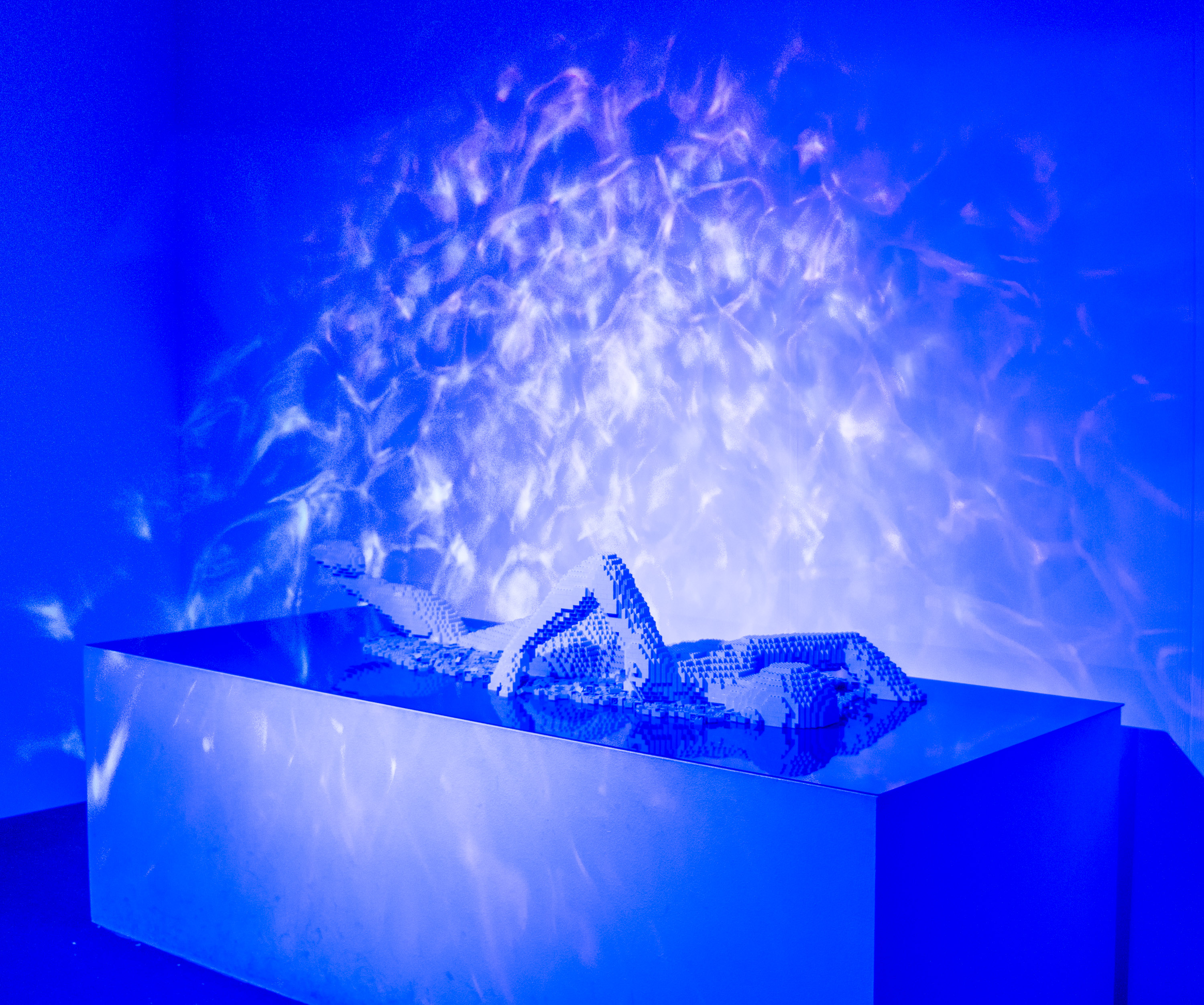
Absolutely beautiful sculpture in blue! Swim against the current, find the courage within!

The Art of the Brick, LEGO_0034

The last but not the least interesting section of the exhibition is called In pieces. It is a multimedia collaboration between Nathan Sawaya and photographer Dean West. The project is a composition of Dean’s photographs and Nathan’s unique sculptures which surrounds the viewer with the physicality of the art. The sculptures were represented on exhibition along with the photos which contain those sculptures. Can you find all the objects on the pictures? 😊

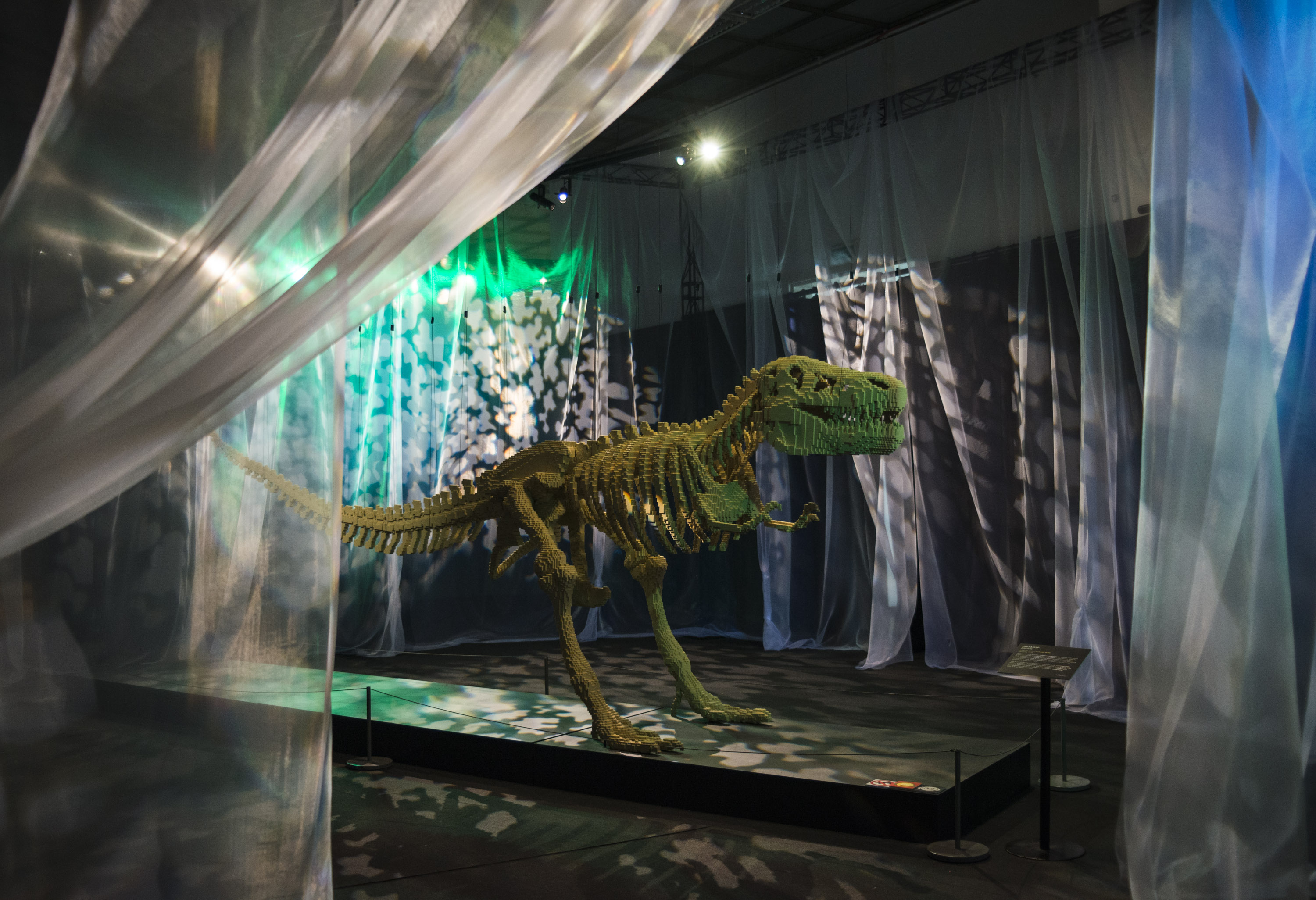
And finally! I was so surprised to see a gigantic sculpture of a dinosaur. It’s the largest sculpture of Nathan’s collection and contains more than 80 thousands bricks! It took him the whole summer to build a dinosaur. He wanted to create something that children would enjoy. And what is better than a dinosaur? But actually adults were even more excited about that sculpture!

The Art of the Brick, LEGO_0041

Overall it was absolutely a great experience! It is worth seeing this inspiring exhibition for adults and kids. There are many more other sculptures represented on exhibition, I have just posted the ones that I loved the most. The exhibition gives a great opportunity to think about many things just looking at the LEGO bricks. “Art makes better humans, art is necessary in understanding the world and art makes people happy. Undeniably, art is not optional” © Thanks to Nathan Sawaya!


Gallery

Exploring the city of Chicago

Chicago is a city of neighborhoods. I think it is necessary to leave all famous tourist places and see different ethnic and cultural corners of the city. The architecture, restaurants, museums of every neighborhood are different. I was lucky to explore the city with my friend and my photography mentor Paul Natkin who knows all the greatest places in Chicago! Many thanks to Paul for all the amazing moments and for making that trip unforgettable!

Chicago is known as a home of the blues. So many places here are connected with the blues history. For example, you can visit Muddy Waters house where he lived and played blues from 1954 to 1974. Actually it is only possible to see the house from outside not entering the building. That Red X on the house means that building is unsafe to enter. It is really sad and disappointing that the house of an international music icon was just left to deteriorate. But hopefully someone can buy this historical house and turn it to a museum dedicated to Muddy Waters great heritage.

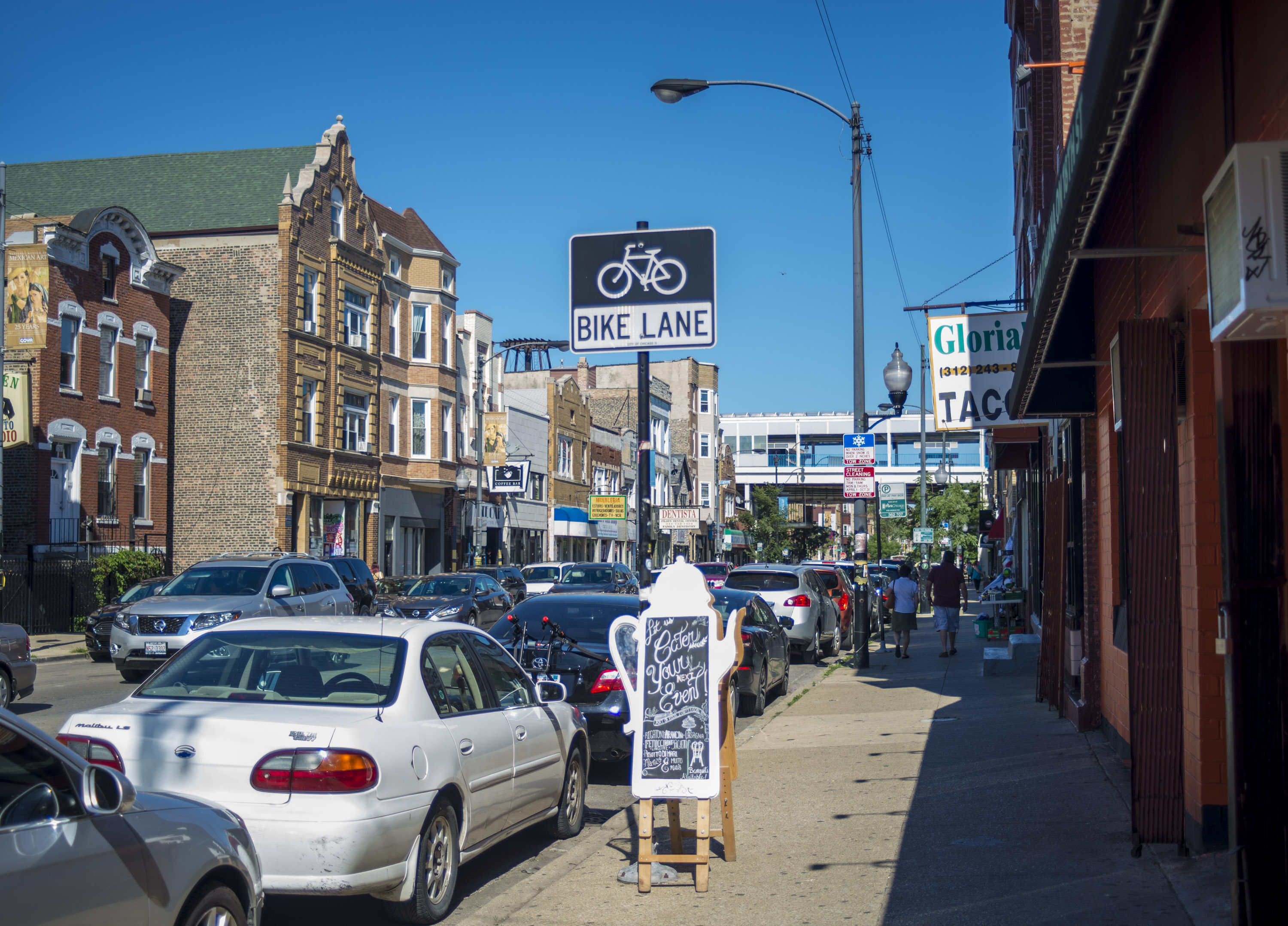
Pilsen neighborhood is one of the most recognizable and well known places in the city of Chicago. It is easy to find a piece of public art adorning a façade in nearly every block. The neighborhood looks very colorful but what is more important, every piece of art has its own deep meaning mostly connected with serious political or ethnic problems.

Chicago_Pilsen Neighborhood0001

Here is mural which impressed me the most. It is honoring an aspiring musician and an artist Jeff Macdonaldo Jr. who was killed at the age of 19 as a victim of mistaken identity. He had never been in a gang, he was just getting back from his barber and someone opened a fire. The mural was his friends’ idea, he was an inspiration for them and did many good things so they wanted to give back to his family, helping his parents to get through the worst times. The mural dedicated to peace and tolerance, and called Safe places. It looks really beautiful. World could be a much better place if people have more opportunities to develop their art skills instead of hating each other for some unknown reasons.

There is also a great museum of Mexican Art in Pilsen neighborhood. It is responsible for presenting exhibitions of artistic, cultural and educational value, which demonstrates the unique depth of Mexican art and history. It was really amazing to see many kids visiting museum with their parents. Art is a bridge between communities and it helps to expand minds, which is really necessary for the world we are living in nowadays.

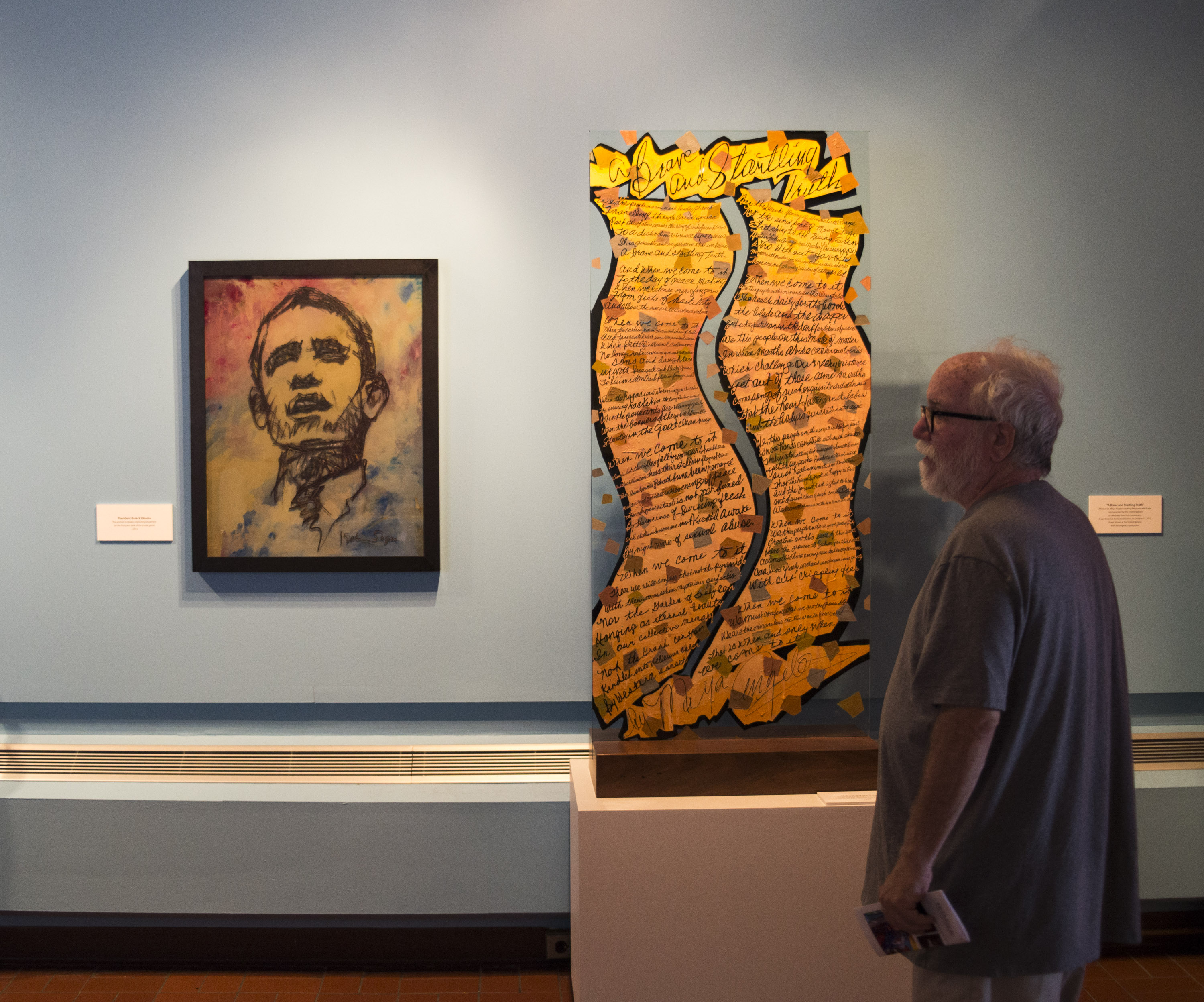
The DuSable Museum of African American history is dedicated to study and conversation of African American history and culture. It is one of the oldest museums dedicated to this topic in the United States. It was founded in 1961 and has been expanding ever since. The museum has a collection of more than15’000 artifacts, books, photographs, paintings, art objects and memorabilia. DuSable museum became a large part of black social activism, hosting festivals, political and community events.

Chicago_Museum of African-American history0002

The exhibitions there are really great and very informative. Actually some parts of exhibitions dedicated to slavery and further segregation horrified me. Of course, everyone knows those terrible moments and events in the American history but seeing all those pictures and artefacts was still very difficult. I can never understand how it is possible to divide people by the color of their skin or their nationality. The saddest part of all this is to realize that we still face the same problems nowadays. The technologies are developing every day, but seems that some people’s minds just stuck with their stereotypes forever.

Chicago_Museum of African-American history0018
Paul Natkin enjoying some art while I’m working as paparazzi 🙂

The museum is surrounded by very beautiful park where we met a group of nice kids who were just running around and enjoying nice summer day. We also met some of their parents and a teacher who told us that those kids were studying history and other subjects by exploring art objects, paintings etc which made the studying process much more interesting. It is great that some organizations are volunteering to help kids to get better future, enter good colleges etc. And it was really heartwarming to see black and white kids playing together not knowing anything about those stupid stereotypes. Hope they will be smart enough to overcome all stereotypes in the future.

I also tried Southern-style soul food for the first time which was really delicious! Pearl’s Place is located in Bronzeville and offers a unique experience combining tasty home-style food with the great service. With photographs of African American jazz legends covering the walls inside and outside the restaurant, you are reminded of Bronzeville’s complex and powerful history.

The Museum of Science and Industry was another great and interesting experience! The main mission of the museum is to build public understanding of science, show how science impacts our society and inspire everyone to think critically about world around us. Exhibitions that cover many important topics are very spectacular and interesting for adults and kids.

Chicago is a great city and it is easy to find something that you enjoy there. If you are interested in photography, “The Photographer’s Curator: Hugh Edwards at the Art Institute of Chicago” exhibition is a must see. It is really an amazing experience which makes you understand what the real outstanding photography is. The exhibition is bringing together nearly 200 photographs by more than 70 artists whose works are held in the permanent collection. Some pictures from the collection are available here: http://media.artic.edu/edwards/.

Here are some more pictures (http://robertnatkin.net/) which are really mind blowing and should be presented on any exhibition dedicated to photography and history. It is easy to spend all day looking at those pictures, which are different from each other, but all of them are really beautiful, meaningful and very inspiring!

Gallery

The Rolling Stones Exhibitionism in Chicago

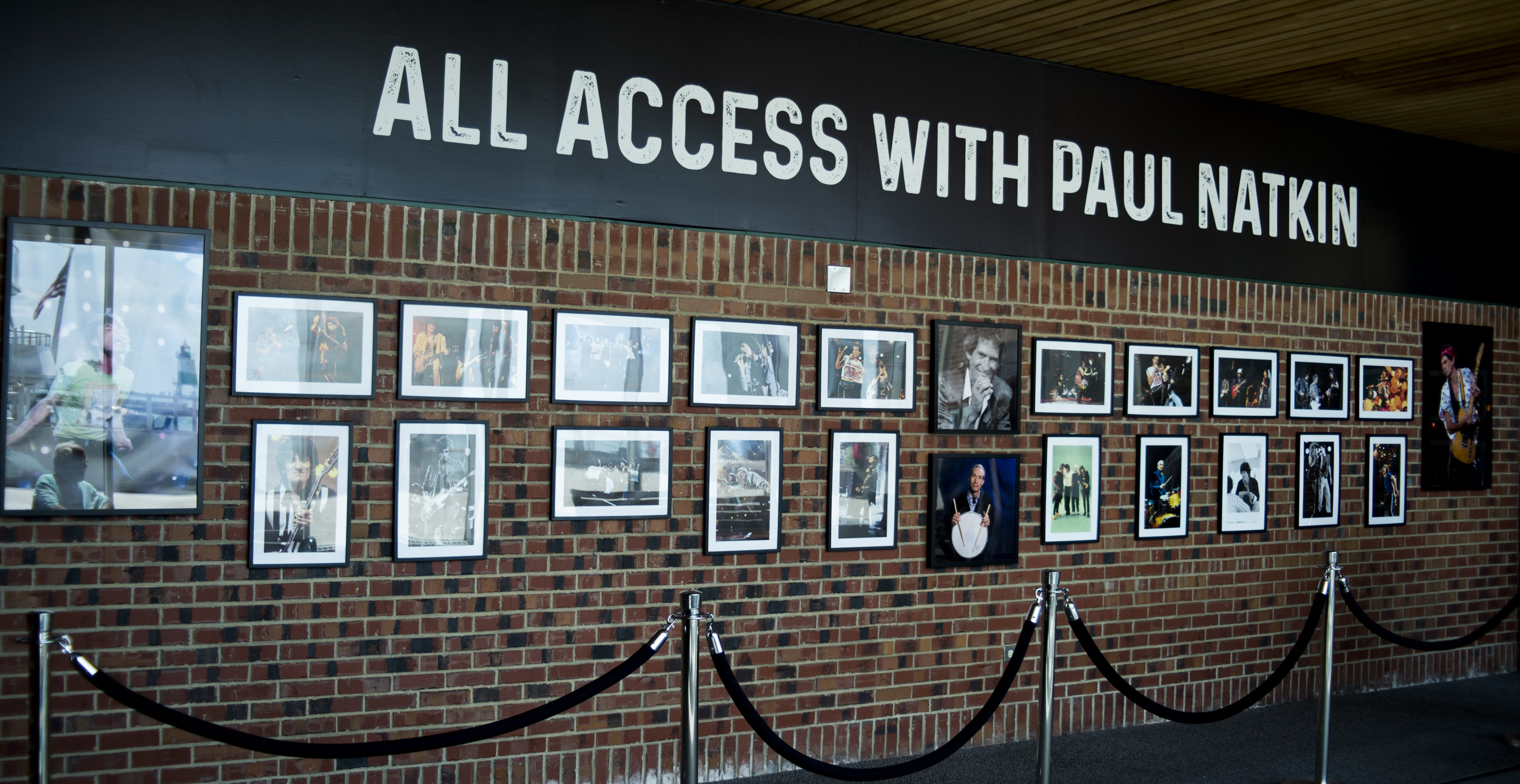
The Rolling Stones exhibition at Navy Pier in Chicago is a great experience for every Rolling Stones fan or every fan of music history overall. When you enter the exhibition, there is “All access with Paul Natkin” gallery, which features amazing shots of the band taken by the greatest and legendary photographer. The photo exhibition is going along with video interview with Paul about his relationship and touring with Stones (https://www.youtube.com/watch?v=_X2Kj3rU6kY&sns=em). It is absolutely worth seeing this video. Paul can tell so many stories about the times touring with Stones, some hilarious moments, even details of stage design and many more. I was honored and lucky to have a guided tour by Paul which made the exhibition more interesting and valuable to me.

Rolling Stones_0001

Exhibitionism does not lack for content. It includes a great collection of music, vintage guitars, rare instruments and lyric books, photography, stage designs, personal diaries and letters, fashion items.

It’s an incredible journey to the Rolling Stones world beginning with their early days living in a one-bedroom flat in Edith Grove which was recreated as a part of exhibition. This flat looks hilarious, it is impossible to find any place without unwashed dished or empty bottles. But there was an impressive collection of classic blues LPs instead. I think it is a great idea to show us their way of living at those times.

What follows are sound mixing boards and the recreation of their studio with an amazing amount of guitars and other musical instruments.

Of course, it is impossible to miss different variations and installations connected with one of the most iconic band’s logos in the history of rock music. This “Tongue and lips” logo could be found almost everywhere through the exhibition but there was also a section explaining its original design.

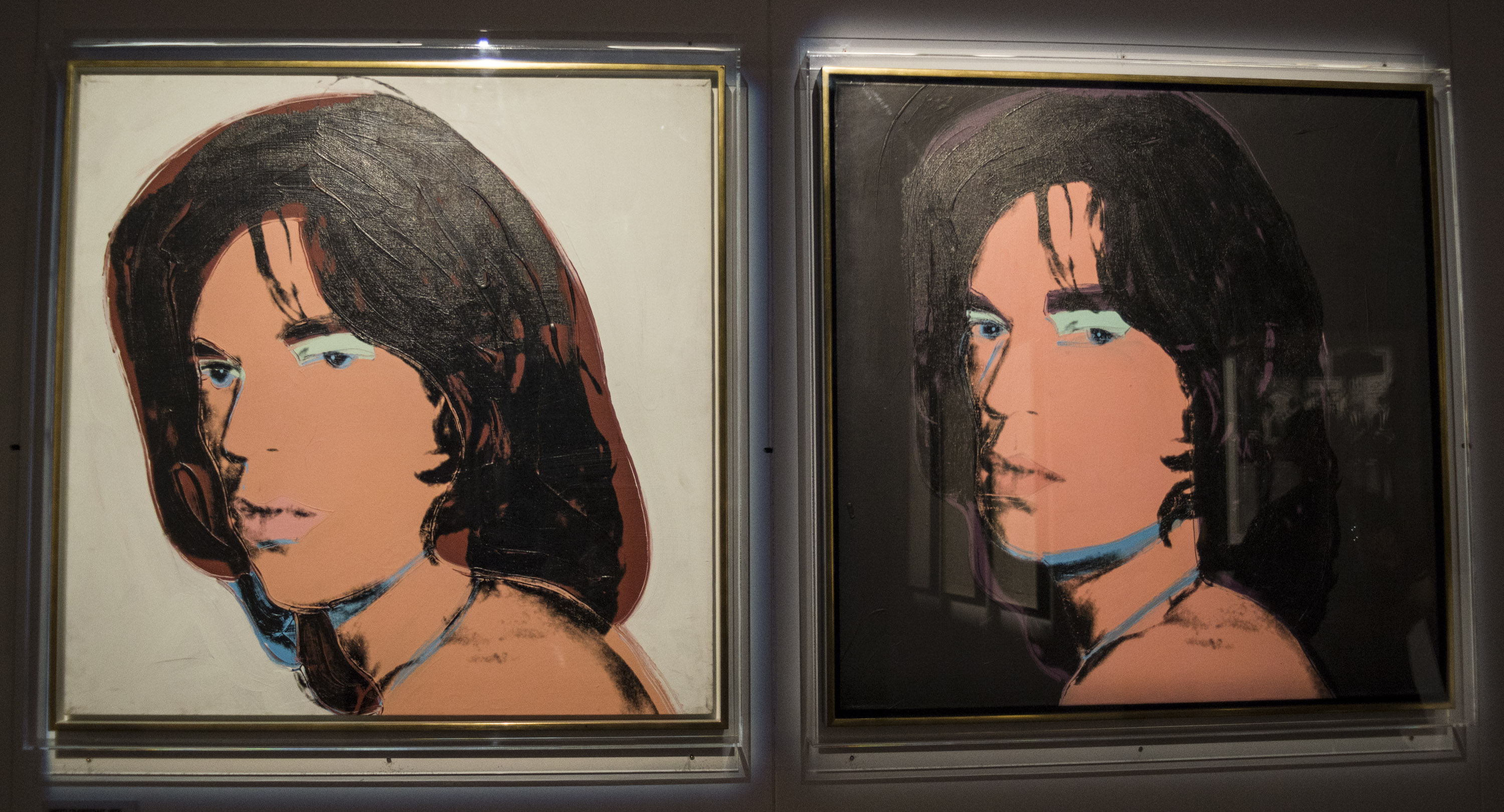
Other artworks include original paintings by Andy Warhol.

Rolling Stones_0031

The Rolling Stones were one of the pioneers of the spectacular live shows, so their stage designs were really mind blowing. It was very interesting to see scale models of the stages and a video explaining the main concepts behind them and realize how much work had been done to make shows so spectacular.

The collection of stage wear and costumes is very impressive and contains iconic stage outfits from the beginning of their careers to nowadays.

The exhibition culminates in a backstage recreation and great 3D live recording of Satisfaction which makes you feel attending the Rolling Stones concert!