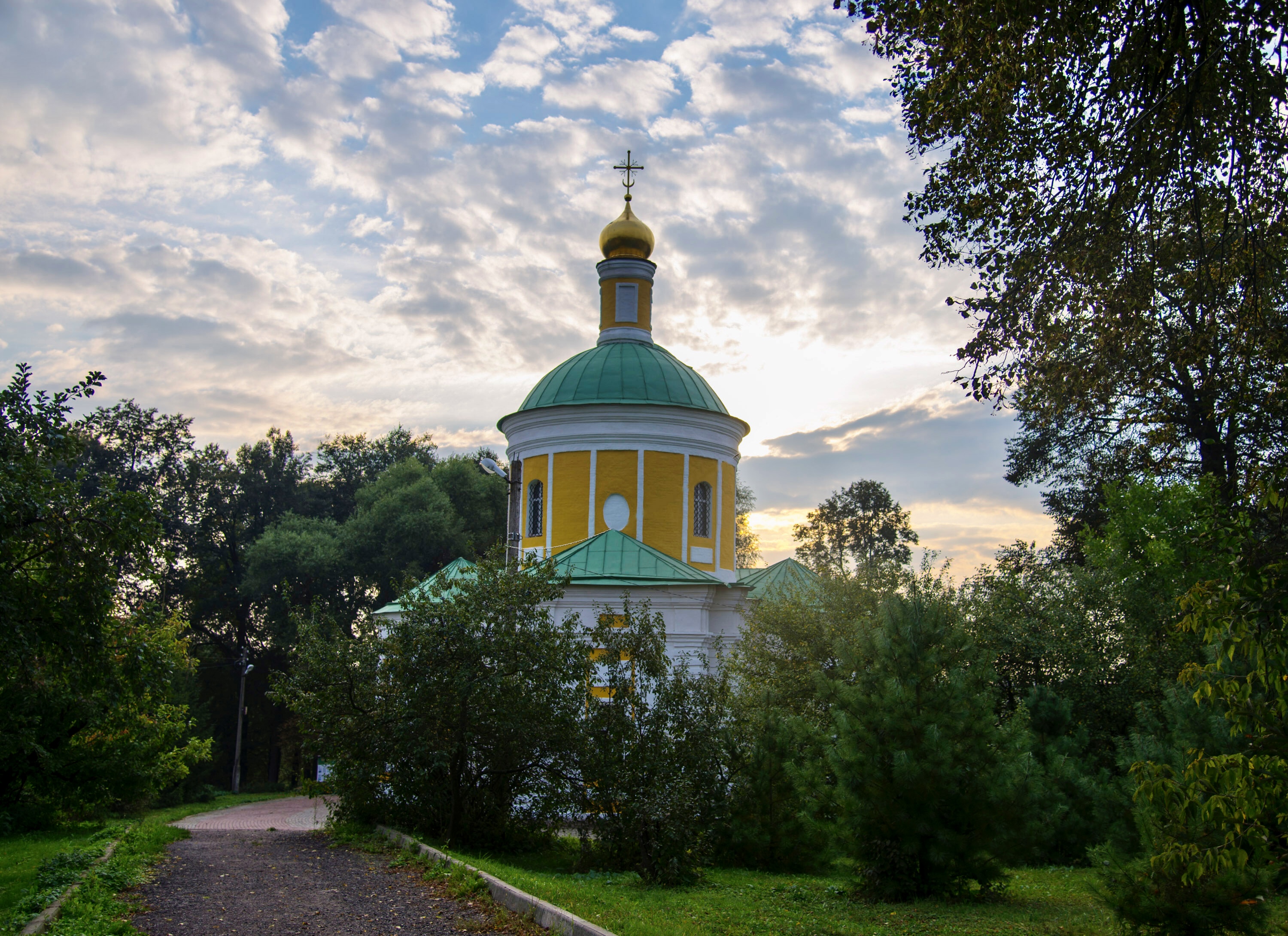
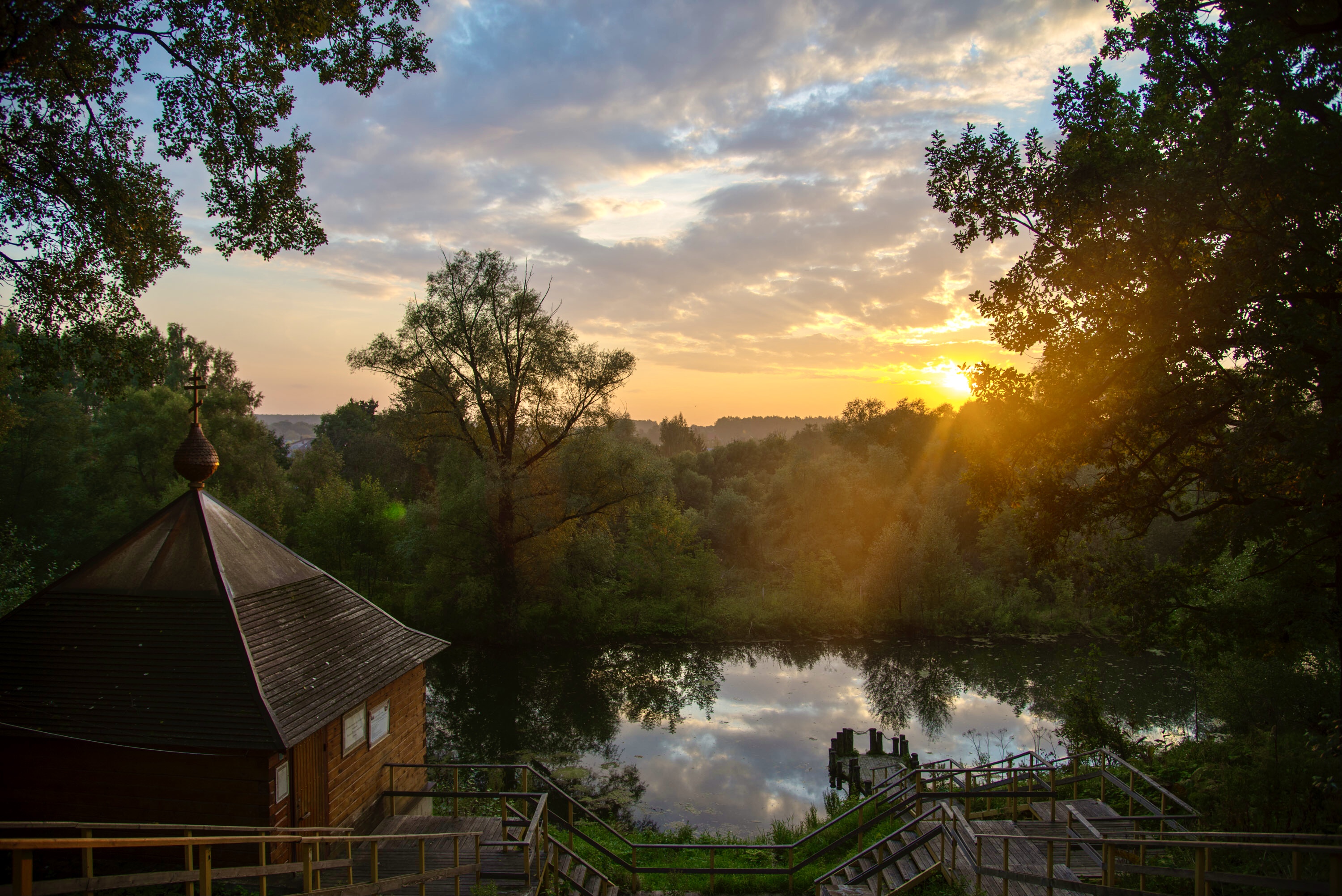
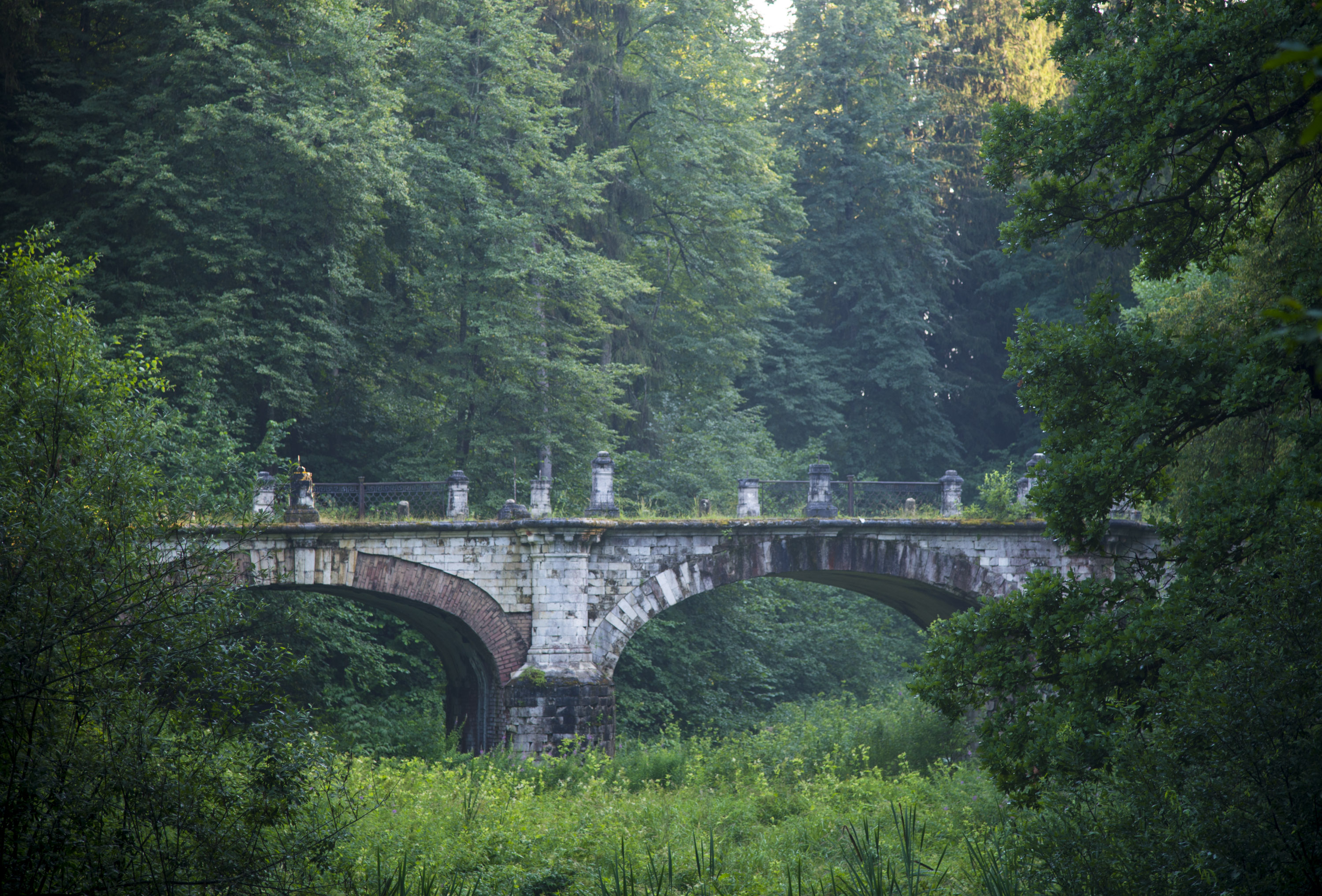
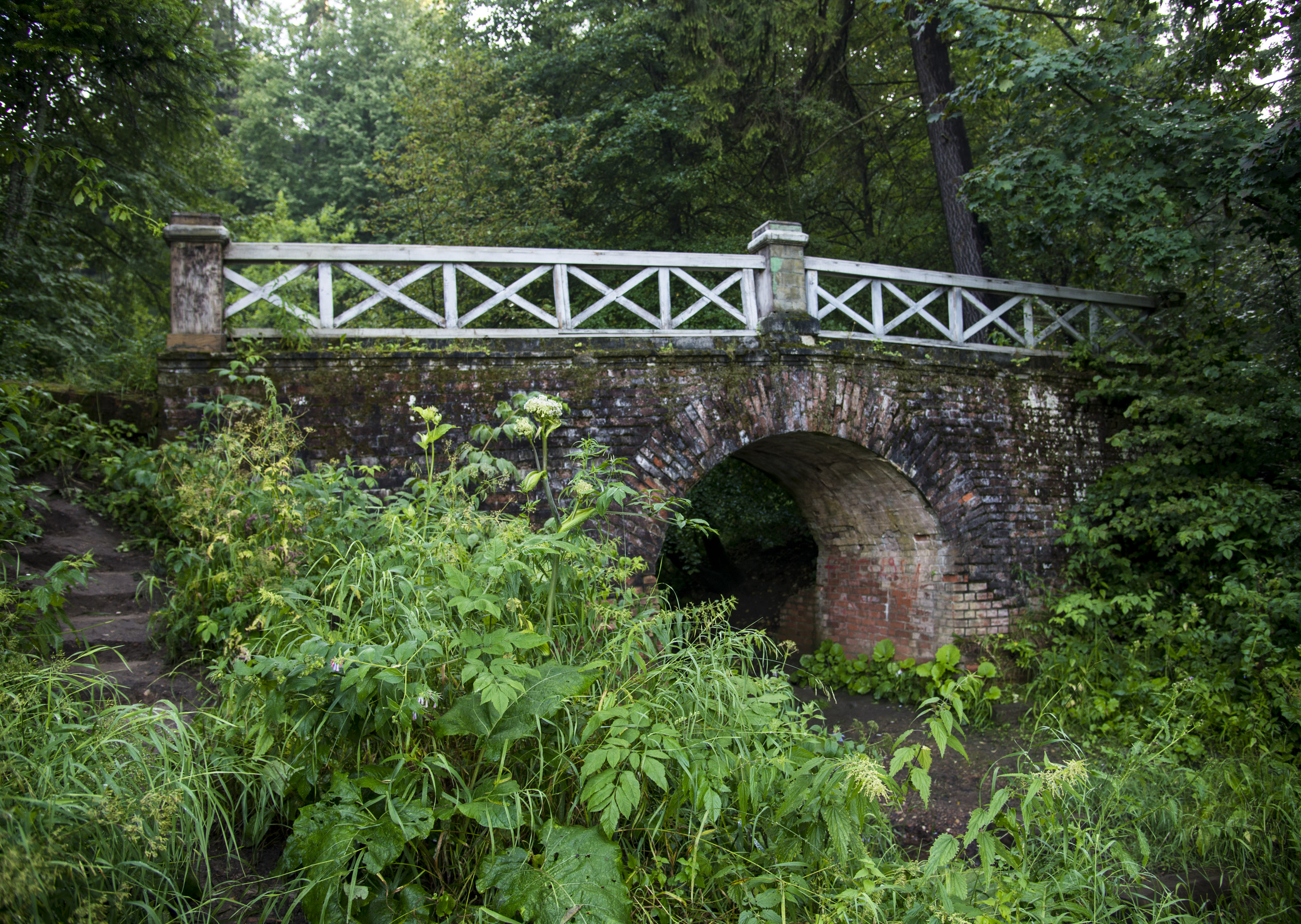
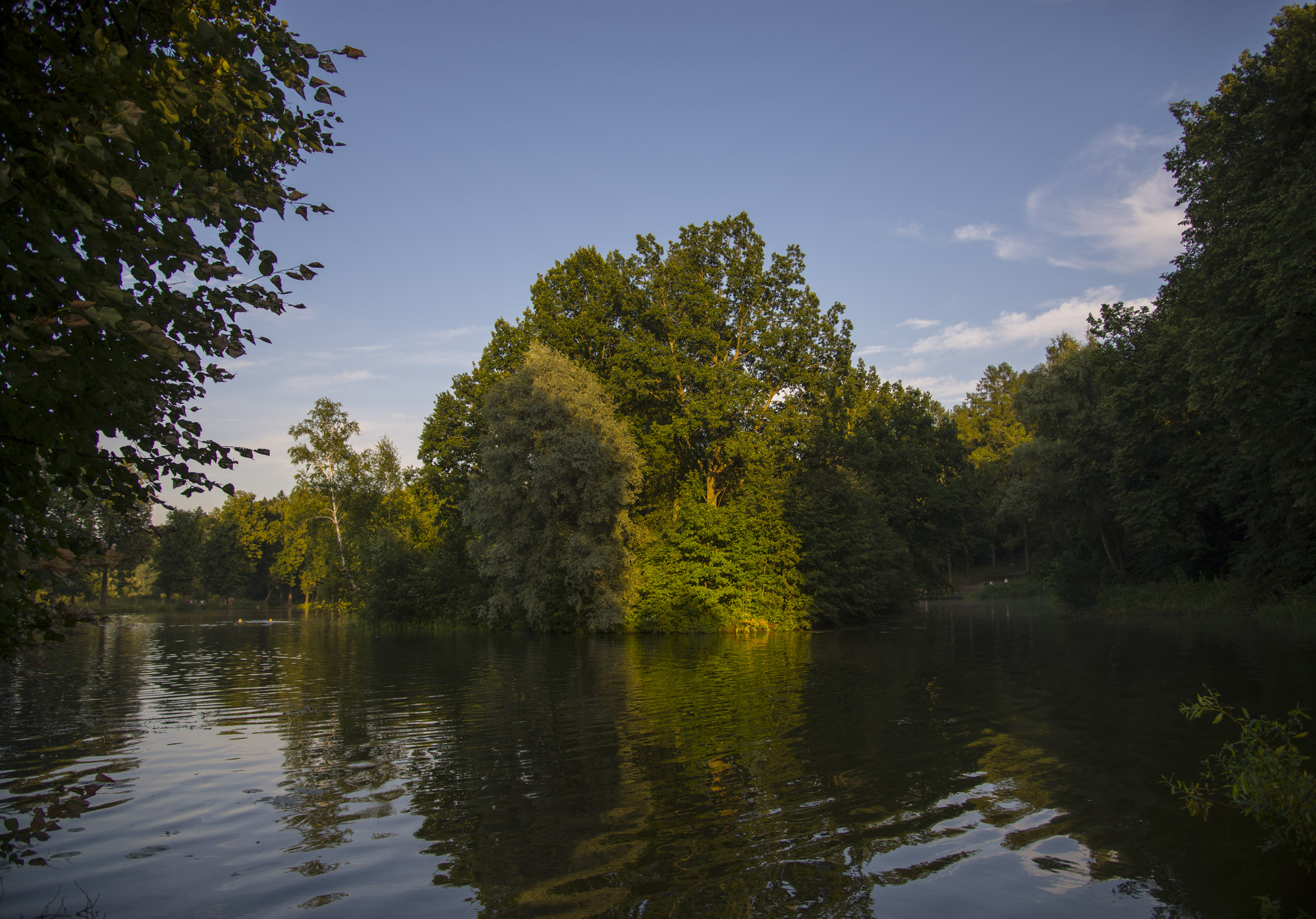
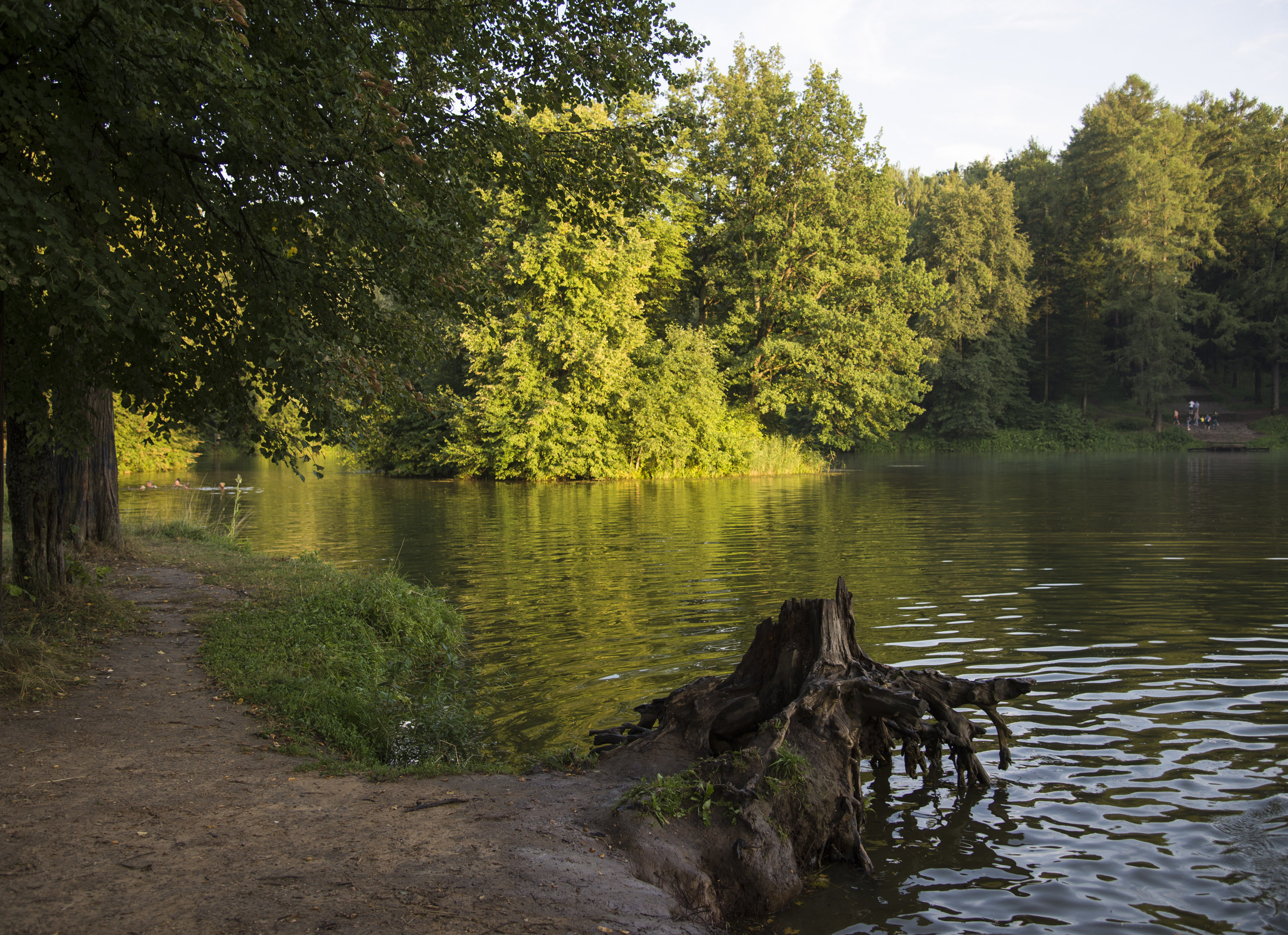
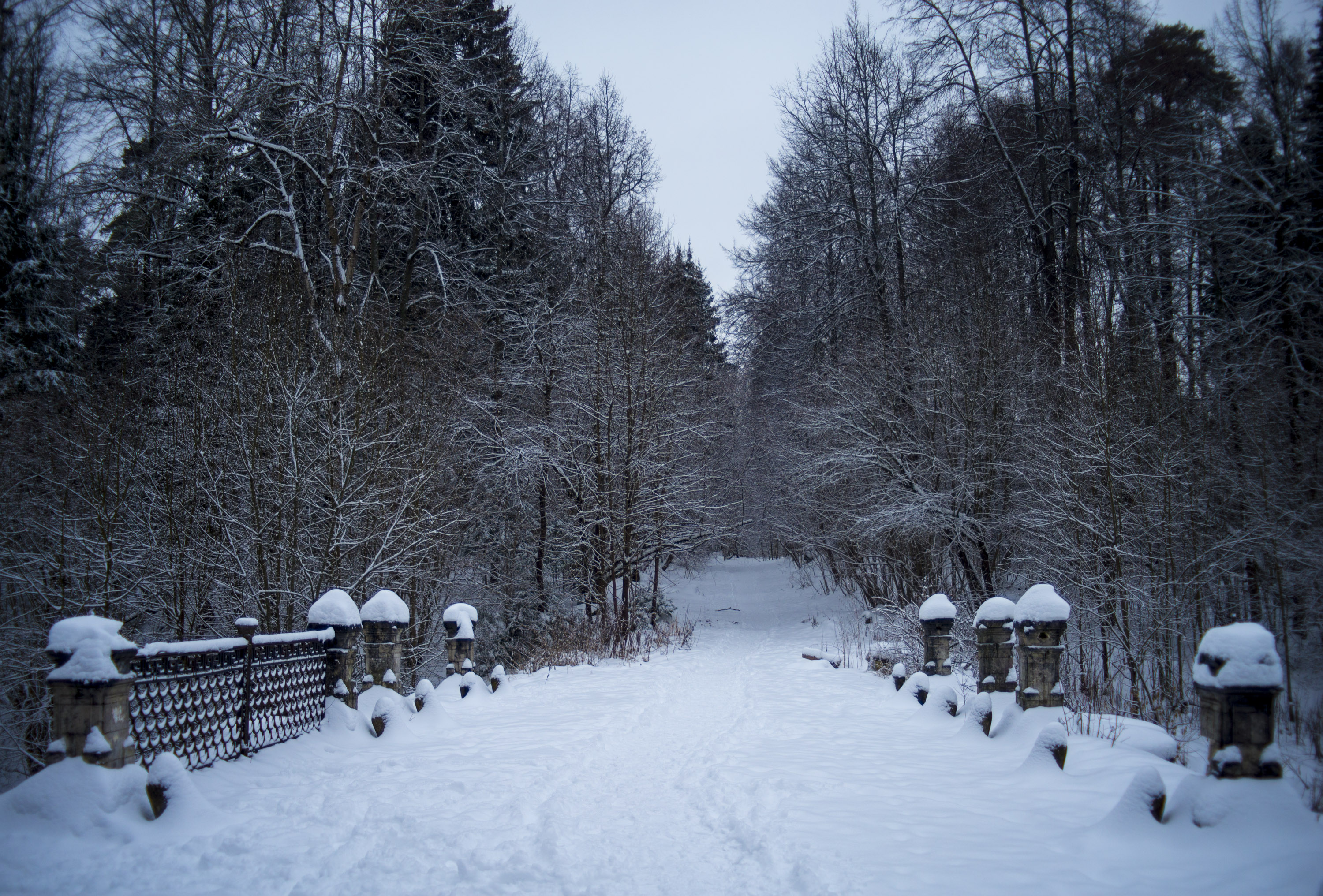
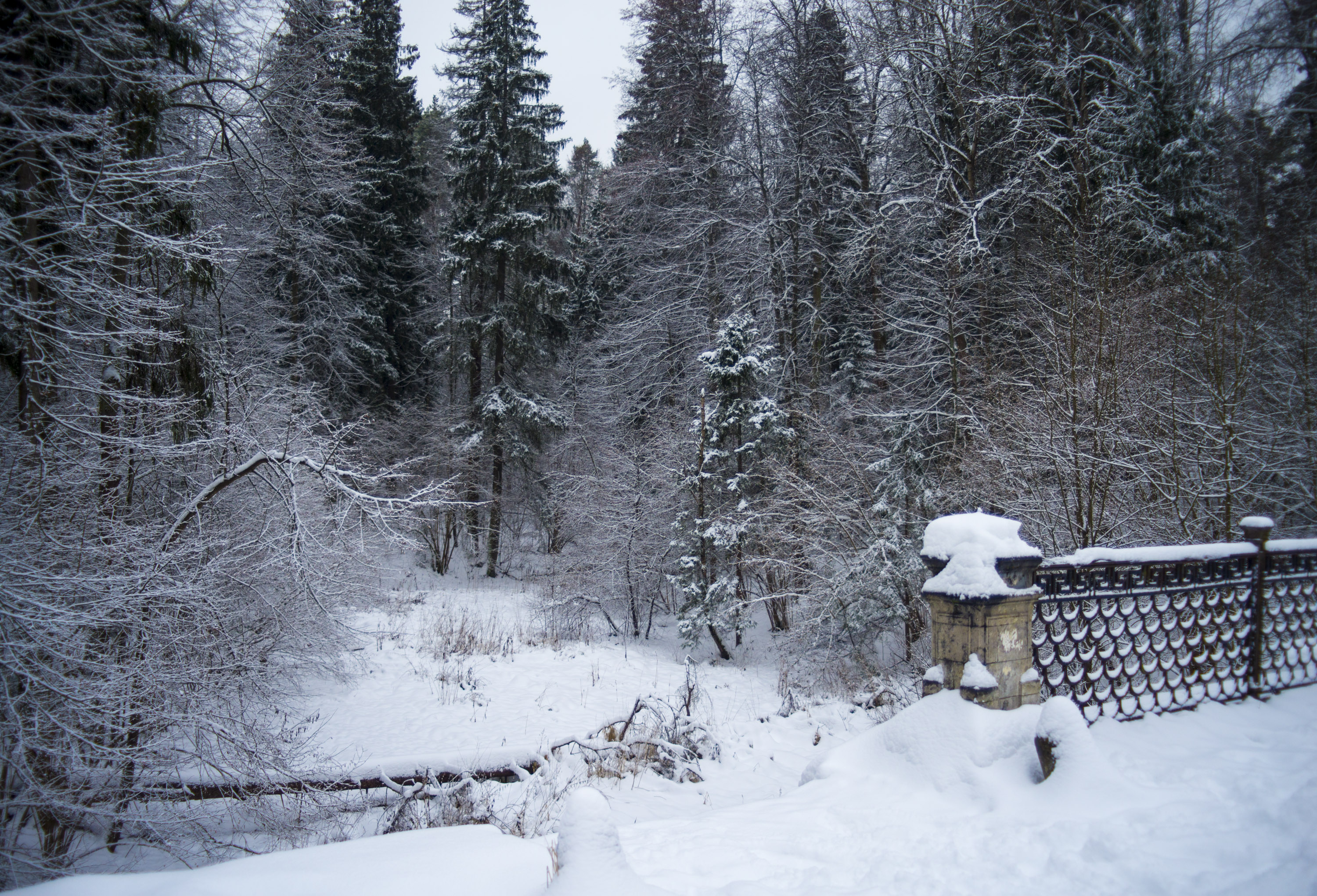
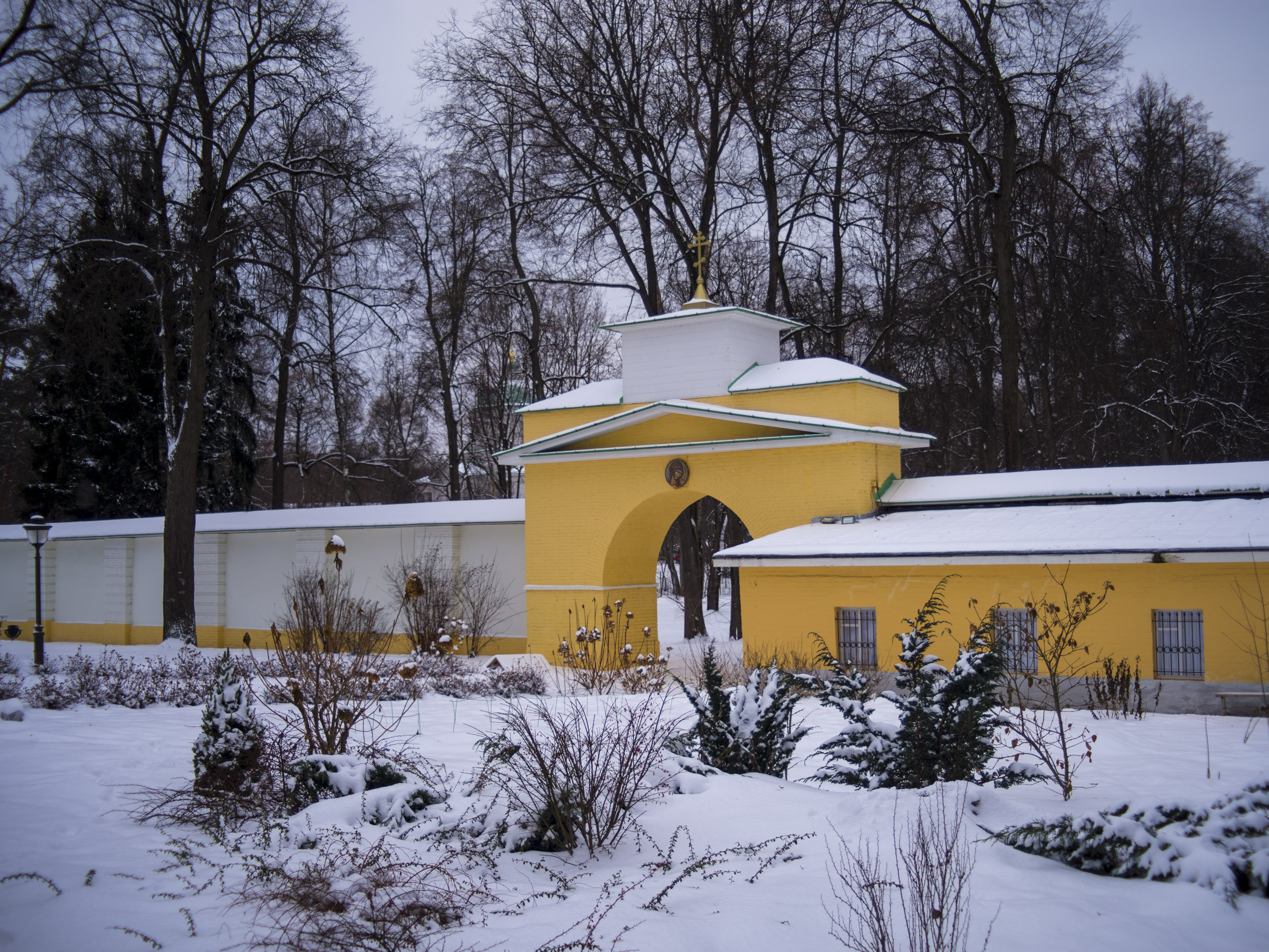
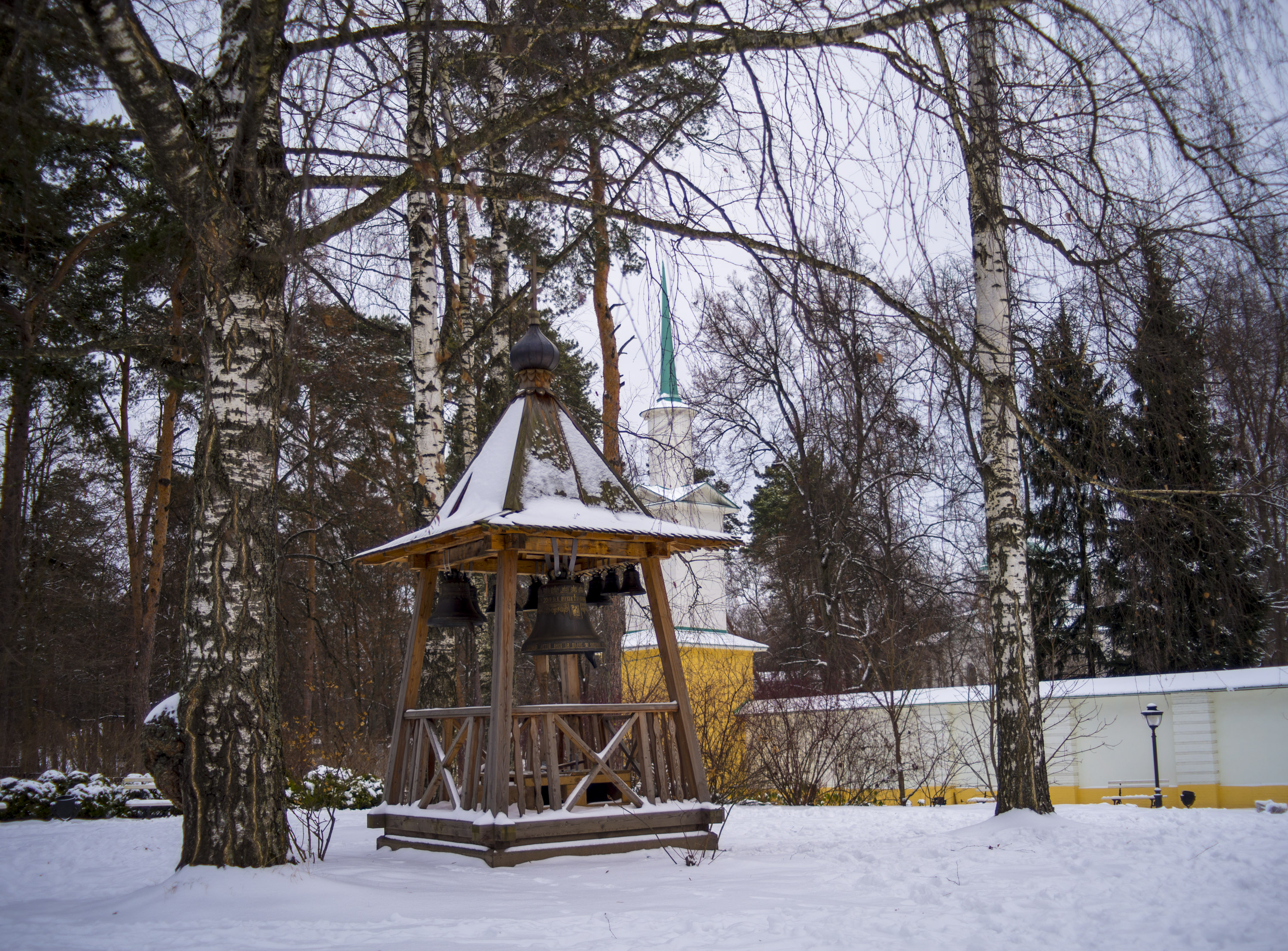
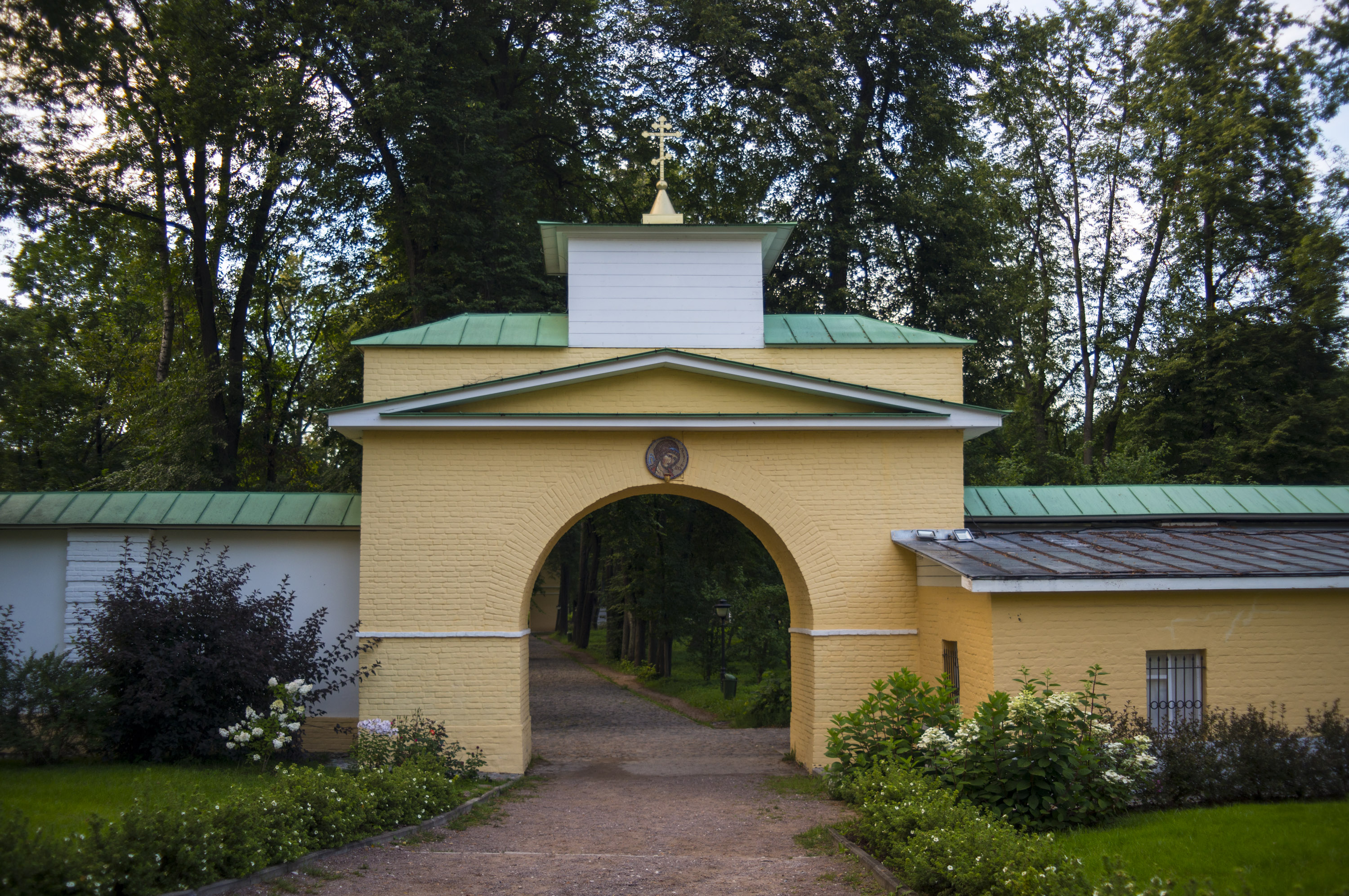
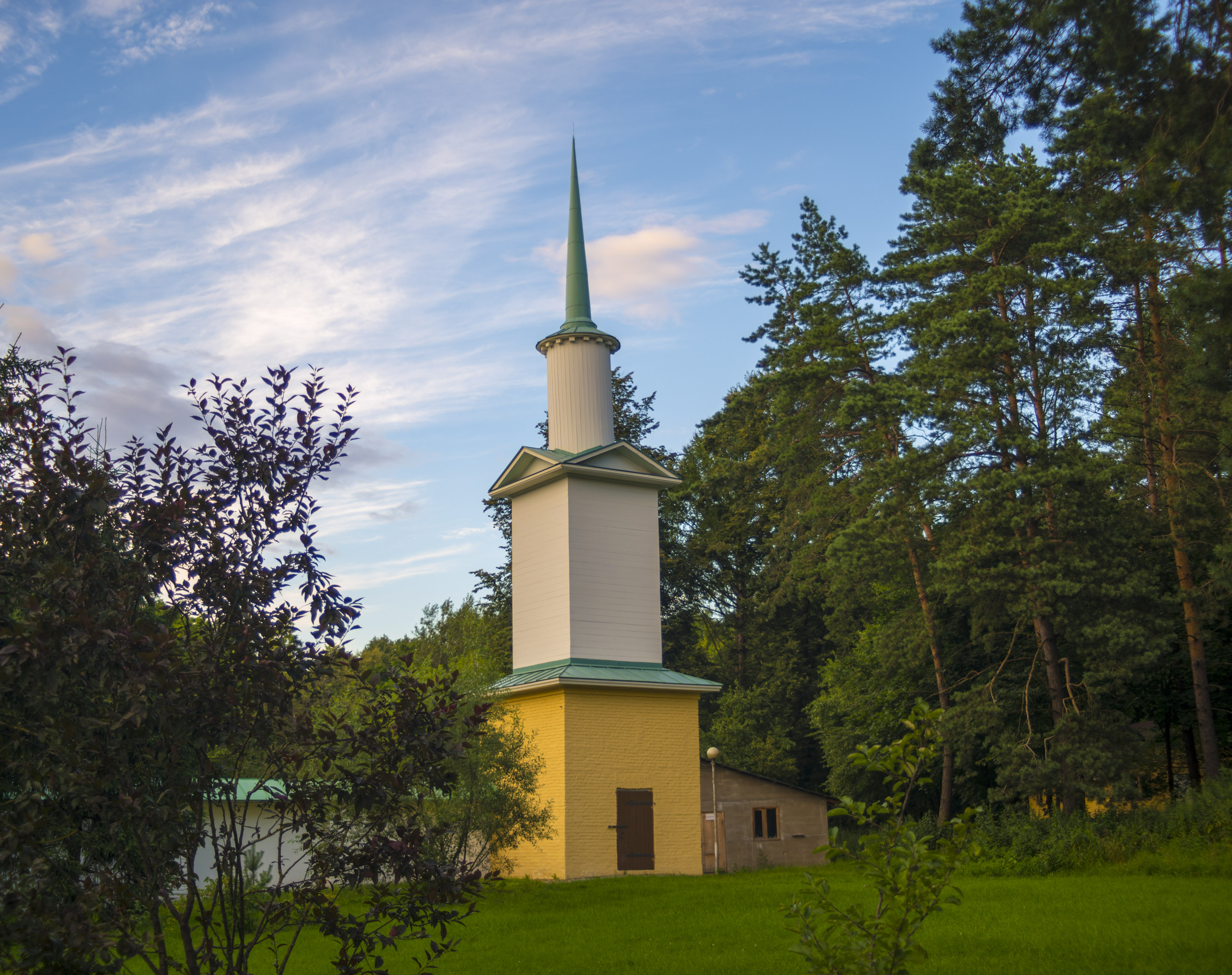
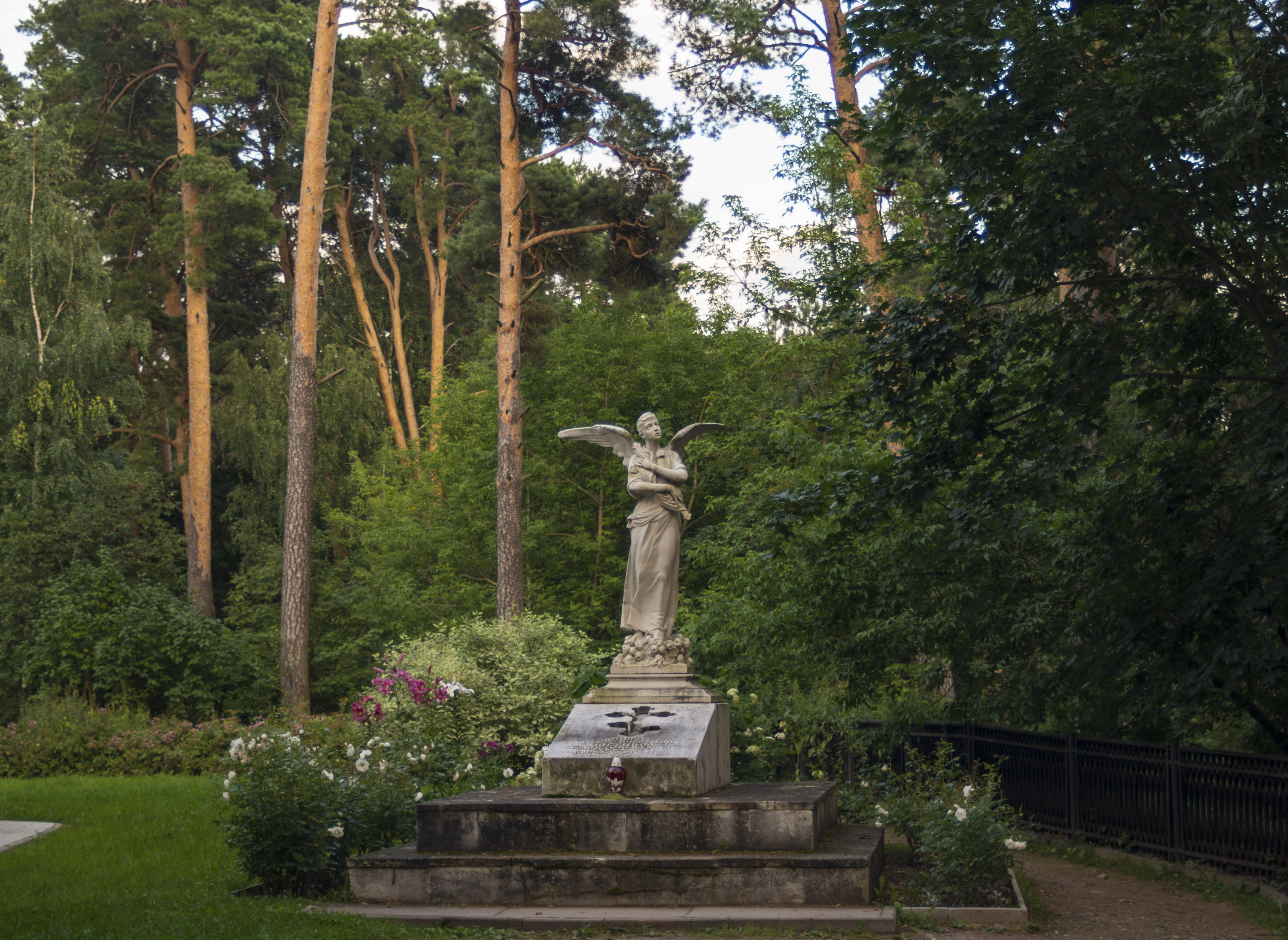
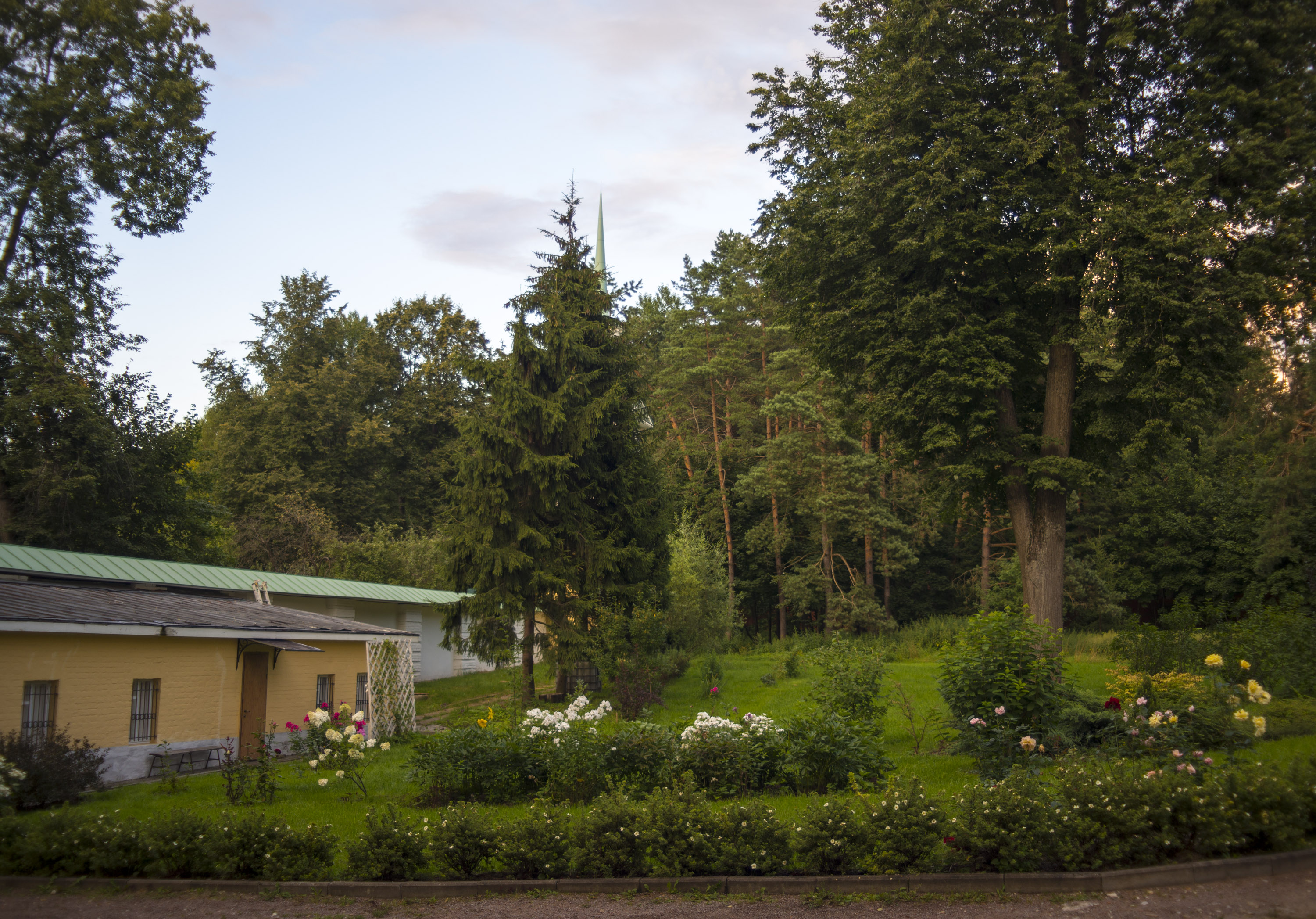
Gallery

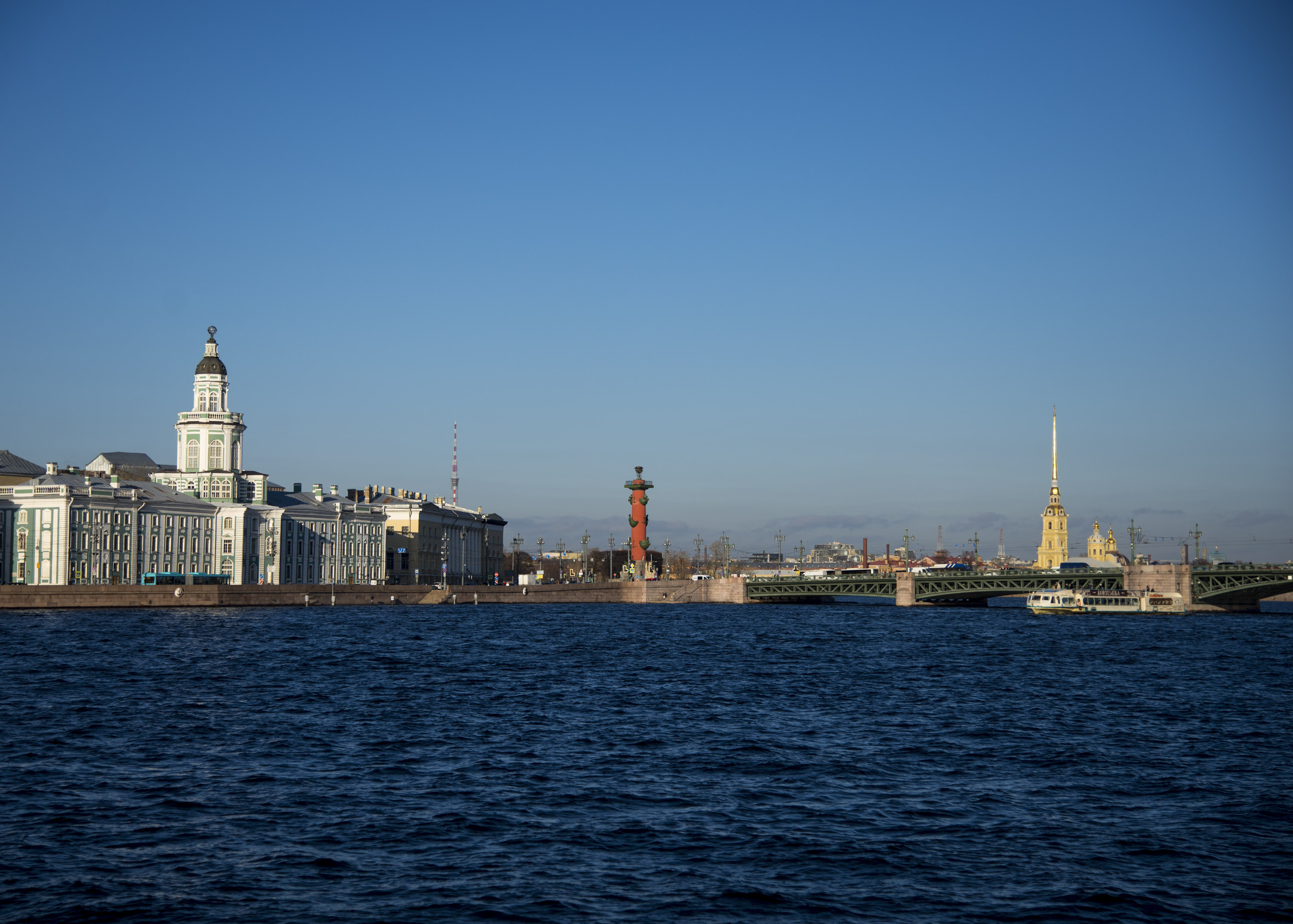
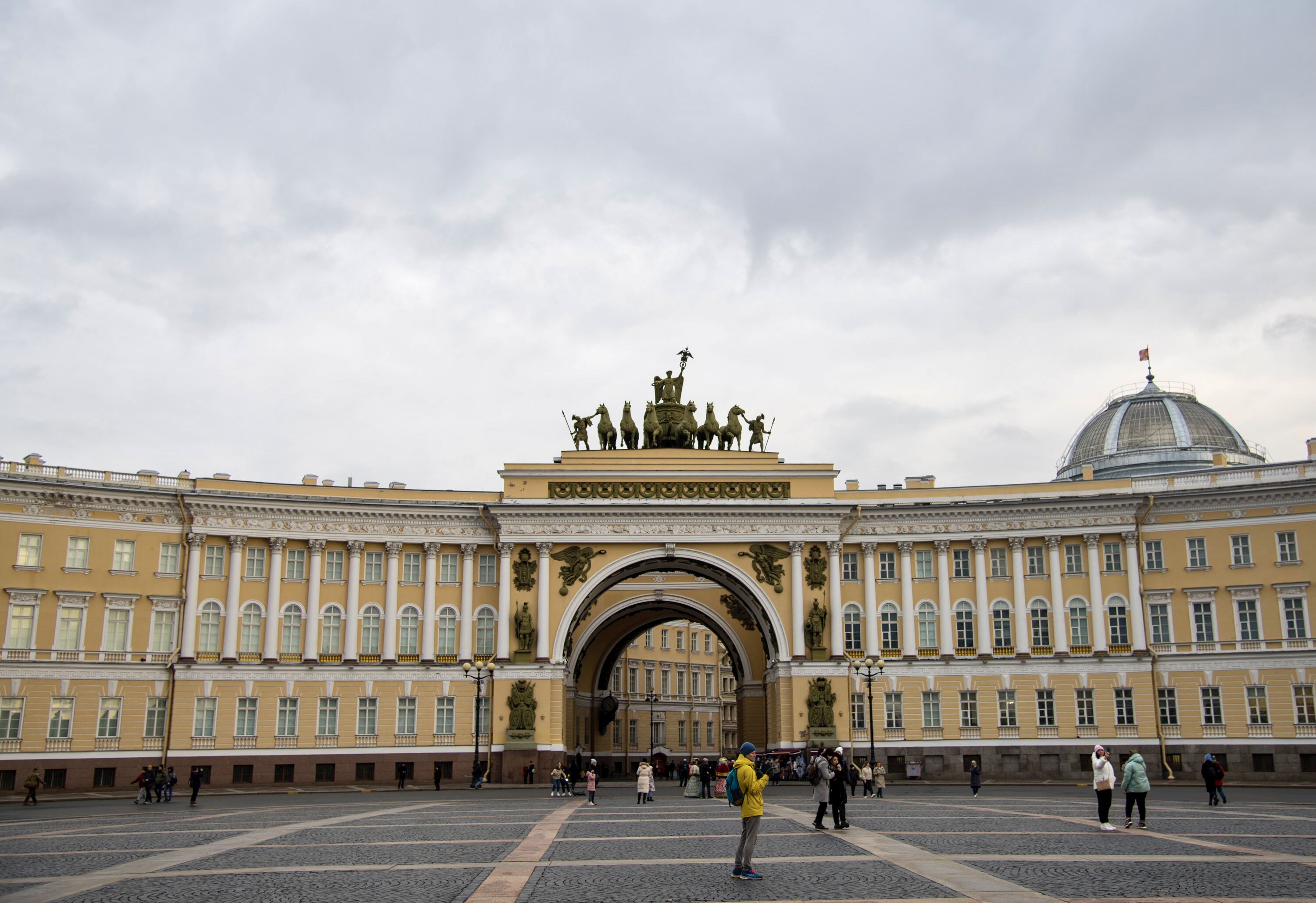
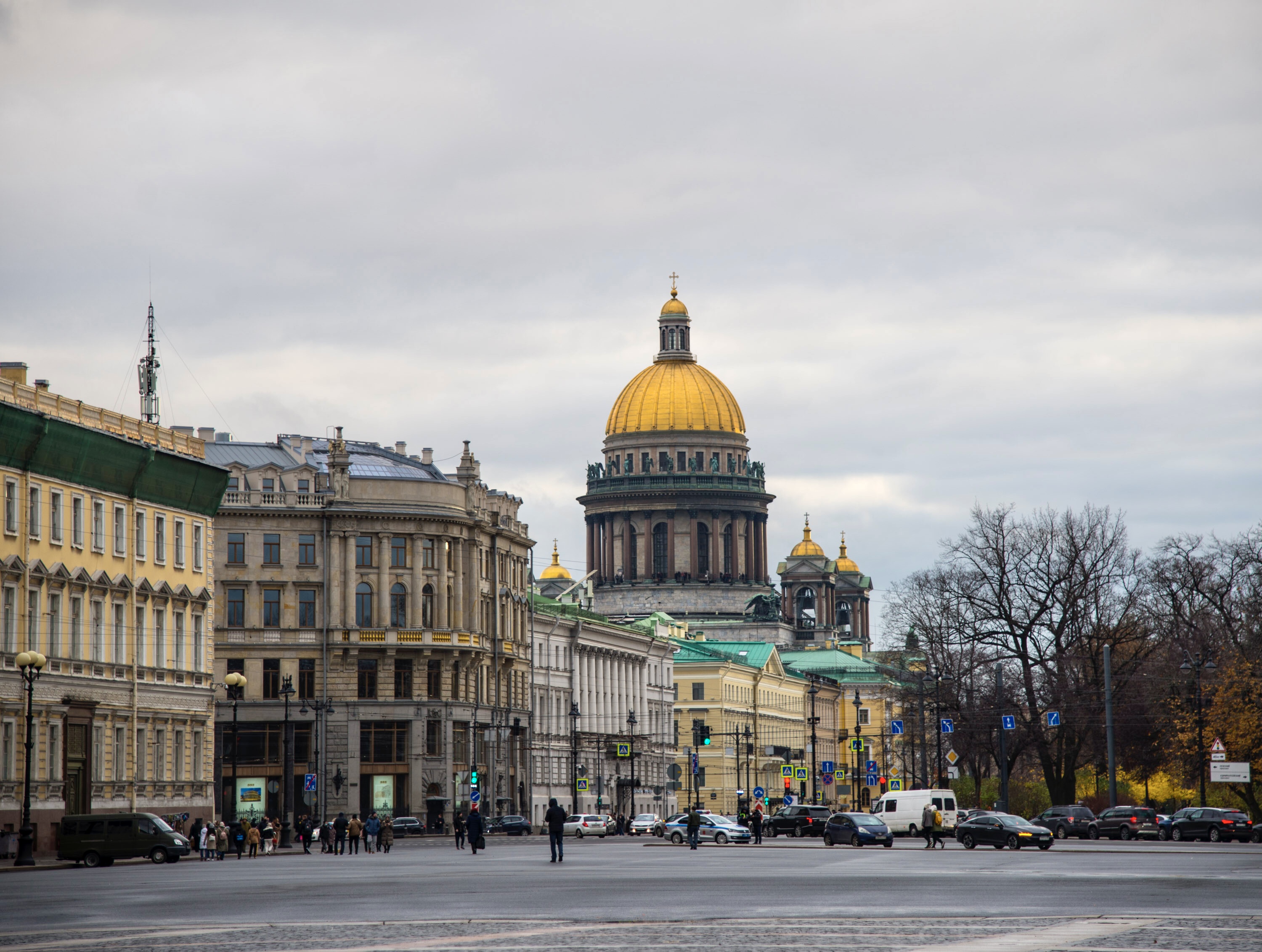
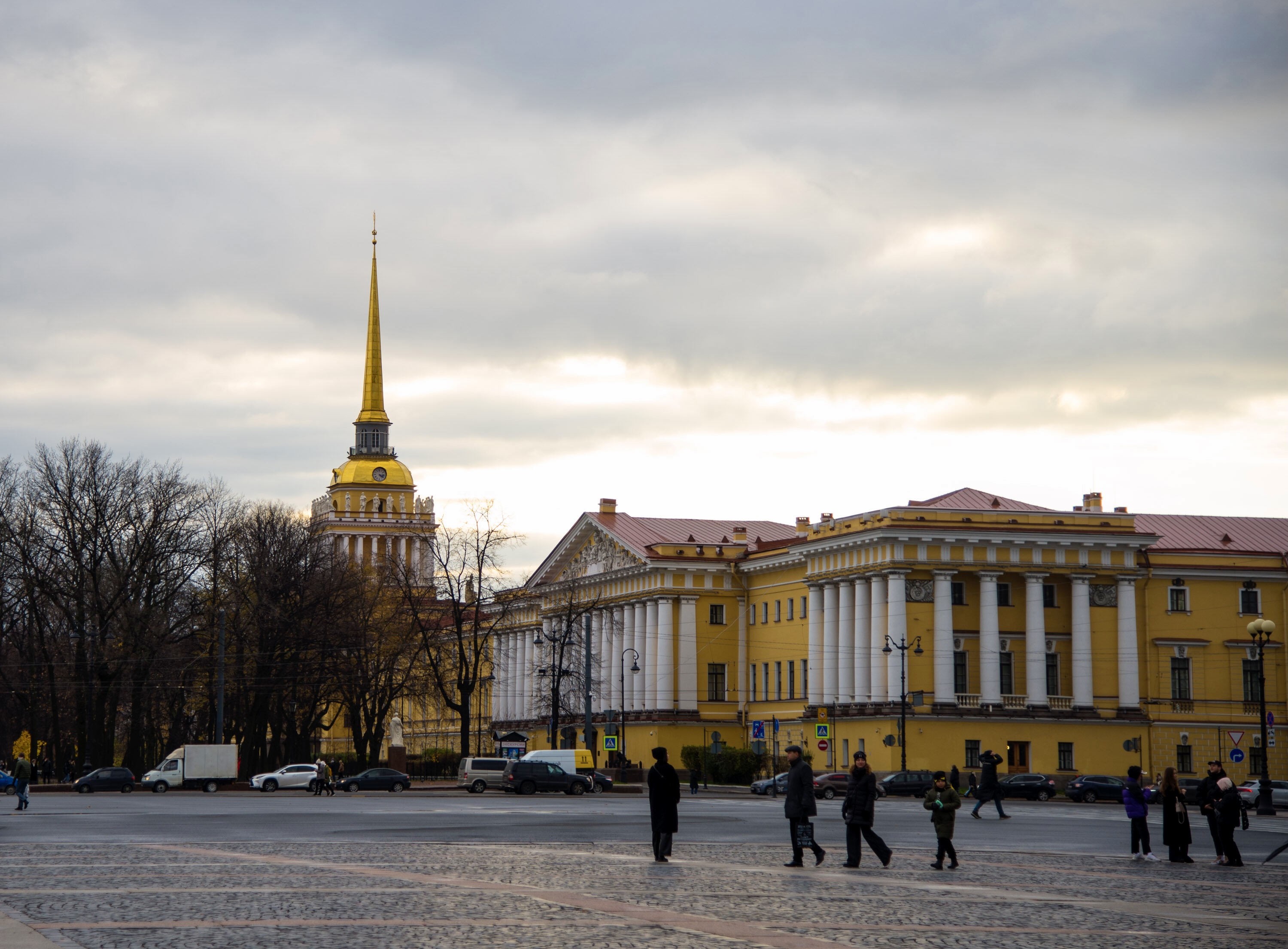
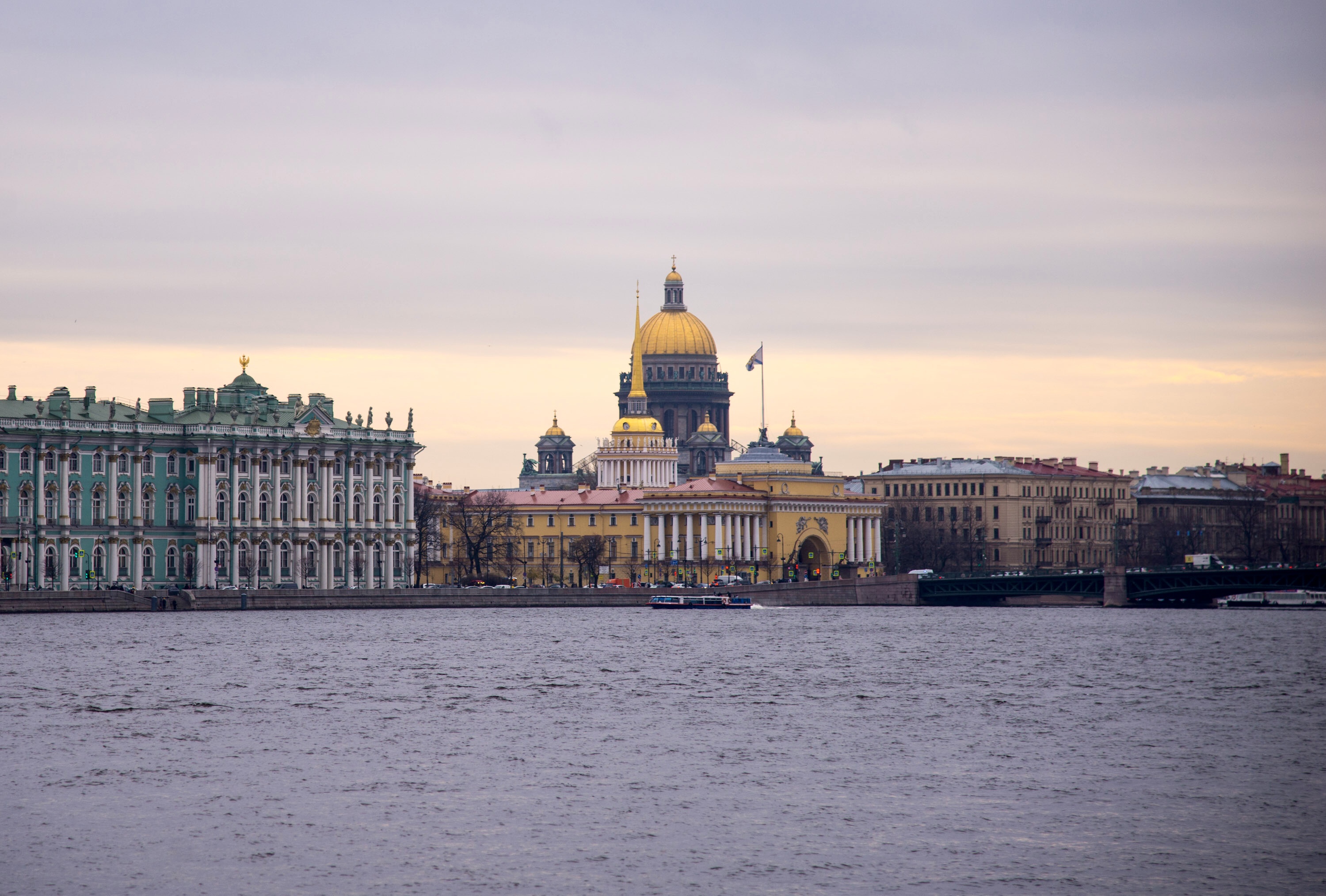
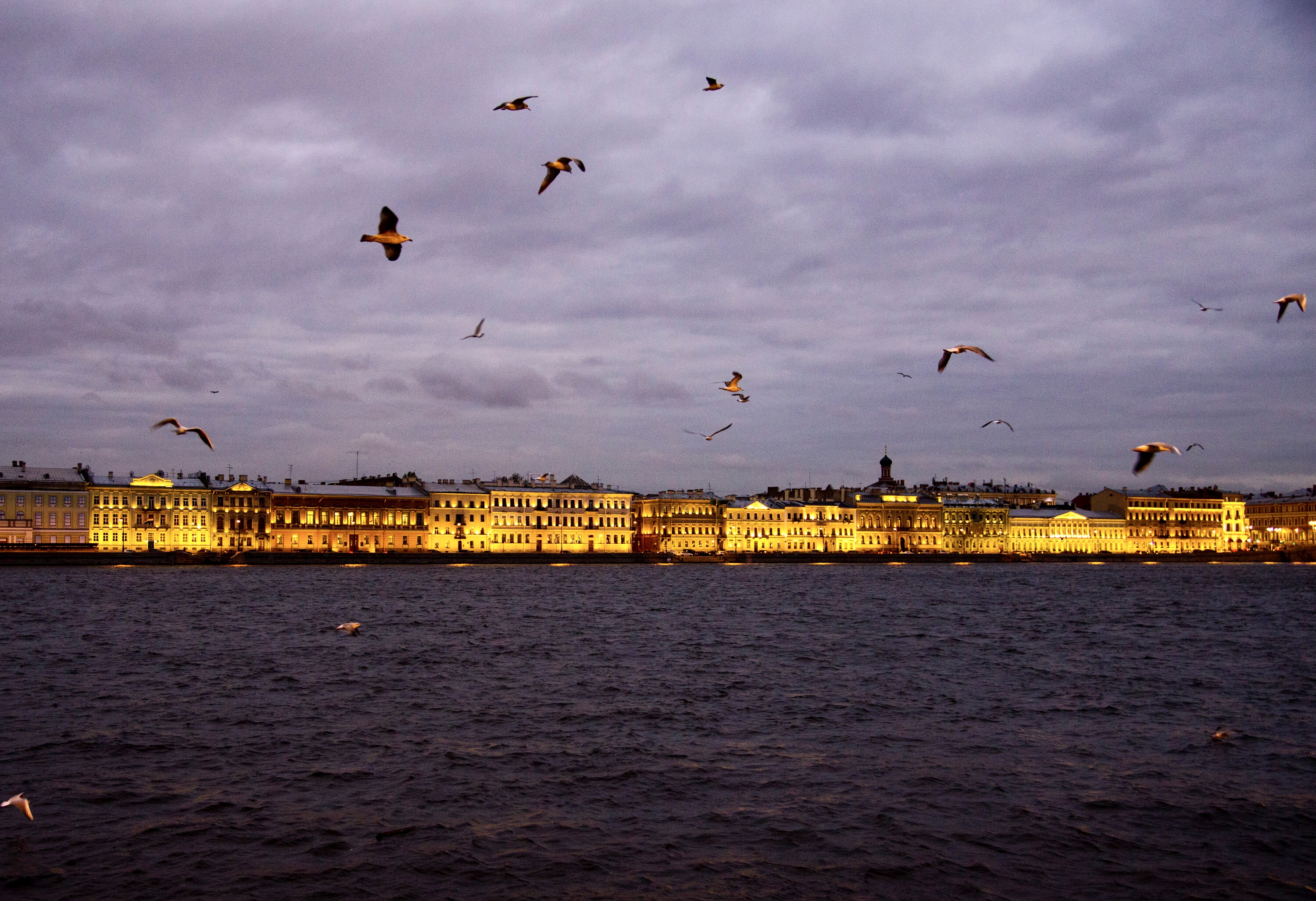
Magnificent St.Petersburg

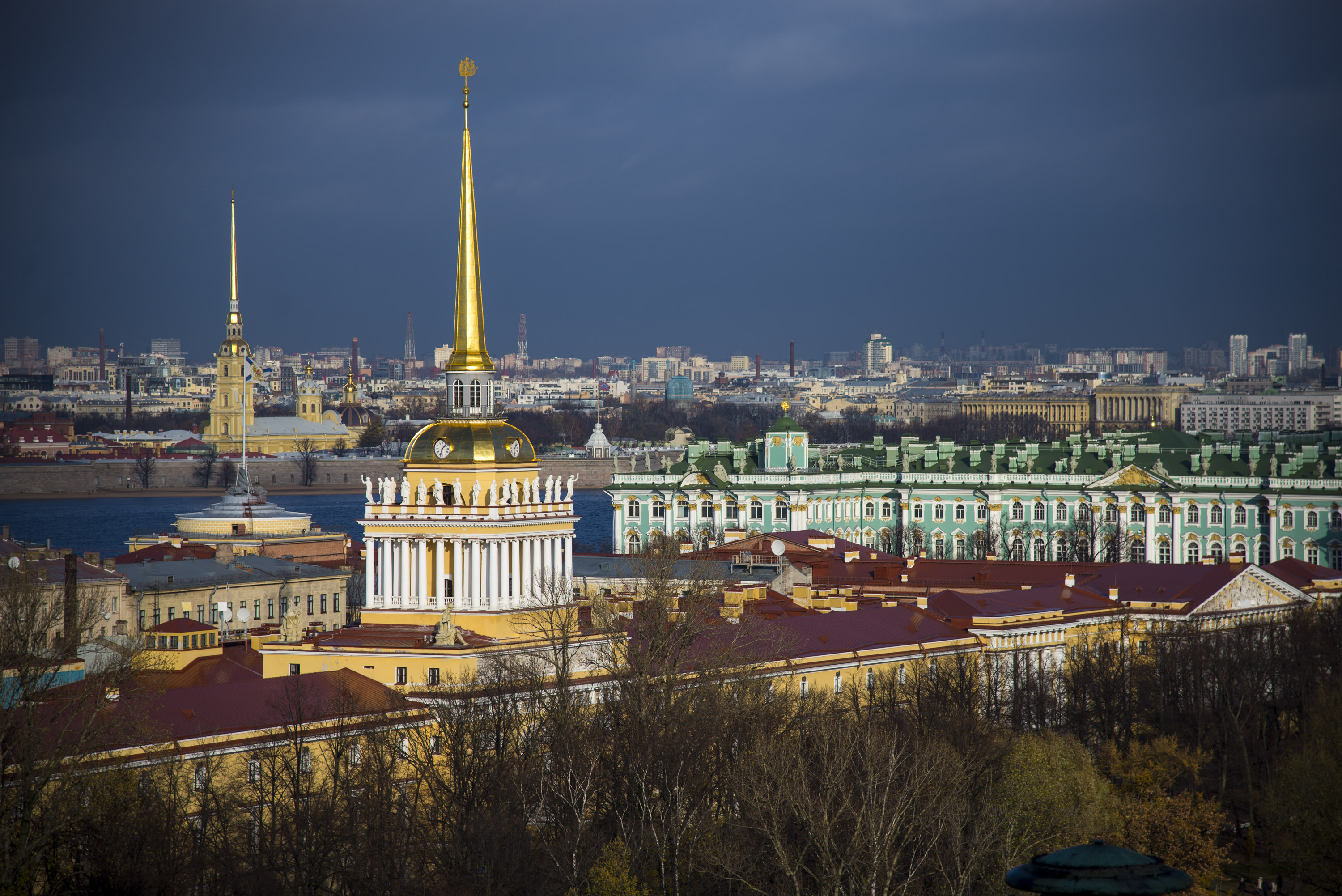
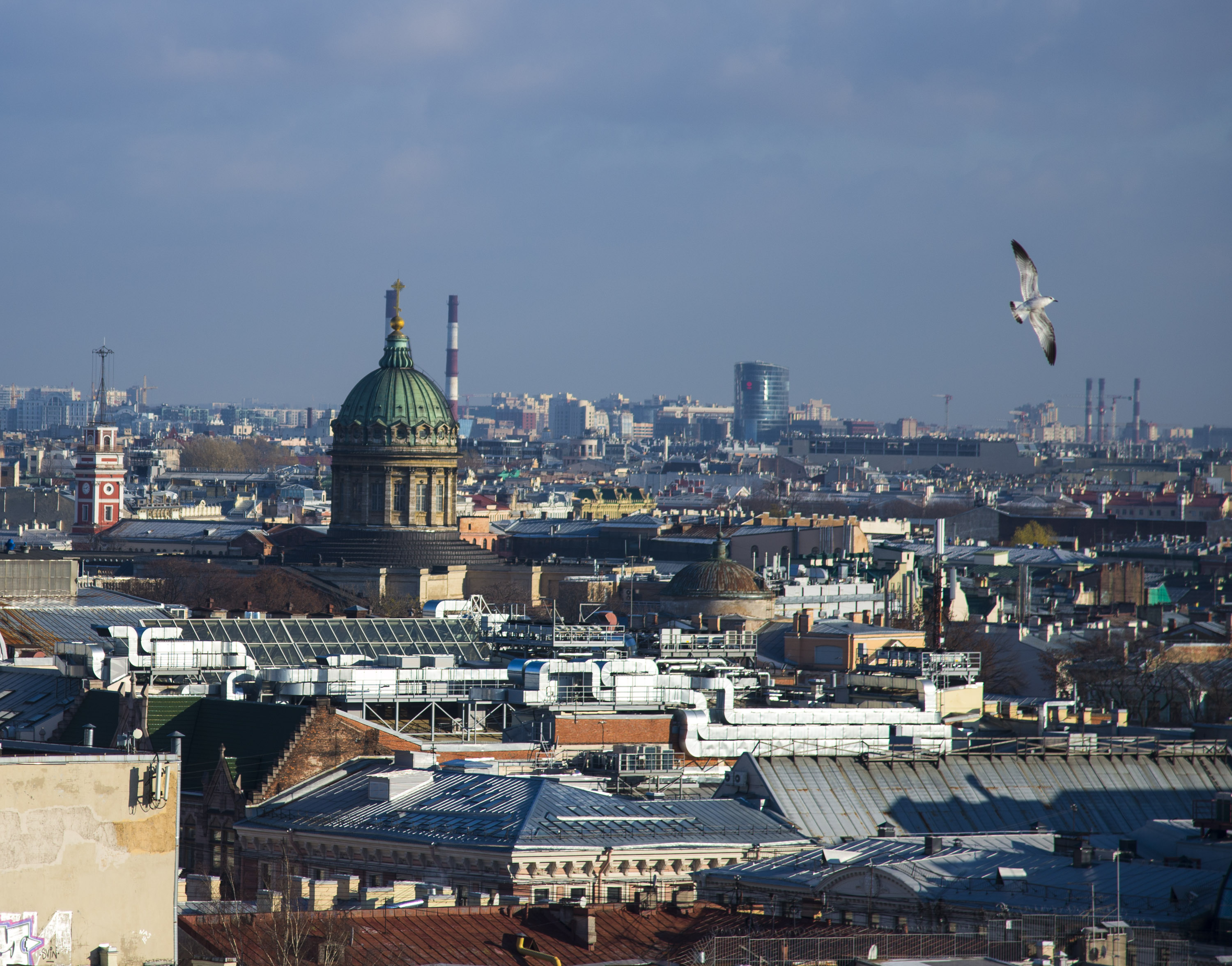
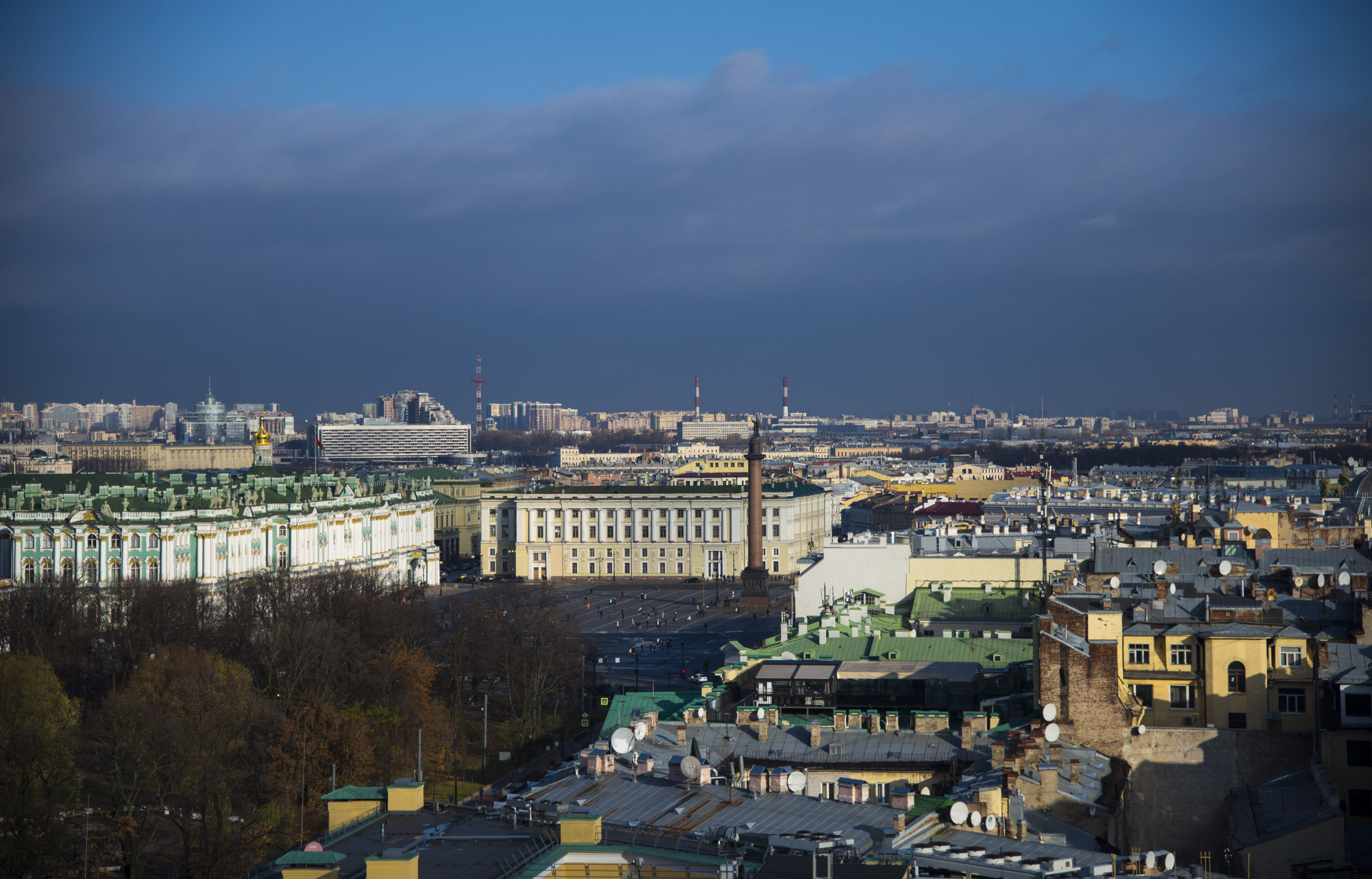
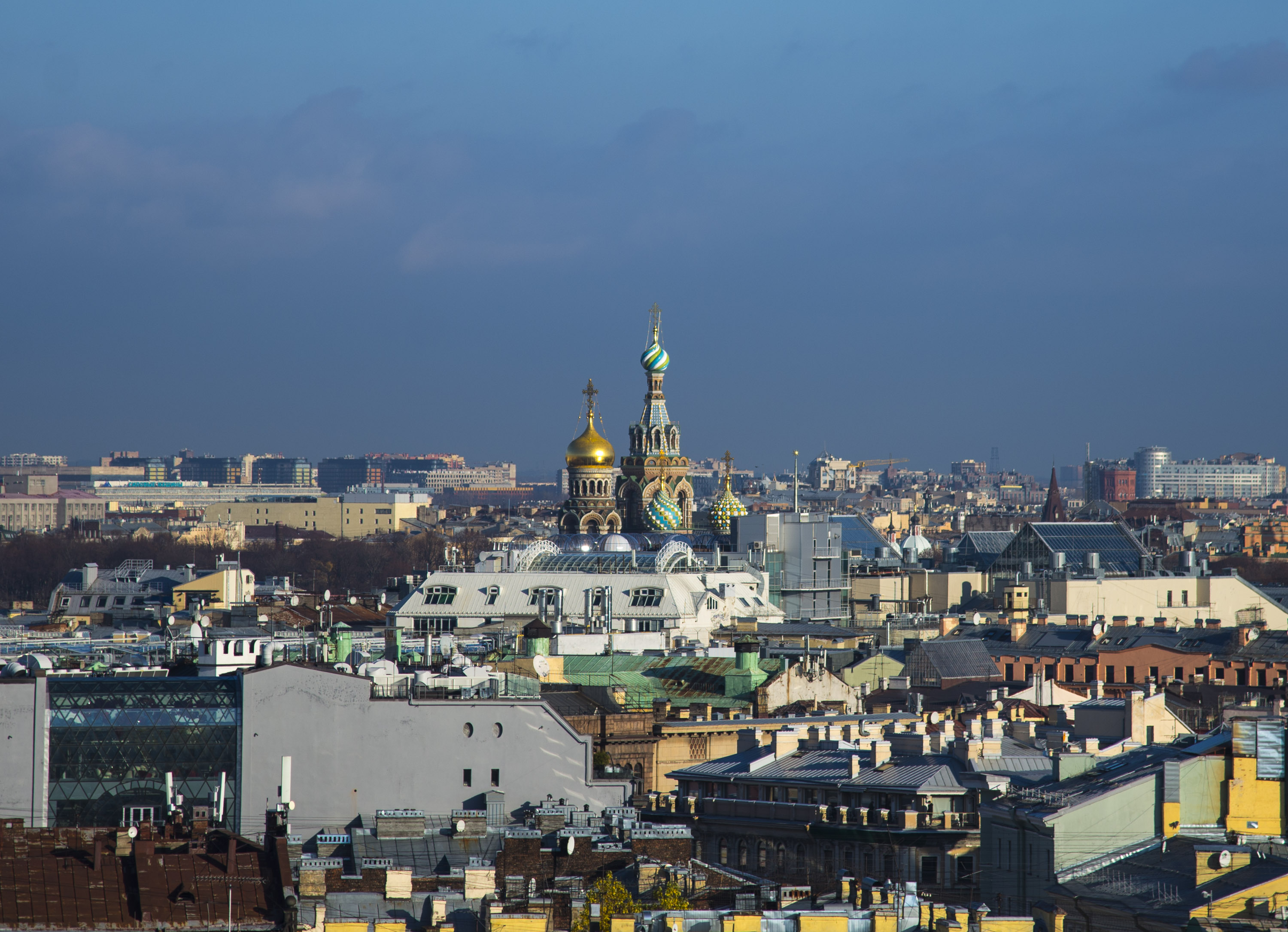
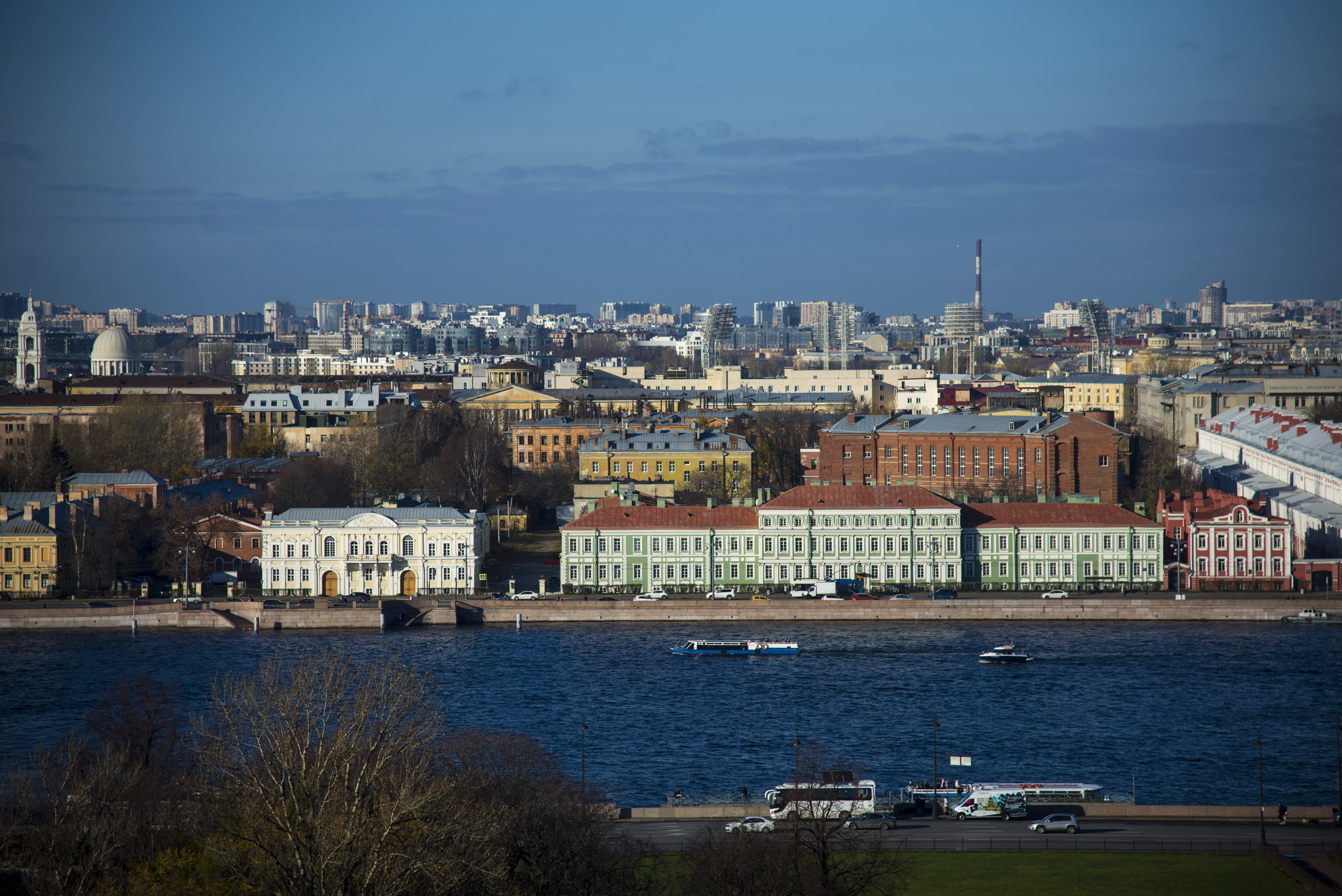
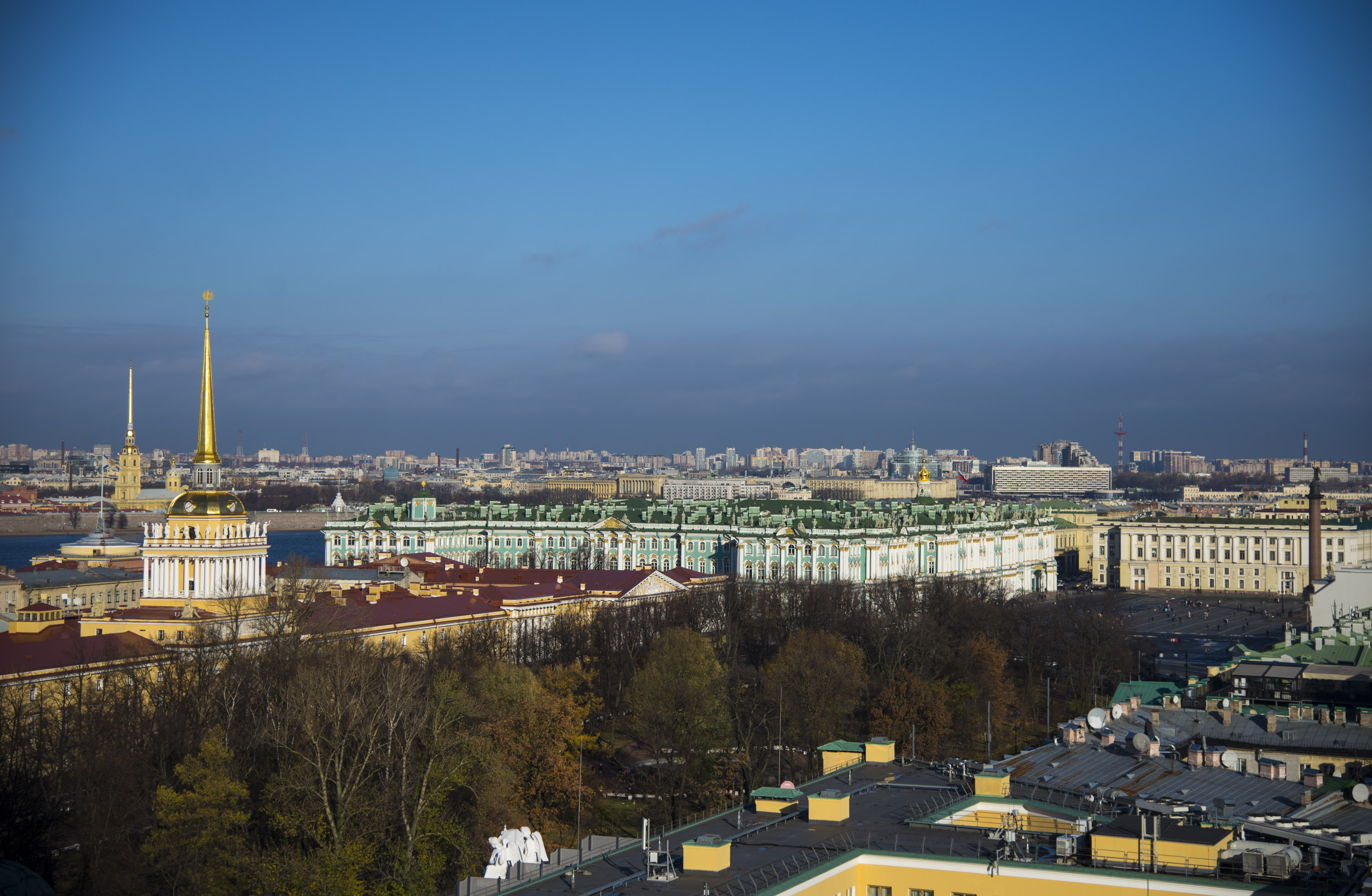
Panoramic views of St.Petersburg from St. Isaac’s Cathedral.

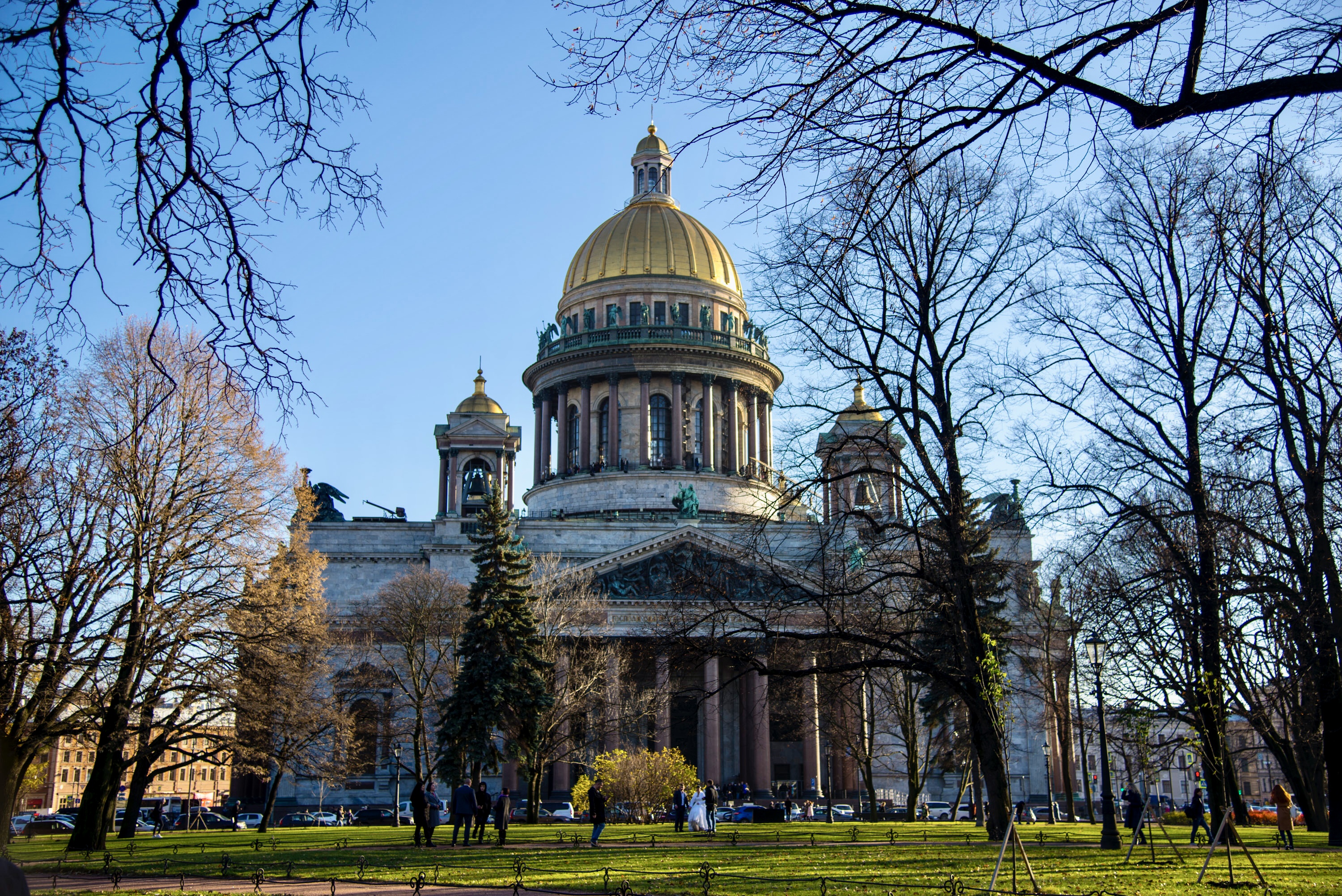
St. Isaac’s Cathedral is the largest orthodox church and the fourth largest cathedral in the world.

Palace Square

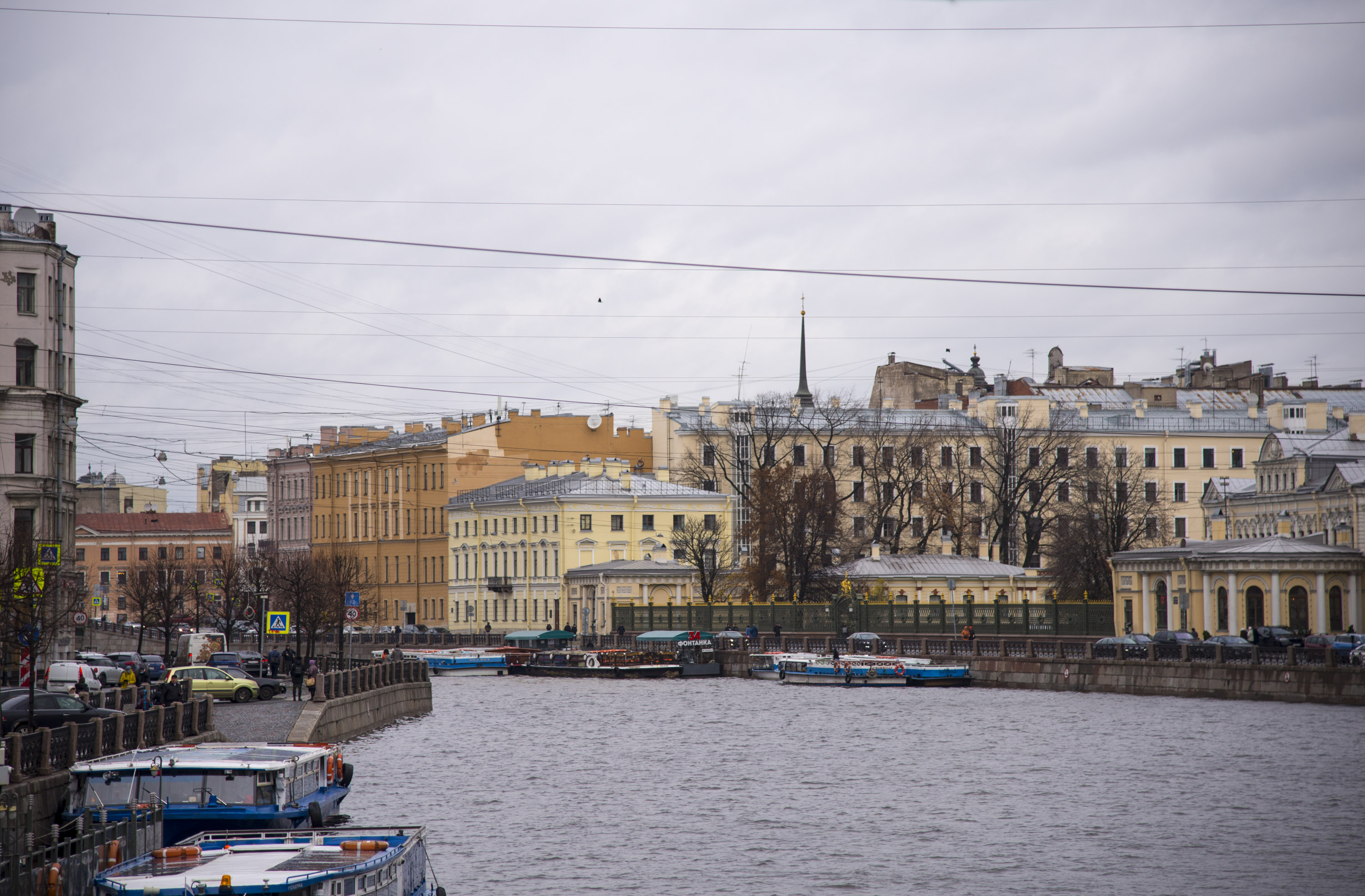
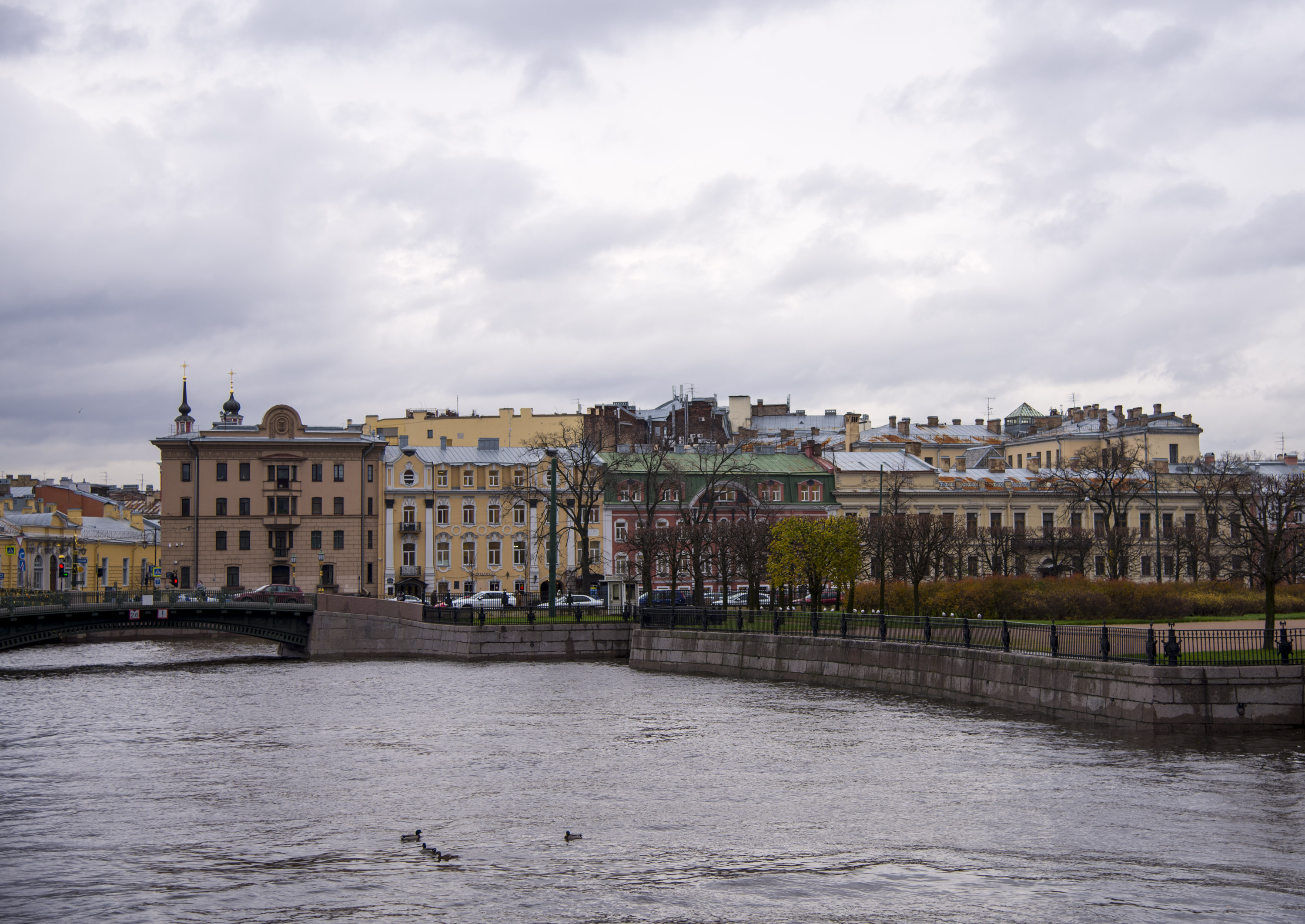
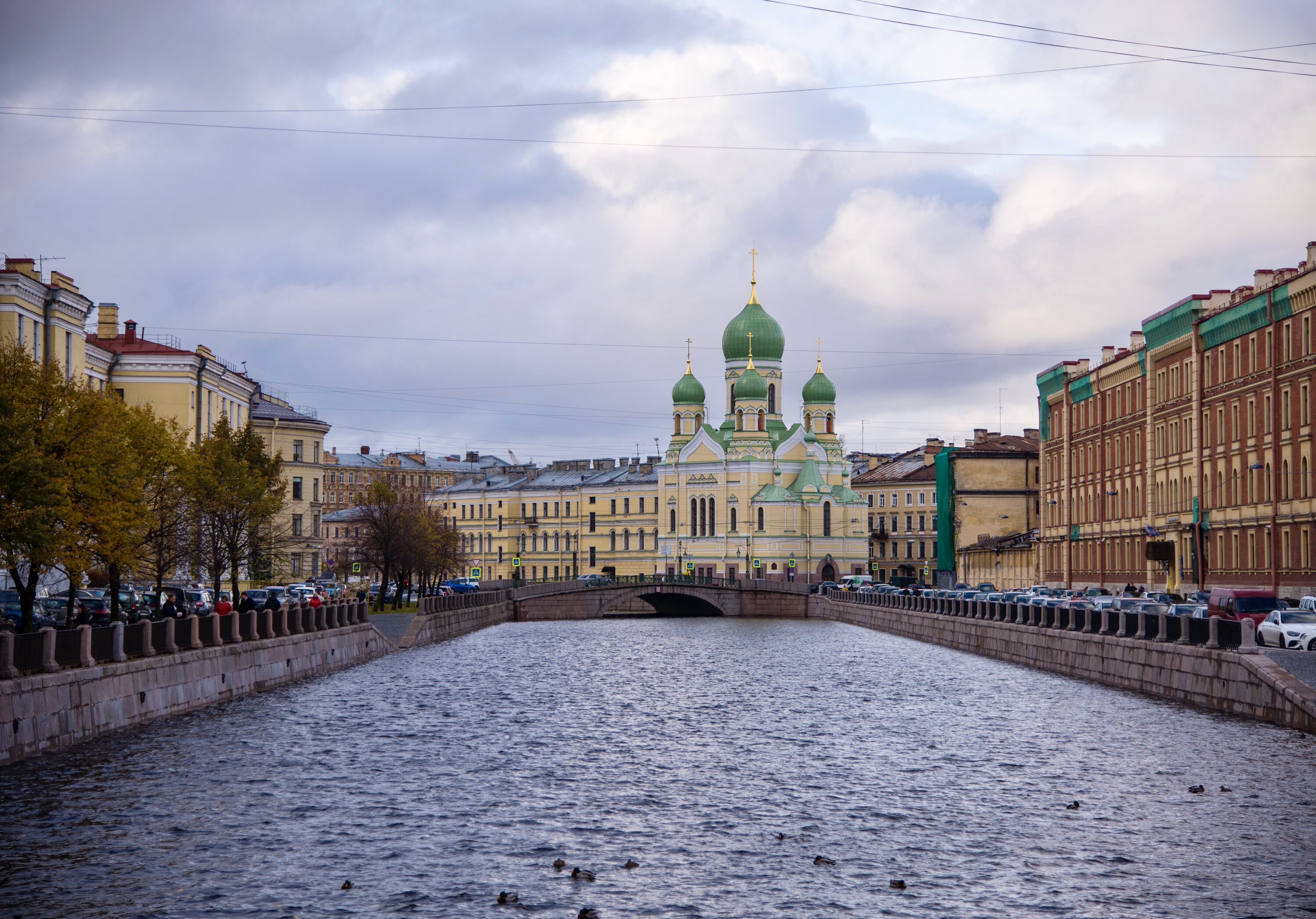
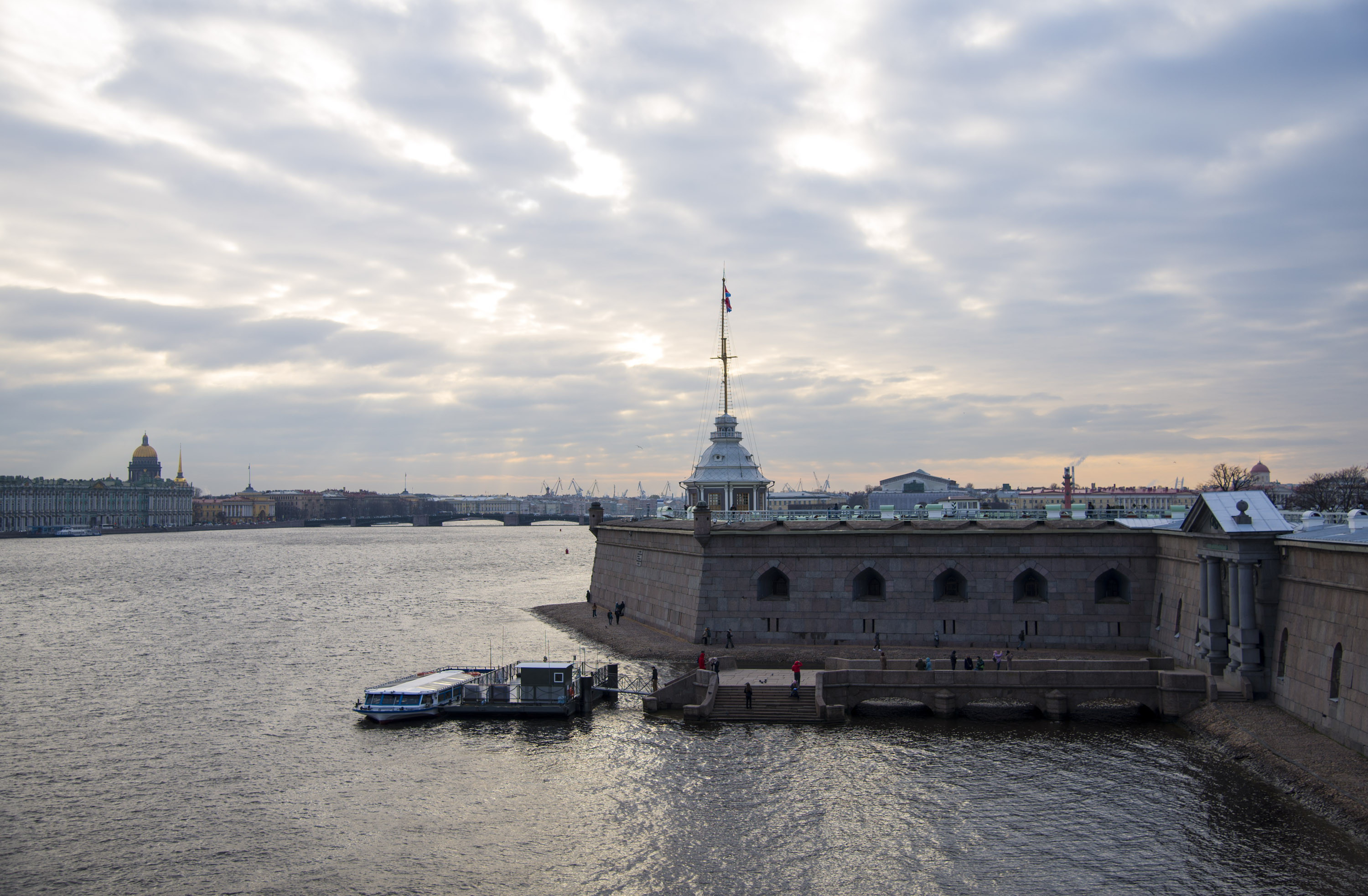
Bridges and streets of St.Petersburg

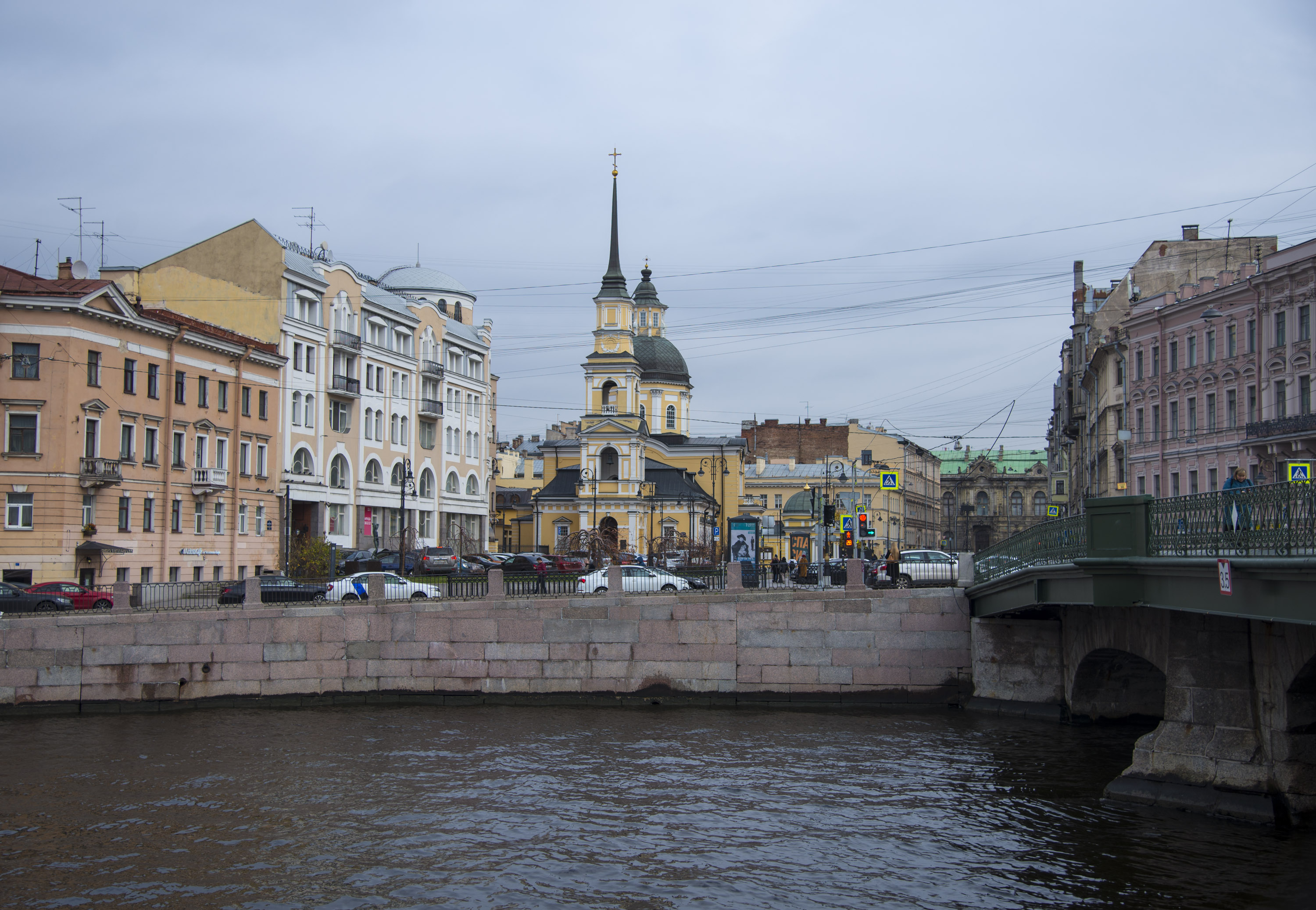
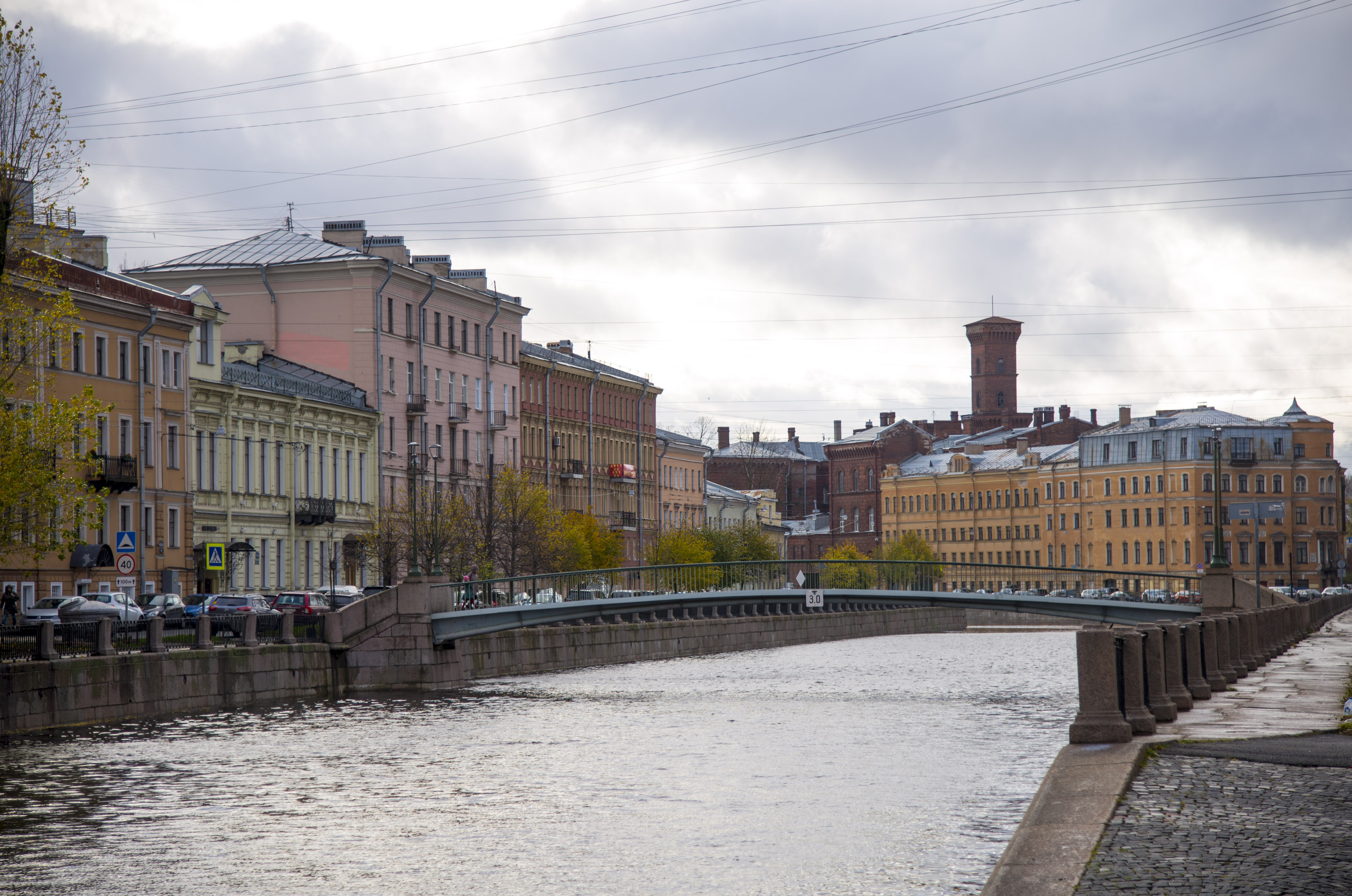
“Semimostie” (Plave of Seven Bridges)

The view of “Semimostie” is opened from the Pikalov bridge over Griboedov Canal, from where you can see six more bridges: Krasnogvardeyskiy, Novo-Nikolsky and Mogilevsky over Griboedov Canal and Staro-Nikolsky, Smezhny and Kashin – over Kryukov Canal.

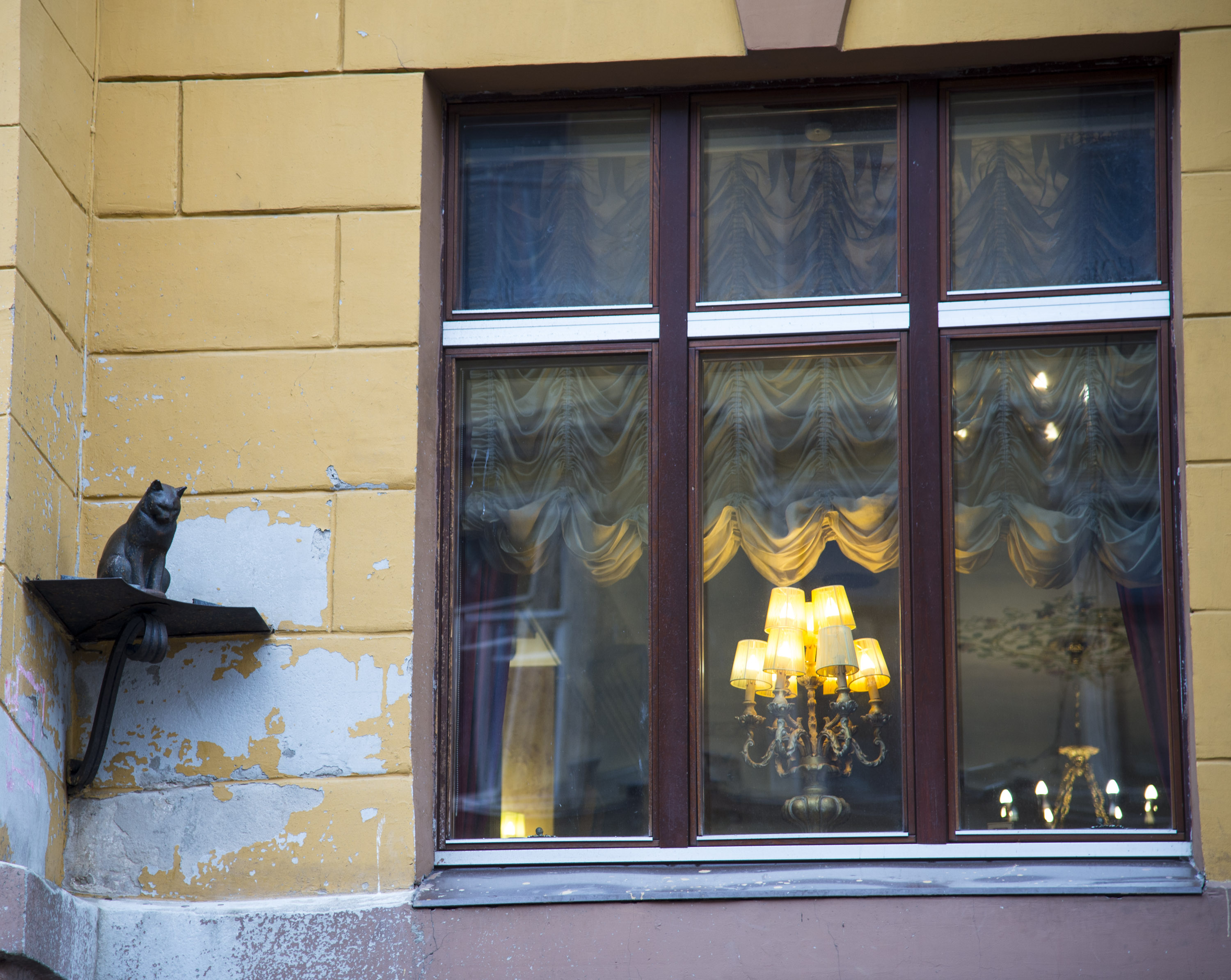
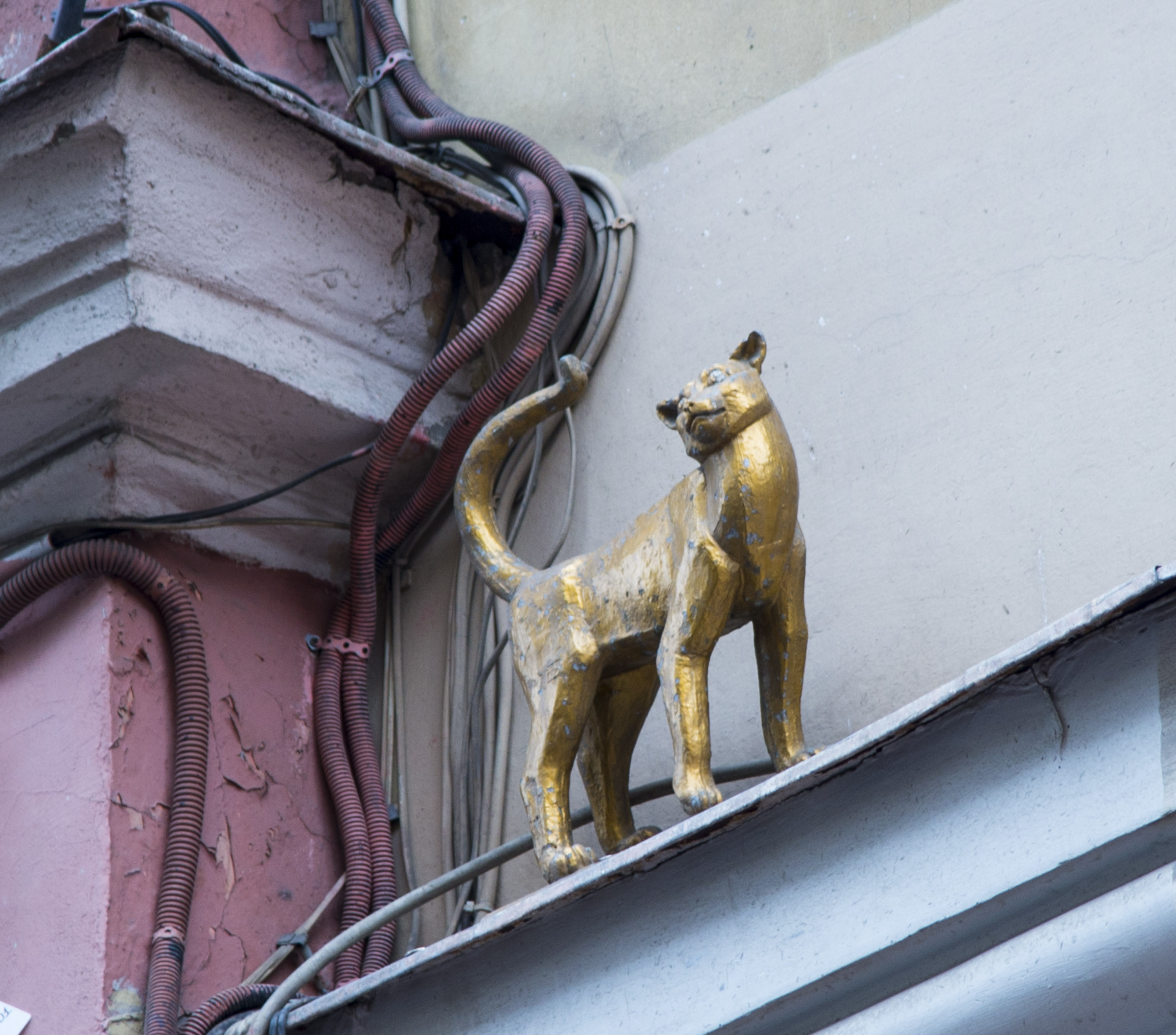
Cats Elisey and Vasilisa

St.Petersburg cats Elisey and Vasilisa live on parapets of two buildings of Malaya Sadovaya street. Cats saved the city from rats during the Siege of Leningrad. They are now symbols of St.Petersburg.

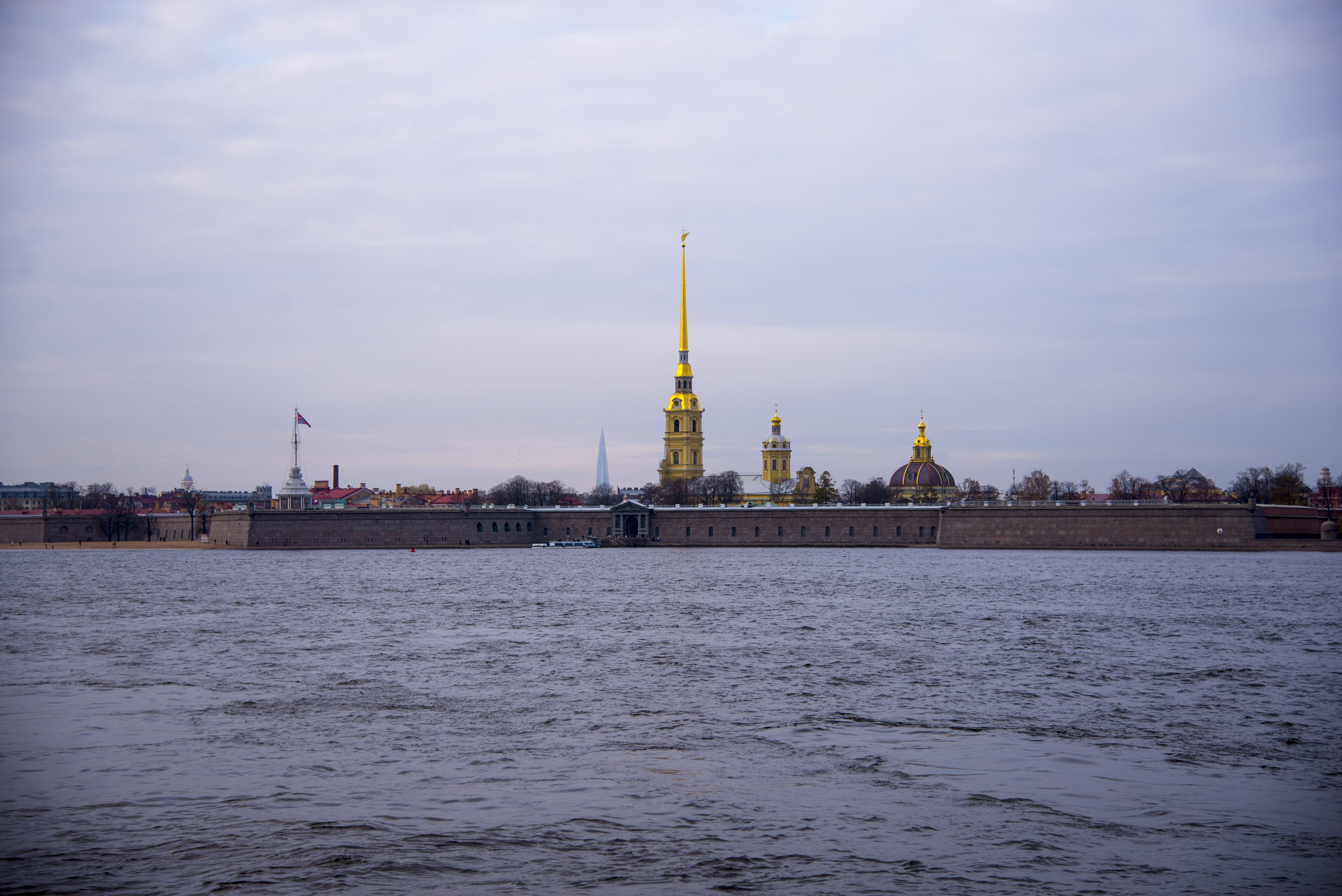
Peter and Paul fortress

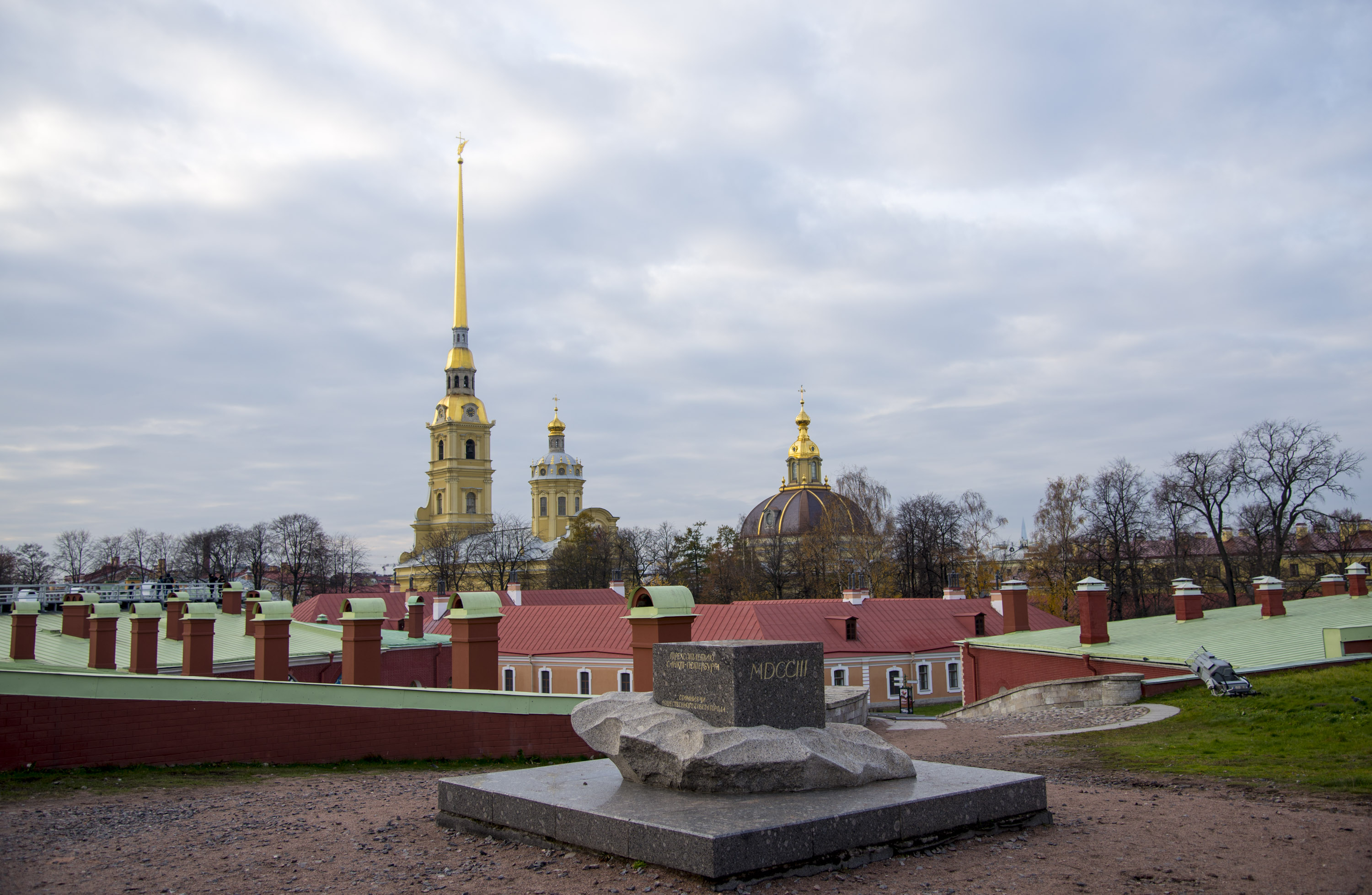
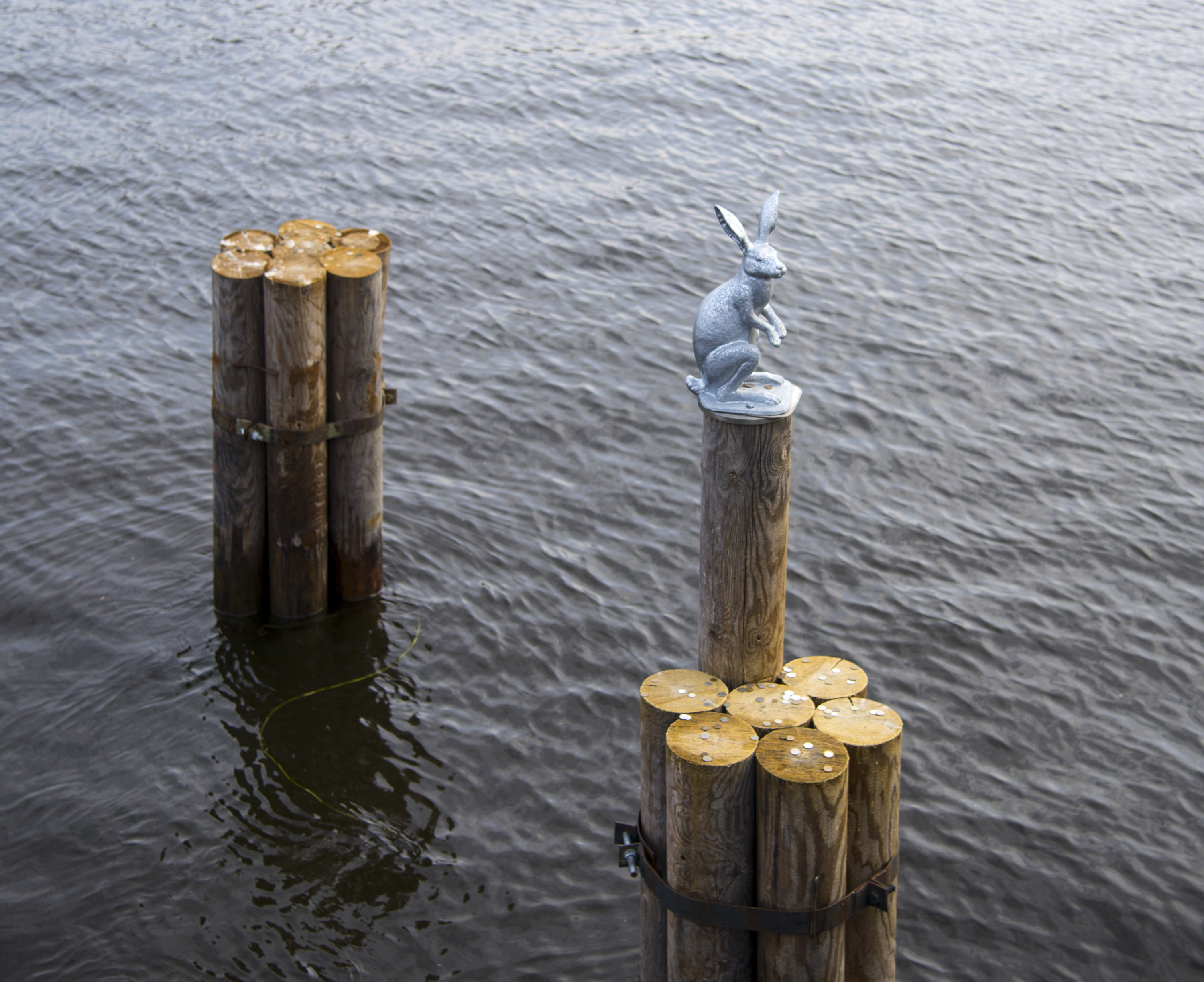
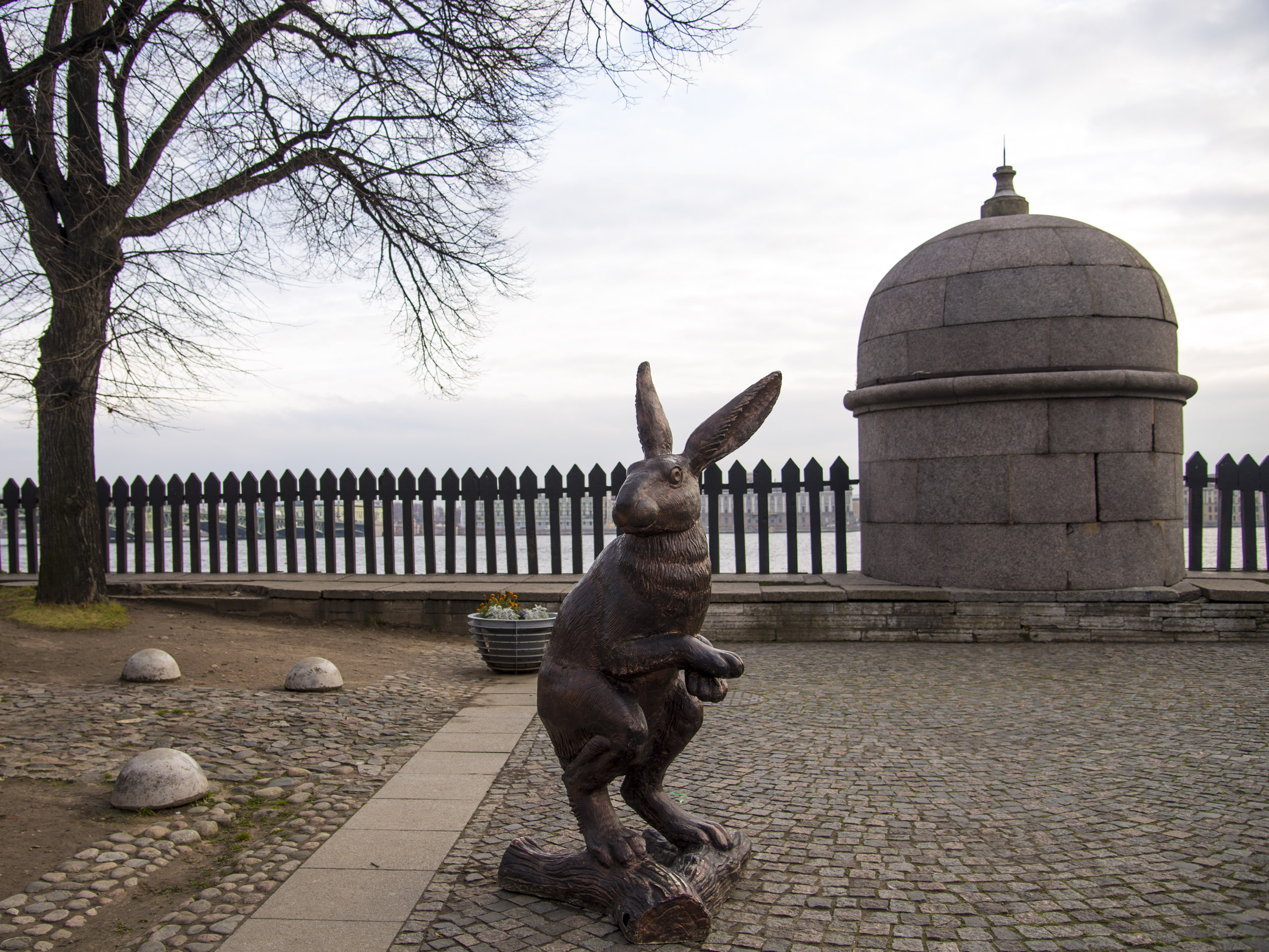
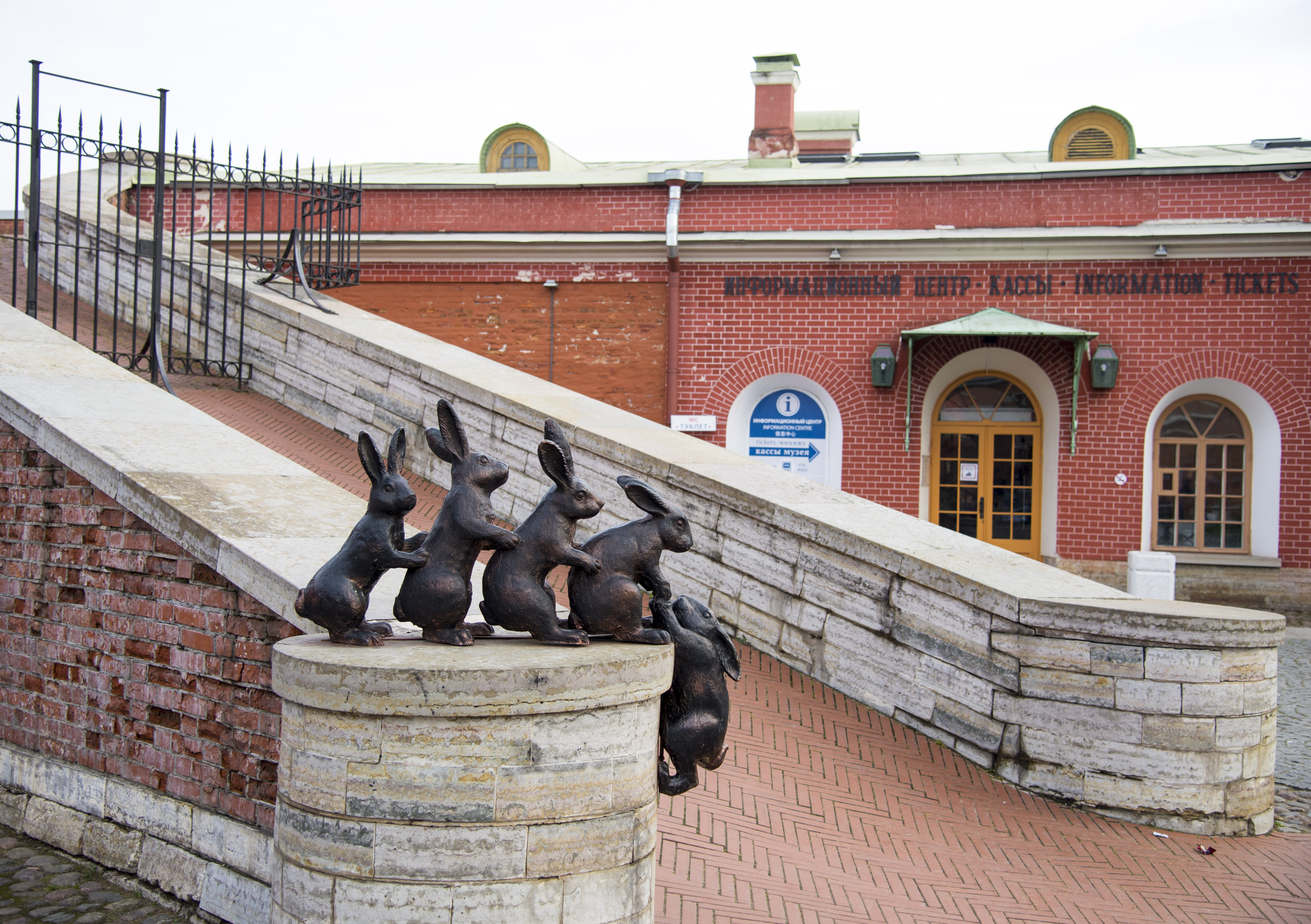
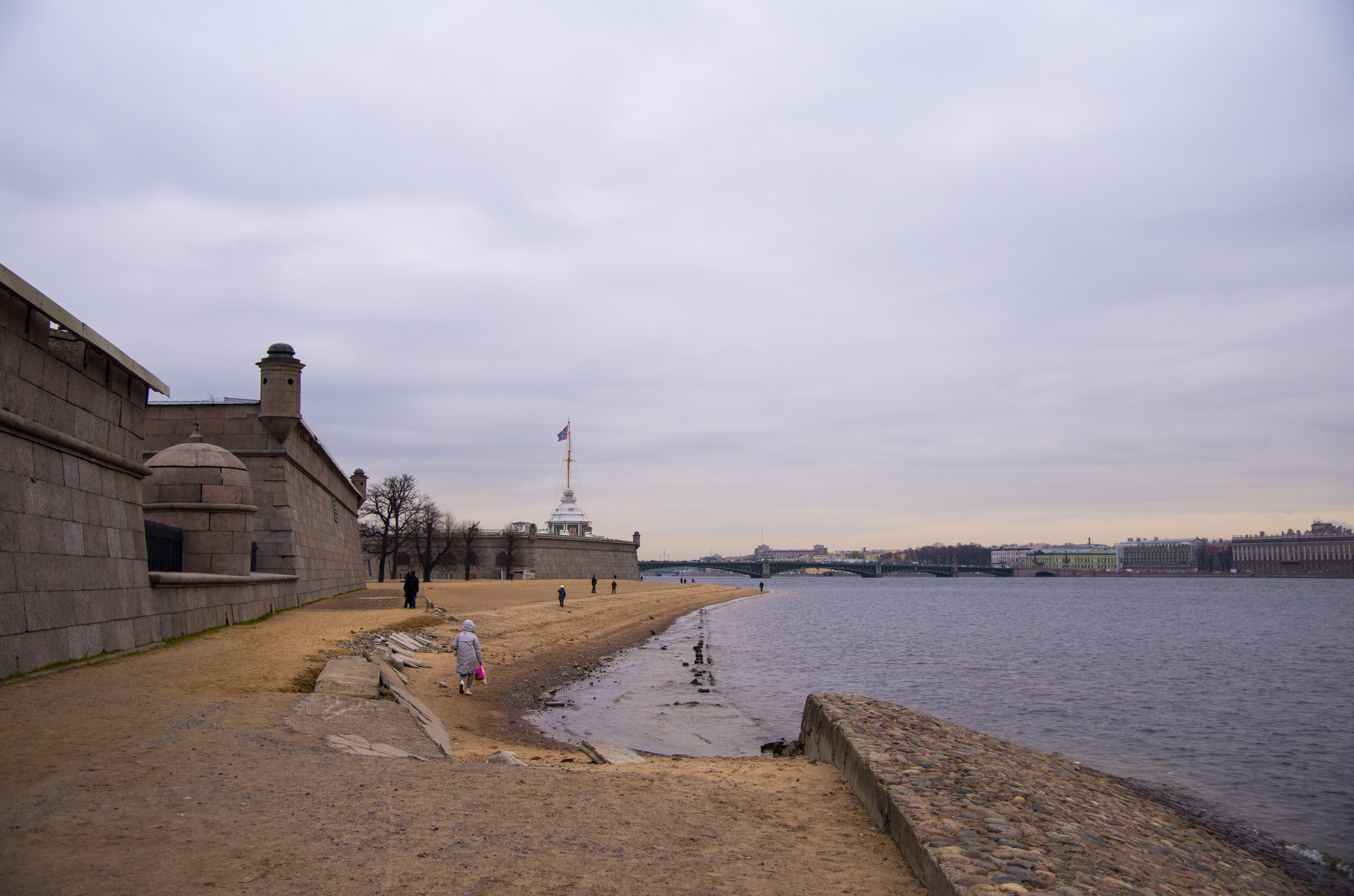
Peter and Paul fortress was founded in 1703 and is the St. Petersburg first settlement. The fortress is located on an island called Rabbit island. That’s why there are rabbits sculprutes everywhere.

Cathedral of saints Peter and Paul is the oldest church in St. Petersburg, and also the second-tallest building in the city (after the television tower). It is linked to both the history of the city and the Romanov dynasty, as it is home to the graves of nearly all the rulers of Russia since Peter the Great.

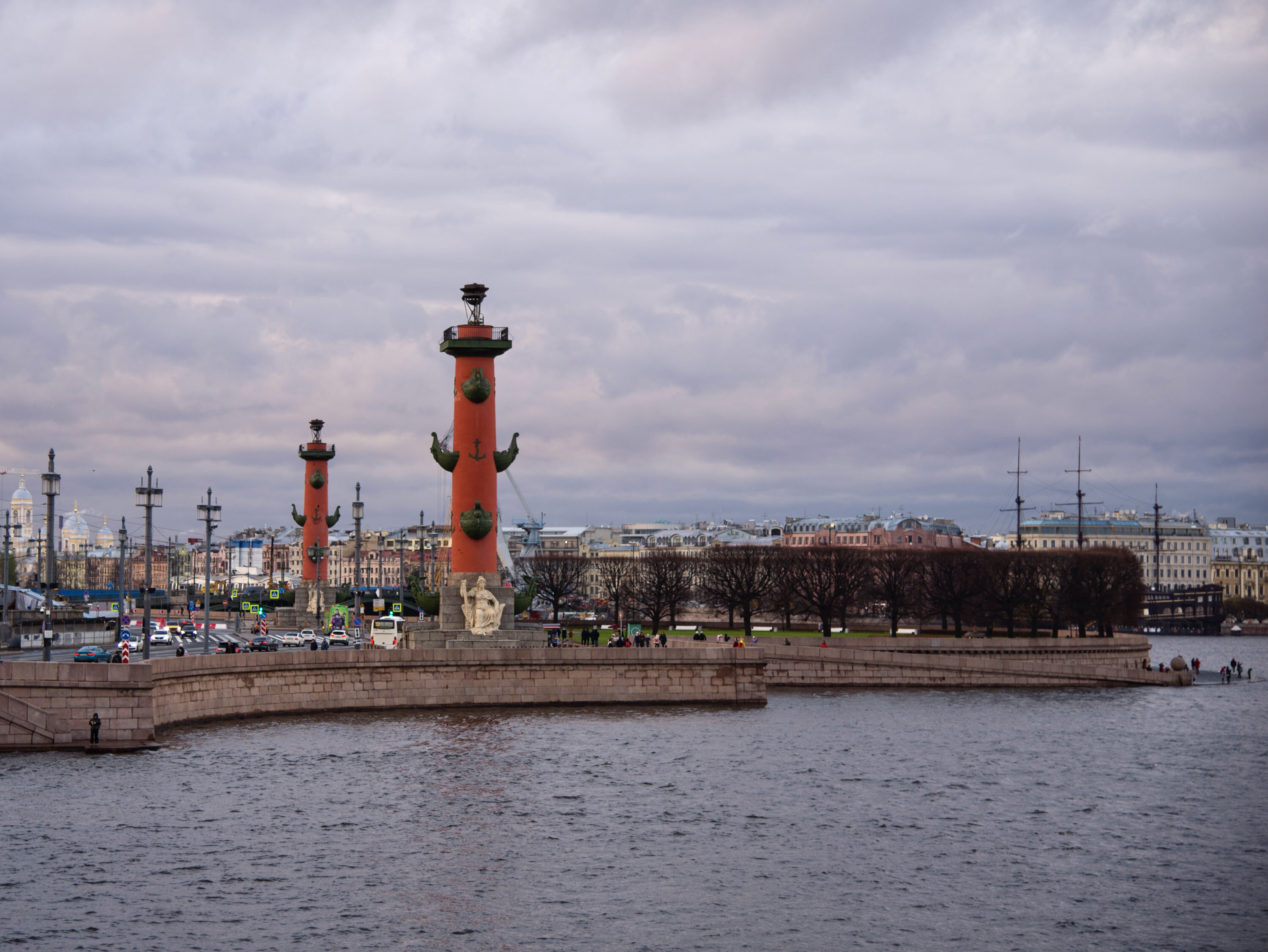
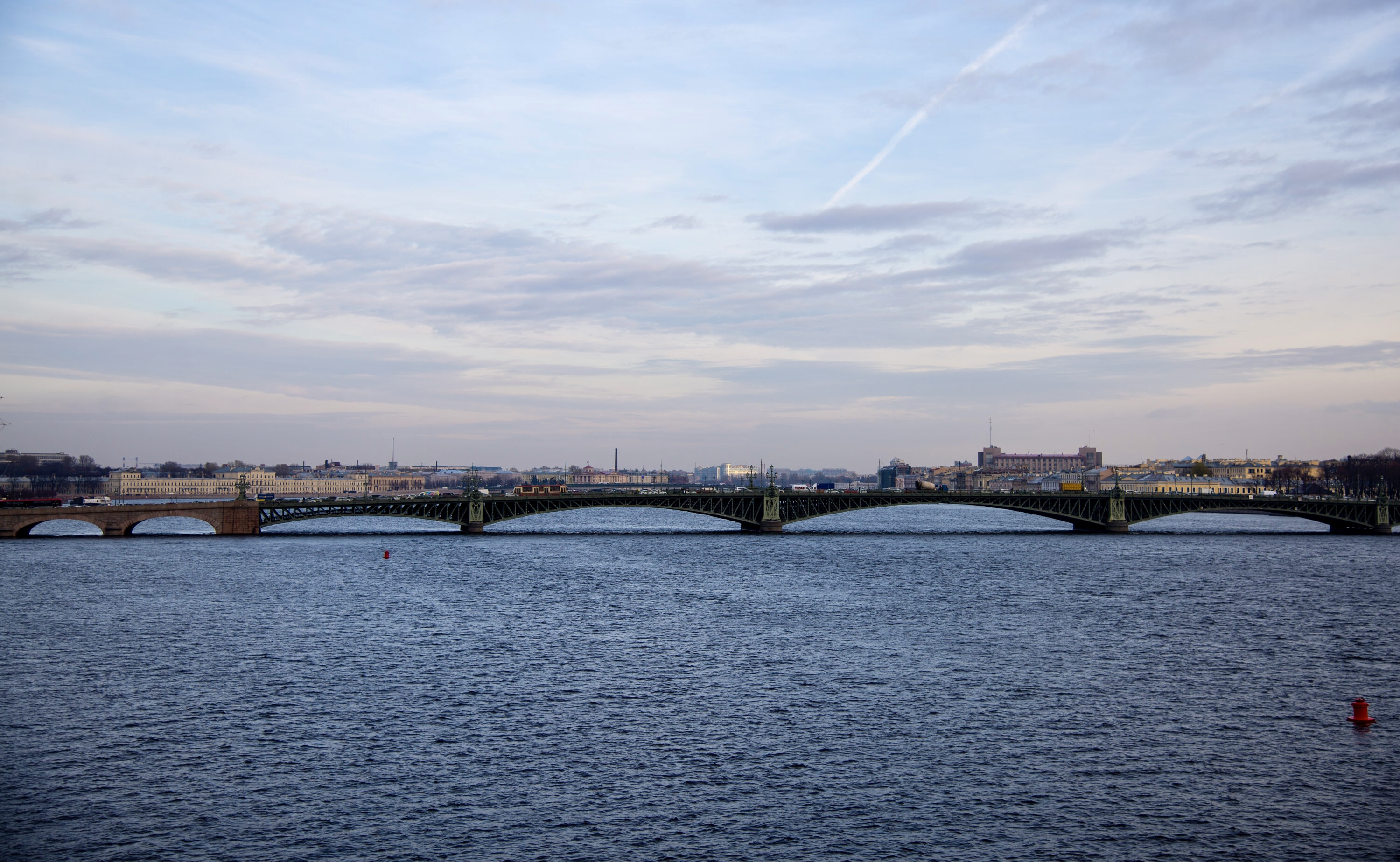
Troitskiy Bridge

Savior on the Spilled Blood Church

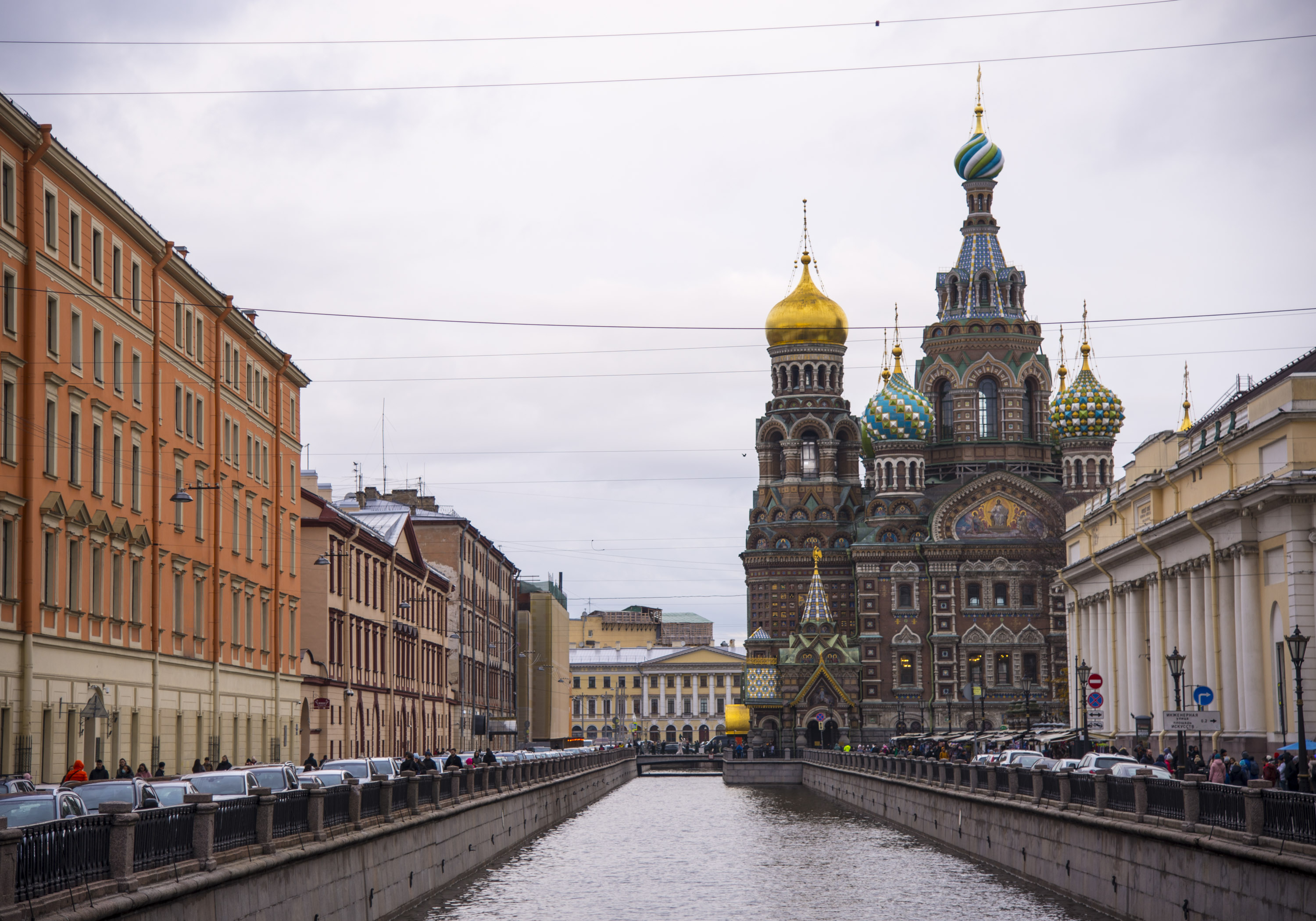
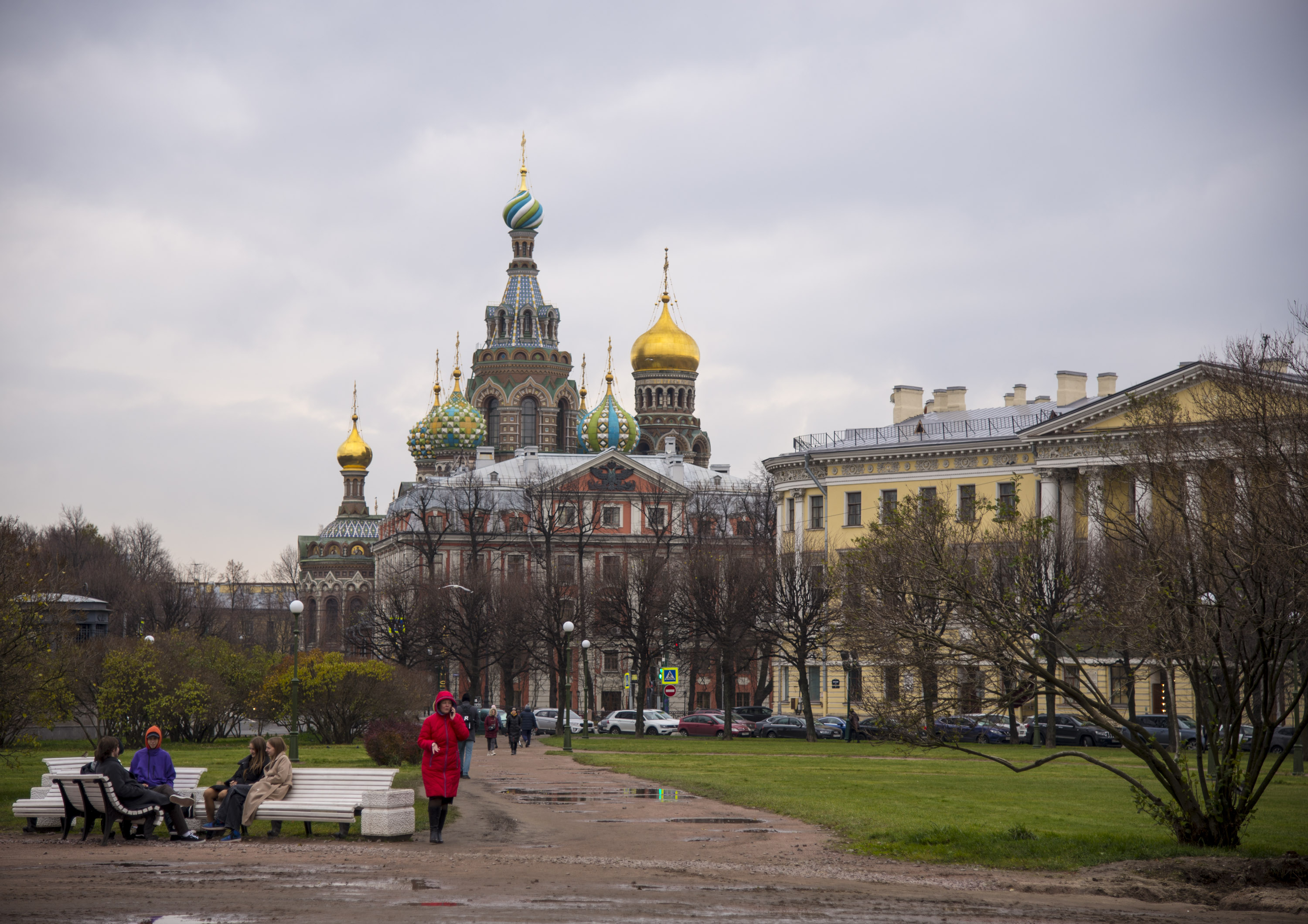
The Cathedral was being built from 1883 to 1907 on the place, where tragic event had happened. On 1st of March 1881, Emperor Alexander II, who had been going to the parade of troops on the Field of Mars, was mortally wounded here. His son, Alexander III, ordered to build a church on this spotto. Not only Russians, but also residents of other Slavic countries donated money for the construction of the church. On the walls of the bell tower, there are more than a hundred mosaic coats of arms of the cities and towns that participated in fundraising.

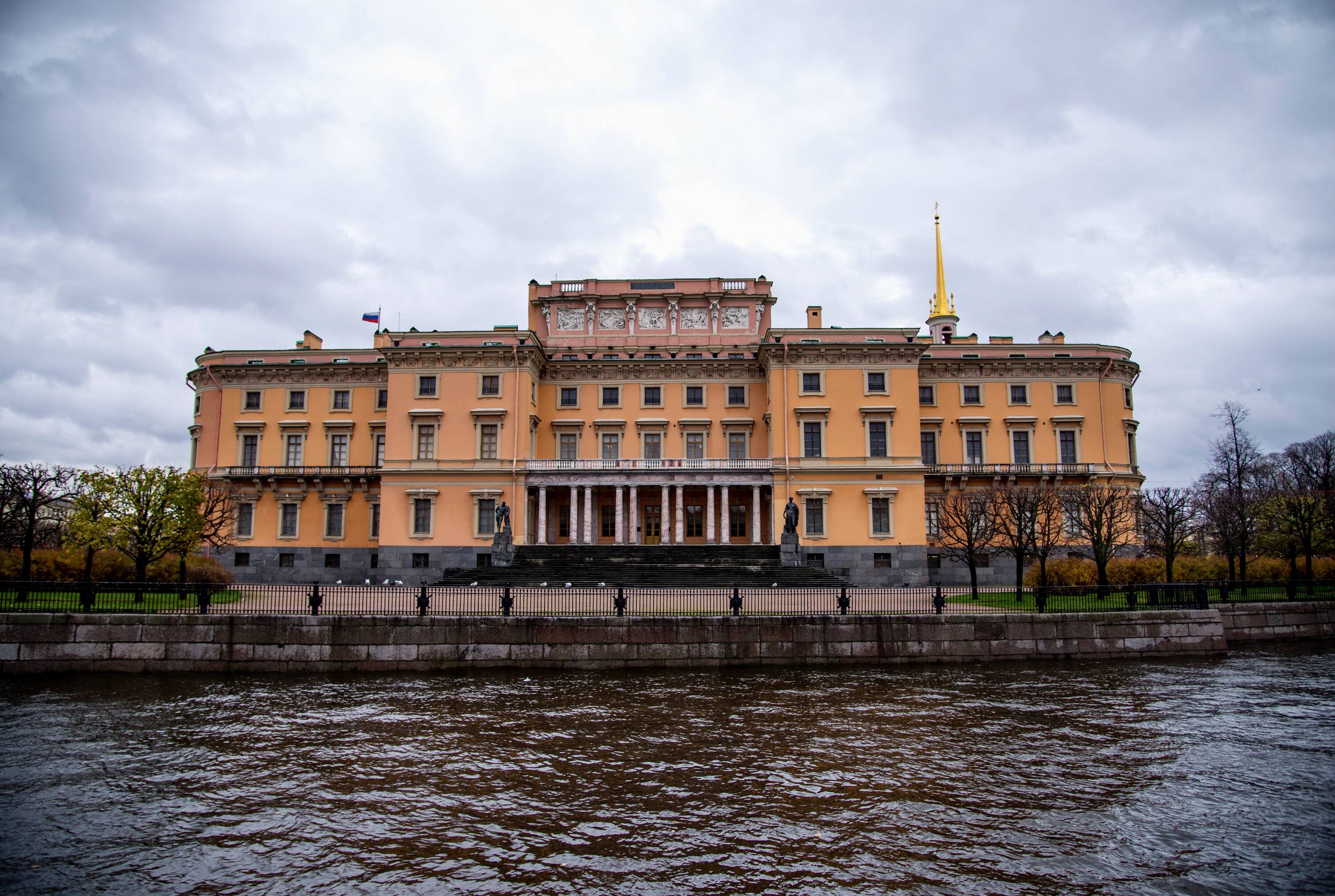
St. Michael’s Castle

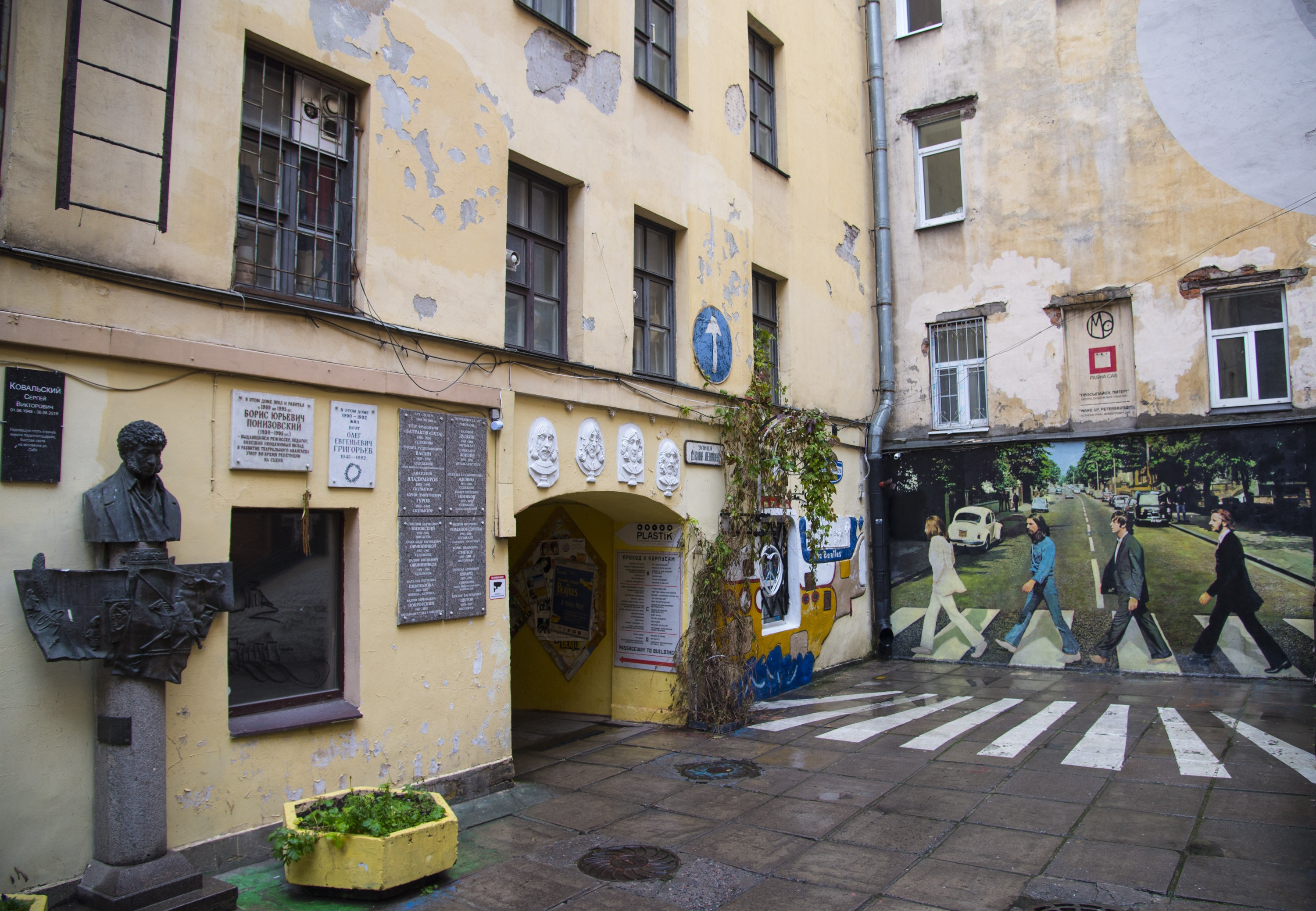
John Lennon Street

A small and surprising passageway in St. Petersburg devoted to the Beatles.

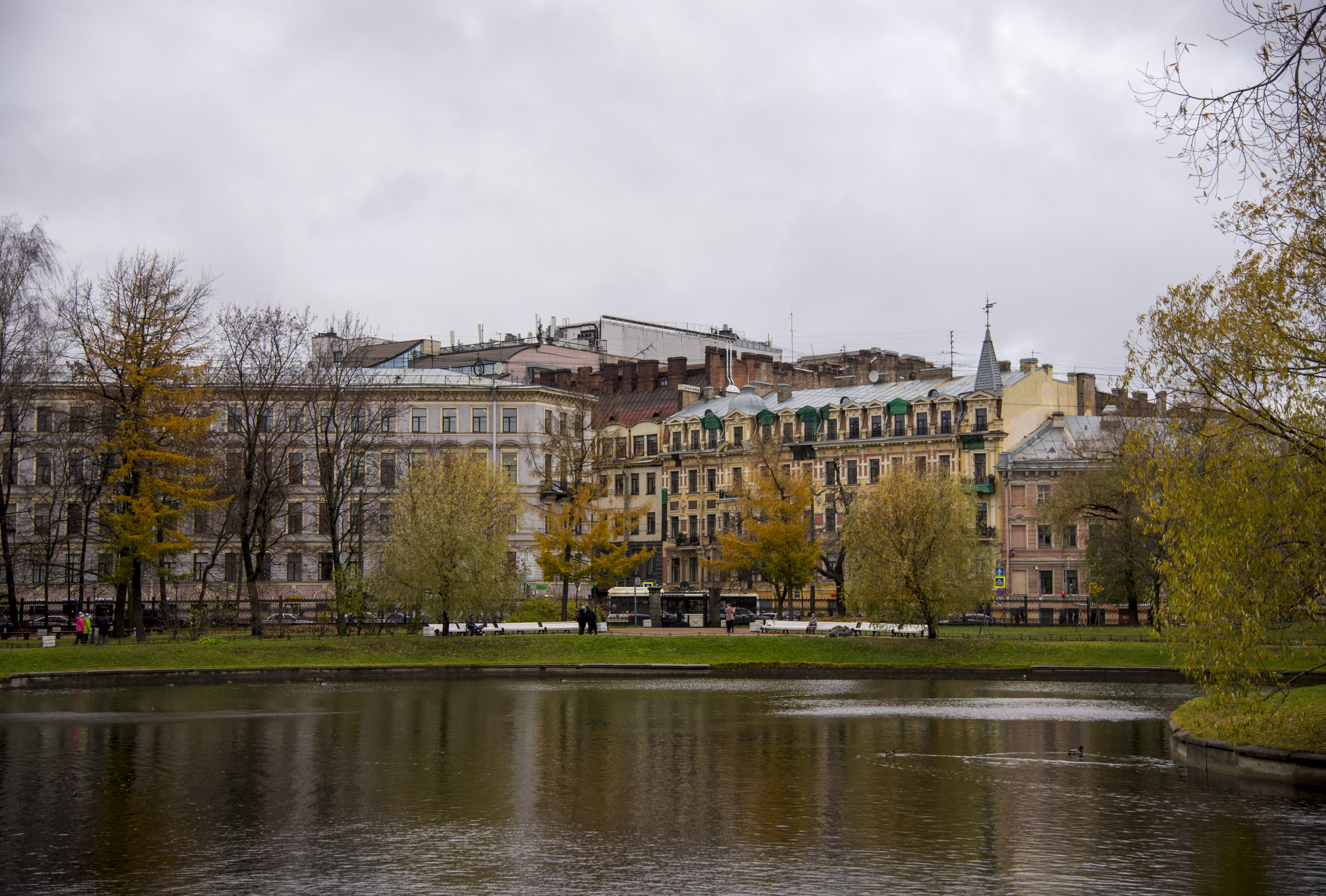
Yusupov Gardens

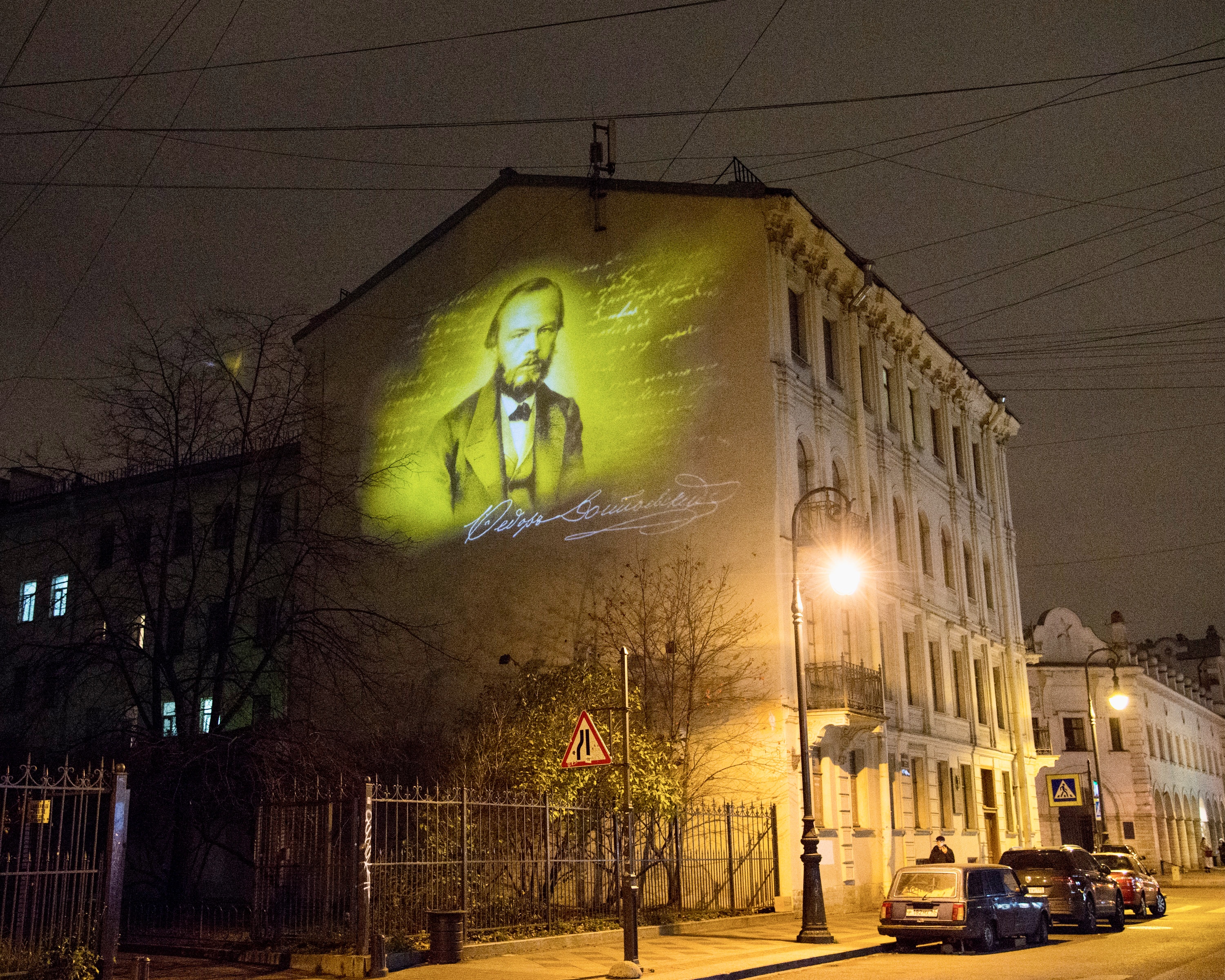
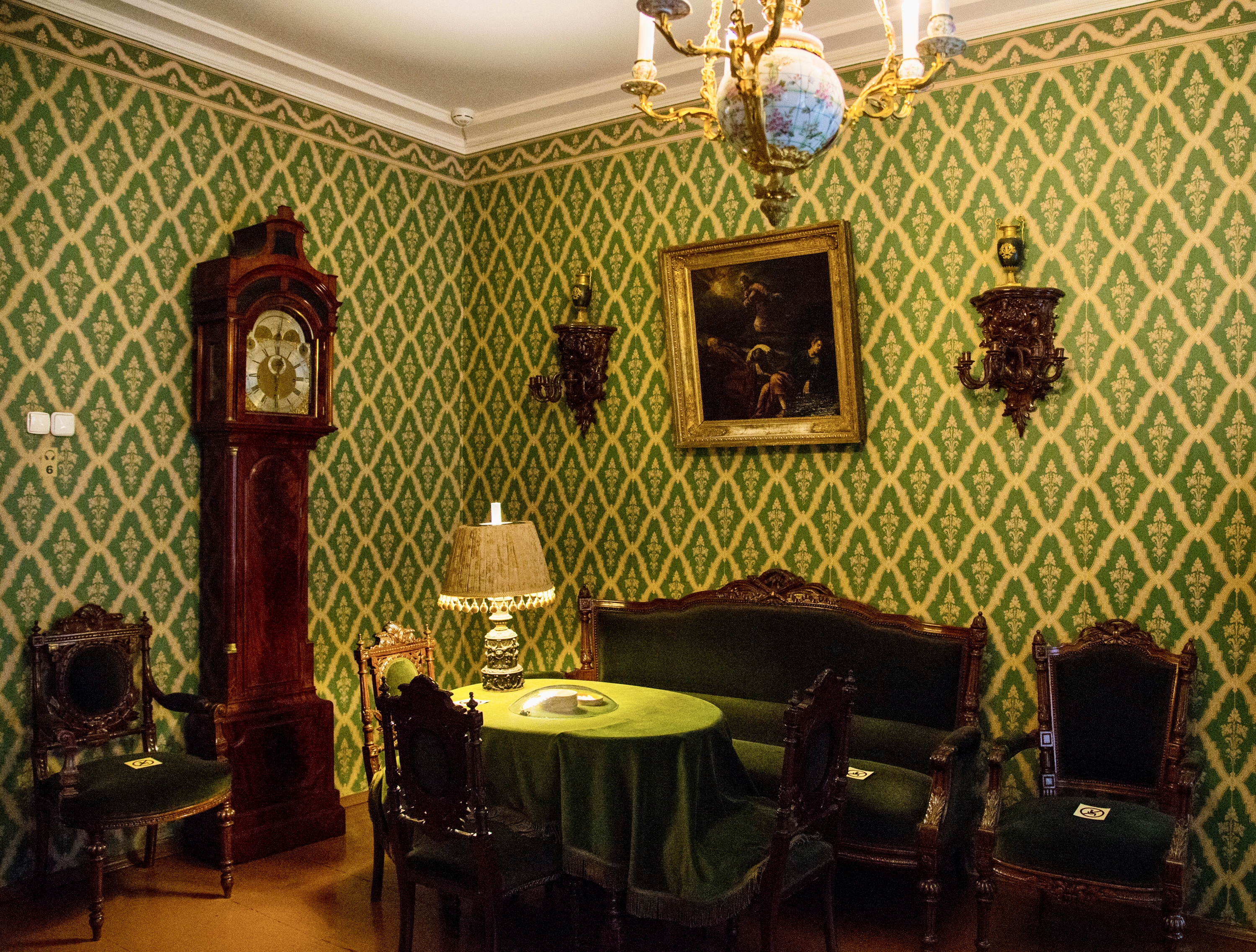
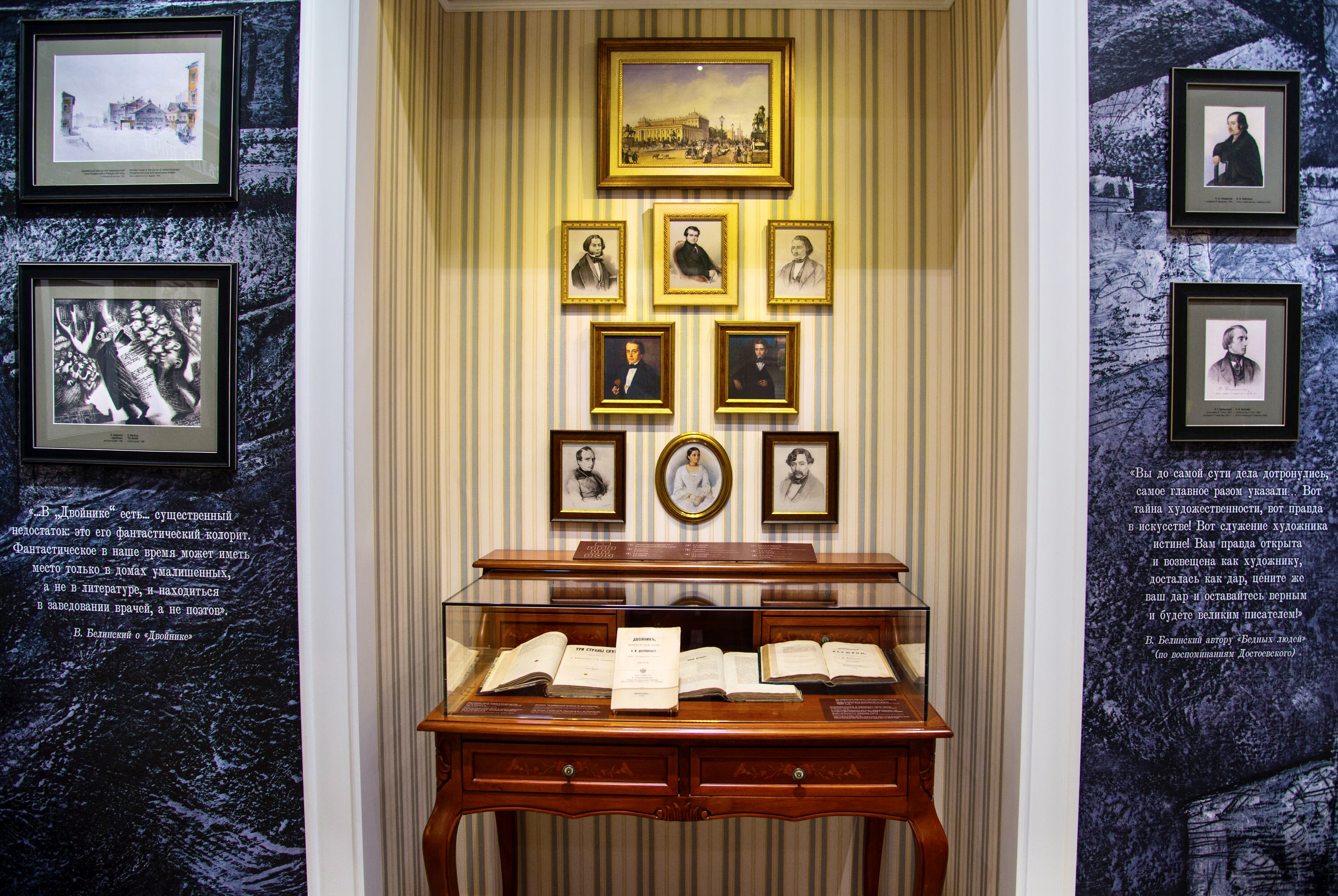
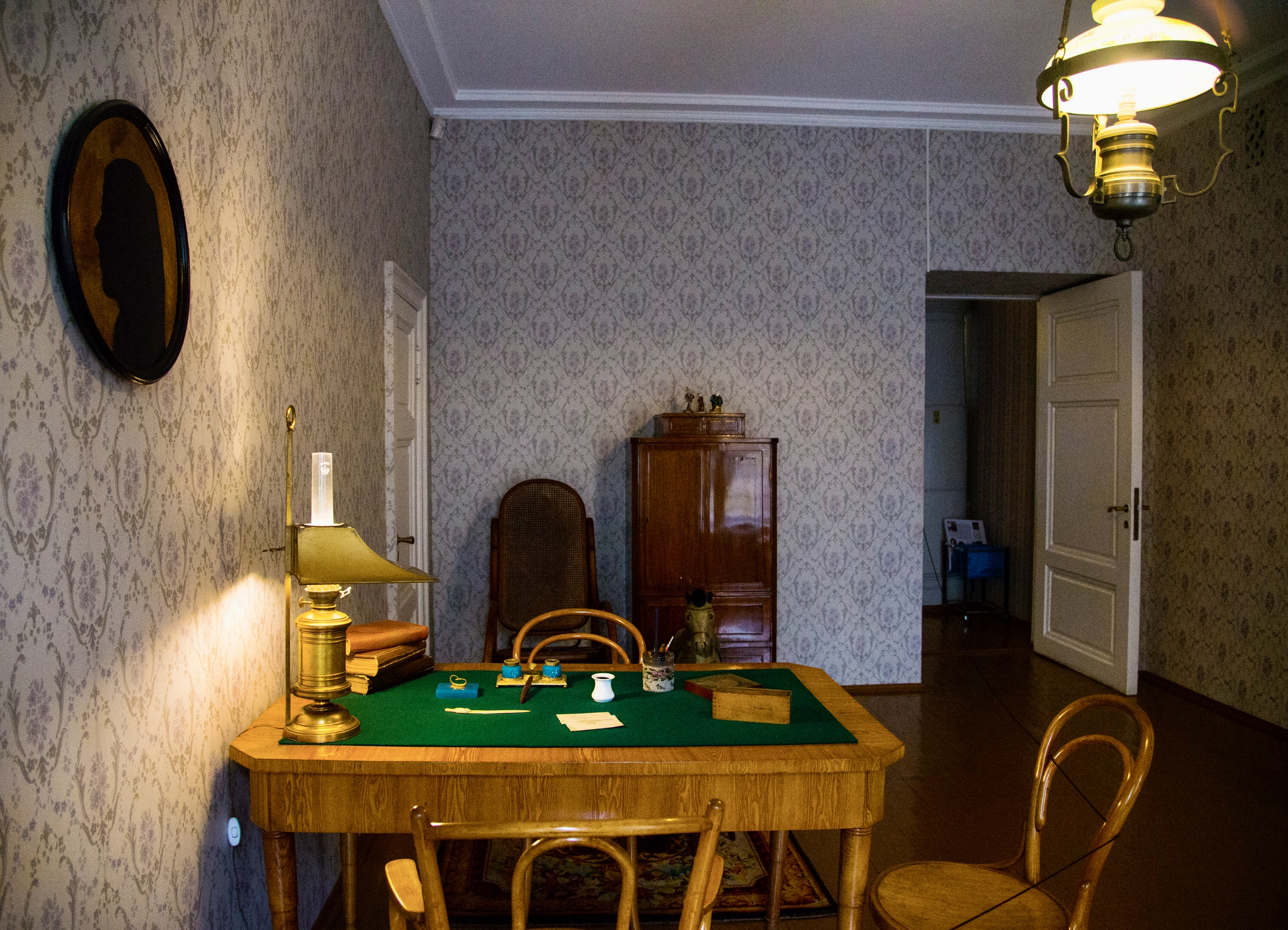
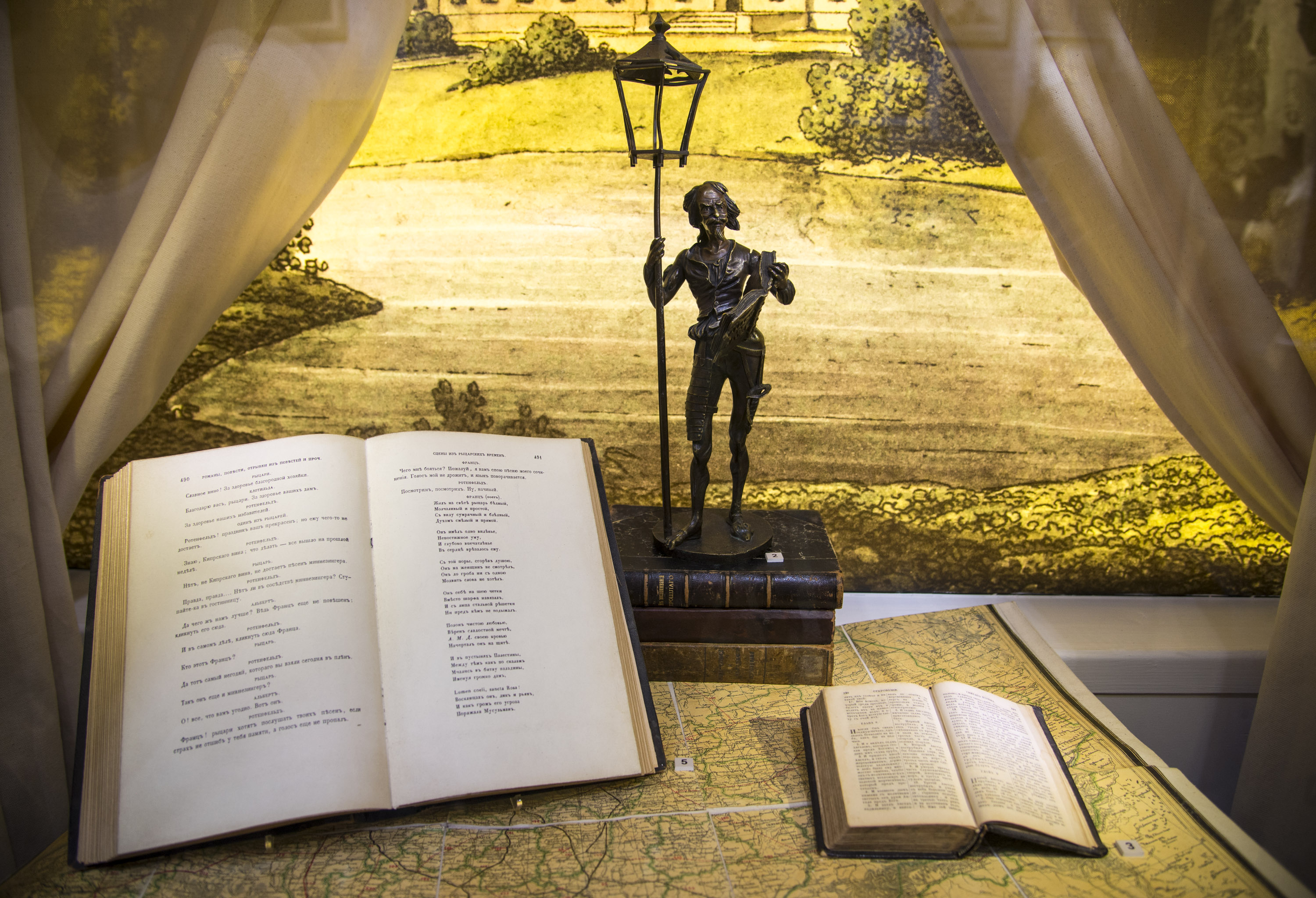
Dostoevsky Museum

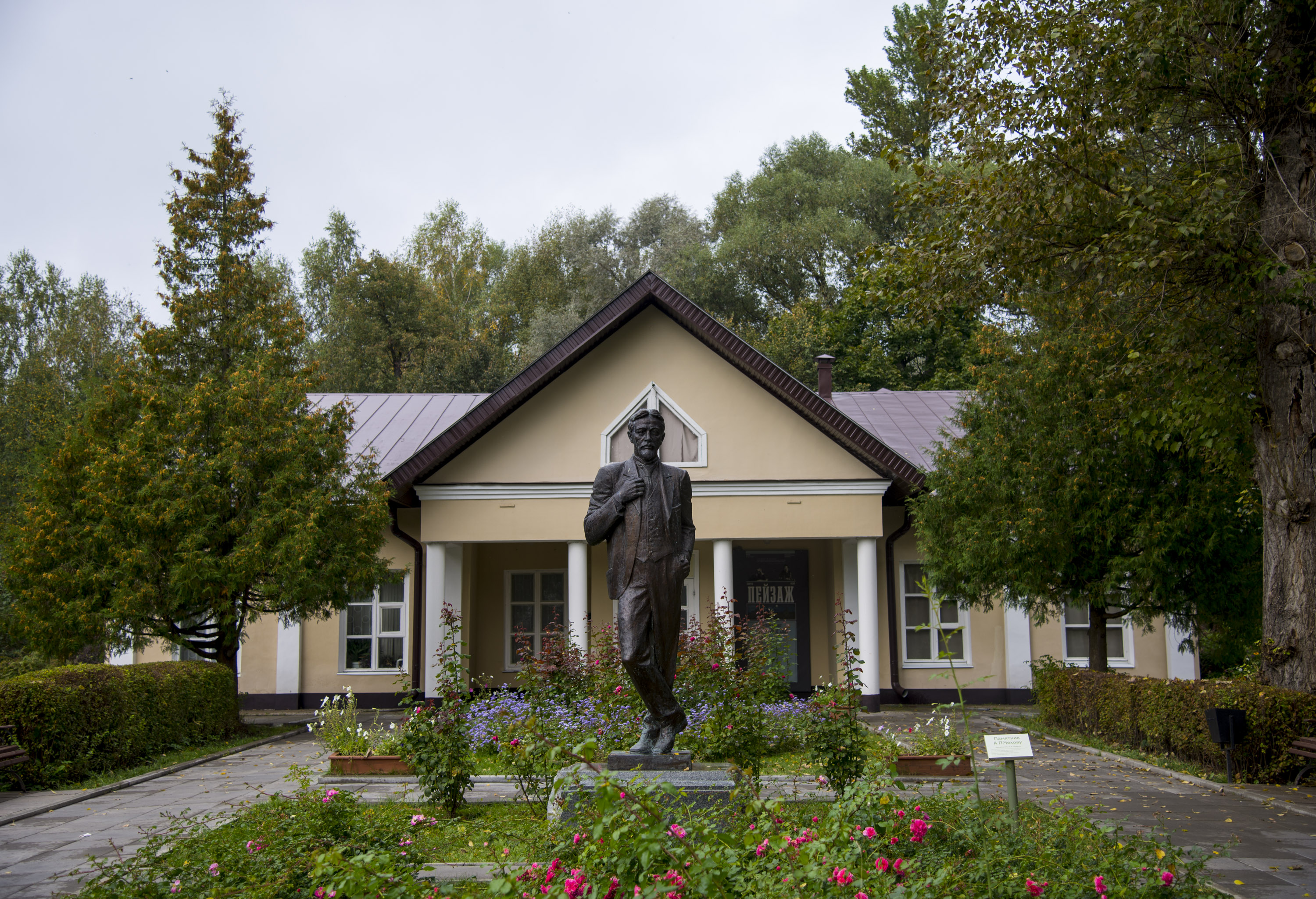
The F.M. Dostoevsky Literary Memorial Museum was opened on November 12, 1971 in the former apartment of the famous writer in St. Petersburg.

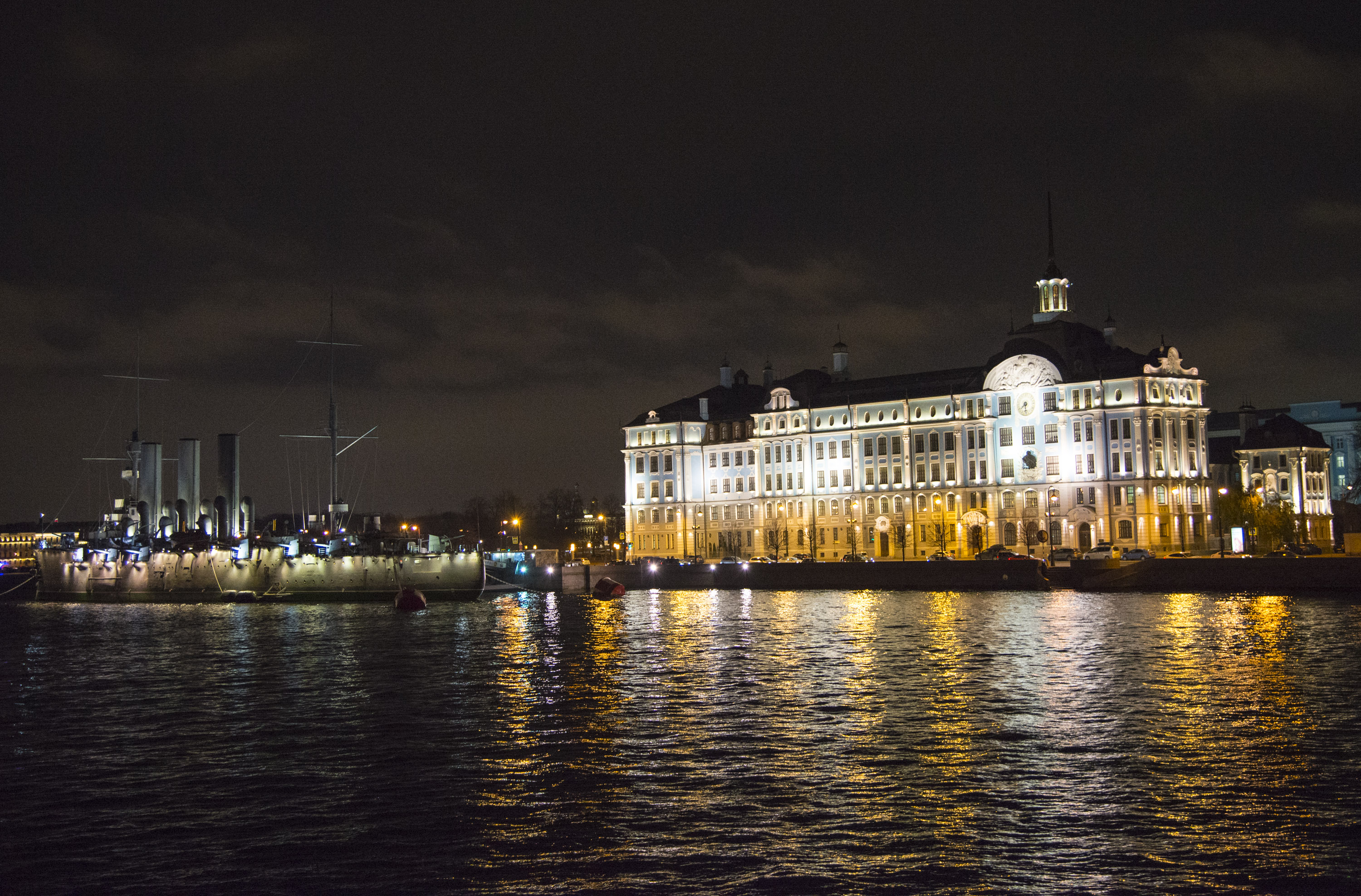
Night views of St. Petersburg

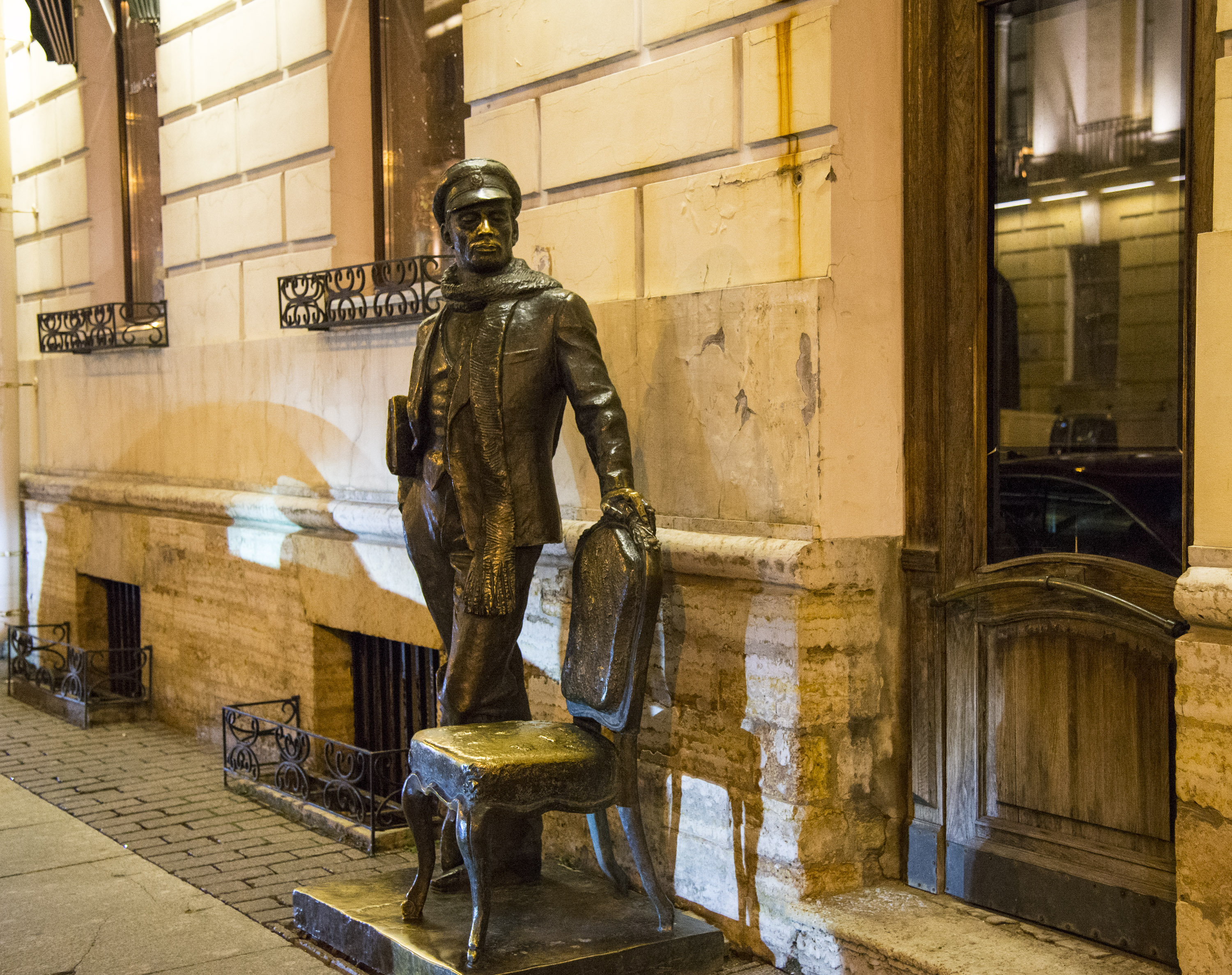
Ostap Bender monument

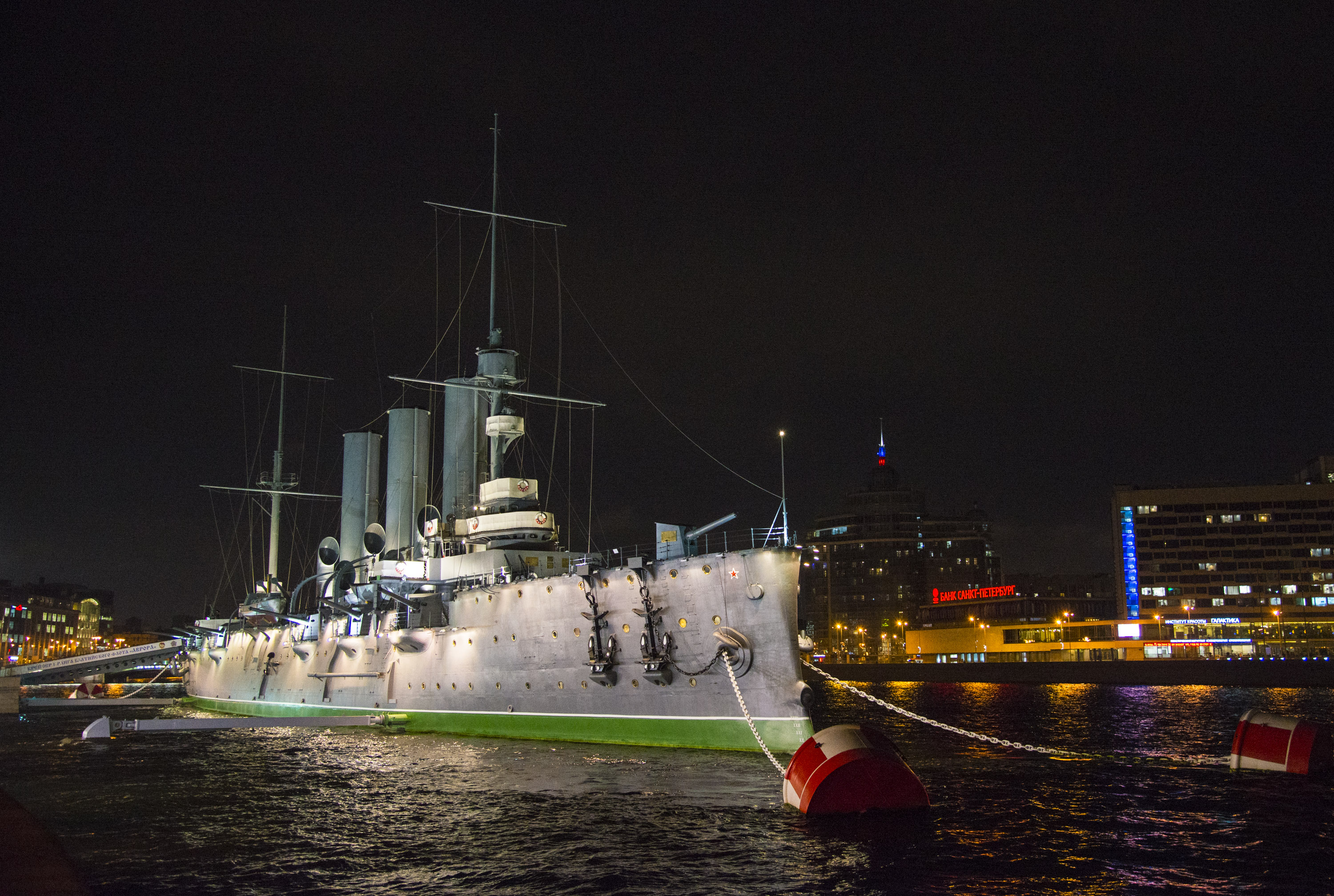
Cruiser Aurora

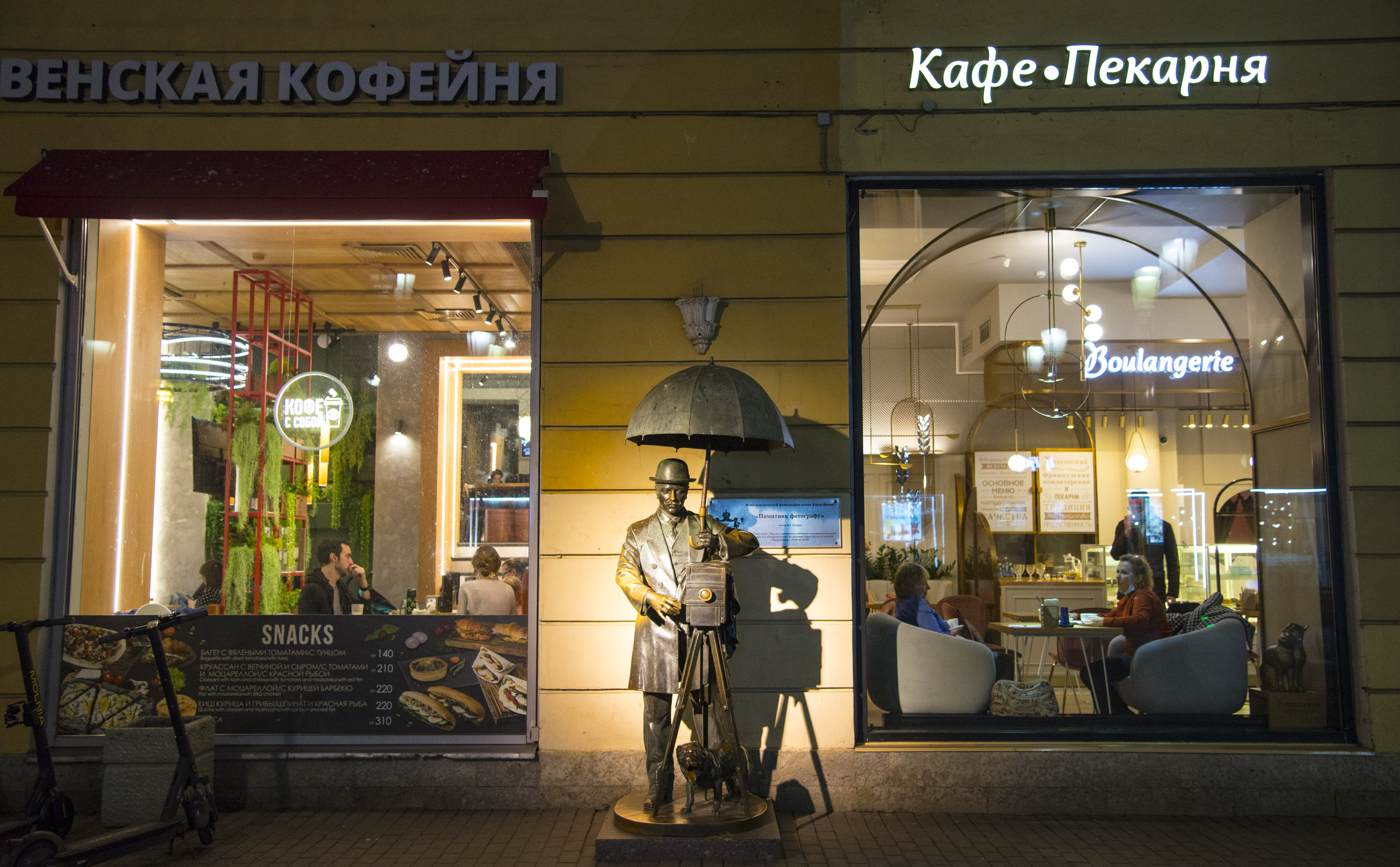
Monument to the St. Petersburg Photographer which was created in 2001 next to the building where the photographer Karl Bulla had a famous studio.

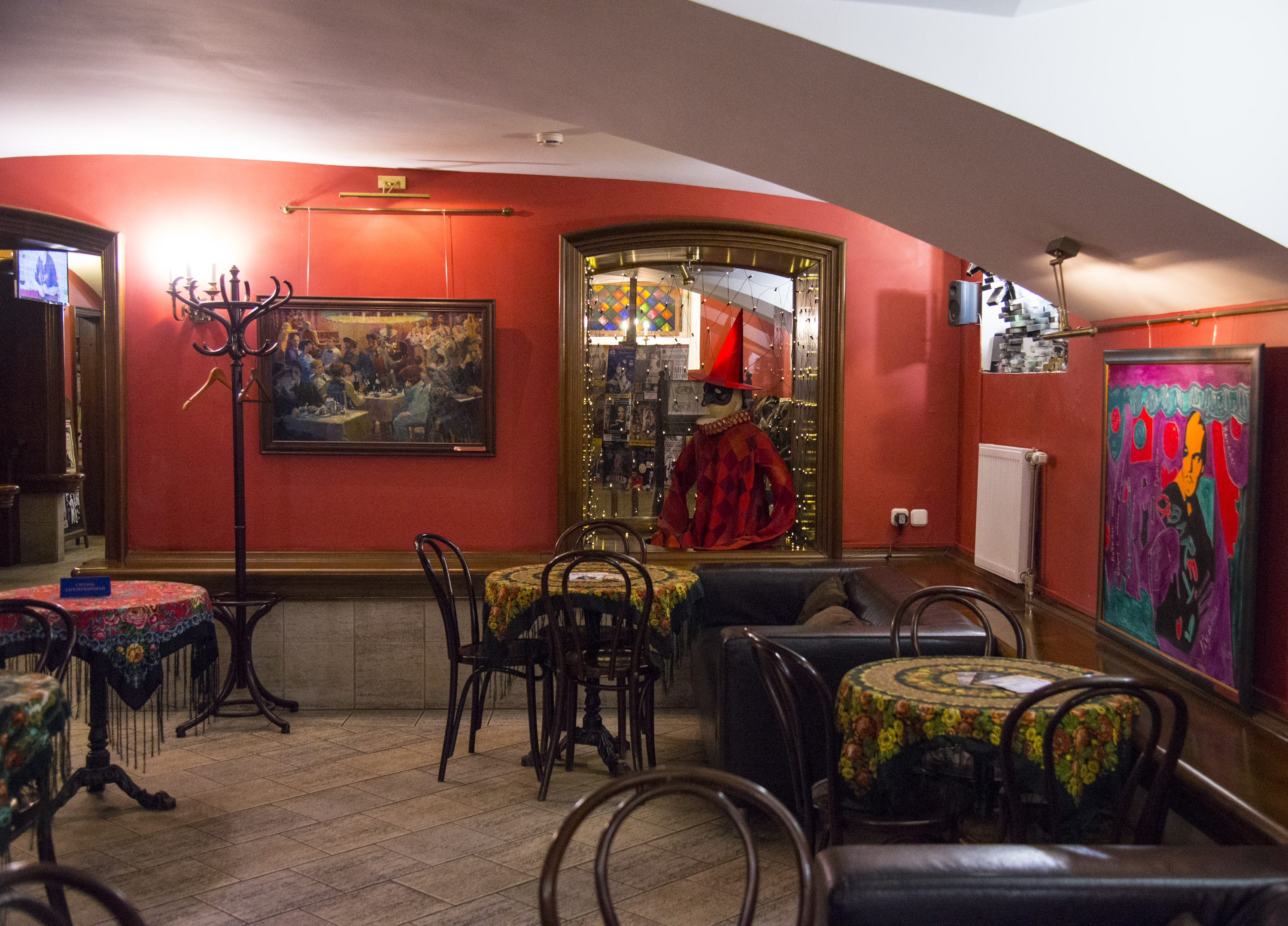
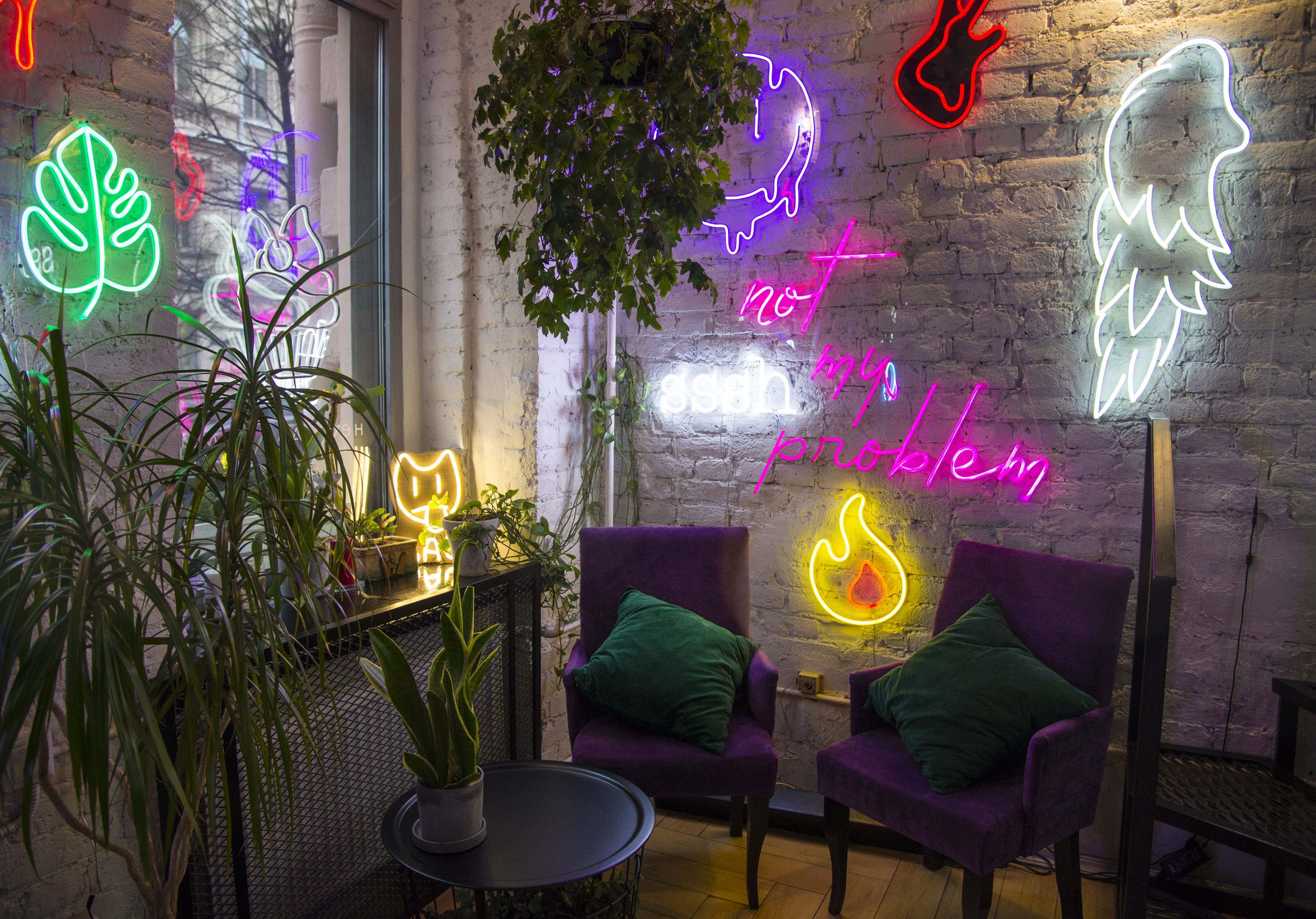
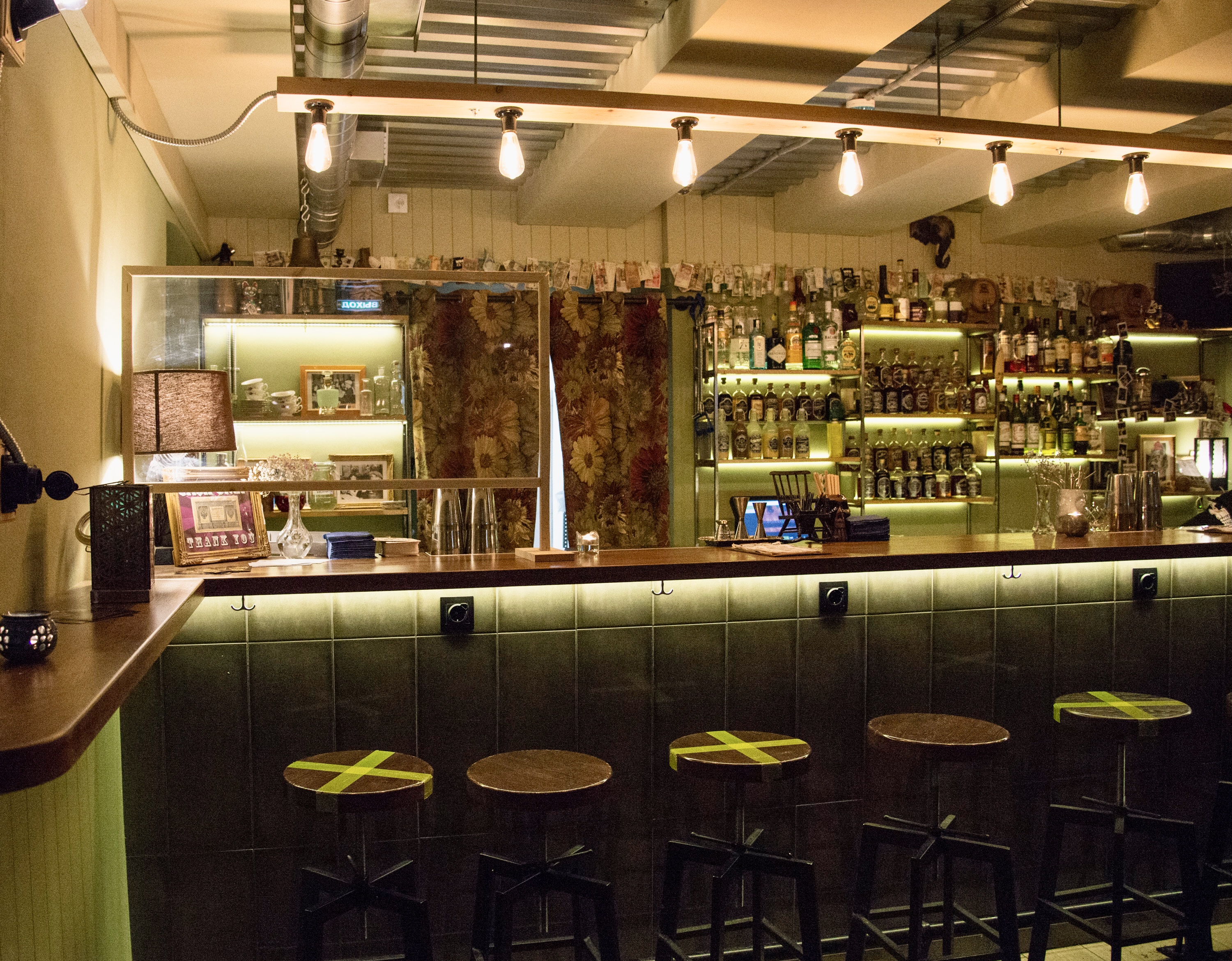
Nice place to visit in St. Petersburg (Подвал бродячей собаки, The Neon coffee, Room 13)

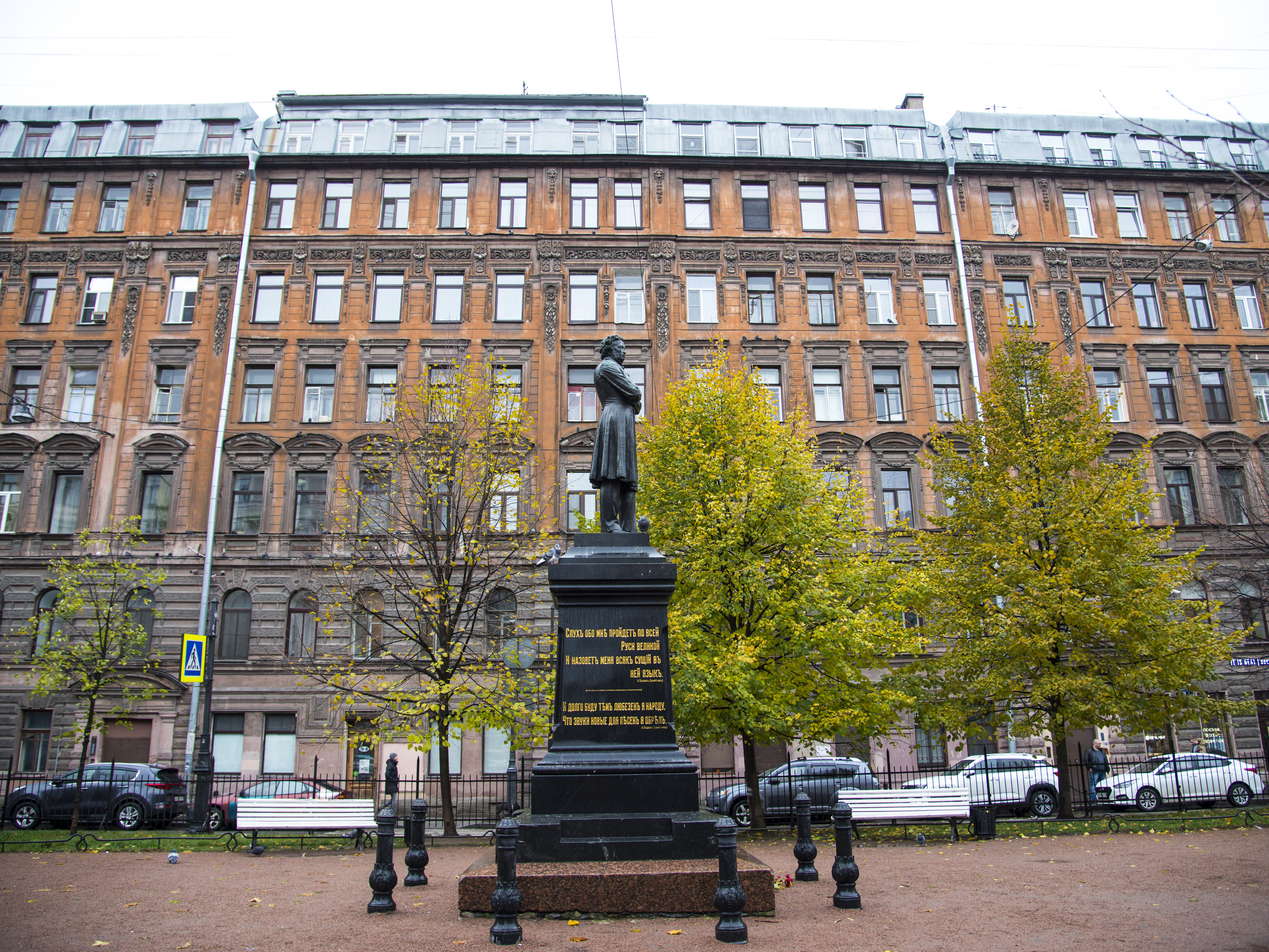
Pushkin

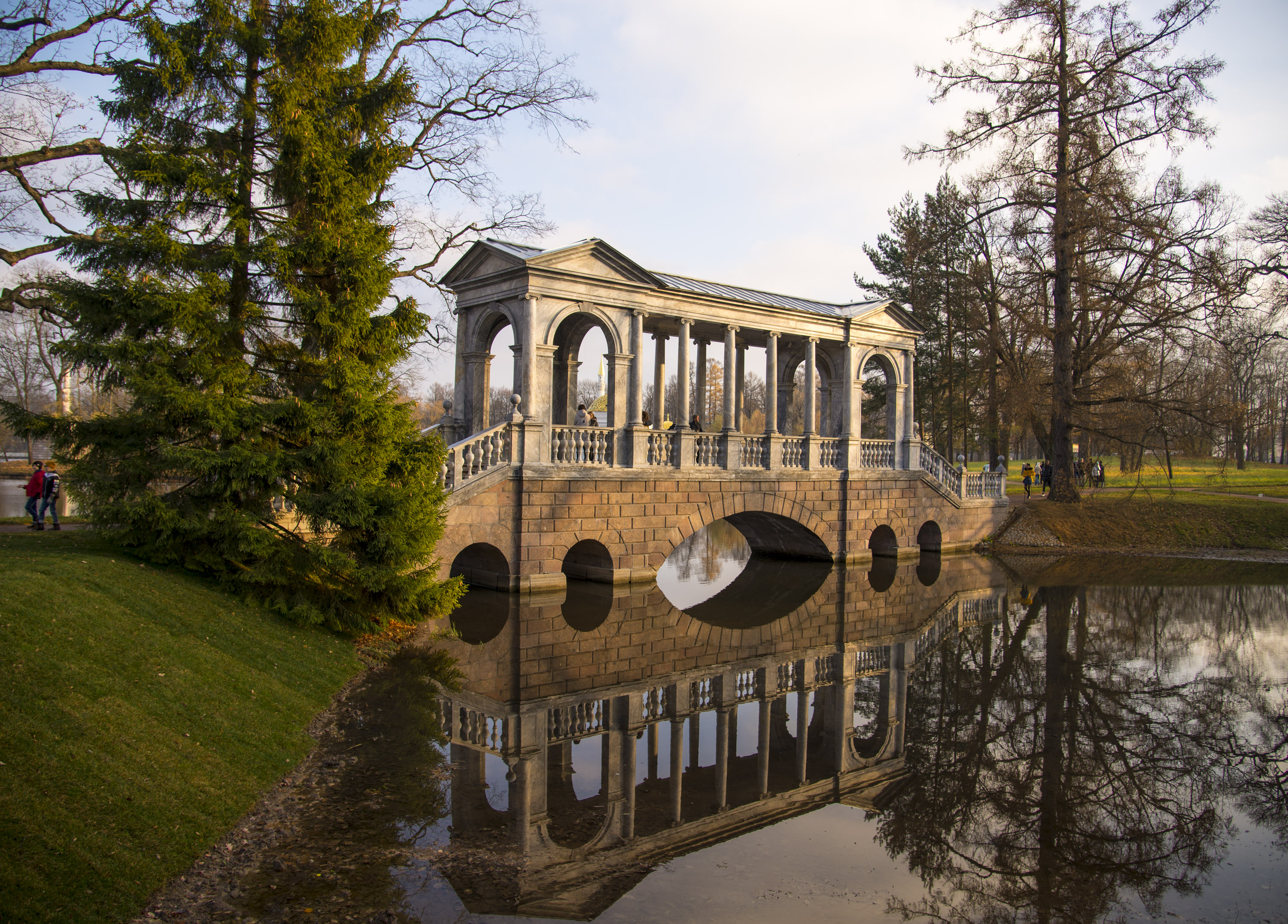
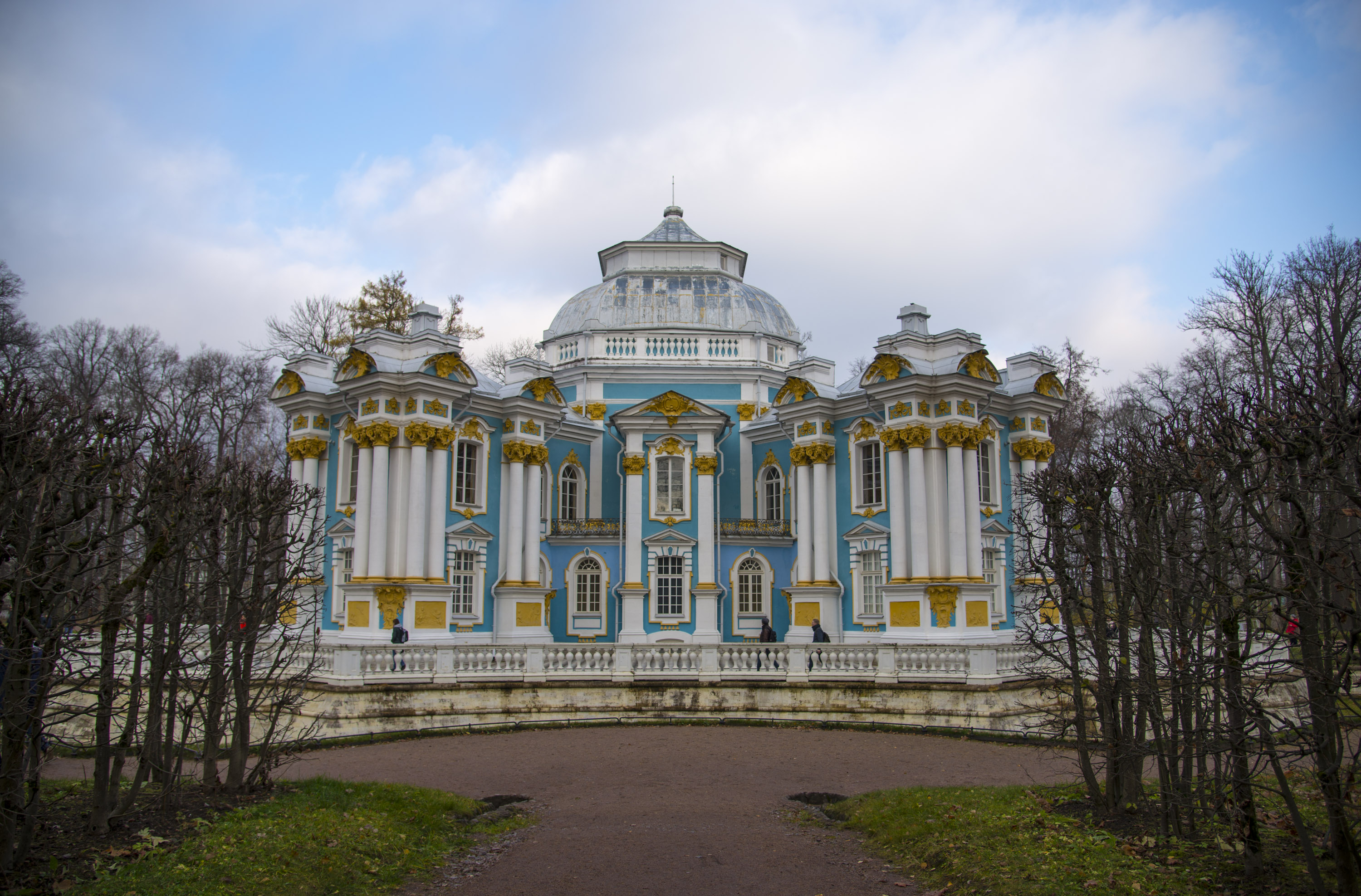
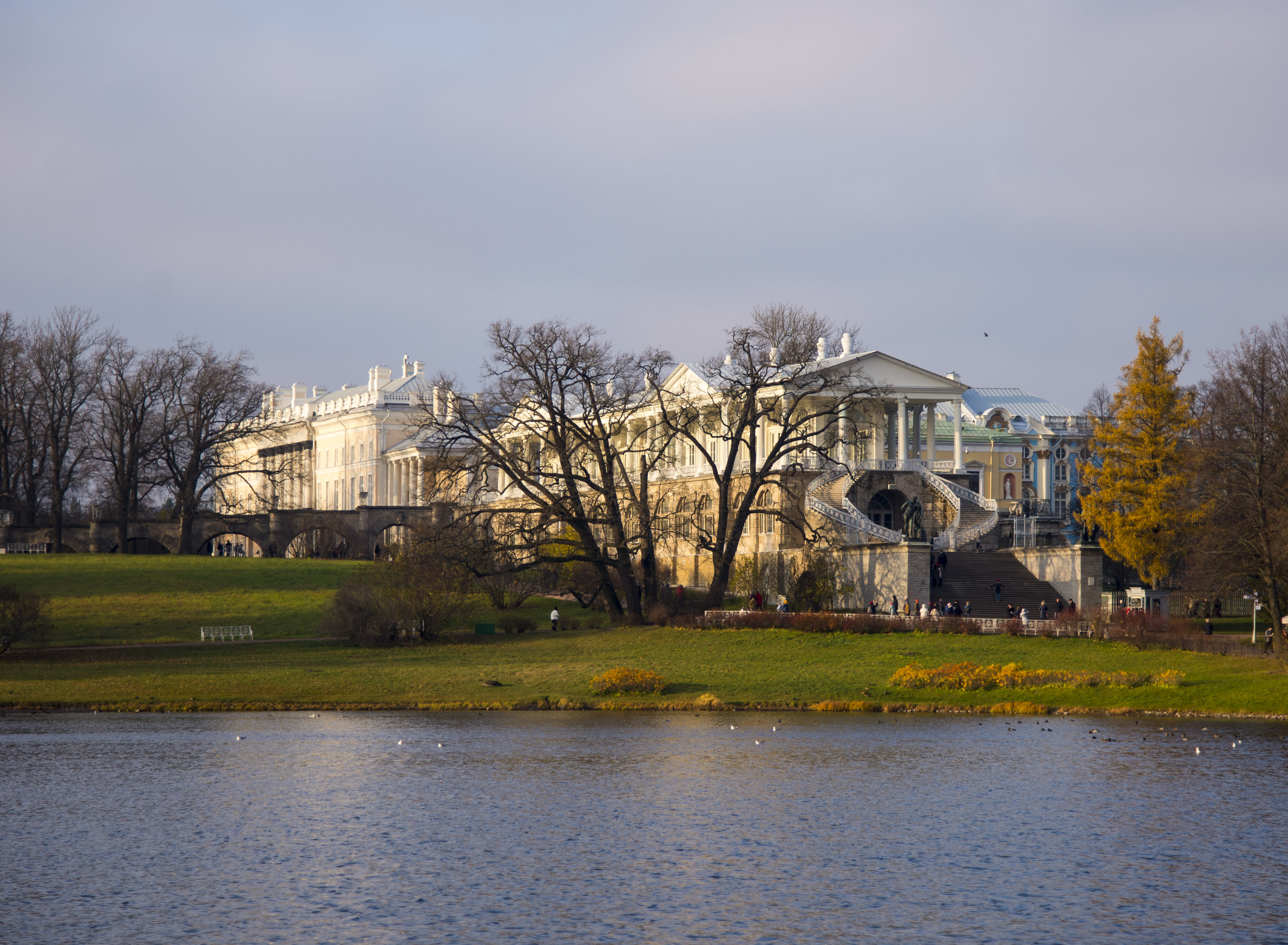
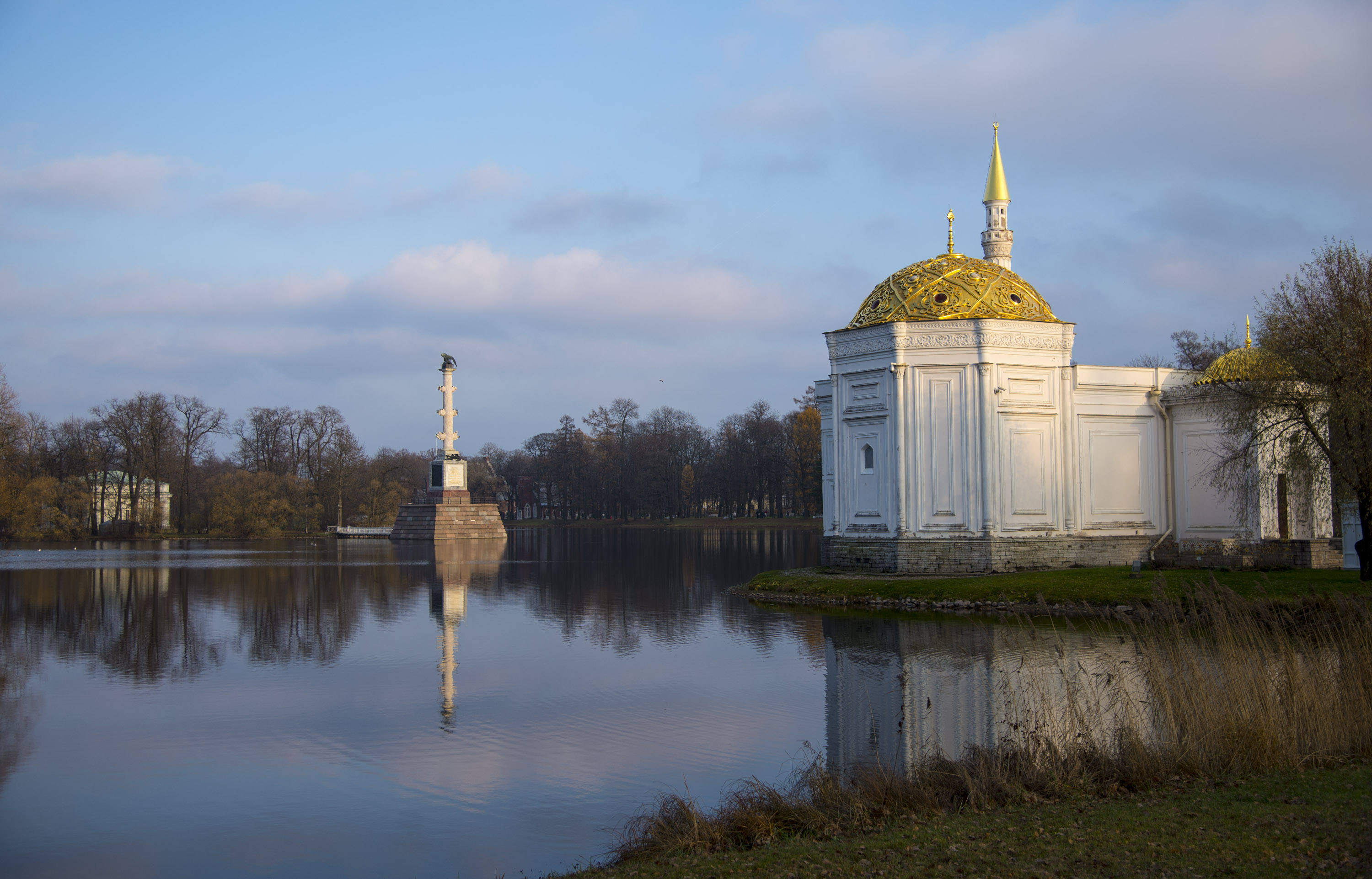
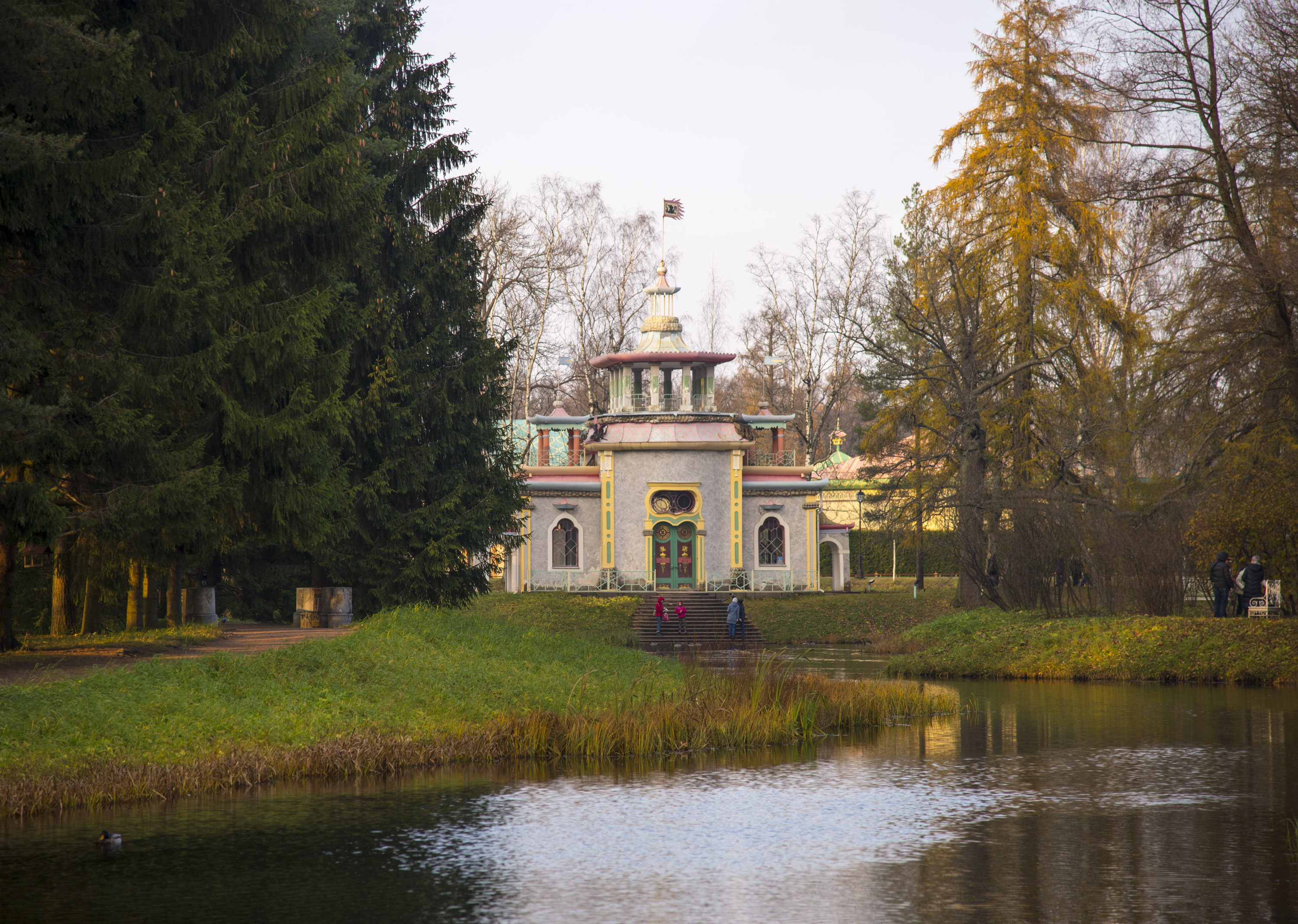
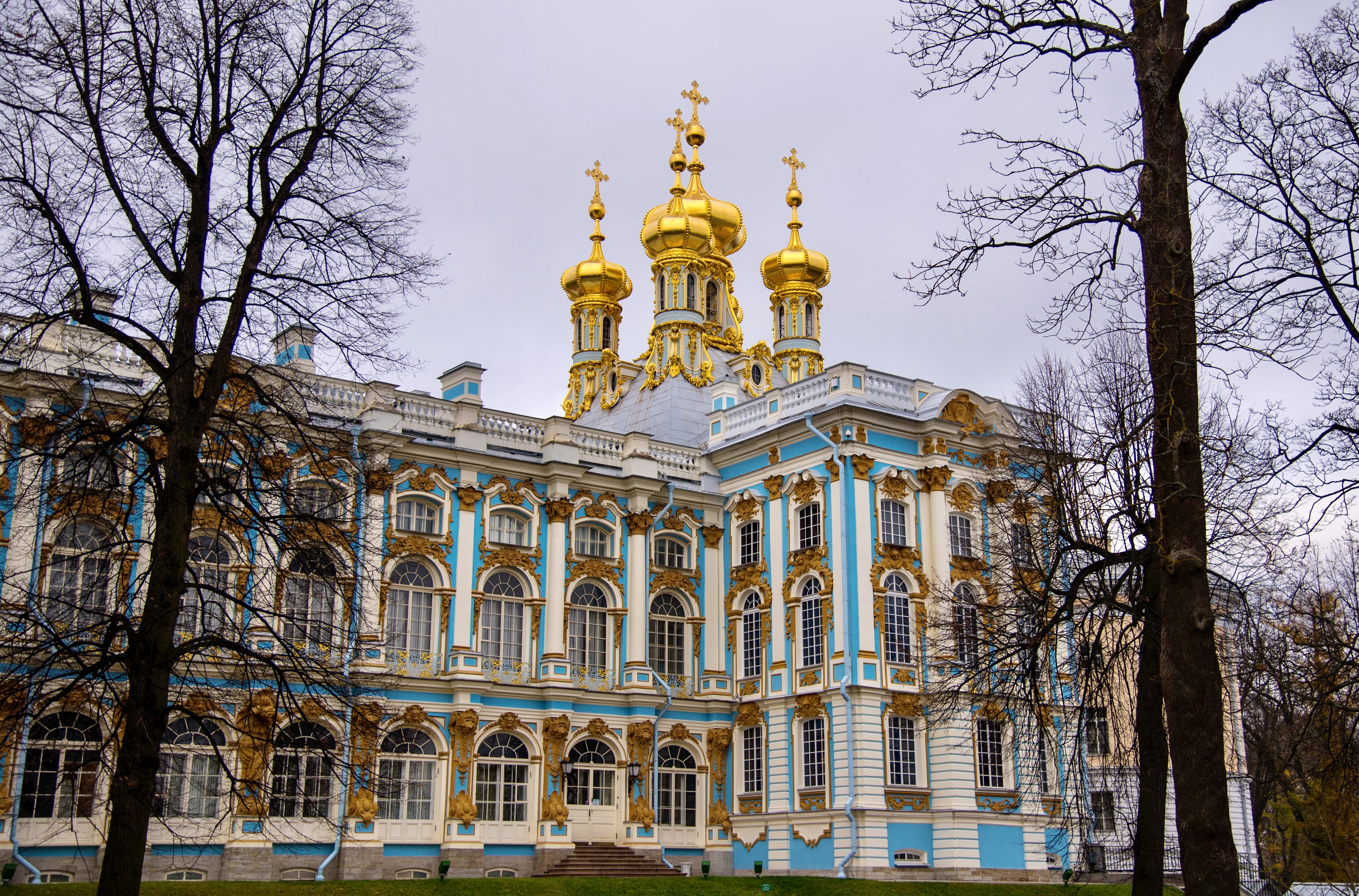
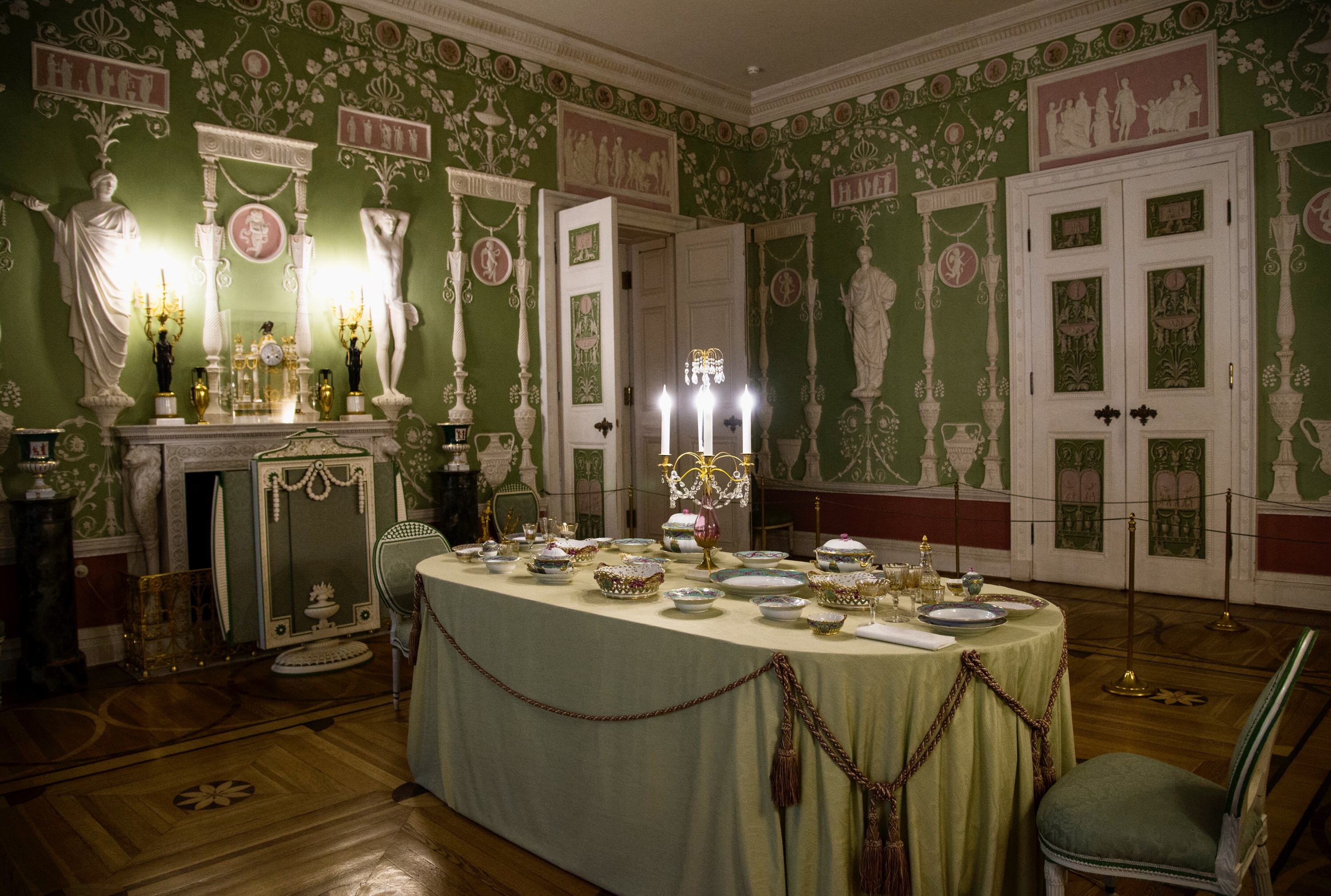
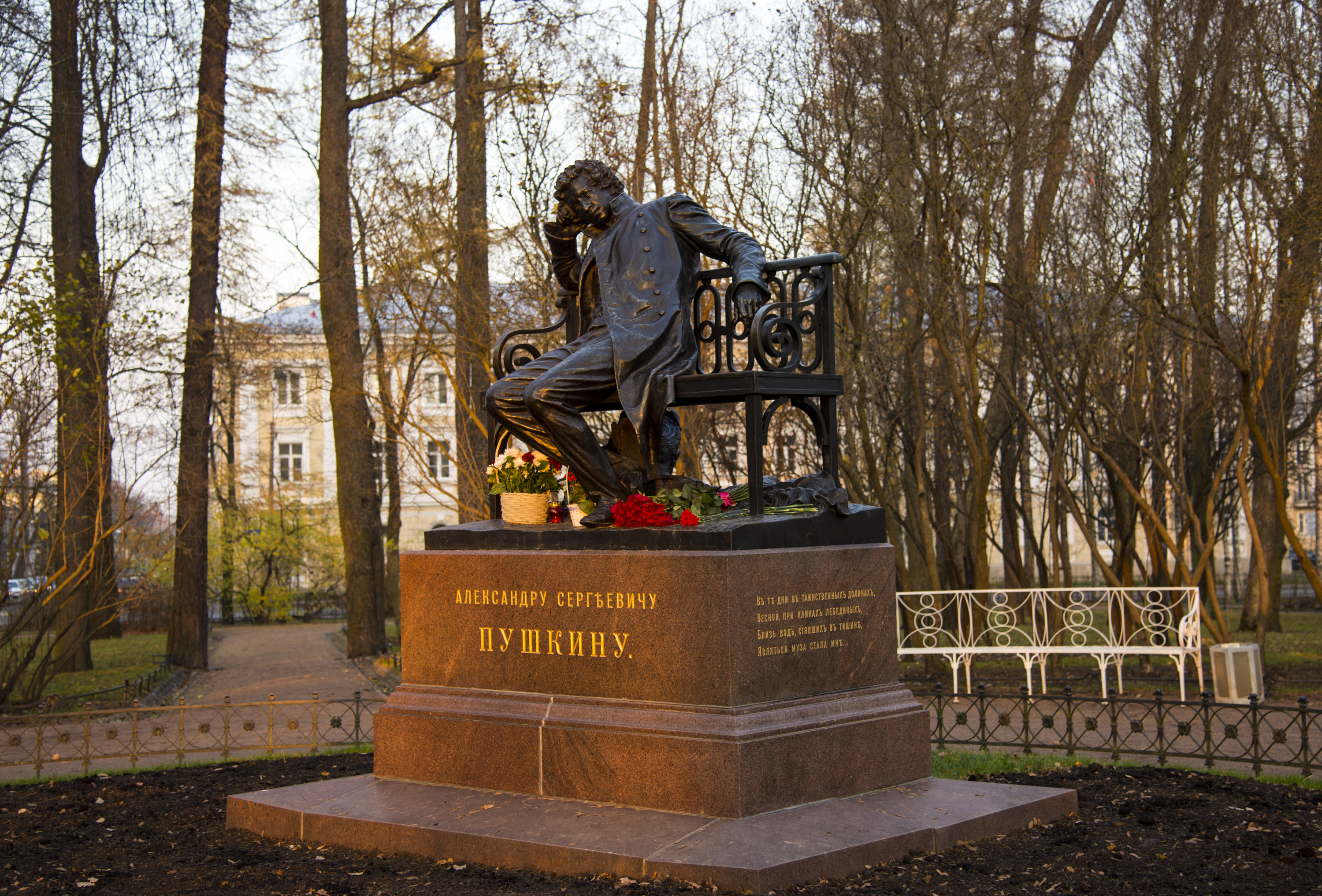
Pushkin, a small town in the neighborhood of St. Petersburg, was a summer residence of Romanov’s tzars family. Very beautiful place of architectural masterpieces and gardens.

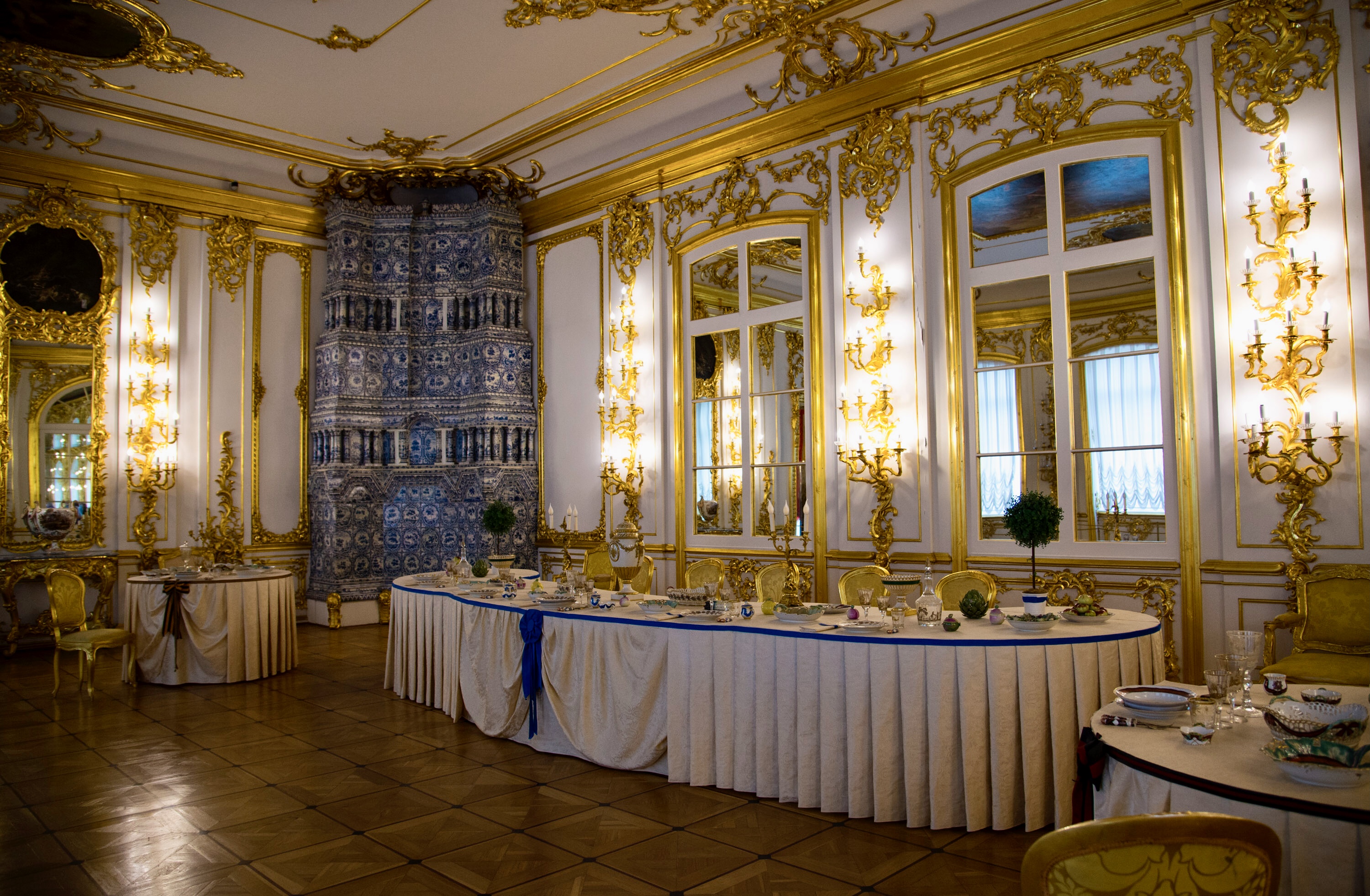
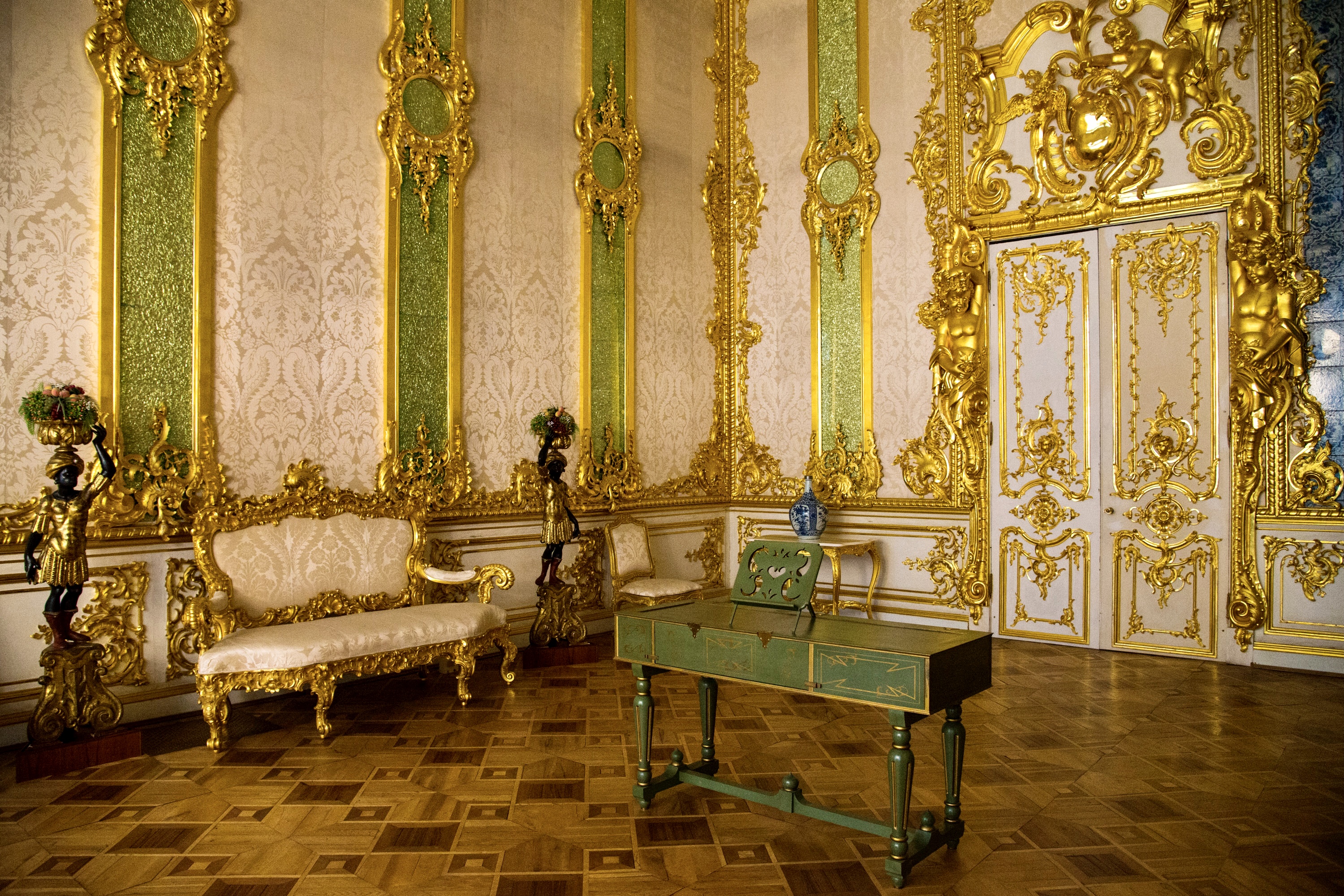
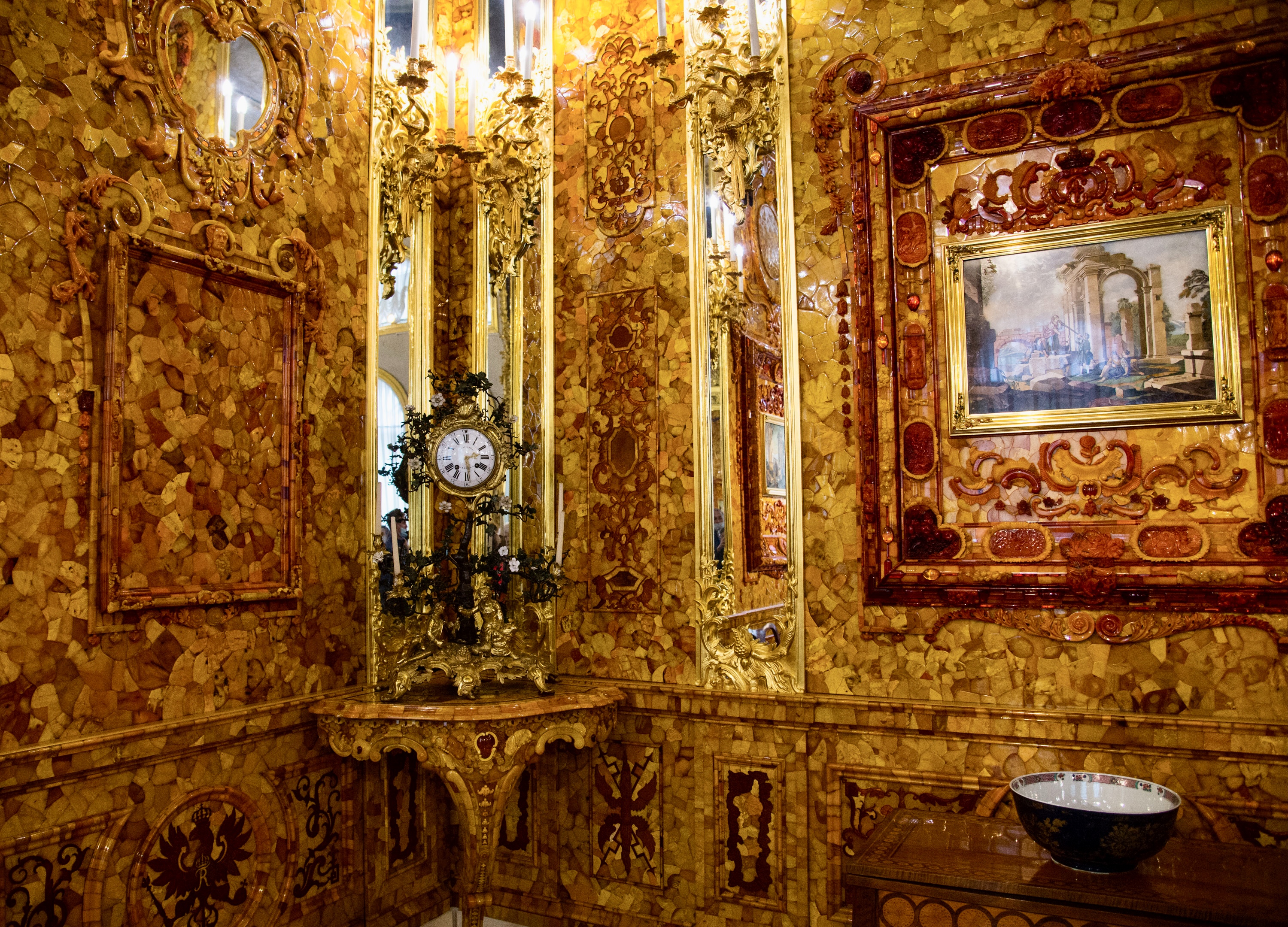
Catherine palace, baroque 18th-century palace with large grounds where Russian royal family spent their summers.

The town is also famous because of poets, writers, the genius representatives of the Russian culture, who lived, worked, or just were inspired by its beauty. One of the greatest Russian poets A.S. Pushkin spent his youth and studied at the liceum here.

Kronstadt

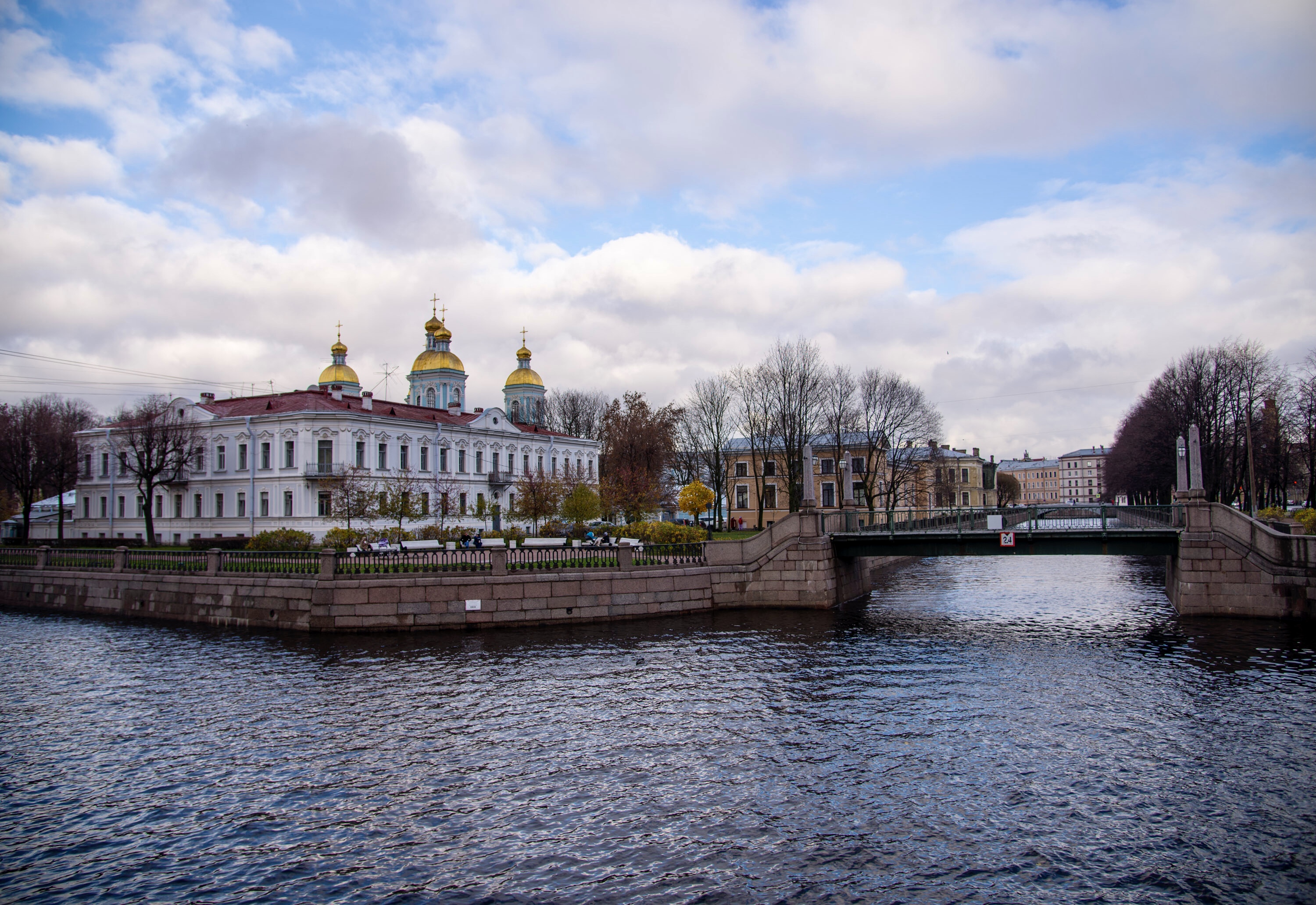
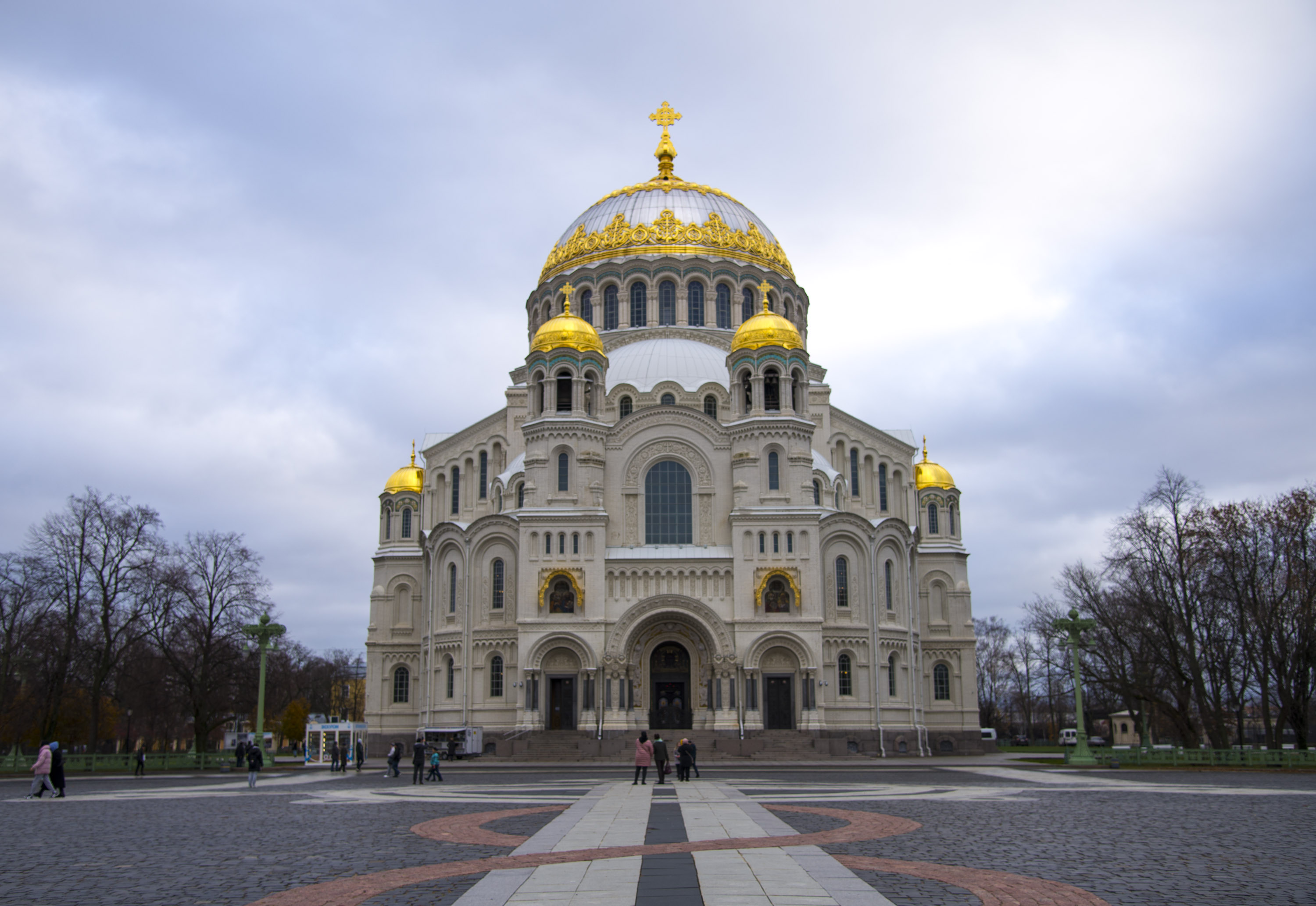
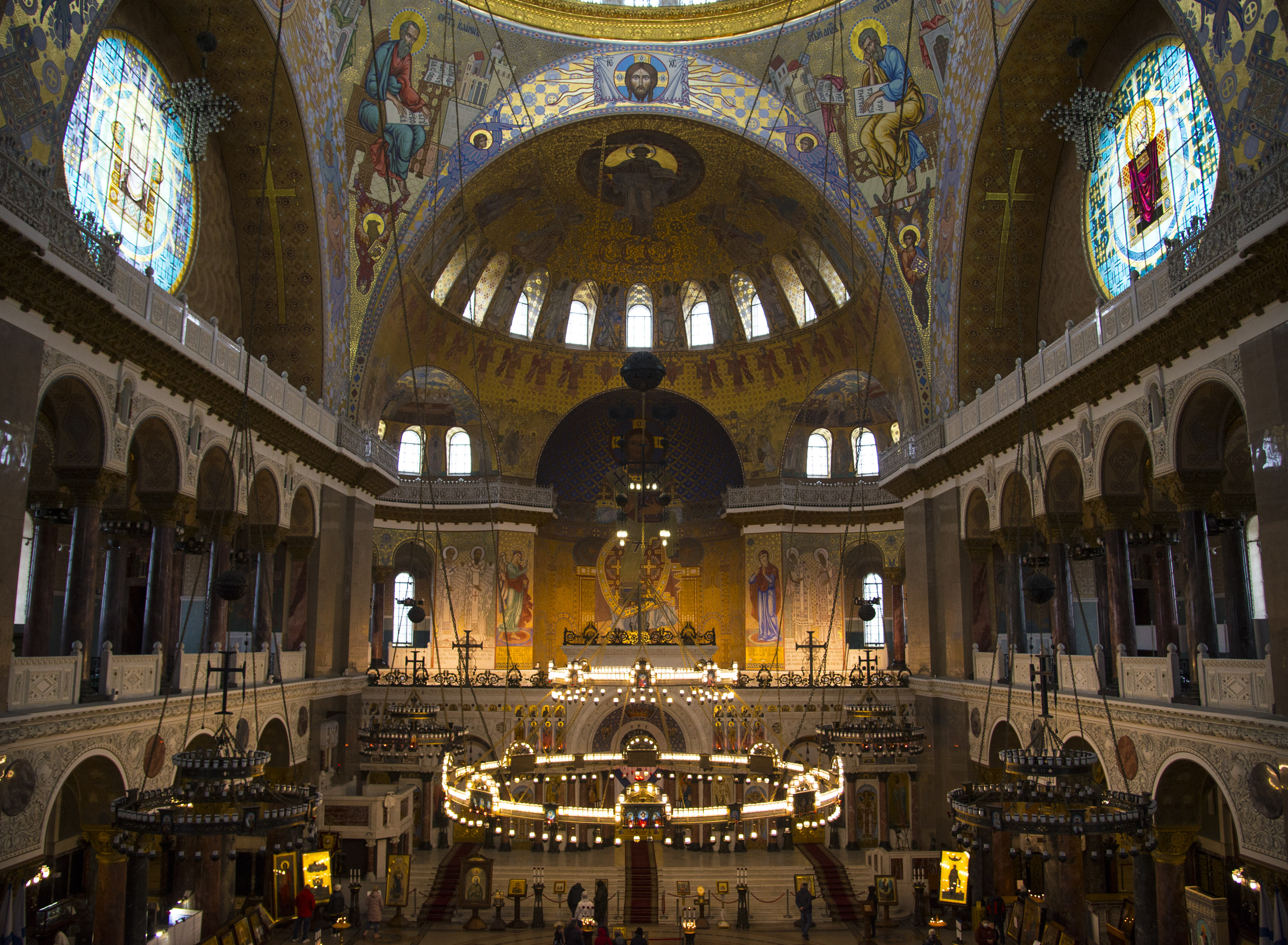
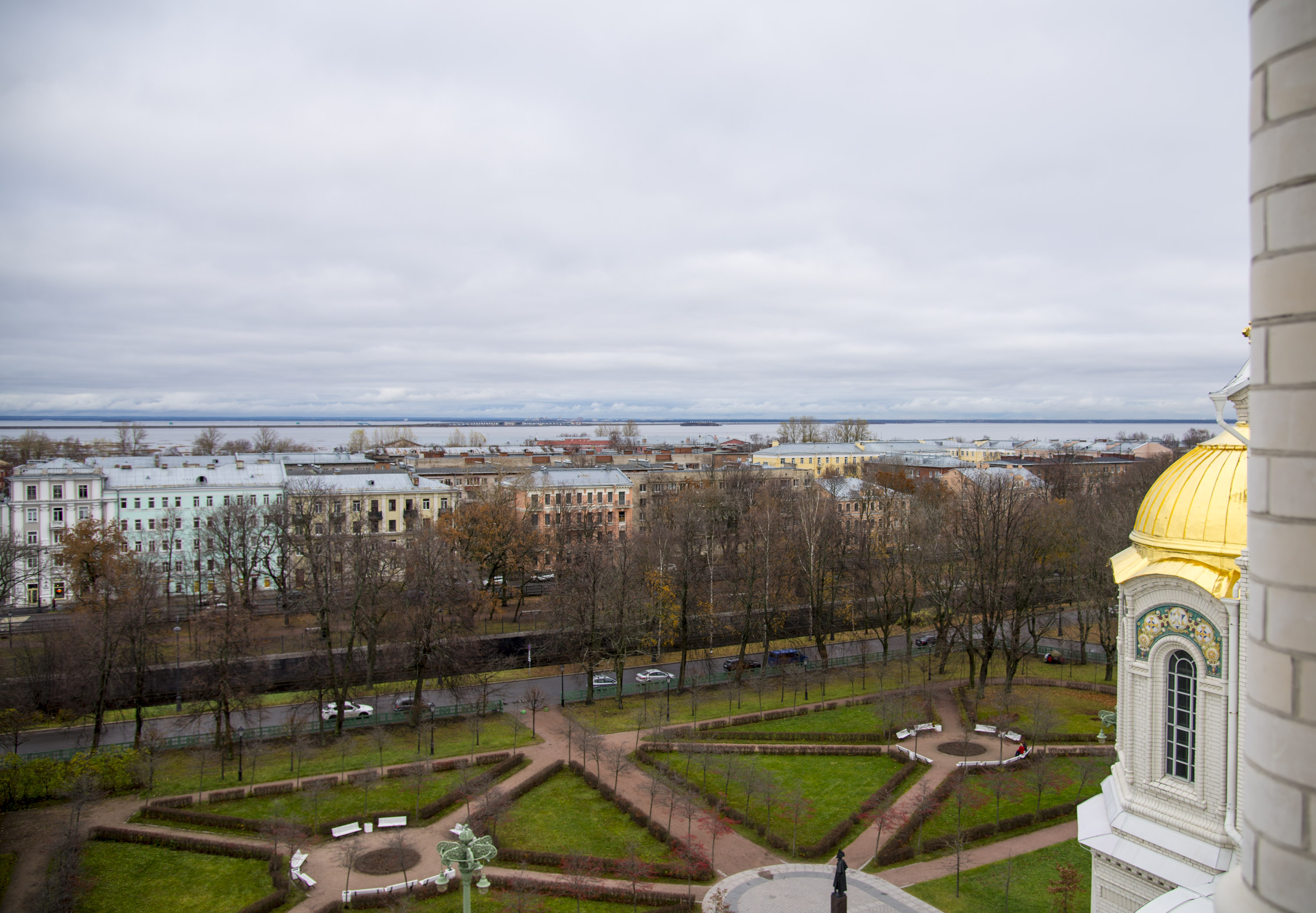
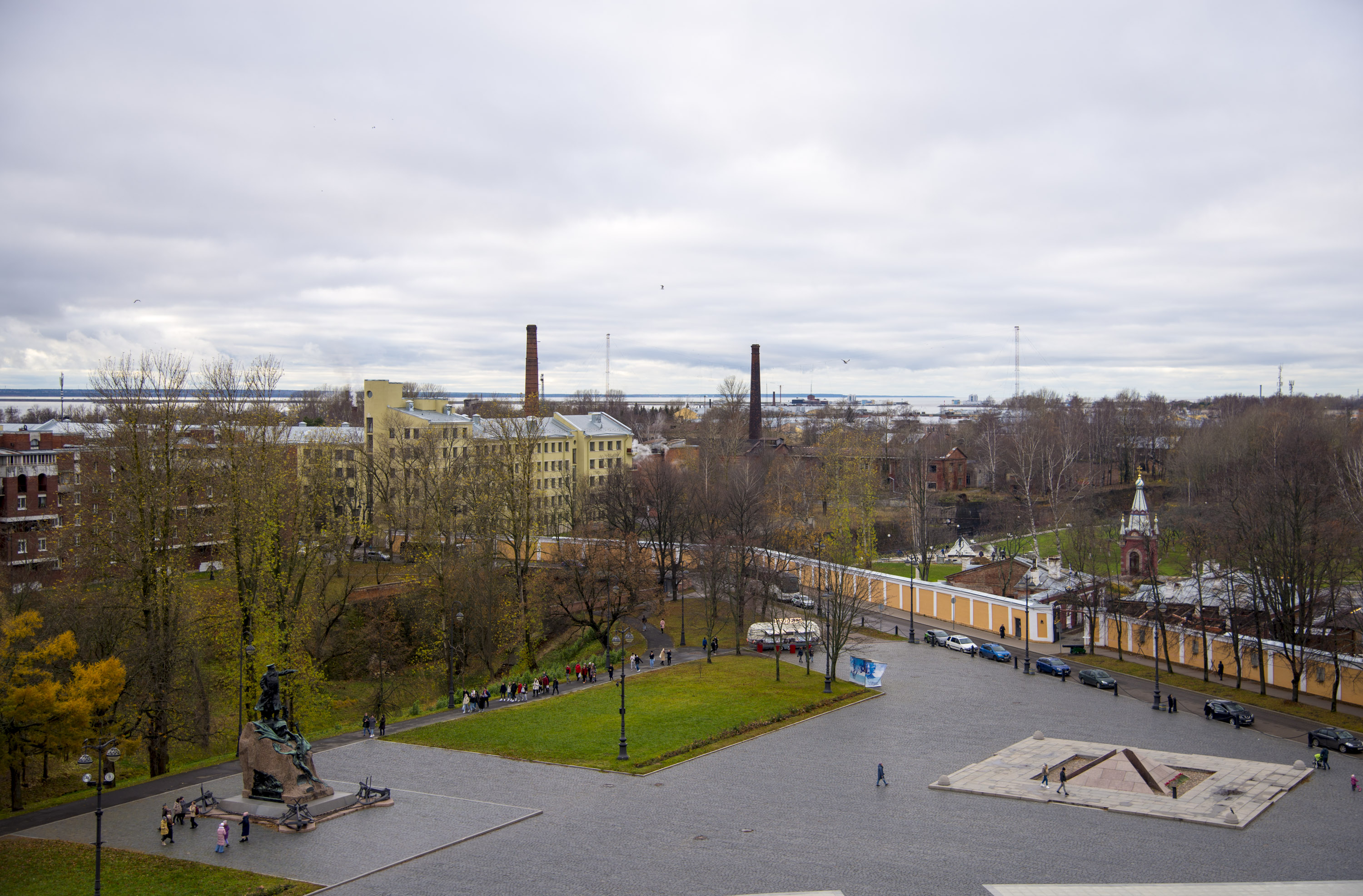
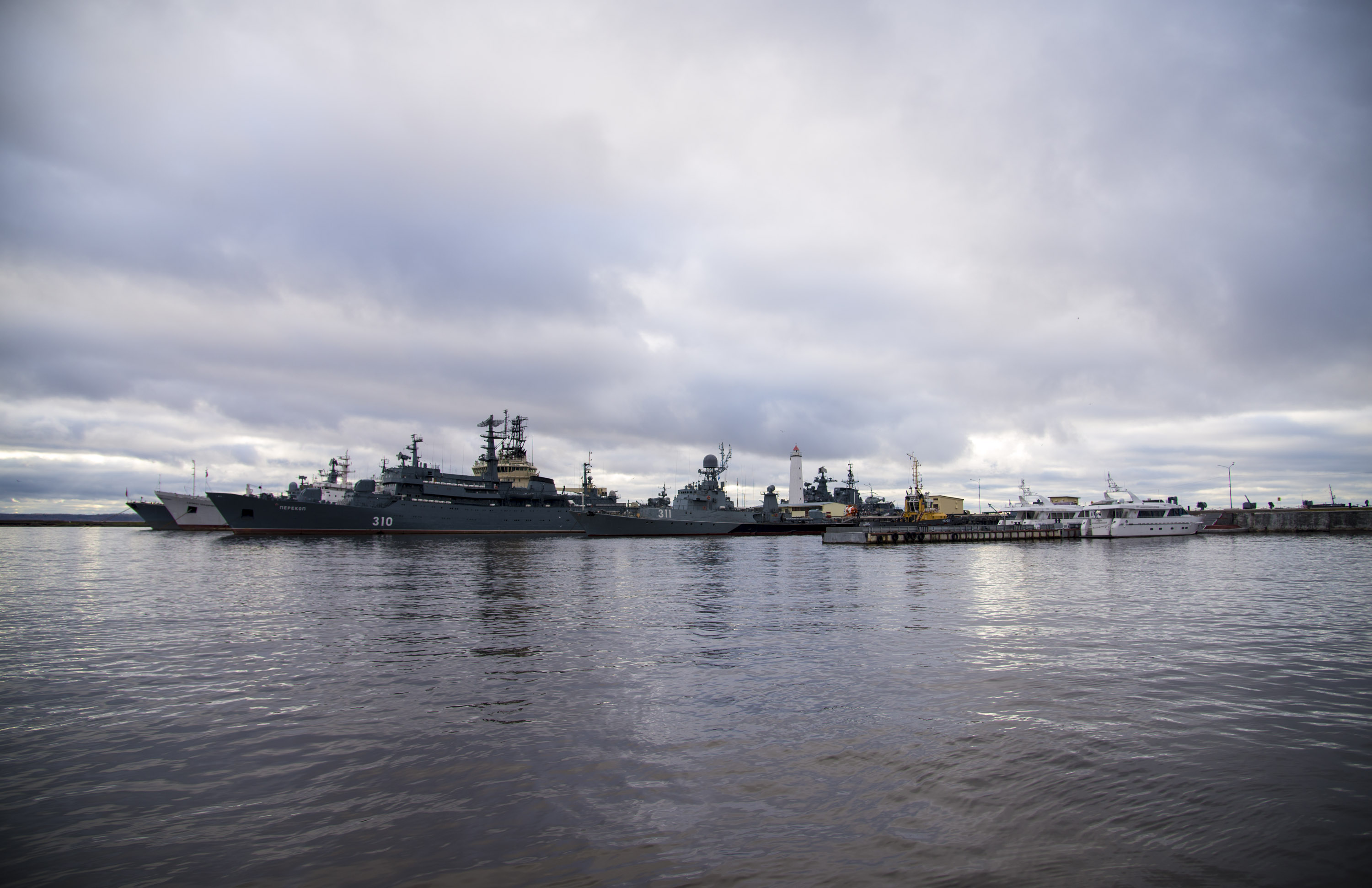
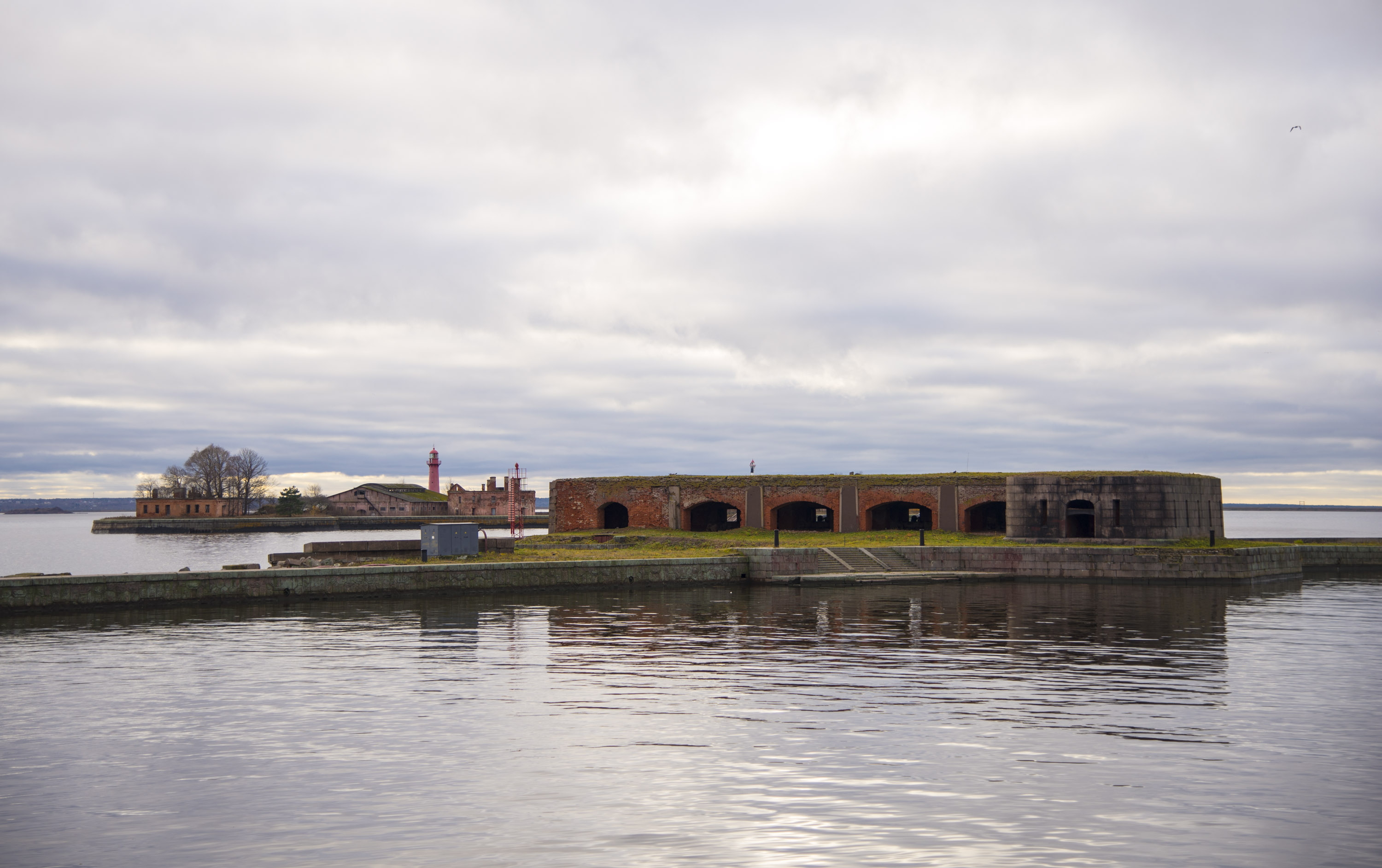
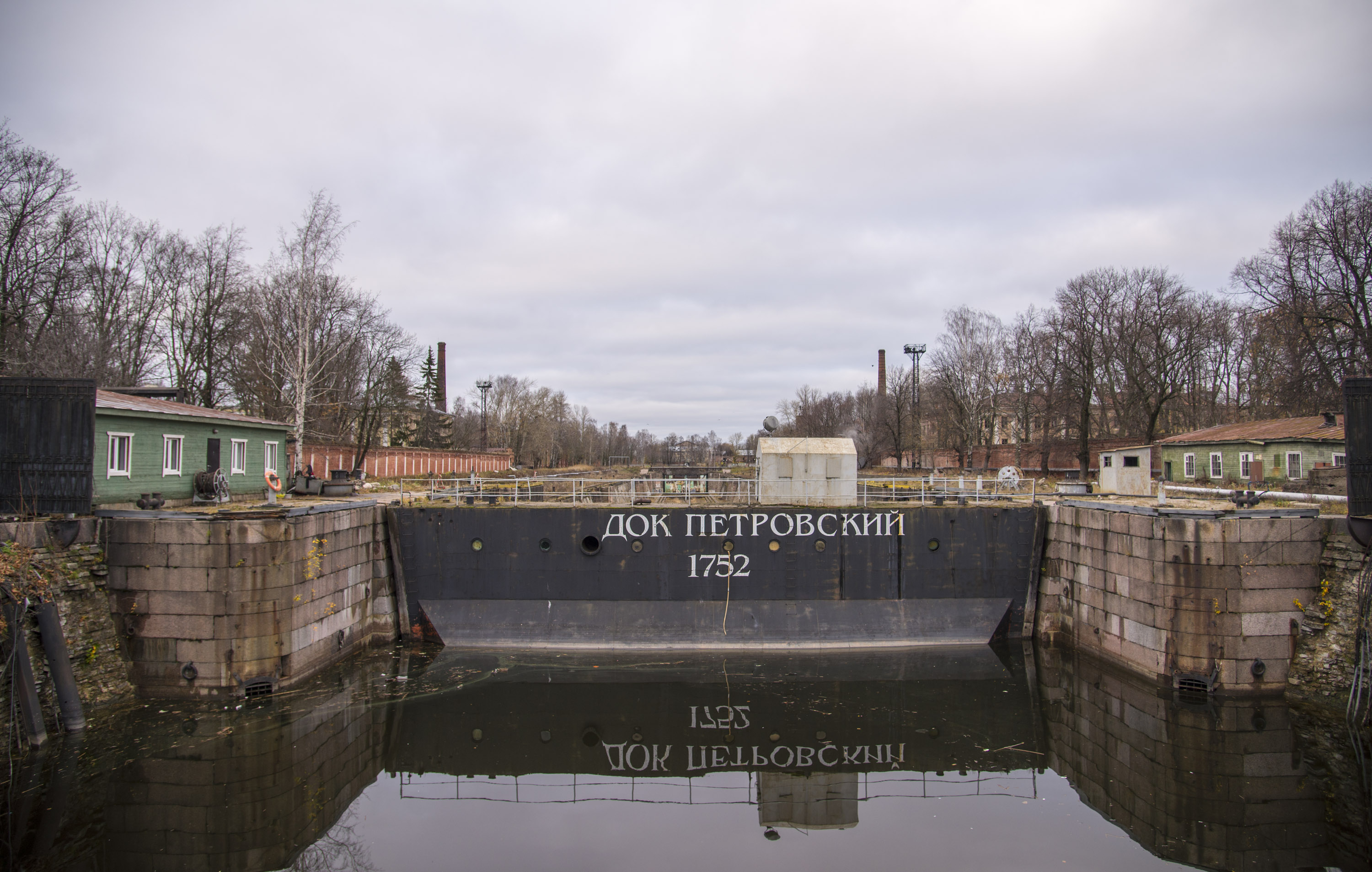
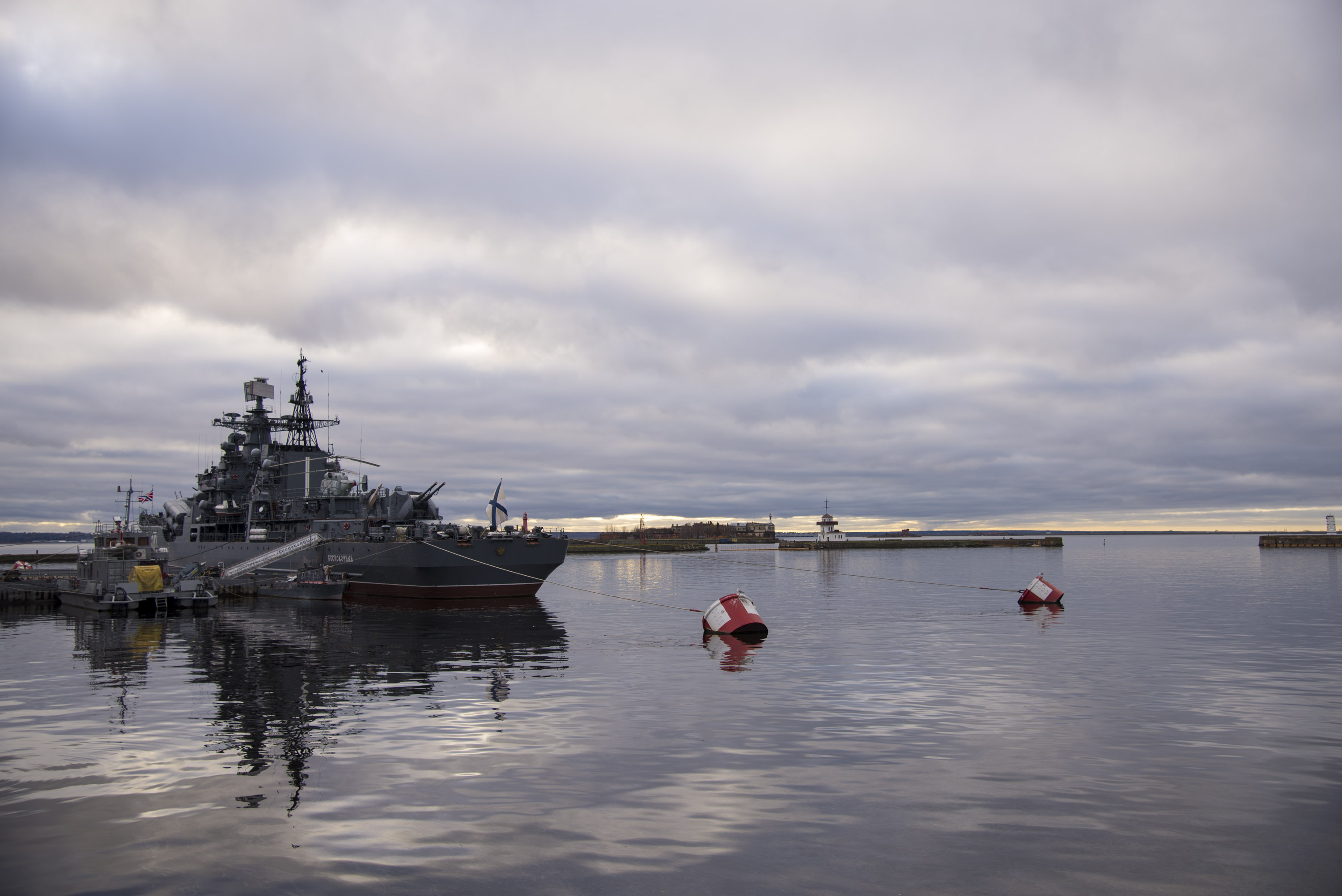
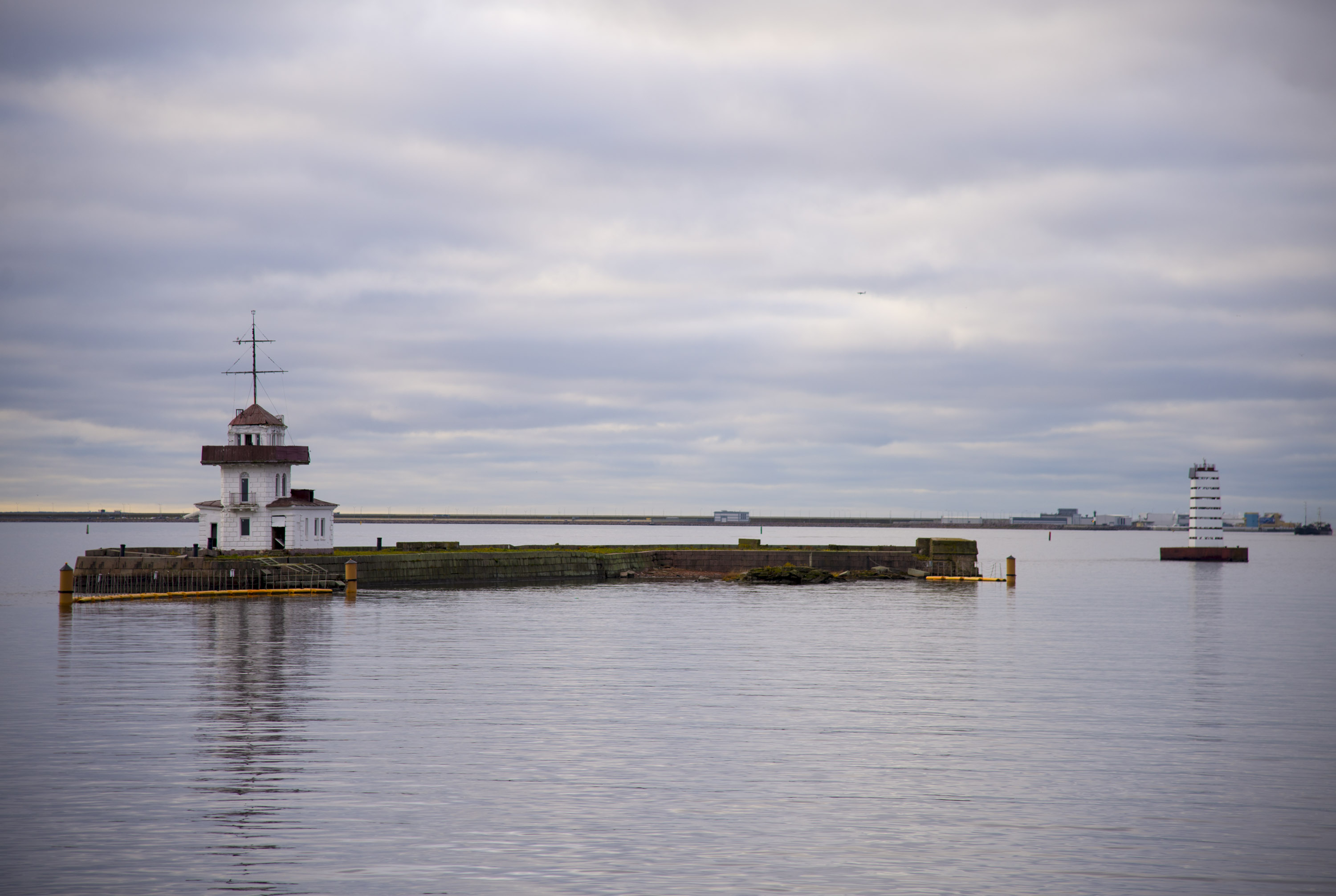
The historic centre of Kronstadt (located on Kotlin island just west of St. Petersburg) and its fortifications are part of the UNESCO World Heritage Site. The Naval Cathedral of St. Nicholas is the last and largest of the naval cathedrals of the Russian Empire.

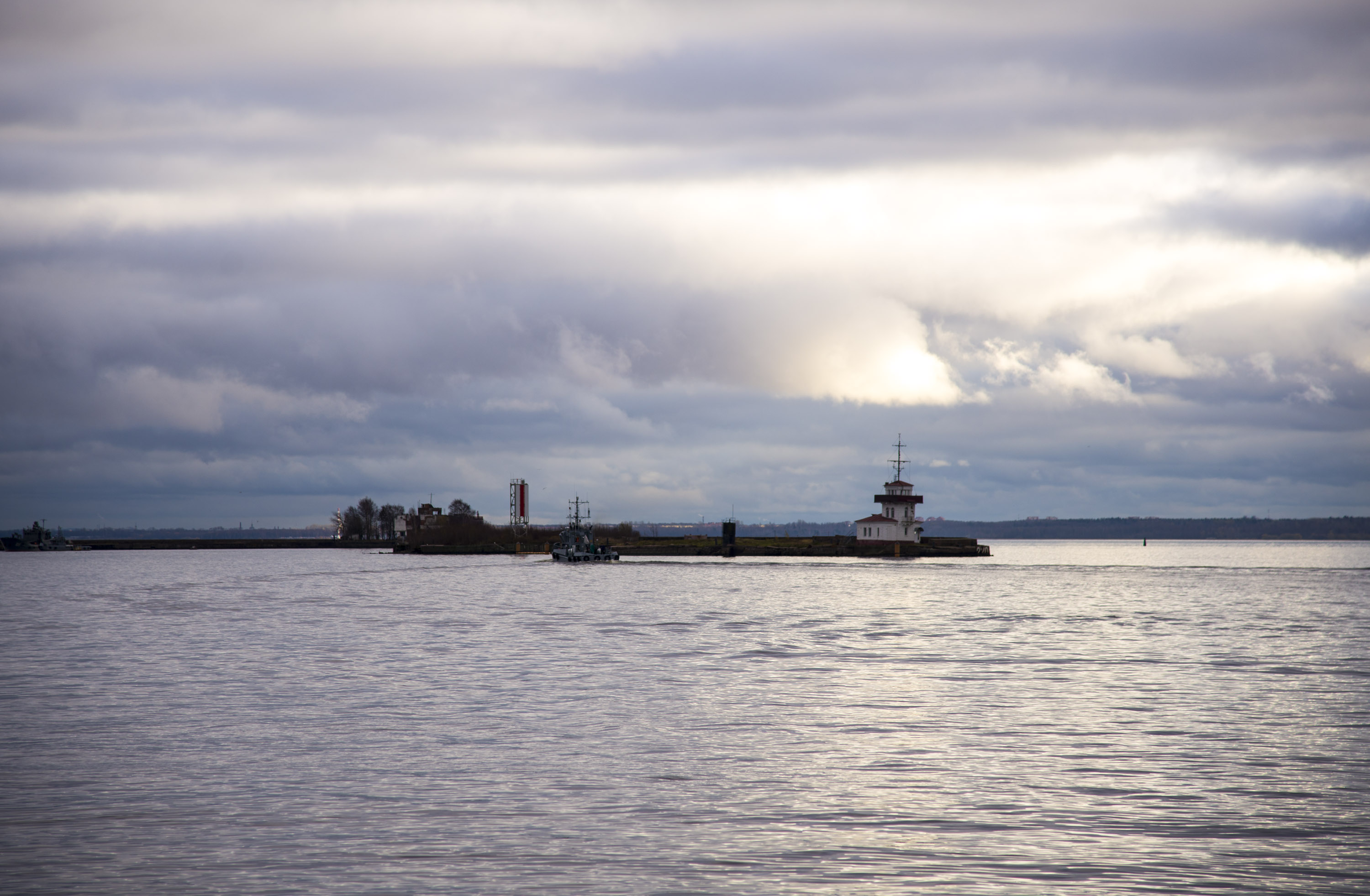
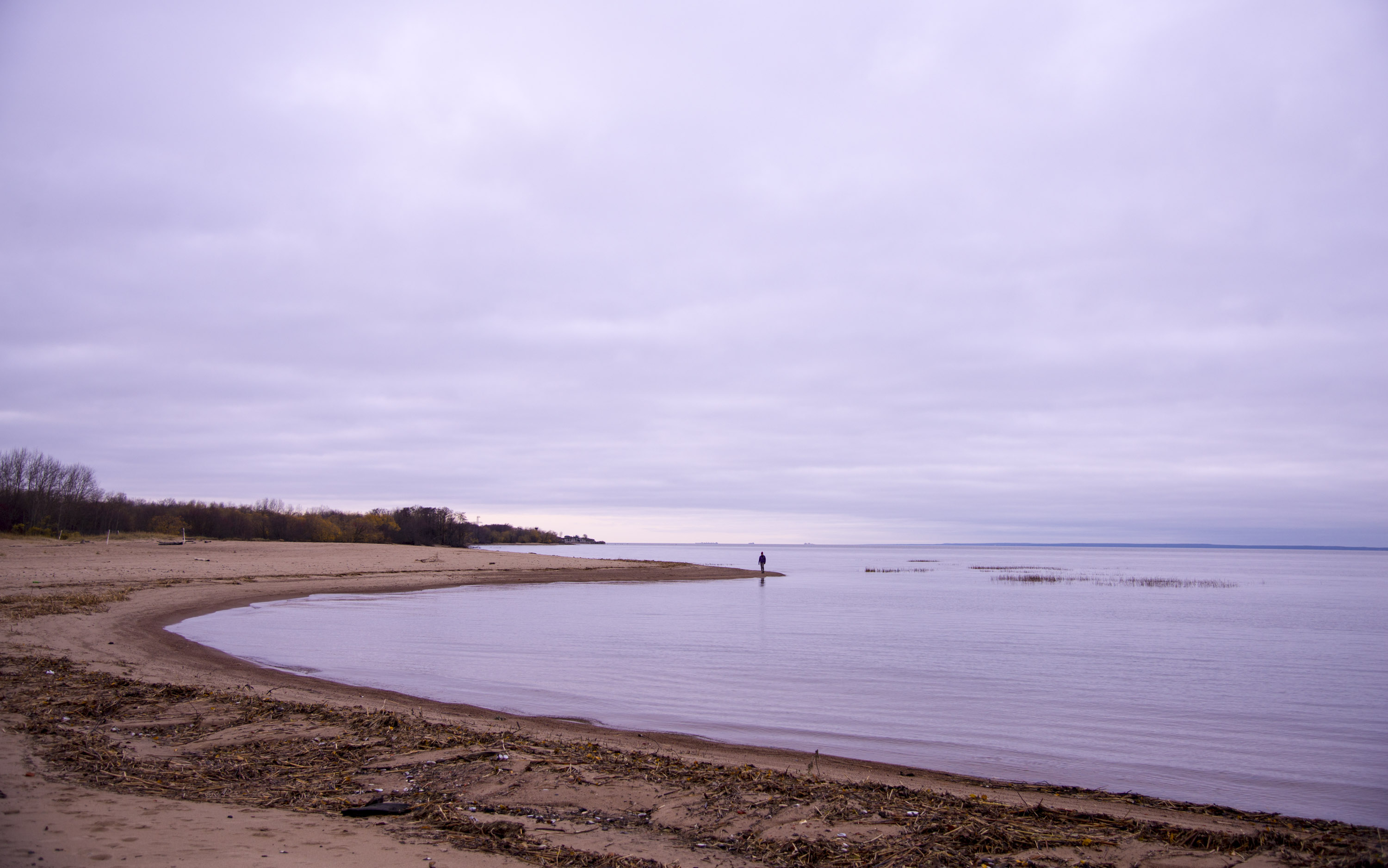
Guld of Finland

Gallery

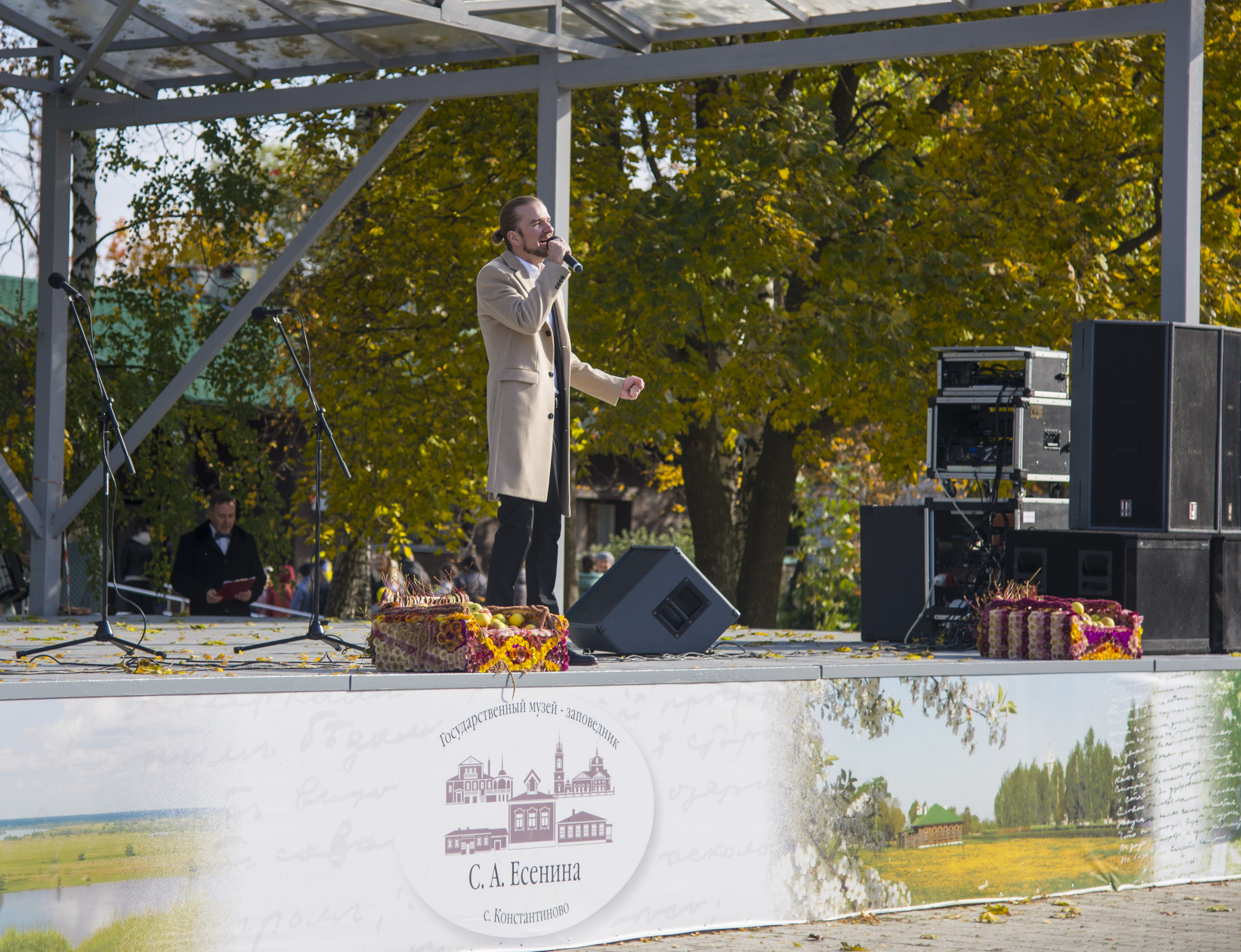
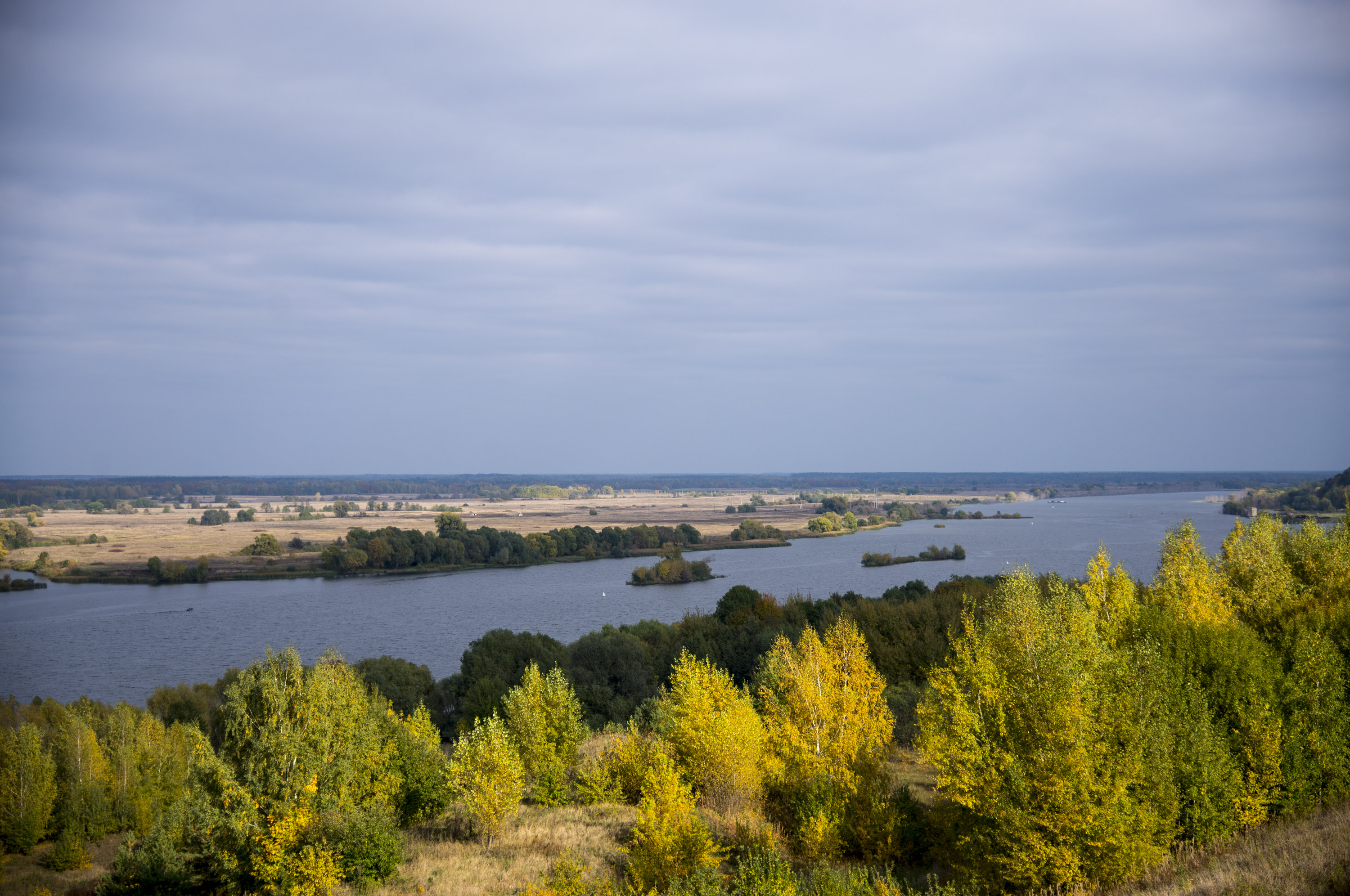
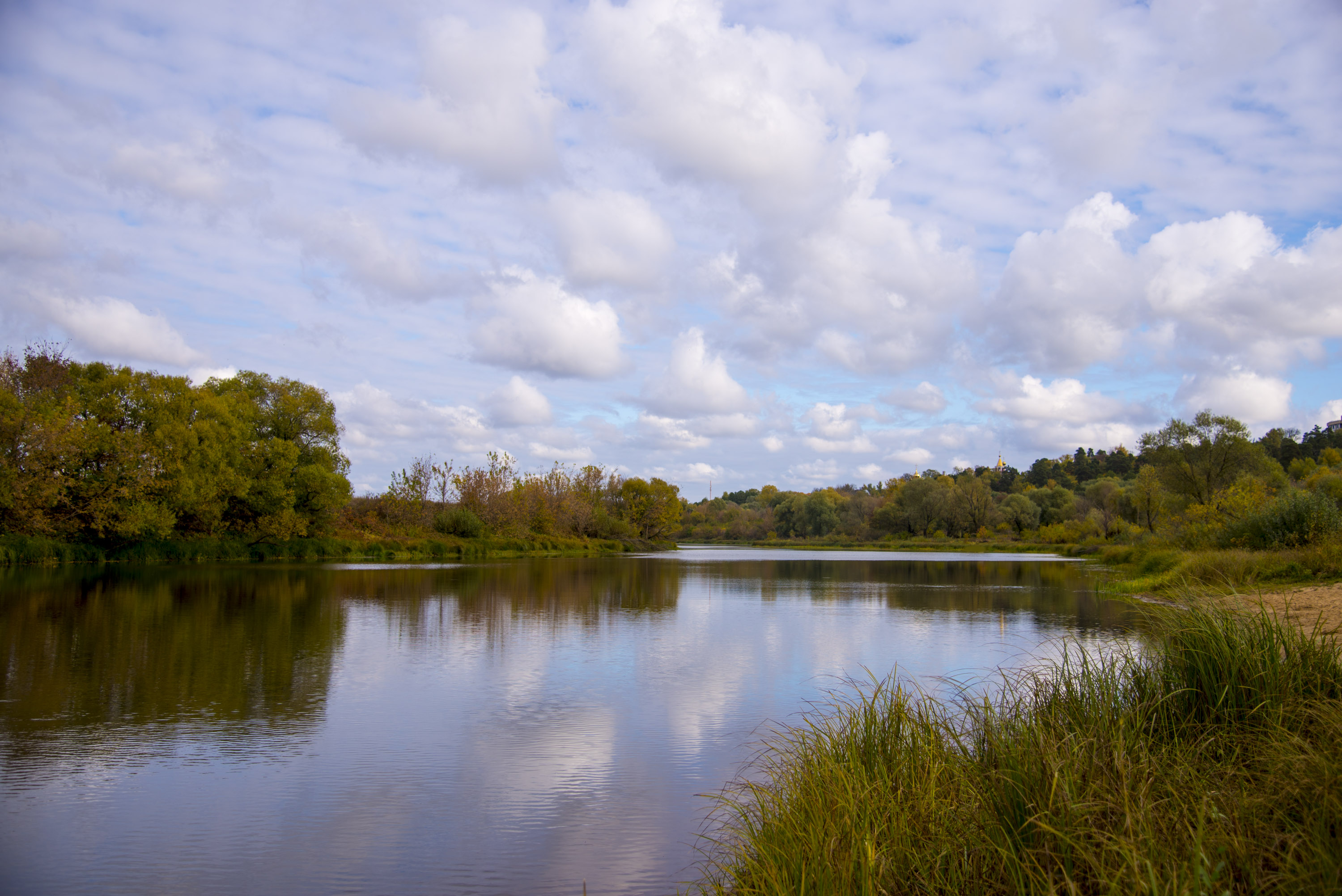
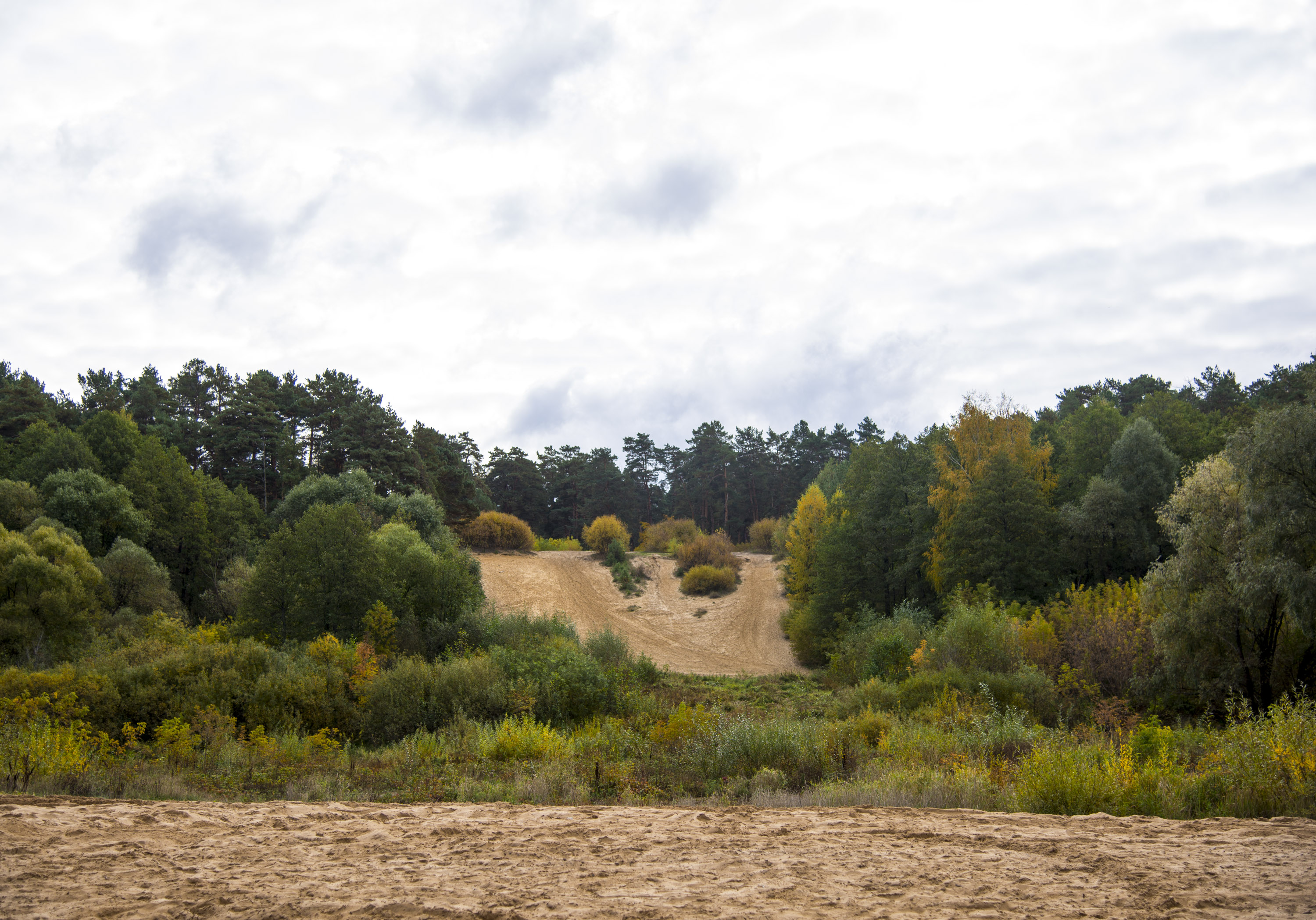
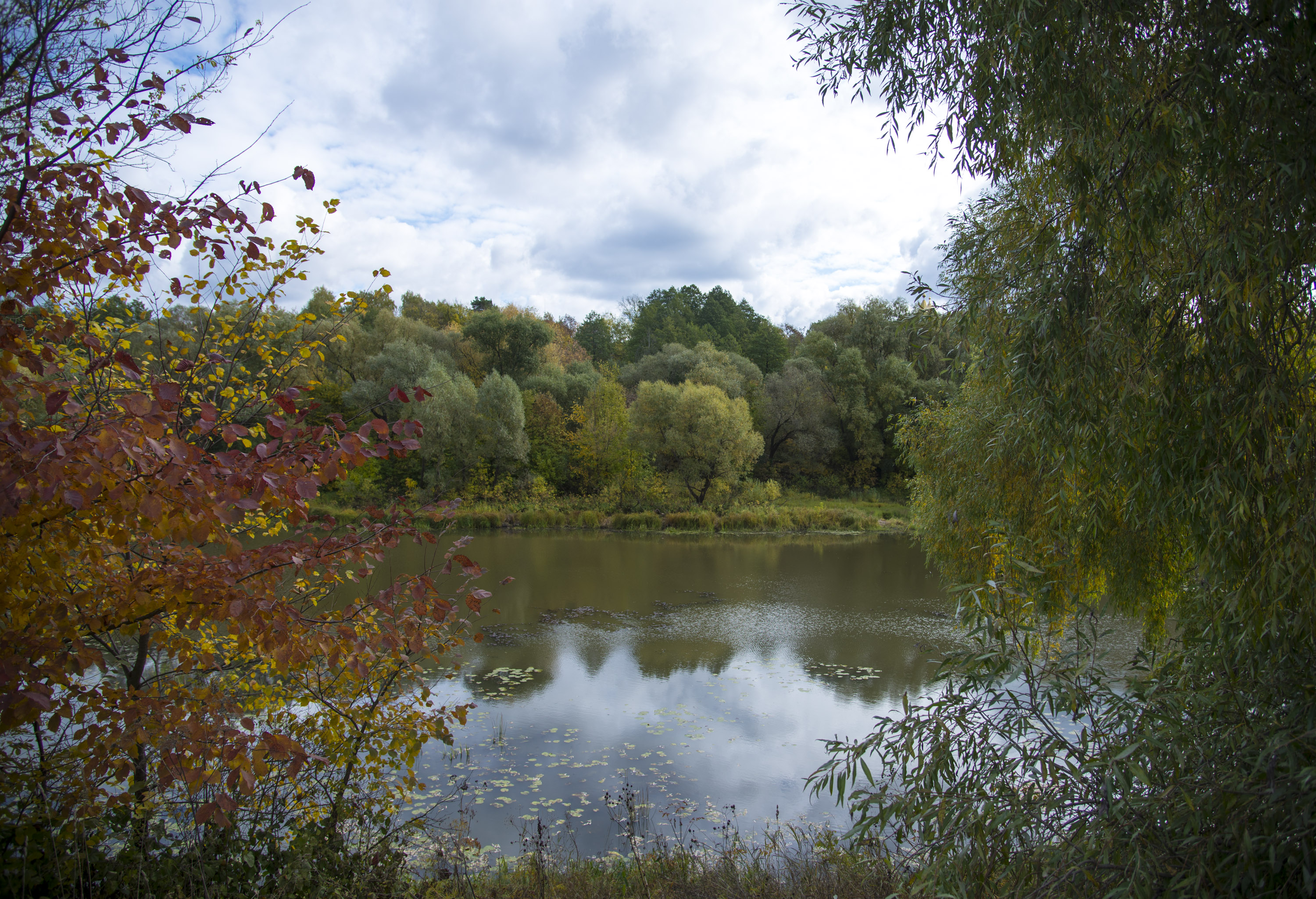
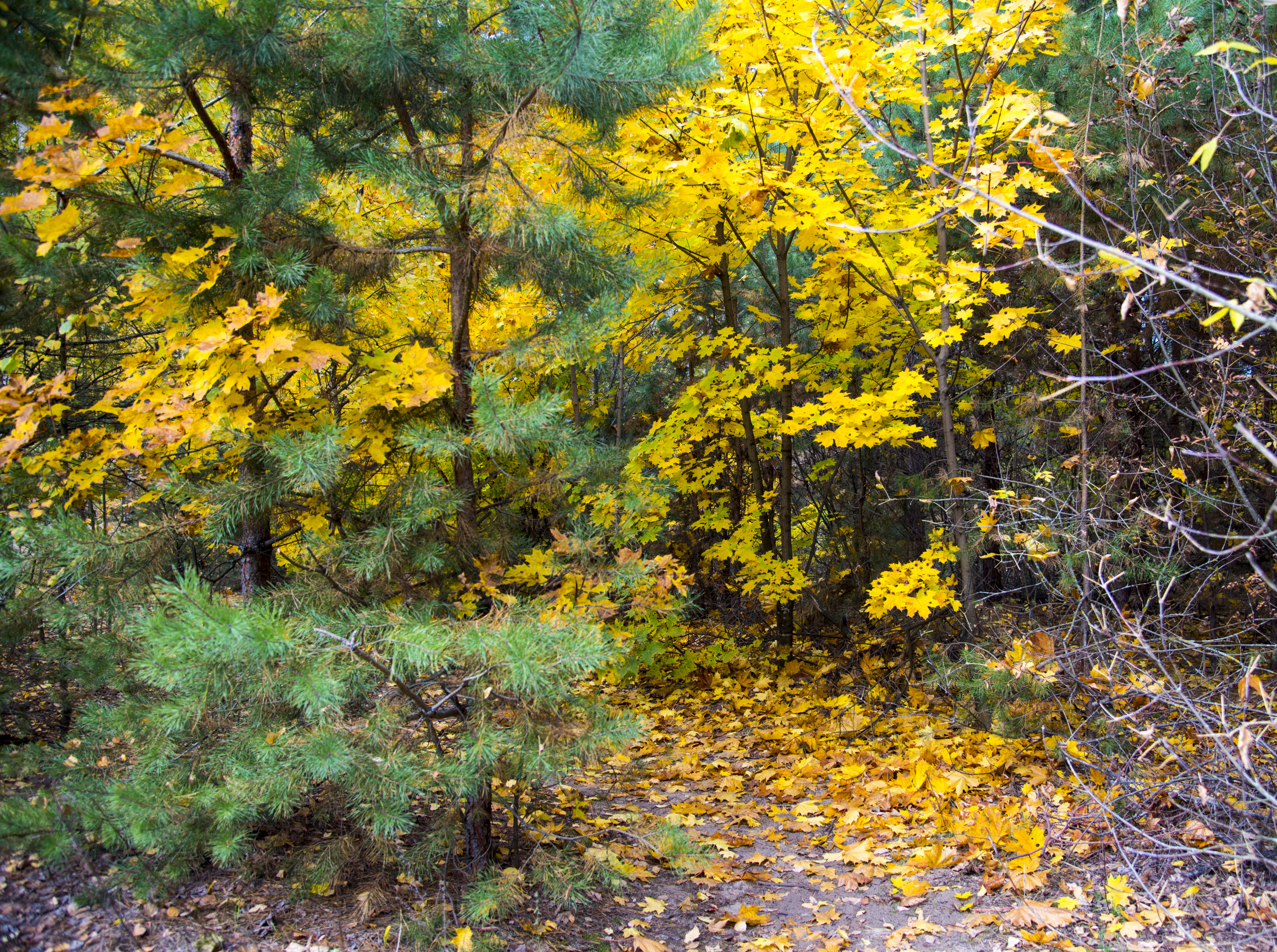
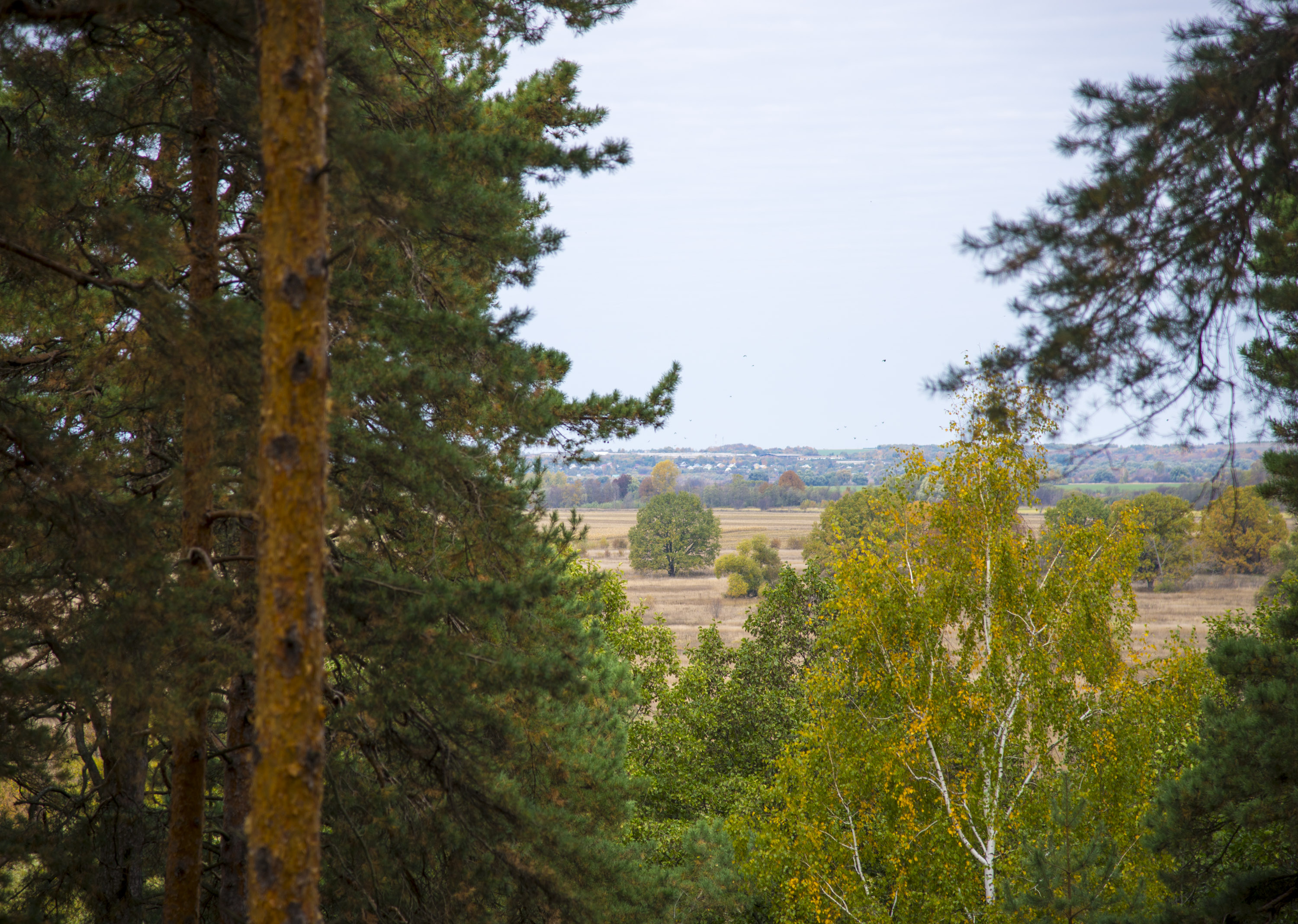
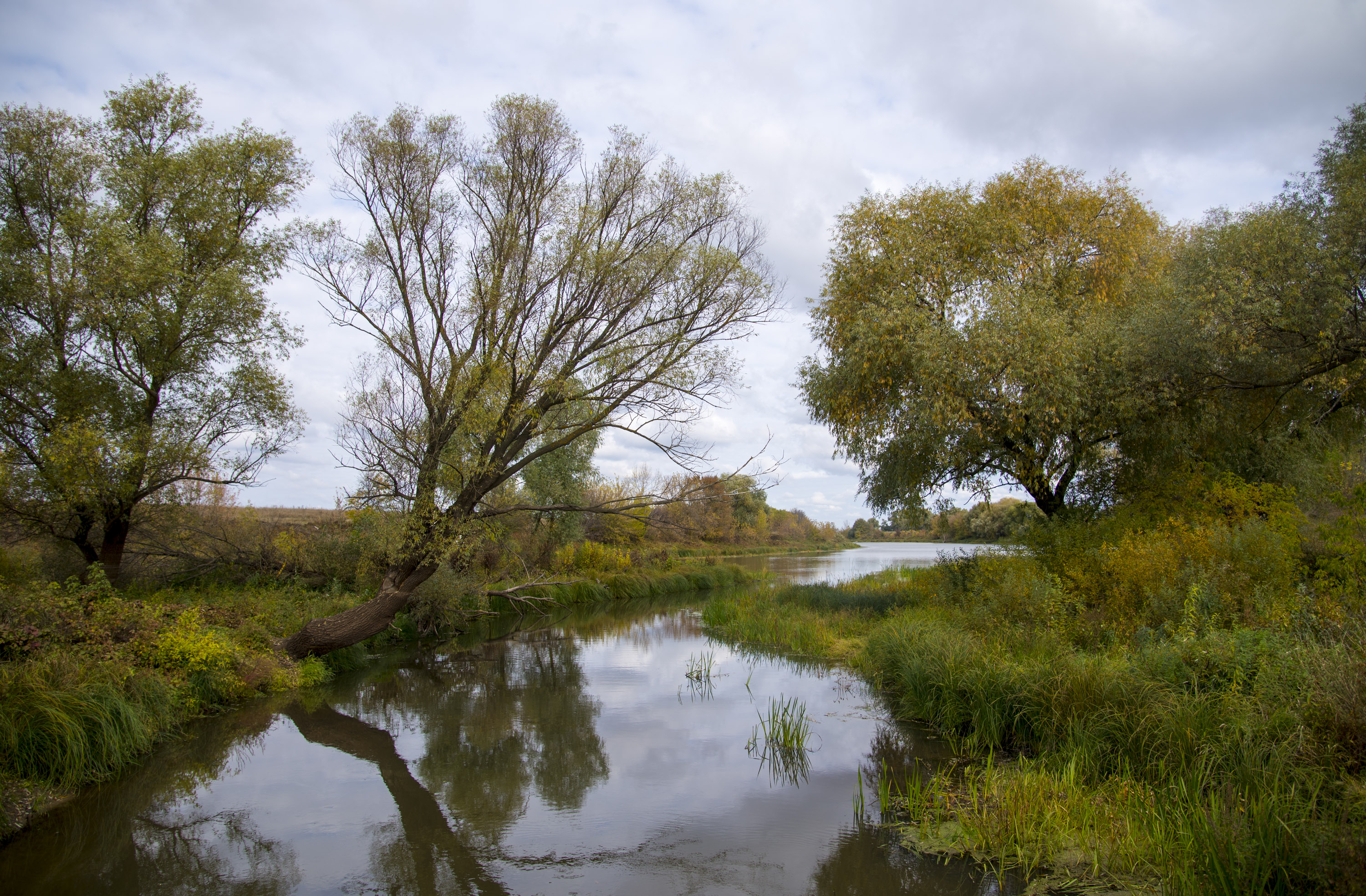
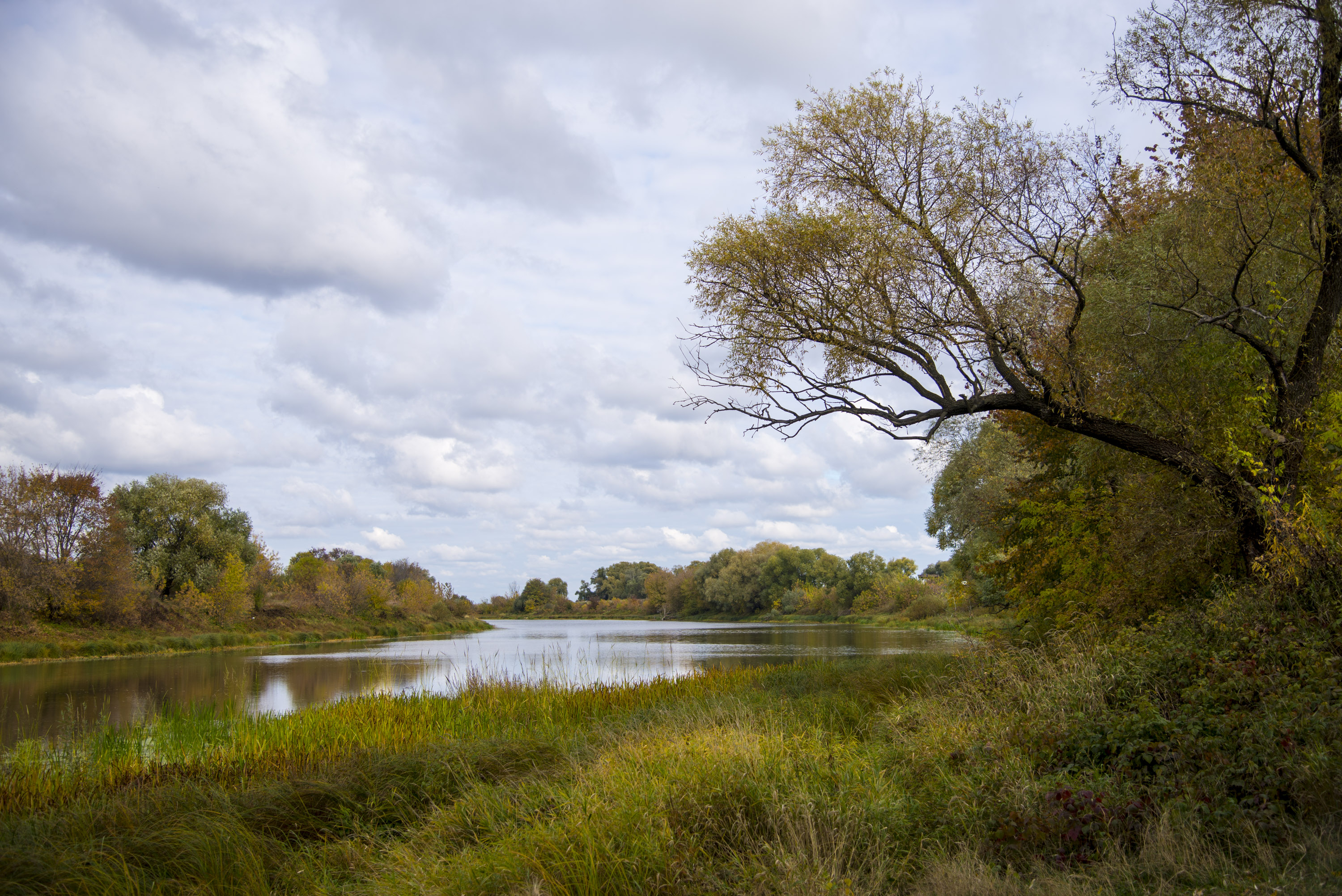
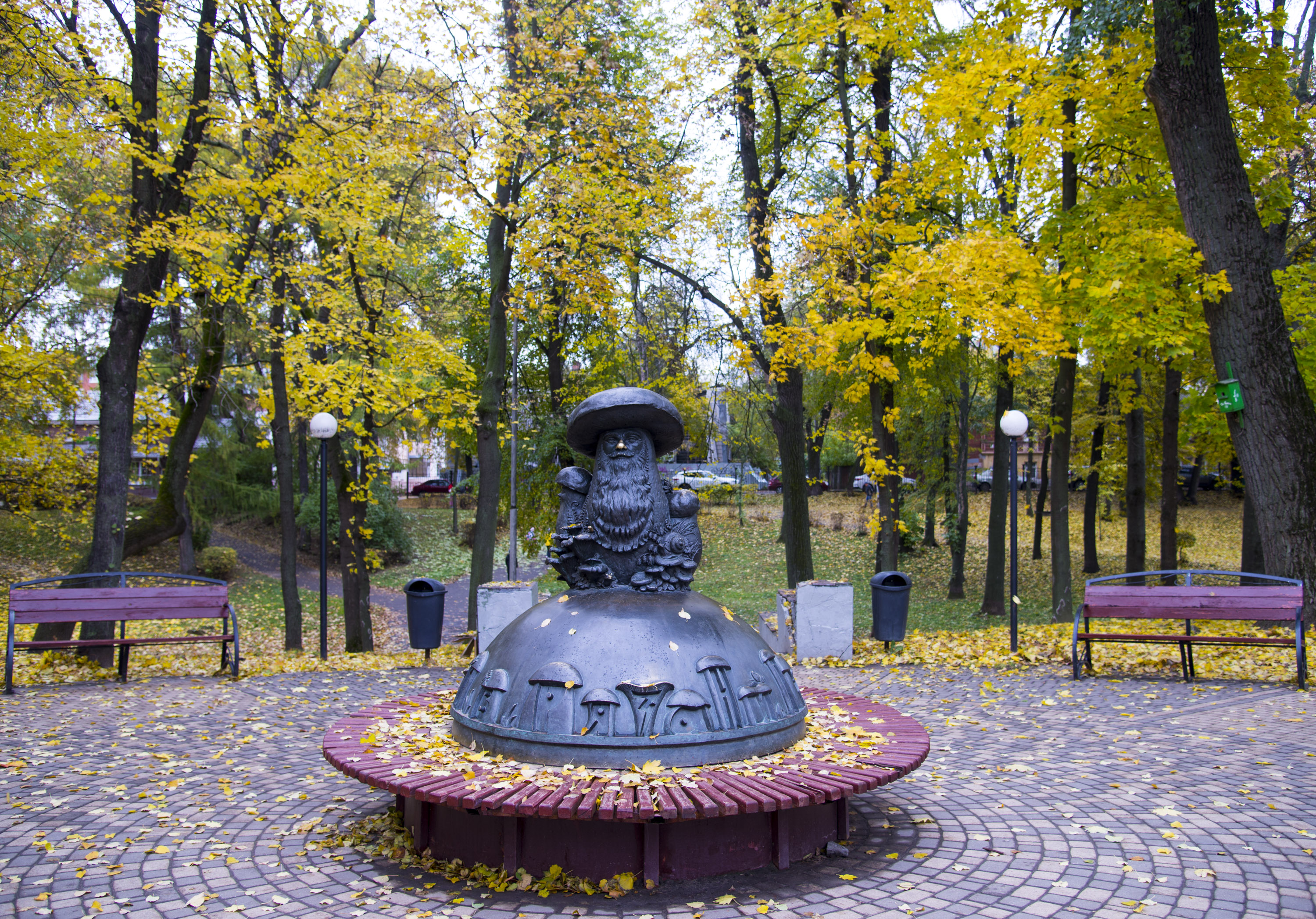
Golden autumn in Ryazan region

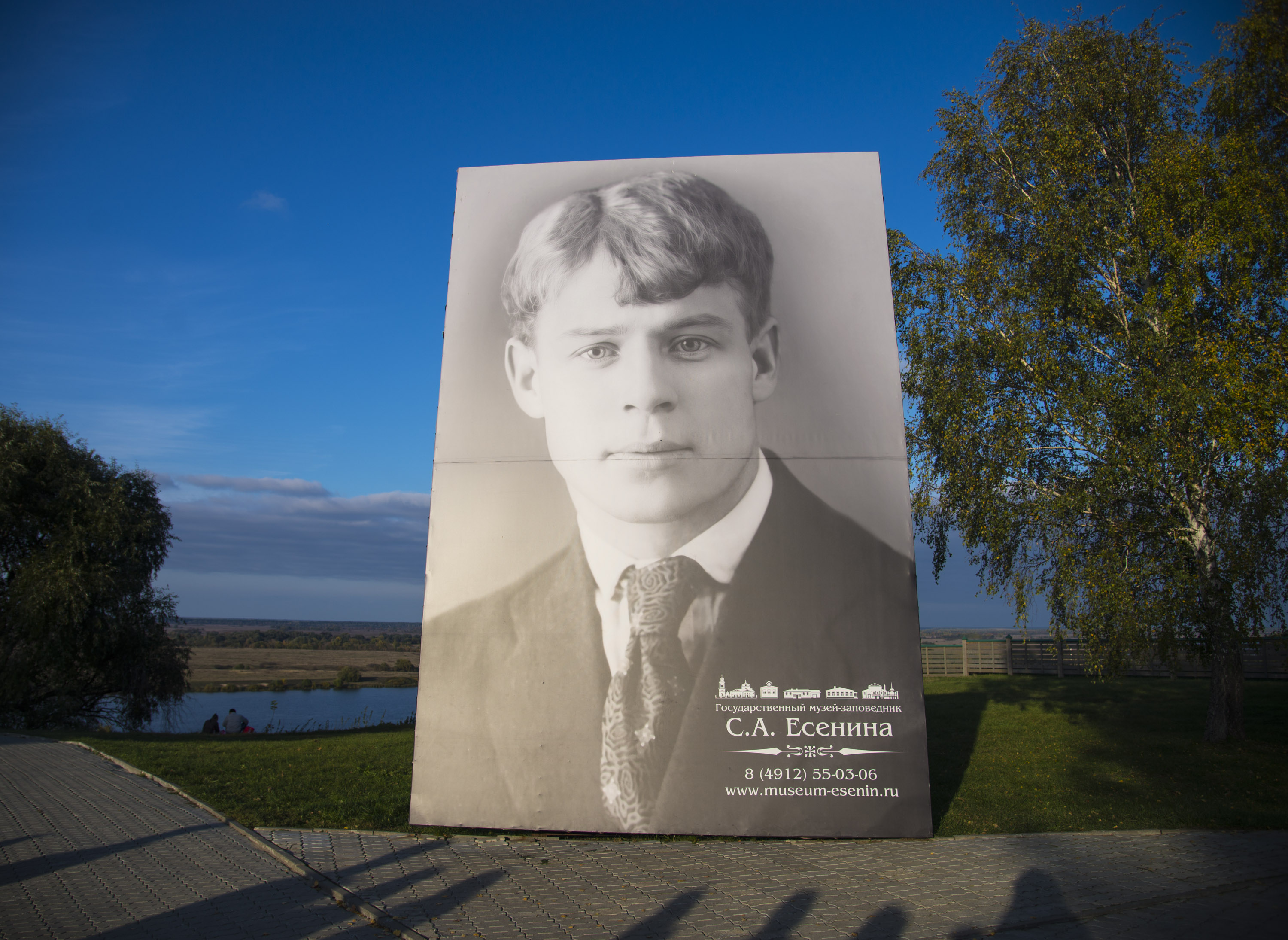
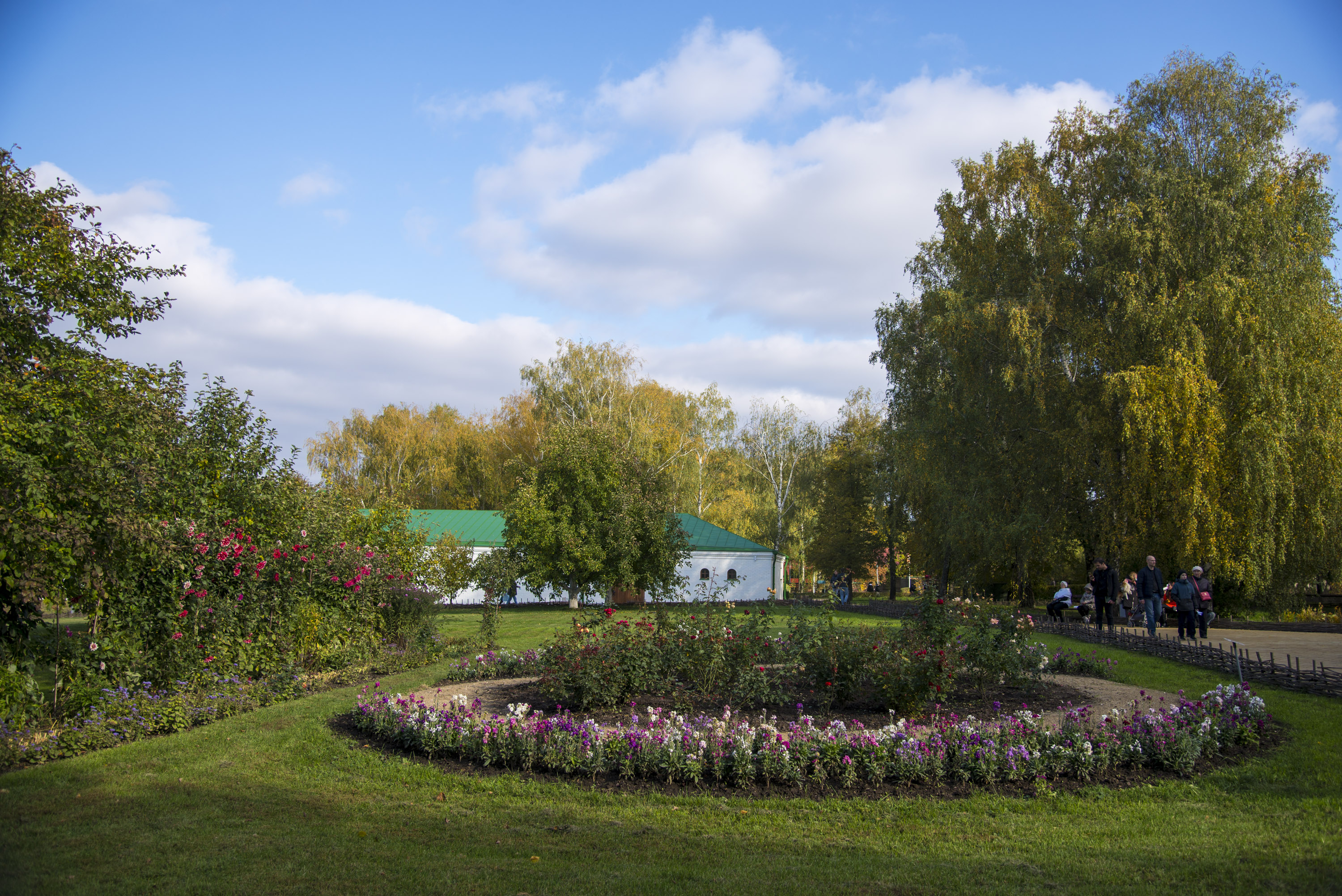
Konstantinovo

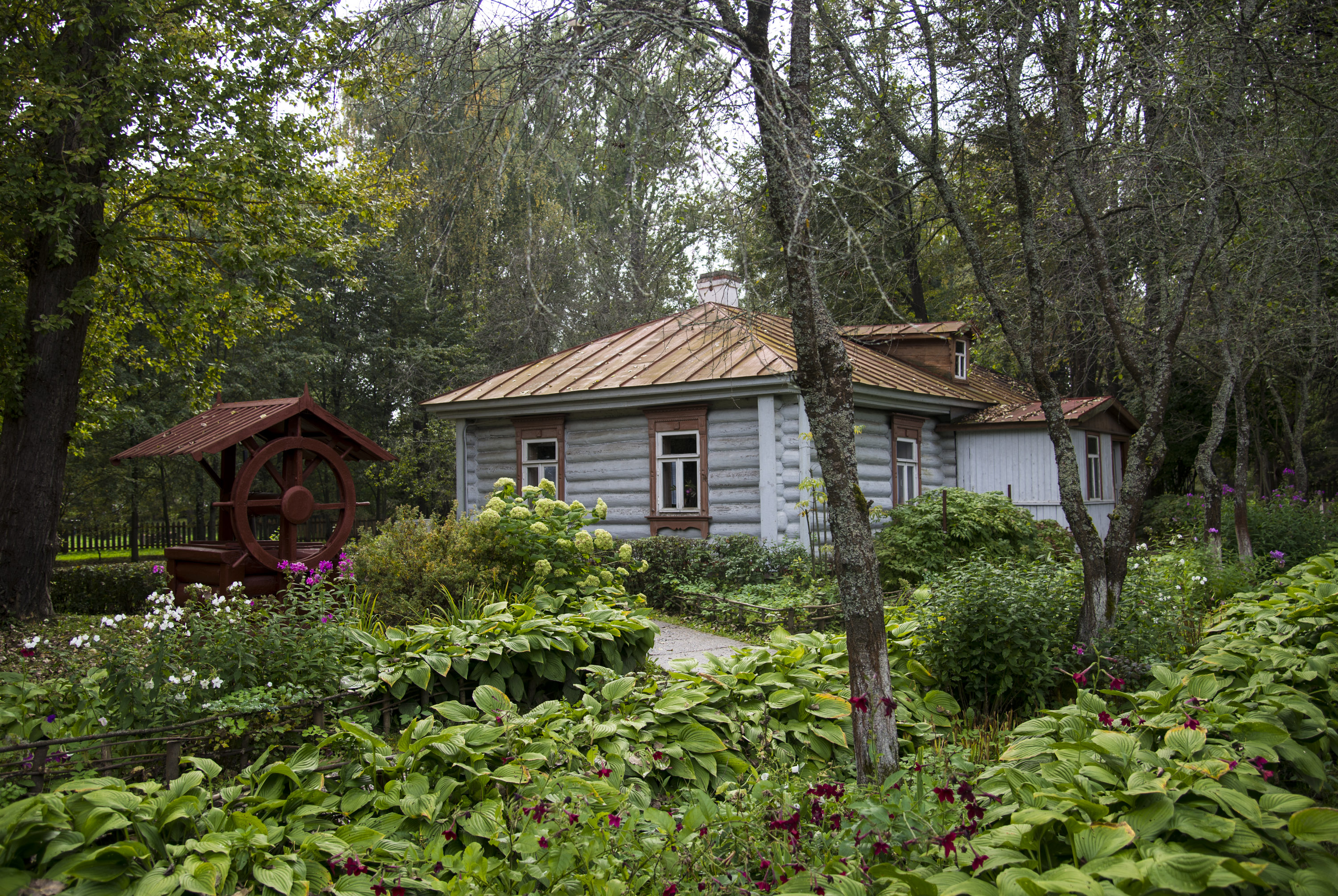
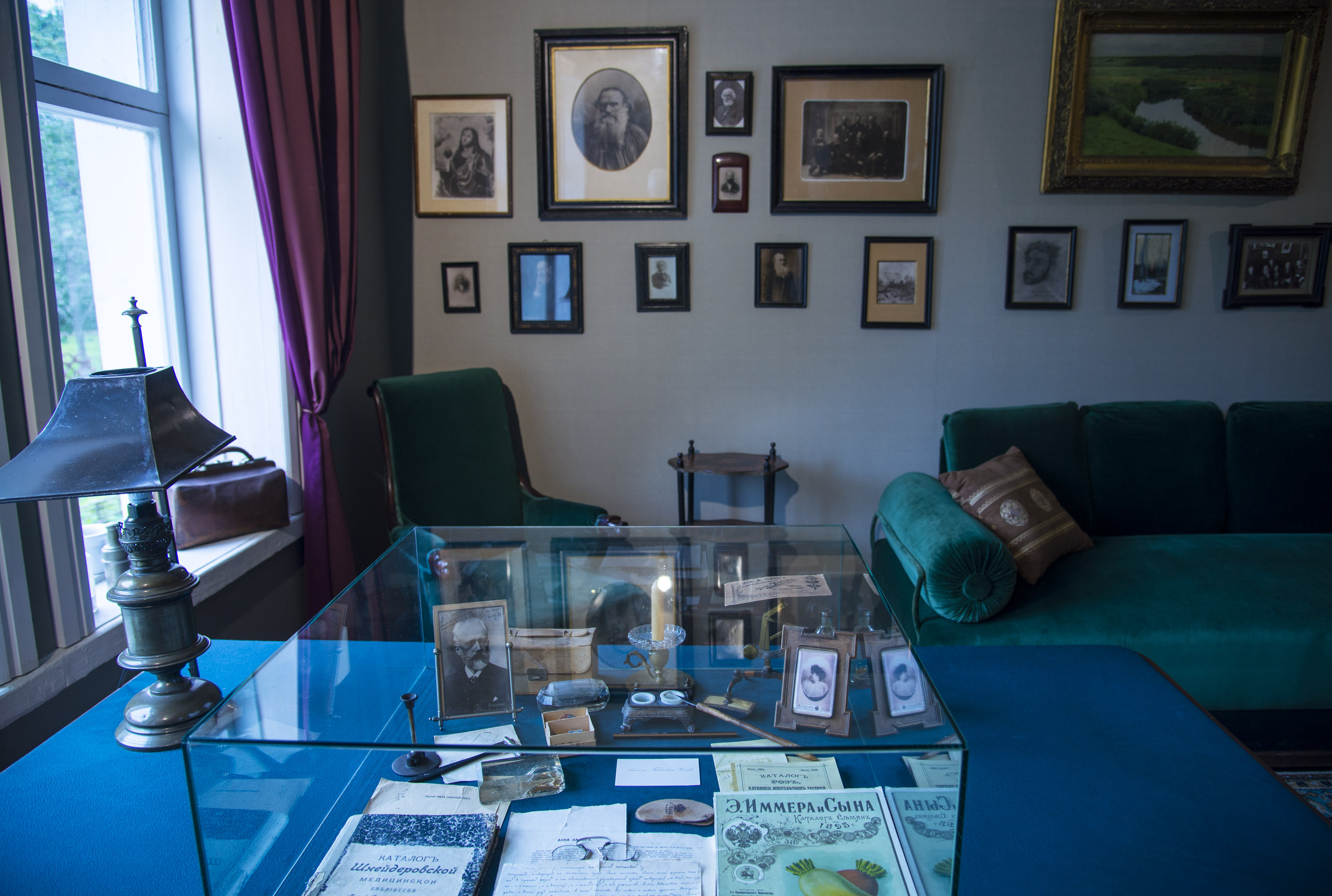
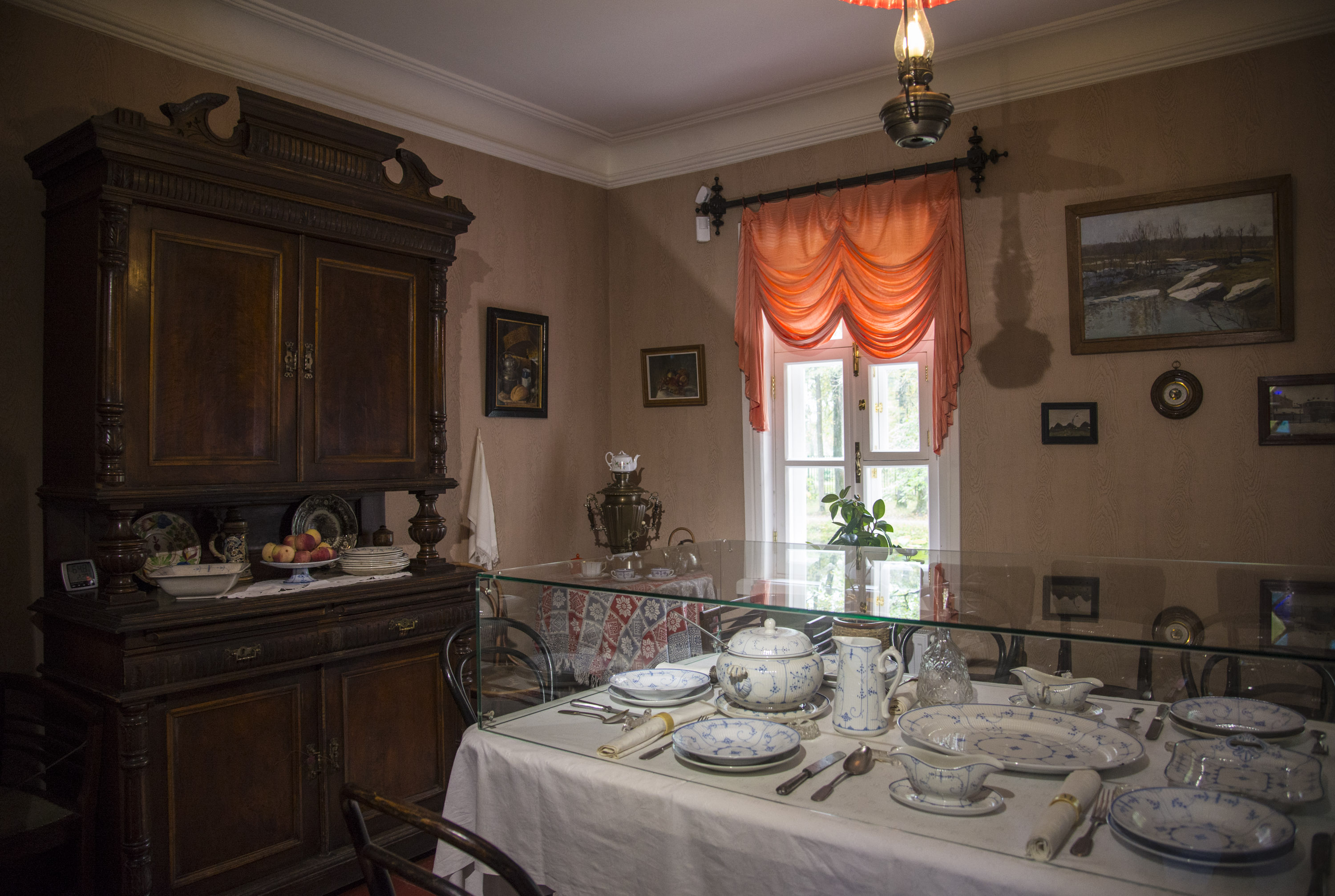
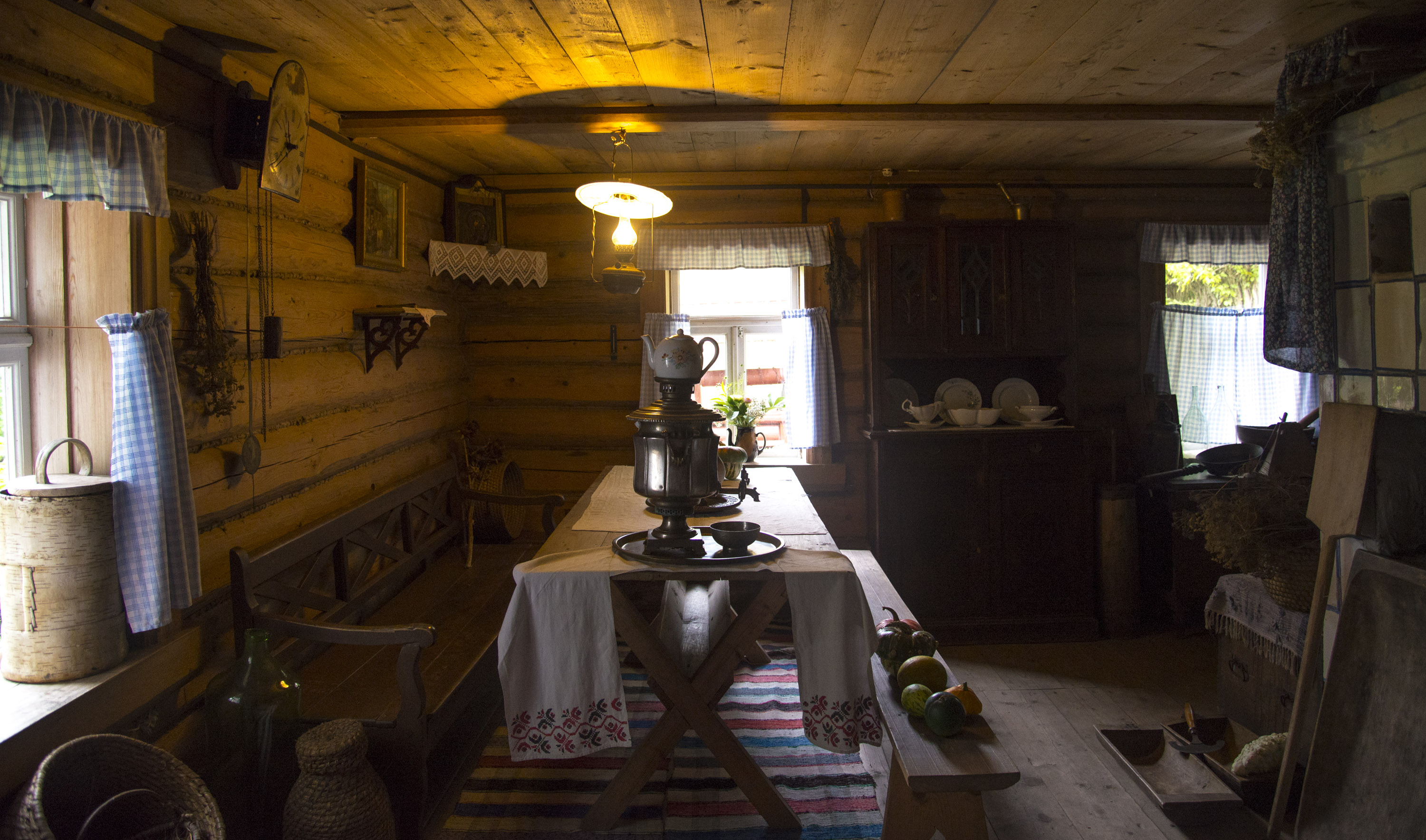
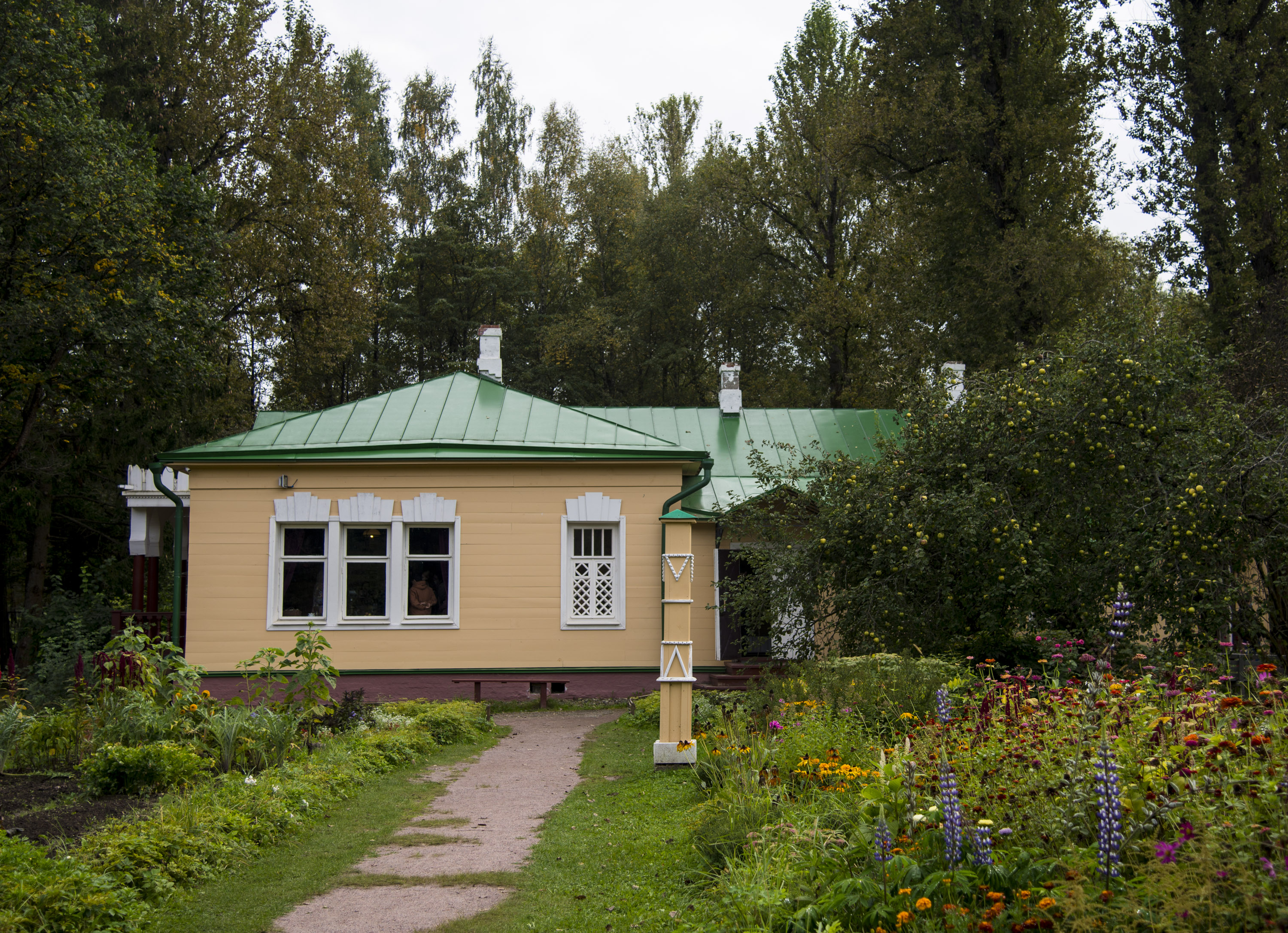
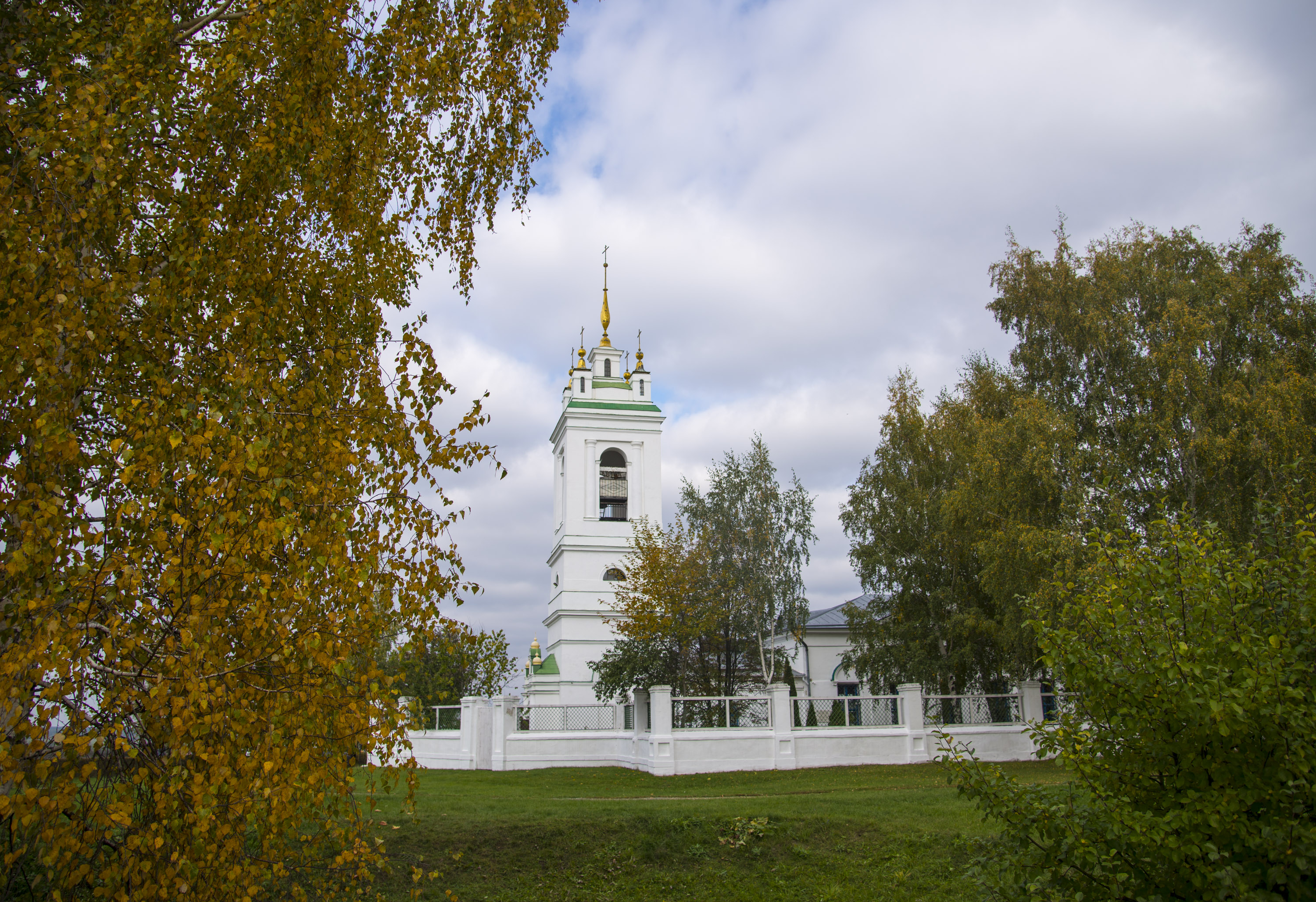
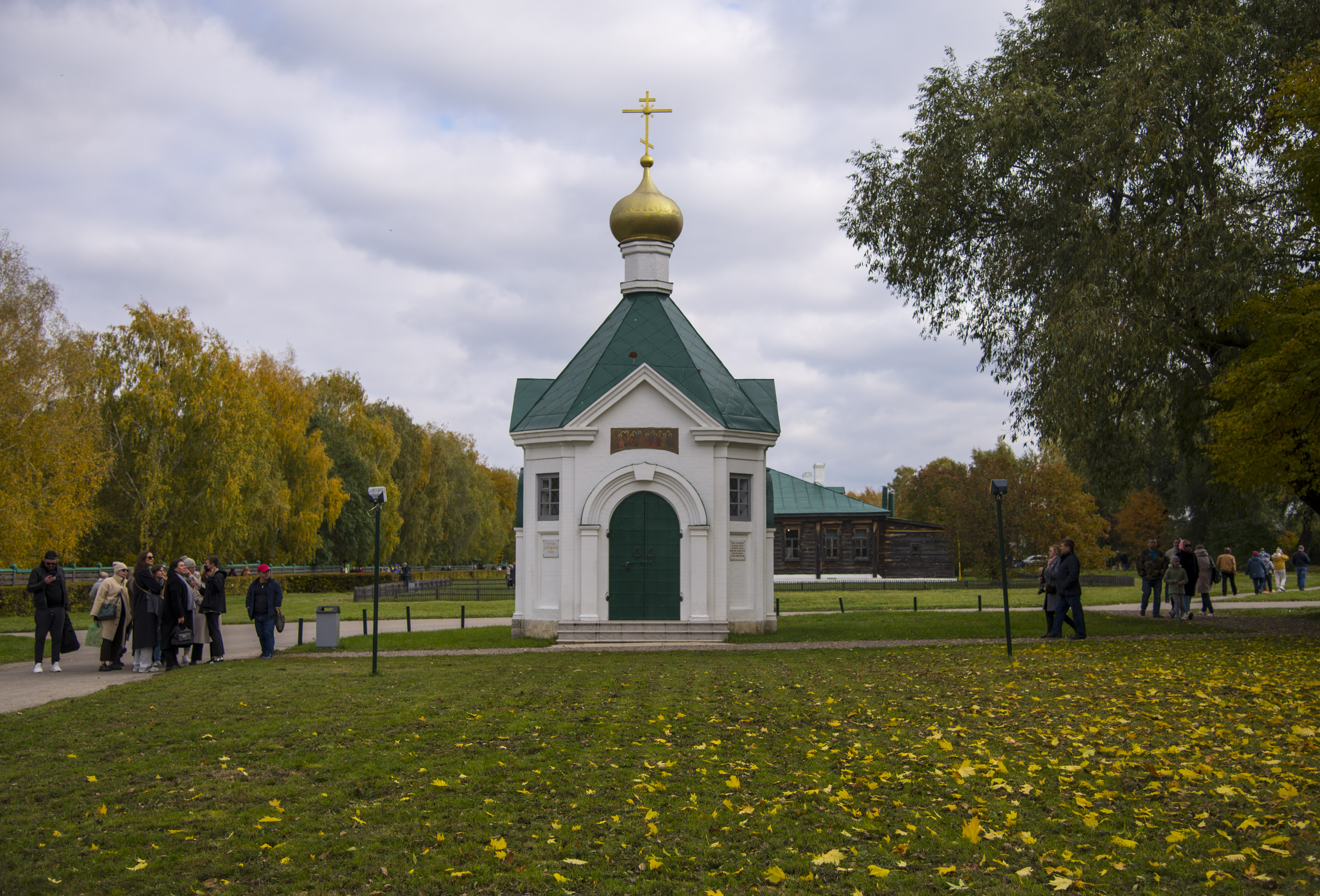
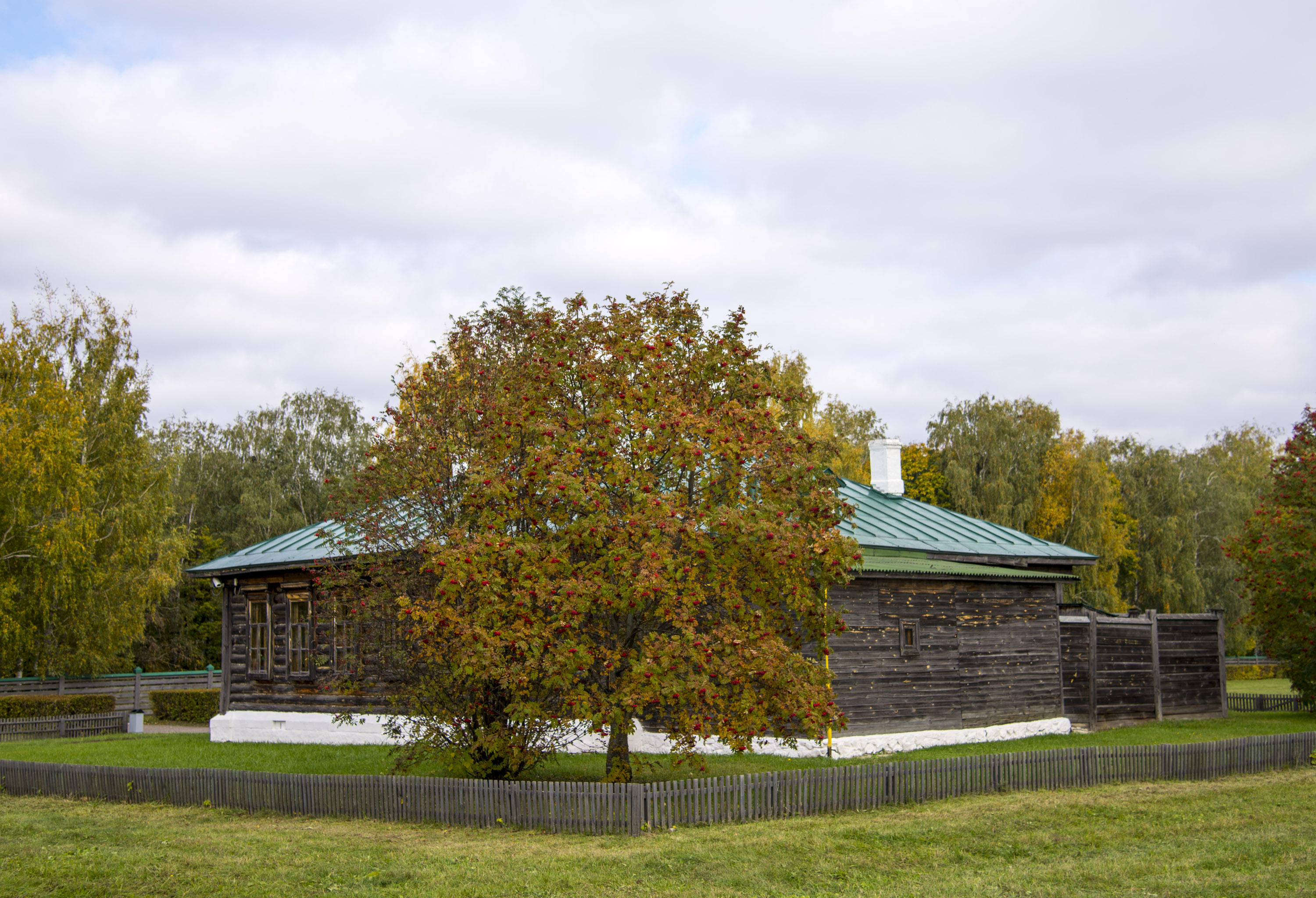
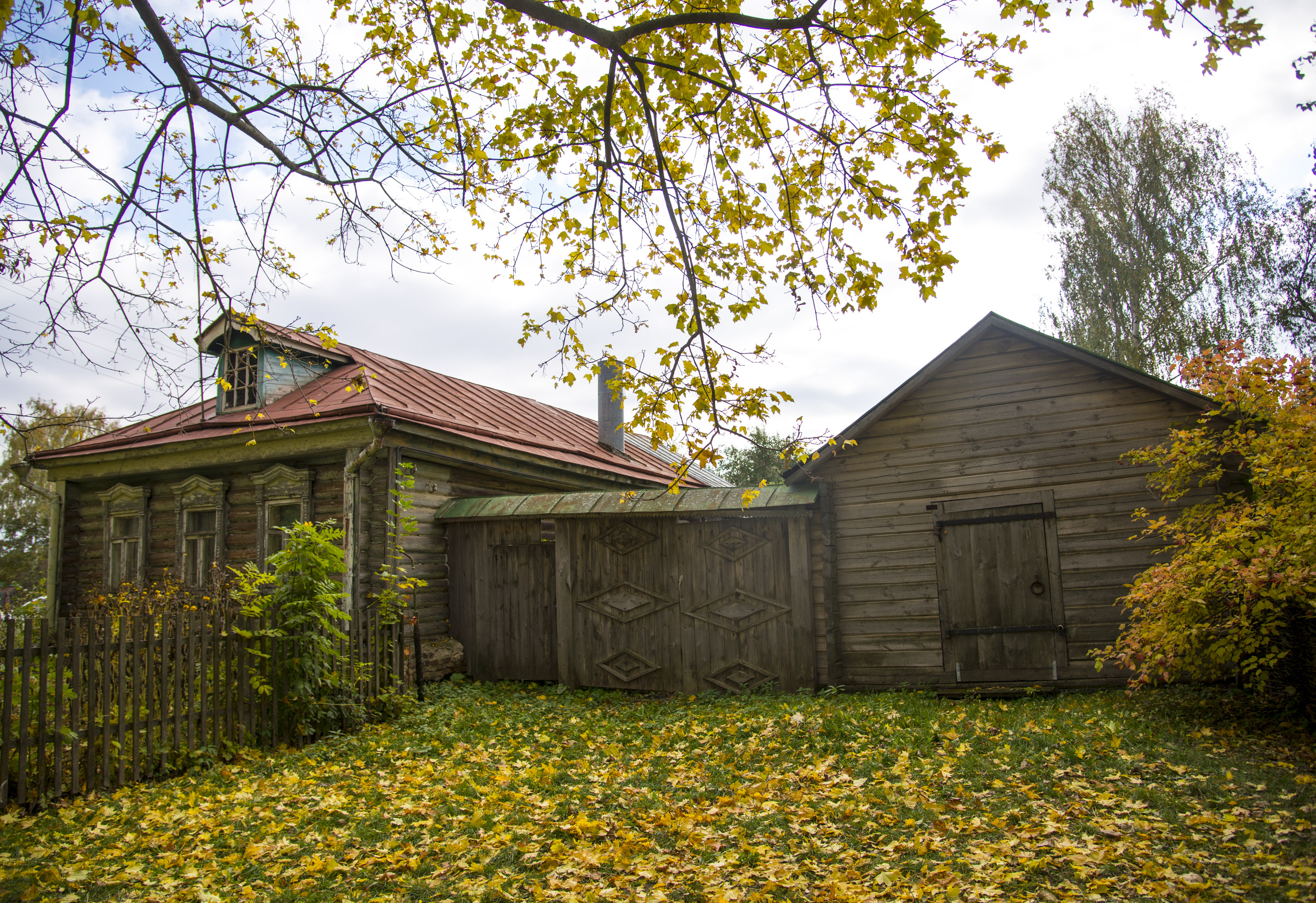
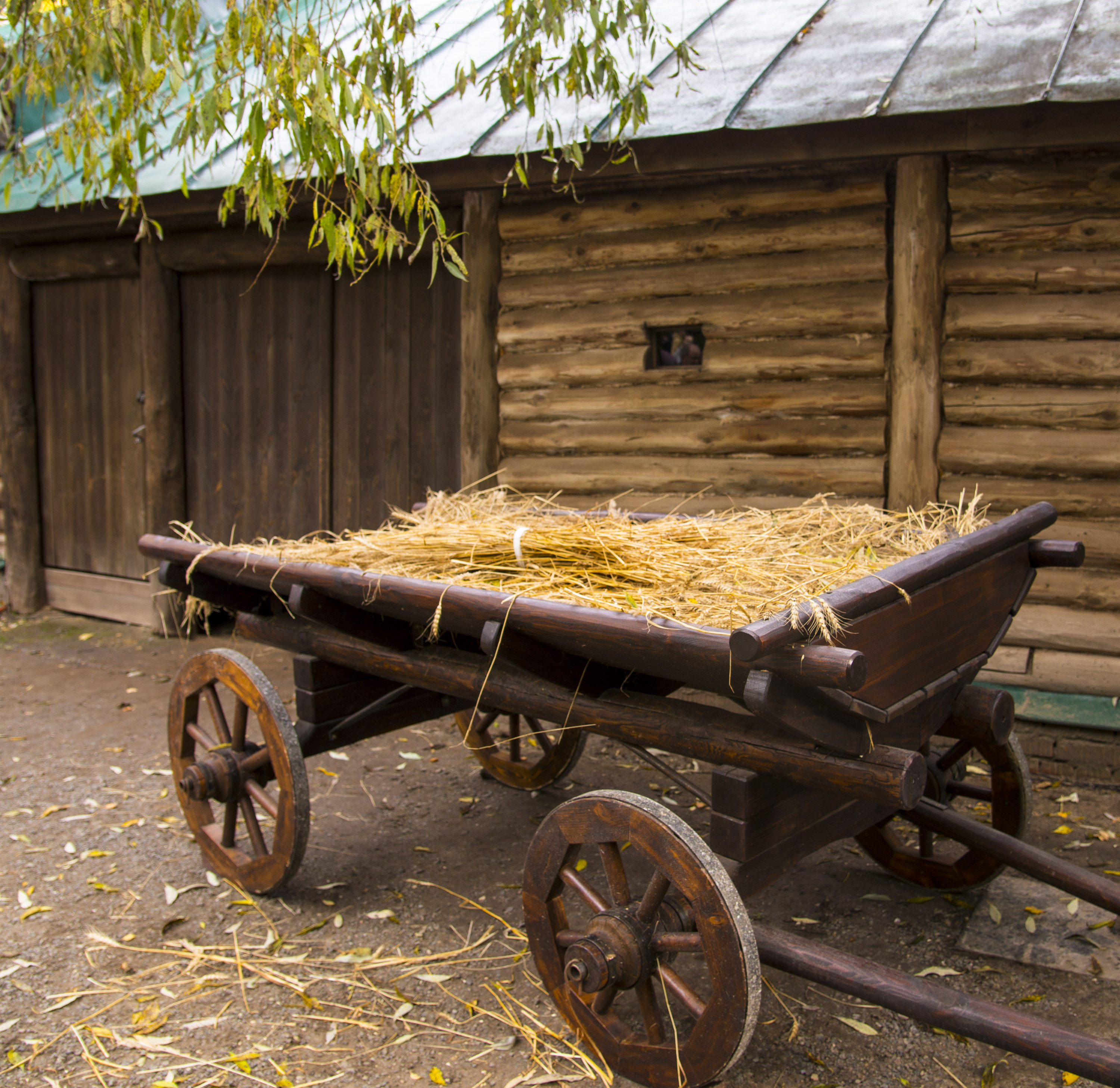
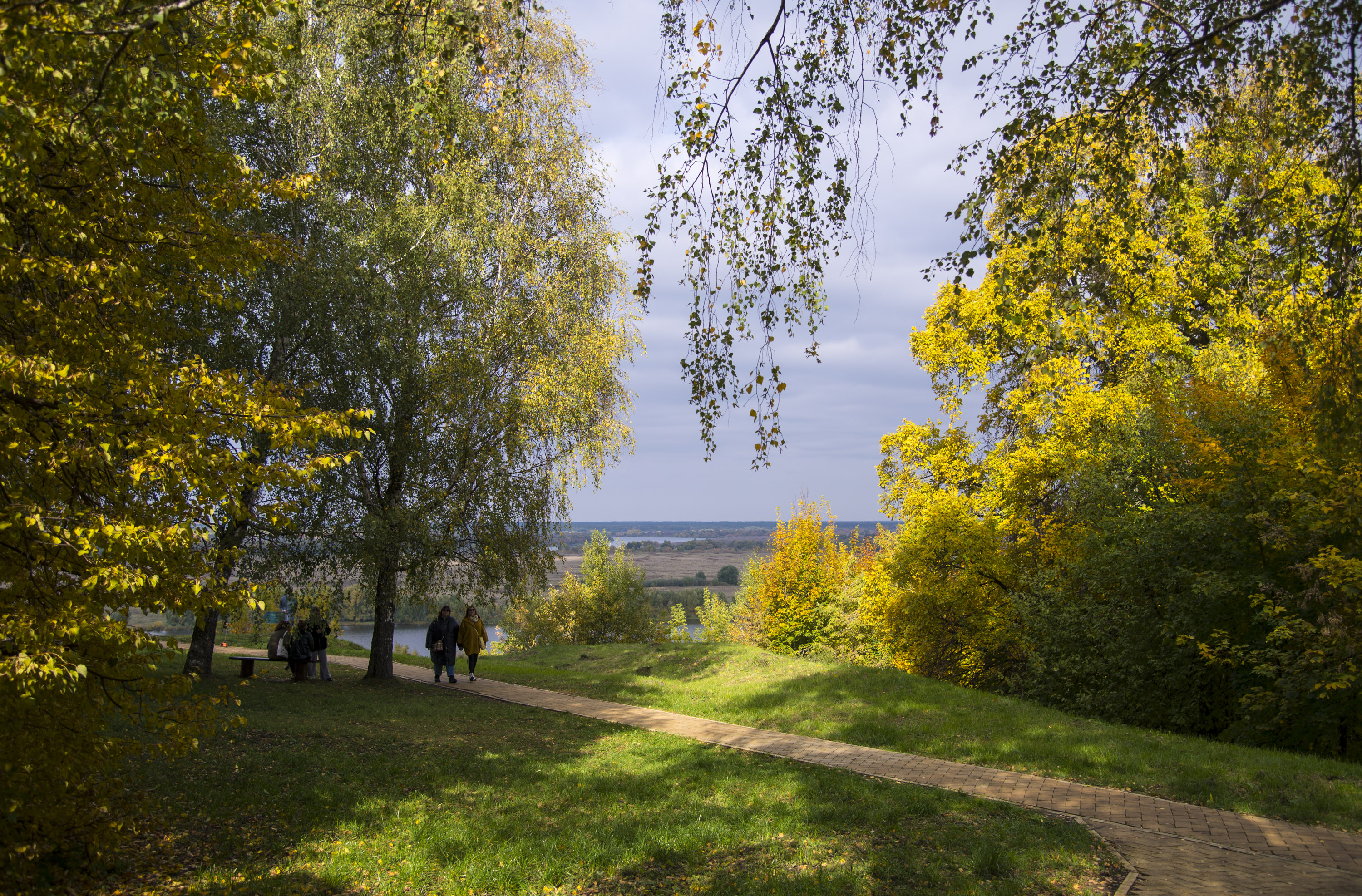
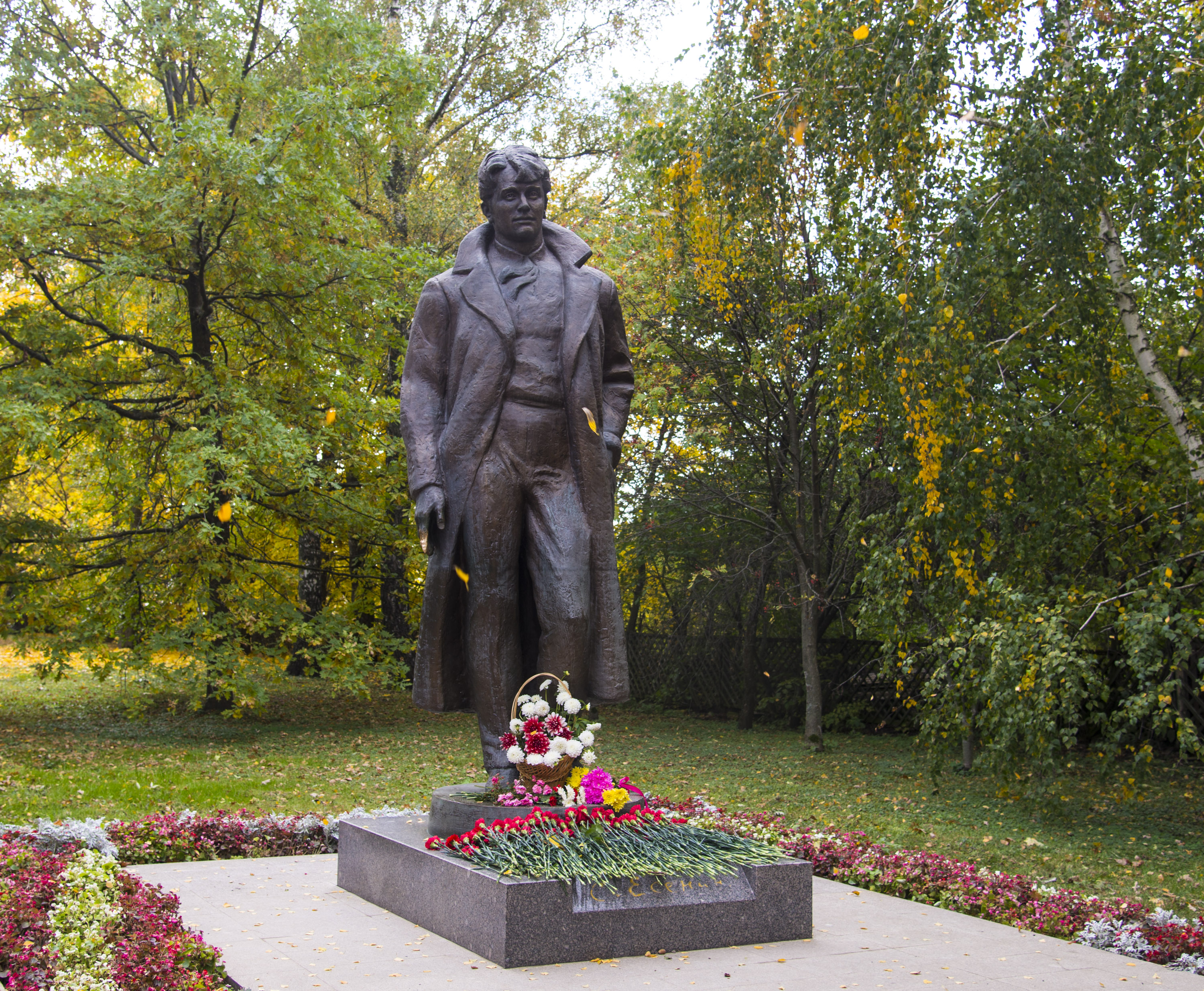
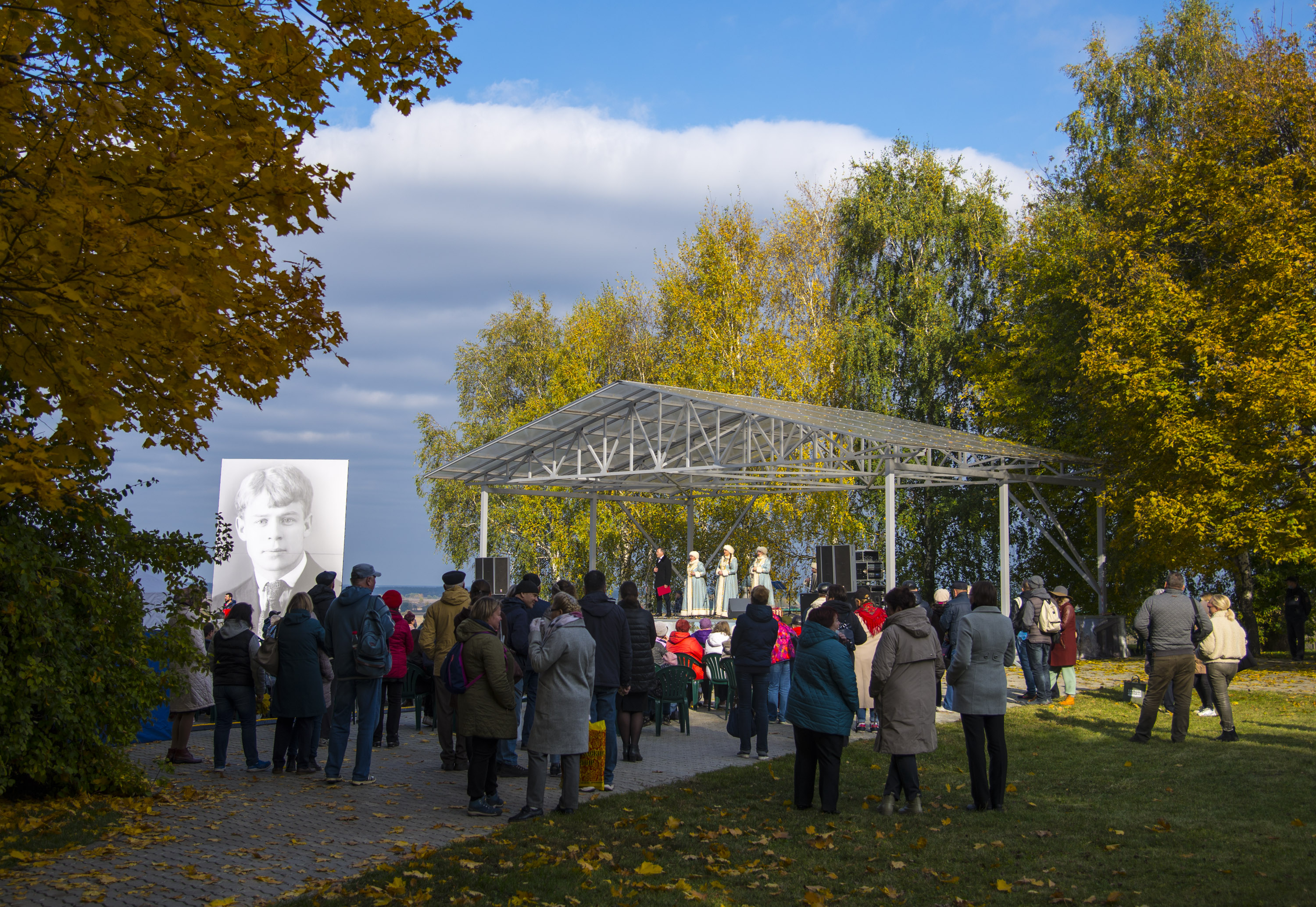
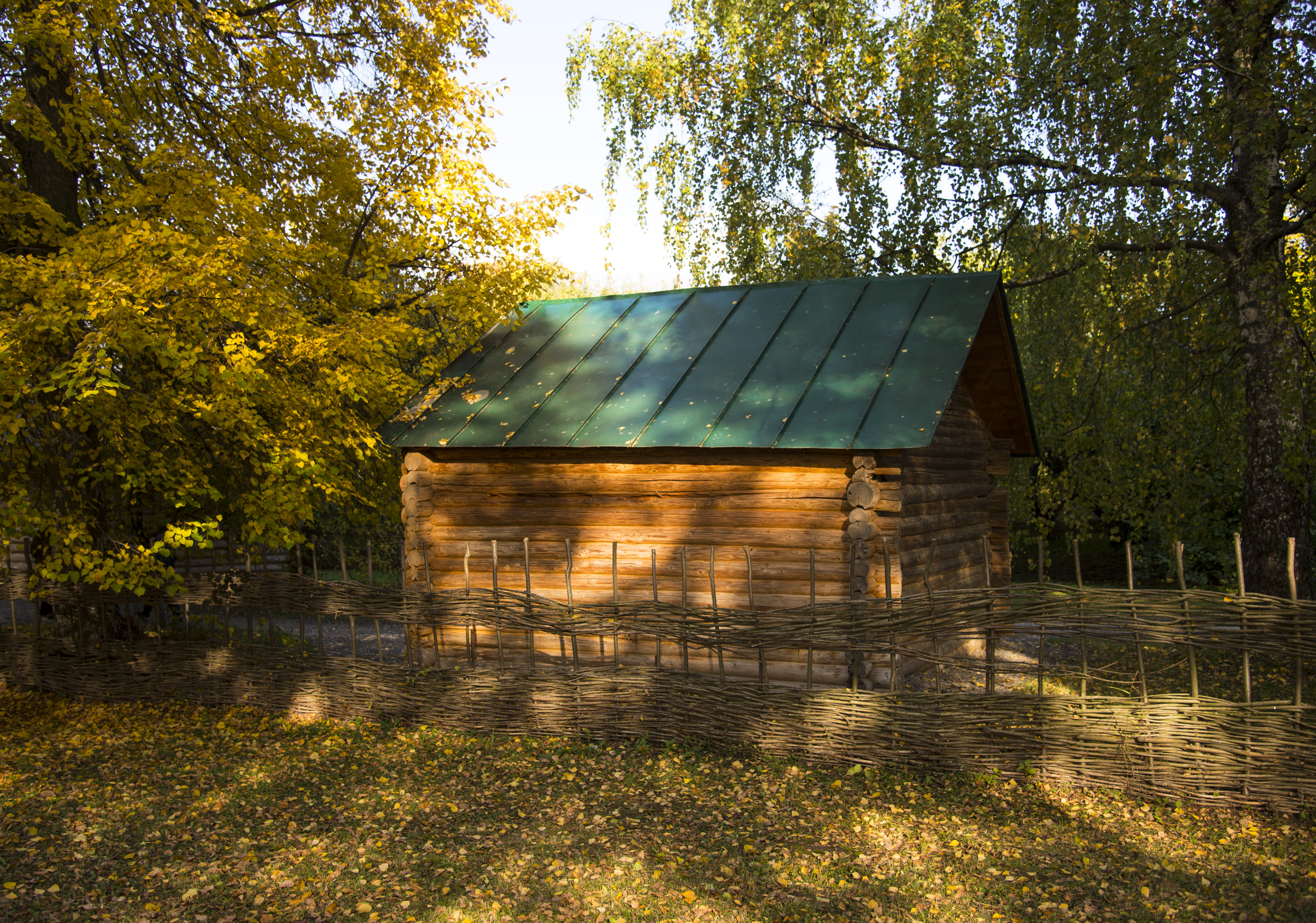
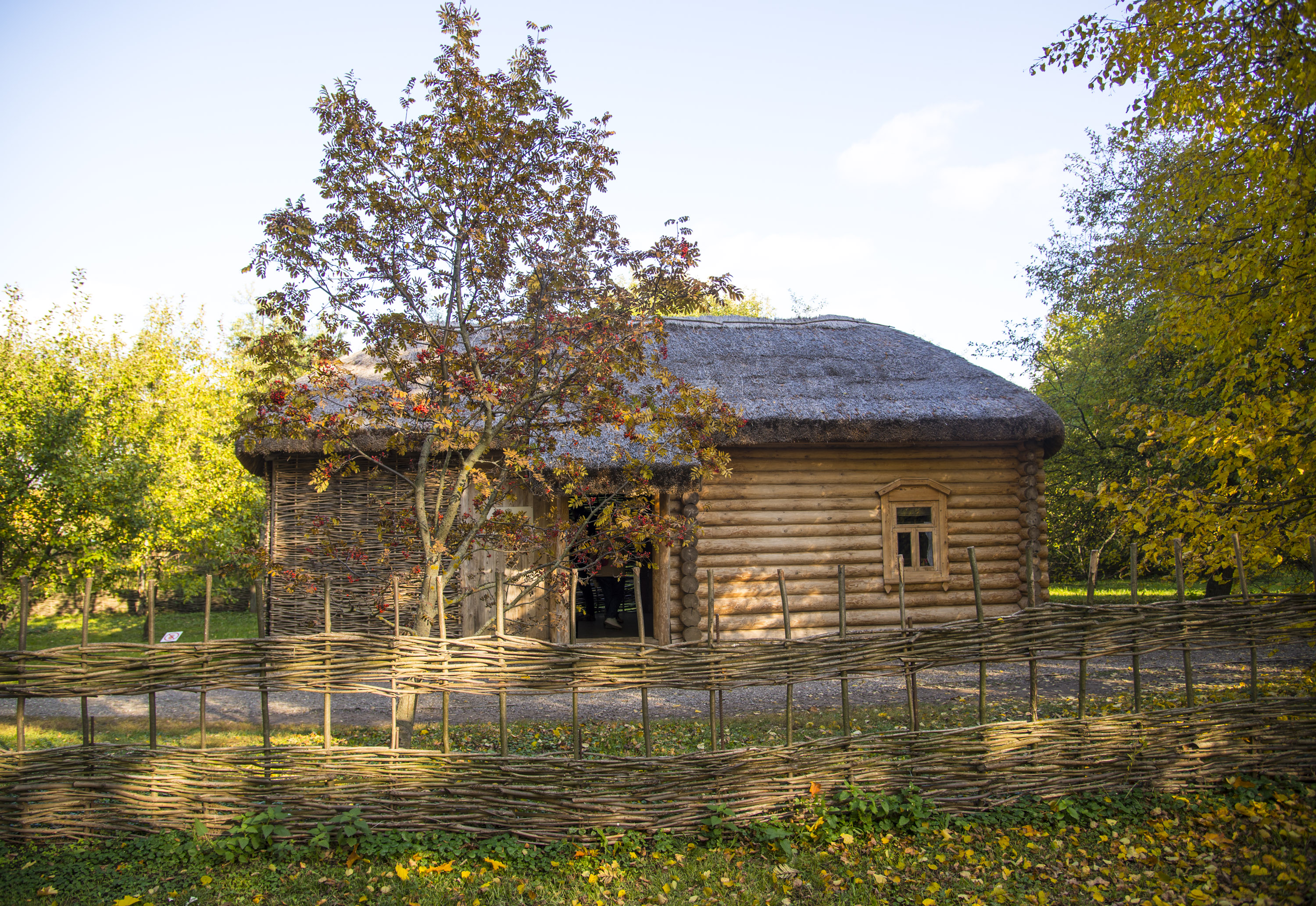
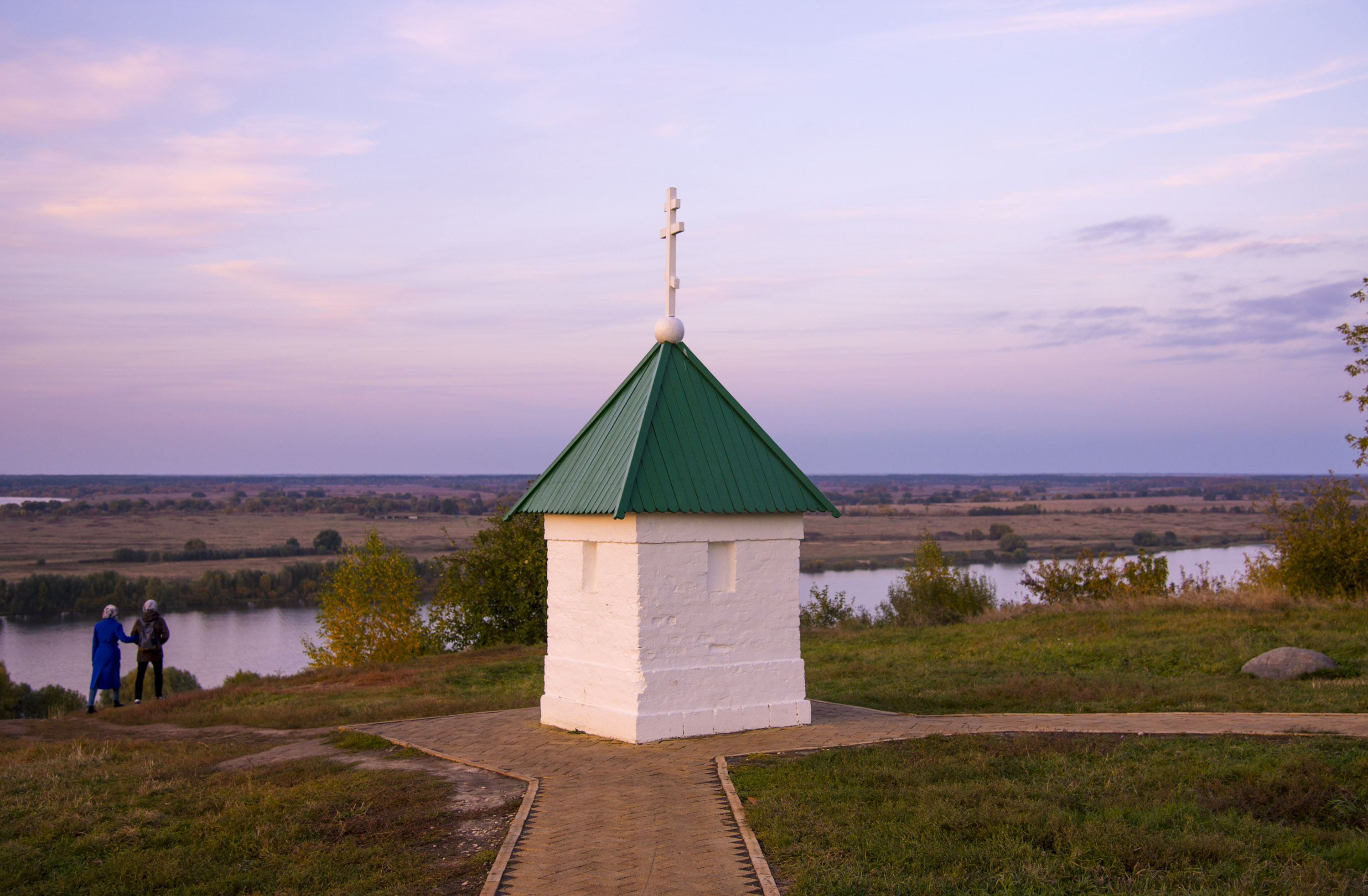
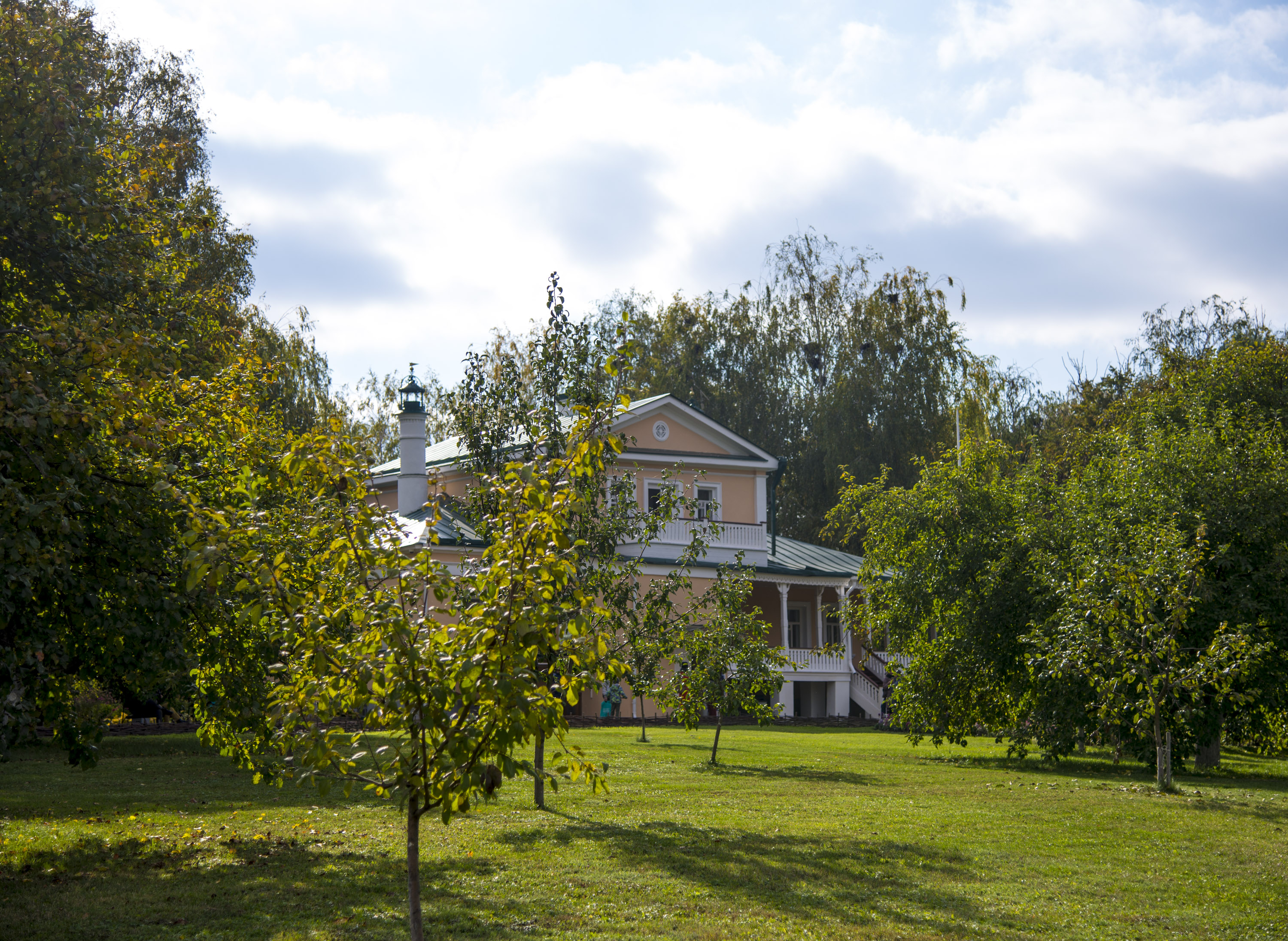
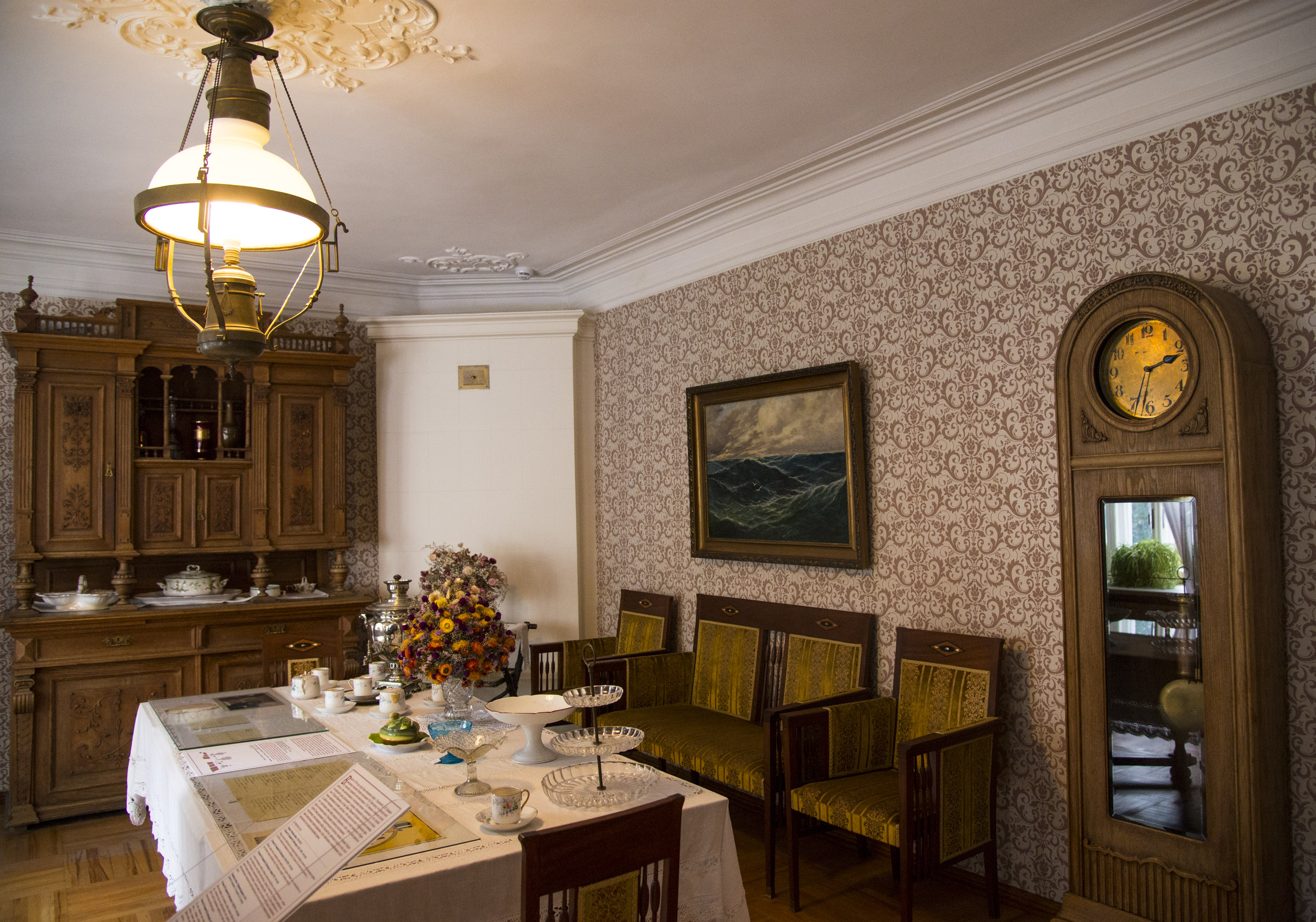
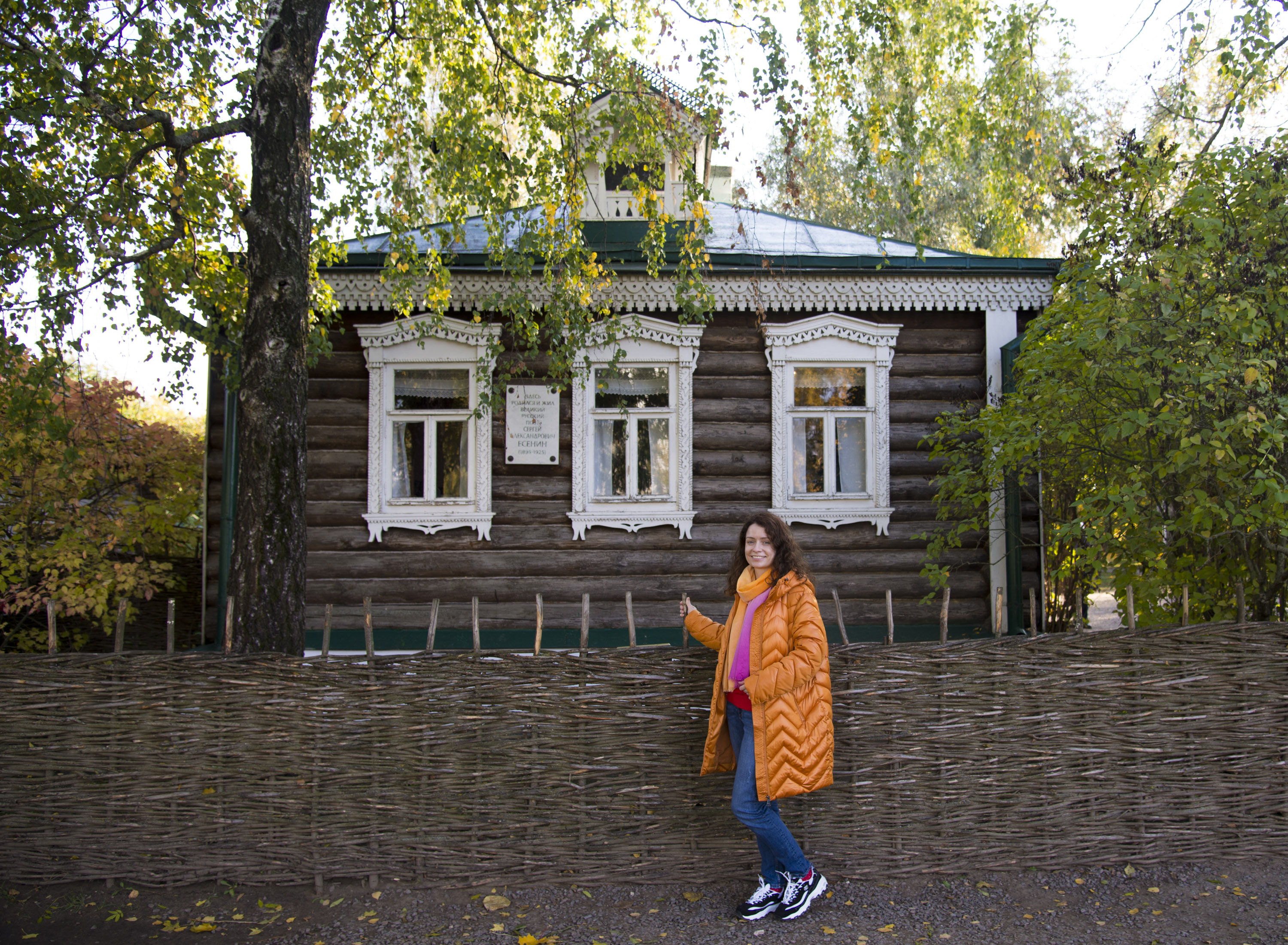
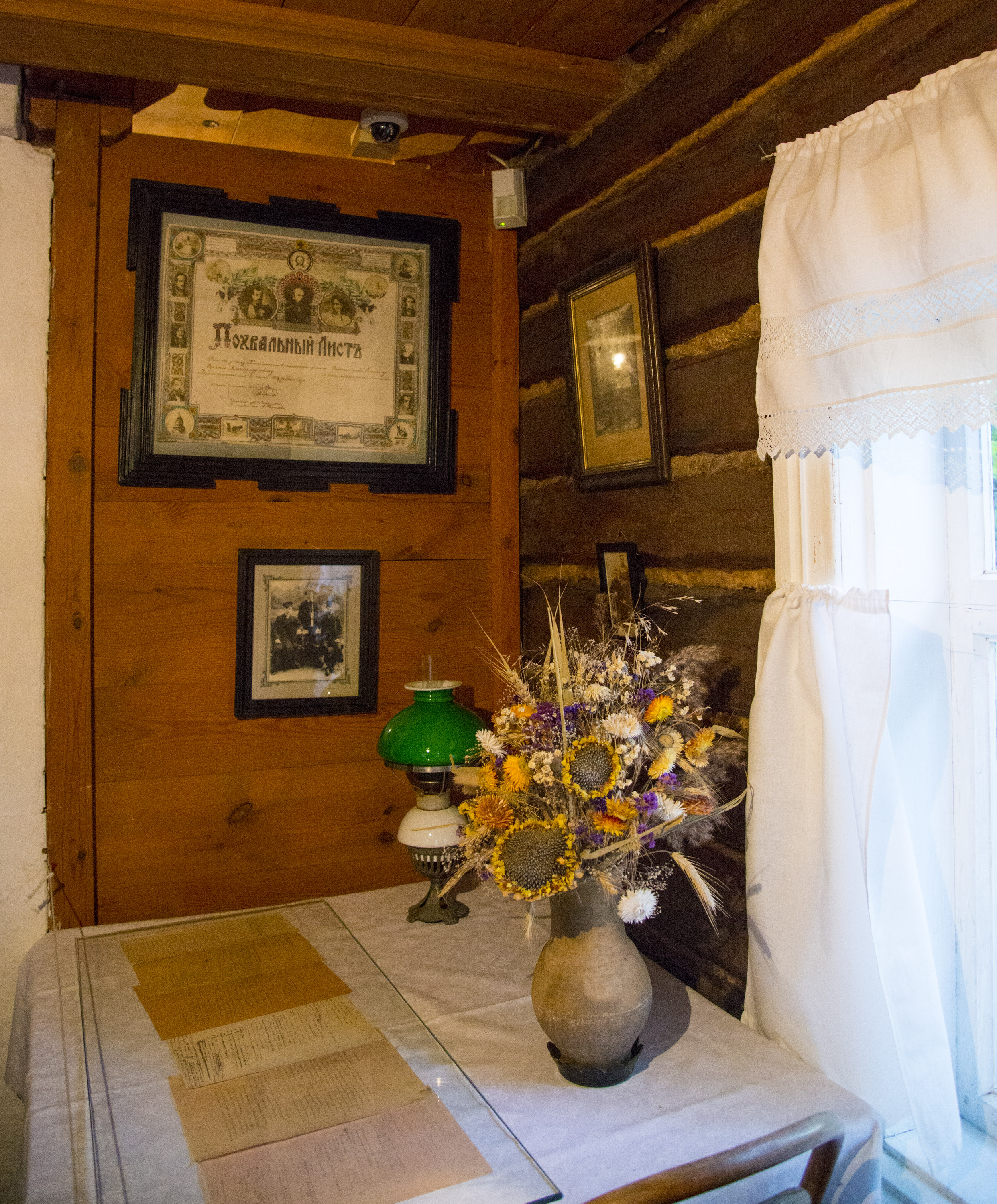
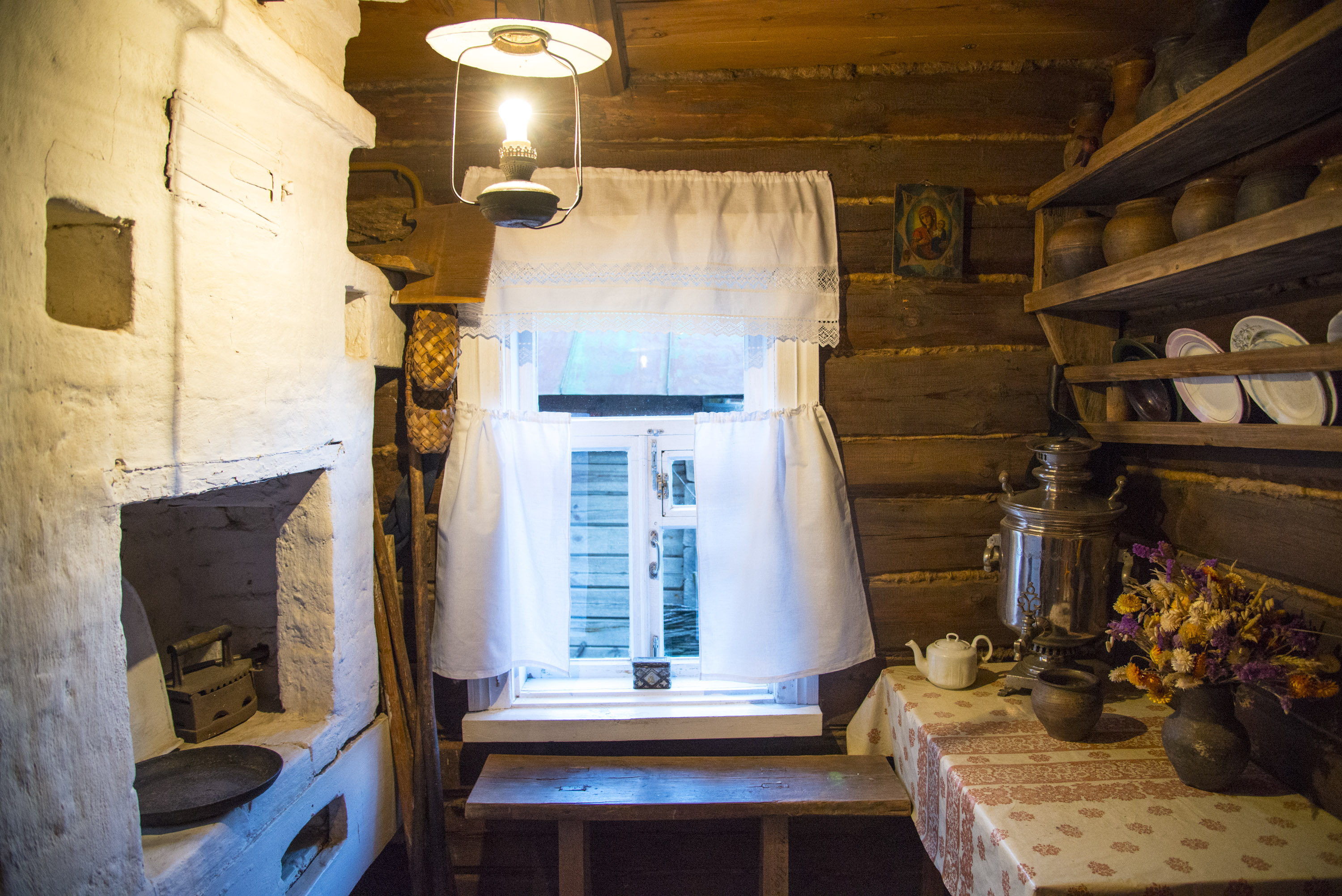
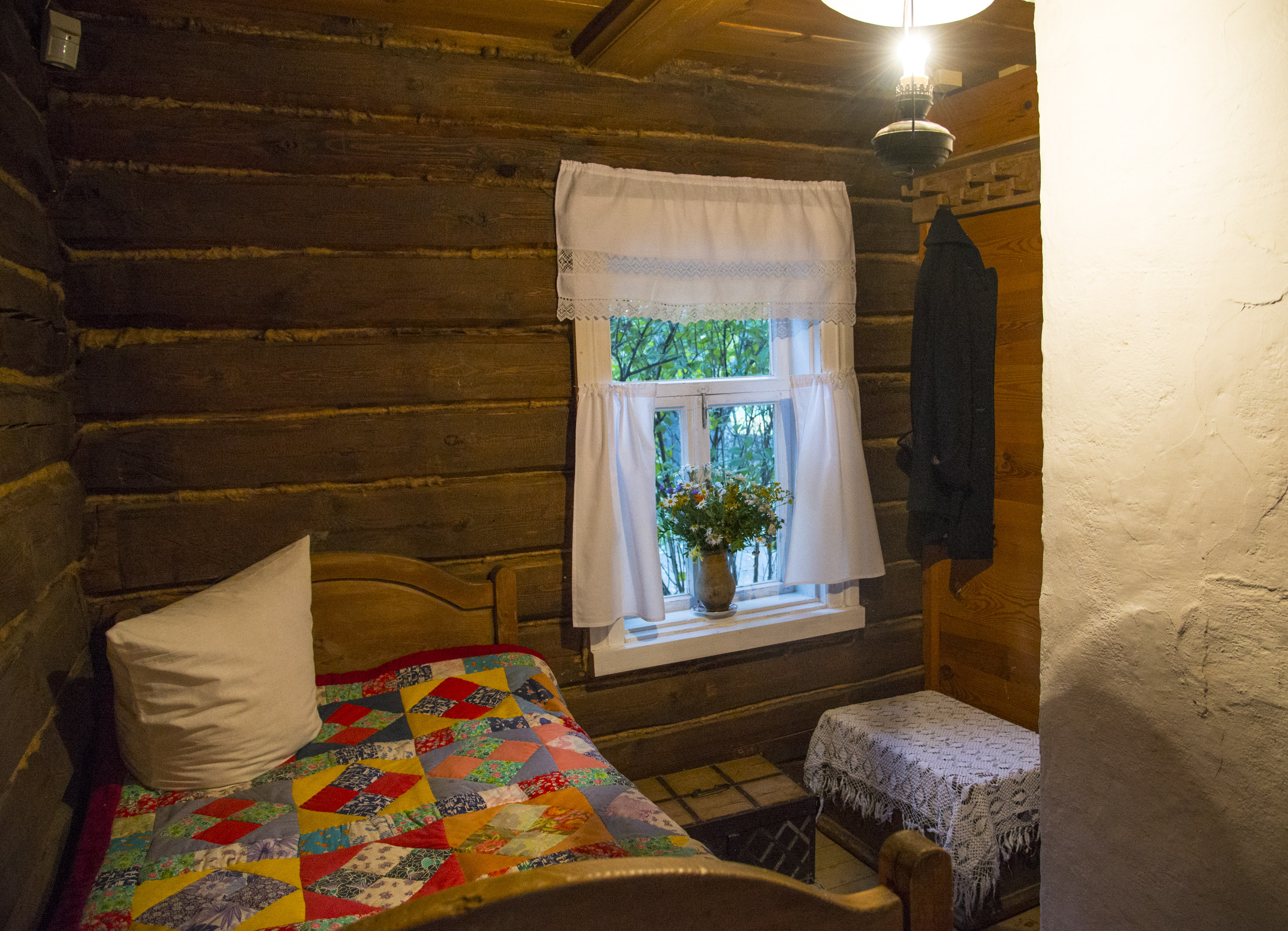
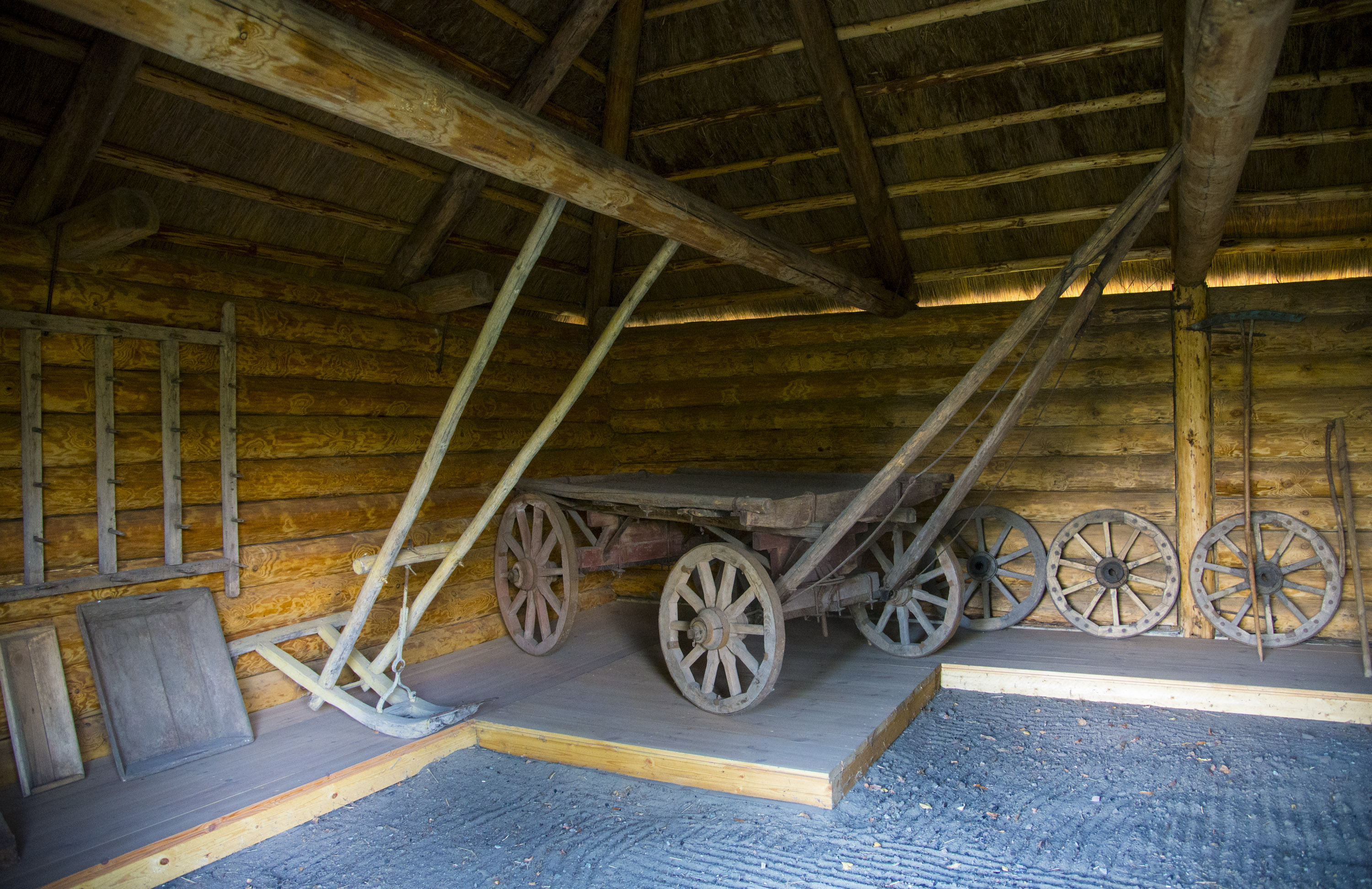
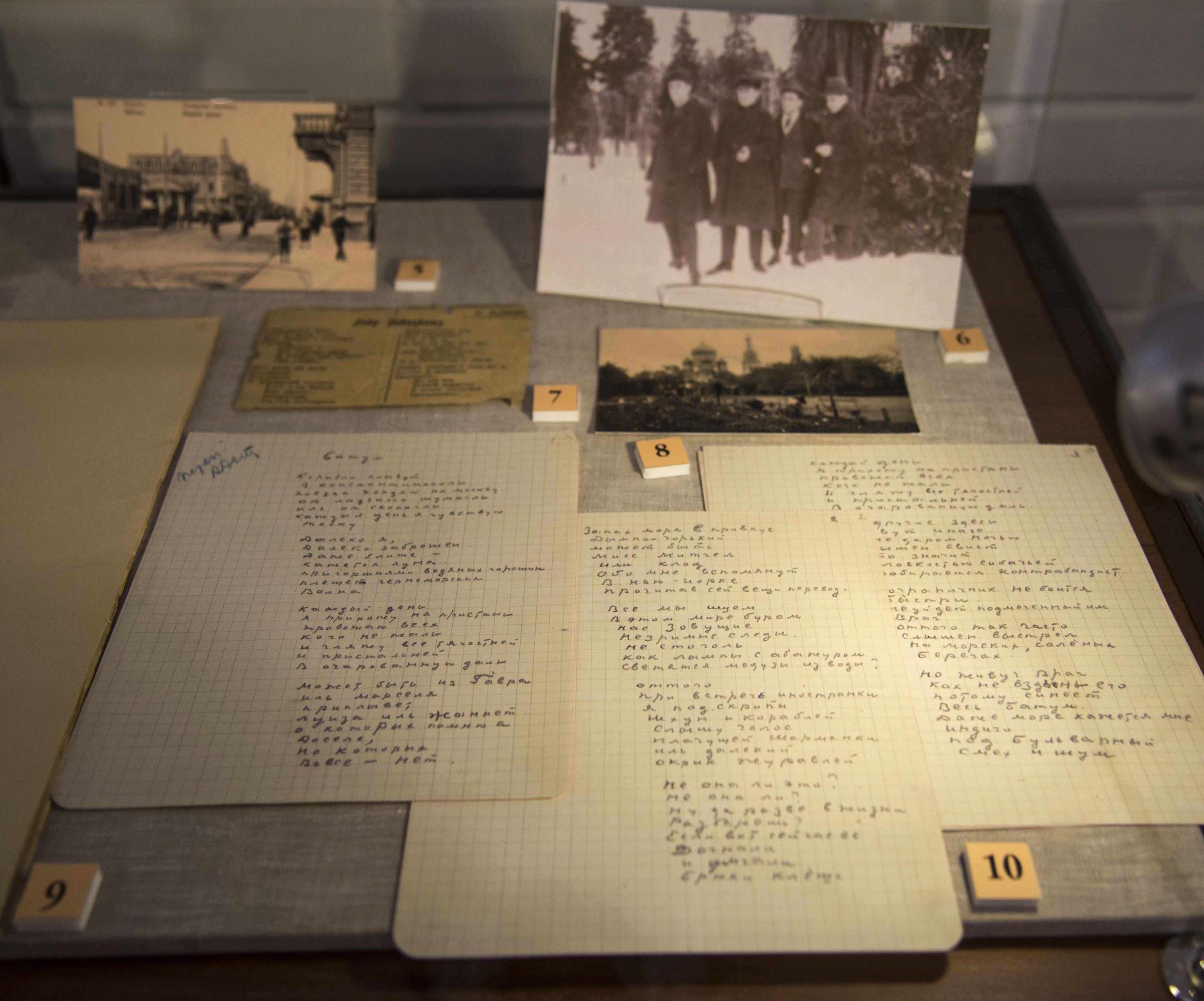
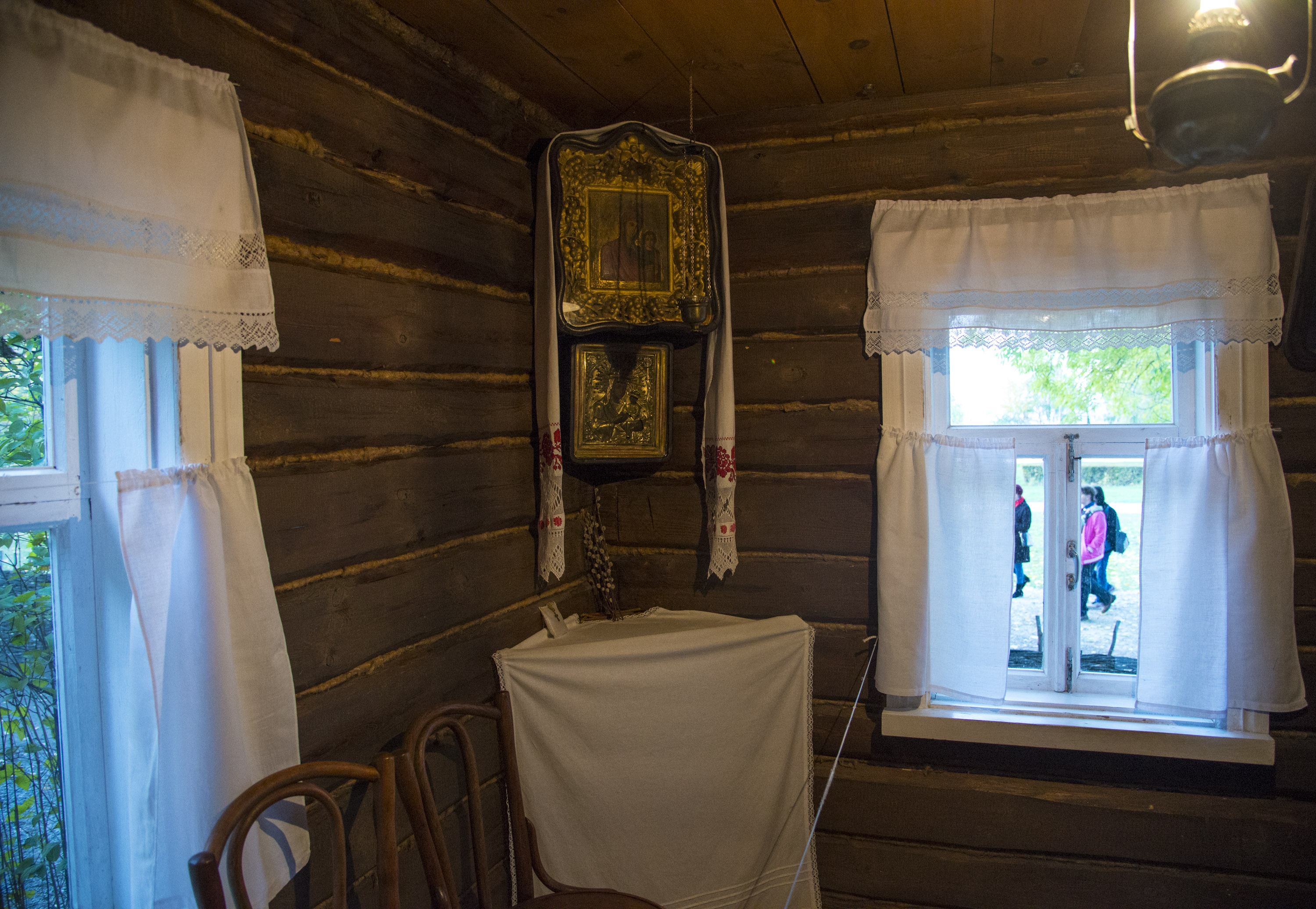
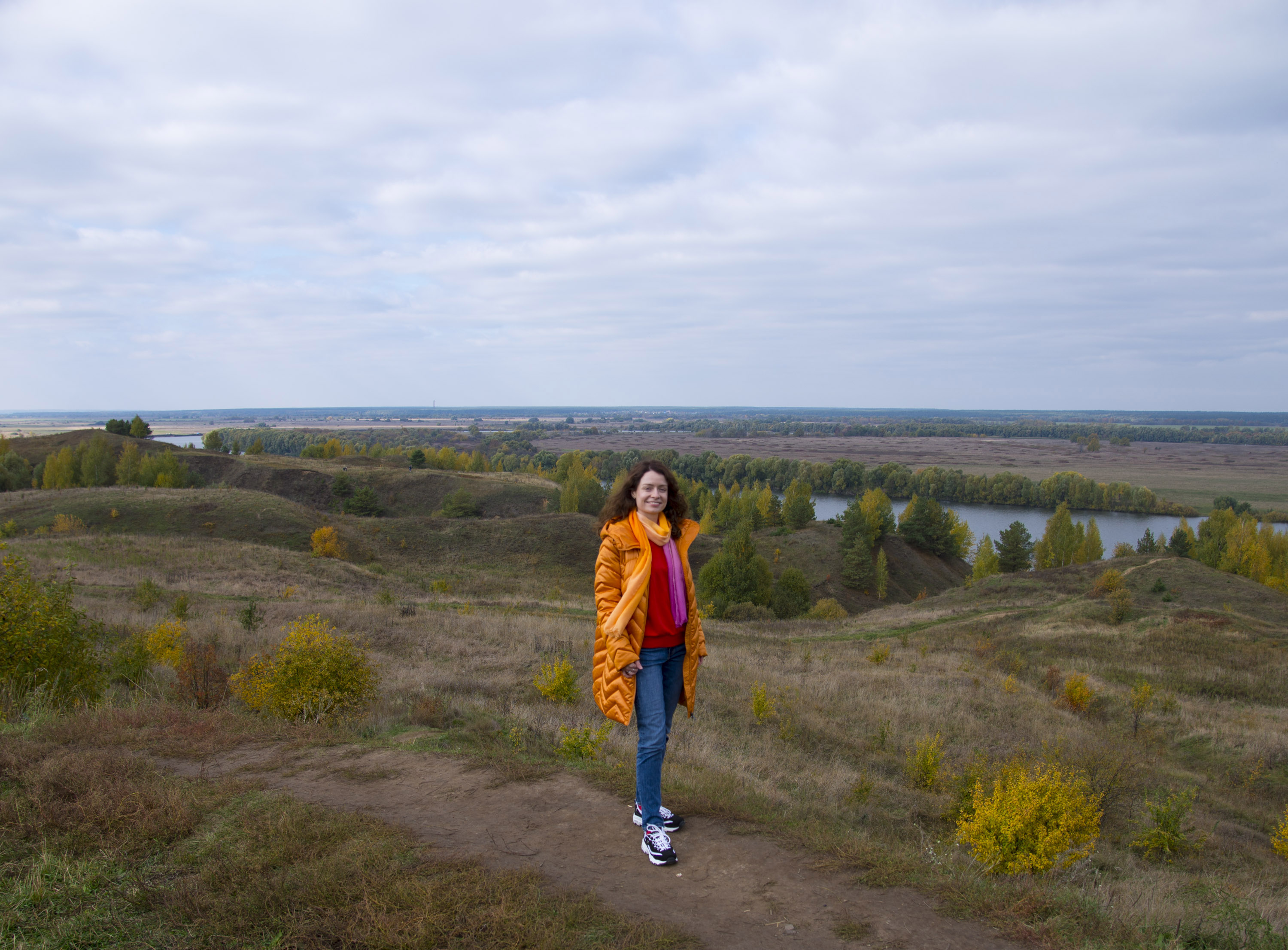
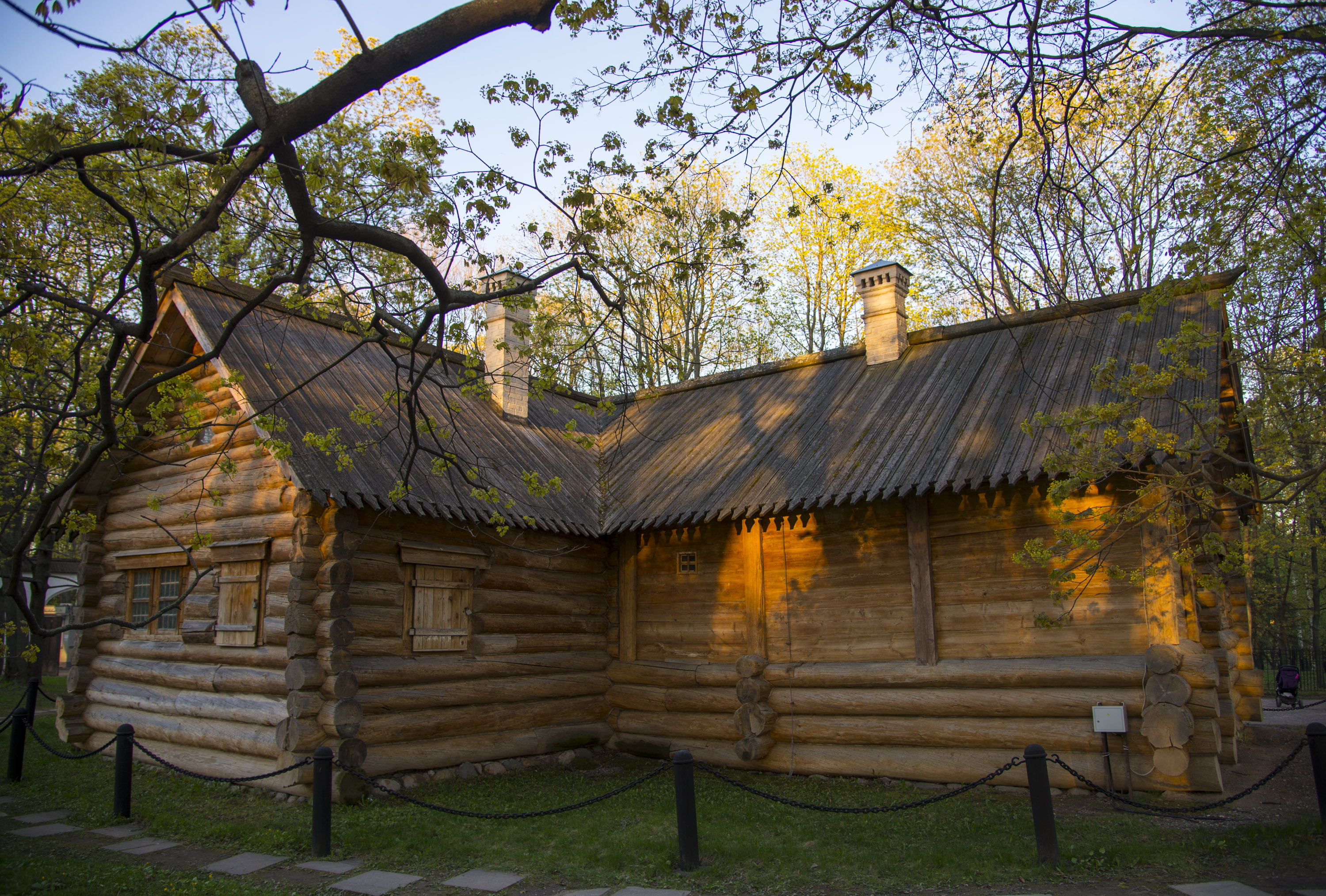
The village of Konstantinovo is the place where one of the greatest Russian poets Sergey Esenin was born. Large parts of the village have been preserved as they looked during his time here, including his parents farmstead where he spent his childhood. This place is also worth visiting to see very beautiful nature around the river Oka which flows next to it.

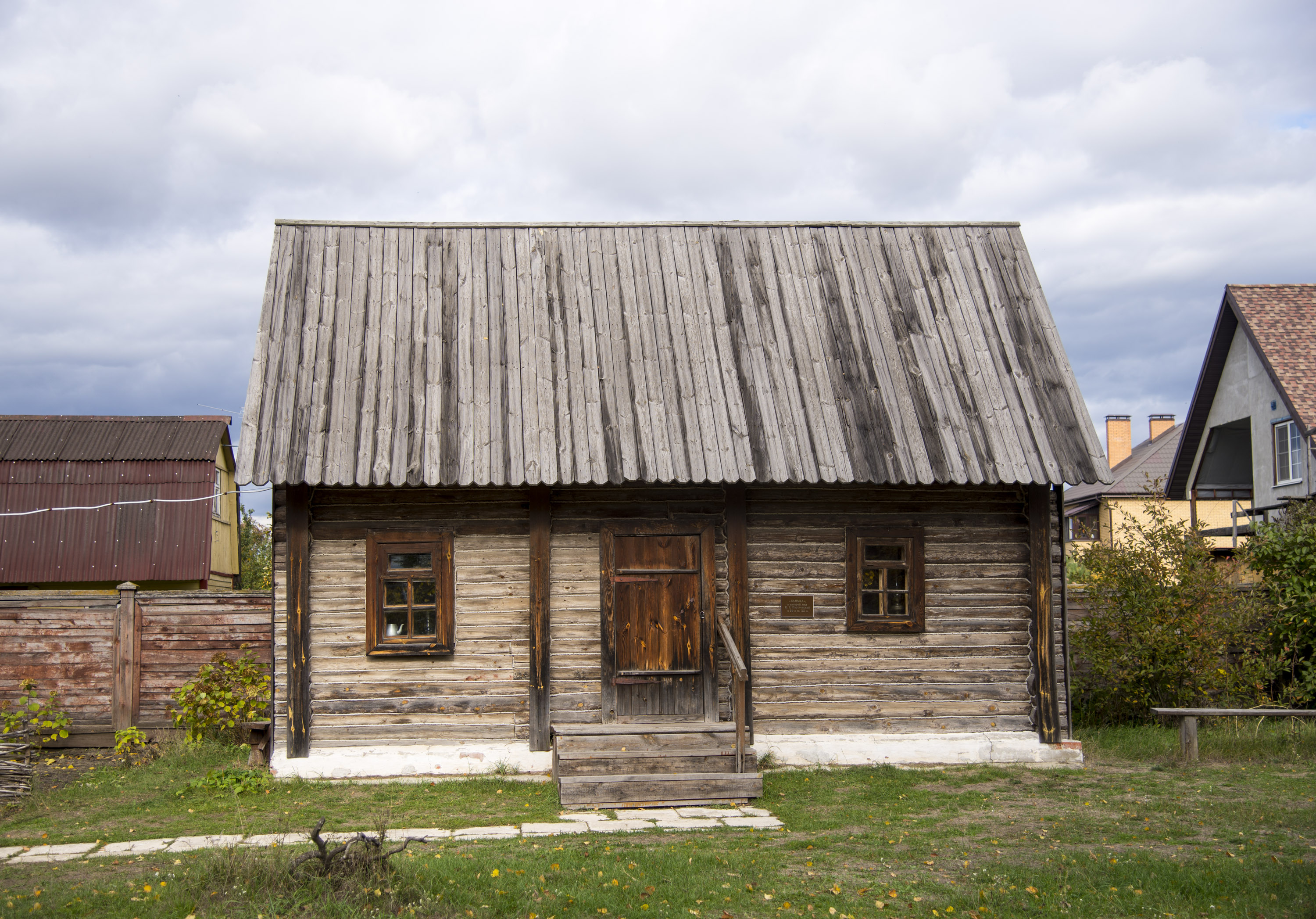
House where Sergey Esenin was born and spent his childhood.

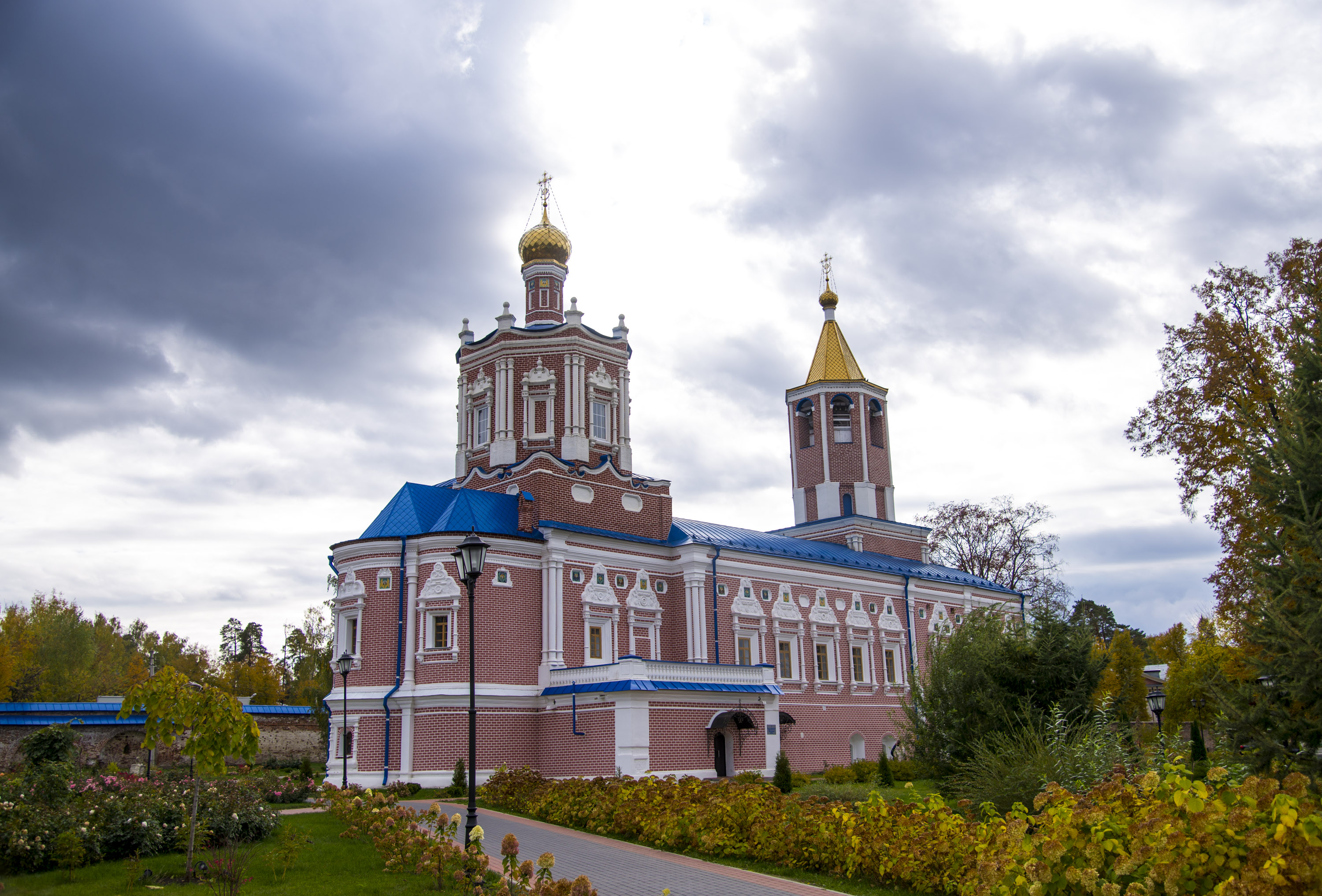
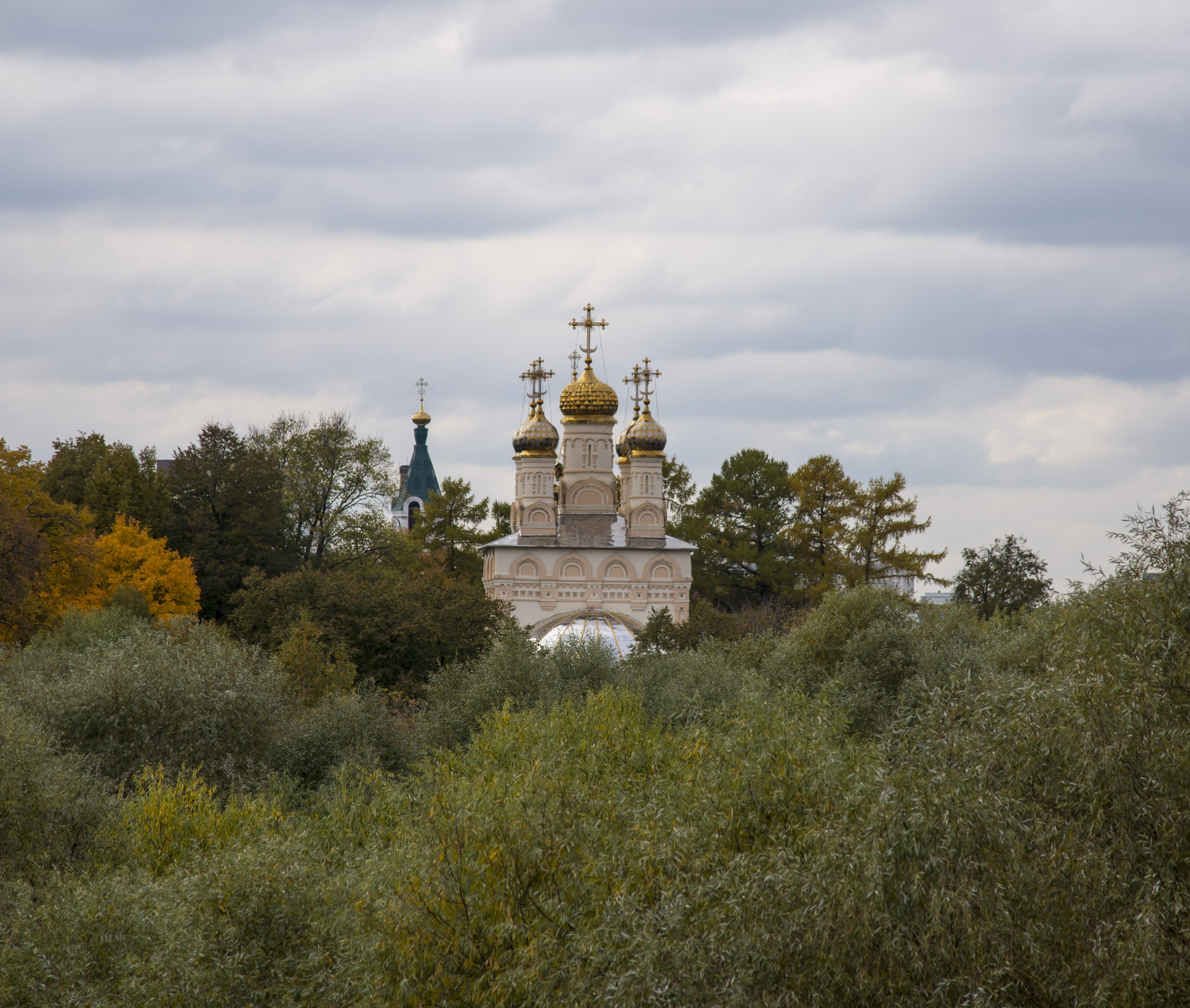
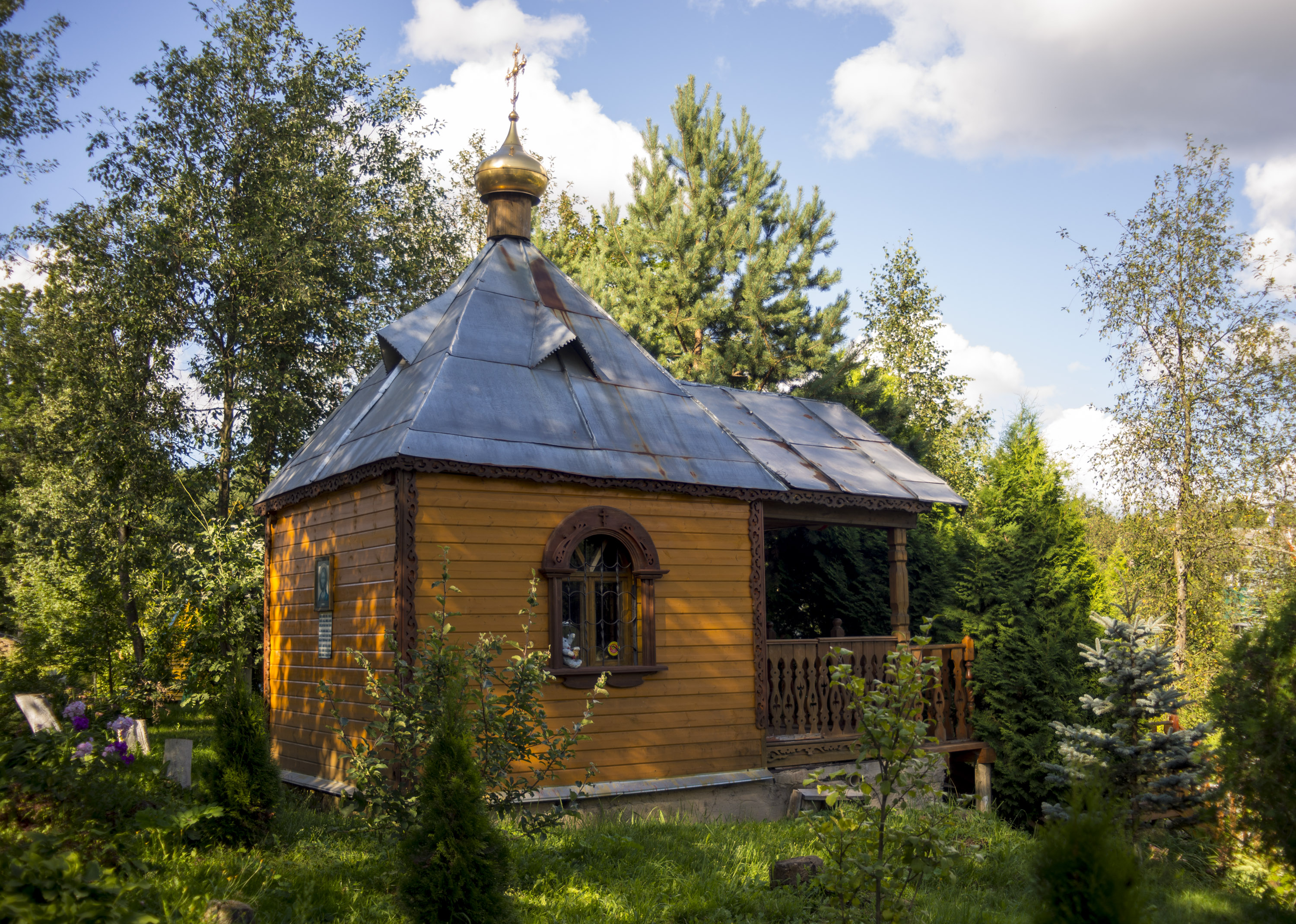
Солотчинский Рождества Богородицы женский монастырь.

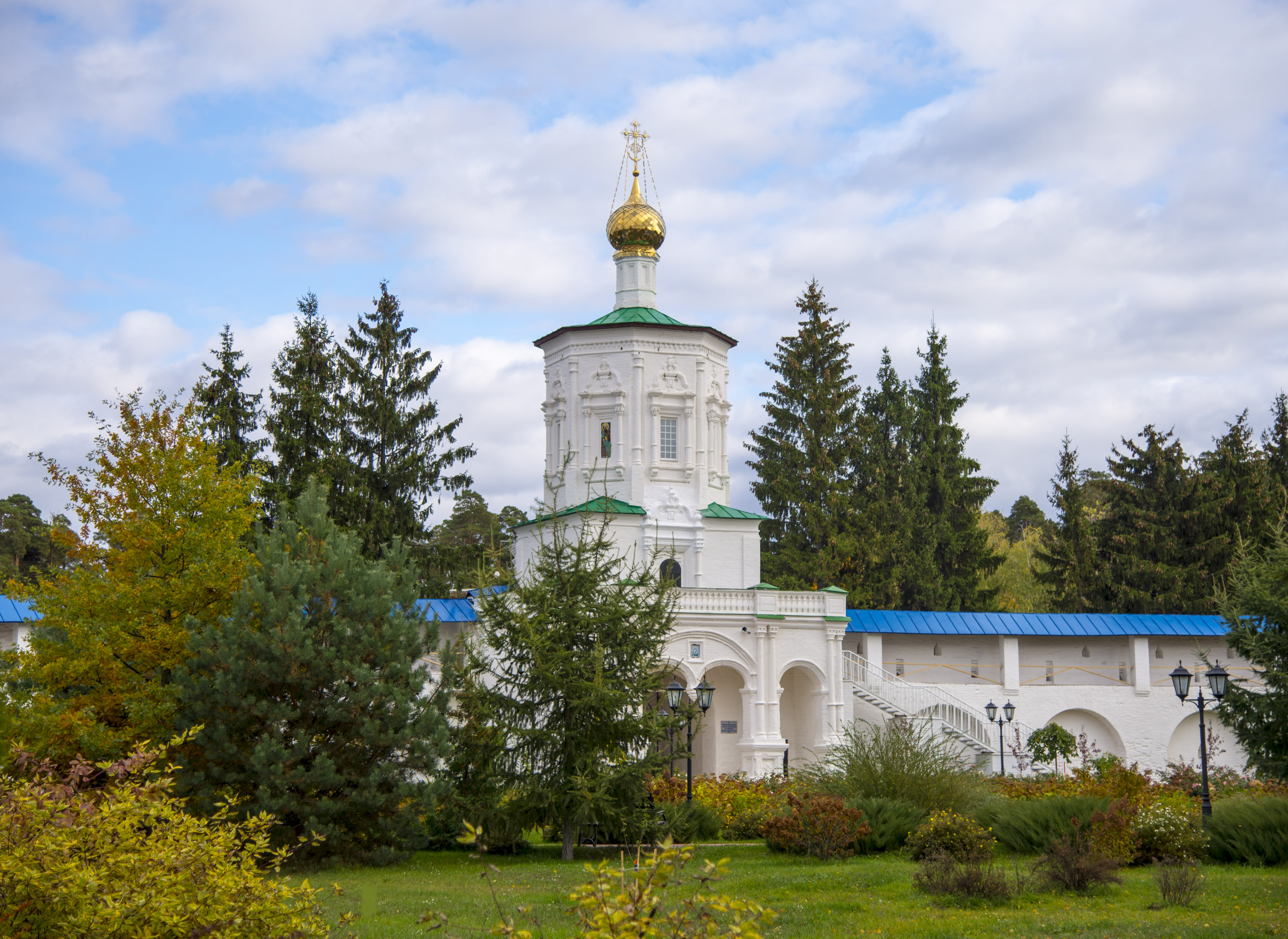
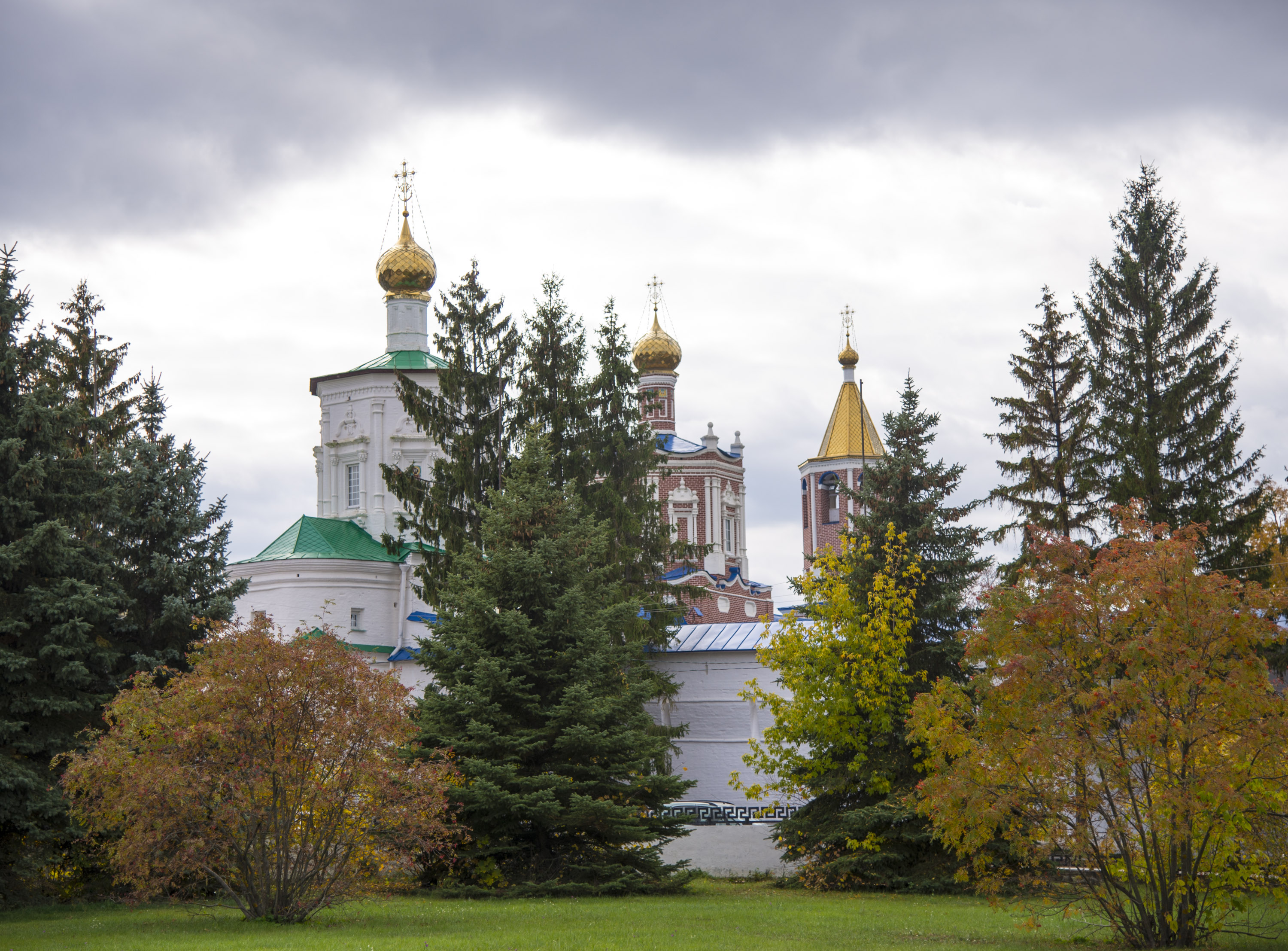
Solotcha is a small resort village located on the banks of Oka river, 30 mins drive from Ryazan, surrounded by protected forests. One of the most important sights of the village is a glorious monastery which was built in 1390 on a high bank of Staritsa river by Oleg Ryazanskiy.

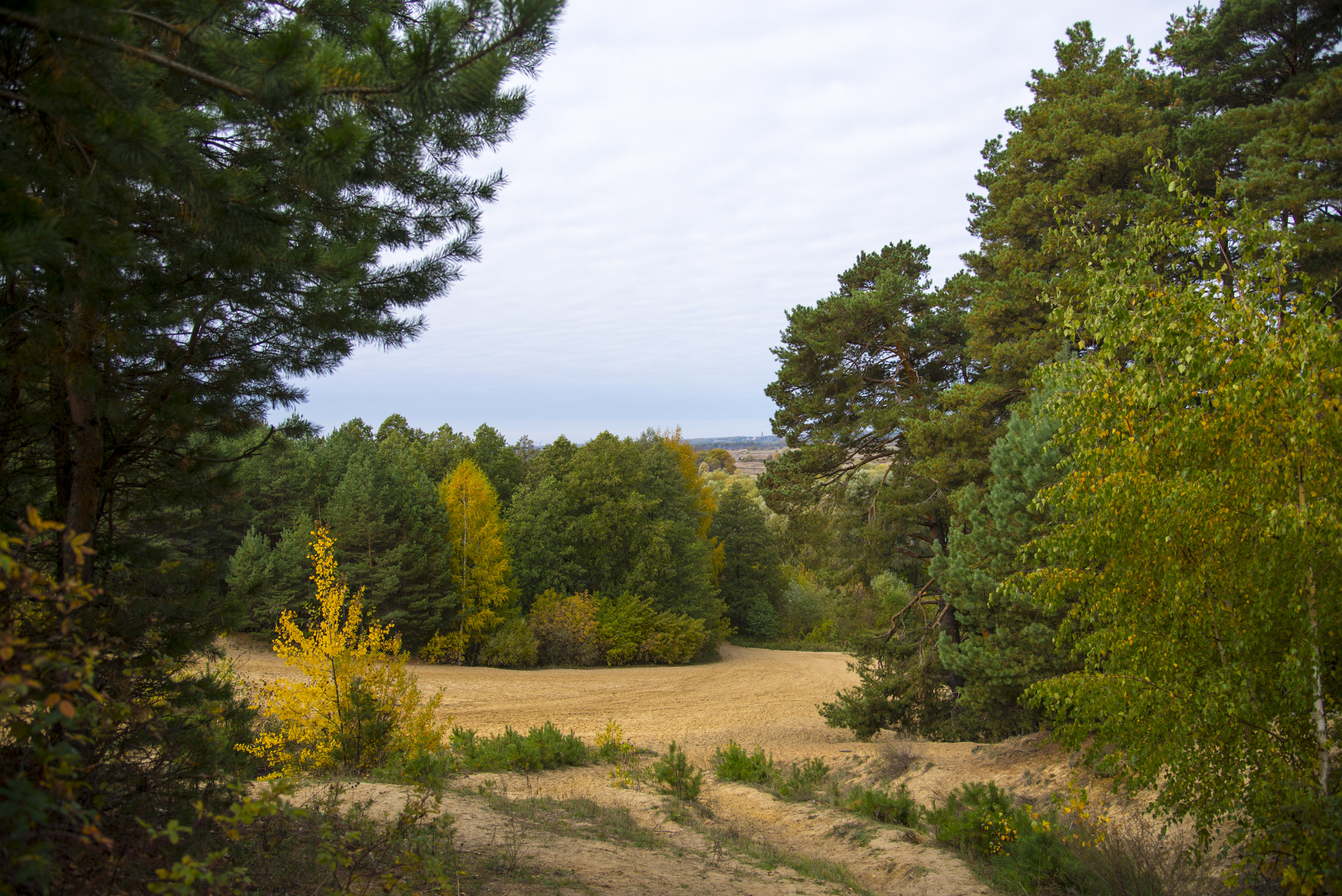
Beautiful nature of Solotcha

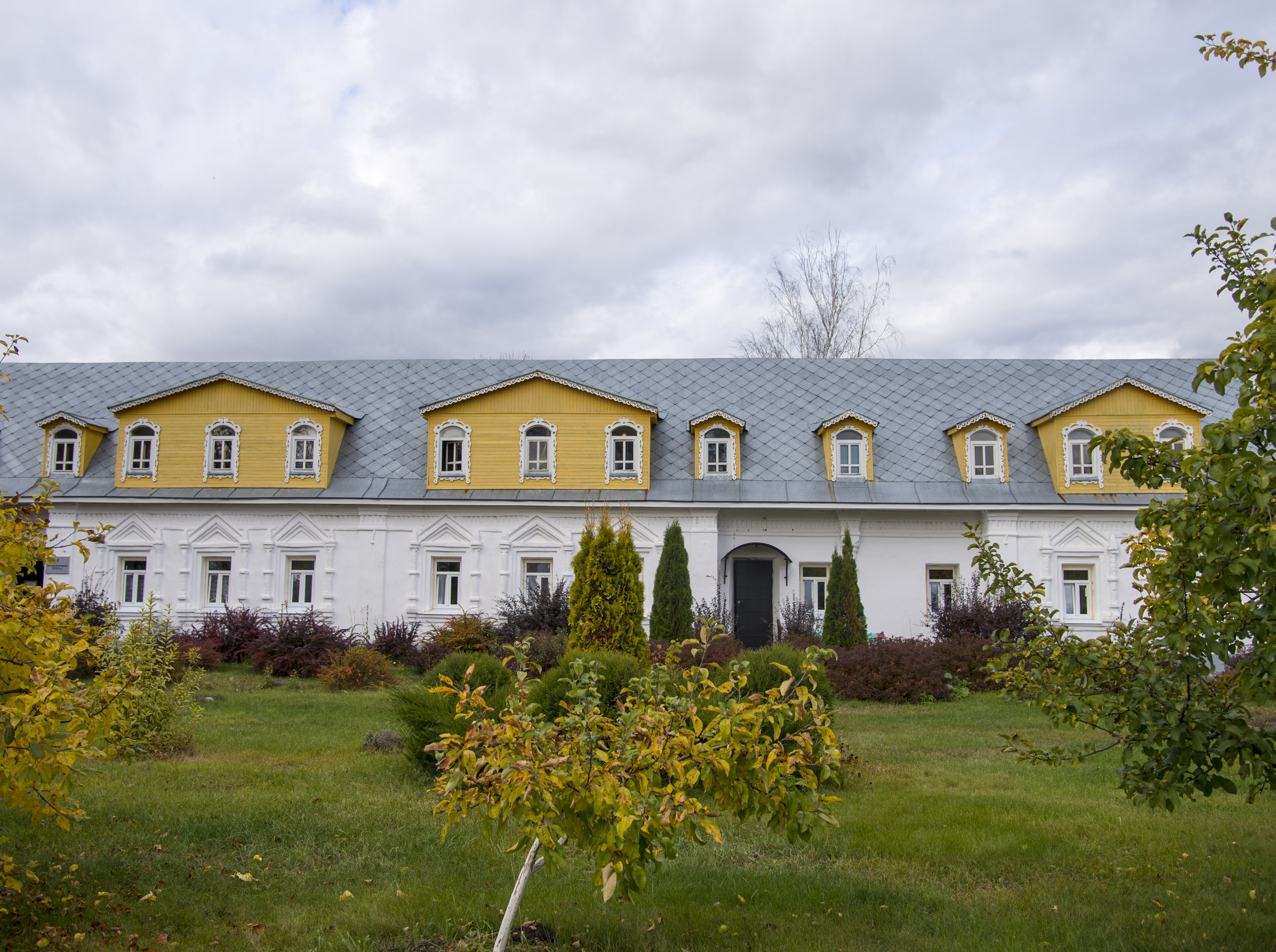
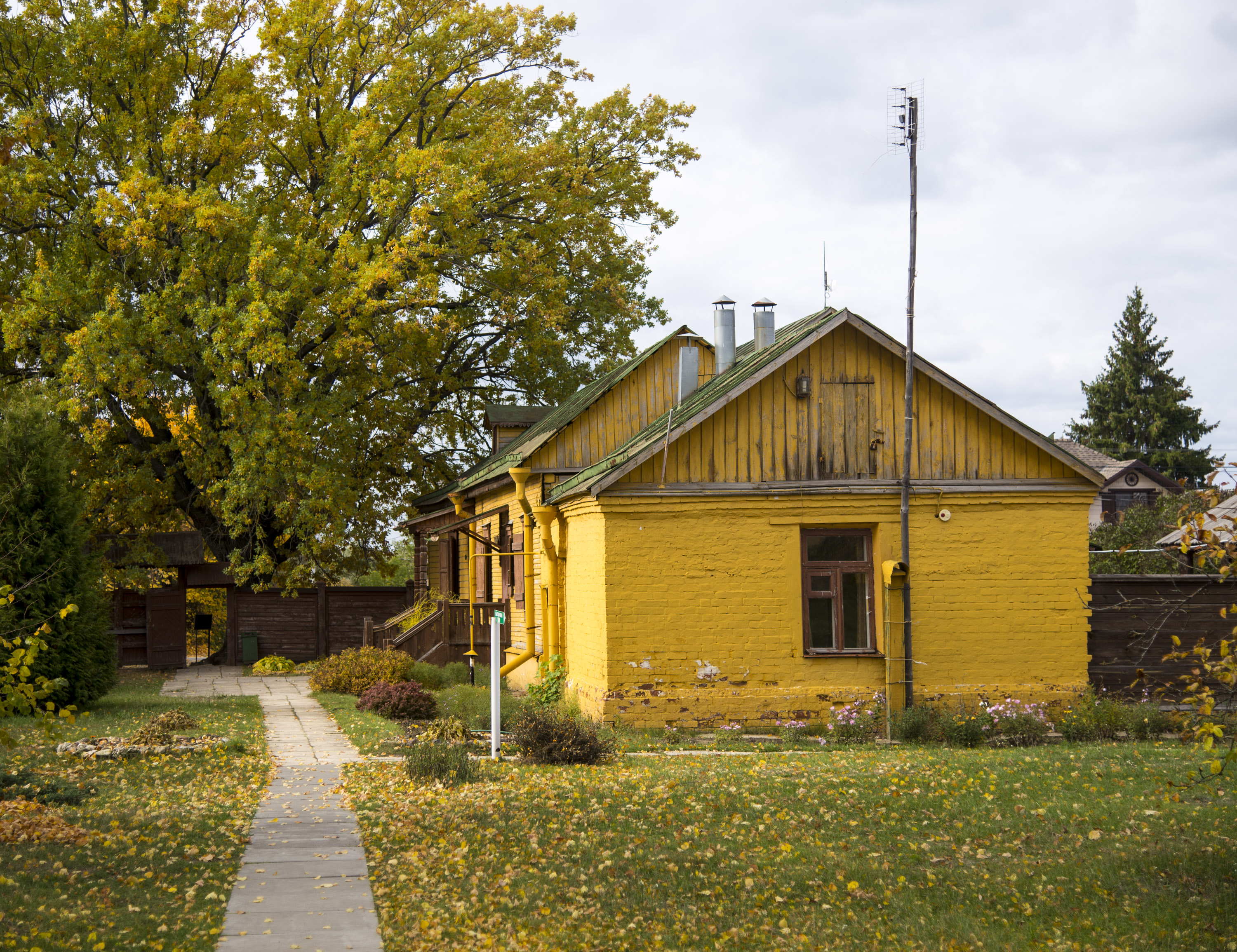
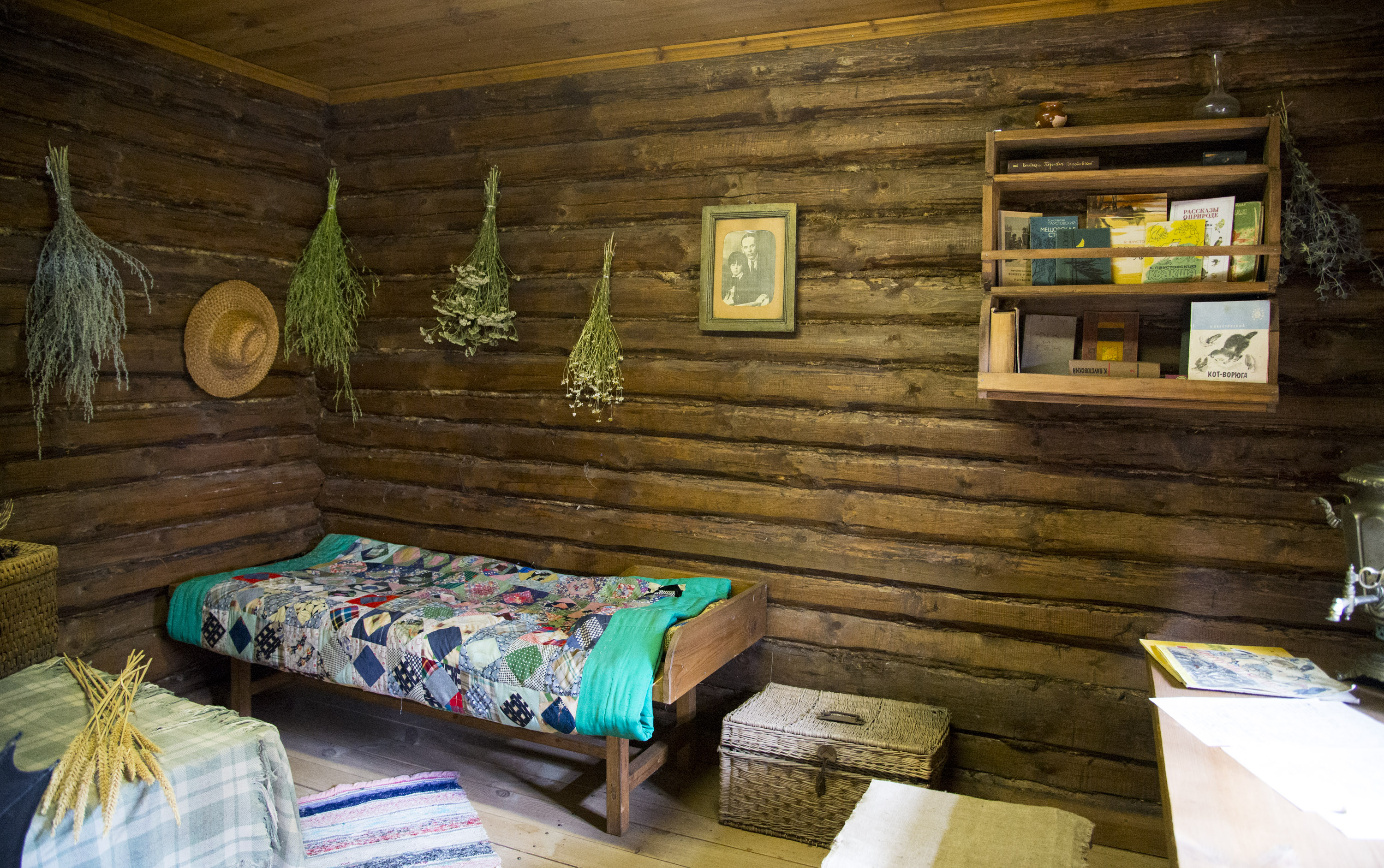
House museum of artist Ivan Pozhalostin was built in 1880 according to his own design. After Pozhalostin’s death, famous writers worked in the house: A.P. Gaidar, K. Paustovsky, R. Fraerman.

Ryazan

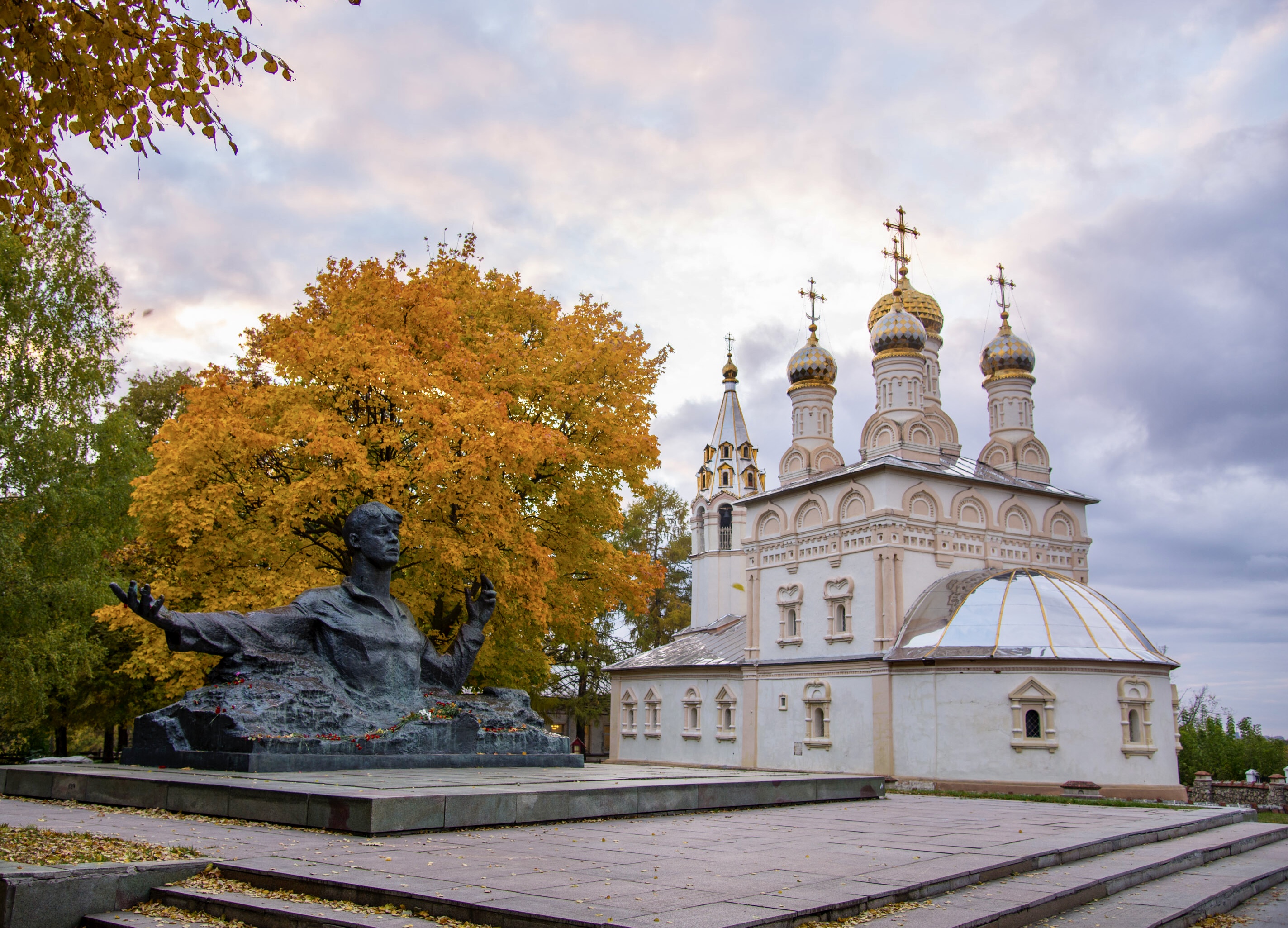
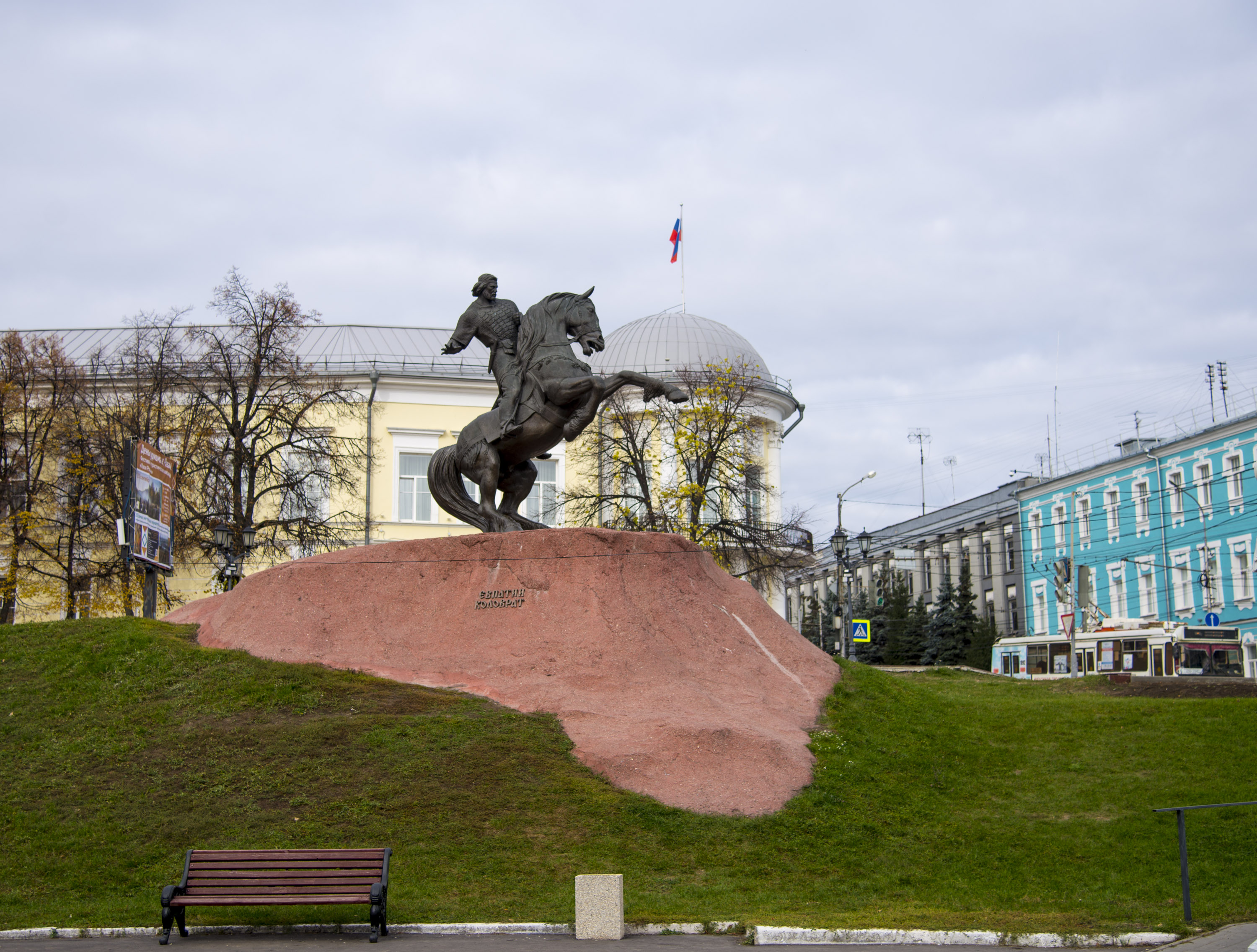
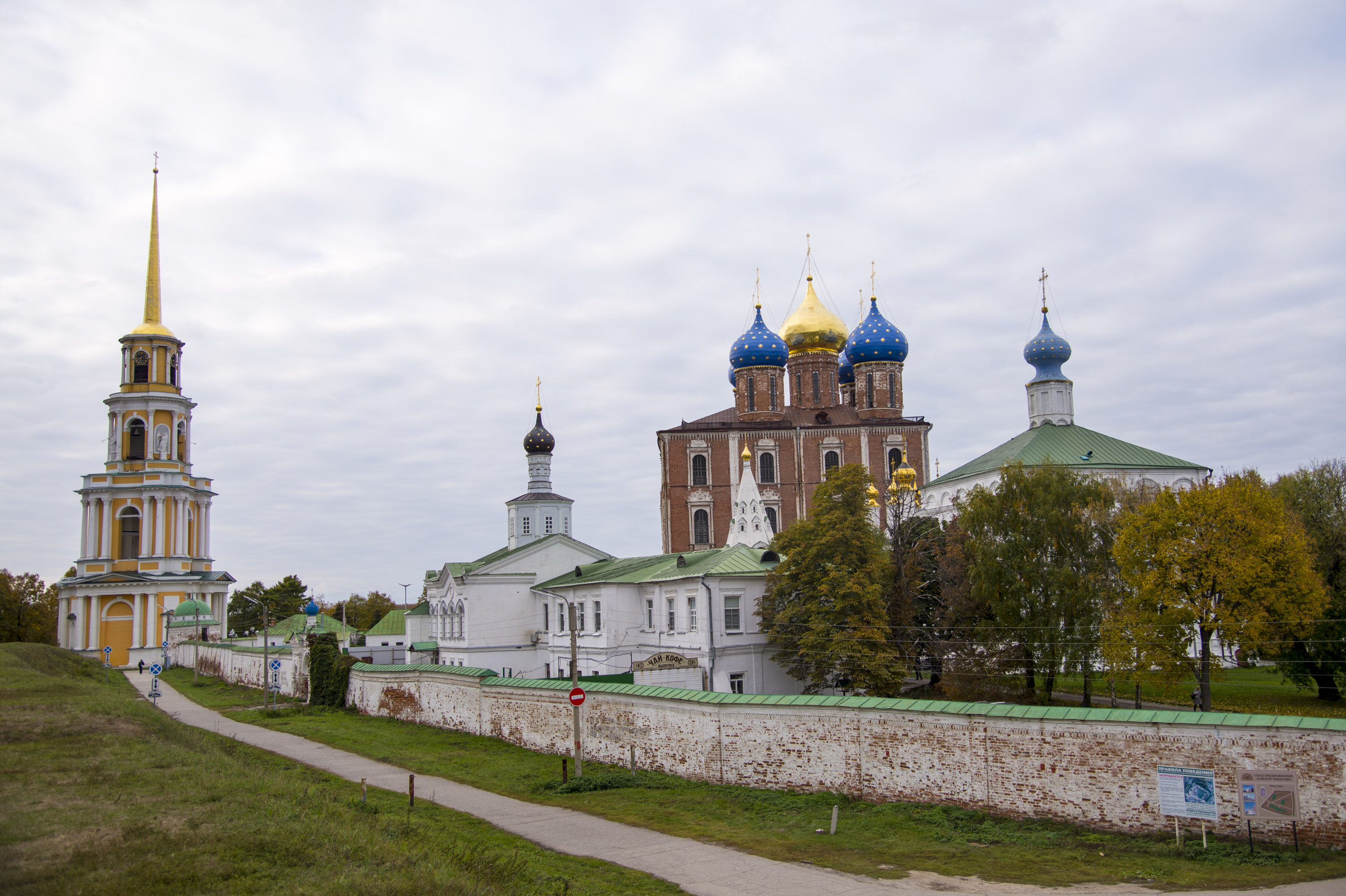
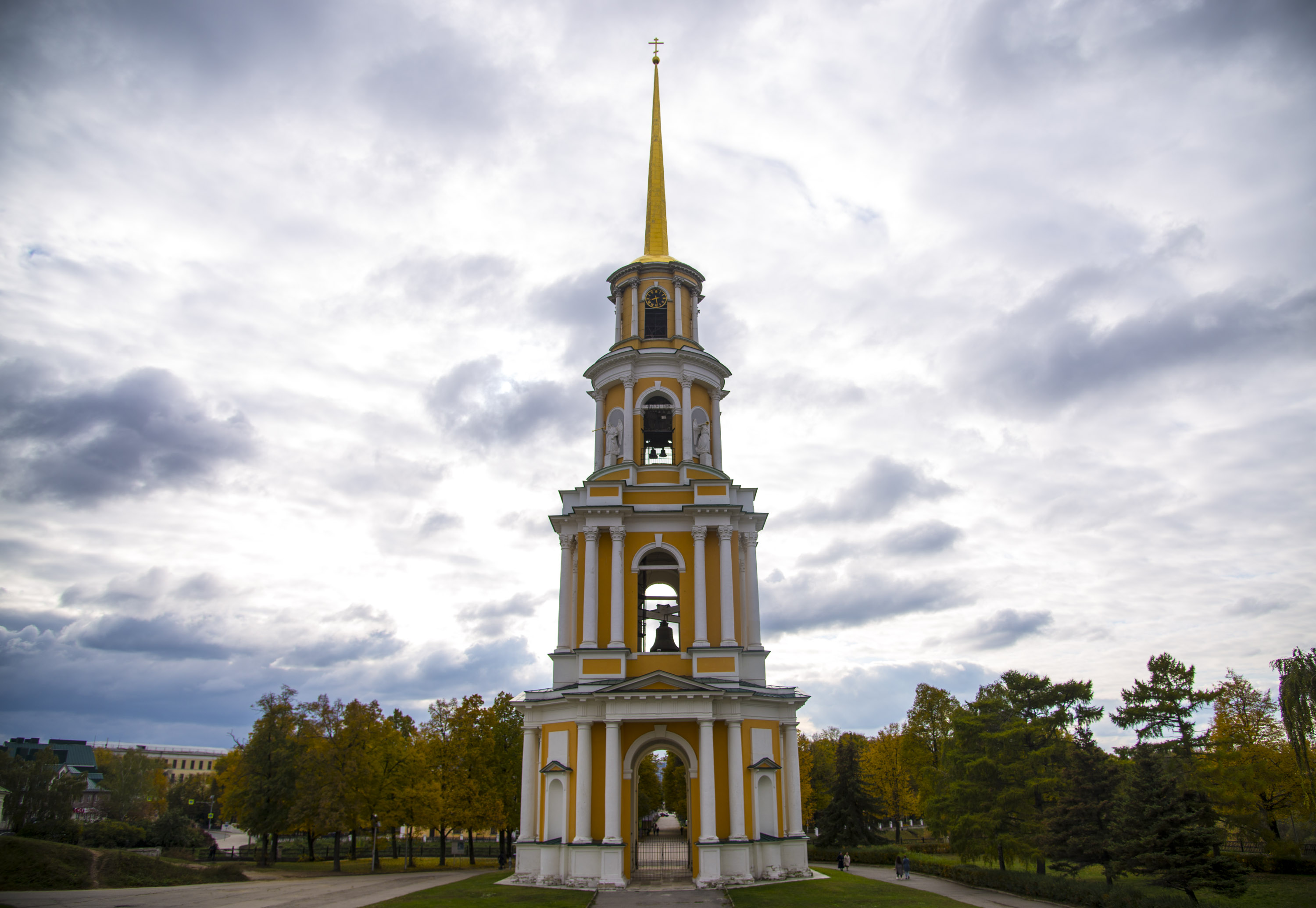
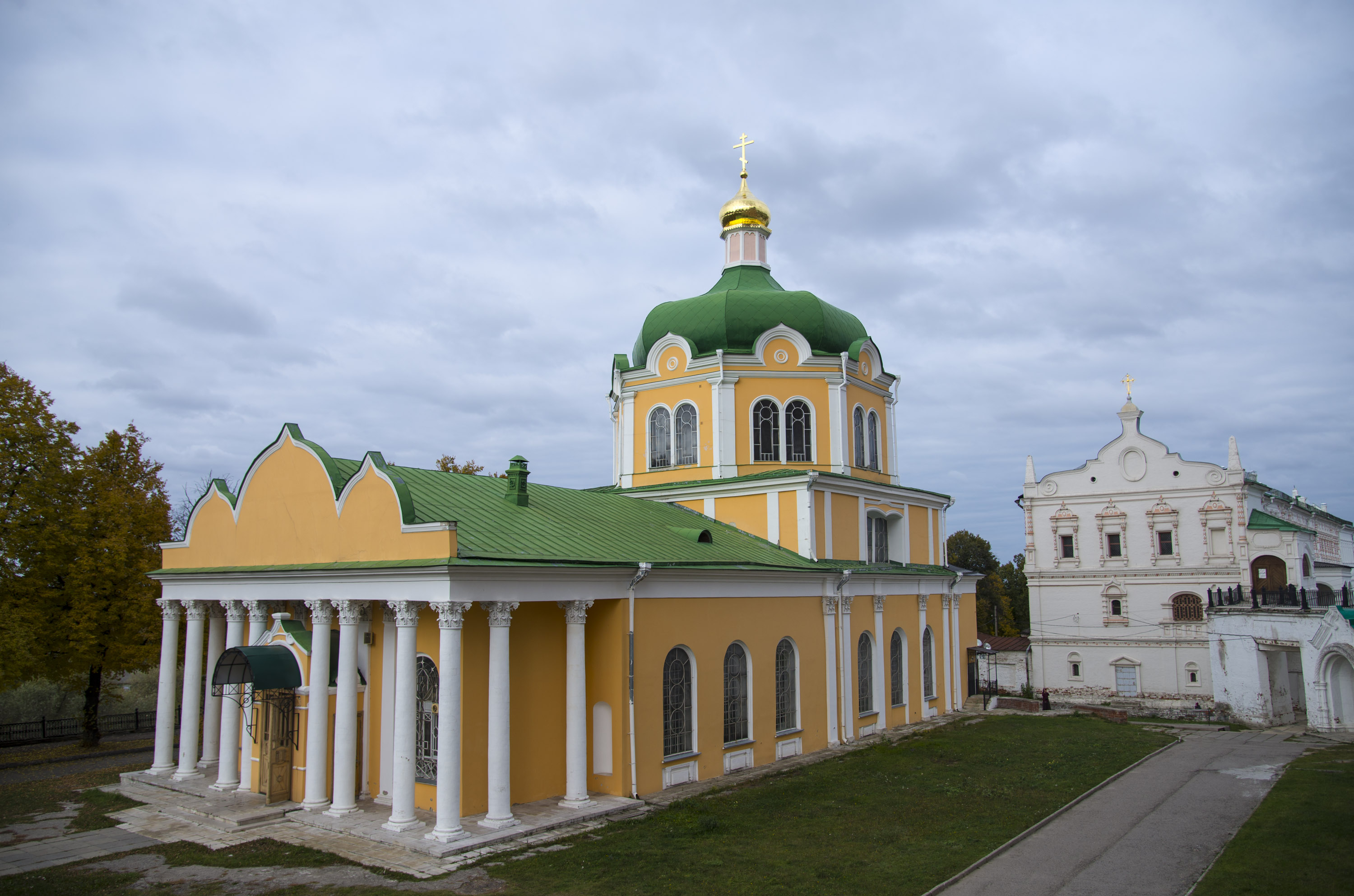
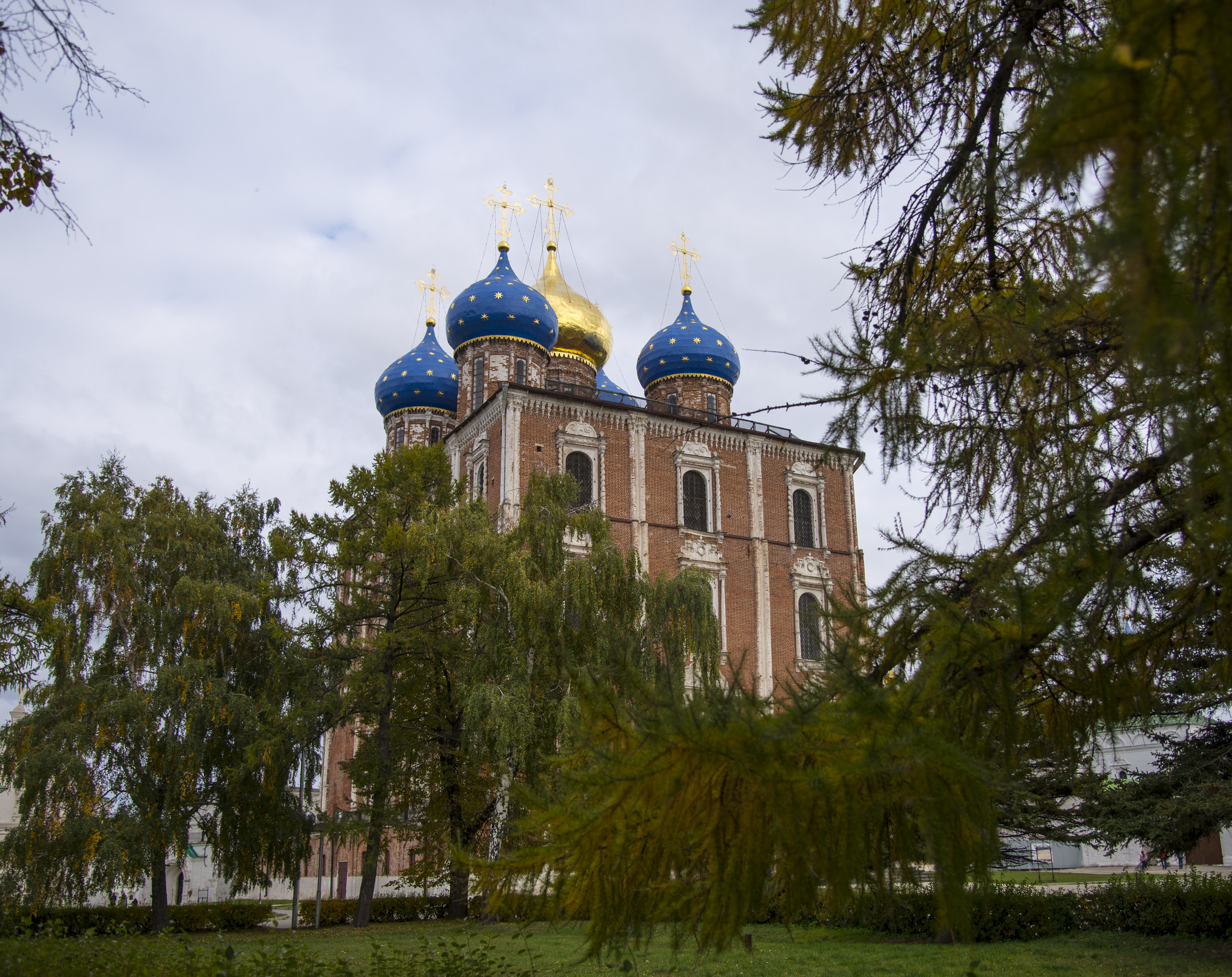
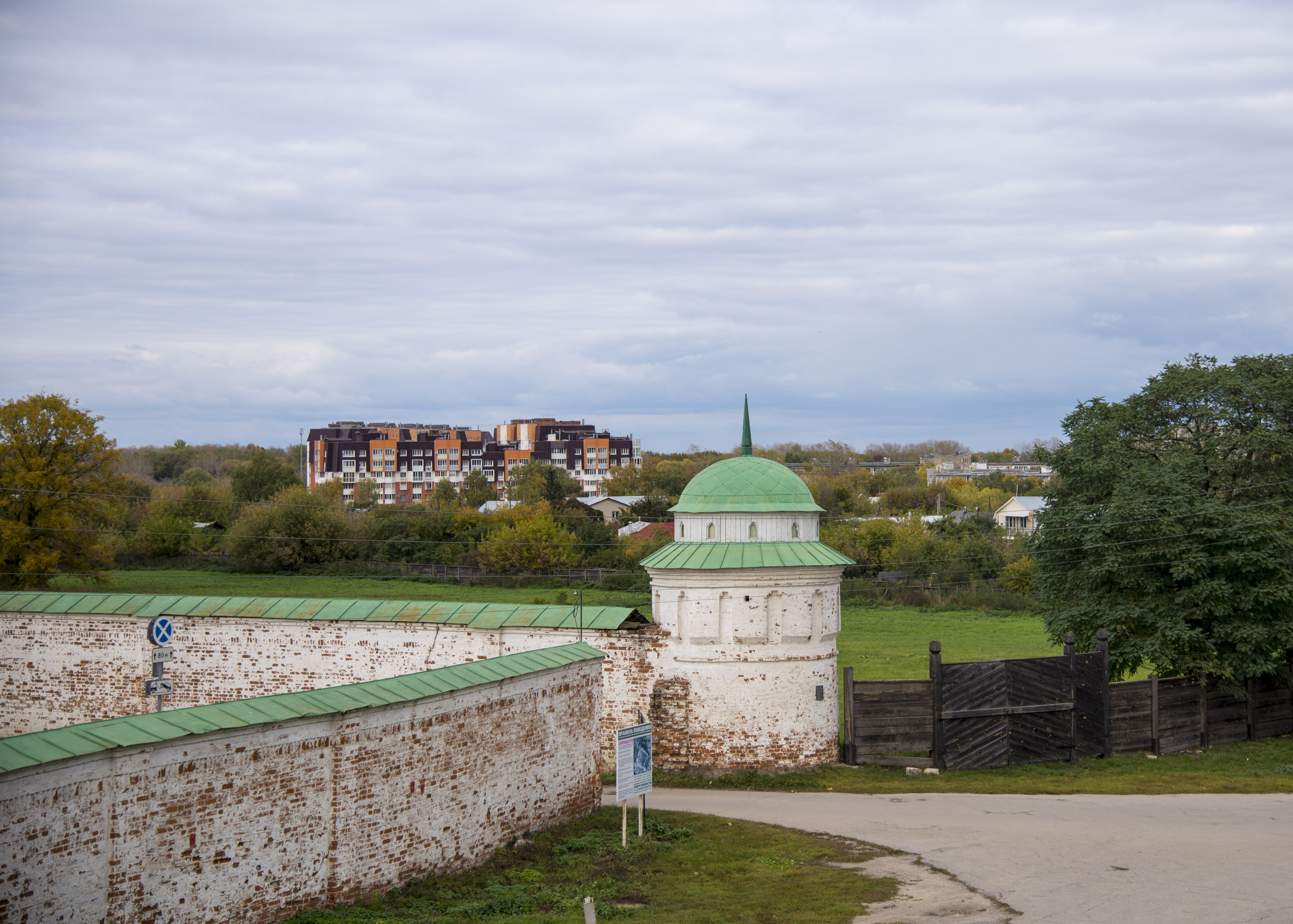
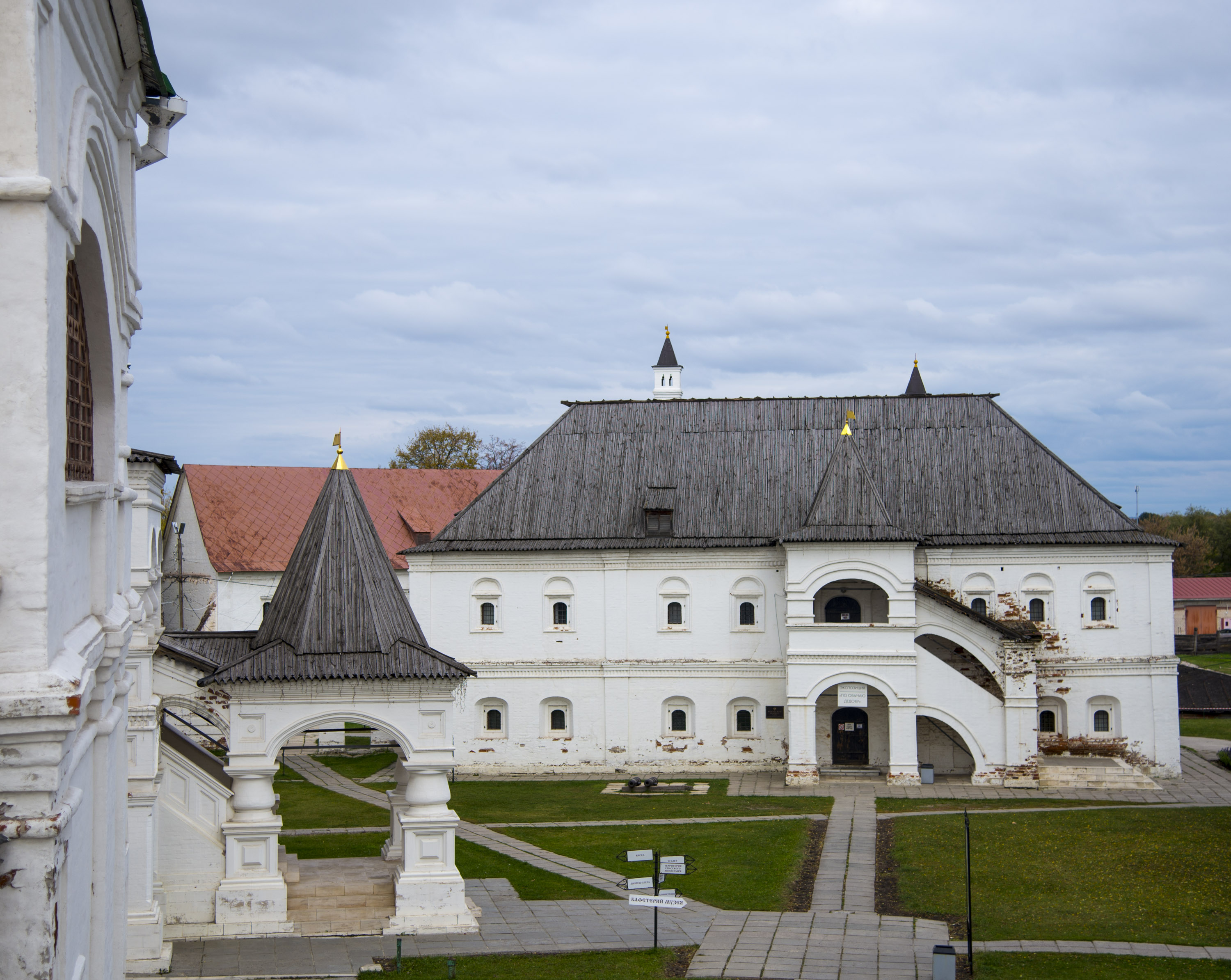
Ryazan Kremlin

The Ryazan Kremlin is the oldest part of the city of Ryazan, a historical and architectural open-air museum and one of the oldest museums in Russia. It is believed that fortifications have existed where the Ryzan Kremlin now stands since the end of the 11th century. A four-tier bell tower is one of the tallest bell towers in Russia standing at 86 metres tall, including a 25 metre gold-coated spire.

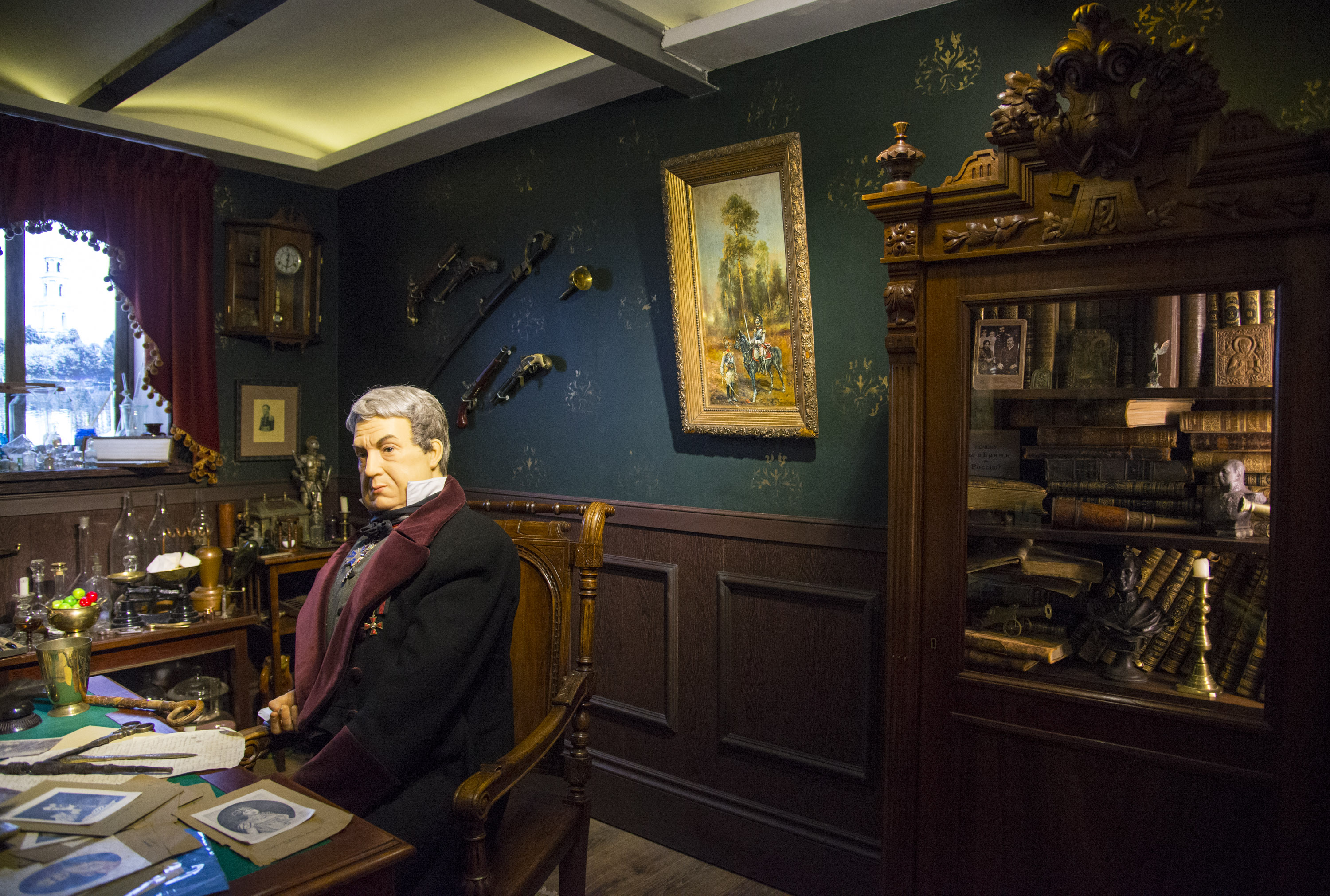
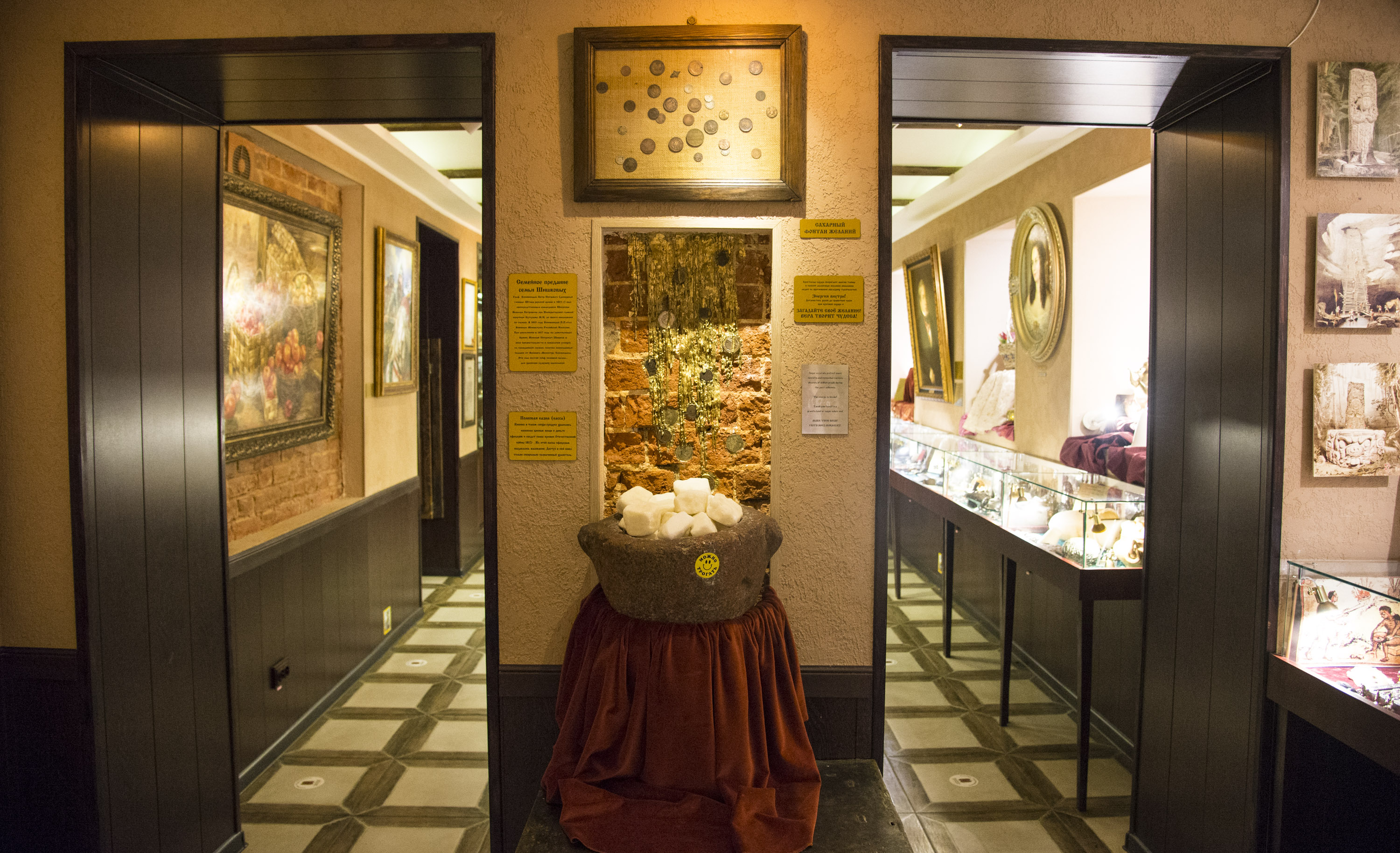
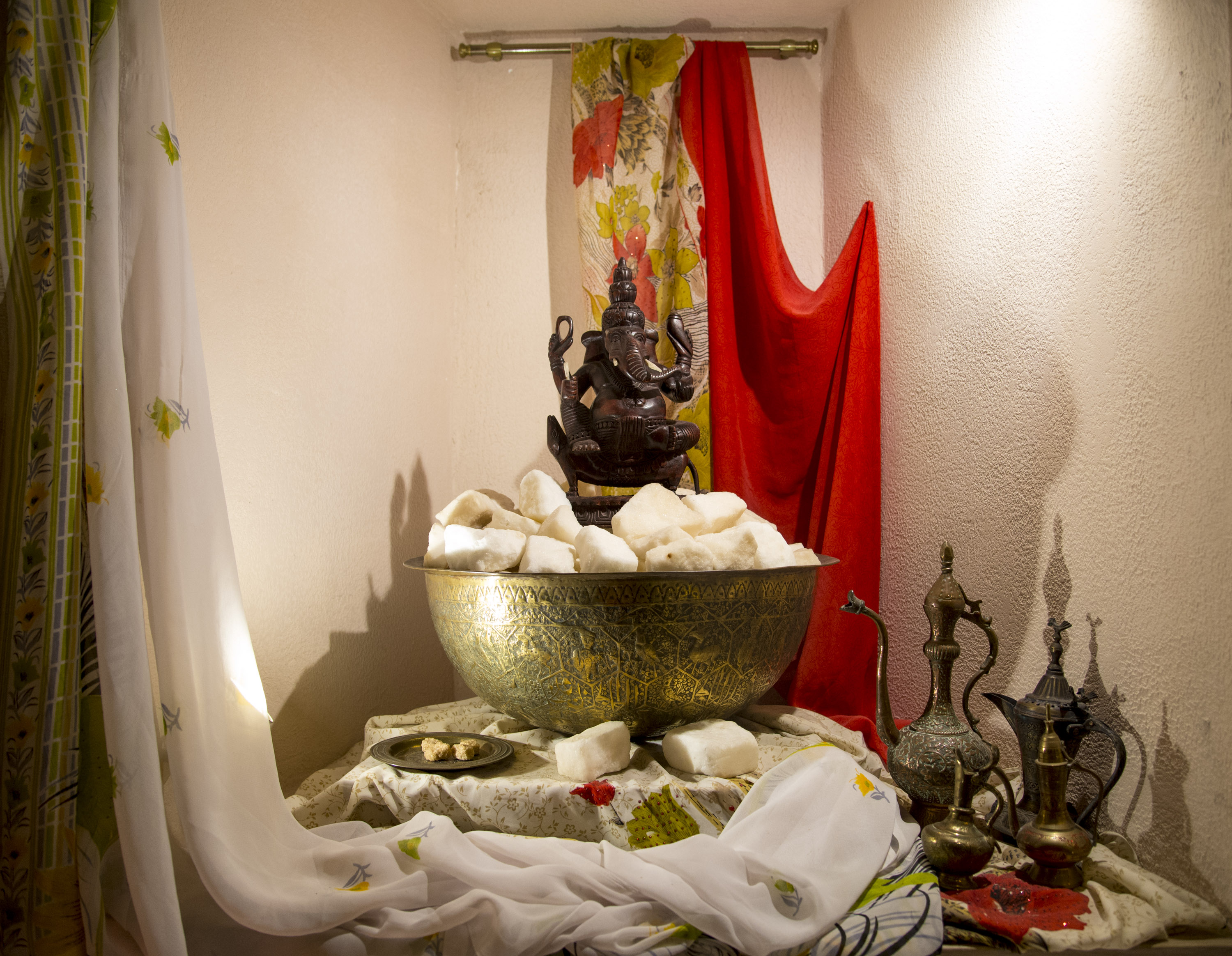
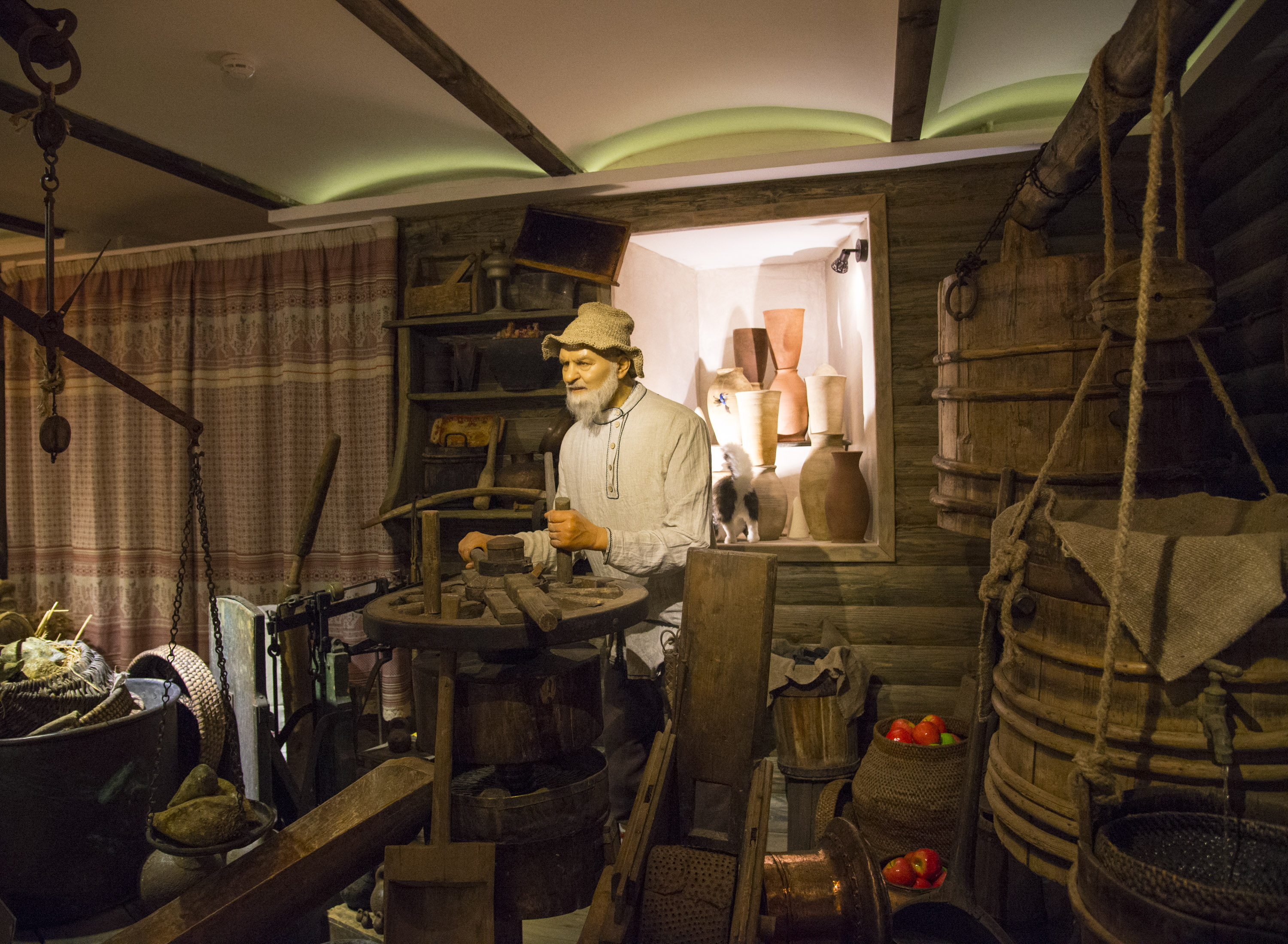
Museum of the history of Ryazan lollipop

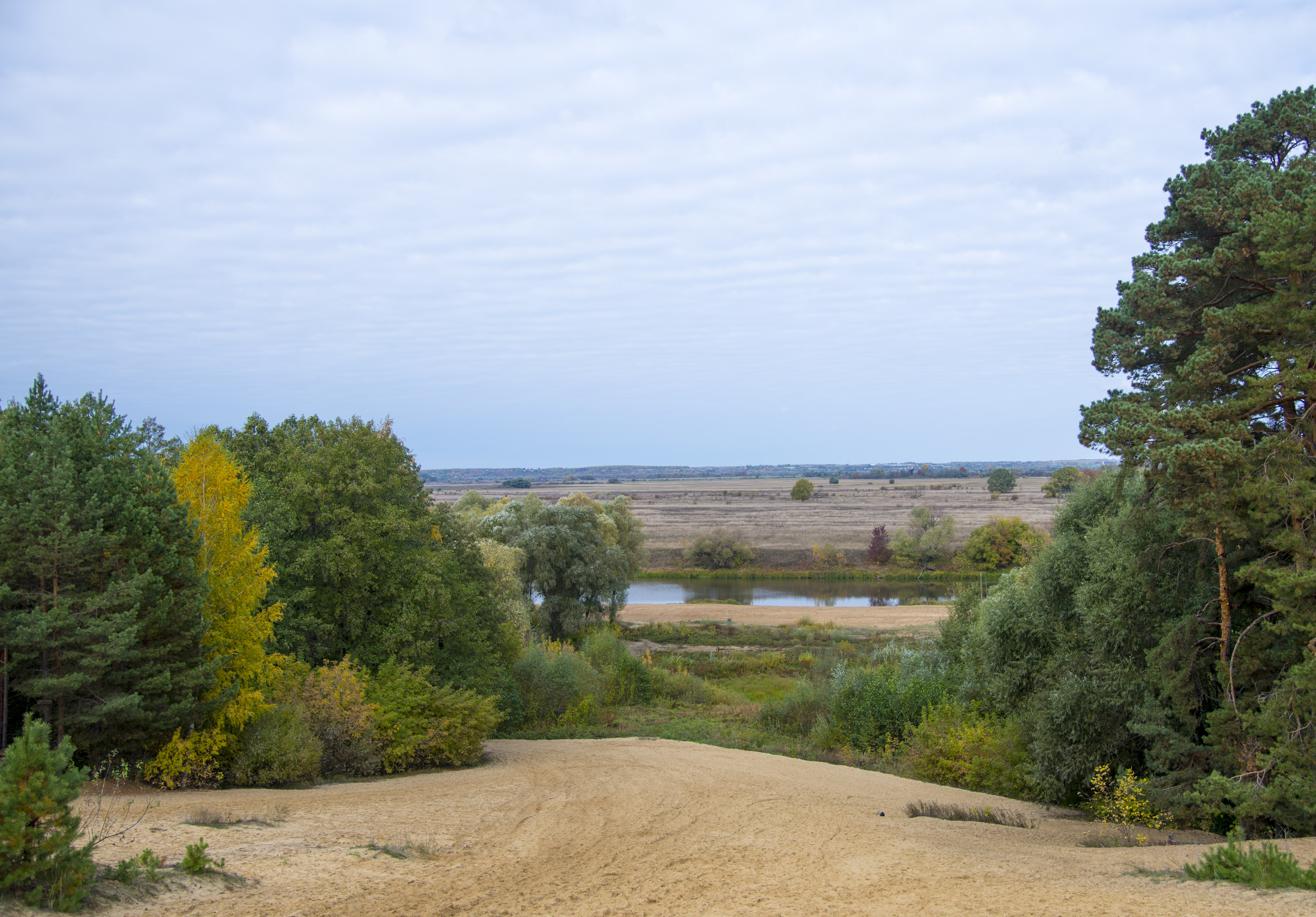
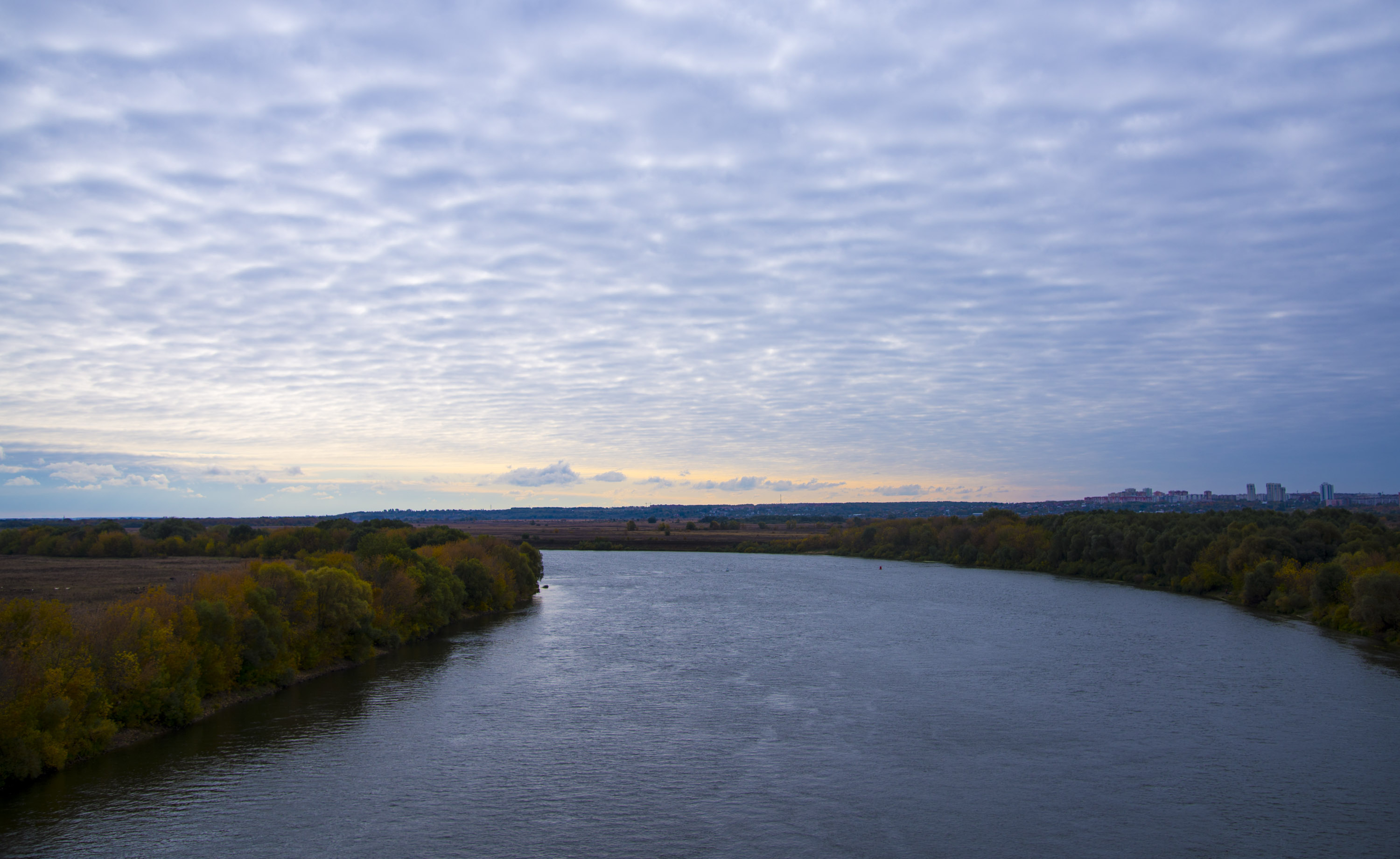
Oka river

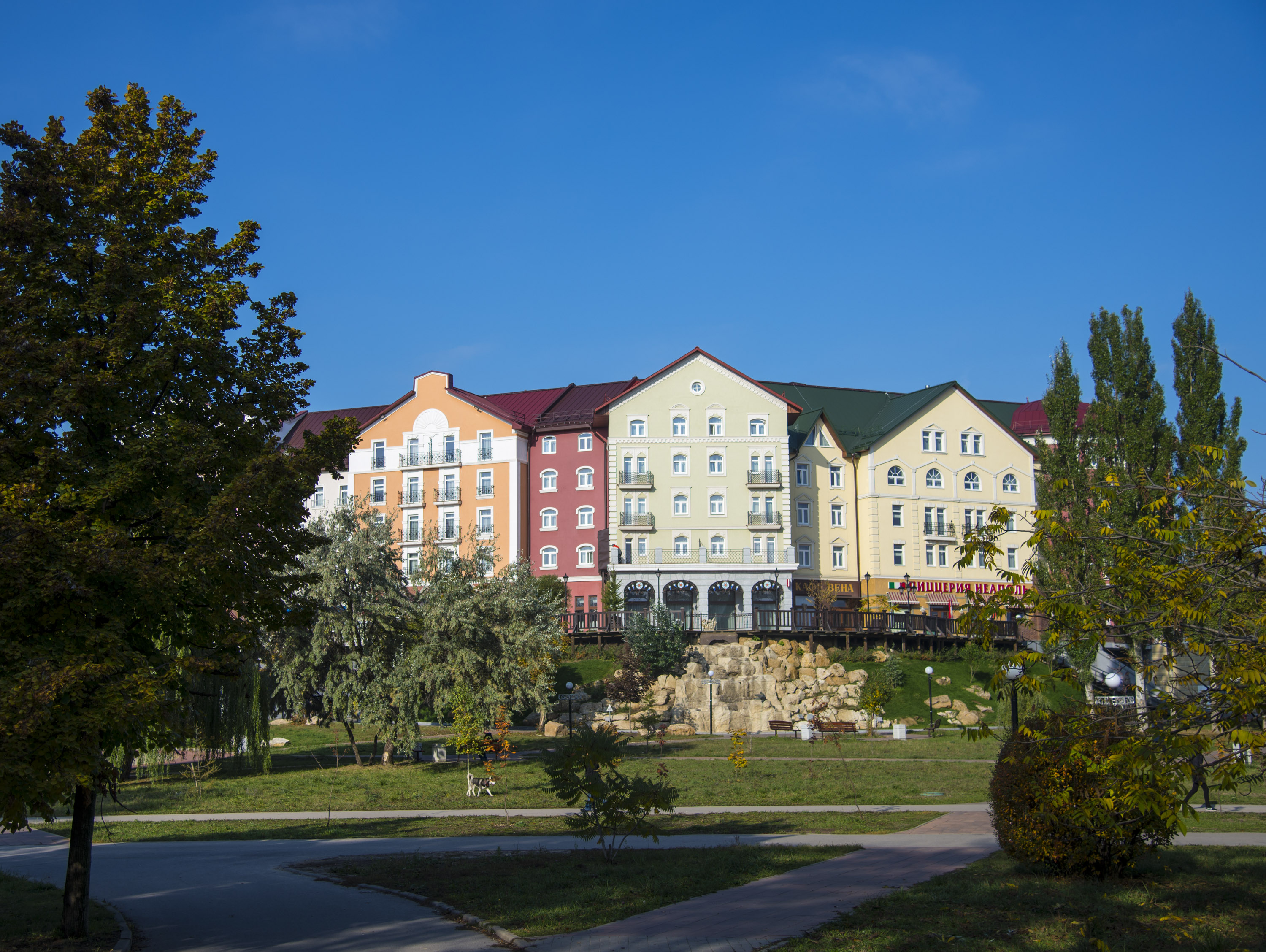
Old Town Hotel in Ryazan

Gallery

Summertime 2021

Moscow Botanical Garden

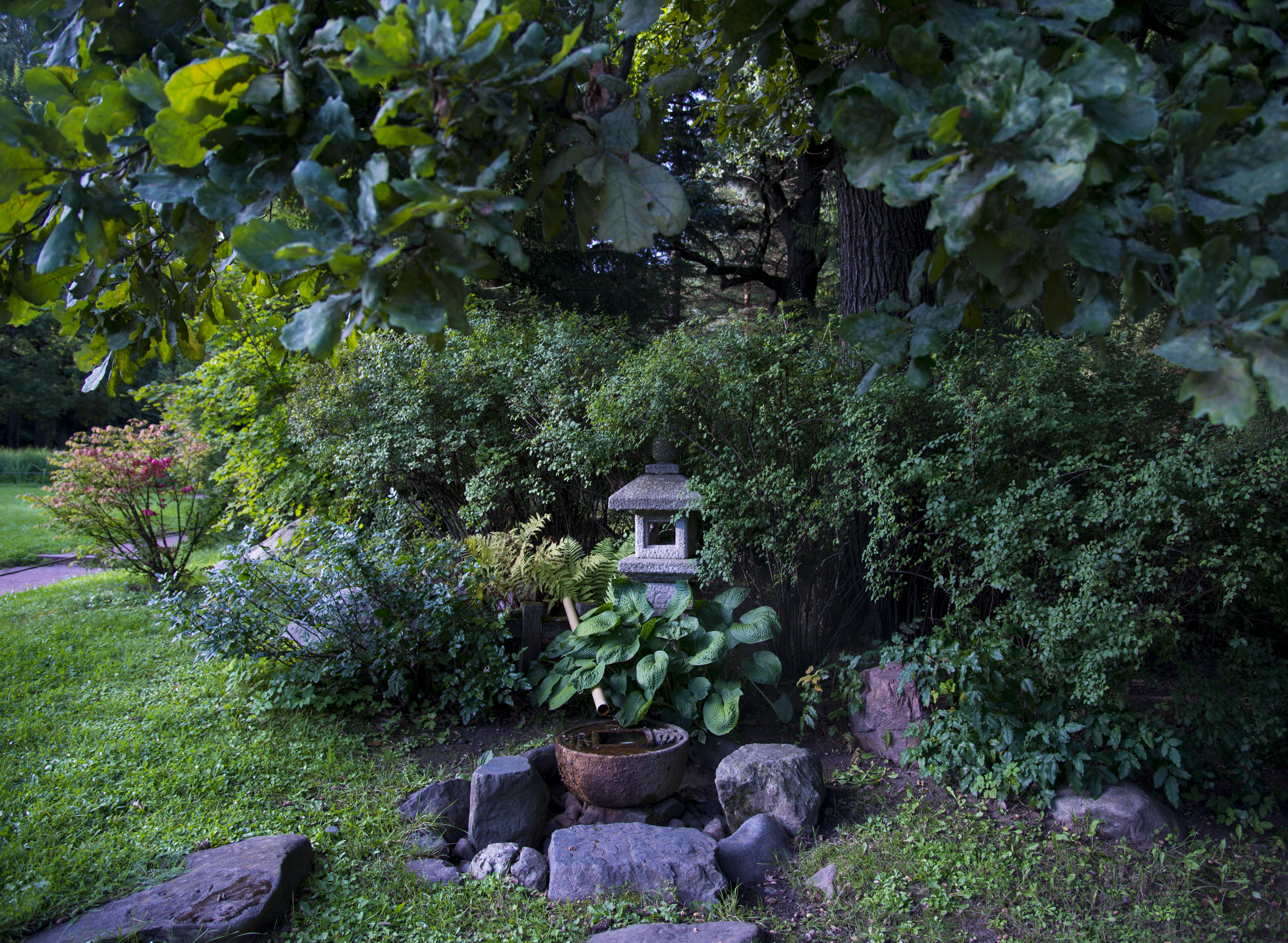
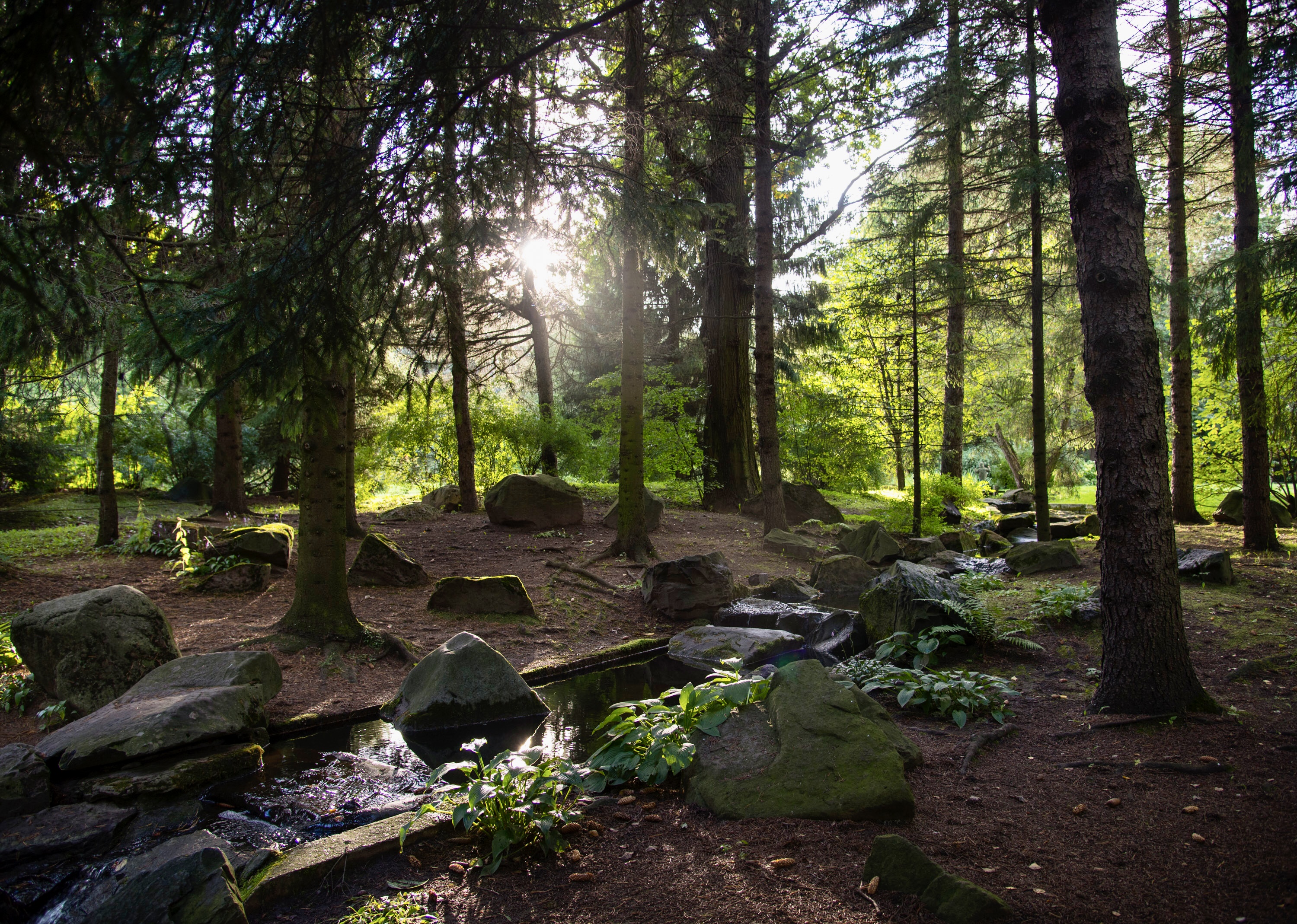
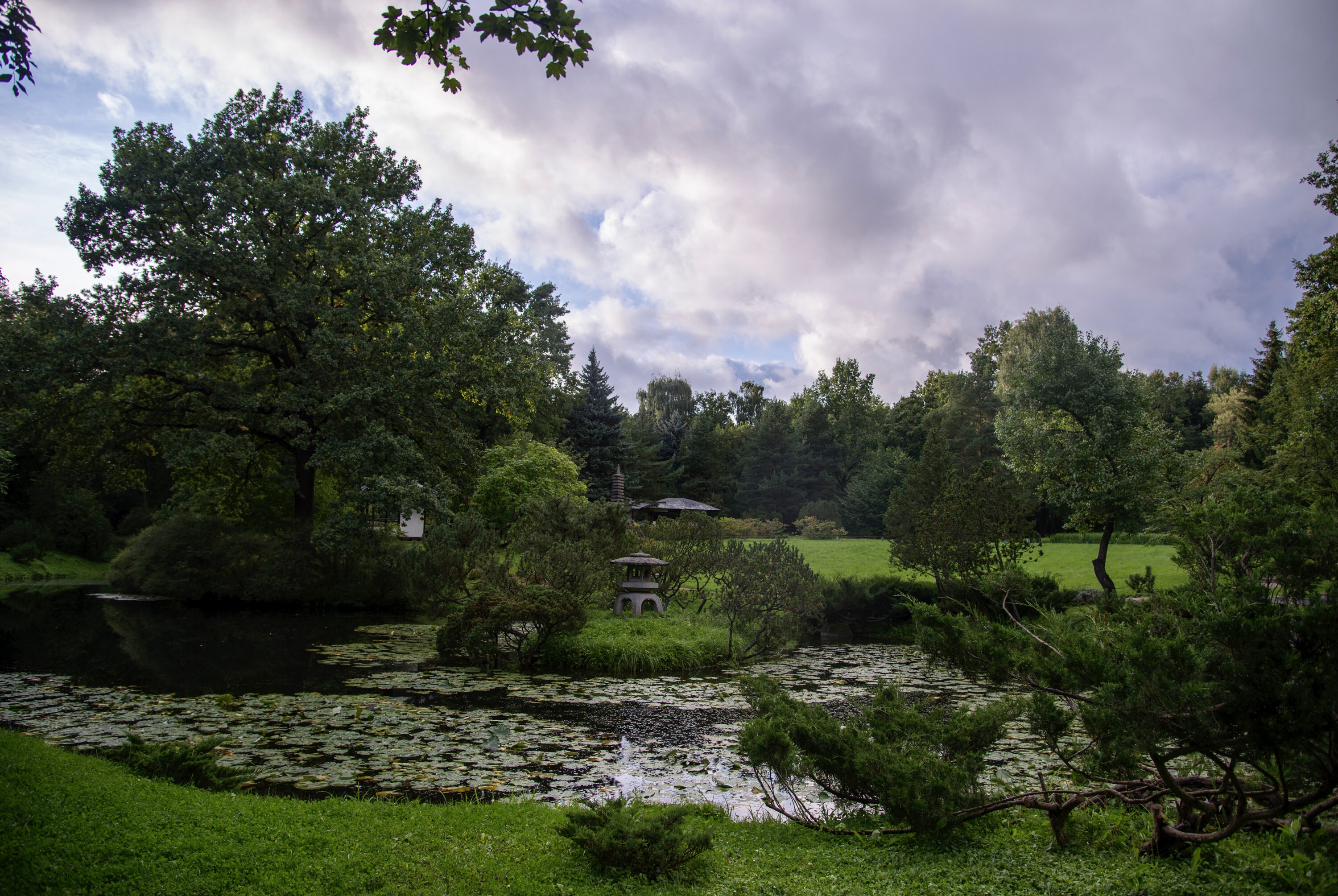
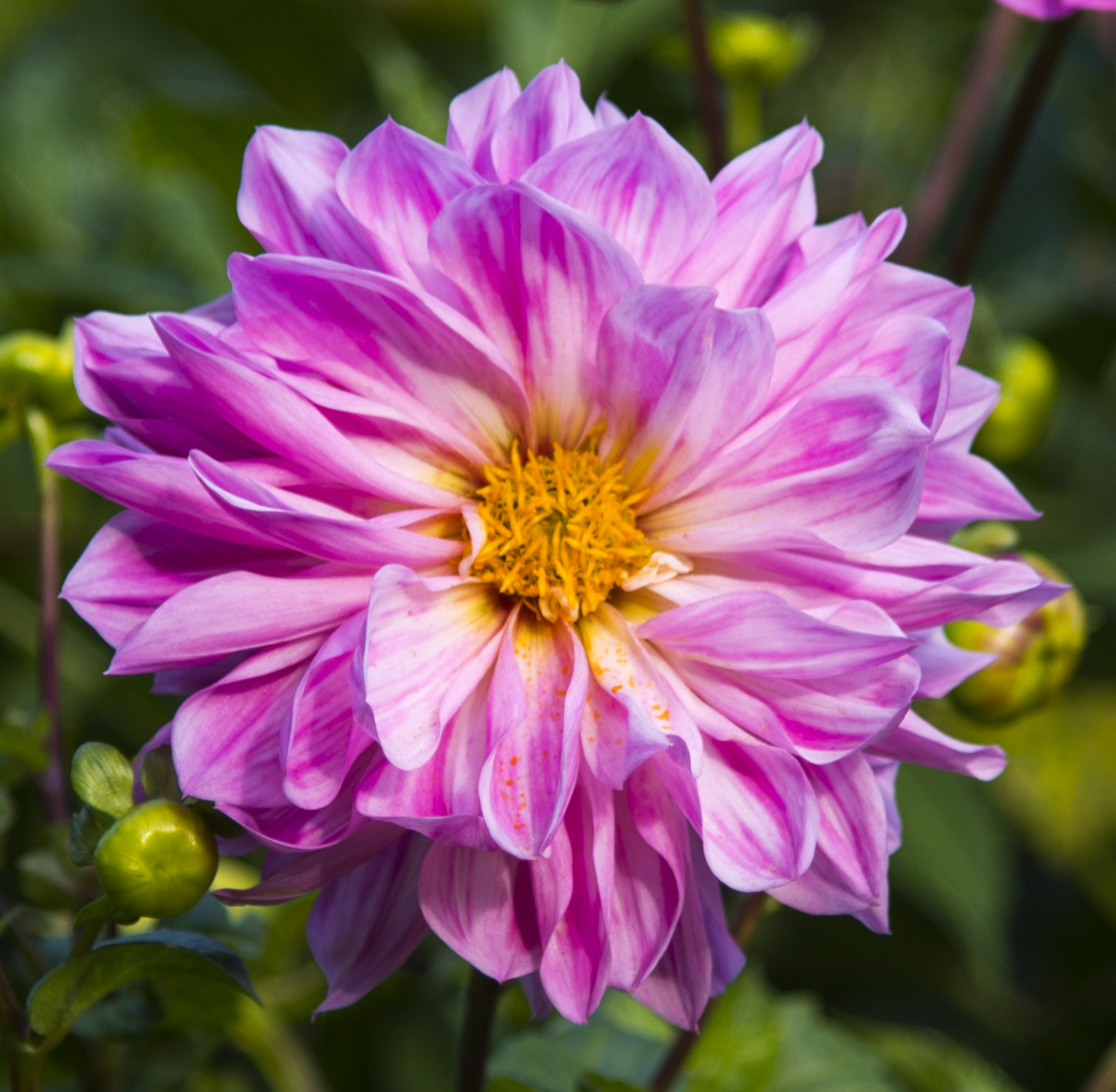
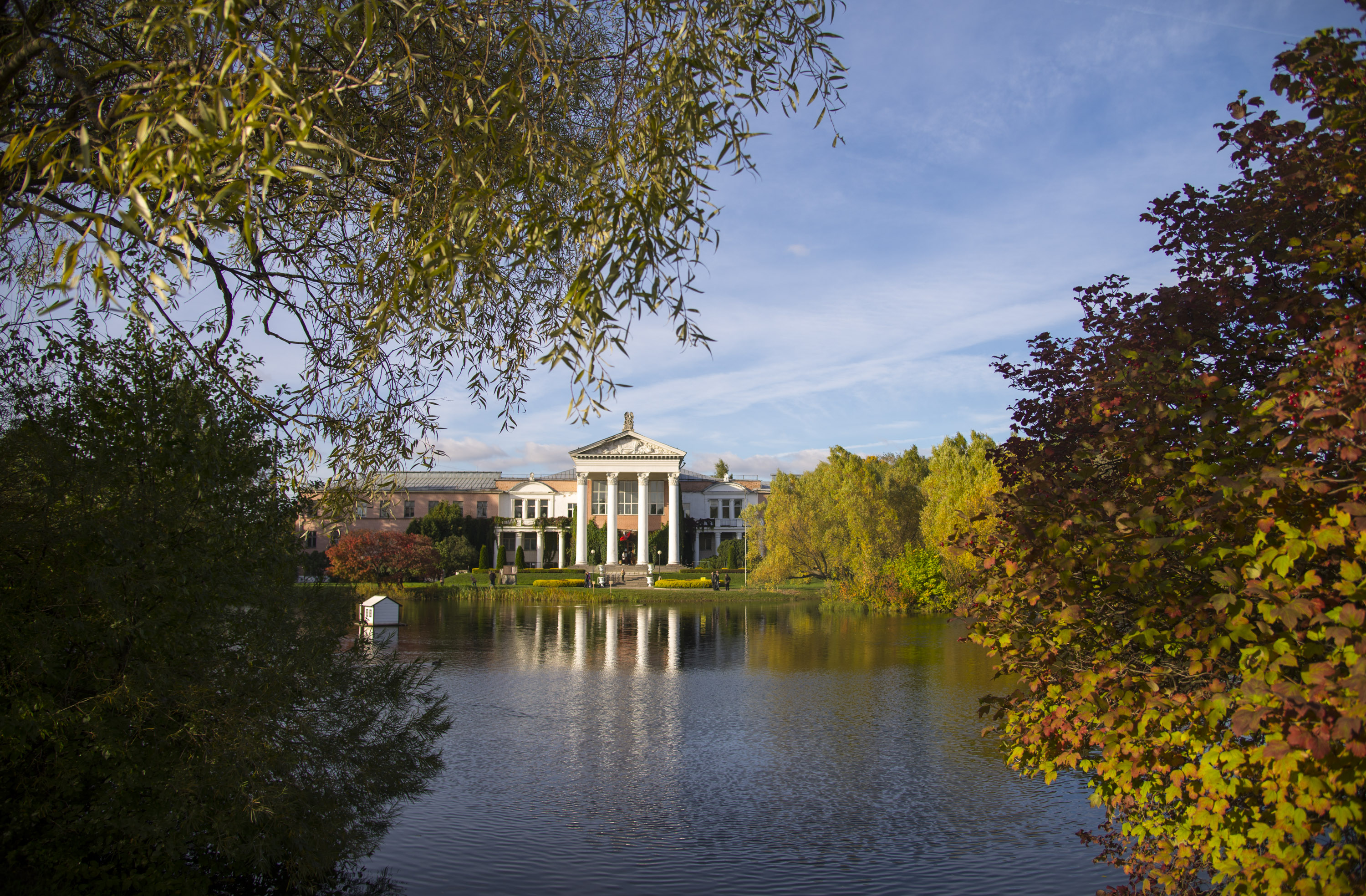
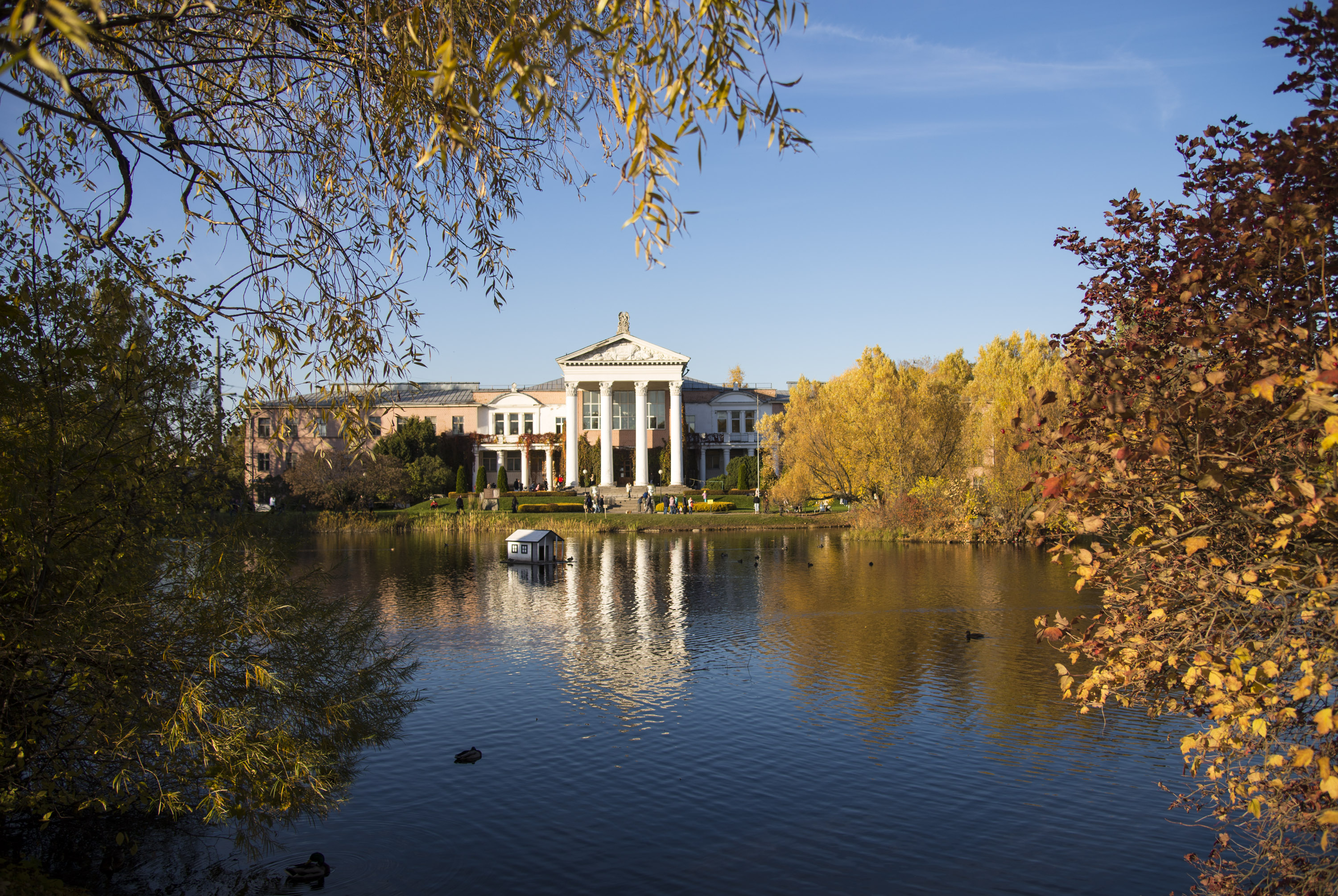
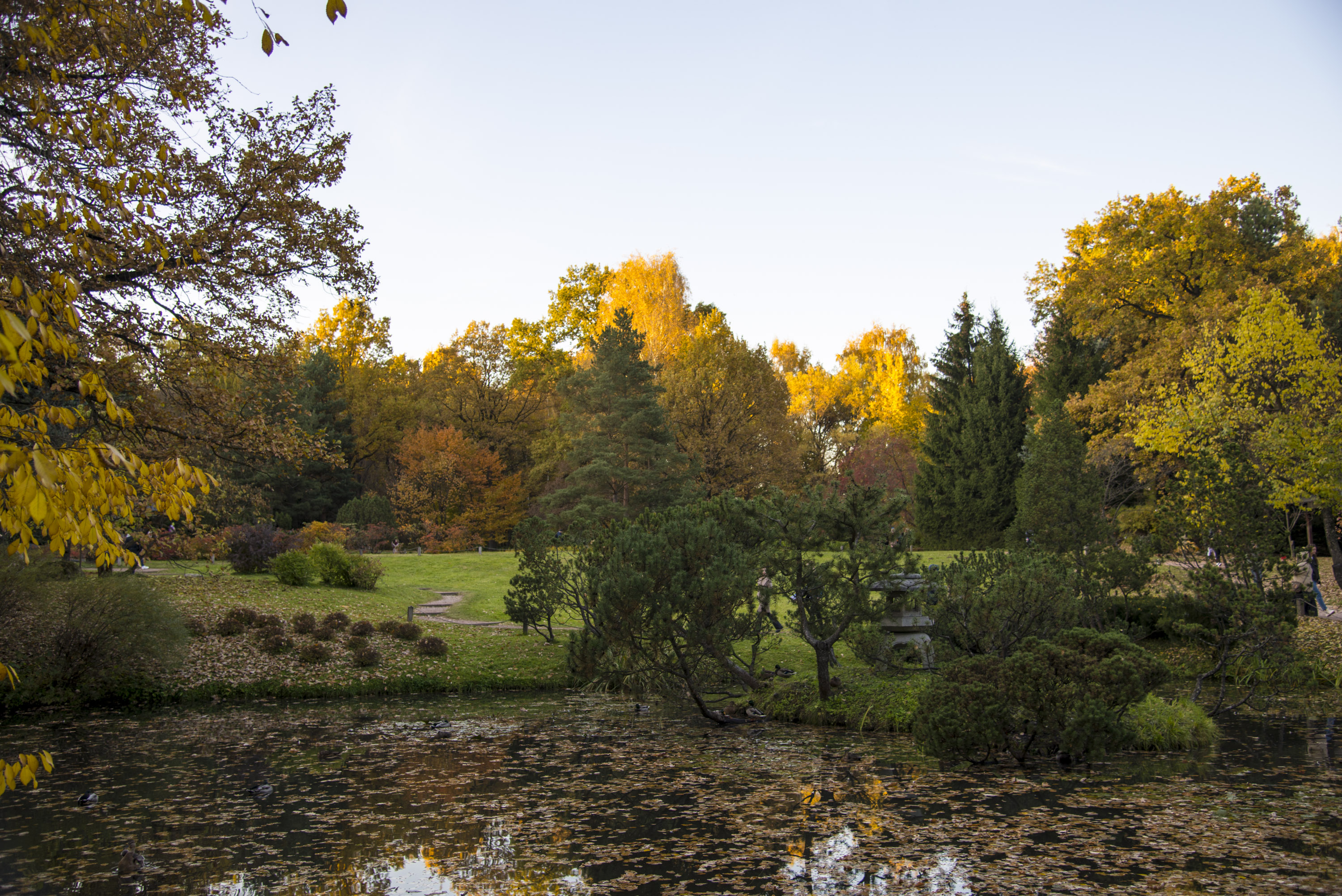
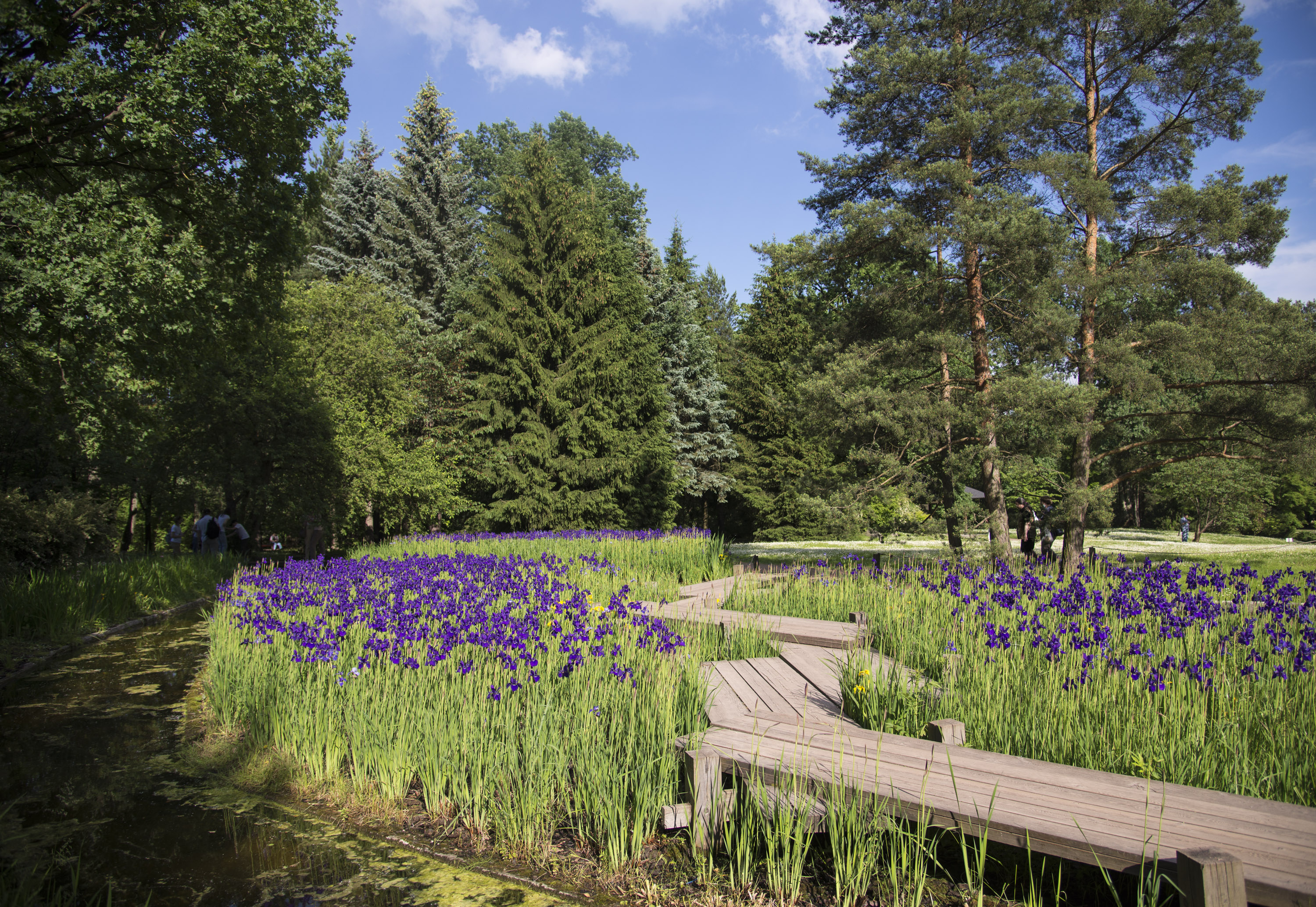
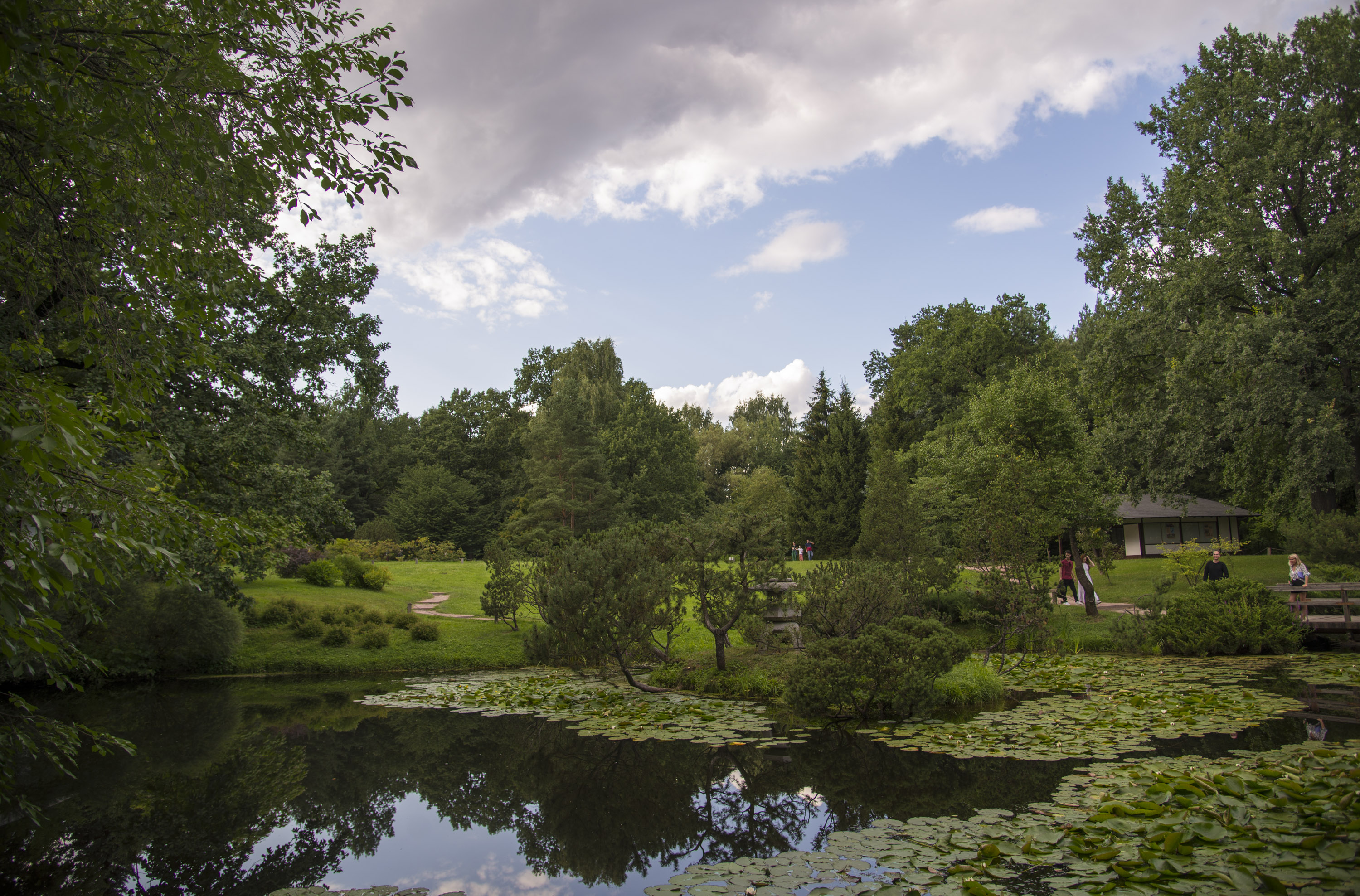
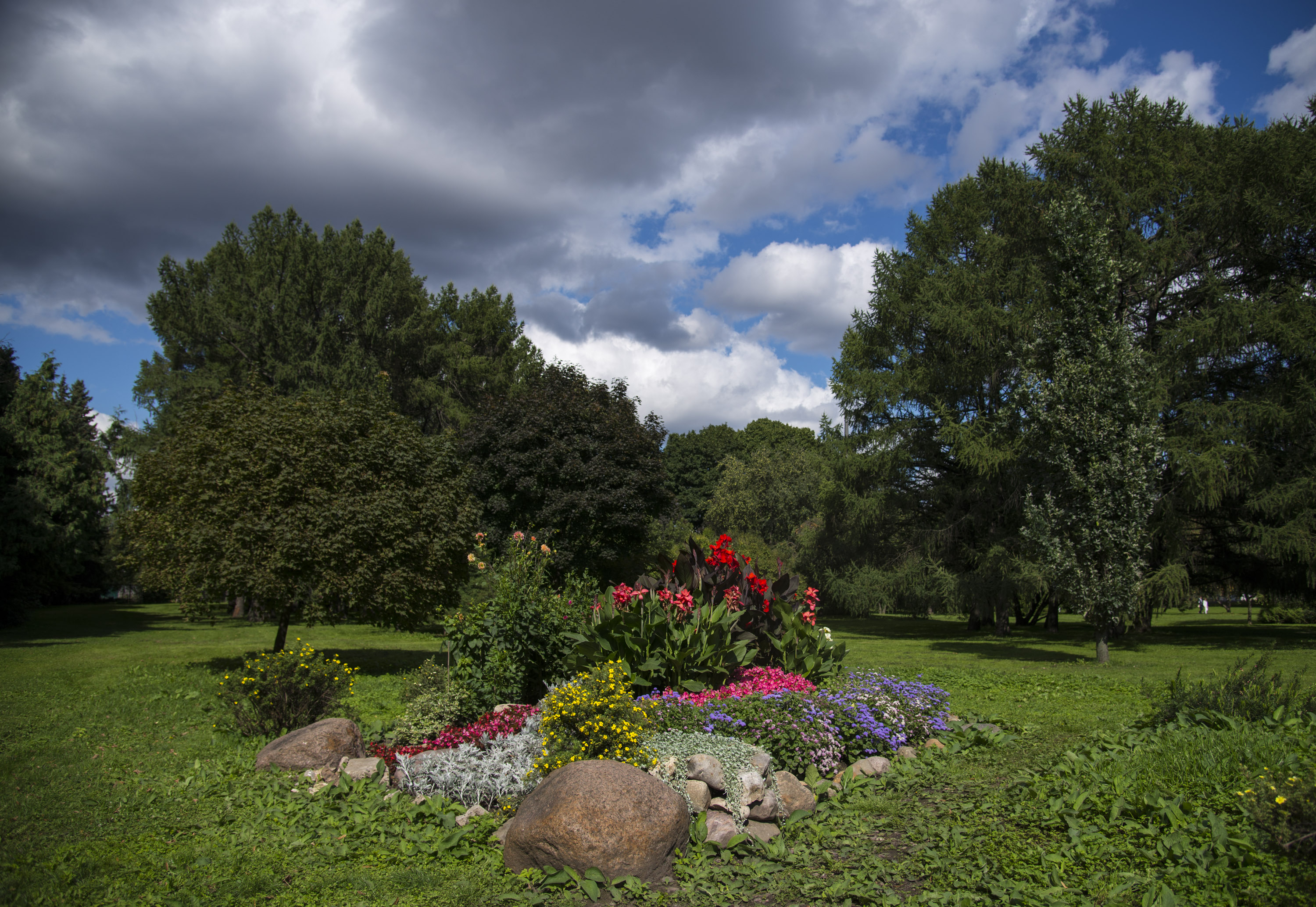
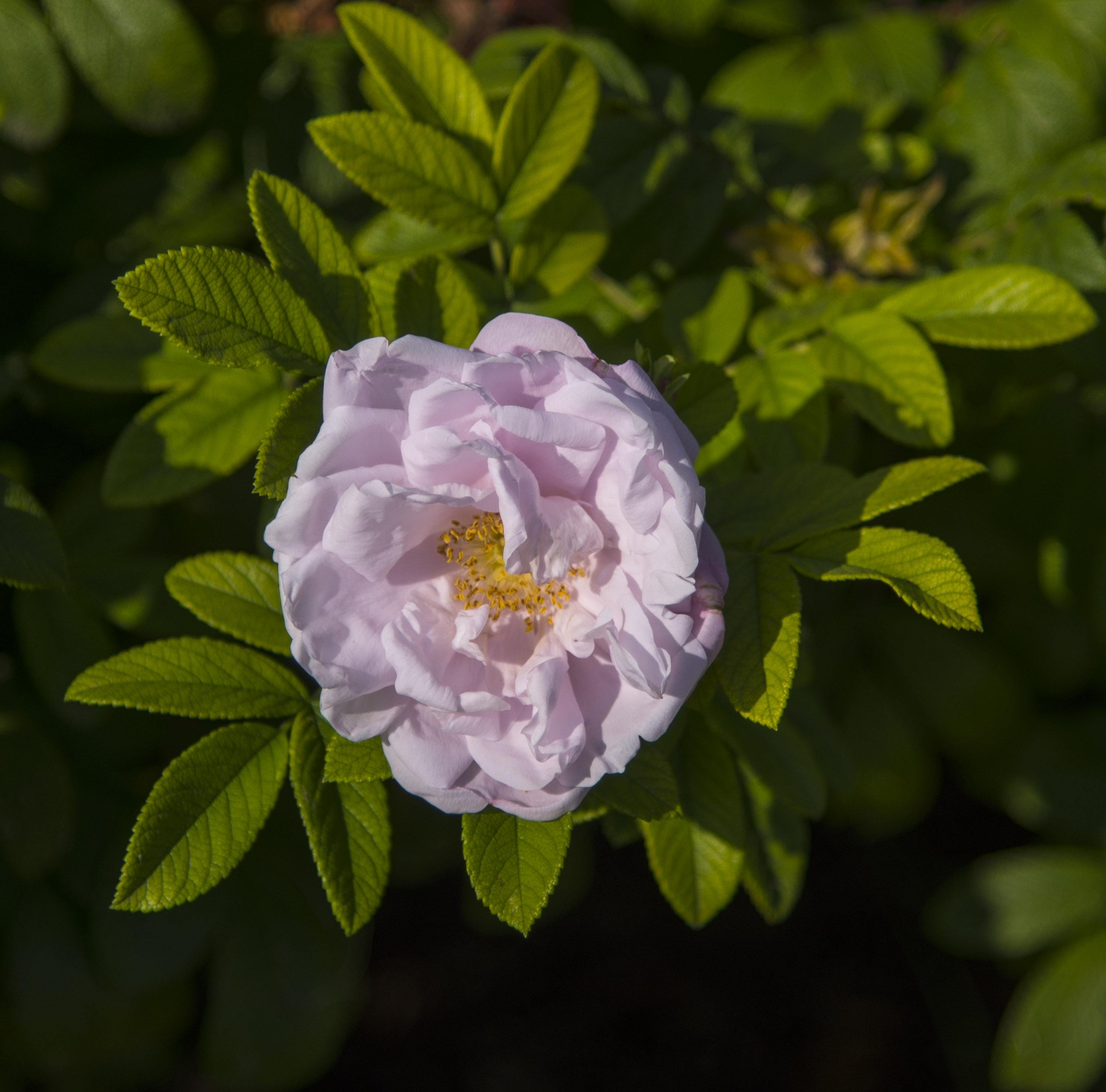
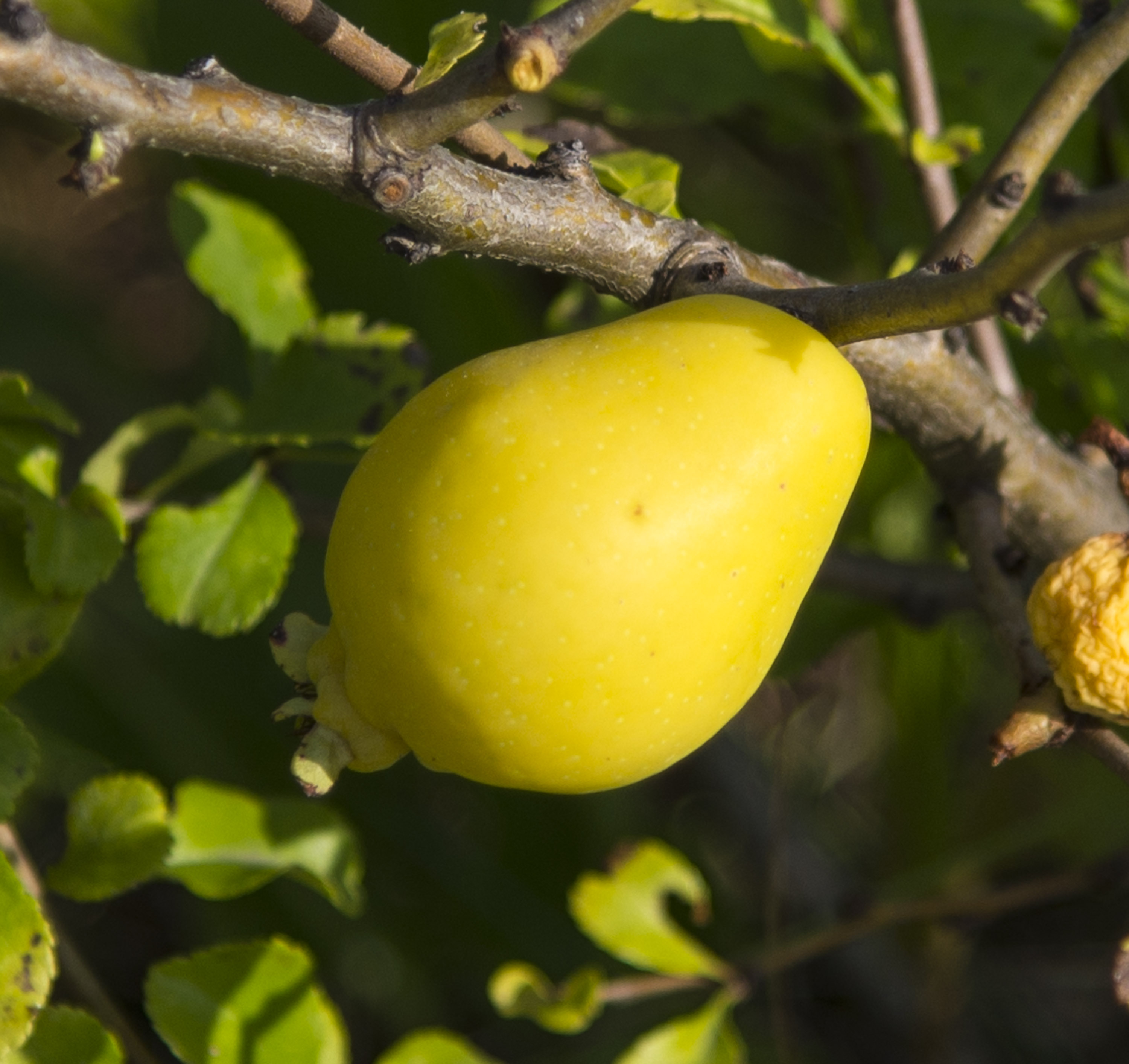
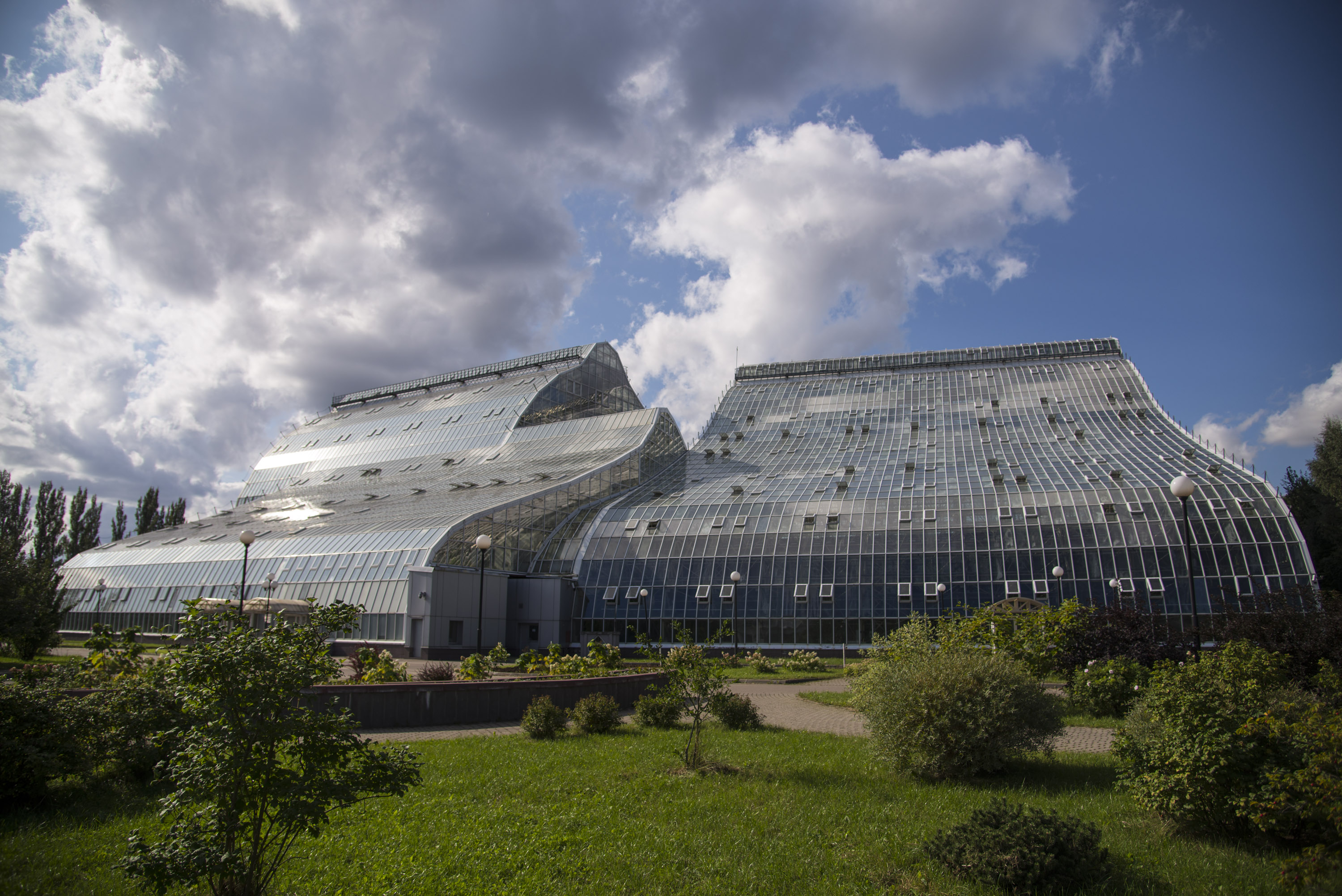
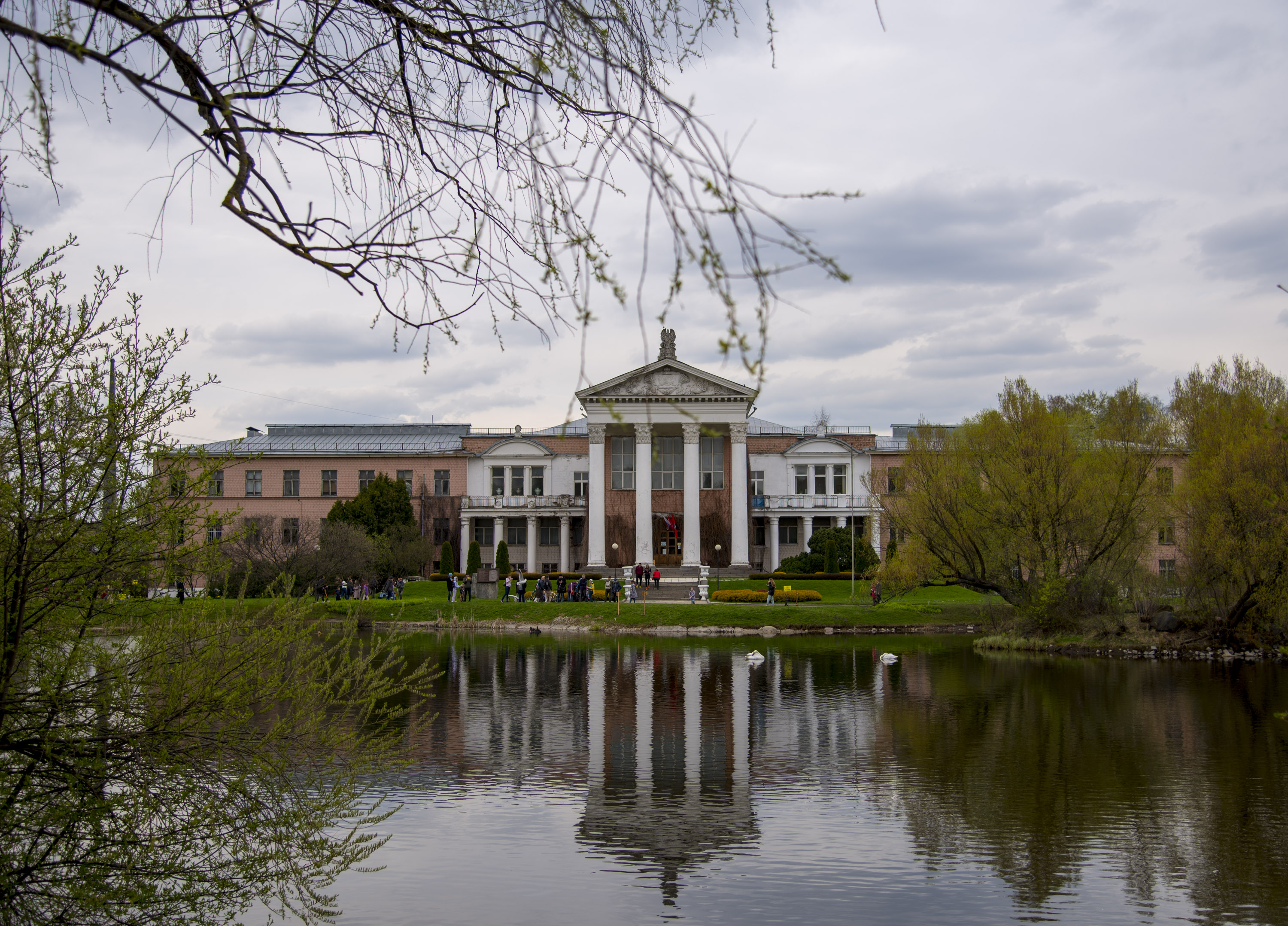
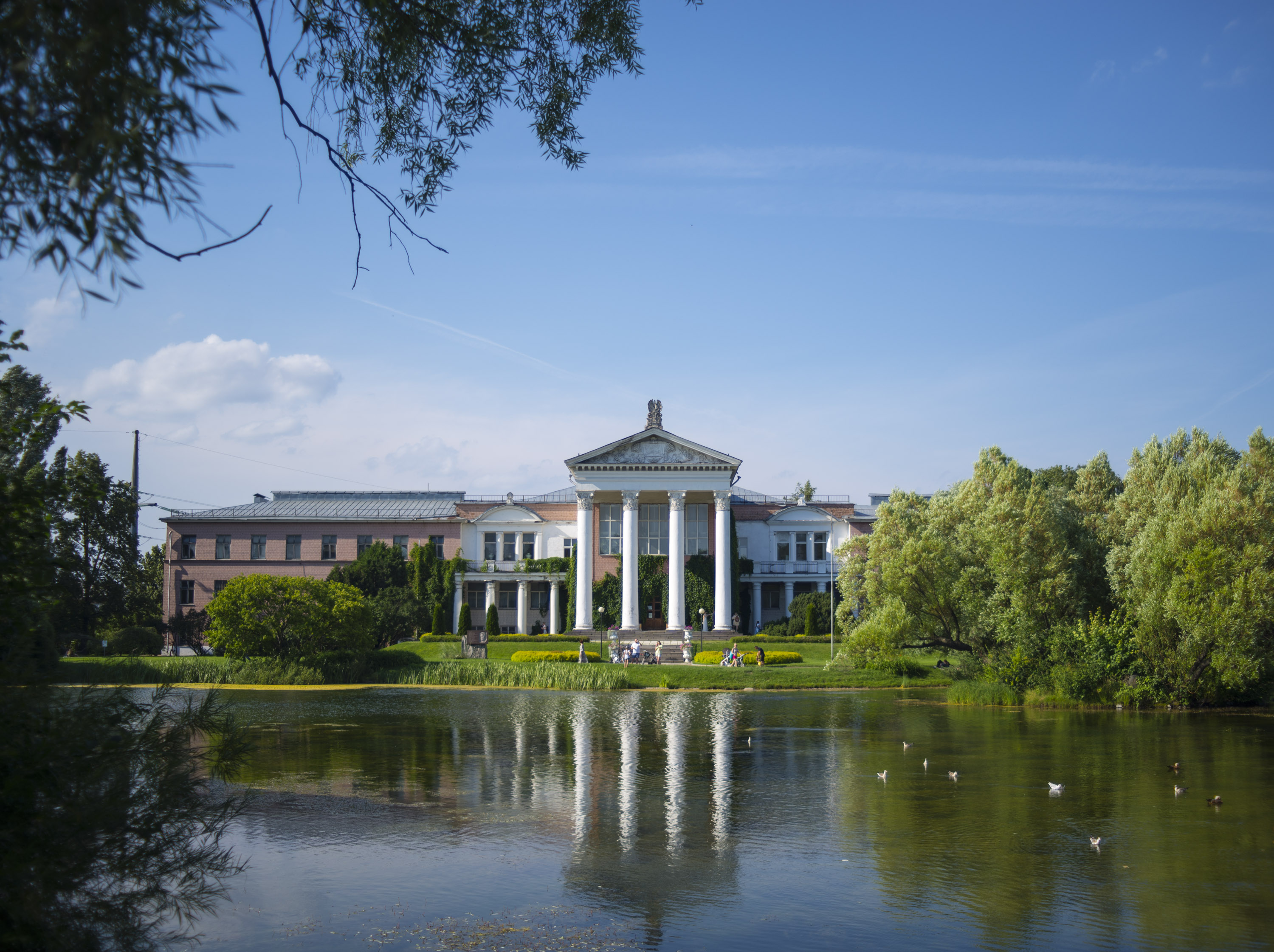
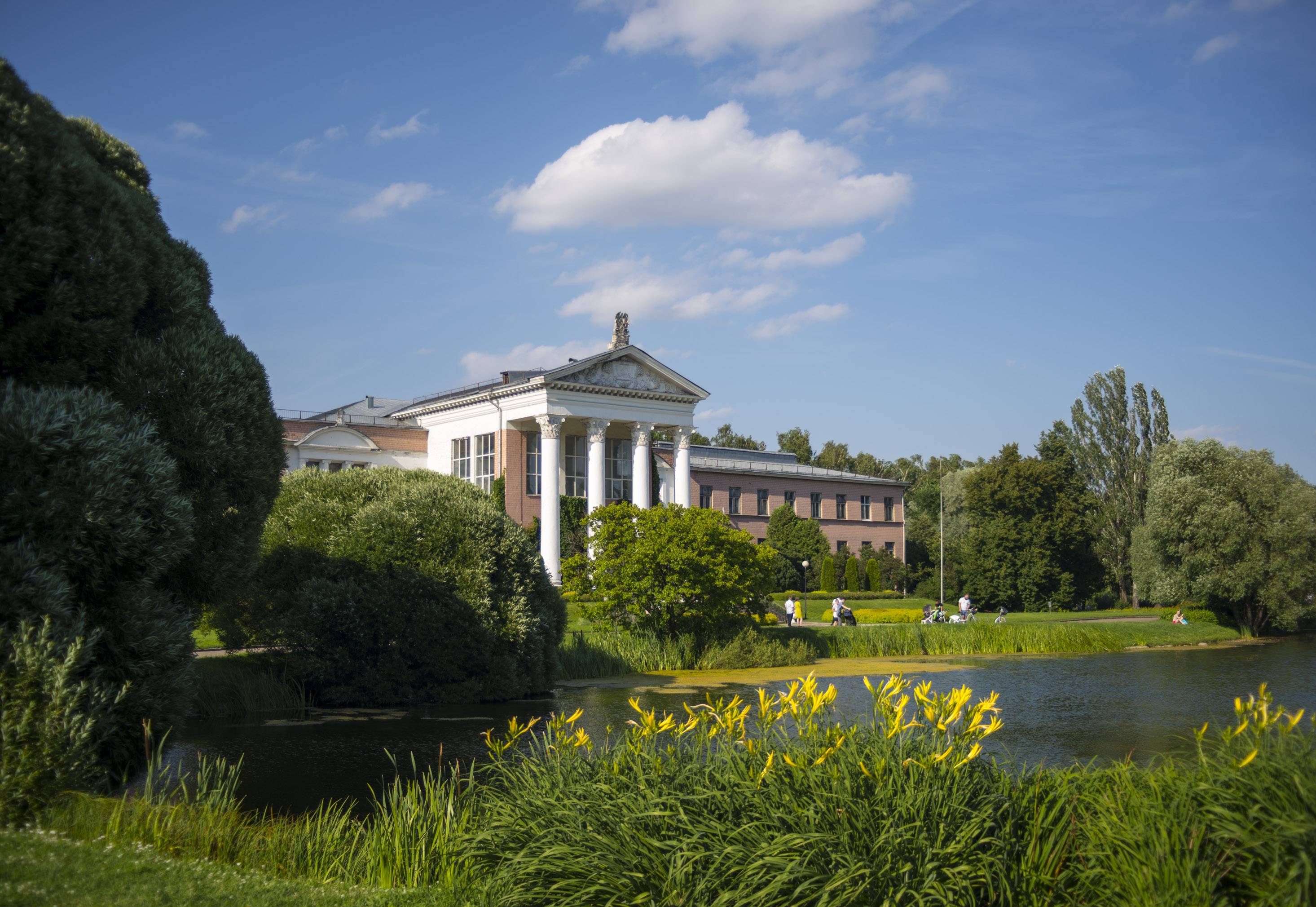
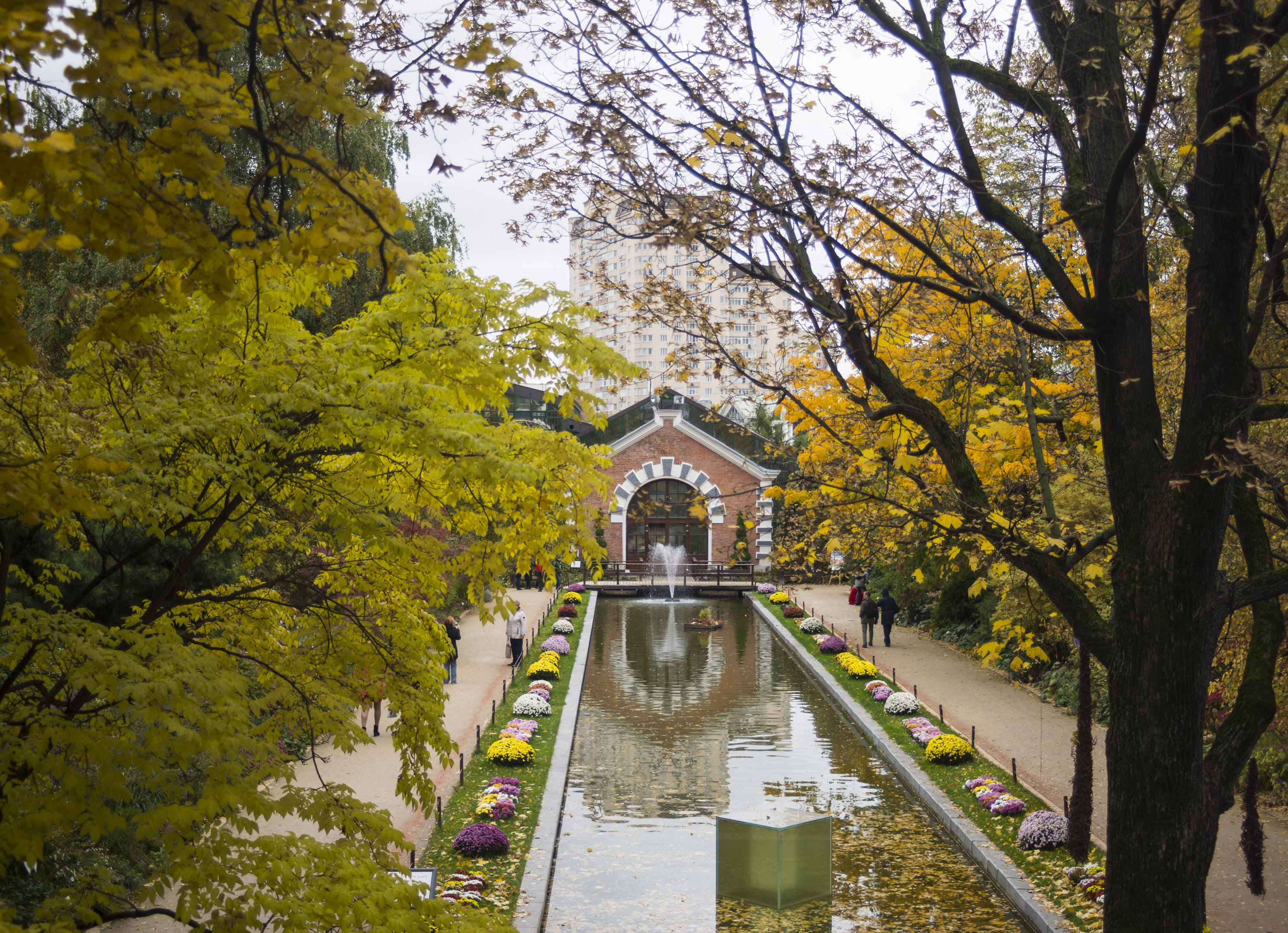
The Tsytsin Main Moscow Botanical Garden was founded in April 1945, and claims itself to be the largest botanical garden in Europe. It covers a territory of approximately 3.61 km² and contains a live exhibition of more than twenty thousand different species of plants coming from various parts of the world. 
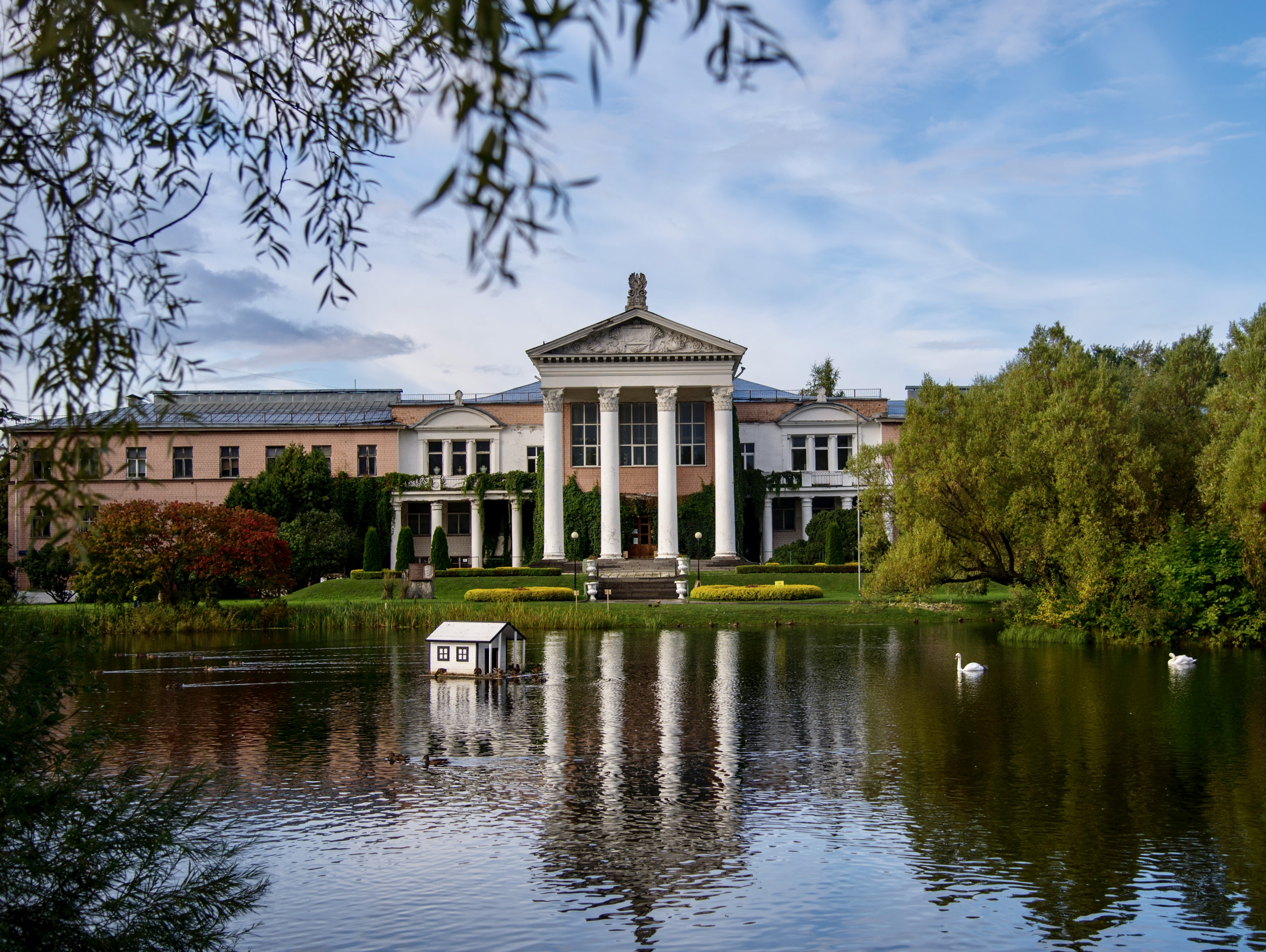
Japanese Garden

Ostankino Park

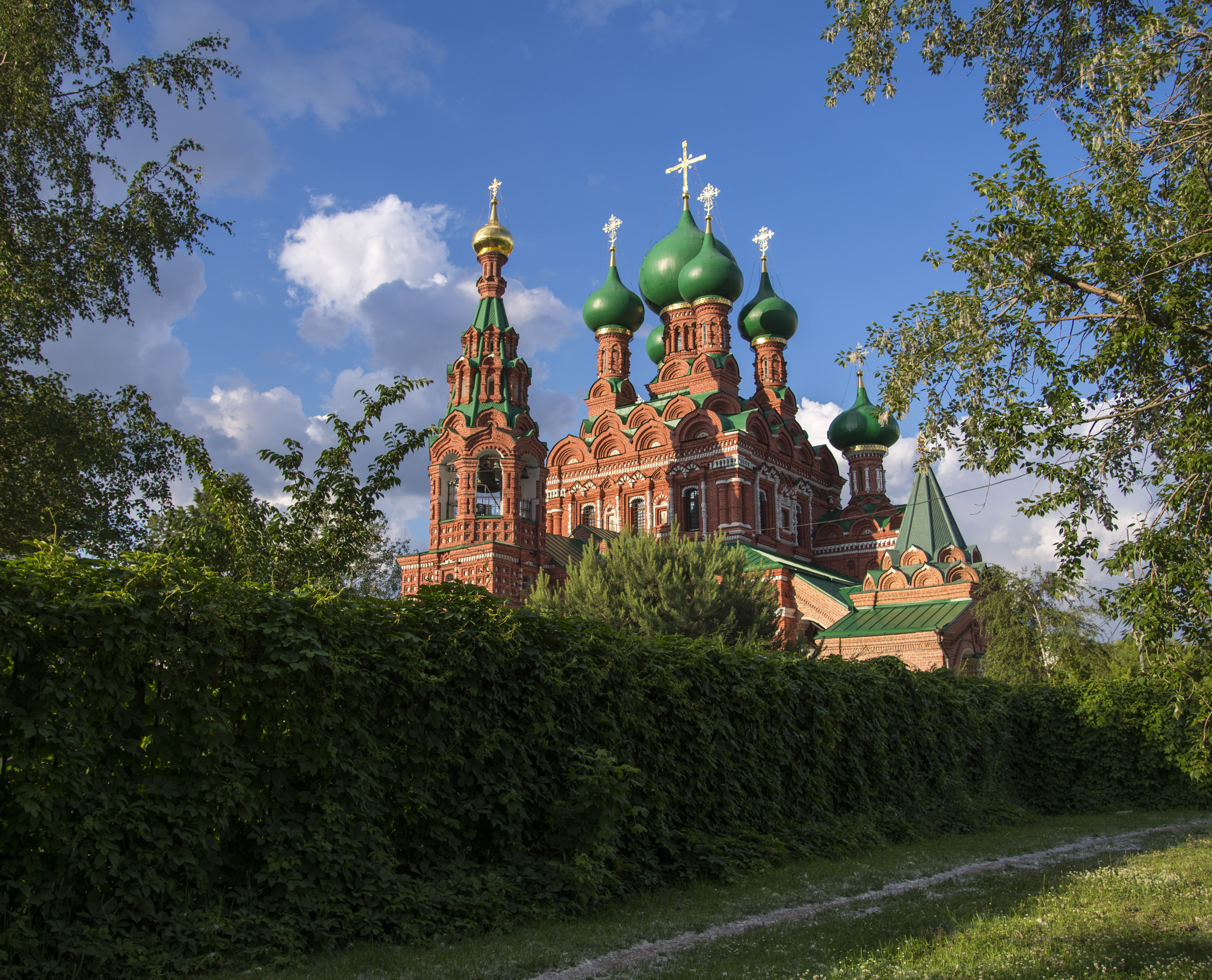
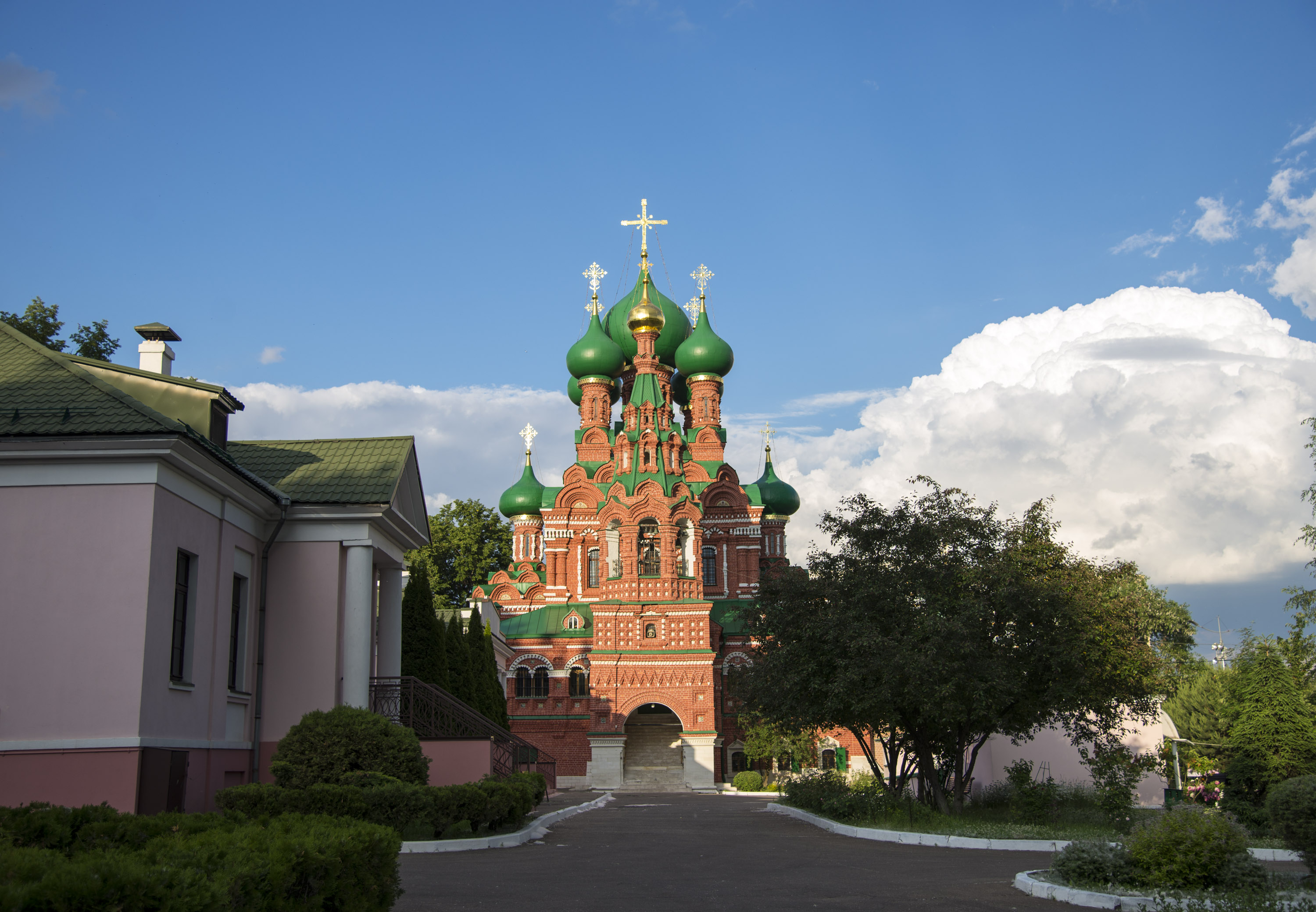
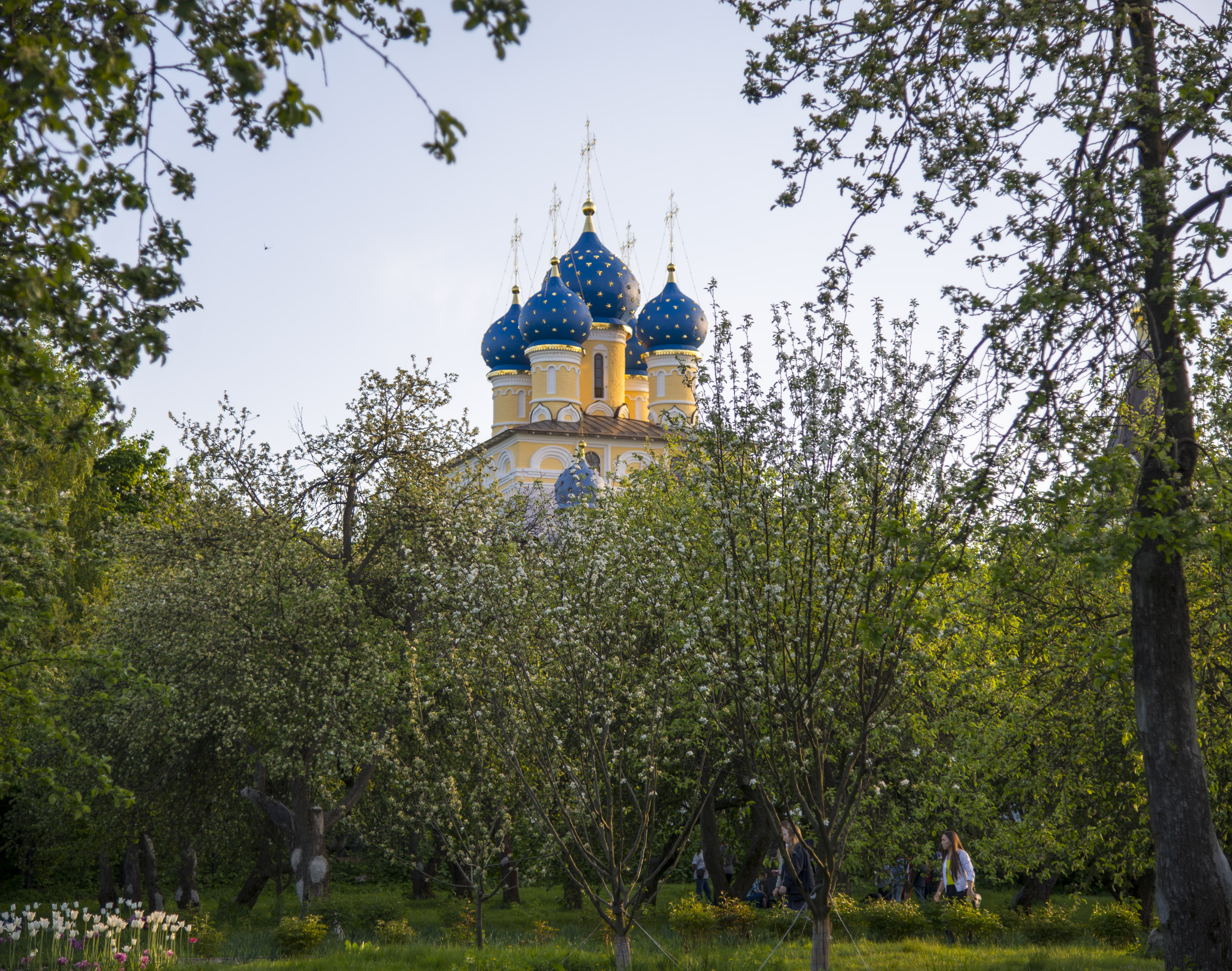
Church of the Holy Trinity in Ostankino

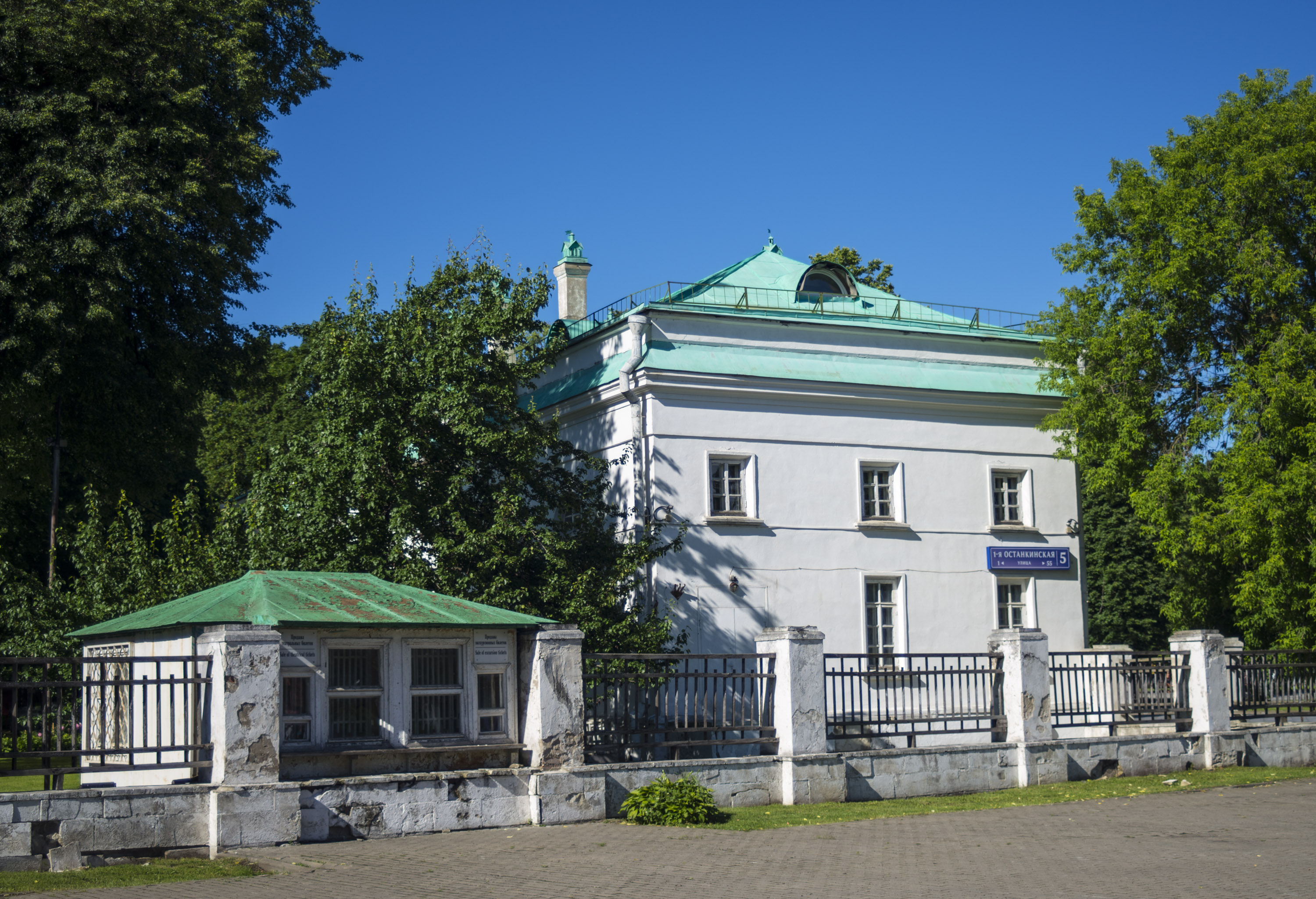
The first wooden Trinity Church was built in 1585 and was destroyed in the Time of Troubles. In 1625-27 Prince Cherkassky built a new wooden church. In 1692 a stone church in the name of the Trinity was build which with some modifications survives to this day.

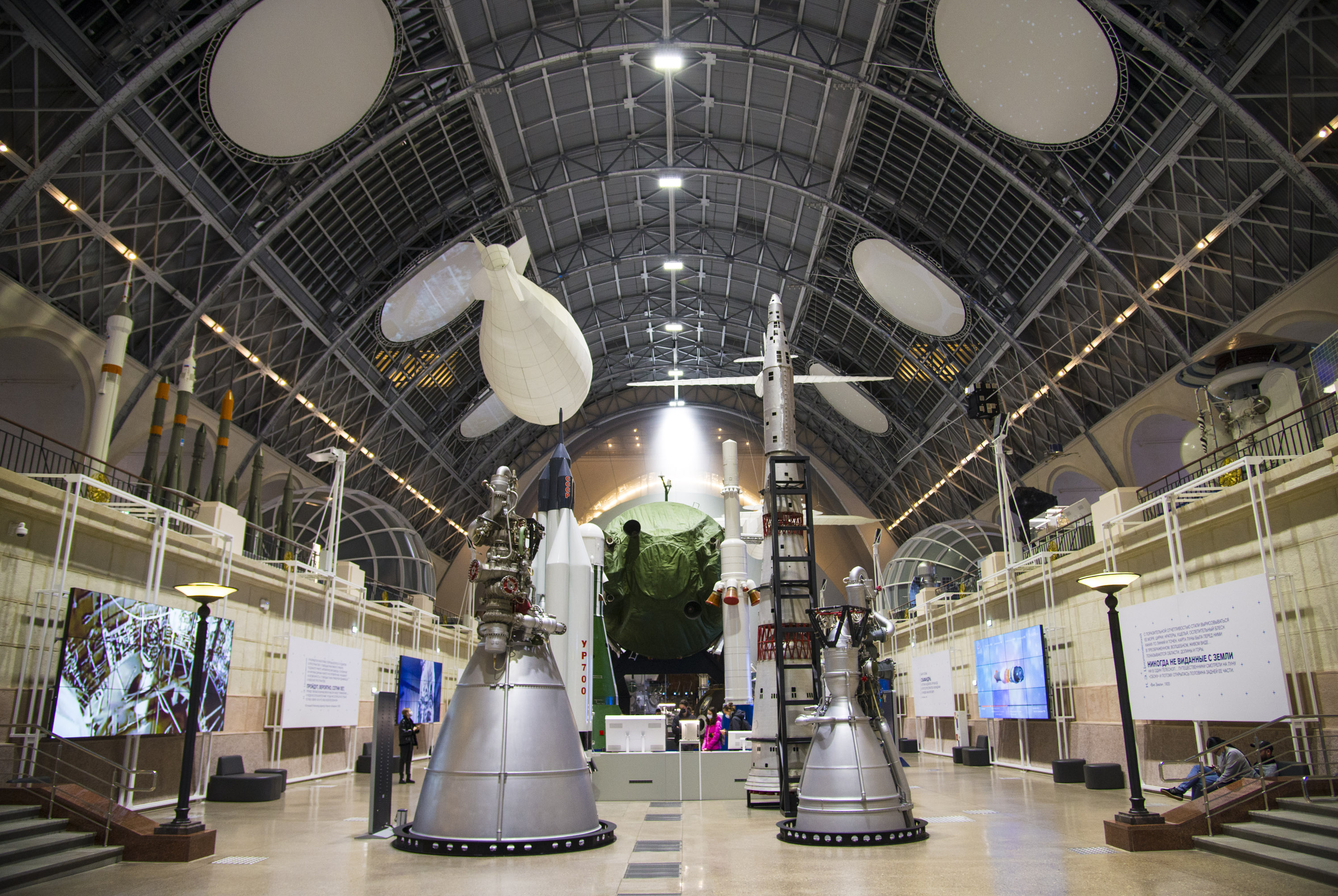
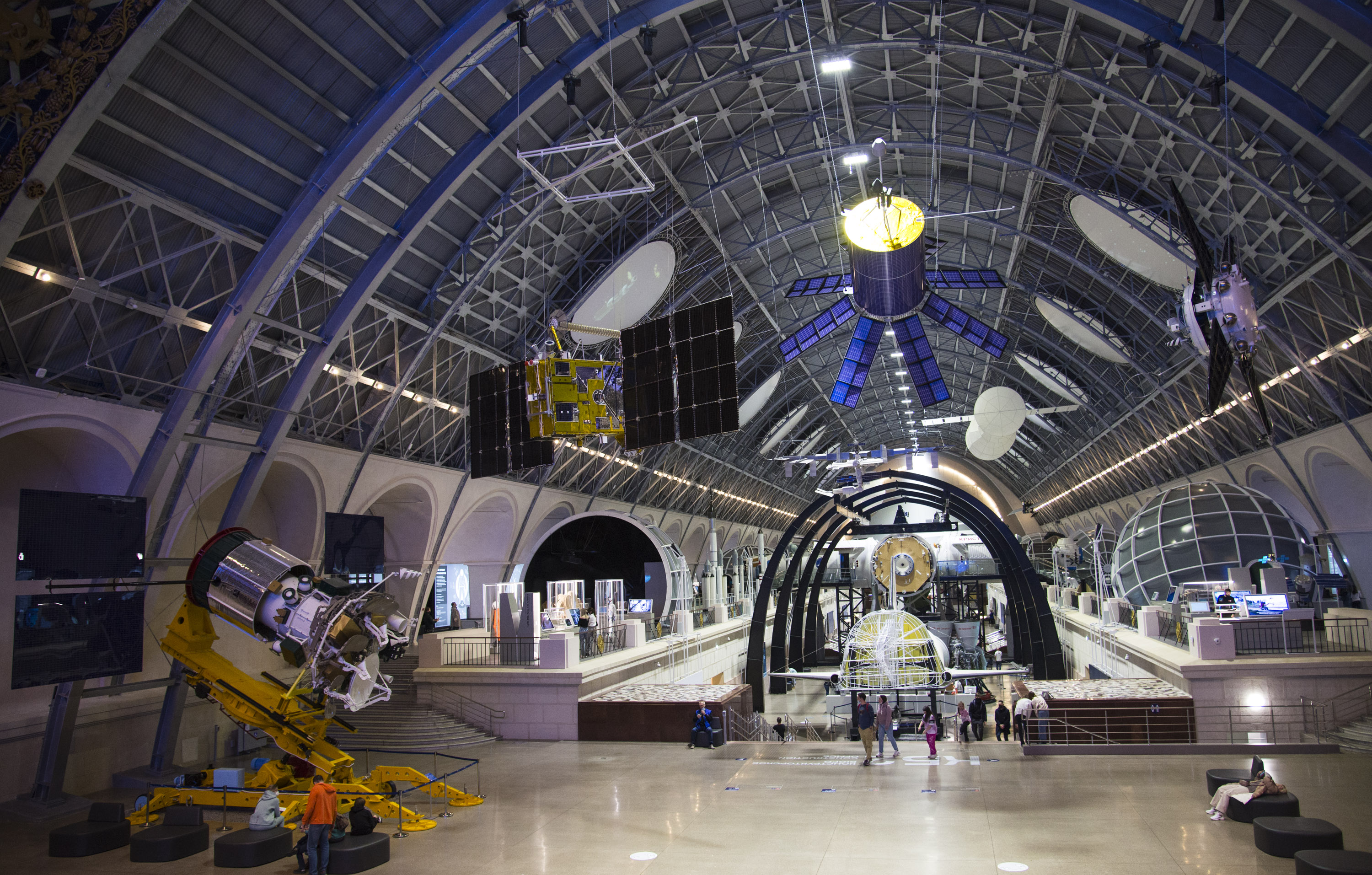
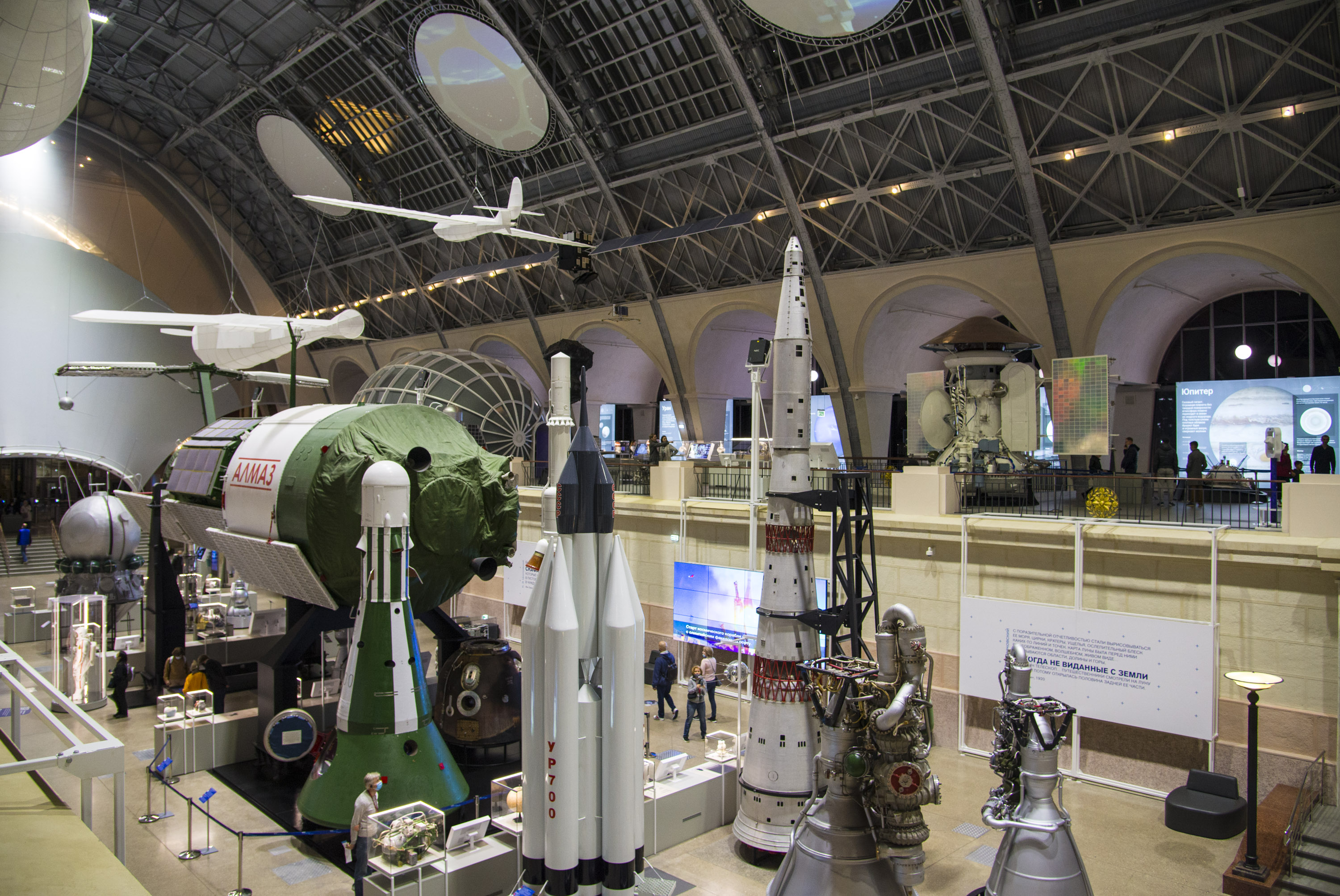
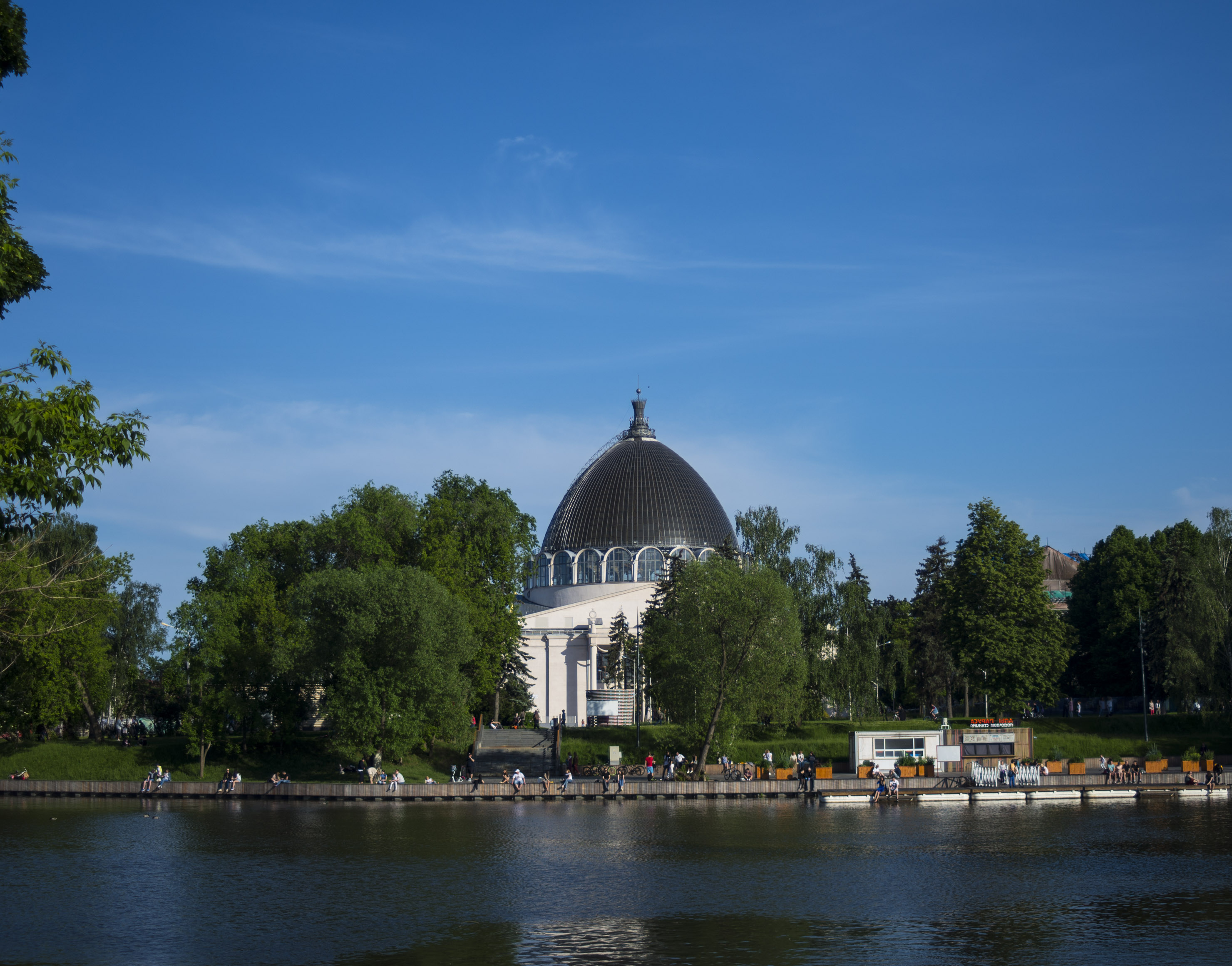
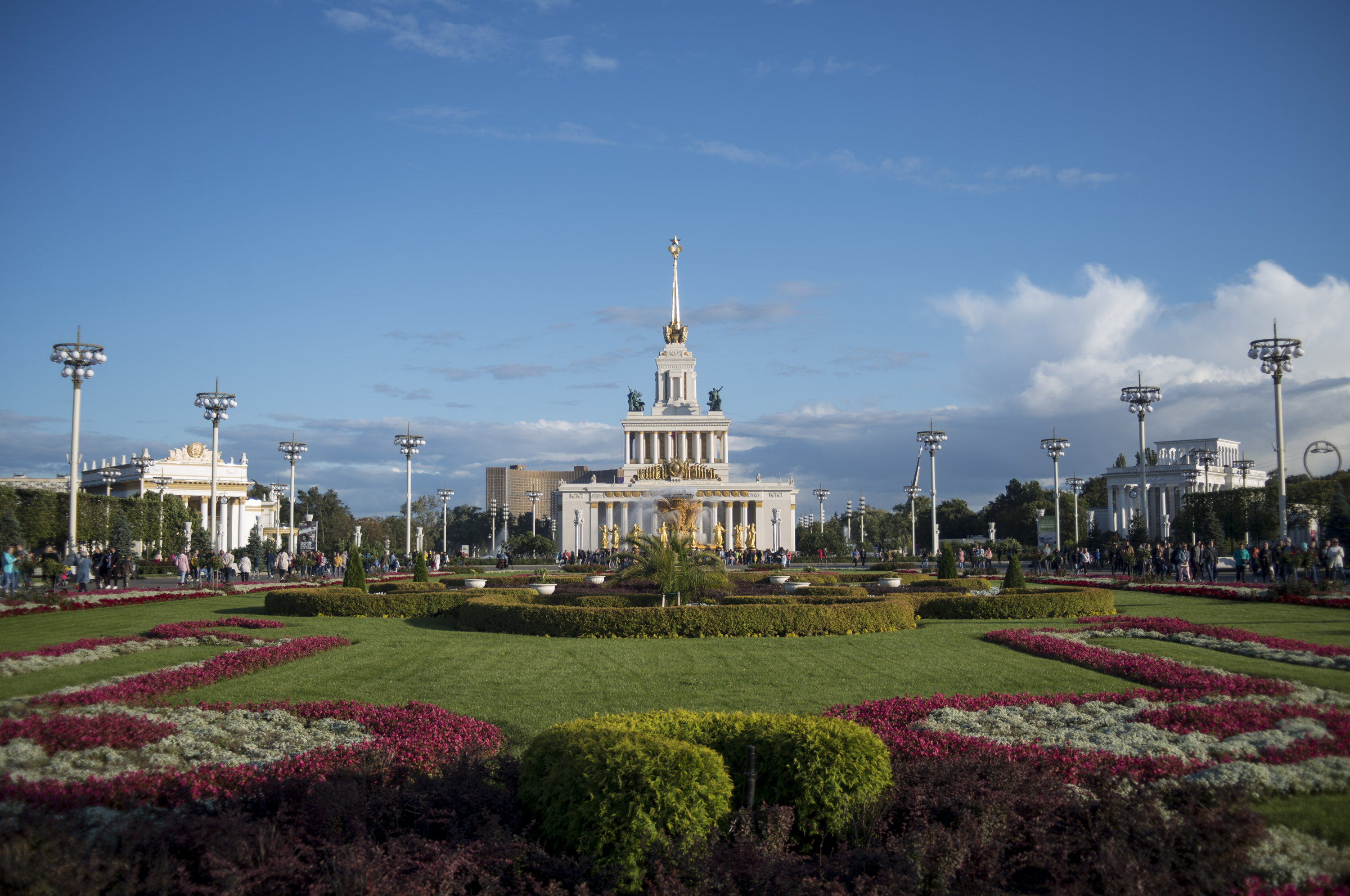
VDNKH Exhibition Center

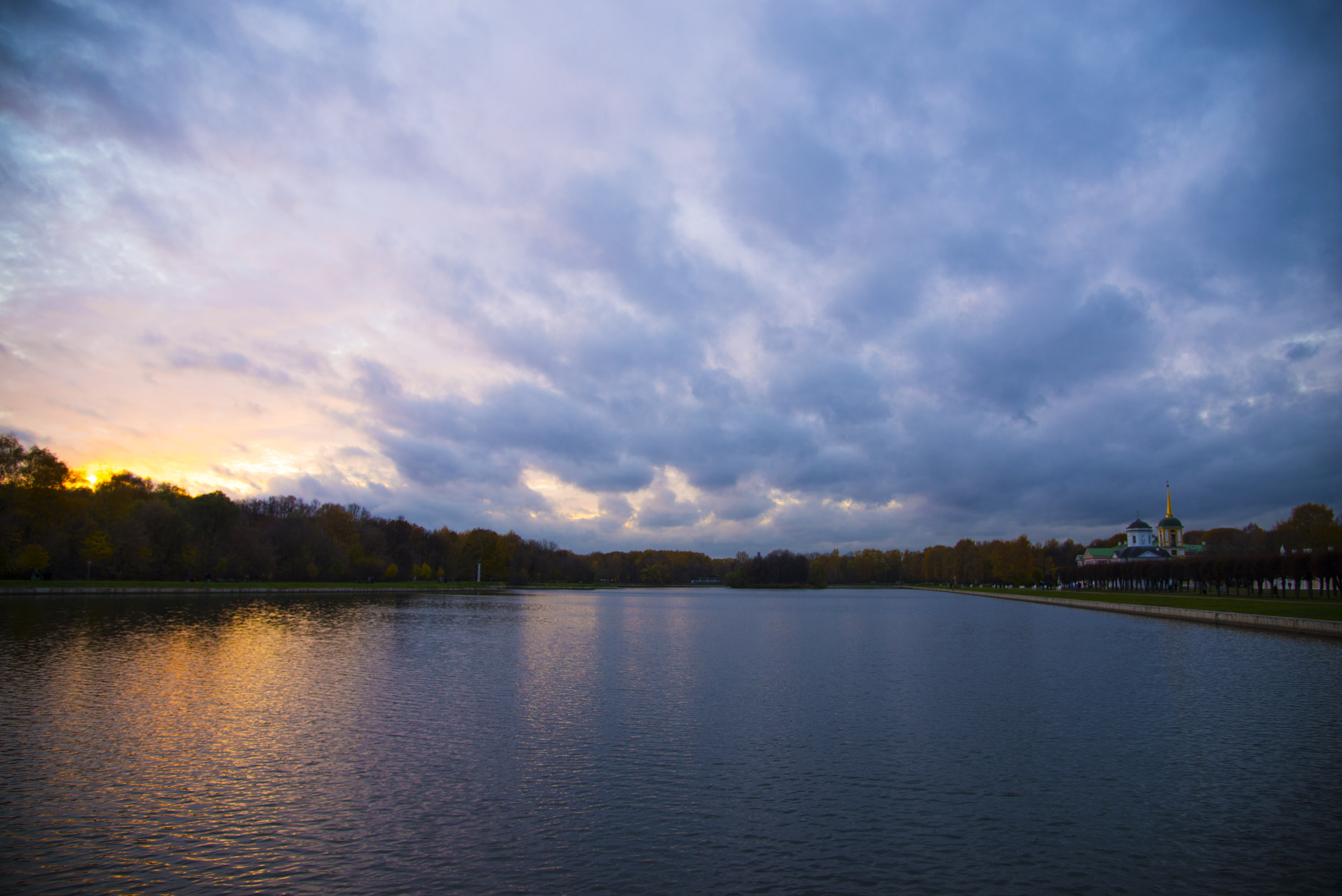
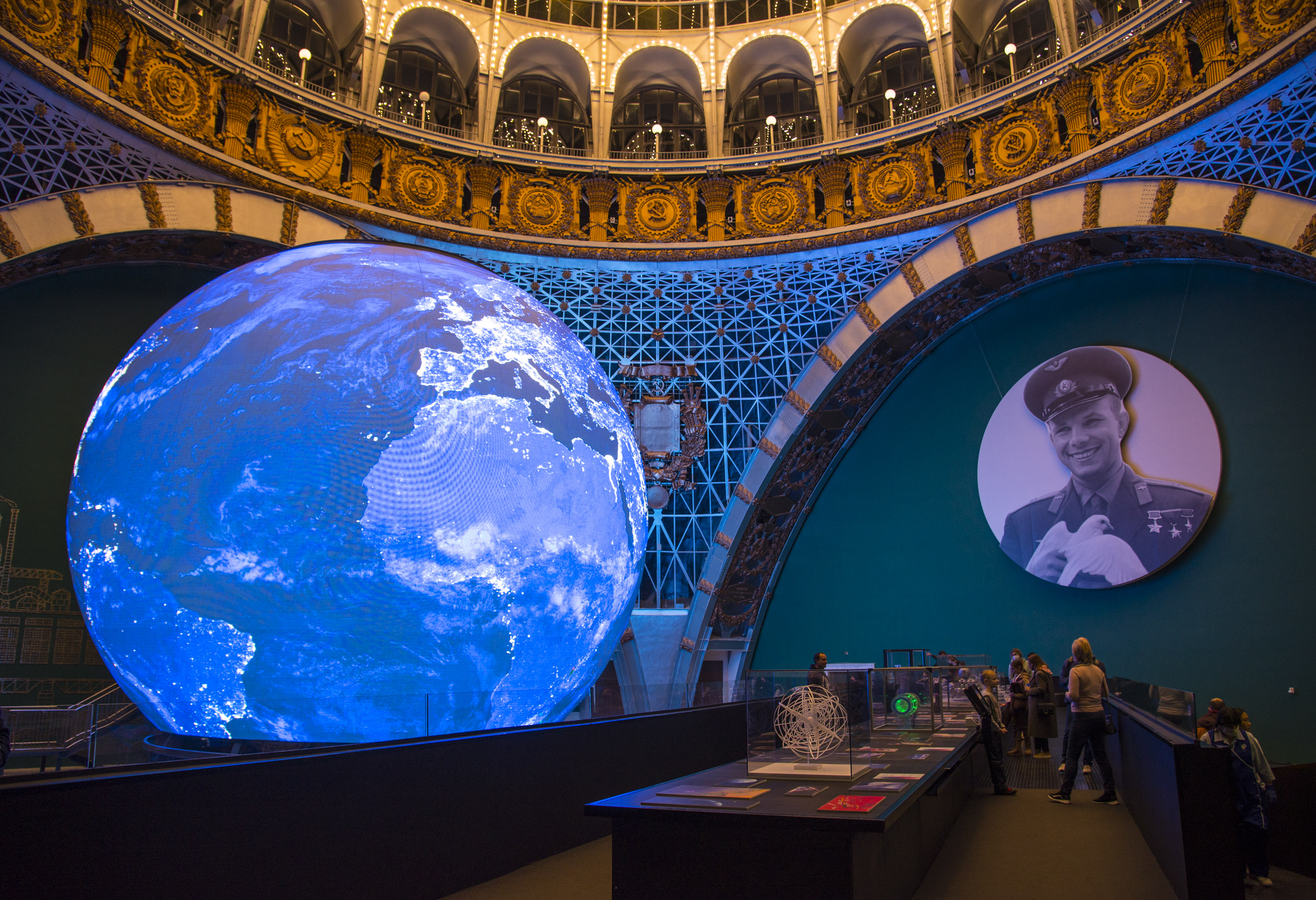
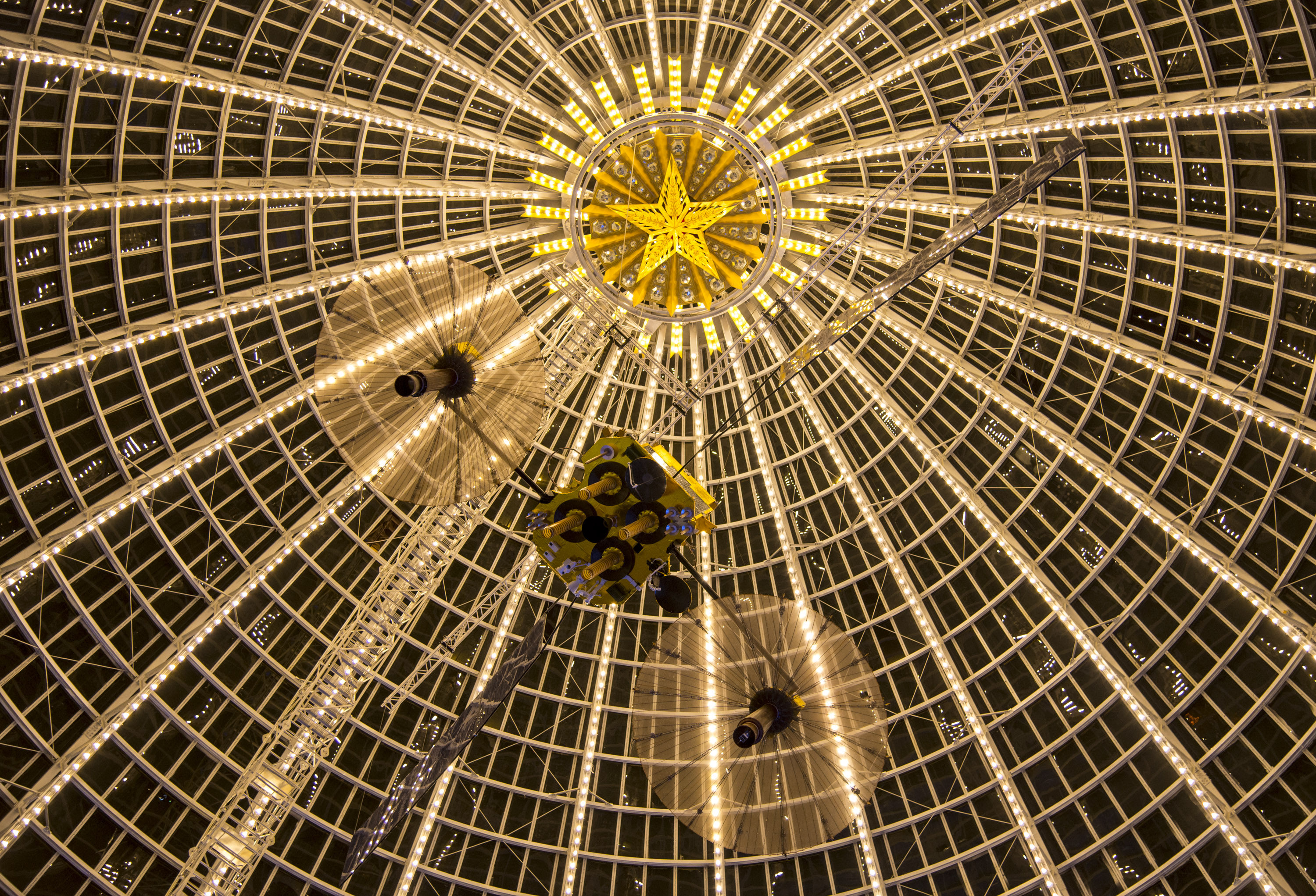
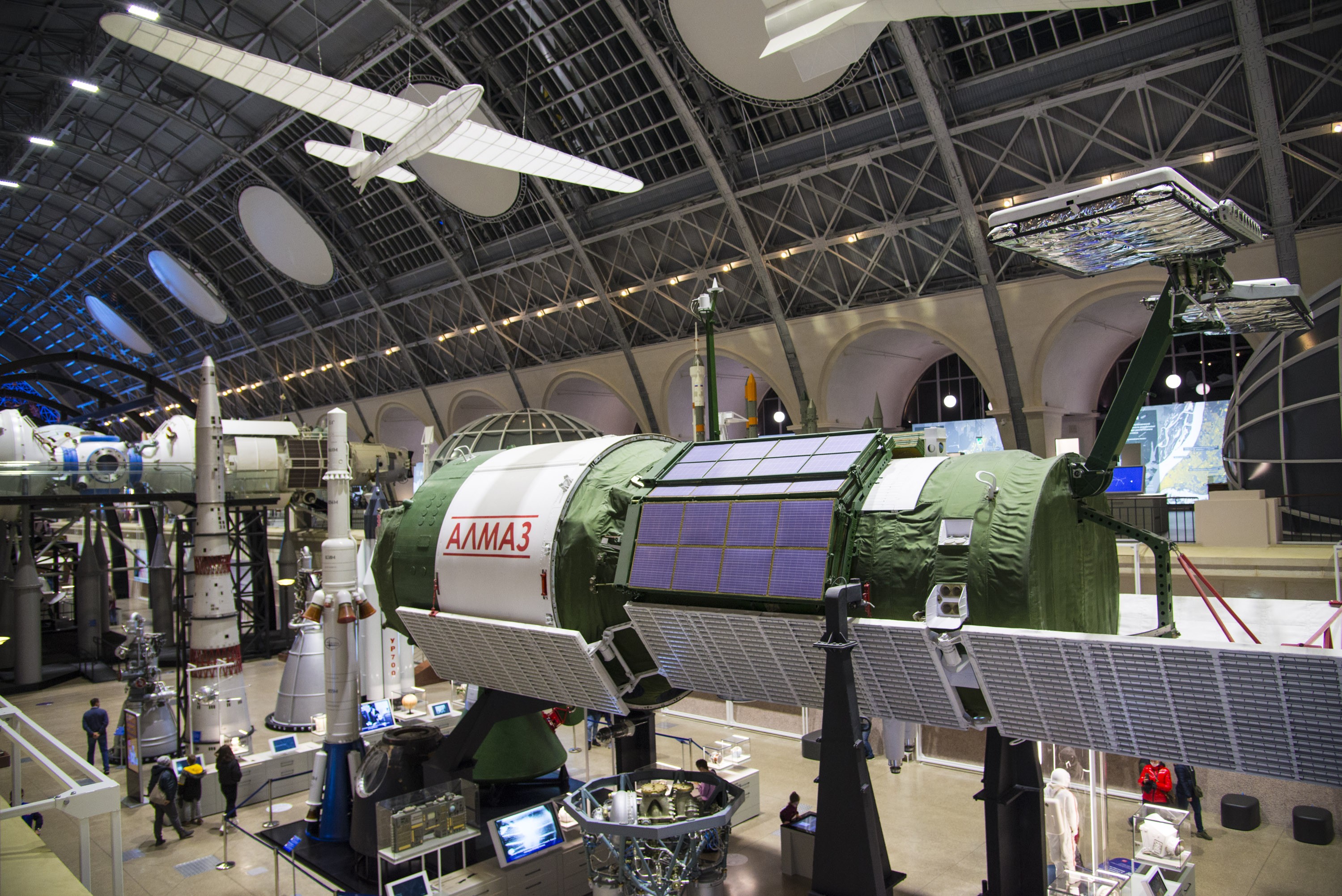
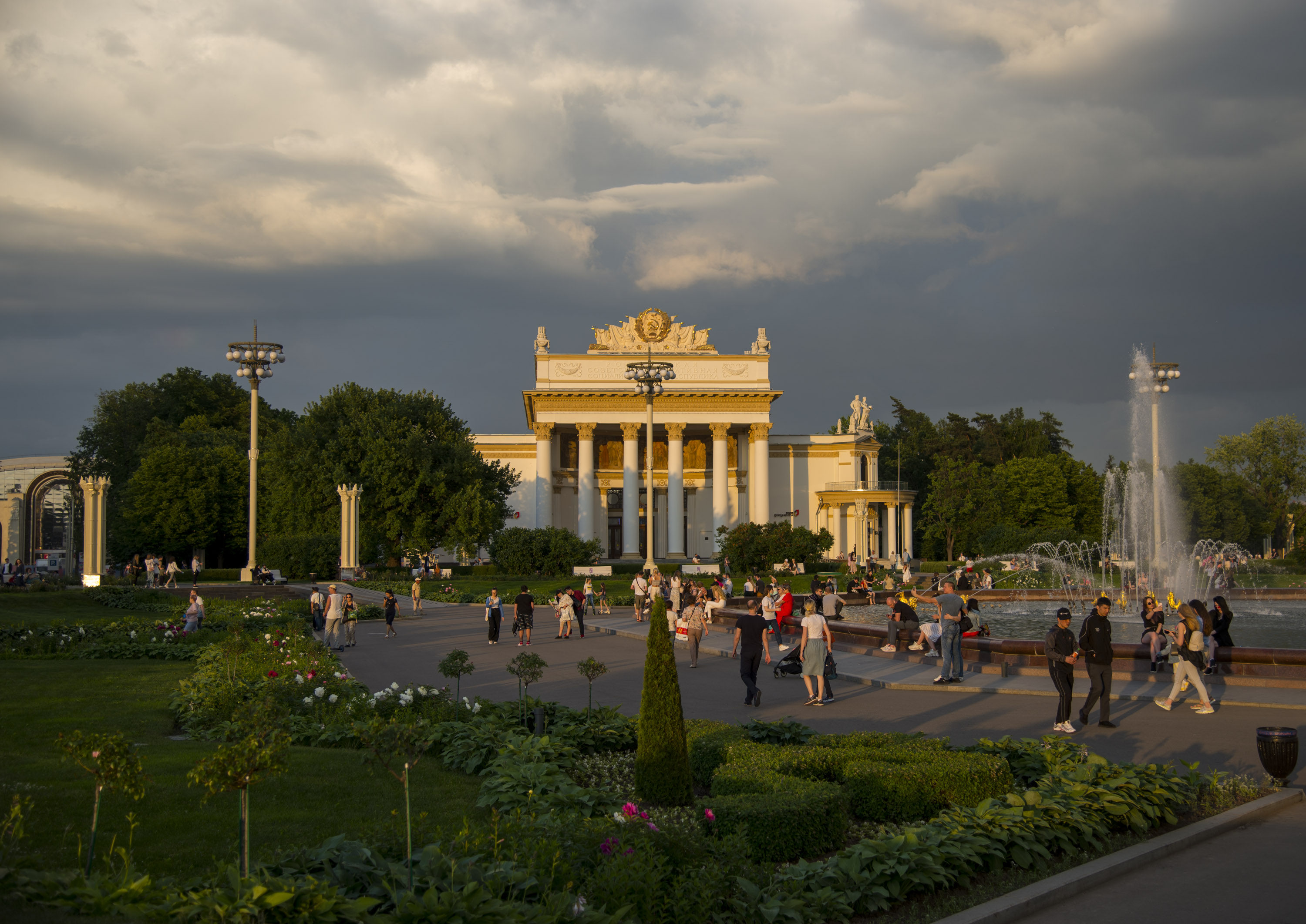
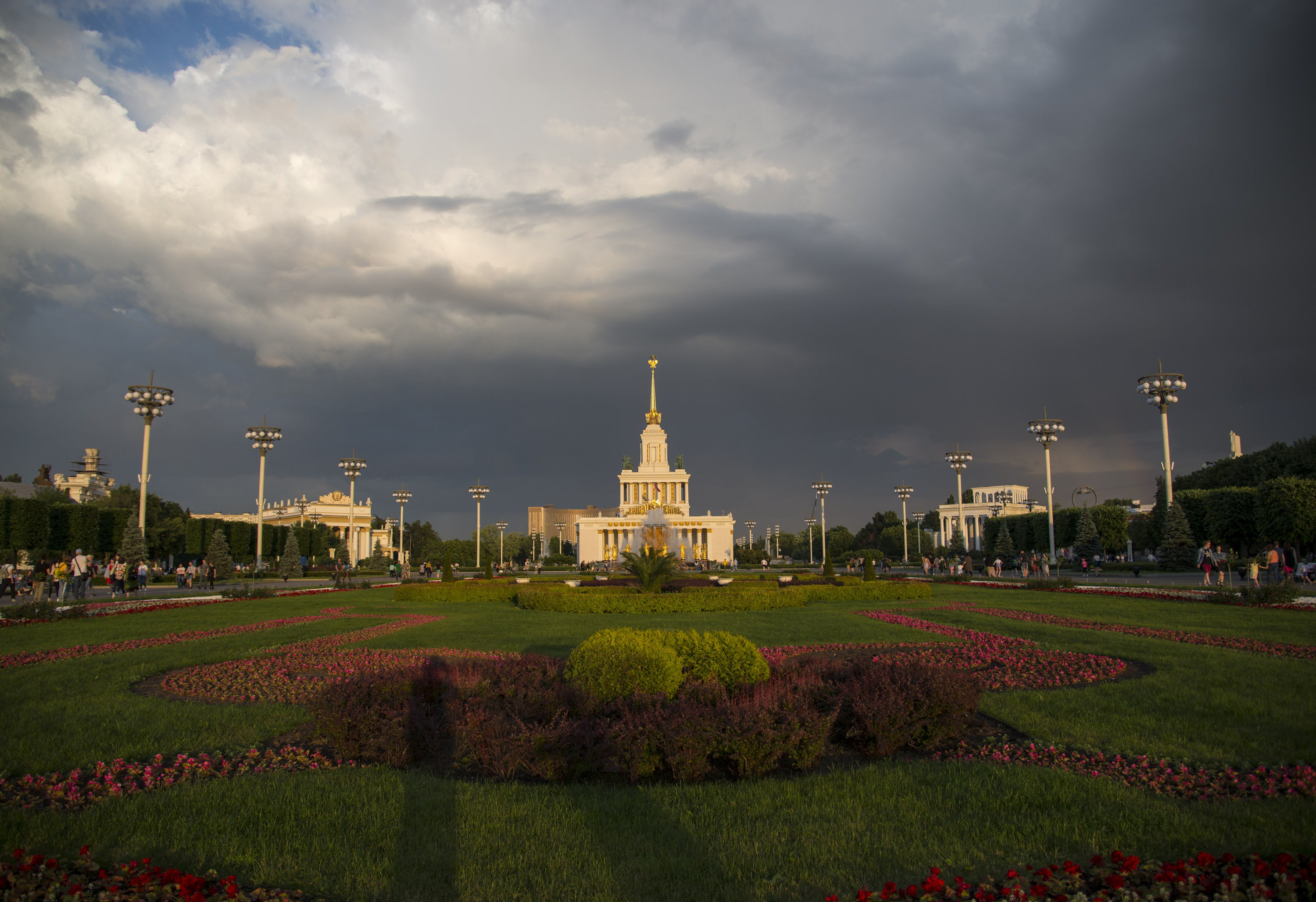
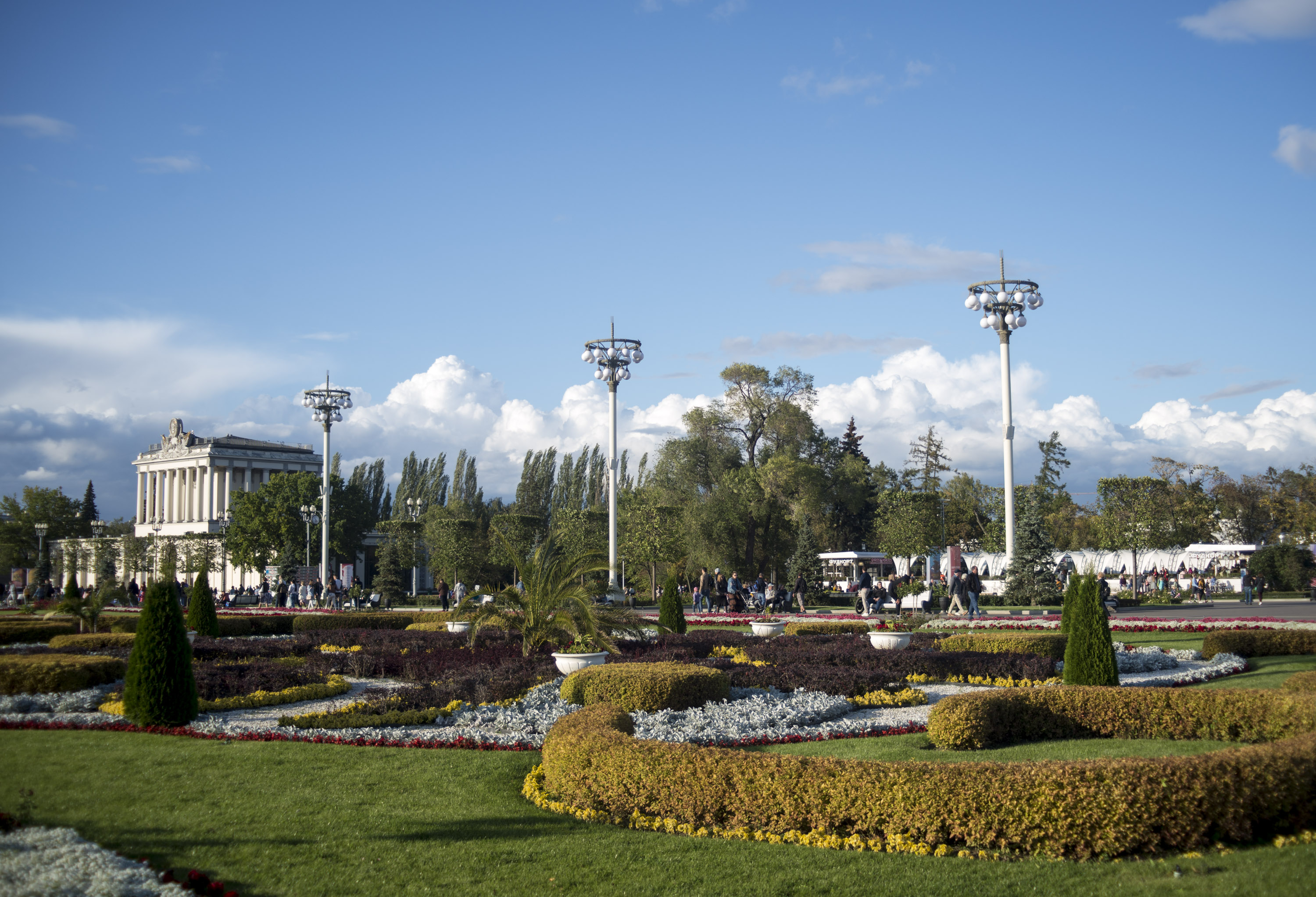
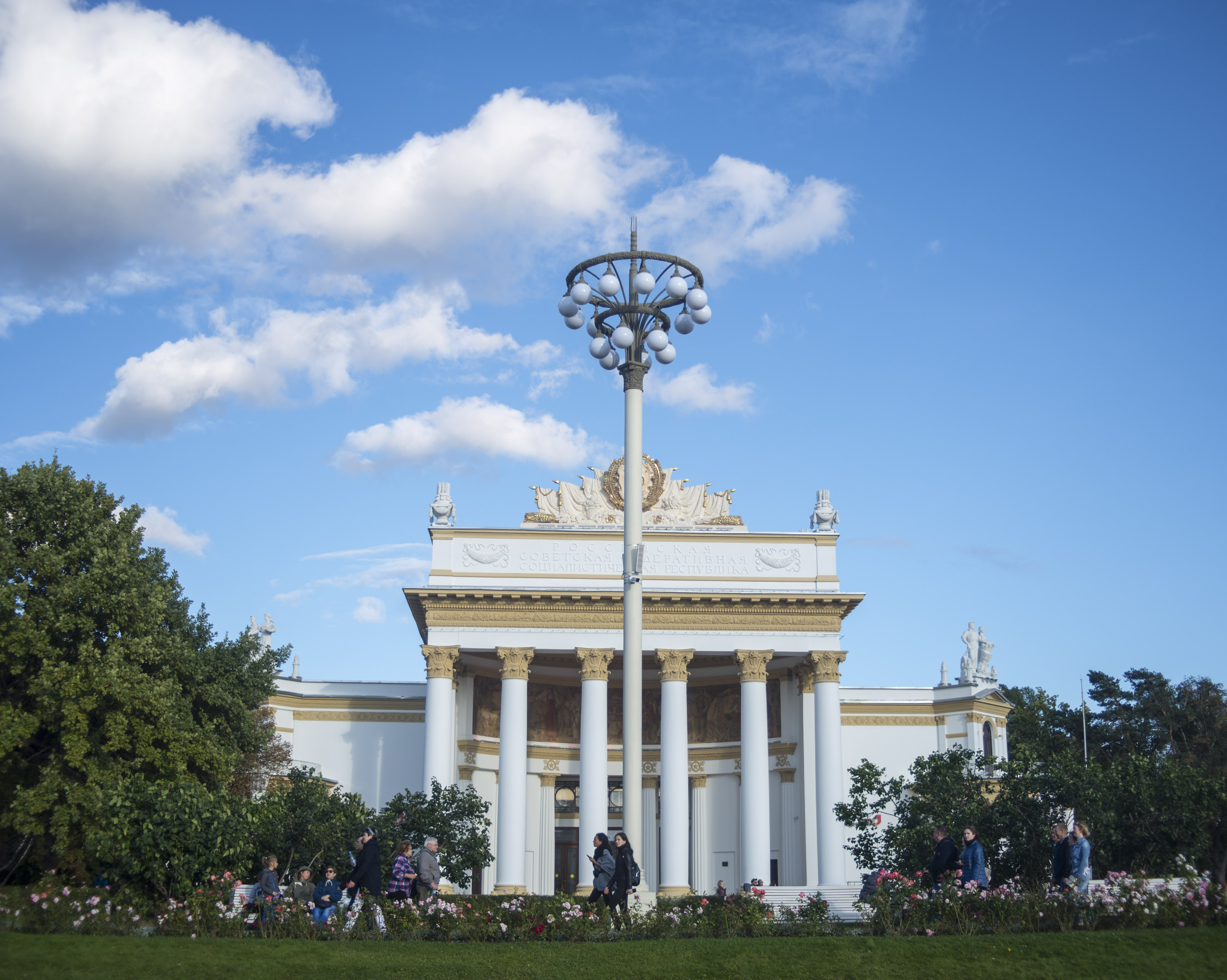
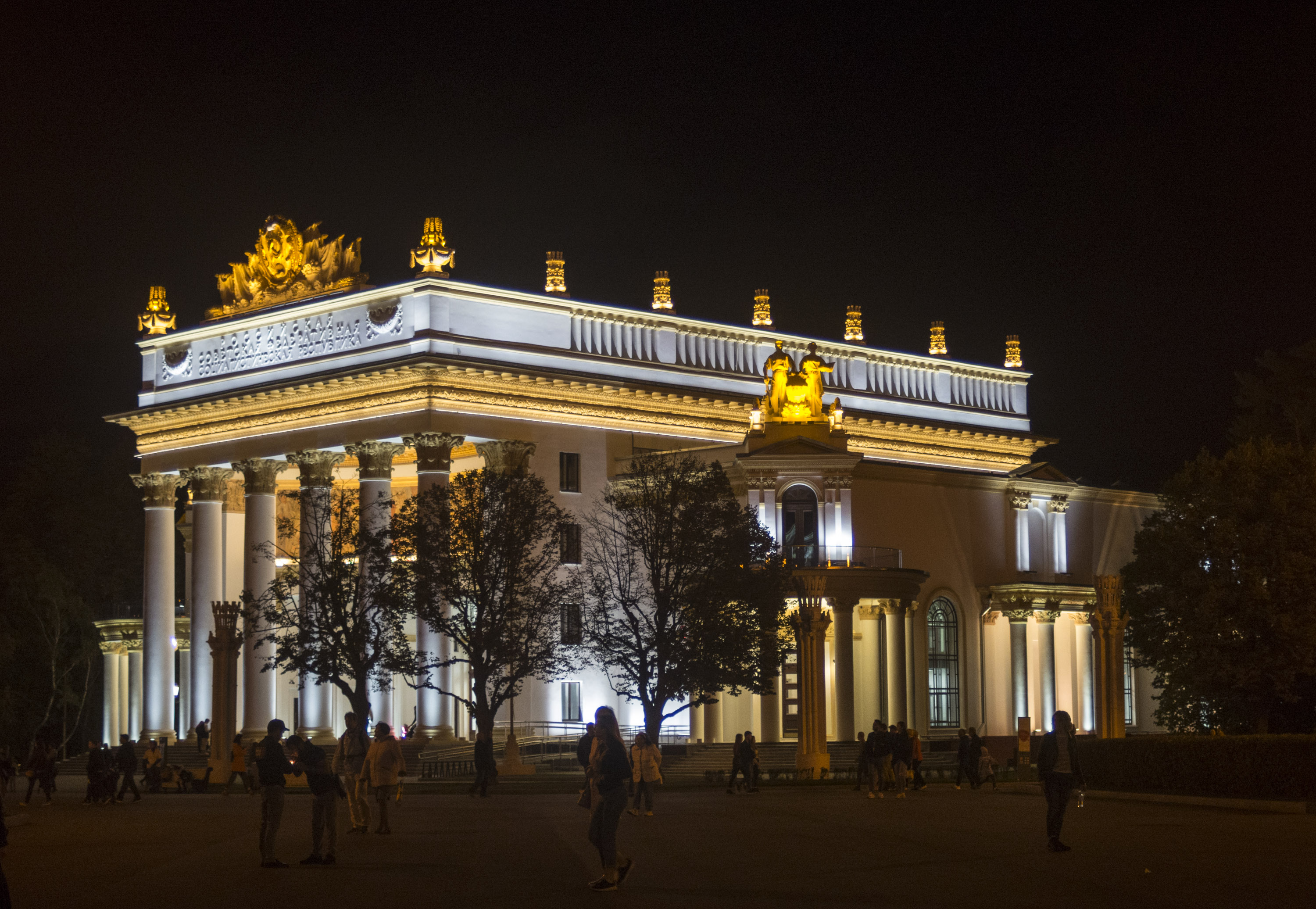
VDNKH was established in 1935 and now is a huge complex of pavilions, with a total area covering over one hundred and thirty square meters. It is the largest exhibition centre in Moscow and each year there are more than one hundred and fifty specialized exhibitions.

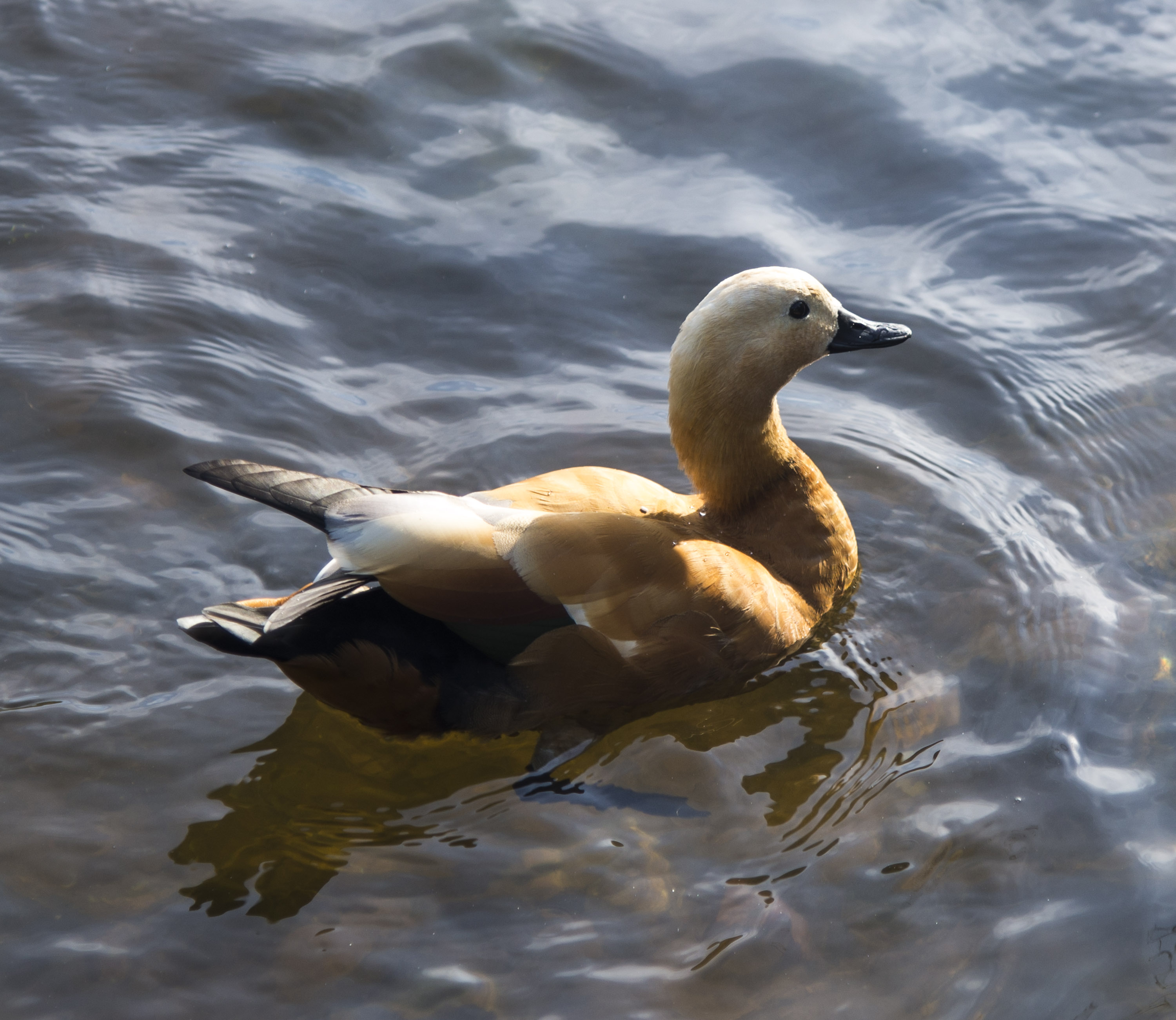
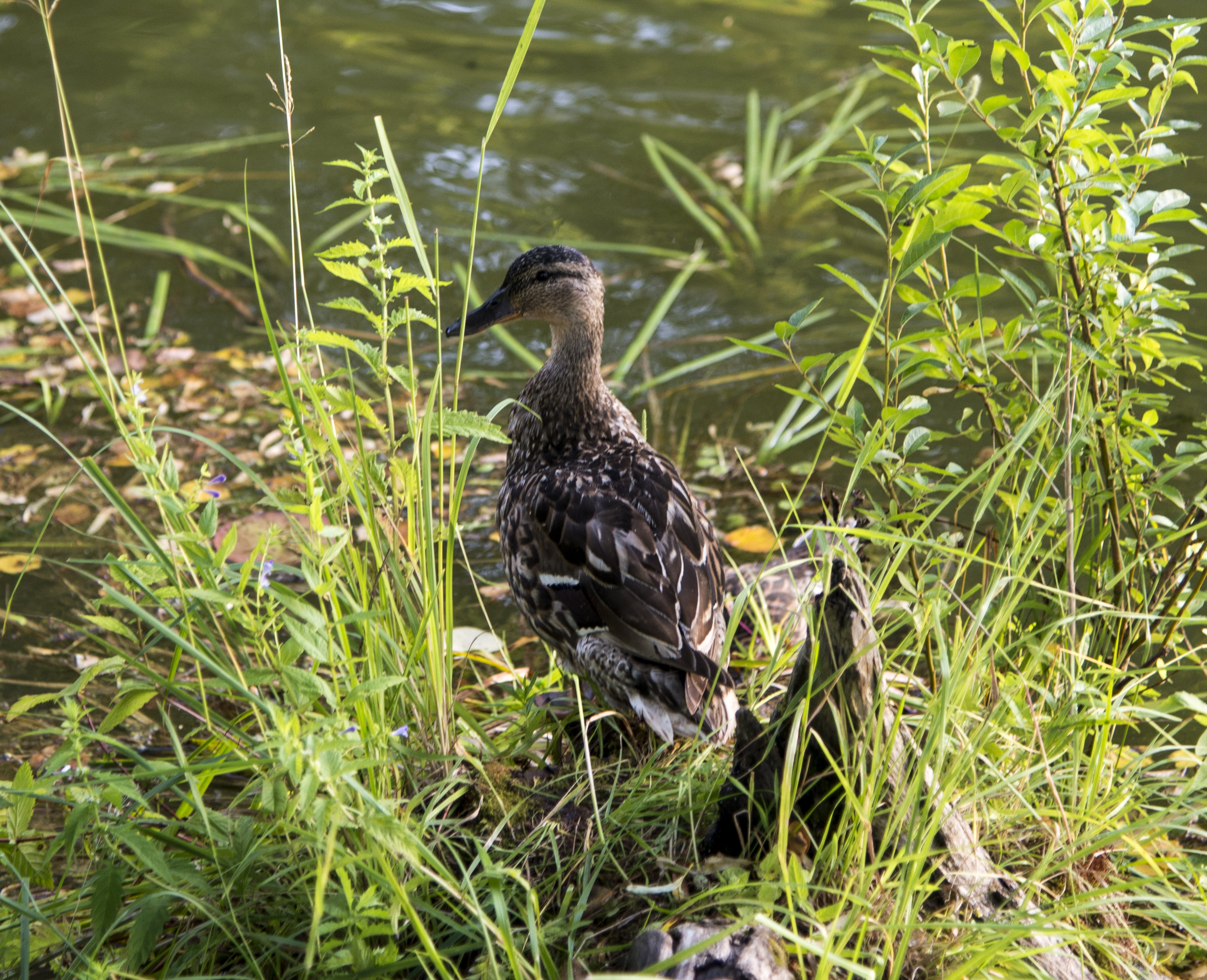
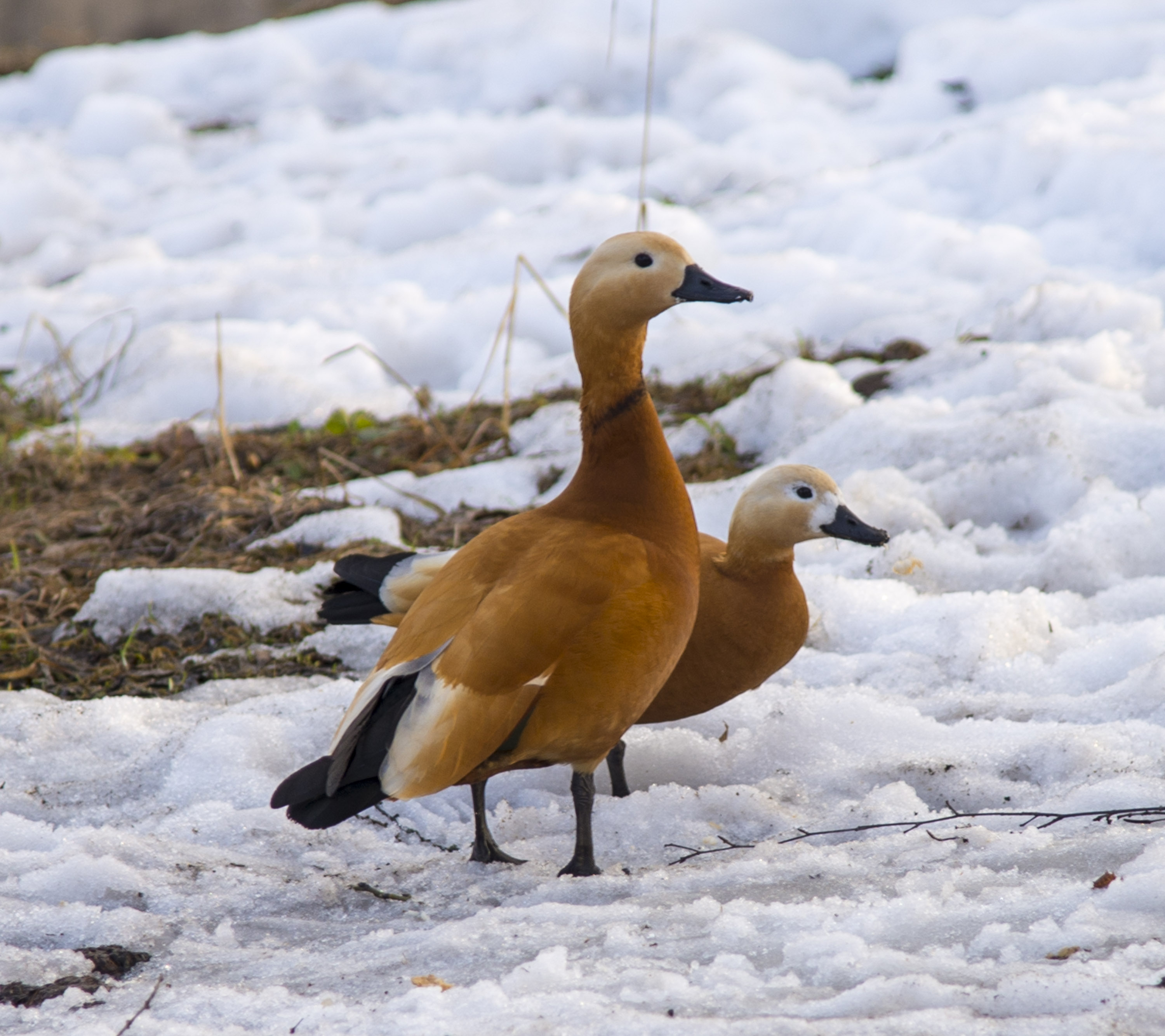
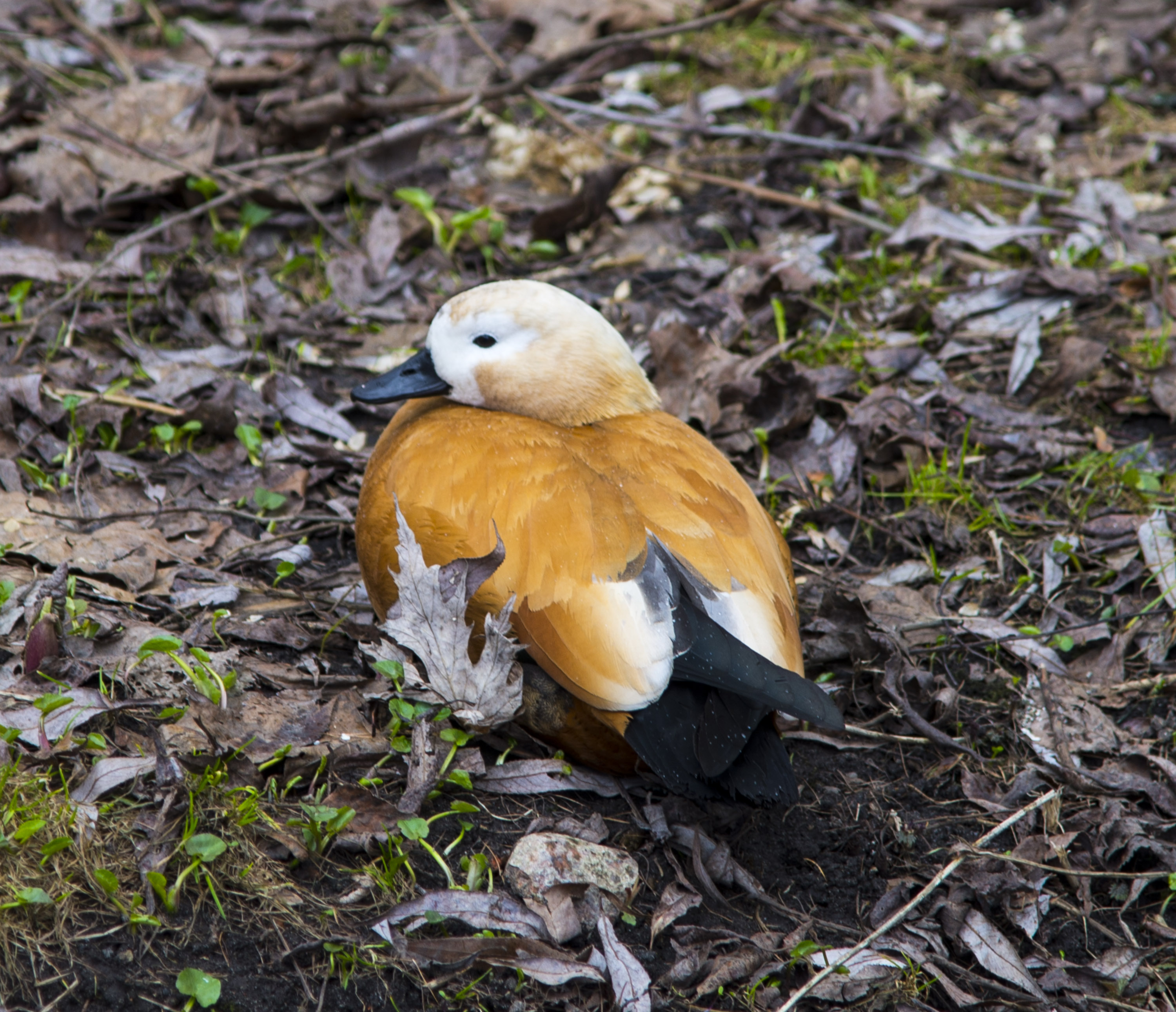
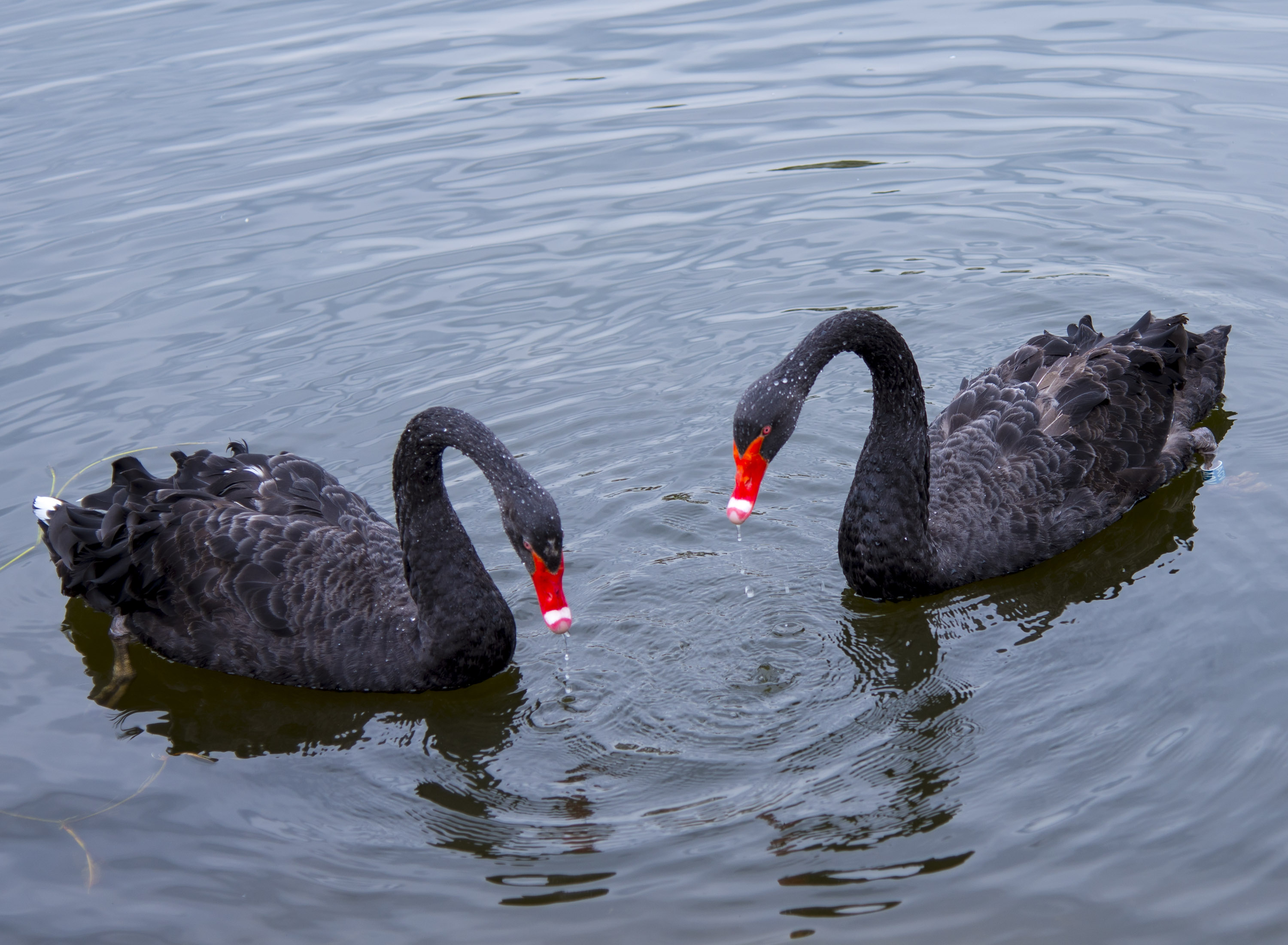
Birds of Losiniy Ostrov

Serednikovo

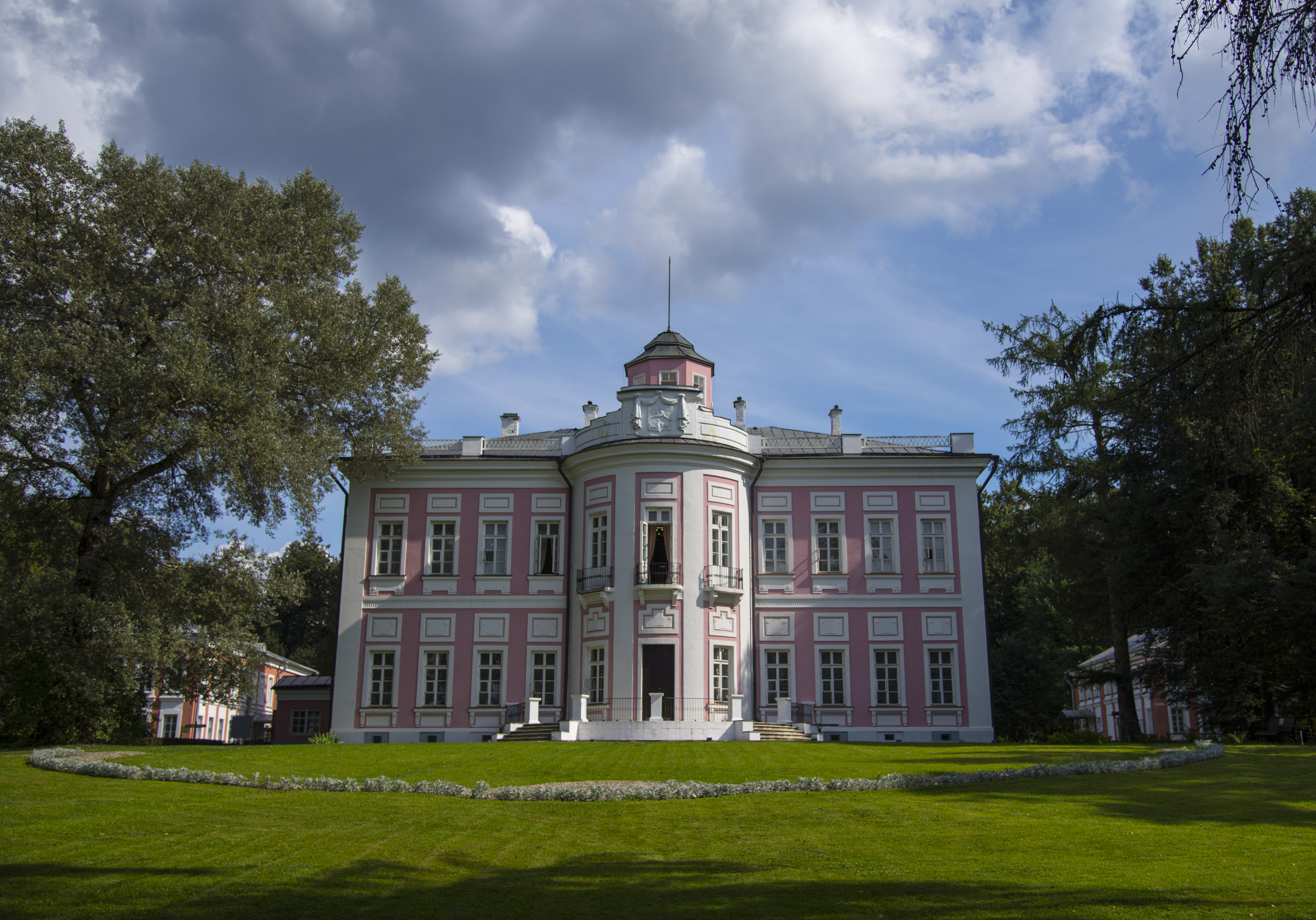
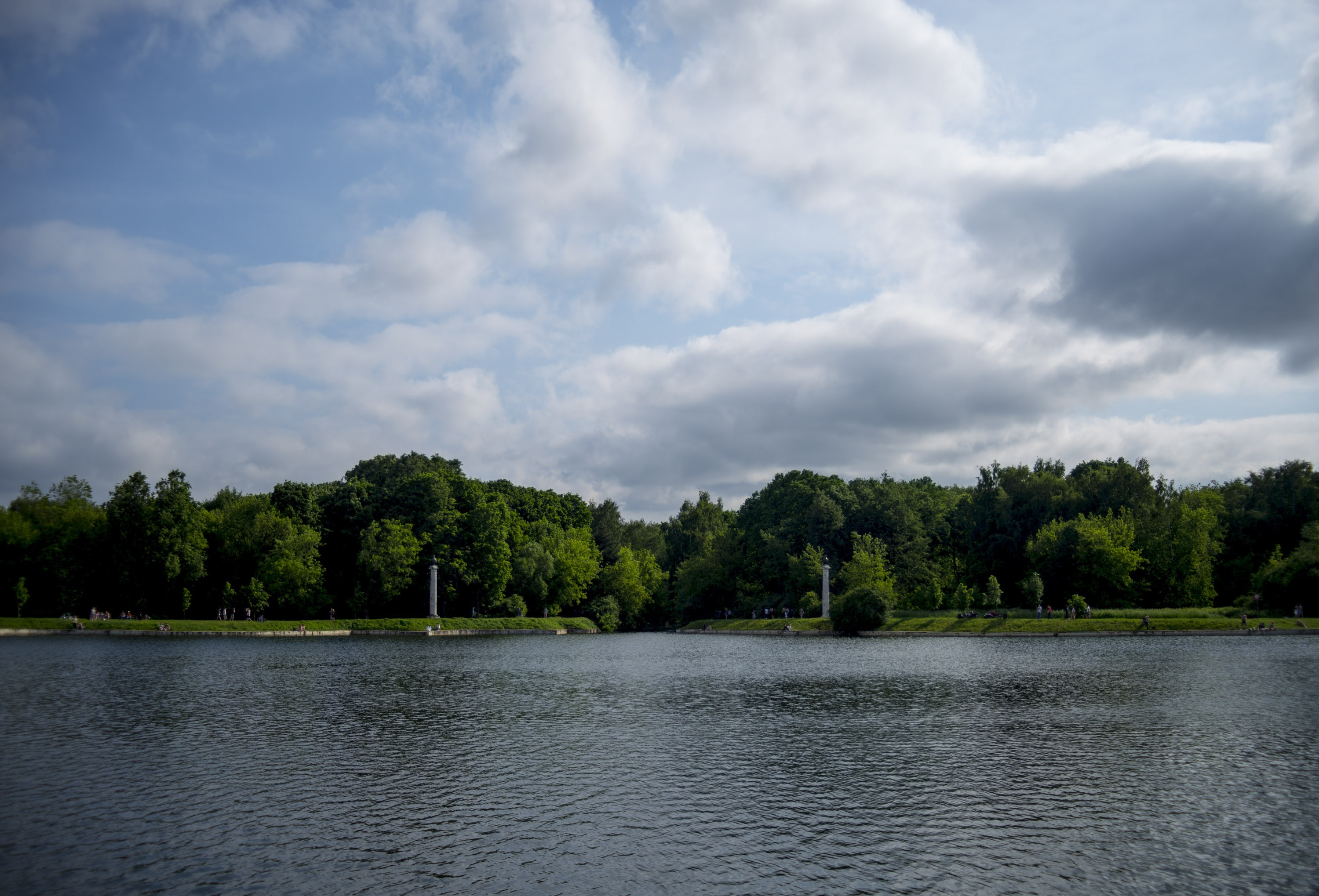
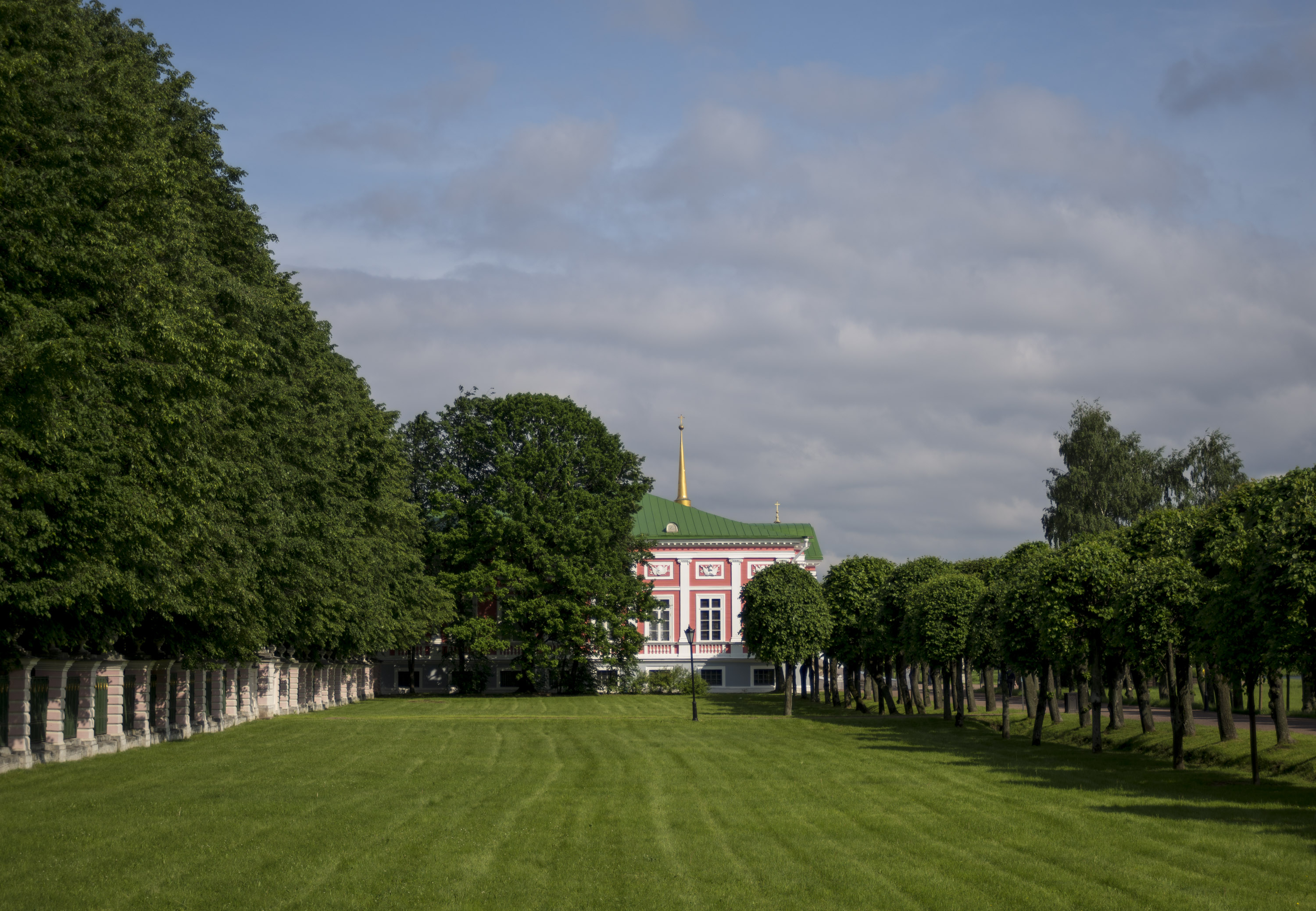
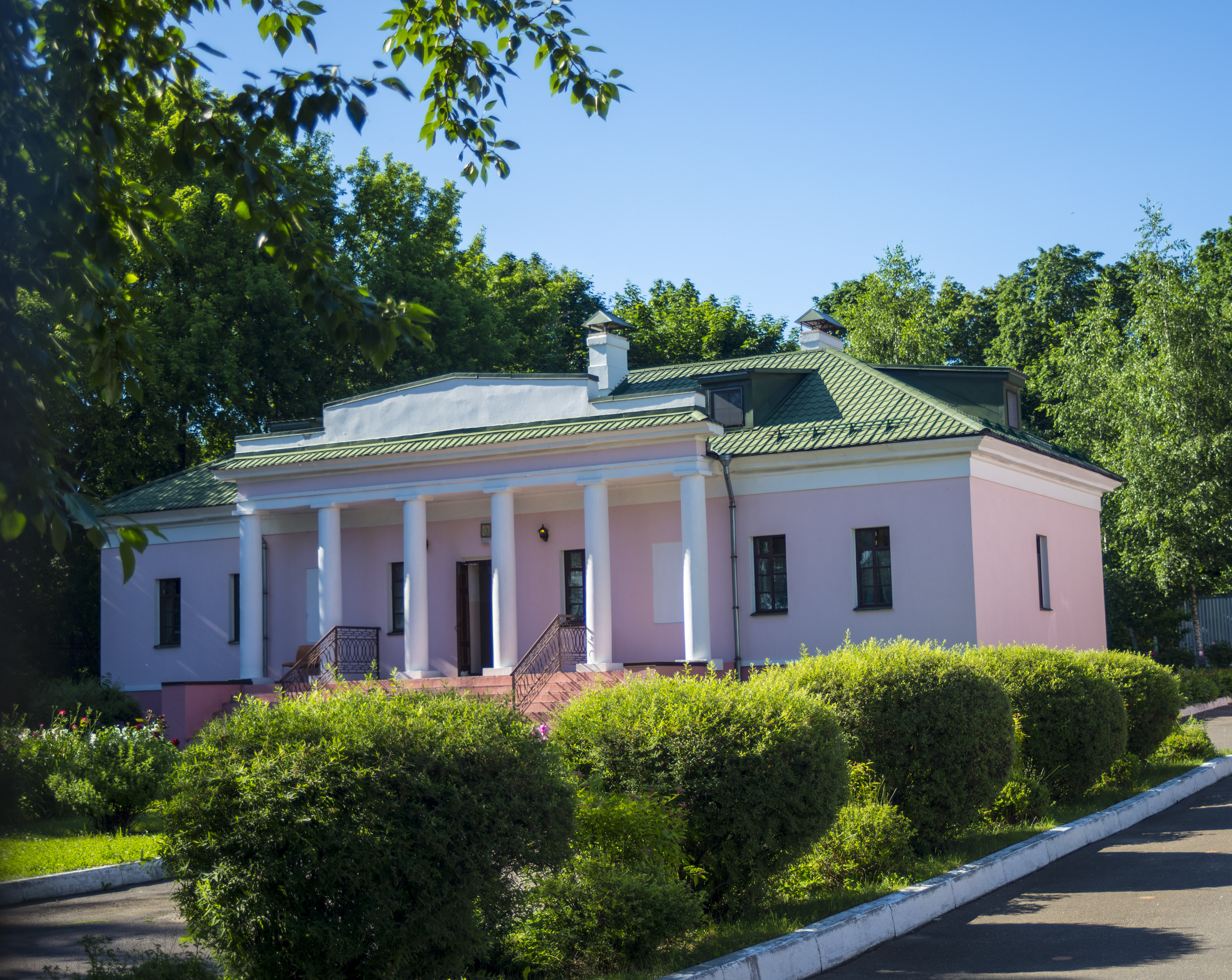
Serednikovo estate located in Moscow suburbs represents Russian neoclassical architecture of the 18th century. The estate is surrounded by a magnificent garden with round pond and canals. Serednikovo is a place where Mikhail Lermontov (1814-1841), one of the greatest and most famous Russian poets, used to spend summer holidays.

Arkhangelskoe

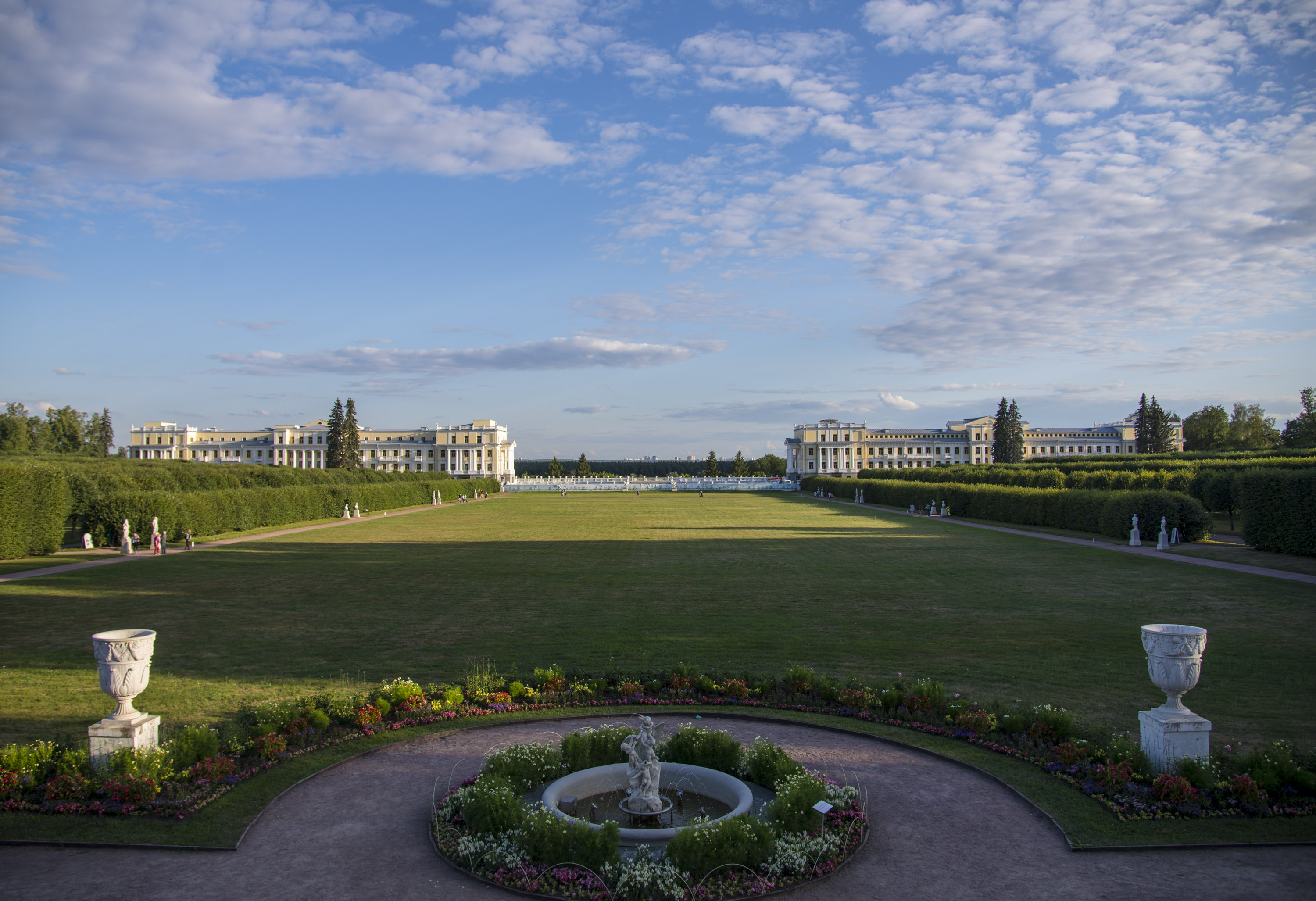
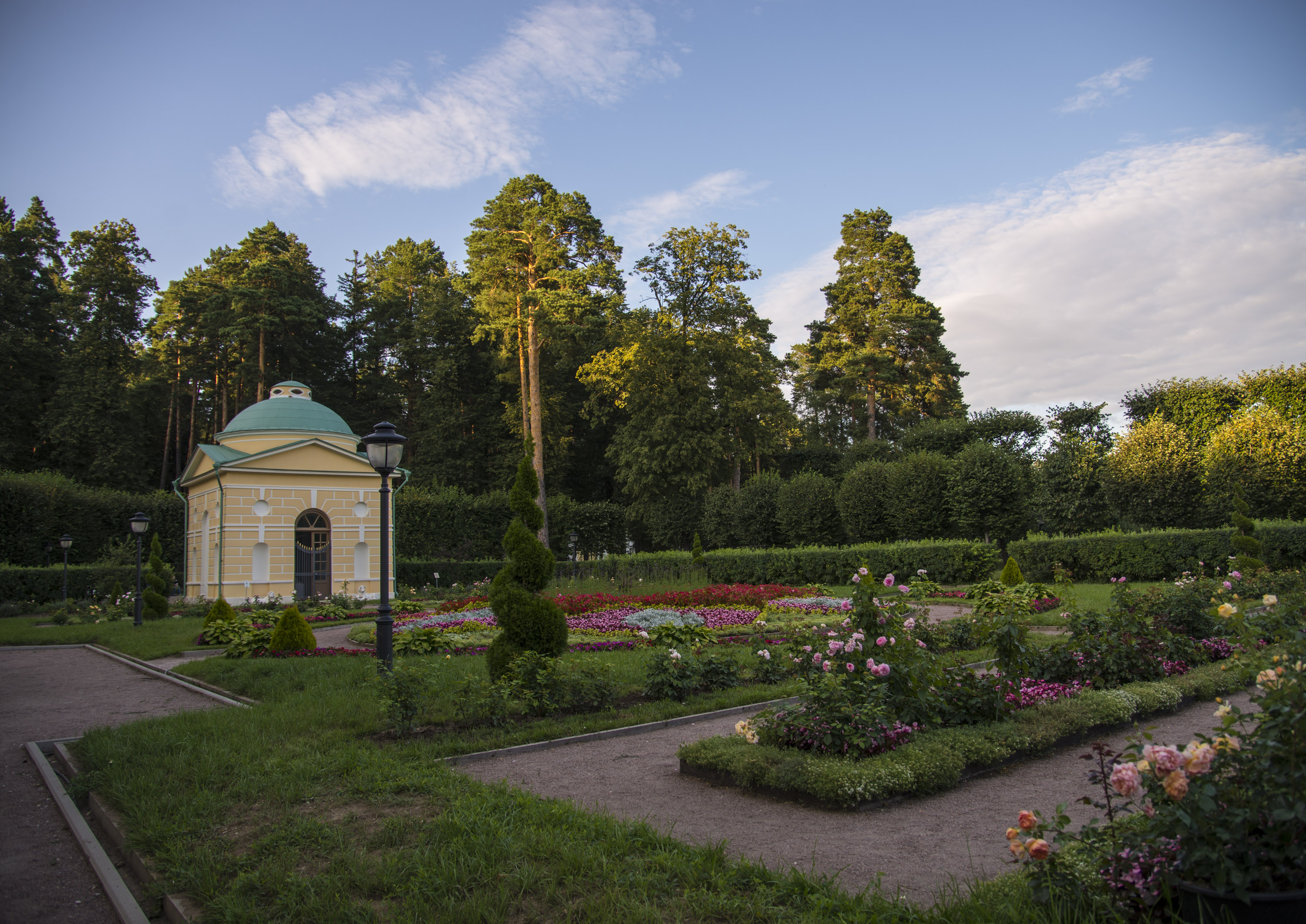
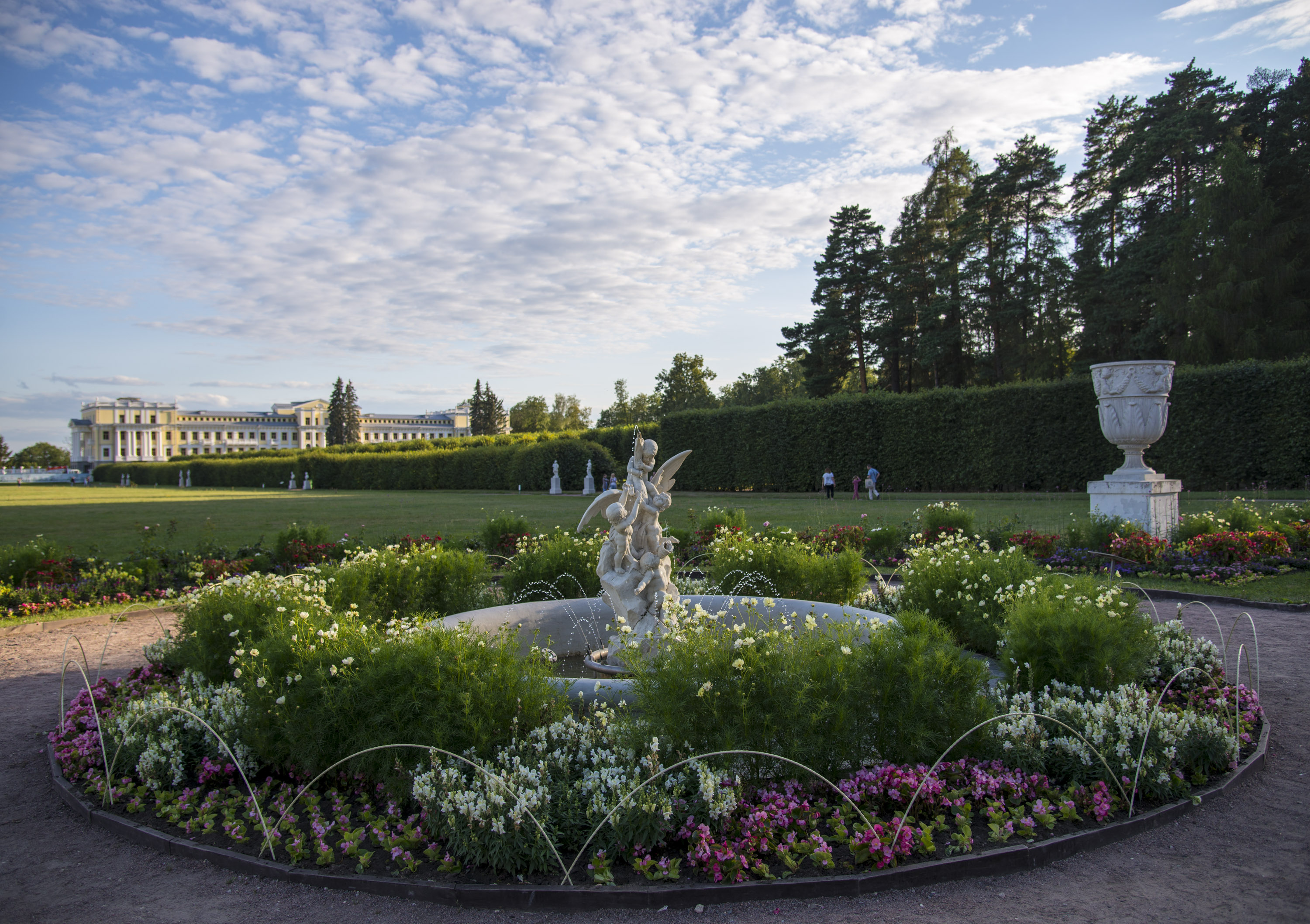
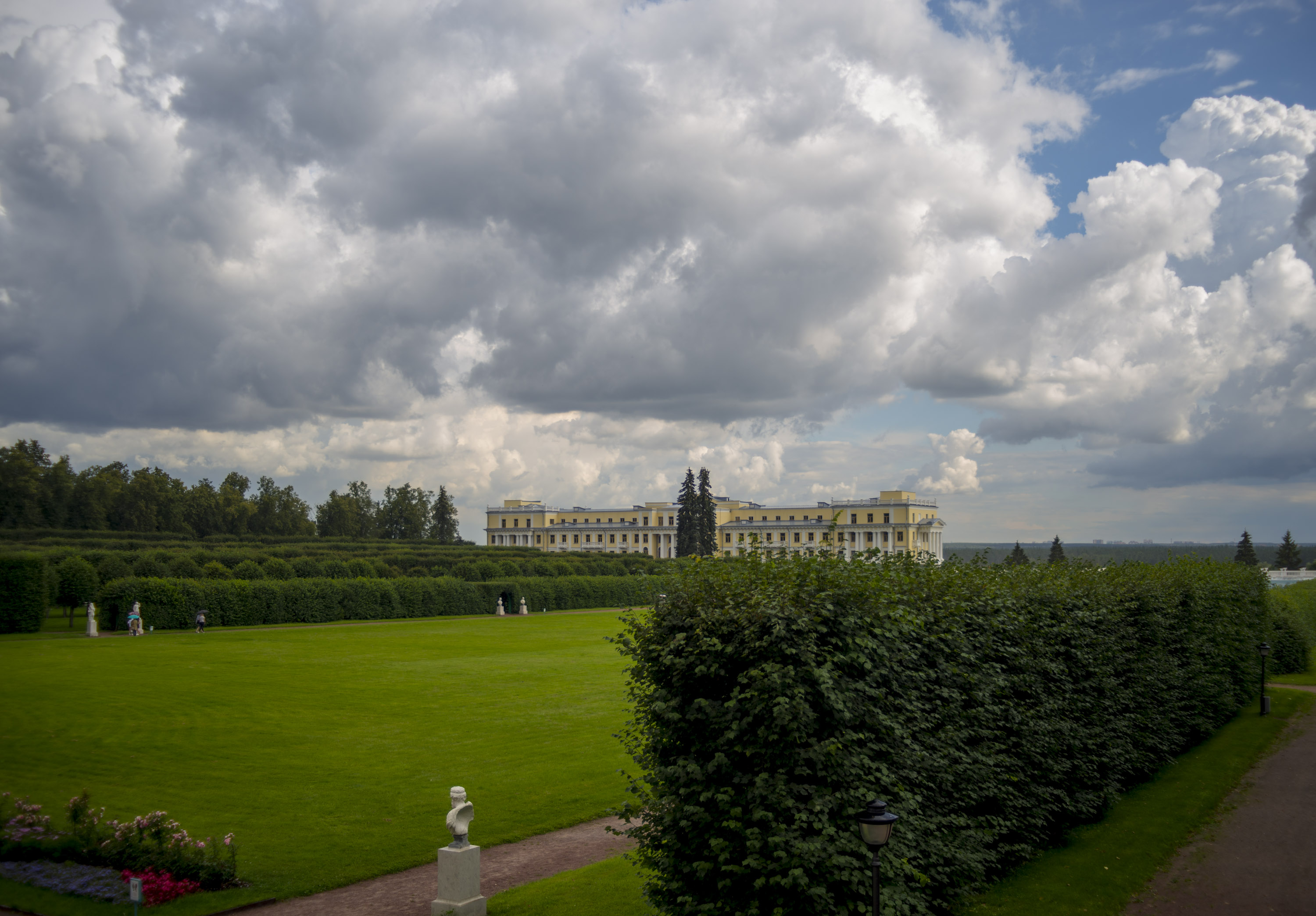
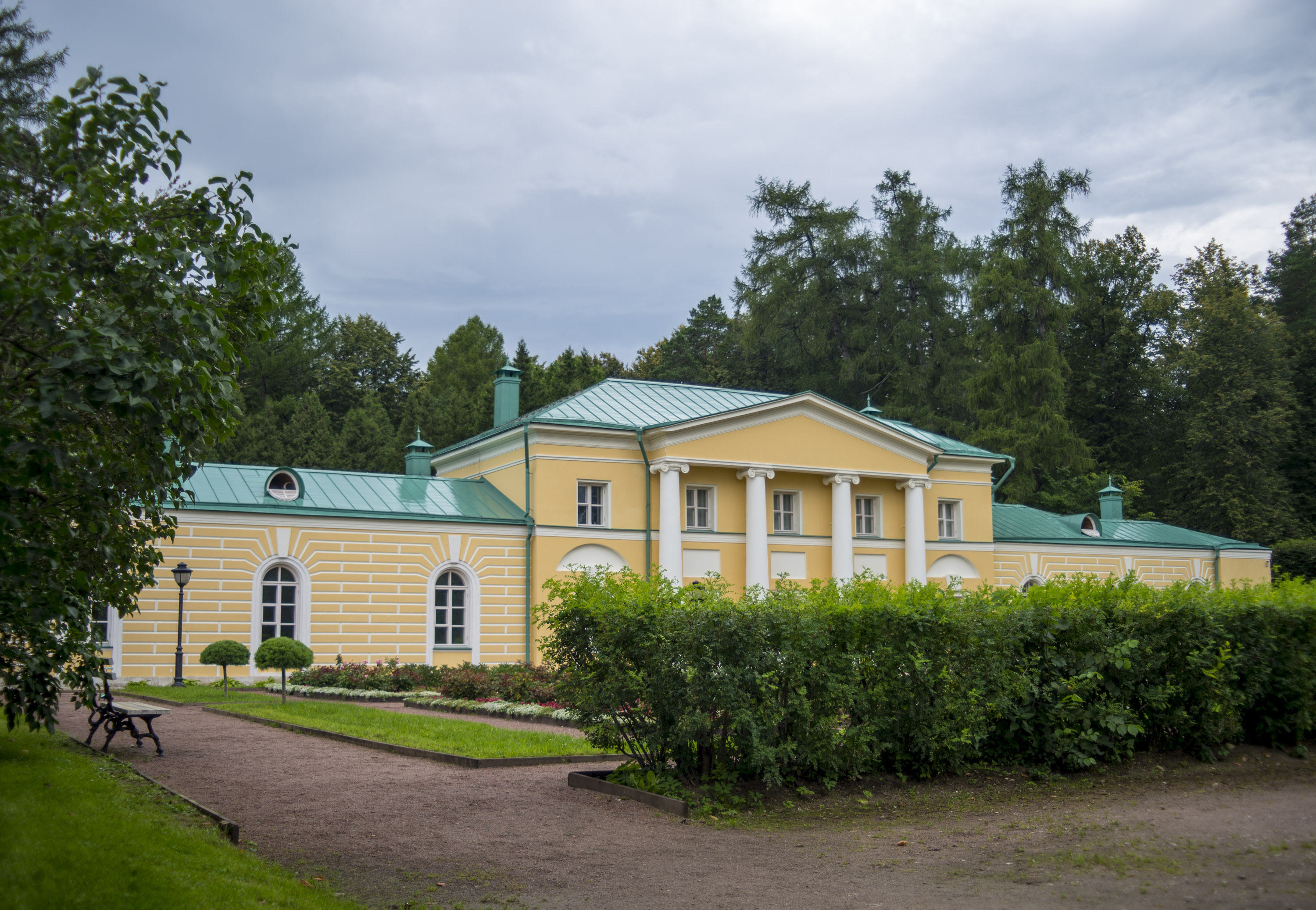
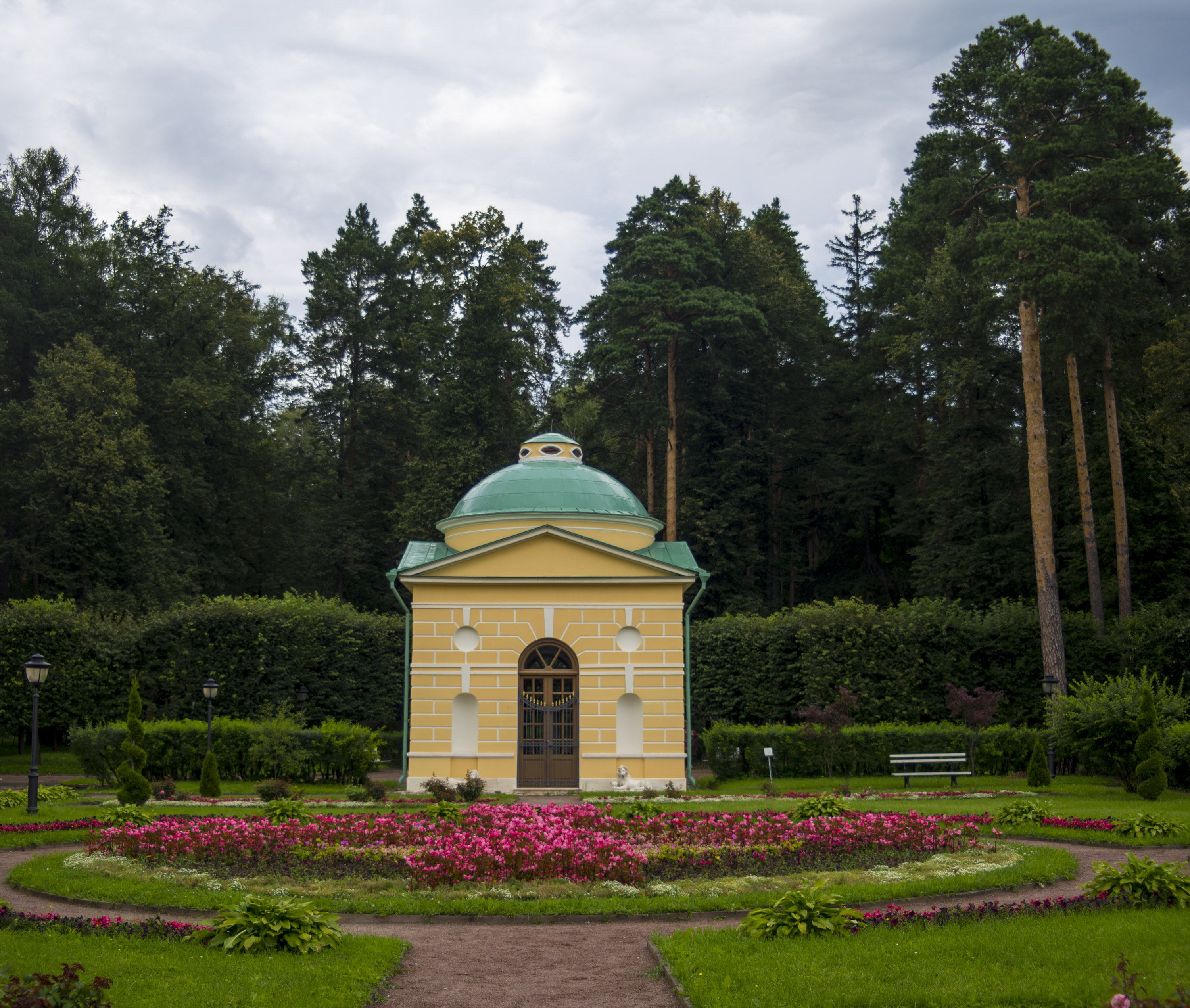
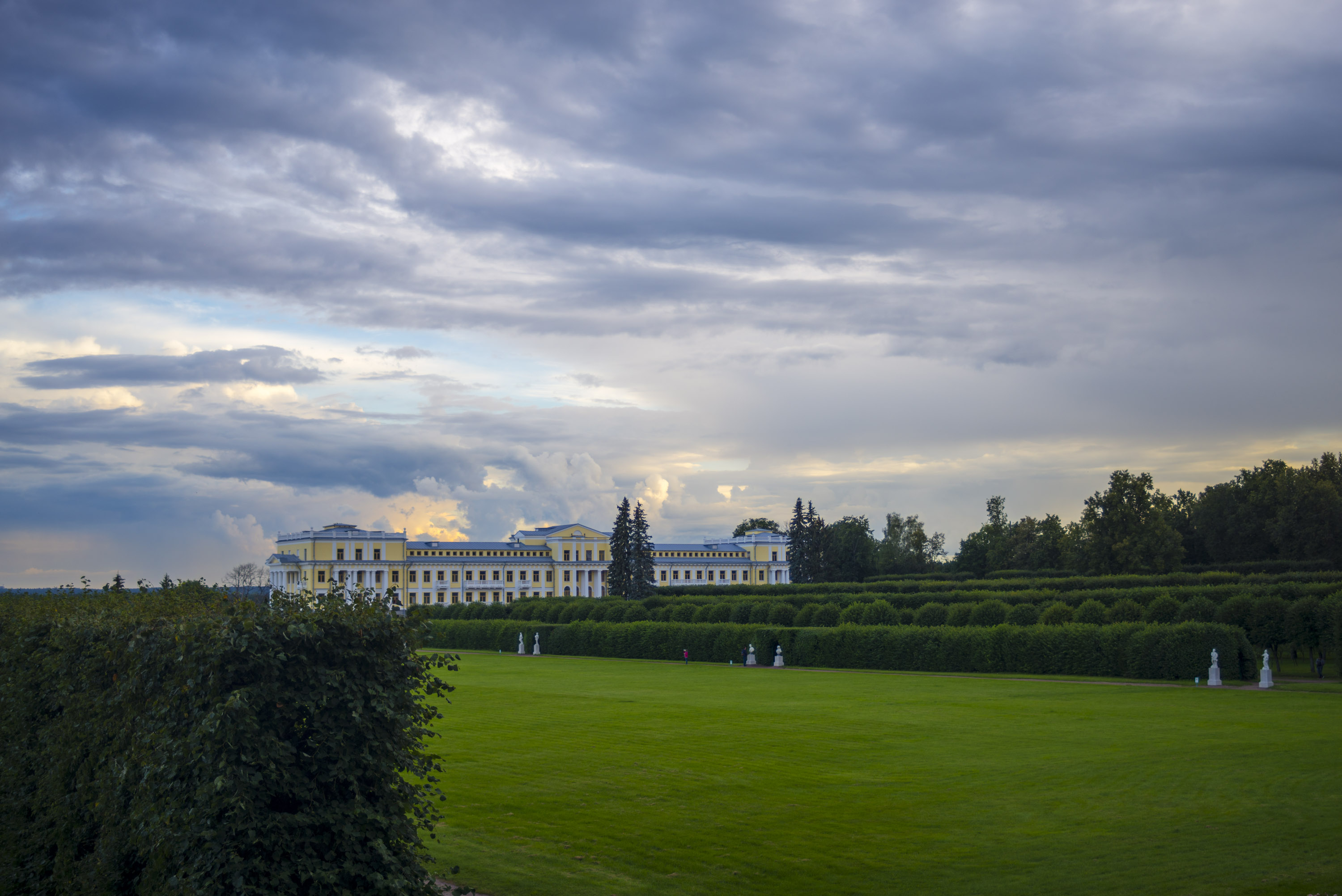
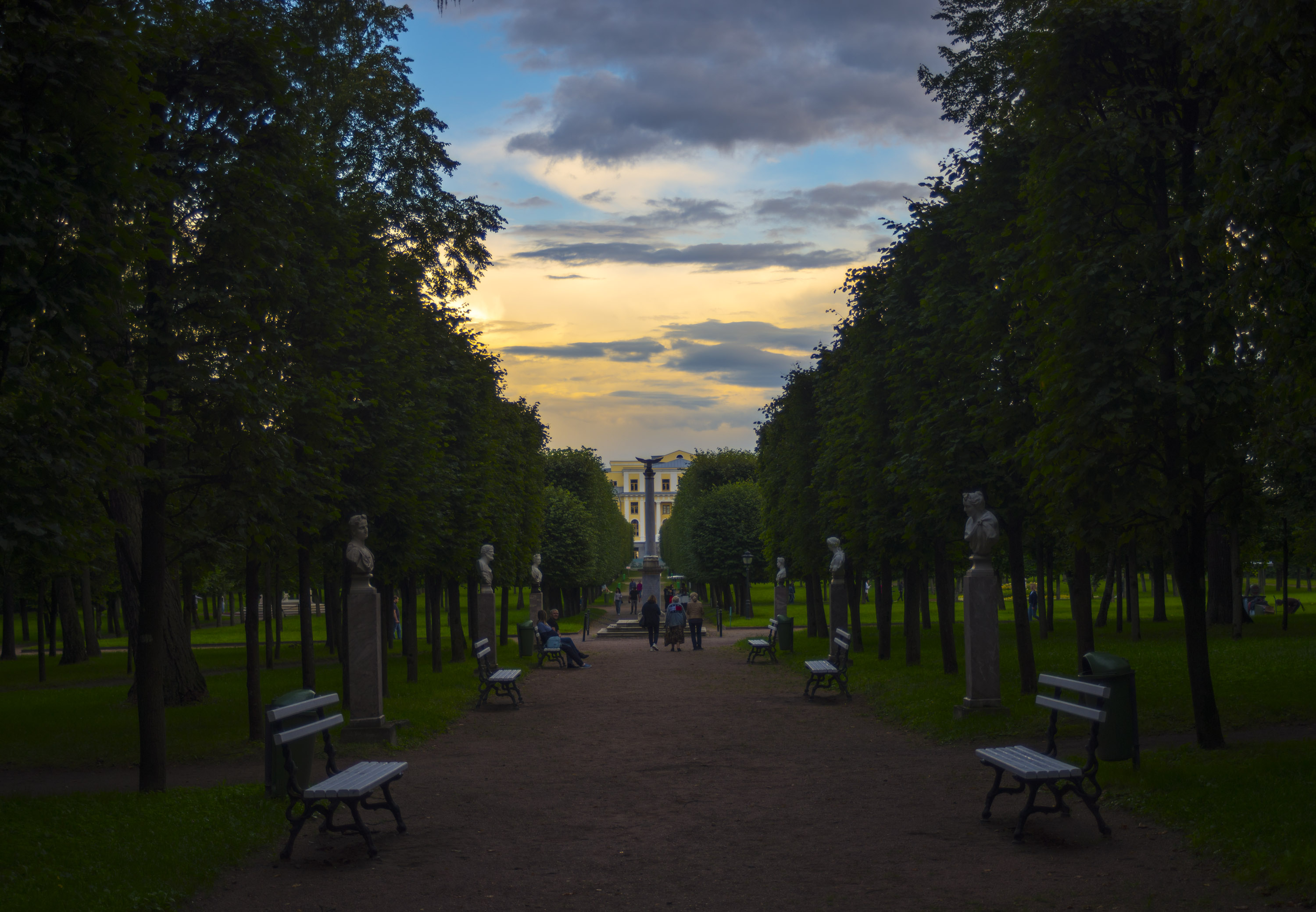
Arkhangelskoe museum-estate consists of a palace with terraced park which has one of the biggest collections of park sculptures in the world, a landscape park, a theatre built in 1817-18 on the project of famous Italian architect and painter Pietro Gonzago, a small palace “Caprice” and pavilion Small Tea House.

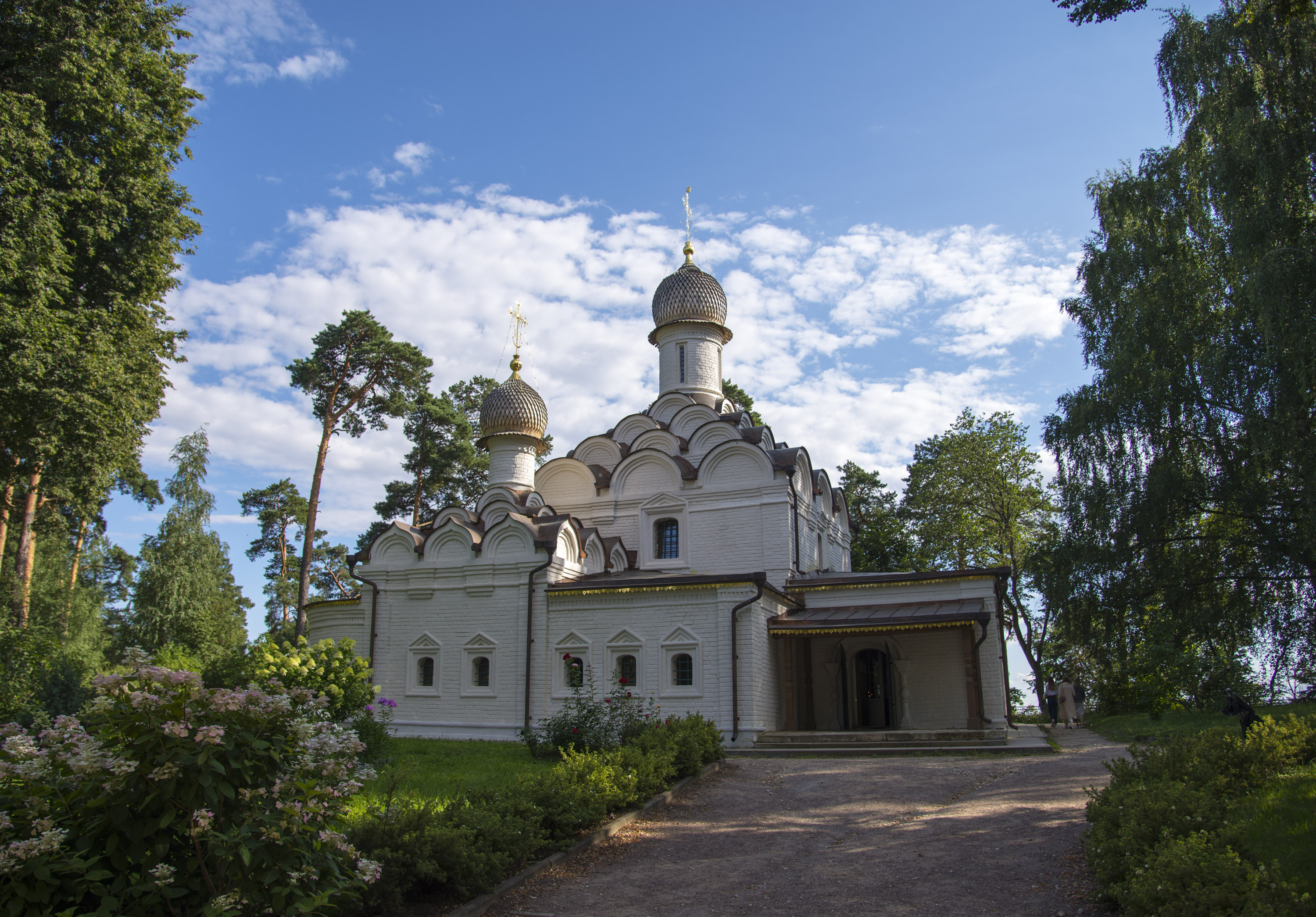
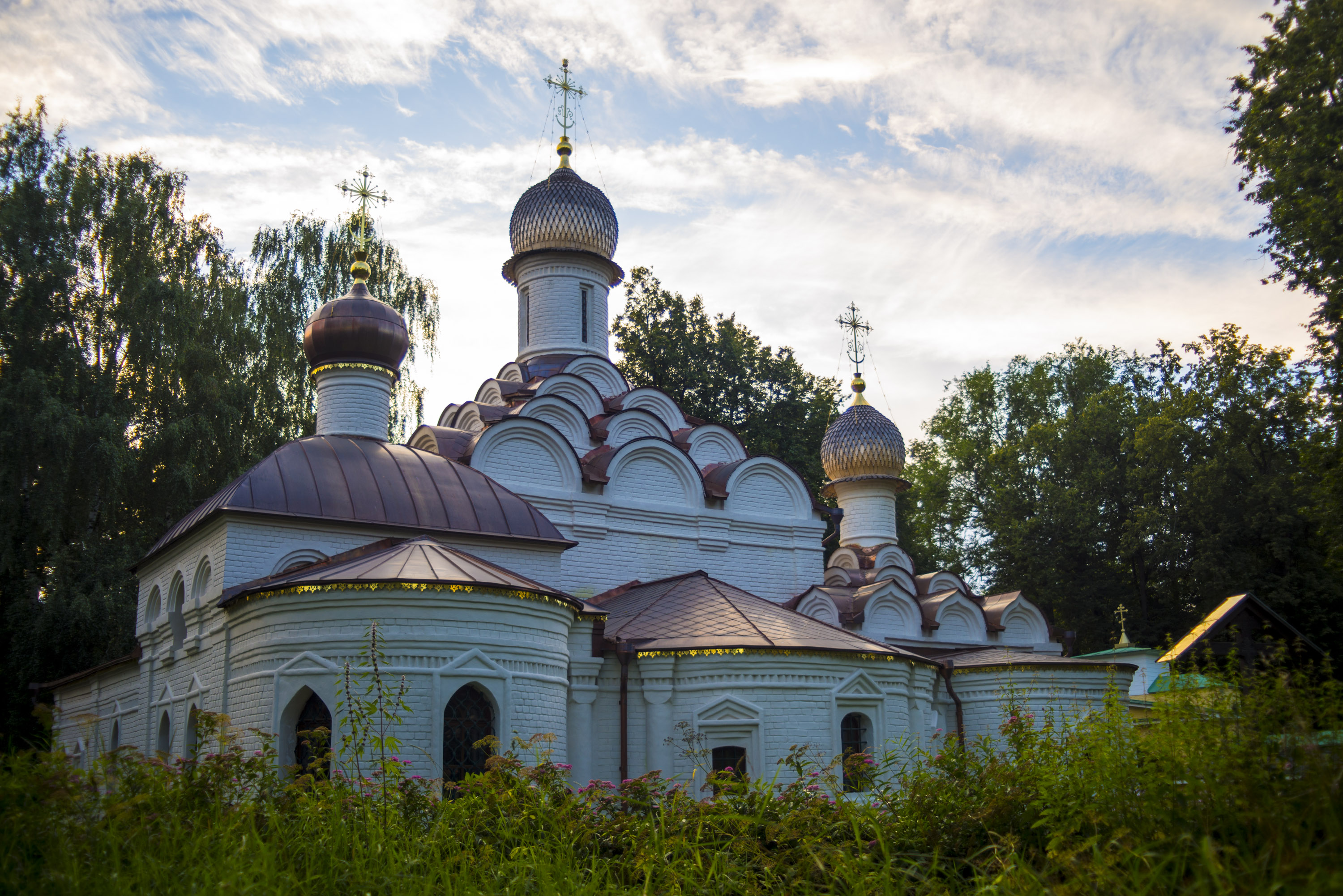
Archangel Michael’s Church is the oldest surviving building on the estate dating from the mid-17th century.

Radonezh

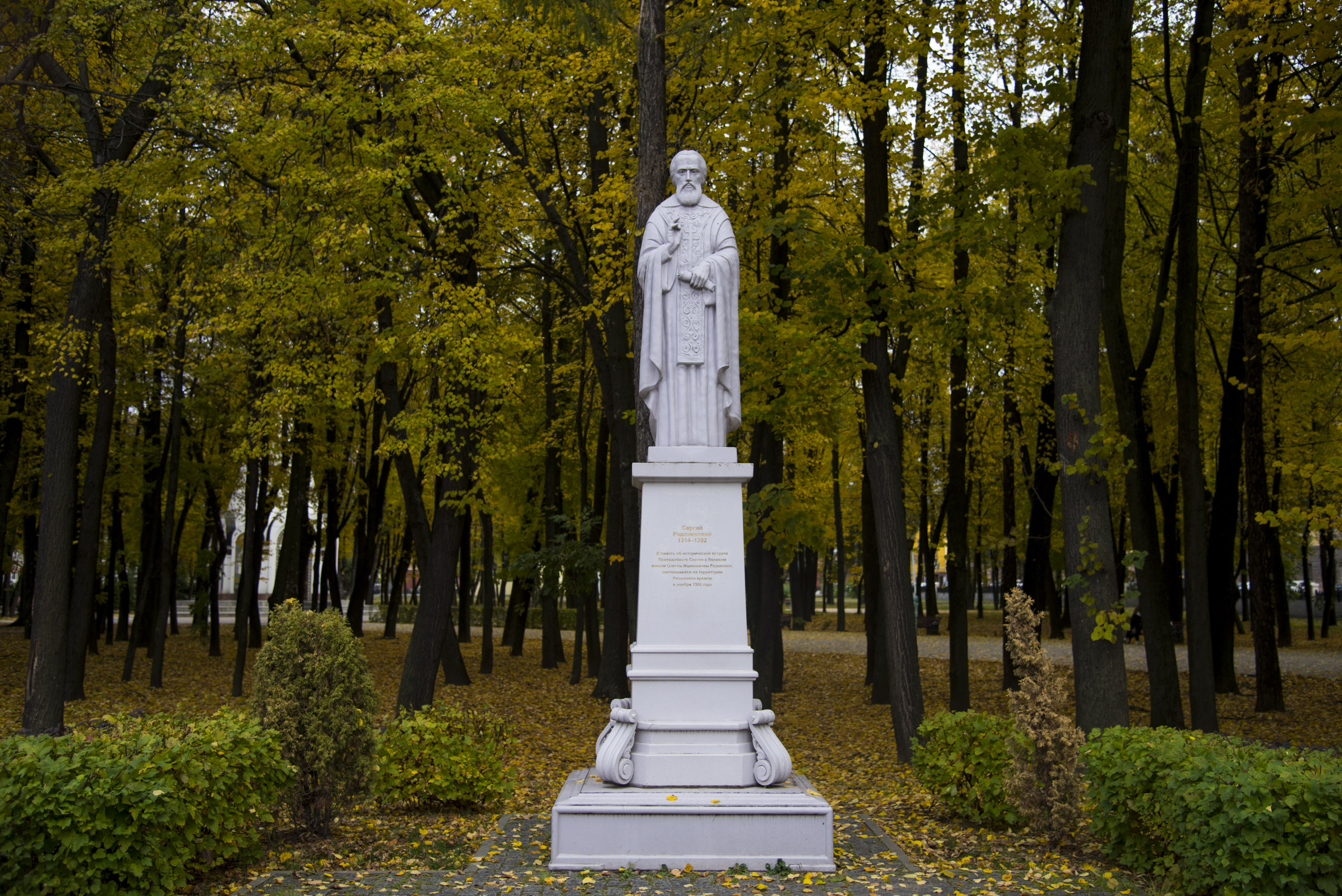
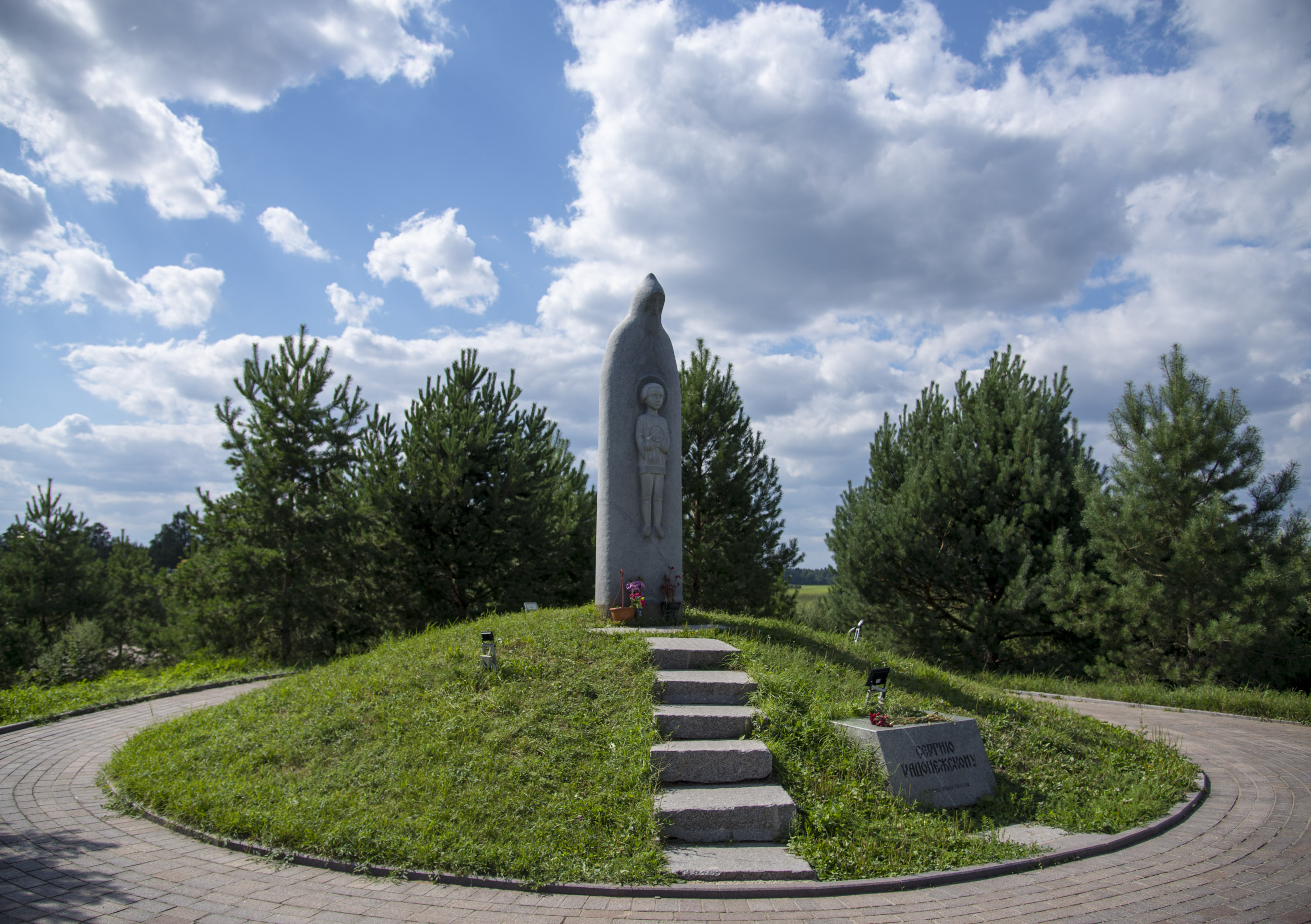
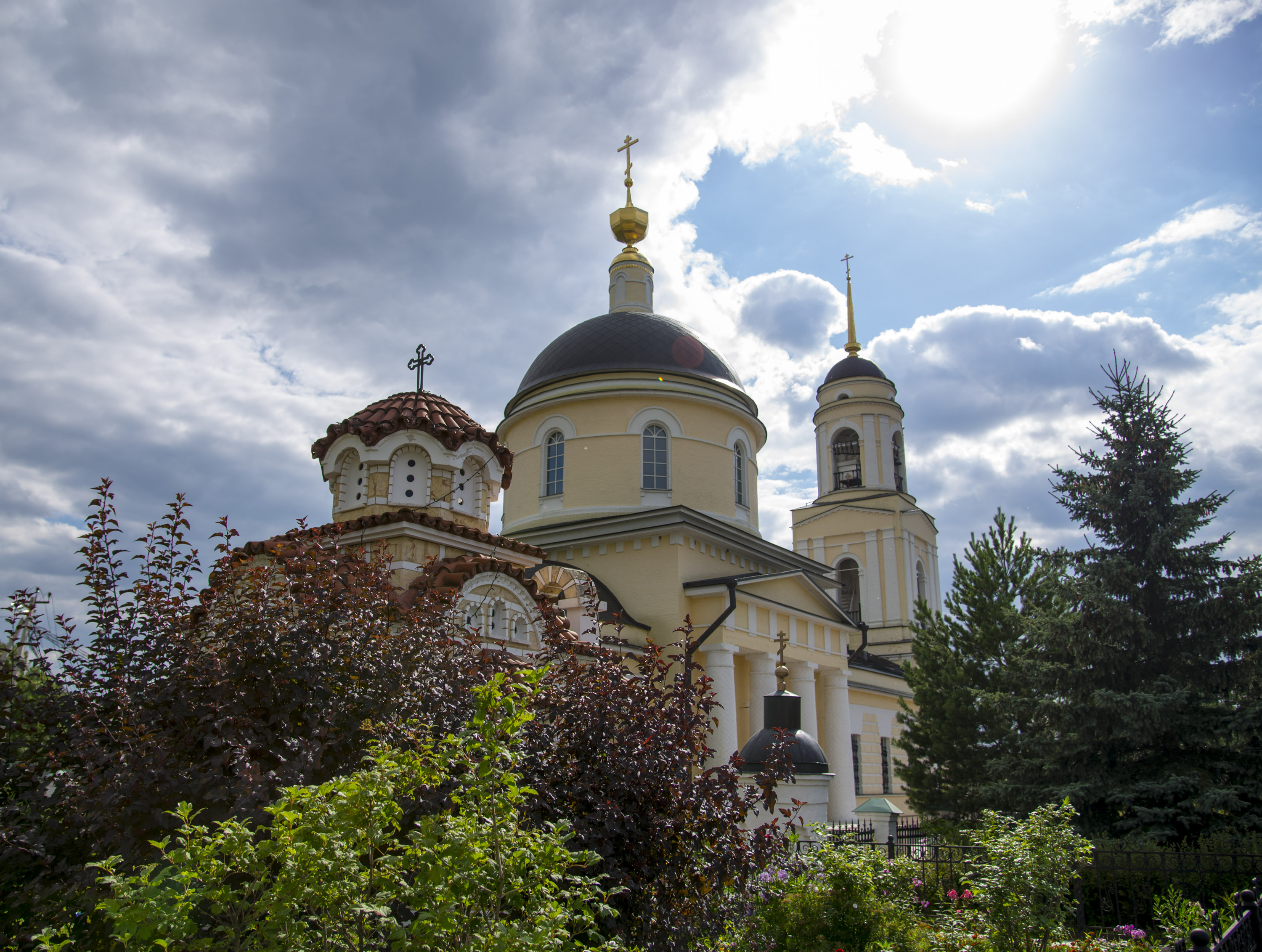
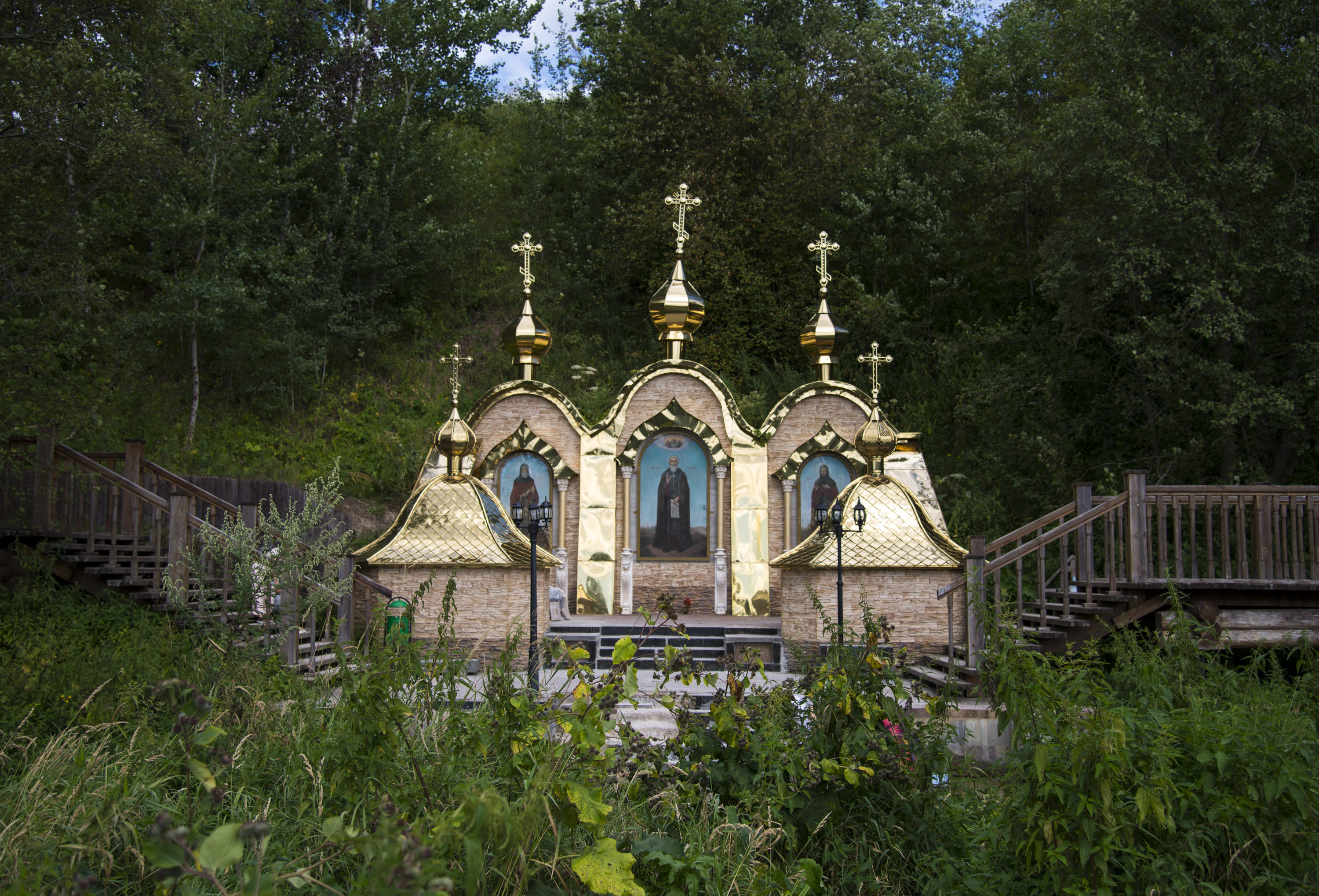
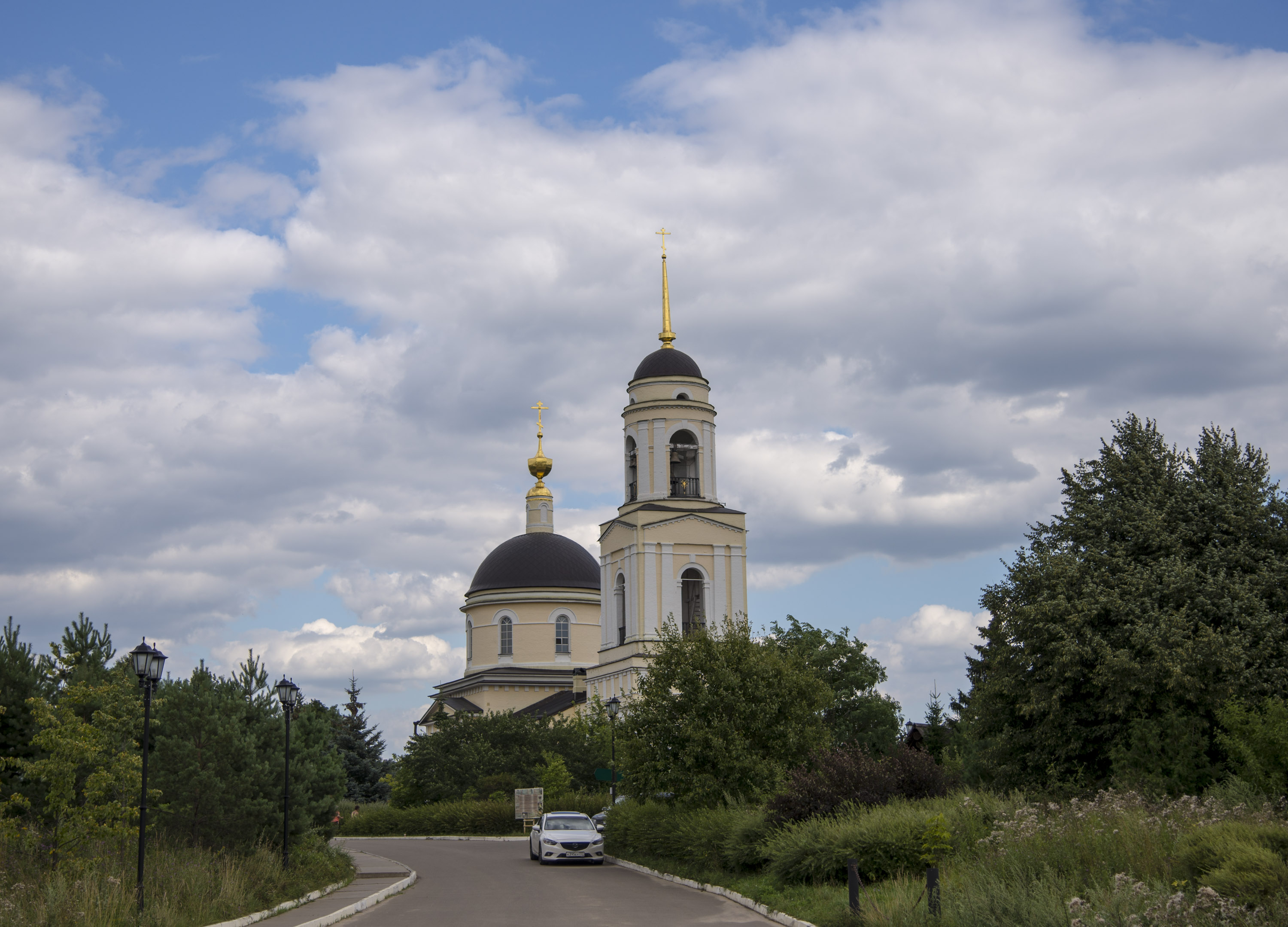
Radonezh is an absolutely beautiful village where Sergiy Radonezhsky once lived. The old town of Radonezh is known to have existed since the first half of the 14th century. Transfiguration Church (Церковь Преображения Господня, 1842) along with the nearby Sacred spring, a font and a monument to St. Sergius are located on the outskirts of the village. Very impressive place!

Khotkovo

Khotkovo town is the site of a monastery, founded by the parents of Sergiy Radonezhsky – Kirill and Maria. The date of foundation is not known, but was first mentioned in 1308. Pokrovskiy Khotkov monastery is the convent of the Russian Orthodox Church, located in Khotkovo town on the river Paja.

Abramtsevo

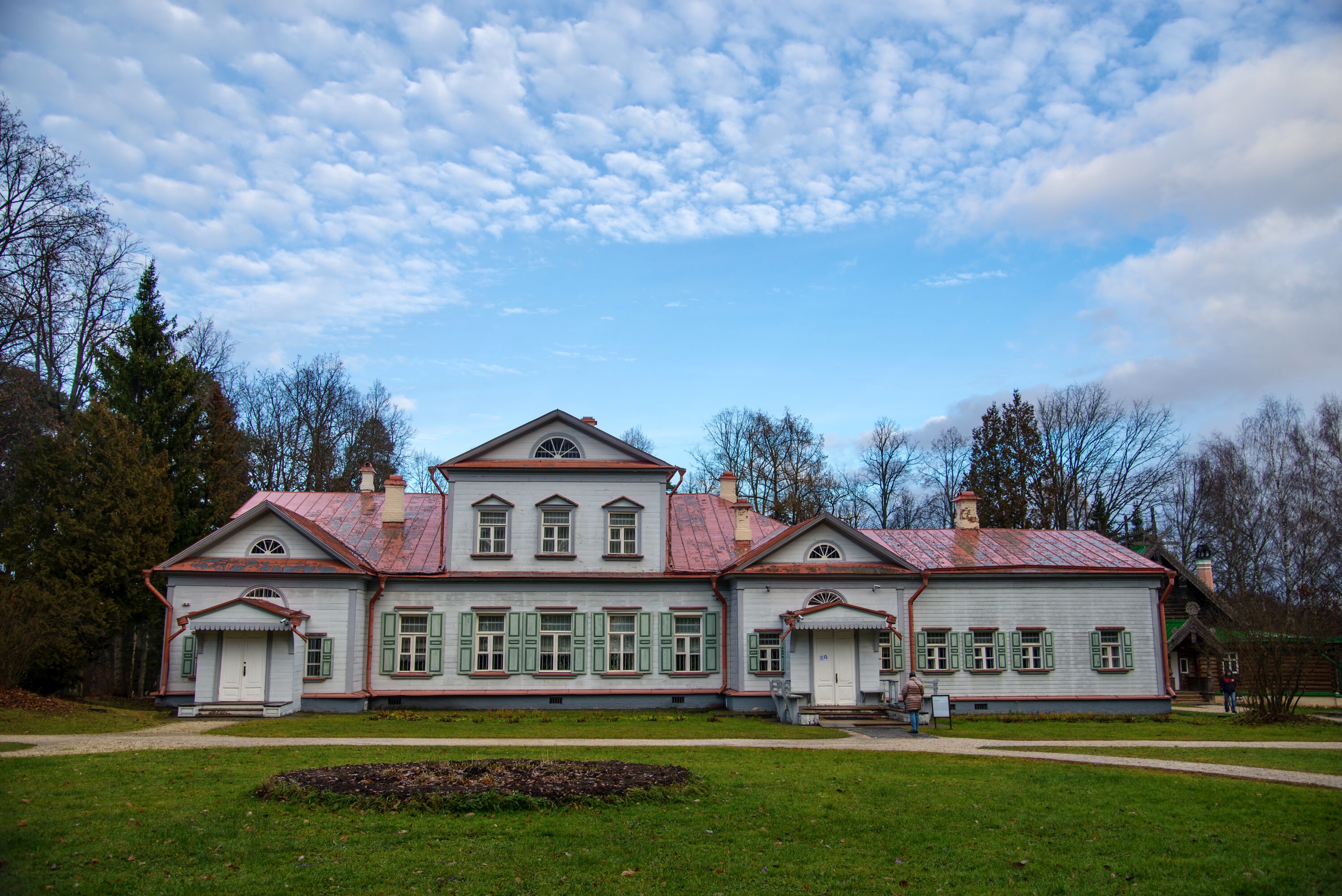
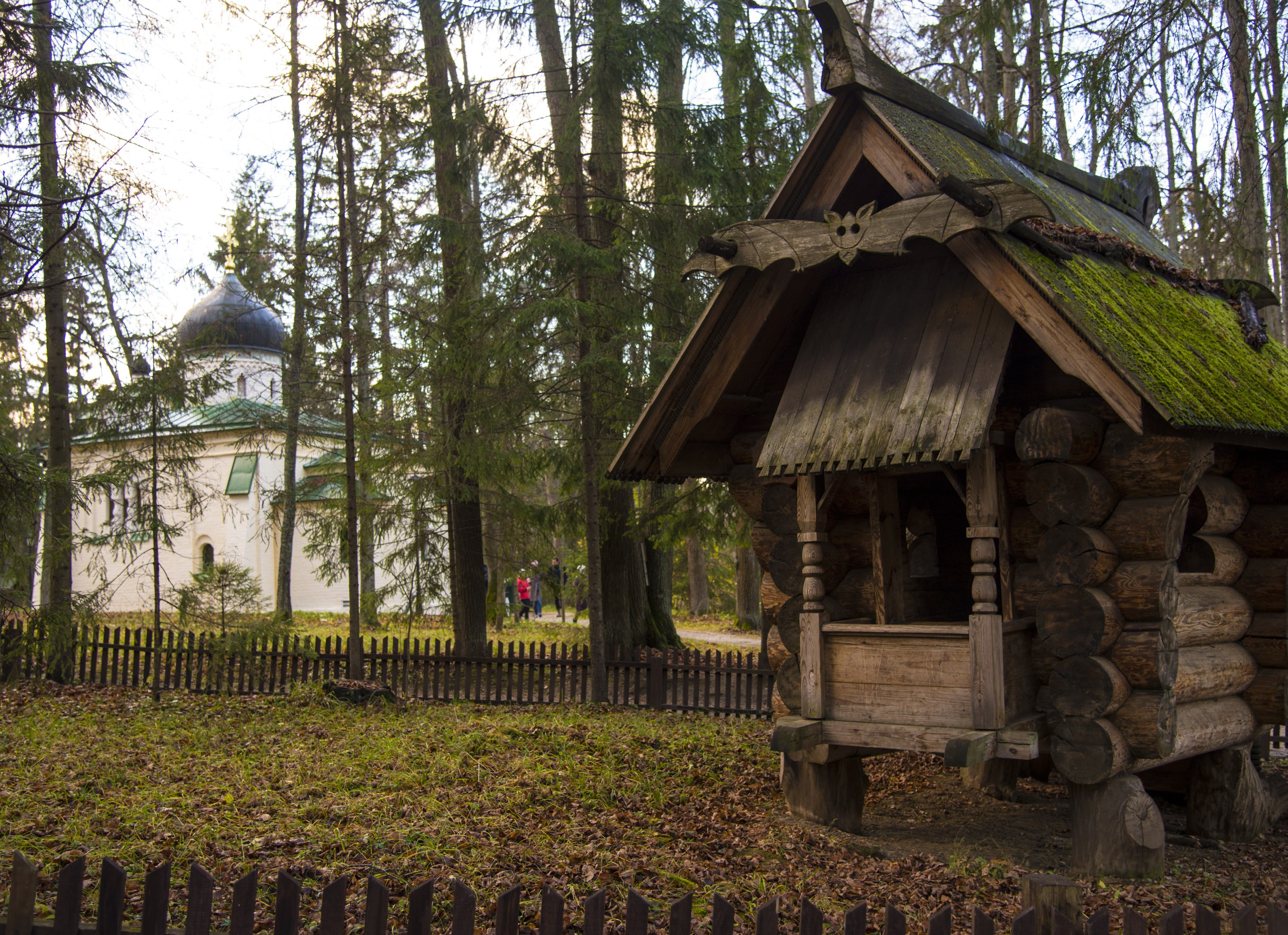
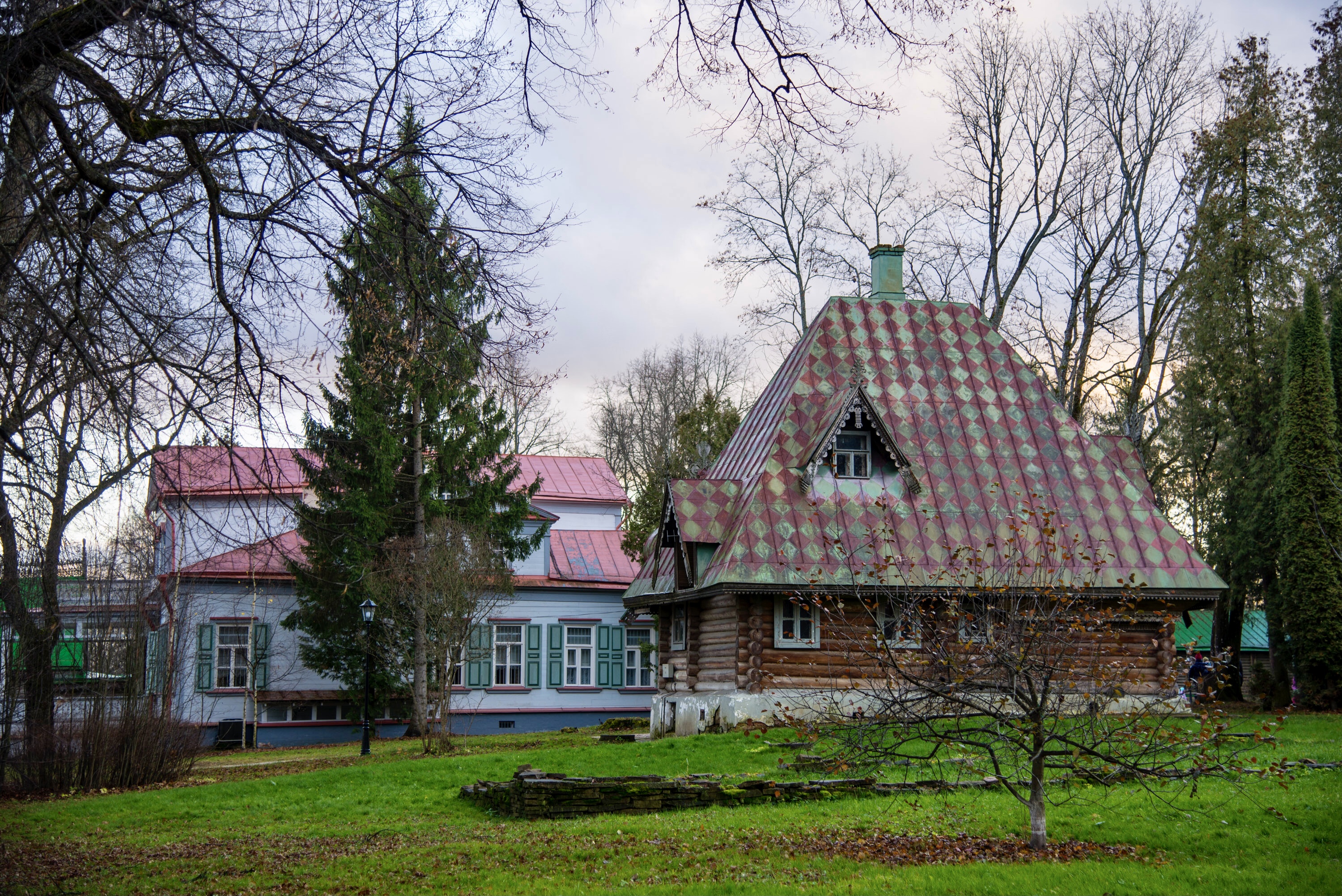
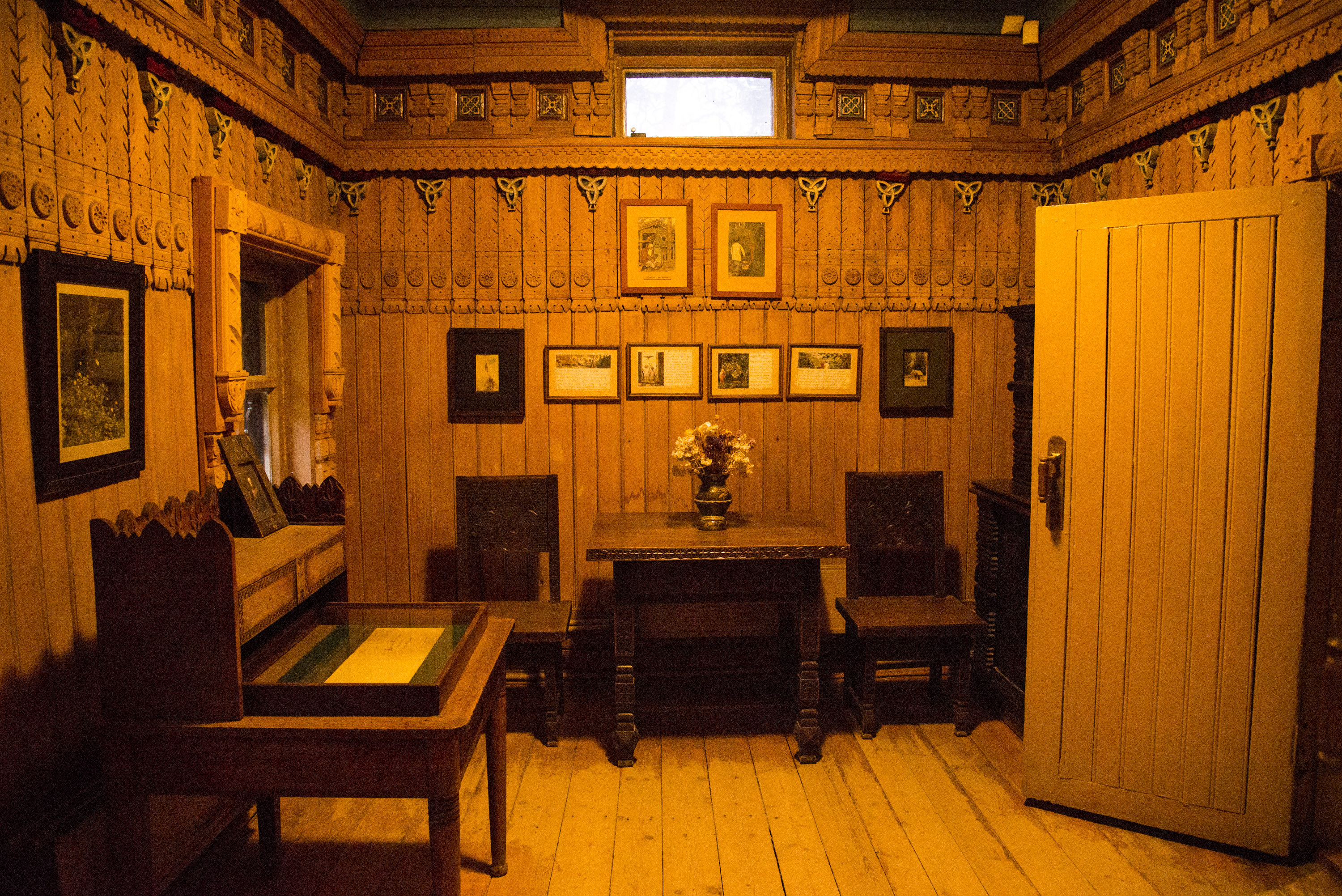
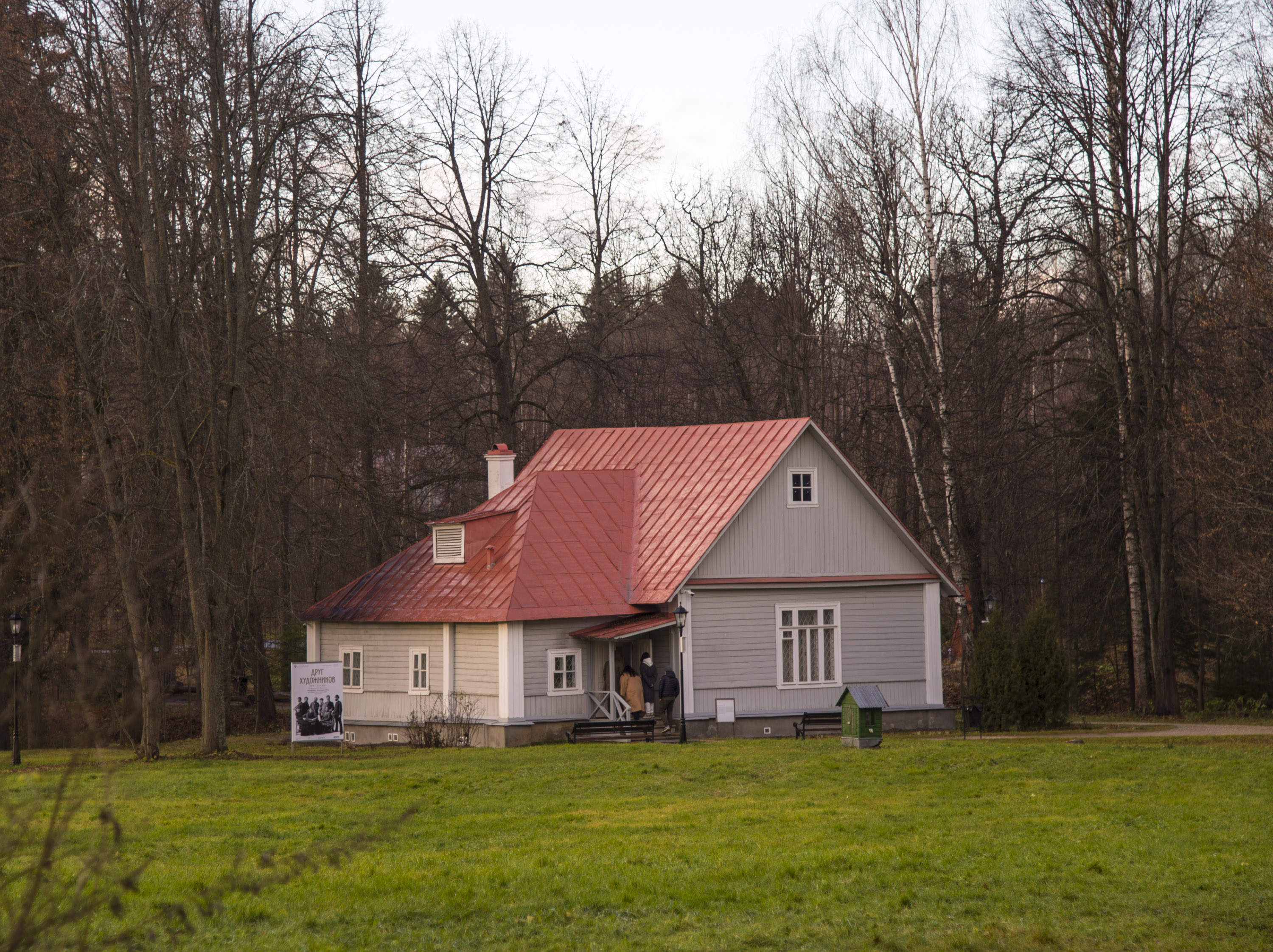
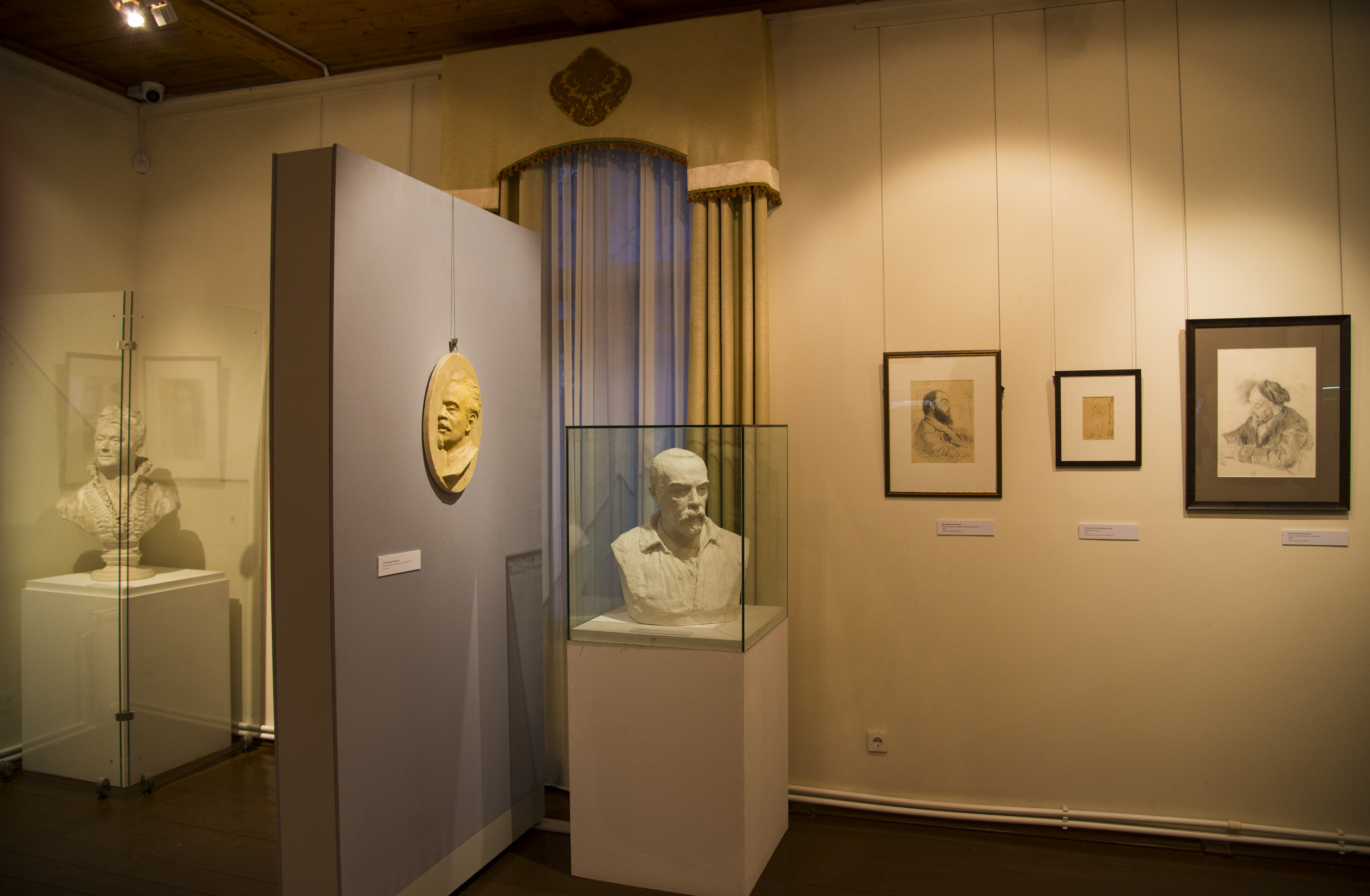
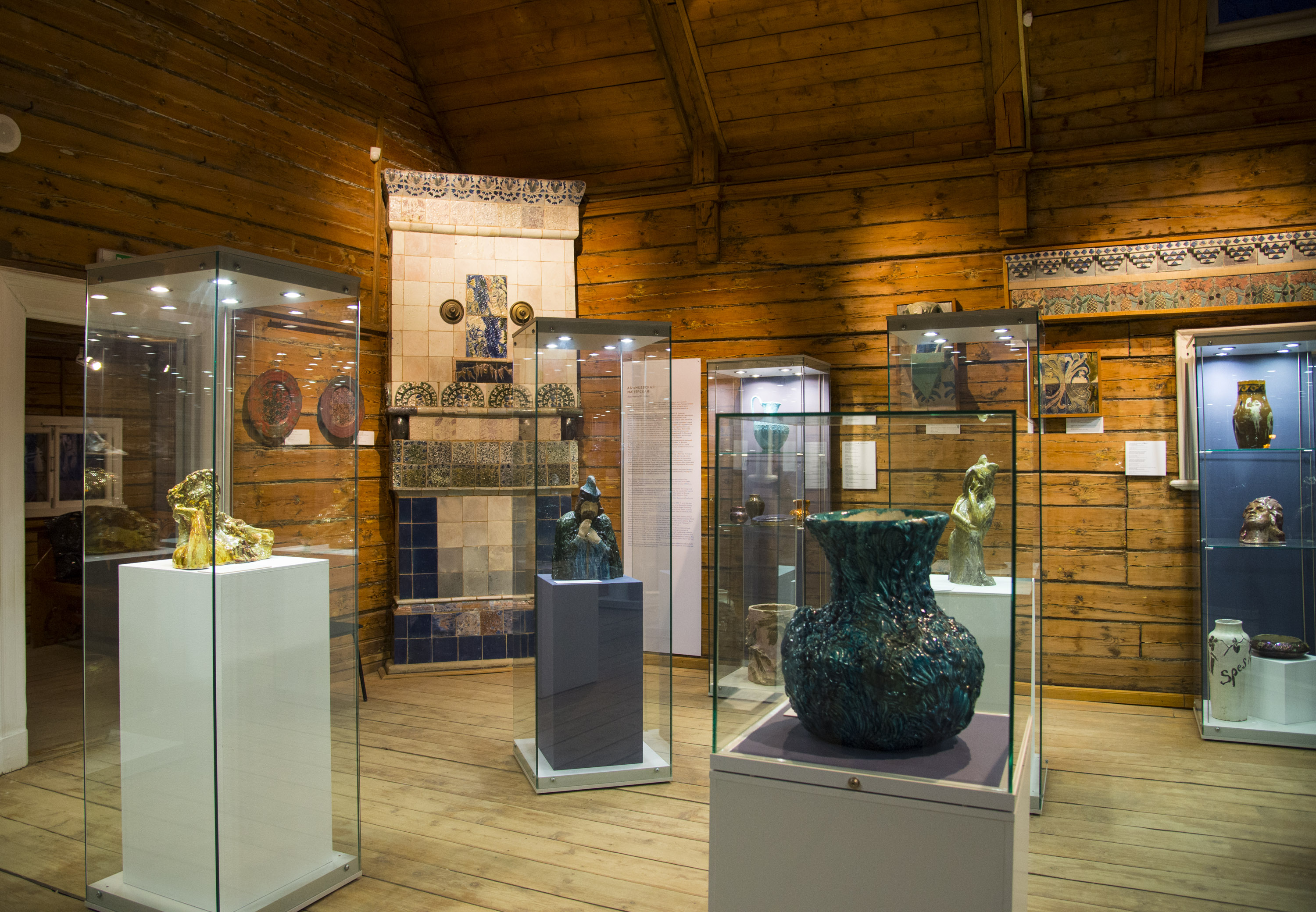
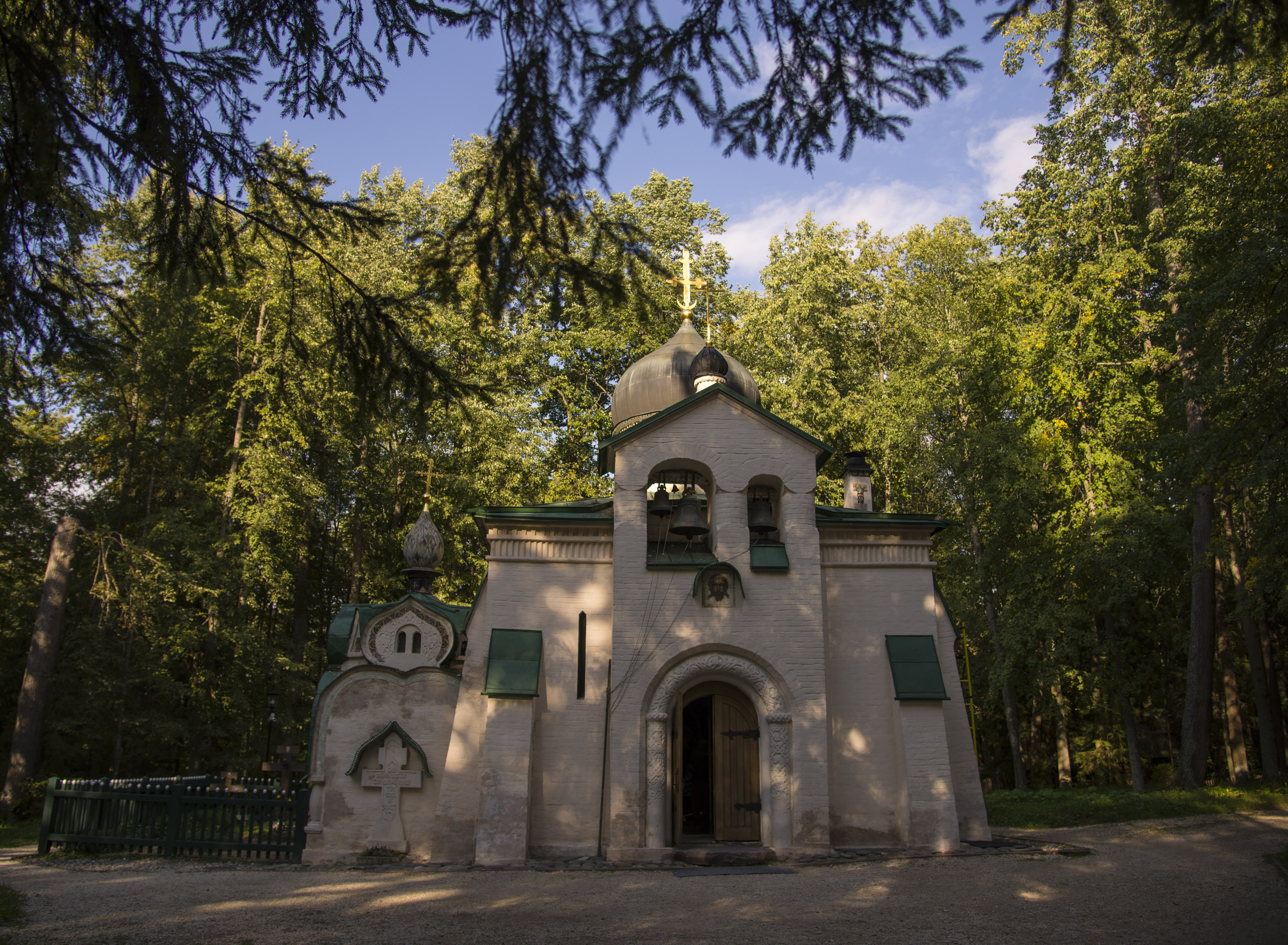
Abramtsevo Museum Reserve is one of the most famous art museums in Russia. The history of Abramtsevo is associated with the names of artists Segey Aksakov, Viktor Vasnetsov, Mikhail Vrubel, Ilya Repin, Vasiliy Polenov, Valentin Serov and Savva Mamontov. Dozens of paintings which are internationally treasured now were created there. Abramtsevo was founded in 18th century.

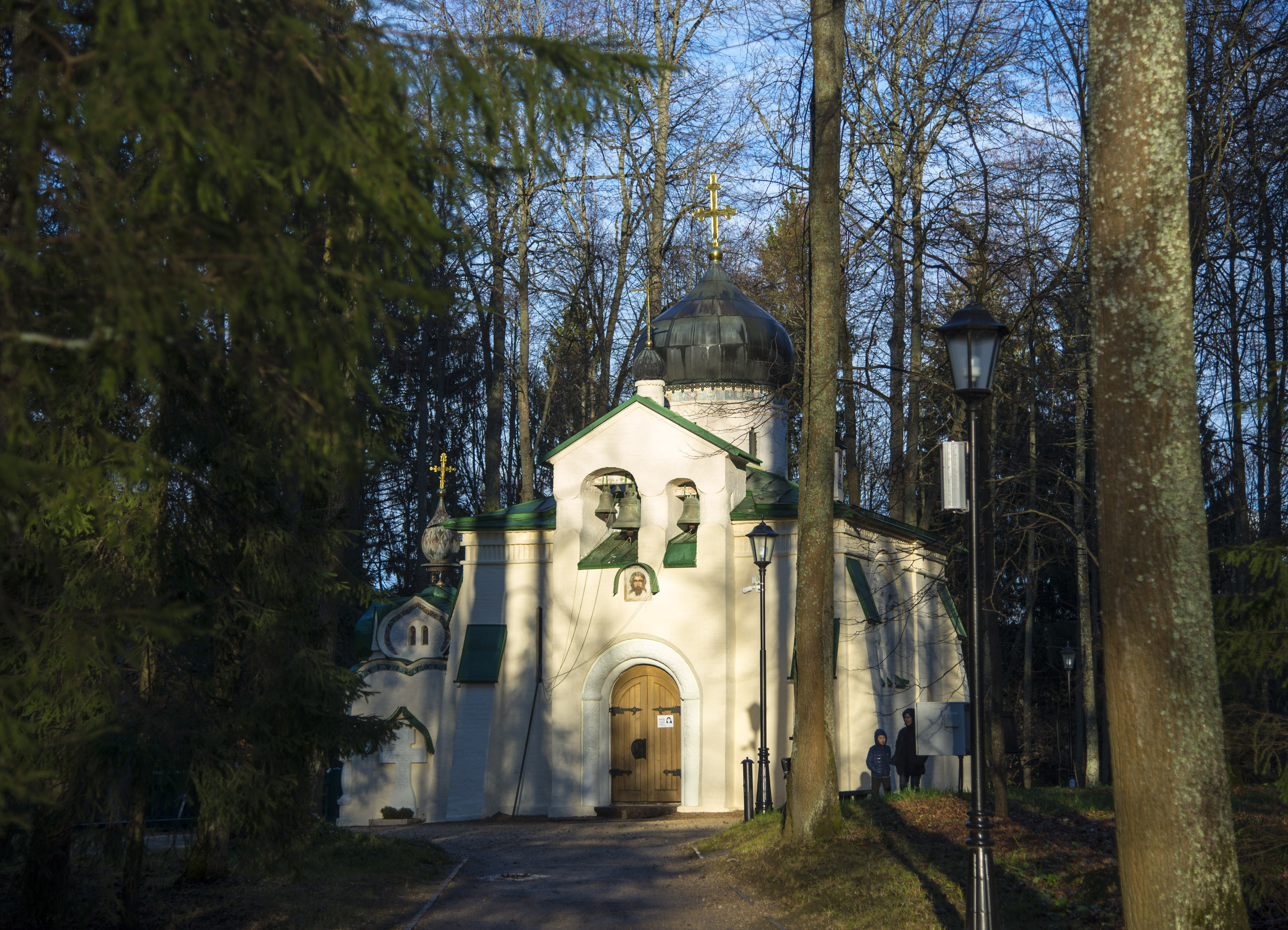
The architectural gem of Abramtsevo is the Church of the Savior (Церковь Спаса Нерукотворного Образа), built by architect Pavel Samarin, according to designs by the artists Victor Vasnetsov and Vasily Polenov.

Bolshie Vyazemy and Church of Transfiguration (1598)

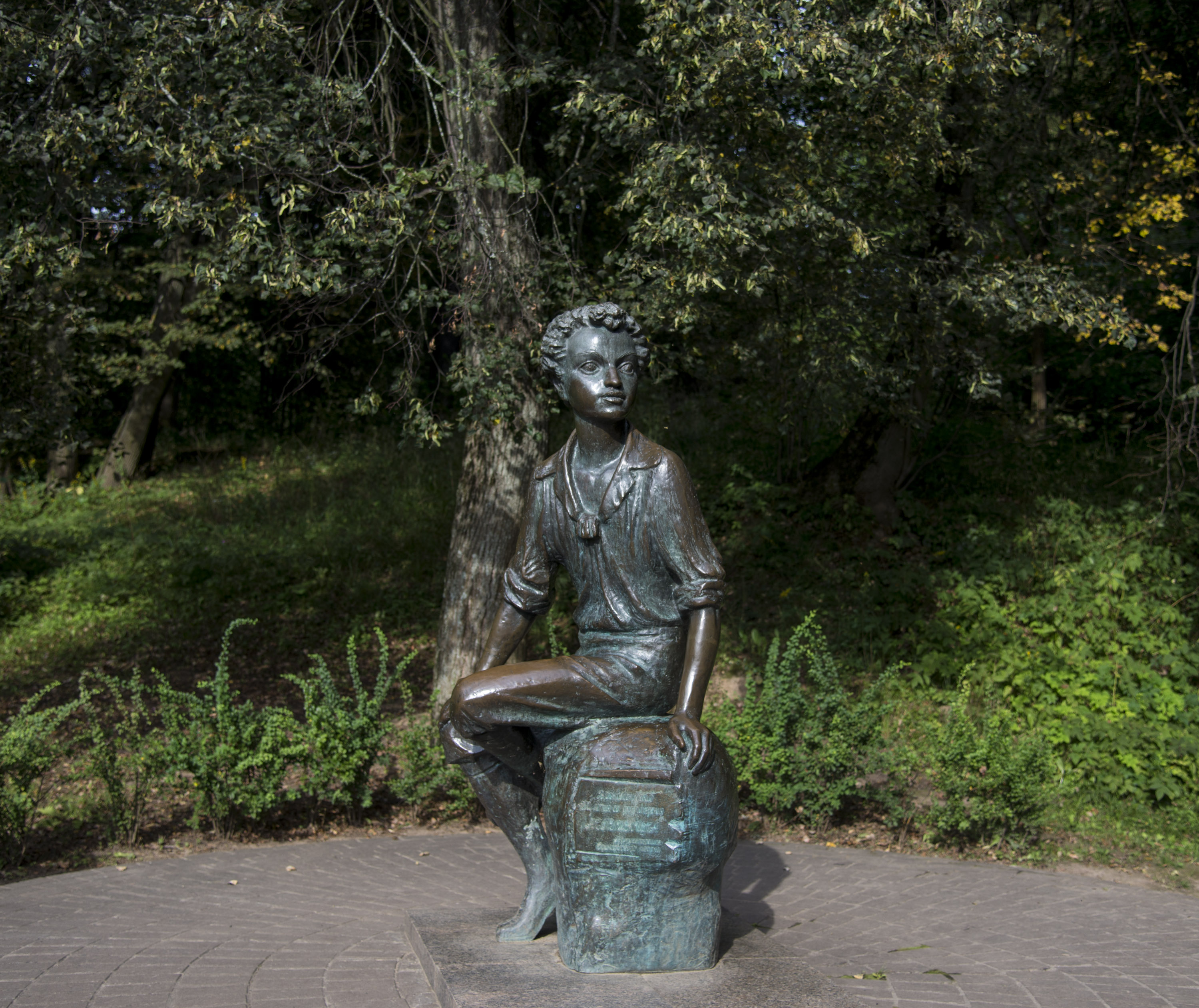
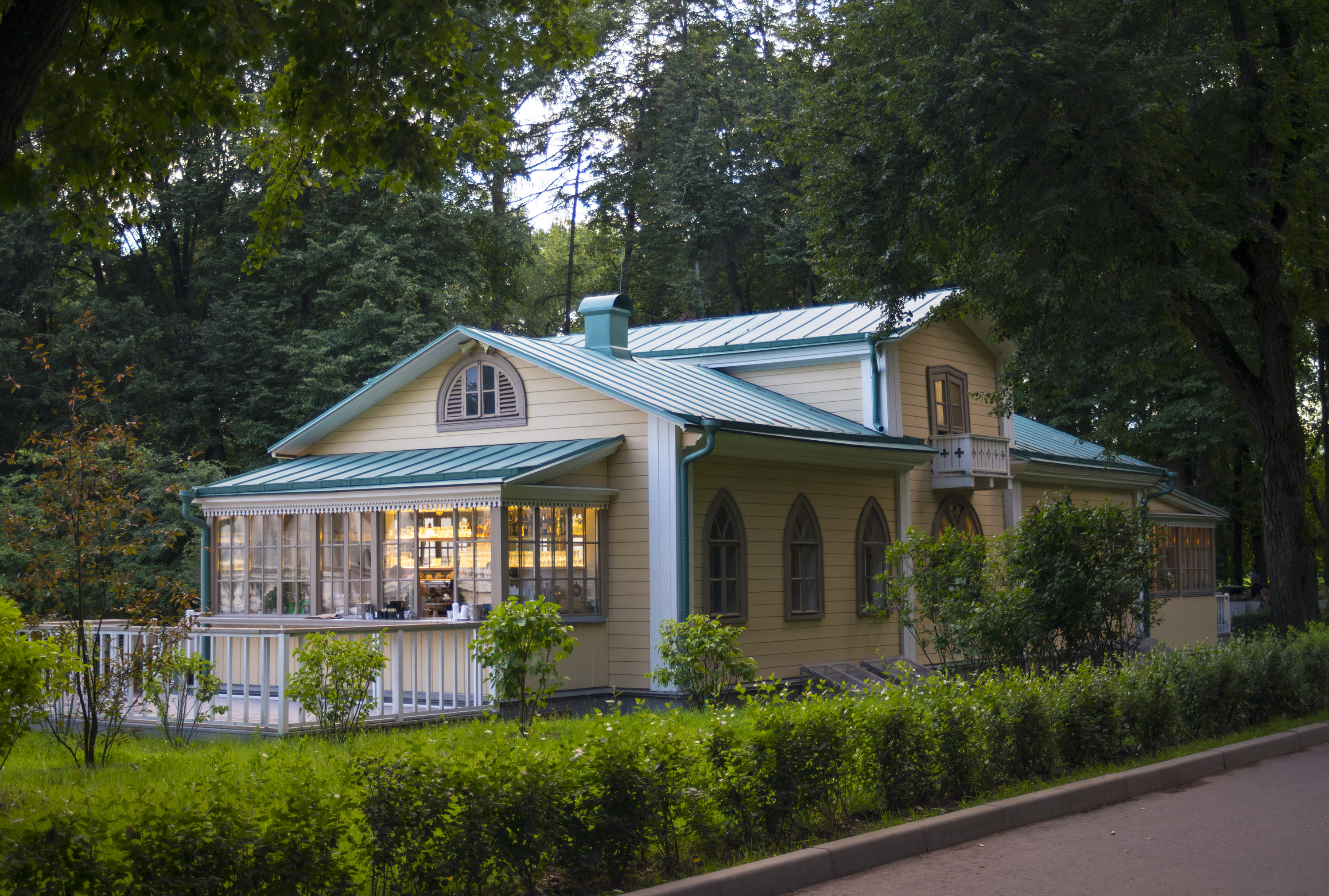
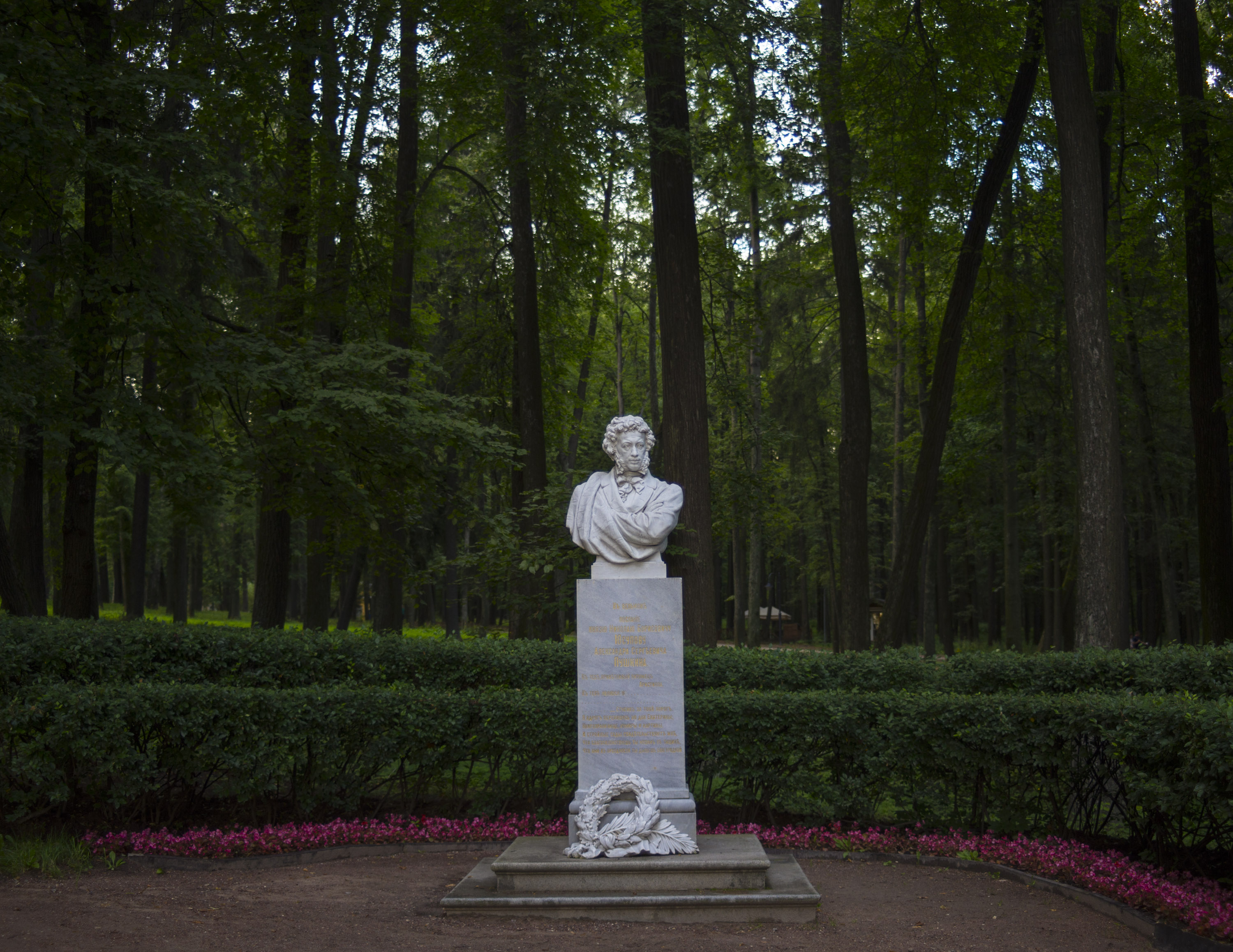
Bolshie Vyazemy is associated with the name of Pushkin, one of the greatest Russian poets. All his childhood Alexander Sergeevich spent in the estate Zakharovo, located next to Bolshie Vyazemy. Pushkin first encountered Russian nature and began to write his first poems here. Two estates are reflected in the poem “Evgeniy Onegin”. Zakharovo became the prototype of the Larins’ estate, and Bolshiye Vyazemy became the Onegin house.

Zakharovo

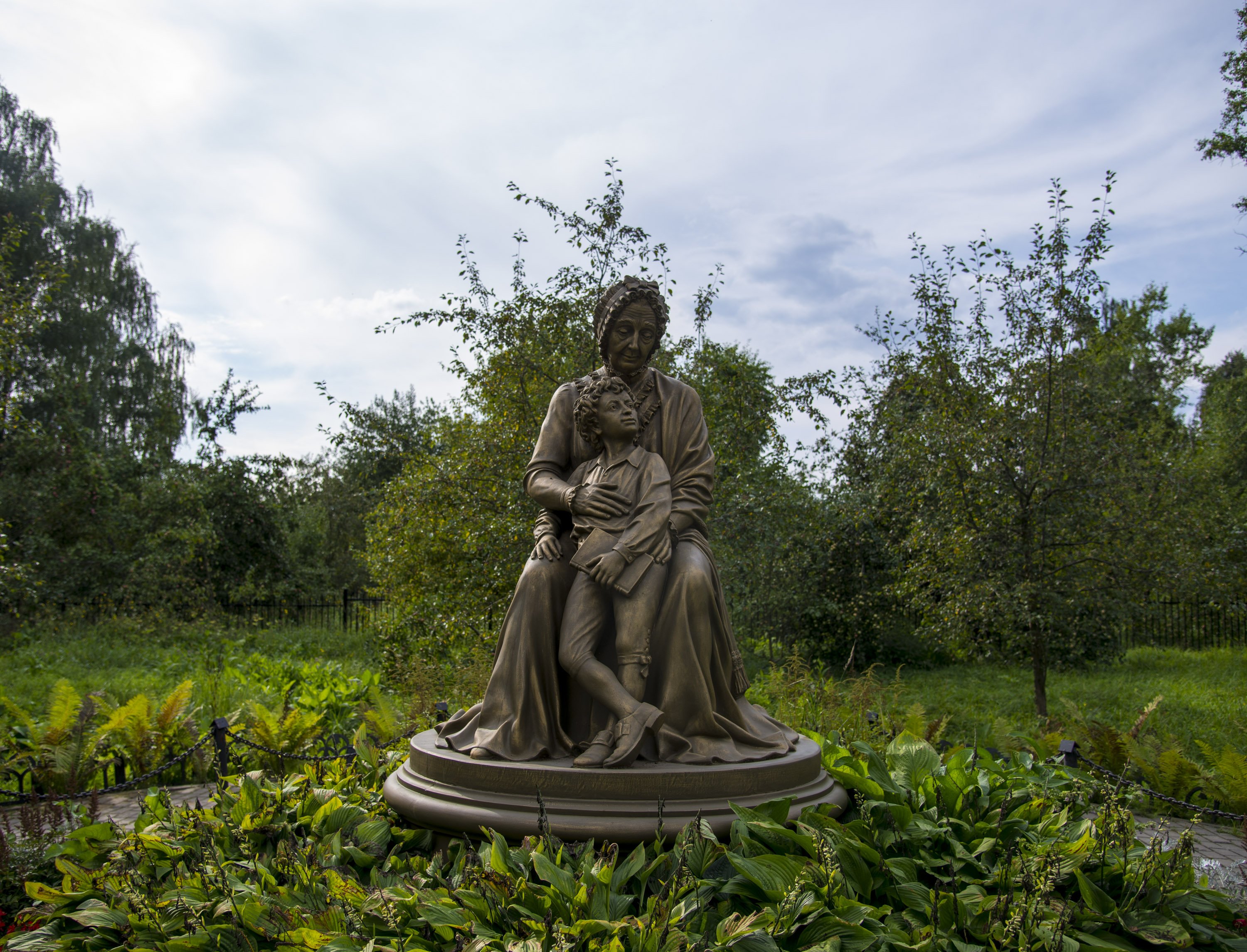
Zakharovo is the estate where Alexander Sergeevich Pushkin spent his childhood. The estate is surrounded by pond, on the banks of which Pushkin liked to sit, choosing rhymes for words. Beautiful monument to Pushkin’s grandmother – Maria Alekseevna Hannibal is also located in the village of Zakharovo.

Aptekarskiy Ogorod

Founded by Peter the Great in 1706 as a kitchen garden (ogorod) for growing medicinal plants. Since 1805, it has belonged to the Moscow State University as part of the Biology Faculty. You can explore the gardens as well as three different greenhouses. 

Moscow Botanical Garden

Gallery

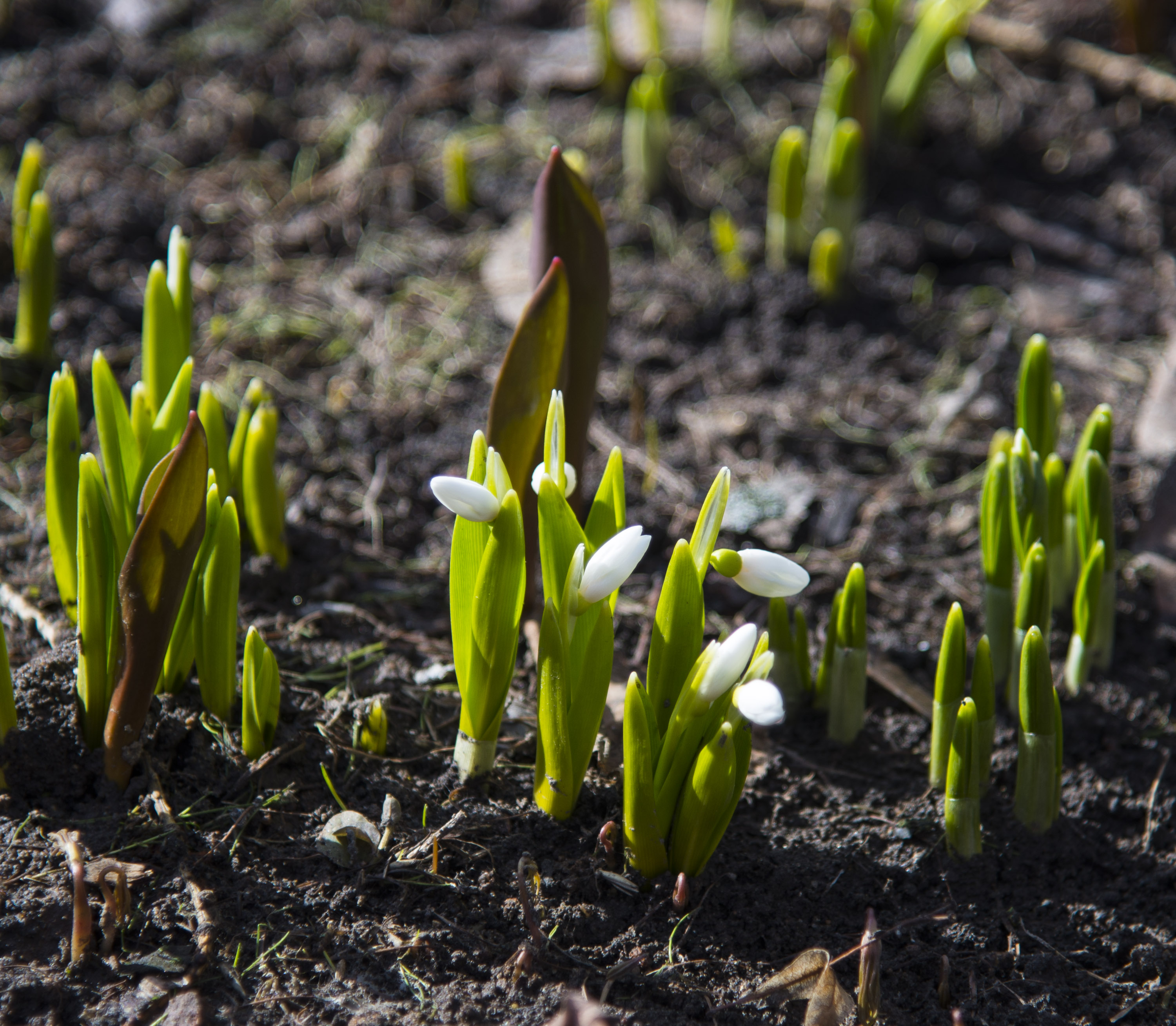
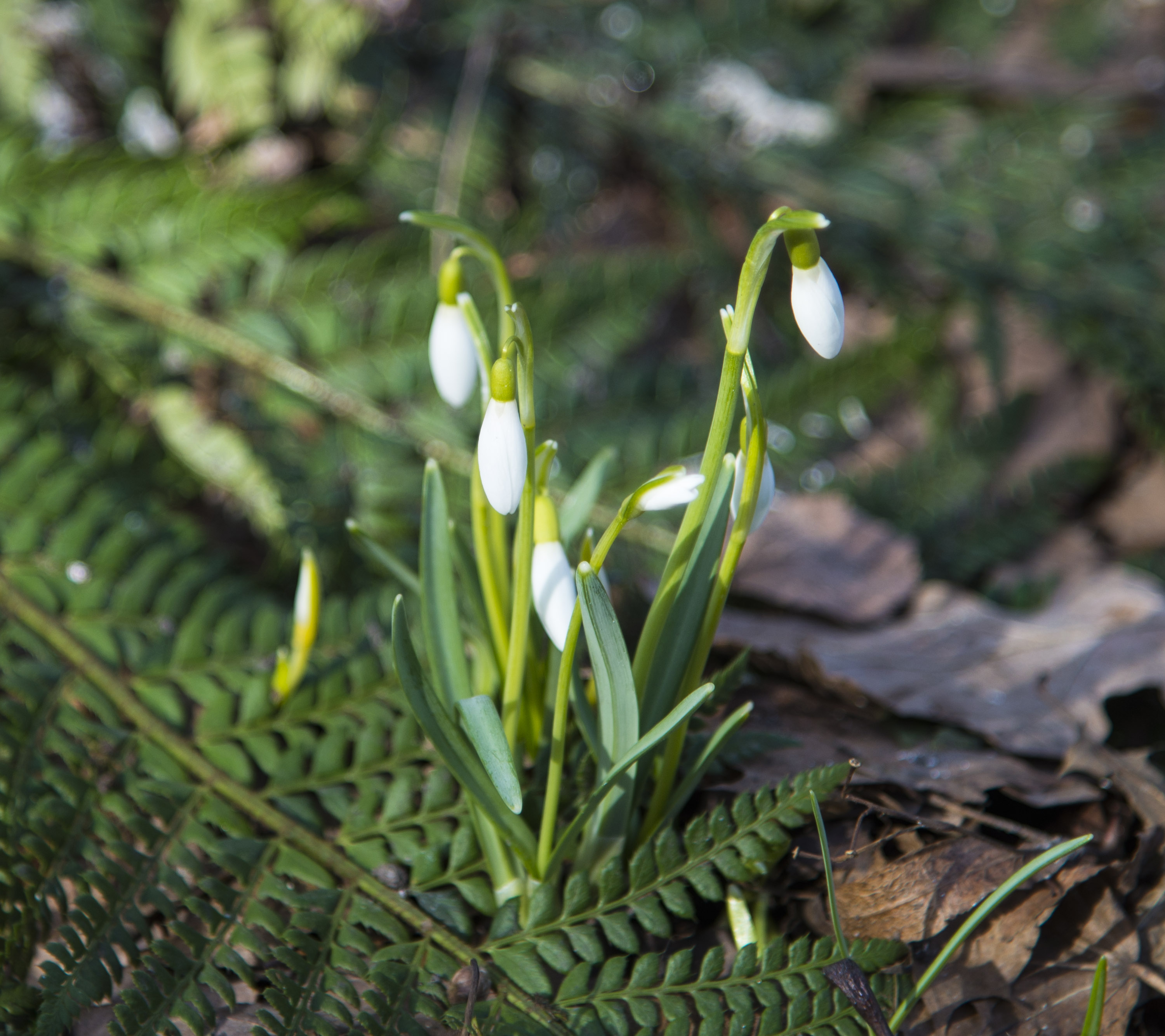
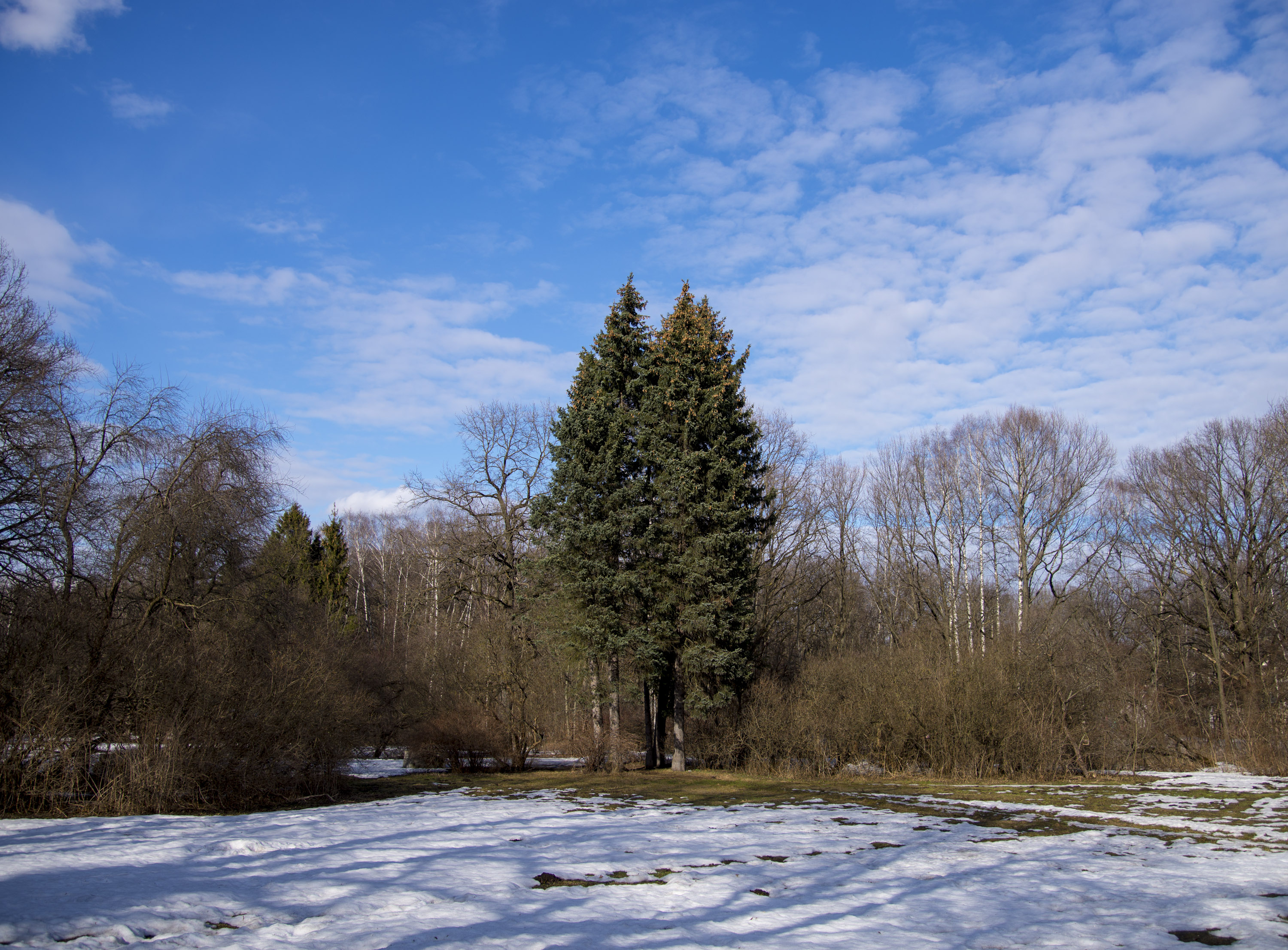
Springtime in Moscow and Moscow region, 2021

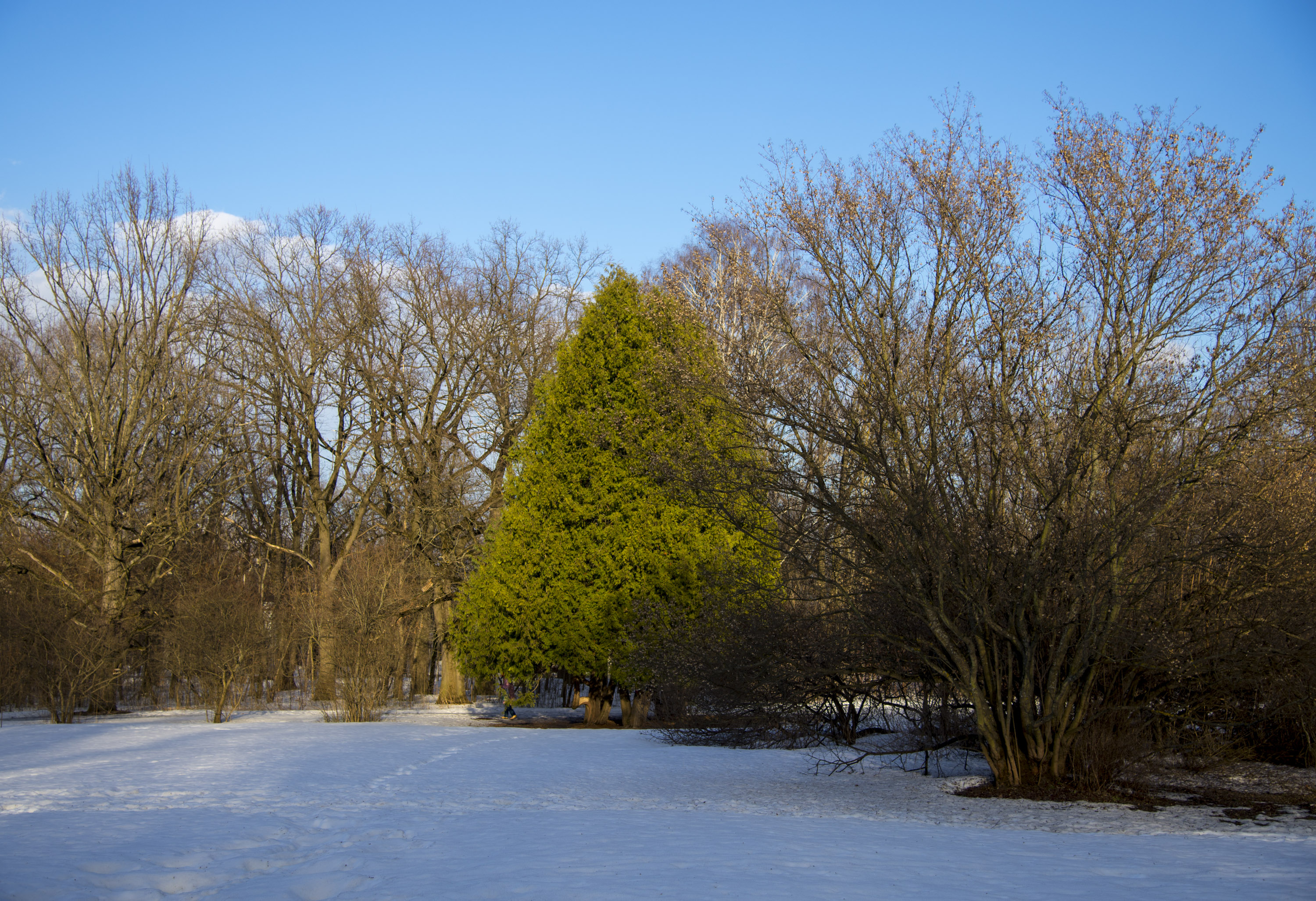
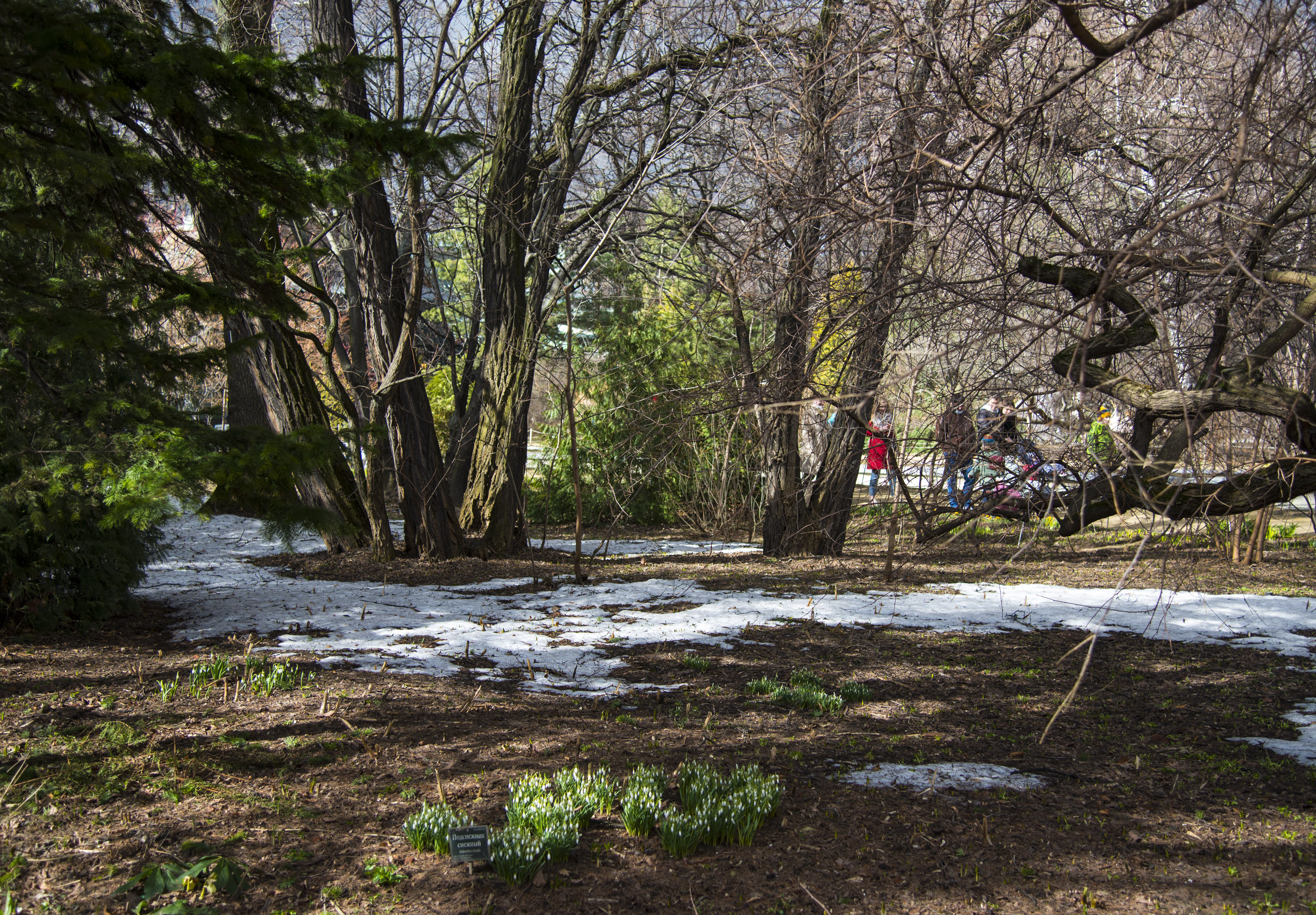
March

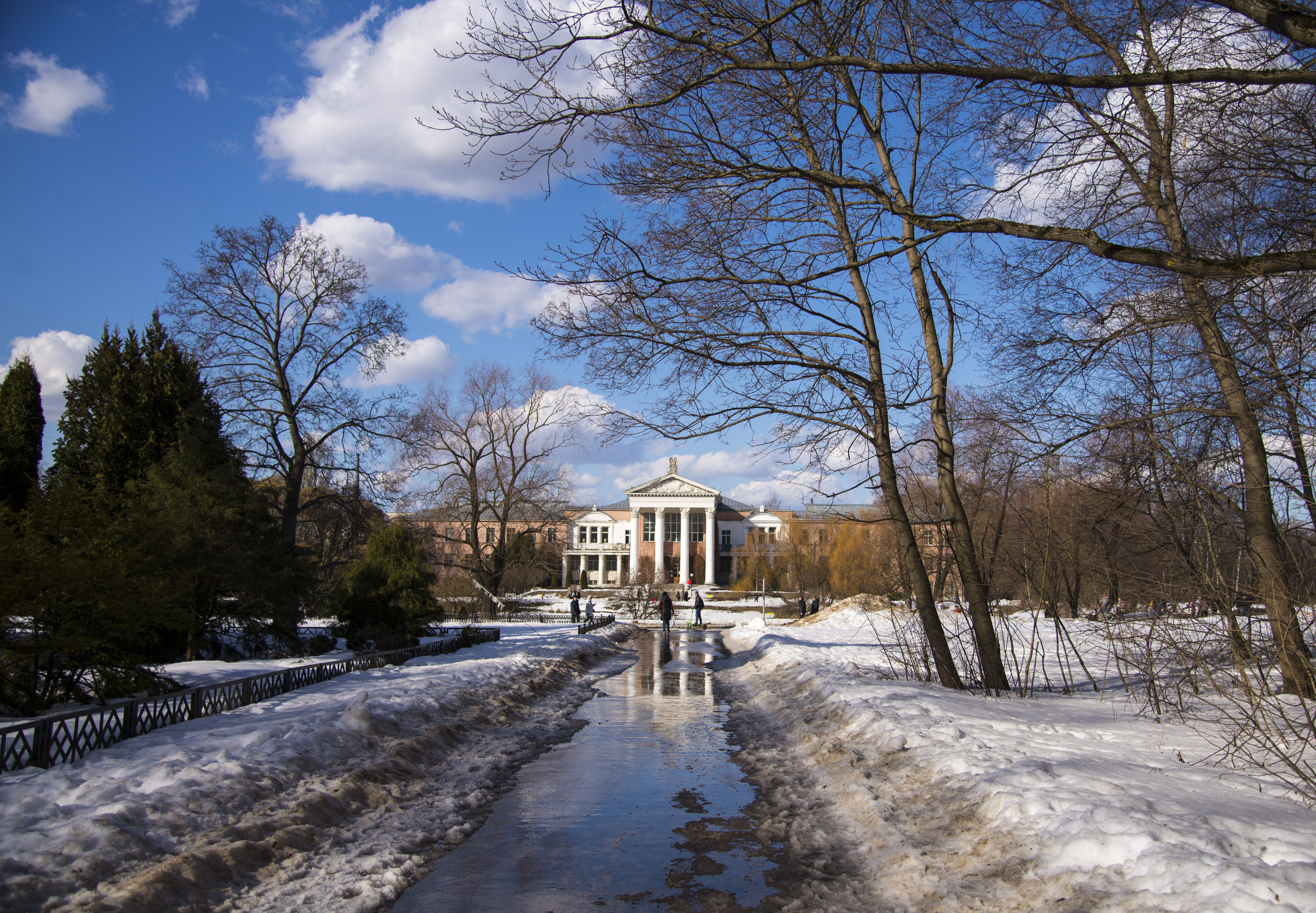
Moscow Botanical Garden

The Tsytsin Main Moscow Botanical Garden was founded in April 1945, and claims itself to be the largest botanical garden in Europe. It covers a territory of approximately 3.61 km² and contains a live exhibition of more than twenty thousand different species of plants coming from various parts of the world. 
Radonezh

Radonezh is an absolutely beautiful village where Sergiy Radonezhsky once lived. The old town of Radonezh is known to have existed since the first half of the 14th century. Transfiguration Church (Церковь Преображения Господня, 1842) along with the nearby Sacred spring, a font and a monument to St. Sergius are located on the outskirts of the village. Very impressive place!

Khotkovo

Khotkovo town is the site of a monastery, founded by the parents of Sergiy Radonezhsky – Kirill and Maria. The date of foundation is not known, but was first mentioned in 1308. Pokrovskiy Khotkov monastery is the convent of the Russian Orthodox Church, located in Khotkovo town on the river Paja.

Khotkovo Art Salon

Abramtsevo

Abramtsevo Museum Reserve is one of the most famous art museums in Russia. The history of Abramtsevo is associated with the names of artists Segey Aksakov, Viktor Vasnetsov, Mikhail Vrubel, Ilya Repin, Vasiliy Polenov, Valentin Serov and Savva Mamontov. Dozens of paintings which are internationally treasured now were created there. Abramtsevo was founded in 18th century.

The architectural gem of Abramtsevo is the Church of the Savior (Церковь Спаса Нерукотворного Образа), built by architect Pavel Samarin, according to designs by the artists Victor Vasnetsov and Vasily Polenov.

Mytishchi

Sergiev Posad

Sergiev Posad is a city in Russia, northeast of Moscow, which is home to one of the most revered monasteries in Russia – the UNESCO-protected Troitse-Sergieva Lavra. Troitse-Sergieva Lavra (Holy Trinity Lavra of St.Sergius) is the 14th-century monastery complex which was founded in 1337. The monastery is comprised of over 50 historically significant constructions, including the 16th-century Assumption Cathedral and 15th-century Cathedral of the Holy Trinity.

Moscow Botanical Garden

April

Aptekarskiy Ogorod

Founded by Peter the Great in 1706 as a kitchen garden (ogorod) for growing medicinal plants. Since 1805, it has belonged to the Moscow State University as part of the Biology Faculty. You can explore the gardens as well as three different greenhouses. 

Moscow, Prospekt Mira

Ekaterininskiy Park

Catherine Park is an outstanding achievement of 18th and 19th-century Russian garden art. The ongoing modernization of Moscow parks has not yet affected the old Catherine Park, which still retains its former charm. The park has many century-old oaks and even one 300-year-old willow, so old trees are well taken care of here. The park is overlooking Olimpiyskiy stadium, which used to be the biggest sport/concert venue in Moscow and is currently under construction.

Moscow Botanical garden and  VDNKH Exhibition Center
Aptekarskiy Ogorod

Arkhangelskoe

Arkhangelshoe museum-estate consists of a palace with terraced park which has one of the biggest collections of park sculptures in the world, a landscape park, a theatre built in 1817-18 on the project of famous Italian architect and painter Pietro Gonzago, a small palace “Caprice” and pavilion Small Tea House.

Archangel Michael’s Church is the oldest surviving building on the estate dating from the mid-17th century.

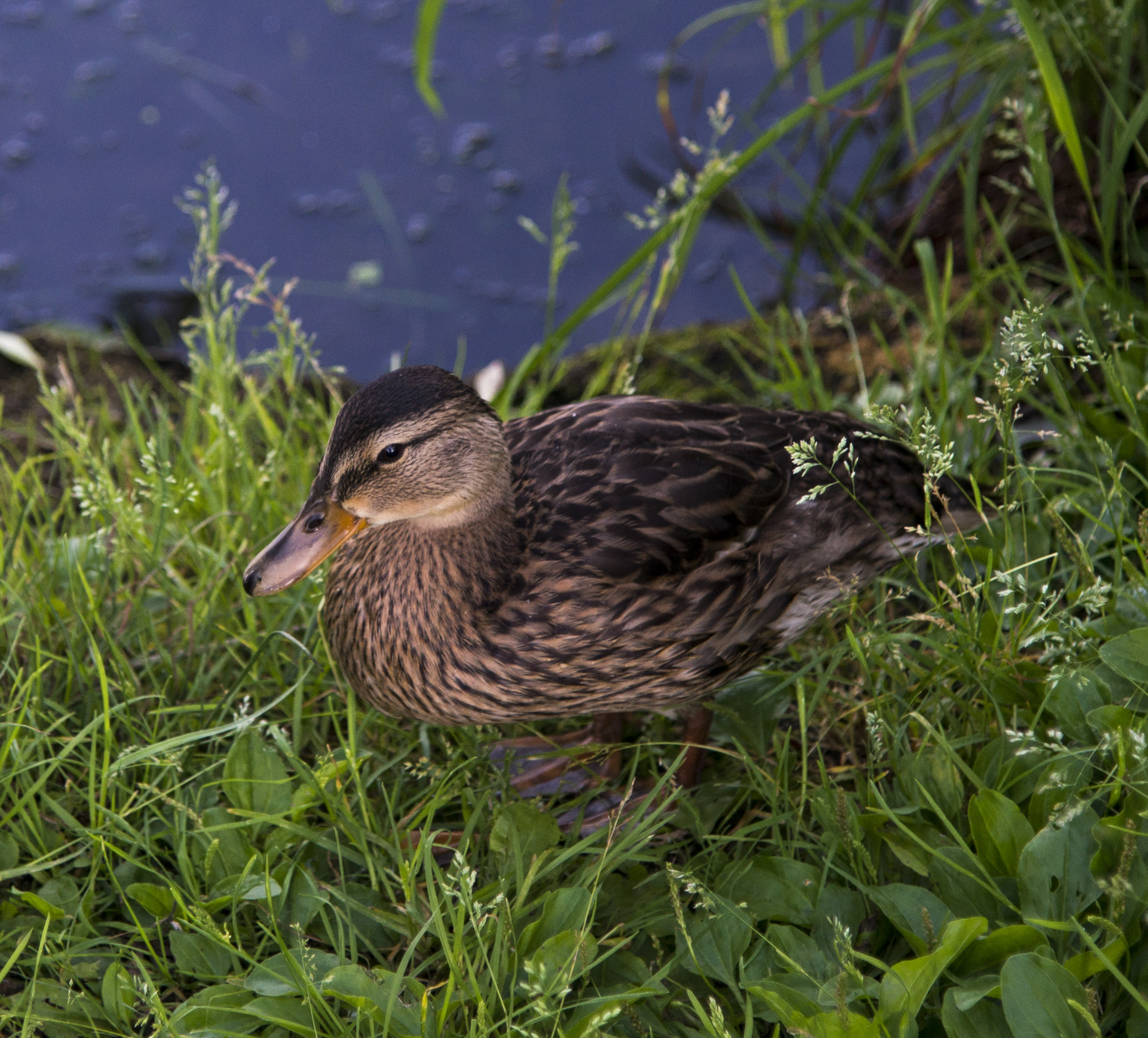
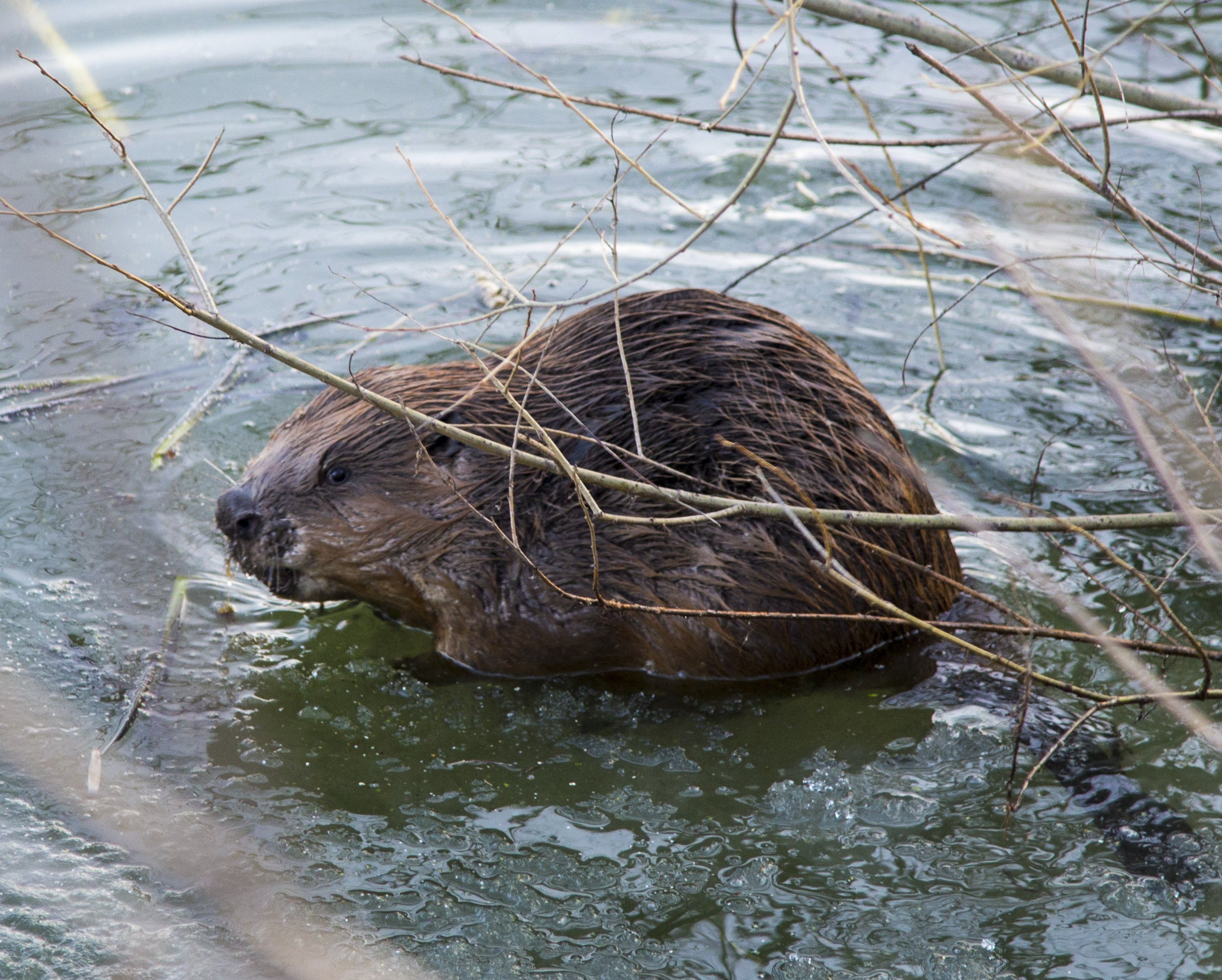
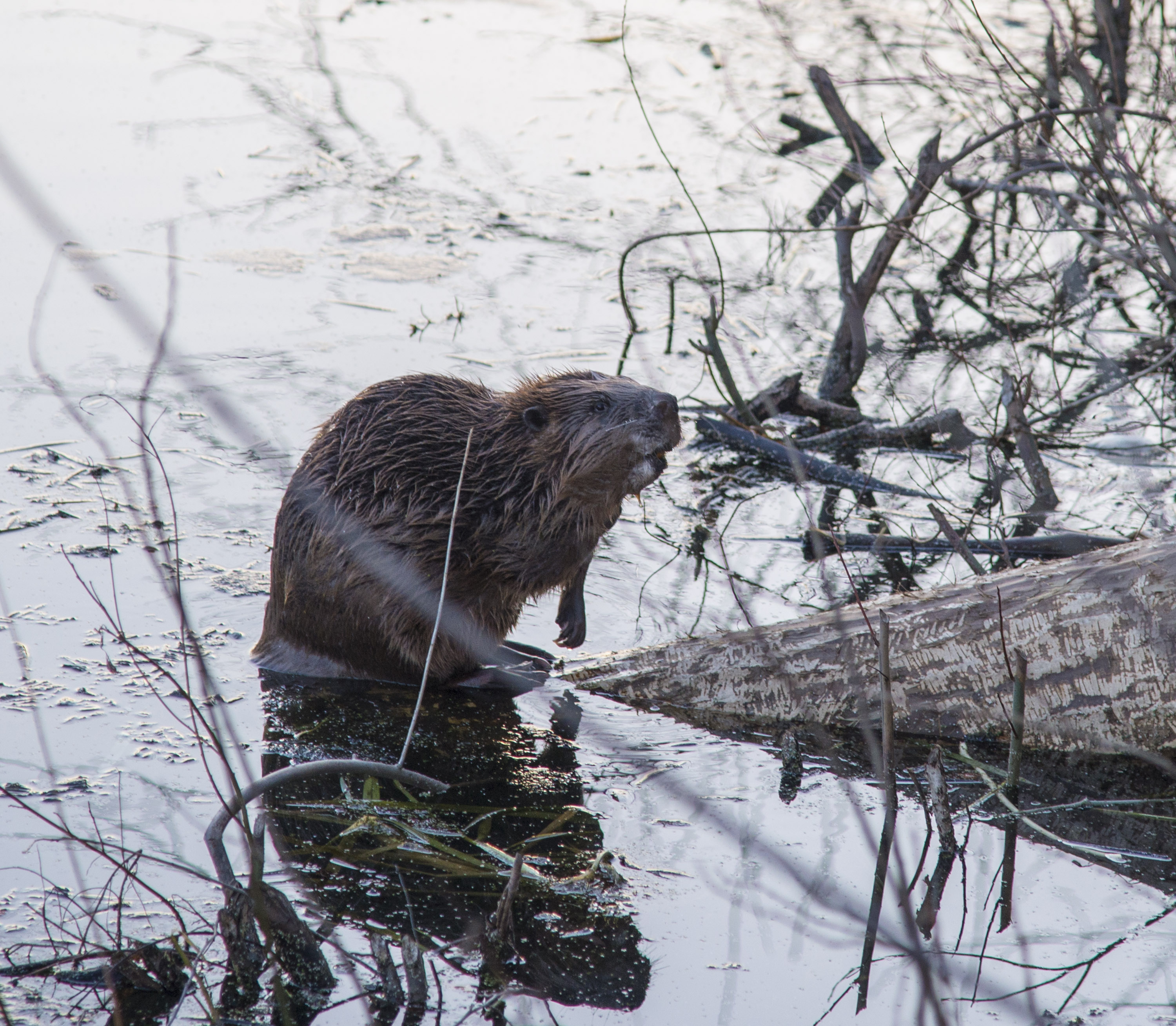
A cute beaver having dinner at the Arkhangelskoe estate 🙂

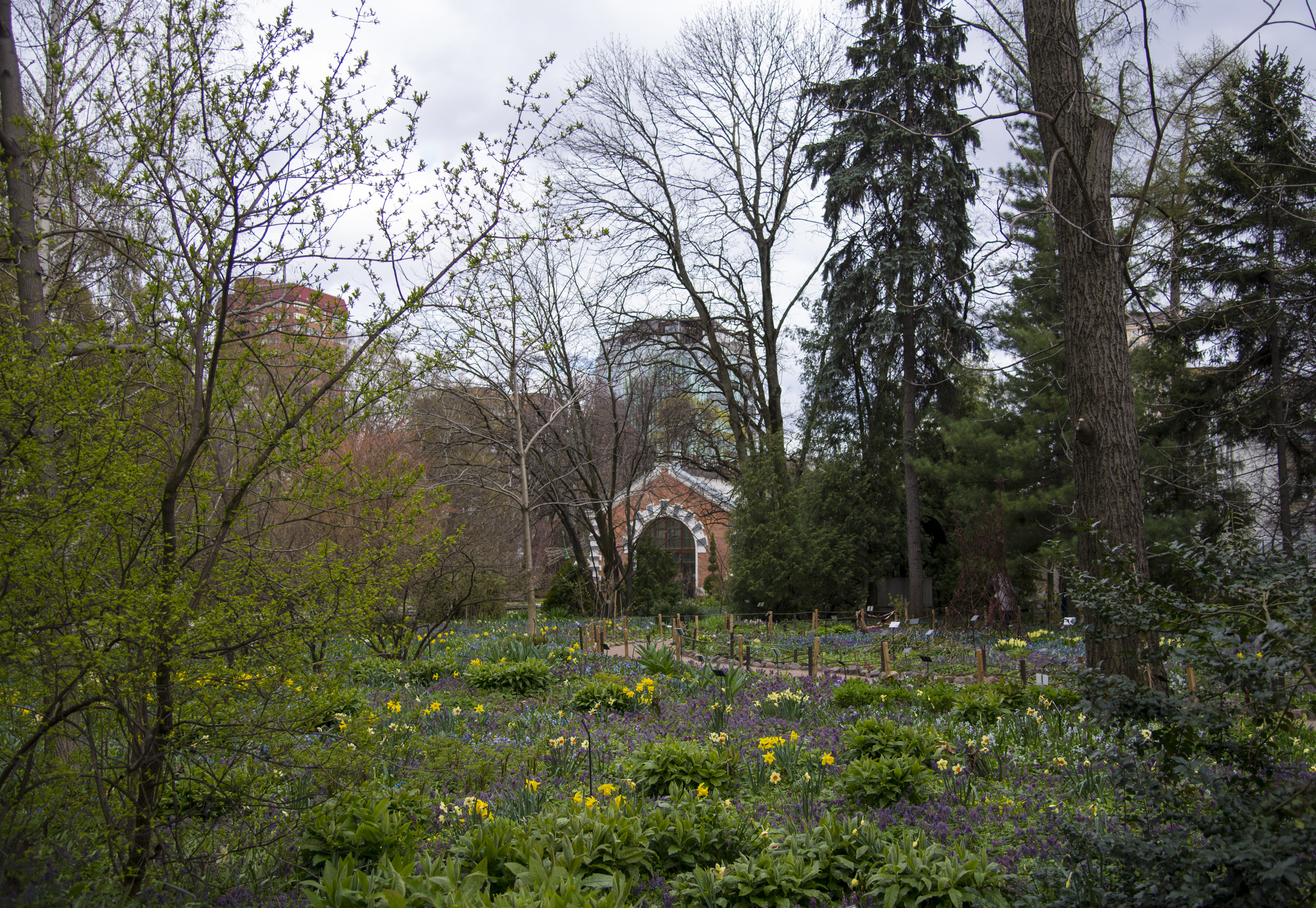
Moscow Botanical Garden

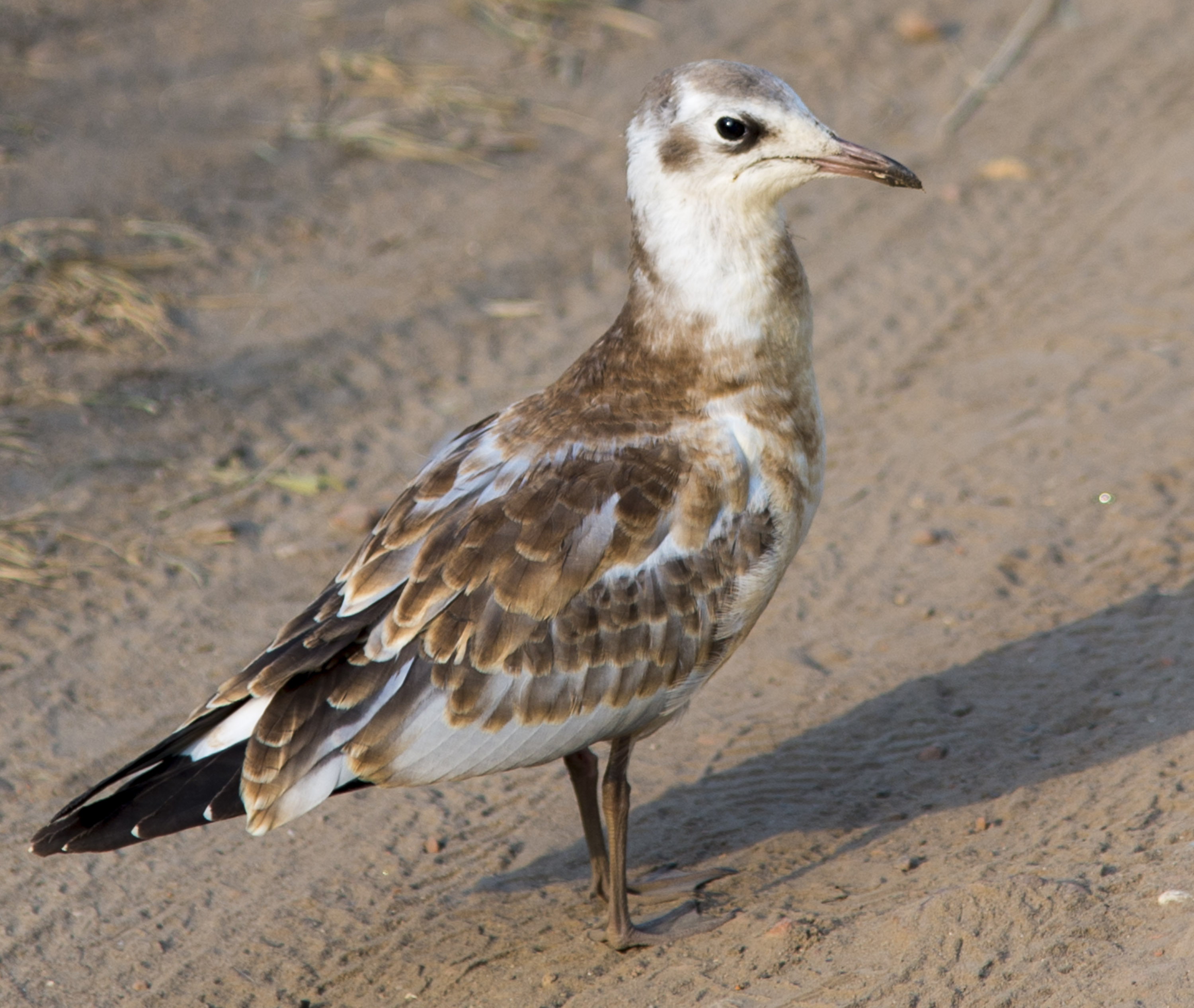
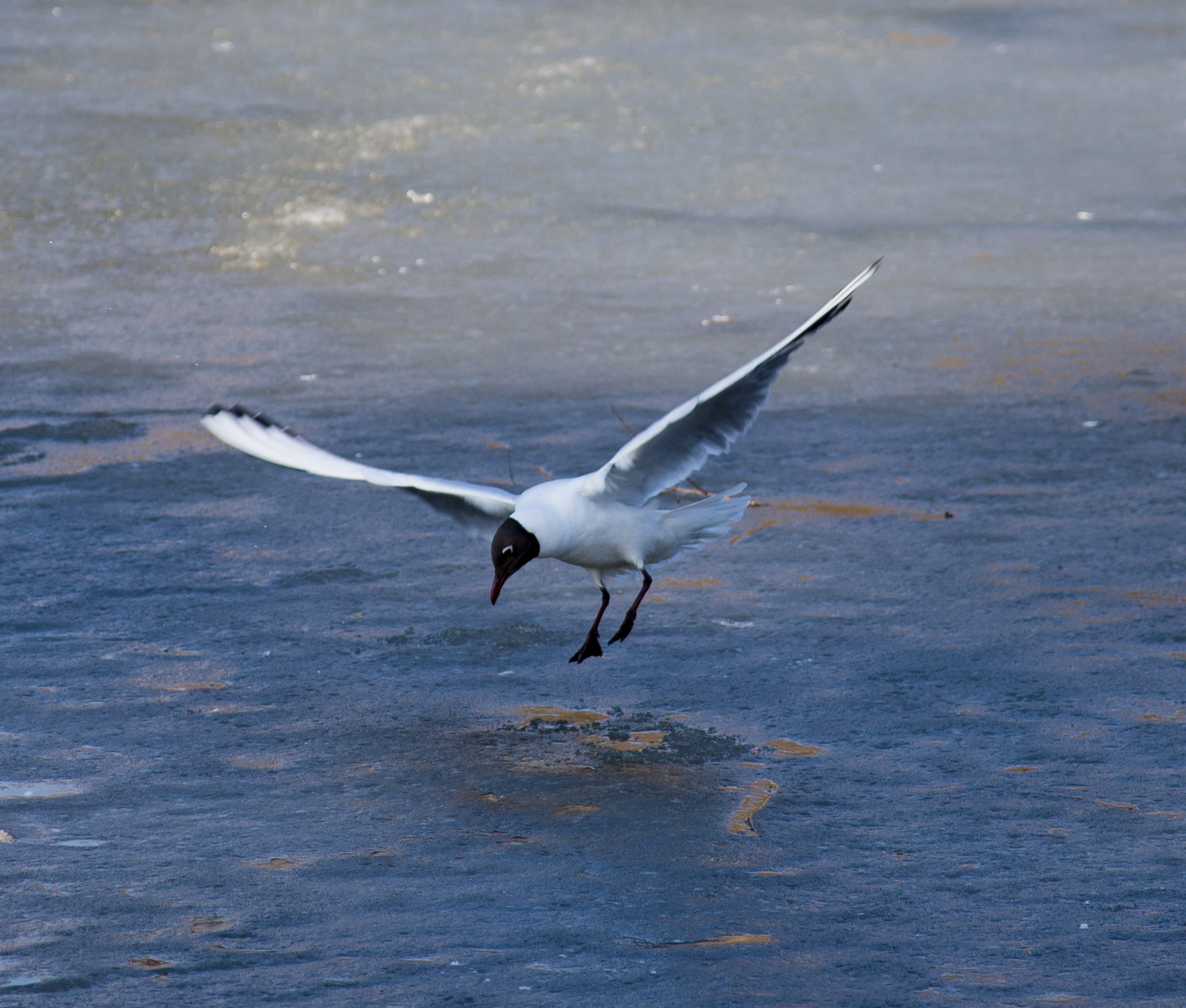
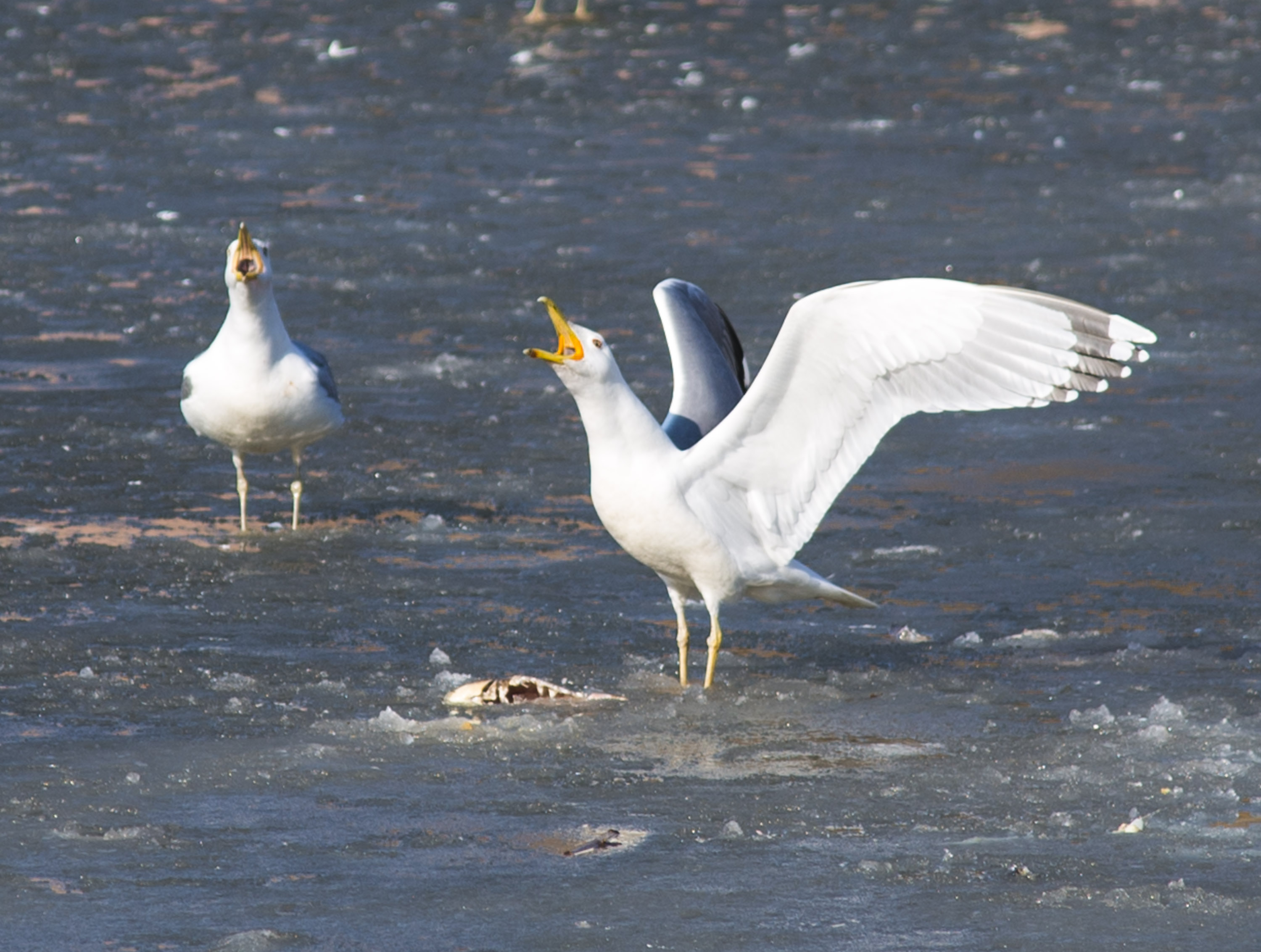
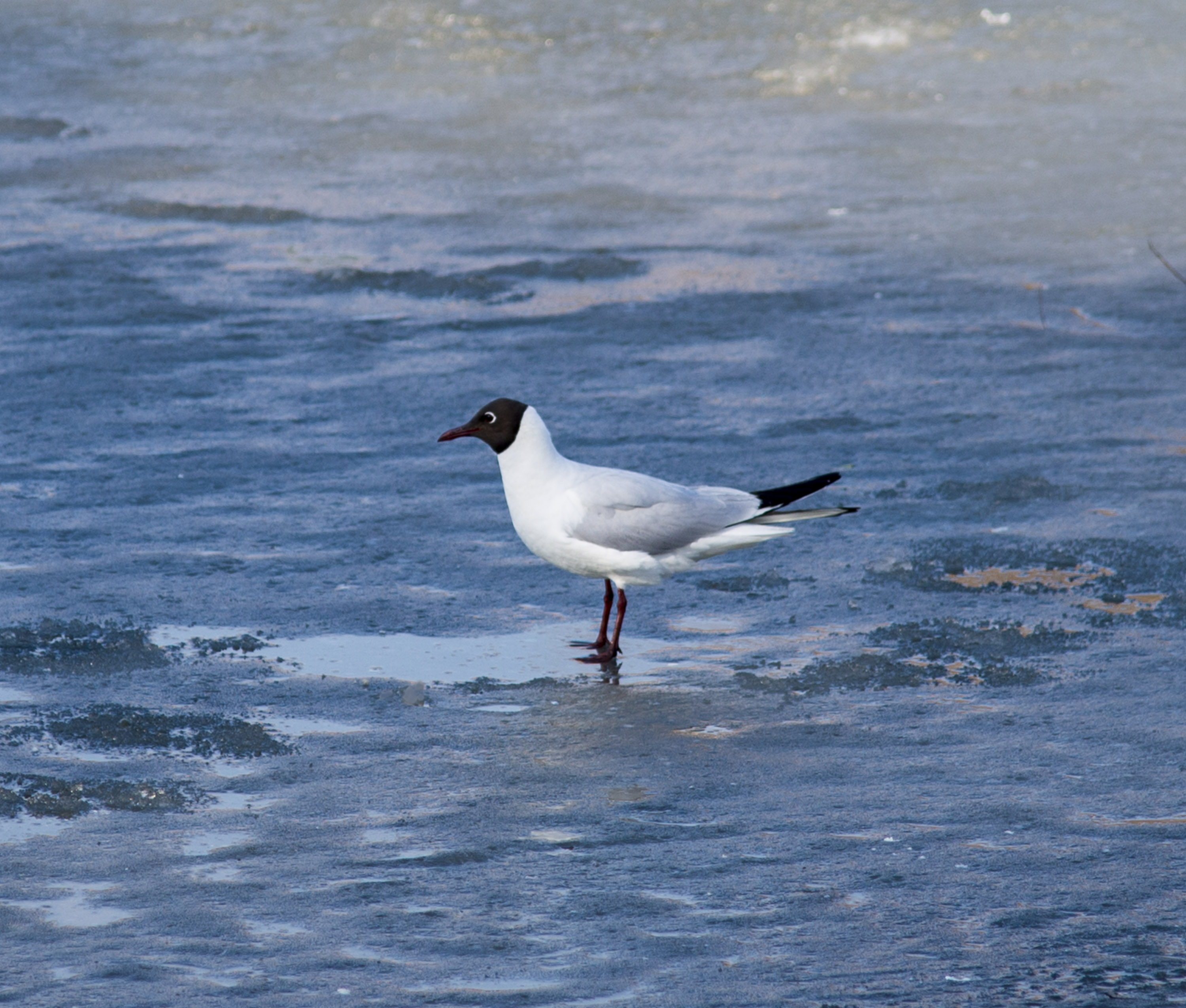
Gulls having dinner at the Moscow Botanical garden.

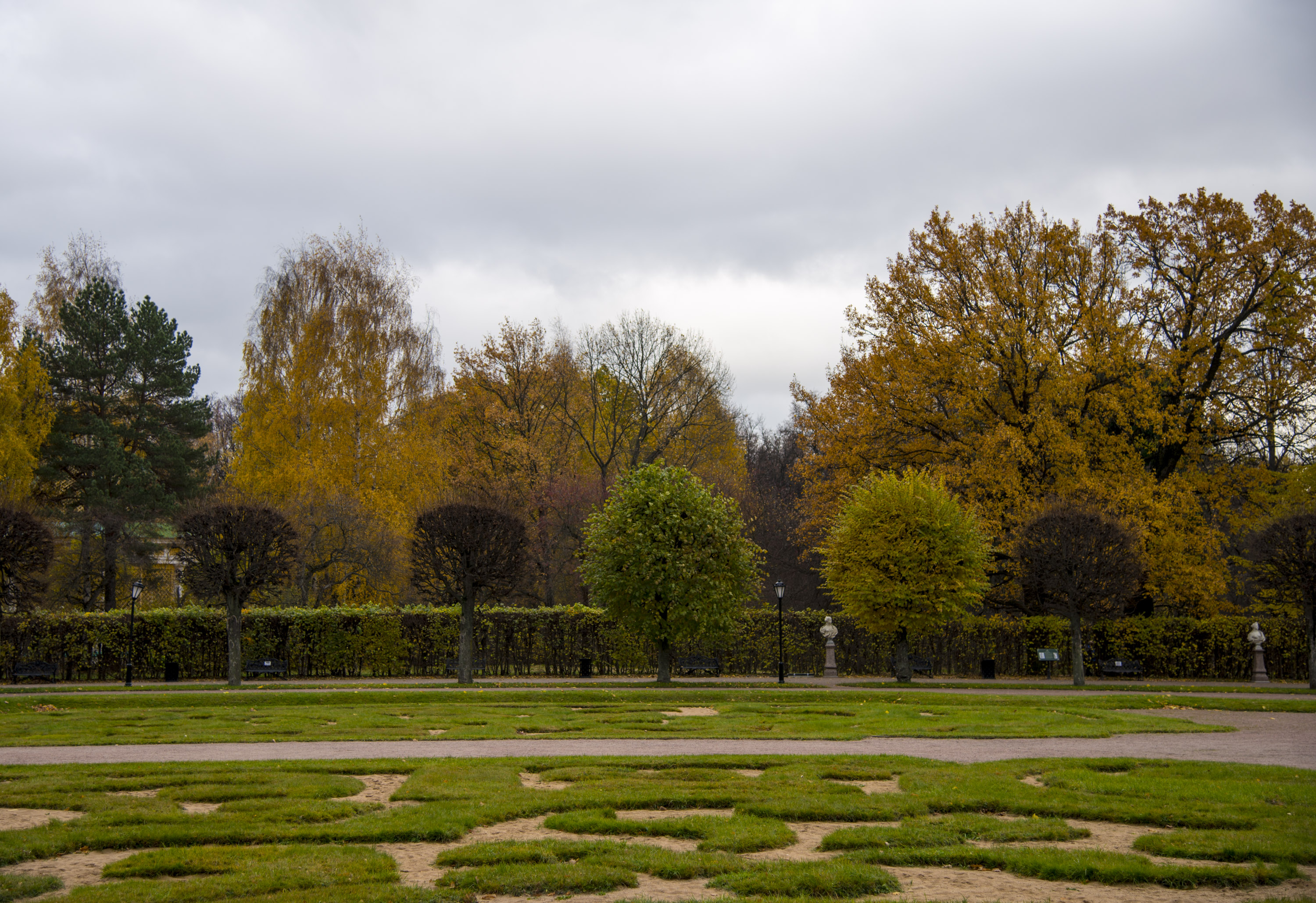
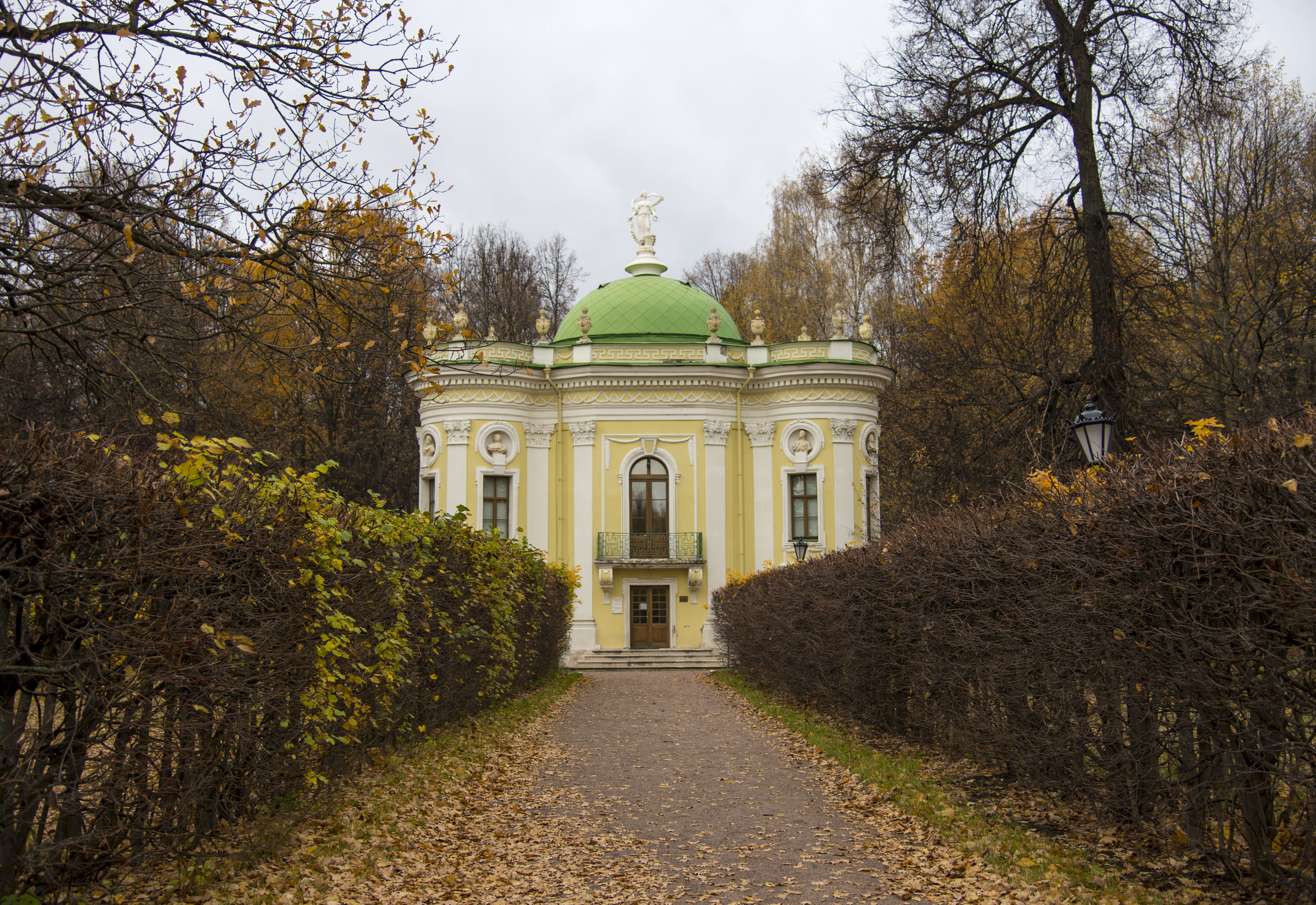
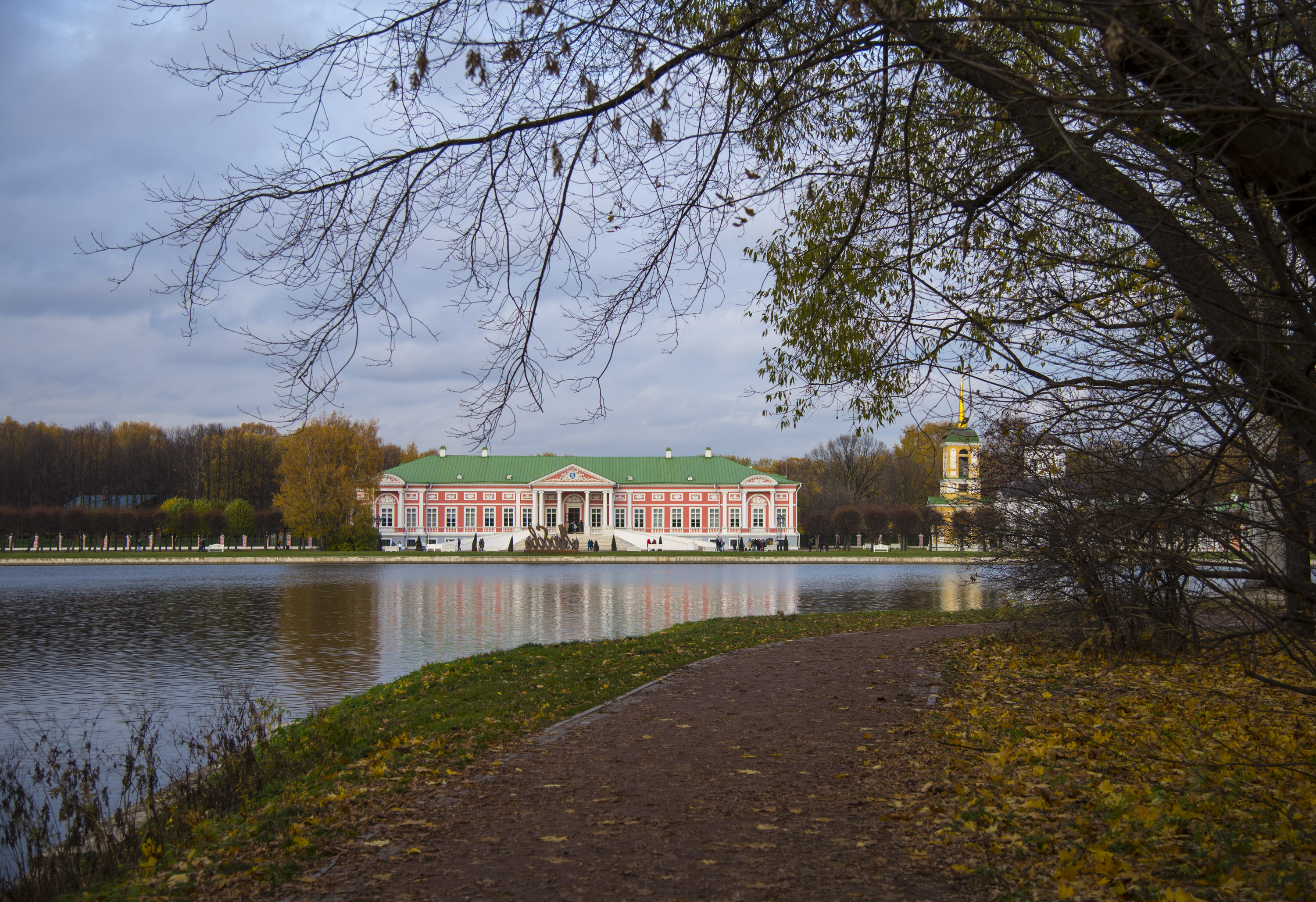
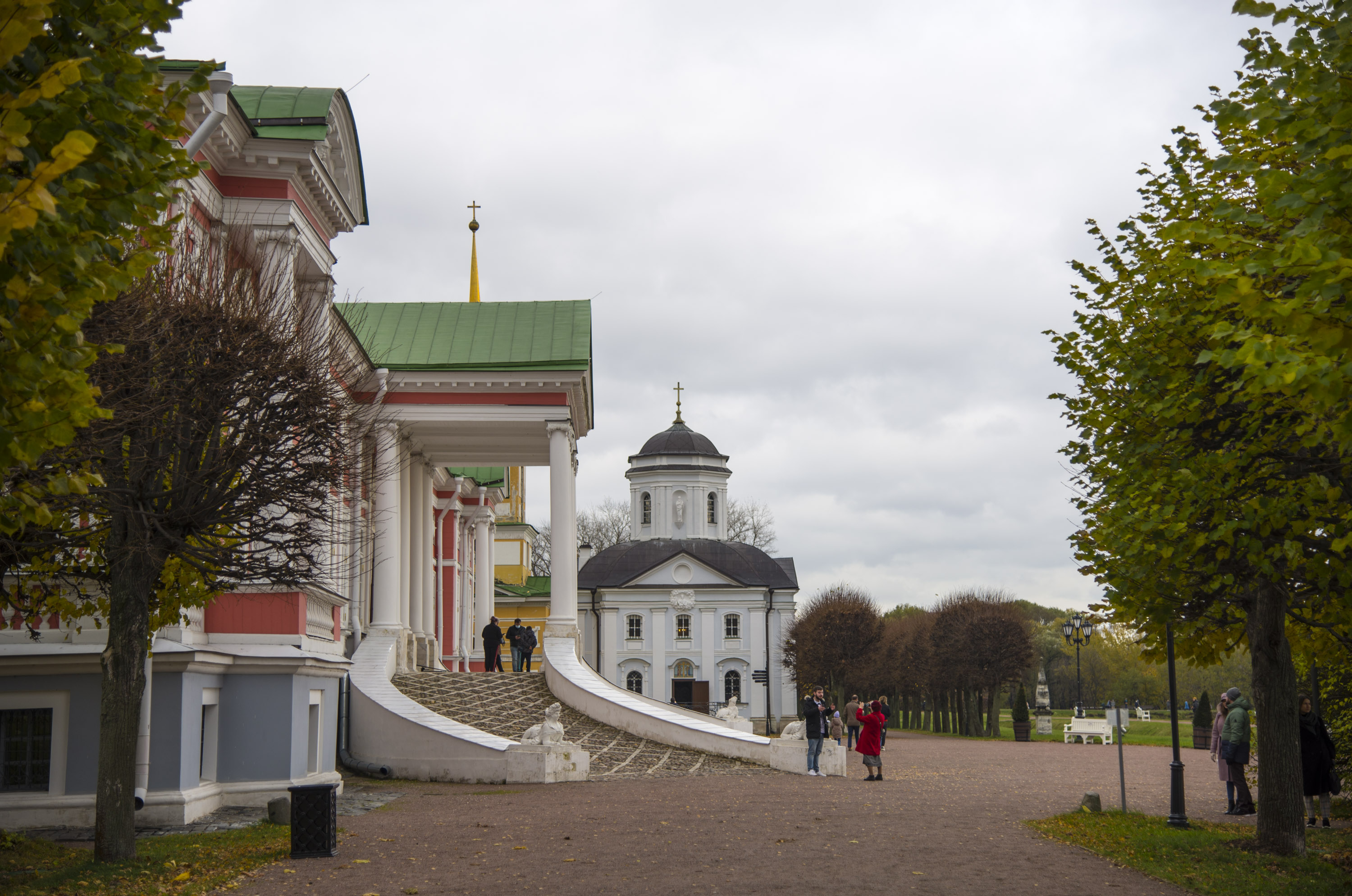
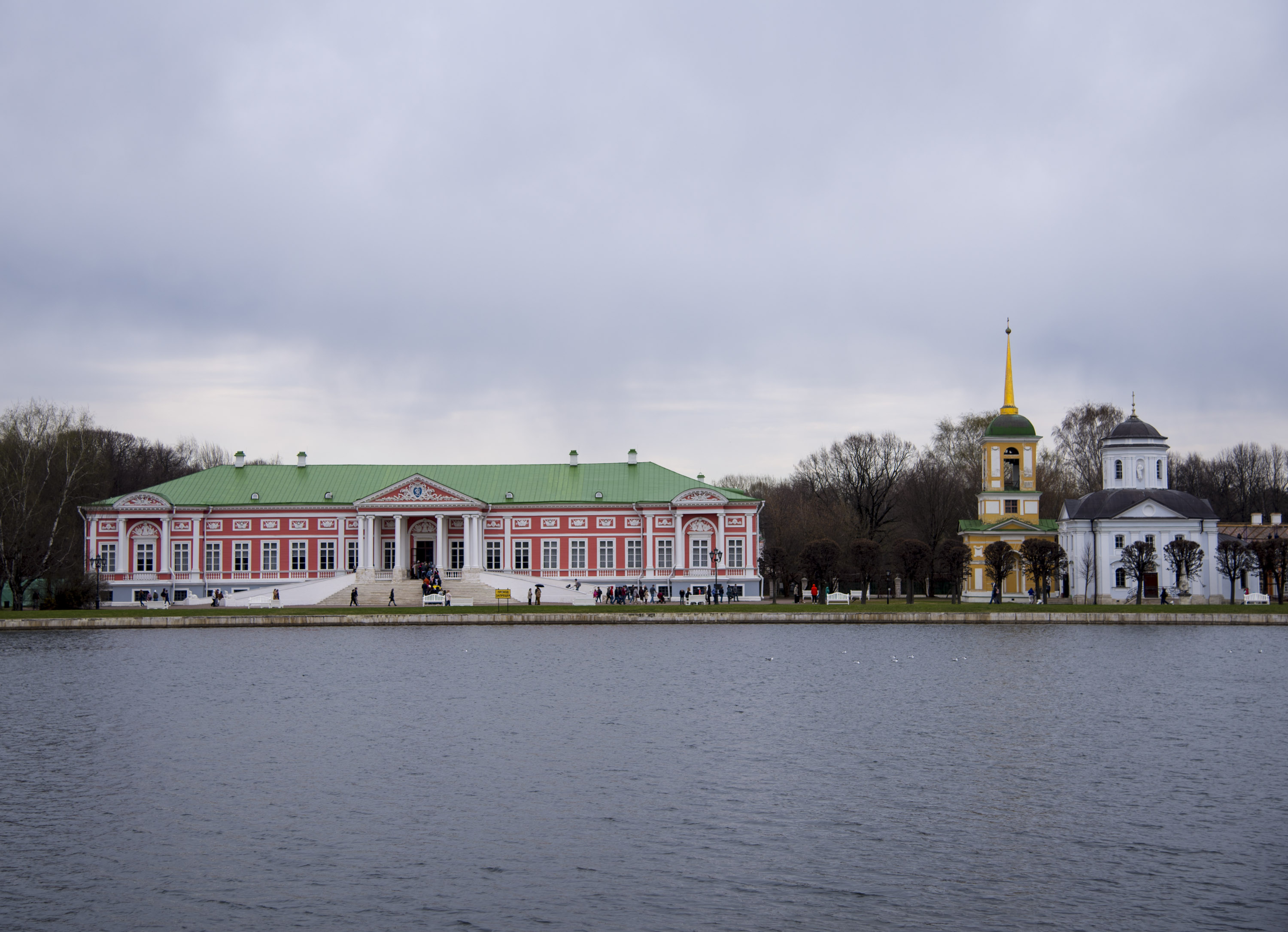
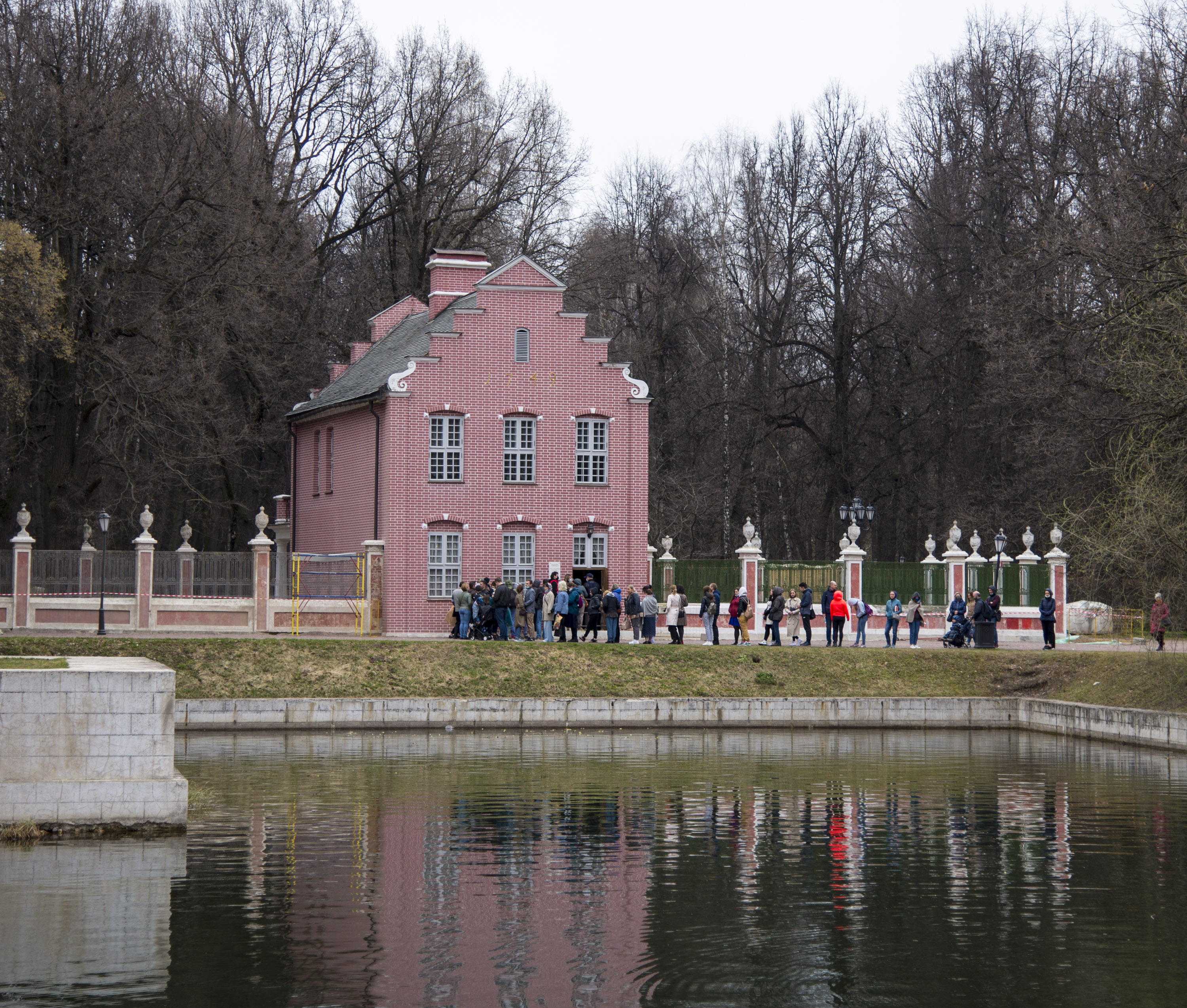
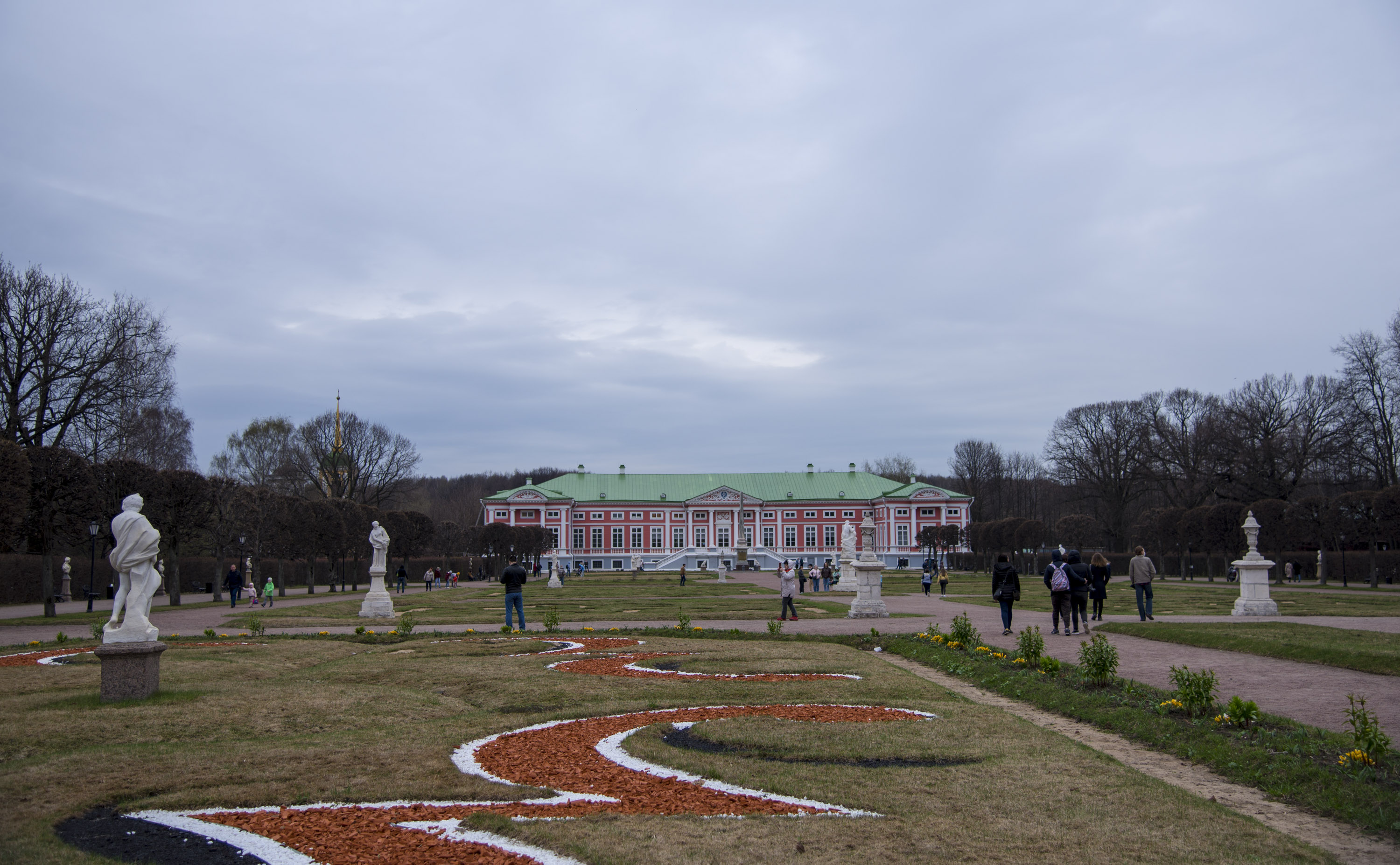
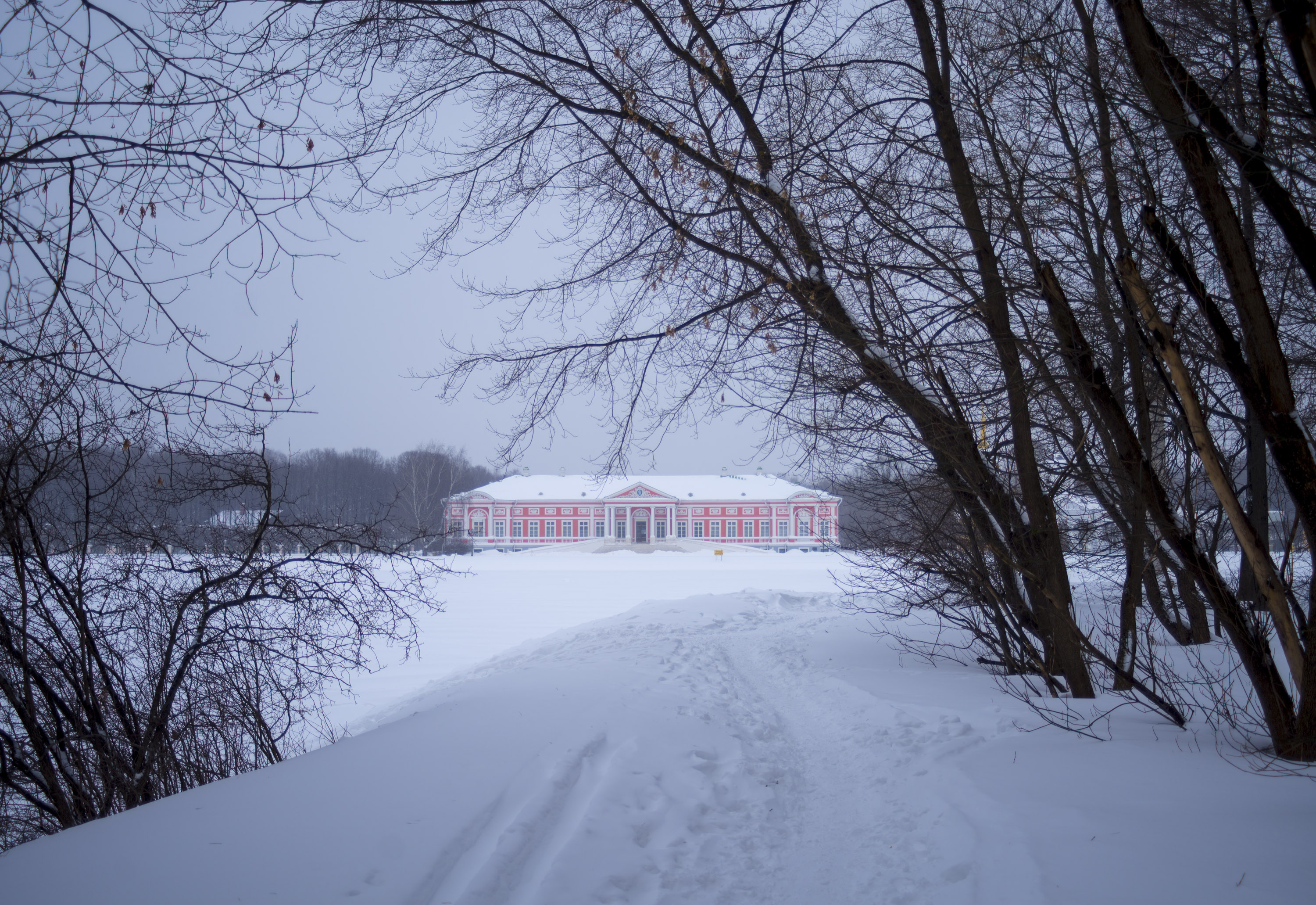
Kuskovo

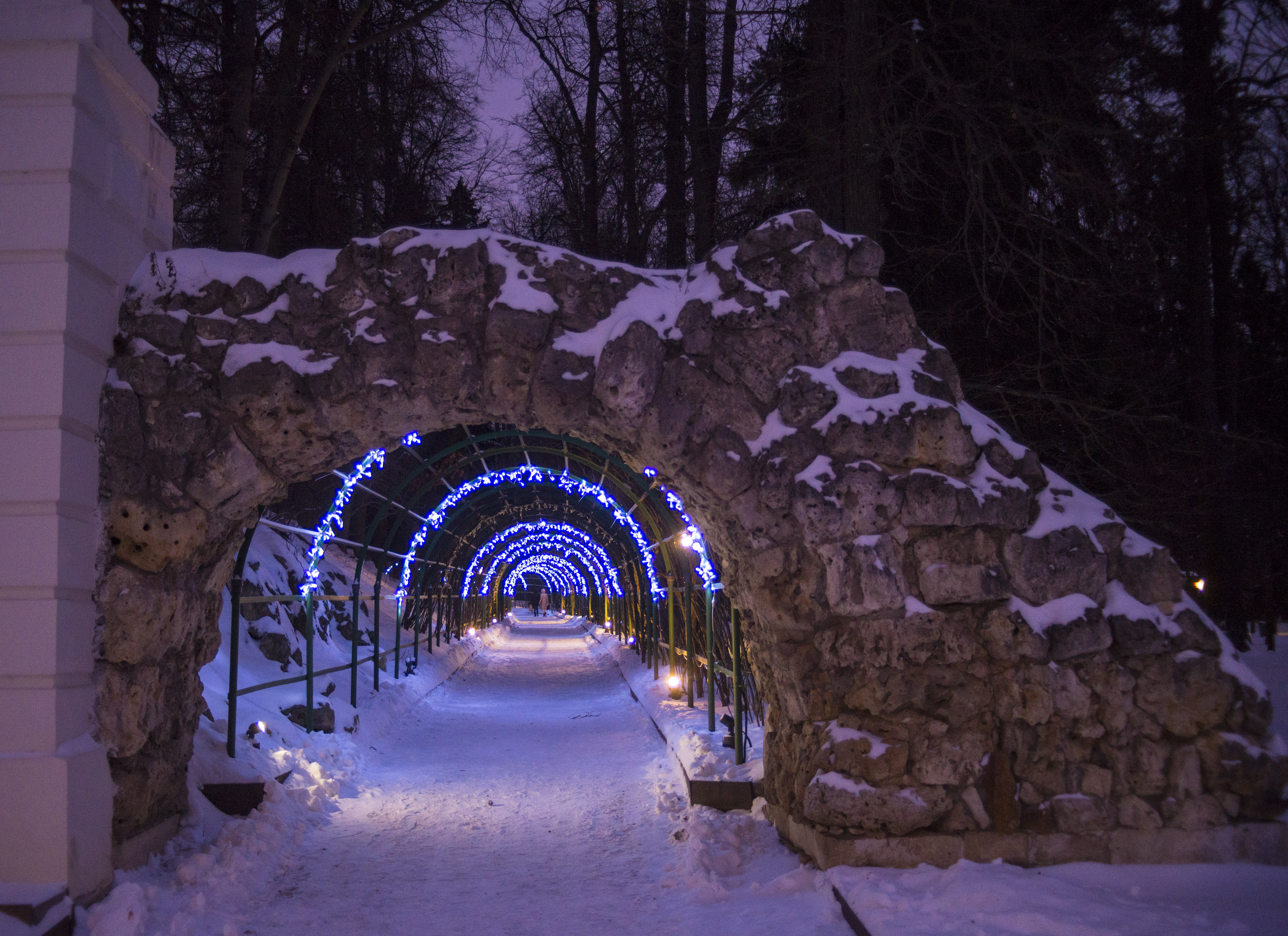
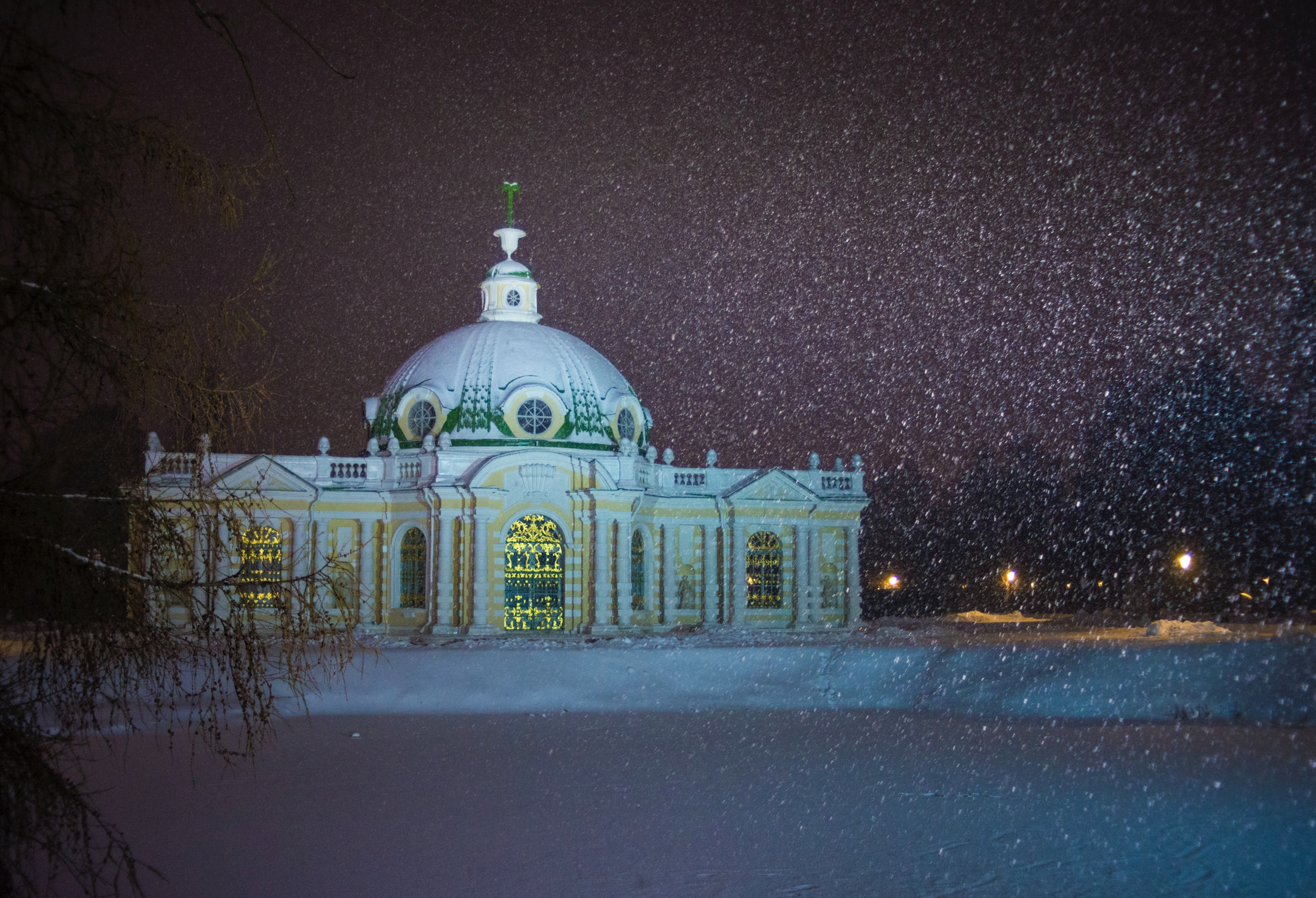
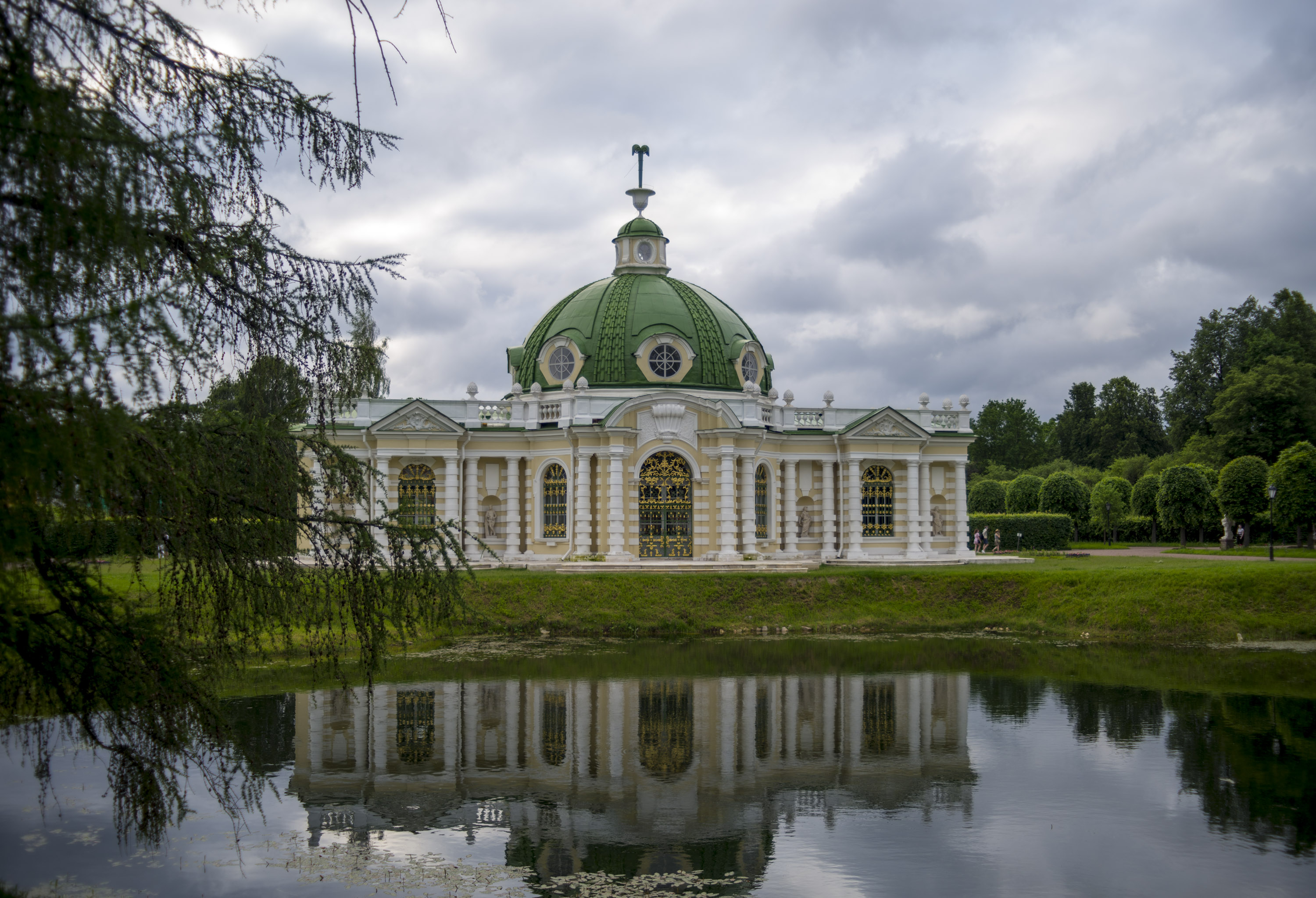
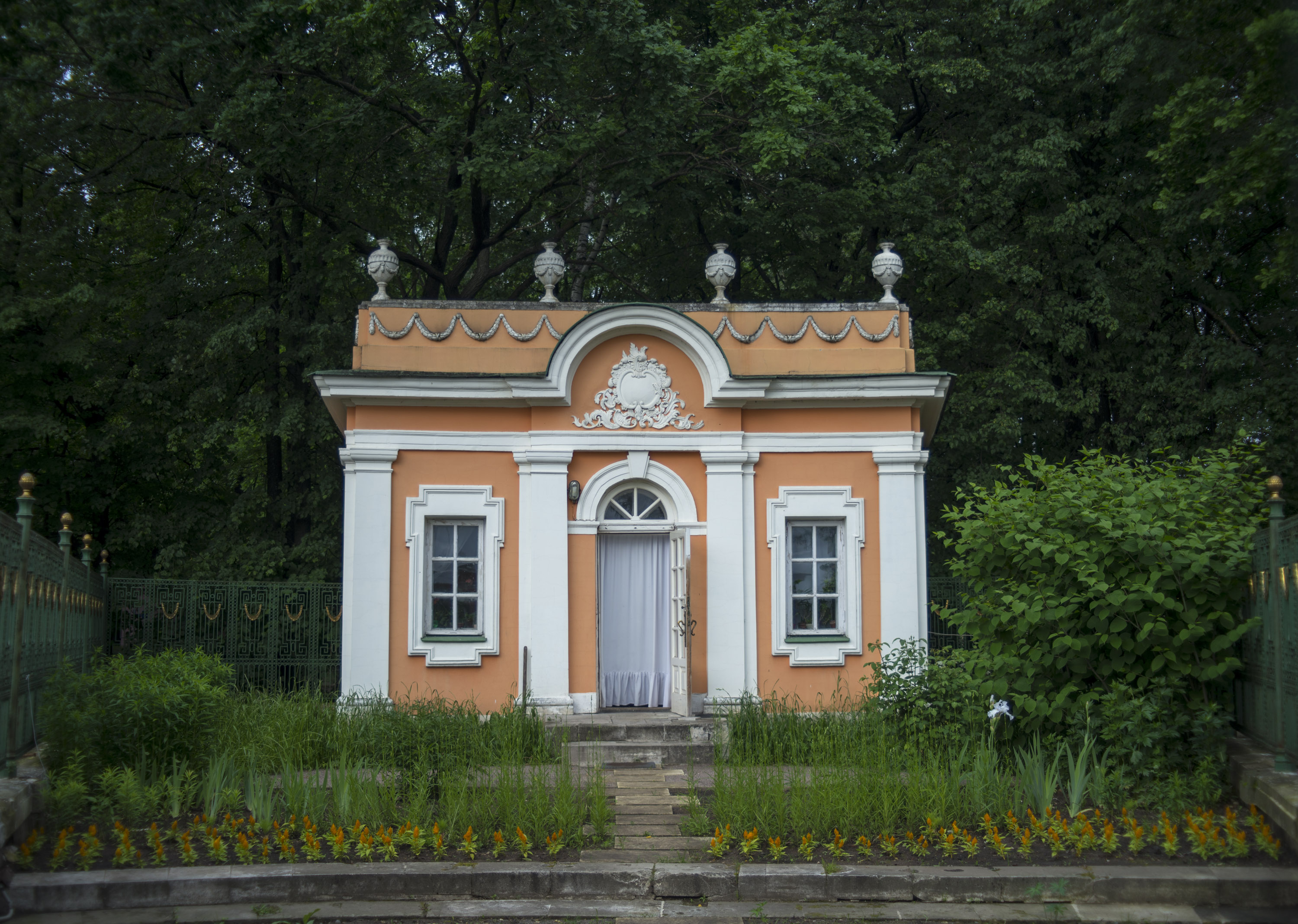
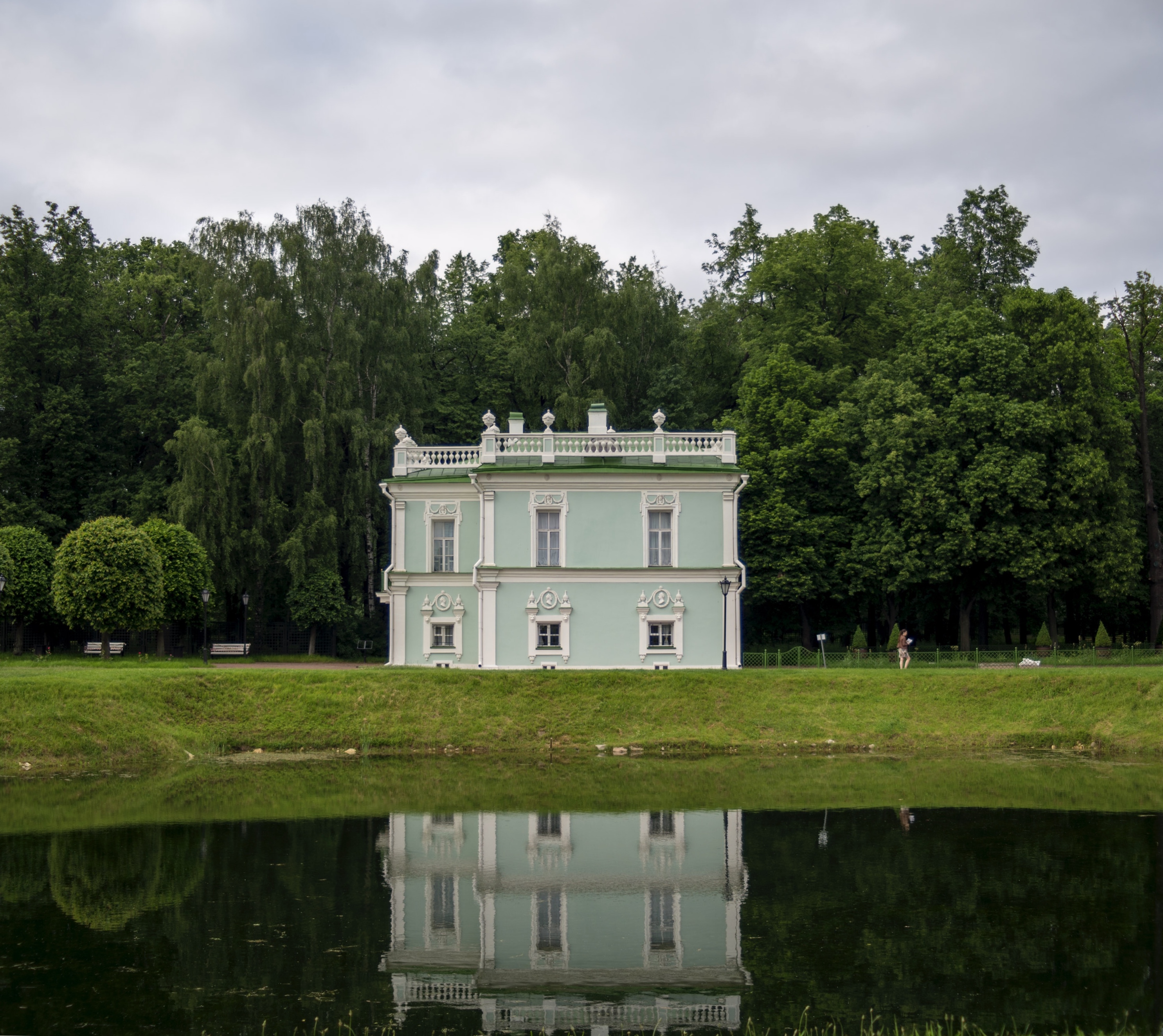
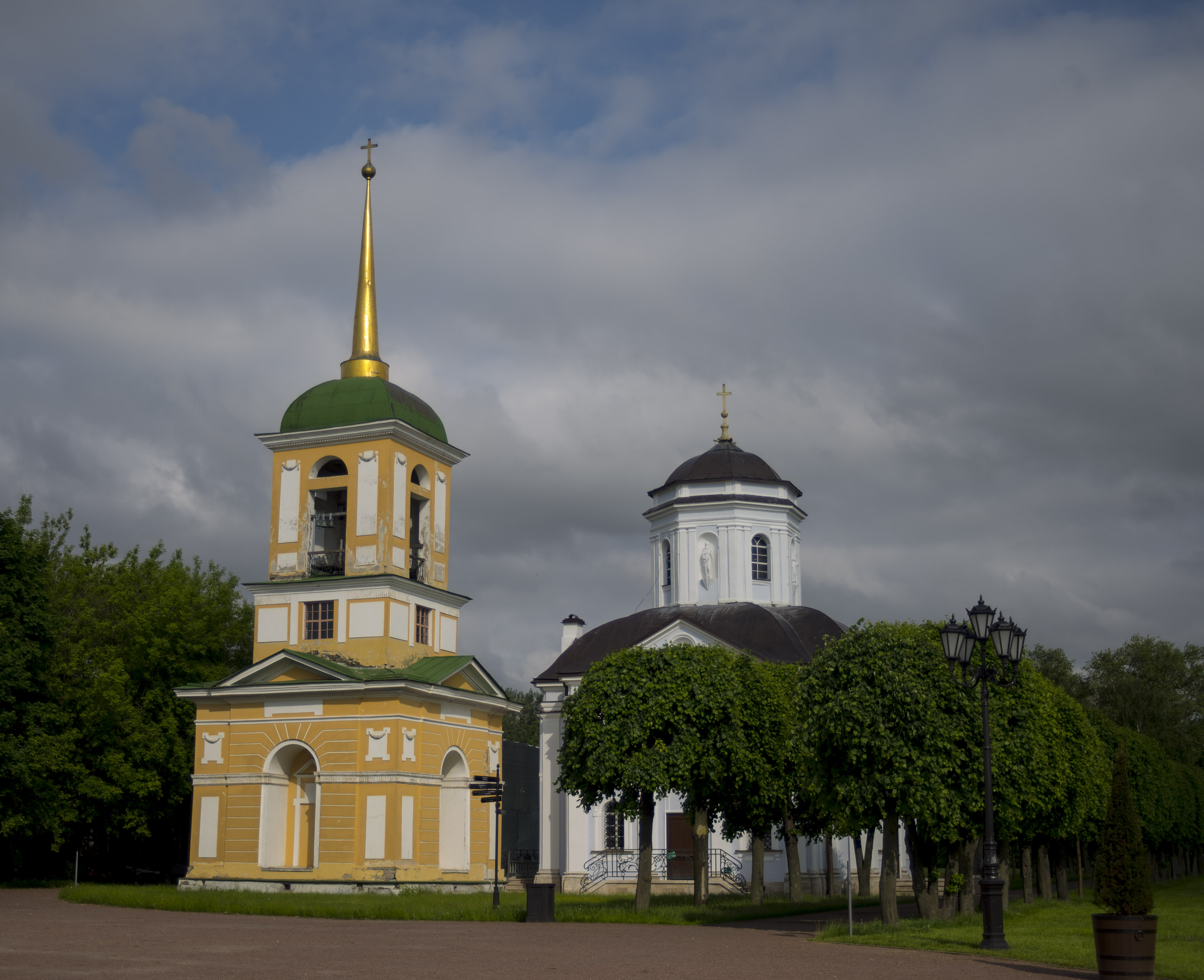
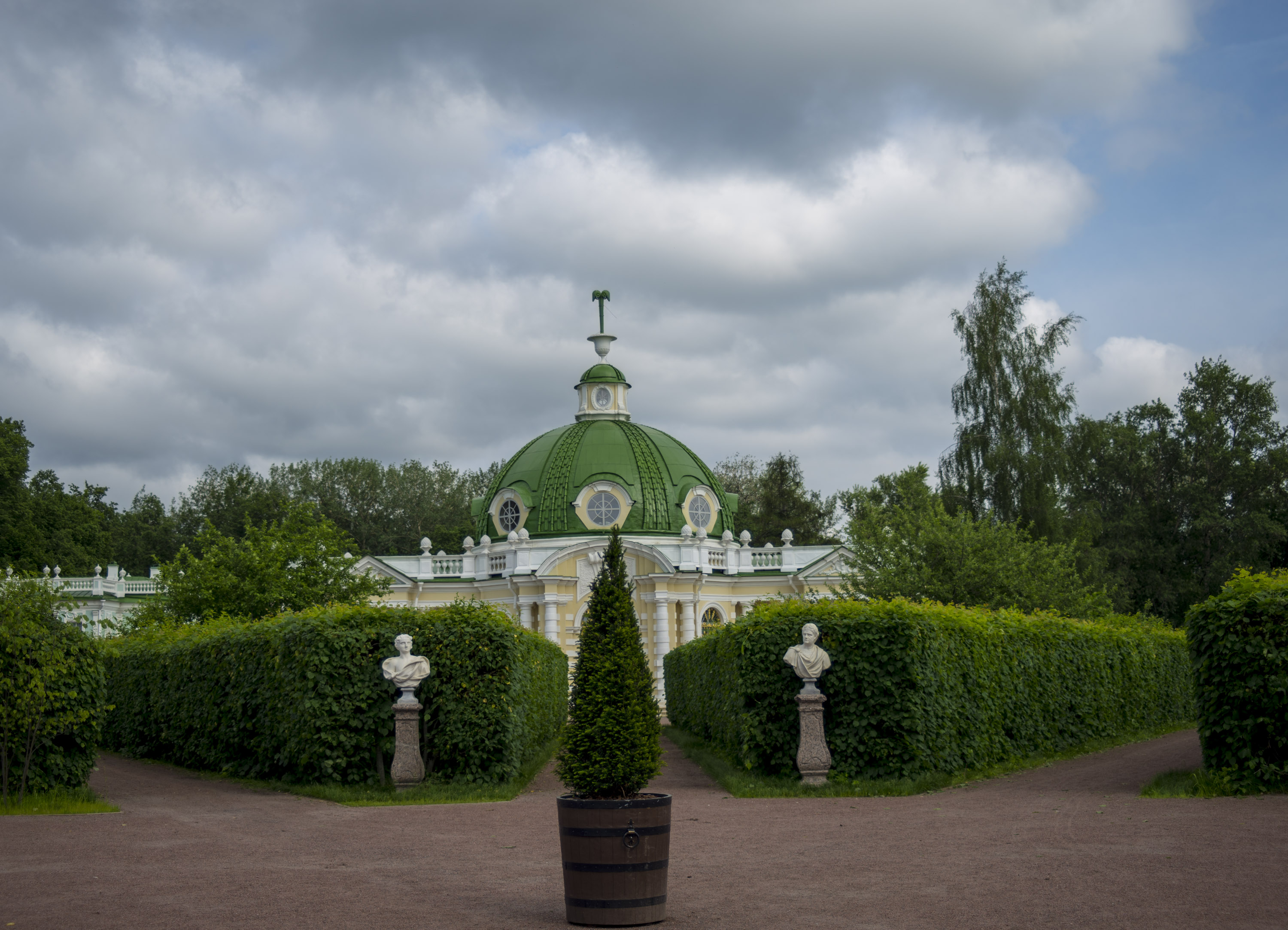
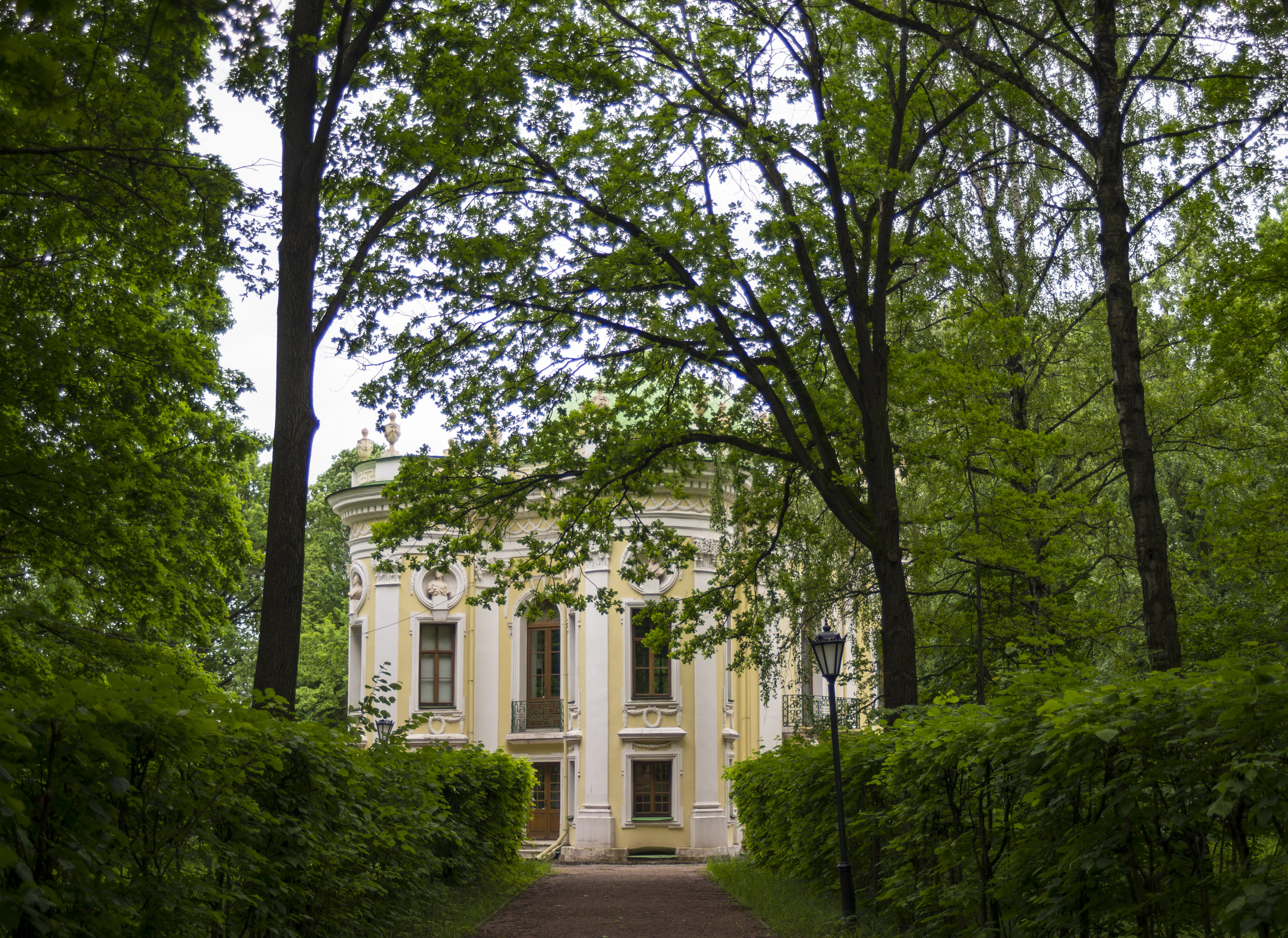
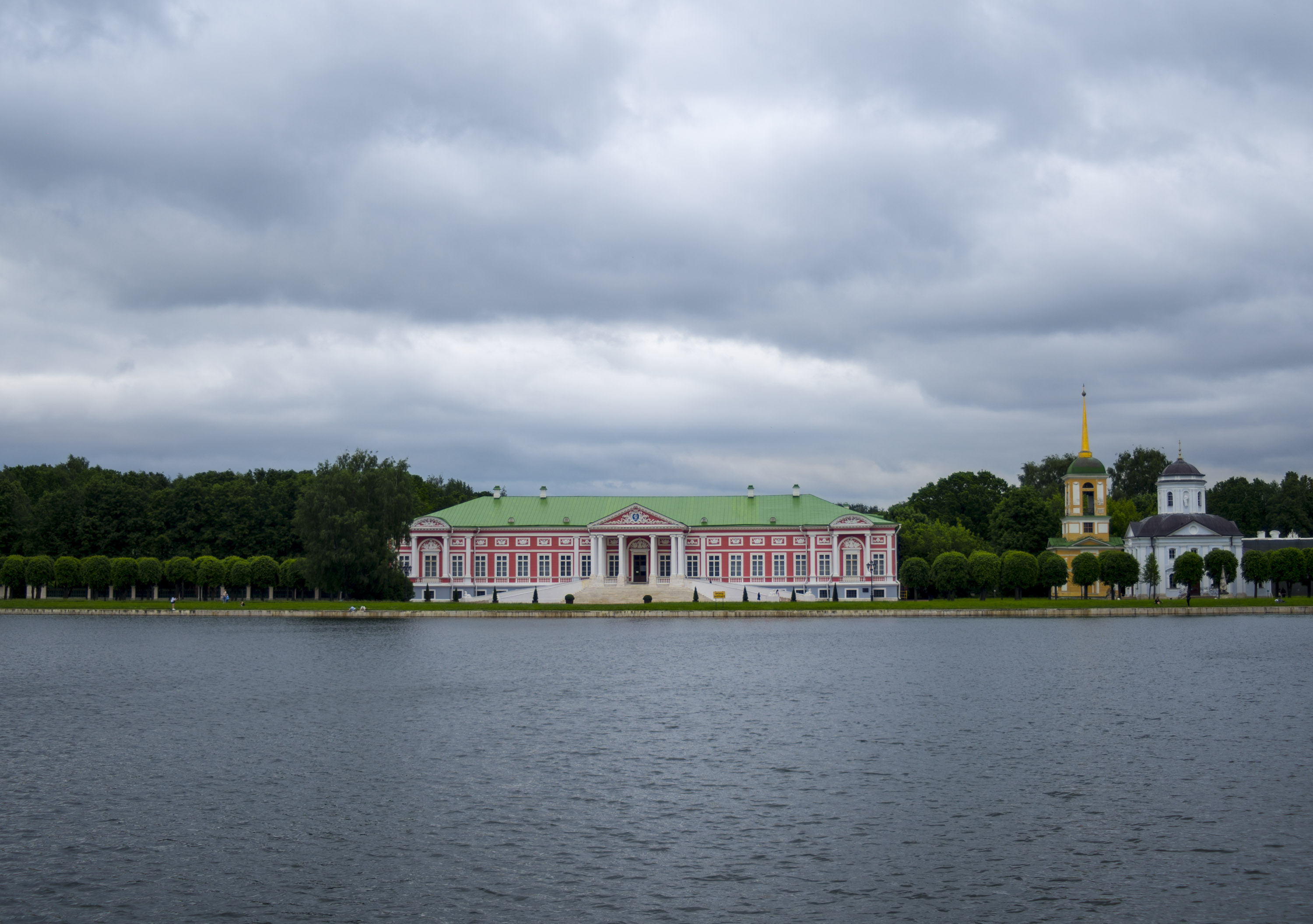
Kuskovo museum complex in Moscow is a summer estate of the Sheremetev family built in 18th century and includes Summer palace, Grotto, Italian house, Kuskovo Church and Tower bell, Hermitage in English landscape garden, the Dutch house and Orangeries. Grotto pavilion was constructed between 1755 and 1761 and was intended to represent the palace of the King of the Seas. Interior was made of whorled seashells of 24 different types which were delivered from the Mediterranean, Red, Black seas, the Sea of Japan, and reservoirs of the Moscow region.

Aptekarskiy Ogorod

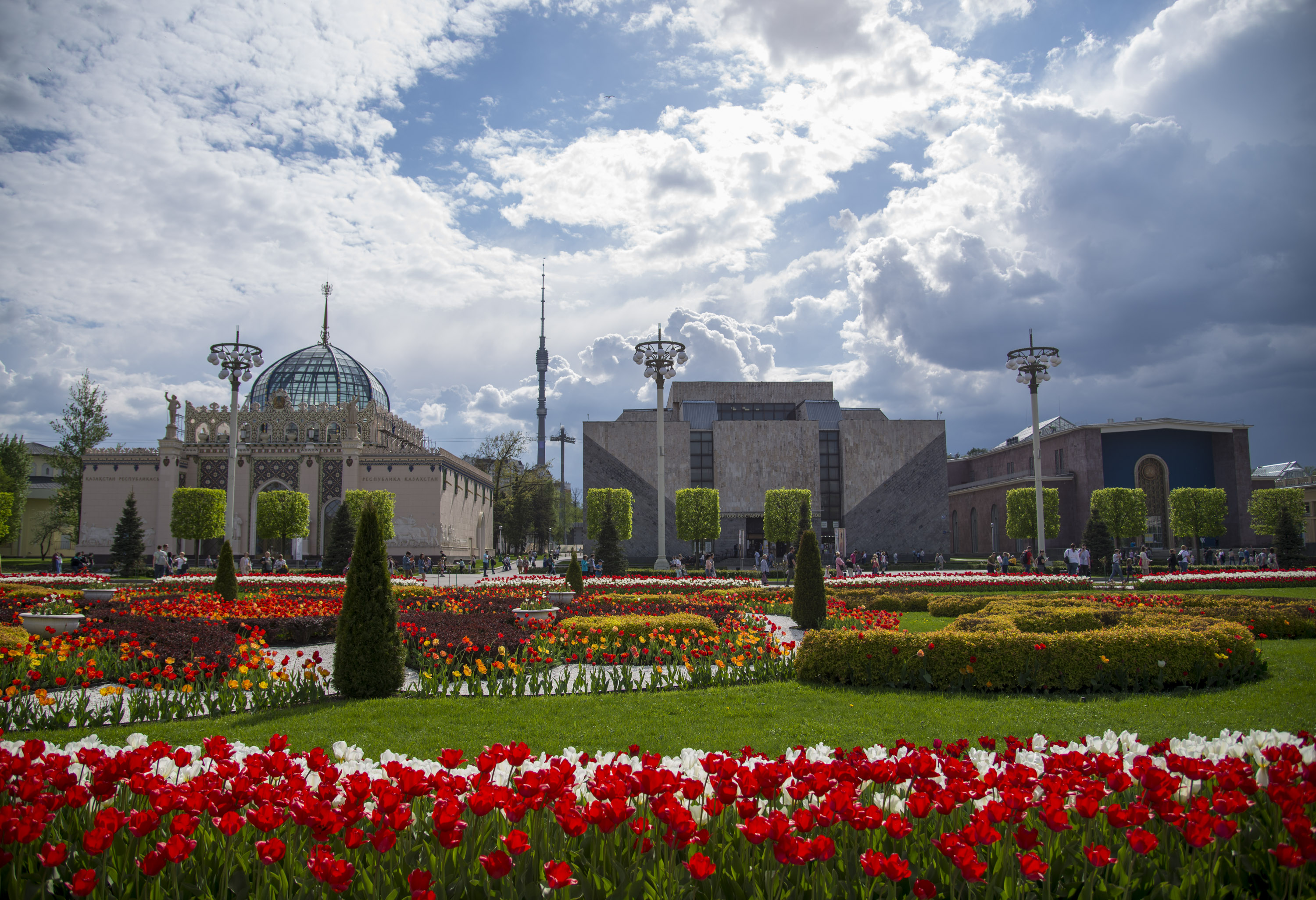
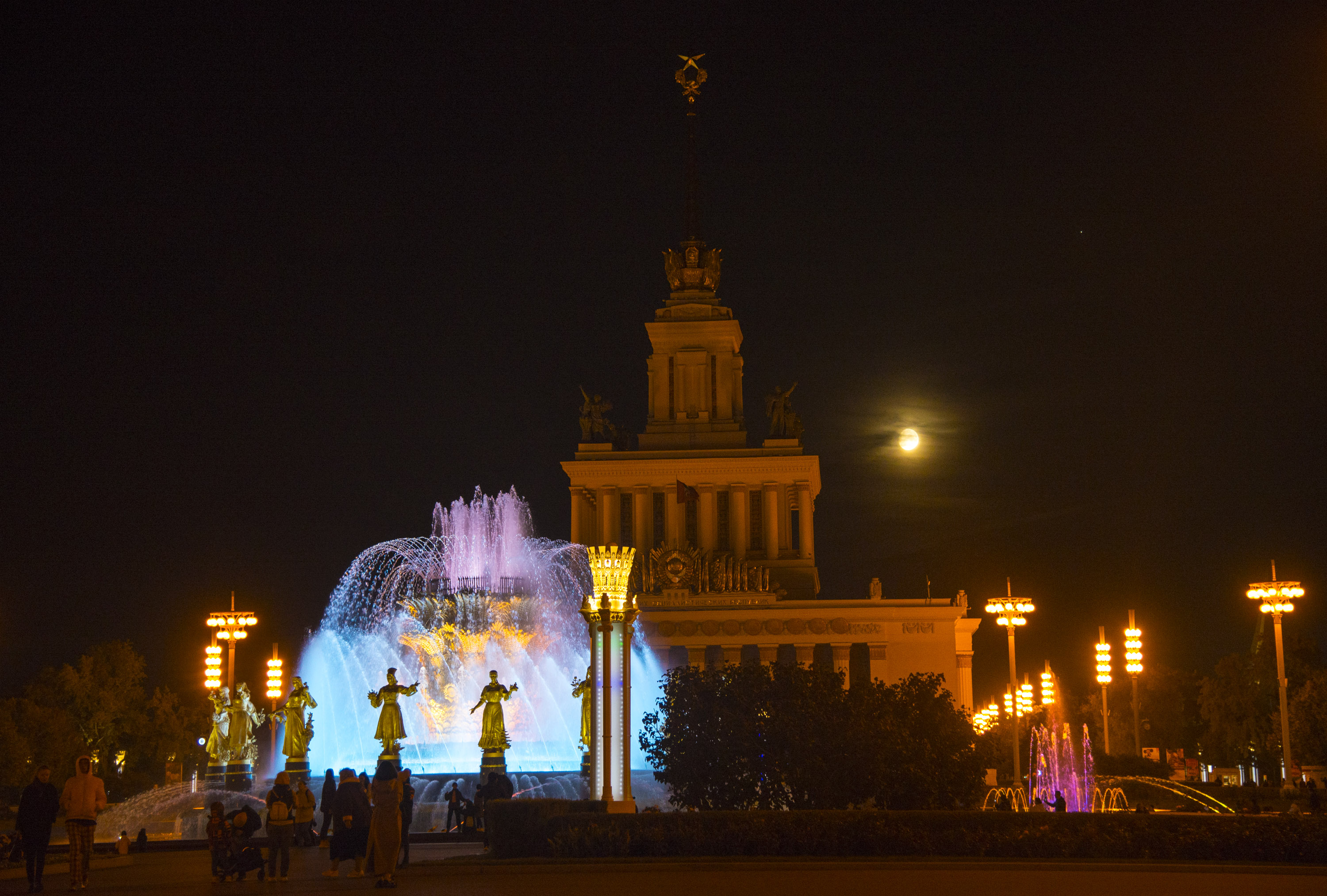
VDNKH exhibition center

VDNKH was established in 1935 and now is a huge complex of pavilions, with a total area covering over one hundred and thirty square meters. It is the largest exhibition centre in Moscow and each year there are more than one hundred and fifty specialized exhibitions.

May

Mytishchi

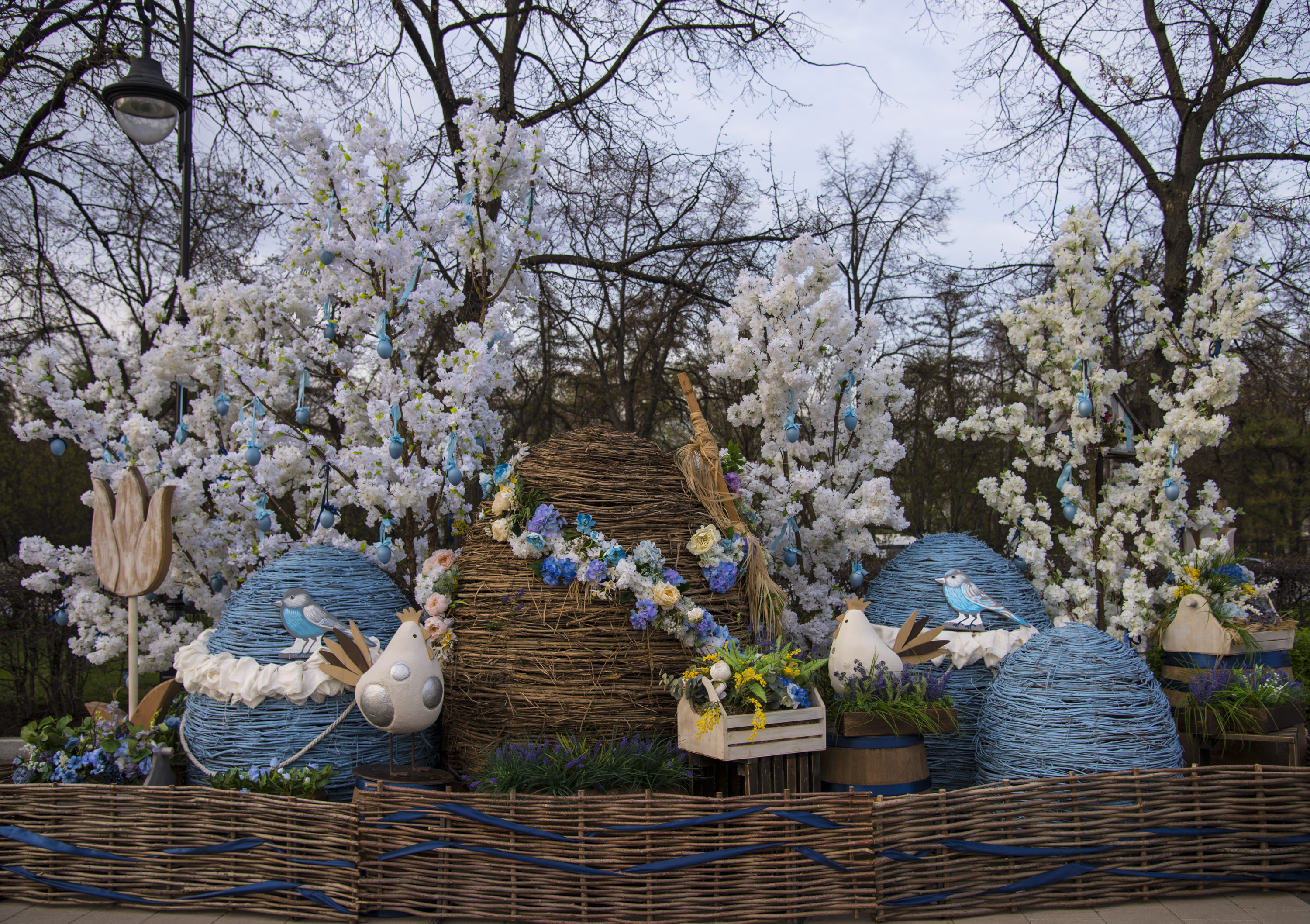
Easter installations in Moscow

Moscow Botanical Garden

Japanese Garden

Muzeon

Cathedral of Christ the Savior

Park Gorkogo

Gorky Park, located at Krymskiy Val and situated just across the Moskva River, was opened in 1928.

Neskuchniy Garden

Nesjuchniy Sad which literary means “not boring garden” is the oldest Moscow park the history of which dates back to 1756.

Moskva river enbankment

Aptekarskiy Garden

VDNKH exhibition center

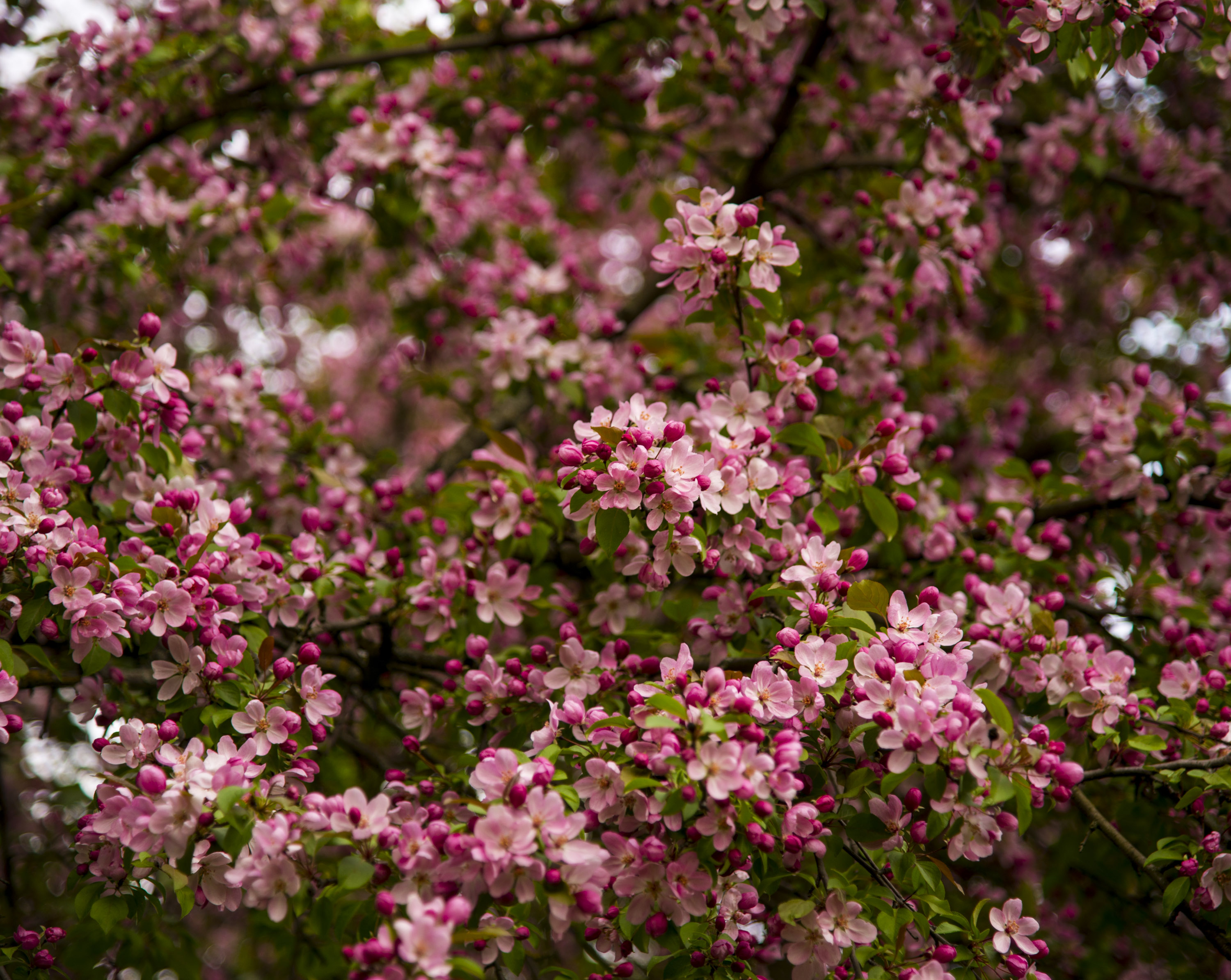
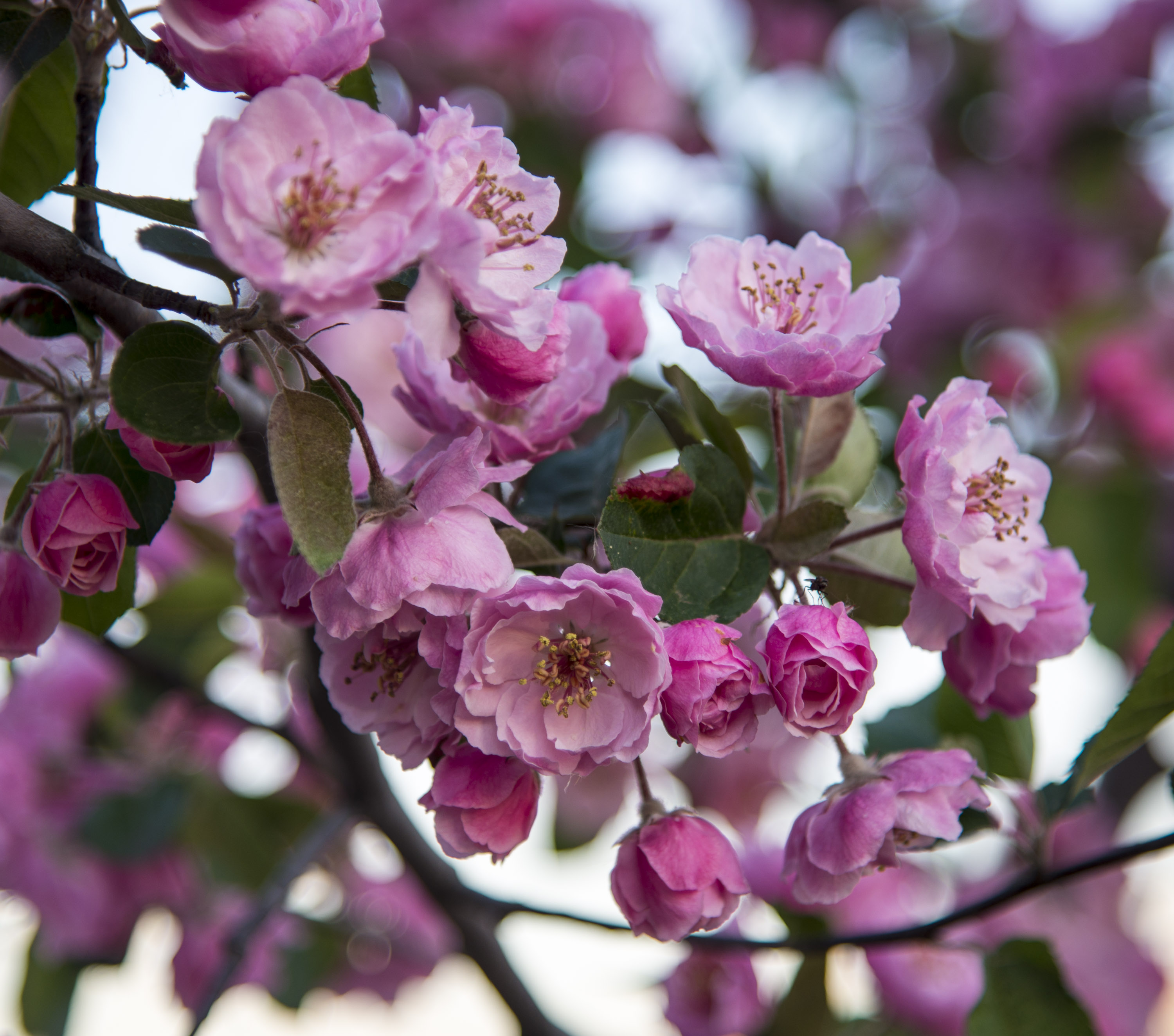
Just me and apple trees blossom

Church of the Holy Trinity in Ostankino

The first wooden Trinity Church was built in 1585 and was destroyed in the Time of Troubles. In 1625-27 Prince Cherkassky built a new wooden church. In 1692 a stone church in the name of the Trinity was build which with some modifications survives to this day.

Tsaritsyno

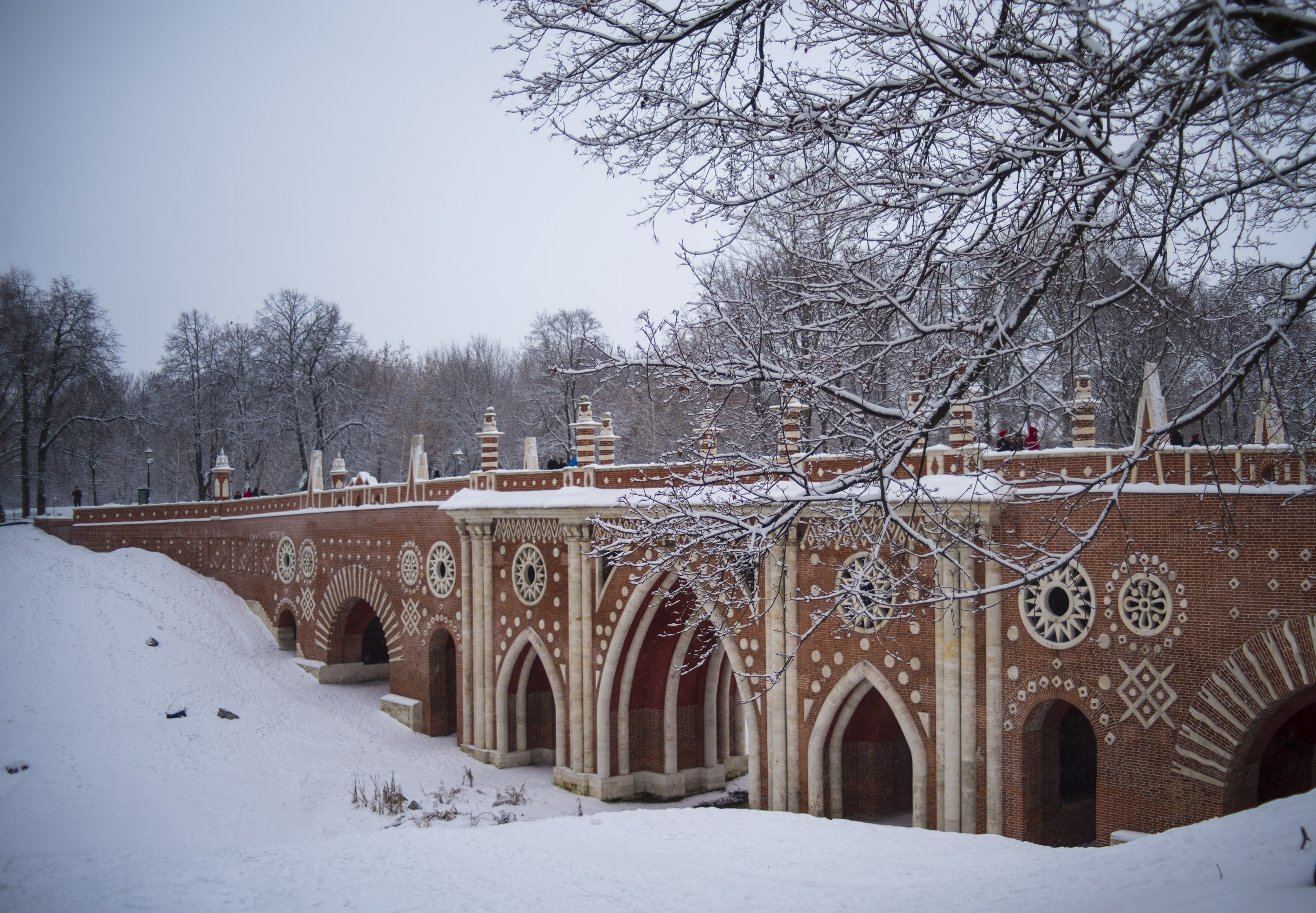
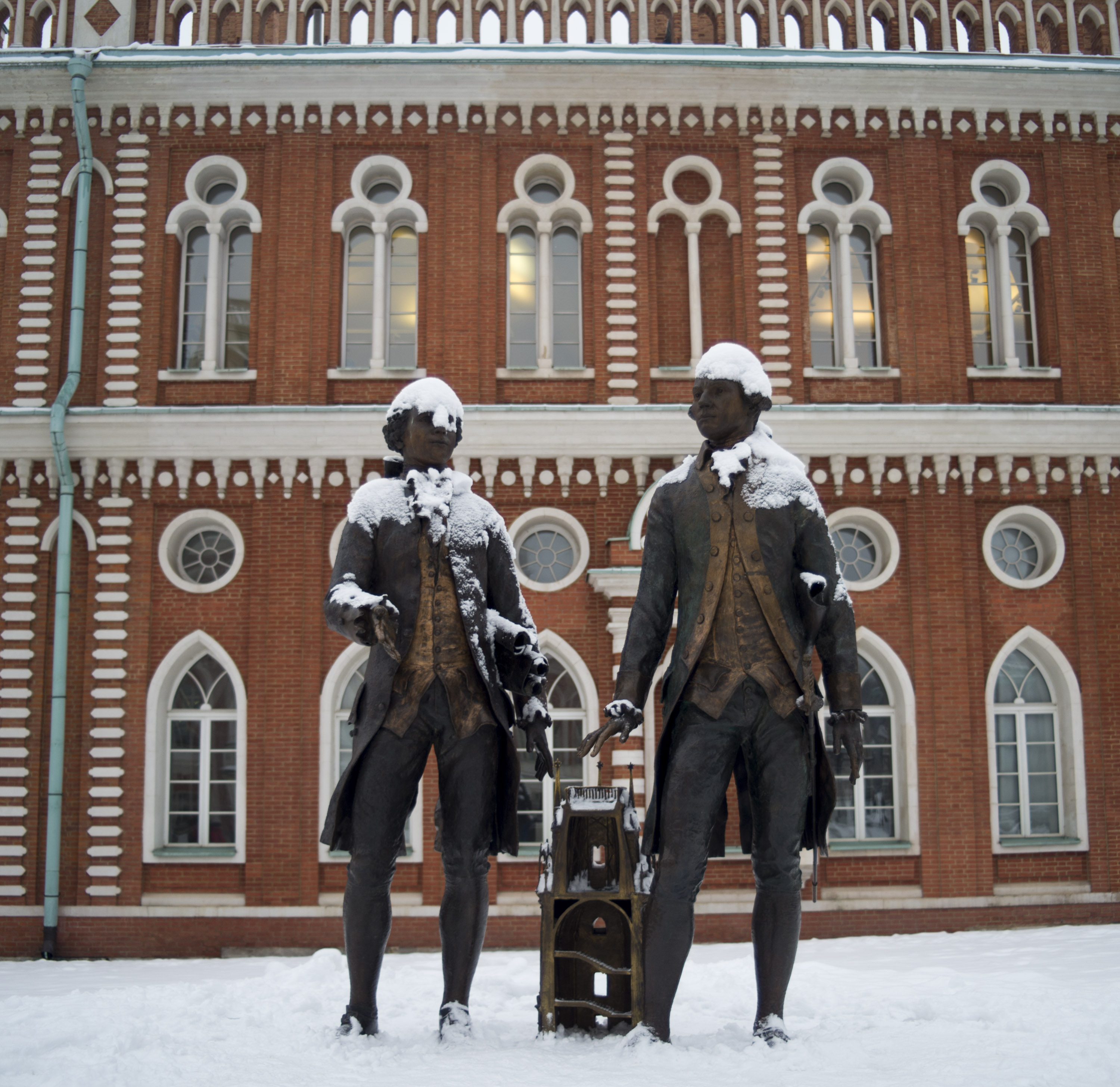
Tsaritsyno is a palace museum and park reserve in the south of Moscow which includes an architectural complex of Greenhouses, historical landscaped park with ponds. It was founded in 1776 by the order of Catherine the Great and built by two great architects Vasiliy Bazhenov and Matvey Kazakov.

The Church of the Icon of the Mother of God (Храм Иконы Божьей Матери) was built in 1722 and is the part of Tsaritsyno Palace and park ensemble.

Kolomenskoe

Kolomenskoye is a historical, architectural and natural landscape Museum Reserve. The church located on the hill with a panoramic view is Church of the Ascension (Церковь Вознесения). This is a true gemstone of ancient Russian architecture listed by UNESCO as a world heritage site. The church was built in 1533.

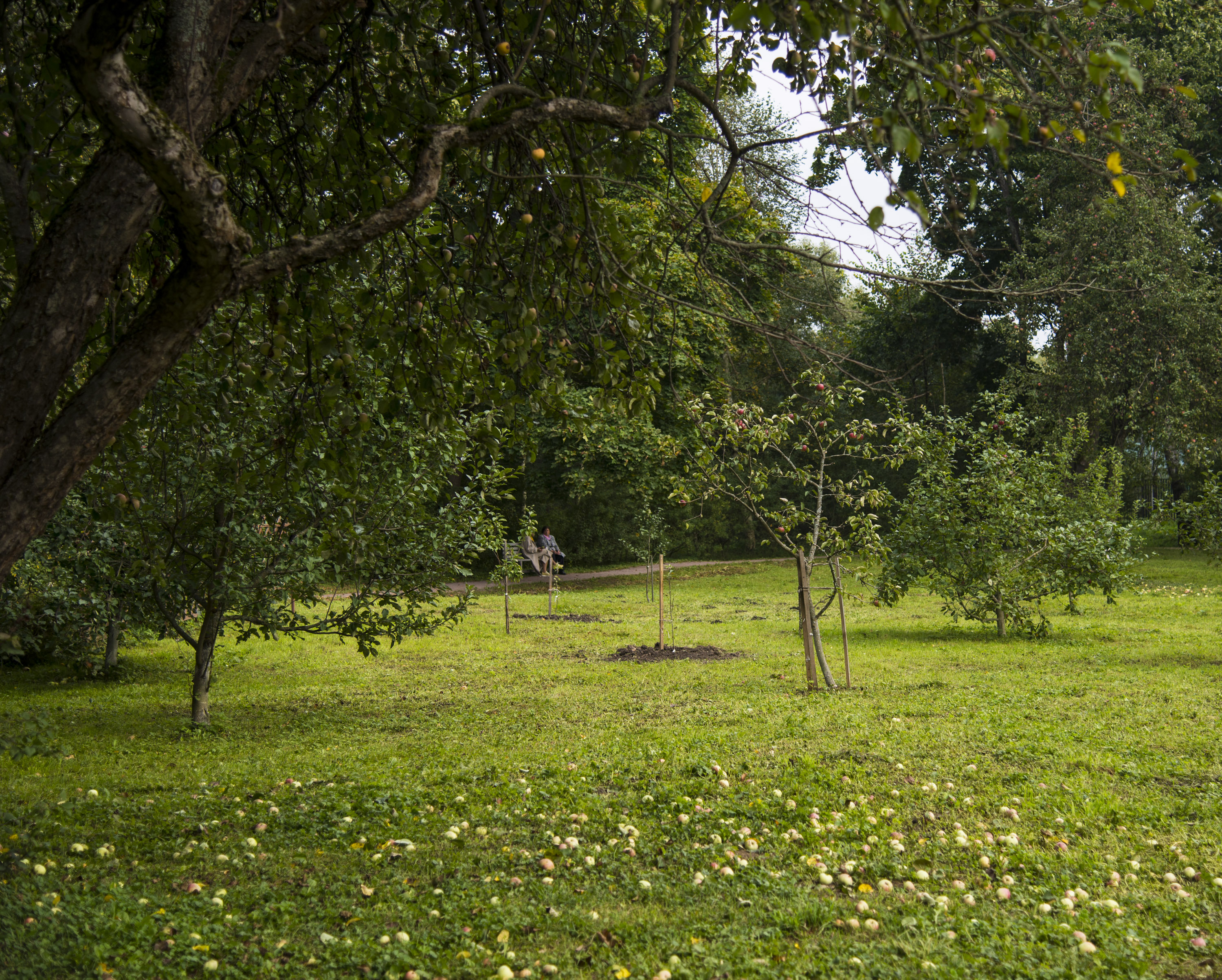
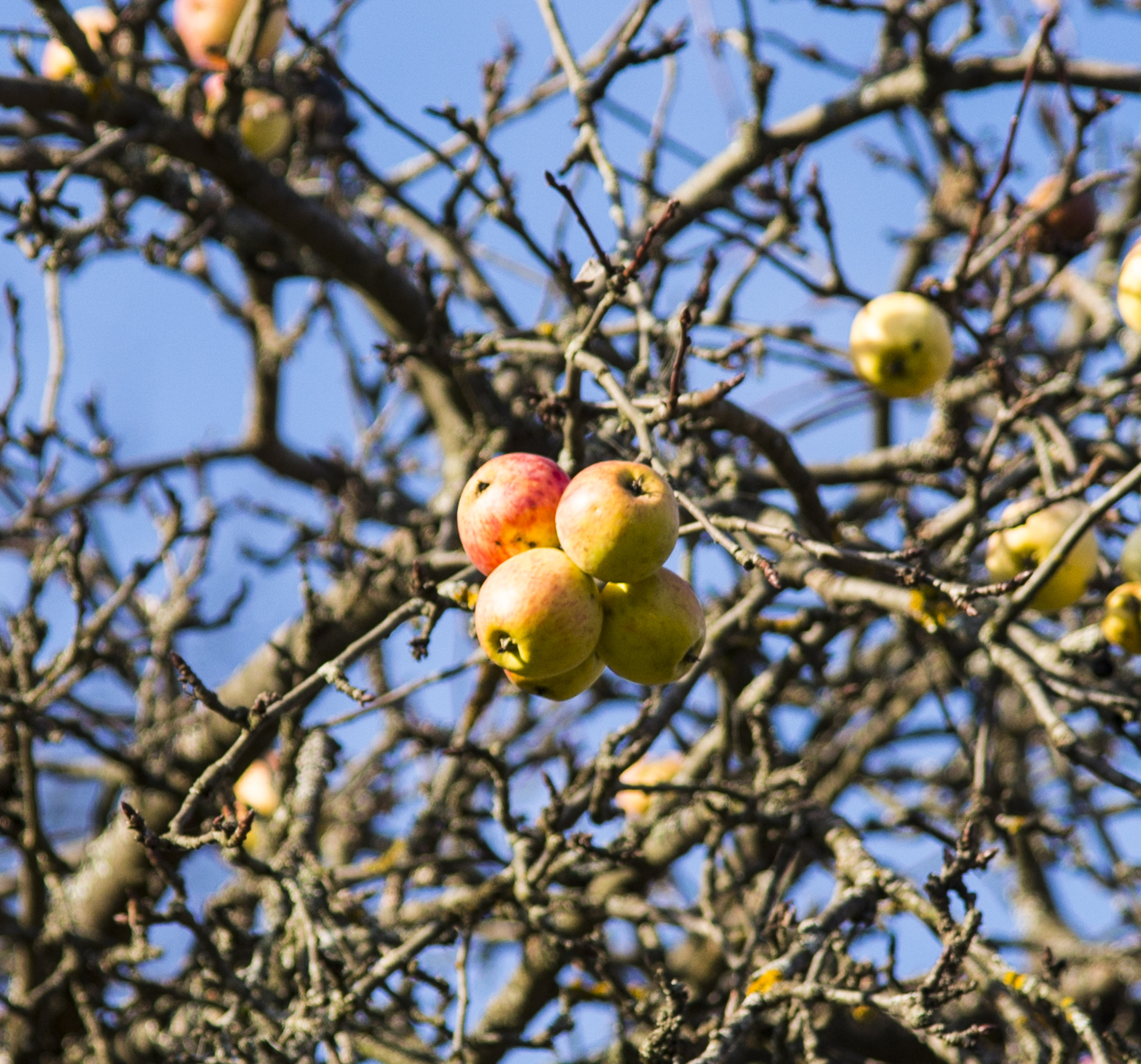
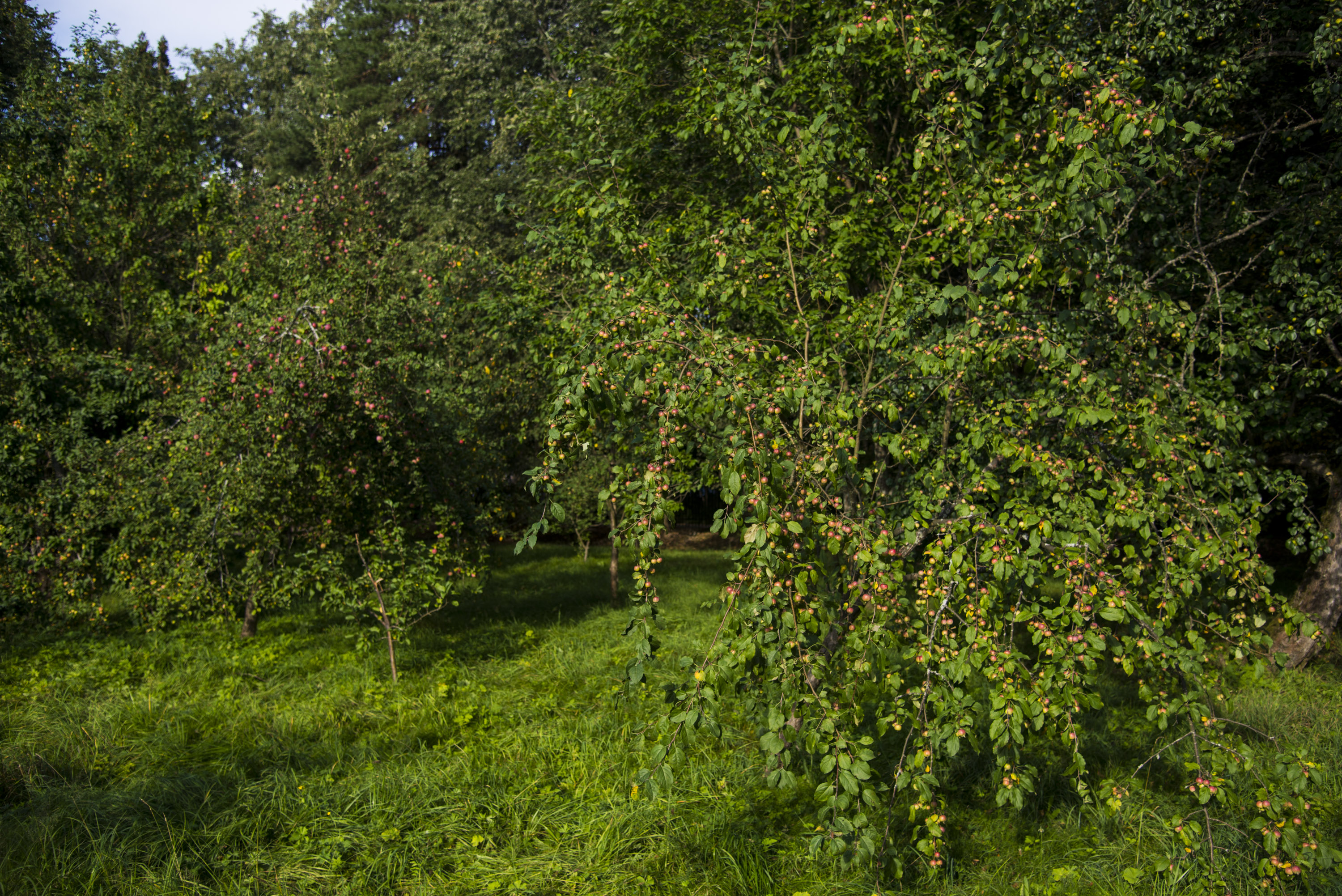
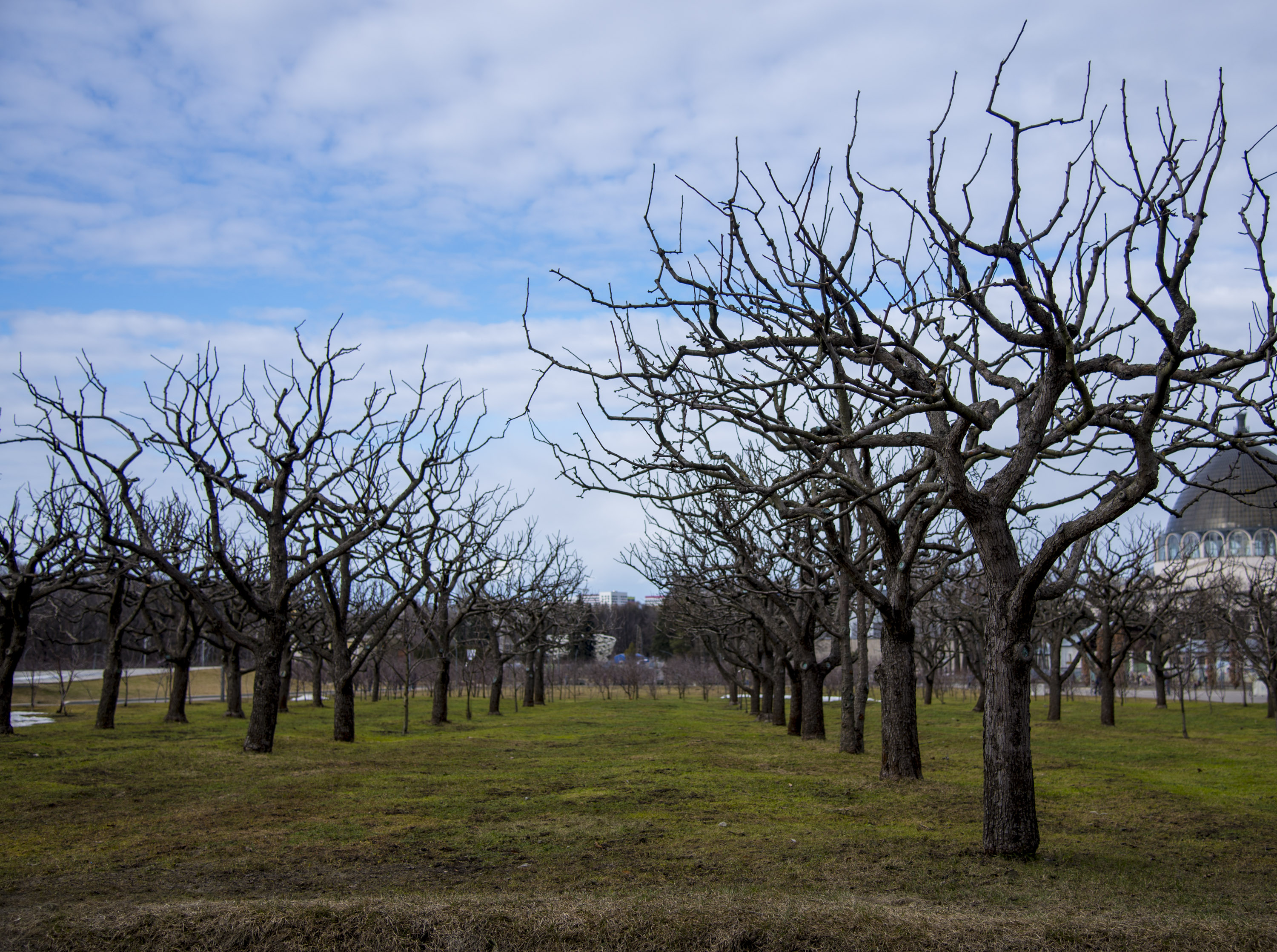
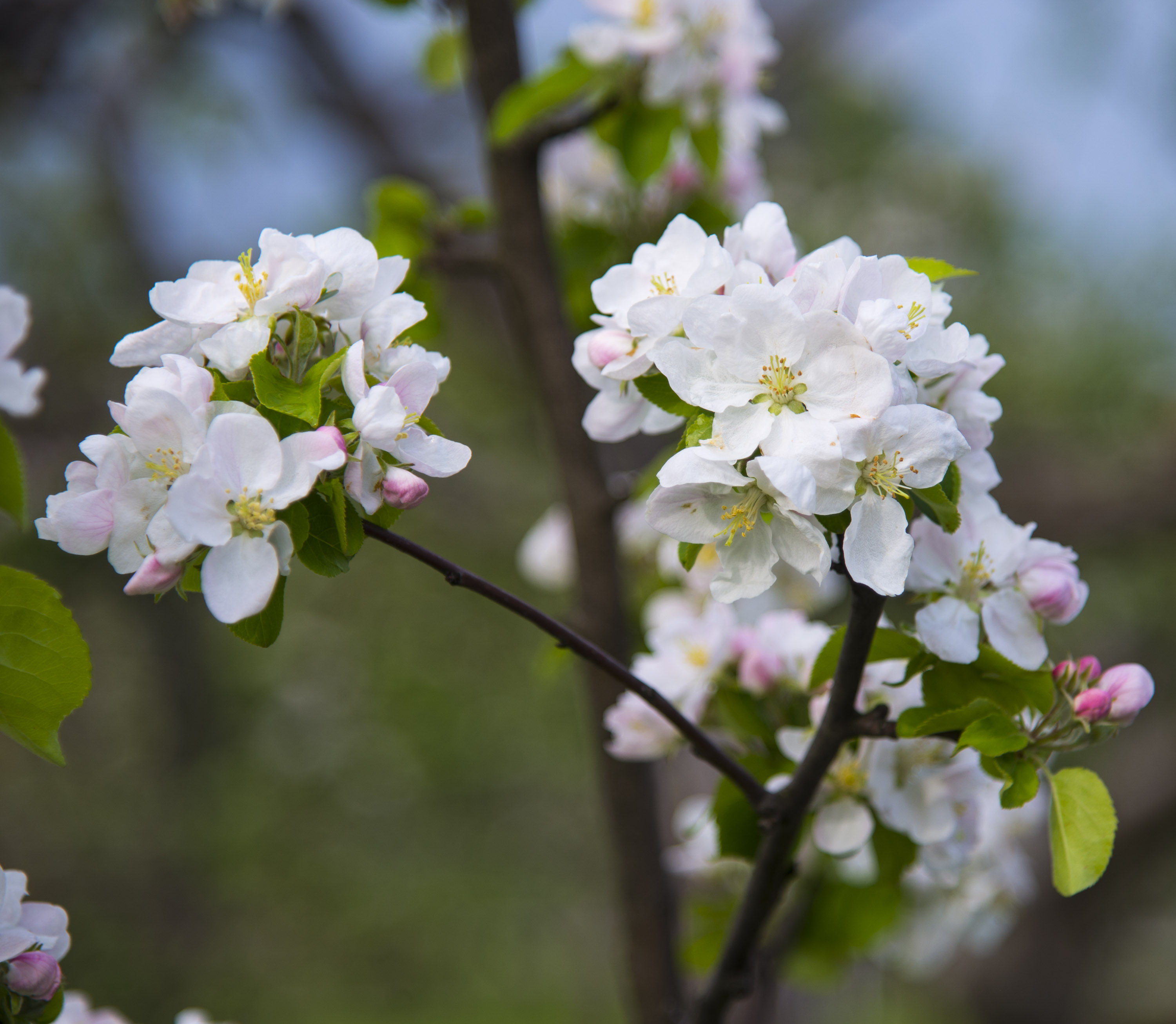
Famous apple tree gardens are absolutely beautiful in spring.

Aptekarskiy Ogorod

Beautiful mommy and babies enjoying their time at Aptekarskiy Ogorod.

VDNKH exhibition center

Mytishchi

Gallery

Snowy winter 2020/2021

Moscow North River Terminal

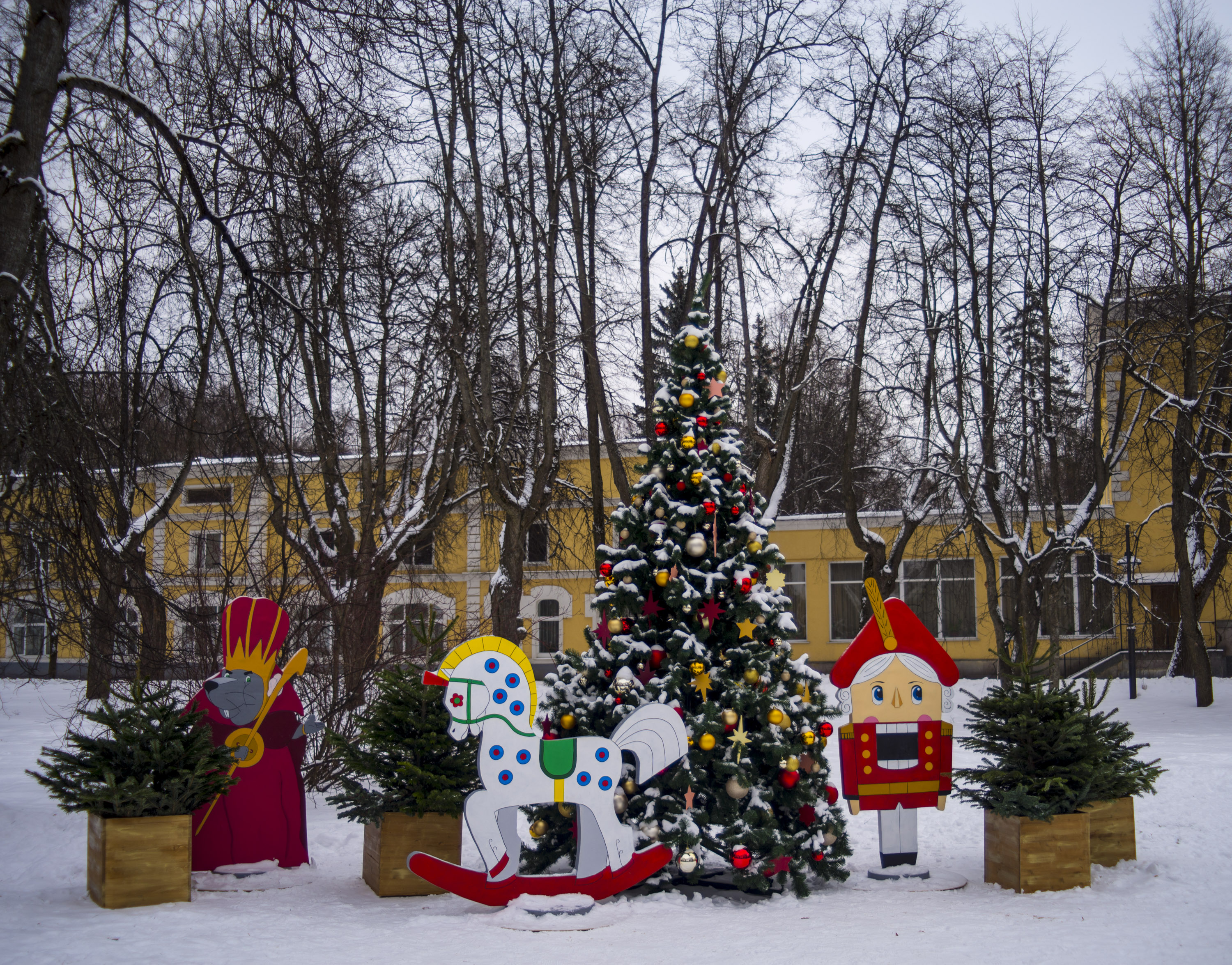
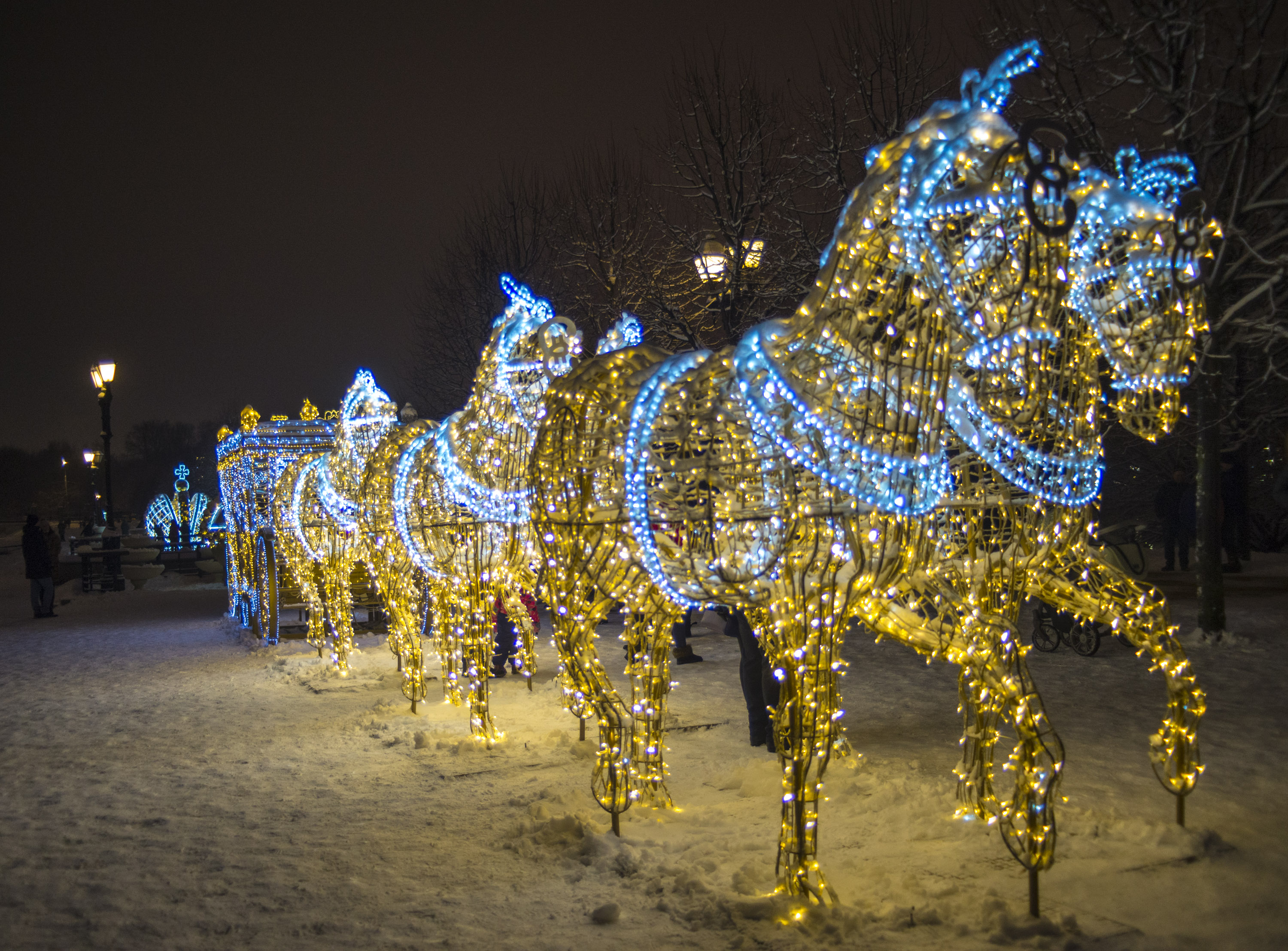
Moscow North River Terminal (built in 1937) is one of two passenger terminals of river transport in Moscow. The terminal, port and park was reconstructed in the beginning of 2020 and now look very festive with all Christmas decorations and first snow. It’s also a great place to enjoy winter sunset colors!

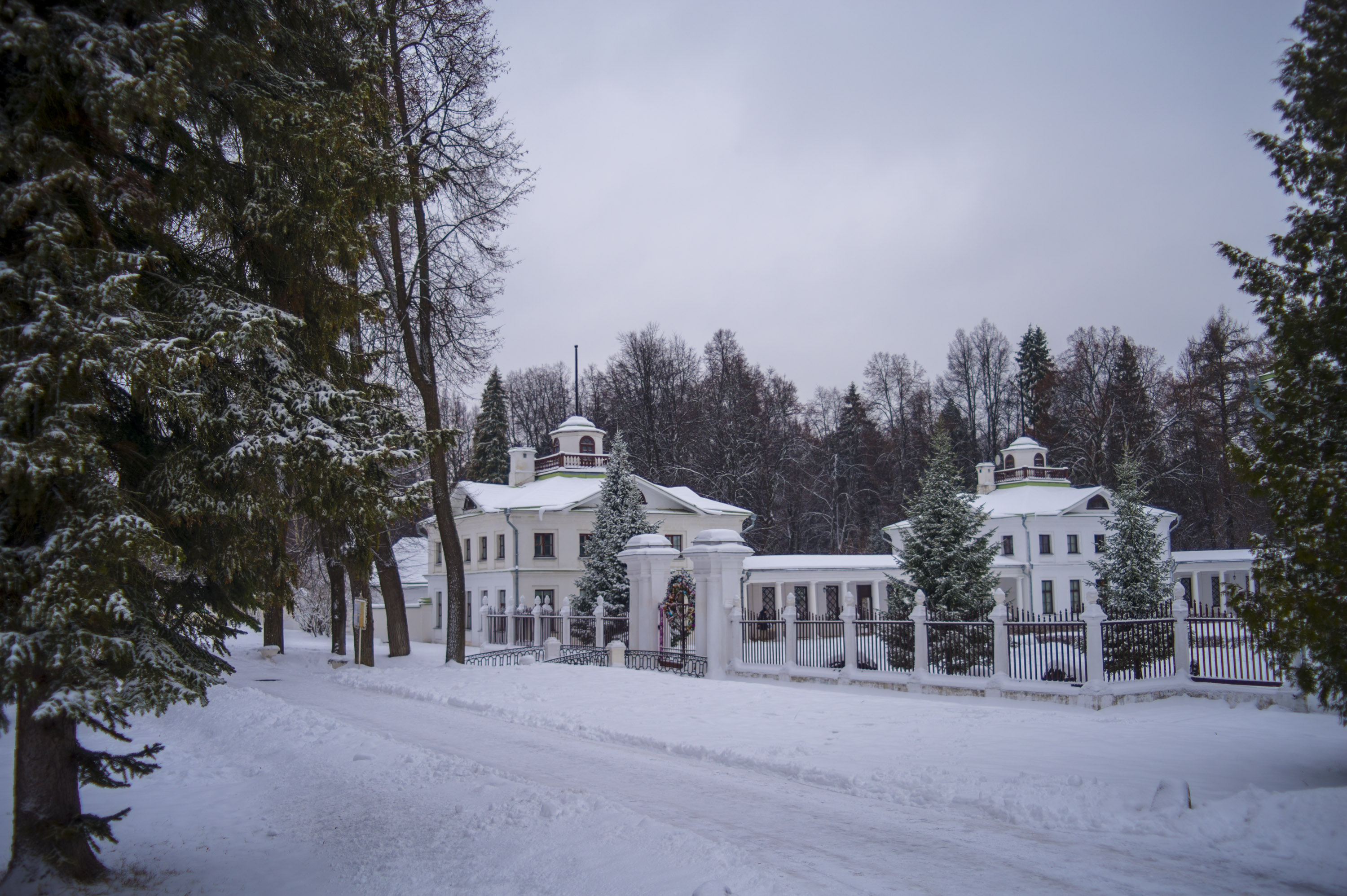
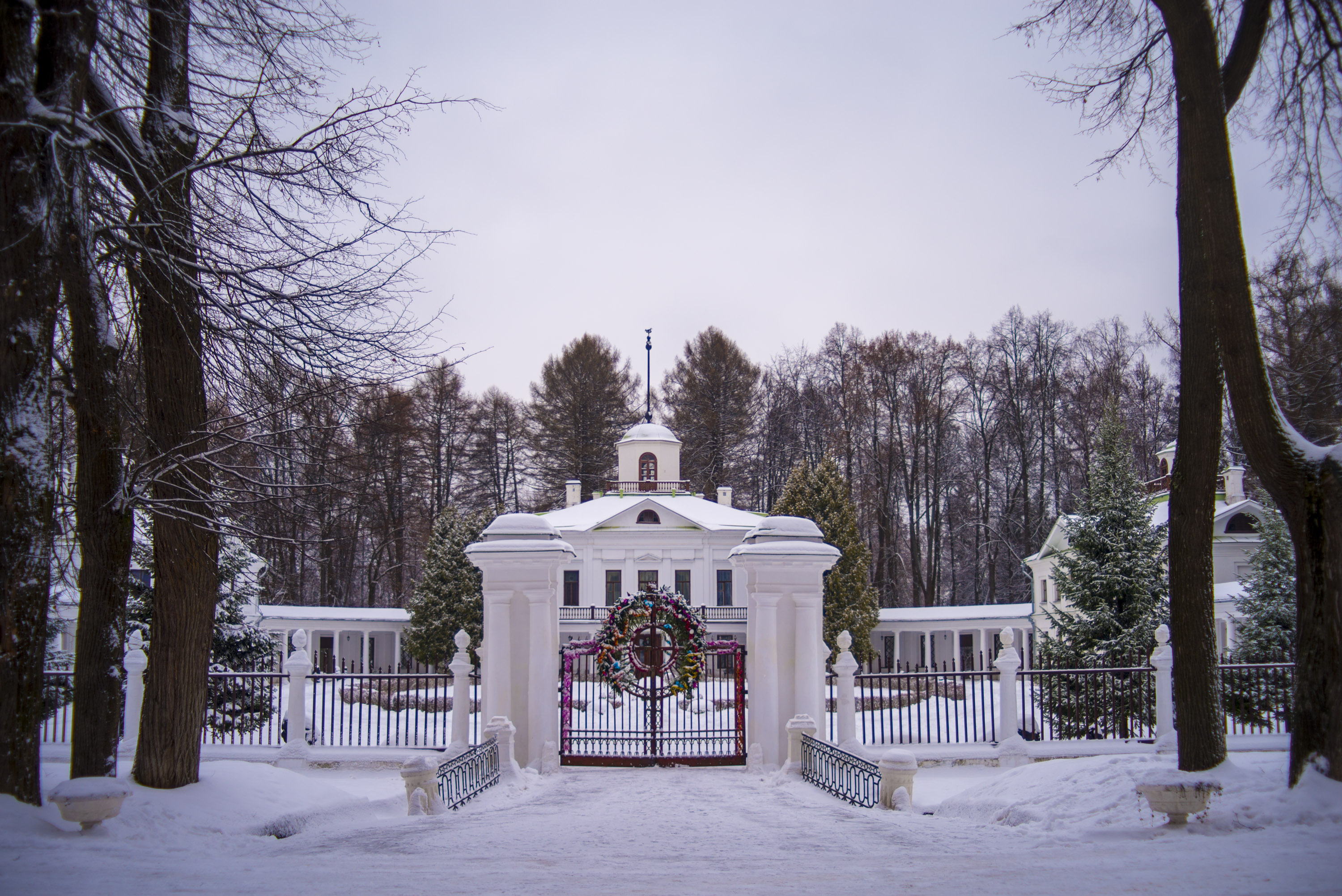
Serednikovo

Serednikovo estate located in Moscow suburbs represents Russian neoclassical architecture of the 18th century. The estate is surrounded by a magnificent garden with round pond and canals. Serednikovo is a place where Mikhail Lermontov (1814-1841), one of the greatest and most famous Russian poets, used to spend summer holidays.

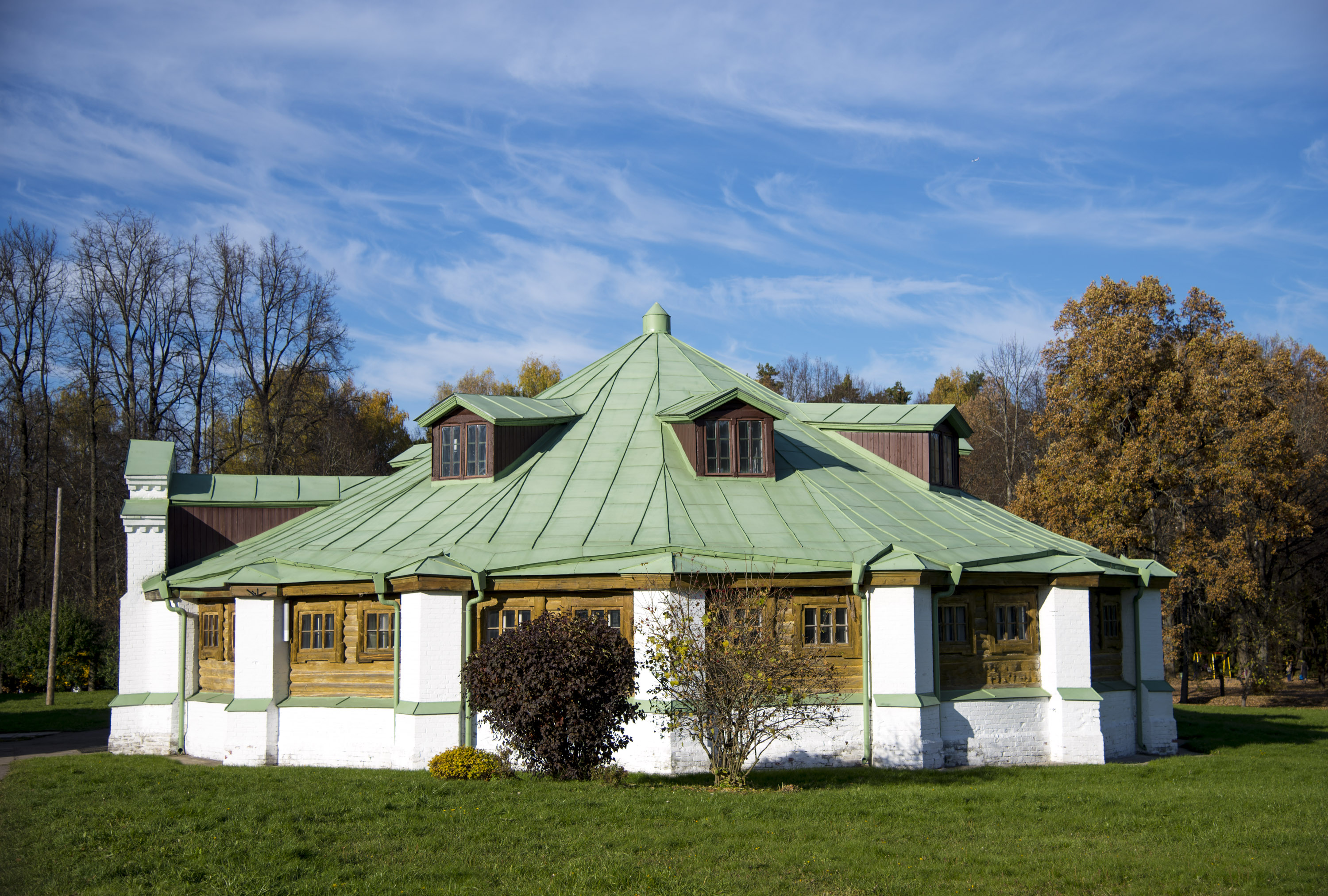
Archangel Michael’s Church

This church is the oldest surviving building on the Arkhangelskoe estate dating from the mid-17th century.

Arkhangelskoe

Arkhangelshoe museum-estate consists of a palace with terraced park which has one of the biggest collections of park sculptures in the world, a landscape park, a theatre built in 1817-18 on the project of famous Italian architect and painter Pietro Gonzago, a small palace “Caprice” and pavilion Small Tea House. This is a great place to spend snowy winter day walking among beautiful buildings and sculptures surrounded by the forest and close to the Moskva river.

Tsaritsyno

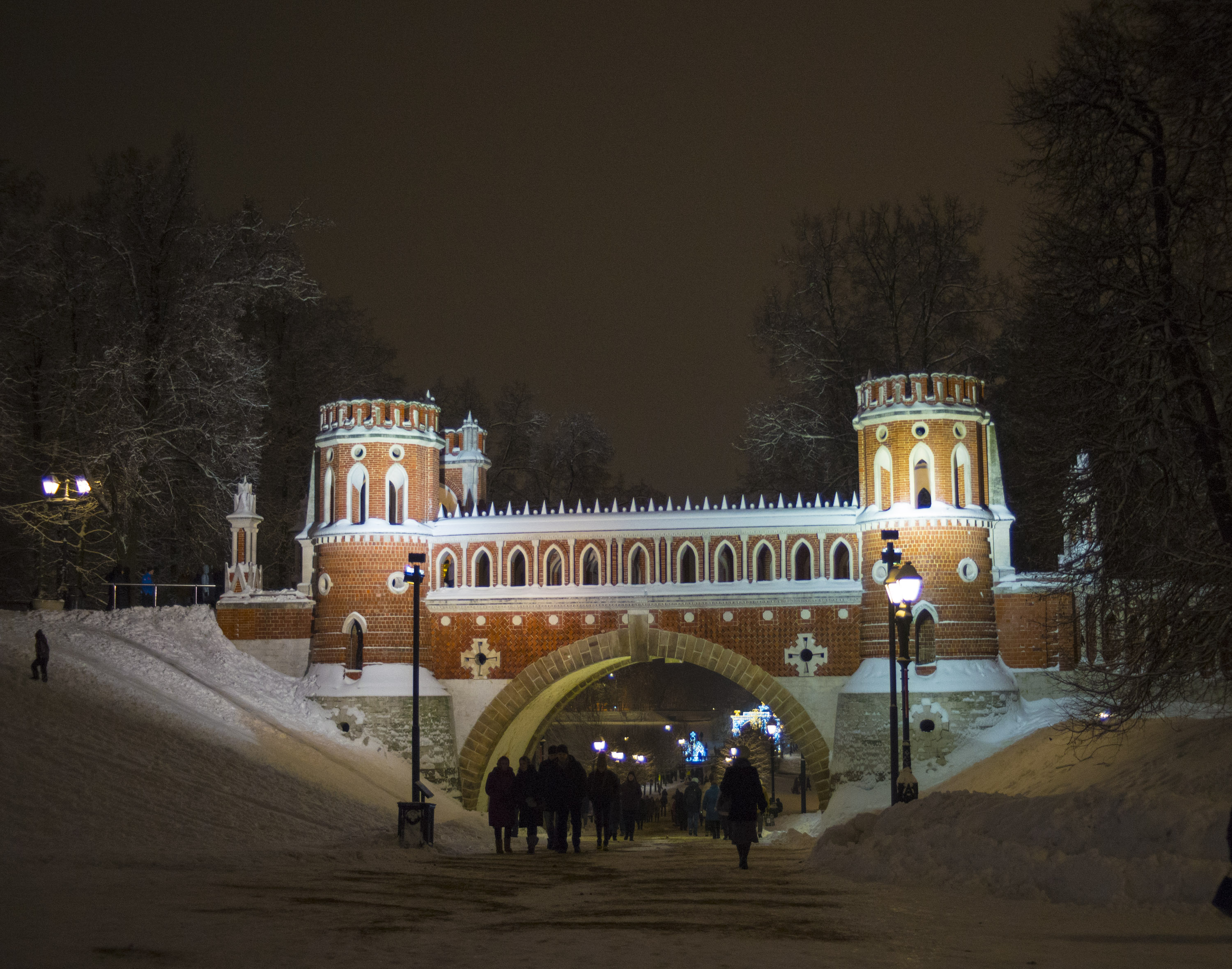
Tsaritsyno is a palace museum and park reserve in the south of Moscow which includes an architectural complex of Greenhouses, historical landscaped park with ponds. It was founded in 1776 by the order of Catherine the Great and built by two great architects Vasiliy Bazhenov and Matvey Kazakov.

The Church of the Icon of the Mother of God (Храм Иконы Божьей Матери) was built in 1722 and is the part of Tsaritsyno Palace and park ensemble.

Abramtsevo

Abramtsevo Museum Reserve is one of the most famous art museums in Russia. The history of Abramtsevo is associated with the names of artists Segey Aksakov, Viktor Vasnetsov, Mikhail Vrubel, Ilya Repin, Vasiliy Polenov, Valentin Serov and Savva Mamontov. Dozens of paintings which are internationally treasured now were created there. Abramtsevo was founded in 18th century.

The architectural gem of Abramtsevo is the Church of the Savior (Церковь Спаса Нерукотворного Образа), built by architect Pavel Samarin, according to designs by the artists Victor Vasnetsov and Vasily Polenov.

Izmaylovo Kremlin

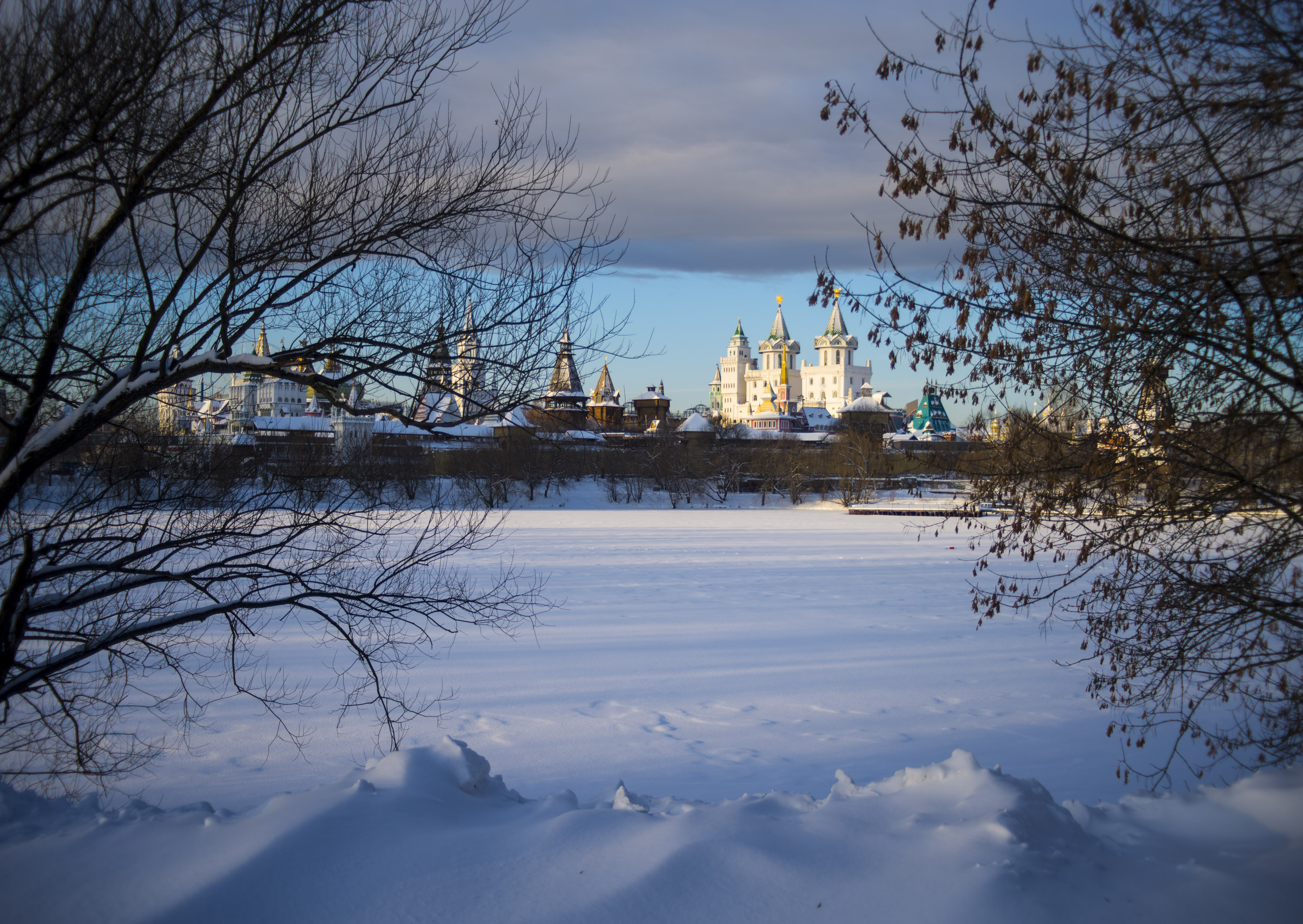
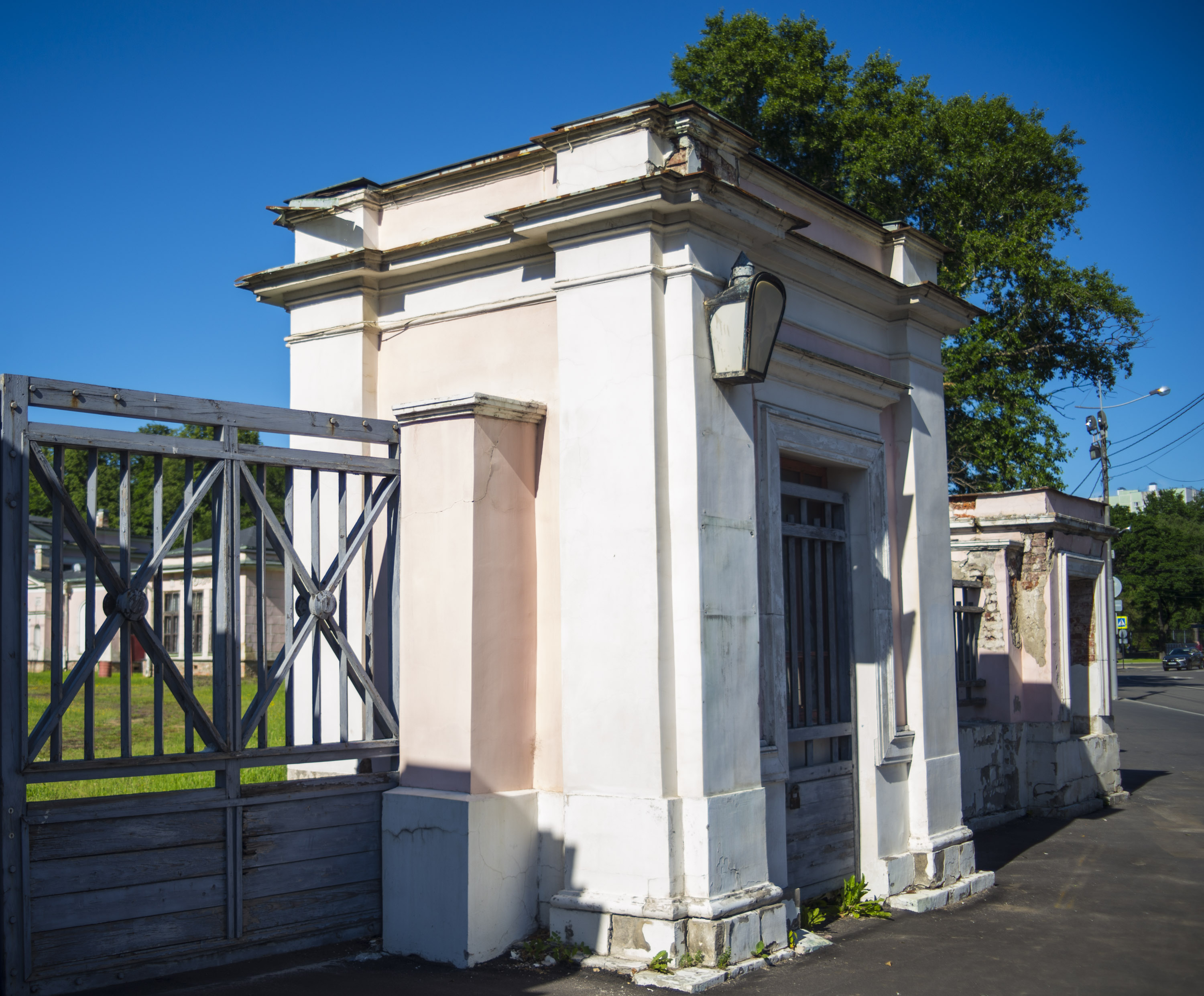
Izmaylovo Kremlin is a cultural center with Russian Revival-style museums, workshops & markets, located near the Izmaylovo estate.

Izmaylovo

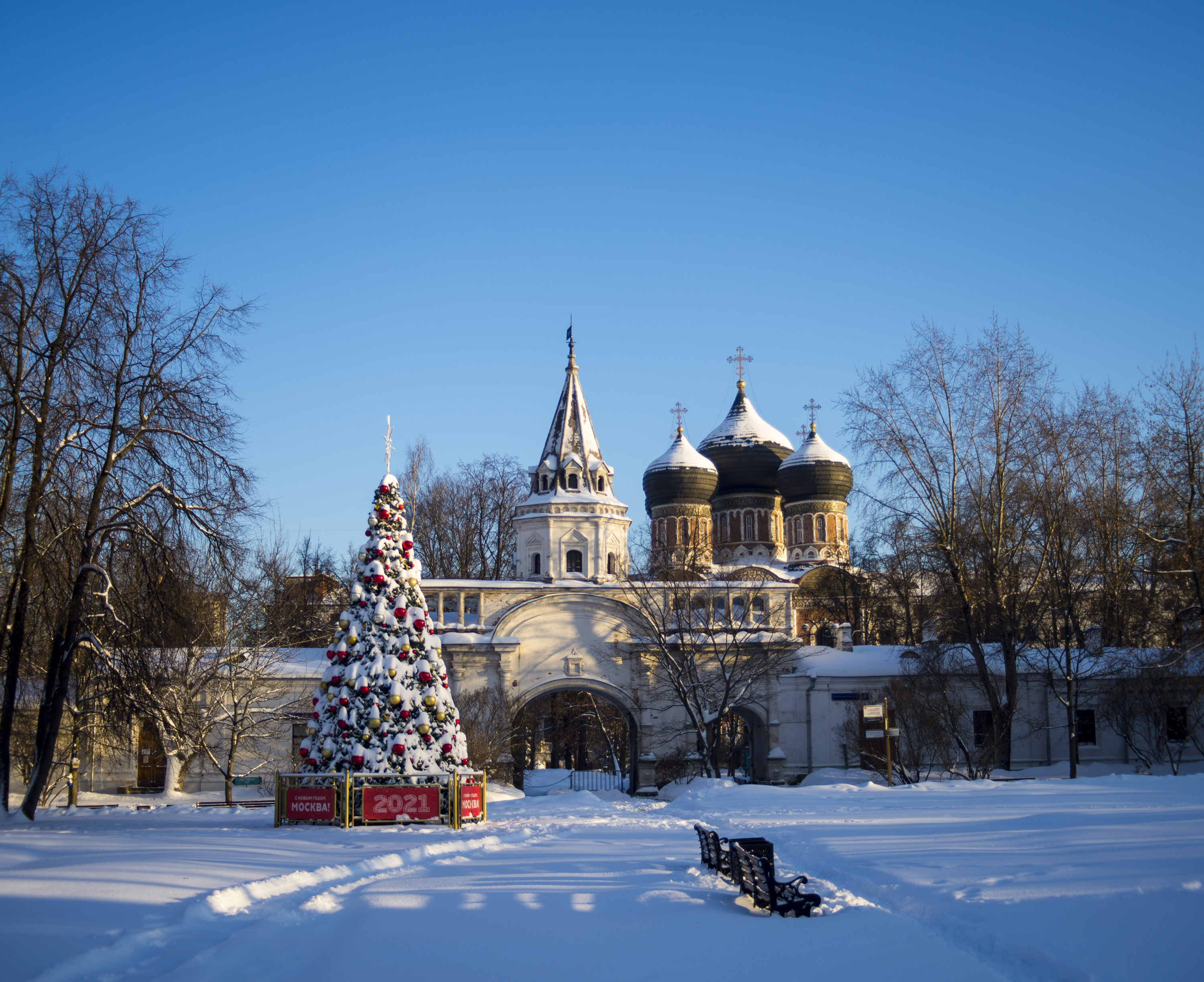
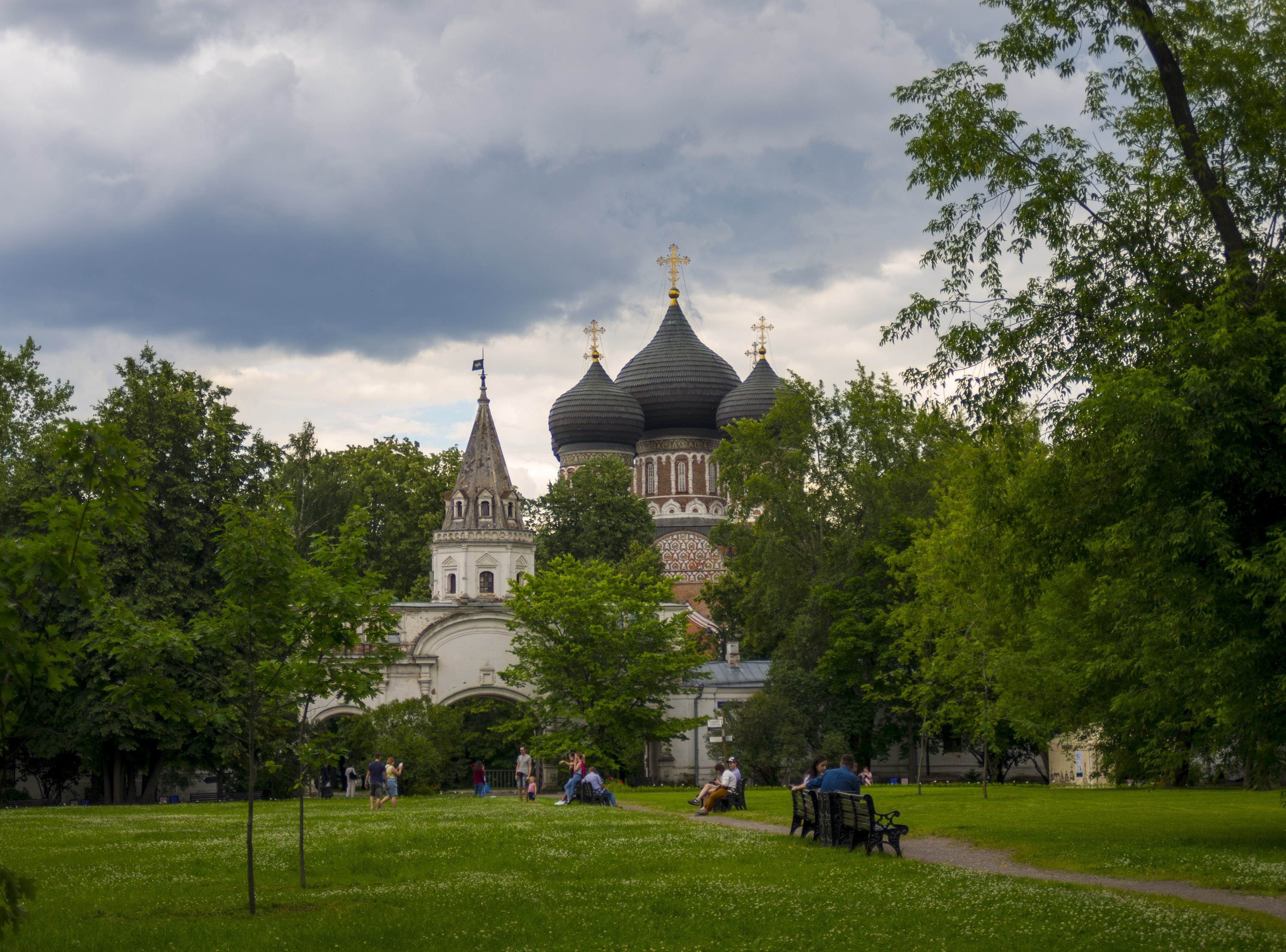
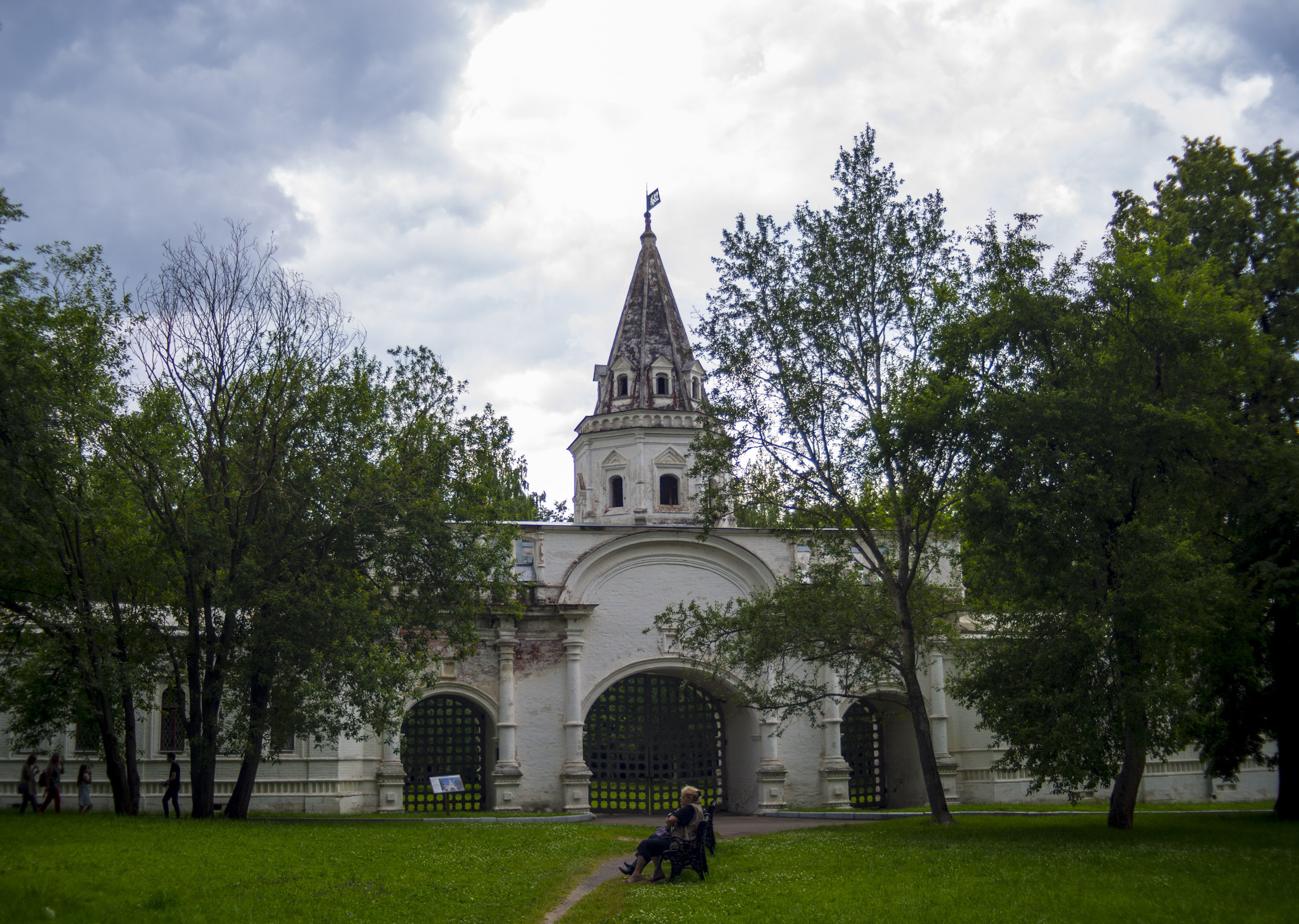
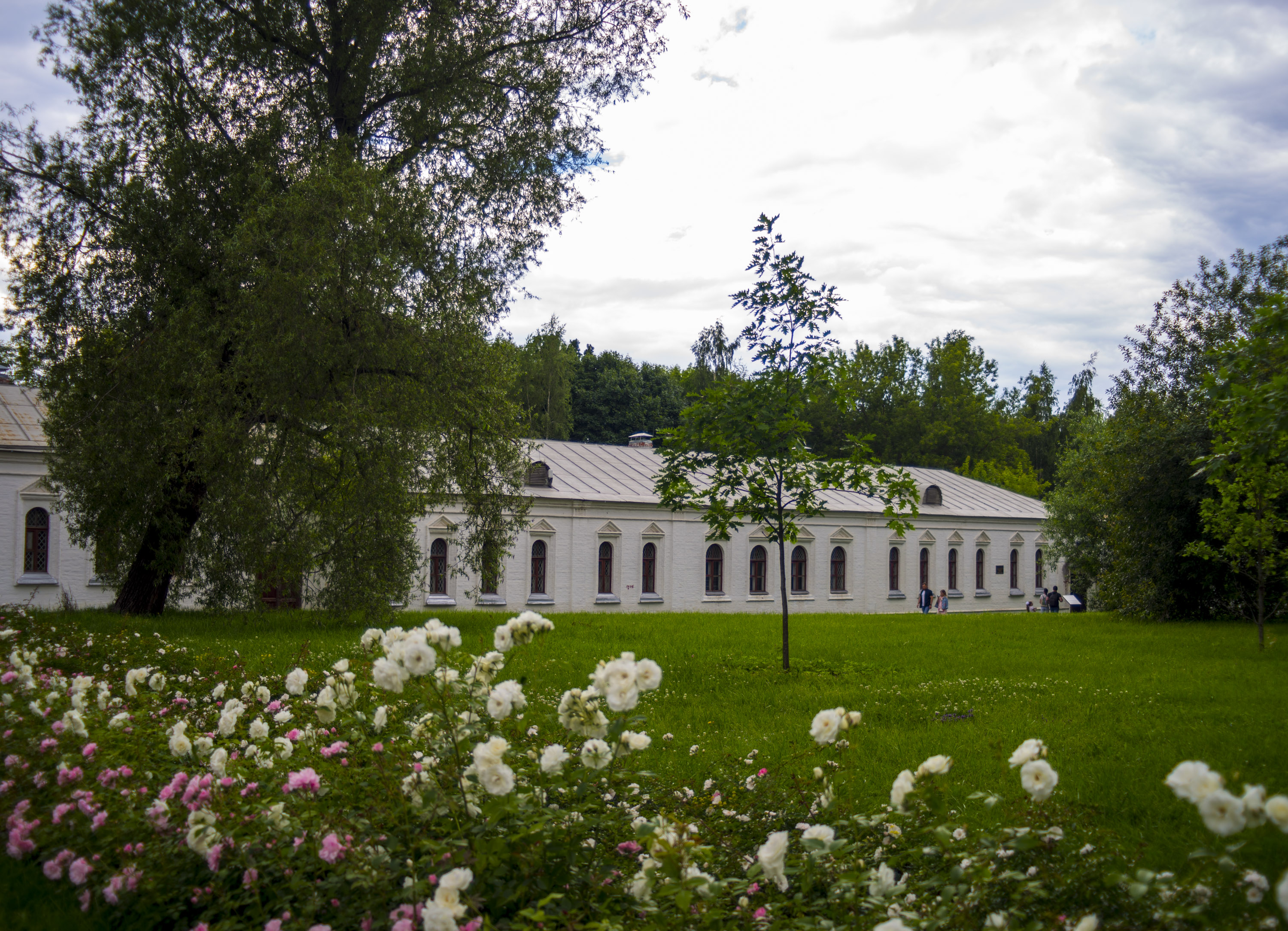
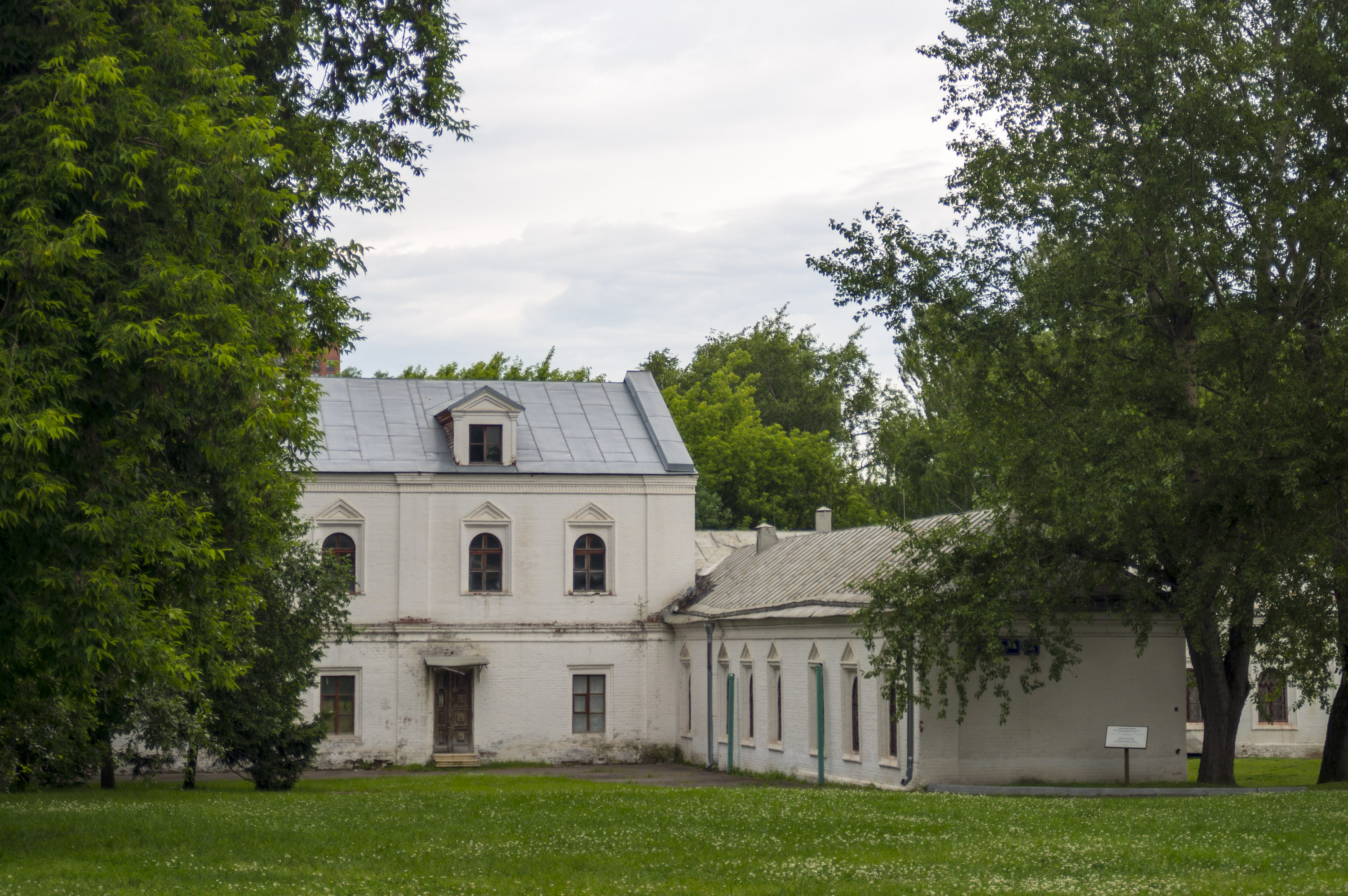
Izmaylovo Estate was a country residence of the House of Romanov. The present-day Court retains two sets of palace gates, a cathedral and a barbican tower built in the 1670s-1680s.

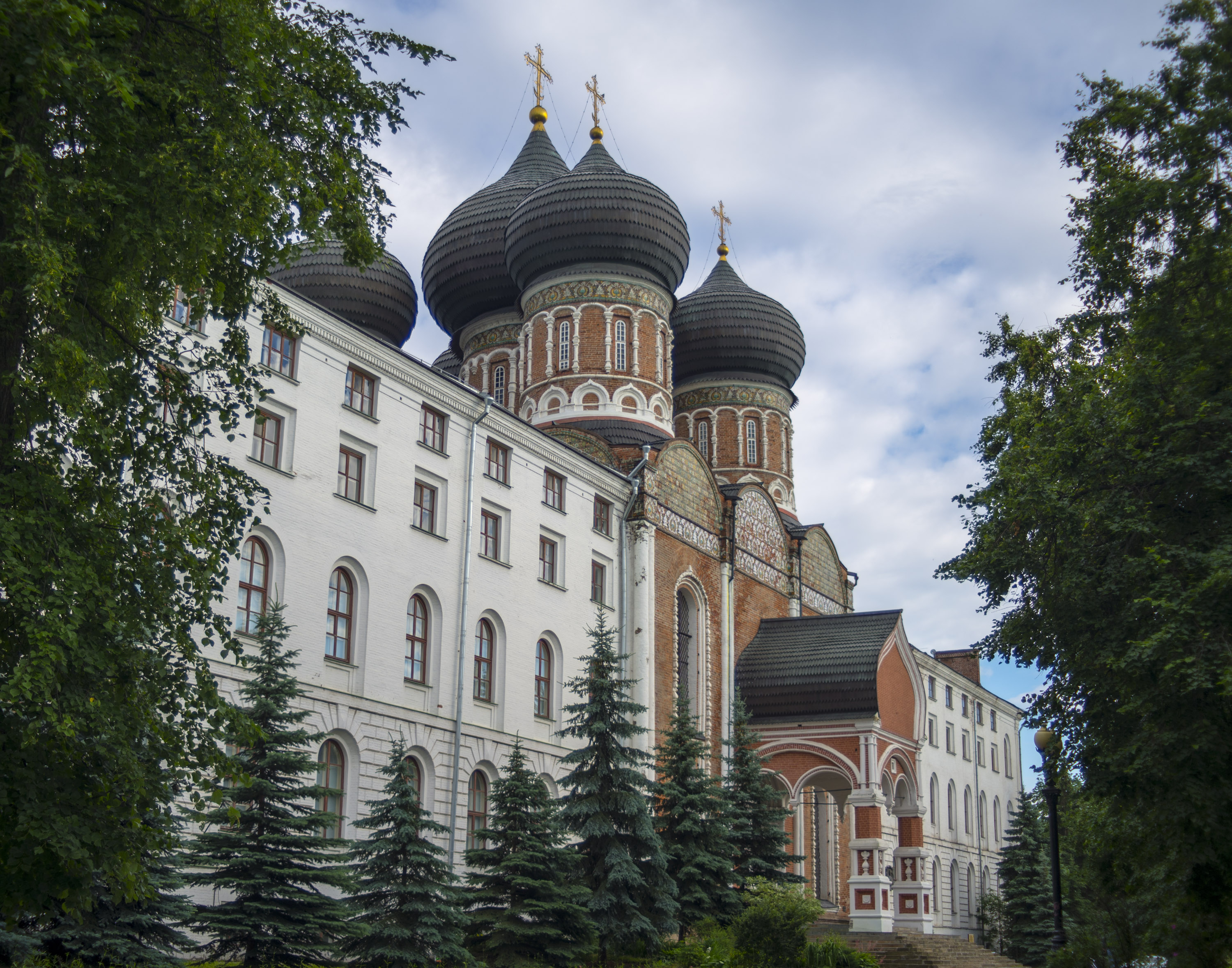
Intercession Cathedral (Храм Покрова Пресвятой Богородицы) was build between 1671 and 1679, replacing an earlier wooden church. The four-pillar, red-brick cathedral features five black domes and upper section is decorated with colorful porcelain tiles.

VDNKHa

Ostankino Park

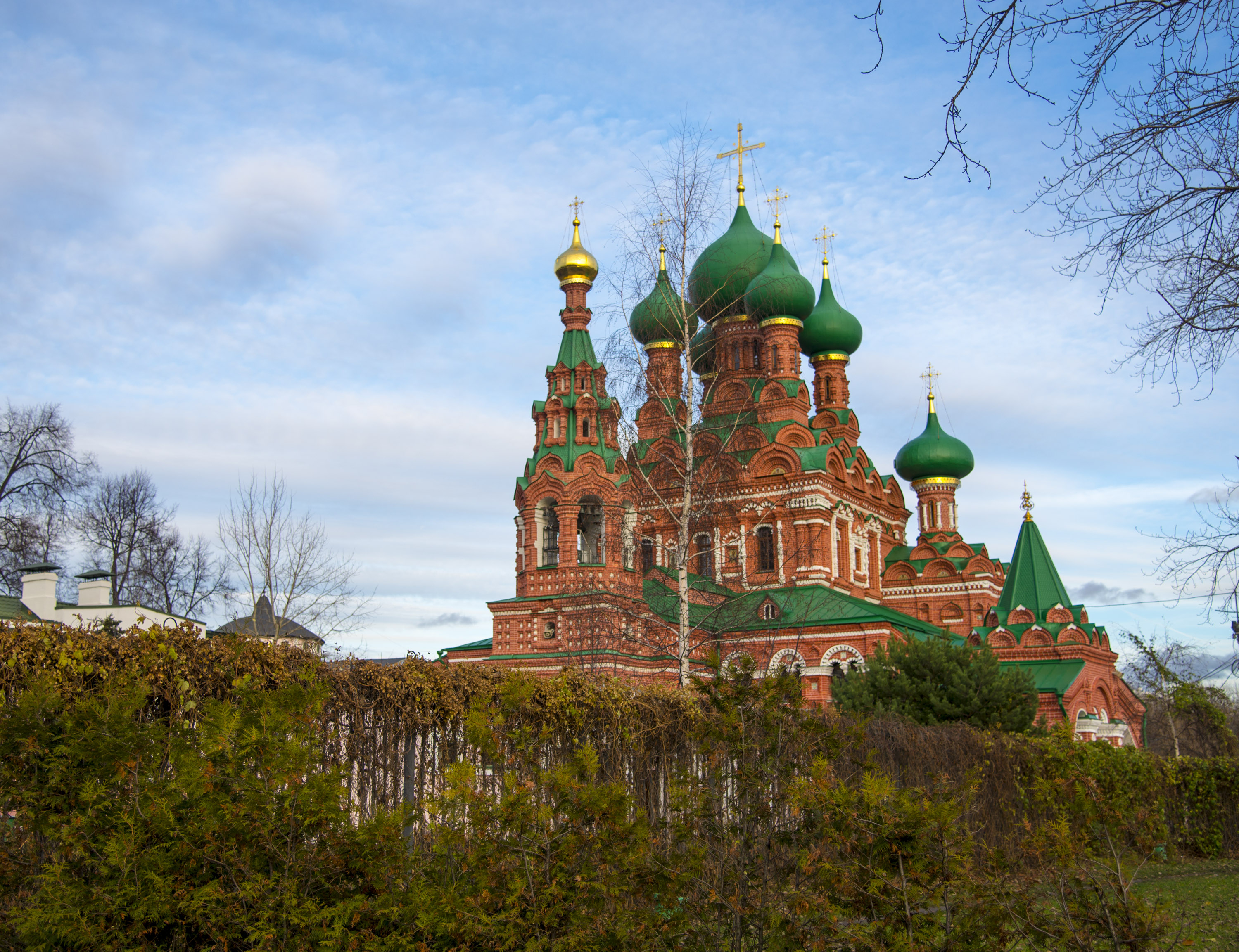
Church of the Holy Trinity in Ostankino

The first wooden Trinity Church was built in 1585 and was destroyed in the Time of Troubles. In 1625-27 Prince Cherkassky built a new wooden church. In 1692 a stone church in the name of the Trinity was build which with some modifications survives to this day.

Chernigovsky skete

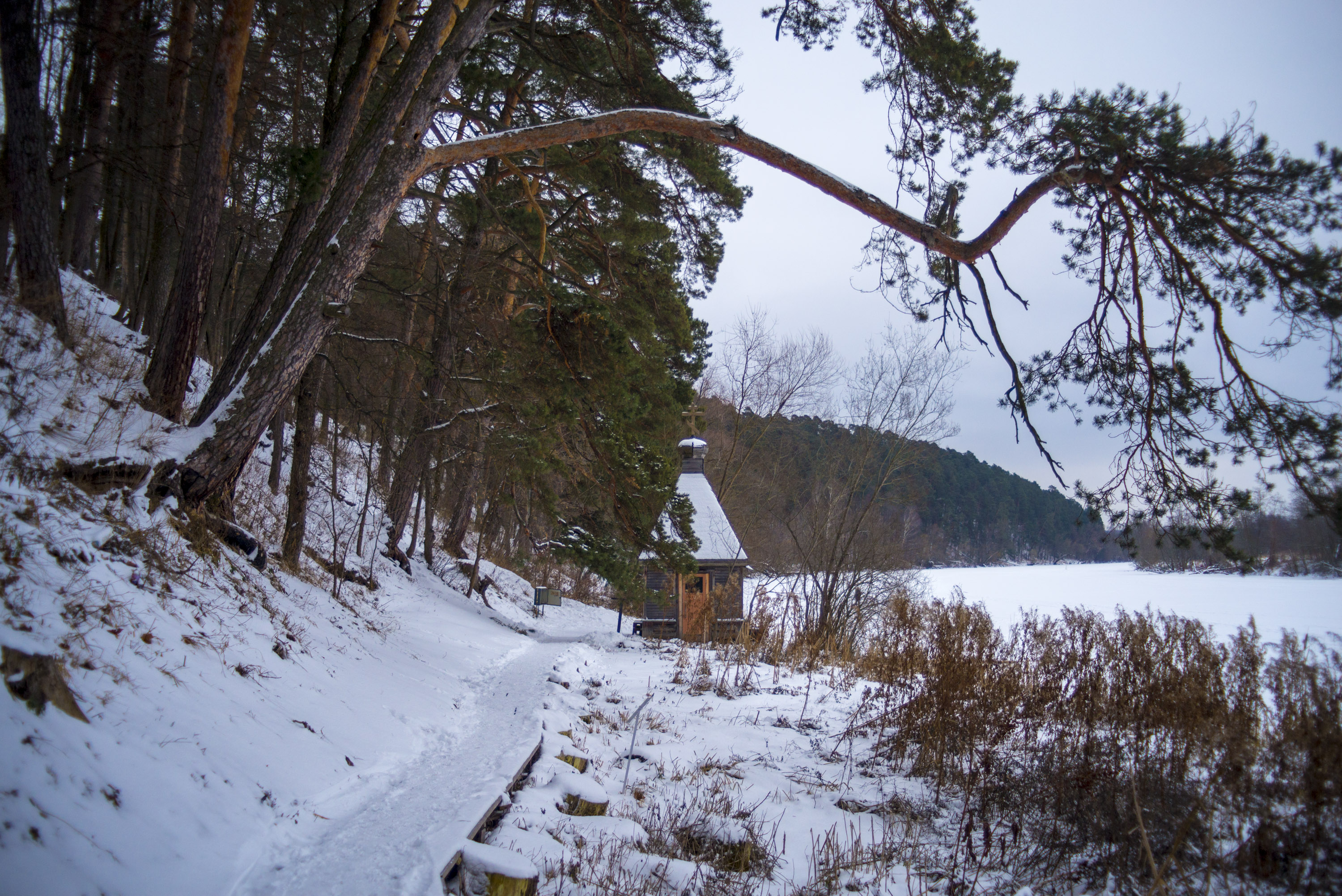
The Chernigovsky skete in Sergiev Posad is a unique monastery, known for hand-dug monk cells and prayer caves. The skete was founded in 1847.

Боголюбская мужская киновия Троице-Сергиевой Лавры

Kuskovo

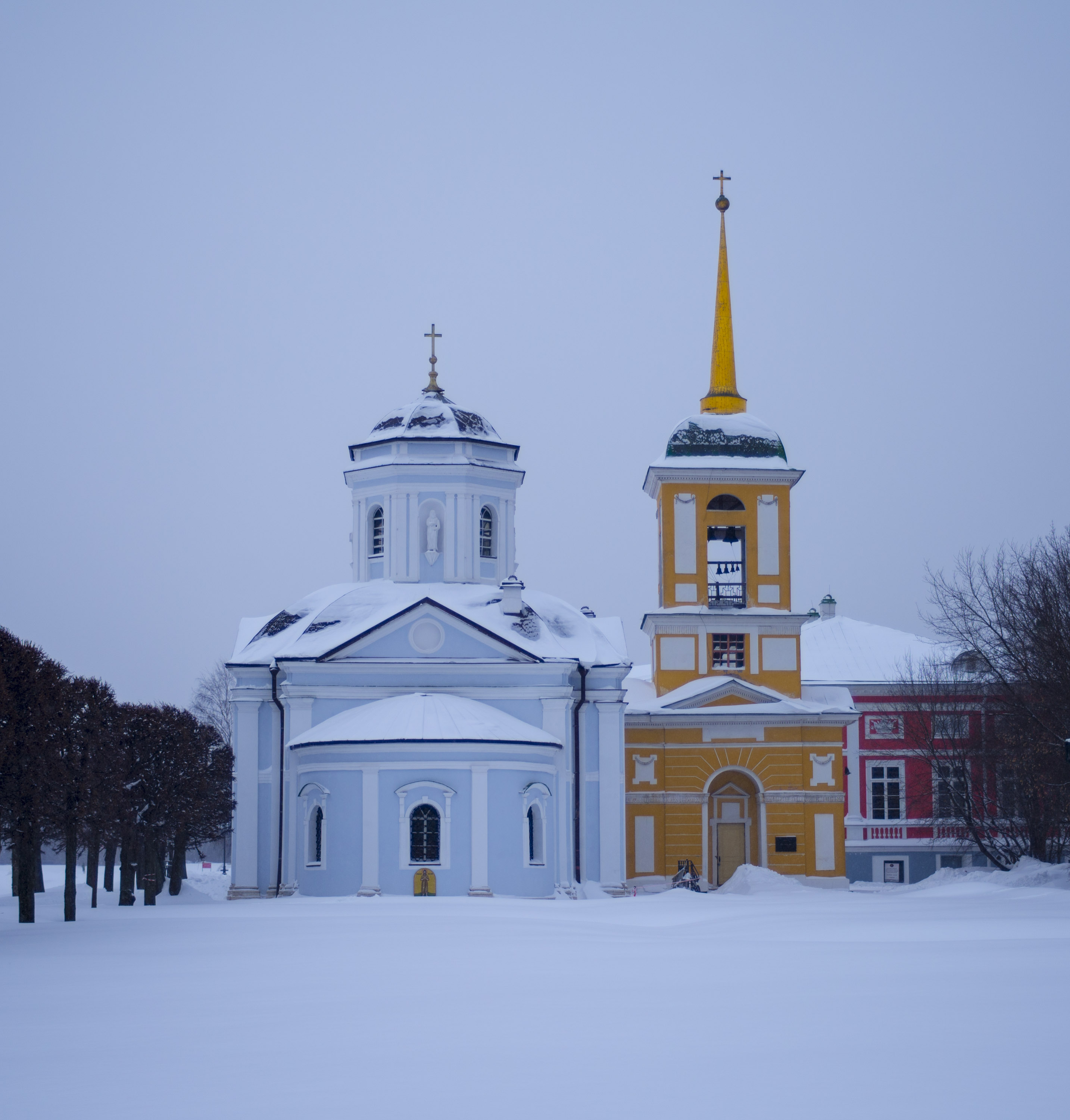
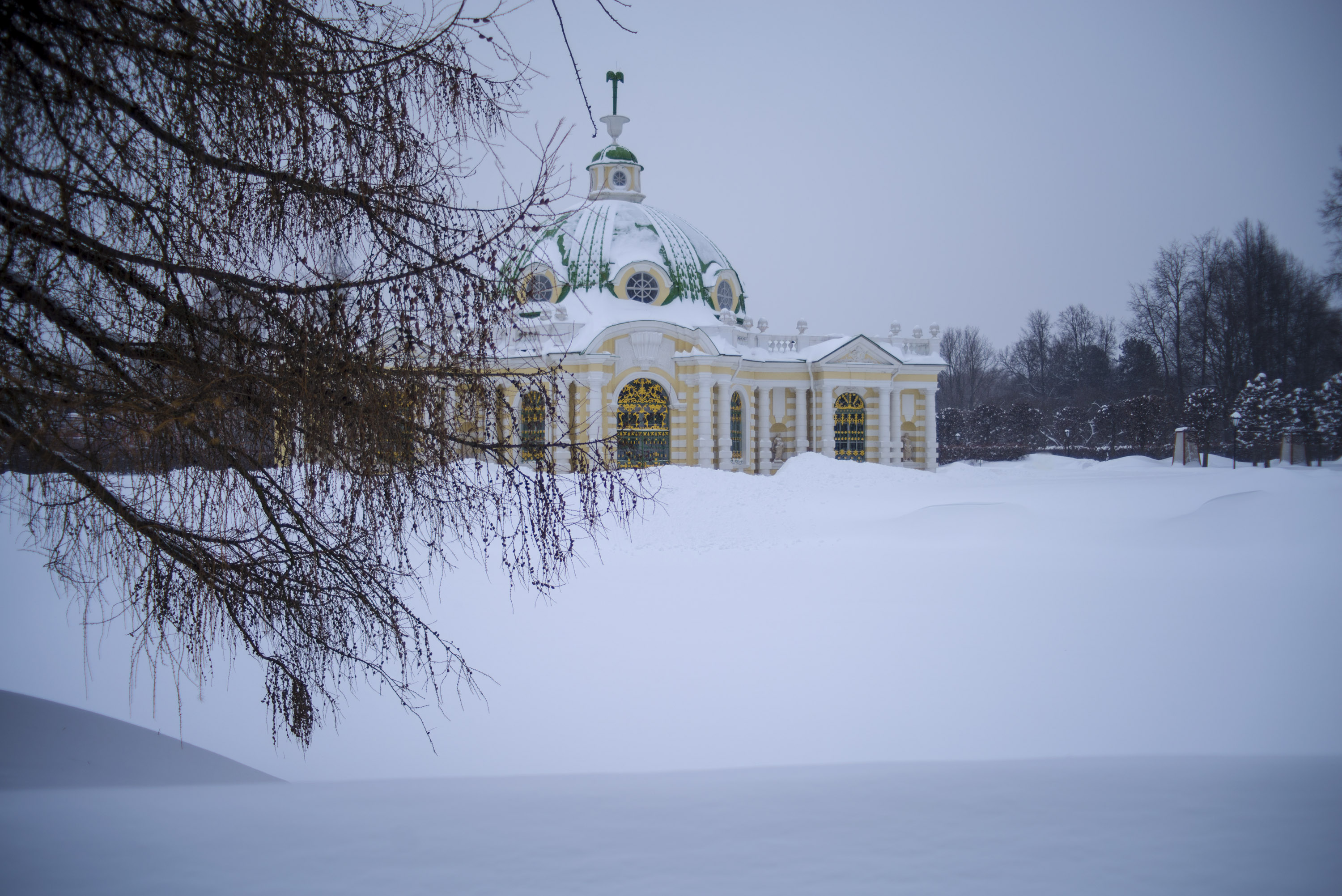
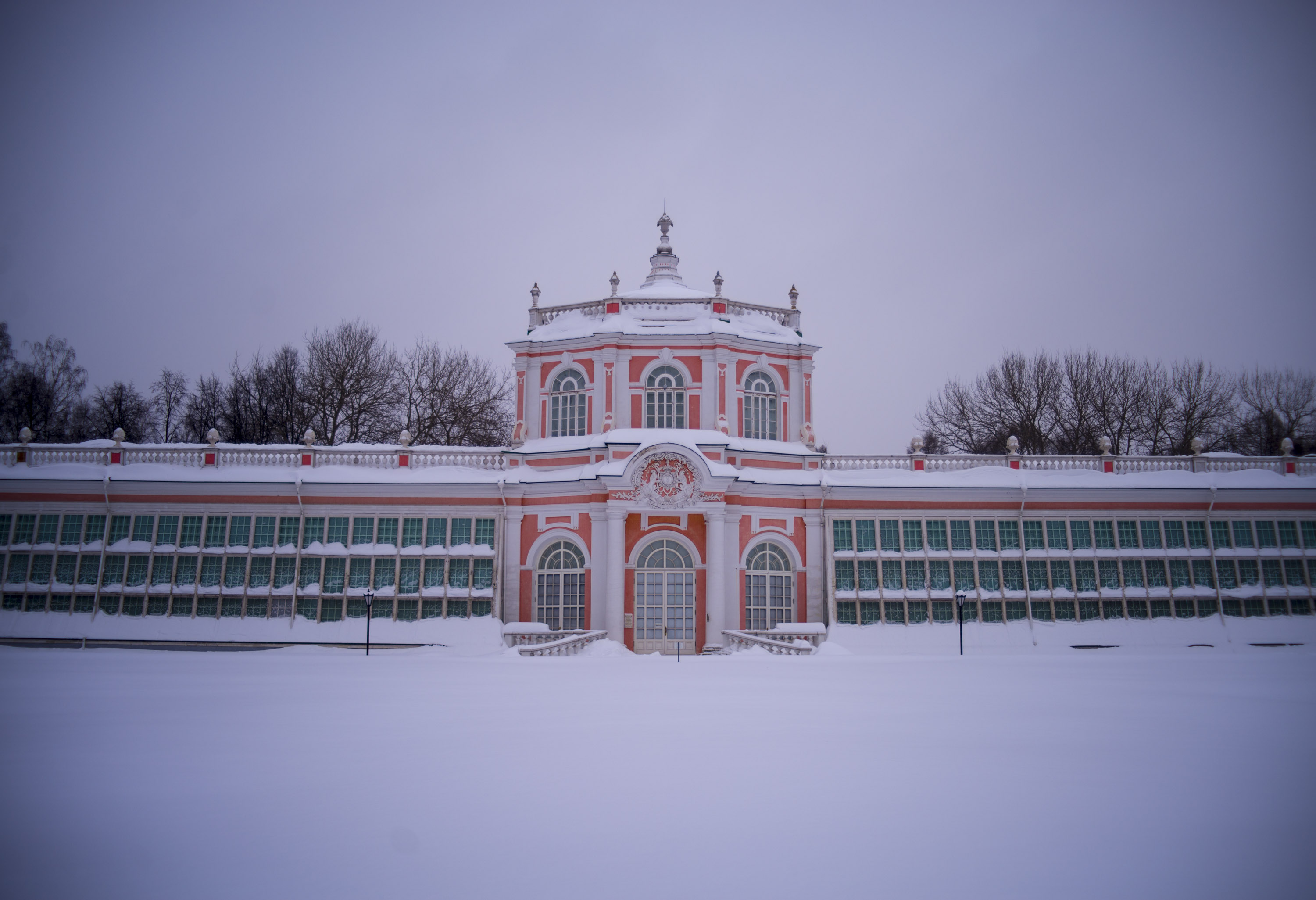
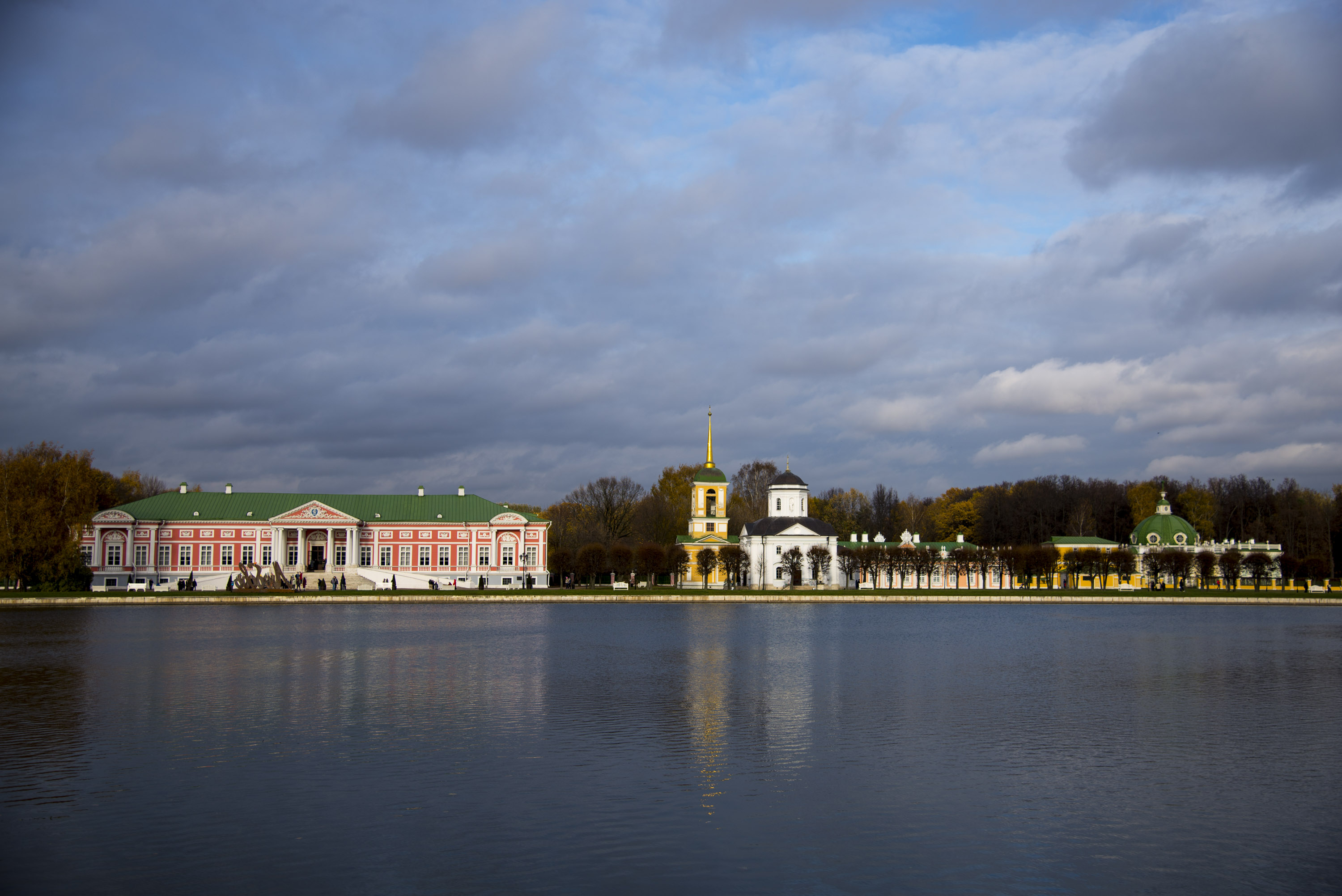
Kuskovo museum complex in Moscow is a summer estate of the Sheremetev family built in 18th century and includes Summer palace, Grotto, Italian house, Kuskovo Church and Tower bell, Hermitage in English landscape garden, the Dutch house and Orangeries. Grotto pavilion was constructed between 1755 and 1761 and was intended to represent the palace of the King of the Seas. Interior was made of whorled seashells of 24 different types which were delivered from the Mediterranean, Red, Black seas, the Sea of Japan, and reservoirs of the Moscow region.
Sviblovo estate and Holy Trinity Church

Beautiful church with a bell-tower is located over the Yauza river on a high hill overlooking the river and the valley. The name of the manor is connected with the name of one of the towers of the Kremlin – Sviblovo.

Mytishchi

Gallery

Summertime in Moscow and its surrounding area, 2020

Arkhangelskoe

Arkhangelshoe museum-estate consists of a palace with terraced park which has one of the biggest collections of park sculptures in the world, a landscape park, a theatre built in 1817-18 on the project of famous Italian architect and painter Pietro Gonzago, a small palace “Caprice” and pavilion Small Tea House. This is a great place to spend summer day walking among beautiful buildings and sculptures surrounded by the forest and close to the Moskva river.

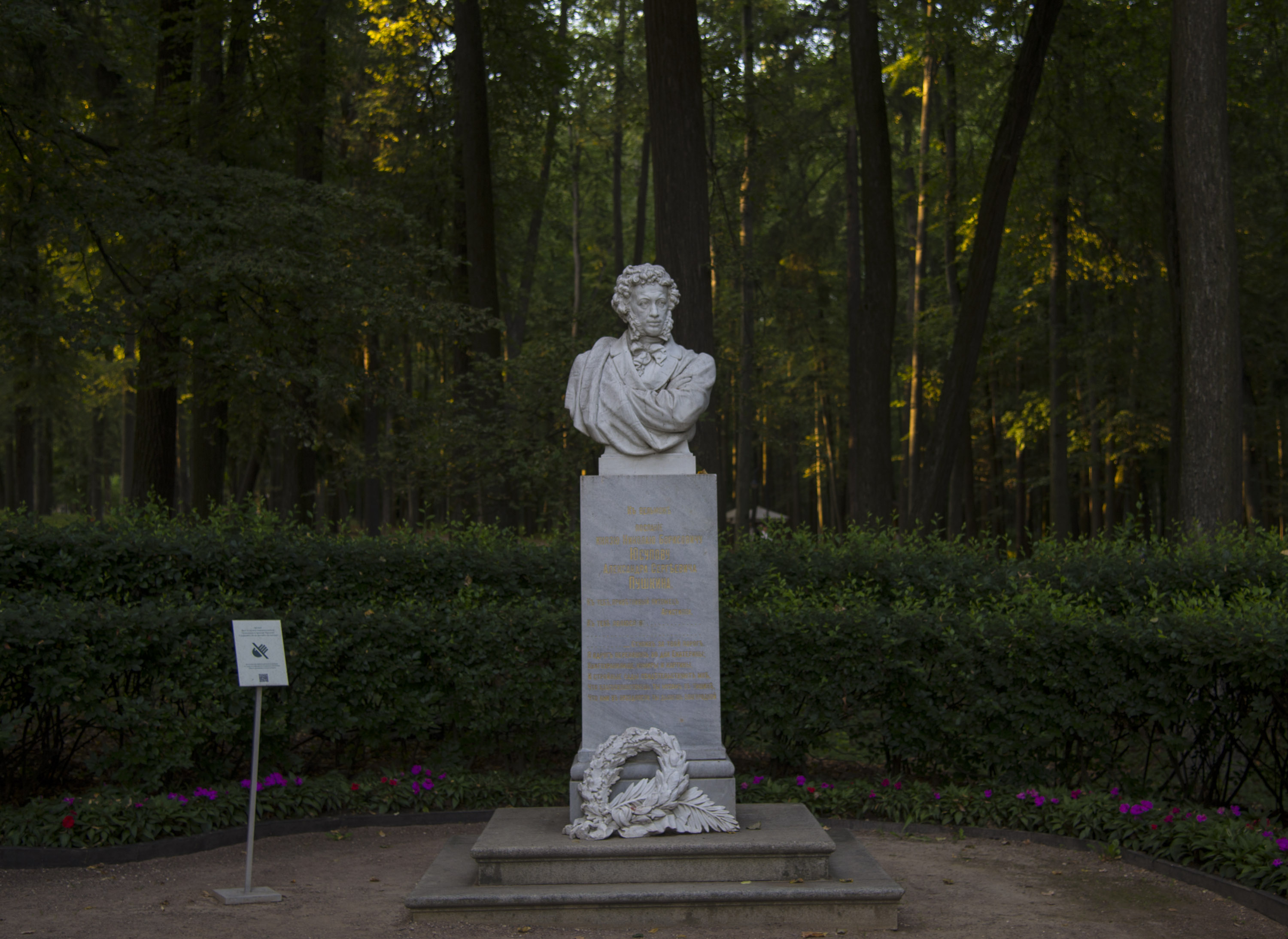
In the 19th century a number of great Russian writers, poets and historians visited the estate. Among them were Pushkin, Gertsen and Karamsin. A.S. Pushkin monument was also designed by P. Gonzara.

Archangel Michael’s Church is the oldest surviving building on the estate dating from the mid-17th century.

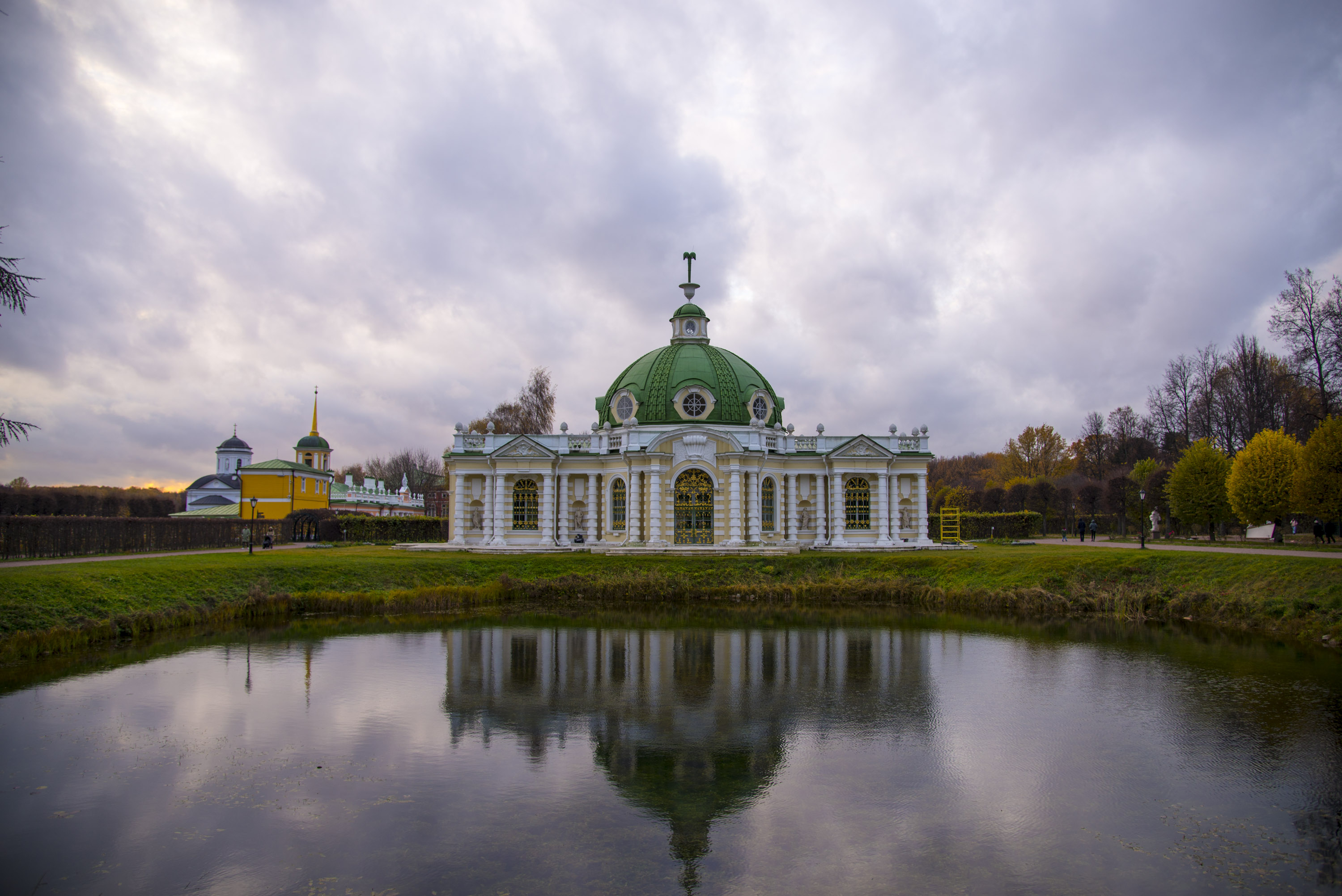
Kuskovo

Kuskovo museum complex in Moscow is a summer estate of the Sheremetev family built in 18th century and includes Summer palace, Grotto, Italian house, Kuskovo Church and Tower bell, Hermitage in English landscape garden, the Dutch house and Orangeries. Grotto pavilion was constructed between 1755 and 1761 and was intended to represent the palace of the King of the Seas. Interior was made of whorled seashells of 24 different types which were delivered from the Mediterranean, Red, Black seas, the Sea of Japan, and reservoirs of the Moscow region.
Izmaylovo

Izmaylovo Estate was a country residence of the House of Romanov. The present-day Court retains two sets of palace gates, a cathedral and a barbican tower built in the 1670s-1680s.

Intercession Cathedral (Храм Покрова Пресвятой Богородицы) was build between 1671 and 1679, replacing an earlier wooden church. The four-pillar, red-brick cathedral features five black domes and upper section is decorated with colorful porcelain tiles.

Peter the Great Statue was unveiled in 2008. Peter The Great discovered a boat at the Izmaylovo estate which lead to young Peter’s passion of sailing and later he would found Russia’s first navy.

Izmaylovo Kremlin is a cultural center with Russian Revival-style museums, workshops & markets, located near the Izmaylovo estate.

Bykovo

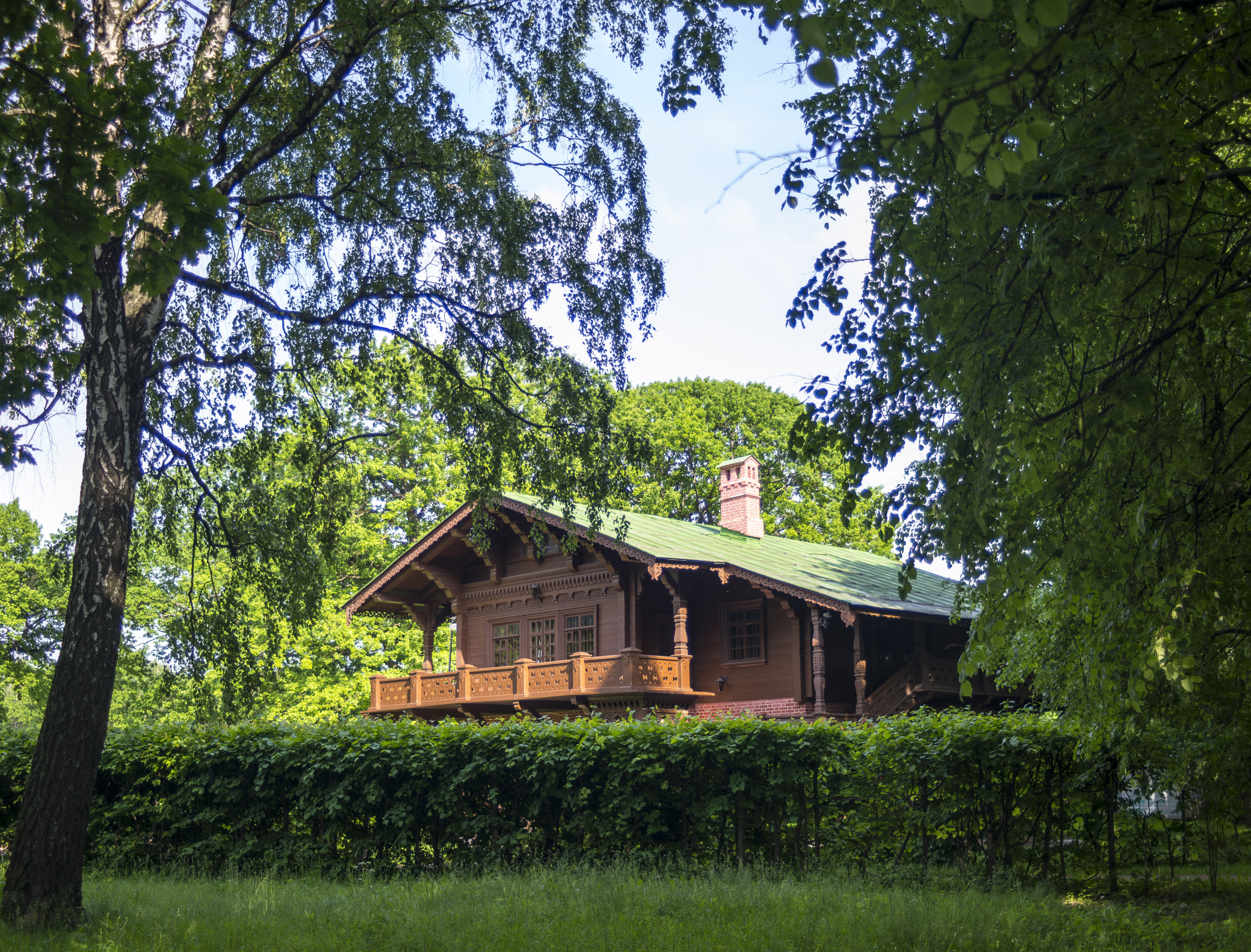
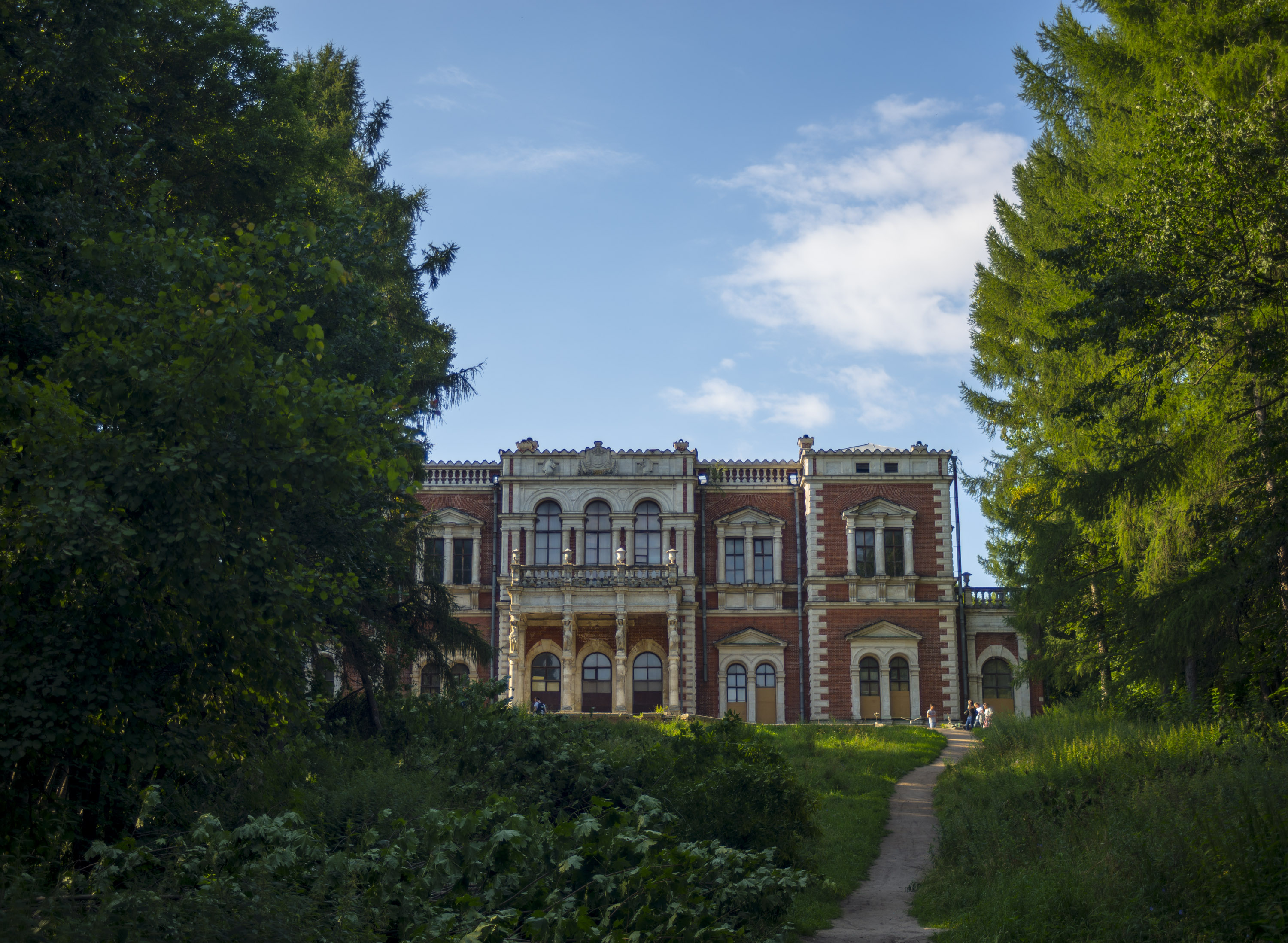
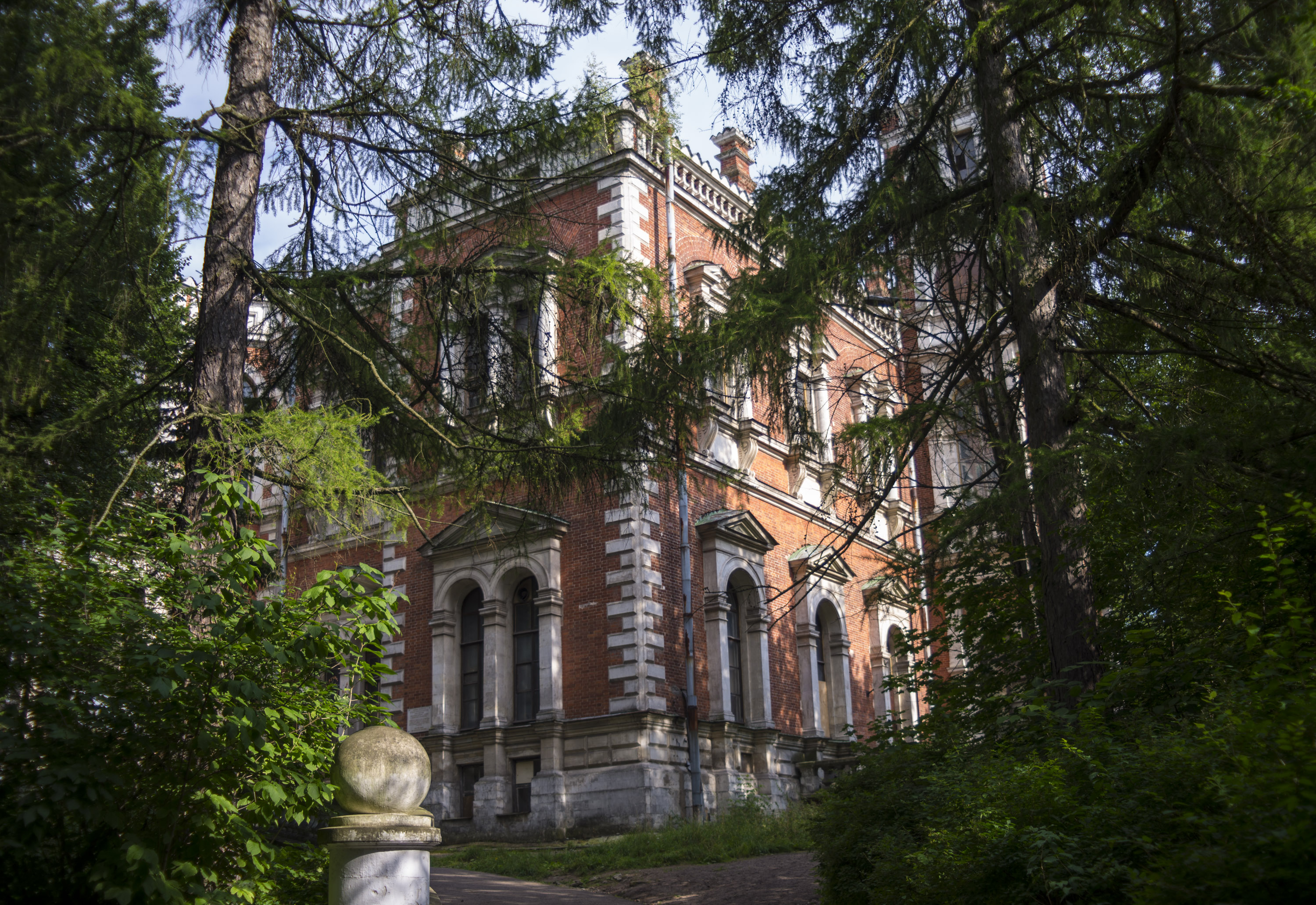
Picturesque gothic style Bykovo mansion hidden in the beautiful forest was home to a number of notable families and is an example of 18th and 19th century taste and style. Bykovo forested park is an oasis untouched by development along the small Bykovka River.

Church of Vladimir Icon of Mother of God was built in 1789 by Vasiliy Bazhenov and is located in the village of Bykovo. The architecture is very beautiful and unusual for most Orthodox churches, it may be the only one of its kind in Russia.

Moscow Botanical Garden

Ostankino

Church of the Holy Trinity in Ostankino.

The first wooden Trinity Church was built in 1585 and was destroyed in the Time of Troubles. In 1625-27 Prince Cherkassky built a new wooden church. In 1692 a stone church in the name of the Trinity was build which with some modifications survives to this day.
Ostankino Palace is a former summer residence of Sheremetev family build in 1798. Currently the Palace is closed for massive restoration work but still stays one of great monuments of architecture of the 18th century.

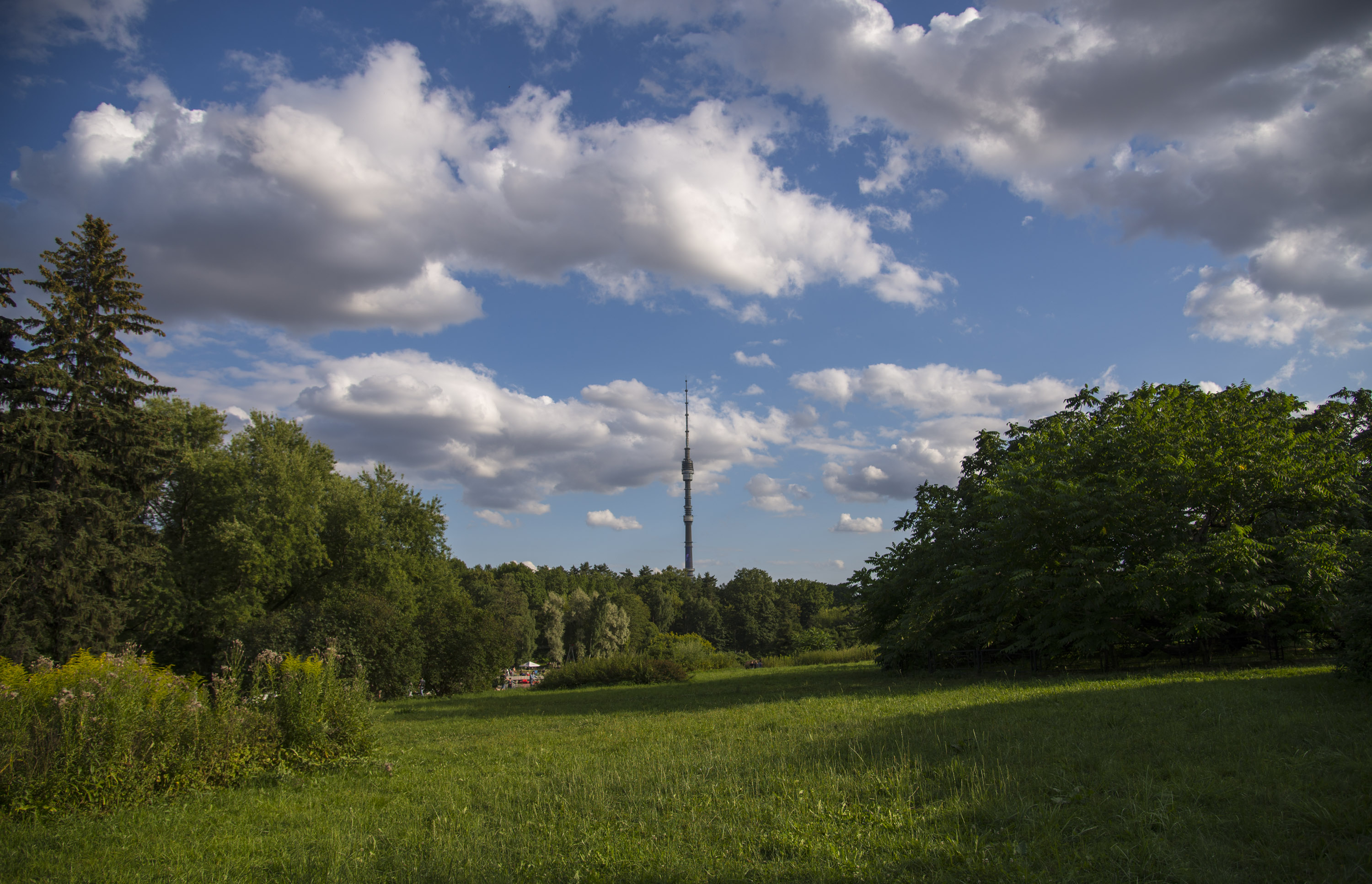
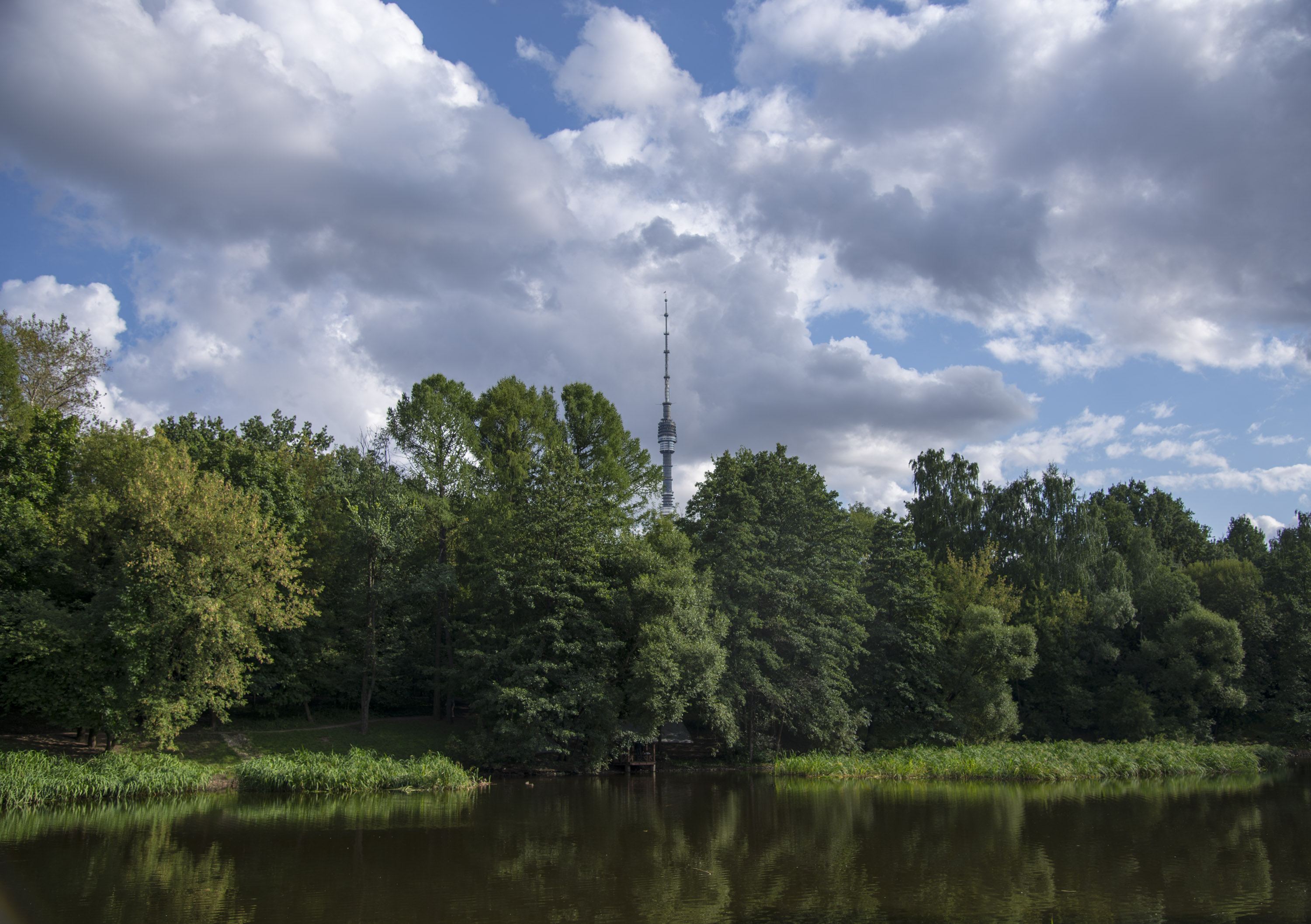
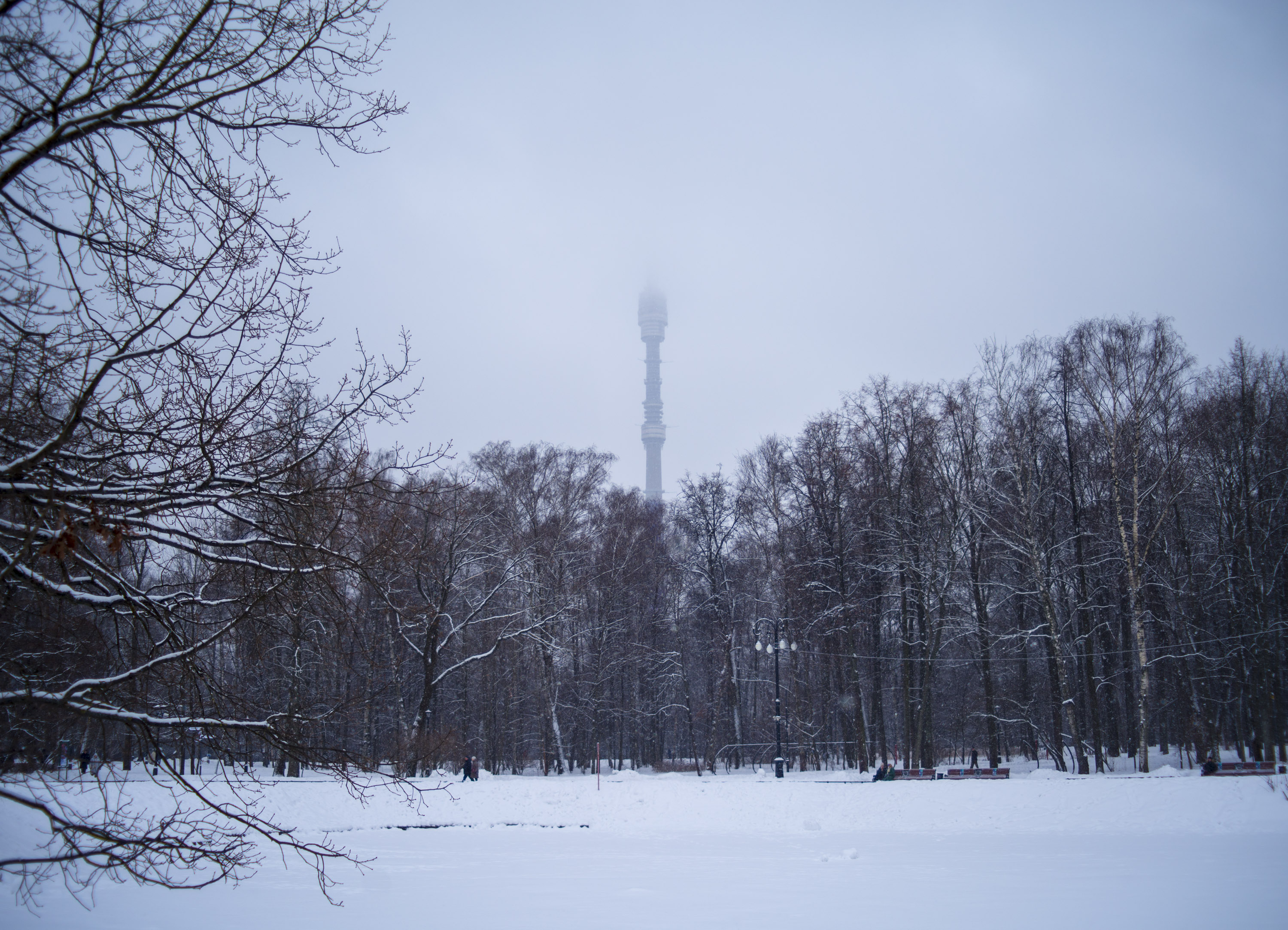
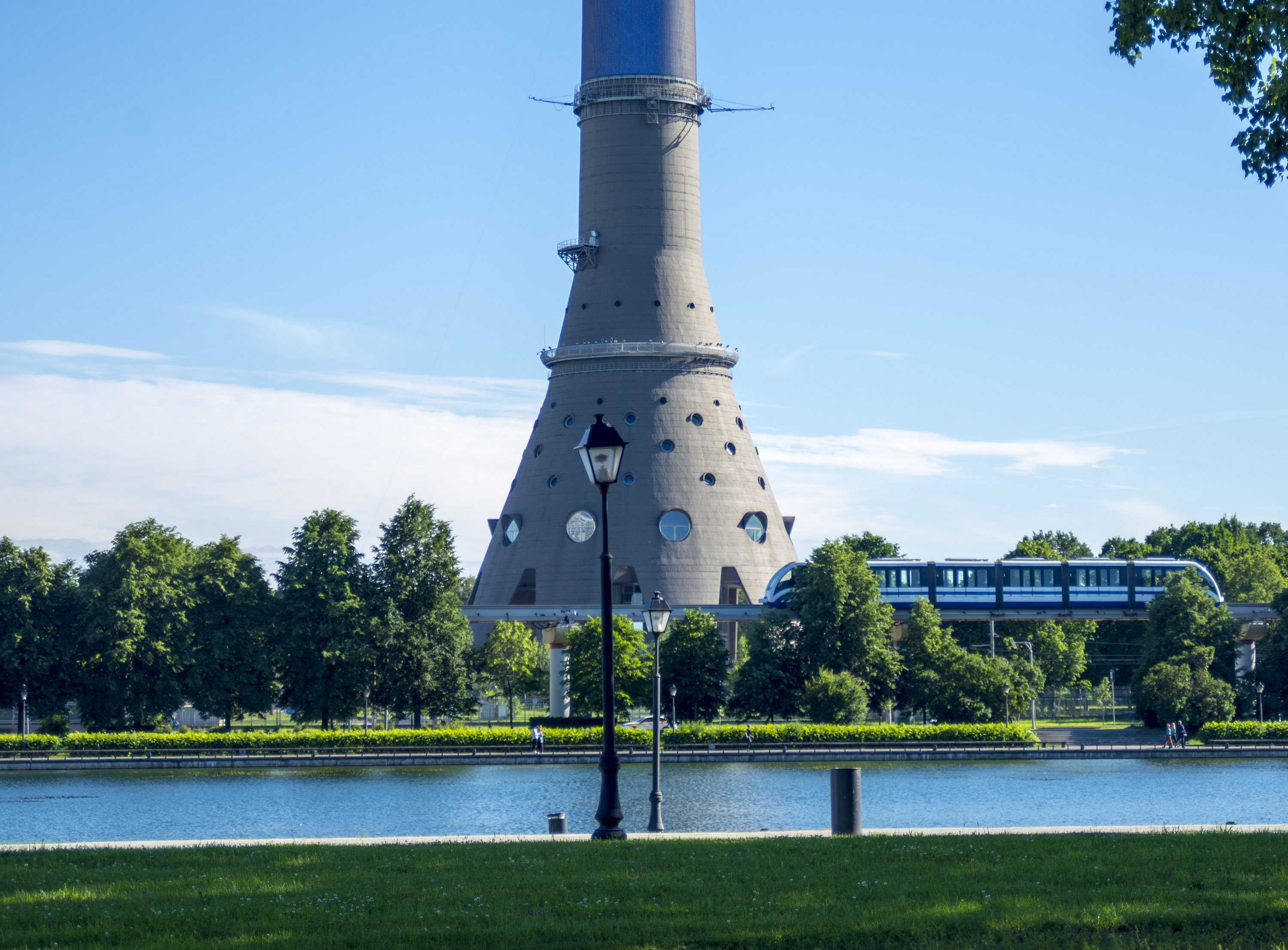
Ostankino Television and radio Tower – the tallest free-standing structure in Europe- is surrounded by beautiful park and located near to tram station.

VDNKHa

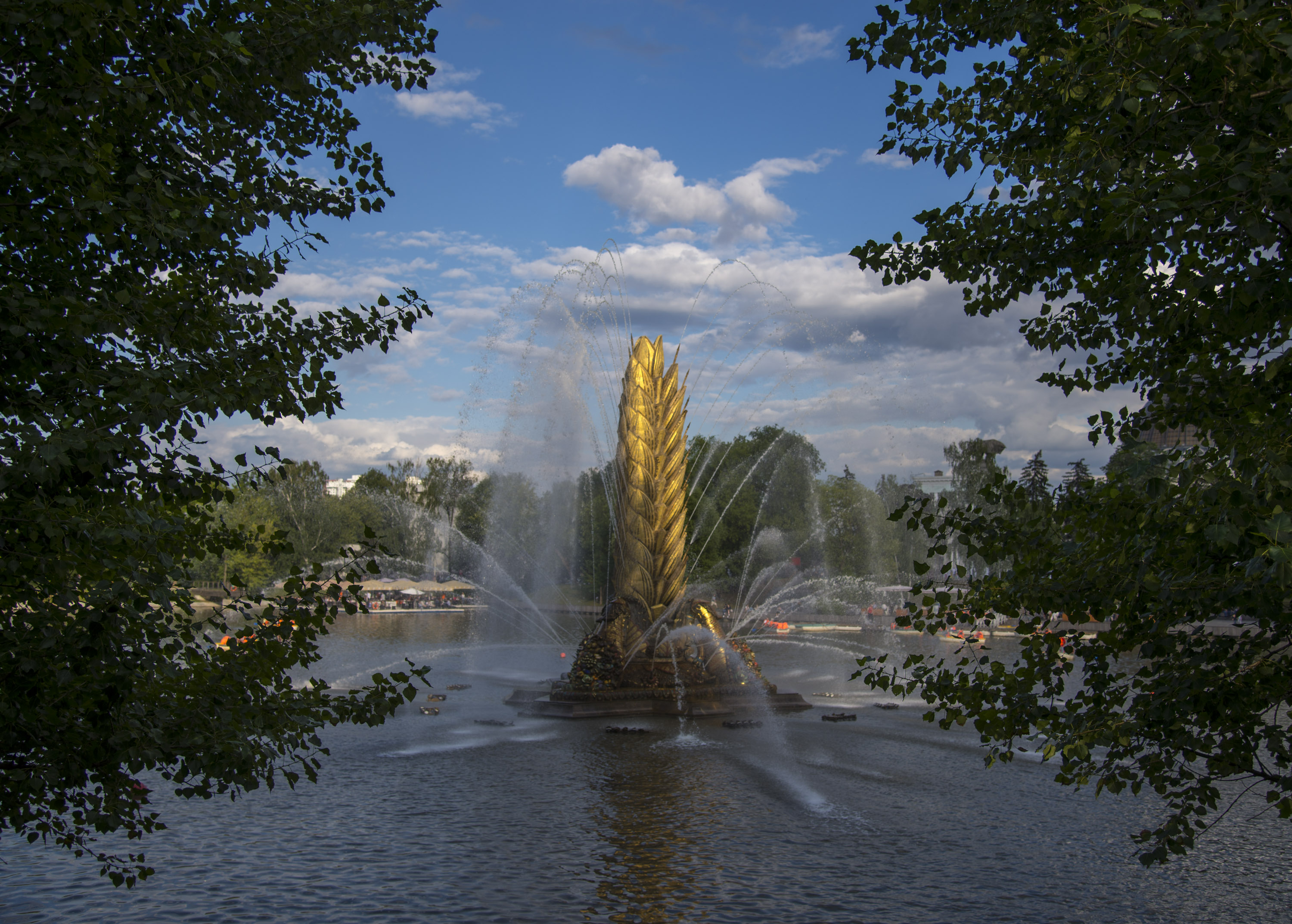
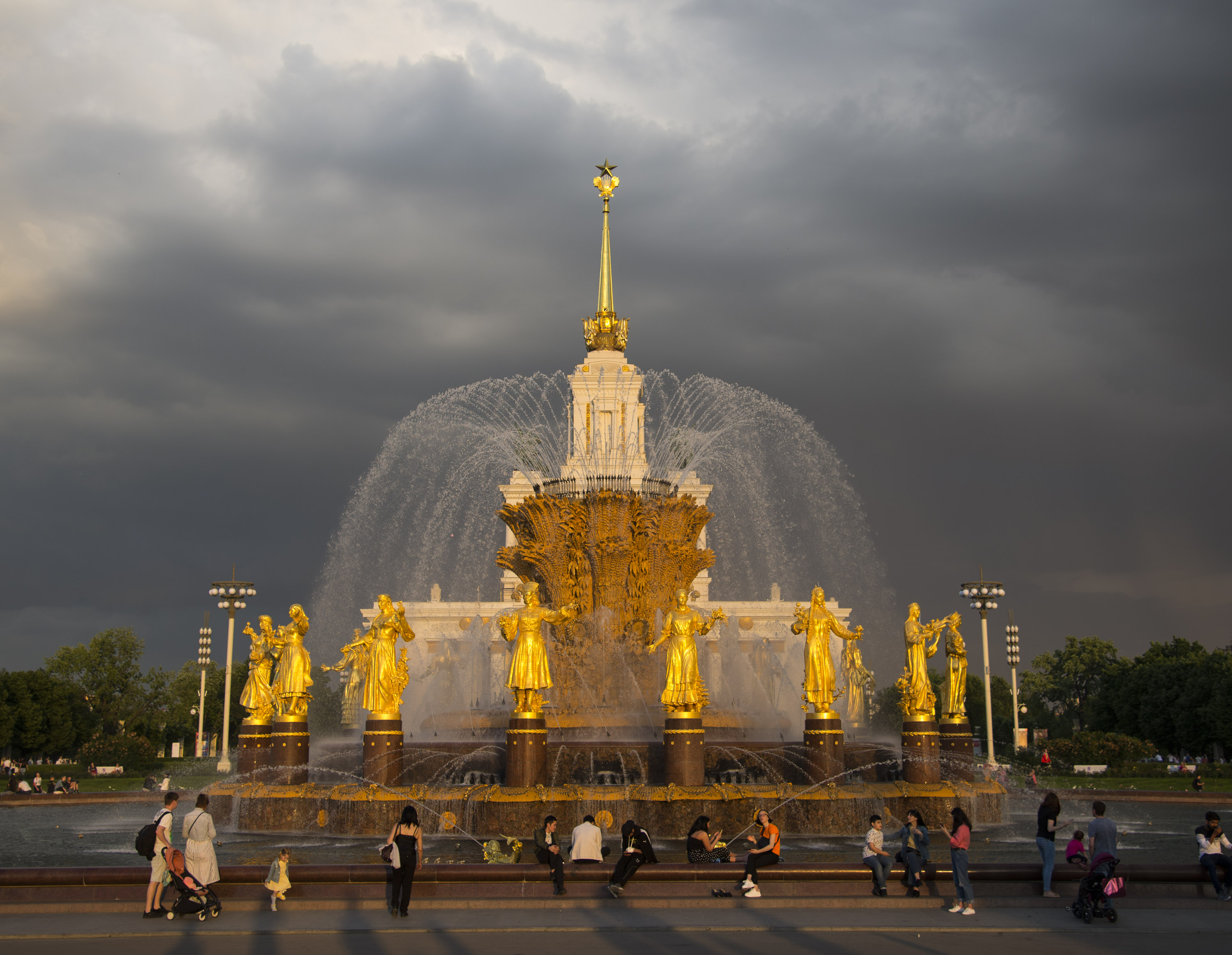
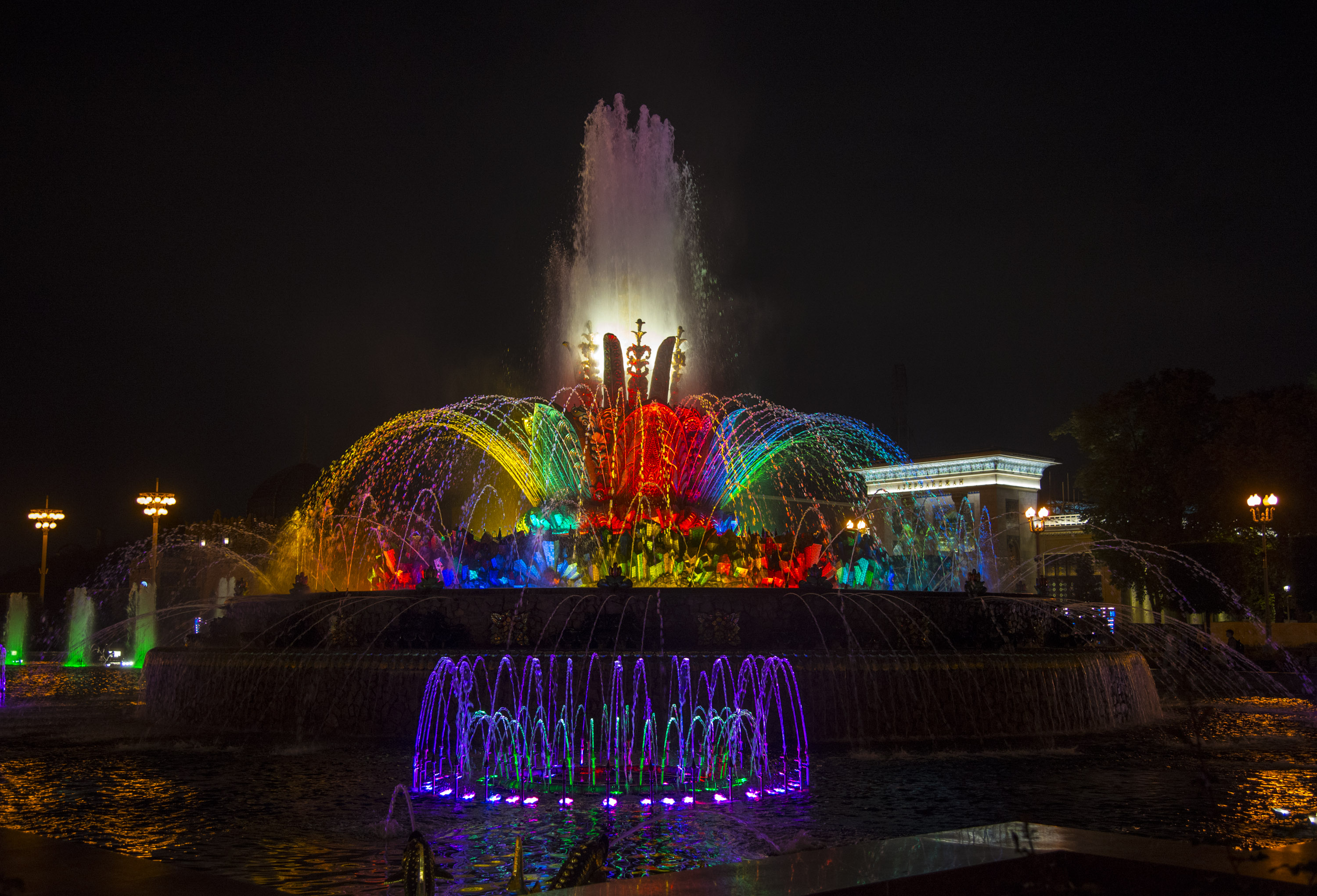
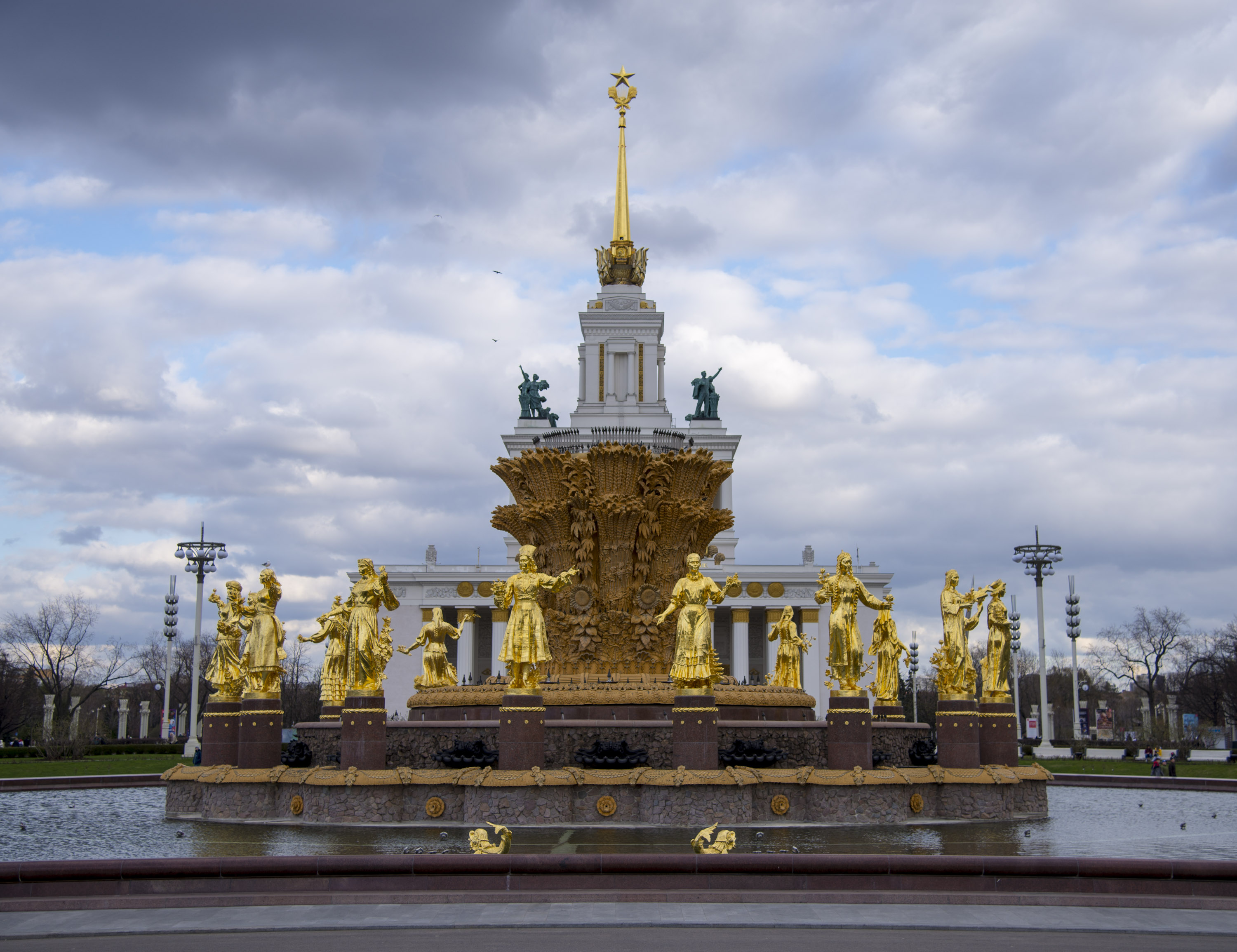
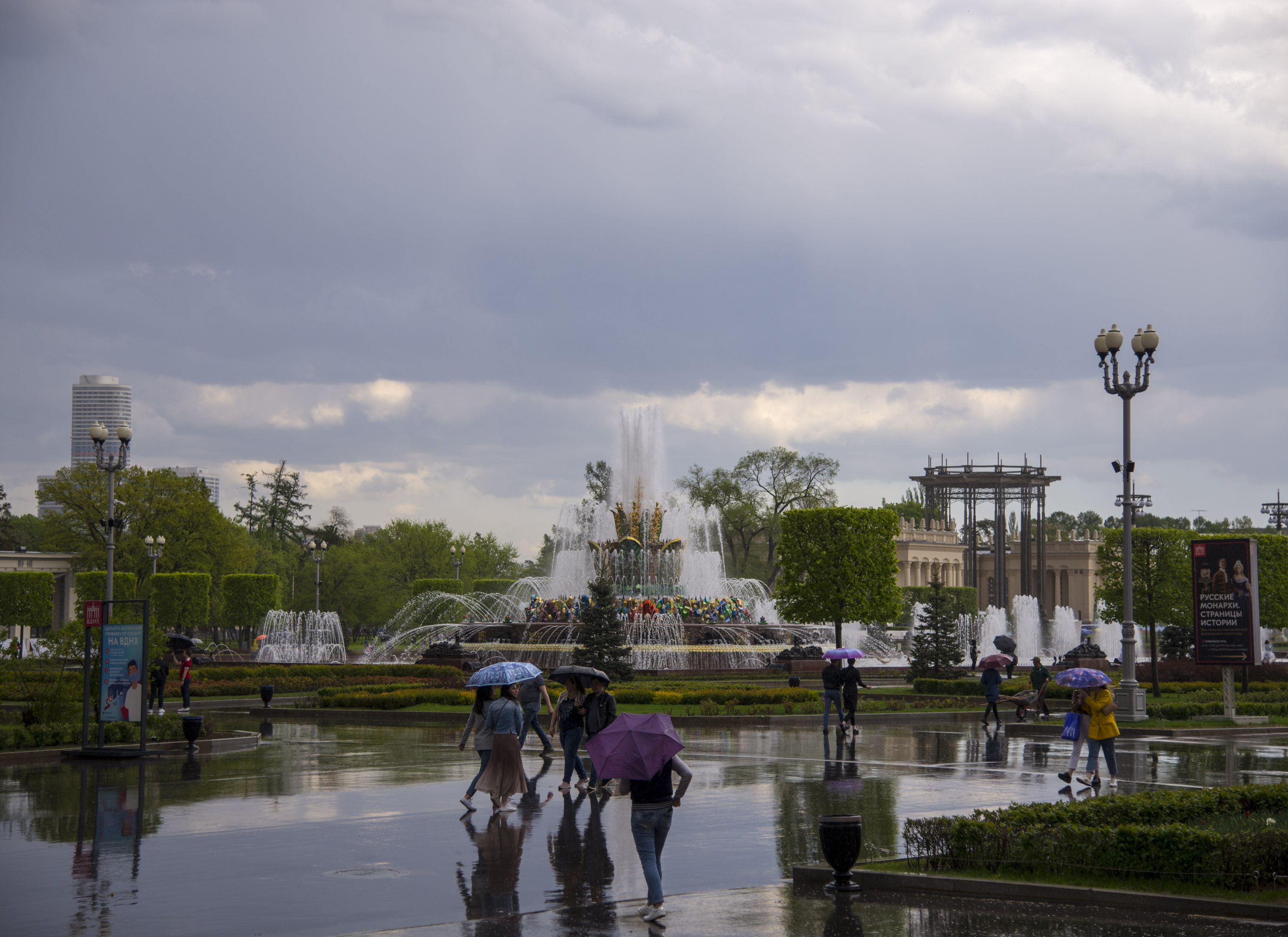
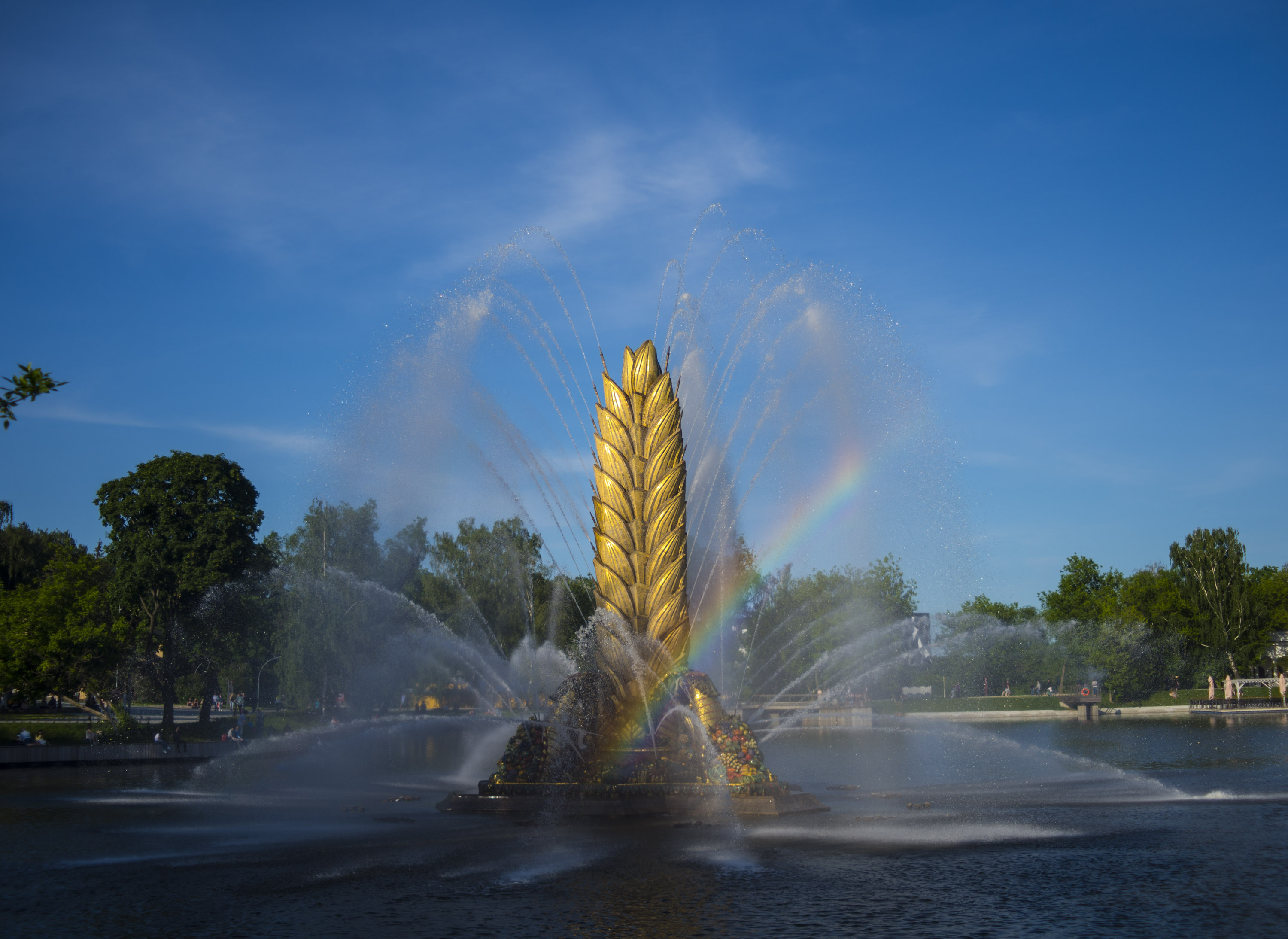
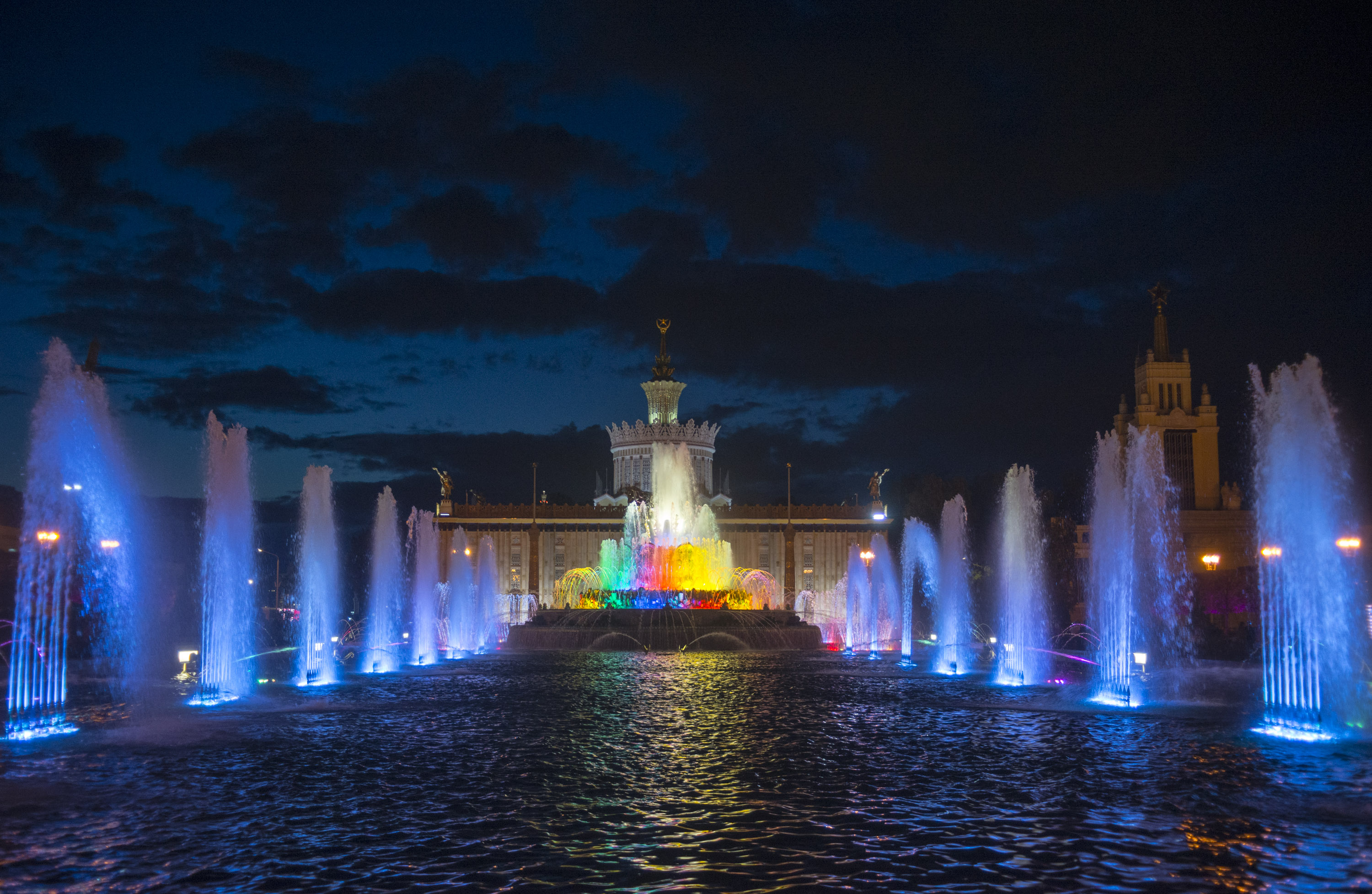
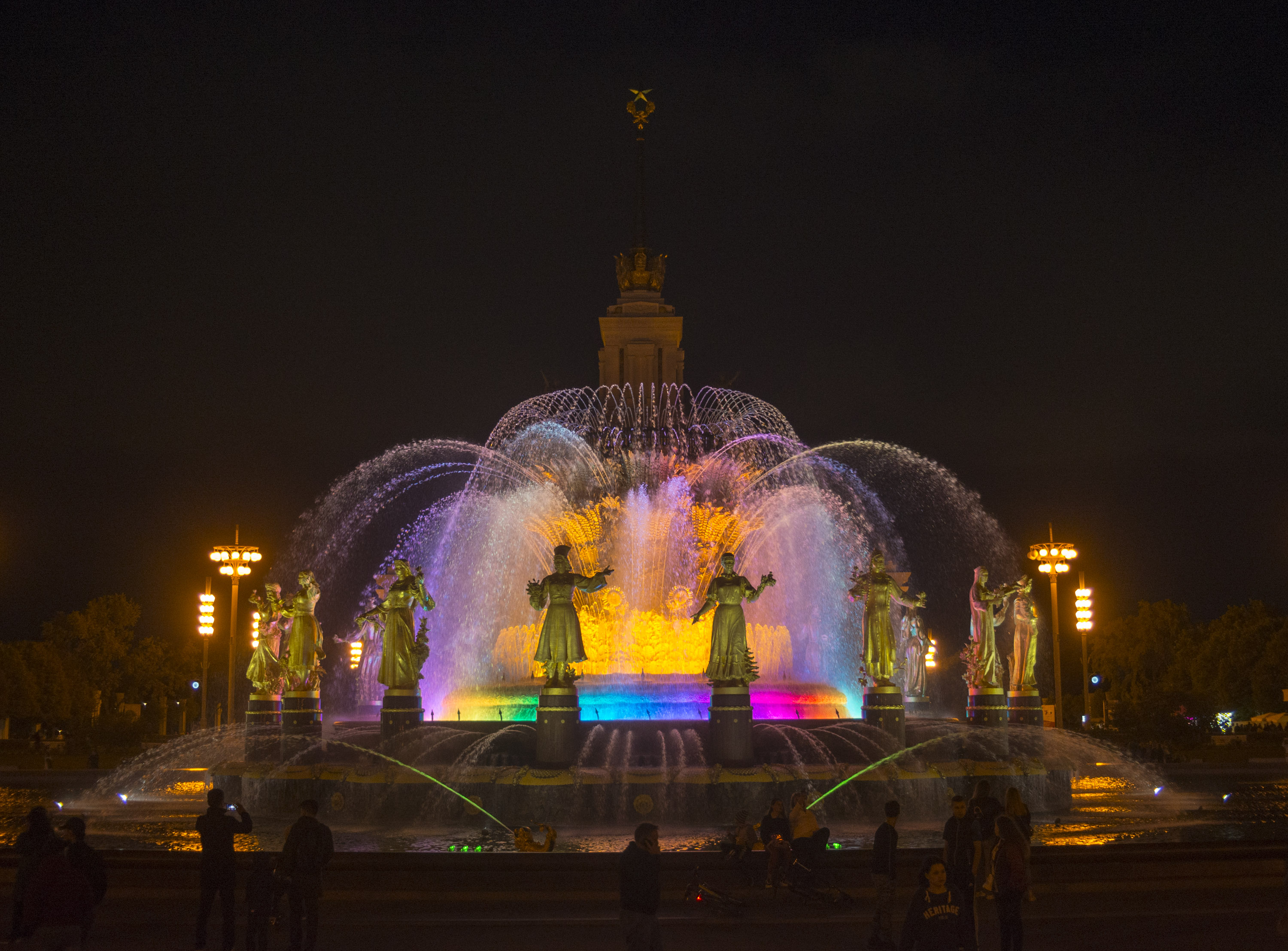
Golden Spike is one of the most famous fountains at the biggest Moscow Exhibition center VDNKHa.

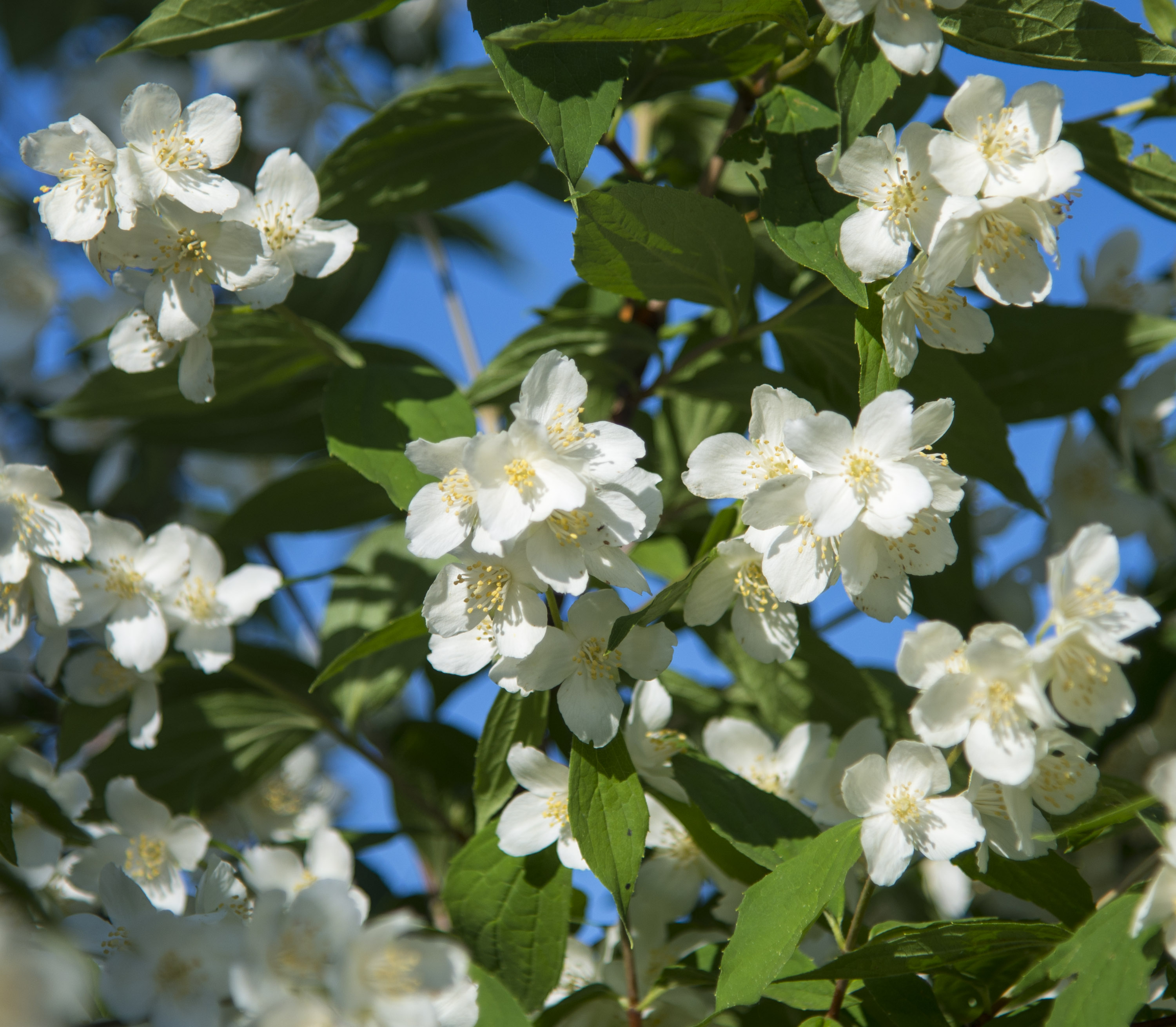
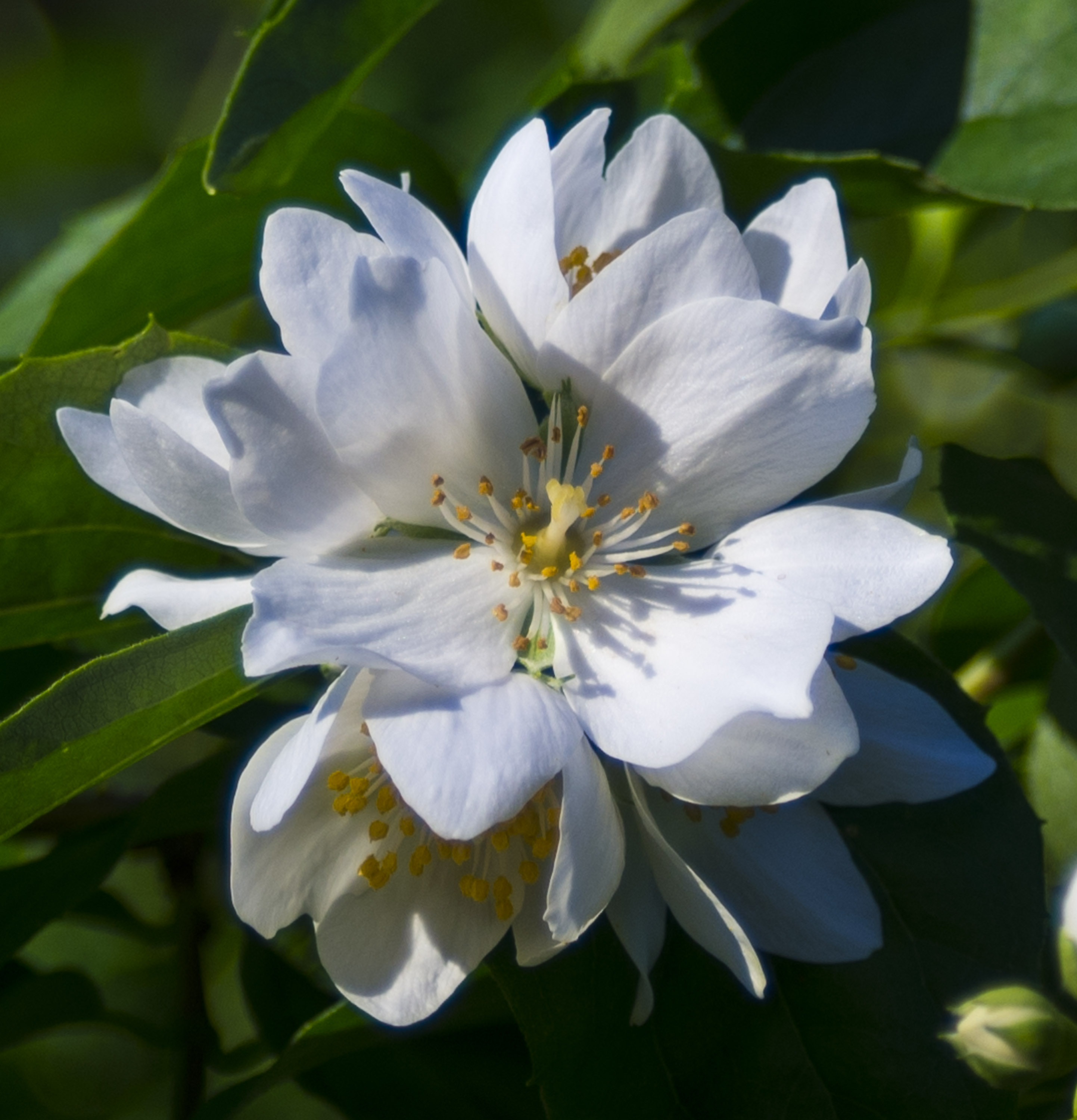
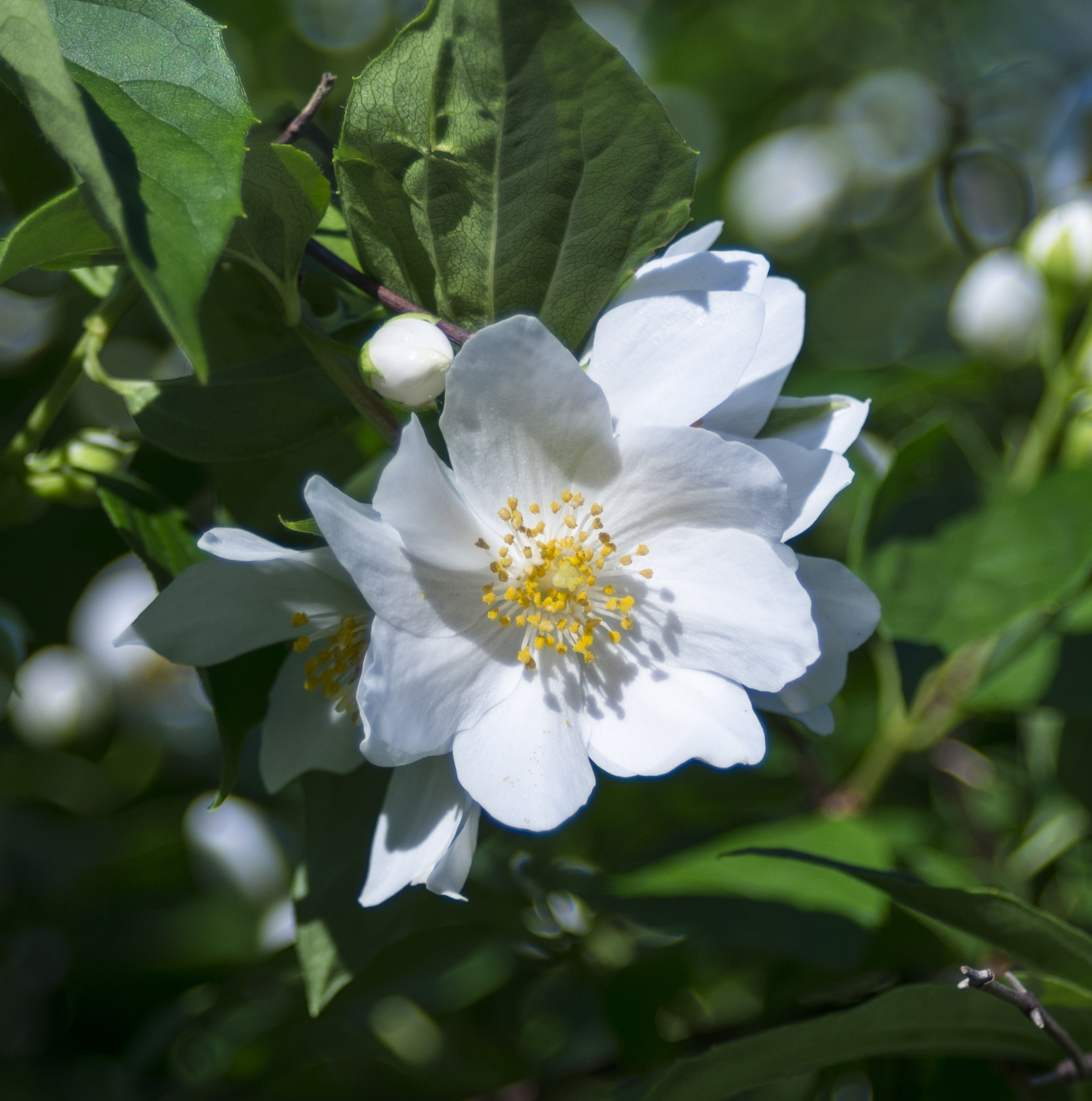
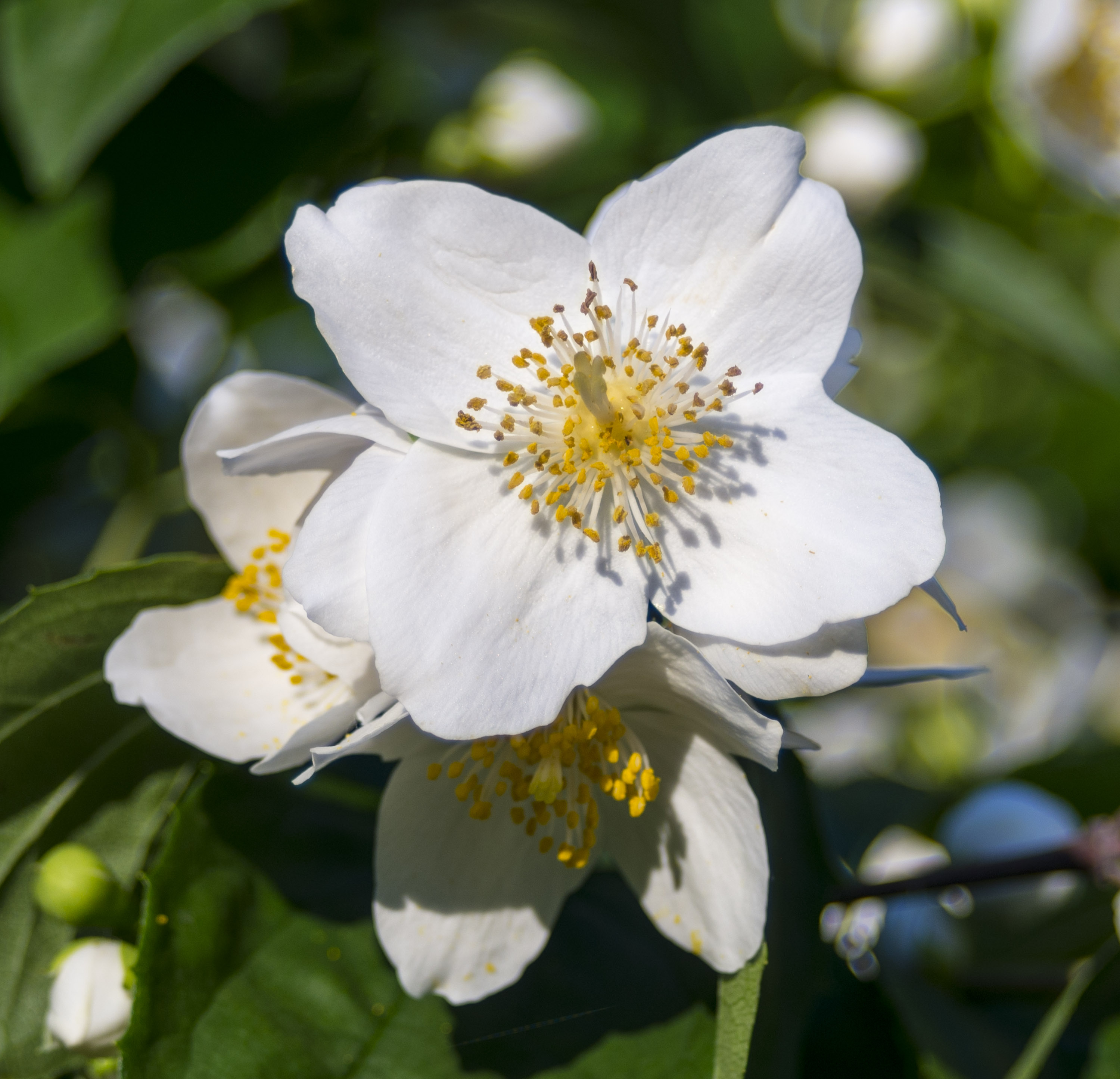
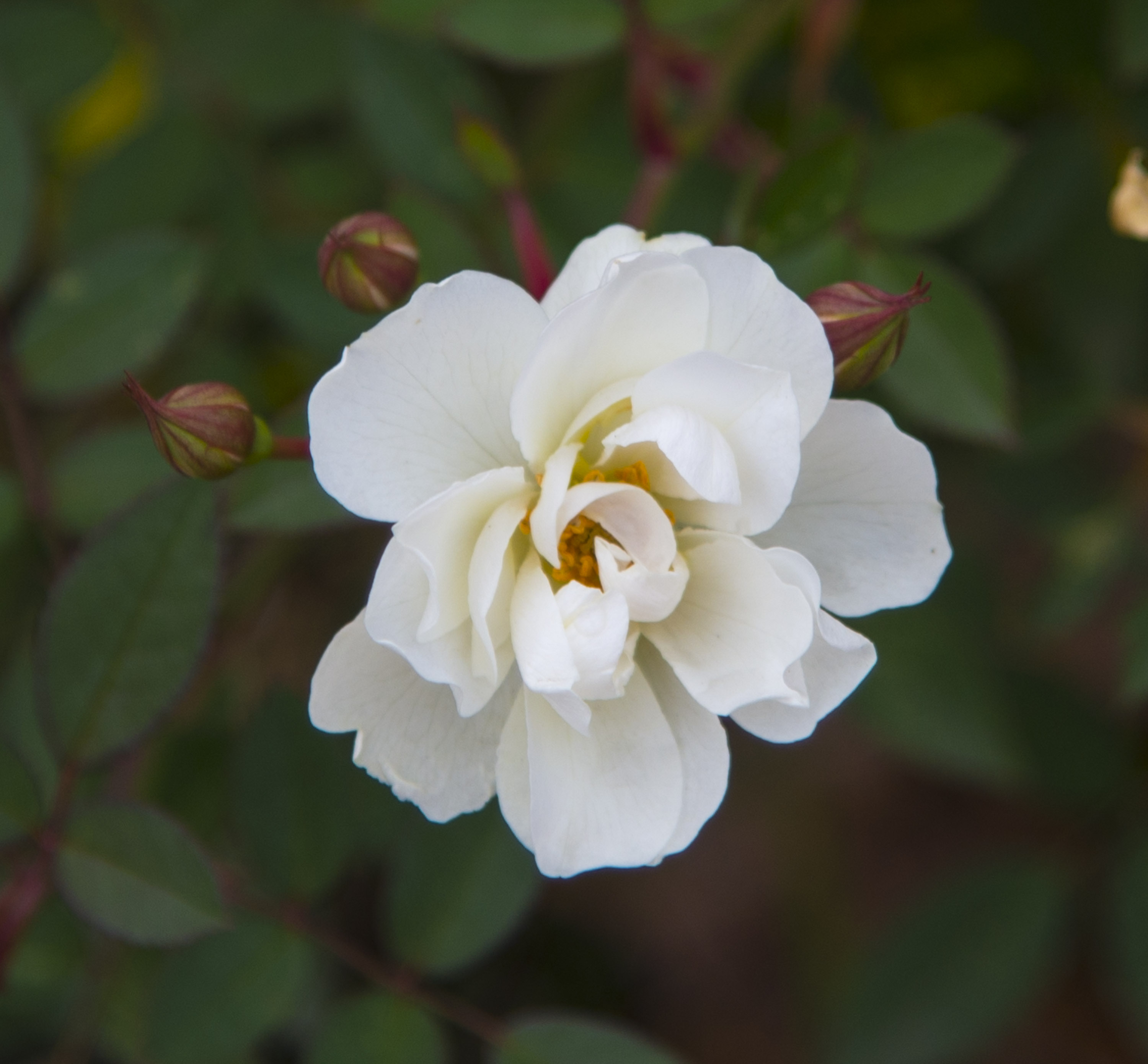
Beautiful jasmine blossom.

Muranovo

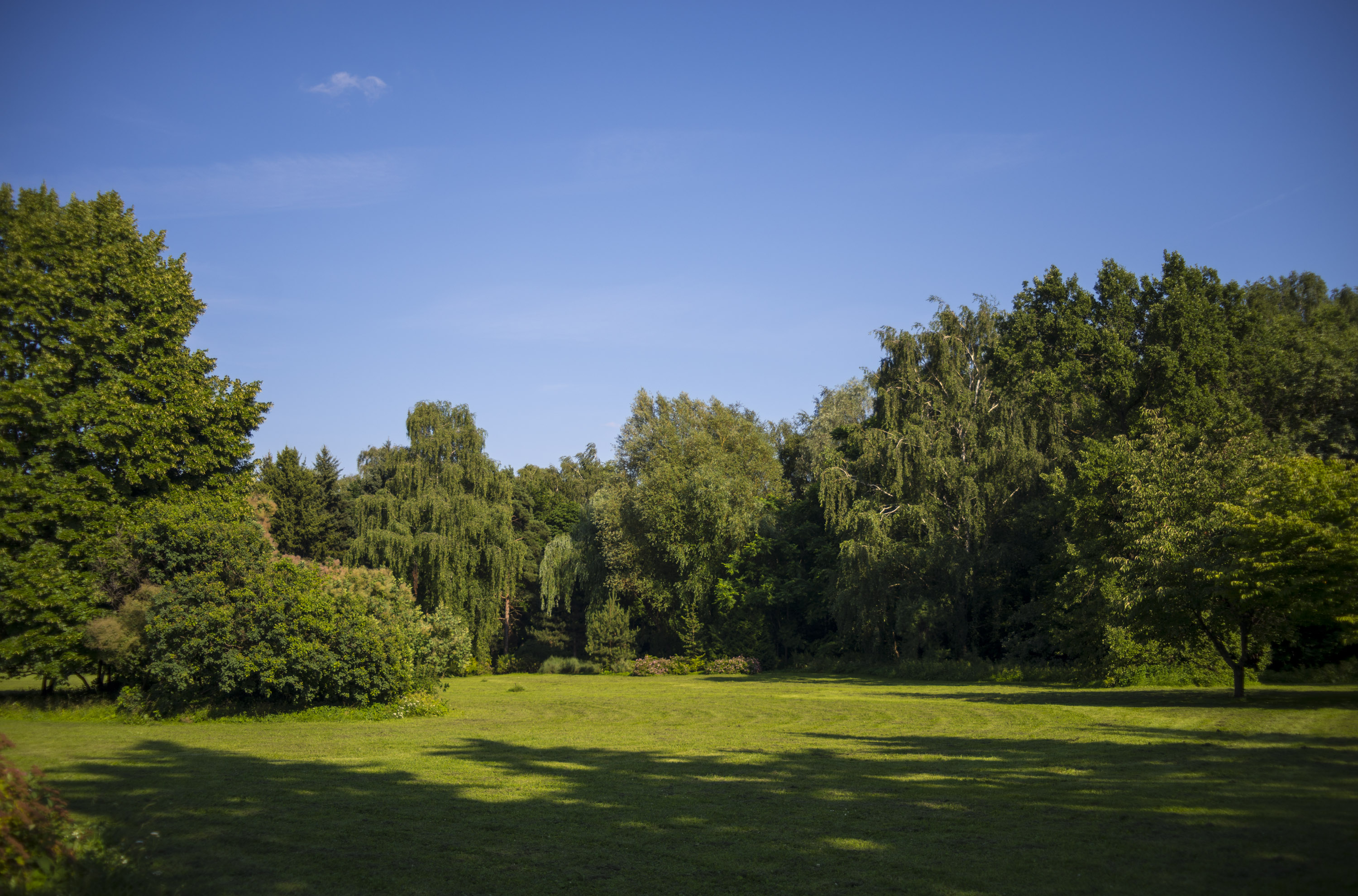
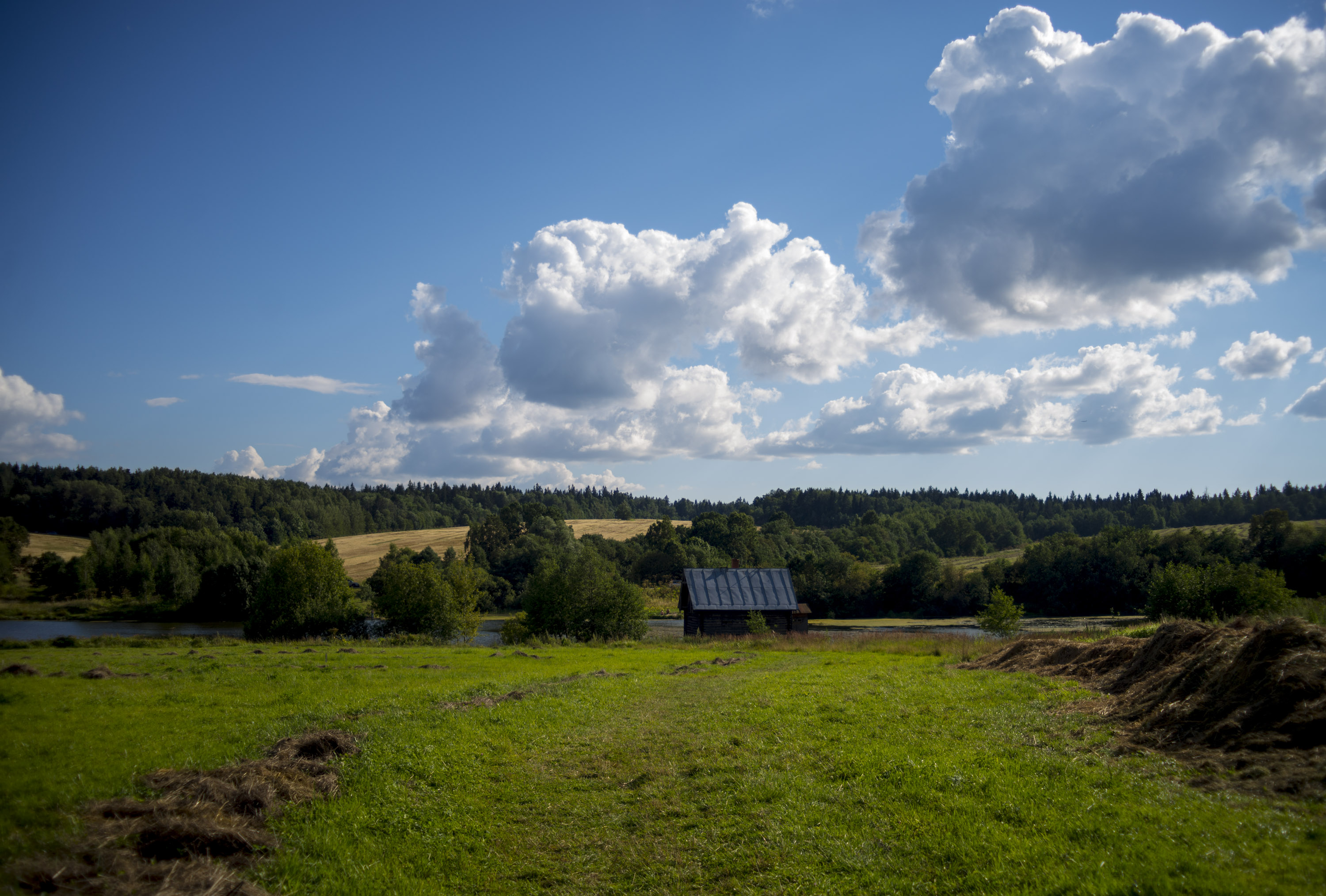
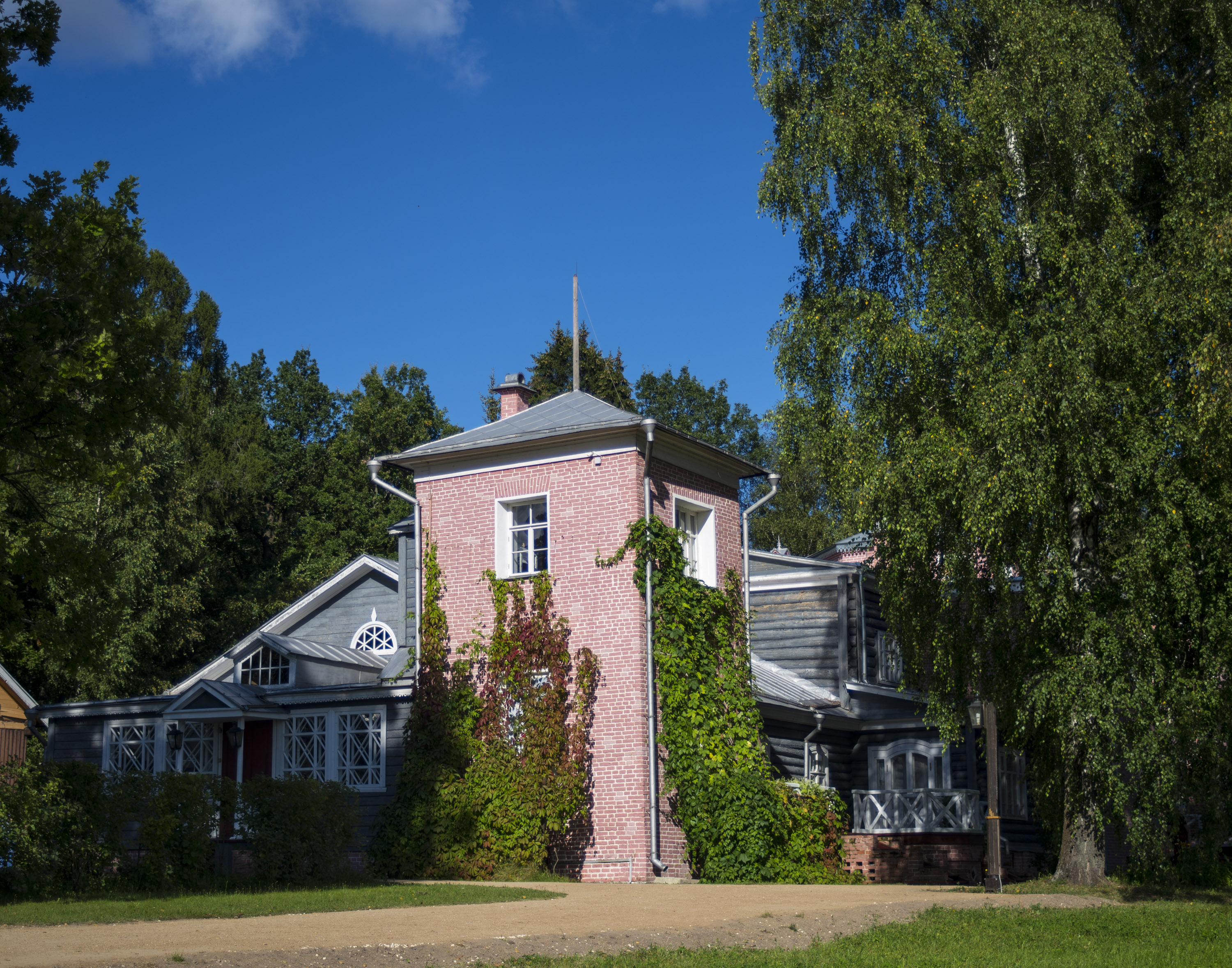
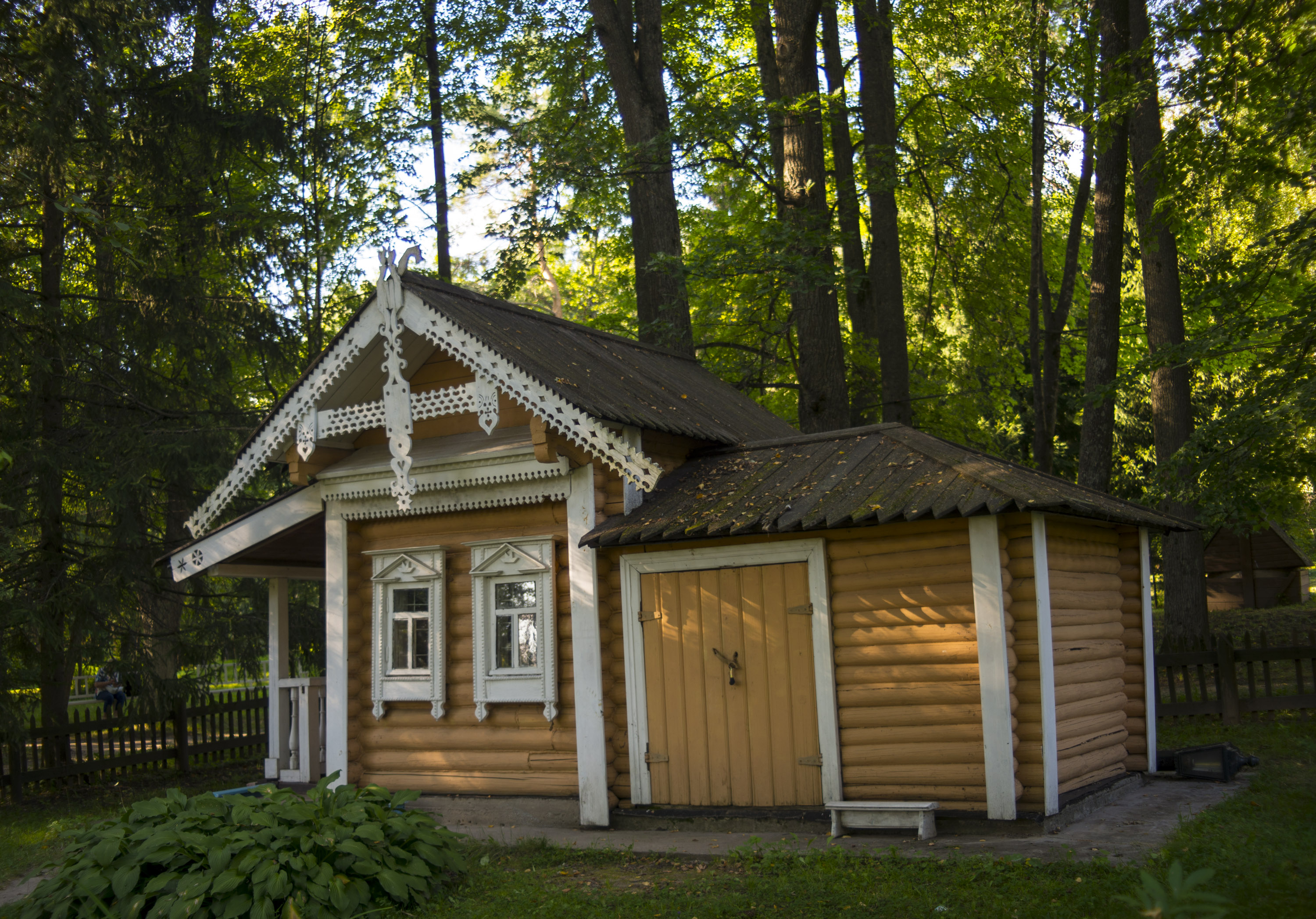
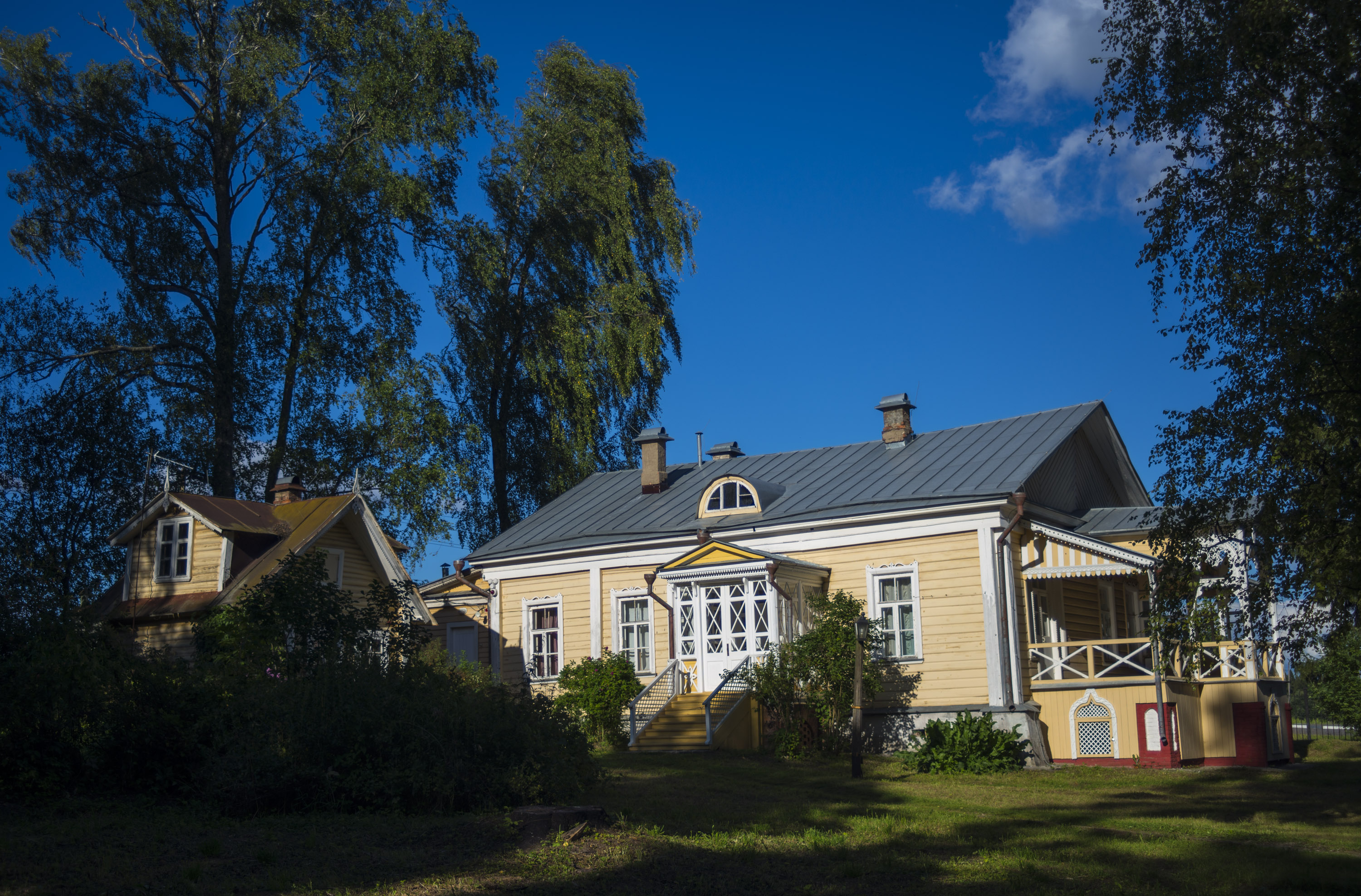
The small country estate of Muranovo is located on the high bank of the Talitsa river, 60 km from Moscow. The landscape is charmingly simple and nice.

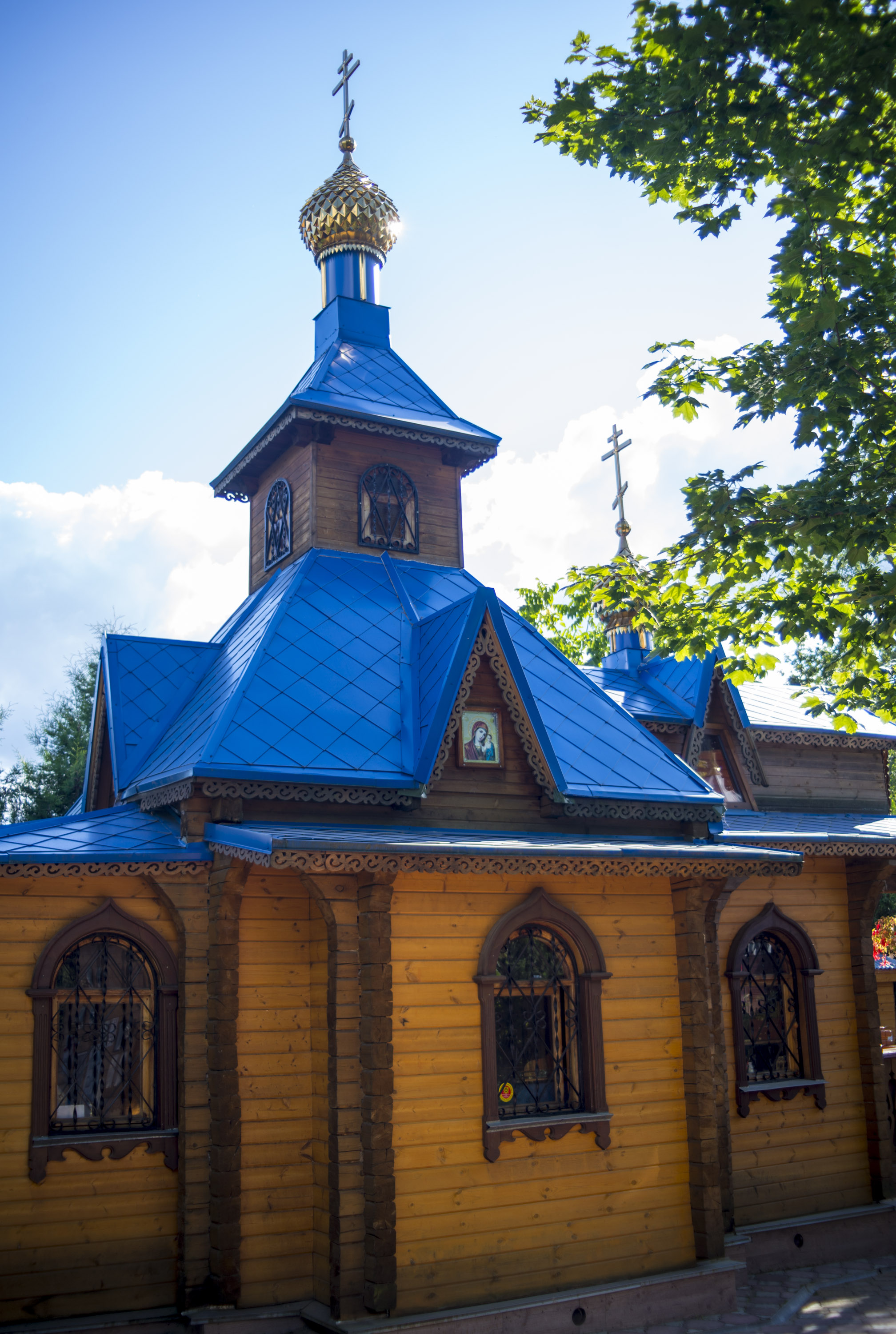
Holy Spring. Святой источник Казанской Иконы Божьей Матери.

Muranovo Museum is also called the House of Poets because its history is bound with the names of two famous Russian poets Fedor Tyutchev and Evgeniy Baratynsky. In the past Muranovo was an average country estate which consisted of the main house, a church, different residential buildings, a garden and a park. The estate and the surrounding landscape make up an inseparable harmony. The estate was built in 1816 and its main house was build in wood in 1842 by Evgeniy Baratynsky. In 1920 the estate became a museum.

Mytishchi

Gallery

London, March 2020

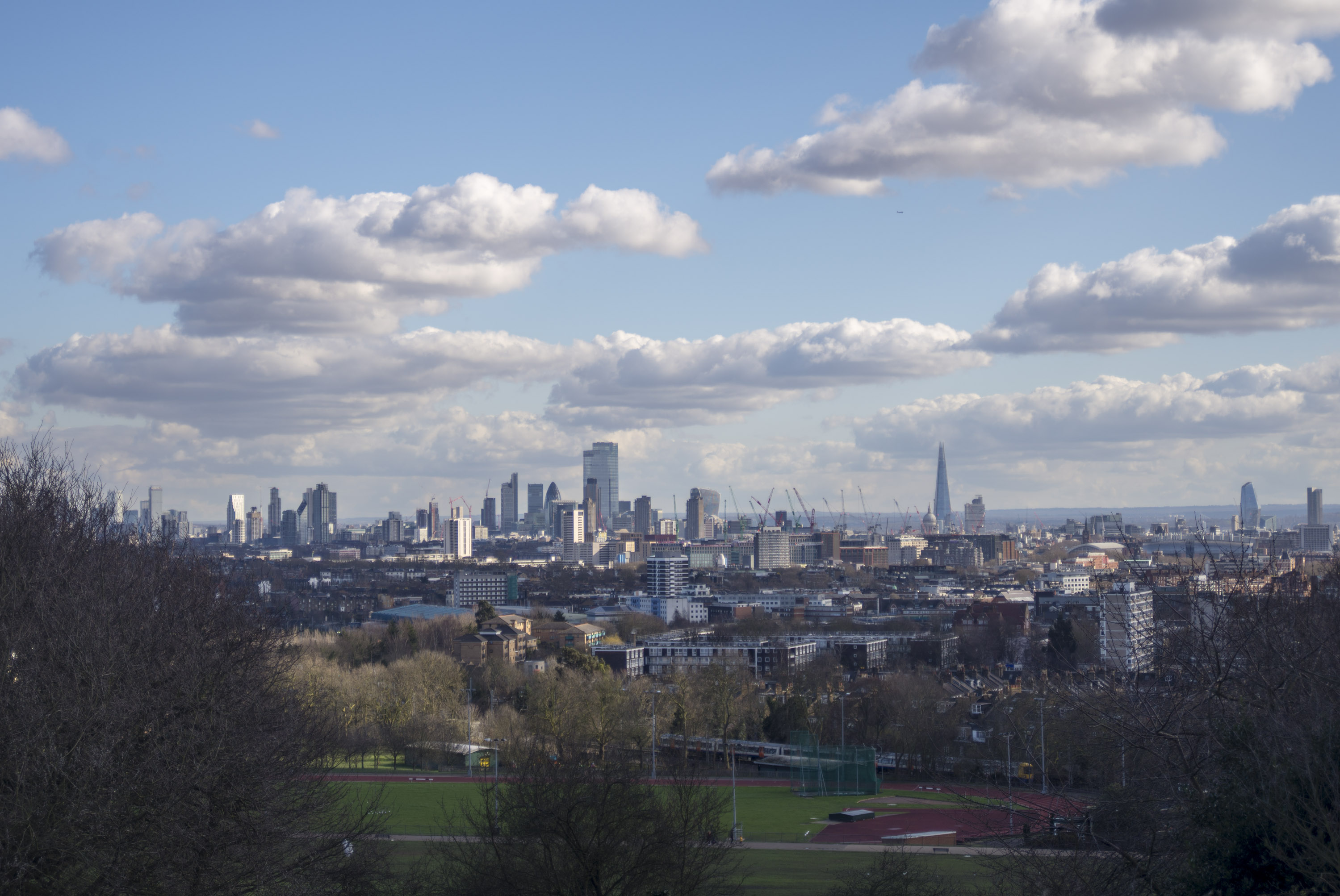
One Tree Hill View Point at the Greenwich Park

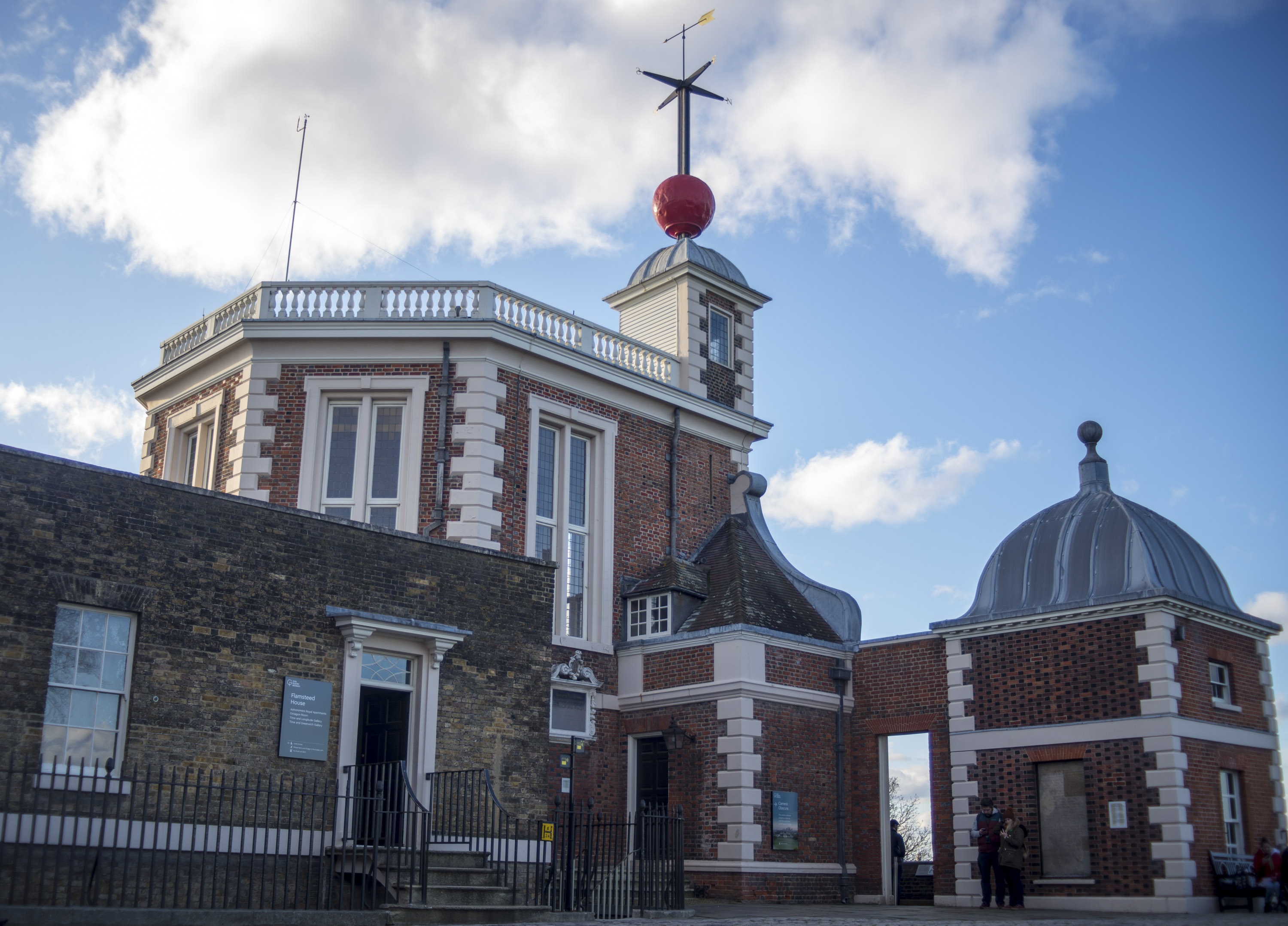
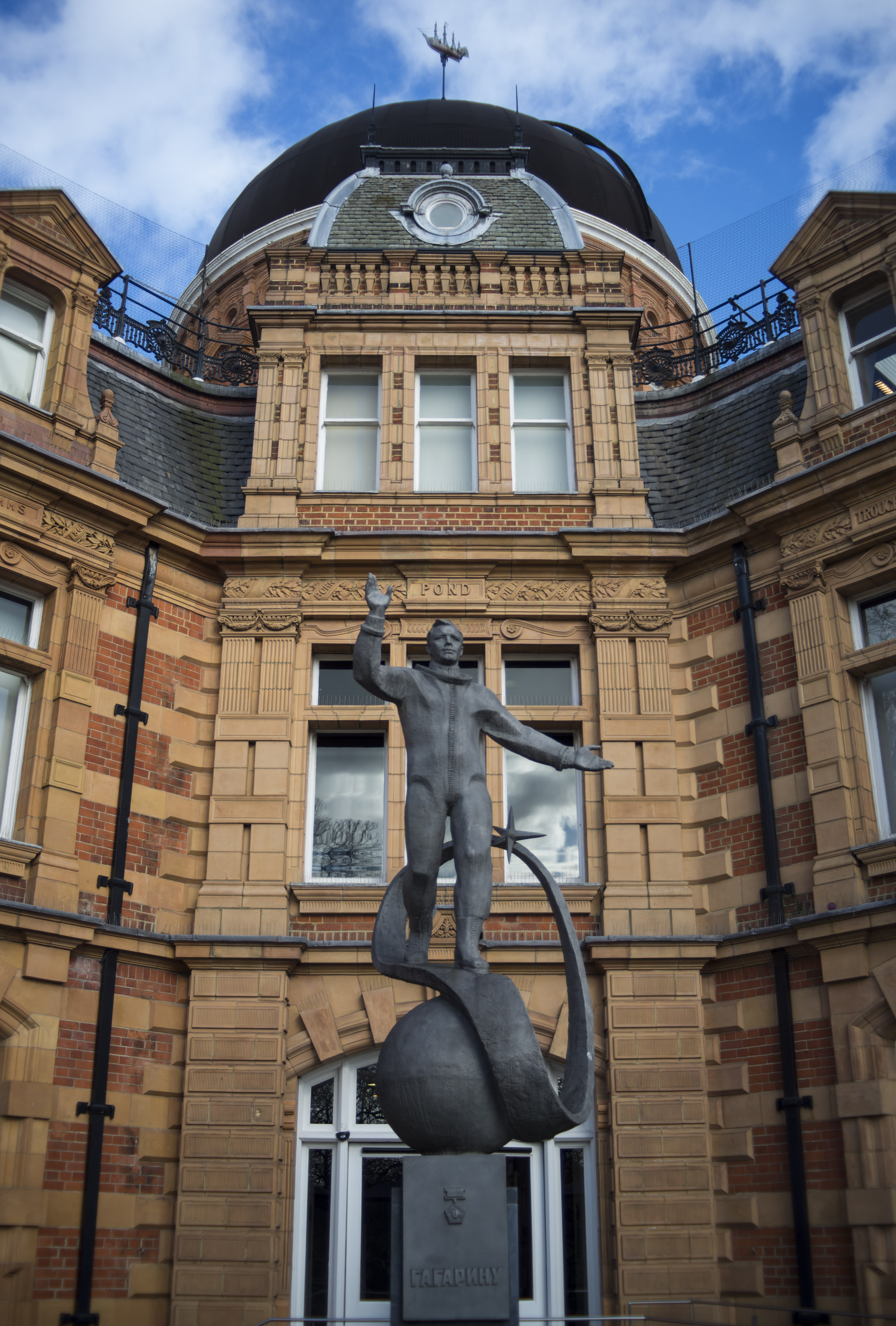
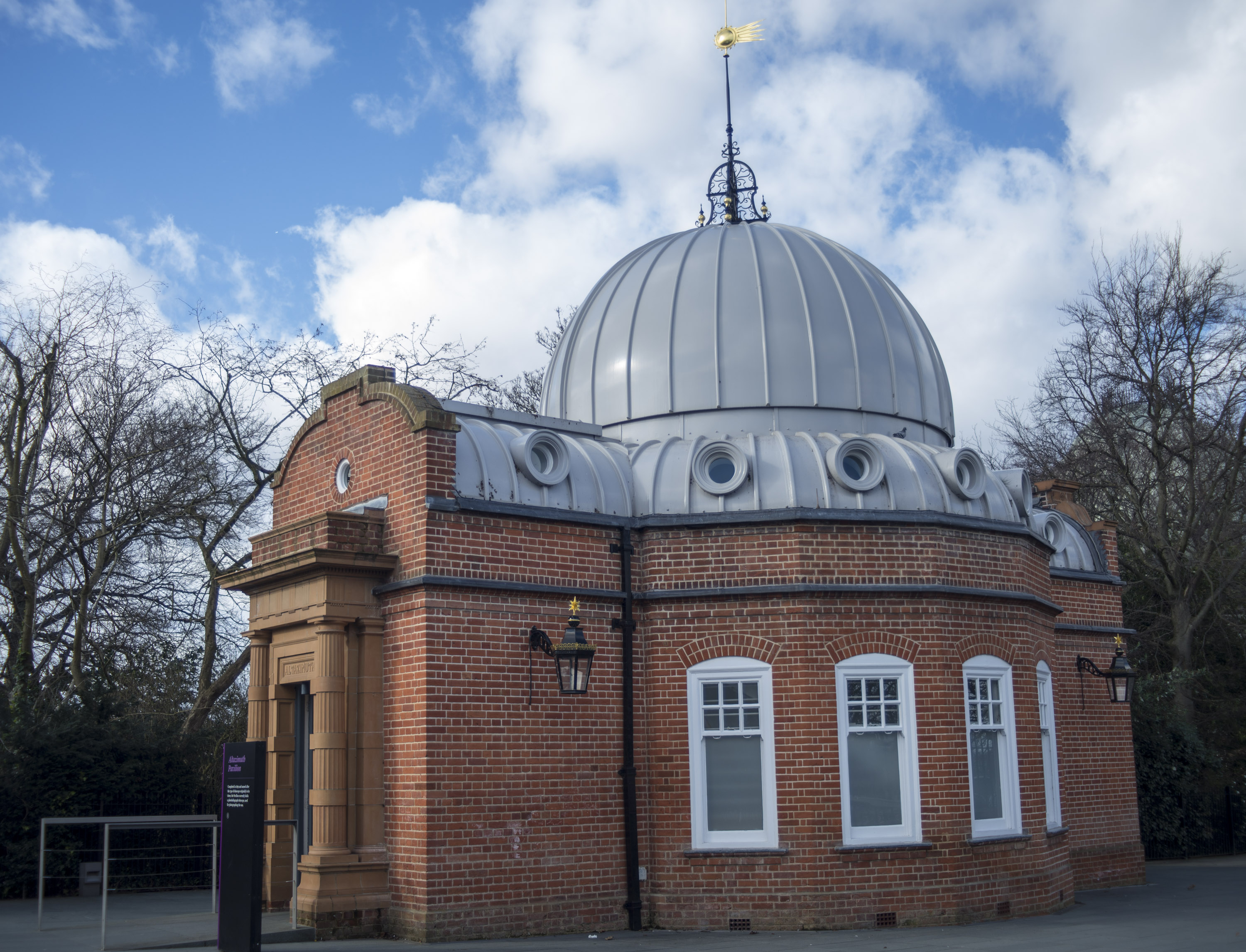
Prime Meridian, Royal Observatory and Peter Harrison Planetarium

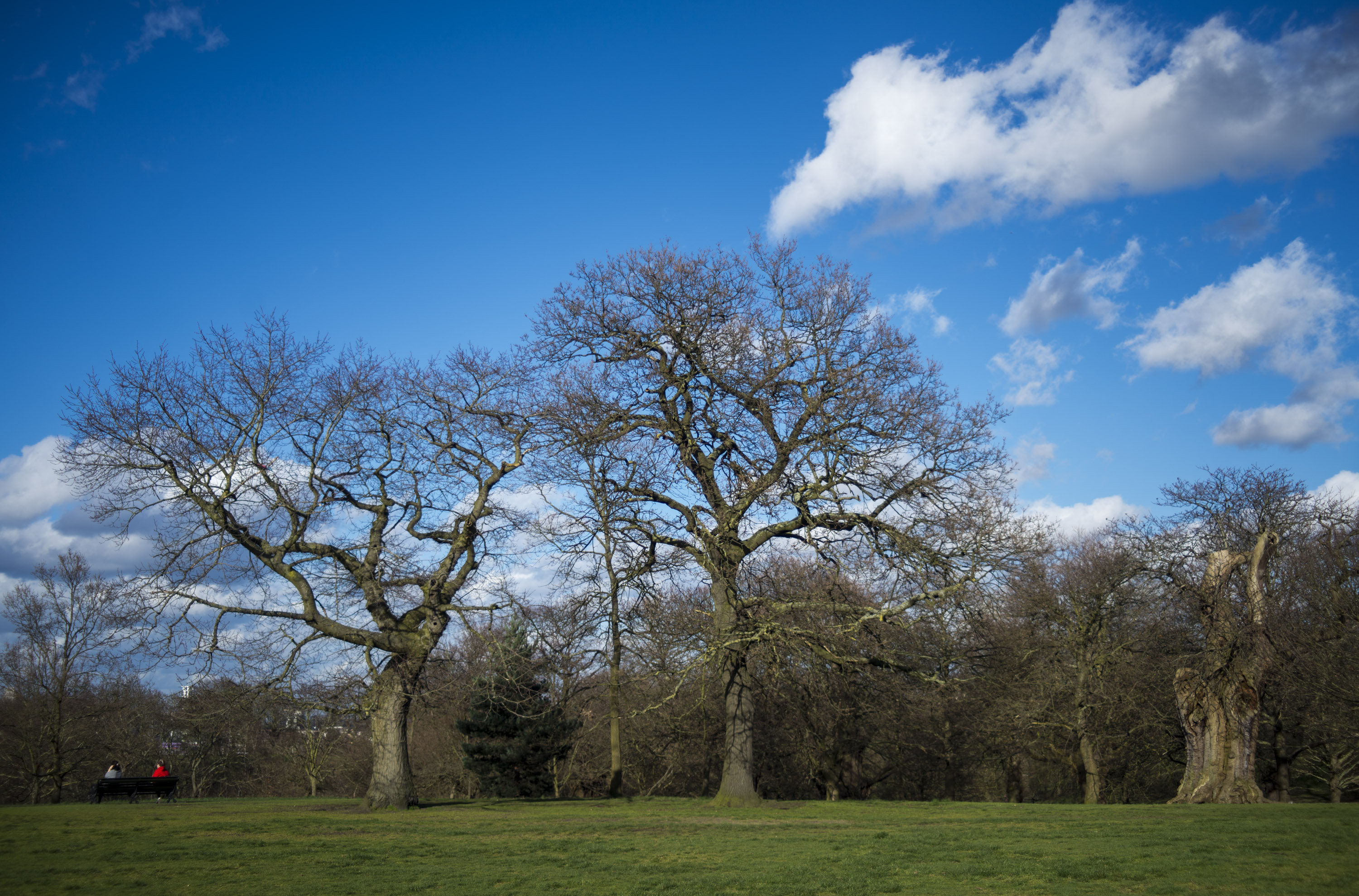
Greenwich Park

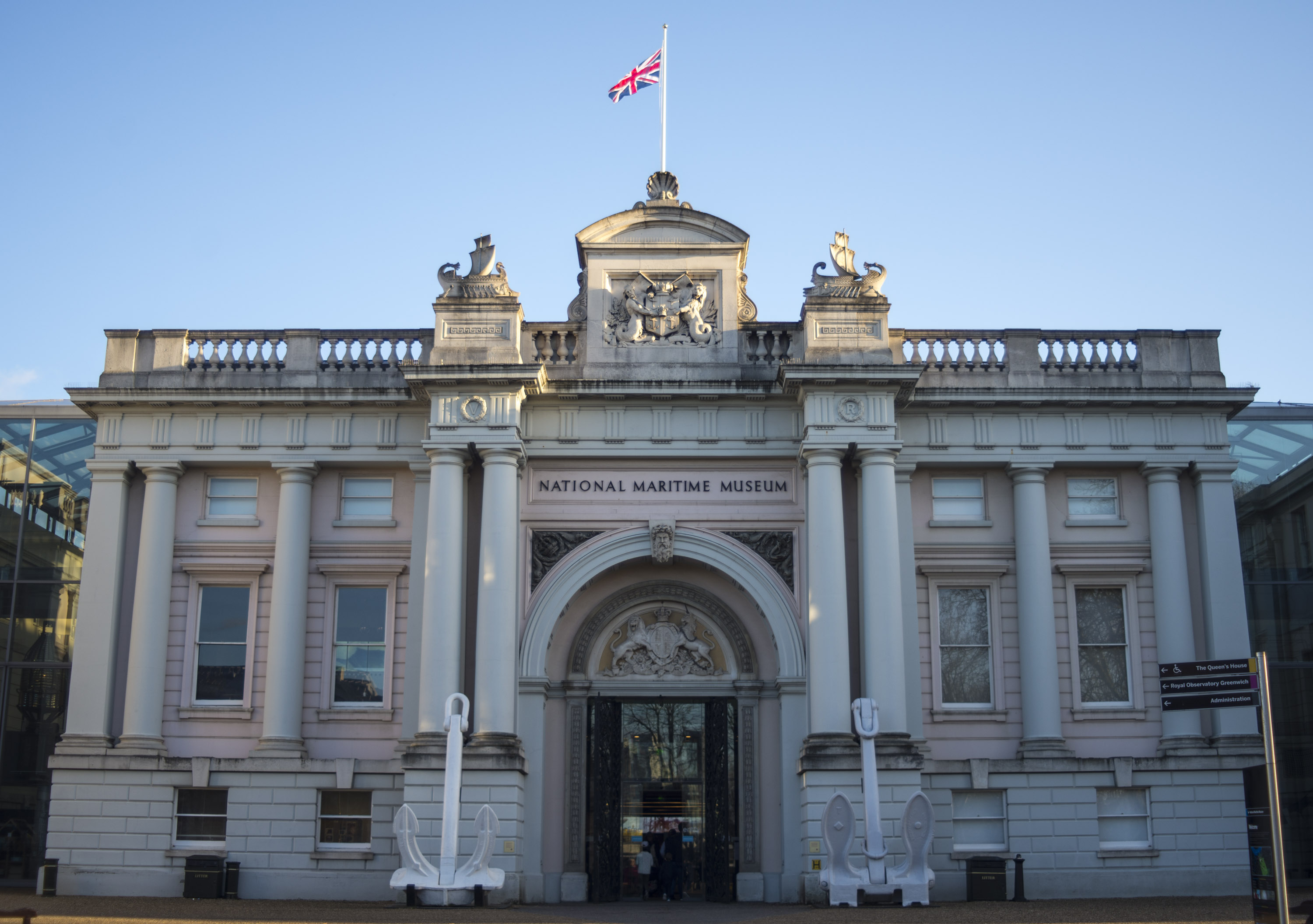
National Maritime Museum

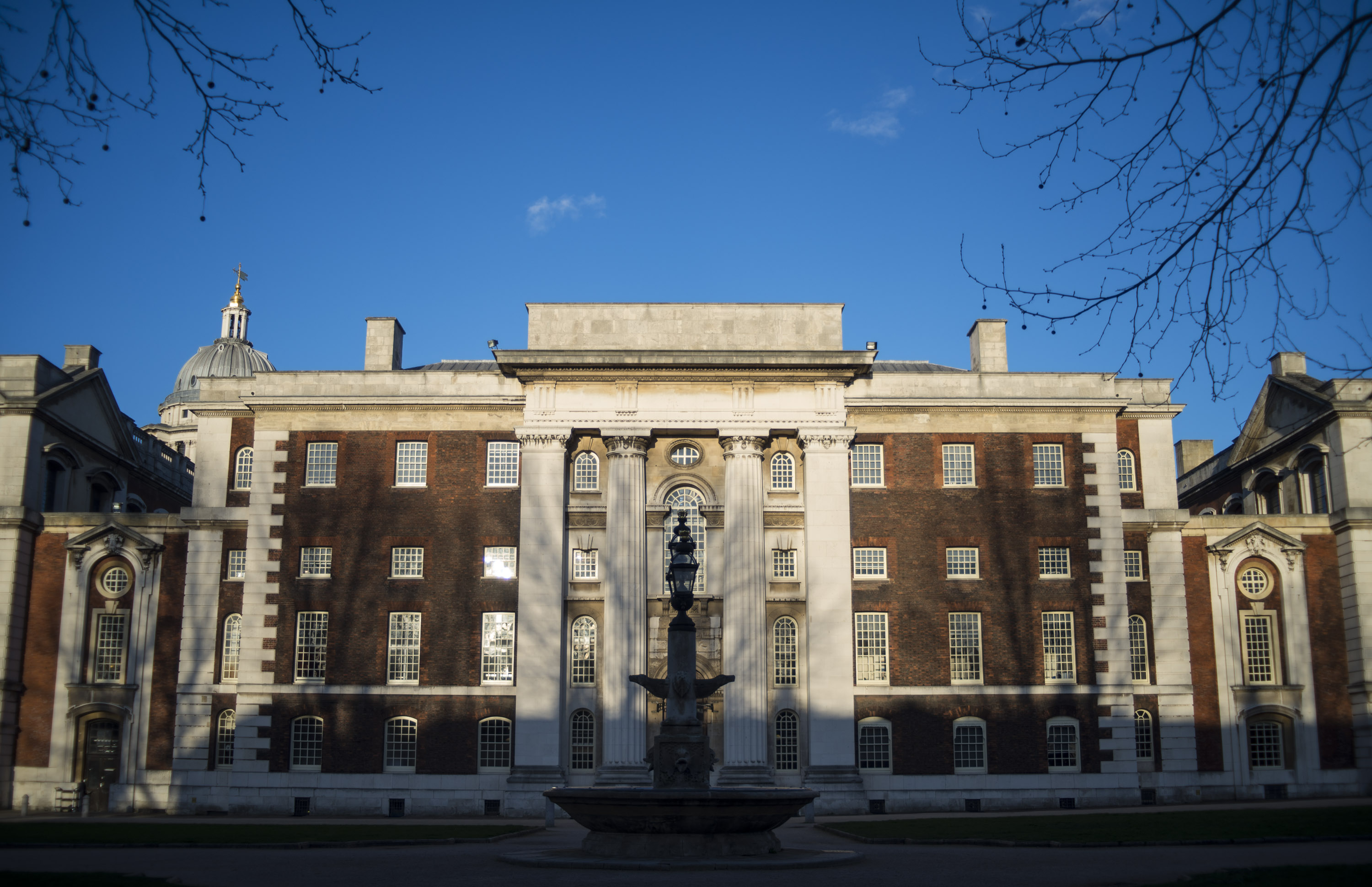
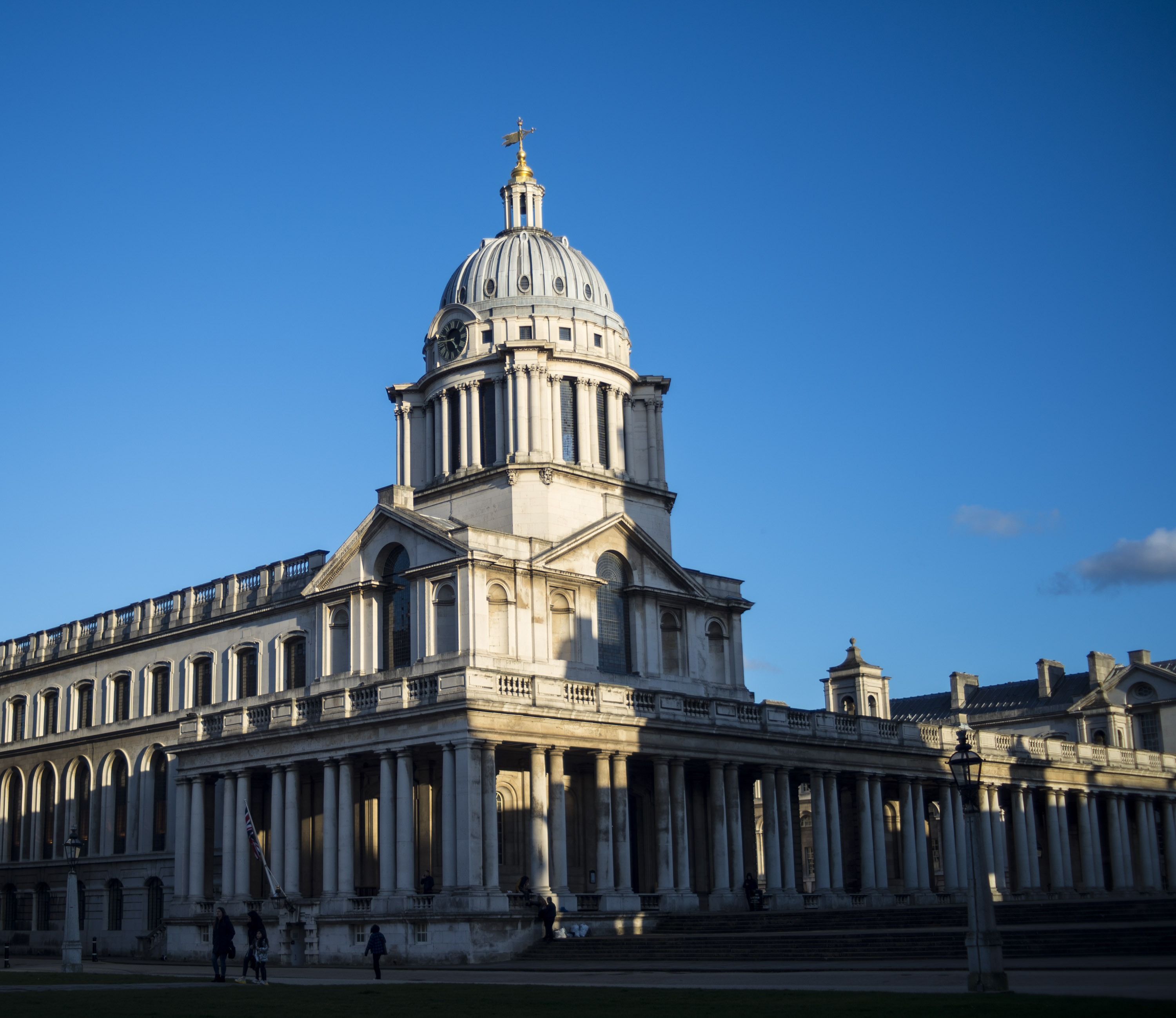
Old Royal Naval College

Early cherry blossom at the Kensington Gardens

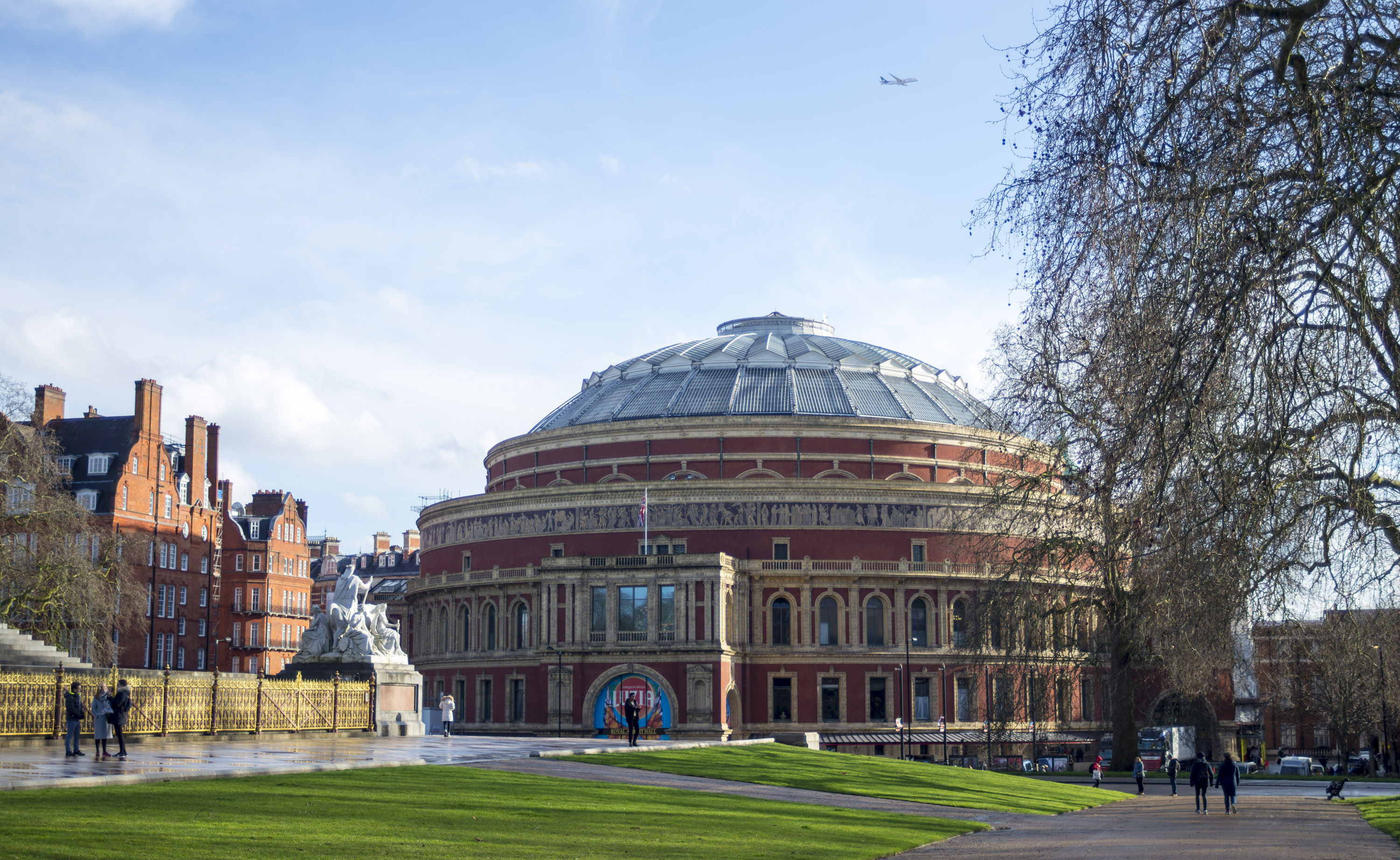
Royal Albert Hall

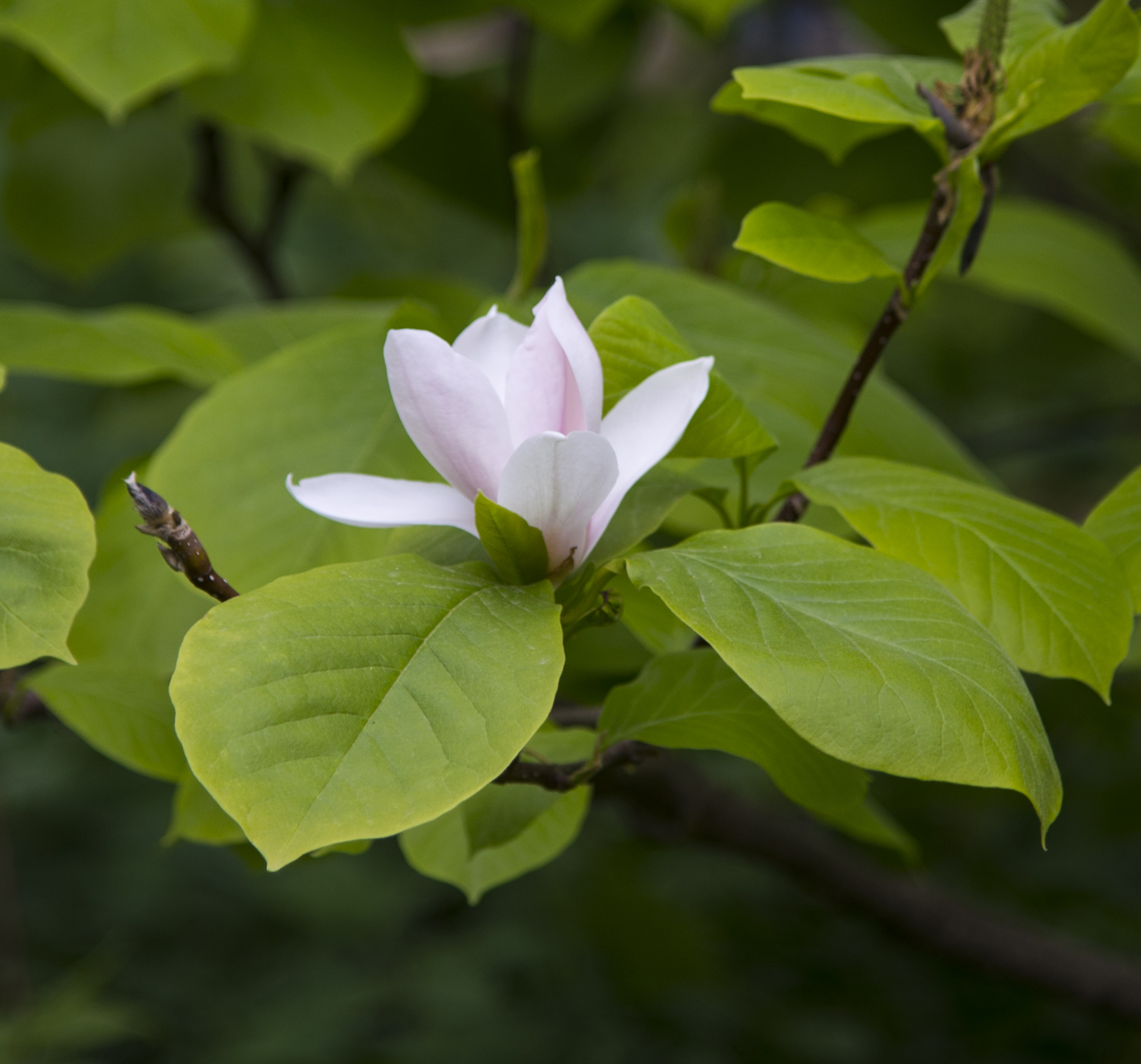
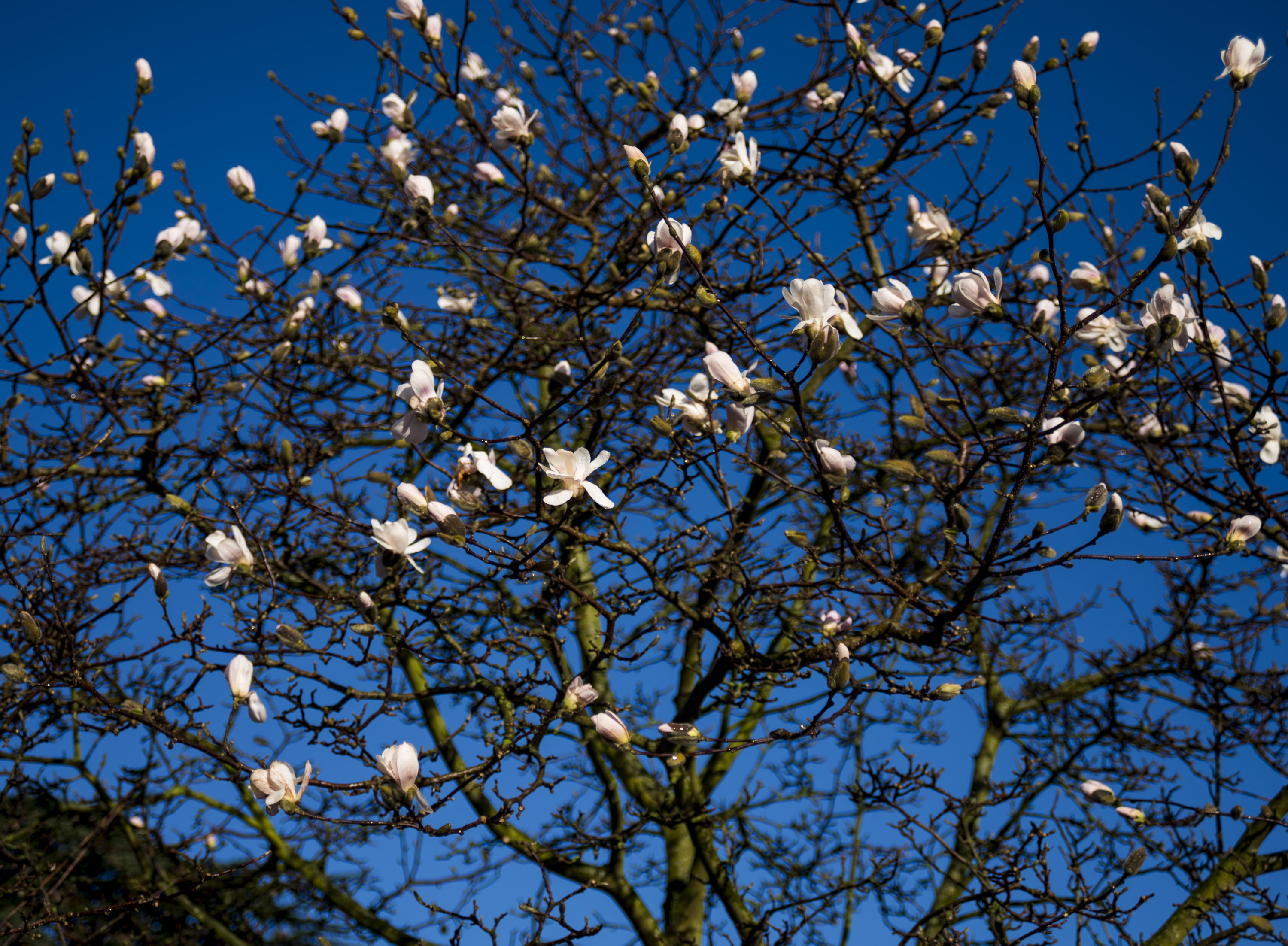
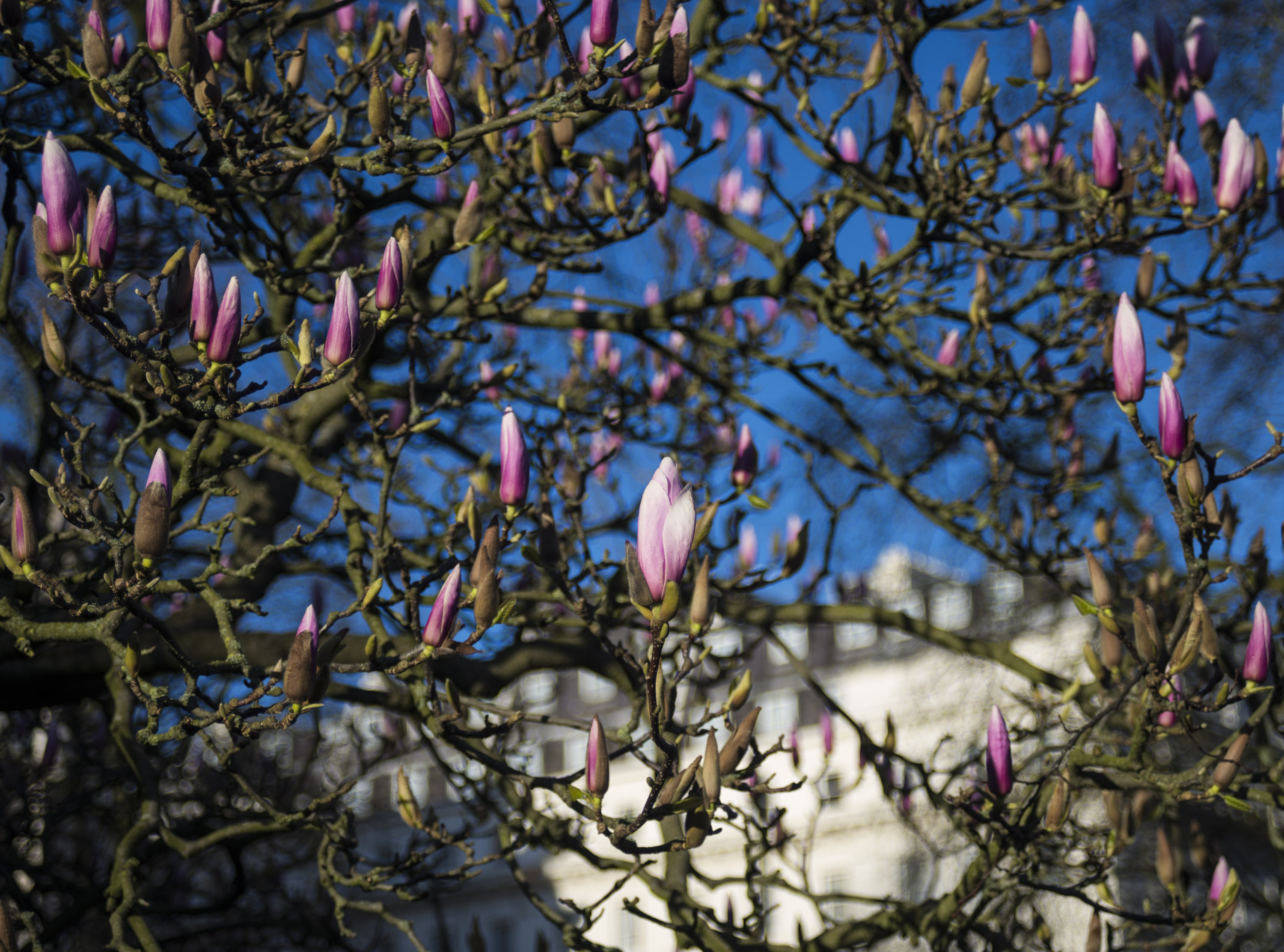
Beautiful magnolias

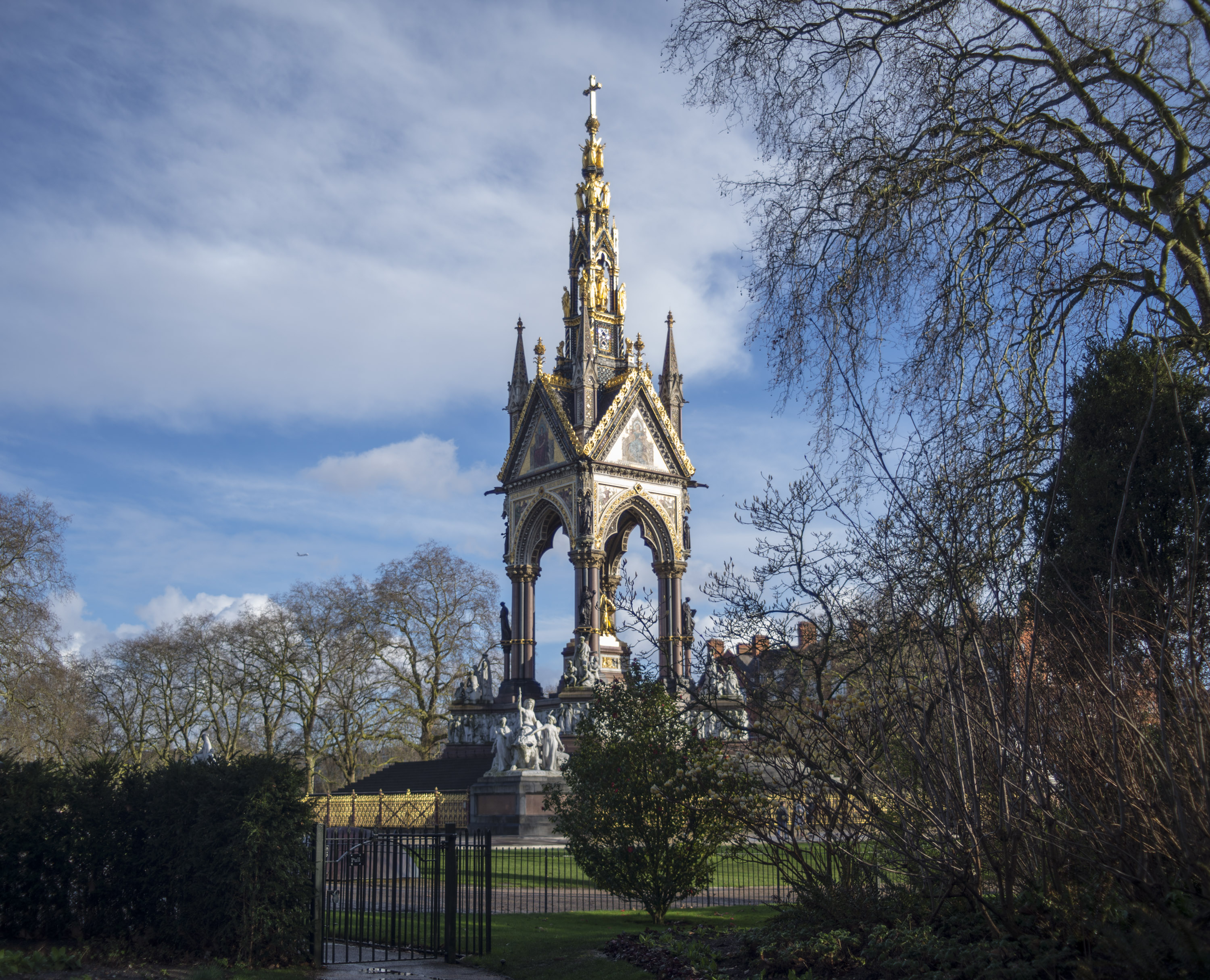
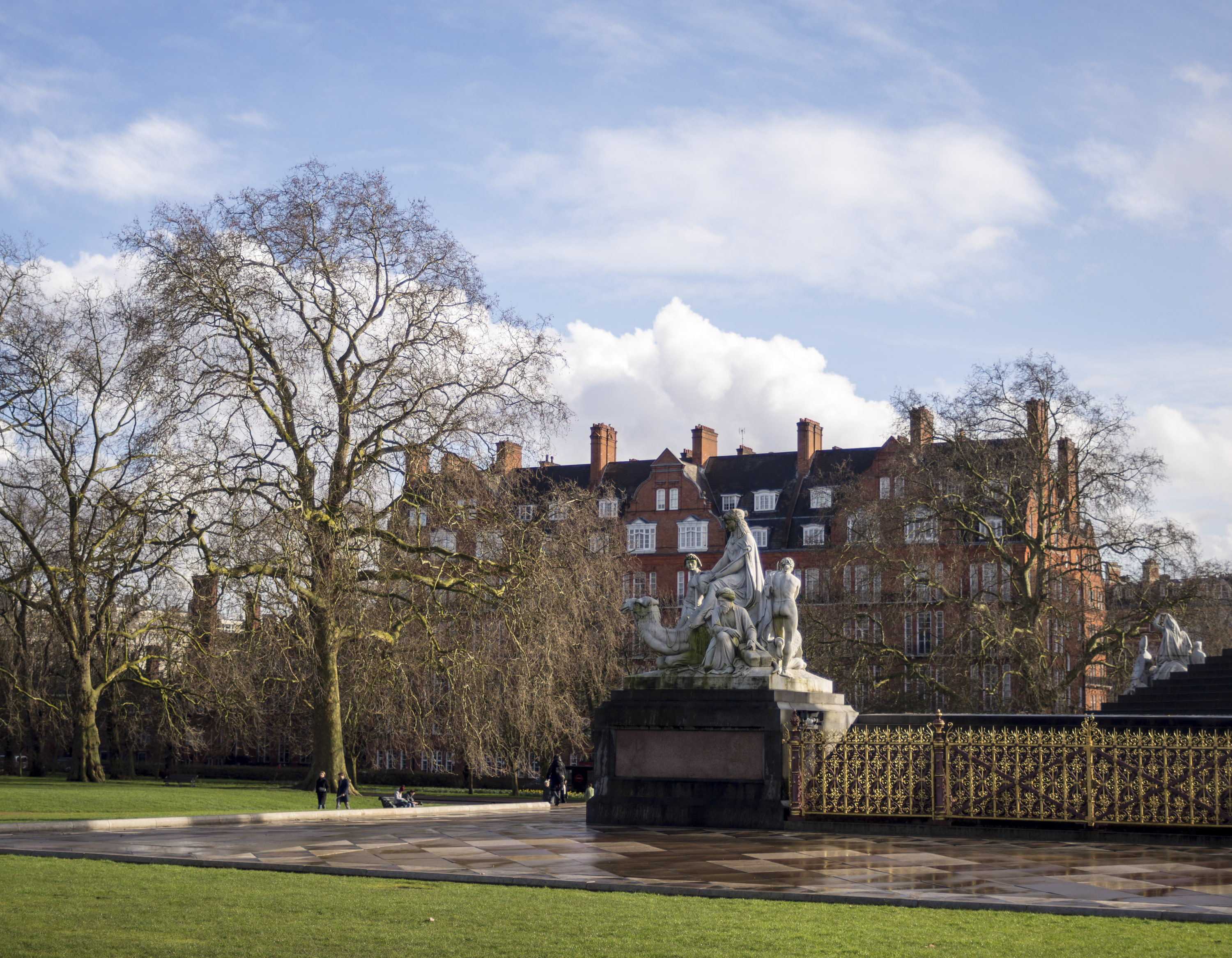
The Albert Memorial

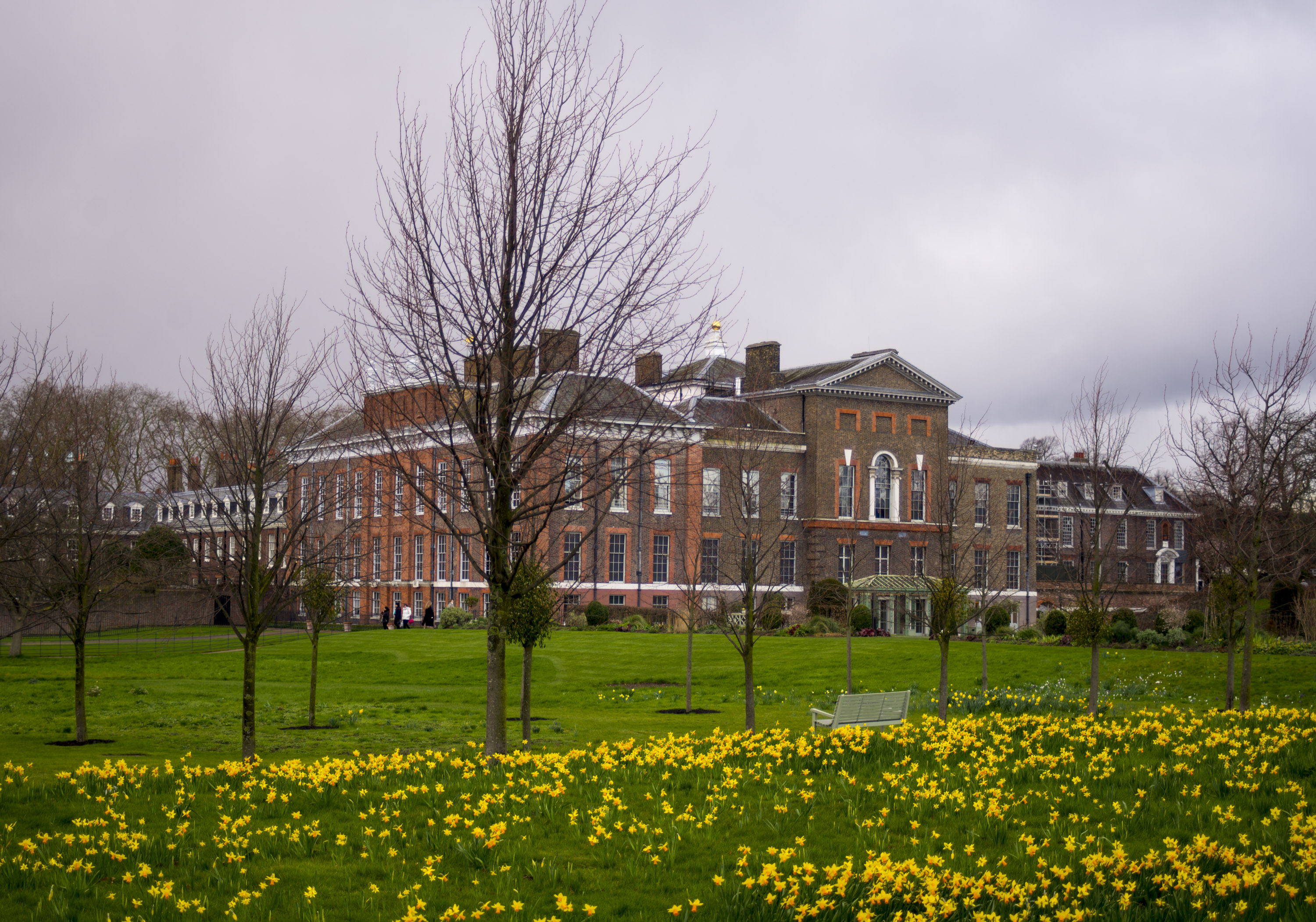
Kensington Palace

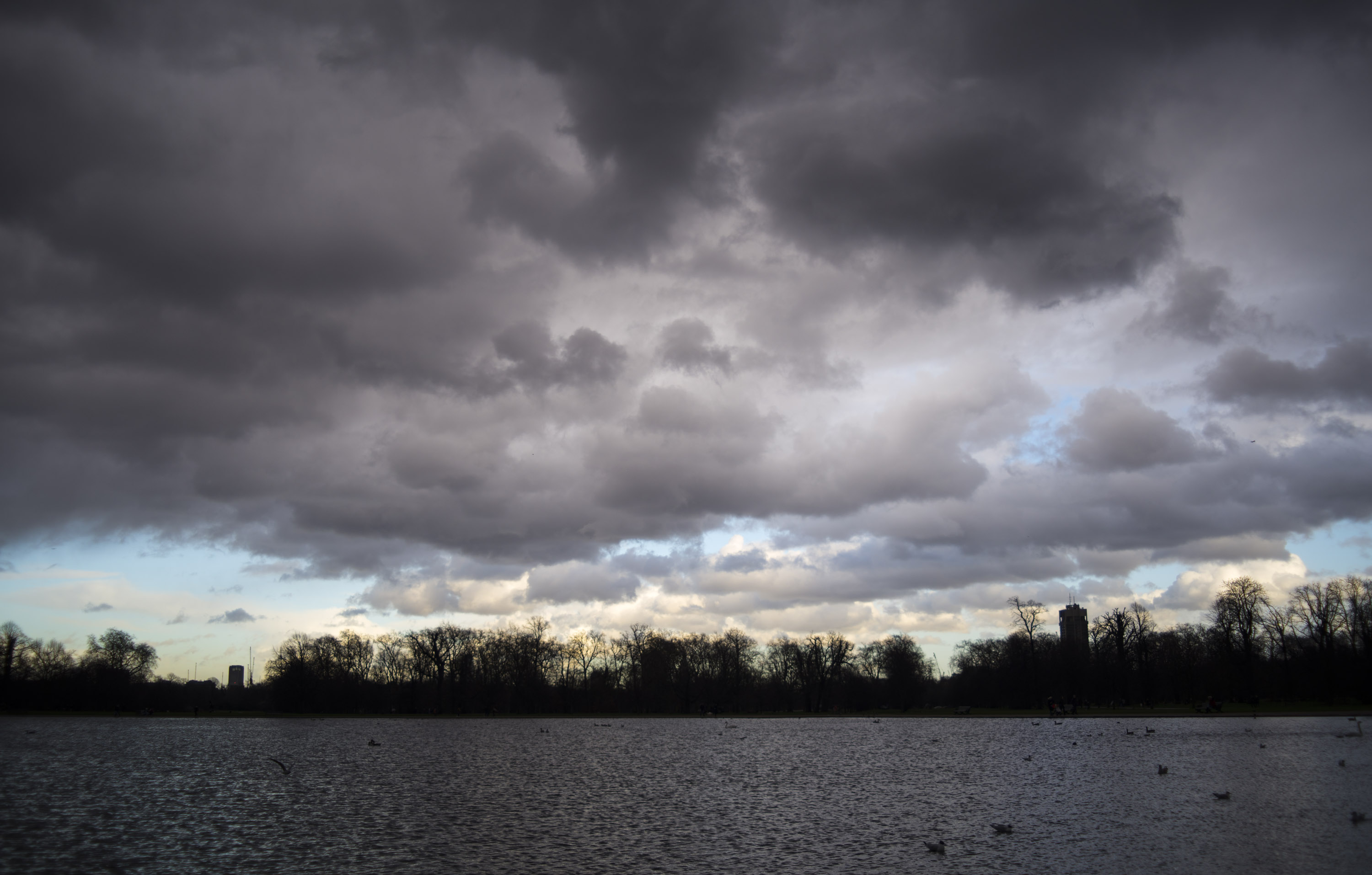
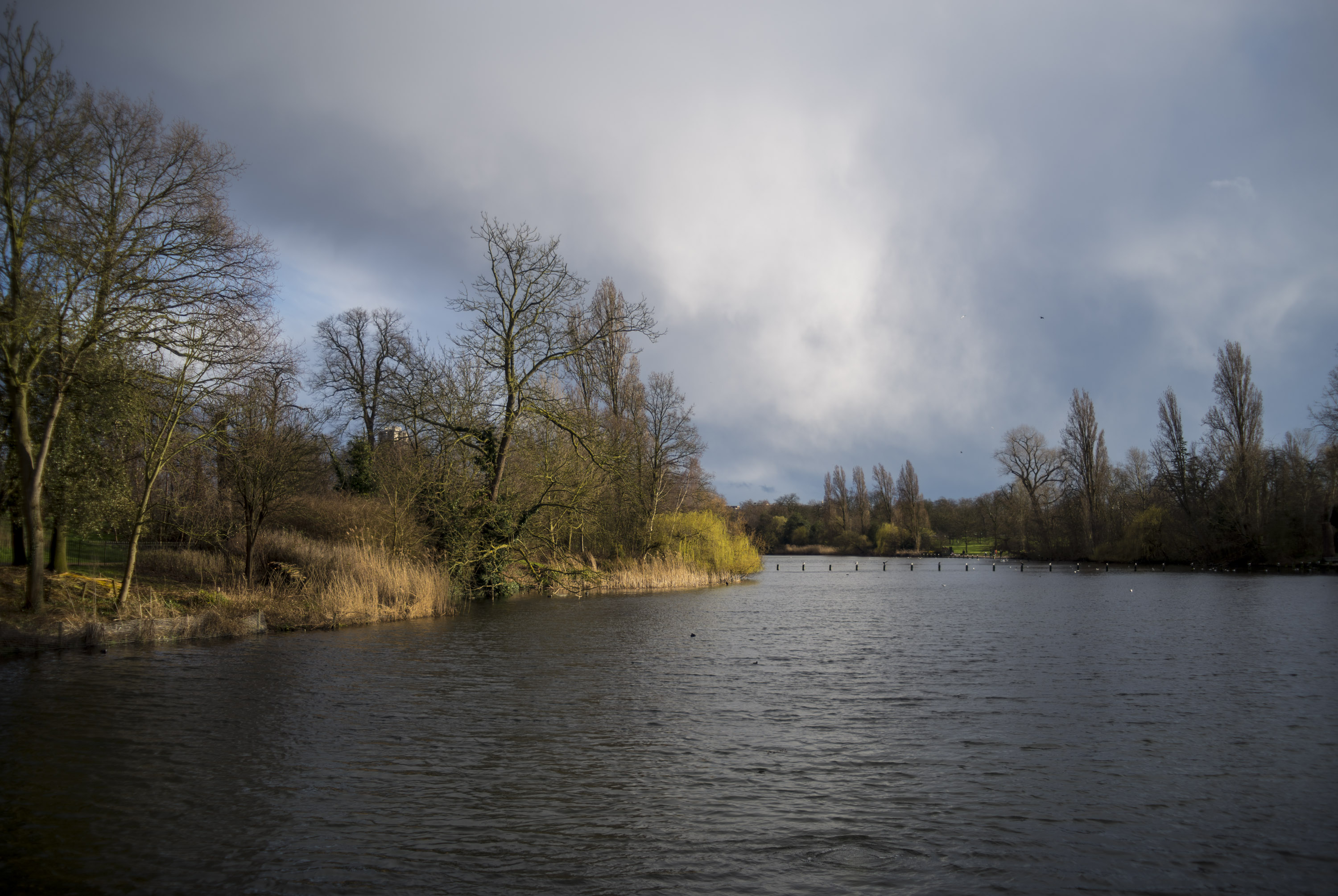
Round Pond at Kensington Gardens

Italian Gardens

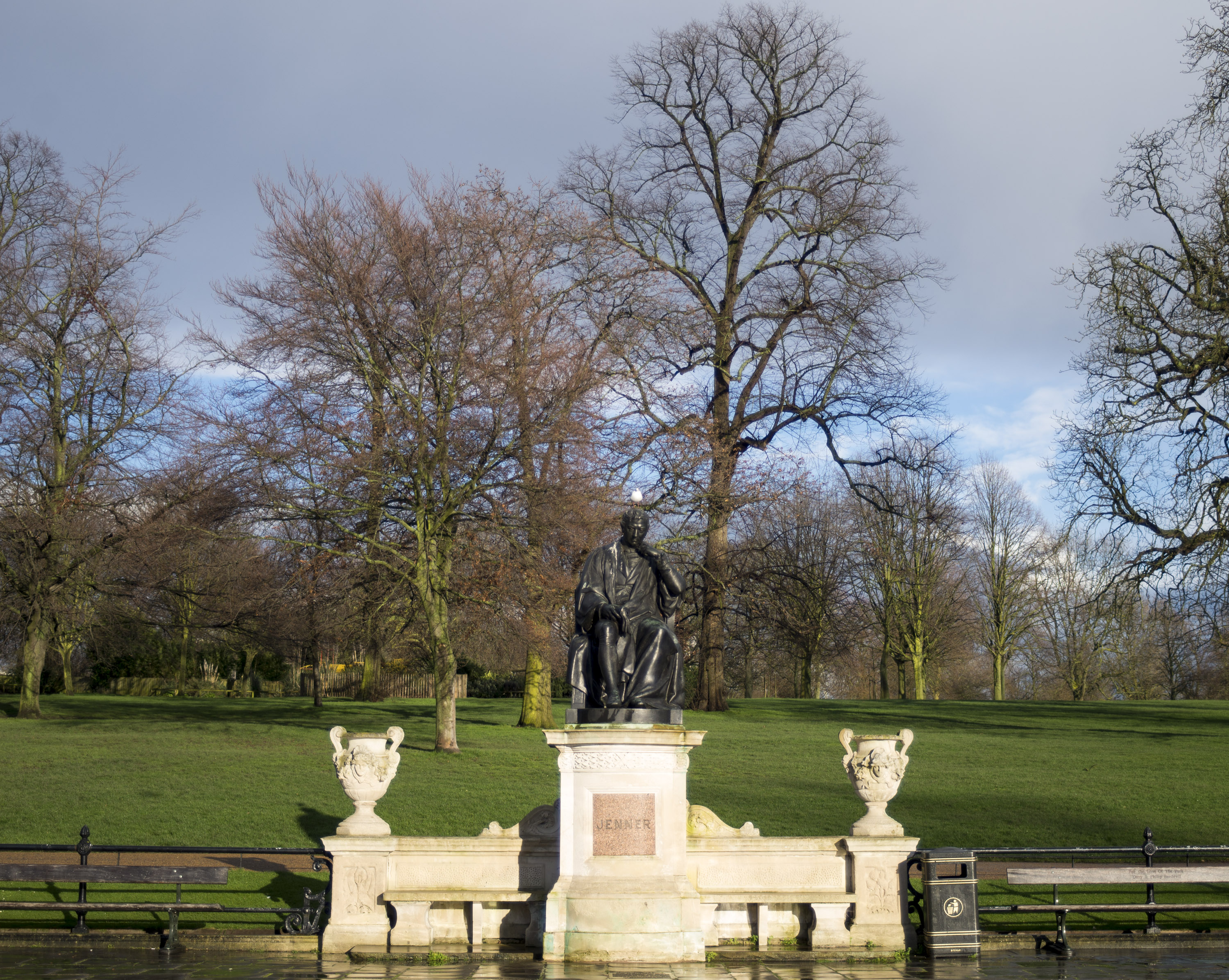
Peter Pan Statue

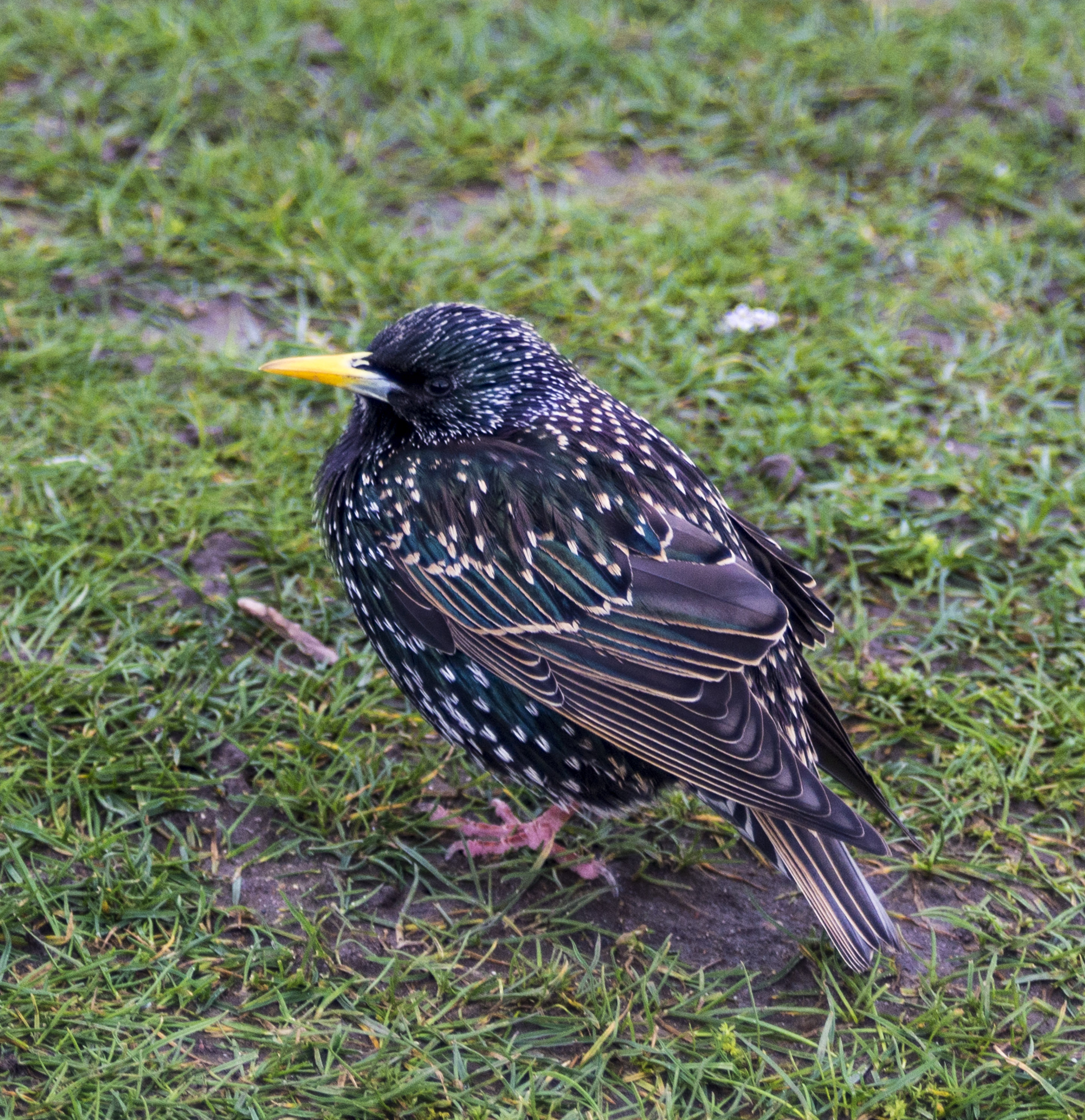
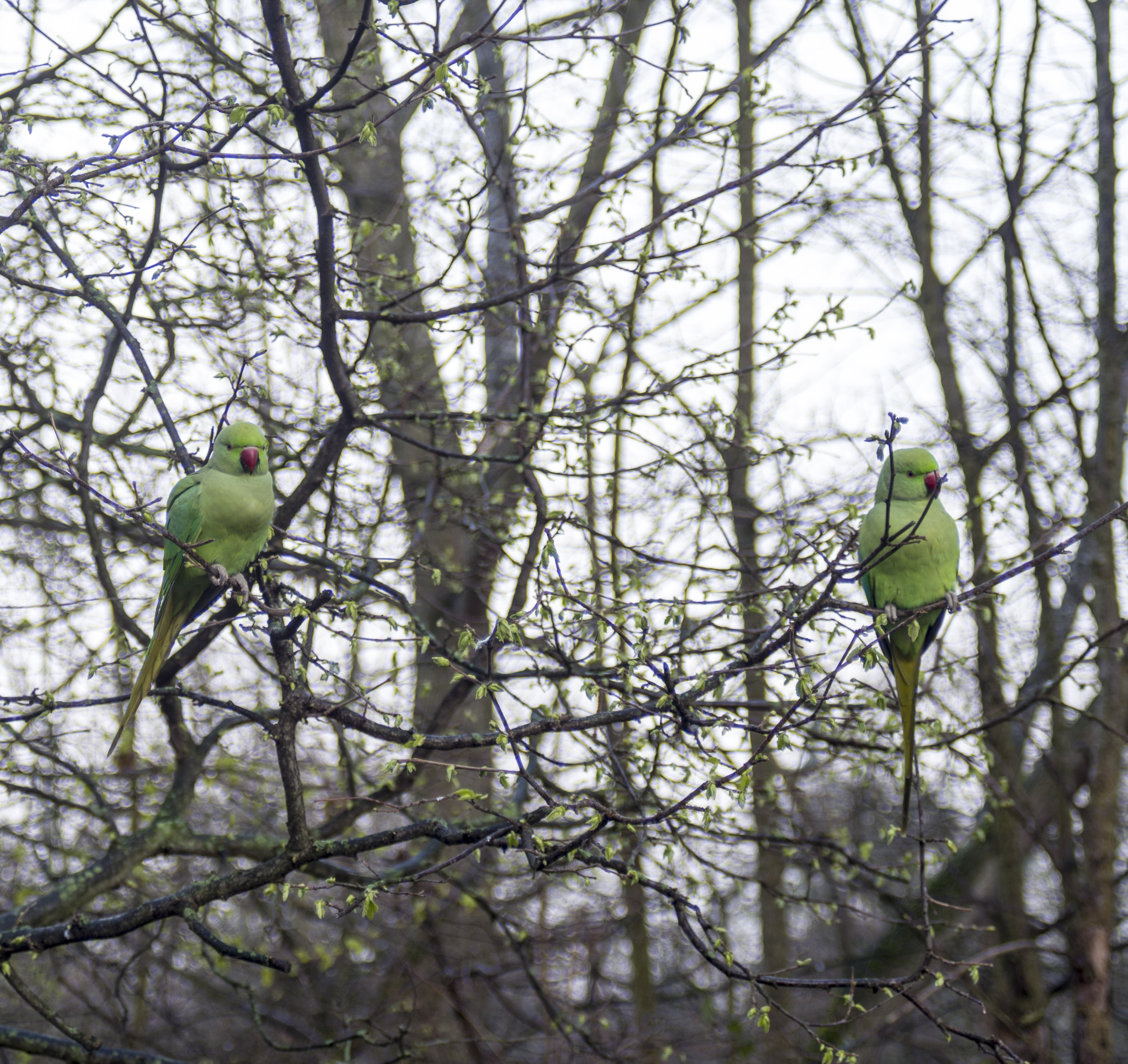
Tropical green parakeets can be found in London

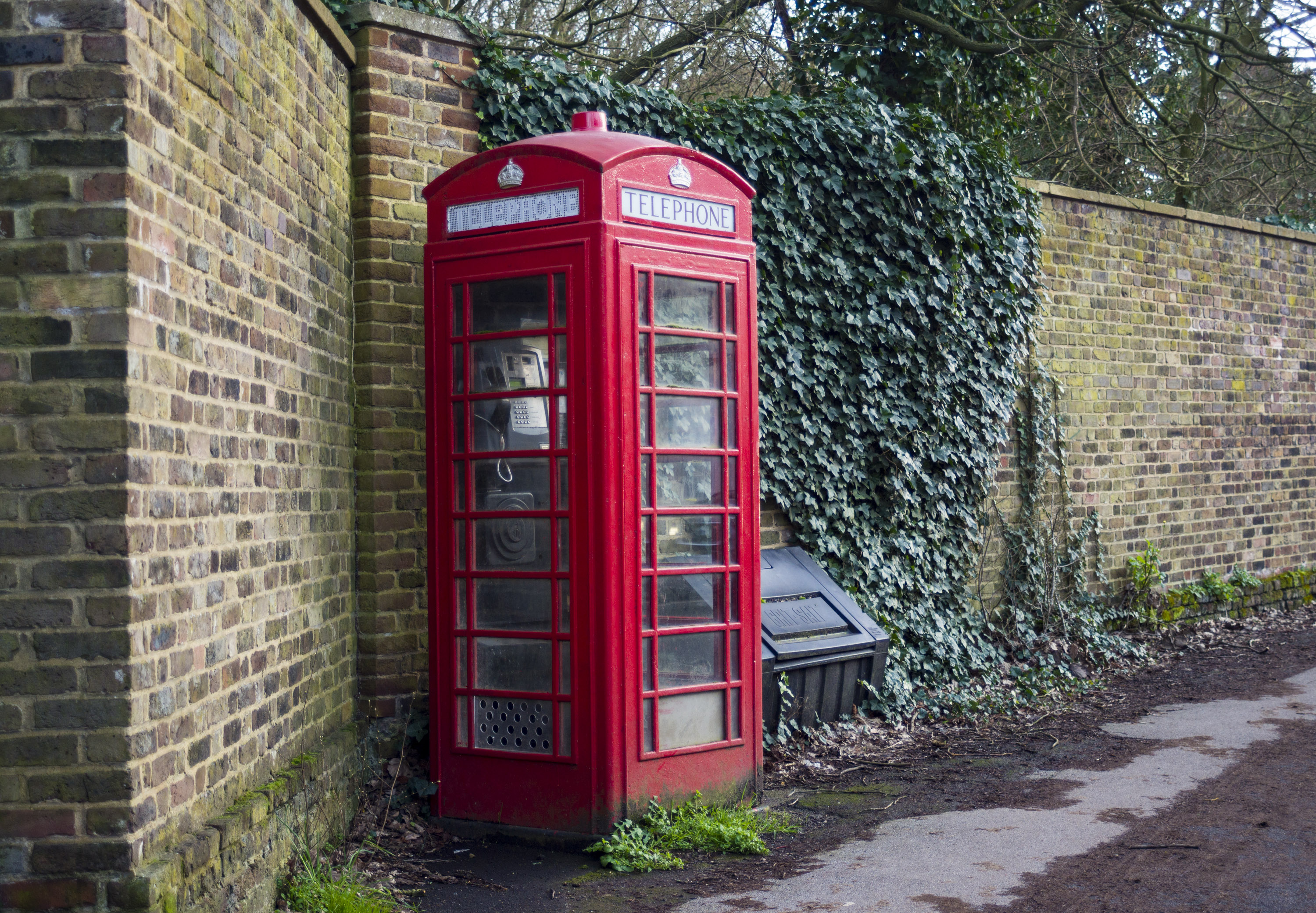
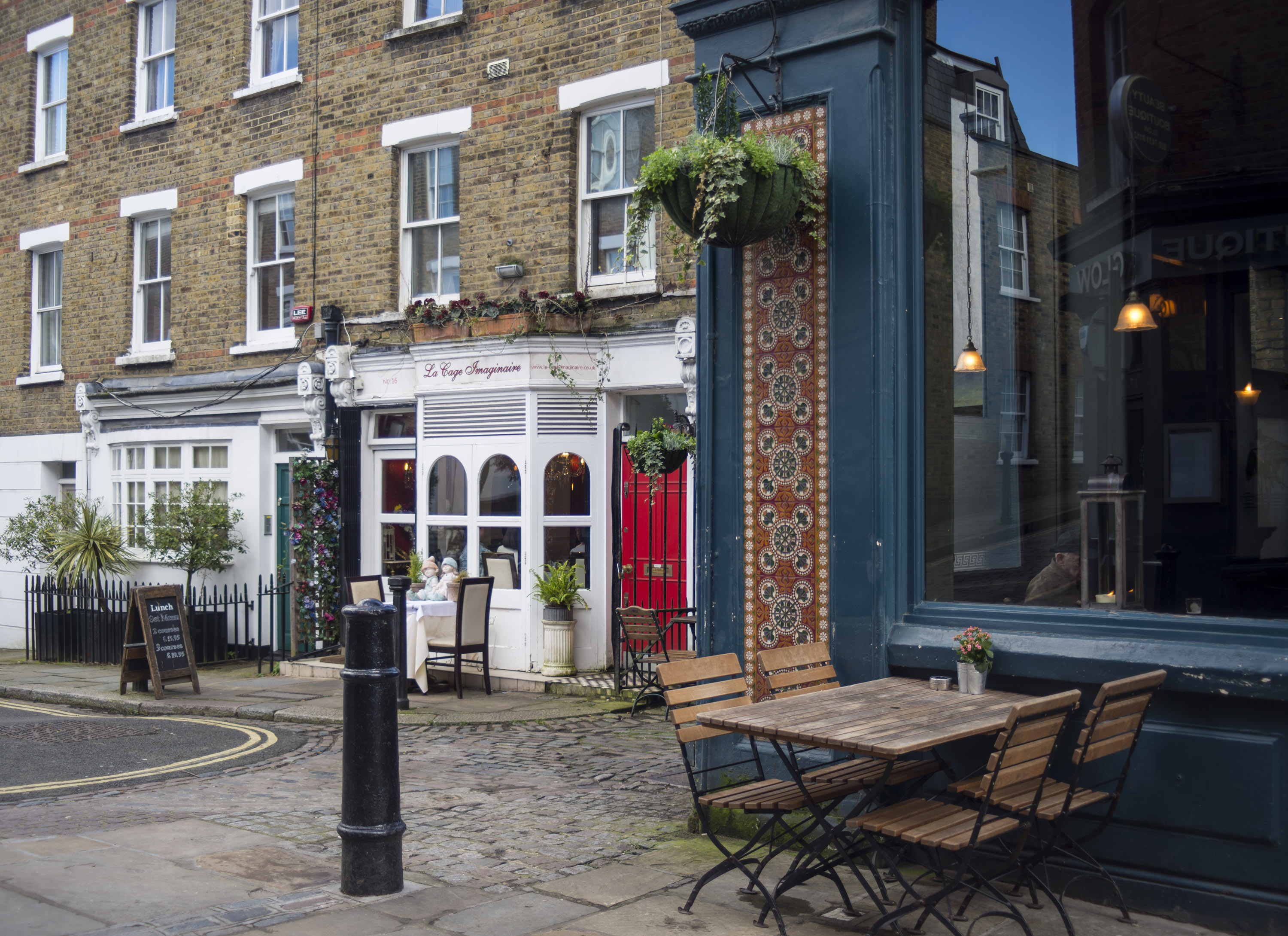
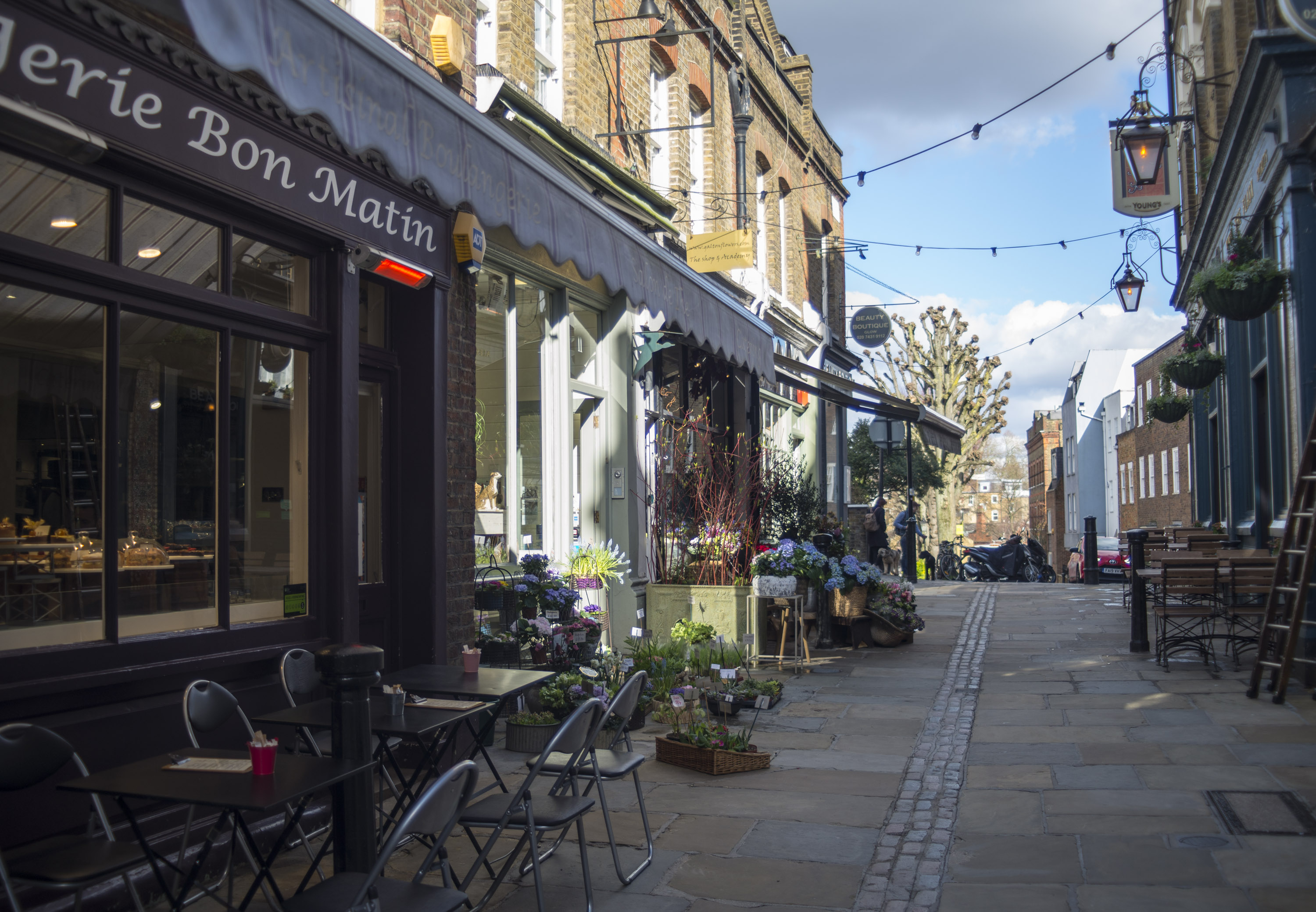
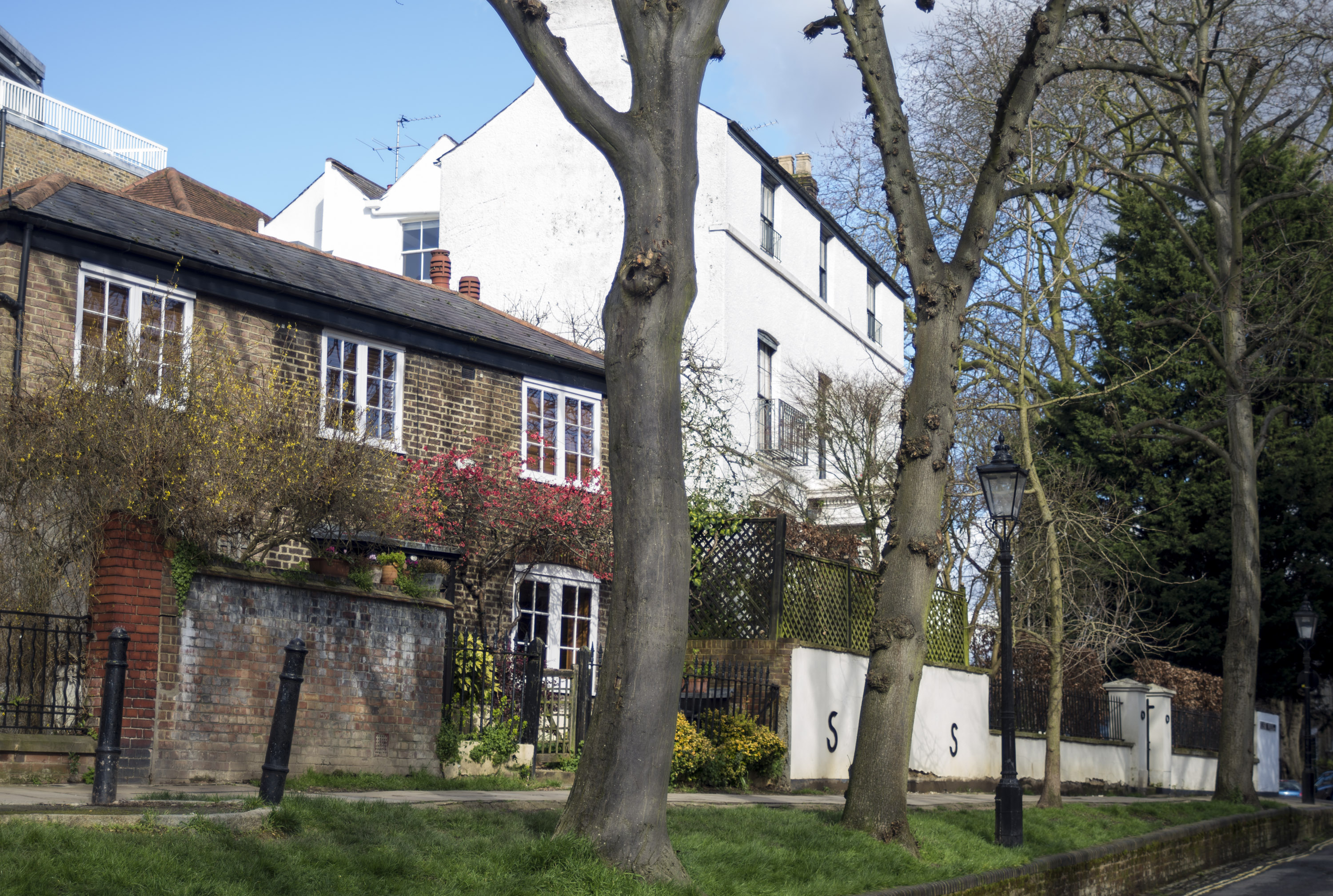
Cozy streets of London

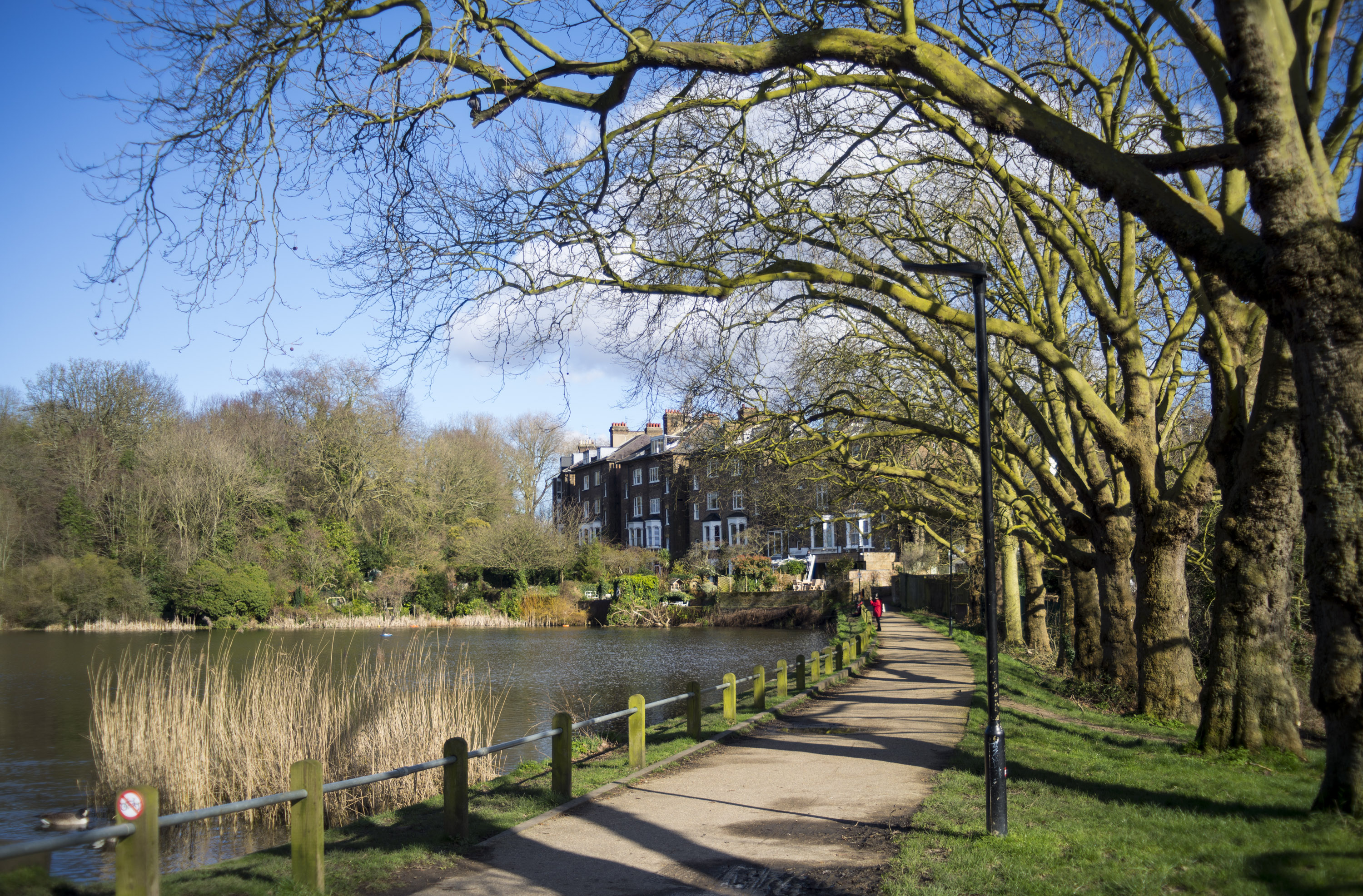
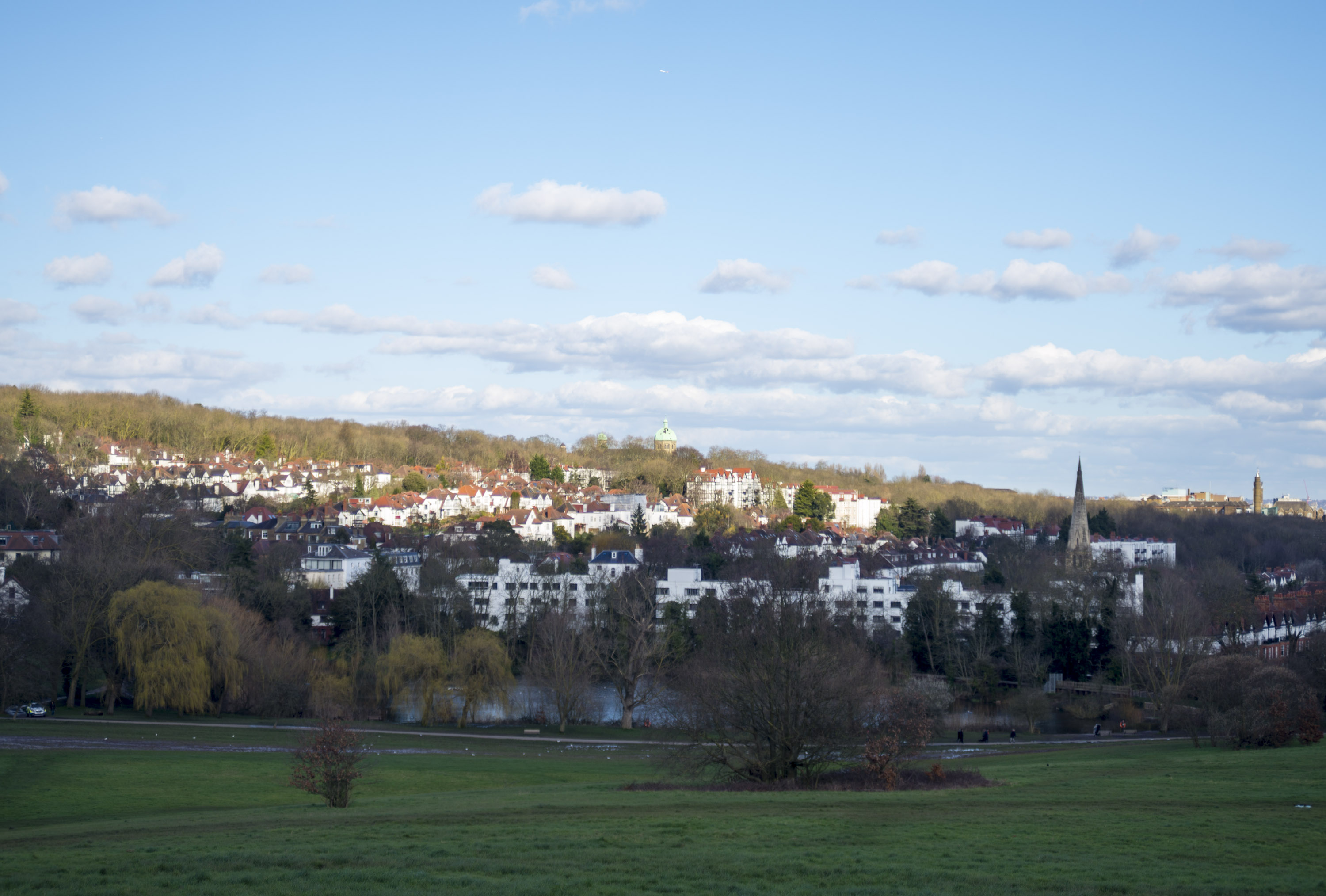
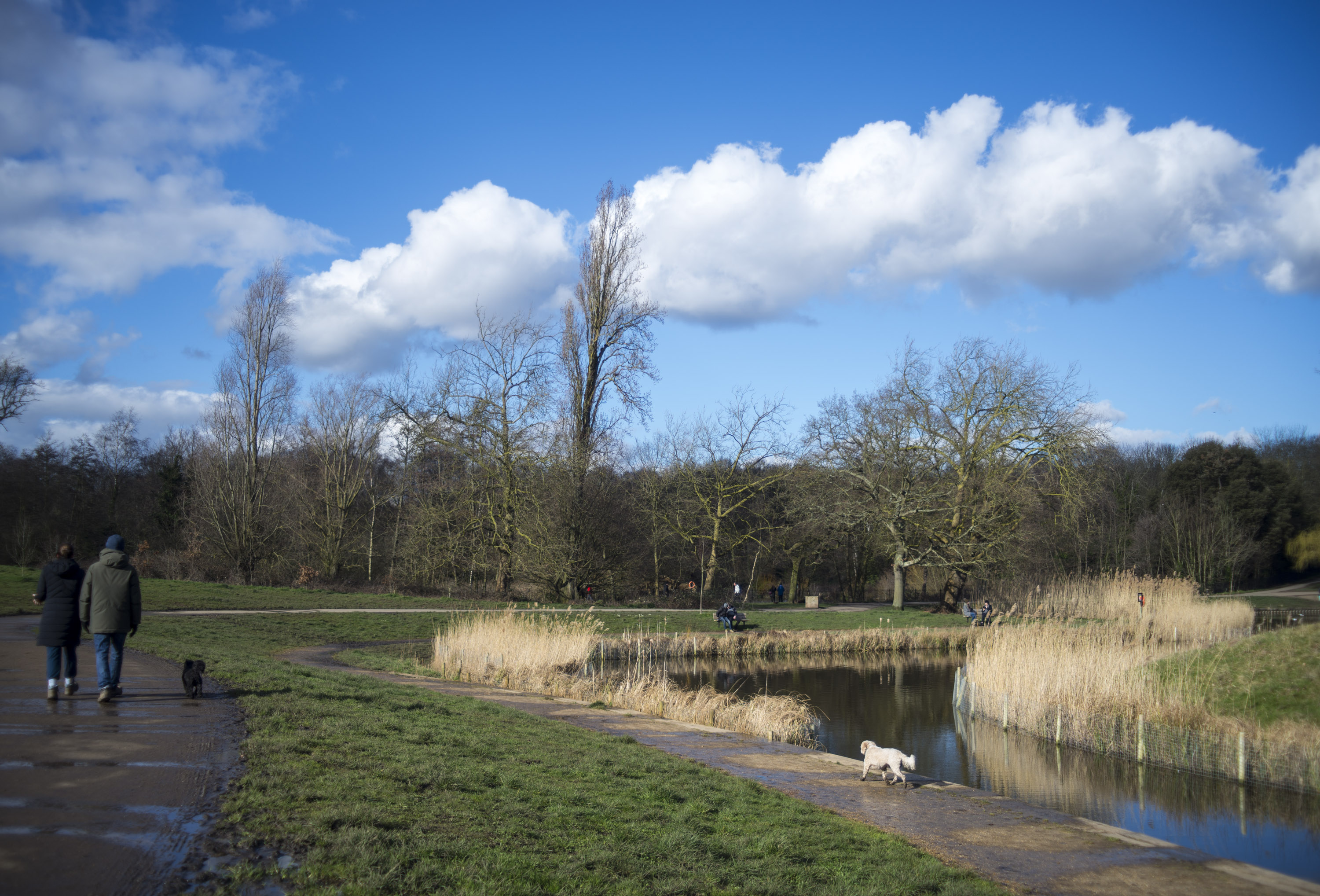
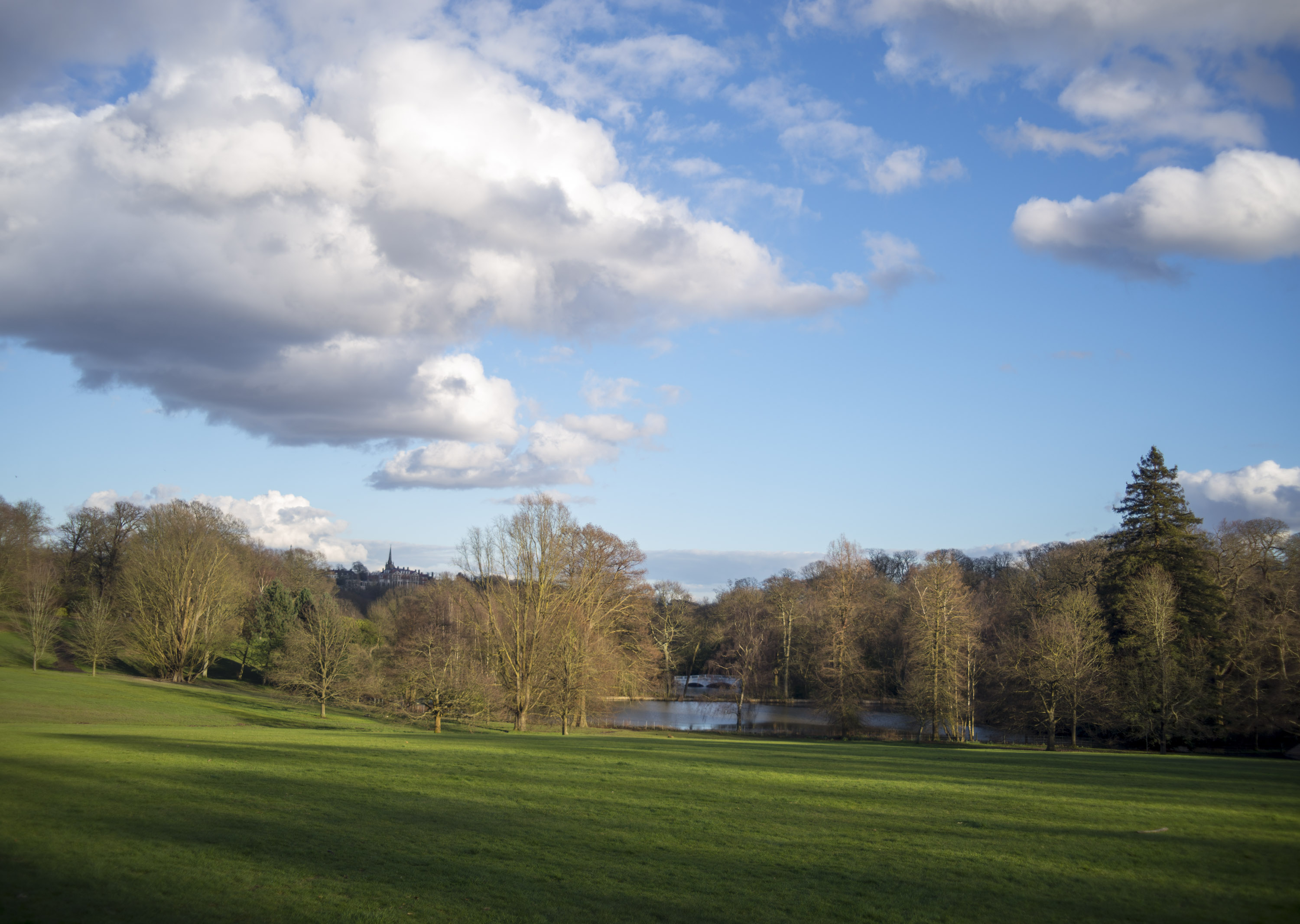
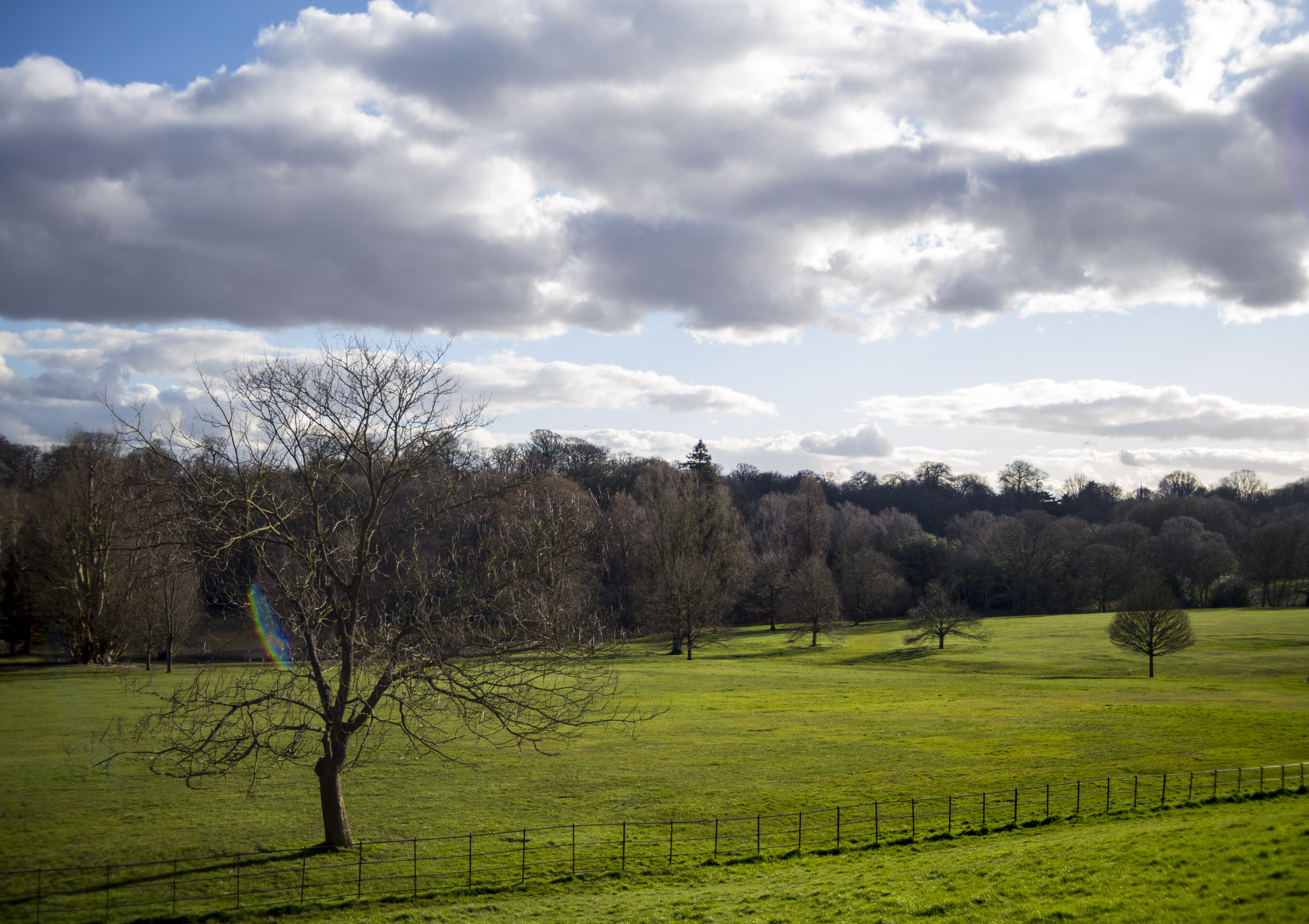
Hampstead Heath

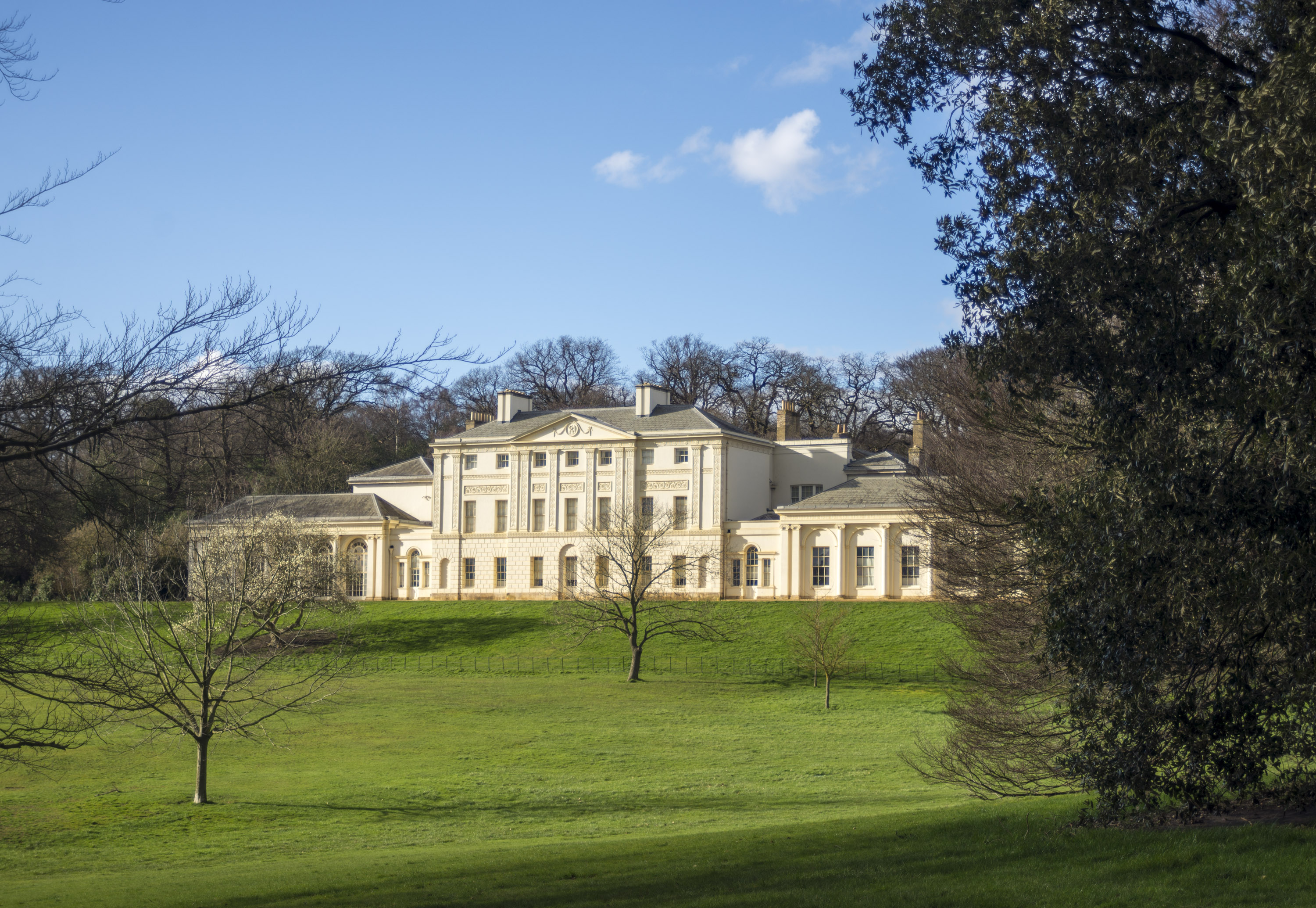
Kenwood House

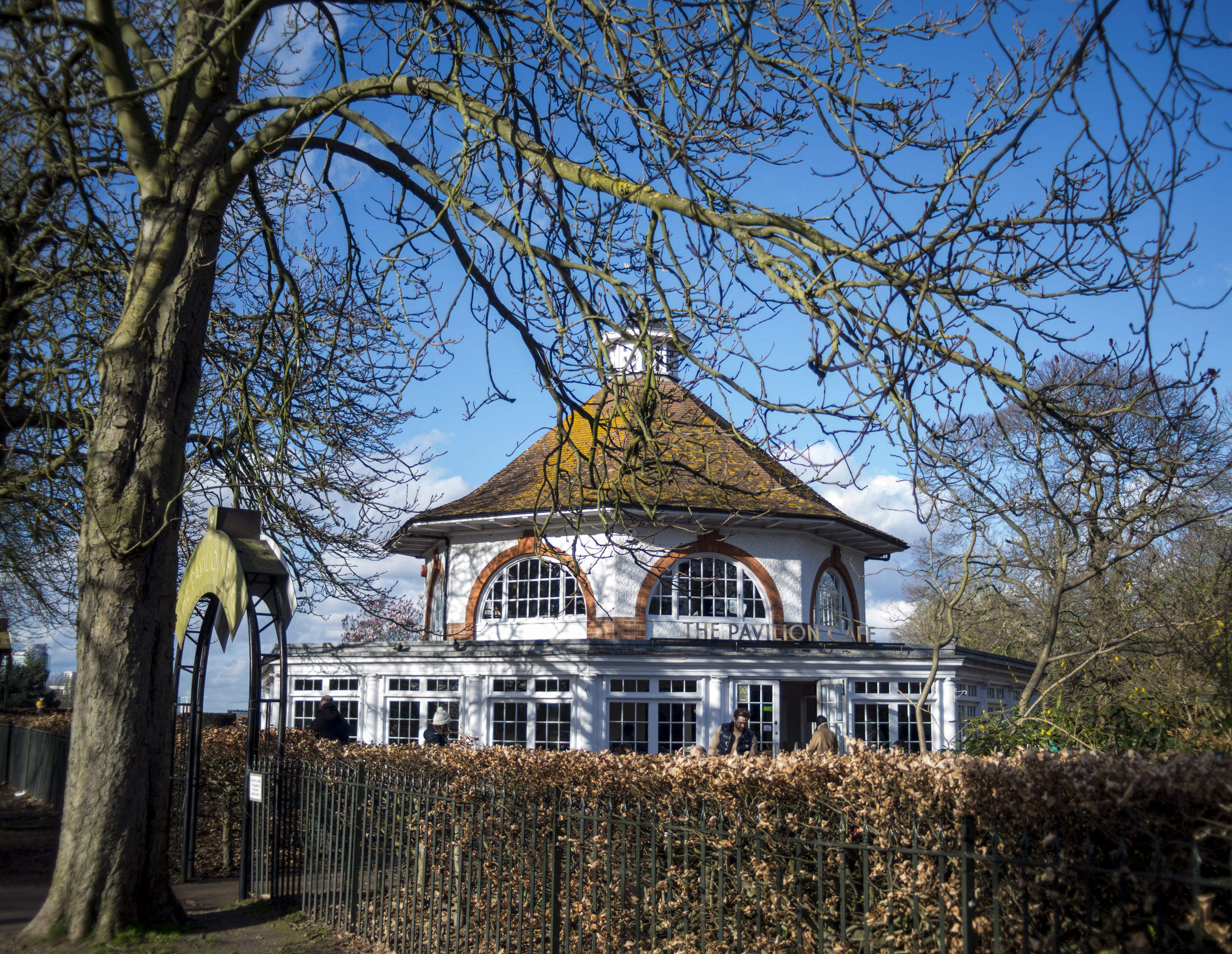
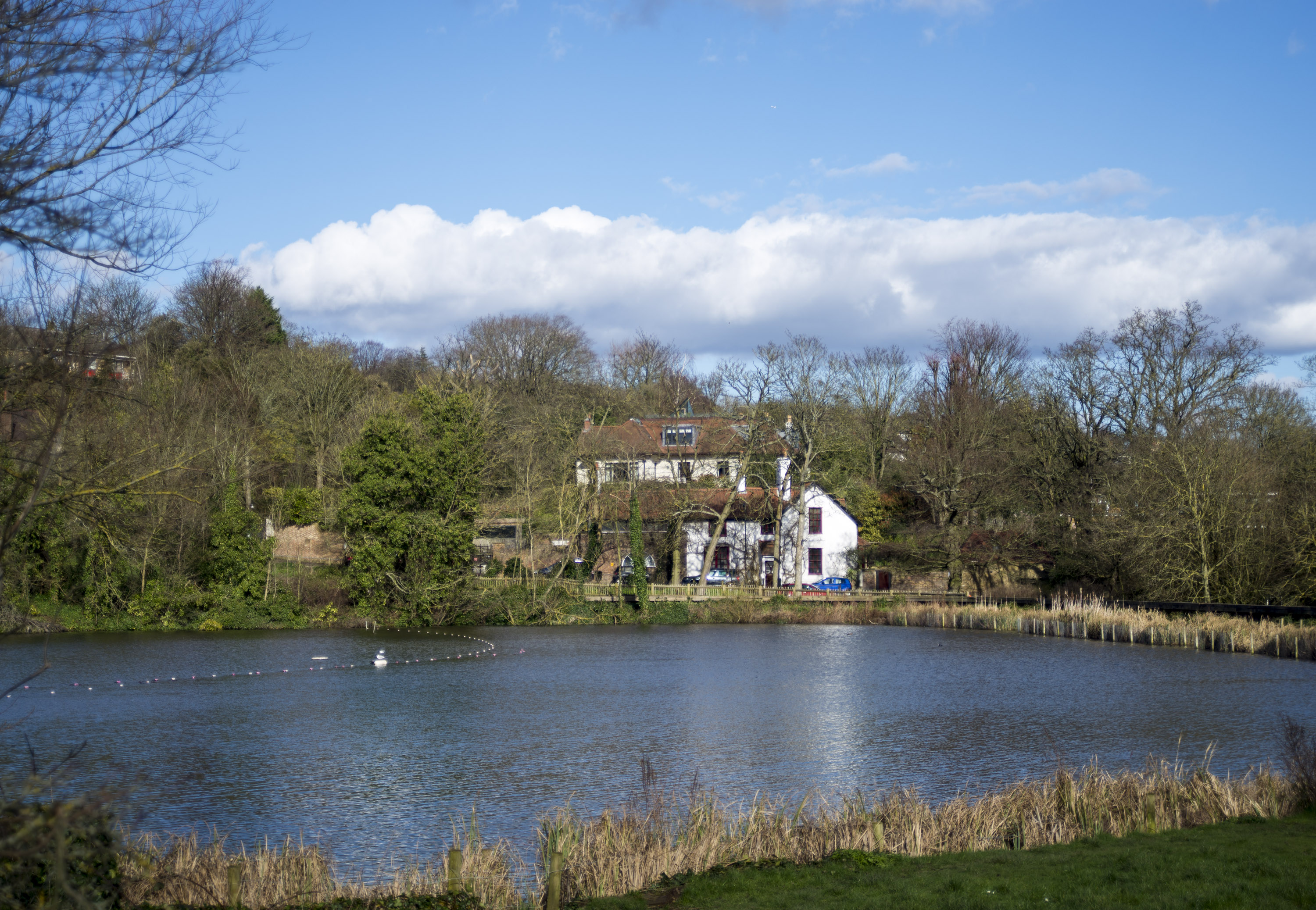
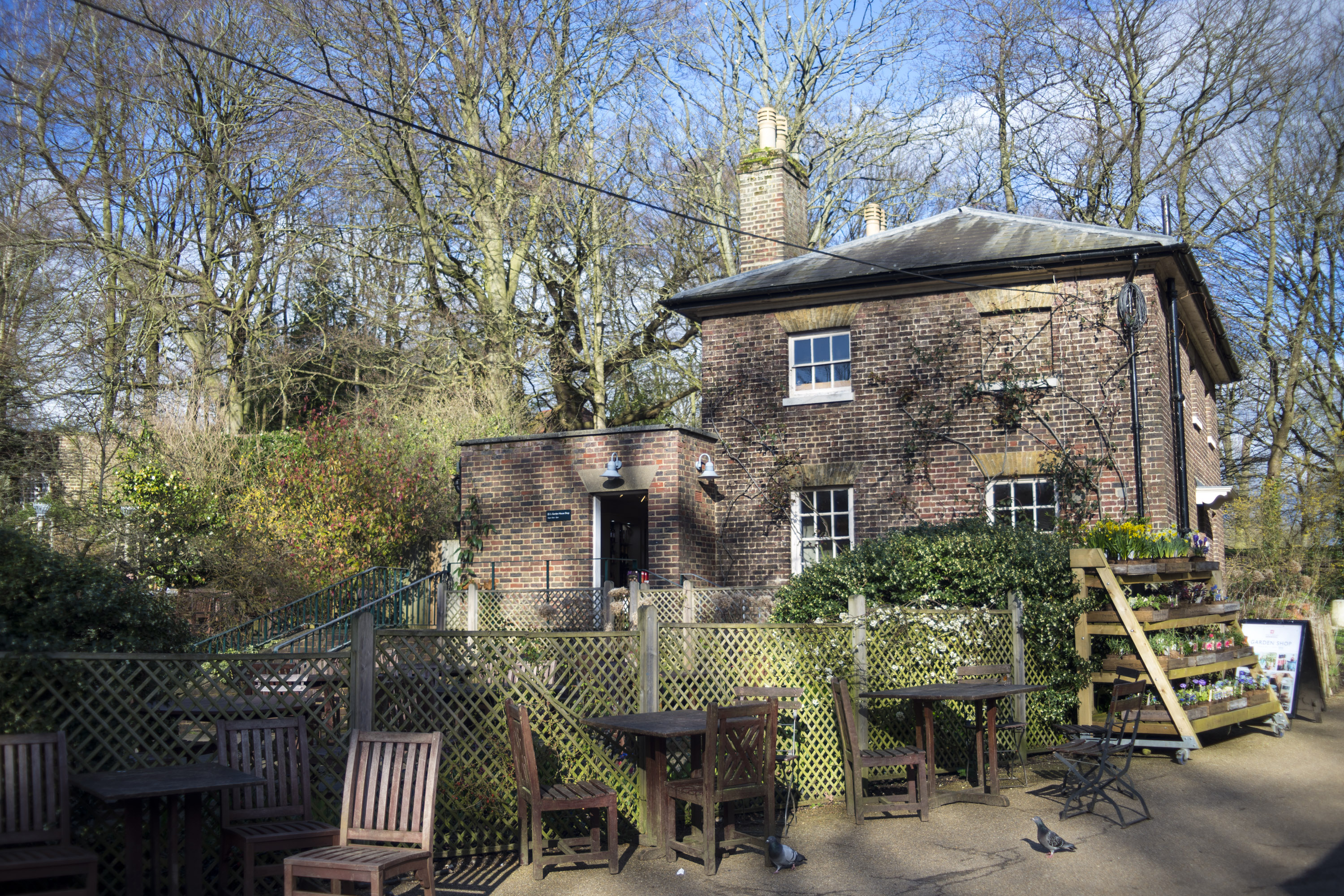
The Brew House

The Dairy at Kenwood

Gwendwr Gardens

Sunset at the Prospekt Hill

The O2 arena

Canary Wharf district on the Isle of Dogs

Gallery

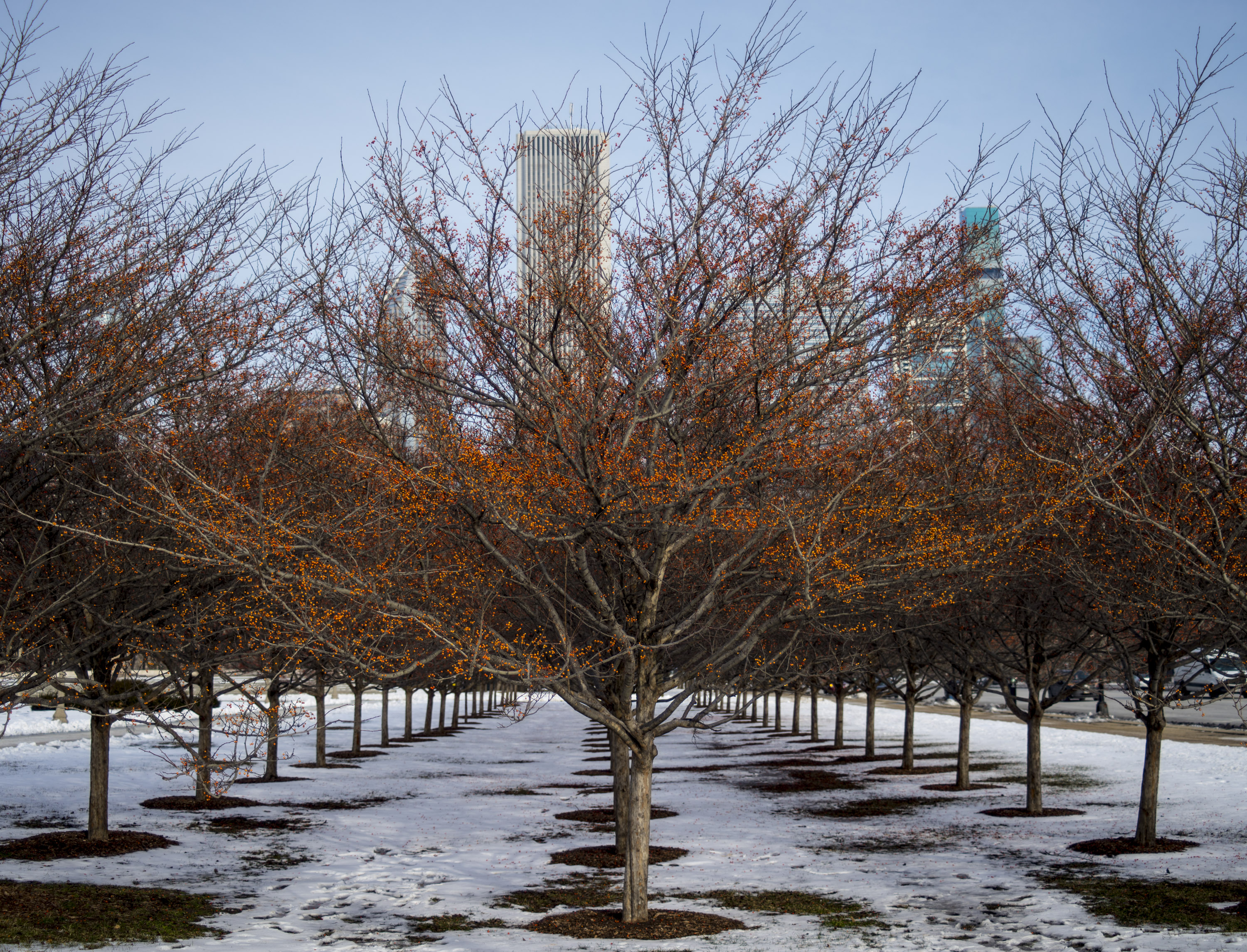
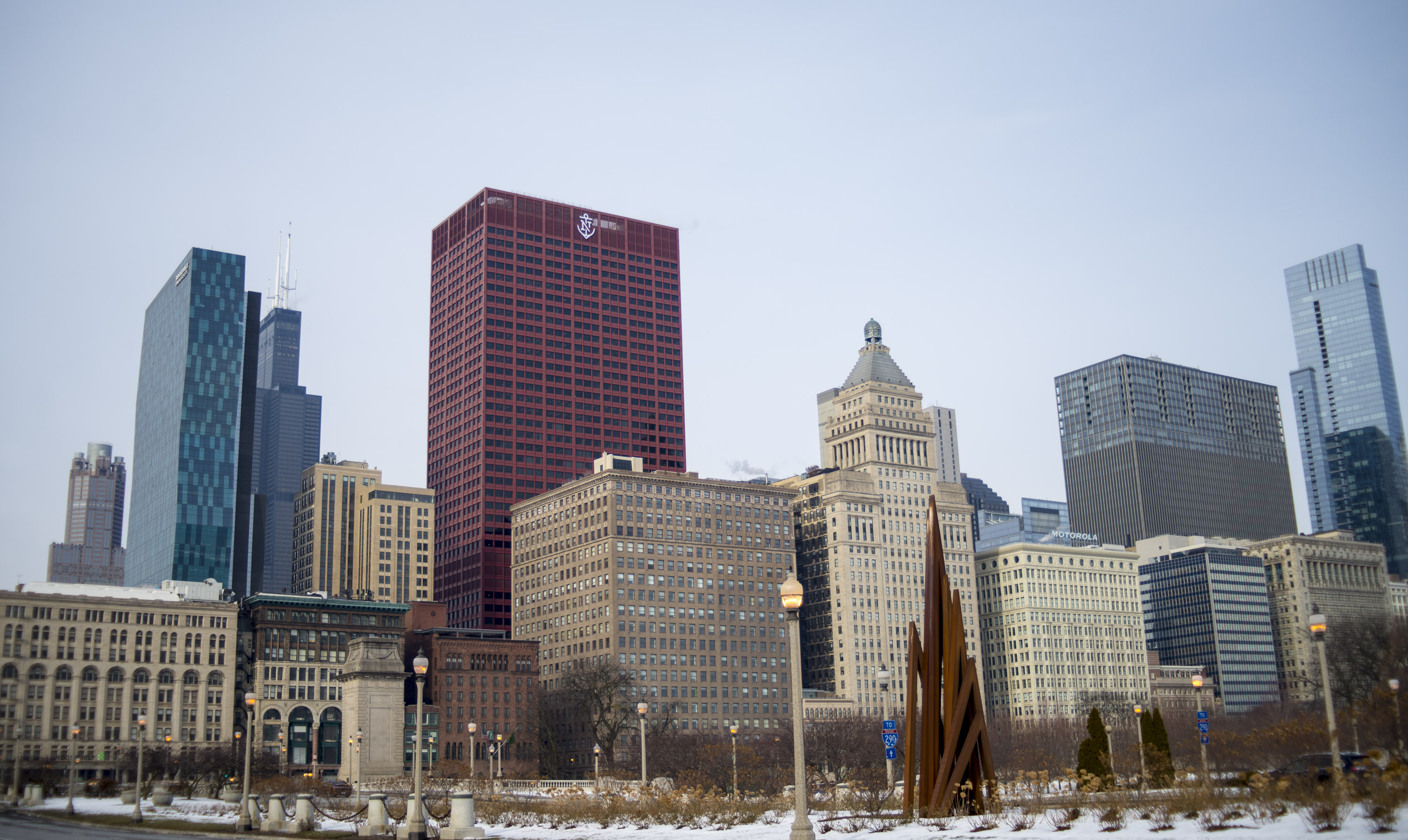
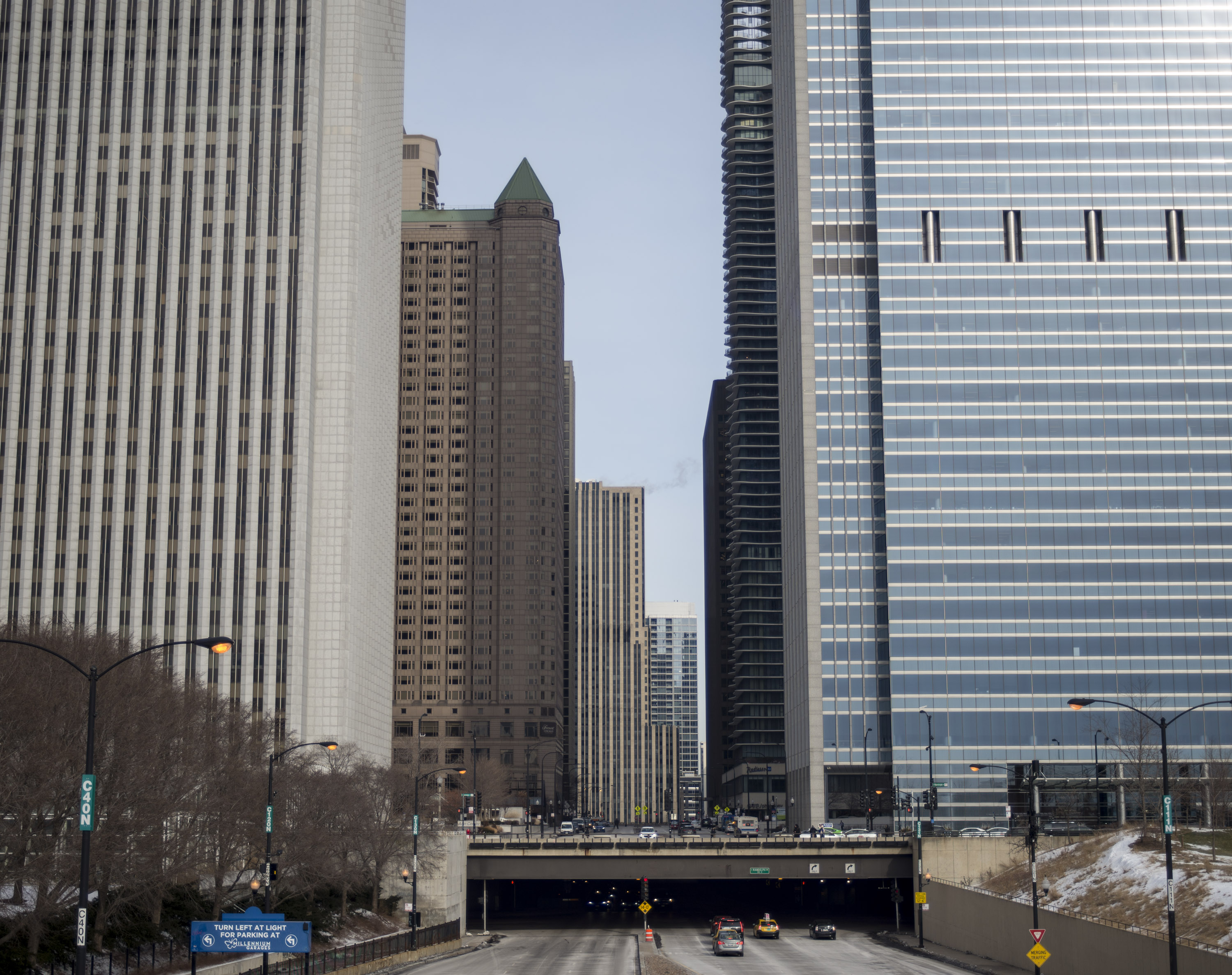
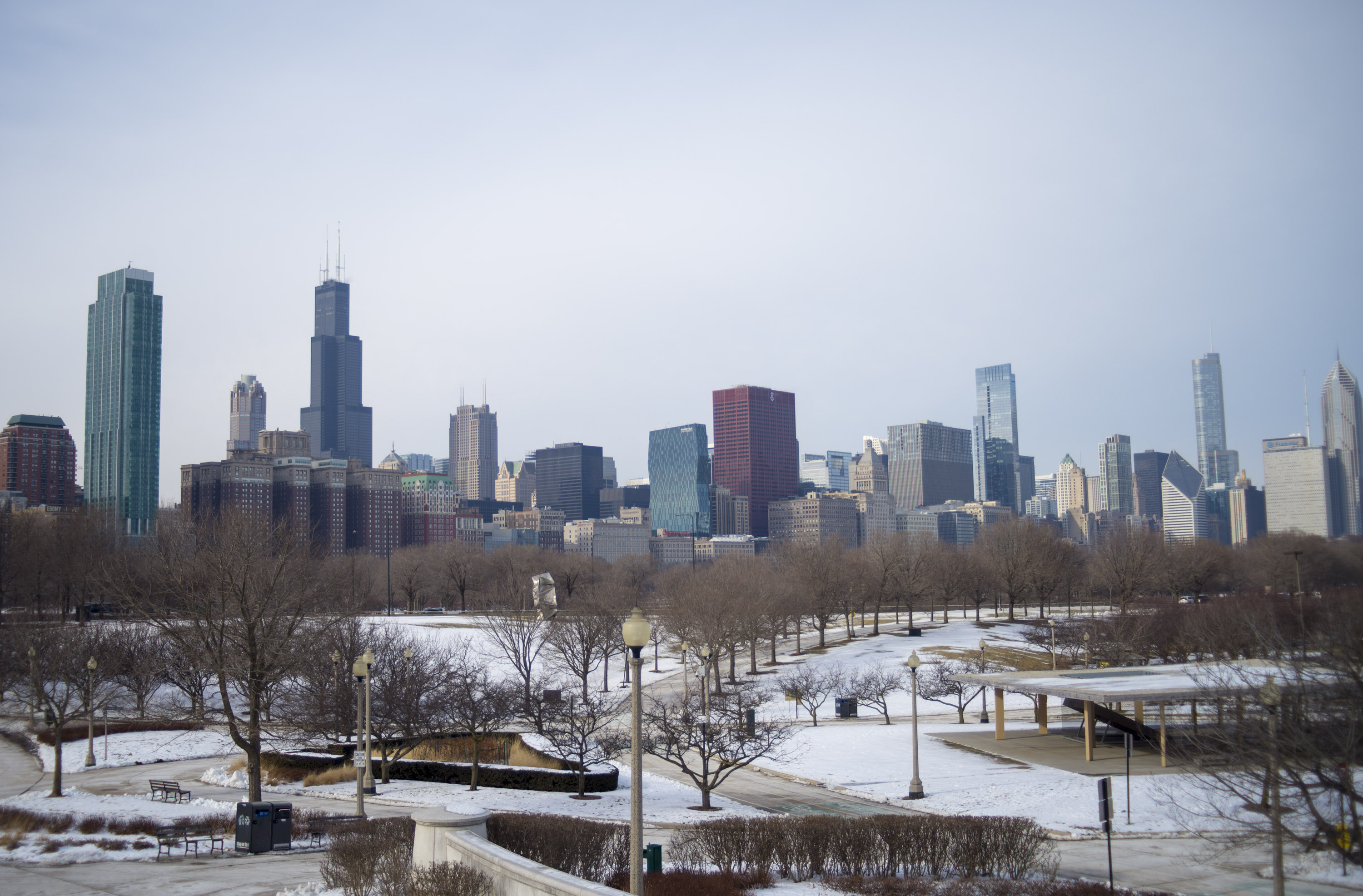
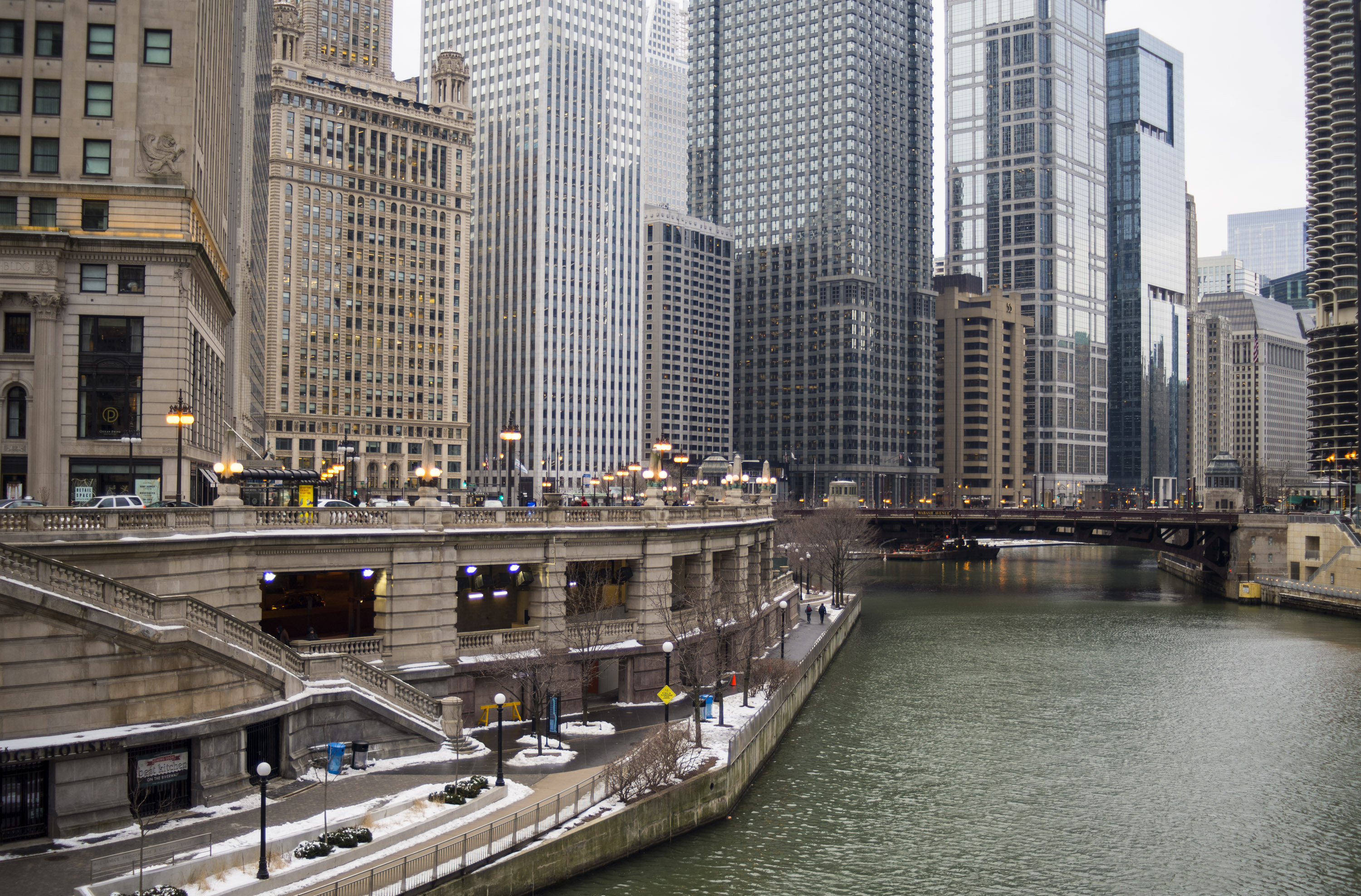
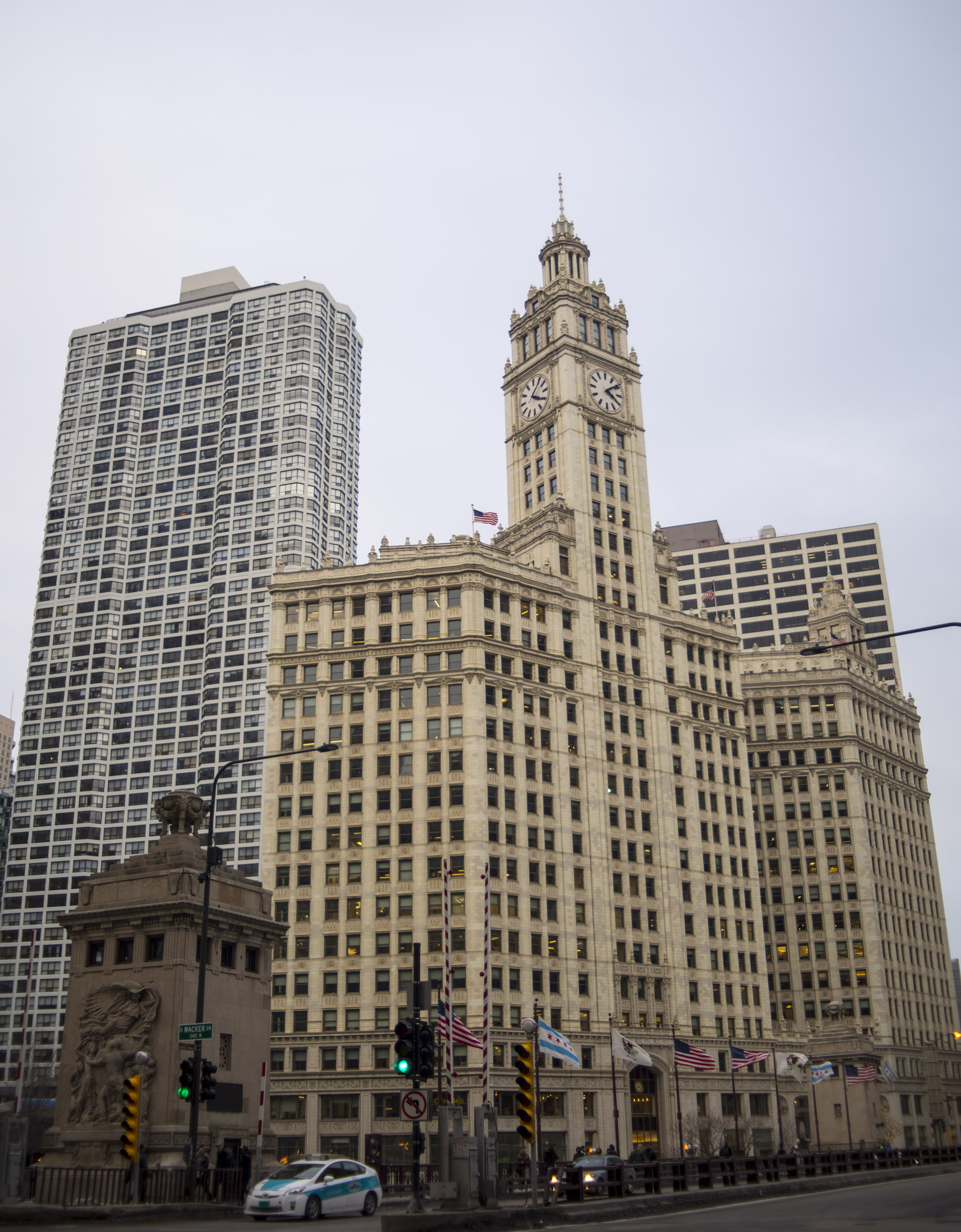
Chicago, January 2020

South President’s Court Garden

Seated Lincoln

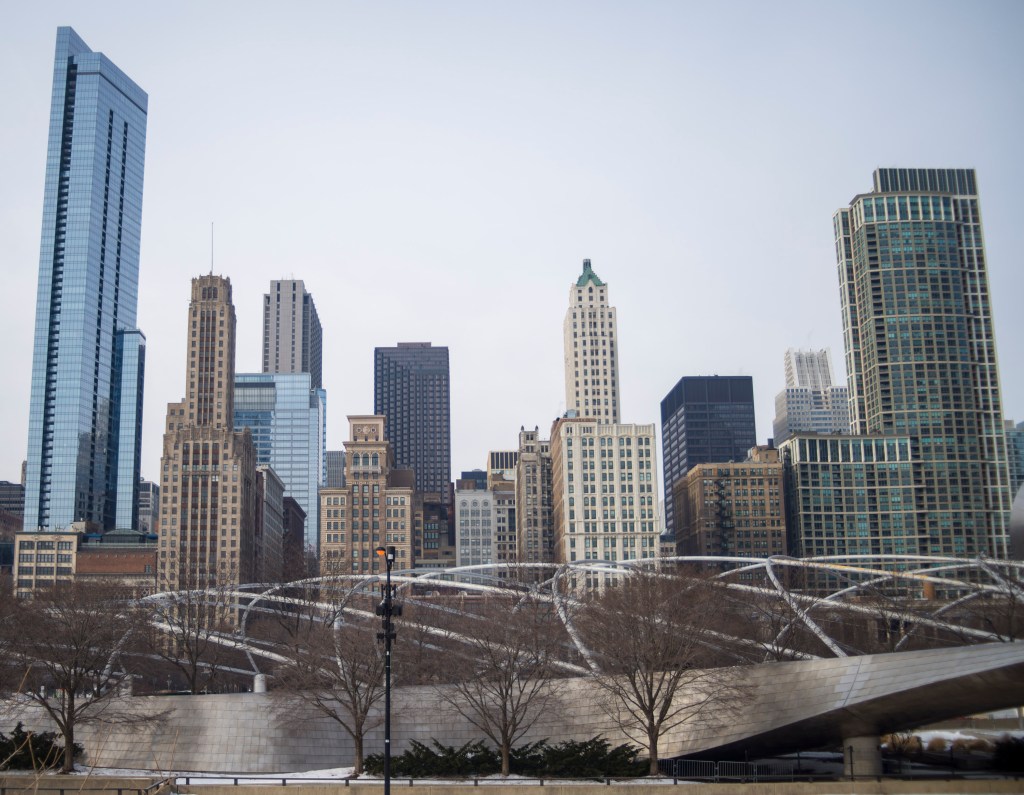
Jay Pritzker Pavilion and a view from BP Pedestrian Bridge

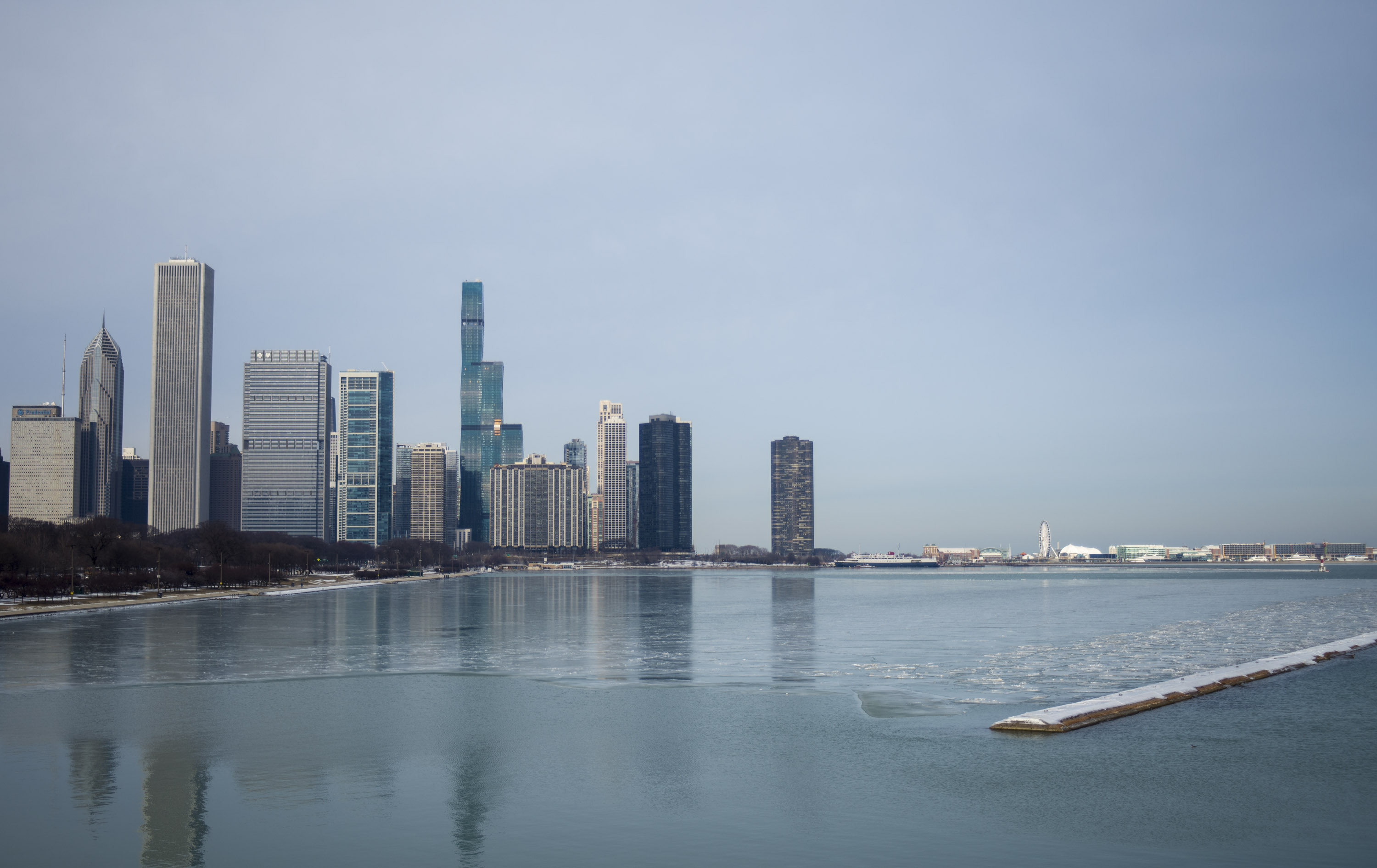
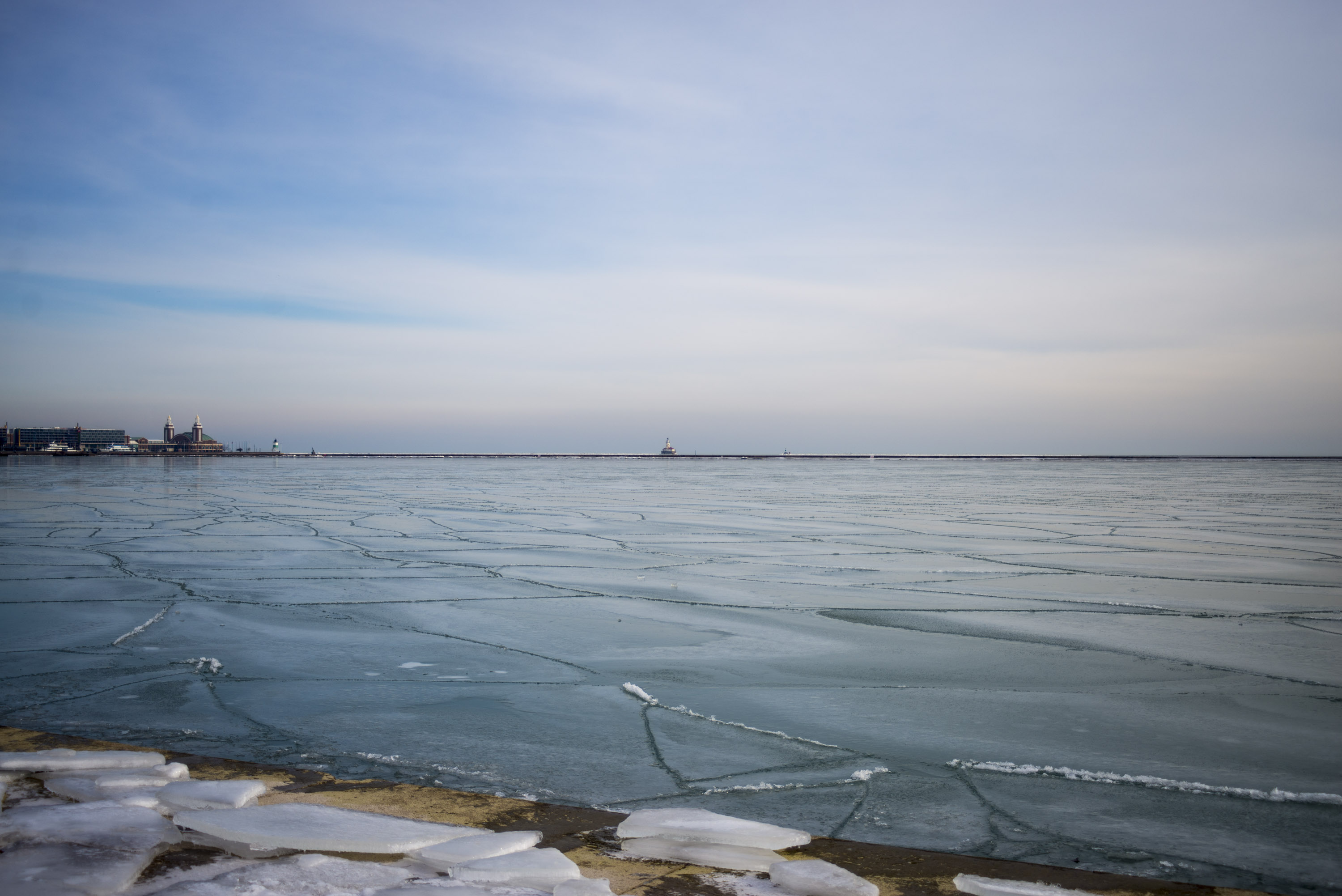
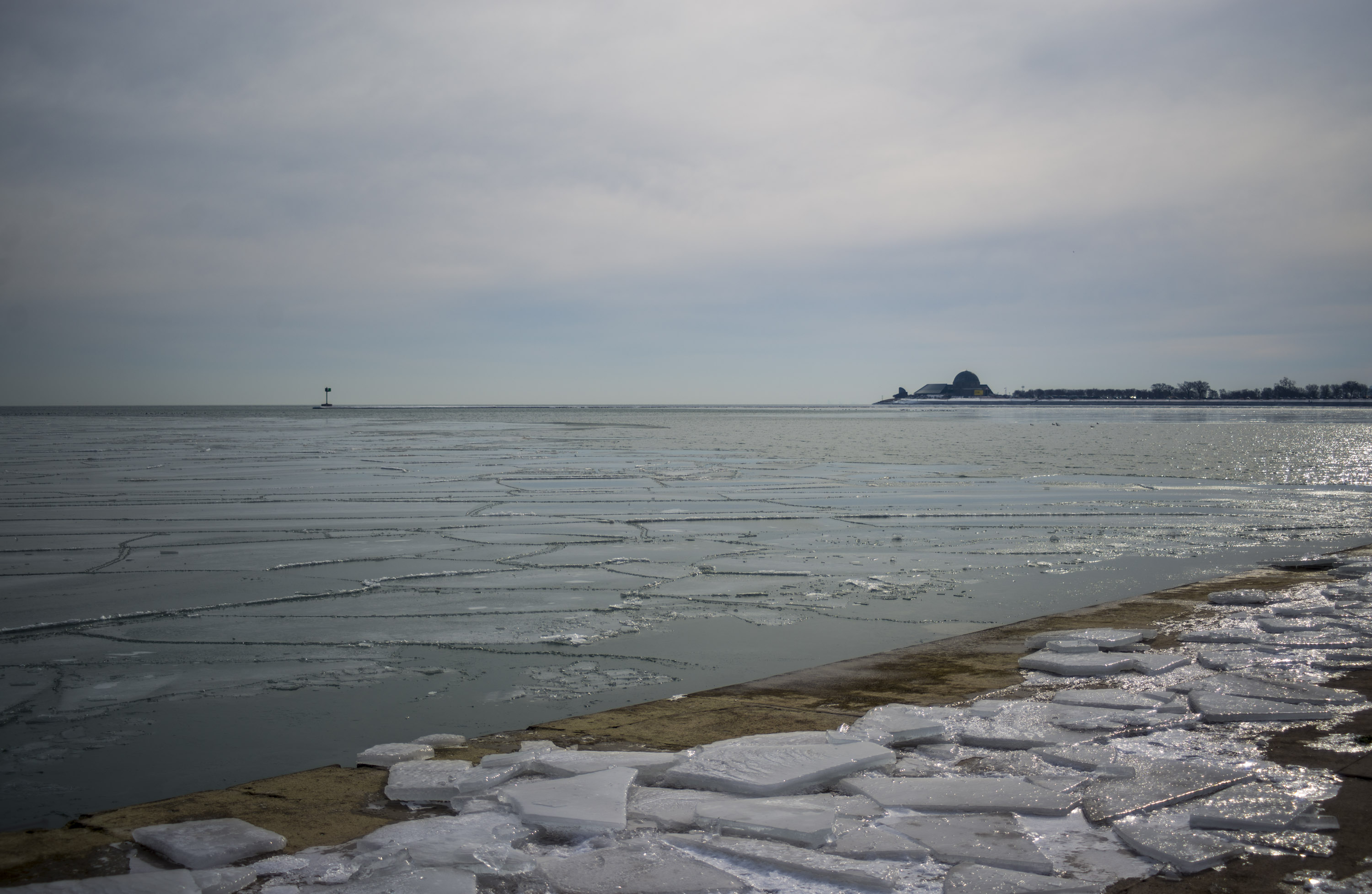
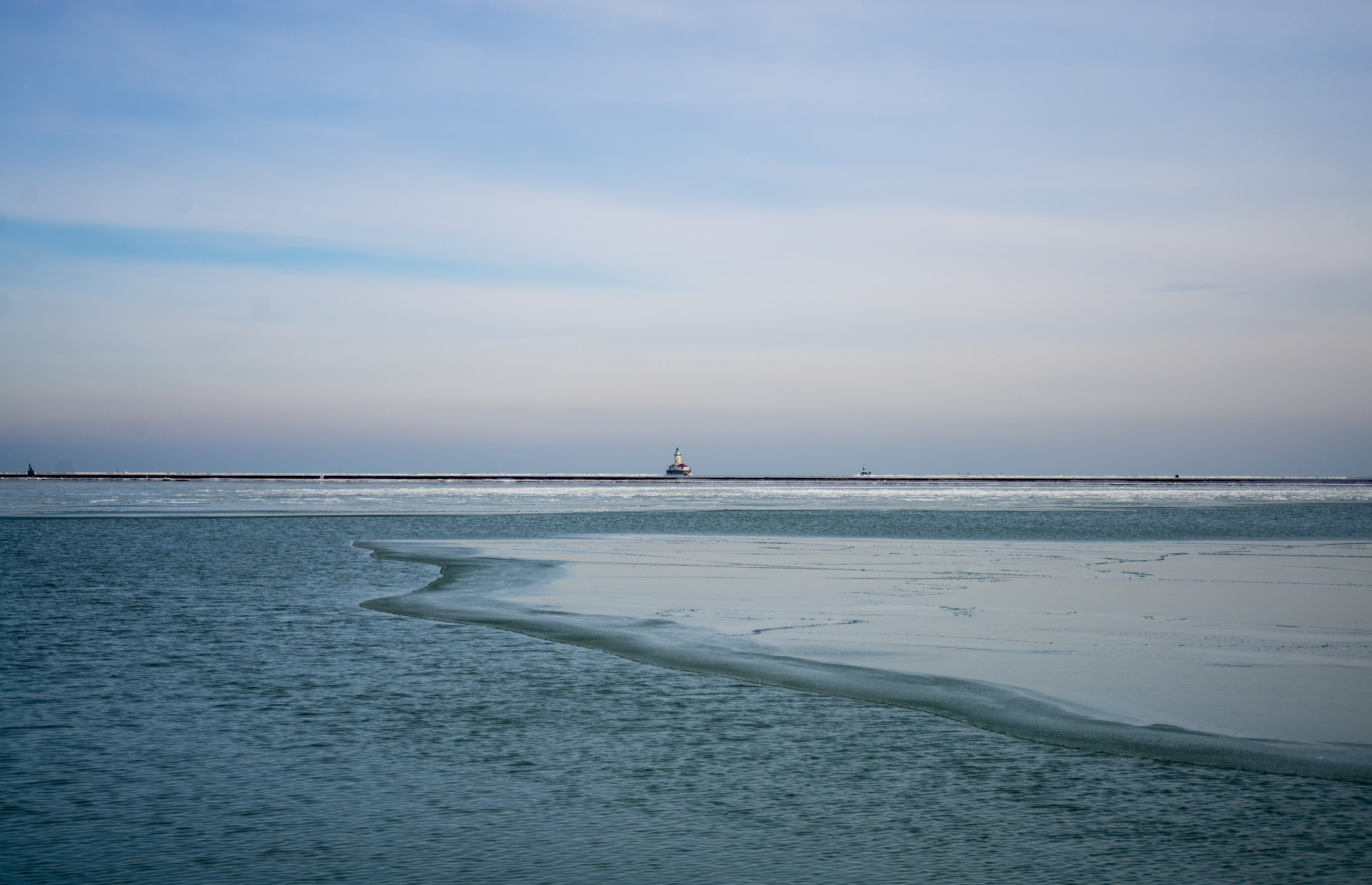
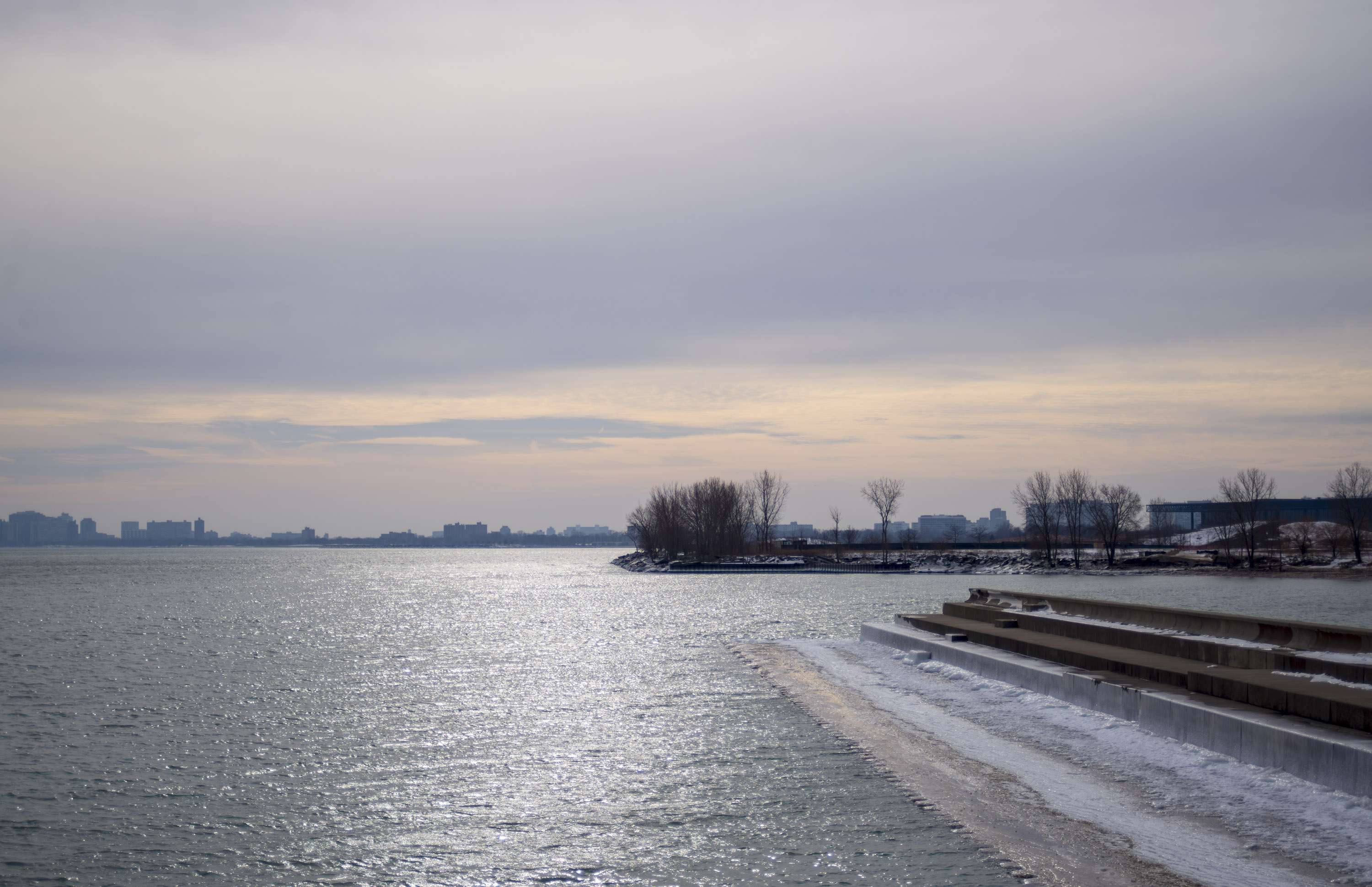
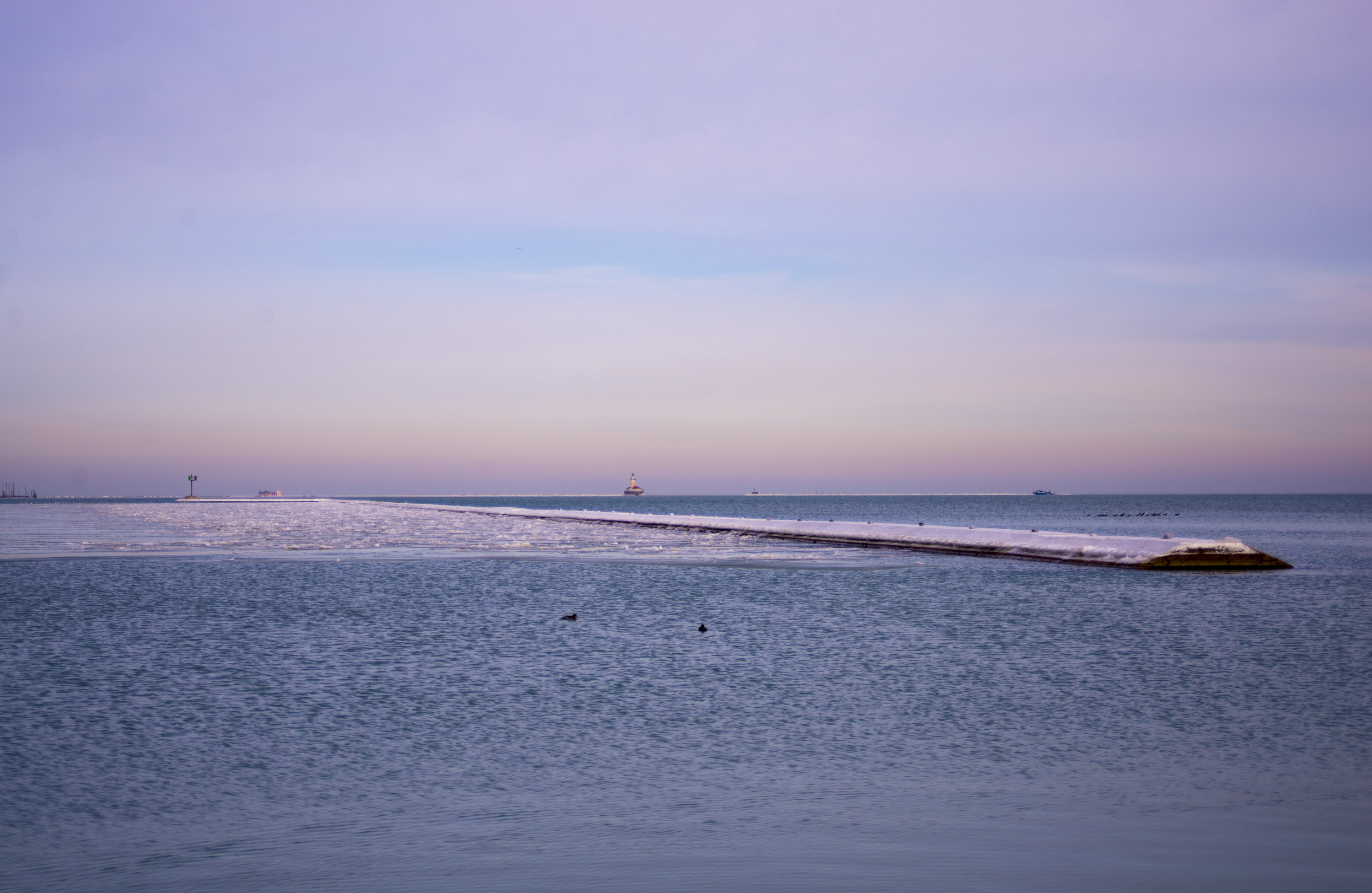
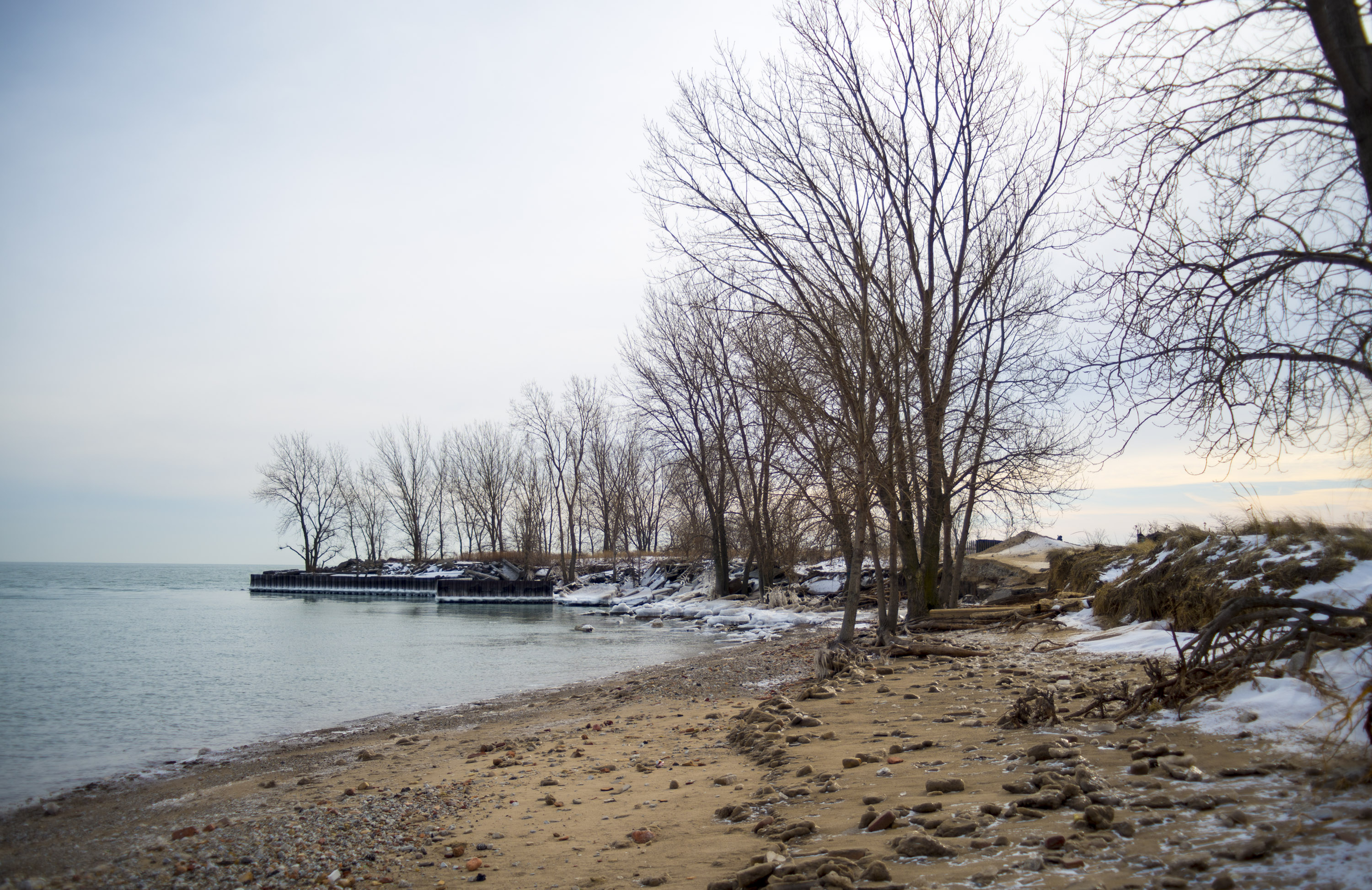
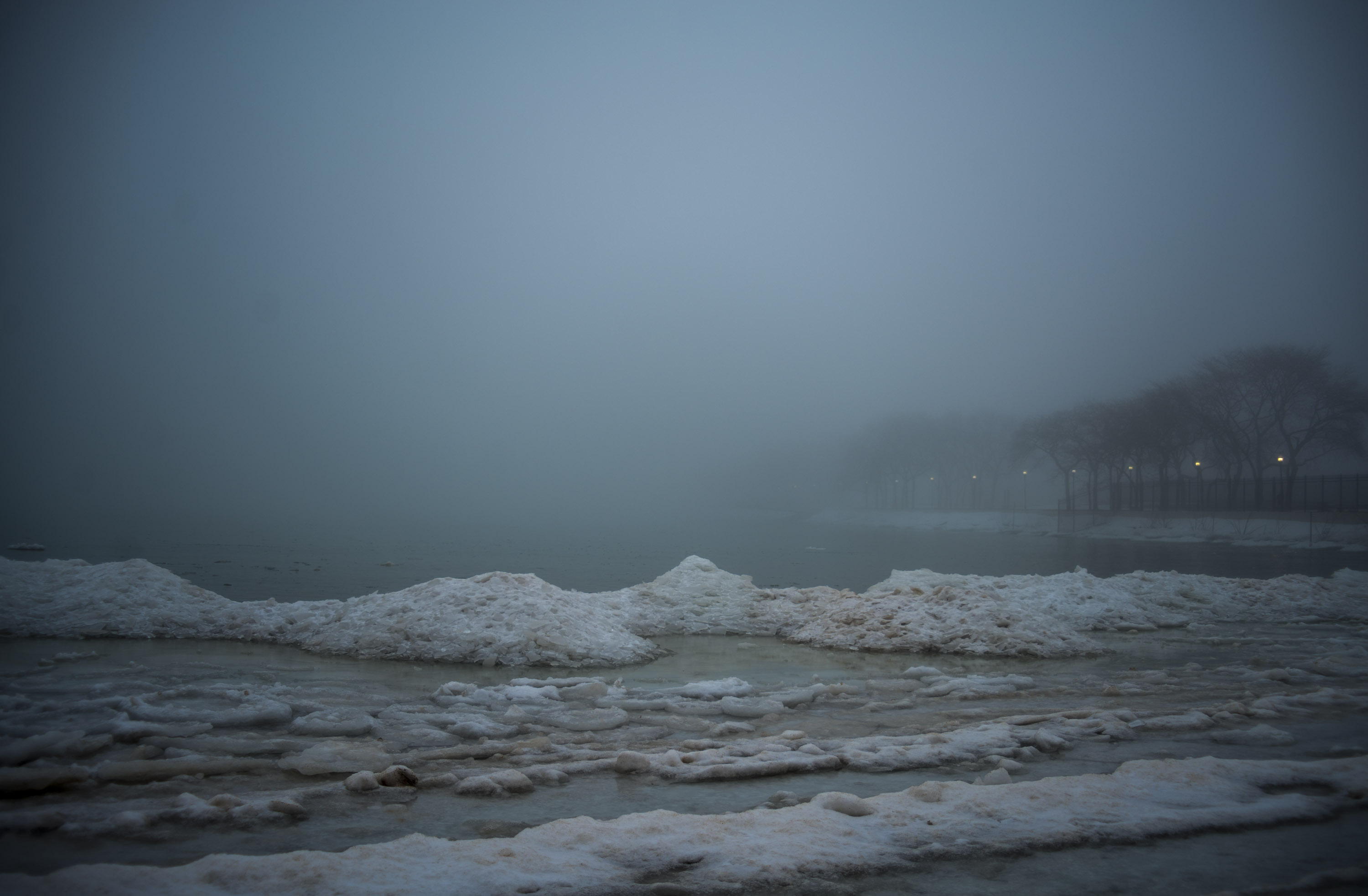
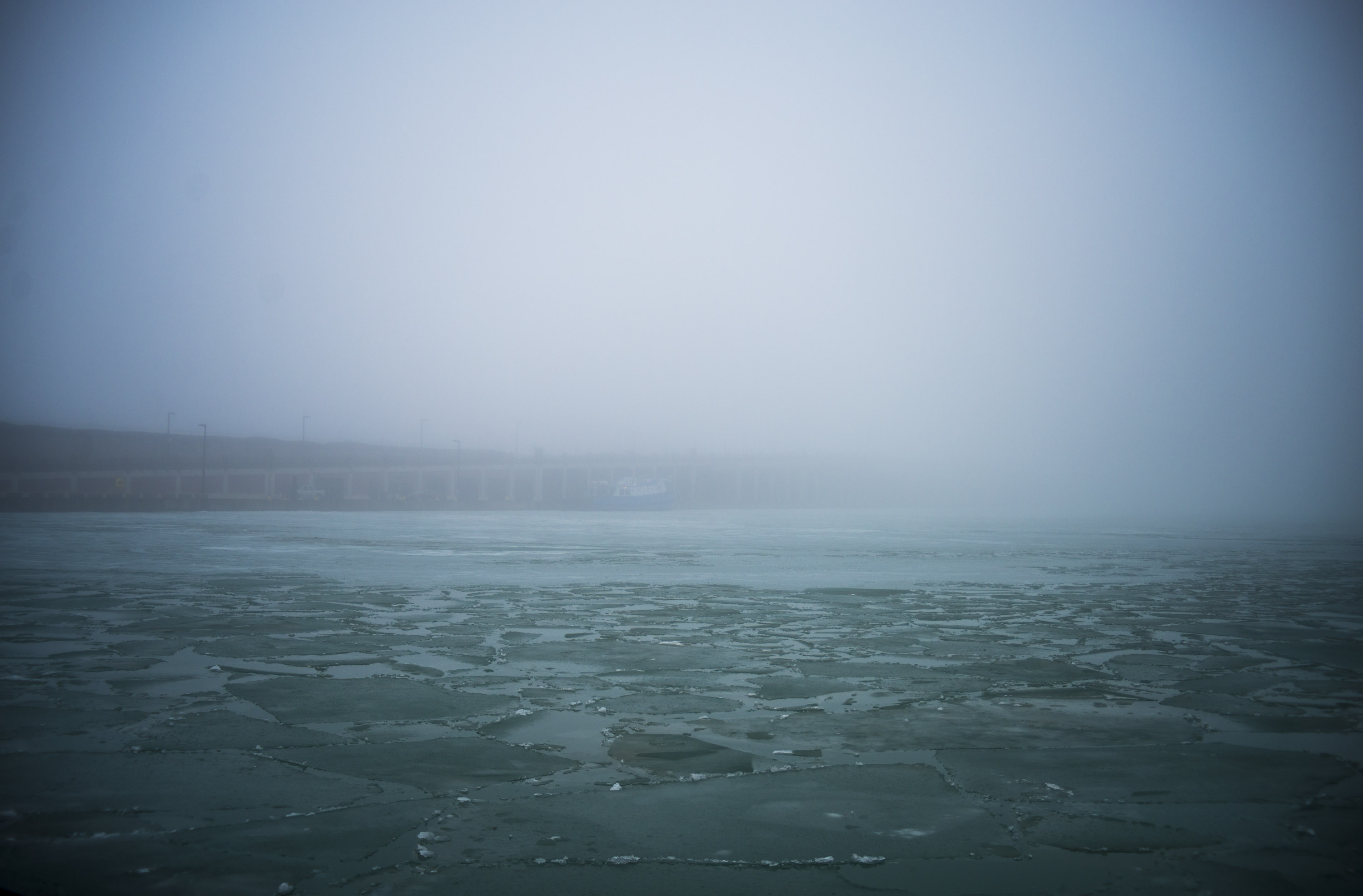
Frozen Lake Michigan

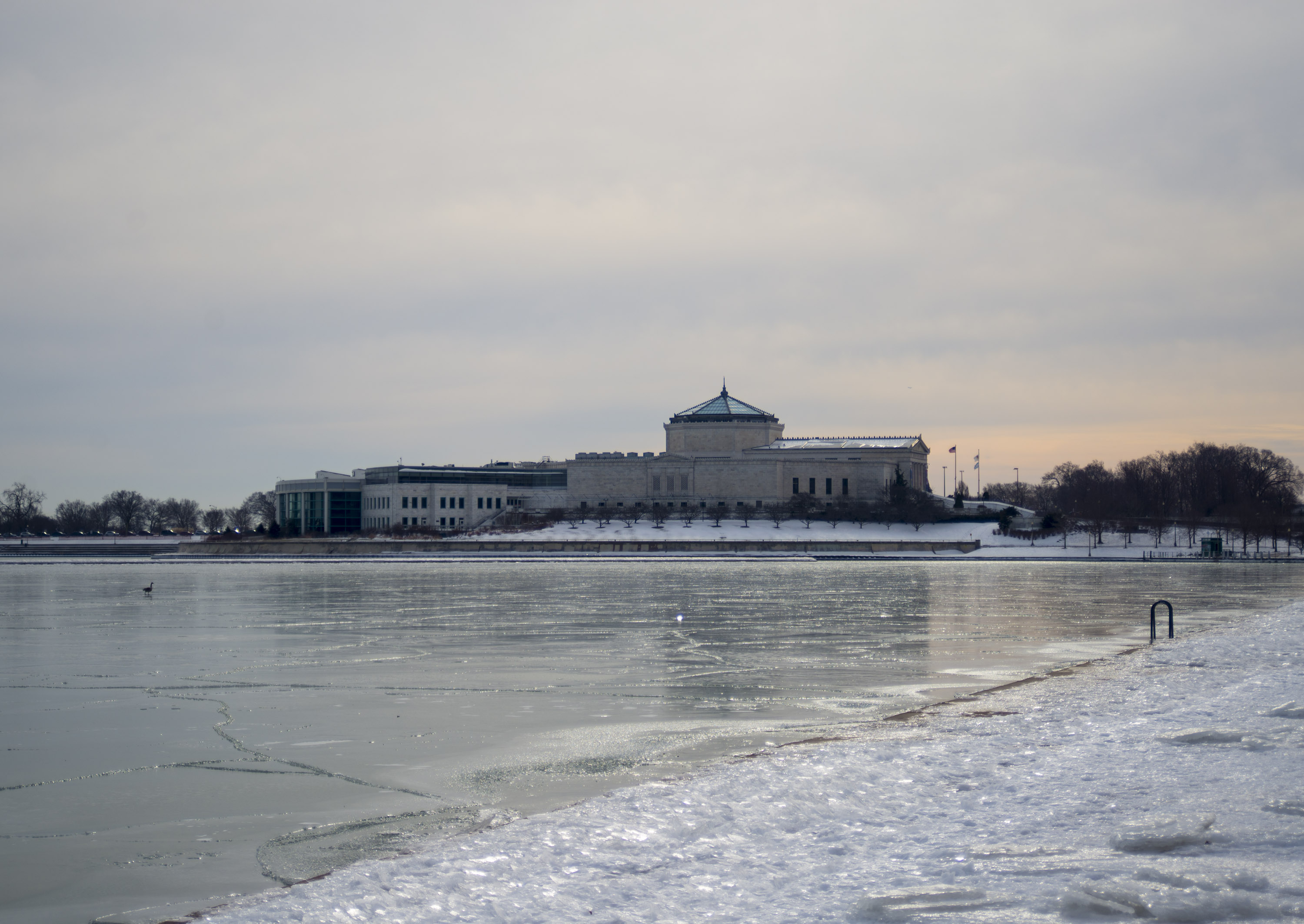
Field Museum

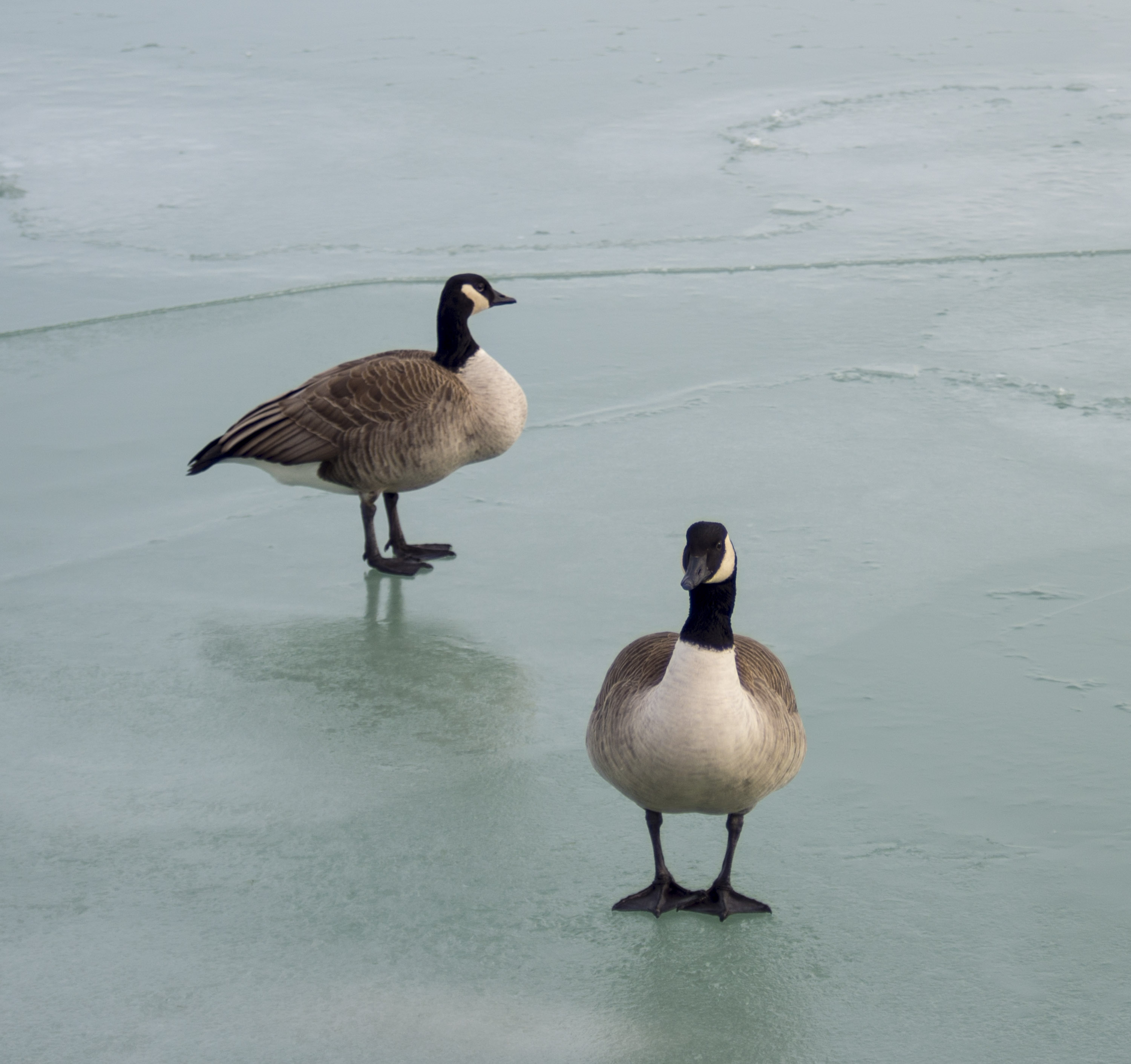
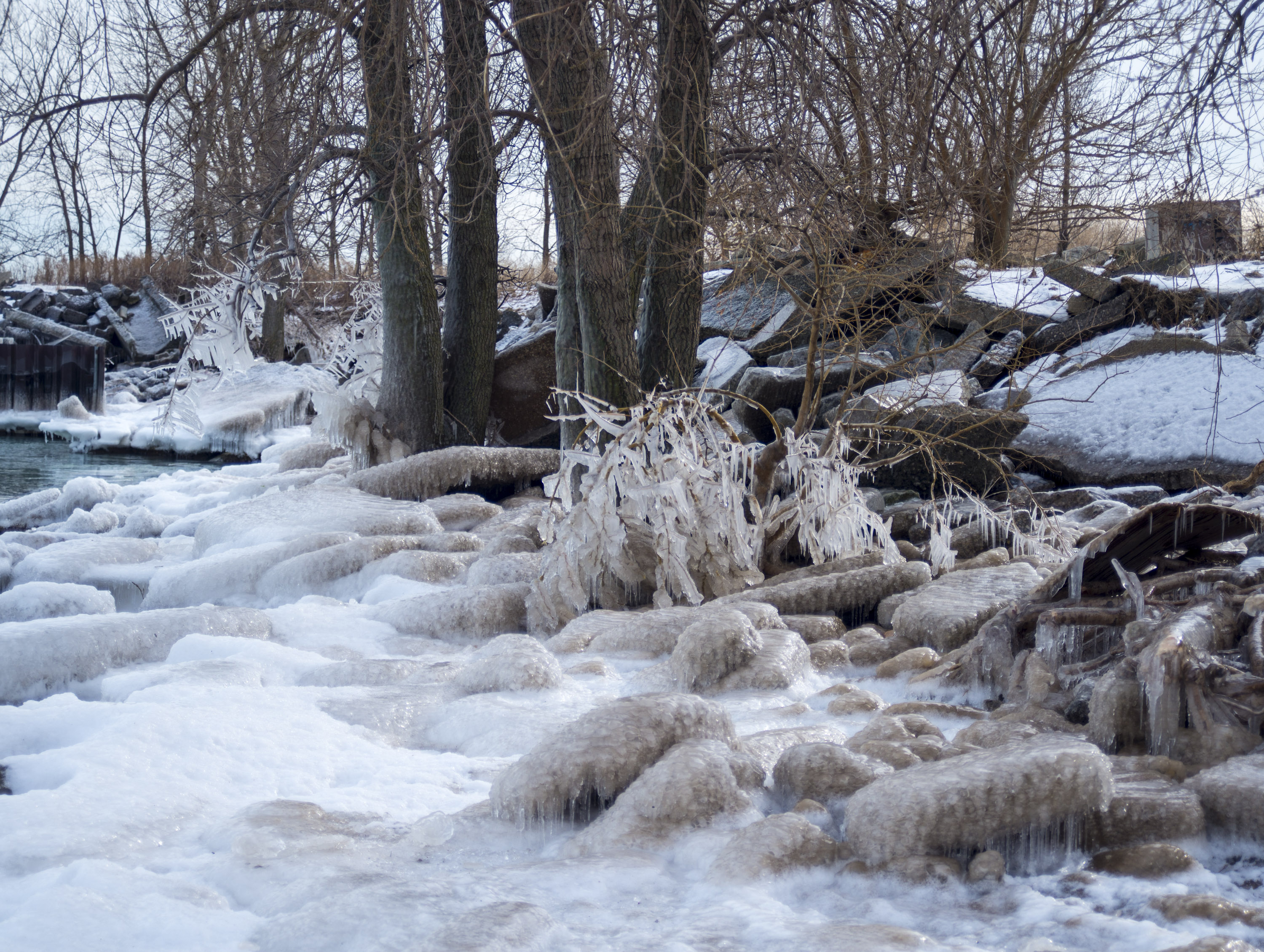
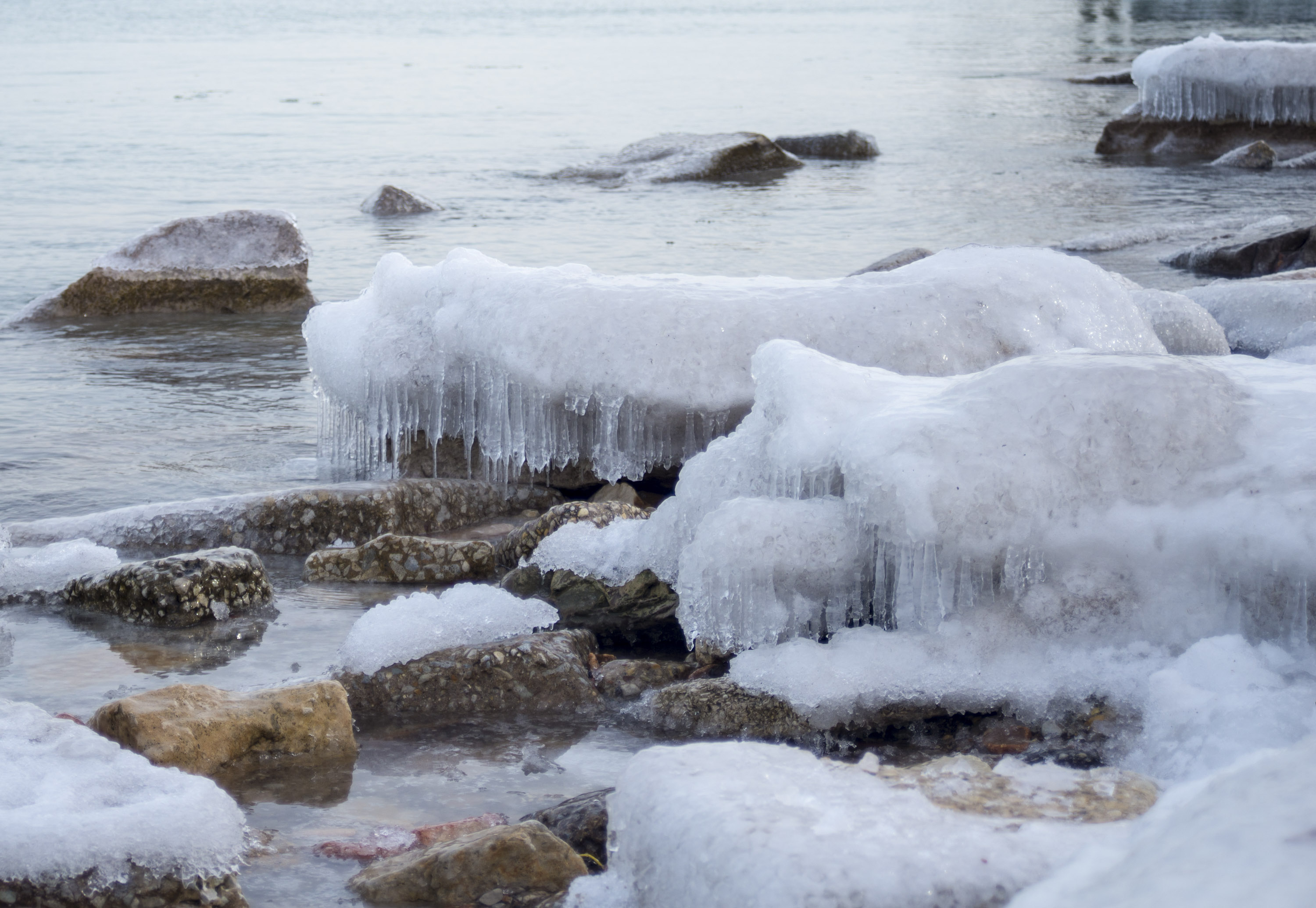
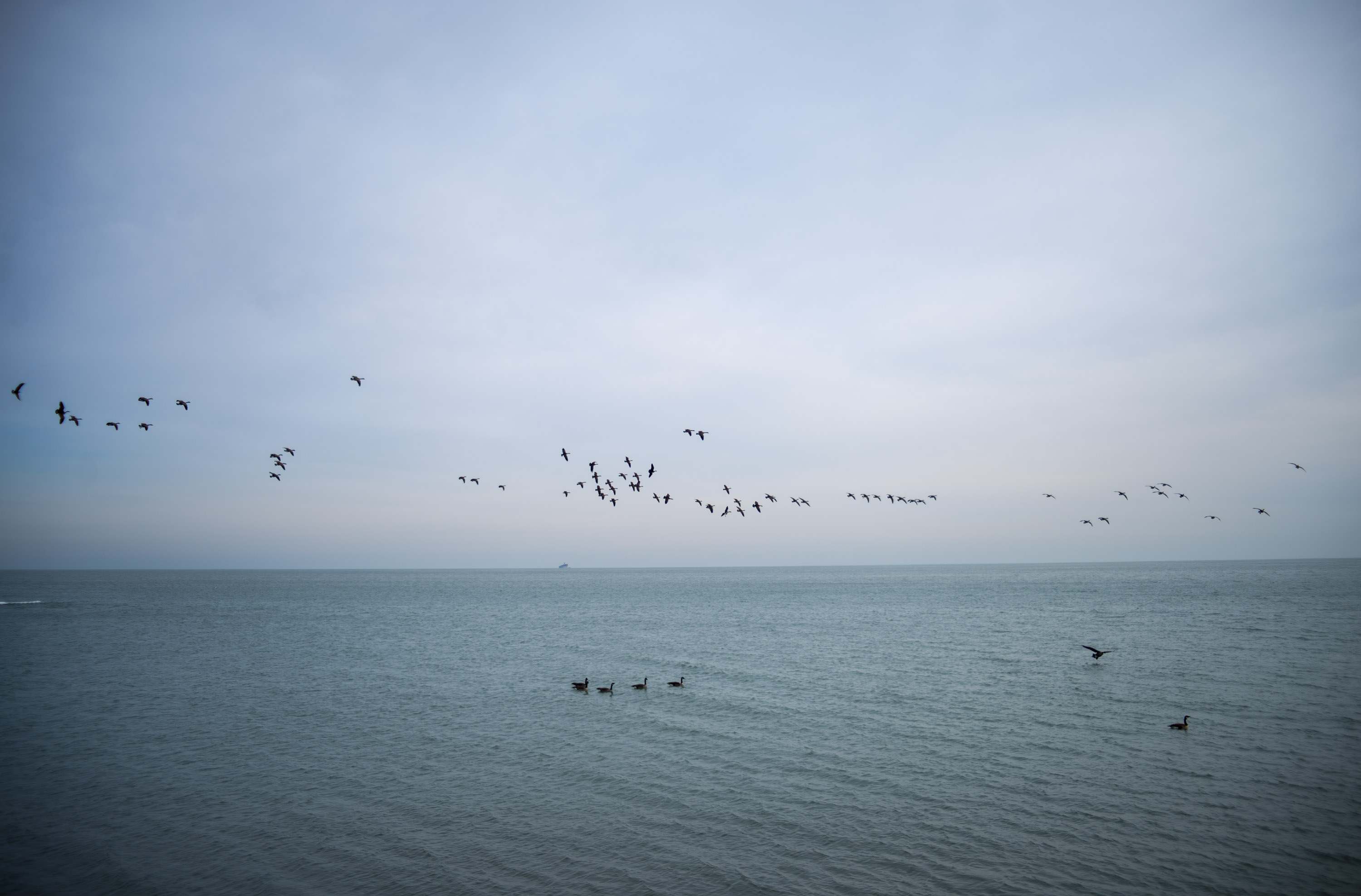
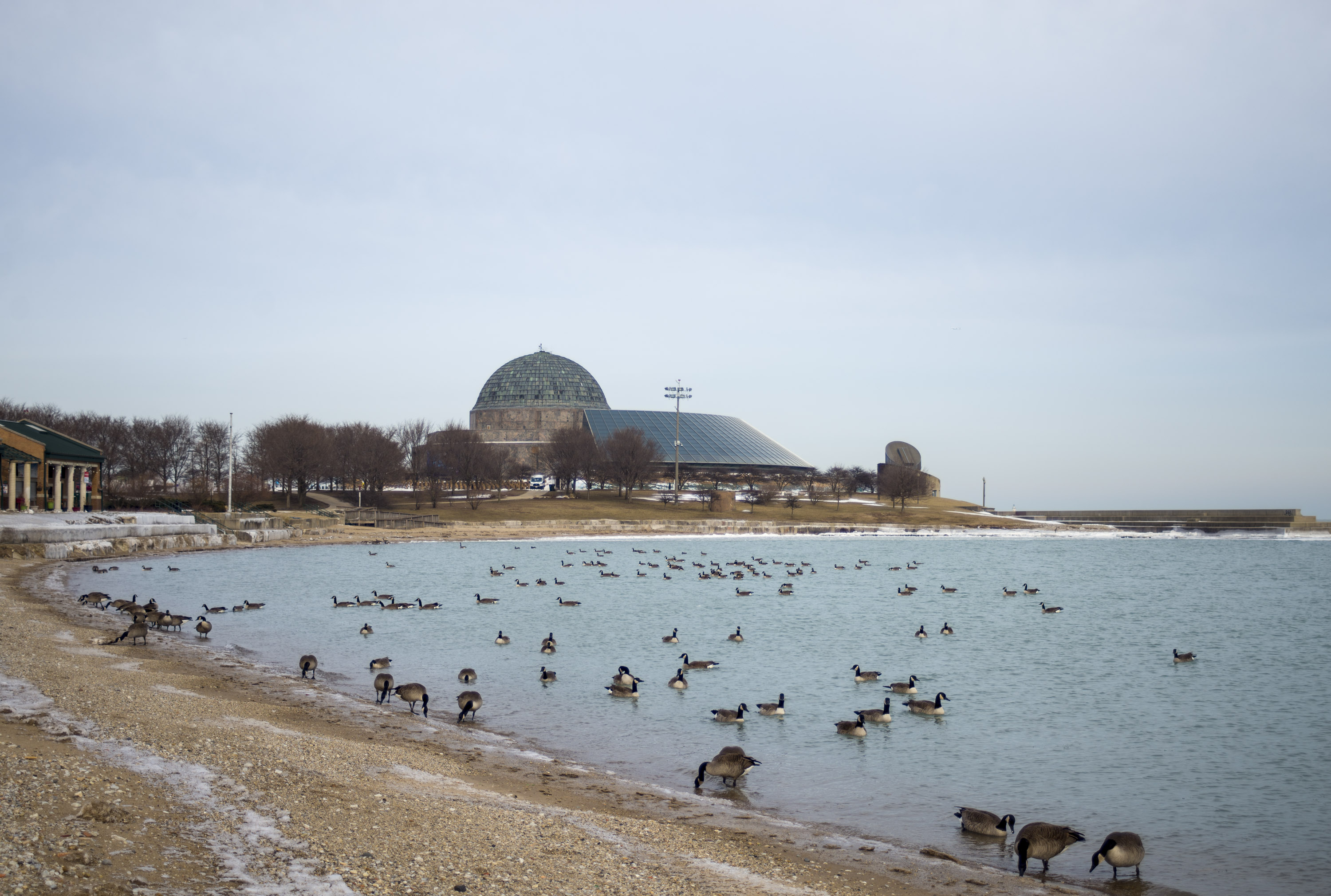
Icy 12th Street Beach and a flock of migratory geese

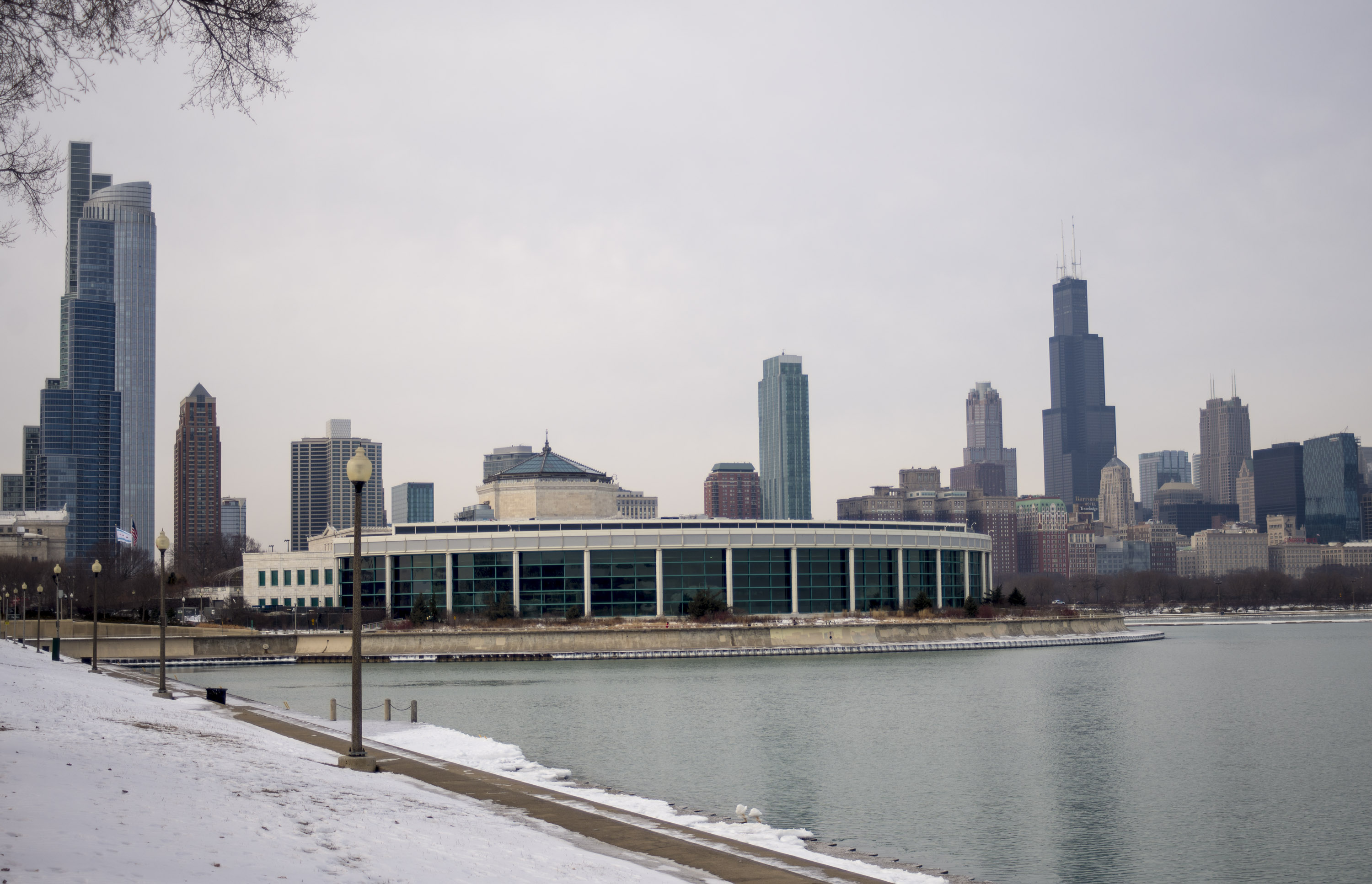
Shedd Aquarium

Grant Park

DuSable Bridge

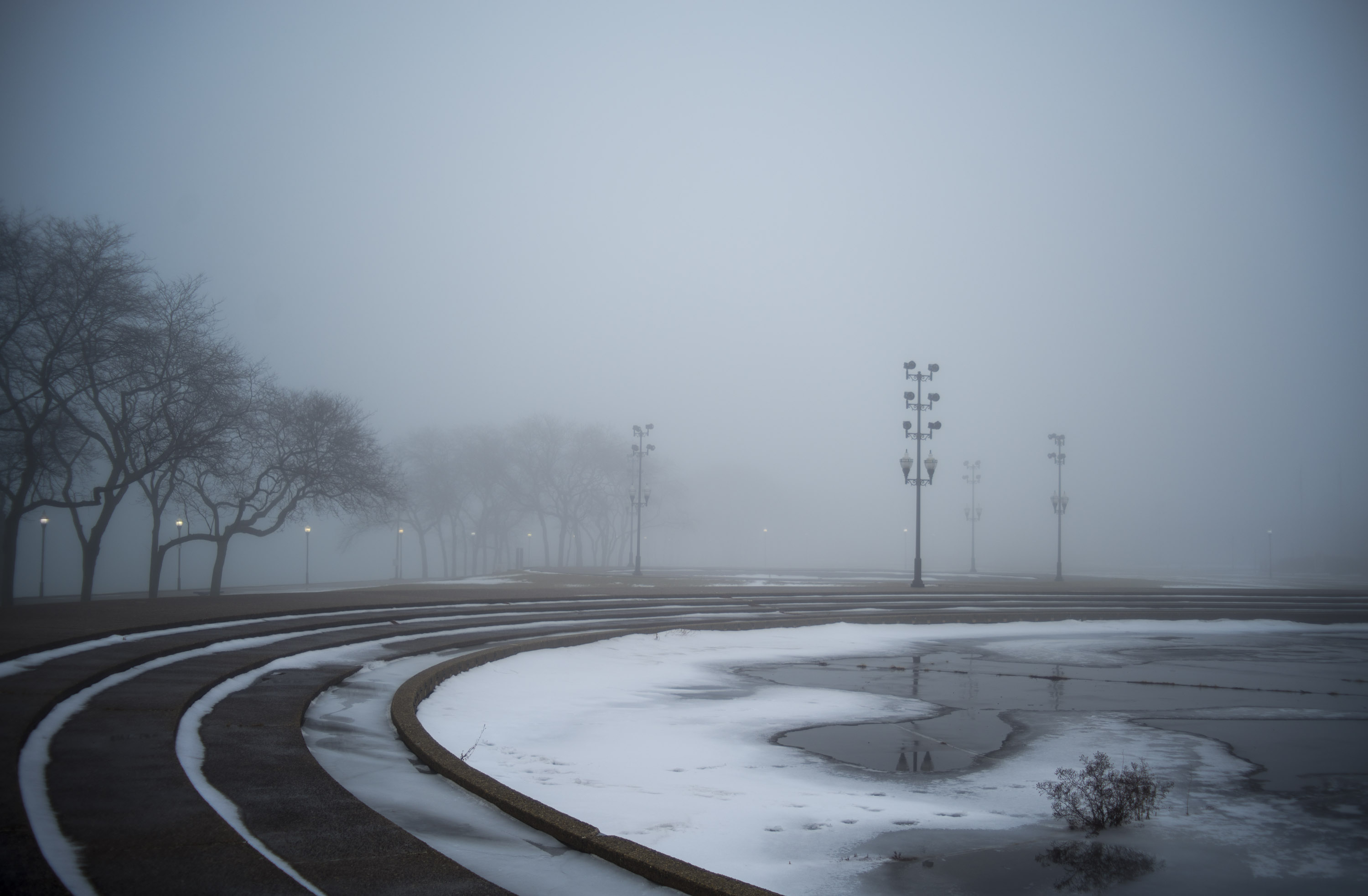
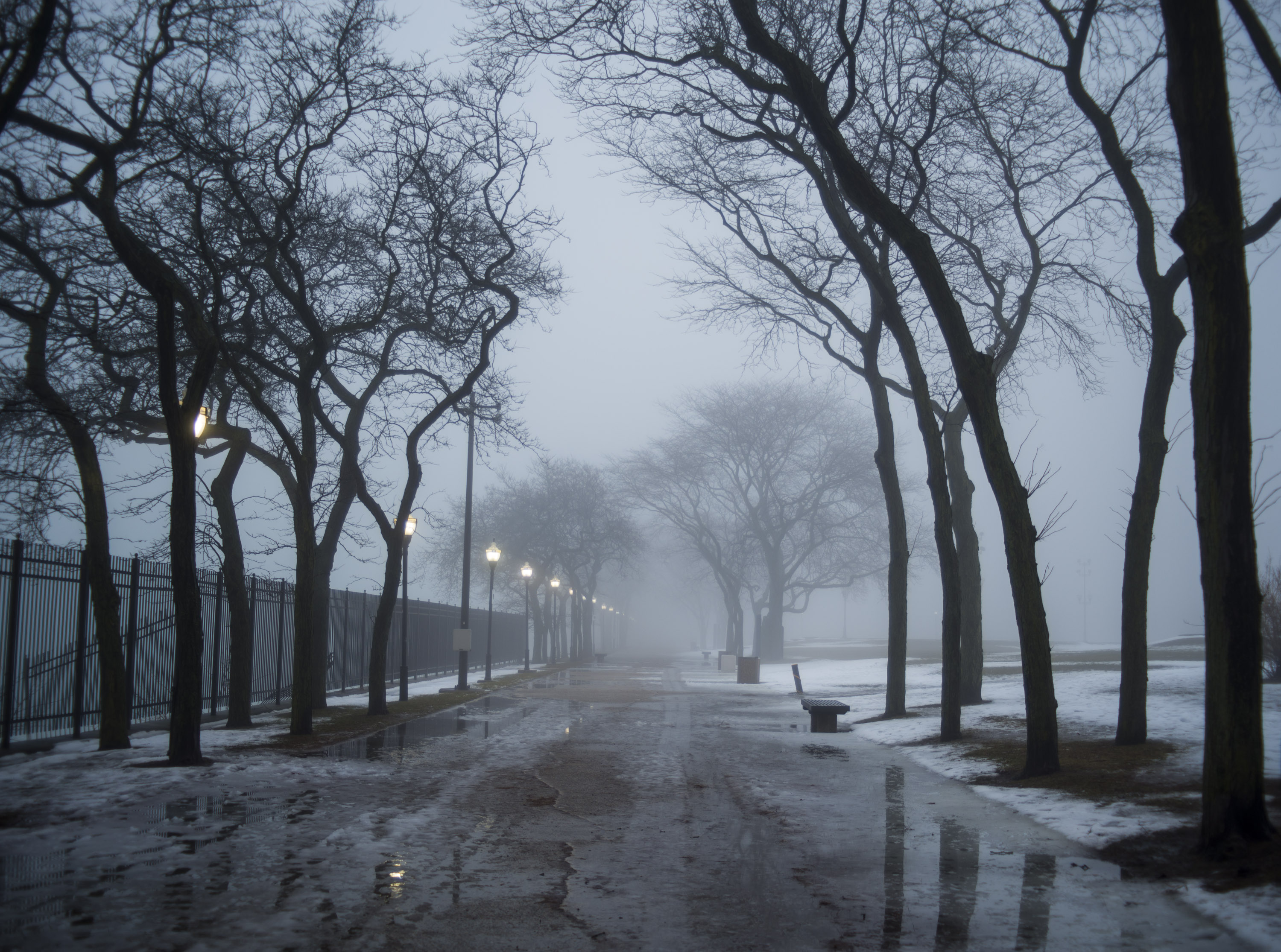
Foggy Jane Addams Memorial Park and Ohio Street Beach

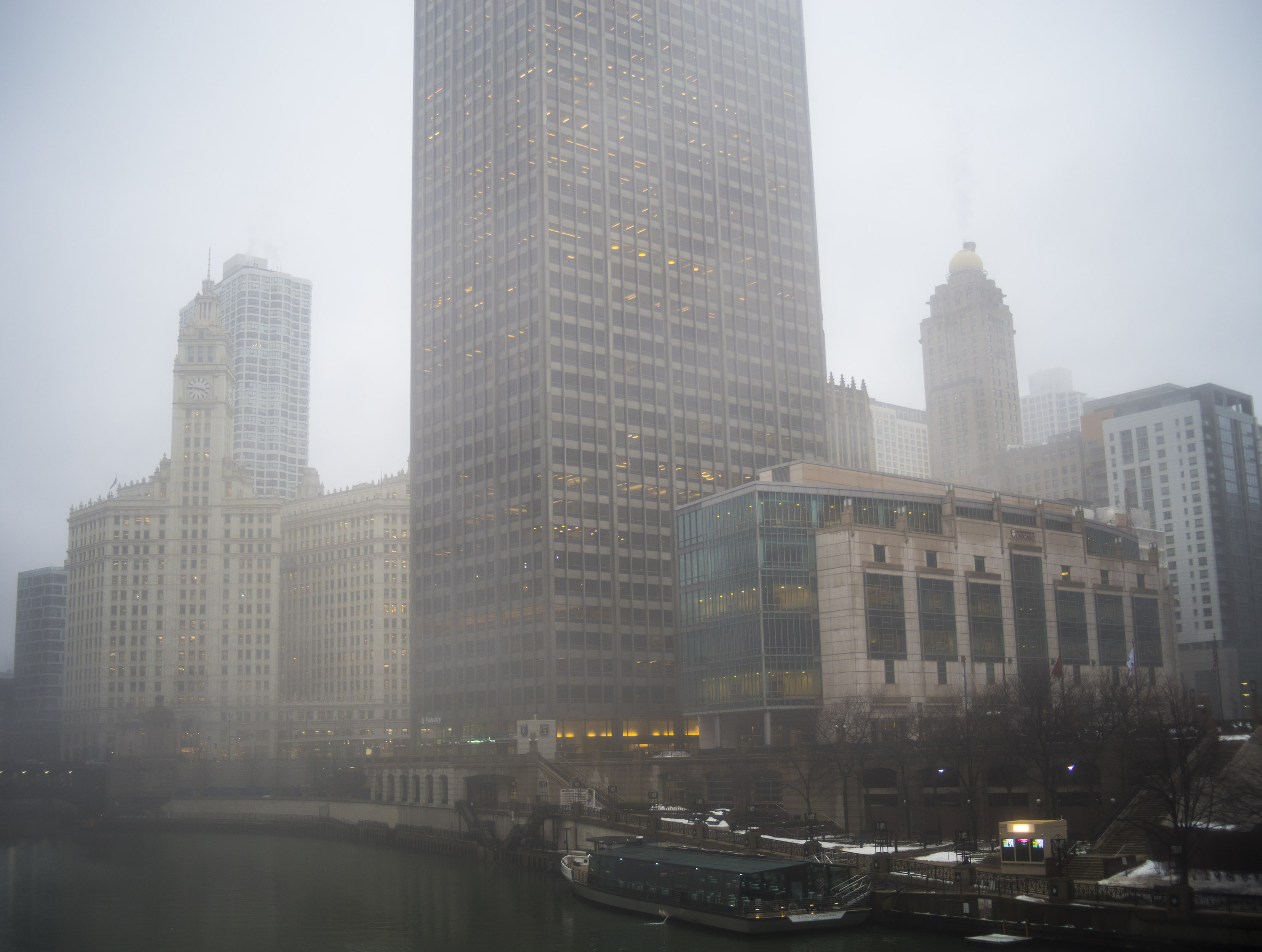
Foggy city

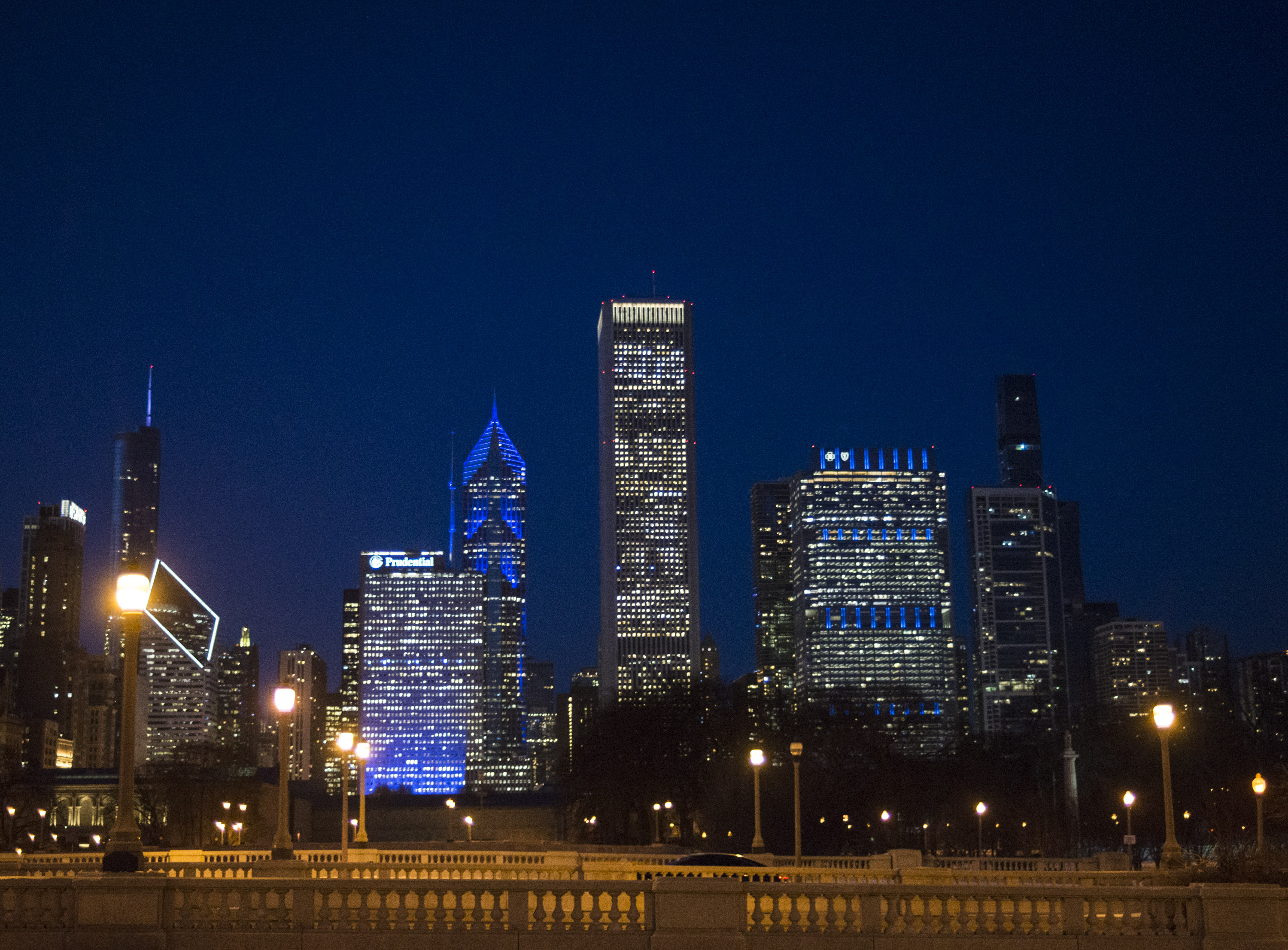
Beautiful Chicago at night

Gallery

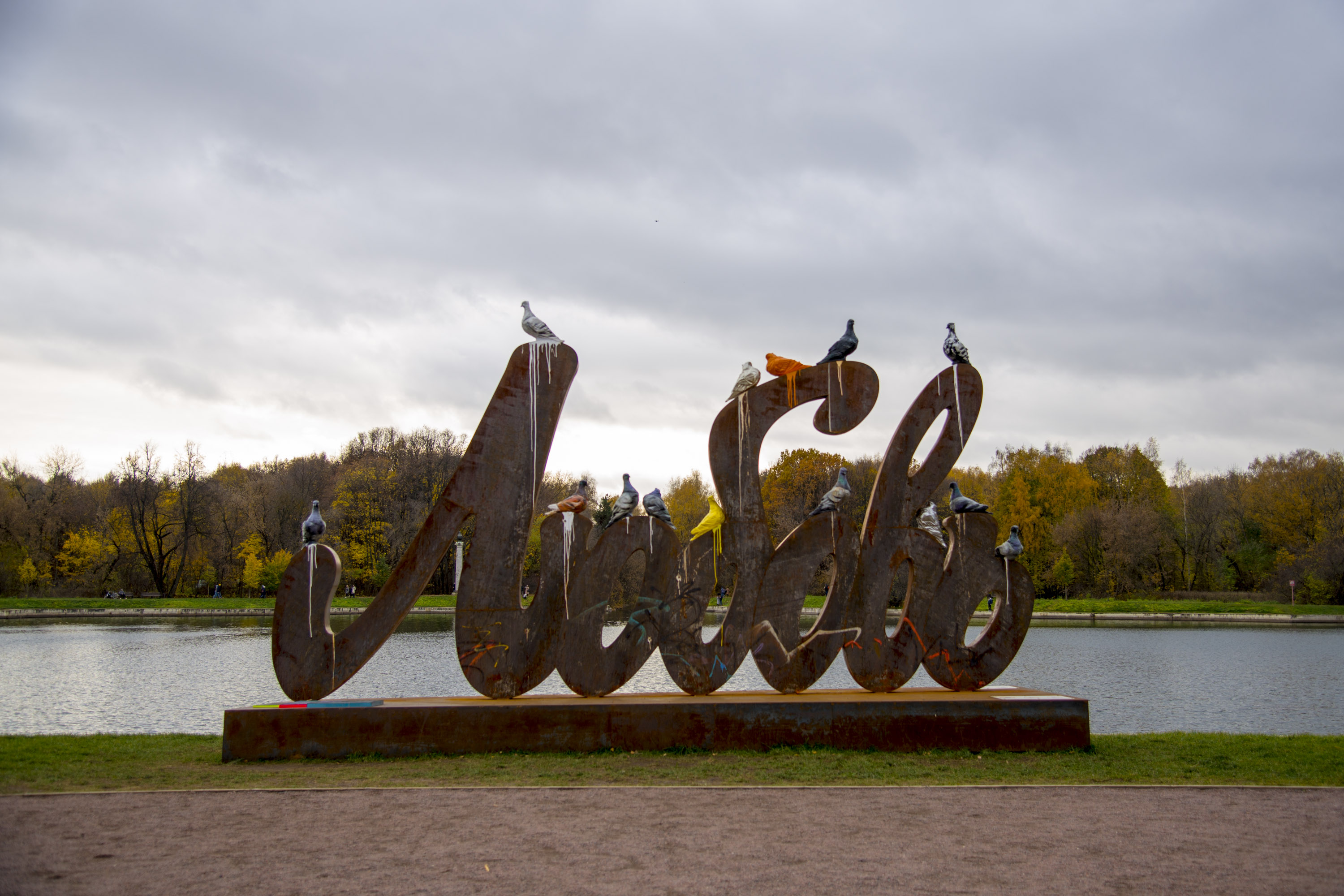
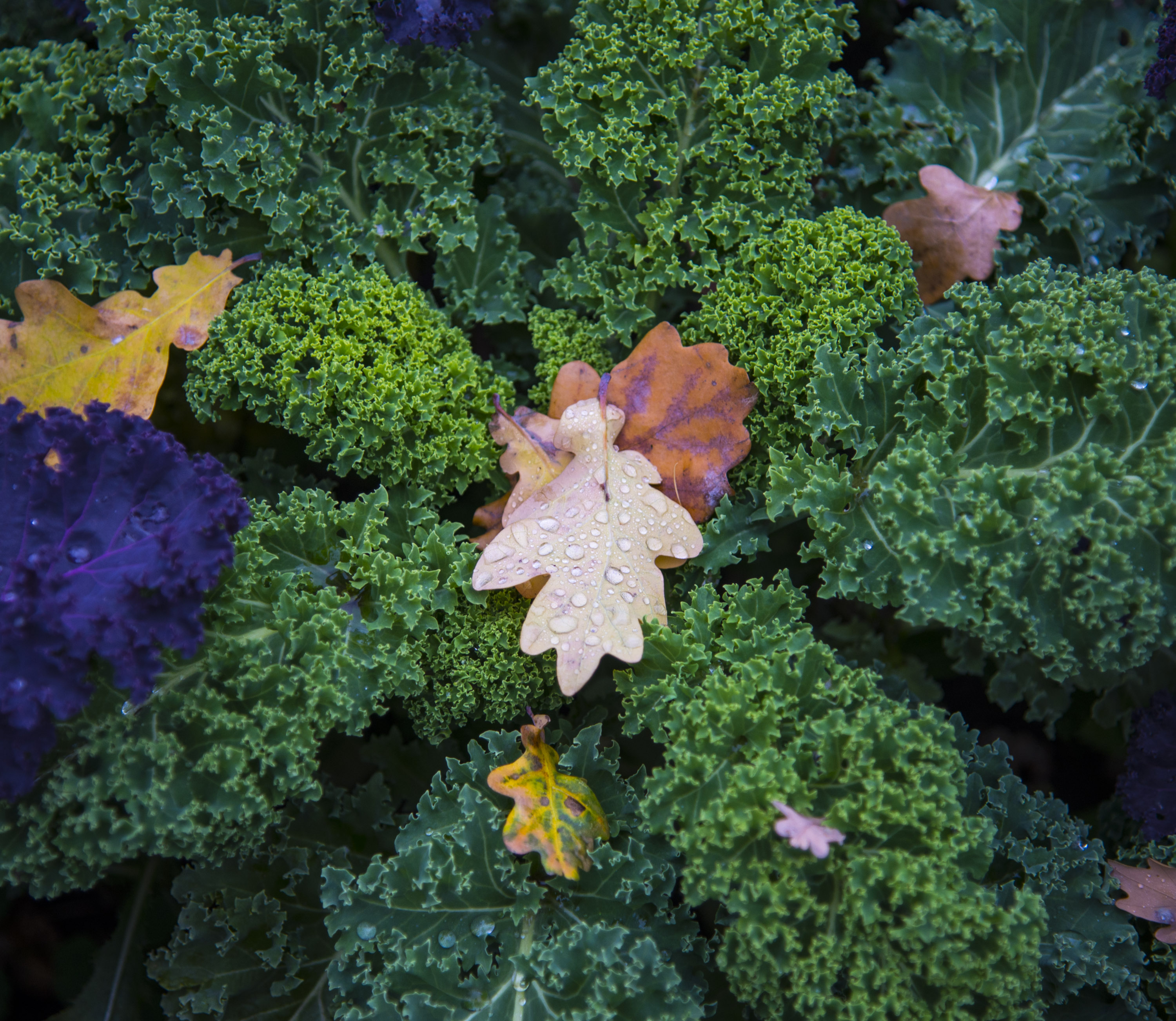
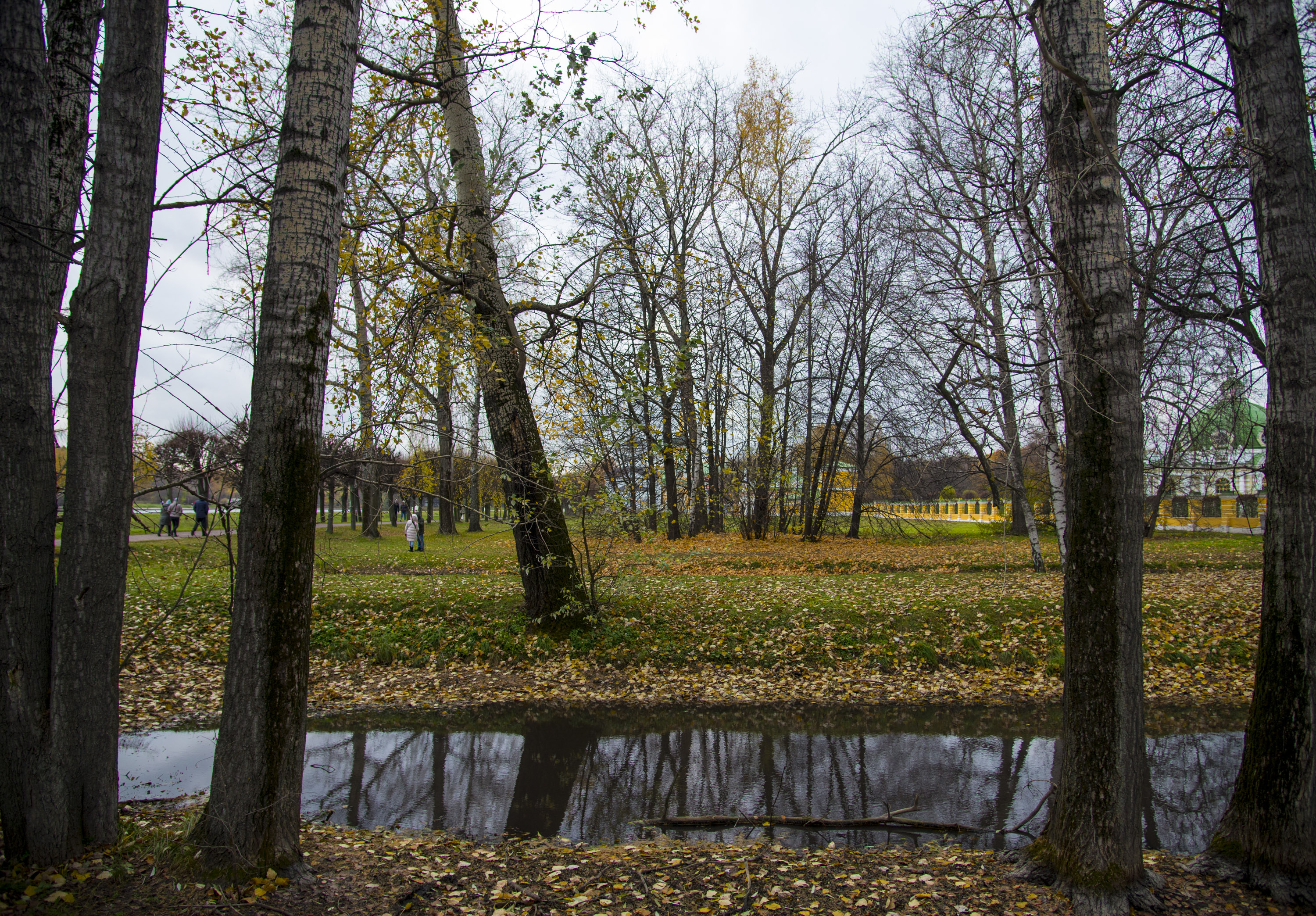
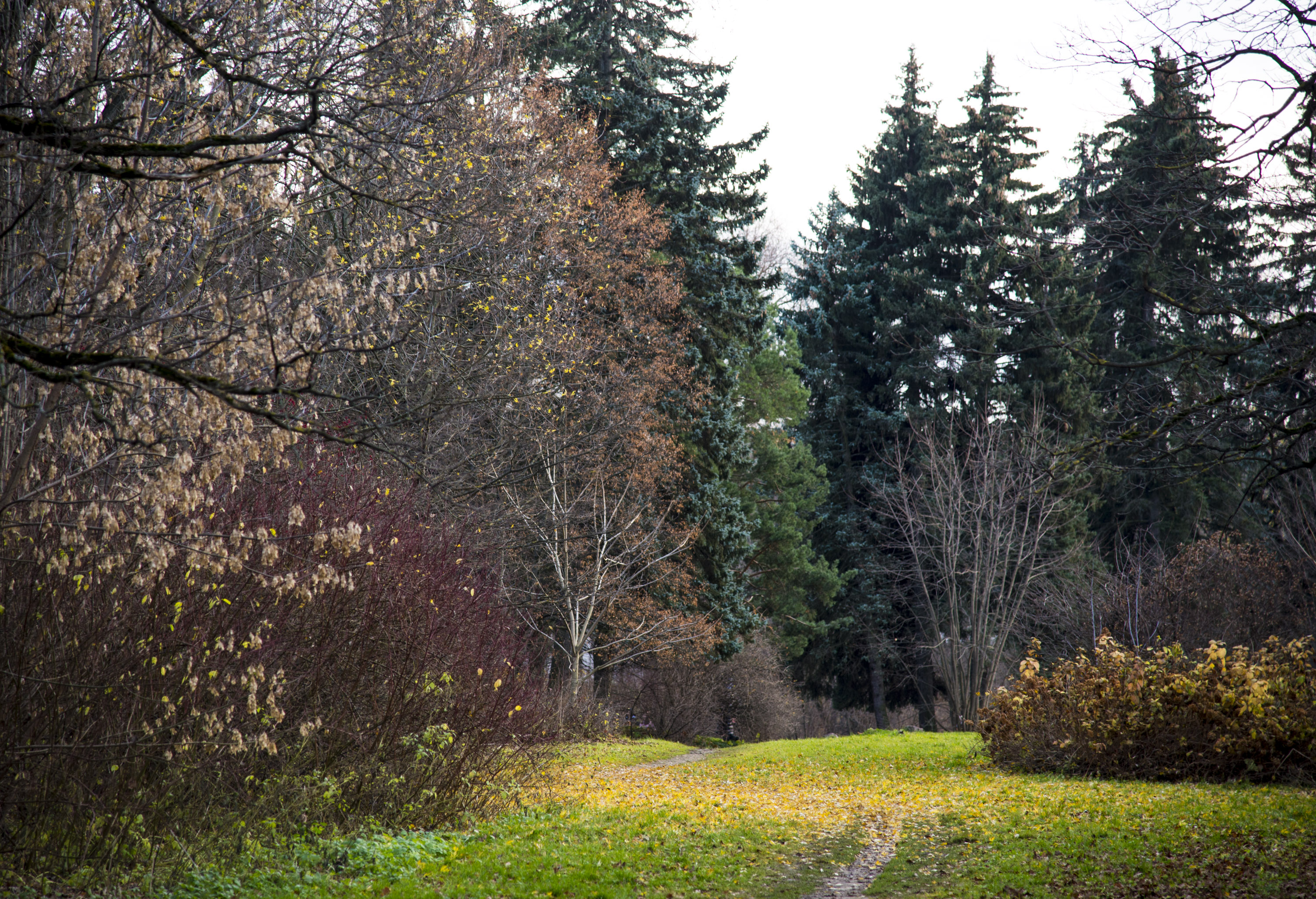
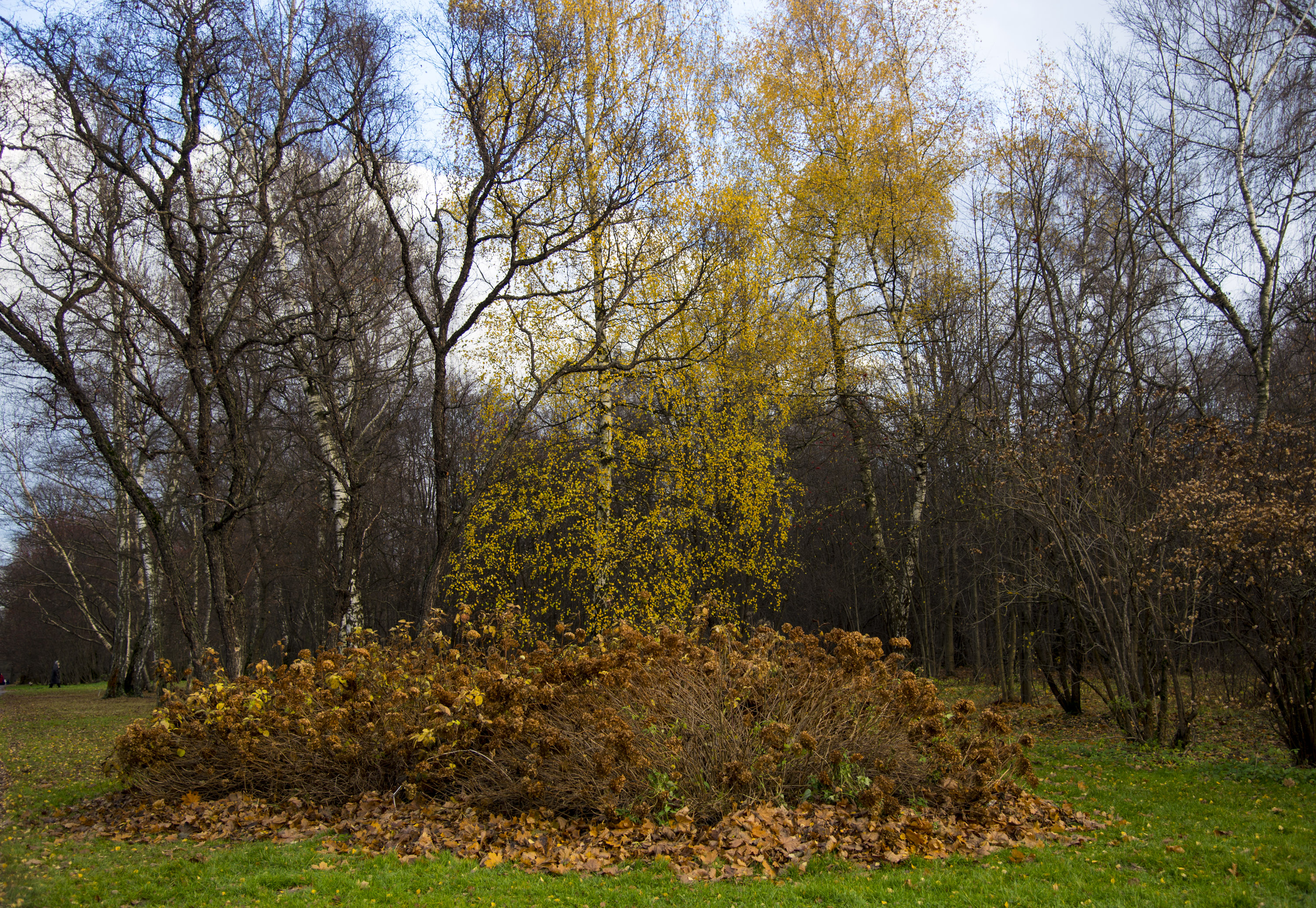
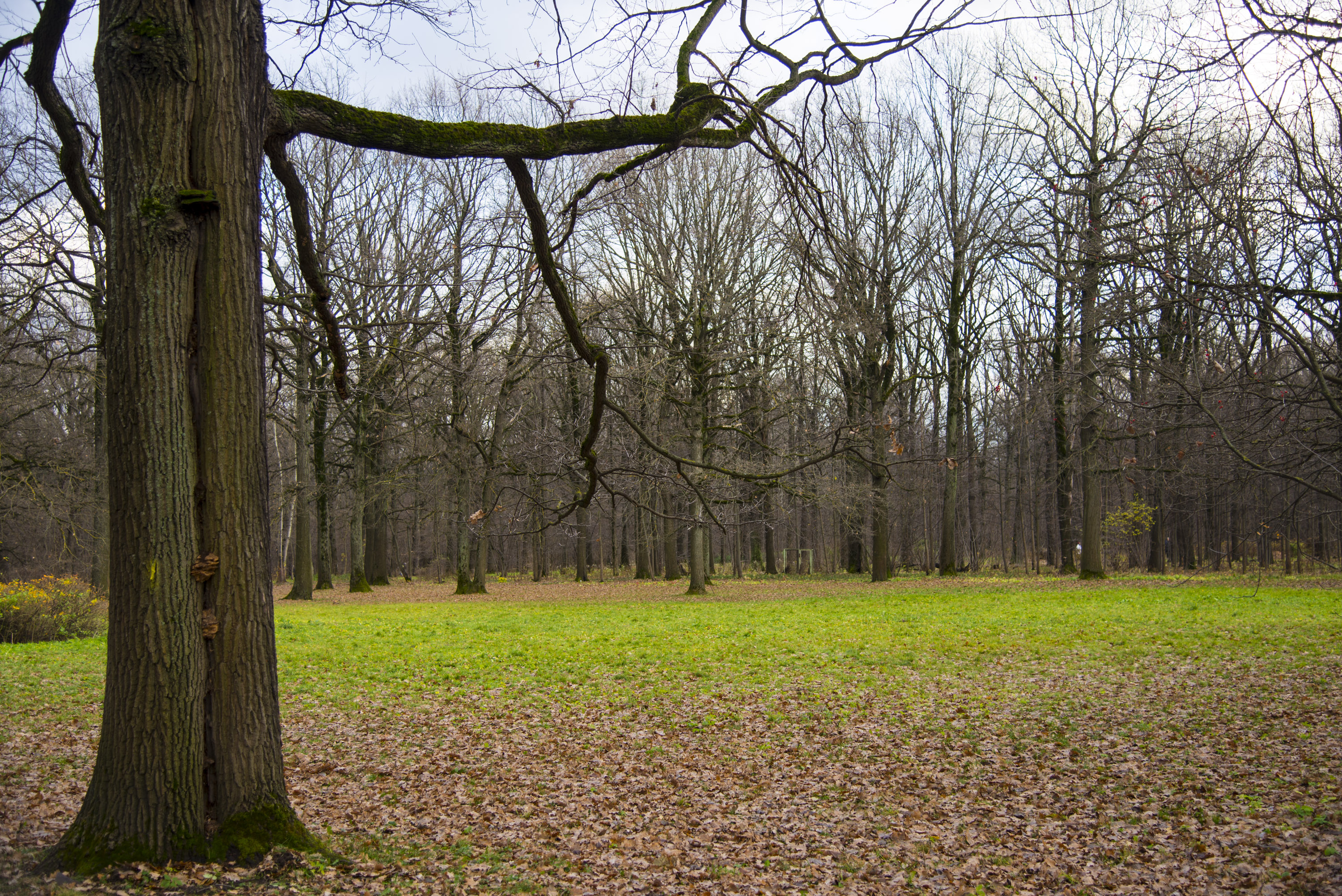
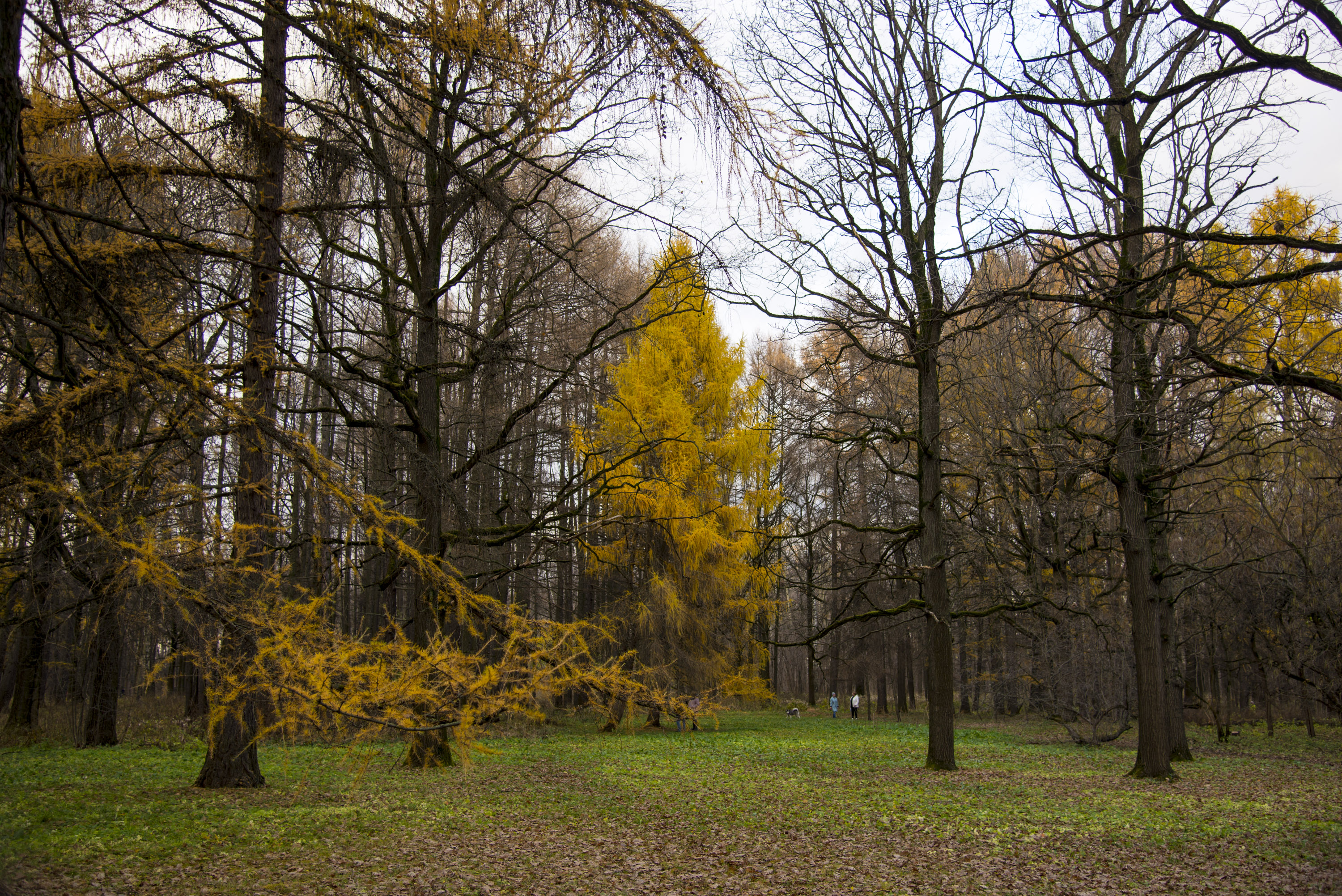
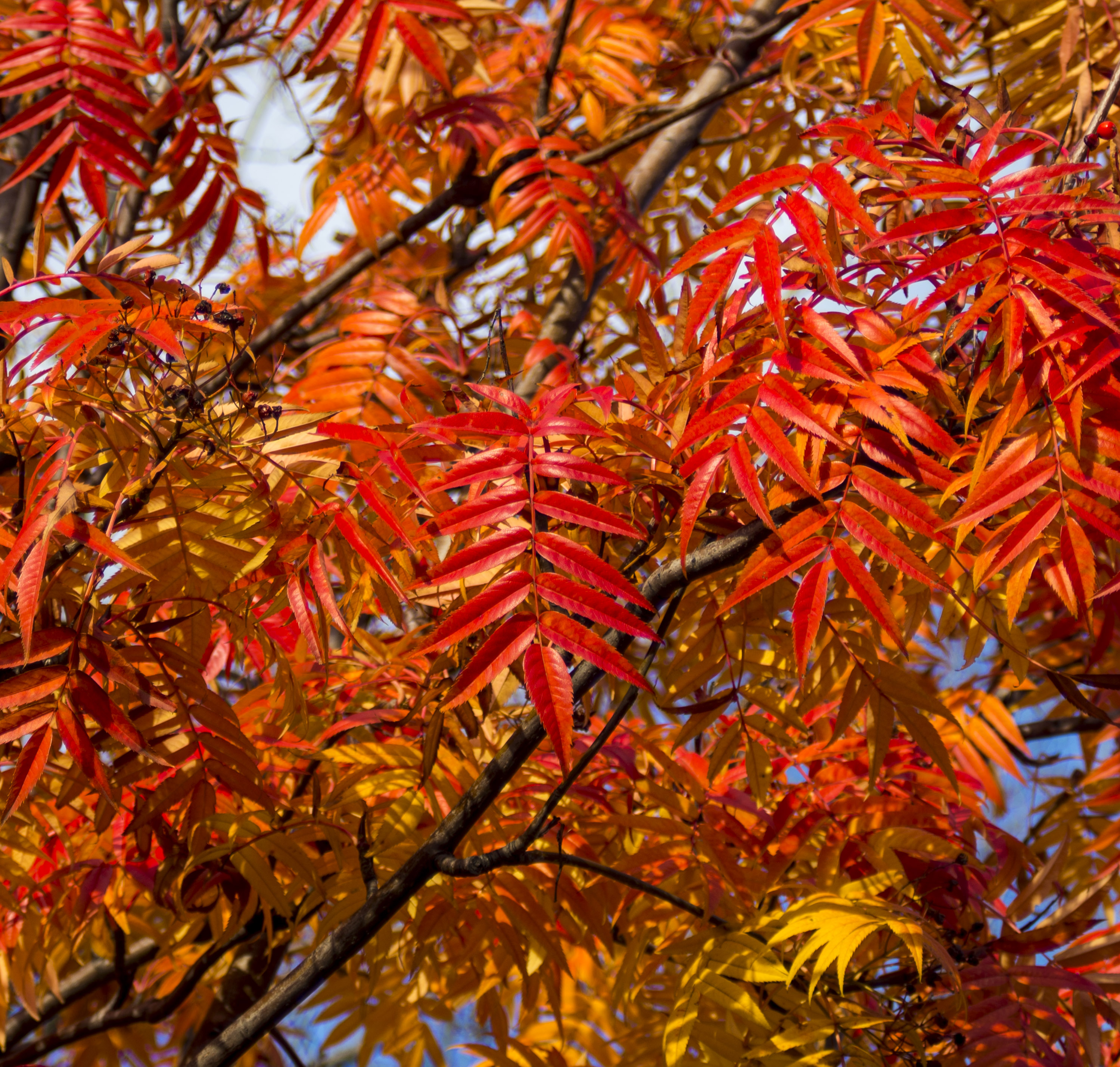
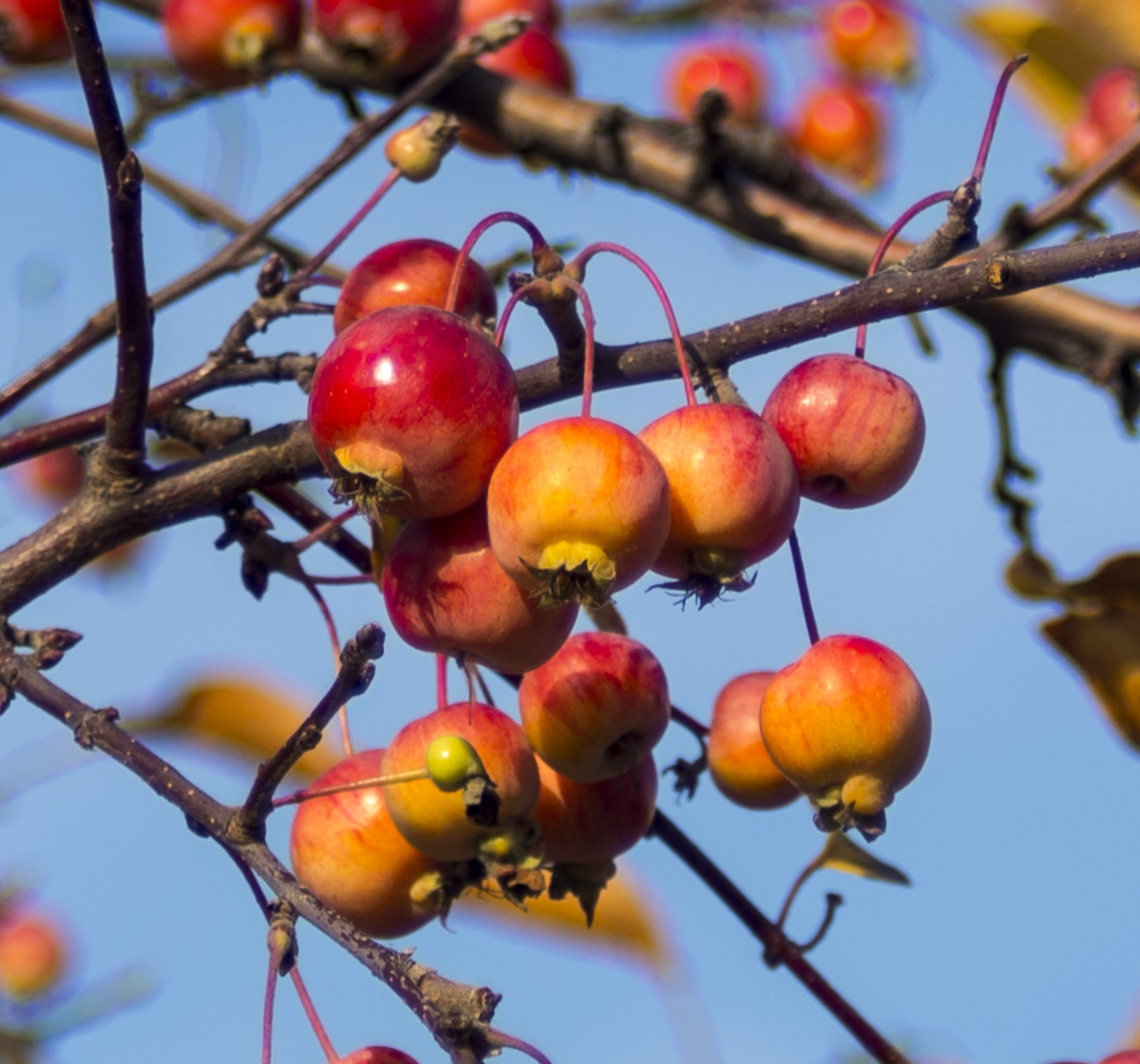
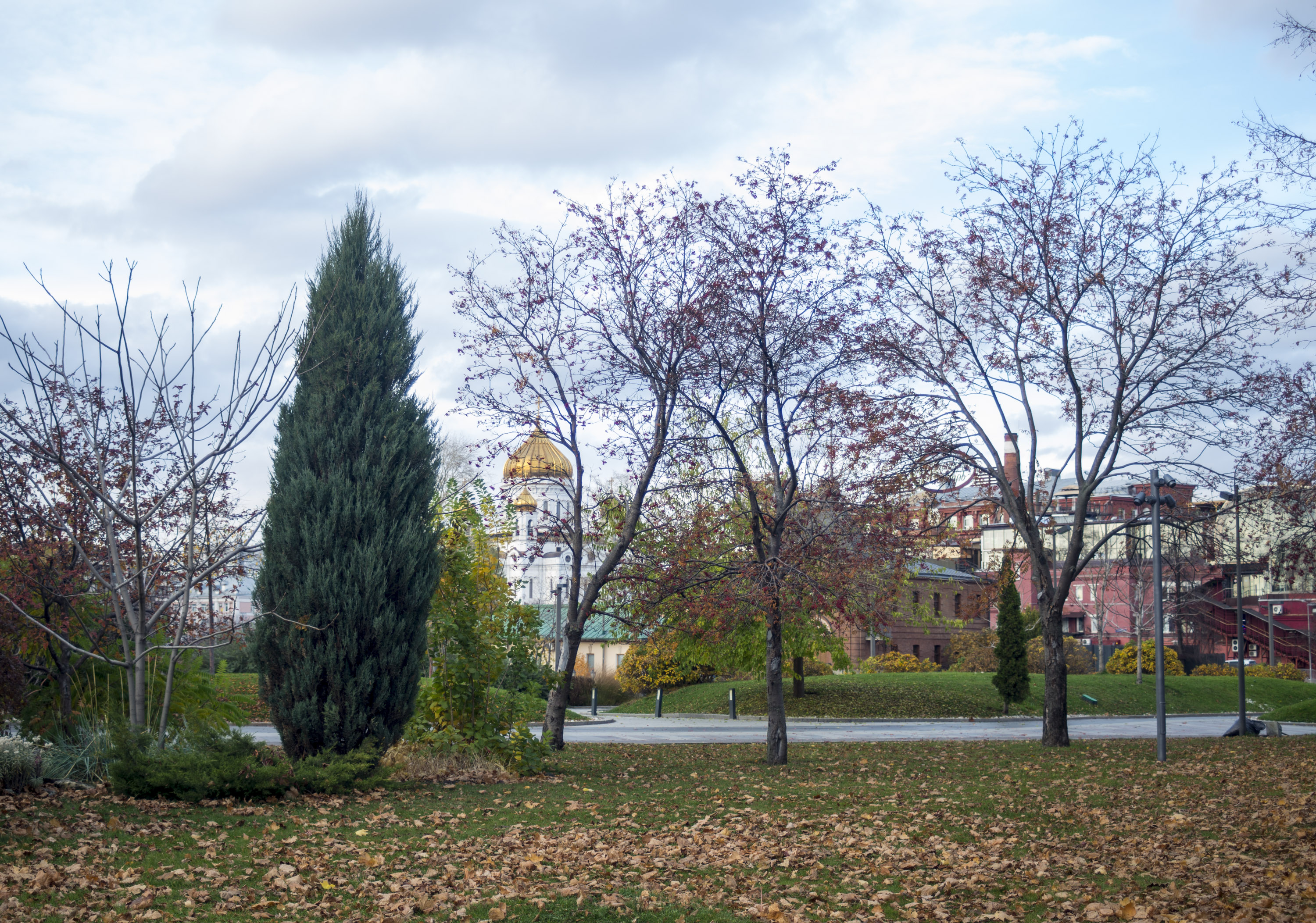
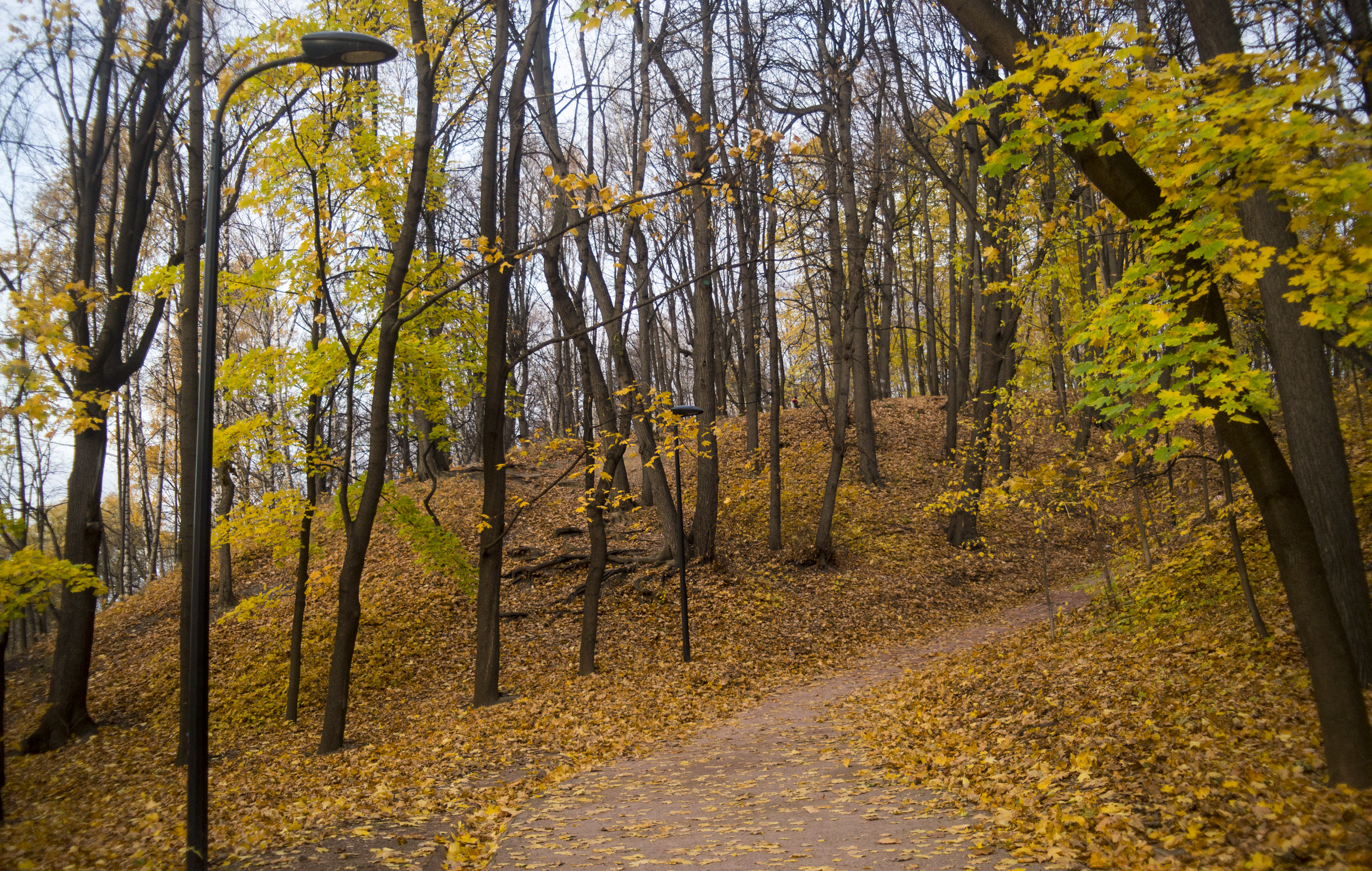
Colorful autumn in Moscow, 2019

September

Moscow Exhibition Center VDNKHa

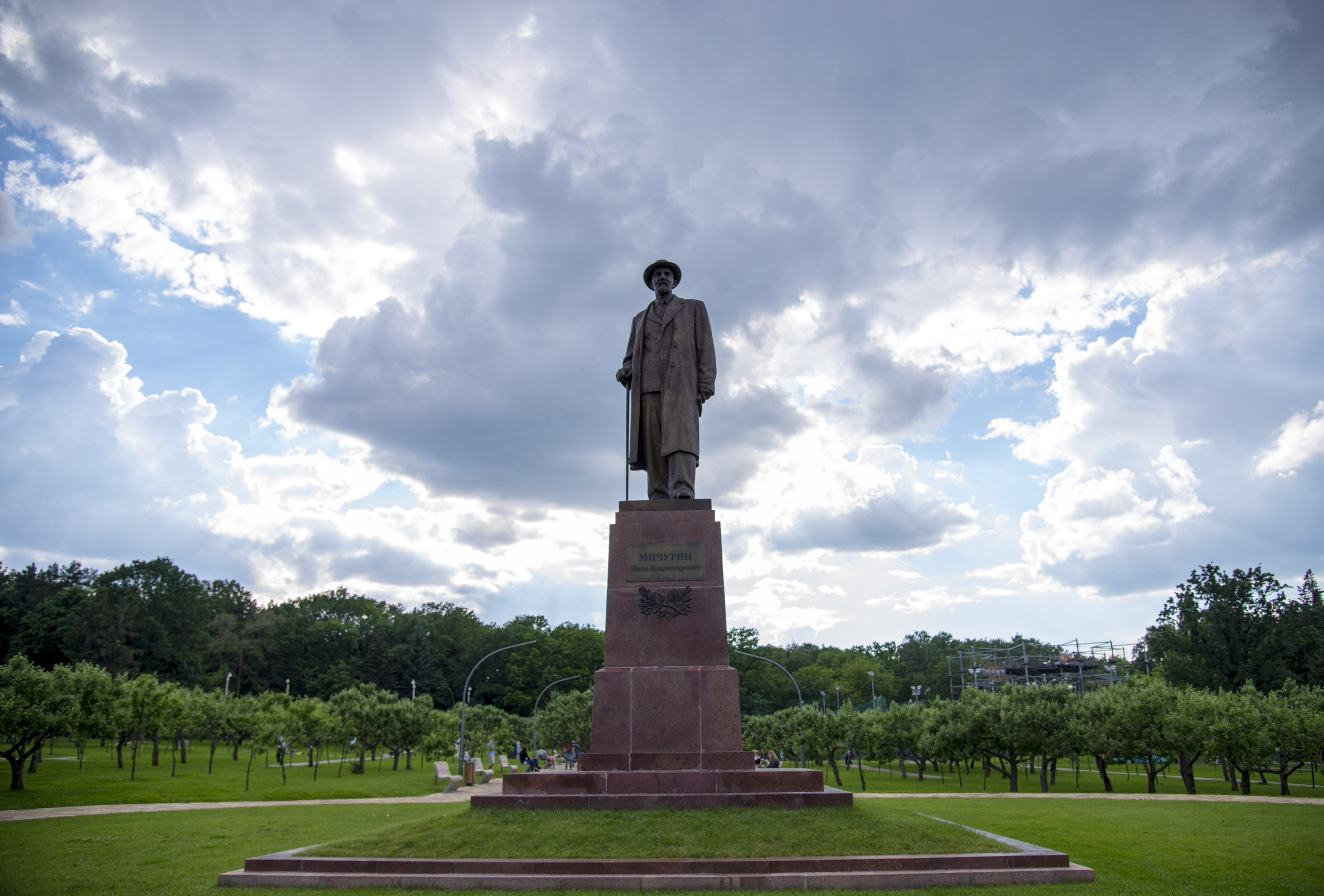
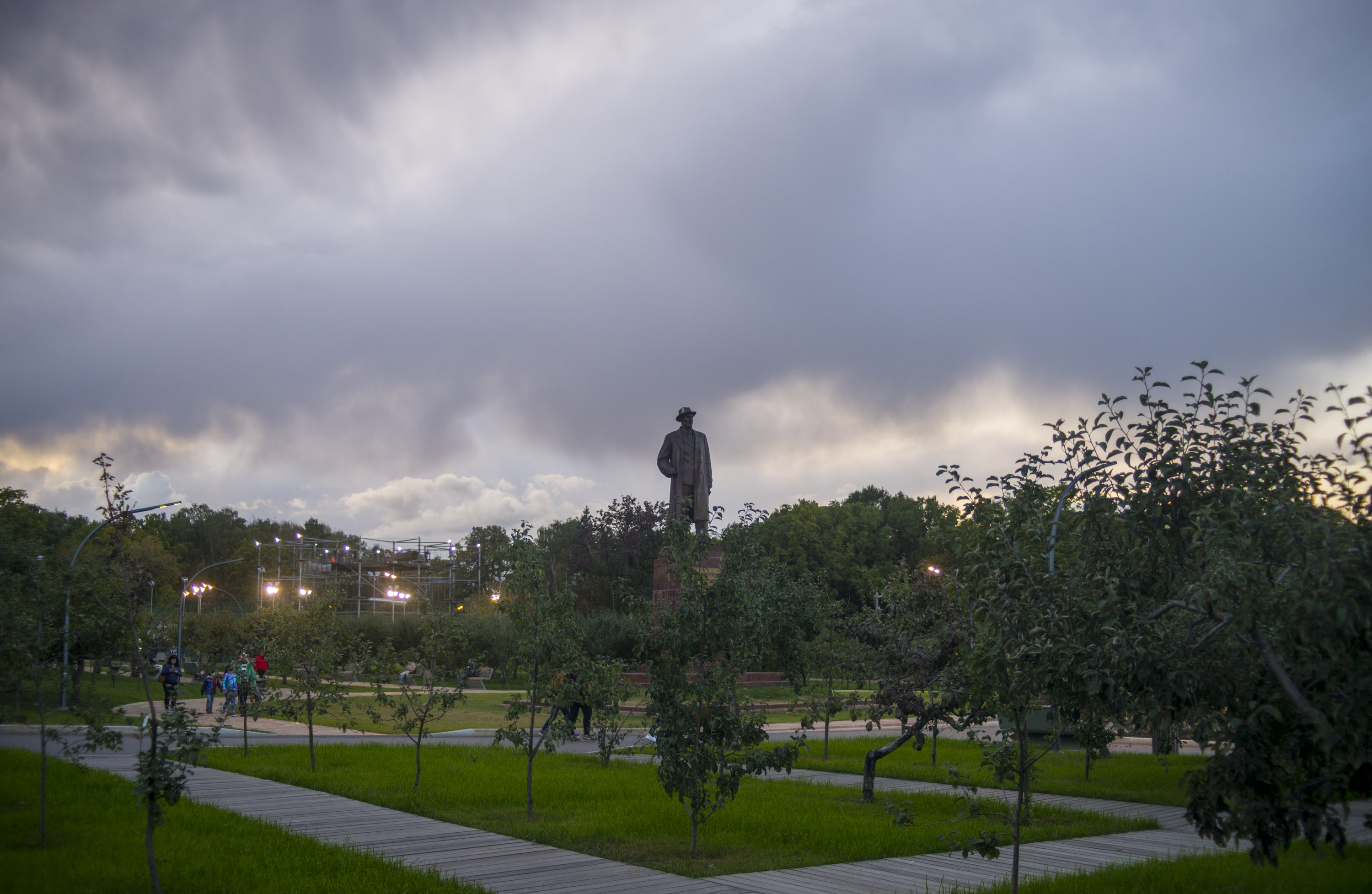
A monument to Ivan Michurin who was a Russian practitioner of selection to produce new types of plants.

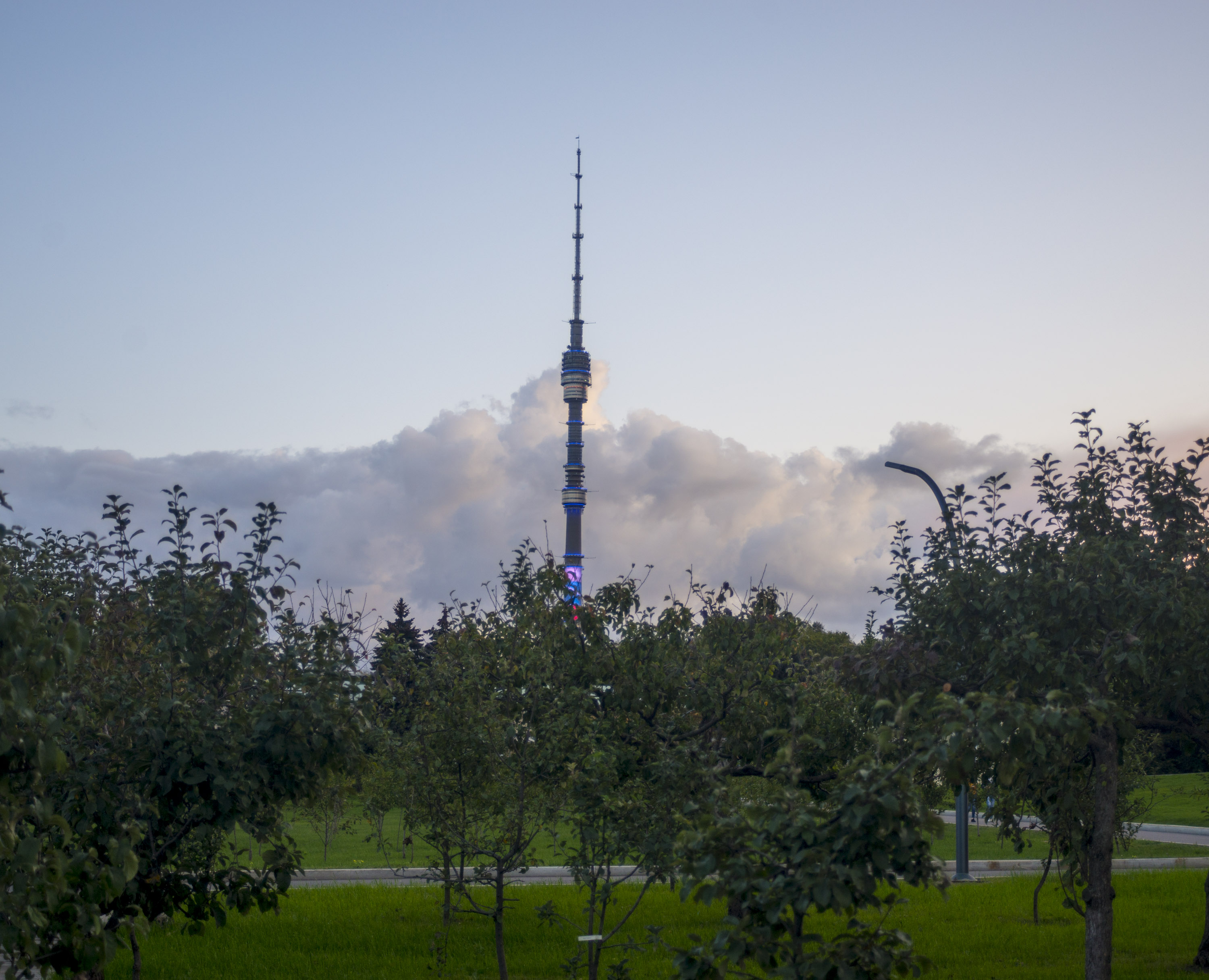
Ostankino TV and radio tower.
Aptekarskiy Ogorod.

October

Храм-часовня Святителя Василия Великого.

Ostankino TV and radio tower.

Moscow Botanical Garden.

Aptekarskiy Ogorod.

Храм Святого Мученика и Чудотворца Трифона.

Ekaterininskiy Park.

Muzeon park is a unique open air museum of sculpture.

Park Gorkogo.

Neskuchniy Sad which literary means “not boring garden” is the oldest Moscow park the history of which dates back to 1756.

Cathedral of Christ the Saviour.

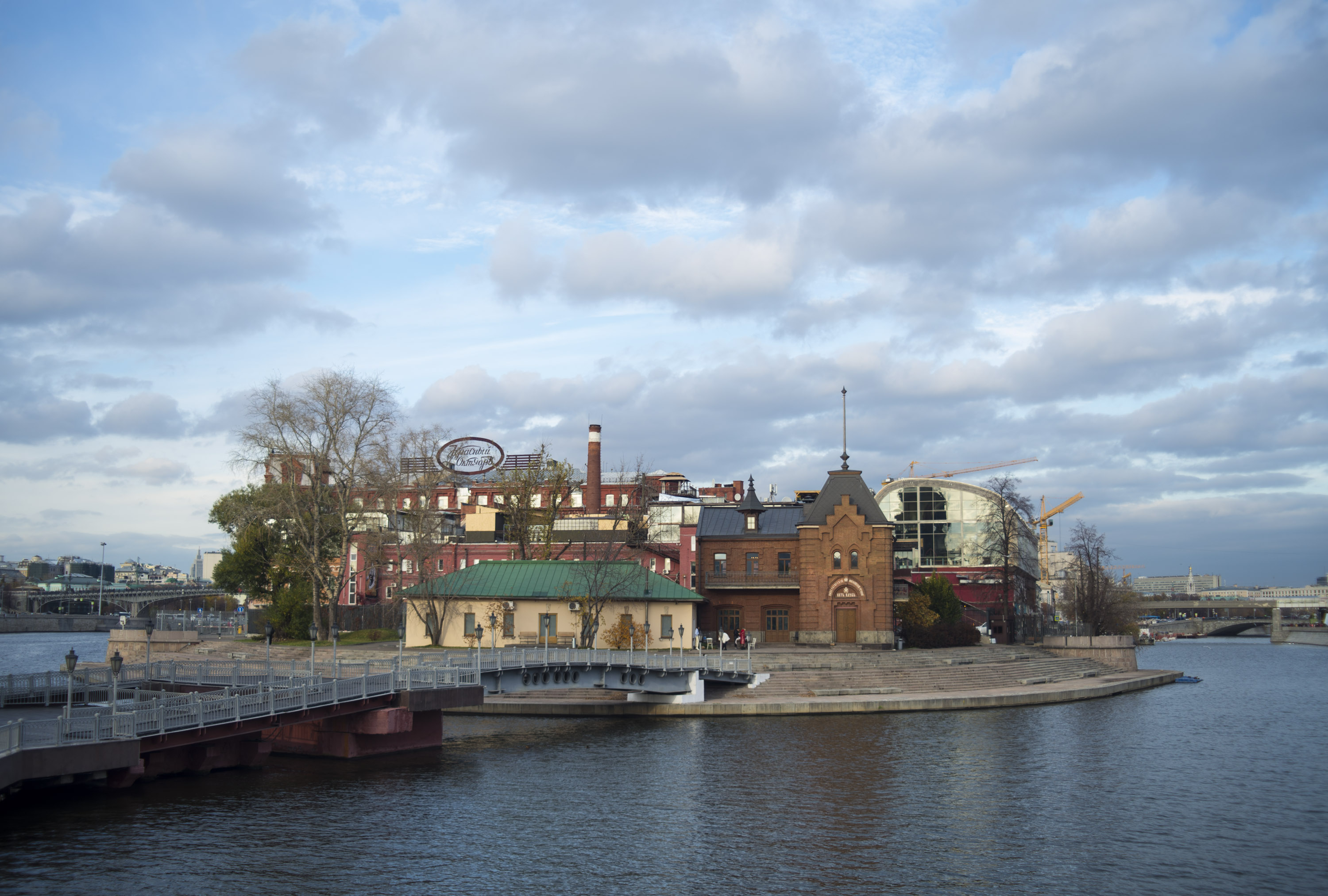
Red October chocolate factory and the Peter the Great Statue which is 98-metre-high (322 ft).

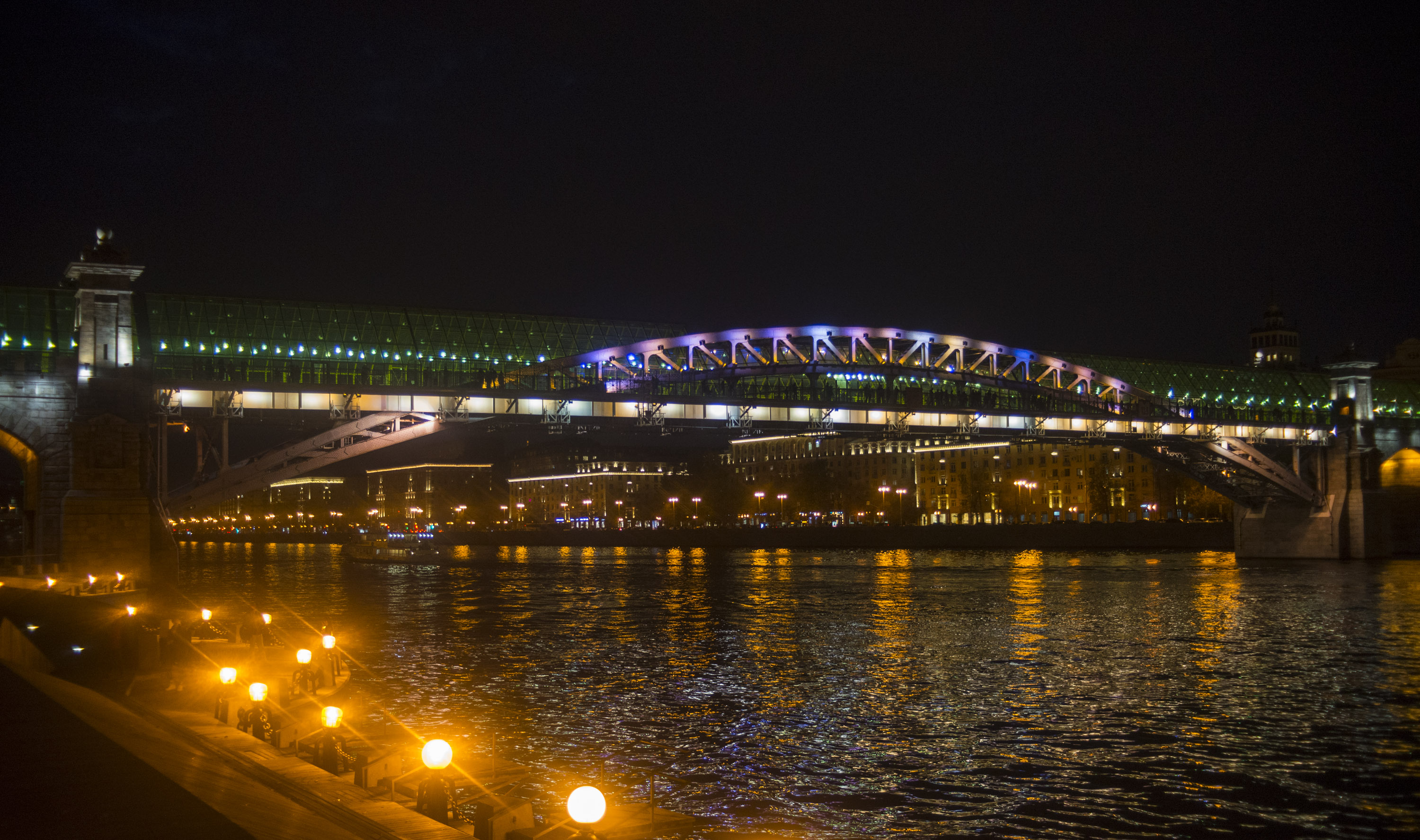
Novoandreyevskiy Bridge.

November

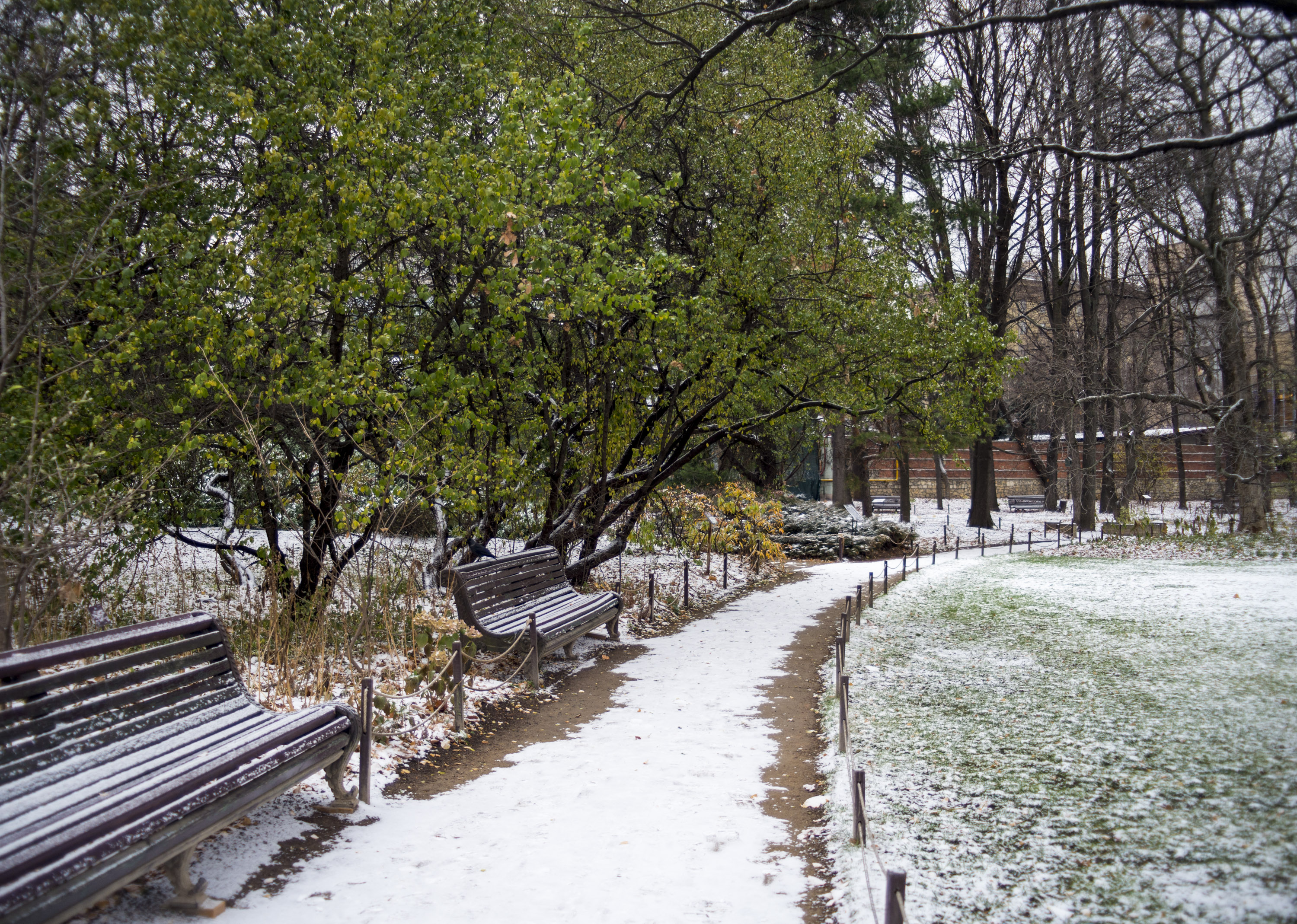
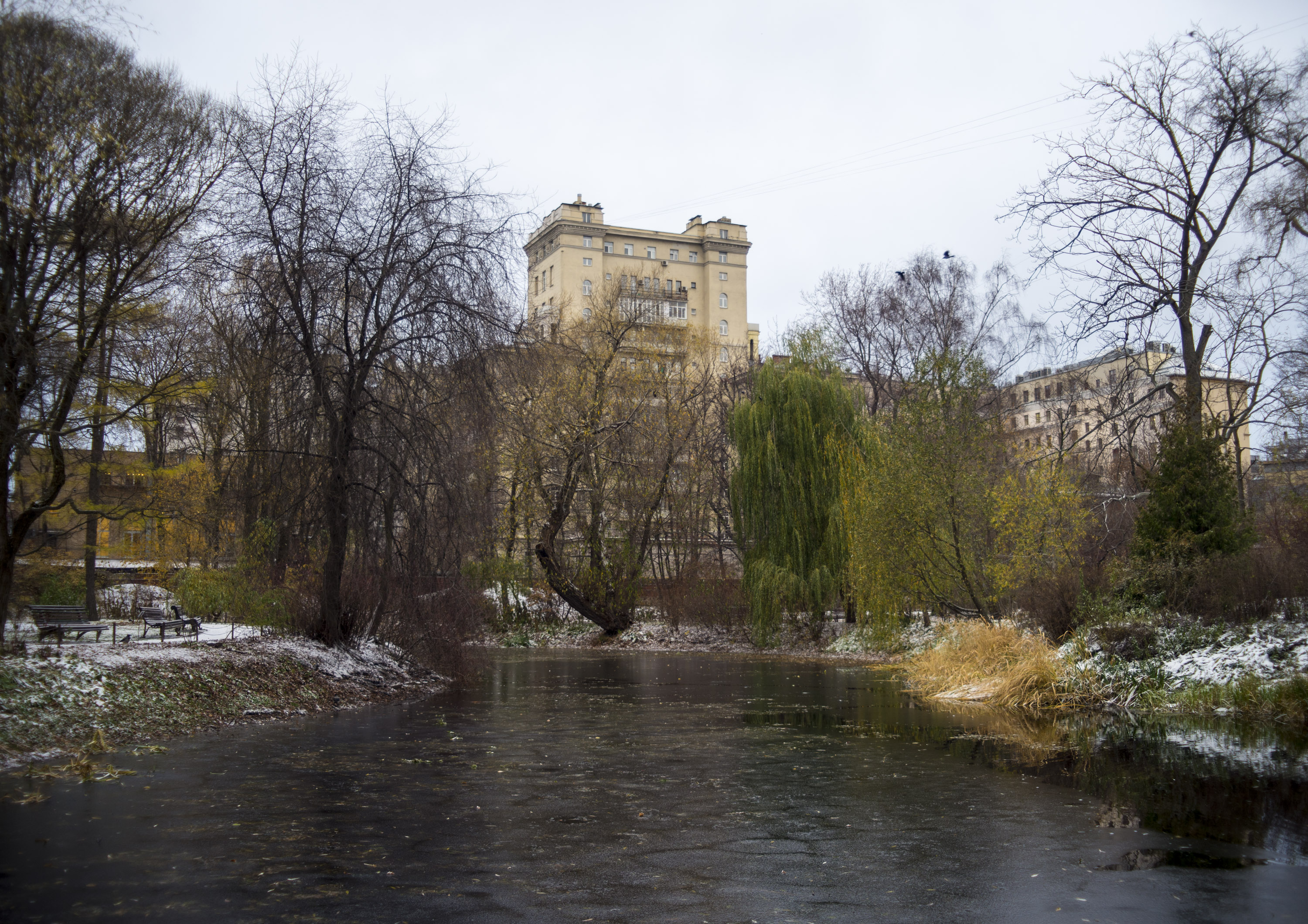
Aptekarskiy Ogorod.

Gallery

Beautiful Stockholm

Stockholms strom, also known as Strommen, is a bay of the Baltic sea.

Kastellet is a small naval fort located on the top of the hill on the small island of Kastellholmen just outside of the old Stockholm city center. The Swedish flag, flying above the citadel, signifies whether or not the country is at peace. When it’s up (like in the pictures below) all is well in Sweden. The practice dates back to 1667, when the citadel was first built.

Nybroviken is a small bay in the central Stockholm which connects to the south with the bay Ladugardslandsviken.

Gamla Stan island is the city’s old town with the cobbled streets and colorful 17th and 18th century buildings.

Fika is a concept, a state of mind, and important part of Swedish culture. Many Swedes consider that it’s important to make time for fika everyday which means making time for friends and colleagues to share a cup of coffee or tea and a little something to it. There is a great variety of beautiful and cozy cafes in Stockholm where you can enjoy fika time.
Riddarholmen is a small island in central Stockholm, which forms part of Gamla Stan and houses a number of private palaces dating back to the 17th century.

Gamla Lundagatan is another charming old area on the island of Sodermaln.

Jenny Lind, a Swedish opera singer often called the “Swedish Nightingale”, statue is located in a beautiful park near Djurgardsbrunnskanalen, a canal in central Stockholm.

Founded in 1891, Skansen is the world’s first open-air museum which offers an amazing look into historical Swedish life. You can explore five centuries history with over 100 reconstructed farms and houses from different parts of Sweden. It was very interesting experience to meet the local characters working as farmers, carpenters, bakers who tell you the stories about different events and historical facts. Seglora Church is a wooden church dating back to the early 18th century. The town quarter shows urban life in Sweden during the 18th and 19th century.

The Älvros farmstead from the mid 19th century shows life in the north of Sweden, and traditional farm-bred animals.

Nordic animal at the Skansen park.

Astrid Lindgren’s Fairytale World Junibacken is situated on the island of Djurgården in the centre of Stockholm. It was an amazing experience to take a theme-train ride through the world of Astrid Lindgren’s books, with one “stage setting” for each of her well-known works, such as Madicken, Karlsson-on-the-Roof. There is also a great exhibition of different fairy tale characters inspired by amazing books. Brought back so many childhood memories.

Nobel Prize museum is located in the former Stock Exchange building and contains all essential information about the most prestigious prize in the world. Its main aim to spread knowledge and create interest and discussion around the natural sciences and culture.

Vasa Museum. The ship Vasa capsized and sank in Stockholm in 1628 ans after 333 years on the sea bed the warship was salvaged. Today Vasa is the world’s best preserved 17th century ship.

Night time is Stockholm.